Article

Community-Based Safeguarding of Intangible Cultural Heritage: An Ethnographic Study of the Gezek Tradition in Rural Türkiye


Department of Tourist Guide, Ayvacık Vocaitonal School, Çanakkale Onsekiz Mart University, 17860 Çanakkale, Türkiye
Heritage 2026, 9(10), 395; https://doi.org/10.3390/heritage9100395
Submission received: 7 August 2026 / Revised: 21 September 2026 / Accepted: 24 September 2026 / Published: 29 September 2026
(This article belongs to the Section Cultural Heritage)

Abstract

The aim of this study is to contribute to the safeguarding of the “Gezek tradition” that has continued from the past to the present during the month of Ramadan in the districts and villages of Çanakkale province, as an intangible cultural heritage element by revealing its unique characteristics and variations across villages. For this purpose, during Ramadan 2026, Gezek gatherings in different districts and villages of Çanakkale were attended to investigate the dishes prepared, the individuals responsible for hosting the gatherings, the organization of the events and the local rules governing the tradition. Photographs and field notes were used to document the Gezek gatherings, and nine semi-structured interviews were conducted with village headmen and individuals who had experience hosting Gezek gatherings. Participant observations focused on the organisation of the gatherings, hosting practices, food preparation and serving, community participation, financial arrangements, and local practices. Within the scope of the research, two district centres and seven villages were visited. The information obtained from the research was analysed using content analysis. Research findings indicate that the Gezek tradition persists in Ayvacık and Ezine, even though its organizational structure has evolved over time. Participants noted that while Gezek gatherings were historically hosted on a rotating basis among households, rising economic costs have led to a shift toward voluntary hosting in recent years. The findings also reveal that local economic conditions influence both the financing of the gatherings and the food served. Despite these changes, community participation, hospitality, traditional cuisine, and social solidarity remain defining characteristics of the Gezek tradition. By documenting the Gezek tradition across different rural settlements, this study provides original field-based evidence of how a locally sustained Ramadan tradition adapts to changing economic conditions while maintaining community participation, culinary practices and social solidarity.

1. Introduction

Intangible cultural heritage (ICH), which has become one of the most important concepts in cultural heritage studies, encompasses living traditions, social practices, rituals, festive events, oral traditions, knowledge, and skills that communities recognize as part of their cultural identity and pass from generation to generation. Traditions and customs play a fundamental role in shaping social structures by preserving cultural values across generations. Unlike tangible heritage, intangible heritage is dynamic; it is constantly recreated through social participation and everyday social practices, making it an indispensable component of cultural diversity, social cohesion, and local identity. According to UNESCO, the preservation of intangible cultural heritage requires not only documentation but also the active participation of local communities that create, sustain, and transmit cultural practices through generations [1].
Among the various forms of intangible cultural heritage, food-related rituals and communal dining traditions hold a special place because they bring together social interaction, religious values, collective memory, and local identity. Ramadan traditions, in particular, represent living cultural practices that strengthen solidarity, hospitality, and social cohesion in many Muslim communities. Beyond their religious significance, communal iftar meals provide opportunities for the intergenerational transmission of culinary knowledge, local traditions, and cultural values. Consequently, these traditions emerge as important expressions of living heritage that deserve academic research.
Ramadan is celebrated in Muslim communities through various religious, cultural, and social practices centred on fasting, worship, charity, and social solidarity. Beyond its spiritual significance, the acts of worship and rituals performed during Ramadan make a significant contribution to the preservation and intergenerational transmission of local traditions and community-based practices. In Türkiye, Ramadan celebrations also reflect the country’s rich cultural diversity; each region preserves its own unique traditions, shaped by its historical, geographical, and sociocultural characteristics. These local traditions constitute an important component of the country’s intangible cultural heritage.
One example of these traditions is the Gezek tradition, a communal Ramadan iftar practice that continues in rural settlements of Çanakkale province. Gezek gatherings bring members of the local community together for a collectively organized iftar meal; hospitality, the sharing of food, social engagement, and local practices regarding hosting and organization are the hallmarks of this tradition. Although Gezek shares certain characteristics with other communal Ramadan meals and village-based collective dining traditions in Türkiye, it is distinguished by its local form—specifically, the fact that the gathering is organized at the community level, as well as the practices surrounding host selection, financing, food preparation, participation, and invitation, all of which may vary depending on the specific locality. These local variations reflect socio-economic conditions, community organization, and the established practices unique to each village. Despite retaining its cultural significance, the Gezek tradition has received limited academic attention, particularly when viewed through the lens of intangible cultural heritage and community-based safeguarding.
Previous studies in Türkiye have examined related communal traditions, particularly village charity events, in terms of their social, cultural, and tourism-related functions [2,3,4]. These studies demonstrate the importance of collective meals and village-based gatherings in strengthening solidarity and maintaining local cultural practices. However, the Gezek tradition itself, particularly its organisation during Ramadan, village-level variations, culinary practices, community participation, and adaptation to changing socio-economic conditions, has received limited scholarly attention. This study addresses this gap by examining Gezek as a living community-based intangible cultural heritage practice through fieldwork conducted in settlements where the tradition continues.
Accordingly, this study aims to examine the Gezek tradition as a living intangible cultural heritage practice in rural communities in Çanakkale and to explore how it is organised, maintained, and adapted across different settlements. The study addresses the following research questions: (1) How is the Gezek tradition organised and practised in the settlements included in the study? (2) How do hosting, food preparation, participation, financing, and local rules vary across settlements? (3) What social, economic, and demographic factors influence the continuity and transformation of the Gezek tradition? (4) How does community participation contribute to the safeguarding and intergenerational transmission of the tradition? Through these questions, the study seeks to document a locally sustained Ramadan tradition and contribute to broader discussions on living heritage and community-based safeguarding. The study’s primary contribution is empirical rather than the proposal of a new theoretical framework. By comparing the practice of Gezek across different rural settlements, it provides field-based evidence of how a community-based tradition maintains its core cultural meanings while adapting its organisational and material practices to changing socio-economic conditions. In this way, the case contributes to wider discussions on the relationship between adaptation, community participation, and the continuity of living intangible cultural heritage.

2. Conceptual Framework

Changes in economic, social, and cultural values cause changes in cultural memory. Cultural memory acts as a conduit for the continuity of cultural values by using different means of communication to preserve the traditions and customs belonging to a community [5] (p. 43). “Cultural heritage,” which carries traces of social memory and identity, encompasses all historical, symbolic, social, artistic, aesthetic, religious, economic, and social values [6] (p. 66). Elements of cultural heritage are classified in different ways as tangible and intangible. Traditions, one of the elements of intangible cultural heritage, hold societies together and strengthen the sense of solidarity. Intangible cultural heritage refers to practices, expressions, knowledge, skills, and the associated tools, objects, and spaces that are an integral part of the cultural identity of communities, groups, and individuals, passed down from generation to generation and constantly reshaped [7]. The preservation and perpetuation of intangible cultural heritage is of great importance for communities to maintain their identities and for the preservation of cultural diversity. This heritage gives communities a sense of belonging and continuity, promotes intercultural dialogue, and encourages respect for different lifestyles.
Intangible cultural heritage is particularly visible in the following areas:
(a) Oral traditions and expressions (epics, legends, folk tales, proverbs, fairy tales, jokes, etc.), together with the language that serves as a vehicle for the transmission of intangible cultural heritage;
(b) Performing arts (Karagöz, meddah, puppetry, folk theater, etc.);
(c) Social practices, rituals, and festivals (engagements, weddings, births, Nowruz celebrations, etc.);
(d) Knowledge and practices related to nature and the universe (traditional foods, folk medicine, folk calendar, folk meteorology, etc.);
(e) Handicraft traditions (weaving, evil eye beads, filigree, copperwork, folk architecture) [7].
In this study, the *Gezek* tradition—maintained in the rural settlements of Çanakkale while preserving its traditional structure from the past to the present—is examined as a community-based Ramadan practice shaped by collective *iftar* meals, hospitality, sharing, solidarity, and social participation. Passed down from generation to generation, this tradition endures through the active participation of the local community. Although the *Gezek* tradition is not included in UNESCO’s Representative List of the Intangible Cultural Heritage of Humanity, it possesses characteristics—particularly regarding social practices, rituals, community participation, and intergenerational transmission—that align with the concept of intangible cultural heritage outlined in the 2003 UNESCO Convention [1]. From this perspective, documenting the *Gezek* tradition is significant for increasing its visibility, supporting its transmission to future generations, and contributing to the safeguarding of local cultural heritage.
In this study, these concepts are used not merely to classify Gezek as an intangible cultural heritage practice, but also as an analytical framework for interpreting the field data. Three interrelated dimensions are particularly relevant: community participation, intergenerational transmission, and continuity through adaptation. Community participation provides a framework for examining how local residents organise, finance, prepare, and participate in Gezek gatherings. Intergenerational transmission is used to consider how knowledge and practices associated with Gezek, including culinary practices, hospitality, and local rules, are communicated across generations. Finally, continuity through adaptation provides a basis for interpreting changes in hosting arrangements, food practices, and organisation in response to changing economic and demographic conditions. These dimensions guide the interpretation of the interview and observation data and enable Gezek to be examined as a living cultural practice rather than solely as a traditional Ramadan meal.
The concept of fasting is defined in the Turkish Dictionary as: “1. Abstaining from eating, drinking, etc. for a certain period of time for the purpose of worshiping God, 2. Staying away from things that are much loved or desired, 3. Not eating or drinking anything, not doing anything.” [8].
The practice of fasting, which exists in the Islamic faith, is also seen in pre-Islamic celestial and non-celestial belief systems. Although the ritual of fasting varies from society to society and between different religions, the spiritual feeling sought is similar. By fasting, people focus on feeling spiritual purification in addition to physical cleanliness [9].
Ramadan is experienced differently in Türkiye than in other Muslim countries due to social and cultural differences. Ünver [10] (p. 3) notes that “during Ramadan, mahya, cleanliness, moral purification, abstaining from sin and harmful things, being able to enjoy oneself in moderation, rest, generosity, and consideration for everyone came together to create a ‘Ramadan Civilization,’ which was concentrated in Istanbul.”
The month of Ramadan is a period of intense social unity, togetherness, and sharing in Anatolia and its villages. The iftar tables set up in villages are considered more than just a means of satisfying hunger; they are a community ritual. As Özden [11] (p. 88) points out, during Ramadan, every family, regardless of their economic status, hosts iftar dinners, and those who are not invited to large gatherings are not turned away. This tradition reflects the importance that Turkish people place on mutual aid and solidarity. Collective iftars during Ramadan are important both for helping the poor and for keeping alive the spirit of togetherness and solidarity. In this sense, iftar tables are not just a sharing of food, but have become part of religious rituals and social culture. Special rituals during Ramadan nourish the feeling of worship together with the community.
The meaning of Ramadan tables is that “the process of breaking the fast and returning to fasting is sustained through worship and togetherness at these special tables” [12].

2.1. Traditional and Religious Ritual Aspects of Ramadan Tables

Communal iftar meals in villages have been preserved as a deeply rooted traditional eating and drinking practice in Turkish culture from the past to the present day. In many villages across Anatolia, iftar meals during Ramadan are set up in the gardens of houses, in mosque courtyards, or in the village mansion [11] (p. 88). For example, in the Ceceler neighborhood of Akseki District in eastern Antalya, the tradition of hosting iftar dates back to ancient times and has continued to the present day. Iftar meals are organised and held collectively at the village hall. A team of cooks prepares the iftar meals in the kitchen of the village hall. The same people also serve the meals and take care of cleaning and washing up. The villagers assist the cook and the team throughout the process. During Ramadan, one person hosts iftar every day and covers the expenses for that day by providing a meal list. Meals are delivered to the sick and elderly who cannot attend. The person hosting the iftar invites friends and relatives [13]. As can be seen from this example, village iftars are a ritual structure that intertwines the concept of hospitality in Turkish culture and Islam with local folkloric beliefs. Similarly, in the Kavak district of Samsun, Ramadan invitations begin after the 15th day of Ramadan. Neighbours break their fast at each other’s homes, and the district’s residents also break their fast together at the mosque [14] (p. 78). In the village of Uylupınar, in the Gölhisar district of Burdur, meals are served to 250–300 people at iftar tables set up in a communal manner. Villagers gather in the mosque courtyard to break their fast, and the tradition has continued since 2015. It is stated that everyone is satisfied with the practice, which continues with the support of philanthropists [15].

2.2. In a Socio-Cultural Sense: Solidarity and Hospitality

Iftar invitations during Ramadan contribute to the preservation of traditions as well as nurturing a culture of solidarity and sharing in village communities. During Ramadan, iftar meals are provided to those in need not only in villages but also in almost all municipalities and towns across Türkiye by setting up Ramadan tents.
As a general practice at iftars organised in villages, families who are well-off cover the costs of iftar, cooks from the village prepare the meals, and the food is distributed, tables are set, and cleaning is done through mutual aid [11] (p. 89). Thus, iftar tables strengthen the sense of belonging and social cohesion within communities. Open to everyone, these tables ensure the sustainability of the tradition of solidarity and communal worship, based on the understanding that “the members of this community are each other’s guests.”
With roots in the past and religious purposes, village charities serve similar functions. Erol [2] conducted a study on village charities that continue in Çanakkale and, to a lesser extent, in Balıkesir. According to the findings of the study, it was concluded that village charities are mainly held in April and May, contain religious and non-religious elements, are a Turkish cultural element with roots in the past, and strengthen the bonds of communication and solidarity among the local people. Kılıç and Buzlukçu [3] conducted a study on the integration of ongoing village charity events in Balıkesir into tourism. They concluded that village charity events were interrupted during the COVID-19 pandemic but resumed afterwards, that they strengthen social solidarity, and that their integration into tourism will contribute to the development of rural tourism in the region. Çavuşoğlu and Çalışkan [4] concluded in their study on ongoing village charity events in Çanakkale that these events took place in 174 of 554 rural settlements, were organised in conjunction with spring celebrations in April, May, and June, and played an important role in meeting the sociocultural and socioeconomic needs of rural residents. Another finding from the study is that these events can be evaluated from the perspective of rural tourism.

3. Materials and Methods

3.1. Research Design and Study Area

This study was conducted using a qualitative research design. Qualitative research methods enable a detailed examination of social phenomena and events within their respective contexts, as well as an understanding of individuals’ lives, behaviours and experiences [16]. Fieldwork was adopted as the primary qualitative research method in this study; participant observation and semi-structured interview techniques were utilised for data collection [17]. Furthermore, photographs were taken during the fieldwork to document the practices observed and the settings in which the Gezek gatherings took place [18].
Written informed consent was obtained from the participants for their participation in the study and for the use of photographic documentation for scientific publication purposes.
The study adopted an ethnographically informed fieldwork approach to examine the Gezek tradition within the social and cultural settings in which it is practised. Rather than relying solely on participants’ retrospective accounts, the researcher attended Gezek gatherings during Ramadan and observed the practice in its natural setting. The fieldwork extended throughout Ramadan, from 1 to 30 March 2026, allowing the researcher to document the organisation of gatherings, hosting arrangements, food preparation and serving practices, patterns of participation, financial arrangements, and locally specific rules. Observations were recorded in field notes during and immediately after the gatherings and were subsequently considered together with the semi-structured interview notes during the analysis. During the fieldwork, approximately 15 Gezek gatherings were observed, with each observation lasting approximately 4–5 h. In some settlements, including İlyasfakı and Ahmetçe villages, the researcher arrived during the preparation stage and remained until the gathering had concluded. This enabled the observation of not only the communal iftar itself but also the preparation, organisation, food serving, participation, and post-gathering processes.
The fieldwork was carried out between 1 and 30 March 2026, throughout the month of Ramadan, in settlements within the province of Çanakkale where the Gezek tradition continues. As part of the research, visits were made to the district centres of Ayvacık and Ezine, as well as to seven villages where the Gezek tradition is practised. As it was not possible to reach all settlements in the research area due to time and cost constraints, the settlements to be included in the research were determined using purposive sampling. The primary criterion for the selection of settlements was that the Gezek tradition is still practised there.
During the fieldwork, the organisation of Gezek gatherings, the method of selecting the host, the manner of invitation, attendance at the gathering, the meals prepared and served, the division of labour in the meal preparation and serving process, the way in which the costs of the gathering were covered, and the rules specific to the settlement were identified as key observation criteria. The similarities and differences in the practice across settlements, as well as the changes the tradition has undergone from the past to the present, were also taken into account during the observation process.
In this study, participants were selected using purposive sampling from among individuals with direct knowledge and experience of the Gezek tradition. The key criteria for participant selection were that they possessed knowledge of the local practices of the Gezek tradition and had agreed to participate in the study on a voluntary basis. Accordingly, village heads and individuals who had previously hosted Gezek gatherings were included in the study.

3.2. Participants

A total of nine people took part in the study. To protect the participants’ identities, their names have not been disclosed and each participant has been coded as K1–K9. Information regarding the participants’ age, gender, educational level, place of residence, district and roles within the Gezek tradition is presented in Table 1.
The sample size was determined by the focused nature of the study and the purposive selection of information-rich participants with direct knowledge and experience of the Gezek tradition. The aim was not to achieve statistical representativeness but to obtain detailed information from individuals who were directly involved in the organisation or hosting of Gezek gatherings across the selected settlements. The nine participants represented seven villages and two district centres and included both local administrators and individuals with direct hosting experience. Similarities and recurring patterns in participants’ accounts were considered together with field observations; however, the study does not claim that the sample represents all communities in which the Gezek tradition is practised.
Younger community members were not included as interview participants because participant selection focused on individuals with direct knowledge of the organisation and hosting of Gezek gatherings. Therefore, statements concerning younger generations in this study are based on the accounts of the interviewed participants and field observations rather than interviews conducted directly with young people. This sampling characteristic is acknowledged as a limitation of the study.

3.3. Data Collection Process

Data for the study were collected through participant observation and semi-structured interviews. During the fieldwork, the researcher attended Gezek gatherings to observe how the tradition is practised in its natural setting. Field notes were taken during the observations in accordance with pre-determined criteria. These criteria comprised the organisational structure of Gezek, the selection of the host, the method of invitation, the participants, the dishes prepared, the process of food preparation and serving, the division of tasks, financial arrangements and local practices. Field notes were elaborated upon during the observation and immediately afterwards. The settings in which the Gezek gatherings took place, the dishes prepared and the observable elements of the tradition were also documented through photographs.
Semi-structured interviews were conducted with nine participants who had direct experience of the Gezek tradition. Each interview lasted approximately 20–30 min. To ensure that participants could recount their experiences comfortably, no audio recordings were made; detailed notes were taken during the interviews.
The interview notes were reviewed and expanded immediately after each interview to preserve the meaning and context of participants’ responses. As the interviews were not audio-recorded, participants’ statements presented in the findings are treated as paraphrased accounts based on contemporaneous interview notes rather than verbatim quotations.
The following key questions were used in the semi-structured interviews:
-
How long has the Gezek tradition been practised in this settlement?
-
How are Gezek gatherings organised, and how is the person or family chosen to host the gathering?
-
How are invitations to Gezek issued, and who attends the gathering?
-
What dishes are prepared as part of Gezek, and who is responsible for preparing and serving the food?
-
How are the costs of the Gezek gathering covered?
-
Are there any rules or practices specific to this settlement regarding the observance of the Gezek tradition?
-
What changes have occurred in the way the Gezek tradition is practised from the past to the present?
-
What is the level of participation of the younger generations in the Gezek tradition?
-
What factors contribute to the continuation of the Gezek tradition, and what factors hinder its continuity?
In accordance with the structure of the semi-structured interview technique, clarifying and supplementary questions were also asked depending on the flow of the interview and the participants’ responses.

3.4. Analysis of the Data

The qualitative data obtained from the semi-structured interviews and participant observations were analysed using content analysis. The analysis was conducted in several stages. First, the interview and field notes were read repeatedly to obtain an overall understanding of the data and to identify recurring statements, practices, similarities, and differences across settlements. In the second stage, meaningful units related to the research questions were identified and assigned initial descriptive codes. Coding was conducted manually by the researcher without the use of qualitative data analysis software.
Particular attention was paid to hosting arrangements, food preparation and serving, participation, local rules, economic conditions, and continuity and change in the tradition.
In the third stage, codes with similar meanings and content were compared and grouped into broader categories. These categories were subsequently examined in relation to the research questions and organised into five overarching themes: (1) organisation and hosting of Gezek, (2) food and culinary practices, (3) community participation and local rules, (4) economic conditions and the adaptation of Gezek, and (5) continuity and change in the tradition.
Methodological triangulation was used to strengthen the credibility of the findings. Information obtained from the semi-structured interviews was compared with participant observations and field notes to identify convergences and differences across the data sources. Photographic and documentary materials were used as supplementary evidence to contextualise observable aspects of the gatherings, such as food preparation, serving practices, participation, and the organisation of the setting. These materials were not treated as independent sources for thematic coding but were used to support and contextualise the interpretation of the interview and observational data.
To strengthen the credibility of the analysis, interview notes were compared with field observations, and recurring patterns as well as differences between settlements were examined across the two data sources. The researcher also revisited the original interview and field notes after the initial coding and thematic organisation to check whether the identified categories and themes remained consistent with the underlying data. This iterative comparison between the original notes, codes, categories, and themes was used to reduce the influence of individual interpretations and to maintain a clear connection between the field data and the final thematic structure.

4. Results

Characteristics of the Gezek Tradition

The comparative findings show that the continuity of the Gezek tradition does not depend on a single organisational model. Although communal participation and the sharing of an iftar meal constitute common features across the settlements, hosting, financing, food preparation, and frequency vary locally. In Ahmetçe and Kayalar, well-off families take responsibility for organising the gathering, whereas in Bektaş hosting is voluntary among village households. In Tartışık, Süleymanköy, and İlyasfakı, voluntary hosting by families with sufficient financial means means that Gezek gatherings may not take place every day during Ramadan. Kızılköy represents a different organisational model in which voluntary donations are coordinated through the village headman and meals are prepared by local cooks, enabling the gathering to be held daily. The district centres also differ from the village-based models in their organisation and financing. These variations indicate that Gezek is locally adapted rather than practised according to a uniform organisational structure. The comparative characteristics of the Gezek tradition across the settlements are presented in Table 2.
Table 2. Comparative Characteristics of the Gezek Tradition across the Settlements Included in the Study.
VillageStatus of the Gezek TraditionFoods PreparedPractices in the Village
AhmetçeContinuesKeşkek, Rice, Chickpea Stew, Beef, Chicken with potatoes, Kemalpaşa dessert, Salad, SoupWell-off families inform the village headman and arrange the organisation of the communal iftar meal.
KayalarContinuesKeşkek, Rice, Chickpea Stew, Beef, Chicken with potatoes, Kemalpaşa dessert, Salad, SoupWell-off families notify the village headman and arrange for a meal to be prepared.
BektaşContinuesKeşkek, Rice, Chickpea Stew, Beef, Chicken with potatoes, Kemalpaşa dessert, Salad, SoupFamilies living in the village voluntarily host iftar dinners.
TartışıkContinuesKeşkek, Rice, Chickpea Stew, Beef, Chicken with potatoes, Semolina halva, Dessert, Salad, SoupWell-off families may choose to host iftar dinners. This may not be done every day during Ramadan.
SüleymanköyContinuesKeşkek, Rice, Chickpea Stew, Beef, Chicken with potatoes, Kemalpaşa dessert, Salad, SoupWell-off families may choose to host iftar dinners. This may not be done every day during Ramadan.
KızılköyContinuesKeşkek, Rice, Chickpea Stew, Beef, Chicken with potatoes, Kemalpaşa dessert, Höşmerim dessert, Salad, SoupThose who wish to do charity make donations to the village headman, and iftar is served every day. The cooks in the village prepare the meals.
İlyasfakıContinuesKeşkek, Rice, Chickpea Stew, Beef, Chicken with potatoes, Kemalpaşa dessert, Höşmerim dessert, Salad, SoupWell-off families may choose to host iftar dinners. This may not be done every day during Ramadan.
Ayvacık MerkezContinuesKeşkek, Rice, Chickpea Stew, Beef, Chicken with potatoes, Kemalpaşa dessert, Höşmerim dessert, Salad, SoupAlmost every day, a family in the district centre hosts an iftar dinner. The family hosting the iftar invites their relatives and neighbours.
EzineContinuesKeşkek, Rice, Beef, Chicken with potatoes, Höşmerim dessert, Salad, SoupAlmost every day, a family in the district centre hosts an iftar dinner. The family hosting the iftar invites their relatives and neighbours.
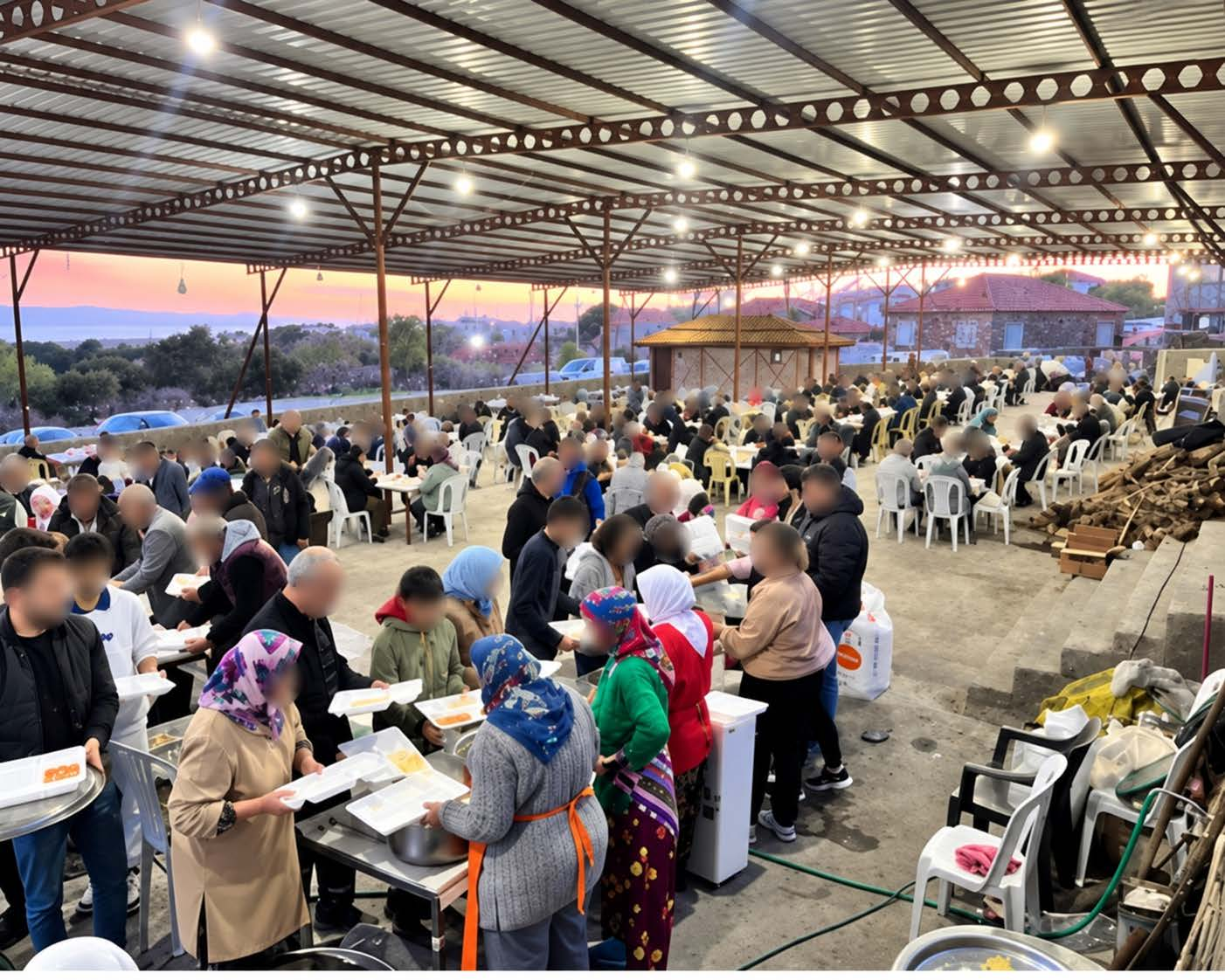
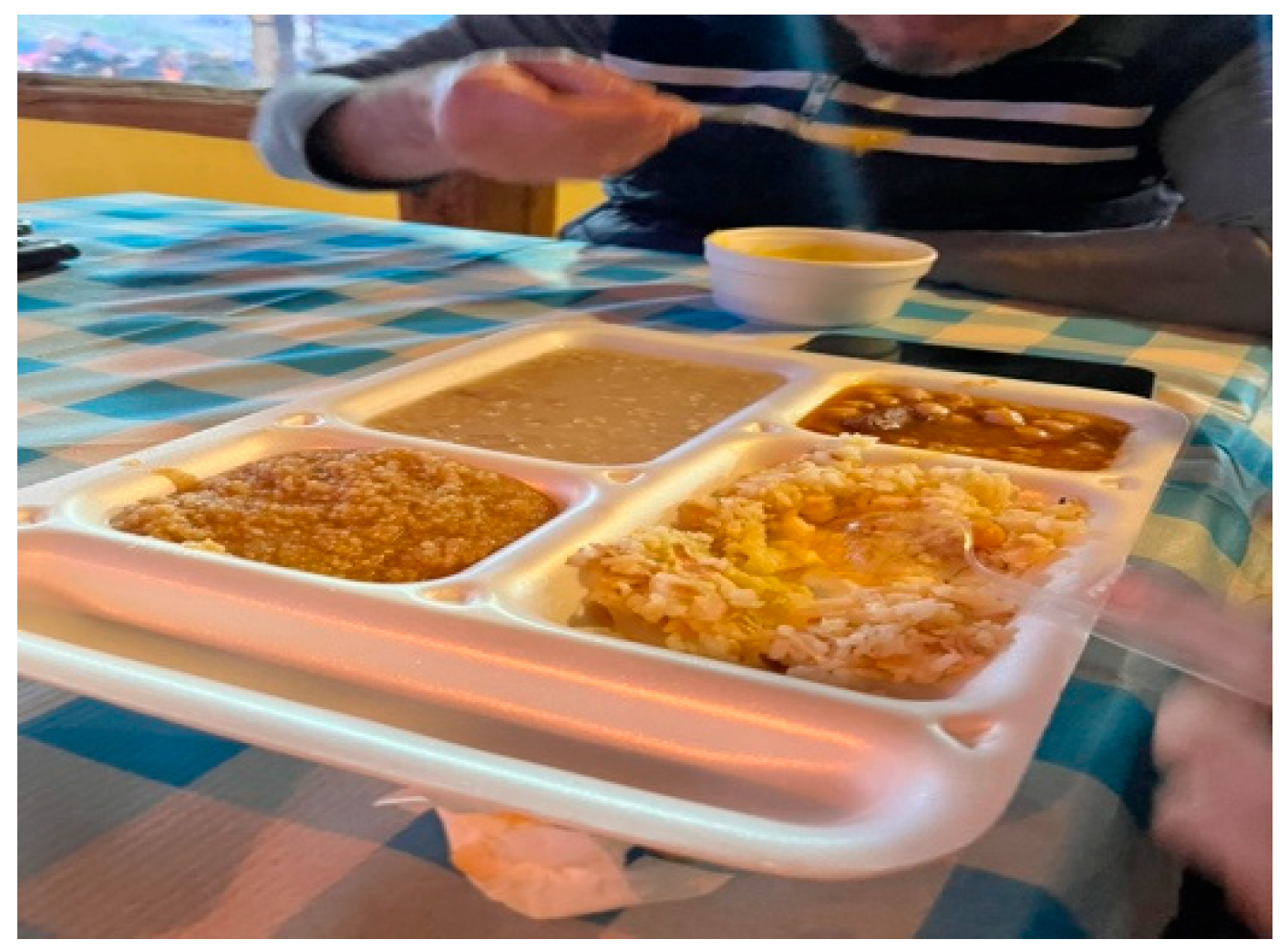
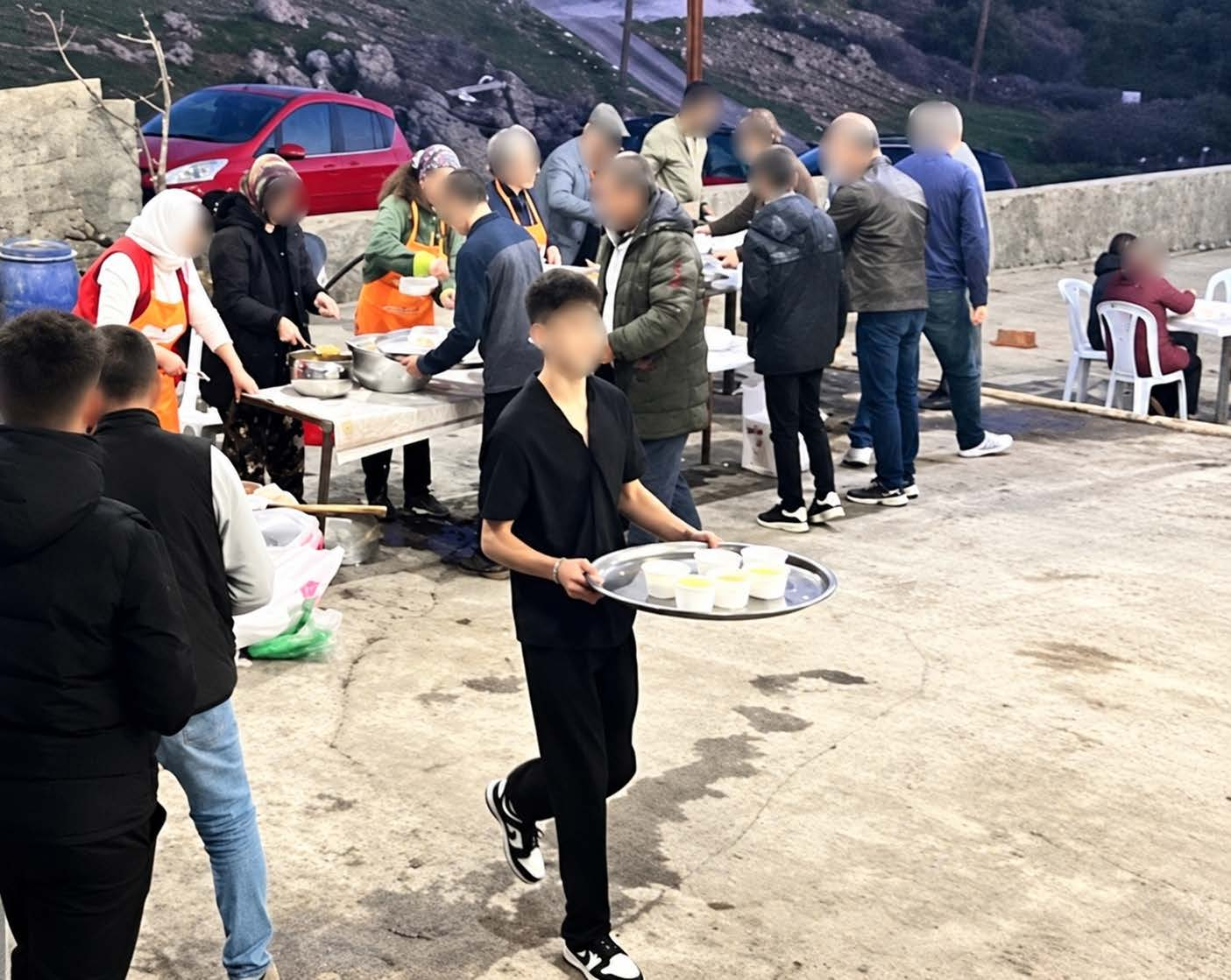
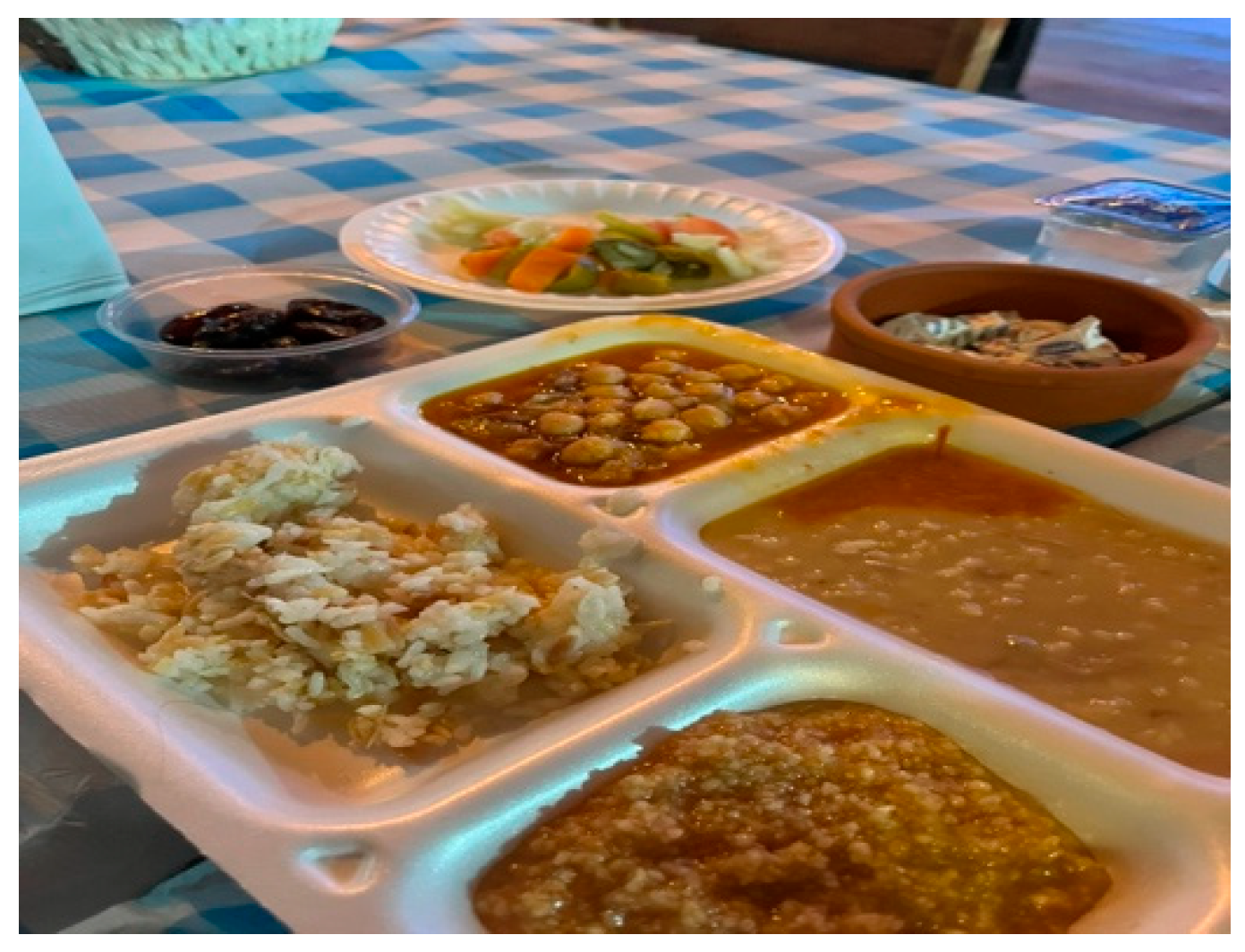
Sample photographs illustrating the Gezek tradition are provided below.
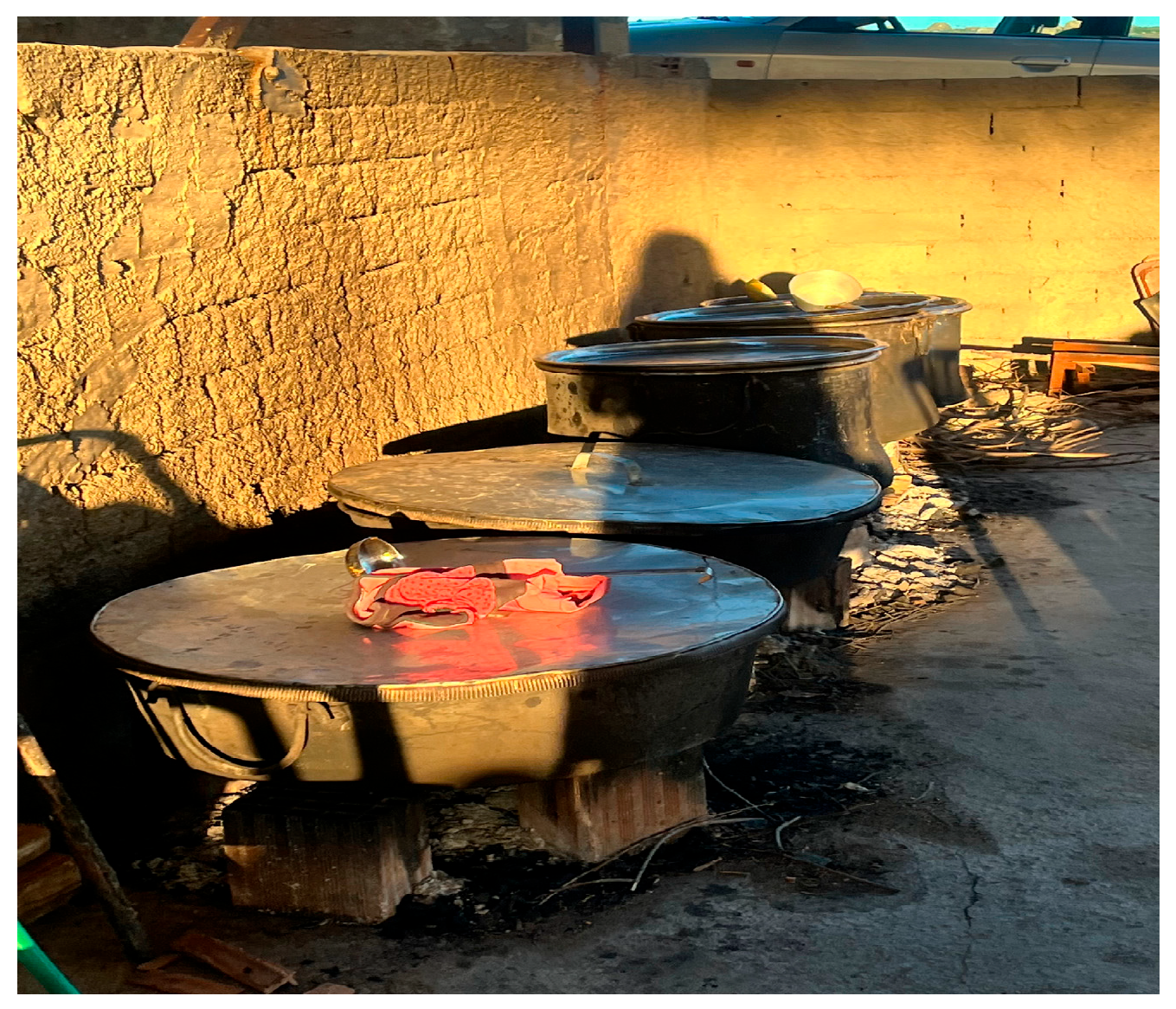
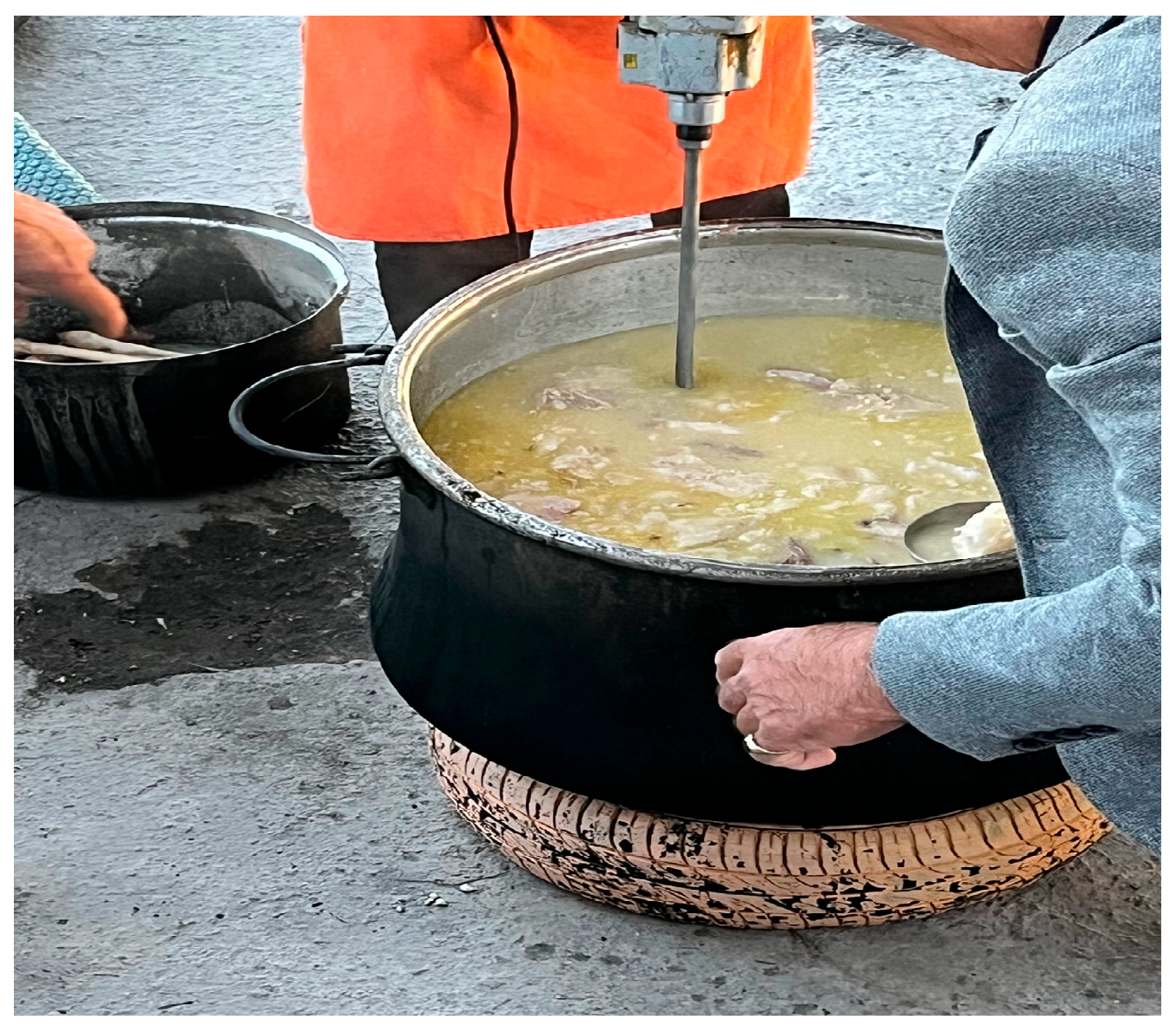
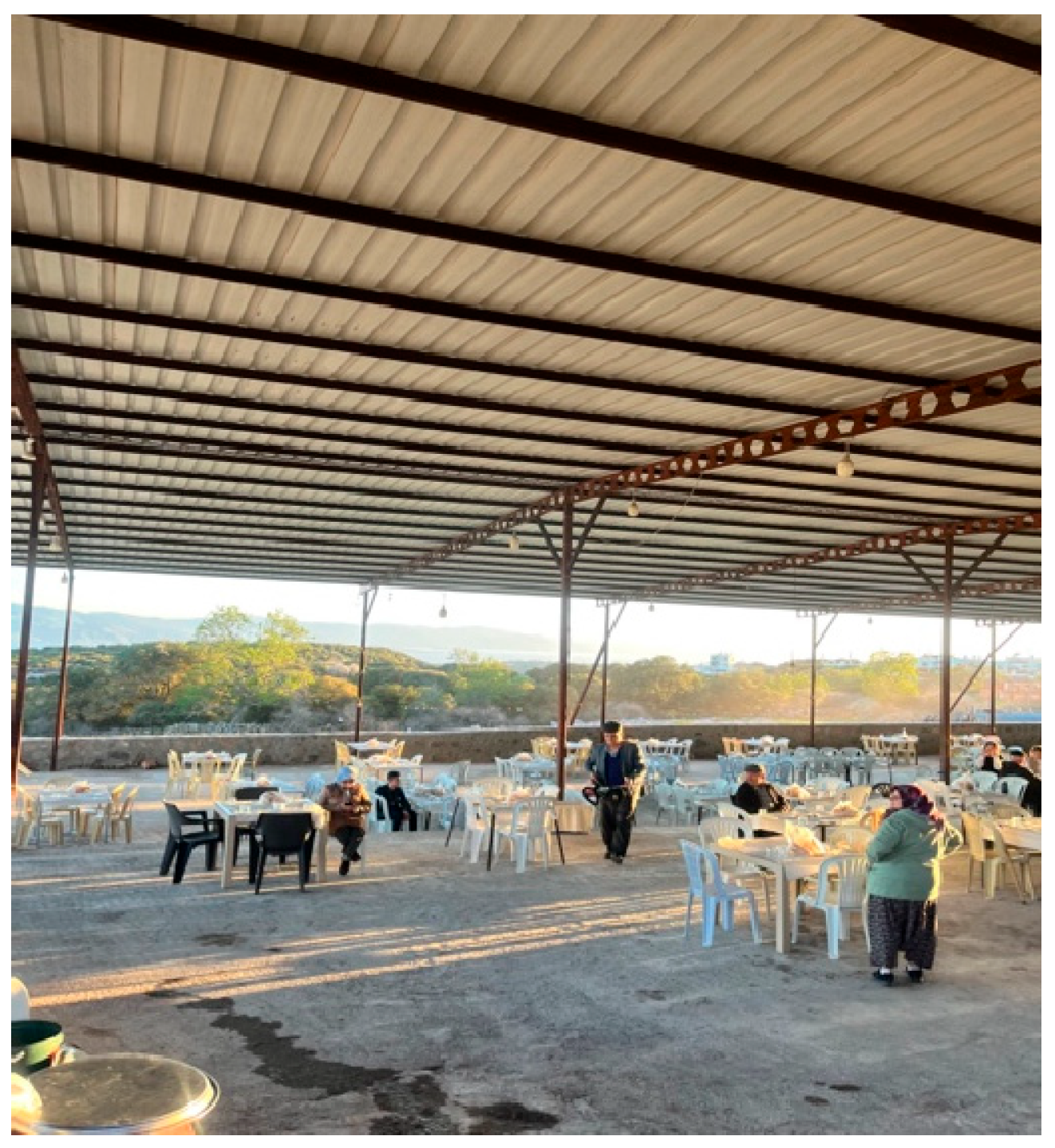
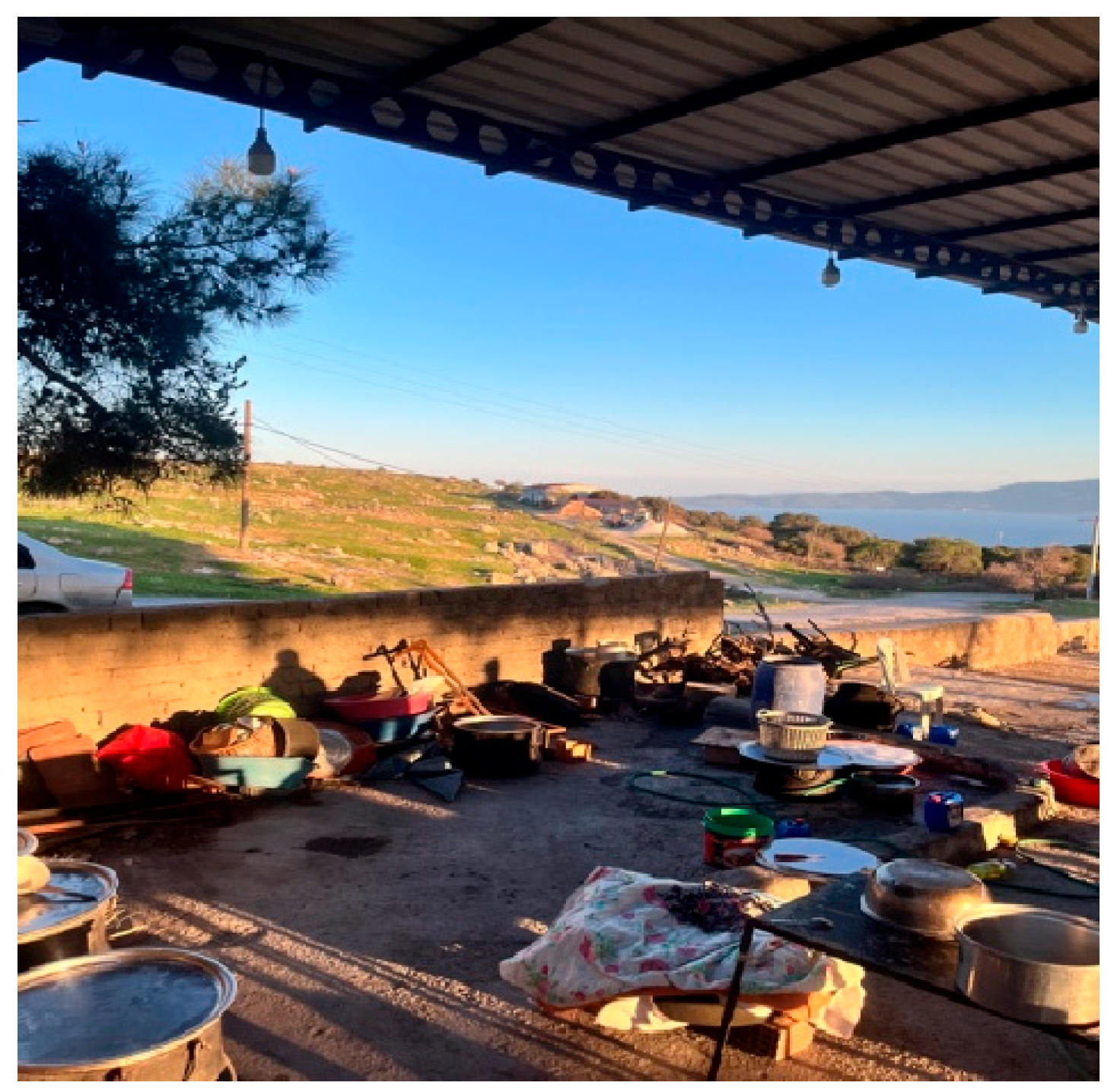
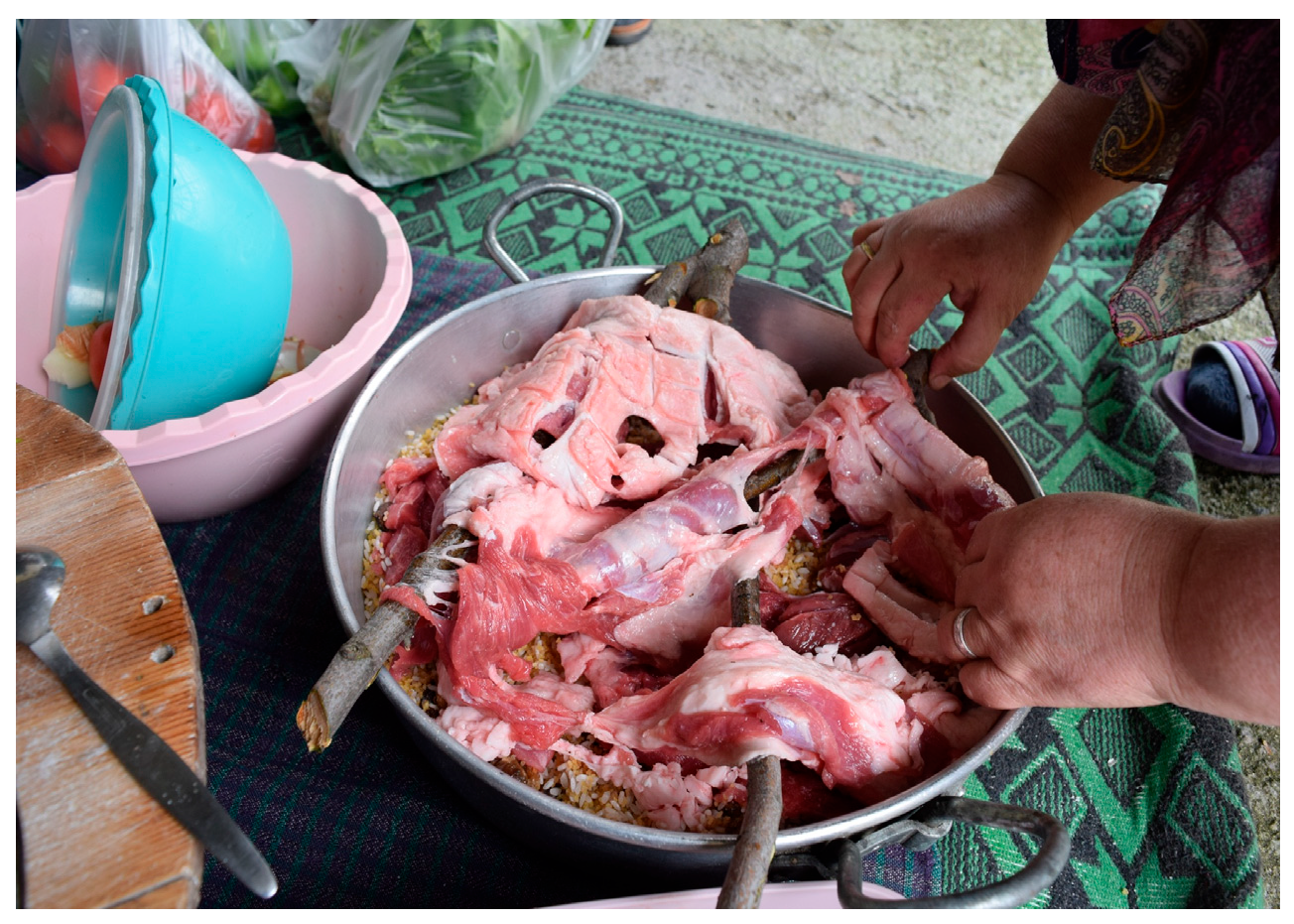
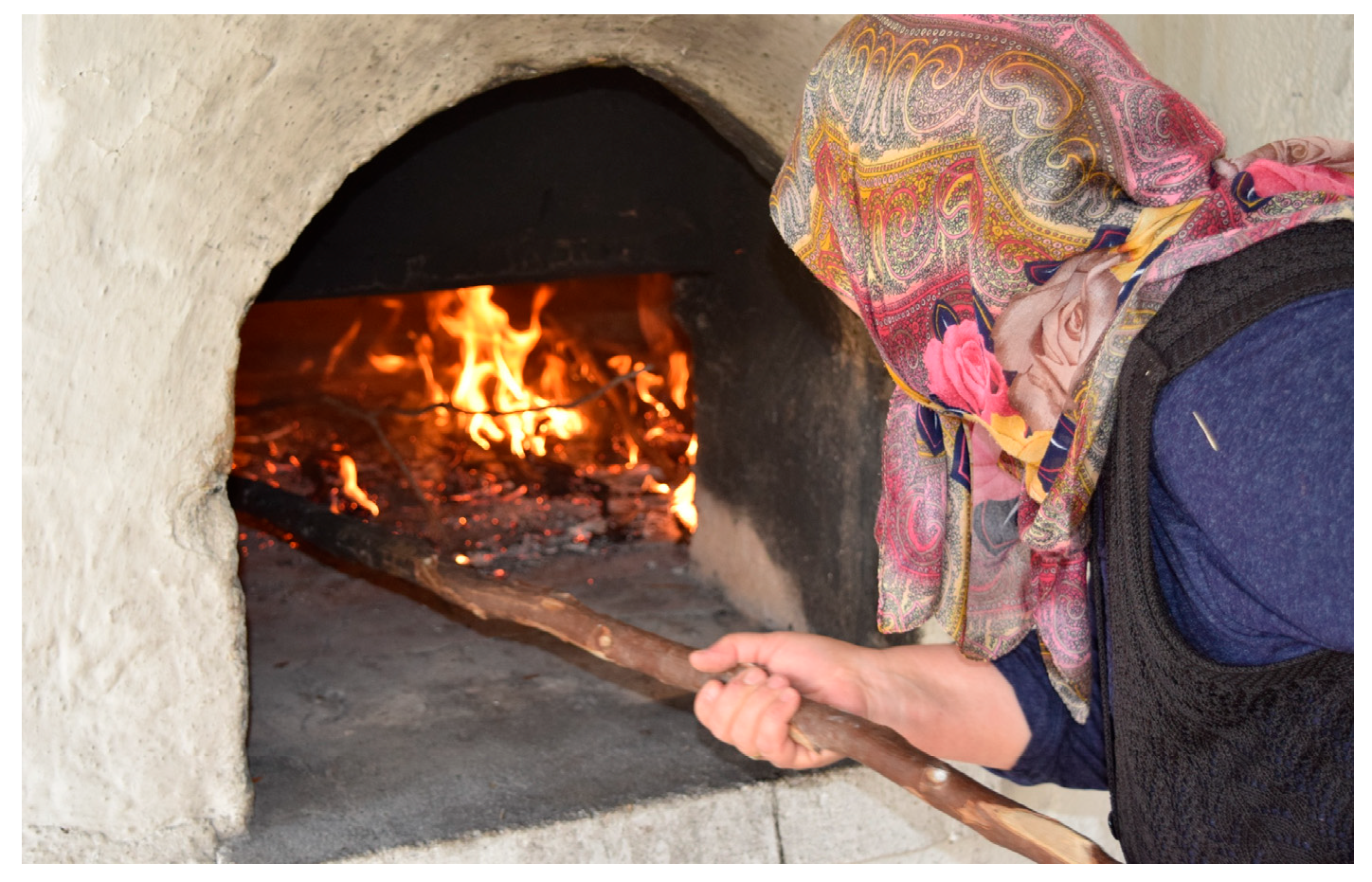
The photographs documenting Gezek gatherings, traditional dishes, food preparation areas, cooking processes, and table and seating arrangements are presented in Figure 1, Figure 2, Figure 3, Figure 4, Figure 5, Figure 6, Figure 7, Figure 8, Figure 9, Figure 10.
Figure 1. Gezek gathering in Bektaş Village.
Heritage 09 00395 g001
Figure 2. Foods served during a Gezek gathering.
Heritage 09 00395 g002
Figure 3. Gezek gathering in İlyasfakı Village.
Heritage 09 00395 g003
Figure 4. Foods served during the Gezek gathering in İlyasfakı Village.
Heritage 09 00395 g004
Figure 5. Food preparation area and cooking Cauldrons used during a Gezek gathering in Bektaş Village.
Heritage 09 00395 g005
Figure 6. Traditional food preparation in Ahmetçe Village.
Heritage 09 00395 g006
Figure 7. Table and seating arrangement during a Gezek gathering in Bektaş Village.
Heritage 09 00395 g007
Figure 8. Food preparation area during a Gezek gathering in Bektaş Village.
Heritage 09 00395 g008
Figure 9. Food preparation in Ahmetçe village.
Heritage 09 00395 g009
Figure 10. Food preparation in Ahmetçe village.
Heritage 09 00395 g010
A newspaper article about the iftar held in Kızılköy states that the iftar invitation, known as the “Gezek Tradition,” has been going on for centuries, is an important part of the culture of mutual aid, sharing, and solidarity, is organised under the leadership of the village headman, and continues with broad participation. It also highlights that dishes unique to Çanakkale are prepared. Keşkek and peynir helvası are among the indispensable delicacies of iftar tables [19].
A similar finding was reached as a result of an interview with the village headman of Kızılköy. He stated that keşkek and peynir helvası or höşmerim are prepared for the meals, participation is increasing day by day, and this tradition in their village strengthens the sense of solidarity in the village. The main themes and categories identified through content analysis are presented in Table 3.
Table 3. Themes and categories identified as a result of the content analysis.
Main ThemeKey CategoriesSample Codes
Organisation and Hosting of GezekOrganisation, selecting the host, invitationsHosting in turn, voluntary hosting, by invitation
Food and Culinary Practicestypes of dishes, preparation and presentationtraditional dishes, communal preparation, table setting
Community Participation and Local RulesParticipation, division of responsibilities, local practicesCommunity involvement, mutual support, local rules
Economic Conditions and the Adaptation of GezekCovering expenses, economic disparitiesThe host covering the costs, the purchase of shared supplies, voluntary contributions
The Continuity and Change in TraditionIntergenerational transmission, change, continuityYouth participation, the preservation of tradition, changes in practice
Theme 1: Organisation and hosting of Gezek
The findings from the interviews indicate that the way in which the hosts for Gezek gatherings are selected has changed over time. K1, K2, K3, K4, K5, K6 and K7 stated that, in the past, Gezek gatherings in their villages were organised on a rotational basis amongst households, with each household hosting the event by covering the full cost of a dinner in accordance with the established order. Participants noted, however, that in recent years this practice has changed and hosting has come to be carried out on a voluntary basis.
In the district centres of Ayvacık and Ezine, it was found that the funding of Gezek invitations differs from the practices in the villages. According to the statements of K8 and K9, the costs of Gezek invitations held in the district centres are covered through grants and contributions made to the local councils.
Theme 2: Food and Culinary Practices
It has been established that the types of dishes prepared for Gezek gatherings, the methods of preparation and the presentation practices vary according to the traditional customs and local habits of the communities.
K1 stated that there is a cook responsible for preparing the meals in their village and that the meals are prepared by this cook using ingredients procured by the person who has voluntarily taken on the responsibility of organising the Gezek gathering. K2 and K7, on the other hand, noted that in their villages the meals are prepared collectively by volunteer village women, and that the serving of the meals and the cleaning up after the gathering are also carried out jointly.
According to the statements of K3, K5 and K6, the meals to be prepared are decided in advance; the person covering the costs of the gathering procures the ingredients from a pre-determined list, and the meals are prepared voluntarily by women in the village who are experienced in cooking.
Women play a particularly visible role in the practical organisation of Gezek meals in several of the villages studied. According to K2 and K7, volunteer women collectively prepare the food and also share responsibility for serving and cleaning after the gathering. K3, K5, and K6 similarly reported that women in the village with experience in traditional cooking undertake meal preparation. These accounts show that women’s roles include food preparation, serving, and post-gathering cleaning, reflecting their involvement in several practical stages of the communal meal. Women’s involvement in these practices also has significance beyond the practical preparation of meals. Their knowledge of traditional dishes, preparation methods, serving practices, and the organisation of communal meals contributes to the transmission of cultural knowledge associated with Gezek. The collective participation of women in food preparation also reflects a gendered division of labour within the tradition, in which women assume particular responsibilities related to culinary practices and hospitality. Through their continued participation and sharing of practical knowledge, women therefore contribute to the continuity and intergenerational transmission of Gezek culture.
It has been observed that economic conditions also influence the composition of the meals prepared. K6 explained that meat dishes had previously been common at Gezek gatherings in the village but that worsening economic conditions had led residents to prefer less costly alternatives, particularly chicken dishes.
It is evident that practices in district centres differ from those in villages. According to the statements of K8 and K9, in the district centres of Ayvacık and Ezine, cooks are employed to prepare meals and the ingredients required are procured in line with the available budget.
Although there are differences in the ways meals are prepared across the settlements, it has been established that certain dishes are common features of Gezek feasts. Keşkek, a traditional ceremonial dish, is prepared in all the settlements covered by the research. For dessert, one of the following is chosen: Kemalpaşa dessert, höşmerim or semolina halva. In addition, a stew and a main course are served; the type of meat used in the main course may vary between beef, lamb and chicken, depending on the available budget.
Theme 3: Participation and Local Rules
It has been established that one of the key features of the Gezek tradition is broad social participation. According to the participants’ accounts, the entire population of the village or district is considered invited to the Gezek, and invitations are also extended to guests from outside the settlement. Village residents may also invite their spouses, friends and relatives to attend the Gezek.
It has also been noted that, in villages, the ability of the village community to participate in Gezek without requiring an individual invitation is one of the tradition’s local rules. In this respect, the Gezek gathering is not merely a dining event limited to the host and their immediate circle, but rather a gathering open to the collective participation of the local community.
In district centres, however, the spatial organisation differs. According to the accounts of K8 and K9, Gezek gatherings are generally held in large public spaces, such as marketplaces, where tables are set up. This practice enables a greater number of people to attend the gathering at the same time.
Theme 4: Economic Conditions and the Adaptation of Gezek
Following the interviews, it was established that economic conditions are one of the key factors influencing the way the Gezek tradition is practised today. Participants stated that, due to rising food and ingredient costs, they have turned to lower-cost alternatives when preparing meals. For example, it was noted that some dishes which were traditionally prepared with beef or lamb are now made using chicken.
Economic conditions have altered not only the content of the meals prepared but also the way in which Gezek is hosted. According to participants, in the past, the economic circumstances of households in villages were more conducive to covering the costs of a Gezek invitation, which allowed for the ‘rotation system’ to be applied. Nowadays, however, as not every household is in a financial position to cover the full costs of a Gezek gathering, it was stated that the rotation system has largely been abandoned and that hosting based on voluntary participation has become widespread.
Theme 5: The Continuity and Change in Tradition
Participants generally perceived the continued presence of younger community members at Gezek gatherings as an important factor in the continuity of the tradition. K8, for example, associated younger people’s participation with opportunities to observe and become familiar with Gezek practices. However, as younger community members were not interviewed directly in this study, these findings represent the perceptions of the adult participants and the researcher’s field observations rather than the perspectives of young people themselves. The findings therefore suggest, rather than demonstrate, a potential role for younger generations in the intergenerational transmission of the Gezek tradition.

5. Discussion

The findings of this study reveal that the Gezek tradition persists as a significant element of intangible cultural heritage within rural communities in Çanakkale province. While the fundamental purpose of the tradition remains consistent across all the villages, the manner in which it is organised varies depending on local customs, socio-economic conditions, and deeply rooted community practices. These variations demonstrate that intangible cultural heritage is not a static phenomenon but a living cultural practice that constantly adapts to local conditions.
This finding aligns with contemporary “living heritage” approaches, which demonstrate that safeguarding intangible cultural heritage does not entail maintaining cultural practices in an unaltered state. Living heritage is viewed as a dynamic process capable of reshaping itself alongside changes in the social, economic, and demographic conditions of communities. Chen and Wang [20] emphasize that the relationship between the community and the heritage must be addressed within the context of changing social conditions when considering heritage sustainability. Similarly, UNESCO [21] advocates for taking economic conditions into account when safeguarding intangible cultural heritage and for developing context-specific approaches that enable communities to sustain their living heritage.
The study’s findings align with previous research highlighting the role of social traditions in strengthening social solidarity and preserving rural cultural identity. Much like the village charity traditions discussed by Erol [2] and Çavuşoğlu and Çalışkan [4], the Gezek tradition fosters cooperation, hospitality, and a sense of belonging within the community. Comparable social functions have also been identified in research on Ramadan practices in other cultural contexts. Buckley and Carland [22], for example, show that communal iftars and Ramadan socialisation can strengthen interpersonal connections and a sense of belonging within Muslim communities. Although the cultural context differs from rural Türkiye, this comparison suggests that the communal sharing of food during Ramadan can serve broader social functions alongside its religious significance.
Similarly, the collective preparation and sharing of meals strengthen social interaction and contribute to the intergenerational transmission of cultural values. These results align with studies in the international literature that highlight the importance of community participation in the safeguarding of intangible cultural heritage. Similarly, Abdul Aziz et al. [23] found a positive relationship between community participation and the conservation of living heritage in the Melaka World Heritage Site, highlighting the importance of local involvement, cultural knowledge, and awareness in sustaining living heritage. This perspective is relevant to the Gezek tradition, where organisation, food preparation, hosting, and participation are largely maintained through community-based practices.
In their study conducted in Málaga, Spain, Nebot-Gomez de Salazar et al. [24] emphasized the significance of local communities’ active participation in the processes of identifying and safeguarding intangible cultural heritage, demonstrating that local knowledge and community involvement are fundamental elements for the sustainability of such heritage. Similarly, the Gezek tradition—where organization, food preparation, the division of tasks, and the invitation process are largely carried out through the participation of local community members—exemplifies this type of community-based safeguarding. In this respect, Gezek allows cultural heritage to be viewed not merely as a practice transmitted from the past, but as a living heritage that is recreated and sustained through the active participation of community members.
The changes observed in hosting arrangements, financing, and food practices indicate that the continuity of Gezek does not depend on the preservation of an unchanged form. Rather, communities adapt the organisational and material dimensions of the tradition to changing socio-economic circumstances. From an intangible cultural heritage perspective, such adaptations can be interpreted as part of the dynamic character of living heritage, in which continuity is maintained through local negotiation and adjustment. In the case of Gezek, the shift towards voluntary hosting, collective financial support, and more affordable meal choices demonstrates how communities modify particular practices while retaining the central functions of communal gathering, food sharing, and social solidarity.
While these findings suggest that Gezek has so far demonstrated an ability to adapt to changing socio-economic conditions, adaptation should not be interpreted as evidence that its continuity is guaranteed. Broader demographic processes, particularly rural population decline and out-migration, may reduce the number of community members available to organise, host, and participate in such collective practices. These processes may be particularly significant for traditions such as Gezek, which depend on sustained local participation and the transfer of knowledge and responsibilities between generations. As migration and rural demographic change were not directly examined in the present study, their effects cannot be established from the current data. Nevertheless, they represent important potential challenges to the long-term continuity of the tradition and should be examined in future research.
This finding aligns with international studies demonstrating that living heritage is a dynamic structure capable of reshaping itself in response to changing social and economic conditions. In their study of the living heritage ecosystem in Abu Dhabi, Raevskikh, Di Mauro, and Jaffré [25] reveal that social and economic transformations shape living heritage practices and that the sustainability of heritage must be assessed in the context of these changing conditions. In this light, the changes observed in the Gezek tradition can be interpreted as forms of adaptation through which local communities respond to changing economic circumstances while seeking to maintain the tradition’s central cultural functions. The research findings indicate that the meals associated with the Gezek tradition are not merely dining events but significant cultural elements that contribute to preserving cultural identity and social cohesion. Although the methods of preparing and serving these meals vary across different localities, the continued presence of traditional dishes—such as keşkek—at Gezek gatherings demonstrates that food culture is a shared and enduring component of the tradition. In a study examining traditional culinary heritage in Hungary, Báti [26] notes that food culture plays a vital role in shaping identity and community integrity, with local communities defining their shared culinary heritage through the lenses of the past, a sense of belonging, and local identity. Similarly, Choi and Yang [27], in their research on ritual foods in South Korea, highlight the importance of transmitting the cultural significance of traditional foods to future generations for the sustainability of culinary heritage. In this context, the preparation and communal sharing of traditional dishes within the Gezek tradition suggest that food culture may contribute to the maintenance of local identity and cultural memory, while also providing a context in which cultural knowledge can potentially be transmitted across generations.
Participants’ perceptions of younger community members’ continued involvement suggest that Gezek gatherings may provide opportunities for younger generations to observe and become familiar with local practices related to communal dining, hospitality, and social participation. This interpretation is consistent with Thanapornsangsuth et al. [28], who highlight the importance of young people’s participation in cultural heritage practices for engagement with local cultural knowledge and intergenerational transmission. Young [29] similarly emphasises that intergenerational transmission of intangible heritage should be understood as an interactive process in which younger generations engage with inherited cultural knowledge while responding to contemporary social and environmental conditions.
However, the present findings should be interpreted cautiously, as younger community members were not interviewed directly. Therefore, the study does not establish how young people themselves perceive or value the Gezek tradition; rather, it indicates that adult participants perceive their presence at Gezek gatherings as potentially contributing to the continuity and intergenerational transmission of the practice.

6. Conclusions

The findings demonstrate that Gezek is a living intangible cultural heritage practice that combines communal dining, hospitality, solidarity, and locally established social practices during Ramadan. Rather than remaining unchanged, the tradition continues through locally specific forms of organisation and adaptation to changing social and economic conditions.
Based on the participants’ accounts, the Gezek tradition continues to be practised in the settlements included in the study and was also reported to continue in several other communities within the Ayvacık and Ezine districts.
Although organisational practices differ across the settlements studied, the findings indicate that Gezek continues to maintain its central cultural functions of community participation, hospitality, solidarity, and food sharing. However, adaptation should not be interpreted as guaranteeing the long-term continuity of the tradition. Economic pressures, rural population decline, and out-migration may represent potential challenges to its future continuity and warrant further investigation. Changes in hosting arrangements and other organisational practices illustrate the capacity of local communities to adapt the tradition to contemporary conditions while maintaining its social and cultural significance.
This study contributes to discussions on living heritage by providing field-based evidence of how a community-based tradition can adapt its organisational and material practices to changing socio-economic conditions while maintaining its core cultural functions. The Gezek case therefore illustrates continuity through adaptation as an important feature of locally sustained intangible cultural heritage.
It is recommended that universities, local governments, and local communities collaborate to support the safeguarding and continued practice of the Gezek tradition. This study has several limitations. First, the interview sample was limited to nine participants who were selected because of their direct knowledge of and experience with the organisation or hosting of Gezek gatherings. Second, younger community members were not interviewed directly; therefore, findings concerning youth participation and intergenerational transmission reflect the perceptions of adult participants and field observations rather than the perspectives of young people themselves. Third, the fieldwork was geographically limited to the Ayvacık and Ezine districts of Çanakkale province and the selected settlements within these districts. Future studies could include a larger and more diverse group of participants, particularly younger community members, and examine similar communal Ramadan traditions in different regions of Türkiye to identify similarities and local variations in their organisation, transmission, and adaptation.

Funding

This research received no external funding.

Institutional Review Board Statement

The study was conducted in accordance with the Declaration of Helsinki and approved by the Çanakkale Onsekiz Mart University Social and Human Sciences Ethics Committee (Decision No. 39/141, 18 April 2025).

Informed Consent Statement

Written informed consent was obtained from all participants involved in the study.

Data Availability Statement

The data supporting the findings of this study are available from the corresponding author upon reasonable request.

Conflicts of Interest

The author declares no conflicts of interest.

Abbreviations

The following abbreviations are used in this manuscript:
ICHIntangible Cultural Heritage

References

  1. UNESCO. Basic Texts of the 2003 Convention for the Safeguarding of the Intangible Cultural Heritage; UNESCO: Paris, France, 2022; Available online: https://ich.unesco.org/doc/src/2003_Convention_Basic_Texts-_2022_version-EN_.pdf?v=1674724187 (accessed on 7 August 2026).
  2. Erol, M. Köy hayırlarının yapısal ve işlevsel özellikleri üzerine bir inceleme: Gökçalı Köyü örneği. Türk. Bilim. Araştırmaları 2004, 16, 111–126. [Google Scholar]
  3. Kılıç, S.N.; Buzlukçu, C. Balıkesir köy hayırları (Hıdırellez Hayrı) geleneği ve turizme kazandırılması üzerine nitel bir araştırma. In Proceedings of the 5. Uluslararası Turizm ve Kültürel Miras Kongresi, Marmaris, Muğla, Türkiye, 8–12 November 2023. [Google Scholar]
  4. Çavuşoğlu, İ.; Çalışkan, V. Kültürel coğrafya açısından bir inceleme: Çanakkale ilinde geleneksel köy hayırları. In Proceedings of the Coğrafya Derneği Uluslararası Kongresi, Gazi Üniversitesi, Ankara, Türkiye, 21–23 May 2015. [Google Scholar]
  5. Uğurlu, E.K. Kültürel bellek aktarıcısı olarak ninni. Millî Folk. 2014, 102, 43–52. [Google Scholar]
  6. Arslan Kalay, H.; Şahin, S.; Meriç, S. Mimari mirasın turizme açılmasının mirasın korunmasına etkisi: Sanat tarihi ve turizm öğrencilerine yönelik bir araştırma. Ordu Üniv. Sos. Bilim. Araştırmaları Derg. 2018, 8, 65–78. [Google Scholar]
  7. T.C. Kültür ve Turizm Bakanlığı. Somut Olmayan Kültürel Miras. Available online: https://yakegm.ktb.gov.tr/TR-345089/somut-olmayan-kulturel-miras-nedir.html (accessed on 7 August 2026).
  8. Türk Dil Kurumu. Güncel Türkçe Sözlük; Türk Dil Kurumu Yayınları: Ankara, Türkiye, 2019. [Google Scholar]
  9. Kanık, İ. Gastro Gösteri—Popüler Kültür Ürünlerinde Yemeğin Kültürel Gösterisi; Ayrıntı Yayınları: İstanbul, Türkiye, 2016. [Google Scholar]
  10. Ünver, S. Ramazan Medeniyeti. Tohum Derg. 1967, 30, 3. [Google Scholar]
  11. Özden, H.Ö. Türk Ramazan Kültürü. Atatürk Üniversitesi Türk. Araştırmaları Enst. Derg. 2006, 30, 83–109. [Google Scholar] [CrossRef] [Scilit]
  12. Yurdakul, N.B.; Akçiçek, E. Geleneksel Anadolu Iftar ve Sahur Sofraları; Oruç ve Sağlık, Efe, Z.G., Yakşi, N., Akçiçek, E., Eds.; Çizgi Kitabevi: Konya, Türkiye, 2025. [Google Scholar]
  13. Antalya İl Kültür ve Turizm Müdürlüğü. Ceceler Mahallesinde İftar Daveti Geleneği. Available online: https://antalya.ktb.gov.tr/TR-336563/ceceler-mahallesinde-iftar-daveti-gelenegi.html (accessed on 7 August 2026).
  14. Toprak, A. Türk kültüründe misafirperverlik ve sofra açmak/sofra çekmek (Samsun örneği). Uluslar. Sos. Bilim. Derg. 2019, 4, 74–81. [Google Scholar] [CrossRef] [Scilit]
  15. Çağdaş Burdur. Gölhisar’ın Uylupınar Köyünde İftar Geleneği Sürüyor. Available online: https://www.cagdasburdur.com/golhisarin-uylupinar-koyunde-iftar-gelenegi-suruyor-46504 (accessed on 7 August 2026).
  16. Yıldırım, A.; Şimşek, H. Sosyal Bilimlerde Nitel Araştırma Yöntemleri, 8th ed.; Seçkin: Ankara, Türkiye, 2011. [Google Scholar]
  17. Kvale, S. Interviews: An Introduction to Qualitative Research Interviewing; Sage Publications: Thousand Oaks, CA, USA, 1996. [Google Scholar]
  18. Pink, S. Doing Visual Ethnography: Images, Media and Representation in Research; SAGE: London, UK, 2007. [Google Scholar]
  19. Kampüs Gazetesi. Asırlardır Süren Gezek Geleneği Yaşatılıyor. Available online: https://www.kampusgazetesi.com.tr/haber/16875-asirlardir-suren-Gezek-gelenegi-yasatiliyor (accessed on 7 August 2026).
  20. Chen, Y.; Wang, Y.-W. Approaches to sustaining people—Place, bonds in conservation planning: From value-based, living heritage, to the glocal community. Built Herit. 2024, 8, 10. [Google Scholar] [CrossRef] [Scilit]
  21. UNESCO. Guidance Note on the Economic Dimensions of Intangible Cultural Heritage Safeguarding Under the 2003 Convention; UNESCO: Paris, France, 2023. [Google Scholar]
  22. Buckley, A.; Carland, S. Triple Roles, Worship, and ‘Period Shaming’: How Muslim Women Maintain Belonging and Connection in Ramadan. J. Sci. Study Relig. 2023, 62, 869–884. [Google Scholar] [CrossRef] [Scilit]
  23. Abdul Aziz, N.A.; Mohd Ariffin, N.F.; Ismail, N.A.; Alias, A. Community Participation in the Importance of Living Heritage Conservation and Its Relationships with the Community-Based Education Model towards Creating a Sustainable Community in Melaka UNESCO World Heritage Site. Sustainability 2023, 15, 1935. [Google Scholar] [CrossRef] [Scilit]
  24. Nebot-Gomez de Salazar, N.; Chamizo-Nieto, F.J.; Conejo-Arrabal, F.; Rosa-Jiménez, C. Intangible cultural heritage as a tool for urban and social regeneration in neighbourhoods. Participatory process to identify and safeguard ICH in the city of Malaga, Spain. Int. J. Herit. Stud. 2023, 29, 524–546. [Google Scholar] [CrossRef] [Scilit]
  25. Raevskikh, E.; Di Mauro, G.; Jaffré, M. From living heritage values to value-based policymaking: Exploring new indicators for Abu Dhabi’s sustainable development. Humanit. Soc. Sci. Commun. 2024, 11, 1311. [Google Scholar] [CrossRef] [Scilit]
  26. Báti, A. Traditional Food as Cultural Heritage in Hungary. Acta Ethnogr. Hung. 2024, 68, 481–498. [Google Scholar] [CrossRef] [Scilit]
  27. Choi, B.-Y.; Yang, S.J. Sustainability of Food Heritage in Birthday Rituals. Sustainability 2024, 16, 7718. [Google Scholar] [CrossRef] [Scilit]
  28. Thanapornsangsuth, S.; Edler, K.L.; Park, J.; Takada, J.-I.; Yamaguchi, S. Intangible cultural heritage safeguarding: A youth-led community of practice in Lao People’s Democratic Republic. Int. J. Intang. Herit. 2025, 20, 159–179. [Google Scholar] [CrossRef]
  29. Young, P. Engaging Youth in Culture and Environment: Intergenerational Transmission and Museum Engagement in the Outer Hebrides. Mus. Int. 2025, 77, 92–105. [Google Scholar] [CrossRef] [Scilit]
Table 1. Demographic Characteristics of Participants and Their Roles in the ‘Gezek’ Tradition.
ParticipantAgeGenderLevel of EducationPlace of ResidenceDistrictRole in the Gezek Tradition
K145MaleHigh schoolAhmetçeAyvacıkDistrict Head
K264FemaleHigh schoolKayalarAyvacıkGezek host
K338FemalePrimary schoolBektaşAyvacıkGezek host
K460MalePrimary schoolTartışıkAyvacıkGezek Host
K552FemalePrimary schoolSüleymanköyAyvacıkGezek host
K663FemalePrimary schoolKızılköyEzineGezek host
K759FemaleUniversityİlyasfakıAyvacıkGezek host
K856MaleSecondary schoolDistrict CentreAyvacıkDistrict Head
K951MalePrimary schoolDistrict CentreEzineDistrict Head
Disclaimer/Publisher’s Note: The statements, opinions and data contained in all publications are solely those of the individual author(s) and contributor(s) and not of MDPI and/or the editor(s). MDPI and/or the editor(s) disclaim responsibility for any injury to people or property resulting from any ideas, methods, instructions or products referred to in the content.