


Abstract
This study examines the chronic continuity and multi-layered structure of poisoning cases observed in the Ottoman Empire between the 1845 and 1912. The primary aim is to reveal how the central administration perceived these events, which seriously threatened food safety and public health, and the administrative, medical, and legal defence mechanisms developed in response. The scope of the research encompasses Ottoman Archive documents ranging from accidental poisonings to consumption of spoiled food, use of untinned vessel, and large-scale military poisonings. Conducted using qualitative methods, the study involved transcribing, classifying, and interpreting archival data. These records confirm that the administrators of the period considered poisoning to be a significant and challenging threat. Consequently, this study evaluates the information in the archival documents at the intersection of forensic epidemiology and political toxicology, substantiating with data the risk management capacity of the central administration of the period and its institutional adaptation to crises. By analysing poisoning cases through the lens of food safety and public health policies, the research offers a new academic contribution to Ottoman history, medical history, public health history, and food safety literature.
1. Introduction
Throughout the Ottoman Empire’s history spanning more than six centuries, food safety, public health, and the maintenance of public order were among the central government’s priority issues. The empire’s vast geographical spread, complex supply chains, and inadequate hygiene standards of the period paved the way for poisoning cases to occur both as accidents due to negligence and as deliberate acts. In earlier times, when the science of microbiology was not yet fully understood, the causes of food poisoning were generally attributed to spoilage resulting from food being stored for long periods and to metallic toxins originating from the containers in which it was stored (Akbulut and Gürarda 1978). The health problems caused by the new social and environmental conditions that emerged with the advancement of industrialization in the 19th century were not limited to infectious or epidemic diseases. Rapid developments in the chemical industry during this period enabled the production of many new substances, such as synthetic drugs, counterfeit products and food additives. At the same time, the expansion of global trade led to these products quickly dominating the market. This situation resulted in human health being threatened in a different dimension (Gültekin and Gündoğdu 2023).
Documents in the Ottoman archives reveal that poisonings were not merely ordinary, minor public order or medical cases, but also critical indicators reflecting the state’s administrative reforms, food safety, public health practices, and the scale of political conflicts. This study aims to shed light on the complex relationship between food safety, public health, and national security in the Ottoman administration from a historical perspective, based on archival documents. Another objective of this research is to systematically classify poisoning incidents recorded in different periods and regions of the Ottoman geography and to analyse the social and political consequences of these cases. Furthermore, it aims to examine in depth, based on archival documents, which mechanisms central and local administrations developed and which preventive measures they implemented against these poisonings.
The research addresses poisoning incidents in the Ottoman Empire along two main axes. The first consists of accidental or negligent poisoning. This category covers cases arising from flaws in the food supply chain, storage errors, and poor hygiene. For example, this group includes cases such as the dispatch of spoiled provisions to military units, deaths resulting from the consumption of raw meat, poisonings caused by spoiled confectionery products, illnesses caused by un-tinned copper vessels, and cases resulting from the contact of milk and similar foods obtained under unsuitable conditions with poisonous plant leaves. Such incidents affected broad segments of society, from military personnel to civilians. Secondly, there were poisonings stemming from medicine, pharmacy, and public health substances. These poisonings were cases of poisoning resulting from incorrect dosage, misuse, or deliberate use for murder or suicide of chemical substances used for treatment or in public health applications. These incidents reflect the inadequacy of the state’s legal regulations in the fields of pharmacy and medicine and the uncontrolled circulation of toxic substances in the market. The study also touches upon the measures taken by central and local administrators in the Ottoman Empire to eliminate these poisoning cases. The systematic classification in this research thoroughly examines the chain of causality of poisoning incidents and their impact on public health. The findings reveal that food poisoning is not merely a medical problem but constitutes a strategic area of risk that directly affects national security parameters.
The research consists of three main sections. Section 1 focuses on findings from archival documents regarding cases of poisoning under the heading of food-borne poisoning and public health issues. This section details civilian poisonings caused by spoiled and contaminated food, natural poisons, and metal containers, as well as poisonings stemming from military rations, emphasizing the impact of the problem on national security and providing information on the measures taken in response to these incidents. Section 2 provides information on the control of toxic substances and the legal regulations enacted in this regard. This section addresses efforts to control the commercial distribution of toxic substances, including inspections of transport and pharmacies, explaining which poisons are banned from import and how their use is restricted. It also analyses legal and medical intervention processes for poisoning incidents and the development of forensic medicine practices. Section 3 expresses the state’s preventive medicine practices and food safety policies against poisoning cases on a legal basis, supported by documents. This chapter explains how legal oversight and criminal penalties were strengthened through administrative reforms such as Provincial Regulations, illustrating the relationship between security and administrative policy with concrete examples.
By evaluating the information in archival documents at the intersection of forensic epidemiology and political toxicology, this study substantiates with data the risk management capacity of the central administration of the period and its institutional adaptation to crises.
2. Methods
2.1. Data Collection and Preparation
The foundation of the study is based on primary source scanning conducted through the Presidential Ottoman Archives (Başbakanlık Osmanlı Arşivi, BOA, İstanbul, Türkiye). Food poisoning cases were identified by scanning funds such as the Ministry of Interior (DH.MKT), and Gendarmerie (ZB). The documents were transcribed using paleographic methods and arranged chronologically. Concurrently, a historical background was established by reviewing research and examination works in the literature.
2.2. Research Methodology and Techniques
This study is qualitative by nature and utilizes the Documentary Content Analysis technique. Through this technique, not only data were collected, but also the state’s perspective on food safety, public health policies, and judicial processes were analyzed in depth. The archival documents were systematically classified under categories such as the type of incident, food source, location, and consequences.
2.3. Analysis Categories (Case Typology)
The content analysis is structured along four main axes:
Case Type: Differences between individual cases and mass poisonings in areas such as barracks or schools.
Poisoning Source: Spoiled foods, adulterated products, or metallic poisonings caused by unlined copper vessels.
Spatial Analysis: The impact of the social environment (military, bazaar, household) where the incident occurred.
Legal Process: The state’s intervention in these cases, the role of medical reports, and the penalties imposed on perpetrators.
2.4. Synthesis and Interpretation
In the final stage, the raw data from the transcribed documents were interpreted within the framework of the Ottoman financial, administrative, medical, and legal systems. The state’s control mechanisms (municipal and police inspections) are explained through typical cases selected from the archives, and the results aim to contribute to the Ottoman food and public health literature.
The systematic workflow of the research, encompassing the data collection process, categories of content analysis, and the final synthesis of historical findings, is illustrated in Figure 1.
Figure 1.
Methodological framework and research flow of the study.
3. Foodborne Poisonings and Public Health Issues
Food produced for consumption must be produced and consumed in a manner that does not harm human health. Foods produced and sold under conditions that do not comply with hygiene standards are a source of various poisonings and infectious diseases (N. Yıldırım 2011). A significant portion of the documented poisoning incidents in Ottoman society stemmed from the spoilage of foodstuffs, inappropriate preparation methods, and inadequate hygiene conditions. These food poisonings reflect, on the one hand, the chronic lack of control seen in the daily life practices of the period and the limitations in the level of public awareness, while on the other hand, they reveal the central administration’s sensitivity to these issues. Disruptions in the complex supply chain through which foodstuffs reached barracks, soup kitchens, and city markets became primary risk factors that directly threatened military capability and security, particularly when it came to supplying the army. Archival records reveal that cases arising from the distribution of spoiled food or from untinned vessel were not perceived as simple incidents affecting a few individuals, but rather as large-scale public health crises capable of affecting military or civilian populations. In this context, the control regulations and food analysis procedures implemented by the central authority represent not only a health-related measure but also a vital administrative reflex aimed at maintaining public order and authority. This situation demonstrates that hygiene and food safety were important issues for the Ottoman administrative mechanism.
3.1. Poisonings Originating from Military Rations
The rationing of military units is of vital importance for the survival of the state, therefore any issues with military supplies were immediately reported to headquarters and investigated. An archive document dated 12 March 1912 can be cited as an example of this situation. The document states that after the food rations allocated to the military depot battalion attached to the 88th regiment in the province of Sivas were consumed by the soldiers, some soldiers began to show signs of poisoning. The information in the document suggests that the incident was more than an accident and that there was suspicion of deliberate action. This is because the administrative and judicial investigation that followed led to the arrest and detention of the individual who prepared the food in question, a baker named Keşişyan. The immediate arrest of Baker Keşişyan suggests that the incident was not viewed merely as a case of “spoiled food,” but was also interpreted as an act of sabotage. The document is a secret, coded letter sent to the Ministry of the Interior and is significant in that it reflects the confidentiality, seriousness, and urgency of the situation from an administrative perspective (BOA. DH. ŞFR., 456/79). Similarly, an archival document dated 3 September 1891 concerns the poisoning of five soldiers stationed at the police station in Bâb-ı Âli, the administrative centre of the Ottoman Empire, due to the food they consumed. The fact that the case was investigated by the “Teftiş-i Askeri Komisyonu (Military Inspection Commission)” rather than being treated as an ordinary judicial matter demonstrates the seriousness of the incident in terms of military discipline and the security of central authority. It also demonstrates the Ottoman administration’s ability to swiftly activate institutional mechanisms in response to crises. The document constitutes an official report detailing the investigation process conducted by the commission and the findings reached. The commission’s report demonstrates the seriousness of the investigation processes and the efforts to maintain high discipline among security units in matters of food supply, hygiene, and supervision (BOA. Y.MTV., 53/111). Another archive record dated 29 November 1897 concerns a serious report on the health conditions of soldiers in army units in the Thessaly region and sick soldiers in other regions. The document explains the main causes of the diseases suffered by the soldiers as spoiled food supplied by food contractors and the inability to remedy the soldiers’ lack of equipment and clothing. These findings were reported to the central administration through a formal document dated 1 October 1897. The fact that the document was written during the Thessaly War between the Ottoman Empire and the Greeks in 1897 reflects the central administration’s efforts to remedy this vulnerability and hold those responsible accountable, even in a war environment (BOA. Y.MTV., 170/19).
During the course of the First World War, malnutrition and foodborne illnesses were among the primary factors accelerating the spread of epidemics within the Ottoman Empire. The food shortages precipitated by wartime conditions led to a significant weakening of immunological resistance among both military personnel and the civilian population. In particular, the lack of access to adequate and hygienic sustenance on the fronts and along deportation routes exacerbated the lethality of infectious diseases. Furthermore, the consumption of contaminated water and food supplies fostered the proliferation of bacterial diseases such as dysentery, typhoid fever, and cholera. Substandard field latrines, exposed waste, and the contamination of food via insect vectors—primarily flies—resulted in severe public health crises, particularly on the Gallipoli and Syria-Palestine fronts. This historical context underscores the decisive role of nutritional and hygienic conditions in determining public health outcomes during periods of conflict (Schulze-Tanielian 2014).
3.2. Poisonings Caused by Spoiled and Contaminated Food
In addition to the spoiled food supplied to military units and logistical negligence, the daily supply chain and market controls in Ottoman urban and rural life also harboured chronic vulnerabilities. Archives record numerous cases resulting in death due to the consumption of spoiled confectionery, spoiled dairy products, or poor-quality grain. These incidents reveal the inadequacy of the Empire’s urban hygiene standards and gaps in its control mechanisms. The examination of civilian poisonings proves that food safety crises are not only a political or military threat but also a public health issue that has devastating effects on social welfare and demographic structure. In this regard, archive documents reveal that various cases of food-related poisoning among the civilian population were also recorded.
3.2.1. Poisoning from Dairy Products
Ottoman archival documents contain numerous cases of poisoning linked to dairy products, the majority of which appear to have originated from cheese products. An example of this situation can be found in an archival document dated 18 April 1903. The document states that two soldiers belonging to the Imperial Army (Hassa Ordusu) were poisoned by cheese they had eaten (BOA. Y.MTV., 242/112). Another archival document dated 18 April 1903 addresses two different poisoning incidents that point to a public health problem in Ottoman civilian life. The document first states that cases of poisoning were seen in people who ate meadow cheese and that attention should be paid to cleanliness during cheese production. It also reports poisoning cases caused by cheese brought from the Kapanönü area of İzmit and sold in Bakırköy, Istanbul, and states that measures must be taken in this regard (BOA. DH.MKT., 827/70). The poisoning incidents caused by the consumption of pasture cheese are documented in the archival records of the Ottoman Ministry of Interior, as shown in Figure 2.
Figure 2.
Archival document (DH.MKT. 827/70) regarding cases of poisoning linked to the consumption of pasture cheese.
The document cites factors such as improper storage, lack of hygiene during production, or contact with poisonous plants as reasons for the cheese causing poisoning. This is a typical public health issue requiring source tracing and contamination investigation from a forensic epidemiology perspective. The fact that the cheese in the trade chain stretching from İzmit to Istanbul caused poisoning shows that the issue has gone beyond being a local problem and has become a logistical-trade problem requiring intervention by the central administration. Another archive record dated 1905 is an administrative instruction prepared following the observation of poisoning symptoms in some civilians consuming unsalted white pasture cheese in Istanbul, the centre of the Ottoman Empire. The document is valuable in that it definitively identifies the cause of the poisoning and points to two main sources of contamination. The first is the contamination of milk with a toxic substance called “Sublimate of Mercury solution (aksülümenli çözelti)” due to the udders of milked animals not being sufficiently cleaned before milking. The second is the transfer of toxic substances as a result of covering the cheese with poisonous hemlock (Conium maculatum) leaves during storage after production. The document contains directives to warn relevant producers and supervisory authorities in order to prevent the recurrence of such incidents (BOA. DH.MKT., 958/32). In this case, although both “hemlock” and “axumen” substances were suggested as causes of poisoning, it is believed that the primary toxic agent was “axumen.” This is because it seems unlikely that the poison from the hemlock leaves that came into contact with the surface of the cheese could have reached a lethal döşe (Kocacık and Mat 2014). The document states that poisoning cases are generally not due to a single cause but result from a chain of negligence. In this case, the problem stemmed from both fundamental deficiencies in production hygiene and incorrect storage methods. This finding demonstrates how multifactorial the poisoning risks of the period were and that public health measures must cover not only the final product but the entire production process. The fact that the central administration not only recorded the poisoning but also identified specific aetiological factors, such as the cleanliness of the animal udder and the use of poisonous plant leaves, demonstrates the serious and in-depth investigative capacity of the administrative and medical investigation mechanisms of the period in determining the root causes of events (Erkmen et al. 2023). This represents a scientific analysis effort aimed at raising public health standards, going beyond a simple municipal police record.
3.2.2. Poisoning from Meat Products
Following the investigation of milk product poisoning, it would be beneficial to broaden the scope of the research to include cases of meat poisoning originating from animal protein sources. While cheese cases generally represent accidental poisoning due to poor hygiene and improper storage, meat and meat product poisoning, particularly in military provisions and supplies requiring long-term storage, indicates more serious microbial consequences and logistical weaknesses. Meat poisoning cases in Ottoman archival documents include both simple cases resulting from inadequate cooking and hygiene, as well as serious situations caused by spoiled or diseased meat deliberately supplied by food contractor. One of the Ottoman Empire’s most important travellers, Evliya Çelebi, drew attention to a dispute between butchers in Istanbul and Egyptian merchants in his work “Seyahatname”. When the Egyptian merchants labelled the butchers as “bloodshedders” and accused them of spreading the plague, the butchers’ guild defended itself. The guild countered these allegations by emphasising the deep-rooted history of their profession, arguing that meat is the earliest known staple food in human history (D. Yıldırım 2024).
Poisoning cases linked to the consumption of raw meat provide important data on dietary habits and public health awareness levels. An archive document dated 1 March 1899 exemplifies this situation. The document provides information about a serious public health incident that occurred in the village of “Ayluta” in the Nasıra district of Ottoman territory. The document reports that numerous child deaths occurred following meat consumption. Administrative and medical investigations concluded that the primary aetiological factor causing these deaths was the inadequate cooking or raw consumption of meat (BOA. DH.MKT., 2172/63). By directly linking the poisoning to poor dietary habits, the document reveals that the incident was an accident caused by cultural negligence rather than deliberate sabotage. This situation highlights serious gaps in knowledge regarding food preparation hygiene and proper cooking techniques in traditional communities. Although the incident occurred in a village in the district of Nasıra, its investigation by the Ministry of the Interior demonstrates the central government’s efforts to record and intervene in public order and public health incidents even in the most remote areas.
Another archival document dated 14 December 1901 draws attention to the danger posed by animals that were to be slaughtered and sold in the market while sick. The document emphasises that the meat of these animals directly and seriously threatens public health because it carries microbes. It also states that it is imperative to add new penalties to existing laws to prevent this situation and ensure deterrence (BOA. DH.MKT., 2556/67). The document’s use of the phrase “bacterial microbes” to describe the meat of diseased animals demonstrates that the Ottoman administration accepted the basic principles of microbiology at that time and defined disease agents using modern medical terminology. This proves that the origin of the public health threat was understood through bacteriology, i.e., modern scientific knowledge. The demand for new penal provisions reveals that the enforcement power of existing control mechanisms was insufficient. Profit-seeking sellers disregarded public health risks and put diseased meat on the market, demonstrating that economic motivation outweighed the risk of punishment. Faced with this situation, the state felt compelled to activate the criminal law mechanism to increase deterrence.
3.2.3. Poisonings from Other Spoiled Foods
An examination of Ottoman archival records reveals that some cases of poisoning stemmed from sugar, oil, and similar products. The spoilage of sugar, which was widely consumed, and oil, a basic kitchen ingredient, was often the result of improper storage, chemical errors in production, and fraudulent mixtures. This situation led to widespread cases of poisoning. Such poisonings highlight not only bacterial risks but also weaknesses in contemporary food technology and a decline in commercial ethics. An archive document dated 16 December 1903 can be cited as an example of this situation. The document covers the legal and financial proceedings surrounding a poisoning case in the Manastır province of the Ottoman Empire. In the incident, a civilian named Lazo veled-i Arso was poisoned by sweets purchased from the shop of Bekir b. Mustafa, who served in the sixth division of the second battalion of the fourteenth regiment (BOA. TFR.I..ŞKT., 171/17002). During the legal proceedings, a request was made for a chemical analysis of the sweets that caused the poisoning, but there was a request that the fee of five mecidiye required for this analysis should not be charged to Lazo, the victim. The fact that a certain fee was requested for the chemical analysis that would determine the root cause of the poisoning reveals that forensic medicine and laboratory services were costly and limited at the time. The request that the analysis fee not be charged to the victim, Lazo, indicates that the administration was mindful of social justice and redressing the victim’s grievance, but that these services were not routinely fully funded by the state.
Autopsies were performed in certain cases of poisoning at the Imperial School of Medicine (Mekteb-i Tıbbiye-i Şahane). In the autopsy of an Austrian sailor conducted by Dr. Charles Ambroise Bernard, the Director of the Imperial School of Medicine, gastric inflammation and metastatic foci were identified. Due to the suspicious nature of the sailor’s death, specimens were collected from the stomach and duodenum, revealing reddish discolorations and ulcerative lesions. Furthermore, a craniotomy was performed, uncovering extensive arterial hemorrhaging in the subdural space. These clinical details were documented in the original autopsy report, which was executed under the formal decree of the Sultan (Polat and Uysal 2009).
The increase in demand for food products has brought the issue of food fraud or deception to the attention of administrators and the general public. Although the history of fraudulent practices in food goes back much further, advances in science in the 19th and 20th centuries, particularly developments in chemistry, have made the problem of “adulteration (Tağşiş)” more complex (Gözel-Durmaz 2019). Adulteration is a word of Arabic origin and generally refers to the act of fraudulently adding inferior or foreign substances to a material or product in order to reduce its value (Türkmen and Ataseven 2020). During the aforementioned centuries, adulteration was encountered in many products in the Ottoman Empire. The main product groups subject to fraudulent practices included alcoholic beverages, spices, tea, canned foods, various types of oil, milk and dairy products, wine, and flour products (Günergun 1992). Many documents relating to this situation can be found in the archives. One such document, dated 24 July 1893, draws attention to a serious public health threat concerning oils shipped to Istanbul and placed on the market. The document states that some of the imported oils were spoiled and some were adulterated, resulting in cases of vomiting and poisoning among consumers. In response to this situation, in order to prevent the recurrence and spread of the incident, instructions were given to strictly enforce the Municipal Administration’s previous decision to “confiscate” the spoiled oils (BOA. BEO, 262/19617). The fact that the oils were mixed indicates that the poisoning was most likely caused by deliberate commercial fraud, i.e., adulteration. The fact that the decision to seize and confiscate the goods was taken by the Municipal Administration and reported to the central government demonstrates that the primary responsibility for food control and public health interventions in Istanbul lies with the local government.
Another archive record dated 30 May 1883 contains administrative measures decided upon due to the poor quality and defective nature of various products imported into the Ottoman Empire from abroad. The document emphasises that the imported products pose a risk to public health and commercial integrity. These products include adulterated coffee products, soap containing poor-quality or harmful chemicals, liquid oils mixed with foreign or harmful substances, and adulterated cotton oil (BOA. HR.İD., 1260/5). Products mentioned in the document, such as “mixed liquid oil” and “adulterated powdered coffee,” are typically the objects of commercially motivated fraud attempts. Merchants trading internationally sought to introduce these products into the Ottoman market by mixing cheap or harmful substances into them to reduce costs. This situation demonstrates that the Ottoman Empire had to protect itself from food safety threats not only from internal production errors but also from international commercial ventures. The fact that the document was issued through the Ministry of Foreign Affairs indicates that the measures taken were not merely a technical customs decision but also a high-level administrative decision involving international trade agreements and diplomatic correspondence. This situation demonstrates that the Ottoman Empire pursued an active policy of protecting national food and health standards at its border gates. Inspections were initiated before products entered the country, not after the fact.
It is known that by 1857, foodstuffs coloured with chemical dyes had begun to be used in the palace environment. One of the most concrete examples of this situation is the poisoning incident that occurred on 1 May 1857 at the residence of Vasıf Pasha, Commander of the Palace Guard Regiment. Records show that thirty people were poisoned by the cake consumed that day. Investigations revealed that chemical dyes known as Scheele’s Green (Scheele Yeşili) and Schweinfurth’s Green (Schweinfurth Yeşili), obtained from a spice merchant operating in the Egyptian Bazaar (Mısır Çarşısı), had been used to colour the cake (Togral 2023).
3.3. Poisonings Caused by Products from the Natural Environment
Under this heading, the warning and prohibition mechanisms established by the state against threats of biological poisoning from natural sources are examined through archival documents on poisonous mushrooms and animal product import quarantines. Deaths due to mushroom poisoning have been known since ancient times. It is known that mushrooms have been used not only in various poisoning incidents but also as a murder weapon (Akbulut and Gürarda 1979). Some of the poisoning incidents in the Ottoman geography were directly caused by the natural environment. Poisonous mushrooms growing spontaneously in the soil posed unpredictable, deadly health risks for people living in rural and urban areas. These mushroom poisoning incidents highlight the gaps in the public’s biological knowledge and the difficulties faced by the central government in establishing a comprehensive public health awareness network. The document dated 19 March 1891 documents the public health measures taken by the central government in response to natural biological hazards. The document addresses the ban on the consumption of poisonous mushroom species due to the increase in the number of poisoning cases caused by mushrooms. It was requested that this ban be officially communicated to the relevant provinces and the people living there (BOA. DH.MUİ., 50/33). Poisonous mushroom cases are poisonings caused by negligence, resulting entirely from ignorance, lack of knowledge, or misidentification. The increase in such incidents highlights the deadly risks inherent in the food gathering culture in rural areas and the local population’s lack of knowledge regarding the distinction between edible and poisonous species. The central administration’s instruction to announce this ban not only through official channels but also to all provinces and directly to the public demonstrates a centralised effort in mass communication and public health awareness. The Ministry of the Interior’s authority to extend such a food ban across the country reaffirms that the authority to ensure public health and safety is at the highest level under the control of the central administration. Another archival document dated 29 June 1873 provides information about the decisions taken against the public health threat caused by mussels, a type of seafood, in the vicinity of Istanbul, the centre of the Ottoman Empire. The archival document notes that mussels gathered around bridge piers and ships with copper-plated bottoms were found to contain high levels of poison. Due to the negative impact of this high poison level on public health, the harvesting of mussels from areas exposed to such metallic poisoning was prohibited. However, it was stated that harvesting in non-metallic, natural and clean areas was permitted (BOA. ŞD., 2404/26). The document clearly links the source of the toxin in mussels to ships insulated with copper and the vicinity of bridge piers, indicating that the poisoning stems from industrial and infrastructure activities. Rather than completely banning mussel fishing, identifying risky areas, prohibiting fishing in these areas, and allowing it in risk-free areas suggests that special methods such as risk mapping and geographical restrictions are being applied in public health management.
4. Legal Regulations, Control Mechanisms and Diplomatic Interventions
Poisoning incidents in the Ottoman Empire were not limited solely to toxic substances in the food supply chain or water sources. The unregulated circulation of certain substances used in chemistry and pharmacy also led to poisonings. The easy availability of certain toxic substances commonly used in daily life and various crafts increased the risk of accidental poisoning and also enabled the emergence of deliberate chemical attacks for the purposes of suicide, murder or sabotage. Due to their low cost and easy accessibility, these substances constituted a chronic problem that required constant attention from the administrative authorities. Faced with this vital risk, the Empire has implemented legal sanctions to regulate the sale, import and use of toxic substances, alongside warnings and prohibitions. Such regulations demonstrate the state’s efforts to modernise its legal regulations, at the cost of partially restricting economic freedom, in order to safeguard public health. Archival documents contain numerous records reflecting institutional determination to prevent potential poisoning incidents at their source by controlling the trade in chemicals. A document dated 30 August 1565, registered in the Ottoman Archives of the Presidency of State Archives, reveals that a person named Hasan in Kayseri was found to have poisoned two non-Muslims, the Janissary İlyas and Eymirşah, by adding a poison called “aksülümen” to their food. This incident is recorded as the first documented case of poisoning in the Ottoman Archives. The document is significant in that it shows that Ottoman authorities investigated and recorded poisoning crimes in the early period and subjected them to legal proceedings (BOA, A.{DVNSMHM.d., 5/188). It is thought that this decision was taken not only to punish the perpetrator but also to ensure general deterrence in society and to reinforce the absolute authority of the state. Various controls, warnings, sanctions and legal regulations were implemented to prevent such situations from occurring and to prevent malicious individuals in society from easily accessing poisonous substances. These can be listed as follows.
4.1. Pharmacy and Herbalist Controls
In the early periods of the Ottoman Empire, medicines were produced and traded by surgeons, physicians, and eye specialists known as “kehhals” (N. Yıldırım 2010).1 Druggists and herbalists, who traded in botanical, zoological and mineral drugs used in medicine, also produced medicines and had the authority to prescribe and sell therapeutic mixtures directly to the public. However, although herbalists had very general knowledge about which ailments plants could cure, they did not know the specific properties of plants well, which led to many problems (Baylav 1968).
From the late 16th century onwards, the addition of new consumer goods and unfamiliar forms of social interaction to this complex structure made medical knowledge and oversight even more critical. Muslim jurists, preachers and physicians struggled with the ambiguous effects of these new substances on the body, while the Ottoman state also had reservations about the practical usefulness of existing medical knowledge. The early period of irregularity based on transference was replaced by a more centralised intervention by the 18th century. Indeed, in 1703, Sultan Ahmed III and his chief physician Nuh Efendi deemed it most appropriate to ban the increasingly widespread but controversial practices of ‘new medicine’ (tibb-ı cedid). Rather than navigating the uncertain and risky frontiers of new medicine, the state chose to restrict these unproven practices. At this point, solace for some Ottoman physicians and scholars lay in their efforts to reinterpret local nature and traditional knowledge. Thus, in this process stretching from the ancient but inadequate knowledge of traditional healers to the risky modernity of ‘new medicine’, the re-evaluation of what had been neglected or overlooked became a fundamental motivating factor in the legal and scientific transformation of the Ottoman medical market (D. Yıldırım 2024).
In the early 19th century, the supervision of the merchant class fell within the remit of the ihtisap aghas (municipal police officers); consequently, herbalists who produced and sold medicines were also controlled by these officials. The ihtisap aghas were responsible for supervising the bazaars and markets through their subordinate officials. The primary responsibility of this supervision was to prevent tradesmen from harming public health by selling dirty, adulterated or spoiled products and to impose penalties for any violations detected (Pakalın 1951).
In 1845, upon its detection that opium-based pills given to children to induce sleep were causing deaths, the production and trade of opium pills and ointments were banned in pharmacies and other places selling medicines (N. Yıldırım 2010). This situation necessitated the regulation of the activities of the apothecary guild, and ultimately led to the publication of the “Regulations for Apothecaries and Herbalists” in 1885 (Baylav 1968). With this regulation, apothecaries and spice merchants were officially registered, direct sales of medicines to the public were prohibited, and a catalogue of toxic substances that could not be kept in workplaces was established (Kocacık and Mat 2014). The uncontrolled sale of toxic substances was a significant factor in the increase in cases. The legal action taken against apothecaries who sold poison despite the ban and the measures taken to prevent such situations demonstrate the administration’s efforts to deter such practices. The prohibition of the sale of poisonous medicines in herbalist shops and the application of legal sanctions to those who carry out such sales reveal that this professional group is under constant supervision.
An archival document dated 3 February 1898 addresses the administrative and legal measures to be taken in the province of Hüdavendigar, covering Bursa and its surroundings, against the commercial circulation of prohibited toxic substances. The document envisages the establishment of a local supervisory commission. This commission consists of a health inspector, a municipal doctor, and other relevant authorities (BOA. DH.MKT., 2088/28). The commission’s primary duty was to initiate criminal proceedings against herbalist selling prohibited substances and to ensure the destruction of these dangerous substances. This instruction was communicated to the provincial authorities through the Ministry of the Interior. The phrase “Furuhtu memnu ise de” in the document, meaning “even though it is prohibited to sell”, indicates that the central administration enforced the legal prohibitions on the sale of these substances through the Public Health Law or relevant regulations. However, the fact that peddlers continued to sell toxic substances despite the ban suggests that legal regulations alone were insufficient and that local control mechanisms were either inadequate or negligent.
The 1765 document demonstrates that the herbalists guild in the Ottoman Empire was subject to strict supervision and how trade was balanced between local authorities and the central administration. The document stipulates that a total of 36 spice shops must be located between the boundaries of Okmeydanı and Piri Paşa, and that this is a requirement. However, it was discovered that a Jew named Yako, who did not belong to the herbalist class in the aforementioned region, had opened an unauthorised shop under his house and was selling “Poisonous Plants” (harmful drugs or substances) in this shop. Yako, whose shop was closed due to his harmful sales, opened another herbalist shop elsewhere, despite having been banned previously. In response to this situation, the kethüda (guild representative) of the herbalists intervened, demanding that Yako’s shop be closed again and that the limit of 36 shops in the area be finalised, with no permission given for any more than this number (BOA. C.BLD., 13/605).
It is known that during the reign of Sultan Suleiman the Magnificent, the Ottoman Empire granted the French various commercial and legal privileges through capitulations. These capitulations, which harmed the Ottoman economy and social structure, continued until the Treaty of Lausanne (Arıkan 2005). The archive record dated 30 July 1898 is significant in that it demonstrates the impact of these capitulations in the 19th century. This archive record shows that a French subject named Lakaz, residing in Bursa, committed two separate legal violations in his shop. These were producing medicines without a pharmacy and medical production licence and illegally placing toxic substances, which were prohibited from being sold in pharmacies, on the market (BOA, HR.TH., 214/113). Lakaz’s production of pharmaceuticals and sale of prohibited toxic substances demonstrate that his activities posed a dual risk to public health. Given that the individual in question was a foreign national and enjoyed capitulation rights, the Ottoman Empire refrained from direct intervention. Instead, it notified the French Consulate in Bursa of the situation via the French Embassy in order to ensure compliance with the law. Despite the clear violation of Ottoman laws, the central administration was forced to use diplomatic channels rather than initiating criminal proceedings directly through the Ministry of Foreign Affairs. This situation reveals that the capitulations significantly limited the Ottoman Empire’s capacity to protect public health and security.
4.2. Areas of Use of Poisons and Import Restrictions Applied
In the Ottoman Empire, toxic substances were not only used in judicial cases such as political assassinations and executions. These substances were used in a wide range of applications within the framework of the toxicology and pharmacology understanding of the period. In the medical field, low and controlled doses of toxic compounds were used as key ingredients in the preparation of medicinal drugs and life-saving antidotes. In addition, toxic chemicals were also utilised in industry and crafts. These substances played a strategic role in the production of brightly coloured fabric dyes, skin-whitening cosmetic products, and pest control for public health purposes. Therefore, in the Ottoman Empire, poisons were indispensable, multifunctional elements of economic, medical, and artisanal life, despite their dangerous nature.
The procedures to be followed for the importation of foodstuffs into the country were specified in detail in the regulations of the period. Food products imported were first subjected to chemical analysis in laboratories established at customs offices. When chemists were not available at customs, these examinations were carried out by chemists employed by local authorities. However, in regions where municipalities did not have chemists on staff, or in cases where the analysis results led to disputes between the parties, the samples were sent to the chemistry laboratory affiliated with the Imperial Medical School (Mekteb-i Tıbbiye-i Şahane)2 in Istanbul. This laboratory was considered one of the most advanced and reliable analysis centres of the period. Thanks to its technical equipment and expert staff, it was able to achieve results equivalent to those of contemporary institutions in Europe, particularly the Paris Municipal Chemistry Laboratory. In this respect, the Mekteb-i Tıbbiye chemistry laboratory stood out for its scientific reliability not only in Ottoman territories but also internationally. When any adverse situation was encountered in the products analysed by this institution, the entry of those products into the country was prohibited. In line with this, the product known as “Marseille flour” was first banned in the provinces of Ioannina and Thessaloniki in 1885. During this period, a severe famine affecting the two provinces in question and even Greece made it necessary to import flour from France. However, shortly thereafter, the import and sale of flour known as “F.B.D.” and “Marseille flour” was once again banned (Bay 2025).
Poisonous substances were not only used as tools for deliberate poisoning, but also served various legitimate purposes in the daily life, economy, and crafts of the Ottoman people. Since the Empire could not completely ban the civil and commercial circulation of these substances, it sought to manage the risk by focusing on restricting their areas of use through legal regulations and licensing their sale. For example, an archival document dated 18 June 1904 states that the importation of medicines or chemical substances containing certain deadly poisons into Ottoman territories was prohibited (BOA. Y.EE.KP., 21/209). An archival record dated 11 April 1865 provides information about a serious security issue concerning the importation of seven crates of deadly poison. The document states that a person named Stefanoviç brought seven crates of poison from India. It is stated that six of these crates were seized and that some of the poison from the missing crate was taken to the provinces and some to Istanbul. The document also states that many people could die from the poison in the missing crate and that one dirham of this poison is powerful enough to kill three people (BOA. MVL., 776/17). Dirham is a unit of weight used in the Ottoman Empire. 1 Dirhem is approximately 3.207 g (Sahillioğlu 1994). The fact that the poison originated in India highlights the need for the Ottoman Empire to extend its control over toxic substances to its most distant provinces and international sea trade routes.
Ottoman administrators applied a similar import ban to prevent the spread of infectious diseases within the country. A document dated 2 May 1909 can be cited as an example of this. The document contains measures taken to prevent the entry into Ottoman territory of the microbes that cause “Malta Fever” or “Bahr-ı Sefid Humması,” which were carried by sheep, goats, and other animals imported from Malta. The document in question addresses the prohibition of the importation of animals originating from Malta as a protective measure against this danger (BOA. HR.TH., 375/6). Malta Fever is also known as “Brucellosis”. This infection was first identified in 1886 by an English physician named Bruce, who was stationed on the island of Malta (Noyan 1963). The infection was first identified in 1861 among British military units stationed on the island of Malta. This disease is more prevalent in certain regions of Africa, some countries in Western Asia, the Middle East, Spain, and Latin America (Evirgen and Köksaldı-Motor 2013). A document dated 2 May 1909 indicates that one of the sources of food safety issues, poisoning cases, and infectious diseases is animals imported from abroad. In this context, it is understood that the fight against poisoning and epidemic diseases encompasses not only the human population but also the animal population and the food chain. The decision by the authorities of the time to directly ban imports from Malta clearly demonstrates that the state implemented a strict prohibition policy in the face of the threat of infectious diseases. This policy of the administrators highlights the importance of quarantine and prohibition measures taken against biological threats in imported food.
4.3. Punishment of Those Responsible for Poisonings
Although the concept of “public health” was not fully defined in the Ottoman Empire, certain legal regulations aimed at protecting the health of citizens were in place. For example, inspections were carried out under the food supply regulations. These controls were generally limited to economic objectives such as preventing smuggling and ensuring the supply of safe food to settlements, particularly the capital. In large cities, the ihtisap ağası (tax collector) and in towns, the muhtesip (market inspector) were officials responsible for inspecting markets and bazaars, announcing the ceiling prices (narh) set for products, punishing those who did not comply with the rules, and collecting taxes (De Tapia 2013).
The multi-dimensional fight against poisoning cases forced the Ottoman Empire to develop a comprehensive approach that went beyond crisis management and included legal and medical interventions. The death penalty imposed on murders committed with chemicals such as poison since the classical period demonstrates that poisoning cases were considered a serious crime disrupting public order, beyond a simple criminal case. The death penalty imposed on Hasan, who committed murder with poison in Kayseri in 1575, can be cited as an example of this situation (BOA, A.{DVNSMHM.d., 5/188). This practice, based on the principle of absolute deterrence, reflects the state’s determination to exercise its authority at the highest level against the general climate of fear and insecurity created by the secretive nature of poison. Particularly during the classical period, the Divan-ı Hümayun (Imperial Council) ruled that murder committed with poisonous substances should be punished by death, while during the Tanzimat and Constitutional periods, this fight was integrated with modern scientific, legal and medical methods. Commissions established within the Sıhhiye Dairesi (Health Department) and appointed forensic experts identified the source of the substances used in poisoning cases. Furthermore, decrees and regulations prohibiting the sale of these substances nationwide were introduced to control their distribution. Legal proceedings were swiftly initiated and scientific investigations launched in response to poisoning incidents. For example, in the case of Kabakçıoğlu Hasan, who was poisoned and killed by his wife Ayşe in the village of Terice in Çarşamba, investigations were conducted into where his wife had obtained the poison, and instructions were given to the authorities in the province of Trabzon to take the necessary measures to prevent the sale of poisonous substances in the region (BOA. DH.MKT., 572/14).
As a result of the innovations in the field of law that began with the rescript of Gülhane (Tanzimat Fermanı), the identification and lawful punishment of individuals involved in murders committed in Istanbul and the provinces became one of the priority issues for the institutions responsible for ensuring justice in the Ottoman Empire. The state administration attached importance to the proper conduct of judicial proceedings in the newly established Nizamiye Courts and the punishment of criminals in accordance with the law. Efforts to establish fixed penalties for specific crimes, to bring legal texts into a common standard, and to apply the laws equally and fairly to all Ottoman citizens became one of the fundamental elements of the modernisation movement in the 19th century, along with the Tanzimat period (Aykut 2010).
Article 168 of the 1858 Penal Code defines the punishment for murder as “killing a person, whether by weapon, poison, or other means.” (Aykut 2010). Court records from the second half of the 19th century to the early 20th century (1840–1908) show that poisoning cases were not merely legal incidents, but were also closely linked to gender relations, power dynamics within the family, and everyday life practices. Cases involving women accused of poisoning their husbands demonstrate that, despite women often being portrayed as passive and resigned to their fate, in some instances they can take action in different ways in the face of violence, oppression and mistreatment. However, the judicial understanding of the period frequently regarded women as “mentally deficient” or individuals lacking full legal capacity, making it difficult for them to be recognised as conscious perpetrators. Such cases have increased the visibility of poisoning incidents occurring in the domestic sphere, paving the way for regulations concerning the supply, sale and control of foodstuffs and the circulation of toxic substances to gain greater importance in the context of public health and food safety policies (Aykut 2016). For example, in 1862, a woman named Ayşe poisoned and killed her husband, Saka Mehmed. Although the woman confessed to the crime and was sentenced to death by the court, her sentence was later commuted to life imprisonment with galley service and then to fifteen years’ imprisonment. Furthermore, an investigation was requested into the seller who provided the poison to the woman, and it was determined that a Jew named “Yude” had sold the poison to her (BOA, A.}MKT.MVL., 143/52). This situation suggests that the penal system was shifting away from “absolute deterrence” towards personalising punishment and rehabilitating the offender, in line with modern legal principles.
5. Initiatives to Modernize the Corporate Structure
The recurrence of food safety and poisoning cases threatening human health and social order over time, along with the increasing number of cases, prompted the Ottoman administration and the medical community of the period to seek solutions. In this context, attempts were made to find solutions through alternative medicine approaches to address poisoning cases. An example of this situation can be seen in a document dated 23 October 1786, located in the Topkapı Palace Archives. The document provides information about a traditional prescription used in the treatment of poisoning and states that steel water strengthens the veins, liver and stomach, making it effective against certain types of poisoning (BOA. TS.MA.e., 645/68). The medicinal properties of ‘steel water’ and its usage against poisoning are detailed in the historical prescription shown in Figure 3.
Figure 3.
A historical prescription (TSMA.E.0645) stating that ‘steel water’ (water infused with steel) strengthens the veins, liver, and stomach, and is effective against certain types of poisoning.
This document is significant in that it shows how traditional Ottoman medicine approached the threat of poisoning before the era of modern scientific analysis and laboratory testing. The idea that steel water strengthens the organs, creating a protective mechanism against poison, is thought to reflect a protective medical approach that focuses on increasing the body’s resistance rather than expelling the poison from the body or reducing its effects. The fact that this prescription is preserved in the Topkapı Palace Archives reveals that the palace physicians or bureaucrats considered such traditional treatment and preventive medicine knowledge to be applicable in the period before they encountered modern medicine. This situation is significant in terms of showing the change that the Ottoman Empire’s measures against the threat of poisoning underwent over time and the institutional transformation from traditional approaches to scientific methods. This is because poisoning cases go beyond being a simple health issue and have the potential to fundamentally undermine economic stability, commercial ethics and public order. For this reason, Ottoman administrators took various modernisation steps in this area with the aim of protecting public health and safety, encouraging modern scientific developments and ensuring social order. The establishment of chemistry laboratories can be cited as an example of this. On 1 March 1867, the “Mekteb-i Tıbbiye-i Mülkiye-i Şahane” (Imperial Medical School of Civil Medicine) was established on the premises of the military medical school known as the “Mekteb-i Tıbbiye-i Adliye-i Şahane” (Imperial Medical School of Forensic Medicine), where French was taught (Töre 2021). It is known that there was a chemistry laboratory within the Mekteb-i Tıbbiye-i Şâhâne. This institution served as a fundamental centre for scientific research. The teaching staff at this unit conducted research in their areas of expertise and also carried out the necessary investigations for forensic inquiries to identify the chemicals used in poisoning cases (Dölen 2003, 2013). Numerous documents in the Ottoman Archives indicate that this institution was actively functioning. One such document is an archive record dated 27 May 1909. The document details the forensic investigation process of a suspicious poisoning incident in Istanbul. According to the document, a man named Ismail reported to the authorities that his wife Emine had made him drink a yellow substance and that it could be a poison called Zırnık (orpiment). The Dersaadet Bidayet Court Prosecutor’s Office (Dersaadet Bidayet Mahkemesi Savcılığı), which took over the judicial follow-up of the incident, referred the file to the Mekteb-i Tıbbiye (Medical School) with a request for the necessary poison analysis to be carried out in order to confirm or dispel the suspicion (BOA, ZB., 349/82). The fact that this alleged poisoning was handled directly by the prosecutor’s office, rather than being treated solely as a medical issue, indicates that such cases are subject to serious judicial investigation. This approach demonstrates that poisoning incidents are evaluated within the framework of the principle of evidence-based adjudication in legal proceedings and that legal intervention is determined as a primary priority. Furthermore, the fact that the Medical School was directly consulted for the identification of the poison demonstrates that this educational institution has become more than just a school for training doctors; it has acquired the status of a critical institution providing laboratory services in the fields of forensic medicine and chemical toxicology.
Another archive record dated 1892 provides information on the procurement process for steam disinfection devices used in public health and infectious disease control activities carried out under the responsibility of the Ministry of the Interior. The document records that steam devices were procured as a scientific means of combating epidemic diseases such as cholera, typhoid and plague within the scope of preventive medicine practices (BOA, BEO, 28/2077). Steam disinfection devices are machines used in modern preventive medicine practices to sterilise objects, clothing and bedding with steam, particularly in quarantine areas and military hospitals, with the aim of eliminating microorganisms. The provision of such disinfection tools to prevent the spread of infectious diseases and isolate microbes clearly demonstrates that the Ottoman Empire adopted modern public health measures.
The approach to poisoning and poisoning cases in the Ottoman Empire changed significantly over time. From the mid-19th century onwards, particularly with the Tanzimat period, poisoning incidents were systematically recorded in judicial documents and medical literature, with public health and market control being prioritised. During this period, controls on apothecaries and chemical substances were tightened, and official medical institutions carried out activities to inform the public and prevent poisoning. This approach continued during the reign of Sultan Abdülhamid II, with modern medical education and health organisations being strengthened, and the medical analysis and reporting of poisonings being prioritised (Kocacık and Mat 2014).
There is no evidence that the Committee of Union and Progress administration led by Enver Pasha, which emerged in the final years of the Ottoman Empire, particularly towards the First World War, introduced any special institutional distinction or separate poisoning law regarding poisoning offences. However, it is thought that amid war and political turmoil, the state’s general justice and public security practices shifted to different priorities.
6. Conclusions
Cases of poisoning recorded in Ottoman archival documents reveal the fragility of food safety and public health throughout the empire. These documents contain important information about the imperial administration’s response to this multidimensional threat, its efforts to exercise central control over local administrations, and the transition to modern medicine and public health practices. In accidental poisonings, the quality and hygiene issues of staple foods such as cheese, meat, and grain are at the forefront. This situation highlighted the need for the administration to strictly regulate and control both food production and the sale of toxic substances.
The poisoning cases presented in the Ottoman archival documents are not merely isolated crime records, but primary sources that shed light on the depths of the Empire’s social, administrative, and political structure. The records examined in this article show that poison was a widespread threat across a broad time span from the 18th century to the early 20th century, in different geographical areas such as Sivas, Manastır, Istanbul, Antep, Kayseri, Çarşamba, Trabzon, and Trablusgarp, and among various social strata such as soldiers, children, and dhimmis.
In the Ottoman Empire, poisoning cases were a critical issue that threatened not only the civilian population but also military units. The fact that military barracks were communal living spaces and that supplies were provided through a centralised system carried the risk of poisoning incidents spreading rapidly and causing serious loss of life. As this threat directly affected the operational capacity of military units, poisoning cases ceased to be mere criminal cases and became a matter of national security and discipline. Consequently, administrators were compelled to develop special measures to increase food inspections, raise hygiene standards, and accelerate poison analysis in suspicious cases. This situation reveals that combating poisoning is a primary concern not only for civil administrative structures but also for military discipline and the health system.
Archival documents show that the administration and judiciary focused on analysing the “root causes” of poisonings. For example, in cases of cheese poisoning, investigations delved into the hygiene of animal udders and the use of poisonous plant leaves, reflecting efforts to regulate the basic hygiene principles of the food production chain, rather than simply conducting inspections. The confiscation and ban decisions taken against spoiled foods indicate that the state was attempting to combine its tradition of market control with modern health and trade regulations. The ban on harvesting mussels suspected of being poisonous demonstrates the advancement of preventive medicine and environmental health awareness.
The sale of poisons in pharmacies and by herbalists was constantly monitored and even banned at certain times. This is because, although these poisons were normally used in industry, cosmetics and medicine, they had the potential to pose a great danger to society when used for malicious purposes. This situation led the Ottoman Empire to adopt a fundamental risk management strategy. Rather than rejecting the strategic benefits of toxic substances, the authorities established a strict control system to prevent their uncontrolled spread in the public sphere and their use in criminal cases such as murder and suicide.
The unauthorized sale of toxic substances by pharmacists such as Lakaz, who was of French nationality and operated in Bursa, stemmed from the special legal privileges granted to foreigners under the capitulations of that period. These privileges significantly weakened the Ottoman administration’s control over these foreign merchants and pharmacists. This was because foreign subjects were under the protection of their own states and were not subject to Ottoman laws. Consequently, administrative control mechanisms could not be fully applied to this group. This lack of control not only created major and potential risks in terms of public health, but also meant that it was impossible to fully track who had access to toxic substances and for what purpose they were being used. At the same time, this situation was indicative of a much more critical problem. The capitulations concretely demonstrated how the Ottoman Empire’s central authority and administrative sovereignty over its own territories were being eroded in practice. The immunity granted to foreign nationals constituted a fundamental problem that challenged the state structure, preventing the full implementation of laws and regulations even in vital and national areas such as the control of poisons.
Consequently, the records of poisoning cases examined in detail in the Ottoman archives starkly reveal that the scale of the threat facing the Empire was not limited to military struggles. These records show that the state apparatus had to wage a constant struggle not only on the battlefronts but also in everyday life, ranging from food safety in the kitchen to unregulated sales in markets and bazaars. Hazards such as food poisoning, the misuse of toxic substances, and the contamination of water sources posed a serious and constant threat to public health and order. In order to counter this multifaceted threat, the administration sought to modernise the traditional control systems and mechanisms that were old and well-established. In particular, it sought to counter threats by combining traditional control tools with modern scientific methods and expertise of the time, such as chemical analysis to understand the content of substances and microbial analysis to identify disease agents.
Ottoman archival documents clearly demonstrate the comprehensive importance of food safety and public health issues in the history of the Empire. The documents provide concrete evidence that food and health were interdisciplinary, complex areas of work that directly influenced political decisions, military logistics, and legal regulations. This detailed record-keeping system and administrative effort reveal how seriously the administrators of the period took threats such as poison, poisoning, and similar dangers. Administrators viewed a difficult and insidious threat such as poison not merely as a public order issue, but as a major problem concerning the integrity of the state and the safety of the people, and they clearly demonstrated their determination to eliminate this threat through official correspondence and the measures taken.
Author Contributions
Conceptualization, M.N.Ş. and D.G.; methodology, M.N.Ş. and D.G.; software, M.N.Ş. and D.G.; validation, M.N.Ş. and D.G.; formal analysis, M.N.Ş. and D.G.; investigation, M.N.Ş. and D.G.; resources, M.N.Ş. and D.G.; data curation, M.N.Ş. and D.G.; writing—original draft preparation, M.N.Ş. and D.G.; writing—review and editing, M.N.Ş. and D.G.; visualization, M.N.Ş. and D.G.; supervision, M.N.Ş. and D.G.; project administration, M.N.Ş. and D.G.; funding acquisition, M.N.Ş. and D.G. All authors have read and agreed to the published version of the manuscript.
Funding
This research received no external funding.
Data Availability Statement
The original contributions presented in this study are included in the article. Further inquiries regarding the archival documents can be directed to the corresponding author.
Acknowledgments
I would like to express my sincere gratitude to the editorial and management team of Histories for their attention, care, and support throughout the preparation and publication process of this article. I am also grateful to the reviewers for their valuable comments and constructive criticism, which have significantly enhanced the quality of the work. During the preparation of this work, the authors used Gemini (Version 2.5) to improve the language quality, punctuation, and grammatical accuracy of the manuscript.
Conflicts of Interest
The authors declared no potential conflicts of interest with respect to the research, authorship, and/or publication of this article. These authors contributed equally to this work.
Correction Statement
This article has been republished with a minor correction to the Acknowledgments. This change does not affect the scientific content of the article.
Notes
| 1 | The first official pharmacopoeia of the Ottoman Empire was published in 1844. This work, entitled the “Pharmacopée Militaire Ottomane” or Ottoman Military Pharmacopoeia, was printed in Istanbul based on Parisian-style pharmacopoeia examples; its purpose was to establish standard drug formulas and their usage for military hospitals and pharmacy practices within the army. This pharmacopoeia was prepared by the Austrian physician Dr. Charles Ambroise Bernard and published in French and Latin (Öztürk 2017). |
| 2 | The Imperial Medical School was the first modern medical school established in Istanbul on 14 March 1827 by order of Sultan Mahmud II, with the aim of institutionalising modern medical education in the Ottoman Empire and, in particular, training qualified physicians and surgeons needed by the army and the state. Initially opened as the “Tıbhâne-i Âmire” (Imperial Medical School), it was later relocated to the new educational structure in Galatasaray, particularly in 1838–1839, and renamed the “Mekteb-i Tıbbiye-i Adliye-i Şahane” (Imperial Medical School of Justice), providing European-style medical education in French. The school pioneered the development of Western-style scientific foundations in medical education in the Ottoman Empire (Sarı 2004). |
References
Archival Sources
BOA, A.{DVNSMHM.d…, 5/188, H-03-02-973 (30 August 1575).BOA, A.}MKT.MVL., 143/52, H-28-09-1278 (29 March 1862).BOA, BEO, 262/19617, 10 Muharrem 1311 (24 July 1893).BOA, BEO, 28/2077, H-08-12-1309 (4 July 1892).BOA, DH. ŞFR., 456/79, R-23-10-1330 (12 March 1912).BOA, DH.MKT. 1811/123, 12 July 1308 (5 November 1901).BOA, DH.MKT. 2089/11, 28 November 1315 (20 April 1898).BOA, DH.MKT. 827/70, H.17.12.1321 (5 March 1904).BOA, DH.MKT., 140/43, H-23-03-1311 (4 October 1893).BOA, DH.MKT., 2088/28, H-11-09-1315 (3 February 1898).BOA, DH.MKT., 2172/63, H-18-10-1316 (1 March 1899).BOA, DH.MKT., 2556/673, H-03-08-1319 (14 December 1901).BOA, DH.MKT., 572/14, H-11-06-1320 (15 September 1902).BOA, DH.MKT., 822/40, H-01-12-1321 (18 February 1904).BOA, DH.MKT., 958/32, H-13-03-1323 (18 May 1905).BOA, DH.MUİ., 50/33, H-08-08-1328 (19 March 1891).BOA, HR.İD., 1260/5, 30 May 1883.BOA, HR.TH., 214/113, 30 July 1898.BOA, HR.TH.., 375/6, 2 May 1909.BOA, MVL., 776/17, H-15-11-1281 (11 April 1865).BOA, ŞD. 2404/26, H. H-03-05-1290 (29 June 1873).BOA, TFR.I..ŞKT., 171/17002, H-26-09-1321 (16 December 1903).BOA, TS.MA.e, 645/68, H-29-12-1200 (23 October 1786).BOA, Y..A…HUS., 291/107, H-20-08-1311 (26 February 1894).BOA, Y..EE.., 38/78, H-05-07-1311 (12 January 1894).BOA, Y..EE..KP.., 21/2094, H-04-04-1322 (18 June 1904).BOA, Y..MTV., 170/19, H-04-07-1315 (29 November 1897).BOA, Y..MTV., 242/112, H-20-01-1321 (18 April 1903).BOA, Y..MTV., 53/111, H-28-01-1309 (3 September 1891).BOA, ZB. 349/82, R-14-03-1325 (27 May 1909).Secondary Sources/Published Works
- Akbulut, Necati, and Tuncay Gürarda. 1978. Gıda Zehirlenmeleri [Food Poisonings]. Gıda 3: 257–65. [Google Scholar]
- Akbulut, Necati, and Tuncay Gürarda. 1979. Gıda Zehirlenmeleri [Food Poisonings]. Gıda 4: 55–61. [Google Scholar]
- Arıkan, Zeki. 2005. 1536 Kapitülasyonları ve Cumhuriyet İdeolojisi [The 1536 Capitulations and the Republican Ideology]. Tarih Araştırmaları Dergisi 24: 11–28. [Google Scholar] [CrossRef] [Scilit]
- Aykut, Ebru. 2010. Osmanlı’da zehir satışının denetimi ve kocasını zehirleyen kadınlar [Control of poison sales in the Ottoman Empire and women who poisoned their husbands]. Toplumsal Tarih 194: 58–65. [Google Scholar]
- Aykut, Ebru. 2016. Toxic Murder, Female Poisoners, and the Question of Agency at the Late Ottoman Law Courts, 1840–1908. Journal of Women’s History 28: 114–37. [Google Scholar] [CrossRef] [Scilit]
- Bay, Serdar. 2025. Osmanlı Devleti’nde Halk Sağlığı ve Gıda Güvenliği: Marsilya Unu Örneği [Public Health and Food Safety in the Ottoman Empire: The Case of Marseille Flour]. ATLANTİS Uluslararası Tarih Dergisi 1: 35–49. [Google Scholar] [CrossRef]
- Baylav, Naşid. 1968. Eczacılık Tarihi [History of Pharmacy]. İstanbul: Yörük Matbaası. [Google Scholar]
- De Tapia, Aude A. 2013. Osmanlı İmparatorluğu’nda kamu sağlığı anlayışına doğru (16.–18. yüzyıl) tıbbî hatalar, şarlatanlık ve devlet denetimi [Towards an understanding of public health in the Ottoman Empire (16th–18th centuries) medical errors, quackery and state control]. Toplumsal Tarih 237: 74–79. [Google Scholar]
- Dölen, Emre. 2003. II. Abdülhamid döneminde (1876–1909) zehirli ve patlayıcı maddeler hakkındaki önlemler [Measures regarding poisonous and explosive substances during the reign of Abdulhamid II (1876–1909)]. In Eczacılık Tarihi Araştırmaları. Edited by Afife Mat. İstanbul: İstanbul Üniversitesi Eczacılık Fakültesi Yayınları, pp. 83–107. [Google Scholar]
- Dölen, Emre. 2013. Türkiye’da Kimya Öğretiminin Tarihçesi 1834–1982 [History of Chemistry Education in Turkey 1834–1982]. İstanbul: Türkiye Kimya Derneği Yayınları. [Google Scholar]
- Erkmen, Ayşe, Nevim Tüzün, and Osman Erkmen. 2023. The ailments that stem from cheese and relevant precautions taken in the Ottoman Empire from the 19th century to the 20th century. Food Science & Nutrition 12: 1356–63. [Google Scholar] [CrossRef] [Scilit] [PubMed]
- Evirgen, Ömer, and Vicdan Köksaldı-Motor. 2013. Brusellozis. Deneysel ve Klinik Tıp Dergisi 29: 149–54. [Google Scholar] [CrossRef] [Scilit]
- Gözel-Durmaz, Oya. 2019. Osmanlı’da Gıda Güvenliği: Halk Sağlığı ve Uluslararası Ticaret Kıskacında Mahlût Zeytinyağları Meselesi. [Food safety in the Ottoman Empire: The issue of adulterated olive oils in the grip of public health and international trade]. Osmanlı Araştırmaları 54: 277–306. [Google Scholar] [CrossRef] [Scilit]
- Gültekin, Elif, and Raşit Gündoğdu. 2023. Osmanlı Devleti’nde Halk Sağlığı Kapsamında Verilen Gıda Güvenliği Mücadelesine Bir Örnek: Suni Kahveler [An Example of the Struggle for Food Safety within the Scope of Public Health in the Ottoman Empire: Artificial Coffees]. Lokman Hekim Dergisi 13: 600–9. [Google Scholar] [CrossRef] [Scilit]
- Günergun, Feza. 1992. XIX. yüzyılın ikinci yarısında Osmanlı kimyager-eczacı Bonkowski Paşa (1841–1905) [Ottoman chemist-pharmacist Bonkowski Pasha in the second half of the 19th century (1841–1905)]. In I. Türk Tıp Tarihi Kongresi Bildirileri [Proceedings of the 1st Turkish Congress on the History of Medicine]. Ankara: Türk Tarih Kurumu, pp. 245–47. [Google Scholar]
- Kocacık, Eyüp, and Afife Mat. 2014. İstanbul’da Zehirler ve Zehirlenme Vakaları (1846–1917) [Poisons and Poisoning Cases in Istanbul (1846–1917)]. Osmanlı Bilimi Araştırmaları 15: 21–38. [Google Scholar]
- Noyan, Abdülkadir. 1963. Malta Humması (Bruselloz) [Malta Fever (Brucellosis)]. Ankara Üniversitesi Tıp Fakültesi Mecmuası 16: 91–96. Available online: https://izlik.org/JA96FS82GZ (accessed on 1 January 2026).
- Öztürk, Hülya. 2017. İlk Farmakope Olan ‘Pharmacopee Militaire Ottamane’ ile 2004 Türk Farmakopesi’nin Hazırlanmasına Kadar Türk Farmakope Serüveni [Turkish History of Pharmacopeia from the First Pharmacopeia ‘Pharmacopee Militaire Ottomane’ to the Turkish Pharmacopeia Published at 2004: Review]. Turkiye Klinikleri Journal of Medical Ethics, Law and History 25: 11–19. [Google Scholar] [CrossRef] [Scilit]
- Pakalın, Mehmet Zeki. 1951. Osmanlı Tarih Deyimleri ve Terimleri Sözlüğü [Dictionary of Ottoman Historical Idioms and Terms]. İstanbul: Millî Eğitim Bakanlığı Yayınları, vol. 1. [Google Scholar]
- Polat, Oğuz, and Cem Uysal. 2009. History of forensic medicine in Turkey. Legal Medicine 11: 107–10. [Google Scholar] [CrossRef] [Scilit] [PubMed]
- Sahillioğlu, Halil. 1994. “Dirhem.” In Türkiye Diyanet Vakfı İslâm Ansiklopedisi [TDV Encyclopedia of Islam]. İstanbul: TDV Publications, vol. 9, pp. 368–71. Available online: https://islamansiklopedisi.org.tr/dirhem?utm_source=chatgpt.com (accessed on 20 February 2026).
- Sarı, Nil. 2004. Mekteb-i Tıbbiyye [The School of Medicine]. In Türkiye Diyanet Vakfı İslâm Ansiklopedisi [TDV Encyclopedia of Islam]. Ankara: TDV Publications. Available online: https://islamansiklopedisi.org.tr/mekteb-i-tibbiyye (accessed on 19 February 2026).
- Schulze-Tanielian, Melanie. 2014. Disease and Public Health (Ottoman Empire/Middle East). In 1914–1918-Online. International Encyclopedia of the First World War. Edited by Ute Daniel, Peter Gatrell, Oliver Janz, Heather Jones, Jennifer D. Keene, Alan Kramer and Bill Nasson. Berlin: Freie Universität Berlin. [Google Scholar]
- Togral, Özge. 2023. Osmanlı Devleti’nde gıda boyalarının kullanımı ve denetimi (1868–1912) [Use and control of food dyes in the Ottoman Empire (1868–1912)]. In XIX. Türk Tarih Kongresi: Kongreye Sunulan Bildiriler [Proceedings of the 19th Turkish History Congress]. Edited by Abdullah Kaymak, Selin Eren, Semiha Nurdan, Kübra Güney and Muhammed Özler. Ankara: Türk Tarih Kurumu, vol. 3, pp. 1309–15. [Google Scholar]
- Töre, Okan. 2021. Osmanlı’dan Cumhuriyet’e bulaşıcı hastalıklarla savaşım [The struggle with infectious diseases from the Ottoman Empire to the Republic]. Klimik Dergisi 34: 1–12. [Google Scholar] [CrossRef] [Scilit]
- Türkmen, Soner, and Yener Ataseven. 2020. Türkiye’de taklit ve tağşiş yapılan gıdalara ilişkin yasal düzenlemelerin ve uygulamaların değerlendirilmesi [Evaluation of legal regulations and practices regarding imitated and adulterated foods in Turkey]. Tarım Ekonomisi Araştırmaları Dergisi 6: 65–75. [Google Scholar]
- Yıldırım, Duygu. 2024. Back to the future: A belated history of ‘new’ science in the Ottoman Empire. BJHS Themes 9: 169–82. [Google Scholar] [CrossRef] [Scilit]
- Yıldırım, Nuran. 2010. Osmanlı eczacılığının gelişme sürecinde ilaç hazırlayıp satan esnaf ve sağlıkçılar [Artisans and health workers who prepared and sold medicines during the development process of Ottoman pharmacy]. Osmanlı Bilimi Araştırmaları 11: 273–83. [Google Scholar]
- Yıldırım, Nuran. 2011. Osmanlı Devleti’nde gıda kontrolüne bakış [A look at food control in the Ottoman Empire]. Sağlık Düşüncesi ve Tıp Kültürü Dergisi 21: 68–73. [Google Scholar]
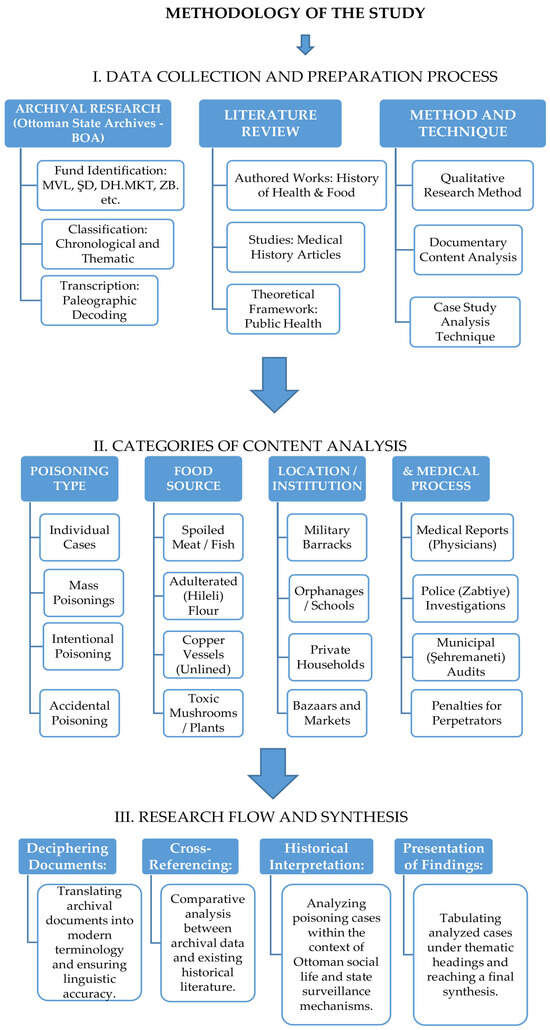
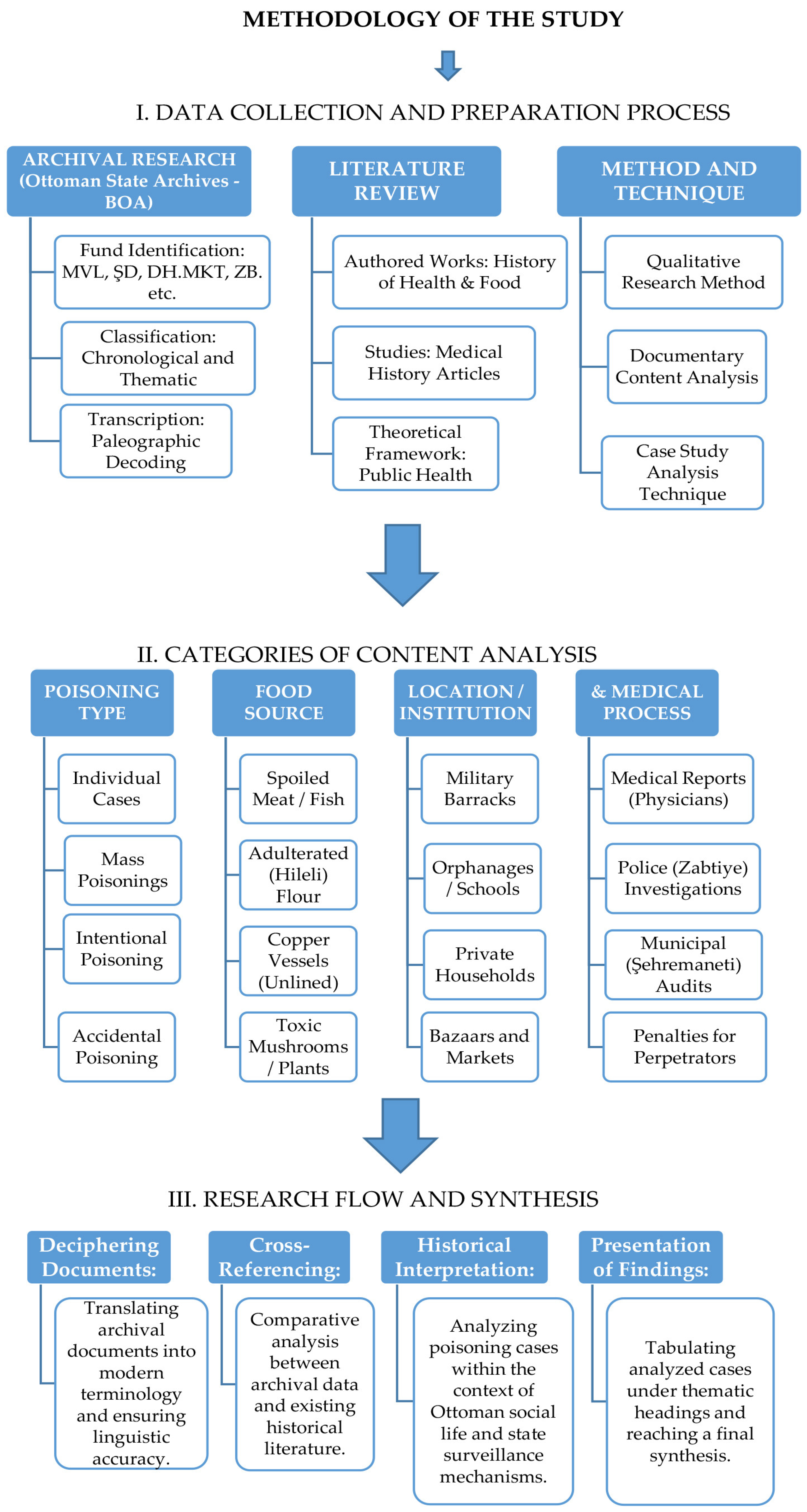
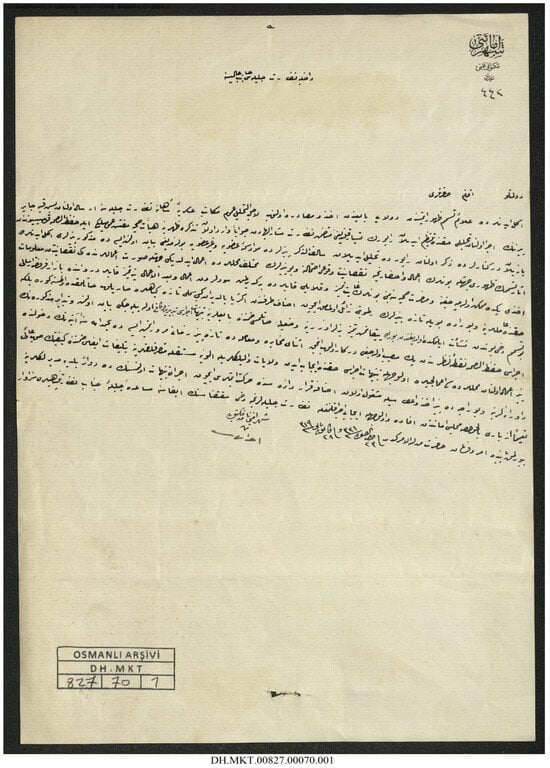
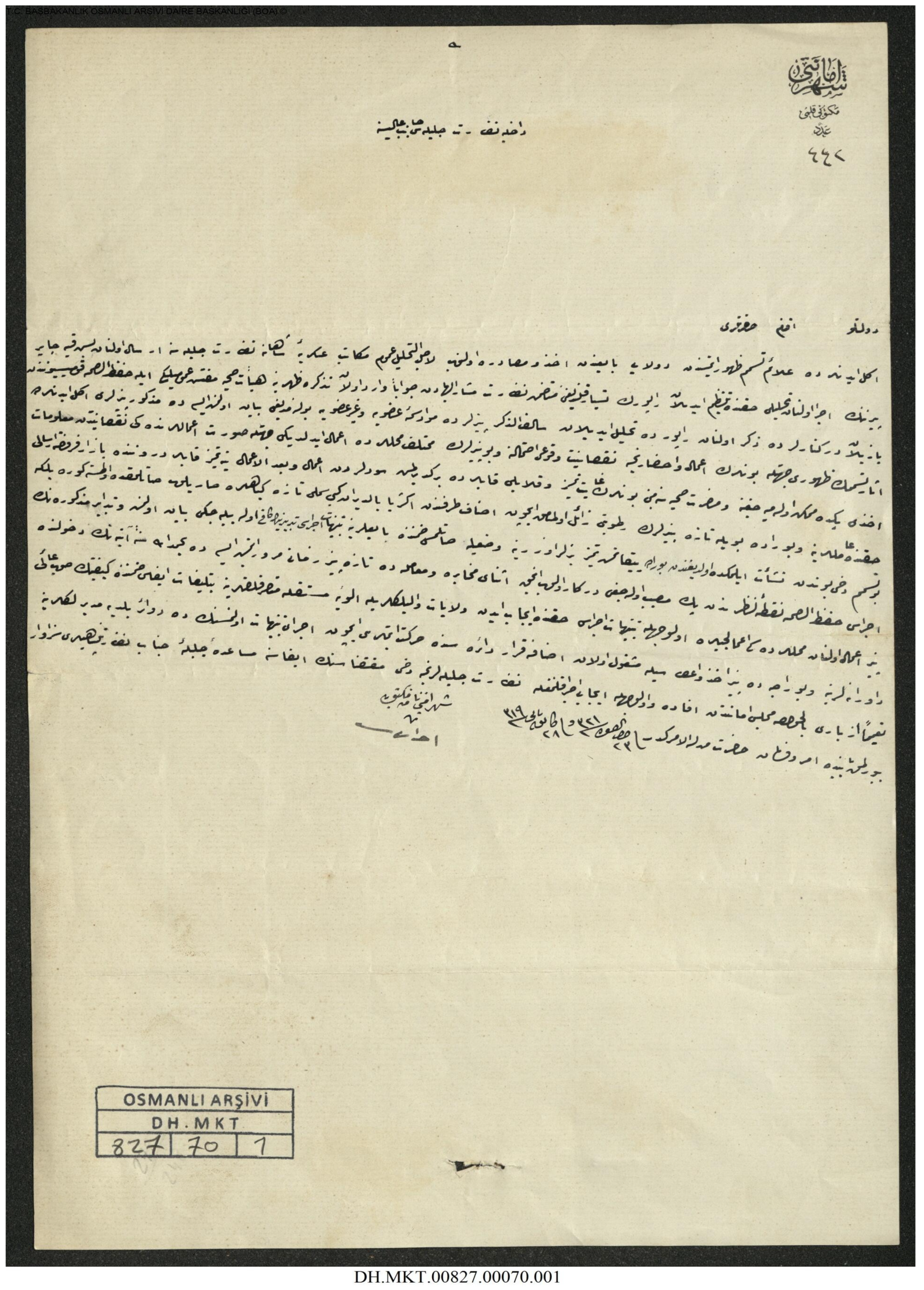
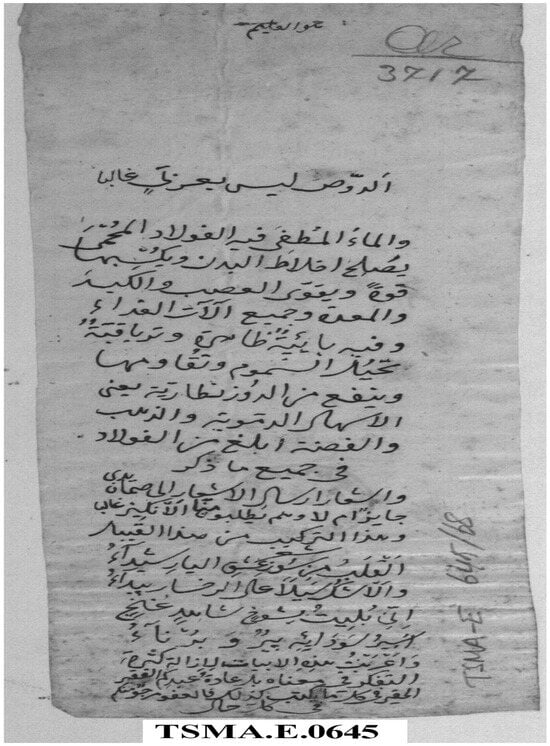
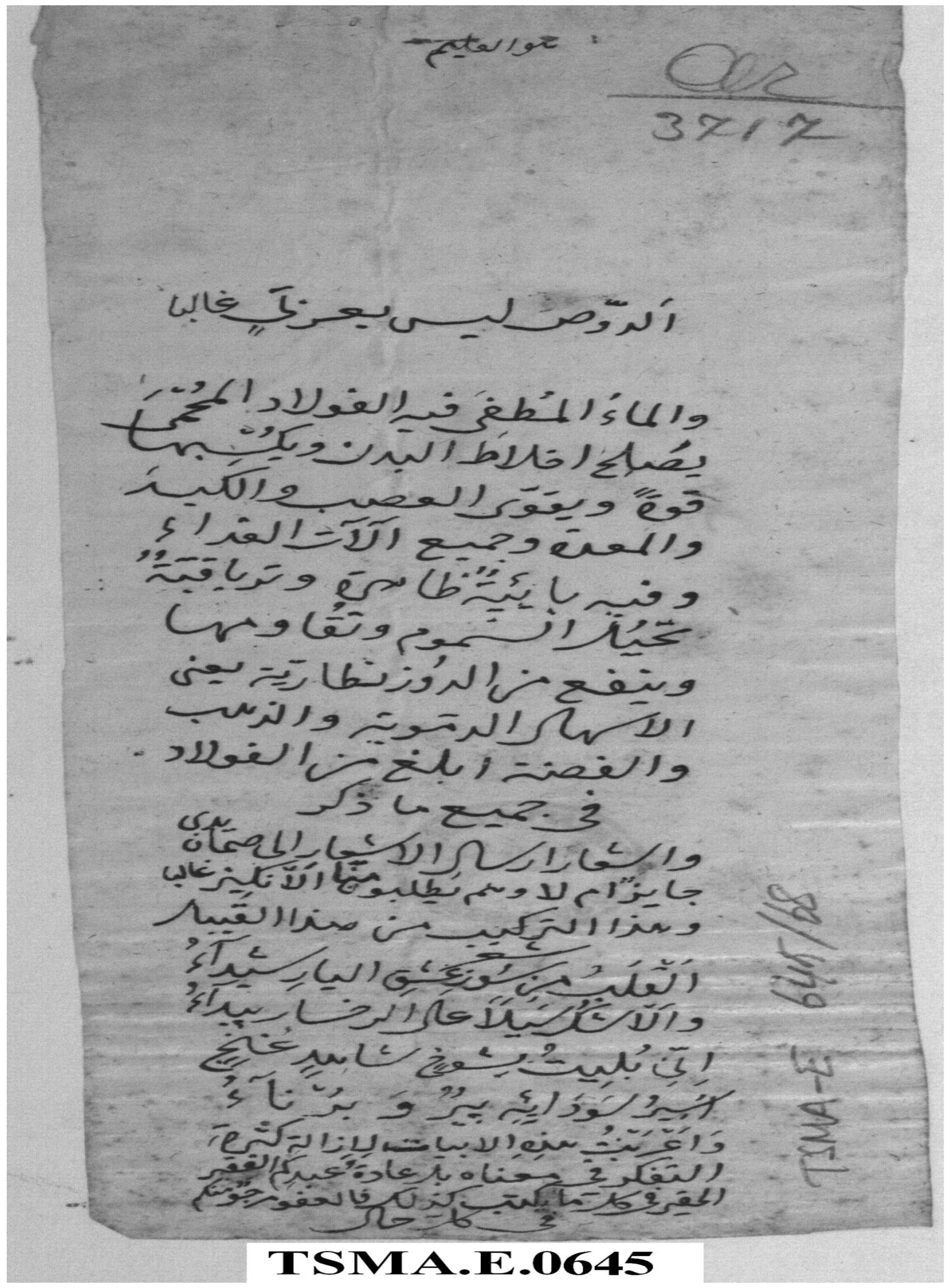
Disclaimer/Publisher’s Note: The statements, opinions and data contained in all publications are solely those of the individual author(s) and contributor(s) and not of MDPI and/or the editor(s). MDPI and/or the editor(s) disclaim responsibility for any injury to people or property resulting from any ideas, methods, instructions or products referred to in the content. |
© 2026 by the authors. Licensee MDPI, Basel, Switzerland. This article is an open access article distributed under the terms and conditions of the Creative Commons Attribution (CC BY) license.