


Abstract
Improving nitrogen (N) use efficiency in olive cultivation is essential to address the environmental burden of N fertilizers, whose recovery efficiency rarely exceeds 55%. This study evaluates the agronomic and environmental performance of chabazite-rich zeolite as a soil amendment to enable 50% N-fertilizer reduction in olive growing. A seven-year field experiment (2017–2023) was conducted at two sites in Emilia-Romagna (Italy)—one irrigated (Brisighella) and one rainfed (Bertinoro)—comparing four autochthonous varieties under zeolite amendment (ZEO, 50% N) versus conventional fertilization (CNT, 100% N). Vegetative growth, productive parameters, oil quality and environmental impacts (Life Cycle Assessment, ISO 14040/44) were monitored. Under irrigation, ZEO maintained vegetative and productive equivalence with CNT, sustaining commercially viable yields (0.5–2.3 t ha−1). Under rainfed conditions, variety-specific responses emerged: Colombina exhibited 126.2% greater trunk diameter and near-universal fruiting competence (88.9% vs. 29–35% productive plants) under ZEO, while Capolga showed treatment convergence. LCA revealed higher per-unit environmental impacts for ZEO during early orchard phases due to front-loaded extraction burdens, progressively offset by annual N-input reductions. These findings demonstrate that zeolite amendment enables agronomically viable 50% N-fertilizer reduction, with efficacy modulated by water regime and genotype.
1. Introduction
Low Fertilizer Use Efficiency (FUE) represents one of the main causes of altered agro-ecosystem equilibrium [1,2]. After application to soil, N is generally not efficiently taken up by plants but is lost through volatilization, denitrification and leaching, causing degradation of soil, water and atmospheric compartments [3,4]. The apparent recovery efficiency of N by crops rarely exceeds 55% globally [5,6], with substantial variability depending on crop type, soil characteristics and climatic conditions, requiring improved agricultural practices that reduce environmental impacts while sustaining future food demands [7,8,9]. Agriculture accounts for approximately 10% of global greenhouse gas emissions, with N-based fertilizers contributing significantly through both direct field emissions (N2O) and indirect emissions from energy-intensive synthetic production processes [4,10]. Within the EU Green Deal framework—which aims to decrease fertilizer use by 20% and increase organic farming by 25% by 2030 [11]—the development of eco-friendly practices to reduce fertilizer inputs while improving efficiency is necessary to guarantee both environmental sustainability and food security [12,13].
In olive cultivation (Olea europaea L.), N use efficiency is particularly low and highly dependent on application rate and genotype. Fernández-Escobar et al. [14] demonstrated that N uptake efficiency in olive decreases exponentially with the amount applied, ranging from 45.9% at low doses to just 4.1% under excessive fertilization, while isotopic tracing with 15N revealed that recovery of applied N in young olive trees does not exceed 15% [15]. Significant NUE differences among cultivars have also been documented [16,17], confirming that genotype constitutes a critical determinant of fertilization efficiency in olive systems. Despite this inherently low efficiency, excessive N application remains common practice, with doses reaching 200 kg N ha−1—quantities that often exceed actual tree requirements for years [18]. The resulting environmental losses through nitrate leaching to groundwater, N2O emissions and ammonia volatilization are substantial [19,20,21], and recent Life Cycle Assessment studies on olive cultivation have consistently identified fertilization as the dominant environmental hotspot, accounting for 64–98% of climate change and acidification impacts [22,23,24]. Reducing N-fertilizer inputs in olive growing therefore represents a key sustainability challenge, particularly considering the EU Green Deal [11] targets and the economic implications of input costs for smallholder farmers.
Zeolites are crystalline aluminosilicates with an open three-dimensional framework formed by linked [SiO4]4− tetrahedra, with open cavities in the form of channels and cages [25]. Isomorphous substitution of Si4+ with Al3+ within the tetrahedral lattice generates [AlO4]5− units that confer a net negative charge to the framework, which is balanced by loosely bound exchangeable cations located within the microporous network. These structural features result in distinctive properties of agronomic relevance: high cation exchange capacity (CEC), typically ranging from 200 to 380 cmol(+) kg−1 [26]; pronounced selectivity for nutrient cations such as ammonium (NH4+) and potassium (K+) [27]; significant water retention capacity (30–35% by weight), which can increase soil moisture content by 1.3–2.6% [28,29]; reversible dehydration; and chemical resistance ensuring long-term persistence in soil over multiple growing seasons [30]. When applied as soil amendments, zeolite-rich tuffs (rocks containing >50% zeolite minerals) [31] function as slow-release fertilizers [32,33,34], improving the capacity of soil to retain nutrients and water, enhancing plant growth [35,36,37], and significantly reducing N losses to the environment [38,39,40,41]. Previous research has specifically demonstrated that zeolite application improves N retention in agricultural soils through multiple synergistic mechanisms: Faccini et al. [38] reported a 50% reduction in nitrate leaching in reclaimed agricultural soils in the Po River Delta region, while Ferretti et al. [42] demonstrated through 15N isotopic analysis that zeolite-amended soils maintained higher N pools and improved N cycling efficiency, with enhanced gross ammonification and delayed nitrification rates.
Despite this growing body of evidence, two critical knowledge gaps limit the application of zeolite in olive cultivation. Most studies have focused on annual crops or short-term experiments (1–2 years), while long-term effects (>3 years) on perennial woody crops remain largely unexplored, particularly regarding cumulative effects and temporal dynamics of zeolite–soil–plant interactions across different genotypes and water regimes. Furthermore, although recent LCA studies on olive cultivation have identified fertilization as the dominant environmental hotspot [22,23,24], no study to date has evaluated the overall environmental balance of zeolite amendment—weighing the upstream burdens of extraction, processing, and transportation against the downstream benefits of reduced fertilizer production and lower field emissions. Building upon the three-year baseline study by Medoro et al. [26], which demonstrated the feasibility of 50% N-fertilizer reduction in olive growing through zeolite amendment, this seven-year investigation (2017–2023) extends the monitoring to a multi-site, multi-variety experimental design and aims to evaluate the long-term persistence of zeolite effects on N use efficiency and plant productivity across four autochthonous olive varieties under contrasting water management regimes (irrigated vs. rainfed); assess variety-specific growth and productive responses to identify which genotypes benefit most from zeolite amendment under water-limited conditions; and conduct a comprehensive LCA to quantify the environmental footprint of zeolite-amended versus conventional fertilization across the full experimental period. We hypothesize that zeolite amendment sustains adequate plant development and productivity despite halved N inputs, with treatment efficacy modulated by water availability regime and genotype, and that the environmental costs associated with zeolite application are progressively offset by cumulative reductions in N-fertilizer inputs as orchard productivity increases.
2. Materials and Methods
2.1. Zeolite
A commercial zeolitic tuff (Zep70®, Bal-co S.p.A., Sassuolo, Italy) was employed in this study.
The mineralogical composition is reported in Table 1 according to the product’s technical data sheet. It was mainly composed of chabazite zeolite.
Table 1.
Mineralogical composition of Zep70® as reported by the manufacturer in the technical data sheet.
2.2. Experimental Set-Up
2.2.1. Site Selection, Pedoclimatic Characterization, and Experimental Design
This study was conducted at two olive orchards in the Emilia-Romagna region (northern Italy): Brisighella (BG; 44°13′ N, 11°46′ E, 115 m a.s.l., Province of Ravenna) and Bertinoro (BN; 44°08′ N, 12°07′ E, 254 m a.s.l., Province of Forlì-Cesena), as shown in Figure 1.
Figure 1.
Geographic location and experimental layout of the two experimental fields. (a) Location of the Emilia-Romagna region in Italy; (b) position of the Brisighella (BG) and Bertinoro (BN) experimental sites within the region; (c) aerial view of the BG olive orchard; (d) detail of experimental plant distribution at BG, where CNT plants are marked in blue and ZEO plants in orange; (e) aerial view of the BN olive orchard; (f) detail of experimental plant distribution at BN, where Capolga CNT plants are marked in green and ZEO in light green, Pennita CNT in purple and ZEO in light purple, and Colombina CNT in yellow and ZEO in light yellow.
Site selection criteria emphasized pedological homogeneity while incorporating contrasting microclimatic conditions and water management regimes—irrigated (BG) versus rainfed (BN)—enabling assessment of zeolite performance under diverse agronomic conditions.
Baseline soil properties were previously characterized in detail by Medoro et al. [26], whose associated dataset is available for consultation [43]. From a pedological perspective, the BG soil belongs to the cartographic unit BAN3/SOG, mainly represented by Haplic Regosols, while the BN soil belongs to the cartographic unit DEM/BAN3/DOG0, mainly represented by Haplic Cambisols, according to the World Reference Base for Soil Resources [26]. Both sites possess silty-clay-loam soils (Figure 2) developed on marine sedimentary materials. This uniformity in baseline soil properties minimizes confounding factors related to inherent edaphic variability, allowing observed treatment effects to be more confidently attributed to zeolite amendment and N reduction.
Figure 2.
Particle size analysis and textural classification (USDA) of soil samples from BG and BN sites.
The two sites differ in microclimatic conditions and agronomic management systems, creating an environmental gradient that enables assessment of zeolite performance under contrasting water availability scenarios.
The BG site is managed under conventional agricultural practices with supplemental drip irrigation, representing intensive production systems where periodic water stress is mitigated through controlled irrigation inputs. The orchard is established on a west-facing slope, with experimental plants arranged in two east–west oriented rows spaced approximately 5 m apart; treatments were assigned to separate rows (Figure 1d).
The BN site is managed under organic certification without supplemental irrigation, representing typical rainfed olive cultivation in Mediterranean environments. The orchard is similarly established on a west-facing slope with experimental plants distributed across two distinct field sections approximately 100 m apart; within each section, treatments were assigned to separate rows (Figure 1f).
At both sites, treatments were allocated to adjacent rows rather than randomized at the individual tree level, reflecting the operational constraints of commercial olive orchards managed by partner farms; the implications of this spatial arrangement are addressed in the Discussion.
Detailed climatic parameters, including inter-annual variability in precipitation and temperature for both sites, are provided as (Figure A1 and Figure A2 in Appendix A).
At both sites, one-year-old olive plants of the selected autochthonous cultivars were propagated and supplied by the IBE-CNR accredited nursery, which operates as a certified multiplication center for autochthonous olive germplasm of Emilia-Romagna following genetic and sanitary certification protocols within a European voluntary program [44], ensuring growth uniformity, genetic identity and phytosanitary status at the time of orchard establishment in 2016 [26]. In total, 164 experimental plants were monitored across the two sites (52 at BG, 112 at BN). Each site shows a different composition of evaluated varieties:
The Brisighella site (BG) hosts a single autochthonous variety, ‘Nostrana di Brisighella’ (NDB), characterized by relatively slow vegetative development and late bearing [44]. The experimental design at BG included 26 biological replicates per treatment (CNT and ZEO), totaling 52 experimental plants. The same individual plants were monitored non-destructively throughout the entire seven-year experimental period (2017–2023).
The Bertinoro site (BN) comprises three autochthonous varieties with distinct morphological and phenological characteristics [44]: ‘Capolga di Romagna’ (CAP), characterized by moderate vigor and intermediate productivity; ‘Colombina’ (COL), exhibiting vigorous vegetative growth; and ‘Pennita’ (PEN)), displaying compact canopy architecture with relatively contained vegetative development. The experimental design at BN included 22 biological replicates for ‘Capolga di Romagna’ per treatment and 17 biological replicates for both ‘Colombina’ and ‘Pennita’ per treatment, resulting in 112 total experimental plants. The same individual plants were monitored non-destructively throughout the entire seven-year experimental period (2017–2023).
2.2.2. Treatments and Zeolite Application
Both experimental sites were established through transplanting of one-year-old plants (BG site on 10 May 2016; BN site on 1 November 2016). At planting, two treatments were implemented at each site.
The control treatment (CNT) received N fertilization at full dose recommended by regional guidelines for olive cultivation in Emilia-Romagna.
The zeolite treatment (ZEO) received N fertilization at 50% of the recommended dose, combined with a one-time application of 500 g of zeolite per plant, incorporated into the planting hole at a depth of 30–40 cm to ensure direct contact with the root system [26]. This application rate of zeolite corresponded to approximately 200 kg ha−1 and was set at approximately double the manufacturer’s recommended dose (250–300 g per plant) to maximize the potential for cation exchange and nutrient retention during the critical establishment phase of young olive trees.
Annual N fertilization at the differentiated rates for each treatment was maintained consistently throughout the experimental period following standard agronomic practices adopted at each site by the farm owners.
The complete fertilization regime, including product types, N content and annual application rates for both treatments at each site, is detailed in Table 2.
Table 2.
Fertilization management regimes for zeolite-amended (ZEO and control (CNT) treatments at Bertinoro (BN) and Brisighella (BG) sites (2016–2022).
2.3. Vegetative Growth, Yields and Oil Quality Monitoring
Vegetative growth monitoring, following the methodology described by Masmoudi-Charfi and Ben Mechlia [45], was conducted annually over seven consecutive growing seasons (2017–2023) through non-destructive biometric measurements performed during the late growing season prior to winter dormancy (phenological growth stage 79–92 according to BBCH-identification keys of olive tree [46]) at both experimental sites.
For each plant, trunk diameter (cm) was measured at 10 cm height from the soil surface using digital calipers, with measurements taken perpendicular to the trunk orientation and tree height (cm) measured from the soil surface to the apical meristem of the tallest shoot using a telescopic measuring rod.
Productive performance was assessed from 2019 to 2022 for the BG site and from 2021 to 2022 for the BN site, owing to a later onset of fruit production at the rainfed orchard. For each site and harvest year, the following parameters were quantified: total fruit yield (kg plant−1), percentage of productive plants (proportion of monitored individuals with non-zero harvest), fruit weight (g) determined on a representative subsample of 50 fruits per plant, oil content (%) [47,48,49] and water content (%) following established analytical procedures [48,49,50], estimated oil yield per hectare (kg ha−1) calculated as the product of mean fruit yield, planting density (300 plants ha−1 at BG and BN), and oil content percentage.
2.4. Statistical Analysis
All experimental data were subjected to statistical analysis using Microsoft® Excel 2007 integrated with XLSTAT© software (Version 2009.3.02, Addinsoft, Inc., Brooklyn, NY, USA). Vegetative growth variables, productive performance indices, and oil quality attributes were compared across the experimental treatments using Student’s t-tests, and the Mann–Whitney test was applied when the assumption of normality was not met.
Statistical significance was consistently established at the 5% probability level (p < 0.05) throughout all analyses.
2.5. Life Cycle Assessment and Environmental Impact Evaluation
Environmental sustainability of zeolite-based soil amendment and N fertilization reduction strategies was assessed through a comprehensive Life Cycle Assessment (LCA) in accordance with UNI EN ISO 14040:2021 [50] and UNI EN ISO 14044:2021 [51].
The goal of the LCA study was to quantify and compare environmental burdens associated with zeolite-amended olive cultivation (50% N reduction combined with one-time zeolite application) versus conventional management practices (100% N fertilization). Impacts were expressed per kilogram of harvested olives (functional unit), enabling direct comparison of environmental efficiency relative to productive output.
System boundaries encompassed the complete production chain from zeolite extraction and processing (including energy consumption, raw material inputs and packaging) through field application, incorporating emissions generated during fertilization events. The temporal reference frame corresponded to the complete experimental monitoring period. Primary data for agricultural operations, zeolite application rates, fertilizer inputs and productive performance were obtained directly from field trials conducted at the two experimental sites, while background life cycle inventory data for materials production, energy generation and transportation processes were sourced from the Ecoinvent database (version 3.8, November 2021).
Emission modeling for N-containing fertilizers incorporated calculation protocols established in the Product Category Rules (PCR 2020:07) for arable and vegetable crops [52], accounting for direct and indirect gaseous emissions (NH3, NO, N2O to atmosphere; NO3− to groundwater) following the IPCC Guidelines for National Greenhouse Gas Inventories [53] and the EMEP/EEA air pollutant emission inventory guidebook [54]. Emission factors for direct N2O emissions from managed soils were derived from Bouwman et al. [55].
Environmental impact characterization was performed across nine midpoint impact categories using characterization factors established in EN 15804:2021+A2:2019/AC:2021 [56]: Global Warming Potential (GWP, kg CO2-eq), Acidification Potential (AP, mol H+-eq), Freshwater Eutrophication (EU-fw, kg P-eq), Marine Eutrophication (EU-m, kg N-eq), Terrestrial Eutrophication (EU-t, mol N-eq), Photochemical Ozone Formation Potential (POCP, kg NMVOC-eq), Ozone Depletion Potential (ODP, kg CFC11-eq), Abiotic Depletion of Fossil Fuels (ADFF, MJ), and water deprivation potential (WDP, m3 depriv).
Life cycle inventory modeling was conducted using SimaPro (version 9.3.0.3.) integrating process-specific data with background Ecoinvent datasets. Impact assessment calculations aggregated contributions across all life cycle stages—zeolite production, agricultural inputs manufacturing, field operations and direct field emissions—enabling identification of environmental hotspots and systematic comparison between treatment scenarios.
3. Results
3.1. Brisighella Site
3.1.1. Vegetative Growth Monitoring
Trunk diameter development at the BG site showed no significant treatment differentiation throughout the entire seven-year monitoring period (Figure 3a). ZEO and CNT plants followed parallel growth trajectories from 2017 (ZEO: 1.38 ± 0.27 cm; CNT: 1.45 ± 0.50 cm, p = 0.053) to 2023 (ZEO: 7.15 ± 1.22 cm; CNT: 7.38 ± 1.55 cm, p = 0.544), with the 2021 assessment revealing near-perfect treatment parity (5.63 cm for both treatments, p = 0.996). Cumulative increments were comparable between treatments (+5.77 cm for ZEO, +5.93 cm for CNT), confirming that the 50% N-fertilizer reduction combined with zeolite amendment maintained radial growth equivalent to full conventional fertilization under irrigated conditions. All annual data are reported in Table A1.
Figure 3.
Temporal evolution of trunk diameter (a) and main stem height (b) for ‘Nostrana di Brisighella’ at the BG site. ZEO (dashed line) and CNT (solid line) data points represent mean ± standard deviation. Statistical significance assessed via Mann–Whitney test (p < 0.05). All data are reported in Table A1 in Appendix A. (a) p-value = 0.244; (b) p-value = 0.007.
Main stem height measurements showed a different temporal pattern (Figure 3b). ZEO-treated plants exhibited a progressive numeric advantage that increased from initial parity in 2017 (+0.5%) to a statistically significant peak in 2021 (+13.0%; ZEO: 257.8 ± 36.46 cm vs. CNT: 228.2 ± 39.31 cm, p = 0.009) and all subsequent years, such as 2022 (+10.4%; ZEO: 278.3 ± 51.28 cm vs. CNT: 252.1 ± 48.82 cm, p = 0.001) and at the terminal assessment in 2023 (+8.0%; ZEO 292.3 ± 49.76 cm vs. CNT 270.7 ± 52.15 cm p = 0.008), indicating a persistent and significant height advantage.
3.1.2. Yields and Oil Quality Parameters
At the BG site, the Nostrana di Brisighella variety showed no significant treatment differences in fruit yield across all four assessment years (2019–2022, Table 3). Productive plan percentages were high and comparable between treatments throughout the monitoring period (76.9–100%). CNT plants exhibited a consistent numeric yield advantage over ZEO, ranging from −2.2% in 2019 to −9.5% in 2021, but none of these differences attained statistical significance (p-values ranging from 0.488 to 1.0000). Per-plant yields showed pronounced inter-annual variability under both treatments, with a 4.2-fold difference between the lowest (2021: ZEO: 1754 ± 1291 g plant−1; CNT: 1920 ± 1265 g plant−1) and highest (2022: ZEO: 7532 ± 3279 g plant−1; CNT: 8014 ± 3715 g plant−1); these yields correspond to approximately 0.5–2.3 t ha−1. Fruit quality parameters showed limited and temporally inconsistent treatment effects on fruit development and oil accumulation (Table 4). Fruit weight and oil content did not differ significantly between treatments in three out of four assessment years. The only statistically significant differences were observed for oil content in 2020 (ZEO: 25.13% vs. CNT: 37.30%, p = 0.030), favoring CNT, and for water content in 2022 (ZEO: 58.80% vs. CNT: 54.41%, p = 0.033), favoring ZEO. Estimated oil yield per hectare showed no consistent treatment-driven pattern across the assessment period.
Table 3.
Productive performance of Nostrana di Brisighella variety at the BG site.
Table 4.
Fruit quality parameters of ‘Nostrana di Brisighella’ variety at the BG site.
3.2. Bertinoro Site
3.2.1. Vegetative Growth Monitoring
Trunk diameter development in ‘Capolga’ showed an initial significant ZEO advantage in 2017 (ZEO: 0.96 ± 0.24 cm vs. CNT: 0.71 ± 0.19 cm, +35.2% p = 0.001), followed by rapid convergence to treatment parity by 2018 (ZEO: 1.04 ± 0.23 cm vs. CNT: 1.05 ± 0.21 cm) and sustained non-differentiation through 2022 (Figure 4a). At the terminal assessment (2023), ZEO plants showed a renewed numeric advantage (ZEO: 5.23 ± 1.63 cm vs. CNT: 4.42 ± 1.53 cm, +18.4%), though the difference was not statistically significant (p = 0.089). All annual data are reported in Table A2.
Figure 4.
Temporal evolution of trunk diameter (a) and main stem height (b) for ‘Capolga’ variety at the BN site. ZEO (dashed line) and CNT (solid line) data points represent mean ± standard deviation. Statistical significance assessed via Mann–Whitney test (p < 0.05). All data are reported in Table A2 in Appendix A. (a) p-value = 0.626; (b); p-value = 0.522).
Main stem height showed (Figure 4b) a contrasting early pattern, with CNT exhibiting a transient significant superiority in 2018 (ZEO: 115.5 ± 20.40 cm vs. CNT: 137.3 ± 19.69 cm, p = 0.001). Subsequent years demonstrated progressive convergence, with treatment differences attenuating to negligible magnitudes by 2023 (ZEO: 244.6 ± 32.52 cm vs. CNT: 248.1 ± 43.68 cm, p = 0.576).
‘Colombina’ exhibited the most pronounced and sustained treatment response across the entire experimental program (Figure 5a). Trunk diameter was comparable at establishment in 2017 (ZEO: 0.66 ± 0.19 cm vs. CNT: 0.54 ± 0.12 cm, p = 0.087), but differentiation became statistically significant from 2018 onward (p ≤ 0.005 in all subsequent years). The ZEO advantage increased progressively, reaching +110.2% in 2020 (ZEO: 3.51 ± 1.30 cm vs. CNT: 1.67 ± 0.80 cm) and culminating in +126.2% at the terminal assessment in 2023 (ZEO: 7.84 ± 1.74 cm vs. CNT: 3.46 ± 1.46 cm, p < 0.001). All annual data are reported in Table A3.
Figure 5.
Temporal evolution of trunk diameter (a) and main stem height (b) for ‘Colombina’ variety at the BN site. ZEO (dashed line) and CNT (solid line) data points represent mean ± standard deviation. Statistical significance assessed via Mann–Whitney test (p < 0.05). All data are reported in Table A3 in Appendix A. (a) p-value < 0.001; (b) p-value < 0.001.
Main stem height followed a parallel pattern of sustained ZEO superiority (Figure 5b). Significant differentiation emerged in 2018 (ZEO: 115.2 ± 22.28 cm vs. CNT: 86.1 ± 19.45 cm, p = 0.002) and was maintained through the terminal assessment in 2023 (ZEO: 227.0 ± 24.78 cm vs. CNT: 198.7 ± 20.79 cm, p = 0.001), with the peak differential recorded in 2022 (+41.6 cm).
Trunk diameter in ‘Pennita’ showed modest but significant ZEO superiority during the establishment years (2017: p = 0.032; 2018: p = 0.019), followed by a convergence phase with no significant differences from 2019 to 2022 (Figure 6a). At the terminal assessment (2023), statistically significant differentiation re-emerged (ZEO: 6.90 ± 1.16 cm vs. CNT: 5.80 ± 1.22 cm, +19.0%, p = 0.015). All annual data are reported in Table A4.
Figure 6.
Temporal evolution of trunk diameter (a) and main stem height (b) for ‘Pennita’ variety at the BN site. ZEO (dashed line) and CNT (solid line) data points represent mean ± standard deviation. Statistical significance assessed via Mann–Whitney test (p < 0.05). All data are reported in Table A4 in Appendix A. (a) p-value = 0.281; (b) p-value = 0.160.
Main stem height showed significant early ZEO advantages in 2017 and 2018 (p = 0.002 and p = 0.016, respectively; Figure 6b), followed by sustained convergence through terminal assessment (2023: ZEO 245.4 ± 22.03 cm vs. CNT 239.3 ± 32.54 cm, p = 0.543).
3.2.2. Yields and Oil Quality Parameters
Productive performance at the BN rainfed site was assessed over two harvest years (2021–2022) and showed lower absolute yield compared to the irrigated BG site, with pronounced variety-specific patterns (Table 5).
Table 5.
Productive performance of ‘Capolga’, ‘Colombina’ and ‘Pennita’ varieties at the BN site.
‘Capolga’ showed limited productive competence under both treatments; productive plant percentages remained lower (ZEO: 22.7% in both years vs. CNT: 45.5% in 2021, 40.9% in 2022), and neither year yielded significant treatment differences (2021: p = 0.215; 2022: p = 0.545). For ‘Colombina’, ZEO plants showed consistently higher median yields than CNT (2021: 270 ± 220 vs. 130 ± 100 g plant−1; 2022 510 ± 310 vs. 35 ± 25 g plant−1), and in 2022, assessment achieved statistical significance (p = 0.010). Another notable difference for ‘Colombina’ was in productive plant percentages: ZEO-treated plants achieved 88.9% in both years compared to 29.4–35.3% under CNT. ‘Pennita’ showed a temporal inversion in yield hierarchy: CNT was higher in 2021 (CNT: 405 ± 205 vs. ZEO. 210 ± 80 g plant−1, p = 0.859), while ZEO was higher in 2022 (ZEO: 500 ± 190 vs. CNT: 190 ± 140 g plant−1, p = 0.055). Productive plant percentages under ZEO increased from 56.3% (2021) to 100% (2022), exceeding CNT values (35.3% and 64.7%, respectively).
Fruit quality parameters showed variety-specific patterns without consistent treatment-driven trends across the three varieties (Table 6). Fruit weight did not differ significantly between treatments for any variety in most comparisons, with the exception of ‘Colombina’ in 2021 where CNT fruits were significantly heavier (CNT: 92.06 ± 2.78 vs. ZEO: 65.76 ± 6.56 g, p = 0.010). Water content showed the most consistent treatment effect: ZEO fruits had significantly lower water content than CNT for ‘Capolga’ in 2022 (ZEO: 59.35 ± 0.96% vs. CNT: 61.75 ± 0.61%, p = 0.020), for ‘Colombina’ in 2022 (ZEO: 55.80 ± 1.51% vs. CNT: 61.36 ± 1.22%, p = 0.008) and for ‘Pennita’ in both 2021 (ZEO: 52.58 ± 0.07% vs. CNT: 54.04 ± 0.67%, p = 0.020) and 2022 (ZEO: 52.12 ± 1.22% vs. CNT: 49.33 ± 0.89%, p = 0.034). Among all varieties, oil content showed significant treatment differences for ‘Colombina’ in 2022 (ZEO: 24.92± 1.45% vs. CNT: 18.73 ± 2.71%, p = 0.025).
Table 6.
Fruit quality parameters of ‘Capolga’, ‘Colombina’ and ‘Pennita’ varieties at the BN site.
3.3. Life Cycle Assessment and Environmental Impact
Environmental impacts were assessed per kilogram of harvested olives (functional unit) at both sites. Detailed impact values for all nine categories are reported in Table A5 (BG site) and Table A6 (BN site).
3.3.1. Brisighella Site
The BG site was productive throughout the entire assessment period (2019–2022), with yields ranging from 455 to 1908 kg ha−1 under ZEO and from 499 to 1680 kg ha−1 under CNT (Figure 7a–d).
Figure 7.
Life Cycle Assessment of environmental impacts for ZEO vs. CNT treatments at BG and BN sites: (a) BG 2019, (b) BG 2020, (c) BG 2021, (d) BG 2022, (e) BN 2021, (f) BN 2022. Impact values are expressed per functional unit (1 kg harvested olives) and normalized to ZEO treatment baseline (green bars = 100%); yellow bars represent proportional CNT treatment impacts relative to ZEO. Impact categories: GWP = Global Warming Potential; AC = Acidification Potential; EU-fw = Freshwater Eutrophication; EU-m = Marine Eutrophication; EU-t = Terrestrial Eutrophication; PO = Photochemical Ozone Formation Potential; ODP = Ozone Depletion Potential; ADFF = Abiotic Depletion of Fossil Fuels; WDP = water deprivation potential. All numerical data are reported in Table A5 and Table A6 in Appendix A.
ZEO treatment exhibited higher per-unit environmental impacts than CNT across all assessed categories in all years, reflecting the additional upstream burdens of zeolite extraction and processing. In the first assessment year (2019), GWP was 0.240 vs. 0.145 kg CO2-eq kg−1 olives (ZEO vs. CNT), while in the final year (2022) the differential narrowed to 0.113 vs. 0.051 kg CO2-eq kg−1. Similar convergence trends were observed for acidification, eutrophication (e.g., Marine Eutrophication in 2022 reached 0.0038 vs. 0.0017 kg Neq kg−1, while Terrestrial Eutrophication was 0.0215 vs. 0.0096 mol Neq kg−1) and fossil resource depletion indicators (Table A5). The progressive reduction in per-unit impact differentials reflects the increasing dilution of the front-loaded zeolite burden across growing harvest volumes.
3.3.2. Bertinoro Site
BN had non-productive orchards during 2019–2020; therefore, all agricultural inputs for 2019–2021 were allocated to the first harvest year (2021), and 2022 was assessed independently (Figure 7e,f). ZEO treatment achieved substantially higher cumulative yields than CNT: 65.63 versus 29.69 kg ha−1 for the 2019–2021 period (+121%) and 118.61 vs. 39.65 kg ha−1 in 2022 (+199%). Despite this productivity advantage, per-unit environmental impacts were markedly higher for ZEO across all categories, reflecting the combined effect of zeolite upstream burdens and the very low absolute yields characteristic of young rainfed orchards. GWP for the cumulative 2019–2021 period was 7.37 vs. 1.97 kg CO2-eq kg−1 (ZEO vs. CNT), decreasing to 2.29 vs. 0.39 kg CO2-eq kg−1 in 2022 as productivity increased. Similar convergence trends were observed for Acidification Potential, Marine Eutrophication, Terrestrial Eutrophication, fossil resource depletion and water deprivation potential. The magnitude of per-unit impacts at BN was substantially higher than at BG, consistent with the lower absolute productivity of the rainfed site (Table A6).
4. Discussion
The present investigation extends the three-year baseline study by Medoro et al. [26] to a seven-year monitoring period, providing one of the longest continuous datasets currently available on zeolite effects in olive cultivation. The only comparable long-term evidence comes from Al-Tabbal et al. [57], who monitored volcanic zeolite tuff effects on olive growth over five years under irrigated conditions in Jordan, and from Ferretti et al. [58], who documented persistent soil quality improvements 6–10 years after a single chabazite application in Italian cropping systems including an organic olive orchard. The cross-site comparative design employed here revealed that water availability regime functions as the primary modulator of zeolite efficacy: zeolite-mediated enhancements manifested predominantly under rainfed conditions at Bertinoro, while remaining enhancements attenuated under irrigation at Brisighella. This differential response is consistent with the dual functionality of zeolite—simultaneous N and water retention [25,59]—which operates synergistically under precipitation-dependent regimes. Climatic monitoring over the experimental period (2017–2023) substantiates this interpretation: the BN rainfed site received markedly lower mean annual precipitation (626 mm) compared to the irrigated BG site (1127 mm), while recording higher mean annual temperatures (17.1 °C vs. 15.0 °C; Figure A1 and Figure A2), resulting in substantially greater evapotranspiration demand and water deficit at BN. Under these water-limiting conditions, zeolite’s documented water retention capacity may translate into enhanced plant-available water during seasonal drought periods characteristic of Mediterranean summers. These responses align with previous research conducted under rainfed conditions, where zeolite amendments demonstrated consistent benefits for soil moisture retention, photosynthetic performance, and yield stability in water-limited olive systems [59,60,61].
Under irrigation at BG, where supplemental water eliminated moisture constraints, water retention became largely superfluous, and N retention alone proved insufficient for productive advantages despite documented vegetative enhancements. The mechanism through which zeolite maintains N availability involves the selective adsorption of NH4+ within the mineral lattice, which slows the conversion of ammonium to nitrate and delays nitrification, thereby extending the period during which N remains accessible to plant roots [34]. This process has been documented quantitatively by Torma et al. [62], who observed a reduction in soil ammonium content during the first month after zeolite application—attributable to NH4+ fixation within the zeolite lattice—followed by a 24–59% increase in subsequent months as ammonium was gradually released, consistent with a slow-release fertilizer mechanism. Previous studies on zeolite in rainfed orchards support this interpretation that combined water and N retention is essential for optimal efficacy: Martins et al. [60] reported a 35.5% cumulative yield increase over three years with zeolite combined with leguminous cover crops in rainfed olive orchards in northeastern Portugal, while Martins et al. [59] documented 26.3% higher soil moisture content under zeolite amendment in a rainfed olive system. However, no published study has explicitly compared zeolite efficacy across contrasting irrigation regimes within the same investigation, making the present cross-site analysis a novel contribution. The differential response magnitude observed across water availability treatments finds precedent only in studies on other crops, where zeolite and irrigation interactions proved statistically significant [40,63,64]. It should be noted, however, that the experimental design employed a single zeolite source at a fixed particle size and application rate, precluding any systematic evaluation of optimal amendment parameters—a relevant limitation given that zeolite type, application method, soil texture and particle size significantly affect treatment efficacy [34,65].
At the irrigated BG site, seven-year monitoring confirmed that halved N inputs combined with zeolite amendment maintained trunk radial development as functionally equivalent to conventional fertilization throughout establishment and early productive phases, extending the three-year equivalence reported by Medoro et al. [26]. This finding aligns with the broader evidence that olive trees are systematically over-fertilized: Fernández-Escobar et al. [66] demonstrated in two 13-year experiments that no significant yield response to N application occurred when leaf N status was adequate, while N use efficiency decreased from 45.9% at low application rates to just 4.1% under excessive fertilization [14]. Under these conditions, the N retained by zeolite through selective NH4+ adsorption and delayed nitrification—as described above and documented by Torma et al. [62] and Ferretti et al. [42]—likely maintained soil N availability within the range sufficient for normal radial growth, even at half the conventional input rate. Height development exhibited more complex dynamics, with a statistically significant ZEO superiority emerging during the fifth year (+13.0%, p = 0.009), which remained such in subsequent years (2022: +10.4%, p = 0.001; 2023: +8.0%, p = 0.008). This pattern of sustained divergence—mid-timeline peak followed by continuous differentiation—may reflect the persistence of active exchange sites in zeolite, prolonged competitive cation exchanges, ongoing biological colonization altering N transformation kinetics or architectural maturation. Similar temporal patterns have been observed in annual crops amended with clinoptilolite [67,68]; these dynamics warrant systematic investigation to determine whether and when periodic re-application becomes necessary to sustain optimal N retention capacity in perennial systems.
Productive performance at the BG site confirmed commercially viable yields (0.5–2.3 t ha−1) under both treatments, with no significant treatment differentiation across four assessment years (2019–2022). The absence of productive advantages under ZEO is consistent with a N sufficiency status already achieved under conventional fertilization at this irrigated site: when water is non-limiting, N retained by zeolite does not confer additional benefit because the primary growth constraint—water availability—is already resolved through irrigation. This interpretation is supported by the physiological framework proposed by Erel et al. [16], who demonstrated that olive productivity responds to N status according to a bell-shaped curve, with both deficient (<1.4% leaf N) and excessive (>1.8% leaf N) concentrations impairing flowering and fruit set. The halved N inputs enabled by zeolite amendment apparently maintained leaf N within this optimal range without inducing deficiency—a result consistent with the leaf N data reported by Medoro et al. [26] over the first three years at the same site, which showed no significant differences in total leaf N between ZEO and CNT treatments. The quadrennial fruit compositional dataset showed only sporadic significant differences (oil content in 2020, water content in 2022) without systematic treatment-driven patterns, suggesting that zeolite effects under irrigated conditions primarily targeted vegetative rather than reproductive processes.
The variety-specific response gradient at the rainfed Bertinoro site underscores the critical importance of genotype–environment–management interactions in determining zeolite efficacy under water-limited conditions. While genotypic variation in N management responses has been documented in olive—Fernández-Escobar et al. [17] demonstrated significant NUE differences across 20 cultivars, and Hindersmann et al. [15] showed cultivar-dependent N partitioning patterns among ‘Arbosana’, ‘Picual’ and ‘Coratina’ using 15N-labeled urea—no published study has yet compared cultivar responses to zeolite soil amendment. The contrasting microclimatic conditions at BN (mean annual precipitation 626 mm, mean temperature 17.1 °C) relative to BG (1127 mm, 15.0 °C; Figure A1 and Figure A2) amplify the water deficit context in which these variety-specific responses emerged. The extended monitoring reported here revealed three distinct temporal response patterns that provide preliminary evidence for genotype × zeolite interactions in olive.
The ‘Capolga’ variety exhibited attenuated responses characterized by early-phase trunk diameter differentiation followed by progressive convergence toward treatment equivalence. The transient CNT superiority in height during year two may reflect initial N availability disparities during zeolite cation exchange site saturation, a lag phase consistently reported in zeolite-amended systems [67]. Terminal near-complete convergence suggests that ‘Capolga’ possesses intrinsic drought tolerance mechanisms rendering zeolite-mediated enhancements largely superfluous under the prevailing water deficit regime, consistent with evidence that highly drought-adapted olive genotypes derive limited benefit from soil moisture improvements [21]. Productive plant percentages remained consistently higher under CNT treatment (45.5% and 40.9% vs. 22.7% for ZEO in both years), reinforcing the interpretation that zeolite amendment did not facilitate reproductive threshold attainment for this cultivar.
‘Colombina’ exhibited the most pronounced and sustained positive response across the entire study, constituting the only variety where treatment effects intensified throughout the seven-year monitoring period. The progressive amplification culminating in 126.2% trunk diameter superiority at terminal assessment represents an exceptional response magnitude, substantially exceeding the growth enhancements reported in other long-term zeolite–olive studies: Al-Tabbal et al. [57] documented 15–25% improvements over five years under irrigated conditions, while Martins et al. [60] observed more moderate differentials in rainfed Portuguese orchards. Productive performance reinforced this pattern: ZEO-treated ‘Colombina’ achieved near-universal fruiting competence (88.9% productive plants in both assessment years) compared to 29–35% under CNT, indicating that zeolite enhanced the probability of reproductive threshold attainment rather than exclusively amplifying yields among already-productive individuals.
This sustained amplification pattern suggests fundamental compatibility between ‘Colombina’ physiological characteristics and zeolite-mediated soil modifications. Chatzistathis et al. [69] demonstrated that Greek olive cultivars exhibit markedly different root morphologies regardless of soil type, with cultivar-specific root architecture directly determining differential nutrient uptake efficiency. ‘Colombina’ may possess root morphological features—such as finer root diameter distribution or greater root length density in the shallow soil layers where zeolite was incorporated—facilitating superior exploitation of amended soil volumes. This hypothesis is supported by evidence that olive root systems actively reorganize in response to soil moisture distribution [70,71], suggesting that zeolite-amended soil patches may attract preferential root colonization in water-limited environments. The combined effect of enhanced N retention through selective NH4+ adsorption and improved soil moisture availability would be particularly beneficial for a vigorous genotype with high nutrient demand. However, root system architecture and rhizosphere dynamics were not directly investigated, and this gap should be addressed in future studies using 15N-tracer approaches [15].
‘Pennita’ exhibited intermediate response dynamics, characterized by temporal inversions in treatment superiority that distinguished this variety from the sustained Colombina amplification and the convergent Capolga trajectory. Vegetative development revealed zeolite advantages during establishment phases (2017–2018) transitioning to mid-period convergence (2019–2022), followed by renewed terminal differentiation in 2023—a biphasic pattern potentially reflecting spatial expansion of root systems beyond zeolite-amended soil volumes during intermediate growth phases, with renewed benefits emerging as cumulative soil quality improvements extend beyond the immediate amendment zone, as documented by Ferretti et al. [58] in long-term chabazite-amended systems. Productive performance paralleled this temporal complexity: initial CNT superiority in 2021 transitioned to ZEO advantage in 2022, accompanied by a progressive increase in productive plant percentages under ZEO from 56.3% to 100%. This reversal suggests that zeolite-mediated N retention required an initial accumulation phase before translating into productive advantages, consistent with observations in other perennial zeolite trials where productive benefits manifested with temporal delay relative to vegetative responses [57,72]. For application strategies, the Pennita pattern suggests that concentrated zeolite amendment during establishment may provide cost-effective benefits by accelerating productive competence attainment.
Collectively, the variety-specific response gradient—from attenuated (‘Capolga’) through intermediate-delayed (‘Pennita’) to sustained–amplified (‘Colombina’)—provides preliminary evidence that genotype selection constitutes a critical determinant of zeolite efficacy, particularly in marginal rainfed environments. The differential drought sensitivity among cultivars likely modulates the expression of zeolite water retention benefits, with genotypes exhibiting vigorous growth habits and high nutrient demand optimally positioned to derive maximum advantage from the combined N and water retention provided by zeolite amendment. This genotype × amendment interaction has practical implications: responsive varieties such as ‘Colombina’ could enable zeolite to convert economically marginal rainfed installations into commercially viable production units, whereas non-responsive genotypes would not justify the investment. The molecular mechanisms underlying these cultivar-specific variations remain unelucidated, which currently limits the capacity for predictive genotype selection in zeolite-amended systems.
Fruit compositional assessment at the BN site revealed pronounced variety-specific heterogeneity without systematic zeolite-mediated enhancements. The most consistent treatment effect was observed for water content, which was significantly lower in ZEO fruits across multiple variety–year combinations (‘Capolga’ 2022, ‘Colombina’ 2022, ‘Pennita’ 2021 and 2022), potentially reflecting improved water status of zeolite-amended plants during fruit development. By contrast, fruit weight showed no consistent treatment-driven pattern, and the absence of fruit weight improvements despite substantial vegetative advantages, particularly in ‘Colombina’, indicates complex genotype-dependent allocation dynamics between vegetative and reproductive sinks under water limitation. Oil content showed no significant treatment differences for any variety, consistent with findings by Fernández-Escobar [21] that olive nutritional status interacts with fruit quality through multiple non-linear pathways.
Beyond water regime modulation, soil chemical properties represent additional determinants of zeolite efficacy. The effect of zeolite application on soil physical and chemical properties depends on multiple experimental conditions including zeolite type, application method, soil texture and particle size [34], and the contrasting results reported in highly acidic Portuguese soils (pH 4.5) by Lopes et al. [73] underscore the necessity for systematic investigation of edaphic threshold conditions—particularly pH, cation saturation, and texture—to establish site-specific application guidelines. The review by Nakhli et al. [25] confirms that zeolite effects on water and nutrient retention are most pronounced in light-textured soils with low native CEC, suggesting that the medium-textured silty-clay-loam soils at both BG and BN sites may represent intermediate conditions where treatment benefits are genotype-modulated rather than universally expressed.
Life Cycle Assessment results revealed that zeolite-amended treatments exhibited higher environmental impacts per kilogram of harvested olives across all assessed categories, at both sites and throughout all monitoring years. This outcome is expected and consistent with the general pattern observed for physical soil amendments, where upstream extraction, processing, and transportation burdens are incurred once at establishment but allocated against initially low harvest volumes in young orchards, resulting in inflated per-unit impacts during early productive phases. As orchard productivity increases with maturation, these front-loaded costs are progressively amortized over larger harvest volumes: at the BG site, GWP decreased from 0.240 kg CO2-eq kg−1 in 2019 to 0.113 kg CO2-eq kg−1 in 2022, demonstrating a clear convergence trend. Critically, while zeolite burdens are predominantly one-time inputs, the 50% N reduction provides ongoing annual emission savings that compound over decades of orchard life—particularly for N2O, whose emission factor in Mediterranean cropping systems averages 0.5% of applied N according to the meta-analysis by Cayuela et al. [74], approximately half the IPCC Tier I default. Over a typical olive orchard lifespan of 30–50 years, the cumulative N2O emission reductions are expected to progressively offset and eventually surpass the initial zeolite burdens.
These findings must be interpreted within the broader LCA literature on olive systems. Multiple studies have unanimously identified fertilization as the dominant environmental hotspot in olive cultivation: Espadas-Aldana et al. [75] synthesized 23 LCA studies and converged on the agricultural phase as the most impactful, with fertilization constituting the single most critical activity, while Fernández-Lobato et al. [22] reported that the agricultural phase accounted for 64–98% of impacts across traditional and intensive olive systems in southern Spain. The 50% N reduction enabled by zeolite amendment directly targets this hotspot, substantially decreasing the contribution of fertilization-derived emissions to the overall environmental profile of olive cultivation.
The integration of agronomic and environmental results reveals a site-dependent trade-off between productivity and environmental performance. At the irrigated BG site, where ZEO and CNT treatments achieved comparable yields (0.5–2.3 t ha−1), the per-unit environmental cost of zeolite was moderate and decreased over time, suggesting that under productive conditions the investment approaches environmental neutrality within the assessment period. At the rainfed BN site, despite substantially higher absolute productivity under ZEO (+121% in 2021 and +199% in 2022 relative to CNT), the very low absolute yields of young rainfed orchards amplified per-unit impact differentials, with GWP values 3.7–5.9× higher for ZEO than CNT. However, the markedly higher productivity under ZEO at this site indicates that zeolite amendment may accelerate the transition from establishment to commercially viable production, thereby reducing the overall environmental cost per unit of productive output over the full orchard life cycle.
The critical limitation of the present LCA lies in its temporal scope: the functional unit of 1 kg harvested olives inherently penalizes treatments bearing fixed establishment-phase inputs during periods of still-developing orchard productivity, and the relatively short productive phase assessed (four years at BG, two years at BN) does not capture the full trajectory of impact convergence. As yields increase, amortization of zeolite impacts over larger harvest volumes is expected to progressively reduce per-unit differentials. Moreover, the 50% N reduction provides ongoing annual emission reductions compounded over decades of orchard life, whereas zeolite burdens are predominantly front-loaded. Future LCA studies should extend assessment to full productive maturity and incorporate area-based functional units (per hectare) alongside product-based units (per kg olives) to provide a comprehensive sustainability evaluation that accounts for both the amortization of front-loaded zeolite burdens and the cumulative benefits of reduced N inputs over the complete productive cycle.
Several limitations of the present study should be acknowledged. First, the experimental design was constrained by the operational requirements of commercial olive orchards managed by partner farms: treatments were assigned to adjacent rows rather than randomized at the individual tree level, and variety distribution differed between sites (one variety at BG, three at BN), precluding formal factorial analysis of site × variety × treatment interactions. Although the high number of biological replicates per treatment (26 at BG, 17–22 per variety at BN; 164 plants total) and the documented pedological homogeneity within sites [26] partially mitigate confounding from spatial variability, the results should be interpreted with this design constraint in mind. Second, the mechanistic basis of the observed responses was not directly investigated: root system architecture, rhizosphere nutrient dynamics, soil microbial community composition and direct gas exchange measurements were beyond the scope of this field-oriented study, limiting the capacity to identify causal pathways underlying the variety-specific responses. Third, the regional scope of the investigation—confined to two sites within the Emilia-Romagna region on silty-clay-loam soils—limits direct extrapolation to other olive-growing zones, particularly those with contrasting soil textures, pH levels or climatic regimes, and multi-site validation trials across diverse pedoclimatic conditions are required to consolidate the generalizability of these findings.
Despite these limitations, the results carry practical implications for olive orchard management. The demonstrated feasibility of a 50% N-fertilizer reduction without yield penalties under irrigated conditions provides a straightforward management recommendation for conventional orchards: a one-time zeolite application of 500 g per plant at transplant, combined with halved annual N inputs, can reduce fertilizer costs and environmental emissions while maintaining productive equivalence. Under rainfed conditions, the strong genotype dependence of zeolite efficacy suggests that variety selection should be integrated into amendment strategies: vigorous, responsive genotypes such as ‘Colombina’ could be preferentially established in zeolite-amended rainfed orchards to maximize both vegetative development and reproductive competence. The long-term persistence of zeolite effects documented by Ferretti et al. [58] in Italian cropping systems, combined with the seven-year efficacy observed here, indicates that the one-time establishment-phase application may provide sustained benefits without the need for periodic re-application—a significant advantage for cost-effectiveness and practical adoption by farmers. Future research should address the mechanistic gaps identified above, particularly through 15N-tracer experiments and root phenotyping, and extend the LCA to full orchard maturity to quantify the complete environmental balance of this amendment strategy.
5. Conclusions
This seven-year investigation (2017–2023) demonstrates that a one-time application of 500 g of chabazite-rich zeolite per plant at transplant enables a 50% reduction in annual N fertilization inputs in olive cultivation without compromising vegetative development or productive performance under appropriate site–variety combinations. Under irrigated conditions (BG), zeolite-amended plants maintained trunk diameter growth and fruit yields (0.5–2.3 t ha−1) equivalent to conventionally fertilized controls throughout the entire monitoring period. Under rainfed conditions (BN), variety-specific responses emerged: ‘Colombina’ exhibited a 126.2% trunk diameter superiority and near-universal fruiting competence (88.9% vs. 29–35% productive plants) under zeolite amendment, while ‘Capolga’ showed progressive treatment convergence and ‘Pennita’ displayed intermediate biphasic dynamics. Climatic differences between the two sites—BN receiving 626 mm mean annual precipitation versus 1127 mm at BG, without irrigation—support the interpretation that water availability regime is the primary modulator of zeolite efficacy, with zeolite’s combined N and water retention functions operating synergistically under precipitation-dependent regimes.
Life Cycle Assessment revealed higher per-unit environmental impacts for zeolite-amended treatments during early productive phases (GWP ranging from 0.113 to 0.381 kg CO2-eq kg−1 olives at BG and 2.29 to 7.37 kg CO2-eq kg−1 at BN for ZEO, versus 0.051–0.213 and 0.39–1.97 for CNT, respectively), attributable to front-loaded upstream burdens of zeolite extraction and processing amplified by still-developing orchard productivity. However, the 50% reduction in N inputs provides cumulative emission savings—particularly for N2O—that are expected to progressively offset these initial costs over the typical 30–50-year productive lifespan of olive orchards.
The pronounced variety-specific response gradient—from attenuated (‘Capolga’) through intermediate (‘Pennita’) to sustained and amplified (‘Colombina’)—underscores the critical importance of integrating genotype selection into zeolite amendment strategies. While methodological limitations remain, particularly regarding mechanistic elucidation and the non-randomized experimental design, the robust agronomic and environmental benefits documented provide justification for further research and cautious commercial adoption in rainfed olive cultivation systems, prioritizing responsive variety–site–management combinations.
Author Contributions
Conceptualization, A.R. and L.M.; methodology, A.R., G.F., G.G. and L.M.; investigation, L.M. and A.C.; data curation, L.M. and A.C.; writing—original draft preparation, A.C. and L.M.; writing—review and editing, A.C. and L.M.; supervision, A.R., G.F. and G.G. All authors have read and agreed to the published version of the manuscript.
Funding
This research was funded by the ZeOliva project financed by the Italian Ministry of Agricultural, Food, and Forestry Policies (MIPAAF, Project CUP: F76C19000070001).
Data Availability Statement
The original contributions presented in this study are included in the article. Further inquiries can be directed to the corresponding authors.
Acknowledgments
The authors gratefully acknowledge the technical and logistical support provided by Matteo Mari throughout the experimental phases of the study. We extend our appreciation to Antonella Marchini and Luca Binzoni for their collaboration and hospitality as farm owners hosting the field trials. We are grateful to Francesca Falconi (LCA-lab srl, Bologna) for conducting the comprehensive Life Cycle Assessment analysis.
Conflicts of Interest
The authors declare no conflicts of interest.
Abbreviations
The following abbreviations are used in this manuscript:
| N | Nitrogen |
| FUE | Fertilizer Use Efficiency |
| RE | Recovery Efficiency |
| CEC | Cation Exchange Capacity |
| LCA | Life Cycle Assessment |
| BG | Brisighella experimental site |
| BN | Bertinoro experimental site |
| NDB | Nostrana di Brisighella variety |
| CNT | Control |
| ZEO | Zeolite amendment |
| CAP | Capolga di Romagna variety |
| COL | Colombina variety |
| PEN | Pennita variety |
Appendix A
Figure A1.
Monthly climatic data recorded at the Brisighella site during the 2016–2023 period. Solid line represents maximum temperature, dashed line indicates mean temperature, and dash-dot line shows minimum temperature (left Y-axis, °C). Hatched bars indicate cumulative monthly precipitation (right Y-axis, mm).
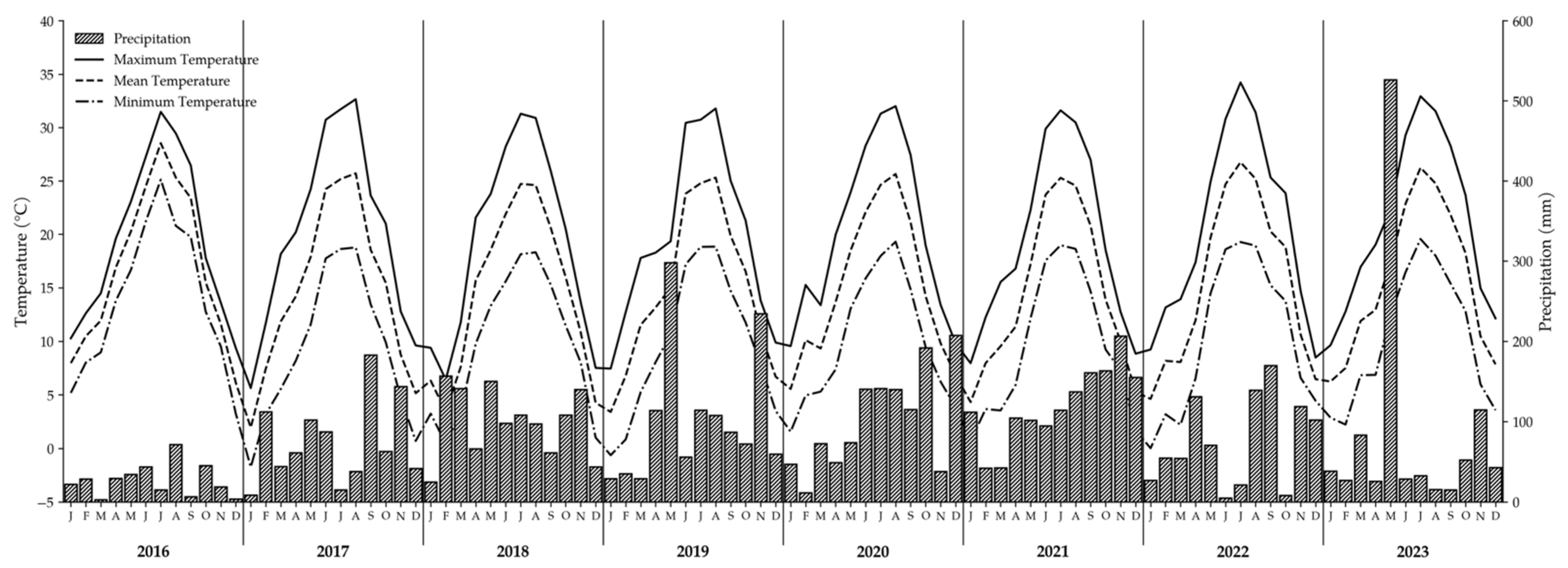
Figure A2.
Monthly climatic data recorded at the Bertinoro site during the 2016–2023 period. Solid line represents maximum temperature, dashed line indicates mean temperature, and dash-dot line shows minimum temperature (left Y-axis, °C). Hatched bars indicate cumulative monthly precipitation (right Y-axis, mm).
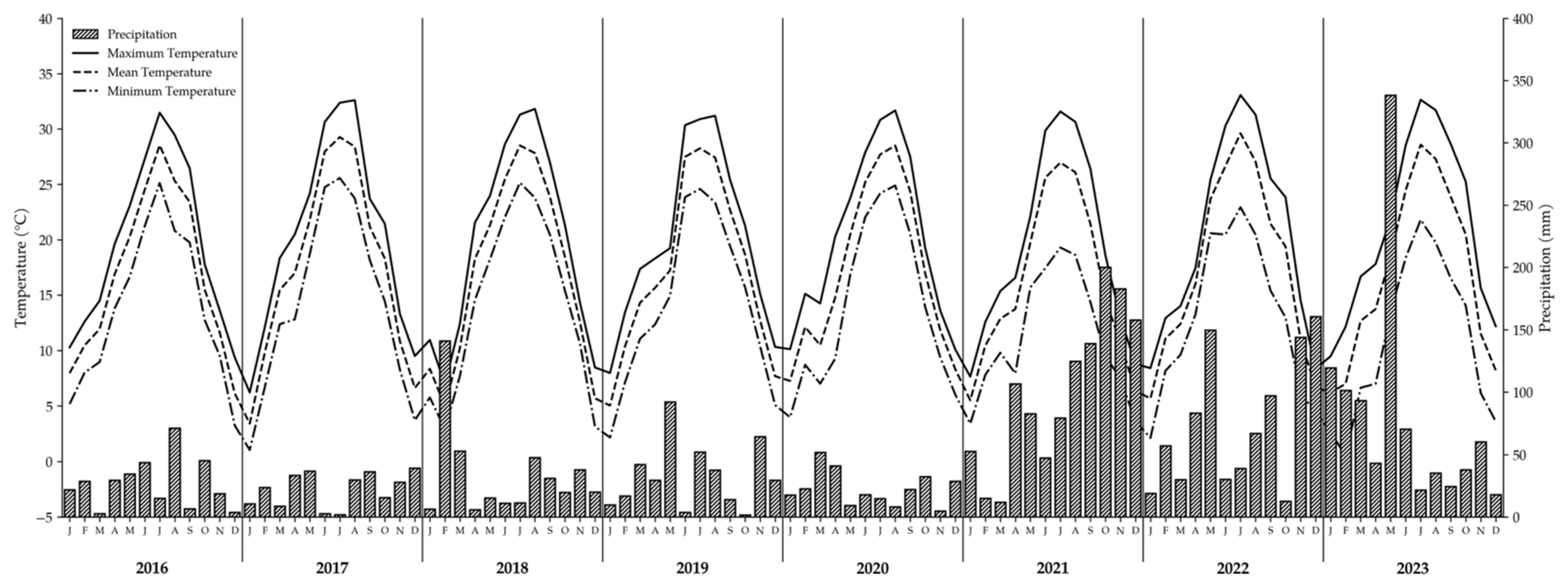
Table A1.
Vegetative growth parameters of ‘Nostrana di Brisighella’ variety at the BG site.
Table A2.
Vegetative growth parameters of ‘Capolga’ variety at the BN site.
Table A3.
Vegetative growth parameters of ‘Colombina’ variety at the BN site.
Table A4.
Vegetative growth parameters of ‘Pennita’ variety at the BN site.
Table A5.
LCA environmental impact summary—BG site for 2019–2022.
Table A6.
LCA environmental impact summary—BN site for 2021–2022.
References
- Schlesinger, W.H. On the Fate of Anthropogenic Nitrogen. Proc. Natl. Acad. Sci. USA 2009, 106, 203–208. [Google Scholar] [CrossRef] [Scilit]
- Vitousek, P.M.; Naylor, R.; Crews, T.; David, M.B.; Drinkwater, L.E.; Holland, E.; Johnes, P.J.; Katzenberger, J.; Martinelli, L.A.; Matson, P.A.; et al. Nutrient Imbalances in Agricultural Development. Science 2009, 324, 1519–1520. [Google Scholar] [CrossRef] [Scilit] [PubMed]
- Galloway, J.N.; Townsend, A.R.; Erisman, J.W.; Bekunda, M.; Cai, Z.; Freney, J.R.; Martinelli, L.A.; Seitzinger, S.P.; Sutton, M.A. Transformation of the Nitrogen Cycle: Recent Trends, Questions, and Potential Solutions. Science 2008, 320, 889–892. [Google Scholar] [CrossRef] [Scilit] [PubMed]
- Robertson, G.P.; Vitousek, P.M. Nitrogen in Agriculture: Balancing the Cost of an Essential Resource. Annu. Rev. Environ. Resour. 2009, 34, 97–125. [Google Scholar] [CrossRef] [Scilit]
- Raun, W.R.; Johnson, G.V. Improving Nitrogen Use Efficiency for Cereal Production. Agron. J. 1999, 91, 357–363. [Google Scholar] [CrossRef] [Scilit]
- Ladha, J.K.; Pathak, H.; Krupnik, T.J.; Six, J.; Kessel, C. van Efficiency of Fertilizer Nitrogen in Cereal Production: Retrospects and Prospects. Adv. Agron. 2005, 87, 85–156. [Google Scholar]
- Tilman, D.; Balzer, C.; Hill, J.; Befort, B.L. Global Food Demand and the Sustainable Intensification of Agriculture. Proc. Natl. Acad. Sci. USA 2011, 108, 20260–20264. [Google Scholar] [CrossRef] [Scilit] [PubMed]
- Mueller, N.D.; Gerber, J.S.; Johnston, M.; Ray, D.K.; Ramankutty, N.; Foley, J.A. Closing Yield Gaps through Nutrient and Water Management. Nature 2012, 490, 254–257. [Google Scholar] [CrossRef] [Scilit] [PubMed]
- Lassaletta, L.; Billen, G.; Grizzetti, B.; Anglade, J.; Garnier, J. 50 Year Trends in Nitrogen Use Efficiency of World Cropping Systems: The Relationship between Yield and Nitrogen Input to Cropland. Environ. Res. Lett. 2014, 9, 105011. [Google Scholar] [CrossRef] [Scilit]
- Smith, P.; Martino, D.; Cai, Z.; Gwary, D.; Janzen, H.; Kumar, P.; McCarl, B.; Ogle, S.; O’Mara, F.; Rice, C.; et al. Greenhouse Gas Mitigation in Agriculture. Philos. Trans. R. Soc. Lond. B Biol. Sci. 2008, 363, 789–813. [Google Scholar] [CrossRef] [Scilit]
- EU Green Deal. Communication from the Commission to the European Parliament, the Council, the European Economic and Social Committee and the Committee of the Regions. A Farm to Fork Strategy for a Fair, Healthy and Environmentally-Friendly Food System; European Commission: Brussels, Belgium, 2020. [Google Scholar]
- Cassman, K.G.; Dobermann, A.; Walters, D.T. Agroecosystems, Nitrogen-Use Efficiency, and Nitrogen Management. AMBIO J. Hum. Environ. 2002, 31, 132–140. [Google Scholar] [CrossRef] [PubMed]
- Vitousek, P.M.; Aber, J.D.; Howarth, R.W.; Likens, G.E.; Matson, P.A.; Schindler, D.W.; Schlesinger, W.H.; Tilman, D.G. Human Alteration of the Global Nitrogen Cycle: Sources and Consequences. Ecol. Appl. 1997, 7, 737–750. [Google Scholar] [CrossRef] [Scilit]
- Fernández-Escobar, R.; Antonaya-Baena, M.F.; Sánchez-Zamora, M.A.; Molina-Soria, C. The Amount of Nitrogen Applied and Nutritional Status of Olive Plants Affect Nitrogen Uptake Efficiency. Sci. Hortic. 2014, 167, 1–4. [Google Scholar] [CrossRef] [Scilit]
- Hindersmann, J.; Tassinari, A.; Trentin, E.; Mallmann, F.J.K.; Trapp, T.; Stefanello, L.O.; Tabaldi, L.A.; Aguilar, M.V.M.; Loss, A.; de Paula, B.V.; et al. Soil-Applied Nitrogen Uptake by Young Olive Cultivars Intercropped or Not with Paspalum Notatum. Sci. Hortic. 2023, 318, 112100. [Google Scholar] [CrossRef] [Scilit]
- Erel, R.; Yermiyahu, U.; Van Opstal, J.; Ben-Gal, A.; Schwartz, A.; Dag, A. The Importance of Olive (Olea europaea L.) Tree Nutritional Status on Its Productivity. Sci. Hortic. 2013, 159, 8–18. [Google Scholar] [CrossRef] [Scilit]
- Fernández-Escobar, R.; Antonaya-Baena, F.; Almeida-Lavado, S. Nitrogen Uptake Efficiency of Olive Cultivars. Horticulturae 2021, 7, 136. [Google Scholar] [CrossRef] [Scilit]
- Fernández-Escobar, R. Trends in Olive Nutrition. Acta Hortic. 2018, 1199, 215–224. [Google Scholar] [CrossRef] [Scilit]
- Zipori, I.; Erel, R.; Yermiyahu, U.; Ben-Gal, A.; Dag, A. Sustainable Management of Olive Orchard Nutrition: A Review. Agriculture 2020, 10, 11. [Google Scholar] [CrossRef] [Scilit]
- Fernández-Escobar, R.; Sánchez-Zamora, M.A.; García-Novelo, J.M.; Molina-Soria, C. Nutrient Removal from Olive Trees by Fruit Yield and Pruning. HortScience 2015, 50, 474–478. [Google Scholar] [CrossRef] [Scilit]
- Fernández-Escobar, R. Olive Nutritional Status and Tolerance to Biotic and Abiotic Stresses. Front. Plant Sci. 2019, 10, 1151. [Google Scholar] [CrossRef] [Scilit] [PubMed]
- Fernández-Lobato, L.; García-Ruiz, R.; Jurado, F.; Vera, D. Life Cycle Assessment, C Footprint and Carbon Balance of Virgin Olive Oils Production from Traditional and Intensive Olive Groves in Southern Spain. J. Environ. Manag. 2021, 293, 112951. [Google Scholar] [CrossRef] [Scilit]
- Ben Abdallah, S.; Elfkih, S.; Suárez-Rey, E.M.; Parra-López, C.; Romero-Gámez, M. Evaluation of the Environmental Sustainability in the Olive Growing Systems in Tunisia. J. Clean. Prod. 2021, 282, 124526. [Google Scholar] [CrossRef] [Scilit]
- Fotia, K.; Mehmeti, A.; Tsirogiannis, I.; Nanos, G.; Mamolos, A.P.; Malamos, N.; Barouchas, P.; Todorovic, M. LCA-Based Environmental Performance of Olive Cultivation in Northwestern Greece: From Rainfed to Irrigated through Conventional and Smart Crop Management Practices. Water 2021, 13, 1954. [Google Scholar] [CrossRef] [Scilit]
- Nakhli, S.A.A.; Delkash, M.; Bakhshayesh, B.E.; Kazemian, H. Application of Zeolites for Sustainable Agriculture: A Review on Water and Nutrient Retention. Water Air Soil Pollut. 2017, 228, 464. [Google Scholar] [CrossRef] [Scilit]
- Medoro, V.; Ferretti, G.; Galamini, G.; Rotondi, A.; Morrone, L.; Faccini, B.; Coltorti, M. Reducing Nitrogen Fertilization in Olive Growing by the Use of Natural Chabazite-Zeolitite as Soil Improver. Land 2022, 11, 1471. [Google Scholar] [CrossRef] [Scilit]
- Minardi, S.; Haniati, I.L.; Nastiti, A. Adding Manure and Zeolite to Improve Soil Chemical Properties and Increase Soybean Yield. SAINS TANAH—J. Soil Sci. Agroclimatol. 2020, 17, 1–6. [Google Scholar] [CrossRef] [Scilit]
- Sun, Y.; Xia, G.; He, Z.; Wu, Q.; Zheng, J.; Li, Y.; Wang, Y.; Chen, T.; Chi, D. Zeolite Amendment Coupled with Alternate Wetting and Drying to Reduce Nitrogen Loss and Enhance Rice Production. Field Crops Res. 2019, 235, 95–103. [Google Scholar] [CrossRef] [Scilit]
- Ferretti, G.; Keiblinger, K.M.; Faccini, B.; Di Giuseppe, D.; Mentler, A.; Zechmeister-Boltenstern, S.; Coltorti, M. Effects of Different Chabazite Zeolite Amendments to Sorption of Nitrification Inhibitor 3,4-Dimethylpyrazole Phosphate (DMPP) in Soil. J. Soil Sci. Plant Nutr. 2020, 20, 973–978. [Google Scholar] [CrossRef] [Scilit]
- Malferrari, D.; Laurora, A.; Brigatti, M.F.; Coltorti, M.; Di Giuseppe, D.; Faccini, B.; Passaglia, E.; Vezzalini, M.G. Open-Field Experimentation of an Innovative and Integrated Zeolitite Cycle: Project Definition and Material Characterization. Rend. Lincei Sci. Fis. Nat. 2013, 24, 141–150. [Google Scholar] [CrossRef] [Scilit]
- Galli, E.; Passaglia, E. Natural Zeolites in Environmental Engineering. In Zeolites in Chemical Engineering; Holzapfel, H., Ed.; Verlag ProcessEng Engineering GmbH: Vienna, Austria, 2011; pp. 392–416. [Google Scholar]
- Eroglu, N.; Emekci, M.; Athanassiou, C.G. Applications of Natural Zeolites on Agriculture and Food Production. J. Sci. Food Agric. 2017, 97, 3487–3499. [Google Scholar] [CrossRef] [Scilit]
- Ming, D.W.; Allen, E.R. Use of Natural Zeolites in Agronomy, Horticulture and Environmental Soil Remediation. Rev. Mineral. Geochem. 2001, 45, 619–654. [Google Scholar] [CrossRef] [Scilit]
- Soltys, L.; Myronyuk, I.; Tatarchuk, T.; Tsinurchyn, V. Zeolite-Based Composites as Slow Release Fertilizers (Review). Phys. Chem. Solid State 2020, 21, 89–104. [Google Scholar] [CrossRef] [Scilit]
- Ferretti, G.; Di Giuseppe, D.; Natali, C.; Faccini, B.; Bianchini, G.; Coltorti, M. C-N Elemental and Isotopic Investigation in Agricultural Soils: Insights on the Effects of Zeolitite Amendments. Geochemistry 2017, 77, 45–52. [Google Scholar] [CrossRef] [Scilit]
- Manjaiah, K.; Mukhopadhyay, R.; Paul, R.; Datta, S.; Kumararaja, P.; Sarkar, B. Clay Minerals and Zeolites for Environmentally Sustainable Agriculture. In Modified Clay and Zeolite Nanocomposite Materials; Elsevier: Amsterdam, The Netherlands, 2019; pp. 309–329. [Google Scholar]
- Ippolito, J.A.; Tarkalson, D.D.; Lehrsch, G.A. Zeolite Soil Application Method Affects Inorganic Nitrogen, Moisture, and Corn Growth. Soil Sci. 2011, 176, 136–142. [Google Scholar] [CrossRef] [Scilit]
- Faccini, B.; Di Giuseppe, D.; Ferretti, G.; Coltorti, M.; Colombani, N.; Mastrocicco, M. Natural and NH4+-Enriched Zeolitite Amendment Effects on Nitrate Leaching from a Reclaimed Agricultural Soil (Ferrara Province, Italy). Nutr. Cycl. Agroecosystems 2018, 110, 327–341. [Google Scholar] [CrossRef] [Scilit]
- Hazrati, S.; Tahmasebi-Sarvestani, Z.; Mokhtassi-Bidgoli, A.; Modarres-Sanavy, S.A.M.; Mohammadi, H.; Nicola, S. Effects of Zeolite and Water Stress on Growth, Yield and Chemical Compositions of Aloe vera L. Agric. Water Manag. 2017, 181, 66–72. [Google Scholar] [CrossRef] [Scilit]
- Ozbahce, A.; Tari, A.; Gönülal, E.; Simsekli, N.; Padem, H. The Effect of Zeolite Applications on Yield Components and Nutrient Uptake of Common Bean under Water Stress. Arch. Agron. Soil Sci. 2015, 61, 615–626. [Google Scholar] [CrossRef] [Scilit]
- El-Sherpiny, M.; Baddour, A.G.; El-Kafrawy, M.M. Effect of Zeolite Soil Addition under Different Irrigation Intervals on Maize Yield (Zea mays L.) and Some Soil Properties. J. Soil Sci. Agric. Eng. 2020, 11, 793–799. [Google Scholar] [CrossRef] [Scilit]
- Ferretti, G.; Faccini, B.; Vittori Antisari, L.; Di Giuseppe, D.; Coltorti, M. 15N Natural Abundance, Nitrogen and Carbon Pools in Soil-Sorghum System Amended with Natural and NH4+-Enriched Zeolitites. Appl. Sci. 2019, 9, 4524. [Google Scholar] [CrossRef] [Scilit]
- Medoro, V.; Ferretti, G.; Galamini, G.; Rotondi, A.; Morrone, L.; Faccini, B.; Coltorti, M. ZEOLIVA Project: Dataset of Soil and Leaf Chemical Analyses. 2025. Available online: https://zenodo.org/records/17915121 (accessed on 30 March 2026).
- Rotondi, A.; Fabbri, A.; Ganino, T.; Beghè, D.; Magli, M.; Morrone, L. Genetic and Landscape Characterization of Ancient Crops: The Olive Tree, a Case Study in Northern Italy. In Exploring and Optimizing Agricultural Landscapes; Mueller, L., Sychev, V.G., Dronin, N.M., Eulenstein, F., Eds.; Springer International Publishing: Cham, Switzerland, 2021; pp. 457–477. [Google Scholar]
- Masmoudi-Charfi, C.; Mechlia, N.B. Characterization of Young Olive Trees Growth during the First Six Years of Cultivation. Adv. Hortic. Sci. 2007, 21, 116–124. [Google Scholar]
- Sanz-Cortés, F.; Martinez-Calvo, J.; Badenes, M.L.; Bleiholder, H.; Hack, H.; Llacer, G.; Meier, U. Phenological Growth Stages of Olive Trees (Olea europaea). Ann. Appl. Biol. 2002, 140, 151–157. [Google Scholar] [CrossRef] [Scilit]
- Rotondi, A.; Ganino, T.; Calderoni, A.; Rodolfi, M.; Dhenge, R.; Morrone, L. Olive Plant Treated with Different Geo-Material Foliar Film (Zeolite and Kaolin Based): Leaf Characteristics and Oil Quality. Horticulturae 2025, 11, 338. [Google Scholar] [CrossRef] [Scilit]
- Randall, E.L. Improved Method for Fat and Oil Analysis by a New Process of Extraction. J. AOAC Int. 1974, 57, 1165–1168. [Google Scholar] [CrossRef] [Scilit]
- López-Bernal, Á.; Fernandes-Silva, A.A.; Vega, V.A.; Hidalgo, J.C.; León, L.; Testi, L.; Villalobos, F.J. A Fruit Growth Approach to Estimate Oil Content in Olives. Eur. J. Agron. 2021, 123, 126206. [Google Scholar] [CrossRef] [Scilit]
- ISO 14040:2006/Amd 1:2020; Environmental Management—Life Cycle Assessment—Principles and Framework. ISO: Geneva, Switzerland, 2020. Available online: https://www.iso.org/standard/76121.html (accessed on 1 December 2025).
- ISO 14044:2006/Amd 2:2020; Environmental Management—Life Cycle Assessment—Requirements and Guidelines. ISO: Geneva, Switzerland, 2020. Available online: https://www.iso.org/standard/76122.html (accessed on 1 December 2025).
- EPD International. Available online: https://epd-environdec-app.azurewebsites.net/pcr-library (accessed on 1 December 2025).
- Eggleston, H.S.; Buendia, L.; Miwa, K.; Ngara, T.; Tanabe, K. 2006 IPCC Guidelines for National Greenhouse Gas Inventories; Institute for Global Environmental Strategies: Hayama, Japan, 2006. [Google Scholar]
- EMEP/EEA. Air Pollutant Emission Inventory Guidebook. 2023. Available online: https://www.eea.europa.eu/en/analysis/publications/emep-eea-guidebook-2023 (accessed on 1 December 2025).
- Bouwman, A.F.; Boumans, L.J.M.; Batjes, N.H. Modeling Global Annual N2O and NO Emissions from Fertilized Fields. Glob. Biogeochem. Cycles 2002, 16, 28-1–28-29. [Google Scholar] [CrossRef] [Scilit]
- UNI EN 15804:2021; Sostenibilità Delle Costruzioni—Dichiarazioni Ambientali di Prodotto—Regole Quadro di Sviluppo per Categoria di Prodotto. UNI Ente Italiano Di Normazione: Milano, Italy, 2021. Available online: https://store.uni.com/en/uni-en-15804-2021 (accessed on 3 February 2026).
- Al-tabbal, J.; AL-Mefleh, N.; Alzboon, K.; Tadros, M. Effects of Volcanic Zeolite Tuff on Olive (Olea europaea L.) Growth and Soil Chemistry under a Constant Water Level: Five Years’ Monitoring Experience. Environ. Nat. Resour. J. 2020, 18, 44–54. [Google Scholar] [CrossRef] [Scilit]
- Ferretti, G.; Rosinger, C.; Diaz-Pines, E.; Faccini, B.; Coltorti, M.; Keiblinger, K.M. Soil Quality Increases with Long-Term Chabazite-Zeolite Tuff Amendments in Arable and Perennial Cropping Systems. J. Environ. Manag. 2024, 354, 120303. [Google Scholar] [CrossRef] [Scilit]
- Martins, S.; Silva, E.; Brito, C.; Martins-Gomes, C.; Gonçalves, A.; Arrobas, M.; Rodrigues, M.Â.; Correia, C.M.; Nunes, F.M. Zeolites and Biochar Modulate Olive Fruit and Oil Polyphenolic Profile. Antioxidants 2022, 11, 1332. [Google Scholar] [CrossRef] [Scilit]
- Martins, S.; Brito, C.; Silva, E.; Gonçalves, A.; Arrobas, M.; Pereira, E.; Rodrigues, M.Â.; Nunes, F.M.; Correia, C.M. Synergy between Zeolites and Leguminous Cover Crops Improved Olive Tree Performance and Soil Properties in a Rainfed Olive Orchard. Agronomy 2023, 13, 2674. [Google Scholar] [CrossRef] [Scilit]
- Martins, S.; Brito, C.; Gonçalves, A.; Moutinho-Pereira, J.; Pereira, E.; Arrobas, M.; Rodrigues, M.Â.; Nunes, F.; Correia, C.M. Differential Responses of Photosynthesis, Yield and Soil Properties 4 Years after a Single Application of Zeolites and Biochar in a Rainfed Olive Orchard. Soil Use Manag. 2024, 40, e13045. [Google Scholar] [CrossRef] [Scilit]
- Torma, S.; Vilcek, J.; Adamisin, P.; Huttmanova, E.; Hronec, O. Influence of Natural Zeolite on Nitrogen Dynamics in Soil. Turk. J. Agric. For. 2014, 38, 739–744. [Google Scholar] [CrossRef] [Scilit]
- Hazrati, S.; Khurizadeh, S.; Sadeghi, A.R. Application of Zeolite Improves Water and Nitrogen Use Efficiency While Increasing Essential Oil Yield and Quality of Salvia Officinalis under Water-Deficit Stress. Saudi J. Biol. Sci. 2022, 29, 1707–1716. [Google Scholar] [CrossRef] [Scilit]
- Bahador, M.; Tadayon, M.R. Investigating of Zeolite Role in Modifying the Effect of Drought Stress in Hemp: Antioxidant Enzymes and Oil Content. Ind. Crops Prod. 2020, 144, 112042. [Google Scholar] [CrossRef] [Scilit]
- Ibrahim, H.M.; Alghamdi, A.G. Effect of the Particle Size of Clinoptilolite Zeolite on Water Content and Soil Water Storage in a Loamy Sand Soil. Water 2021, 13, 607. [Google Scholar] [CrossRef] [Scilit]
- Fernández-Escobar, R.; Marin, L.; Sánchez-Zamora, M.A.; García-Novelo, J.M.; Molina-Soria, C.; Parra, M.A. Long-Term Effects of N Fertilization on Cropping and Growth of Olive Trees and on N Accumulation in Soil Profile. Eur. J. Agron. 2009, 31, 223–232. [Google Scholar] [CrossRef] [Scilit]
- Jarosz, R.; Szerement, J.; Gondek, K.; Mierzwa-Hersztek, M. The Use of Zeolites as an Addition to Fertilisers—A Review. CATENA 2022, 213, 106125. [Google Scholar] [CrossRef] [Scilit]
- Zhao, Q.; Chen, T.; Wang, S.; Sha, Y.; Zhang, F.; Sun, Y.; Chi, D. Effects of Five-Year Field Aged Zeolite on Grain Yield and Reactive Gaseous N Losses in Alternate Wetting and Drying Paddy System. Sci. Total Environ. 2023, 904, 166279. [Google Scholar] [CrossRef] [Scilit]
- Chatzistathis, T.; Orfanoudakis, M.; Alifragis, D.; Therios, I. Colonization of Greek Olive Cultivars’ Root System by Arbuscular Mycorrhiza Fungus: Root Morphology, Growth, and Mineral Nutrition of Olive Plants. Sci. Agric. 2013, 70, 185–194. [Google Scholar] [CrossRef] [Scilit]
- García-Tejera, O.; López-Bernal, Á.; Orgaz, F.; Testi, L.; Villalobos, F.J. Are Olive Root Systems Optimal for Deficit Irrigation? Eur. J. Agron. 2018, 99, 72–79. [Google Scholar] [CrossRef] [Scilit]
- Deng, S.; Yin, Q.; Zhang, S.; Shi, K.; Jia, Z.; Ma, L. Drip Irrigation Affects the Morphology and Distribution of Olive Roots. HortScience 2017, 52, 1298–1306. [Google Scholar] [CrossRef] [Scilit]
- Fornes, F.; Lidón, A.; Belda, R.M.; Macan, G.P.F.; Cayuela, M.L.; Sánchez-García, M.; Sánchez-Monedero, M.A. Soil Fertility and Plant Nutrition in an Organic Olive Orchard after 5 Years of Amendment with Compost, Biochar or Their Blend. Sci. Rep. 2024, 14, 16606. [Google Scholar] [CrossRef] [Scilit] [PubMed]
- Lopes, J.I.; Arrobas, M.; Brito, C.; Gonçalves, A.; Silva, E.; Martins, S.; Raimundo, S.; Rodrigues, M.Â.; Correia, C.M. Mycorrhizal Fungi Were More Effective than Zeolites in Increasing the Growth of Non-Irrigated Young Olive Trees. Sustainability 2020, 12, 10630. [Google Scholar] [CrossRef] [Scilit]
- Cayuela, M.L.; Aguilera, E.; Sanz-Cobena, A.; Adams, D.C.; Abalos, D.; Barton, L.; Ryals, R.; Silver, W.L.; Alfaro, M.A.; Pappa, V.A.; et al. Direct Nitrous Oxide Emissions in Mediterranean Climate Cropping Systems: Emission Factors Based on a Meta-Analysis of Available Measurement Data. Agric. Ecosyst. Environ. 2017, 238, 25–35. [Google Scholar] [CrossRef] [Scilit]
- Espadas-Aldana, G.; Vialle, C.; Belaud, J.-P.; Vaca-Garcia, C.; Sablayrolles, C. Analysis and Trends for Life Cycle Assessment of Olive Oil Production. Sustain. Prod. Consum. 2019, 19, 216–230. [Google Scholar] [CrossRef] [Scilit]
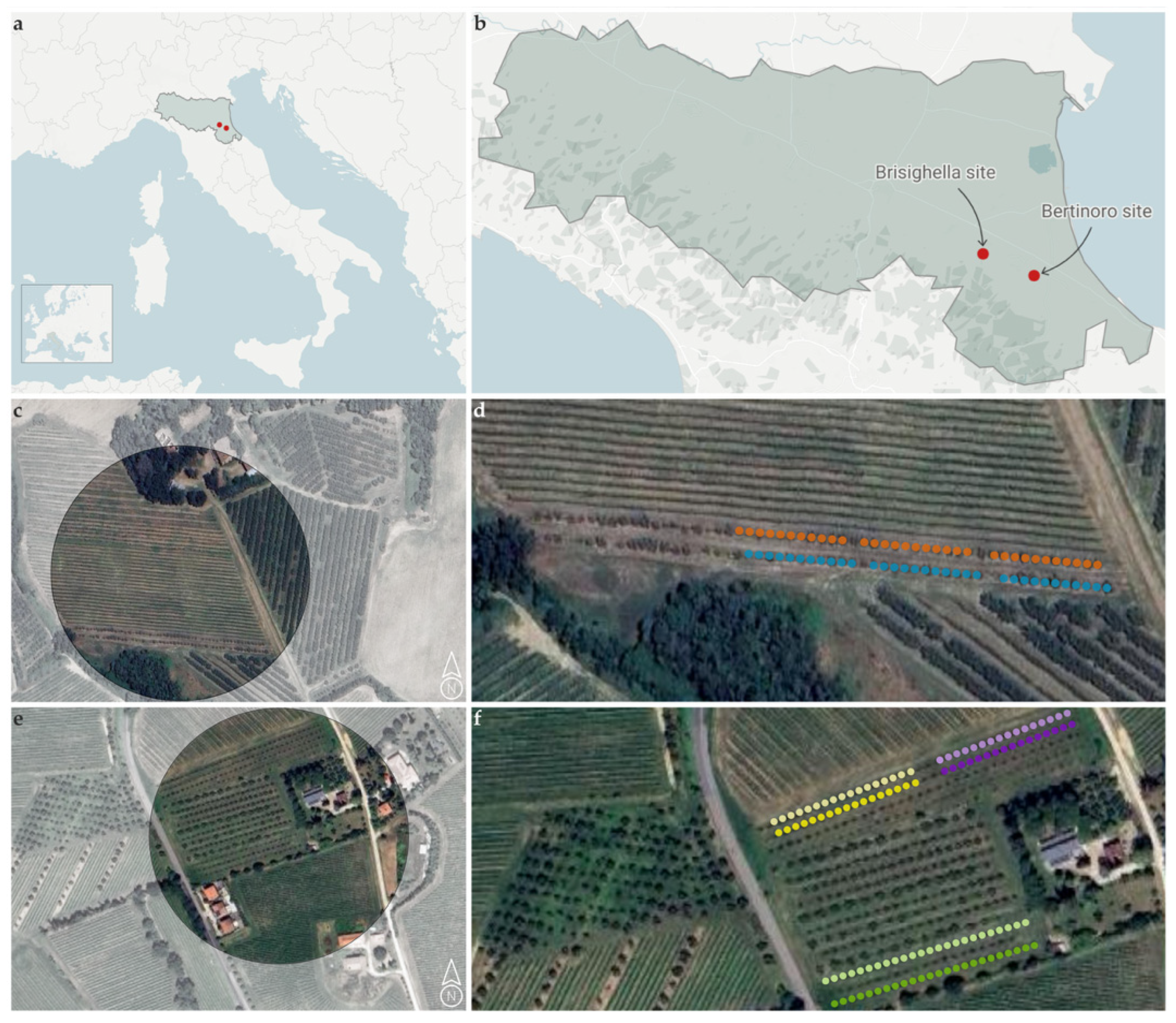
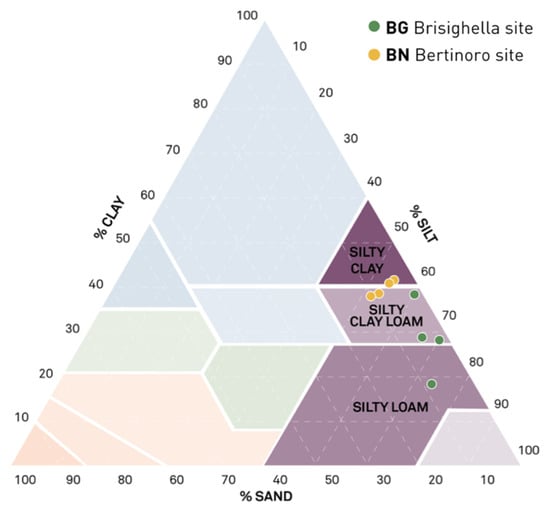
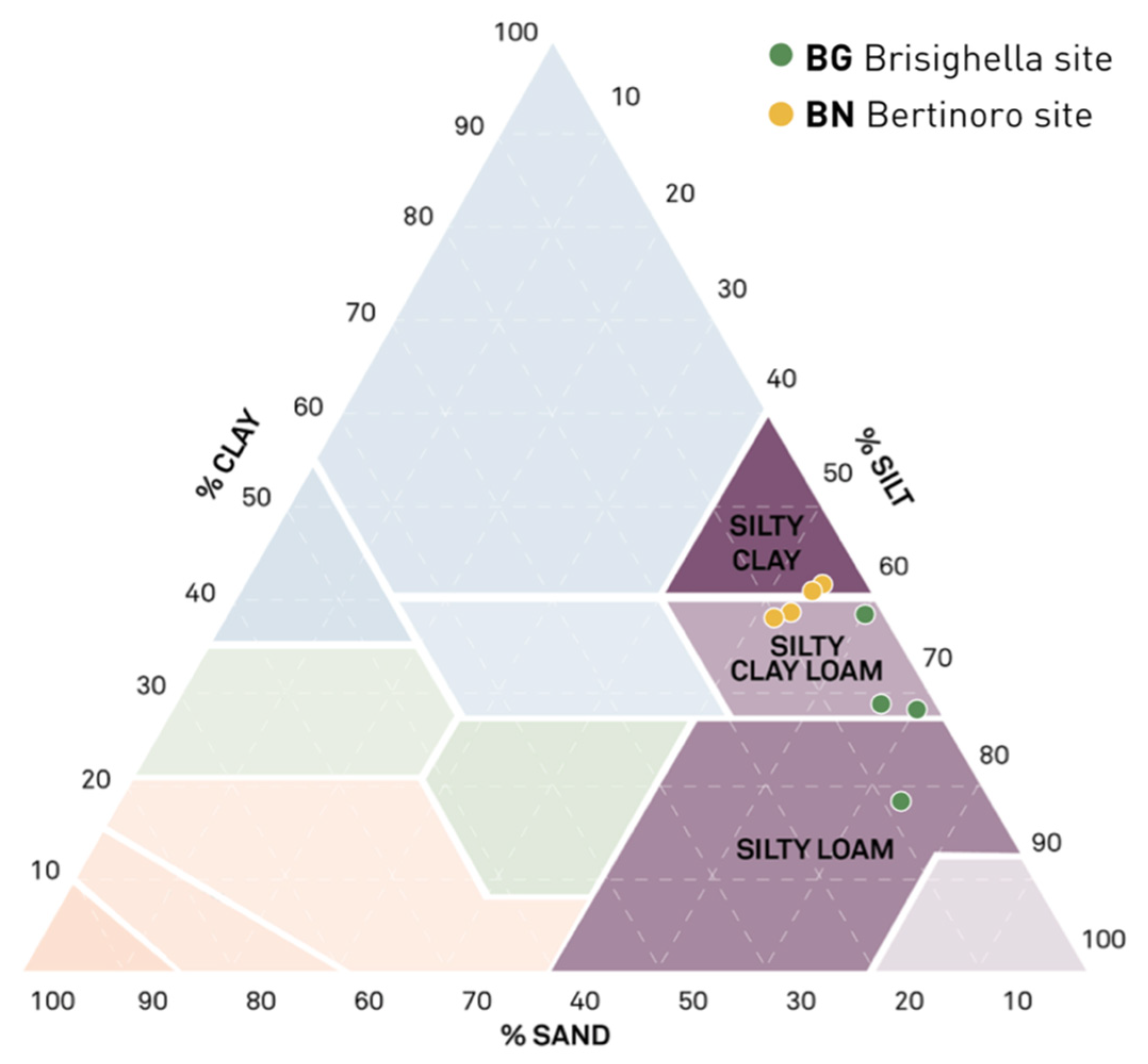
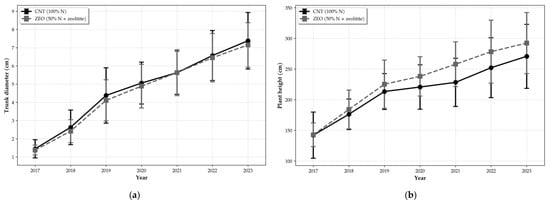
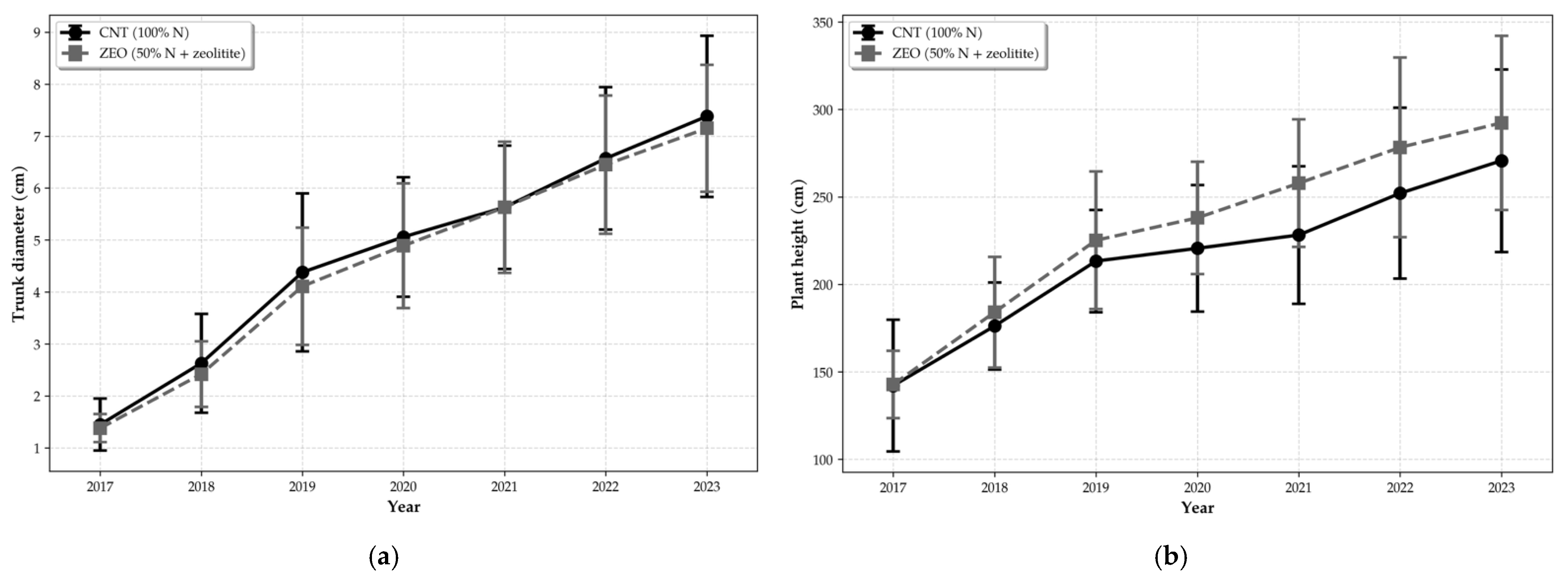
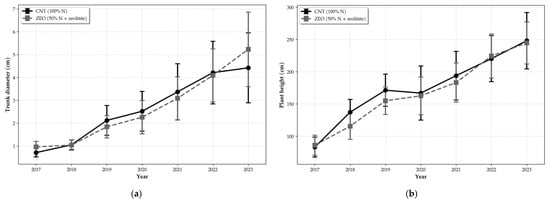
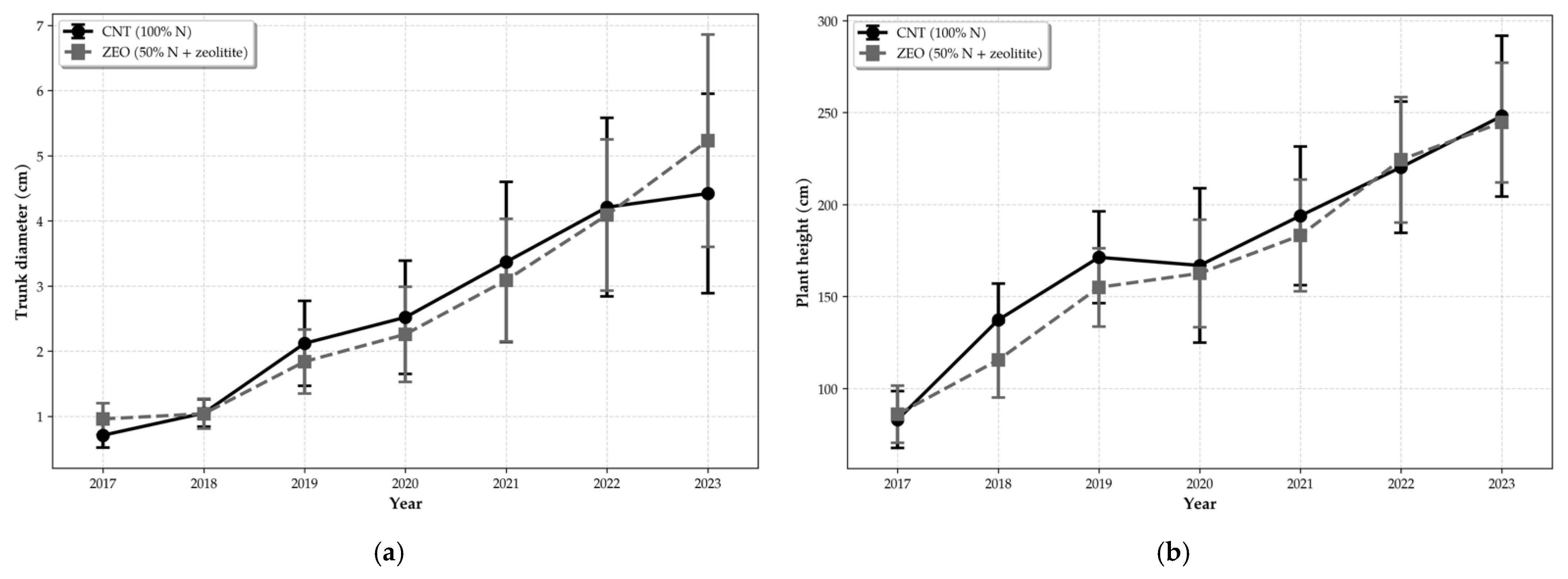
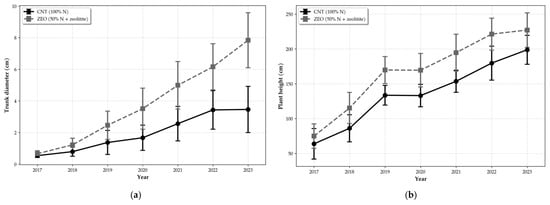
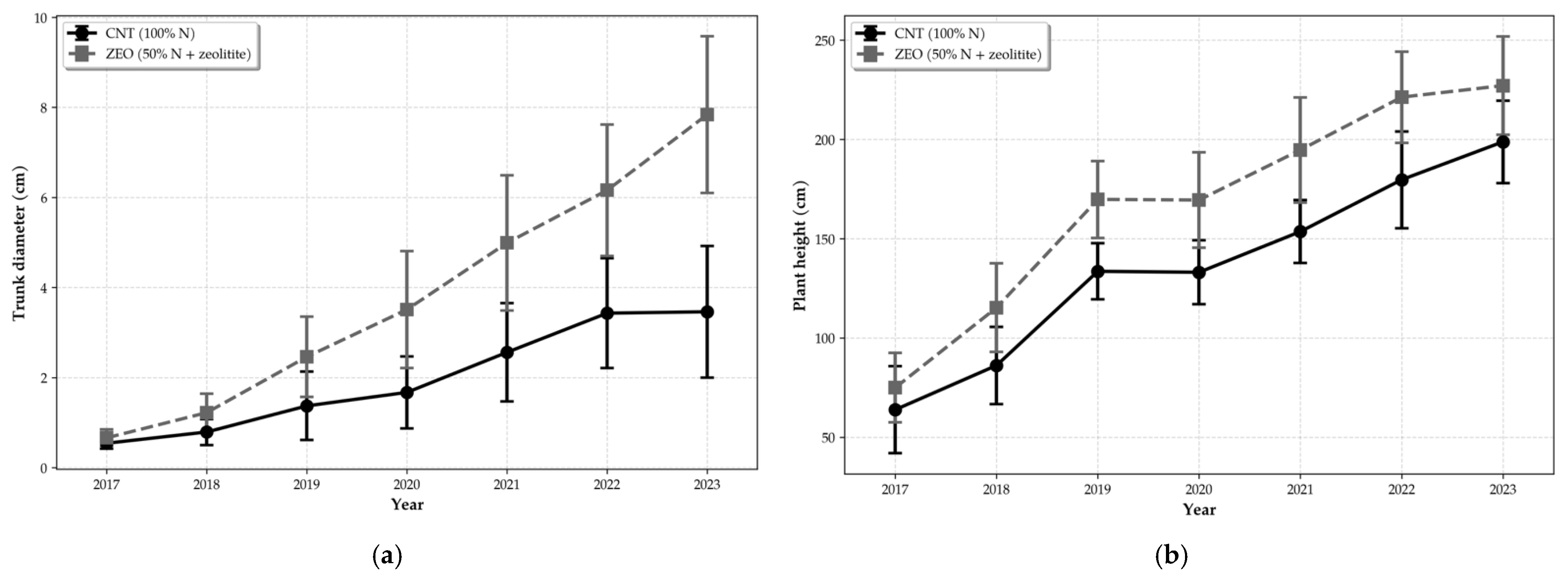
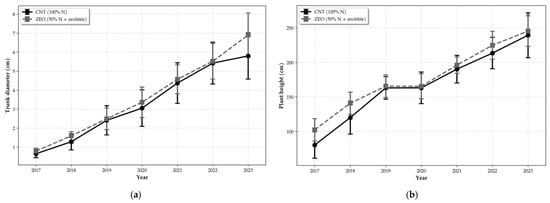
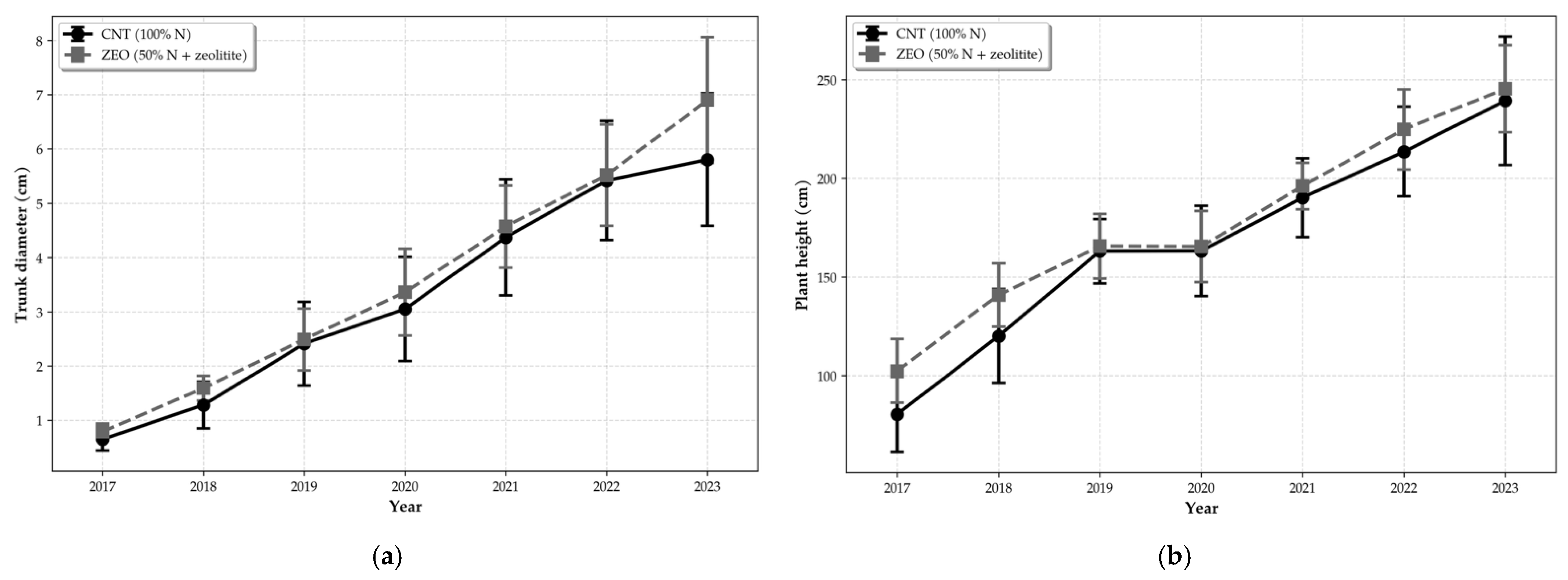
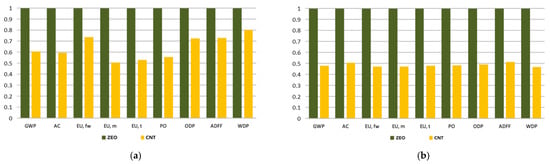
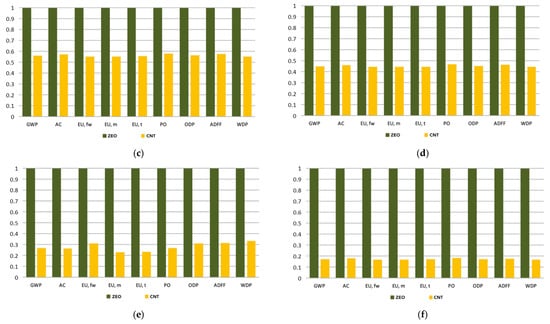
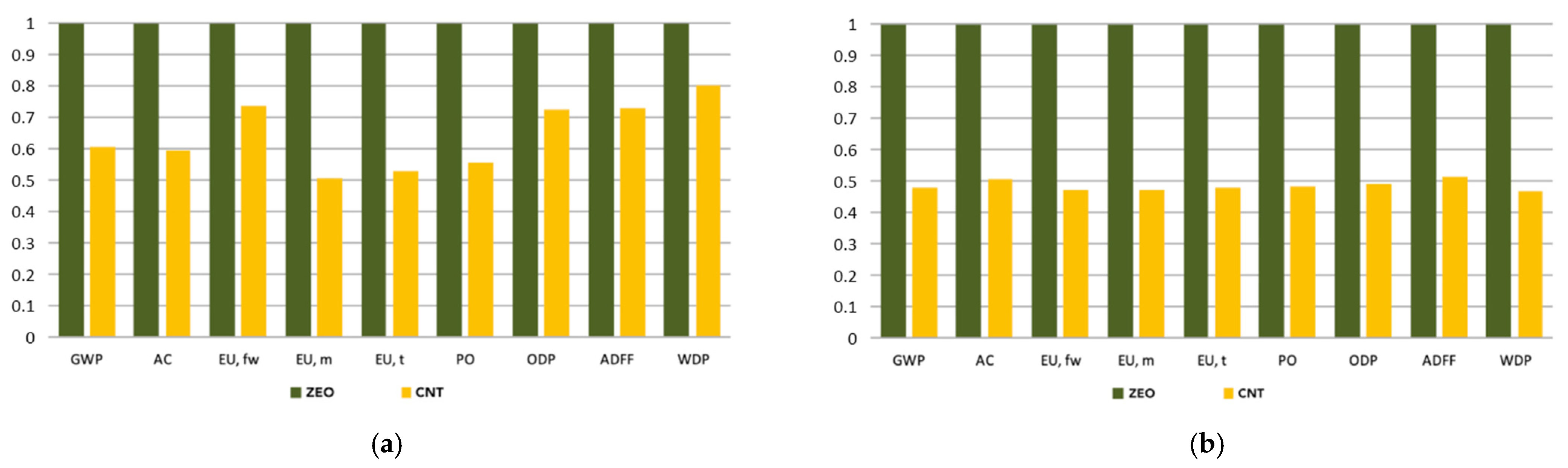
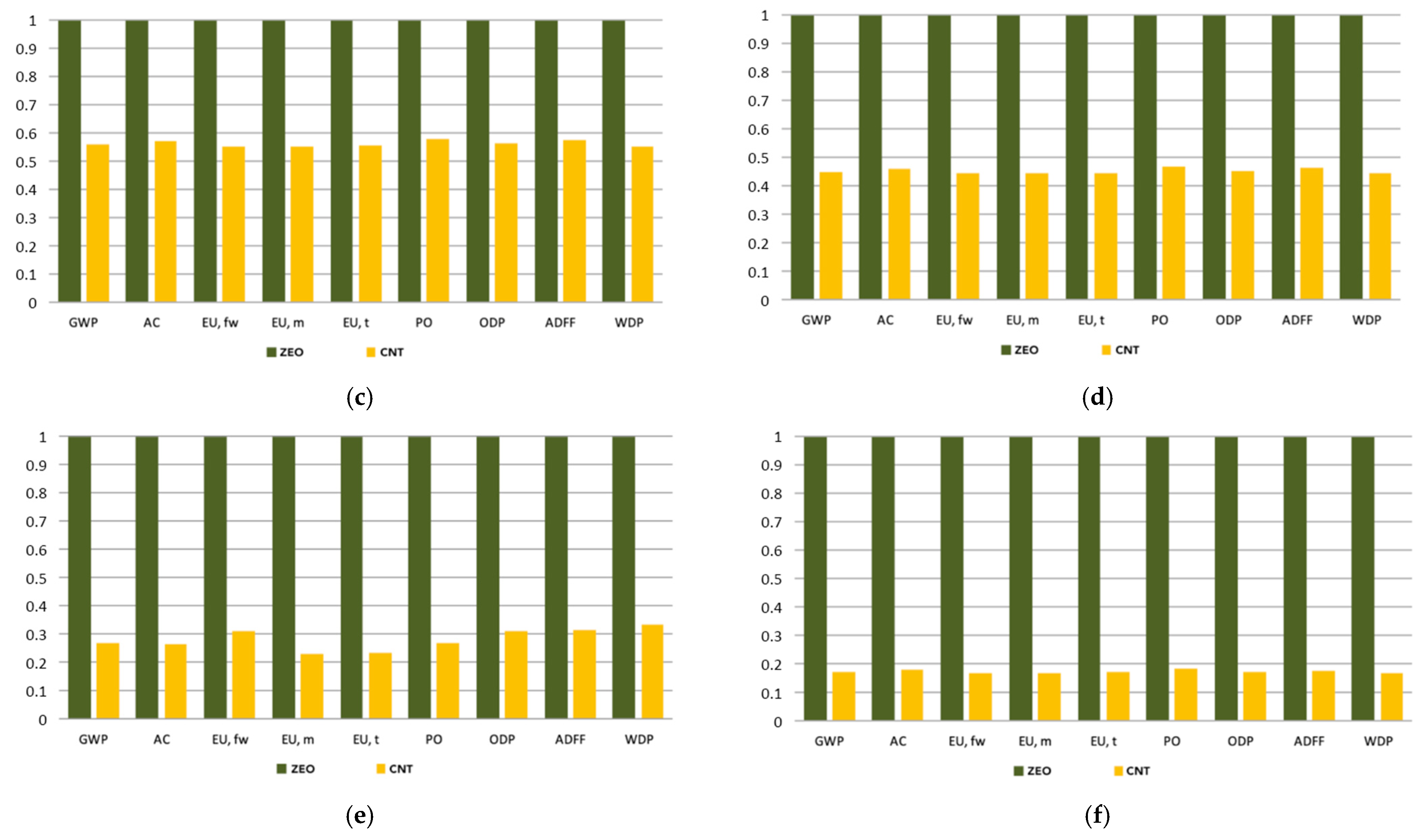

Disclaimer/Publisher’s Note: The statements, opinions and data contained in all publications are solely those of the individual author(s) and contributor(s) and not of MDPI and/or the editor(s). MDPI and/or the editor(s) disclaim responsibility for any injury to people or property resulting from any ideas, methods, instructions or products referred to in the content. |
© 2026 by the authors. Licensee MDPI, Basel, Switzerland. This article is an open access article distributed under the terms and conditions of the Creative Commons Attribution (CC BY) license.