Article

Emergence of Postharvest Strawberry Fruit Rot Caused by Penicillium citrinum in China and Its Whole-Genome Sequencing


1
Shandong Institute of Pomology, Tai’an 271000, China
2
College of Horticultural Science and Engineering, Shandong Agricultural University, Tai’an 271018, China
3
Institute of Earth Sciences of Orleans, University of Orléans, 45071 Orléans, France
*
Author to whom correspondence should be addressed.
J. Fungi 2026, 12(4), 288; https://doi.org/10.3390/jof12040288
Submission received: 2 April 2026 / Revised: 15 April 2026 / Accepted: 15 April 2026 / Published: 17 April 2026
(This article belongs to the Special Issue Postharvest Fungi: Control of Fungal Diseases in Fruit and Vegetables)

Abstract

China has the largest strawberry cultivation area worldwide and produces substantial quantities of the fruit. However, postharvest diseases of strawberries occur frequently, limiting their safe storage. In November 2025, a localized occurrence of postharvest fruit rot affecting strawberry (cv. Hongyan) was observed in Tai’an, China. A pathogenic fungus, designated CM-RB5, was isolated from diseased fruits and identified as Penicillium citrinum based on morphological characteristics and molecular analyses. This is the first report of P. citrinum causing postharvest fruit rot in strawberry. The genome of the pathogenic fungal strain CM-RB5 was sequenced using the Illumina MiSeq II and PacBio RS III platforms. Genome assembly analysis revealed the total sequence length of P. citrinum CM-RB5 to be 32,053,718 bp, with a GC content of 46.41%. Additionally, P. citrinum CM-RB5 was found to produce ochratoxin and citrinin. These findings provide insights that may facilitate the development of effective control strategies for postharvest fruit rot in strawberry, thereby ensuring the consumption of safe, high-quality fruit and strawberry-derived products.

1. Introduction

Strawberry (Fragaria × ananassa Duch.) is a non-climacteric fruit [1,2], rich in bioactive compounds such as polyphenols, anthocyanins, vitamins, and folic acid [3,4,5]. Strawberries have also been associated with various health-promoting properties, including anti-inflammatory, antioxidant, and detoxifying effects, as well as roles in supporting digestive and circulatory functions [6,7]. Strawberries are highly valued for their flavour, texture, and nutritional quality [8], and meet consumer demand for fresh fruits during off-season periods in northern regions of China. Consequently, they are widely appreciated by consumers and are also often referred to as the “queen of berries” [9,10]. Strawberries are among the most widely cultivated fruit crops in the world [11] and represent one of the most economically important berry crops, with production reaching 9.6 million tonnes in 2022 [12,13]. Major production regions include China, the United States of America, Egypt, Turkey, and Mexico [14], with China being the largest producer and possessing the largest cultivation area worldwide [15,16]. Owing to their short growth cycle, rapid economic returns, and high market value, strawberries are extensively processed into various products, including beverages, jams, dried fruits, and canned goods [17].
However, the high water content of strawberries (approximately 90%) renders them particularly susceptible to microbial damage, resulting in significant postharvest and economic losses [18,19,20,21]. Postharvest decay rates typically range from 30% to 50%, and shelf life is generally limited to less than 7 days, thereby significantly restricting the distribution and commercial value of the fruit [22,23]. The principal postharvest pathogens affecting strawberry fruit include species of Botrytis, Alternaria, Fusarium, Mucor, Neopestalotiopsis, and Colletotrichum, among others, which may pose potential risks to food safety [24,25,26,27]. These issues impede market expansion and the sustainable development of the strawberry industry [28], as well as contribute to consumer concerns about product safety [29]. Given the influence of diverse environmental factors, further isolation and identification of the microorganisms responsible for postharvest strawberry fruit rot are required.
Advances in sequencing technologies have enabled whole-genome sequencing to generate comprehensive genomic information about pathogens, including gene content, as well as genes encoding secondary metabolites and plant cell wall-degrading enzymes [30]. Genomic approaches are important tools for studying plant pathogenic fungi. Genome assembly and annotation facilitate the identification of mating-type loci and regulatory genes associated with pathogenicity and development, establishing a foundation for further work such as investigating the genetic diversity of pathogen populations, monitoring population drug resistance, and developing specific molecular diagnostic methods [30,31,32].
In November 2025, a localized occurrence of postharvest fruit rot affecting strawberry cv. Hongyan was observed in Tai’an, China (117.14° E, 36.18° N). The primary objective of this study was to isolate and identify the pathogen responsible for this disease through fungal morphological and molecular characterisation and to elucidate its genomic features. Furthermore, this work aims to provide a basis for future studies on disease management strategies, thereby supporting the development of effective biological and chemical control of this emerging postharvest disease.

2. Materials and Methods

2.1. Sample Collection and Fungal Isolation

In November 2025, approximately 30% disease incidence of 20 kg of strawberry fruit (cv. Hongyan) observed in Tai’an, China, showed postharvest fruit rot symptoms, leading to whole-fruit decay. Small segments (1–2 mm) of tissue were excised from symptomatic areas of three randomly selected fruit. These samples were surface-sterilised with 75% ethanol for 30 s and 5% sodium hypochlorite (NaOCl) for 3 min, rinsed three times with sterile distilled water, dried using sterile paper towels, and plated onto 9-cm Petri dishes containing potato dextrose agar (PDA) [33,34].

2.2. Morphological Identification

Three purified isolates were cultured on PDA plates at 25 °C for 7–11 days in the dark to assess colony morphology [33]. The conidial morphology was examined using an upright microscope (BX53F, Olympus, Tokyo, Japan).

2.3. PCR Amplification

Genomic DNA was extracted from fungal isolates using the Ezup Column Fungi Genomic DNA Purification Kit (Sangon Biotech, Shanghai, China). The internal transcribed spacer (ITS) region was amplified using the primer pair ITS1/ITS2 [35]. The amplification products were purified and sequenced by Sangon Biotech, Shanghai, China. Phylogenetic analyses of representative isolates were conducted with PhyloSuite v2, and trees were constructed using the MrBayes algorithm [36].

2.4. Pathogenicity Assays

Ten healthy strawberry (cv. Hongyan) fruits were surface-sterilised using 75% ethanol and rinsed with sterile distilled water. Five fruits were inoculated with conidial suspension (106 spores/mL, determined by hemocytometer) of the isolate, while five fruits treated with sterile distilled water served as controls. The fruits were incubated at 25 °C and 75% relative humidity and the experiment was repeated twice. Following symptom development, the pathogen was re-isolated from lesions of inoculated strawberry fruit, thereby fulfilling Koch’s postulates [33].

2.5. Whole-Genome Sequencing

Whole-genome sequencing of strain CM-RB5 was performed to characterise the pathogen at the genomic level. Fungal mycelia of CM-RB5 were cultured in potato dextrose broth (PDB) with shaking for 72 h prior to DNA extraction. Genome sequencing was performed using the Illumina MiSeq II and PacBio RS III platforms (Shanghai Personal Biotechnology Co., Ltd., Shanghai, China). Functional annotation of predicted genes was performed using the Comprehensive Antibiotic Resistance Database (CARD), the Carbohydrate-Active Enzymes Database (CAZy), the Database of Fungal Virulence Factors (DFVF), Gene Ontology (GO) analysis, Kyoto Encyclopedia of Genes and Genomes (KEGG) analysis, the Evolutionary Genealogy of Genes: Non-supervised Orthologous Groups (eggNOG) database, the Non-Redundant (NR) protein database, Cytochrome P450 (CYP) analysis, the Pathogen–Host Interactions database (PHI), secondary metabolite analysis (antiSMASH, https://antismash.secondarymetabolites.org), and the Transporter Classification Database (TCDB) [30,31,32].

3. Results

3.1. Disease Symptoms

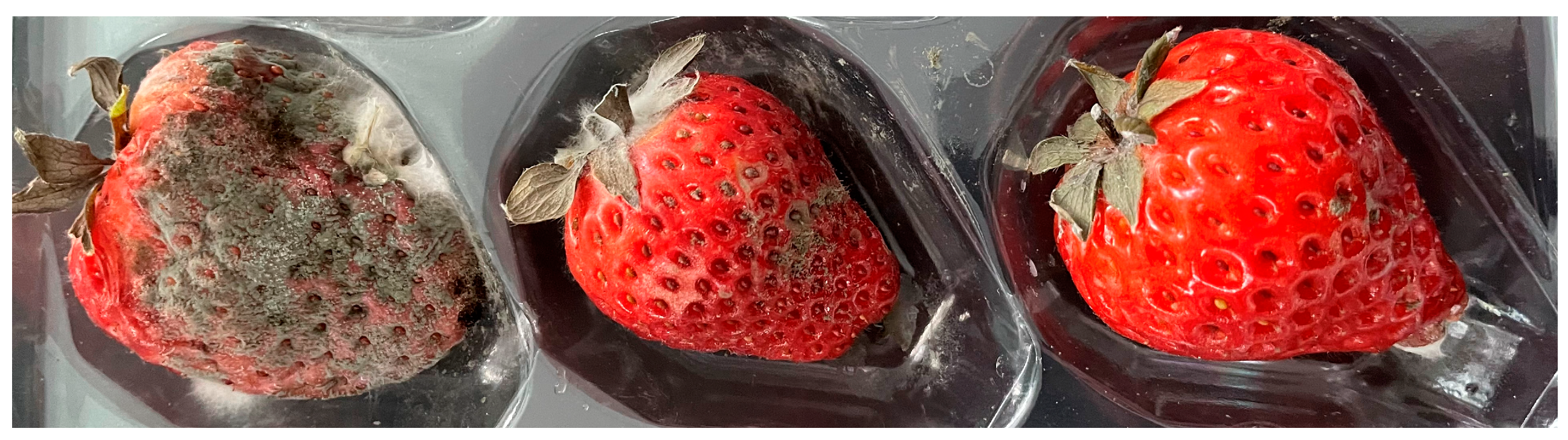
Postharvest fruit rot was observed in 20 kg of strawberry (cv. Hongyan) fruit collected in Tai’an, China, with an incidence of approximately 30%. Initial symptoms appeared as light brown lesions, which progressively darkened and expanded, ultimately resulting in whole-fruit decay accompanied by grey and turquoise fungal growth (Figure 1).

3.2. Fungal Isolation

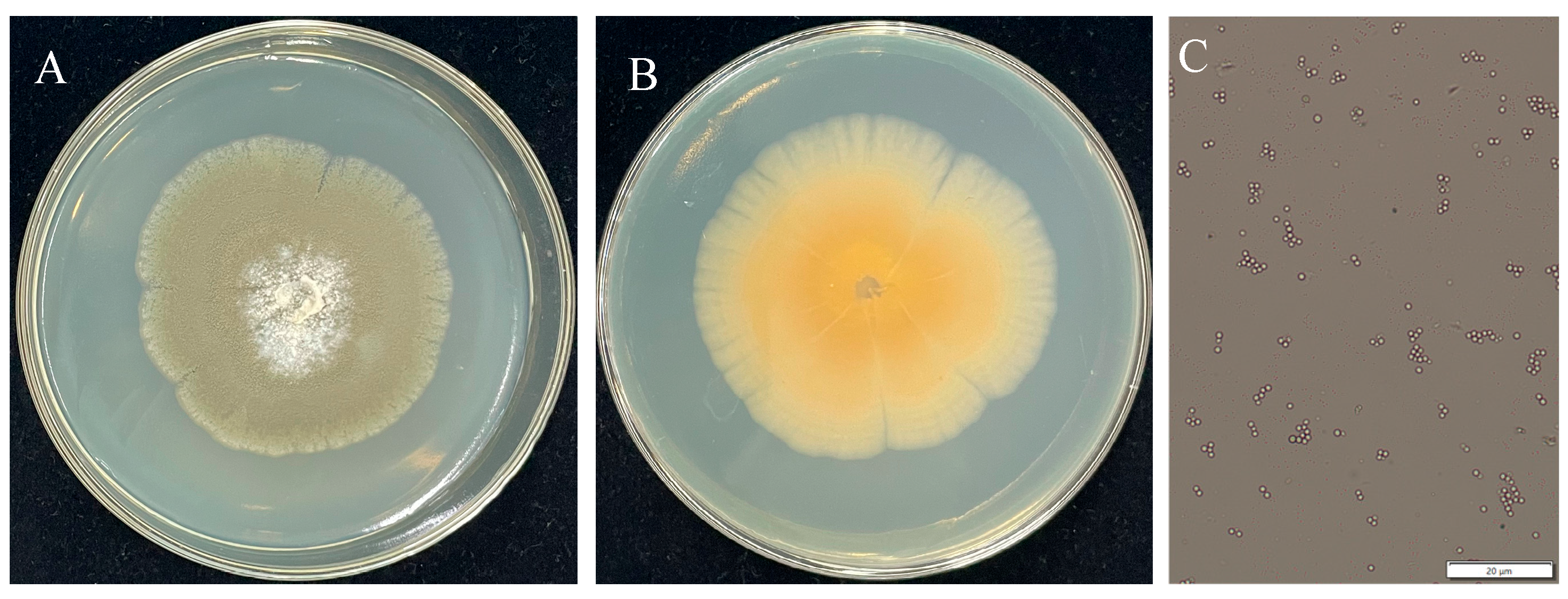
Finally, three isolated fungi were obtained through single-spore culture on PDA. A representative fungal isolate, designated CM-RB5, was isolated and cultured on PDA plates for 7 days (Figure 2A,B). Colonies were green, initially white, and guttulate. Conidia were smooth and pale green, with a subglobose to globose shape, measuring 1.2–2.4 × 1.5–2.7 µm (n = 50) (Figure 2C). These morphological characteristics were consistent with those of Penicillium species [33].

3.3. Molecular Identification

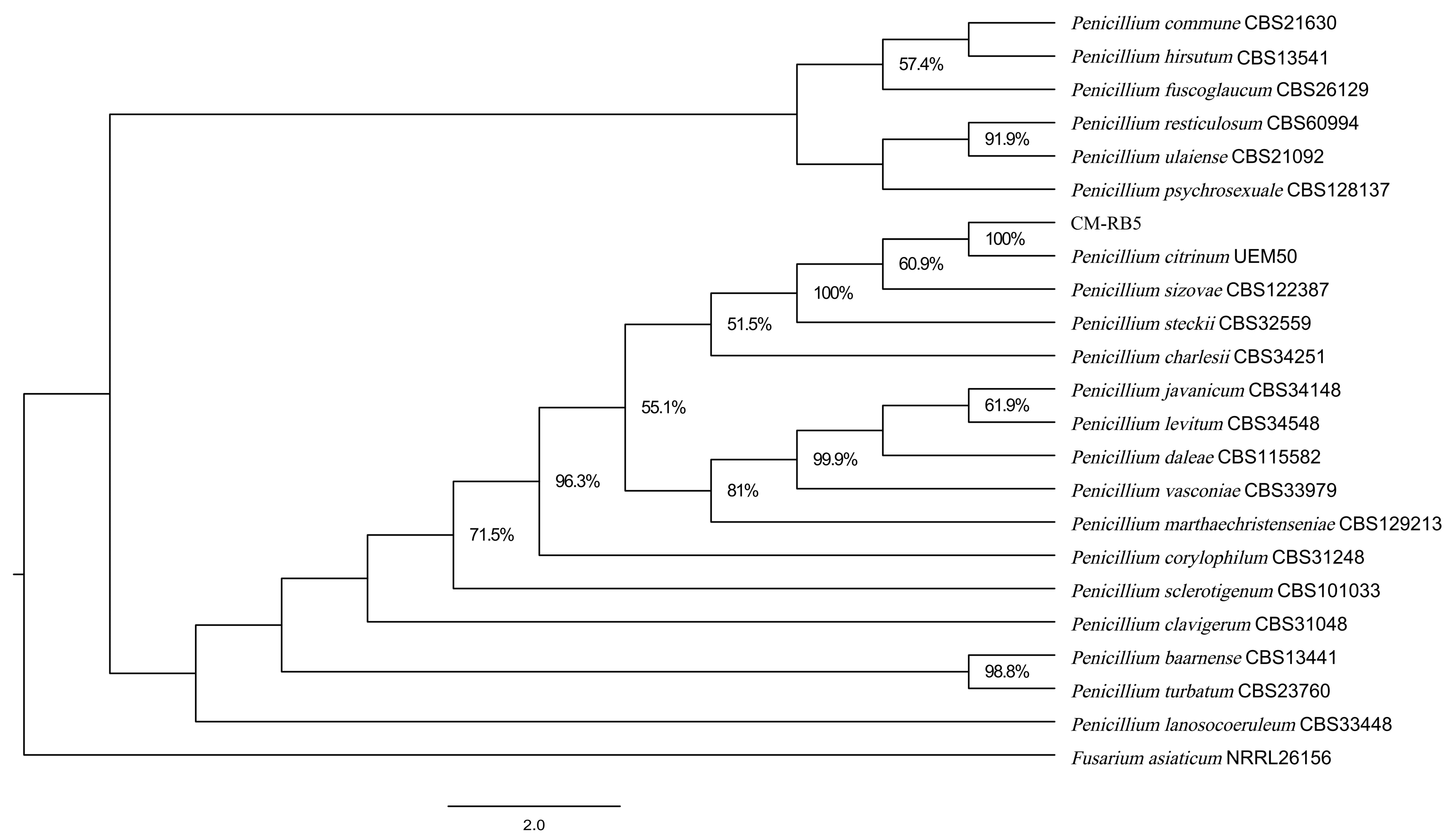
The ITS sequence of isolate CM-RB5 ITS (accession no. PZ225631) exhibited 100% identity (503/503 nt) with Penicillium citrinum (OP329192). A phylogenetic tree (Figure 3) was constructed from a single sequence of ITS genes and showed that CM-RB5 was clustered with P. citrinum.

3.4. Pathogenicity Tests

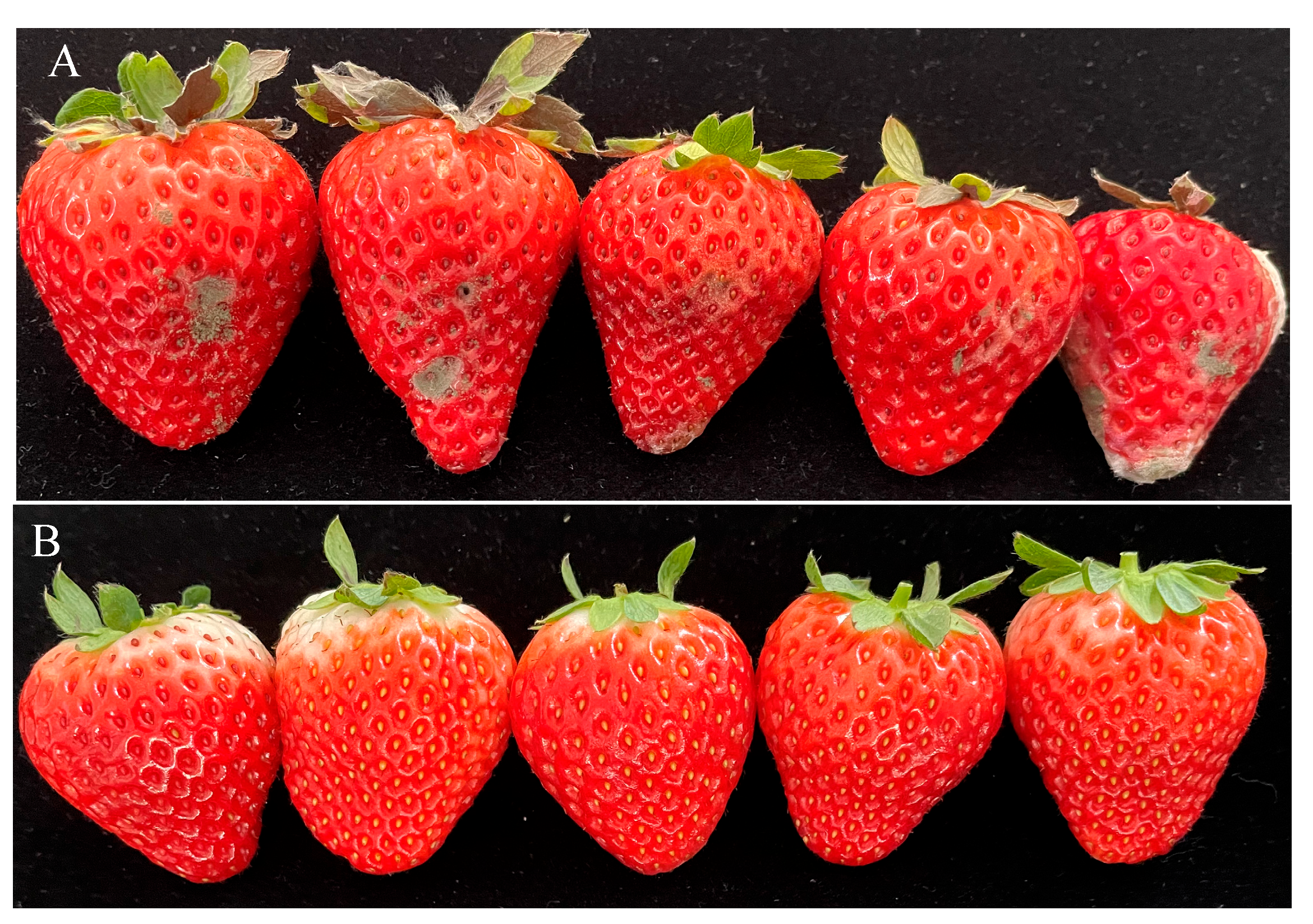
All five strawberry fruits inoculated with conidial suspension of CM-RB5 developed fruit rot symptoms, whereas no symptoms were observed in the control fruits inoculated with sterile distilled water (Figure 4). The pathogen was successfully re-isolated from the inoculated diseased fruit and re-identified as P. citrinum, thus fulfilling Koch’s postulates.

3.5. Genomic Analysis

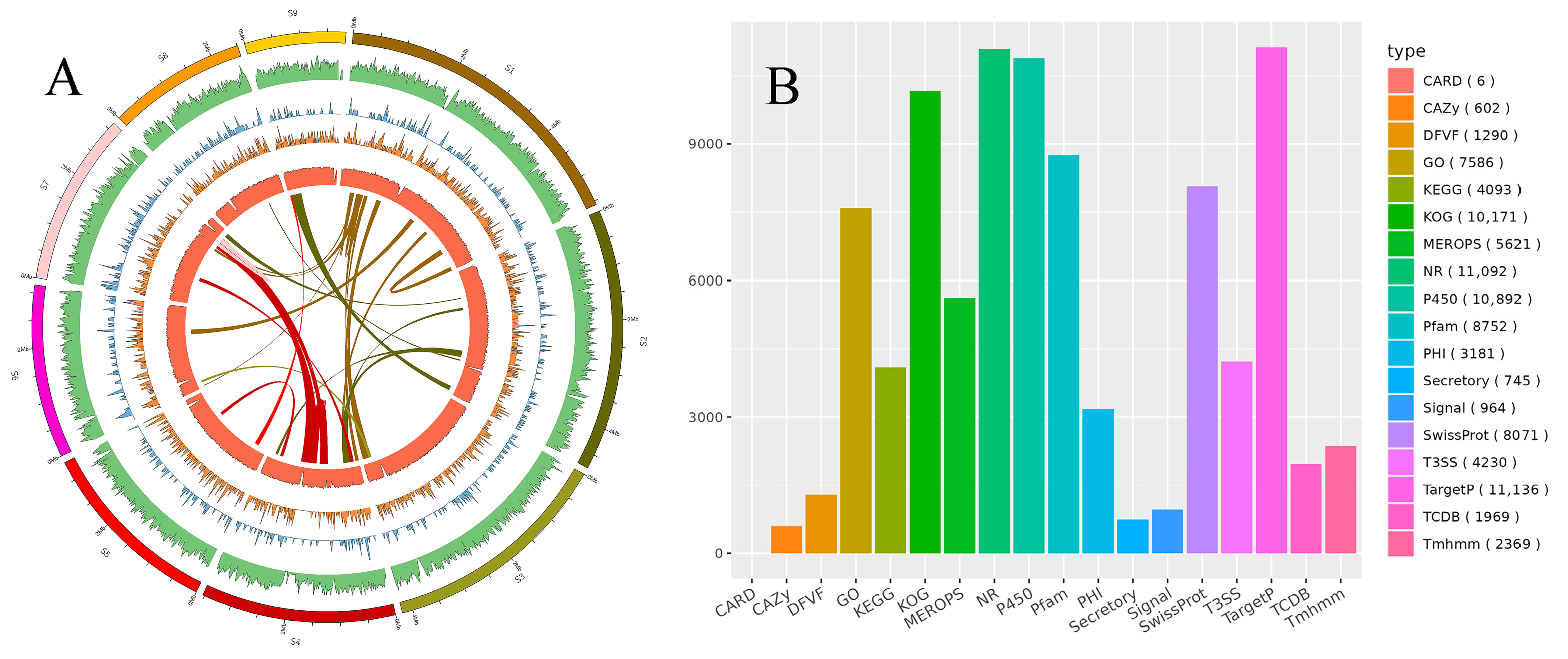
The assembled genome of Penicillium citrinum CM-RB5 (Genome submission SUB16090369) had a total length of 32,053,718 bp, with a GC content of 46.41% (Figure 5A). The copy numbers of ncRNA, 5S rRNA, 5.8S rRNA, 18S rRNA, 28S rRNA, and tRNA were found to be 42, 32, 3, 3, 3, and 161, respectively, with total lengths of 5581, 3711, 394, 3594, 9418, and 13,645 bp, respectively.
Functional annotation of protein-coding genes was performed using multiple databases, including CARD (6), CAZy (602), DFVF (1290), GO (7586), KEGG (4093), KOG (10,171), MEROPS (5621), NR (11,092), P450 (10,892), Pfam (8752), PHI (3181), Secretory (745), Signal (964), SwissProt (8071), T3SS (4230), TargetP (11,136), TCDB (1969), and TMHMM (2369) (Figure 5B).
CARD analysis identified five antibiotic resistance genes and one antibiotic target, but no antibiotic biosynthesis genes, accounting for 0.054% of annotated genes (Table 1). The five genes in the “Antibiotic Resistance” category, scaffold1.t1497, scaffold1.t1543, scaffold4.t788, scaffold5.t519, and scaffold6.t97, were closely related to APH(3″)-Ib Curated, Catalase-peroxidase-peroxynitritase T KatG, thymidylate synthase, elongation factor Tu, and Monooxygenase EthA, respectively. The scaffold4.t828 gene in the “Antibiotic Target” category was closely related to translation elongation factor G.
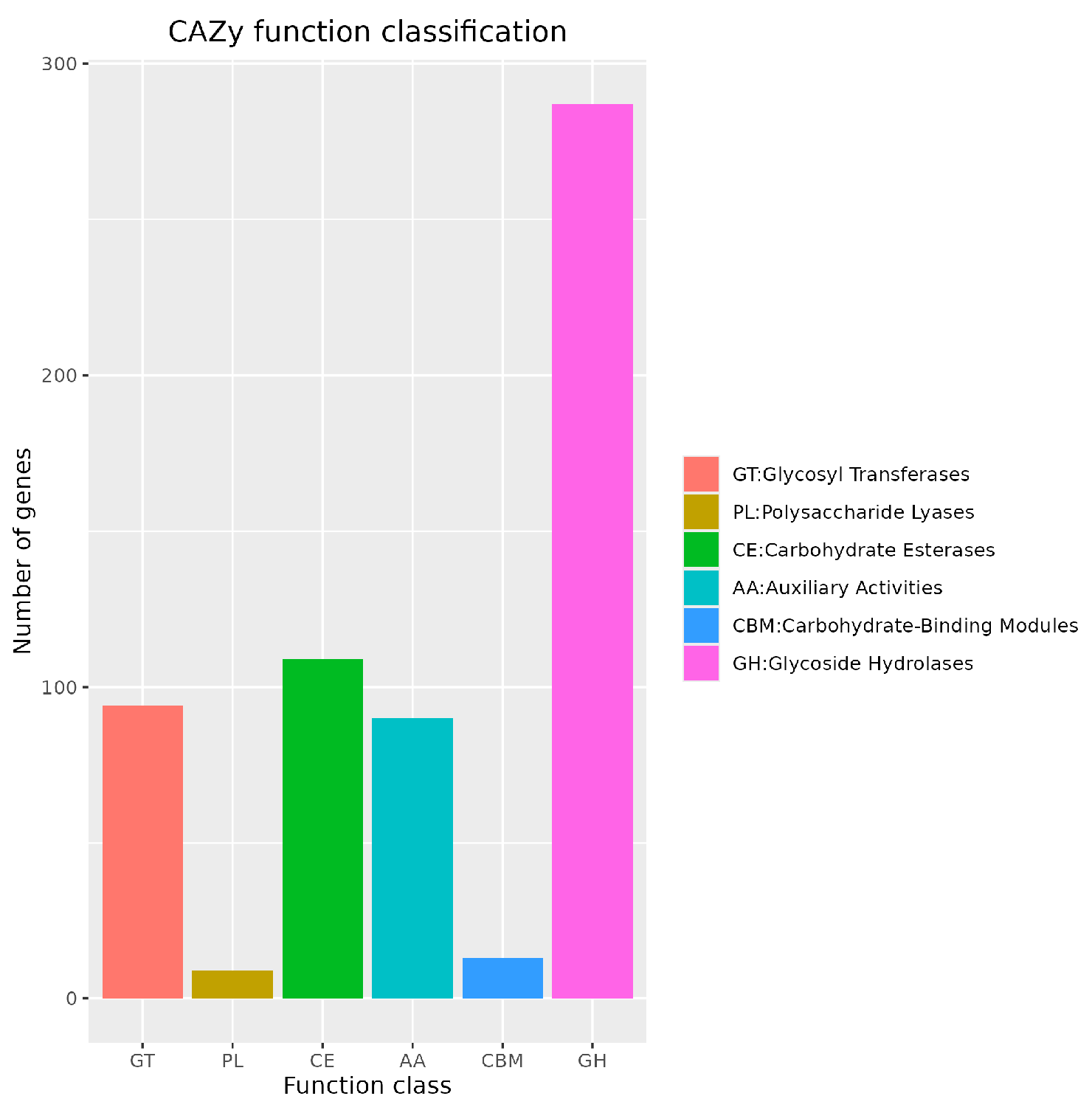
CAZy database analysis (Figure 6) revealed 94 glycosyl transferases (GTs), 9 polysaccharide lyases (PLs), 109 carbohydrate esterases (CEs), 90 auxiliary activity enzymes (AAs), 13 carbohydrate-binding modules (CBMs), and 283 glycoside hydrolases (GHs). Notably, 15 polygalacturonase genes (scaffold1.t1039, scaffold1.t1358, scaffold1.t522, scaffold1.t609, scaffold1.t687, scaffold3.t649, scaffold5.t763, scaffold6.t100, scaffold6.t1009, scaffold6.t1109, scaffold7.t413, scaffold7.t689, scaffold8.t126, scaffold8.t340, and scaffold8.t469) were identified, representing typical virulence factors in Penicillium species (Table 2).
Two genes encoding ATP-binding cassette (ABC) and major facilitator superfamily (MFS) transporters were detected (48th and 72nd hits), which likely contribute to detoxification by exporting key phytoalexins from fungal cells (Table S1).
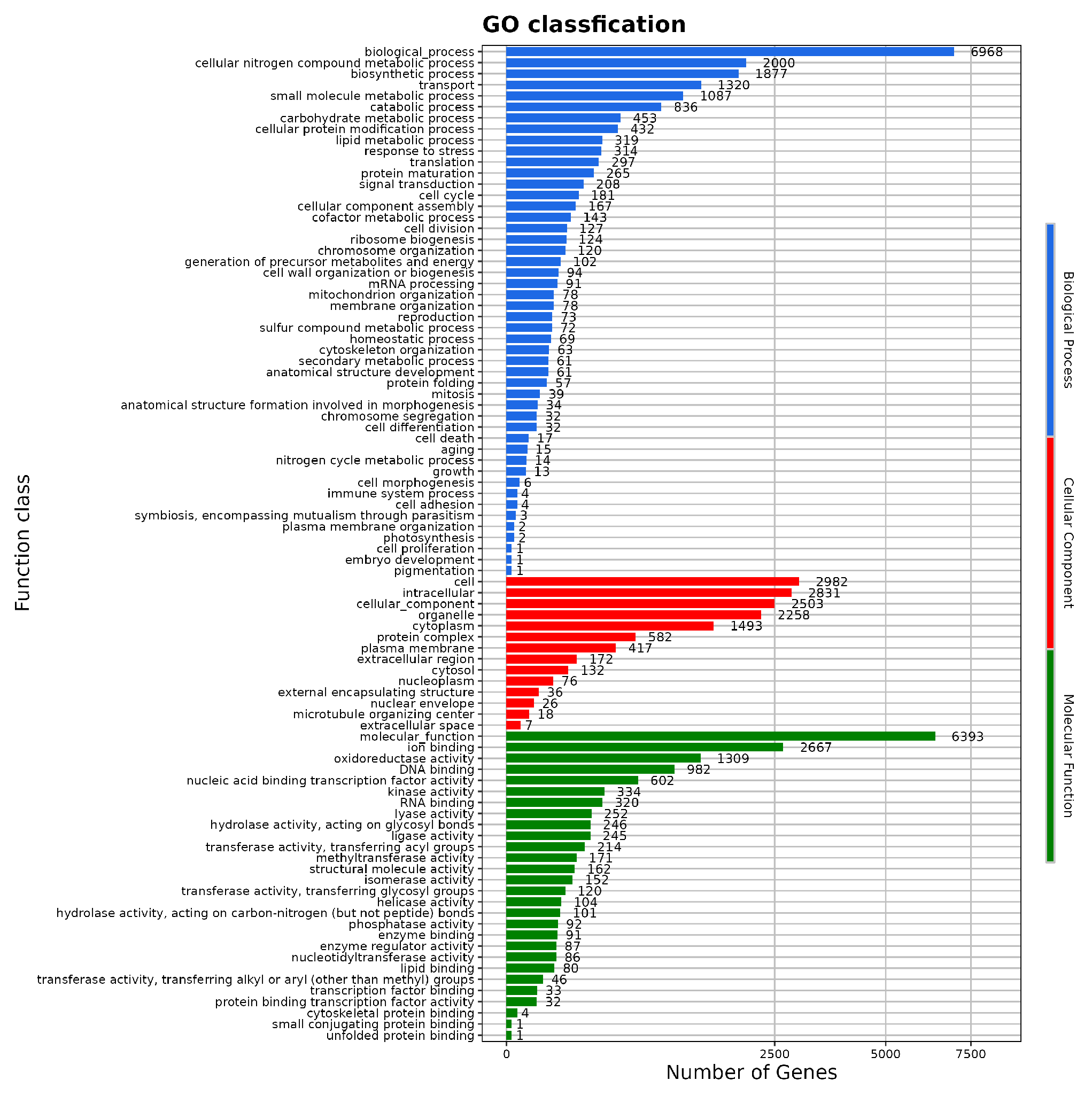
GO analysis indicated that P. citrinum CM-RB5 participates in biological processes, molecular functions, and cellular components (Figure 7). A total of 38 genes were associated with toxin-related processes, including “toxin biosynthetic process (GO:0009403)”, “toxin metabolic process (GO:0009404)”, “aflatoxin biosynthetic process (GO:0045122)”, “aflatoxin metabolic process (GO:0046222)”, “mycotoxin biosynthetic process (GO:0043386)”, and “mycotoxin metabolic process (GO:0043385)” (Table S2).
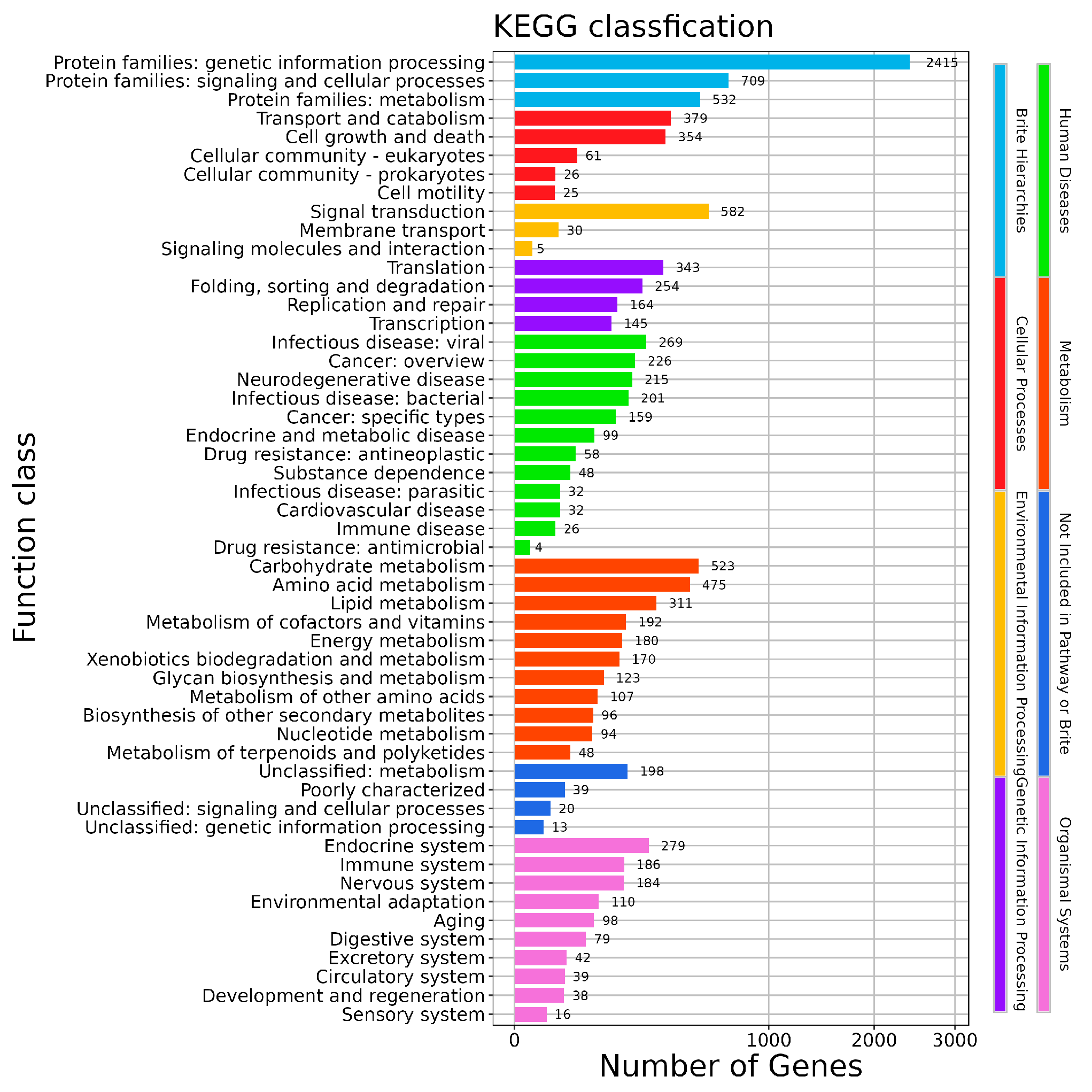
KEGG analysis (Figure 8) annotated 2415 genes to “Protein families: genetic information processing” within Brite Hierarchies, 379 to “Transport and catabolism” under “Cellular Processes”, 582 to “Signal transduction” under “Environmental Information Processing”, 343 to “Translation” under “Genetic Information Processing”, 523 to “Carbohydrate Metabolism” under “Metabolism”, 198 to “Unclassified: metabolism” in “Unclassified: metabolism”, and 279 to “Endocrine system” under “Organismal Systems”.
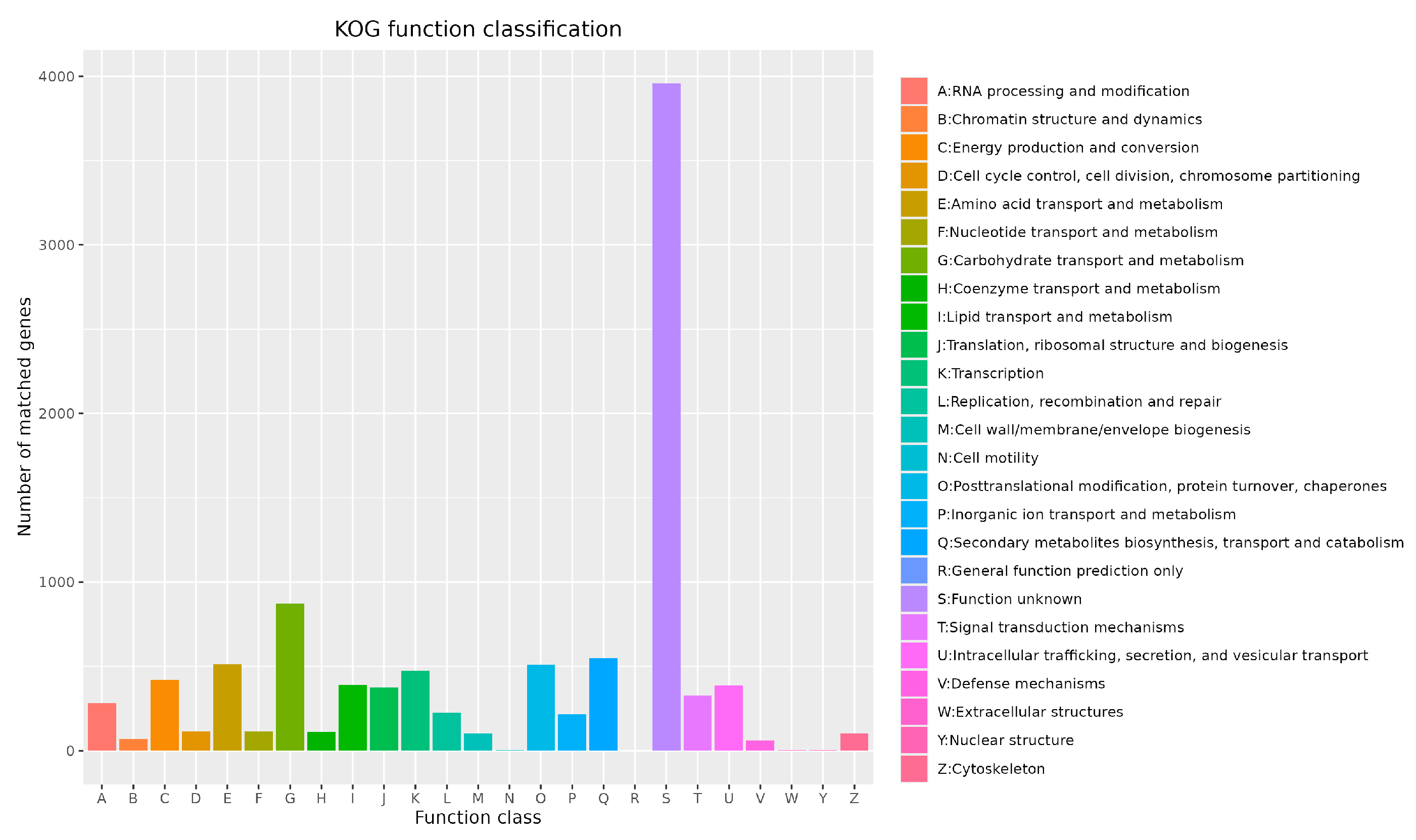
The largest category comprised 3960 genes of unknown function, accounting for 38.93% of the total, indicating that the functional annotation of P. citrinum CM-RB5 remains incomplete and requires further investigation (Figure 9). Notably, scaffold1.t1376 and scaffold6.t358 of P. citrinum CM-RB5 are involved in the production of ochratoxin and citrinin (Table 3).
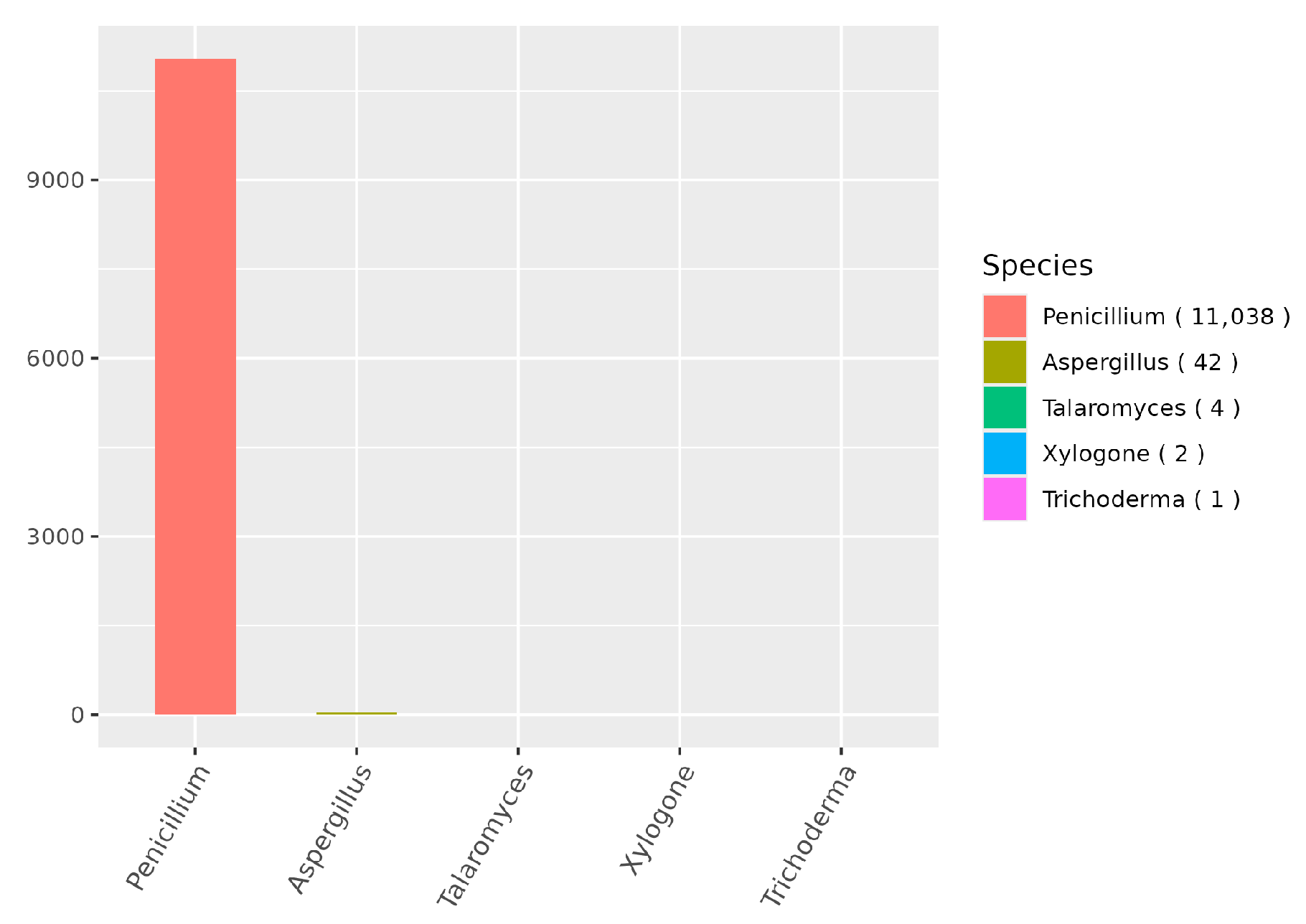
NR analysis (Figure 10) showed that strain CM-RB5 shared the highest sequence similarity (99.56%) with members of the Penicillium genus. Additionally, protein-coding gene sequences exhibited similarity to proteins from Aspergillus, Talaromyces, Xylogone, and Trichoderma, with sequence lengths of 42, 4, 2, and 1 amino acids, respectively.
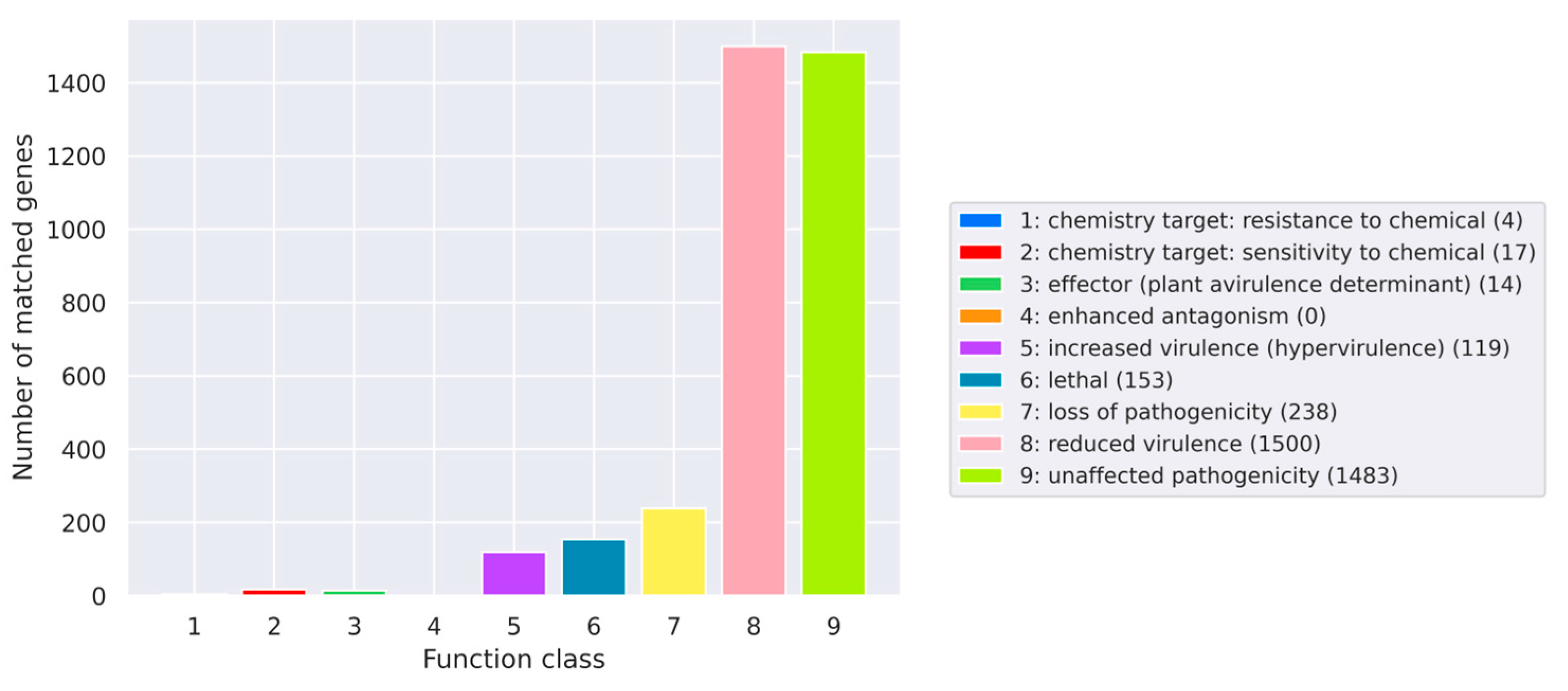
PHI-base analysis revealed 238 genes associated with loss of pathogenicity, 1483 with no effect on pathogenicity, 1500 with reduced virulence, and 119 with increased pathogenicity (hypervirulence) (Figure 11).
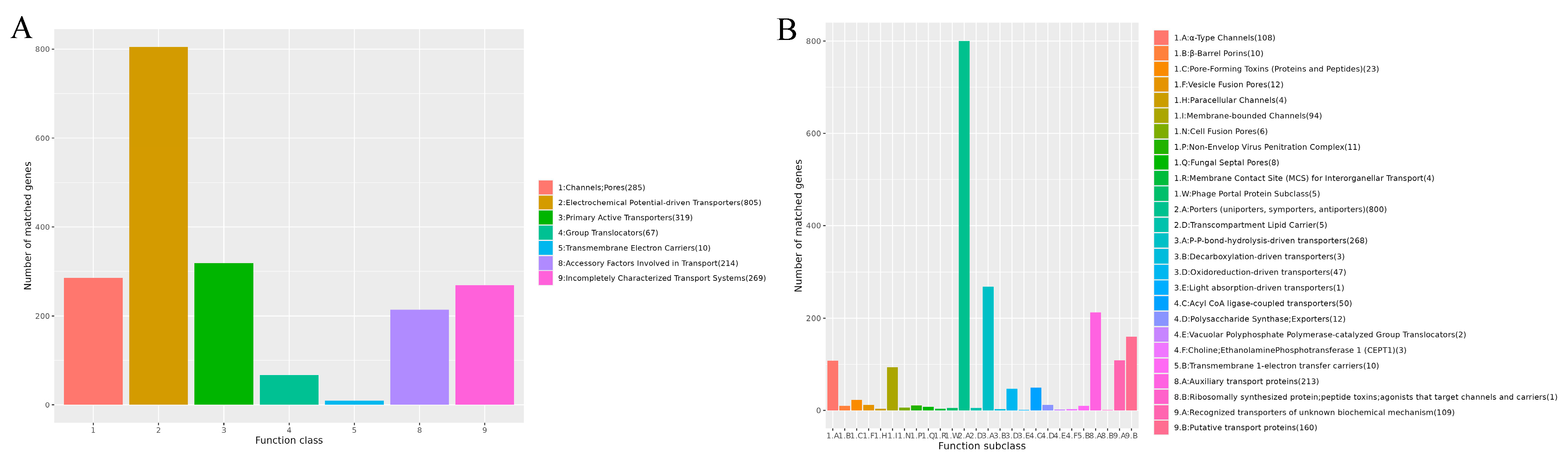
TCDB analysis identified 805 genes in the “Electrochemical potential-driven transporters” category within the primary classification (Figure 12A) and 800 genes in the “Porters (uniporters, symporters, antiporters)” category within the secondary classification (Figure 12B). These annotations indicate that the corresponding genes are closely associated with energy supply, self-metabolism, and toxin secretion in P. citrinum CM-RB5.

4. Discussion

Penicillium is a globally distributed and diverse genus that plays an important role in the decomposition of organic matter and is a major cause of spoilage in the food industry [37,38,39,40]. Many species act as postharvest pathogens, causing destructive rots in food crops; however, species identification within Penicillium remains challenging and could be further elaborated (e.g., morphological similarity, genetic complexity) [37,38,39,40]. Among these, Penicillium citrinum is a filamentous fungus widely distributed worldwide that can infect a range of hosts, including fruits such as mandarins [41], as well as Dictyophora rubrovolvata [33]. In this study, P. citrinum CM-RB5 was isolated from infected strawberry fruit and identified based on spore morphology and molecular analyses. This isolate was confirmed to cause postharvest rot in strawberry fruit. In China, more than 170 Penicillium species have been recorded, of which 91 were originally described from this country [42]. To the best of our knowledge, this is the first report of P. citrinum causing postharvest strawberry fruit rot worldwide. Further studies should focus on disease management strategies, including biological, chemical, and physical control approaches, to prevent the localized occurrence [41,43,44].
Penicillium citrinum often disrupts plant and fruit tissue structure by secreting cell wall-degrading enzymes. During infection, it degrades cell wall components, causing the fruits to soften and rot. Postharvest diseases caused by P. citrinum not only lead to substantial economic losses but also severely restrict the development of the fruit industry. Genomic analyses have been conducted for several Penicillium species, including P. exsudans [45], P. commune [46], and P. turbatum [47]. The availability of genomic data enhances the resolution of intraspecies comparisons and advances our understanding of evolutionary biology [46]. In this study, we present several lines of evidence (Figure 2, Figure 3 and Figure 4) supporting the identification of the isolated strain as the understudied P. citrinum, along with its high-quality genome sequence. This resource provides a platform for identifying pathways and gene clusters encoding proteins involved in the biosynthesis of small molecules of interest in P. citrinum.
CAZy database analysis revealed that P. citrinum CM-RB5 has 109 CEs, which catalyse the hydrolysis of ester bonds in carbohydrates, facilitating the decomposition of complex sugars such as cellulose and lignin and providing essential carbon sources for fungal growth [31]. Moreover, P. citrinum CM-RB5 contains nine PLs, which catalyse polysaccharide cleavage, specifically breaking down complex sugars such as pectin and starch into accessible sugars [31]. P. citrinum CM-RB5 possesses 283 GHs, which hydrolyse glycosidic bonds, breaking down polysaccharides such as cellulose, starch, and pectin to supply the fungus with necessary sugars [31]. Furthermore, 94 GTs were detected; these enzymes play a crucial role in carbohydrate synthesis by catalysing the transfer of carbohydrate units to form new glycoside chains [31]. These processes are closely associated with the infection of strawberry fruits by P. citrinum CM-RB5. P. citrinum CM-RB5 encodes multiple cytochrome P450 enzymes, including cytochrome P450 monooxygenase, cytochrome P450 phenylacetate hydroxylase, and benzoate 4-monooxygenase cytochrome P450. These CYP-related isoenzymes are involved in cellular detoxification, xenobiotic degradation, and the biosynthesis of secondary metabolites during host–pathogen interactions. Accordingly, research on fungal CYP has expanded rapidly and constitutes an important area within biology and ecology.
Penicillium species are necrotrophic pathogens of fruits that penetrate host tissues through wounds and subsequently colonise beyond the initial infection site using a series of virulence factors, which notably include the production of polygalacturonase [48]. Several Penicillium species, with varying levels of virulence, have been widely used as model systems to investigate genes, pathways, and metabolites involved in fungal-mediated fruit decay (e.g., in apple) [46]. In the present study, 15 polygalacturonase-encoding genes were identified in P. citrinum CM-RB5, which are closely associated with its pathogenicity. In addition, secondary metabolites, or natural products, are an invaluable resource for biotechnological applications, but also raise concern due to their potential impacts on health [46]. Furthermore, P. citrinum produces ochratoxin and citrinin inferred from genomic data, two toxins that not only damage plant cells but also contaminate agricultural products, posing a serious threat to food safety [49,50,51]. Future management (e.g., storage conditions, biological control, toxin mitigation) of postharvest strawberry fruit rot caused by P. citrinum CM-RB5 should prioritise reducing infection incidence and mitigating the harmful effects caused by these toxins.

5. Conclusions

P. citrinum CM-RB5, isolated from infected strawberry fruit and identified based on conidial morphology and molecular analysis, was confirmed to cause postharvest strawberry fruit rot. Our study represents the first report of P. citrinum as a causal agent of postharvest fruit rot in China. Genome assembly revealed that P. citrinum CM-RB5 has a total length of 32,053,718 bp and a GC content of 46.41%. Functional annotation of protein-coding genes identified matches across multiple databases, including CARD (6), CAZy (602), DFVF (1290), GO (7586), KEGG (4093), KOG (10,171), MEROPS (5621), NR (11,092), P450 (10,892), Pfam (8752), PHI (3181), Secretory (745), Signal (964), SwissProt (8071), T3SS (4230), TargetP (11,136), TCDB (1969), and TMHMM (2369) analysis. Furthermore, P. citrinum CM-RB5 can produce ochratoxin and citrinin, which constitute a serious threat for animals and humans. Future studies should focus on developing effective control measures to manage postharvest strawberry fruit rot caused by P. citrinum.

Supplementary Materials

The following supporting information can be downloaded at: https://www.mdpi.com/article/10.3390/jof12040288/s1, Table S1. Analysis of ABC and MFS transporters in DFVF. Table S2. Toxin-related processes in GO.

Author Contributions

H.Y.: Conceptualization, Data curation, Formal analysis, Investigation, Methodology, Writing—original draft, Writing—review & editing. L.J.: Data curation, Formal analysis, Writing—original draft. T.G.: Software, Validation, Writing—review & editing. M.M.-H.: Methodology, Resources, Writing—review & editing. C.W.: Project administration, Supervision, Writing—review & editing. All authors have read and agreed to the published version of the manuscript.

Funding

The Project for Promoting Rural Revitalization and Technological Innovation in Shandong Province (2025TZXD034); Central Government Guided Local Science and Technology Development Fund Projects (YDZX2024040); and The Shandong Province Key Research and Development Program (2025TSGCCZZB0720; 2025CXPT030).

Institutional Review Board Statement

Not applicable.

Informed Consent Statement

Not applicable.

Data Availability Statement

The original contributions presented in this study are included in the article/Supplementary Materials. Further inquiries can be directed to the corresponding author.

Conflicts of Interest

The authors declare no conflicts of interest.

References

  1. Dong, Y.; Hu, Q.; Mao, M.; Zhu, X.; Xiang, Y.; Li, L. Contradicting effects of ascorbic acid and hydrogen peroxide on oxidative stress-induced senescence of strawberry fruit and FaAIF gene expression. Postharvest Biol. Technol. 2026, 231, 113908. [Google Scholar] [CrossRef]
  2. Vergauwen, D.; De Smet, I. The strawberry tales: Size matters. Trends Plant Sci. 2019, 24, 1–3. [Google Scholar] [CrossRef]
  3. Griese, J.; Schmidt, H.; Gössinger, M.; Weiss, A. Culture-independent analysis of the common microbiota of strawberry fruits. LWT—Food Sci. Technol. 2025, 217, 117391. [Google Scholar] [CrossRef]
  4. Rahmati-Joneidabad, M.; Bavani, M.R.Z.; Behbahani, B.A.; Taki, M. Probiotic-infused active packaging: Preparation, characterization, application, and modeling the preservation of fresh strawberry fruit. LWT—Food Sci. Technol. 2025, 220, 117586. [Google Scholar] [CrossRef]
  5. Song, H.; Asghari, M.; Zahedipour-Sheshglani, P.; Aljanabi, S.M.A.K.; Diao, E.; Xiang, X.; Qian, S.; Liang, X. Impact of exogenous cinnamic acid on some quality indices, phenolic compounds, main phenolic biosynthesis enzymes and senescence rate of strawberry fruit. Food Chem. 2025, 487, 144726. [Google Scholar] [CrossRef]
  6. Hernández-Martínez, N.R.; Blanchard, C.; Wells, D.; Salazar-Gutierrez, M.R. Current state and future perspectives of commercial strawberry production: A review. Sci. Hortic. 2023, 312, 111893. [Google Scholar] [CrossRef]
  7. Liu, C.; Kong, F.; Qiao, Y.; He, H.; Wang, C.; Wang, Q.; Wang, X.; Chen, B.; Zhang, L.; Xiao, W.; et al. Allicin derivative (DETS) treatment reduced post-harvest decay in strawberries by inhibiting Botrytis cinerea viability and increasing antioxidant capacity. Food Control 2025, 172, 111142. [Google Scholar] [CrossRef]
  8. Zhang, Y.; Hong, W.; Jiang, H.; Shao, D.; Si, X.; Wang, Y.; Li, D.; Li, B. Effect of magnetic field treatment on the softening of strawberries during cold storage. Postharvest Biol. Technol. 2025, 227, 113584. [Google Scholar] [CrossRef]
  9. Jiang, L.; Wang, Y.; Wu, C.; Wu, H. Fruit distribution density estimation in YOLO-detected strawberry images: A kernel density and nearest neighbor analysis approach. Agriculture 2024, 14, 1848. [Google Scholar] [CrossRef]
  10. Ma, T.; Zhu, H.; Zhu, J.; Zhao, J.; Zhao, X. Evaluation of pathogenicity, host resistance, biological properties and chemical control of Xanthomonas fragariae Strain JD1 causing angular leaf spot on strawberry. Plant Dis 2025. Online ahead of print. [Google Scholar] [CrossRef]
  11. Wu, C.; Men, C.; Wang, Y.; Fan, T.; Liu, C.; Zheng, L. α-lipoic acid maintains quality by modulating phenolic metabolism and antioxidant capacity in postharvest strawberry. Postharvest Biol. Technol. 2025, 223, 113457. [Google Scholar] [CrossRef]
  12. Kelanne, N.M.; da Silva, C.V.; Laaksonen, O.; Haikonen, T.; Yang, B.; Kortesniemi, M. Towards new properties of strawberry: Chemical composition and sensory properties of species-reconstructed garden strawberry progenies. Food Chem. 2025, 483, 144233. [Google Scholar] [CrossRef] [PubMed]
  13. Yan, B.; Lu, M.; Han, J.; Cao, Y.; Yan, F.; Song, X. Molecular insights and diagnostic advances in strawberry-infecting viruses. Front. Microbiol. 2025, 16, 1655696. [Google Scholar] [CrossRef] [PubMed]
  14. Liu, F.; Mo, X.; Zhou, S.; Wei, J.; Yang, N.; Jin, Y.; Xu, X. Effects of static magnetic fields on the physicochemical and flavor quality of strawberry fruit during cold storage. Food Chem. 2025, 497, 146914. [Google Scholar] [CrossRef] [PubMed]
  15. Jiang, L.; Liu, B.; Zhang, S.; Zhang, R.; Wu, C.; Qiao, K. Increasing spray volume and ozone spray of tetraconazole improve control against strawberry powdery mildew. Crop Prot. 2024, 179, 106602. [Google Scholar] [CrossRef]
  16. Jiang, L.; Yan, H.; Yin, Y.; Dong, R.; Wu, C. Use of Bacillus velezensis JNS-1 from vermicompost against strawberry root rot. Front. Microbiol. 2025, 16, 1566949. [Google Scholar] [CrossRef]
  17. Xu, S.; Shi, D.; Chen, H.; Ma, F.; Tao, G.; Wu, W.; Lin, D.; Wu, S.; Fei, Q.; Hu, Y.; et al. Substrate cultivation system improved the quality of ‘Hongyan’ strawberry fruits compared with the soil cultivation system. Food Chem. 2025, 485, 144430. [Google Scholar] [CrossRef]
  18. Alonzo, G.; Baggio, J.S.; Peres, N.A. Effect of fumigants on inoculum of Neopestalotiopsis spp. in strawberry crowns and soil. Plant Dis. 2025, 109, 902–908. [Google Scholar] [CrossRef]
  19. Li, X.; Yuan, H.; Shi, B.; Liu, R.; Chen, Y.; Wang, L.; Tu, H.; Hou, H. Antifungal mechanism of Aspergillus tubingensis strain Pa6 against strawberry gray mold and its application in the preservation of postharvest strawberry. Postharvest Biol. Technol. 2025, 234, 114115. [Google Scholar] [CrossRef]
  20. Priyadarshi, R.; El-Araby, A.; Rhim, J. Chitosan-based sustainable packaging and coating technologies for strawberry preservation: A review. Int. J. Biol. Macromol. 2024, 278, 134859. [Google Scholar] [CrossRef]
  21. Tenea, G.N.; Reyes, P.; Flores, C. Crosslinking bacterial postbiotics for microbial and quality control of strawberries postharvest: Bacteriological and 16S amplicon metagenome evidence. Front. Microbiol. 2025, 16, 1570312. [Google Scholar] [CrossRef]
  22. Georgiadou, E.C.; Gil, C.J.G.H.; Taliadorou, A.M.; Myrtsi, E.D.; Gohari, G.; Varaldo, A.; Torrado, S.; Gasperini, A.M.; Tomás-Barberán, F.; Hertog, M.; et al. The postharvest application of biodegradable polymers and a priming agent as a potential tool to enhance phytochemical content, aroma profile and market life of strawberry fruit. LWT—Food Sci. Technol. 2025, 227, 117877. [Google Scholar] [CrossRef]
  23. Wu, Y.; Chang, M.; Liu, Y.; Chen, T.; Li, Z.; Li, W.; Liu, D.; He, L.; Sun, H. Preservative effects of clove extract against Alternaria alternata on postharvest strawberries and associated shifts in microbial communities. Front. Microbiol. 2026, 17, 1736375. [Google Scholar] [CrossRef] [PubMed]
  24. Ashokkumar, S.; Dahal, R.; Shin, Y.O.; Uhm, H.S.; Park, J.S.; Lee, Y.; Choi, E.H. Deactivation of Colletotrichum acutatum and Colletotrichum gloeosporioides by novel cylindrical dielectric barrier discharge plasma: Maintaining biochemical composition in strawberry by in-vitro and in-vivo. Food Control 2026, 181, 111722. [Google Scholar] [CrossRef]
  25. Beg, M.A.; Oliver, J.E. Georgia blueberry Neopestalotiopsis isolates, which are phylogenetically indistinguishable from the emerging novel strawberry Neopestalotiopsis sp., are pathogenic to both blueberry and strawberry. Plant Dis. 2025; in press.
  26. Li, Z.; Yu, X.; Zhang, W.; Han, R.; Zhang, J.; Ma, Y.; Guo, L.; Wang, X.; Zhao, J.; Xiang, W. Identification, characterization, and pathogenicity of fungi associated with strawberry fruit rot in Shandong province, China. Plant Dis. 2023, 107, 3773–3782. [Google Scholar] [CrossRef]
  27. Ren, H.; Gao, Y.; Feng, E.; He, S.; Huang, Q. First report of Mucor inaequisporus (Mucorales, Mucoromycota) causing postharvest rot of strawberry fruit in Kunming, China. Plant Dis. 2023, 107, 2241. [Google Scholar] [CrossRef]
  28. Zhang, Y.; Wang, S.; Li, X.; Cai, K.; Sun, H.; Zhang, Z. FaERF6 activates the polygalacturonase gene FaPG1 to promote strawberry fruit softening. Postharvest Biol. Technol. 2026, 234, 114129. [Google Scholar] [CrossRef]
  29. Ling, X.; Chen, Y.; Wei, Y.; Jiang, S.; Ye, J.; Chen, J.; Xu, F.; Wu, F.; Shao, X. A WRKY IIc transcription factor, FaWRKY47 enhances postharvest resistance to Botrytis cinerea in strawberry via activation of jasmonate biosynthesis and antioxidant defenses. Postharvest Biol. Technol. 2026, 232, 113967. [Google Scholar] [CrossRef]
  30. Chen, Y.Z.; Chen, Y.; Yang, J. Whole-genome sequencing of pathogenic Nigrospora musae ST1 causing leaf spot disease in Idesia polycarpa. J. Fungi 2025, 12, 226. [Google Scholar] [CrossRef]
  31. He, Y.; Liu, B.; Ouyang, X.; He, M.; Hui, H.; Tang, B.; Feng, L.; Ren, M.; Chen, G.; Liu, G.; et al. Whole-genome sequencing and fine map analysis of Pholiota nameko. J. Fungi 2025, 11, 112. [Google Scholar] [CrossRef]
  32. Yang, Y.; Gan, Y.; Xu, W.; Huang, Y.; Xin, T.; Tan, R.; Song, J. Analysis of whole-genome for Alternaria species identification. J. Fungi 2025, 11, 185. [Google Scholar] [CrossRef] [PubMed]
  33. Qin, S.; Wang, J.; Liu, S.; Tang, X.; Liu, Z.; Liu, R.; Wang, Y.; Song, L.; Chen, X.; Cernava, T. First report of green mold disease Caused by Penicillium citrinum on Dictyophora rubrovolvata in China. Plant Dis. 2023, 107, 966. [Google Scholar] [CrossRef]
  34. Yan, H.; Mi, Y.; Li, Y.; Zang, H.; Guo, L.; Huo, J.; Man, Z.; Chen, Z.; Zhang, B.; Sang, M.; et al. First report of postharvest fruit rot caused by Botrytis cinerea on blue honeysuckle (Lonicera caerulea) Fruit in China. Plant Dis. 2024, 108, 527. [Google Scholar] [CrossRef]
  35. White, T.J.; Bruns, T.; Lee, S.; Taylor, J. Amplification and direct sequencing of fungal ribosomal RNA genes for phylogenetics. In PCR Protocols: A Guide to Methods and Applications; Academic Press: New York, NY, USA, 1990; Volume 18, pp. 315–322. [Google Scholar]
  36. Zhao, D.; Ye, T.; Gao, F.; Jakovlić, I.; La, Q.; Tong, Y.; Liu, X.; Song, R.; Liu, F.; Lian, Z.; et al. PhyloSuite v2: The development of an all-in-one, efficient and visualization-oriented suite for molecular dating analysis and other advanced features. iMeta 2025, 4, e70095. [Google Scholar] [CrossRef]
  37. Liu, C.; Wang, X.C.; Yu, Z.H.; Zhuang, W.Y.; Zeng, Z.Q. Seven new species of Eurotiales (Ascomycota) isolated from tidal flat sediments in China. J. Fungi 2023, 9, 960. [Google Scholar] [CrossRef]
  38. Visagie, C.M.; Houbraken, J.; Frisvad, J.C.; Hong, S.B.; Klaassen, C.H.W.; Perrone, G.; Seifert, K.A.; Varga, J.; Yaguchi, T.; Samson, R.A. Identification and nomenclature of the genus Penicillium. Stud. Mycol. 2014, 78, 343. [Google Scholar] [CrossRef]
  39. Wang, X.C.; Zhang, Z.K.; Zhuang, W.Y. Species diversity of Penicillium in southwest China with discovery of forty-three new species. J. Fungi 2023, 9, 1150. [Google Scholar] [CrossRef]
  40. Yan, H.; Li, Y.; Lv, Y.; Zhao, X.; Man, Z.; Chen, Z.; Guo, L.; Huo, J.; Sang, M.; Li, C.; et al. Postharvest fruit rot on blue honeysuckle (Lonicera caerulea L.) caused by Penicillium oxalicum newly reported in China. Crop Prot. 2025, 193, 107195. [Google Scholar] [CrossRef]
  41. Wu, Y.; Gao, S.; Chen, S.; Cao, R.; Li, J.; Zou, Y.; Ye, Z.; Lin, J.; Zheng, Q. Antifungal effect of light-emitting diode against spoilage fungi of mandarins. J. Food Meas. Charact. 2025, 19, 3778–3790. [Google Scholar] [CrossRef]
  42. Song, H.; Ding, Y.J.; Zhuang, W.Y.; Ding, G.Z.; Wang, X.C. Three new species of Penicillium from east and northeast China. J. Fungi 2024, 10, 342. [Google Scholar] [CrossRef] [PubMed]
  43. Yan, H.; Qiu, Y.; Yang, S.; Wang, Y.; Wang, K.; Jiang, L.; Wang, H. Antagonistic Activity of Bacillus velezensis SDTB038 against Phytophthora infestans in Potato. Plant Dis. 2021, 105, 1738–1747. [Google Scholar] [CrossRef] [PubMed]
  44. Yin, G.; Zhao, S.; Zhang, H.; Pennerman, K.K.; Bennett, J.W. Recent advances in pathogenicity and biocontrol of postharvest Penicillium diseases. J. Fungi 2026, 12, 219. [Google Scholar] [CrossRef] [PubMed]
  45. Zhao, Y.; Wang, P.; He, L.; Yang, G.; Huang, B. Characterization and complete genome sequence of a novel zetapatitivirus from Penicillium exsudans isolate RCEF7900. Arch. Virol. 2025, 170, 13. [Google Scholar] [CrossRef] [PubMed]
  46. Luciano-Rosario, D.; Jurick, W.M.; Gottschalk, C. The near-gapless Penicillium fuscoglaucum genome enables the discovery of lifestyle features as an emerging post-harvest phytopathogen. J. Fungi 2024, 10, 430. [Google Scholar] [CrossRef]
  47. Wang, X.; Chen, J.; Lin, H.; Min, C.; Zhang, L.; Gao, Z. Exploring biosynthetic potential of the endophytic Penicillium turbatum BLH34 using whole-genome sequence analysis and molecular networking. Nat. Prod. Res. 2025; in press.
  48. Arrarte, E.; Garmendia, G.; Wisniewski, M.; Vero, S. Limiting the production of virulence factors as a mechanism of action for the control of Penicillium expansum by the Antarctic antagonistic yeast Debaryomyces hansenii F9D. Biol. Control. 2023, 177, 105104. [Google Scholar] [CrossRef]
  49. Li, T.; Jiang, G.; Qu, H.; Wang, Y.; Xiong, Y.; Jian, Q.; Wu, Y.; Duan, X.; Zhu, X.; Hu, W.; et al. Comparative transcriptome analysis of Penicillium citrinum cultured with different carbon sources identifies genes Involved in citrinin biosynthesis. Toxins 2017, 9, 69. [Google Scholar] [CrossRef]
  50. Miljkovic, A.; Mantle, P. Renal Apoptosis in the mycotoxicology of Penicillium polonicum and ochratoxin A in rats. Life 2022, 12, 352. [Google Scholar] [CrossRef] [PubMed]
  51. Tong, J.; Zhang, Y.; Xu, Y.; Han, Y.; Li, C.; Zhuang, W.; Che, Y. Spirocitrinols A and B, citrinin derivatives with a spiro[chromane-2,3′-isochromane] skeleton from Penicillium citrinum. RSC Adv. 2023, 13, 6124–6129. [Google Scholar] [CrossRef]
Figure 1. Typical symptoms of postharvest fruit rot in collected strawberry fruit.
Jof 12 00288 g001
Figure 2. Front (A) and back (B) views of fungal CM-RB5 colonies isolated from infected strawberry fruit, and conidial morphology (C) of CM-RB5.
Jof 12 00288 g002
Figure 3. Phylogenetic tree of isolate CM-RB5 based on rDNA-ITS sequences.
Jof 12 00288 g003
Figure 4. Symptoms of strawberry fruit following inoculation with CM-RB5 (A) and sterile water (B).
Jof 12 00288 g004
Figure 5. Genomic circle map of CM-RB5 (A) and statistical overview of protein-coding gene functional annotation (B).
Jof 12 00288 g005
Figure 6. CAZy function classification profile.
Jof 12 00288 g006
Figure 7. GO function classification profile.
Jof 12 00288 g007
Figure 8. KEGG function classification profile.
Jof 12 00288 g008
Figure 9. eggNOG function classification profile.
Jof 12 00288 g009
Figure 10. NR function classification profile.
Jof 12 00288 g010
Figure 11. PHI function classification profile.
Jof 12 00288 g011
Figure 12. TCDB annotation species statistics chart. (A) Primary classification; (B) Secondary classification.
Jof 12 00288 g012
Table 1. Antibiotic resistance analysis statistics in CARD.
PropertyNumber of GenesPercentage (%)Query_Name
Antibiotic Resistance50.045scaffold1.t1497
scaffold1.t1543
scaffold4.t788
scaffold5.t519
scaffold6.t97
Antibiotic Target10.009scaffold4.t828
Antibiotic Biosynthesis00-
Table 2. Polygalacturonase description in CAZy.
GeneFamilyEvalue
scaffold1.t1039GH289.5 × 10−68
scaffold1.t1358GH288.3 × 10−72
scaffold1.t522GH283.8 × 10−74
scaffold1.t609GH281.7 × 10−66
scaffold1.t687GH282.4 × 10−65
scaffold3.t649GH284.4 × 10−71
scaffold5.t763GH282.5 × 10−65
scaffold6.t100GH282.5 × 10−72
scaffold6.t1009GH288.9 × 10−75
scaffold6.t1109GH284.2 × 10−74
scaffold7.t413GH288.6 × 10−68
scaffold7.t689GH287.5 × 10−67
scaffold8.t126GH282.3 × 10−52
scaffold8.t340GH281.1 × 10−49
scaffold8.t469GH281.7 × 10−72
Table 3. Analysis of ochratoxin and citrinin in eggNOG.
GeneLengthFunction
scaffold6.t358789Citrinin biosynthesis oxydoreductase CtnB
scaffold7.t9941074Amidohydrolase family, ochratoxinase
Disclaimer/Publisher’s Note: The statements, opinions and data contained in all publications are solely those of the individual author(s) and contributor(s) and not of MDPI and/or the editor(s). MDPI and/or the editor(s) disclaim responsibility for any injury to people or property resulting from any ideas, methods, instructions or products referred to in the content.