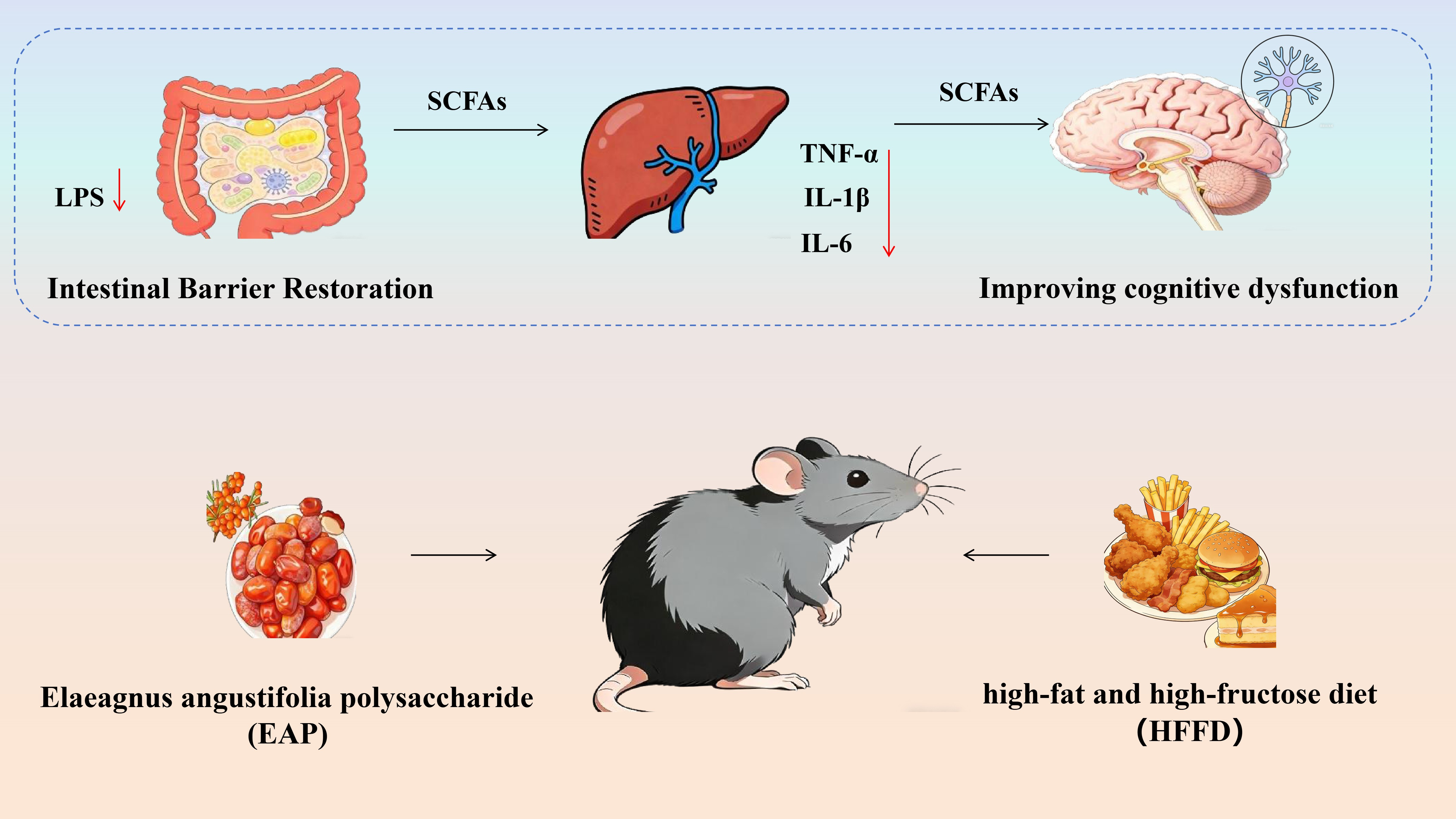
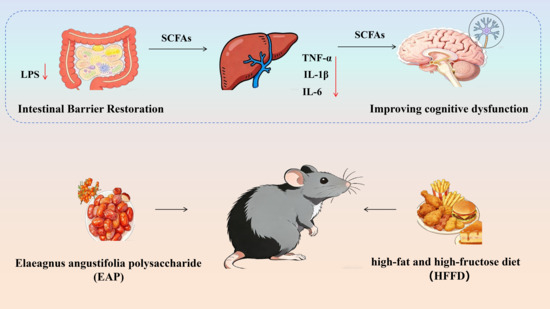
Elaeagnus angustifolia L. Polysaccharide Alleviates High-Fat High-Fructose Diet (HFFD)-Induced Cognitive Impairment by Modulating the Gut-Liver-Brain Axis

 ,
,
Abstract
1. Introduction
2. Materials and Methods
2.1. Animals and Experimental Design
2.2. Glucose Tolerance Test (GTT), Sample Collection and Serum Analyses
2.3. Behavioral Tests
2.4. Hematoxylin and Eosin (H&E) and Immunohistochemical Staining
2.5. Analysis of the Ultrastructure of the Synapse in the Hippocampus
2.6. Real-Time Quantitative PCR
2.7. Western Blotting
2.8. 16S rDNA Microbiome Sequencing
2.9. Plasma Metabolomics
2.10. Neurotransmitter Quantification by UPLC-MS/MS
2.11. Bile Acid Quantification via LC-MS/MS
2.12. Integrated Multi-Omics Analysis
2.13. Data Analysis
3. Results
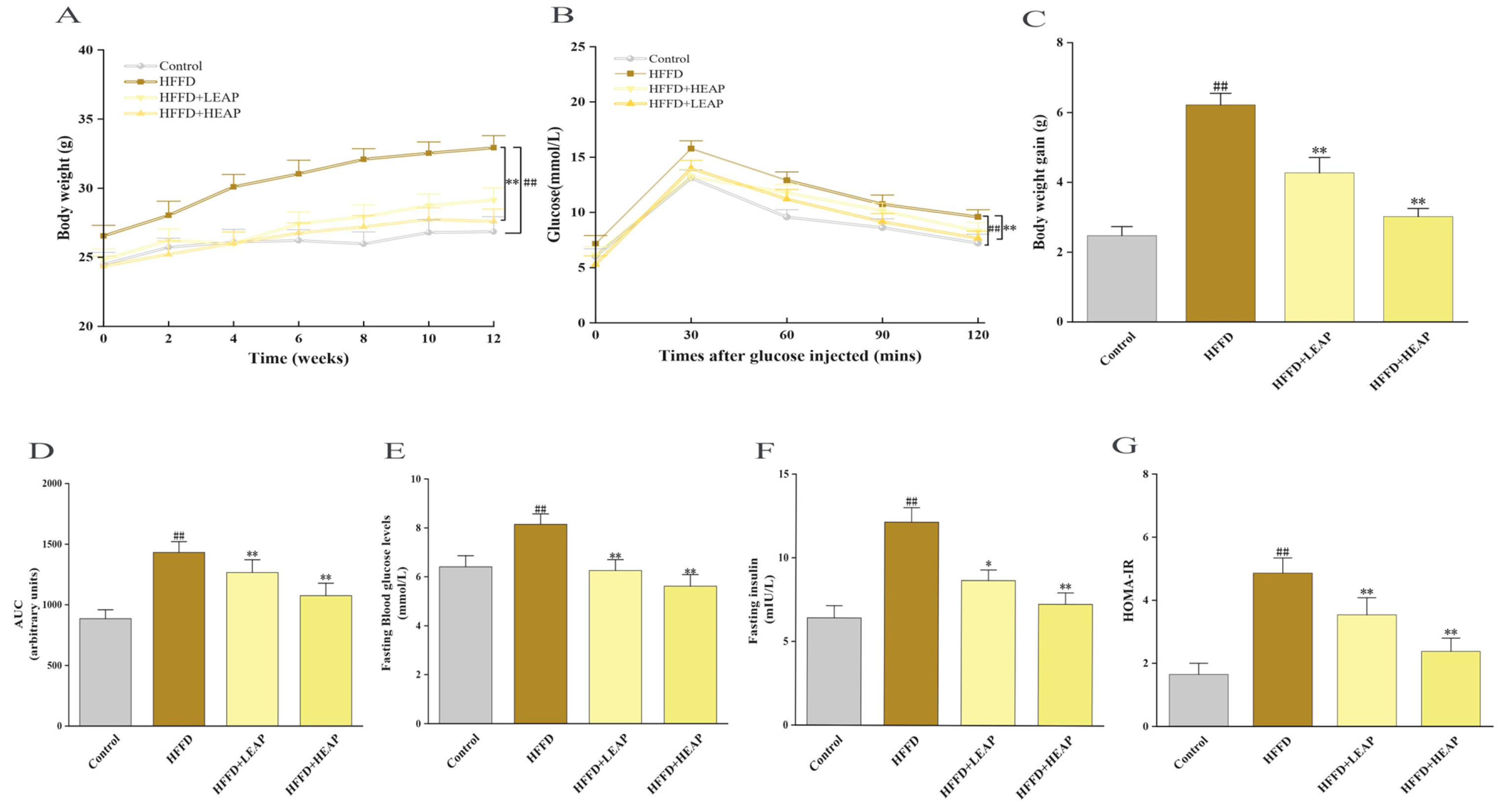
3.1. Effects of EAP on Body Weight, Glucose Homeostasis, and Serum Lipid Profiles in HFFD-Fed Mice
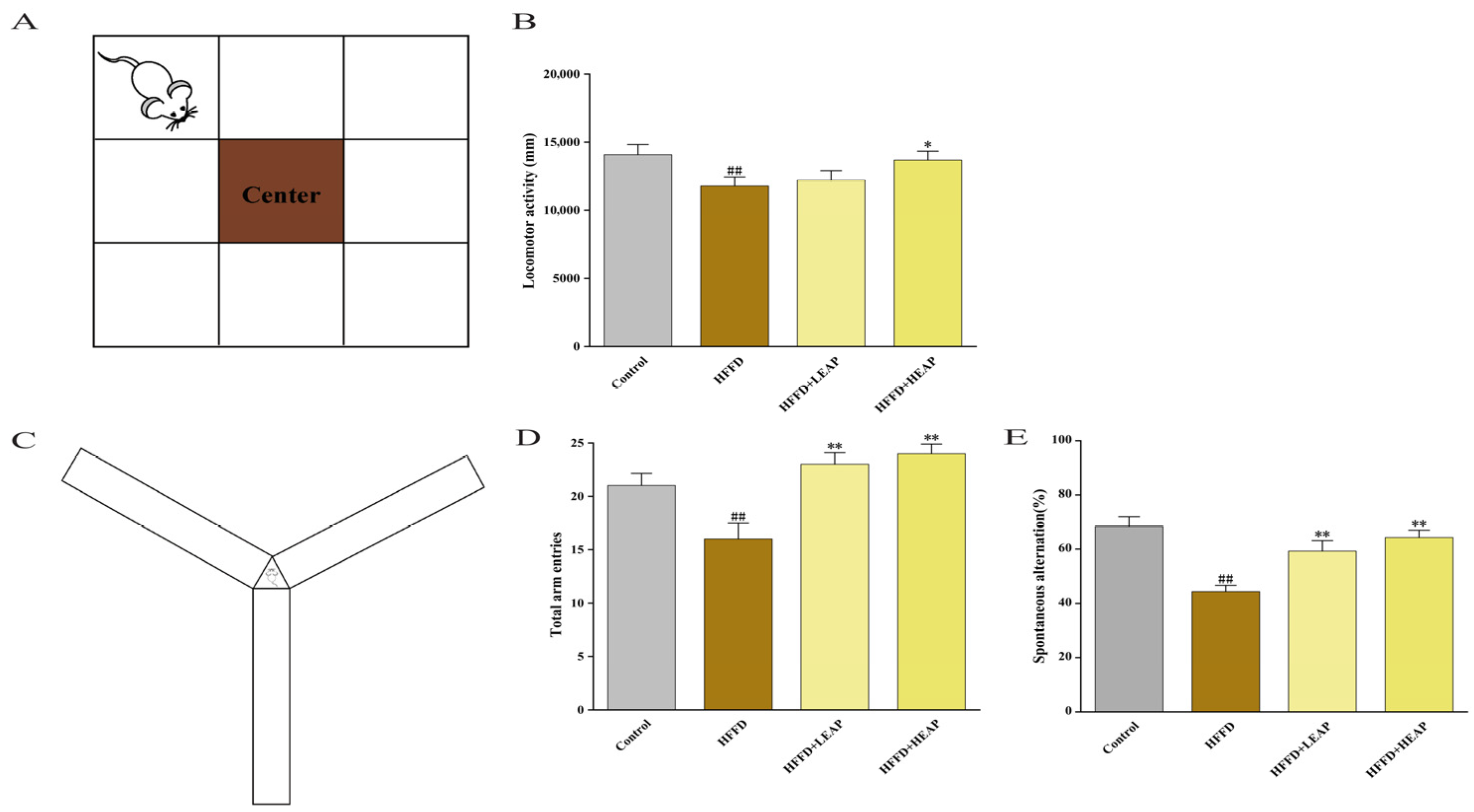
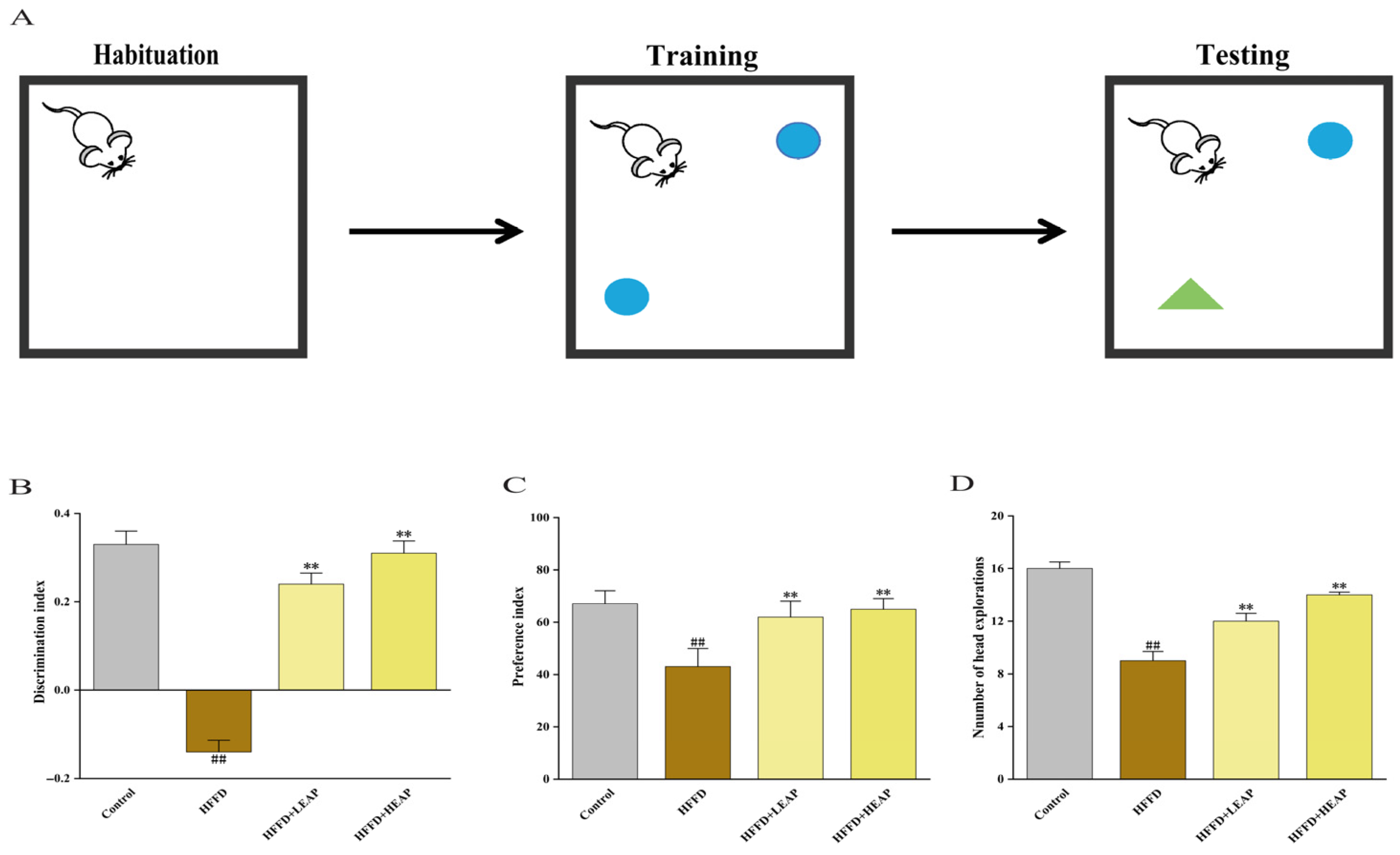
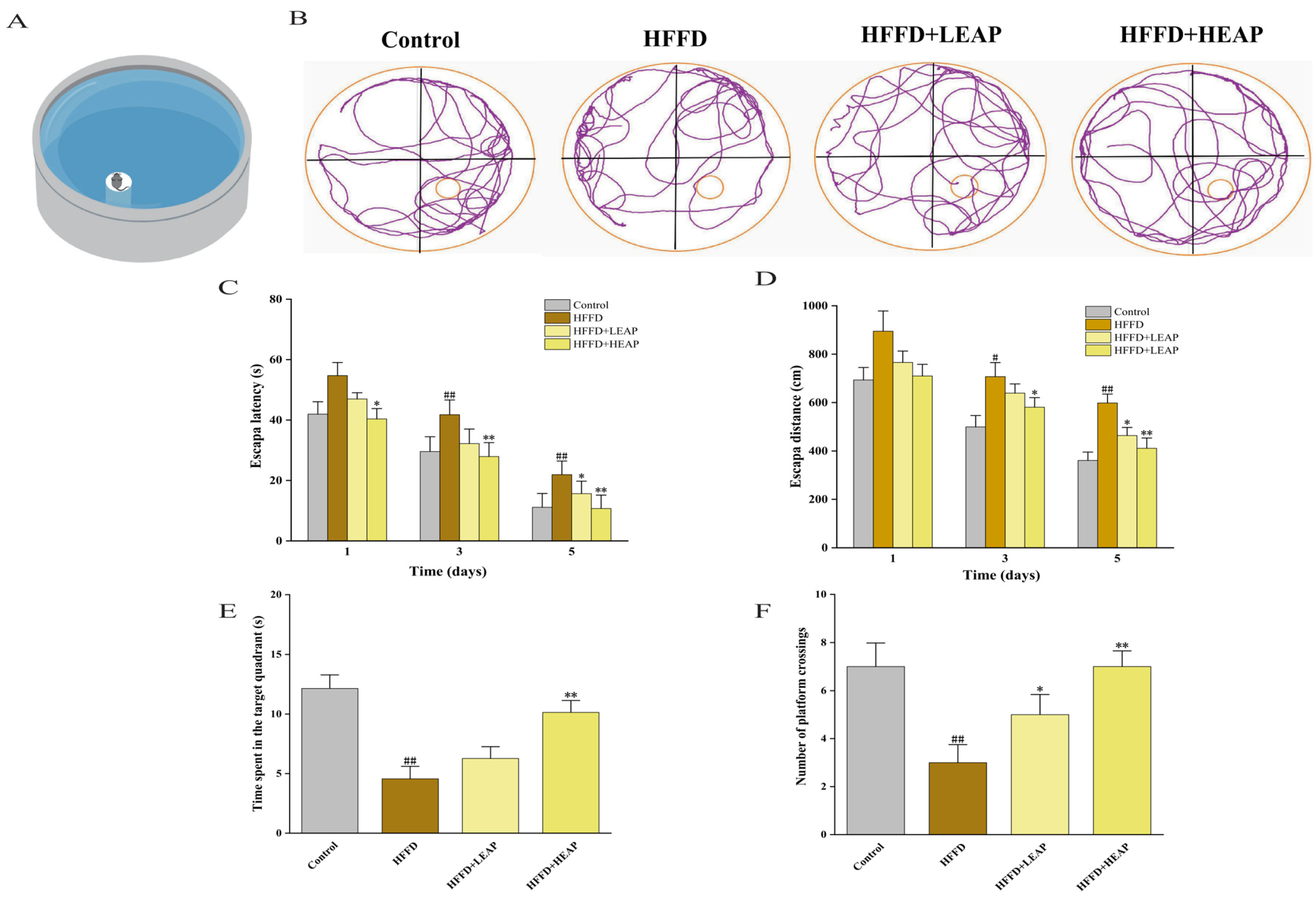
3.2. Effects of EAP on Locomotor Activity, Working Memory, and Recognition Memory in HFFD-Fed Mice
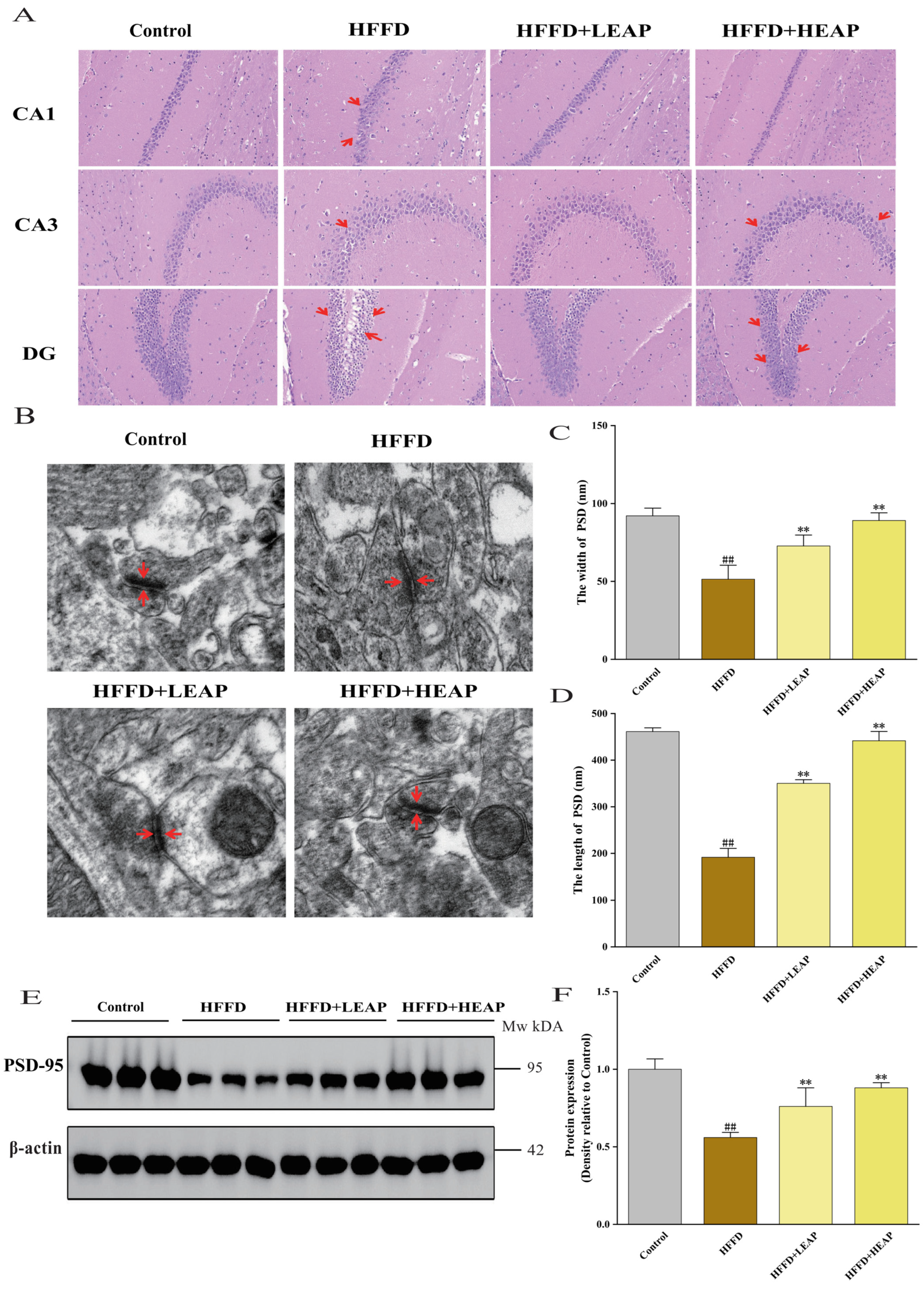
3.3. Effects of EAP on Hippocampal Histopathology and Postsynaptic Density Ultrastructure in HFFD-Fed Mice
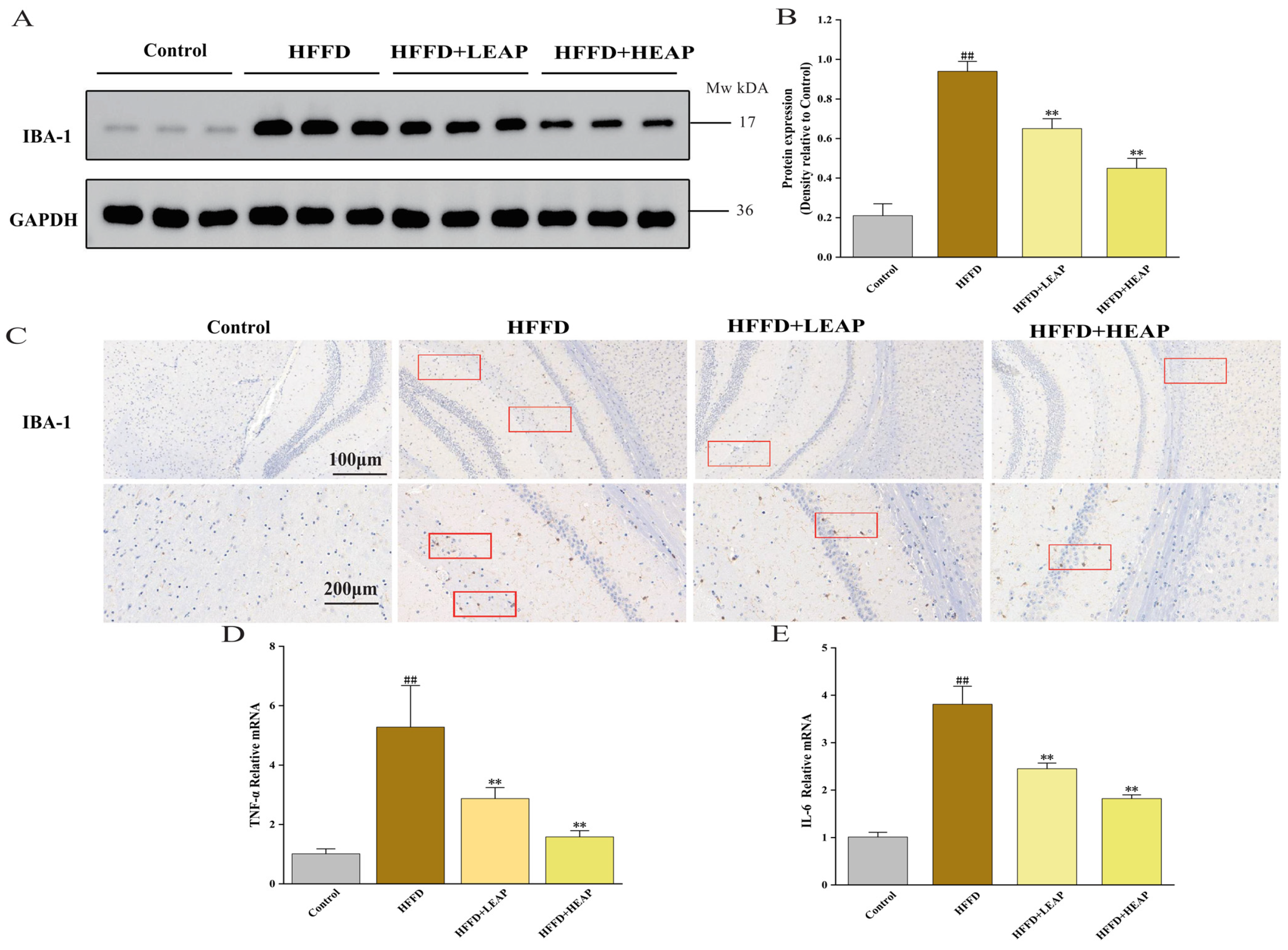
3.4. Effects of EAP on Hippocampal Microglial Activation and Pro-Inflammatory Cytokine Expression in HFFD-Fed Mice
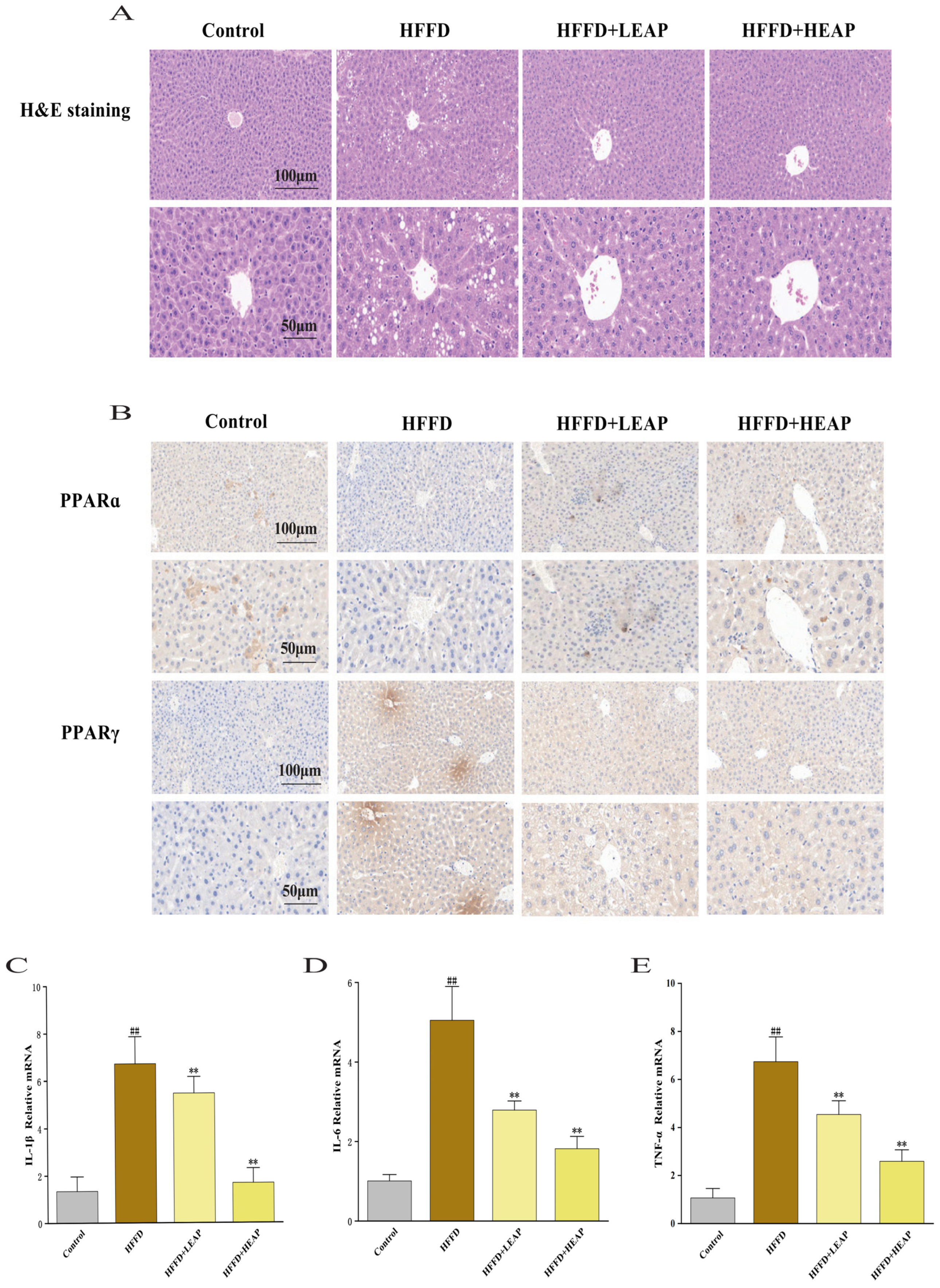
3.5. Effects of EAP on Hepatic Histopathology, PPARα/γ Expression, and Hepatic Cytokine mRNA Levels in HFFD-Fed Mice
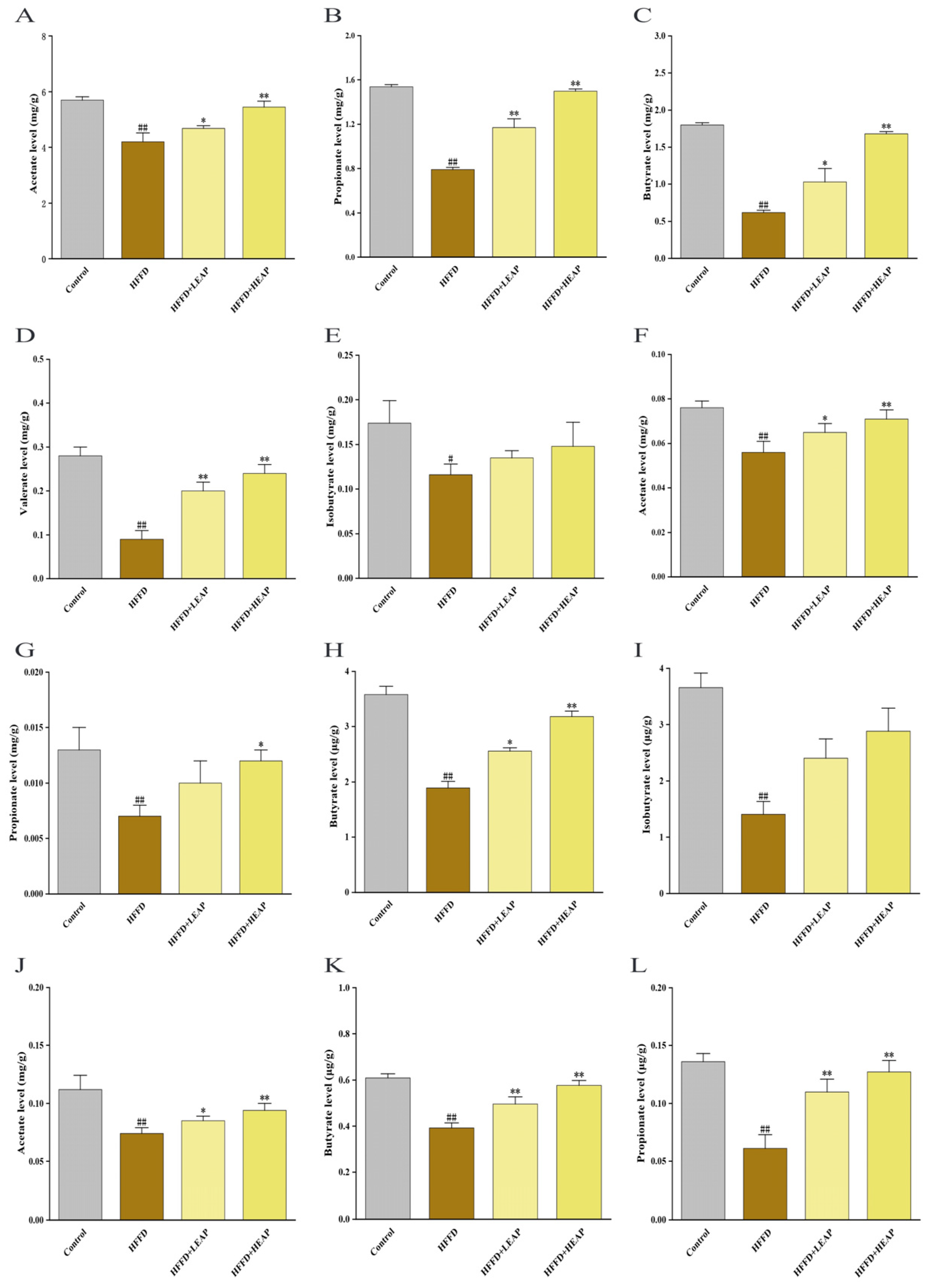
3.6. Effects of EAP on Short-Chain Fatty Acid Levels in Cecal Contents, Liver, and Brain of HFFD-Fed Mice
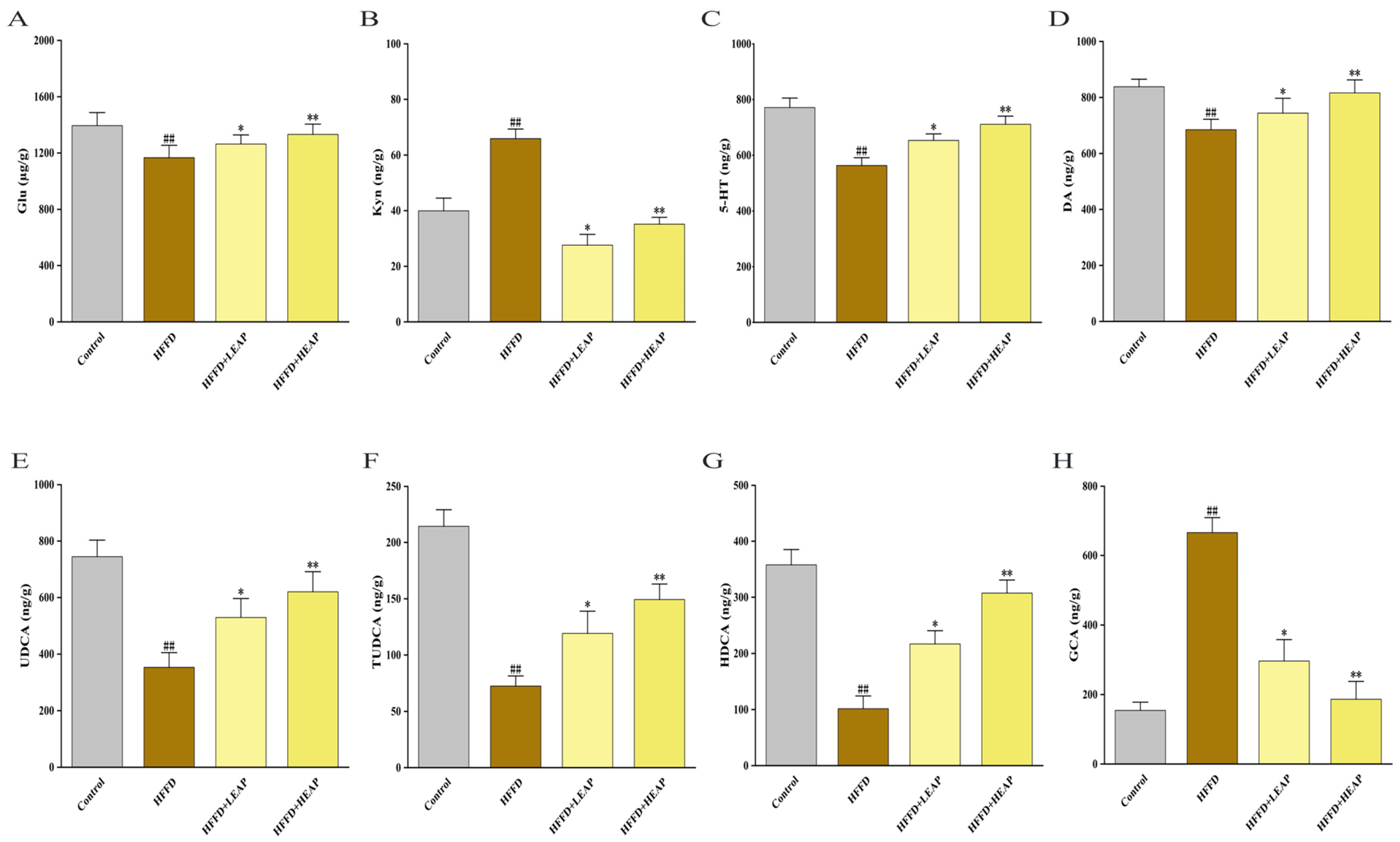
3.7. Effects of EAP on Cerebral Neurotransmitter Levels and Hepatic Bile Acid Profiles in HFFD-Fed Mice
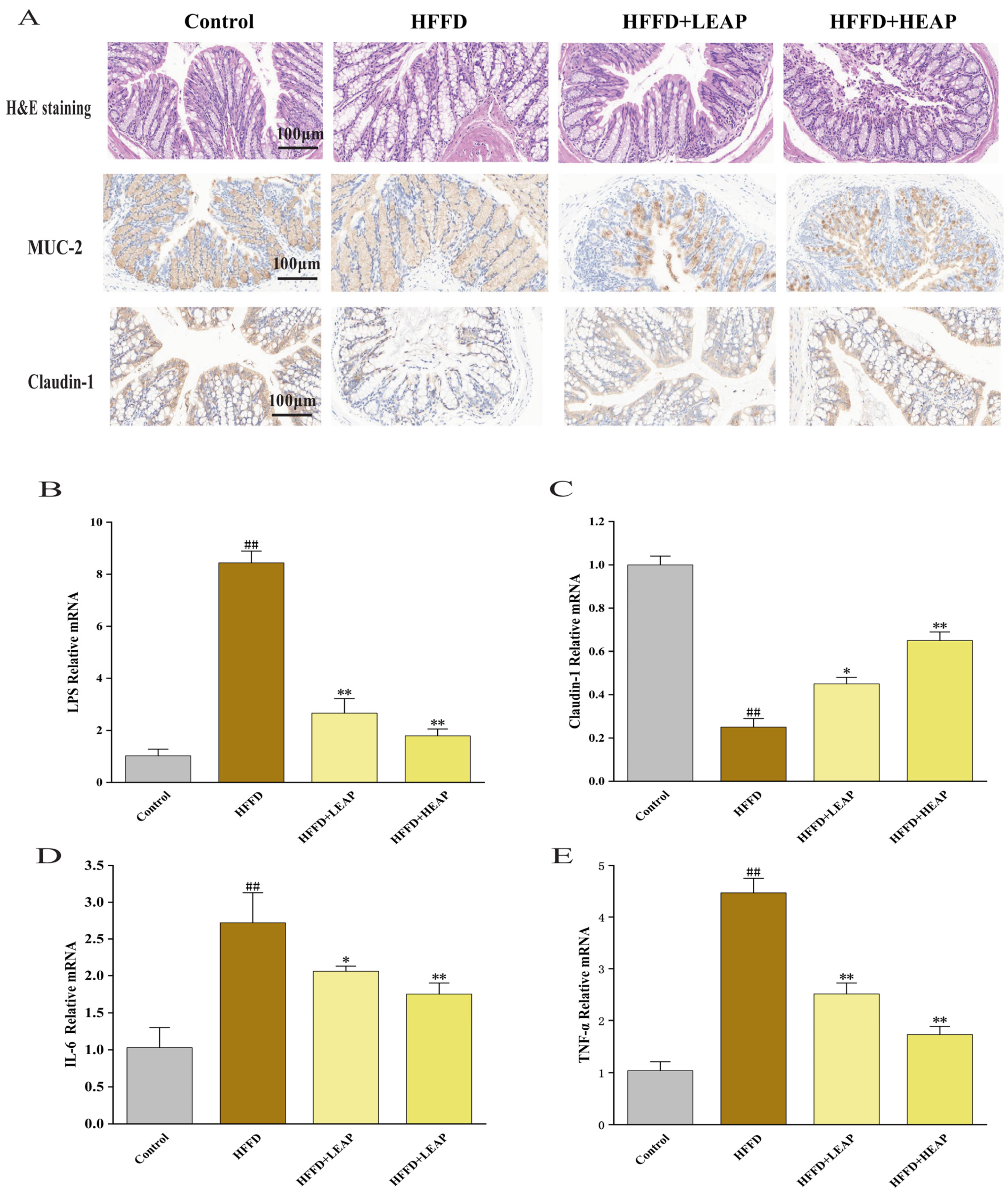
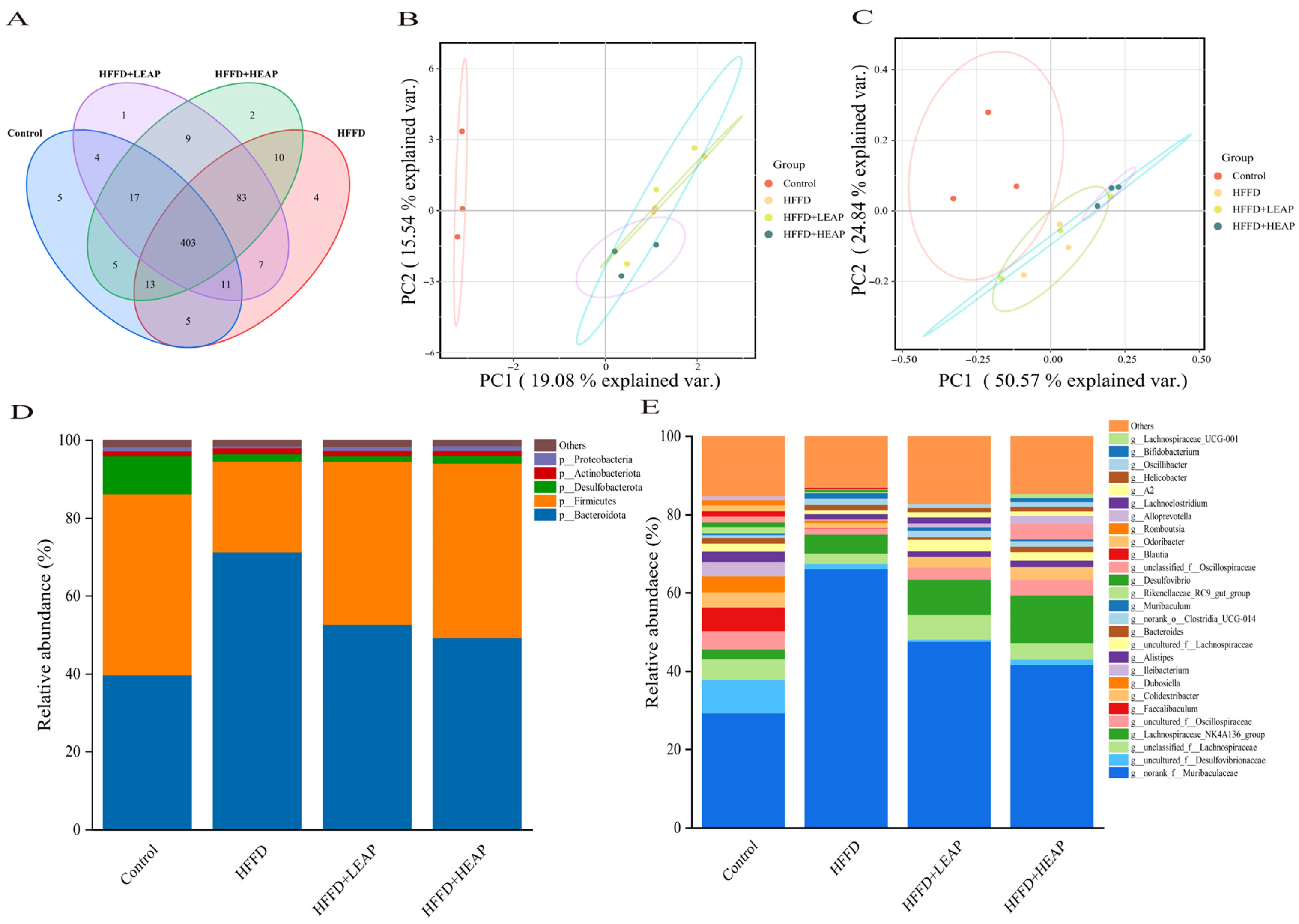
3.8. Effects of EAP on Intestinal Barrier Integrity and Gut Microbiota Composition in HFFD-Fed Mice
4. Discussion
4.1. Interpretation of Key Findings
4.2. Mechanistic Insights: A Directional Gut–Liver–Brain Cascade
4.3. Comparison with the Existing Literature: Agreement and Discrepancy
4.4. Limitations and Future Directions
5. Conclusions
Supplementary Materials
Author Contributions
Funding
Institutional Review Board Statement
Informed Consent Statement
Data Availability Statement
Conflicts of Interest
Abbreviations
| EAP | Elaeagnus angustifolia polysaccharide |
| HPLC | high-performance liquid chromatography |
| NORT | novel object recognition test |
| OFT | open field test |
| MWM | Morris water maze |
| H&E | hematoxylin and eosin |
| NF-κB | nuclear factor-κB |
| PSD-95 | postsynaptic-density protein 95 |
| IBA-1 | ionized calcium-binding adapter molecule 1 |
| IL-6 | interleukin-6 |
| TNF-α | tumor necrosis factor-α |
| LPS | lipopolysaccharide |
References
- Ahmed, S.K.; Mohammed, R.A. Obesity: Prevalence, causes, consequences, management, preventive strategies and future research directions. Metab. Open 2025, 27, 100375. [Google Scholar] [CrossRef]
- Zhai, Y.; Zhao, W.-h. A review on the obesity related economic burden. Chin. J. Epidemiol. 2007, 28, 95–97. [Google Scholar]
- Al Ta’ani, O.; Al-Ajlouni, Y.A.; Aleyadeh, W.; Al-Bitar, F.; Alsakarneh, S.; Saadeh, A.; Alhuneafat, L.; Njei, B. The impact of overweight and obesity on health outcomes in the United States from 1990 to 2021. Diabetes Obes. Metab. 2024, 26, 5455–5465. [Google Scholar] [CrossRef] [PubMed]
- Dhurandhar, N.V.; Petersen, K.S.; Webster, C. Key Causes and Contributors of Obesity: A Perspective. Nurs. Clin. N. Am. 2021, 56, 449–464. [Google Scholar] [CrossRef] [PubMed]
- Srokowska, M.; Zwierello, W.; Wszolek, A.; Gutowska, I. Neurobiochemical Effects of a High-Fat Diet: Implications for the Pathogenesis of Neurodegenerative Diseases. Biology 2025, 14, 1317. [Google Scholar] [CrossRef] [PubMed]
- Gomes, F.T.d.S.; de Andrade, A.V.D.; Moura Melo, P.K.; da Silva Junior, R.R.; de Souza, D.L.S.; Tavares, É.A.F.; de Sena, I.G.; Fernandes, T.A.A.d.M.; Morais, P.L.A.d.G.; Fonseca, I.A.T.; et al. The Effects of the Association Between a High-Fat Diet and Physical Exercise on BDNF Expression in the Hippocampus: A Comprehensive Review. Life 2025, 15, 945. [Google Scholar] [CrossRef]
- Park, J.E.; Park, H.Y.; Kim, Y.S.; Park, M. The Role of Diet, Additives, and Antibiotics in Metabolic Endotoxemia and Chronic Diseases. Metabolites 2024, 14, 704. [Google Scholar] [CrossRef]
- Ren, X.X.; Xu, J.; Xu, Y.; Wang, Q.; Huang, K.L.; He, X.Y. Artemether Attenuates Gut Barrier Dysfunction and Intestinal Flora Imbalance in High-Fat and High-Fructose Diet-Fed Mice. Nutrients 2023, 15, 4860. [Google Scholar] [CrossRef]
- Xu, Y.; Huang, X.H.; Huangfu, B.X.; Hu, Y.Z.; Xu, J.; Gao, R.X.; Huang, K.L.; He, X.Y. Sulforaphane Ameliorates Nonalcoholic Fatty Liver Disease Induced by High-Fat and High-Fructose Diet via LPS/TLR4 in the Gut-Liver Axis. Nutrients 2023, 15, 743. [Google Scholar] [CrossRef]
- Jian, E.L.; Wang, M.P.; Zhang, Z.; Heng, Y.W.; Zhang, C.W.; Chen, Q.; Yu, X.P.; Zhu, Y.F.; Cai, P.L. The metabolic endotoxemia and gut microbiota: Research trajectories and hot trends across the centuries (1999–2024). Front. Microbiol. 2025, 16, 1634803. [Google Scholar] [CrossRef]
- Han, X.; Cao, X.; Ju, Q.Q.; Ge, C.X.; Lin, Y.Q.; Shi, J.H.; Zhang, X.H.; Sun, C.; Li, H.M. Microglial TAK1 promotes neurotoxic astrocytes and cognitive impairment in LPS-induced hippocampal neuroinflammation. J. Biol. Chem. 2025, 301, 110225. [Google Scholar] [CrossRef]
- Han, J.L.; Zhang, Z.; Zhang, P.F.; Yu, Q.; Cheng, Q.; Lu, Z.M.; Zong, S. The roles of microglia and astrocytes in neuroinflammation of Alzheimer’s disease. Front. Neurosci. 2025, 19, 1575453. [Google Scholar] [CrossRef] [PubMed]
- Totten, M.S.; Peterson, A.L.; Pierce, D.M.; Erikson, K.M. High-Fat Diet Alters Behavior and Hippocampal Gene Expression. Int. J. Mol. Sci. 2025, 26, 9241. [Google Scholar] [CrossRef] [PubMed]
- Wen, J.; Wang, Y.Y.; Wang, C.L.; Yuan, M.H.; Chen, F.; Zou, Q.; Cai, Z.Y.; Zhao, B. Dietary High-Fat Promotes Cognitive Impairment by Suppressing Mitophagy. Oxidative Med. Cell. Longev. 2023, 2023, 4822767. [Google Scholar] [CrossRef] [PubMed]
- Song, Q.; Zhang, X. The Role of Gut-Liver Axis in Gut Microbiome Dysbiosis Associated NAFLD and NAFLD-HCC. Biomedicines 2022, 10, 524. [Google Scholar] [CrossRef]
- Jadhav, P.A.; Thomas, A.B.; Chopada, V.M.; Bokaria, P.V.; Deokate, S.B.; Chougule, P.S.; Chavan, P.N.; Chitlange, S.S. Correlation of non-alcoholic fatty liver disease and neurodegenerative disorders. Egypt. Liver J. 2024, 14, 79. [Google Scholar] [CrossRef]
- Azmat, M.A.; Shahzad, A.; Shaban, M.; Khan, A.A.; Shakoor, S. Exploring the Multifaceted Potential of Elaeagnus angustifolia L.: A Comprehensive Review of Its Nutritional, Pharmacological, and Environmental Significance. Food Sci. Nutr. 2025, 13, e70486. [Google Scholar] [CrossRef]
- Imraish, A.; Seif, M.; Dahabiyeh, L.; Al-Hunaiti, A.; Semreen, M.; Zihlif, M. Uncovering Anti-Inflammatory Mechanisms of Elaeagnus angustifolia Extract via Metabolomic and Phytochemical Analyses. Chem. Biodivers. 2025, 22, e02170. [Google Scholar] [CrossRef]
- Wang, Y.; Zou, H.M.; Sun, C.; Guo, T.; Feng, Z.P. Hypoglycemic potential of Elaeagnus angustifolia fruit polysaccharide on streptozotocin-induced type 2 diabetic mice. Bangladesh J. Pharmacol. 2018, 13, 297–301. [Google Scholar] [CrossRef]
- Huojiaaihemaiti, H.; Fang, L.C.; Ning, H.X.; Mutaillifu, P.; Abudukelimu, N.; Nuerxiati, R.; Lei, X.X.; Aisa, H.; Yili, A. Polysaccharides from Fruit of Elaeagnus angustifolia and Their Antioxidant Activity. Chem. Nat. Compd. 2022, 58, 991–994. [Google Scholar] [CrossRef]
- Shabani, M.; Rezaei, A.; Badehnoosh, B.; Qorbani, M.; Yaseri, M.; Ramezani, R.; Emaminia, F. The effects of Elaeagnus angustifolia L. on lipid and glycaemic profiles and cardiovascular function in menopausal women: A double-blind, randomized, placebo-controlled study. Int. J. Clin. Pract. 2021, 75, e13812. [Google Scholar] [CrossRef] [PubMed]
- Benedé-Ubieto, R.; Estévez-Vázquez, O.; Ramadori, P.; Cubero, F.J.; Nevzorova, Y.A. Guidelines and Considerations for Metabolic Tolerance Tests in Mice. Diabetes Metab. Syndr. Obes. 2020, 13, 439–450. [Google Scholar] [CrossRef]
- Morrison, L.E.; Larrinaga, T.M.; Kelly, B.D.; Lefever, M.R.; Beck, R.C.; Bauer, D.R. Concurrent Viewing of H&E and Multiplex Immunohistochemistry in Clinical Specimens. Diagnostics 2025, 15, 164. [Google Scholar] [CrossRef]
- Evans, A.K.; Saw, N.L.; Woods, C.E.; Vidano, L.M.; Blumenfeld, S.E.; Lam, R.K.; Chu, E.K.; Reading, C.; Shamloo, M. Impact of high-fat diet on cognitive behavior and central and systemic inflammation with aging and sex differences in mice. Brain Behav. Immun. 2024, 118, 334–354. [Google Scholar] [CrossRef]
- Yang, B.W.; Sun, T.N.; Chen, Y.L.; Xiang, H.B.; Xiong, J.; Bao, S.T. The Role of Gut Microbiota in Mice With Bile Duct Ligation-Evoked Cholestatic Liver Disease-Related Cognitive Dysfunction. Front. Microbiol. 2022, 13, 909461. [Google Scholar] [CrossRef]
- Huang, L.Y.; Xiao, D.Q.; Sun, H.; Qu, Y.; Su, X.J. Behavioral tests for evaluating the characteristics of brain diseases in rodent models: Optimal choices for improved outcomes. Mol. Med. Rep. 2022, 25, 183. [Google Scholar] [CrossRef]
- Kim, J.; Kang, H.; Lee, Y.B.; Lee, B.; Lee, D. A quantitative analysis of spontaneous alternation behaviors on a Y-maze reveals adverse effects of acute social isolation on spatial working memory. Sci. Rep. 2023, 13, 14722. [Google Scholar] [CrossRef] [PubMed]
- Lissner, L.J.; Wartchow, K.M.; Toniazzo, A.P.; Gonçalves, C.A.; Rodrigues, L. Object recognition and Morris water maze to detect cognitive impairment from mild hippocampal damage in rats: A reflection based on the literature and experience. Pharmacol. Biochem. Behav. 2021, 210, 173273. [Google Scholar] [CrossRef]
- Mulati, A.; Zhang, X.; Zhao, T.; Ren, B.; Wang, L.F.; Liu, X.N.; Lan, Y.; Liu, X.B. Isorhamnetin attenuates high-fat and high-fructose diet induced cognitive impairments and neuroinflammation by mediating MAPK and NFκB signaling pathways. Food Funct. 2021, 12, 9261–9272. [Google Scholar] [CrossRef]
- Mulati, A.; Ma, S.B.; Zhang, H.B.; Ren, B.; Zhao, B.T.; Wang, L.F.; Liu, X.N.; Zhao, T.; Kamanova, S.; Sair, A.T.; et al. Sea-Buckthorn Flavonoids Alleviate High-Fat and High-Fructose Diet-Induced Cognitive Impairment by Inhibiting Insulin Resistance and Neuroinflammation. J. Agric. Food Chem. 2020, 68, 5835–5846. [Google Scholar] [CrossRef]
- Chen, P.; Huang, X.L. Comparison of Analytic Methods for Quantitative Real-Time Polymerase Chain Reaction Data. J. Comput. Biol. 2015, 22, 988–996. [Google Scholar] [CrossRef]
- Zhou, X.; Bi, H.Z.; Zhang, Z.J.; Wang, X.Y.; Zhang, M.R.; Wang, M. Recent advances in polysaccharides derived from the Dendrobium nobile Lindl.: Preparation strategies, structural characteristics, biological activity, and structure-activity relationships. Front. Pharmacol. 2025, 16, 1631637. [Google Scholar] [CrossRef]
- Rahmasari, R.; Raekiansyah, M.; Aliyah, S.H.; Yodi, P.; Baihaqy, F.; Irhamsyah, M.; Permata Sari, K.C.D.; Suryadi, H.; Moi, M.L.; Sauriasari, R. Development and validation of cost-effective SYBR Green-based RT-qPCR and its evaluation in a sample pooling strategy for detecting SARS-CoV-2 infection in the Indonesian setting. Sci. Rep. 2024, 14, 1817. [Google Scholar] [CrossRef]
- Luo, J.Q.; Wang, L.; Zhang, L.; Tang, W.Y.; Deng, M.J.; Shi, Y.X.; Xu, K.; Wu, Q.J.; Zhao, J.Y.; Zhang, J.H.; et al. Targeting adipocyte differentiation with CRT0066101: Activation of AMPK signaling in 3T3-L1 cells. Front. Pharmacol. 2025, 16, 1645587. [Google Scholar] [CrossRef]
- Zhao, Y.H.; Taylor, C.M.; Lukiw, W.J.; Bazan, N.G. Dietary fiber modulates gut microbiota and lipid metabolism ameliorating Alzheimer’s pathology in 5xFAD mice. Sci. Rep. 2025, 15, 42221. [Google Scholar] [CrossRef]
- Le Guern, R.; Grandjean, T.; Stabler, S.; Bauduin, M.; Gosset, P.; Kipnis, E.; Dessein, R. Gut colonisation with multidrug-resistant Klebsiella pneumoniae worsens Pseudomonas aeruginosa lung infection. Nat. Commun. 2023, 14, 78. [Google Scholar] [CrossRef]
- Holcomb, M.; Marshall, A.G.; Flinn, H.; Lozano-Cavazos, M.; Soriano, S.; Gomez-Pinilla, F.; Treangen, T.J.; Villapol, S. Probiotic treatment induces sex-dependent neuroprotection and gut microbiome shifts after traumatic brain injury. J. Neuroinflamm. 2025, 22, 114. [Google Scholar] [CrossRef] [PubMed]
- Oh, H.Y.P.; Visvalingam, V.; Wahli, W. The PPAR-microbiota-metabolic organ trilogy to fine-tune physiology. FASEB J. 2019, 33, 9706–9730. [Google Scholar] [CrossRef] [PubMed]
- Ul Hasan, A.; Rahman, A.; Kobori, H. Interactions between Host PPARs and Gut Microbiota in Health and Disease. Int. J. Mol. Sci. 2019, 20, 387. [Google Scholar] [CrossRef] [PubMed]
- Cheng, J.Z.; Hu, H.K.; Ju, Y.M.; Liu, J.; Wang, M.; Liu, B.S.; Zhang, Y. Gut microbiota-derived short-chain fatty acids and depression: Deep insight into biological mechanisms and potential applications. Gen. Psychiatry 2024, 37, e101374. [Google Scholar] [CrossRef]
- Zuo, X.; Bai, H.J.; Zhao, Q.L.; Zhao, X.; Feng, X.Z. Propionate Aggravates Anxiety and Cognitive Dysfunction in High-Fat Diet Mice by Activating Hippocampal Microglia-Mediated Neuroinflammation. Acs Chem. Neurosci. 2026, 17, 1566–1578. [Google Scholar] [CrossRef]
- Xing, C.; Huang, X.; Wang, D.X.; Yu, D.J.; Hou, S.J.; Cui, H.R.; Song, L. Roles of bile acids signaling in neuromodulation under physiological and pathological conditions. Cell Biosci. 2023, 13, 106. [Google Scholar] [CrossRef]
- Silva, Y.P.; Bernardi, A.; Frozza, R.L. The Role of Short-Chain Fatty Acids From Gut Microbiota in Gut-Brain Communication. Front. Endocrinol. 2020, 11, 25. [Google Scholar] [CrossRef] [PubMed]
- Hamer, H.M.; Jonkers, D.; Venema, K.; Vanhoutvin, S.; Troost, F.J.; Brummer, R.J. Review article: The role of butyrate on colonic function. Aliment. Pharmacol. Ther. 2008, 27, 104–119. [Google Scholar] [CrossRef]
- Tian, X.Y.; Dong, W.; Zhou, W.T.; Yan, Y.M.; Lu, L.; Mi, J.; Cao, Y.L.; Sun, Y.; Zeng, X.X. The polysaccharides from the fruits of Lycium barbarum ameliorate high-fat and high-fructose diet-induced cognitive impairment via regulating blood glucose and mediating gut microbiota. Int. J. Biol. Macromol. 2024, 258, 129036. [Google Scholar] [CrossRef] [PubMed]
- Zhang, X.Y.; Wang, J.; Zhang, T.T.; Li, S.Q.; Liu, J.Y.; Li, M.Y.; Lu, J.Y.; Zhang, M.; Chen, H.X. Updated Progress on Polysaccharides with Anti-Diabetic Effects through the Regulation of Gut Microbiota: Sources, Mechanisms, and Structure-Activity Relationships. Pharmaceuticals 2024, 17, 456. [Google Scholar] [CrossRef] [PubMed]
- Bercik, P.; Park, A.J.; Sinclair, D.; Khoshdel, A.; Lu, J.; Huang, X.; Deng, Y.; Blennerhassett, P.A.; Fahnestock, M.; Moine, D.; et al. The anxiolytic effect of Bifidobacterium longum NCC3001 involves vagal pathways for gut-brain communication. Neurogastroenterol. Motil. 2011, 23, 1132–1139. [Google Scholar] [CrossRef]
- Tang, R.Q.; Li, L.J. Modulation of Short-Chain Fatty Acids as Potential Therapy Method for Type 2 Diabetes Mellitus. Can. J. Infect. Dis. Med. Microbiol. 2021, 2021, 9756586. [Google Scholar] [CrossRef]
- Wesolek-Leszczynska, A.; Rosiejka, D.; Bogdanska, K.; Bogdanski, P. Fermented Foods and the Gut-Liver Axis: Modulation of MASLD Through Gut Microbiota. Nutrients 2026, 18, 542. [Google Scholar] [CrossRef]
- Won, S.M.; Oh, K.K.; Gupta, H.; Ganesan, R.; Sharma, S.P.; Jeong, J.J.; Yoon, S.J.; Jeong, M.K.; Min, B.H.; Hyun, J.Y.; et al. The Link between Gut Microbiota and Hepatic Encephalopathy. Int. J. Mol. Sci. 2022, 23, 8999. [Google Scholar] [CrossRef]
- Stranahan, A.M.; Guo, D.H.; Yamamoto, M.; Hernandez, C.M.; Khodadadi, H.; Baban, B.; Zhi, W.B.; Lei, Y.; Lu, X.Y.; Ding, K.H.; et al. Sex Differences in Adipose Tissue Distribution Determine Susceptibility to Neuroinflammation in Mice With Dietary Obesity. Diabetes 2023, 72, 245–260. [Google Scholar] [CrossRef]
- Lin, Y.H.; Weng, R.P.; Pan, H.Y.; Hou, Y.B.; Sun, Y.P.; Wen, J.K. Synbiotics in Alzheimer’s disease: Mechanisms, clinical evidence, and therapeutic prospects. J. Transl. Med. 2025, 23, 1009. [Google Scholar] [CrossRef] [PubMed]
- Ni Lochlainn, M.; Bowyer, R.C.E.; Moll, J.M.; García, M.T.; Mullings, E.L.; Maughan, E.F.; Steves, C.J.; Spector, T.D.; Welch, A.A. Effect of prebiotic supplementation on muscle function, cognition and gut microbiome in older adults: A randomized controlled trial. Nat. Commun. 2024, 15, 5447. [Google Scholar]



| Forward Primer | Reverse Primer | |
|---|---|---|
| GAPDH | TGGAGAAACCTGCCAAGTATGA | TGGAAGAATGGGAGTTGCTGT |
| IL-1β | GCTACCTGTGTCTTTCCCGT | CGTCGACACACCAGCAGGTTA |
| TNF-α | GCCAACGGCATGGATCTCAA | GATAGCAAATCGGCTGACGG |
| Claudin-1 | TGAAGTGCATGAGGTGCCTG | CCACTAATGTCGCCAGACCTGA |
| IL-6 | CTGCAAGAGACTTCCATCCAG | AGTGGTATAGACAGGTCTGTTGG |
| Physiological Index | Control | HFFD | HFFD + LEAP | HFFD + HEAP |
|---|---|---|---|---|
| Food intake (g/mouse/day) | 5.35 ± 0.45 | 4.29 ± 0.31 ## | 4.83 ± 0.31 | 4.75 ± 0.42 |
| Fluid intake (mL/mouse/day) | 3.58 ± 0.35 | 4.08 ± 0.34 ## | 3.9 ± 0.28 | 3.73 ± 0.29 |
| Energy intake (kcal/mouse/day) | 18.53 ± 2.64 | 22.74 ± 1.39 ## | 20.56 ± 1.92 * | 19.54 ± 1.56 ** |
| FER | 0.64 ± 0.07 | 0.95 ± 0.08 ## | 0.73 ± 0.07 * | 0.71 ± 0.06 ** |
| TC (mmol/L) | 2.5 ± 0.5 | 5.2 ± 0.4 ## | 4.6 ± 0.6 * | 3.1 ± 0.4 ** |
| TG (mmol/L) | 0.8 ± 0.1 | 1.5 ± 0.11 ## | 1.1 ± 0.1 * | 0.9 ± 0.09 ** |
| LDL-C (mmol/L) | 0.57 ± 0.09 | 1.46 ± 0.06 ## | 1.29 ± 0.08 * | 1.12 ± 0.07 ** |
| HDL-C (mmol/L) | 1.15 ± 0.06 | 0.63 ± 0.07 ## | 0.74 ± 0.06 * | 1.02 ± 0.05 ** |
Disclaimer/Publisher’s Note: The statements, opinions and data contained in all publications are solely those of the individual author(s) and contributor(s) and not of MDPI and/or the editor(s). MDPI and/or the editor(s) disclaim responsibility for any injury to people or property resulting from any ideas, methods, instructions or products referred to in the content. |
© 2026 by the authors. Licensee MDPI, Basel, Switzerland. This article is an open access article distributed under the terms and conditions of the Creative Commons Attribution (CC BY) license.
Share and Cite
Yaermaimaiti, B.; Huang, S.; Ayideng, H.; Nazhaer, N.; Yasen, N.; Jing, H.; Tayier, B.; Mulati, A. Elaeagnus angustifolia L. Polysaccharide Alleviates High-Fat High-Fructose Diet (HFFD)-Induced Cognitive Impairment by Modulating the Gut-Liver-Brain Axis. Foods 2026, 15, 1794. https://doi.org/10.3390/foods15101794
Yaermaimaiti B, Huang S, Ayideng H, Nazhaer N, Yasen N, Jing H, Tayier B, Mulati A. Elaeagnus angustifolia L. Polysaccharide Alleviates High-Fat High-Fructose Diet (HFFD)-Induced Cognitive Impairment by Modulating the Gut-Liver-Brain Axis. Foods. 2026; 15(10):1794. https://doi.org/10.3390/foods15101794
Chicago/Turabian StyleYaermaimaiti, Bibinuer, Shihua Huang, Hulalai Ayideng, Nuerxiayier Nazhaer, Naweire Yasen, Huiying Jing, Buweizuohere Tayier, and Aiziguli Mulati. 2026. "Elaeagnus angustifolia L. Polysaccharide Alleviates High-Fat High-Fructose Diet (HFFD)-Induced Cognitive Impairment by Modulating the Gut-Liver-Brain Axis" Foods 15, no. 10: 1794. https://doi.org/10.3390/foods15101794
APA StyleYaermaimaiti, B., Huang, S., Ayideng, H., Nazhaer, N., Yasen, N., Jing, H., Tayier, B., & Mulati, A. (2026). Elaeagnus angustifolia L. Polysaccharide Alleviates High-Fat High-Fructose Diet (HFFD)-Induced Cognitive Impairment by Modulating the Gut-Liver-Brain Axis. Foods, 15(10), 1794. https://doi.org/10.3390/foods15101794