Experimental Investigation of Surfactant-Assisted Low-Salinity Brine Flooding in Oil-Wet Carbonate Reservoirs for Enhanced Oil Recovery



Abstract
1. Introduction
2. Materials and Methods
2.1. Rock Samples
2.2. Crude Oil
2.3. Brines and Surfactants
2.4. Zeta Potential and pH Measurement
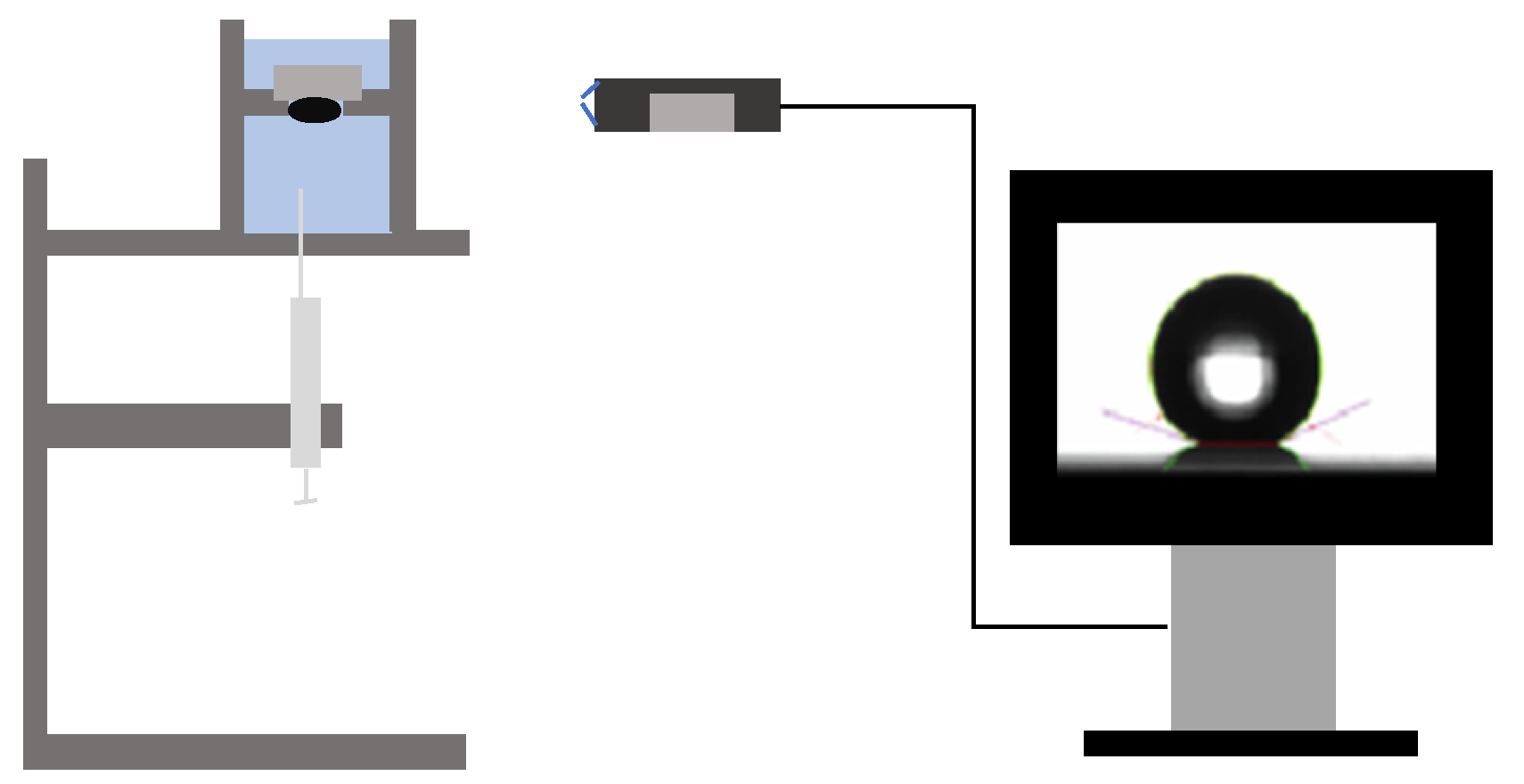
2.5. Contact Angle Tests
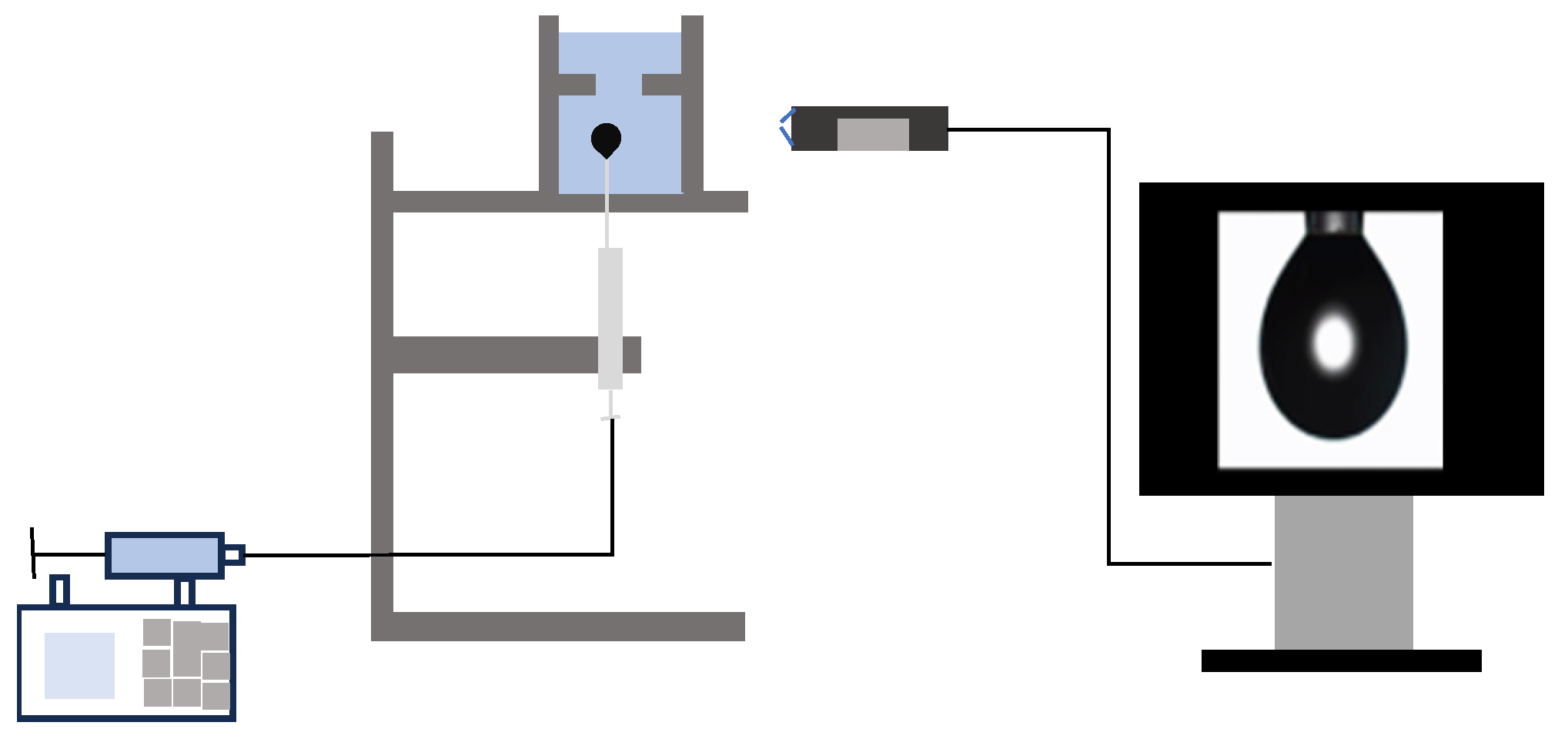
2.6. Interfacial Tension Measurements
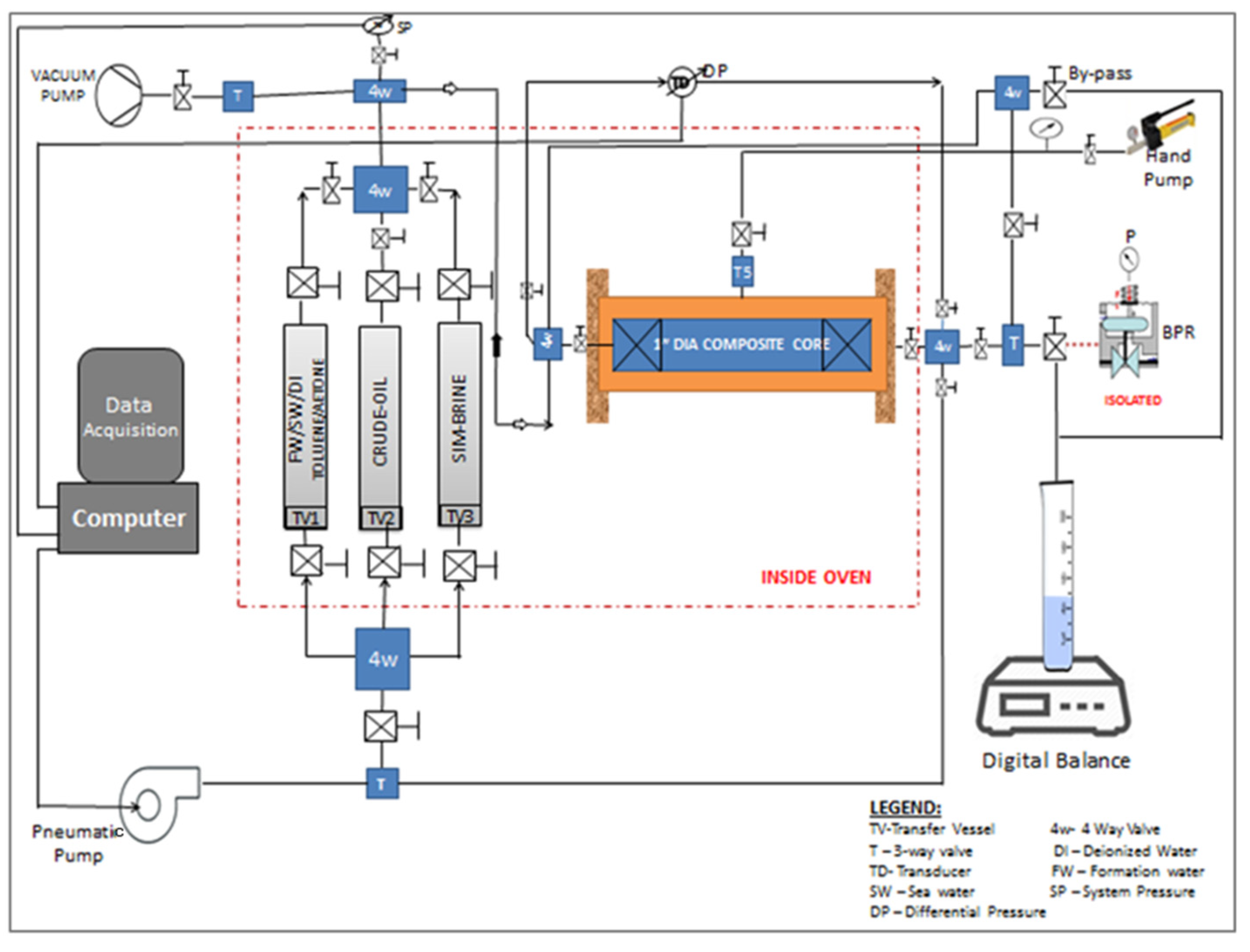
2.7. Core Flooding Experiments
3. Results and Discussion
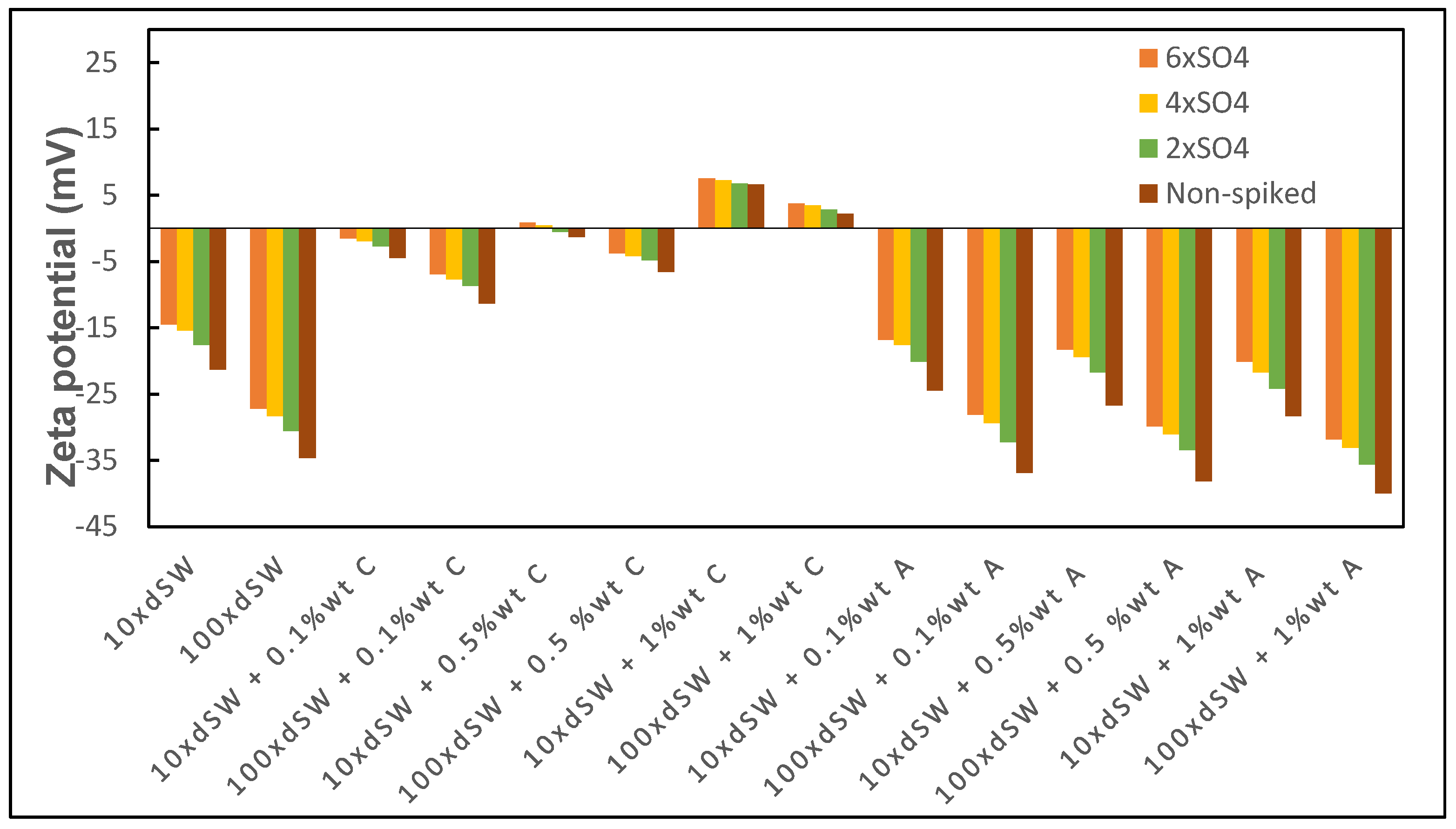
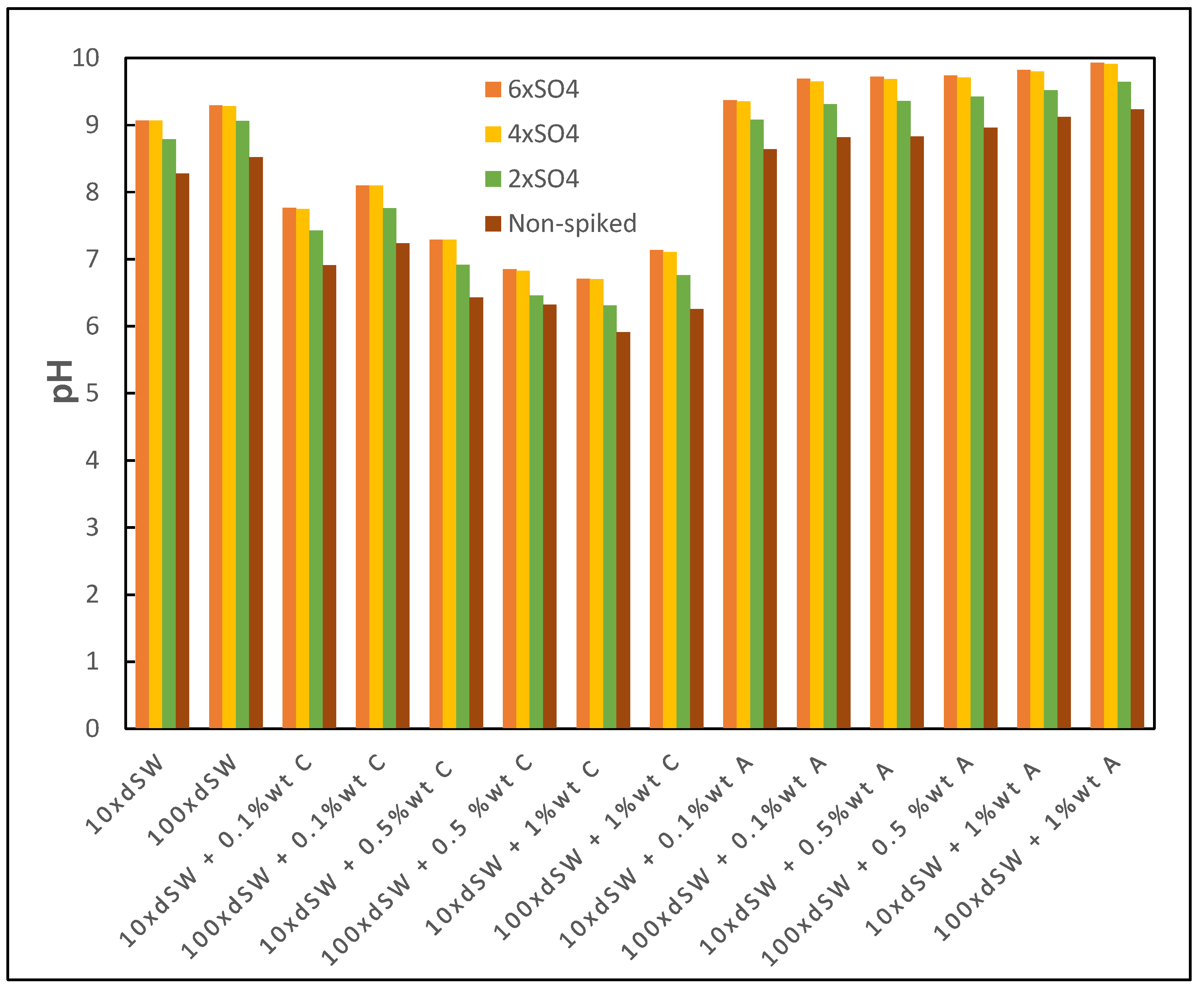
3.1. Zeta Potential and pH Measurements
3.2. Dynamic Contact Angle Tests
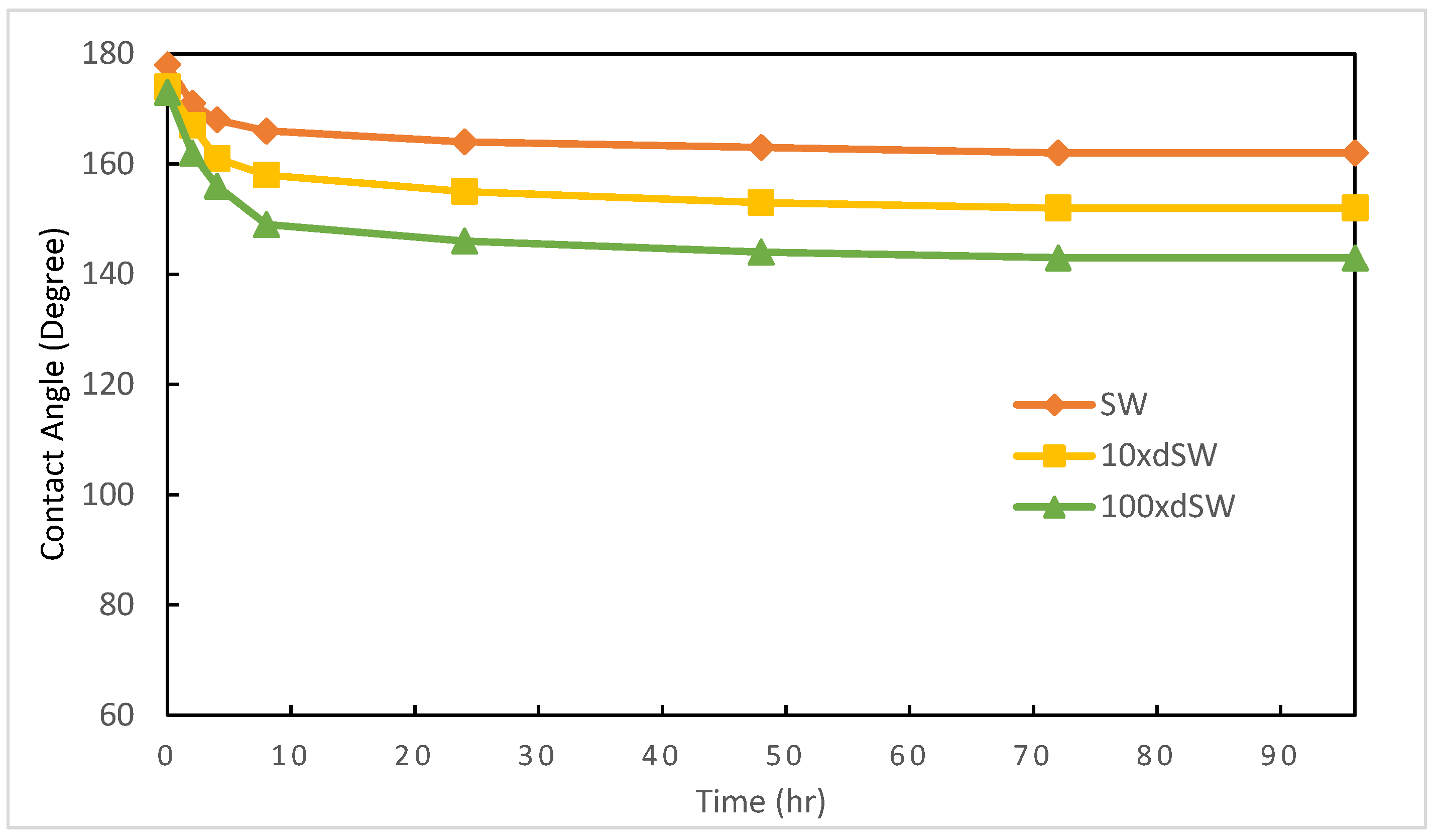
3.2.1. Effect of Brine Salinity
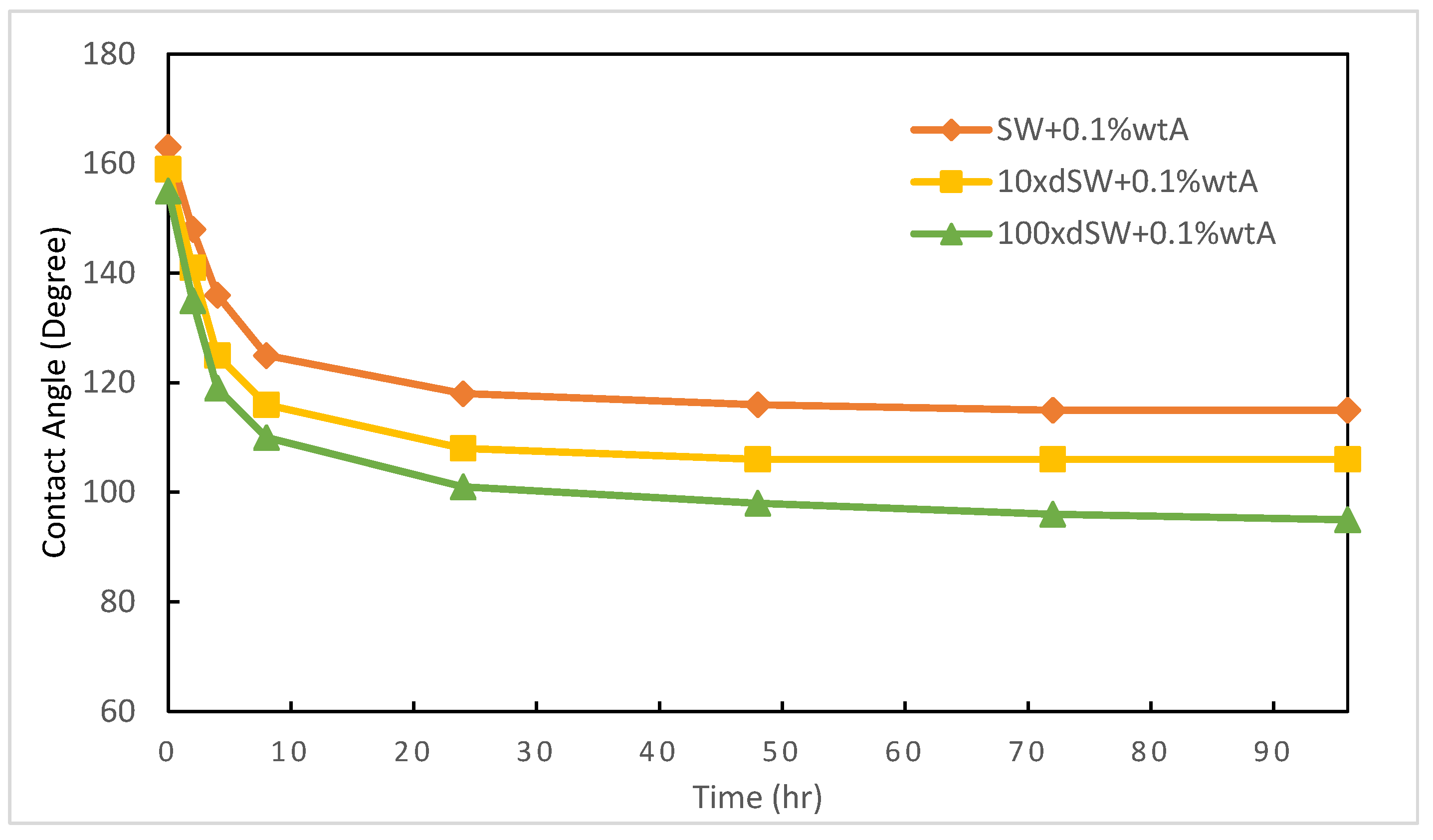
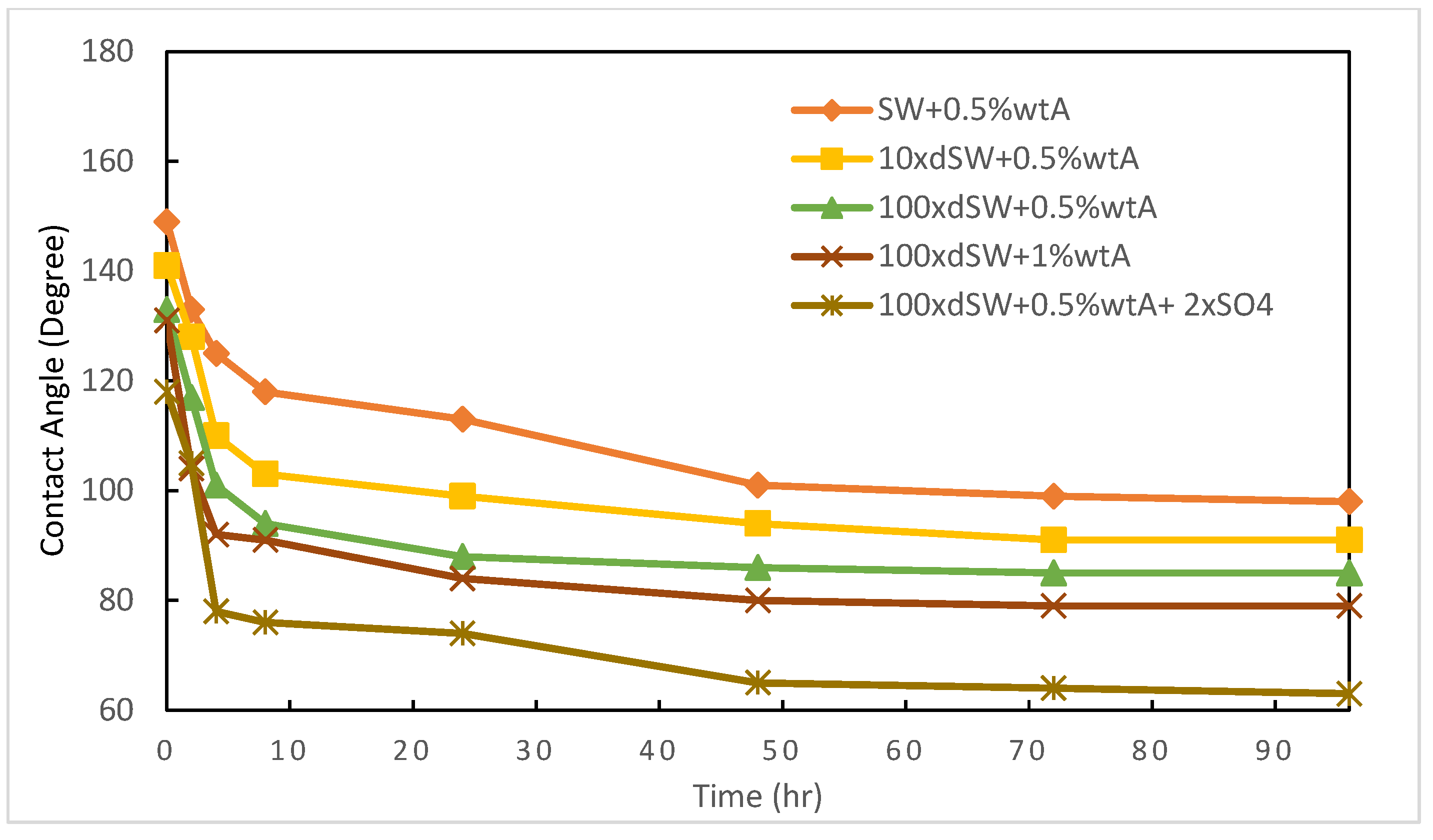
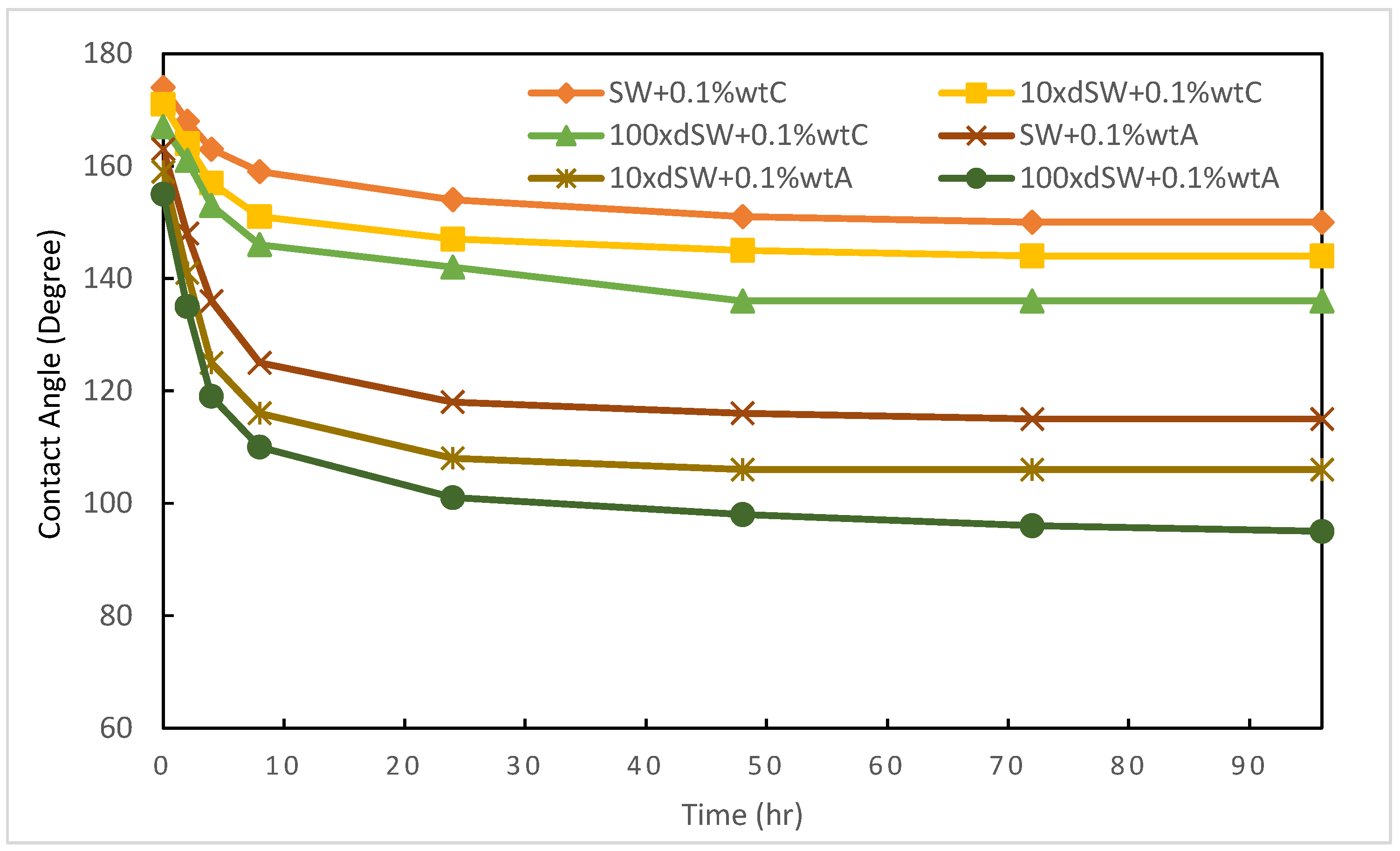
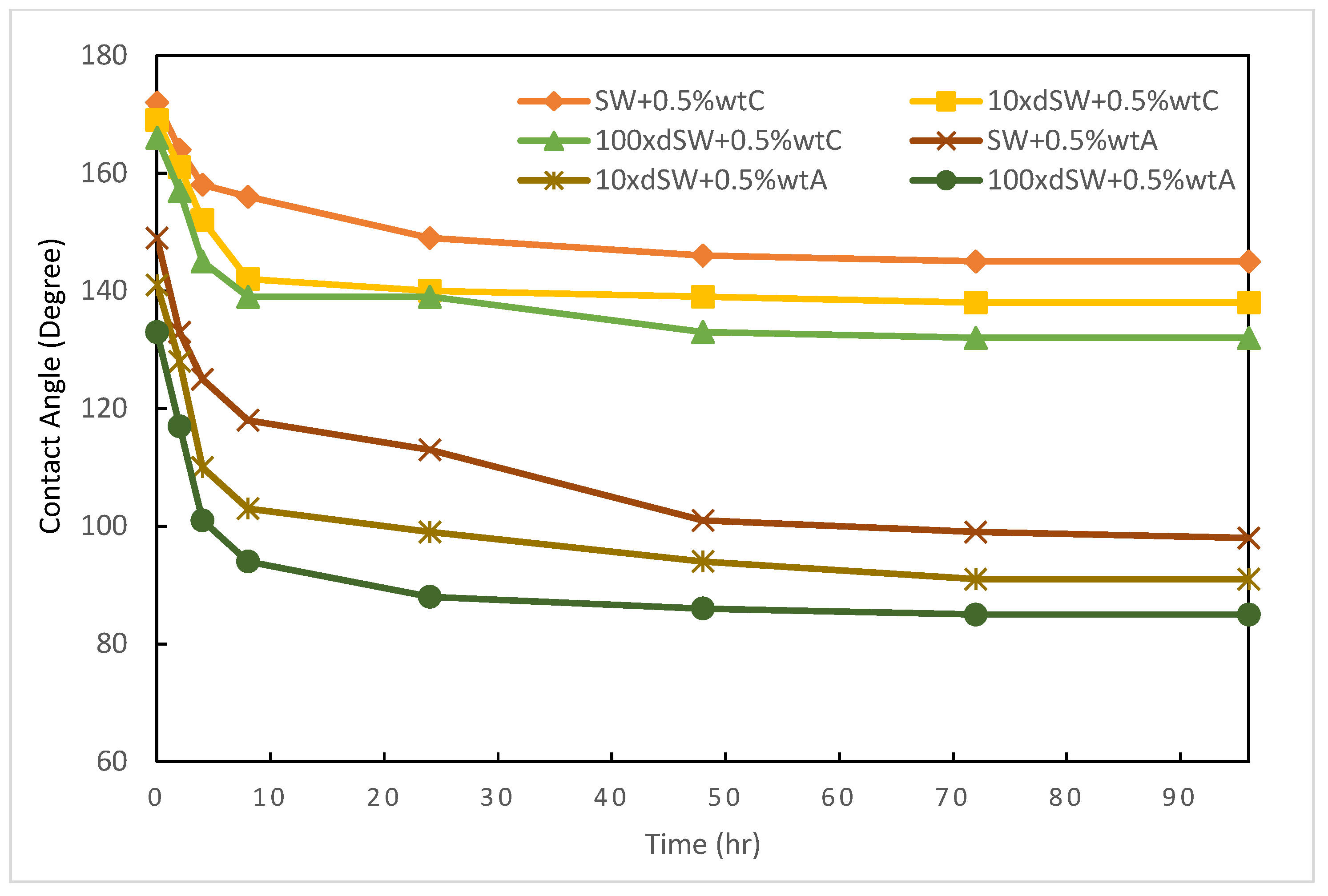
3.2.2. Effect of Anionic Surfactant and Sulfate
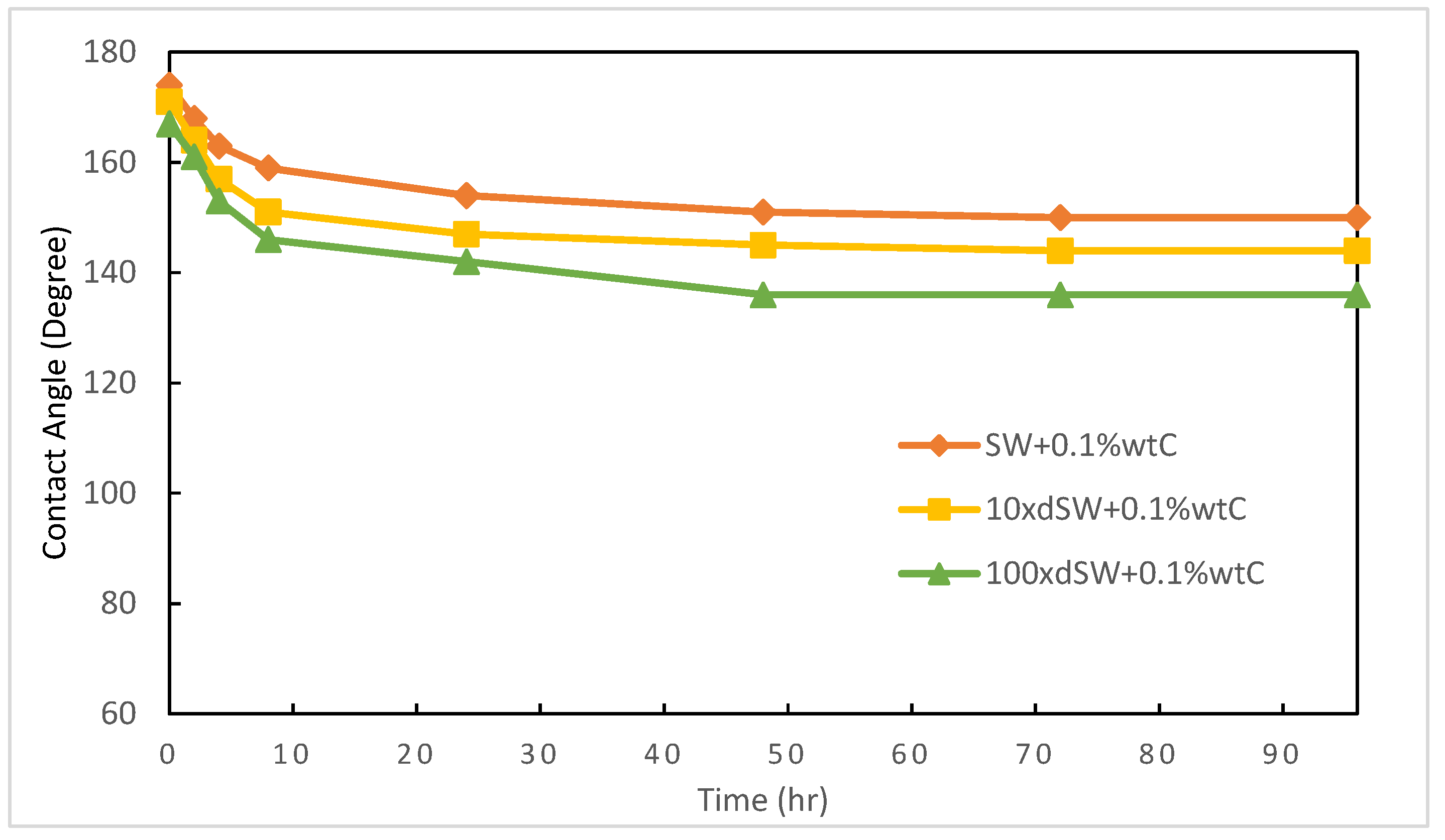
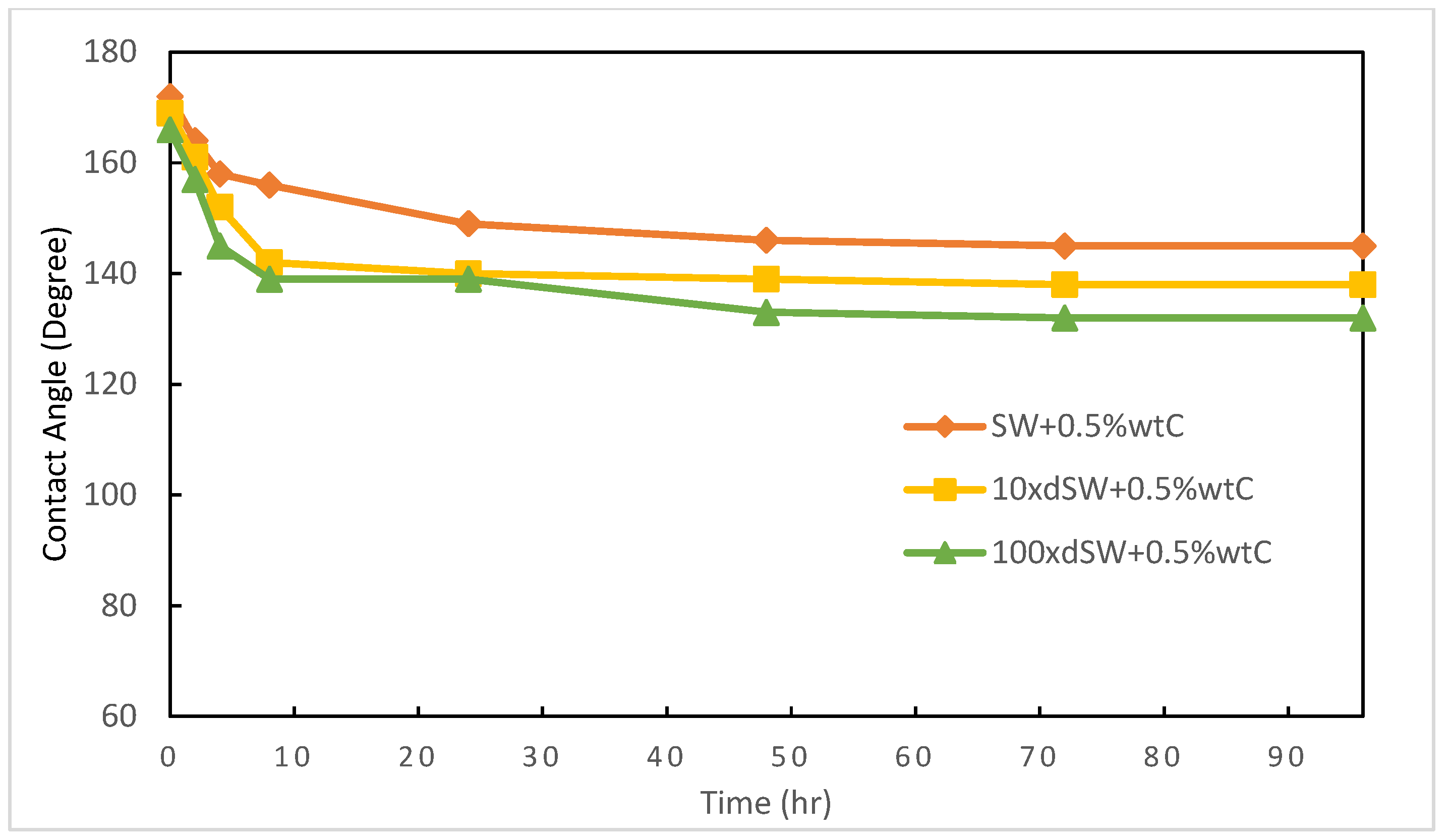
3.2.3. Effect of Cationic Surfactant
3.2.4. Comparison of Performance of Anionic and Cationic Surfactants
3.3. Dynamic Interfacial Tension
3.3.1. Effect of Brine Salinity
3.3.2. Effect of Cationic and Anionic Surfactants
3.4. Core Flooding Experiments
4. Conclusions
- Zeta potential measurements revealed that dilution of seawater shifts the surface charge toward more negative values, particularly in the presence of anionic surfactant. This shift enhances electrostatic repulsion at the oil–rock–brine interface, favoring wettability alteration toward a water-wet state. In contrast, the addition of cationic surfactants resulted in a shift of zeta potential toward positive values, reducing repulsive forces and thereby limiting their effectiveness in wettability modification.
- Dynamic contact angle measurements demonstrated that reducing brine salinity promotes wettability alteration toward less oil-wet conditions. The incorporation of anionic surfactant further enhanced this effect, whereas cationic surfactant exhibited a comparatively limited impact on wettability alteration. The slight wettability modification observed in the presence of cationic surfactants, despite their unfavorable zeta potential behavior, is attributed to surfactant partitioning into the oil phase and subsequent removal of oil components from the rock surface through interactions with anions in the aqueous phase.
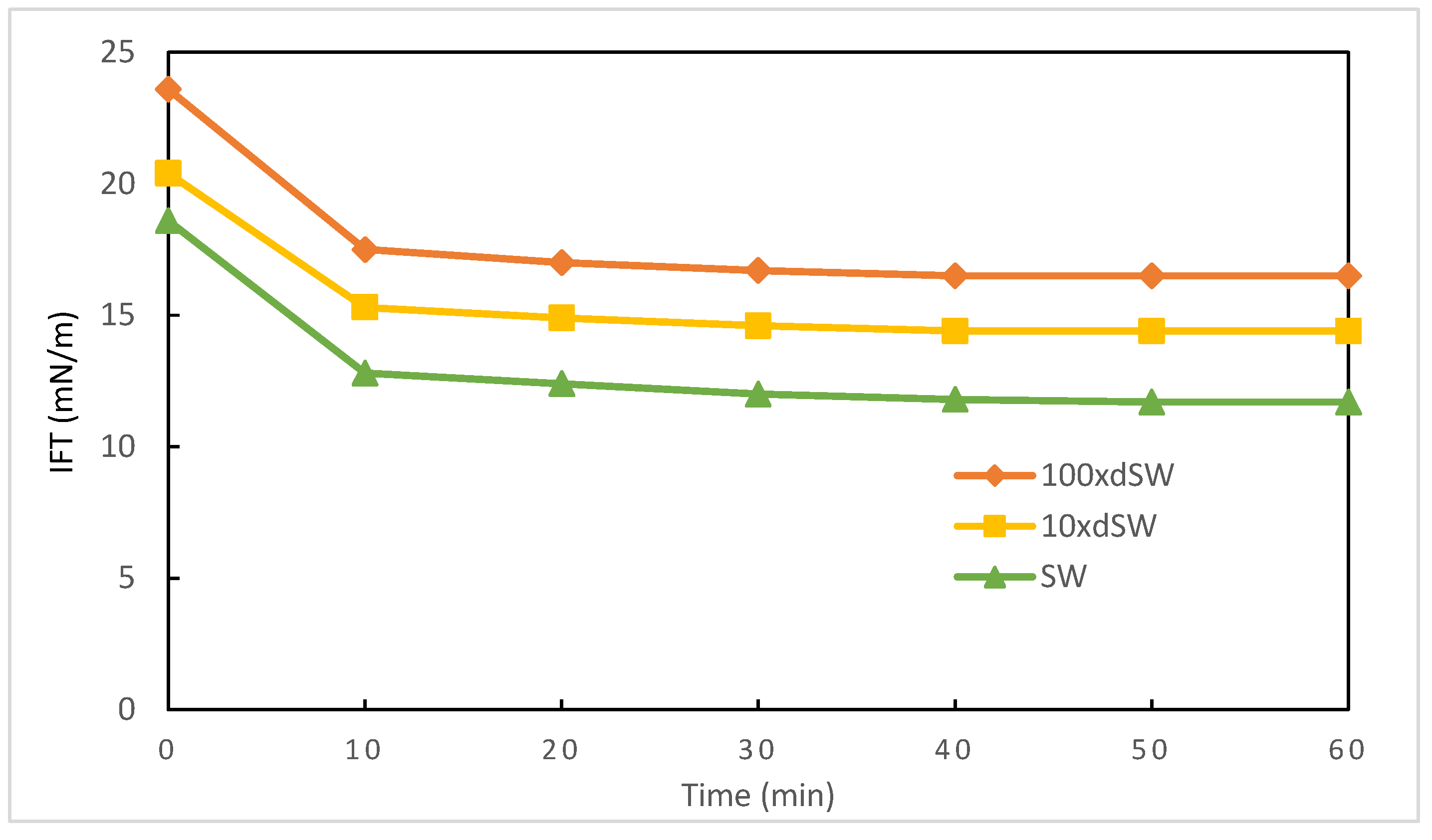
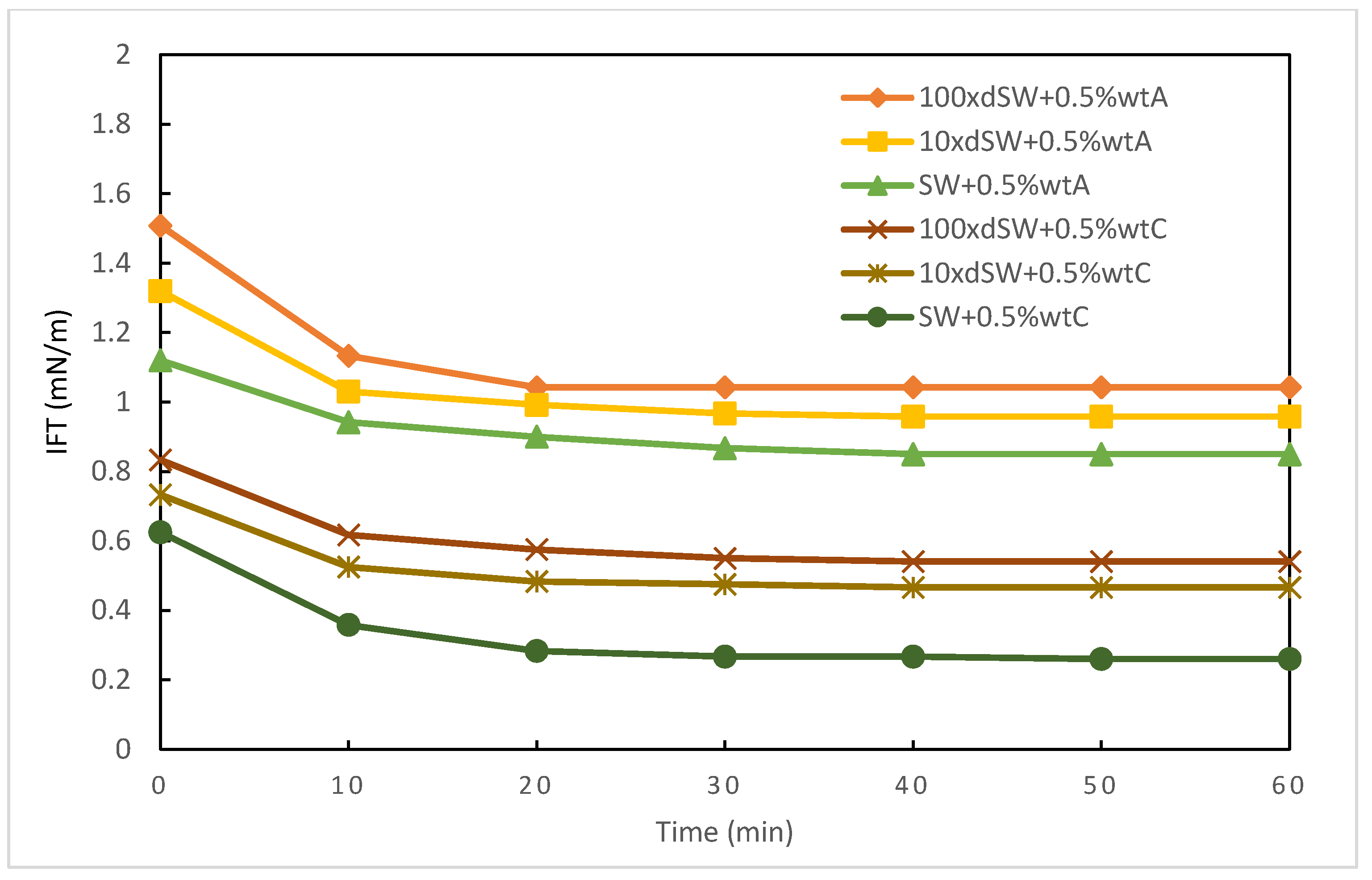
- Dynamic IFT measurements indicated that increasing brine salinity leads to lower oil–brine IFT values. Furthermore, cationic surfactant was more effective than anionic surfactant in reducing IFT. This behavior is attributed to the presence of polar oil components containing hydrophilic functional groups that preferentially migrate to the oil–brine interface under higher cation concentrations, thereby enhancing interfacial adsorption and reducing IFT.
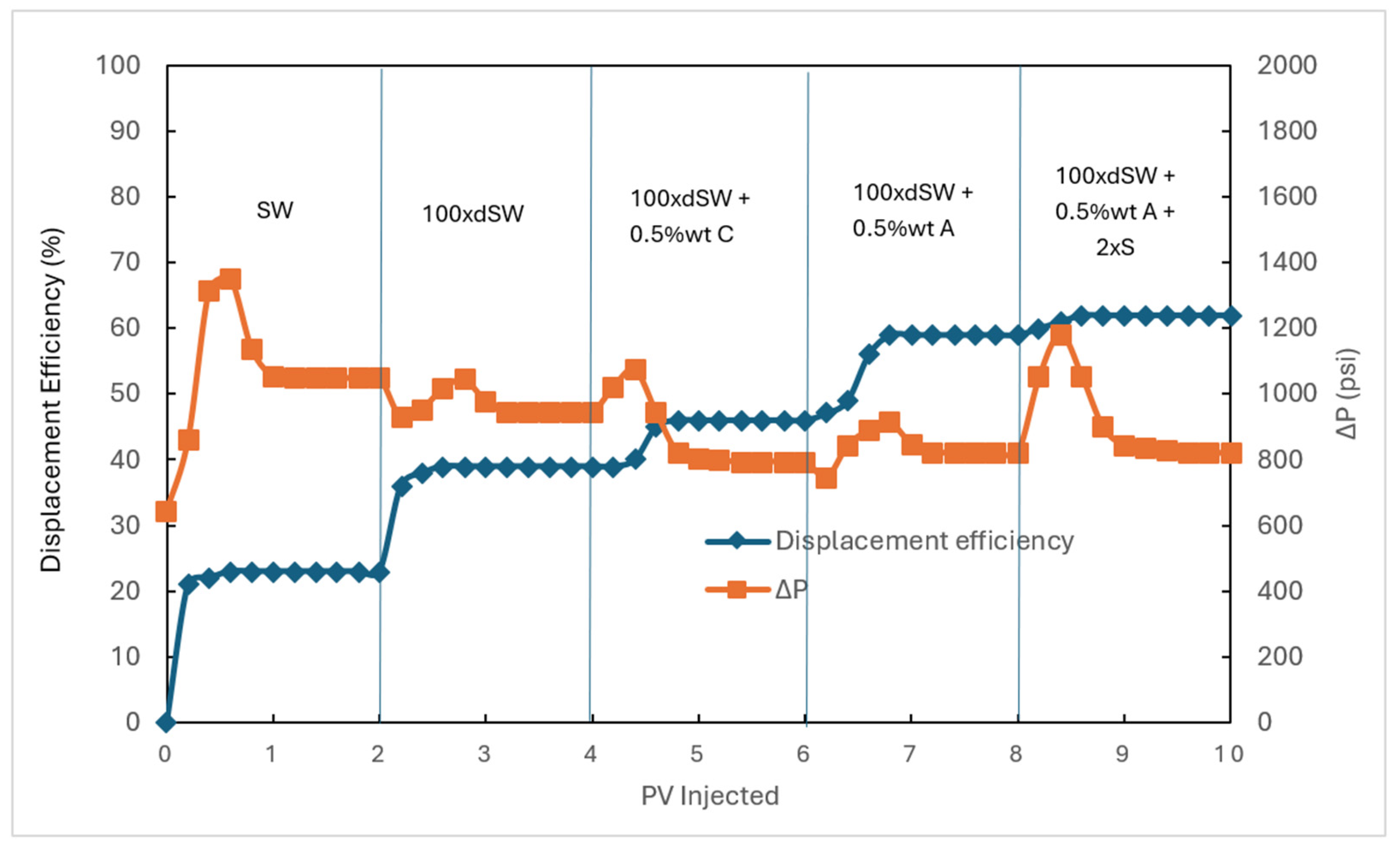
- Core flooding experiments showed that dilution of the injected brine resulted in an incremental oil recovery of approximately 16%. Although brine dilution had a limited impact on IFT reduction, it significantly improved oil recovery through wettability alteration. Consistent with the pore-scale observations, anionic surfactant flooding yielded higher incremental recovery than cationic surfactant flooding (approximately 13% versus 7%), confirming the superior role of wettability alteration. In contrast, the combination of anionic surfactant with sulfate ions resulted in only marginal additional recovery (approximately 3%), despite its strong wettability alteration potential observed in CA tests. This discrepancy is attributed to calcium sulfate (CaSO4) precipitation within the porous medium, which likely impaired fluid flow and oil displacement.
- The results indicate that the solution of 100× dSW + 0.5 wt.% anionic surfactant is the optimal solution for increasing oil recovery in such an oil-wet reservoir.
Author Contributions
Funding
Data Availability Statement
Acknowledgments
Conflicts of Interest
Abbreviations
| EOR | Enhanced oil recovery |
| IFT | Interfacial tension |
| CA | Contact angle |
| OW | Oil-wet |
| WW | Water-wet |
| A | Anionic surfactant |
| C | Cationic surfactant |
| S | Sulfate |
References
- Alizadeh, M.R.; Fatemi, M. Mechanistic study of the effects of dynamic fluid/fluid and fluid/rock interactions during immiscible displacement of oil in porous media by low salinity water: Direct numerical simulation. J. Mol. Liq. 2021, 322, 114. [Google Scholar] [CrossRef]
- Hua, Z.; Li, M.; Ni, X.; Wang, H.; Yang, Z.; Lin, M. Effect of injection brine composition on wettability and oil recovery in sandstone reservoirs. Fuel 2016, 182, 687–695. [Google Scholar] [CrossRef]
- Karimi, M.; Al-Maamari, R.S.; Ayatollahi, S.; Mehranbod, N. Wettability alteration and oil recovery by spontaneous imbibition of low salinity brine into carbonates: Impact of Mg2+, SO42− and cationic surfactant. J. Pet. Sci. Eng. 2016, 147, 560–569. [Google Scholar] [CrossRef]
- Tian, H.; Liu, F.; Jin, X.; Wang, M. Competitive effects of interfacial interactions on ion tuned wettability by atomic simulations. J. Colloid Interface Sci. 2019, 540, 495–500. [Google Scholar] [CrossRef]
- Tahir, M.; Hincapie, R.E.; Ganzer, L. Influence of sulfate ions on the combined application of modified water and polymer flooding—Rheology and oil recovery. Energies 2020, 13, 2356. [Google Scholar] [CrossRef]
- Austad, T.; RezaeiDoust, A.; Puntervold, T. Chemical mechanism of low salinity water flooding in sandstone reservoirs. In Proceedings of the SPE Symposium on Improved Oil Recovery, Tulsa, OK, USA, 24–28 April 2010; Society of Petroleum Engineers (SPE): Houston, TX, USA, 2010; pp. 679–695. [Google Scholar] [CrossRef]
- Derkani, M.H.; Fletcher, A.J.; Abdallah, W.; Sauerer, B.; Anderson, J.; Zhang, Z.J. Low salinity waterflooding in carbonate reservoirs: Review of interfacial mechanisms. Colloids Interfaces 2018, 2, 20. [Google Scholar] [CrossRef]
- Mcmillan, M.D.; Rahnema, H.; Romiluy, J.; Kitty, F.J. Effect of exposure time and crude oil composition on low-salinity water flooding. Fuel 2016, 185, 263–272. [Google Scholar] [CrossRef]
- Abu-Al-Saud, M.O.; Esmaeilzadeh, S.; Riaz, A.; Tchelepi, H.A. Pore-scale study of water salinity effect on thin-film stability for a moving oil droplet. J. Colloid Interface Sci. 2020, 569, 366–377. [Google Scholar] [CrossRef]
- Ayirala, S.; Alghamdi, A.; Gmira, A.; Cha, D.K.; Alsaud, M.A.; Yousef, A. Linking pore scale mechanisms with macroscopic to core scale effects in controlled ionic composition low salinity waterflooding processes. Fuel 2020, 264, 116798. [Google Scholar] [CrossRef]
- Xie, Q.; Liu, Y.; Wu, J.; Liu, Q. Ions tuning water flooding experiments and interpretation by thermodynamics of wettability. J. Pet. Sci. Eng. 2014, 124, 350–358. [Google Scholar] [CrossRef]
- Sari, A.; Xie, Q.; Chen, Y.; Saeedi, A.; Pooryousefy, E. Drivers of low salinity effect in carbonate reservoirs. Energy Fuels 2017, 31, 8951–8958. [Google Scholar] [CrossRef]
- Alotaibi, M.B.; Cha, D.; Also, A.M.; Yousef, A.A. Dynamic interactions of inorganic species at carbonate/brine interfaces: An electrokinetic study. Colloids Surf. A 2018, 550, 222–235. [Google Scholar] [CrossRef]
- Khurshid, I.; Addad, Y.; Afgan, I. Geochemical analysis of hardness on the adsorption of surfactants in carbonates under severe thermodynamic conditions: Surface complexation modeling approach. J. Energy Resour. Technol. 2023, 145, 111702. [Google Scholar] [CrossRef]
- Zou, Y.; Zheng, C.; Sheikhi, S. Role of ion exchange in the brine-rock interaction systems: A detailed geochemical modeling study. Chem. Geol. 2021, 559, 119992. [Google Scholar] [CrossRef]
- Farhadi, H.; Fatemi, M.; Ayatollahi, S. Experimental investigation on the dominating fluid-fluid and rock-fluid interactions during low salinity water flooding in water-wet and oil-wet calcites. J. Pet. Sci. Eng. 2021, 204, 108. [Google Scholar] [CrossRef]
- Al Mahrouqi, D.; Vinogradov, J.; Jackson, M.D. Zeta potential of artificial and natural calcite in aqueous solution. Adv. Colloid Interface Sci. 2017, 240, 60–76. [Google Scholar] [CrossRef]
- Emadi, A.; Sohrabi Sedeh, M.; Farzaneh, S.; Ireland, S. Experimental investigation of liquid CO2 and CO2 emulsion application for enhanced heavy oil recovery. In Proceedings of the 75th European Association of Geoscientists & Engineers Conference and Exhibition Incorporating SPE EUROPEC 2013, London, UK, 10–13 June 2013; Society of Petroleum Engineers (SPE): Houston, TX, USA, 2010; pp. 1933–1950. [Google Scholar] [CrossRef]
- Wang, X.; Alvarado, V. Effects of aqueous phase salinity on water in oil emulsion stability: Bottle test determination. J. Dispersion Sci. Technol. 2012, 33, 165–170. [Google Scholar] [CrossRef]
- Alshakhs, M.J.; Kovscek, A.R. Understanding the role of brine ionic composition on oil recovery by assessment of wettability from colloidal forces. Adv. Colloid Interface Sci. 2016, 233, 126–138. [Google Scholar] [CrossRef]
- Kar, T.; Cho, H.; Firoozabadi, A. Assessment of low salinity waterflooding in carbonate cores: Interfacial viscoelasticity and tuning process efficiency by use of non-ionic surfactant. J. Colloid Interface Sci. 2022, 607, 125–133. [Google Scholar] [CrossRef]
- Alroudhan, A.; Vinogradov, J.; Jackson, M.D. Zeta potential of intact natural limestone: Impact of potential-determining ions Ca, Mg and SO4. Colloids Surf. A 2016, 493, 83–98. [Google Scholar] [CrossRef]
- Kamal, M.S.; Hussein, I.A.; Sultan, A.S. Review on surfactant flooding: Phase behavior, retention, IFT, and field applications. Energy Fuels 2017, 31, 7701–7720. [Google Scholar] [CrossRef]
- Strand, S.; Standnes, D.C.; Austad, T. Spontaneous imbibition of aqueous surfactant solutions into neutral to oil-wet carbonate cores: Effects of brine salinity and composition. Energy Fuels 2003, 17, 1133–1144. [Google Scholar] [CrossRef]
- Belhaj, A.F.; Elraies, K.A.; Mahmood, S.M.; Zulkifli, N.N.; Akbari, S.; Hussien, O.S. The effect of surfactant concentration, salinity, temperature, and pH on surfactant adsorption for chemical enhanced oil recovery: A review. J. Pet. Explor. Prod. Technol. 2019, 10, 125–137. [Google Scholar] [CrossRef]
- Sekerbayeva, A.; Pourafshary, P.; Hashmet, M.R. Application of anionic surfactant/engineered water hybrid EOR in carbonate formations: An experimental analysis. Petroleum 2022, 8, 466–475. [Google Scholar] [CrossRef]
- Karimi, M.; Al-maamari, R.S.; Ayatollahi, S.; Mehranbod, N. Mechanistic study of wettability alteration of oil-wet calcite: The effect of magnesium ions in the presence and absence of cationic surfactant. Colloids Surf. A 2015, 482, 403–415. [Google Scholar] [CrossRef]
- Gbadamosi, A.; Patil, S.; Al Shehri, D.; Kamal, M.S.; Hussain, S.M.S.; Al-shalabi, E.W.; Hassan, A.M. Recent advances on the application of low salinity waterflooding and chemical enhanced oil recovery. Energy Rep. 2022, 8, 9969–9996. [Google Scholar] [CrossRef]
- Zivar, D.; Pourafshary, P.; Moradpour, N. Capillary desaturation curve: Does low salinity surfactant flooding significantly reduce the residual oil saturation? J. Pet. Explor. Prod. Technol. 2021, 11, 783–794. [Google Scholar] [CrossRef]
- Singh, N.; Gopani, P.H.; Sarma, H.K.; Mattey, P.; Negi, D.S.; Srivastava, V.R.; Luxbacher, T. Charging behaviour at the carbonate rock-water interface in low-salinity waterflooding: Estimation of zeta potential in high salinity brines. Can. J. Chem. Eng. 2021, 100, 1226–1234. [Google Scholar] [CrossRef]
- Javadi, A.H.; Fatemi, M. Impact of salinity on fluid/fluid and rock/fluid interactions in enhanced oil recovery by hybrid low salinity water and surfactant flooding from fractured porous media. Fuel 2022, 329, 125426. [Google Scholar] [CrossRef]
- Tajikmansori, A.; Hossein, A.; Dehaghani, S.; Haghighi, M. Improving chemical composition of smart water by investigating performance of active cations for injection in carbonate reservoirs: A mechanistic study. J. Mol. Liq. 2022, 348, 118043. [Google Scholar] [CrossRef]
- Belhaj, A.F.; Fakir, S.H.; Javadi, A.H.; Sarma, H.K. Improving the performance of smart waterflooding through surfactant-assisted process for a carbonate oil reservoir. In Proceedings of the SPE Western Regional Meeting, Palo Alto, CA, USA, 16–18 April 2024; Society of Petroleum Engineers (SPE): Houston, TX, USA, 2010. [Google Scholar] [CrossRef]



| Properties | Value |
|---|---|
| Specific gravity at 15 °C | 0.85 |
| API gravity at 15 °C | 36° |
| Pour Point | 33 °C |
| Wax Appearance Temperature | 55 °C |
| Wax Content (wt.%) | 20% |
| Acid Number (mg KOH) | ~0.2 |
| Viscosity at 40 °C | 4–8 cP |
| Components | Value (wt.%) |
|---|---|
| Saturates | 66% |
| Aromatics | 27% |
| Resins | 4.8% |
| Asphaltenes | 2.4% |
| Resin/Asphaltene ratio | 2.0 |
| Brine Type | Na+ (mg/L) | Cl− (mg/L) | HCO3− (mg/L) | Sr2+ (mg/L) | Mg2+ (mg/L) | Ca2+ (mg/L) | SO42− (mg/L) | Total Dissolved Solids (mg/L) | Ionic Strength (mol/L) |
|---|---|---|---|---|---|---|---|---|---|
| SW | 11,638 | 20,913 | 857 | 50 | 265 | 1101 | 1198 | 36,022 | 0.65793 |
| 10× dSW | 1163.8 | 2091.3 | 85.7 | 5 | 26.5 | 110.1 | 119.8 | 3602.2 | 0.06579 |
| 100× dSW | 116.4 | 209.1 | 8.6 | 0.5 | 2.6 | 11 | 11.9 | 360.2 | 0.00658 |
| 100× dSW + 2× S | 127.76 | 188.2 | 7.74 | 0.45 | 2.34 | 9.9 | 23.8 | 360.19 | 0.00658 |
| Name | Provider | Main Components | Active Content (%) | Density (g/cc) at 20 °C | Chemical Stability | Type |
|---|---|---|---|---|---|---|
| Aspiro S 6420 | BASF | Cetyltrimethy lammuniom chloride | 29.4 | 1.11–1.14 | Stable | Cationic |
| Aspiro S 8710 | BASF | Ethylenediamine co-surfactants | 45.0 | 1.046 | Stable | Anionic |
| Solution | Equilibrium Contact Angle |
|---|---|
| SW | 162 |
| 10× dSW | 152 |
| 100× dSW | 143 |
| SW + 0.1%wt A | 115 |
| 10× dSW + 0.1%wt A | 106 |
| 100× dSW + 0.1%wt A | 95 |
| SW + 0.5%wt A | 98 |
| 10× dSW + 0.5%wt A | 91 |
| 100× dSW + 0.5%wt A | 85 |
| 100× dSW + 0.5%wt A + 2× S | 63 |
| 100× dSW + 1%wt A | 79 |
| SW + 0.1%wt C | 150 |
| 10× dSW + 0.1%wt C | 144 |
| 100× dSW + 0.1%wt C | 136 |
| SW + 0.5%wt C | 145 |
| 10× dSW + 0.5%wt C | 138 |
| 100× dSW + 0.5%wt C | 132 |
Disclaimer/Publisher’s Note: The statements, opinions and data contained in all publications are solely those of the individual author(s) and contributor(s) and not of MDPI and/or the editor(s). MDPI and/or the editor(s) disclaim responsibility for any injury to people or property resulting from any ideas, methods, instructions or products referred to in the content. |
© 2026 by the authors. Licensee MDPI, Basel, Switzerland. This article is an open access article distributed under the terms and conditions of the Creative Commons Attribution (CC BY) license.
Share and Cite
Javadi, A.H.; Belhaj, A.F.; Fakir, S.H.; Sarma, H.K. Experimental Investigation of Surfactant-Assisted Low-Salinity Brine Flooding in Oil-Wet Carbonate Reservoirs for Enhanced Oil Recovery. Processes 2026, 14, 1054. https://doi.org/10.3390/pr14071054
Javadi AH, Belhaj AF, Fakir SH, Sarma HK. Experimental Investigation of Surfactant-Assisted Low-Salinity Brine Flooding in Oil-Wet Carbonate Reservoirs for Enhanced Oil Recovery. Processes. 2026; 14(7):1054. https://doi.org/10.3390/pr14071054
Chicago/Turabian StyleJavadi, Amir Hossein, Ahmed Fatih Belhaj, Shasanowar Hussain Fakir, and Hemanta Kumar Sarma. 2026. "Experimental Investigation of Surfactant-Assisted Low-Salinity Brine Flooding in Oil-Wet Carbonate Reservoirs for Enhanced Oil Recovery" Processes 14, no. 7: 1054. https://doi.org/10.3390/pr14071054
APA StyleJavadi, A. H., Belhaj, A. F., Fakir, S. H., & Sarma, H. K. (2026). Experimental Investigation of Surfactant-Assisted Low-Salinity Brine Flooding in Oil-Wet Carbonate Reservoirs for Enhanced Oil Recovery. Processes, 14(7), 1054. https://doi.org/10.3390/pr14071054