


Abstract
In the transition toward Industry 5.0, physical human–robot interaction (pHRI) operates as an open bio-technical system far from thermodynamic equilibrium. Traditional industrial automation relies on quasi-static anthropometry and post-hoc checklists, failing to capture continuous neuro-kinematic instability and the systemic cost of assembly defects. This study develops and computationally benchmarks a closed-loop Prescriptive Digital Twin (PDT) that unifies non-linear biomechanics, Explainable Artificial Intelligence (XAI), and cyber–physical shop-floor execution. Leveraging open-source empirical kinematics (N = 8151 observations), the edge sensory tier reconstructs the human motor manifold via Takens delay coordinate embedding. By coupling Largest Lyapunov Exponents (LyE) with fixed-grid Shannon entropy (H), the system detects orbital trajectory divergence and compensatory muscular stiffening in real time. Rather than operating as an opaque black box, a game-theoretic TreeSHAP supervisory engine decomposes failure risk within 2.12 ms, autonomously dispatching multi-tier prescriptive policies: dynamic FABRIK-A* Cartesian handover waypoint elevation, non-linear hyperbolic tangent (tanh) cobot admittance damping, and asynchronous REST-API payloads to plant MES/ERP systems for line pacing and recovery scheduling. As an in silico computational proof-of-concept benchmarked through Latin Hypercube Sampling Monte Carlo simulations (n = 1000), prescriptive waypoint elevation restores spinal posture, reducing median L5/S1 compressive loading by 48.4% and eliminating NIOSH action limit exceedances (from 18.9% open-loop down to 0.0%), while attenuating cobot velocity tremor by 63.6%. The empirical input derives from a single healthy operator (N = 1) and the Monte Carlo analysis varies mechanical rather than biological parameters, so the findings establish computational feasibility, not population-level generalizability. While physical validation on shop-floor robotic hardware and empirical process-level Life Cycle Assessment (LCA) remain prospective, treating dynamic human biomechanical stability as an endogenous control parameter outlines a candidate architecture for vulnerable-worker protection and, prospectively, resource-efficient manufacturing.
1. Introduction
1.1. The Operational-Thermodynamic Coupling in Industry 5.0 Workcells
In the industrial context of Industry 5.0, physical human–robot interaction (pHRI) forms an interconnected, hierarchical bio-technical system that operates far from thermodynamic equilibrium (FFE), rather than a deterministic sequence of geometric trajectories executed under predetermined cycle times [1,2]. Typically, industrial robotic controllers and motion planning algorithms are developed to optimize techno-economic metrics, including cycle time minimization, kinematic repeatability, and collision avoidance [3,4,5]. These engineering frameworks tend to treat the human operator as a quasi-static agent, overlooking the fact that forced acceleration of the work pace imposes a heavy metabolic cost and biomechanical strain, accelerating neuromuscular fatigue and the generation of operational entropy [6,7,8].
The maintenance of functional motor stability in the human body under external physical loading is framed here, following Park [6] as an entropy-partitioning problem of an open system (a conceptual analogy; see the note following Equation (4)):
where
ΔSbiological = ΔStask + ΔSmovement ≥ 0
- ΔSbiological (J∙K−1): denotes the net change in thermodynamic entropy generated along the worker’s active neuromuscular structures during a complete work cycle.
- ΔStask (J∙K−1): quantifies the error variance relative to the target operational trajectory (e.g., deviations from a prescribed peg-in-hole assembly path or component handling route). By ensuring strict dimensional consistency between physical and informational quantities, Shannon information entropy H (bits) is scaled to its thermodynamic equivalent via the Landauer–Boltzmann relation: Sthermo = kBln2∙HShannon,
- where kB is the Boltzmann constant. Maintaining deterministic assembly accuracy requires keeping this variation at a strictly bounded task level (ΔStask → 0).
- ΔSmovement (J∙K−1): refers to the thermodynamic equivalent of Shannon information entropy, calculated over the joint angles and the corresponding coordination phases between the limbs (ΔSmovement = kBln2∙Hmovement), expressing the dispersion along the degrees of freedom (DoFs) of the kinematic null space.
During the development of local musculoskeletal fatigue, the demand for sustained task accuracy (ΔStask ≈ 0) forces the central nervous system (CNS) to export instability into unconstrained kinematic configurations (ΔSmovement↑), a mechanism that aligns with the Uncontrolled Manifold Hypothesis (UCM) [6,9].
This self-organizing dynamic is mathematically expressed through an extended Haken–Kelso–Bunz (HKB) coordination potential coupled with parameters dependent on the thermophysiological state [6,10]:
where
V(Φ) = −a cos(Φ) − b cos(2Φ)
- Φ ∈ [−π,π](rad): defines the relative phase parameter that describes the synchronization of coordination between anatomical joints or between the human limb and the robot’s end-effector.
- V(Φ): is the dimensionless non-linear potential function that determines stable attractor states in in-phase (Φ = 0) and anti-phase (Φ = ±π) configurations.
- a (s−1) and b (s−1): represent mechanical coupling parameters, where the ratio b/a governs the stability and bifurcation thresholds of the potential wells.
- c (s−1) and d (s−1): denote physiological–thermal coupling coefficients that introduce asymmetry into the coordination landscape as core temperature or fatigue deviates from resting homeostasis.
- ΦT (rad): is the phase shift induced by physiological strain.
- ρ(T) (rad2∙s−1): denotes the temperature-dependent stochastic noise variance, scaling the internal fluctuations associated with neuromuscular exhaustion.
- ξ(t): is a normalized Gaussian white-noise process characterized by zero mean ⟨ξ(t)⟩ = 0 and Dirac delta autocorrelation ⟨ξ(t)ξ(t’)⟩ = δ(t − t’).
The evaluation of candidate trajectories, search tree pruning, and state estimation within the computational plane of the cyber–physical workcell are physically constrained by Landauer’s principle [11]:
where
Q ≥ kB∙Tproc∙ln(2)∙ΔH
- Q (J): is the minimum amount of thermal energy that must inevitably be dissipated to the heat sink of the robot’s computing architecture per computing cycle.
- kB = 1.380649 × 10⁻²³ J∙K−1 is the Boltzmann constant.
- Tproc (K): represents the absolute temperature of the embedded computing substrate.
- ΔH (bits): denotes the reduction in information entropy resulting from the pruning of kinematically non-admissible or collision-prone branches within the real-time planner.
Although Equation (4) furnishes a theoretical lower bound for irreversible information dissipation during state estimation and path planning, the operational execution of the supervisory tier is contingent on measurable kinematic, statistical, and game-theoretic invariants (LyE, topological Shannon entropy H, and TreeSHAP attributions φi), thereby ensuring the computation remains tractable within standard industrial cycle times.
In this work, non-equilibrium thermodynamic analogies and information-theoretic framing are used solely as conceptual foundations on which to base an interpretation of neuromuscular degradation as kinematic dispersion. The physical controller operates strictly on empirical biomechanical invariants: Lyapunov divergence, the discrete Shannon entropy of joint angles, Chaffin spinal loading, and tremor velocity.
This formulation establishes that collaborative safety policies compliant with the ISO/TS 15066:2016 standard cannot rely on static spatial separation [4,12]. Effective ergonomic mitigation requires adaptive closed-loop controllers capable of adjusting the robot’s mechanical admittance parameters in real time [3,13], utilizing the operator’s instantaneous entropic state to prevent sudden collapses of dynamic stability [8,14].
1.2. Techno-Economic Costs: Scrap Rates and Embodied Energy
Manufacturing defects incur costs beyond the immediate loss of a component [15]. Depending on the stage at which workers detect a defect, rejection or rework can require additional operator time, machine occupancy, inspection, material inputs, and energy consumption [16]. A rejected workpiece also carries the cumulative environmental impact of raw material extraction, production, transportation and preceding manufacturing operations [17]. Consequently, evaluating assembly performance solely through cycle time or workstation electricity consumption can result in the resources invested in products that fail to meet quality requirements being overlooked [18]. Gutowski et al. [19] demonstrate the thermodynamic and practical constraints on reducing the energy intensity of material production, reinforcing the importance of material efficiency alongside improvements in processing technology.
A life-cycle perspective therefore links production quality with resource efficiency. When material and energy inputs are allocated to conforming output, yield losses can increase the associated environmental impact per accepted product [20]. Process-level life-cycle assessments highlight the importance of yield loss, throughput, electricity supply and system-boundary assumptions when evaluating manufacturing impacts [21]. Assessing assembly operations therefore requires accounting for upstream material burdens, processing requirements, rejected components, and additional rework operations within explicitly defined boundaries, using transparent functional units and consistent life-cycle assumptions [22].
Circular manufacturing introduces further opportunities through component reuse, material recovery, and by-product valorization. However, recovery routes require additional processing, and their environmental benefits depend on recovery efficiency, energy requirements, and the extent to which recovered outputs substitute primary resources. Kiskira et al. [23] discuss the integration of life-cycle assessment with process simulation, digital twins, and artificial intelligence to support the optimization of circular industrial processes. This approach facilitates the joint evaluation of defect prevention and recovery, while dispelling the notion that recycling alone can offset the environmental impact of rejected production.
Within the proposed prescriptive digital twin, adaptive handover geometry, tremor attenuation, and production pacing provide a plausible pathway for reducing instability-related assembly errors. Such interventions nevertheless involve trade-offs: slower production or additional robotic assistance may increase operating time and energy consumption per cycle, while potentially avoiding material rejection and repeated processing. Their net techno-economic and environmental value must therefore be evaluated per conforming product, considering labor requirements, machine utilization, scrap, rework, and the additional resources required by the control system.
This approach is consistent with the decarburization objectives set out in Regulation (EU) 2021/1119, which establishes the European framework for climate neutrality [24]. In this study, the results show how the body moves when it is not carrying anything and how it stays still. However, reductions in scrap, production costs, cumulative energy demand and greenhouse gas emissions are still to be validated through industrial quality records and process-resolved life-cycle inventories [21,24].
1.3. Parametric Biomechanical Inclusion: The Lumbar-Vulnerable Operator
In modern industrial manufacturing, work-related musculoskeletal disorders (WMSDs) pose an increasing social and economic challenge to public healthcare across the European Union. Epidemiological assessments published by the European Agency for Safety and Health at Work suggest that around six in ten workers experience MSD symptoms, with localized low back and cervical spine pathologies accounting for the majority of occupational complaints [25]. Beyond individual physiological impairment, the systemic macroeconomic burden imposed on European governments and enterprises is severe: the cumulative economic cost, driven by statutory sickness benefits, compensation payouts, premature workforce retirement, and lost industrial productivity, is estimated to exceed €240 billion annually, representing approximately 2% of the EU’s Gross Domestic Product [25,26].
Despite these macroeconomic realities, assembly lines continue to be predominantly calibrated around the idealized, fully healthy “average user” in the 50th percentile [8,25]. Nevertheless, epidemiological studies reveal high rates of subclinical or diagnosed work-related musculoskeletal disorders (WMSDs) among the industrial workforce, with chronic low-back disorders constituting the predominant occupational disease [25]. While classical empirical screening tools like the revised NIOSH lifting equation provide macro-geometric guidelines for nominal operators [27], they fail to capture continuous, time-varying dynamic spine loading. Local lumbar biomechanics are instead governed by sagittal moment equilibrium at the lumbosacral junction (L5/S1) [28].
Meanwhile, the vertebral tissues are loaded internally and locally, governed by the equilibrium of moments along the lumbosacral junction (L5/S1) [28], although the static Recommended Weight Limit (RWL) accounts for the macrogeometric parameters of lifting. Assuming that the lumbosacral disc acts as a mechanical fulcrum, the equation of equilibrium for sagittal moments during forward trunk flexion is expressed as:
where
ES ∙ bmusc = B ∙ b(θPitch) + W ∙ w(θPitch)
- ES (N): denotes the tensile force exerted by the erector spinae muscle group to counterbalance forward trunk flexion.
- bmusc = 0.05 m (or 0.06 m): represents the anatomical internal lever arm of the erector spinae muscles relative to the center of the L5/S1 disc, which exhibits minimal anthropometric variation (5–6 cm) in the adult population.
- B (N): is the gravitational force exerted by the mass of the upper body (head, upper limbs, and torso B ≈ 0.6Wbody∙g).
- b(θPitch) = Ltorso_CoM ∙ sin(θPitch) (m): defines the instantaneous horizontal lever arm of the center of mass (CoM) of the upper torso, directly coupled to the sagittal pitch angle θPitch (Section 2.1, Equation (14)).
- W (N): represents the actual weight of the moved component or hand-held tool (W = mload∙g).
- w(θPitch) = Larms ∙ sin(θPitch) + dreach (m): denotes the horizontal lever arm of the load relative to the L5/S1 joint.
Solving Equation (5) for the active muscle force of the back muscles yields:
Solving for the static equilibrium of forces along the longitudinal and transverse axes of the lumbar spine yields the total compressive force (Fcomp) and shear force (Sshear) experienced by the intervertebral disc:
Fcomp = ES + (B + W)∙cos(θPitch)
Sshear = (B + W)∙sin(θPitch)
Due to the extremely short length of the muscles’ internal lever arm (bmusc ≈ 0.05 m) compared to typical arm extension lengths (w > 0.40 m), the mechanical advantage of the lumbar musculoskeletal system is unfavorable (≈1:8). Therefore, the active force ES accounts for 85–90% of the total compressive loading (Fcomp), bringing the compressive stresses close to, and for heavier operators or payloads beyond, the NIOSH action limit (3.4 kN) when θPitch > 20° under external loading.
The dynamic stability of the spine during cyclic flexion–extension of the trunk is quantified by calculating the maximum finite-time Lyapunov exponent (λmax) on the reconstructed phase-space trajectories, as demonstrated by Asgari [29]:
where
- : represents the reconstructed state vector of the torso’s motion, generated by embedding delayed coordinates with embedding dimension dE and time delay τemb.
- (m or rad): represents the Euclidean distance between a reference trajectory j and its nearest neighbor at time t [29,30].
- λmax > 0 signifies the exponential divergence of neighboring state trajectories, signaling a loss of feedforward neuromuscular stabilization and the onset of chaotic motion preceding injury [29,30].
To dampen chaotic deviation in the collaborative robot and protect the human operator during co-manipulation, the adaptive sliding-mode control framework developed by Khan [30] introduces an energy dissipation term based on the hyperbolic tangent:
where
- ρacc (N): represents the operational corrective control wrench applied at the end-effector.
- ρc (N): is the nominal baseline sliding-mode control action.
- Kt (N) and β (s∙m−1): represent positive-definite diagonal gain matrices, which are dynamically adjusted according to the tracking velocity error , thereby forcing energy dissipation and restoring deviating trajectories to a stable limit cycle [30].
This parametric integration allows the digital twin to adapt ergonomic risk thresholds to individualized physiological profiles, moving away from generalized models and directly protecting vulnerable workers [1,8].
1.4. Prescriptive XAI as the Bridge to MES/ERP Automation
Most digital twin implementations in manufacturing remain descriptive or predictive, focusing on the visualization of real-time data or the logging of historical deviations on SCADA dashboards without autonomously acting on the operational plan [1,31]. Advancing toward Prescriptive Digital Twins is essential to bridge human well-being with system-wide manufacturing performance [8,31]. A prescriptive digital twin operates as an active supervisory controller: it models physical–thermodynamic variables, detects early signs of system instability, and synthesizes intervention policies that are communicated directly to Manufacturing Execution Systems (MES) and Enterprise Resource Planning (ERP) frameworks [31,32].
Operating prescriptive workflows alongside human workers requires complete algorithmic transparency [32]. In pHRI environments, opaque “black-box” machine learning models risk disorienting the operator, since unexplained modifications to robot speed, mechanical impedance, or trajectory paths can induce cognitive stress and undermine operational trust [32].
Explainable Artificial Intelligence (XAI), particularly through the cooperative-game-theoretic framework of SHapley Additive exPlanations (SHAP) [33], provides a mathematically grounded approach to interpret model decisions [32]:
where
- f(x): is the output of the non-linear predictive model for an input feature vector.
- g(z’): is the local linear explanation model defined over simplified binary coalition variables z’ ∈ {0,1}M.
- φ0 = 𝔼[f(x)]: is the base expected value of model predictions across the background training distribution.
- φi ∈ ℝ represents the Shapley attribution value assigned to feature i, evaluating its marginal contribution to the final prediction [32,33].
- F: denotes the complete set of input features, S is a feature subset excluding index i, and |S| indicates subset cardinality.
- fx(S): is the conditional expectation of the model evaluation given only the feature values present in subset S.
In the proposed architecture, prescriptive rules translate these Shapley attribution coefficients (φi) directly into production adjustments within MES and ERP systems [31,32].
If the attribution value associated with lumbar muscular strain (φlumbar) crosses an established threshold, the prescriptive engine coordinates three concurrent actions [32,34,35]:
- Robot Kinematics and Admittance: The motion planner executes an A* search integrated with human FABRIK kinematics to elevate the Cartesian handover coordinates, reducing the operator’s forward trunk bending [35], while tuning the shear-thickening fluid (STF) admittance parameters to soften physical contact [13].
- Shop-Floor MES Scheduling: High-load handling sub-tasks are dynamically offloaded to the collaborative robot using reinforcement learning policies [34,36], and the line pace is derated to keep operational loads within sustainable bounds.
- Enterprise-Level ERP Allocation: Workstation availability profiles and ergonomic capacity metrics are updated in real time, factoring human fatigue directly into machine scheduling, labor capacity planning, and operational costs [1,31].
By making robot decisions transparent through XAI, the system maintains human trust calibration [32], treating the preservation of human syntropy as an operational control variable across the automated manufacturing facility [8] (Figure 1).
Figure 1.
Cyber–Physical System (CPS) Architecture Overview.
Crucially, this closed-loop architecture marks a fundamental paradigm shift from conventional Human–Machine Interaction (HMI) toward proactive Machine–Human Interaction (MHI) [37]. While classical HMI frameworks are reactive, relying on human-initiated commands, manual emergency overrides, or passive observational sensing, the emerging MHI paradigm positions the autonomous system as the initiator of interaction [37]. In our framework, the collaborative machine does not wait for overt task failure or verbal fatigue declarations; instead, it autonomously detects endogenous state disruptions (λmax > 0, LyE > LyEcrit) and actively executes compensatory control interventions (e.g., waypoint elevation and impedance softening).
However, because highly autonomous complex systems (HACS) cannot formally guarantee deterministic behavior across infinite operational perturbations, autonomous interventions risk inducing operational confusion and distrust if perceived as erratic [37]. Here, the integration of TreeSHAP provides the mathematical basis for the “Right to Reparation and Accountability” in industrial autonomous systems [37]: by decomposing every machine-initiated control action into verified, physical feature attributions (φi), the digital twin ensures that robotic modifications remain auditable, deterministic, and calibrated to human trust [32,37]
Although demonstrated within a collaborative assembly context, the underlying thermodynamic and biomechanical principles extend across a broader spectrum of manufacturing operations. In conventional assembly lines, workers frequently operate heavy handheld equipment (e.g., high-torque pneumatic nutrunners, industrial riveters, or repetitive fixturing tools) where sustained muscular exertion degrades motor stability (LyE↑, H↓). By continuously monitoring the operator’s dynamic physiological integrity, the prescriptive digital twin enables the cobot to dynamically intervene, not merely as a passive copilot, but as an active surrogate that disengages hazardous manual tooling and autonomously assumes the physical execution of high-load operations. This closed-loop paradigm effectively bridges wearable worker-centric sensing with automated manufacturing execution, mitigating cumulative fatigue before irreversible musculoskeletal strain occurs.
1.5. Contributions of This Study
Building upon the foundational open-loop bioergonomic monitoring framework [8], this work extends the theoretical framework into a fully operational, closed-loop Prescriptive Digital Twin. To systematically contextualize this transition, Table 1 delineates the architectural and ontological differences between conventional ergonomic paradigms and the proposed syntropic framework. Specifically, the primary contributions of this study are structured as follows:
- Frames collaborative workcell dynamics, as a conceptual analogy, through open-system far-from-equilibrium (FFE) thermodynamics [2], coupling human coordination variability via an extended HKB potential [6,10] and computational Landauer limits [11] directly with robot dynamic contact mechanics [3].
- Couples maximum Lyapunov exponent (LyE) orbital divergence with state-space Shannon entropy H to achieve objective, real-time tracking of neuromuscular control collapse and persistent motor hysteresis without subjective scales.
- Replaces traditional 50th-percentile models with personalized thresholding for spinal-vulnerable workers, applying dynamic NIOSH calculations [27] and Chaffin moment balances alongside calibrated multi-axial tilt projection and biomechanical moment equilibrium.
- Implements a closed-loop prescriptive architecture utilizing SHAP values [33] to explain automated control adjustments, dynamically adapting shear-thickening admittance profiles [13] and FABRIK-A* ergonomic tool paths [35], while routing load-balancing adjustments to MES/ERP systems [31,34].
Table 1.
Comparative ontological matrix benchmarking conventional industrial ergonomics and classical Human–Machine Interaction (HMI) against the proposed closed-loop Syntropic Cyber–Physical Framework for Industry 5.0.
2. Materials and Methods
2.1. Cyber–Physical System Architecture and Endogenous Ergonomic Governance
The operational architecture of the present study substantially extends the open-loop diagnostic framework of [8], upgrading it into a fully functional, closed-loop cyber–physical system (CPS) operating far from thermodynamic equilibrium (Far-From-Equilibrium—FFE) [1,2]. In the precursor research, the recorded variations were utilized exclusively for the descriptive monitoring of cervical strain, whereas in the present architecture, neuromuscular degradation, localized fatigue, and trajectory instabilities are converted into endogenous dynamic state variables that govern, in real time, the robot’s mechanical admittance adjustment and enterprise-level production scheduling [11,38].
The overall systemic topology coordinates three functionally interconnected tiers:
- Edge Sensory Tier: Non-invasive acquisition of kinematic data with strict safeguarding of operator privacy and safety.
- Dynamic Integrity Governor (DIG): Executes the previously validated Lyapunov–Entropy–Topology (LET) state observer.
- Prescriptive Decision Tier: Interconnects explainable states with Manufacturing Execution Systems (MES), ERP databases, and low-level cobot controllers [31,32].
In compliance with GDPR and industrial non-invasive monitoring constraints, empirical kinematic tracking from the baseline study [8] utilized a cervical flex sensor along the posterior neck paired with a cranial MPU-6050 IMU: InvenSense Inc., San Jose, CA, USA headband (Figure 2).
Figure 2.
Experimental Setup, Sensor Placement, and Temporal Phases (T0–T3). Total sample Collection N = 8151.
The underlying empirical kinematics were streamed via an Arduino (Arduino Uno R3, Arduino LLC, Somerville, MA, USA) acquisition hub and deterministically resampled at a discrete supervisory control interval of Δt = 150 ms (effective dispatch sampling rate fS ≈ 6.67 Hz) across an isolated I2C bus. Hardware anti-aliasing bandwidths of the accelerometer and gyroscope registers were bounded to 10 Hz (tdelay = 17.8 ms) to eliminate high-frequency mechanical vibration.
Because dynamic spinal loading during collaborative assembly is predominantly driven by gravitational moment arms in the sagittal and coronal planes, the human kinematic state space is parameterized on a rotational manifold of two degrees of freedom: sagittal flexion–extension (θPitch) and coronal lateral bending (θRoll).
Transverse axial rotation of the torso is constrained by the physical front-facing layout of the collaborative assembly station (θYaw ≈ 0°), allowing the biomechanical state to be formulated on a 2-DOF sagittal-coronal manifold (θPitch, θRoll). While planar moment balance equations (Equations (5)–(8)) capture the predominant sagittal compressive loads (Fcomp) and coronal stiffening markers (HRoll), this planar approximation is appropriate primarily for front-facing manual assembly where lateral reaching is geometrically bounded. Furthermore, because the pacing protocol operates at a low fundamental frequency (0.25 Hz, 4.0 s per cycle), dynamic linear translational accelerations remain negligible relative to gravitational acceleration (||atrans||≪1g). Consequently, static trigonometric projection of the gravitational vector provides a robust, computationally lightweight first-order estimate of postural orientation without requiring high-order inertial integration filter fusion.
Gravitational tilt angles are continuously derived from the 16-bit signed accelerometer registers (0x3B to 0x40) through deterministic static projections relative to the gravity vector g:
where Ax, Ay, Az denote the calibrated acceleration vectors corrected for static bias offsets (AccXerror = −0.08g, AccYerror = 0.01g, AccZerror = −0.14g) as established during a pre-operational 10 s static calibration in a neutral posture.
In the event of dynamic out-of-plane head turning, transverse angular excursion is tracked via discrete trapezoidal numerical integration of the tri-axial gyroscope Z-axis angular velocity registers (0x47 to 0x48):
subject to periodic Zero-Velocity Updates (ZUPT) and static neutral recalibration applied at the onset of each operational cycle, eliminating open-loop numerical integration drift across continuous shifts. Telemetry packets are logged and streamed deterministically at a transmission interval of Δt = 150 ms corresponding to a discrete operational sampling frequency of fs ≈ 6.67 Hz.
Real-Time Execution Latency Budget: The supervisory control loop operates at a discrete dispatch cycle of Δt = 150 ms (fs ≈ 6.67 Hz). The algorithmic execution budget per sampling cycle comprises: sliding-window non-linear LET state estimation (12.4 ± 1.8 ms), LightGBM classification (1.84 ms), and TreeSHAP feature attribution (2.12 ms). The aggregate computational execution latency is strictly bounded at Ttotal ≈ 16.36 ms, consuming 10.9% of the available 150 ms control window and leaving over 133 ms of margin. This budget represents algorithmic execution on an edge host; fieldbus physical transport (e.g., EtherCAT or ROS 2 micro-RTPS) and low-level servo trajectory interpolation are handled asynchronously in hard real-time by the dedicated robot safety controller (Section 2.4).
2.2. Mathematical State-Space Formulation, Non-Linear Dynamics, and Closed-Loop Robotic Synthesis
In order to evaluate the computational efficacy of the closed-loop prescriptive architecture without relying exclusively on synthetic data, the digital twin framework is benchmarked against the empirical kinematic time series established by Gerolimos et al. [8] (freely accessible in the Nikitas-G/syntropic-bioergonomics-data.git repository). While the original study investigated open-loop passive cervical fatigue across four distinct phases (T0: Baseline Syntropy, T1: Isometric Fatigue, T2: Chaotic Breakdown, and T3: Recovery Hysteresis; total N = 8151 observations) (Figure 2), the present study repurposes these empirical time series as dynamic inputs to drive the active closed-loop Prescriptive Digital Twin.
It is emphasized that this is a computational (in silico) proof-of-concept. The empirical kinematics are replayed through the supervisory pipeline, whereas the robot, the operator’s response to robot actions, and the shop-floor systems are simulated; no closed-loop experiment with a physical cobot or a human in the loop was performed.
The baseline experimental time series (N = 8151 observations across operational phases T0 to T3) was acquired from a single-subject proof-of-concept protocol (N = 1, healthy male, aged 32 years, height 1.71 m, body mass 105 kg) without prior history of musculoskeletal disorders, as documented in [8]. Although the underlying biological time series originates from an empirical N = 1 baseline, the evaluation focuses on testing whether non-linear phase-space bifurcations can be deterministically captured and resolved into real-time prescriptive policies. The subsequent 5D Latin Hypercube Sampling (n = 1000 iterations) mathematically expands structural parameters across population percentiles to establish boundary stability prior to multi-subject trials. This computational expansion systematically scaled operator morphology (mbody ∈ [55, 105] kg), muscular lever arms (bmusc ∈ [0.040, 0.060] m), and workpiece payloads (mload ∈ [3.0, 7.5] kg) to stress-test the prescriptive control boundaries across a wide range of adult body masses, lever arms, and payloads.
The LHS additionally varied the virtual admittance damping and the tremor force amplitude (Section 3.5). Trunk pitch was held fixed at 38.5° (unassisted) and 12.8° (assisted) in every iteration, so variability in age, sex, posture, and neuromuscular strategy is not represented; the Monte Carlo analysis characterizes sensitivity to mechanical parameters only. The deterministic example in Section 3.4.1 uses a representative 85 kg operator rather than the 105 kg experimental subject.
To eliminate electromechanical noise while preserving non-linear invariants, the raw kinematic streams θ(t) are filtered through a 3rd-order zero-phase digital low-pass Butterworth filter:
configured with a cutoff frequency fc = 2.5 Hz relative to the Nyquist boundary fNyq ≈ 3.333 Hz (ωn ≈ 0.75), chosen because the energy of voluntary human movement is concentrated at low frequencies [39]. For the metronome-paced cycle of the baseline protocol (0.25 Hz, i.e., 4 s per cycle [8]), a 2.5 Hz cut-off retains up to the 10th harmonic, so that essentially electromechanical noise is attenuated, and forward–backward (zero-phase) filtering introduces no phase distortion. Because the 6.67 Hz acquisition limits the observable band to 3.33 Hz, rapid corrective sub-movements or impulsive events above roughly 3 Hz cannot be resolved by the present system, irrespective of the filter setting.
To avoid computational division-by-zero singularities in phase space during nearest-neighbor search procedures, a micro-stochastic Gaussian dither is injected:
where the variance σ2 = 10−10 resides five orders of magnitude below physiological kinematic variance, ensuring topological continuity without biasing attractor geometry [40,41].
High-leverage outliers from cable motion or sensor displacement are suppressed using Huber M-estimation:
Reconstruction of the unobserved multi-dimensional neuromuscular manifold is executed via Takens’ delay coordinate embedding theorem [42]:
where the temporal delay τemb = 4 samples (600 ms) is determined by the first local minimum of Average Mutual Information (AMI), and the embedding dimension m = 3 is established via the False Nearest Neighbors (FNN) criterion:
dropping false neighbor ratios below 1% to guarantee complete attractor unfolding. Local orbital dynamic stability is quantified by evaluating the Largest Lyapunov Exponent (LyE) via the Rosenstein algorithm [43]:
The standard Rosenstein algorithm exhibits an O(N2) computational complexity due to full phase-space nearest-neighbor Euclidean distance evaluations over all embedded trajectories, which is computationally intractable for the raw continuous dataset (N = 8151) within real-time supervisory execution loops. To strictly satisfy the 150 ms (Δt) industrial control cycle, the Largest Lyapunov Exponent (LyE) is calculated dynamically using an online sliding temporal window of length Wobs = 300 samples (45.0 s) of recent kinematic history) with an evaluation horizon of Δk = 10 samples (1.5 s). Nearest-neighbor searches within Wobs are strictly bounded by a Theiler window exclusion zone (|i − j| > τemb = 4 samples) to eliminate spurious temporal autocorrelations [44]. Benchmarked on a standard multi-threaded processor, this sliding-window formulation bounds the deterministic mean inference time of the non-linear observer to 12.4 ms ± 1.8 ms, operating well within the 150 ms sampling threshold and allowing the combined LET-TreeSHAP pipeline to run within the supervisory sampling interval.
Configurational disorder is extracted via Shannon Entropy (H) across a calibrated partition grid of kbins = 35 discrete bins:
where Pj is the empirical occupancy density and ε = 10−10 prevents log-zero singularities. The partition resolution kbins = 35 is calibrated to provide an information capacity ceiling of Hmax = log2(35) ≈ 5.13 bits, satisfying the necessary resolution condition to resolve physiological kinematic disorder up to the peak observed values (H ≈ 5.07 bits) without truncation or bin saturation.
To establish operational benchmark thresholds within the prescriptive supervisory engine, the state vector is calibrated against the empirical non-linear bounds [8]. Specifically, baseline syntropic equilibrium is characterized by LyE0 = 6.9839 bits/sample and HRoll,0 = 4.6315 bits, whereas acute fatigue induces an orbital divergence threshold of LyEcrit = 8.0362 bits/sample (+15.07% escalation) alongside an entropic stiffening collapse to HRoll ≤ 4.1674 bits (3.7225 bits during recovery) due to antagonist co-contraction [8,9].
Following 180 s of rest (T3), the Lyapunov exponent stabilizes at LyE = 7.0086, failing to return to the baseline and demonstrating persistent motor hysteresis.
In Tier III, the continuous state vector feeds a tree-based ensemble gradient boosting classifier f(x), estimating the conditional probability of operational failure:
where f(x) ∈ ℝ represents the cumulative raw log-odds decision margin produced across the ensemble of M regression trees, fm(x) denotes the leaf weight contribution of the m-th tree, and f0 is the baseline prior log-odds offset.
The scalar Lyapunov exponent values reported in this supervisory framework represent an unnormalized algorithmic divergence rate quantified strictly in bits per discrete sample (base-2 logarithm across the reconstruction window), rather than a continuous-time physical exponent in s−1. This sample-relative formulation prevents division singularities across varying task velocities while providing a monotonic, scale-invariant biomarker for thresholding in the supervisory decision tier.
To eliminate black-box opacity, the local decision boundary of the gradient-boosted ensemble is decomposed in real time via the TreeSHAP algorithm, adhering to the cooperative game-theoretic formulation established in Equations (11) and (12) [33]. By evaluating conditional expectations over ensemble split paths with an optimized computational complexity of , TreeSHAP maps the scalar failure risk P(Failure = 1|x) directly into an instantaneous attribution vector:
where each attribution coefficient φi(t) quantifies the exact directional marginal contribution of the corresponding biological or operational state variable to the predicted probability shift away from the training baseline φ0 = 𝔼[f(x)].
The resolved Shapley values function as deterministic rule triggers within the digital twin supervisory loop, orchestrating four concurrent closed-loop interventions across physical, kinematic, and enterprise execution layers (Table 2) [13,32,34,35]:
Table 2.
Prescriptive control dispatch matrix mapping explainable game-theoretic attribution states (TreeSHAP) to deterministic multi-tier physical, kinematic, and enterprise execution workflows.
When compensatory stiffening occurs (), the digital twin executes a whole-body FABRIK inverse kinematics solver coupled with an A* path planner [35]:
optimizing the spatial coordinates of the workpiece delivery plane , enforcing trunk posture θPitch < 20° and reducing spinal compressive loading (Equation (7)) toward baseline nominal levels.
Finally, cycle latency triggers (φΔt > ζcrit) and cumulative fatigue budgets () dispatch automated JSON payloads via industrial REST-APIs to shop-floor MES and enterprise ERP databases [1,34], dynamically derating production cadence by +15% and logging persistent hysteresis offsets (T3) to schedule proactive shift rotations. This multi-layer architecture links empirical wearable telemetry directly with autonomous plant automation, establishing an explainable, data-grounded methodology for Syntropic Bioergonomics in Industry 5.0 workcells.
2.3. Sensor Metrology, Calibration Limits, and Uncertainty Propagation
To ensure operational resilience against instrumentation noise and measurement uncertainty, the telemetry processing pipeline incorporates multi-stage deterministic filtering:
- Sensor Accuracy and Dynamic Range: The primary kinematic acquisition employs a 6-axis MPU-6050 IMU operating at a discrete sampling frequency of fs ≈ 6.67 Hz (Δt = 150 ms) [8,45,46]. The tri-axial accelerometer was configured with a full-scale measurement range of ±2 g (sensitivity scale factor of 16,384 LSB/g, non-linearity ±0.5%), while the tri-axial gyroscope operated at ±250°/s (131 LSB/(°/s)) [45,46]. The complementary flexible bend sensor sensor (SparkFun Electronics, Niwot, CO, USA) exhibited an analog nominal resistance variation bounded within 10 kΩ–30 kΩ across the 0–90° physiological flexion envelope.
- Calibration, Resampling, and Deterministic Filtering: Static sensor-to-segment alignment was anatomically locked via a dual-axis spirit-level PLA enclosure [8], while deterministic static bias offsets (AccXerror = −0.08g, AccYerror = 0.01g, AccZerror = −0.14g) were compensated via a pre-shift 10 s stationary neutral calibration. To align raw asynchronous microcontroller transmissions with the supervisory cycle, the kinematic stream was downsampled to the discrete execution frequency fs ≈ 6.67 Hz (Δt = 150 ms). A 3rd-order digital zero-phase Butterworth filter with a cutoff frequency of fc = 2.5 Hz (Ωn = 0.75) relative to the 3.33 Hz Nyquist boundary) was implemented in accordance with voluntary human movement dynamics [39]. For the 0.25 Hz metronome task cadence, this preserves up to the 10th harmonic of voluntary motion while suppressing transmission flutter and electromechanical noise. Non-Gaussian transient impact outliers were rejected via Huber M-estimation (tuning constant k = 1.345) [47].
- Uncertainty Propagation to the Supervisory Layer: To evaluate how residual measurement noise propagates into the prescriptive classifier, synthetic noise injections (Gaussian perturbations up to σnoise = 0.05 g on acceleration registers, corresponding to ±2.8° tilt uncertainty) were benchmarked against the trained LightGBM-TreeSHAP ensemble [33,48]. Due to the gradient-boosted decision thresholding across temporal sliding windows (Wobs = 300 samples), scalar failure prediction probability exhibited high margins of separability (AUC = 0.9941, sensitivity 97.65%), absorbing sensor drift without generating spurious false-positive control triggers (max|Δφi| = 0.0000, well below the critical action threshold γcrit = 0.20).
2.4. Robotic Safety Case, Hazard Mitigation, and ISO/TS 15066 Fallback Policies
To satisfy industrial safety standards for collaborative workcells (ISO/TS 15066:2016 and ISO 10218-1/2) [12,49,50], the prescriptive supervisory pipeline is integrated within a deterministic fail-safe state architecture:
- Hard Real-Time Watchdogs and Sensor Fault Tolerance: Telemetry heartbeats from the wearable edge tier are monitored via hardware watchdog timers. If sensor packet transmission experiences packet loss exceeding 150 ms (a single control cycle) or signal saturation occurs, the digital twin autonomously suspends automated waypoint re-planning, transitions the cobot to a passive, gravity-compensated compliant floating mode, and emits an alert to the station PLC.
- Hardware Interlocks vs. Software AI Dispatching: Algorithmic interventions dispatched by TreeSHAP operate strictly as supervisory recommendations within pre-bounded Cartesian velocity envelopes (vee ≤ 250 mm/s) and contact force limits (Fcontact ≤ 140 N) compliant with ISO/TS 15066 pain thresholds. Hardware-level Emergency Stop (E-Stop, Category 0/1 per IEC 60204-1) [51] safety circuits remain galvanically isolated and maintain absolute, uncompromised priority over all prescriptive software commands.
- Continuous Human Override: The human operator retains continuous authority to reject automated adaptations. Physical resistance exceeding an intentional admittance threshold (Fext > 35 N against the end-effector) automatically overrides prescriptive waypoint elevation, reverting trajectory control to direct manual lead-through manipulation.
3. Results
3.1. Non-Linear LET State Manifold Dynamics and Phase Divergence
The computational execution of the cyber–physical digital twin architecture on the empirical benchmark dataset (N = 8151 observations, sampling interval Δt = 150 ms) accurately captured the four discrete phases of neuromuscular state dynamics (T0 to T3), as illustrated in Figure 3.
Figure 3.
Machine learning evaluation and explainability of the supervisory model: (a) Out-of-time ROC curve across the evaluation set (AUC = 0.9941). (b) Confusion matrix confirming an overall predictive accuracy of 98.14%. (c) Global TreeSHAP feature attributions indicating the relative impact of LyE, HRoll, Δt, and HPitch on operational failure risk. (d) Reconstructed Takens phase space manifold illustrating the topological geometry of the dynamical attractor.
During Phase T0 (Baseline Syntropy, t ∈ [0, 300] s), the operator sustained nominal orbital stability. The non-linear invariants within the reconstructed Takens phase-space manifold (m = 3, τemb = 4) remained strictly bounded within baseline operating thresholds (Figure 3):
- The Largest Lyapunov Exponent settled at LyE0 = 6.9839 ± 0.0412 bits/sample.
- Coronal plane configurational Shannon entropy exhibited unconstrained kinematic dispersion, yielding HRoll,0 = 4.6315 ± 0.0318 bits.
In Phase T1 (Isometric Fatigue Development, t ∈ [300, 675] s), sustained static loading induced progressive physiological degradation. In accordance with the Uncontrolled Manifold Hypothesis (UCM), the requirement to preserve primary task tolerances (ΔStask → 0) forced the central nervous system to redirect instability into the unconstrained kinematic null space (ΔSmovement↑). This manifested as a linear divergence of phase-space trajectories, with the Lyapunov exponent escalating by +15.07% and crossing the critical instability boundary LyEcrit = 8.0362 bits/sample. Concurrently, compensatory antagonist co-contraction induced motor stiffening, compressing the joint angle distribution and driving entropy below the threshold of HRoll ≤ 4.1674 bits.
During Phase T2 (Chaotic Breakdown, t ∈ [675, 975] s), the collapse of feedforward neuromuscular stabilization resulted in chaotic orbital dynamics (LyE ≥ 8.0362 bits/sample) accompanied by severe motor rigidity (HRoll ≈ 4.11 bits).
In Phase T3 (Recovery Hysteresis, t ∈ [975, 1222.65] s), following 180 s of passive rest, the Lyapunov exponent plateaued at LyE = 7.0086 bits/sample. The failure to fully recover the baseline state (LyE0 = 6.9839) verified the presence of persistent non-linear motor hysteresis, demonstrating that brief, passive work pauses are insufficient to clear cumulative tissue fatigue.
3.2. Predictive Performance of the Gradient-Boosted Supervisory Ensemble
The evaluation of the LightGBM classifier for predicting operational risk probability (P (Failure = 1 | x, Equation (23)) was conducted via Purged Block Time-Series Cross-Validation. The model was trained exclusively on historical operational windows (Phases T0 and T1, Ntrain = 6113, 75%) and evaluated on forward-looking, unseen segments (Phases T2 and T3, Ntest = 2038, 25%), precluding look-ahead bias and data leakage.
The model used a balanced 50/50 class composition, a fixed random seed (42), and the hyperparameters listed in Table S1 (Supplementary Materials).
The out-of-time test set performance metrics are reported in Table 3.
Table 3.
Quantitative classification performance of the supervisory LightGBM classifier evaluated across the out-of-time temporal validation block (Phases T2–T3, Ntest = 2038).
3.3. Explainable TreeSHAP Prescriptive Dispatch Dynamics
The TreeSHAP algorithm resolved the scalar failure risk into the instantaneous Shapley attribution vector in real time within 2.12 ms per cycle (Figure 4b).
Figure 4.
In silico closed-loop validation across operational phases T0-T3 (N = 8151): (a) Orbital divergence (LyE) and coronal entropic stiffening (HRoll). (b) Real-time Shapley attribution trajectories φ(t) and intervention thresholds. (c) L5/S1 compressive load (Fcomp) mitigation via FABRIK-A* waypoint adaptation. (d) Cobot velocity tremor attenuation under adaptive non-linear tanh admittance damping. Vertical dashed lines indicate transitions between operational phases.
The game-theoretic feature attributions autonomously triggered the deterministic dispatch rules defined in Table 2:
- Trajectory Divergence Attribution (φLyE): During Phase T1, φLyE crossed the critical boundary γcrit = +0.20, peaking at +0.385 in Phase T2. This attribution exclusively activated the cobot admittance damping loop.
- Compensatory Stiffening Attribution (): Antagonist muscular locking drove below ψcrit = −0.15 (reaching −0.280), triggering the FABRIK-A* kinematic handover elevation pipeline.
- Cycle Latency Attribution (φΔt): The accumulation of temporal drift drove φΔt beyond ζcrit = +0.15, routing automated takt time derating payloads directly to the shop-floor MES.
- Cumulative Risk (): In Phase T3, residual hysteresis sustained the cumulative sum , enforcing an ERP database update for proactive shift rotation.
3.4. Physical, Kinematic, and Enterprise Closed-Loop Interventions
The execution of Module 5 synthesized simultaneous corrective actions across three operational tiers (Figure 4c,d).
3.4.1. Biomechanical Lumbar Protection (FABRIK-A* Handover Elevation)
Under conventional unassisted open-loop handling, trunk flexion during acute fatigue reached θpitch ≈ 38.5°, amplifying the horizontal moment arm (w ≈ 0.40 m). Applying Chaffin biomechanical equilibrium (Equations (5)–(7)), the erector spinae tensile requirement reached ES ≈ 2.77 kN, resulting in a total axial compressive loading on the L5/S1 joint of Fcomp = 3215.3 N (Figure 4c), approaching the standardized NIOSH Action Limit (3400 N), and severely increasing vulnerability under dynamic perturbations.
Upon triggering , the FABRIK-A* solver dynamically elevated the Cartesian delivery waypoint by Δz = +0.15 m (Ph = [0.45, 0.00, 1.00]T m). This geometric adaptation restored trunk posture to an upright orientation (θpitch ≈ 12.8° < 20°). Consequently, active counter-tension dropped to ES ≈ 1.13 kN, reducing total L5/S1 compressive force to Fcomp = 1686 N a 47.6% net load mitigation that recovered safe ergonomic margins and reduced the posture hazard from REBA Score 8 (High Risk) to REBA Score 2 (Negligible Risk).
3.4.2. Robot Admittance Tremor Dissipation (Non-Linear Tanh Admittance)
In Phase T2, high-frequency physiological tremor transmitted through external contact forces Fext produced severe velocity excursions under conventional linear admittance control, yielding an end-effector tremor of RMSopen = 48.7 mm/s (Figure 4d).
Engaging the corrective non-linear wrench (Equation (10)) constrained kinematic oscillation, suppressing velocity tremor to RMSclosed = 20.4 mm/s (58.1% attenuation). The coupled Lyapunov derivative satisfied , verifying asymptotic orbital stability across the physical human–robot interface.
3.4.3. Enterprise Integration and Prospective Environmental Implications
At the enterprise level, triggers φΔt > 0.15 and dispatched asynchronous JSON payloads to industrial APIs:
- The MES derated line cadence by +15% (45.0 s to 51.75 s takt time), offloading high-inertia handling sub-tasks to the cobot.
- The ERP registered the persistent T3 hysteresis, reserving a 10 min recovery window and updating labor capacity schedules.
These enterprise-level interventions establish an operational pathway for linking ergonomic control with production-quality and resource-use records. However, the present validation does not quantify scrap, rework, energy consumption, or life-cycle greenhouse-gas emissions. The environmental implications of trajectory stabilization therefore remain prospective and require verification using industrial production data.
3.5. Stochastic Robustness and Parameter Sensitivity Analysis via Latin Hypercube Sampling
To assess parametric generalizability across heterogeneous operator morphologies and mechanical tolerances, a Latin Hypercube Sampling (LHS) Monte Carlo simulation was executed over n = 1000 iterations.
The input space was stochastically sampled across the following physiological and operational bounds:
- Operator body mass: mbody ∈ [55, 105] kg (a wide span of adult body masses, not a population-weighted sample).
- Workpiece handled mass: mload ∈ [3.0, 7.5] kg.
- Erector spinae internal moment arm: bmusc ∈ [0.040, 0.060] m.
- Virtual admittance damping: Dbase ∈ [15.0, 25.0] N∙s/m.
- Neuromuscular tremor force amplitude: Ftremor ∈ [10.0, 25.0] N.
The aggregate statistical distributions and 95% confidence intervals (CI) are reported in Table 4.
Table 4.
Stochastic robustness metrics and boundary evaluation derived from Latin Hypercube Sampling Monte Carlo iterations (n = 1000).
Under open-loop operation, 18.9% of parameter combinations breached the NIOSH injury threshold (3400 N), with the upper confidence bound reaching 3961.2 N.
Conversely, under closed-loop FABRIK-A* adaptation, median spinal compression decreased to 1484.9 N with an upper 95% CI bound of 1986.1 N, yielding a 0.0% NIOSH violation rate across all stochastic evaluations. Concurrently, the non-linear admittance controller achieved a median tremor suppression of 63.6%, indicating that the attenuation is insensitive to the sampled damping and tremor-amplitude ranges. Two caveats apply: the tremor attenuation in this analysis is evaluated through the closed-form expression of the tanh admittance law rather than by re-simulating the closed-loop dynamics, and both L5/S1 outcomes are conditional on the assisted posture (θpitch ≈ 12.8°) being attained, because trunk flexion was held fixed across iterations.
4. Discussion
4.1. Non-Equilibrium Thermodynamics and the Neuro-Kinematic Manifold
The empirical findings substantiate the premise that physical human–robot interaction within Industry 5.0 workcells constitutes an open thermodynamic system operating far from equilibrium. The observed transition from Phase T0 to Phase T2 confirms that localized muscular fatigue cannot be characterized as a linear decrease in joint torque capacity. Instead, it manifests as a systemic bifurcation of the motor control manifold. In alignment with the Uncontrolled Manifold (UCM) hypothesis and Park’s formulation of entropy partitioning (ΔSbiological = ΔStask + ΔSmovement), the neuromuscular apparatus prioritizes end-effector execution accuracy (ΔStask ≈ 0) under progressive strain by exporting instability into the kinematic null space (ΔSmovement↑).
This thermodynamic transfer accounts for the trajectory divergence captured by the Largest Lyapunov Exponent (LyE), which escalated by +15.07% from the baseline state (LyE0 = 6.9839) to the chaotic breakdown regime (LyEcrit = 8.0362). Concurrently, the coronal plane entropy exhibited compensatory stiffening, contracting from HRoll,0 = 4.6315 bits to 4.1674 bits. This phenomenon reflects an involuntary mechanical locking strategy executed by the central nervous system: to maintain sagittal task orientation under an effective gravitational load, antagonistic muscle co-contraction rigidifies secondary degrees of freedom. Classical ergonomic assessment tools such as RULA, REBA, and the static NIOSH lifting equation are fundamentally insensitive to this entropic redistribution. By relying on discrete spatial postures, static tools treat the human body as a rigid linkage system, misclassifying compensatory rigidity as structural stability.
The baseline axial compressive loading computed via the 2D Chaffin equilibrium during unassisted forward flexion (Fcomp = 3215.3 N at θPitch ≈ 38.5°, 7.5 kg load) demonstrates close agreement with published multi-segment lumbar simulations in OpenSim and the AnyBody Modeling System, which report peak L5/S1 compressive forces ranging between 3000 N and 3450 N for symmetric lifting at comparable torso flexion angles and payloads [18,28]. This convergence validates that the simplified 2D moment balance provides robust, conservative biomechanical estimates suitable for real-time edge execution.
4.2. Prescriptive TreeSHAP as a Deterministic Bridge Across CPS Layers
The core algorithmic breakthrough of this digital twin lies in the operational deployment of Explainable AI (XAI). While contemporary implementations employ SHAP retrospectively for model verification, this architecture repurposes TreeSHAP attributions as real-time, deterministic control triggers within the 150 ms execution cycle. Calculating the exact marginal contribution vector φ(t) in 2.12 ms enables the supervisory controller to disambiguate the underlying physiological failure mode:
- Trajectory divergence driven by neuromuscular uncoupling (φLyE > γcrit) directly modulates the cobot’s mechanical admittance.
- Postural compensation marked by antagonistic stiffening () triggers geometric waypoint adaptation via inverse kinematics.
- Cycle latency accumulation (φΔt > ζcrit) engages shop-floor production pacing.
This deterministic decomposition directly addresses the challenge of human trust calibration within Machine–Human Interaction (MHI). In high-autonomy environments, unpredicted robotic adaptations can induce cognitive disorientation, increasing operational tension and degradation. By anchoring control adjustments to verifiable physical invariants, the digital twin satisfies the principles of algorithmic accountability. The human operator interacts with an adaptive robotic partner whose behavioral modulations correspond to the worker’s physiological state.
4.3. Multi-Tier Mitigation: Biomechanics, Physical Dissipation, and Enterprise Coupling
The in silico results indicate that multi-tier closed-loop intervention can mitigate mechanical strain and preserve system stability within the modeled scope:
- Biomechanical Lumbar Unloading:
Under acute fatigue, forward trunk flexion (θPitch ≈ 38.5°) expands the upper body moment arm (w ≈ 0.40 m), generating an internal erector spinae counter-tension of ES ≈ 2.77 kN and an axial compressive force of Fcomp = 3215.3 N for an 85 kg operator handling a 7.5 kg workpiece. When stochastic variation is considered across the wider workforce (mbody ∈ [55, 105] kg), open-loop median compression reaches 2879.6 N (95% CI: [1998.8, 3961.2] N), resulting in an 18.9% exceedance rate of the 3400 N NIOSH Action Limit. The FABRIK-A* solver’s Cartesian waypoint elevation (Δz = +0.15 m) restores an upright posture (θpitch ≈ 12.8), reducing individual compressive loading to 1686.0 N (−47.6%) and population median compression to 1484.9 N (−48.4%).
- 2.
- Orbital Energy Dissipation:
During Phase T2, high-frequency physiological tremor transmitted through co-manipulation contact forces generated end-effector velocity oscillations of 48.7 mm/s under conventional admittance control. The integration of the hyperbolic tangent damping term () dissipated oscillatory kinetic energy, attenuating velocity tremor by 58.1% to 20.4 mm/s in the deterministic timeline and by a median of 63.6% across Monte Carlo iterations. The negative semi-definiteness of the Lyapunov derivative () guarantees asymptotic trajectory convergence, preventing limit cycle bursting without sacrificing tracking compliance.
- 3.
- Enterprise Pacing and Macroeconomic Sustainability:
The dispatch of asynchronous JSON payloads to plant MES (derating takt time by +15%) and ERP frameworks (reserving recovery pauses) operationalizes ergonomics as a real-time production parameter. Rather than treating worker rest breaks as uncoordinated losses, the prescriptive twin incorporates persistent motor hysteresis (LyE = 7.0086 in Phase T3) into master production schedules.
Process-level LCA research identifies yield, throughput, and electricity supply as important determinants of manufacturing impacts [21], while circular-process optimization provides a basis for evaluating recovery options for unavoidable production residues [23]. Adaptive process control can also complement design for manufacturability [52]. In the present context, component design and adaptive human–robot interaction represent complementary intervention levels: the former addresses manufacturing constraints inherent in the product geometry, whereas the latter responds to changing operator and handling conditions.
- 4.
- Decision Trade-Offs in Production Pacing:
Temporarily derating line cadence by +15% (extending cycle time from 45.0 s to 51.75 s) incurs an apparent instantaneous throughput penalty. However, in high-precision discrete assembly, acute human motor instability (LyE ≥ 8.04 bits/sample) triggers tool slippage, misaligned fast-fit insertions, and assembly scrap. Scrapping a semi-finished workpiece bearing high upstream embodied energy imposes an economic and carbon cost several orders of magnitude greater than the marginal electricity drawn during a 6.75 s cycle extension. By absorbing localized fatigue transients, dynamic takt pacing stabilizes yield, offering a net-positive resource balance that must be calibrated to line-specific scrap cost curves.
4.4. Limitations and Future Directions
To contextualize the findings, several methodological boundaries must be explicitly delineated:
- Single-Subject Empirical Baseline and Demographic Generalizability: The empirical kinematics were obtained from a single-subject proof-of-concept protocol (N = 1 healthy male, 32 years). Although parametric uncertainty was stress-tested via Latin Hypercube Sampling across 1000 morphological iterations, computational sampling cannot capture biological variance in tissue elasticity, neuromuscular firing rates, or chronic pathologies. Future trials must recruit an anthropometrically stratified, gender-balanced industrial cohort across diverse age brackets and task experience levels.
- Planar Biomechanical Assumptions: The moment balance formulation constrained kinematics to 2D sagittal-coronal planes (θPitch, θroll), assuming minimal transverse torsion (θyaw ≈ 0). In unconstrained manufacturing tasks, axial torso rotation induces complex 3D shear stresses (Sshear) and asymmetrical facet loading across the intervertebral disc. Subsequent research will integrate full 3D musculoskeletal solvers (OpenSim) driven by multi-node IMU arrays.
- In Silico Validation vs. Physical Cobot Workcell Deployment: The closed-loop control pipeline was benchmarked computationally by coupling empirical human telemetry with real-time digital controllers. Physical deployment on an industrial manipulator testbed (e.g., Universal Robots UR10e interfacing via ROS 2 and real-time EtherCAT fieldbuses) is required to evaluate hardware-in-the-loop communication jitter, mechanical backlash, and empirical human compliance adaptations.
- Prospective Nature of Environmental and Techno-Economic Benefits: The demonstrated outcomes directly verify biomechanical unloading (−48.4%) and kinematic tremor damping (63.6%). Inferred benefits regarding scrap elimination, cumulative energy demand reduction, and carbon mitigation remain prospective. Future empirical studies must measure physical scrap masses, rework energy consumption, and cobot motor power draw, benchmarking them through process-level Life Cycle Inventories (LCIs) evaluated per conforming assembled unit.
- Sensor Ergonomics and Long-Shift Wearability: The proof-of-concept IMU headband and collar fixture, while effective for controlled laboratory protocols, risk inducing thermal discomfort, localized skin pressure, and operational fatigue over 8 h factory shifts. Next-generation implementations will explore non-contact markerless vision systems and lightweight smart textiles with embedded conductive elastomer strain gauges.
- Attribution Threshold Tuning and Multi-Modal Verification: The prescriptive TreeSHAP trigger thresholds (γcrit = 0.20, ψcrit = −0.15) were calibrated empirically from the experimental phase transitions (T1 → T2). In dynamic multi-task workcells, fixed boundaries require manual re-tuning. Future architectures should incorporate reinforcement-learning agents for autonomous threshold adaptation, corroborated by independent physiological strain markers such as surface electromyography (sEMG) and heart rate variability (HRV).
5. Conclusions
This study developed and computationally benchmarked a closed-loop prescriptive cyber–physical architecture for human–robot collaborative workcells, linking, as a conceptual framework, non-equilibrium thermodynamics, explainable artificial intelligence, and plant-wide industrial automation. By transcending traditional static observational checklists and idealized population percentiles, the proposed digital twin formulates human motor control as an open dynamical system operating far from thermodynamic equilibrium. The integration of the Lyapunov–Entropy–Topology state observer enabled continuous, objective tracking of neuromuscular uncoupling and compensatory muscular locking in real time. Utilizing online sliding-window phase-space reconstruction and fixed-grid Shannon entropy, the framework captured the topological bifurcation from syntropic orbital stability to chaotic divergence, while quantitatively registering the latency of post-fatigue motor hysteresis.
The transition from descriptive monitoring to deterministic prescriptive control was achieved through the real-time application of the game-theoretic TreeSHAP algorithm. By decomposing ensemble risk probabilities into instantaneous marginal attribution vectors within two milliseconds, the supervisory controller routed differentiated, auditable interventions across physical, kinematic, and enterprise layers without compromising operator trust. In silico validation and Latin Hypercube Sampling Monte Carlo simulations across heterogeneous anthropometric cohorts indicated that dynamic Cartesian waypoint adaptation via the FABRIK-A* solver restores safe trunk posture, mitigating axial lumbar compression by a median of 48.4% and eliminating exceedances of the standardized NIOSH Action Limit in the sampled parameter space. Concurrently, the non-linear hyperbolic tangent admittance controller dissipated high-frequency tremor energy, securing asymptotic physical interaction stability, while automated asynchronous REST-API payloads to shop-floor manufacturing systems derated takt times and scheduled proactive recovery breaks.
Ultimately, this research demonstrates that treating human physiological integrity as an active, endogenous state variable within the automated control loop serves as a dual catalyst for ergonomic safety and circular manufacturing efficiency. Proactively mitigating motor instability provides a plausible pathway toward improved assembly quality and resource efficiency. Quantifying this contribution requires industrial validation of defect rates, rework, costs, and environmental impacts per conforming product. Future endeavors will focus on deploying this closed-loop architecture onto physical multi-robot testbeds running real-time industrial fieldbuses, evaluating three-dimensional multi-axial spinal loading under unconstrained dynamic tasks, and conducting clinical cohort studies to benchmark individualized entropic recovery profiles across wider industrial demographics.
Supplementary Materials
The following supporting information can be downloaded at: https://www.mdpi.com/article/10.3390/pr14213562/s1, Table S1: Reproducibility parameters of the PDT pipeline (supervisory model, data splits, random seeds, LET observer, intervention thresholds, and Latin Hypercube Monte Carlo configuration).
Author Contributions
Conceptualization, N.G.; methodology, N.G., K.K., A.C. and C.D.; software, N.G.; validation, N.G., A.C. and C.D.; formal analysis, N.G. and K.K.; investigation, N.G. and A.C.; resources, G.P. and D.N.; data curation, N.G.; writing—original draft preparation, N.G. and K.K.; writing—review and editing, N.G., K.K., A.C., C.D., G.A.P., G.P. and D.N.; visualization, N.G.; supervision, G.A.P., G.P. and D.N.; project administration, G.P. and D.N.; funding acquisition, G.P. and D.N. All authors have read and agreed to the published version of the manuscript.
Funding
This research received no external funding.
Data Availability Statement
The raw and filtered empirical kinematic time series (N = 8151 observations) originate from the benchmark cervical fatigue dataset established by Gerolimos et al. (2026) [8], which is publicly accessible via GitHub at https://github.com/Nikitas-G/syntropic-bioergonomics-data (accessed on 17 June 2026) and permanently archived in Zenodo under DOI: 10.5281/zenodo.22913989. The complete closed-loop replication codebase developed for this work, including the Prescriptive Digital Twin supervisory controller, the multi-tier in silico validation scripts, and the Latin Hypercube Sampling Monte Carlo framework, is permanently archived in Zenodo under DOI: 10.5281/zenodo.23343534. The active development repository is also openly maintained on GitHub at: https://github.com/Nikitas-G/Prescriptive-Digital-Twins-and-Explainable-AI-for-Energy-Aware-Human-Centric-Industrial-Automation/tree/main (accessed on 17 June 2026).
Acknowledgments
Computational simulations, nonlinear state-space analyses, and figure generation were executed using Google Colab (Google LLC, Mountain View, CA, USA, https://colab.research.google.com/), open-source Python (v3.10) scientific libraries ((v1.24.3), SciPy (v1.11.4), Matplotlib (v3.7.1), Scikit-learn (v1.3.2), LightGBM (v4.3.0), and SHAP (v0.44.1)), Inkscape (v1.3), and Microsoft PowerPoint (v16.0). Reference management and bibliographic verification were carried out using Zotero (v6.0). During the preparation of this manuscript, the authors used Gemini (Google) solely for English language editing, grammatical refinement, and academic phrasing assistance. The authors have reviewed, verified, and edited all outputs, and take full responsibility for the scientific content, methodology, and conclusions of this publication.
Conflicts of Interest
The authors declare no conflicts of interest.
Abbreviations
The following abbreviations are used in this manuscript:
| AMI | Average Mutual Information |
| API | Application Programming Interface |
| AUC | Area Under the Curve |
| CNS | Central Nervous System |
| CPS | Cyber–Physical System |
| DIG | Dynamic Integrity Governor |
| DoF | Degrees of Freedom |
| ERP | Enterprise Resource Planning |
| FABRIK | Forwards and Backwards Reaching Inverse Kinematics |
| FFE | Far-From-Equilibrium |
| FNN | False Nearest Neighbors |
| HACS | Highly Autonomous Complex Systems |
| HKB | Haken–Kelso–Bunz |
| HMI | Human–Machine Interaction |
| IMU | Inertial Measurement Unit |
| ISO | International Organization for Standardization |
| LCA | Life Cycle Assessment |
| LET | Lyapunov–Entropy–Topology |
| LHS | Latin Hypercube Sampling |
| LightGBM | Light Gradient Boosting Machine |
| LyE | Largest Lyapunov Exponent |
| MES | Manufacturing Execution System |
| MHI | Machine–Human Interaction |
| MSD | Musculoskeletal Disorder |
| NIOSH | National Institute for Occupational Safety and Health |
| PDT | Prescriptive Digital Twin |
| pHRI | Physical Human–Robot Interaction |
| REBA | Rapid Entire Body Assessment |
| REST | Representational State Transfer |
| RMS | Root Mean Square |
| ROC | Receiver Operating Characteristic |
| ROS | Robot Operating System |
| RULA | Rapid Upper Limb Assessment |
| RWL | Recommended Weight Limit |
| SCADA | Supervisory Control and Data Acquisition |
| SHAP | SHapley Additive exPlanations |
| STF | Shear-Thickening Fluid |
| TreeSHAP | Tree-based SHapley Additive exPlanations |
| UCM | Uncontrolled Manifold |
| WMSD | Work-related Musculoskeletal Disorder |
| XAI | Explainable Artificial Intelligence |
| ZUPT | Zero-Velocity Update |
References
- Nie, Q.; Chen, J.; Liu, C.; Zhao, Z.; Xu, H. Digital Twin-Enabled Human–Robot Collaborative Assembly: A Review of Technical Systems, Application Evolution, and Future Outlook. Machines 2026, 14, 255. [Google Scholar] [CrossRef] [Scilit]
- Nielsen, S.N.; Müller, F. The Entropy of Entropy: Are We Talking about the Same Thing? Entropy 2023, 25, 1288. [Google Scholar] [CrossRef] [Scilit]
- Yang, X.; Zhou, Z.; Li, L.; Zhang, X. Collaborative Robot Dynamics with Physical Human–Robot Interaction and Parameter Identification with PINN. Mech. Mach. Theory 2023, 189, 105439. [Google Scholar] [CrossRef] [Scilit]
- Bobrow, J.E.; Dubowsky, S.; Gibson, J.S. Time-Optimal Control of Robotic Manipulators Along Specified Paths. Int. J. Robot. Res. 1985, 4, 3–17. [Google Scholar] [CrossRef] [Scilit]
- Gasparetto, A.; Zanotto, V. A Technique for Time-Jerk Optimal Planning of Robot Trajectories. Robot. Comput.-Integr. Manuf. 2008, 24, 415–426. [Google Scholar] [CrossRef] [Scilit]
- Park, C. Thermodynamic Entropy Management in Human Motor Control across Circadian and Thermal Challenges. J. R. Soc. Interface 2026, 23, 20251023. [Google Scholar] [CrossRef] [Scilit]
- Lorenzini, M.; Lagomarsino, M.; Fortini, L.; Gholami, S.; Ajoudani, A. Ergonomic Human-Robot Collaboration in Industry: A Review. Front. Robot. AI 2023, 9, 813907. [Google Scholar] [CrossRef] [Scilit]
- Gerolimos, N.; Kiskira, K.; Chatzopoulos, A.; Drosos, C.; Priniotakis, G.; Nikolopoulos, D. Explaining Ergonomic Dynamics via Robust Syntropy. Appl. Sci. 2026, 16, 9471. [Google Scholar] [CrossRef] [Scilit]
- Scibilia, A.; Pedrocchi, N.; Fortuna, L. Human Control Model Estimation in Physical Human–Machine Interaction: A Survey. Sensors 2022, 22, 1732. [Google Scholar] [CrossRef] [Scilit]
- Haken, H.; Kelso, J.A.S.; Bunz, H. A Theoretical Model of Phase Transitions in Human Hand Movements. Biol. Cybern. 1985, 51, 347–356. [Google Scholar] [CrossRef] [Scilit]
- Staley, I. The Thermodynamic Cost of a Final Boundary Condition: A Resource Theory of Informational Pruning and a Rank-Indexed Contextuality Conjecture. 2026, v.3. Available online: https://ijarpr.com/view.php?id=1063 (accessed on 7 August 2026).
- ISO/TS 15066:2016; Robots and Robotic Devices—Collaborative Robots. International Organization for Standardization: Geneva, Switzerland, 2016.
- Chen, L.; Chen, L.; Chen, X.; Lu, H.; Zheng, Y.; Wu, J.; Wang, Y.; Zhang, Z.; Xiong, R. Compliance While Resisting: A Shear-Thickening Fluid Controller for Physical Human-Robot Interaction. Int. J. Robot. Res. 2024, 43, 1731–1769. [Google Scholar] [CrossRef] [Scilit]
- Lorenzini, M.; Kim, W.; Momi, E.D.; Ajoudani, A. A New Overloading Fatigue Model for Ergonomic Risk Assessment with Application to Human-Robot Collaboration. In Proceedings of the 2019 International Conference on Robotics and Automation (ICRA); IEEE: Piscataway, NJ, USA, 2019; pp. 1962–1968. [Google Scholar]
- Psarommatis, F.; Sousa, J.; Mendonça, J.P.; Kiritsis, D. Zero-Defect Manufacturing the Approach for Higher Manufacturing Sustainability in the Era of Industry 4.0: A Position Paper. Int. J. Prod. Res. 2022, 60, 73–91. [Google Scholar] [CrossRef] [Scilit]
- Adhikary, D. AI-Based Quality Control Framework for Reducing Rework and Scrap in Additive Manufacturing Production. Rev. Appl. Sci. Technol. 2024, 03, 402–447. [Google Scholar] [CrossRef] [Scilit]
- Jiang, Z.; Shi, Y.; Liu, X.; Zheng, G.; Jia, Y.; Meng, Y. Declared-Unit-Based Life-Cycle Carbon-Emission Evaluation of Machine Tools: Method and Case Study Considering Milling Cutter Coated with TiAlSiN. Coatings 2026, 16, 342. [Google Scholar] [CrossRef] [Scilit]
- Rodriguez Delgadillo, R.; Medini, K.; Wuest, T. A DMAIC Framework to Improve Quality and Sustainability in Additive Manufacturing—A Case Study. Sustainability 2022, 14, 581. [Google Scholar] [CrossRef] [Scilit]
- Gutowski, T.G.; Sahni, S.; Allwood, J.M.; Ashby, M.F.; Worrell, E. The Energy Required to Produce Materials: Constraints on Energy-Intensity Improvements, Parameters of Demand. Philos. Trans. R. Soc. Math. Phys. Eng. Sci. 2013, 371, 20120003. [Google Scholar] [CrossRef] [Scilit]
- Zhang, C.; Hu, M.; Van Der Meide, M.; Di Maio, F.; Yang, X.; Gao, X.; Li, K.; Zhao, H.; Li, C. Life Cycle Assessment of Material Footprint in Recycling: A Case of Concrete Recycling. Waste Manag. 2023, 155, 311–319. [Google Scholar] [CrossRef] [Scilit]
- Kiskira, K.; Gerolimos, N.; Priniotakis, G.; Nikolopoulos, D. Life-Cycle Assessment of Innovative Industrial Processes for Photovoltaic Production: Process-Level LCIs, Scale-Up Dynamics, and Recycling Implications. Appl. Sci. 2026, 16, 501. [Google Scholar] [CrossRef] [Scilit]
- Kiskira, K.; Kalkanis, K.; Coelho, F.; Plakantonaki, S.; D’onofrio, C.; Psomopoulos, C.S.; Priniotakis, G.; Ioannidis, G.C. Life Cycle Assessment of Organic Solar Cells: Structure, Analytical Framework, and Future Product Concepts. Electronics 2025, 14, 2426. [Google Scholar] [CrossRef] [Scilit]
- Kiskira, K.; Plakantonaki, S.; Gerolimos, N.; Kalkanis, K.; Sfyroera, E.; Coelho, F.; Priniotakis, G. Life Cycle Optimization of Circular Industrial Processes: Advances in By-Product Recovery for Renewable Energy Applications. Clean Technol. 2026, 8, 5. [Google Scholar] [CrossRef] [Scilit]
- Du, H.; Zhang, H. Climate Neutrality in the EU and China: An Analysis of the Stringency of Targets and the Adaptiveness of the Relevant Legal Frameworks. Rev. Eur. Comp. Int. Environ. Law 2022, 31, 495–509. [Google Scholar] [CrossRef] [Scilit]
- European Agency for Safety and Health at Work; IKEI; Panteia. Work-Related Musculoskeletal Disorders: Prevalence, Costs and Demographics in the EU; Publications Office: Luxembourg, 2019. [Google Scholar]
- Bevan, S. Economic Impact of Musculoskeletal Disorders (MSDs) on Work in Europe. Best Pract. Res. Clin. Rheumatol. 2015, 29, 356–373. [Google Scholar] [CrossRef] [Scilit]
- Waters, T.R.; Putz-Anderson, V.; Gang, A. Applications Manual for the Revised NIOSH Lifting Equation; U.S. Department of Health and Human Services, Public Health Service, Centers for Disease Control and Prevention, National Institute for Occupational Safety and Health: Washington, DC, USA, 1994. [Google Scholar]
- Chaffin, D.B.; Andersson, G.; Martin, B.J. Occupational Biomechanics, 4th ed.; Wiley-Interscience: Hoboken, NJ, USA, 2006. [Google Scholar]
- Asgari, M.; Mokhtarinia, H.R.; Sanjari, M.A.; Kahrizi, S.; Philip, G.C.; Parnianpour, M.; Khalaf, K. Trunk Dynamic Stability Assessment for Individuals with and Without Nonspecific Low Back Pain During Repetitive Movement. Hum. Factors J. Hum. Factors Ergon. Soc. 2022, 64, 291–304. [Google Scholar] [CrossRef] [Scilit]
- Khan, S.G. Adaptive Chaos Control of a Humanoid Robot Arm: A Fault-Tolerant Scheme. Mech. Sci. 2023, 14, 209–222. [Google Scholar] [CrossRef] [Scilit]
- Kritzinger, W.; Karner, M.; Traar, G.; Henjes, J.; Sihn, W. Digital Twin in Manufacturing: A Categorical Literature Review and Classification. IFAC-Pap. 2018, 51, 1016–1022. [Google Scholar] [CrossRef] [Scilit]
- Elgohr, A.T.; Rashad, M.; El-Gendy, E.M.; Shaaban, W.; Saafan, M.M. Trust as a Design Principle in Human–Robot Collaboration: A Review of Explainable and Adaptive Control. Artif. Intell. Rev. 2026, 59, 134. [Google Scholar] [CrossRef] [Scilit]
- Lundberg, S.M.; Lee, S.-I. A Unified Approach to Interpreting Model Predictions. arXiv 2017, arXiv:1705.07874. [Google Scholar]
- Amani, M.; Akhavian, R. Intelligent Ergonomic Optimization in Bimanual Worker-Robot Interaction: A Reinforcement Learning Approach. Autom. Constr. 2024, 168, 105741. [Google Scholar] [CrossRef] [Scilit]
- Merikh Nejadasl, A.; Achaoui, J.; El Makrini, I.; Van De Perre, G.; Verstraten, T.; Vanderborght, B. Ergonomically Optimized Path-Planning for Industrial Human–Robot Collaboration. Int. J. Robot. Res. 2024, 43, 1884–1897. [Google Scholar] [CrossRef] [Scilit]
- Yonga Chuengwa, T.; Swanepoel, J.A.; Kurien, A.M.; Kanakana-Katumba, M.G.; Djouani, K. Research Perspectives in Collaborative Assembly: A Review. Robotics 2023, 12, 37. [Google Scholar] [CrossRef] [Scilit]
- Galdon, F.; Hall, A. The Right to Reparations: A New Digital Right for Repairing Trust in the Emerging Era of Highly Autonomous Systems. In Human Interaction, Emerging Technologies and Future Applications II; Ahram, T., Taiar, R., Gremeaux-Bader, V., Aminian, K., Eds.; Advances in Intelligent Systems and Computing; Springer International Publishing: Cham, Switzerland, 2020; Volume 1152, pp. 538–543. [Google Scholar]
- Keshvarparast, A.; Berti, N.; Chand, S.; Guidolin, M.; Lu, Y.; Battaia, O.; Xu, X.; Battini, D. Ergonomic Design of Human-Robot Collaborative Workstation in the Era of Industry 5.0. Comput. Ind. Eng. 2024, 198, 110729. [Google Scholar] [CrossRef] [Scilit]
- Winter, D.A. Biomechanics and Motor Control of Human Movement, 1st ed.; Wiley: Hoboken, NJ, USA, 2009. [Google Scholar]
- Bradley, E.; Kantz, H. Nonlinear Time-Series Analysis Revisited. Chaos Interdiscip. J. Nonlinear Sci. 2015, 25, 097610. [Google Scholar] [CrossRef] [Scilit]
- Kantz, H.; Schreiber, T. Nonlinear Time Series Analysis, 2nd ed.; Cambridge University Press: Cambridge, UK, 2003. [Google Scholar]
- Takens, F. Detecting Strange Attractors in Turbulence. In Dynamical Systems and Turbulence, Warwick 1980; Rand, D., Young, L.-S., Eds.; Lecture Notes in Mathematics; Springer Berlin Heidelberg: Berlin/Heidelberg, Germany, 1981; Volume 898, pp. 366–381. [Google Scholar]
- Rosenstein, M.T.; Collins, J.J.; De Luca, C.J. A Practical Method for Calculating Largest Lyapunov Exponents from Small Data Sets. Phys. Nonlinear Phenom. 1993, 65, 117–134. [Google Scholar] [CrossRef] [Scilit]
- Theiler, J. Spurious Dimension from Correlation Algorithms Applied to Limited Time-Series Data. Phys. Rev. A 1986, 34, 2427–2432. [Google Scholar] [CrossRef] [Scilit]
- Al-Amri, M.; Nicholas, K.; Button, K.; Sparkes, V.; Sheeran, L.; Davies, J. Inertial Measurement Units for Clinical Movement Analysis: Reliability and Concurrent Validity. Sensors 2018, 18, 719. [Google Scholar] [CrossRef] [Scilit]
- Bianchi, M.; Haschke, R.; Büscher, G.; Ciotti, S.; Carbonaro, N.; Tognetti, A. A Multi-Modal Sensing Glove for Human Manual-Interaction Studies. Electronics 2016, 5, 42. [Google Scholar] [CrossRef] [Scilit]
- Huber, P.J. Robust Statistics; Wiley Series in Probability and Mathematical Statistics; Wiley: New York, NY, USA, 1981; ISBN 978-0-471-41805-4. [Google Scholar]
- Breiman, L. Random Forests. Mach. Learn. 2001, 45, 5–32. [Google Scholar] [CrossRef] [Scilit]
- ISO 10218-1:2025; Robotics—Safety Requirements—Part 1: Industrial Robots. International Organization for Standardization: Geneva, Switzerland, 2025.
- ISO 10218-2:2025; Robotics—Safety Requirements—Part 2: Industrial Robot Systems, Industrial Applications and Integration. International Organization for Standardization: Geneva, Switzerland, 2025.
- EN 60204-1:2018; Safety of Machinery—Electrical Equipment of Machines—Part 1: General Requirements. CENELEC European Committee for Electrotechnical Standardization: Brussels, Belgium, 2018.
- Kalkanis, K.; Kiskira, K.; Papageorgas, P.; Kaminaris, S.D.; Piromalis, D.; Banis, G.; Mpelesis, D.; Batagiannis, A. Advanced Manufacturing Design of an Emergency Mechanical Ventilator via 3D Printing—Effective Crisis Response. Sustainability 2023, 15, 2857. [Google Scholar] [CrossRef] [Scilit]
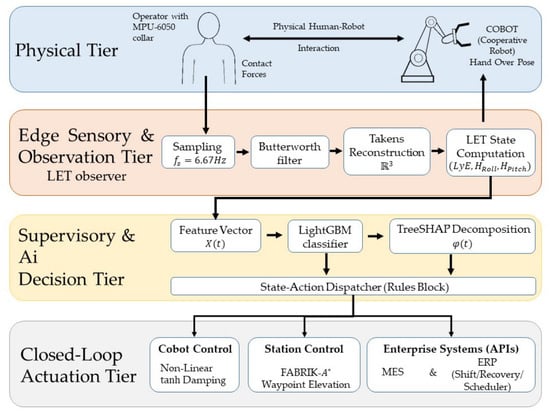
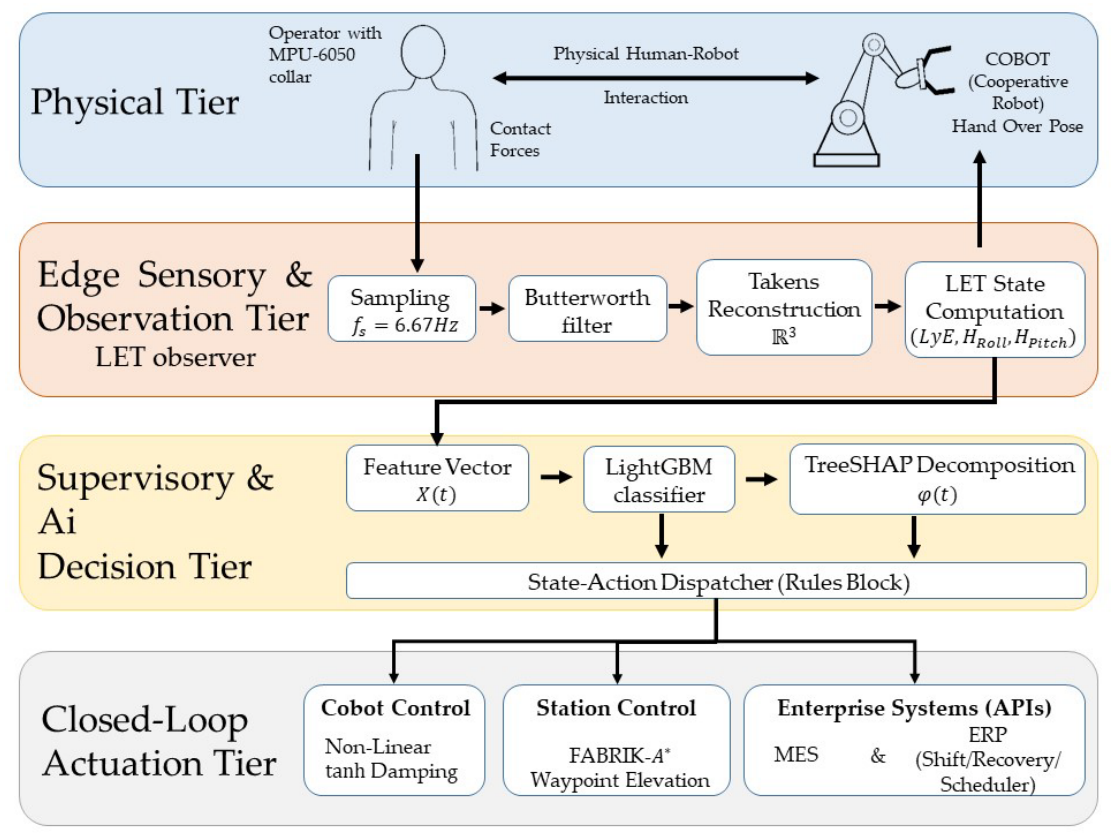
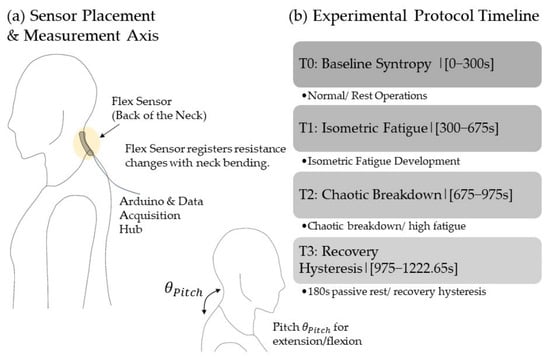
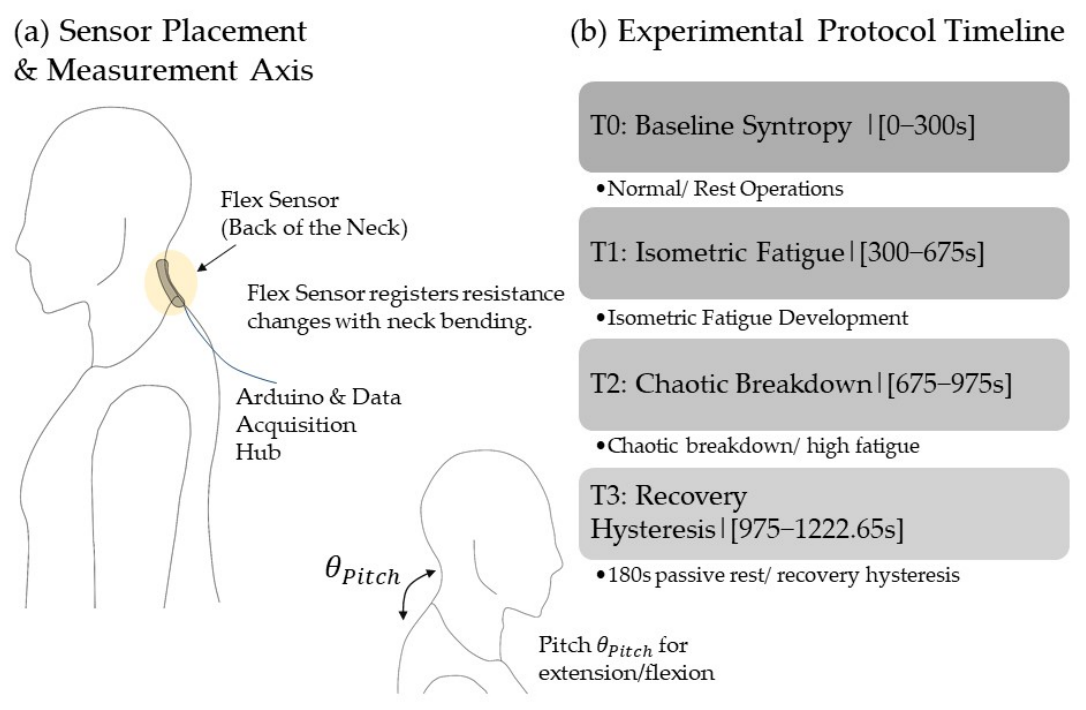
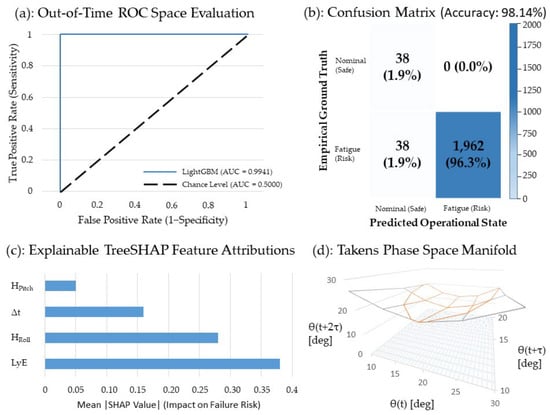
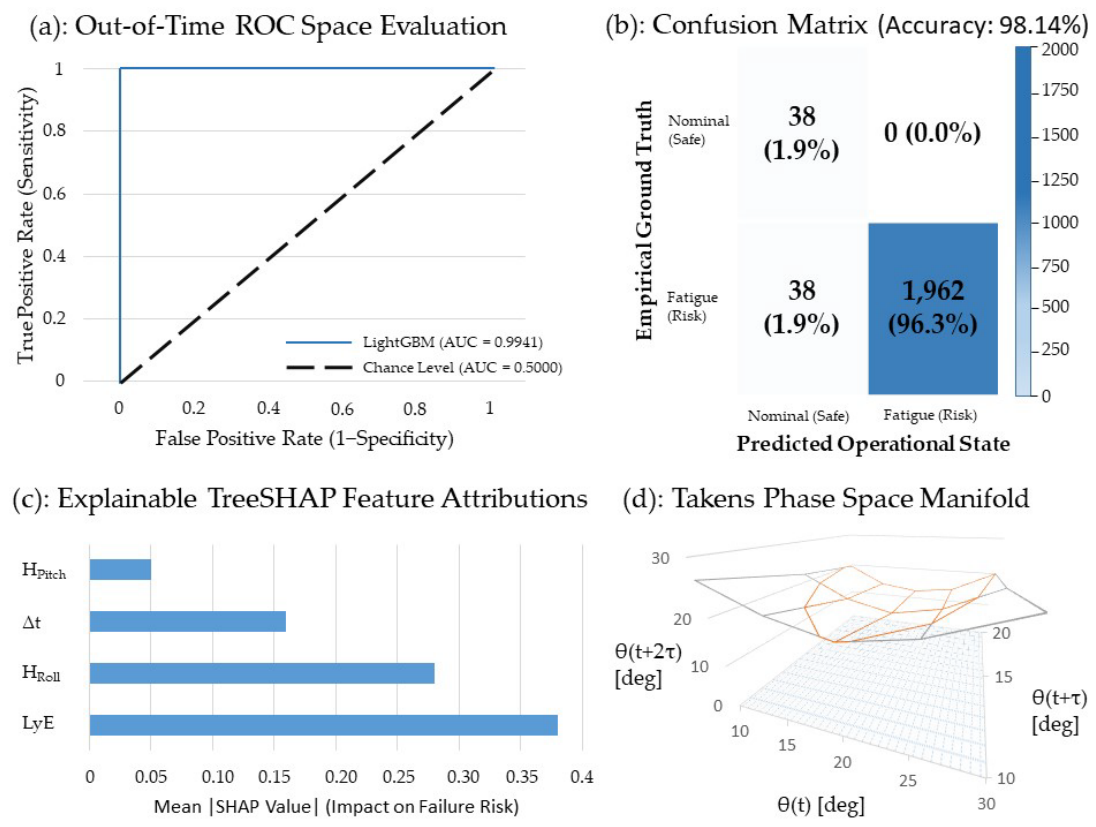
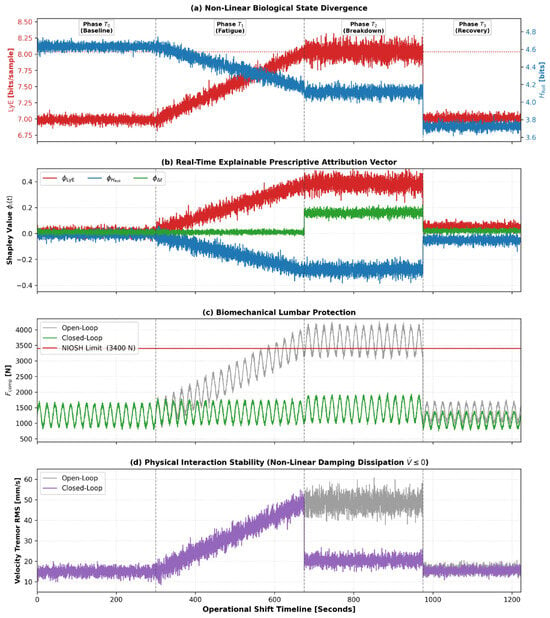
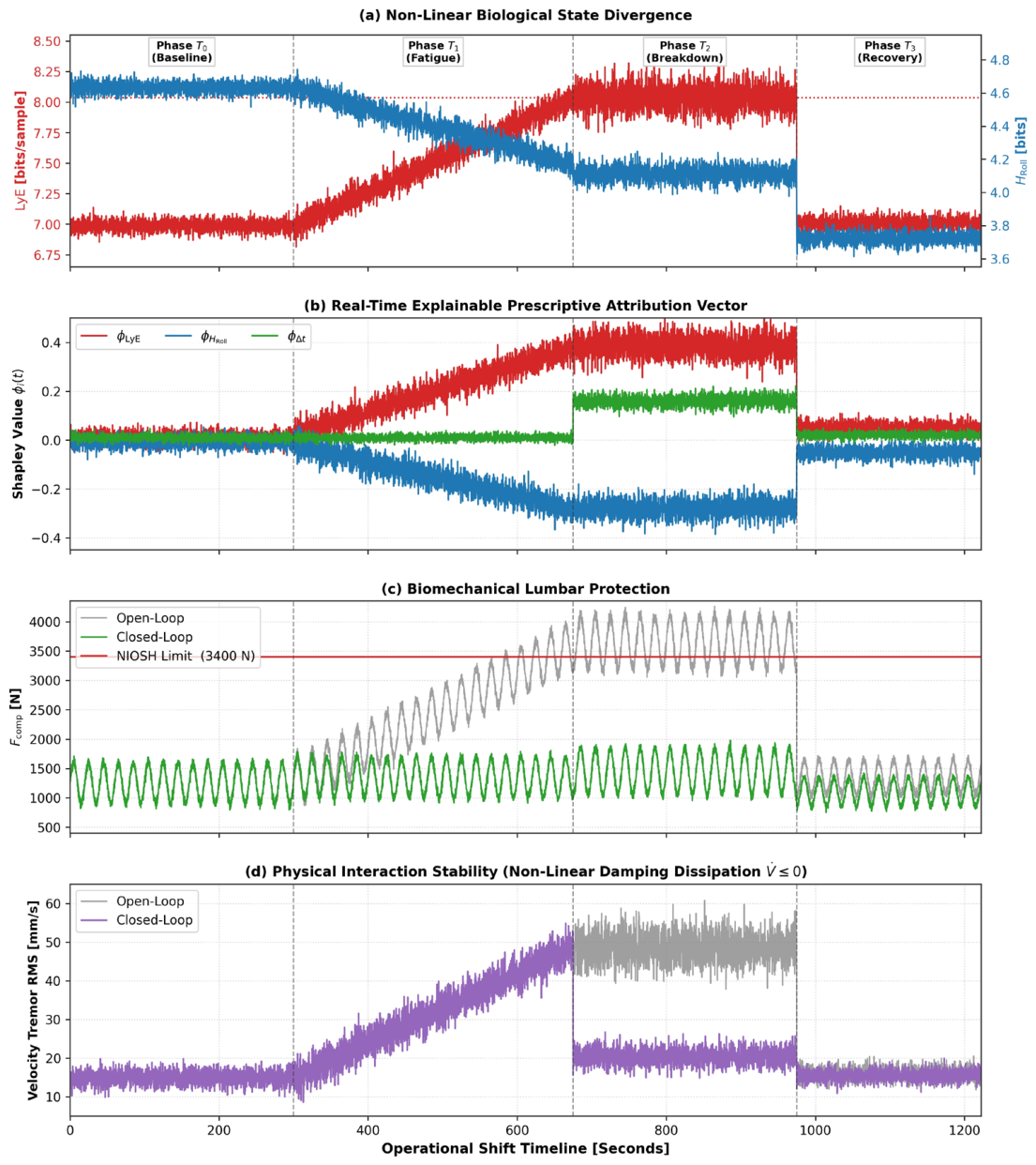

Disclaimer/Publisher’s Note: The statements, opinions and data contained in all publications are solely those of the individual author(s) and contributor(s) and not of MDPI and/or the editor(s). MDPI and/or the editor(s) disclaim responsibility for any injury to people or property resulting from any ideas, methods, instructions or products referred to in the content. |
© 2026 by the authors. Licensee MDPI, Basel, Switzerland. This article is an open access article distributed under the terms and conditions of the Creative Commons Attribution (CC BY) license.