Article

Deep Earthing (Drilling) and Graphite Use for Achieving Ultra-Low Earthing Resistance in Gravelly Soils


by
Hakan Elçi
1,
Murat Yılmaz
2,*,
Ramazan Hacımustafaoğlu
3 and
Ali Bozdağ
4
1
Department of Geotechnics, Torbalı Vocational School, Dokuz Eylül University, İzmir 35860, Türkiye
2
Department of Geological Engineering, Faculty of Engineering, İstanbul University-Cerrahpaşa, İstanbul 34320, Türkiye
3
Department of Natural Building Stones Technology, Torbalı Vocational School, Dokuz Eylül University, İzmir 35860, Türkiye
4
Department of Geological Engineering, Faculty of Engineering and Natural Sciences, Konya Technical University, Konya 42250, Türkiye
*
Author to whom correspondence should be addressed.
Processes 2026, 14(10), 1513; https://doi.org/10.3390/pr14101513
Submission received: 9 March 2026 / Revised: 1 May 2026 / Accepted: 2 May 2026 / Published: 7 May 2026
(This article belongs to the Section Petroleum and Low-Carbon Energy Process Engineering)

Abstract

This study explains how an extremely low electrical earthing resistance was achieved in challenging gravelly soil conditions. In the existing soil, a resistance of 5 ohms was measured using traditional earthing techniques. After excavating and removing the granular soil, it was replaced with fine-grained, sandy-silty clay, then compacted after moistening, reducing earthing resistance to 2.5 ohms. The goal was to achieve a resistance below 0.5 ohms, which is necessary for the precise operation of robotic welding machines. To achieve this, a hybrid strategy was employed, combining deep earthing by drilling with ground-enhancing compounds in the gravelly soil. In İzmir-Torbalı, a 40 m-deep borehole was drilled to install a copper electrode in water-saturated clay below the groundwater level. To increase the conductivity of the granular soil and ensure contact with the electrode, the borehole was filled with graphite powder. As a result, the earthing resistance reached only 0.28 ohms, proving the effectiveness of this method in high-resistance soils.

1. Introduction

Earthing systems are essential components of electrical infrastructure and building safety. They consist of underground metal parts that create a low-resistance path to safely direct fault currents, lightning strikes, and transient overvoltages into the ground. Properly designed earthing systems enhance voltage stability, lower the risk of electric shocks, and protect equipment from damage. To ensure ongoing effectiveness across different weather conditions and soil types, regular inspections and measurements are necessary [1]. In buildings, earthing is a crucial part of the protective system, offering a controlled return path for currents induced by lightning, switching operations, or insulation faults.
Earthing electrodes are typically copper-coated or galvanized steel rods driven directly into the ground, but their effectiveness mainly depends on the electrical properties of the surrounding soil. Soil resistivity is the most crucial factor influencing earthing performance in nearly all practical scenarios. In soils dominated by gravel, rubble, or rock, where resistivity is high, standard electrodes often underperform. While in-concrete electrodes have advantages due to their moisture retention, their effectiveness is limited if soil conditions around the foundation are unsuitable [2]. When horizontal space permits, creating a larger current diffusion area is possible by placing electrodes at specific intervals and connecting them, but this approach is not feasible in confined spaces. Traditional techniques, such as compacting the electrode perimeter with temporary fill or using concrete mixed with saltwater, are generally discouraged because they are unreliable due to moisture issues, can accelerate corrosion, and require ongoing maintenance. Modern engineering favors more stable and predictable solutions instead [3].
The soil’s specific resistance, which represents its ability to conduct electricity, depends on factors such as moisture content, ion concentration, temperature, compaction, and texture. Unlike metals, soil conducts current mainly through ionic movement in moist conditions. Fine soils with clay or mica tend to have low resistance because they hold water and ions well, while coarse gravelly soils have high resistance due to limited water retention and smaller contact areas with the electrode. The overall impedance of a buried electrode is influenced not just by its own resistance but also by the interface properties between the electrode and the soil. This interaction creates a ‘reduction factor’ that varies based on soil resistivity, electrode shape, and moisture content. The effectiveness of earthing fundamentally depends on physical principles governing soil conductivity and contact area, regardless of whether rods, plates, meshes, or grid electrodes are used [4].
In horizontal earthing system installations, factors such as electrode size, configuration, and soil disturbances from excavation and backfilling can cause measured earthing resistance to be much higher than the values predicted by computer simulations. This effect is especially pronounced in high-resistance soils, where the loss of soil compaction and cohesion weakens the soil-electrode contact, indicating that shallow horizontal electrodes may lack stability [5]. Additionally, the properties of backfill materials like concrete or mortar surrounding vertical electrodes, including the size of air voids, influence earthing performance in complex ways. Research indicates that large air voids in the porous backfill increase steady-state resistance under normal conditions but can reduce impulse impedance by facilitating soil ionization during high-impulse currents [6].
Additional techniques are necessary to attain acceptable earthing resistance in challenging soils. Connecting conductors in parallel and extending the electrodes—by using extendable vertical rods or installing rods through drilling—are effective methods, especially when the resistance in deeper soil layers is lower, and moisture and temperature are more stable. Nonetheless, increasing the number of parallel conductors can be restricted by space limitations, cost, and inductive effects [7].
Replacing weak surface soil with compacted gravel or sand-and-gravel fill enhances earthing performance by improving soil properties near the surface. Techniques such as compaction grouting, vibro-replacement, and dynamic compaction densify soils, improving settlement behavior and making them more suitable for earthing. These methods are effective at depths of about 10–25 m below the surface [8,9,10]. Additional approaches include installing concrete rings, grout, and short footings or beams around piles to resist lateral loads effectively [10,11].
Another effective approach involves using soil-improving materials such as bentonite, conductive concrete, carbon-based fillers, and special moisture-retaining compounds. Applying low-resistance coatings like bentonite or conductive concrete to electrodes enhances current distribution and lowers impedance without enlarging the electrode size [12,13,14]. Research indicates that these materials notably improve earthing performance in soils with high resistance. Resistance-reducing agents, such as inorganic compounds or materials modified with conductive cement, volcanic ash, and graphite, are commonly employed in high-resistance soils. Nonetheless, because some RRAs may cause corrosion, it is advisable to use modified versions containing corrosion inhibitors for long-term safety [15].
In rocky and high-resistance terrains, enhancing performance involves injecting conductive fillers into natural cracks or drilling into fracture zones to increase soil contact. Combining deep ground electrodes with conductive fillers has been shown to yield substantial improvements, even when traditional methods are ineffective. Additionally, designing electrode pits and utilizing engineering components that retain moisture over long periods help stabilize earthing resistance, offering further benefits [2,16,17].
Recent international studies and academic research confirm that using deep electrodes, engineered fillers, integrated earthing designs, and graphite-based soil improvement materials are the most dependable solutions for achieving low earthing resistance in gravelly or high-resistance soils [18]. High-resistance or heterogeneous soils can often render rod electrodes ineffective; however, the addition of ground-enhancing compounds such as bentonite, clay, conductive concrete, or graphite can significantly lower resistance [2,16]. Graphite-based compounds have been shown to improve conductivity, reduce contact resistance, and facilitate the dispersion of surge currents during lightning strikes or short circuits, especially in seasonal, dry soil conditions. Moreover, when electrodes are installed in moist, conductive subsoil layers using deep-drilling techniques with these materials, a stable and secure earthing system can be maintained by mitigating seasonal variations. Experimental and simulation studies indicate that these strategies are effective in practical scenarios like lightning strikes and heterogeneous soil conditions, making them among the best practices in modern engineering [16].
This study was carried out to verify that the ultra-low earthing resistance of under 0.5 ohms, required by a textile machinery manufacturer in İzmir-Torbalı for its precision robotic welding machines, was achieved. Limited space on the site and mostly concrete-covered areas made it physically impossible to install traditional earthing networks, which typically extend over a broad horizontal area and require many parallel conductors.
In this area, where horizontal expansion within the facility was not possible, traditional methods of driving rods and embedding plates, initially tested 150 m from the facility, yielded insufficient resistance of approximately 5 ohms due to the thick gravel soil structure. To address this, soil remediation was carried out in the same area; a pit measuring 3 × 5 m2 and 3 m deep was excavated, and the existing high-resistance gravel structure was replaced with a mixture of finer-grained sand, silt, and clay, which was then moistened and partially compacted. However, after this local surface modification, the resistance of 2.5 ohms obtained by driving the rods remained well above the targeted 0.5 ohm limit and the system’s operational requirements.
The main goal of this research is to create a new hybrid approach for industrial sites where traditional surface methods, including surface soil improvement, cannot reach the desired conductivity because of space limitations and the high-resistance gravelly soil at the surface. This approach combines deep drilling techniques with sustainable materials like graphite powder to develop a reliable, ultra-low-resistance grounding system.

2. Geological Background

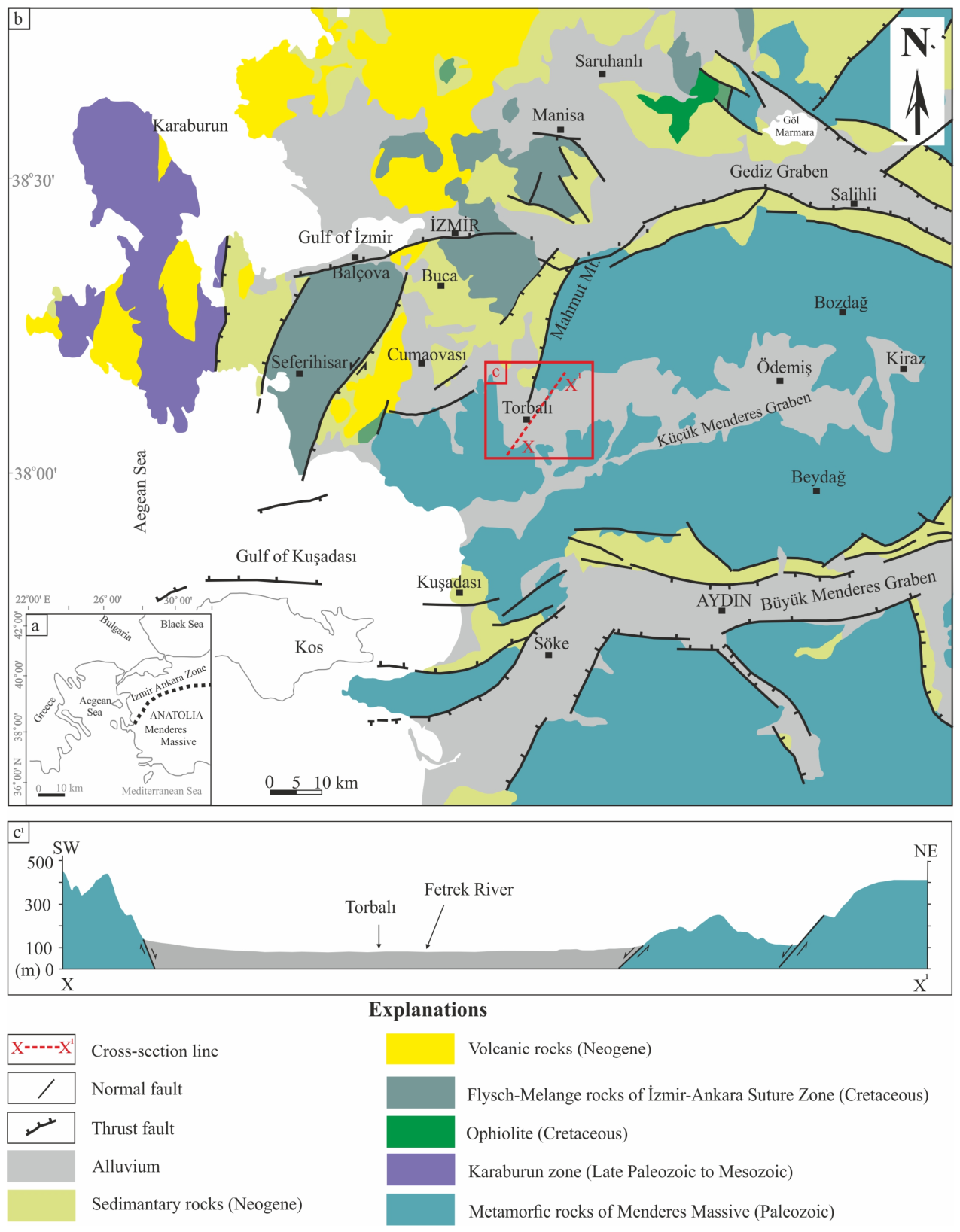
The study area is located in Western Anatolia on a regional scale. This region’s landscape features a network of large east–west and north–south graben systems (Figure 1a). The dominant east–west graben systems influence the region’s drainage patterns. The area’s geology includes two main rock types: the bedrock and the overlying cover. The bedrock is mainly composed of pre-Neogene rocks, with Neogene units forming an overlying cover [19]. The Paleozoic Menderes Massif, which forms the southernmost of the three distinct tectonic belts in Western Anatolia’s bedrock, features a thick mica schist base and an overlying marble sequence derived from the metamorphism of platform-type carbonates. To the west of this massif, another tectonic belt called the “Izmir-Ankara Zone” is characterized by flysch deposits around Izmir. Further west, the “Karaburun Belt” consists of a thick Mesozoic carbonate sequence formed under platform conditions (Figure 1b).
The bedrock in the study area is part of the metamorphic units of the Menderes Massif (Figure 1a). This massif primarily consists of mica schist, calcareous schist, and gneisses in some sections, with marbles present at higher levels. Although metamorphic rocks are not directly observed within the study area, they are exposed in the immediate vicinity. In general, the marbles exhibit a gray-colored, massive appearance and are highly fractured. They contact schists in the eastern part of the area, with their thickness increasing toward the southwest. Although the exact thickness of the massif at this location cannot be determined, regional geological studies suggest it may reach up to 600 m [20]. The Menderes Massif is overlain by rocks from the İzmir-Ankara Zone along a tectonic contact [21], which is absent within the study area. Over the massif, Neogene-aged clastic units rest on top, separated by an angular unconformity.
The major east–west trending graben systems, which control the overall structure and drainage network of Western Anatolia, form the tectonic framework of the Torbalı Plain. Prior to the Pliocene, compression tectonics in the Menderes Massif produced reverse faults and thrusts [22]. The region’s rocks were folded and fractured during the Alpine and Hercynian orogenies [23]. Later, dome-like uplifts, especially those beginning in the Upper Pliocene, caused the development of N-S trending graben depressions. These depressions, formed in the Upper Pliocene, gradually filled with weathered, eroded, and transported materials from pre-existing rocks, including those from the Menderes Massif and İzmir-Ankara Zone. Sediments at the basin margins are coarse-grained, such as conglomerate and sandstone, while towards the basin center, finer silty and clayey sediments predominate alongside coarse materials. The weathering and transport of all rocks, both pre- and post-Neogene, combined with the deposition of transported sediments, have shaped the current surface morphology and created a thick gravelly soil profile in the Torbalı Plain. The average thickness of alluvium across the plain is about 80 m, increasing in flatter, northern, and inner parts of the area to up to 150 m (Figure 1c’). The groundwater table measured during previous studies ranged from 25 to 40 m above sea level [24,25,26].

3. Materials and Methods

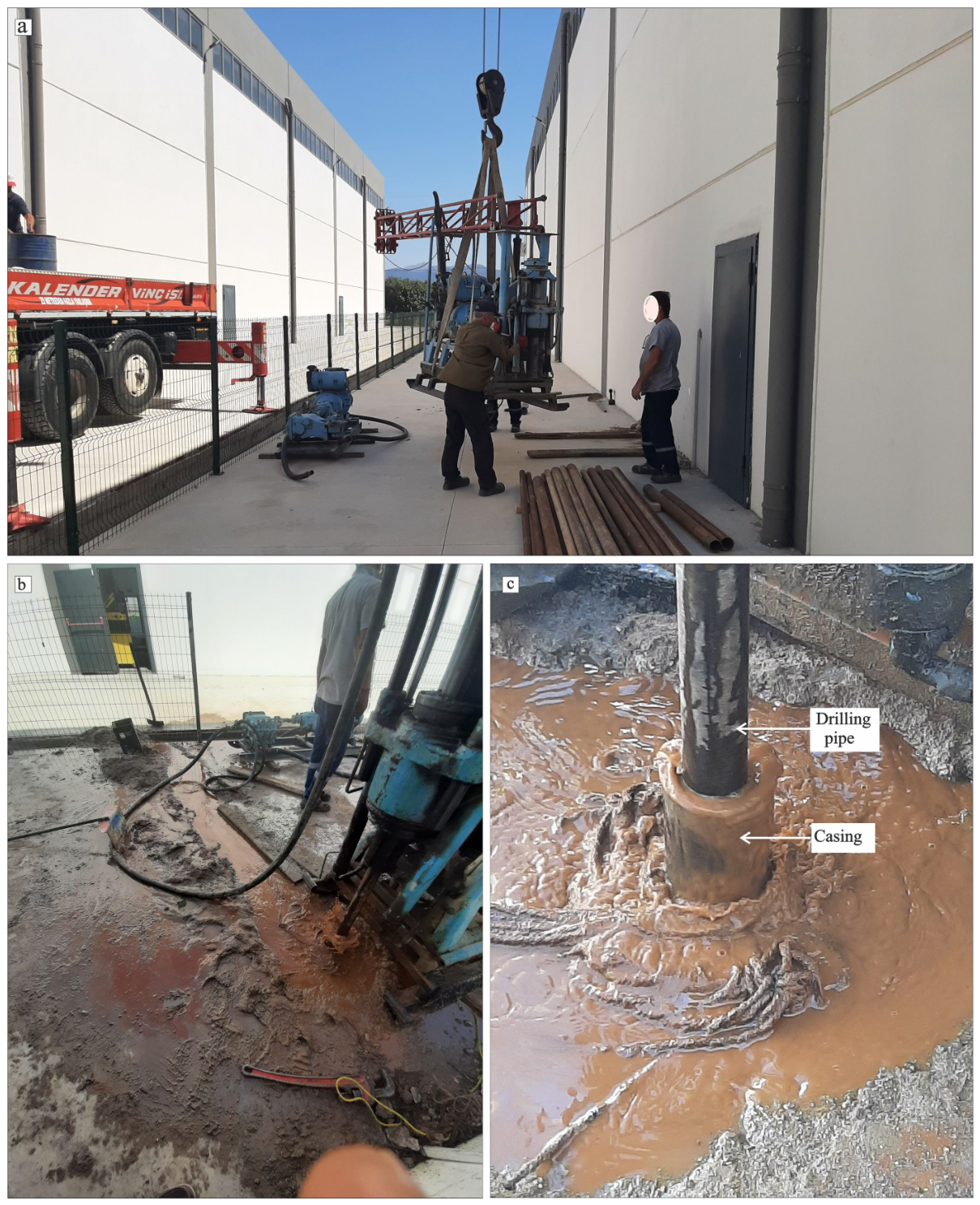
Due to limited space on the textile machinery manufacturer’s factory premises, where the study took place, and with the areas being covered in concrete (Figure 2a), a borehole was drilled to access the ground for installing the earthing equipment. The drilling was performed with a Somuncuoğlu D500 model ground-drilling machine (Somuncuoğlu Drilling, Ankara, Türkiye). A 76 mm-diameter drill bit and casing (Ortadoğu Sondaj, Ankara, Türkiye) were used to reach a depth of 40 m (Figure 2b,c).
When site conditions allowed, disturbed soil samples were collected every 5 m using a Standard Penetration Test (SPT) device, following TS EN ISO 22476-3 [27] to assess soil index properties. The soil excavated during drilling was extracted from the hole using a drilling fluid composed of a 2% polymer-water mix, circulated by a pump.
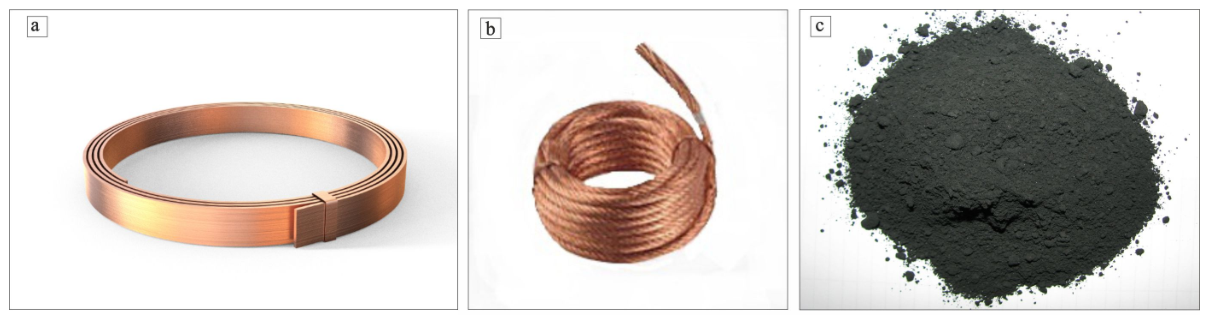
A copper bar, 5 mm thick, 60 mm wide, and 5 m long, served as the earth electrode. It was connected to a 9 mm diameter braided copper cable (Küçükarslanlar Copper Zinc Industry, Trabzon, Türkiye, Figure 3a,b). The copper rod was attached to the cable with an oxygen-acetylene torch and then lowered into the borehole while the protective casing remained in place. The tip of the copper bar was positioned at the bottom of a water-saturated sandy silt-clay layer (at 39 m) before removing the casing, and the borehole was filled with a 1:1 water and graphite mixture (<100 µm) (Figure 3c). Afterward, the casing was withdrawn with the drilling machine. The earthing system was connected to the power line, and the earthing resistance was measured using a digital earthing resistance tester. Details of the tool string in the drilling machine and the materials for the earthing system are provided in Table 1.
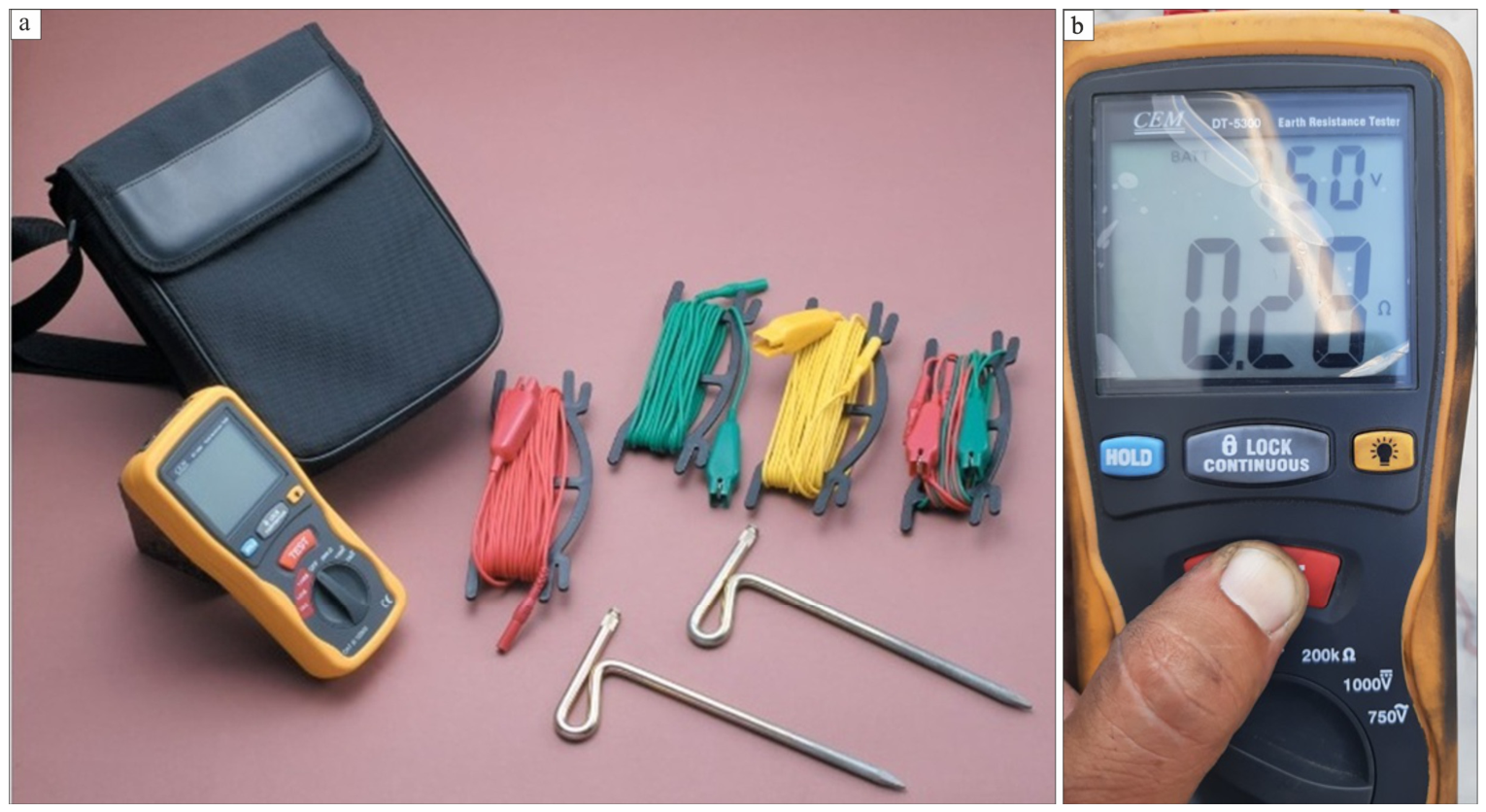
After connection, soil resistance was measured using the line method with a three-electrode, CEM brand, DT-5300B model (Shenzhen Everbest Machinery, Shenzhen, China), digital soil resistance meter (consisting of a soil electrode, a potential electrode and an auxiliary electrode). The measurements were carried out outdoors in moist soil, with one probe positioned 5 m away and the other 7.5 m away. The same value was obtained in repeated measurements (Figure 4a,b).

4. Results

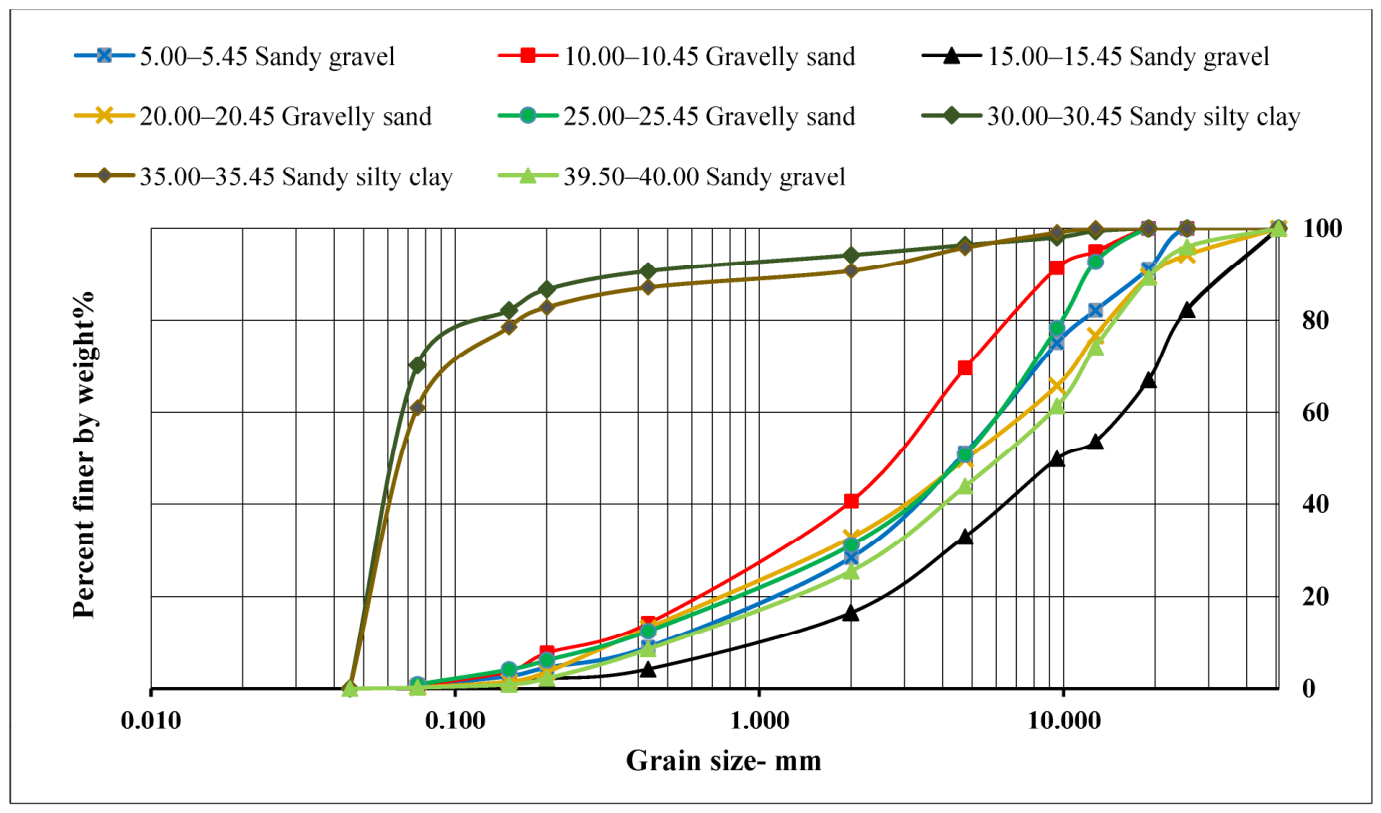
To assess the physical properties and soil classification of the ground in this study, sieve analysis, water content testing, and unit weight measurements were performed. All tests were conducted in accordance with the principles specified in TS 1900-1 [28] (Table 2). The particle-size distribution data from sieve analysis of soil samples taken every 5 m during drilling are shown in Figure 5. Based on these results, soil descriptions and index properties are provided in Table 2. The soil profile reveals gravelly sand and sandy gravel from 1.3 to 30 m, sandy silty clay between 30 and 39 m, and gravelly sand again between 39 and 40 m. The groundwater level is at 29 m below the surface. In other words, the ground below 29 m is saturated with water. The natural water content ranged from 6.12% to 9.23% above the groundwater level and from 11.89% to 18.25% below it (Table 2).
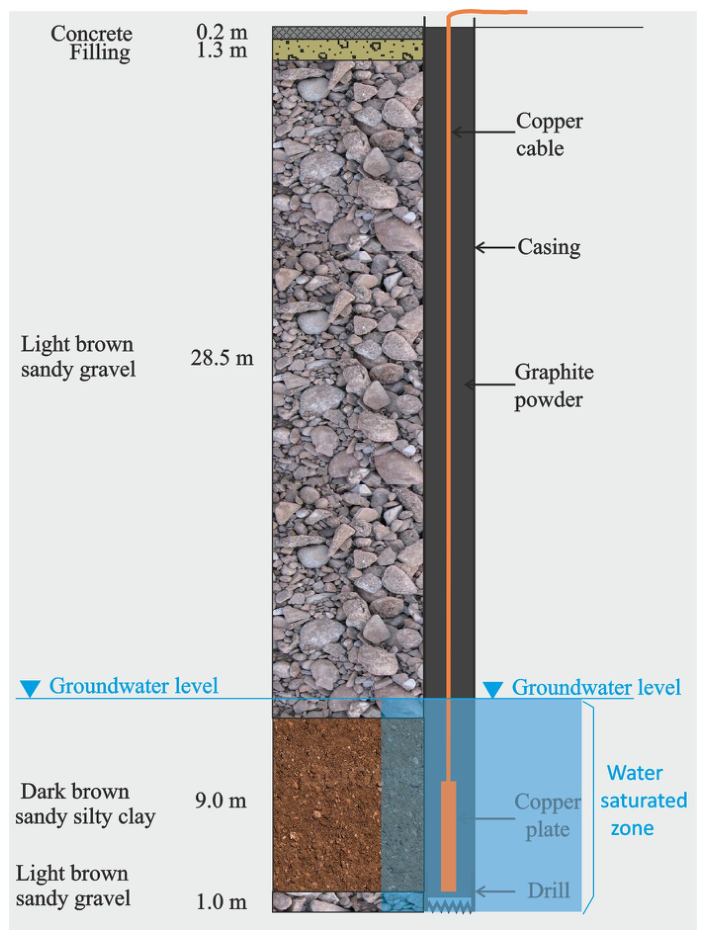
In gravelly soil with variable earthing resistance caused by soil profile and moisture content, two methods were combined to attain extremely low earthing resistance. To reduce resistance, an earthing electrode was installed by drilling a 76 mm diameter borehole to a depth of 40 m into gravelly ground. This electrode, connected via a braided copper cable, was placed into the borehole (deep earthing). It was lowered below the groundwater level and situated in silty clay soil. The area around the electrode, which was embedded in gravelly soil, was filled with graphite powder—a compound that improves soil conductivity (Figure 6). After establishing the connections, the earthing resistance was measured at 0.28 ohms using a digital earthing resistance tester (Figure 4b).

5. Discussion

This study evaluates a hybrid method that combines deep boreholes and graphite backfill to achieve ultra-low earthing resistance (<0.5 ohms) in regions with thick gravelly soils, where standard techniques are ineffective. Initially, traditional grounding methods like plate burial and driven electrodes were used, but they resulted in resistance around 5 ohms. The surface layer was then excavated and replaced with finer materials such as sand, silt, and clay, and partially compacted. Although this reduced resistance to 2.5 ohms, it still exceeded the robotic welding system’s requirement. Using a 40 m deep borehole with graphite backfill, however, lowered resistance to 0.28 ohms—significantly better than conventional methods. These results indicate that surface improvements alone are inadequate in thick gravelly soils, and accessing deeper conductive layers is essential to meet resistance targets.
The extremely low resistance of 0.28 ohms results from the combined effects of three main factors. Firstly, the 40 m borehole effectively bypasses the about 29 m thick, dry, highly resistive gravel layer. Secondly, the copper electrode is placed below the groundwater table, within a water-saturated clay layer at roughly 30–39 m depth, ensuring consistent electrical performance even during dry seasons. Thirdly, graphite powder used as a conductive backfill decreases contact resistance between the electrode and the soil by filling voids and improving electrical contact.
Recent research by Wahba et al. [17] and Martínez Ángeles et al. [18] has shown that carbon-based and graphite-containing materials effectively lower contact resistance in high-resistivity, dry soils. However, these studies mainly examine shallow, horizontal grounding setups. This study advances the field by demonstrating that combining vertical deep-borehole grounding with graphite backfill is especially effective, particularly at industrial sites where space constraints limit the use of large horizontal systems. Additionally, unlike traditional methods that rely on salt or seawater, using graphite does not pose significant corrosion risks, offering a more durable and sustainable engineering solution.
Despite promising field results, several limitations need acknowledgment. Due to space limitations at the industrial site, the experiment used only one borehole (single electrode setup), with no parallel tests or multiple installations to verify repeatability and statistical reliability. Additionally, the reported earthing resistance of 0.28 ohms is a short-term measurement. Although the electrode was placed in a water-saturated layer, long-term factors such as groundwater level fluctuations, seasonal temperature shifts, and drought cycles could affect system performance over time, as Silva Filho et al. [7] also noted. Thus, long-term monitoring is essential to assess the system’s stability. Future research should explore this hybrid method in various geological settings, like entirely rocky terrains, and conduct comparative cost–benefit analyses with traditional grounding techniques to facilitate wider engineering adoption.

6. Conclusions

In gravelly soils, traditional grounding methods often result in earthing resistance exceeding desired levels, endangering electrical system safety and reliability. This study introduced a hybrid strategy combining deep drilling with ground-enhancing compounds. By drilling a 40 m deep borehole, the dry, porous surface gravel was bypassed, positioning the electrode below the groundwater level at 29 m in a water-rich clay layer with higher electrical conductivity. Additionally, graphite powder was used as an eco-friendly, long-term soil enhancer instead of temporary solutions like seawater or chemicals. It poses no corrosion risk, is environmentally safe, and improves the contact area by filling voids in the gravelly ground. This approach also overcomes space constraints that limit traditional horizontal electrodes in confined areas. The results showed that combining deep earthing with graphite powder achieved an exceptionally low resistance of 0.28 ohms, compared to typical values of 2.5 to 5 ohms with conventional methods.

Author Contributions

H.E.: Data curation, writing—original draft preparation, M.Y.: Conceptualization, methodology, and supervision. R.H.: Investigation, methodology. A.B.: conceptualization and guidance. All authors have read and agreed to the published version of the manuscript.

Funding

This research received no external funding.

Data Availability Statement

The original contributions presented in this study are included in the article. Further inquiries can be directed to the corresponding author.

Conflicts of Interest

The authors declare that they have no known competing financial interests or personal relationships that could have influenced the work reported in this paper.

References

  1. Nizhevskyi, I.V.; Nizhevskyi, V.I. A technique of full-scale measurements of the resistance of the grounding device. Electr. Eng. Electromech. 2018, 3, 68–71. [Google Scholar] [CrossRef]
  2. Lim, S.C.; Gomes, C.; Ab Kadir, M.Z.A. Electrical earthing in troubled environment. Int. J. Electr. Power Energy Syst. 2013, 47, 117–128. [Google Scholar] [CrossRef]
  3. Jasni, J.; Siow, L.K.; Ab Kadir, M.Z.A.; Wan Ahmad, W.F. Natural materials as grounding filler for lightning protection system. In Proceedings of the 30th International Conference Lightning Protection (ICLP), Cagliari, Italy, 13–17 September 2010. [Google Scholar] [CrossRef]
  4. Oyeleye, M.O. Evaluation of substation’s transformer earthing system, feeder panel and lightning grounding: Case study of a university in Nigeria. J. Multidiscip. Eng. Sci. Stud. 2019, 5, 2805–2810. [Google Scholar]
  5. Muhammad, U.; Ahmad, N.N.; Mohamad Nor, N.; Aman, F. Factors Influencing Differences Between Computed and Measured Ground Resistance Values for Horizontal Tape Electrodes. Energies 2024, 17, 5845. [Google Scholar] [CrossRef]
  6. Hizamul-Din, H.H.; Nor, N.M.; Samad, D.A.; Muhd Sidek, M.N. Investigative Study of Vertical Electrodes Encased in Concrete/Mortar with Various Sizes of Air Voids. Energies 2021, 14, 2659. [Google Scholar] [CrossRef]
  7. Silva Filho, A.M.; Rodrigues, C.G.; Belo, O.M.O.; Coimbra, A.P.; Pacheco, V.M.G.; Calixto, W.P. Measurement of grounding resistance over a seasonal cycle with hygroscopic materials in the encapsulation of grounding rods. Measurement 2025, 248, 116767. [Google Scholar] [CrossRef]
  8. Honegger, D.G.; Wijewickreme, D. 25—Seismic risk assessment for oil and gas pipelines. In Handbook of Seismic Risk Analysis and Management of Civil Infrastructure Systems; Woodhead Publishing Series in Civil and Structural Engineering; Tesfamariam, S., Goda, K., Eds.; Woodhead Publishing: Cambridge, UK, 2013; pp. 682–715. [Google Scholar] [CrossRef]
  9. Scott, B.T.; Jaksa, M.B. Chapter 14-A Field-Based Study of the Effectiveness of Rolling Dynamic Compaction. In Ground Improvement Case Histories; Indraratna, B., Chu, J., Rujikiatkamjorn, C., Eds.; Butterworth-Heinemann: Oxford, UK, 2015; pp. 429–452. [Google Scholar] [CrossRef]
  10. Correia dos Santos, N.; Colaço, A.; Soares, P.; Castanheira-Pinto, A.; Alves Costa, P.; Kaynia, A.M. Dynamic amplification of rail tracks in high-speed lines: Exploring train effects and impact of ground treatment. Transp. Geotech. 2024, 48, 101294. [Google Scholar] [CrossRef]
  11. Consoli, N.C.; Faro, V.P.; Schnaid, F.; Born, R.B.; Carretta, M.S. Crosswise-loaded short and long piles in artificially cemented top sand layers embedded in lightly bonded residual soil. Soils Found. 2017, 57, 935–946. [Google Scholar] [CrossRef]
  12. Androvitsaneas, V.P.; Gonos, F.I.; Stathopulos, I.A. Experimental study on transient impedance of grounding rods encased in ground enhancing compounds. In Electric Power Systems Research; Elsevier: Amsterdam, The Netherlands, 2016; Volume 139, pp. 109–115. [Google Scholar] [CrossRef]
  13. Ganongo, A.O.; Gogom, M.; Apila, N.; Obita, L.L.A.; Ganga, G. Optimisation of lightning current discharge to the ground in electrical networks: Introduction of the proportionality coefficient (K). Electr. Power Syst. Res. 2024, 231, 110348. [Google Scholar] [CrossRef]
  14. Raizer, A.; Elias, E.P.; Ventura da Silva, V.; Ferreira da Luz, M.V.; Coelho, V.L.; Raupp, V.M.A.; Telló, M. A comparative analysis of grounding in different structures: Operational vs. finite element method models. Electr. Power Syst. Res. 2024, 230, 110243. [Google Scholar] [CrossRef]
  15. Zhou, Y.; Liu, K.; Ding, W.; Wang, Z.; Yao, Y.; Wang, T.; Zhou, Y. Neutral-Point Voltage Regulation and Control Strategy for Hybrid Grounding System Combining Power Module and LowResistance in 10 kV Distribution Network. Electronics 2024, 13, 3608. [Google Scholar] [CrossRef]
  16. Ayodele, T.R.; Ogunjuyigbe, A.S.O.; Oyewole, O.E. Comparative assessment of the effect of earthing grid configurations on the earthing system using IEEE and Finite Element Methods. Eng. Sci. Technol. Int. J. 2018, 21, 970–983. [Google Scholar] [CrossRef]
  17. Wahba, M.; Salam, M.A.; Nayel, M.; Ziedan, H.A. Experimental characterization of contact resistance of desert soil with waste-enhancement materials in grounding systems. Results Eng. 2024, 23, 102707. [Google Scholar] [CrossRef]
  18. Martínez Ángeles, H.; Navarro Rubio, C.A.; Iturralde Carrera, L.A.; Díaz-Tato, L.; Ríos Moreno, J.G.; Trejo Perea, M.; Carrillo-Serrano, R.V.; Rodríguez-Reséndiz, J. Ground Enhancement Materials for Grounding Systems: A Systematic Review of Factors, Technologies and Advances. Technologies 2026, 14, 49. [Google Scholar] [CrossRef]
  19. Genç, Ş.C.; Altunkaynak, Ş.; Karacık, Z.; Yazman, M.; Yılmaz, Y. The Çubukdağ Graben, South of İzmir: Its tectonic significance in the Neogene geological evolution of the western Anatolia. Geodin. Acta 2001, 14, 45–56. [Google Scholar] [CrossRef]
  20. Güngör, T. Stratigraphy and Tectonic Evolution of the Menderes Massif in the Söke-Selçuk Region. Ph.D. Thesis, Dokuz Eylül University, Faculty of Engineering, Department of Geological Engineering, İzmir, Türkiye, 1998. [Google Scholar]
  21. Erdoğan, B. Tectonic relations between İzmir-Ankara zone and Karaburun belt. Bull. Miner. Res. Explor. 1990, 110, 1–15. [Google Scholar]
  22. Kaya, O. Batı Anadolu Kırık Dizgiler- Petrol ve Jeotermal Yönünden Değerlendirilme. In Proceedings of the BASKEM, İzmir, Türkiye, 8–14 March 1999. [Google Scholar]
  23. Akartuna, M. On The Geology of İzmir-Torbalı-Seferihisar-Urla Dıstrıct. BuWll. Miner. Res. Explor. 1962, 59, 1–18. [Google Scholar]
  24. Şimşek, C.; Filiz, Ş. Torbalı Ovası ve Çevresindeki Akiferlerin Hidrojeolojisi ve Kirlenilebilirliği. Bull. Miner. Res. Explor 2005, 7, 21–37. [Google Scholar]
  25. Şimşek, C.; Karaca, Z.; Gemici, Ü.; Gündüz, O. The assessment of the impacts of a marble waste site on water and sediment quality in a river system. Fresenius Environ. Bull. 2005, 14, 1013–1023. [Google Scholar]
  26. Elçi, A.; Gündüz, O.; Şimşek, C. Determination of unconfined ground water flow at the torbali plain using mathematical modeling. In Proceedings of the 5th National Hydrology Congress, Middle East Technical University, Ankara, Türkiye, 5–7 September 2007. [Google Scholar]
  27. TS EN ISO 22476-3; Geotechnical Investigation and Testing-Field Testing-Part 3: Standard Penetration Test. Türk Standartları Enstitüsü: Ankara, Türkiye, 2013.
  28. TS 1900-1; Methods of Testing Soils for Civil Engineering Purposes in the Laboratory-Part 1: Determination of Physical Properties. Türk Standartları Enstitüsü: Ankara, Türkiye, 2006.
Figure 1. (a) Western Anatolian tectonic belts, (b) Geological map of the study area and its surroundings [19], (c’) X-X’ cross-section.
Processes 14 01513 g001
Figure 2. (a) D500 soil-drilling machine and drilling tool set, (b,c) Drilling operation.
Processes 14 01513 g002
Figure 3. Materials used in deep earthing systems. (a) copper plate, (b) copper cable, (c) graphite powder.
Processes 14 01513 g003
Figure 4. (a) Three-pole CEM brand, model DT-5300B, digital earthing resistance tester, (b) Earthing resistance measured using a three-pole digital earthing resistance tester.
Processes 14 01513 g004
Figure 5. Soil particle size distribution in Torbalı Plain.
Processes 14 01513 g005
Figure 6. Application of the deep earthing and ground enhancement compound method on gravelly ground.
Processes 14 01513 g006
Table 1. Properties of materials used in drilling tool sets and earthing electrodes.
MaterialsDiameter/Cross-SectionLengthFunction
Drill bit76 mm20 cm40 m vertical drilling.
Casing76 mm40 mWell stability
Copper plate5 × 60 mm5 mMain discharge surface
Copper cable9 mm50 mMain discharge surface
Graphite powder<100 µm Conductivity-enhancing compound
Drilling fluidWater and 2% polymerEquipment for cooling and fragment transport
Table 2. Soil profile and physical properties of the soil.
DepthSoil
Description
Water
Content
(%)
Unit
Weight
(g/cm3)
Sieve Analysis (%)
GravelSandFine
Materials
5.00–5.45GW6.122.1854.4044.451.15
10.00–10.45SW7.072.2533.3066.140.56
15.00–15.45GW7.852.2875.7024.020.28
20.00–20.45SW8.272.3448.7850.980.24
25.00–25.45SW9.232.3645.3353.750.92
30.00–30.45ML11.892.263.6011.1185.29
35.00–35.45ML12.462.184.1818.6077.22
39.50–40.00GW18.252.4156.1743.590.24
GW: Sandy Gravel, SW: Gravelly sand, ML: Sandy silty clay.
Disclaimer/Publisher’s Note: The statements, opinions and data contained in all publications are solely those of the individual author(s) and contributor(s) and not of MDPI and/or the editor(s). MDPI and/or the editor(s) disclaim responsibility for any injury to people or property resulting from any ideas, methods, instructions or products referred to in the content.