Article

Study on Enhanced Oil Recovery and Microscopic Mechanisms in Low-Permeability Reservoirs Using Nano-SiO2/CTAB System


1
College of Petroleum Engineering, Chongqing University of Science and Technology, Chongqing 401331, China
2
Tangshan Jiyou Ruifeng Chemical Limited Company, Jidong Oilfield, PetroChina, Tangshan 063200, China
*
Author to whom correspondence should be addressed.
Processes 2025, 13(12), 3862; https://doi.org/10.3390/pr13123862 (registering DOI)
Submission received: 7 November 2025 / Revised: 23 November 2025 / Accepted: 27 November 2025 / Published: 29 November 2025

Abstract

In the field of enhanced oil recovery in low-permeability reservoirs, the application of nanomaterials has attracted widespread attention. However, conventional nanomaterials exhibit issues such as large particle size and poor dispersion stability. This study selected SiO2 nanoparticles with a particle size of 10 nm and combined them with 12 types of commonly used oilfield surfactants. After aging at 120 °C for 48 h, using dispersion stability and interfacial tension (IFT) as evaluation criteria, hexadecyltrimethylammonium bromide (CTAB) was ultimately identified as the optimal modifier. The structure and morphology of the SiO2 particles were characterized in detail using X-ray diffraction (XRD), Fourier-transform infrared spectroscopy (FT-IR), and transmission electron microscopy (TEM). The system evaluated the dispersion stability of nanofluids before and after modification, as well as the interfacial properties (IFT reduced to the 10−1 mN/m range) and wettability (oil-wet surfaces reversed to strongly water-wet, with contact angles decreasing to 30°) of nanofluids with different modification degrees. Considering economic factors, the modified nano-SiO2 system with a ratio of 1:0.5 was selected. Microvisualization experiments revealed that the modified nanoscale system achieves residual oil displacement through three mechanisms: emulsification (reducing residual oil droplet size to enhance mobility), wetting reversal (lowering contact angle to weaken adhesion), and structural separation pressure (counteracting capillary forces to destabilize residual oil). Displacement experiments reveal that in rock cores with permeability ranging from 1 to 100 mD, the modified system exhibits a recovery rate trend that initially increases and then decreases. Nevertheless, it consistently enhances recovery rates, maintaining them above 12%, demonstrating strong application potential.

1. Introduction

With the continuous growth of global crude oil demand, the efficient development of low-permeability reservoirs has become a core challenge urgently needing resolution in the oil and gas industry. Characterized by fine pore throats and poor flow capacity, such reservoirs exhibit extremely low recovery rates through traditional primary and secondary recovery methods, leaving substantial amounts of crude oil trapped underground [1], primarily due to the constraints of high IFT and capillary forces. Conventional enhanced oil recovery (EOR) methods for low-permeability reservoirs include surfactant flooding and gas injection. While surfactant flooding offers certain advantages in improving displacement efficiency, it faces significant challenges in low-permeability reservoirs, including severe chemical adsorption losses and high costs [2,3]. Gas injection, on the other hand, is prone to gas channeling due to high flow resistance and significant fluid viscosity differences in low-permeability reservoirs, resulting in poor gas sweep efficiency [4,5]. To address these challenges, efforts are currently focused on the synergistic application of reservoir modification techniques (such as hydraulic fracturing [6]) and chemical enhanced oil recovery technologies, aiming to establish highly efficient flow pathways.
Nanomaterials have become a focal material in enhanced oil recovery research for low-permeability reservoirs due to their highly controllable surface properties. In recent years, the global oil and gas industry has achieved significant progress in nanomaterial applications, developing various nanoparticle materials including flake-shaped [7,8,9] and wire-shaped [10,11] nano-displacement agents. Among these, spherical nano-SiO2 materials are particularly noteworthy for their low cost, environmental friendliness, and low flow resistance, enabling deeper penetration into reservoirs for more efficient physicochemical interactions with rocks and crude oil, thereby improving displacement efficiency. However, single-component nano-SiO2 particles exhibit strong hydrophilicity, poor dispersion stability in oil–water systems [12], and limited effectiveness in reducing oil–water IFT [13], making them inadequate for addressing the complex interfacial environment of low-permeability reservoirs. Recent studies indicate that modifying clay minerals with biosurfactants can effectively enhance their dispersion and interfacial activity in oil phases [14]. This discovery offers new insights for the modification design of nano-enhanced oil recovery materials. By imparting amphiphilic properties to SiO2 nanoparticles through surface modification techniques, these particles can efficiently adsorb at the oil–water interface within micro-pores of low-permeability reservoirs, significantly reducing interfacial tension [15,16]. Simultaneously, they regulate rock wettability [17,18] and improve displacement efficiency in complex flow channels, offering an innovative pathway to overcome technical bottlenecks in enhancing recovery rates from low-permeability reservoirs [19].
In recent years, significant progress has been made in the modification of nanomaterials. Cao’s group [20] employed 3-aminopropyltriethoxysilane (APTES) and octyltriethoxysilane (OTES) to surface-modify nano-SiO2, successfully introducing amino and alkyl groups to impart amphiphilic properties. This enables the formation of stable interfacial films at the oil–water interface. This material increased crude oil recovery by 10.3% in heterogeneous rock cores with permeability values of 50, 300, and 800 mD. Wu’s team [9] prepared amphiphilic Janus nanosheets using graphene oxide and dodecylamine, featuring distinct hydrophilic and hydrophobic surfaces that effectively stabilize water-in-oil emulsions. Additionally, Li’s team [21] developed novel amphiphilic carbon-nitrogen nanocrystal (ACN) nanofluids, achieving a 19.21% increase in recovery rate. These studies collectively demonstrate the immense potential of modified nanomaterials for enhancing oil recovery. However, existing work primarily focuses on verifying macro-scale oil displacement effects. While some studies have employed numerical models to analyze enhanced recovery mechanisms [22] and downhole flow behavior [23,24], research into key micro-scale mechanisms—such as how materials influence oil–water flow dynamics and drive oil droplet detachment—remains relatively scarce and warrants further exploration.
This study focuses on nano-SiO2 as the research subject. Through the evaluation of temperature resistance, salt tolerance, and IFT reduction capability, an optimized compatible surfactant was selected to construct a SiO2/CTAB system. The structural characteristics of SiO2 powder before and after modification were characterized using XRD, FT-IR and transmission electron microscopy. IFT and contact angle measurements were conducted for systems with varying degrees of modification. Combined with visualization experimental techniques, the distribution of residual oil in reservoir pores and its interaction with oil/water phases were visually observed. Finally, the performance of this system was evaluated through oil displacement efficiency tests.

2. Materials and Methods

2.1. Materials

(1) Nano-SiO2, self-developed in a laboratory [25] (particle size of 10 nm). (2) All surfactants used in this study were purchased from Shanghai Macklin Biochemical Co., Ltd. (Shanghai, China) Including Fatty alcohol polyglycol ether (AEO-9), Sorbitan monooleate (Span 80), Alkyl ether sulfate (AES), Polyethylene glycol monododecyl ether (Brij-35), Octylphenol-9 (Triton X-100), Octylphenol (Triton X-114), Polysorbate 80 (Tween 80), Nonylphenol ethoxylate (NP-40), Hexadecyl trimethyl ammonium bromide (CTAB), Sodium dodecyl sulfate (SDS), Sodium dodecyl benzene sulfonate (SDBS), and Octylphenol polyoxyethylene ether (OP-10). (3) Experimental oil samples: shale oil (viscosity 32.4 mP·s, density 0.813 g/cm3, from Bohai Oilfield), n-heptane (Shanghai Macklin Biochemical Co., Ltd.). (4) Staining materials: Sudan Red and Methyl Blue (Shanghai Macklin Biochemical Co., Ltd.). (5) Outcrop core (from Daqing Oilfield). Specific parameters are shown in Table 1.

2.2. Methods

2.2.1. Preparation of Modified Nanoparticles

A specific mass of nano-SiO2 was dispersed in 100 mL of distilled water and subjected to ultrasonic treatment for 1 h to achieve uniform dispersion. An appropriate amount of surfactant was weighed and added to the nano-fluid at a certain concentration, followed by ultrasonic treatment at 60 °C for 1 h to obtain a uniformly dispersed modified nano-SiO2 fluid. After freezing and drying, modified nano-SiO2 solid particles were obtained.

2.2.2. Characterization Method

The particle size of silica was measured using a Nanoparticle Size Analyzer (Dieth-elm Keller Siber Hegner China Company, Shanghai, China). The micro-morphology of silica was analyzed using Transmission Electron Microscopy (Japan Electron Optics Laboratory Co., Ltd., Tokyo, Japan). The modified and unmodified silica particles were characterized using Fourier Transform Infrared Spectroscopy (Bruker Corporation, Billerica, MA, USA) and X-ray diffraction (Bruker Analytical X-Ray Solutions, Karlsruhe, Germany). The IFT between oil and water was measured using a Rotary Interfacial Tensiometer (Jinxiang Environmental Technology Company, Chengdu, Sichuan, China) with the pendant drop method. The contact angle was measured using a Contact Angle Goniometer (Sanchez Technologies, Viarmes, France) with the inverted method. The transmission light intensity of the solution was measured using a Turbiscan Stability Analyzer (Microtrac Inc., Montgomery, PA, USA). The zeta potential of the nanofluid was measured using a Zeta Potential Analyzer (Malvern Instruments Limited, Great Malvern, UK).

2.2.3. Oil Displacement Experiment

Micro-scale oil displacement. First, the chip model is treated with a hydrophobic agent and left to stand for 1 h. The throat dimensions of the chip are 30–110 μm, as illustrated in Figure 1. For visualization purposes (to clearly observe the oil–water distribution and dynamic displacement process), oil-soluble dye materials are used to color n-heptane, while water-soluble dye materials are used to color deionized water. The dyed fluids are then filtered using a 0.2 μm filter for later use. The chip is first saturated with dyed oil and left to stand for one day. A water drive is then performed at a flow rate of 20 μL/min until the outlet of the model produces liquid without oil; subsequently, a modified nano-SiO2 system is injected at the same flow rate of 20 μL/min; followed by a secondary water drive at 20 μL/min.
Macro-scale oil displacement. After measuring the basic parameters of the core, the core is vacuum-saturated with water to calculate its pore volume; it is then saturated with oil and aged for 7 days to calculate the oil saturation; a water drive is conducted at a constant speed of 0.1 mL/min at 45 °C until the water cut reaches 98%. Inject 0.5 PV of modified nano-SiO2 system. Conduct secondary water flooding until water cut reaches 98%, recording pressure in real time and calculating recovery rate. Data for each experimental group represents the average value obtained from three parallel experiments.

3. Results and Discussion

3.1. Preferred Surfactants

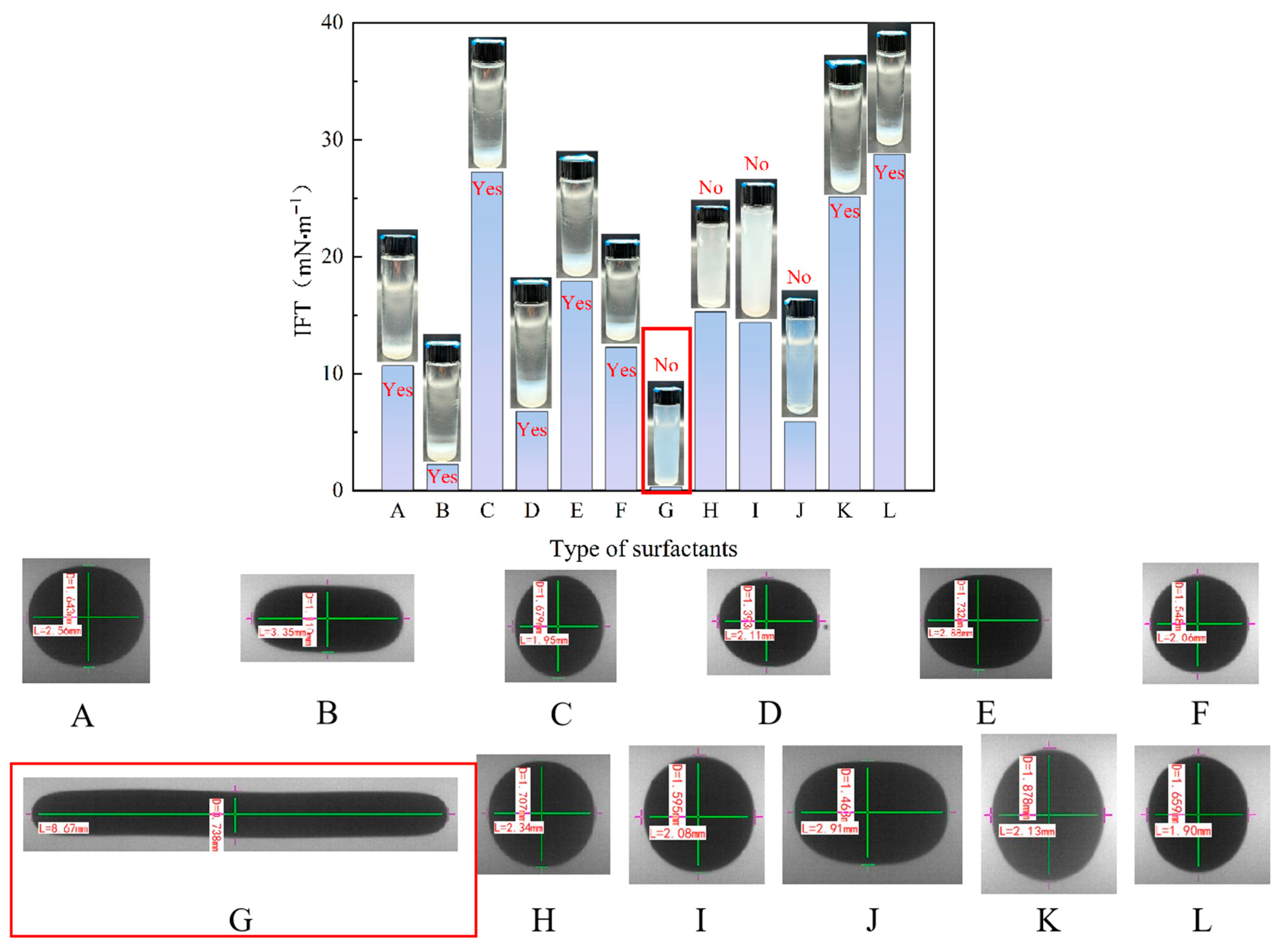
For 10 nm SiO2 particles, the study selected 12 commonly used surfactants in oilfields for optimal blending with nano-SiO2 materials. Using simulated water with a mineralization degree of 30,000 mg/L, the oil–water IFT of the system was tested after blending 0.1 wt% surfactant with 0.1 wt% nano-SiO2. The mixture was then placed in an oven at 120 °C for 48 h to observe whether precipitation formed. Optimization was conducted using dispersion stability and interfacial tension as evaluation criteria, with results presented in Table 2 and Figure 2.
As shown in Table 2 and Figure 2, CTAB can reduce interfacial tension to the 10−1 mN/m level, demonstrating significant surfactant advantages. As a cationic surfactant, CTAB adsorbs effectively onto the surface of nano-SiO2, where its dissociated cations bind to negatively charged silanol groups on the particle surface. This transforms the zeta potential from −25.37 mV before modification to +42.31 mV, achieving a complete reversal of surface charge. This change not only increases the positive charge density on the particle surface but also suppresses agglomeration by enhancing electrostatic repulsion between particles. Simultaneously, CTAB reduces the interfacial energy of the system and optimizes surface properties, maintaining excellent dispersion stability for nano-SiO2. Therefore, CTAB is the preferred modifier for nano-SiO2.

3.2. Characterization of Nano-SiO2

In this study, 0.1 wt% SiO2 solution and 0.1 wt% SiO2 + 0.05 wt% CTAB solution were selected as the research subjects. The success of the modification of nano SiO2 particles was evaluated through XRD, FTIR, transmission electron microscopy, and stability measurement experiments, and their micro-morphology and stability were characterized.

3.2.1. XRD

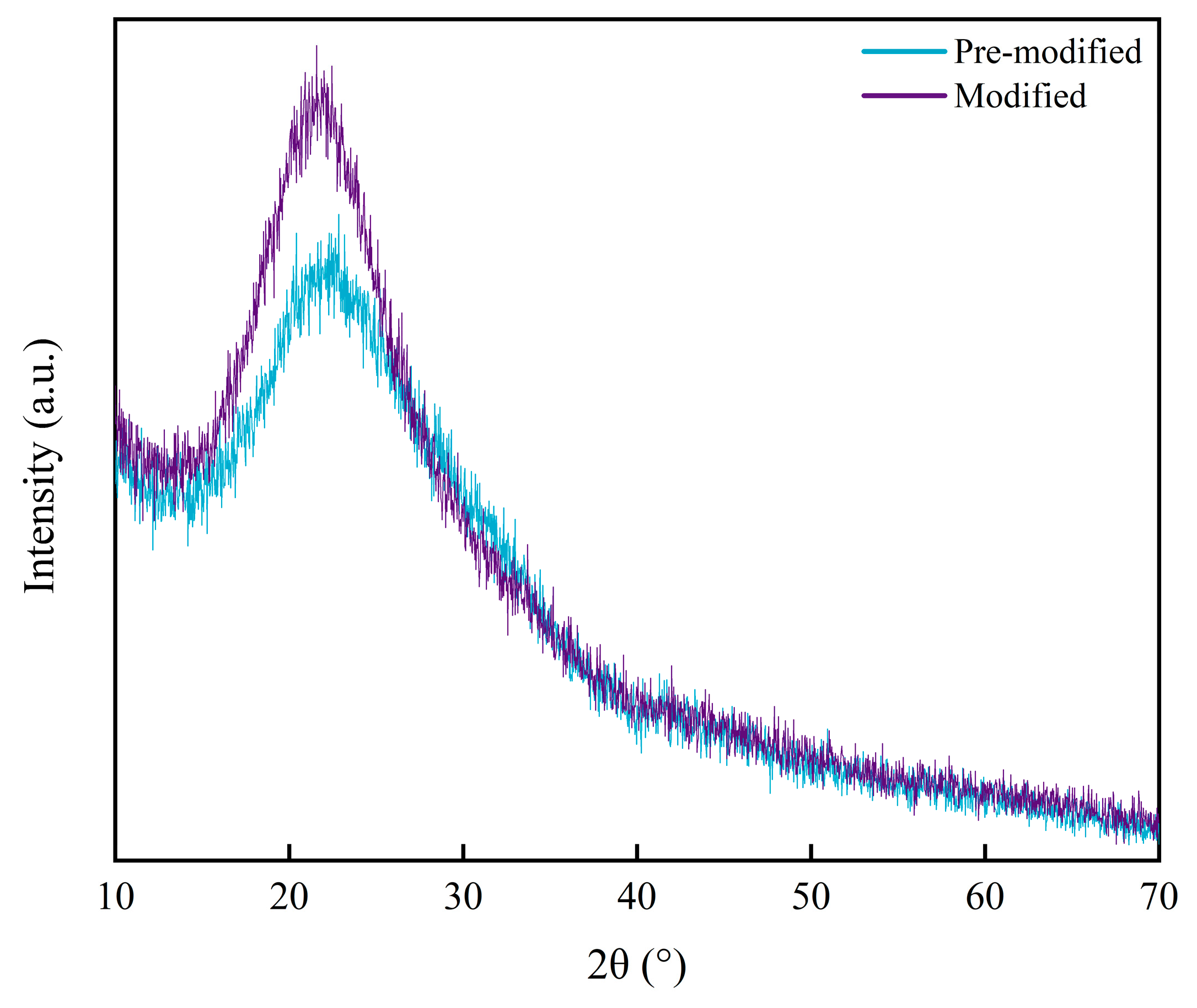
XRD analysis was conducted on two types of nano SiO2 particles before and after CTAB modification to confirm the successful preparation of the modified nano SiO2 particles. The results are shown in Figure 3.
As shown in Figure 3, the XRD patterns of the nano-SiO2 particles before and after modification exhibit characteristics of amorphous SiO2. A broad scattering peak is observed in the range of 2θ from 20° to 25° [26]. The intensity of the scattering peak region slightly increases after modification, and the peak shape also undergoes minor changes. These alterations indicate that CTAB interacts with the surface of SiO2, affecting its short-range ordered structure, thereby confirming the successful modification of the nano-SiO2 particles [27].

3.2.2. FT-IR

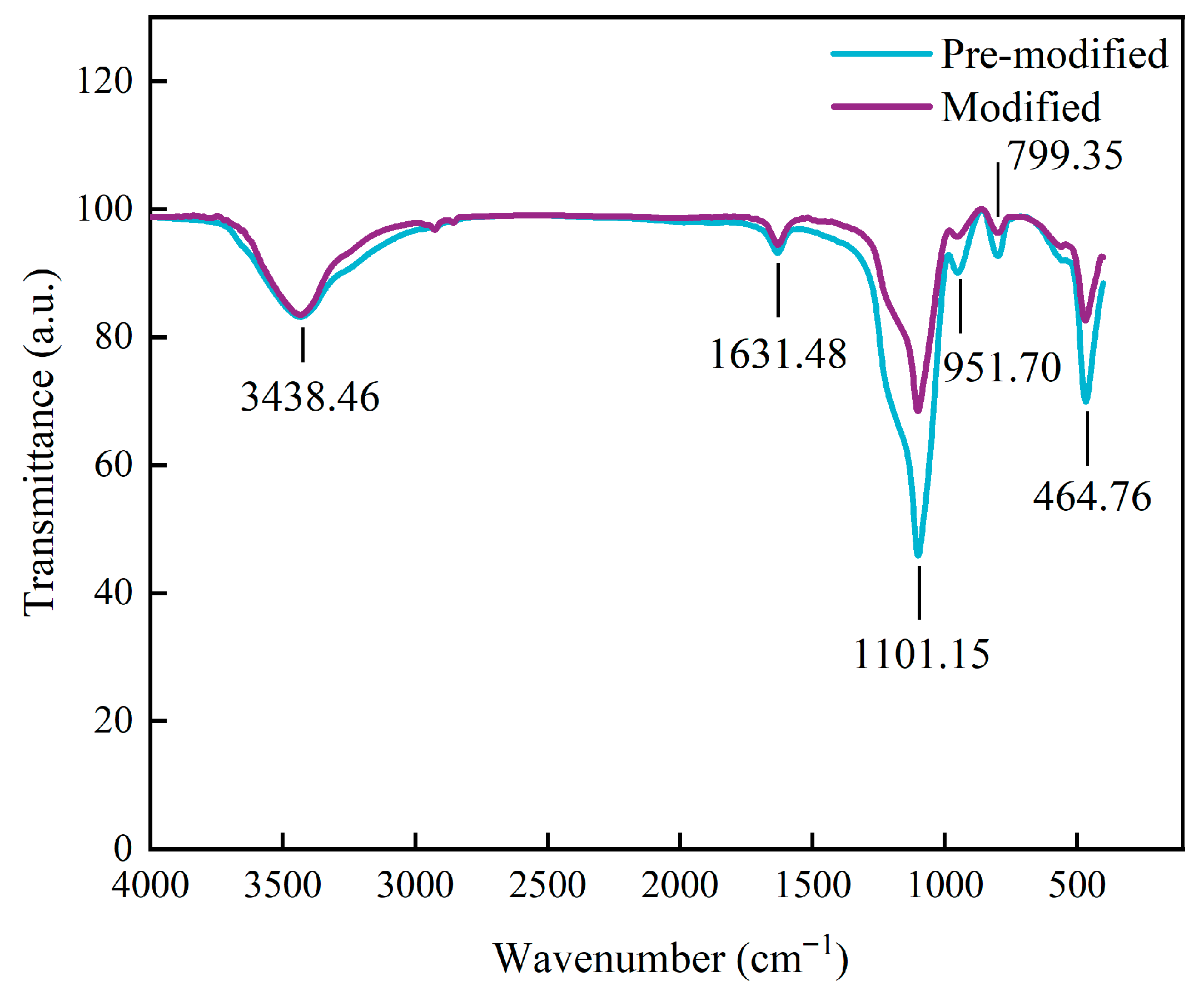
A functional group characteristic frequency distribution analysis was conducted on two types of nano-SiO2 particles before and after CTAB modification, as shown in Figure 4.
The peak at 464.76 cm−1 corresponds to the bending vibration of Si-O-Si. The peak at 799.35 cm−1 represents the bending vibration of O-Si-O. The peak at 1101.15 cm−1 indicates the antisymmetric stretching vibration of Si-O-Si, with a stronger peak observed after modification, confirming the bonding of CTAB to the SiO2 surface [28]. The peak at 951.70 cm−1 corresponds to the stretching vibration of Si-OH. The peak at 3438.46 cm−1 represents the antisymmetric stretching vibration of structural water -OH. The peak at 1631.48 cm−1 indicates the absorption of the bending vibration H-O-H in water molecules, suggesting that the coating of CTAB altered the surface properties of nano-SiO2 and affected its water absorption capacity. The characteristic absorption peaks of the above nano-SiO2 particles demonstrate the successful modification of SiO2 by CTAB.

3.2.3. Particle Size and Shape

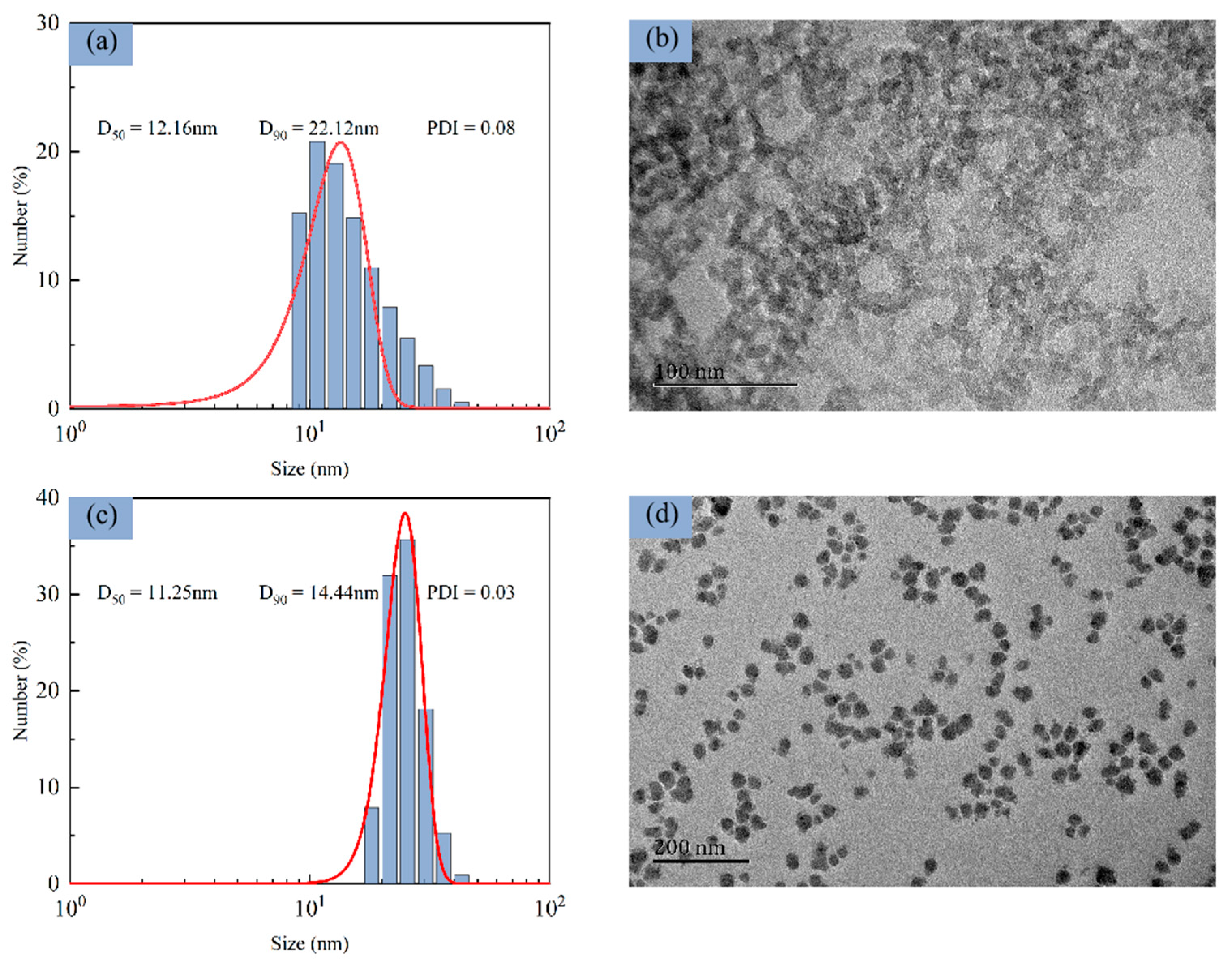
To investigate the changes in the physical properties of modified and unmodified nano-SiO2 particles, comparative experiments were conducted using particle size analysis and transmission electron microscopy at the microscopic level. Figure 5a,b presents the particle size distribution and microscopic morphology of unmodified nano-SiO2 particles. The analysis indicates that the unmodified nanoparticles are in an unstable thermodynamic state, influenced by interactions such as van der Waals forces and Coulombic forces, leading to agglomeration among the particles [29,30]. Figure 5c,d illustrates the particle size distribution and microscopic morphology of nano-SiO2 particles after modification with CTAB. The results show that the dispersibility of nano-SiO2 particles significantly improves after CTAB modification.

3.2.4. Stability Analysis

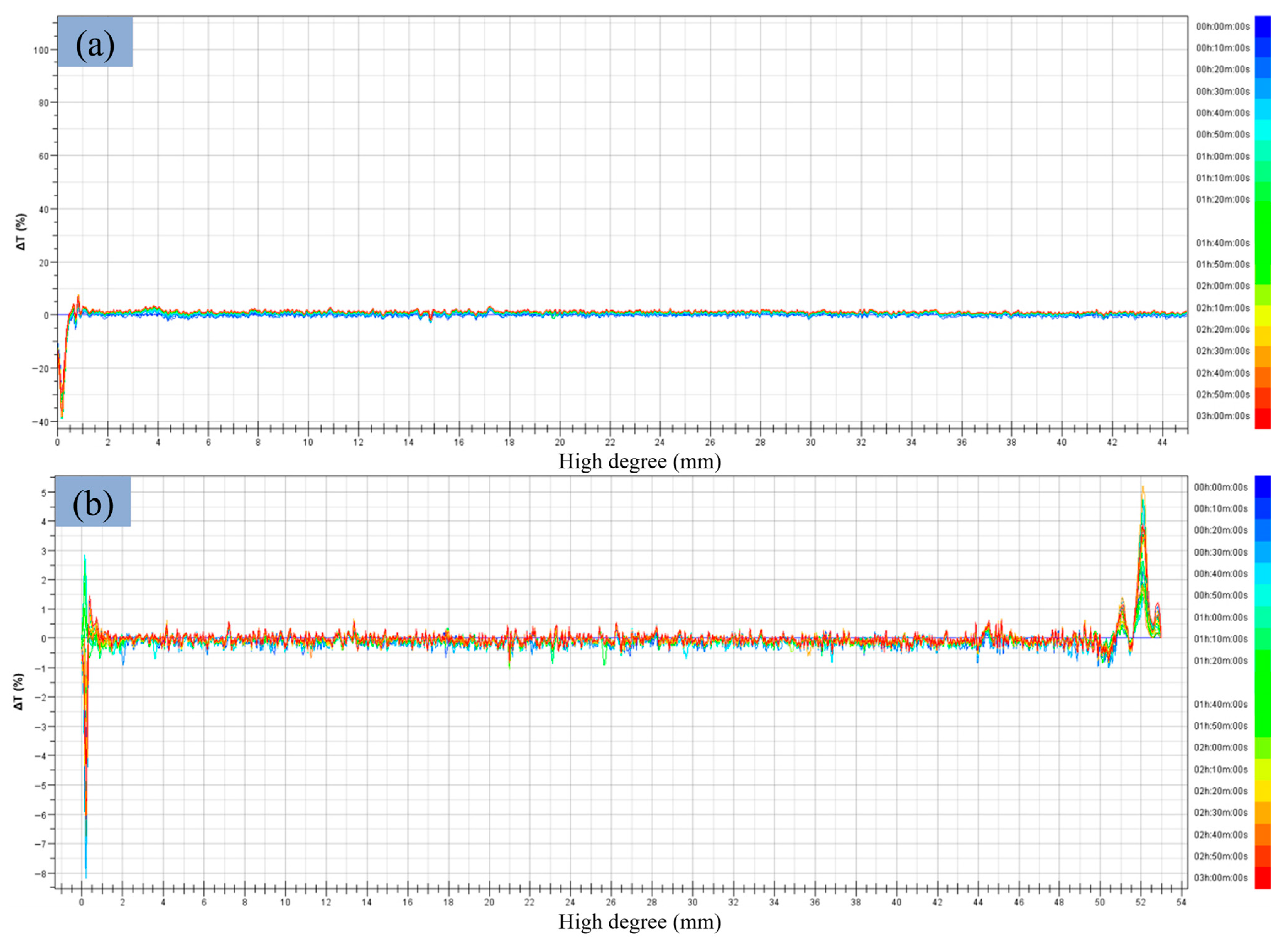
This section focuses on the dispersion stability of modified and unmodified nano-SiO2 fluids, with results illustrated in Figure 6. The intensity of transmitted light is negatively correlated with the volume concentration of nanoparticles [31]. According to the data presented, both modified and unmodified samples show an increasing trend in particle concentration around 0.5 mm, with the concentration increase in the unmodified samples being more pronounced. Furthermore, the transmitted light intensity of unmodified nano-SiO2 is significantly higher than that of the modified samples. In contrast, the transmitted light intensity of the modified samples shows a more uniform distribution with changes in the height of the sample cell, indicating that the modified nano-fluid exhibits better stability. This phenomenon suggests that the modification of nano-SiO2 with CTAB leads to the formation of an adsorption layer due to the introduction of quaternary ammonium groups on the surface, effectively suppressing particle aggregation caused by van der Waals forces, thereby enhancing the dispersion stability of the nano-fluid.

3.3. IFT

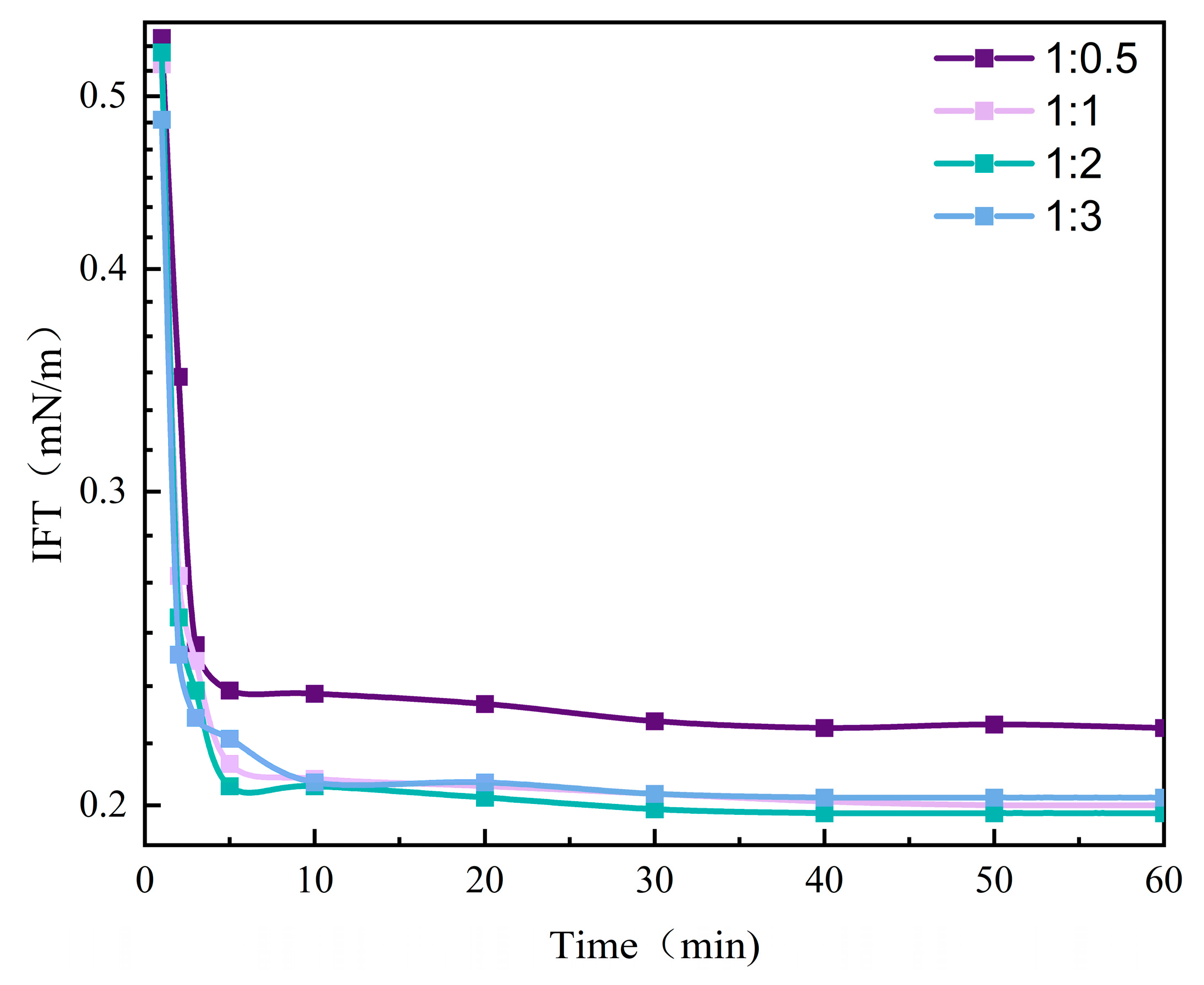
Four different modified nano-SiO2 solutions were prepared using deionized water, with ratios of 1:0.5, 1:1, 1:2, and 1:3. The specific formulations are as follows: (1) 0.1 wt% SiO2 + 0.05 wt% CTAB; (2) 0.1 wt% SiO2 + 0.1 wt% CTAB; (3) 0.1 wt% SiO2 + 0.2 wt% CTAB; (4) 0.1 wt% SiO2 + 0.3 wt% CTAB. The IFT of the four solutions was measured. As shown in Figure 7, the nano-SiO2 solutions with different modification degrees effectively reduced the IFT. With the increase in surfactant concentration, the oil–water IFT exhibited a trend of first decreasing and then slightly increasing: at low modification levels, CTAB molecules arranged orderly on the SiO2 surface, enhancing the interfacial activity [32]. When the loading exceeded the critical value, the surface molecular chains became overly crowded, partially blocking the exposure of hydrophobic chains, leading to a slight increase in IFT. When the modification degree was 1:0.5, the oil–water IFT decreased to 0.221 mN/m, while at modification degrees of 1:1, 1:2, and 1:3, the oil–water IFT were 0.200 mN/m, 0.198 mN/m, and 0.202 mN/m, respectively. Considering the economic benefits, subsequent studies will select the nano-SiO2 solution with a modification degree of 1:0.5.

3.4. Wettability

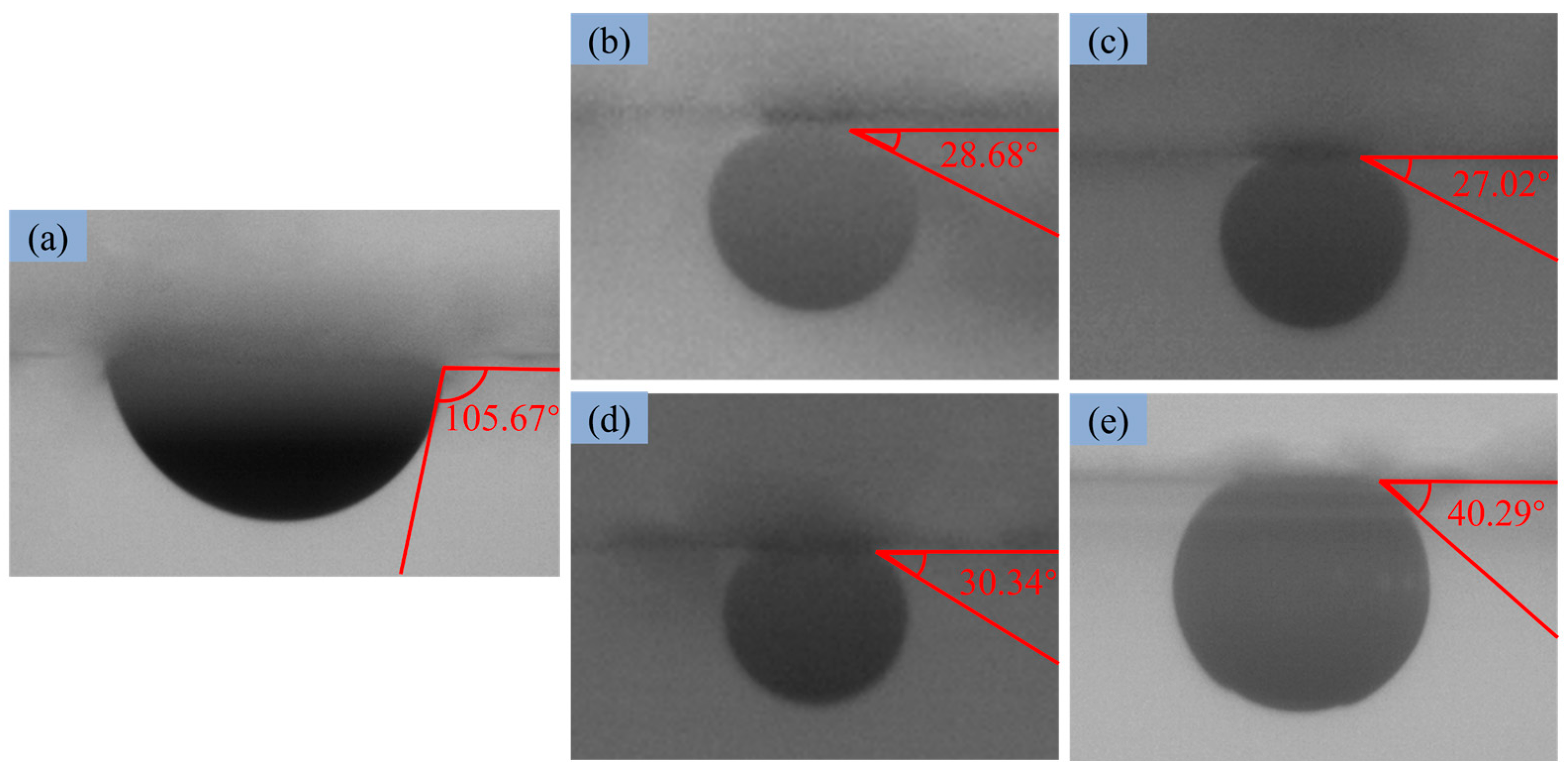
An ape solution prepared by mixing concentrated sulfuric acid and 30% hydrogen peroxide in a 7:3 volume ratio was used to remove impurities and organic matter from quartz plates. The plates were rinsed with deionized water until clean, washed twice with anhydrous ethanol, air-dried, and then immersed in a 5 wt% trimethylchlorosilane methanol dispersion for 48 h. The treated oleophobic quartz wafers were inverted onto quartz trays containing nano-SiO2 solutions with varying modification ratios (1:0.5, 1:1, 1:2, 1:3). The oil–water contact angles on the quartz surfaces were measured using a contact angle measuring instrument.
As shown in Figure 8, the oil–water contact angle in deionized water was 105.67°, while the equilibrium oil–water contact angles for the four silica nano-solutions with different modification ratios were 28.68°, 27.02°, 30.34°, and 40.29°, respectively. These results indicate that all four modified silica solutions effectively alter wettability, transforming quartz substrates from oil-wetted to strongly water-wetted surfaces, thereby enhancing crude oil displacement efficiency [18].

3.5. Mechanism of Oil Displacement

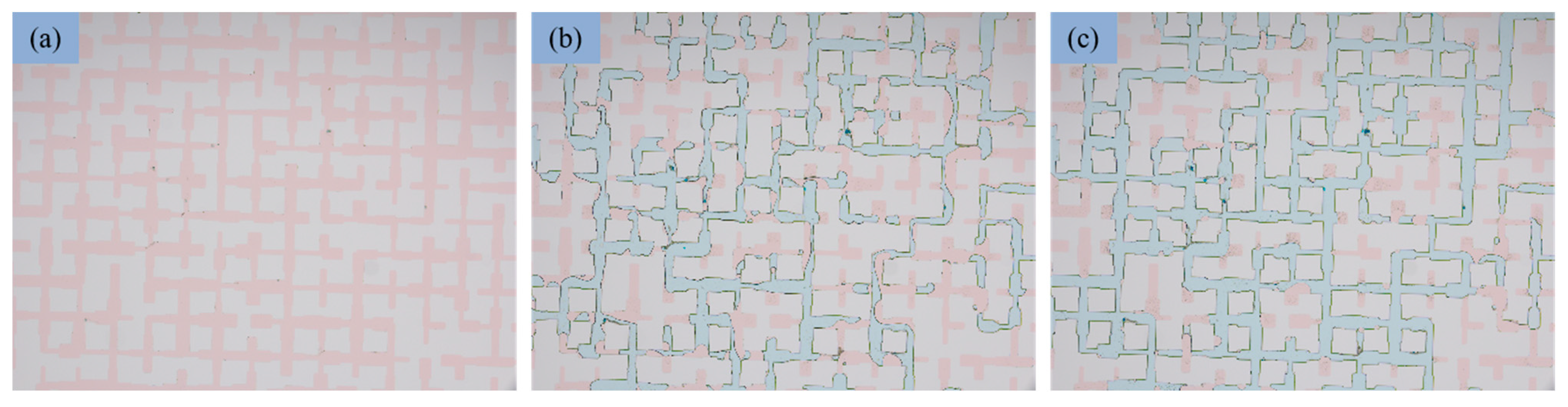
Based on the aforementioned experimental evaluation and economic benefit analysis, we select a modified nano-SiO2 system with a nanoparticle concentration of 0.1 wt% and a CTAB concentration of 0.05 wt% for micro-oil displacement experiments. By observing the flow characteristics of the nanofluid in the chip, we delve into the mechanism of mobilizing the residual oil at the micro level. Figure 9 illustrates the oil–water distribution under saturated oil conditions, primary water flooding conditions, and secondary water flooding conditions. The observations indicate that after primary water flooding, a significant amount of residual oil remains in the pore structure, particularly in the corners of the pores, throat regions, and on the rock surface. Following the displacement with the nanofluid, the distribution of residual oil changed significantly; the residual oil that was originally trapped in the channels was removed, indicating that the injection of the nanofluid reduced the oil–water viscosity and expanded the swept volume [33,34,35]. Through binarization processing for quantitative analysis of the residual oil, the oil saturation after primary water flooding was calculated to be 52.70%, while the oil saturation after secondary water flooding was 38.42%, indicating that this system can significantly enhance the displacement efficiency of residual oil after water flooding.
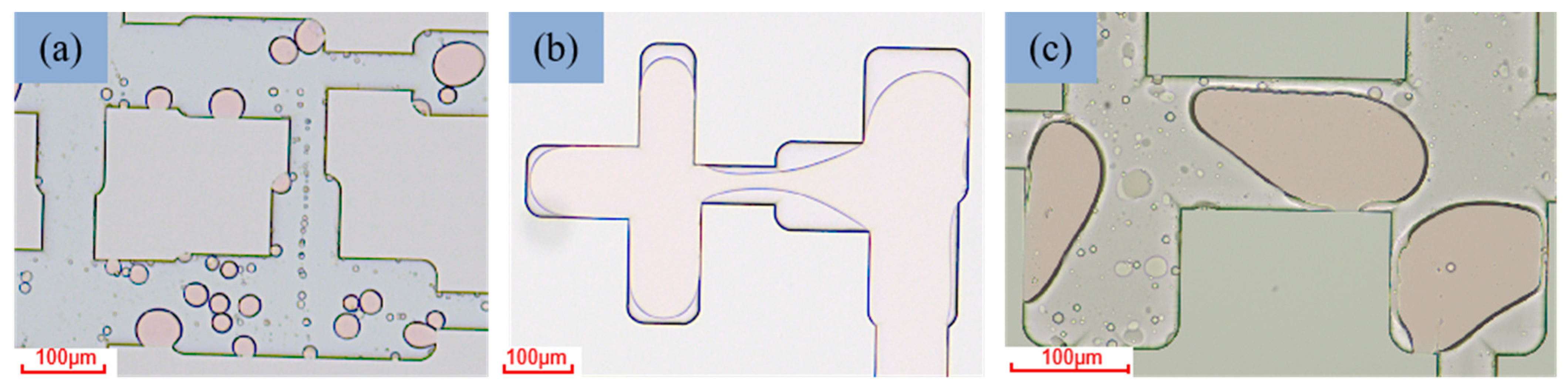
Microscopic images reveal the presence of numerous irregularly shaped residual oil droplets and oil films within the pores of the reservoir after water flooding. These residual oils primarily adhere to the pore walls and throat regions. By capturing images during the microscopic displacement process, the study found that a relatively stable emulsion system was formed after the injection of the nanofluid. This system reduces the tendency for oil droplets to coalesce, and the reduction in droplet size facilitates their transport [36] (as shown in Figure 10a). Furthermore, the wettability reversal capability of the nanofluid alters the surface properties of the rock, gradually transforming the originally oleophilic surface into a hydrophilic state. This change disrupts the adhesion balance between the oil droplets and the rock, promoting the detachment of oil droplets from the pore walls into the flowing phase [37] (as illustrated in Figure 10b). Additionally, the thick oil film formed after nanofluid driving is unstable and creates oil rings, which, under the influence of structural separation pressure, leads to the formation of spherical oil droplets from the oil rings on the solid surface, thereby stripping the remaining oil from the rock surface [38] (as depicted in Figure 10c). The above results indicate that the nanofluid system primarily facilitates the removal of residual oil droplets and oil films left in the channels after water flooding through emulsification [39,40], wettability reversal [41,42], and structural separation pressure [43,44]. This process effectively clears the residual oil blockage in the channels, achieving an enhancement in oil recovery.

3.6. Evaluation of Oil Displacement Effect

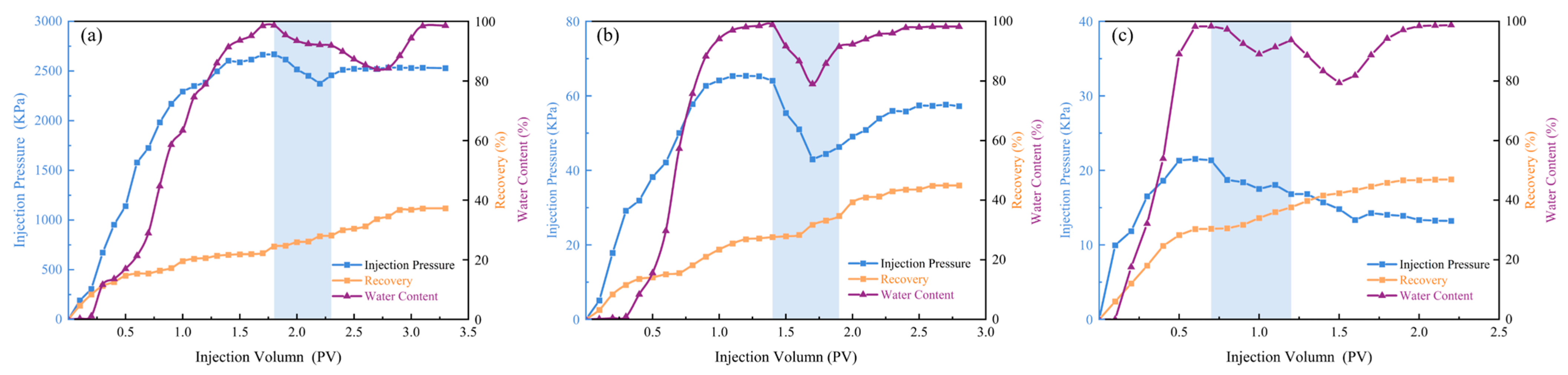
At a temperature of 45 °C, oil displacement experiments were conducted for this system within the target reservoir permeability range. The displacement efficiency at different permeabilities is shown in Figure 11 and Table 3. For a core with a permeability of 1 mD, the recovery rate during the primary water flooding stage was 24.72%. Following injection of 0.5 PV of the modified nano-SiO2 system, subsequent water flooding reduced water cut by up to approximately 15%, increased recovery by 12.51%, and achieved a final recovery rate of 37.23%. This demonstrates that the modified nano-SiO2 system exhibits favorable water reduction and oil enhancement effects under this permeability condition. The recovery increment for the 50 mD medium-permeability core reached 17.37% (peak), attributed to the optimal matching between pore throat dimensions and nanoparticle size, achieving synergistic optimization through uniform adsorption, efficient oil displacement, and full-pore-scale propagation. The recovery increment for 100 mD high-permeability cores was 16.56%, slightly lower than at 50 mD. This was primarily due to the development of dominant flow channels under high-permeability conditions, causing preferential flow through these channels. Consequently, residual oil in non-dominant channels was not fully displaced, resulting in a slight decline in sweep efficiency. In summary, the system demonstrates optimal oil recovery increment at 50 mD due to the absence of significant channeling effects and optimal throat-pore matching.

4. Conclusions

The CTAB-modified nano-SiO2 system exhibits excellent dispersion stability at high temperatures. CTAB effectively shields the van der Waals forces between SiO2 particles, inhibiting particle agglomeration. XRD and FT-IR analyses confirm the successful modification of SiO2 particles. The CTAB-modified nano-SiO2 fluid demonstrates outstanding interfacial activity, significantly reducing the oil–water IFT to the magnitude of 10−1 mN/m. As the degree of modification increases, the oil–water IFT initially decreases and then slightly increases. Furthermore, the modified nano-SiO2 fluid alters the surface properties of rocks through an “adsorption-wettability reversal” mechanism. The adsorption of nanoparticles onto the rock surface introduces a large number of hydrophilic groups, transforming the originally oil-wet rock surface into a strongly hydrophilic one, with the contact angle drastically reduced to 30°. This transformation provides a crucial basis for enhancing crude oil displacement and improving reservoir development efficiency through interfacial and wettability regulation. Considering economic factors, a modified nano-SiO2 system composed of 0.1 wt% SiO2 and 0.05 wt% CTAB is selected for micro and macro-scale oil displacement experiments. The micro-scale oil displacement studies indicate that this modified nano oil displacement system can effectively carry out residual oil trapped in the channels through emulsification, wettability reversal, and structural separation pressure. The results of the oil displacement experiments show that when this system is applied to cores with permeabilities of 50–100 mD, it can increase the recovery rate by more than 15% (Table 3), demonstrating significant effectiveness and good potential for field application.

Author Contributions

Conceptualization, T.C.; Investigation, T.C., H.L., J.D., Y.R. and X.G.; Data curation, Y.R.; Supervision, J.W., J.D., H.L. and X.G.; Writing—original draft, T.C.; Writing—review and editing, J.W. and H.L. All authors have read and agreed to the published version of the manuscript.

Funding

This research was funded by the National Natural Science Foundation of China (Grant No. 52404024), the Chongqing Municipal Science and Technology Bureau (Grant No. CSTB2022NSCQ-MSX0450), the Chongqing Municipal Education Commission (Grant No. KJQN202301513 and KJZD-K202501501), and Tangshan Jiyou Ruifeng Chemical Limited Company (Grant No. JDYT-rfhg-2024-JS-2648).

Data Availability Statement

The original contributions presented in this study are included in the article. Further inquiries can be directed to the corresponding author.

Conflicts of Interest

Author Huaizhu Liu was employed by the Tangshan Jiyou Ruifeng Chemical Limited Company, Petro China Company Limited. The remaining authors declare that the research was conducted in the absence of any commercial or financial relationships that could be considered as a potential conflict of interest.

References

  1. Bera, A.; Belhaj, H. Application of nanotechnology by means of nanoparticles and nanodispersions in oil recovery—A comprehensive review. J. Nat. Gas Sci. Eng. 2016, 34, 1284–1309. [Google Scholar] [CrossRef]
  2. Wu, H.R.; Tan, R.; Hong, S.P.; Zhou, Q.; Liu, B.-Y.; Chang, J.-W.; Luan, T.-F.; Kang, N.; Hou, J.-R. Synergistic anionic/zwitterionic mixed surfactant system with high emulsification efficiency for enhanced oil recovery in low permeability reservoirs. Pet. Sci. 2024, 21, 936–950. [Google Scholar] [CrossRef]
  3. Jinmei, B.; Kun, Q.; Xiangji, D.; Yanfeng, H. Experimental study of surfactant flooding system in low permeability reservoir. Sci. Rep. 2025, 15, 12534. [Google Scholar] [CrossRef]
  4. Chen, Z.; Su, Y.L.; Li, L.; Meng, F.-K.; Zhou, X.-M. Characteristics and mechanisms of supercritical CO2 flooding under different factors in low-permeability reservoirs. Pet. Sci. 2022, 19, 1174–1184. [Google Scholar] [CrossRef]
  5. Liu, F.; Yue, P.; Wang, Q.L.; Yu, G.; Zhou, J.; Wang, X.; Fang, Q.; Li, X. Experimental study of oil displacement and gas channelingduring CO2 flooding in ultra—Low permeability oil reservoir. Energies 2022, 15, 5119. [Google Scholar] [CrossRef]
  6. Cao, L.; Lv, M.; Li, C.; Yu, G.; Zhou, J.; Wang, X.; Fang, Q.; Li, X. Effects of crosslinking agents and reservoir conditions on the propagation of fractures in coal reservoirs during hydraulic fracturing. Reserv. Sci. 2025, 1, 36–51. [Google Scholar] [CrossRef]
  7. Cao, J.; Chen, Y.P.; Zhang, J.; Wang, X.; Wang, J.; Shi, C.; Ning, Y.; Wang, X. Preparation and application of nanofluid flooding based on polyoxyethylated graphene oxide nanosheets for enhanced oil recovery. Chem. Eng. Sci. 2022, 247, 117023. [Google Scholar] [CrossRef]
  8. Yoon, K.Y.; Li, Z.C.; Neilson, B.M.; Lee, W.; Huh, C.; Bryant, S.L.; Bielawski, C.W.; Johnston, K.P. Effect of adsorbed amphiphilic copolymers on the interfacial activity of superparamagnetic nanoclusters and the emulsification of oil in water. Macromolecules 2012, 45, 5157–5166. [Google Scholar] [CrossRef]
  9. Wu, H.; Yi, W.Y.; Chen, Z.; Wang, H.; Du, Q. Janus graphene oxide nanosheets prepared via Pickering emulsion template. Carbon 2015, 93, 473–483. [Google Scholar] [CrossRef]
  10. Pandey, A.; Qamar, S.F.; Das, S.; Basu, S.; Kesarwani, H.; Saxena, A.; Sharma, S.; Sarkar, J. Advanced multi-wall carbon nanotube-optimized surfactant-polymer flooding for enhanced oil recovery. Fuel 2024, 355, 129463. [Google Scholar] [CrossRef]
  11. Soleimani, H.; Baig, M.M.; Yahya, N.; Khodapanah, L.; Sabet, M.; Demiral, B.M.; Burda, M. Impact of carbon nanotubes based nanofluid on oil recovery efficiency using core flooding. Results Phys. 2018, 9, 39–48. [Google Scholar] [CrossRef]
  12. Mohammed, M.; Babadagli, T. Wettability alteration: A comprehensive review of materials/methods and testing the selected ones on heavy-oil containing oil-wet systems. Adv. Colloid Interface Sci. 2015, 220, 54–77. [Google Scholar] [CrossRef]
  13. Manshad, A.K.; Rezaei, M.; Moradi, S.; Nowrouzi, I.; Mohammadi, A.H. Wettability alteration and interfacial tension (IFT) reduction in enhanced oil recovery (EOR) process by ionic liquid flooding. J. Mol. Liq. 2017, 248, 153–162. [Google Scholar] [CrossRef]
  14. Li, Q.; Viguerie, L.D.; Laporte, L.; Berraud-Pache, R.; Zhuang, G.; Souprayen, C.; Jaber, M. Oily bioorganoclays in drilling fluids: Micro and macroscopic properties. Appl. Clay Sci. 2024, 247, 107186. [Google Scholar] [CrossRef]
  15. Roustaei, A.; Saffarzadeh, S.; Mohammadi, M. An evaluation of modified silica nanoparticles’ efficiency in enhancing oil recovery of light and intermediate oil reservoirs. Egypt. J. Pet. 2013, 22, 427–433. [Google Scholar] [CrossRef]
  16. Li, C.; Li, Y.H.; Pu, H. Molecular simulation study of interfacial tension reduction and oil detachment in nanochannels by Surface-modified silica nanoparticles. Fuel 2021, 292, 120318. [Google Scholar] [CrossRef]
  17. Chen, C.; Zhuo, S.Q.; Li, S.Z.; Yin, N.; Luo, C.; Ren, H.; Jia, M.; Wang, X.; Cheng, Q. Wettability modification of a nano-silica/fluoro surfactant composite system for reducing the damage of water blocking in tight sandstone reservoirs. RSC Adv. 2025, 15, 5264–5276. [Google Scholar] [CrossRef]
  18. Ahmed, A.; Saaid, I.M.; Ahmed, A.A.; Pilus, R.M.; Baig, M.K. Evaluating the potential of surface-modified silica nanoparticles using internal olefin sulfonate for enhanced oil recovery. Pet. Sci. 2019, 17, 1–12. [Google Scholar] [CrossRef]
  19. Ding, J.; Cheng, T.T.; Fu, C.; Huang, B.; Yang, E.; Qu, M.; Liu, S.; Wu, J. Synthesis and characterization of self-dispersion monodisperse silica-based functional nanoparticles for enhanced oil recovery (EOR) in low-permeability reservoirs. Processes 2024, 12, 2349. [Google Scholar] [CrossRef]
  20. Cao, J.; Wang, J.; Wang, X.J.; Zhang, J.; Liu, K.; Wang, Y.; Zhen, W.; Chen, Y. Preparation and characterization of modified amphiphilic nano-silica for enhanced oil recovery. Colloids Surf. A Physicochem. Eng. Asp. 2022, 633, 127864. [Google Scholar] [CrossRef]
  21. Li, Q.; Wang, X.; Ge, H.; Li, D.; Cao, Y.; Sun, D. Nanofluid of amphiphilic carbon nitride nanosheets for enhanced oil recovery. Colloids Surf. A Physicochem. Eng. Asp. 2025, 721, 137206. [Google Scholar] [CrossRef]
  22. Minakov, A.V.; Pryazhnikov, M.I.; Zhigarev, V.A.; Rudyak, V.Y.; Filimonov, S.A. Numerical study of the mechanisms of enhanced oil recovery using nanosuspensions. Theor. Comput. Fluid Dyn. 2021, 35, 477–493. [Google Scholar] [CrossRef]
  23. Wu, J.J.; Ansari, U. From CO2 sequestration to hydrogen storage: Further utilization of depleted gas reservoirs. Reserv. Sci. 2025, 1, 19–35. [Google Scholar] [CrossRef]
  24. Li, M.Y.; Liu, J.Y.; Xia, Y.F. Risk prediction of gas hydrate formation in the wellbore and subsea gathering system of deep-water turbidite reservoirs: Case analysis from the south China Sea. Reserv. Sci. 2025, 1, 52–72. [Google Scholar] [CrossRef]
  25. Cheng, T.T.; Yang, Z.Q.; Yan, W.D.; Huang, B.; Wu, J.; Yang, E.; Liu, H.; Zhao, K. Impact of the nano-SiO2 particle size on oil recovery dynamics: Stability, interfacial tension, and viscosity reduction. Energy Fuels 2024, 38, 15160–15171. [Google Scholar] [CrossRef]
  26. Martinez-Calderon, M.; Haase, T.A.; Novikova, N.I.; Wells, F.S.; Low, J.; Willmott, G.R.; Broderick, N.G.; Aguergaray, C. Turning industrial paints superhydrophobic via femtosecond laser surface hierarchical structuring. Prog. Org. Coat. 2022, 163, 106625. [Google Scholar] [CrossRef]
  27. Silvia, L.; Mughayyirah, Y.; Amilia; Sudarsono; Zainuri, M. Surface modification of SiO2-based methyltrimethoxysilane (MTMS) using cetyltrimethyl ammonium bromide (CTAB) on the wettability effects through hierarchical structure. J. Sol-Gel Sci. Technol. 2023, 108, 228–236. [Google Scholar] [CrossRef]
  28. Wu, Y.H.; Wu, C.M.; Varcoe, J.R.; Poynton, S.D.; Xu, T.; Fu, Y. Novel silica/poly(2,6-dimethyl-1,4-phenylene oxide) hybrid anion-exchange membranes for alkaline fuel cells: Effect of silica content and the single cell performance. J. Power Sources 2009, 195, 3069–3076. [Google Scholar] [CrossRef]
  29. Morán, J.; Yon, J.; Henry, C.; Kholghy, M.R. Approximating the van der Waals interaction potentials between agglomerates of nanoparticles. Adv. Powder Technol. 2023, 34, 104269. [Google Scholar] [CrossRef]
  30. Tiwari, T.; Bose, M. Morphological analysis of nanoparticle agglomerates generated using DEM simulation. Part. Sci. Technol. 2022, 40, 373–381. [Google Scholar] [CrossRef]
  31. Liang, H.; Shinohara, K. Experimental equation on intensity of transmitted light through particle suspension of higher concentration. Powder Technol. 2001, 120, 298–301. [Google Scholar] [CrossRef]
  32. Chuang, W.; Geng-Sheng, J.; Lei, P.; Bao-Lin, Z.; Ke-Zhi, L.; Jun-Long, W. Influences of surface modification of nano-silica by silane coupling agents on the thermal and frictional properties of cyanate ester resin. Results Phys. 2018, 9, 886–896. [Google Scholar] [CrossRef]
  33. Tian, K.P.; Pu, W.F.; Li, S.Y.; Wang, Q.; Liu, S. An amphiphilic nano titanium dioxide based nanofluid: Preparation, dispersion, emulsion, interface properties, wettability and application in enhanced oil recovery. Chem. Eng. Res. Des. 2023, 197, 685–696. [Google Scholar] [CrossRef]
  34. Shi, F.; Wu, J.; Zhao, B. Research on percolation characteristics of a Janus nanoflooding crude oil System in porous media. ACS Omega 2022, 7, 23107–23114. [Google Scholar] [CrossRef]
  35. Ding, B.; Guan, B.; Liu, W.; Chen, B.; Sun, J.; Li, M.; Wu, W.; Hua, S.; Geng, X.; Chen, W.; et al. Mechanism of improving water flooding using the Nanofluid permeation flooding system for tight reservoirs in Jilin oilfield. Energy Fuels 2021, 35, 17389–17395. [Google Scholar] [CrossRef]
  36. Sun, Y.P.; Xin, Y.; Wei, L.N.; Ding, F.; Gao, Z.; Liu, H.; Tang, M.; Du, X.; Dai, C. Oil drop stretch and rupture behavior at throat and pore junction during imbibition with active nanofluid: A microfluidic approach. Colloids Surf. A Physicochem. Eng. Asp. 2022, 653, 130012. [Google Scholar] [CrossRef]
  37. Wang, D.; Sun, S.S.; Cui, K.; Li, H.; Gong, Y.; Hou, J.; Zhang, Z. Wettability alteration in low-permeability sandstone reservoirs by “SiO2–rhamnolipid” nanofluid. Energy Fuels 2019, 33, 12170–12181. [Google Scholar] [CrossRef]
  38. Zhang, H.; Nikolov, A.; Wasan, D. Dewetting film dynamics inside a capillary using a micellar nanofluid. Langmuir ACS J. Surf. Colloids 2014, 30, 9430–9435. [Google Scholar] [CrossRef]
  39. Wu, X.L.; Hou, Z.W.; Wang, H.F.; Yang, Y.; Liu, X.; Chen, Z.; Cui, Z. Synergistic effects between anionic surfactant SDS and hydrophilic silica nanoparticles in improving foam performance for foam flooding. J. Mol. Liq. 2023, 390, 123156. [Google Scholar] [CrossRef]
  40. Li, D.; Wang, Y.L.; Liang, S.N.; Bai, B.; Zhang, C.; Xu, N.; Shi, W.; Ding, W.; Zhang, Y. Synthesizing dendritic mesoporous silica nanoparticles to stabilize Pickering emulsions at high salinity and temperature reservoirs. Colloids Surf. A Physicochem. Eng. Asp. 2024, 687, 133481. [Google Scholar] [CrossRef]
  41. Qu, M.; Hou, J.R.; Liang, T.; Qi, P. Amphiphilic rhamnolipid molybdenum disulfide nanosheets for oil recovery. ACS Appl. Nano Mater. 2021, 4, 2963–2972. [Google Scholar] [CrossRef]
  42. Radnia, H.; Rashidi, A.; Nazar, A.R.S.; Eskandari, M.M.; Jalilian, M. A novel nanofluid based on sulfonated graphene for enhanced oil recovery. J. Mol. Liq. 2018, 271, 795–806. [Google Scholar] [CrossRef]
  43. Wasan, D.; Nikolov, A.D. Spreading of nanofluids on solids. Nature 2003, 423, 156–159. [Google Scholar] [CrossRef] [PubMed]
  44. Liang, L.H.; Meng, S.W.; Tao, J.P.; Li, J.; Wang, X.; Guan, J.; Fu, H.; Dai, C.; Liu, H. Preparation and application of modified carbon black nanofluid as a novel flooding system in ultralow permeability reservoirs. J. Mol. Liq. 2023, 383, 122099. [Google Scholar] [CrossRef]
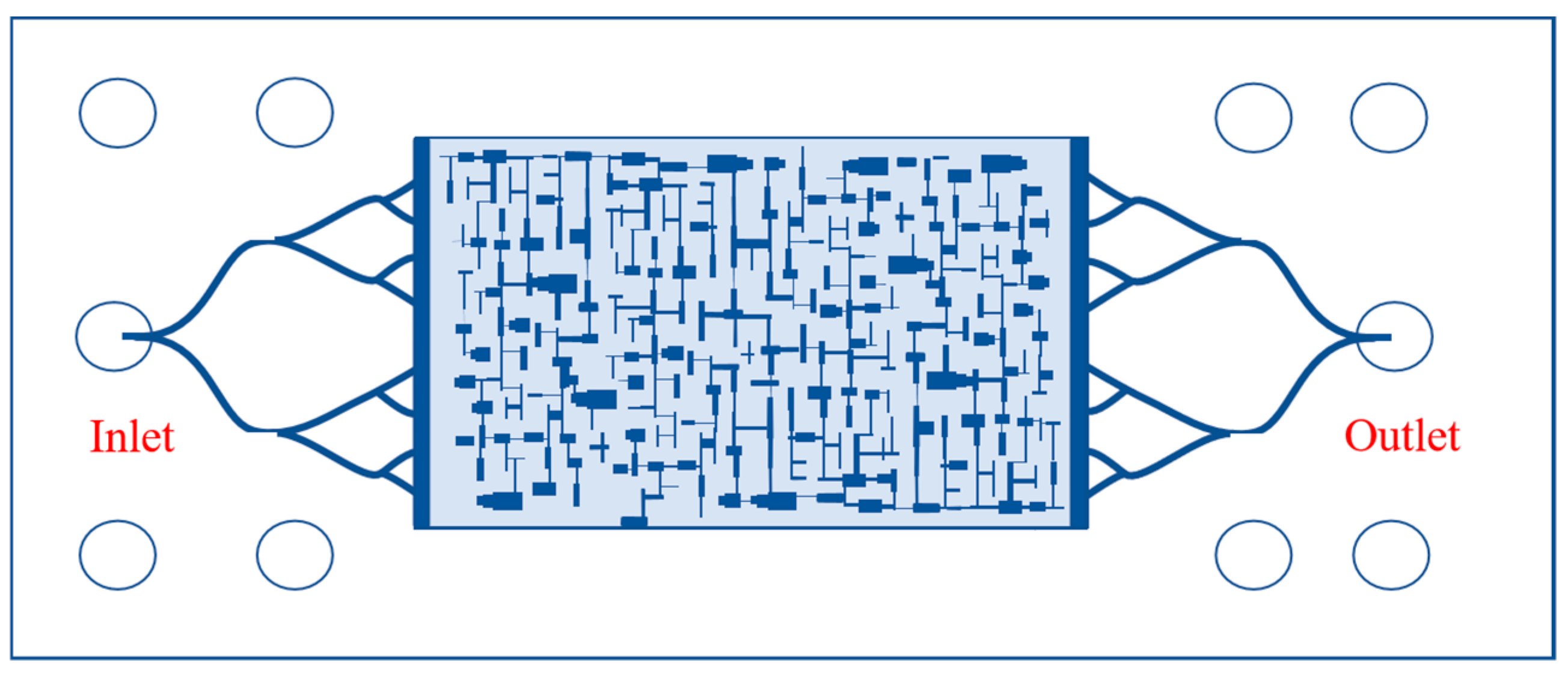
Figure 1. Chip model schematic.
Processes 13 03862 g001
Figure 2. Surfactant preference results.
Processes 13 03862 g002
Figure 3. XRD spectra of nano-SiO2 before and after modification.
Processes 13 03862 g003
Figure 4. FTIR spectra of nano-SiO2 before and after modification.
Processes 13 03862 g004
Figure 5. Particle size and morphology of nano-SiO2 before and after modification. (a) nano-SiO2 particle size before modification, (b) TEM of nano-SiO2 before modification, (c) nano-SiO2 particle size after modification, (d) TEM of nano-SiO2 after modification.
Processes 13 03862 g005
Figure 6. Transmission spectra of nano-SiO2 before and after modification. (a) Before; (b) after.
Processes 13 03862 g006
Figure 7. Effect of different degrees of modification on IFT.
Processes 13 03862 g007
Figure 8. Effect of different degrees of modification on wettability. (a) Water, (b) 1:0.5, (c) 1:1, (d) 1:2, (e) 1:3.
Processes 13 03862 g008
Figure 9. Visualization of oil–water distribution during micro-scale oil displacement (red represents oil and blue represents water). (a) Saturated oil, (b) primary water flooding, (c) secondary water flooding.
Processes 13 03862 g009
Figure 10. Micro-scale oil displacement process diagram (red represents oil and blue represents water). (a) Emulsification, (b) wettability reversal, (c) structural separation pressure.
Processes 13 03862 g010
Figure 11. Oil displacement effect of modified nanofluid at different permeabilities: (a) 1 mD, (b) 50 mD, (c) 100 mD.
Processes 13 03862 g011
Table 1. Core sample parameters.
No.Gas Permeability (mD)Length (cm)Radius (cm)Porosity (%)
1110.4521.2569.89
25010.6211.26113.24
310010.2311.25917.43
Table 2. Surfactant preferred.
NameCode NameIFT/(mN·m−1)Precipitates
AEO-9A10.671Yes
Triton X-114B2.241Yes
Tween 80C27.240Yes
Triton X-100D6.776Yes
Span 80E17.893Yes
Brij-35F12.255Yes
CTABG0.300No
SDSH15.288No
SDBSI14.376No
OP-10J5.885No
NP-40K25.119Yes
AESL28.750Yes
Table 3. Effect of modified silica nanofluid for enhanced recovery at different permeabilities.
No.Gas Permeability (mD)Primary Water
Flooding Recovery (%)
Final Oil Recovery
(%)
Enhanced Oil Recovery (%)
1124.7237.2312.51
25027.5844.9517.37
310030.4046.9616.56
Disclaimer/Publisher’s Note: The statements, opinions and data contained in all publications are solely those of the individual author(s) and contributor(s) and not of MDPI and/or the editor(s). MDPI and/or the editor(s) disclaim responsibility for any injury to people or property resulting from any ideas, methods, instructions or products referred to in the content.