


Abstract
Persistent global warming significantly impacts crop phenology and productivity, with perennial fruit trees facing heightened challenges due to their long life cycles and complex heat stress accumulation. Apple and pear, which hold substantial economic and nutritional value, are particularly vulnerable to high temperatures, manifesting as accelerated phenology, impaired floral organ development, disrupted pollination and fertilization, and insufficient fruit coloration—all of which severely compromise fruit quality and commercial value. Although recent advances have been made in elucidating heat stress signal transduction and regulatory networks in model plants such as Arabidopsis and rice, research on heat stress responses in apple and pear remains limited. This review systematically synthesizes the physiological responses, gene expression regulation, and protective cultivation strategies under high-temperature stress in apple and pear, aiming to provide a theoretical foundation for thermotolerance breeding and the establishment of heat stress regulatory networks, thereby supporting sustainable production in the context of global warming.
1. Introduction
Over the past several decades, the global mean surface temperature has risen at a relatively steady rate of approximately 0.19 °C per decade. This sustained warming has intensified the instability of the climate system, manifesting in a higher frequency and severity of extreme weather events—including heatwaves, droughts, and altered precipitation regimes—that increasingly disrupt agricultural systems. As a sector inherently sensitive to climatic conditions, agriculture has borne a disproportionate share of these impacts. In particular, rising temperatures have significantly shortened crop phenological phases and reduced vegetative growth rates, thereby constraining potential yields. These temperature-driven changes have emerged as a primary factor undermining global food supply stability [1]. Compared with herbaceous crops such as rice, fruit trees are perennial and long-lived, subjecting them to heat stress over extended periods and under more intricate conditions [2]. Persistent warming not only disrupts the phenological phases of dormancy and flowering in fruit trees, but also accelerates fruit ripening, which in turn leads to insufficient sugar accumulation, reduced individual fruit size, and overall quality deterioration. These changes collectively impair the commercial value of fruit produce [2].
Due to their widespread consumption, as well as their nutritional and economic value, apple and pear have become widely cultivated fruits worldwide and represent important commodities within the fruit crop industry. High-quality apples and pears serve as an important source of nutrients, vitamins, and bioactive compounds in the human diet [3]. Global warming poses a threat to the production of apple and pear. Model projections indicate that global surface temperatures will continue to rise throughout the 21st century, with marked regional disparities in the warming magnitude [4]. These climatic shifts exert complex, non-linear effects on major apple and pear production regions. Increasing heat resources are driving a significant poleward and upward expansion of suitable cultivation areas, whereas some traditional growing zones face the loss or relocation of viable conditions [5]. Concurrently, more frequent extreme weather events and phenological mismatches pose serious threats to yield and fruit quality. Insufficient winter chilling hours and heat stress during the growing season not only shorten dormancy but also reduce sugar content, diminish fruit size, and elevate the risk of sunburn [6]. Although warmer and wetter conditions may favour expansion in certain regions, they also markedly increase the compound risks of flowering frost and spring freeze events, thereby posing substantial challenges to maintaining stable apple and pear production [7]. As global warming continues to intensify, elucidating the molecular mechanisms underlying thermotolerance in apple and pear, and identifying key heat-tolerance genes are of strategic importance for developing new varieties adapted to future climatic conditions.
To cope with diverse types of high-temperature stress, plants have evolved sophisticated molecular regulatory networks that coordinate transcriptional reprogramming and physiological adjustments, ultimately driving adaptive morphogenesis [8]. Over the past few decades, the plant response to heat stress has garnered considerable research attention. Major advances in this field encompass the perception and transduction of heat signals, the interplay between heat shock responses and multi-hormonal signaling, the establishment of acquired thermotolerance, and the discovery of key thermotolerance-associated genes [2].
Compared with annual crops such as tomato, research on heat stress in apple and pear remains relatively scarce, particularly with respect to the elucidation of response mechanisms and the discovery of thermotolerance-related genes. Investigating thermotolerance in fruit trees not only provides a theoretical foundation for stress-resistant breeding and the construction of regulatory networks governing heat stress responses, but also holds practical significance for alleviating heat-induced damage and enhancing fruit yield. In this review, we systematically summarize the physiological responses and gene expression regulatory mechanisms of apple and pear under high-temperature stress, and further discuss protective strategies, the application of emerging technologies, and promising directions for future research.
2. Physiological Responses of Apple and Pear Under Heat Stress
2.1. Effects of Heat Stress on Photosynthesis
Temperature regimes profoundly affect key physiological processes in fruit trees, including transpiration, photosynthesis, and respiration, which can lead to insufficient supply of energy and carbohydrates, and consequently cause floral organ malformation or abortion [2]. The photosynthetic response of plants to heat stress is dependent on both the intensity and duration of the stress [9]. Under mild heat stress, enhanced photorespiration and reduced stomatal conductance result in a transient decline in photosynthetic rate. Under serious heat stress or heat shock, however, the loss of thylakoid membrane integrity and inactivation of photosystems lead to a primary decrease in leaf photosynthetic electron transport rate [10]. High temperature inhibits photosynthesis in both apple and pear, but apple exhibits relatively weaker heat tolerance and is more prone to leaf sunburn and fruit sunburn, whereas pear is relatively more heat-tolerant, although it also suffers from physiological stress under extreme high-temperature conditions [11]. Studies have shown that under high-temperature stress, the stomatal aperture of apple leaves is significantly reduced, while in pear leaves, the contents of chlorophyll, indole-3-acetic acid (IAA), and abscisic acid (ABA) decrease markedly. In contrast, malondialdehyde (MDA) content exhibits a continuous increase, and the maximum photochemical efficiency of photosystem II is significantly impaired [11,12,13,14]. However, most of these measurements were obtained from detached leaves or potted seedlings under controlled settings, leaving a critical gap in our understanding of photosynthetic responses in field-grown trees and, more importantly, in the comparative dynamics of heat-induced inhibition and recovery between apple and pear.
2.2. Effects of Heat Stress on Reproductive Systems
The reproductive phase represents one of the most heat-sensitive stages in fruit tree production, and high temperature affects the reproductive system through multiple pathways. Elevated temperatures critically impair flowering in both apple and pear, albeit with species-specific manifestations. In apple, heat stress primarily disrupts floral induction and curtails the flowering period [15]. In pear, however, floral buds are highly susceptible to abortion during differentiation, and its flowering phenology is subject to a more pronounced temperature-responsive regulatory network, involving the modulation of endogenous melatonin and the expression of dormancy-associated genes [16]. In pear, heat stress promotes early flowering and alters the expression of the light-harvesting complex protein gene PpyLhcb4 as well as other flowering-related genes. Heterologous expression of PpyLhcb4 in Arabidopsis increased chlorophyll content and delayed flowering under both normal and high temperatures, suggesting that this gene suppresses flowering by enhancing chlorophyll biosynthesis [17]. Flowering induction in apple is also strongly influenced by ambient temperature: while 18–21 °C promotes induction, prolonged exposure to temperatures above 27 °C for several weeks exerts negative effects [15]. In grapevine and possibly other woody perennials, DELLA proteins act as positive regulators of flowering. The temperature-induced degradation of DELLA proteins appears to be conserved between apple and Arabidopsis, and degradation of MdRGL1a may underlie the heat-induced suppression of flowering in apple [18].
Pollen is particularly vulnerable to high temperature, which inhibits meiotic division of pollen mother cells, leading to pollen abortion, shrinkage, reduced viability and germination, and impaired anther dehiscence [19]. Following 72 h of pollination at 35 °C, apple pollen tubes exhibited morphological abnormalities such as swelling, bending, and nodule-like protrusions; style browning and callose deposition also occurred, preventing pollen tubes from entering ovules for fertilization [20]. These reproductive impairments ultimately result in substantial flower and fruit drop, and a marked decrease in fruit set rate [21]. Although these findings reveal species-specific disruptions in flowering and fertilization under heat stress, direct comparative data between apple and pear remain scarce, particularly for pollen-stage responses.
2.3. Effects of Heat Stress on Fruit Quality
Heat stress disrupts nutrient accumulation during fruit development, leading to retarded growth, reduced fruit size, abnormal ripening, and severely compromised quality. Apple exhibits a higher overall sensitivity to high temperature than pear, with heat injury being particularly pronounced in the form of fruit sunburn, fruit malformation, and inadequate pigmentation. In pear, by contrast, heat stress primarily results in the suppression of anthocyanin biosynthesis, flesh mealiness, and fluid exudation. Controlled temperature experiments demonstrated that heat treatment impairs apple fruit coloration, decreases pigment accumulation and the expression of related genes, lowers soluble solids content (SSC) and titratable acidity (TA), reduces fruit size, and increases the incidence of physiological disorders such as cracking and spotting [22]. Temperature treatments applied at different developmental stages revealed that fruit at the expansion stage exhibited greater tolerance to heat stress, whereas tolerance declined at the color-turning and maturation stages, accompanied by peel browning. This browning is attributed to heat-induced damage to cell membranes, which facilitates the contact between polyphenol oxidase (PPO) and phenolic substrates, resulting in enzymatic browning [11].
High temperature accelerates fruit respiratory metabolism, promoting the breakdown and consumption of organic acids such as malic acid and citric acid, which results in a marked decrease in fruit acidity [23]. In sand pear, high temperature may alter the expression of genes involved in sucrose synthesis and degradation, leading to abnormal sucrose accumulation. Simultaneously, heat stress inhibits photosynthesis, reducing the synthesis of photosynthetic products and dry matter accumulation [24]. Furthermore, high temperature reduces fruit firmness by approximately 22% and diminishes flesh crispness in sand pear. It also suppresses the expression of sorbitol dehydrogenase (SDH) and sorbitol transporter (SOT) genes, causing excessive sorbitol accumulation in intercellular spaces and impaired translocation, thereby inducing severe watercore disorder [24]. These combined effects significantly compromise fruit storability and increase the risk of peel and flesh diseases during postharvest storage [23]. The aroma of apple and pear fruits is primarily composed of esters, aldehydes, and alcohols. High temperature represses the expression of genes in the lipoxygenase (LOX) pathway, reducing the synthesis of key aroma precursors such as aldehydes and esters, while also accelerating fruit ripening and diminishing fruit freshness [25]. Long-term records indicate that over the past 30 years, apple fruit acidity, firmness, and watercore development have declined, changes likely attributable to global-warming-induced earlier flowering and elevated temperatures during the maturation period [26].
Although these findings comprehensively document heat-induced fruit quality impairment in both species, direct comparative evidence—particularly regarding stage-specific thermosensitivity and the integration of source-to-sink carbon allocation—remains lacking. The molecular basis of divergent phenotypes has not been systematically compared, and long-term field data are heavily skewed toward apple. Future studies should combine field phenotyping with developmental stage-resolved comparative analyses to establish a species-level framework for heat-induced quality loss.
2.4. Effects of Heat Stress on Root Systems
Heat stress affects fruit tree root systems through multiple pathways, including structural damage to root morphology, impaired water and nutrient uptake and transport, and alterations in the rhizosphere microenvironment. Experiments in potted pear demonstrated that heat stress directly damages root cells, causing massive mortality of fine roots in the shallow soil layer and root tip necrosis, which markedly reduces overall root volume and fine root density. Concurrently, it disrupts root water uptake capacity, leading to irreversible aboveground wilting and leaf necrosis [27]. High temperature intensifies canopy transpiration and increases water demand. Roots, acting as sensors of soil moisture and temperature, transmit signals of supply–demand imbalance to the shoot, triggering stomatal closure and other defensive responses. When root water uptake fails to keep pace with transpiration, the tree suffers from water imbalance [28]. Furthermore, high temperature alters the allocation of carbohydrates and amino acids in roots and disturbs lipid metabolism; this metabolic reprogramming may activate root heat stress response pathways [28]. High temperature reduces root respiration rate and ATP availability, directly suppressing the energy-demanding nitrogen assimilation pathway and markedly decreasing nitrogen uptake efficiency in roots [28,29]. High temperature further alters rhizosphere microbial community structure. Although some plants can recruit beneficial microbes by secreting specific metabolites under heat stress to enhance resilience [28], hot and humid or drought conditions may also favor the proliferation of soil-borne pathogens such as those causing root rot, thereby exacerbating root disease incidence.
Although pear roots generally distribute more deeply than those of apple, root growth in both species is inhibited under persistent heat stress, and may even undergo necrosis. However, it remains uncertain whether the temperature thresholds that trigger growth inhibition and functional impairment of roots differ markedly between apple and pear. Comparative root-level heat response studies remain conspicuously underrepresented in the literature on both apple and pear, addressing this deficit is essential for informing rootstock selection and irrigation scheduling under future climate scenarios.
3. Mechanisms of Heat Stress Response
The physiological deterioration described above is underpinned by specific molecular events in each case. The following sections will elaborate on the mechanisms of heat signal transduction, transcriptional regulation of anthocyanin biosynthesis, the heat shock protein-mediated chaperone network, and epigenetic regulation under heat stress—processes that collectively orchestrate the heat-induced quality decline in apple and pear fruit. Notably, the molecular basis of fruit quality deterioration in these two species exhibits both conserved features and species-specific divergences, as summarized in Section 3.9 and Table 1.
Table 1.
Heat-responsive genes in apple and pear.
3.1. Perception of High-Temperature Signals
Plants rely on intricate signaling networks to convert physical heat stimuli into biological instructions. The plasma membrane serves as an early site of heat perception, where elevated temperatures alter lipid composition and fluidity, inducing conformational changes or rapid phosphorylation of membrane receptors, thereby translating thermal signals into chemical cues [30]. Notably, the receptor kinase FERONIA functions as a thermosensory switch by dynamically assembling sterol-dependent plasma membrane nanoclusters, enabling the distinction between permissive growth temperatures and noxious heat, and subsequently triggering appropriate thermotolerance responses [30]. In rice, heat-induced disruption of plasma membrane lipid bilayers activates diacylglycerol kinase 7 (DGK7), which phosphorylates diacylglycerol (DAG) to generate phosphatidic acid (PA). PA then acts as a second messenger to initiate signal transduction, converting physical heat signals into lipid-based signals [31]. Membrane-localized receptor proteins, which are conserved thermosensors across prokaryotes and eukaryotes, perceive temperature changes likely through conformational rearrangements or activity modulation, often triggering Ca2+ influx or downstream post-translational modifications, ultimately enabling systemic integration of heat signals throughout the plant [32]. While direct evidence for heat perception mechanisms in apple and pear is lacking, the conservation of FERONIA-like receptors and DGK homologs in the apple genomes suggests similar thermosensory modules. However, functional validation remains a priority [33,34].
3.2. Heat Signal Transduction
Calcium ions (Ca2+), reactive oxygen species (ROS), and phytohormones serve as key signaling molecules in transmitting heat signals. Upon heat stress, the receptor-like kinase BAM1 is rapidly activated and recruits the cytosolic kinase PBS1 to form the BAM1-PBS1 complex, which subsequently phosphorylates RBOHD to trigger ROS production. ROS signaling further promotes Ca2+ influx, and the resulting Ca2+-calmodulin (CaM) complex activates downstream calcium-dependent protein kinases (CDPKs) or CaM-binding transcription factors, ultimately modulating the activity of heat shock transcription factors (HSFs) [32]. In Arabidopsis, the shoot apical meristem senses elevated temperature and generates a burst of nitric oxide (NO), which is converted into GSNO (S-nitrosoglutathione) as a mobile signal that is systemically transported through the vascular system [1]. In addition, elevated CO2 levels have been shown to partially alleviate heat-induced damage in plants. Recent work in tomato has identified βCA2 as a pivotal sensor that integrates CO2 and heat signals; its specific expression and plasma membrane localization under combined stress are essential for its signaling function. The receptor kinase PSKR1 phosphorylates βCA2 to coordinate CO2 and heat signaling and to modulate phosphatidic acid accumulation, thereby enhancing thermotolerance [35]. Transcriptomic evidence from pear roots indicates that calcium signaling genes are differentially expressed under heat, implying that Ca2+-mediated transduction pathways are operational in pear [36]. Whether similar dynamics occur in apple rootstocks has not been examined.
3.3. Role of ROS in Heat Stress Responses
ROS play a dual role in plant responses to high temperature: at low concentrations, they act as signaling molecules mediating early warning, signal transduction, and defensive adaptation; at high concentrations, they cause oxidative damage, disrupting cellular structure and function [37]. Heat stress perturbs cellular redox homeostasis, leading to compartment-specific accumulation of ROS in chloroplasts, mitochondria, and the plasma membrane. As second messengers, ROS activate MAPK cascades and calcium signaling pathways via oxidative modifications, transmitting stress signals to the nucleus and inducing the expression of heat shock proteins (HSPs) and antioxidant enzymes, thereby contributing to the establishment of thermotolerance [38]. However, excessive ROS accumulation triggers membrane lipid peroxidation, compromises membrane and organelle integrity, causes electrolyte leakage, and exacerbates cellular injury. It also induces endoplasmic reticulum stress, resulting in protein misfolding and programmed cell death (PCD), which ultimately leads to abortion of reproductive organs such as anthers and florets, as well as male sterility, severely reducing crop yield [37]. In kiwifruit, AcEGY interacts with AcCSD2 to promote H2O2 production in chloroplasts under heat stress. The generated H2O2 is released into the cytosol, where it induces oligomerization of AcHSFA2-2, enhancing its transcriptional activity and subsequently activating downstream heat-tolerance genes such as HSF70-2 and HSF20, ultimately improving kiwifruit thermotolerance [39]. In pear, H2O2 serves as a key signaling molecule that is widely involved in dormancy and germination, anthocyanin accumulation under high-light stress, and disease resistance [40,41]. In apple, ROS also participates in the responses to multiple stresses, including salt, drought, and disease [42,43,44].
3.4. Roles of Phytohormone Signaling in Heat Stress Response
In response to heat stress, phytohormones act as key signaling molecules that integrate environmental cues, regulate physiological responses, and establish thermotolerance. Heat stress induces auxin accumulation, which promotes Aux/IAA degradation and upregulates HSP transcription [45]. ABA maintains water balance by regulating stomatal closure and induces HSP expression [46]. Ethylene signaling activates heat-responsive genes through transcription factor cascades such as EIN3-ERF, thereby participating in the establishment of thermotolerance [47]. Jasmonic acid (JA), often in coordination with temperature sensors such as phyB, balances growth and stress adaptation through MYC2 and protects chloroplasts [48]. Brassinosteroid (BR) deficiency aggravates photoinhibition, whereas exogenous BR alleviates it [33,49]. Salicylic acid (SA) activates HSF to induce HSP transcription [50,51]. Gibberellin (GA) enhances thermotolerance by relieving DELLA-mediated repression of PIF4, which subsequently upregulates HSPs via NAC019 in Arabidopsis [52]. Transcriptome sequencing of Pyrus betulifolia under heat stress revealed significant enrichment of BR biosynthesis, arginine metabolism, and proline metabolism pathways; ABA, BR, methyl jasmonate (MeJA), and ethylene (ET) are all widely involved in the heat stress response of pear [53]. In apple, heat stress markedly increased the concentrations of ABA, JA, SA, and ET in the peel, and these hormones act synergistically to regulate fruit defense against heat and photooxidative stress [54].
Current evidence implicating hormonal regulation in heat responses of pear and apple is predominantly correlational, derived primarily from transcriptomic profiling and phytohormone measurements, and lacks functional genetic validation. Whether the well-characterized Arabidopsis signaling modules are conserved in these fruit tree species remains an open question. Moreover, the proposed synergistic interactions among hormones are not mechanistically substantiated. Future investigations should prioritize functional genetic approaches, incorporate multiple cultivars, and evaluate responses under environmentally realistic stress conditions to establish causal relationships.
3.5. Regulatory Mechanism of Anthocyanin Biosynthesis Under Heat Stress
Temperature exerts significant effects on anthocyanin biosynthesis in various fruit tree species [2]. High-temperature treatment suppressed the expression of three putative flavonoid biosynthetic genes—A5C (chalcone synthase, CHS), B5F (flavanone 3-hydroxylase, F3H), and D1F (flavonol synthase, FLS)—in apple (Figure 1) [55]. Both apples and pears rely on the highly conserved MYB-bHLH-WD40 (MBW) transcription factor complex as the core regulatory switch for anthocyanin biosynthesis [56]. In addition to the MBW complex, the B-class GATA transcription factor MdGATA15 has been identified as a heat-inducible regulator that exerts a complex modulatory effect on anthocyanin accumulation in apple peel [57]. MdGATA15 reduces anthocyanin accumulation by repressing the expression of multiple transcription factors, including MdMYB11, MdANS, and MdGSTF12. Concurrently, MdGATA15 enhances this suppressive effect by activating the expression of MdMYB308, a negative regulator of anthocyanin biosynthesis. Furthermore, MdGATA15 activates its own promoter through positive feedback regulation, thereby enhancing the stability of its expression [57]. The transcription factor MdLBD37 has been shown to respond to high-temperature stress and suppress the expression of anthocyanin structural genes in apple [58]. A recent study further reveals that MdLBD37 binds to the lateral organ boundaries (LOB) element in the promoter of MdBZR1, forming a MdBZR1-MdLBD37 positive feedback regulatory loop that further inhibits anthocyanin biosynthesis in apple fruit [59]. The pear heat shock factor PpHsfB2a suppresses the transcription of PpHY5L, a key activator of light-regulated anthocyanin biosynthesis, by binding to the heat shock element in the PpHY5L promoter, thereby ultimately inhibiting anthocyanin accumulation. Under high temperature conditions, the abundance of PpHsfB2a protein is significantly increased due to reduced degradation via the proteasome pathway mediated by the RING-type E3 ubiquitin ligase PpATL52, which in turn diminishes anthocyanin production [60].
Figure 1.
Regulatory mechanism of anthocyanin biosynthesis in apple and pear under heat stress. Red arrows and plus signs (+) denote transcriptional activation; The gray “stop sign” represents prohibition. Gray solid arrows indicate a decrease, while gray dashed arrows represent unverified alternative pathways.
3.6. Heat Shock Proteins and Heat Shock Factors
High temperatures can induce protein misfolding or impair the protein folding process, thereby leading to cellular apoptosis. HSPs, acting as molecular chaperones, are involved in the refolding or degradation of misfolded proteins, and are also closely associated with plant stress tolerance [2,61]. The apple chloroplast-localized elongation factor MdEF-Tu positively regulates plant tolerance to heat stress. Under high-temperature conditions, MdEF-Tu exists in the form of insoluble aggregates and undergoes ubiquitination modification. At the protein level, MdEF-Tu interacts with a chaperone heat shock protein MdHsp70, which prevents the accumulation of ubiquitinated MdEF-Tu aggregates, thereby enhancing plant thermotolerance [61]. Heat treatment of apple tissue culture seedlings revealed that the HSF MdHSFA2 was significantly induced over time. MdHSFA2 was further shown to activate transcription of the galactinol synthase gene MdGoIS4, and Arabidopsis lines overexpressing MdGoIS4 exhibited enhanced thermotolerance [62]. Quantitative PCR and transcriptomic analysis revealed that multiple HSP genes, including 12 HSP20 family genes and 4 HSP90 family genes, were upregulated in apple following high-temperature treatment. Among them, the HSP20 family gene MsHsp16.9 was shown to alleviate severe stress responses by positively modulating antioxidant enzyme activities and both ABA-dependent and ABA-independent signaling pathways [63,64,65,66]. The transcription factor MdWRKY75 in apple responds to multiple stresses [67]. Its expression is transcriptionally upregulated by heat stress, and overexpression of MdWRKY75 conferred enhanced thermotolerance in apple. Further experiments demonstrated that MdWRKY75 positively regulates the expression of the heat shock transcription factors MdHSF4, MdHSFB2a, and MdHSFA1d, thereby contributing to thermotolerance, whereas this regulation is suppressed by the heat shock protein MdHSC70 [67]. Transcriptomic analysis revealed that high temperature induced significant changes in gene expression in sand pear, with five HSF genes and 34 HSP genes being significantly upregulated [24]. Temperature experiments demonstrated that 39 °C represents a critical threshold for pear cells, effectively inducing the expression of heat shock proteins to mitigate cellular damage. In contrast, extreme temperatures of 42 °C and above exceed the cellular protective capacity, resulting in impaired protein synthesis and enhanced protein degradation, thereby causing severe cellular injury [68].
3.7. Other Genes Induced by High Temperature in Apple and Pear
In addition to HSF and HSP, heat stress also transcriptionally induces a diverse array of other genes. The apple nucleoporin gene MdNup62 was significantly upregulated upon heat treatment. Transgenic Arabidopsis and tomato lines overexpressing MdNup62 exhibited markedly reduced thermotolerance. Furthermore, MdNup62 interacts with multiple heat shock factors during nucleocytoplasmic transport, thereby regulating flowering and heat tolerance in apple [69]. Proteins containing the VQ motif are transcriptional regulators involved in plant growth and development. Transgenic apple plants overexpressing the VQ motif-encoding gene MdVQ37 exhibited a heat-sensitive phenotype under high-temperature stress. Experimental evidence indicates that MdVQ37 functions in basal thermotolerance by modulating transcription factor activity and SA homeostasis [12]. Under high-temperature stress at 42 °C, the expression of the pear calcineurin B-like protein (CBL) genes PbCBL1, PbCBL3, and PbCBL4 was downregulated, whereas PbCBL2 expression was upregulated, reaching its peak at 6 h. These findings suggest that PbCBL2 may play a crucial role in the response of pear to high-temperature stress [70]. Following treatment with salt stress (200 mM NaCl) and heat stress (40 °C), the expression levels of the pear ferritin genes PpFer1, PpFer3, and PpFer4 were significantly upregulated, suggesting that these ferritin genes may play important roles in the adaptation of pear to salt and oxidative stress [71]. Proline-rich proteins (PRPs) are cell wall proteins involved in plant development and stress responses. The apple PRP-encoding gene MdPRP6 is significantly upregulated under heat stress, and its overexpression in tobacco enhances high-temperature tolerance, suggesting that MdPRP6 may serve as a key gene for thermotolerance in apple [72]. Additionally, multiple genes have been reported to be induced by heat stress, including the apple cell cycle inhibitor genes MdWEE1, MdRBR, and MdKRPS, the apple Argonaute (AGO) gene, suggesting their potential involvement in the response to high-temperature stress (Table 1) [73,74,75].
3.8. Epigenetic Regulation
High-temperature stress not only directly affects gene expression through transcriptional regulation but also regulates the expression levels of related genes by modulating epigenetic mechanisms (Figure 2). HILinc1 is a cytoplasm-enriched long non-coding RNA induced by heat stress and plays a critical role in thermotolerance regulation in pear. HILinc1 stabilizes the upregulation of its target gene PbHILT1 through complementary base pairing. PbHILT1 interacts with heat shock transcription factor PbHSFA1b to enhance its transcriptional activity, thereby upregulating the downstream transcriptional regulator PbMBF1c during heat stress and consequently improving thermotolerance in pear [76]. SUMOylation, as a post-translational modification, participates in plant heat stress responses in a broad and rapid manner. There are six SUMO isoforms distributed across the six chromosomes of the apple genome, all of which are upregulated under high-temperature stress conditions. Transgenic apple plants with silenced MdSUMO2 exhibited higher survival rates under heat stress and accumulated more of the substrate protein MdDREB2A, which in turn induced the expression of heat-responsive genes, including MdHSFA3, MdHSP26.5, MdHSP18.2, MdHSP70, MdCYP18-1, and MdTLP1, thereby enhancing thermotolerance [77]. The apple SUMO E3 ligase MdSIZ1 exhibits SUMO E3 ligase activity both in vitro and in vivo. SUMO conjugation is enhanced by high temperature, low temperature, and ABA. Heterologous expression in Arabidopsis demonstrated that MdSIZ1-mediated SUMOylation of target proteins is a critical process enabling apple plants to adapt to diverse environmental stresses [78]. N6-methyladenosine (m6A) demethylases play a critical role in regulating plant responses to environmental stress. MdALKBH1A functions as an m6A demethylase in apple. Transgenic tomato plants overexpressing MdALKBH1A exhibited increased sensitivity to high temperature, likely due to reduced antioxidant capacity, enhanced membrane lipid peroxidation, and compromised plasma membrane stability [79]. Inappropriate high temperatures during fruit storage accelerate fruit senescence. Multi-omics analysis revealed that high temperature promoted the biosynthesis of type V and VI pro-senescence compounds while suppressing the accumulation of type II and III anti-senescence compounds by modulating the expression of 202 mRNAs in pear fruit. A total of 16 microRNAs responsive to high or low temperature were found to interact with senescence-related mRNAs. Among them, the microRNA Novel_188 was shown to mediate fruit senescence through interaction with its target Pbr027651.1 [80].
Figure 2.
Schematic diagram of epigenetic regulation in apple and pear under heat stress. The symbol “+” indicates promotion, and all dashed lines represent that have not yet been experimentally confirmed.
Although the studies summarized above have uncovered multiple molecular components and response mechanisms involved in heat tolerance in apple and pear, several limitations remain. Most functional evidence is derived from overexpression experiments in heterologous systems, while stable transgenic validation in apple or pear is still scarce. The crosstalk and hierarchical coordination among the various identified transcriptional regulatory modules remain poorly defined. Moreover, most experiments have been performed using tissue-cultured seedlings or detached materials under controlled conditions, leaving it unclear whether these mechanisms are applicable to field-grown fruit at commercial maturity. Finally, the majority of studies have focused on short-term heat exposure, whereas the effects of temperature fluctuations and recovery phases on anthocyanin stability, as well as the dynamic nature of epigenetic modifications, have received limited attention.
3.9. Comparative Analysis of Heat Stress Responses in Apple and Pear
Comparative analysis of heat responses in apple and pear reveals both conserved strategies and species-specific regulatory divergence. Both apple and pear contain the HY5-BBX core module and the COP1-HY5-mediated temperature-response pathway in their anthocyanin biosynthesis networks [56]. However, the downstream light-signaling pathways diverge considerably between the two species. In apple, MdBBX37 functions as a negative regulator by repressing MdHY5 expression and interfering with the binding of MdMYB1 to its target genes, thereby limiting anthocyanin accumulation. In contrast, in pear, PpBBX16/18 form a complex with PpHY5 that directly enhances the promoter activity of PpMYB10, acting as positive regulators and promoting anthocyanin production. These opposing regulatory modes result in fundamentally different outcomes for anthocyanin synthesis under light signals [56]. Regarding internal fruit quality deterioration, apple primarily exhibits enzymatic browning, associated with increased MdPPO1 expression and elevated oxidative markers, whereas pear displays pronounced water core disorder [21]. In pear, heat upregulates sucrose synthase genes (SPS) while suppressing SDH and SOT, leading to sorbitol accumulation and impaired transport—a metabolic imbalance that distinguishes pear from apple [23]. Both species, however, share reliance on HSPs and HSFs for protein homeostasis. At the epigenetic level, both species exhibit sophisticated post-transcriptional and post-translational controls, albeit through different machineries. Apple utilizes SUMOylation via MdSIZ1 and the m6A demethylase MdALKBH1A to fine-tune heat responses, whereas pear employs a lncRNA module (HILinc1-PbHILT1-PbHSFA1b) and miRNA-mediated regulation of senescence-associated genes (Table 1) [76,77,78,79,80].
These divergences suggest that heat tolerance strategies are shaped by each species’ particular evolutionary history and ecological niche, and underscore the need for species-tailored breeding and management approaches. Despite these insights, direct comparative studies with standardized experimental conditions are scarce. Most findings originate from independent studies with disparate temperature regimes, developmental stages, and cultivars, making it difficult to ascertain whether observed differences truly reflect species-specific mechanisms or arise from methodological heterogeneity. Future research should prioritize parallel comparative experiments using the same stress protocols across multiple apple and pear cultivars.
4. Thermotolerance Mechanisms and Protective Measures Under Heat Stress
4.1. Antioxidant Systems in Heat Stress Responses
Under high-temperature stress, fruit trees suffer from excessive accumulation of ROS, leading to membrane lipid peroxidation, protein denaturation, and chloroplast damage, which severely impair growth, yield, and fruit quality. To counteract this, trees activate their intrinsic antioxidant defense systems, significantly elevating the activities of various antioxidant enzymes that synergistically scavenge superoxide anions and H2O2, thereby alleviating oxidative injury [81]. In grapevine, a WRKY transcription factor, TTC4, is upregulated upon heat stress and directly induces the expression of the heat shock protein gene HSP18.1 and the antioxidant enzyme gene APX3, contributing to thermotolerance [82]. In apple, the HD-Zip protein MdHB7 functions as a positive regulator by directly binding to and activating the promoters of MdPRX66 and MdLac17, which promotes ROS scavenging and lignin accumulation, thus enhancing basal heat tolerance [83]. Moreover, the transcript level of the autophagy-related gene MdATG18a is induced by high temperature; its overexpression elevates autophagic activity and reinforces the antioxidant system, reducing ROS-induced damage in apple plants [81].
4.2. Root Thermotolerance Regulatory Mechanisms
Heat stress reprograms root cellular processes, involving crosstalk among genes, phytohormones, ROS, and antioxidants. The spatiotemporal regulation and long-distance transport of auxin, cytokinin, and ABA are critical determinants of root growth and development under elevated temperatures [28]. Under heat stress, roots increase ABA biosynthesis or its translocation to the shoot. In cucumber, root-zone heat stress enhances ABA delivery to the canopy, which induces H2O2 accumulation in leaves and subsequently triggers the expression of HSP70, thereby improving canopy thermotolerance [84]. In longan, both heat stress and IAA induce the expression of the ERF transcription factor DlERF6, which enhances thermotolerance by promoting IAA biosynthesis and ROS scavenging [85].
Rhizosphere microorganisms assist plants in coping with abiotic stresses. Root exudates play a critical role in recruiting beneficial microbes that enhance stress resilience. In Panax notoginseng, heat stress induces the secretion of nucleotide compounds, which promote the proliferation of two beneficial strains, Burkholderia sp. and Saitozyma podzolica. Together, they synergistically increase superoxide dismutase (SOD) activity, thereby improving both thermotolerance and disease resistance [29]. Additionally, volatile organic compounds (VOCs) emitted by Bacillus zanthoxyli HS1 alleviate heat and salt stress in cucumber by reducing stomatal aperture, inducing callose deposition, and enhancing antioxidant enzyme activities [86].
4.3. Thermopriming
The phenomenon whereby a brief, non-lethal heat exposure confers enhanced tolerance to subsequent severe heat stress is termed thermopriming [87]. Primed plants reprogram energy metabolism, increasing branched-chain amino acids and lipid catabolites that serve as osmolytes and antioxidants, facilitating recovery and protecting membrane integrity [88]. Early during priming, BR signaling and glutathione metabolism are rapidly activated, promoting lignin deposition for structural reinforcement [89]. Epigenetic modifications, particularly histone demethylation, play a central role in establishing and maintaining heat stress memory. In Arabidopsis, Jumonji (JMJ)-mediated demethylation removes the repressive histone mark H3K27me3 at HSP loci, enabling faster transcriptional reactivation upon subsequent stress [89], additionally, de-repression of splicing in primed plants ensures proper processing of heat-responsive transcripts during a second heat event [90]. Studies on kiwifruit plantlets confirmed that moderate thermopriming effectively suppresses chlorophyll degradation and membrane permeability increase under high temperature, maintains low H2O2 levels, and significantly enhances thermotolerance [91].
Heat acclimation also mitigates the detrimental effects of heat stress on roots. In Arabidopsis, acclimation reduces the levels of NADPH oxidase and ROS, as well as the accumulation of ascorbate peroxidase and peroxidase, thereby alleviating root damage. Root acclimation involves crosstalk between antioxidant mechanisms and phytohormones—particularly ABA, ET, and cytokinin (CK)—to facilitate efficient growth recovery following heat shock release [28].
4.4. Protective Measures Under Heat Stress
In addition to heat acclimation, foliar application of phytohormones and plant biostimulants has proven effective in alleviating heat stress in fruit trees [92]. Heat stress disrupts chloroplast structure and suppresses photosynthesis. Biostimulants—such as seaweed extracts, amino acids, and protein hydrolysates—enhance the photochemical efficiency of photosystem II (PSII) and reduce thermal energy dissipation (Figure 3) [93]. They also modulate the ABA and CK levels, thereby promoting stomatal regulation and root protection under stress. Furthermore, in coordination with signaling molecules like SA, NO, and JA, biostimulants induce phenylpropanoid and flavonoid biosynthesis pathways, contributing to improved heat tolerance [93].
Figure 3.
Schematic diagram of potential future directions in heat stress research on apples and pears. The symbol “+” indicates promotion, and all dashed lines represent that have not yet been experimentally confirmed.
Studies have shown that exogenous application of SA and ascorbic acid (AsA) alleviates high temperature-induced oxidative stress at the photosynthetic level, thereby exerting positive effects on photosynthesis in apple leaves under high-temperature conditions [94]. MdMIPS1 encodes a key rate-limiting enzyme in inositol biosynthesis and is highly expressed under high-temperature stress. Exogenous application of 100 μmol·L−1 inositol significantly alleviated high temperature-induced damage in apple plants [95]. Melatonin (MT) is a multifunctional signaling molecule. Both exogenous MT application and overexpression of the melatonin biosynthesis gene MdASMT9 enhance autophagic activity by promoting MdWRKY33-mediated transcriptional upregulation of MdATG18a under heat stress, thereby improving thermotolerance in apple plants [96]. Under high-temperature and drought conditions, overhead irrigation for cooling, protective netting over the canopy, and protective spray formulations containing carnauba wax, modified clay, and calcium carbonate have been proven effective in preventing or reducing sunburn in apples [97]. Foliar application of plant phenols and quick-release phenols can also serve as part of an efficient and sustainable fertilization program for apple and pear trees to avoid the negative effects of abiotic stress [98]. Beyond protective measures such as spraying, the selection of rootstocks has been shown to alleviate the effects of heat stress. Rootstocks with larger root systems exhibit greater vigor and higher water transport capacity, resulting in a lower incidence of heat-damaged fruits and a higher marketable yield of healthy fruits [99].
5. Discussion and Prospect
5.1. Application of New Technologies in Mining Heat-Tolerance Genes
Global warming has established extreme heat as a major abiotic stress constraining crop yield and quality. Conventional forward genetics approaches are inherently limited in dissecting complex quantitative traits. However, the advent of multi-omics platforms—encompassing genomics, transcriptomics, proteomics, metabolomics, and single-cell sequencing—coupled with CRISPR/Cas9-based gene editing, has provided a transformative paradigm for pinpointing thermotolerance genes, unraveling molecular mechanisms, and engineering resilient germplasm [2].
GWAS and QTL mapping remain central to identifying major-effect loci. For instance, large-scale field trials and genomic analyses pinpointed QT12 on rice chromosome 12; its reduced expression significantly enhances seed-setting rates and yield under heat stress, offering a clear breeding target [100]. As a bridge between genotype and downstream phenotypes, transcriptomic profiling captures the dynamic transcriptional reprogramming of HSFs and HSPs under elevated temperatures [61]. Researchers integrated genome-wide association studies with transcriptomic profiles and identified TTC4, a gene encoding a WRKY transcription factor, as a key determinant of heat tolerance in grapevine [82]. Quantitative proteomics enables the identification of differentially abundant proteins under heat stress, particularly those involved in antioxidant defense and protein folding, thereby uncovering the contributions of post-translational modifications and protein–protein interactions to thermotolerance. Metabolites, as the ultimate downstream products of gene expression, serve as direct effector molecules in stress adaptation. Metabolomic profiling has revealed heat-induced accumulation of protective compounds—including proline, betaine, soluble sugars, and phytohormones—which function both as osmotic regulators and as systemic signals. Furthermore, integrative label-free proteomic and metabolomic analyses in heat-stressed grape berries linked heat-accumulated proteins to fruit thermotolerance [101]. The advent of single-cell RNA sequencing has enabled the dissection of heat-response mechanisms at cellular resolution. Application of this single-cell technology to pearl millet leaves showed predominant expression of heat-stress memory genes in vascular cells, demonstrating its ability to resolve cell-type-specific thermotolerance regulators [102].
Translational breeding represents the final frontier of heat-tolerance gene discovery, and CRISPR/Cas9 now serves as the benchmark for both gene validation and resilient germplasm creation. For instance, using prime editing to precisely install heat-responsive elements into cell wall invertase genes increased heat-induced expression in rice and tomato, effectively improving heat-stress yield and climate resilience while preserving fruit quality [103]. However, the application of CRISPR/Cas9 to gene discovery in fruit trees faces major obstacles. Many cultivars exhibit poor responsiveness to tissue culture and low regeneration frequencies, severely hampering the production of edited materials [95]. Currently, agrobacterium-mediated stable transformation remains the predominant method, yet it suffers from low efficiency and strong genotype dependence across most fruit species [104]. Furthermore, the highly heterozygous nature of fruit tree genomes and their extended juvenile periods complicate phenotypic analysis and substantially prolong the time required for trait evaluation [105].
5.2. Translational Potential of Current Findings for Orchard Management
Bridging molecular discoveries with practical orchard management, economic returns, and grower decision-making is essential for translating research into climate-adaptive solutions. When molecular mechanisms identify key signaling components involved in heat tolerance, these insights can directly inform management practices. For instance, growers may apply biostimulants or plant growth-promoting rhizobacteria (PGPR) to modulate hormonal balance and antioxidant defenses, thereby delaying leaf senescence and mitigating heat-induced membrane damage and oxidative stress.
Conventional breeding is time-consuming, whereas marker-assisted selection (MAS) and gene editing can markedly accelerate the development of heat-tolerant germplasm. Alternatively, molecularly guided field management can fundamentally alleviate physiological damage under heat stress, preventing substantial yield losses and declines in marketable fruit quality.
Traditional post-harvest yield assessments are inherently retrospective. In contrast, rapid molecular and physiological diagnostic tools enable early, quantitative evaluation of heat damage. Linking these microscale physiological responses to macroscale metrics allows the construction of predictive models linking extreme heat events to physiological injury and subsequent economic losses. Such models would benefit both agricultural insurance agencies in damage assessment and growers in anticipating seasonal revenue fluctuations.
5.3. Knowledge Gaps in Heat Tolerance Research of Fruit Trees
Although recent advances have been made in understanding heat tolerance in fruit trees, apple and pear still lag far behind annual model crops like Arabidopsis and rice in terms of knowledge acquisition. First, most studies rely on seedling or root tissues and short-term physiological assays, yet thermotolerance in perennials often diverges between juvenile and mature, fruit-bearing stages; a standardized evaluation system for adult trees is lacking. Second, the storage and retrieval of heat-stress memory during cell division and dormancy remain poorly understood, and the epigenetic mechanisms underlying long-term memory have not been characterized. Third, while roots are known to perceive heat and ABA acts as a long-distance signal, it is unclear how root-zone warming is accurately relayed to the canopy in large trees, and whether peptide signals or small RNAs participate in this systemic communication beyond ABA. Fourth, most studies apply single heat treatments, whereas field heat is often accompanied by high light, drought, or high humidity—conditions that predispose apple and pear to ring rot and anthracnose. How heat suppresses immunity and thereby facilitates disease outbreaks remains an underexplored area warranting further investigation.
5.4. Priority Directions for Future Heat-Stress Research on Apple and Pear
Given the current gaps in our understanding of species-specific heat responses, future research on heat tolerance in apple and pear should prioritize the following areas:
- Heat-responsive regulation of fruit quality. Studies are needed to elucidate how elevated temperatures affect sugar–acid metabolism, anthocyanin biosynthesis, and volatile ester formation, and to determine how heat alters phloem loading and consequently restricts photoassimilate partitioning to developing fruits.
- Rootstock-mediated signaling and grafting-transmissible thermotolerance. Given that apple and pear are predominantly grafted, rootstocks exert profound effects on scion heat tolerance. Key questions include how thermotolerant rootstocks modulate scion performance via root-derived signals (hormones, mRNAs, proteins) and whether thermotolerance-related signals are translocated across the graft junction. Breeding and selecting heat-tolerant dwarfing rootstocks represents a potentially cost-effective strategy for climate adaptation.
- Pan-genomic and single-cell resolution germplasm mining. Building single-cell transcriptomic atlases of leaf and root tip tissues will enable precise identification of heat-responsive cell subpopulations and facilitate the discovery of cell-type-specific regulatory factors governing heat tolerance.
- CRISPR-based breeding integrated with field phenomics. To accelerate translation from laboratory to field, CRISPR/Cas9 editing of promoter regions in negative regulators holds promise for creating heat-resilient germplasm without compromising fruit flavor. Concurrently, deploying UAV-based hyperspectral and thermal imaging can establish high-throughput field phenotyping platforms for large-scale tree populations, thus addressing a major bottleneck in genotype–phenotype association analyses.
Author Contributions
G.N., B.H. and J.X. wrote the manuscript. G.N. and M.J. drew the figure. Y.Y., H.L., L.L., L.G., D.Z., H.X., Y.W. and X.W. discussed some parts of the manuscript. All authors have read and agreed to the published version of the manuscript.
Funding
This research was funded by HAAFS Science and Technology Innovation Special Project (2026KJCXZX-CGS-7), China Agriculture Research System of MOF and MARA, Hebei Provincial Modern Agricultural Industry Technology System (HBCT2024170406).
Data Availability Statement
No new data were created or analyzed in this study. Data sharing is not applicable to this article.
Conflicts of Interest
The authors declare that they have no known competing financial interests or personal relationships that could have appeared to influence the work reported in this paper.
Abbreviations
The following abbreviations are used in this manuscript:
| DGK7 | Diacylglycerol kinase 7 |
| DAG | Diacylglycerol |
| PA | Phosphatidic acid |
| cAMP | Cyclic adenosine monophosphate |
| ROS | Reactive oxygen species |
| CNGCs | Cyclic nucleotide-gated channels |
| CaM | Calmodulin |
| HSEs | Heat shock elements |
| HSPs | Heat shock proteins |
| HDA9 | Histone deacetylase 9 |
| HSR | Heat-stress responses |
| HSFs | Heat shock factors |
| JA | Jasmonic acid |
| BRs. | Brassinosteroids |
| GA | Gibberellin |
| IAA | Indole-3-acetic acid |
| ABA | Abscisic acid |
| MDA | Malondialdehyde |
| SSC | Soluble solids content |
| TA | Titratable acidity |
| H2O2 | Hydrogen peroxide |
| PPO | Polyphenol oxidase |
| MBW | MYB-bhlh-WD40 |
| CHS | Chalcone synthase |
| F3H | Flavanone 3-hydroxylase |
| FLS | Flavonol synthase |
| CBL | Calcineurin B-like protein |
| SPS | Synthase-related genes |
| SDH | Sorbitol dehydrogenase |
| SOT | Sorbitol transporter |
| PRPs | Proline-rich proteins |
| AGO | Argonaute |
| m6A | N6-methyladenosine |
| ASM | Acibenzolar-S-methyl |
| FKBPs | FK506-binding proteins |
| AsA | Ascorbic acid |
| VOCs | volatile organic compounds |
| SOD | superoxide dismutase |
| JMJ | Jumonji |
| CK | cytokinin |
| MT | Melatonin |
| GABA | γ-Aminobutyric acid |
| GAD | Glutamate decarboxylase |
| GWAS | Genome-wide association studies |
| PGPR | Plant growth-promoting rhizobacteria |
| MAS | Marker-assisted selection |
References
- He, N.Y.; Chen, L.S.; Sun, A.Z.; Zhao, Y.; Yin, S.N.; Guo, F.Q. A Nitric Oxide Burst at the Shoot Apex Triggers a Heat-Responsive Pathway in Arabidopsis. Nat. Plants 2022, 8, 434–450. [Google Scholar] [CrossRef] [Scilit] [PubMed]
- Wang, Q.; Wu, Y.; Wu, W.; Lyu, L.; Li, W. Research Progress on the Physiological, Biochemical and Molecular Regulatory Mechanisms of Fruit Tree Responses to High-Temperature Stress. Hortic. Plant J. 2025, 11, 1–14. [Google Scholar] [CrossRef] [Scilit]
- Ni, F.; Li, Z.; Huang, J. Worldwide Productivity and Research Trend on Fruit Quality: A Bibliometric Study. Front. Plant Sci. 2024, 14, 1294989. [Google Scholar] [CrossRef] [Scilit] [PubMed]
- Ma, C.; Yuan, N. Exploring Land Surface Air Temperature Changes: A Detailed Trend Analysis through the Lens of Long-Term Memory. Clim. Dyn. 2025, 63, 295. [Google Scholar] [CrossRef] [Scilit]
- Vujadinović Mandić, M.; Vuković Vimić, A.; Fotirić Akšić, M.; Meland, M. Climate Potential for Apple Growing in Norway—Part 2: Assessment of Suitability of Heat Conditions under Future Climate Change. Atmosphere 2023, 14, 937. [Google Scholar] [CrossRef] [Scilit]
- Soni Joshi, R.R. Implications of Changing Climate on Productivity of Temperate Fruit Crops with Special Reference to Apple. J. Hortic. 2015, 2, 1000135. [Google Scholar] [CrossRef]
- Preston, S.; Rajagopalan, K.; Yourek, M.; Kalcsits, L.; Singh, D. Changing Climate Risks for High-Value Tree Fruit Production across the United States. Environ. Res. Lett. 2024, 19, 124092. [Google Scholar] [CrossRef] [Scilit]
- Ren, H.; Liu, H.; Tang, W. Molecular Mechanisms of Plant Thermal Response: From Signal Transduction and Epigenetic Regulation to Signaling Integration. J. Genet. Genom. 2026, 26, S1673-8527. [Google Scholar] [CrossRef] [Scilit] [PubMed]
- Hüve, K.; Bichele, I.; Rasulov, B.; Niinemets, U. When It Is Too Hot for Photosynthesis: Heat-Induced Instability of Photosynthesis in Relation to Respiratory Burst, Cell Permeability Changes and H2O2 Formation. Plant Cell Environ. 2011, 34, 113–126. [Google Scholar] [CrossRef] [Scilit] [PubMed]
- Yamamoto, Y. Quality Control of Photosystem II: The Mechanisms for Avoidance and Tolerance of Light and Heat Stresses Are Closely Linked to Membrane Fluidity of the Thylakoids. Front. Plant Sci. 2016, 7, 1136. [Google Scholar] [CrossRef] [Scilit] [PubMed]
- Wang, H.; Zhang, S.; Wang, Z.; Li, D.; Yan, L.; Feng, Y.; Liu, X.; Chen, R.; Fan, W.; Sun, L.; et al. Resistance Index and Browning Mechanism of Apple Peel under High Temperature Stress. Hortic. Plant J. 2024, 10, 305–317. [Google Scholar] [CrossRef] [Scilit]
- Dong, Q.; Duan, D.; Zheng, W.; Huang, D.; Wang, Q.; Li, X.; Mao, K.; Ma, F. MdVQ37 Overexpression Reduces Basal Thermotolerance in Transgenic Apple by Affecting Transcription Factor Activity and Salicylic Acid Homeostasis. Hortic. Res. 2021, 8, 220. [Google Scholar] [CrossRef] [Scilit] [PubMed]
- Liu, D.; Zhang, D.; Liu, G.; Hussain, S.; Teng, Y. Influence of Heat Stress on Leaf Ultrastructure, Photosynthetic Performance, and Ascorbate Peroxidase Gene Expression of Two Pear Cultivars (Pyrus pyrifolia). J. Zhejiang Univ. Sci. B 2013, 14, 1070–1083. [Google Scholar] [CrossRef] [Scilit] [PubMed]
- Wang, Z.T.; Hou, Z.Q.; Jiang, X.H.; Zhu, L.W.; Heng, W. Effects of High Temperature Stress on Heat Resistance and Related Genes Expression of Pear Trees. J. Trop. Subtrop. Bot. 2017, 25, 43–50. (In Chinese) [Google Scholar] [CrossRef]
- Heide, O.M.; Rivero, R.; Sønsteby, A. Temperature Control of Shoot Growth and Floral Initiation in Apple (Malus × domestica Borkh.). CABI Agric. Biosci. 2020, 1, 8–22. [Google Scholar] [CrossRef] [Scilit]
- Xu, P.; Wang, X.; Luo, S.; Cheng, A.; Xu, J.; Ma, H.; Zhang, Y.; Zhang, H.; Xu, P.; Wang, X.; et al. MAPK and Hormone Signaling and Carotenoid Biosynthesis Pathways Are Involved in Regulating Flower Opening of Pear Tree by Response to Temperature Mediated by Melatonin. Fruit Res. 2024, 4, 1–12. [Google Scholar] [CrossRef] [Scilit]
- Jiang, Z.; Cai, K.; Liu, D.; Zhu, S.; Zhao, B.; Gong, J.; Sun, X.; Dai, M.; Xu, K.; Li, X. The Light-Harvesting Complex Protein LHCB4 Fine-Tunes Temperature-Regulated Flowering via Chloroplast Retrograde Signaling in Pear. Plant Physiol. 2025, 198, kiaf246. [Google Scholar] [CrossRef] [Scilit] [PubMed]
- Al Bolbol, M.; Costigliolo-Rojas, C.; Costes, E.; Alabadί, D.; Andrés, F. Apple DELLA Is Degraded under Warm Temperature Conditions in Nicotiana Benthamiana Leaves through a COP1-Dependent Mechanism. Plant Direct 2025, 9, e70108. [Google Scholar] [CrossRef] [Scilit] [PubMed]
- Mehmood, M.; Tanveer, N.A.; Joyia, F.A.; Ullah, I.; Mohamed, H.I. Effect of High Temperature on Pollen Grains and Yield in Economically Important Crops: A Review. Planta 2025, 261, 141. [Google Scholar] [CrossRef] [Scilit] [PubMed]
- Xu, C.S.; Xu, A.H. Effects of High Temperature on Germination and Growth of Apple Pollen in Style. Plant Physiol. J. 2014, 50, 51–55. (In Chinese) [Google Scholar] [CrossRef]
- Qian, D.; Wang, M.; Niu, Y.; Yang, Y.; Xiang, Y. Sexual Reproduction in Plants under High Temperature and Drought Stress. Cell Rep. 2025, 44, 115390. [Google Scholar] [CrossRef] [Scilit] [PubMed]
- Do, V.G.; Lee, Y.; Park, J.; Win, N.M.; Kwon, S.-I.; Yang, S.; Kim, S. Heat Stress and Water Irrigation Management Effects on the Fruit Color and Quality of ‘Hongro’ Apples. Agriculture 2024, 14, 761. [Google Scholar] [CrossRef] [Scilit]
- Sugiura, T. Meteorological Responses of Fruit Trees, Impact of Climate Change on Fruit Production, and Adaptation Strategies. Hortic. J. 2025, 94, 285–295. [Google Scholar] [CrossRef] [Scilit]
- Li, Y.X.; Cai, J.B.; Liu, X. Integrated Transcriptome and Metabolome Analysis of Mature Stage Sand Pear Fruit Response to High-Temperature Stress. Plants 2025, 14, 2776. [Google Scholar] [CrossRef] [Scilit] [PubMed]
- Tang, Y.; Yao, Y.; Wu, Y.; Yang, S. The Volatile Composition, Biosynthesis Pathways, Breeding Strategies, and Regulation Measures of Apple Aroma: A Review. Horticulturae 2025, 11, 310. [Google Scholar] [CrossRef] [Scilit]
- Sugiura, T.; Ogawa, H.; Fukuda, N.; Moriguchi, T. Changes in the Taste and Textural Attributes of Apples in Response to Climate Change. Sci. Rep. 2013, 3, 2418. [Google Scholar] [CrossRef] [Scilit] [PubMed]
- Mezrioui, K.; Lodolini, E.M.; Giorgi, V.; Neri, D. Effects of High Root-Zone Temperature on the Physiology and Growth of Pear (Pyrus communis L., Cv. Bartlett) and Quince (Cydonia oblonga Mill., Cv. BA29) Plants. Horticulturae 2025, 11, 1337. [Google Scholar] [CrossRef] [Scilit]
- Tiwari, M.; Kumar, R.; Min, D.; Jagadish, S.V.K. Genetic and Molecular Mechanisms Underlying Root Architecture and Function under Heat Stress-a Hidden Story. Plant Cell Environ. 2022, 45, 771–788. [Google Scholar] [CrossRef] [Scilit] [PubMed]
- Liu, H.; Su, Y.; Ye, C.; Zuo, D.; Wang, L.; Mei, X.; Deng, W.; Liu, Y.; Huang, H.; Hao, J.; et al. Nucleotides Enriched under Heat Stress Recruit Beneficial Rhizomicrobes to Protect Plants from Heat and Root-Rot Stresses. Microbiome 2025, 13, 160–177. [Google Scholar] [CrossRef] [Scilit] [PubMed]
- Wang, K.; Yan, H.; Guo, X.; Lin, Q.; Li, J.; Peng, A.; Fu, Y.; Gong, Z.; Yang, S.; Ding, Y. FERONIA Orchestrates Plasma Membrane Nanoclusters for Plant Thermotolerance. Science 2026, 392, 885–890. [Google Scholar] [CrossRef] [Scilit] [PubMed]
- Kan, Y.; Mu, X.R.; Qu, F.; Dai, Z.A.; Gao, J.; Liu, N.J.; Li, S.; Shan, J.X.; Ye, W.W.; Dong, N.Q.; et al. A Stepwise Decoding Mechanism for Heat Sensing in Plants Connects Lipid Remodeling to a Nuclear Signaling Cascade. Cell 2025, 188, 7378–7396.e23. [Google Scholar] [CrossRef] [Scilit] [PubMed]
- Li, J.; Wu, S.; Wang, K.; Xu, Y.; Zhang, X.; Li, X.; Song, W.; Zhou, J.-M.; Gong, Z.; Yang, S.; et al. A Plasma Membrane Receptor Complex Mediates Early Heat-Responsive Signaling to Trigger Nuclear Transcriptomic Reprogramming in Arabidopsis. Mol. Plant 2025, 18, 2018–2034. [Google Scholar] [CrossRef] [Scilit] [PubMed]
- Xie, Y.H.; Zhang, F.J.; Sun, P.; Li, Z.Y.; Zheng, P.F.; Gu, K.D.; Hao, Y.J.; Zhang, Z.; You, C.X. Apple Receptor-like Kinase FERONIA Regulates Salt Tolerance and ABA Sensitivity in Malus Domestica. J. Plant Physiol. 2022, 270, 153616. [Google Scholar] [CrossRef] [Scilit] [PubMed]
- Li, Y.; Tan, Y.; Shao, Y.; Li, M.; Ma, F. Comprehensive Genomic Analysis and Expression Profiling of Diacylglycerol Kinase Gene Family in Malus Prunifolia (Willd.) Borkh. Gene 2015, 561, 225–234. [Google Scholar] [CrossRef] [Scilit] [PubMed]
- Lv, J.; Wang, A.; Yue, C.; Ying, H.; Ding, S.; Wu, C.; Zai, W.; Huang, S.; Li, C.; Wan, F.; et al. PSKR1-Mediated Phosphorylation of βCA2 Activates Its Carbonic Anhydrase Activity to Integrate CO2 and Heat Signals for Enhanced Thermotolerance in Tomato. Plant Commun. 2026, 7, 101818. [Google Scholar] [CrossRef] [Scilit] [PubMed]
- Xu, Y.Y.; Li, H.; Lin, J.; Li, X.G.; Chang, Y.H. Isolation and Characterization of Calcineurin B-like Gene (PbCBL1) and Its Promoter in Birch-Leaf Pear (Pyrus betulifolia Bunge). Genet. Mol. Res. GMR 2015, 14, 16756–16770. [Google Scholar] [CrossRef] [Scilit] [PubMed]
- Xu, W.; Miao, Y.; Kong, J.; Lindsey, K.; Zhang, X.; Min, L. ROS Signaling and Its Involvement in Abiotic Stress with Emphasis on Heat Stress-Driven Anther Sterility in Plants. Crop Environ. 2024, 3, 65–74. [Google Scholar] [CrossRef] [Scilit]
- Mittler, R.; Zandalinas, S.I.; Fichman, Y.; Van Breusegem, F. Reactive Oxygen Species Signalling in Plant Stress Responses. Nat. Rev. Mol. Cell Biol. 2022, 23, 663–679. [Google Scholar] [CrossRef] [Scilit] [PubMed]
- Ling, C.; Yang, J.; Xu, J.; Tang, W.; Liu, Y.; Wang, Y.; Li, P.; He, Y.; Ouyang, Z.; Chen, S.; et al. Natural Variation of AcEGY3 Mediates Chloroplastic ROS Homeostasis to Confer Kiwifruit Thermotolerance. Nat. Commun. 2025, 16, 6184. [Google Scholar] [CrossRef] [Scilit] [PubMed]
- Zhang, L.; Wang, L.; Fang, Y.; Gao, Y.; Yang, S.; Su, J.; Ni, J.; Teng, Y.; Bai, S. Phosphorylated Transcription Factor PuHB40 Mediates ROS-Dependent Anthocyanin Biosynthesis in Pear Exposed to High Light. Plant Cell 2024, 36, 3562–3583. [Google Scholar] [CrossRef] [Scilit] [PubMed]
- Xiang, X.; Song, K.; Li, Y.; Zhang, C.; Zhou, R.; Feng, Y.; You, J.; Wu, J.; Zhang, Y.; Jiang, C.; et al. Screening and Expression Analysis of POD Gene in POD-H2O2 Pathway on Bud Dormancy of Pear (Pyrus pyrifolia). Forests 2024, 15, 434. [Google Scholar] [CrossRef] [Scilit]
- Ma, Y.; Xue, H.; Zhang, F.; Jiang, Q.; Yang, S.; Yue, P.; Wang, F.; Zhang, Y.; Li, L.; He, P.; et al. The miR156/SPL Module Regulates Apple Salt Stress Tolerance by Activating MdWRKY100 Expression. Plant Biotechnol. J. 2021, 19, 311–323. [Google Scholar] [CrossRef] [Scilit] [PubMed]
- Cheng, P.; Yang, X.; Zhang, J.; Xia, X.; Li, Y.; He, J.; Zhang, D.; Zhang, Y.; Ma, F.; Ma, F.; et al. The MdGAMYB-MdHVA22g Module Confers Drought Tolerance by Mediating γ-Aminobutyric Acid Content and Reactive Oxygen Species Scavenging. Plant J. Cell Mol. Biol. 2025, 124, e70503. [Google Scholar] [CrossRef] [Scilit] [PubMed]
- Wang, C.; Jiang, T.; Li, M.; Lin, Y.; Xu, M.; Wen, X.; Zhang, D.; Huang, L. An Unconventionally Secreted Effector, VmUSP1, Targets Apple Heat Shock Protein 70 to Promote Infection. Phytopathology 2025, 115, 1194–1203. [Google Scholar] [CrossRef] [Scilit] [PubMed]
- Chen, H.; Qi, L.; Zou, M.; Lu, M.; Kwiatkowski, M.; Pei, Y.; Jaworski, K.; Friml, J. TIR1-Produced cAMP as a Second Messenger in Transcriptional Auxin Signalling. Nature 2025, 640, 1011–1016. [Google Scholar] [CrossRef] [Scilit] [PubMed]
- Lu, J.; Li, N.; Li, G.; Tian, Z.; Shi, L.; Wang, Y.; Cai, Y.; Zhang, K.; Sun, W.; Wang, D.; et al. N-Glycosylation of SnRK2s Affects NADPH Maintenance in Peroxisomes during Prolonged ABA Signalling. Nat. Commun. 2024, 15, 6630. [Google Scholar] [CrossRef] [Scilit] [PubMed]
- Huang, J.; Zhao, X.; Bürger, M.; Wang, Y.; Chory, J. Two Interacting Ethylene Response Factors Regulate Heat Stress Response. Plant Cell 2021, 33, 338–357. [Google Scholar] [CrossRef] [Scilit] [PubMed]
- Qi, P.; Huai, J.; Gao, N.; Yao, Y.; Lin, R. Phytochrome B Integrates Jasmonic Acid and Warm Temperature Signaling Pathways to Regulate Cotyledon Chloroplast Development. Nat. Commun. 2026, 17, 3711. [Google Scholar] [CrossRef] [Scilit] [PubMed]
- Cerný, M.; Jedelský, P.L.; Novák, J.; Schlosser, A.; Brzobohatý, B. Cytokinin Modulates Proteomic, Transcriptomic and Growth Responses to Temperature Shocks in Arabidopsis. Plant Cell Environ. 2014, 37, 1641–1655. [Google Scholar] [CrossRef] [Scilit] [PubMed]
- Macková, H.; Hronková, M.; Dobrá, J.; Turečková, V.; Novák, O.; Lubovská, Z.; Motyka, V.; Haisel, D.; Hájek, T.; Prášil, I.T.; et al. Enhanced Drought and Heat Stress Tolerance of Tobacco Plants with Ectopically Enhanced Cytokinin Oxidase/Dehydrogenase Gene Expression. J. Exp. Bot. 2013, 64, 2805–2815. [Google Scholar] [CrossRef] [Scilit] [PubMed]
- Zhang, J.; Zhu, Y.; Ma, F.; Zou, X.; Lan, Q.; Zhou, X.; Li, M.; Zhou, F.; Yin, C.; Lin, Y. Molecular Mechanisms of the Phytohormone-Heat Shock Protein Pathway in Regulating Plant Thermotolerance. Plants 2025, 14, 3706. [Google Scholar] [CrossRef] [Scilit] [PubMed]
- Kim, S.; Hwang, G.; Kim, S.; Thi, T.N.; Kim, H.; Jeong, J.; Kim, J.; Kim, J.; Choi, G.; Oh, E. The Epidermis Coordinates Thermoresponsive Growth through the phyB-PIF4-Auxin Pathway. Nat. Commun. 2020, 11, 1053. [Google Scholar] [CrossRef] [Scilit] [PubMed]
- Ma, P.; Guo, G.; Xu, X.; Luo, T.; Sun, Y.; Tang, X.; Heng, W.; Jia, B.; Liu, L. Transcriptome Analysis Reveals Key Genes Involved in the Response of Pyrus Betuleafolia to Drought and High-Temperature Stress. Plants 2024, 13, 309. [Google Scholar] [CrossRef] [Scilit] [PubMed]
- Torres, C.A.; Sepúlveda, G.; Kahlaoui, B. Phytohormone Interaction Modulating Fruit Responses to Photooxidative and Heat Stress on Apple (Malus domestica Borkh.). Front. Plant Sci. 2017, 8, 2129. [Google Scholar] [CrossRef] [Scilit] [PubMed]
- Ban, Y.; Honda, C.; Bessho, H.; Pang, X.-M.; Moriguchi, T. Suppression Subtractive Hybridization Identifies Genes Induced in Response to UV-B Irradiation in Apple Skin: Isolation of a Putative UDP-Glucose 4-Epimerase. J. Exp. Bot. 2007, 58, 1825–1834. [Google Scholar] [CrossRef] [Scilit] [PubMed]
- Liu, H.; Liu, Z.; Wu, Y.; Zheng, L.; Zhang, G. Regulatory Mechanisms of Anthocyanin Biosynthesis in Apple and Pear. Int. J. Mol. Sci. 2021, 22, 8441. [Google Scholar] [CrossRef] [Scilit] [PubMed]
- Fang, Y.; Ma, H.Y.; Wu, Z.M.; Liu, C.F.; Xu, T.Y.; Wang, T.; Li, L.X.; Feng, S.Q. High Temperature Induces MdGATA15 to Suppress Anthocyanin Accumulation in Apple Peels. Plant J. Cell Mol. Biol. 2025, 123, e70381. [Google Scholar] [CrossRef] [Scilit] [PubMed]
- Bu, Y.F.; Wang, S.; Li, C.Z.; Fang, Y.; Zhang, Y.; Li, Q.Y.; Wang, H.B.; Chen, X.S.; Feng, S.Q. Transcriptome Analysis of Apples in High-Temperature Treatments Reveals a Role of MdLBD37 in the Inhibition of Anthocyanin Accumulation. Int. J. Mol. Sci. 2022, 23, 3766. [Google Scholar] [CrossRef] [Scilit] [PubMed]
- Li, D.; Ma, H.; Chen, X.; Wu, Z.; Feng, S. MdLBD37 and MdBZR1 Inhibit Anthocyanin Biosynthesis in Apple under High Temperature. Plant Sci. 2025, 359, 112621. [Google Scholar] [CrossRef] [Scilit] [PubMed]
- Wang, L.; Gao, Y.; Zhang, L.; Yang, S.; Wang, Z.; Zhang, J.; Ni, J.; Teng, Y.; Bai, S. Reduced Proteasome Degradation of HsfB2a at Higher Temperatures Is Responsible for the Inhibition of Anthocyanin Synthesis in Pear. Plant Cell 2025, 37, koaf102. [Google Scholar] [CrossRef] [Scilit] [PubMed]
- Che, R.; Liu, Y.; Yan, S.; Yang, C.; Sun, Y.; Liu, C.; Ma, F. Elongation Factor MdEF-Tu Coordinates with Heat Shock Protein MdHsp70 to Enhance Apple Thermotolerance. Plant J. Cell Mol. Biol. 2024, 117, 1250–1263. [Google Scholar] [CrossRef] [Scilit] [PubMed]
- Li, M.; Zhang, X.; Zuo, D.; Wu, J.; Zhang, L.; Xiao, X.; Xing, L.; Zhang, C. MdHSFA2 Enhances Heat Stress Tolerance through Promoting the MdGolS4 Transcription in Apple. Sci. Rep. 2025, 15, 35436. [Google Scholar] [CrossRef] [Scilit] [PubMed]
- Yang, M.; Zhang, Y.; Zhang, H.; Wang, H.; Wei, T.; Che, S.; Zhang, L.; Hu, B.; Long, H.; Song, W.; et al. Identification of MsHsp20 Gene Family in Malus Sieversii and Functional Characterization of MsHsp16.9 in Heat Tolerance. Front. Plant Sci. 2017, 8, 1761. [Google Scholar] [CrossRef] [Scilit] [PubMed]
- Yao, F.; Song, C.; Wang, H.; Song, S.; Jiao, J.; Wang, M.; Zheng, X.; Bai, T. Genome-Wide Characterization of the HSP20 Gene Family Identifies Potential Members Involved in Temperature Stress Response in Apple. Front. Genet. 2020, 11, 609184. [Google Scholar] [CrossRef] [Scilit] [PubMed]
- Yao, F.; Wang, M.; Song, C.; Song, S.; Jiao, J.; Wang, M.; Wang, K.; Bai, T.; Zheng, X. Identification and Expression Analysis of HSP90 Gene Family under High Temperature Stress in Apple. Acta Hortic. Sin. 2021, 48, 849–859. [Google Scholar] [CrossRef]
- Zhang, Z.; Yang, C.; Liu, Y.; Zhang, D.; Wei, Y.; Xi, J.; Jiang, X.; Wei, J.; Xu, S.; Li, J.; et al. MdWRKY75 Regulates MdCAR4-Mediated ABA Receptor Turnover to Enhance Drought Resistance in Apple. Plant J. Cell Mol. Biol. 2026, 125, e70662. [Google Scholar] [CrossRef] [Scilit] [PubMed]
- Zhang, Z.; Yang, C.; Xi, J.; Wang, Y.; Guo, J.; Liu, Q.; Liu, Y.; Ma, Y.; Zhang, J.; Ma, F.; et al. The MdHSC70-MdWRKY75 Module Mediates Basal Apple Thermotolerance by Regulating the Expression of Heat Shock Factor Genes. Plant Cell 2024, 36, 3631–3653. [Google Scholar] [CrossRef] [Scilit] [PubMed]
- Ferguson, I.B.; Lurie, S.; Bowen, J.H. Protein Synthesis and Breakdown during Heat Shock of Cultured Pear (Pyrus communis L.) Cells. Plant Physiol. 1994, 104, 1429–1437. [Google Scholar] [CrossRef] [Scilit] [PubMed]
- Zhang, C.; An, N.; Jia, P.; Zhang, W.; Liang, J.; Zhou, H.; Zhang, D.; Ma, J.; Zhao, C.; Han, M.; et al. MdNup62 Interactions with MdHSFs Involved in Flowering and Heat-Stress Tolerance in Apple. BMC Plant Biol. 2022, 22, 317. [Google Scholar] [CrossRef] [Scilit] [PubMed]
- Xu, Y.Y.; Lin, J.; Li, X.G.; Chang, Y.H. Identification and Expression Analysis under Abiotic Stresses of the CBL Gene Family in Pear. Sci. Agric. Sin. 2015, 48, 735–747. (In Chinese) [Google Scholar] [CrossRef]
- Xi, L.; Xu, K.; Qiao, Y.; Qu, S.; Zhang, Z.; Dai, W. Differential Expression of Ferritin Genes in Response to Abiotic Stresses and Hormones in Pear (Pyrus pyrifolia). Mol. Biol. Rep. 2011, 38, 4405–4413. [Google Scholar] [CrossRef] [Scilit] [PubMed]
- Zhang, X.; Gong, X.; Li, D.; Yue, H.; Qin, Y.; Liu, Z.; Li, M.; Ma, F. Genome-Wide Identification of PRP Genes in Apple Genome and the Role of MdPRP6 in Response to Heat Stress. Int. J. Mol. Sci. 2021, 22, 5942. [Google Scholar] [CrossRef] [Scilit] [PubMed]
- Flaishman, M.A.; Peles, Y.; Dahan, Y.; Milo-Cochavi, S.; Frieman, A.; Naor, A. Differential Response of Cell-Cycle and Cell-Expansion Regulators to Heat Stress in Apple (Malus domestica) Fruitlets. Plant Sci. 2015, 233, 82–94. [Google Scholar] [CrossRef] [Scilit] [PubMed]
- Xu, R.; Liu, C.; Li, N.; Zhang, S. Global Identification and Expression Analysis of Stress-Responsive Genes of the Argonaute Family in Apple. Mol. Genet. Genom. MGG 2016, 291, 2015–2030. [Google Scholar] [CrossRef] [Scilit] [PubMed]
- Meng, X.; Zhang, Y.; Wang, N.; He, H.; Wen, B.; Zhang, R.; Fu, X.; Xiao, W.; Li, D.; Li, L.; et al. Genome-Wide Identification and Characterization of the Prunus persica Ferredoxin Gene Family and Its Role in Improving Heat Tolerance. Plant Physiol. Biochem. 2022, 179, 108–119. [Google Scholar] [CrossRef] [Scilit] [PubMed]
- Zhang, Y.; Wang, S.; Li, W.; Wang, S.; Hao, L.; Xu, C.; Yu, Y.; Xiang, L.; Li, T.; Jiang, F. A Long Noncoding RNA HILinc1 Enhances Pear Thermotolerance by Stabilizing PbHILT1 Transcripts through Complementary Base Pairing. Commun. Biol. 2022, 5, 1134. [Google Scholar] [CrossRef] [Scilit] [PubMed]
- Liu, Z.; Bian, N.; Guo, J.; Zhao, S.; Khan, A.; Chu, B.; Ma, Z.; Niu, C.; Ma, F.; Ma, M.; et al. Interfering Small Ubiquitin Modifiers (SUMO) Improves the Thermotolerance of Apple by Facilitating the Activity of MdDREB2A. Stress Biol. 2023, 3, 10. [Google Scholar] [CrossRef] [Scilit] [PubMed]
- Zhang, R.F.; Guo, Y.; Li, Y.Y.; Zhou, L.J.; Hao, Y.J.; You, C.X. Functional Identification of MdSIZ1 as a SUMO E3 Ligase in Apple. J. Plant Physiol. 2016, 198, 69–80. [Google Scholar] [CrossRef] [Scilit] [PubMed]
- Bao, R.; Guo, T.; Yang, Z.; Feng, C.; Wu, J.; Fu, X.; Hu, L.; Liu, C.; Ma, F. Overexpression of the Apple m6A Demethylase Gene MdALKBH1A Regulates Resistance to Heat Stress and Fixed-Carbon Starvation. J. Integr. Agric. 2025, 24, 1489–1502. [Google Scholar] [CrossRef] [Scilit]
- Gu, C.; Xu, H.Y.; Zhou, Y.H.; Yao, J.L.; Xie, Z.H.; Chen, Y.Y.; Zhang, S.L. Multiomics Analyses Unveil the Involvement of microRNAs in Pear Fruit Senescence under High- or Low-Temperature Conditions. Hortic. Res. 2020, 7, 196. [Google Scholar] [CrossRef] [Scilit] [PubMed]
- Huo, L.; Sun, X.; Guo, Z.; Jia, X.; Che, R.; Sun, Y.; Zhu, Y.; Wang, P.; Gong, X.; Ma, F. MdATG18a Overexpression Improves Basal Thermotolerance in Transgenic Apple by Decreasing Damage to Chloroplasts. Hortic. Res. 2020, 7, 21. [Google Scholar] [CrossRef] [Scilit] [PubMed]
- Chen, H.; Yu, H.; Yuan, L.; Kong, L.; Li, S.; Cao, X.; Li, Y.; Wang, Y.; Lin, L.; Guo, R.; et al. A Naturally Occurring SNP Modulates Thermotolerance Divergence among Grapevines. Nat. Commun. 2025, 16, 5084. [Google Scholar] [CrossRef] [Scilit] [PubMed]
- Qiu, L.; Qi, Z.; Zhang, W.; Li, N.; Mao, K.; Yang, J.; Ma, F. MdHB7 Enhances Apple Basal Thermotolerance by Activating ROS Scavenging and Lignin Accumulation. Plant J. Cell Mol. Biol. 2026, 125, e70767. [Google Scholar] [CrossRef] [Scilit] [PubMed]
- Li, H.; Liu, S.S.; Yi, C.Y.; Wang, F.; Zhou, J.; Xia, X.J.; Shi, K.; Zhou, Y.H.; Yu, J.Q. Hydrogen Peroxide Mediates Abscisic Acid-Induced HSP70 Accumulation and Heat Tolerance in Grafted Cucumber Plants. Plant Cell Environ. 2014, 37, 2768–2780. [Google Scholar] [CrossRef] [Scilit] [PubMed]
- Zhang, X.; Zhang, S.; Wang, S.; Ma, W.; Zhai, T.; Gao, J.; Lai, C.; Zhang, Z.; Chen, Y.; Lai, Z.; et al. The ETHYLENE RESPONSE FACTOR6-GRETCHEN HAGEN3.5 Module Regulates Rooting and Heat Tolerance in Dimocarpus Longan. Plant Physiol. 2025, 197, kiaf096. [Google Scholar] [CrossRef] [Scilit] [PubMed]
- Barghi, A.; Jung, H.W. Insights into Bacillus Zanthoxyli HS1-Mediated Systemic Tolerance: Multifunctional Implications for Enhanced Plant Tolerance to Abiotic Stresses. Physiol. Plant. 2024, 176, e14458. [Google Scholar] [CrossRef] [Scilit] [PubMed]
- Oberkofler, V.; Baltzer, J.; Szymanski, W.; Bäurle, I. Promoter and Domain Swap Analysis Delineates Heat Stress Memory-Specific Determinants of Heat Shock Factor HSFA2. Plant Physiol. 2025, 199, kiaf585. [Google Scholar] [CrossRef] [Scilit] [PubMed]
- Serrano, N.; Ling, Y.; Bahieldin, A.; Mahfouz, M.M. Thermopriming Reprograms Metabolic Homeostasis to Confer Heat Tolerance. Sci. Rep. 2019, 9, 181–194. [Google Scholar] [CrossRef] [Scilit] [PubMed]
- Jin, C.; Sun, J.; Zhao, J.; Zhang, Z.; Lu, H.; Zou, J.; Jin, H. Thermal Priming Enhances Heat Tolerance in Alfalfa (Medicago sativa L.) through Activation of Multiple Metabolic Pathways. BMC Plant Biol. 2025, 25, 1689. [Google Scholar] [CrossRef] [Scilit] [PubMed]
- Ling, Y.; Serrano, N.; Gao, G.; Atia, M.; Mokhtar, M.; Woo, Y.H.; Bazin, J.; Veluchamy, A.; Benhamed, M.; Crespi, M.; et al. Thermopriming Triggers Splicing Memory in Arabidopsis. J. Exp. Bot. 2018, 69, 2659–2675. [Google Scholar] [CrossRef] [Scilit] [PubMed]
- Ye, X.Y.; Fan, H.W.; Tong, S.L.; Ma, F.W. Study on Thermo-Tolerance Induction of Kiwifruit by Heat Shock Exercise. J. Fruit Sci. 2005, 1–4. (In Chinese) [Google Scholar] [CrossRef]
- Guihur, A.; Rebeaud, M.E.; Goloubinoff, P. How Do Plants Feel the Heat and Survive? Trends Biochem. Sci. 2022, 47, 824–838. [Google Scholar] [CrossRef] [Scilit] [PubMed]
- Jayaweera, D.P.; Dambire, C.; Angelopoulou, D.; Munné-Bosch, S.; Swarup, R.; Ray, R.V. Physiological, Molecular, and Genetic Mechanism of Action of the Biostimulant QuantisTM for Increased Thermotolerance of Potato (Solanum tuberosum L.). Chem. Biol. Technol. Agric. 2024, 11, 9. [Google Scholar] [CrossRef] [Scilit]
- Mihaljević, I.; Viljevac Vuletić, M.; Tomaš, V.; Zdunić, Z.; Vuković, D. Photosynthetic Responses of Heat-Stressed Apple Leaves to Foliar Application of Salicylic and Ascorbic Acid. Photosynthetica 2024, 62, 79–89. [Google Scholar] [CrossRef] [Scilit] [PubMed]
- Sun, W.; Zhang, J.; Li, X.; Liu, Y.; Zhou, K.; Ma, F.; Gong, X. The Inositol-Phosphate Synthase Gene, MdMIPS1, Enhances Cold Stress Tolerance in Transgenic Apple Plants. Int. J. Biol. Macromol. 2025, 318, 144969. [Google Scholar] [CrossRef] [Scilit] [PubMed]
- Gao, T.; Zhang, D.; Shen, W.; Xu, S.; Jia, X.; Liu, X.; Tan, K.; Zhou, Y.; Zhang, Z.; Ma, F.; et al. MdASMT9-Mediated Melatonin Biosynthesis Enhances Basal Thermotolerance in Apple Plants. Plant Cell Environ. 2024, 47, 751–764. [Google Scholar] [CrossRef] [Scilit] [PubMed]
- Reig, G.; Donahue, D.J.; Jentsch, P. The Efficacy of Four Sunburn Mitigation Strategies and Their Effects on Yield, Fruit Quality, and Economic Performance of Honeycrisp Cv. Apples under Eastern New York (USA) Climatic Conditions. Int. J. Fruit Sci. 2020, 20, 541–561. [Google Scholar] [CrossRef] [Scilit]
- Zargar, M.; Tumanyan, A.; Ivanenko, E.; Dronik, A.; Tyutyuma, N.; Pakina, E. Impact of Foliar Fertilization on Apple and Pear Trees in Reconciling Productivity and Alleviation of Environmental Concerns under Arid Conditions. Commun. Integr. Biol. 2019, 12, 1–9. [Google Scholar] [CrossRef] [Scilit] [PubMed]
- Xu, H.; Watanabe, Y.; Ediger, D.; Yang, X.; Iritani, D. Characteristics of Sunburn Browning Fruit and Rootstock-Dependent Damage-Free Yield of AmbrosiaTM Apple after Sustained Summer Heat Events. Plants 2022, 11, 1201. [Google Scholar] [CrossRef] [Scilit] [PubMed]
- Li, W.; Yang, K.; Hu, C.; Abbas, W.; Zhang, J.; Xu, P.; Cheng, B.; Zhang, J.; Yin, W.; Shalmani, A.; et al. A Natural Gene On-off System Confers Field Thermotolerance for Grain Quality and Yield in Rice. Cell 2025, 188, 3661–3678.e21. [Google Scholar] [CrossRef] [Scilit] [PubMed]
- Lecourieux, D.; Kappel, C.; Claverol, S.; Pieri, P.; Feil, R.; Lunn, J.E.; Bonneu, M.; Wang, L.; Gomès, E.; Delrot, S.; et al. Proteomic and Metabolomic Profiling Underlines the Stage- and Time-Dependent Effects of High Temperature on Grape Berry Metabolism. J. Integr. Plant Biol. 2020, 62, 1132–1158. [Google Scholar] [CrossRef] [Scilit] [PubMed]
- Jin, Y.; Yan, H.; Zhu, X.; Yang, Y.; Jia, J.; Sun, M.; Najeeb, A.; Luo, J.; Wang, X.; He, M.; et al. Single-Cell Transcriptomes Reveal Spatiotemporal Heat Stress Response in Pearl Millet Leaves. New Phytol. 2025, 247, 637–650. [Google Scholar] [CrossRef] [Scilit] [PubMed]
- Lou, H.; Li, S.; Shi, Z.; Zou, Y.; Zhang, Y.; Huang, X.; Yang, D.; Yang, Y.; Li, Z.; Xu, C. Engineering Source-Sink Relations by Prime Editing Confers Heat-Stress Resilience in Tomato and Rice. Cell 2025, 188, 530–549.e20. [Google Scholar] [CrossRef] [Scilit] [PubMed]
- Peng, A.; Chen, Z.; Zhu, Y.; Ye, Z.; Zou, X.; He, Y.; Li, Q.; Cao, L.; Chen, S. Heat Stress Increases Mutation Efficiency Mediated by CRISPR/Cas9 in Citrus. Hortic. Plant J. 2025, 11, 1956–1960. [Google Scholar] [CrossRef] [Scilit]
- Hou, F.F.; Huang, C.M.; Hao, P.B.; Cong, L.; Bai, T.H.; Shi, L.J.; Wang, M.M.; Liu, Y.; Zhao, Y.J.; Wan, R.; et al. Modular and Efficient Assembly of CRISPR Vectors and Construction of an Apple Gene Editing Efficiency Evaluation System. J. Fruit Sci. 2025, 42, 1871–1882. (In Chinese) [Google Scholar] [CrossRef]
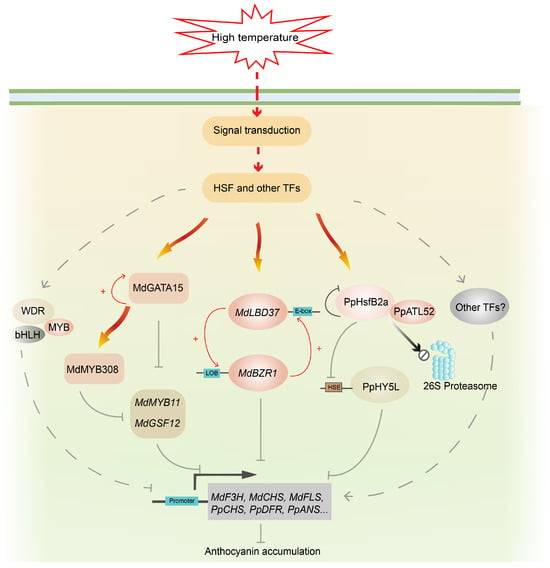
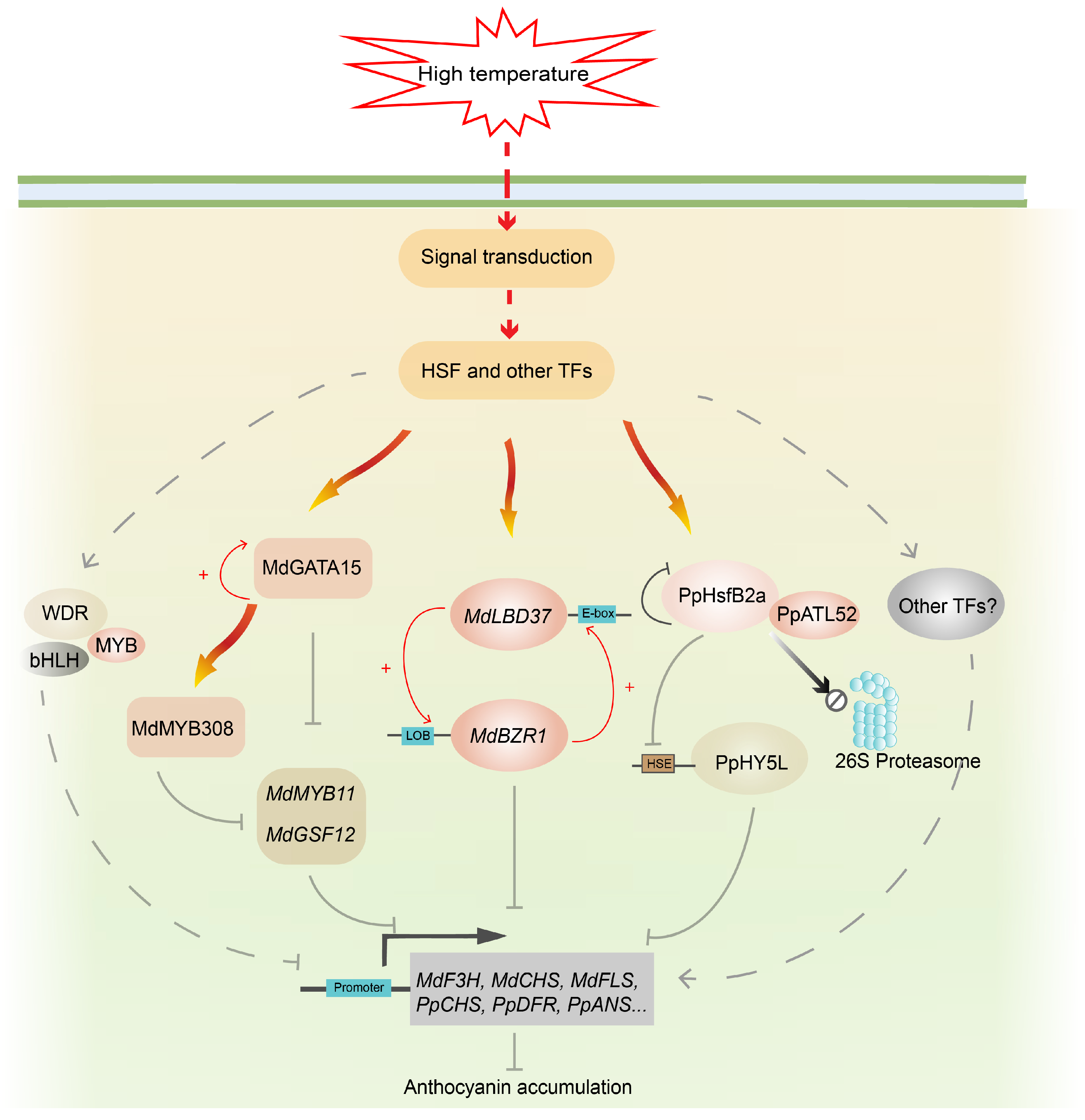
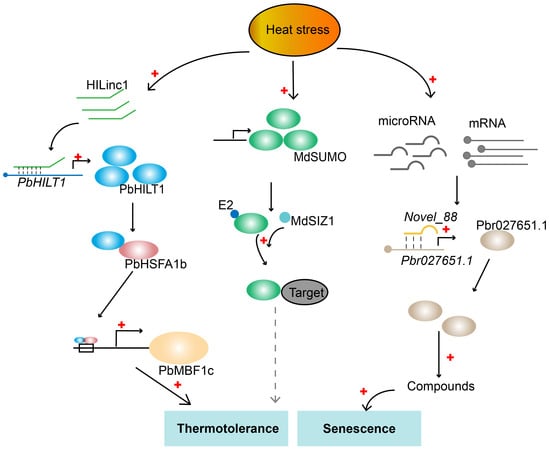
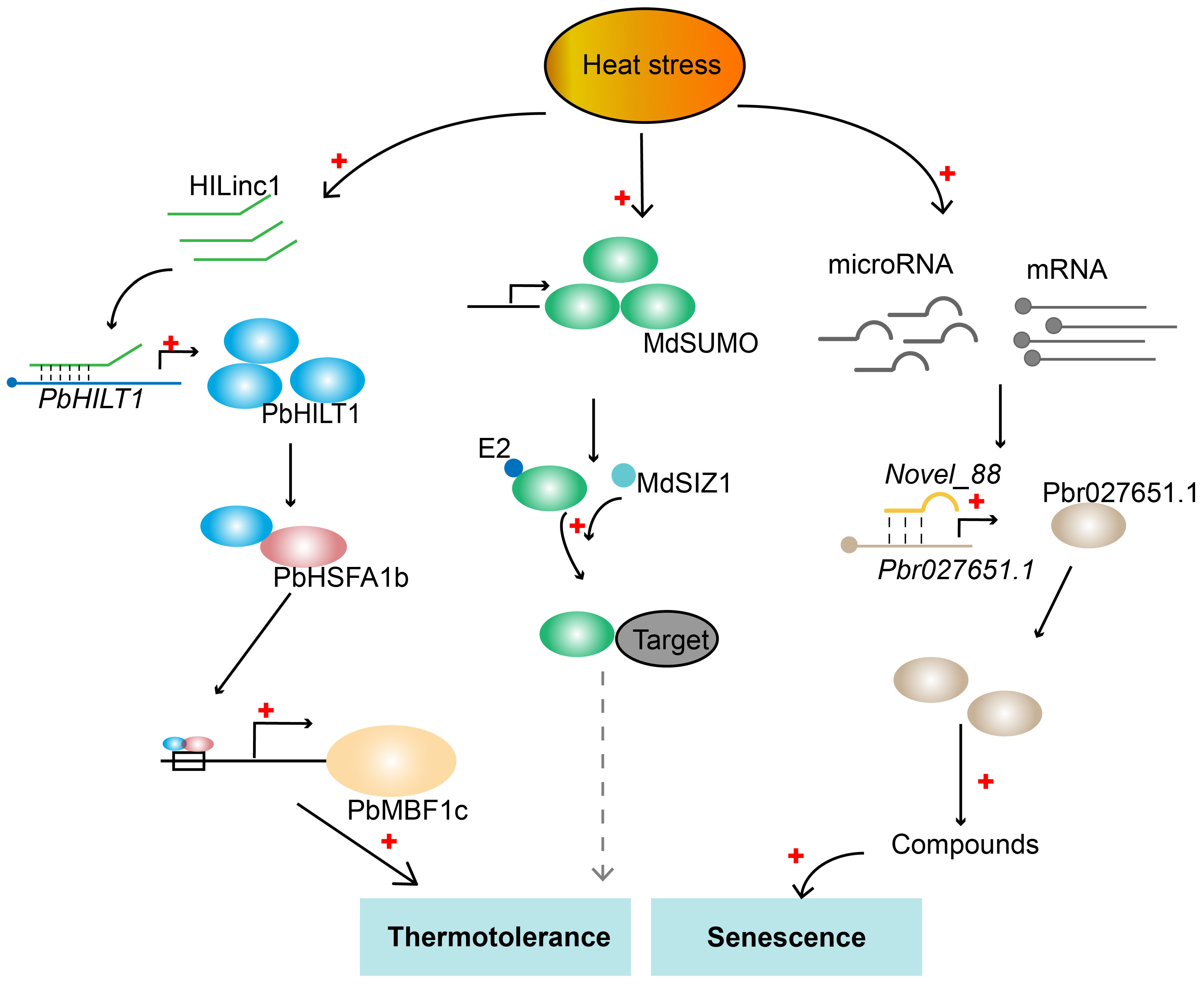
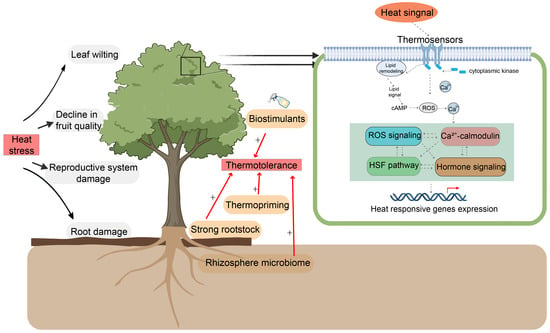

Disclaimer/Publisher’s Note: The statements, opinions and data contained in all publications are solely those of the individual author(s) and contributor(s) and not of MDPI and/or the editor(s). MDPI and/or the editor(s) disclaim responsibility for any injury to people or property resulting from any ideas, methods, instructions or products referred to in the content. |
© 2026 by the authors. Licensee MDPI, Basel, Switzerland. This article is an open access article distributed under the terms and conditions of the Creative Commons Attribution (CC BY) license.