A Compact 6-Cavity LTCC Filter Featuring Four Transmission Zeros and Wide Stopband Based on a Single Cross-Coupling


 and
and
Abstract
1. Introduction
- Proposal of a controlled parasitic utilization strategy: The feasibility of an engineering trade-off between the “partial isolation of higher-order modes” and the “partial utilization of residual parasitic fields” in compact LTCC structures is investigated. This approach effectively transforms “unavoidable parasitics” into ”designable degrees of freedom” by establishing controlled electromagnetic boundaries, providing a solid physical foundation for field-circuit co-design;
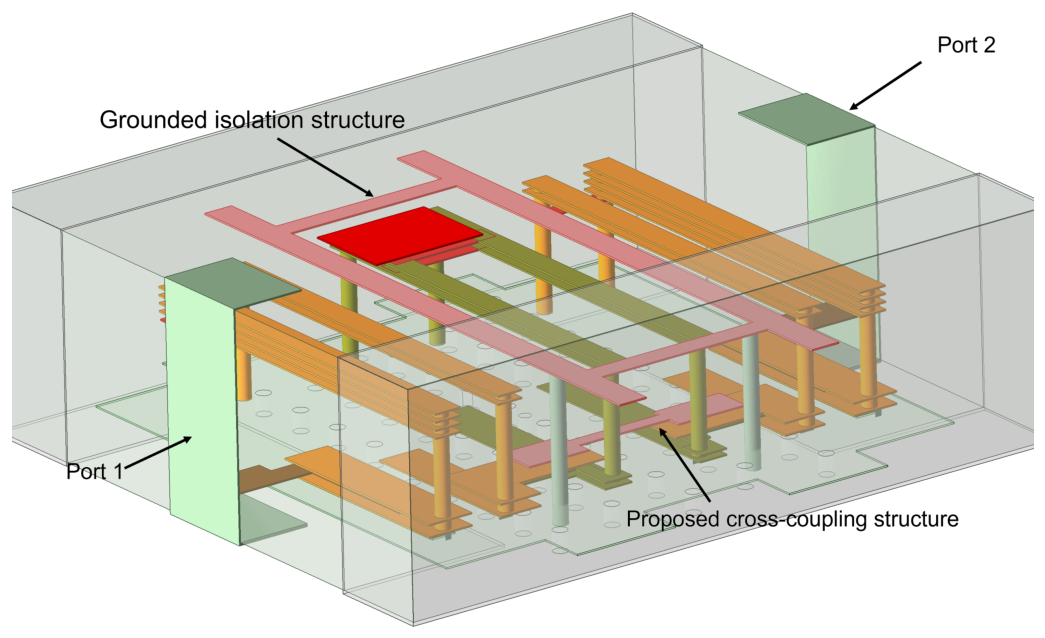
- Equivalent reconstruction of multiple TZs based on a minimalist physical architecture: Within the controlled boundaries, a single “dumbbell-shaped” explicit cross-coupling path is explored. Crucially, the four TZs are generated by the combined effect of different mechanisms: two TZs are physically contributed by the single explicitly designed cross-coupling path, while the other two TZs are inherently formed by the multipath parasitic couplings in the 3D LTCC environment. Their synergy achieves the equivalent reconstruction of a high-order hybrid network with four TZs without increasing layout complexity;
- Engineering realization of multidimensional metrics: The measured results demonstrate that, while achieving spatial compactness, the designed filter obtains an FBW of 38.6% and a shape factor of 1.16 (calculated based on the 20-dB/3-dB bandwidth ratio). Furthermore, it exhibits an upper stopband suppression extending up to , providing an effective and practical structural reference for high-density RF modules.
2. Theoretical Synthesis and Equivalent Topological Reconstruction Strategy
2.1. System-Level Synthesis and Ideal Coupling Topology
2.2. Physical Implementation Constraints and Equivalent Topological Reconstruction Strategy
2.3. Mathematical Mapping of Target Parameters for the Main Path
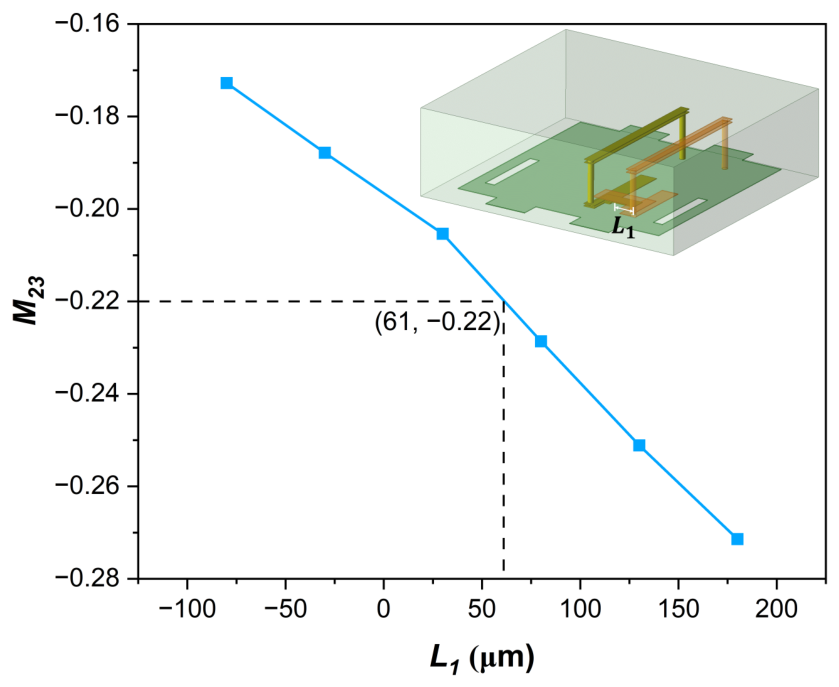
- Target main-path coupling coefficients: , , ;
- Target external quality factor: .
3. 3D Modular Architecture Design and Evolution Mechanism of Multi-Path Cancellation Zeros
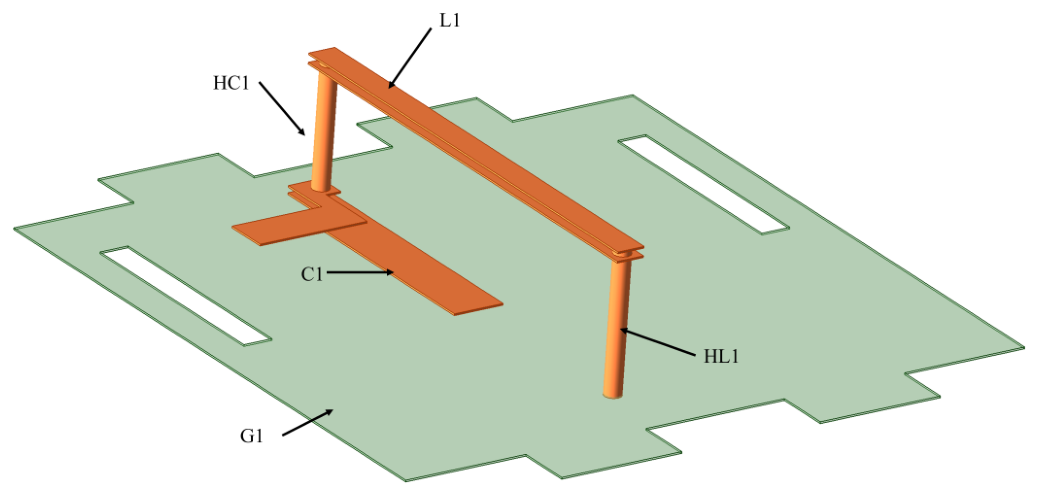
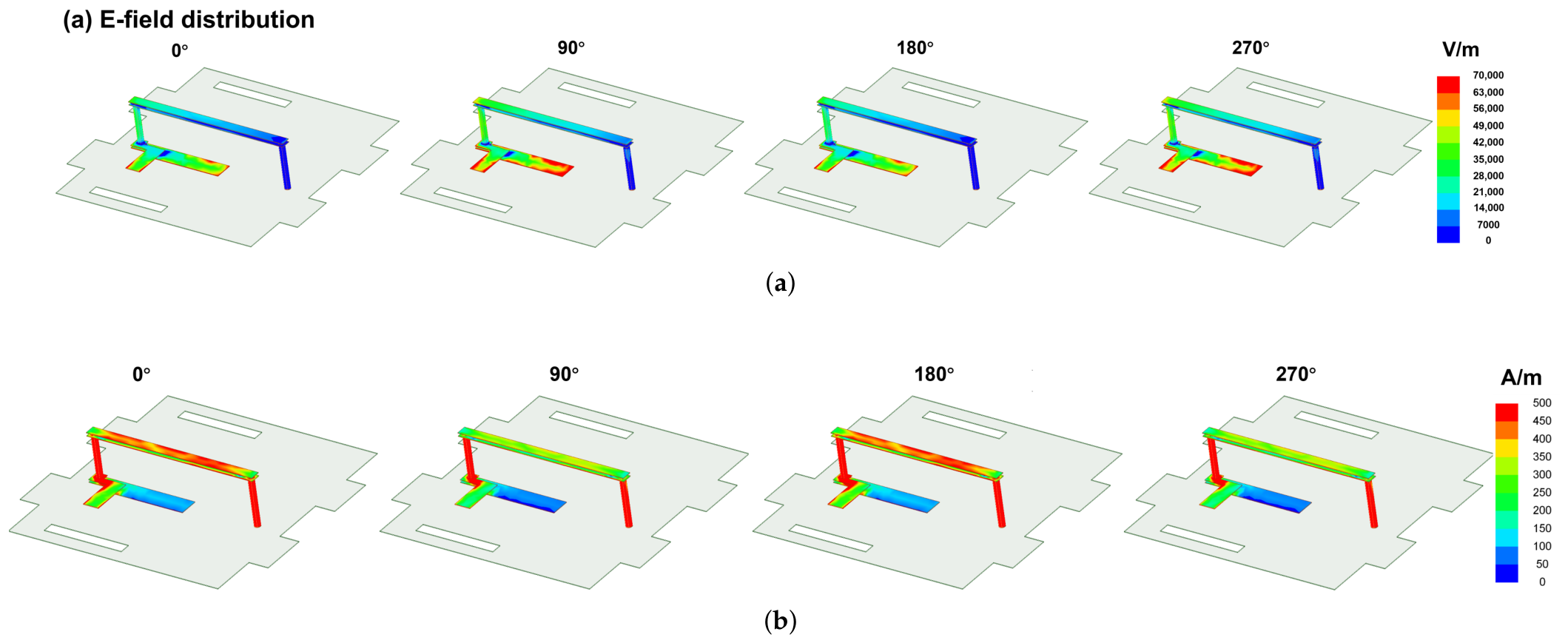
3.1. Miniaturized Multilayer Resonator Unit
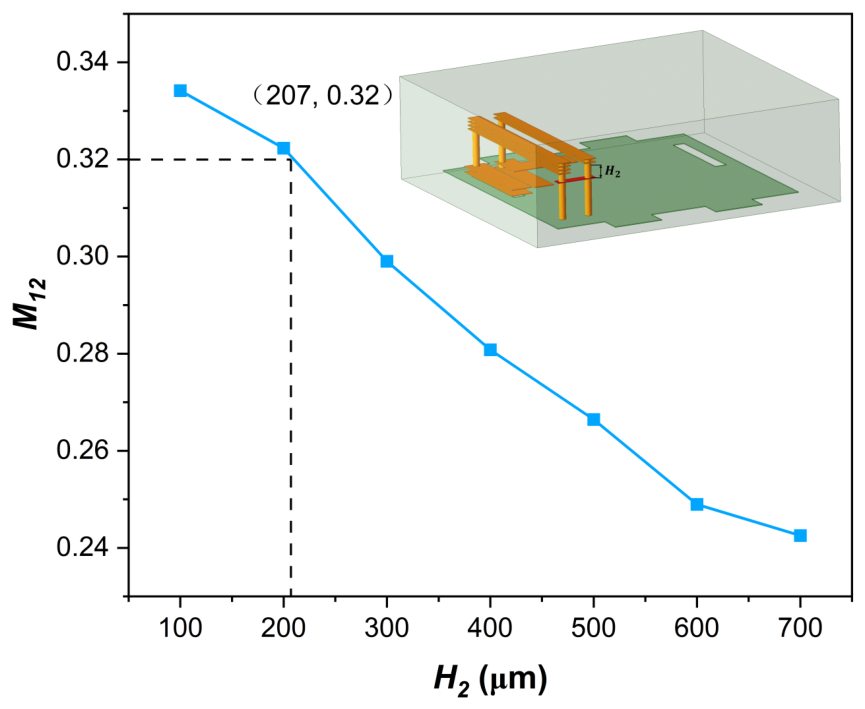
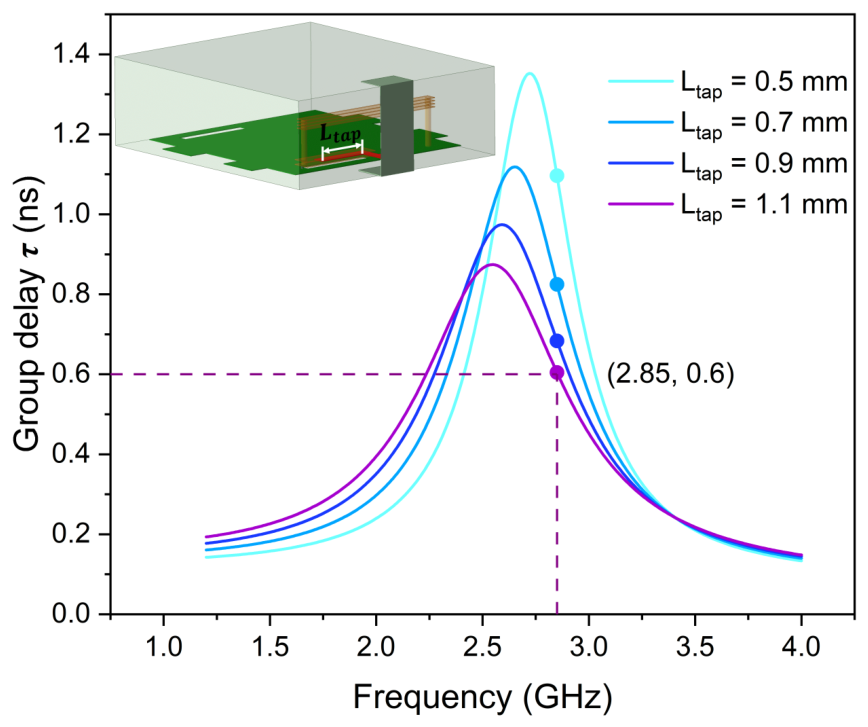
3.2. Extraction of Main-Path Basic Parameters Based on the Modular Architecture
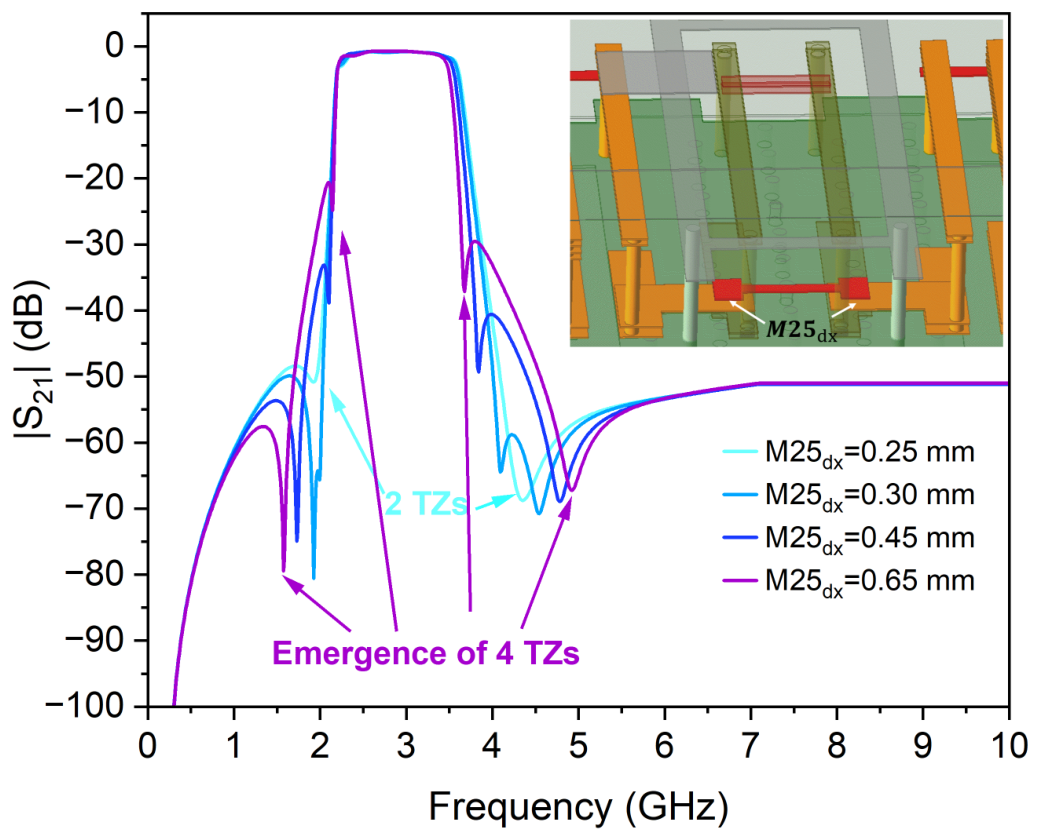
3.3. Reconstruction of Controlled EM Boundaries and Multi-Path Cancellation Mechanism
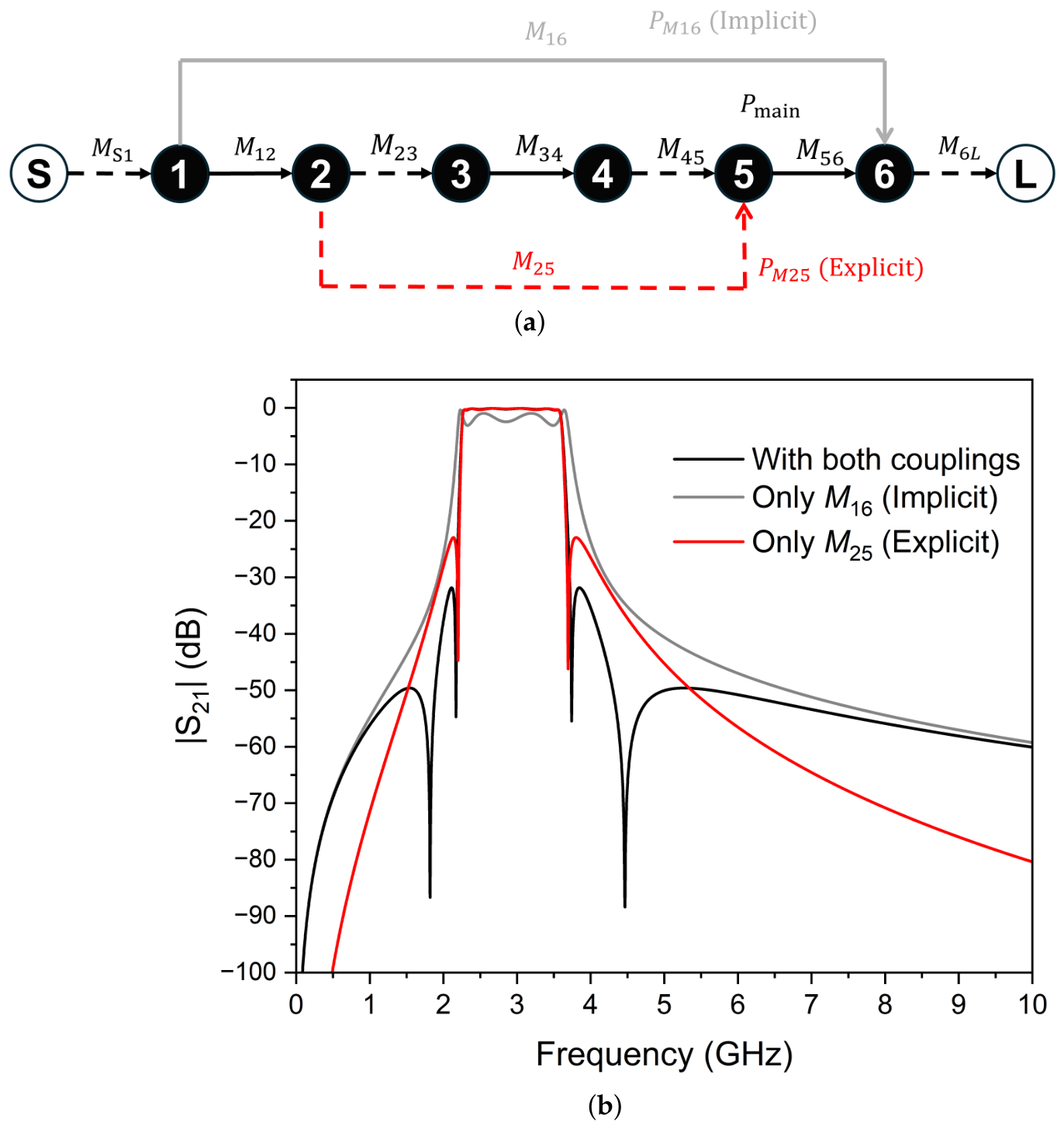
- Path A (): The sequential cascading path between adjacent nodes ();
- Path B (): The explicit cross-coupling path introduced by the structure ();
- Path C (): The implicit parasitic path represented as an equivalent coupling ().
- With both couplings (Black line): The complete response with four TZs is achieved.
- Only (Red line): When the implicit path is removed, the far-end TZs disappear, and the response reverts to a standard 2-TZ dual-path cancellation.
- Only (Grey line): When the explicit branch is removed, all four TZs disappear, and the selectivity significantly degrades.
4. Full-Model Simulation, Fabrication, and Experimental Validation
4.1. Global Co-Optimization and Full-Model Electromagnetic Simulation
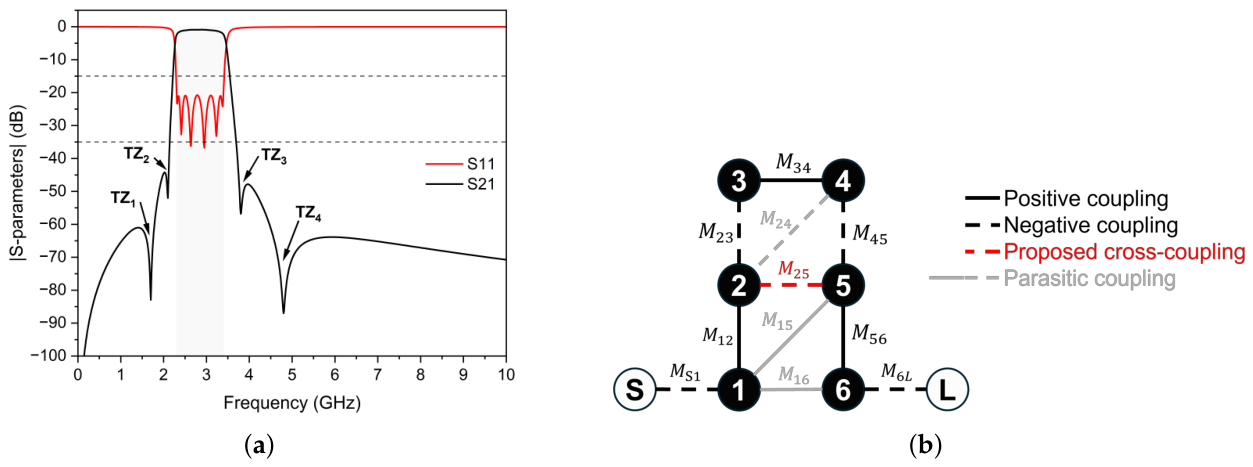
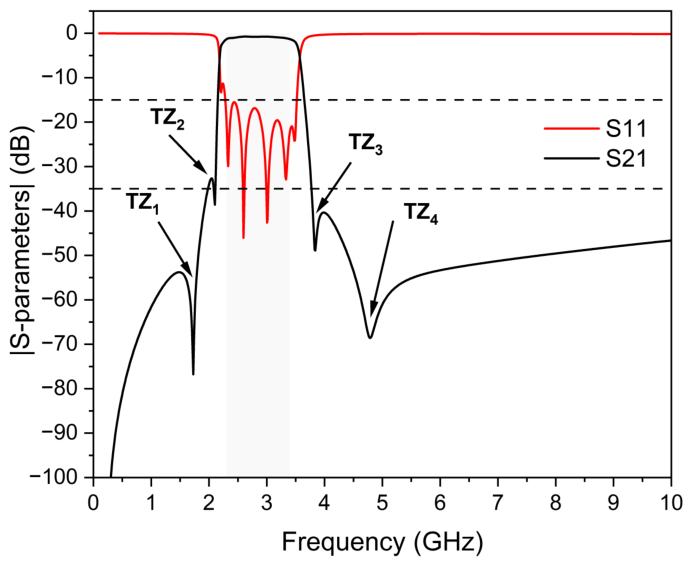
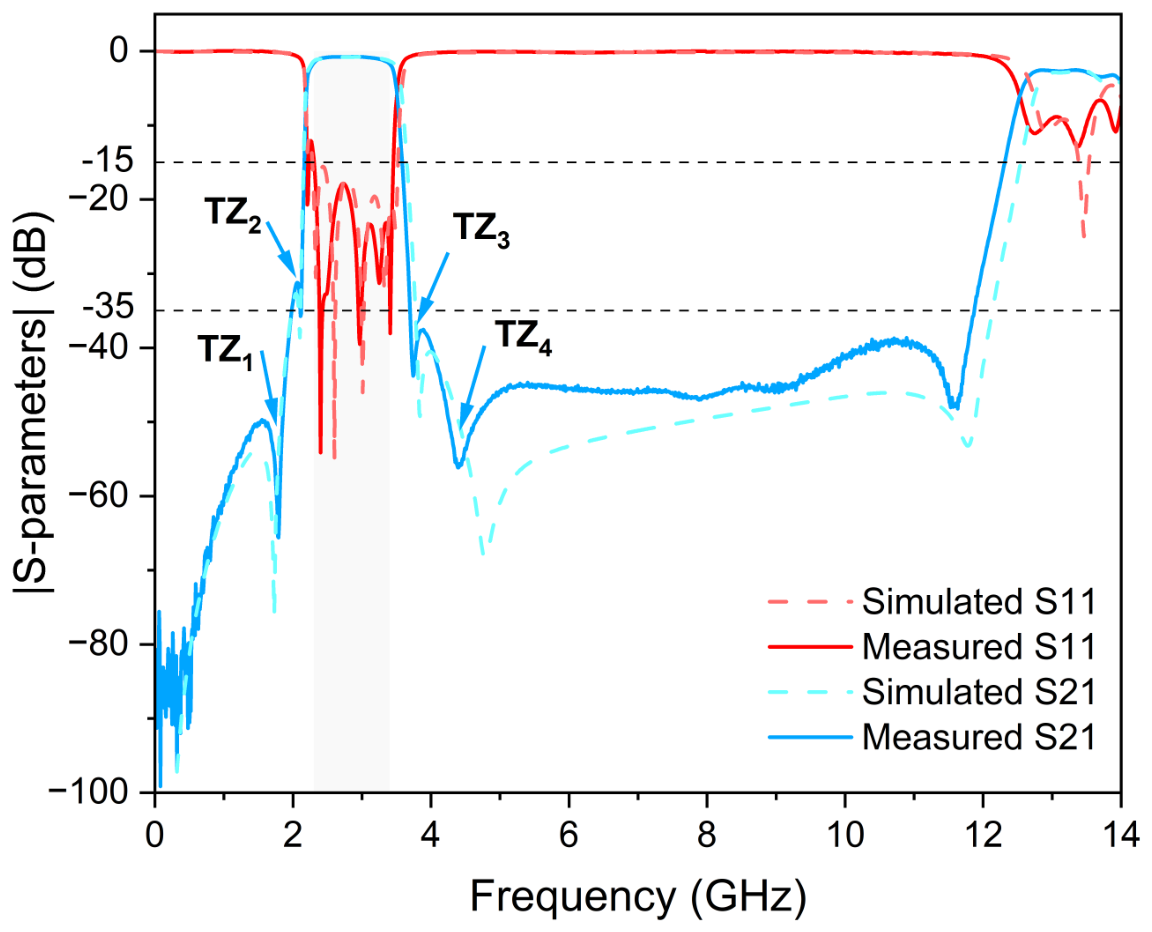
- Passband matching characteristics: Within the passband from 2.3 GHz to 3.4 GHz, the port return loss () is better than 15 dB. The insertion loss () at the center frequency is approximately 0.79 dB, indicating that the adopted multilayer stacked resonator architecture maintains a good unloaded quality factor within a compact volume;
- Stopband and multiple transmission zeros: The simulated response generates four transmission zeros on both sides of the passband. This result verifies the previous theoretical analysis: the single explicit structure synergizes with the implicit parasitic environment to equivalently reconstruct a multi-zero response based on the multi-path cancellation mechanism. Furthermore, the filter achieves a stopband suppression of greater than 20 dB in the upper stopband, extending up to .
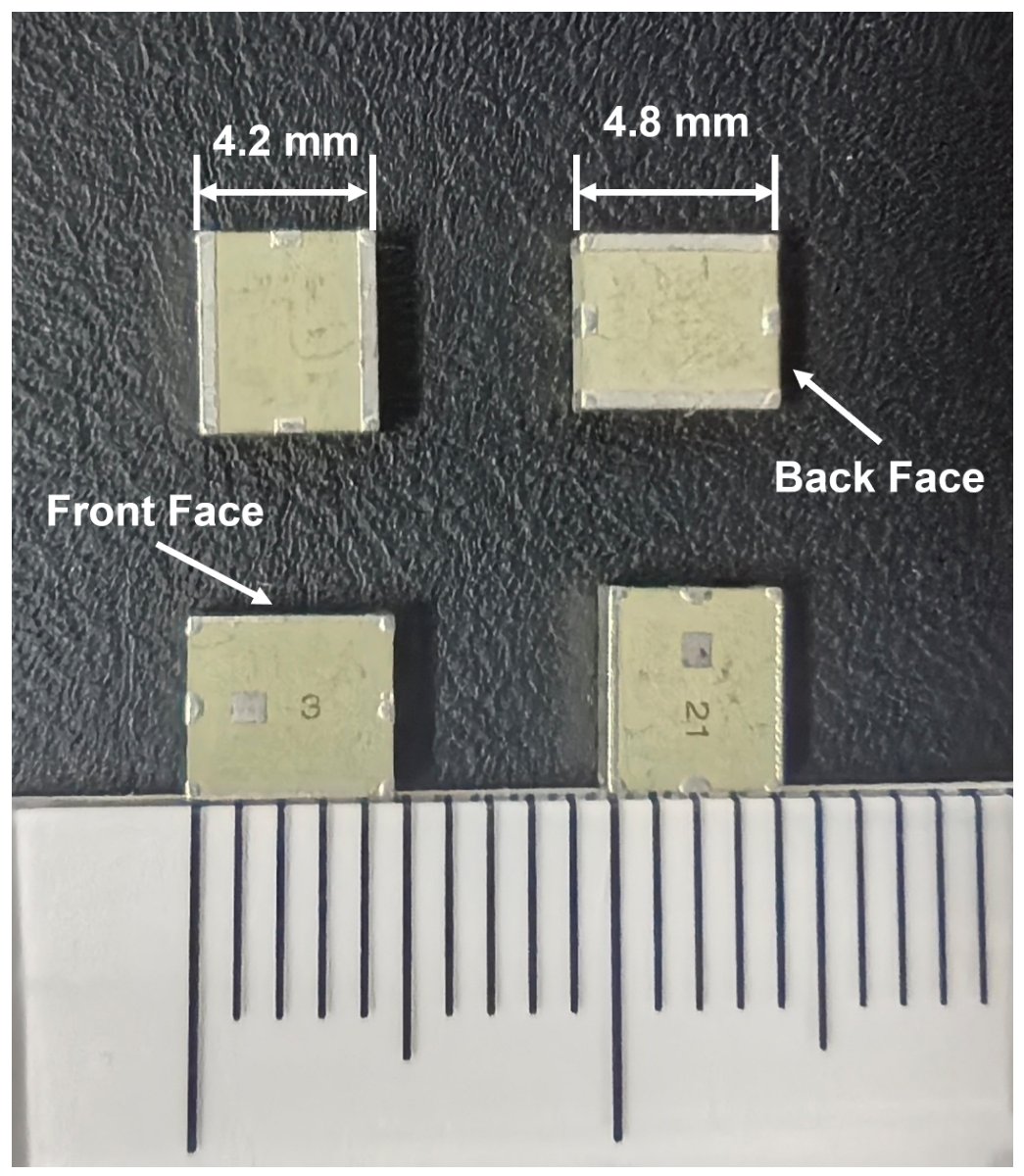
4.2. Physical Lamination Process and Miniaturized Fabrication
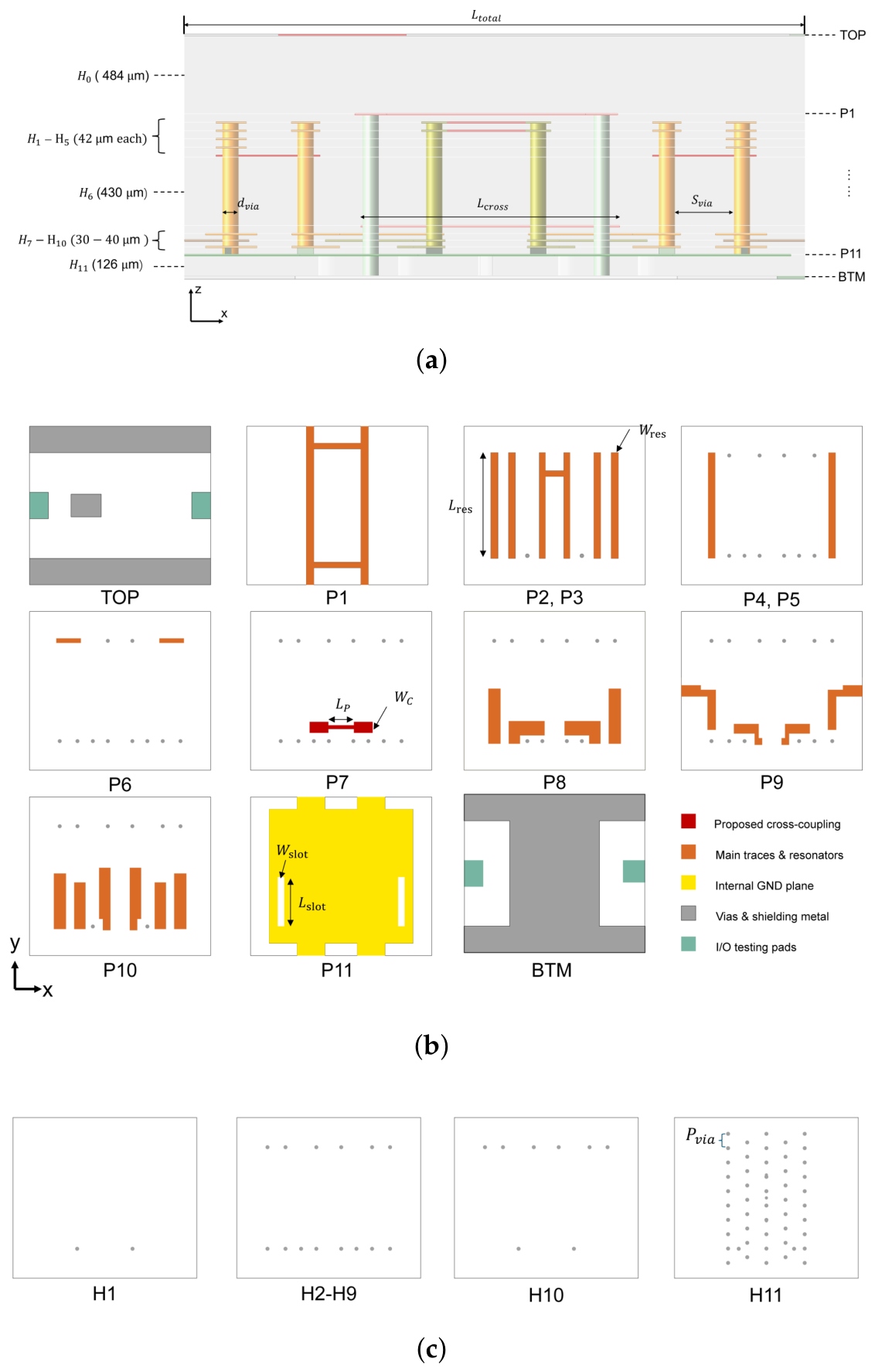
- Tolerance to Lateral Alignment Errors (X/Y-axis): In standard LTCC stacking processes, lateral registration errors are typically strictly controlled within 10 μm. To completely immunize the design against such deviations, an asymmetric “oversized-pad” layout strategy was inherently applied to the critical capacitive coupling nodes (as observed in Figure 11b). By deliberately designing one capacitive plate larger than its overlapping counterpart, slight lateral misalignments do not alter the effective overlapping area. This ensures that the equivalent coupling coefficients remain exceptionally stable under transverse fabrication tolerances.
- Robustness to Vertical Shrinkage Variations (Z-axis): LTCC green tapes naturally experience vertical shrinkage variations (typically ) during the high-temperature co-firing phase. Full-wave tolerance simulations in HFSS verify that a fluctuation in the vertical dimension introduces acceptable variations in the overall S-parameters (such as slight fluctuations in passband matching and a minor frequency shift). Nevertheless, the critical four-TZ topology and stopband suppression levels are well preserved without severe deterioration. Furthermore, in practical fabrication, any systematic longitudinal shrinkage error can be effectively eliminated by fine-tuning the isostatic pressing pressure prior to the co-firing process.
4.3. Measured Results and Comparative Analysis
- Slight frequency shift: Normal manufacturing tolerances in the actual 3D physical shrinkage rate of the LTCC green tapes during the high-temperature co-firing process cause slight variations in the physical dimensions and equivalent dielectric constant of the internal resonators, thereby inducing a slight shift in the overall spectrum;
- Parasitic perturbation and engineering mitigation in the high-frequency stopband: As shown in the updated Figure 13, the extended 14-GHz full-wave simulation confirms that the spurious passband around 12.5 GHz is an inherent higher-order mode of the structure, showing excellent agreement with the measurement and validating the accuracy of the 3D EM model. However, a slight degradation in the suppression level (floor lifting to approximately dB) is observed between 5 GHz and 11.5 GHz. This perturbation is primarily investigated as a substrate thickness discrepancy between the simulation (0.254 mm) and the practical test fixture (0.508 mm). For the 0.508 mm board used in the measurement, maintaining a 50-Ω impedance requires a wide microstrip line (approx. 1.015 mm), which introduces a significant geometric step-discontinuity against the narrow LTCC pads. This physical mismatch triggers high-frequency spatial radiation and substrate leakage. Although TRL (Thru-Reflect-Line) de-embedding was effectively applied, it cannot mathematically eliminate such unguided 3D radiations originating from physical structural mismatches. For practical integration, it is highly recommended to ensure the trace width physically matches the port size by selecting thinner substrates or materials with lower dielectric constants (e.g., Rogers), and to use staggered ground vias to suppress substrate modes. Nevertheless, the measured rejection consistently maintains over 35 dB up to 11.5 GHz, satisfying the practical requirements of the target application.
5. Performance Comparison and Discussion
6. Conclusions
Author Contributions
Funding
Institutional Review Board Statement
Informed Consent Statement
Data Availability Statement
Acknowledgments
Conflicts of Interest
References
- Holdengreber, E.; Mizrahi, M.; Citron, N.; Schacham, S.E.; Farber, E. Very Low-Noise Figure HTSC RF Front-End. Electronics 2022, 11, 1270. [Google Scholar] [CrossRef]
- Luo, B.; Li, J.-B. A Novel Design of Direct Coupled and Small Volume Filter for 5G Network. In Proceedings of the 2022 4th International Conference on Communications, Information System and Computer Engineering (CISCE), Shenzhen, China, 27–29 May 2022; IEEE: New York, NY, USA, 2022; pp. 252–255. [Google Scholar]
- Ruppel, C.C.W. Acoustic Wave Filter Technology—A Review. IEEE Trans. Ultrason. Ferroelectr. Freq. Control 2017, 64, 1390–1400. [Google Scholar] [CrossRef] [PubMed]
- Guo, Y.; Wang, Q.; Chen, J. S-band Band-pass Filter by Using Integrated Passive Device Technology. In Proceedings of the 2022 23rd International Conference on Electronic Packaging Technology (ICEPT), Dalian, China, 10–13 August 2022; IEEE: New York, NY, USA, 2022; pp. 1–5. [Google Scholar]
- Shaik, M.; Agarwal, S.; Pabolu, V. A Miniaturized LTCC RF front-end Module for SATCOM MSS Handheld Terminals. In Proceedings of the 2022 IEEE Wireless Antenna and Microwave Symposium (WAMS), Rourkela, India, 5–8 June 2022; IEEE: New York, NY, USA, 2022; pp. 1–3. [Google Scholar]
- ur Rehman, M.; Kumar, L.N.V.; Swaminathan, M. Substrate Integrated Waveguide Filters in Glass Interposer for mmWave Applications. IEEE Trans. Compon. Packag. Manuf. Technol. 2022, 12, 1719–1722. [Google Scholar] [CrossRef]
- Wang, S.; Chung, K.L.; Du, L.; Kong, F.; Li, K. Design and Analysis of a Compact Frequency Beam-Scanning Antenna Based on Composite FHMSIW/SSPP Waveguide. IEEE Antennas Wirel. Propag. Lett. 2022, 21, 546–550. [Google Scholar] [CrossRef]
- Yao, J.; Yu, S.; Huang, J.; Chen, C. Design and Optimization of LTCC Broadband Interconnect Structures for Bare-Chip Integration. Electronics 2026, 15, 194. [Google Scholar] [CrossRef]
- Tang, L.; Han, W.; Wei, H.; Li, Y. Miniaturized Hybrid Filter Using Capacitive-Loaded QMSIW and Stripline Resonators. Electronics 2024, 13, 5016. [Google Scholar] [CrossRef]
- Li, Z.; Xuan, W.; Ding, R.; Zhang, H.; Wang, H.; Gao, F.; Jin, H.; Luo, J.; Dong, S. Design of Low-Temperature Co-Fired Ceramic-Based Miniaturized Filter with High Rejection for Super High-Frequency Band Applications. Microw. Opt. Technol. Lett. 2025, 67, e70387. [Google Scholar] [CrossRef]
- Gavela, I.; Falagan, M.A.; Stadler, M. Small Size 2.4 GHz ISM-Band LTCC Filters with Transmission Zeros. In Proceedings of the 2005 European Microwave Conference, Paris, France, 4–6 October 2005; IEEE: New York, NY, USA, 2005; 4p. [Google Scholar]
- Malherbe, J.A.G. Wideband Bandpass Filter with Extremely Wide Upper Stopband. IEEE Trans. Microw. Theory Techn. 2018, 66, 2822–2827. [Google Scholar] [CrossRef]
- Sangam, R.S.; Dash, S.; Kshetrimayum, R.S. Ultra-Broadband Bandpass Filter Using Linearly Tapered Coupled-Microstrip Line and Open Loop Defected Ground Structure. IEEE Trans. Circuits Syst. II Express Briefs 2021, 68, 181–185. [Google Scholar] [CrossRef]
- Wang, Z.; Zou, X.; Wang, N. Topology Design, Analysis, and Optimization for a Bandpass Baw Filter. In Proceedings of the 2023 IEEE 6th International Conference on Electronic Information and Communication Technology (ICEICT), Qingdao, China, 21–23 July 2023; IEEE: New York, NY, USA, 2023; pp. 528–531. [Google Scholar]
- Wei, D.; Luo, X.; Liu, Z.; Qian, Z.; Zhang, P. LTCC Ultra-Wideband Bandpass Filter with Wide Out-Of-Band Suppression Based on Composite Independent-Filters Topology. Microw. Opt. Technol. Lett. 2026, 68, e70564. [Google Scholar] [CrossRef]
- Zhao, W.; Wu, Y.; Yang, Y.; Wang, W. LTCC Bandpass Filter Chips with Controllable Transmission Zeros and Bandwidths Using Stepped-Impedance Stubs. IEEE Trans. Circuits Syst. II Express Briefs 2022, 69, 2071–2075. [Google Scholar] [CrossRef]
- You, B.; Li, H.-Y.; Xu, J.-X.; Zhang, X.Y. Design of Low-Loss High-Selectivity LTCC Bandpass Filter. In Proceedings of the 2025 International Conference on Microwave and Millimeter Wave Technology (ICMMT), Xi’an, China, 19–22 May 2025; IEEE: New York, NY, USA, 2025; pp. 1–3. [Google Scholar]



| No. | Item | Characteristics |
|---|---|---|
| 1 | Center Frequency | 2850 MHz |
| 2 | Passband | 2300–3400 MHz |
| 3 | Insertion Loss (IL) | ≤3.0 dB |
| 4 | In-band VSWR | ≤1.7 |
| 5 | In-band Ripple | ≤1.0 dB |
| 6 | Stopband Attenuation | ≥35 dB (@ DC–1.9 GHz) |
| ≥25 dB (@ 1.9–2.1 GHz) | ||
| ≥20 dB (@ 3.7–4.0 GHz) | ||
| ≥35 dB (@ 4.0–8.0 GHz) | ||
| ≥15 dB (@ 8.0–13.4 GHz) | ||
| 7 | Input/Output Impedance | 50 |
| Parameter | Description | Value (Unit) |
|---|---|---|
| Overall & Dielectric Specifications | ||
| Total length and width of the LTCC chip | 4.8 × 4.2 mm | |
| Thickness of thick LTCC dielectric layers | 484, 430 μm | |
| Thickness of standard LTCC layers | 42 μm (each) | |
| Thickness of thin LTCC layers | 30–40 μm | |
| Thickness of bottom LTCC layer | 126 μm | |
| Resonator & Internal GND Parameters | ||
| Length of the main vertical resonator traces | 2.8 mm | |
| Width of the main vertical resonator traces | 0.19 mm | |
| Length of the slots on internal GND plane | 1.3 mm | |
| Width of the slots on internal GND plane | 0.172 mm | |
| Explicit Cross-Coupling Parameters | ||
| Total span of the explicit cross-coupling structure | 1.67 mm | |
| Length of the narrow connective strip in cross-coupling | 0.677 mm | |
| Width of the capacitive dumbbell p in cross-coupling | 0.255 mm | |
| Via Array Parameters | ||
| Diameter of all vertical metallized vias | 100 μm | |
| Gap between adjacent individual vias in resonators | 0.30 mm | |
| Center-to-center pitch of the dense via array | 0.375 mm | |
| Ref. & Year | Design Tech. | (GHz)/FBW (%) | IL (dB) | No. of TZs | Shape Factor 1 | 20-dB Stopband | Normalized Size () |
|---|---|---|---|---|---|---|---|
| [12] 2018 | PCB | 0.35/101.8 | 0.6 | >4 | ∼1.50 | ||
| [13] 2021 | PCB | 8.25/91.0 | <1.5 | 3 | 1.29 | ||
| [14] 2023 | BAW | 1.90/2.1 | 1.5 | Multi | <1.1 | Limited 2 | <0.001 |
| [15] 2026 | LTCC | 3.60/160.0 | <2.0 | 2 | — | ||
| [16] 2022 | LTCC | 3.50/32.0 | 1.35 | 5 | 1.98 | ||
| [17] 2025 | LTCC | 3.70/19.1 | 1.3 | 3 | — | >10.8 | |
| This work | LTCC | 2.85/38.6 | <1.7 | 4 | 1.16 |
Disclaimer/Publisher’s Note: The statements, opinions and data contained in all publications are solely those of the individual author(s) and contributor(s) and not of MDPI and/or the editor(s). MDPI and/or the editor(s) disclaim responsibility for any injury to people or property resulting from any ideas, methods, instructions or products referred to in the content. |
© 2026 by the authors. Licensee MDPI, Basel, Switzerland. This article is an open access article distributed under the terms and conditions of the Creative Commons Attribution (CC BY) license.
Share and Cite
Lv, C.; Luo, X.; Shan, X.; Deng, X.; Song, K.; Luo, C. A Compact 6-Cavity LTCC Filter Featuring Four Transmission Zeros and Wide Stopband Based on a Single Cross-Coupling. Electronics 2026, 15, 2126. https://doi.org/10.3390/electronics15102126
Lv C, Luo X, Shan X, Deng X, Song K, Luo C. A Compact 6-Cavity LTCC Filter Featuring Four Transmission Zeros and Wide Stopband Based on a Single Cross-Coupling. Electronics. 2026; 15(10):2126. https://doi.org/10.3390/electronics15102126
Chicago/Turabian StyleLv, Chengchao, Xinjiang Luo, Xianglu Shan, Xiaopei Deng, Kaixin Song, and Changwei Luo. 2026. "A Compact 6-Cavity LTCC Filter Featuring Four Transmission Zeros and Wide Stopband Based on a Single Cross-Coupling" Electronics 15, no. 10: 2126. https://doi.org/10.3390/electronics15102126
APA StyleLv, C., Luo, X., Shan, X., Deng, X., Song, K., & Luo, C. (2026). A Compact 6-Cavity LTCC Filter Featuring Four Transmission Zeros and Wide Stopband Based on a Single Cross-Coupling. Electronics, 15(10), 2126. https://doi.org/10.3390/electronics15102126