1. Introduction
Developing sustainable construction materials requires a clear understanding of how individual components interact and how these interactions influence the overall structural behavior of composite systems [
1,
2]. Previous research has shown that the microstructure and internal mechanisms of materials play a significant role in ensuring long-term performance in various civil engineering applications, including geotechnical structures and foundations. At the same time, the continued growth of the construction sector has increased the demand for efficient and durable thermal insulation materials, prompting both industry and researchers to explore new approaches for improving their production, utilization, and end-of-life management [
3,
4]. Among these, mineral-based insulators synthesized through the thermal treatment of volcanic basalt rock have attracted increasing attention due to their high thermal stability, environmental compatibility, and durability. This type of mineral insulation is much more effective and safer in contrast to its analogs of organic origin, as it is not flammable and not subject to aging, and does not form condensate in the space between the insulation and the insulated structure. The main problematic issue of the production of mineral insulating materials is its waste. Therefore, the development of sustainable technologies for recycling such waste into valuable secondary materials has become an urgent task [
5,
6]. This study aims to develop and optimize a chemical recycling process converting basalt insulation waste into active mineral powder applicable in asphalt concrete production.
Reviewing worldwide studies in the field of utilizing production waste from mineral insulators showed that there are serious ecological problems connected with storage in landfills and the leaching of stone wool wastes [
7,
8,
9]. The term “mineral wool” includes a variety of inorganic materials used as insulating agents. Predominantly used in construction, mineral wool serves to provide thermal insulation, cold and fire protection, and sound insulation. Despite the fact that mineral wool waste accounts for only a small proportion of the total construction waste by mass, it requires large capacities for transportation and disposal due to its low bulk density, and its utilization remains low compared to other types of waste [
10].
According to statistical studies on waste disposal by industrial enterprises, about 13,000 tons of waste thermal insulation materials based on basalt fiber, and 4350 tons of waste basalt fiber (and materials based on it), are generated annually in Kazakhstan. To date, the main producers of mineral wool are the companies Izoterm-Oskemen (Oskemen), MakWool (MZTI) (Akmola region, Makinsk), EcoTERM.KZ (Temirtau), and Technonikol-Kazakhstan LLP (Almaty) [
11].
There are examples of processing of basalt slab residues in countries with developed economies. For example, the German company, FAS, has processed basalt residues quite effectively for many years as a result of sawing basalt slabs at the plant [
12,
13]. There is a separate technological line that fully utilizes and re-produces finished basalt materials from secondary raw materials using reverse technology [
14,
15].
Although a large number of studies have investigated the composition, thermal behavior, and environmental impact of mineral wool products [
16], research specifically focused on industrial recycling techniques and the chemical processing of basalt-based insulation waste remains limited. Most existing approaches rely on mechanical recycling—such as shredding, grinding, or the incorporation of fibers into composite matrices—which does not modify the chemical structure of the material, and therefore provides only marginal improvements in performance [
12,
17]. Recent advances in hydrometallurgical treatments, including acid leaching, oxidative dissolution, and alkali activation, have demonstrated the potential of chemical methods to alter oxide composition, remove alkaline impurities, and enhance the reactivity of silicate-based wastes [
18,
19]. However, these studies primarily target natural basalt, slags, or glass residues, while mineral wool waste has received considerably less attention, particularly regarding its conversion into functional mineral fillers for asphalt concrete [
20]. Moreover, the literature lacks a clearly defined methodology for the chemical oxidation or acid-mediated modification of insulation waste aimed at improving bitumen affinity, particle reactivity, and compatibility with asphalt binders.
During the production process of mineral wool, in addition to carpet edge trimming, which accounts for 6 to 8%, additional substandard product residues and non-marketable products are generated, which account for approximately 5 to 8% of the total output. Thus, between 5 and 15% of the products of the total production volume are not suitable for sale due to their condition. Many mineral wool manufacturers remove these substandard products or a significant part of them, and must pay not only for their removal, but also for the cost of transportation. This generates a large amount of waste, which many manufacturers in Kazakhstan and construction companies simply throw away. Often, they are not properly processed in landfills and consequently pollute the environment. Therefore, recycling basalt slabs, and ensuring their proper utilization with further effective use of the secondary product, is of great importance.
Numerous approaches have been proposed for the utilization of mineral insulation waste; however, many of them remain inefficient or impractical. For example, the reuse of mineral wool residues as thermal insulation for horizontal building surfaces often results in poor performance due to the non-uniform structure of the material. Over time, such insulation tends to change density and absorb moisture, which increases humidity and promotes the development of mold and fungal growth. Disposal in landfills is also problematic: because mineral wool has very low bulk density, the waste is easily dispersed by wind and becomes difficult to contain. Moreover, its mineral composition prevents natural degradation, making long-term storage environmentally unsustainable.
However, despite the growing number of studies on mineral wool characterization, environmental impact, and mechanical recycling approaches, the literature reveals a critical research gap. Existing recycling strategies focus largely on physical processing and do not address the chemical transformation of basalt insulation waste into value-added mineral powders. Moreover, no established methodology exists for the controlled chemical oxidation of mineral wool aimed at modifying its oxide composition, enhancing particle reactivity, or improving affinity with asphalt binders. As a result, the potential of chemically activated mineral wool waste as a functional additive for asphalt concrete remains scientifically unexplored.
The article considers new effective technologies for the utilization of waste mineral insulating materials. Waste technology implies both a chemical and mechanical method.
The goal of the article is to develop technology for the utilization of mineral insulation waste by a chemical method to produce mineral powder.
Problems:
Development of the technology of waste mineral insulators by a chemical method;
Selection and optimization of the process for the utilization of waste mineral insulators;
Analysis of the obtained raw materials from waste mineral insulators for effective utilization.
This study is focused on the development and physicochemical characterization of a chemically activated mineral powder derived from basalt insulation waste, intended for use as a potential additive for asphalt mixtures. The mechanical performance of asphalt concrete was not evaluated at this stage and will be the subject of future research.
To provide a clearer description of the chemical environment, the sulfuric acid used in this study is specified not only by its density. A sulfuric acid solution with a density of 1400 kg/m3 corresponds to approximately 38 wt.% H2SO4, according to standard density–concentration correlations. This concentration was chosen because it offers adequate chemical activity to dissolve Ca-, Mg-, and Fe-bearing phases in the mineral wool waste, while still enabling controlled and stable reaction kinetics throughout the treatment process.
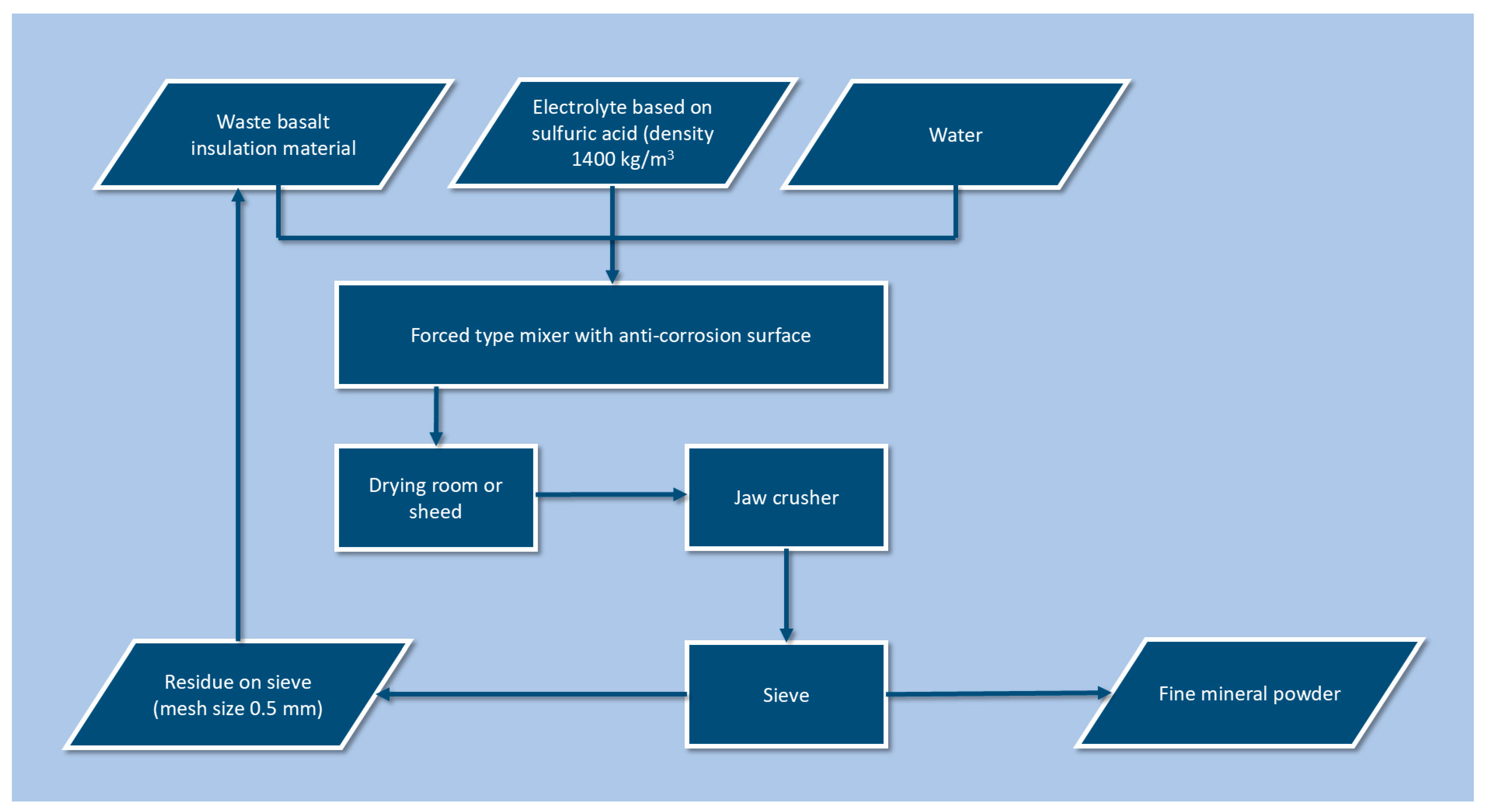
The technological process for the chemical activation and mechanical processing of waste basalt insulation materials into mineral powder is illustrated in
Figure 1.
In industrial conditions, the mixture can be dried under a canopy in the summer season, after which the obtained material is crushed in a jaw crusher for further use in the production of raw materials for construction as effective fillers and mineral powders. Also, the obtained raw material is reduced in volume by 10 times after leaching, so the occupied area for the produced waste is reduced by 10 times, and the waste will be utilized by complete reuse.
2. Materials and Methods
2.1. Materials Characterization
The experiments allowed us to identify the optimal proportion of waste basalt insulation, water, and sulfuric acid required to achieve effective chemical activation and to obtain a reactive mineral powder for subsequent construction-related applications. The selection of the optimum composition of mineral basalt insulation waste by chemical method is presented in
Table 1.
To ensure full reproducibility of the chemical recycling procedure, all key processing parameters are specified in detail. Prior to chemical activation, the basalt insulation waste was soaked in the sulfuric acid for 24 h at 18–20 °C to ensure thorough penetration of the acid into the fiber matrix. After soaking, the material underwent mechanical mixing for 15 min at a rotational speed of 120 rpm, initiating partial disintegration of the fibers. This step was followed by 3 min of rotational pulsation emulsification, which ensured uniform dispersion and enhanced interaction between the waste material and the sulfuric acid. After chemical treatment, the material was oven-dried at 100 °C for 6 h and subsequently cooled under ambient conditions for 1 h. The dried material was then ground for 5 min using a mechanical mill (LLC “Laboratory Equipment Plant”, Almaty, Kazakhstan), and finally sieved through a 0.063 mm mesh to obtain a mineral powder with the required granulometric properties for asphalt concrete applications.
The main indicator of the qualitative and effective composition of ratios of all components was the accepted pH, and the structure of the powder after milling to determine the maximum suitability of the obtained powder as a raw material. The pH of the solution was measured using standard indicator paper, where the pH value was determined by matching the color change in the strip to the reference scale provided by the manufacturer. The suspension after chemical treatment was measured using standard indicator paper. The measured pH values ranged from 6.5 to 7.2. To optimize the mix, we considered the high moisture absorption of the powder. Its maximum saturation was about 50% of its mass, so the water amount was set to half of the powder mass.
The technology of mineral powder production implies obtaining an effective additive in asphalt concrete pavement, and is also considered a way of utilizing basalt mineral insulation waste, solving the environmental problem.
For obtaining mineral powder from the wastes of basalt mineral insulator production, the composition, presented in
Table 2, was determined.
2.2. Chemical Treatment Process
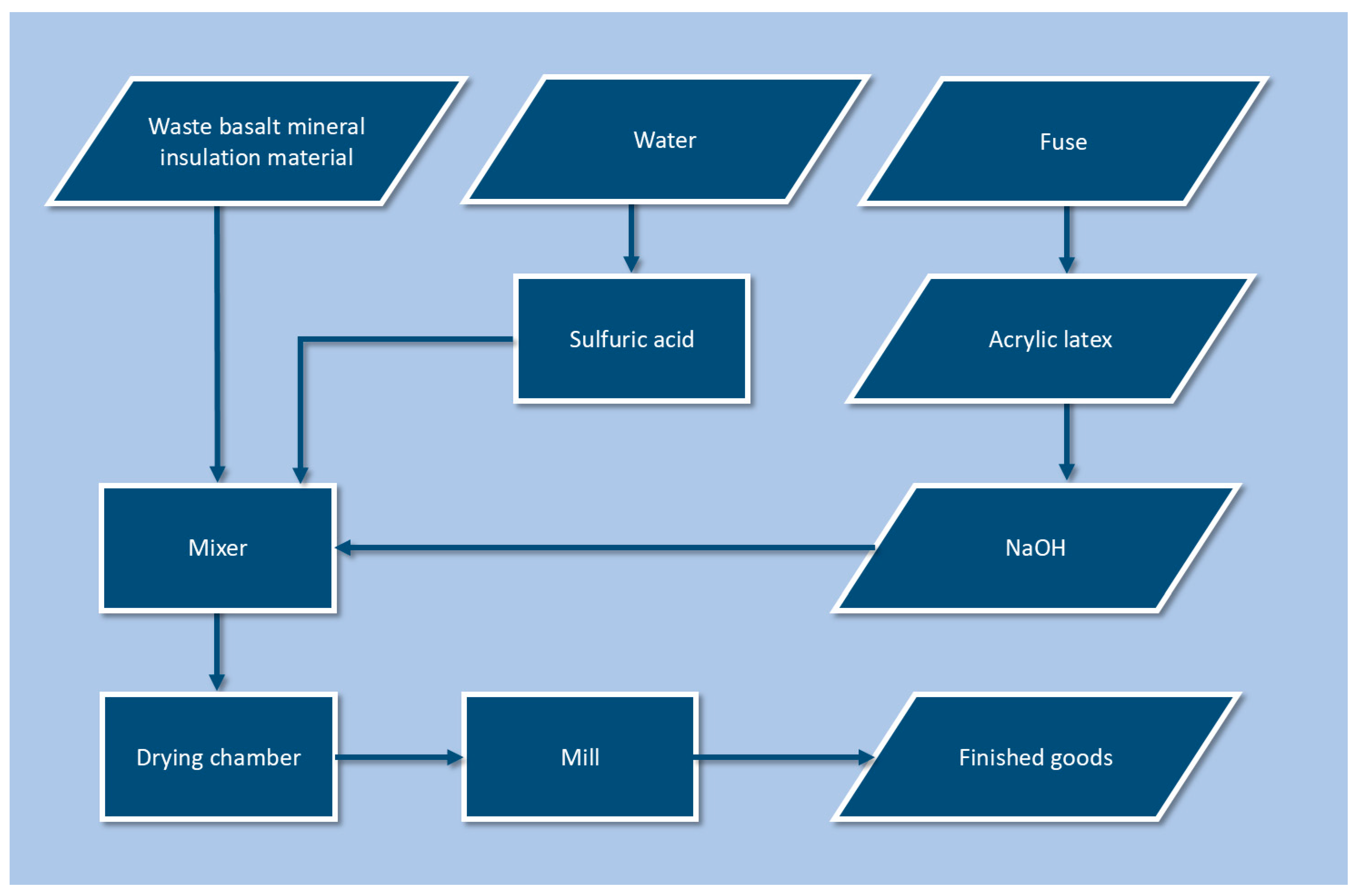
In the production of mineral powder, it is necessary to soak mineral insulation waste in water with a temperature not lower than 18 °C. The modifying component (hydrophobiser) is prepared separately: the fuse is mixed with acrylic latex and combined with NaOH alkali, and the temperature of the combination is not lower than 22 °C. The mixture is then passed through an Rotor–stator disperser (LLP “Global Tech Industry”, Almaty, Kazakhstan) to form a water-soluble emulsion. Afterwards, the obtained mixture is combined with water-soaked mineral insulation waste and electrolyte, and mixed thoroughly. The obtained mixture is placed in a drying chamber (SNOL Ltd., Utena, Lithuania), and then in a mill for grinding. The obtained powder is sieved and packed.
The interaction between sulfuric acid and basalt mineral wool is not a classical redox reaction. Instead, the chemical process is mainly governed by the acid reacting with basic oxides present in the mineral phases of the fibers. Basalt wool consists of an amorphous silicate matrix that originates from minerals such as pyroxenes (including diopside and augite), olivine (forsterite–fayalite series), and plagioclase feldspars (anorthite–labradorite). These phases contain oxides like CaO, MgO, and FeO/Fe2O3, which readily undergo acid attack. When exposed to sulfuric acid, the Ca-, Mg-, and Fe-bearing components are dissolved, resulting in the formation of sulfate compounds such as CaSO4, MgSO4, and Fe2(SO4)3. The removal of these cations weakens and disrupts the amorphous silicate framework, causing the fibers to break down and transform into a fine mineral powder. This mechanism is consistent with the structural deterioration observed in SEM images and the compositional shifts detected after treatment.
The technological scheme of mineral powder production for asphalt concrete is presented in
Figure 2.
Research on the chemical composition of waste mineral insulation based on basalt fiber has shown that its composition is predominantly silica (SiO2) and that it has an alkaline environment. In connection with this, to change its structure by the chemical method, it was accepted to carry out oxidation with the use of acid—in our case, an electrolyte based on sulfuric acid with a density of 1400 kg/m3. The process of oxidation released heat, and the average reaction temperature was 80 °C. The oxidation mixture of waste basalt mineral insulation was thoroughly stirred, and a pasty mixture was obtained, which was placed in the drying chamber at a temperature of 100 °C.
2.3. Analytical Methods
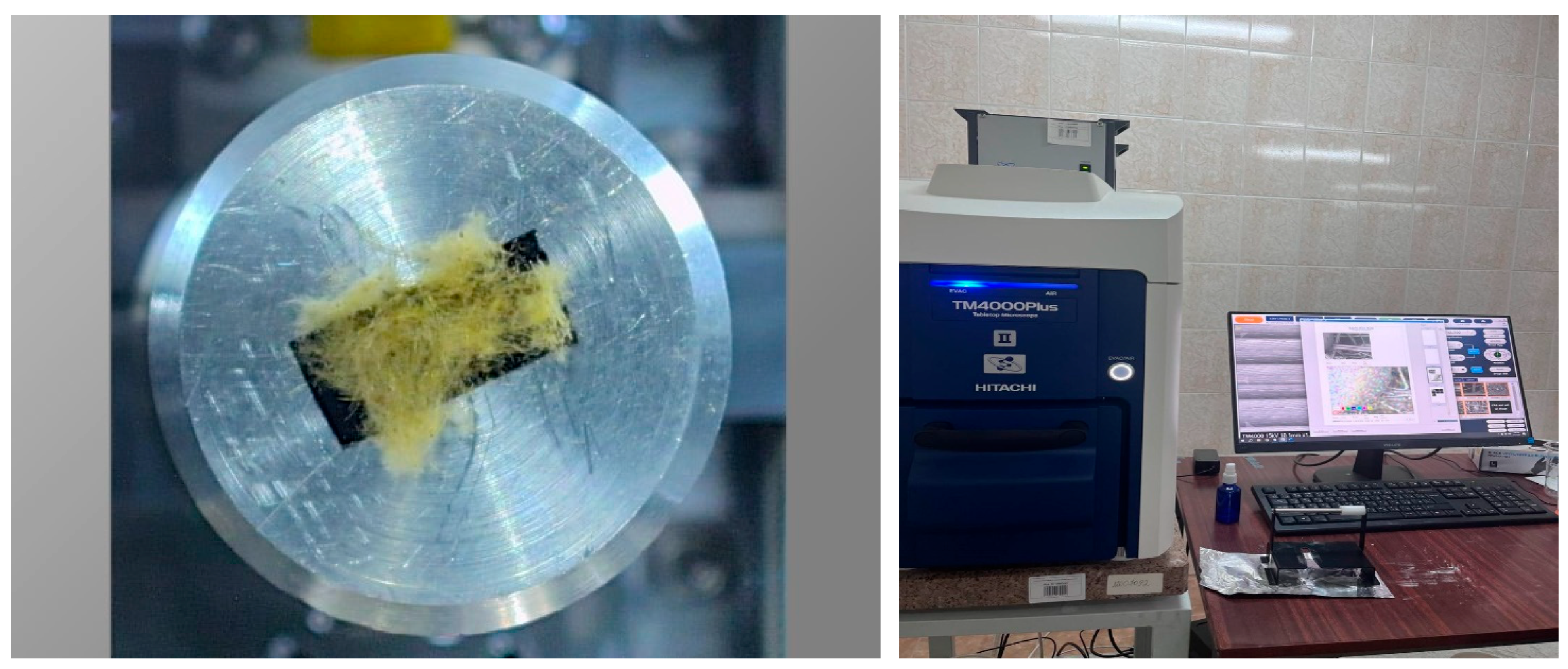
In the article for developing technology to utilize mineral insulation waste by the chemical method, the composition of the mineral insulation waste was studied using a spectrometer. A comprehensive set of analytical methods was employed to characterize both the initial basalt fiber-based insulation waste and the mineral powder obtained after chemical treatment. The analyses aimed to determine the physical, chemical, and structural parameters governing the suitability of the recycled material for use in construction composites and asphalt mixtures. To determine the elemental composition of the mineral insulation waste, energy-dispersive X-ray spectroscopy (EDS) analysis was performed using a benchtop SEM system, as shown in
Figure 3.
The chemical composition of the raw insulation waste, and of the mineral powder produced after oxidation, was determined using energy-dispersive X-ray spectroscopy (EDS) coupled with a scanning electron microscope (SEM, JEOL JSM-6610LV, JEOL Ltd., Tokyo, Japan).
The analysis identified major oxide components such as SiO2, Al2O3, CaO, MgO, Na2O, and Fe2O3. The EDS detector was calibrated using certified reference materials, and both the mass and atomic fractions of the elements were computed. Measurement errors did not exceed ±5%, which ensured high analytical reliability. The results allowed the assessment of changes in elemental composition caused by the chemical treatment.
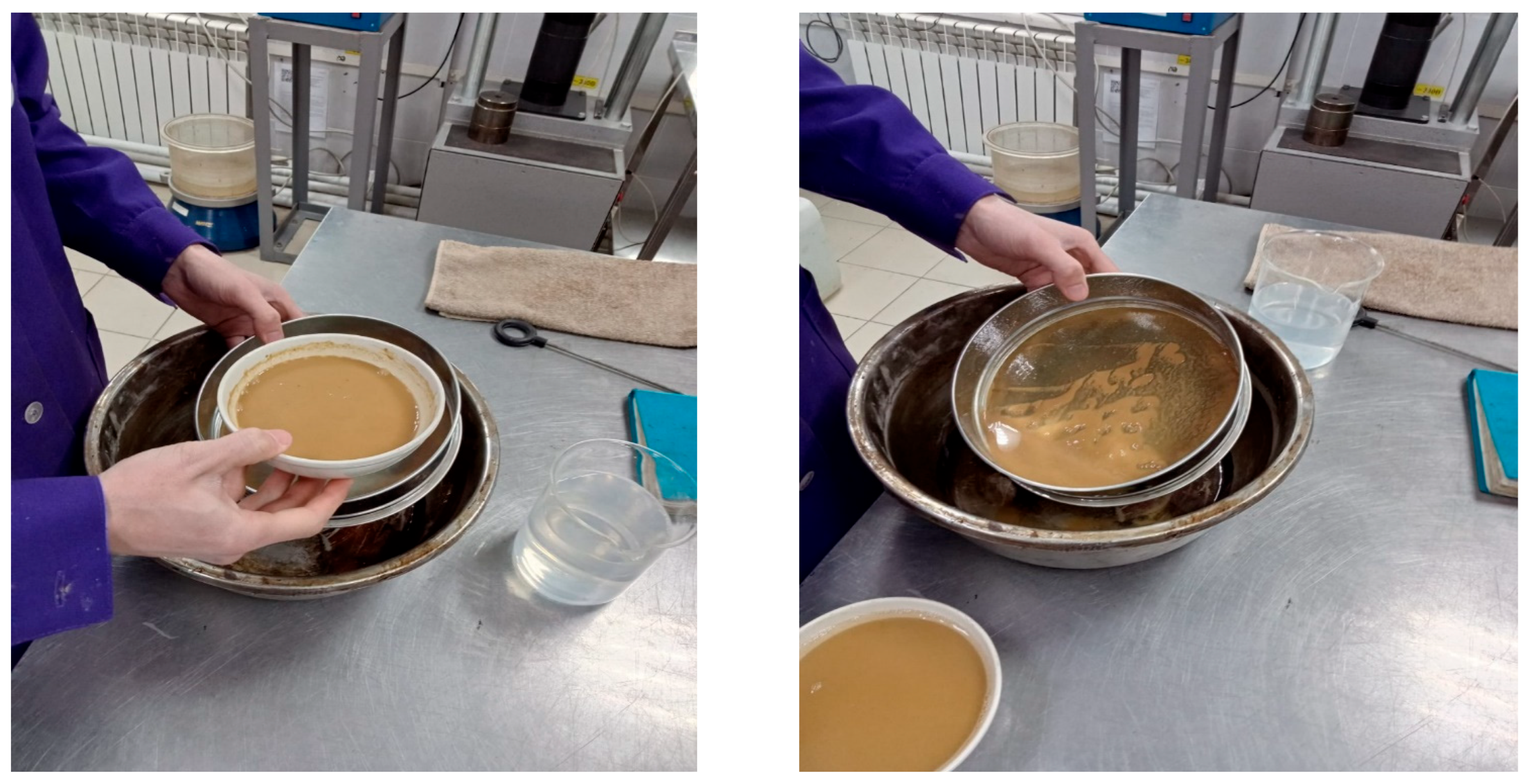
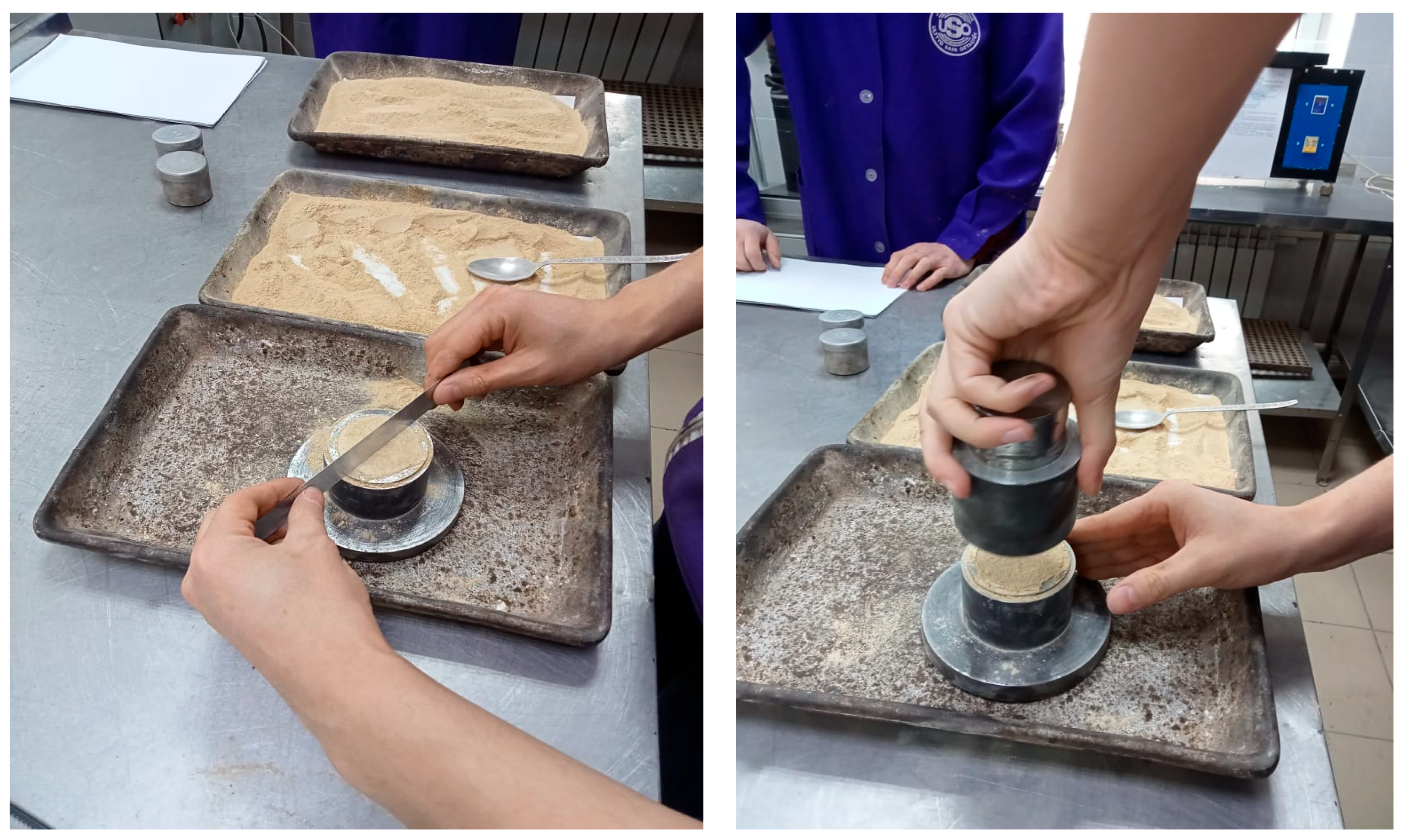
The porosity and particle size distribution of the processed mineral insulation waste were evaluated using a wet sieving method, in accordance with Interstate Standard (GOST) 32764-2014 [
21], as shown in
Figure 4.
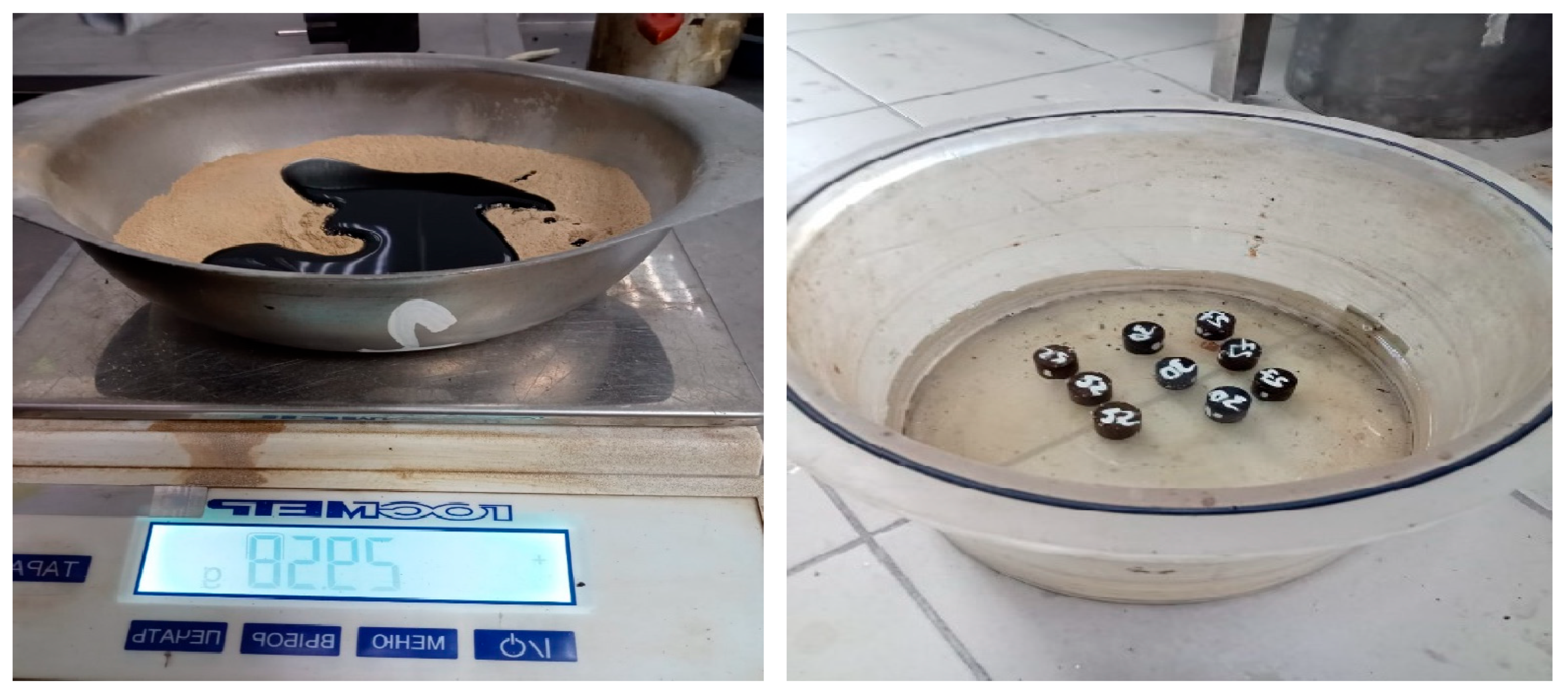
The true particle density of the processed mineral insulation waste was measured according to Interstate Standard (GOST) 32763-2014 [
22] using a volumetric compaction apparatus, as shown in
Figure 5.
The swelling of bitumen–mineral powder briquettes is determined following the procedure specified in Interstate Standard (GOST) 32707-2014 [
23] (
Figure 6).
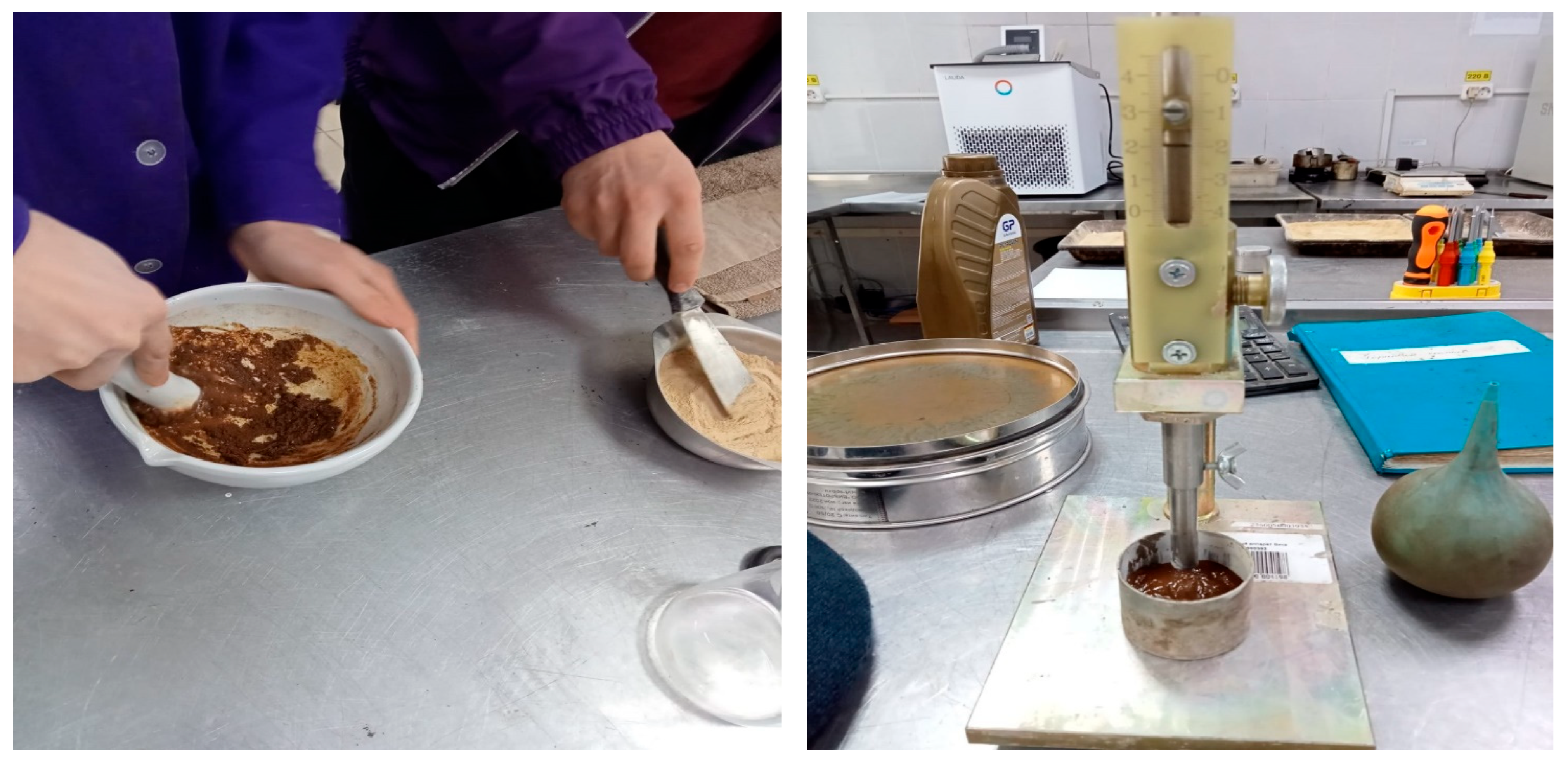
The bitumen capacity of the mineral powder was evaluated following Interstate Standard (GOST) 32766-2017 [
24] using a plunger-type testing device, as shown in
Figure 7.
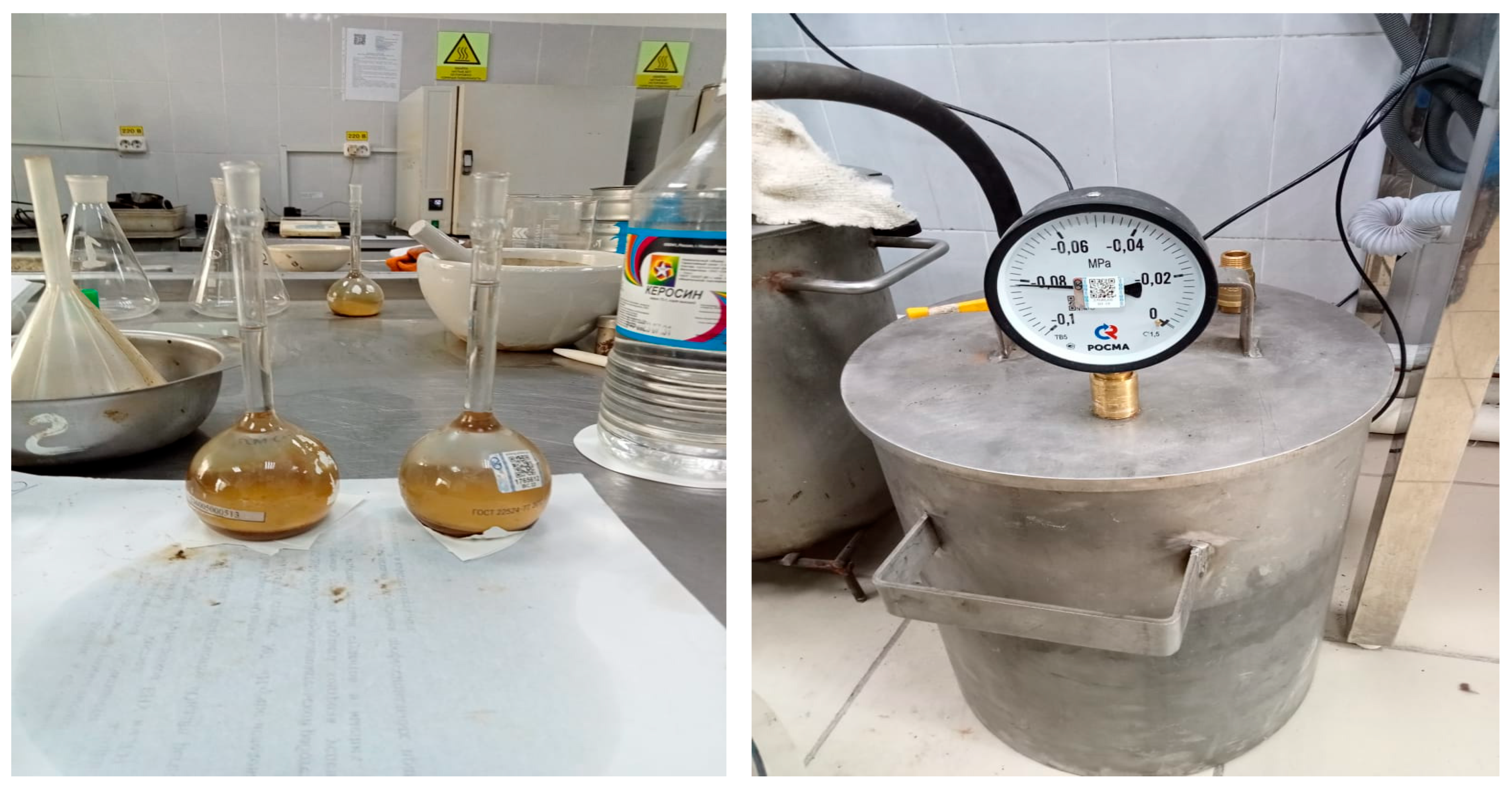
The moisture content of the processed mineral powder was determined following Interstate Standard (GOST) 32762-2014 [
25], using volumetric flasks and a controlled-pressure drying apparatus (
Figure 8).
3. Results
3.1. Morphology and Microstructure of Basalt Mineral Wool Waste
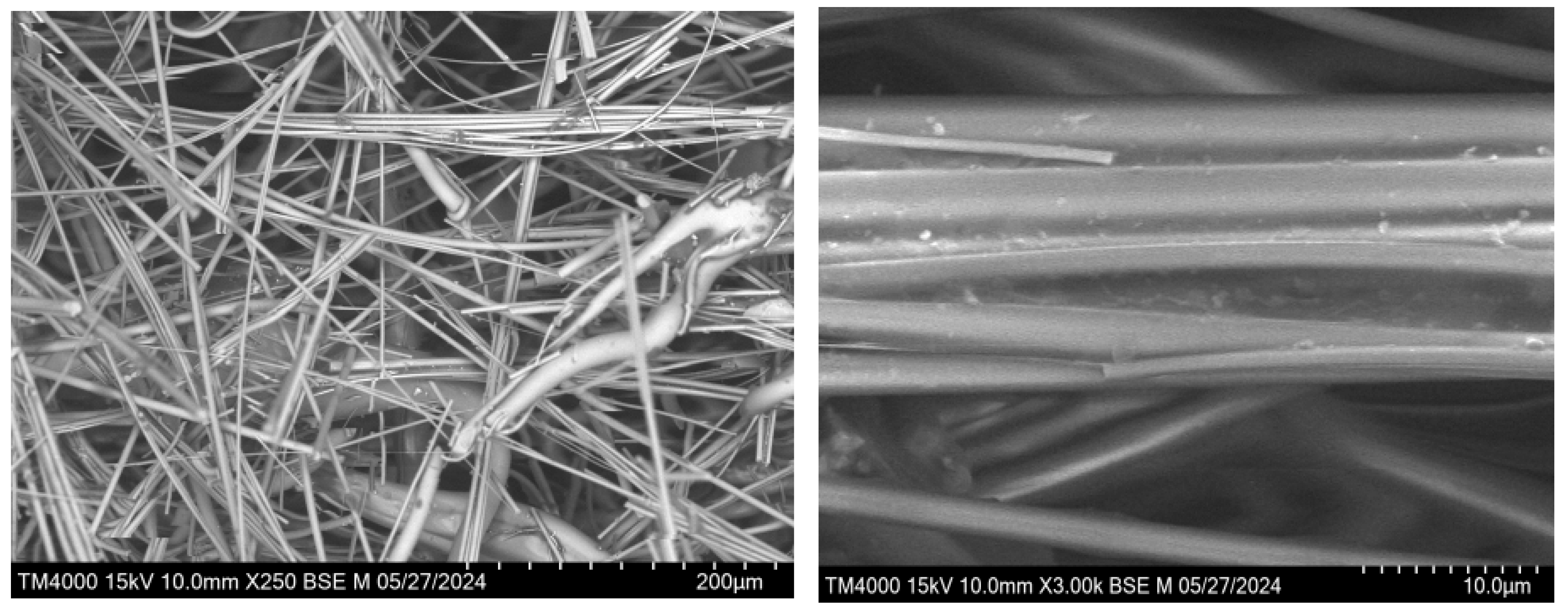
Figure 9 shows the thin fibers of basalt. Their structure is chaotic, which is typical for natural minerals. The fibers intersect in different directions, creating a mesh structure. The morphology and structure of the recovered basalt mineral fibers were examined using SEM at different magnifications to evaluate their surface texture and integrity.
At high magnification, the finer details of the fiber structure are visible. The fibers have a smooth surface and small inclusions, which may be defects or other mineral phases.
Magnification allows a better view of the individual fibers of basalt. The fibers have a smooth surface and varying thicknesses. The image shows the dimensions of some of the fibers. It can be seen that the fibers have different thicknesses, from 1.24 µm to 9.3 µm.
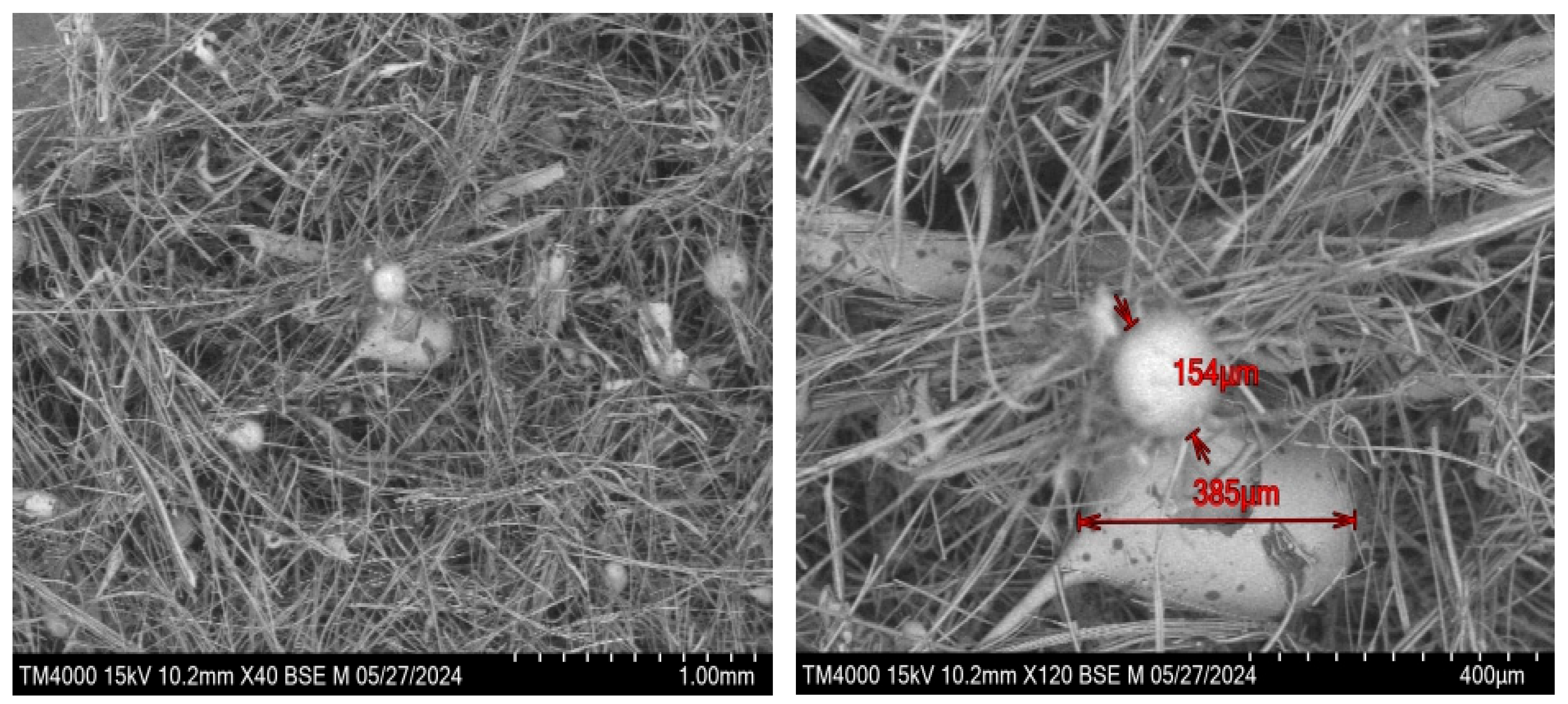
The images in
Figure 10 show large inclusions among the fibers.
Measurements show that the inclusions range in size from 154 µm to 385 µm. These inclusions may be other mineral phases or contaminants.
Spherical inclusions are seen in the fibers. These inclusions have a smooth surface and can be of various origins, such as glass droplets or other minerals.
Overall conclusions: the images show that basalt fibers have a chaotic mesh structure with varying fiber thicknesses. Inclusions of different sizes and shapes are present in the fibers, indicating the presence of other mineral phases or contaminants. High magnification allows detailed examination of the surface of the fibers and reveals small defects or inclusions.
3.2. Elemental and Oxide Composition of Raw Basalt Insulation Waste, and Chemical Transformation After Sulfuric Acid Treatment
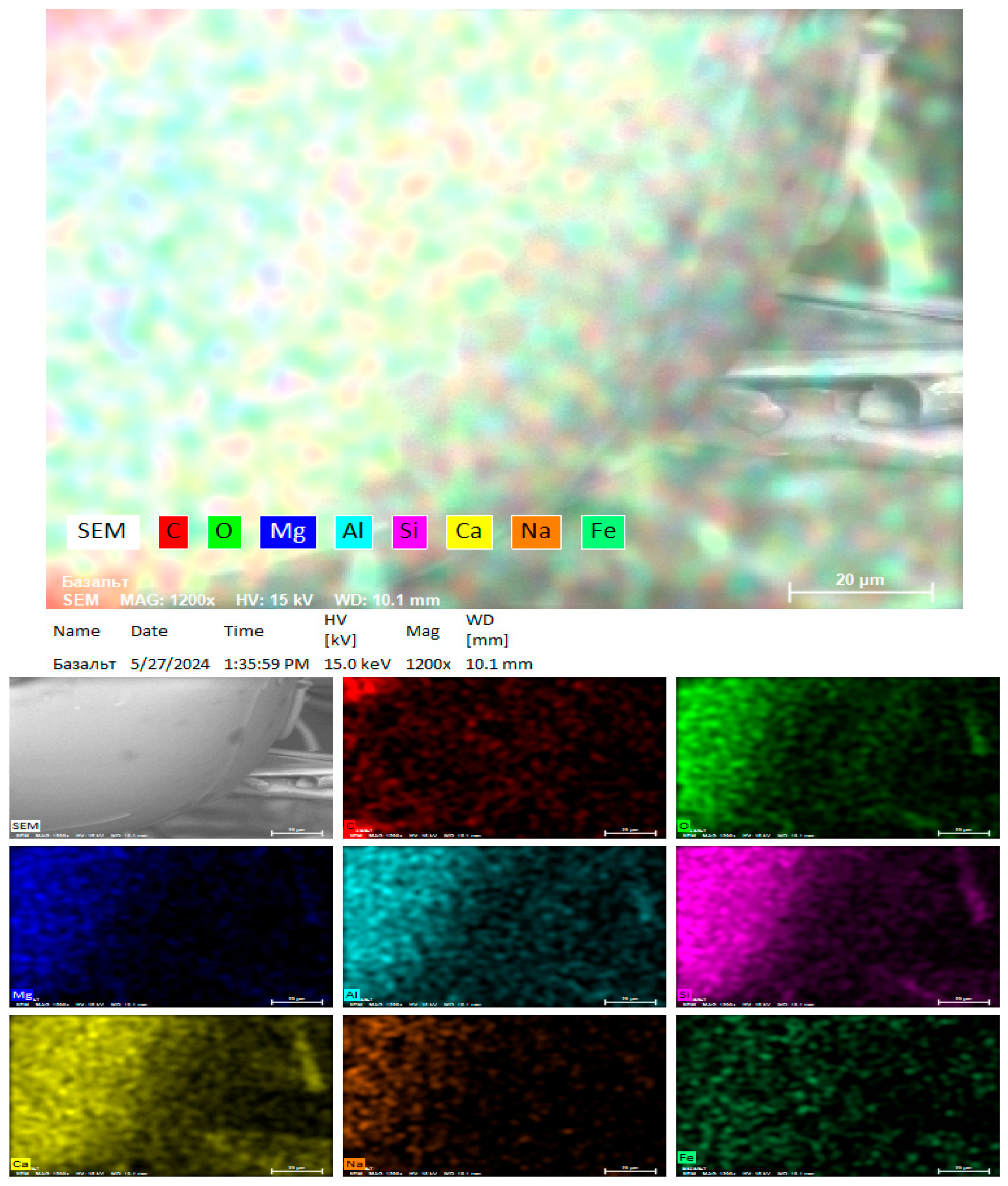
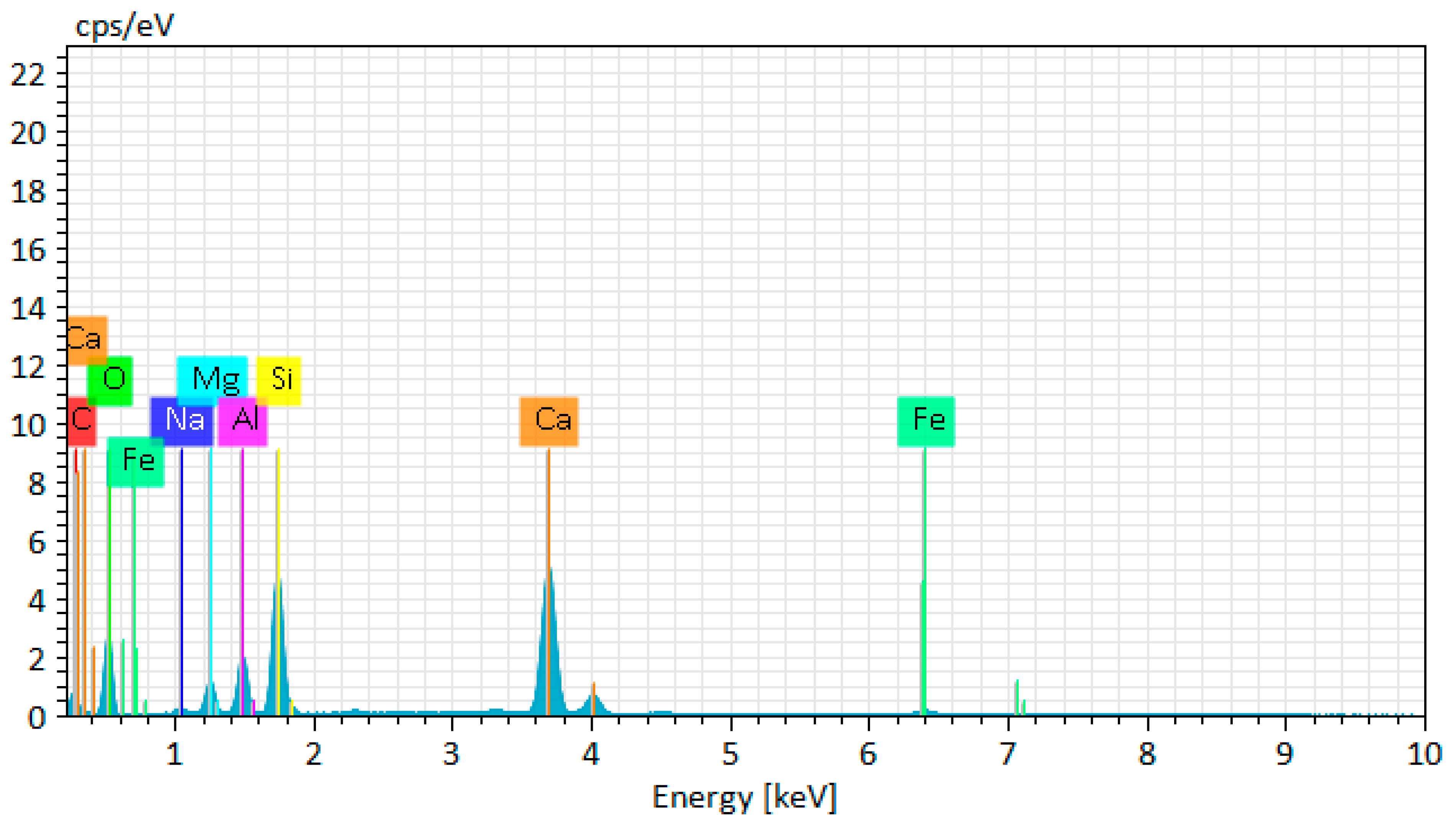
Next, energy dispersive X-ray spectroscopy was performed using a scanning electron microscope (SEM) with an EDS detector installed. This is presented in
Figure 11.
The image shows various elements such as C, O, Mg, Al, Si, Ca, Na, and Fe. This is indicated on the colored element map, which shows the distribution of these elements in sample 1 in
Figure 12.
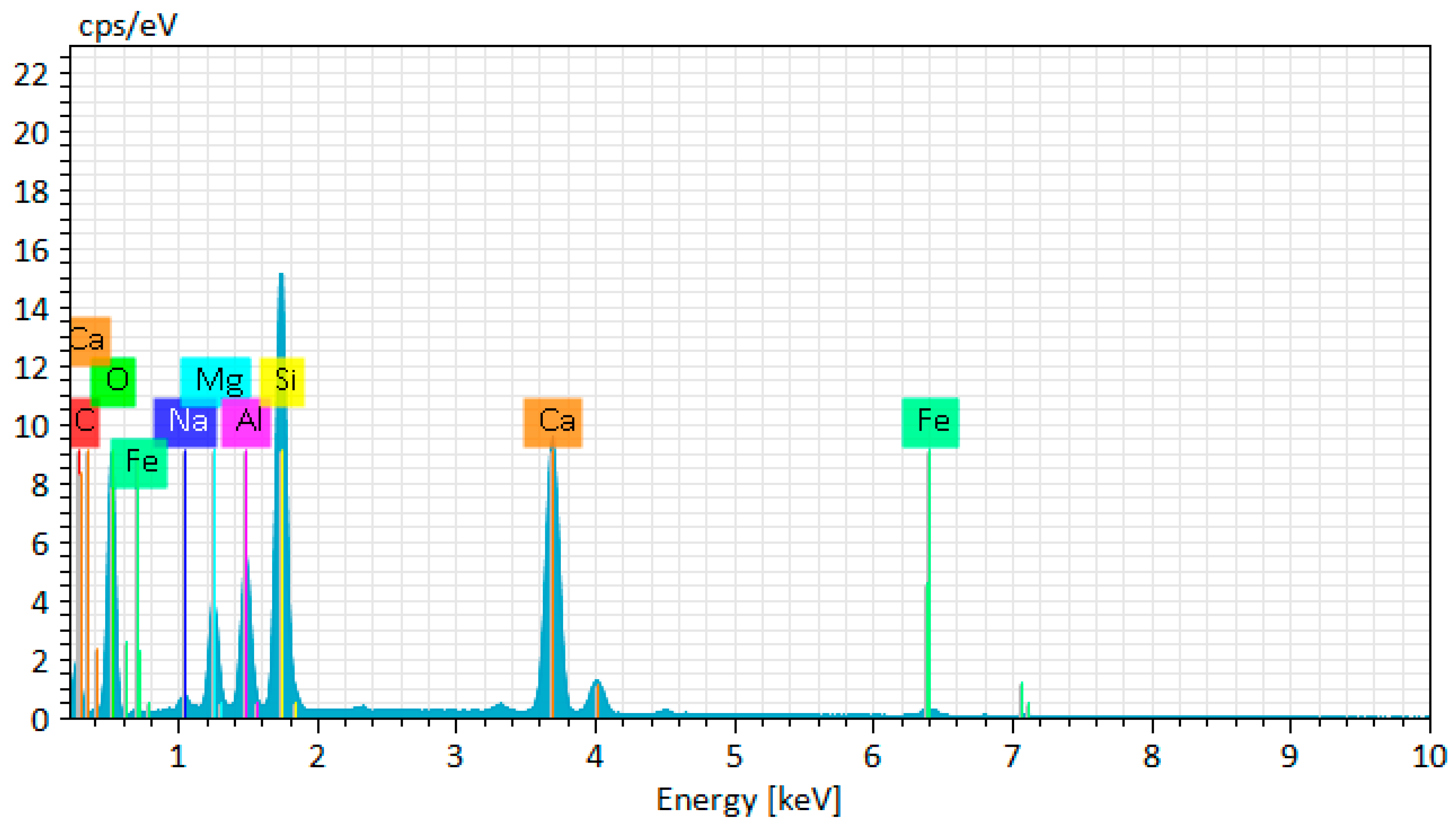
According to the EDS analysis results shown in
Figure 13, the dominant elements in the basalt insulation sample are Ca, Si, Al, Fe, Mg, Na and O.
According to the figures of the detailed chemical analysis results, the following results were obtained in
Table 3.
The SEM–EDS results show that the material consists mainly of O, Si, Ca, Al, and Mg, which corresponds to the typical composition of basaltic silicate minerals such as plagioclase, pyroxenes, and olivine. The low absolute and relative errors for these major elements confirm the stability and reliability of the measurements. Sodium appears in minor amounts, consistent with its low abundance in basalt, and explaining the higher relative error associated with its detection. Iron is present in oxide and silicate phases, contributing to the typical coloration and magnetic characteristics of basalt. Overall, the composition of both samples remains consistent, indicating the homogeneity of the raw mineral wool waste.
Studies of the chemical composition of waste mineral insulation on the basis of basalt fibers showed that its composition is predominantly silica (SiO2), and that it has an alkaline environment. In connection with this, to change its structure by the chemical method, it was accepted to carry out oxidation with the use of acid—in our case, an electrolyte based on sulfuric acid. The process of oxidation released heat, and the average reaction temperature was 80 °C. The oxidation mixture of waste basalt mineral insulation was thoroughly mixed, and as a result, a pasty mixture was obtained, which was placed in the drying chamber at a temperature of 100 °C.
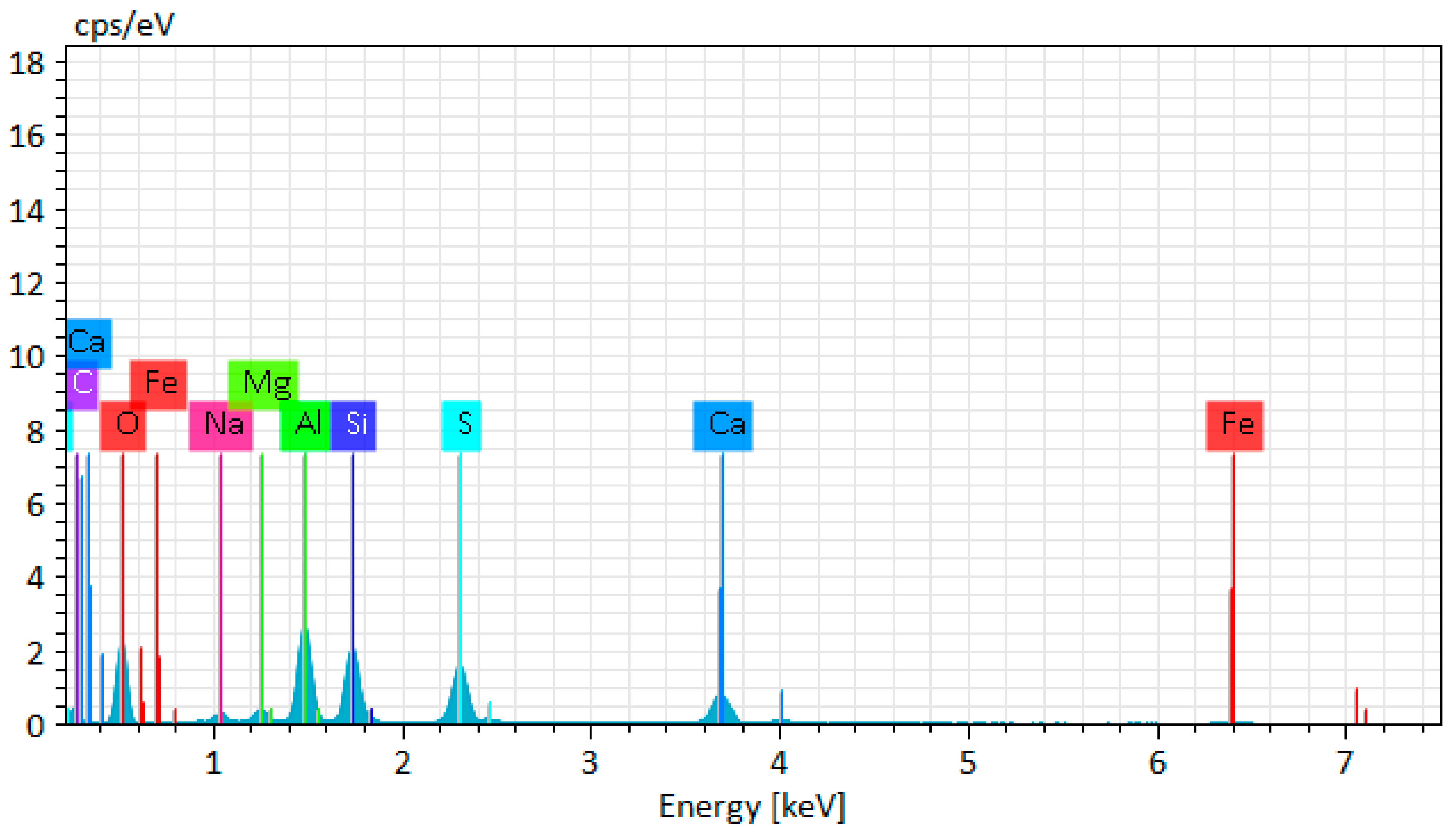
Complete chemical qualitative and quantitative analyses of the obtained mineral powder from waste basalt mineral insulation material were conducted. The changes from the initial results of the analysis are presented in
Figure 14.
3.3. Particle Size Distribution and Physical Properties of the Mineral Powder
To determine the qualitative indicators of mineral powder Type 2 (developed composition) in comparison with the indicators of Type 1 (analog), the powders were tested in accordance with the current regulations. The results of determining the grain composition of mineral powder Type 1 in comparison with Type 2 allow us to objectively assess the quality of the structure of the materials according to GOST. The obtained results showed a denser structure of mineral powder Type 2 in comparison with Type 1, with a minimum content of dusty particles, affecting the quality of the production process. The results of tests to determine the grain composition of Type 1 and Type 2 mineral powders are shown in
Table 4.
3.4. Interaction of the Mineral Powder with Bitumen
The moisture content and swelling of Type 1 and Type 2 mineral powder samples with bitumen was determined to evaluate the interaction between mineral powder and bitumen in asphalt concrete. This parameter is important to prevent undesirable phenomena such as bitumen separation from the mineral aggregate. Tests were also carried out to determine the bituminous capacity of Type 1 and Type 2 mineral powder to characterize the interaction with bitumen, as shown in
Table 5.
The test results showed that Type 2 mineral powder has a higher capacity than Type 1 due to the adhesion of bitumen to the surface of mineral particles.
Thus, the quality structure of asphalt concrete provided by the effective interaction between bitumen and mineral filler can improve the material’s resistance to moisture, temperature changes, and chemical attack.
4. Discussion
The results of the obtained chemical analysis confirm the change in the chemical composition of waste mineral basalt insulation after chemical treatment. The powder particles’ structure is an oblong shape that may potentially contribute to micro-scale crack-bridging or a particle interlocking effect; however, this assumption is based solely on morphological observations and requires verification by mechanical testing of asphalt or cementitious composites.
The improved performance of Type 2 compared with Type 1 is primarily associated with the more intensive chemical modification achieved during processing. The higher degree of dissolution of Ca-, Mg-, and Fe-bearing phases resulted in a finer and more homogeneous powder, which in turn improved its bitumen absorption capacity. SEM observations confirm that Type 2 exhibits a more fragmented structure with a higher proportion of micro-sized particles, whereas Type 1 retains partially preserved fiber fragments. This difference in morphology directly affects the interaction between the mineral powder and the binder, leading to better dispersion and stronger adhesion in the asphalt matrix.
To evaluate the practical relevance of these changes, several comparative tests were carried out. For conventional asphalt, and asphalt modified with the developed mineral powder, we assessed bitumen capacity, particle size distribution, and changes in chemical composition. Although full mechanical testing of asphalt concrete (such as Marshall stability, indirect tensile strength, rutting resistance, or moisture susceptibility) was not yet conducted within this study, the physicochemical indicators obtained provide a clear preliminary justification for the improved performance of Type 2. These results support the assumption that the powder produced under more intensive chemical activation has greater potential for use as a functional filler in asphalt mixtures.
Similar effects of fine mineral fillers and chemically activated silicate powders on bitumen absorption and mastic structure have been reported in previous studies [
1,
5,
7]. The increase in bitumen capacity observed for Type 2 is consistent with the behavior of additives with higher specific surface area and disrupted silicate structure, which promotes stronger additive–binder interaction.
The processing of construction waste into mineral powder, and its use in asphalt pavement, is effective from the point of view of environmental protection and resource saving. Our proposed technology for obtaining mineral powder based on processing waste from basalt insulators will make it possible to obtain high-quality road asphalt concrete with maximum Kazakhstan content and quality indicators, in accordance with the norms of Interstate Standard GOST 16557-2005 [
27].
The presented technology for obtaining mineral powder based on processing waste from basalt insulator production, as an additive for asphalt concrete, is considered for the first time. It assumes the production of materials for roads and pavements with an effective ‘binder-mineral filler’ connection to stabilize the main quality indicators of asphalt concrete under the influence of temperature.
Despite the promising physicochemical characteristics of the developed powder, several limitations of the proposed approach should be noted. The process involves the use of sulfuric acid, which requires neutralization, corrosion-resistant equipment, and strict safety measures. In addition, the drying and grinding stages are associated with additional energy consumption. Furthermore, the present study is limited to laboratory-scale physicochemical and bitumen–powder interaction tests; the full-scale mechanical performance of asphalt mixtures (Marshall stability, rutting resistance, moisture susceptibility, and fatigue) has not yet been evaluated. These aspects should be addressed in future research to fully assess the technical and environmental feasibility of the proposed recycling route.
5. Conclusions
The results of the study show that chemical treatment can effectively convert waste mineral insulation materials into a fine mineral powder with improved physicochemical properties. The processed material demonstrates a more uniform structure and better compatibility with bitumen, indicating its potential use as a secondary mineral filler. These findings highlight that chemical recycling is a promising approach for upgrading mineral insulation waste into a material with practical value.
The results of studies carried out within the limits of the given article have shown that the reaction proceeds with temperature release. Also in the article, the optimum ratio between the electrolyte based on sulfuric acid and the basalt waste has been determined. From the obtained data, it is observed that the process contributes to reducing the alkalinity of the alkaline environment of basalt insulation waste by oxidation with 40% waste, 40% water, and 20% electrolyte. This ratio allows us to obtain a powder with a non-alkaline medium pH of 7; this hydrogen carrier allows us to use the obtained raw material in many civil and industrial building materials, as well as in road construction.
The sulfuric acid treatment also leads to a substantial reduction in the physical volume of the material due to the breakdown of fibrous structures and subsequent compaction of the powder. As a result, the processed material occupies significantly less storage space compared with the original mineral wool waste, which may help reduce the environmental footprint associated with long-term waste accumulation. The chemical analysis of the processed powder shows an increased SO3 content (around 25%), which indicates the formation of sulfate-bearing phases during treatment. The presence of these sulfates reflects the dissolution of Ca-, Mg-, and Fe-containing components and their reaction with the sulfuric acid electrolyte. While the exact role of these phases in potential applications requires further investigation, the observed chemical transformation confirms that the recycling process significantly alters the mineral composition of the waste material.
World experience has shown that the most effective and environmentally friendly method for the utilization of mineral insulation waste is the reverse re-firing of waste, which is a very expensive process. The chemical method for recycling basalt insulation waste does not require high temperatures and special equipment for firing. Additionally, the simplicity of processing opens the possibility to obtain effective raw materials without large financial investments.
Thus, the obtained mineral powder has a wide range of applications in both the chemical and construction industries. Also, this powder in the non-grinded state has a dense structure, is not subject to dusting, and does not occupy large areas, meaning it is very convenient and safe with respect to harmful effects on the environment and humans.
Based on existing literature and the physicochemical characteristics of the developed mineral powder (high surface activity, fine particle size, and chemical composition), the powder may potentially contribute to improved rutting resistance, moisture resistance, and the overall durability of asphalt mixtures. However, further experimental validation in full-scale asphalt concrete specimens is required.
The recycling of basalt insulation waste into a fine mineral powder also offers potential environmental benefits in the context of a circular economy. By converting a non-biodegradable industrial waste into a usable secondary raw material, this approach can reduce the amount of waste sent to landfills and decrease the demand for primary mineral resources. During the sulfuric acid treatment, Ca-, Mg-, and Fe-containing components are transformed into stable sulfate phases that remain incorporated in the solid mineral matrix, while the acidic solution is subsequently neutralized. Therefore, no separate hazardous liquid waste stream is generated, and the reaction products are immobilized in the recycled material. Although a full life-cycle or environmental impact assessment was not conducted in this study, the proposed process demonstrates a viable pathway for reusing mineral wool waste within construction-related applications. Further studies, including both mechanical performance testing and comprehensive environmental impact assessment, will be necessary to fully evaluate the sustainability of the developed recycled material.




 ,
,