Effect of Solution and Aging Treatment on the Tribological Properties of K452 Alloy in a Wide Temperature Range


 and
and
Highlights
- •
- Utilizing the high-temperature strength and high-temperature oxidation resistance of nickel-based superalloys, the K452 nickel-based superalloy is applied in the field of high-temperature friction and wear. It has been rarely studied in the literature.
- •
- Under normal conditions, K452 alloy undergoes a three-step heat treatment process, as follows: (1) solution treatment, (2) intermediate treatment, and (3) aging. This study showed that the K452 alloy can achieve optimal wear resistance after a two-step heat treatment in a wide temperature range from RT to 600 °C.
- •
- Further research in this article indicates that the wear resistance of K452 alloy has completely deteriorated at 800 °C.
- •
- The heat-treated K452 alloy exhibits excellent wear resistance for critical hot-end components in aero-engines up to 600 °C.
- •
- The deterioration of tribological properties at 800 °C due to oxidative wear provides a clear operational upper limit for the alloy.
- •
- The study guides the optimization of superalloy microstructures via precipitation strengthening for high-temperature tribological applications.
Abstract
1. Introduction
2. Materials and Methods
2.1. Experimental Materials
2.2. Heat Treatment Regimes
2.3. Friction and Wear Experiments
2.4. Characterizations
3. Results and Discussion
3.1. Microstructural Analysis
3.2. Mechanical Property Analysis
3.3. Tribological Properties
3.3.1. Room Temperature Friction and Wear
3.3.2. Friction and Wear at 300 °C
3.3.3. Friction and Wear at 600 °C
3.3.4. Friction and Wear at 800 °C
4. Conclusions
- (1)
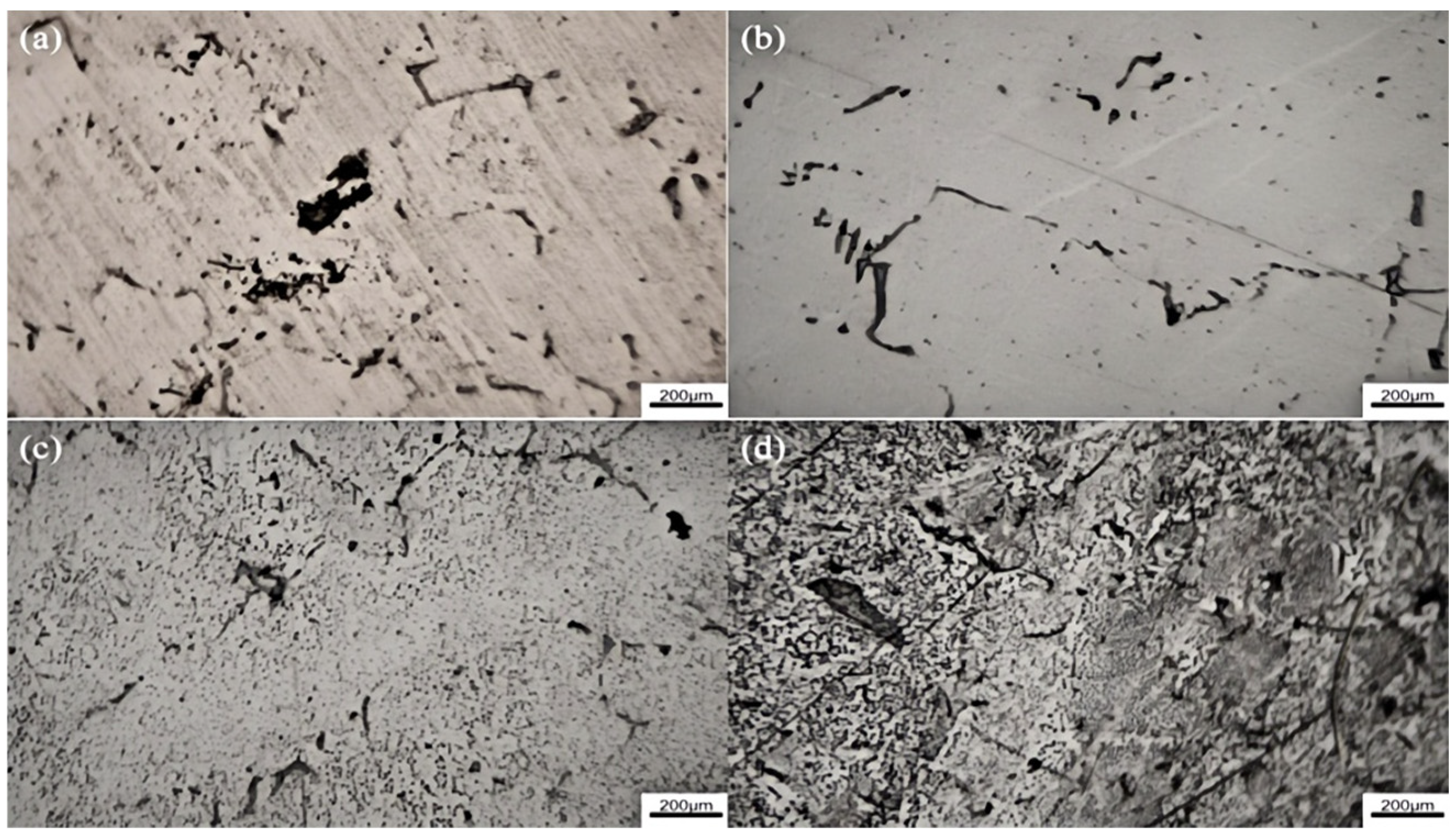
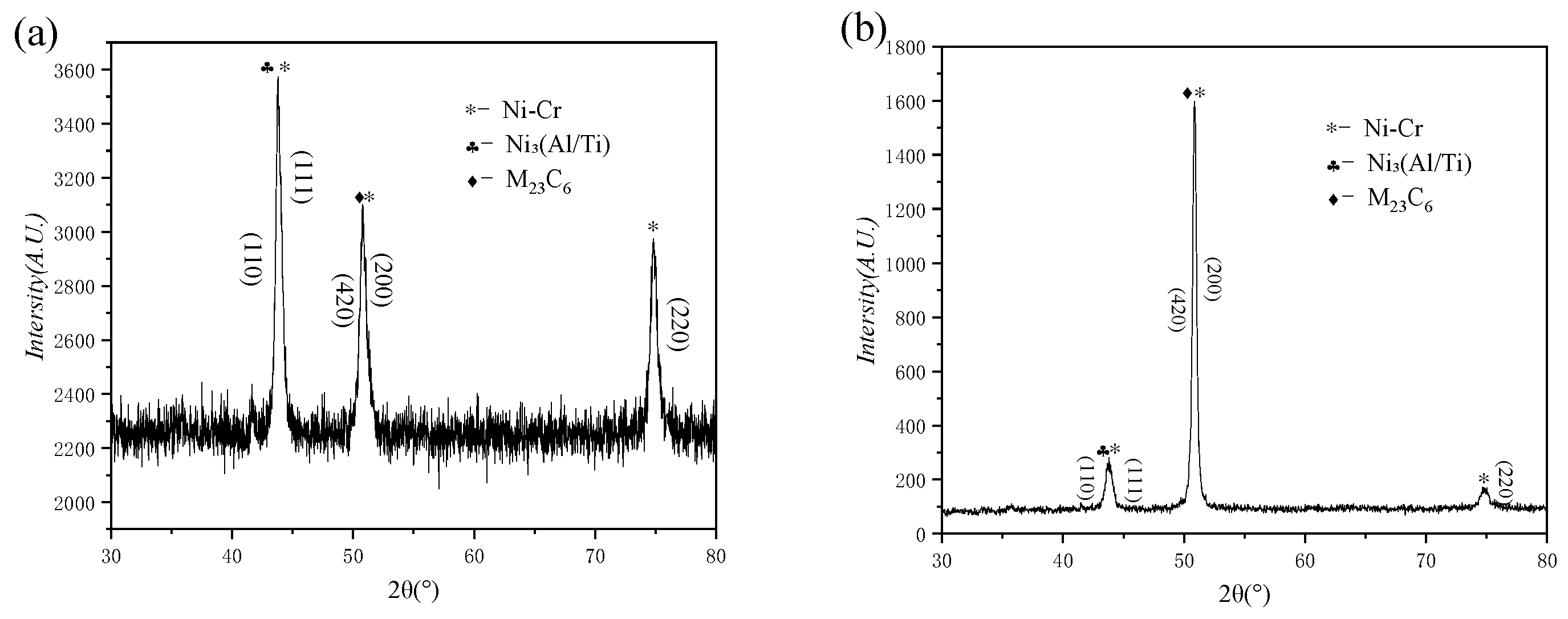
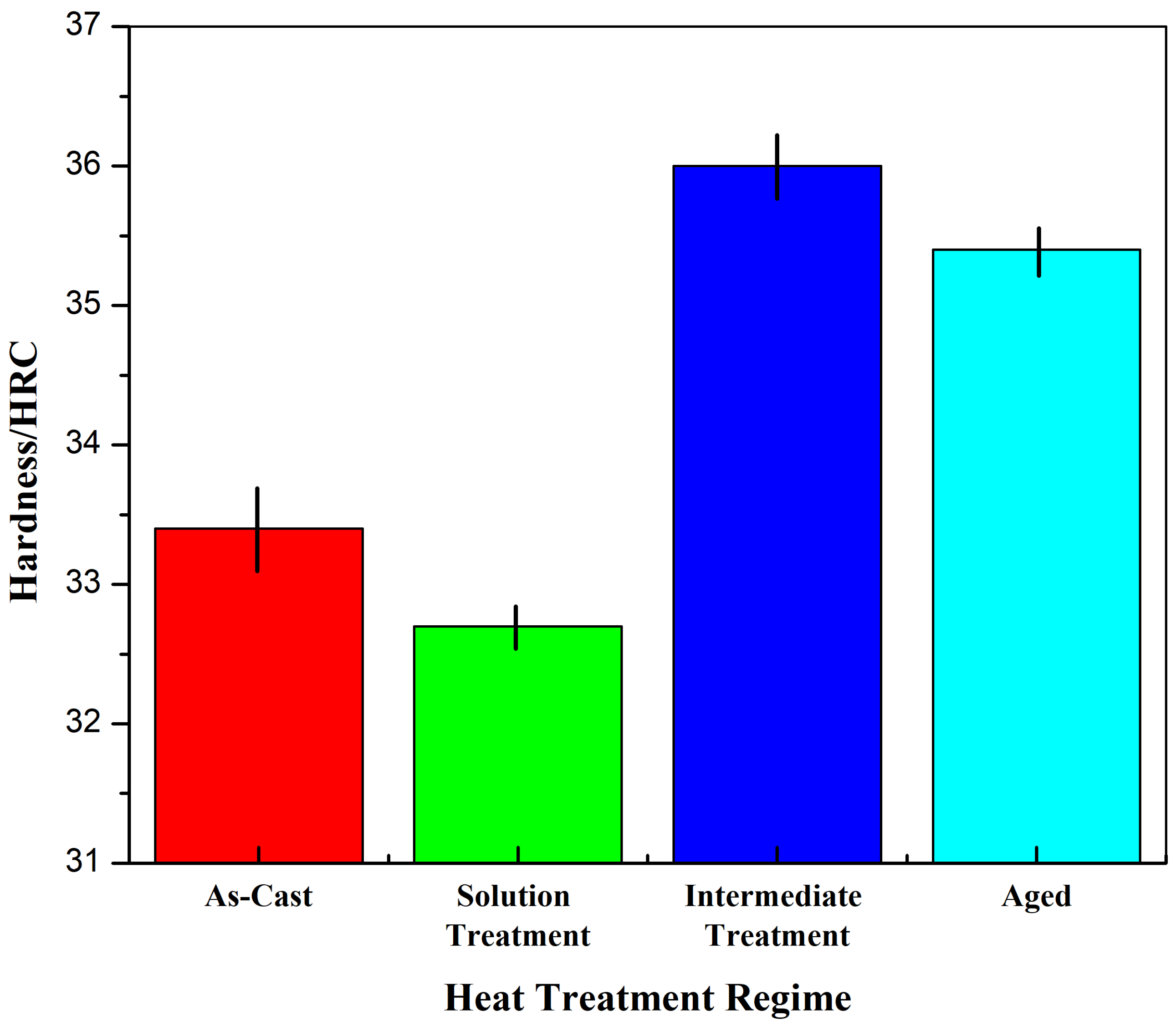
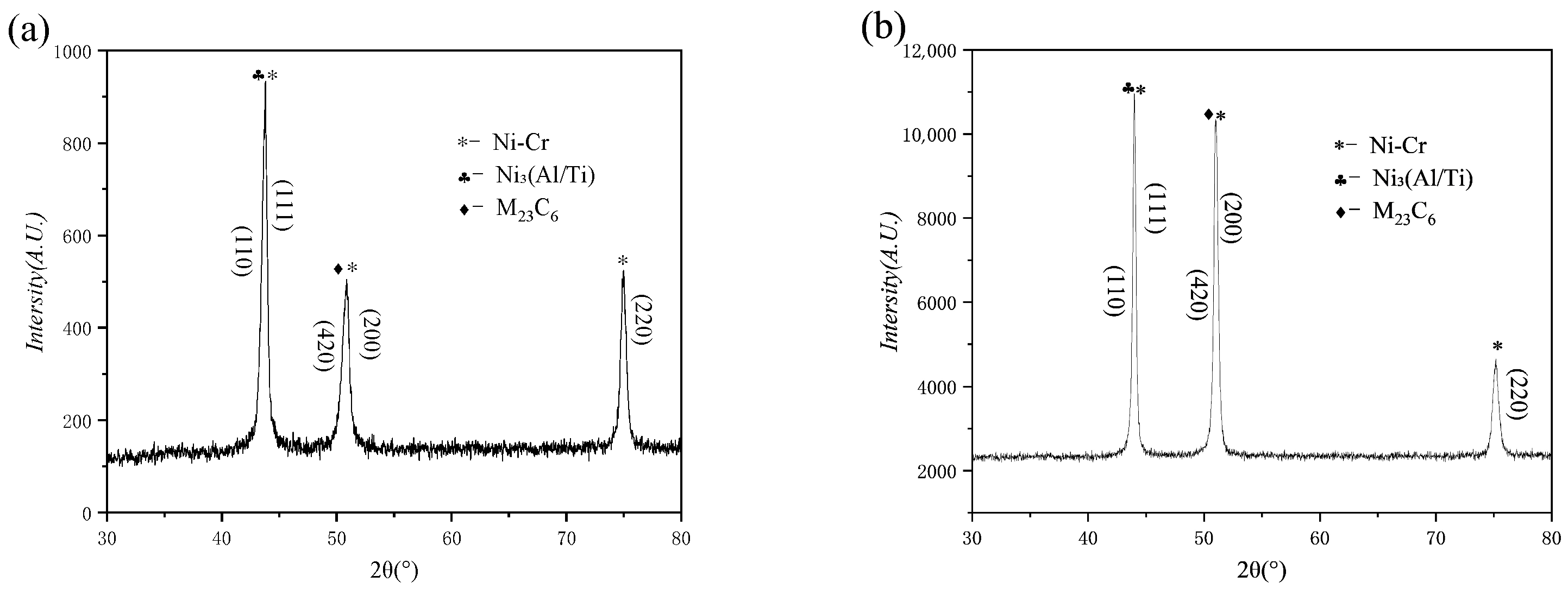
- The as- ast K452 alloy is mainly composed of γ phase, γ′ phase, and carbides, with the γ′ phase dispersively distributed in the matrix. After solution and aging treatment, the γ′ phase in the alloy precipitates dispersively, with a certain amount of black η phase distributed, the structures are uniform, and the grains are refined. After heat treatment, the hardness of the alloy increases slightly from 33.4 HRC (as-cast) to 36.0 HRC (intermediate treatment).
- (2)
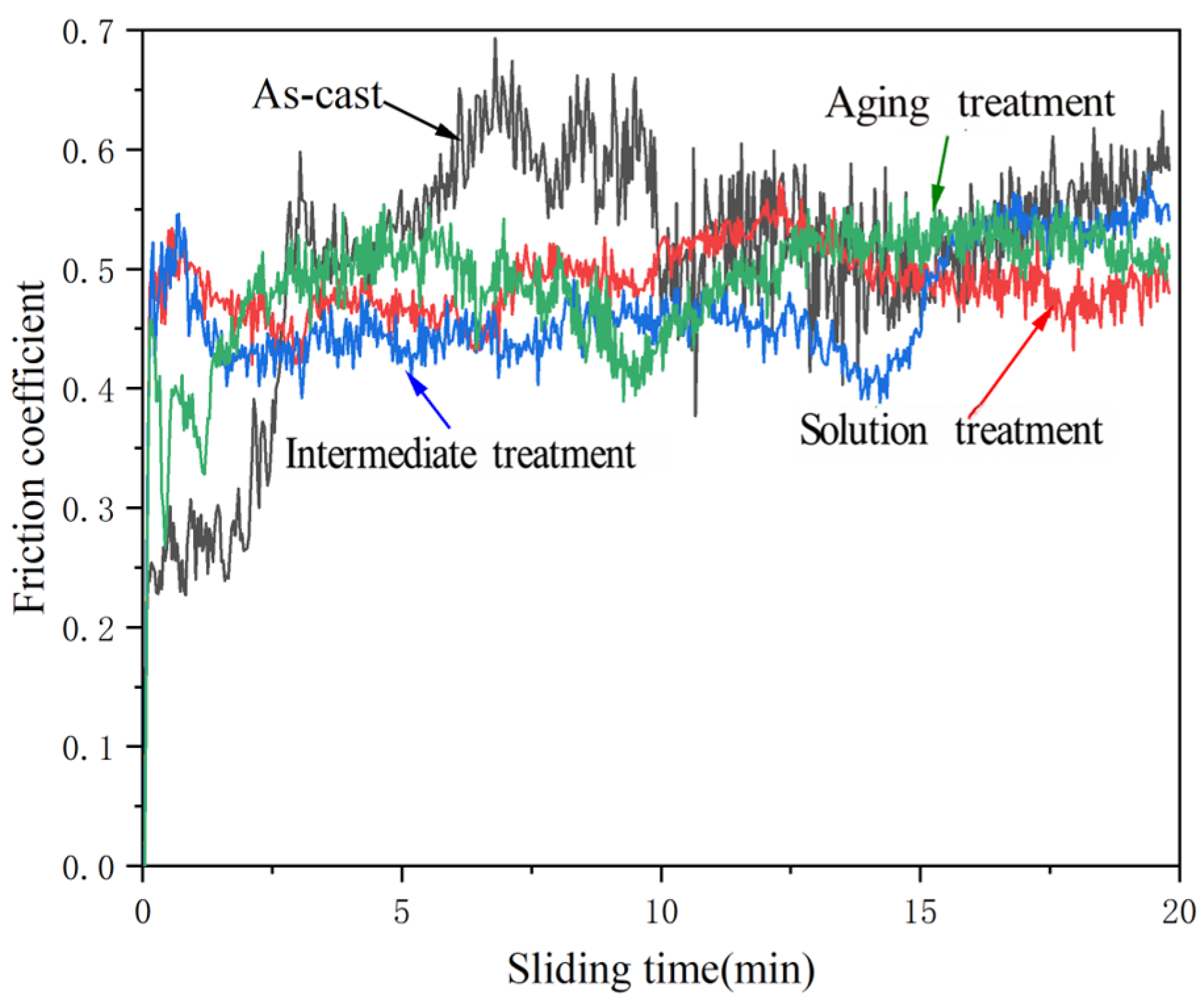
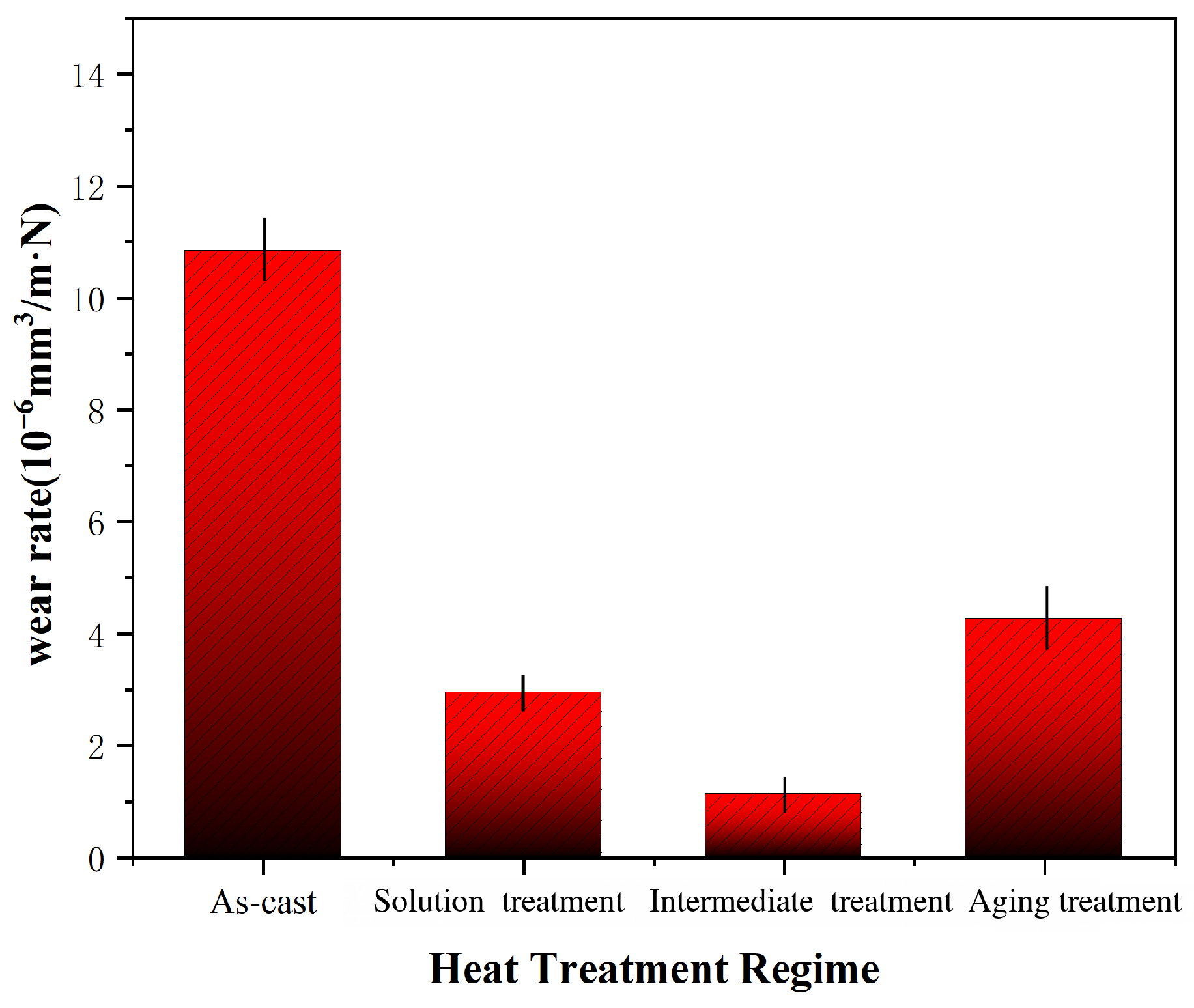
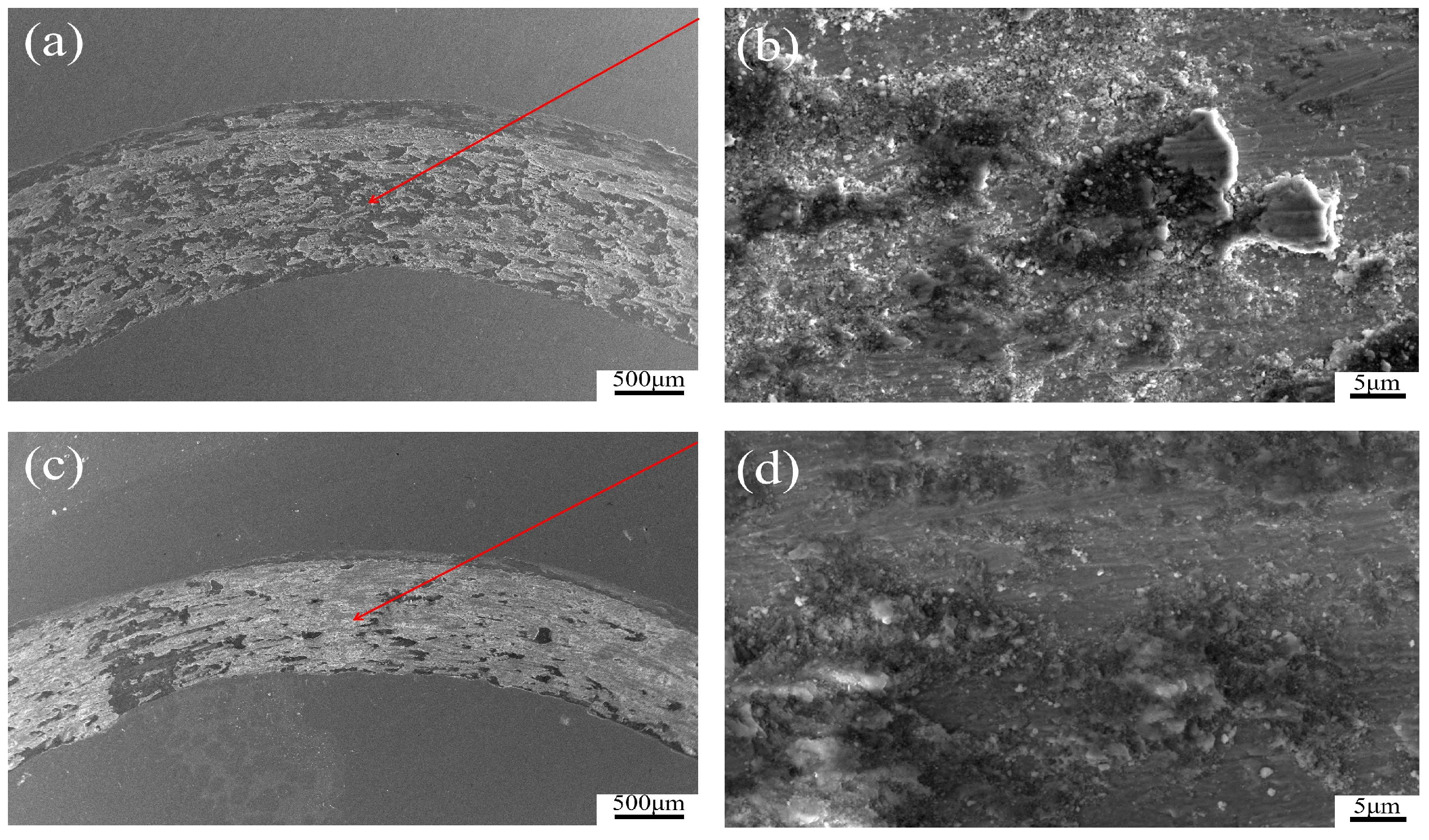
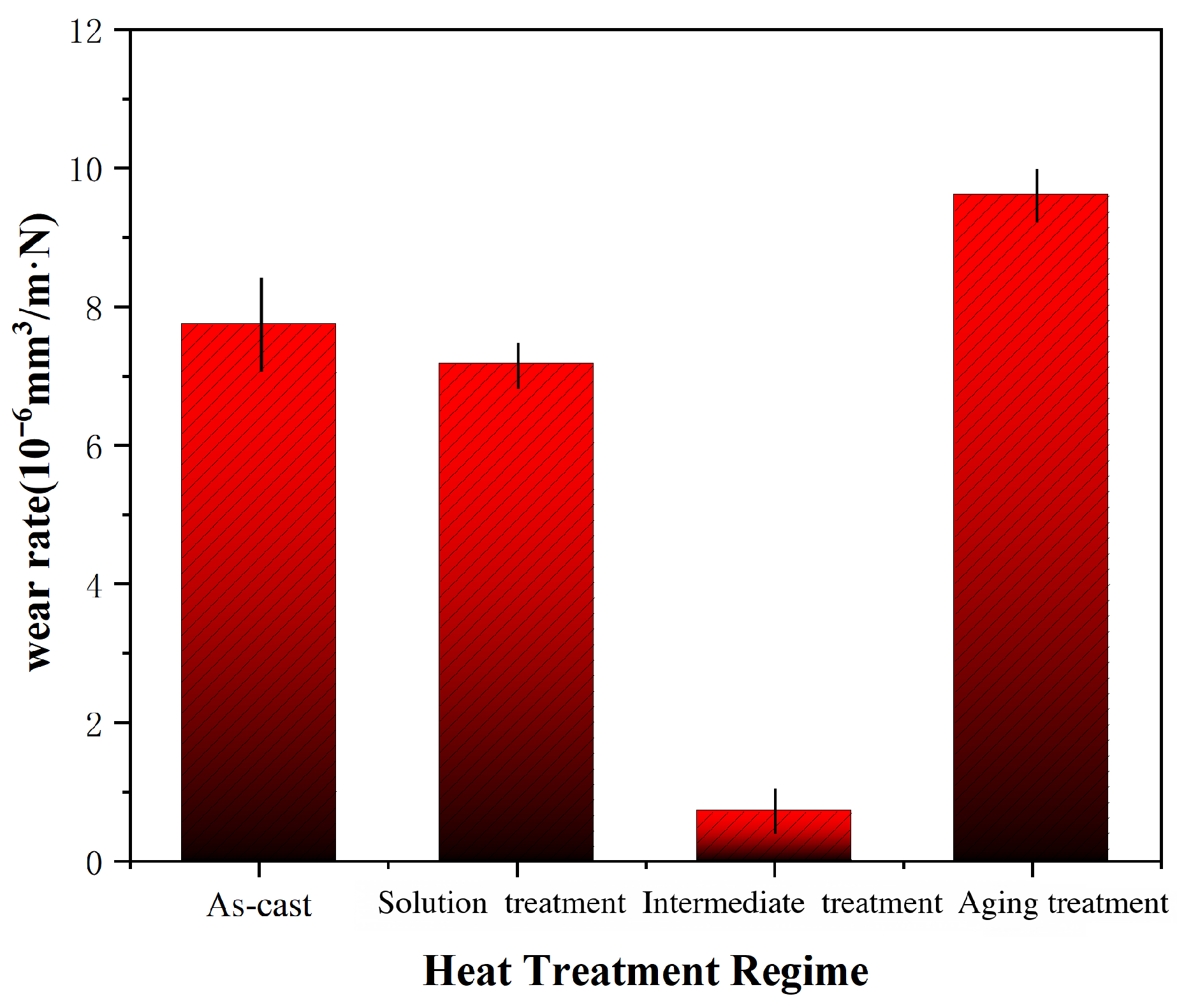
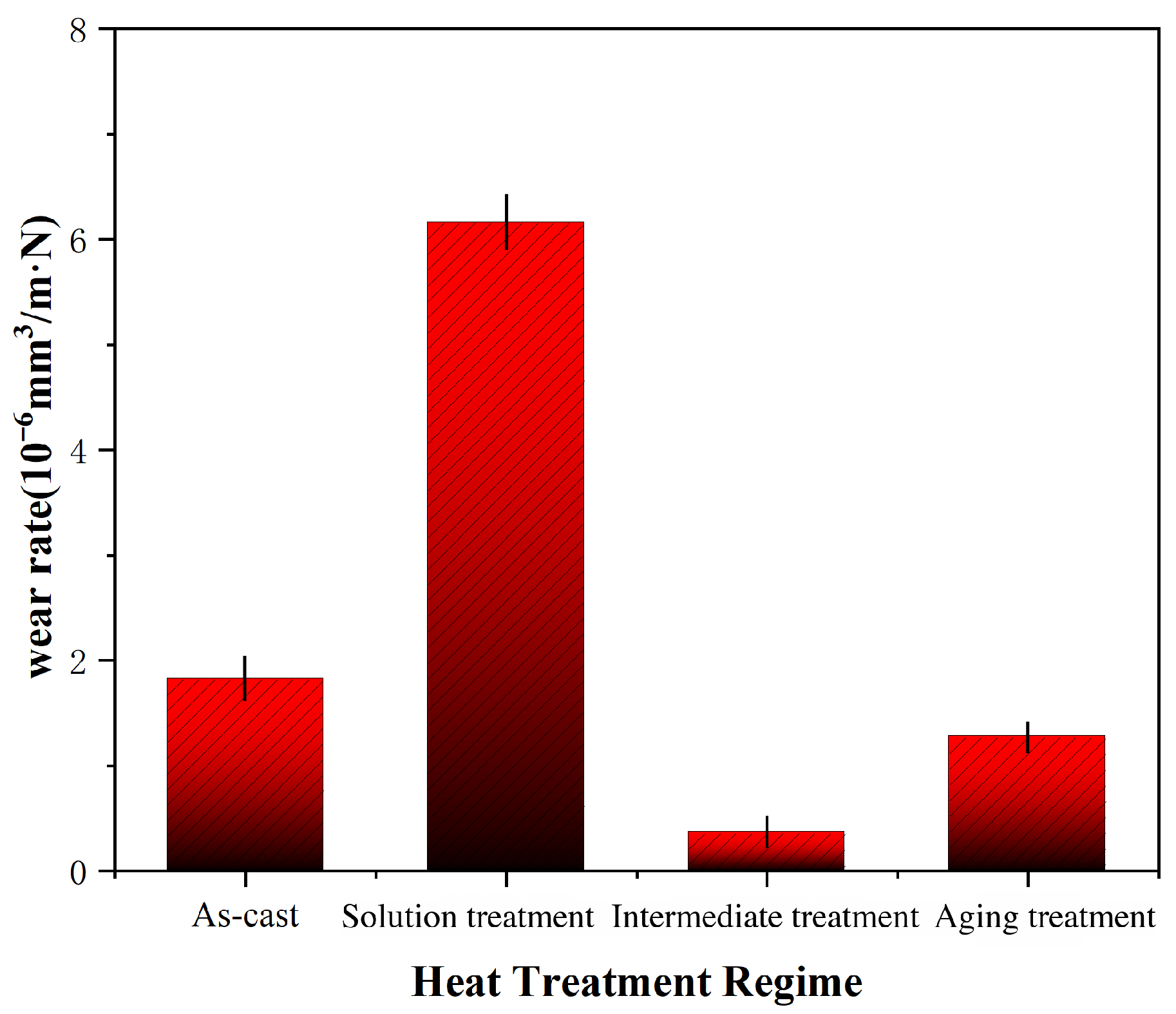
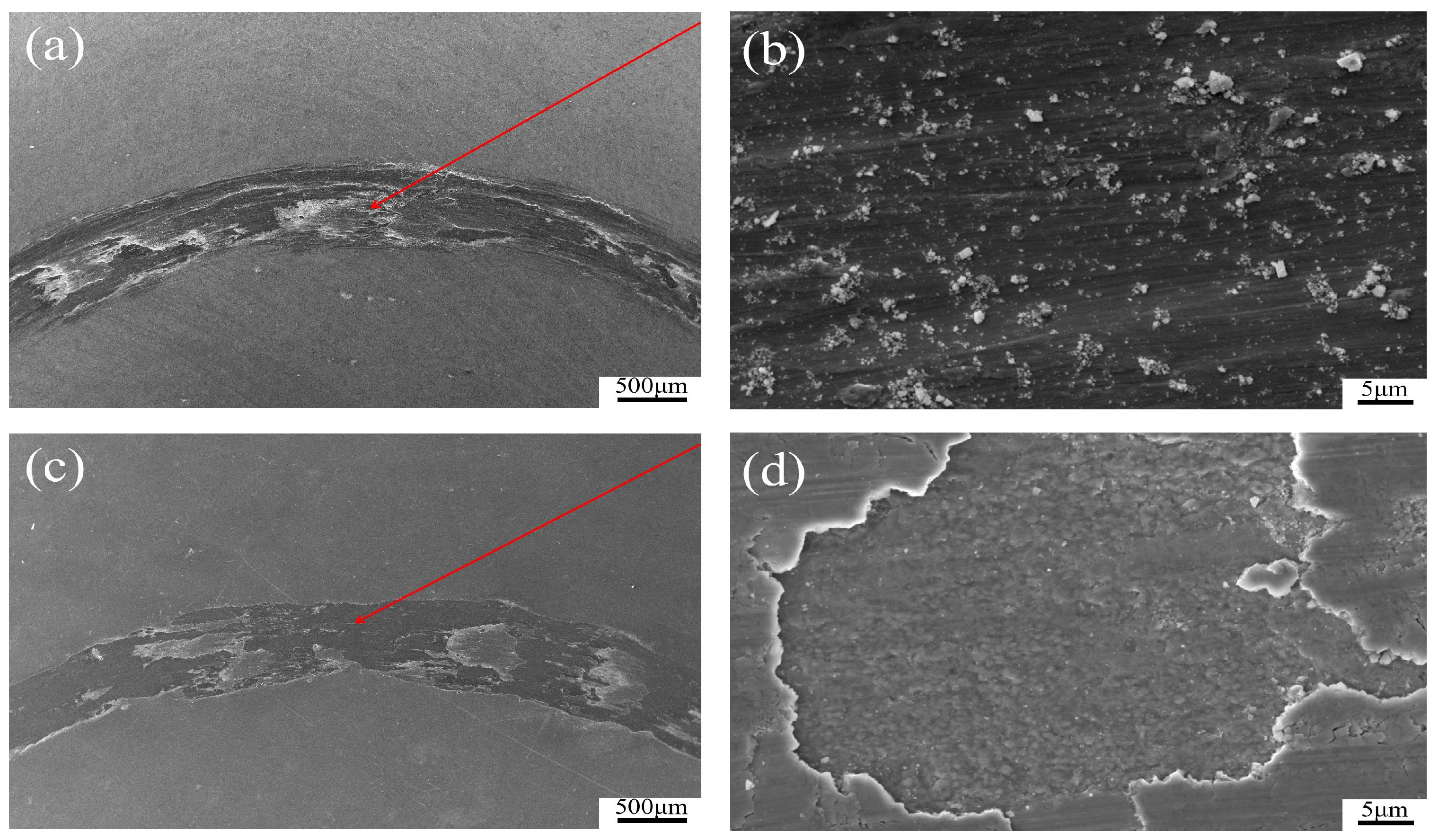
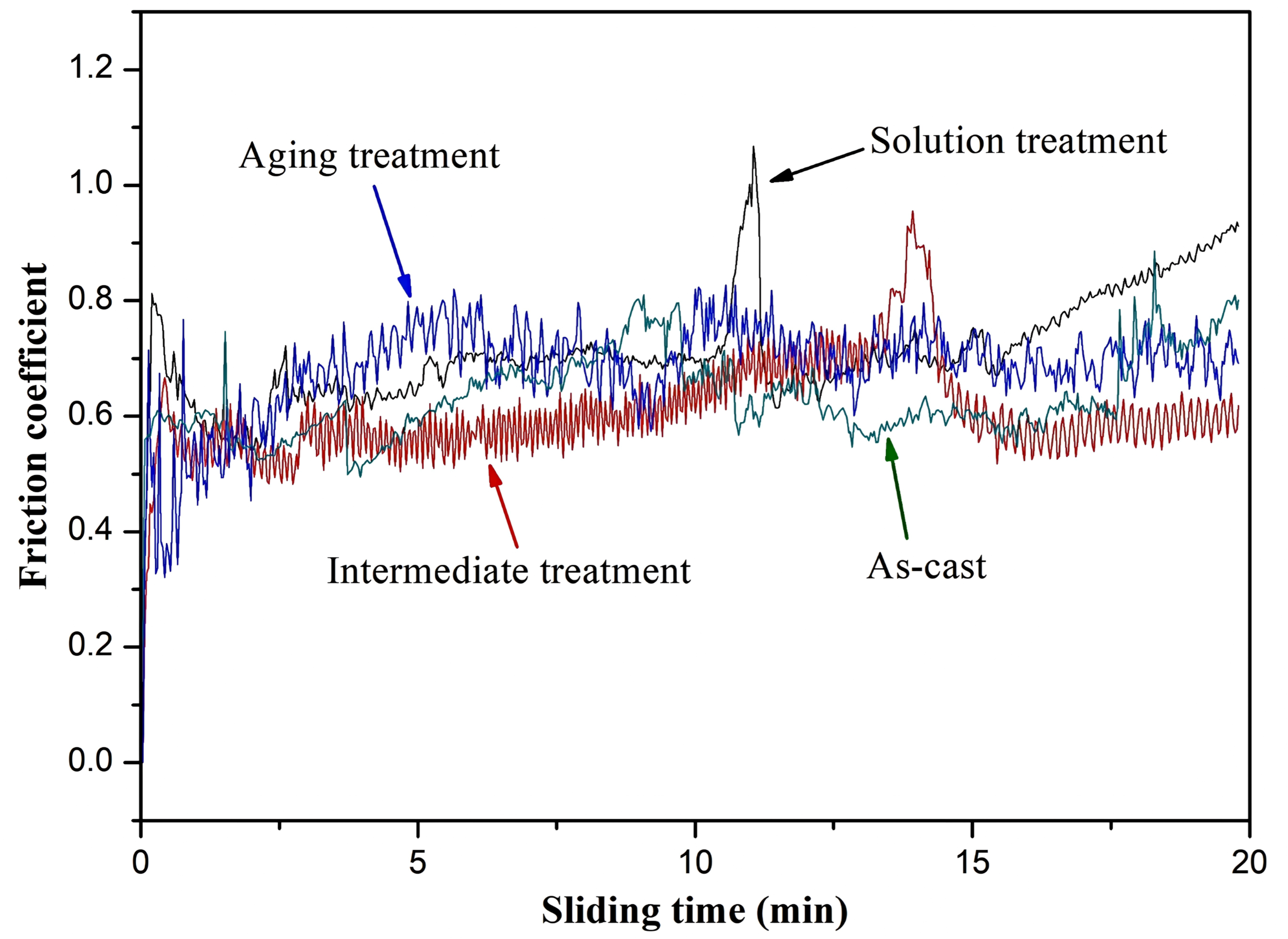
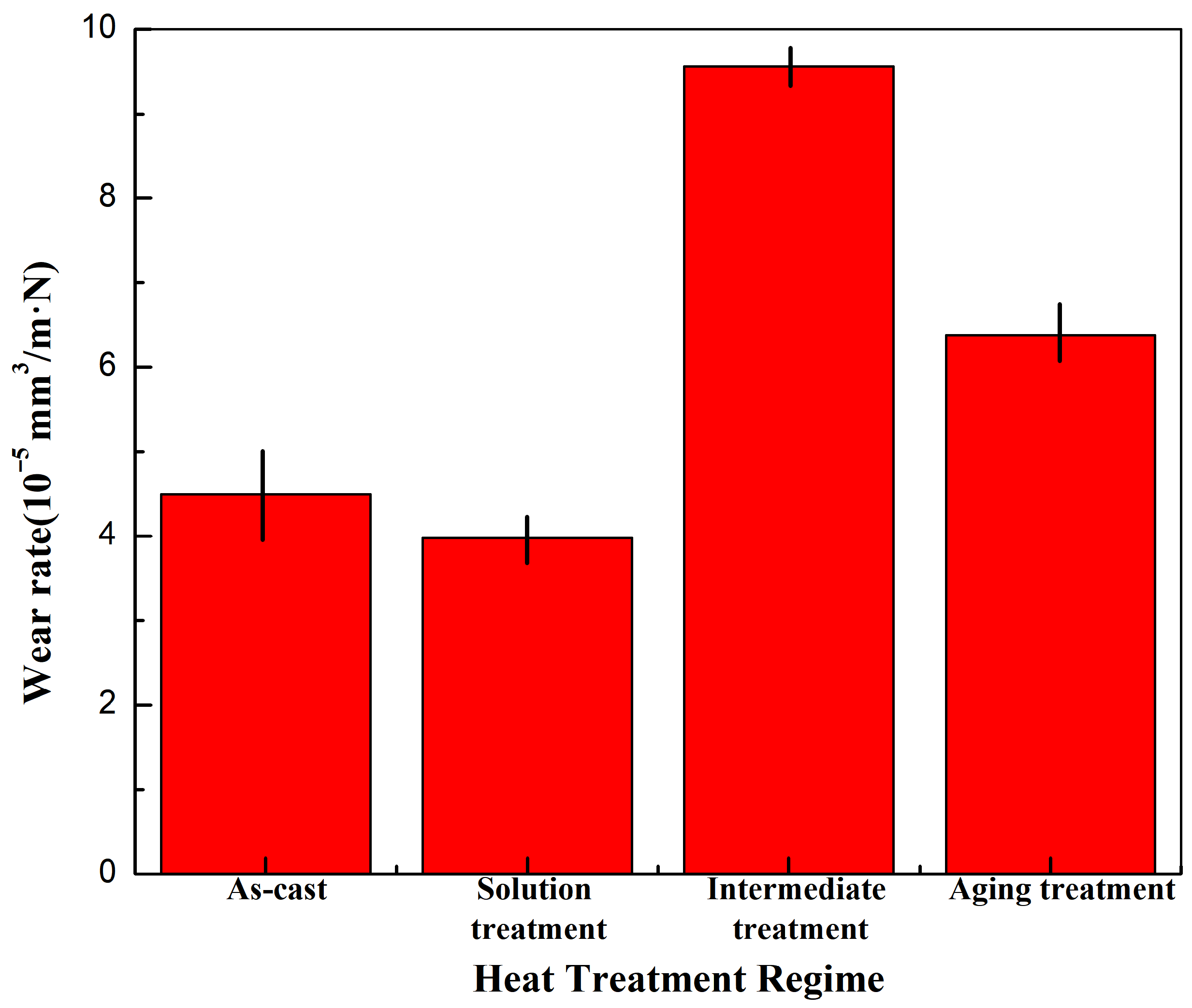
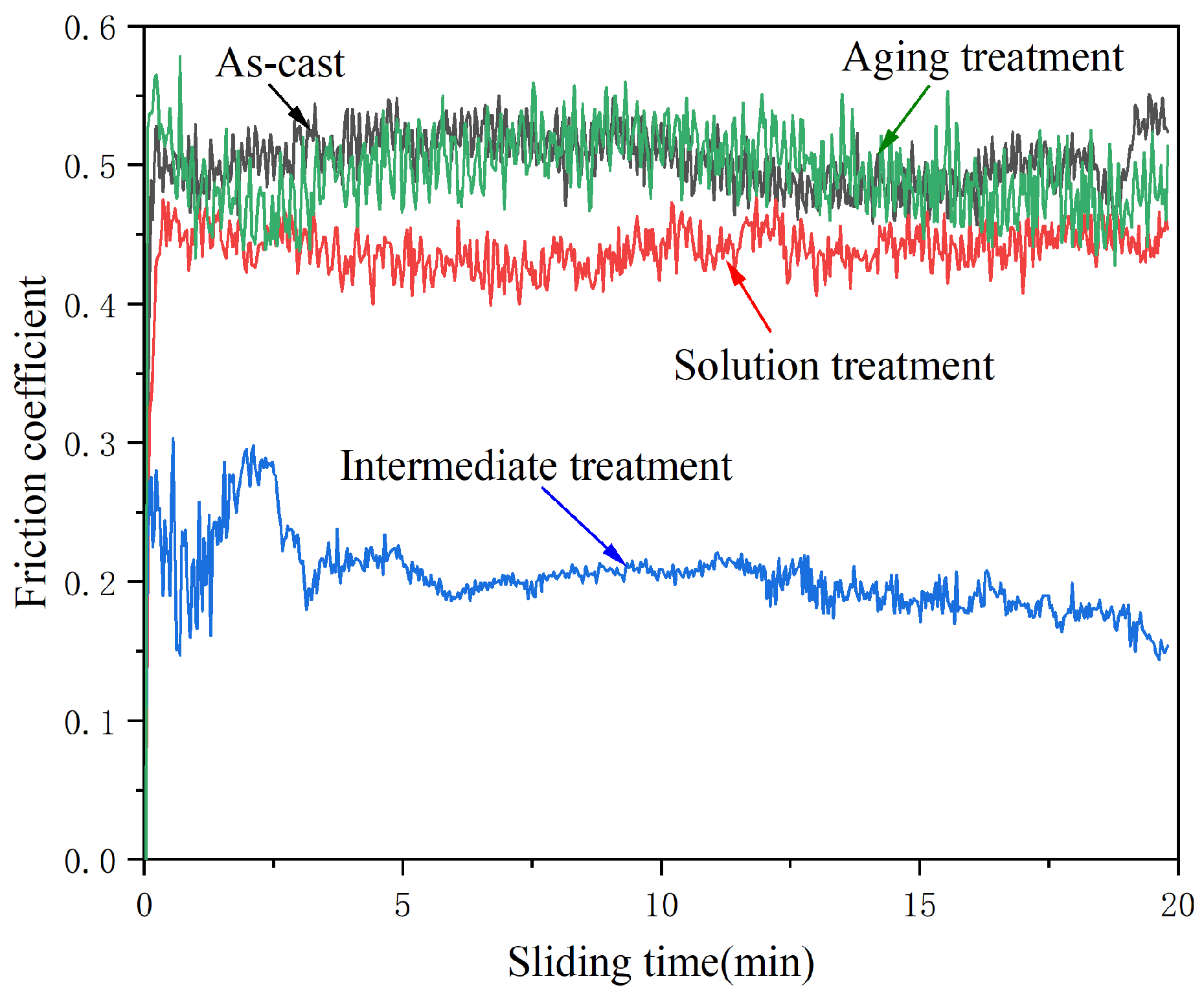
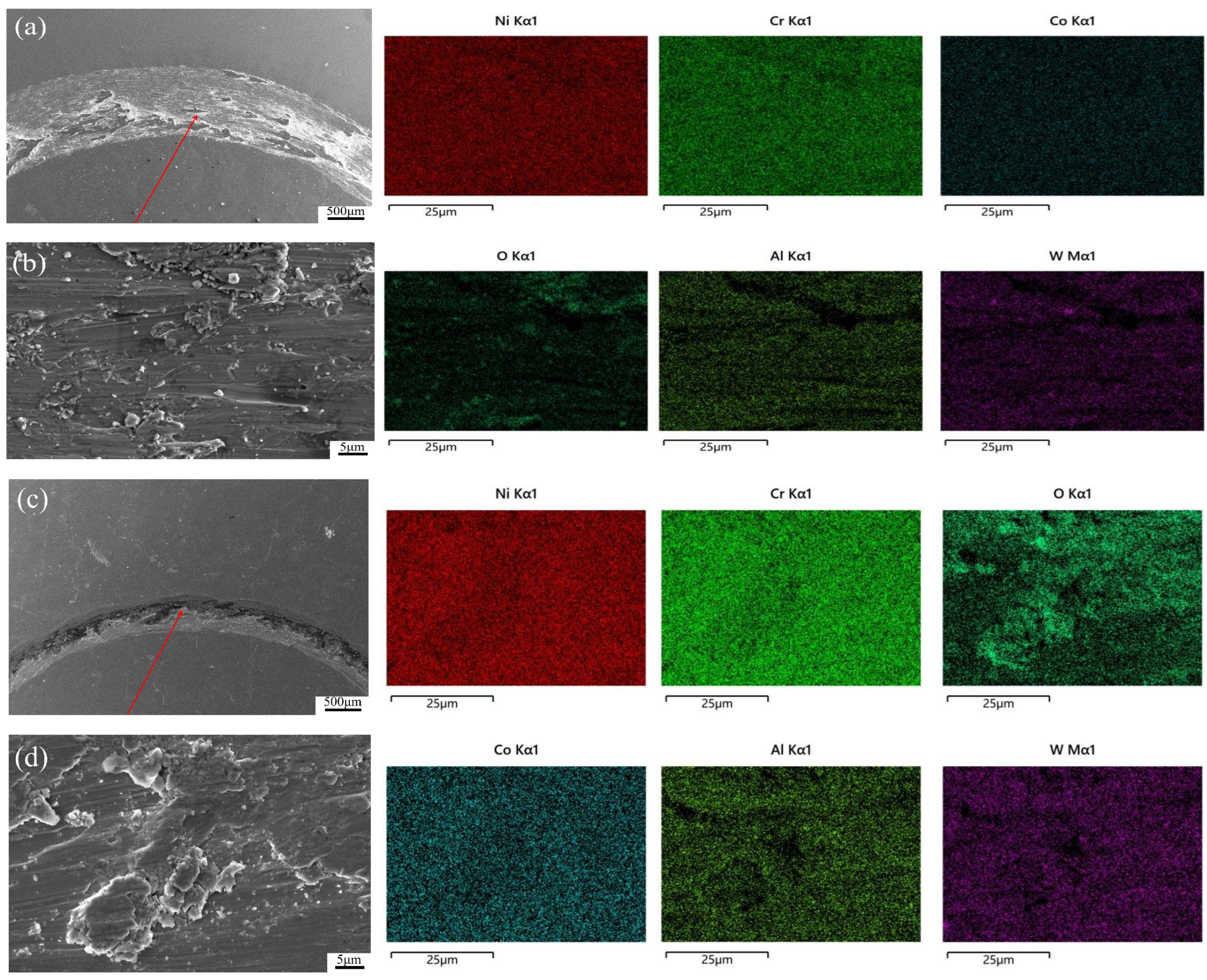
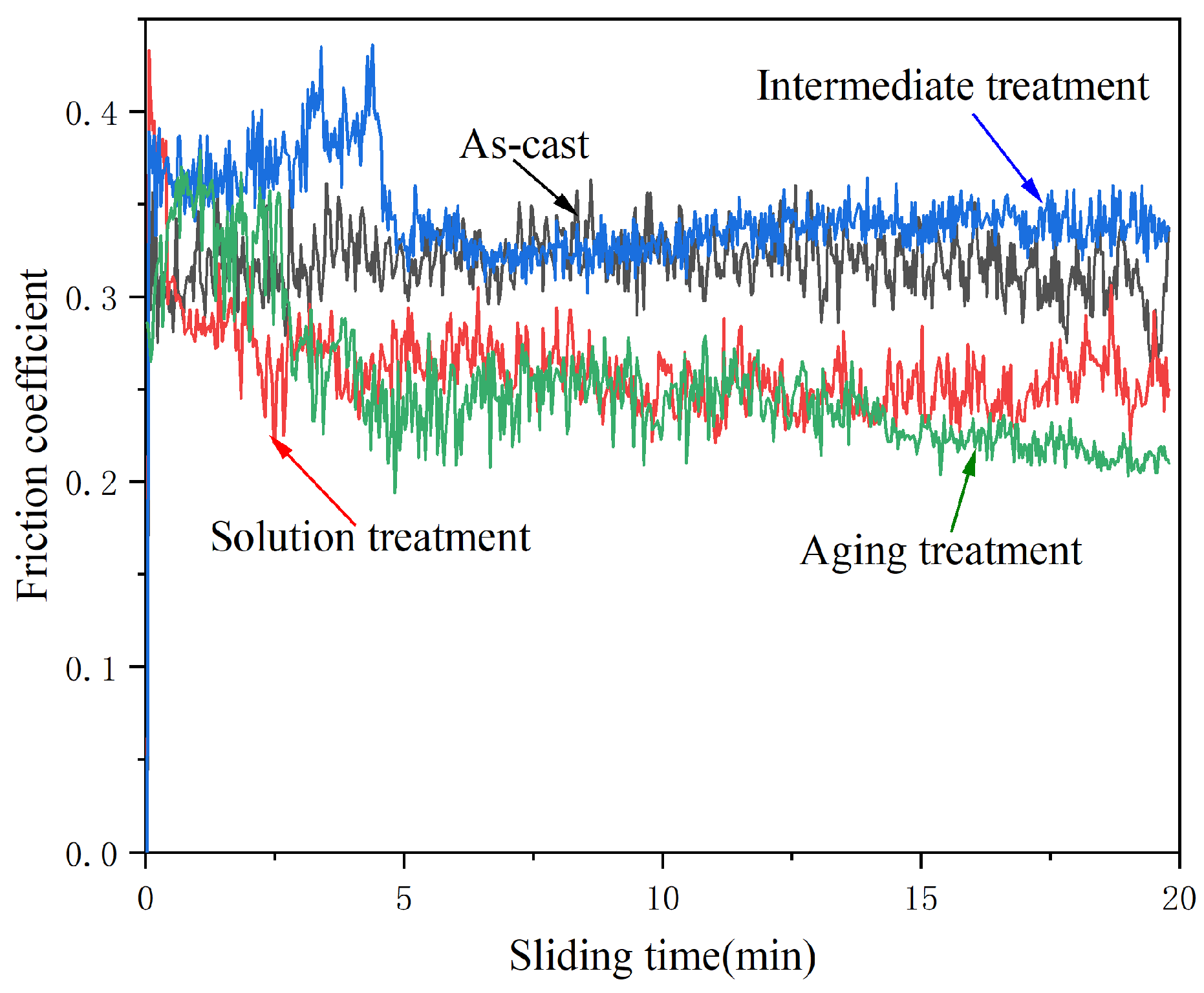
- In a wide temperature range from RT to 600 °C, heat treatment significantly improved the friction and wear properties of the K452 alloy. After solution and intermediate treatment, the wear rate of the alloy decreases significantly to the order of 10−6~10−7 mm3·m−1·N−1. But after aging treatment, the wear resistance of the alloy decreases due to the aggregation and growth of secondary phases.
- (3)
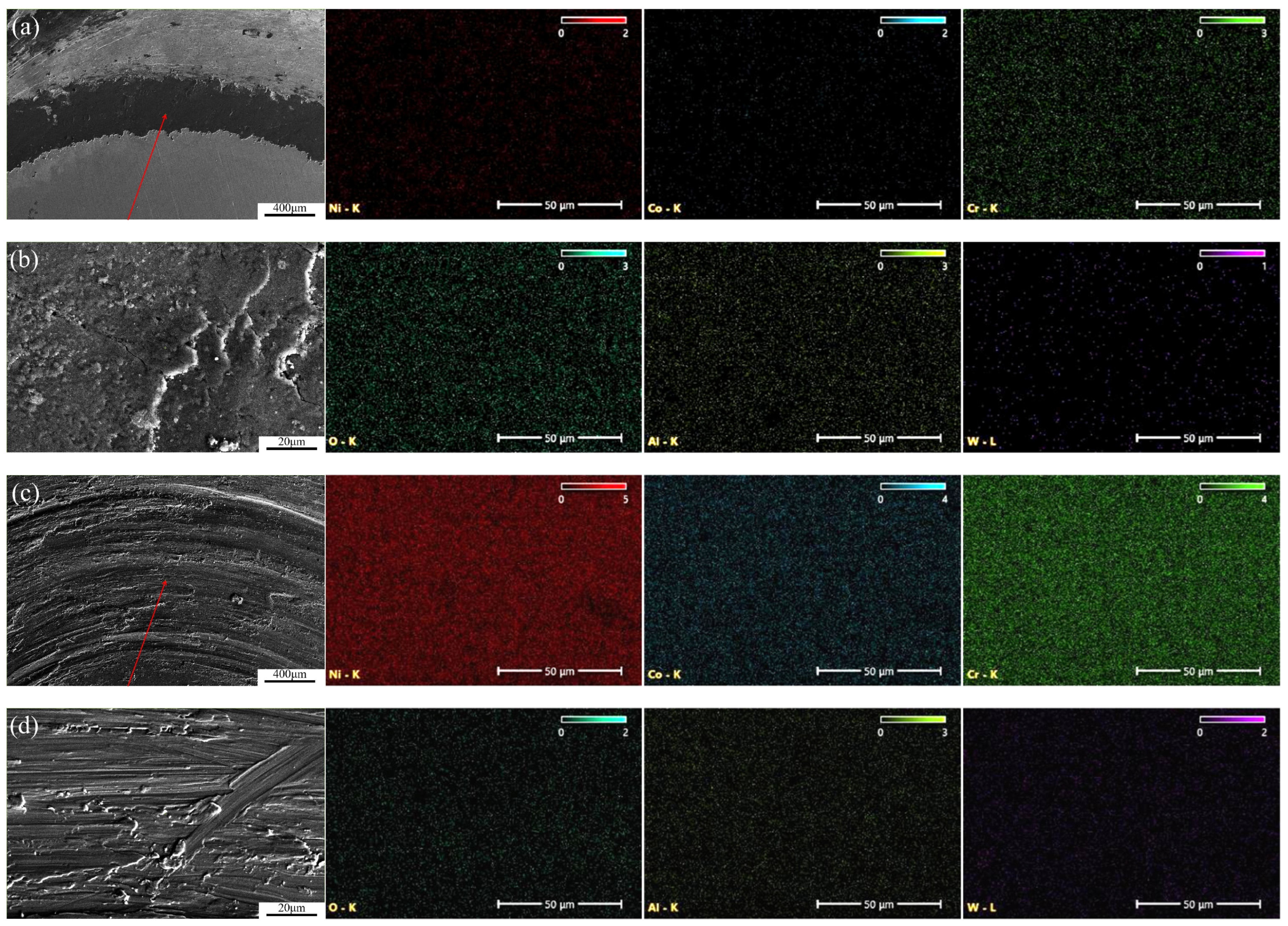
- When the temperature of the friction environment rises to 800 °C, the wear rate of the alloy increases significantly, generally increasing to the order of 10−5 mm3·m−1·N−1. This indicates that the wear resistance of K452 alloy has significantly decreased at 800 °C.
Author Contributions
Funding
Institutional Review Board Statement
Informed Consent Statement
Data Availability Statement
Conflicts of Interest
References
- Guo, J.; Zhou, L.; Yuan, C.; Hou, J.; Qin, X. Microstructures and Properties of Several Unique and Characteristic Superalloys Developed in China. Chin. J. Nonferrous Met. 2011, 21, 237–250. [Google Scholar] [CrossRef]
- Guo, J. Research on Materials and Application Fundamentals of Wrought Superalloys and Equiaxed Cast Superalloys. Acta Metall. Sin. 2010, 46, 1303–1321. [Google Scholar] [CrossRef]
- Qin, X.; Guo, J.; Yuan, C.; Chen, C.; Ye, H. Effects of Long-Term Thermal Exposure on the Microstructure and Properties of a Cast Ni-Base Superalloy. Metall. Mater. Trans. A 2007, 38, 3014–3022. [Google Scholar] [CrossRef]
- Holmberg, K.; Erdemir, A. Influence of tribology on global energy consumption, costs and emissions. Friction 2017, 5, 263–284. [Google Scholar] [CrossRef]
- Zhang, S. Great Potential for Saving in Industrial Applications of Tribology in China—Discussion on the Current Situation of Industrial Applications of Tribology in China. China Surf. Eng. 2008, 2, 50–52. [Google Scholar]
- Liu, W.; Xue, Q. Research and Development Trend of Tribology. China Mech. Eng. 2000, Z1, 86–89. [Google Scholar]
- Xue, Q. Important Progress in Tribology Research and Application in China. Sci. Technol. Rev. 2008, 26, 3. [Google Scholar]
- Shi, C.; Zhong, Z. Development and Innovation of Superalloys in China. Acta Metall. Sin. 2010, 46, 1281–1288. [Google Scholar] [CrossRef]
- Pollock, T.M.; Tin, S. Nickel-Based Superalloys for Advanced Turbine Engines: Chemistry, Microstructure and Properties. J. Propuls. Power 2006, 22, 361. [Google Scholar] [CrossRef]
- Chadwick, G.A. Directionally Solidified Materials for High Temperature Service. Br. Corros. J. 1984, 19, 154–155. [Google Scholar] [CrossRef]
- Pint, B.A.; Brese, R.G. 4-High-temperature materials. In Fundamentals and Applications of Supercritical Carbon Dioxide (sCO2) Based Power Cycles; Woodhead Publishing: London, UK, 2017; pp. 67–104. [Google Scholar] [CrossRef]
- Odette, G.R.; Lucas, G.E. Embrittlement of nuclear reactor pressure vessels. J. Miner. Met. Mater. Soc. 2001, 53, 18–22. [Google Scholar] [CrossRef]
- Ming, Z.; Zhang, X.; Huang, C.; Lu, J.; Zhang, H.; Ma, Y.; Wang, M. High-temperature corrosion behaviours of nickel–iron-based alloys with different molybdenum and tungsten contents in a coal ash/flue gas environment. High Temp. Mater. Process. 2023, 42, 275. [Google Scholar] [CrossRef]
- Young, B.D.J. High Temperature Oxidation and Corrosion of Metals-ScienceDirect. Corros. Ser. 2008, 1, iii. [Google Scholar] [CrossRef]
- Srikanth, S.; Saravanan, P.; Khalkho, B.; Banerjee, P. Failure Analysis of Inconel 601 Radiant Tubes in Continuous Annealing Furnace of Hot Dip Galvanizing Line. J. Fail. Anal. Prev. 2021, 21, 747–758. [Google Scholar] [CrossRef]
- Xing, H.; Shi, Q.; Hu, B.; Li, S.; Li, Y.; Wang, H.; Wang, Q.; Xu, L.; Feng, R.; Zhang, W.; et al. Solid-Solution Heat Treatments Effect on Microstructure and Mechanical Properties of Low-Oxygen TZM Alloy. Rare Met. Mater. Eng. 2025, 54, 593–603. [Google Scholar] [CrossRef]
- Wang, W.; Liu, X.; Wang, H.; Wang, K.; Tian, Y.; Yan, J.; Li, Y.; Chen, H. Characterization and Analysis of Abnormal Grain Structures in WSTi6421 Titanium Alloy After β Annealing Treatment. Rare Met. Mater. Eng. 2025, 54, 354–362. [Google Scholar] [CrossRef]
- Zhang, M.; Ma, C.; Xue, C.; Zhong, W.; Gao, B.; Shuai, M.; Tuo, L.; Chu, Z. Effect of Precipitate Phases and Grain Size on Mechanical Properties of Inconel 718 Superalloy After Various Heat Treatments. Rare Met. Mater. Eng. 2024, 53, 2131–2136. [Google Scholar] [CrossRef]
- Ma, L.; Wei, Z.; Zhou, J.; Li, L.; Zheng, Z.; Fan, H.; Peng, W.; Liu, C. Effect of Water Quenching Temperature on Microstructure and Properties of 7050 Aluminum Alloy. Rare Met. Mater. Eng. 2024, 53, 1262–1267. [Google Scholar] [CrossRef]
- Huang, J.; Zhang, W. Effect of Heat Treatment Duration on Corrosion Performance of Electron Beam Manufactured Ti6Al4V Alloy. Rare Met. Mater. Eng. 2024, 53, 357–364. [Google Scholar] [CrossRef]
- Chen, S.; Yang, Y.; Guo, Z.; Liang, J.; Li, J.; Zhou, B. Influence of Post-Treatment Process on Microstructure and Properties of Laser Additively Manufactured Nickel-Based Superalloy. Rare Met. Mater. Eng. 2024, 53, 2478–2484. [Google Scholar] [CrossRef]







| Cr | Co | Al | Ti | Nb | Mo | W | C | Ni |
|---|---|---|---|---|---|---|---|---|
| 20.9 | 11.2 | 2.5 | 3.5 | 0.25 | 0.6 | 3.5 | 0.11 | Bal. |
| Process No. | Heat Treatment Regime |
|---|---|
| 1 | As-cast |
| 2 | 1170 °C × 4 h, WC |
| 3 | 1170 °C × 4 h, AC + 1050 °C × 4 h, AC |
| 4 | 1170 °C × 4 h, AC + 1050 °C × 4 h, AC + 850 °C × 16 h, AC |
Disclaimer/Publisher’s Note: The statements, opinions and data contained in all publications are solely those of the individual author(s) and contributor(s) and not of MDPI and/or the editor(s). MDPI and/or the editor(s) disclaim responsibility for any injury to people or property resulting from any ideas, methods, instructions or products referred to in the content. |
© 2026 by the authors. Licensee MDPI, Basel, Switzerland. This article is an open access article distributed under the terms and conditions of the Creative Commons Attribution (CC BY) license.
Share and Cite
Jia, J.; Chen, H.; Chen, Y.; Xiao, R.; Yang, X.; Yang, L.; Ren, B. Effect of Solution and Aging Treatment on the Tribological Properties of K452 Alloy in a Wide Temperature Range. Coatings 2026, 16, 544. https://doi.org/10.3390/coatings16050544
Jia J, Chen H, Chen Y, Xiao R, Yang X, Yang L, Ren B. Effect of Solution and Aging Treatment on the Tribological Properties of K452 Alloy in a Wide Temperature Range. Coatings. 2026; 16(5):544. https://doi.org/10.3390/coatings16050544
Chicago/Turabian StyleJia, Jinfeng, Hanfeng Chen, Yangyang Chen, Rongzhen Xiao, Xiaotian Yang, Likai Yang, and Bin Ren. 2026. "Effect of Solution and Aging Treatment on the Tribological Properties of K452 Alloy in a Wide Temperature Range" Coatings 16, no. 5: 544. https://doi.org/10.3390/coatings16050544
APA StyleJia, J., Chen, H., Chen, Y., Xiao, R., Yang, X., Yang, L., & Ren, B. (2026). Effect of Solution and Aging Treatment on the Tribological Properties of K452 Alloy in a Wide Temperature Range. Coatings, 16(5), 544. https://doi.org/10.3390/coatings16050544