1. Introduction
Pest management represents a critical challenge in agriculture, ecology, and aquatic systems, where unchecked pest outbreaks pose significant economic risks [
1]. Conventional approaches have predominantly relied on combined chemical and biological control methodologies. However, modern integrated pest managements (IPMs) employ sophisticated syntheses of biological, cultural, and chemical interventions to suppress pest populations beneath economic injury levels (EILs) through proactive population regulation. Comprehensive reviews of such strategies can be found in [
2,
3,
4,
5,
6,
7], along with their attached bibliographies. The economic threshold (ET) is a pivotal operational concept in IPMs, defined as the pest population density where control interventions become economically worthwhile. This index encompasses social, economic, and ecological factors, as detailed in [
1].
Mathematical modeling plays a pivotal role in optimizing the implementation timing of integrated pest management strategies, as it seeks to preempt pest outbreaks exceeding economic injury levels and forecast attainable economic thresholds. While numerous IPM studies employ continuous models incorporating impulsive control strategies [
8,
9,
10], practical applications often hinge on data collected at discrete temporal and spatial scales. Consequently, discrete host–parasitoid models offer a more ecologically valid framework for capturing population dynamics compared to their continuous counterparts [
11,
12,
13]. Yang et al. [
14] pioneered this discrete modeling framework. In their study, they uncovered bifurcation behaviors and intricate dynamic characteristics in model incorporating impulsive control strategies. Jang and Yu [
15] investigated exogenous parasitoid introduction and optimized control schemes using the forward–backward sweep method. Singh and Emerick [
16] further established stability conditions for biological control within a discrete dynamical system. Despite these research advances, most existing models presume unrestricted host population growth, which deviates from actual ecological conditions. Practical ecological constraints including resource scarcity, predation pressure, and intraspecific competition require the explicit introduction of carrying capacity, so as to improve model prediction reliability.
The primary objective of this study is to explore the intricate dynamics of a discrete switching host–parasitoid model. Initially, we introduce a host–parasitoid model featuring a Holling Type II functional response function, which has been previously investigated numerically by Tang and Chen [
17].
where
and
describe the densities of host and parasitoid in generation
, respectively;
r is the intrinsic growth rate of the host population without parasitoid,
K is the carrying capacity of the environment,
T denotes the total time initially available for search,
is the handling time, and
a stands for the instantaneous search rate. A brief description of the significance of the parameters and variables presented in (1) may be seen in Ref. [
17].
To incorporate IPM strategies for controlling the pest population, He et al. [
18] extended Model (1) by adopting a more generalized threshold control policy. Specifically, when the weighted host density across two successive generations surpasses the economic threshold (ET), chemical control is implemented via a proportional kill rate
p for the pest population. Complementarily, biological control is introduced by releasing a constant number of natural enemies, denoted as
. This yields the following augmented system:
where
. By integrating Model (1) (free subsystem) and Model (2) (control subsystem), He et al. proposed a more generalized threshold control strategy, which can be described as follows: when the weighted density of two consecutive host generations exceeds the ET, the IPM strategy is activated. Conversely, if the weighted density falls below the ET, all control measures are temporarily suspended to avoid unnecessary intervention, this dynamic process is governed by the weighting parameter
. Such dynamic switching mechanism constructs a novel host–parasitoid system adopting a nonlinear threshold strategy, which enables adaptive responses to population fluctuations.
He et al. have shown that Model (3) exhibits quite complex dynamics behavior numerically. Motivated by their work, our aim is to further investigate the bifurcation phenomena and new dynamics related to controlling of host and parasitoid populations. Here we analyze codimension-one bifurcations, including flip, transcritical, and Neimark–Sacker bifurcation and provide detailed existence conditions for each bifurcation. Extensive numerical simulations are presented, including bifurcation diagrams, phase portraits, and Maximum Lyapunov Exponents, to validate theoretical analyses and uncover new and interesting nonlinear dynamical behaviors. Notably, one of our investigations demonstrates that the mode-locking structure is organized according to a broken Farey tree sequence. Additionally, we explore the multistability in the control subsystem. Finally, we analyze how key parameters affect the switching system’s dynamics and offer relevant biological interpretations.
The remainder of this paper is structured as follows:
Section 2 illustrates the existence and stability of equilibria for System (2).
Section 3 adopts analytical methods to explore flip, transcritical, and Neimark–Sacker bifurcations.
Section 4 presents various numerical analyses that not only support the theoretical findings but also unveil new and rich dynamical behaviors. Intriguingly, mode-locking structures consistent with the Farey tree are observed in numerical exploration. Additionally, we systematically evaluate the influences of key parameters on the dynamics of the nonlinear switching system (System (3)) and interpret the corresponding biological mechanisms. Finally,
Section 5 summarizes the key findings, elaborates on the biological significance and practical implications of the obtained dynamical properties, and suggests directions for future investigations.
4. Numerical Simulations
In this section, with the objective of corroborating the theoretical outcomes and unveiling novel dynamical behaviors within System (2), we proceed to delineate the numerical simulation study. For the purpose of bifurcation analysis, we take into account parameter values pertaining to the subsequent two scenarios.
Case 1: Select a parameter set as follows: for System (2). Subsequently, vary r within the interval . This yields an unique positive fixed point when , accompanied by multipliers . Hence, the criteria for a flip bifurcation are fulfilled.
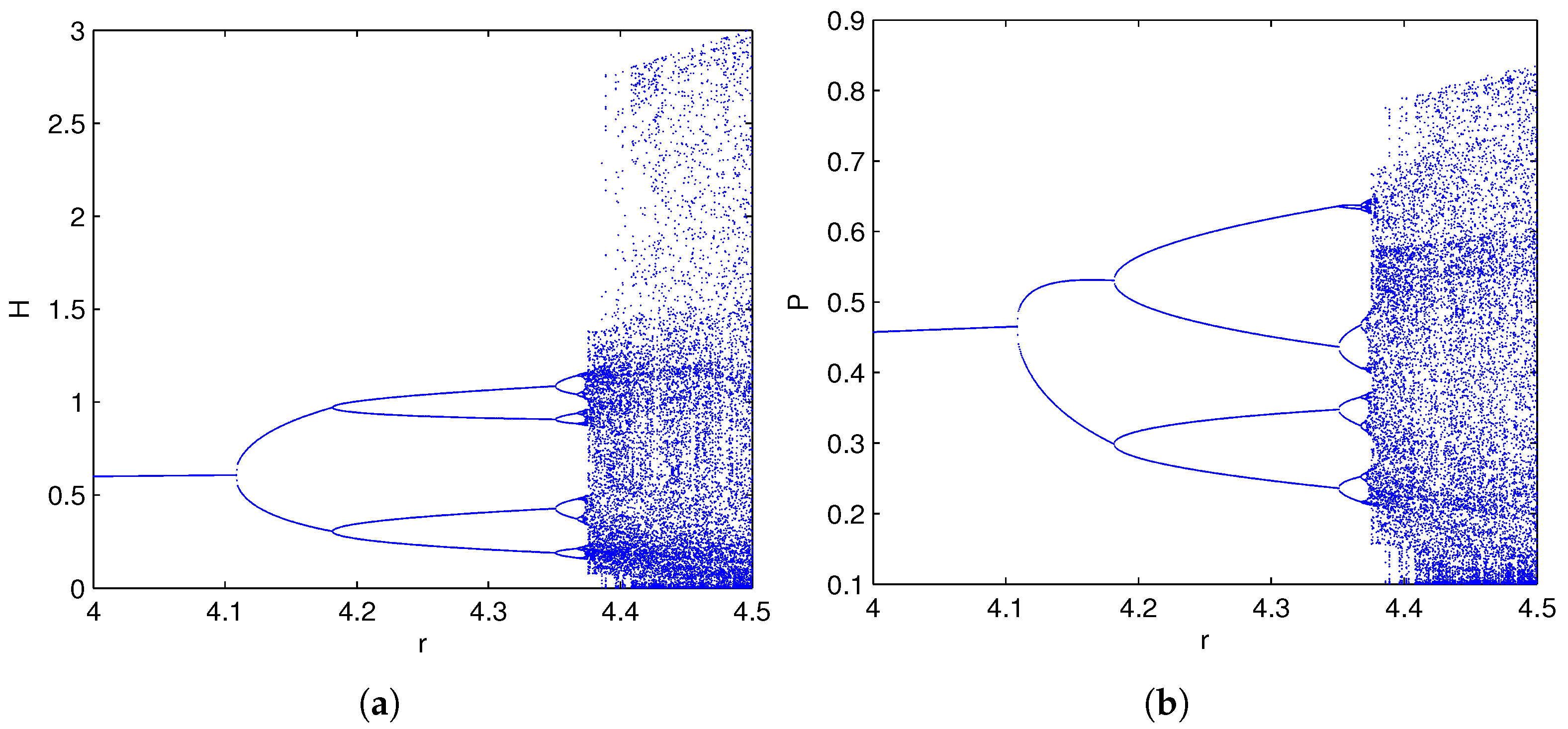
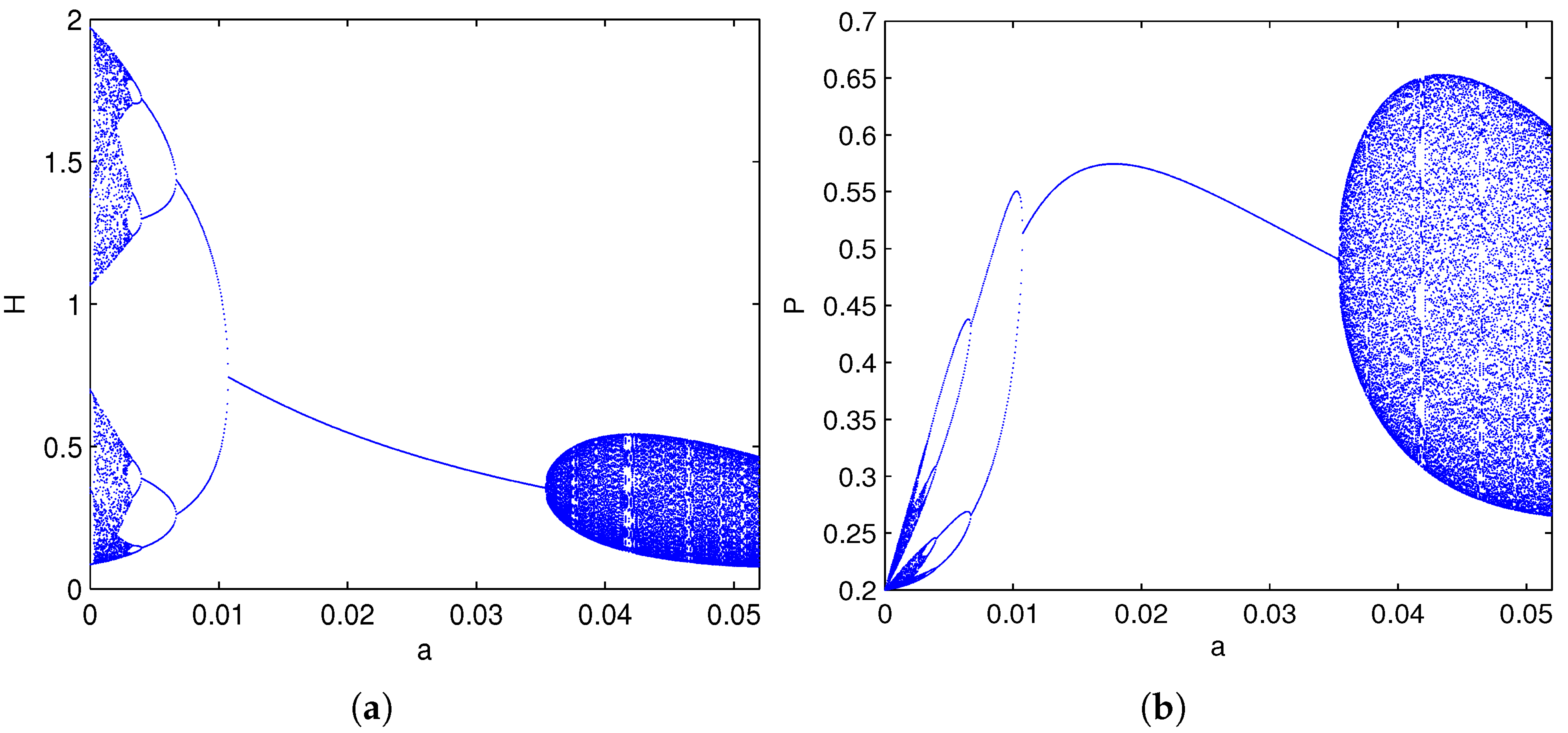
Figure 1 illustrates that the fixed point
E maintains its stability when
, but undergoes a destabilization at
. This destabilization triggers a flip bifurcation phenomenon, which drives the system into chaotic dynamics as the parameter
r increases. Consequently, the timing and magnitude of pest outbreaks become difficult to forecast, making routine fixed-interval control strategies ineffective. Instead of adopting one-size-fits-all management, practitioners ought to implement dynamic threshold monitoring and flexible emergency interventions to avert abrupt pest outbreaks. Such nonlinear evolutionary characteristics bring practical guidance to field pest prevention and control.
Case 2: Let , and vary r in range for System (2). We observe that a Neimark–Sacker bifurcation appears at the unique positive fixed point for . We also have . This completes the verification of Theorem 4.
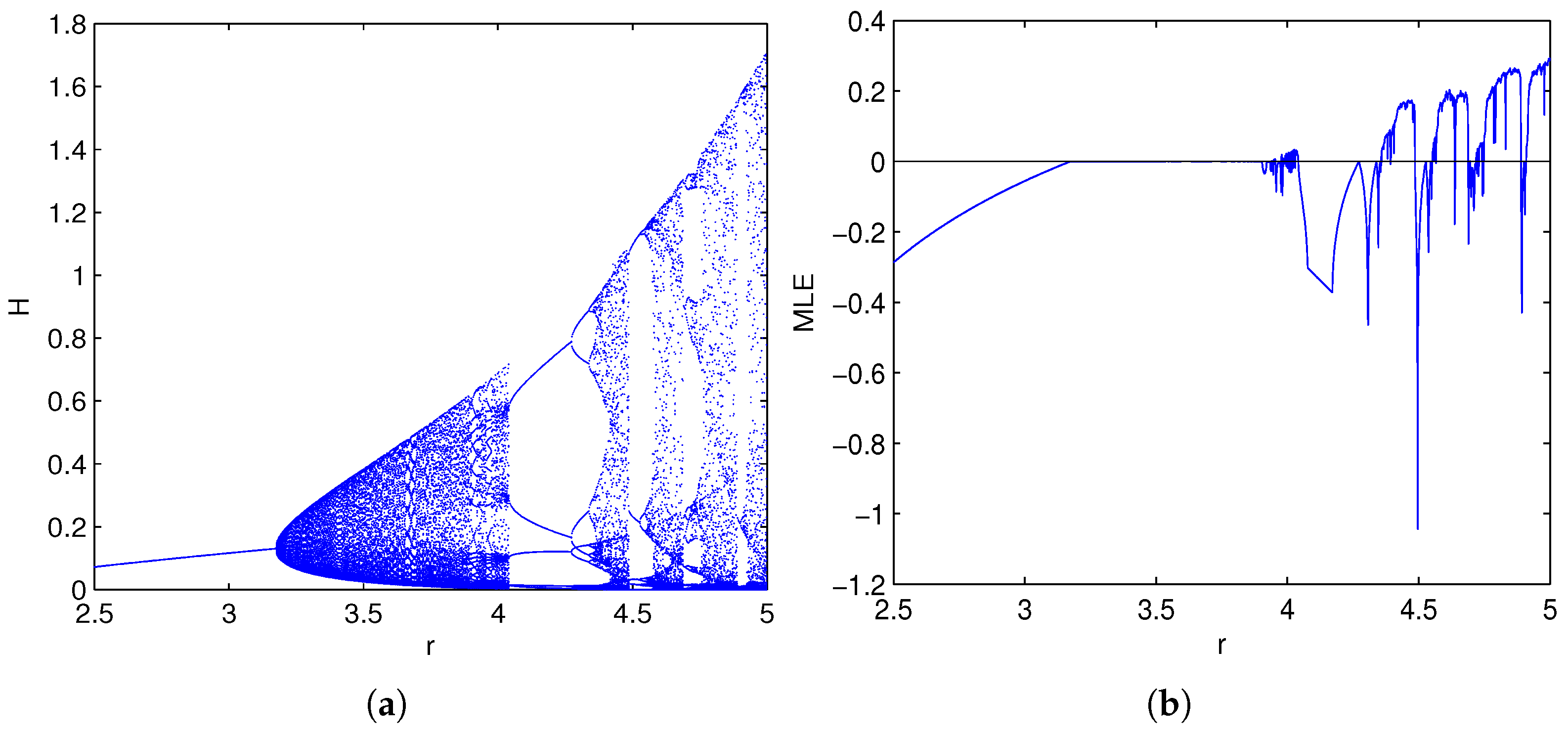
Figure 2a depicts the Neimark–Sacker bifurcation diagram, illustrating that the equilibrium
E retains stability when
. However, at
, this stability is lost and an attractive invariant curve materializes. This transition is corroborated by the maximum Lyapunov exponent (MLE) presented in
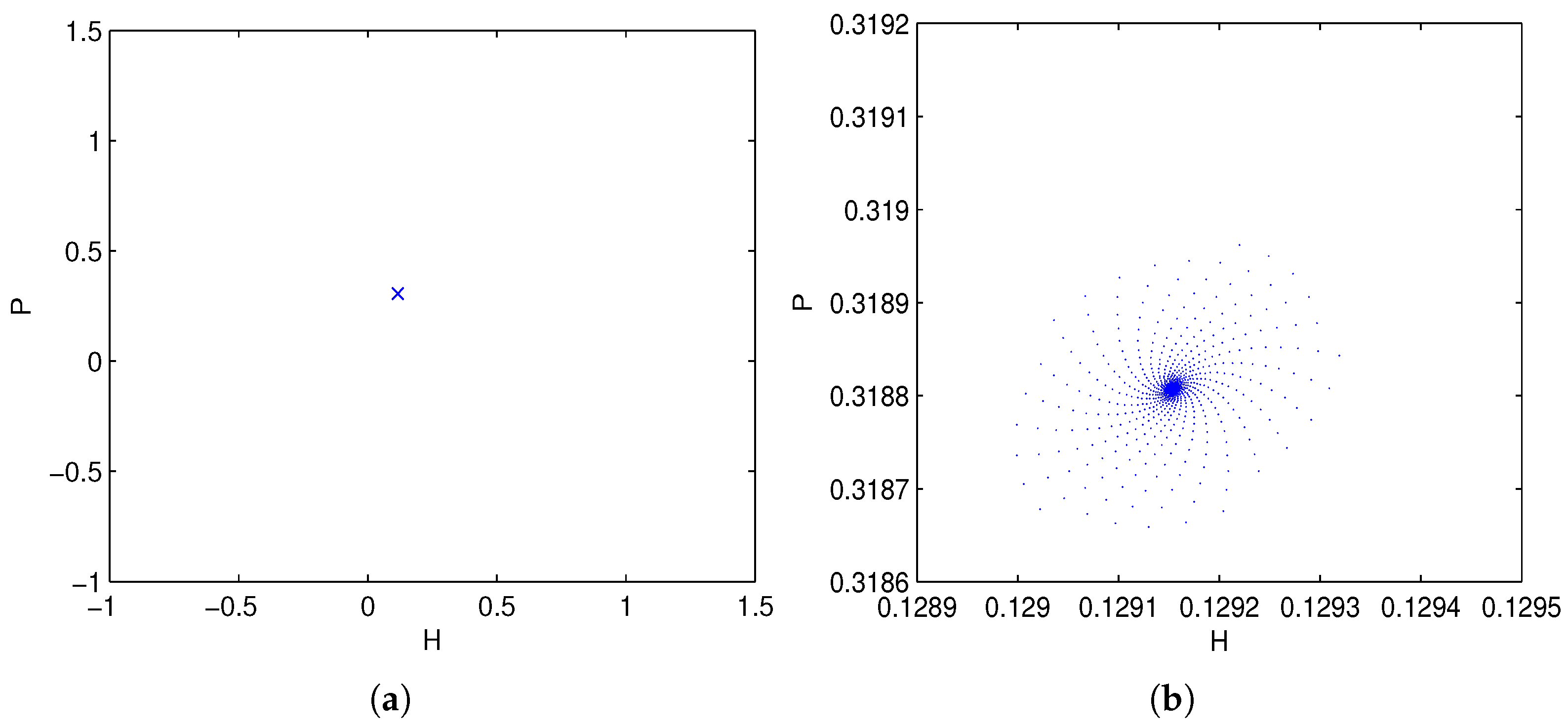
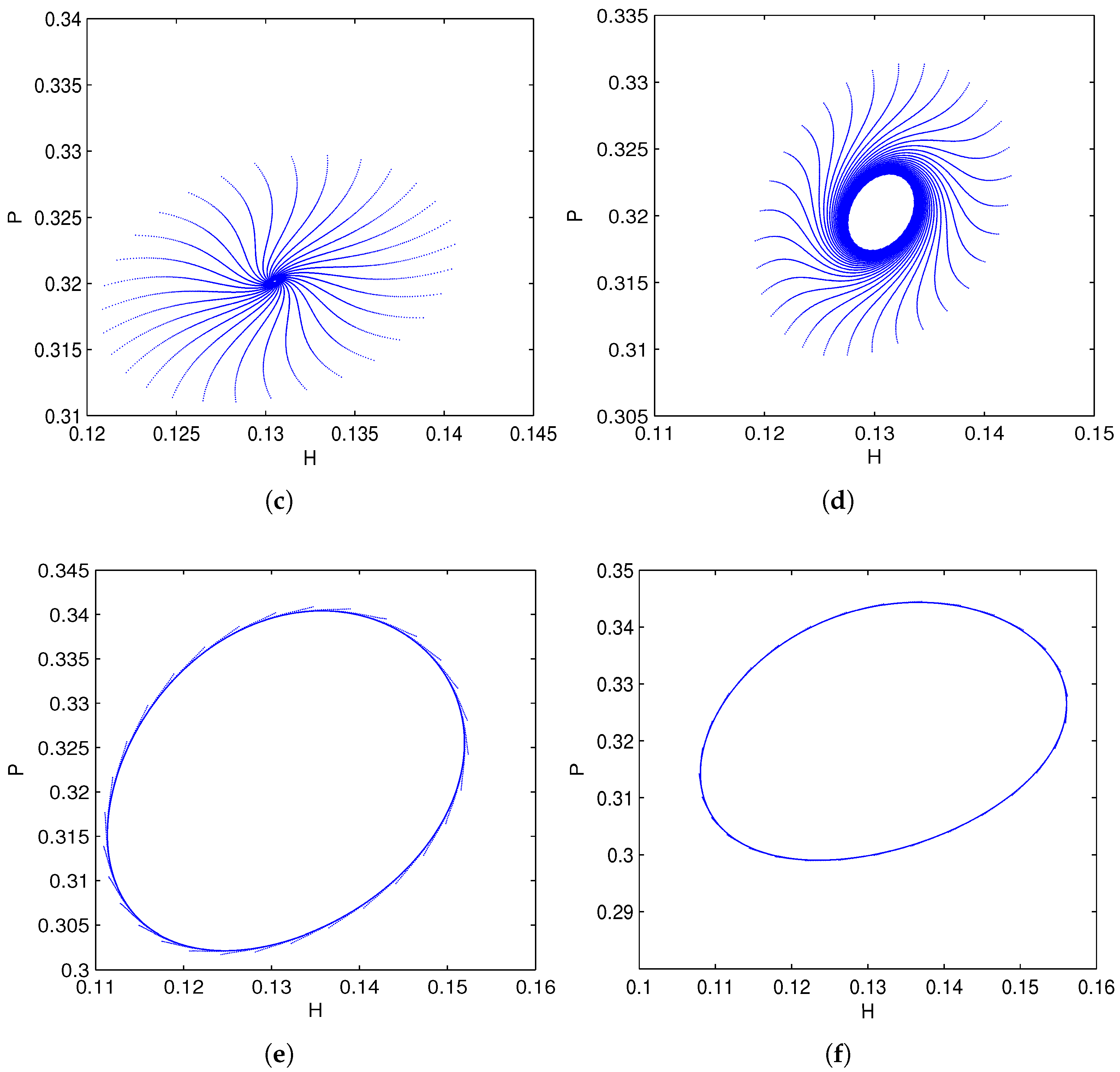
Figure 2b, which affirms the onset of chaotic behavior and the emergence of an invariant circle. The phase portraits depicted in
Figure 3 serve to corroborate the occurrence of the Neimark–Sacker bifurcation and the consequent emergence of an invariant curve.
From an ecological perspective,
Figure 2a with
shows that parasitism can easily destabilize stable host dynamics, leading to more complex behaviors. As inferred from
Figure 1 and
Figure 2, the control system can exhibit intricate dynamics, including periodic windows, chaotic bands, period-doubling bifurcations, and crises as the intrinsic growth rate increases. Particularly, the formation of an invariant circle indicates sustainable coexistence of host and parasitoid populations over an extensive interval of
r, allowing steady population survival in the shared environment.
As demonstrated in [
18], the instantaneous search rate
a holds a crucial role within this model. To elucidate the impact of the instantaneous search rate on the periodicity of solutions pertaining to both host and parasitoid populations, we designate
a as the bifurcation parameter, while maintaining the other parameters constant at
.
Figure 4 unveils a captivating and intricate tapestry of dynamical behaviors when
, encompassing chaotic bands, periodic windows, period-doubling bifurcations, and period-halving bifurcations. For
, the model undergoes period-halving bifurcations, ultimately converging to a stable periodic solution with a period of 1. As
a is incremented further to 0.03305, an attracting invariant curve gives rise to a Neimark–Sacker bifurcation, which stands as the discrete counterpart of a Hopf bifurcation. These findings underscore the profound influence that the instantaneous search rate
a exerts on the efficacy of control strategies.
Figure 4 also shows the instance of the emergence of Neimark–Sacker bifurcation after the flip bifurcation.
To investigate the effect of different parameter values on the periodicity of solutions for both host and parasitoid populations, we employ the efficient methods described in [
26,
27,
28] to develop high-definition resolution phase diagrams in
Figure 5 and
Figure 6. The release of a moderate amount of natural enemies can not only control pests in real time, but also play a role in controlling the damage in the subsequent period of time. Therefore, first, the natural enemy release amount
is selected as the research object.
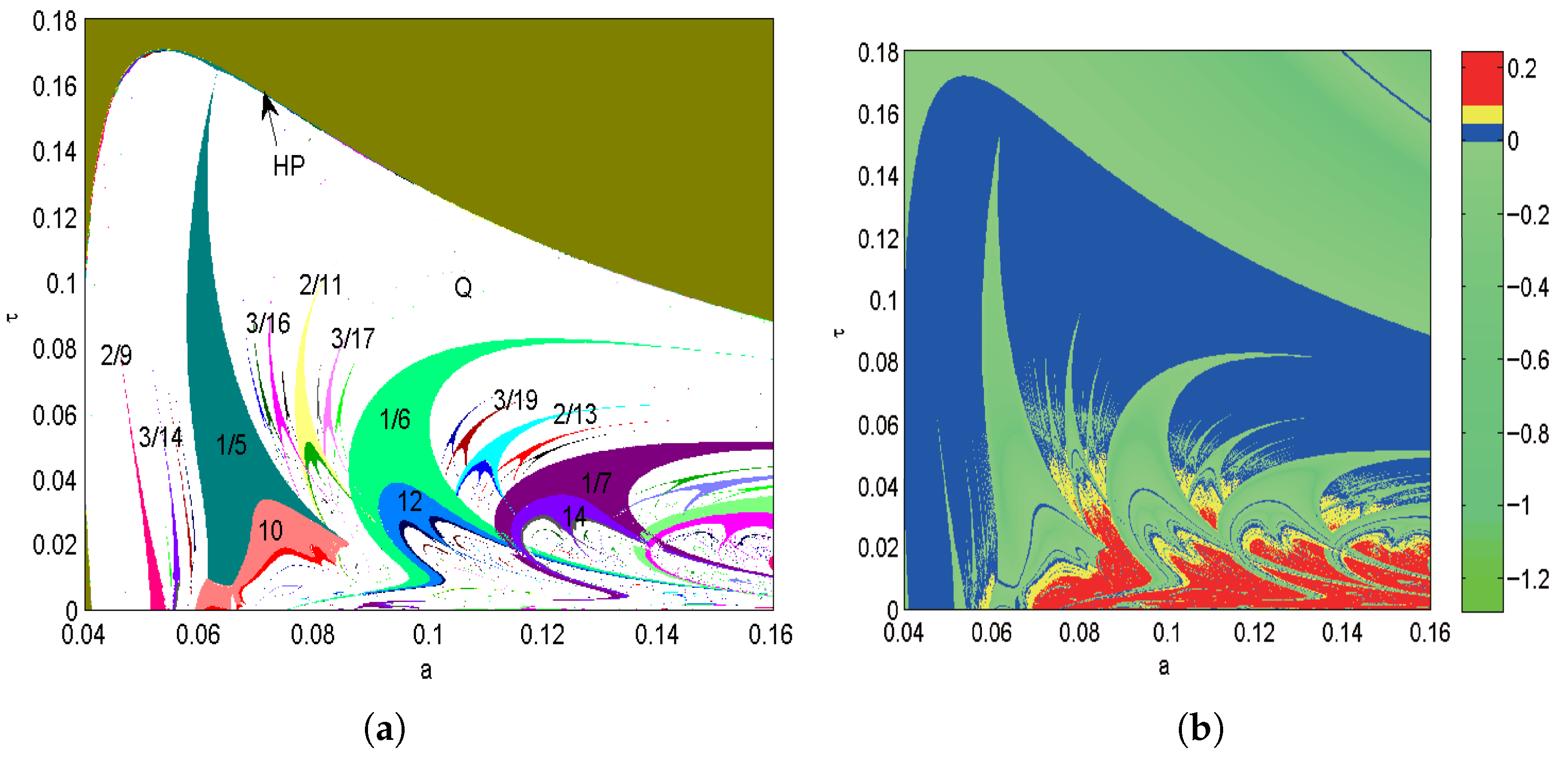
Figure 5a represents an isoperiodic diagram of the
parameter-space for System (2) with
. Here, numbers refer to the period, different colors are used to distinguish these periodic regimes. For instance, dark green denotes period
, and light green refers to period
. Moreover, Q stands for quasiperiodic motions. The brown-white boundaries represent Hopf bifurcation (HP) lines. As a powerful complementary tool for the isoperiodic diagram, we choose a parameter window divided into
equidistance nets. Generally, there are
parameter points computed. The Lyapunov exponent spectrums of every point on the nets are then calculated, and the largest Lyapunov exponent is extracted.
Figure 5b indicates that quasiperiodic solutions are beyond the scope of periodicity. Colors indicate the magnitude of the largest Lyapunov exponent: the continuously varying pale yellow-red scale represents chaotic oscillations, the green region denotes parameters leading to periodic oscillations, and the blue area indicates quasiperiodic responses. Observing
Figure 5b, one can identify these three types of solutions by color, revealing that the periodic structures within the large quasiperiodic area correspond to Arnold tongues. Arnold tongues map these locked periodic states in two-parameter space, where narrow tongues indicate mild, manageable fluctuations, and overlapping tongues signal chaotic, unpredictable outbreaks—critical for IPM to avoid high-risk parameter regimes. Clearly, the Lyapunov exponent stability diagram provides valuable insight into the distribution of various dynamic behaviors in the parameter space.
To our surprise,
Figure 5a reveals that the mode-locking structure is formed by the Farey tree through sequences examining the rotation numbers of those Arnold tongues. Mode-locking denotes stable resonance between pest and predator cycles, defining reliable outbreak intervals and robust biological control windows. Farey trees reveal the hierarchical self-similarity of periodic resonances, explaining nested multistability and abrupt regime shifts that may trigger sudden pest eruptions. Here, the Farey tree is a hierarchical organization that covers all rational numbers in the interval
, constructed using the Farey sum operation, denoted as ⊕. Specifically, if
are two adjacent tongues of rotation numbers, there is a tongue with rotation number
. For instance, the tongue with rotation number 3/14 is situated between tongues with rotation numbers 1/5 and 2/9, the tongue with rotation number 3/16 lies between 1/5 and 2/11, the tongue with rotation number 3/17 lies between 2/11 and 1/6, and so on. This allows us to write the sequence of numbers: 2/9, 3/14, 1/5, 2/11, 1/6, 3/19, 2/13, 3/20, 1/7, … This sequence is referred to as a broken Farey tree.
Another prominent periodic structure emerging from the chaotic regime manifests as a shrimp-like configuration [
29,
30]. Lyapunov exponent spectrum analysis in
Figure 5b demonstrates that these Arnold tongue precursors exhibit distinctive spatial characteristics: their nucleation centers penetrate the chaotic domain, while their elongated extensions extend into the quasiperiodic regimes. These structures derive their name from a central compact “head” region and four elongated, filamentary “antennae” that collectively yield their characteristic crustacean morphology. For comprehensive reviews on the phenomenology and bifurcation properties of such shrimp-shaped islands, including their self-organization mechanisms and parametric distribution patterns in nonlinear dynamical systems, we direct readers to the specialized literature [
29,
30]. The discovery of such configurations has aroused extensive academic interest, driving in-depth investigations into their formation evolution, spatial arrangement rules, and topological classification in parameter spaces.
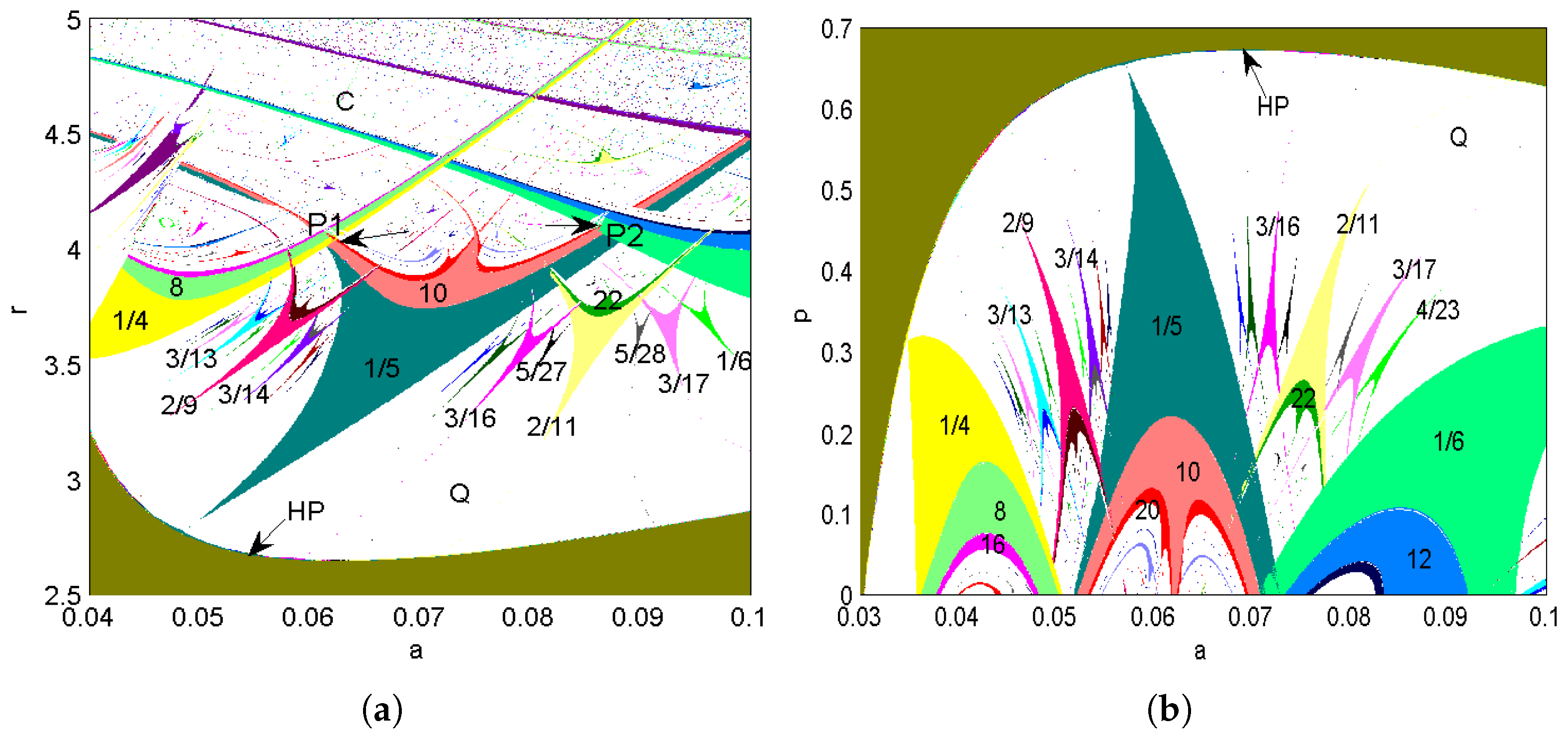
To further explore how parameter variations affect the ultimate states of host and parasitoid populations, we take the intrinsic growth rate
r and instantaneous searching rate
a as bifurcation parameters, which results in
Figure 6a. In practical pest management, pesticide spraying is a widely adopted measure to suppress pest proliferation, making rational pesticide selection highly essential. Accordingly, the instantaneous searching rate
a and proportional mortality rate
p are chosen as control parameters to generate the results shown in
Figure 6b. In these plots, only two parameters are varied simultaneously, while the remaining parameters are maintained constant at
. These two figures indicate that all sections exhibit qualitatively identical mode-locking cascades as presented in
Figure 5a under varying control parameters. Remarkably, within extensive white areas of both subgraphs, periodic phases follow a typical rule that the periods of Arnold tongues distribute regularly in accordance with the Farey tree. These observations highlight an intrinsic symmetry associated with the instantaneous searching rate
a within the control parameter space.
The exploration of complex parameter spaces pertaining to the periodicity of solutions within System (2) has disclosed that minor alterations in pivotal parameters can exert a substantial impact on the oscillatory dynamics of both host and parasitoid populations. Such parameter sensitivity implies considerable difficulties in effective pest control, reflecting the delicate balance required to maintain stable population fluctuations and avoid unintended ecological consequences.
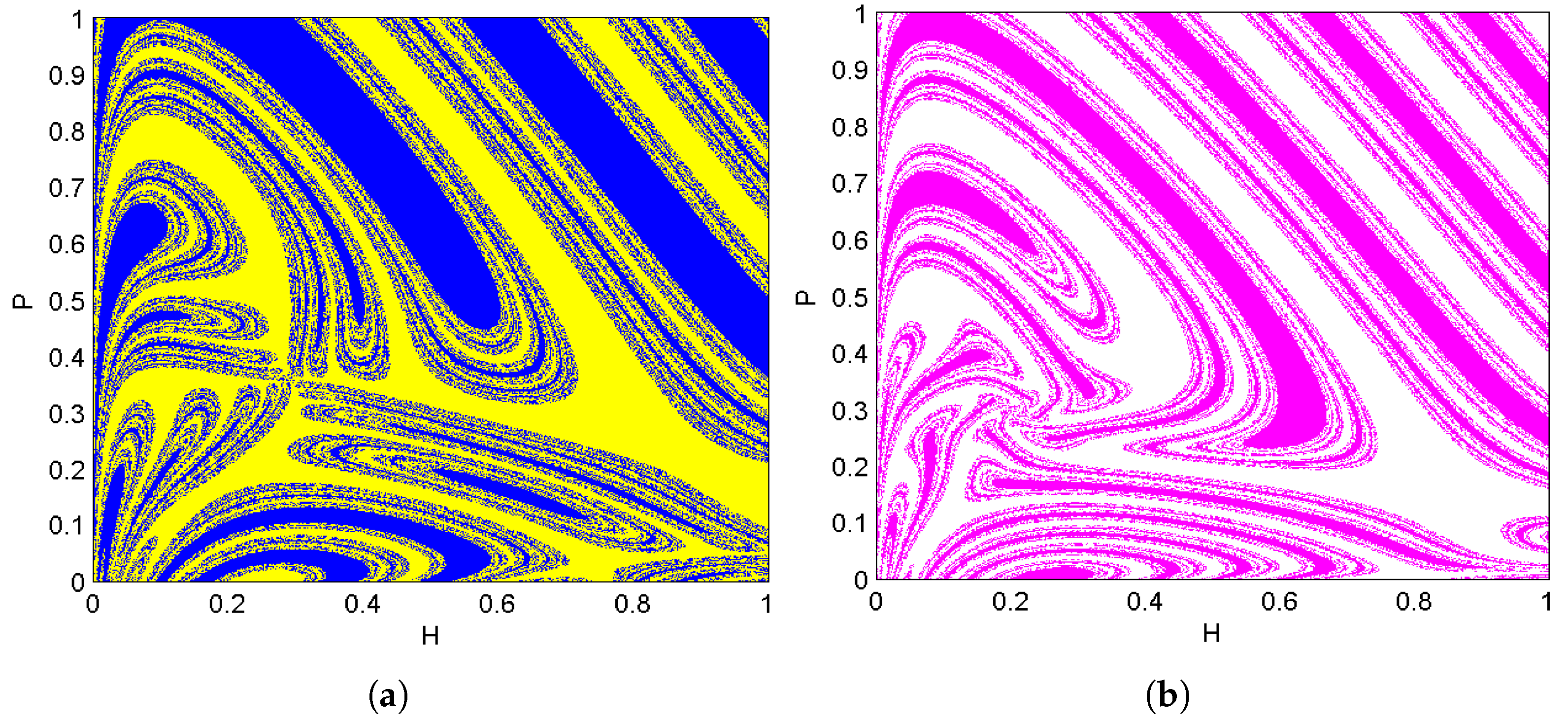
The coexistence of multiple attractors constitutes another captivating phenomenon, as illustrated by the attraction basins in
Figure 7. The overlapping hues near the points
and
in the parameter plane illustrated in
Figure 6a strongly indicate the occurrence of multistability, which can also be observed in
Figure 6a,b. By employing different colors to characterize diverse dynamic behaviors, enabling attraction basins to clearly distinguish different attractors in bifurcation diagrams.
Figure 7a,b demonstrate the coexistence of period-4 and period-10 attractors, as well as period-5 and period-6 attractors, in this investigated discrete model. The coexistence of attractors reveals the multistability of pest-natural enemy systems. Slight disturbances and control interventions can switch the system among stable states, leading to distinct population development trends. It reflects the uncertainty of community evolution and offers theoretical reference for formulating flexible pest management strategies.
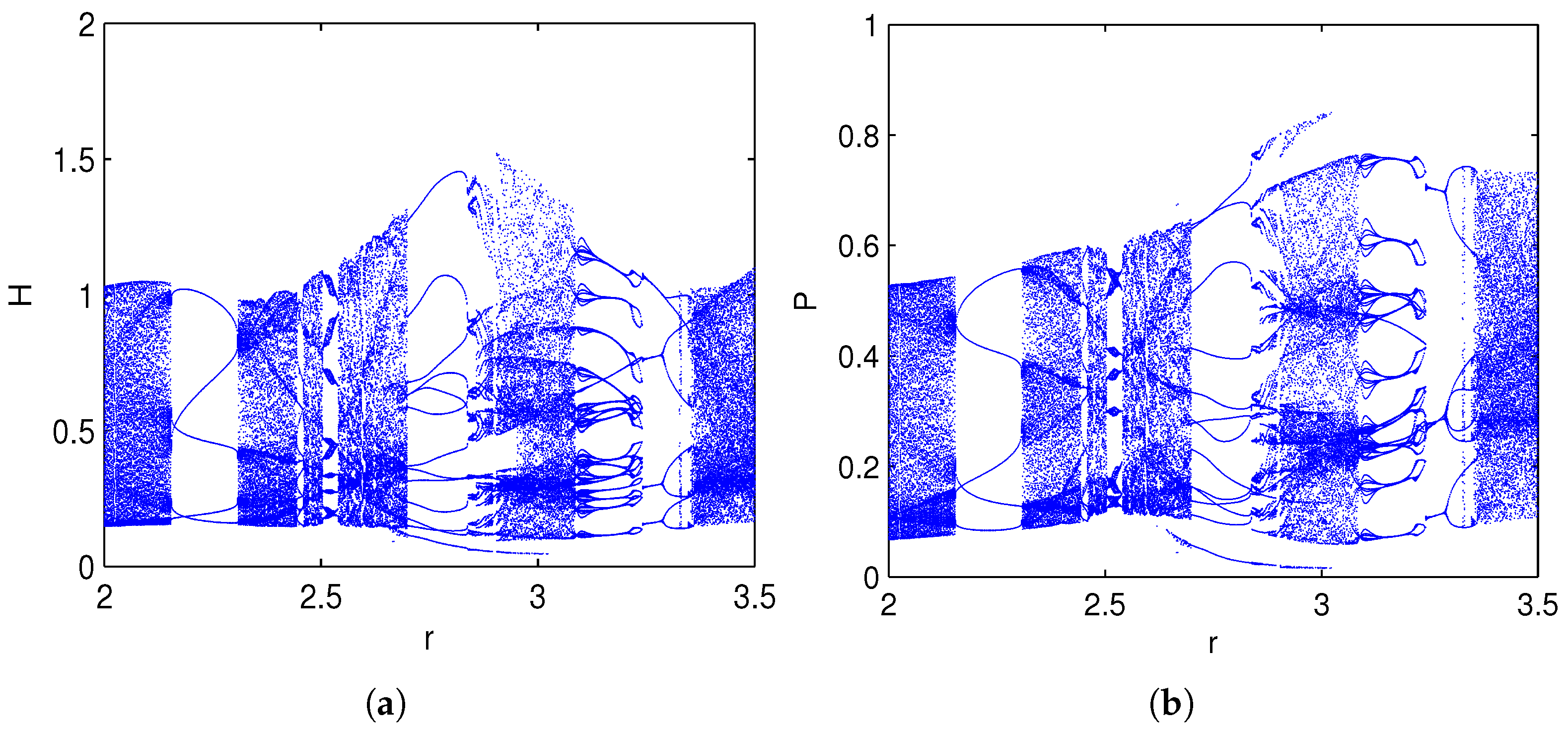
Compared with Subsystem (1) and (2), System (3) incorporates a nonlinear threshold switching mechanism and exhibits more intricate dynamical behaviors. Owing to nonlinear population interactions and switching thresholds, theoretical analysis of the full switching system remains challenging. Accordingly, numerical simulations are adopted to explore the dynamical behaviors of the proposed system. We firstly select the intrinsic growth rate
r as the bifurcation parameter, with the other parameters fixed as
. As shown in
Figure 8, the system exhibits highly complex dynamic characteristics as the intrinsic growth rate increases. Notably, for a broader range of
Figure 8, the host and parasite populations can coexist. When
r increases from 2 to 3.5, we can observe that the system exhibits periodic solutions, quasi-periodic solutions, and chaotic solutions, along with period-doubling bifurcations.
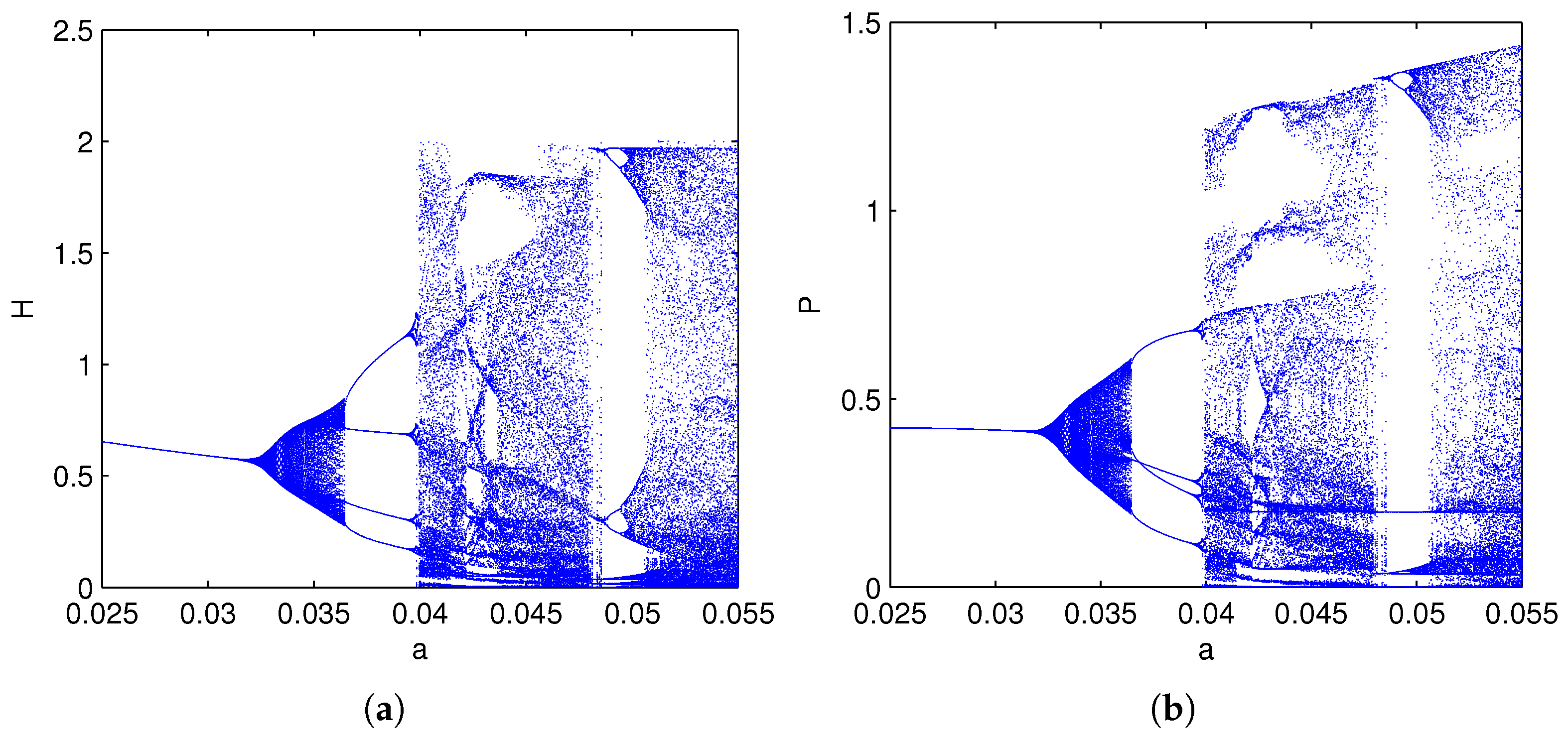
Next, we designate the instantaneous search rate
a as the bifurcation parameter, fixing the remaining parameters to
. The system also exhibits considerably intricate dynamic behaviors (
Figure 9). When
a increases from 0.025 to 0.055, the system’s solutions exhibit significant diversity and are accompanied by the occurrence of Neimarck–Sacker bifurcation phenomena. When the parameter
a increases from 0.025 to 0.0320871, the system maintains a stable solution. If
a further increases to 0.0320871, the system undergoes a Neimarck–Sacker bifurcation, generating an attracting invariant curve. Additionally, it is noteworthy that quasi-periodic attractors emerge abruptly at
. However, when
a falls within the range [0.04, 0.0479], the system transitions into a chaotic state.
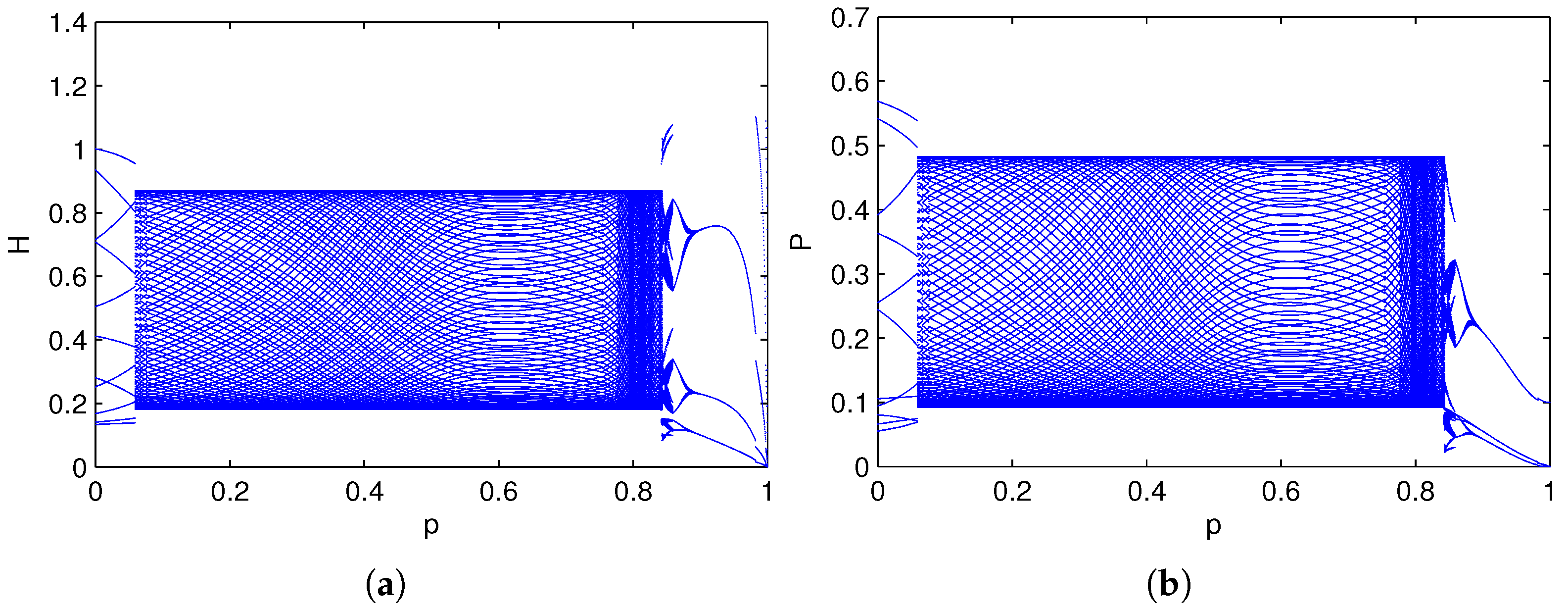
The bifurcation diagram of parameter
p reveals that extremely low and high mortality rates both destabilize host populations, resulting in large-amplitude periodic oscillations and chaotic behaviors (
Figure 10). Crucially, this diagram illustrates two critical insights: first, how optimal mortality rates can stabilize subsystems, and second, a potential mechanistic explanation for the “Volterra principle” governing host–parasite interactions. Specifically, when
(low mortality regime), the host population undergoes outbreaks. Paradoxically, even at high mortality rates
, outbreaks may persist due to secondary extinction risks: reduced prey availability disrupts natural enemy populations, enabling host resurgence. However, maintaining
p within an intermediate range
, stabilizes the free subsystem, achieving effective pest suppression. These results underscore two pillars of pest management: (1) the nonlinear interplay between host and parasite dynamics dictates system stability, and (2) rational pesticide selection—targeting mortality rates within a “Goldilocks zone”—is paramount for sustainable control.
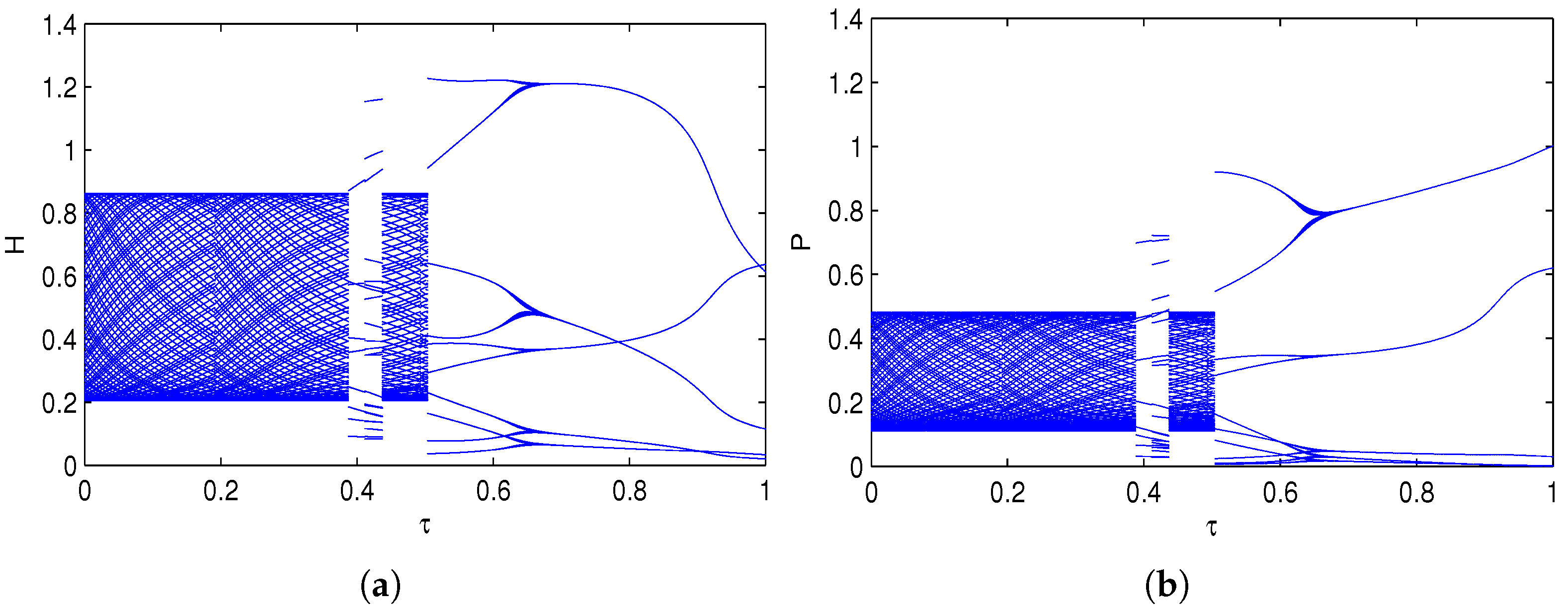
The release amount of natural enemies directly affects the dynamic equilibrium of “pest–natural enemy” interactions. An appropriate release can establish a stable predator–prey relationship, suppressing pest population growth; however, excessive or insufficient releases may disrupt the ecological chain. Hence, natural enemy release amount is finally chosen as the bifurcation parameter, corresponding to the results in
Figure 11. It can be observed that the stability of free subsystem solutions is guaranteed if
is restricted to
and
. When the release amount of natural enemies is low (e.g.,
), the pest population may exceed the economic threshold, resulting in crop losses or necessitating the use of chemical pesticides. Conversely, excessively high releases (e.g.,
) can lead to intensified competition among natural enemies due to food scarcity, potential shifts to attacking non-target species, or the evolution of pest resistance. This underscores the importance of selecting an optimal number of natural enemies to release in pest management. This strategy can effectively suppress pest outbreaks and substantially cut total usage dosage, which optimizes resource utilization and reduces labor, material, and operational expenses.