15 pages, 2276 KB  
Article
Assessment of Four-Seasonal Quality and Yield of Cut Flower Roses Grafted onto Rosa Rootstocks
by O-Hyeon Kwon, Hyo-Gil Choi, Se-Jin Kim and Won-Hee Kim
Agriculture 2022, 12(11), 1848; https://doi.org/10.3390/agriculture12111848 - 4 Nov 2022
Cited by 5 | Viewed by 3904
Abstract
Cut roses are ornamental crops that are produced year-round, and the quality and yield of these cut flowers vary depending on the temperature and light intensity of the four seasons. Grafting improves productivity by increasing adaptability to negative environments, such as high temperature [...] Read more.
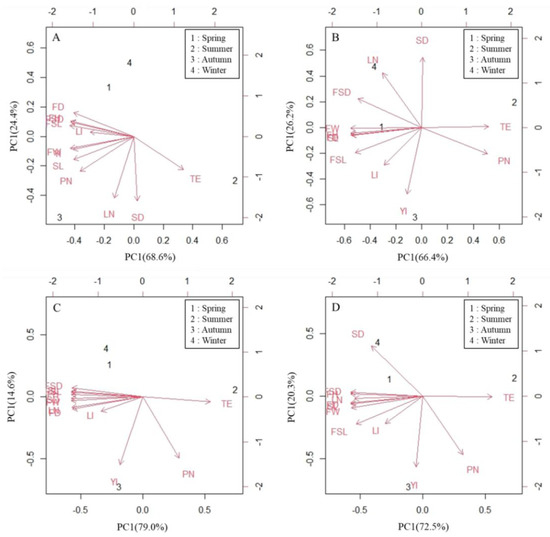
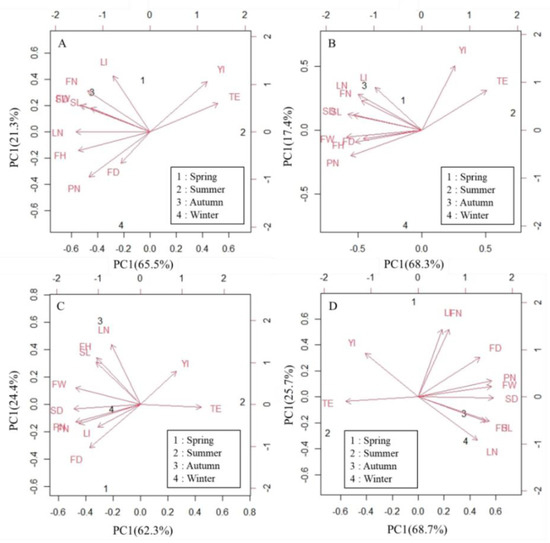
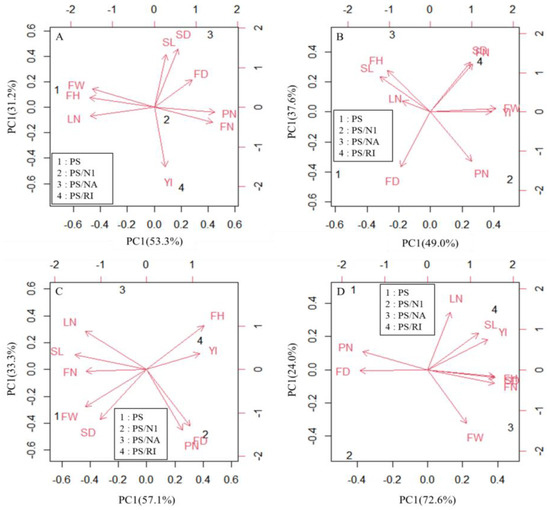
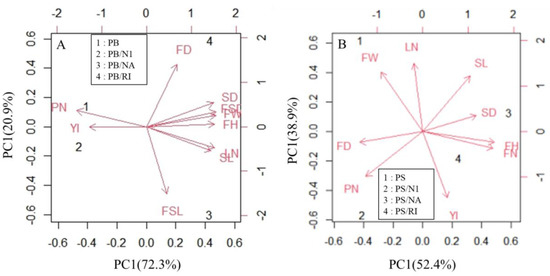
Cut roses are ornamental crops that are produced year-round, and the quality and yield of these cut flowers vary depending on the temperature and light intensity of the four seasons. Grafting improves productivity by increasing adaptability to negative environments, such as high temperature and low light intensity. The effectiveness of grafting depends on the type of the scion and rootstock. In order to confirm the effectiveness of stenting on roses, two varieties of cut roses (Rosa hybrida cv. Pink Beauty and Pink Shine) were grafted onto three rootstocks (R. multiflora Natal Briar, R. indica Major, and Rosa multiflora Hort. No. 1), which are widely used in cut rose, and the quality and yield of the cut flowers were investigated year-round according to the four seasons; then, principal component analysis (PCA) was performed. The Rosa hybrida cv. Pink Beauty (PB) used as the scion showed high yield and excellent growth in autumn when the light intensity was high and the temperature was low. The PB grafted onto the R. multiflora Natal Briar (NA) rootstock showed improved growth in spring, autumn and winter, excluding summer, and had the effect of lengthening the stem. The growth of PB grafted onto R. indica Major (RI) rootstock was also improved in spring, autumn, and winter, except summer, and in particular, the stem was lengthened and thickened. The rosa hybrida cv. Pink Shine (PS) was a variety whose yield of cut flowers increased in summer when the temperature was high. The PS grafted onto the three rootstocks gave a higher yield of cut flowers than the PS scion. The graft of PS/Natal Briar gave longer stems than the PS scion, and the graft of PS/Major gave thicker stems than the PS scion. PS grafted onto the Rosa multiflora Hort. No. 1 (N1) rootstock gave more petals than the PS scion. As such, cut roses grafted onto the Rosa canina cv. Natal brier (NA) improved the stem length, increasing the adaptability to relatively high temperatures, and the Rosa indica cv. Major (RI) improved the stem length and stem diameter, enhancing the adaptability to relatively low temperatures. Full article
(This article belongs to the Special Issue Recent Advances in Horticultural Grafting)
Show Figures

Figure 1
13 pages, 272 KB  
Article
Differences and Factors of Raw Milk Productivity between China and the United States
by Yuhang Bai, Kuixing Han, Lichun Xiong, Yifei Li, Rundong Liao and Fengting Wang
Agriculture 2022, 12(11), 1899; https://doi.org/10.3390/agriculture12111899 - 11 Nov 2022
Cited by 2 | Viewed by 3898
Abstract
In order to explore the differences in the productivity level and influencing factors of raw milk between China and the United States, this study uses the stochastic frontier production function and is based on the input and output of factors of raw milk [...] Read more.
In order to explore the differences in the productivity level and influencing factors of raw milk between China and the United States, this study uses the stochastic frontier production function and is based on the input and output of factors of raw milk in China and the United States from 2005 to 2020 to measure the impact of factor inputs on raw milk output and the output differences. The results of the study found that: the inefficiency term of raw milk production technology in China is higher than that in the United States; feed costs and fuel power costs have a significant positive role in promoting the growth of raw milk output in China and the United States; health and epidemic prevention costs, as well as maintenance costs, have significant impacts on the output value of raw milk in China, but they have no significant impact on the output value of raw milk in the United States. In terms of the contribution of each input factor, the contribution share of feed costs to the output value of raw milk in China is 52.53% and 25.74%, respectively, compared to the value of raw milk in the United States; The contribution share of technological progress to the output value of raw milk in China is 34.92%, and 53.77%, respectively, compared to U.S. raw milk production value. In order to narrow the productivity gap with the United States dairy industry, China’s dairy industry must pay attention to the moderate-scale breeding of dairy cows; develop an integrated production mode of planting and breeding; promote the development of grain to feed; accelerate the genetic improvement of dairy cattle populations; and learn from the pasture management experiences of foreign countries. Full article
20 pages, 5652 KB  
Article
Effects of Shelterbelt Transformation on Soil Aggregates Characterization and Erodibility in China Black Soil Farmland
by Tongwei Kong, Binhui Liu, Mark Henderson, Wanying Zhou, Yuanhang Su, Shuai Wang, Ligang Wang and Guibin Wang
Agriculture 2022, 12(11), 1917; https://doi.org/10.3390/agriculture12111917 - 14 Nov 2022
Cited by 19 | Viewed by 3876
Abstract
Farmland shelterbelts are widely used to reduce wind erosion, maintaining the ecological and food security of the black soil plain region of northeast China. In recent years, the protective effect of shelterbelts has been reduced due to tree degeneration. Efforts have been made [...] Read more.
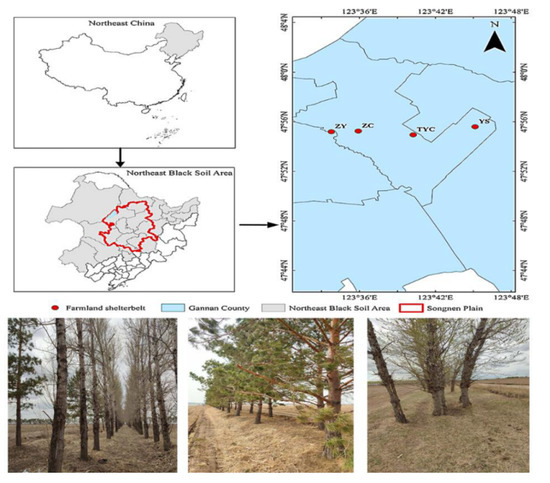
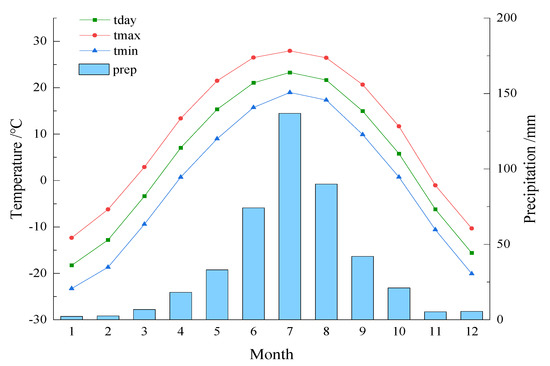
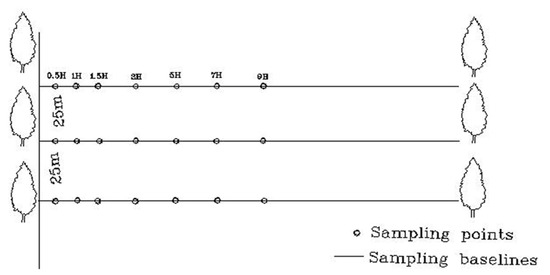
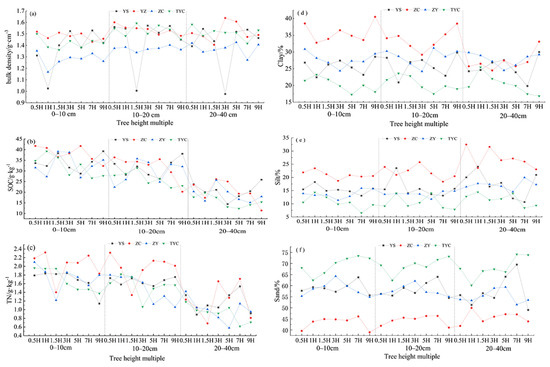
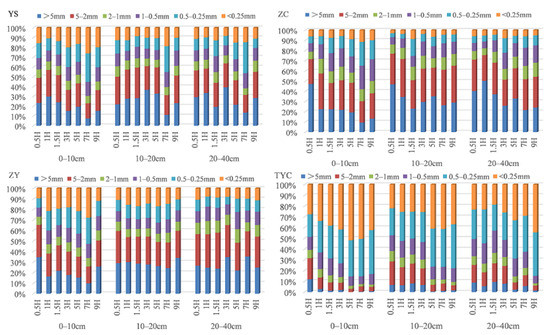
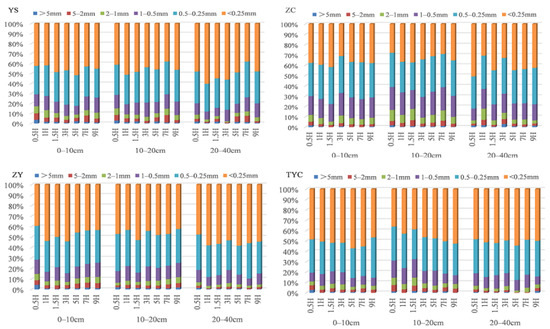
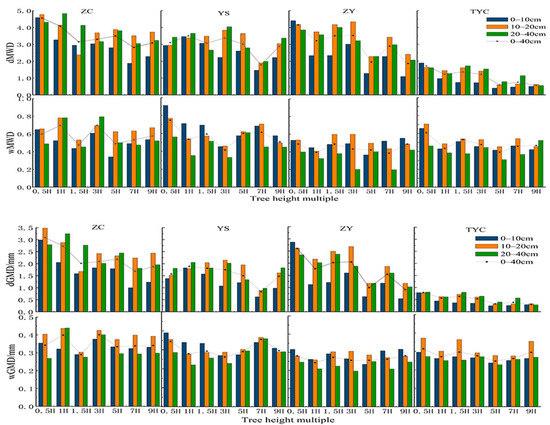
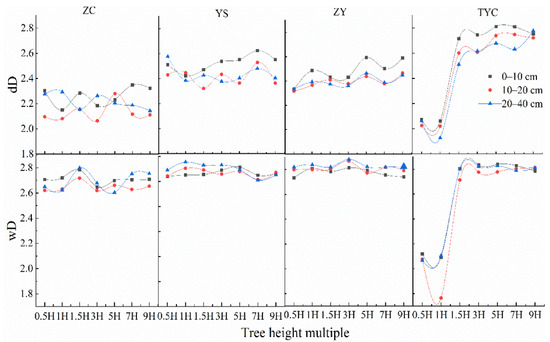
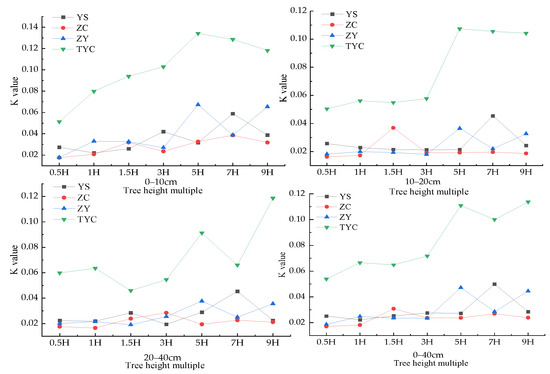
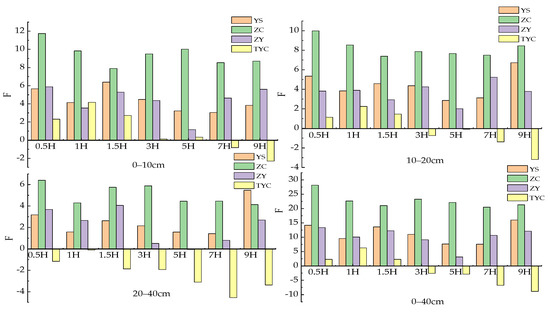
Farmland shelterbelts are widely used to reduce wind erosion, maintaining the ecological and food security of the black soil plain region of northeast China. In recent years, the protective effect of shelterbelts has been reduced due to tree degeneration. Efforts have been made to transform the construction of shelterbelts to conserve the stability of soil aggregates and enhance protection against erosion, however, the results are not well understood. To evaluate the impact of shelterbelt transformation on the stability of farmland soil aggregates and soil erodibility, three transformation modes of shelterbelts were selected, including pure Pinus sylvestris var. mongolica (ZC), pure Picea asperata (YS), and mixed Populus × xiaohei–Pinus sylvestris var.mongolica (ZY), with a degraded Populus × xiaohei shelterbelt (TYC) used as a control. We set up soil sampling points at 0.5H, 1H, 1.5H, 3H, 5H, 7H, and 9H from the shelterbelts and analyzed aggregate composition, mean weight diameter (MWD), geometric mean diameter (GMD), fractal dimension (D), soil erodibility (K-value), and their relationships to soil properties of the 0–10 cm, 10–20 cm and 20–40 cm soil layers and the shelterbelt structure by using dry and wet sieving and equation estimation methods. The results show that dry (d) sieved soil samples from the transformed shelterbelt-protected farmlands are mainly composed of 2–5 mm and >5 mm grain size aggregates; the sum of the two particle sizes ranged from 48.67% to 51.27%, significantly larger than in the degraded shelterbelts (15.37%), decreasing with increasing distance from the shelterbelts. The effect is most obvious in the 0–10 cm soil layer. Wet (w) sieved soil samples are all dominated by <0.25 mm and 0.25–0.5 mm grain size aggregates; the sum of the two particle sizes ranged from 78.25% to 80.82%, which do not vary significantly with the mode of shelterbelts. The dMWD and dGMD show significantly higher mean values in samples from transformed shelterbelt-protected farmland than in soil from degraded shelterbelt-protected farmland; their magnitudes differ depending on the transformation mode, showing a pattern of ZC > ZY > YS and decreasing with increasing distance from shelterbelts, while the opposite is true for D and K. The difference between wMWD and wGMD for different shelterbelts protected farmland is not significant and is significantly lower than that between dMWD and dGMD. Clay and silt content was highly significantly positively correlated with aggregates dMWD and dGMD, weakly positively correlated with wMWD, wGMD and wD, and highly significantly negatively correlated with dD and K values. This shows that particle composition parameters can be used to reflect the sensitivity of agricultural soils to wind erosion. Farmland shelterbelt porosity is the main factor driving changes in soil aggregates stability, soil erodibility, and other soil properties. The transformation of degraded farmland shelterbelts can decrease the porosity and reduce wind speed, resulting in improved stability and erosion resistance of the farmland soil aggregates by increasing the clay content of the farmland soils. These results are useful in renovating degraded shelterbelts, providing novel insights into how to regulate the stability of soil aggregates and soil erodibility characteristics at the shelterbelt network scale. Full article
Show Figures

Figure 1
17 pages, 1930 KB  
Article
Trifoliate Orange-Related Rootstocks Enhance the Horticultural Performance of ‘Shamouti’ Sweet Orange under Humid Subtropical Condition
by Deived Uilian de Carvalho, Rui Pereira Leite Junior, Inês Fumiko Ubukata Yada and Zuleide Hissano Tazima
Agriculture 2022, 12(11), 1782; https://doi.org/10.3390/agriculture12111782 - 27 Oct 2022
Cited by 4 | Viewed by 3830
Abstract
The narrow genetic pool for both scions and rootstocks used in the Brazilian orchards makes the citrus industry vulnerable to biotic and abiotic threats. Orchard diversification by using different scion–rootstock combinations is an efficient measure to promote citrus protection, through increasing the level [...] Read more.
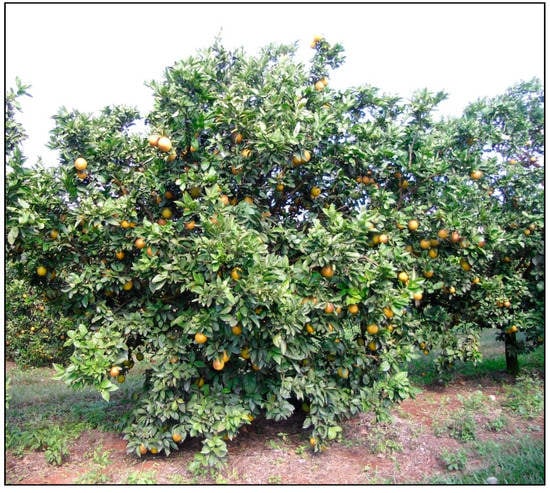
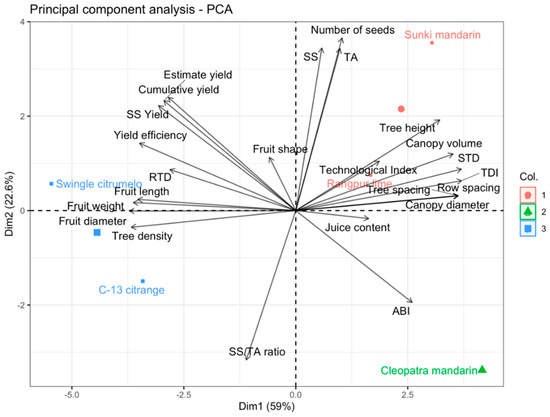
The narrow genetic pool for both scions and rootstocks used in the Brazilian orchards makes the citrus industry vulnerable to biotic and abiotic threats. Orchard diversification by using different scion–rootstock combinations is an efficient measure to promote citrus protection, through increasing the level of genetic diversity. In this paper, we report the horticultural performance of the mid-season ‘Shamouti’ sweet orange grafted on five different rootstocks (‘Rangpur’ lime, ‘Swingle’ citrumelo, ‘C-13′ citrange, and ‘Cleopatra’ and ‘Sunki’ mandarins) in a long-term experiment (2007–2017) under the Brazilian humid subtropical condition. ‘Shamouti’ trees were assessed for vegetative growth, yield, and fruit quality. Additionally, a study was performed to estimate tree density and yield for new plantings. Trees grafted on ‘Swingle’ and ‘C-13′ rootstocks were less vigorous and more productive, with cumulative yields of >480 kg per tree, allowing high-density plantings (363–337 trees·ha−1). Trees on ‘Cleopatra’, ‘Sunki’, and ‘Rangpur’ were the most vigorous among the tested rootstocks, with tree heights > 4.20 m. However, they took longer to establish in the field, evidenced by their growth progress. These combinations also displayed the lowest tree density estimation (≤311 trees·ha−1). Trees on ‘Cleopatra’ exhibited the lowest cumulative yield (255 kg per tree). Although some significant differences were found for fruit quality, all rootstock combinations produced fruit of suitable quality, attending the commercial grading. Our findings evidence the potential of the trifoliate orange-related rootstocks ‘C-13′ and ‘Swingle’ to be used as promising rootstocks for ‘Shamouti’ cultivation in the humid subtropics, promoting genetic diversification and enhancing yield and tree density in new orchards. Full article
(This article belongs to the Special Issue Recent Advances in Horticultural Grafting)
Show Figures

Figure 1
16 pages, 6302 KB  
Article
Vibration Characteristics of Corn Combine Harvester with the Time-Varying Mass System under Non-Stationary Random Vibration
by Yanchun Yao, Xiaoke Li, Zihan Yang, Liang Li, Duanyang Geng, Peng Huang, Yongsheng Li and Zhenghe Song
Agriculture 2022, 12(11), 1963; https://doi.org/10.3390/agriculture12111963 - 21 Nov 2022
Cited by 13 | Viewed by 3789
Abstract
In field harvesting conditions, the non-stationary random vibration characteristics of the harvester are rarely considered, and the results of vibration frequency calculated by different time–frequency transformation methods are different. In this paper, the harvester’s vibration characteristics under the time-varying mass were studied, and [...] Read more.
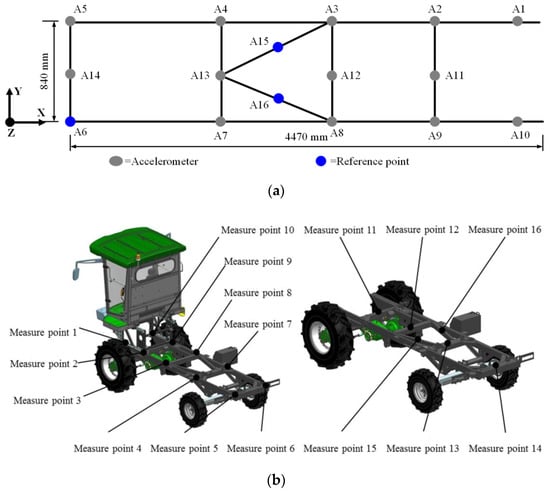
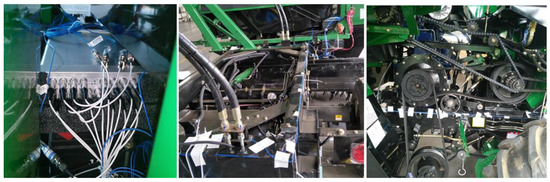
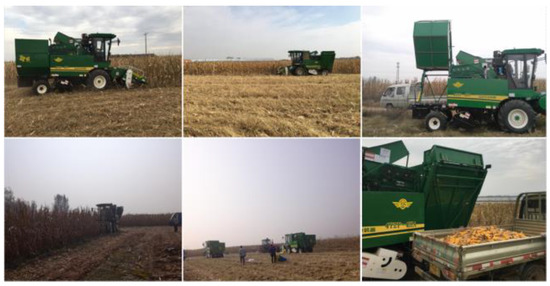
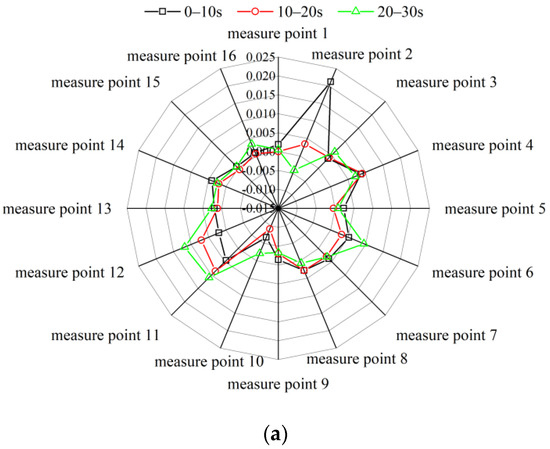
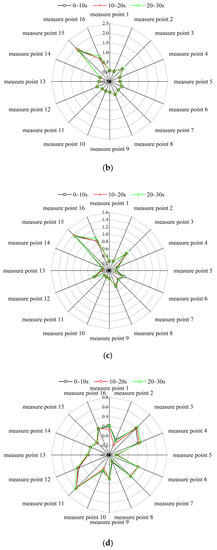
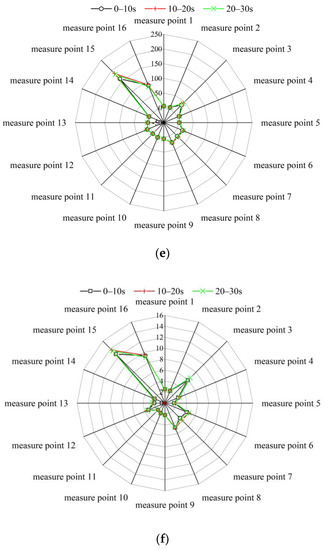
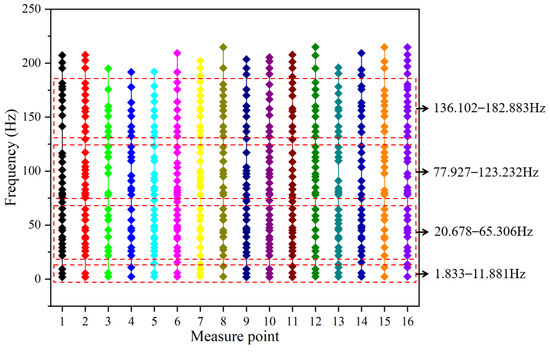
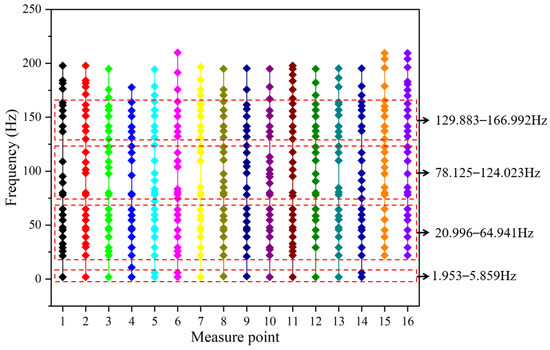
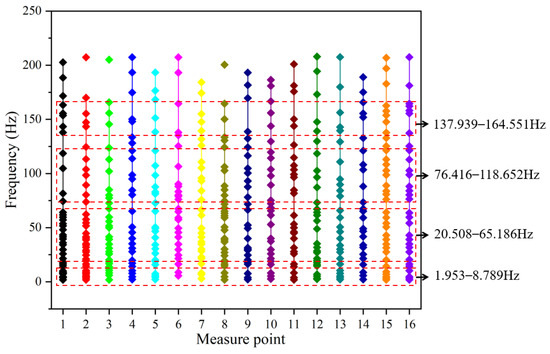
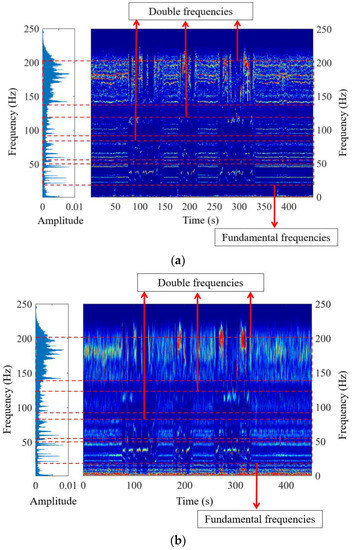
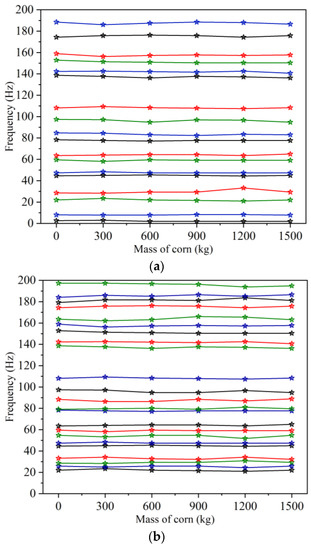
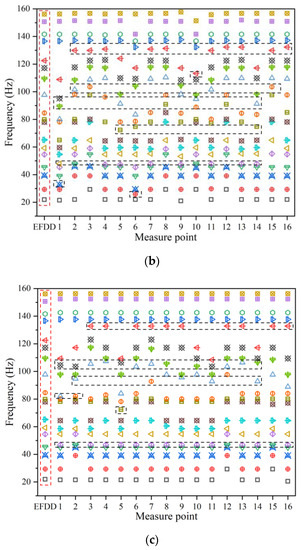
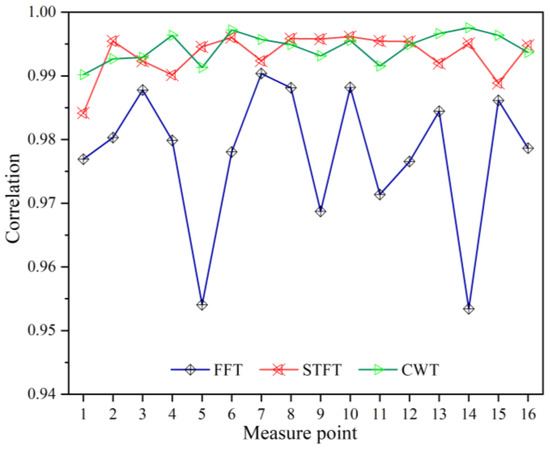
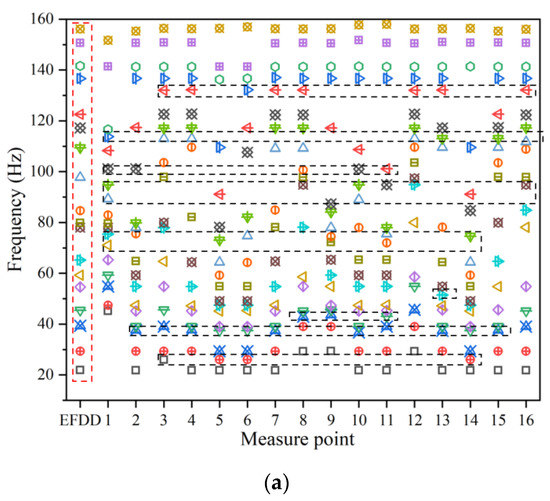
In field harvesting conditions, the non-stationary random vibration characteristics of the harvester are rarely considered, and the results of vibration frequency calculated by different time–frequency transformation methods are different. In this paper, the harvester’s vibration characteristics under the time-varying mass were studied, and the correlation between vibration frequency and modal frequency was analyzed. Firstly, under the conditions of time-varying mass (field harvesting conditions) and non-time-varying mass (empty running condition), the non-stationarity characteristics of vibration signals at 16 measurement points of a combined corn harvester frame were studied. Then, fast Fourier transform (FFT), short-time Fourier transform (STFT), and continuous wavelet transform (CWT) were used to calculate the vibration frequency distribution characteristics of the corn harvester. Finally, based on the EFDD (enhanced frequency domain decomposition) algorithm, the correlation between the primary vibration frequency and the operating mode frequency is studied. The results show that the mean, variance, and maximum difference of the vibration amplitude under harvesting conditions (mass time-varying system) are 0.10, 26.5, and 1.0, respectively, at different harvesting periods (0~10 s, 10~20 s, 20~30 s). The harvesting conditions’ vibration signals conform to the characteristics of non-stationary randomness. The FFT algorithm is used to obtain more dense vibration frequencies, while the frequencies based on STFT and CWT algorithms are sparse. The correlation between the FFT method and the EFDD algorithm is 0.98, and the correlation between the STFT, CWT, and the EFDD algorithm is 0.99 and 0.98. Therefore, the primary frequency of the STFT methods is closer to the modal frequency. Our research laid the foundation for further study and application of mass time-varying combined harvester system non-stationary random vibration modal frequency identification and vibration control. Full article
(This article belongs to the Section Agricultural Technology)
Show Figures

Figure 1
22 pages, 3982 KB  
Article
Crop Species Production Diversity Enhances Revenue Stability in Low-Income Farm Regions of Mexico
by Matthew C. LaFevor
Agriculture 2022, 12(11), 1835; https://doi.org/10.3390/agriculture12111835 - 2 Nov 2022
Cited by 6 | Viewed by 3766
Abstract
Stabilizing farm revenues is a goal of agricultural policies around the world, especially in vulnerable regions with limited access to crop insurance. One potential pathway to revenue stability follows the agricultural “insurance hypothesis”, which holds that crop diversification has stabilizing effects on productivity [...] Read more.
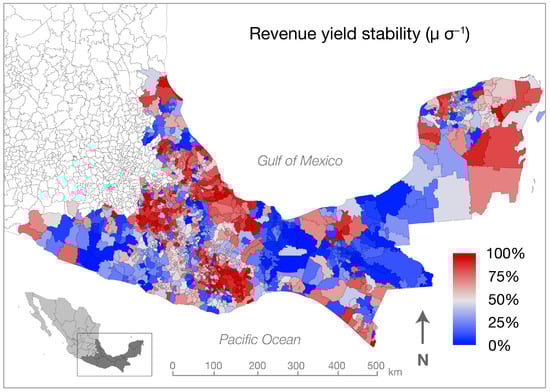
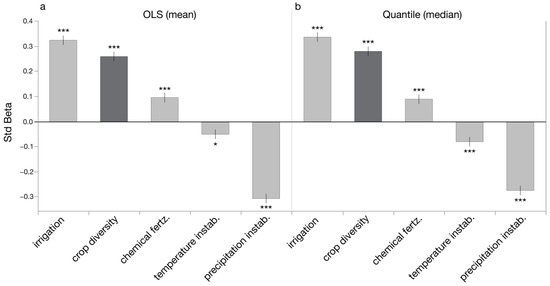
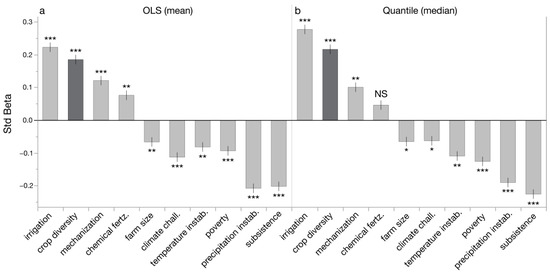
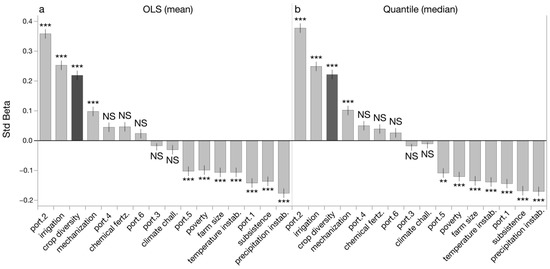
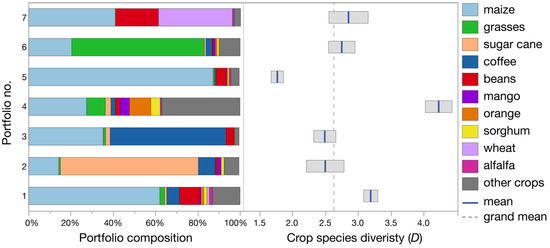
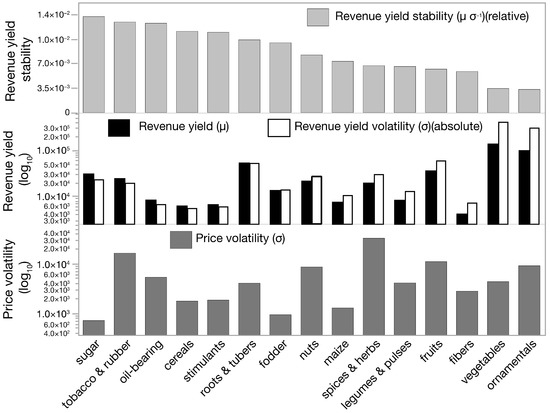
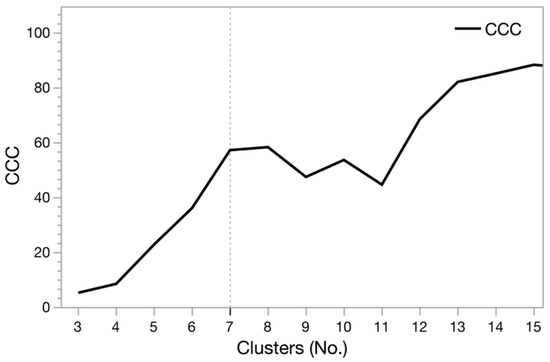
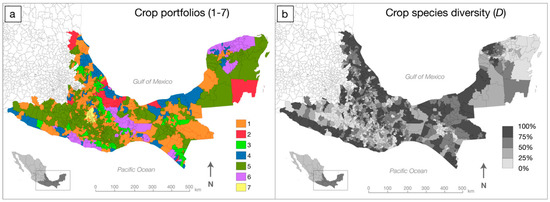
Stabilizing farm revenues is a goal of agricultural policies around the world, especially in vulnerable regions with limited access to crop insurance. One potential pathway to revenue stability follows the agricultural “insurance hypothesis”, which holds that crop diversification has stabilizing effects on productivity that mitigate risks from environmental stressors and market shocks, thereby producing a form of natural insurance against crop loss. While substantial support for the hypothesis exists, most studies testing the hypothesis have occurred at the farm or landscape levels and have controlled for a limited range of socioeconomic and environmental factors. This study tests the insurance hypothesis by examining the effects of crop species production diversity on revenue stability in low-income regions of southern Mexico. Here, rural farms experience chronic vulnerability to climatic shocks and market forces. Using parametric and non-parametric approaches, three groups of models are used to examine the effects of socio-environmental factors and farm structural and functional characteristics on the crop diversity-revenue stability relationship. Additionally factored in the relationship are the effects of cropping portfolios: statistical groupings of different crop species (n = 304) that characterize distinct farming areas (1340 municipalities). Findings support the insurance hypothesis and underscore the importance of crop diversification in the region. However, findings also show that irrigation plays an even stronger role than crop diversification in stabilizing farm revenues. Furthermore, some crop portfolios negatively impact revenue stability, including some portfolios with high crop diversity. In sum, a better understanding of farm contexts—contributing factors and cropping portfolios—is key to designing policies that help stabilize farm revenues through crop diversification. Full article
(This article belongs to the Section Agricultural Economics, Policies and Rural Management)
Show Figures

Figure 1
17 pages, 4843 KB  
Article
Calibration and Test of Contact Parameters between Chopped Cotton Stalks Using Response Surface Methodology
by Bingcheng Zhang, Xuegeng Chen, Rongqing Liang, Xinzhong Wang, Hewei Meng and Za Kan
Agriculture 2022, 12(11), 1851; https://doi.org/10.3390/agriculture12111851 - 4 Nov 2022
Cited by 21 | Viewed by 3761
Abstract
The accuracy of the material parameter settings directly affects the reliability of the results of the discrete element method simulation. It is necessary to calibrate the relevant parameters to obtain accurate discrete element simulation results when separating the cotton stalk particles from the [...] Read more.
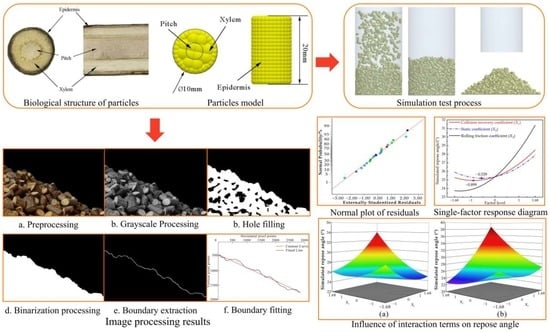
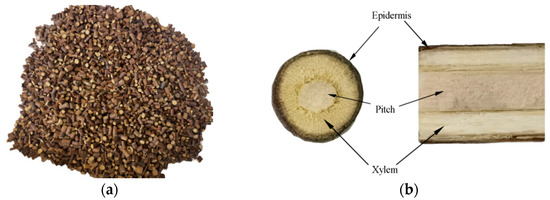
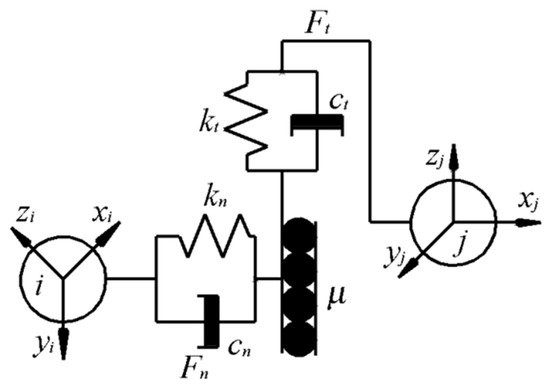
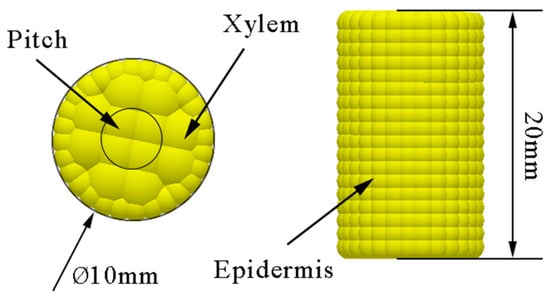
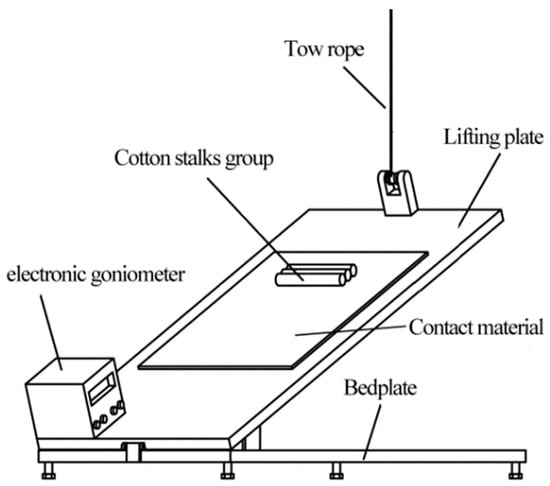
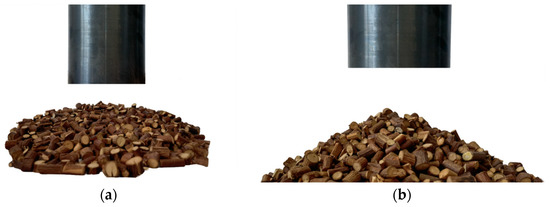
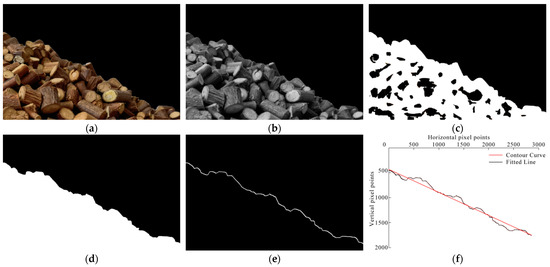
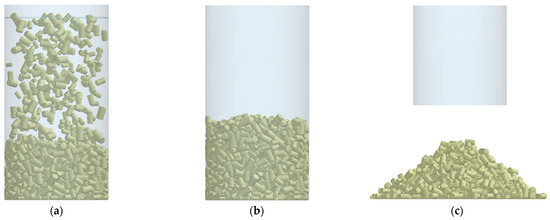
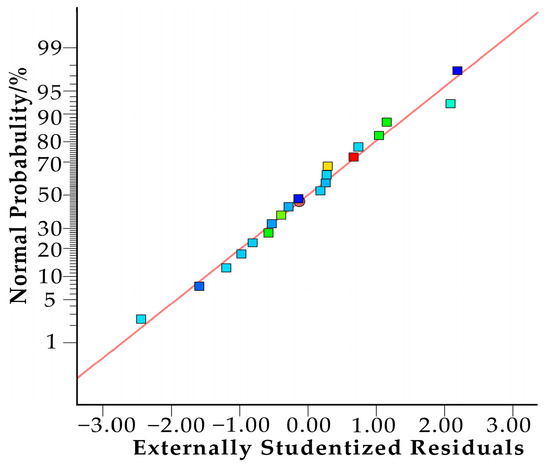
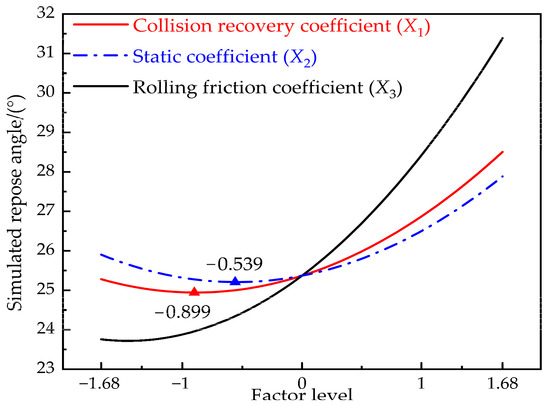
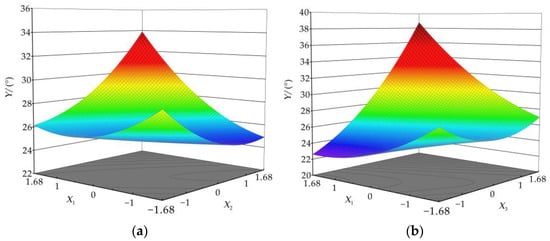
The accuracy of the material parameter settings directly affects the reliability of the results of the discrete element method simulation. It is necessary to calibrate the relevant parameters to obtain accurate discrete element simulation results when separating the cotton stalk particles from the residual film after crushing. The repose angle of the chopped cotton stalk particles was used as the response value to calibrate the contact parameters between particles. Physical tests measured the intrinsic particle and contact parameters between the cotton stalk particles and the contact material, which provided data for the simulation tests. According to the biological structure characteristics of cotton stalk, the discrete element method model of cotton stalk particles was constructed by bonding the elements of nonequal-diameter basic particles. Based on the response surface methodology, the stacking test of particles was simulated. The response model between the contact parameters and repose angle was established, and the effect law of the single-factor terms and interaction terms on the repose angle was analyzed. The optimal combination of contact parameters was obtained through the single-objective and multi-variable optimization methods. Finally, the contact parameter combination was verified by a simulation test of the repose angle. The results showed that the average relative error of the repose angle between the simulation test and the physical test was 1.04%, which verified the accuracy of the calibrated contact parameters and the reliability of the simulation test. These parameters provide a basis for the discrete element simulation study of cotton stalk motion in the separation process of cotton stalks and residual film and the subsequent gas–solid coupling simulation research. Full article
(This article belongs to the Special Issue Advances in Agricultural Engineering Technologies and Application)
Show Figures

Graphical abstract

15 pages, 2014 KB  
Article
Better Performance of the Modified CERES-Wheat Model in Simulating Evapotranspiration and Wheat Growth under Water Stress Conditions
by Yingnan Wei, Han Ru, Xiaolan Leng, Zhijian He, Olusola O. Ayantobo, Tehseen Javed and Ning Yao
Agriculture 2022, 12(11), 1902; https://doi.org/10.3390/agriculture12111902 - 11 Nov 2022
Cited by 13 | Viewed by 3734
Abstract
Crop models are important for understanding and regulating agroecosystems. Although the CERES-Wheat model is an important tool for winter wheat research, it has some limitations under water stress conditions. To narrow the gap, this study aimed to improve the performance of the CERES-Wheat [...] Read more.
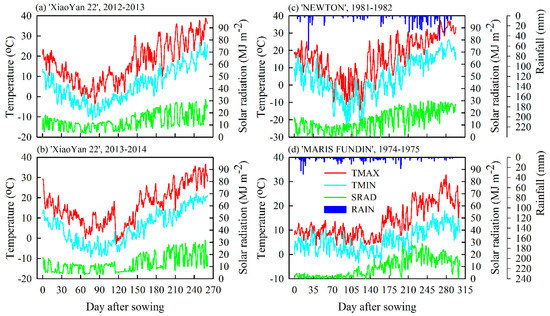
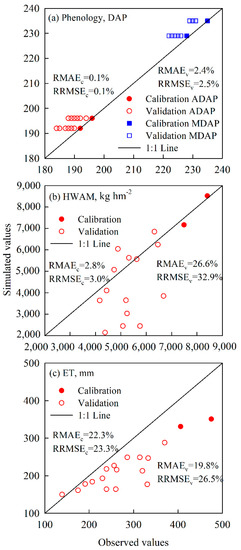
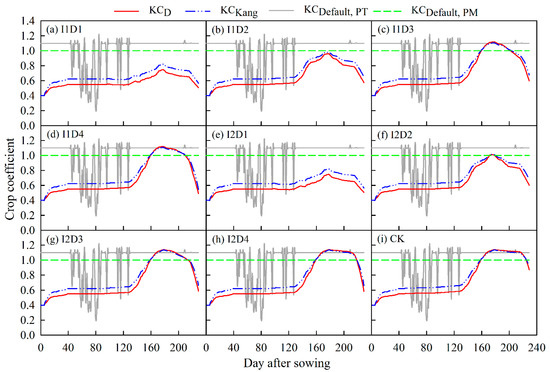
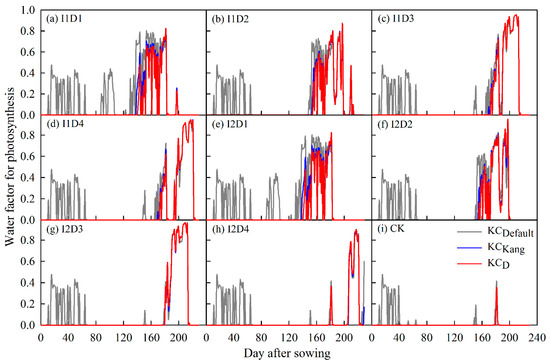
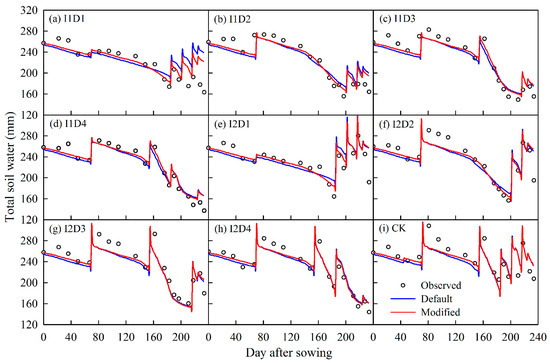
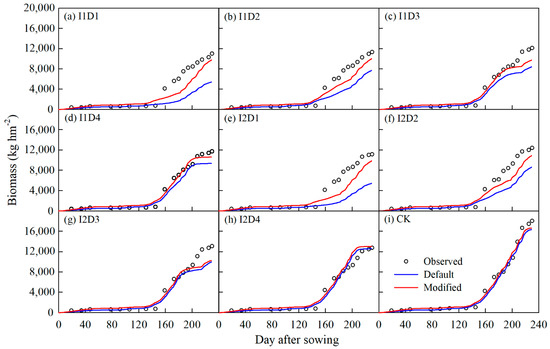
Crop models are important for understanding and regulating agroecosystems. Although the CERES-Wheat model is an important tool for winter wheat research, it has some limitations under water stress conditions. To narrow the gap, this study aimed to improve the performance of the CERES-Wheat model under water stress in arid and semi-arid regions based on the winter wheat experimental data from 2012 to 2014. The Priestley–Taylor (PT) and FAO56 Penman–Monteith (PM) equations were used to calculate the reference crop evapotranspiration and further modified the crop coefficient of the CERES wheat model to improve the simulation accuracy of crop yield and evapotranspiration under water stress conditions. The results showed that: water stress before jointing seriously affected the accuracy of the CERES-Wheat model in simulating biomass and grain yield, so it was necessary to improve the original model. In the original and improved models, the accuracy of the PM equation was lower than that of PT. In addition, the simulation accuracy of the improved model was higher than that of the original model (the average RMAE and RRMSE are less than 30%). In general, among the four scenarios, the PT equation for calculating crop reference evapotranspiration and crop coefficient had the best performance. Water stress occurred at the heading and grain filling stages, and the simulated biomass was in good agreement with the observed results, which better simulated the soil water content under water stress at the later growth stages. Therefore, the change in water stress response function had positive effects on winter wheat growth under simulated water stress conditions. This study provided a reference for applying the CERES-Wheat model in arid and semi-arid areas. Full article
(This article belongs to the Special Issue Cover Crops - Series II)
Show Figures

Figure 1
17 pages, 4800 KB  
Article
Design and Test of a Force Feedback Seedling Pick-Up Gripper for an Automatic Transplanter
by Pengfei Li, Zhihao Yun, Kaihang Gao, Laiqiang Si and Xinwu Du
Agriculture 2022, 12(11), 1889; https://doi.org/10.3390/agriculture12111889 - 10 Nov 2022
Cited by 10 | Viewed by 3733
Abstract
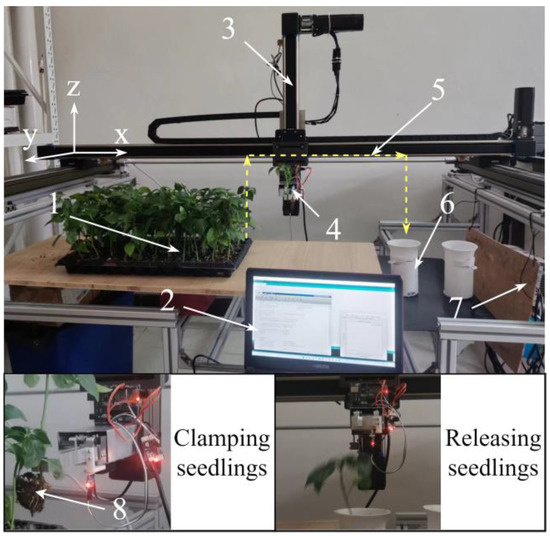
Aiming at the problems of seedling injury and planting leakage due to the lack of seeding clamping force detection and real-time control in vegetable transplanting, a force feedback gripper was developed based on the linear Hall element. The mechanical properties of the stem [...] Read more.
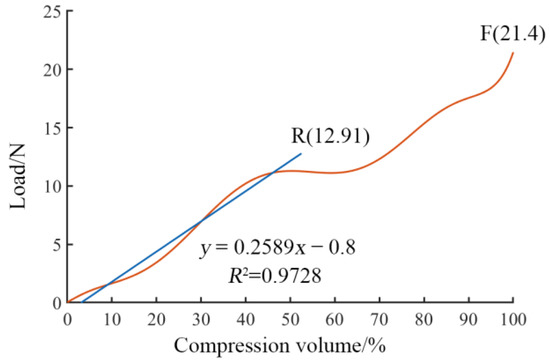
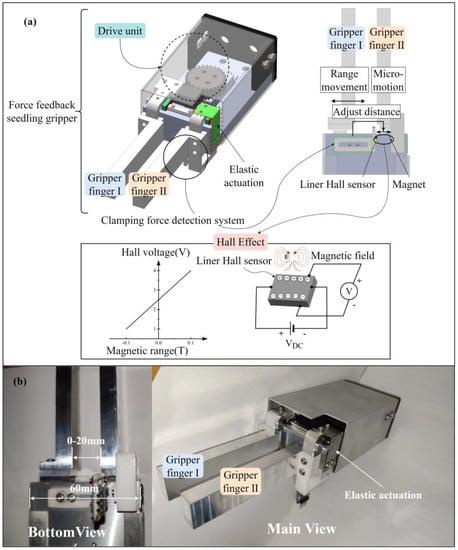
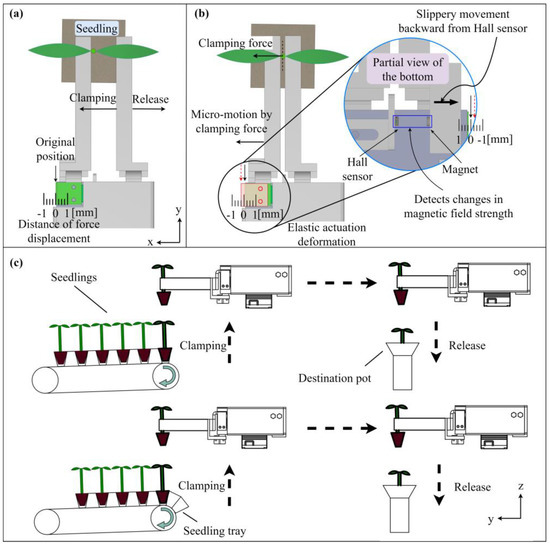
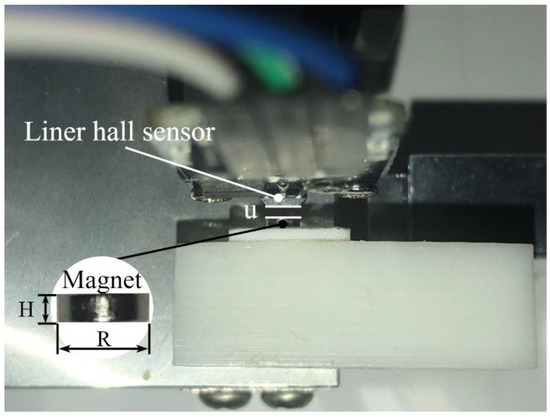
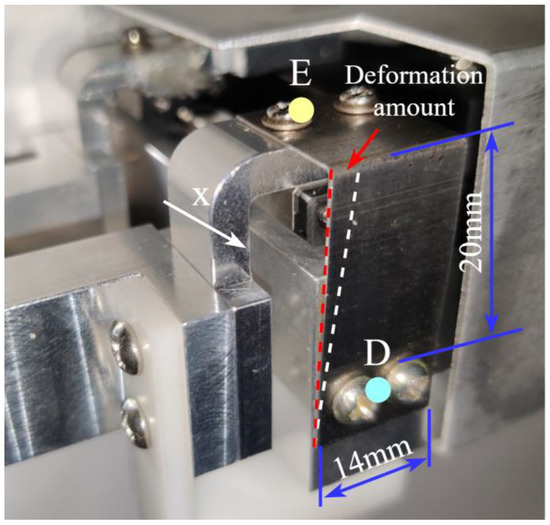
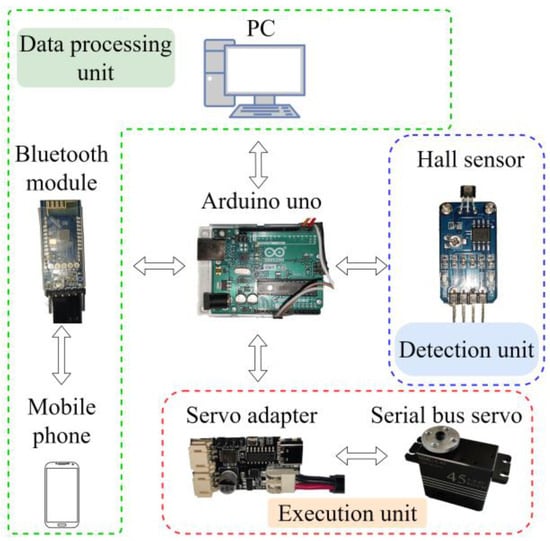
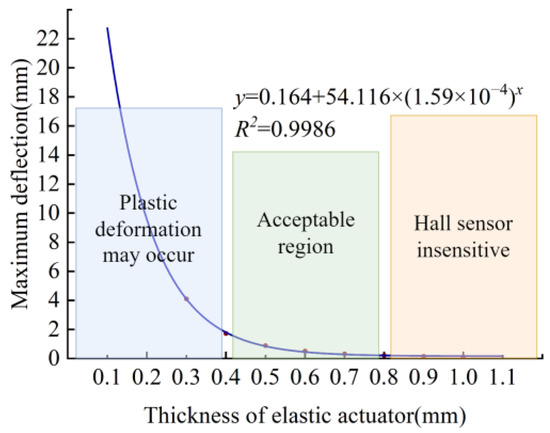
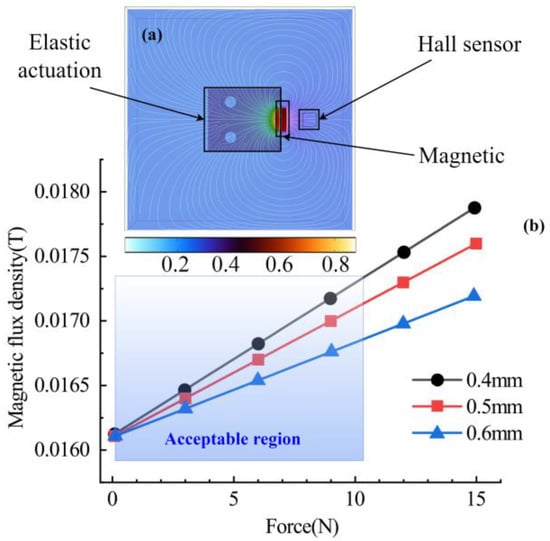
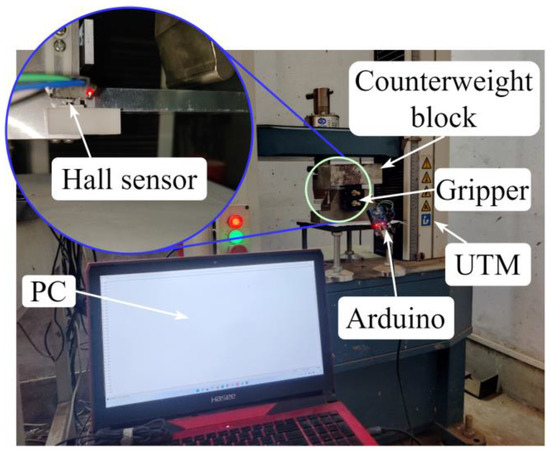
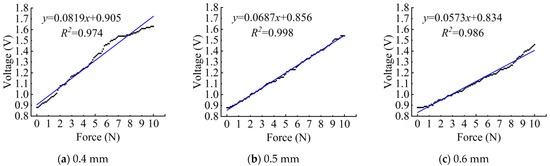
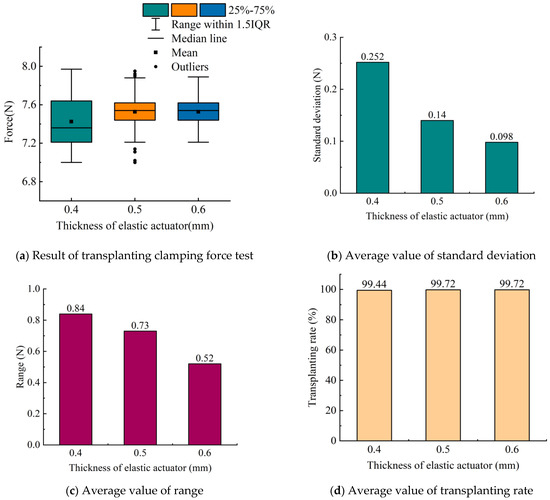
Aiming at the problems of seedling injury and planting leakage due to the lack of seeding clamping force detection and real-time control in vegetable transplanting, a force feedback gripper was developed based on the linear Hall element. The mechanical properties of the stem of pepper cavity seedlings were first analyzed to provide a basis for the design of the gripper. A linear Hall sensor, a magnet, an elastic actuator, and an Arduino Uno development board make up the grasping force detecting system. Upon picking up a seedling, the elastic actuator, which is connected to the magnet, bends like a cantilever beam. As a result of the micro-displacement created by the elastic actuator, the Hall sensor’s voltage changes and can be used to determine the clamping force. Detection avoids direct contact between the sensor and the cavity seedlings, reducing the risk of sensor damage. Finite element method (FEM) simulations were used to determine the initial spacing between the magnet and Hall sensor and the effect of the elastic actuator. Control commands are sent to the servo based on the gripping force collected by the Arduino Uno board. Finally, the functions of accurate measurement, display, storage, and control of the clamping force of the cavity tray seedlings are realized, so that the damage rate of the cavity tray seedlings is reduced. In order to explore the influence of the elastic actuators on the clamping force detection system and the performance of the force feedback gripper, a calibration test of the clamping force detection system and a test of the indoor transplantation of pepper seedlings were carried out. Based on the calibration test, the clamping force detection system has a sensitivity of 0.0693 V/N, linearity of 3.21%, an average linear coefficient of determination of 0.986, and a range of 10 N, which fully meet the clamping force detection accuracy requirements during transplantation. Indoor tests showed that the force feedback gripper was stable and adaptable. This study can provide a reference for detecting and controlling clamping forces during transplantation. Full article
(This article belongs to the Section Agricultural Technology)
Show Figures

Figure 1
28 pages, 3466 KB  
Article
A Practical Hybrid Control Approach for a Greenhouse Microclimate: A Hardware-in-the-Loop Implementation
by Gustavo Cevallos, Marco Herrera, Ramon Jaimez, Hanna Aboukheir and Oscar Camacho
Agriculture 2022, 12(11), 1916; https://doi.org/10.3390/agriculture12111916 - 14 Nov 2022
Cited by 9 | Viewed by 3731
Abstract
In the present work, a hybrid scheme based on the on–off, PID, and Fuzzy-PI controllers is shown, which was applied to the model of a greenhouse for the control of the vapor pressure deficit inside the greenhouse (VPDin [...] Read more.
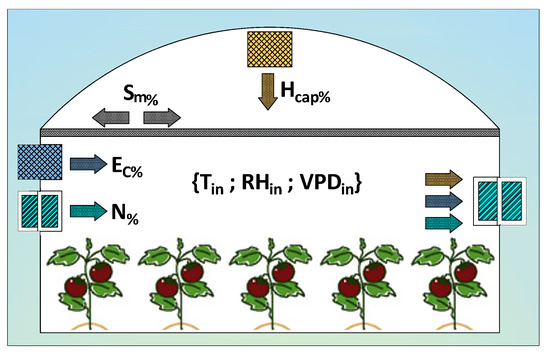
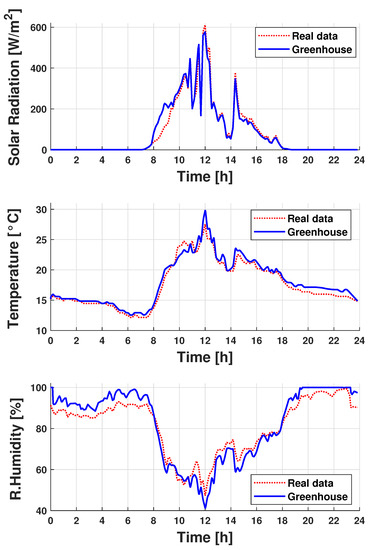
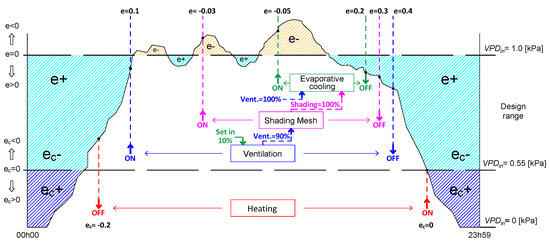
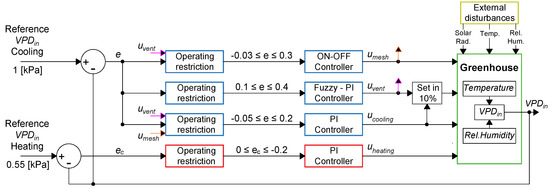
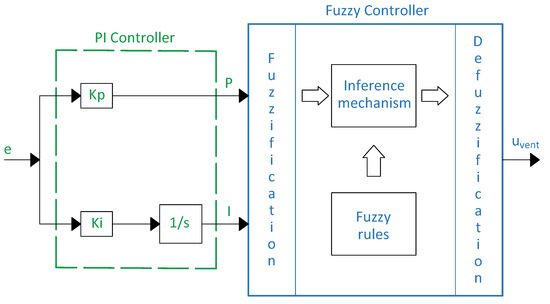
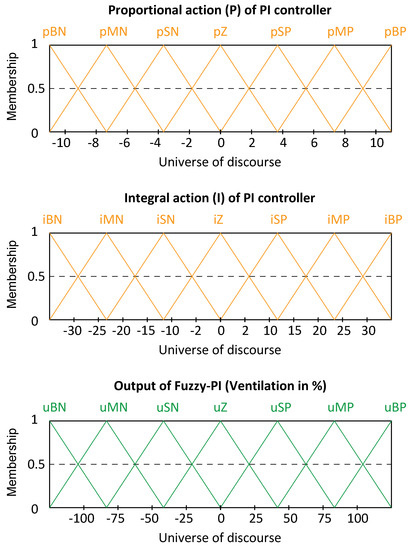
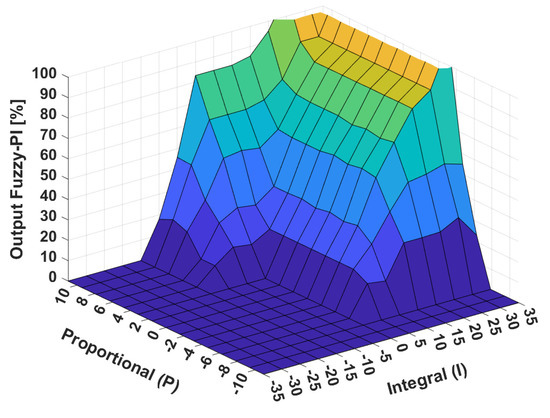
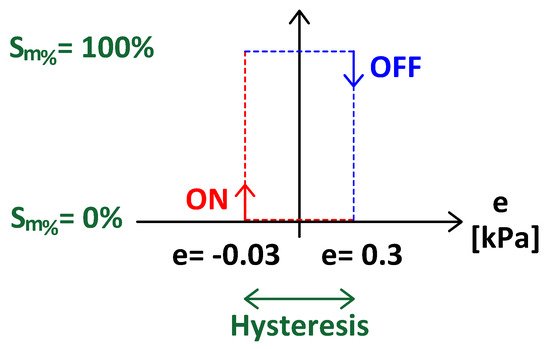
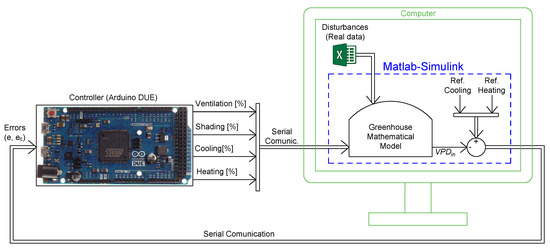
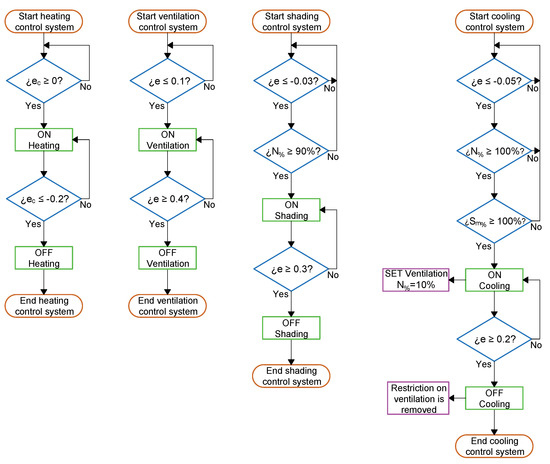
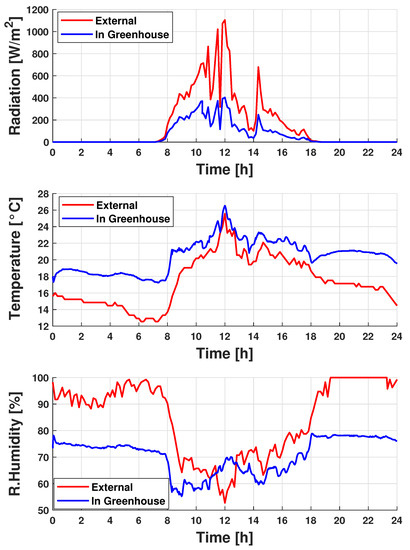
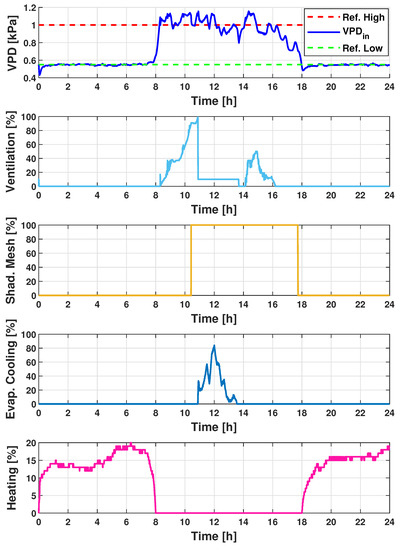
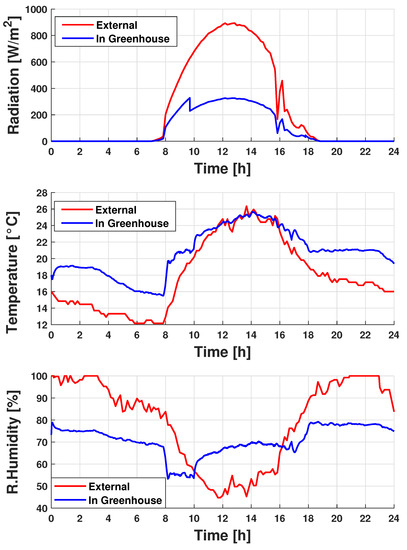
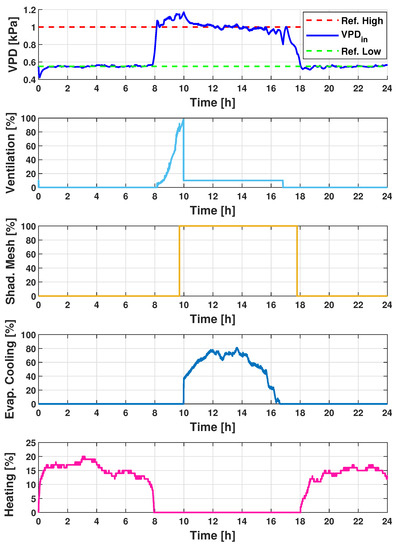
In the present work, a hybrid scheme based on the on–off, PID, and Fuzzy-PI controllers is shown, which was applied to the model of a greenhouse for the control of the vapor pressure deficit inside the greenhouse (VPDin) through variables for heating and cooling around operating points 0.55 (kPa) and 1.0 (kPa), respectively. The implementation of the hybrid scheme was carried out under the concept of hardware-in-the-loop. The performance tests indicated satisfactory results that can be applied to greenhouses. Full article
(This article belongs to the Section Agricultural Systems and Management)
Show Figures

Figure 1
13 pages, 331 KB  
Article
Effects of Genotype and Diet on Performance, Carcass Traits, and Blood Profiles of Slow-Growing Chicks Obtained by Crosses of Local Breed with Commercial Genotype
by Minodora Tudorache, Ioan Custura, Anca Gheorghe, Mihaela Habeanu, Nicoleta Aurelia Lefter, Elena Narcisa Pogurschi and Dana Catalina Popa
Agriculture 2022, 12(11), 1906; https://doi.org/10.3390/agriculture12111906 - 12 Nov 2022
Cited by 15 | Viewed by 3728
Abstract
The effects of genotype and diet on growth performance, carcass traits and blood metabolites were investigated. The commercial Ross 308 (R) chickens genotype, a local Black Transylvanian Naked Neck (BTNN) breed, and their crosses were used in an 81-day study. A total of [...] Read more.
The effects of genotype and diet on growth performance, carcass traits and blood metabolites were investigated. The commercial Ross 308 (R) chickens genotype, a local Black Transylvanian Naked Neck (BTNN) breed, and their crosses were used in an 81-day study. A total of 720 one-d-old chicks were allotted into eight groups in a 4 × 2 factorial design with 4 genotypes: Rmale × Rfemale (R), BTNNmale × Rfemale (BTNN-R), BTNNmale × BTNNfemale (BTNN), Rmale × BTNNfemale (R-BTNN), and 2 diets: control and low-metabolisable energy (LME). Genotype affected performance parameters, namely body weight gain (BWG), feed intake (FI), energy intake (EI), feed conversion ratio (FCR), energy conversion ratio (ECR), and production efficiency factor (PEF), irrespective of growth phase (p < 0.05). Diet had no significant effect on overall BWG, EI, ECR and PEF, except that it increased FI and FCR. Genotype influenced the carcass and organ yields (p < 0.05), except bursa weight, while diet had no significant effect. Blood parameters (total cholesterol, triglycerides, glucose, albumin and phosphorus) were affected only by genotype (p < 0.05). In summary, results show that from the two crossbreedings obtained between R and BTNN genotypes, the BTNN-R growth performance and carcass traits were superior to R-BTNN, even though both have had a similar improved plasma response. Lowering the ME level did not significantly affect the BWG but increased FI and FCR, whereas the production index was similar regardless of the genotype. Based on the present results, we concluded that the BTNN-R crosses are the most suitable for use in alternative rearing systems for slow-growing chickens. Full article
(This article belongs to the Special Issue Effects of Dietary Interventions on Poultry Production)
18 pages, 17256 KB  
Article
Developing a Spatial Emission Inventory of Agricultural Machinery in Croatia by Using Large-Scale Survey Data
by Šimun Lončarević, Petar Ilinčić, Zoran Lulić and Darko Kozarac
Agriculture 2022, 12(11), 1962; https://doi.org/10.3390/agriculture12111962 - 20 Nov 2022
Cited by 4 | Viewed by 3721
Abstract
Agricultural machinery has an essential impact on climate change. However, its emission data are often missing, which makes it harder to develop policies which could lower its emissions. An emission inventory should first be developed to understand the impact of agricultural machinery on [...] Read more.
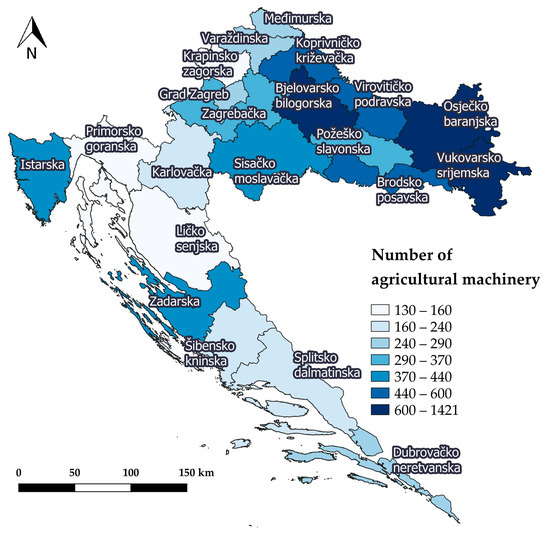
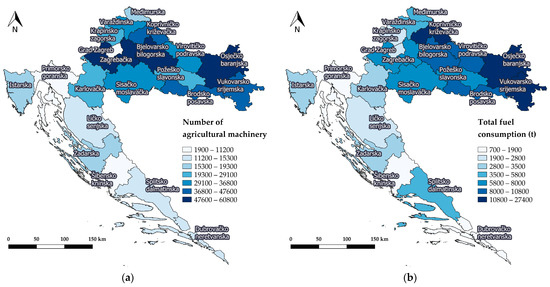
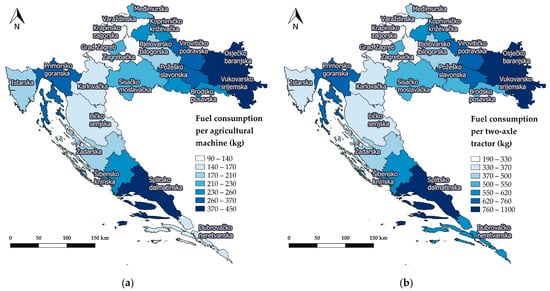
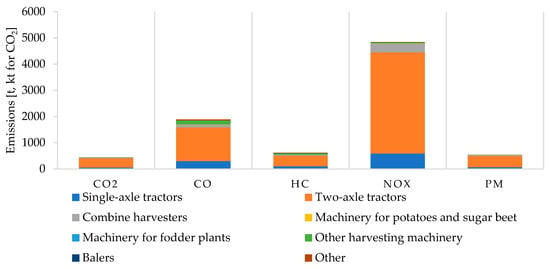
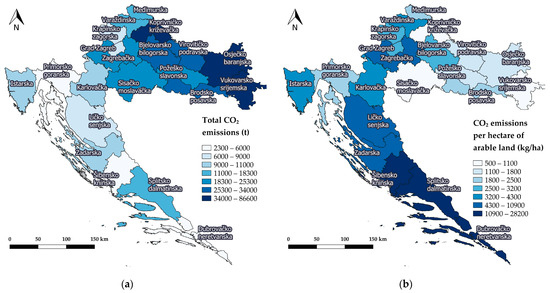
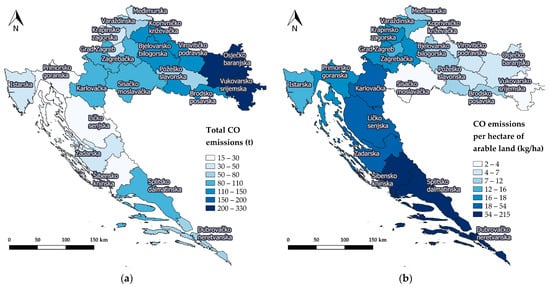
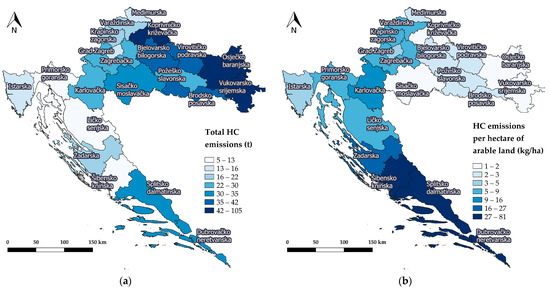
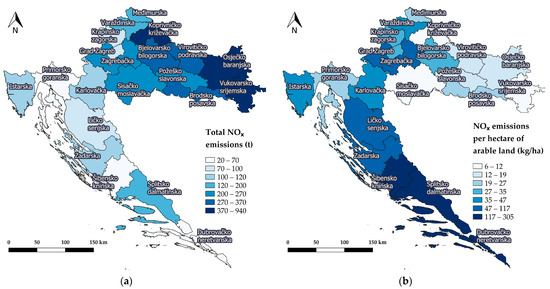
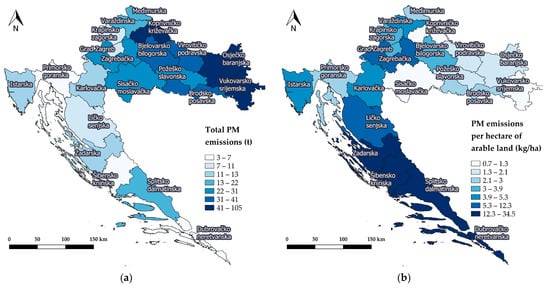
Agricultural machinery has an essential impact on climate change. However, its emission data are often missing, which makes it harder to develop policies which could lower its emissions. An emission inventory should first be developed to understand the impact of agricultural machinery on climate change. This article presents a spatial variation of emissions from agricultural machinery in Croatia. Data on agricultural machinery for 2016 was collected via a large-scale survey with 8895 respondents and included machinery type, location data, and fuel consumption by fuel type. Data processing was conducted to optimize the survey results, and the emissions were calculated using the “EEA/EMEP Emission Inventory Guidebook” Tier 1 method. The research shows that two-axle tractors with engine power 61–100 kW had the most significant energy consumption and were responsible for most of the emissions. The highest total emissions were in counties in the Slavonia region, while counties in the Dalmatia region had the highest emissions per hectare of arable land. Results obtained this way enable policies to be developed that will target specific spatial areas and machinery types. Furthermore, this approach could allow precise spatial and temporal emission tracking. A designated institution which could conduct annual surveys and update the agricultural machinery emission data would ensure emission data continuity. Full article
Show Figures

Figure 1
23 pages, 847 KB  
Article
Does Farm Size Expansion Improve the Agricultural Environment? Evidence from Apple Farmers in China
by Juanjuan Cheng, Qian Wang, Huanmin Zhang, Toyohiko Matsubara, Naoki Yoshikawa and Jin Yu
Agriculture 2022, 12(11), 1800; https://doi.org/10.3390/agriculture12111800 - 29 Oct 2022
Cited by 8 | Viewed by 3713
Abstract
Farmland environmental pollution has put greater pressure on the sustainability of agricultural production systems. Exploring the relationship between farm size and environmental pollution in agriculture can help provide realistic guidance for stakeholders. In this study, the research data from apple farmers in China [...] Read more.
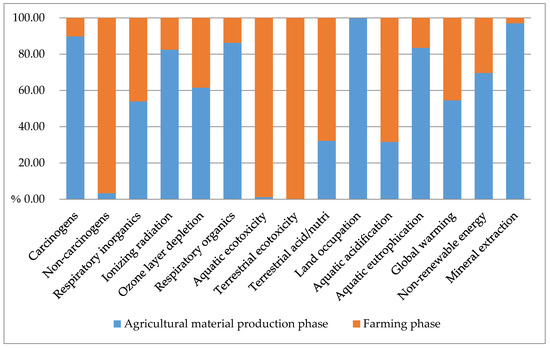
Farmland environmental pollution has put greater pressure on the sustainability of agricultural production systems. Exploring the relationship between farm size and environmental pollution in agriculture can help provide realistic guidance for stakeholders. In this study, the research data from apple farmers in China were used to measure the environmental pollutant emissions caused by apple production using the life-cycle assessment (LCA) approach. The mediating effect model was used to examine the mechanisms and pathways by which farm size affects the environmental effects of apple production and to identify the mediating effects of fertilizer, pesticide, and machinery input intensity. Finally, a heterogeneity analysis was conducted to illustrate the impact of participation in agricultural cooperatives on the environmental performance of apple production for smallholder farmers. The results showed that the apple production system’s negative environmental impacts from the agricultural material production phase were more significant compared to the farming phase, with a contribution potential of 56.50%. Farm size directly impacts the environmental effects of apple production, and there is a U-shaped trend between the two, implying that from the perspective of environmental effects, larger farm size is not better. There were some mediating effects in the paths of farm size on the environmental effects, and the largest effect was fertilizer input intensity with a full mediating effect; the second largest effect was machinery input intensity with a partial mediating effect, and the mediating effect accounted for 15.50–15.89% of the total effect; the mediating effect of pesticide input intensity was not significant. In addition, the study also found that joining agricultural cooperatives was beneficial in promoting the improvement of the negative environmental impact caused by apple production. These findings provide insights into optimizing farm inputs for apple production and identifying the appropriate farm size to alleviate multiple environmental impacts, intending to make a marginal contribution to promoting sustainable development of the apple industry in China also providing the research evidence for the comparative study of the environmental burdens of apple production in China and other countries in the world. Full article
(This article belongs to the Section Ecosystem, Environment and Climate Change in Agriculture)
Show Figures

Figure 1
14 pages, 3852 KB  
Article
In Arid Regions, Forage Mulching between Fruit Trees Rows Enhances Fruit Tree Light and Lowers Soil Salinity
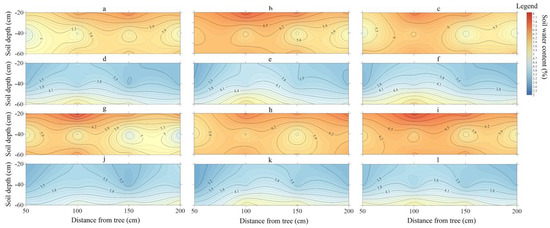
by Shuai Zhang, Tingting Liu, Wenwen Wei, Lei Shen, Xiuyuan Wang, Tayir Tuertia, Luhua Li and Wei Zhang
Agriculture 2022, 12(11), 1895; https://doi.org/10.3390/agriculture12111895 - 10 Nov 2022
Cited by 8 | Viewed by 3700
Abstract
Agroforestry is considered a means to provide sustainable and productive agriculture. This work aims to study the effect of fruit-grass agroforestry patterns on the soil moisture, salinity, growth, and yield of fruit trees, as well as to provide a reference for the development [...] Read more.
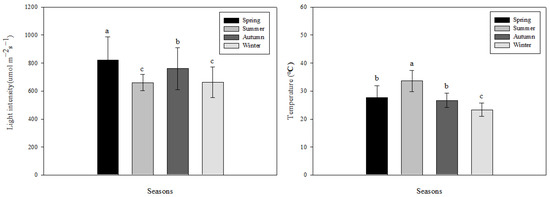
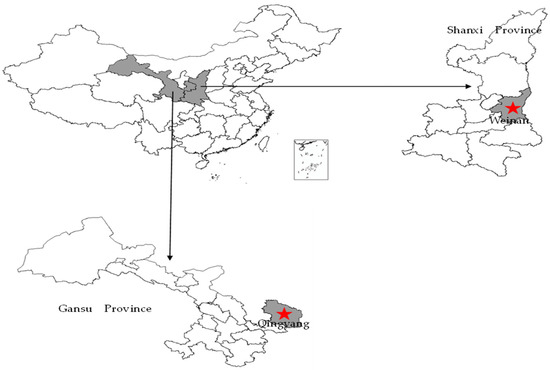
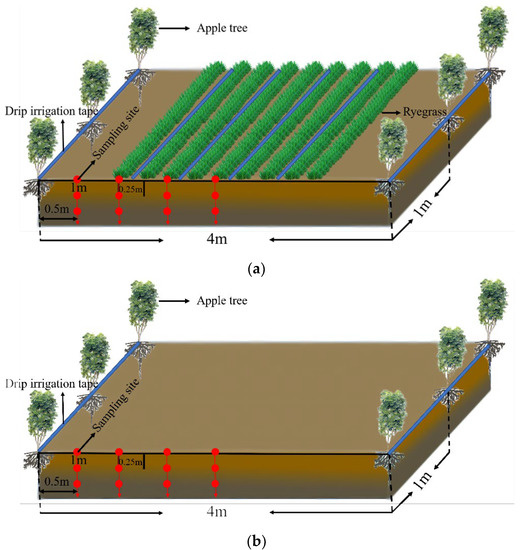
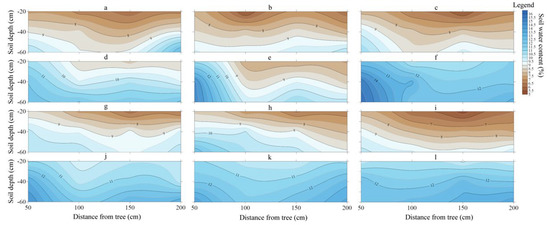
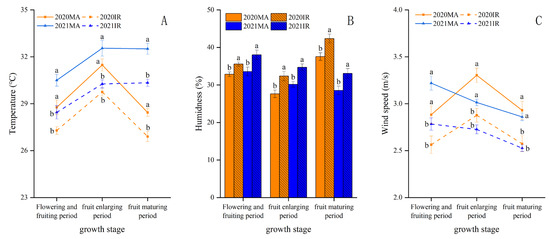
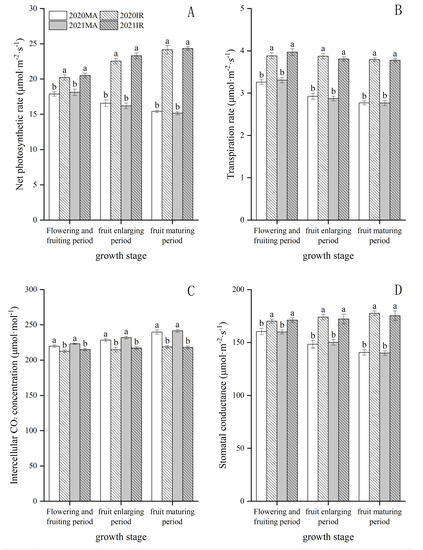
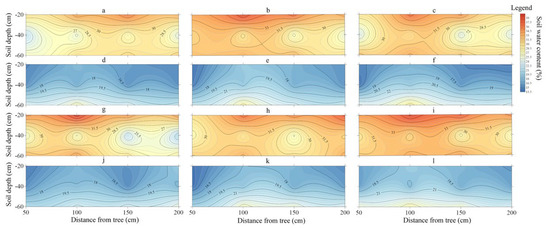
Agroforestry is considered a means to provide sustainable and productive agriculture. This work aims to study the effect of fruit-grass agroforestry patterns on the soil moisture, salinity, growth, and yield of fruit trees, as well as to provide a reference for the development of agroforestry complex systems in Northwest China. The study has been designed with two cropping patterns: monocropped apple and apple-ryegrass intercropping. The results showed that compared to monocropped apples, intercropped apples have increased soil moisture content by 33.38–39.02%, net photosynthetic rate by 35.33–42.26%, transpiration rate by 29.62–29.76%, and stomatal conductance by 15.65–16.55% in the 0–60 cm soil layer. Intercrop reduced the total soil salt content by 36.41–38.58%, and the intercellular CO2 concentration decreased by 5.96–6.61%. In addition, intercropping improves fruit yield and quality by improving the orchard environment and increasing tree height, breast height, north-south crown spread, and east-west crown spread. Therefore, increased yield and quality can be achieved by changing the fruit tree and ryegrass planting method, which is beneficial to the sustainable development of agriculture in Northwest China. Full article
(This article belongs to the Special Issue Innovative Conservation Cropping Systems and Practices)
Show Figures

Figure 1

21 pages, 6000 KB  
Article
Water-Salt Thresholds of Cotton (Gossypium hirsutum L.) under Film Drip Irrigation in Arid Saline-Alkali Area
by Yunfeng Li, Quanqing Feng, Dongwei Li, Mingfa Li, Huifeng Ning, Qisheng Han, Abdoul Kader Mounkaila Hamani, Yang Gao and Jingsheng Sun
Agriculture 2022, 12(11), 1769; https://doi.org/10.3390/agriculture12111769 - 25 Oct 2022
Cited by 14 | Viewed by 3699
Abstract
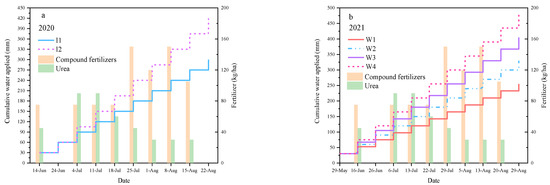
Crop models are valuable tools for exploring the responses of crops to changes in environmental factors, and have been widely used to analyze the response of crops to varying soil water content and salinity levels in extreme drought and high salinity conditions. To [...] Read more.
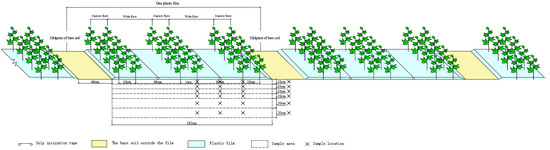
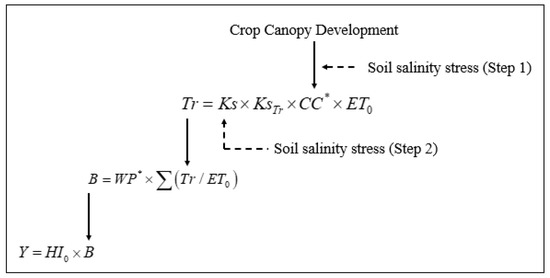
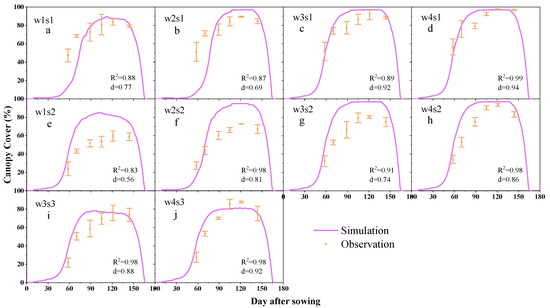
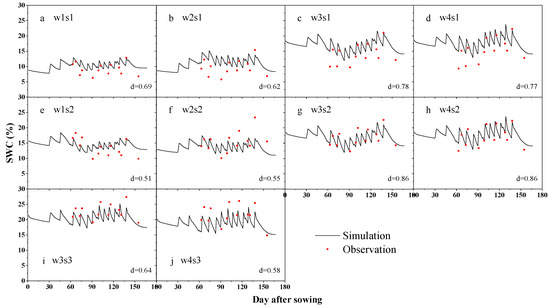
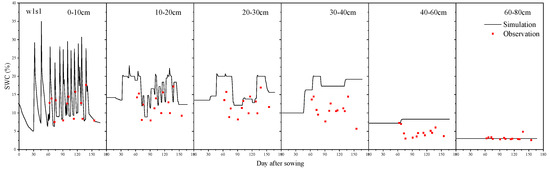
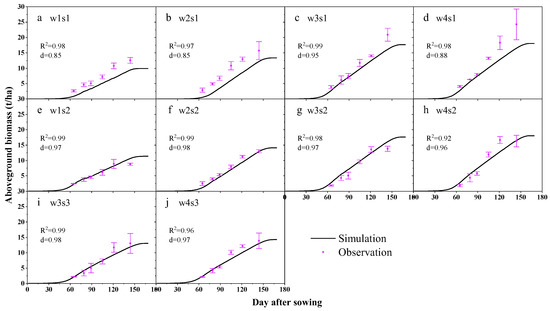
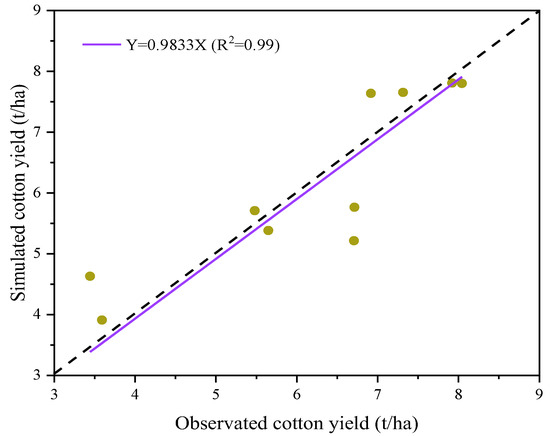
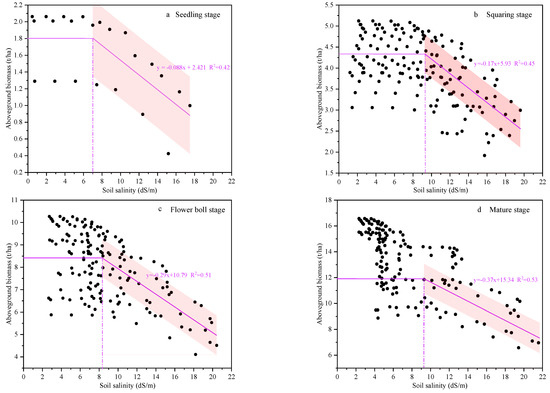
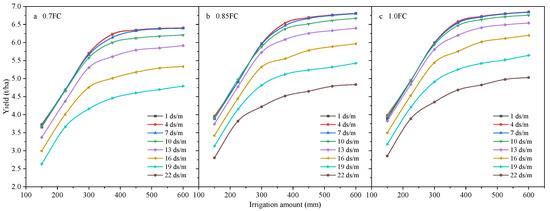
Crop models are valuable tools for exploring the responses of crops to changes in environmental factors, and have been widely used to analyze the response of crops to varying soil water content and salinity levels in extreme drought and high salinity conditions. To obtain suitable water-salt thresholds and the total irrigation amount for cotton in the arid oasis of southern Xinjiang, the AquaCrop model was calibrated and validated using measured data from 2020 and 2021 (total irrigation amount: 255–480 mm; initial soil salinity levels: 0.2–0.6%). With the same initial soil water content, when the initial soil salinity < 7 dS/m, cotton yield did not significantly change under different levels of total irrigation amount, while when the initial soil salinity was 10 dS/m, there was a significant difference in cotton yield with a total irrigation amount > 300 mm. The total irrigation amount of 375 mm is the threshold for cotton at the low-salinity treatment, while it increases to 450 mm at the high-salinity treatment. Based on cotton performance with the AquaCrop model, the threshold values of soil salinity were 7, 9.3, 8.2 and 9.3 dS/m (ECe) during the cotton stage of seedling, squaring, flower-boll and maturity, respectively. The total irrigation amount of 450 to 500 mm could achieve a win-win scenario for both cotton yield and water use efficiency under sandy loam soil. In summary, this study can serve as a reference for regulating water and salt in arid saline-alkali regions. Full article
Show Figures

Figure 1