


Abstract
Background: Obesity and unhealthy dietary habits are among the leading modifiable determinants of cardiovascular disease, acting through biological mechanisms that extend far beyond excess body weight. Adipose tissue dysfunction, chronic low-grade inflammation, oxidative stress, endothelial impairment, mitochondrial dysfunction, and gut microbiota dysbiosis contribute to the development and progression of cardiometabolic disease. Consequently, nutrition should be regarded as a key biological modulator of cardiovascular risk, capable of influencing multiple interconnected metabolic and molecular pathways. Methods: This narrative review provides a critical and translational overview of the current evidence linking diet, obesity, and cardiovascular disease. We critically evaluated epidemiological studies, landmark randomized controlled trials, prospective cohort studies, meta-analyses, international guidelines, and relevant mechanistic investigations to examine the impact of major dietary patterns, obesity-related immunometabolic alterations, and emerging precision nutrition strategies on cardiovascular prevention and management. Results: Among currently available dietary models, the Mediterranean diet has one of the most extensive randomized evidence bases for cardiovascular prevention, including trials demonstrating reductions in major adverse cardiovascular events and other clinically relevant cardiovascular outcomes. Other healthy dietary patterns, including the Dietary Approaches to Stop Hypertension (DASH), healthy plant-based, and Nordic diets, consistently improve intermediate cardiometabolic outcomes, although evidence for hard cardiovascular endpoints is less robust. Conversely, Western dietary patterns characterized by high consumption of ultra-processed foods are associated with visceral adiposity, insulin resistance, vascular inflammation, mitochondrial dysfunction, endothelial injury, and increased cardiovascular risk. Conclusions: Contemporary evidence supports nutrition as a cornerstone of cardiovascular prevention and obesity management, with benefits may extend beyond weight reduction through modulation of key biological pathways involved in cardiometabolic disease.
1. Introduction
Cardiovascular disease (CVD) remains the leading cause of death worldwide, accounting for nearly one-third of all global mortality and imposing an enormous clinical, social, and economic burden on healthcare systems. Despite remarkable advances in pharmacological therapies and interventional cardiology that have substantially improved survival after acute cardiovascular events, the global epidemic of obesity and metabolic disorders continues to threaten these achievements, limiting progress in cardiovascular prevention and increasing healthcare costs worldwide [1,2]. Indeed, high body mass index (BMI) remains one of the fastest-growing contributors to the global burden of disease, with age-standardized disability-adjusted life-year (DALY) rates attributable to elevated BMI increasing by 15.7% between 2000 and 2021 [2].
Obesity is now recognized as a chronic, relapsing, multifactorial disease rather than simply a consequence of excessive body weight. Recent consensus criteria distinguish clinical obesity, a chronic, systemic illness characterized by functional alterations in tissues and organs due to excess adiposity, from preclinical obesity, in which excess adiposity is present with preserved organ function but a generally increased risk of subsequent disease [3]. Beyond adipose tissue expansion, obesity is characterized by profound metabolic, endocrine, inflammatory, and immunological alterations that promote cardiovascular injury. Dysfunctional adipose tissue acts as an active endocrine organ, releasing pro-inflammatory cytokines, chemokines, and adipokines that contribute to insulin resistance, endothelial dysfunction, oxidative stress, vascular remodeling, and accelerated atherosclerosis [4].
Among the biological processes linking obesity to CVD, mitochondrial dysfunction has emerged as a central pathogenic mechanism. Altered mitochondrial dynamics, impaired oxidative phosphorylation, excessive reactive oxygen species (ROS) production, defective mitophagy, and reduced metabolic flexibility contribute to chronic low-grade inflammation and progressive cellular dysfunction. Importantly, these alterations affect not only adipose tissue, skeletal muscle, and the liver but also the cardiovascular system and the central nervous system, perpetuating a vicious cycle of obesity, metabolic dysregulation, and cardiovascular risk [4].
Alongside these advances in pathophysiological understanding, nutrition has shifted from being viewed primarily as a determinant of caloric balance to being recognized as a powerful regulator of cellular metabolism and cardiovascular biology. Diet and obesity should not be regarded as independent cardiovascular risk factors, as dietary patterns are among the principal determinants of both the development and the metabolic consequences of excess adiposity. Chronic consumption of energy-dense, nutrient-poor foods promotes positive energy balance, visceral fat accumulation, and adipose-tissue dysfunction, thereby amplifying insulin resistance, systemic inflammation, oxidative stress, and endothelial injury. However, body weight does not exclusively mediate this relationship. Dietary components influence multiple biological pathways involved in cardiovascular homeostasis, including inflammatory signaling, endothelial nitric oxide bioavailability, mitochondrial bioenergetics, immune-cell activation, gut microbiota composition, oxidative stress, adipose tissue expansion, and epigenetic regulation of cardiometabolic genes. Consequently, the cardiovascular effects of nutrition extend well beyond weight reduction, supporting the concept that dietary interventions may directly modulate disease mechanisms and improve cardiovascular outcomes independently of body weight changes [5].
Among currently available dietary models, the Mediterranean diet is among the most extensively investigated patterns for cardiovascular prevention and is supported by substantial evidence from randomized controlled trials and prospective cohort studies [6,7,8]. Other dietary patterns, including the Dietary Approaches to Stop Hypertension (DASH), healthy plant-based, Nordic, and Mediterranean–DASH Intervention for Neurodegenerative Delay (MIND) diets, have also demonstrated favorable effects on blood pressure, lipid metabolism, glycemic control, endothelial function, and systemic inflammation, although the level of evidence for hard cardiovascular outcomes is generally less robust [9,10,11]. Despite differences in food composition and cultural background, these dietary models share fundamental biological principles, including a high intake of minimally processed plant-derived foods, unsaturated fats, dietary fiber, and bioactive compounds, together with limited consumption of ultra-processed foods (UPFs) and refined carbohydrates.
This narrative review aims to provide a comprehensive and translational overview of the current evidence linking dietary habits, obesity, and CVD. Rather than considering diet, obesity, and cardiovascular disease as separate or exclusively pairwise relationships, this review examines them as components of an interconnected cardiometabolic continuum. In this framework, dietary exposures may influence cardiovascular risk indirectly by promoting or reversing adipose-tissue dysfunction, and directly through effects on inflammation, oxidative stress, endothelial function, mitochondrial homeostasis, and the gut microbiota, partly independent of changes in body weight. Particular attention is therefore given to distinguishing weight-dependent from weight-independent cardiovascular effects of nutrition and to identifying areas in which mechanistic evidence has not yet translated into cardiovascular outcome data. Particular emphasis is placed on the molecular mechanisms through which nutrition influences cardiometabolic health—including chronic inflammation, endothelial dysfunction, mitochondrial impairment, and gut microbiota alterations—as well as on the clinical evidence supporting major dietary patterns for cardiovascular prevention. Finally, we discuss emerging concepts in precision nutrition and personalized cardiovascular medicine as potential future directions for improving long-term cardiometabolic health and reducing the global burden of cardiovascular disease. To support this narrative review, PubMed/MEDLINE, Scopus, and Web of Science were searched up to July 2026 using combinations of terms related to diet and dietary patterns, obesity and adiposity, cardiovascular disease, inflammation, oxidative stress, endothelial dysfunction, mitochondrial dysfunction, gut microbiota, and precision nutrition. We prioritized randomized controlled trials, prospective cohort studies, systematic reviews and meta-analyses, international guidelines and consensus documents, and mechanistic studies directly relevant to the scope of the review. Studies were selected based on their relevance to the main thematic areas addressed in the manuscript, with preference given to higher-level clinical evidence where available and to mechanistic or preclinical studies when needed to support biological interpretation. Because this was a narrative rather than a systematic review, we did not perform a formal study-selection protocol, risk-of-bias assessment, or quantitative evidence synthesis.
2. Epidemiological Links Between Diet, Obesity and Cardiovascular Disease
The worldwide prevalence of obesity has nearly tripled over the last five decades, becoming one of the most significant contributors to the global burden of CVD. According to the World Health Organization, more than one billion individuals are currently living with obesity, while overweight and obesity collectively account for millions of deaths annually through their association with CVD, type 2 diabetes mellitus, chronic kidney disease, and several malignancies [12]. Severe obesity is associated with a significant reduction in life expectancy of 9.1 years in men and 7.7 years in women [13]. The increasing availability of calorie-dense, nutrient-poor foods, combined with reduced physical activity and profound lifestyle changes, has accelerated the development of cardiometabolic disorders across all age groups [3].
Visceral adiposity has emerged as the strongest anthropometric predictor of cardiovascular morbidity and mortality. Compared to subcutaneous fat, visceral adipose tissue exhibits greater lipolytic activity, enhanced secretion of pro-inflammatory cytokines—including tumor necrosis factor-α (TNF-α), interleukin-6 (IL-6), and monocyte chemoattractant protein-1 (MCP-1)—and reduced production of protective adipokines such as adiponectin. These alterations promote endothelial dysfunction, insulin resistance, vascular inflammation, and accelerated atherogenesis, independently of BMI [14]. Within this framework, epidemiological data offer initial support for a partially mediated model: excess adiposity, particularly visceral adiposity, appears to account for part, but not all of the association between adverse dietary patterns and cardiovascular disease, since diet-quality associations with cardiovascular risk frequently persist after adjustment for BMI and other conventional risk factors, suggesting additional weight-independent mechanisms. However, persistence after multivariable adjustment does not establish an adiposity-independent causal effect, because residual confounding, dietary-measurement error, reverse causation, and unmeasured socioeconomic or behavioral factors may remain.
Large prospective cohort studies have consistently demonstrated a dose-dependent relationship between obesity and cardiovascular events. The Prospective Urban Rural Epidemiology study, involving participants from diverse socioeconomic settings across multiple continents, confirmed that poor diet quality and central obesity significantly increase cardiovascular risk regardless of geographic region or national income level [15]. Similarly, the European Prospective Investigation into Cancer and Nutrition cohort highlighted the protective role of high consumption of fruits, vegetables, legumes, whole grains, and olive oil, whereas dietary patterns characterized by processed meat, refined carbohydrates, and saturated fats were associated with increased cardiovascular mortality [16].
Recent nutritional epidemiology indicates that two individuals with similar BMI may exhibit markedly different cardiovascular risk profiles depending on dietary composition. Diets rich in minimally processed plant-derived foods are consistently associated with lower circulating inflammatory biomarkers, improved lipid profiles, enhanced endothelial function, and reduced incidence of coronary artery disease, even after adjustment for body weight and traditional cardiovascular risk factors [17]. Conversely, Western dietary patterns rich in UPFs, sugar-sweetened beverages, trans fats, and excessive sodium intake are associated with chronic inflammation, metabolic dysfunction, hypertension, dyslipidemia, and higher cardiovascular risk [18].
The relationship between obesity and CVD is already evident during childhood. Pediatric obesity has become a major public health concern because cardiovascular remodeling begins early in life and frequently persists into adulthood [19]. Excess adiposity during childhood is associated with increased arterial stiffness, endothelial dysfunction, left ventricular hypertrophy, impaired vascular compliance, and early metabolic abnormalities that predispose individuals to premature CVD [20]. Consequently, preventive nutritional interventions should ideally begin early in life rather than after overt cardiometabolic disease develops. Children with congenital heart disease represent an especially vulnerable population, in whom obesity further aggravates hemodynamic burden and negatively affects long-term prognosis [20].
Population-based and interventional studies indicate that a 5–10% reduction in body weight is associated with clinically meaningful improvements in blood pressure, triglyceride concentrations, insulin sensitivity, hepatic steatosis, and inflammatory markers [21,22]. Greater weight loss generally produces additional cardiometabolic benefits; however, evidence supporting a specific weight-loss threshold above 15% for reducing major adverse cardiovascular events MACE remains limited [23]. In patients with overweight or obesity and established CVD, cardiovascular outcome trials have nevertheless demonstrated that selected weight-management interventions can reduce the incidence of MACE [24].
3. Molecular Mechanisms Linking Diet, Obesity and Cardiovascular Health
3.1. Adipose Tissue Dysfunction: From Energy Storage to Endocrine Organ
The partial and incomplete mediation observed at the population level has a plausible biological basis. Unhealthy dietary exposures promote adipocyte hypertrophy and adipose-tissue dysfunction, which activate inflammatory, oxidative, metabolic, and endothelial pathways that favor cardiovascular injury. Several dietary components, however, also act on these same pathways directly, largely independently of measurable changes in adiposity.
Adipose tissue is now recognized as a highly active endocrine and immunometabolic organ rather than a passive energy reservoir. Under physiological conditions, adipocytes regulate systemic energy balance by secreting adipokines, cytokines, growth factors, and extracellular vesicles that coordinate glucose homeostasis, lipid metabolism, appetite regulation, vascular function, and immune responses [25]. As obesity progresses, adipocyte hypertrophy exceeds the capacity of adipose tissue remodeling, leading to local hypoxia, extracellular matrix expansion, fibrosis, and progressive infiltration of immune cells. Macrophages shift from an anti-inflammatory M2 phenotype toward a pro-inflammatory M1 phenotype, accompanied by increased recruitment of T lymphocytes, neutrophils, dendritic cells, and mast cells. This cellular remodeling transforms adipose tissue into a chronic source of inflammatory mediators, including TNF-α, interleukin-1β (IL-1β), IL-6, MCP-1, resistin, and leptin [26] (Figure 1).
Figure 1.
Adipose tissue dysfunction: a link between obesity and cardiovascular disease. (A). Under physiological conditions, adipose tissue acts as an active endocrine and immunometabolic organ, contributing to glucose and lipid homeostasis (B). During obesity, adipocyte hypertrophy, local hypoxia, extracellular matrix expansion, fibrosis, and immune-cell infiltration promote a shift toward pro-inflammatory macrophage phenotypes and increase the release of inflammatory mediators. (C). At the same time, reduced adiponectin levels impair AMPK signaling and endothelial nitric oxide synthase activity, decrease nitric oxide bioavailability, and promote insulin resistance, vascular inflammation, endothelial dysfunction, atherosclerotic plaque formation, and, ultimately, cardiovascular disease. Abbreviations: AMPK, AMP-activated protein kinase; ECM, extracellular matrix; eNOS, endothelial nitric oxide synthase; FGF21, fibroblast growth factor 21; IL, interleukin; MCP-1, monocyte chemoattractant protein-1; TNF-α, tumor necrosis factor alpha; VEGF, vascular endothelial growth factor.
Conversely, circulating concentrations of adiponectin—one of the principal anti-inflammatory and vasculoprotective adipokines—decline markedly with increasing adiposity. Reduced adiponectin impairs AMP-activated protein kinase signaling, decreases endothelial nitric oxide synthase (eNOS) activity, promotes insulin resistance, and facilitates vascular inflammation, thereby accelerating atherosclerotic plaque formation [27].
3.2. Chronic Inflammation and Immunometabolic Crosstalk
Unlike the acute inflammatory response observed during infection or tissue injury, obesity is characterized by persistent activation of innate and adaptive immune pathways that remain chronically stimulated for years. Hypertrophic adipocytes release danger-associated molecular patterns (DAMPs), free fatty acids, ceramides, and oxidized lipids that activate Toll-like receptor 4 (TLR4) and nucleotide-binding oligomerization domain-like receptor protein 3 (NLRP3) inflammasomes in macrophages and endothelial cells. This signaling cascade activates nuclear factor kappa B (NF-κB), enhances transcription of pro-inflammatory cytokines, and amplifies oxidative stress [28]. The CANTOS trial convincingly demonstrated the clinical relevance of inflammation, as selective inhibition of IL-1β significantly reduced recurrent MACE independently of lipid lowering, confirming inflammation as a therapeutic target in atherosclerotic disease [29].
3.3. Oxidative Stress and Endothelial Dysfunction
Oxidative stress represents another critical interface between obesity and CVD. Under physiological conditions, ROS participate in intracellular signaling and vascular homeostasis. However, excessive ROS production overwhelms endogenous antioxidant defenses, leading to lipid peroxidation, protein oxidation, DNA damage, and impaired cellular function [30]. Multiple enzymatic systems contribute to ROS generation in obesity, including NADPH oxidases, xanthine oxidase, uncoupled eNOS, and dysfunctional mitochondria. Elevated circulating free fatty acids further stimulate oxidative stress through enhanced β-oxidation and electron transport chain overload [30]. The vascular endothelium is particularly vulnerable to oxidative injury. ROS rapidly inactivate nitric oxide, reducing its bioavailability and impairing endothelium-dependent vasodilation. Endothelial dysfunction subsequently promotes leukocyte adhesion, platelet activation, vascular permeability, and smooth muscle cell migration, all of which contribute to early atherogenesis [31] (Figure 2).
Figure 2.
Oxidative stress as a molecular link between obesity and cardiovascular disease. Visceral adiposity, elevated free fatty acids, chronic inflammation, and metabolic overload increase reactive oxygen species generation. When antioxidant defenses are exceeded, oxidative damage affects lipids, proteins, DNA, and mitochondrial function. In endothelial cells, superoxide reduces NO bioavailability and promotes peroxynitrite formation, impairing vasodilation and inducing leukocyte adhesion, platelet activation, increased vascular permeability, and smooth muscle cell migration. Abbreviations: BH4, tetrahydrobiopterin; CAT, catalase; CVD, cardiovascular disease; DNA, deoxyribonucleic acid; eNOS, endothelial nitric oxide synthase; ER, endoplasmic reticulum; FFA, free fatty acids; GPx, glutathione peroxidase; GSH, reduced glutathione; H2O2, hydrogen peroxide; IL-6, interleukin-6; NADPH, nicotinamide adenine dinucleotide phosphate; NO, nitric oxide; O2, molecular oxygen; O2•−, superoxide anion; ONOO−, peroxynitrite; ROS, reactive oxygen species; SOD, superoxide dismutase; TNF-α, tumor necrosis factor alpha.
3.4. Mitochondrial Dysfunction: A Central Hub Connecting Obesity and Cardiovascular Disease
Obesity is associated with reduced mitochondrial biogenesis, impaired oxidative phosphorylation, defective fatty acid oxidation, increased mitochondrial fragmentation, altered fusion–fission dynamics, and progressive accumulation of damaged mitochondria due to defective mitophagy. Collectively, these alterations reduce metabolic flexibility while increasing ROS generation, ultimately promoting chronic inflammation and insulin resistance [32].
Experimental studies further demonstrate that mitochondrial dysfunction precedes overt metabolic disease, suggesting that impaired mitochondrial quality control may represent an initiating event rather than merely a consequence of obesity. Dysregulation of key metabolic regulators—including peroxisome proliferator-activated receptor gamma coactivator-1α (PGC-1α), sirtuin-1 (SIRT1), AMP-activated protein kinase, and mitochondrial transcription factor A—reduces oxidative capacity and accelerates cardiometabolic deterioration [33].
Importantly, several dietary interventions directly improve mitochondrial function [34]. Caloric restriction, Mediterranean dietary patterns, intermittent fasting, omega-3 fatty acids, dietary polyphenols, and regular physical activity all stimulate mitochondrial biogenesis by activating AMPK and SIRT1 signaling pathways while reducing oxidative stress and enhancing mitophagy. These observations suggest that preserving mitochondrial quality may be a principal mechanism by which healthy dietary habits reduce cardiovascular risk [4].
3.5. Gut Microbiota and the Gut–Heart Axis
The gut–heart axis refers to the bidirectional interaction between the gastrointestinal tract, its resident microbiota, and the cardiovascular system [35]. Gut microorganisms may influence cardiovascular function by producing bioactive metabolites, including short-chain fatty acids (SCFAs), trimethylamine N-oxide (TMAO), and secondary bile acids, which can enter systemic circulation and exert metabolic, inflammatory, and direct cardiovascular effects [36].
Fermentable dietary fibers are metabolized by the gut microbiota into SCFAs, particularly acetate and butyrate, which support intestinal barrier integrity and may exert anti-inflammatory and cardiovascular-protective effects [37]. Experimental studies suggest that SCFAs reduce blood pressure, cardiac hypertrophy, and fibrosis by activating host receptors [38]. Small human trials have generally shown reductions in blood pressure after colonic SCFA delivery or supplementation with fermentable fiber, although findings are not entirely consistent and may depend on the site and route of SCFA absorption [39].
Elevated circulating TMAO concentrations have been associated with increased platelet reactivity, endothelial dysfunction, vascular inflammation, adverse outcomes in both acute decompensated and chronic heart failure, as well as with greater severity of diastolic dysfunction [39,40]. Community-based studies have also linked higher concentrations of TMAO and related metabolites, including choline, carnitine, and crotonobetaine, to an increased risk of incident heart failure [40]. Dietary patterns can modulate gut microbial composition and TMAO production, with plant-based diets generally associated with greater microbial diversity and lower circulating TMAO levels. Conversely, red meat intake increases TMAO by providing choline and carnitine substrates, enhancing microbial trimethylamine production, and reducing renal TMAO excretion [41].
Dysbiosis may also impair intestinal barrier integrity, promoting the translocation of microbial products such as lipopolysaccharide, a component of Gram-negative bacteria. Subsequent activation of TLR4–mediated pathways may contribute to systemic inflammation. Studies have observed increased intestinal permeability and circulating inflammatory mediators in patients with heart failure, supporting the potential clinical relevance of gut-derived mechanisms in this condition.
3.6. Epigenetic Regulation
Emerging evidence suggests that many dietary effects of the cardiovascular system are mediated by epigenetic mechanisms, including DNA methylation, histone modifications, chromatin remodeling, and regulation by non-coding RNAs. Nutrients and bioactive compounds can influence gene expression without altering DNA sequence, thereby contributing to long-term cardiometabolic adaptation [42]. Polyphenols, omega-3 fatty acids, folate, B vitamins, and several phytochemicals have shown epigenetic activity that can modulate inflammatory pathways, oxidative stress responses, mitochondrial metabolism, and endothelial function.
4. Mediterranean Diet: Evidence for Cardiovascular Prevention
Among the various dietary models investigated over the past decades, the Mediterranean diet has emerged as one of the most extensively studied dietary patterns for cardiovascular prevention, supported by both randomized clinical trials and observational evidence. Originally described through the pioneering observations in the Seven Countries Study, the Mediterranean diet reflects the traditional eating habits of populations in Southern Europe during the mid-twentieth century. These populations had remarkably low rates of coronary heart disease despite moderate total fat intake, suggesting that dietary quality, rather than total fat intake, was the main determinant of cardiovascular protection [43].
Contemporary definitions of the Mediterranean dietary pattern emphasize high consumption of vegetables, fruits, legumes, whole grains, nuts, seeds, and extra-virgin olive oil as the primary dietary fat source. Moderate intake of fish, seafood, fermented dairy products, and poultry is encouraged, whereas red and processed meat, refined sugars, highly processed foods, and saturated fats are consumed sparingly. Moderate wine consumption during meals, regular physical activity, adequate sleep, and social eating habits are traditionally considered integral components of the Mediterranean lifestyle rather than isolated nutritional recommendations [44].
4.1. Clinical Evidence from Randomized Controlled Trials
The strongest evidence supporting the cardiovascular efficacy of the Mediterranean diet originates from randomized clinical trials, summarized in Table 1. From a clinical perspective, dietary interventions may operate in two distinct settings: primary prevention, aimed at reducing the development of cardiovascular disease in at-risk individuals, and secondary prevention in patients with established disease. Although these contexts overlap mechanistically, their target populations, therapeutic objectives, and clinically relevant outcomes differ and should therefore be considered separately. Evidence from Prevención con Dieta Mediterránea (PREDIMED) supports its efficacy in primary prevention among individuals at high cardiovascular risk, whereas the Lyon Diet Heart Study and CORDIOPREV demonstrate benefits in secondary prevention [7,8,45]. The PREDIMED trial fundamentally changed nutritional cardiology by showing that a Mediterranean dietary intervention supplemented with either extra-virgin olive oil or mixed nuts significantly reduced the incidence of MACE among individuals at high cardiovascular risk [7]. Importantly, these benefits occurred despite only modest changes in body weight, indicating that dietary composition exerts cardioprotective effects independently of weight reduction.
Table 1.
Major randomized trials investigating the cardiovascular effects of Mediterranean dietary patterns in primary and secondary cardiovascular prevention.
The Lyon Diet Heart Study evaluated secondary cardiovascular prevention in patients with previous myocardial infarction: participants assigned to a Mediterranean dietary intervention experienced a remarkable reduction in recurrent myocardial infarction, cardiovascular mortality, and overall mortality compared to those following a prudential diet suggested by their attending physicians [46].
More recently, the CORDIOPREV trial expanded these findings by comparing Mediterranean and low-fat dietary interventions among patients with established coronary artery disease. The Mediterranean diet showed superior efficacy in reducing recurrent MACE while improving insulin sensitivity, glycemic control, and lipoprotein metabolism, particularly among individuals with impaired glucose regulation [8].
Collectively, these randomized trials provide a substantial body of evidence supporting the Mediterranean diet in both primary and secondary cardiovascular prevention.
4.2. Effects on Lipid Metabolism
One of the principal mechanisms underlying Mediterranean diet-mediated cardiovascular protection involves favorable modulation of lipid metabolism. Extra-virgin olive oil, rich in monounsaturated fatty acids and phenolic compounds, reduces circulating low-density lipoprotein cholesterol (LDL-C) while preserving or increasing high-density lipoprotein cholesterol (HDL-C). Beyond quantitative lipid changes, the Mediterranean diet also improves lipoprotein function by reducing LDL-C oxidation, enhancing HDL-mediated reverse cholesterol transport, and decreasing concentrations of small dense LDL particles that exhibit greater atherogenic potential [50]. Nuts, particularly walnuts, almonds, and hazelnuts, provide unsaturated fatty acids, phytosterols, fiber, tocopherols, and polyphenols that further improve lipid profiles and endothelial function [51].
4.3. Anti-Inflammatory and Antioxidant Properties
The Mediterranean dietary pattern exerts potent anti-inflammatory effects through multiple complementary pathways.
Extra-virgin olive oil contains hydroxytyrosol, oleuropein, tyrosol, oleocanthal, and numerous minor phenolic compounds capable of suppressing NF-κB activation, reducing expression of pro-inflammatory cytokines, and limiting oxidative damage [52]. Experimental studies also show that oleocanthal inhibits cyclooxygenase activity, suggesting biological actions that partially resemble those of non-steroidal anti-inflammatory drugs.
Fruits, vegetables, legumes, herbs, spices, and whole grains contribute abundant vitamins, carotenoids, flavonoids, anthocyanins, and dietary fiber that collectively reinforce endogenous antioxidant defenses. Rather than functioning as isolated free radical scavengers, these compounds activate endogenous cytoprotective pathways including nuclear factor erythroid 2-related factor 2 (Nrf2), AMPK, and sirtuin signaling, thereby improving mitochondrial resilience and cellular stress responses [53].
These mechanisms translate clinically into lower circulating concentrations of inflammatory biomarkers including C-reactive protein, IL-6, TNF-α, vascular adhesion molecules, and oxidized LDL-C particles, contributing to stabilization of vulnerable atherosclerotic plaques.
4.4. Endothelial Function and Vascular Protection
Multiple intervention studies have demonstrated that adherence to a Mediterranean diet significantly improves endothelium-dependent vasodilation as measured by flow-mediated dilation. Increased nitric oxide bioavailability, reduced oxidative stress, and decreased endothelial activation collectively enhance vascular function [54].
Polyphenols derived from olive oil, cocoa, berries, grapes, and red wine stimulate eNOS, improve mitochondrial efficiency within endothelial cells, and reduce endothelial apoptosis. At the same time, dietary nitrates in leafy green vegetables increase nitric oxide production through the nitrate–nitrite–NO pathway, providing an additional mechanism that supports vascular health.
The Mediterranean dietary pattern also attenuates arterial stiffness and improves microvascular function; Simultaneously, polyphenols reduce mitochondrial ROS production, improve oxidative phosphorylation efficiency, and stimulate mitophagy [55].
4.5. Transferability Beyond the Mediterranean Basin
An important limitation of the current evidence base is that the randomized trials establishing the cardiovascular efficacy of the Mediterranean diet, Lyon, PREDIMED, and CORDIOPREV, were all conducted in Southern European populations for whom this dietary pattern was already culturally familiar [7,8,46]. Adherence in these trials therefore reflected reinforcement of existing habits rather than adoption of an unfamiliar dietary model, and the effect estimates may not transfer directly to populations where the Mediterranean diet represents a substantial departure from customary eating [56]. Paradoxically, in recent years adherence to the traditional Mediterranean diet has declined in several Mediterranean populations, while Mediterranean-like dietary patterns have gained popularity in non-Mediterranean countries, largely because of growing recognition of their health benefits [57]. This “Mediterranean diet paradox” highlights the urgent need for coordinated public health strategies to preserve and promote traditional healthy dietary patterns within the Mediterranean region itself [56].
This paradox is compounded by two divergent trends. First, adherence to the traditional Mediterranean pattern is declining within the Mediterranean region itself, particularly among younger generations, driven by urbanization, increased availability of UPFs, and the globalization of Western dietary habits. Second, the cardiovascular burden within Europe is greatest outside the Mediterranean basin: age-standardized circulatory-disease mortality varies several-fold across the European Union, with the highest rates concentrated in Central and Eastern Europe. The populations that stand to gain most from Mediterranean-type dietary interventions are, thus, in general, those with the weakest evidence base.
Available data nevertheless suggest that adoption outside the region is achievable. Structured interventions in Northern European and Australian populations have demonstrated meaningful and sustained increases in Mediterranean diet adherence scores over 6 to 12 months, together with favorable changes in intermediate cardiometabolic markers [58]. These studies were feasibility or adherence trials and were not powered for clinical endpoints; they show that dietary change is attainable, not that the cardiovascular benefit observed in Southern European trials is reproduced elsewhere.
Trials evaluating such adaptations in high-risk, non-Mediterranean populations represent a priority research gap.
5. Beyond the Mediterranean Diet: Emerging Dietary Patterns for Cardiovascular Prevention
Although the Mediterranean diet remains the most extensively validated nutritional model for cardiovascular prevention, attention has increasingly turned to other dietary patterns that share common biological principles while differing in food composition, cultural background, and nutritional philosophy. Rather than representing competing strategies, these dietary approaches often converge on several key characteristics, including high consumption of plant-derived foods, reduced intake of UPFs, preferential use of unsaturated fats, and limited consumption of refined carbohydrates and processed meats. As discussed in Section 2 and Section 3, each of the dietary patterns described below may influence cardiovascular risk through both adiposity-mediated and weight-independent pathways.
5.1. Dietary Approaches to Stop Hypertension
The DASH diet was originally developed to reduce blood pressure through dietary modification without pharmacological intervention. Since its introduction, DASH has become one of the most extensively investigated nutritional strategies for hypertension management and cardiovascular risk reduction [59].
The DASH dietary pattern emphasizes abundant consumption of fruits, vegetables, whole grains, legumes, low-fat dairy products, nuts, and lean protein sources while restricting sodium, sugar-sweetened beverages, processed foods, and saturated fats. Compared with the Mediterranean diet, DASH generally includes lower total fat intake and places greater emphasis on sodium restriction.
The original DASH trial demonstrated clinically meaningful reductions in both systolic and diastolic blood pressure within only a few weeks of dietary intervention, independent of weight loss [9]. Subsequent studies confirmed improvements in arterial stiffness, endothelial function, insulin sensitivity, and renal function, particularly among individuals with hypertension, chronic kidney disease, and metabolic syndrome [60].
Meta-analyses further indicate that high adherence to the DASH diet is associated with reduced incidence of stroke, heart failure, coronary artery disease, and cardiovascular mortality. These benefits appear to result from improved electrolyte balance, enhanced nitric oxide bioavailability, reduced oxidative stress, and attenuated vascular inflammation [61].
Recent metabolomic investigations have identified distinct serum and urinary signatures associated with adherence to the DASH diet [61]. These findings suggest that the DASH diet’s benefits extend beyond sodium restriction and may reflect the combined influence of its high potassium, magnesium, calcium, fiber, and phytochemical content. Consistent with this interpretation, the original DASH trial showed significant blood-pressure reductions while sodium intake and body weight were held constant, whereas the subsequent DASH-Sodium trial showed that sodium restriction provided an additional benefit [59].
5.2. Plant-Based Dietary Patterns
Growing environmental awareness, together with accumulating clinical evidence, has substantially increased interest in plant-based nutrition. Plant-based diets encompass a broad spectrum of eating patterns, from predominantly plant-centered diets to strict vegetarian and vegan regimens. Their cardiovascular effects therefore depend largely on food quality rather than simply excluding animal-derived products.
Healthy plant-based diets rich in vegetables, legumes, fruits, nuts, seeds, whole grains, and olive oil consistently demonstrate favorable effects on blood pressure, plasma lipids, insulin sensitivity, body weight, inflammatory biomarkers, and cardiovascular risk. Conversely, plant-based diets dominated by refined grains, added sugars, sweetened beverages, and highly processed meat substitutes may not provide comparable benefits, even when meeting vegetarian or vegan criteria [62].
Prospective cohort studies involving hundreds of thousands of participants have shown inverse associations between adherence to healthy plant-based dietary indices and the incidence of coronary heart disease, hypertension, and type 2 diabetes mellitus [63,64]. These associations remain significant after adjustment for BMI, smoking status, physical activity, and socioeconomic variables, suggesting that they are not fully explained by these measured factors. However, persistence after multivariable adjustment does not establish causality, as residual confounding, measurement error in dietary assessment, reverse causation, and unmeasured socioeconomic or behavioral factors cannot be excluded [65].
Nevertheless, clinicians should recognize that strict vegan diets may increase the risk of deficiencies in vitamin B12, iron, calcium, iodine, zinc, and long-chain omega-3 fatty acids unless appropriately planned. These nutritional considerations become particularly relevant among elderly individuals and patients with established cardiovascular disease.
5.3. The MIND Diet
The MIND diet combines elements of the Mediterranean and DASH dietary patterns while emphasizing foods associated with preserving cognitive function [10].
Although initially developed for the prevention of neurodegenerative disorders, accumulating evidence- derived predominantly from observational studies—suggests that the MIND diet has also been associated with favorable cardiovascular and neurovascular outcomes, although the evidence is predominantly observational [66]. Green leafy vegetables, berries, whole grains, legumes, olive oil, nuts, and fish constitute its principal components, whereas processed foods, butter, pastries, red meat, and fried foods are strongly discouraged.
Given the close relationship between vascular disease and cognitive impairment, it is plausible that many mechanisms protecting cerebral function simultaneously reduce cardiovascular risk. Improved endothelial function, reduced systemic inflammation, and enhanced mitochondrial activity indicate that high adherence to the MIND diet is associated with lower incidence of stroke, atrial fibrillation, heart failure, and vascular dementia. However, randomized controlled trials specifically evaluating cardiovascular outcomes remain relatively limited compared with the evidence available [66].
5.4. Nordic Diet
The Nordic dietary pattern is a regionally adapted dietary model that shares many plant-based and sustainability-oriented characteristics with the Mediterranean diet while emphasizing foods traditionally available and consumed in Northern Europe [67].
Typical components include whole grains (particularly rye, barley, and oats), berries, root vegetables, legumes, rapeseed oil, fatty fish and fermented dairy products. Similarly to the Mediterranean diet, the Nordic dietary pattern emphasizes minimally processed foods rich in fiber, omega-3 fatty acids, antioxidants, and phytochemicals, thereby promoting multiple cardiometabolic benefits simultaneously of processed meat and refined carbohydrates [68].
Although evidence regarding hard cardiovascular endpoints remains less extensive than for Mediterranean dietary interventions, current findings support the Nordic diet as a culturally appropriate dietary model particularly for Nordic and Scandinavian populations, reflecting regional food availability and traditional dietary habits [11,67,69].
5.5. Western Dietary Pattern
In contrast to the dietary patterns described above, the Western dietary pattern is typically characterized by high consumption of refined carbohydrates, processed and red meats, sugar-sweetened beverages, foods rich in saturated fat and sodium, and a high proportion of UPFs, together with low intake of fruits, vegetables, legumes, and whole grains.
Large prospective cohort studies consistently associate high UPFs consumption with obesity, hypertension, type 2 diabetes mellitus, coronary artery disease, stroke, heart failure, and increased all-cause mortality [70]. These associations often persist after adjustment for total caloric intake; however, this does not establish an independent causal effect of food processing, because residual confounding and dietary-measurement error remain.
Several mechanisms have been proposed. UPFs generally exhibit high energy density, low satiety, rapid glycemic responses, poor micronutrient content, altered food matrices, and reduced dietary fiber. Additionally, certain additives may impair gut barrier integrity, modify microbial composition, and enhance systemic inflammatory responses [18]. However, the UPFs category is heterogeneous and may include products with substantially different nutritional compositions, including some plant-based or specialty foods. Therefore, food-processing classification should not be interpreted as a direct surrogate for nutritional quality, and the cardiovascular implications of individual UPFs may differ by nutrient composition, food matrix, and consumption patterns.
More broadly, accumulating evidence across nutritional epidemiology and intervention studies has shifted nutritional science away from reductionist approaches focused exclusively on individual nutrients toward a more holistic evaluation of dietary patterns, food quality, and degree of food processing. These dimensions should be considered complementary, but conceptually distinct, components of dietary assessment. Table 2 summarizes the main evidence supporting dietary patterns beyond the Mediterranean diet, including predominant study designs, principal cardiovascular findings, and major limitations.
Table 2.
Summary of the evidence supporting dietary patterns beyond the Mediterranean diet.
6. Nutrition in Established Cardiovascular Disease: Secondary Prevention and Obesity Management
6.1. Nutritional Management
The role of nutrition changes once cardiovascular disease is established. Whereas dietary interventions in primary prevention principally aim to prevent cardiovascular events through long-term modification of cardiometabolic risk, nutritional therapy in patients with established CVD forms part of a broader secondary-prevention and disease-management strategy. In this setting, treatment goals extend beyond prevention of weight gain or achievement of weight loss.
Obesity is particularly relevant in this population because excess and dysfunctional adiposity may amplify several mechanisms driving recurrent cardiovascular events. Nutritional management should therefore address both energy balance and dietary quality and integrate physical activity, behavioral interventions, evidence-based pharmacotherapy, and conventional cardiovascular risk-factor management (Figure 3).
Figure 3.
Dietary and lifestyle recommendations for patients with obesity and established cardiovascular disease. Recommended management should prioritize replacing saturated fats with monounsaturated and polyunsaturated fats, increasing intake of fiber-rich plant foods, reducing ultra-processed foods, ensuring adequate protein intake to preserve lean body mass, and setting individualized caloric targets. These dietary measures should be integrated with physical activity and behavioral interventions within a comprehensive cardioprotective strategy [8,73,74].
Evidence supporting nutritional therapy in patients with established CVD comes primarily from secondary-prevention trials. The Lyon Diet Heart Study demonstrated a marked reduction in recurrent cardiovascular events after myocardial infarction with a Mediterranean-type dietary intervention, while CORDIOPREV showed that a Mediterranean diet reduced recurrent MACE compared with a low-fat diet in patients with established coronary heart disease. Importantly, these findings indicate that nutritional management in established CVD should not be viewed solely as a strategy for weight reduction, but as a component of comprehensive secondary prevention capable of modifying residual cardiometabolic risk. Combining nutritional therapy with modern anti-obesity pharmacotherapy represents an emerging area of cardiovascular prevention. Recent trials of glucagon-like peptide-1 receptor agonists have shown substantial weight reduction and improved cardiovascular outcomes, suggesting that future obesity treatment will likely involve integrated approaches combining pharmacological, nutritional, and lifestyle interventions [24].
Broader evidence syntheses support these findings. A network meta-analysis of 17 randomized trials including 6331 patients with established CVD found potentially clinically relevant effects of dietary interventions on body weight and blood pressure, although substantial heterogeneity and attenuation of effects over time precluded identifying a single optimal dietary pattern [74]. More recent systematic review and meta-analysis evidence also supports Mediterranean dietary adherence in secondary prevention, with reductions in recurrent cardiovascular events and mortality among patients with established CVD [73]. Sustained adherence is necessary to maintain dietary exposure, although direct evidence linking long-term adherence itself to hard cardiovascular outcomes remains limited [58,75].
6.2. From Weight Loss to Metabolic Health
Individuals with obesity exhibit considerable heterogeneity: some develop severe metabolic complications, whereas others maintain relatively preserved insulin sensitivity and cardiovascular profiles despite increased adiposity. This concept, often referred to as metabolically healthy obesity, remains controversial but highlights the importance of evaluating the metabolic phenotype rather than BMI alone [76]. However, the clinical–preclinical distinction offers a more operational framework for the same underlying observation [3] (Table 3).
Table 3.
Key parameters for comprehensive cardiometabolic assessment in patients with obesity and cardiovascular disease.
A patient-centered approach should therefore move beyond the traditional focus on kilograms lost and instead emphasize restoration of metabolic health. In this context, evidence-based nutritional strategies should address both energy balance and diet quality, including increased consumption of minimally processed plant-derived foods and dietary fiber, preferential use of unsaturated fats, limitation of ultra-processed foods, refined carbohydrates, excess sodium, and saturated fats, and adequate protein intake to preserve lean body mass. These interventions should be individualized according to cardiometabolic status, comorbidities, nutritional requirements, and treatment goals.
Successful implementation of these nutritional strategies requires multidisciplinary collaboration among cardiologists, endocrinologists, registered dietitians and nutrition specialists, primary care physicians, psychologists, and exercise professionals [77]. Taken together, the available evidence supports a distinction between weight loss and broader improvement in cardiometabolic health. Cardiovascular benefit may occur through reductions in visceral and ectopic adiposity and improvements in blood pressure, lipid profile, glycemic control, inflammation, endothelial function, and dietary quality, even when changes in total body weight are modest. Conversely, reductions in body weight do not necessarily capture the full biological impact of nutritional interventions. These observations support a multidimensional approach to obesity management in cardiovascular disease, in which body weight remains clinically relevant but is interpreted alongside adiposity distribution, metabolic risk factors, functional status, and diet quality.
6.3. Imaging Biomarkers of Adipose Tissue Distribution
Waist circumference does not distinguish subcutaneous from visceral compartments, nor does it capture fat depots in direct anatomical contact with the myocardium. Epicardial adipose tissue (EAT), located between the myocardium and the visceral pericardium, has attracted attention for its continuity with the coronary arteries and its local paracrine activity [78]. Echocardiography can quantify it by thickness, while computed tomography and cardiac magnetic resonance can quantify it volumetrically. In a systematic review and meta-analysis of 29 studies comprising 19,709 patients, increased EAT thickness and volume were independent predictors of major adverse cardiovascular events across imaging modalities [79]. Automated deep-learning quantification from coronary computed tomography angiography has more recently linked EAT volume and attenuation to subsequent myocardial infarction [80]. The results of this study are still preliminary, given the lack of standardized cut-offs, significant inter-study heterogeneity, and no prospective trial validating EAT-based risk stratification. EAT is therefore most appropriately regarded as a biologically informative marker rather than a clinical tool. Its potential as an intermediate endpoint indicates its relevance to nutritional cardiology, as ectopic fat depots respond to dietary interventions more readily than total body weight. This pattern is consistent with the dissociation between weight loss and cardiovascular benefit observed in Mediterranean diet trials.
6.4. Integrating Incretin-Based Pharmacotherapy with Nutritional Therapy
Glucagon-like peptide-1 receptor agonists (GLP-1 RAs) and dual glucose-dependent insulinotropic polypeptide (GIP)/GLP-1 receptor agonists now achieve weight reduction previously addressed only through bariatric surgery. Semaglutide reduced MACE in patients with overweight or obesity and established CVD without diabetes, with benefit only partially explained by the extent of weight loss [24], while tirzepatide proved non-inferior to dulaglutide in type 2 diabetes mellitus, with a significant reduction in an expanded composite endpoint [23]. No placebo-controlled cardiovascular outcome trial of a dual agonist in obesity without diabetes has yet been reported, and SURMOUNT-MMO is designed to address this gap [81].
Effective pharmacotherapy does not diminish nutritional therapy but redefines its objective. Body-composition substudies consistently show that a clinically relevant proportion of weight lost during incretin-based treatment derives from fat-free mass, with estimates of 30–40%, a concern particularly in older patients and in sarcopenic obesity [82]. Reduced energy intake, early satiety, and gastrointestinal intolerance further predispose to inadequate protein, fiber, and micronutrient intake [83]. Current guidance accordingly recommends protein intake of approximately 1.2–1.6 g/kg/day in adults without chronic kidney disease, distributed across meals, combined with resistance training. However, these targets are extrapolated from bariatric surgery protocols, and prospective trials defining the optimal protein dose during incretin therapy are lacking [82].
7. Future Perspectives: Toward Precision Cardiovascular Nutrition
Despite substantial advances in nutritional epidemiology, marked interindividual variability persists in metabolic responses to identical dietary interventions. Precision nutrition seeks to account for this heterogeneity by integrating genetic, metabolomic, microbial, and phenotypic data into individualized dietary recommendations (Figure 4).
Figure 4.
Mechanistic framework of precision nutrition in cardiovascular medicine. Precision nutrition integrates clinical, metabolic, phenotypic, and lifestyle data to identify individuals at increased nutritional and cardiovascular risk and to guide tailored dietary interventions. By accounting for adiposity distribution, insulin resistance, comorbidity burden, inflammatory status, oxidative stress, and mitochondrial dysfunction, this approach may help select targeted nutrients, bioactive compounds, and functional foods. Digital health technologies may further enhance monitoring, behavioral support, and long-term adherence, thereby promoting more individualized cardiometabolic prevention and management.
A major unresolved question is therefore whether individualized dietary strategies can improve cardiovascular outcomes beyond the benefits achievable through established healthy dietary patterns and conventional weight-management approaches.
Each of these data layers exists at a varying level of development. Nutrigenetic studies have uncovered various gene–diet interactions that affect lipid metabolism, body fat, and cardiometabolic risk [42]. However, the primary challenge for clinical implementation is insufficient replication of these interactions across diverse populations, as noted in an American Heart Association statement: despite significant interest, evidence for the clinical use of nutrigenomics remains inadequate. Metabolomic profiling has showed more efficiency in delivering insights, offering objective indicators of dietary compliance and revealing metabolite patterns linked to blood pressure responses, as evidenced in the DASH and DASH-Sodium studies [84]. Microbiome-centric methodologies have shown that tailored predictive models integrating microbial makeup, clinical factors, and lifestyle attributes can effectively forecast individual glycemic reactions to particular foods [85]. However, the gut microbiota remains a potential, rather than confirmed, therapeutic target, as intervention trials with clinical cardiovascular outcomes remain limited.
Digital technologies are expected to accelerate this field. Continuous glucose monitoring, wearable biosensors, automated dietary assessment, and machine-learning models applied to imaging and multiomic data may enable dynamic adaptation of dietary recommendations based on biological feedback rather than fixed, generalized guidelines [86]. These tools also address a persistent practical limitation of nutritional intervention, namely the difficulty of monitoring adherence and sustaining behavioral change over time.
8. Conclusions
Obesity and CVD are closely interconnected conditions shaped by adipose tissue dysfunction, chronic low-grade inflammation, oxidative stress, mitochondrial impairment, and gut microbiota alterations. Diet influences cardiovascular risk not only through energy balance, but also through direct modulation of these pathways, a distinction with practical consequences, since dietary quality warrants clinical attention independently of the degree of weight loss achieved.
The Mediterranean diet has one of the most developed randomized evidence bases among dietary patterns for cardiovascular prevention, including trials with adjudicated cardiovascular endpoints in both primary and secondary prevention. However, the strength of evidence varies across dietary patterns and according to whether the outcomes considered are clinical cardiovascular events or intermediate cardiometabolic markers. These trials were conducted predominantly in Southern European populations, and their transferability elsewhere requires further study. The DASH, healthy plant-based, Nordic, and MIND patterns share the same core principles and consistently improve intermediate cardiometabolic markers, although evidence for hard endpoints rests largely on observational data. Conversely, less healthy dietary patterns may encompass several distinct exposures, including high consumption of UPFs, refined carbohydrates, saturated fats, and sodium. These factors should not be considered interchangeable, as they represent different dimensions of diet and are supported by different combinations of observational, interventional, and mechanistic evidence.
Clinically, these observations argue for assessment beyond BMI and treatment goals that encompass metabolic health alongside weight loss, using the multidimensional cardiometabolic parameters described above, rather than body weight in isolation. Precision nutrition offers a plausible route to addressing interindividual variability in dietary response, but has not yet been tested against clinical cardiovascular endpoints. Meanwhile, the core principles remain consistent: minimally processed plant-derived foods, high-quality unsaturated fats, adequate fiber, limited UPF consumption, and dietary patterns that can be sustained over time. Diet should therefore be regarded as a modifiable determinant of cardiovascular risk that acts through definable biological mechanisms and deserves the same clinical attention as other established risk factors.
Author Contributions
F.M.: conceptualization, methodology, writing—original draft preparation, writing—review and editing; M.T.S.: conceptualization, formal analysis, writing—original draft preparation, writing—review and editing; D.A.C.: methodology, software, validation, writing—review and editing; D.G.: validation, resources, writing—review and editing; M.E.S.: investigation, data curation, writing—review and editing; G.D.S.: investigation, validation, supervision G.C.: formal analysis, validation, visualization; D.T.: investigation, data curation, supervision; M.M.P.: resources, validation, writing—review and editing; N.K.: investigation, data curation, supervision; D.M.: investigation, data curation, supervision; H.A.S.: investigation, validation, supervision; V.P.: supervision, project administration, conceptualization. All authors have read and agreed to the published version of the manuscript.
Funding
This research received no external funding.
Institutional Review Board Statement
Not applicable.
Informed Consent Statement
Not applicable.
Data Availability Statement
No new data were created or analyzed in this study. Data sharing does not apply to this article.
Acknowledgments
During the preparation of this manuscript/study, the author(s) used ChatGPT Plus-5.6 Sol for the purposes of generating the figures. The authors have reviewed and edited the output and take full responsibility for the content of this publication.
Conflicts of Interest
The authors declare no conflicts of interest.
Abbreviations
The following abbreviations are used in this manuscript:
AMPK: AMP-activated protein kinase; BMI: body mass index; CI: confidence interval; CVD: Cardiovascular disease; DALY: disability-adjusted life-year; DAMP: danger-associated molecular patterns; DASH: Dietary Approaches to Stop Hypertension; DNA: deoxyribonucleic acid; EAT: epicardial adipose tissue; eNOS: endothelial nitric oxide synthase; GIP: glucose-dependent insulinotropic polypeptide; GLP-1 RA: glucagon-like peptide-1 receptor agonist; HDL-C: high-density lipoprotein cholesterol; HR: hazard ratio; IL-1β: interleukin-1β; IL-6: interleukin-6; LDL-C: low-density lipoprotein cholesterol; MACE: major adverse cardiovascular events; MCP-1: monocyte chemoattractant protein-1; MIND: Mediterranean-DASH Intervention for Neurodegenerative Delay; NADPH: nicotinamide adenine dinucleotide phosphate; NF-kB: nuclear factor-kappa B; NLRP3: nucleotide-binding oligomerization domain-like receptor protein 3; NO: nitric oxide; PGC-1α: peroxisome proliferator-activated receptor gamma coactivator-1α; ROS: reactive oxygen species; SCFAs: short-chain fatty acids; SIRT1: sirtuin-1; TLR4: Toll-like receptor 4; TMAO: trimethylamine-N-oxide; TNF-α: tumor necrosis factor-α; UPFs: ultra-processed foods.
References
- Visseren, F.L.J.; Mach, F.; Smulders, Y.M.; Carballo, D.; Koskinas, K.C.; Bäck, M.; Benetos, A.; Biffi, A.; Boavida, J.-M.; Capodanno, D.; et al. 2021 ESC Guidelines on cardiovascular disease prevention in clinical practice. Eur. Heart J. 2021, 42, 3227–3337. [Google Scholar] [CrossRef] [Scilit]
- Brauer, M.; Roth, G.A.; Aravkin, A.Y.; Zheng, P.; Abate, K.H.; Abate, Y.H.; Abbafati, C.; Abbasgholizadeh, R.; Abbasi, M.A.; Abbasian, M.; et al. Global burden and strength of evidence for 88 risk factors in 204 countries and 811 subnational locations, 1990–2021: A systematic analysis for the Global Burden of Disease Study 2021. Lancet 2024, 403, 2162–2203, Correction in Lancet 2024, 404, 244. https://doi.org/10.1016/S0140-6736(24)01458-2. [Google Scholar] [CrossRef] [Scilit]
- Rubino, F.; Cummings, D.E.; Eckel, R.H.; Cohen, R.V.; Wilding, J.P.H.; Brown, W.A.; Stanford, F.C.; Batterham, R.L.; Farooqi, I.S.; Farpour-Lambert, N.J.; et al. Definition and diagnostic criteria of clinical obesity. Lancet Diabetes Endocrinol. 2025, 13, 221–262, Correction in Lancet Diabetes Endocrinol. 2025, 13, E6. https://doi.org/10.1016/S2213-8587(25)00006-3. [Google Scholar] [CrossRef] [Scilit]
- Marino, F.; Petrella, L.; Cimmino, F.; Pizzella, A.; Monda, A.; Allocca, S.; Rotondo, R.; D’angelo, M.; Musco, N.; Iommelli, P.; et al. From Obesity to Mitochondrial Dysfunction in Peripheral Tissues and in the Central Nervous System. Biomolecules 2025, 15, 638. [Google Scholar] [CrossRef] [Scilit]
- Ridwan, H.; Ahmed, S.; Singh, R.B.; Chakravorty, S.; Medvedev, O.; Singh, R.G.; Buttar, H.S.; Agarwal, A.; Juneja, L.; Wilson, D.W.; et al. Sustainable diets and functional foods for the prevention of cardio-metabolic diseases and sustainable development goals of the UNO. An international consensus of scientific statement of the international college of nutrition and 28th world congress on clinical nutrition, Bogor, Indonesia. BMC Cardiovasc. Disord. 2026, 26, 569. [Google Scholar] [CrossRef] [Scilit]
- Martínez-González, M.A.; Gea, A.; Ruiz-Canela, M. The Mediterranean Diet and Cardiovascular Health. Circ. Res. 2019, 124, 779–798. [Google Scholar] [CrossRef] [Scilit]
- Estruch, R.; Ros, E.; Salas-Salvadó, J.; Covas, M.-I.; Corella, D.; Arós, F.; Gómez-Gracia, E.; Ruiz-Gutiérrez, V.; Fiol, M.; Lapetra, J.; et al. Primary Prevention of Cardiovascular Disease with a Mediterranean Diet Supplemented with Extra-Virgin Olive Oil or Nuts. N. Engl. J. Med. 2018, 378, e34. [Google Scholar] [CrossRef] [Scilit]
- Delgado-Lista, J.; Alcala-Diaz, J.F.; Torres-Peña, J.D.; Quintana-Navarro, G.M.; Fuentes, F.; Garcia-Rios, A.; Ortiz-Morales, A.M.; I Perez-Caballero, A.; Yubero-Serrano, E.M.; A Rangel-Zuñiga, O.; et al. Long-term secondary prevention of cardiovascular disease with a Mediterranean diet and a low-fat diet (CORDIOPREV): A randomised controlled trial. Lancet 2022, 399, 1876–1885. [Google Scholar] [CrossRef] [Scilit]
- Appel, L.J.; Moore, T.J.; Obarzanek, E.; Vollmer, W.M.; Svetkey, L.P.; Sacks, F.M.; Bray, G.A.; Vogt, T.M.; Cutler, J.A.; Windhauser, M.M.; et al. A clinical trial of the effects of dietary patterns on blood pressure. N. Engl. J. Med. 1997, 336, 1117–1124. [Google Scholar] [CrossRef] [Scilit]
- Morris, M.C.; Tangney, C.C.; Wang, Y.; Sacks, F.M.; Bennett, D.A.; Aggarwal, N.T. MIND diet associated with reduced incidence of Alzheimer’s disease. Alzheimers Dement. 2015, 11, 1007–1014. [Google Scholar] [CrossRef] [Scilit]
- Massara, P.; Zurbau, A.; Glenn, A.J.; Chiavaroli, L.; Khan, T.A.; Viguiliouk, E.; Mejia, S.B.; Comelli, E.M.; Chen, V.; Schwab, U.; et al. Nordic dietary patterns and cardiometabolic outcomes: A systematic review and meta-analysis of prospective cohort studies and randomised controlled trials. Diabetologia 2022, 65, 2011–2031. [Google Scholar] [CrossRef] [Scilit]
- Phelps, N.H.; Singleton, R.K.; Zhou, B.; Heap, R.A.; Mishra, A.; Bennett, J.E.; Paciorek, C.J.; Lhoste, V.P.; Carrillo-Larco, R.M.; Stevens, G.A.; et al. Worldwide trends in underweight and obesity from 1990 to 2022: A pooled analysis of 3663 population-representative studies with 222 million children, adolescents, and adults. Lancet 2024, 403, 1027–1050. [Google Scholar] [CrossRef] [Scilit]
- Bhaskaran, K.; Dos-Santos-Silva, I.; Leon, D.A.; Douglas, I.J.; Smeeth, L. Association of BMI with overall and cause-specific mortality: A population-based cohort study of 3.6 million adults in the UK. Lancet Diabetes Endocrinol. 2018, 6, 944–953. [Google Scholar] [CrossRef] [Scilit]
- Després, J.-P. Body fat distribution and risk of cardiovascular disease: An update. Circulation 2012, 126, 1301–1313. [Google Scholar] [CrossRef] [Scilit]
- Leong, D.P.; Yusuf, R.; Iqbal, R.; Avezum, Á.; Yusufali, A.; Rosengren, A.; Chifamba, J.; Lanas, F.; Diaz, M.L.; Miranda, J.J.; et al. The burden of cardiovascular events according to cardiovascular risk profile in adults from high-income, middle-income, and low-income countries (PURE): A cohort study. Lancet Glob. Health 2025, 13, e1406–e1414. [Google Scholar] [CrossRef] [Scilit]
- Perez-Cornago, A.; Crowe, F.L.; Appleby, P.N.; Bradbury, K.E.; Wood, A.M.; Jakobsen, M.U.; Johnson, L.; Sacerdote, C.; Steur, M.; Weiderpass, E.; et al. Plant foods, dietary fibre and risk of ischaemic heart disease in the European Prospective Investigation into Cancer and Nutrition (EPIC) cohort. Int. J. Epidemiol. 2021, 50, 212–222. [Google Scholar] [CrossRef] [Scilit]
- Tosti, V.; Bertozzi, B.; Fontana, L. Health Benefits of the Mediterranean Diet: Metabolic and Molecular Mechanisms. J. Gerontol. A Biol. Sci. Med. Sci. 2018, 73, 318–326. [Google Scholar] [CrossRef] [Scilit]
- Touvier, M.; da Costa Louzada, M.L.; Mozaffarian, D.; Baker, P.; Juul, F.; Srour, B. Ultra-processed foods and cardiometabolic health: Public health policies to reduce consumption cannot wait. BMJ 2023, 383, e075294. [Google Scholar] [CrossRef] [Scilit]
- Valerio, G.; Di Bonito, P.; Calcaterra, V.; Cherubini, V.; Corica, D.; De Sanctis, L.; Di Sessa, A.; Faienza, M.F.; Fornari, E.; Iughetti, L.; et al. Cardiometabolic risk in children and adolescents with obesity: A position paper of the Italian Society for Pediatric Endocrinology and Diabetology. Ital. J. Pediatr. 2024, 50, 205. [Google Scholar] [CrossRef] [Scilit]
- Leonardi, B.; Calì, F.; Pierri, C.; Giordano, U.; Di Salvo, G.; Antonelli, G.; Calcagni, G.; Chinali, M. Prevalence of Overweight and Obesity in Pediatric Congenital Heart Disease: Associations with Hypertension and Echocardiographic Findings. Children 2026, 13, 826. [Google Scholar] [CrossRef] [Scilit]
- Wing, R.R.; Lang, W.; Wadden, T.A.; Safford, M.; Knowler, W.C.; Bertoni, A.G.; Hill, J.O.; Brancati, F.L.; Peters, A.; Wagenknecht, L.; et al. Benefits of modest weight loss in improving cardiovascular risk factors in overweight and obese individuals with type 2 diabetes. Diabetes Care 2011, 34, 1481–1486. [Google Scholar] [CrossRef] [Scilit]
- Alam, S.; Jahid Hasan, M.; Khan, M.A.S.; Alam, M.; Hasan, N. Effect of Weight Reduction on Histological Activity and Fibrosis of Lean Nonalcoholic Steatohepatitis Patient. J. Transl. Int. Med. 2019, 7, 106–114. [Google Scholar] [CrossRef] [Scilit]
- Nicholls, S.J.; Pavo, I.; Bhatt, D.L.; Buse, J.B.; Del Prato, S.; Kahn, S.E.; Lincoff, A.M.; McGuire, D.K.; Miller, D.; Nauck, M.A.; et al. Cardiovascular Outcomes with Tirzepatide versus Dulaglutide in Type 2 Diabetes. N. Engl. J. Med. 2025, 393, 2409–2420. [Google Scholar] [CrossRef] [Scilit]
- Deanfield, J.; Lincoff, A.M.; Kahn, S.E.; Emerson, S.S.; Lingvay, I.; Scirica, B.M.; Plutzky, J.; Kushner, R.F.; Colhoun, H.M.; Hovingh, G.K.; et al. Semaglutide and cardiovascular outcomes by baseline and changes in adiposity measurements: A prespecified analysis of the SELECT trial. Lancet 2025, 406, 2257–2268. [Google Scholar] [CrossRef] [Scilit]
- Kershaw, E.E.; Flier, J.S. Adipose tissue as an endocrine organ. J. Clin. Endocrinol. Metab. 2004, 89, 2548–2556. [Google Scholar] [CrossRef] [Scilit]
- Hotamisligil, G.S. Inflammation, metaflammation and immunometabolic disorders. Nature 2017, 542, 177–185. [Google Scholar] [CrossRef] [Scilit]
- Ouchi, N.; Walsh, K. Cardiovascular and metabolic regulation by the adiponectin/C1q/tumor necrosis factor-related protein family of proteins. Circulation 2012, 125, 3066–3068. [Google Scholar] [CrossRef] [Scilit]
- Nnolum-Orji, N.F.; Kumar, P.; Ngema, L.M.; Choonara, Y.E. Adipose tissue NLRP3 inflammasome: A therapeutic target in obesity and type 2 diabetes mellitus. Drug Discov. Today 2025, 30, 104456. [Google Scholar] [CrossRef] [Scilit]
- Ridker, P.M.; Everett, B.M.; Thuren, T.; MacFadyen, J.G.; Chang, W.H.; Ballantyne, C.; Fonseca, F.; Nicolau, J.; Koenig, W.; Anker, S.D.; et al. Antiinflammatory Therapy with Canakinumab for Atherosclerotic Disease. N. Engl. J. Med. 2017, 377, 1119–1131. [Google Scholar] [CrossRef] [Scilit]
- Sun, Q.-A.; Runge, M.S.; Madamanchi, N.R. Oxidative stress, NADPH oxidases, and arteries. Hamostaseologie 2016, 36, 77–88. [Google Scholar] [CrossRef] [Scilit]
- Clapp, B.R.; Hingorani, A.D.; Kharbanda, R.K.; Mohamed-Ali, V.; Stephens, J.W.; Vallance, P.; Macallister, R. Inflammation-induced endothelial dysfunction involves reduced nitric oxide bioavailability and increased oxidant stress. Cardiovasc. Res. 2004, 64, 172–178. [Google Scholar] [CrossRef] [Scilit]
- Picard, M.; Wallace, D.C.; Burelle, Y. The rise of mitochondria in medicine. Mitochondrion 2016, 30, 105–116. [Google Scholar] [CrossRef] [Scilit]
- Cantó, C.; Auwerx, J. PGC-1alpha, SIRT1 and AMPK, an energy sensing network that controls energy expenditure. Curr. Opin. Lipidol. 2009, 20, 98–105. [Google Scholar] [CrossRef] [Scilit]
- Petrella, L.; Polito, R.; Catapano, A.; Santillo, A.; Ciliberti, M.G.; Sevi, A.; Messina, A.; Cavaliere, G.; Marino, F.; Polverino, M.G.; et al. Goat Milk Supplementation Modulates the Mitochondrial Metabolic Flexibility and Orexin-A Levels Influencing the Inflammatory Pattern in Rats. Antioxidants 2024, 13, 1054. [Google Scholar] [CrossRef] [Scilit]
- Snelson, M.; Muralitharan, R.R.; Liu, C.-F.; Markó, L.; Forslund, S.K.; Marques, F.Z.; Tang, W.W. Gut-Heart Axis: The Role of Gut Microbiota and Metabolites in Heart Failure. Circ. Res. 2025, 136, 1382–1406. [Google Scholar] [CrossRef] [Scilit]
- Tang, W.H.W.; Li, D.Y.; Hazen, S.L. Dietary metabolism, the gut microbiome, and heart failure. Nat. Rev. Cardiol. 2019, 16, 137–154. [Google Scholar] [CrossRef] [Scilit]
- Gill, P.A.; van Zelm, M.C.; Muir, J.G.; Gibson, P.R. Review article: Short chain fatty acids as potential therapeutic agents in human gastrointestinal and inflammatory disorders. Aliment. Pharmacol. Ther. 2018, 48, 15–34. [Google Scholar] [CrossRef] [Scilit]
- Wang, M.; Wang, Z.; Lee, Y.; Lai, H.T.M.; de Oliveira Otto, M.C.; Lemaitre, R.N.; Fretts, A.; Sotoodehnia, N.; Budoff, M.; DiDonato, J.A.; et al. Dietary Meat, Trimethylamine N-Oxide-Related Metabolites, and Incident Cardiovascular Disease Among Older Adults: The Cardiovascular Health Study. Arter. Thromb. Vasc. Biol. 2022, 42, e273–e288. [Google Scholar] [CrossRef] [Scilit]
- Camargo Tavares, L.; Marques, F.Z. Clinical Trial Evidence of the Gut Microbial Metabolite Butyrate in Hypertension. Hypertens 2024, 81, 2137–2139. [Google Scholar] [CrossRef] [Scilit]
- Tang, W.H.W.; Lemaitre, R.N.; Jensen, P.N.; Wang, M.; Wang, Z.; Li, X.S.; Nemet, I.; Lee, Y.; Lai, H.T.; de Oliveira Otto, M.C.; et al. Trimethylamine N-Oxide and Related Gut Microbe-Derived Metabolites and Incident Heart Failure Development in Community-Based Populations. Circ. Heart Fail. 2024, 17, e011569. [Google Scholar] [CrossRef] [Scilit]
- Wang, Z.; Bergeron, N.; Levison, B.S.; Li, X.S.; Chiu, S.; Jia, X.; Koeth, R.A.; Li, L.; Wu, Y.; Tang, W.H.W.; et al. Impact of chronic dietary red meat, white meat, or non-meat protein on trimethylamine N-oxide metabolism and renal excretion in healthy men and women. Eur. Heart J. 2019, 40, 583–594. [Google Scholar] [CrossRef] [Scilit]
- Marcum, J.A. Nutrigenetics/Nutrigenomics, Personalized Nutrition, and Precision Healthcare. Curr. Nutr. Rep. 2020, 9, 338–345. [Google Scholar] [CrossRef] [Scilit]
- Menotti, A.; Puddu, P.E. Ancel Keys, the Mediterranean Diet, and the Seven Countries Study: A Review. J. Cardiovasc. Dev. Dis. 2025, 12, 141. [Google Scholar] [CrossRef] [Scilit]
- Martínez-González, M.A.; Bes-Rastrollo, M.; Sayon-Orea, C.; Ruiz-Canela, M.; Timiraos, J.; Toledo, E.; Sorlí, J.V.; Salas-Salvado, J.; Gómez-Gracia, E.; Fiol, M.; et al. Wine consumption, Mediterranean diet, and cardiovascular risk in two Spanish cohorts. Eur. Heart J. 2026, 47, 3591–3606. [Google Scholar] [CrossRef] [Scilit]
- Leaf, A. Dietary prevention of coronary heart disease: The Lyon Diet Heart Study. Circulation 1999, 99, 733–735. [Google Scholar] [CrossRef] [Scilit][Green Version]
- de Lorgeril, M.; Salen, P.; Martin, J.L.; Monjaud, I.; Delaye, J.; Mamelle, N. Mediterranean diet, traditional risk factors, and the rate of cardiovascular complications after myocardial infarction: Final report of the Lyon Diet Heart Study. Circulation 1999, 99, 779–785. [Google Scholar] [CrossRef] [Scilit]
- Estruch, R.; Martínez-González, M.A.; Corella, D.; Salas-Salvadó, J.; Ruiz-Gutiérrez, V.; Covas, M.I.; Fiol, M.; Gómez-Gracia, E.; López-Sabater, M.C.; Vinyoles, E.; et al. Effects of a Mediterranean-style diet on cardiovascular risk factors: A randomized trial. Ann. Intern. Med. 2006, 145, 1–11, Correction in Ann. Intern. Med. 2018, 169, 270–271. https://doi.org/10.7326/L18-0374. [Google Scholar] [CrossRef] [Scilit]
- Jimenez-Torres, J.; Alcalá-Diaz, J.F.; Torres-Peña, J.D.; Gutierrez-Mariscal, F.M.; Leon-Acuña, A.; Gómez-Luna, P.; Fernández-Gandara, C.; Quintana-Navarro, G.M.; Fernandez-Garcia, J.C.; Perez-Martinez, P.; et al. Mediterranean Diet Reduces Atherosclerosis Progression in Coronary Heart Disease: An Analysis of the CORDIOPREV Randomized Controlled Trial. Stroke 2021, 52, 3440–3449, Correction in Stroke 2021, 52, e754. https://doi.org/10.1161/STR.0000000000000393. [Google Scholar] [CrossRef] [Scilit]
- Salas-Salvadó, J.; Díaz-López, A.; Ruiz-Canela, M.; Basora, J.; Fitó, M.; Corella, D.; Serra-Majem, L.; Wärnberg, J.; Romaguera, D.; Estruch, R.; et al. Effect of a Lifestyle Intervention Program with Energy-Restricted Mediterranean Diet and Exercise on Weight Loss and Cardiovascular Risk Factors: One-Year Results of the PREDIMED-Plus Trial. Diabetes Care 2019, 42, 777–788. [Google Scholar] [CrossRef] [Scilit]
- Hernáez, Á.; Castañer, O.; Goday, A.; Ros, E.; Pintó, X.; Estruch, R.; Salas-Salvadó, J.; Corella, D.; Arós, F.; Serra-Majem, L.; et al. The Mediterranean Diet decreases LDL atherogenicity in high cardiovascular risk individuals: A randomized controlled trial. Mol. Nutr. Food Res. 2017, 61, 1601015. [Google Scholar] [CrossRef] [Scilit]
- Singar, S.; Kadyan, S.; Patoine, C.; Park, G.; Arjmandi, B.; Nagpal, R. The Effects of Almond Consumption on Cardiovascular Health and Gut Microbiome: A Comprehensive Review. Nutrients 2024, 16, 1964. [Google Scholar] [CrossRef] [Scilit]
- Visioli, F.; Franco, M.; Toledo, E.; Luchsinger, J.; Willett, W.C.; Hu, F.B.; Martinez-Gonzalez, M. Olive oil and prevention of chronic diseases: Summary of an International conference. Nutr. Metab. Cardiovasc. Dis. 2018, 28, 649–656. [Google Scholar] [CrossRef] [Scilit]
- Chodari, L.; Dilsiz Aytemir, M.; Vahedi, P.; Alipour, M.; Vahed, S.Z.; Khatibi, S.M.H.; Ahmadian, E.; Ardalan, M.; Eftekhari, A. Targeting Mitochondrial Biogenesis with Polyphenol Compounds. Oxid. Med. Cell. Longev. 2021, 2021, 4946711. [Google Scholar] [CrossRef] [Scilit]
- Torres-Peña, J.D.; Rangel-Zuñiga, O.A.; Alcala-Diaz, J.F.; Lopez-Miranda, J.; Delgado-Lista, J. Mediterranean Diet and Endothelial Function: A Review of its Effects at Different Vascular Bed Levels. Nutrients 2020, 12, 2212. [Google Scholar] [CrossRef] [Scilit]
- Stanek, A.; Grygiel-Górniak, B.; Brożyna-Tkaczyk, K.; Myśliński, W.; Cholewka, A.; Zolghadri, S. The Influence of Dietary Interventions on Arterial Stiffness in Overweight and Obese Subjects. Nutrients 2023, 15, 1440. [Google Scholar] [CrossRef] [Scilit]
- Praticò, D. Adherence to Mediterranean diet: A public health paradox. Int. J. Food Sci. Nutr. 2026, 77, 413–425. [Google Scholar] [CrossRef] [Scilit]
- da Silva, R.; Bach-Faig, A.; Raidó Quintana, B.; Buckland, G.; Vaz de Almeida, M.D.; Serra-Majem, L. Worldwide variation of adherence to the Mediterranean diet, in 1961–1965 and 2000–2003. Public Health Nutr. 2009, 12, 1676–1684. [Google Scholar] [CrossRef] [Scilit]
- McEvoy, C.T.; Moore, S.; Erwin, C.; Kontogianni, M.; Wallace, S.M.; Appleton, K.M.; Cupples, M.E.; Hunter, S.J.; Kee, F.; McCance, D.R.; et al. Trial to Encourage Adoption and Maintenance of a MEditerranean Diet (TEAM-MED): A randomised pilot trial of a peer support intervention for dietary behaviour change in adults from a Northern European population at high CVD risk. Br. J. Nutr. 2022, 128, 1322–1334. [Google Scholar] [CrossRef] [Scilit]
- Sacks, F.M.; Svetkey, L.P.; Vollmer, W.M.; Appel, L.J.; Bray, G.A.; Harsha, D.; Obarzanek, E.; Conlin, P.R.; Miller, E.R.; DASH-Sodium Collaborative Research Group; et al. Effects on blood pressure of reduced dietary sodium and the Dietary Approaches to Stop Hypertension (DASH) diet. N. Engl. J. Med. 2001, 344, 3–10. [Google Scholar] [CrossRef] [Scilit]
- Hodson, L.; Harnden, K.E.; Roberts, R.; Dennis, A.L.; Frayn, K.N. Does the DASH diet lower blood pressure by altering peripheral vascular function? J. Hum. Hypertens. 2010, 24, 312–319. [Google Scholar] [CrossRef] [Scilit]
- Chiavaroli, L.; Viguiliouk, E.; Nishi, S.K.; Blanco Mejia, S.; Rahelić, D.; Kahleová, H.; Salas-Salvadó, J.; Kendall, C.W.C.; Sievenpiper, J.L. DASH Dietary Pattern and Cardiometabolic Outcomes: An Umbrella Review of Systematic Reviews and Meta-Analyses. Nutrients 2019, 11, 338. [Google Scholar] [CrossRef] [Scilit]
- Wang, X.J.; Voortman, T.; de Crom, T.O.E.; Tilly, M.; Kavousi, M.; Ikram, M.K.; Steur, M. Healthy and unhealthy plant-based diets and the risk of cardiovascular diseases: The Rotterdam study and updated meta-analysis. Prog. Cardiovasc. Dis. 2024, 87, 8–15. [Google Scholar] [CrossRef] [Scilit]
- Aljuraiban, G.; Chan, Q.; Gibson, R.; Stamler, J.; Daviglus, M.L.; Dyer, A.R.; Miura, K.; Wu, Y.; Ueshima, H.; Zhao, L.; et al. Association between plant-based diets and blood pressure in the INTERMAP study. BMJ Nutr. Prev. Health 2020, 3, 133–142. [Google Scholar] [CrossRef] [Scilit]
- Jardine, M.A.; Kahleova, H.; Levin, S.M.; Ali, Z.; Trapp, C.B.; Barnard, N.D. Perspective: Plant-Based Eating Pattern for Type 2 Diabetes Prevention and Treatment: Efficacy, Mechanisms, and Practical Considerations. Adv. Nutr. 2021, 12, 2045–2055. [Google Scholar] [CrossRef] [Scilit]
- Kim, H.; Caulfield, L.E.; Garcia-Larsen, V.; Steffen, L.M.; Coresh, J.; Rebholz, C.M. Plant-Based Diets Are Associated with a Lower Risk of Incident Cardiovascular Disease, Cardiovascular Disease Mortality, and All-Cause Mortality in a General Population of Middle-Aged Adults. J. Am. Heart Assoc. 2019, 8, e012865. [Google Scholar] [CrossRef] [Scilit]
- Akbar, Z.; Fituri, S.; Ouagueni, A.; Alalwani, J.; Sukik, A.; Al-Jayyousi, G.F.; Bassil, M.; Tayyem, R. Associations of the MIND Diet with Cardiometabolic Diseases and Their Risk Factors: A Systematic Review. Diabetes Metab. Syndr. Obes. 2023, 16, 3353–3371. [Google Scholar] [CrossRef] [Scilit]
- Mithril, C.; Dragsted, L.O.; Meyer, C.; Blauert, E.; Holt, M.K.; Astrup, A. Guidelines for the New Nordic Diet. Public Health Nutr. 2012, 15, 1941–1947. [Google Scholar] [CrossRef] [Scilit]
- Uusitupa, M.; Schwab, U. Diet, inflammation and prediabetes-impact of quality of diet. Can. J. Diabetes 2013, 37, 327–331. [Google Scholar] [CrossRef] [Scilit]
- Bakhshimoghaddam, F.; Jafarirad, S.; Parsanahad, M. Nordic diet and chronic disease: A GRADE-assessed systematic review and meta-analysis of prospective cohorts and randomized controlled trials. Eur. J. Nutr. 2025, 64, 298. [Google Scholar] [CrossRef] [Scilit]
- Lane, M.M.; Gamage, E.; Du, S.; Ashtree, D.N.; McGuinness, A.J.; Gauci, S.; Baker, P.; Lawrence, M.; Rebholz, C.M.; Srour, B.; et al. Ultra-processed food exposure and adverse health outcomes: Umbrella review of epidemiological meta-analyses. BMJ 2024, 384, e077310. [Google Scholar] [CrossRef] [Scilit]
- Wang, Y.; Liu, B.; Han, H.; Hu, Y.; Zhu, L.; Rimm, E.B.; Hu, F.B.; Sun, Q. Associations between plant-based dietary patterns and risks of type 2 diabetes, cardiovascular disease, cancer, and mortality—A systematic review and meta-analysis. Nutr. J. 2023, 22, 46, Correction in Nutr. J. 2024, 23, 6. https://doi.org/10.1186/s12937-023-00891-4. [Google Scholar] [CrossRef] [Scilit]
- Dybvik, J.S.; Svendsen, M.; Aune, D. Vegetarian and vegan diets and the risk of cardiovascular disease, ischemic heart disease and stroke: A systematic review and meta-analysis of prospective cohort studies. Eur. J. Nutr. 2023, 62, 51–69. [Google Scholar] [CrossRef] [Scilit]
- Volpe, R.; Ciccone, M.M.; Pala, B.; Barbarano, F.; Camastra, S.; Caprio, M.; Casirati, A.; Ferrera, A.; Galletti, F.; Greatti, A.; et al. Efficacy of Mediterranean diet for the prevention of cardiovascular disease in patients: A systematic review and meta-analysis featured in the Italian National Guidelines “La Dieta Mediterranea”. Nutrition 2026, 144, 113053. [Google Scholar] [CrossRef] [Scilit]
- Bonekamp, N.E.; Cruijsen, E.; Geleijnse, J.M.; Winkels, R.M.; Visseren, F.L.J.; Morris, P.B.; Koopal, C. Diet in secondary prevention: The effect of dietary patterns on cardiovascular risk factors in patients with cardiovascular disease: A systematic review and network meta-analysis. Nutr. J. 2024, 23, 18. [Google Scholar] [CrossRef] [Scilit]
- Davis, C.; Hodgson, J.; Bryan, J.; Garg, M.; Woodman, R.; Murphy, K. Older Australians Can Achieve High Adherence to the Mediterranean Diet during a 6 Month Randomised Intervention; Results from the Medley Study. Nutrients 2017, 9, 534. [Google Scholar] [CrossRef] [Scilit]
- Blüher, M. Metabolically Healthy Obesity. Endocr. Rev. 2020, 41, bnaa004. [Google Scholar] [CrossRef] [Scilit]
- De Luca, M.; Modestino, M.R.; Alsergani, A.; Gabriele, M.; Galzerano, D.; Mallardo, M.; Saldamarco, L.; Bossone, E.; Cittadini, A. Cardiac rehabilitation in overweight and obese patients: Challenges, strategies, and the role of emerging anti-obesity therapies. Curr. Probl. Cardiol. 2026, 51, 103328. [Google Scholar] [CrossRef] [Scilit]
- Napoli, G.; Pergola, V.; Basile, P.; De Feo, D.; Bertrandino, F.; Baggiano, A.; Mushtaq, S.; Fusini, L.; Fazzari, F.; Carrabba, N.; et al. Epicardial and Pericoronary Adipose Tissue, Coronary Inflammation, and Acute Coronary Syndromes. J. Clin. Med. 2023, 12, 7212. [Google Scholar] [CrossRef] [Scilit]
- Chong, B.; Jayabaskaran, J.; Ruban, J.; Goh, R.; Chin, Y.H.; Kong, G.; Ng, C.H.; Lin, C.; Loong, S.; Muthiah, M.D.; et al. Epicardial Adipose Tissue Assessed by Computed Tomography and Echocardiography Are Associated with Adverse Cardiovascular Outcomes: A Systematic Review and Meta-Analysis. Circ. Cardiovasc. Imaging 2023, 16, e015159. [Google Scholar] [CrossRef] [Scilit]
- Geers, J.; Manral, N.; Park, C.; Tomasino, G.F.; Grodecki, K.; Lenell, J.; Buchwald, M.; Razipour, A.; Kwiecinski, J.; Matsumoto, H.; et al. AI-quantified epicardial adipose tissue and prediction of future myocardial infarction in patients with cardiometabolic disease: A post-hoc analysis from the SCOT-HEART trial. Cardiovasc. Diabetol. 2025, 24, 403. [Google Scholar] [CrossRef] [Scilit]
- Lam, C.S.P.; Rodriguez, A.; Aminian, A.; Ferrannini, E.; Heerspink, H.J.L.; Jastreboff, A.M.; Laffin, L.J.; Pandey, A.; Ray, K.K.; Ridker, P.M.; et al. Tirzepatide for reduction of morbidity and mortality in adults with obesity: Rationale and design of the SURMOUNT-MMO trial. Obesity 2025, 33, 1645–1656. [Google Scholar] [CrossRef] [Scilit]
- Spreckley, M.; Ruggiero, C.F.; Brown, A. Bridging the nutrition guidance gap for GLP-1 receptor agonist therapy assisted weight loss: Lessons from bariatric surgery. Int. J. Obes. 2026, 50, 265–267. [Google Scholar] [CrossRef] [Scilit]
- Arslan, S. Medical nutrition in the glucagon-like peptide-1 (GLP-1) era: Protein strategies, micronutrient monitoring, and lean mass preservation. Clin. Nutr. ESPEN 2026, 73, 103305. [Google Scholar] [CrossRef] [Scilit]
- Kim, H.; Appel, L.J.; Lichtenstein, A.H.; Wong, K.E.; Chatterjee, N.; Rhee, E.P.; Rebholz, C.M. Metabolomic Profiles Associated with Blood Pressure Reduction in Response to the DASH and DASH-Sodium Dietary Interventions. Hypertension 2023, 80, 1494–1506. [Google Scholar] [CrossRef] [Scilit]
- Zeevi, D.; Korem, T.; Zmora, N.; Israeli, D.; Rothschild, D.; Weinberger, A.; Ben-Yacov, O.; Lador, D.; Avnit-Sagi, T.; Lotan-Pompan, M.; et al. Personalized Nutrition by Prediction of Glycemic Responses. Cell 2015, 163, 1079–1094. [Google Scholar] [CrossRef] [Scilit]
- Napoli, G.; Tansella, D.; Savo, M.T.; Alsergani, A.; Fusini, L.; Mushtaq, S.; Baggiano, A.; Fazzari, F.; Pontone, G.; Latorre, M.D.; et al. Cardiac CT in the Era of Precision Cardiology: From Calcium Scoring to Comprehensive Risk Profiling. J. Clin. Med. 2026, 15, 5313. [Google Scholar] [CrossRef] [Scilit]
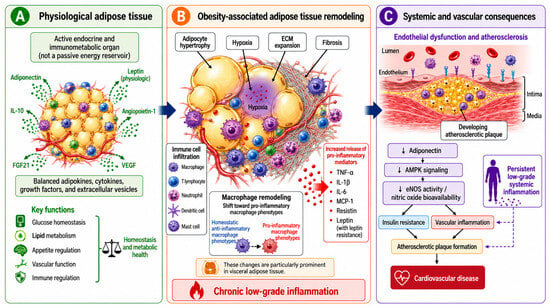
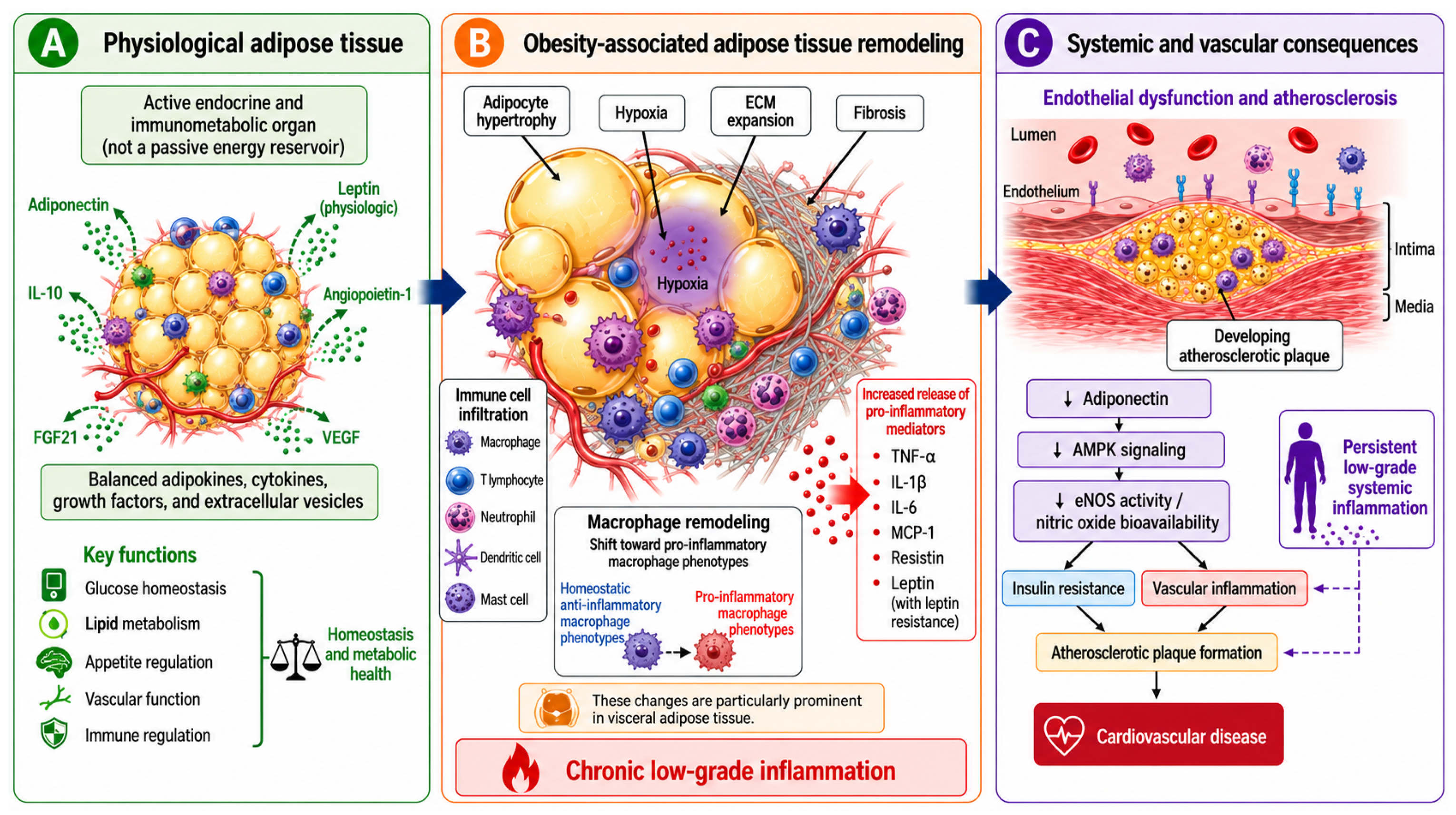
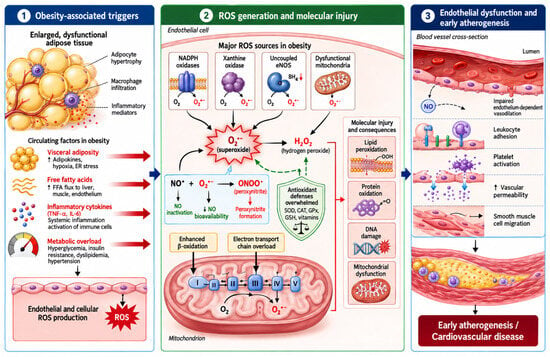
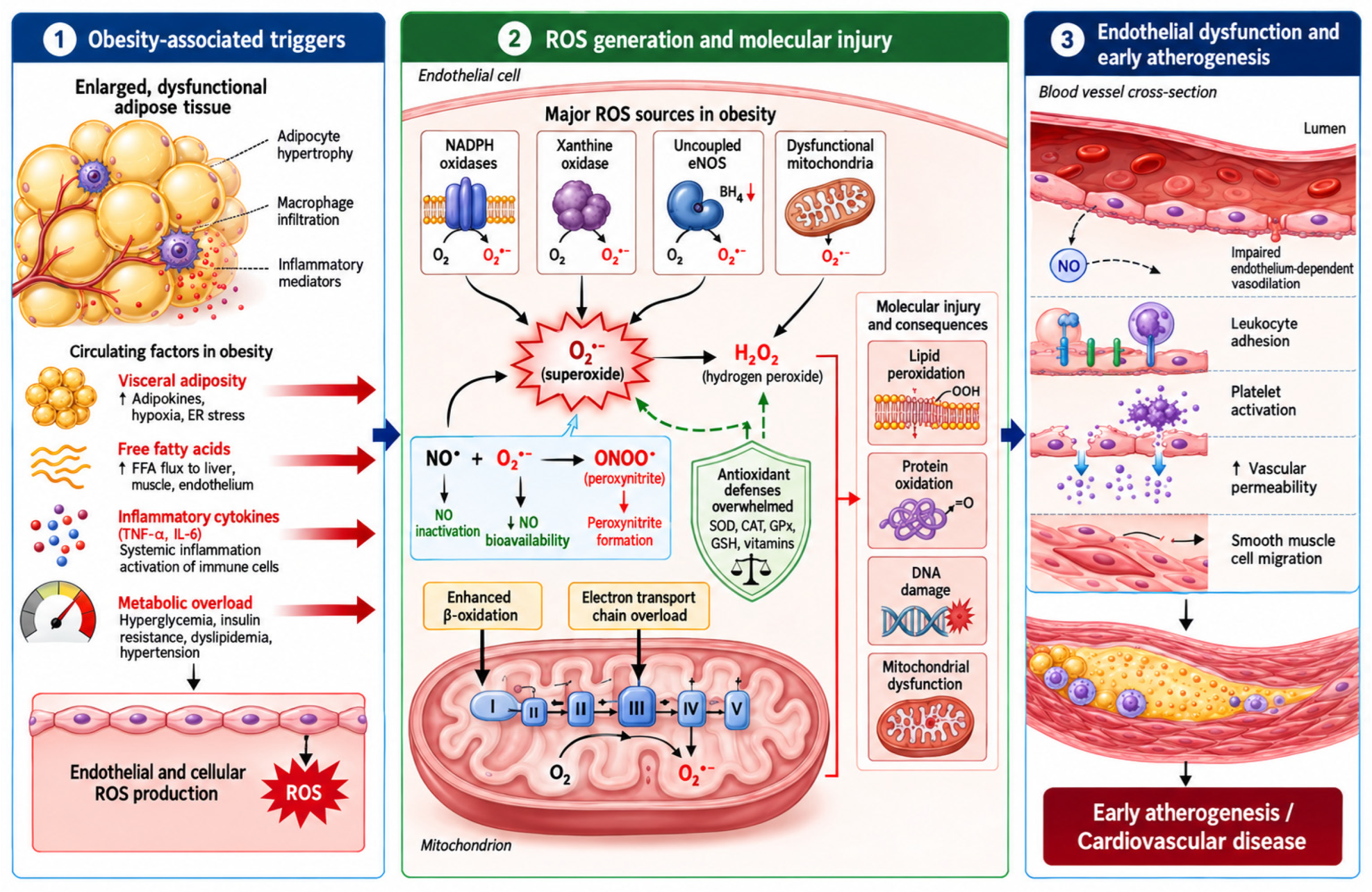
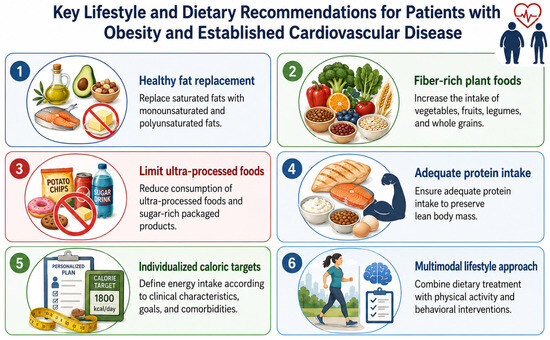
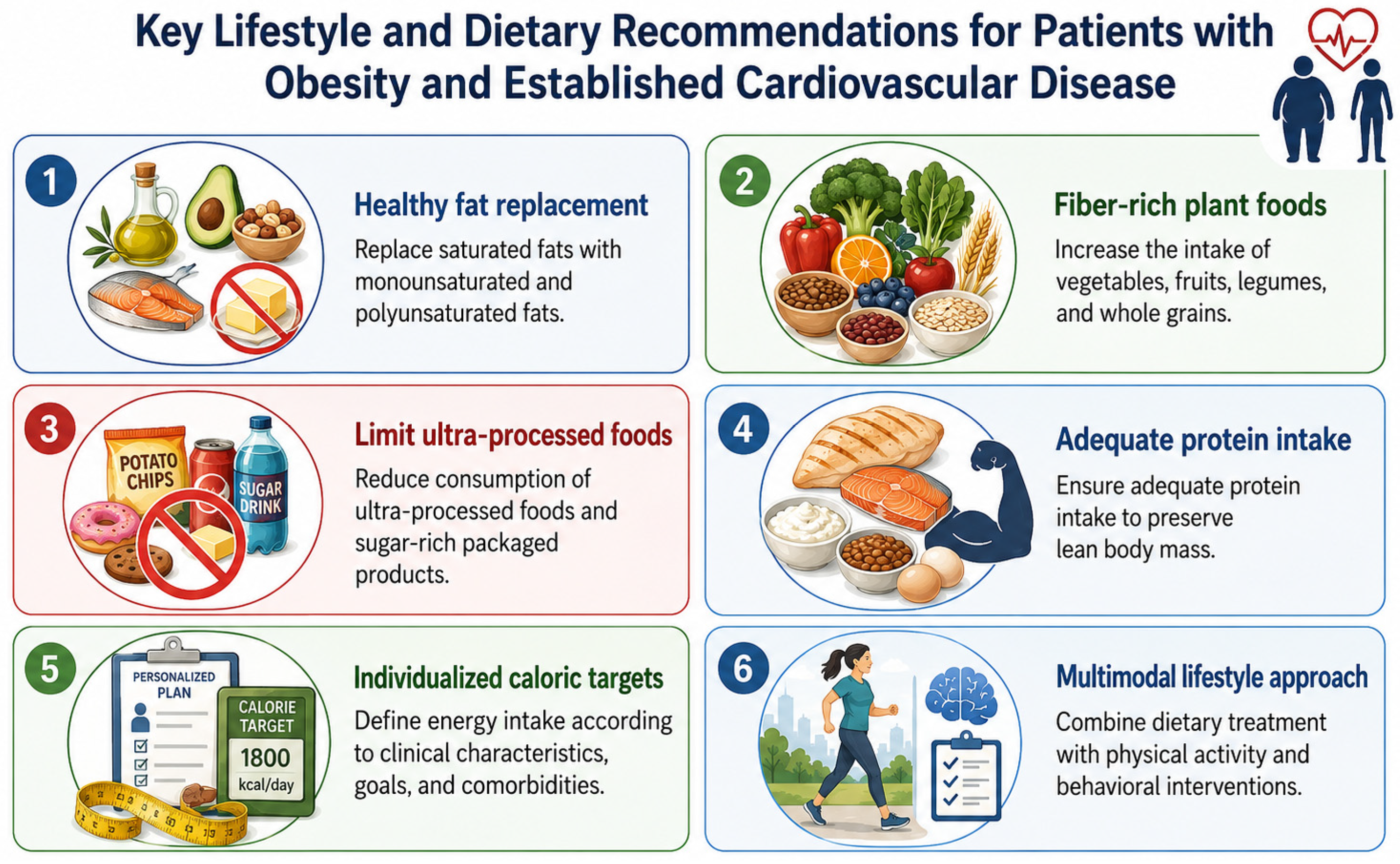
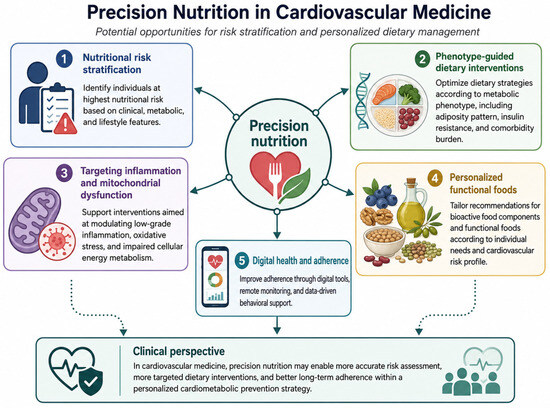
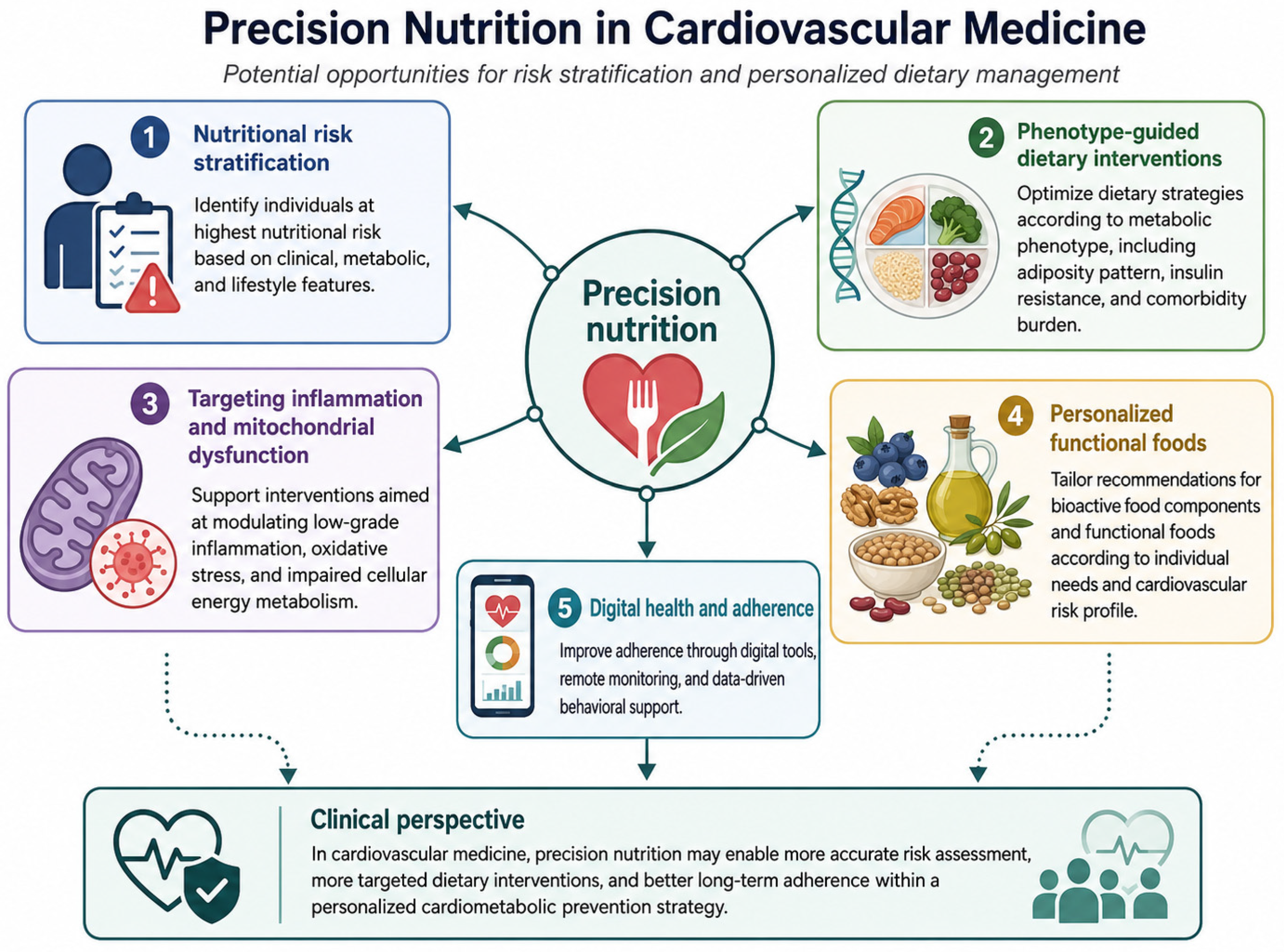

Disclaimer/Publisher’s Note: The statements, opinions and data contained in all publications are solely those of the individual author(s) and contributor(s) and not of MDPI and/or the editor(s). MDPI and/or the editor(s) disclaim responsibility for any injury to people or property resulting from any ideas, methods, instructions or products referred to in the content. |
© 2026 by the authors. Licensee MDPI, Basel, Switzerland. This article is an open access article distributed under the terms and conditions of the Creative Commons Attribution (CC BY) license.