15 pages, 241 KB  
Article
Gender-Specific Outcomes in TAVI with Self-Expandable Valves: Insights from a Large Real-World Registry
by Alessandro Sticchi, Dario Grassini, Francesco Gallo, Stefano Benenati, Won-Keun Kim, Arif A. Khokhar, Tobias Zeus, Stefan Toggweiler, Roberto Galea, Federico De Marco, Antonio Mangieri, Damiano Regazzoli, Bernhard Reimers, Luis Nombela-Franco, Marco Barbanti, Ander Regueiro, Tommaso Piva, Josep Rodés-Cabau, Italo Porto, Antonio Colombo and Francesco Gianniniadd Show full author list remove Hide full author list
J. Clin. Med. 2025, 14(9), 3144; https://doi.org/10.3390/jcm14093144 - 1 May 2025
Cited by 3 | Viewed by 1715
Abstract
Background/Objectives: Aortic stenosis (AS) is the most prevalent valvular heart disease in developed countries and imposes an increasing burden on aging populations. Although transcatheter aortic valve implantation (TAVI) has transformed the treatment of severe AS, current guidelines do not differentiate management based [...] Read more.
Background/Objectives: Aortic stenosis (AS) is the most prevalent valvular heart disease in developed countries and imposes an increasing burden on aging populations. Although transcatheter aortic valve implantation (TAVI) has transformed the treatment of severe AS, current guidelines do not differentiate management based on gender. This study aimed to investigate gender-based differences in procedural complications and one-year clinical outcomes in patients treated with next-generation self-expandable TAVI devices. Methods: This retrospective, multicenter international registry included 3862 consecutive patients who received either the ACURATE neo or Evolut R/Pro valve. Patients were stratified by gender; propensity score matching (PSM) adjusted for baseline differences. The primary endpoint was a composite of all-cause mortality or stroke at one year. Secondary endpoints included major vascular complications, major or life-threatening bleeding and acute kidney injury (AKI). Results: Of 3353 patients included (64.5% female), women were older (82.3 ± 5.6 vs. 81.1 ± 6.2 years, p < 0.001) and had higher STS scores (5.2 ± 3.9 vs. 4.5 ± 3.4%, p < 0.001). In the unmatched population, major vascular complications occurred in 7.7% of females versus 4.1% of males (p < 0.001), life-threatening bleeding in 2.8% vs. 1.4% (p = 0.016) and AKI in 8.5% vs. 5.7% (p = 0.009). After PSM, the primary endpoint was more frequent in females (9.4% vs. 6.0%, p = 0.014), largely driven by stroke (2.8% vs. 1.2%, p = 0.024), while overall mortality was similar (11.3% vs. 9.5%, p = 0.264). Conclusions: Despite comparable long-term survival, female patients undergoing TAVI with self-expandable valves experience higher rates of procedural complications, notably stroke and major vascular events. These findings underscore the need for tailored procedural strategies to improve outcomes in female patients. Full article
11 pages, 2239 KB  
Article
Cardiac Telerehabilitation After Acute Coronary Syndrome Ensures Similar Improvement in Exercise Capacity as Inpatient Rehabilitation, Regardless of the Age Profile of the Compared Groups
by Barbara Bralewska, Julia Wykrota, Małgorzata Kurpesa, Jarosław D. Kasprzak, Urszula Cieślik-Guerra, Ewa Wądołowska and Tomasz Rechciński
J. Clin. Med. 2025, 14(9), 3143; https://doi.org/10.3390/jcm14093143 - 1 May 2025
Cited by 1 | Viewed by 1466
Abstract
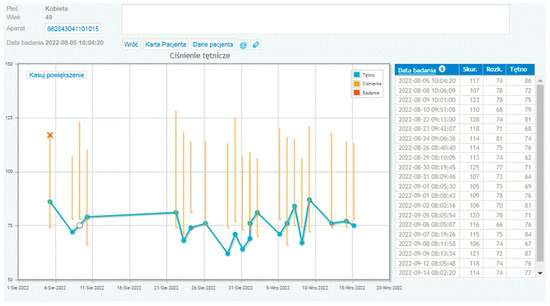
Introduction: During the COVID-19 pandemic, the availability of cardiac rehabilitation (CR) was limited. On the other hand, during that period of epidemic restrictions, patients with acute coronary syndrome (ACS) required careful control and monitoring after coronary events. The aim of this study was [...] Read more.
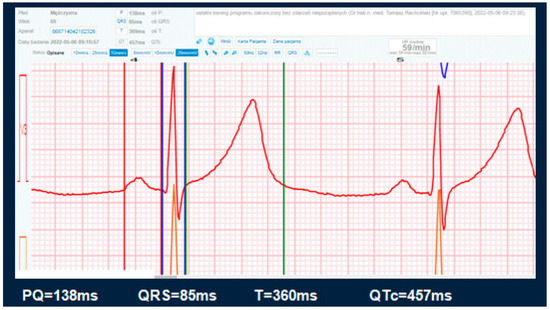
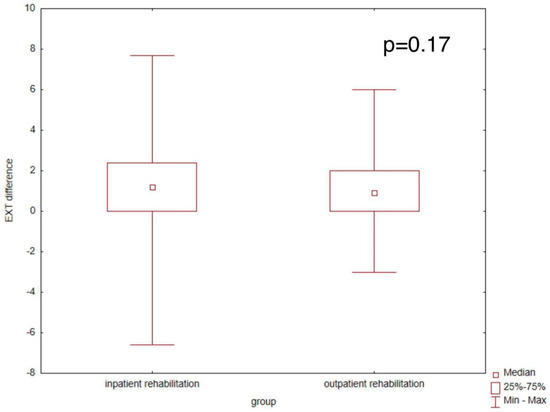
Introduction: During the COVID-19 pandemic, the availability of cardiac rehabilitation (CR) was limited. On the other hand, during that period of epidemic restrictions, patients with acute coronary syndrome (ACS) required careful control and monitoring after coronary events. The aim of this study was to assess whether CR conducted during the epidemic restrictions in a remote mode ensured similar improvement in physical performance as CR conducted in a centre-based mode before the COVID-19 pandemic. Material and Methods: In this one-centre study, we compared the demographic and clinical profiles of patients after ACS who completed inpatient CR before the COVID-19 era with those of patients who completed telerehabilitation during the COVID-19 pandemic. We assessed the workload on the initial and final exercise tests (ExT) obtained by patients and compared the values of the differences between the final and initial ExT. The study included 359 patients (pts) participating in inpatient CR before October 2020 (the suspension of centre-based CR) and 60 pts who took part in telerehabilitation after July 2021 (the introduction of the tele-CR programme). Both inpatient and tele-CR were performed according to the guidelines of the Working Group for Cardiac Rehabilitation of the National Cardiac Society. A telemedic platform was used to control ECG, blood pressure and body mass of the pts participating in telerehabilitation. Results: The improvement of physical performance did not differ significantly between the two groups. The pts who completed telerehabilitation were significantly older than those who completed inpatient CR. The values of other parameters, such as the percentage of females, BMI, the percentage of pts with arterial hypertension and type 2 diabetes mellitus, as well as left ventricular ejection fraction did not differ significantly between the compared groups. Nor did the results of initial ExT expressed in METs, the results of final ExT and the improvement of workload understood as the difference between the final and initial results of ExT differ significantly—they were 7.7 ± 3.06 vs. 7.89 ± 2.98 with p = 0.82; 9.08 ± 0.29 vs. 8.98 ± 3.48 with p = 0.84, and 1 [0–2.2] vs. 1.2 [0–1.8] with p = 0.17, respectively. Conclusions: In our centre, telerehabilitation after acute coronary syndrome guaranteed an equally good improvement in physical capacity as that observed in inpatient CR patients, regardless of the difference in the age profile of the compared groups. These results encourage the popularization of telerehabilitation with remote monitoring of ECG, blood pressure and body mass. Full article
(This article belongs to the Special Issue Recent Clinical Advances in Cardiac Rehabilitation)
Show Figures

Figure 1

14 pages, 249 KB  
Review
New Clinical Advances in Minimally Invasive Coronary Surgery
by Shahzad G. Raja
J. Clin. Med. 2025, 14(9), 3142; https://doi.org/10.3390/jcm14093142 - 1 May 2025
Cited by 8 | Viewed by 3752
Abstract
Background: Minimally invasive coronary surgery (MICS) has emerged as an alternative approach in the surgical management of coronary artery disease (CAD), offering potential advantages such as reduced surgical trauma, shorter hospital stays, and faster recovery. While conventional coronary artery bypass grafting (CABG) remains [...] Read more.
Background: Minimally invasive coronary surgery (MICS) has emerged as an alternative approach in the surgical management of coronary artery disease (CAD), offering potential advantages such as reduced surgical trauma, shorter hospital stays, and faster recovery. While conventional coronary artery bypass grafting (CABG) remains the standard treatment for severe CAD, MICS has seen variable adoption due to concerns over procedural complexity, the risk of incomplete revascularization, and the increasing role of percutaneous interventional techniques. Objectives: This review examines recent clinical developments in MICS, analyzing its techniques, technological advancements, and the impact on patient outcomes, while also addressing its limitations. Methods: This narrative review incorporates studies from PubMed, tracing the evolution of coronary surgery, the refinement of minimally invasive approaches, and the innovations that have enabled the selective implementation of MICS. This review evaluates robot-assisted coronary surgery and totally endoscopic coronary revascularization, discussing their clinical indications and comparative outcomes. Results: Advances in imaging, surgical instrumentation, and anesthesia have improved procedural safety and precision, yet MICS remains a selectively utilized technique rather than a universally preferred alternative. Comparative studies demonstrate mixed clinical outcomes, highlighting both the recovery benefits and technical challenges associated with MICS. Discussion: Patient selection, preoperative planning, and individualized surgical strategies play a crucial role in optimizing the effectiveness of MICS. Challenges include technical complexity, integration into broader clinical practice, and the need for procedural refinement. While ongoing research continues to address these hurdles, the role of MICS in CAD management remains context-dependent, influenced by case complexity and institutional expertise. Conclusion: MICS presents an evolving surgical approach with defined benefits and limitations, requiring careful patient selection and procedural optimization for the best outcomes. This review provides a comprehensive evaluation of recent advances in MICS while acknowledging its challenges and selective application in coronary surgery. Full article
(This article belongs to the Special Issue New Clinical Advances in Minimally Invasive Cardiac Surgery)
14 pages, 2851 KB  
Article
Guided Frontal Sinus Osteotomy: A Pilot Study of a Digital Protocol for “In-House” Manufacturing Surgical Cutting Guides
by Antonio Romano, Stefania Troise, Raffaele Spinelli, Vincenzo Abbate and Giovanni Dell’Aversana Orabona
J. Clin. Med. 2025, 14(9), 3141; https://doi.org/10.3390/jcm14093141 - 1 May 2025
Cited by 3 | Viewed by 1417
Abstract
Objective: Frontal sinus surgery is still challenging for surgeons; the frontal osteotomy with the preparation of a frontal bone flap to access the sinus is usually hand-crafted by experienced surgeons. The objective of our study is to present a fully digital protocol for [...] Read more.
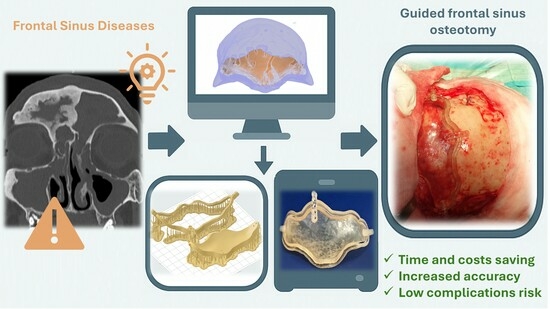
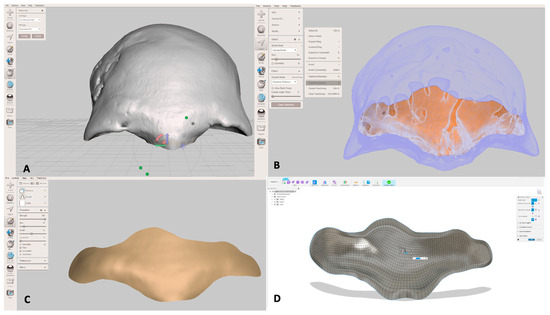
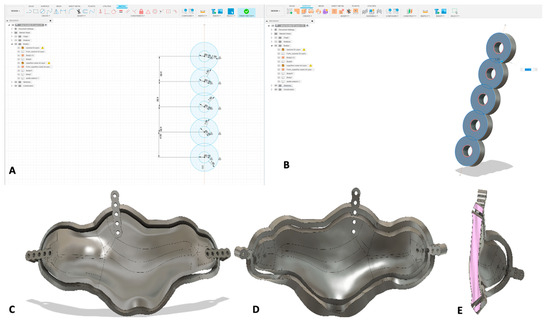
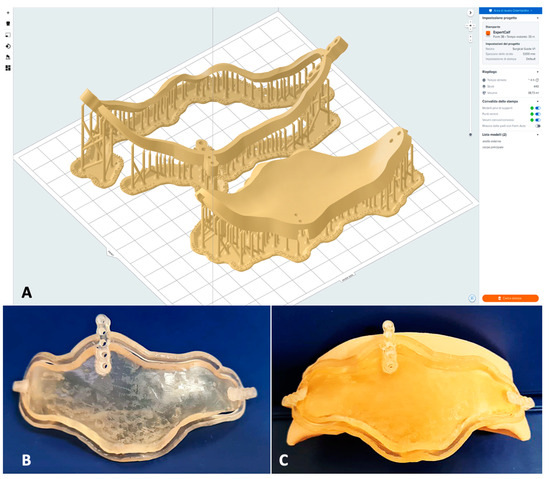
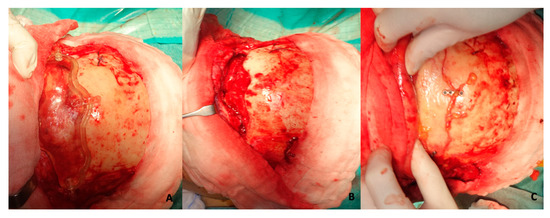
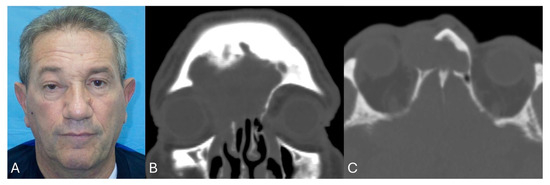
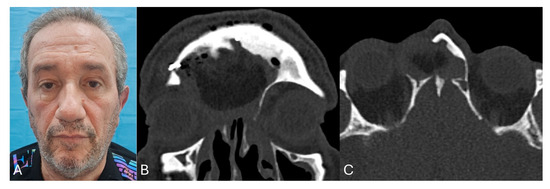
Objective: Frontal sinus surgery is still challenging for surgeons; the frontal osteotomy with the preparation of a frontal bone flap to access the sinus is usually hand-crafted by experienced surgeons. The objective of our study is to present a fully digital protocol for the manufacturing of “in-house” surgical cutting guides, customized to the patient’s anatomy, to perform precise frontal sinus osteotomy, showing the costs, times, and intraoperative complications reduction. Materials and Methods: A prospective study was conducted on 12 patients with complex pathologies involving the frontal sinus who underwent frontal sinus osteotomy in the Maxillofacial Surgery Unit of the Federico II University of Naples, from January 2021 to April 2025, considering the last surgery in November 2023. The same digital protocol to manufacture the surgical cutting guide was used for all the 12 patients. The first step was to upload the preoperative CT images in DICOM format to the software Mimics Medical to perform a rapid segmentation of the skull region of interest to create a 3D object and to identify the frontal sinus margins and the osteotomy lines. The second step was to realize the surgical cutting guide, incorporating the design of titanium plates to fix onto the skull in order to make a precise osteotomy. The final digital step was to export the cutting guide 3D object in the software “Formlab-Form 3B” to print the model with a specific resin. The model was then used during the surgery to perform the precise frontal osteotomy by piezo surgery. The clinical outcomes, in terms of complications and recurrences, were then recorded. Results: In all the patients, no intraoperative complications occurred; the median follow-up was 31.7 months and at one year of follow-up only one patient experienced a recurrence. The mean operative time was about 4 h, with a frontal osteotomy time of about 23 min. Digital protocol time was about 4 h while printing times were between 2 and 4 h. Conclusions: This “in-house” protocol seems to demonstrate that the use of intraoperative templates for the realization of the frontal sinus osteotomy reduces preoperative and intraoperative costs and times, reducing the risk of intraoperative complications, and also allows less experienced surgeons to perform the procedure safely. Obviously, this study is to be considered a “pilot study”, and other studies with large cohorts of patients will have to confirm these promising results. Full article
(This article belongs to the Special Issue Innovations in Maxillofacial Surgery)
Show Figures

Graphical abstract

10 pages, 943 KB  
Article
Early Changes in Volumetric Body Composition Parameters Predict Survival Outcomes in Patients with Metastatic Renal Cell Carcinoma Treated with Targeted Therapy
by Oktay Halit Aktepe, Ahmet Gurkan Erdemir, Eda Caliskan Yildirim, Erkut Demirciler, Tugce Ulasli, Deniz Can Guven, Mehmet Ruhi Onur, Ilkay Tugba Unek, Huseyin Salih Semiz, Mustafa Erman and Suayib Yalcin
J. Clin. Med. 2025, 14(9), 3140; https://doi.org/10.3390/jcm14093140 - 1 May 2025
Viewed by 1146
Abstract
Background/Objectives: The precise role of volumetric body composition (VBC) parameters, visceral adipose tissue index (VATI), subcutaneous adipose tissue index (SATI), and skeletal muscle index (SMI) on the survival of metastatic renal cell carcinoma (mRCC) is not fully elucidated. Herein, the present study [...] Read more.
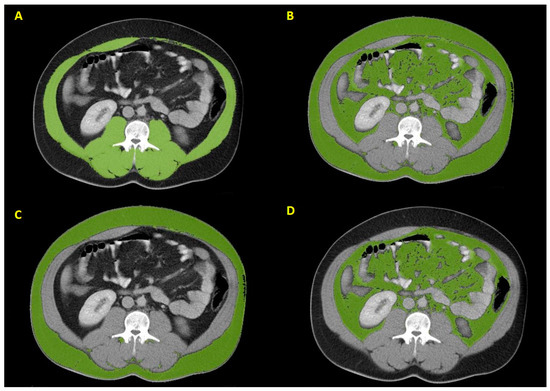
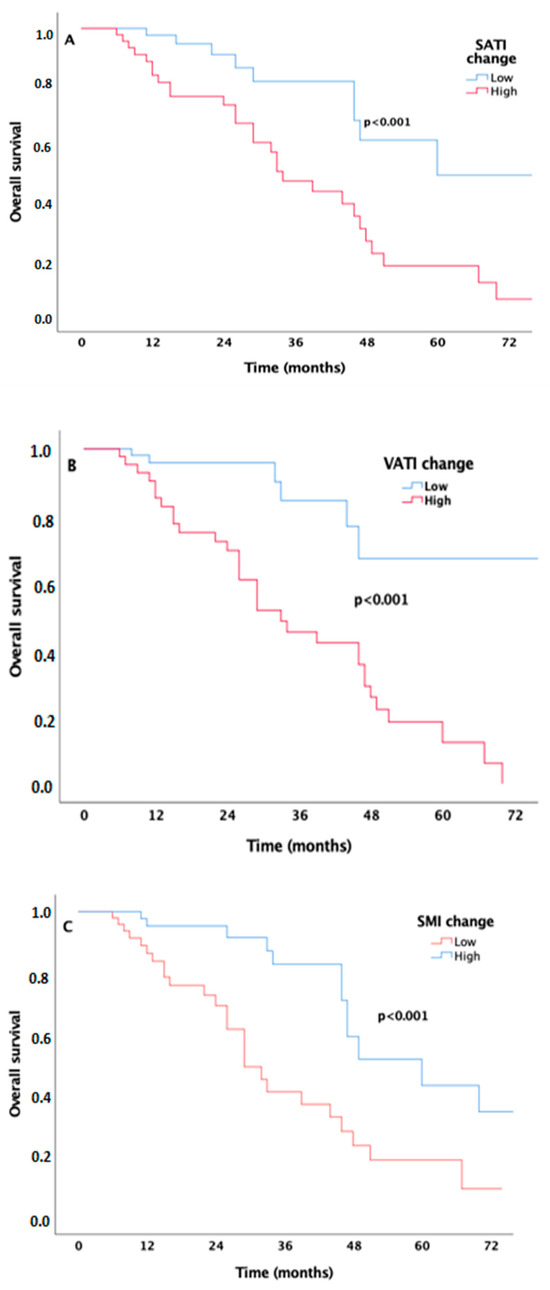
Background/Objectives: The precise role of volumetric body composition (VBC) parameters, visceral adipose tissue index (VATI), subcutaneous adipose tissue index (SATI), and skeletal muscle index (SMI) on the survival of metastatic renal cell carcinoma (mRCC) is not fully elucidated. Herein, the present study investigated the clinical significance of baseline VBC parameters and their changes after 3–4 months from treatment initiation in patients with mRCC treated with first-line targeted therapy. Methods: A total of 108 patients were enrolled. VBC parameters were depicted from computerized tomography (CT) images at the third lumbar vertebra level. Kaplan–Meier curves were used to estimate survival probability, and the differences between prognostic subgroups were compared with the log-rank test. The association of baseline VBC variables and their change values (First CT value minus baseline CT value) with progression-free survival (PFS) and overall survival (OS) was evaluated in univariate and multivariate analyses. Results: The median PFS and OS of the whole patients were 11 and 46 months, respectively. Patients with increased VATI and SATI change values had poorer OS than those with decreased values. However, patients with higher SMI change values had superior OS than those with lower values. Among VBC variables, the independent predictors of worse OS were high VATI change (HR 5.10, p = 0.001) and low SMI change values (HR 2.66, p = 0.007), in addition to International Metastatic Renal Cell Carcinoma Database Consortium prognostic stratification (p = 0.001). Conclusions: Our findings showed that high VATI and low SMI changes were associated with worse OS in mRCC patients treated with first-line targeted therapy. Full article
(This article belongs to the Section Oncology)
Show Figures

Figure 1

18 pages, 11886 KB  
Article
Barbed and Non-Barbed Suture Materials for Ventral Hernia Repair: An Experimental Study
by Georgy B. Ivakhov, Svetlana M. Titkova, Mikhail V. Anurov, Aleksandra A. Kalinina, Konstantin I. Shadin, Vladimir V. Suglob, Andrey V. Andriyashkin and Alexander V. Sazhin
J. Clin. Med. 2025, 14(9), 3139; https://doi.org/10.3390/jcm14093139 - 1 May 2025
Cited by 2 | Viewed by 2500
Abstract
Objectives: The objective of this study was to assess the tissue response and strength of traditional and unidirectional suture materials, depending on the conditions of use and the timing following implantation. Methods: Eighty male Wistar rats were randomly assigned to four groups depending [...] Read more.
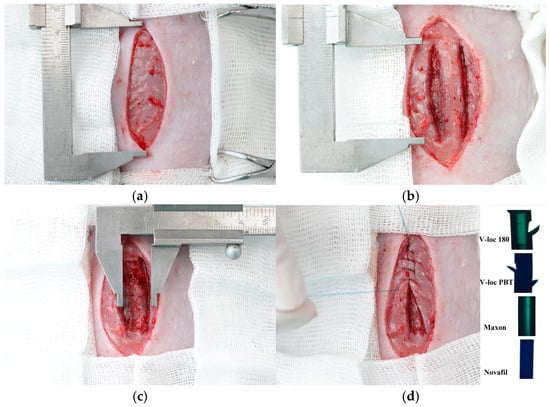
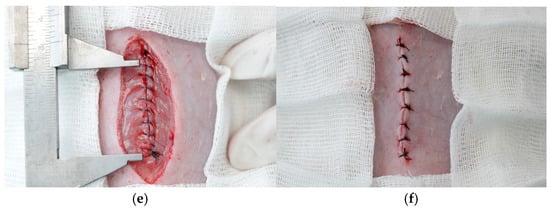
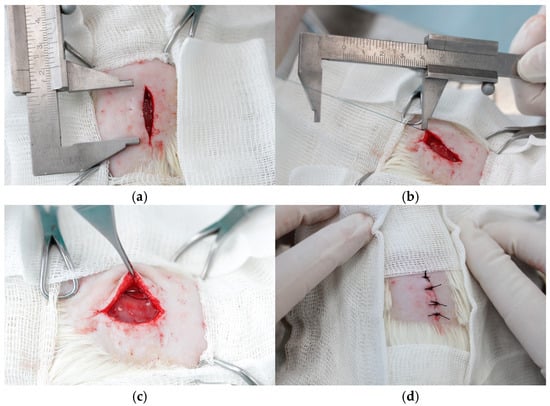
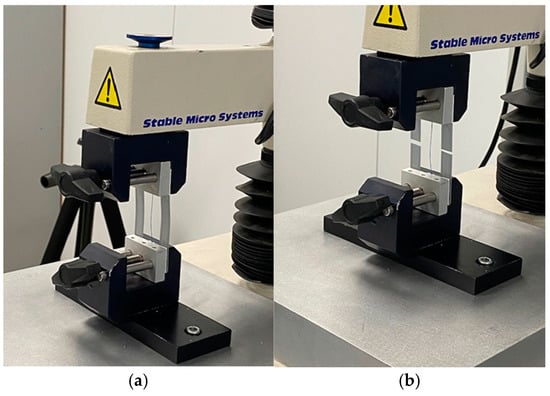
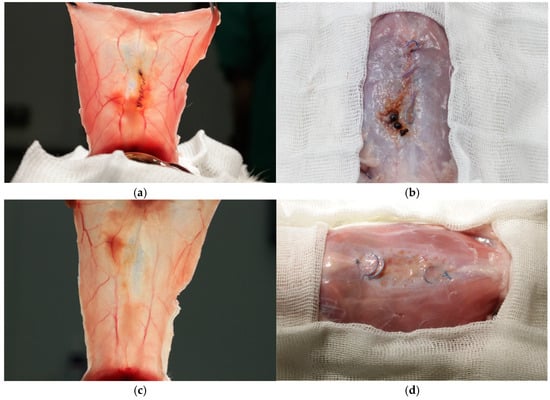
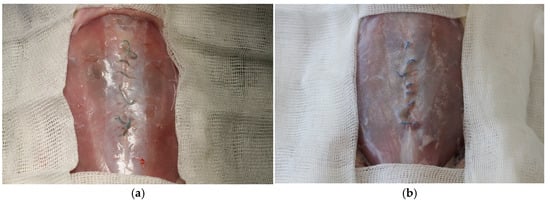
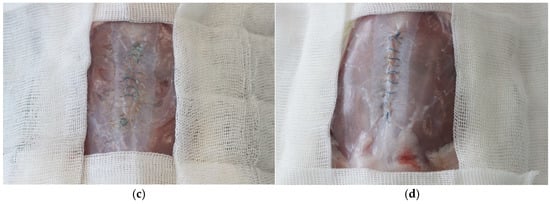
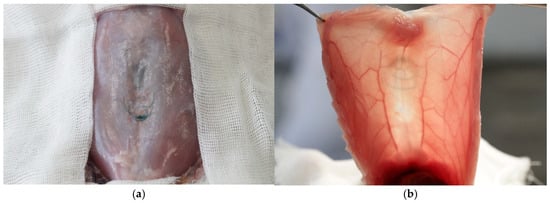
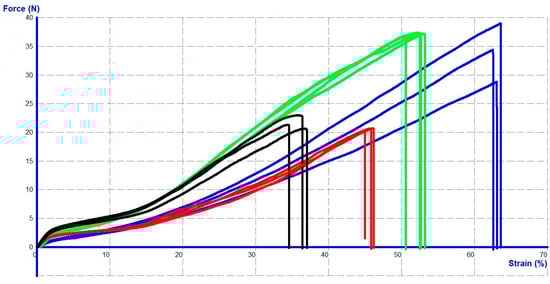
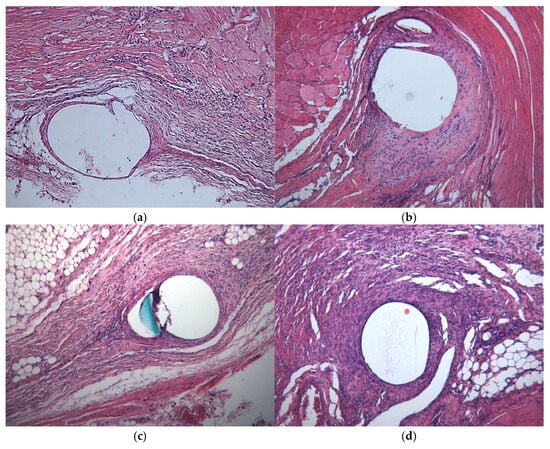
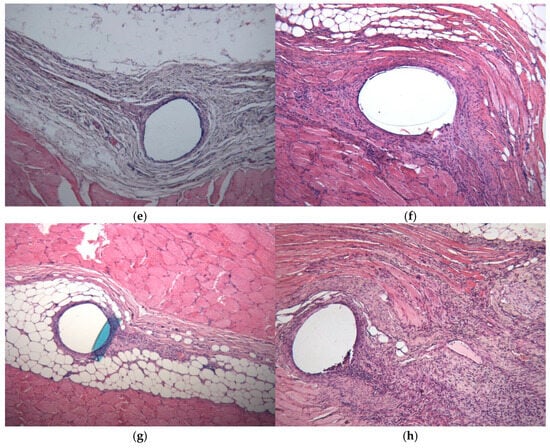
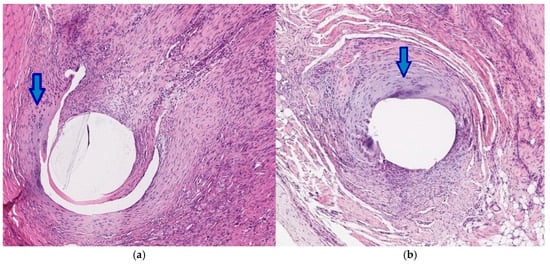
Objectives: The objective of this study was to assess the tissue response and strength of traditional and unidirectional suture materials, depending on the conditions of use and the timing following implantation. Methods: Eighty male Wistar rats were randomly assigned to four groups depending on the suture used: unidirectional absorbable V-locTM 180 or non-absorbable V-locTM PBT and traditional absorbable MaxonTM or non-absorbable NovafilTM. Three and six weeks following the closure of the abdominal wall defect (AWD) and subcutaneous suture implantation at the withers according to group assignment, 10 animals from each group were euthanized for implanted sutures mechanical testing and histological examination. Results: The inflammatory reaction in the AWD closure area was maximal and significantly different from the subcutaneous implantation by week 3 for all groups. At six weeks, the tissue reaction did not depend on the place of implantation. However, four rats from the MaxonTM group demonstrated suture failure with diastasis formation. Non-absorbable barbed sutures exhibited an absence of suture failure and the maximum scar thickness. Both intact absorbable materials (V-LocTM 180 and MaxonTM) exhibited a significant breaking strength margin over the non-absorbable. By week 6, the preserved strength of the V-locTM 180 sutures at the AWD was 33% (15–58%), and under the skin—49.7% (48–59%) (p = 0.005). For MaxonTM, these values were 38% (35–48%) for the AWD and 44% (34–49%) for the subcutaneous implantation. Conclusions: Absorbable and non-absorbable suture materials, depending on the conditions and timing of implantation, cause various tissue reactions which could affect the wound healing and the number of postoperative complications. Full article
Show Figures

Figure 1

18 pages, 2242 KB  
Review
The Supporting Role of Hyperbaric Oxygen Therapy in Atopic Dermatitis Treatment
by Michał Zwoliński, Adrian Hovagimyan, Jakub Ignatowicz, Marta Stelmasiak, Aneta Lewicka, Justyna Bień-Kalinowska, Barbara J. Bałan and Sławomir Lewicki
J. Clin. Med. 2025, 14(9), 3138; https://doi.org/10.3390/jcm14093138 - 1 May 2025
Cited by 1 | Viewed by 4757
Abstract
Over the past decades, atopic diseases have emerged as a growing global health concern. The Global Report on Atopic Dermatitis 2022 estimated that approximately 223 million people worldwide were living with atopic dermatitis in 2022, with around 43 million being children or adolescents. [...] Read more.
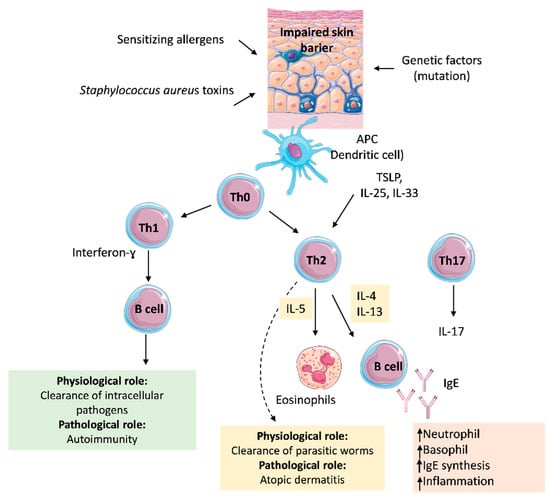
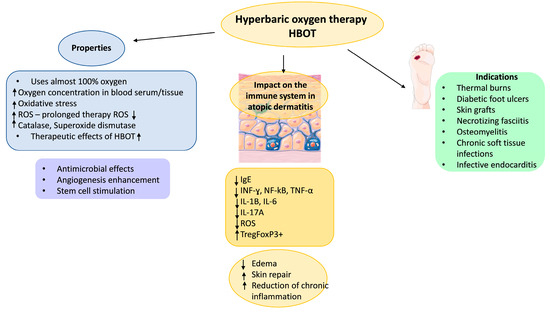
Over the past decades, atopic diseases have emerged as a growing global health concern. The Global Report on Atopic Dermatitis 2022 estimated that approximately 223 million people worldwide were living with atopic dermatitis in 2022, with around 43 million being children or adolescents. The financial burden associated with the treatment of this condition poses a significant challenge for both healthcare systems and patients. The current therapeutic approach for atopic diseases primarily focuses on symptomatic management, aiming to mitigate the effects of an overactive immune system. The most widely used treatments include topical or systemic corticosteroids, which suppress inflammation, and emollients, which help restore the skin barrier function. However, prolonged corticosteroid use is associated with adverse effects, including impaired immune response and reduced ability to combat external and internal threats. Consequently, there is a growing interest in developing alternative therapeutic strategies for managing atopic dermatitis. Among these emerging treatments, hyperbaric oxygen therapy (HBOT) appears particularly promising. HBOT has a beneficial effect on the vascular and immune systems, which results in improved functioning of tissues and organs. This therapy has demonstrated efficacy in promoting wound healing, particularly in conditions such as thermal burns and diabetic foot ulcers. Given these properties, HBOT is being tested as a potential adjunctive therapy for atopic dermatitis and other allergy-related diseases. In this paper, we present the current state of knowledge regarding the application of HBOT in the treatment of atopic and immune-mediated conditions, with a focus on its immunomodulatory and regenerative effects. Full article
(This article belongs to the Special Issue Treatment of Atopic Dermatitis)
Show Figures

Figure 1

18 pages, 1188 KB  
Review
The Particularities of Arterial Hypertension in Female Sex: From Pathophysiology to Therapeutic Management
by Antonios Lazaridis, Anastasia Malliora and Eugenia Gkaliagkousi
J. Clin. Med. 2025, 14(9), 3137; https://doi.org/10.3390/jcm14093137 - 1 May 2025
Cited by 1 | Viewed by 4728
Abstract
Arterial hypertension is the most important modifiable cardiovascular risk factor and a major cause of cardiovascular mortality worldwide. In daily clinical practice, the hypertensive patient is often treated in a uniform way, thus ignoring the significant effects of sex on several aspects of [...] Read more.
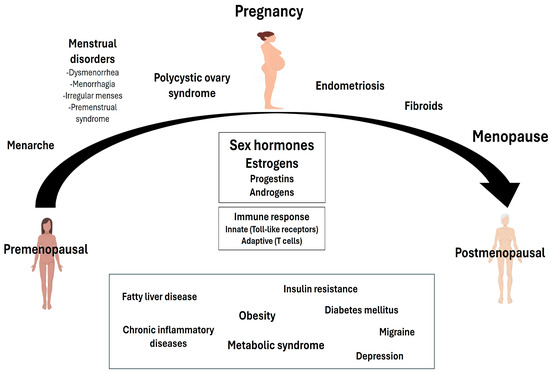
Arterial hypertension is the most important modifiable cardiovascular risk factor and a major cause of cardiovascular mortality worldwide. In daily clinical practice, the hypertensive patient is often treated in a uniform way, thus ignoring the significant effects of sex on several aspects of hypertension, including its prevalence, pathophysiology, response to antihypertensive treatment, and outcomes. Along with the immune response and several cardiometabolic risk factors that frequently coexist, the substantial hormonal changes during a woman’s life cycle are among the main pathophysiological mechanisms driving hypertension in women. Concurrently, women exhibit increased cardiovascular risk at lower blood pressure (BP) levels compared to age-matched men and present certain disparities in the incidence of cardiovascular events and subsequent hypertension-related cardiovascular prognosis. In addition, women respond differently to antihypertensive treatment, experience more drug-related side effects, and exhibit lower rates of BP control compared to men. Currently, international guidelines propose the same targets and the same therapeutic algorithms for the treatment of hypertension in both sexes without taking into account the sex differences that exist. In this review, we aim to describe certain particularities of arterial hypertension in the female sex, moving from pathophysiological aspects to clinical and therapeutical management. Full article
Show Figures

Figure 1

11 pages, 586 KB  
Article
Pantera Lux Drug-Coated Balloon for the Treatment of Coronary Artery Lesions in Routine Practice
by Rayyan Hemetsberger, Nader Mankerious, Kevin Hamzaraj, Ahmed Alali, Gert Richardt and Ralph Tölg
J. Clin. Med. 2025, 14(9), 3133; https://doi.org/10.3390/jcm14093133 - 1 May 2025
Viewed by 1577
Abstract
Background/Objectives: We sought to confirm the performance and safety of the Pantera Lux paclitaxel-coated balloon (pDCB) when used as per the instructions for use at a single high-volume center. Methods: In this retrospective analysis, 386 consecutive patients were categorized into three groups: the [...] Read more.
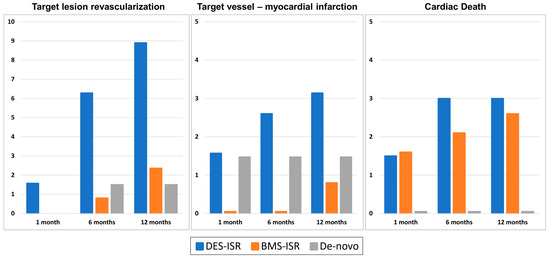
Background/Objectives: We sought to confirm the performance and safety of the Pantera Lux paclitaxel-coated balloon (pDCB) when used as per the instructions for use at a single high-volume center. Methods: In this retrospective analysis, 386 consecutive patients were categorized into three groups: the treatment of drug-eluting stent in-stent restenosis (DES-ISR) lesions (n = 191), bare-metal stent in-stent restenosis (BMS-ISR) lesions (n = 127), and de novo lesions (n = 68). The primary endpoint at 12 months was target-lesion revascularization (TLR). Secondary endpoints were device success, target-vessel myocardial infarction (TV-MI), and cardiac death. Results: The baseline characteristics were balanced between the groups, with a median age of 71.3 years, 25% being female, 32% being diabetic. The majority presented with chronic coronary syndrome (82.9%). Type C lesions were more often observed in the DES-IRS group as compared with the BMS-IRS and de novo groups (15.6% vs. 7.9% vs. 7.4%, p < 0.001). Cutting balloons were more often used in the DES-IRS group (41.0% vs. 19.7% vs. 1.5%, p < 0.001). The residual stenosis rate was 7.6% vs. 3.3% vs. 7.3% (p = 0.002). The TLR at 12 months was 8.9% vs. 2.4% vs. 1.5% (p = 0.013). Device success was achieved in 98.8% vs. 98.5% vs. 100% of cases (p = 0.8). TV-MI occurred in 3.2% vs. 0.8% vs. 1.5% (p = 0.5) and cardiac death in 2.6% vs. 0.0% vs. 2.9% (p = 0.13) in DES-IRS vs. BMS-IRS vs. de novo lesions. Conclusions: In this single-center observation, we confirmed the safety and efficacy of the Pantera Lux paclitaxel-coated balloon for the treatment of DES-IRS, BMS-IRS, and de novo lesions with low TLR rates at 12 months. Full article
Show Figures

Figure 1

13 pages, 1014 KB  
Article
Salivary Gland Tumors in Pregnancy—Treatment Strategies
by Małgorzata Wierzbicka, Katarzyna Radomska, Wioletta Pietruszewska, Dominik Stodulski, Bogusław Mikaszewski, Jarosław Markowski, Paweł Burduk, Aldona Woźniak, Jakub Lubiński and Anna Rzepakowska
J. Clin. Med. 2025, 14(9), 3136; https://doi.org/10.3390/jcm14093136 - 30 Apr 2025
Cited by 1 | Viewed by 1743
Abstract
Background: The management of salivary gland tumors (SGTs) during pregnancy is a subject that has received scant attention in the medical literature. While treatment recommendations for cancer therapy in pregnancy have been delineated, those for benign tumors remain unspecified. The present inquiry [...] Read more.
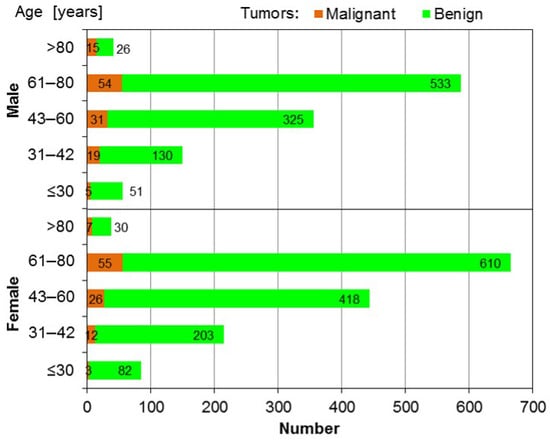
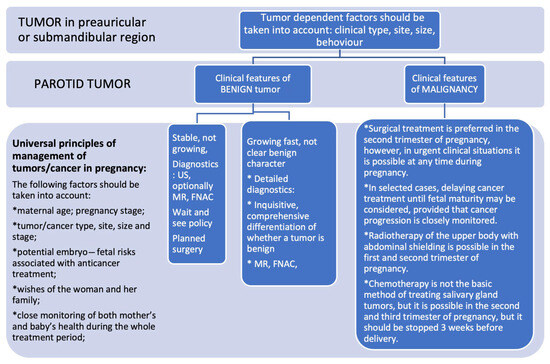
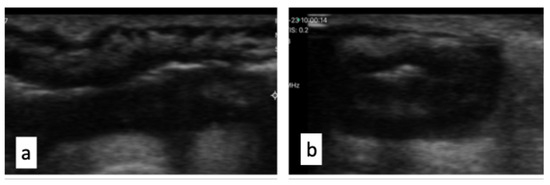
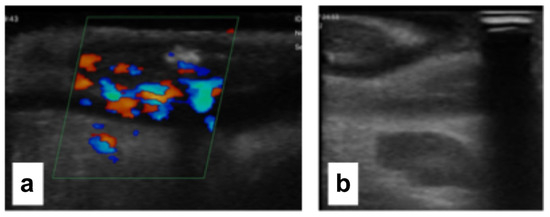
Background: The management of salivary gland tumors (SGTs) during pregnancy is a subject that has received scant attention in the medical literature. While treatment recommendations for cancer therapy in pregnancy have been delineated, those for benign tumors remain unspecified. The present inquiry focuses on the number of women of reproductive age with SGTs and the optimal diagnostic and treatment strategies for tumors occurring during pregnancy. Materials and Methods: This was a retrospective multicenter cohort study based on data from the Polish Salivary Network Database, collected between 2018 and 2022. From a total of 2653 patients with salivary gland tumors (SGTs), we identified 1313 women, including 300 of reproductive age (16–42 years). Among them, six cases of SGTs diagnosed during pregnancy were included for detailed analysis. Ethical approval was obtained for this study. Results: Among the 300 women of reproductive age, 285 had benign SGTs and 15 had malignant SGTs. Six tumors were diagnosed during pregnancy: four benign (pleomorphic adenomas) and two malignant (salivary duct carcinoma and mucoepidermoid carcinoma). All benign tumors were monitored during pregnancy and surgically treated postpartum. One malignant tumor was resected postpartum, while the second showed a rapid progression in late pregnancy and required early intervention. Individual case details highlighted the diagnostic and therapeutic complexity in this population. Conclusions: A standard diagnostic protocol, incorporating ultrasounds and a fine-needle aspiration biopsy, is recommended during pregnancy. For cases in which the clinical and imaging characteristics suggest a benign origin, surveillance is proposed. Conversely, surgical resection is recommended for malignant SGTs, irrespective of the gestational stage. The potential for the malignant transformation of benign tumors during pregnancy in young women underscores the necessity for surgical intervention prior to planned conception. Full article
(This article belongs to the Special Issue Clinical Management of Salivary Gland Disorders)
Show Figures

Figure 1

11 pages, 3626 KB  
Article
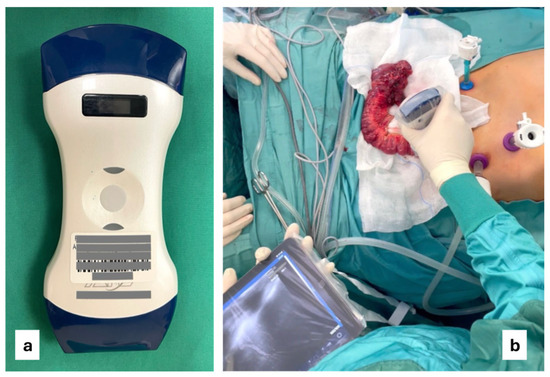
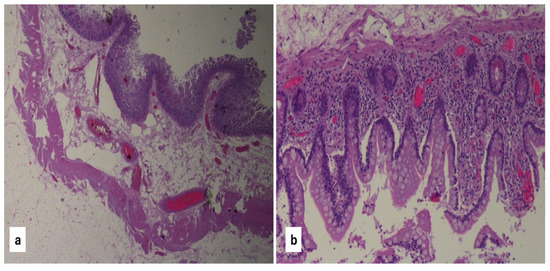
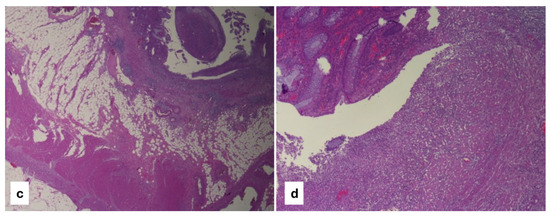
Use of Intraoperative Ultrasonography of the Small Bowel to Reduce Histologically Positive Margins in Crohn’s Disease Surgery: A Pilot Study
by Franco Sacchetti, Fabrizio Pizzolante, Mauro Giambusso, Carmen Nesci, Diana Giannarelli, Federica Galiandro, Daniela Pugliese, Franco Scaldaferri, Maria C. Giustiniani, Domenico Balzano, Paola Caprino, Angelo E. Potenza, Laura M. Minordi and Luigi Sofo
J. Clin. Med. 2025, 14(9), 3135; https://doi.org/10.3390/jcm14093135 - 30 Apr 2025
Viewed by 1164
Abstract
Background/Objectives: The histological involvement of surgical resection margins in Crohn’s disease (CD) is an important risk factor for postoperative recurrence. The aim of this study was to evaluate the usefulness of intraoperative ultrasonography (IOUS) of the small bowel to best identify the [...] Read more.
Background/Objectives: The histological involvement of surgical resection margins in Crohn’s disease (CD) is an important risk factor for postoperative recurrence. The aim of this study was to evaluate the usefulness of intraoperative ultrasonography (IOUS) of the small bowel to best identify the surgical site of resection and reduce the rate of the histological involvement of margins. Methods: Consecutive patients who underwent ileocolic surgery for CD were prospectively enrolled (IOUS group) and underwent IOUS to fix the resection site. A control historical group of patients undergoing the same surgical procedures was considered and a 1:1 propensity score matching for location of disease and repeated surgery was performed. The primary endpoint was the histological involvement of resection margins. The secondary endpoint was to assess the feasibility of the method. Results: Twenty-seven patients were enrolled in the IOUS group and twenty-seven were enrolled in the non-IOUS group. The two groups were homogeneous in terms of gender, age, smoking, BMI, behavior of disease, and surgical technique. The IOUS group presented a lower rate of histological positive margins (18.5% vs. 48.1%; p = 0.021). No significant differences were found in terms of mean duration of surgery (IOUS: 254.2 min vs. non-IOUS: 225 min [SD = 49.3–77.8]; p = 0.11) or in terms of mean length of surgical specimen (IOUS: 24.1 cm vs. non-IOUS: 34.1 cm [SD = 13.5–23.1]; p = 0.058). Conclusions: IOUS of the small bowel appears to be a useful tool to obtain a lower rate of histologically positive margins with a comparable duration of surgery and no significant difference in the intestinal specimen length. Full article
(This article belongs to the Special Issue Inflammatory Bowel Disease: From Diagnosis to Treatment—2nd Edition)
Show Figures

Figure 1

12 pages, 2125 KB  
Article
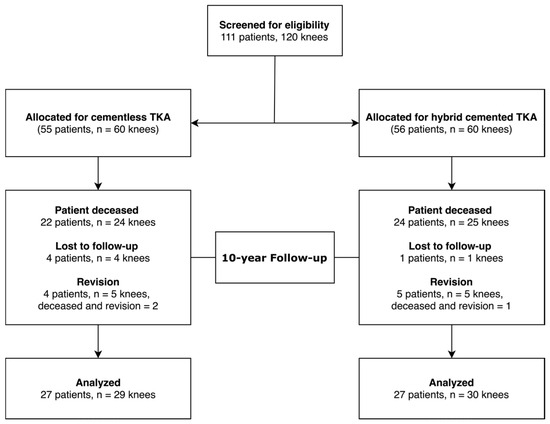
Long-Term Outcomes of Cementless Versus Hybrid Cemented Total Knee Arthroplasty: A Minimum 10-Year Follow-Up
by Lukas Rabitsch, Klemens Vertesich, Alexander Giurea, Reinhard Windhager and Richard Lass
J. Clin. Med. 2025, 14(9), 3134; https://doi.org/10.3390/jcm14093134 - 30 Apr 2025
Cited by 1 | Viewed by 2665
Abstract
Background: Although cemented total knee arthroplasty (TKA) is considered the standard fixation technique, the emerging trend toward cementless fixation has created the need for a detailed comparison. In a previous study, we reported the 5-year results comparing cementless and hybrid cemented TKAs [...] Read more.
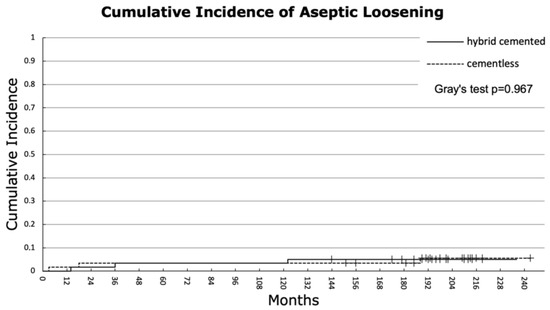
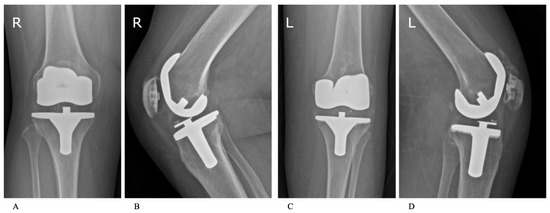
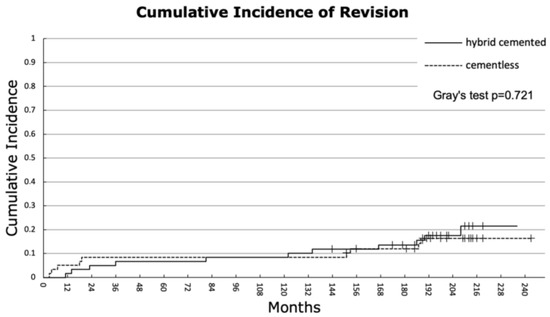
Background: Although cemented total knee arthroplasty (TKA) is considered the standard fixation technique, the emerging trend toward cementless fixation has created the need for a detailed comparison. In a previous study, we reported the 5-year results comparing cementless and hybrid cemented TKAs using the same implant design. The purpose of this study was to assess the long-term follow-up at a minimum of 10 years. Methods: A retrospective analysis was performed on 120 TKAs (60 cementless, 60 hybrid cemented) conducted between 2003 and 2007 using the e.motion posterior cruciate-retaining knee prosthesis with a floating-platform mobile polyethylene bearing (Aesculap, Tuttlingen, Germany). Demographic and clinical data were collected; radiographic follow-up was performed with attention to signs of loosening, while complications and revision surgery were assessed using competing risk analysis. Operative time was recorded as an indicator of surgical efficiency. Results: At 10 years, 59 TKAs (54 patients) were available for long-term follow-up. Both fixation groups demonstrated significant improvement in Knee Society Scores (KSSs) compared to preoperative values (p < 0.001). However, there was no significant difference in KSSs between the two groups at 10 years follow-up (p = 0.480). The 10-year cumulative incidence of revision was 8.4% in both groups (p = 0.721), and that of aseptic loosening was identical at 3.4% (p = 0.967). Although radiolucent lines were noted in three tibial components of the cementless group, the difference was not statistically significant (p = 0.075). Notably, the cementless group demonstrated a significantly shorter operative time with a mean difference of 10 min (p = 0.017). Conclusions: At a minimum follow-up of 10 years, there were no significant differences between the hybrid cemented and cementless groups in revision rates, cumulative incidences, clinical scores, or radiological signs of loosening, confirming the long-term effectiveness of both fixation methods in clinical practice. Full article
(This article belongs to the Special Issue New Insights into Joint Arthroplasty)
Show Figures

Figure 1

17 pages, 1443 KB  
Review
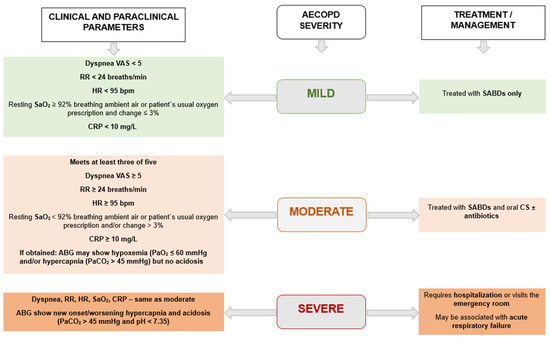
Phenotypes of Exacerbations in Chronic Obstructive Pulmonary Disease
by Lucia-Cristina Nisip Avram, Tamara Mirela Poroșnicu, Patricia Hogea, Emanuela Tudorache, Elena Hogea and Cristian Oancea
J. Clin. Med. 2025, 14(9), 3132; https://doi.org/10.3390/jcm14093132 - 30 Apr 2025
Cited by 2 | Viewed by 4737
Abstract
Chronic obstructive pulmonary disease (COPD) is a chronic respiratory disease with an important public health challenge and a major burden on health-care resources, having a progressive character with constant deterioration of lung function. During the course of the disease, patients experience acute episodes [...] Read more.
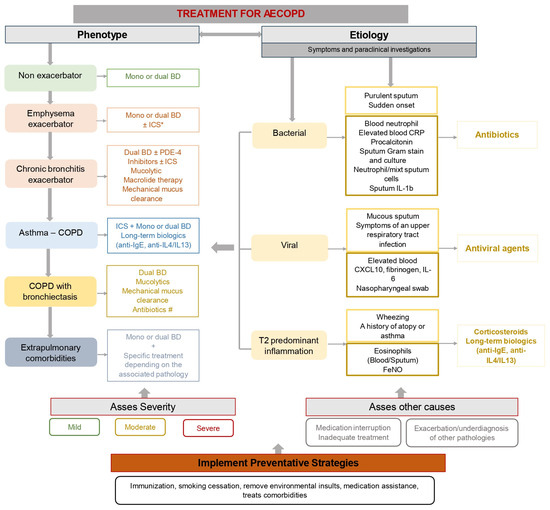
Chronic obstructive pulmonary disease (COPD) is a chronic respiratory disease with an important public health challenge and a major burden on health-care resources, having a progressive character with constant deterioration of lung function. During the course of the disease, patients experience acute episodes of exacerbation, which are characterized by worsening symptoms, and require additional treatment during these exacerbating episodes. Given the heterogeneity of exacerbations, their phenotyping is of great interest in order to administer the most effective treatment with the aim of reducing mortality and preventing future exacerbation episodes. The lack of specific biomarkers for the diagnosis of acute exacerbations of COPD maintains researchers’ interest in trying to identify such a biomarker. In this review, we explore the different phenotypes of COPD exacerbation, and we also evaluated the ability of various biomarkers to establish the etiology of exacerbations in association with clinical manifestations. Furthermore, we addressed the main therapeutic measures necessary according to each phenotype. Overall, phenotyping exacerbations allows for an individualized approach to these patients, thus avoiding the side effects of some treatments. Full article
(This article belongs to the Section Respiratory Medicine)
Show Figures

Figure 1

15 pages, 1139 KB  
Article
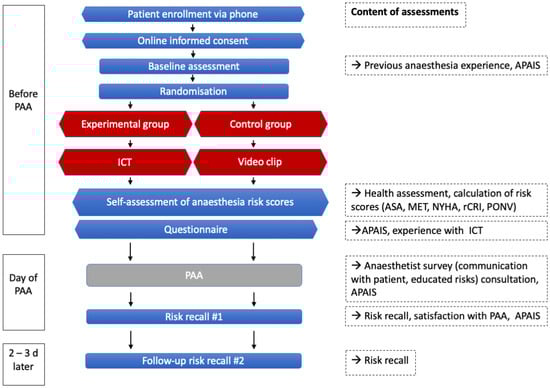
Improved Perioperative Risk Education Through the Use of an Interactive Online Anaesthesia Education Tool (iPREDICT): A Prospective, Randomised Controlled Single-Centre Clinical Trial
by Heidi Ehrentraut, Alma Puskarevic, Andrea Kunsorg, Izdar Abulizi, Andreas Mayr, Milan Jung, Maximilian Schillings, Caroline Temme, Annika Pütz, Mark Coburn and Maria Wittmann
J. Clin. Med. 2025, 14(9), 3131; https://doi.org/10.3390/jcm14093131 - 30 Apr 2025
Cited by 2 | Viewed by 1702
Abstract
Background/Objectives: Involving patients in the preoperative anaesthetic assessment (PAA) process can improve their understanding of risks and contribute to better postoperative recovery and outcomes. The iPREDICT study aims to investigate the feasibility of using an interactive consultation tool (ICT) to improve patient [...] Read more.
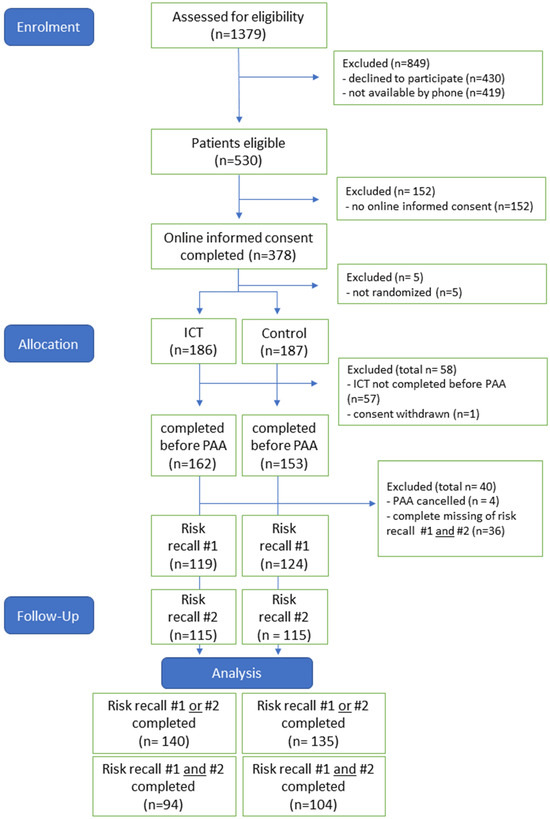
Background/Objectives: Involving patients in the preoperative anaesthetic assessment (PAA) process can improve their understanding of risks and contribute to better postoperative recovery and outcomes. The iPREDICT study aims to investigate the feasibility of using an interactive consultation tool (ICT) to improve patient awareness of anaesthesia-related risks. Methods: This prospective, single-centre, randomised, placebo-controlled clinical study included patients scheduled for elective surgery under general or combined general and regional anaesthesia. Participants were randomly assigned to online anaesthesia risk education in the ICT group (intervention) or a control group that watched a video without anaesthetic risk content. Both groups received a face-to-face PAA and were assessed about anaesthetic risk knowledge after PAA and two days later. Results: A total of 373 participants were randomised, and 315 completed the assigned online module prior to their PAA. The proportion of male participants was higher (>60%). Most participants already had prior anaesthesia experience. After PAA, 243 patients completed the first risk recall #1 questionnaire, with the ICT group identifying significantly more correct risks than the control group (median 13.0 vs. 11.0, p < 0.05). In risk recall #2, conducted two days after the PAA, knowledge retention remained stable in the control group, while the experimental group showed further improvement (median 14.0 vs. 13.0, p < 0.05). Conclusions: Using the ICT significantly improved patients’ knowledge of anaesthesia-related risks. These results suggest that interactive patient education tools are a feasible and effective way to improve patients’ understanding of perioperative anaesthesia risks, potentially contributing to better outcomes, which needs to be addressed in future projects. Full article
(This article belongs to the Special Issue Perioperative Anesthesia: State of the Art and the Perspectives)
Show Figures

Figure 1

14 pages, 265 KB  
Article
Suicide Risk in People with Hearing Impairment in the Post-COVID-19 Period: The CaViDAuCo Study
by Nerea Moreno-Herraiz, Iván Cavero-Redondo, Iris Otero-Luis, Carlos Pascual-Morena, María Dolores Gómez-Guijarro, Irene Martínez-García and Alicia Saz-Lara
J. Clin. Med. 2025, 14(9), 3130; https://doi.org/10.3390/jcm14093130 - 30 Apr 2025
Viewed by 1240
Abstract
Background/Objectives: During the COVID-19 pandemic, suicide risk increased in the general population and persisted in the post-pandemic period. People with hearing impairment faced communication barriers that negatively affected their mental health. However, there is no evidence on whether they have an increased [...] Read more.
Background/Objectives: During the COVID-19 pandemic, suicide risk increased in the general population and persisted in the post-pandemic period. People with hearing impairment faced communication barriers that negatively affected their mental health. However, there is no evidence on whether they have an increased suicide risk in the post-pandemic period. This study aimed to assess the association between mental disorders, quality of life, and suicide risk in individuals with hearing impairment in the post-COVID-19 period. Methods: A cross-sectional study was conducted with 103 participants with hearing impairment from the CaViDAuCo study. Adjusted and unadjusted differences in mental disorders (depression, anxiety, and stress) and quality of life (physical and mental) were analyzed using Student’s t test and ANCOVA according to suicide risk. Results: Depression, anxiety, stress, and mental quality of life in people with hearing impairment were significantly associated with suicide risk (unadjusted, models 1 and 2, p < 0.001; Cohen’s d = 1.4, 1.4, 1.3, and −1.0, respectively). Due to the cross-sectional design, no causal relationships can be established. Conclusions: In the post-pandemic period, participants with hearing impairment exhibited a significant association between suicide risk, mental disorders, and poor mental quality of life. Although causality cannot be established, and the results should be interpreted with caution due to the small sample size, these findings underscore the need to improve mental health accessibility and implement inclusive communication policies. Further research is needed to better understand these associations and design effective interventions that promote the mental health and quality of life of people with hearing impairment. Full article
(This article belongs to the Special Issue New Insights into Suicide and Mental Health Conditions)