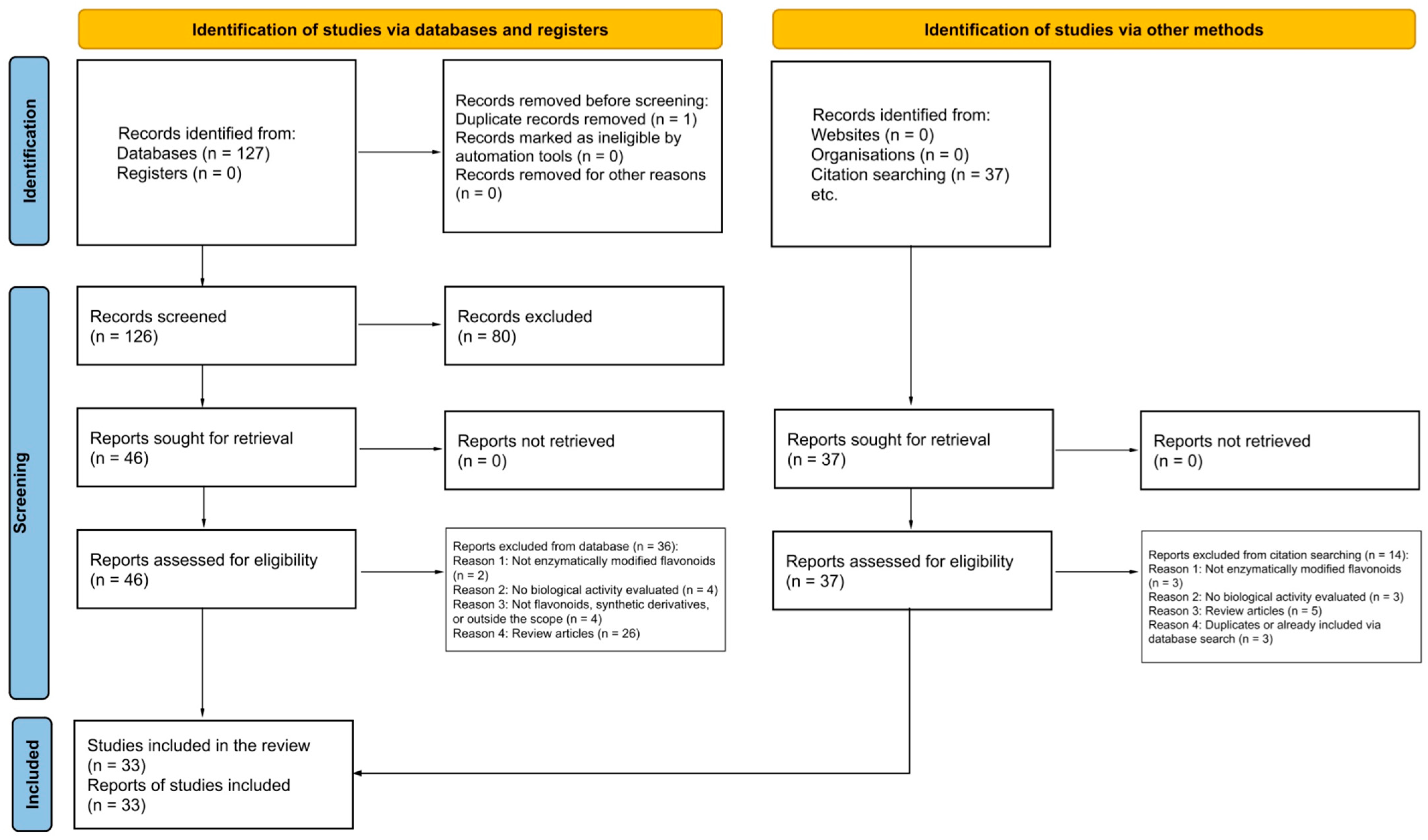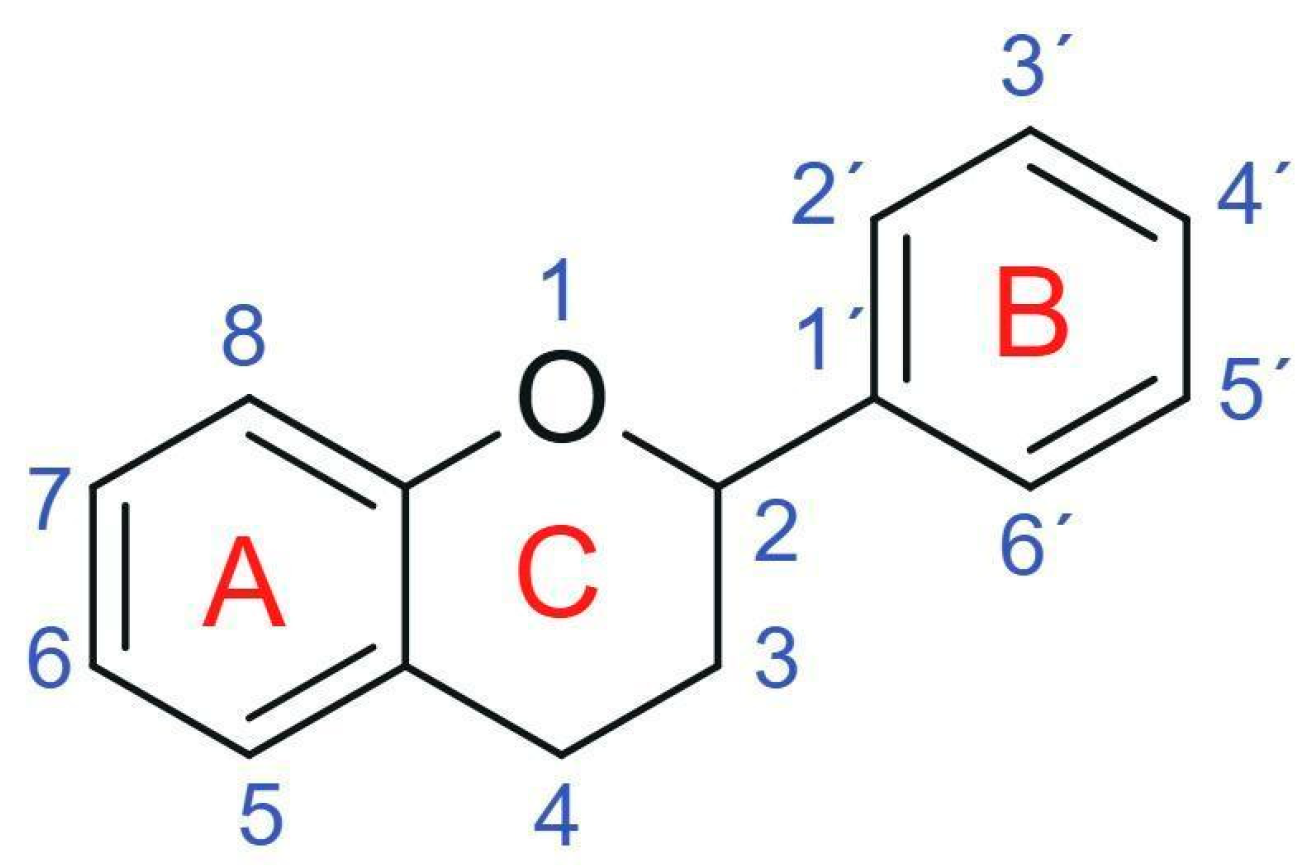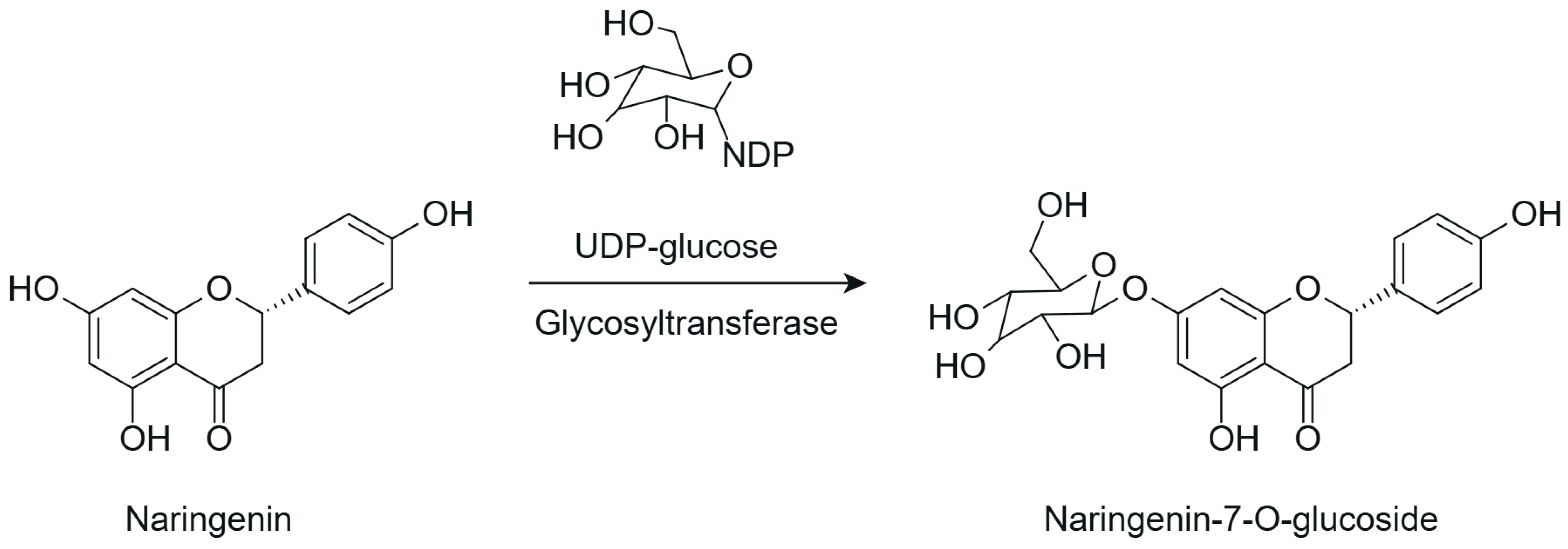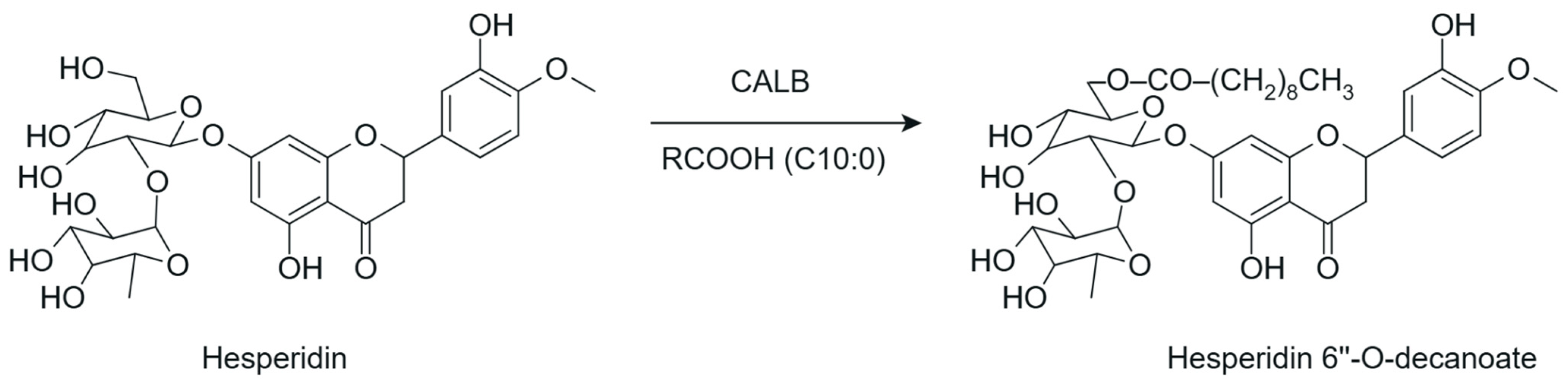

Enzymatic Modification of Flavonoids: Implications for Bioavailability, Bioactivity, and Therapeutic Potential Based on a Systematic Review and Bioinformatics Analysis
 , , , , , and
Abstract
1. Introduction
2. Materials and Methods

3. Flavonoids: Chemical Structure, Subclasses, and Biological Relevance

| Basic Structure | Structural Differences | Representative Molecules | Natural Sources | Principal Activities | References |
|---|---|---|---|---|---|
Flavones | Double bond C2=C3 and carbonyl at C4 |  | Citrus fruits, green tea, olive oil, broccoli, rosemary, oregano, parsley | Anti-inflammatory, anticancer, cardioprotective, antibacterial, antifungal, antiviral | [1,29,30] |
Flavonols | Flavone structure + hydroxyl group at C3 |  | Onion, apple, kale, broccoli, grapes, tea | Anti-inflammatory, anticancer, cardioprotective, antibacterial, antifungal, antiviral | [1,29,30] |
Flavanones | Saturation of the C2-C3 bond |  | Citrus fruits (orange, lemon, grapefruit) | Anti-inflammatory, anticancer, cardioprotective, antifungal | [1,29,30] |
Flavanols | Absence of C2=C3 double bond and the carbonyl at C4; frequent presence of a hydroxyl group at C3 | 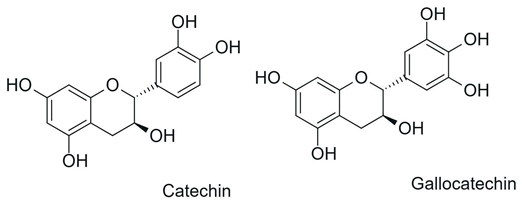 | Green tea, cocoa, grapes, apple, red wine | Anticancer, antibacterial, antiviral | [1,29,30] |
Anthocyanins | Presence of flavylium nucleus with a positive charge on the C ring associated with glycosylation | 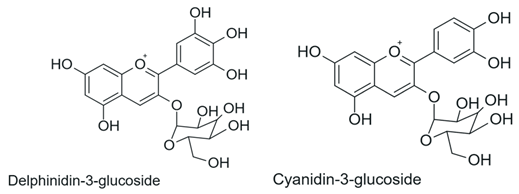 | Red fruits (blackberry, blueberry, grapes), red cabbage | Anti-inflammatory and anticancer | [1,29,30] |
Isoflavones | B ring attached at position C3 of the C ring | 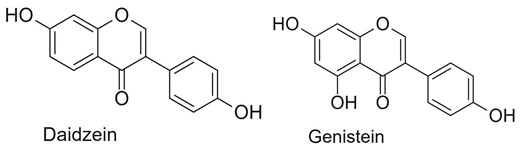 | Soybean, chickpeas, beans, peanuts | Anticancer, antibacterial, antifungal, antiviral, cardioprotective | [1,29,30] |
Chalcones | Open-chain structure, absence of the C ring (1,3-diaryl-2-propen-1-one) |  | Soybean, apple, citrus fruits, ginger | Antioxidant, antibacterial, anthelmintic, antiulcerogenic, antiviral, antiprotozoal, anticancer | [2] |
4. Bioavailability and Metabolism of Flavonoids
4.1. Absorption, Metabolism, and the Role of the Gut Microbiota
4.2. Strategies to Overcome Bioavailability Limitations
5. Enzymatic Modifications of Flavonoids
5.1. Glycosylation and Deglycosylation
5.2. Acylation
5.3. Hydroxylation
5.4. Methylation
5.5. Prenylation
5.6. Enzymes and Microbial Systems: Implications and Biotechnological Applications
6. Evaluation of the Therapeutic Properties of Enzymatically Modified Flavonoids
6.1. Antioxidant and Antimicrobial Properties
| Type of Modification | Flavonoid/Substrate | Obtained Derivative(s) | Enzyme/Strategy | Model | Results Obtained | References |
|---|---|---|---|---|---|---|
| Glycosylation | Rutin | α-monoglucosyl rutin | Cyclodextrin glucanotransferase (CGTase) | In vivo (mice) | ↓ oxidative stress; ↑ hepatic antioxidant activity | [80] |
| Glycosylation | Naringin, neohesperidin, neodiosmin, rutin | Monoglycosides and polyglycosides of citrus flavonoids | α-L-rhamnosidase + CGTase | In vitro (DPPH, FRAP) | ~ antioxidant activity (model-dependent); ↑ solubility | [16] |
| Deglycosylation | Flavanones from orange peel albedo (naringin, narirutin, hesperidin, neohesperidin, rutin) | Prunin and naringenin | Naringinase (α-L-rhamnosidase + β-D-glucosidase), immobilized on corn cob | In vitro (DPPH) | ↑ antioxidant activity (DPPH) after enzymatic hydrolysis | [71] |
| Deglycosylation | Flavonoids from the aqueous infusion of chamomile flowers (Matricaria chamomilla L.) | Aglycones and partially deglycosylated flavonoids | Hesperidinase + β-galactosidase | In vitro (DPPH) | ↔ antioxidant activity | [72] |
| Deglycosylation | Flavonoids from guava leaf infusion (Psidium guajava L.) | Aglycones | Fermentation + enzymes (cellulase, xylanase, hemicellulase, and β-glucosidase) | In vitro (DPPH, ABTS, NO2− scavenging and reducing power) | ↑ DPPH scavenging; ↑ ABTS+ scavenging; ↑ NO2− scavenging; ↑ reducing power | [70] |
| Glycosylation and acylation | Dihydromyricetin (DMY) | DMY glycosides and acylglycosylated DMY derivatives | Mutant phosphorylase and TLL (Lipozyme TL IM) | In vitro (DPPH, ABTS) | ↓ antioxidant activity after glycosylation; acylation attenuates the loss (ABTS > DPPH) | [81] |
| Glycosylation and acylation | Phloretin | Acylated phloretin α-glycoside (C8, C12, C16) | Mutant phosphorylase R134A and TLL (Lipozyme TL IM) | In vitro (DPPH, ABTS) | ↓ slight antioxidant activity in DPPH; ↔ activity in ABTS | [13] |
| Acylation | Naringin | 6″-O-(3-hydroxybutyryl) naringin | CALB (Novozym 435); TLL (Lipozyme TL IM); RML (Lipozyme RM IM) | In vitro (DPPH, ABTS) | ↓ antioxidant activity (DPPH); ↓ antioxidant activity (ABTS) | [82] |
| Acylation | Naringin | Naringin acetate, propionate, and laurate | CALB (Novozym 435) | In vitro (DPPH, β-carotene/linoleic acid assay) | ↓ antioxidant activity in DPPH; ↑ lipid protection in the β-carotene assay (laurate > propionate > acetate) | [76] |
| Acylation | Flavonoids from bamboo leaves | Acylated bamboo leaf flavonoids | CALB (Novozym 435) | In vitro (DPPH, FRAP, β-carotene/linoleic acid) | ↓ slight activity in DPPH; ↓ activity in FRAP; ↑ antioxidant activity in lipid systems (β-carotene) | [83] |
| Acylation | Rutin | Acylated rutin derivatives | TLL (Lipozyme TL IM) | In vitro (DPPH, Fe2+ chelation, β-carotene–linoleate assay) | ↓ DPPH scavenging; ↔ Fe2+ chelation; ↑ inhibition of lipid peroxidation (β-carotene-linoleate) | [84] |
| Acylation | Baicalin | Baicalin esters | CALB (Novozym 435) | In vitro (MIC: Staphylococcus aureus ATCC 6538; Escherichia coli GIM 1.707; Candida albicans ATCC 10231 | ↑ antimicrobial activity; cutoff effect (C log P ~5.2); membrane disruption (S. aureus, C. albicans) | [77] |
| Acylation | Blackcurrant Anthocyanins (Ribes nigrum L.) | Monoacylated anthocyanins with lauric acid. | CALB (Novozym 435) | In vitro (DPPH; β-carotene/linoleic acid) | ↓ activity in aqueous medium (DPPH); ↑ protection in lipid system (β-carotene) | [85] |
| Acylation | Cyanidin-3-O-galactoside (cy-gal) from Alpine Bearberry (Arctostaphylos alpina L.) | Monoacylated cy-gal (C12, C14, C16, C18) | CALB (Novozym 435) | In vitro (DPPH, FRAP) | ↔ antioxidant activity (DPPH); ↔ reducing power (FRAP) | [86] |
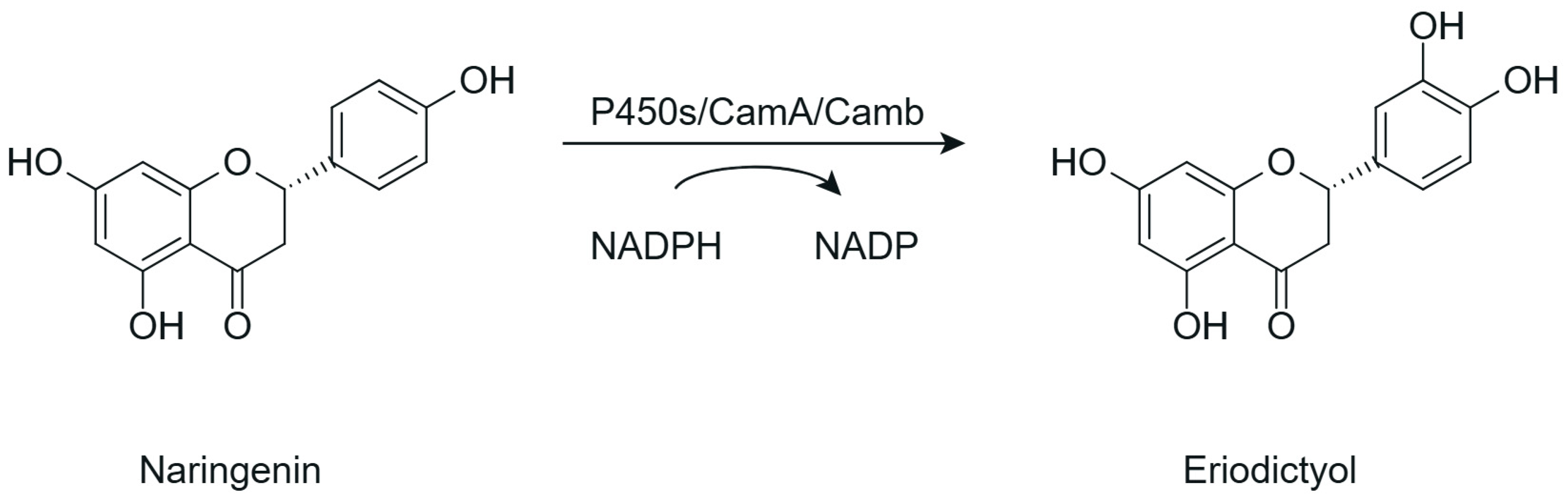
| Hydroxylation | Naringenin | Eriodictyol | CYP450 BM3 variant M13 (biocatalysis; in vitro and whole-cell) | In vitro (DD assay: Bacillus subtilis, Micrococcus luteus, Staphylococcus aureus, Pseudomonas aeruginosa, and Enterobacter cloacae) | ↑ antibacterial activity against Gram-positive bacteria (M. luteus > S. aureus ≈ B. subtilis) | [78] |
| Methylation | Liquiritigenin, Naringenin, and Hesperidin | O-methylated flavonoids | O-methyltransferase (HsOMT, LtOMT) expressed in S. cerevisiae | In vitro (MIC/MBC; Staphylococcus aureus ATCC 6538; Escherichia coli ATCC 25922; Candida albicans SC5314) | ↑ antimicrobial activity (C. albicans, S. aureus, E. coli) | [19] |
6.2. Anti-Inflammatory Properties
6.3. Antitumor and Antiproliferative Activities
| Type of Modification | Flavonoid/Substrate | Obtained Derivative(s) | Enzyme/Strategy | Model | Observed Results | References |
|---|---|---|---|---|---|---|
| Glycosylation | Rutin | α-monoglucosyl rutin | Cyclodextrin glucanotransferase (CGTase) | In vivo (mice with cyclophosphamide-induced liver injury) | ↓ ALT; ↓ AST; ↓ TBA; ↓ LPS hepatic; ↓ IL-6; ↓ IL-1β; ↓ TNF-α; ↓ inflammatory infiltration; ↑ antioxidant defense | [80] |
| Glycosylation | Naringin, Neohesperidin, Rutin | Monoglucosides and Polyglycosides of citrus flavonoids | α-L-rhamnosidase + CGTase | In vitro (RAW 264.7 macrophages stimulated with LPS) | ↓ NO production; ↔ cell viability (>90%); effect dependent on glucose position/number and C-ring structure | [16] |
| Acylation | Naringin | 6″-O-(3-hydroxybutyryl) naringin | CALB (Novozym 435); TLL (Lipozyme TL IM); RML (Lipozyme RM IM) | In vitro (murine BMDCs stimulated with LPS) | ~ TNF-α; ↓ IL-10 (3HBN > naringin) | [82] |
| Acylation | Quercetin-3-O-glucoside | Quercetin-3-O-glucoside–EPA ester | CALB (Novozym 435) | In vitro (human THP-1-derived macrophages stimulated with LPS); In vivo (Wistar rats with a high-fat diet and LPS-induced inflammation) | ↓ TNF-α; ↓ IL-6; ↓ IFN-γ; ↓ COX-2; ↓ PGE2; ↓ NF-κB; ↓ CRP; ↑ adiponectin; ~ TNF-α (in vivo); ↔ IL-10 | [17] |
| Acylation | Phloridzin (PZ) | PZ-DHA (DHA ester) | CALB (Novozym 435) | In vitro (human THP-1-derived macrophages stimulated with LPS) | ↓ TNF-α; ↓ IL-6; ↓ COX-2; ↓ PGE2; ↓ nuclear translocation of NF-κB; ↔ cell viability | [18] |
| Type of Modification | Flavonoid/Substrate | Obtained Derivative(s) | Enzyme/Strategy | Model | Observed Results | References |
|---|---|---|---|---|---|---|
| Glycosylation | Biflavonoids (structurally diverse biflavonoid aglycones) | Biflavonoid monoglycosides (1a, 2a, 4a, 5a) and diglycosides (1b, 3b) | O-glycosyltransferase UGT74AN2 coupled with sucrose synthase AtSuSy (UDP-glucose regeneration) | In vitro (PC-3 cells) | ↑ water solubility (20–980×); ↑ antiproliferative activity for compound 1a vs. aglycone (↓ IC50); ~ activity for other glycosylated derivatives (structure-dependent) | [93] |
| Glycosylation | Vitexin | β-D-fructofuranosyl-(2→6)-vitexin; β-D-difructofuranosyl-(2→6)-vitexin | β-fructosidase from Arthrobacter nicotianae | In vitro (MCF-7 and MDA-MB-231 cells) | ↓ cell viability; ↑ antitumor activity compared to vitexin; reduced IC50 for both derivatives; similar effect between mono- and difructosylation | [104] |
| Glycosylation | Isorhamnetin | Isorhamnetin-3-O-rhamnoside | Enzymatic cascade (rhamnosyltransferase 78D1 from A. thaliana, sucrose synthase, and UDP-rhamnose synthase, with UDP-rhamnose regeneration) | In vitro (HepG2, MCF-7 and A549 cells) | ↓ cell proliferation in MCF-7; moderate antiproliferative effect dependent on cell line. | [92] |
| Deglycosylation | Flavones from orange peel albedo (naringin, narirutin, hesperidin, neohesperidin, and rutin) | Prunin and naringenin | Naringinase (α-L-rhamnosidase + β-D-glucosidase), immobilized on corn cob. | In vitro (SW480 cells) | ↓ cell viability in SW480 cells; antiproliferative effect dependent on concentration. | [71] |
| Deglycosylation | Rutin | Quercetin-3-O-glucoside (Q3G/isoquercitrin) and quercetin | Hesperidinase (Penicillium sp.; α-L-rhamnosidase and β-D-glucosidase activities) | In vitro (CHO-K1 cells) | ↓ cell proliferation in CHO-K1; absence of mutagenicity; ↑ antimutagenic effect dependent on Q3G content. | [94] |
| Deglycosylation | Sophora japonica extract is rich in kaempferol glycosides | Kaempferol-enriched extract (KPF-ABR) | Hesperidinase + β-galactosidase | In vitro (NG-97 and U251 cells; HDFa as non-tumoral control) | ↓ cell viability and proliferation; induction of apoptosis; cell cycle arrest; ↓ migration/invasion; inhibition of MMP-9/NF-κB; stronger effect of biotransformed extract (KPF-ABR) | [105] |
| Acylation | Rutin | Rutin acyl derivatives with benzoic acid (2′′′-, 4′′′-e 2′′-O-benzoates) | Lipase TLL (Lipozyme TL IM) | In vitro (HepG2, Caco-2, MCF-7 cells; LO-2 as normal control) | ↓ cell proliferation; ↑ anticancer activity after acylation; stronger effect in MCF-7; compound 2 with lower EC50; low cytotoxicity in LO-2 | [84] |
| Acylation | Quercetin-3-O-glycoside | Long chain acylated esters of quercetin-3-O-glucoside (C12–C18) | Lipase CALB (Novozym 435) | In vitro (HepG2 cells) | ↓ cell proliferation (≈85–90%); cell cycle arrest at S phase; induction of apoptosis; low toxicity in normal hepatic cells | [20] |
| Hydroxylation | Naringenin | Eriodictyol | CYP450 BM3 variant M13 (biocatalysis; in vitro and whole-cell) | In vitro (AGS, HCT116, HepG2 and HeLa cells) | ↓ cell viability; higher anticancer potential of eriodictyol compared to naringenin. | [78] |
| Methylation | Liquiritigenin, naringenin, and hesperidin | O-methylated flavonoids | O-methyltransferases (HsOMT, LtOMT) expressed in S. cerevisiae | In vitro (MCF-7 cells) | ↓ cell proliferation; ↑ antiproliferative potency (IC50 ≈ 10.31 μM); low relative cytotoxicity. | [19] |
| Methylation | Hydroxylated flavonoids (mainly flavones and flavonols with vicinal hydroxyls) | O-methylated flavonoids | O-methyltransferase CrOMT2 (SAM as methyl donor) | In vitro (SGC-7901 and BGC-823 cells) | ↓ cell viability; ↑ cytotoxicity of methylated flavonoids, especially after 3′methylation in compounds with C2–C3 double bond | [15] |
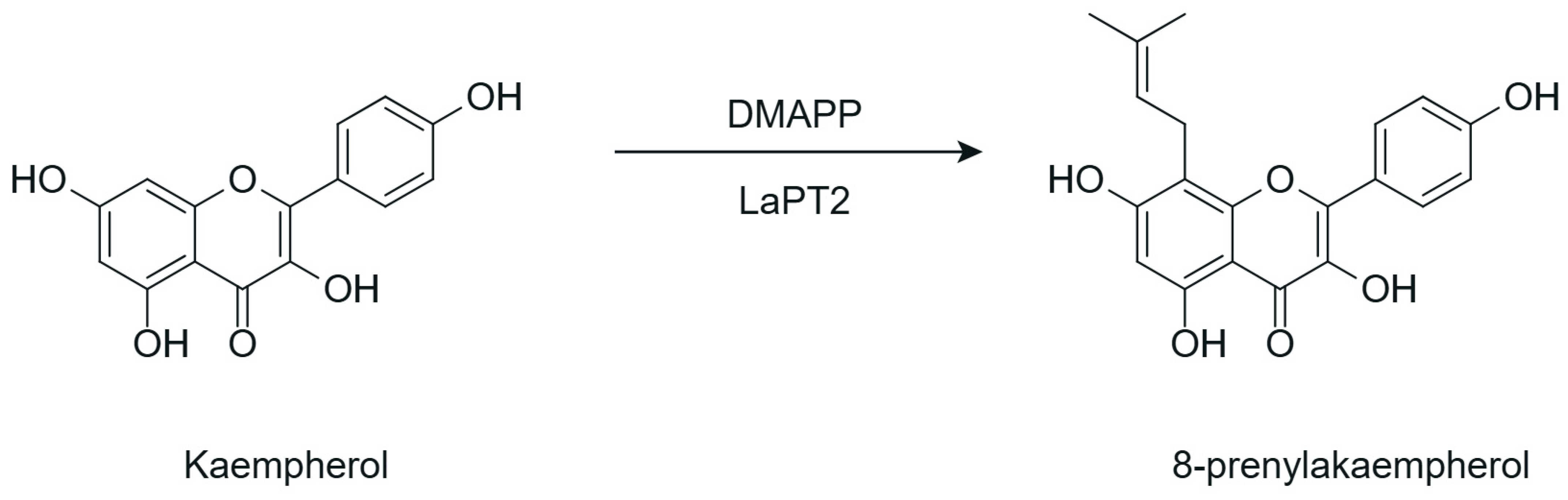
| Prenylation | Dimethylallylated flavonoids (precursors of icariin) | Prenylated icariin mimetics (O- and C-prenylated) | Prenyltransferase AtaPT (donors: DMAPP, GPP, FPP) | In vitro (5637 cells) | ↓ cell viability; selective cytotoxic; IC50 in the range of 14–20 μM; low cytotoxicity in normal cells | [106] |
6.4. Clinical Evidence of Flavonoid Derivatives: Implications for Cancer and Other Diseases
7. Conclusions
Supplementary Materials
Author Contributions
Funding
Institutional Review Board Statement
Informed Consent Statement
Data Availability Statement
Acknowledgments
Conflicts of Interest
Abbreviations
| ADME | Absorption, Distribution, Metabolism, and Excretion |
| ABTS | 2,2′-Azino-bis(3-ethylbenzothiazoline-6-sulfonic acid) |
| ALT | Alanine aminotransferase |
| AST | Aspartate aminotransferase |
| BMDCs | Bone marrow–derived dendritic cells |
| CALB | Candida antarctica lipase B |
| CGTase | Cyclodextrin glucanotransferase |
| ChEMBL | Chemical Database of Bioactive Molecules with Drug-Like Properties |
| COX-2 | Cyclooxygenase-2 |
| CRP | C-reactive protein |
| CYP450 | Cytochrome P450 |
| DD assay | Disk diffusion assay |
| DMAPP | Dimethylallyl diphosphate |
| DPPH | 2,2-Diphenyl-1-picrylhydrazyl |
| EC50 | Half-maximal effective concentration |
| FPP | Farnesyl diphosphate |
| FRAP | Ferric reducing antioxidant power |
| GPP | Geranyl diphosphate |
| IC50 | Half-maximal inhibitory concentration |
| IFN-γ | Interferon gamma |
| IL | Interleukin |
| LPS | Lipopolysaccharide |
| MAPK | Mitogen-activated protein kinase |
| MBC | Minimum bactericidal concentration |
| MIC | Minimum inhibitory concentration |
| NF-κB | Nuclear factor kappa B |
| NO | Nitric oxide |
| OMT | O-methyltransferase |
| PMFs | Polymethoxylated flavones |
| PRISMA | Preferred Reporting Items for Systematic Reviews and Meta-Analyses |
| PTs | Prenyltransferases |
| ROS | Reactive oxygen species |
| SAM | S-adenosyl-L-methionine |
| SCFAs | Short-chain fatty acids |
| STAT3 | Signal transducer and activator of transcription 3 |
| TBA | Total bile acids |
| TLL | Thermomyces lanuginosus lipase |
| TNF-α | Tumor necrosis factor alpha |
| UGTs | UDP-glycosyltransferases |
References
- Dias, M.C.; Pinto, D.C.G.A.; Silva, A.M.S. Plant Flavonoids: Chemical Characteristics and Biological Activity. Molecules 2021, 26, 5377. [Google Scholar] [CrossRef] [PubMed]
- Shen, N.; Wang, T.; Gan, Q.; Liu, S.; Wang, L.; Jin, B. Plant Flavonoids: Classification, Distribution, Biosynthesis, and Antioxidant Activity. Food Chem. 2022, 383, 132531. [Google Scholar] [CrossRef]
- Ullah, A.; Munir, S.; Badshah, S.L.; Khan, N.; Ghani, L.; Poulson, B.G.; Emwas, A.-H.; Jaremko, M. Important Flavonoids and Their Role as a Therapeutic Agent. Molecules 2020, 25, 5243. [Google Scholar] [CrossRef] [PubMed]
- Wang, T.; Li, Q.; Bi, K. Bioactive Flavonoids in Medicinal Plants: Structure, Activity and Biological Fate. Asian J. Pharm. Sci. 2018, 13, 12–23. [Google Scholar] [CrossRef]
- Cassidy, A.; Minihane, A.-M. The Role of Metabolism (and the Microbiome) in Defining the Clinical Efficacy of Dietary Flavonoids. Am. J. Clin. Nutr. 2017, 105, 10–22. [Google Scholar] [CrossRef]
- Oteiza, P.I.; Fraga, C.G.; Mills, D.A.; Taft, D.H. Flavonoids and the Gastrointestinal Tract: Local and Systemic Effects. Mol. Asp. Med. 2018, 61, 41–49. [Google Scholar] [CrossRef]
- Contente, M.L.; Annunziata, F.; Cannazza, P.; Donzella, S.; Pinna, C.; Romano, D.; Tamborini, L.; Barbosa, F.G.; Molinari, F.; Pinto, A. Biocatalytic Approaches for an Efficient and Sustainable Preparation of Polyphenols and Their Derivatives. J. Agric. Food Chem. 2021, 69, 13669–13681. [Google Scholar] [CrossRef]
- Slámová, K.; Kapešová, J.; Valentová, K. “Sweet Flavonoids”: Glycosidase-Catalyzed Modifications. Int. J. Mol. Sci. 2018, 19, 2126. [Google Scholar] [CrossRef]
- De Araújo, M.; Franco, Y.; Messias, M.; Longato, G.; Pamphile, J.; Carvalho, P. Biocatalytic Synthesis of Flavonoid Esters by Lipases and Their Biological Benefits. Planta Med. 2016, 83, 7–22. [Google Scholar] [CrossRef]
- Liu, Y.; Qian, J.; Li, J.; Xing, M.; Grierson, D.; Sun, C.; Xu, C.; Li, X.; Chen, K. Hydroxylation Decoration Patterns of Flavonoids in Horticultural Crops: Chemistry, Bioactivity, and Biosynthesis. Hortic. Res. 2022, 9, uhab068. [Google Scholar] [CrossRef] [PubMed]
- Liu, Y.; Fernie, A.R.; Tohge, T. Diversification of Chemical Structures of Methoxylated Flavonoids and Genes Encoding Flavonoid-O-Methyltransferases. Plants 2022, 11, 564. [Google Scholar] [CrossRef]
- Tang, D.; Quan, J.; Gao, Z.; He, B.; Hou, Y.; Fan, P.; Pan, M.; Yang, J. Prenylation of Flavanones by an Aromatic Prenyltransferase from Fusarium Globosum. Molecules 2025, 30, 1558. [Google Scholar] [CrossRef]
- Gonzalez-Alfonso, J.L.; Alonso, C.; Poveda, A.; Ubiparip, Z.; Ballesteros, A.O.; Desmet, T.; Jiménez-Barbero, J.; Coderch, L.; Plou, F.J. Strategy for the Enzymatic Acylation of the Apple Flavonoid Phloretin Based on Prior α-Glucosylation. J. Agric. Food Chem. 2024, 72, 4325–4333. [Google Scholar] [CrossRef]
- Hofer, B. Recent Developments in the Enzymatic O-Glycosylation of Flavonoids. Appl. Microbiol. Biotechnol. 2016, 100, 4269–4281. [Google Scholar] [CrossRef]
- Liu, X.; Wang, Y.; Chen, Y.; Xu, S.; Gong, Q.; Zhao, C.; Cao, J.; Sun, C. Characterization of a Flavonoid 3′/5′/7-O-Methyltransferase from Citrus Reticulata and Evaluation of the in Vitro Cytotoxicity of Its Methylated Products. Molecules 2020, 25, 858. [Google Scholar] [CrossRef] [PubMed]
- Liu, A.; Huang, B.; Zuo, S.; Li, Z.; Zhou, J.-L.; Wong, W.-L.; Lu, Y.-J. Enzymatic Glucosylation of Citrus Flavonoids to Enhance Their Bioactivity and Taste as New Food Additives. Mol. Catal. 2022, 528, 112467. [Google Scholar] [CrossRef]
- Sekhon-Loodu, S.; Ziaullah, Z.; Rupasinghe, H.P.V.; Wang, Y.; Kulka, M.; Shahidi, F. Novel Quercetin-3-O-Glucoside Eicosapentaenoic Acid Ester Ameliorates Inflammation and Hyperlipidemia. Inflammopharmacology 2015, 23, 173–185. [Google Scholar] [CrossRef]
- Sekhon-Loodu, S.; Ziaullah; Rupasinghe, H.P.V. Docosahexaenoic Acid Ester of Phloridzin Inhibit Lipopolysaccharide-Induced Inflammation in THP-1 Differentiated Macrophages. Int. Immunopharmacol. 2015, 25, 199–206. [Google Scholar] [CrossRef] [PubMed]
- Hao, Y.; Wei, Z.; Wang, Z.; Li, G.; Yao, Y.; Dun, B. Biotransformation of Flavonoids Improves Antimicrobial and Anti-Breast Cancer Activities in Vitro. Foods 2021, 10, 2367. [Google Scholar] [CrossRef]
- Sudan, S.; Rupasinghe, H.V. Antiproliferative Activity of Long Chain Acylated Esters of Quercetin-3- O -Glucoside in Hepatocellular Carcinoma HepG2 Cells. Exp. Biol. Med. 2015, 240, 1452–1464. [Google Scholar] [CrossRef]
- Page, M.J.; Moher, D.; Bossuyt, P.M.; Boutron, I.; Hoffmann, T.C.; Mulrow, C.D.; Shamseer, L.; Tetzlaff, J.M.; Akl, E.A.; Brennan, S.E.; et al. PRISMA 2020 Explanation and Elaboration: Updated Guidance and Exemplars for Reporting Systematic Reviews. BMJ 2021, 372, n160. [Google Scholar] [CrossRef] [PubMed]
- Kim, S.; Chen, J.; Cheng, T.; Gindulyte, A.; He, J.; He, S.; Li, Q.; Shoemaker, B.A.; Thiessen, P.A.; Yu, B.; et al. PubChem 2025 Update. Nucleic Acids Res. 2025, 53, D1516–D1525. [Google Scholar] [CrossRef]
- Page, M.J.; McKenzie, J.E.; Bossuyt, P.M.; Boutron, I.; Hoffmann, T.C.; Mulrow, C.D.; Shamseer, L.; Tetzlaff, J.M.; Akl, E.A.; Brennan, S.E.; et al. The PRISMA 2020 statement: An updated guideline for reporting systematic reviews. BMJ 2021, 372, n71. [Google Scholar] [CrossRef] [PubMed] [PubMed Central]
- Fahy, E.; Subramaniam, S.; Murphy, R.C.; Nishijima, M.; Raetz, C.R.H.; Shimizu, T.; Spener, F.; Van Meer, G.; Wakelam, M.J.O.; Dennis, E.A. Update of the LIPID MAPS Comprehensive Classification System for Lipids. J. Lipid Res. 2009, 50, S9–S14. [Google Scholar] [CrossRef] [PubMed]
- Zdrazil, B.; Felix, E.; Hunter, F.; Manners, E.J.; Blackshaw, J.; Corbett, S.; de Veij, M.; Ioannidis, H.; Lopez, D.M.; Mosquera, J.F.; et al. The ChEMBL Database in 2023: A Drug Discovery Platform Spanning Multiple Bioactivity Data Types and Time Periods. Nucleic Acids Res. 2024, 52, D1180–D1192. [Google Scholar] [CrossRef]
- Santos, C.M.M.; Silva, A.M.S. The Antioxidant Activity of Prenylflavonoids. Molecules 2020, 25, 696. [Google Scholar] [CrossRef]
- Chen, S.; Wang, X.; Cheng, Y.; Gao, H.; Chen, X. A Review of Classification, Biosynthesis, Biological Activities and Potential Applications of Flavonoids. Molecules 2023, 28, 4982. [Google Scholar] [CrossRef]
- Mrudulakumari Vasudevan, U.; Lee, E.Y. Flavonoids, Terpenoids, and Polyketide Antibiotics: Role of Glycosylation and Biocatalytic Tactics in Engineering Glycosylation. Biotechnol. Adv. 2020, 41, 107550. [Google Scholar] [CrossRef]
- Liga, S.; Paul, C.; Péter, F. Flavonoids: Overview of Biosynthesis, Biological Activity, and Current Extraction Techniques. Plants 2023, 12, 2732. [Google Scholar] [CrossRef]
- Li, C.; Dai, T.; Chen, J.; Chen, M.; Liang, R.; Liu, C.; Du, L.; McClements, D.J. Modification of Flavonoids: Methods and Influences on Biological Activities. Crit. Rev. Food Sci. Nutr. 2023, 63, 10637–10658. [Google Scholar] [CrossRef] [PubMed]
- Xiong, H.-H.; Lin, S.-Y.; Chen, L.-L.; Ouyang, K.-H.; Wang, W.-J. The Interaction between Flavonoids and Intestinal Microbes: A Review. Foods 2023, 12, 320. [Google Scholar] [CrossRef]
- Yang, L.; Gao, Y.; Farag, M.A.; Gong, J.; Su, Q.; Cao, H.; Zhang, W.; Zhao, Y.; Wang, H. Dietary Flavonoids and Gut Microbiota Interaction: A Focus on Animal and Human Studies to Maximize Their Health Benefits. Food Front. 2023, 4, 1794–1809. [Google Scholar] [CrossRef]
- Favari, C.; Rinaldi De Alvarenga, J.F.; Sánchez-Martínez, L.; Tosi, N.; Mignogna, C.; Cremonini, E.; Manach, C.; Bresciani, L.; Del Rio, D.; Mena, P. Factors Driving the Inter-Individual Variability in the Metabolism and Bioavailability of (Poly)Phenolic Metabolites: A Systematic Review of Human Studies. Redox Biol. 2024, 71, 103095. [Google Scholar] [CrossRef]
- Akhlaghi, M.; Foshati, S. Bioavailability and Metabolism of Flavonoids: A Review. Int. J. Nutr. Sci. 2017, 4, 180–184. [Google Scholar]
- Chen, L.; Cao, H.; Huang, Q.; Xiao, J.; Teng, H. Absorption, Metabolism and Bioavailability of Flavonoids: A Review. Crit. Rev. Food Sci. Nutr. 2022, 62, 7730–7742. [Google Scholar] [CrossRef] [PubMed]
- Hu, L.; Luo, Y.; Yang, J.; Cheng, C. Botanical Flavonoids: Efficacy, Absorption, Metabolism and Advanced Pharmaceutical Technology for Improving Bioavailability. Molecules 2025, 30, 1184. [Google Scholar] [CrossRef] [PubMed]
- Zhao, J.; Yang, J.; Xie, Y. Improvement Strategies for the Oral Bioavailability of Poorly Water-Soluble Flavonoids: An Overview. Int. J. Pharm. 2019, 570, 118642. [Google Scholar] [CrossRef]
- Ravisankar, S.; Agah, S.; Kim, H.; Talcott, S.; Wu, C.; Awika, J. Combined Cereal and Pulse Flavonoids Show Enhanced Bioavailability by Downregulating Phase II Metabolism and ABC Membrane Transporter Function in Caco-2 Model. Food Chem. 2019, 279, 88–97. [Google Scholar] [CrossRef]
- Kamiloglu, S.; Tomas, M.; Ozdal, T.; Capanoglu, E. Effect of Food Matrix on the Content and Bioavailability of Flavonoids. Trends Food Sci. Technol. 2021, 117, 15–33. [Google Scholar] [CrossRef]
- Wang, Z.; Du, X.; Ye, G.; Wang, H.; Liu, Y.; Liu, C.; Li, F.; Ågren, H.; Zhou, Y.; Li, J.; et al. Functional Characterization, Structural Basis, and Protein Engineering of a Rare Flavonoid 2′-O-Glycosyltransferase from Scutellaria Baicalensis. Acta Pharm. Sin. B 2024, 14, 3746–3759. [Google Scholar] [CrossRef]
- Lai, X.; Li, X.; Chen, J.; Liu, X.; Pan, P.; Zhou, Y.; Zhao, G. Advances in Flavonoid Glycosylation: Chemical and Biological Basis, Mechanisms, Physicochemical Properties, and Applications in the Food Industry. Trends Food Sci. Technol. 2025, 165, 105296. [Google Scholar] [CrossRef]
- Adnan; Bao, T.; Zheng, X.; Pang, Y.; Gao, R.; Shan, X.; Zhu, S.; Kimani, S.K.; Gao, X.; Li, Y. Functional Characterization of 5-O-Glycosyltranferase Transforming 3-O Anthocyanins into 3,5-O Anthocyanins in Freesia Hybrida. Int. J. Mol. Sci. 2025, 26, 4542. [Google Scholar] [CrossRef]
- Guo, C.-X.; Li, J.; Wang, Y.; Li, T.; Yin, H. Functional Characterization of a Stevia Rebaudiana Flavonoid Glycosyltransferase. Enzyme Microb. Technol. 2025, 190, 110708. [Google Scholar] [CrossRef]
- Xiao, J. Dietary Flavonoid Aglycones and Their Glycosides: Which Show Better Biological Significance? Crit. Rev. Food Sci. Nutr. 2017, 57, 1874–1905. [Google Scholar] [CrossRef] [PubMed]
- Ding, J.; Li, X.; Jin, Z.; Svensson, B.; Bai, Y. Advances in Enzymatic O-Glycosylation of Flavonoids: Strategies for Control of Regioselectivity and Enhancement of Efficiency. Biotechnol. Adv. 2026, 89, 108863. [Google Scholar] [CrossRef] [PubMed]
- Kotik, M.; Kulik, N.; Valentová, K. Flavonoids as Aglycones in Retaining Glycosidase-Catalyzed Reactions: Prospects for Green Chemistry. J. Agric. Food Chem. 2023, 71, 14890–14910. [Google Scholar] [CrossRef] [PubMed]
- Papanikolaou, A.; Chatzikonstantinou, A.V.; Fotiadou, R.; Tsakni, A.; Houhoula, D.; Polydera, A.C.; Pavlidis, I.V.; Stamatis, H. A Study on the Regioselective Acetylation of Flavonoid Aglycons Catalyzed by Immobilized Lipases. Biomolecules 2024, 14, 897. [Google Scholar] [CrossRef]
- Lee, J.; Kim, K.; Son, J.; Lee, H.; Song, J.H.; Lee, T.; Jeon, H.; Kim, H.S.; Park, S.J.; Yoo, H.Y.; et al. Improved Productivity of Naringin Oleate with Flavonoid and Fatty Acid by Efficient Enzymatic Esterification. Antioxidants 2022, 11, 242. [Google Scholar] [CrossRef] [PubMed]
- Milivojević, A.D.; Ćorović, M.M.; Simović, M.B.; Banjanac, K.M.; Blagojević, S.N.; Pjanović, R.V.; Bezbradica, D.I. Novel Approach for Flavonoid Esters Production: Statistically Optimized Enzymatic Synthesis Using Natural Oils and Application in Cosmetics. Ind. Eng. Chem. Res. 2019, 58, 3640–3649. [Google Scholar] [CrossRef]
- Hu, B.; Zhao, X.; Zhou, J.; Li, J.; Chen, J.; Du, G. Efficient Hydroxylation of Flavonoids by Using Whole-Cell P450 Sca-2 Biocatalyst in Escherichia Coli. Front. Bioeng. Biotechnol. 2023, 11, 1138376. [Google Scholar] [CrossRef]
- Dulak, K.; Sordon, S.; Matera, A.; Kozak, B.; Huszcza, E.; Popłoński, J. Novel Flavonoid C-8 Hydroxylase from Rhodotorula Glutinis: Identification, Characterization and Substrate Scope. Microb. Cell Factories 2022, 21, 175. [Google Scholar] [CrossRef]
- Zhou, Y.; Tao, R.; Ni, J.; Qian, M.; Teng, Y. Identification of Flavonoid 3′-Hydroxylase Genes from Red Chinese Sand Pear (Pyrus Pyrifolia Nakai) and Their Regulation of Anthocyanin Accumulation in Fruit Peel. Horticulturae 2024, 10, 535. [Google Scholar] [CrossRef]
- Park, H.L.; Lee, J.C.; Lee, K.; Lee, J.M.; Nam, H.J.; Bhoo, S.H.; Lee, T.H.; Lee, S.-W.; Cho, M.-H. Biochemical Characterization of a Flavonoid O-Methyltransferase from Perilla Leaves and Its Application in 7-Methoxyflavonoid Production. Molecules 2020, 25, 4455. [Google Scholar] [CrossRef]
- Koirala, N.; Thuan, N.H.; Ghimire, G.P.; Thang, D.V.; Sohng, J.K. Methylation of Flavonoids: Chemical Structures, Bioactivities, Progress and Perspectives for Biotechnological Production. Enzyme Microb. Technol. 2016, 86, 103–116. [Google Scholar] [CrossRef] [PubMed]
- Shakour, Z.T.A.; Fayek, N.M.; Farag, M.A. How Do Biocatalysis and Biotransformation Affect Citrus Dietary Flavonoids Chemistry and Bioactivity? A Review. Crit. Rev. Biotechnol. 2020, 40, 689–714. [Google Scholar] [CrossRef] [PubMed]
- Liao, Z.; Liu, X.; Zheng, J.; Zhao, C.; Wang, D.; Xu, Y.; Sun, C. A Multifunctional True Caffeoyl Coenzyme A O-Methyltransferase Enzyme Participates in the Biosynthesis of Polymethoxylated Flavones in Citrus. Plant Physiol. 2023, 192, 2049–2066. [Google Scholar] [CrossRef]
- Ang, B.; Yang, T.; Jiang, H.; Cheng, Y.; Chen, Y.; Qie, X.; Yin, L.; Wang, T.; Chen, Q.; Wang, Z.; et al. Enzymatic Synthesis and Evaluation of Eight Methylated Quercetin Products: In Vitro Chemical Properties and Adipogenesis Regulation. J. Agric. Food Chem. 2025, 73, 13973–13984. [Google Scholar] [CrossRef] [PubMed]
- Liu, J.; Xia, Y.; Jiang, W.; Shen, G.; Pang, Y. LaPT2 Gene Encodes a Flavonoid Prenyltransferase in White Lupin. Front. Plant Sci. 2021, 12, 673337. [Google Scholar] [CrossRef]
- Lv, H.-W.; Wang, Q.-L.; Luo, M.; Zhu, M.-D.; Liang, H.-M.; Li, W.-J.; Cai, H.; Zhou, Z.-B.; Wang, H.; Tong, S.-Q.; et al. Phytochemistry and Pharmacology of Natural Prenylated Flavonoids. Arch. Pharm. Res. 2023, 46, 207–272. [Google Scholar] [CrossRef] [PubMed]
- Levisson, M.; Araya-Cloutier, C.; De Bruijn, W.J.C.; Van Der Heide, M.; Salvador López, J.M.; Daran, J.-M.; Vincken, J.-P.; Beekwilder, J. Toward Developing a Yeast Cell Factory for the Production of Prenylated Flavonoids. J. Agric. Food Chem. 2019, 67, 13478–13486. [Google Scholar] [CrossRef]
- Morante-Carriel, J.; Živković, S.; Nájera, H.; Sellés-Marchart, S.; Martínez-Márquez, A.; Martínez-Esteso, M.J.; Obrebska, A.; Samper-Herrero, A.; Bru-Martínez, R. Prenylated Flavonoids of the Moraceae Family: A Comprehensive Review of Their Biological Activities. Plants 2024, 13, 1211. [Google Scholar] [CrossRef] [PubMed]
- Bié, J.; Sepodes, B.; Fernandes, P.C.B.; Ribeiro, M.H.L. Enzyme Immobilization and Co-Immobilization: Main Framework, Advances and Some Applications. Processes 2022, 10, 494. [Google Scholar] [CrossRef]
- Buller, R.; Lutz, S.; Kazlauskas, R.J.; Snajdrova, R.; Moore, J.C.; Bornscheuer, U.T. From Nature to Industry: Harnessing Enzymes for Biocatalysis. Science 2023, 382, eadh8615. [Google Scholar] [CrossRef] [PubMed]
- Cao, H.; Chen, X.; Jassbi, A.R.; Xiao, J. Microbial Biotransformation of Bioactive Flavonoids. Biotechnol. Adv. 2015, 33, 214–223. [Google Scholar] [CrossRef] [PubMed]
- Moazzen, A. Structure-Antiradical Activity Relationships of 25 Natural Antioxidant Phenolic Compounds from Different Classes. Heliyon 2022, 8, e10467. [Google Scholar] [CrossRef]
- Echeverría, J.; Opazo, J.; Mendoza, L.; Urzúa, A.; Wilkens, M. Structure-Activity and Lipophilicity Relationships of Selected Antibacterial Natural Flavones and Flavanones of Chilean Flora. Molecules 2017, 22, 608. [Google Scholar] [CrossRef]
- Veiko, A.G.; Olchowik-Grabarek, E.; Sekowski, S.; Roszkowska, A.; Lapshina, E.A.; Dobrzynska, I.; Zamaraeva, M.; Zavodnik, I.B. Antimicrobial Activity of Quercetin, Naringenin and Catechin: Flavonoids Inhibit Staphylococcus Aureus-Induced Hemolysis and Modify Membranes of Bacteria and Erythrocytes. Molecules 2023, 28, 1252. [Google Scholar] [CrossRef]
- Xiao, Z.; He, L.; Hou, X.; Wei, J.; Ma, X.; Gao, Z.; Yuan, Y.; Xiao, J.; Li, P.; Yue, T. Relationships between Structure and Antioxidant Capacity and Activity of Glycosylated Flavonols. Foods 2021, 10, 849. [Google Scholar] [CrossRef]
- Zeng, Y.; Song, J.; Zhang, M.; Wang, H.; Zhang, Y.; Suo, H. Comparison of In Vitro and In Vivo Antioxidant Activities of Six Flavonoids with Similar Structures. Antioxidants 2020, 9, 732. [Google Scholar] [CrossRef]
- Wang, L.; Luo, Y.; Wu, Y.; Liu, Y.; Wu, Z. Fermentation and Complex Enzyme Hydrolysis for Improving the Total Soluble Phenolic Contents, Flavonoid Aglycones Contents and Bio-Activities of Guava Leaves Tea. Food Chem. 2018, 264, 189–198. [Google Scholar] [CrossRef]
- Garzón-Alonso, K.; Bohorquez-Peña, M.; Vargas, B.; Rendon-Londono, J.C.; Mesa Cadavid, M.; Franco-Tobón, Y.N.; Martinez-Galán, J.P. Hydrolysis of Flavanones from Orange Peel and Evaluation of Anticancer Potential Using Naringinase Immobilized on Corn Cob Powder. Food Biosci. 2025, 69, 106752. [Google Scholar] [CrossRef]
- Franco, E.P.D.D.; Contesini, F.J.; Lima Da Silva, B.; Alves De Piloto Fernandes, A.M.; Wielewski Leme, C.; Gonçalves Cirino, J.P.; Bueno Campos, P.R.; De Oliveira Carvalho, P. Enzyme-Assisted Modification of Flavonoids from Matricaria Chamomilla: Antioxidant Activity and Inhibitory Effect on Digestive Enzymes. J. Enzyme Inhib. Med. Chem. 2020, 35, 42–49. [Google Scholar] [CrossRef]
- Donadio, G.; Mensitieri, F.; Santoro, V.; Parisi, V.; Bellone, M.L.; De Tommasi, N.; Izzo, V.; Dal Piaz, F. Interactions with Microbial Proteins Driving the Antibacterial Activity of Flavonoids. Pharmaceutics 2021, 13, 660. [Google Scholar] [CrossRef]
- Shamsudin, N.F.; Ahmed, Q.U.; Mahmood, S.; Ali Shah, S.A.; Khatib, A.; Mukhtar, S.; Alsharif, M.A.; Parveen, H.; Zakaria, Z.A. Antibacterial Effects of Flavonoids and Their Structure-Activity Relationship Study: A Comparative Interpretation. Molecules 2022, 27, 1149. [Google Scholar] [CrossRef]
- Wang, S.; Li, Y.; Ma, C.; Huang, D.; Chen, S.; Zhu, S.; Wang, H. Enzymatic Molecular Modification of Water-Soluble Polyphenols: Synthesis, Structure, Bioactivity and Application. Crit. Rev. Food Sci. Nutr. 2022, 63, 12637–12651. [Google Scholar] [CrossRef]
- Gutiérrez-Navarro, E.; Padilla-de La Rosa, J.D.; Macías, A.; Solís, J.; Sandoval, G. Enzymatically Acylated Naringin with Gut Modulation Potential. Electron. J. Biotechnol. 2024, 68, 47–56. [Google Scholar] [CrossRef]
- Xin, X.; Zhang, M.; Li, X.-F.; Zhao, G. Biocatalytic Synthesis of Lipophilic Baicalin Derivatives as Antimicrobial Agents. J. Agric. Food Chem. 2019, 67, 11684–11693. [Google Scholar] [CrossRef]
- Chu, L.L.; Pandey, R.P.; Jung, N.; Jung, H.J.; Kim, E.-H.; Sohng, J.K. Hydroxylation of Diverse Flavonoids by CYP450 BM3 Variants: Biosynthesis of Eriodictyol from Naringenin in Whole Cells and Its Biological Activities. Microb. Cell Factories 2016, 15, 135. [Google Scholar] [CrossRef]
- Osorio, M.; Carvajal, M.; Vergara, A.; Butassi, E.; Zacchino, S.; Mascayano, C.; Montoya, M.; Mejías, S.; Martín, M.C.-S.; Vásquez-Martínez, Y. Prenylated Flavonoids with Potential Antimicrobial Activity: Synthesis, Biological Activity, and In Silico Study. Int. J. Mol. Sci. 2021, 22, 5472. [Google Scholar] [CrossRef] [PubMed]
- Tian, J.; Zhao, Y.; Li, F.; Xu, Y.; Yi, W.; Jiang, S.; Tang, Y.; Lu, Y. Enzymatic Synthesis and Mechanistic Insights into the Hepatoprotective Effects of α-Monoglucosyl Rutin against Cyclophosphamide-Induced Liver Injury: A Multi-Omics Approach. Int. Immunopharmacol. 2025, 163, 115265. [Google Scholar] [CrossRef] [PubMed]
- Rodriguez-Garcia, D.; Uceda, C.; Barahona, L.; Ruiz-Nuñez, M.; Ballesteros, A.O.; Desmet, T.; Sanz-Aparicio, J.; Fernandez-Lobato, M.; Gonzalez-Alfonso, J.L.; Plou, F.J. Enzymatic Modification of Dihydromyricetin by Glucosylation and Acylation, and Its Effect on the Solubility and Antioxidant Activity. Org. Biomol. Chem. 2025, 23, 1136–1145. [Google Scholar] [CrossRef]
- Kim, K.; Lee, K.H.; Yang, E.; Lee, G.; Lee, T.; Kim, M.; Jeon, H.B.; Byun, E.-H.; Han, J.M.; Yoo, H.Y.; et al. Novel Enzymatic Synthesis of 3-Hydroxybutyryl Naringin and Its Molecular Identification and Bioactive Characterization. Food Chem. 2025, 477, 143590. [Google Scholar] [CrossRef] [PubMed]
- Li, H.; Tan, X.; Huang, W.; Zhu, X.; Yang, X.; Shen, Y.; Yan, R. Enzymatic Acylation of Flavonoids from Bamboo Leaves: Improved Lipophilicity and Antioxidant Activity for Oil-Based Foods. J. Agric. Food Chem. 2023, 71, 4817–4824. [Google Scholar] [CrossRef] [PubMed]
- Li, H.; Xu, T.; Peng, Q.; Chen, Y.; Zhou, H.; Lu, Y.; Yan, R. Enzymatic Acylation of Rutin with Benzoic Acid Ester and Lipophilic, Antiradical, and Antiproliferative Properties of the Acylated Derivatives. J. Food Sci. 2021, 86, 1714–1725. [Google Scholar] [CrossRef]
- Yang, W.; Kortesniemi, M.; Ma, X.; Zheng, J.; Yang, B. Enzymatic Acylation of Blackcurrant (Ribes Nigrum) Anthocyanins and Evaluation of Lipophilic Properties and Antioxidant Capacity of Derivatives. Food Chem. 2019, 281, 189–196. [Google Scholar] [CrossRef]
- Yang, W.; Kortesniemi, M.; Yang, B.; Zheng, J. Enzymatic Acylation of Anthocyanins Isolated from Alpine Bearberry (Arctostaphylos Alpina) and Lipophilic Properties, Thermostability, and Antioxidant Capacity of the Derivatives. J. Agric. Food Chem. 2018, 66, 2909–2916. [Google Scholar] [CrossRef]
- Al-Khayri, J.M.; Sahana, G.R.; Nagella, P.; Joseph, B.V.; Alessa, F.M.; Al-Mssallem, M.Q. Flavonoids as Potential Anti-Inflammatory Molecules: A Review. Molecules 2022, 27, 2901. [Google Scholar] [CrossRef]
- Li, X.; Shi, Z.; Zhu, Y.; Shen, T.; Wang, H.; Shui, G.; Loor, J.J.; Fang, Z.; Chen, M.; Wang, X.; et al. Cyanidin-3-O-glucoside Improves Non-alcoholic Fatty Liver Disease by Promoting PINK1-mediated Mitophagy in Mice. Br. J. Pharmacol. 2020, 177, 3591–3607. [Google Scholar] [CrossRef] [PubMed]
- Bartel, I.; Koszarska, M.; Strzałkowska, N.; Tzvetkov, N.T.; Wang, D.; Horbańczuk, J.O.; Wierzbicka, A.; Atanasov, A.G.; Jóźwik, A. Cyanidin-3-O-Glucoside as a Nutrigenomic Factor in Type 2 Diabetes and Its Prominent Impact on Health. Int. J. Mol. Sci. 2023, 24, 9765. [Google Scholar] [CrossRef]
- Essa, A.F.; Teleb, M.; El-Kersh, D.M.; El Gendy, A.E.-N.G.; Elshamy, A.I.; Farag, M.A. Natural Acylated Flavonoids: Their Chemistry and Biological Merits in Context to Molecular Docking Studies. Phytochem. Rev. 2023, 22, 1469–1508. [Google Scholar] [CrossRef]
- Kopustinskiene, D.M.; Jakstas, V.; Savickas, A.; Bernatoniene, J. Flavonoids as Anticancer Agents. Nutrients 2020, 12, 457. [Google Scholar] [CrossRef]
- Chen, A.; Gu, N.; Pei, J.; Su, E.; Duan, X.; Cao, F.; Zhao, L. Synthesis of Isorhamnetin-3-O-Rhamnoside by a Three-Enzyme (Rhamnosyltransferase, Glycine Max Sucrose Synthase, UDP-Rhamnose Synthase) Cascade Using a UDP-Rhamnose Regeneration System. Molecules 2019, 24, 3042. [Google Scholar] [CrossRef] [PubMed]
- Huang, W.; Xu, S.; Lin, R.; Xiong, X.; Song, J.; Liu, Y.; Li, J. Enzymatic Synthesis of Biflavonoid Glycosides with Enhanced Antitumor Activity Using Glycosyltransferase and Sucrose Synthase. J. Agric. Food Chem. 2025, 73, 4807–4819. [Google Scholar] [CrossRef] [PubMed]
- Sobreiro, M.A.; Della Torre, A.; De Araújo, M.E.M.B.; Canella, P.R.B.C.; De Carvalho, J.E.; Carvalho, P.D.O.; Ruiz, A.L.T.G. Enzymatic Hydrolysis of Rutin: Evaluation of Kinetic Parameters and Anti-Proliferative, Mutagenic and Anti-Mutagenic Effects. Life 2023, 13, 549. [Google Scholar] [CrossRef]
- Ponte, L.G.S.; Pavan, I.C.B.; Mancini, M.C.S.; Da Silva, L.G.S.; Morelli, A.P.; Severino, M.B.; Bezerra, R.M.N.; Simabuco, F.M. The Hallmarks of Flavonoids in Cancer. Molecules 2021, 26, 2029. [Google Scholar] [CrossRef]
- Xiao, J.; Capanoglu, E.; Jassbi, A.R.; Miron, A. Advance on the Flavonoid C -Glycosides and Health Benefits. Crit. Rev. Food Sci. Nutr. 2016, 56, S29–S45. [Google Scholar] [CrossRef]
- Neves, A.R.; Correia-da-Silva, M.; Silva, P.M.A.; Ribeiro, D.; Sousa, E.; Bousbaa, H.; Pinto, M. Synthesis of New Glycosylated Flavonoids with Inhibitory Activity on Cell Growth. Molecules 2018, 23, 1093. [Google Scholar] [CrossRef]
- Sakao, K.; Hou, D.-X. Effects and Mechanisms of Acylated Flavonoid on Cancer Chemopreventive Activity. Curr. Pharmacol. Rep. 2020, 6, 286–305. [Google Scholar] [CrossRef]
- Kawaii, S.; Ishikawa, Y.; Yoshizawa, Y. Relationship Between the Structure of Methoxylated and Hydroxylated Flavones and Their Antiproliferative Activity in HL60 Cells. Anticancer Res. 2018, 38, 5679–5684. [Google Scholar] [CrossRef]
- Slika, H.; Mansour, H.; Wehbe, N.; Nasser, S.A.; Iratni, R.; Nasrallah, G.; Shaito, A.; Ghaddar, T.; Kobeissy, F.; Eid, A.H. Therapeutic Potential of Flavonoids in Cancer: ROS-Mediated Mechanisms. Biomed. Pharmacother. 2022, 146, 112442. [Google Scholar] [CrossRef]
- Aidiel, M.; Abdul Mutalib, M.; Ramasamy, R.; Nik Ramli, N.N.; Tang, S.G.H.; Adam, S.H. Mechanistic Insights into the Anticancer Potential of Methoxyflavones Analogs: A Review. Molecules 2025, 30, 346. [Google Scholar] [CrossRef]
- Bartmańska, A.; Tronina, T.; Popłoński, J.; Milczarek, M.; Filip-Psurska, B.; Wietrzyk, J. Highly Cancer Selective Antiproliferative Activity of Natural Prenylated Flavonoids. Molecules 2018, 23, 2922. [Google Scholar] [CrossRef]
- Molčanová, L.; Janošíková, D.; Dall’Acqua, S.; Šmejkal, K. C-Prenylated Flavonoids with Potential Cytotoxic Activity against Solid Tumor Cell Lines. Phytochem. Rev. 2019, 18, 1051–1100. [Google Scholar] [CrossRef]
- Xu, T.; Fan, Z.; Lou, J.; Du, Q.; Kong, Y.; Lu, Y.; Wu, X. Enzymatic Synthesis of Vitexin Glycosides and Their Activity. RSC Adv. 2022, 12, 23839–23844. [Google Scholar] [CrossRef]
- Dos Santos, J.S.; Suzan, A.J.; Bonafé, G.A.; Fernandes, A.M.A.D.P.; Longato, G.B.; Antônio, M.A.; Carvalho, P.D.O.; Ortega, M.M. Kaempferol and Biomodified Kaempferol from Sophora Japonica Extract as Potential Sources of Anti-Cancer Polyphenolics against High Grade Glioma Cell Lines. Int. J. Mol. Sci. 2023, 24, 10716. [Google Scholar] [CrossRef]
- Yang, L.; Yuan, C.-M.; Yang, S.; Zhou, K. Icaritin Mimetics from Regio-Selective Enzyme Catalysis and Their Cytotoxic Activities. J. Mol. Struct. 2025, 1342, 142727. [Google Scholar] [CrossRef]
- Bisol, Â.; De Campos, P.S.; Lamers, M.L. Flavonoids as Anticancer Therapies: A Systematic Review of Clinical Trials. Phytother. Res. 2020, 34, 568–582. [Google Scholar] [CrossRef] [PubMed]
- Sesso, H.D.; Manson, J.E.; Aragaki, A.K.; Rist, P.M.; Johnson, L.G.; Friedenberg, G.; Copeland, T.; Clar, A.; Mora, S.; Moorthy, M.V.; et al. Effect of Cocoa Flavanol Supplementation for the Prevention of Cardiovascular Disease Events: The COcoa Supplement and Multivitamin Outcomes Study (COSMOS) Randomized Clinical Trial. Am. J. Clin. Nutr. 2022, 115, 1490–1500. [Google Scholar] [CrossRef] [PubMed]
- Omi, N.; Shiba, H.; Nishimura, E.; Tsukamoto, S.; Maruki-Uchida, H.; Oda, M.; Morita, M. Effects of Enzymatically Modified Isoquercitrin in Supplementary Protein Powder on Athlete Body Composition: A Randomized, Placebo-Controlled, Double-Blind Trial. J. Int. Soc. Sports Nutr. 2019, 16, 39. [Google Scholar] [CrossRef]
- Bondonno, N.P.; Bondonno, C.P.; Ward, N.C.; Woodman, R.J.; Hodgson, J.M.; Croft, K.D. Enzymatically Modified Isoquercitrin Improves Endothelial Function in Volunteers at Risk of Cardiovascular Disease. Br. J. Nutr. 2020, 123, 182–189. [Google Scholar] [CrossRef]
- Hashizume, Y.; Tandia, M. The Reduction Impact of Monoglucosyl Rutin on Abdominal Visceral Fat: A Randomized, Placebo-controlled, Double-blind, Parallel-group. J. Food Sci. 2020, 85, 3577–3589. [Google Scholar] [CrossRef] [PubMed]
- Hashizume, Y.; Tandia, M. Suppressive Effect of a Single Dose of Monoglucosyl Rutin on Postprandial Blood Glucose Elevation: A Randomized, Placebo-Controlled, Double-Blind Crossover Study. Funct. Foods Health Dis. 2021, 11, 270. [Google Scholar] [CrossRef]
- Hashizume, Y.; Tandia, M. Monoglucosyl Rutin, a Flavonoid Glycoside, Improves Low-Density Lipoprotein-Cholesterol Levels in Healthy Adults: A Randomized Controlled Trial. Funct. Foods Health Dis. 2024, 14, 222–235. [Google Scholar] [CrossRef]
- Hashizume, Y.; Tandia, M. The Beneficial Effects of Monoglucosyl Hesperidin and Monoglucosyl Rutin on Vascular Flexibility: A Randomized, Placebo-Controlled, Double-Blind, Parallel-Group Study. Funct. Foods Health Dis. 2024, 14, 346–365. [Google Scholar] [CrossRef]




Disclaimer/Publisher’s Note: The statements, opinions and data contained in all publications are solely those of the individual author(s) and contributor(s) and not of MDPI and/or the editor(s). MDPI and/or the editor(s) disclaim responsibility for any injury to people or property resulting from any ideas, methods, instructions or products referred to in the content. |
© 2026 by the authors. Licensee MDPI, Basel, Switzerland. This article is an open access article distributed under the terms and conditions of the Creative Commons Attribution (CC BY) license.
Share and Cite
Cunha, M.C.d.; Cunha, M.C.d.; Ferrari, Y.B.S.; de Melo, N.C.; Carvalho, L.M.d.; Ortega, M.M.; Carvalho, P.d.O. Enzymatic Modification of Flavonoids: Implications for Bioavailability, Bioactivity, and Therapeutic Potential Based on a Systematic Review and Bioinformatics Analysis. Antioxidants 2026, 15, 539. https://doi.org/10.3390/antiox15050539
Cunha MCd, Cunha MCd, Ferrari YBS, de Melo NC, Carvalho LMd, Ortega MM, Carvalho PdO. Enzymatic Modification of Flavonoids: Implications for Bioavailability, Bioactivity, and Therapeutic Potential Based on a Systematic Review and Bioinformatics Analysis. Antioxidants. 2026; 15(5):539. https://doi.org/10.3390/antiox15050539
Chicago/Turabian StyleCunha, Marília Crivelari da, Mariana Crivelari da Cunha, Yasmin Bedani Scavone Ferrari, Nicolly Clemente de Melo, Lucas Miguel de Carvalho, Manoela Marques Ortega, and Patrícia de Oliveira Carvalho. 2026. "Enzymatic Modification of Flavonoids: Implications for Bioavailability, Bioactivity, and Therapeutic Potential Based on a Systematic Review and Bioinformatics Analysis" Antioxidants 15, no. 5: 539. https://doi.org/10.3390/antiox15050539
APA StyleCunha, M. C. d., Cunha, M. C. d., Ferrari, Y. B. S., de Melo, N. C., Carvalho, L. M. d., Ortega, M. M., & Carvalho, P. d. O. (2026). Enzymatic Modification of Flavonoids: Implications for Bioavailability, Bioactivity, and Therapeutic Potential Based on a Systematic Review and Bioinformatics Analysis. Antioxidants, 15(5), 539. https://doi.org/10.3390/antiox15050539