1. Introduction
At present,
pedestrian navigation systems using smartphones have evolved into an integral component of daily life, offering convenient and rapid access to location and routing information. The demand for these services continues to grow, particularly within urban areas where environments are characterized by complex spatial layouts [
1,
2]. A comprehensive and well-maintained map database is essential for providing seamless, accurate, and reliable navigation services. Consequently, the effective collection of geospatial information plays a critical role in the development of the high-quality spatial datasets required for this purpose [
3,
4]. In turn, these foundational data directly enable navigation systems to provide more precise route guidance and enhanced localization performance to users [
5,
6].
To meet the specialized demands of indoor environments, we have previously developed a four-step
map information collection pipeline for
pedestrian navigation systems. This process begins with the manual capture of building and room images, followed by the extraction of textual information using
Google ML Kit Optical Character Recognition (OCR). Subsequently,
web scraping with
Scrapy and
crawling via
Apache Nutch are employed to enrich room-level and occupant-level metadata. Finally, all collected information is stored in a centralized database for system integration [
7].
This approach contrasts with our established outdoor navigation methods, which commonly utilize
Visual Simultaneous Localization and Mapping (VSLAM) combined with
Google Street View to provide
augmented reality (AR)-based guidance [
8,
9,
10], Conversely, our dedicated indoor systems leverage smartphone-based
SLAM and object recognition to improve positioning accuracy [
11,
12]. While both paradigms rely on visual data, they are fundamentally designed for operations in distinct environments.
Indoor navigation systems continue to face persistent technical challenges. A primary issue is the degradation of
Global Positioning System (GPS) signals within buildings, which forces a reliance on alternative methods like
SLAM. This reliance, in turn, introduces the problem of accumulated
SLAM drift over time. Consequently, these factors lead to poor landmark-level localization and cause errors in
AR guidance, especially when the geometric representation of the navigation model does not precisely match the physical environment. Such inaccuracies can result in users receiving incorrect directions, which ultimately undermines trust in
AR-based navigation systems [
13,
14,
15].
In this paper, to address these limitations, we present an improved map information collection tool by introducing a focused and automated pipeline designed to enhance indoor map fidelity and AR guidance. It reconstructs building geometry in three dimensions and refines geographic coordinates. The primary contributions of this work are as follows: (1) an automated data collection workflow utilizing an Insta360 X5 camera to acquire high-resolution 360° panoramic images; (2) an initial 3D reconstruction process implemented with CupixVista, an AI-powered platform that leverages cloud-based photogrammetry to generate spatial digital twins; (3) photogrammetry-based mesh reconstruction and refinement using MeshLab, an open-source system for processing and editing unstructured 3D triangular meshes to correct geometric distortions and remove artifacts; (4) point cloud georeferencing and registration via CloudCompare (Version 2.14 (Alpha)), a specialized 3D point cloud processing software designed for high-precision model alignment and coordinate transformation to align the reconstructed models with real-world coordinates; and (5) integration of the corrected and georeferenced 3D models into an obstacle-aware routing and AR overlay pipeline. This final stage employs ARCore for rendering and spatial anchor management, thereby establishing a robust framework for accurate pedestrian guidance.
To evaluate the proposed pipeline, we conducted experiments across multiple indoor scenarios within Engineering Building No. 2 at Okayama University, Japan. The assessment employed a dual-focus methodology, where spatial precision was quantitatively measured using the
Haversine distance for geolocation accuracy, the geometric
Root Mean Square Error (RMSE) of the reconstructed 3D models, and
AR drift metrics [
16,
17]. Concurrently, user-centered performance was evaluated based on task completion rates, completion times, and the
System Usability Scale (SUS) [
18]. The collective experimental results demonstrate a marked improvement in navigation accuracy and a significant increase in user satisfaction when compared to the performance of the previous map information collection tool.
The remainder of this paper is structured as follows.
Section 2 provides a review of related work in indoor navigation and 3D reconstruction.
Section 3 details the design of the proposed pipeline.
Section 4 elaborates on its implementation.
Section 5 presents experimental results for evaluations.
Section 6 concludes the paper and discusses potential directions for future research.
3. Proposed System Architecture
In this section, we present the overall architecture of the proposed indoor map information collection system and the adopted software tools and technologies.
3.1. System Overview
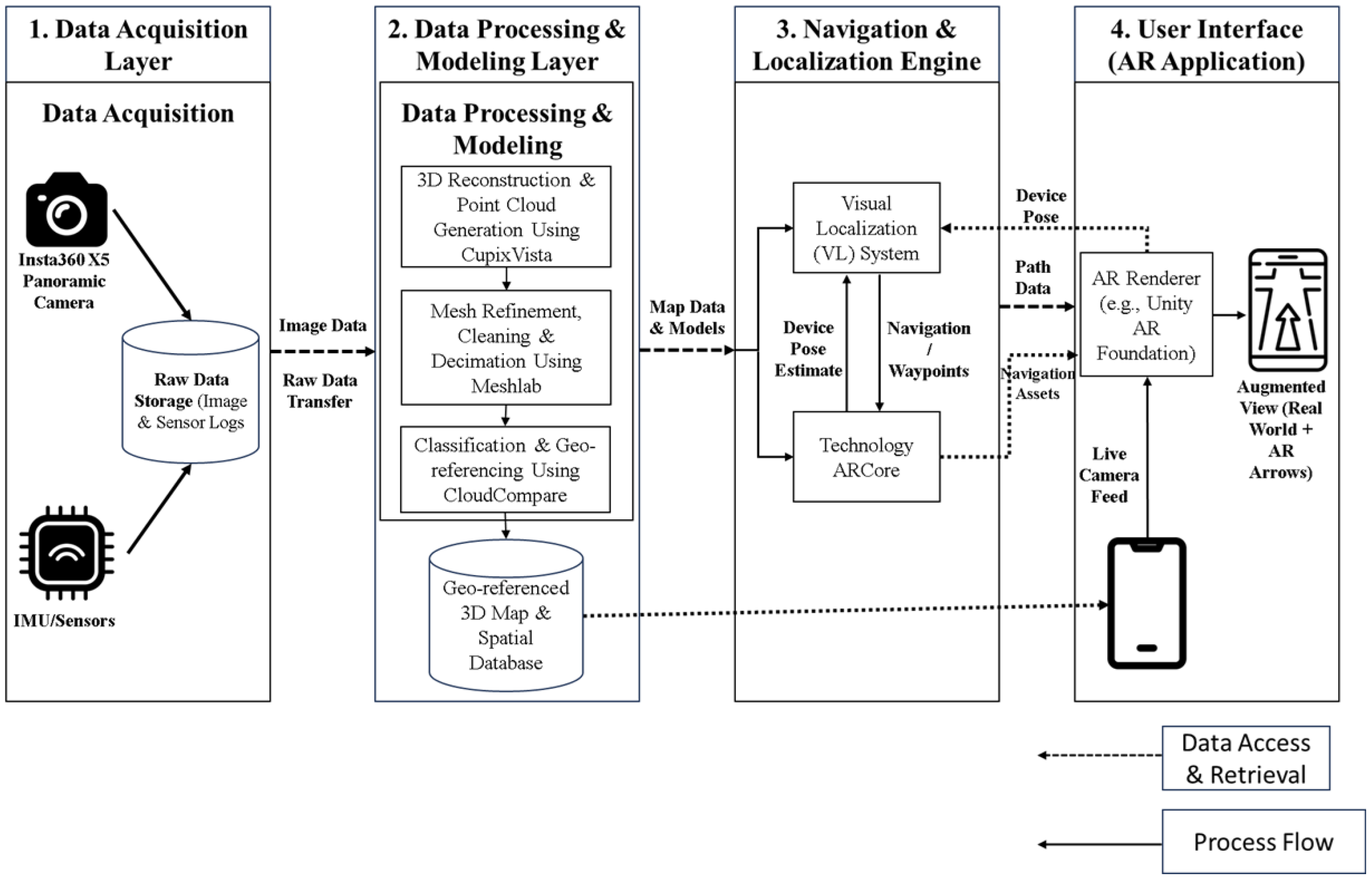
The proposed system is hierarchically structured into four layers to facilitate robust and accurate indoor visual positioning. As depicted in
Figure 1, the workflow commences within the
Data Acquisition Layer, where high-resolution environmental data are captured using
panoramic imaging devices integrated with inertial sensors to generate a comprehensive raw visual dataset. The data are subsequently processed in the
Modeling Layer, which implements a multi-stage
photogrammetric pipeline. The initial
structure-from-motion (SfM) reconstruction is performed using
CupixVista, followed by geometric refinement in
MeshLab and precise
georeferencing with
CloudCompare.
The resulting metrically accurate spatial database serves as the foundational map for the subsequent Navigation Engine. This engine integrates visual feature-based localization with Google ARCore’s inertial odometry to achieve robust, real-time 6-Degree-of-Freedom (6-DoF) pose tracking. Finally, the User Interface Layer, developed using the Unity AR Foundation framework, renders intuitive navigation cues and path overlays directly onto the user’s physical viewport via AR visualization.
The data synchronization in
Insta360 X5 Studio Arashi Vision Inc., Shenzhen, China is governed by a dedicated hardware-level timing controller that aligns the dual CMOS sensors with the internal 6-axis
Inertial Measurement Unit (IMU). According to the system specifications [
35], the
IMU operates at a high-frequency sampling rate of 200 Hz, where motion metadata is encapsulated within the video container using a proprietary synchronization protocol. This architecture achieves sub-millisecond temporal precision, which is a prerequisite for the
FlowState stabilization and rolling-shutter compensation [
36]. Such hardware-level alignment ensures that orientation metadata for each 8K frame is geometrically consistent, thereby reducing reprojection errors during the subsequent 3D photogrammetric reconstruction process.
To explain the data flow depicted in
Figure 1,
Table 2 provides a summary of the specific inputs, processing steps, and outputs associated with each hierarchical layer of the proposed system.
3.2. Data Acquisition Layer
The Data Acquisition Layer is responsible for capturing high-fidelity environmental data that constitute the foundational dataset for constructing the three-dimensional indoor map.
3.2.1. Panoramic Image Capture
Visual data acquisition is performed using an
Insta360 X5 omnidirectional camera [
37], which features
dual 1/1.28-inch CMOS sensors. The device operates in 360° video mode at a native 8K resolution (7680 × 3840 pixels). To ensure high-quality reconstruction while maintaining a manageable data volume, static frames were extracted from the 8K video footage at a sampling rate of 0.5 Hz (one frame every two seconds). This ensures adequate texture detail for reliable feature extraction during subsequent
photogrammetric processing. To mitigate motion-induced artifacts inherent in handheld scanning, the camera’s integrated six-axis gyroscope and electronic image stabilization functionalities are actively employed. The
Insta360 camera automatically synchronizes visual frames with its internal
IMU data (gyroscope and accelerometer) at the hardware level, ensuring a temporal alignment precision within
milliseconds, which is sufficient for the proposed pedestrian-speed collection speed. This configuration provides stable and
geometrically consistent visual input, which is essential for high-quality three-dimensional reconstruction with an estimated image overlap of approximately 80% between consecutive frames.
3.2.2. Sensor Data Integration
Concurrent with visual acquisition, inertial measurements are recorded by the camera’s integrated Inertial Measurement Unit (IMU). The IMU logs tri-axial linear acceleration and angular velocity data, which are precisely synchronized with the image timestamps. These inertial readings serve a critical function in the initial reconstruction pipeline by correcting for camera orientation drift and establishing a stable global gravity reference, thereby enhancing the geometric fidelity of the 3D model.
3.3. Data Processing and Modeling Layer
The acquired raw sensor and image data are processed through a multi-stage computational pipeline to generate a lightweight yet semantically rich 3D model optimized for mobile navigation and AR visualization.
3.3.1. Processing Workstation
All computational tasks for reconstruction, mesh processing, and georeferencing are performed on a dedicated workstation. The system is powered by an Intel ® Core ™Ultra 7 265KF processor and an NVIDIA GeForce RTX 4070 graphics processing unit (GPU) with 12 GB of dedicated video memory (VRAM). The GPU architecture is leveraged to accelerate computationally intensive stages; specifically, dense point cloud generation and mesh optimization. The configuration is supplemented with 32 GB of system memory to ensure stable performance during large-scale photogrammetric processing and model refinement. The operating environment is Windows 11 Pro (64-bit).
3.3.2. 3D Reconstruction and Point Cloud Generation
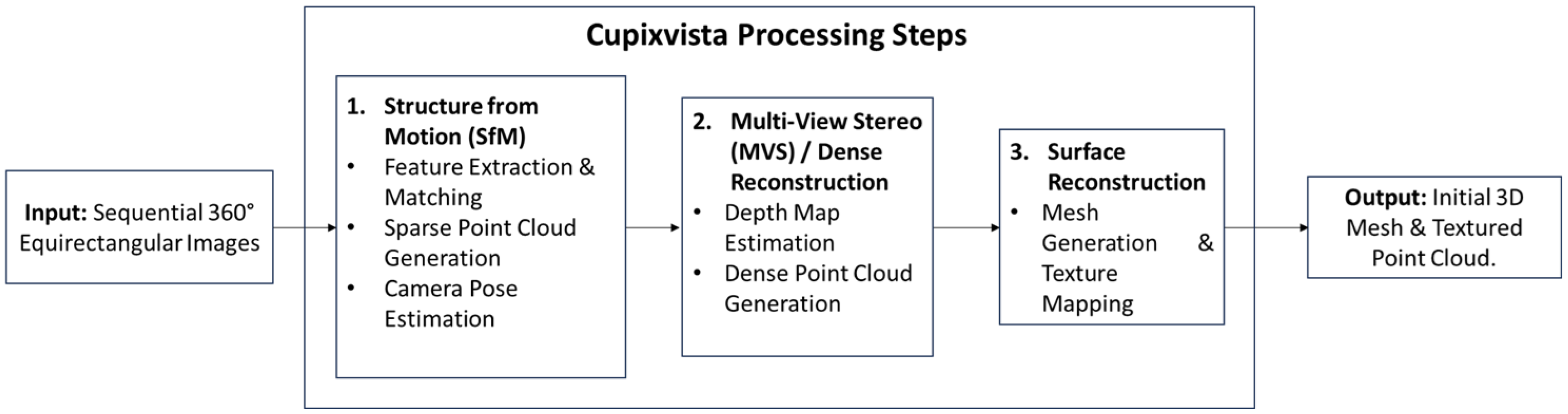
Raw panoramic images are processed using CupixVista, a cloud-based photogrammetry platform selected for its optimized support for sequential equirectangular imagery. As illustrated in the reconstruction pipeline in
Figure 2, the platform automatically extracts distinctive visual keypoints and estimates precise camera poses via Structure-from-Motion (SfM) algorithms. This is followed by a dense reconstruction phase using Multi-View Stereo (MVS) that generates a textured point cloud and a corresponding 3D mesh. This process effectively transforms two-dimensional pixel information into a coherent three-dimensional structural representation, which serves as the foundational geometric baseline for subsequent refinement stages [
38].
3.3.3. Mesh Refinement and Optimization
The initial
mesh generated from the reconstruction stage often contains surface noise, artifacts, and excessive geometric detail. To address these issues, a systematic
geometric refinement is performed using
MeshLab following the pipeline illustrated in
Figure 3. The process begins with noise reduction filters (e.g., Bilateral filtering) to suppress outliers, followed by topology repair to correct non-manifold geometry. Finally, the
mesh decimation using the
Quadric Edge Collapse algorithm is applied to reduce polygon complexity by 70%, ensuring the model remains lightweight for real-time mobile rendering [
39].
3.3.4. Georeferencing and Classification
The optimized mesh is imported into
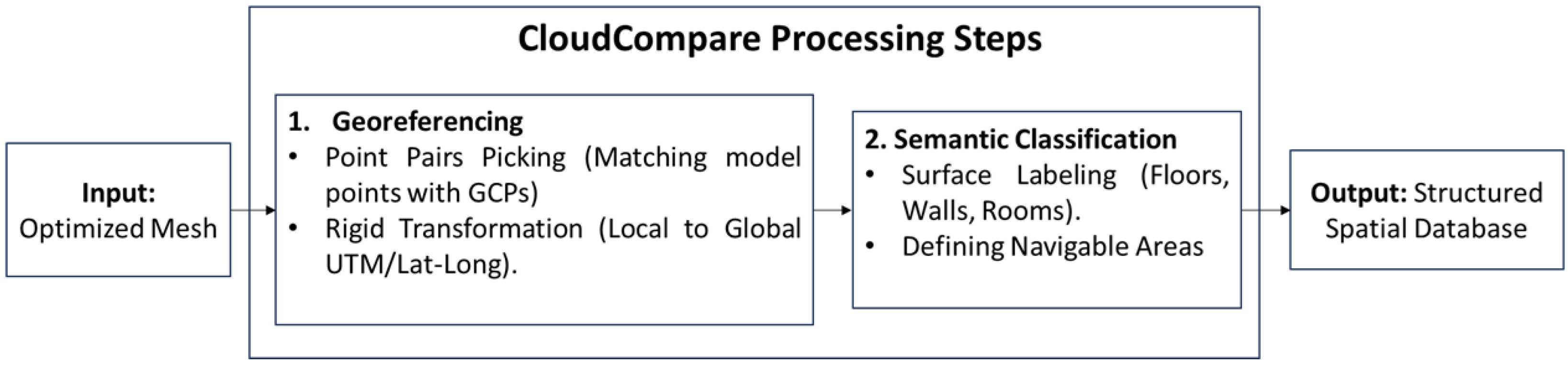
CloudCompare for final spatial alignment and semantic enrichment. This workflow, illustrated in
Figure 4, transforms the model’s local coordinate system into a real-world global reference frame through a
georeferencing procedure. Concurrently, the
semantic classification is applied to differentiate navigable surfaces, such as floors, from architectural obstacles, including walls and fixed furnishings. The output is a structured, georeferenced, and semantically tagged spatial database, which serves as the core digital map for subsequent navigation and augmented reality applications [
40].
3.4. Visual Localization and Navigation Engine
The Navigation Engine functions as the core computational module responsible for estimating the user’s precise six-degree-of-freedom (6-DoF) position and orientation within the reconstructed indoor environment.
3.4.1. Visual Pose Estimation
The Visual Localization (VL) module calculates the user’s global pose by matching feature descriptors extracted from the live smartphone camera stream against the pre-constructed 3D map database. This approach inherently solves the kidnapped robot problem, allowing the system to localize the user from arbitrary initial positions within the mapped environment without dependency on external positioning infrastructure, such as GPS or Bluetooth beacons.
3.4.2. Sensor Fusion with ARCore
Following initial localization, continuous 6-degree-of-freedom (6-DoF) pose tracking is maintained through Google ARCore’s Visual–Inertial Odometry (VIO) framework. ARCore fuses visual feature tracking from the camera with high-frequency inertial measurements from the device’s IMU to estimate the device’s position and orientation in real-time. This sensor fusion strategy ensures robust, smooth, and low-latency tracking, which remains stable during periods of rapid device movement or temporary visual occlusion.
3.5. AR Visualization and User Interface
The user interface is developed using the
Unity AR Foundation framework, which provides the core infrastructure for
AR visualization. This layer receives both the calculated path from the routing module and real-time pose estimates from the
Navigation Engine. It subsequently renders three-dimensional navigational elements, including directional arrows, path indicators, and virtual waypoints, directly onto the live smartphone camera view. This integration ensures that the virtual guidance cues remain persistently registered to the physical environment, offering the user intuitive, and real-time navigation assistance [
41].
4. Implementation
In this section, we present the deployment and validation of the proposed system within Engineering Building No. 2 at Okayama University, Japan. This building is a four-story academic facility, selected as a real-world testbed to evaluate the enhanced indoor navigation performance of our methodology.
4.1. Data Acquisition
To ensure high spatial accuracy and data consistency, environmental data were captured using an
Insta360 X5 omnidirectional camera integrated with an
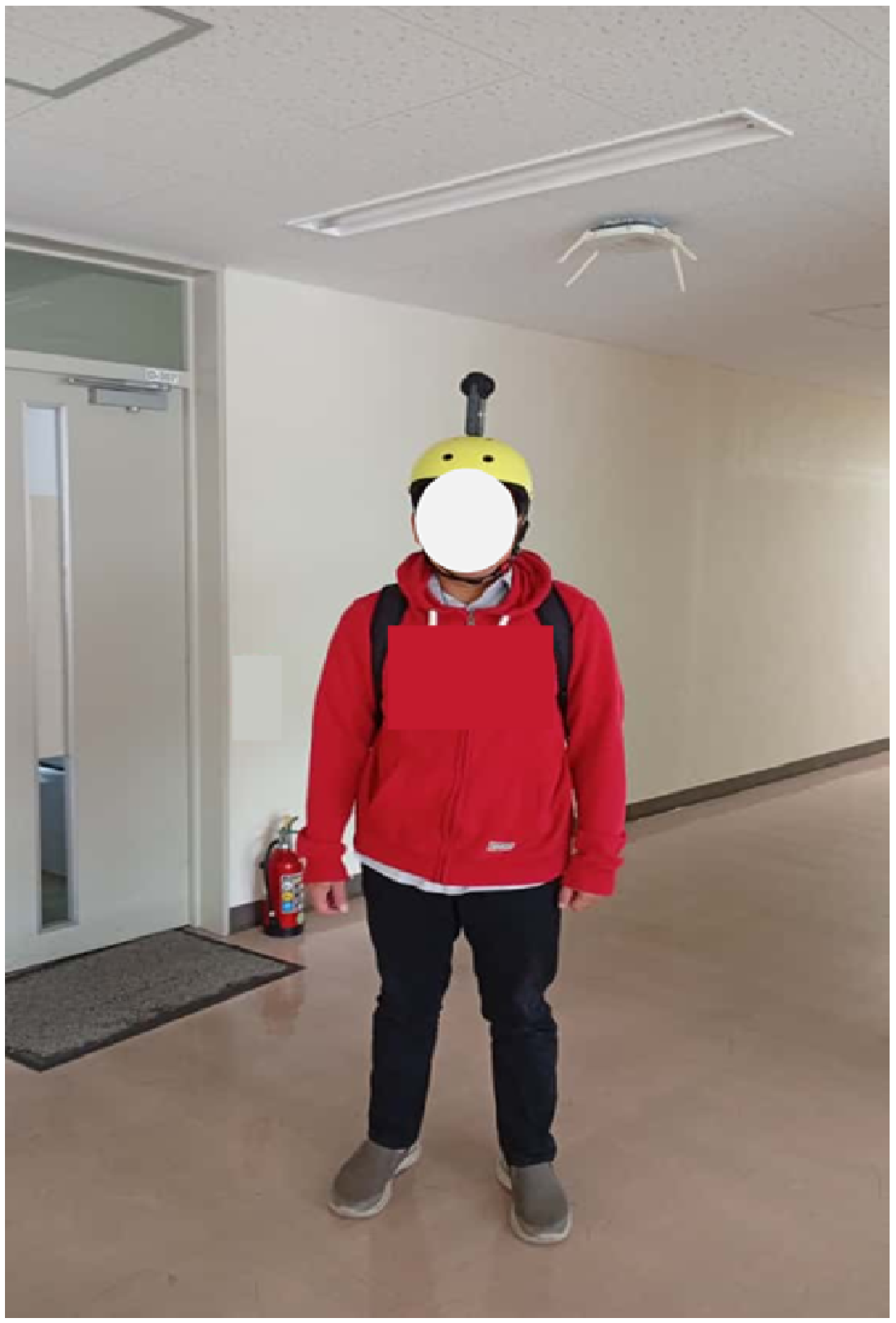
Inertial Measurement Unit (IMU). For the hardware setup, a head-mounted configuration was employed: the camera was vertically affixed to a safety helmet worn by the operator, as depicted in
Figure 5.
This head-mounted configuration was selected to mitigate visual noise and motion blur, which are prevalent in handheld acquisition. The elevated and stabilized camera position significantly reduces occlusions caused by the operator’s body and ensures consistent geometric viewpoints across sequential frames. Furthermore, this setup facilitates natural, continuous movement along the intended mapping path, enabling hands-free operation and improving data acquisition efficiency.
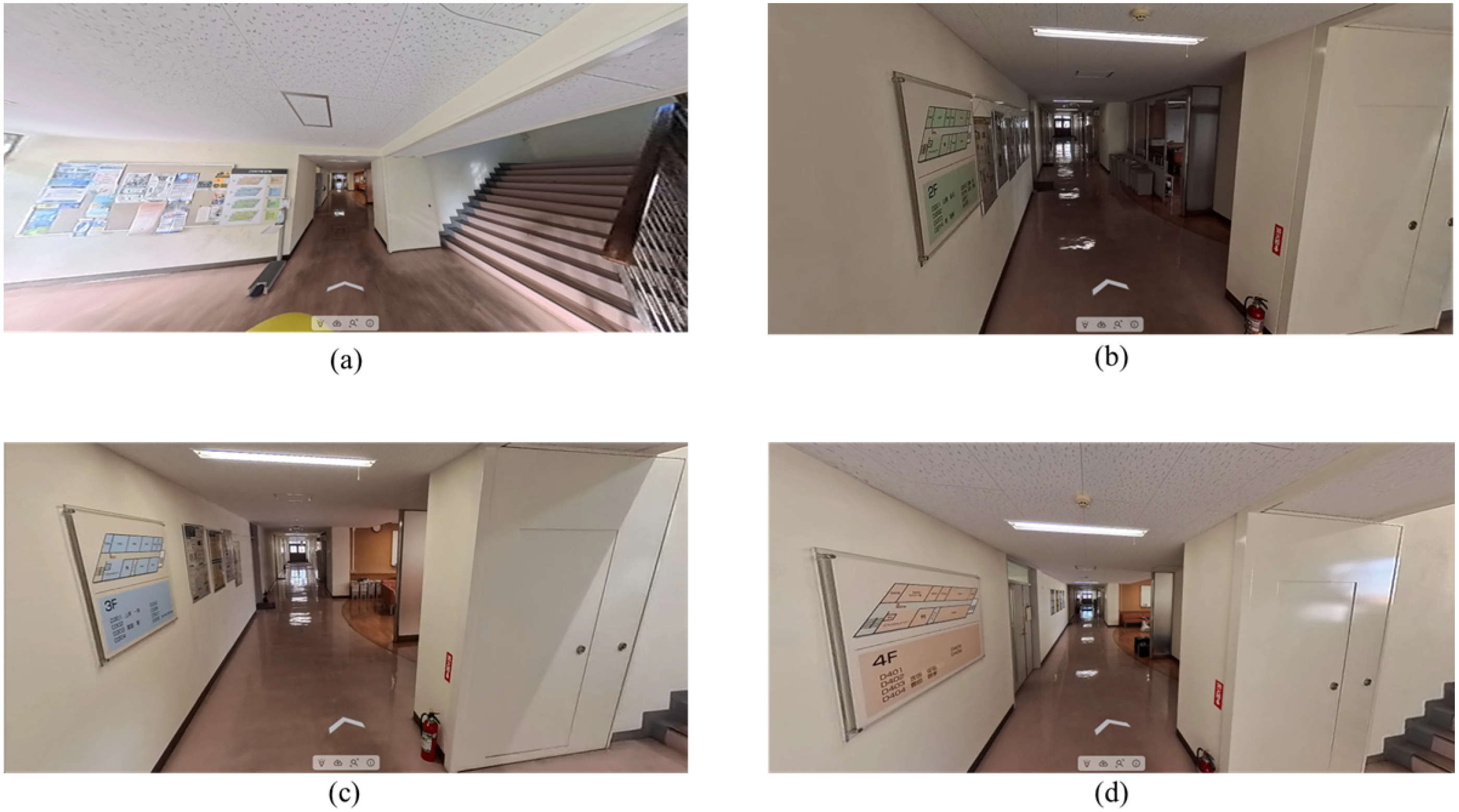
The acquisition process generated a dataset of
equirectangular panoramic images, automatically captured at regular spatial intervals along the designated navigation routes. Representative samples of the collected imagery from
Floor 1 through
Floor 4 are presented in
Figure 6.
The captured imagery has a resolution of 5.7K, which delivers superior sharpness and dynamic range. This high level of visual fidelity is crucial for robust feature detection and matching, facilitating the reliable identification of distinctive environmental keypoints, such as notice board corners, floor textures, and door frames, even under varying indoor lighting conditions.
4.2. Data Processing and Modeling
4.2.1. 3D Reconstruction and Point Cloud Generation
Following data acquisition, the equirectangular panoramic image dataset captured with the Insta360 X5 was processed using the cloud-based CupixVista photogrammetry platform. This platform was selected as its integrated AI-powered processing engine, which automatically performs image alignment and executes Structure-from-Motion (SfM) algorithms to reconstruct three-dimensional geometry from the two-dimensional image sequences.
The reconstruction process generates a dense 3D point cloud and a corresponding textured mesh model, effectively creating a geometrically accurate digital twin of the physical environment. A key advantage of the CupixVista pipeline is its robustness to illumination variations and its capability to mitigate geometric distortions in architecturally complex transitional spaces, such as staircases and corridor intersections.
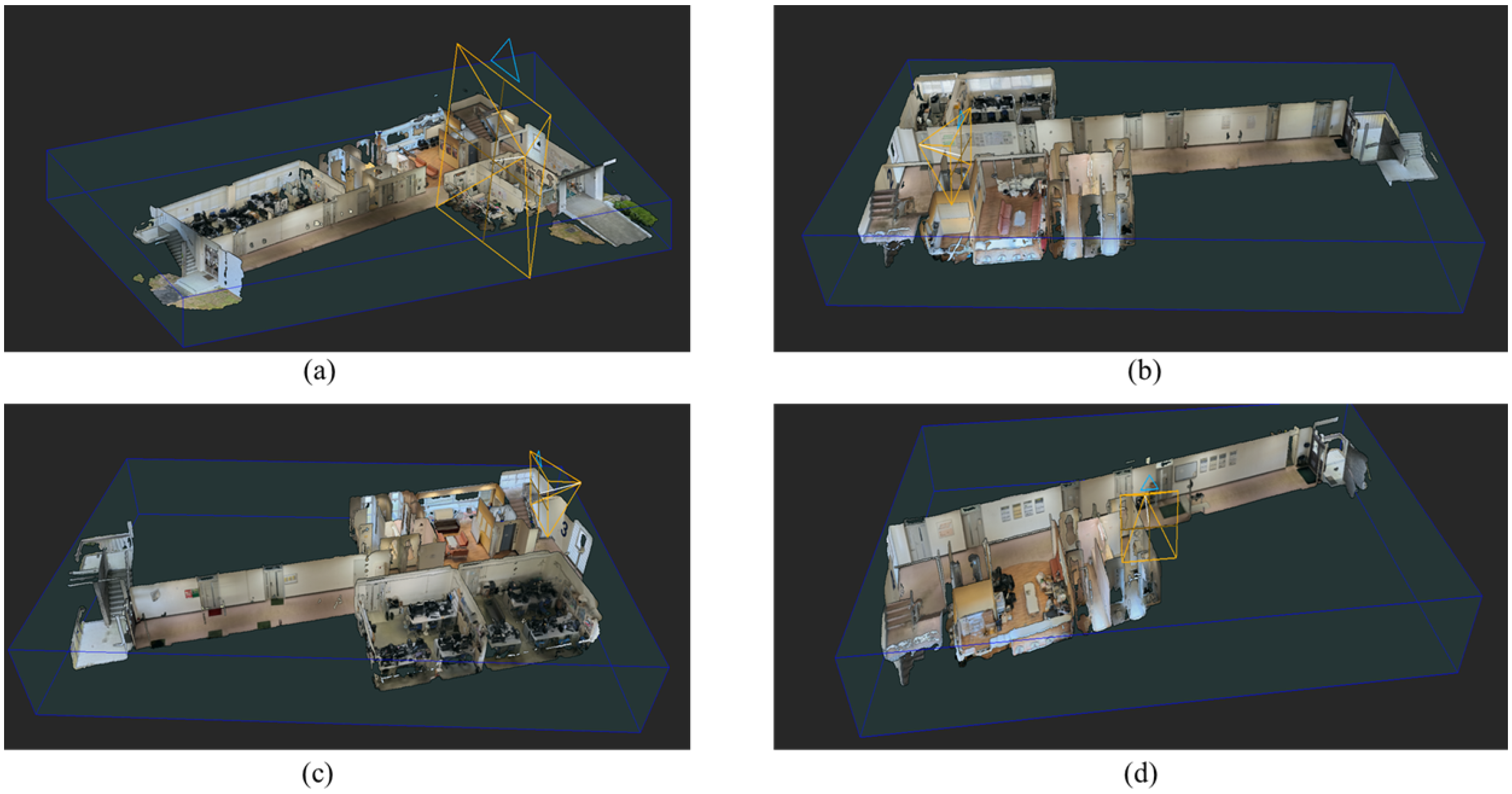
As illustrated in
Figure 7, the reconstruction results validate the system’s capability to accurately model the building’s complex topology. On
Floor 1 (
Figure 7a), the base area, lobby, and connecting staircases are reconstructed with high point density, preserving fine architectural details. The model of
Floor 2 (
Figure 7b) captures a long corridor with multiple branching rooms, demonstrating seamless spatial connectivity and minimal positional drift. Similarly,
Floor 3 (
Figure 7c) exhibits consistent reconstruction quality, with sharply defined wall boundaries and door structures that facilitate subsequent spatial segmentation. Finally, the reconstruction of
Floor 4 (
Figure 7d) confirms the stability of the processing pipeline, maintaining geometric consistency even at the uppermost level of the building.
4.2.2. Mesh Refinement, Cleaning, and Decimation Using MeshLab
Following individual floor-level reconstructions, a spatial integration process merges the partial models into a single, unified representation of the building. This involves vertically aligning the structures from Floor 1 to Floor 4 within a common global coordinate framework. The resultant merged geometry, which often contains excessive vertex density and photogrammetric noise artifacts, is subsequently processed in MeshLab to enhance its quality and usability. A systematic mesh refinement pipeline is applied. Initially, statistical outlier filtering is employed with a standard deviation threshold of 1.0 to remove erroneous points and floating artifacts that do not correspond to real-world surfaces. This is followed by the application of the Laplacian smoothing (conducted in 3 iterations) to reduce surface noise while preserving the overall geometric volume and major structural boundaries. Finally, the polygon count is substantially reduced using the Quadric Edge Collapse Decimation algorithm with a 70% reduction ratio. This decimation step is critical for generating a lightweight mesh (reducing the initial model from approximately 500,000 to 150,000 faces per floor) that remains compatible with the computational limits of mobile devices while retaining essential architectural features, such as sharp wall edges and door frames.
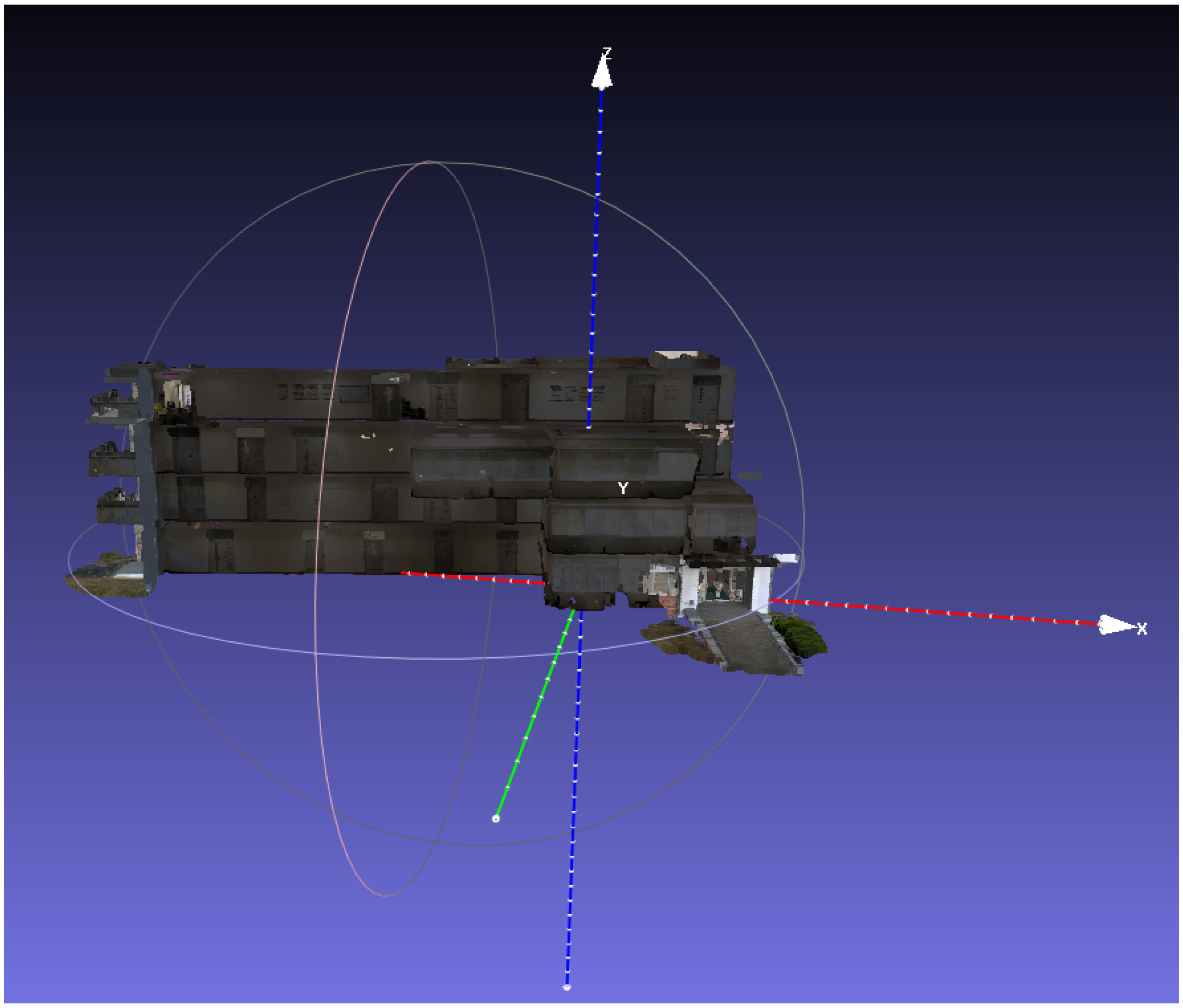
Figure 8 presents the final integrated and optimized 3D model of the four-story building. The model exhibits clean geometry and calibrated coordinate axes (X, Y, Z), confirming its suitability for subsequent
georeferencing and
AR application without imposing prohibitive rendering overhead.
4.2.3. Classification and Georeferencing Using CloudCompare
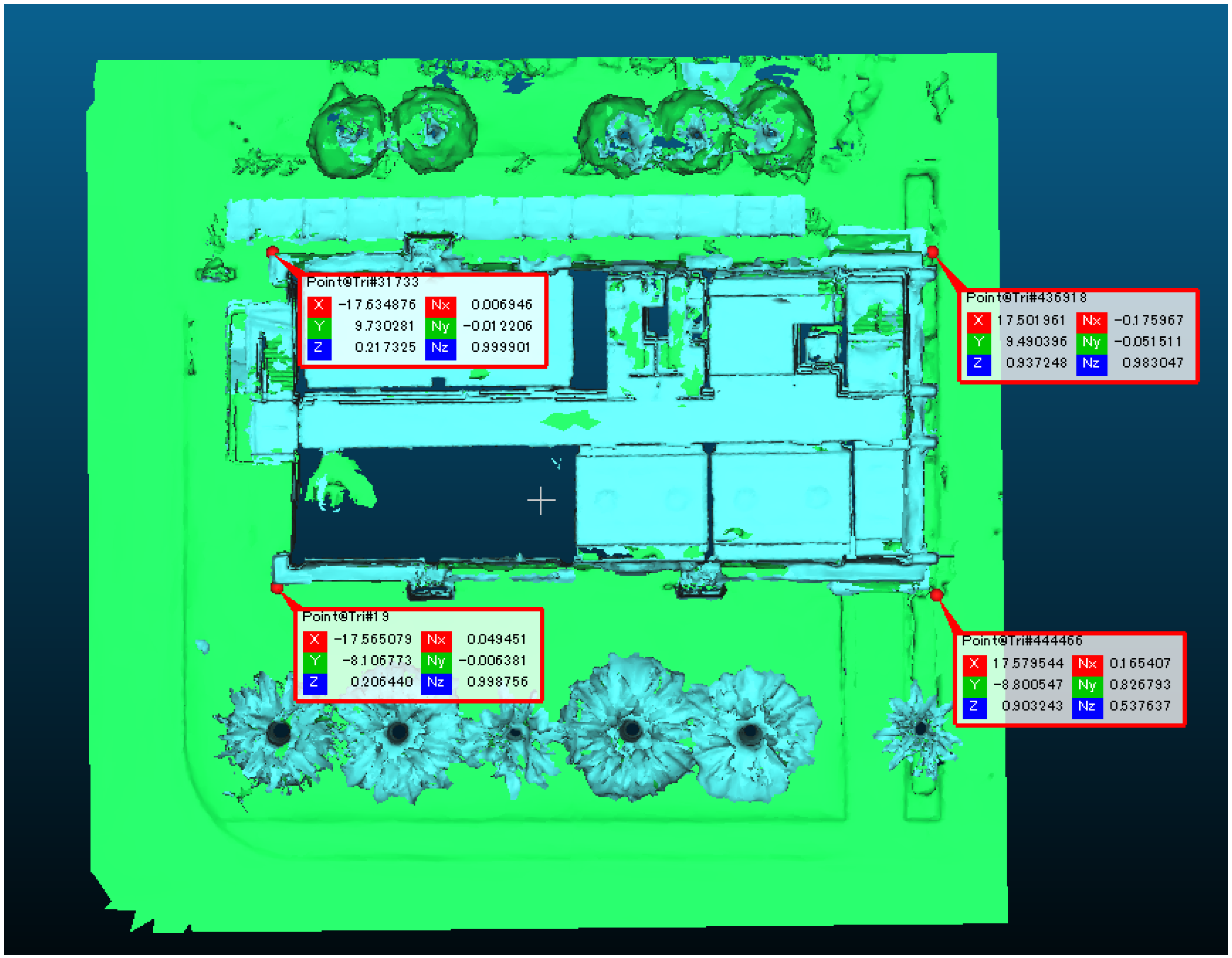
Following geometric optimization, the refined model is imported into CloudCompare for georeferencing. This process transforms the model from its local, relative coordinate system into a global geospatial reference frame. Since the initial reconstruction lacks proper cardinal orientation, a rigid transformation is applied using the point pairs picking method. In this study, 12 Ground Control Points (GCPs) were utilized, strategically distributed across all four floors specifically at hallway corners and structural pillars to ensure uniform spatial coverage. This involves selecting corresponding anchor points in the model and matching them to these surveyed GCPs with known latitude and longitude values. The reference coordinates were obtained using a combination of survey-grade GNSS for exterior points and official architectural CAD blueprints for internal structural markers.
To maintain metric consistency in the Cartesian processing environment, the geographic coordinates of the GCPs are converted into the Universal Transverse Mercator (UTM) coordinate system. After performing the transformation, the alignment quality was validated, yielding a mean Root Mean Square (RMS) error of 0.084 m. Accurate georeferencing is critical in the AR navigation system, as it ensures the precise horizontal and vertical alignment required for the stable registration of virtual elements, such as directional cues and landmarks, thereby preventing visual drift and unrealistic floating artifacts during AR visualization. Furthermore, surface normal vectors () are validated to confirm correct wall and floor orientations, which is essential for accurate occlusion handling in AR rendering.
As depicted in
Figure 9, the selected control points serve as reference correspondences for calculating the requisite rotation and translation matrices. These transformations are applied to the entire
point cloud, resulting in a model that is simultaneously geometrically accurate and geographically aligned, thereby making it suitable for direct integration into the
navigation engine.
4.3. AR User Interface Validation
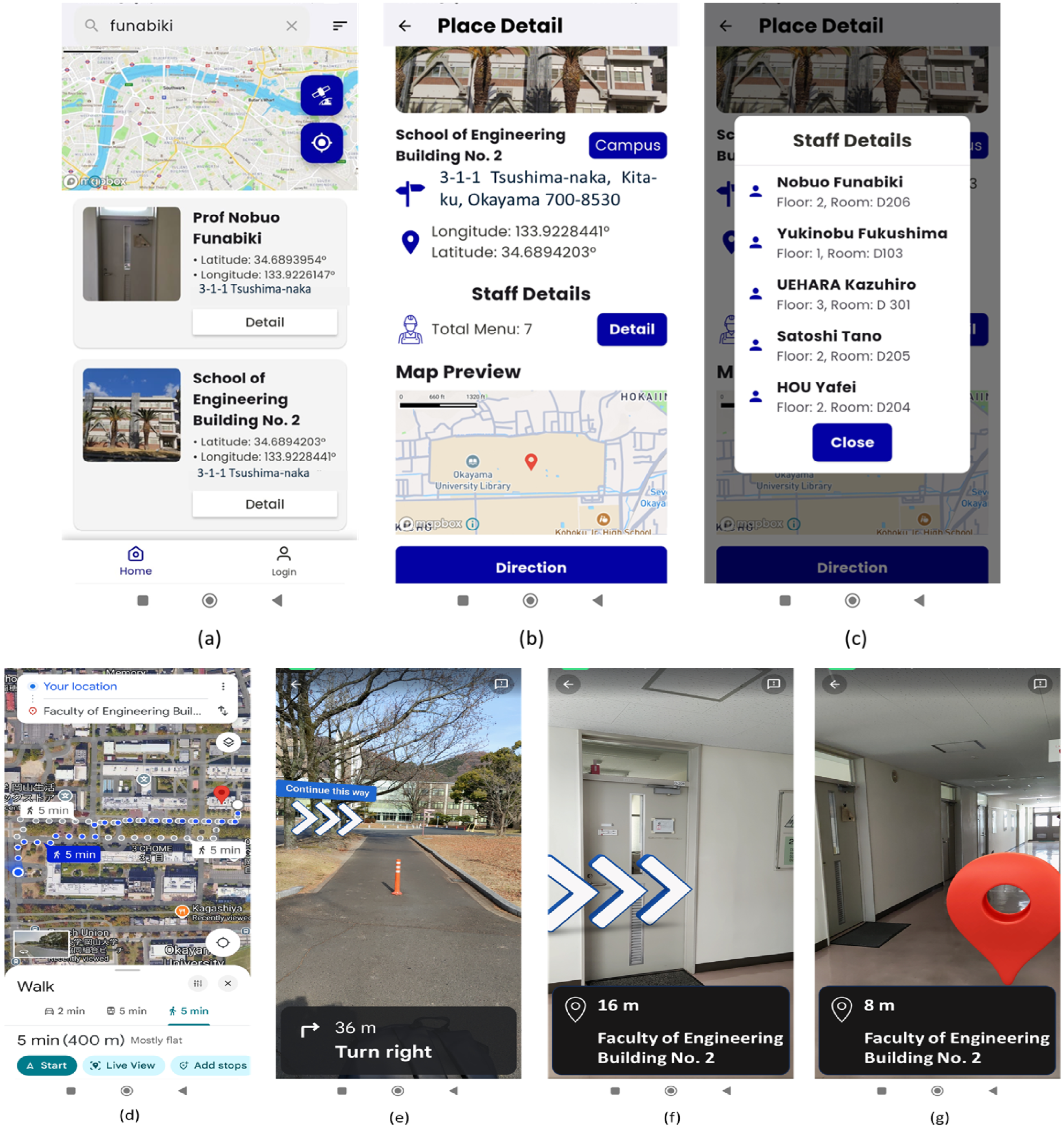
The
AR user interface evaluated in this study was developed by adapting a framework previously introduced by the authors in [
7]. The core navigation logic and visual layout are based on the methodology detailed in Figure 14 of the referenced work [
7] (
https://www.mdpi.com/2078-2489/16/7/588/html, accessed on 5 January 2024). For clarity, a schematic of the foundational
AR interface employed in the present validation is reproduced in
Figure 10. As shown in
Figure 10, the system utilizes
OCR to capture building and room identities. It could be focused on fragment (b), where unstructured signage text is converted into structured metadata. While our previous implementation in [
11,
12] relied on these identities combined with basic sensor fusion (dead reckoning), this study improves the system by anchoring this metadata to precise 3D coordinates. This ensures that the navigation guidance is not only informative but also geometrically accurate, mitigating the drift issues found in earlier versions.
Field validation was conducted to evaluate the system’s robustness across varying elevations and spatial layouts using four distinct target locations, one on each floor of the building.
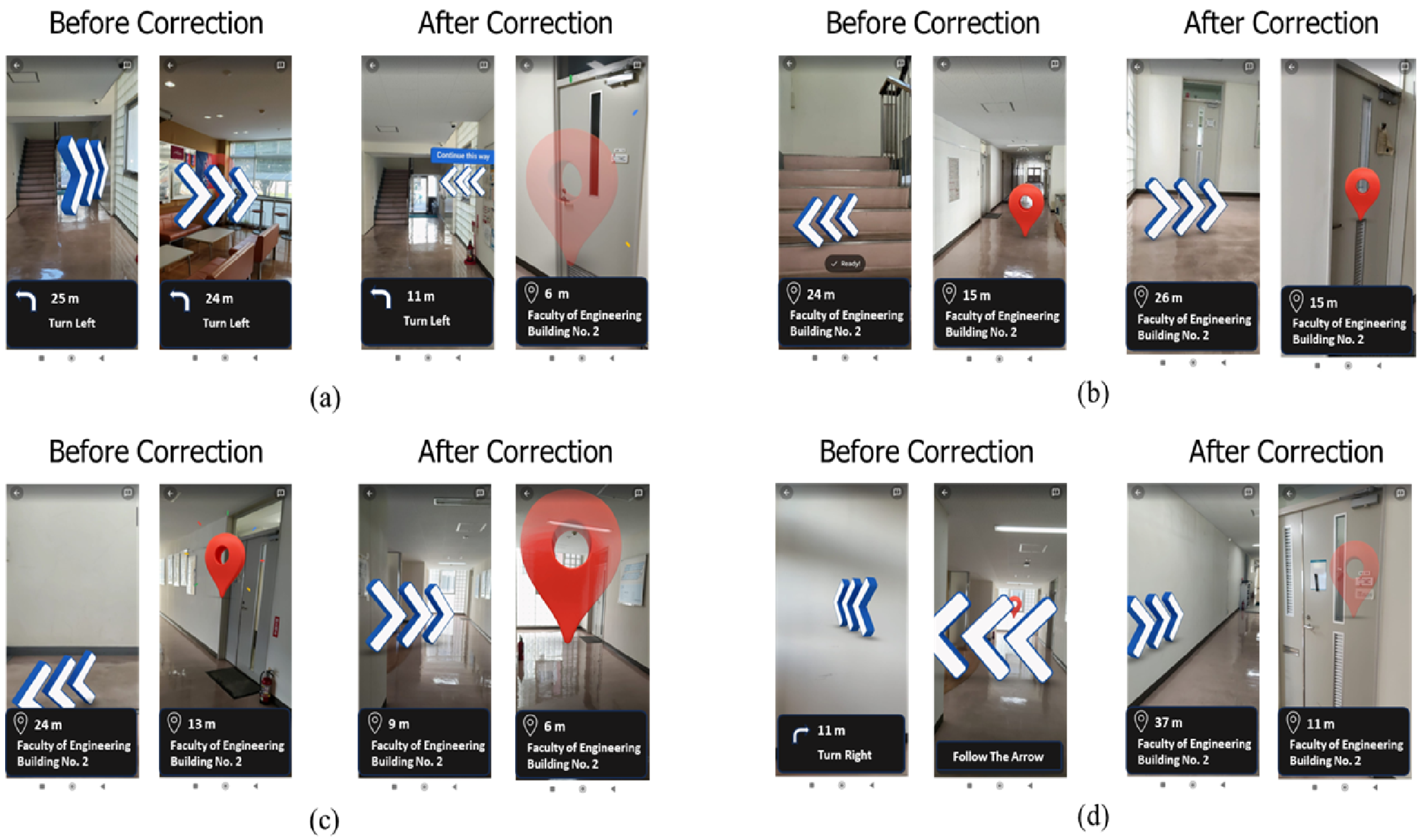
Figure 11 presents a comparative visualization of
AR navigation performance before and after the application of the proposed method. To complement these qualitative observations, the visual
AR alignment error was quantified. Following the photogrammetric correction, the perceived drift was reduced from over 4 m to a stabilized offset of
m. This ensures that the virtual markers remain accurately pinned to the actual room entrances, as supported by the recorded positional data. The qualitative outcomes for each floor are summarized as follows:
This ensures that the virtual markers remain accurately pinned to the actual room entrances, as supported by the recorded positional data. The qualitative outcomes for each floor are summarized as follows:
Floor 1: As illustrated in
Figure 11a, the uncorrected system produced a misaligned navigation path that erroneously directed users toward a corridor wall, with the destination landmark incorrectly positioned within an adjacent kitchen area. Following correction, the path was accurately aligned with the physical corridor, and the landmark was correctly placed directly in front of the intended office entrance.
Floor 2: As in
Figure 11b, the initial coordinate drift caused the destination marker to appear as a floating artifact near the
Student Laboratory. Post-correction, the navigation arrow correctly aligned with the corridor axis, and the marker was accurately repositioned at the laboratory entrance.
Floor 3: An adjacency ambiguity was identified on
Floor 3 as in
Figure 11c, where the system incorrectly associated the destination with a neighboring office door. The corrected implementation successfully resolved this spatial ambiguity, placing the landmark precisely at the targeted professor’s office.
Floor 4: As in
Figure 11d, the uncorrected
AR interface rendered a navigation arrow facing a solid wall, accompanied by a floating destination marker. After applying the correction parameters, the
AR guidance conformed accurately to the corridor geometry and terminated at the correct room entrance.
Overall, the validation results confirm that the proposed correction pipeline effectively mitigates a broad spectrum of spatial registration errors, including orientation mismatches and destination point offsets, across all tested building floors.
4.4. System Performance Metrics
To evaluate the real-world applicability of the proposed system, we analyzed key performance metrics related to both the offline processing pipeline and the real-time AR navigation experience. The real-time metrics were measured on a Insert Smartphone Model during active navigation in the test environment.
As shown in
Table 3, the AR application maintains a smooth rendering frame rate averaging 45 FPS, with a positioning update frequency synchronized at 30 Hz to ensure stable tracking without excessive battery drain. The estimated motion-to-photon latency is kept below 35 ms, which is crucial for minimizing motion sickness in AR experiences.
The results showed a 100% Task Completion Rate, with all participants successfully reaching their destinations without requiring external assistance. The average completion time was recorded at 124.5 s (SD = 15.2 s). These metrics confirm that the improved geometric accuracy translates directly into operational efficiency for end-users.
5. Performance Evaluation
In this section, to comprehensively assess the effectiveness of the proposal, we adopt a multi-faceted evaluation strategy and conduct a quantitative analysis of geometric accuracy and statistical error distribution, complemented by a qualitative assessment of system usability from an end-user perspective.
5.1. Geometric Accuracy and Drift Analysis
To evaluate the system’s accuracy, two sets of coordinates were compared against a known reference. The Before Correction values represent the raw latitude and longitude data obtained from the smartphone’s internal GNSS sensor while inside the building, which are prone to signal interference. The After Correction values (hereafter referred to as Estimated Corrected Positions) are the coordinates generated through our photogrammetric processing pipeline, where 360° panoramic visuals are anchored to a georeferenced 3D point cloud. The Ground Truth reference for this evaluation was established using the official architectural floor plans of Okayama University, providing a fixed benchmark for calculating the deviation distance.
This subsection evaluates the system’s capability to correct positional drift originating from initial sensor readings. The deviation distance (d) between an initial estimated position and its corresponding corrected position is quantified using the Haversine formula.
The calculation, based on the standard
Haversine computational logic, proceeds in three steps. First, the differences in latitude and longitude are converted to radians. Second, the square of half the chord length (
a) and the angular distance (
c) between the two points are computed as defined in Equation (
1):
where
and
are the differences in latitude and longitude in radians, respectively;
are the latitudes of the two points; and
R is the Earth’s radius (approximately 6,371,000 m). The final geodesic distance
d is obtained in meters. Finally, the geodesic distance
d (in meters) is obtained by multiplying the angular distance by the Earth’s radius, as expressed in Equation (
1):
The experimental results in
Table 4 validate the efficacy of the proposed
map information collection tool. The system successfully identified and corrected positional discrepancies at all 12 sample points, with drifts ranging from 2.53 m to 3.66 m.
The average corrected drift across all points is approximately 3.15 m. This result has practical significance for indoor navigation. The physical distance between adjacent room entrances typically exceeds 3.5 m. While a maximum drift of 3.66 m was observed in one case, the overall average of 3.15 m indicates that the system reliably corrects the user’s position to within immediate proximity of the target. This level of accuracy is sufficient to position the user within the visual line-of-sight of the correct entrance, thereby resolving the spatial ambiguity inherent in uncorrected GNSS-based positioning, which can exhibit errors exceeding 5–10 m indoors.
5.2. Statistical Error Validation (RMSE)
While the arithmetic mean of positional drift provides a general indicator of accuracy, the
Root Mean Square Error (RMSE) offers a more robust statistical measure by heavily penalizing larger deviations. This metric is essential for evaluating the overall stability and reliability of the system’s positioning performance across diverse locations. The
RMSE is calculated using Equation (
2):
where
n represents the total number of sample points (
) and
denotes the deviation distance (drift) at the
i-th point.
Based on the empirical data in
Table 4, the
Root Mean Square Error (RMSE) for the proposed cartographic data collection instrument is calculated as follows:
The calculated Root Mean Square Error (RMSE) of 3.17 m demonstrates the close correspondence with the arithmetic mean positional drift of 3.15 m. This alignment indicates a low variance in the error distribution, which is characteristic of a stable system. The absence of a significant disparity between these two metrics suggests that the error structure is not dominated by extreme outliers, thereby supporting the conclusion of consistent system performance and a mitigated risk of severe navigational disruption.
5.3. User Experience and Usability Assessment
This subsection presents an evaluation of the proposed navigation system’s usability, employing a dual-method approach consisting of a pre/post-test design and the standardized System Usability Scale (SUS).
5.3.1. Pre-Test and Post-Test Methodology
A pre-test screening question (“Have you ever used this navigation system before?”) was administered to participants prior to the experimental task to control the potential confounding effects of prior familiarity. This served to segment the sample for subsequent analysis. Following their practical engagement with the system to complete an indoor wayfinding task, a comprehensive usability assessment was conducted using a post-test questionnaire based on the validated
System Usability Scale (SUS) [
42]. As detailed in
Table 5, the questionnaire was designed to evaluate five critical usability dimensions, including: (1) interface learnability, (2) operational efficiency, (3) system error management, (4) perceived usefulness, and (5) overall user satisfaction with the
360° image-based navigation paradigm.
5.3.2. Pre-Test Result
A sample of 10 participants from the Okayama University was recruited for the usability evaluation. The pre-test screening results for the question: “Have you ever used this system before?”, which are summarized in
Table 6, indicate that 100% of participants (
n = 10) reported no prior usage of the navigation system. This established a homogeneous baseline of zero prior experience across the entire test group, thereby ensuring that subsequent usability assessments of initial learnability and interface characteristics were not confounded by pre-existing familiarity.
5.3.3. System Usability Scale Result
The system’s overall usability was quantitatively evaluated using the standardized
System Usability Scale (SUS). Following the completion of practical indoor wayfinding tasks, all 10 participants responded to a 10-item
SUS questionnaire using a 5-point
Likert scale (1 = “strongly disagree” to 5 = “strongly agree”) [
18]. To ensure reproducibility, the individual score calculation follows the rigorous protocol defined in [
43].
For each participant
j, the raw score
of the
i-th item (where
) is normalized to a contribution score
using Equation (
6):
The total SUS score for participant
j, denoted as
, is derived by summing the normalized contributions and applying the standard multiplier of 2.5, as shown in Equation (
7):
Finally, the overall system usability is computed as the mean score across all
n participants (
):
Table 7 presents the individual usability scores. The results indicate that the proposed tool is effective in cartographic data collection and provides a functional user interface for
pedestrian navigation.
Based on the data in
Table 7, the average
SUS score is calculated as follows:
The analysis of the SUS responses (n = 10) generated an exceptionally high mean usability score of 96.5, with individual scores ranging from 92.5 to 100. According to established normative benchmarks, this aggregate score categorizes the navigation system’s usability within the “Excellent” to “Best Imaginable” range. The narrow distribution and the absence of low scores indicate a consistently positive user experience across all participants. This finding substantiates the effectiveness of the system in delivering an intuitive and satisfactory navigation interface. Consequently, the results provide strong empirical support for technical readiness and user acceptance of the proposed system for real-world deployment in complex pedestrian environments, such as university campuses.
5.4. Navigation Task Performance
To further evaluate the practical effectiveness of the system, two additional metrics were measured during the field validation: the Task Completion Rate (TCR) and the Average Completion Time. The navigation task required each participant to locate a specific room on a different floor (from Floor 1 to Floor 4) starting from the main building entrance.
Task Completion Rate (TCR): A task was recorded as successful if the participant reached the target room entrance without any external assistance. All 10 participants successfully reached their assigned targets, resulting in a TCR of 100%.
Average Completion Time: The time was measured from the moment the AR guidance was activated until the user arrived at the destination marker. The average time recorded across all participants was s.
These results, combined with the low positional drift reported in
Table 4, demonstrate that the system is not only geometrically accurate but also highly efficient for real-world wayfinding. The 100% completion rate suggests that the visual-inertial sensor fusion and photogrammetric correction effectively prevent users from getting lost due to AR misalignments, which is a common issue in large-scale indoor environments.
5.5. Discussion
This subsection synthesizes the performance evaluation of the proposed cartographic data collection tool and its integrated indoor navigation system, focusing on geometric precision and qualitative user experience. The results of the positional drift analysis confirm the system’s efficacy in mitigating sensor-based localization errors. The average correction of 3.15 m, corroborated by a closely aligned Root Mean Square Error (RMSE) of 3.17 m, indicates stable and uniform error compensation. This achieved level of the positional accuracy is operationally significant, especially when compared to the typical 5–10 m errors associated with conventional GNSS-based positioning in indoor environments. Critically, within the experimental setting, where the physical distance between adjacent room entrances consistently exceeds 3.5 m, the system’s sub-3.5 m accuracy ensures that users are reliably positioned within the direct visual corridor of their target destination. This effectively bridges the gap between raw positional data and functional navigational guidance.
This operational stability is directly reflected in the positive user perception captured by the System Usability Scale (SUS) evaluation, which yielded a mean score of 96.5. Benchmarking against established norms classifies this result within the “Excellent” to “Best Imaginable” usability range, validating that the 360° image-based navigation interface provides a highly intuitive experience, even for novice users. Collectively, the demonstrated synergy between robust positional accuracy and exceptional usability underscores the technical maturity and practical viability of the proposed system. These complementary findings strongly support its readiness for deployment in complex, real-world indoor environments such as university campuses.
Furthermore, the practical deployment of immersive AR navigation requires robust wireless communication to handle transmissions of high-resolution 360° panoramic data and real-time pose estimation updates. As the complexity of indoor digital twins grows, the demand for low-latency and high-bandwidth communication becomes more critical. Future deployments of this system could integrate advanced communication strategies, such as the
MUL-VR framework proposed in 2025 [
44], to optimize the delivery of visual assets and ensure seamless navigation in
5G/6G-enabled environments. This framework provides an efficient strategy for managing the data-intensive requirements of multi-user immersive experiences, which is highly relevant for large-scale indoor public spaces.
6. Conclusions
In conclusion, this study successfully validated the efficacy of the proposed 360° panoramic image-based cartographic data collection tool as a robust solution for indoor navigation. The tool integrates photogrammetric 3D reconstruction with a dedicated post-processing pipeline to address the inherent limitations of GNSS signal degradation in enclosed spaces. The key findings of the study include its demonstrated capability to achieve an average positional correction of 3.15 m, with a closely aligned Root Mean Square Error (RMSE) of 3.17 m, confirming strong geometric stability and uniform error distribution.
The metric accuracy translates directly to reliable room-level localization, which in turn underpins an outstanding user experience, quantified by a mean System Usability Scale (SUS) score of 96.5. Collectively, these results substantiate that the proposed methodology effectively bridges the gap between high-fidelity digital twin modeling and operational geospatial requirements, establishing its technical feasibility for deployment in complex indoor environments such as university campuses.
Future work will concentrate on enhancing the system’s scalability by automating critical components of the mesh cleaning and optimization workflow, thereby facilitating its efficient large-scale implementation across diverse infrastructural settings



 ,
,