


Abstract
Plasma–liquid interactions (PLIs) have emerged as a rapid and reagent-minimized platform for the synthesis of gold nanomaterials (GNMs) with tunable size, morphology, crystallinity, and surface chemistry. In contrast to conventional wet-chemical routes, non-thermal atmospheric-pressure plasmas reduce HAuCl4 through highly reactive species generated at the gas–liquid interface. This review consolidates the field by classifying PLIs systems into four categories based on the discharge configuration, including plasma electrochemistry, plasma jet, solution plasma, and plasma aerosol, and critically compares their mechanisms and operational parameters. We show that the relative weighting of key process variables is strongly configuration-specific, with short-lived species initiating burst nucleation and long-lived neutrals sustaining autocatalytic growth. Furthermore, the review highlights how the distinct characteristics of each PLI configuration affect nanoparticle formation, morphology evolution, and physicochemical properties, providing practical guidance for selecting appropriate plasma systems for the controlled synthesis of gold nanomaterials.
1. Introduction
GNMs have attracted sustained attention because of their distinctive physicochemical, electrical, catalytic, and optical properties. Owing to localized surface plasmon resonance, high chemical stability, tunable surface chemistry, and excellent biocompatibility, GNMs have been widely used in a vast range of applications. Their size-, shape-, and surface-dependent properties make them particularly valuable for applications in which precise control over crystallinity, morphology, dispersibility, and interfacial chemistry is required [1,2,3,4,5].
Non-thermal plasma technology has emerged as a promising alternative and complementary strategy for GNMs synthesis [6,7]. Non-thermal atmospheric-pressure plasmas contain energetic electrons, ions, metastable species, photons, and reactive radicals while maintaining a near-ambient bulk gas temperature [8]. When nonthermal plasma interacts with a liquid, energetic electrons, ions, photons, metastable species, and radicals generated in the gas phase are transferred across the plasma–liquid interface [9,10]. This interaction produces highly reactive chemical species in the liquid, including solvated electrons (e−aq), reactive oxygen species (ROS), and reactive nitrogen species (RNS). These species can drive redox reactions that enable the synthesis or modification of nanomaterials (including GNMs) without adding a reducing agent or thermal processing.
However, the use of PLIs for GNMs synthesis remains a highly fragmented field. Different research groups and communities employ broad terms such as PLIs [11,12,13], plasma-assisted [14,15,16] and plasma synthesis/synthesized [17,18,19], as well as more specific terms such as microplasma [20,21], plasma electrochemistry/electrochemical [22], plasma-driven solution electrochemistry [23,24], plasma jet [25,26], solution plasma [27,28], plasma-in-liquid [29,30], electrohydrodynamic discharge [31], plasma-aerosol/droplet [32,33]. Although these systems are often grouped under the broad concept of PLIs, they differ substantially in discharge geometry, dominant reactive species, liquid-phase transport, nucleation environment, and particle collection mechanism. This diversity in terminology and configuration can be particularly confusing for non-plasma specialists, who may find it difficult to distinguish whether different studies are describing comparable processes or fundamentally different synthesis environments. As a result, mechanistic interpretation and cross-study comparison remain challenging. In addition, key parameters such as precursor concentration, pH, discharge voltage, current, plasma treatment time, gas composition, electrode configuration, stabilizer type, and batch volume often vary significantly across studies. They are reported inconsistently, making it difficult to establish clear structure–processing–property relationships for GNMs synthesized by PLIs.
Several reviews have already surveyed plasma–liquid interaction (PLI) approaches to nanomaterial synthesis, though generally with a broader scope than the exclusive focus on GNMs [34,35,36]. This review aims to consolidate recent progress in PLIs for the synthesis of GNMs and to provide a configuration-resolved framework for understanding their formation mechanisms, controllable parameters, and emerging applications. First, we introduce the fundamental properties and application relevance of GNMs, followed by a brief discussion of major advances and limitations in conventional GNMs synthesis. We then describe nonthermal plasma, its interactions with liquid, and briefly describe four representative PLIs platforms for GNMs synthesis: plasma electrochemistry, plasma jet, solution plasma, and plasma-aerosol. For each configuration, we discuss the reaction mechanism, dominant reducing species, nucleation and growth pathway, and key operating parameters governing particle size, morphology, crystallinity, and colloidal stability. Representative applications of plasma-produced GNMs in sensing, biomedical technologies, catalysis, and energy-related systems are then summarized. Finally, we identify current challenges, including mechanistic uncertainty, scalability, reproducibility, process standardization, and application-driven design, and propose future research priorities for advancing plasma-enabled GNMs synthesis. Table 1 provides a summary of key parameters of PLIs configurations for the preparation of GNMs.
Table 1.
Classification of PLIs configurations for GNMs synthesis.
2. Gold Nanomaterials
2.1. Properties and Applications
GNMs have been extensively reviewed, with continuous updates on their synthesis strategies, physicochemical properties, surface chemistry, and applications across diverse fields [37,38,39,40,41]. Therefore, this section provides only a concise overview of their key properties, representative applications, and major synthesis approaches, rather than a comprehensive discussion, as these topics have been thoroughly covered in dedicated reviews before [39,42].
The technological appeal of GNMs arises from their unique size- and shape-dependent properties, which differ significantly from those of bulk counterparts. At the nanoscale, GNMs exhibit localized surface plasmon resonance (LSPR) [43], typically in the visible region for spherical particles, resulting from the collective oscillation of conduction electrons under light excitation. The LSPR response is strongly influenced by particle size, morphology, interparticle spacing, and the surrounding dielectric environment, making GNMs attractive for optical sensing, imaging, and photothermal applications. Anisotropic GNMs, such as nanorods, nanoplates, nanostars, and branched nanoparticles, can further extend plasmonic absorption into the near-infrared region and generate localized electromagnetic hot spots, which are important for light-driven processes [44]. UV–visible spectroscopy is therefore widely used as a rapid and non-destructive technique to confirm GNMs formation and evaluate their optical and colloidal properties [45]. In PLIs studies for GNMs synthesis, UV–visible spectroscopy has been widely used as a preliminary characterization tool to assess the influence of key operational parameters and optimize synthesis conditions before conducting more advanced analyses, including XRD, SEM, TEM, zeta potential, and XPS [46,47,48].
GNMs have been widely explored across biomedical fields because of their distinctive chemical stability, tunable surface chemistry, and size- and shape-dependent optical properties [49]. These features have enabled their use in specific biomedical applications, such as biosensing [41], bioimaging [50], theragnostics [51], antimicrobials [52], photothermal [53] and photodynamic therapy [54]. In sensing applications, they can serve as colorimetric probes [55], SERS substrates [56], fluorescence quenchers [57], and electrochemical sensors [58] for detecting heavy metals, biomolecules, pathogens, and pollutants. Their sensing capabilities are mainly based on localized surface plasmon resonance, a high surface-to-volume ratio, and the ability to amplify optical or electrochemical signals upon interaction with target analytes. The unique surface chemistry also allows GNMs to be used in heterogeneous catalysis [59], photocatalysis [60], electrocatalysis [61], energy conversion and storage [62] due to their high surface area, tunable electronic structure, and strong light–matter interactions.
2.2. Synthesis of Gold Nanomaterials
Over the past several decades, significant advances have been made in the synthesis of GNMs. Classical wet-chemical routes, including the Turkevich citrate reduction method in aqueous solution [63] and the Brust–Schiffrin two-phase method [64], have provided reliable platforms for producing colloidal GNMs with controlled size and surface functionality. Subsequent developments involving seed-mediated growth [65], ligand-directed synthesis [66], microwave-assisted synthesis [67], and photochemical reduction [68] approaches have further expanded the accessible morphologies of GNMs, including nanospheres, nanorods [69], nanotriangles [70], nanostars [69], and nanoprisms [68]. Physical approaches such as radiation [69] and laser-ablation [70] can generate ligand-free gold colloids without conventional chemical reductants; however, they often face limitations in colloidal stability, morphology control, energy efficiency, and production throughput. Green synthesis of GNMs uses biological or naturally derived agents, such as plant extracts [71], microorganisms [72], enzymes [73], or biopolymers [74], to reduce Au ions and stabilize the resulting nanoparticles under mild and environmentally friendly conditions. This approach reduces the need for toxic chemical reductants and surfactants, making it attractive for biomedical and environmental applications [75]. However, its main limitations include poor reproducibility, slow reaction kinetics, difficulty in controlling particle size and morphology, and variability in the composition of biological extracts.
3. Plasma–Liquid Interactions
3.1. Non-Thermal Plasma
Non-thermal atmospheric-pressure plasmas are weakly ionized gases with electron temperatures (Te, typically 104–105 K) far exceeding the gas and ion temperatures, which generally remain close to ambient conditions [76]. The generation of non-thermal plasma is based on gas breakdown under an applied electric field [77]. When a sufficiently high voltage is applied between electrodes, free electrons are accelerated and collide with neutral gas molecules, triggering electron-impact ionization and creating an avalanche of charged particles [78]. The discharge can be sustained using different power supplies, including direct current (DC) [79], radiofrequency (RF) [80], microwave [81], or alternating current (AC) [82]. Reactor geometry, electrode configuration, dielectric barriers, gas flow, and applied voltage waveform strongly influence the discharge mode, plasma stability, electron energy distribution, and the types and fluxes of reactive species delivered to the target medium. In this context, several non-thermal plasma reactor configurations have been developed for plasma-assisted chemistry and PLIs studies. Dielectric barrier discharges (DBDs) use one or more dielectric layers to limit current and prevent transition to thermal arcs, enabling stable operation at atmospheric pressure [83]. Atmospheric-pressure plasma jets generate plasma in a flowing carrier gas and deliver reactive species remotely or directly to liquid surfaces [84]. Corona discharges are produced around sharp electrodes under highly non-uniform electric fields and are commonly used for gas-phase oxidation and surface treatment [85]. Glow discharges [86], spark discharges [87], pulsed discharges [88], and solution plasma [89] can also be used, depending on whether the plasma is generated above the liquid, at the gas–liquid interface, inside bubbles, or directly within the liquid phase. These different configurations provide distinct pathways for transferring electrons, ions, radicals, UV photons, shock waves, and local electric fields into the liquid environment.
3.2. Plasma–Liquid Interactions
When a plasma discharge contacts or operates in proximity to a liquid surface, a complex cascade of physical and chemical processes generates a diverse inventory of reactive species through both gas-phase and liquid-phase pathways. In the gas phase, electron impact dissociation and excitation of water vapor and ambient gases produce primary species, including hydroxyl radicals (•OH), atomic hydrogen (H•), atomic oxygen (•O), singlet oxygen (1O2), ozone (O3), and excited nitrogen species (N•, N2*) [90]. At the plasma–liquid interface, high-energy electrons and UV photons emitted by the discharge penetrate the interfacial layer and initiate homolytic cleavage of water molecules, generating additional •OH and H• radicals, as well as e−aq through a process analogous to water radiolysis. Once transferred into the bulk liquid, these primary species undergo a rapid and interconnected sequence of secondary reactions. e−aq, possessing a strongly negative standard reduction potential (E0 = −2.87 V vs. SHE), react with dissolved oxygen to form superoxide radical anions (O2•−), which are subsequently transformed to hydrogen peroxide (H2O2) [91,92]. Simultaneously, OH radicals recombine to produce H2O2 directly (•OH + •OH → H2O2), while H• radicals can reduce protons or react with dissolved oxygen to form hydroperoxyl radicals (HO2•). In nitrogen-containing or air-fed plasma systems, gas-phase reactions between excited nitrogen and oxygen species yield nitric oxide (NO•), nitrogen dioxide (NO2•), and dinitrogen pentoxide (N2O5), which dissolve into the liquid and hydrolyze to form nitrite (NO2−) and nitrate (NO3−), collectively lowering solution pH [93]. The overall illustration of PLIs is presented in Figure 1 [94].
Figure 1.
Schematic of generation pathway of reactive species in bulk liquid via plasma–liquid interactions [94]. Copyright MDPI 2021.
Together, these processes create a complex interfacial reaction environment that can be exploited for material synthesis, surface modification, environmental remediation, and biomedical applications. Building on these general principles, PLIs systems can be broadly grouped into four configurations that differ in the spatial relationship between the discharge and the liquid phase, and consequently in the dominant transport pathways for reactive species, charged particles, and photons: (i) plasma electrochemistry, (ii) plasma jet, (iii) solution plasma, and (iv) plasma-aerosol (Figure 2).
Figure 2.
Schematic of conventional PLIs systems. (A) Plasma electrochemistry, (B) plasma jet, (C) solution plasma, and (D) plasma-aerosol.
4. Plasma–Liquid Interactions for Gold Nanostructure Synthesis
4.1. Plasma Electrochemistry
Plasma electrochemistry is based on an electrochemical cell, with the plasma acting as one of the electrodes through the gas–liquid interface [95]. In a typical configuration, a DC power supply is used to energize a high-voltage electrode positioned several millimeters above the electrolyte surface, with a counter electrode immersed in the solution (Figure 3) [96]. A dual-plasma electrode configuration, in which plasma simultaneously served as both the cathode and the anode, was also reported by Shirai et al. [97]. Depending on polarity, the liquid functions as a cathode or anode, and the discharge supplies (or accepts) electrons across the interface together with ions, photons, radicals, and localized heat [98]. Because the plasma discharge is on the micrometer scale, this plasma configuration is also referred to as microplasma in various studies [20,99,100]. For this configuration, both the plasma–liquid distance and the interelectrode distance must be carefully adjusted. He and Ar are commonly used as the working gases, typically at low flow rates of a few tens of sccm, to minimize disturbance of the liquid surface, which could otherwise interrupt the microdischarge. We note that the configuration termed “plasma electrochemistry” in this review corresponds to what the Bruggeman group describes as “plasma-driven solution electrochemistry” [23,24].
Figure 3.
Configuration of plasma electrochemistry system (microplasma). (A) Plasma anode electrochemical cell, (B) plasma cathode electrochemical cell, (C) photograph of the microplasma discharge in plasma electrochemical cell [96]. Reproduced with permission from Springer-Nature, 2014.
A pioneering study by Richmonds and Sankaran demonstrated the use of this configuration for gold nanoparticle synthesis [48]. A pioneering study by Richmonds and Sankaran demonstrated the use of this configuration for gold nanoparticle synthesis [48]. In their work, the plasma electrochemical cell employed a plasma cathode, while a gold foil served as the anode. Fructose was added to the aqueous solution as a stabilizing agent. The dissolution of the gold anode provided Au cations, which were then reduced by electrons from the plasma cathode. This approach produced crystalline, nearly spherical gold nanoparticles (GNPs) with mean diameters of approximately 10 nm within minutes, showing that a non-contact plasma cathode can replace a conventional solid cathode. Alternatively, the same PLIs system can be applied directly to HAuCl4 solutions to generate GNPs without using a solid gold anode. Patel et al. showed that surfactant-free GNPs synthesized by plasma electrochemistry are colloidally stabilized primarily by electrostatic repulsion, exhibiting zeta potentials more negative than −30 mV attributable to electron injection from the plasma [101]. Yasin et al. further demonstrated that these bare metallic surfaces provide superior performance in surface-enhanced Raman scattering (SERS) and catalytic degradation compared to coated nanoparticles, as target analytes can approach the gold surface more closely without the steric hindrance of larger stabilizing molecules [102].
The formation of metallic Au nanomaterials by plasma electrochemistry can be explained as follows:
The Au3+ is considered the primary precursor in the synthesis of Au nanomaterials by plasma electrochemistry. It can be provided either by adding HAuCl4− or through the anodic dissolution of an Au electrode. Under plasma electrochemistry, the Au3+ cation can be reduced by high-energy electrons from the plasma cathode. The plasma-induced e−aq has a high reducing potential (−2.87 V vs. SHE) that is capable of reducing Au3+/AuCl4− to zero-valent Au0, which further undergoes a nucleation and growth process [103,104].
Au3+ + 3e− → Au0 (E0 = 1.5 V)
AuCl4− + 3e− → Au0 (E0 = 0.994 V)
Patel et al. demonstrated that H2O2 possesses mild reducing capability, which can further contribute to the reduction of Au3+/AuCl4− ions both during the plasma treatment and even after the plasma discharge has been terminated [101]. A later work by De Vos also confirmed the importance of H2O2 in the reduction of Au ions by PLIs. Overall, the reduction of Au3+/AuCl4− by H2O2 can be expressed by the following equations [101,105,106]:
2 AuCl4− + 3H2O2 → 2Au0 + 8Cl− + 3O2 + 6H+ (E0 = 0.449 V)
Au3+ 3H2O2 + 3OH− → Au0 + 3HO2 + 3H2O (E0 = 1.148 V)
Although the reactions above identify the principal reducing species responsible for Au3+ reduction, the reaction environment at the plasma–liquid interface remains incompletely understood. e−aq, H• and •OH radicals are generated within an ultra-thin interfacial layer, where steep concentration gradients make their transport predominantly diffusion-controlled rather than spatially uniform. In air or N2-based plasmas, dissolution of plasma-generated NOx can also induce transient local acidification before bulk buffering takes effect. This is particularly important because AuCl4− speciation is strongly pH dependent, shifting from AuCl4− under acidic, chloride-rich conditions to mixed chloro-hydroxo complexes and eventually Au(OH)4− as pH increases [107]. Since these species differ in ligand-exchange kinetics and susceptibility to reduction by e−aq and H•, the local precursor speciation can significantly influence the reduction rate, nucleation kinetics, and ultimately the particle size distribution. Consistent with this interpretation, Saito and co-workers highlighted the importance of pH-dependent Au speciation in solution plasma systems [108]. Therefore, pH should be regarded as a dynamic interfacial parameter rather than merely a bulk solution property. Direct characterization of transient interfacial pH and concentration gradients, combined with diffusion–reaction modeling, remains essential for establishing a quantitative understanding of plasma electrochemical AuNP formation.
Reactor parameters deterministically modulate size and crystallinity. Huang et al. systematically varied discharge current, temperature, pH, and stabilizer concentration in an atmospheric microplasma cell [96]. Increasing the discharge current from 8 to 15 mA reduced the mean particle size due to a higher production rate of reducing species and stronger interparticle electrostatic repulsion, while raising solution temperature from 25 to 70 °C promoted growth as accelerated decomposition of intermediates dominated over diffusion-limited supply. Stirring was also identified as a vital mechanism for ensuring uniformity, as it reduces the residence time of newly formed nuclei at the reactive plasma–liquid interface and suppresses uncontrolled agglomeration. Kim et al. extended this picture by demonstrating diffusion-controlled growth via continuous syringe-pump infusion of HAuCl4 into the reaction batch. As a result, monodisperse GNPs in the 50–300 nm range can be obtained by adjusting reaction time [109]. The same platform allowed controlled deposition of Ag shells, yielding Au@Ag core–shell architectures of tunable thickness.
The addition of stabilizing agents was also found to improve both the particle formation rate and size regulation. De Vos et al. emphasized that approximately 1 wt% polyvinyl alcohol (PVA) is sufficient to provide steric stabilization and produce monodisperse spherical GNPs [105]. Other polymeric materials, such as chitosan [110], fructose [109], and PEDOT:PSS [111], can also act as stabilizers, leading to smaller and more uniform nanoparticles. Building upon these findings, the plasma electrochemistry method has been further extended for the in situ decoration of GNPs onto template materials, including carbon nanotubes [19,112], graphene oxide [99], TiO2 [113], TEMPO-oxidized cellulose nanofibers [114]. For example, a proposed mechanism for the decoration of Au con multiwall-carbon nanotubes by Sun et al. is presented in Figure 4 [19]. Some notable examples of GNMs synthesized via plasma electrochemistry are summarized in Table 2.
Figure 4.
Reaction mechanism for GNPs synthesis on carbon nanotube by (I) solvated electrons, (II) hydrogen peroxides, and by (III) surface reduction [19]. Copyright ACS, 2019.
Table 2.
GNMs synthesized by plasma electrochemistry systems.
4.2. Plasma Jet
Atmospheric-pressure plasma jets generate a non-equilibrium plume in a confined dielectric tube or capillary and transport reactive species to a remote liquid target via a carrier gas flow [119]. The typical configuration and photograph of a plasma jet are presented in Figure 5A,B, respectively. The spatial separation between discharge ignition and treatment zone reduces electrode contamination and allows treatment of liquid medium. The continuous plume of a plasma jet is made up of fast-propagating plasma bullets (ionization waves) moving at velocities up to 105 m/s [120]. Most atmospheric-pressure plasma jets operate on the dielectric barrier discharge (DBD) principle [120], though their performance is strongly dictated by several factors, including electrode configuration, powering mode (AC, RF, pulsed DC, etc.), and gas composition (He, Ar, N2, Air, etc.). A gliding arc plasma jet (Figure 5C,D) is a non-equilibrium atmospheric-pressure discharge in which an electric arc is initiated at the shortest gap between diverging electrodes and then driven downstream by a gas flow, continuously elongating until extinction and reignition, thereby generating a spatially extended plasma with both thermal and non-thermal characteristics [121,122]. This hybrid nature, combining the high reactivity of thermal plasmas with the selectivity of cold atmospheric plasmas, makes gliding arc jets particularly attractive for applications requiring efficient generation of ROS and RNS, including surface treatment, gas conversion, and PLIs. Together, these parameters determine whether the chemistry delivered to the liquid surface is dominated by short-lived species (electrons, ions, excited atoms, radicals) generated near the discharge region, or by long-lived neutrals (H2O2, O3, NOx) produced in the downstream effluent [123]. Plasma jets are widely used in biomedical applications due to the remote discharge that is independent of the target [124].
Figure 5.
(A) Structural schematic and (B) photograph of a typical plasma jet [124]. Reproduced with permission from Wiley 2024. (C) Structural schematic and (D) photograph of a gliding arc plasma jet [122]. Reproduced with permission from MDPI 2020.
Furusho et al. reported one of the earliest plasma-jet syntheses of GNPs by a He plasma jet [125]. Since then, plasma jets have been widely adopted for the synthesis of GNMs. Compared with plasma electrochemistry, plasma jets typically operate at substantially higher gas flow rates, ranging from a few hundred SCCM to several LPM, to sustain a stable plume. The increased gas flow produces a well-defined dimple at the plasma–liquid interface while preserving discharge stability, providing greater operational flexibility. As a result, several parameters that are difficult to adjust in confined microplasma electrochemical cells, including jet length, jet-to-liquid distance, gas flow rate, and stirring speed, can be independently optimized in plasma jet configurations.
A mechanistically important consequence of this geometry is that long-lived neutral reactive species, rather than e−aq, are widely regarded as the dominant plasma constituents reaching the liquid. Ghimire et al. demonstrated that the H2O2 concentration generated in plasma-treated water can be significantly enhanced by optimizing the key geometric and operational parameters of the jet, including electrode configuration, plume length, and the gap distance between the nozzle and the liquid surface [126,127,128]. Building on this, Lamichhane et al. showed that the downstream length of the plume can be deliberately tuned to favor either H2O2 or NOx−, with intermediate plume lengths providing the optimal for Au reduction [129].
Plasma jets have been exploited to produce both stabilizer-free and polymer-functionalized GNMs [130] (Figure 6). Le et al. systematically optimized jet-to-surface distance and excitation frequency to produce stabilizer-free, homogeneous GNPs with advanced optical-sensing performance [47]. Habib et al. used a He jet with PVP capping to deliver monodisperse spherical GNPs in 5 min, with size tunable by precursor and stabilizer concentration [26]. Sanavandi et al. demonstrated simultaneous Au synthesis and linker-free conjugation with the neuronal stem-cell marker nestin in 15 min, illustrating the use of a plasma jet for in situ bio-functionalization [14]. Au@polydopamine (Au@PDA) nanospheres are produced in a single-step approach in which dopamine self-polymerizes into PDA concurrently with Au reduction, yielding a 44 nm core–shell structure within 5 min [15]. Subsequent biological evaluation showed that these Au@PDA particles promote autophagy-dependent immunogenic cell death (ICD) in aggressive breast cancer cell lines [18]. Acharya et al. extended this concept to Au@chitosan composites using an Ar-H2 mix gas, achieving complete Au3+ reduction and chitosan encapsulation in 5 min and demonstrating ICD-inducing activity against lung and colorectal cancer cells [131]. Plasma jet treatment can also enable the decoration of GNMs on substrate materials, including polydopamine nanospheres and TiO2 [132,133].
Figure 6.
A plasma jet setup for GNMs synthesis in the presence of PEG. (A) Photographs of the solution during plasma treatment at different treatment times, and (B) Spatial distribution of H2O2 concentration generated by the plasma jet [130]. Copyright © MDPI 2021.
Sakakibara et al. developed cryoplasma-assisted freeze templating, in which a He cryoplasma jet at sub-zero gas temperatures irradiates a frozen HAuCl4 solution; freeze concentration expels solutes into nanoscale liquid pockets at the ice front, where the plasma reduces Au3+ to form self-standing porous Au films with thicknesses tunable by precursor concentration and freezing temperature [134,135]. This is a unique approach that would be hard to perform with different types of PLI systems. For a summary of advances in plasma-jet fabrication of GNMs, we selected several notable works with key parameters in Table 3.
Table 3.
GNMs synthesized by plasma jet systems.
4.3. Solution Plasma
Solution plasma is a non-equilibrium plasma generated directly inside a liquid medium at atmospheric pressure and near room temperature (Figure 7). Owing to its distinctive discharge conditions, this type of plasma is also referred to by several alternative terms in the literature, including in-liquid plasma [36], plasma discharge in liquid [139], liquid discharge [140], submerged discharge/plasma [141,142], plasma under water [143]. The discharge is generated between two closely spaced electrodes (sub-millimeter gap) immersed in liquid, using a high-voltage bipolar pulsed power supply with microsecond pulse durations and applied voltages of several kilovolts. Local Joule heating around the electrode tips vaporizes the surrounding liquid to form transient vapor bubbles, in which dielectric breakdown produces the plasma channel; thus, although termed “in-liquid,” the discharge itself occurs within gas-phase microcavities embedded in the bulk solution. SP is characterized by electron temperatures (1–10 eV) far above the gas and bulk-liquid temperatures, enabling highly reactive chemistry without significant bulk heating. The key reactive species generated by SP come from the discharge water vapor, including electrons (e−), hydrogen radicals (H•), hydroxyl radicals (•OH), atomic oxygen (O•), and longer-lived species such as H2O2. Because the plasma is generated within rapidly forming and collapsing vapor bubbles, SP exhibits extreme local conditions (high electron density, rapid quenching, shockwave generation) that drive non-thermal, kinetically controlled reactions distinct from conventional liquid-phase thermal chemistry. The plasma, therefore, exists in transient gas-phase domains embedded in the liquid rather than at a planar interface, leading to extreme local conditions (high electron density, rapid quenching, shockwaves) and intense production of reactive species. Unlike other plasma–liquid systems, solution plasma is generated inside the bulk liquid; thus, the influence of the air environment is limited.
Figure 7.
(A) Configuration of a typical solution plasma reactor [144]. Copyright © MDPI 2022. (B) The solution plasma formation principle and (C) the plasma–gas–liquid reactive species [145]. Copyright © MDPI 2021.
The synthesis of GNMs by SP is well studied using either top-down or bottom-up approaches. In a bottom-up configuration, HAuCl4·3H2O is reduced by plasma-generated reactive species (electrons, H•, •OH, O•) into zero-valent atoms that nucleate and grow into nanoparticles in solution [146]. The common electrode materials for this configuration are W and Pt due to high corrosion resistance. (Figure 8A,B). For top-down approaches, energetic ions, radicals, and atoms generated in the plasma physically bombard sacrificial Au electrodes, ejecting atoms or clusters that subsequently diffuse into the liquid and assemble into nanoparticles (Figure 8C,D) [147].
Figure 8.
(A,B) Solution plasma for GNMs synthesis from HAuCl4 solution [146]. Copyright ACS 2019; (C,D) solution plasma for GNMs synthesis from Au electrodes [147]. Copyright ACS 2023.
A distinction that is important for the purity of the final product is whether the gold originates from a dissolved precursor or from the electrodes themselves. In the bottom-up route, HAuCl4 is the sole gold source and the electrodes (typically W or Pt) are chosen for corrosion resistance; nevertheless, sputtering and thermal wear of even these refractory electrodes can release trace metallic species into the colloid, which may co-deposit on or dope the growing nanoparticles and alter their surface chemistry and catalytic behavior. In the top-down route, where sacrificial Au electrodes are eroded directly, electrode consumption is intrinsic to the synthesis and the resulting “surfactant-free” nanoparticles can nonetheless carry electrode-derived impurities and a broadened size distribution arising from the co-existence of atomically dispersed and cluster-ejected material. Reports of solution-plasma GNMs should therefore state the electrode material and, where possible, provide elemental analysis (e.g., ICP-MS or EDX) to confirm that the product is not contaminated by electrode erosion.
An early report by Lung et al. used arc discharge between an Au wire submerged in deionized water, yielding GNPs with a size of 15–30 nm [148]. The obtained zeta potential of −35 mV indicates the high stability of the obtained GNPs even without the presence of stabilizing agents. The Saito group has made foundational contributions to the development of SP for the synthesis of nanomaterials, including GNMs [89,149]. They reported the formation of anisotropic GNMs, such as triangular, pentagonal, and hexagonal nanoparticles, by the SP process [150]. They also demonstrated that incorporating small amounts of ethyl alcohol into the aqueous phase of a solution plasma process dramatically accelerates gold nanoparticle formation, with the reduction of AuCl4− proceeding approximately 35 times faster at an ethanol mole fraction near 0.089 than in pure water [151]. In a recent work, by monitoring the colloids over a 30-day storage period, Chantaramethakul et al. further observed that the acidic environment generated in the solution after plasma termination drives post-synthesis transformations of the nanoparticles through oxidative etching and Ostwald-ripening regrowth [147]. They also controlled the diameter of GNPs produced by solution plasma within the range of 1–10 nm by adjusting the solution pH. When the pH was increased to 12, the surfactant bound to oxidized gold atoms on the nanoparticle surface, generating electrostatic repulsion that limited particle growth and aggregation [28]. In another study, they investigated the reduction of AuCl4− by SP in the presence of sodium dodecyl sulfonate as a stabilizer, systematically demonstrating the influence of key operating parameters such as discharge time, applied voltage, and HAuCl4 concentration on the formation rate and morphology of the AuNP product [152]. Several studies have utilized other surfactant molecules, such as sugars, biopolymers [146], sodium citrate [153], sodium alginate [29], and CTAC, to obtain well-controlled GNMs. In summary, for the fabrication of GNMs by solution plasma, we selected several publications and presented them in Table 4.
Table 4.
GNMs synthesized by solution plasma systems.
4.4. Plasma Aerosol
Plasma aerosol systems disperse the precursor solution into small droplets that traverse the plasma volume, with each droplet acting as a flow-through microreactor [32,80]. Compared with bulk-liquid PLIs systems mentioned above, plasma aerosol provides several orders of magnitude greater gas–liquid interfacial area, enables near-instantaneous mass transfer between gas-phase reactive species and dissolved precursors, and decouples the synthesis from a stationary liquid surface. Aerosols are typically generated by ultrasonic [161] or pneumatic nebulization [162], electrospray [163], or piezo-driven inkjet [33], and are entrained by a carrier gas through a DBD [161], RF [32], or microwave [33] plasma. Janda et al. recently provided a comprehensive overview of the fundamental principles and broad application landscape of plasma aerosol systems, encompassing antimicrobial treatment, nitrogen fixation, therapeutic delivery, and agricultural uses; however, the rapidly advancing field of plasma aerosol-enabled nanoparticle synthesis was only mentioned briefly in their discussion [164].
The complete immersion of liquid droplets within the plasma volume maximizes the influx of plasma-generated reactive species into the droplets. The high surface-to-volume ratio of the droplets accelerates mass transport of the dissolved precursor to the gas–liquid interface. Together, these features allow controlled nanoparticle synthesis in an extremely small reaction volume, with the plasma treatment time precisely defined by the droplet residence in the discharge. A further advantage is the continuous, in-flight delivery of high-purity, uncoated, surfactant-free nanoparticles to the target substrate, which inherently bypasses the agglomeration and post-synthesis growth issues that limit bulk-liquid plasma processes. A pioneering work by Maguire et al. used picoliter HAuCl4 droplets (15 µm diameter) injected into an RF microplasma in a 2 mm diameter quartz capillary [32]. Nanoparticle formation was complete within 150 µs of residence time, yielding crystalline, ligand-free spherical GNPs with a median diameter of 4.4 nm. The conversion rate of Au3+ precursor to zero-valent Au0 is more than 1024 atoms s−1L−1, which is significantly higher than the rate of conventional chemical synthesis with 1018 atoms s−1L−1.
A recent work of Nam et al. proved that over 70% of the gold ion precursor is converted within just ~10 ms of droplet residence time in the plasma—and remarkably, the observed conversion exceeds the maximum faradaic efficiency by a factor of 250, proving that direct electron transfer alone cannot account for the synthesis rate [32]. Short-lived species, including electrons and VUV photolysis, drive rapid interfacial reduction and burst nucleation consistent with classical LaMer nucleation theory, while H2O2-mediated autocatalytic surface growth (the Finke–Watzky mechanism) dominates particle size determination, accounting for over 80% of final nanoparticle growth in the afterglow phase on a ~1 s timescale.
Cai et al. integrated a pneumatic nebulizer with a DBD plasma to synthesize size-controlled GNPs (4.9–16.8 nm) with sodium citrate [162]. Lin et al. developed a microfluidic T-type plasma reactor in which the plasma discharge was oriented perpendicular to the droplet flow direction, enabling the in-flight synthesis of crystalline Ag–Au nanoalloys [165]. The alloy composition was readily tuned by adjusting the relative flow rates of the silver and gold precursor solutions. The resulting nanoalloys demonstrated exceptional surface-enhanced Raman scattering (SERS) activity, achieving detection limits as low as 10−10 M and 10−8 M for crystal violet dye and rhodamine 6G, respectively. Nitta et al. employed a piezo-driven inkjet device under UHF plasma to deliver submicron Au particles (0.3–0.6 µm) with narrow distributions of less than 9% [33]. Bjelajac et al. used a coaxial DBD plasma torch operating on Ar with ethanol/water aerosols to produce 21 nm crystalline GNPs embedded in carbon matrices [161]. Hong et al. demonstrated direct plasma printing of ligand-free nanogold films onto silicon, paper, and alumina, enabling SERS sensing applications (Figure 9) [166,167]. Shvalya et al. fabricated truncated nanogold aggregates with abundant hot spots for SERS-based bacterial DNA discrimination (Figure 10) [168]. Plasma aerosol processing accelerated the formation of multiple gold dimer and chain configurations, yielding a plasmonic substrate with an enhancement factor of ~107 attributed to strong electric-field confinement within nanometric inter-particle gaps. The resulting plasma-synthesized substrates demonstrated sufficient sensitivity for SERS-based detection and genomic differentiation of bacterial DNA at nanogram sample quantities, highlighting the practical analytical potential of plasma-fabricated plasmonic nanostructures. Table 5 summarizes selected publications on plasma-aerosol synthesis of GNMs.
Figure 9.
(a) Experimental setup and (b) illustration of the working principle of plasma-aerosol system for fabrication of GNMs [167]. Copyright MDPI 2021.
Figure 10.
Plasma-aerosol production of Au nanoparticles with high sensitivity for SERS detection of microbes [168]. Copyright ACS, 2022.
Table 5.
GNMs synthesized by plasma aerosol systems.
5. Influences of Operational Parameters
5.1. Key Parameters Influence the Formation of GNMs by PLIs
Several key parameters also remain insufficiently addressed. Solution pH, HAuCl4 concentration, additive chemicals, and stabilizing agents all significantly influence the gold nanoparticle formation process. In particular, pH dictates the speciation of AuCl4− in solution (AuCl4− ⇌ AuCl3(OH)− ⇌ … ⇌ AuCl(OH)3− ⇌ Au(OH)4−), thus affecting the kinetic rate of Au3+ reduction [172]. Solution pH typically decreases under plasma treatment at a rate that depends on reactor volume, treatment time, and solution composition. The addition of ionic species can buffer this pH shift and thereby potentially regulate nanoparticle formation. HAuCl4 precursor concentration is likewise a critical determinant of nucleation and growth dynamics; a large body of published work employs concentrations in the range of 25 µM to 2 mM. Moreover, the concentration of HAuCl4 also slightly affected the pH of the solution, which is often overlooked in plasma synthesis studies [172]. As an alternative to HAuCl4, gold electrodes immersed in electrolyte solutions have been explored in plasma electrochemistry and solution plasma configurations.
Reactor volume in PLIs synthesis of GNMs is also a bottleneck that limits the practical application of this method. Plasma electrochemistry and plasma jet systems are typically demonstrated at a small volume of a few tens of milliliters. In contrast, plasma aerosol systems are inherently continuous, with throughput set by the droplet-generation rate. In each configuration, the trade-off among throughput, uniformity, and discharge stability is pronounced and has not yet been captured by quantitative scale-up rules.
Long-lived species, particularly H2O2, could induce cascade reduction of Au3+. Their composition is most directly tunable in plasma jets through gas composition and downstream plume length, reaches its highest local concentration in in-liquid plasma, and is uniquely modulated by peroxone-mediated •OH regeneration in plasma aerosol systems. In plasma electrochemistry, H2O2 generally dominates and has been identified as the principal reductant through scavenger experiments. e−aq initiate burst nucleation across all configurations, although their flux scales differently with operational parameters depending on reactor geometry.
Finally, while several reports highlight the advantage of producing surfactant-free GNPs, the presence of stabilizing agents has been shown not only to control particle size but also to accelerate the formation rate (Figure 11) [11]. Furthermore, the incorporation of biocompatible additives can reduce the cytotoxicity of the resulting nanoparticles relative to those produced by conventional chemical synthesis, opening promising avenues for biomedical applications.
Figure 11.
Schematic of GNPs formation and size controlled by concentration of stabilizer [11]. Copyright RSC 2022.
These differences in PLIs configuration are not necessarily conflicting measurements of the same system; rather, they follow directly from where the discharge sits relative to the liquid and, therefore, which reactive species survive transport to the reaction zone. In plasma electrochemistry and plasma jets, the discharge is separated from the bulk liquid by a gas gap of millimeters, so short-lived species are largely consumed within the interfacial region, and the reduction that proceeds in the bulk is dominated by long-lived species that diffuse into solution; the greater the gap and the longer the plume, the more the balance tips toward H2O2 and NOₓ− [128,129]. In solution plasma, by contrast, the discharge is generated inside vapor bubbles within the liquid, so the reaction volume is co-located with the region of highest short-lived-species density, and electrons, H•, and •OH can act on AuCl4− before they recombine [152]. Plasma aerosol occupies an intermediate but distinctive regime: the droplet is fully immersed in the plasma with an extreme surface-to-volume ratio and sub-millisecond residence, so short-lived species and VUV photons drive an initial burst of reduction and nucleation, after which long-lived H2O2 accumulated in the droplet sustains autocatalytic surface growth in the afterglow [170]. The four configurations should be considered as not four different chemistries but a single interfacial reduction chemistry sampled at different distances and timescales from the discharge; the dominant species reported in each case is the one whose lifetime matches the transport time to the reaction zone.
5.2. Limitation in Understanding the Reaction Mechanisms of PLIs
Unlike conventional wet-chemical reduction, where reaction kinetics can often be interpreted using well-established rate laws, plasma–liquid interactions involve the simultaneous coupling of plasma physics, interfacial transport, and liquid-phase chemistry. Consequently, the concentration, lifetime, and spatial distribution of plasma-generated reactive species are not intrinsic properties but depend strongly on reactor configuration and operating conditions. As a result, no single mechanism for plasma-induced Au nanoparticle formation can be assumed to apply universally. Although hydrated electrons (eaq−), H radicals, and H2O2 have all been proposed as reducing agents for AuCl4−, different studies identify different dominant species under different plasma conditions, highlighting the absence of a consistent framework for mechanistic interpretation.
A major reason for this inconsistency is that the criteria used to identify the dominant reductant are often insufficiently rigorous. Detecting the presence of a reactive species, or even measuring its concentration, does not necessarily demonstrate that it is responsible for most of the Au3+ reduction. A highly reactive species may be produced in large quantities but be consumed preferentially through competing reactions before reducing AuCl4−. Conversely, a species present at relatively low concentration may dominate the reduction pathway if it reacts much more rapidly with AuCl4−. Therefore, a robust mechanistic assignment should be supported by multiple independent lines of evidence demonstrating both the availability and the effective contribution of a reactive species to Au3+ reduction. Ideally, such evidence should include: (i) quantitative determination of the reactive species concentration; (ii) temporal correlation between species generation and Au3+ reduction or nanoparticle nucleation; (iii) selective perturbation of the proposed reaction pathway accompanied by a corresponding change in the reduction kinetics; and (iv) consistency with kinetic modeling or reaction simulations.
Scavenger experiments are widely employed because they selectively quench specific radicals or hydrated electrons, providing valuable information on the possible role of individual reactive species [173]. However, scavenger experiments alone cannot provide conclusive mechanistic evidence. In addition to removing the targeted species, scavengers frequently modify the solution chemistry, including pH, ionic strength, ligand environment, and the speciation of AuCl4−. These secondary effects can alter the reduction kinetics independently of radical quenching, making it difficult to determine whether the observed changes originate from suppression of the target species or from changes in the reaction environment. Consequently, scavenger experiments should be regarded as supporting rather than definitive evidence for identifying the dominant reducing species.
A reliable mechanistic interpretation, therefore, requires complementary diagnostic techniques that provide independent and mutually consistent evidence. OES characterizes excited plasma species and plasma conditions but cannot directly quantify solvated reducing species [174]. Electron paramagnetic resonance (ESR/EPR) enables direct detection of transient radicals, whereas H2O2 assays quantify long-lived reaction products [175]. UV–Vis spectroscopy monitors AuCl4− consumption and the evolution of the localized surface plasmon resonance, while in situ small-angle X-ray scattering (SAXS) directly follows nanoparticle nucleation and growth [176]. Continuous pH monitoring further helps distinguish plasma-induced reduction from changes arising from solution chemistry. By integrating these complementary techniques with scavenger experiments and kinetic analysis, a substantially more rigorous framework can be established for identifying the dominant reducing species and elucidating the plasma-induced reduction mechanism. Table 6 summarizes the principal diagnostic techniques, together with their typical detection limits, temporal resolution, and potential artifacts to consider when interpreting mechanistic results.
Table 6.
Diagnostic methods suggested for preparation of GMNs by PLIs.
5.3. Minimum Reporting Standards for Reproducible PLI Synthesis
Because the outcomes above depend on parameters that are frequently omitted, we propose a minimum set of electrical, chemical, and pH descriptors that should accompany any PLI gold-synthesis report to enable cross-study comparison and to address the reproducibility problem quantitatively (Table 7). In particular, pH should be reported at three points—before treatment, during or immediately after discharge, and after storage—because plasma-induced acidification shifts AuCl4− speciation and post-synthesis acidity can drive oxidative etching and Ostwald ripening; a single “initial pH” value is insufficient to reconstruct the reduction environment.
Table 7.
Proposed minimum reporting standards for plasma-assisted synthesis of Au nanomaterials.
6. Challenges and Future Perspectives
6.1. Challenges
Reproducibility remains the most pervasive limitation in the PLIs synthesis literature. Reported particle sizes, LSPR positions, yields, and zeta potentials are sensitive to a wide range of parameters that are frequently underreported, including ambient humidity, gas composition, electrode geometry, electrolyte conductivity, droplet-size distribution, discharge waveform, gap distance, and colloid storage conditions. For example, in the report by Sun et al., varying only pH from 2 to 12 shifts the product from ~29 nm to a broad 5–200 nm population [112]. The scarcity of independent reports at matched conditions is itself a symptom of the reporting inconsistency discussed here and underscores the need for the minimum reporting standards of Table 7 before cross-laboratory reproducibility can be quantified rigorously.
Closing current mechanistic knowledge gaps will require diagnostic tools that go well beyond steady-state spectroscopy. Advanced characterizations such as small-angle X-ray scattering (SAXS) for time-resolved nucleation and growth are also promising approaches [177]. Without mechanism understanding, the field risks remaining a collection of phenomenological observations rather than a quantitative engineering discipline.
The vast majority of PLI synthesis studies have been conducted at volumes of tens of milliliters, with treatment times ranging from several minutes to hours. While adequate for laboratory exploration, this is several orders of magnitude below the throughput required for industrial nanoparticle production or clinical-grade theragnostic agents. Continuous-flow and microfluidic plasma reactors, as well as plasma aerosol systems with high droplet throughput, represent the most promising pathways to scale-up, offering steady-state operation, narrow residence-time distributions, and straightforward integration with downstream processing steps.
While PLI synthesis can reduce or eliminate added chemical reductants, describing it as ‘green synthesis’ may be an overstatement unless energy input, precursor sourcing, and byproduct streams (e.g., NOx, ozone) are also accounted for. A rigorous sustainability assessment, such as life-cycle and energy efficiency of PLI synthesis compared to established chemistry, is therefore an important and currently missing element of the field.
For most reported PLI-synthesized GNMs, the demonstrated result is proof of synthesis that particles of a given size, morphology, or composition can be produced rather than validated application performance under realistic conditions. In SERS, for example, many studies report enhancement factors or detection limits for model analytes on freshly prepared substrates, but far fewer establish reproducibility, shelf-life, batch-to-batch variation, or performance in real matrices. Similarly, biomedical reports frequently demonstrate cytotoxicity or an in vitro response for a single cell line without the dose-response, biodistribution, or in vivo validation required for translational claims. Distinguishing proof-of-synthesis from application validation could substantially strengthen the practical case for PLI-produced GNMs.
6.2. Future Direction
Perhaps the most transformative near-term opportunity lies in the integration of PLI synthesis with autonomous experimentation platforms. The large, multidimensional parameter space governing nanoparticle outcomes, including discharge waveform, gas composition, precursor concentration, pH, additive chemistry, and reactor geometry, renders exhaustive manual exploration impractical. Self-driving laboratory systems, in which closed-loop optimization algorithms direct experimental execution, in situ measurement, and parameter updating without human intervention, offer a compelling solution to this combinatorial challenge [178].
In practice, such platforms would couple real-time optical diagnostics and electrochemical sensing with machine learning trained on standardized experimental datasets [179]. These models would propose the next experiment based on current uncertainty and target objectives (e.g., minimize polydispersity, maximize yield, achieve a target LSPR wavelength), execute it through automated liquid-handling and plasma-control hardware, and update their internal model upon receiving new measurements.
Beyond optimization, autonomous systems could play a critical role in addressing the reproducibility crisis described above. By enforcing standardized protocols, logging all experimental metadata automatically, and interfacing directly with open data repositories, self-driving reactors would generate the structured, high-quality datasets needed to train predictive models and enable cross-laboratory meta-analysis.
What would make such a platform PLI-specific, rather than a generic self-driving laboratory, is the choice of real-time feedback signals and the plasma-specific barriers that must be overcome. For instance, autonomous fabrication systems combined with machine learning have already been demonstrated for the conventional chemical/physical synthesis of GNMs, using UV-Vis spectroscopy for real-time evaluation [180,181]. Several barriers, however, are peculiar to plasma reactors and are not addressed by importing automation from wet-chemical robotics. First, non-thermal discharges are intrinsically non-stationary—mode transitions, electrode conditioning, and streamer-to-glow changes shift the reactive-species output on timescales that can be comparable to the synthesis itself—so a controller must accommodate a drifting process model rather than a fixed one. Second, there is an inherent feedback between nanoparticle formation and the discharge: as reduction proceeds, colloid formation and ionic by-products change the liquid conductivity and permittivity, which in turn alter the discharge and the species flux, creating a coupled plasma–colloid system that is harder to control than an open-loop reactor. Third, the key reducing species are generated and consumed on microsecond-to-second timescales, so the sensing and actuation bandwidth, not the optimization algorithm, is often the limiting factor. Finally, to our knowledge, no fully autonomous PLI nanoparticle synthesis has yet been reported. Current PLI process understanding is likely sufficient to support Bayesian optimization over a bounded parameter window for a fixed reactor, but not yet to train predictive models that transfer across configurations. Thus, establishing standardized, FAIR data is a prerequisite for the latter. Concrete near-term priorities are therefore: (i) instrumenting existing PLI reactors with synchronous plasma- and in situ particle-characterization measurements; (ii) demonstrating single-reactor closed-loop control of a defined target (e.g., a fixed LSPR wavelength or minimum polydispersity); and (iii) building shared, standardized datasets that make cross-laboratory model transfer feasible.
7. Conclusions
PLIs have evolved over the past two decades from a niche curiosity into a versatile, environmentally benign, and reagent-minimized platform for the synthesis of GNMs with tunable size, morphology, crystallinity, and surface chemistry. In this review, we have consolidated the field into a configuration-resolved framework built around four dominant architectures, including plasma electrochemistry, plasma jet, solution plasma, and plasma aerosol.
The field is nevertheless still maturing. Reactor standardization, mechanistic diagnostics at the plasma–liquid interface, scale-up to continuous flow, and translation toward device-level integration remain the principal research priorities. Emerging directions are likely to define the next phase of the field. Addressing these challenges will allow PLI synthesis to move from a versatile laboratory route to a quantitatively controllable, application-driven, and industrially relevant platform for the next generation of gold-based functional nanomaterials.
Author Contributions
N.T.H.: Investigation, writing—original draft preparation; N.Q.C.: Investigation, writing—original draft preparation; N.K.: Investigation; N.H.T.: Investigation; E.H.C.: writing—review and editing; N.T.T.: Funding Acquisition, writing—review and editing; N.K.K.: Supervision, writing—review and editing; N.N.L.: Supervision, Funding Acquisition, writing—review and editing. All authors have read and agreed to the published version of the manuscript.
Funding
This work was supported by the Vietnam Academy of Science and Technology under the project number NCXS02.02/25-26. This research was funded by the National Research Foundation (NRF) of Korea (RS-2021-NR060112) and by the Research Grant of Kwangwoon University in 2026.
Institutional Review Board Statement
Not applicable
Informed Consent Statement
Not applicable.
Data Availability Statement
No new data were created or analyzed in this study. Data sharing is not applicable to this article.
Conflicts of Interest
The authors declare no conflicts of interest.
References
- Li, J.; Li, J.J.; Zhang, J.; Wang, X.; Kawazoe, N.; Chen, G. Gold Nanoparticle Size and Shape Influence on Osteogenesis of Mesenchymal Stem Cells. Nanoscale 2016, 8, 7992–8007. [Google Scholar] [CrossRef] [Scilit]
- Wu, H.; Tang, L.; Dong, H.; Zhi, M.; Guo, L.; Hong, X.; Liu, M.; Xiao, Y.; Zeng, X. Shape and Size Dependence of Pharmacokinetics, Biodistribution, and Toxicity of Gold Nanoparticles. Mol. Pharm. 2025, 22, 196–208. [Google Scholar] [CrossRef] [Scilit]
- Carnovale, C.; Bryant, G.; Shukla, R.; Bansal, V. Size, Shape and Surface Chemistry of Nano-Gold Dictate Its Cellular Interactions, Uptake and Toxicity. Prog. Mater. Sci. 2016, 83, 152–190. [Google Scholar] [CrossRef] [Scilit]
- Laoufi, I.; Saint-Lager, M.-C.; Lazzari, R.; Jupille, J.; Robach, O.; Garaudée, S.; Cabailh, G.; Dolle, P.; Cruguel, H.; Bailly, A. Size and Catalytic Activity of Supported Gold Nanoparticles: An in Operando Study during CO Oxidation. J. Phys. Chem. C 2011, 115, 4673–4679. [Google Scholar] [CrossRef] [Scilit]
- Jain, P.K.; Lee, K.S.; El-Sayed, I.H.; El-Sayed, M.A. Calculated Absorption and Scattering Properties of Gold Nanoparticles of Different Size, Shape, and Composition: Applications in Biological Imaging and Biomedicine. J. Phys. Chem. B 2006, 110, 7238–7248. [Google Scholar] [CrossRef] [Scilit] [PubMed]
- Kortshagen, U.R.; Sankaran, R.M.; Pereira, R.N.; Girshick, S.L.; Wu, J.J.; Aydil, E.S. Nonthermal Plasma Synthesis of Nanocrystals: Fundamental Principles, Materials, and Applications. Chem. Rev. 2016, 116, 11061–11127. [Google Scholar] [CrossRef] [Scilit] [PubMed]
- Kortshagen, U. Nonthermal Plasma Synthesis of Nanocrystals: Fundamentals, Applications, and Future Research Needs. Plasma Chem. Plasma Process 2016, 36, 73–84. [Google Scholar] [CrossRef] [Scilit]
- Moreau, M.; Orange, N.; Feuilloley, M.G.J. Non-Thermal Plasma Technologies: New Tools for Bio-Decontamination. Biotechnol. Adv. 2008, 26, 610–617. [Google Scholar] [CrossRef] [Scilit] [PubMed]
- Bruggeman, P.J.; Kushner, M.J.; Locke, B.R.; Gardeniers, J.G.E.; Graham, W.G.; Graves, D.B.; Hofman-Caris, R.C.H.M.; Maric, D.; Reid, J.P.; Ceriani, E.; et al. Plasma–Liquid Interactions: A Review and Roadmap. Plasma Sources Sci. Technol. 2016, 25, 053002. [Google Scholar] [CrossRef] [Scilit]
- Gorbanev, Y.; O’Connell, D.; Chechik, V. Non-Thermal Plasma in Contact with Water: The Origin of Species. Chem.–A Eur. J. 2016, 22, 3496–3505. [Google Scholar] [CrossRef] [Scilit] [PubMed]
- Thai, V.-P.; Duy Nguyen, H.; Saito, N.; Takahashi, K.; Sasaki, T.; Kikuchi, T. Precise Size-Control and Functionalization of Gold Nanoparticles Synthesized by Plasma–Liquid Interactions: Using Carboxylic, Amino, and Thiol Ligands. Nanoscale Adv. 2022, 4, 4490–4501. [Google Scholar] [CrossRef] [Scilit] [PubMed]
- Khatoon, N.; Yasin, H.M.; Younus, M.; Ahmed, W.; Rehman, N.U.; Zakaullah, M.; Iqbal, M.Z. Synthesis and Spectroscopic Characterization of Gold Nanoparticles via Plasma-Liquid Interaction Technique. AIP Adv. 2018, 8, 015130. [Google Scholar] [CrossRef] [Scilit]
- Khatoon, N.; Ahmed, W.; Rehman, N.U. Spectroscopic Analysis of Gold Nanoparticle Synthesis Using Plasma Liquid Interaction Technique. Mater. Res. Express 2019, 6, 095056. [Google Scholar] [CrossRef] [Scilit]
- Sanavandi, M.; Aalikhani, K.; Shafiee, M.; Rabbani, H.; Fazli, G.; Sadeghi, N.; Shokri, B. A One-Step Plasma Assisted Synthesis of Gold Nanoparticles and Simultaneous Linker-Free Conjugation with Nestin: An In Vitro Study of Cellular Toxicity. Nano Lett. 2025, 25, 1974–1983. [Google Scholar] [CrossRef] [Scilit] [PubMed]
- Nguyen, L.N.; Kaushik, N.; Lamichhane, P.; Mumtaz, S.; Paneru, R.; Bhartiya, P.; Kwon, J.S.; Mishra, Y.K.; Nguyen, L.Q.; Kaushik, N.K.; et al. In Situ Plasma-Assisted Synthesis of Polydopamine-Functionalized Gold Nanoparticles for Biomedical Applications. Green Chem. 2020, 22, 6588–6599. [Google Scholar] [CrossRef]
- Sans, J.; Colombi, S.; Arnau, M.; Fontana-Escartín, A.; Resina, L.; Garcia-Torres, J.; Alemán, C. Plasma-Assisted and Solvent-Free Ultra-Fast Synthesis of Gold and Gold Oxide Ultra-Small Nanoparticles and Its Use as Multi-Sensing Platforms. Small 2025, 21, e06752. [Google Scholar] [CrossRef] [Scilit] [PubMed]
- Yang, Q.; Pang, Y.; Li, H.; Di, L. Rapid Plasma Synthesis of Gold Nanoparticles Supported on MWCNTs for Electrochemical Detection of Glucose. Materials 2025, 18, 3076. [Google Scholar] [CrossRef] [Scilit] [PubMed]
- Nguyen, L.N.; Kaushik, N.; Bhartiya, P.; Gurmessa, S.K.; Kim, H.-J.; Nguyen, L.Q.; Kaushik, N.K.; Choi, E.H. Plasma-Synthesized Mussel-Inspired Gold Nanoparticles Promote Autophagy-Dependent Damage-Associated Molecular Pattern Release to Potentiate Immunogenic Cancer Cell Death. J. Ind. Eng. Chem. 2021, 100, 99–111. [Google Scholar] [CrossRef] [Scilit]
- Sun, D.; McLaughlan, J.; Zhang, L.; Falzon, B.G.; Mariotti, D.; Maguire, P.; Sun, D. Atmospheric Pressure Plasma-Synthesized Gold Nanoparticle/Carbon Nanotube Hybrids for Photothermal Conversion. Langmuir 2019, 35, 4577–4588. [Google Scholar] [CrossRef] [Scilit] [PubMed]
- Li, X.; Lin, L.; Chiang, W.-H.; Chang, K.; Xu, H. Microplasma Synthesized Gold Nanoparticles for Surface Enhanced Raman Spectroscopic Detection of Methylene Blue. React. Chem. Eng. 2022, 7, 346–353. [Google Scholar] [CrossRef] [Scilit]
- Wang, R.; Zuo, S.; Wu, D.; Zhang, J.; Zhu, W.; Becker, K.H.; Fang, J. Microplasma-Assisted Synthesis of Colloidal Gold Nanoparticles and Their Use in the Detection of Cardiac Troponin I (cTn-I). Plasma Process. Polym. 2015, 12, 380–391. [Google Scholar] [CrossRef] [Scilit]
- Nam, J.H.; Timilsina, A.; Bruggeman, P.J. Plasma Electrochemical Synthesis of Composition Tunable Au–Ag Bimetallic Nanoparticles. J. Phys. Chem. C 2025, 129, 18586–18599. [Google Scholar] [CrossRef] [Scilit]
- Nam, J.H.; Bruggeman, P. Effect of the pH on the Formation of Gold Nanoparticles Enabled by Plasma-Driven Solution Electrochemistry. Plasma Process. Polym. 2025, 22, 2400140. [Google Scholar] [CrossRef] [Scilit]
- Bruggeman, P.J.; Frontiera, R.R.; Kortshagen, U.; Kushner, M.J.; Linic, S.; Schatz, G.C.; Andaraarachchi, H.; Chaudhuri, S.; Chen, H.-T.; Clay, C.D.; et al. Advances in Plasma-Driven Solution Electrochemistry. J. Chem. Phys. 2025, 162, 071001. [Google Scholar] [CrossRef] [Scilit] [PubMed]
- Hashim, H.; Abbas, I.K.; Dulaimi, S. Atmospheric-Pressure Plasma Jet Synthesis of Gold Nanoparticles at Different Times: Structural and Optical Characterization. Appl. Phys. A 2026, 132, 321. [Google Scholar] [CrossRef] [Scilit]
- Habib, T.; Caiut, J.M.A.; Caillier, B. Fast Synthesis of Gold Nanoparticles by Cold Atmospheric Pressure Plasma Jet in the Presence of Au+ Ions and a Capping Agent. Plasma Sci. Technol. 2024, 26, 075505. [Google Scholar] [CrossRef] [Scilit]
- Hieda, J.; Saito, N.; Takai, O. Reaction Dynamics for Gold Nanoparticles Synthesis in Solution Plasma. MRS Online Proc. Libr. 2008, 1056, 339. [Google Scholar] [CrossRef] [Scilit]
- Bratescu, M.A.; Cho, S.-P.; Takai, O.; Saito, N. Size-Controlled Gold Nanoparticles Synthesized in Solution Plasma. J. Phys. Chem. C 2011, 115, 24569–24576. [Google Scholar] [CrossRef] [Scilit]
- Liu, H.; Ikeda, K.; Nguyen, M.T.; Sato, S.; Matsuda, N.; Tsukamoto, H.; Tokunaga, T.; Yonezawa, T. Alginate-Stabilized Gold Nanoparticles Prepared Using the Microwave-Induced Plasma-in-Liquid Process with Long-Term Storage Stability for Potential Biomedical Applications. ACS Omega 2022, 7, 6238–6247. [Google Scholar] [CrossRef] [Scilit] [PubMed]
- Čempel, D.; Nguyen, M.T.; Ishida, Y.; Tokunaga, T.; Yonezawa, T. Ligand Free Green Plasma-in-Liquid Synthesis of Au/Ag Alloy Nanoparticles. New J. Chem. 2018, 42, 5680–5687. [Google Scholar] [CrossRef] [Scilit]
- Oruncak, B.; Özkan, M.; Akyüz, A. Gold Nanoparticle Synthesis by Electrohydrodynamic Discharge. Arab. J. Geosci. 2020, 13, 685. [Google Scholar] [CrossRef] [Scilit]
- Nam, J.H.; Nayak, G.; Exarhos, S.; Mueller, C.M.; Xu, D.; Schatz, G.C.; Bruggeman, P.J. Mechanisms of Controlled Stabilizer-Free Synthesis of Gold Nanoparticles in Liquid Aerosol Containing Plasma. Chem. Sci. 2024, 15, 11643–11656. [Google Scholar] [CrossRef] [Scilit] [PubMed]
- Nitta, K.; Shimizu, Y.; Terashima, K.; Ito, T. Plasma-Assisted Synthesis of Size-Controlled Monodisperse Submicron Gold Particles Using Inkjet Droplets. J. Phys. D Appl. Phys. 2021, 54, 33LT01. [Google Scholar] [CrossRef] [Scilit]
- Chen, Q.; Li, J.; Li, Y. A Review of Plasma–Liquid Interactions for Nanomaterial Synthesis. J. Phys. D Appl. Phys. 2015, 48, 424005. [Google Scholar] [CrossRef] [Scilit]
- Mariotti, D.; Patel, J.; Švrček, V.; Maguire, P. Plasma–Liquid Interactions at Atmospheric Pressure for Nanomaterials Synthesis and Surface Engineering. Plasma Process. Polym. 2012, 9, 1074–1085. [Google Scholar] [CrossRef] [Scilit]
- Horikoshi, S.; Serpone, N. In-Liquid Plasma: A Novel Tool in the Fabrication of Nanomaterials and in the Treatment of Wastewaters. RSC Adv. 2017, 7, 47196–47218. [Google Scholar] [CrossRef] [Scilit]
- Corma, A.; Garcia, H. Supported Gold Nanoparticles as Catalysts for Organic Reactions. Chem. Soc. Rev. 2008, 37, 2096–2126. [Google Scholar] [CrossRef] [Scilit] [PubMed]
- Sardar, R.; Funston, A.M.; Mulvaney, P.; Murray, R.W. Gold Nanoparticles: Past, Present, and Future. Langmuir 2009, 25, 13840–13851. [Google Scholar] [CrossRef] [Scilit] [PubMed]
- Saha, K.; Agasti, S.S.; Kim, C.; Li, X.; Rotello, V.M. Gold Nanoparticles in Chemical and Biological Sensing. Chem. Rev. 2012, 112, 2739–2779. [Google Scholar] [CrossRef] [Scilit] [PubMed]
- Singh, P.; Pandit, S.; Mokkapati, V.R.S.S.; Garg, A.; Ravikumar, V.; Mijakovic, I. Gold Nanoparticles in Diagnostics and Therapeutics for Human Cancer. Int. J. Mol. Sci. 2018, 19, 1979. [Google Scholar] [CrossRef] [Scilit] [PubMed]
- Karnwal, A.; Kumar Sachan, R.S.; Devgon, I.; Devgon, J.; Pant, G.; Panchpuri, M.; Ahmad, A.; Alshammari, M.B.; Hossain, K.; Kumar, G. Gold Nanoparticles in Nanobiotechnology: From Synthesis to Biosensing Applications. ACS Omega 2024, 9, 29966–29982. [Google Scholar] [CrossRef] [Scilit] [PubMed]
- Dykman, L.; Khlebtsov, N. Gold Nanoparticles in Biomedical Applications: Recent Advances and Perspectives. Chem. Soc. Rev. 2012, 41, 2256–2282. [Google Scholar] [CrossRef] [Scilit] [PubMed]
- Mayer, K.M.; Hafner, J.H. Localized Surface Plasmon Resonance Sensors. Chem. Rev. 2011, 111, 3828–3857. [Google Scholar] [CrossRef] [Scilit] [PubMed]
- Li, N.; Zhao, P.; Astruc, D. Anisotropic Gold Nanoparticles: Synthesis, Properties, Applications, and Toxicity. Angew. Chem. Int. Ed. 2014, 53, 1756–1789. [Google Scholar] [CrossRef] [Scilit] [PubMed]
- Amendola, V.; Meneghetti, M. Size Evaluation of Gold Nanoparticles by UV−vis Spectroscopy. J. Phys. Chem. C 2009, 113, 4277–4285. [Google Scholar] [CrossRef] [Scilit]
- Mizutani, T.; Ogawa, S.; Murai, T.; Nameki, H.; Yoshida, T.; Yagi, S. In Situ UV–Vis Investigation of Growth of Gold Nanoparticles Prepared by Solution Plasma Sputtering in NaCl Solution. Appl. Surf. Sci. 2015, 354, 397–400. [Google Scholar] [CrossRef] [Scilit]
- Xuan, L.T.Q.; Nguyen, L.N.; Dao, N.T. Synthesis of Stabilizer-Free, Homogeneous Gold Nanoparticles by Cold Atmospheric-Pressure Plasma Jet and Their Optical Sensing Property. Nanotechnology 2021, 33, 105603. [Google Scholar] [CrossRef] [Scilit] [PubMed]
- Richmonds, C.; Sankaran, R.M. Plasma-Liquid Electrochemistry: Rapid Synthesis of Colloidal Metal Nanoparticles by Microplasma Reduction of Aqueous Cations. Appl. Phys. Lett. 2008, 93, 131501. [Google Scholar] [CrossRef] [Scilit]
- Yang, X.; Yang, M.; Pang, B.; Vara, M.; Xia, Y. Gold Nanomaterials at Work in Biomedicine. Chem. Rev. 2015, 115, 10410–10488. [Google Scholar] [CrossRef] [Scilit] [PubMed]
- Si, P.; Razmi, N.; Nur, O.; Solanki, S.; Pandey, C.M.; Gupta, R.K.; Malhotra, B.D.; Willander, M.; Zerda, A. de la Gold Nanomaterials for Optical Biosensing and Bioimaging. Nanoscale Adv. 2021, 3, 2679–2698. [Google Scholar] [CrossRef] [Scilit] [PubMed]
- Deng, X.; Hu, L.; Xing, H.; Liu, Y.; Yin, H. Recent Progress in Gold-Derived Nanomaterials for Tumor Theranostics. Anal. Methods 2024, 16, 8058–8067. [Google Scholar] [CrossRef] [Scilit] [PubMed]
- Ge, P.; Zhang, J.; Ding, T.; Xianyu, Y. Surface Chemistry of Gold Nanoparticles for Bacterial Detection and Antimicrobial Applications. ACS Mater. Lett. 2023, 5, 638–655. [Google Scholar] [CrossRef] [Scilit]
- Vines, J.B.; Yoon, J.-H.; Ryu, N.-E.; Lim, D.-J.; Park, H. Gold Nanoparticles for Photothermal Cancer Therapy. Front. Chem. 2019, 7, 167. [Google Scholar] [CrossRef] [Scilit] [PubMed]
- Broadbent, M.; Chadwick, S.J.; Brust, M.; Volk, M. Gold Nanoparticles for Photothermal and Photodynamic Therapy. ACS Omega 2024, 9, 44846–44859. [Google Scholar] [CrossRef] [Scilit] [PubMed]
- Kusuma, S.A.F.; Harmonis, J.A.; Pratiwi, R.; Hasanah, A.N. Gold Nanoparticle-Based Colorimetric Sensors: Properties and Application in Detection of Heavy Metals and Biological Molecules. Sensors 2023, 23, 8172. [Google Scholar] [CrossRef] [Scilit] [PubMed]
- Tian, F.; Bonnier, F.; Casey, A.; Shanahan, A.E.; Byrne, H.J. Surface Enhanced Raman Scattering with Gold Nanoparticles: Effect of Particle Shape. Anal. Methods 2014, 6, 9116–9123. [Google Scholar] [CrossRef] [Scilit]
- Dulkeith, E.; Ringler, M.; Klar, T.A.; Feldmann, J.; Muñoz Javier, A.; Parak, W.J. Gold Nanoparticles Quench Fluorescence by Phase Induced Radiative Rate Suppression. Nano Lett. 2005, 5, 585–589. [Google Scholar] [CrossRef] [Scilit] [PubMed]
- Petrucci, R.; Bortolami, M.; Di Matteo, P.; Curulli, A. Gold Nanomaterials-Based Electrochemical Sensors and Biosensors for Phenolic Antioxidants Detection: Recent Advances. Nanomaterials 2022, 12, 959. [Google Scholar] [CrossRef] [Scilit] [PubMed]
- Hendrich, C.M.; Sekine, K.; Koshikawa, T.; Tanaka, K.; Hashmi, A.S.K. Homogeneous and Heterogeneous Gold Catalysis for Materials Science. Chem. Rev. 2021, 121, 9113–9163. [Google Scholar] [CrossRef] [Scilit] [PubMed]
- Witzel, S.; Hashmi, A.S.K.; Xie, J. Light in Gold Catalysis. Chem. Rev. 2021, 121, 8868–8925. [Google Scholar] [CrossRef] [Scilit] [PubMed]
- Li, C.; Chai, O.J.H.; Yao, Q.; Liu, Z.; Wang, L.; Wang, H.; Xie, J. Electrocatalysis of Gold-Based Nanoparticles and Nanoclusters. Mater. Horiz. 2021, 8, 1657–1682. [Google Scholar] [CrossRef] [Scilit] [PubMed]
- Gonçalves, J.M.; Kumar, A.; da Silva, M.I.; Toma, H.E.; Martins, P.R.; Araki, K.; Bertotti, M.; Angnes, L. Nanoporous Gold-Based Materials for Electrochemical Energy Storage and Conversion. Energy Technol. 2021, 9, 2000927. [Google Scholar] [CrossRef] [Scilit]
- Turkevich, J.; Stevenson, P.C.; Hillier, J. A Study of the Nucleation and Growth Processes in the Synthesis of Colloidal Gold. Discuss. Faraday Soc. 1951, 11, 55–75. [Google Scholar] [CrossRef] [Scilit]
- Brust, M.; Walker, M.; Bethell, D.; Schiffrin, D.J.; Whyman, R. Synthesis of Thiol-Derivatised Gold Nanoparticles in a Two-Phase Liquid–Liquid System. J. Chem. Soc. Chem. Commun. 1994, 30, 801–802. [Google Scholar] [CrossRef] [Scilit]
- Leng, W.; Pati, P.; Vikesland, P.J. Room Temperature Seed Mediated Growth of Gold Nanoparticles: Mechanistic Investigations and Life Cycle Assesment. Environ. Sci. Nano 2015, 2, 440–453. [Google Scholar] [CrossRef] [Scilit]
- Liu, H.; Xu, Y.; Qin, Y.; Sanderson, W.; Crowley, D.; Turner, C.H.; Bao, Y. Ligand-Directed Formation of Gold Tetrapod Nanostructures. J. Phys. Chem. C 2013, 117, 17143–17150. [Google Scholar] [CrossRef] [Scilit]
- Gutiérrez-Wing, C.; Esparza, R.; Vargas-Hernández, C.; García, M.E.F.; José-Yacamán, M. Microwave-Assisted Synthesis of Gold Nanoparticles Self-Assembled into Self-Supported Superstructures. Nanoscale 2012, 4, 2281–2287. [Google Scholar] [CrossRef] [Scilit] [PubMed]
- Millstone, J.E.; Hurst, S.J.; Métraux, G.S.; Cutler, J.I.; Mirkin, C.A. Colloidal Gold and Silver Triangular Nanoprisms. Small 2009, 5, 646–664. [Google Scholar] [CrossRef] [Scilit] [PubMed]
- Freitas de Freitas, L.; Varca, G.H.C.; Dos Santos Batista, J.G.; Benévolo Lugão, A. An Overview of the Synthesis of Gold Nanoparticles Using Radiation Technologies. Nanomaterials 2018, 8, 939. [Google Scholar] [CrossRef] [Scilit] [PubMed]
- Amendola, V.; Polizzi, S.; Meneghetti, M. Laser Ablation Synthesis of Gold Nanoparticles in Organic Solvents. J. Phys. Chem. B 2006, 110, 7232–7237. [Google Scholar] [CrossRef] [Scilit] [PubMed]
- Bharadwaj, K.K.; Rabha, B.; Pati, S.; Sarkar, T.; Choudhury, B.K.; Barman, A.; Bhattacharjya, D.; Srivastava, A.; Baishya, D.; Edinur, H.A.; et al. Green Synthesis of Gold Nanoparticles Using Plant Extracts as Beneficial Prospect for Cancer Theranostics. Molecules 2021, 26, 6389. [Google Scholar] [CrossRef] [Scilit] [PubMed]
- Ramezani Moghadam, K.; Gharbi, S.; Haddad-Mashadrizeh, A.; Taghavizadeh Yazdi, M.E. Eco-Friendly Synthesis of Gold Nanoparticles Using Gracilaria Gracilis with Antioxidant Potential and Biocompatibility. Sci. Rep. 2026, 16, 7427. [Google Scholar] [CrossRef] [Scilit] [PubMed]
- Gholami-Shabani, M.; Shams-Ghahfarokhi, M.; Gholami-Shabani, Z.; Akbarzadeh, A.; Riazi, G.; Ajdari, S.; Amani, A.; Razzaghi-Abyaneh, M. Enzymatic Synthesis of Gold Nanoparticles Using Sulfite Reductase Purified from Escherichia Coli: A Green Eco-Friendly Approach. Process Biochem. 2015, 50, 1076–1085. [Google Scholar] [CrossRef] [Scilit]
- Dhilip Kumar, S.S.; Nadene Houreld, N.; Abrahamse, H. Influence of Biopolymer Based Gold Nanoparticles and Photobiomodulation in in Vitro Wound Healing. Sci. Rep. 2025, 15, 15793. [Google Scholar] [CrossRef] [Scilit] [PubMed]
- Zou, L.; Qi, W.; Huang, R.; Su, R.; Wang, M.; He, Z. Green Synthesis of a Gold Nanoparticle–Nanocluster Composite Nanostructures Using Trypsin as Linking and Reducing Agents. ACS Sustain. Chem. Eng. 2013, 1, 1398–1404. [Google Scholar] [CrossRef] [Scilit]
- Saleem, F.; Kennedy, J.; Dahiru, U.H.; Zhang, K.; Harvey, A. Methane Conversion to H2 and Higher Hydrocarbons Using Non-Thermal Plasma Dielectric Barrier Discharge Reactor. Chem. Eng. Process.-Process Intensif. 2019, 142, 107557. [Google Scholar] [CrossRef] [Scilit]
- Palma, V.; Cortese, M.; Renda, S.; Ruocco, C.; Martino, M.; Meloni, E. A Review about the Recent Advances in Selected NonThermal Plasma Assisted Solid–Gas Phase Chemical Processes. Nanomaterials 2020, 10, 1596. [Google Scholar] [CrossRef] [Scilit] [PubMed]
- Brandenburg, R.; Höft, H. Understanding an “In Principle Rather Old Gas Discharge”: Plasma Diagnostics on Dielectric Barrier Discharges. Plasma Chem. Plasma Process 2026, 46, 55. [Google Scholar] [CrossRef] [Scilit]
- Zhu, W.; Lopez, J.L. A Dc Non-Thermal Atmospheric-Pressure Plasma Microjet. Plasma Sources Sci. Technol. 2012, 21, 034018. [Google Scholar] [CrossRef] [Scilit]
- Sremački, I.; Bruno, G.; Jablonowski, H.; Leys, C.; Nikiforov, A.; Wende, K. Influence of Aerosol Injection on the Liquid Chemistry Induced by an RF Argon Plasma Jet. Plasma Sources Sci. Technol. 2021, 30, 095018. [Google Scholar] [CrossRef] [Scilit]
- Rath, S.; Kar, S. Microwave Atmospheric Pressure Plasma Jet: A Review. Contrib. Plasma Phys. 2025, 65, e202400036. [Google Scholar] [CrossRef] [Scilit]
- Akishev, Y.; Grushin, M.; Napartovich, A.; Trushkin, N. Novel AC and DC Non-Thermal Plasma Sources for Cold Surface Treatment of Polymer Films and Fabrics at Atmospheric Pressure. Plasmas Polym. 2002, 7, 261–289. [Google Scholar] [CrossRef] [Scilit]
- Subedi, D.P.; Joshi, U.M.; Wong, C.S. Dielectric Barrier Discharge (DBD) Plasmas and Their Applications. In Plasma Science and Technology for Emerging Economies: An AAAPT Experience; Rawat, R.S., Ed.; Springer: Singapore, 2017; pp. 693–737. ISBN 978-981-10-4217-1. [Google Scholar]
- Winter, J.; Brandenburg, R.; Weltmann, K.-D. Atmospheric Pressure Plasma Jets: An Overview of Devices and New Directions. Plasma Sources Sci. Technol. 2015, 24, 064001. [Google Scholar] [CrossRef] [Scilit]
- Chen, J.; Davidson, J.H. Model of the Negative DC Corona Plasma: Comparison to the Positive DC Corona Plasma. Plasma Chem. Plasma Process. 2003, 23, 83–102. [Google Scholar] [CrossRef] [Scilit]
- Wang, X.; Zhou, M.; Jin, X. Application of Glow Discharge Plasma for Wastewater Treatment. Electrochim. Acta 2012, 83, 501–512. [Google Scholar] [CrossRef] [Scilit]
- Kohut, A.; Ludvigsson, L.; Meuller, B.O.; Deppert, K.; Messing, M.E.; Galbács, G.; Geretovszky, Z. From Plasma to Nanoparticles: Optical and Particle Emission of a Spark Discharge Generator. Nanotechnology 2017, 28, 475603. [Google Scholar] [CrossRef] [Scilit] [PubMed]
- Akiyama, H.; Akiyama, M. Pulsed Discharge Plasmas in Contact with Water and Their Applications. IEEJ Trans. Electr. Electron. Eng. 2021, 16, 6–14. [Google Scholar] [CrossRef] [Scilit]
- Saito, N.; Bratescu, M.A.; Hashimi, K. Solution Plasma: A New Reaction Field for Nanomaterials Synthesis. Jpn. J. Appl. Phys. 2017, 57, 0102A4. [Google Scholar] [CrossRef] [Scilit]
- Machala, Z.; Tarabová, B.; Sersenová, D.; Janda, M.; Hensel, K. Chemical and Antibacterial Effects of Plasma Activated Water: Correlation with Gaseous and Aqueous Reactive Oxygen and Nitrogen Species, Plasma Sources and Air Flow Conditions. J. Phys. D Appl. Phys. 2018, 52, 034002. [Google Scholar] [CrossRef] [Scilit]
- Mitra, S.; Nguyen, L.N.; Akter, M.; Park, G.; Choi, E.H.; Kaushik, N.K. Impact of ROS Generated by Chemical, Physical, and Plasma Techniques on Cancer Attenuation. Cancers 2019, 11, 1030. [Google Scholar] [CrossRef] [Scilit] [PubMed]
- Schwarz, H.A. Free Radicals Generated by Radiolysis of Aqueous Solutions. J. Chem. Educ. 1981, 58, 101. [Google Scholar] [CrossRef] [Scilit]
- Bradu, C.; Kutasi, K.; Magureanu, M.; Puač, N.; Živković, S. Reactive Nitrogen Species in Plasma-Activated Water: Generation, Chemistry and Application in Agriculture. J. Phys. D Appl. Phys. 2020, 53, 223001. [Google Scholar] [CrossRef] [Scilit]
- Kim, S.; Kim, C.-H. Applications of Plasma-Activated Liquid in the Medical Field. Biomedicines 2021, 9, 1700. [Google Scholar] [CrossRef] [Scilit] [PubMed]
- Wang, J.; Üner, N.B.; Dubowsky, S.E.; Confer, M.P.; Bhargava, R.; Sun, Y.; Zhou, Y.; Sankaran, R.M.; Moore, J.S. Plasma Electrochemistry for Carbon–Carbon Bond Formation via Pinacol Coupling. J. Am. Chem. Soc. 2023, 145, 10470–10474. [Google Scholar] [CrossRef] [Scilit] [PubMed]
- Huang, X.; Li, Y.; Zhong, X. Effect of Experimental Conditions on Size Control of Au Nanoparticles Synthesized by Atmospheric Microplasma Electrochemistry. Nanoscale Res. Lett. 2014, 9, 572. [Google Scholar] [CrossRef] [Scilit] [PubMed]
- Shirai, N.; Uchida, S.; Tochikubo, F. Synthesis of Metal Nanoparticles by Dual Plasma Electrolysis Using Atmospheric Dc Glow Discharge in Contact with Liquid. Jpn. J. Appl. Phys. 2014, 53, 046202. [Google Scholar] [CrossRef] [Scilit]
- Go, D.B. Atmospheric-Pressure Ionization: New Approaches and Applications for Plasmas in Contact with Liquids. J. Phys. Conf. Ser. 2015, 646, 012052. [Google Scholar] [CrossRef] [Scilit]
- Sun, D.; Tang, M.; Zhang, L.; Falzon, B.G.; Padmanaban, D.B.; Mariotti, D.; Maguire, P.; Xu, H.; Chen, M.; Sun, D. Microplasma Assisted Synthesis of Gold Nanoparticle/Graphene Oxide Nanocomposites and Their Potential Application in SERS Sensing. Nanotechnology 2019, 30, 455603. [Google Scholar] [CrossRef] [Scilit] [PubMed]
- Chiang, W.-H.; Mariotti, D.; Sankaran, R.M.; Eden, J.G.; Ostrikov, K. (Ken) Microplasmas for Advanced Mate-rials and Devices. Adv. Mater. 2020, 32, 1905508. [Google Scholar] [CrossRef] [Scilit] [PubMed]
- Patel, J.; Němcová, L.; Maguire, P.; Graham, W.G.; Mariotti, D. Synthesis of Surfactant-Free Electrostatically Stabilized Gold Nanoparticles by Plasma-Induced Liquid Chemistry. Nanotechnology 2013, 24, 245604. [Google Scholar] [CrossRef] [Scilit] [PubMed]
- Yasin, H.M.; Ahmed, W.; Rehman, N.U.; Majd, A.; Alkhedher, M.; Din, E.M.T.E. Plasma-Assisted Synthesis of Surfactant-Free and D-Fructose-Coated Gold Nanoparticles for Multiple Applications. Materials 2022, 15, 7579. [Google Scholar] [CrossRef] [Scilit] [PubMed]
- Lingane, J.J. Standard Potentials of Half-Reactions Involving + 1 and + 3 Gold in Chloride Medium: Equilibrium Constant of the Reaction AuCl4− + 2Au + 2Cl− = 3AuCl2−. J. Electroanal. Chem. 1962, 4, 332–342. [Google Scholar] [CrossRef] [Scilit]
- Bratsch, S.G. Standard Electrode Potentials and Temperature Coefficients in Water at 298.15 K. J. Phys. Chem. Ref. Data 1989, 18, 1–21. [Google Scholar] [CrossRef] [Scilit]
- De Vos, C.; Baneton, J.; Witzke, M.; Dille, J.; Godet, S.; Gordon, M.J.; Sankaran, R.M.; Reniers, F. A Comparative Study of the Reduction of Silver and Gold Salts in Water by a Cathodic Microplasma Electrode. J. Phys. D Appl. Phys. 2017, 50, 105206. [Google Scholar] [CrossRef] [Scilit]
- Panda, B.R.; Chattopadhyay, A. Synthesis of Au Nanoparticles at “All” pH by H2O2 Reduction of HAuCl4. J. Nanosci. Nanotechnol. 2007, 7, 1911–1915. [Google Scholar] [CrossRef] [Scilit] [PubMed]
- Polte, J.; Tuaev, X.; Wuithschick, M.; Fischer, A.; Thuenemann, A.F.; Rademann, K.; Kraehnert, R.; Emmerling, F. Formation Mechanism of Colloidal Silver Nanoparticles: Analogies and Differences to the Growth of Gold Nanoparticles. ACS Nano 2012, 6, 5791–5802. [Google Scholar] [CrossRef] [Scilit] [PubMed]
- Saito, G.; Akiyama, T. Nanomaterial Synthesis Using Plasma Generation in Liquid. J. Nanomater. 2015, 2015, 123696. [Google Scholar] [CrossRef] [Scilit]
- Kim, T.H.; Lee, H.-J.; Lee, S.W. Plasma-Assisted Electrochemical Synthesis of Monodisperse Au and Au@Ag Core–Shell Nanoparticles. Nanotechnology 2020, 31, 165602. [Google Scholar] [CrossRef] [Scilit] [PubMed]
- Kurniawan, D.; Ryan Rahardja, M.; Fedotov, P.V.; Obraztsova, E.D.; (Ken) Ostrikov, K.; Chiang, W.-H. Plasma-Bioresource-Derived Multifunctional Porous NGQD/AuNP Nanocomposites for Water Monitoring and Purification. Chem. Eng. J. 2023, 451, 139083. [Google Scholar] [CrossRef] [Scilit]
- Zhang, R.-C.; Sun, D.; Zhang, R.; Lin, W.-F.; Macias-Montero, M.; Patel, J.; Askari, S.; McDonald, C.; Mariotti, D.; Maguire, P. Gold Nanoparticle-Polymer Nanocomposites Synthesized by Room Temperature Atmospheric Pressure Plasma and Their Potential for Fuel Cell Electrocatalytic Application. Sci. Rep. 2017, 7, 46682. [Google Scholar] [CrossRef] [Scilit] [PubMed]
- Sun, D.; Maddi, C.; Rafferty, C.; Tang, M.; Chen, M.; Falzon, B.G.; Sarri, G.; Mariotti, D.; Maguire, P.; Sun, D. Effect of Precursor pH on AuNP/MWCNT Nanocomposites Synthesized by Plasma-Induced Non-Equilibrium Electrochemistry. J. Phys. D Appl. Phys. 2020, 53, 425207. [Google Scholar] [CrossRef] [Scilit]
- Lee, S.Y.; Do, H.T.; Kim, J.H. Microplasma-Assisted Synthesis of TiO2–Au Hybrid Nanoparticles and Their Photocatalytic Mechanism for Degradation of Methylene Blue Dye under Ultraviolet and Visible Light Irradiation. Appl. Surf. Sci. 2022, 573, 151383. [Google Scholar] [CrossRef] [Scilit]
- Zhu, J.; Wang, Z.; Duffy, C.; Lu, Z.; Sun, D. Microplasma Synthesized Gold Nanoparticle/TEMPO Cellulose Nanocomposites for Potential SERS Sensing Applications. Vacuum 2025, 240, 114518. [Google Scholar] [CrossRef] [Scilit]
- McGlynn, R.; Chakrabarti, S.; Alessi, B.; Moghaieb, H.S.; Maguire, P.; Singh, H.; Mariotti, D. Plasma-Induced Non-Equilibrium Electrochemistry Synthesis of Nanoparticles for Solar Thermal Energy Harvesting. Sol. Energy 2020, 203, 37–45. [Google Scholar] [CrossRef] [Scilit]
- Guo, Z.; Sun, D.; Zhou, X.; Xu, H.; Huang, Y.; Chu, C.; Shen, B. AuNP/Chitosan Nanocomposites Synthesized through Plasma Induced Liquid Chemistry and Their Applications in Photothermal Induced Bacteria Eradication. Pharmaceutics 2022, 14, 2147. [Google Scholar] [CrossRef] [Scilit] [PubMed]
- Nolan, H.; Sun, D.; Falzon, B.G.; Chakrabarti, S.; Padmanaba, D.B.; Maguire, P.; Mariotti, D.; Yu, T.; Jones, D.; Andrews, G.; et al. Metal Nanoparticle-Hydrogel Nanocomposites for Biomedical Applications–An Atmospheric Pressure Plasma Synthesis Approach. Plasma Process. Polym. 2018, 15, 1800112. [Google Scholar] [CrossRef] [Scilit]
- Zubair, M.; Rafique, M.; Khalid, A.; Yaqub, T.; Alomar, S.; Gohar, H. Synthesis of Gold-PVP Nanostructured Composites by Microplasma: A Test to Study Their Inhibiting Tendency of Avian Influenza Virus Activity. Appl. Sci. 2022, 12, 5352. [Google Scholar] [CrossRef] [Scilit]
- Viegas, P.; Slikboer, E.; Bonaventura, Z.; Guaitella, O.; Sobota, A.; Bourdon, A. Physics of Plasma Jets and Interaction with Surfaces: Review on Modelling and Experiments. Plasma Sources Sci. Technol. 2022, 31, 053001. [Google Scholar] [CrossRef] [Scilit]
- Karakas, E.; Laroussi, M. Experimental Studies on the Plasma Bullet Propagation and Its Inhibition. J. Appl. Phys. 2010, 108, 063305. [Google Scholar] [CrossRef] [Scilit]
- Boyom-Tatchemo, F.W.; Devred, F.; Acayanka, E.; Kamgang-Youbi, G.; Laminsi, S.; Gaigneaux, E.M.; Boyom-Tatchemo, F.W.; Devred, F.; Acayanka, E.; Kamgang-Youbi, G.; et al. Gliding Arc Plasma Synthesis of MnO2 Nanomaterials for Catalytic Oxidation of Benzene: Effect of Plasmagenic Gas. Catalysts 2025, 15, 451. [Google Scholar] [CrossRef] [Scilit]
- Krupski, P.; Stryczewska, H.D. A Gliding Arc Microreactor Power Supply System Based on Push–Pull Converter Topology. Appl. Sci. 2020, 10, 3989. [Google Scholar] [CrossRef] [Scilit]
- Kondeti, V.S.S.K.; Phan, C.Q.; Wende, K.; Jablonowski, H.; Gangal, U.; Granick, J.L.; Hunter, R.C.; Bruggeman, P.J. Long-Lived and Short-Lived Reactive Species Produced by a Cold Atmospheric Pressure Plasma Jet for the Inactivation of Pseudomonas Aeruginosa and Staphylococcus Aureus. Free Radic. Biol. Med. 2018, 124, 275–287. [Google Scholar] [CrossRef] [Scilit] [PubMed]
- Shen, S.; Tampieri, F.; Garcia, M.C.; Canal, C. Design and Characterization of a Nano-Pulsed Atmospheric Pressure Plasma Jet for Biomedical Applications. Plasma Process. Polym. 2024, 21, e2400086. [Google Scholar] [CrossRef] [Scilit]
- Furusho, H.; Kitano, K.; Hamaguchi, S.; Nagasaki, Y. Preparation of Stable Water-Dispersible PEGylated Gold Nanoparticles Assisted by Nonequilibrium Atmospheric-Pressure Plasma Jets. Chem. Mater. 2009, 21, 3526–3535. [Google Scholar] [CrossRef] [Scilit]
- Ghimire, B.; Szili, E.J.; Patenall, B.L.; Lamichhane, P.; Gaur, N.; Robson, A.J.; Trivedi, D.; Thet, N.T.; Jenkins, A.T.A.; Choi, E.H.; et al. Enhancement of Hydrogen Peroxide Production from an Atmospheric Pressure Argon Plasma Jet and Implications to the Antibacterial Activity of Plasma Activated Water. Plasma Sources Sci. Technol. 2021, 30, 035009. [Google Scholar] [CrossRef] [Scilit]
- Ghimire, B.; Patenall, B.L.; Szili, E.J.; Gaur, N.; Lamichhane, P.; Thet, N.T.; Trivedi, D.; Jenkins, A.T.A.; Short, R.D. The Influence of a Second Ground Electrode on Hydrogen Peroxide Production from an Atmospheric Pressure Argon Plasma Jet and Correlation to Antibacterial Efficacy and Mammalian Cell Cytotoxicity. J. Phys. D Appl. Phys. 2021, 55, 125207. [Google Scholar] [CrossRef] [Scilit]
- Ghimire, B.; Sornsakdanuphap, J.; Hong, Y.J.; Uhm, H.S.; Weltmann, K.-D.; Choi, E.H. The Effect of the Gap Distance between an Atmospheric-Pressure Plasma Jet Nozzle and Liquid Surface on OH and N2 Species Concentrations. Phys. Plasmas 2017, 24, 073502. [Google Scholar] [CrossRef] [Scilit]
- Lamichhane, P.; Acharya, T.R.; Kaushik, N.; Nguyen, L.N.; Lim, J.S.; Hessel, V.; Kaushik, N.K.; Choi, E.H. Non-Thermal Argon Plasma Jets of Various Lengths for Selective Reactive Oxygen and Nitrogen Species Production. J. Environ. Chem. Eng. 2022, 10, 107782. [Google Scholar] [CrossRef] [Scilit]
- Nguyen, L.N.; Lamichhane, P.; Choi, E.H.; Lee, G.J. Structural and Optical Sensing Properties of Nonthermal Atmospheric Plasma-Synthesized Polyethylene Glycol-Functionalized Gold Nanoparticles. Nanomaterials 2021, 11, 1678. [Google Scholar] [CrossRef] [Scilit] [PubMed]
- Acharya, T.R.; Negi, M.; Patel, P.; Lamichhane, P.; Kim, T.; Shim, E.; Gautam, S.; Nguyen, L.N.; Wahab, R.; Kaushik, N.; et al. Non-Thermal Plasma-Mediated Green Synthesis of Chitosan-Functionalized Gold Nanoparticles for Enhanced Cancer Immunogenicity. J. Ind. Eng. Chem. 2026, 153, 665–679. [Google Scholar] [CrossRef] [Scilit]
- Tran, T.T.H.; Tran, T.K.C.; Le, T.Q.X.; Nguyen, N.L.; Nguyen, T.M.T.; Pham, T.T.H.; Nguyen, T.S.; Do, H.T.; Do, H.H. Engineering the Surface Structure of Brookite-TiO2 Nanocrystals with Au Nanoparticles by Cold-Plasma Technique and Its Photocatalytic and Self-Cleaning Property. J. Nanopart Res. 2023, 25, 203. [Google Scholar] [CrossRef] [Scilit]
- Nguyen, T.M.; Kaushik, N.; Nguyen, L.T.; Nguyen, G.T.; Nguyen, T.H.; Pham, H.S.; Choi, E.H.; Kaushik, N.K.; Nguyen, L.N. Plasma-Assisted Decoration of Gold Nanoparticles on Bioinspired Polydopamine Nanospheres as Effective Catalyst for Organic Pollutant Removal. Appl. Sci. 2025, 15, 5280. [Google Scholar] [CrossRef] [Scilit]
- Sakakibara, N.; Iwase, K.; Koike, T.; Ito, T.; Terashima, K. Cryoplasma-Mediated Fabrication of Au-TiO2 Composite Film Using Freezing Ice Front Templated Structures. J. Appl. Phys. 2021, 129, 244903. [Google Scholar] [CrossRef] [Scilit]
- Sakakibara, N.; Ito, T.; Terashima, K. Plasma–Ice Interface as Thermodynamically Size-Tunable Reaction Field: Development of Plasma-Assisted Freeze Templating. Langmuir 2019, 35, 3013–3019. [Google Scholar] [CrossRef] [Scilit] [PubMed]
- Shirafuji, T.; Nakamura, Y.; Azuma, S.; Sotoda, N.; Isshiki, T. Au-Nanoparticle-Embedded Cross-Linked Gelatin Films Synthesized on Aqueous Solution in Contact with Dielectric Barrier Discharge. Jpn. J. Appl. Phys. 2017, 57, 0102BE. [Google Scholar] [CrossRef] [Scilit]
- Olenik, J.; Shvalya, V.; Modic, M.; Vengust, D.; Cvelbar, U.; Walsh, J.L. Microplasma Controlled Nanogold Sensor for SERS of Aliphatic and Aromatic Explosives with PCA-KNN Recognition. ACS Sens. 2025, 10, 387–397. [Google Scholar] [CrossRef] [Scilit] [PubMed]
- Xie, P.; Qi, Y.; Wang, R.; Wu, J.; Li, X. Aqueous Gold Nanoparticles Generated by AC and Pulse-Power-Driven Plasma Jet. Nanomaterials 2019, 9, 1488. [Google Scholar] [CrossRef] [Scilit] [PubMed]
- Ramli, N.A.H.; Zaaba, S.K.; Mustaffa, M.T.; Zakaria, A.; B., S.A. Review on the Development of Plasma Discharge in Liquid Solution. AIP Conf. Proc. 2017, 1824, 030015. [Google Scholar] [CrossRef] [Scilit]
- Zeghioud, H.; Nguyen-Tri, P.; Khezami, L.; Amrane, A.; Assadi, A.A. Review on Discharge Plasma for Water Treatment: Mechanism, Reactor Geometries, Active Species and Combined Processes. J. Water Process Eng. 2020, 38, 101664. [Google Scholar] [CrossRef] [Scilit]
- Senthilnathan, J.; Weng, C.-C.; Liao, J.-D.; Yoshimura, M. Submerged Liquid Plasma for the Synthesis of Unconventional Nitrogen Polymers. Sci. Rep. 2013, 3, 2414. [Google Scholar] [CrossRef] [Scilit] [PubMed]
- Lee, K.-T.; Seong, G.-B.; Jeong, B.-H.; Kim, S.-M. Enhanced Thermal Conductivity via Submerged Plasma-Synthesized Silver Nanostructures. Mater. Lett. 2025, 391, 138518. [Google Scholar] [CrossRef] [Scilit]
- Qiao, L.; Zhang, X.; Yan, B.; Han, Z.; Yang, C.; Liu, Y. Analysis of Underwater Plasma Discharge Based on Equivalent Circuit Parameters. AIP Adv. 2021, 11, 125221. [Google Scholar] [CrossRef] [Scilit]
- Vu, T.T.; Nguyen, D.T.; Nguyen, T.H.; Le, H.T.; Nguyen, D.D.; La, D.D. One-Step Solution Plasma-Mediated Preparation of Se Nanoplarticles and Evaluating Their Acute Oral Toxicity in Mice. Sustainability 2022, 14, 10294. [Google Scholar] [CrossRef] [Scilit]
- Wang, R.; Wang, C.; Xing, Y.; Zhang, X. Solution Plasma for Surface Design of Advanced Photocatalysts. Catalysts 2023, 13, 1124. [Google Scholar] [CrossRef] [Scilit]
- Treesukkasem, N.; Chokradjaroen, C.; Theeramunkong, S.; Saito, N.; Watthanaphanit, A. Synthesis of Au Nanoparticles in Natural Matrices by Liquid-Phase Plasma: Effects on Cytotoxic Activity against Normal and Cancer Cell Lines. ACS Appl. Nano Mater. 2019, 2, 8051–8062. [Google Scholar] [CrossRef] [Scilit]
- Chantaramethakul, J.; Choophun, N.; Chokradjaroen, C.; Watthanaphanit, A.; Saito, N.; Panomsuwan, G. Morphological Evolution of Gold Nanoparticles Synthesized via Solution Plasma Sputtering: Effect of Sodium Chloride Concentration and Storage Time. J. Phys. Chem. C 2023, 127, 3184–3193. [Google Scholar] [CrossRef] [Scilit]
- Lung, J.-K.; Huang, J.-C.; Tien, D.-C.; Liao, C.-Y.; Tseng, K.-H.; Tsung, T.-T.; Kao, W.-S.; Tsai, T.-H.; Jwo, C.-S.; Lin, H.-M.; et al. Preparation of Gold Nanoparticles by Arc Discharge in Water. J. Alloys Compd. 2007, 434–435, 655–658. [Google Scholar] [CrossRef] [Scilit]
- Hu, X.; Cho, S.-P.; Takai, O.; Saito, N. Rapid Synthesis and Structural Characterization of Well-Defined Gold Clusters by Solution Plasma Sputtering. Cryst. Growth Des. 2012, 12, 119–123. [Google Scholar] [CrossRef] [Scilit]
- Hieda, J.; Saito, N.; Takai, O. Exotic Shapes of Gold Nanoparticles Synthesized Using Plasma in Aqueous Solution. J. Vac. Sci. Technol. A Vac. Surf. Film. 2008, 26, 854–856. [Google Scholar] [CrossRef] [Scilit]
- Sudare, T.; Ueno, T.; Watthanaphanit, A.; Saito, N. Accelerated Nanoparticles Synthesis in Alcohol–Water-Mixture-Based Solution Plasma. Phys. Chem. Chem. Phys. 2015, 17, 30255–30259. [Google Scholar] [CrossRef] [Scilit] [PubMed]
- Saito, N.; Hieda, J.; Takai, O. Synthesis Process of Gold Nanoparticles in Solution Plasma. Thin Solid. Film. 2009, 518, 912–917. [Google Scholar] [CrossRef] [Scilit]
- Ashkarran, A. Synthesis and Characterization of Gold Nanoparticles via Submerged Arc Discharge Based on a Seed-Mediated Approach. J. Theor. Appl. Phys. 2012, 6, 14. [Google Scholar] [CrossRef] [Scilit]
- Chokradjaroen, C.; Wang, X.; Niu, J.; Fan, T.; Saito, N. Fundamentals of Solution Plasma for Advanced Materials Synthesis. Mater. Today Adv. 2022, 14, 100244. [Google Scholar] [CrossRef] [Scilit]
- Nishimoto, M.; Yonezawa, T.; Čempel, D.; Nguyen, M.T.; Ishida, Y.; Tsukamoto, H. Effect of H2O2 on Au Nanoparticle Preparation Using Microwave-Induced Plasma in Liquid. Mater. Chem. Phys. 2017, 193, 7–12. [Google Scholar] [CrossRef] [Scilit]
- Matsuda, N.; Okabe, H.; Nagamura, T.; Uehara, M. Possible Application of Gold Thin Films Formed from Surfactant Free Gold Nano-Particle Dispersed in Aqueous Solutions to Surface-Enhanced Raman Scattering Spectroscopy. Mol. Cryst. Liq. Cryst. 2019, 686, 63–69. [Google Scholar] [CrossRef] [Scilit]
- Hu, X.L.; Takai, O.; Saito, N. Synthesis of Gold Nanoparticles by Solution Plasma Sputtering in Various Solvents. J. Phys. Conf. Ser. 2013, 417, 012030. [Google Scholar] [CrossRef] [Scilit]
- Mizutani, T.; Murai, T.; Nameki, H.; Yoshida, T.; Yagi, S. In Situ Ultraviolet–Visible Absorbance Measurement during and after Solution Plasma Sputtering for Preparation of Colloidal Gold Nanoparticles. Jpn. J. Appl. Phys. 2014, 53, 11RA03. [Google Scholar] [CrossRef] [Scilit]
- Sirotkin, N.; Khlyustova, A. The Oxide Nanostructures Formation Mechanisms in Underwater Plasma in Terms of Electrochemistry. Plasma Chem. Plasma Process 2022, 42, 1003–1013. [Google Scholar] [CrossRef] [Scilit]
- Takayanagi, T.; Miyake, K.; Iwasaki, S.; Uehara, D.; Mizuguchi, H.; Okabe, H.; Matsuda, N. Highly Stable Gold Nanoparticles in an Aqueous Solution without Any Stabilizer Prepared by a Solution Plasma Process Evaluated through Capillary Zone Electrophoresis. ANAL. SCI. 2022, 38, 1199–1206. [Google Scholar] [CrossRef] [Scilit] [PubMed]
- Bjelajac, A.; Phillipe, A.-M.; Guillot, J.; Fleming, Y.; Chemin, J.-B.; Choquet, P.; Bulou, S. Gold Nanoparticles Synthesis and Immobilization by Atmospheric Pressure DBD Plasma Torch Method. Nanoscale Adv. 2023, 5, 2573–2582. [Google Scholar] [CrossRef] [Scilit] [PubMed]
- Cai, Y.; Li, M.; Gu, J.; Zhou, H.; Zhao, Y. An Effective Method for Size-Controlled Gold Nanoparticles Synthesis with Nonthermal Microplasma. Nanotechnology 2021, 32, 395603. [Google Scholar] [CrossRef] [Scilit] [PubMed]
- Shibui, R.; Ishijima, T.; Tamadate, T.; Ishigami, Y.; Kuromiya, Y.; Sakai, T.; Suda, H.; Seto, T. Generation of Charged Nanodroplets Incorporating Hydroxyl Radicals by Plasma-Assisted Electrospray. Plasma Chem. Plasma Process 2026, 46, 38. [Google Scholar] [CrossRef] [Scilit]
- Janda, M.; Stancampiano, A.; di Natale, F.; Machala, Z. Short Review on Plasma–Aerosol Interactions. Plasma Process. Polym. 2025, 22, 2400275. [Google Scholar] [CrossRef] [Scilit]
- Lin, L.; Li, X.; Gao, H.; Xu, H.; Starostin, S.A.; Ostrikov, K.K.; Hessel, V. Microfluidic Plasma-Based Continuous and Tunable Synthesis of Ag–Au Nanoparticles and Their SERS Properties. Ind. Eng. Chem. Res. 2022, 61, 2183–2194. [Google Scholar] [CrossRef] [Scilit]
- Hong, J.; Yick, S.; Chow, E.; Murdock, A.; Fang, J.; Seo, D.H.; Wolff, A.; Han, Z.; van der Laan, T.; Bendavid, A.; et al. Direct Plasma Printing of Nano-Gold from an Inorganic Precursor. J. Mater. Chem. C 2019, 7, 6369–6374. [Google Scholar] [CrossRef] [Scilit]
- Alder, R.; Hong, J.; Chow, E.; Fang, J.; Isa, F.; Ashford, B.; Comte, C.; Bendavid, A.; Xiao, L.; Ostrikov, K.; et al. Application of Plasma-Printed Paper-Based SERS Substrate for Cocaine Detection. Sensors 2021, 21, 810. [Google Scholar] [CrossRef] [Scilit] [PubMed]
- Shvalya, V.; Vasudevan, A.; Modic, M.; Abutoama, M.; Skubic, C.; Nadižar, N.; Zavašnik, J.; Vengust, D.; Zidanšek, A.; Abdulhalim, I.; et al. Bacterial DNA Recognition by SERS Active Plasma-Coupled Nanogold. Nano Lett. 2022, 22, 9757–9765. [Google Scholar] [CrossRef] [Scilit] [PubMed]
- Nitta, K.; Muneoka, H.; Shimizu, Y.; Kobayashi, H.; Terashima, K.; Ito, T. Evaporation Behavior of Liquid Microdroplets in Atmospheric-Pressure Nonequilibrium Plasma. Plasma Sources Sci. Technol. 2023, 32, 055008. [Google Scholar] [CrossRef] [Scilit]
- Maguire, P.; Rutherford, D.; Macias-Montero, M.; Mahony, C.; Kelsey, C.; Tweedie, M.; Pérez-Martin, F.; McQuaid, H.; Diver, D.; Mariotti, D. Continuous In-Flight Synthesis for On-Demand Delivery of Ligand-Free Colloidal Gold Nanoparticles. Nano Lett. 2017, 17, 1336–1343. [Google Scholar] [CrossRef] [Scilit] [PubMed]
- Gallingani, T.; Abuyazid, N.H.; Colombo, V.; Gherardi, M.; Sankaran, R.M. Online Ion Mobility Spectrometry of Nanoparticle Formation by Non-Thermal Plasma Conversion of Metal Salts in Liquid Aerosol Droplets. J. Aerosol Sci. 2020, 150, 105631. [Google Scholar] [CrossRef] [Scilit]
- Wuithschick, M.; Birnbaum, A.; Witte, S.; Sztucki, M.; Vainio, U.; Pinna, N.; Rademann, K.; Emmerling, F.; Kraehnert, R.; Polte, J. Turkevich in New Robes: Key Questions Answered for the Most Common Gold Nanoparticle Synthesis. ACS Nano 2015, 9, 7052–7071. [Google Scholar] [CrossRef] [Scilit] [PubMed]
- Park, J.Y.; Bae, J.H.; Lee, S. Characteristics of Aqueous Chemical Species Generation in Plasma-Facing Liquid Systems Using Helium Jet Plasma. ChemistryOpen 2024, 13, e202300213. [Google Scholar] [CrossRef] [Scilit] [PubMed]
- Crintea, D.L.; Czarnetzki, U.; Iordanova, S.; Koleva, I.; Luggenhölscher, D. Plasma Diagnostics by Optical Emission Spectroscopy on Argon and Comparison with Thomson Scattering. J. Phys. D Appl. Phys. 2009, 42, 045208. [Google Scholar] [CrossRef] [Scilit]
- Uchiyama, H.; Zhao, Q.-L.; Hassan, M.A.; Andocs, G.; Nojima, N.; Takeda, K.; Ishikawa, K.; Hori, M.; Kondo, T. EPR-Spin Trapping and Flow Cytometric Studies of Free Radicals Generated Using Cold Atmospheric Argon Plasma and X-Ray Irradiation in Aqueous Solutions and Intracellular Milieu. PLoS ONE 2015, 10, e0136956. [Google Scholar] [CrossRef] [Scilit] [PubMed]
- Koerner, H.; MacCuspie, R.I.; Park, K.; Vaia, R.A. In Situ UV/Vis, SAXS, and TEM Study of Single-Phase Gold Nanoparticle Growth. Chem. Mater. 2012, 24, 981–995. [Google Scholar] [CrossRef] [Scilit]
- Seibt, S.; Zhang, H.; Mudie, S.; Förster, S.; Mulvaney, P. Growth of Gold Nanorods: A SAXS Study. J. Phys. Chem. C 2021, 125, 19947–19960. [Google Scholar] [CrossRef] [Scilit]
- Tom, G.; Schmid, S.P.; Baird, S.G.; Cao, Y.; Darvish, K.; Hao, H.; Lo, S.; Pablo-García, S.; Rajaonson, E.M.; Skreta, M.; et al. Self-Driving Laboratories for Chemistry and Materials Science. Chem. Rev. 2024, 124, 9633–9732. [Google Scholar] [CrossRef] [Scilit] [PubMed]
- Vaddi, K.; Chiang, H.T.; Grey, A.; Wylie, Z.R.; Pozzo, L.D. Autonomous Phase Mapping of Gold Nanoparticles Synthesis with Differentiable Models of Spectral Shape. npj Comput. Mater. 2025, 11, 335. [Google Scholar] [CrossRef] [Scilit]
- Pashkov, D.M.; Guda, A.A.; Kirichkov, M.V.; Guda, S.A.; Martini, A.; Soldatov, S.A.; Soldatov, A.V. Quantitative Analysis of the UV–Vis Spectra for Gold Nanoparticles Powered by Supervised Machine Learning. J. Phys. Chem. C 2021, 125, 8656–8666. [Google Scholar] [CrossRef] [Scilit]
- Miao, R.; Reffatto, C.; Cattelan, M.; Torres-Mendieta, R.; Menilli, L.; Amendola, V. Machine Learning Optimization of Laser Ablation in Liquid for the Green and Low-Cost Synthesis of Clean Gold Nanoparticles. J. Am. Chem. Soc. 2026, 148, 15201–15216. [Google Scholar] [CrossRef] [Scilit] [PubMed]
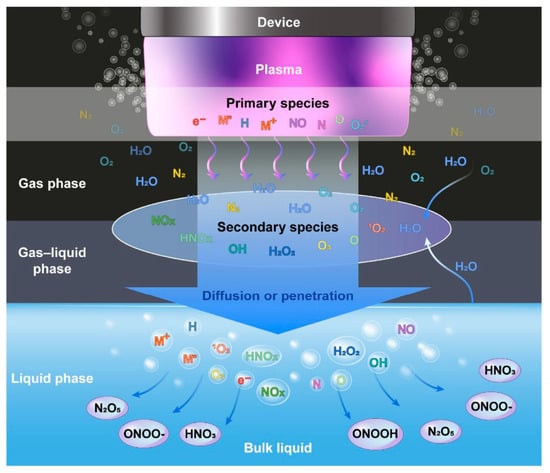
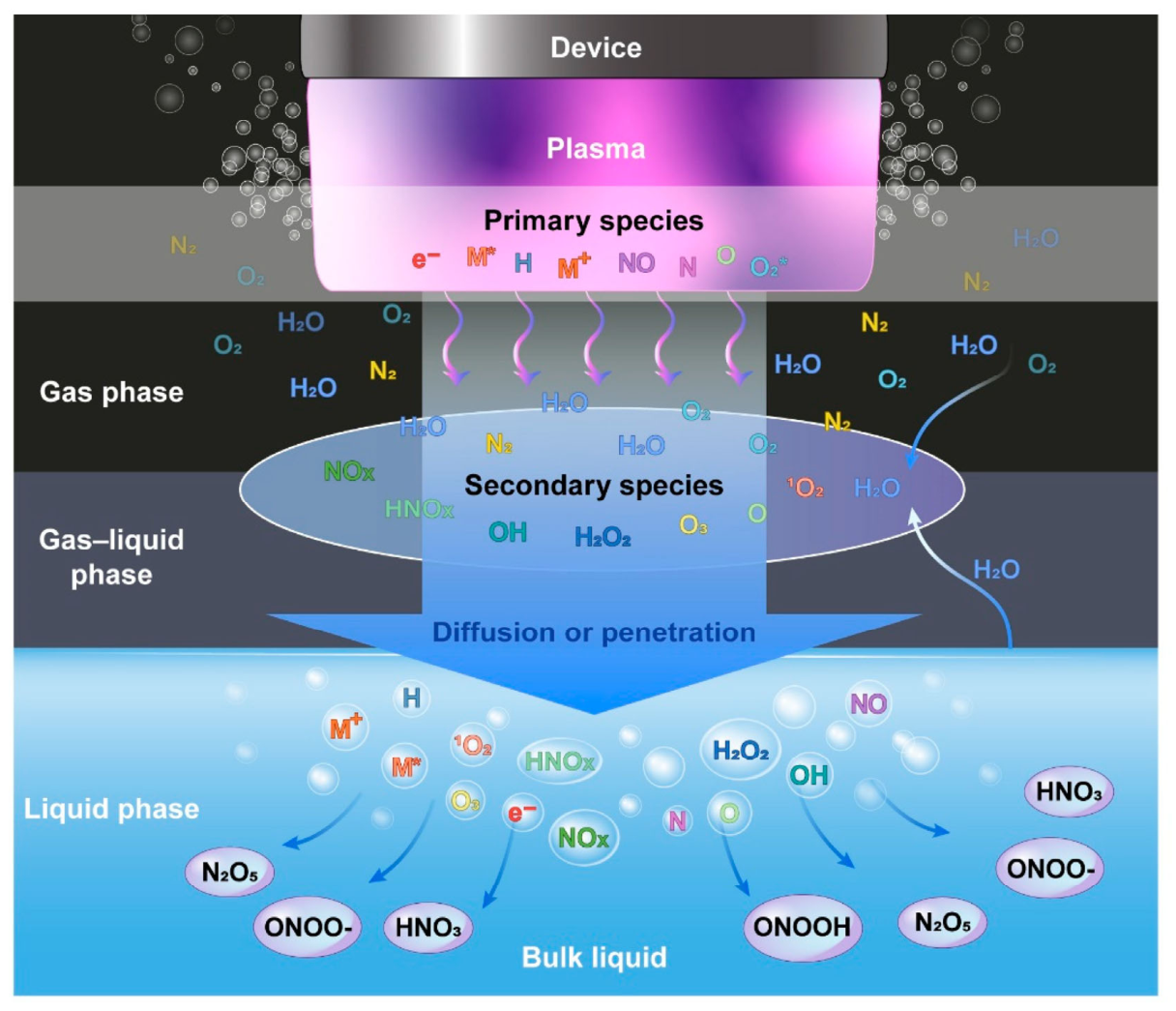
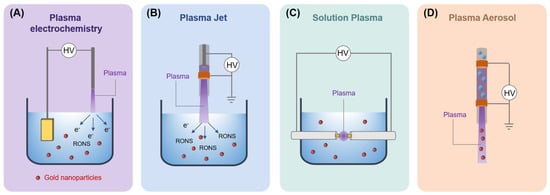
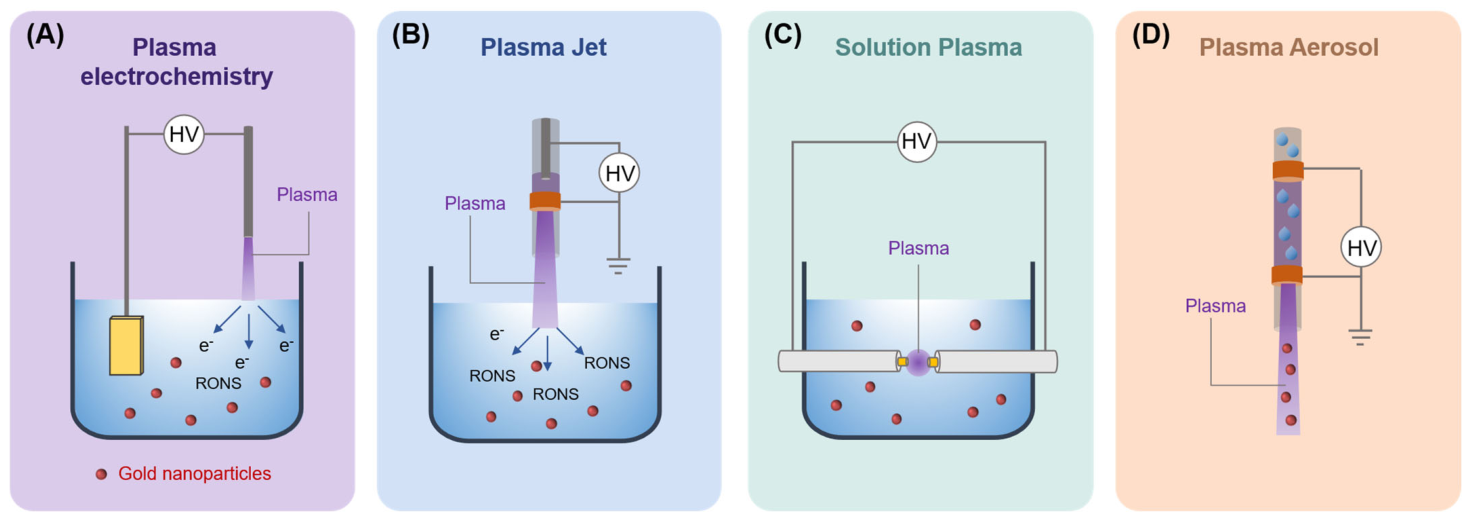
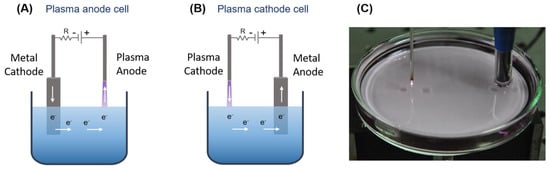
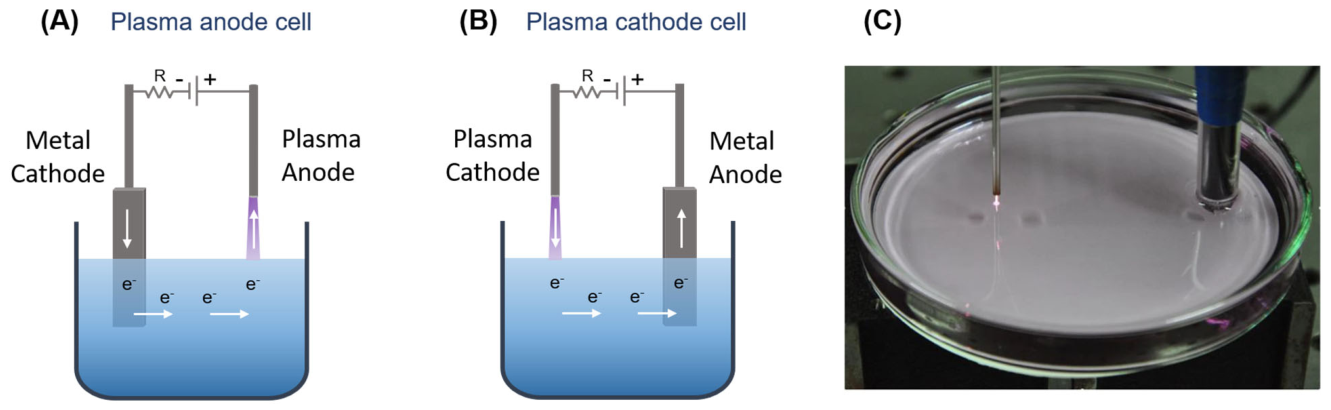
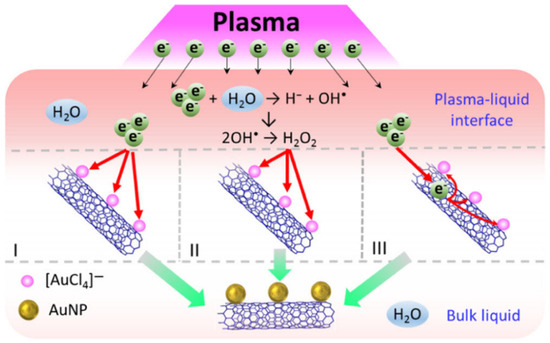
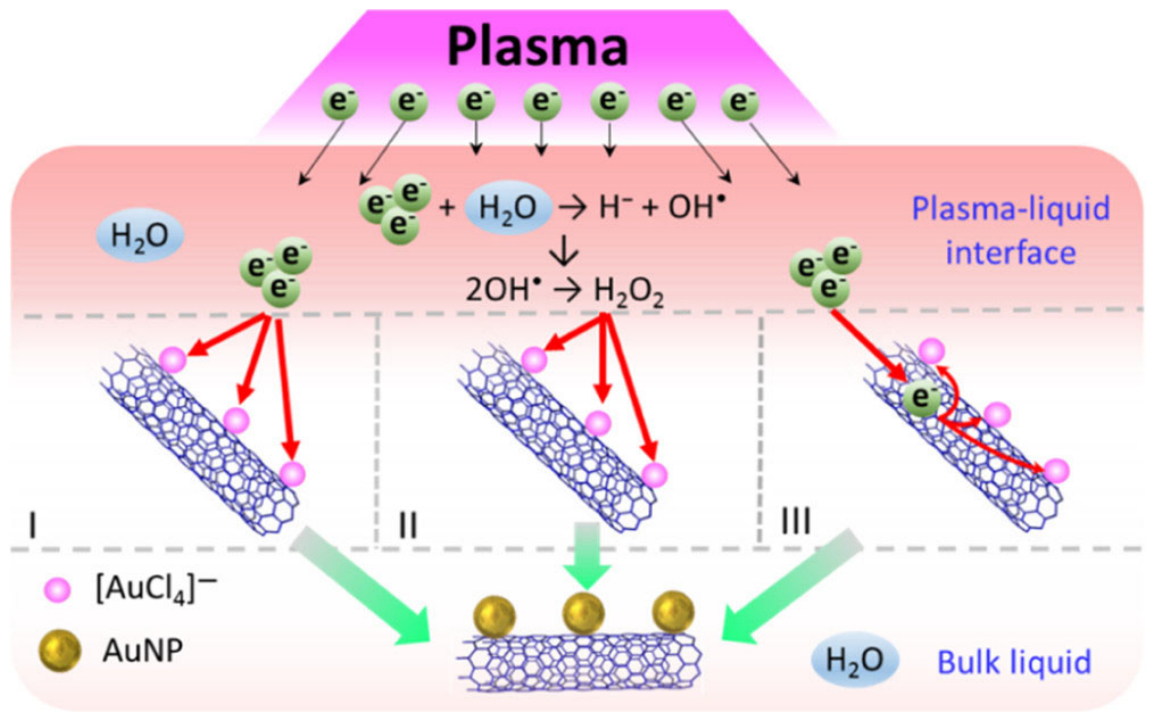
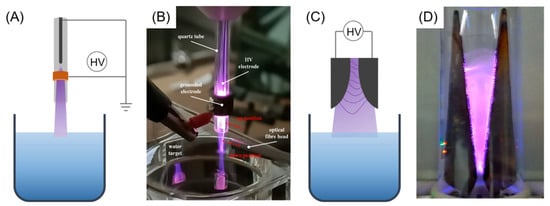
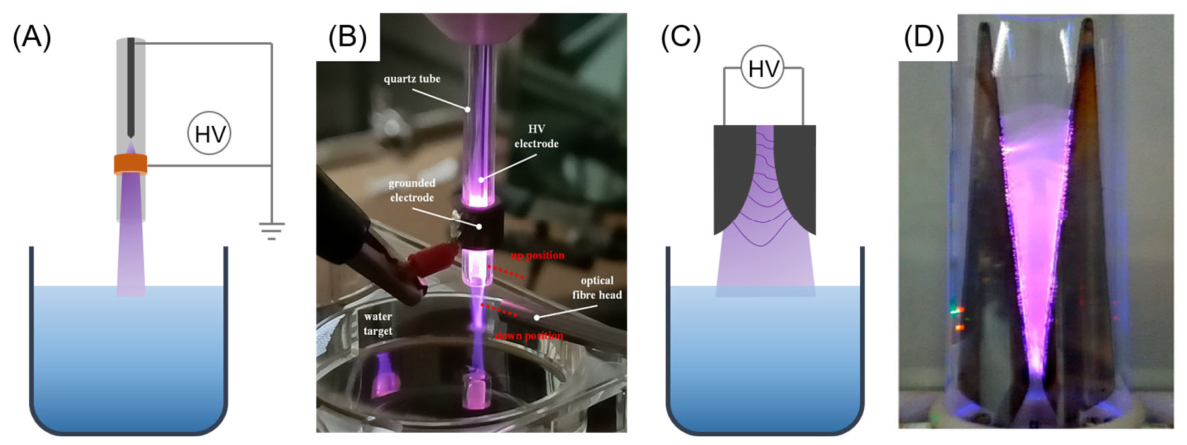
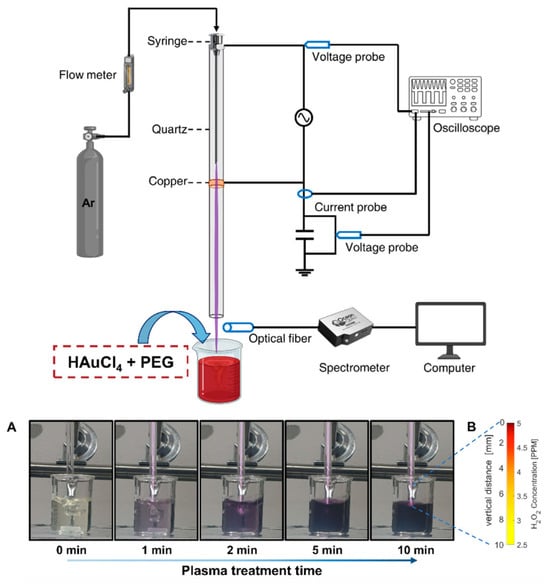
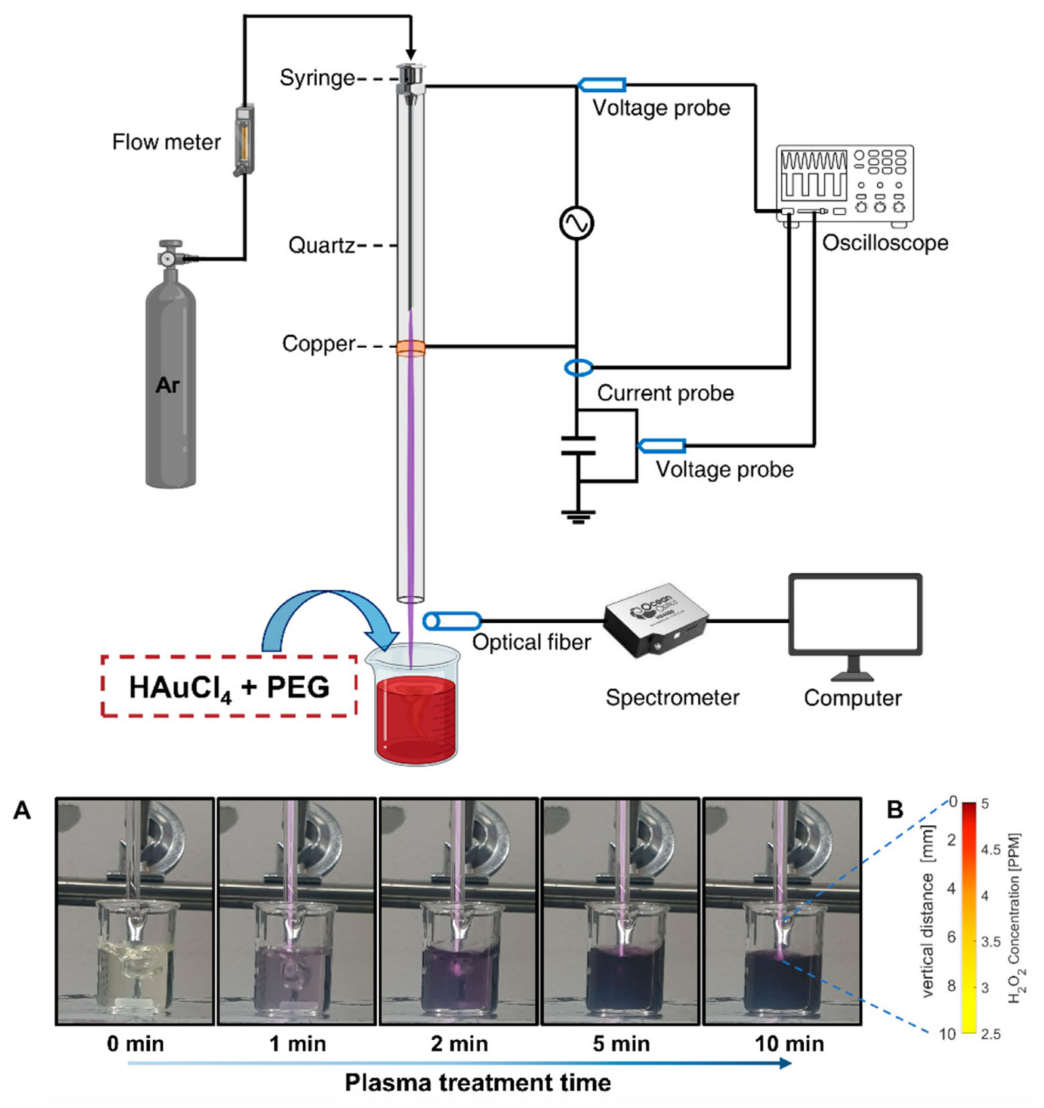
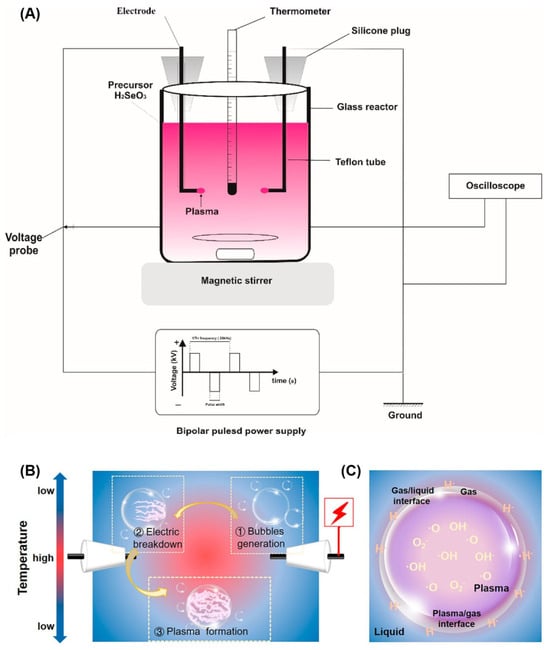
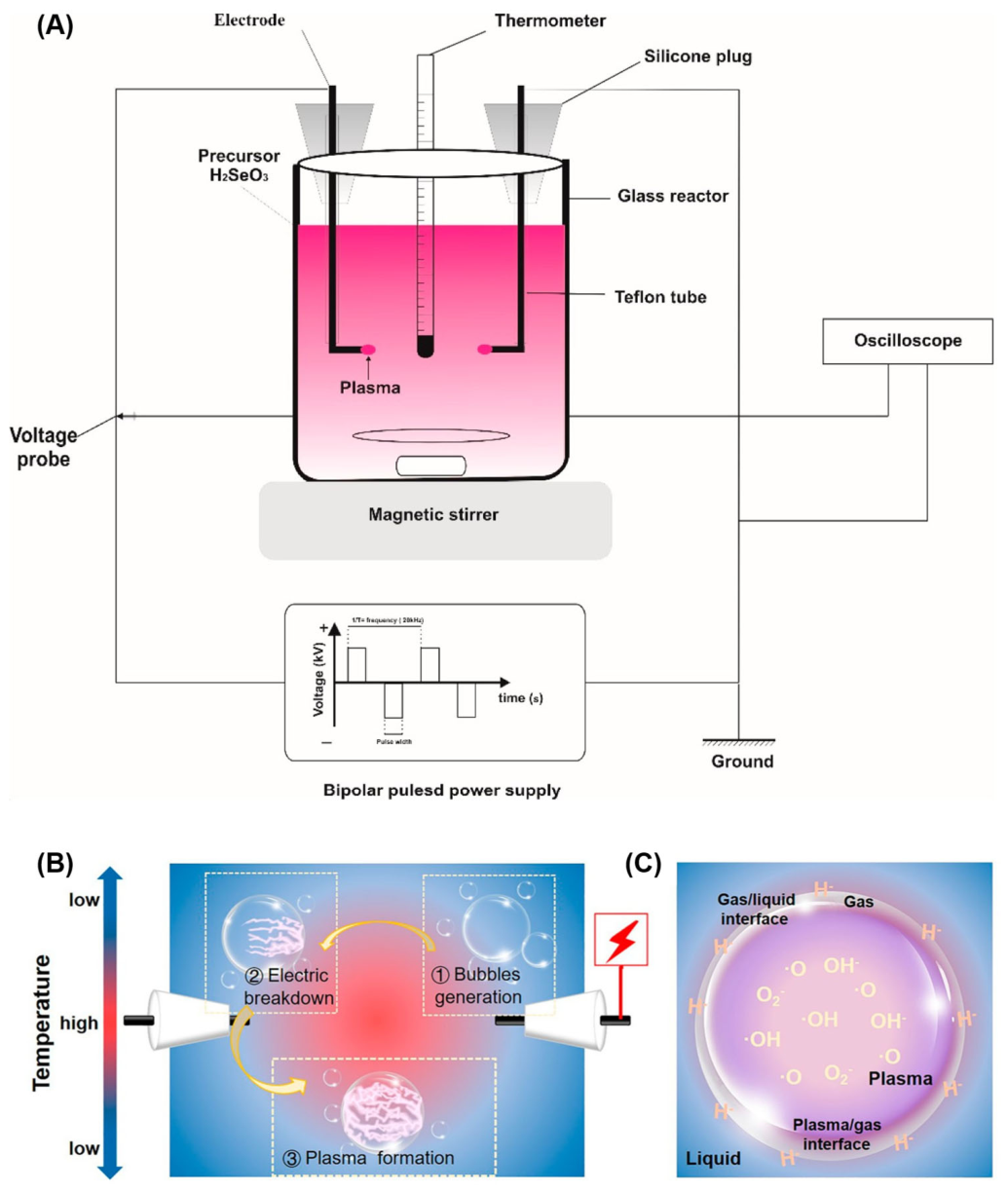
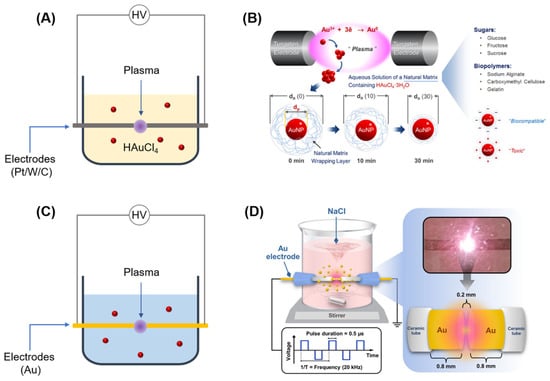
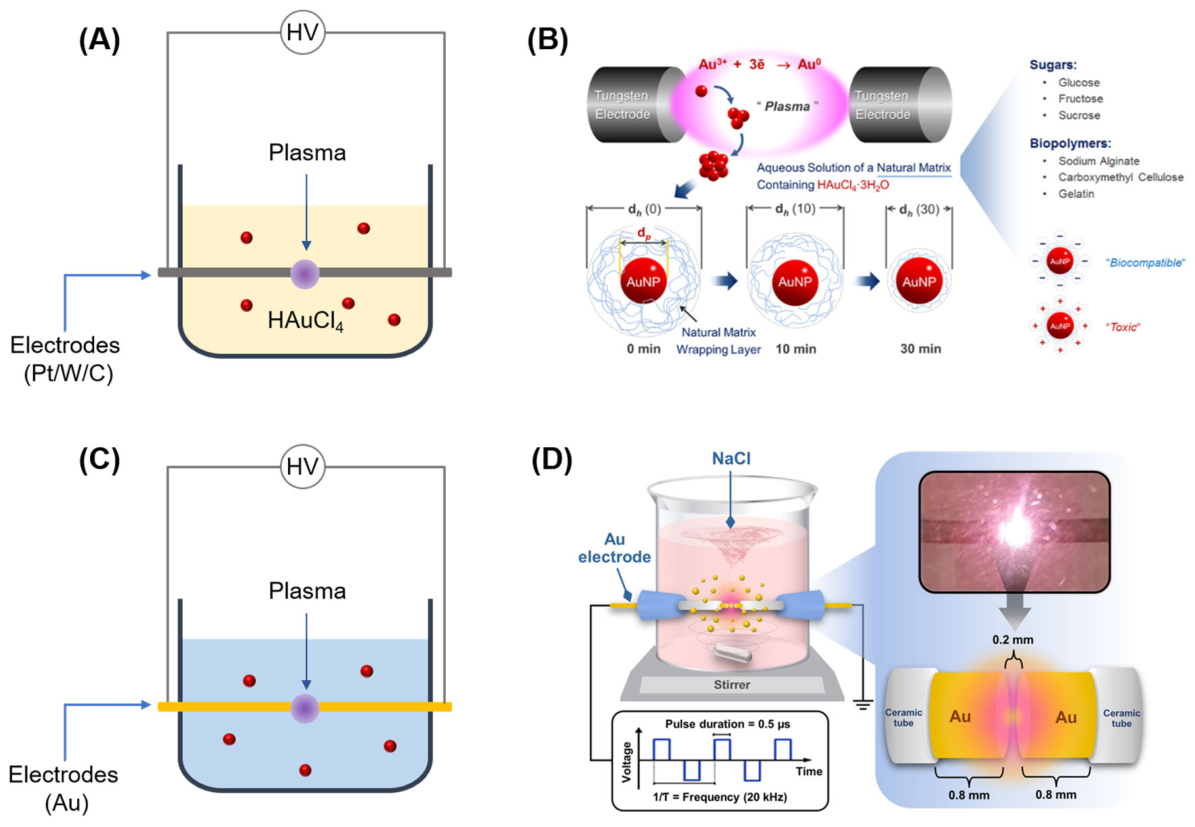
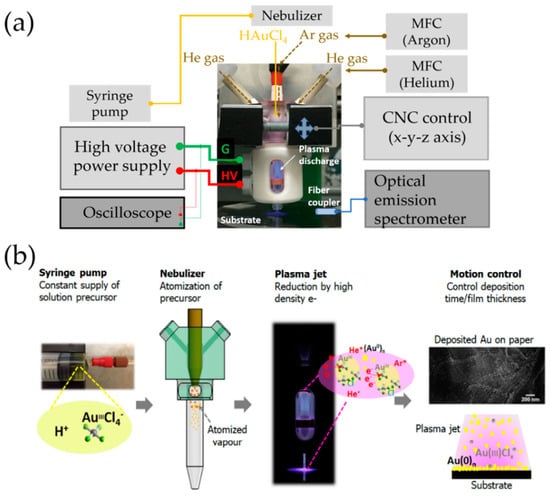
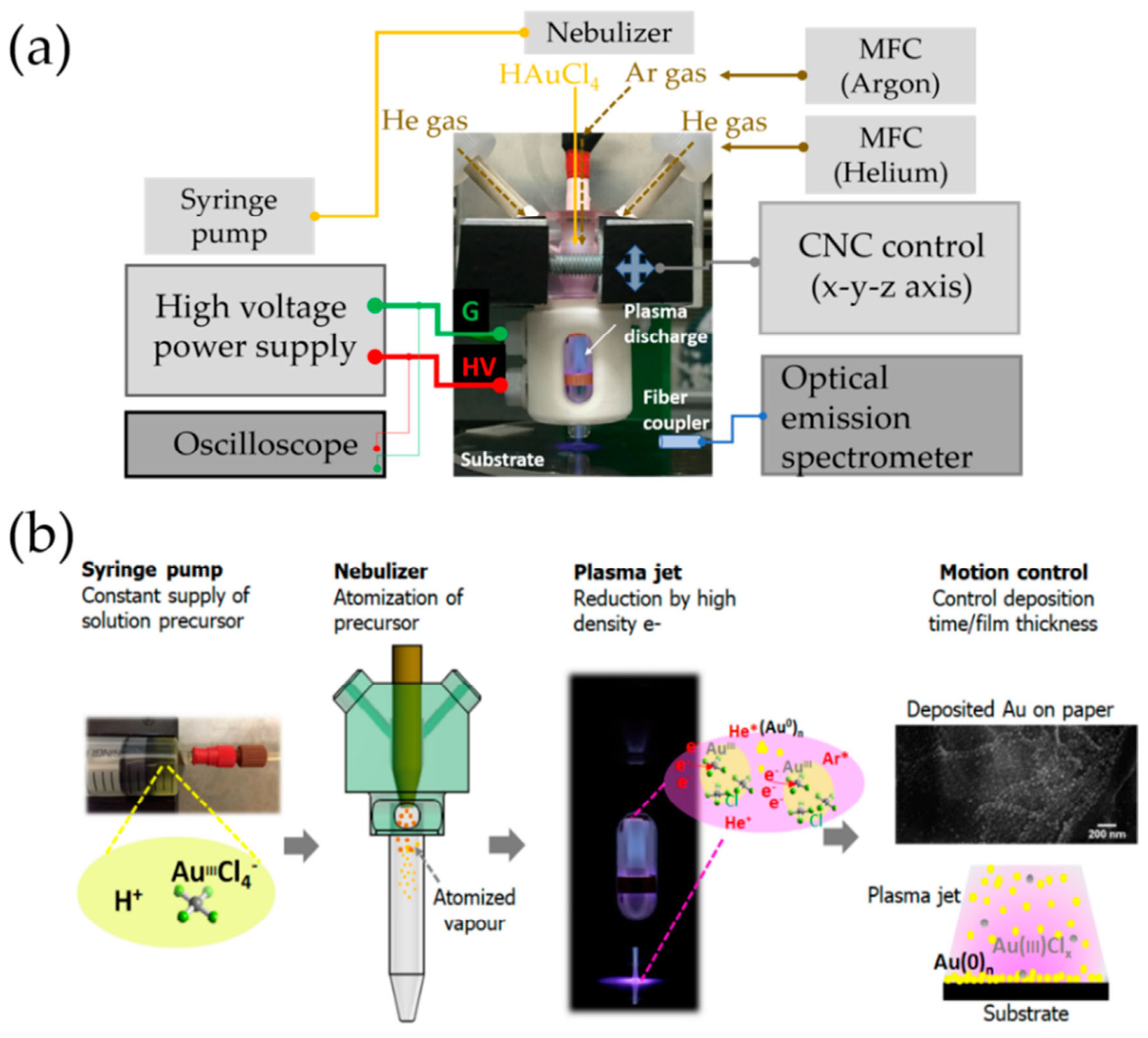
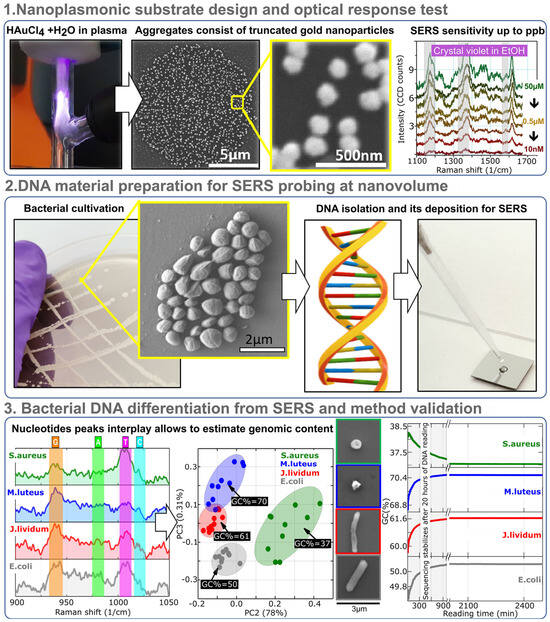
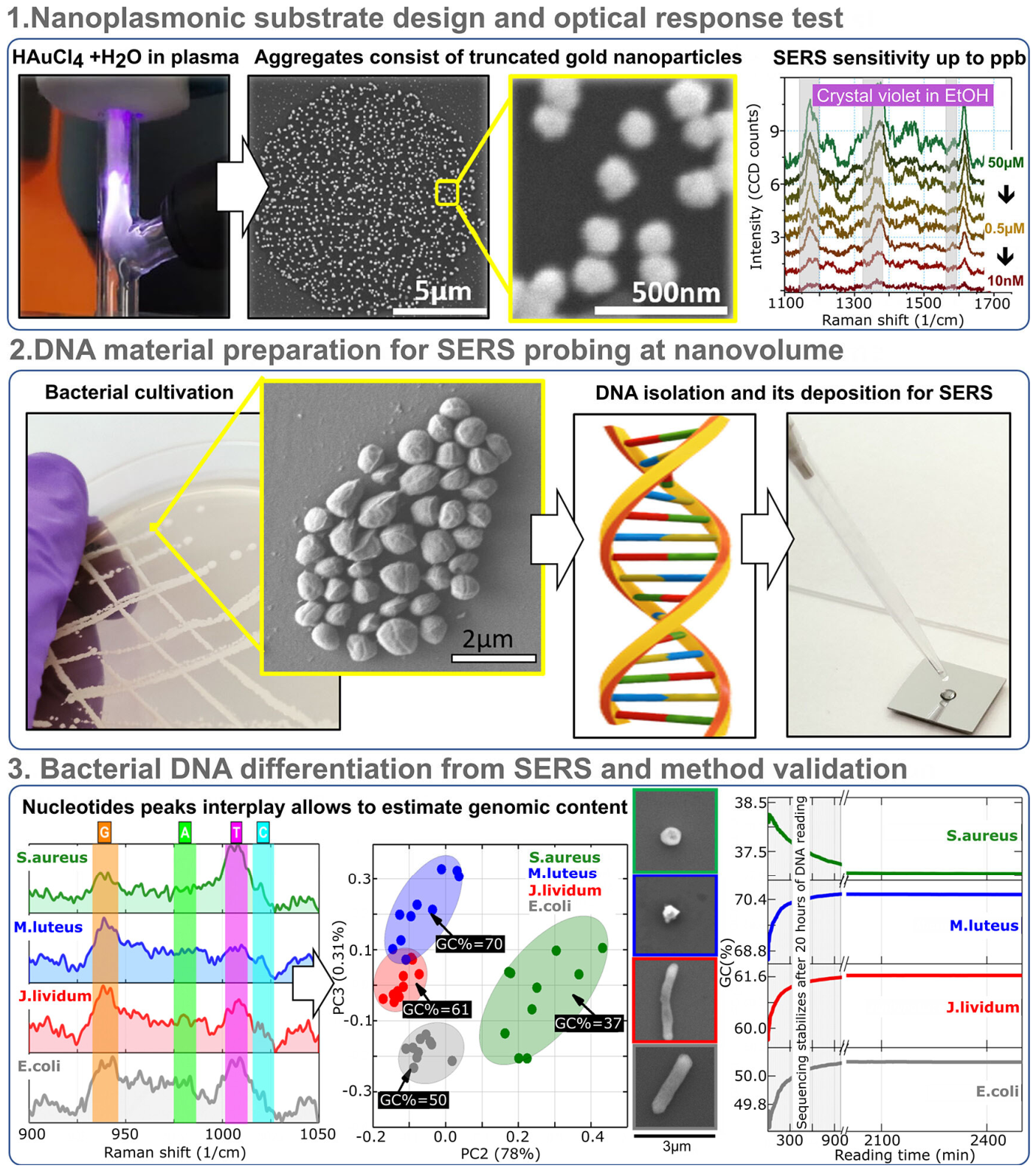
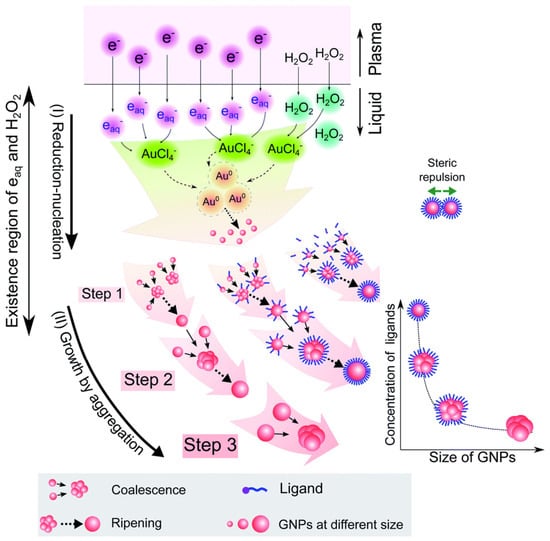
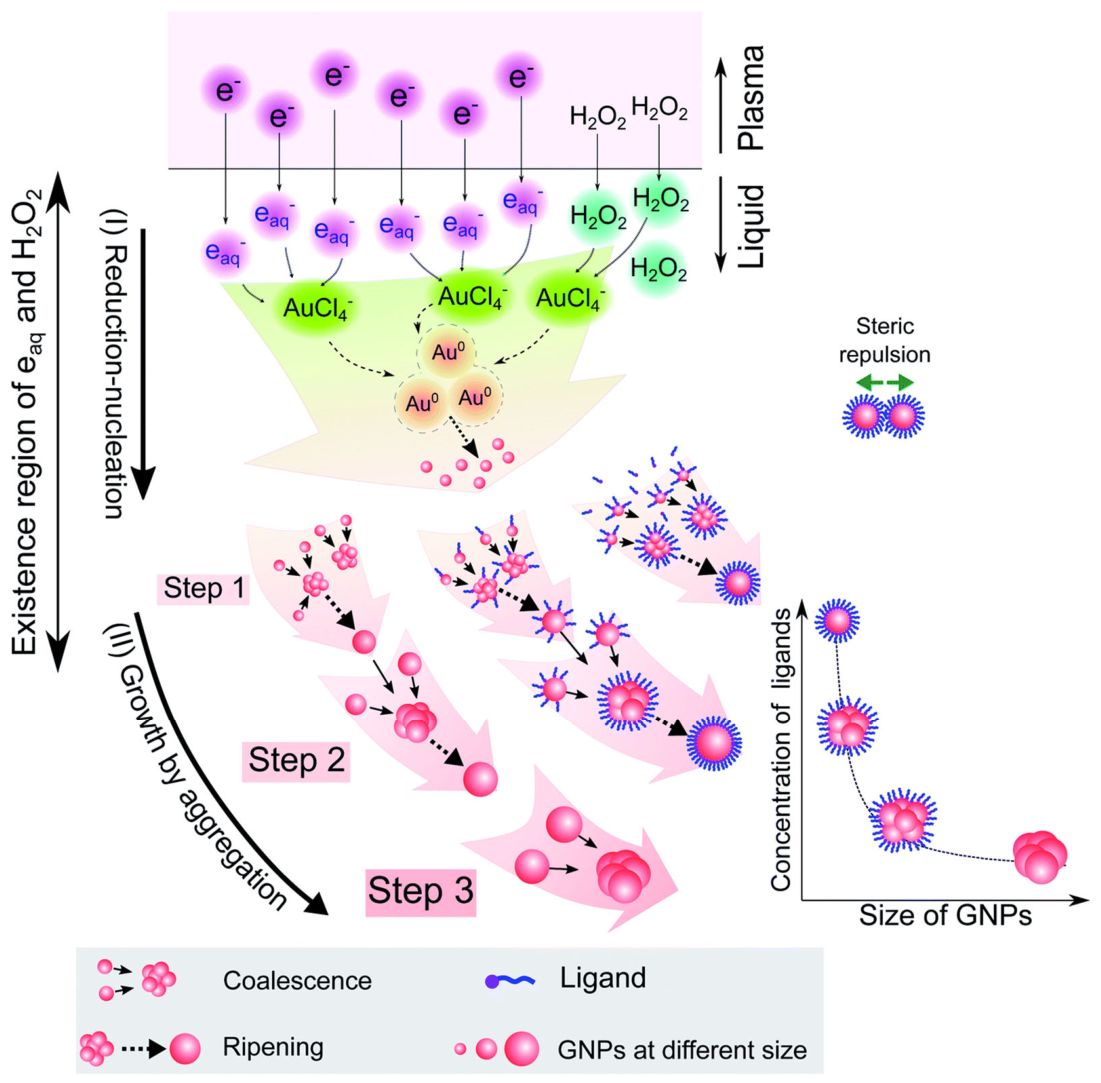

Disclaimer/Publisher’s Note: The statements, opinions and data contained in all publications are solely those of the individual author(s) and contributor(s) and not of MDPI and/or the editor(s). MDPI and/or the editor(s) disclaim responsibility for any injury to people or property resulting from any ideas, methods, instructions or products referred to in the content. |
© 2026 by the authors. Licensee MDPI, Basel, Switzerland. This article is an open access article distributed under the terms and conditions of the Creative Commons Attribution (CC BY) license.