1. Introduction
Energy production and consumption account for the largest share of global greenhouse gas emissions. Electricity generation, industry, and transportation sectors, which rely heavily on fossil fuels, are among the primary sources of CO2 accumulation in the atmosphere. This necessitates the restructuring of energy systems to have a lower carbon footprint. In recent years, factors such as combating climate change, energy supply security, and resource sustainability have necessitated a radical transformation in energy systems. At the heart of this transformation is the concept of decarbonization, which refers to the gradual removal of carbon-intensive fossil fuel-based fuels from energy production and consumption processes.
Global climate change has made the reduction in greenhouse gas emissions from energy production and consumption processes one of the main objectives of energy policies. Especially in recent years, the decarbonization of energy systems has gained great importance in line with net zero carbon targets, the Paris Climate Agreement, and sustainable energy policies. Industrial activities, buildings, and the transportation sector constitute a significant portion of global energy consumption, while one of the largest shares in total final energy consumption belongs to heat production processes. Heat production is widely used in industrial processes, residential applications, and commercial systems, and is largely based on fossil fuels. This situation makes the heat sector a critical area for reducing global carbon emissions.
A significant portion of the energy used in the heating sector consists of low- and medium-temperature applications. These types of applications include building heating systems, domestic hot water production, drying processes, and many industrial process applications. Traditionally, natural gas boilers are widely used in these systems. Although natural gas systems can provide high energy efficiency, they cause significant amounts of carbon emissions due to the use of fossil fuels. Therefore, in recent years, the electrification approach has come to the forefront in the energy sector, and especially electric heat pumps have begun to be considered among low-carbon alternative technologies. Heat pumps can draw low-temperature energy from environmental sources (air, water, or soil) and raise it to higher temperature levels, and thanks to their high performance coefficients, they can meet the same heat load with lower energy consumption.
In the literature, there are numerous studies on natural gas boilers, electric heating systems, cogeneration applications, and heat pump systems. However, a significant portion of the existing studies focuses on energy efficiency and emission reduction, while thermodynamic evaluations considering energy quality and system irreversibilities remain limited. Especially in low-temperature heat applications, the number of studies addressing the energy and exergy-based comparative analysis of natural gas boilers and electric heat pump systems is quite limited. This situation creates a significant research gap in the literature.
The main objective of this study is to determine the most suitable approach for decarbonization in low-temperature heat applications by conducting a comparative analysis of the energy consumption, exergy performance, and carbon emissions of natural gas boiler and electric heat pump systems. The main original contribution of the study is the comparative examination of the decarbonization potentials of traditional natural gas boilers and electric heat pump systems in low-temperature heat applications by evaluating them together from the perspectives of energy and exergy. In the study, not only energy consumption but also exergy destructions, irreversibilities, and carbon emissions within the system were evaluated. Thus, the impact of energy quality on system performance beyond the quantity of energy has been revealed.
The innovative aspects of this study are summarized as follows:
The joint evaluation of natural gas boilers and electric heat pumps in low-temperature heat applications;
The application of exergy analysis alongside energy analysis;
The examination of the relationship between thermodynamic performance and carbon emissions;
The assessment of the impact of energy quality and system irreversibilities on decarbonization.
The remainder of this paper is organized as follows.
Section 2 presents the literature review on decarbonization, exergy-based evaluation, natural gas boiler systems, and electric heat pump technologies.
Section 3 describes the methodological framework, energy and exergy analysis procedures, and comparative performance indicators.
Section 4 presents the thermodynamic and environmental results, while
Section 5 discusses the implications of the findings from a decarbonization perspective. Finally,
Section 6 summarizes the main conclusions of the study.
2. Literature Review
Decarbonization refers to the process of reducing or eliminating, as much as possible, carbon dioxide (CO2) and other greenhouse gas emissions generated in energy production, industrial processes, and transportation sectors. This concept encompasses a comprehensive transformation aimed at converting energy systems into a low-carbon and carbon-neutral structure. The main objectives of decarbonization include reducing greenhouse gas emissions, limiting the effects of climate change, increasing the environmental sustainability of energy systems, and promoting the widespread adoption of low-carbon technologies. However, decarbonization is not only an environmental necessity but also considered a crucial strategic approach in terms of energy security and economic stability. Dependence on fossil fuels, the need for energy imports, and fluctuations in global energy prices are encouraging countries to shift towards domestic and low-carbon energy sources.
Decarbonization aims not only to reduce emissions but also to abandon the combustion-based energy production paradigm. Since heat processing systems involve numerous energy transformations, the performance of these systems is directly related to the laws of thermodynamics. The first law of thermodynamics states that the total amount of energy is conserved in energy conversion processes, highlighting the necessity of energy balance analyses in decarbonization applications. On the other hand, the second law of thermodynamics plays a decisive role in system efficiency by defining the irreversibilities and entropy generation that occur during energy conversion. In this context, where traditional energy analyses are insufficient, exergy analysis offers a powerful tool for evaluating energy quality and losses within the system.
In the current literature, natural gas boilers, electric heat pumps, district heating systems, cogeneration systems, and renewable energy-supported hybrid systems have been widely researched. Most of these studies have focused on reducing energy consumption, increasing system efficiency, and lowering carbon emissions.
Studies on natural gas boilers show that despite their high energy efficiency, these systems cause significant amounts of carbon emissions due to direct fossil fuel consumption. Especially in low-temperature applications, the use of high-quality chemical energy is associated with significant energy losses and low resource utilization efficiency in the systems. In contrast, studies on electric heat pumps have shown that they can provide advantages in terms of energy consumption and carbon emissions due to their use of environmental heat sources and their high performance coefficients. Additionally, some studies indicate that the environmental performance of heat pump technologies could further improve with the reduction of carbon intensity in the electrical grid.
In the current literature, different analysis methods have been used to evaluate the energy savings and decarbonization performance of heat technologies. One of the most common methods is energy balance analysis. Energy balance-based studies generally evaluate the energy input–output relationships and calculate system efficiencies. In addition, life cycle assessment (LCA), carbon emission calculation methods, thermoeconomic analyses, and exergy-based evaluation methods are also widely used in the literature. In particular, life cycle analyses evaluate the environmental impacts of systems, while thermoeconomic analyses examine economic and thermodynamic parameters together.
However, the existing studies have significant limitations. A large portion of the studies in the literature focuses solely on energy efficiency and does not take into account the quality differences in energy. Although energy analyses evaluate the total amount of energy, they fall short in explaining the irreversibilities and usable energy losses occurring in the systems. Additionally, the relationship between carbon emissions and the thermodynamic behavior of systems is addressed only to a limited extent in most studies. The number of studies that evaluate natural gas boilers and electric heat pump systems together from the perspectives of energy, exergy, and decarbonization in low-temperature heat applications is also quite limited.
Representative studies within the scope of decarbonization and related thermodynamic evaluation are summarized below.
In the study conducted by Mancini et al. [
1], the decarbonization of cement production is assessed regarding economic, environmental, and exergy performance. The analysis indicates that CO
2 emissions can be reduced by 20–30% through alternative fuels and process enhancements. Total exergy efficiency can rise from 28 to 32% to 33–36% with carbon reduction strategies, highlighting significant exergy destruction in the rotary kiln.
Leisin et al.’s [
2] study explores the link between CO
2 emission reduction and resource efficiency in energy-intensive industries, specifically in ammonia production. While decarbonizing via water electrolysis can eliminate direct CO
2 emissions, it results in a reduction in exergy efficiency from 59% to 45%, equating to a 14 percentage point efficiency loss and a 9.09% decrease in resource efficiency for every ton of CO
2 reduced.
Another study evaluates energy solutions for decarbonizing industrial heating in Europe, the US, Brazil, China, and Saudi Arabia by examining CO
2 equivalent emissions, costs, and equipment efficiencies. Low-temperature solutions like heat pumps and electric boilers are noted for their low emissions and costs, particularly when powered by green electricity. In medium- to high-temperature scenarios, biomass and biomethane are low-carbon options, though fossil fuels like natural gas are currently more economical in regions like Saudi Arabia and China. Heat pumps can reduce CO
2 emissions at a cost of around USD 330/ton, while biomethane incurs higher costs around USD 763/ton CO
2 [
3].
The study by Xu et al. [
4] evaluates the thermodynamic and economic performance of a proposed integrated cold-end energy recovery system in a coal-fired thermal power plant equipped with a carbon capture unit. According to the analysis results, the net electricity output of the plant is increased by approximately 2.5–4% with system integration, while energy loss due to carbon capture is significantly reduced. The proposed structure results in a reduction of approximately 3–5% in coal-specific consumption and an improvement in the plant’s total exergy efficiency of approximately 1.5–2.0 percentage points. The economic evaluation shows that the payback period of the system is approximately 4–6 years and provides a reduction in electricity production costs of approximately 2–3%.
The study by Kvamsdal et al. [
5] examined the exergy performance of a gas turbine combined cycle (GTCC) with integrated pre-combustion decarbonization, finding a drop in exergy efficiency from 57.8% to 49.6% with 90% CO
2 capture, indicating an exergy loss increase of 8.2%. The individual exergy efficiencies were 81.3% for the gas turbine, 79.5% for the compressor, 63.7% for the combustion chamber, and 58.9% for the HRSG, with the CO
2 separation unit at 45.2%. The overall exergy loss was approximately 52.4%, while thermodynamic cycle efficiency fell from 58.2% to 51.7% with CO
2 capture, highlighting the need for optimized system design to minimize losses.
Eardley et al. [
6] quantified the decarbonization potential of regional cogeneration (CHP) systems, showing a 22–34% CO
2 emissions reduction through increased CHP share, which could rise to 40–52% with renewable integration. Electrical efficiency ranged from 45 to 52% and thermal efficiency from 75 to 82%, potentially providing 1.4–1.8 GW of effective low-carbon power. An additional reduction of 0.9–1.3 MtCO
2/year could arise from widespread CHP adoption.
Another study on the decarbonization of extractive distillation indicated that while direct electrification offers a modest cost reduction of ~4.83% with a payback of 4.53 years, longer-term scenarios might yield a 44.97% reduction, emphasizing the importance of CO
2 taxation in economic feasibility [
7].
The study by Jovet [
8] evaluates different technologies for decarbonizing industrial heating processes using a 4E (energy, exergy, economic, and environmental) optimization approach. According to the results, CO
2 emissions are reduced by 20–40% with high-efficiency heat pumps and waste heat recovery applications, while improving the energy and exergy performance of the systems; however, an increase in total investment and operating costs is observed in advanced decarbonization scenarios. The findings indicate that the most sustainable solution in industrial heating systems can be achieved by finding the optimum balance between emission reduction, exergy efficiency, and economic feasibility.
Another study examines resource efficiency in policy development by evaluating the circular economy approach to decarbonizing building heating systems from an exergy-based perspective. According to the results, the building heating sector is responsible for approximately 17% of total CO
2 emissions, and primary energy consumption can be reduced by approximately 30–35% through the integration of waste heat and low-temperature renewable sources. Furthermore, while the exergy efficiency of natural gas boilers is approximately 3.8%, this value reaches approximately 11.5% in CHP-based systems, resulting in a 2–3-fold improvement in resource efficiency. The findings demonstrate that considering not only the quantity but also the quality (exergy) of energy in energy policies is critical for sustainable decarbonization [
9].
The study by Maghrabi et al. [
10] reveals that energy efficiency upgrades in industrial heating can lead to 15–30% reductions in energy consumption and 12–28% lower CO
2 emissions, with high-efficiency heat pumps improving thermal efficiency significantly. Exergy analyses indicate that heat recovery networks can cut total exergy losses by 10–18%.
This study quantitatively assesses the thermodynamic efficiency of decarbonized hydrogen production via an integrated membrane reactor and CO
2 capture system. The analysis shows that while the total system energy efficiency decreases from 58.7% to 52.1%, the total exergy efficiency increases to approximately 50.3% with CO
2 separation, reducing exergy losses. The CO
2 separation unit achieves an exergy efficiency of about 46.7%. Component-wise, the exergy efficiencies of the reformer and membrane reactor are approximately 82.4% and 77.9%, respectively, with the separation process significantly influencing overall performance. The integrated system maintains a hydrogen yield of 88–92%, producing high-purity H
2. These findings indicate that the integrated design can optimize energy and resource efficiency, aiding decarbonization efforts in hydrogen production [
11].
Dong et al. [
12] examined the main factors contributing to ethylene glycol losses during the natural gas dehydration process. In their study, a set of calculation formulas was proposed to determine the liquid levels in alcohol–hydrocarbon three-phase separators and rich-liquid buffer tanks. Process models for the dehydration, dehydrocarbonization, and ethylene glycol regeneration units were developed using Aspen HYSYS V12.1 software. In addition, the influence of the precooler inlet gas temperature on the volume of condensed-water return liquid was simulated. The findings indicated that controlling the alcohol tank liquid level at approximately 51% in the alcohol–hydrocarbon three-phase separator and approximately 55% in the rich-liquid buffer tank could effectively minimize liquid-phase separation losses. As a result, ethylene glycol consumption was reduced to 6.9 mg/m
3 in 2023, corresponding to a total saving of 31.51 tons and a notable decrease in production costs at the processing station.
Wang et al. [
13] investigated the preparation of hierarchical porous carbon aerogels and their loading with transition metal oxides. In that study, H
2O, CH
3OH, and other small molecules were identified as pyrolysis products. Hierarchical porous carbon aerogels were fabricated through a combined process involving organic condensation gelation, atmospheric drying, pore-forming treatment, and subsequent carbonization. During the temperature range of 450–850 °C, the decomposition of para–para-methylene groups and the dehydrocarbonization stage led to a weight loss of 23.75%, indicating a relatively high decomposition rate. The total weight loss was approximately 40.6%, which was consistent with the proportion of non-carbon elements in the phenolic resin and confirmed the completion of the carbonization reaction.
Peng et al. [
14] evaluated the effect of nickel acetylacetonate as a lubricant additive on the in situ formation and tribological mechanism of carbon-based tribofilms in steel–steel sliding pairs. The experiments were conducted using base oils with different molecular structures, including AN-5, PAO6, and 150 N. When these oil molecules were adsorbed onto the nickel layer, dehydrocarbonization was promoted under the catalytic action of metallic nickel, resulting in the formation of carbon films on the nickel surface. The molecular dehydrogenation process occurred near the metal interface, while dehydrocarbonization was further accelerated by the catalytic properties of metallic nickel.
Guo et al. [
15] experimentally analyzed the influence of partial oxidation on the microscopic morphology of soot particles. Their results showed that crystalline curvature was closely associated with the proportion of odd-membered carbon rings in polycyclic aromatic hydrocarbons. A reduction in degradation was linked to a decrease in the number of odd-membered carbon rings. Meanwhile, enhanced internal dehydrocarbonization within soot particles contributed to a more ordered microstructure and a higher degree of graphitization.
Xie et al. [
16] investigated the structural evolution of polyaluminocarbosilane during the polymer-to-ceramic conversion process. Similar to polysilazane-derived ceramic systems, the observed weight loss was mainly attributed to the thermal decomposition of precursor molecules. During this stage, side-chain decomposition, dehydrogenation, and dehydrocarbonation condensation reactions occurred, accompanied by the release of gaseous products such as H
2 and CH
4. These reactions ultimately promoted the formation of a three-dimensional network-type inorganic structure [
17,
18,
19,
20].
C–H functionalization through borane–hydrocarbon dehydrogenation and dehydrocarbonation reactions was also examined in another study [
21]. In this work, the direct C–H boration of methane using BH
3 or MeBH
2 was computationally compared with C–H lithiation using LiH or LiMe, as well as with analogous C–metal bond-forming reactions involving Be, Na, Mg, and Al hydrides or alkyl compounds. The mechanistic analysis demonstrated that, in the case of boration reactions, internal electrophilic substitution on carbon was influenced more strongly by the electrophilicity of boron than by the basicity of the internal base, such as hydrogen. The results further suggested that direct methane boration is more favorable through dehydrogenation pathways than through dehydrocarbonation pathways.
Wang et al. [
22] developed an appropriate sampling and analytical system for monitoring F&ODS, namely volatile organic compounds, emitted from stationary pollution sources and ambient air in industrial parks. The proposed integrated sampling system incorporated low-temperature collection, autonomous pressurization, and contactless contamination-prevention functions. These features were designed to reduce environmental interaction and prevent cross-contamination during conventional sampling procedures. Moreover, the system included both a dehydrocarbonation trap and an independent focusing trap, while also offering a separate trap configuration that enables selective passage through the dehydrocarbonation trap.
This study, conducted by Atiya et al. [
23], comparatively analyzes the decarbonization potential of urban transportation through scenarios developed for the city of Montreal. According to the results, vehicle electrification offers the highest impact with a potential reduction of up to 90% in CO
2, while even 50% electrification can reduce total emissions by approximately half. Within the scope of behavioral strategies, more than 25% of car journeys can be eliminated by shifting short-distance trips to active transportation, but the overall emission reduction remains more limited. The study reveals that the highest decarbonization effect will not be achieved through a single method, but rather through the combined implementation of electrification, public transportation, and active mobility.
Another study uses nature-based methods to technically assess the modernization of HVAC systems and the conversion of Southern Poland’s housing stock to Nearly Zero Energy Building (NZEB) levels. The findings show that extensive renovation techniques can achieve a nearly 100% reduction in energy consumption by reducing primary energy consumption from levels of 200–225 kWh/m
2·year to almost zero (≈0 kWh/m
2·year). Furthermore, it is thought to be feasible to achieve a ≥80% reduction in primary energy and lower the heating energy demand to ≤40 kWh/m
2·year within the context of NZEB targets. The results show that it is theoretically feasible to reach net-zero emission targets in the residential sector by combining integrated solutions like heat pumps, solar systems, and green roofs [
24].
This research by Kong et al. [
25] enhances the incorporation of electric autonomous trucks (E-ACT) within the container pickup-distribution network of Yangshan Port, adhering to carbon limitations. Model results indicate that the implementation of E-ACT markedly decreases CO
2 emissions relative to conventional diesel vehicles, and that a reduction in overall logistics costs can be attained through optimal fleet sizing and route optimization. Furthermore, it has been established that electric autonomous vehicles become more economically beneficial with heightened carbon pricing. The research indicates that the concurrent adoption of digitization and electrification in port logistics is an essential strategy that enhances both environmental and economic outcomes.
Additional energy and exergy studies have emphasized that thermodynamic performance assessment should consider both the quantity and quality of energy. Ceylan et al. [
26] estimated energy and exergy production and consumption values using genetic algorithm approaches and showed the relevance of model-based methods for analyzing energy-system behavior under different scenarios. In addition, Utlu [
27] evaluated thermophotovoltaic applications in waste heat recovery systems using GaSb cells and demonstrated the importance of recovering low-grade waste heat through low-carbon conversion technologies. These studies support the necessity of integrating energy and exergy perspectives when evaluating low-carbon heating and energy conversion systems.
4. Results
The high exergy destruction that occurs in fossil fuel-based systems leads to both inefficient use of energy resources and higher carbon emissions per unit of useful output. Heat pumps offer two main advantages. First, they significantly reduce primary energy demand thanks to their lower exergy input requirement. Second, if the electrical energy is supplied from renewable sources, the system’s carbon emissions can be reduced to near zero. Therefore, the combination of high exergy efficiency and the use of clean energy makes heat pumps a critical technology for deep decarbonization.
Furthermore, the low exergy content of low-temperature heat highlights the importance of the following approaches in future system designs:
Aligning energy quality with process requirements;
Reducing temperature differences in heat transfer;
Promoting low-temperature district heating and waste heat recovery;
Integrating renewable electricity with high-efficiency heating technologies.
For an accurate comparison of the decarbonization potential of natural gas boiler and electric heat pump systems, both analysis methods must be considered together.
4.1. Case Study: Thermodynamic Evaluation of Natural Gas Boiler vs. Electric Heat Pump for Power Generation
This study comparatively investigates the thermodynamic performance of two heating technologies, namely a natural gas boiler and an electric heat pump, each designed to deliver 100 kW of useful heat at 60 °C under identical operating conditions. The assessment was performed using both energy and exergy analyses in order to evaluate not only the amount of energy supplied and utilized, but also its thermodynamic quality and degradation. In this context, the results provide a basis for comparing the effectiveness of these technologies in supporting the decarbonization of heating processes.
In the performance evaluation of the electric heat pump system, the coefficient of performance (COP) value has been accepted as 3.5. This value falls within the range of values commonly reported in the literature for typical air-source or electric heat pump systems used in low-temperature heating applications [
28]. The COP value represents the ratio of useful heat energy provided by the system to the electrical energy supplied to the system, and it is used as a key parameter in evaluating the system’s energy conversion efficiency.
In order to determine the indirect carbon emissions from electricity generation, the average carbon emission factor for the electricity grid has been used as 0.45 kgCO
2/kWh. This value is a parameter that represents the average impact of different electricity generation technologies and is widely used in international carbon emission inventories [
29]. Similarly, the carbon emission factor for natural gas has been taken as 0.202 kgCO
2/kWh. These parameters have been used as the basic input data in determining the relationship between energy consumption and carbon emissions.
In fuel-based analyses, the lower heating value (LHV) of natural gas has been taken as 50 MJ/kg. The lower heating value (LHV) represents the amount of usable energy released by the fuel without considering the latent heat of condensation, and it is a commonly used parameter in energy and carbon emission calculations based on combustion processes [
30].
Additionally, the same operating conditions were used throughout the analyses to ensure the comparability of the systems. In this context, a useful heat load of 100 kW, an ambient temperature of 25 °C, and the same boundary conditions were considered for both systems. Thanks to this approach, a direct comparison could be made between the systems in terms of energy consumption, exergy performance, and carbon emissions.
In terms of supply–demand characteristics, the relationship between system energy inputs and useful heat production has been evaluated. In a natural gas boiler, the energy input is provided directly by natural gas consumption, while in an electric heat pump, the energy input consists of a combination of electrical energy and environmental heat sources. System boundaries have been defined to encompass energy inputs, useful heat output, and thermodynamic losses within the system. This approach allows for a direct comparison between the two systems in terms of energy consumption, exergy destruction, and carbon emissions.
The main reason for considering natural gas boilers and electric heat pumps together in analyses of the decarbonization of heat processes is that these two technologies represent contrasting yet complementary solutions for current and future heating systems. Natural gas boilers are among the most widely used fossil fuel-based systems in industrial and building heating applications today, and constitute a large part of the existing infrastructure. Despite their high energy efficiencies, these systems directly cause carbon emissions because they operate based on combustion, and lead to significant exergy destruction due to the use of high-quality chemical energy for low-temperature heat production. Therefore, natural gas boilers have been considered as a representative reference system of existing carbon-intensive heat production technologies. Electric heat pumps are one of the technologies with the highest energy and exergy performance for low-temperature heating applications, operating with high efficiency using environmental heat sources. Since these systems do not involve direct combustion, they do not generate on-site carbon emissions, and if the electrical energy is supplied from renewable sources, almost zero-carbon heat production is possible. Furthermore, heat pumps improve the balance between energy quality and process requirements by providing high exergy efficiency at low temperature levels. Because of these characteristics, electric heat pumps are considered one of the fundamental technologies in the electrification and deep decarbonization strategies of the heating sector.
Choosing these two systems together allows for a quantitative assessment of the transition from a traditional fossil fuel-based technology to a low-carbon, electricity-based technology, in terms of both energy consumption and exergy destruction. Thus, the comparison reveals not only differences in technological performance but also the direction of the thermodynamic transformation required in heat processes. This approach provides a scientific basis for the design of sustainable and low-carbon heating systems, emphasizing the more rational use of high-quality energy and the importance of renewable energy integration in meeting low-temperature heat demand.
The system requirements determined within the scope of this study are as follows:
Useful heat exergy:
Boiler energy efficiency:
4.1.1. Energy Analysis
The required fuel energy input for each system is calculated using the first-law efficiency relation:
Fuel energy required for the natural gas boiler: Electricity consumption for the electric heat pump: Energy performance of the electric heat pump:
4.1.2. Exergy Analysis
Energy analysis alone cannot fully reveal the thermodynamic compatibility of systems because this approach does not take into account the quality mismatch between high-quality energy sources and low-temperature heat demand. Therefore, exergy analysis was performed to evaluate the systems from a second-law perspective.
The required fuel exergy input for each system is calculated using the second-law efficiency relation:
Fuel exergy input of the natural gas boiler: Exergy input of the electric heat pump: Exergy efficiency of the natural gas boiler: Exergy efficiency of the electric heat pump:
4.1.3. Exergy Destruction and Decarbonization İmplications
The total exergy destruction rate for each system is determined from Equation (14): The calculated exergy destruction rates are:
Table 1 shows the energy efficiency, exergy efficiency, and exergy destruction of a natural gas boiler and an electric heat pump.
As shown in
Table 1, although the natural gas boiler has high energy efficiency, it exhibits very low exergy efficiency. Since high-quality chemical energy is used for low-temperature heat production, significant exergy destruction occurs. The electric heat pump achieved approximately four times higher exergy efficiency and 83% less exergy destruction. When electricity is supplied from renewable sources, both exergy efficiency increases and carbon emissions are significantly reduced.
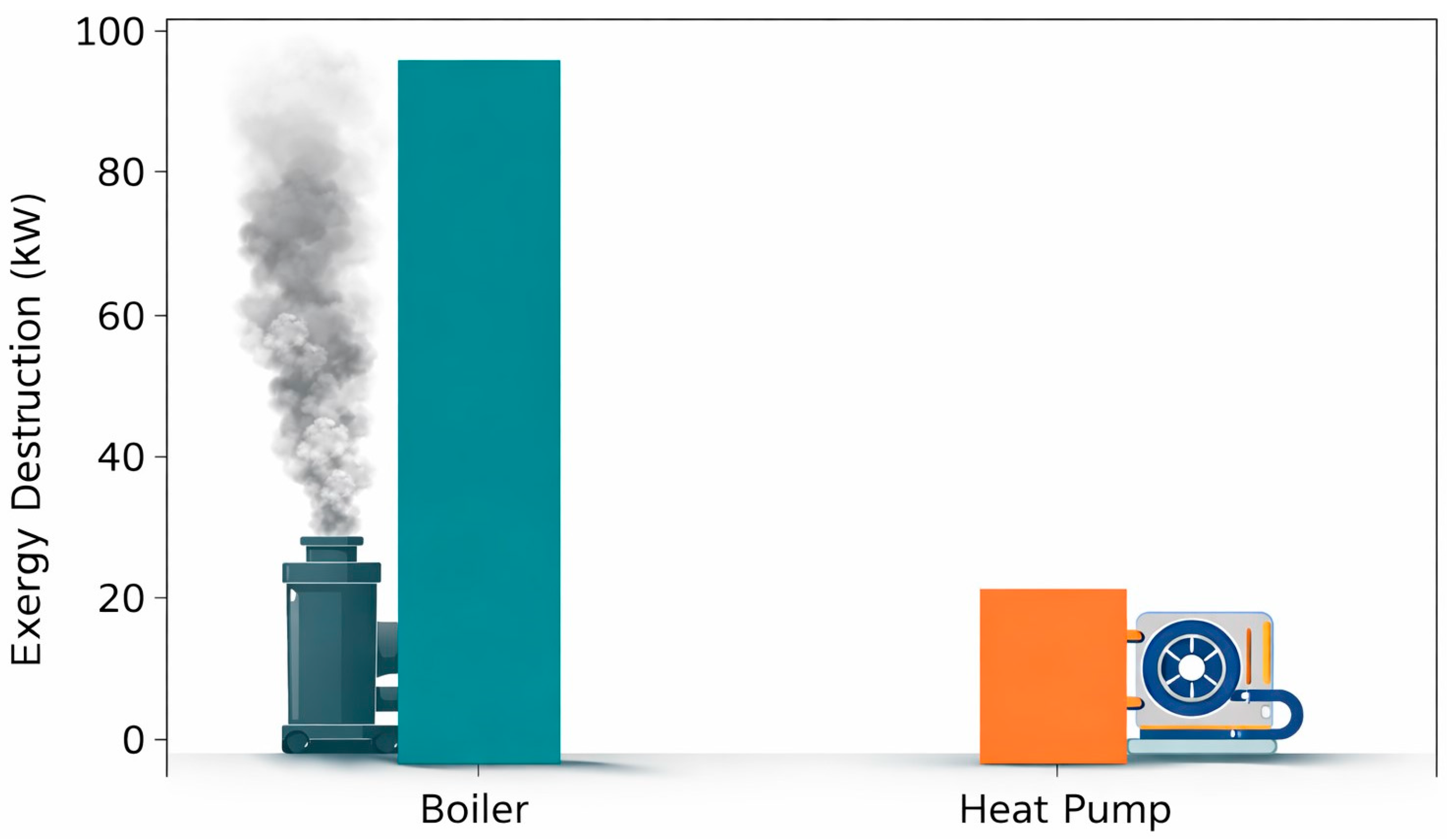
Figure 1 shows an exergy destruction comparison of the natural gas boiler and the electric heat pump for delivering 100 kW of useful heat.
Figure 1 indicates that the exergy destruction in the boiler system reaches 105.1 kW, whereas the heat pump causes only 18.1 kW of exergy destruction. Despite its high energy efficiency, the boiler wastes a large portion of high-quality chemical exergy to produce low-temperature heat. In contrast, the heat pump utilizes electricity more rationally and significantly reduces thermodynamic losses. This difference clearly demonstrates the superiority of electrification-based heating technologies in decarbonization strategies.
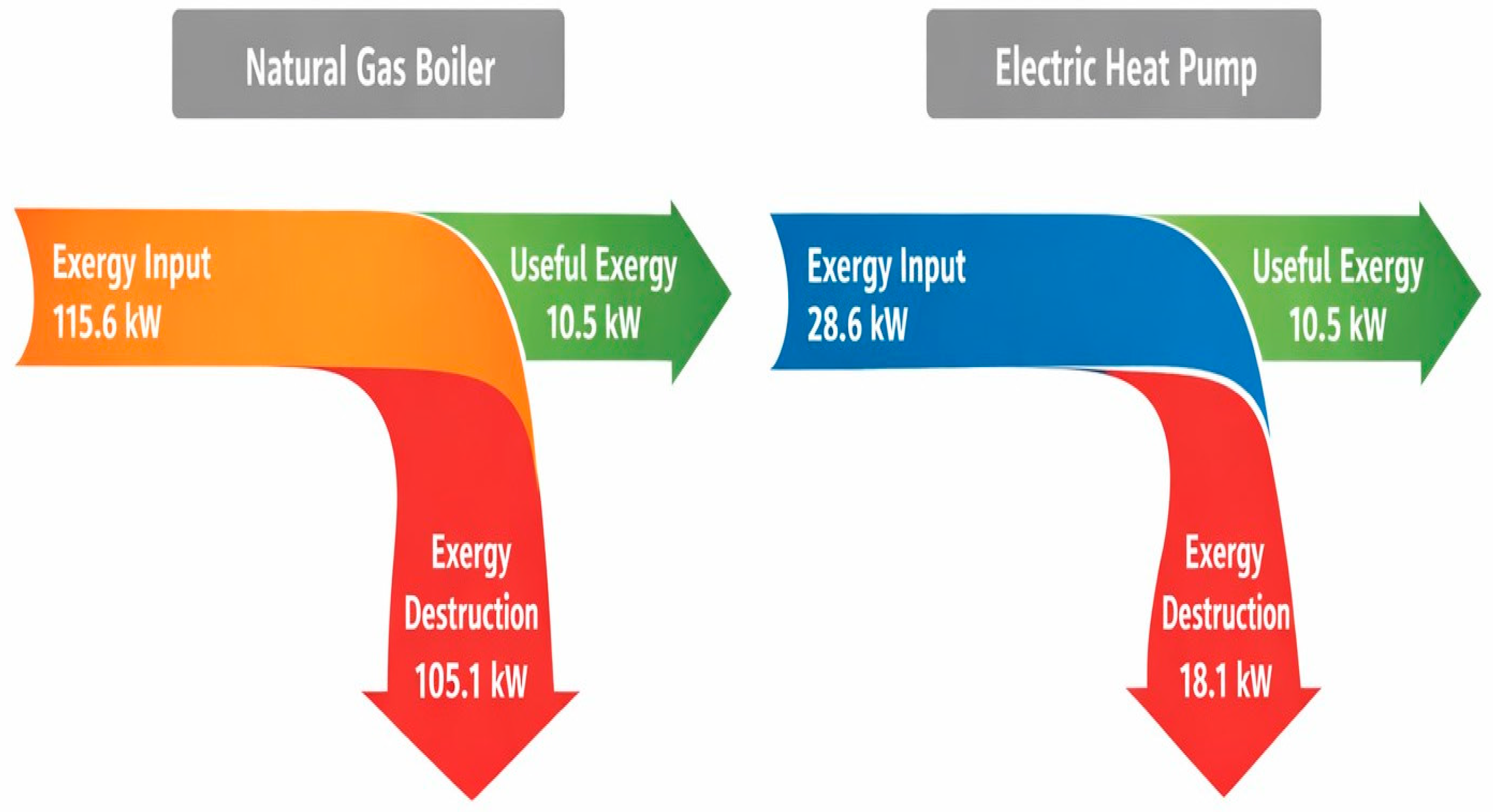
Figure 2 shows a comparative exergy flow representation of the natural gas boiler and the electric heat pump for delivering 100 kW of useful heat.
Figure 2 indicates that the natural gas boiler requires 115.6 kW of fuel exergy to provide the same useful heat output (10.5 kW exergy). Approximately 91% of the input exergy is destroyed due to combustion irreversibility, heat transfer across large temperature differences, and flue gas losses. This result explains why fossil-fuel-based heating systems remain thermodynamically inefficient and carbon-intensive. The electric heat pump receives 28.6 kW of electrical exergy and delivers 10.5 kW of useful heat exergy, resulting in an exergy efficiency of approximately 36.7%. The relatively low exergy destruction highlights the thermodynamic suitability of heat pumps for low-temperature heating applications. When powered by renewable electricity, this system enables both high exergy performance and near-zero carbon emissions. This comparative diagram clearly shows that the electric heat pump requires nearly four times less exergy input than the boiler to produce the same useful heat. Moreover, the exergy destruction in the heat pump is reduced by approximately 83%. These findings confirm that replacing fossil-fuel-based thermal systems with high-efficiency electric technologies is a key pathway for thermodynamically efficient decarbonization of heat processes.
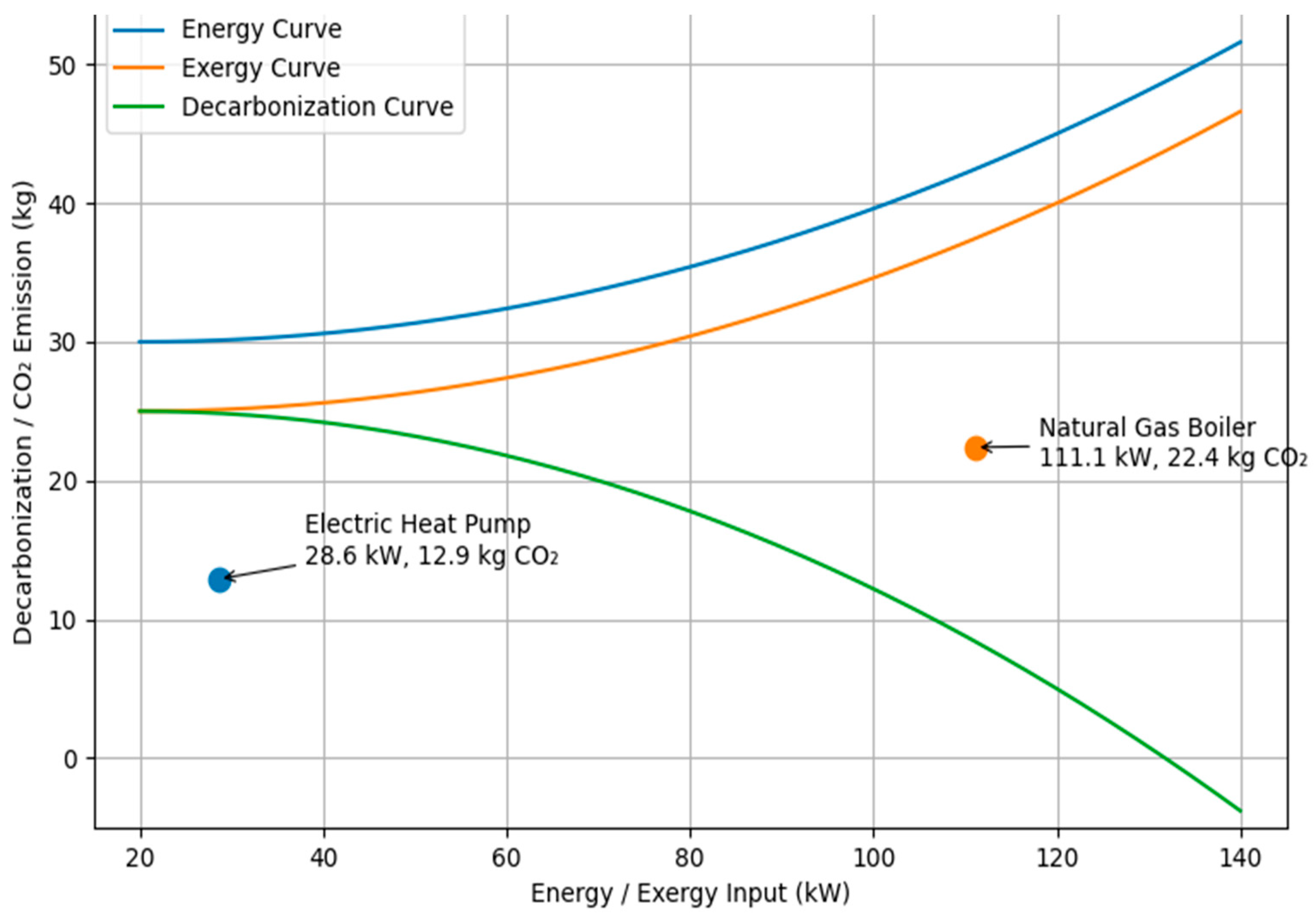
Figure 3 shows energy, exergy, and decarbonization trends of heating systems.
Figure 3 shows that as the energy and exergy input requirements of heating systems increase, decarbonization performance decreases, and there is a strong and nonlinear relationship between thermodynamic demand and carbon emissions. The electric heat pump operates with a low energy input (28.6 kW) and produces the lowest CO
2 emissions (12.9 kg); this indicates that it has a high decarbonization potential due to its ability to utilize ambient heat and its high coefficient of performance. In contrast, the natural gas boiler requires a significantly higher energy input (111.1 kW) and leads to higher emissions (22.4 kg); this reveals that using high-quality chemical energy for low-temperature heat production is thermodynamically inefficient and results in high exergy destruction. The curves show how the decarbonization performance changes as the energy and exergy requirements of the systems increase. As seen from these curves, the increase in energy and exergy demand is raising carbon emissions. The electric heat pump shows a higher decarbonization potential due to its low energy input. The natural gas boiler exhibits lower environmental performance due to high energy and exergy inputs. Reducing system irreversibilities is as important a parameter as changing the energy sources.
5. Discussion
In this study, natural gas boiler and electric heat pump systems were compared based on energy and exergy analyses, and the findings were evaluated from a decarbonization perspective. The analysis results reveal that although both systems provide the same useful heat output, they show significant differences in terms of thermodynamic performance and environmental impacts. When evaluated in terms of decarbonization, the results obtained show that the electric heat pump offers significant advantages. While the natural gas boiler produces 22.4 kg of CO
2 emissions, the heat pump causes only 12.9 kg of CO
2 emissions under the same conditions. This situation corresponds to an emission reduction of approximately 42.7%. If electricity generation is based on renewable energy sources, the carbon emissions of the heat pump will decrease even further, and the system could become almost carbon-neutral.
Table 2 shows an energy- and exergy-based comparison of the natural gas boiler and electric heat pump in the context of decarbonization. To ensure consistency with the revised mathematical model, all numerical values presented in
Table 2 and
Figure 3 were recalculated using the updated COP, exergy input, and emission factor assumptions.
Table 2 shows that the electric heat pump delivers the same heating demand with approximately 74% lower energy input and 83% lower exergy destruction than the natural gas boiler. The significantly higher exergy efficiency of the electric heat pump indicates a better thermodynamic match between energy quality and low-temperature heat demand. In addition, the CO
2 emission value of the electric heat pump has been calculated by considering the indirect emissions resulting from electricity consumption instead of direct system-related emissions. In the study, under the system conditions used, a COP value of 3.5 was assumed to meet a useful heat load of 100 kW, and correspondingly, the system’s electricity consumption was determined to be 28.6 kWh. When the average grid emission factor is used, the total carbon emission value is recalculated as approximately 12.9 kg CO
2. This result shows that the environmental performance of the electric heat pump is dependent not only on the system efficiency but also on the electricity generation infrastructure.
The study presents findings that challenge the conventional belief in a direct, linear correlation between energy consumption and carbon emissions. Traditionally, it is assumed that a reduction in energy use leads directly to a decrease in emissions, but this research indicates that energy quantity alone cannot fully account for system performance. A comparative analysis between a natural gas boiler and an electric heat pump highlights that the specifics of energy conversion processes and the inherent properties of energy sources significantly influence overall environmental performance.
The natural gas boiler, despite having high energy efficiency, demonstrates considerable energy loss through exergy analysis. The system reported an input of 115.6 kW, with a useful output of 10.5 kW and exergy destruction of 105.1 kW. Conversely, the electric heat pump displayed a lower exergy input of 28.6 kW, a stable useful output of 10.5 kW, and much lower exergy destruction at 18.1 kW. This discrepancy underscores that employing high-quality energy in low-temperature applications results in substantial thermodynamic inefficiencies, a key reason behind the nonlinear dynamics of energy and carbon emissions.
The relationship is influenced by factors such as the energy conversion efficiency, the carbon intensity of the energy source, and the irreversibilities within the system. Thus, minor adjustments in energy consumption can trigger significant variances in carbon emissions, while in other scenarios the effects may be minimal. To mitigate this nonlinear behavior, focusing on systems with high exergy efficiency and minimizing conversion process irreversibilities is essential.
Furthermore, assessments relying solely on technical performance do not adequately reflect real-world application scenarios. Economic viability plays a vital role in technology selection; for instance, natural gas boiler systems tend to have lower upfront costs, though operating costs may escalate with continued fuel usage and anticipated increases due to carbon emission regulations. On the other hand, although electric heat pumps demand higher initial investments, they often incur lower energy consumption because of their excellent coefficient of performance (COP), benefiting long-term cost-efficiency.
Additional considerations include the carbon intensity of the electricity generation infrastructure, which dramatically influences system efficacy. When powered by lower carbon intensity sources, electric heat pumps exhibit more substantial environmental benefits. Consequently, a future focus should be placed not only on enhancing system efficiency but also on decarbonizing energy supply infrastructures. This dual approach is critical for achieving both high thermodynamic performance and meeting low carbon emission targets in energy systems.
6. Conclusions
Renewable energy integration should not be considered merely as an approach to reduce carbon emissions. At the same time, it can also have significant impacts on system operating characteristics and energy management strategies. Especially when renewable sources such as solar and wind energy are used in conjunction with electric heat pumps, the environmental performance of the system improves, while time-dependent variations in energy production can affect system behavior.
Due to the variable production structure of renewable energy sources, fluctuations in electricity generation can alter system load profiles, energy consumption characteristics, and operating conditions. This situation, under certain conditions, affects system performance, making it necessary to manage the balance between energy supply and demand. In reducing this effect, thermal energy storage systems are considered an important solution. Thermal storage systems can increase system flexibility by allowing excess energy to be stored during low-demand periods and used during high-demand periods. Thus, energy management can be improved, load fluctuations can be reduced, and the system can be operated under more stable working conditions.
This study evaluates the thermodynamic performance of two different heating technologies a natural gas boiler and an electric heat pump providing 100 kW of useful heat at a temperature of 60 °C under the same operating conditions. The analyses were conducted on both energy and exergy bases to reveal not only the quantity but also the quality of energy in the context of decarbonization of heat processes.
The energy analysis indicates that the natural gas boiler operates with a thermal efficiency of 90%, requiring 111.1 kW of fuel energy to satisfy the heating demand. In contrast, the electric heat pump, with a COP of 3.5, supplies the same heat load using only 28.6 kW of electrical energy, corresponding to approximately 74% lower primary energy consumption. Exergy analysis further demonstrates that the natural gas boiler requires 115.6 kW of fuel exergy, while only 10.5 kW is converted into useful exergy, leading to 105.1 kW of exergy destruction and an exergy efficiency of 9.1%. Conversely, the electric heat pump requires 28.6 kW of exergy input with 18.1 kW of exergy destruction, achieving an exergy efficiency of approximately 36.7%. These findings indicate that the heat pump is thermodynamically more suitable for low-temperature heating applications due to significantly lower irreversibilities. The combined analyses reveal that the electric heat pump reduces energy consumption by approximately 74% and exergy destruction by over 80% compared with the natural gas boiler. Under the adopted average grid emission factor, the recalculated results also indicate that the heat pump reduces CO2 emissions from 22.4 kg to 12.9 kg, corresponding to an approximately 42.7% decrease. The results further show that increasing energy and exergy requirements generally leads to higher carbon emissions, highlighting the nonlinear relationship between thermodynamic performance and decarbonization. Therefore, effective decarbonization strategies should focus not only on reducing energy demand but also on minimizing system irreversibilities and improving energy quality utilization.
Additionally, it should be noted that the environmental performance of electric heat pump systems is not only dependent on the thermodynamic properties of the system but also on the production methods of the electricity used. Although electric heat pumps do not produce direct carbon emissions during operation, their overall carbon impact is influenced by the carbon intensity of the electrical grid. In the case where electrical energy is obtained from high-carbon-intensity sources like coal, an increase in the system’s indirect carbon emissions is expected. However, heat pumps with a high coefficient of performance (COP) can maintain a significant portion of their carbon advantages because they require lower energy input to produce the same amount of useful heat.
In electricity generation technologies with higher efficiency, such as natural gas combined cycle plants, the reduction in emissions from electricity generation can further improve the environmental performance of heat pump systems. Similarly, in the case of widespread use of renewable energy sources in electricity generation, the total carbon emissions of electric heat pumps can be significantly reduced. In this case, the systems can be considered as low-carbon, and in some applications, almost zero-carbon heat production technologies.
This situation shows that in decarbonization efforts, it is not sufficient to evaluate only end-use technologies; the production infrastructure of the energy source must also be taken into account. In other words, the true environmental advantages of technologies with high energy and exergy performance become more apparent as the carbon intensity of electricity generation systems decreases.
Overall, the results indicate that electric heat pumps can play an important role in future low-carbon heating systems due to their lower exergy destruction, reduced primary energy demand, and greater decarbonization potential. Nevertheless, this study is limited to fixed operating conditions and does not include variable load conditions, climate effects, or regional electricity generation characteristics. Future studies should incorporate dynamic operating conditions, life cycle assessment methods, renewable energy integration, and detailed thermoeconomic analyses to provide more comprehensive insights into the decarbonization of energy systems.