

Physical Modeling of Land Subsidence Induced by Triple Pumping on the Confined Aquifer



Abstract
1. Introduction
2. Experimental Model and Methods
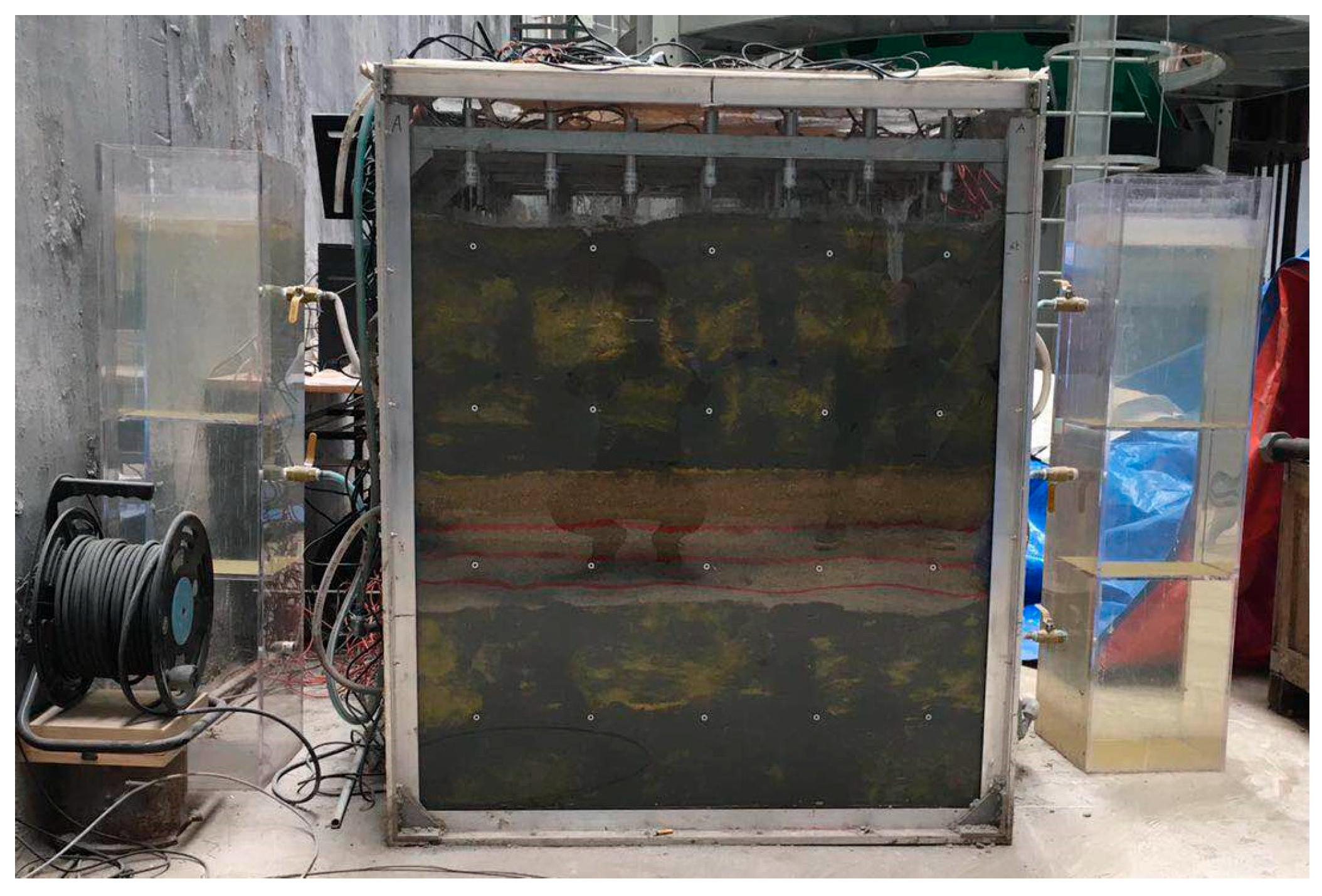
2.1. Experimental Model
2.2. Experimental Procedures and Instrumentation
- (1)
- The soil pressure box, pore water pressure gauge, and linear displacement gauge were all calibrated;
- (2)
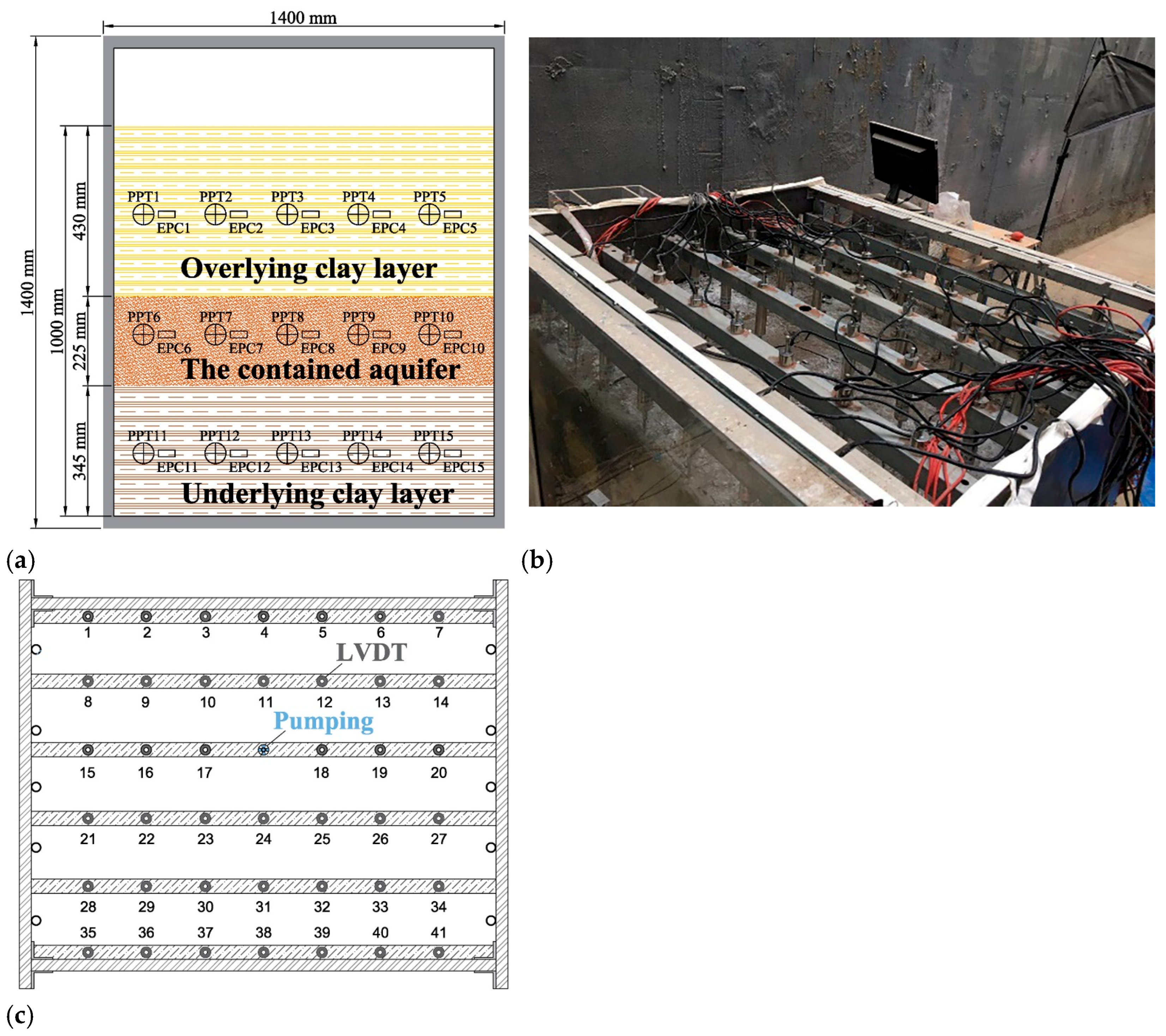
- The soil layer was filled by layer. The soil pressure cells and pore water pressure transducers were buried at the corresponding positions, and the linear displacement transformer was installed on the surface of the soil. When filling the sand layer by layer, the water was replenished every 5 cm increase in thickness to make it saturated;
- (3)
- The soil was consolidated and stabilized under self-weight conditions. To determine its stability, it was necessary to meet the requirements of stable values measured by the soil pressure cells, pore water pressure transducers, and linear displacement transformers;
- (4)
- After the soil was solidified and stabilized, the pumping water was conducted from the confined aquifer. PumpingⅠ lasted for 30 min, with the pumping rate of 100 mL/min and the pumping capacity of 3000 mL;
- (5)
- After the pumping completion, the peristaltic pump was turned off and all data were observed and recorded during its recovery process;
- (6)
- When the soil reached the stable state again, Pumping II was conducted for 60 min, with the pumping speed of 100 min/min and the pumping capacity of 6000 mL;
- (7)
- After the pumping completion, the peristaltic pump was turned off and all data were observed and recorded during its recovery process;
- (8)
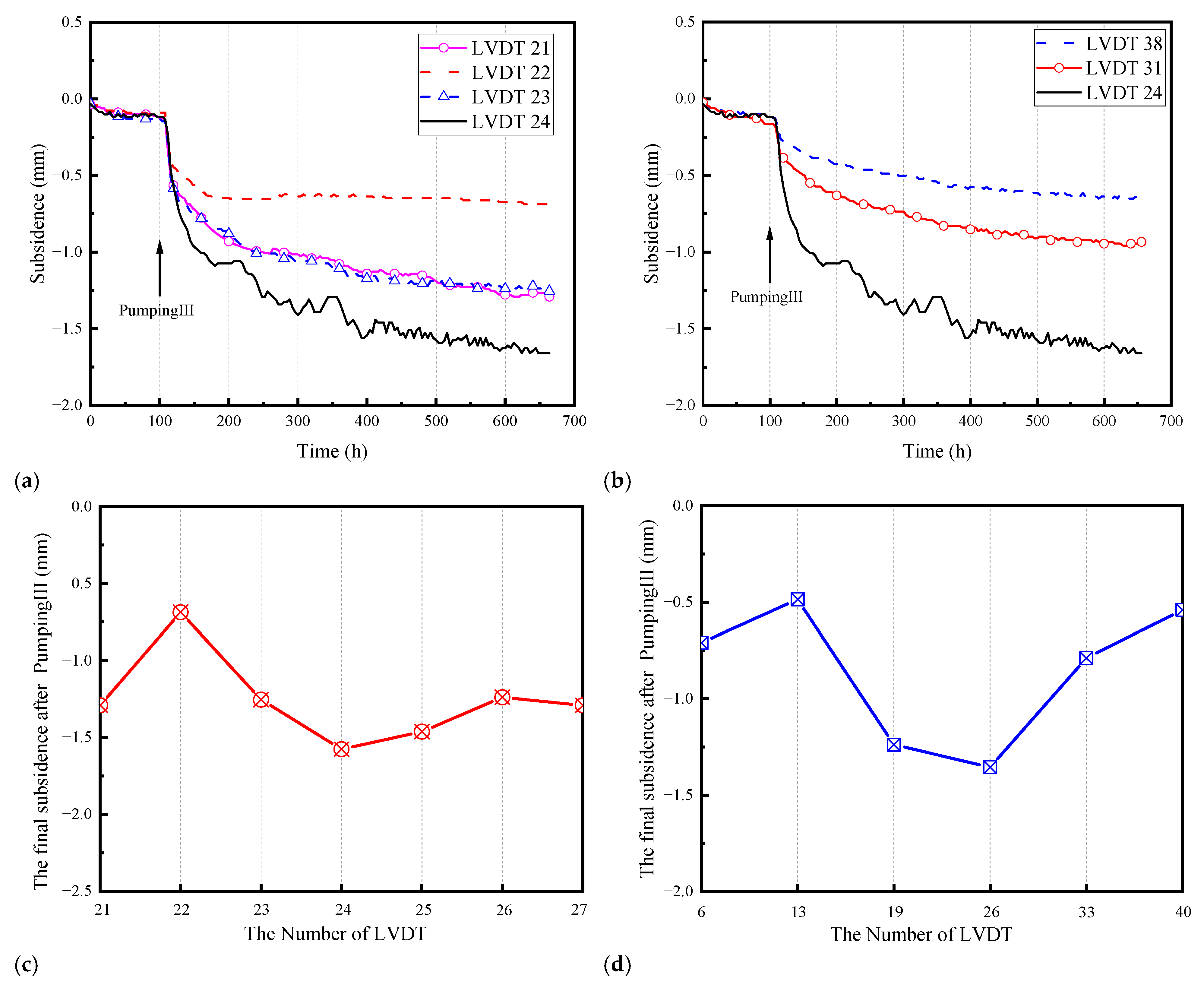
- When the soil reached the stable state again, Pumping Ⅲ was conducted for 90 min, with the pumping speed of 100 mL/min and the pumping volume of 9000 mL;
- (9)
- After the pumping completion, the peristaltic pump was turned off and all data were observed and recorded during its recovery process;
- (10)
- After the data stabilizing, the experiment was completed.
3. Test Result Analysis
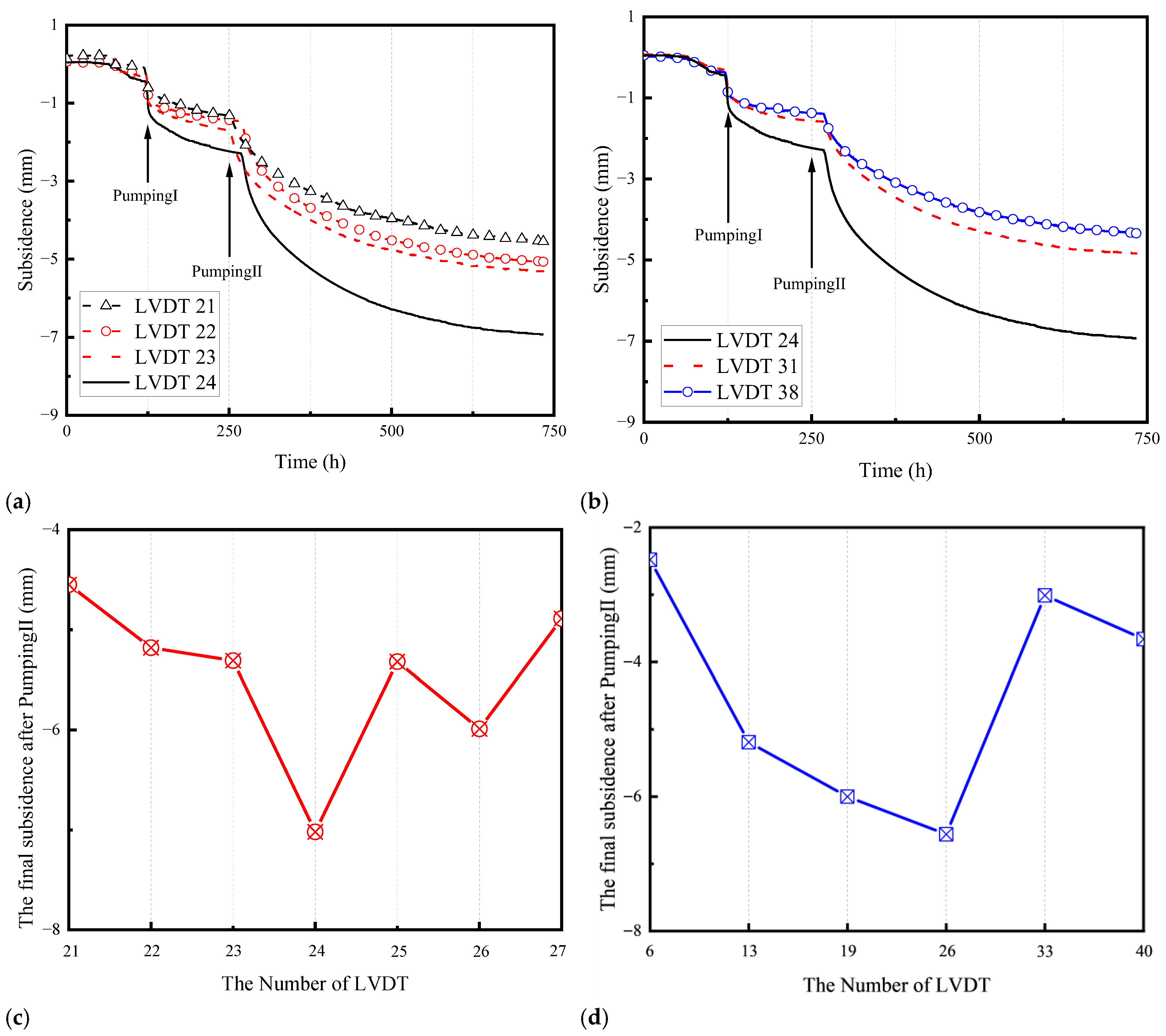
3.1. Land Subsidence Variation Due to Triple Pumping
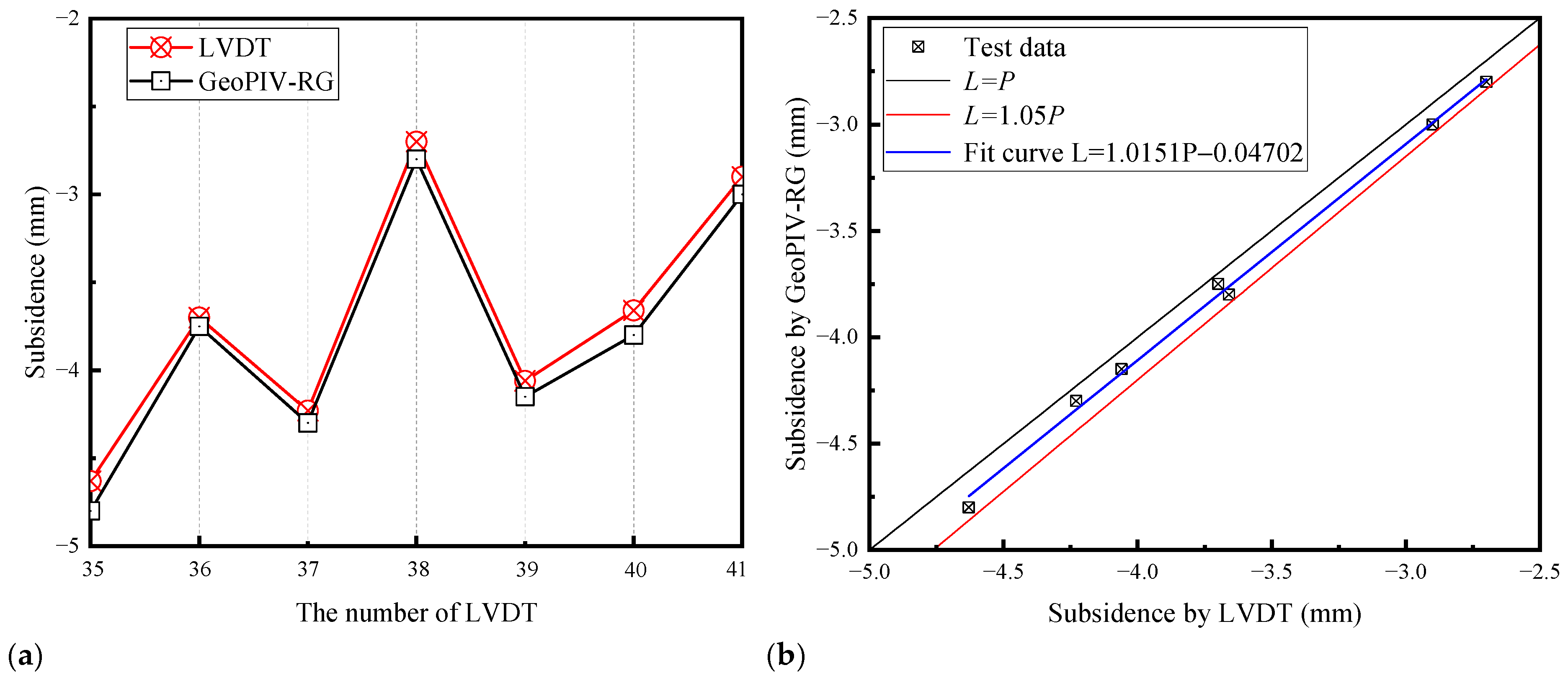
3.2. Subsidence Fixed by PIV and LVDT Results
3.3. Pore Water Pressure Variation Due to Triple Pumping
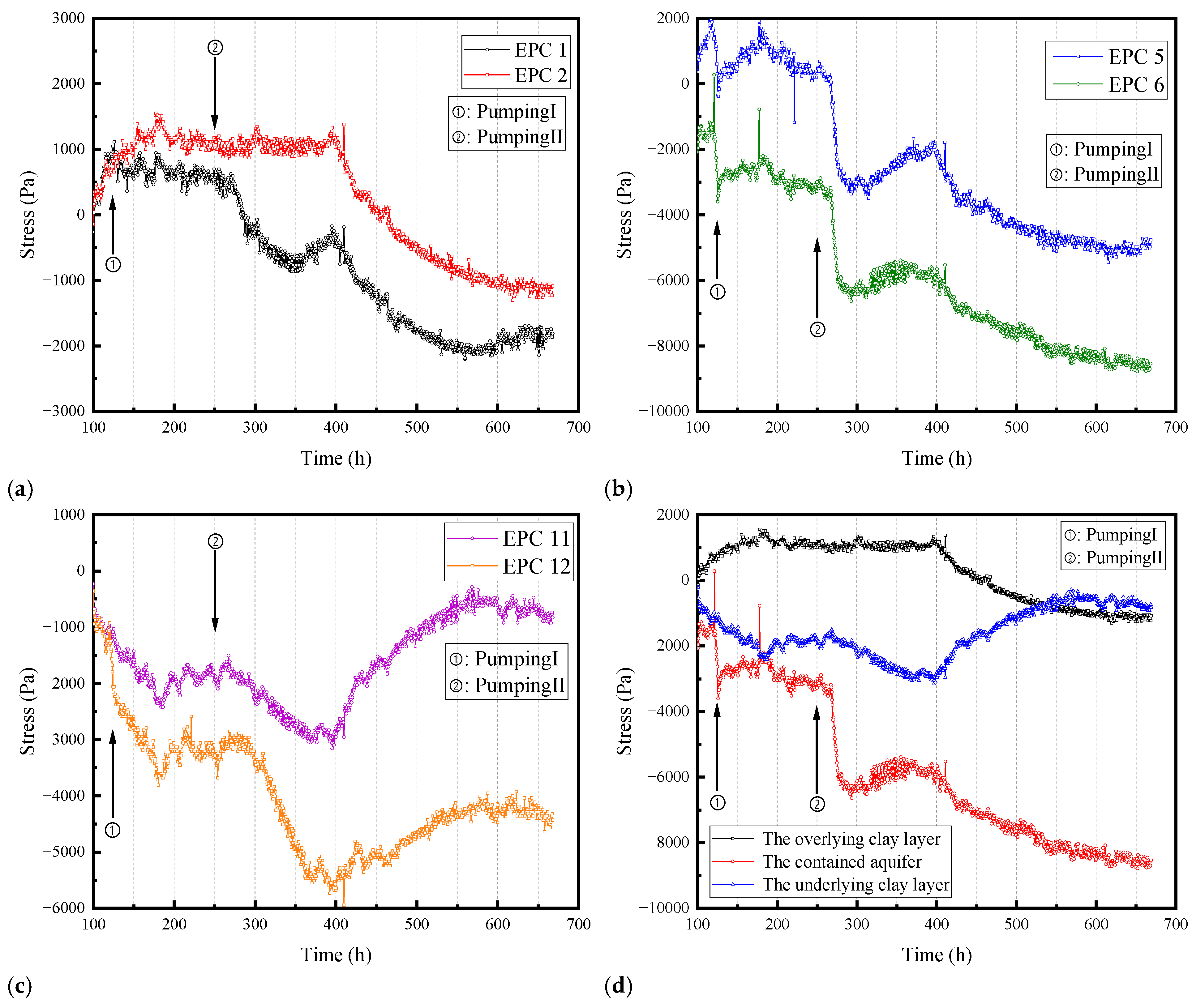
3.4. Total Stress Variation Due to Triple Pumping
4. Conclusions
- (1)
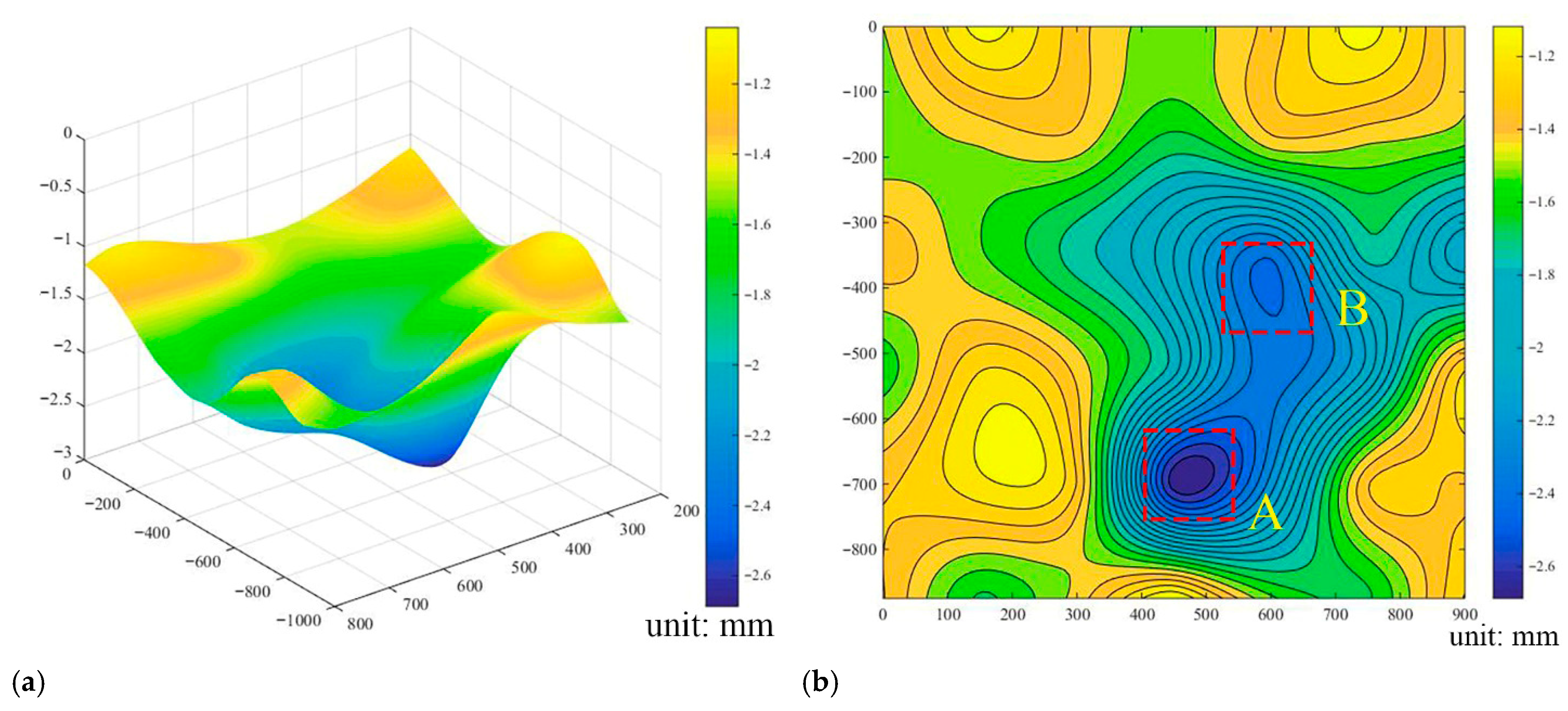
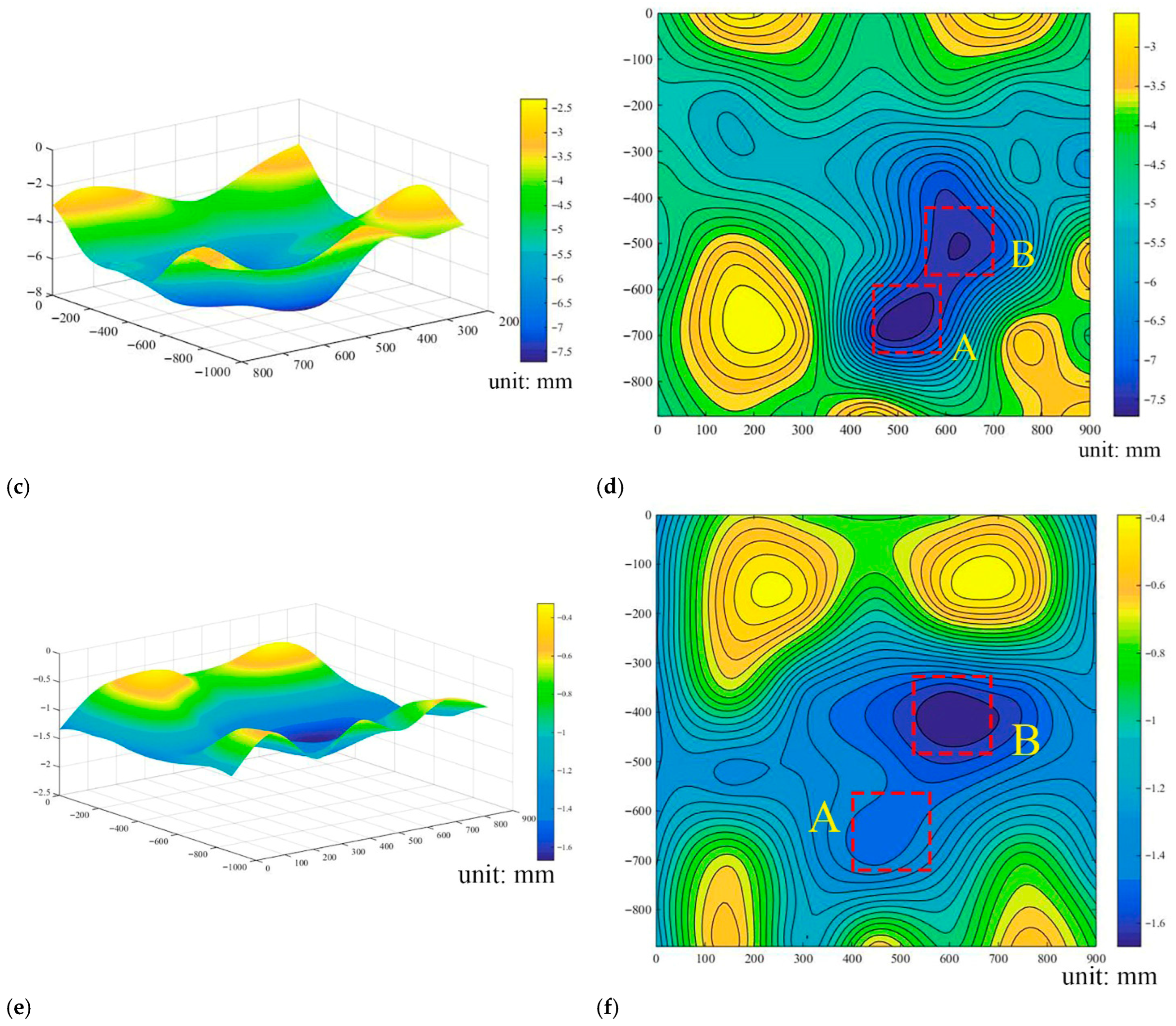
- The spatial distribution of land subsidence induced by pumping is more severe as it approaches the pumping well. As the distance from the same pumping well increases, its ground settlement rapidly decreases, but the rate of decline is not directly proportional to the increase in distance. The land subsidence induced by pumping accounts for the majority of the total subsidence in terms of the time distribution occurring in a relatively short period of time after pumping.
- (2)
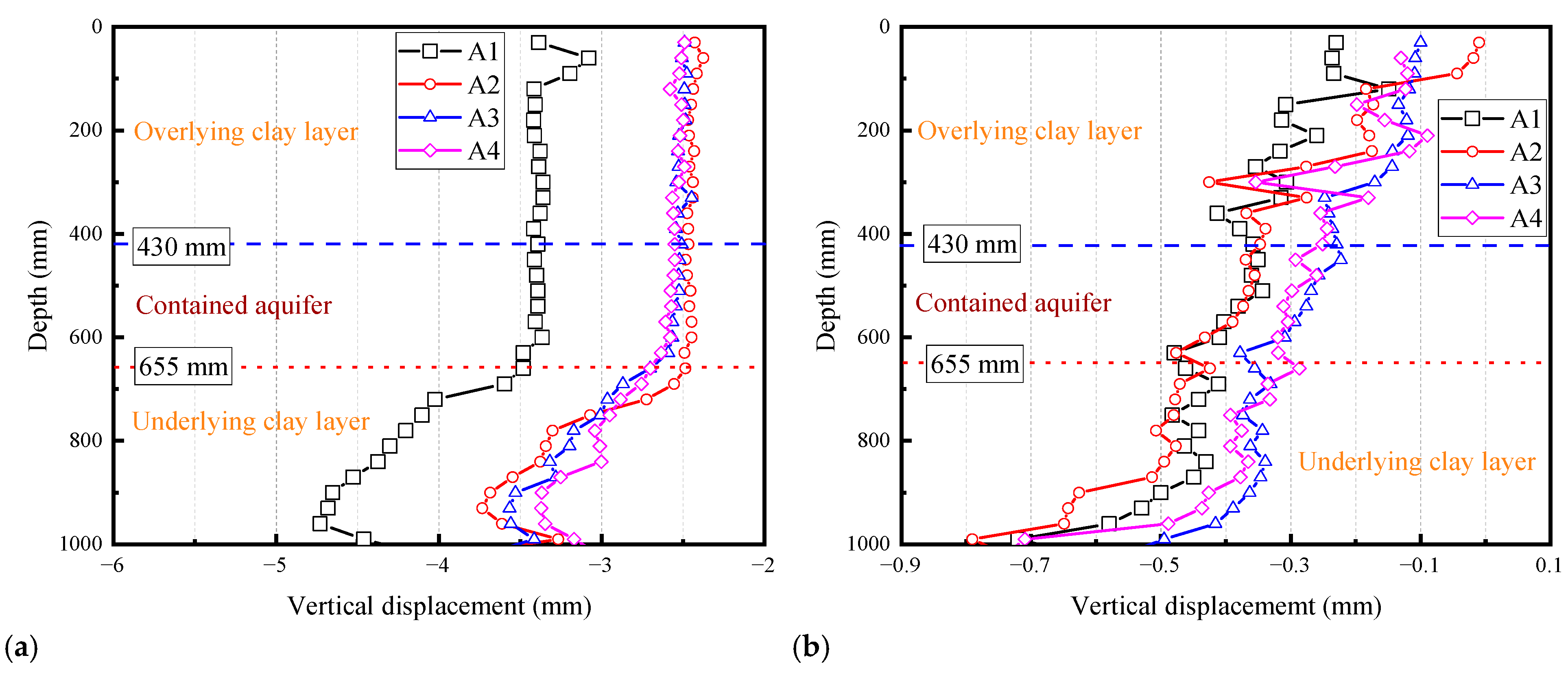
- The subsidence induced by pumping is composed of the compression amount of each soil layer. The majority of land subsidence is caused by the compression of the overlying and underlying clay layers, with only a minor contribution from the confined aquifer’s compression.
- (3)
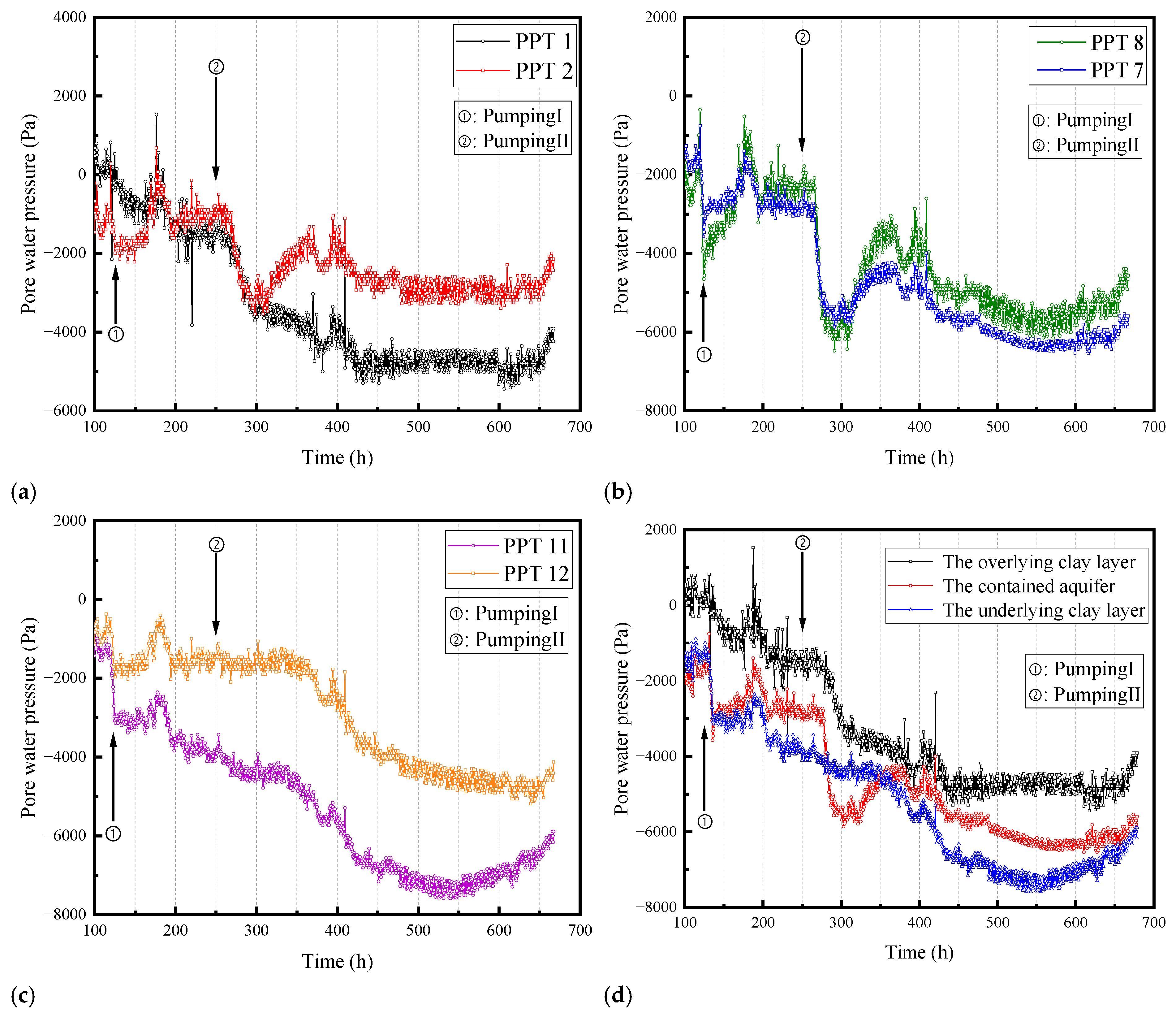
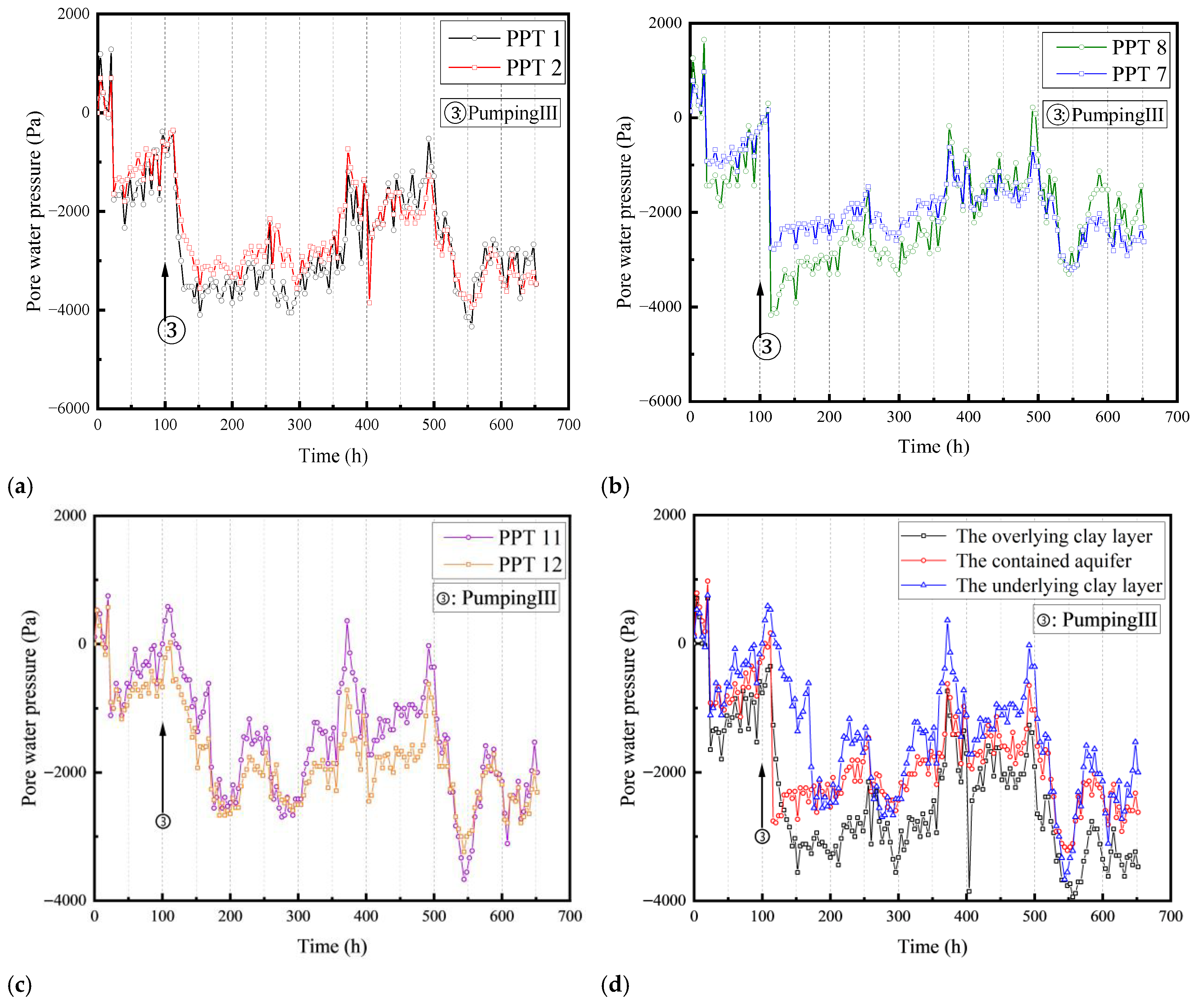
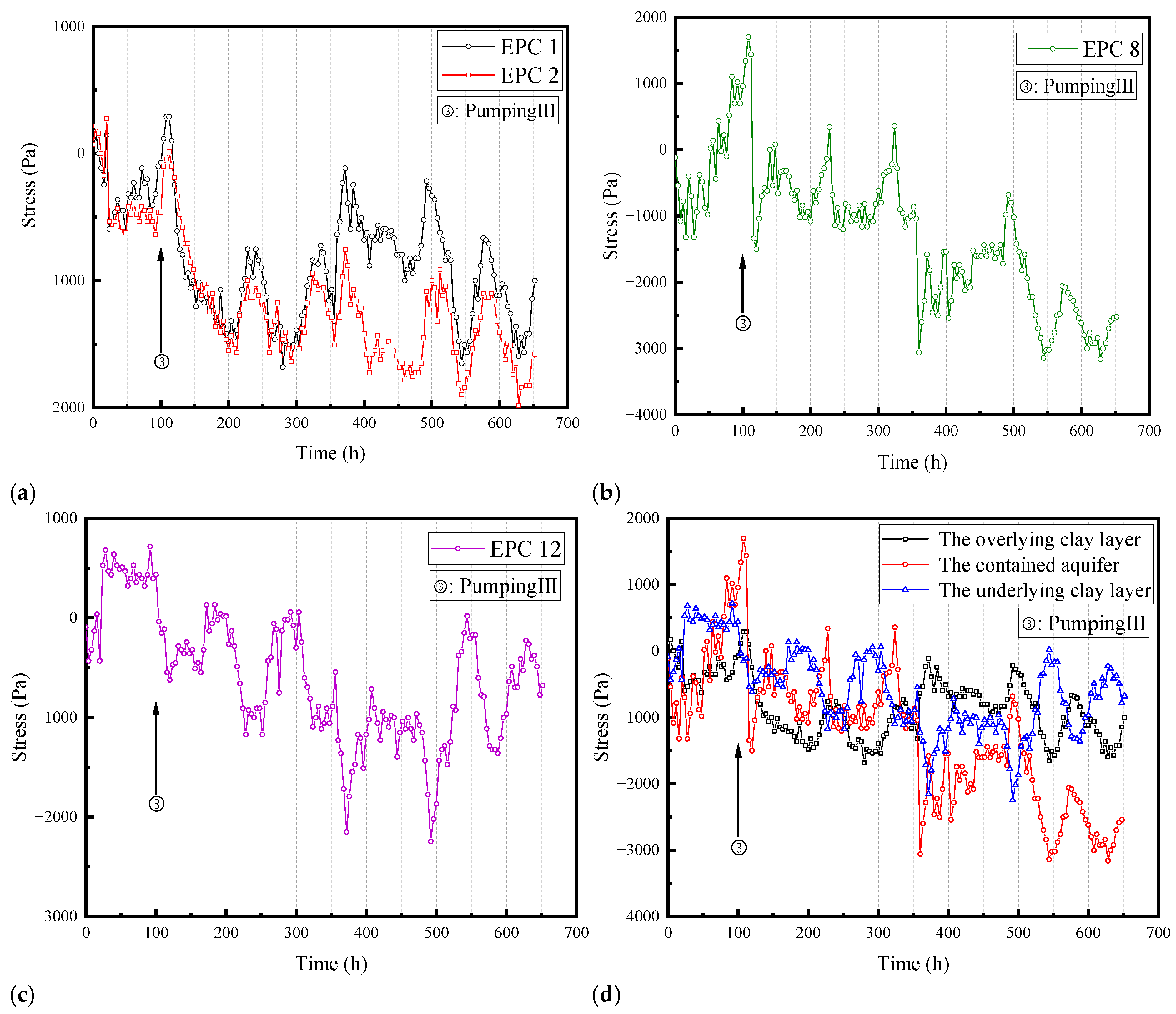
- After pumping, the pore pressure and total stress in the soil often decrease before increasing due to the formation of a cone of depression. The cone of depression causes a decrease in pore pressure in the soil layer, and after the completion of pumping, the falling funnel gradually flattens out, and the pore pressure of the soil inside the falling funnel also recovers to a certain extent.
- (4)
- Compared with the previous two pumping operations, the proportion of overlying clay-layer compression caused by Pumping III has increased to a certain extent. Although Pumping III has the same total amount as Pumping I and Pumping II, it significantly reduces clay compression and subsidence.
Author Contributions
Funding
Institutional Review Board Statement
Informed Consent Statement
Data Availability Statement
Conflicts of Interest
References
- Faunt, C.C.; Sneed, M.; Traum, J.; Brandt, J.T. Water availability and land subsidence in the Central Valley, California, USA. Hydrogeol. J. 2016, 24, 675–684. [Google Scholar] [CrossRef]
- Nguyen, M.; Lin, Y.N.; Tran, Q.C.; Ni, C.-F.; Chan, Y.-C.; Tseng, K.-H.; Chang, C.-P. Assessment of long-term ground subsidence and groundwater depletion in Hanoi, Vietnam. Eng. Geol. 2022, 299, 106555. [Google Scholar] [CrossRef]
- Cui, Z.; Jia, Y. Analysis of electron microscope images of soil pore structure for the study of land subsidence in centrifuge model tests of high-rise building groups. Eng. Geol. 2013, 164, 107–116. [Google Scholar] [CrossRef]
- Tang, Y.Q.; Cui, Z.D.; Wang, J.X.; Lu, C.; Yan, X.X. Model test study of land subsidence caused by high-rise building group in Shanghai. Bull. Eng. Geol. Environ. 2008, 67, 173–179. [Google Scholar] [CrossRef]
- Zheng, Y.; Sun, H.; Hou, M.; Ge, X. Microstructure evolution of soft clay under consolidation loading. Eng. Geol. 2021, 293, 106284. [Google Scholar] [CrossRef]
- Shen, S.L.; Xu, Y.S. Numerical evaluation of land subsidence induced by groundwater pumping in Shanghai. Can. Geotech. J. 2011, 48, 1378–1392. [Google Scholar] [CrossRef]
- Lin, P.; Chen, X.; Jiang, M.; Song, X.; Xu, M.; Huang, S. Mapping shear strength and compressibility of soft soils with artificial neural networks. Eng. Geol. 2022, 300, 106585. [Google Scholar] [CrossRef]
- Liang, Z.X.; Sun, H.; Huang, Z.; Niu, F. The influences of natural structure damage and stress path on mechanical behaviors of soft clay. Bull. Eng. Geol. Environ. 2023, 82, 208. [Google Scholar] [CrossRef]
- Castellazzi, P.; Arroyo-Domínguez, N.; Martel, R.; Calderhead, A.I.; Normand, J.C.L.; Gárfias, J.; Rivera, A. Land subsidence in major cities of Central Mexico: Interpreting InSAR-derived land subsidence mapping with hydrogeological data. Int. J. Appl. Earth Obs. Geoinf. 2016, 47, 102–111. [Google Scholar] [CrossRef]
- Jiang, J.; Cui, Z. Instability of High Liquid Limit Soil Slope for the Expressway Induced by Rainfall. Appl. Sci. 2022, 12, 10857. [Google Scholar] [CrossRef]
- Jun, S.H.; Kwon, H.J. Constitutive Relationship Proposition of Marine Soft Soil in Korea Using Finite Strain Consolidation Theory. J. Mar. Sci. Eng. 2020, 8, 429. [Google Scholar] [CrossRef]
- Zamanirad, M.; Sarraf, A.; Sedghi, H.; Saremi, A.; Rezaee, P. Modeling the Influence of Groundwater Exploitation on Land Subsidence Susceptibility Using Machine Learning Algorithms. Nat. Resour. Res. 2020, 29, 1127–1141. [Google Scholar] [CrossRef]
- Liu, W.; Shi, Z.; Zhang, J.; Zhang, D. One-dimensional nonlinear consolidation behavior of structured soft clay under time-dependent loading. Geomech. Eng. 2019, 18, 299–313. [Google Scholar] [CrossRef]
- Roy, D.; Robinson, K.E. Surface settlements at a soft soil site due to bedrock dewatering. Eng. Geol. 2009, 107, 109–117. [Google Scholar] [CrossRef]
- Wang, X.; Luo, Z.; Li, Z.; Zhao, Q.; Dai, J. The impact of groundwater recharge on land subsidence: A case study from the Cangzhou test area, Hebei Province, China. Hydrogeol. J. 2023, 31, 813–825. [Google Scholar] [CrossRef]
- Hason, M.F.; Smith, R.; Vajedian, S.; Pommerenke, R.; Majumdar, S. Global land subsidence mapping reveals widespread loss of aquifer storage capacity. Nat. Commun. 2023, 14, 6180. [Google Scholar] [CrossRef]
- Cui, Z.; Tang, Y. Land subsidence and pore structure of soils caused by the high-rise building group through centrifuge model test. Eng. Geol. 2010, 113, 44–52. [Google Scholar] [CrossRef]
- Ortega-Guerrero, A.; Rudolph, D.L.; Cherry, J.A. Analysis of long-term land subsidence near Mexico City; field investigations and predictive modeling. Water Resour. Res. 1999, 35, 3327–3341. [Google Scholar] [CrossRef]
- Fernández-Merodo, J.A.; Ezquerro, P.; Manzanal, D.; Béjar-Pizarro, M.; Mateos, R.M.; Guardiola-Albert, C.; García-Davalillo, J.C.; López-Vinielles, J.; Sarro, R.; Bru, G.; et al. Modeling historical subsidence due to groundwater withdrawal in the Alto Guadalentín aquifer-system (Spain). Eng. Geol. 2021, 283, 105998. [Google Scholar] [CrossRef]
- Huang, Q.B.; Miao, C.; Yuan, Y.; Qu, Y.; Gou, Y. Failure analysis of metro tunnel induced by land subsidence in Xi’an, China. Eng. Fail. Anal. 2023, 145, 106996. [Google Scholar] [CrossRef]
- Yu, H.R.; Gong, H.; Chen, B.; Liu, K.; Gao, M. Analysis of the influence of groundwater on land subsidence in Beijing based on the geographical weighted regression (GWR) model. Sci. Total Environ. 2020, 738, 139405. [Google Scholar] [CrossRef]
- Edalat, A.; Khodaparast, M.; Rajabi, A.M. Detecting Land Subsidence Due to Groundwater Withdrawal in Aliabad Plain, Iran, Using ESA Sentinel-1 Satellite Data. Nat. Resour. Res. 2020, 29, 1935–1950. [Google Scholar] [CrossRef]
- Phien-Wej, N.; Giao, P.H.; Nutalaya, P. Land subsidence in Bangkok, Thailand. Eng. Geol. 2006, 82, 187–201. [Google Scholar] [CrossRef]
- Nguyen, B.P.; Nguyen, T.T.; Nguyen, T.; Guo, W. Analytical model for consolidation and bearing capacity of soft soil stabilized by combined PVD-deep cement mixing columns. Bull. Eng. Geol. Environ. 2023, 82, 286. [Google Scholar] [CrossRef]
- Wu, J.; Shi, B.; Cao, D.-F.; Jiang, H.-T.; Wang, X.-F.; Gu, K. Model test of soil deformation response to draining-recharging conditions based on DFOS. Eng. Geol. 2017, 226, 107–121. [Google Scholar] [CrossRef]
- Tang, Y.Q. Study on land subsidence under different plot ratios through centrifuge model test in soft-soil territory. Environ. Earth Sci. 2012, 66, 1809–1816. [Google Scholar] [CrossRef]
- Li, F.K.; Liu, G.; Tao, Q.; Zhai, M. Land subsidence prediction model based on its influencing factors and machine learning methods. Nat. Hazards 2023, 116, 3015–3041. [Google Scholar] [CrossRef]
- Budhu, M.; Adiyaman, I.B. Mechanics of land subsidence due to groundwater pumping. Int. J. Numer. Anal. Methods Geomech. 2010, 34, 1459–1478. [Google Scholar] [CrossRef]
- Cui, Z.; Jia, Y.; Yuan, L. Distribution law of soil deformation caused by decompression of confined water. Environ. Earth Sci. 2016, 75, 1281. [Google Scholar] [CrossRef]
- Walker, R.; Indraratna, B. Consolidation analysis of a stratified soil with vertical and horizontal drainage using the spectral method. Géotechnique 2009, 59, 439–449. [Google Scholar] [CrossRef]
- Shen, S.; Ma, L.; Xu, Y.; Yin, Z. Interpretation of increased deformation rate in aquifer IV due to groundwater pumping in Shanghai. Can. Geotech. J. 2013, 50, 1129–1142. [Google Scholar] [CrossRef]
- Cui, Z.; Li, Z.; Jia, Y. Model test study on the subsidence of high-rise building group due to variation of groundwater level. Nat. Hazards 2016, 84, 35–53. [Google Scholar] [CrossRef]








| Soil | Water Content (%) | Bulk Density (kN/m3) | Initial Void Ratio | Compression Modulus (MPa) | Cohesion (kPa) | Internal Friction Angle (°) |
|---|---|---|---|---|---|---|
| Silty clay of layer No. 4 | 42.14 | 1.10 | 18.645 | 3.04 | 12.1 | 12.4 |
| Silty sand | 18.63 | 1.02 | 13.810 | 8.91 | 5.10 | 24.8 |
| Pumping Stage | LVDT21 (mm) | LVDT21 (mm) | LVDT23 (mm) | LVDT24 (mm) |
|---|---|---|---|---|
| Pumping I | 1.40 | 1.50 | 1.86 | 2.36 |
| Pumping II | 4.55 | 5.06 | 5.31 | 6.93 |
Disclaimer/Publisher’s Note: The statements, opinions and data contained in all publications are solely those of the individual author(s) and contributor(s) and not of MDPI and/or the editor(s). MDPI and/or the editor(s) disclaim responsibility for any injury to people or property resulting from any ideas, methods, instructions or products referred to in the content. |
© 2025 by the authors. Licensee MDPI, Basel, Switzerland. This article is an open access article distributed under the terms and conditions of the Creative Commons Attribution (CC BY) license (https://creativecommons.org/licenses/by/4.0/).
Share and Cite
Yuan, L.; Jiang, J.-J.; Guo, W.-H.; Cui, Z.-D. Physical Modeling of Land Subsidence Induced by Triple Pumping on the Confined Aquifer. Appl. Sci. 2025, 15, 12676. https://doi.org/10.3390/app152312676
Yuan L, Jiang J-J, Guo W-H, Cui Z-D. Physical Modeling of Land Subsidence Induced by Triple Pumping on the Confined Aquifer. Applied Sciences. 2025; 15(23):12676. https://doi.org/10.3390/app152312676
Chicago/Turabian StyleYuan, Li, Jian-Jie Jiang, Wen-Hao Guo, and Zhen-Dong Cui. 2025. "Physical Modeling of Land Subsidence Induced by Triple Pumping on the Confined Aquifer" Applied Sciences 15, no. 23: 12676. https://doi.org/10.3390/app152312676
APA StyleYuan, L., Jiang, J.-J., Guo, W.-H., & Cui, Z.-D. (2025). Physical Modeling of Land Subsidence Induced by Triple Pumping on the Confined Aquifer. Applied Sciences, 15(23), 12676. https://doi.org/10.3390/app152312676