


Featured Application
The proposed methodology is helpful for evaluating the environmental impact of websites. It can measure emissions, pinpoint the most energy-intensive assets, and identify areas in need of carbon footprint reduction. This way, it could be employed to support efforts aimed at mitigating the adverse environmental impact of websites.
Abstract
With the advance of digital transformation, the assessment of the environmental impact of digital tools and technologies grows more relevant. Considering the inflated expectations of environmental responsibility in higher education, this study analyses how websites of Polish universities conform to sustainable web design criteria. The sustainability audit employed a methodology encompassing carbon emissions measurement, technical website analysis, and SEO evaluation. The author analysed 63 websites of public universities in Poland using seven independent audit tools, including an original AI Custom GPT agent preconfigured in the ChatGPT ecosystem. The results revealed a substantial differentiation in CO2 emissions and website optimisation, with an average EcoImpact Score of 66.41/100. Nearly every fourth website exhibited a significant carbon footprint and excessive component sizes, which indicates poor asset optimisation and energy-intensive design techniques. The measurements exposed considerable variability in emission intensities and resource intensity among the university websites, suggesting the need for standardised digital sustainability practices. Regulations on the carbon footprint of public institutions’ websites and mobile applications could become vital strategic components for digital climate neutrality. Promoting green hosting, “Green SEO” practices, and sustainability audits could help mitigate the environmental impact of digital technologies and advance sustainable design standards for the public sector. The proposed auditing methodology can effectively support the institutional transition towards sustainable management of digital infrastructure by integrating technical, sustainability, and organisational aspects.
1. Introduction
In the era of global challenges posed by climate change and efforts to curb greenhouse gas emissions, environmental attitudes are the responsibility of governmental institutions, the private sector, as well as academic institutions [1]. Universities meaningfully affect environmental attitudes and the promotion of sustainable development through their scientific and teaching activities [2]. Their teaching, research, and social and educational efforts shape mindsets and disseminate values and behavioural patterns that can either aid or hinder the implementation of sustainable development principles in society and the economy [3]. Therefore, how universities manage their assets and communicate with their environment reflects their actual commitment to sustainable development and affects their public confidence.
As the primary communication channel for the academic community and the public, university websites should be both functional and environmentally friendly. Low-emission and sustainable approaches to web design and optimisation are growing more relevant in this regard [4]. They involve reducing the digital carbon footprint through means such as using hosting powered by renewable energy, optimising media files, minifying and optimising source code, and designing user interfaces that use minimal system and network resources [5,6]. The effort to curb the environmental impact of websites can be perceived as a token of the university’s dedication to sustainable development. This approach aligns with sustainable interaction design, sustainable web design, and green software engineering. These concepts provide a methodological framework for analysing sustainability-centred practices employed in designing and delivering digital services [7].
Although educational institutions pay heed to sustainable development and environmental problems, the area of university website emissions has yet to be properly investigated and diagnosed. The dominant issues in the literature include SEO, performance, and search engine results page positions. At the same time, the environmental impact of websites, particularly measured with carbon footprint, is considered relatively rarely, ignored, or insufficiently voiced [8,9,10,11]. Although experts in the field discuss low-emission websites more frequently today, no in-depth research findings are available yet [12,13]. There is not much insight into how universities—as institutions responsible for shaping environmental attitudes—employ sustainable digital design principles when creating and managing their websites. Furthermore, there are no benchmarking analyses available for comparing universities regarding website carbon footprint reduction practices and their commitment to minimising the environmental impact of digital communication. Both the state of the art and managerial practices in higher education institutions would benefit from addressing this research gap. Therefore, such results could contribute to the current knowledge on sustainable digital asset management and provide practical guidelines for universities seeking to align their communications and operational policies with sustainability principles in a responsible manner. Moreover, even though sustainable web design is gaining attention, there is no empirical research on carbon emissions from university websites, especially in the European context. Analyses to date have focused on the commercial sector or public administration, rarely taking into account the specificity of higher education [14,15]. Additionally, international comparisons indicate that approaches to sustainable web design vary significantly by country; for example, Scandinavian countries and Germany introduce sustainable web design regulations and guidelines, which are not found in Poland [15,16]. The present study addresses this gap, providing a CO2 emissions benchmark for public university websites in Poland and assessing their conformity with Green SEO and low-emission digital design principles.
Funded by the state and responsible for implementing educational and social policies, public universities in Poland have to comply with particular digital policy requirements. Their online and offline activities should respond to both user needs and the challenges of environmental protection and the digital transition of the state. To provide normative and educational results, academic institutions can and should lead the way towards sustainable and low-emission digital solutions. The purpose of the article is to perform a benchmarking analysis of Polish universities’ websites regarding their conformity to sustainable digital design principles. To this end, the author posed the following research questions:
- RQ1: To what extent do the websites of Polish universities conform to sustainable digital design principles?
- RQ2: What functions do the tools for website carbon footprint measurement available today have?
- RQ3: To what extent can the implementation of low-emission policies in Polish universities support their educational mission for sustainable development and promoting environmental attitudes?
These questions were addressed through a benchmark analysis of the websites of Polish public universities. The study evaluated the technological sophistication of the websites and vicariously revealed the commitment of higher education institutions to promoting ecological values. The findings can help universities and other organisations take informed actions to mitigate the environmental impact of their digital communications. Note that digital carbon footprint evaluation consists primarily of estimated quantitative measurement of emissions generated by a website. At the same time, sustainable web design encompasses a broader array of factors, including code optimisation, information architecture, user interface performance, and selection of hosting technologies. The two perspectives are complementary in identifying emission sources and reducing environmental impact in practice. It is particularly relevant to regions where universities are the nuclei of social, economic, and technological life [2]. With sustainable digital design good practices, universities can set quality standards and inspire local public institutions and businesses to follow suit [17]. This way, they drive local digital cohesion and sustainable environmental competencies.
The article is structured with clarity in mind: Section 2 offers a literature review and a theoretical and technical framework for sustainable digital design, notably green software engineering, sustainable interaction design, and “Green SEO”. Section 3 presents the research methods, with evaluation indicators and measurement tools. Section 4 contains results of the comparative analysis, including descriptive statistics, correlations, clustering, and outlier identification. The results are presented in the context of the literature, methodological deliberations, and the significance of sustainability audits as an extension of traditional SEO audits in Section 5. Section 6 voices final conclusions, practical recommendations, and future interests.
2. Background
When applied to websites, low-emission and sustainable development principles concern hosting, information and interface architecture, and digital asset management set to minimise their adverse environmental impact. There are many standards, good practices, and design recommendations that provide practical schemes of action based on areas such as W3C specifications (including WCAG), SEO (particularly Technical SEO), green software engineering, sustainable interaction design (SID), and eco-friendly UX.
A website’s emissions performance is driven mainly by the size of data transfer and the asset loading (rendering) time it causes. According to the findings presented by Belkhir and Elmeligi [18], transfers of large amounts of data lead to significant energy consumption in data centres, transfer networks, and terminals. A website’s indirect carbon footprint can be effectively reduced by limiting the amount of data involved in a browser page lifecycle through image compression, code minification, and exclusion of excessive libraries. In light of the above, the Green Web Foundation [19] proposes eight principles for designing low-emission digital solutions (green software engineering, GSE, framework). Some of them apply to websites: (1) ensure energy efficiency through website design that reduces energy consumption on the server and user sides; (2) maintain networking efficiency: minimise data transfers through compression, caching, and reducing the number of HTTP requests; (3) practice carbon awareness, i.e., shifting computational loads to places and times when renewable energy is available; and (4) use green hosting powered by renewable energy. This approach combines software engineering, sustainable development, and ecology, contributing to climate change prevention efforts in the digital domain [4]. In his sustainable interaction design framework, Blevis [20] demonstrated the need for designing digital interactions so that they both serve the user and help reduce environmental pressure. Sustainable interaction design involves designing human–technology interactions with consideration for the long-term impact of digital products on the natural environment. It emphasises interface simplicity, limiting the number of components that require significant computing capabilities (such as videos, animations, and interactive widgets), and reasonable content arrangement to facilitate navigation and reduce unnecessary interactions.
Web accessibility is an essential aspect of website and mobile application design. Although it primarily concerns inclusivity, conformity with the Web Content Accessibility Guidelines (WCAG) often yields improved code structure (in both HTML and CSS), shorter rendering times, and reduced resource usage, all of which contribute to sustainable design [21]. Considering all these factors, sustainable website design appears to concentrate on four critical areas. The first one is data transfer optimisation. It involves reducing the size of files and curtailing HTTP requests to reduce energy consumption in the network infrastructure. The second domain is energy consumption optimisation through website design aimed at quick loading and limited use of user computational power. The third pillar is hosting and terminals powered with renewable energy to reduce the website’s overall carbon footprint. The final concern is sustainable user interface design, which involves creating user-friendly graphical interfaces that require minimal processing power while ensuring a positive user experience (UX). Together, these components form a coherent strategy to minimise the environmental impact of websites and web applications. Note that these principles are consistent with the Sustainable Development Goals (SDGs), namely SDG 12, Responsible Consumption and Production, and SDG 13, Climate Action. The literature and practitioners often combine these approaches with SEO audits and tools, such as Ecograder, Website Carbon Calculator, and Digital Beacon, which empirically estimate a website’s environmental impact.
2.1. Theoretical Framework
Despite the growing body of literature on sustainable development in digital technologies, it still does not offer systematic analyses that would combine technical aspects and social conditions, including organisational, psychological, and motivational factors. Therefore, to gain a better understanding of why and to what extent universities engage in curbing the carbon footprint of their websites, one has to draw on established theoretical concepts from social sciences, such as the Theory of Planned Behaviour (TPB) or Stakeholder Theory (ST), which detect both instrumental and socio-ethical motives for decisions.
The Theory of Planned Behaviour (TPB) by Ajzen [22] is a valuable tool for analysing organisational behaviours aimed at sustainable development. It posits that an individual’s or organisation’s intentions to take a specific action hinge on three factors: (1) attitude toward the behaviour, (2) subjective social norms, and (3) perceived behavioural control. In the context of actions in the online ecosystem, such as practising sustainable design principles, the theory may help better understand the university’s motivation to employ low-emission design techniques.
Their readiness to curb the carbon footprint of their websites is influenced by factors such as declarative environmental attitudes, social expectations (including student pressure and institutional pressure), and technical capabilities, including available IT tools and competencies. The Theory of Planned Behaviour can identify key drivers of environmentally friendly decisions at universities and provide a groundwork for empirical analysis of their readiness to follow sustainable practices in the digital sphere. Stakeholder Theory can be as useful when analysing university attitudes towards environmental challenges. It proposes that organisations consider the needs and expectations of all affected groups, not only students and staff but also local communities, next generations, and the natural environment [23,24]. Thus, as beneficiaries of public trust, universities have a moral obligation to consider environmental aspects in their operations, including those in the digital domain. Note that the pursuit of environmentally friendly technology can be motivated in diverse ways. Apart from classical instrumental and external motives, such as a better position on search engine results pages and brand image, ethical, social, and purpose-driven reasons—set to exert a positive influence and pursue a mission—grow more impactful [25,26]. In this context, universities that make the effort to follow low-emission web design may be driven by social and environmental responsibility in addition to conversion rates.
A combination of the TPB and ST, with the aid of organisational motivation typology, can identify rational causes and ethics-based intentions underlying the pursuit of green technologies. The study aims to empirically expand these theories by investigating low-emission web design efforts at specific universities.
2.2. Technical Framework for Sustainable Web Design
In the digital transformation era, it has become highly relevant for software engineers to consider the environmental impact of websites at the design stage. The empirical part of the study has two complementary pillars: sustainable interaction design (SID) and green software engineering (GSE). They represent the perspective of human–technology interaction and designing environmentally friendly software, respectively.
Sustainable interaction design involves digital system designers considering the long-term environmental effects of the solutions they use, both at the code level (back-end) and the user interface level (front-end) [20]. It promotes strategies for reducing resource consumption, minimising data transfer, and avoiding excessive media and extensive functionalities. Principles advocated by SID are perfectly aligned with the notion of low emissions, which focuses on curbing the website’s carbon footprint in addition to optimising its performance, search engine results page position, and conversion rates. Low-emission means, in this case, minimisation of the website’s environmental impact without sacrificing its functionality and usability.
Green software engineering (GSE) is an engineering approach focused on creating and developing software in a way that minimises its environmental impact. The critical GSE contributor is the Green Software Foundation [19]. It promotes GSE principles and develops relevant standards. Some design principles of GSE include energy efficiency, carbon emissions awareness, effective use of hardware, and data transfer optimisation. These principles directly affect web design, from server selection and front-end architecture to website carbon footprint analysis and optimisation using tools such as Ecograder, Website Carbon Calculator, and Green Web Foundation Checker.
The Green Web Foundation (GWF) proposes principles similar to those of the GSF, focusing on reducing the environmental impact of websites, primarily by promoting green hosting and disseminating carbon footprint data for digital infrastructure. The ultimate goal of the GWF is to curb CO2 emissions from Internet use to support the global digital transition towards climate neutrality. The primary premise of the GWF’s design rules is energy efficiency. Websites have to be designed to use the minimum amount of energy possible on both the server and user sides [27]. One way to achieve this is to reduce data size through compression and minification of assets, reducing the number of HTTP requests, and techniques such as lazy loading and content caching. The Green Web Foundation promotes the use of green hosting, i.e., servers powered by renewable energy. All these principles serve a single purpose: to reduce digital carbon footprints and make the Internet a more sustainable place.
Sustainable interaction design and green software engineering are complementary theoretical and practical frameworks for evaluating the current environmental impact of university websites and identifying areas for improvement. In the present work, measurement tools facilitate an empirical assessment of the extent to which Polish educational institutions employ sustainable digital design principles. Hence, the study makes three key contributions to the body of knowledge: (1) operationalisation of GSE and SID on a national scale: the study demonstrates how to measure the effects of applying sustainable web design; (2) sustainability benchmark of public universities: the study identified differences among websites and areas for improvement; and (3) the study verifies how institutional decisions follow or violate the declarative environmental values.
2.3. Related Work
2.3.1. From SEO Strategy to Green SEO: Objectives, Motives, and Environmental Responsibility
Search engine optimisation (SEO) principles are commonly applied as a standard practice in website design and maintenance. Their primary goal is to improve website visibility on the search engine results page, furthering its agenda, such as user registration, sales, or other user engagements [10]. It is achieved mainly by optimising content and improving the technical quality (Technical SEO), its structure, loading times, and compliance with search engine guidelines [28].
As SEO has become integral to technical optimisation and online marketing strategies, its potential to support digital sustainable development goals is investigated. A new SEO vector has emerged: integrating a traditional SEO audit [29] with the website’s carbon footprint analysis. Innovative analytical applications can evaluate SEO and estimate carbon emissions based on specific SEO attributes. These include website size (in MB), the number of browser–server requests, and the size and syntax of the code. This paves the way for digital design that combines technical objectives with environmental responsibility [30].
Search engine optimisation is typically motivated by specific practical objectives, such as improved position on the search engine results page, boosted organic traffic, and improved conversion rates. Psychologically, they are external motivators aimed at attaining external effects rather than internal satisfaction from the activity itself [31,32,33]. Additionally, they meet the criteria of instrumental motivation, as the actions are not goals in and of themselves but rather means to an end. In this framework, SEO is a tool for pursuing strategic organisational purposes, such as improved communications, market position, or audience engagement. Still, optimisation efforts can be motivated by more than just instrumental or marketing objectives. Specifically, in the context of corporate social responsibility (CSR), the motivation to control the adverse environmental impact of operations increases [34]. Green SEO is such an approach set to maintain a high position on the search engine results page while optimising consumption of resources and reducing carbon footprint [16]. Green SEO can be socially and environmentally motivated to exert a positive influence on the social and environmental surroundings, respectively. In this case, organisations engage in SEO not only for their own benefit but also because they believe in its social advantages.
Conversely, Green SEO can be ethically motivated when the decisions are founded on a sense of moral responsibility, regardless of financial or public relations advantages. Purpose-driven motivation is also highly relevant in this context. It involves imparting a greater meaning to an organisation’s activities, exceeding traditional performance indicators [35]. As a result, Green SEO is no longer merely a technical practice for improving a website’s rank on the search engine results page. Instead, it becomes part of a sustainable development strategy, combining sustainability objectives with digital responsibility and a new definition of the organisation’s success.
2.3.2. Website Sustainability Audit and Green SEO
In general, an environmental audit is an assessment of an organisation’s environmental impact. It identifies emission sources, analyses consumption of resources (water, energy, materials), evaluates legal and environmental compliance, and offers recommendations to control adverse environmental impact. An environmental audit provides organisations with insight into the scale of their environmental footprint, along with suggestions to mitigate it [36].
The website sustainability audit, also known under different names, such as website emissions audit or green website audit, plays a similar role in the digital domain. It analyses the website’s impact on the natural environment. The primary objective of a website sustainability audit is to analyse factors that generate a carbon footprint and suggest practices to control it. The audit focuses equally on regulations and ethics. There are various motives for having one’s website audited, ranging from compliance to CSR PR gains to a heartfelt need to mitigate adverse environmental impact [37]. Moreover, institutions that engage in website sustainability audits are often driven by a growing public pressure to deploy environmentally friendly solutions and align their organisations to the sustainable development policy [17].
As the analytical toolbox expands and the public awareness of the influence of digital technologies on the environment grows, specialised website sustainability audits emerge that focus on specific aspects of website functioning. One of them is Green SEO. It combines traditional search engine optimisation and sustainability goals.
The concept of “Green SEO” remains unclear and underdiscussed in the literature. Although it is rarely seen in academic publications, its presence in popular science and the press, sectoral blogs, marketing texts, and copies from SEO agencies is undeniable. Green SEO concerns primarily ecological practices in website design and optimisation to reduce resource intensity and carbon footprint. As the public becomes increasingly interested in sustainable development and the environmental aspects of the Internet, Green SEO is mentioned more frequently alongside concepts such as sustainable web design and eco-friendly websites. As a result, new tools have emerged recently to empirically evaluate Green SEO attributes, like the environmental impact of websites. Some of the tools are Ecograder, Website Carbon Calculator, Digital Beacon, Kastor, and the Green Web Foundation Checker [38].
The literature on the subject exhibits a growing interest in website optimisation and the influence of digital technologies on the natural environment [38]. Wimalasena and Arambepola [39] demonstrated that sustainable website design practices are being employed more often at the design stage, reducing energy consumption. On the other hand, Hulleberg and colleagues [40] revealed that a low level of awareness and incomplete deployment of sustainable design by web developers continue to limit the spread of Green SEO practices.
Rugeviciute, Courboulay, and Hilty [41] investigated stakeholder attitudes and behaviours in the context of digital environmental responsibility and found declarations and practices to diverge (Table 1). Roth and Sezgin [42] emphasised the significant role of end users in shaping sustainable ICT use patterns and the need for monitoring their behavioural dynamics. In a broader view, Meinhold et al. [43], along with Goel et al. [44], presented digital transition as having the potential to both curb and aggravate environmental impact. Danushi, Forti, and Soldani [45] proposed to systematise approaches to sustainable software design and maintenance, pointing out the need for tools to optimise digital resources as early as the coding and interface design stages.
Table 1.
Summary of selected publications on Green Web Optimisation and Sustainable Web Design.
Technically, a Green SEO audit is the assessment of a website’s environmental impact, specifically focusing on carbon (CO2) emissions resulting from its use. The primary goal of a Green SEO audit is to identify technical and design elements that increase the website’s energy consumption and carbon footprint, along with options for optimising these aspects in line with sustainable development principles. Green SEO audits investigate such factors as the website’s size (page assets, MB), loading time (s), the number of HTTP requests, front-end technologies, hosting, and carbon emissions per single load in the browser viewport (g). It is a double-pronged approach, promoting technical improvements for faster load times and enabling organisations such as universities, public institutions, and commercial stakeholders to further sustainable development. This makes the Green SEO audit a practical tool for implementing the principles of green software engineering, sustainable web design, and climate responsibility within the online ecosystem.
The literature review revealed that sustainability-related website optimisation is progressing rapidly as an interdisciplinary field, encompassing computer, environmental, and social sciences. Researchers stress the need to combine technical optimisation with sustainable development goals and raise awareness of the environmental impact of digital products among developers, users, and institutions responsible for digital communication. Still, the literature fails to offer a broad, empirical study on the actual effect of website optimisation on the environment.
3. Materials and Methods
3.1. General Premises for the Research Design
The study presents a comparative analysis of the conformity of Polish university websites with principles of low-emission web development and sustainable development. The analysis is based on the results of a Green SEO audit of the websites of 63 universities in Poland supervised by the Ministry of Education and Science. Note that there were 65 public universities in Poland as of 15 June 2025, according to ministry records [46]. However, the sample population consists of 63 websites, as the audit was not technically possible in two cases. In both cases, it was due to active anti-bot measures, which continued to lock out auditing attempts, preventing acquisition of cohesive data. It is also important to note that the analysis did not involve the universities as such. The objective was to assess the quality of websites and their environmental impact rather than rank universities in this context. Therefore, the results do not include university names or ranking lists. The focal point is to investigate phenomena rather than rate universities.
3.2. Measurement Tools and Quality Indicators
The study spans 5–8 May 2025 and covers only the homepages of university websites. The author measured 15 sustainability and technical quality metrics for each website, including such items as carbon emissions, asset size, load times, and selected SEO indicators. A total of 945 unique manual measurements were performed and used in further analyses (Supplementary Materials).
The study employs selected measurement tools. All tools were used under identical, standardised technical and networking conditions. Research design validity was ensured by taking measurements during low-traffic hours, specifically between 10:00 a.m. and 3:00 p.m. local time (CEST, UTC + 2). The websites were tested without preloading (i.e., with no cache) and with browser extensions disabled. The tests were conducted with Mozilla Firefox v. 138.0.1 (released on 1 May 2025) and Lighthouse v. 12.0.0 (released on 22 April 2024). The measured values were tabulated in a standardised manner to facilitate statistical and comparative analysis.
The author employed dedicated website sustainability auditing tools: (1) Ecograder (Mightybytes, Chicago, IL, USA), (2) Website Carbon Calculator (Wholegrain Digital, Scamper Ltd., Exchange at Somerset House, South Wing, Strand, London, UK), (3) Digital Beacon (Aline, Cambridge, UK), and (4) Kastor Green (Spécinov, France). This approach conforms to the cross-validation principle, where quality measurements are made using at least two tools. Additionally, the author conducted an AI audit with an original AI Custom GPT agent preconfigured in the ChatGPT ecosystem, Green Web Audit Assistant (ChatGPT Plus, OpenAI) [47], followed by mobile and desktop SEO audits. The measured values (Table 2) were saved to a database.
Table 2.
Green SEO audit tools and indicators.
The audit yielded values for selected quality indicators, enabling a comprehensive assessment of the websites’ environmental impact. The indicators were selected following a review of available tools and practices for environmental optimisation of websites. The specific sources include documentation for EcoGrader, Website Carbon Calculator, and Digital Beacon, which implement principles in line with the current trends in sustainable digital development [38,45]. Qualitative indicators include page size (MB), the number of HTTP requests, the use of multimedia files, and green hosting [18,37]. Moreover, some metrics were complemented with additional technical analyses based on the literature and their comparative potential [20].
Ecograder measures the Ecograder Score, ranging from 0 to 100. It covers factors such as green hosting, page loading time, the number and size of page components (page assets), and energy-efficient design. This assessment is complemented by CO2 emissions per page load in the browser window, measured in grams. The lower its value, the smaller the environmental burden of the website. Another critical parameter is page assets. It is the total size of transferred data in megabytes (MB). Additionally, Ecograder rates each website. It assigns a digital carbon rating (DCR), a letter mark ranging from A (the best) to F (the worst). It reflects the website’s general emissions intensity. The Website Carbon Calculator employs a similar classification with letters. It assigns a carbon rating and calculates CO2 emissions in grams per page load. Digital Beacon calculates the carbon footprint, expressed as letters, and estimates emissions caused by the first visit to the website (first visit CO2) with browser cache disabled. It also measures the page size on the first load to cover asset impact before the browser even saves the data locally.
In addition to CO2 emissions per page load, Kastor Green estimates (1) the Global Score, an integrated sustainability and user quality indicator (0–100) and (2) the Ecodesign Score, focused on sustainable design quality. Kastor Green’s evaluation includes aspects such as the website’s structure, typography, contrast, and accessibility.
The Green Web Audit Assistant (GWA) has tools for searching for information, analysing code, and drafting technical documentation. Based on a website’s URL, the GWA conducts a Green SEO audit and reports it with the EcoImpact Score as a grade from 0 to 100. This indicator is founded on four main components: performance (35%), carbon footprint estimate (35%), digital accessibility (15%), and sustainable SEO (15%). The EcoImpact Score is not a result of a laboratory measurement, but an estimation based on a heuristic analysis, public data, and a desk research analysis. The GPT agent was run using a normalised query template and unified auditing protocols for every website to ensure uniform and consistent results. The EcoImpact Score is not a result of a machine learning model but rather an aggregate of indicators fed by external sources. Therefore, the process yields stable and consistent results. Then, these indicators were juxtaposed with outcomes of a “traditional SEO audit” conducted with two tools: (1) Lighthouse (SEO Score Mobile) and (2) RankMath SEO Analyzer (SEO Score).
All the indicators comprise a cohesive system for assessing the environmental impact of websites and their conformity with sustainable digital design principles, thereby supporting universities and public institutions in making informed design decisions.
3.3. Interpreting Indicator Values and Reference Values
The tools employed in the study can measure multiple parameters, which are generally recognised and utilised in auditing practices, even though they are not covered in international technical standards [40]. “Emissions per page load” is the most important parameter for comparisons. It is the amount of CO2 emitted during a single page load in the web browser viewport. The value is typically expressed in grams (g) and varies from <0.5 g (low-emissions websites) to >2.0 g (websites considered to have high emissions) [19,48]. Accordingly and in line with the guidelines from the Green Web Foundation [19] and the Wholegrain Digital project [48], emissions below 1.0 g of CO2 per page load are considered an acceptable environmental impact. Emission values above 1.5 g of CO2 per page load call for optimisation. Levels above 2.0 g indicate a profound environmental impact of the website.
The page assets attribute (MB) concerns the size of data transferred when the page is rendered in the web browser viewport. Assets exceeding 3–4 MB are considered suboptimal, especially for mobile access [49]. Ecograder and Kastor Green take this criterion into account through indicators called the Ecograder Score and the Global Score. Values of these indicators, ranging from 0 to 100, can be interpreted in this way: (1) >80 is the desired target value; (2) 60–80 is a good result; (3) 40–60 indicates a need for optimisation; and a value of 40 or lower suggests substantial sustainable design flaws.
4. Results
4.1. Descriptive Statistics
The analysis involved 63 websites of Polish universities. The mean value of the EcoImpact Score, which integrates CO2 emissions, asset size, and basic SEO parameters, was 66.41/100, with relatively low variability (SD = 1.57). In comparison, the average Ecograder Score was 42.57 (SD = 11.14), and the Kastor Global Score was 57.68 (SD = 7.91). This suggests a substantial diversification in scores depending on the measurement tool (Table 3).
Table 3.
Descriptive statistics for selected sustainability and technical indicators (n = 63).
The mean estimated CO2 emission value per page load was 3.16 g (SD = 3.47) according to Ecograder and 2.52 g (SD = 3.85) according to Kastor. The minimums were 0.28 g and 0.15 g, respectively, while the maximums exceeded 8 g of CO2. These numbers confirm the substantial emissions interval in the sample and the occurrence of websites with environmental impacts much above the average.
Regarding asset size, the average website size was 8.18 MB, according to Ecograder (SD = 8.91), and 7.70 MB, according to Digital Beacon (SD = 8.29), which is significantly above the recommended value for energy-efficient websites (<3 MB). The smallest website was 0.69 MB, while the largest ones exceeded 25 MB, reaching up to 48.72 MB. The values of the first and third quartiles (3.51 MB and 9.67 MB, respectively, according to Ecograder) indicate that a substantial group of websites exceed the recommended low-emission thresholds. This diversity suggests significant differences in the structure and level of optimisation of the websites. The sustainability and emission scores are distributed asymmetrically, which calls for further cluster analysis and inter-cluster comparisons.
The histograms with density curves reveal significant differences among environmental and technical indicators (Figure 1). The distribution of the EcoImpact Score is slightly left-skewed, indicating that most websites scored between 60 and 75. This result suggests a moderate conformity with sustainable design principles. A small number of websites fared clearly worse. None reached high eco-design conformity above 90 points. Data from both Ecograder and Kastor indicate that, for some websites, the results fall far short of the recommended thresholds, suggesting a potential adverse environmental impact.
Figure 1.
Distributions of CO2 emission and website size (MB) with a density curve from kernel density estimation (KDE). Source: original work with Green Web Audit Assistant AI.
The histograms show the overall data point distribution and outliers, which are particularly noticeable in the cases of the website size (MB) and CO2 emissions. This distribution can reflect the diversity of levels of sustainability website optimisation in the institutions. The page size (MB) chart is clearly skewed to the right, with some outliers exceeding 30 MB or even 40 MB. These results show significant differences in asset size optimisation approaches across the universities. Some websites are well-optimised, while others are burdened with excessive assets. Carbon emissions follow similar distributions.
4.2. Correlations Between Indicators
Correlation analysis revealed several significant associations between the indicators. The largest positive association was identified between the page size (page assets) and CO2 emissions, as measured by Ecograder (Ecograder CO2, r ≈ 0.93). It confirms that larger websites have a larger carbon footprint (Figure 2). A similar strong correlation was found between the website size and Kastor CO2 (r ≈ 0.91). Together with the association between Website Carbon Calculator CO2 and Ecograder CO2 (r ≈ 0.89), it suggests consistent emissions measurements across the tools. The EcoImpact Score exhibits a significant negative correlation with CO2 emissions (r ≈ −0.71 with Ecograder CO2, for example). This correlation confirms that lower CO2 emissions are associated with higher sustainability scores, which validates the model for aggregating various metrics that comprise the EcoImpact Score indicator.
Figure 2.
Matrix of correlations between indicators. Source: original work with Green Web Audit Assistant AI.
SEO indicators, especially the Lighthouse SEO Score Mobile, are slightly positively correlated with the EcoImpact Score (r ≈ 0.54), suggesting that better technical optimisation might support sustainability performance. Any correlations between SEO indicators and CO2 emissions are weak or insignificant, which may suggest that SEO does not necessarily reduce emissions unless it is coupled with Green SEO practices.
4.3. University Clustering by Sustainability Characteristics
The sustainability typology of the websites was developed using cluster analysis with the k-means algorithm. The clustering employed six indicators (diagnostic variables) that describe the sustainability and technical characteristics of the websites: the Ecograder Score, Ecograder CO2, page assets (MB), Kastor Global Score, Kastor CO2, and EcoImpact Score. All variables were standardised to convert them to a common scale. This prevented indicators with larger absolute values from dominating the clustering process.
Figure 3 shows the 63 websites clustered based on their sustainability and technical parameters, reduced to two dimensions with a principal component analysis (PCA). Principal component analysis reduced the number of dimensions while preserving the maximum statistical information. As a result, it was possible to present the measured values, such as CO2 emissions, website size, and SEO audit results, on two independent axes, PC1 and PC2, that best describe the qualitative variance among the websites (Figure 3). This helps with cluster visualisation and identification of websites with similar sustainability and technical profiles. Principal component analysis synthesises and aggregates information rather than reducing it. Each data point represents a website (university). Its colour reflects one of three clusters. The clusters in the diagram are clearly distinct, which confirms proper classification.
Figure 3.
University website clustering with PCA and k-means. Source: original work with Green Web Audit Assistant AI.
The analysis identified three distinct groups of websites: Cluster 1: websites with the lowest CO2 emission indicators, small sizes (page size), and high sustainable design scores. These websites achieved the best scores from Ecograder and Kastor Green, which indicates they were designed following good sustainability optimisation practices. Cluster 2: websites with moderate technical and sustainability parameters. They exhibit middling CO2 emissions, an average EcoImpact Score, and a partially optimised structure. Cluster 3: these websites have undoubtedly higher CO2 emission indicators, large asset sizes, often over 10 MB, and low sustainability indicator values. Their Ecograder scores are low, and CO2 emissions per page load reach high values.
The clustering was verified by calculating the silhouette coefficient for the three clusters. A result of 0.374 indicates a moderate but acceptable cluster cohesion and separation, confirming correct classification. This score is consistent with typical values for exploratory analysis of datasets with limited dimensionality and highly diverse objects.
4.4. Critical Value Overrun: Key Indicator Analysis
The “red zone” is a conventional notion of exceeding values that are considered unacceptable or critical for sustainable development in environmental analysis. The analysis of red zone criteria considered problematic in terms of sustainability demonstrated that two quality indicators are equally detrimental to the websites’ quality: (1) CO2 emissions per page load (Ecograder_CO2) and (2) website size (Page_Assets_MB). Each exceeded the threshold values (3.5 g and 10 MB, respectively) in 15 cases across 63 websites. This means that nearly a quarter of the websites exhibited significant CO2 emissions and excessive data volume, which indicates poor asset optimisation and energy-intensive design techniques.
The least frequently overrun threshold was that for Lighthouse SEO Score Mobile. Only one website scored below 60, which may indicate that the websites generally conform to mobile standards. Note that none of the websites reached all three red zone criteria simultaneously. Therefore, although many websites exhibit significant design flaws (under the research design employed), no accumulation of adverse aspects was found. This suggests that some components of the websites have been optimised, while others continue to overburden the environment. Hence the worst scores in two areas: CO2 emissions (g) and page size (MB). These two factors are detrimental to the Green SEO audit results and should be prioritised for optimisation.
5. Discussion
Considering the limited availability of international studies that compare the environmental impact of public institution websites, the benchmarking approach proposed in the present study should be considered a significant contribution to the research field. Analyses to date focus on various aspects of sustainable digital design but rarely quantify the environmental dimension. First, the results can be compared with studies on other sectors and those using different methods. Researchers from the University of Leeds estimated universities’ carbon footprints based on financial data and emissions across the entire supply chain using environmentally extended input–output analysis (EEIOA) [50]. The present study examines the digital carbon footprint, as measured by a Green SEO audit. Although the scope of the analysis seems narrower, it facilitates the precise identification of specific emission sources and implementation of optimisation efforts. The two approaches are complementary; one supports strategic planning, and the other focuses on operations. When used together, they can improve the environmental policies of academic institutions.
Sanchez-Cuadrado and Morato [51] reached similar conclusions. They estimated the carbon footprint of Spanish universities, taking into account energy consumption and the share of renewable energy. They demonstrated that a mere 17% conformed to environmental criteria. Similarly to the present study, the authors identified significant differences in CO2 emissions depending on design practices. Both analyses prove that universities have the potential to limit carbon emissions through conscious and optimised management of digital infrastructure. This conclusion suggests the need for a more extensive deployment of sustainable development standards in the area.
Similar differences in institutional engagement were identified by Bush et al. [52], who investigated medical organisations in the USA. Their website content analysis revealed substantial differences regarding the presence of sustainable development content. Just as in the case of universities, not only do medical institutions’ websites provide information, but they also make statements regarding the actual deployment of environmental policies. Both sectors have leaders whose good practices can be models for others. On the other hand, a study by Cheah and Huang [53] on e-commerce indicated certain “tensions” between functionality and user experience versus environmental impact. Design decisions significantly influence CO2 emissions in both online trade and the construction of public institution websites. The results indicate that, as long as they receive proper information, users are willing to sacrifice speed or extensive functions in the name of more environmentally friendly solutions, particularly when the carbon footprint is clearly communicated through emissions labelling, for example. Merbecks [15] analysed the evolution of corporate digital responsibility (CDR) in Germany. The conclusion was that it is an important model for voluntary self-regulation of businesses facing digital transition. The study analysed DAX 30 company reports, revealing that, despite the implementation of the CDR-Code in 2021, the scope of communications and practical deployment of CDR principles remain below par. These results confirm that actual actions diverge from declared attitudes, which is also relevant to public universities and their outlook on digital responsibility. Considering this background, the present study offers an original contribution: a standardised measurement of the environmental impact of university websites. This approach integrates technological evaluation with institutional and operational perspectives, offering a solid foundation for future comparative analyses and development of digital policies consistent with climate goals.
5.1. Sustainability Performance of the Websites and Audit Recommendations
The significant standard deviation and range suggest a lack of a common policy for managing websites’ asset sizes. This suggests that, while some universities employ good practices for media file and source code optimisation, others can ignore this aspect. Such striking differences can be caused by dedicated content management systems (CMSs), extensive website infrastructure with abundant content, no image and media file compression, non-optimised interactive components, and uncontrolled video embedding. The scale of the divergence is an argument for standardising university website design and maintenance processes, especially regarding the Sustainable Development Goals.
University websites with the highest audit scores share several commonalities. These may suggest a conscious attitude towards digital design, in line with sustainable development principles. Some of these institutions include the Gdańsk University of Technology, Warsaw University, Jagiellonian University, Warsaw University of Life Sciences, and AGH University of Science and Technology in Kraków. Their websites have relatively low carbon footprints, ranging from 0.42 g to 2.36 g per page load, which is acceptable according to the Green Web Foundation guidelines [19]. In addition, these websites transfer relatively small data volumes per load (3–6 MB on average), which is a sign of both proper asset compression and minification and exclusion of “large components” such as media files and extensive gadgets. High values of quality scores, like the Kastor Global Score and Ecograder Score, indicate that the websites follow good practices for front-end and code structure optimisation.
The most emission-heavy website of a regional university generated 25.25 g of CO2 per page load (according to Kastor Green, sample average: 3.7 g). Such a high emission level can be due to video autoplaying, uncompressed raster images, and extensive JavaScript libraries. Other causes may include a large number of HTTP requests and a lack of mechanisms for delaying the loading of third-party content. Although extreme cases are rare, they may significantly affect maximums and standard deviations for the set. Still, their very existence highlights the divergent attitudes towards energy efficiency among universities and the potential to curb carbon footprints through relatively simple technical improvements.
Sustainability-optimised websites also often scored high in SEO. All the websites with the best scores reached over 85 in Lighthouse (SEO Score Mobile), which suggests that website performance and care for the natural environment can be synergistic rather than contradictory. The audit results from Ecograder and Digital Beacon are relatively low. The websites often scored as low as E or F. Low SEO indicators may reflect the complexity of the websites and poor loading times. Such websites have high CO2 emissions, in many cases exceeding 4–5 g per page load, and large asset sizes, often ranging from 15 to 30 MB. These values could be indicative of numerous high-resolution graphics and media files, as well as an underperforming source code structure.
Regarding RQ1, the results reflect a moderate website conformity with sustainable design standards. The mean value of the EcoImpact Score was 66.41; a large part of the websites used components larger than recommended (>3 MB) and exhibited too high CO2 emissions per page load (>2 g).
Regarding RQ2, the analysis demonstrated that the test applications are capable of evaluating technical quality attributes and converting them into CO2 emissions and synthetic environmental impact indicators. This way, they can evaluate the website’s environmental impact. Concerning RQ3, note that adherence to low-emission design principles at universities can be educational and formative. It is a way for the universities to demonstrate to the community, including students, graduates, staff, and stakeholders, that they also live by sustainable development values when it comes to digital infrastructure. Note that the multitude of tools for measuring carbon footprint may entail a certain algorithmic variance. Each tool employs different estimation models and inputs (such as methods for energy consumption estimation or data transfer information), which affects the absolute value of the results. Therefore, the results should be interpreted primarily comparatively (through ranking) rather than absolutely.
Those universities whose websites achieved high Green SEO scores are recommended to consistently optimise their online platforms through such efforts as deployment of sophisticated design techniques, such as lazy loading and progressive image rendering, monitoring and curbing CO2 emissions even further through home page size reduction with compressed assets, elimination of redundant external scripts and libraries, deploying highly compressed Web Picture formats (WebP), and refactorisation of the front-end code. Furthermore, it is recommended to develop and deploy internal web design standards aligned with sustainable interaction design and green software engineering to ensure consistent improvement and monitoring of the results over time. Universities should also actively communicate their sustainability efforts on their websites to promote better transparency and stakeholder engagement. Other worthwhile considerations include a digital accessibility audit (WCAG) and promoting green hosting as a unique value proposition in terms of quality.
Although many universities in Poland declare commitment to sustainable development goals [54], the audit failed to unambiguously confirm such efforts as evidenced on the information layer of the websites. The content of the investigated websites rarely addressed sustainable development goals, carbon emissions reduction strategies, or green hosting. This insight is significant because a website serves as the primary means of communication with a wide audience and a potential medium for disseminating information about institutional policies. Therefore, the results for the Polish universities indicate an untapped communication potential and missed opportunity for integrating environmental goals and digital practices compared to the best academic practices from such countries as Sweden, Canada, or the Netherlands, where carbon footprint, sustainable design, and environmental audits are exposed [55]. Hence, it is advisable that universities in Poland include visible and quantifiable information on sustainable development on their websites, such as the website’s carbon footprint, green hosting certificates, or emissions reduction strategies in place. Such practices can improve institutional transparency and the organisation’s reliability among students, partners, and external stakeholders.
5.2. Results in the Context of the Theoretical Framework
The study is founded on GSE and SID to indicate specific techniques for reducing web carbon footprint through code optimisation, reduced data transfer, or green hosting. The results contribute new applicational and benchmarking values to the framework. The analysis of 63 websites evaluates the extent to which Polish universities employ GSE and SID principles. The results show that the potential to curb CO2 emissions is often untapped. This finding is relevant because the literature to date has focused on recommendations rather than nationwide comparative data. This way, the study verifies the practical application of design concepts and proposes a quantifiable evaluation of their effects using indicators such as the EcoImpact Score and the integration of various Green SEO measurement tools. It can provide a foothold for future studies and audits related to sustainable digital development.
The theoretical component draws on the Theory of Planned Behaviour (TPB) and Stakeholder Theory. According to these theories, organisational decisions, also at universities, regarding the application of sustainable web design practices are shaped by attitudes, social norms, and perceived agency (behavioural control). The results demonstrate that some universities, notably those with outstanding sustainable design, can be guided by operational performance as well as environmental awareness and a sense of social responsibility. Evidently, factors considered in the TPB are at work in the actions of public institutions. At the same time, the low environmental quality of many websites suggests that some universities lack a normative stimulus or deployment capabilities, which is also covered in the TPB. University administrations can be open to sustainable design but still lack the necessary tools, knowledge, and competencies to implement the right design approaches. Hence, the results provide a baseline for further studies on the organisational factors—such as university policies, administrative awareness, student pressure, or legal circumstances—that support or hinder the deployment of energy-efficient digital solutions.
The connections between the audit results and the theoretical framework of the TPB and ST are shown in the matrix (Table 4) of differences between university clusters regarding attitudes, social norms, and perceived control.
Table 4.
Associations between website audit results and TPB and ST components.
As demonstrated in Table 4, universities whose websites scored high during the audit can exhibit characteristics consistent with positive attitudes towards the concept and principles of sustainable development, as well as the existence of institutional norms and organisational infrastructure conducive to their application. On the other hand, universities exhibiting the lowest digital quality can lack a clear normative motivation and sufficient technical assets, which potentially limits their capabilities to follow good practices despite access to adequate knowledge. These associations are consistent with the TPB and ST framework, suggesting that it may prove to be useful for interpreting motivations and institutional limitations to sustainable digital transition.
5.3. Is Green SEO the New SEO Audit Norm?
A question arises from the findings whether the Green SEO audit is an extended version of a traditional SEO audit. It is a methodological as well as a terminological issue. The answer will determine how to interpret the results and define its practical value to website developers and administrators.
Search engine optimisation is a collection of techniques to improve a website’s position on the search engine results page, mainly through code optimisation, content, performance, and accessibility. In academic research, SEO is often investigated as an instrumental and pragmatic activity. Its primary objectives are to increase organic traffic and conversion rates [8,10]. Therefore, SEO auditing tools typically measure the loading time, HTML code structure, metadata, mobile friendliness, and content quality. The same factors are involved in environmental audits, although the perspectives differ [28]. In Green SEO sustainability audits, SEO attributes are converted into a generalised, aggregate environmental footprint indicator for the website. It can be a synthetic or organic indicator, expressed as CO2 grams per page load (the smaller the better). The traditional SEO audit aims to identify areas in need of optimisation regarding the position on the search engine results page, and its results are summarised as an aggregate final mark, which should be as high as possible. The developer expects the value to be high, reflecting a high quality of the tested website. Optimisation of problematic areas identified through a Green SEO audit leads to a reduced environmental impact of the website. On the other hand, recommendations from a traditional SEO audit aim to improve the website’s position on the search engine results page and increase its visibility in the online ecosystem.
Although Green SEO uses the same indicators as traditional SEO, it links them to sustainability, focusing on reducing the carbon footprint and consumption of resources. The page load time affects the website’s rank in classical SEO, but in Green SEO, it is converted into environmental impact expressed as CO2 emissions. In traditional SEO, website size affects usability and performance, while in Green SEO, it adds to the environmental footprint. The difference between SEO and Green SEO lies in the purpose of analysis and motives for optimisation rather than the measured data. The organisational context and environmental friendliness of the institution are also critical. While SEO is often motivated by conversion rates, profits, and positioning, Green SEO takes into account additional motives: the environment, ethics, and society [11]. Therefore, results of the same quality indicators, like load time, are interpreted and used differently and for different purposes: not for search engine results page positioning but to curb CO2 emissions. Hence, although the environmental website audit described in the study can be seen as a derivative of the traditional SEO audit, its results are interpreted with sustainable development in mind. Table 5 compares selected SEO and Green SEO attributes.
Table 5.
Comparison of selected SEO and Green SEO attributes.
It is only natural at this point to ask whether traditional SEO can become more ethical and responsible by integrating Green SEO principles. It seems so. Instead of optimising websites solely to achieve better search engine results page positions and conversion rates, front-end and back-end developers could consider the environmental impact of their design decisions and compress assets, minify and optimise code, choose green hosting, simplify interfaces, and limit HTTP requests. This way, they could support climate goals while also improving the UX and conversion rates, thereby reinforcing the institution’s image. In light of the above, the audit presented in the study is not an entirely new category. Instead, it redefines traditional SEO towards environmental goals. Green SEO is not an antithesis of SEO but a link in its ethical and sustainable evolution. The article demonstrates that this approach is feasible, quantifiable, and necessary, especially in the context of public institutions, which should lead the way towards sustainable development, also in the online ecosystem.
6. Conclusions
The study sheds new light on website quality auditing and the practicability of sustainable development principles in the digital domain. The analysis of 63 websites of Polish universities revealed significant differences in how they follow the rules of environmentally friendly (low-emission) web design, ranging from well-optimised websites to those with high CO2 emissions. The study contributes new insights into the relationship between technical optimisation efforts and environmental performance, confirming that SEO can support sustainability. The study yields three primary conclusions: university websites do generate a measurable carbon footprint, which can be estimated and compared under an integrated quality audit. Differences among universities can be attributed to budgeting, infrastructure, staff awareness, webmaster practices, and institutional pressures. Being public institutions, universities are under a special obligation to combine digital accessibility with sustainable climate efforts. Sustainable web design should be an inherent part of digital strategies.
Dedicated auditing tools can help design more environmentally friendly websites. Through carbon-centred interpretation of technical website parameters, the tools allow administrators and editors to identify areas in need of environmental optimisation. When incorporated into regular website management processes, they can help public institutions, such as universities, reduce the adverse environmental impact of their websites more effectively. Additionally, Green SEO audits can offer reference frameworks for evaluating optimisation outcomes over time and be used in CSR strategies and stakeholder communication. Still, they can only be used effectively if the content editors, developers, and other people involved have the knowledge and follow internal standards for environmental quality.
By combining selected audit tools with green software engineering and sustainable interaction design guidelines, the author estimated the environmental impact of university websites using empirical data. The study sheds new light on SEO audits, revealing relationships between quantifiable aspects, such as code structure, asset size, and carbon footprint, and the environmental quality of websites and institutional motives, whether pragmatic or normative. Hence, the results can serve as a point of reference for future audits and institutional strategies, supporting the development of digital policies towards climate neutrality. As regards regulations, note the European Union initiatives that promote common standards for the sustainable development of digital services. These approaches can serve as reference points for national regulations, including a potential amendment to the Polish Climate Act. The inclusion of digital emissions in legal acts would promote the systemic transition of public institutions towards improved energy efficiency, while setting clear expectations for designing environmentally sustainable digital systems.
6.1. Practical Implications
A table of good practices for sustainable web design can be found in Appendix A (Table A1). It offers a pragmatic summary of recommendations following from the sustainability audit (the Green SEO Checklist).
The findings are highly relevant to design practice, public policy, and future regulations. Today, public institutions in Poland and the European Union are legally required to adhere to digital accessibility standards in line with the Web Content Accessibility Guidelines (WCAG, W3C). This example illustrates how technical standards can evolve into legal requirements over time, impacting public institutions. The same could soon be true for website sustainability. Considering the growing significance of climate policy and efforts towards climate neutrality, the CO2 emissions from the websites and mobile applications of public institutions may need to be measured and reduced. Potential regulations could involve green hosting, limits for digital asset sizes, Green SEO practices, and regular sustainability website audits. They could curb the adverse environmental impact of the Internet, promote good design practices, and build environmental awareness in public institutions.
The overall and “everyday” technical quality of websites is the responsibility of editorial teams and administrators who publish content at the university IT division, faculty, department, institute, and other university levels. Their knowledge, environmental awareness, and technical competencies determine whether good design practices are followed, including file compression, avoidance of high-resolution images, limiting media files, removing rotten (non-functional) links and redundant content, proper use of headings, and text without unnecessary (invisible) formatting. Too often, a lack of uniform standards and insufficient content supervision lead to the preservation of ineffective structural solutions within the website. As a result, operational-level decisions have a tangible influence on the website’s environmental impact.
6.2. Limitations and Further Research
The analysis demonstrates that some optimisation techniques found on university websites can aid in curbing their adverse environmental impact. However, it is unclear whether they result from conscious efforts to implement the organisation’s sustainability policy or emerge from haphazard technical decisions unrelated to the concept. It is impossible to determine whether environmental actions were implemented as a purposeful strategy or were driven by other motives, such as Technical SEO or improved conversion rates, because no insight is available into the motivations of the administration and technical personnel. Therefore, the conclusions concerning the environmental alignment of university websites in Poland should be critically considered as indirect. The results should be verified in-depth with qualitative methods, like interviews, analysis of strategic documents, or observation of decision making in teams tasked with designing and maintaining websites. Note that the analysis was dynamic and cross-sectional. University websites are continuously updated, modified, and expanded, which means that the results reflect their state at the moment of taking measurements (ad hoc) and may change rapidly, regardless of the university’s intentions. This problem is consistent with web ephemerality, where content is temporary, short-lived, and susceptible to rapid modifications. Furthermore, the study is limited by the partial subjectivity of the evaluations using audit tools, especially those that employ complex aggregate indicators, such as the EcoImpact Score. Although the measurement procedure was unified and the test conditions were controlled, the indicators permit diverse interpretations and weights depending on the methodology and analytical context. Note that the audit disregarded perceptions and intentions, including the “awareness” and knowledge of editorial teams or strategic organisational decisions.
The study investigated solely the home pages of the universities. These pages pertain to the entire university and do not reflect diversified organisational structures. Therefore, the study does not discern digital needs and design priorities of individual faculties or departments (such as humanities vs. engineering). Although this reduction can disregard local optimisation strategies, it was necessary to ensure methodological consistency. Future studies could investigate how universities balance user expectations and the specific needs of individual units with sustainable design requirements.
Future research could investigate whether universities whose strategic documents declare engagement in sustainable development achieve better results in Green SEO audits than those without such commitments. This way, one could assess the extent to which the declarative values are reflected in practice. Another worthy aspect is whether universities that measure the carbon footprint of their websites are more environmentally engaged when managing their digital assets. Such results could help propose recommendations for universities that wish to improve their environmental responsibility through conscious and sustainable website management. It would also be interesting to analyse the motives behind web optimisation towards lower emissions and reduced environmental impact. Other promising research vectors include: (1) monitoring of legislative initiatives concerning environmental aspects of digital technologies, (2) devising quantifiable indicators and reference standards for web CO2 emissions, and (3) analysing costs and barriers for deploying low-emission digital solutions in the public sector. International studies to benchmark university websites across European Union states are also recommended. Such an endeavour could form a foundation for future climate policies for the digital domain and help develop standards for a sustainable transformation of the digital infrastructure in the public sector.
Supplementary Materials
Raw measurement results: https://doi.org/10.6084/m9.figshare.29244440.
Funding
Co-financed by the Minister of Science under the “Regional Initiative of Excellence” programme. Agreement No. RID/SP/0039/2024/01. Project period: 2024–2027.
Institutional Review Board Statement
Not applicable.
Informed Consent Statement
Not applicable.
Data Availability Statement
The original contributions presented in this study are included in the article. Further inquiries can be directed to the author.
Conflicts of Interest
The author declares no conflicts of interest.
Abbreviations
The following abbreviations are used in this manuscript:
| AI | Artificial intelligence |
| CEST | Central European Summer Time |
| CSR | Corporate social responsibility |
| CSS | Cascading Style Sheets |
| CUI | Conversational user interface |
| DAX 30 | Deutscher Aktienindex 30 |
| EFDS | Environmentally friendly design standards |
| GPT | Generative Pre-Trained Transformer |
| GSE | Green Software Engineering |
| GUI | Graphical user interface |
| GWA | Green Web Audit Assistant |
| GWF | Green Web Foundation |
| HTML | Hypertext Markup Language |
| HTTP | Hypertext Transfer Protocol |
| PR | Public relations |
| SDGs | Sustainable Development Goals |
| SEO | Search engine optimisation |
| SID | Sustainable interaction design |
| ST | Stakeholder Theory |
| TPB | Theory of Planned Behaviour |
| UX | User experience |
| WCAG | Web Content Accessibility Guidelines |
| W3C | World Wide Web Consortium |
Appendix A
Table A1.
Sustainable web design good practices.
References
- Leal Filho, W.; Sima, M.; Sharifi, A.; Luetz, J.M.; Salvia, A.L.; Mifsud, M.; Olooto, F.M.; Djekic, I.; Anholon, R.; Rampasso, I.; et al. Handling Climate Change Education at Universities: An Overview. Environ. Sci. Eur. 2021, 33, 109. [Google Scholar] [CrossRef] [Scilit]
- Leal Filho, W.; Weissenberger, S.; Luetz, J.M.; Sierra, J.; Simon Rampasso, I.; Sharifi, A.; Anholon, R.; Eustachio, J.H.P.P.; Kovaleva, M. Towards a Greater Engagement of Universities in Addressing Climate Change Challenges. Sci. Rep. 2023, 13, 19030. [Google Scholar] [CrossRef] [Scilit] [PubMed]
- Zhao, Y.; Liu, X.; Han, X. Enhancing Pro-Environmental Behavior through Nature-Contact Environmental Education: An Empirical Analysis Based on Randomized Controlled Experiment Design. Front. Environ. Sci. 2024, 12, 1491780. [Google Scholar] [CrossRef] [Scilit]
- Saraiva, J.; Abreu, R.; Cunha, J.; Fernandes, J.P. GreenSoftwareLab: Towards an Engineering Discipline for Green Software. Impact 2018, 2018, 9–11. [Google Scholar] [CrossRef] [Scilit]
- Król, K. Comparative Analysis of Selected Online Tools for JavaScript Code Minification. A Case Study of a Map Application. Geomat. Landmanag. Landsc. 2020, 2, 119–129. [Google Scholar] [CrossRef] [Scilit]
- Karyotakis, M.-A.; Antonopoulos, N. Web Communication: A Content Analysis of Green Hosting Companies. Sustainability 2021, 13, 495. [Google Scholar] [CrossRef] [Scilit]
- Greenwood, T. Sustainable Web Design; A Book Apart: New York, NY, USA, 2021. [Google Scholar]
- Baye, M.R.; De Los Santos, B.; Wildenbeest, M.R. Search Engine Optimization: What Drives Organic Traffic to Retail Sites? Econ. Manag. Strategy 2016, 25, 6–31. [Google Scholar] [CrossRef] [Scilit]
- Tsuei, H.-J.; Tsai, W.-H.; Pan, F.-T.; Tzeng, G.-H. Improving Search Engine Optimization (SEO) by Using Hybrid Modified MCDM Models. Artif. Intell. Rev. 2020, 53, 1–16. [Google Scholar] [CrossRef] [Scilit]
- Giomelakis, D. Semantic Search Engine Optimization in the News Media Industry: Challenges and Impact on Media Outlets and Journalism Practice in Greece. Soc. Media Soc. 2023, 9, 20563051231195545. [Google Scholar] [CrossRef] [Scilit]
- Giannakoulopoulos, A.; Konstantinou, N.; Koutsompolis, D.; Pergantis, M.; Varlamis, I. Academic Excellence, Website Quality, SEO Performance: Is There a Correlation? Future Internet 2019, 11, 242. [Google Scholar] [CrossRef] [Scilit]
- Cao, Z.; Zhou, X.; Hu, H.; Wang, Z.; Wen, Y. Toward a Systematic Survey for Carbon Neutral Data Centers. IEEE Commun. Surv. Tutor. 2022, 24, 895–936. [Google Scholar] [CrossRef] [Scilit]
- Souza, A.; Jasoria, S.; Chakrabarty, B.; Bridgwater, A.; Lundberg, A.; Skogh, F.; Ali-Eldin, A.; Irwin, D.; Shenoy, P. CASPER: Carbon-Aware Scheduling and Provisioning for Distributed Web Services. In Proceedings of the 14th International Green and Sustainable Computing Conference, Toronto, ON, Canada, 28–29 October 2023; ACM: New York, NY, USA, 2023; pp. 67–73. [Google Scholar] [CrossRef] [Scilit]
- Siegman, T. Introducing Web Sustainability Guidelines. World Wide Web Consortium (W3C). Available online: https://www.w3.org/blog/2023/introducing-web-sustainability-guidelines/?utm_source=chatgpt.com (accessed on 25 July 2025).
- Merbecks, U. Corporate Digital Responsibility (CDR) in Germany: Background and First Empirical Evidence from DAX 30 Companies in 2020. J. Bus. Econ. 2024, 94, 1025–1049. [Google Scholar] [CrossRef] [Scilit]
- Hansen, S.G.; Granum, H.L.; Moen, M.; Hulleberg, O.; Vicient Monllaó, C.; Inal, Y. Current Challenges and Barriers in Sustainable Web Design: A Qualitative Study. In Proceedings of the Mensch und Computer 2023, Rapperswil, Switzerland, 3–6 September 2023; ACM: New York, NY, USA, 2023; pp. 375–379. [Google Scholar] [CrossRef] [Scilit]
- Kiehle, J.; Kopsakangas-Savolainen, M.; Hilli, M.; Pongrácz, E. Carbon Footprint at Institutions of Higher Education: The Case of the University of Oulu. J. Environ. Manag. 2023, 329, 117056. [Google Scholar] [CrossRef] [Scilit]
- Belkhir, L.; Elmeligi, A. Assessing ICT Global Emissions Footprint: Trends to 2040 & Recommendations. J. Clean. Prod. 2018, 177, 448–463. [Google Scholar] [CrossRef] [Scilit]
- Green Software Foundation. Principles of Green Software Engineering. Available online: https://principles.green (accessed on 25 July 2025).
- Blevis, E. Sustainable Interaction Design: Invention & Disposal, Renewal & Reuse. In Proceedings of the SIGCHI Conference on Human Factors in Computing Systems, San Jose, CA, USA, 28 April–3 May 2007; ACM: New York, NY, USA, 2007; pp. 503–512. [Google Scholar] [CrossRef] [Scilit]
- Matthew, U.O.; Asuni, O.; Fatai, L.O. Green Software Engineering Development Paradigm: An Approach to a Sustainable Renewable Energy Future. In Advances in Systems Analysis, Software Engineering, and High Performance Computing; Sharma, A.K., Chanderwal, N., Prajapati, A., Singh, P., Kansal, M., Eds.; IGI Global: Hershey, PA, USA, 2024; pp. 281–294. [Google Scholar] [CrossRef] [Scilit]
- Ajzen, I. The Theory of Planned Behavior. Organ. Behav. Hum. Decis. Process. 1991, 50, 179–211. [Google Scholar] [CrossRef] [Scilit]
- Freeman, R.E.; Harrison, J.S.; Wicks, A.C. Managing for Stakeholders: Survival, Reputation, and Success; Yale University Press: New Haven, CT, USA, 2007. [Google Scholar]
- Freeman, R.E. Strategic Management: A Stakeholder Approach; Cambridge University Press: Cambridge, UK, 2010. [Google Scholar]
- Grant, A.M. Does Intrinsic Motivation Fuel the Prosocial Fire? Motivational Synergy in Predicting Persistence, Performance, and Productivity. J. Appl. Psychol. 2008, 93, 48–58. [Google Scholar] [CrossRef] [Scilit]
- Pink, D.H. Drive: The Surprising Truth About What Motivates Us; Riverhead Books: New York, NY, USA, 2009. [Google Scholar]
- Irani, F. Understanding the Latest Sustainable Web Design Model Update. Green Web Foundation. Available online: https://www.thegreenwebfoundation.org/news/understanding-the-latest-sustainable-web-design-model-update/ (accessed on 25 July 2025).
- Król, K.; Zdonek, D. Aggregated Indices in Website Quality Assessment. Future Internet 2020, 12, 72. [Google Scholar] [CrossRef] [Scilit]
- Karyotakis, M.-A.; Lamprou, E.; Kiourexidou, M.; Antonopoulos, N. SEO Practices: A Study about the Way News Websites Allow the Users to Comment on Their News Articles. Future Internet 2019, 11, 188. [Google Scholar] [CrossRef] [Scilit]
- Duka, M.; Sikora, M.; Strzelecki, A. From Web Catalogs to Google: A Retrospective Study of Web Search Engines Sustainable Development. Sustainability 2023, 15, 6768. [Google Scholar] [CrossRef] [Scilit]
- Ryan, R.M.; Deci, E.L. Intrinsic and Extrinsic Motivations: Classic Definitions and New Directions. Contemp. Educ. Psychol. 2000, 25, 54–67. [Google Scholar] [CrossRef] [Scilit] [PubMed]
- Heckhausen, J.; Heckhausen, H. Motivation and Action: Introduction and Overview. In Motivation and Action; Heckhausen, J., Heckhausen, H., Eds.; Springer International Publishing: Cham, Switzerland, 2018; pp. 1–14. [Google Scholar] [CrossRef] [Scilit]
- Król, K.; Zdonek, D. Social Media Use and Its Impact on Intrinsic Motivation in Generation Z: A Case Study from Poland. GKMC 2021, 70, 442–458. [Google Scholar] [CrossRef] [Scilit]
- Samuel, G.; Lucivero, F.; Somavilla, L. The Environmental Sustainability of Digital Technologies: Stakeholder Practices and Perspectives. Sustainability 2022, 14, 3791. [Google Scholar] [CrossRef] [Scilit]
- Rey, C.; Bastons, M. Three Dimensions of Purpose: Knowledge, Motivation, and Action. In Purpose-Driven Organizations; Rey, C., Bastons, M., Sotok, P., Eds.; Springer International Publishing: Cham, Switzerland, 2019; pp. 29–41. [Google Scholar] [CrossRef] [Scilit]
- Ramachandra, T.V.; Bachamanda, S. Environmental Audit of Municipal Solid Waste Management. IJETM 2007, 7, 369. [Google Scholar] [CrossRef] [Scilit]
- Bielenia, M.; Podolska, A. Carbon Footprint Generated by Individual Port Websites: The Missing Idea in the Concept of Green Ports. Front. Environ. Sci. 2023, 11, 1211454. [Google Scholar] [CrossRef] [Scilit]
- Caballar, R.D. We Need to Decarbonize Software: The Way We Write Software Has Unappreciated Environmental Impacts. IEEE Spectr. 2024, 61, 26–31. [Google Scholar] [CrossRef] [Scilit]
- Wimalasena, W.; Arambepola, N. Toward a Greener Web: A Systematic Literature Review of Sustainable Practices in Web Development. In Proceedings of the 2025 5th International Conference on Advanced Research in Computing (ICARC), Belihuloya, Sri Lanka, 19–20 February 2025; IEEE: Piscataway, NJ, USA; pp. 1–6. [Google Scholar] [CrossRef] [Scilit]
- Hulleberg, O.; Landgraff Granum, H.; Gullberg Hansen, S.; Moen, M.; Vicient Monllaó, C.; Inal, Y. The Awareness and Practices of Web Developers Toward Sustainable Web Design. In Design, User Experience, and Usability; Marcus, A., Rosenzweig, E., Soares, M.M., Eds.; Springer Nature: Cham, Switzerland, 2023; Volume 14030, pp. 134–145. [Google Scholar] [CrossRef] [Scilit]
- Rugeviciute, A.; Courboulay, V.; Hilty, L.M. The Research Landscape of ICT for Sustainability: Harnessing Digital Technology for Sustainable Development. In Proceedings of the 2023 International Conference on ICT for Sustainability (ICT4S), Rennes, France, 5–10 June 2023; IEEE: Piscataway, NJ, USA; pp. 97–107. [Google Scholar] [CrossRef] [Scilit]
- Roth, S.; Sezgin, A. A Structural Analysis of the User Behavior Dynamics for Environmentally Sustainable ICT. arXiv 2024, arXiv:2410.10977. [Google Scholar] [CrossRef] [Scilit]
- Meinhold, R.; Wagner, C.; Dhar, B.K. Digital Sustainability and Eco-environmental Sustainability: A Review of Emerging Technologies, Resource Challenges, and Policy Implications. Sustain. Dev. 2025, 33, 2323–2338. [Google Scholar] [CrossRef] [Scilit]
- Goel, A.; Masurkar, S.; Pathade, G.R. An Overview of Digital Transformation and Environmental Sustainability: Threats, Opportunities, and Solutions. Sustainability 2024, 16, 11079. [Google Scholar] [CrossRef] [Scilit]
- Danushi, O.; Forti, S.; Soldani, J. Carbon-Efficient Software Design and Development: A Systematic Literature Review. arXiv 2024, arXiv:2407.19901. [Google Scholar] [CrossRef] [Scilit]
- Ministry of Education and Science. List of Public Universities Supervised by the Minister Responsible for Higher Education and Science—Public Academic Institutions. Available online: https://www.gov.pl/web/nauka/wykaz-uczelni-publicznych-nadzorowanych-przez-ministra-wlasciwego-ds-szkolnictwa-wyzszego-i-nauki-publiczne-uczelnie-akademickie (accessed on 25 July 2025).
- Green Web Audit Assistant. ChatGPT LLM-Based AI Plugin. Available online: https://chatgpt.com/g/g-681994f653c88191abcb9b09fd09b695-green-web-audit-assistant (accessed on 25 July 2025).
- Wholegrain Digital. Website Carbon Calculator: How We Calculate Emissions. Available online: https://www.websitecarbon.com/ (accessed on 25 July 2025).
- Król, K.; Sroka, W. Internet in the Middle of Nowhere: Performance of Geoportals in Rural Areas According to Core Web Vitals. ISPRS Int. J. Geo-Inf. 2023, 12, 484. [Google Scholar] [CrossRef] [Scilit]
- Townsend, J.; Barrett, J. Exploring the Applications of Carbon Footprinting towards Sustainability at a UK University: Reporting and Decision Making. J. Clean. Prod. 2015, 107, 164–176. [Google Scholar] [CrossRef] [Scilit]
- Sanchez-Cuadrado, S.; Morato, J. The Carbon Footprint of Spanish University Websites. Sustainability 2024, 16, 5670. [Google Scholar] [CrossRef] [Scilit]
- Bush, T.; Jensen, W.A.; Katsumoto, T.R. U.S. Medical Organizations and Climate Change Advocacy: A Review of Public Facing Websites. BMC Public Health 2022, 22, 1950. [Google Scholar] [CrossRef] [Scilit] [PubMed]
- Cheah, L.; Huang, Q. Comparative Carbon Footprint Assessment of Cross-Border E-Commerce Shipping Options. Transp. Res. Rec. J. Transp. Res. Board 2022, 2676, 584–595. [Google Scholar] [CrossRef] [Scilit]
- Kiryluk, H.; Godlewska, J.; Cygler, M. Universities towards Sustainable Development—A Review of Polish Schools’ Approaches to the Formulation of SD Strategies. Econ. Environ. 2024, 90, 1012. [Google Scholar] [CrossRef] [Scilit]
- Vallez, M.; Lopezosa, C.; Pedraza-Jiménez, R. A Study of the Web Visibility of the SDGs and the 2030 Agenda on University Websites. Int. J. Sustain. High. Educ. 2022, 23, 41–59. [Google Scholar] [CrossRef] [Scilit]
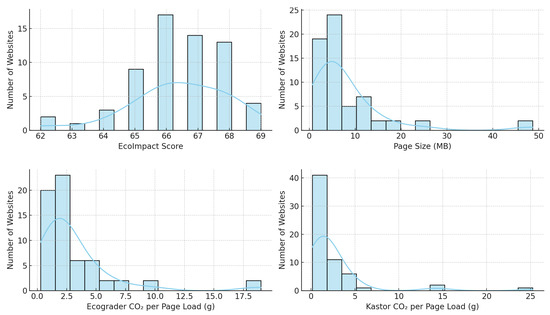
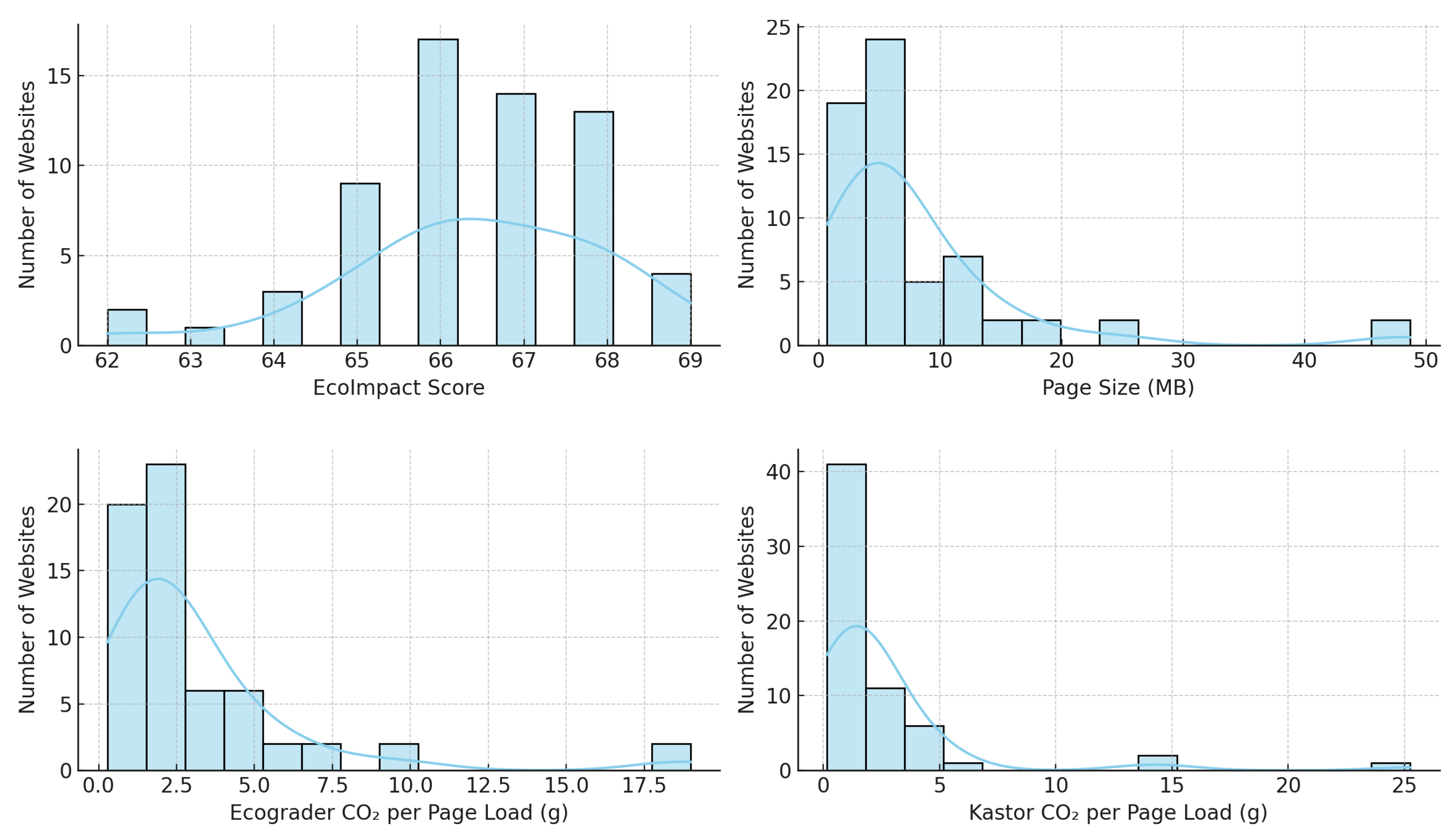
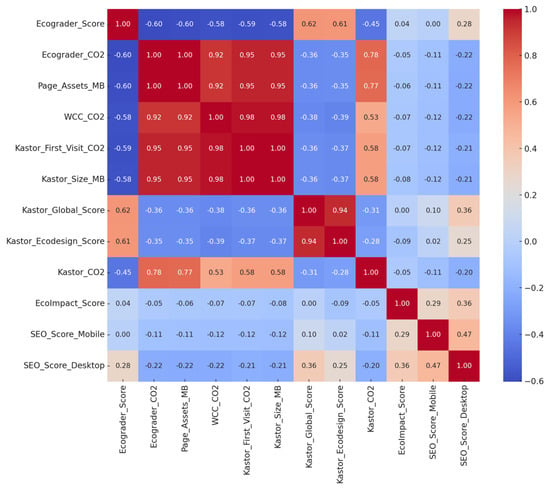
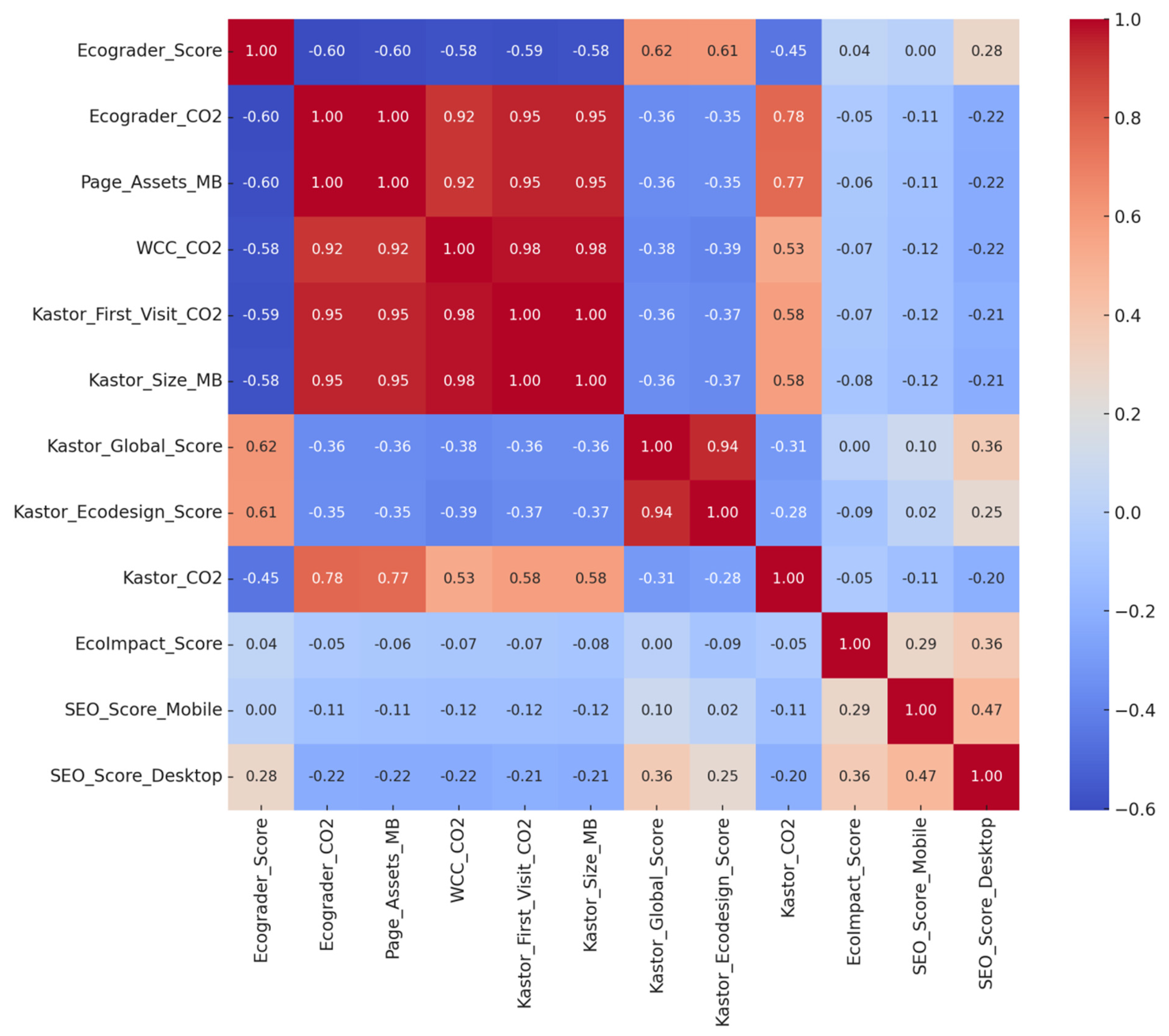
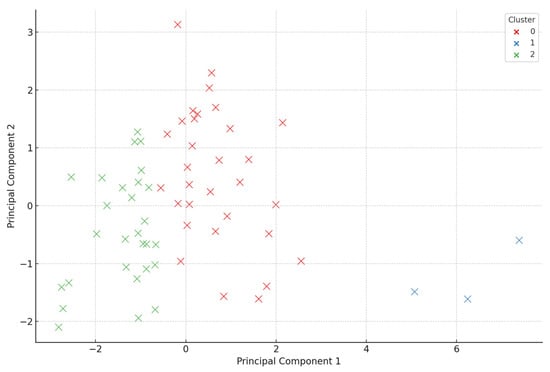
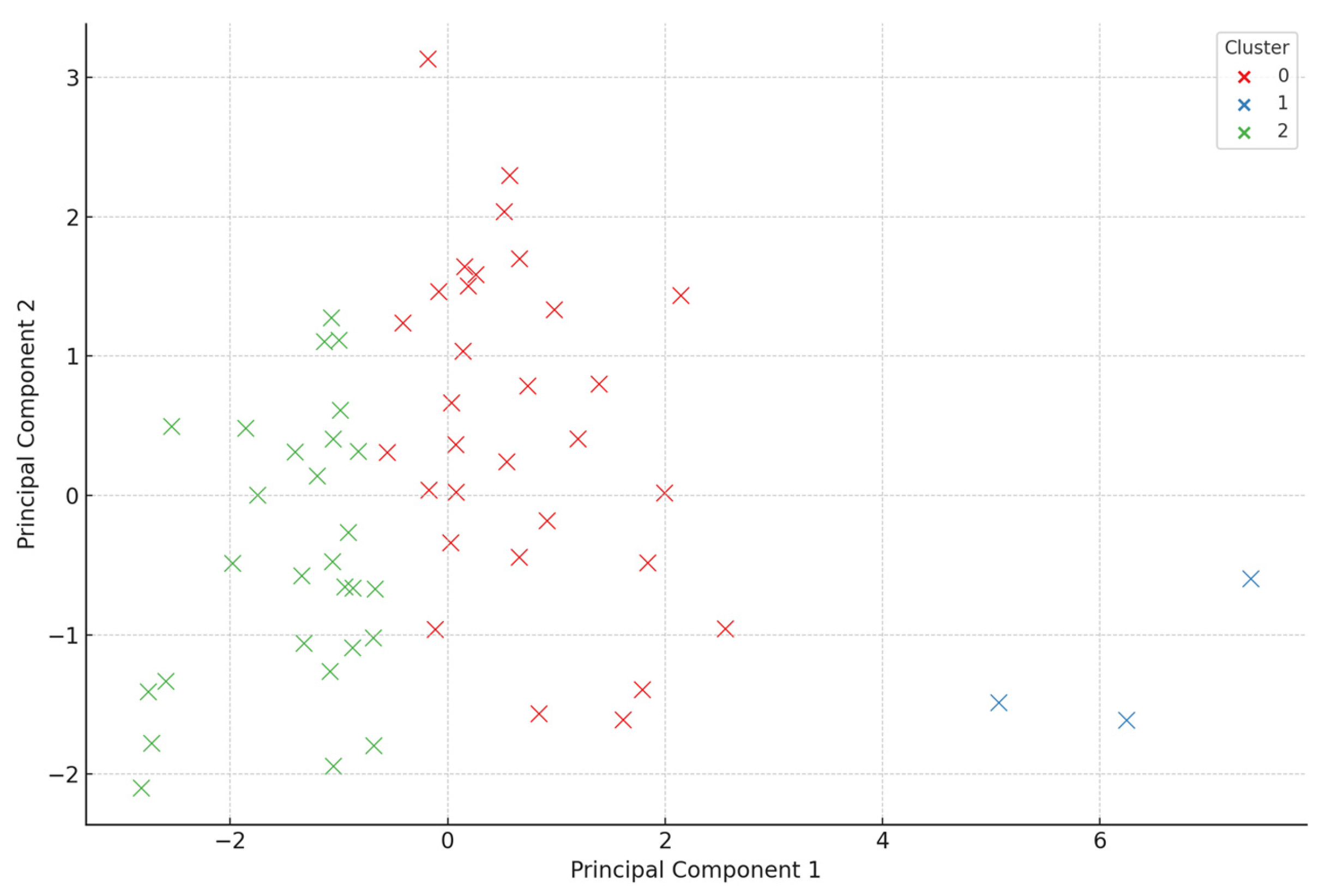

Disclaimer/Publisher’s Note: The statements, opinions and data contained in all publications are solely those of the individual author(s) and contributor(s) and not of MDPI and/or the editor(s). MDPI and/or the editor(s) disclaim responsibility for any injury to people or property resulting from any ideas, methods, instructions or products referred to in the content. |
© 2025 by the author. Licensee MDPI, Basel, Switzerland. This article is an open access article distributed under the terms and conditions of the Creative Commons Attribution (CC BY) license (https://creativecommons.org/licenses/by/4.0/).