


Abstract
Corporate communication of sustainability within the fashion industry operates in a sector with high reputational exposure and increasing demands for environmental and social accountability. Despite the growing volume of research, the field remains conceptually and methodologically dispersed, with a predominant focus on discourse and limited emphasis on verification and structural integration. This study presents a systematic review of 80 peer-reviewed articles published between 2015 and 2025 in Scopus and Web of Science, examining how sustainability communication in the fashion industry has been conceptualised, investigated, and operationalised across the literature. Following the PRISMA protocol and employing a mixed-method approach combining bibliometric and content analyses, four thematic lines were identified: (1) corporate communication and reputation; (2) digital communication and social media; (3) CSR and sustainability; (4) transparency and greenwashing. Keyword co-occurrence and conceptual clusters were mapped using VOSviewer. Results reveal a predominance of content analysis, case studies, and corporate narratives, with fewer quantitative and mixed-method designs. Research largely focuses on discourse interpretation and credibility-building rather than on empirically verifying sustainability commitments. Thematic developments indicate a shift from general CSR frameworks toward transparency, digital traceability, and social media communication. Key gaps persist in message authenticity, greenwashing evaluation, and communicating public sustainability funds, including Next Generation EU programs. Overall, the review portrays an expanding yet fragmented field in which sustainability communication operates primarily as a reputational mechanism. Methodologically, the study combines a PRISMA-guided systematic literature review with bibliometric mapping techniques to support thematic synthesis and field contextualisation.
Keywords:
corporate communication; sustainability; fashion industry; CSR; greenwashing; transparency; ESG 1. Introduction
In recent years, corporate communication has acquired a central role in driving organizations toward more sustainable models, becoming a strategic instrument for conveying environmental, social, and governance commitments, as well as for strengthening corporate legitimacy among stakeholders (Cornelissen, 2020; Joy et al., 2012; Jung & Jin, 2016). This process has been particularly evident in sectors with high reputational exposure, such as the fashion industry, where sustainability has evolved from being an added value to becoming a structural pillar of the business and its public narrative (Han et al., 2017; Schultz et al., 2013).
In this review, corporate communication constitutes the central analytical lens through which sustainability-related concepts are examined. CSR and sustainability frameworks provide the normative and strategic foundation of corporate commitments; ESG functions as an operational and reporting-oriented extension of these commitments; transparency represents the communicative mechanism through which sustainability claims are disclosed; corporate reputation emerges as a key outcome of these communication practices; and greenwashing is understood as a critical ethical deviation that undermines credibility. Rather than operating as isolated or competing constructs, these dimensions are analytically complementary and interdependent, jointly shaping how sustainability is communicated, perceived, and evaluated by stakeholders. This integrated articulation allows for a more coherent and systemic analysis of sustainability communication in the fashion industry (Molleda, 2010).
The emergence of new regulatory frameworks, growing pressure from informed consumers, and the proliferation of institutional initiatives (such as the 2030 Agenda (United Nations, 2015) and Environmental, Social and Governance (ESG) standards (European Commission, 2023)) have contributed to a reconfiguration of communication in fashion, orienting it toward transparency, accountability, and coherence between communication and action (Hahn & Kühnen, 2013; KPMG, 2022; Lock & Schulz-Knappe, 2019; Ramírez Barredo & Guerrero González-Valerio, 2024). Sustainability, as a business paradigm, has thus become integrated into brand communication strategies as a key element of differentiation and legitimacy.
Numerous studies have analyzed how fashion companies employ communication to construct a sustainable identity, generate trust, and reinforce their reputational value (Elkington, 1997; Luna-García et al., 2025; Quiles-Soler et al., 2023; Rienda et al., 2023). However, the literature warns that many of these initiatives present limitations in authenticity and coherence, revealing tensions between declared sustainability and actual corporate practices (Alonso-Mosquera et al., 2024; Carroll, 1999).
Within this context, the phenomenon of greenwashing (defined as misleading or exaggerated communication of environmental achievements) has become a central line of inquiry in research on ethics, transparency, and consumer perception (de Freitas Netto et al., 2020; Delmas & Burbano, 2011; Silva et al., 2025; Wang & Jung, 2025).
The relationship between sustainability and corporate reputation has been extensively explored. Several studies demonstrate that responsible and coherent communication can generate sustainable competitive advantages, strengthen trust, and reduce reputational risk (Fombrun & van Riel, 2004; Gálvez-Sánchez et al., 2024; Cuesta-Valiño et al., 2024). Nevertheless, other works emphasize the importance of authenticity, as contemporary audiences penalize inconsistent or weakly verified messages (SanMiguel et al., 2021). In this sense, corporate communication must be understood not merely as a marketing tool, but as an ethical and strategic management mechanism that aligns corporate purpose, action, and public perception (Cristófol Rodríguez et al., 2021; Rahman et al., 2023).
At the discursive level, sustainable fashion has given rise to new communicative approaches rooted in digital transparency, storytelling, and sustainability reporting as means to connect with conscious consumers and establish long-term relationships (Dourado et al., 2024; McNeill & Moore, 2015). These practices are also reflected in the growing body of research on social media, which examines how online platforms amplify sustainability messages while simultaneously exposing brands to constant public scrutiny (Guerrero Segovia et al., 2025). This dynamic marks a shift from institutional communication toward more participatory and bidirectional models, in which consumers, influencers, and digital communities act as co-authors of sustainability narratives (Velasco-Molpeceres et al., 2023).
Accordingly, the objective of this systematic literature review is not only to describe the existing body of research, but also to advance a structured understanding of how sustainability communication has been conceptualized, investigated, and operationalized in the fashion industry. By mapping thematic trends, methodological approaches, and conceptual gaps, this study contributes to the consolidation of the field and to the formulation of a coherent future research agenda.
Although sustainability has become a central concern in the fashion industry, research on corporate communication of sustainability remains conceptually fragmented and methodologically uneven. Recent review-based studies indicate that research often advances through partially disconnected streams—such as CSR and sustainability frameworks, digital communication and social media, transparency and greenwashing concerns, or reputational approaches—particularly in the analysis of sustainability communication in fashion (Abbate et al., 2024; Braga et al., 2024). As a result, the field still lacks a consolidated understanding of the mechanisms through which sustainability communication operates, as well as of the methodological approaches used to study it.
Prior review-based work has also noted this dispersion and the predominance of discourse-focused approaches, highlighting the need for more integrated analytical and methodological perspectives (Delmas & Burbano, 2011; de Freitas Netto et al., 2020).
Building on this premise, this review aims to provide a comprehensive synthesis of the field by describing the temporal and geographical evolution of research on corporate communication and sustainability in the fashion industry during 2015–2025, identifying the journals, authors, and institutions that lead scientific production, and examining the main thematic trends and keyword co-occurrences that reveal recurrent conceptual axes and their interrelations. The study also seeks to analyze the evolution of research approaches over the last decade, summarize the main topics addressed and the conclusions drawn in the reviewed works, identify the methodological strategies and research techniques employed in the selected corpus, and detect the conceptual and methodological gaps that should guide future lines of inquiry in sustainable communication within the fashion sector.
To address this gap and achieve these objectives, the study combines a PRISMA 2020-guided systematic literature review with bibliometric mapping techniques, ensuring transparency, replicability, and analytical rigor in the identification, selection, and synthesis of the literature. The review therefore provides an evidence-based synthesis that supports theory development and helps orient future research toward more verifiable and accountable sustainability communication.
This review offers relevant contributions to multiple audiences. For academics, it provides an integrative synthesis of dispersed research streams and identifies theoretical and methodological gaps. For managers and communication professionals, it highlights critical challenges related to credibility, transparency, and reputational risk. For policymakers and institutional actors, the findings underscore the importance of regulatory frameworks and accountability mechanisms in sustainability communication, particularly in the context of public funding and ESG.
The remainder of the article is structured as follows. Section 2 describes the methodology and review protocol. Section 3 presents the results of the analysis. Section 4 discusses the findings in relation to the existing literature and research objectives. Finally, Section 5 outlines the main conclusions, limitations, and implications for future research and practice.
2. Methodology
2.1. Study Design
This study conducts a systematic literature review aimed at identifying, analyzing, and synthesizing scientific production on corporate communication and sustainability in the fashion industry published between 1 January 2015, and 31 July 2025. The selected period was defined to examine the stage at which sustainability and transparency consolidated their position as strategic pillars of corporate communication in fashion, coinciding with the expansion of the Sustainable Development Goals (SDGs) and the rise of ESG policies (Baena, 2024).
A systematic literature review (SLR) approach was selected because it provides a transparent, replicable, and methodologically rigorous framework for synthesizing fragmented research fields. Given the conceptual dispersion and methodological heterogeneity identified in studies on corporate sustainability communication in the fashion industry, an SLR is particularly suitable for integrating diverse approaches, identifying convergent and divergent themes, and detecting gaps that would not be visible through narrative or scoping reviews, as highlighted in methodological literature on systematic reviews in the social sciences (Codina, 2020).
In line with the systematic literature review approach, the study is guided by the following overarching research question: How has sustainability communication in the fashion industry been conceptualised, investigated, and operationalised in academic research over the last decade?
To address this question, the review integrates bibliometric mapping to identify structural and thematic patterns in the literature, which are subsequently interpreted through qualitative synthesis.
The review follows the methodological guidelines of the PRISMA 2020 model (Preferred Reporting Items for Systematic Reviews and Meta-Analyses), adapted to bibliographic studies in the social sciences (Page et al., 2021). PRISMA 2020 was selected because it provides a transparent, standardized, and replicable framework for conducting systematic reviews (Moher et al., 2009). While the original PRISMA model is structured around four core stages (identification, screening, eligibility, and inclusion), the protocol was adapted in this study to the requirements of bibliometric and qualitative synthesis. Accordingly, the PRISMA stages guided the overall workflow (record identification, duplicate removal, eligibility assessment, and final inclusion), while the operational steps were organized into four analytical phases described below.
Operationally, the workflow was organised into four analytical phases:
- Definition of the search strategy and selection of databases;
- Application of inclusion and exclusion criteria;
- Cleaning, coding, and classification of records;
- Descriptive, thematic, and comparative analysis of results.
2.2. Information Sources and Search Strategy
Data were retrieved from Scopus and Web of Science (WoS), two of the most widely recognized databases due to their international scope and indexing reliability. Both Scopus and Web of Science (WoS) were used to ensure comprehensive coverage of the scientific output on corporate sustainability communication in fashion. Scopus offers broader journal coverage in social sciences and communication, while WoS provides high-indexed publications particularly relevant for management and business research. Using both databases improves the completeness, robustness, and representativeness of the final sample and reduces the risk of database-specific bias, in line with methodological recommendations for systematic reviews in the social sciences (Codina, 2020).
A combined search strategy using Boolean operators (see Table 1) was designed to identify studies addressing corporate communication linked to sustainability, transparency, or social responsibility in the fashion sector.
Table 1.
Search equations used.
To improve clarity and reproducibility, the search strings were structured into two conceptual groups: (1) terms related to corporate sustainability communication (“corporate communication”, “sustainability communication”, “CSR communication”, “ESG reporting”, “transparency”, “reputation”, “greenwashing”); (2) terms referring to the fashion industry (“fashion”, “apparel”, “textile”, “clothing industry”). Searches were conducted by combining the two groups with the Boolean operator AND in Scopus and WoS.
Although related concepts such as ethical fashion, sustainable branding, or transparency discourse are relevant to sustainability in the fashion industry, the search strategy was deliberately designed to focus on corporate communication as an explicit managerial and strategic function. Consequently, these concepts were included when they were framed within corporate-level communication, sustainability, CSR, or transparency narratives, ensuring conceptual consistency while avoiding excessive thematic dispersion.
The final search was limited to 30 July 2025. Results were restricted to the last ten years and to publications in English or Spanish to ensure the relevance and accessibility of the texts. Scientific articles, academic reviews, book chapters, and conference papers were included, provided they were indexed in Scopus or WoS and available in full text. Technical reports and gray literature not subject to peer review were excluded.
2.3. Selection Process and Inclusion/Exclusion Criteria
The initial search yielded 386 records in Scopus and 420 in WoS, totaling 806 references. After exporting to RefWorks and removing duplicates, 636 records remained. Consistent with PRISMA 2020, duplicate records were removed immediately after the identification stage and before applying eligibility criteria. The mention in the previous version suggesting otherwise has been corrected to reflect the actual sequencing of the protocol.
In accordance with PRISMA standards, automatic database filters (year, subject area, document type) were applied during the identification stage, while eligibility criteria requiring conceptual validation were applied during screening after title, abstract, and full-text reading. This distinction clarifies the sequential separation between database filtering and manual eligibility assessment.
The following inclusion criteria were then applied:
- Studies analyzing corporate communication, sustainability, or social responsibility in the fashion sector;
- Publications in English or Spanish between 2015 and 2025;
- Availability of full text and sufficient bibliographic information (title, abstract, keywords, DOI);
- Empirical, theoretical, or review studies addressing corporate communication or sustainability from a business or sectoral perspective.
Studies were excluded if they:
- Do not belong to a field of communication or business management;
- Address sustainability from technological, textile engineering, or supply chain perspectives;
- Do not explicitly mention communication, transparency, reputation, or corporate sustainability.
After manual review of titles and abstracts, 547 references were excluded, resulting in a final corpus of 80 valid studies (see Figure 1).
Figure 1.
PRISMA 2020 flow diagram applied to the search in Scopus and Web of Science (2015–2025). Source: Authors’ own elaboration based on the PRISMA 2020 model. The complete list of references included in the corpus is provided in Appendix A.
The excluded references (n = 547) mainly correspond to studies that, although they contained some search terms, did not meet the thematic criteria of the analysis. First, studies focused on sectors unrelated to fashion were removed (n = 12), along with those with a predominantly technological or textile engineering approach (n = 32) and those oriented toward supply chain management (n = 50), as they did not address communication or sustainability from a corporate perspective. Lastly, the “other topic” category (n = 453) includes publications whose subject matter is not directly related to corporate communication, transparency, or sustainable reputation in the fashion sector. Grey literature was excluded because this review focuses exclusively on peer-reviewed academic research to ensure methodological rigor, comparability across studies, and alignment with PRISMA recommendations for scientific reviews. Reports, theses, market analyses, and institutional documents often lack standardized peer-review processes and would introduce heterogeneity and potential bias into the sample (Petticrew & Roberts, 2006).
Given the objective of this study as a systematic mapping and synthesis of research trends, no formal quality appraisal or exclusion based on methodological rigor was applied. This approach is consistent with systematic mapping reviews in the social sciences, which aim to capture the breadth and diversity of scholarly production rather than to evaluate effect sizes or causal relationships (Codina, 2018). Spanish-language studies were retained due to their substantive relevance to the European and Spanish fashion industry context, which represents a significant empirical and regulatory setting for sustainability communication research.
2.4. Classification and Coding of Records
The final corpus was coded using a systematic protocol designed specifically for this study in order to ensure the homogeneity and reliability of the information analysis. Thirteen variables were grouped into four categories to characterize the bibliographic, thematic, and methodological aspects of the included documents (see Table 2).
Table 2.
Variables analyzed for the coding of the studies.
The following sources were consulted to obtain and verify the data:
- The Scopus database and its corresponding impact index, the Scimago Journal & Country Rank (SJR);
- The Web of Science database and its corresponding impact index, the Journal Citation Reports (JCR);
- The Information Matrix for the Analysis of Journals (MIAR);
- The Integrated Classification of Scientific Journals (CIRC);
- The official websites of each journal.
The analysis was conducted on two complementary levels. First, a bibliometric-based descriptive analysis was performed to examine the annual evolution of publications, the most productive journals, the authors and institutions with the greatest presence, the geographic distribution, the languages, and the types of documents. Second, a thematic and trend analysis was carried out by processing keywords and abstracts to identify co-occurrences and conceptual clusters using VOSviewer software (version 1.6.20). VOSviewer was selected as a supporting analytical tool because it facilitates the visualisation of keyword co-occurrence networks and thematic patterns within large corpora of literature. In this study, it was used to assist thematic exploration within the framework of a systematic literature review, rather than to conduct a standalone bibliometric analysis. In line with methodological literature on systematic and systematised reviews in the social sciences, bibliographic indicators may be incorporated as complementary support for thematic synthesis and field contextualisation, without altering the core review-based design (Codina, 2020).
Although some of the variables included in Table 2 are commonly associated with bibliometric analyses, their use in this study responds to established methodological practices in systematic literature reviews within the social sciences and communication research. As noted in the literature on systematized and systematic reviews, bibliographic, authorship, journal, and thematic indicators are frequently incorporated to contextualize the structure of a research field and to support thematic synthesis, rather than to conduct standalone bibliometric studies (Codina, 2020; López-Berna et al., 2011). Accordingly, the selected variables (journal, authorship, country, keywords, and methodological design) were chosen because they allow for identifying structural patterns, dominant thematic clusters, and prevailing research approaches within the corpus. These parameters complement the qualitative synthesis of content and enable a more robust interpretation of how sustainability communication research in fashion has evolved, without shifting the methodological focus away from a systematic literature review.
Due to the heterogeneity of the reviewed studies (including conceptual, qualitative, quantitative, and bibliometric designs), a standardized extraction table detailing study aims, populations, and findings was not included, as such information would have limited comparability across the corpus. This approach prioritizes thematic synthesis and methodological mapping, while acknowledging that more focused reviews may adopt more granular extraction frameworks.
3. Results
The results presented in this section are descriptive and interpretative in nature. In line with the objectives of a systematic literature review, the analysis focuses on identifying patterns, thematic trends, and methodological approaches across the corpus, rather than on examining causal or structural relationships, which fall beyond the scope of this study. Nevertheless, the patterns identified provide a necessary foundation for future empirical research aimed at exploring causal dynamics and structural relationships within sustainability communication in the fashion industry.
3.1. Temporal Evolution and Geographic Distribution
The analyzed corpus comprises 80 studies published between 2015 and 2025, reflecting a decade of scientific production focused on corporate communication and sustainability in the fashion industry.
Temporal evolution (see Figure 2) reveals an upward trend, with modest publication numbers at the beginning of the period and progressive growth in the most recent years. Between 2015 and 2019, the number of publications remained low (between 1 and 5 studies per year), whereas from 2020 onward a sustained increase is observed, reaching its peak in 2024 with 20 publications (25%). In 2025, although the year is not yet complete (search limited to July 2025), 16 studies (20%) have already been recorded, confirming the continued and growing academic interest in the topic.
Figure 2.
Temporal evolution of publications. Source: Authors’ own elaboration.
The geographic distribution (see Figure 3) shows a clear concentration of production in specific countries. Spain stands out as the main center of research activity with 28 studies (35%), followed by Italy (n = 8; 10%), the United Kingdom (n = 7; 8.8%), the United States (n = 7; 8.8%), and Germany (n = 5; 6.3%). Other countries with a smaller yet relevant presence include South Korea (n = 4; 5%), Portugal (n = 4; 5%), and China (n = 2; 2.5%), alongside more dispersed contributions across Northern Europe, the Americas, and the Asia–Pacific region. This pattern confirms the predominance of Western Europe as the principal research hub, with complementary contributions from emerging regions. It should also be noted that, since some articles involve co-authorship between institutions from different countries, the total number of national contributions may exceed the overall number of studies (n = 80), as each national participation is counted individually.
Figure 3.
Geographic distribution of publications. Source: Authors’ own elaboration.
Regarding the languages of publication, English is overwhelmingly predominant, with 75 articles (93.8%), while only 5 (6.3%) were published in Spanish. This distribution highlights the consolidation of English as the lingua franca of international scientific dissemination, even in research focused on Spanish-speaking contexts, reflecting the need for global visibility of scholarly results. Taken together, the data reveal:
- Sustained growth in academic production over the past decade;
- Geographic concentration in European and Anglo-Saxon countries;
- The predominance of English as the language of scientific communication in the analyzed field.
3.2. Publication Sources
3.2.1. Most Frequent Journals
The analysis of the corpus reveals a moderate concentration of scientific output in a limited set of specialized journals, reflecting a thematic consolidation around communication and sustainability in the fashion industry (see Figure 4). For this analysis, only journals with two or more publications within the corpus were considered, in order to identify editorial channels with greater continuity and relevance in the field of study.
Figure 4.
Journals with the highest number of publications. Source: Authors’ own elaboration.
Sustainability stands out as the journal with the highest number of contributions, with six articles, followed by Corporate Communications: An International Journal and the Journal of Fashion Marketing and Management, each with four publications. At a second level, the Journal of Cleaner Production and the Social Responsibility Journal each include three studies.
Subsequently, journals with two publications each include Corporate Social Responsibility and Environmental Management, European Public and Social Innovation Review, International Journal of Productivity and Performance Management, and the Journal of Global Fashion Marketing, along with the editorial source IGI Global, which also hosts relevant works in the field.
This distribution confirms the presence of a consolidated editorial core around sustainability, corporate communication, and fashion marketing.
3.2.2. Characteristics and Impact of the Journals
The analyzed corpus consists of 80 studies published across 61 scientific journals, along with six book chapters, one monograph, and two conference papers. Considering the overall volume, the analysis focused on the nine journals with the highest number of publications, which constitute the editorial core of the field (see Table 3). Together, these specialized journals account for 28 articles (35% of the total corpus), evidencing a moderate thematic concentration around journals dedicated to sustainability, corporate communication, and fashion marketing.
Table 3.
Characteristics of the journals with the highest number of publications.
The most productive journals exhibit a marked international orientation, with a predominance of publishers based in England (66.7%), followed by Switzerland (11.1%) and the United States (11.1%). This pattern confirms the centrality of the Anglo-Saxon academic sphere in scientific production on sustainability and corporate communication in the fashion sector.
Regarding the language of publication, 88.9% of the journals in this core publish in English, while only 11.1% publish in Spanish. This predominance reinforces the international projection of the works and the integration of the field into global scientific literature, while highlighting the limited presence of Spanish-language journals in the areas of communication and sustainability.
It should also be noted that, although these journals concentrate the largest number of articles on this topic, their contributions are not recent: the journal with the highest number of articles began publishing on this subject in 2013, followed by others whose contributions date from 2018 and 2020, respectively.
In terms of bibliometric quality, 77.7% of the core journals (7 out of 9) are positioned in the Q1 and Q2 quartiles of the Journal Citation Reports (JCR 2024; Clarivate, 2024), while the remaining 22.3% are distributed across Q3 and Q4 (SCI). The average Journal Citation Indicator (JCI 2024; Clarivate, 2024) for the group is 1.00, with a range of 0.55–1.98, indicating that most titles maintain a citation performance equal to or above the field average.
Regarding total citations (2024), the median is 4, and the maximum value reaches 368, reflecting the coexistence of high-impact journals with others of a more emerging or specialized nature (see Table 4).
Table 4.
Impact in journals with the highest number of publications.
Beyond the impact indicators, the subject areas in which these journals are indexed offer additional insight into how sustainability communication in fashion is framed at the disciplinary level. Titles such as Sustainability and Journal of Cleaner Production anchor the field in environmental sciences and green and sustainable technology, while Corporate Communications and Journal of Global Fashion Marketing situate it within business communication, marketing, and management. In contrast, journals with a primary focus on media and communication studies remain comparatively less represented. This distribution suggests that editors and reviewers in environmental and management-oriented outlets have been more receptive to work on sustainability communication in fashion than journals strictly devoted to communication or cultural studies, reinforcing the hybrid positioning of the field between sustainability, management, and marketing.
Table 4 reports journal-level bibliometric indicators for the nine core titles, as indexed in JCR 2024 and related databases; the values refer to the overall journals, not only to the 28 articles on sustainability communication in fashion included in this review. These indicators are incorporated to contextualize the editorial landscape in which the field is published and to identify the disciplinary positioning of the journals that shape research on sustainability communication in fashion.
The average percentage of citable open access articles (% Citable OA) reaches 100% across the Top 9, which demonstrates a strong commitment to accessibility and scientific transparency. This result is consistent with the thematic focus of the field (the communication of sustainability and social responsibility) and reinforces the potential visibility and dissemination of the studies analyzed.
Overall, the results allow for the identification of a specialized editorial core composed of international journals in sustainability (Sustainability), communication (Corporate Communications), marketing (Journal of Fashion Marketing and Management), and responsible management (Corporate Social Responsibility and Environmental Management). This group concentrates approximately one third of the reviewed studies and is characterized by its predominance of English, high indexation (Q1–Q2), and strong open access orientation.
The remainder of the corpus, consisting of 61 additional journals, along with six book chapters, one monograph, and two conference papers, broadens and complements the landscape of scientific dissemination in the field. This diversity of sources confirms that research on communication and sustainability in the fashion sector is disseminated through a wide variety of academic channels, rather than being exclusively concentrated in high-impact journals, reflecting a balanced distribution between specialized and interdisciplinary publications.
3.3. Authors and Institutions
The analyzed corpus comprises 197 authors who signed the 80 studies included in the review. This figure illustrates the breadth and diversity of contributors, reflecting the collaborative and multidisciplinary nature that characterizes research on communication and sustainability.
The frequency analysis of authorship made it possible to identify 19 authors with two or more publications, representing approximately 9.6% of the total. Among them, Papasolomou stands out as the most prolific author, with three articles, followed by 18 researchers with two contributions each (see Table 5). This group represents the most stable core of scientific production within the analyzed period, evidencing the existence of consolidated lines of research related to communication, sustainability, and the fashion sector.
Table 5.
Authors with the highest number of publications.
When examining the authors–institution nationality relationship, the most productive authors are primarily affiliated with Spanish universities, particularly Universidad Rey Juan Carlos, Universidad de Alcalá, Universidad de Alicante, and Universidad Complutense de Madrid, which together account for the highest number of recurrent authorships. Alongside these institutions, international universities such as the University of Nicosia (Cyprus), Universidade do Porto (Portugal), Seoul National University (South Korea), Heriot-Watt University (United Kingdom), and the University of Applied Management Studies (Germany) also stand out. This presence reinforces the international character of the corpus and highlights the existence of an active scientific collaboration network between Europe and Asia.
International co-authorships are likewise observed in several articles, especially those that bring together researchers from Spanish universities with European or Asian institutions, confirming a growing trend toward transnational cooperation and the development of joint projects. This pattern suggests a moderately concentrated authorship structure, supported by a small group of recurrent researchers who provide continuity to the field, completed by a broad and diverse base of contributors that enriches its methodological and geographical plurality.
Taken together, the results reveal a consolidated academic ecosystem in which Spanish universities play a central role, complemented by growing international collaborations.
3.4. Thematic Analysis: Keywords and Conceptual Trends
The co-occurrence analysis of keywords, conducted with VOSviewer using the bibliographic file (.RIS) of the corpus (n = 80), allowed the identification of 24 interrelated terms, distributed across three thematic clusters and connected by 261 links, with a total link strength (TLS) of 973.
In VOSviewer, this indicator is not measured on a fixed scale but varies depending on the size and density of the network. In this case, a value of 973 falls within the high range for a network of 24 terms, indicating a strongly interconnected and conceptually cohesive structure. These results highlight the consolidation of the research field on sustainability and communication in the fashion sector.
Table 6 presents the most frequent keywords, ordered by their number of occurrences and percentage of the total. The terms Corporate Social Responsibility, Sustainability, Fashion, and Fast Fashion stand out as the most prominent nodes, accompanied by Communication, Fashion Industry, Social Media, Greenwashing, Sustainable Fashion, and Consumption. Taken together, these concepts configure a thematic network centered on sustainability and social responsibility in the fashion sector, where communication, digital media, and consumption patterns emerge as complementary dimensions of the academic discourse.
Table 6.
Top 10 most frequent keywords.
Figure 5 displays the keyword co-occurrence map generated with VOSviewer, where the size of the nodes is proportional to the frequency of occurrence and the thickness of the edges represents the strength of co-occurrence between terms. The three identified clusters group together concepts with high semantic affinity, allowing the distinction of different research foci within the field.
Figure 5.
Keyword co-occurrence map (24 items, 3 clusters). Different colors represent distinct thematic clusters identified by VOSviewer. Source: Authors’ own elaboration based on VOSviewer analysis (n = 80). Total Link Strength = 973.
The three identified clusters are interpreted as follows:
- Cluster 1 (red). Business and communicative approach: this cluster includes terms such as business, context, fashion brand, greenwashing, information, and transparency. It defines the axis that links sustainability with business strategy and the management of corporate discourse. The joint presence of fashion brand and transparency indicates a concern with the communicative credibility of brands, while greenwashing refers to the reputational risks derived from unverifiable communication. This approach is represented in the corpus by studies such as Dourado et al. (2025), which analyze the communicative challenges faced by brands in the field of sustainability.
- Cluster 2 (green). Operational and digital communication approach: this cluster brings together fashion company, impact, Instagram, action, use, and insight. It is associated with the practical dimension of sustainability communication, linked to the use of social networks, consumer interaction, and the analysis of digital impact. It reflects the shift in academic discourse toward the empirical examination of responsible communication on platforms such as Instagram or LinkedIn, a trend also present in corpus studies such as Luna-García et al. (2025), which focus on the social media strategies of sustainable fashion brands in Spain.
- Cluster 3 (blue). Academic and institutional approach: this cluster comprises corporate social responsibility, CSR, stakeholder, design methodology approach, originality value, and relationship. This block is more theoretical and methodological, consolidating CSR as the dominant conceptual framework in the academic literature on sustainable fashion. This cluster corresponds to the institutional and scientific dimension of the field, where relationships between business, stakeholders, and sustainability are examined from an applied research perspective.
Overall, the thematic analysis confirms that the scientific discourse on sustainability and communication in fashion is organized around three interdependent domains: business and reputational strategy, digital communication and media impact, and theoretical reflection on CSR and stakeholders. This convergence between theoretical and applied perspectives underscores the consolidation of the field and the maturity achieved by research on communicated sustainability in the fashion sector.
3.5. Thematic Evolution and Emerging Research Foci
The longitudinal analysis of the corpus (n = 80) reveals continuity in the classic Sustainability–CSR axis and, in parallel, the emergence of new foci associated with the practices and challenges of the digital and reputational ecosystem of the fashion sector.
Based on the keyword co-occurrence analysis conducted with VOSviewer, the most interconnected terms in the corpus were identified, allowing them to be grouped into conceptual macro-themes according to their semantic proximity and frequency of occurrence. This systematization made it possible to synthesize the main research nuclei into five representative areas of academic discourse: Corporate Social Responsibility (CSR), Sustainability, Digital Communication and Social Media, Transparency, Reputation and ESG, and Fashion/Fashion Industry. The values of each macro-theme were calculated from the accumulated frequency of the terms associated within each group (see Table 7).
Table 7.
Evolution of conceptual macro-themes (2015–2025).
In the period 2015–2019, the discourse is predominantly anchored in Corporate Social Responsibility (CSR) and Sustainability, with frequent references to Fast Fashion and Fashion as industrial contexts. During this stage, academic discourse focuses primarily on the environmental and social impacts of the textile production model, as well as on the conceptual framing of sustainability in fashion. Early approaches to Corporate Communication are also detected, although still with a general and descriptive orientation. Overall, studies from this period aim to characterize the phenomenon and assess sustainability within the value chain, with limited attention to digital communication or reputational dimensions.
In the second period, 2020–2025, the centrality of the CSR–sustainability axis is maintained, but there is a thematic expansion toward the domains of Digital Communication and Social Media and Transparency, Reputation and ESG. More recent studies incorporate the analysis of social networks and the strategies used to legitimize sustainable discourse, reflecting a growing concern with information verification and management of credibility in digital environments.
The temporal evolution of the corpus keywords (see Figure 6) shows a sustained increase in the terms CSR and Sustainability throughout 2015–2025, with a particularly notable rise from 2020 onwards. In parallel, concepts such as Communication, Transparency, ESG, and Greenwashing emerge progressively and gain prominence in more recent years, reflecting a shift in academic interest toward sustainability communication and transparency management. The terms Fashion and Fast Fashion maintain a stable presence as sectoral contexts, while Instagram emerges as an indicator of the increasing scholarly interest in digital environments and social media within sustainability research.
Figure 6.
Temporal evolution of key concepts in the corpus (2015–2025). Source: Authors’ own elaboration based on the keyword frequency analysis of the corpus (n = 80).
This evolution consolidates a discursive shift toward the assessment of communication and its effect on corporate reputation. Evidence from the corpus shows a progressive transition from approaches centered on CSR and environmental sustainability to frameworks in which transparency, digital communication, and corporate reputation acquire greater relevance. This shift is driven by the consolidation of the sustainability discourse in the fashion sector and by companies’ growing need to demonstrate the authenticity of their commitments. Consequently, academic interest has moved toward the analysis of communication strategies and the legitimation of sustainability, particularly in digital environments, where it has become a key discursive and reputational axis within the corporate narrative of fashion brands.
3.6. Synthesis of Thematic Lines and Main Conclusions of the Studies
The thematic synthesis of the corpus was developed from the joint analysis of titles, abstracts, keywords, and the full reading of the 80 reviewed studies. This examination made it possible to identify the domains, sectors, and approaches that attract the greatest academic attention and structure the main contributions to the field.
The analysis of sectoral presence shows that research is primarily oriented toward the study of fashion brands (33 mentions) and fast fashion (24), followed by the segments of luxury (11), apparel (10), textile (8), and retail (8). The identification of specific brands also derives from the detailed review of the texts, with Zara (6), Shein (6), H&M (4), and Mango (4) standing out as the most frequently cited cases. These patterns indicate that the literature focuses predominantly on brand-based models, where sustainability is addressed as a strategic axis of positioning, particularly at the extremes of fast fashion and luxury.
This thematic analysis also enabled the synthesis of the predominant conceptual orientations. The recurrence of terms such as sustainability, brand, communication, and corporate social responsibility suggests that the literature interprets sustainability as a strategic dimension embedded in corporate identity. The prominent presence of social media, Instagram, and transparency reflects a growing interest in digital communication and in credibility mechanisms associated with brands’ public exposure. Finally, terms such as greenwashing and stakeholder reveal a persistent concern with reputational risks and the need to strengthen accountability (see Figure 7).
Figure 7.
Main thematic foci of the corpus based on the frequency of terms in titles, abstracts, and full texts. Source: Authors’ own elaboration based on the relative frequency of thematic terms.
These trends anticipate the four conceptual lines that structure the corpus: corporate communication and reputation; digital communication and social media; corporate social responsibility and sustainability; and transparency and greenwashing (see Table 8).
Table 8.
Predominant thematic lines in the corpus (n = 80).
The results reflected in Table 8 confirm the predominance of communicative and strategic approaches, followed by the social dimension and, to a lesser extent, the environmental one. This distribution reinforces the idea that research on sustainability in fashion focuses more on how companies communicate their sustainable policies and strategies than on the technical implementation of environmental measures. From this comprehensive analysis, the following main thematic lines were identified:
3.6.1. Corporate Communication and Reputation
This line groups studies that examine how fashion companies integrate sustainability into their corporate identity and build legitimacy through reputation-oriented and responsibility-driven discourses. Works such as Lock and Schulz-Knappe (2019), Baena (2024), and Gálvez-Sánchez et al. (2024) highlight the connection between responsible communication, consumer trust, and reputational positioning. Likewise, more recent studies (e.g., Reppmann et al., 2025) delve into consumer involvement in sustainable strategies, showing that active participation reinforces perceptions of authentic commitment and identification with the brand.
3.6.2. Digital Communication and Social Media
This block encompasses academic production that analyzes the role of social media as key platforms for disseminating sustainability-related messages. A clear evolution can be observed from the initial studies by Cristófol Rodríguez et al. (2021) and Velasco-Molpeceres et al. (2023)—focused on Instagram as a platform for building legitimacy and credibility—to more recent works that apply automated semantic analyses, such as those conducted by Villar Cirujano et al. (2024) and Luna-García et al. (2025), which assess communicative effectiveness and interaction sentiment. These studies confirm that visual narrative and emotional tone are decisive elements in building a sustainable reputation in digital environments.
3.6.3. Corporate Social Responsibility and Sustainability
This line brings together studies that conceptualize sustainability as a strategic axis of business management. Research such as Feng and Ngai (2020) or Thorisdottir and Johannsdottir (2020) provides a longitudinal view of the evolution of reporting and sustainable business models, while more recent contributions—such as Garcia-Ortega et al. (2025) or Arimany Serrat et al. (2025)—analyze the transition toward circular-economy-oriented models and sufficiency-based consumption. Taken together, this line reveals the consolidation of the ESG approach in fashion, integrating social, environmental, and governance responsibility into strategic management.
3.6.4. Transparency and Greenwashing
Whereas the third thematic line (Corporate Social Responsibility and Sustainability) addresses sustainability as a strategic axis of business management, the fourth (Transparency and Greenwashing) introduces an ethical and critical perspective centered on transparency and the risks of overstated communication. It brings together studies that address the ethical dilemmas of sustainable communication and the discursive strategies associated with informational opacity. Studies by Hejlova et al. (2025), Richards (2021), and Wang and Jung (2025) highlight the persistence of greenwashing and strategic silence as recurrent practices, as well as the role of transparency and accountability as critical factors for corporate credibility. In this line, Silva et al. (2025) and Tao and Ryan (2025) emphasize the need for more robust verification frameworks to counteract overstated communication and foster trust among stakeholders.
In coherence with the results obtained across the four identified thematic lines, Table 9 synthesizes the main representative studies of the corpus, organized according to their thematic classification and showing the authors, titles, and journals in which they were published.
Table 9.
Representative authors, articles, and journals by thematic area.
The selection and categorization of the articles included in Table 9 were carried out according to the main focus and the declared objectives of each study, identified through the full reading of the texts and the analysis of their titles, abstracts, and keywords, taking into account the approach and objectives stated in each case. This classification makes it possible to visualize the correspondence between the topics addressed and the four conceptual lines of the analysis (corporate communication and reputation; digital communication and social media; corporate social responsibility and sustainability; and transparency and greenwashing), ensuring thematic coherence and analytical validity of the review.
Taken together, the corpus reveals an expanding research field that combines organizational, communicative, social, and ethical perspectives, and that has evolved from approaches centered on CSR (2015–2019) toward a growing interest in transparency, reputation, and digital communication (2020–2025). These findings highlight an academic consensus around the importance of authenticity, coherence, and accountability as guiding principles of sustainable communication in contemporary fashion, thus consolidating a rapidly expanding field of study. The results thus contribute to consolidating an updated thematic map of research on sustainable communication in fashion, providing an empirical basis for the development of future comparative and interdisciplinary studies in the field of responsible corporate communication.
Within the reviewed literature, authenticity emerges as a central yet under-operationalised concept in sustainability communication research. Consistent with prior research in corporate communication and sustainability, authenticity can be understood as the degree of coherence between communicated sustainability claims and verifiable corporate actions (e.g., Molleda, 2010; Delmas & Burbano, 2011). Across the reviewed corpus, recurring discussions of authenticity tend to be associated with issues of coherence, disclosure practices, and verification. Building on these recurring emphases, future research could operationalise authenticity through indicators such as: (1) consistency over time between discourse and practice; (2) transparency and completeness of disclosed information; (3) the presence of third-party verification or certification mechanisms; (4) traceability of sustainability actions across the value chain; (5) alignment between communicated narratives and measurable performance indicators.
3.7. Methodologies and Research Approaches
This subsection contributes to addressing the review’s overarching research question by summarising the methodological designs through which sustainability communication in fashion has been conceptualised, investigated, and operationalized.
The methodological analysis was conducted through manual coding of the 80 studies in the corpus, identifying the type of design declared by the authors in their methodological sections (qualitative, quantitative, mixed, or bibliometric/systematic review approaches). The methodological classification of the studies was based on the primary research design and data collection methods explicitly stated by the authors. Studies were categorized as qualitative, quantitative, mixed-methods, or bibliometric/systematic reviews according to their dominant analytical approach, ensuring consistency and comparability across the corpus.
The results show a predominance of qualitative approaches, present in 38 of the 80 articles (47.5%), followed by quantitative approaches (23 studies; 28.7%). Mixed designs account for 13 works (16.2%), while bibliometric or systematic review studies represent 6 cases (7.5%) of the total, as summarized in Table 10. This distribution confirms that research on corporate communication and sustainability in fashion relies mainly on qualitative approaches, oriented toward discourse analysis, case studies, and the interpretation of corporate narratives, while quantitative, mixed, and bibliometric approaches, although expanding, remain comparatively less common.
Table 10.
Main methodological approaches and techniques in the corpus studies (2015–2025).
Within qualitative approaches, the studies predominantly combine content analysis, case studies, comparisons between brands or countries, and exploratory or conceptual approaches. Representative examples include Feng and Ngai (2020), who conduct a longitudinal analysis of sustainability and CSR reports; Hejlova et al. (2025), focused on “strategic silence” in corporate communication; Martín López (2019), who compares sustainability communication in physical and online retail spaces; Richards (2021), who examines radical transparency in fashion; and SanMiguel et al. (2021), who analyze sustainable communication on corporate websites and e-commerce. Taken together, these works use qualitative analysis as an interpretive tool to identify discursive patterns, narrative frameworks, and legitimization strategies.
Quantitative approaches represent 23 of the 80 studies in the corpus (28.7%) and show significant growth from 2020 onwards. These works employ surveys, experimental designs, and statistical models to examine the relationships between sustainability, reputation, purchase intention, and consumer behavior. Among the most significant studies are Childs et al. (2019), with a 2 × 2 experimental design on CSR campaigns; de Lenne and Vandenbosch (2017), who analyze sustainable fashion purchase intention through surveys; Gálvez-Sánchez et al. (2024), who apply structural equation models (PLS-SEM); Kim et al. (2020), who study the effects of informational transparency on brand evaluation; and Reck et al. (2022), who examine the impact of transparency signals on the perception of corporate sustainability.
Mixed-methods designs are less frequent, accounting for 13 studies (16.3% of the corpus). These investigations combine qualitative and quantitative techniques within a single research structure. Examples include Castillo-Abdul et al. (2020), who conduct a qualitative–quantitative analysis of market behavior around sustainable fashion; James and Montgomery (2017), who study transparency in business models based on traceability using combined methods; Mosca et al. (2018), who apply a mixed framework to sustainability communication in Italian luxury brands; and Velasco-Molpeceres et al. (2023), who combine content analysis on Instagram with interviews with fashion professionals. These works connect the analysis of corporate discourse with audience responses, providing a more comprehensive understanding of sustainable communication.
Finally, bibliometric and systematic review studies, present in 6 articles (7.5%), focus on mapping the scientific production and conceptual trends in the field. Among the most representative contributions are Abbate et al. (2024), who review sustainability trends and gaps in the textile and fashion industries; Braga et al. (2024), who analyze sustainability communication in marketing through bibliometric techniques; Thorisdottir and Johannsdottir (2020), who conduct a systematic review on the integration of sustainability into fashion business models; as well as other works that combine theoretical review and bibliometric analysis to identify thematic clusters and emerging lines of research.
Regarding the sources of information employed, the analysis of the corpus shows extensive use of corporate digital assets (websites, e-commerce platforms, sustainability or ESG reports, and press rooms), present in 43 of the 80 studies (53.8%). Social media (mainly Instagram, but also Facebook, TikTok, or X/Twitter) are used in 37 articles (46.3%), while consumer-derived data (surveys, experiments, interviews, etc.) are featured in 41 works (51.3%). These categories are not mutually exclusive: numerous studies combine several sources within the same research design, so the percentages do not add up to 100%.
This combination of sources reflects the convergence between institutional communication and digital interaction, as well as the relevance of public perceptions in the evaluation of corporate sustainability. Overall, the methodological landscape reveals a progressive diversification of approaches and the gradual incorporation of more sophisticated analytical tools. Nevertheless, research on communication and sustainability in fashion still relies predominantly on qualitative designs and descriptive studies, focused more on how companies communicate than on what they communicate and with what degree of authenticity. There thus remains a need for empirical, comparative, and longitudinal approaches, with greater application of mixed methods that allow for the evaluation of the accuracy and coherence of sustainable discourse in relation to actual practices.
Taken together, the results presented in this section respond directly to the objectives defined in the Introduction. Firstly, the temporal and geographical analyses map the evolution of research on corporate communication and sustainability in the fashion industry between 2015 and 2025, identifying patterns of growth, regional concentration, and institutional leadership. Secondly, the examination of journals, authors, and institutions addresses the objective of identifying the main publication outlets and research hubs that structure scientific production in the field. Thirdly, the analysis of keyword co-occurrences and thematic clusters fulfils the aim of revealing the dominant conceptual axes and their interrelations, allowing the identification of four core thematic lines that organize the literature. In addition, the review of research designs, data sources, and analytical approaches addresses the objective of examining the evolution of methodological strategies over the last decade. Finally, the synthesis of thematic lines and representative studies enables the identification of conceptual and methodological gaps that inform future research directions in sustainability communication within the fashion sector. Together, these results provide an integrated empirical foundation for the Discussion section, where their theoretical implications and practical relevance are examined in relation to the study’s overarching aims.
4. Discussion
The review of 80 studies shows that the area of corporate communication and sustainability in fashion is in the process of consolidation, yet theoretical fragmentation and limited empirical verification persist.
At a structural level, the data reveal a strong geographical and authorial concentration: Spanish and European universities stand out for their high productivity, while Latin America and Asia have a much more limited presence. The most frequent journals belong to the fields of marketing, management, corporate ethics, and communication, following patterns similar to those identified in previous reviews on sustainability in fashion (Abbate et al., 2024; Braga et al., 2024; Rahman et al., 2023). This distribution reflects a field that develops within consolidated disciplines but with limited interdisciplinarity, thus contributing to the fragmentation detected in this work.
Although the literature consistently highlights the strategic role of sustainability communication in the fashion industry, the results of this systematic literature review reveal a persistent gap between communicated sustainability claims and their empirical verification. Most studies focus on discourse analysis, corporate narratives, and reputational positioning, while the actual sustainability practices of companies are rarely contrasted with independent or external evidence. To address this gap, future research should move beyond discourse-centred approaches and adopt mixed and triangulated methodological designs. Combining content analysis of corporate communication with external performance indicators (such as sustainability certifications, third-party audits, ESG ratings, regulatory compliance data, or life-cycle assessments) would allow for a more robust empirical verification of corporate claims. In addition, qualitative fieldwork, including interviews with sustainability managers, suppliers, or institutional actors, as well as longitudinal case studies, could contribute to assessing the coherence between sustainability narratives and operational practices.
Building on this gap between discourse and practice, the results further indicate that sustainability has been integrated mainly as a reputational strategy (Lock & Schulz-Knappe, 2019; Baena, 2024; Gálvez-Sánchez et al., 2024), with strategic narratives often prevailing over tangible verification, and brand practices seldom contrasted with public discourses. This gap between discourse and action calls for moving beyond studies focused solely on communication to complement them with dimensions such as credibility and coherence, thereby fostering the development of broader and more participatory verification systems.
Moreover, the thematic evolution identified reinforces what has been observed in recent studies: the transition from traditional CSR toward ESG models, digital traceability, and transparency is undeniable, yet the pace at which research and actual practices develop remains uneven. The growing weight of social media, especially Instagram, redefines both the opportunities for legitimacy and the risk of falling into symbolic communication or greenwashing (Cristófol Rodríguez et al., 2021; Velasco-Molpeceres et al., 2023; Villar Cirujano et al., 2024). In light of these results, it is advisable that future research evaluate the actual impact of digital communication on public perception and consumer behavior, employing not only content analysis but also empirically grounded and longitudinal metrics.
Although the four thematic clusters are presented as distinct analytical categories, the results of the review indicate that sustainability communication in the fashion industry operates through structurally interconnected domains rather than isolated empirical realities. Corporate communication and reputation are increasingly enacted through digital platforms, particularly social media, which function both as promotional channels and arenas of public scrutiny. Similarly, CSR and sustainability frameworks intersect with transparency and anti-greenwashing concerns, as the credibility of sustainability claims depends on disclosure practices and accountability mechanisms. These intersections suggest that the identified clusters represent complementary dimensions of a multidimensional communication system, reinforcing the need for integrative analytical frameworks in future research.
Regarding corporate ethics, the prevalence of greenwashing and “strategic silence,” also identified in previous studies (Delmas & Burbano, 2011; de Freitas Netto et al., 2020; Hejlova et al., 2025; Wang & Jung, 2025), points to serious weaknesses in the communication system. It is recommended that both the academic and institutional spheres promote regulatory frameworks and independent methodologies to verify and audit sustainability-related messages, particularly in the management and communication of European public funds.
In this regard, the analysis of communication concerning public funds and sustainability-related subsidies acquires particular relevance, as it remains almost entirely absent from the international literature. This gap has been previously noted in a specific study conducted by the authors (Llácer-Falcón et al., in press), which revealed that fashion companies benefiting from Next Generation EU funds display significant deficits in transparency and visibility. Integrating this dimension into the discussion reinforces the need for regulatory frameworks and independent methodologies that enable the auditing and independent verification of corporate sustainability messages.
The limited visibility of public subsidies and sustainability-related funding identified in the reviewed literature cannot be attributed exclusively to deficiencies in corporate communication practices. Rather, it appears to result from a combination of factors, including corporate strategic choices, institutional visibility requirements, and regulatory ambiguities regarding disclosure obligations. Evidence from this recent empirical research on Next Generation EU beneficiaries in the fashion sector suggests that, while companies are formally required to ensure visibility of public funding, institutional follow-up and guidance regarding communication practices remain limited. The absence of systematic monitoring mechanisms and the lack of practical communication guidelines adapted to companies’ digital environments may partly explain the uneven implementation of visibility requirements. This shared responsibility between companies and public administrations should therefore be explicitly addressed in future research, particularly in the context of European funding schemes, where transparency and public accountability are formally mandated but unevenly operationalised.
Finally, the concentration on large global brands and the near absence of studies on SMEs, local entrepreneurs, and alternative projects creates a significant bias that limits the applicability of the results. It is essential to broaden the scope of analysis, encouraging more contextualized and diverse research, particularly in Southern European countries or in emerging fashion ecosystems. This absence is especially problematic in regions with high industrial density, such as the Comunitat Valenciana, where recent studies highlight the importance of analyzing sustainable communication in proximity-based ecosystems (Llácer-Falcón et al., in press).
With regard to the generalisability of the findings, this review identifies trends that reflect broader dynamics within the fashion industry, such as the growing centrality of sustainability discourse, reputational management, and digital communication. However, other patterns should be interpreted as context-specific, given the strong predominance of European (particularly Spanish) studies and the frequent focus on large multinational brands. This geographical concentration may be partially related to the more stringent regulatory environment and policy frameworks on sustainability, transparency, and corporate accountability developed in Europe over the last decade, which have intensified both academic and corporate attention to sustainability communication. Consequently, the findings should be considered indicative rather than universally representative, highlighting the need for future research in non-European contexts, small and medium-sized enterprises, and emerging fashion ecosystems.
Overall, the findings presented in this systematic literature review address the objectives set out in the introduction by mapping the temporal and geographical evolution of research on sustainability communication in fashion, identifying the main journals, authors, and institutions that shape the field, and revealing the thematic clusters that organise the academic discourse. The analysis of methodological approaches clarifies how sustainability communication has been empirically investigated, while the identification of conceptual and empirical gaps highlights where current knowledge is still fragmented or underdeveloped. This integrative perspective provides a coherent framework for understanding how sustainability communication has evolved within the fashion industry and for orienting future research efforts toward the areas where evidence remains weakest.
From a theoretical perspective, and based on the synthesis of the empirical patterns identified in the Results section, this review advances the literature by reframing sustainability communication in the fashion industry as a multidimensional and interdependent system rather than as a set of isolated analytical domains. While prior research has typically examined CSR, ESG reporting, transparency, reputation, or greenwashing separately, the synthesis of results shows that these dimensions are structurally interconnected within corporate communication strategies. This perspective refines existing knowledge by demonstrating that sustainability communication operates simultaneously as a strategic managerial resource, a reputational mechanism, and an ethical challenge under conditions of heightened digital scrutiny. In doing so, the study extends previous work focused on single dimensions by highlighting the need for integrative analytical frameworks capable of capturing interactions between discourse, verification practices, stakeholder perceptions, and accountability mechanisms.
Finally, the review identifies a theoretical imbalance in the field, where strong attention to transparency and greenwashing discourse has not been matched by equivalent conceptual development of authenticity and coherence. By foregrounding these constructs, the study contributes to theory building and points toward future research aimed at linking communicated sustainability narratives with verifiable practices and governance structures.
As with any systematic review and bibliometric study, the findings of this research should be interpreted in light of several limitations. First, the analysis is restricted to publications indexed in Scopus and Web of Science and to articles written in English or Spanish, which may exclude relevant work published in other databases, languages, or regional outlets. Second, the reliance on keyword-based search strategies and author-provided terms may overlook studies that address sustainability communication in fashion using alternative terminologies. Third, no formal quality appraisal of individual studies was conducted, as the aim was to map and synthesise the breadth of scholarly production rather than to assess effect sizes or causal relationships. Finally, the cross-sectional nature of the bibliometric snapshot (2015–2025) does not fully capture how individual research trajectories evolve over longer timeframes. These constraints are inherent to systematic mapping and bibliometric approaches and have been widely acknowledged in the methodological literature on bibliometric knowledge mapping (e.g., Taques, 2025). However, they also point to opportunities for more focused, quality-assessed reviews and comparative studies in the future.
In summary, the advancement of sustainable communication in fashion requires moving beyond the comfort zone of institutional narratives and addressing with rigor and courage the challenges of verification, authenticity, and contextual diversity. Only in this way will the field consolidate its legitimacy and provide useful tools both for research and for business management.
5. Research Gaps and Future Research Directions
The systematic synthesis conducted in this review reveals a set of persistent conceptual, methodological, and empirical gaps that delimit clear avenues for future research on sustainability communication in the fashion industry. While the field has expanded significantly over the last decade, the accumulated evidence indicates that research development has been uneven and remains dominated by specific perspectives, actors, and analytical approaches.
From a conceptual standpoint, the literature continues to treat key constructs—such as corporate communication, CSR, ESG reporting, transparency, reputation, and greenwashing—largely as separate analytical domains. Although recent studies acknowledge their interconnections, few works adopt integrated frameworks capable of capturing how these dimensions interact simultaneously within corporate communication strategies. Future research would benefit from advancing multidimensional and systemic models that explicitly link discourse, governance mechanisms, verification practices, and stakeholder perceptions, thereby moving beyond fragmented or single-issue approaches.
At a methodological level, the predominance of qualitative and descriptive designs—particularly discourse and content analyses—limits the explanatory depth of current research. As identified in this review, causal, comparative, and longitudinal studies remain scarce, as do mixed-methods approaches that combine qualitative insights with quantitative indicators and digital metrics. Future investigations should prioritize methodological triangulation, cross-analytical designs linking themes and research methods, and the use of longitudinal data to assess how sustainability communication practices and their effects evolve over time.
In terms of empirical scope, the literature remains strongly concentrated on large multinational fashion brands and on a limited number of geographical contexts. SMEs, independent designers, and local or regional fashion ecosystems—despite their relevance in sustainability transitions—are systematically underrepresented. Expanding the empirical focus to include these actors, as well as emerging markets and non-Western contexts, would contribute to a more inclusive and representative understanding of sustainability communication dynamics in the fashion industry.
A further gap concerns the verification and accountability dimension of sustainability communication. Although transparency and greenwashing are widely discussed, relatively few studies examine the mechanisms through which sustainability claims can be independently verified or audited. Future research should explore the role of external certifications, standardized indicators, and traceability technologies—such as blockchain or digital reporting tools—in strengthening the credibility and accountability of corporate sustainability communication.
Finally, the review highlights the limited attention paid to the communication of public subsidies and institutional funding, particularly within European regulatory frameworks. Given the growing relevance of public support mechanisms for sustainability transitions, this constitutes a promising line of inquiry. Future studies should examine how companies communicate the reception and use of public funds, how visibility requirements are implemented in digital environments, and how such communication contributes to legitimacy, transparency, and public accountability.
Addressing these research gaps would allow sustainability communication in fashion to evolve from a predominantly reputational resource toward a more robust mechanism of accountability, coherence, and governance, thereby strengthening both theoretical development and practical impact in the field.
6. Conclusions
This study makes three key contributions to the field. Conceptually, it clarifies how corporate communication, CSR, ESG, transparency, reputation, and greenwashing form an interconnected analytical system within sustainability discourse in fashion. Methodologically, it provides the first integrated synthesis combining PRISMA-guided screening with bibliometric mapping, thus offering a structured overview of how the field has evolved. Empirically, it organises a fragmented body of research into coherent thematic lines, identifying dominant patterns, gaps, and emerging trends that help define the current state of knowledge.
The findings confirm the consolidation of sustainability communication as a strategic domain in the fashion industry; however, significant conceptual and methodological gaps still persist. The focus on large corporations continues to dominate, relegating SMEs and local actors despite their essential role in the transition toward responsible models. Future progress requires broadening the corporate and geographical spectrum of analysis, incorporating research applied to SMEs, independent designers, and emerging markets, in line with the development of alternative models and the circular economy.
Although ESG criteria and CSR have evolved, verifiable transparency, accountability, and the detection of greenwashing require deeper analytical engagement and new comparative frameworks. A key pathway lies in the design of verifiable and auditable indicators that allow for distinguishing between communicated and effectively practiced sustainability, as well as in the integration of external certifications and technologies such as blockchain to ensure traceability and transparency.
The predominance of qualitative and descriptive methods may limit research outcomes. Thus, it is necessary to advance toward mixed and longitudinal methodologies, expand experimental and comparative studies, and work with quantitative data, digital metrics, and big data analysis to measure the real impact of sustainable communication on perception and behavior, both among consumers and communication managers as well as other stakeholders.
It is equally a priority to address the communication of public subsidies and European funds, whose responsible visibility can contribute to legitimizing sectoral efforts and improving accountability to institutions and society. Strengthening applied analysis of websites and social media, together with the use of technologies to evaluate traceability and authenticity, would enable a more nuanced assessment of the degree of alignment between corporate messages and the Sustainable Development Goals.
From a managerial and policy perspective, the findings underscore the need for companies to strengthen verifiable communication practices, integrate ESG into communication strategies, and proactively address risks associated with greenwashing. For practitioners, the review highlights the value of transparency tools, traceability technologies, and coherent reporting systems. For policymakers, especially in the European context, the study evidences the need for clearer visibility requirements regarding public subsidies and stronger accountability mechanisms to ensure the credibility of sustainability communication.
Overall, this systematic review indicates that sustainability communication in the fashion industry still operates predominantly as a reputational mechanism rather than as a verifiable accountability tool. This finding underscores the need for methodological innovation, conceptual clarification, and stronger regulatory alignment to enhance transparency, coherence, and credibility in corporate sustainability communication—particularly regarding authenticity and public accountability.
Building on the empirical, conceptual, and methodological gaps identified in the Results and Discussion, future research should prioritise the development of verifiable indicators and auditable methodologies, expand empirical studies on corporate discourse and stakeholder perceptions, including analyses of causal and structural relationships, incorporate traceability technologies to strengthen transparency, diversify geographical and corporate contexts of study, and address the communication of public subsidies as a key area for advancing accountability.
Only by advancing toward these challenges can sustainable communication in fashion move beyond being a reputational resource to become a rigorous mechanism of transparency, coherence, and corporate responsibility.
Author Contributions
Conceptualization: S.L.-F., M.J.V.-A. and C.G.-D.; methodology: S.L.-F., M.J.V.-A. and C.G.-D.; software: S.L.-F., M.J.V.-A. and C.G.-D.; validation: S.L.-F., M.J.V.-A. and C.G.-D.; formal analysis: S.L.-F., M.J.V.-A. and C.G.-D.; resources: S.L.-F., M.J.V.-A. and C.G.-D.; data curation: S.L.-F., M.J.V.-A. and C.G.-D.; writing—original draft preparation: S.L.-F.; writing—review and editing: S.L.-F., M.J.V.-A. and C.G.-D.; visualization: S.L.-F., M.J.V.-A. and C.G.-D.; supervision: S.L.-F., M.J.V.-A. and C.G.-D.; project administration: S.L.-F., M.J.V.-A. and C.G.-D. All authors have read and agreed to the published version of the manuscript.
Funding
This research received no external funding.
Institutional Review Board Statement
Not applicable.
Informed Consent Statement
Not applicable.
Data Availability Statement
The data supporting the findings of this study are available from the corresponding authors upon reasonable request.
Conflicts of Interest
The authors declare no conflicts of interest. The funders had no role in the design of the study; in the collection, analyses, or interpretation of data; in the writing of the manuscript; or in the decision to publish the results.
Abbreviations
The following abbreviations are used in this manuscript:
| CIRC | Integrated Classification of Scientific Journals |
| CSR | Corporate Social Responsibility |
| ESG | Environmental, Social and Governance |
| EU | European Union |
| JCR | Journal Citation Reports |
| MIAR | Information Matrix for the Analysis of Journals |
| PRISMA | Preferred Reporting Items for Systematic Reviews and Meta-Analyses |
| SDGs | Sustainable Development Goals |
| SJR | Scimago Journal & Country Rank |
| TLS | Total Link Strength |
| WoS | Web of Science |
Appendix A
References of the Studies Included in the Corpus (n = 80). This appendix includes all studies that constitute the analyzed corpus. Some of these studies are also cited in the main text and therefore appear in the References section.
| Abbate, S., Centobelli, P., Cerchione, R., Nadeem, S. P., & Riccio, E. (2024). Sustainability trends and gaps in the textile, apparel and fashion industries. Environment, Development and Sustainability, 26(2), 2837–2864. https://doi.org/10.1007/s10668-022-02887-2. |
| Alonso-Mosquera, M.-H., Sanz-Martín, M., & Rodríguez-Laiz, J. (2024). Moda rápida y sostenibilidad: ¿un cambio de paradigma en marketing o una mera estrategia de greenwashing?. European Public & Social Innovation Review, 9, 1–19. https://doi.org/10.31637/epsir-2024-634. |
| Arimany Serrat, N., Arribas-Ibar, M., & Erdoğan, G. (2025). Fast Fashion Sector: Business Models, Supply Chains, and European Sustainability Standards. Systems, 13(6), 405. https://doi.org/10.3390/systems13060405. |
| Arrigo, E., Di Vaio, A., Hassan, R., & Palladino, R. (2022). Followership behavior and corporate social responsibility disclosure: Analysis and implications for sustainability research. Journal of Cleaner Production, 360, 132151. https://doi.org/10.1016/j.jclepro.2022.132151. |
| Baena, V. (2024). The shift from fast fashion to socially and sustainable fast fashion: The pivotal role of ethical consideration of consumer intentions to purchase Zara. Corporate Social Responsibility and Environmental Management, 31(5), 4315–4328. https://doi.org/10.1002/csr.2803. |
| Balabanova, E., Palmieri, R., & Liu, Z. (2023). Twitter (X), Fast Fashion and Backlash: Argumentation and Ethics on Social Media. Business and Professional Communication Quarterly, 88(3), 489–511. https://doi.org/10.1177/23294906231208411. |
| Balcarová, T., Mrácková, A., Prokop, M., Stanislavská, L. K., Pilarová, L., & Pilar, L. (2025). Disentangling Greenwashing Discourse: A Topic and Sentiment Analysis of Public Engagement on Twitter. Challenges in Sustainability, 13(2). https://doi.org/10.56578/cis130210. |
| Bhaduri, G., Jung, S., & Ha-Brookshire, J. E. (2024). Effects of CSR Messages on Apparel Consumers’ Word-of-Mouth: Perceived Corporate Hypocrisy as a Mediator. Clothing and Textiles Research Journal, 42(1), 35–50. https://doi.org/10.1177/0887302x211055984. |
| Braga, L. D., Tardin, M. G., Perin, M. G., & Boaventura, P. (2024). Sustainability communication in marketing: a literature review. Rausp Management Journal, 59(3), 293–311. https://doi.org/10.1108/RAUSP-10-2023-0205. |
| Brydges, T., Henninger, C. E., & Hanlon, M. (2022). Selling sustainability: investigating how Swedish fashion brands communicate sustainability to consumers. Sustainability: Science, Practice, and Policy, 18(1), 357–370. https://doi.org/10.1080/15487733.2022.2068225. |
| Castillo-Abdul, B., Ortega-Fernandez, E., & Romero-Rodríguez, L. M. (2024). Corporate social responsibility communication of male luxury fashion brands: analysis on Instagram, Facebook and TikTok. Management Decision, 62(2), 471–491. https://doi.org/10.1108/MD-09-2022-1316. |
| Castillo-Abdul, B., Romero-Rodríguez, L. M., & González-Carrión, E.-L. (2020). Digital market behavior regarding sustainable fashion: Case study of spanish influencers. Revista Venezolana De Gerencia, 25(92), 1559–1582. https://doi.org/10.37960/rvg.v25i92.34281. |
| Cerchia, R. E., & Piccolo, K. (2019). The Ethical Consumer and Codes of Ethics in the Fashion Industry. Laws, 8(4). https://doi.org/10.3390/laws8040023. |
| Chang, H. J., & Jai, T. M. (2015). Is fast fashion sustainable? The effect of positioning strategies on consumers’ attitudes and purchase intentions. Social Responsibility Journal, 11(4), 853–867. https://doi.org/10.1108/SRJ-07-2014-0095. |
| Childs, M., Woo, H., & Kim, S. (2019). Sincerity or ploy? An investigation of corporate social responsibility campaigns. Journal of Product and Brand Management, 28(4), 489–501. https://doi.org/10.1108/JPBM-07-2018-1953. |
| Chong, J. H., & Changsong, C. (2024). Optimising corporate social responsibility communication in Asia: A comparative case study of Uniqlo and Shein. Social Responsibility Journal, 20(8), 1558–1575. https://doi.org/10.1108/SRJ-01-2024-0065. |
| Cristófol Rodríguez, C., Mcquillan, K., & Segarra-Saavedra, J. (2021). La comunicación de la sostenibilidad como herramienta de ventas y de cambio social: fast fashion vs slow fashion. Revista de Comunicación de la SEECI, (54), 17–37. https://doi.org/10.15198/seeci.2021.54.e667. |
| Cuesta-Valiño, P., Gutiérrez-Rodríguez, P., de Silva, R. V., & García-Henche, B. (2025). CSR’s Impact on Fashion Consumer Behaviour: Unravelling the Nexus between Purchase Intention and Consumer Happiness. Journal of Competitiveness, 17(2), 129–151. https://doi.org/10.7441/joc.2025.02.06. |
| Cuesta-Valiño, P., Gutiérrez-Rodríguez, P., García-Henche, B., & Núñez-Barriopedro, E. (2024). The impact of corporate social responsibility on consumer brand engagement and purchase intention at fashion retailers. Psychology & Marketing, 41(3), 649–664. https://doi.org/10.1002/mar.21940. |
| Da Giau, A., Macchion, L., Caniato, F., Caridi, M., Danese, P., Rinaldi, R., & Vinelli, A. (2016). Sustainability practices and web-based communication An analysis of the Italian fashion industry. Journal of Fashion Marketing and Management, 20(1), 72–88. https://doi.org/10.1108/JFMM-07-2015-0061. |
| de Lenne, O., & Vandenbosch, L. (2017). Media and sustainable apparel buying intention. Journal of Fashion Marketing and Management, 21(4), 483–498. https://doi.org/10.1108/JFMM-11-2016-0101. |
| Dello Strologo, A., D’Andrassi, E., & Ventimiglia, F. (2024). The credibility of fashion and luxury companies’ sustainability reports and the role of gender equality. SIDREA Series in Accounting and Business Administration (pp. 297–311). Springer Nature. https://doi.org/10.1007/978-3-031-57193-0_17. |
| Díaz-Soloaga, P. (2021). Communication in the Fashion Industry: Sustainability Focus. In Rienda, L., Ruiz-Fernández, L., Drylie Carey, L., & García-Medina, I. (Eds.). Firms in the fashion industry. Palgrave Macmillan, Cham. https://doi.org/10.1007/978-3-030-76255-1_8. |
| Dourado, P., LLovet, C., & Fernández, E. O. (2025). Communicating sustainability: the Iberian challenge for authorial fashion brands. Corporate Communications, 30(2), 260–275. https://doi.org/10.1108/CCIJ-12-2023-0179. |
| Dourado, P., LLovet-Rodríguez, C., & Gallego-Gómez, C. (2024). Social responsibility of designer fashion brands in Spain. Analysis of websites based on sustainability and transparency. Revista Internacional De Relaciones Públicas, 14(28), 67–86. https://doi.org/10.5783/revrrpp.v14i28.871. |
| Effendy, V., & Xiao, Z. R. (2025). How does cultural sustainability promote fashion consumers’ purchase intention? Sustainability, 17(5). https://doi.org/10.3390/su17052034. |
| Feng, P. L., & Ngai, C. (2020). Doing more on the corporate sustainability front: A longitudinal analysis of CSR reporting of global fashion companies. Sustainability, 12(6). https://doi.org/10.3390/su12062477. |
| Forero Sarmiento, V., & Orozco-Toro, J. (2024). Communicating environmental sustainability actions in fashion brands. Anuario Electrónico De Estudios En Comunicación Social Disertaciones, 17(2). https://doi.org/10.12804/revistas.urosario.edu.co/disertaciones/a.13237. |
| Gálvez-Sánchez, F. J., Molina-Prados, A., Molina-Moreno, V., & Moral-Cuadra, S. (2024). Exploring the three-dimensional effect of corporate social responsibility on brand equity, corporate reputation, and willingness to pay: A study of the fashion industry. Journal of Retailing and Consumer Services, 79, 103836. https://doi.org/10.1016/j.jretconser.2024.103836. |
| García-Huguet, L. (2021). Online CSR communication on environmental responsibility. The case of fast fashion and slow fashion companies. Fonseca Journal of Communication, (22), 57–79. https://doi.org/10.14201/fjc-v22-22664. |
| Garcia-Ortega, B., Galan-Cubillo, J., Morozova, D., & Llorens-Montes, F. J. (2025). Decoding business strategies toward sufficient consumption in the fashion industry. Journal of Fashion Marketing and Management: An International Journal, 29(6), 955–979. https://doi.org/10.1108/JFMM-04-2024-0132. |
| Goswami, S., & Jaiswal, G. (2023). Lying by telling the truth–the risks of deception by paltering and hypocrisy in corporate social responsibilities context. Journal of Global Fashion Marketing, 14(4), 489–504. https://doi.org/10.1080/20932685.2023.2198249. |
| Grazzini, L., Acuti, D., & Aiello, G. (2021). Solving the puzzle of sustainable fashion consumption: The role of consumers’ implicit attitudes and perceived warmth. Journal of Cleaner Production, 287. https://doi.org/10.1016/j.jclepro.2020.125579. |
| Han, J., Seo, Y., & Ko, E. (2017). Staging luxury experiences for understanding sustainable fashion consumption: A balance theory application. Journal of Business Research, 74, 162–167. https://doi.org/10.1016/j.jbusres.2016.10.029. |
| Hejlova, D., Ariestya, A., Koudelkova, P., & Schneiderova, S. (2025). Strategic silence in corporate communication concerning deadstock and overstock in the fashion industry. Corporate Communications, 30(2), 294–312. https://doi.org/10.1108/CCIJ-12-2023-0183. |
| Hesse, A., & Rundau, J. (2023). Effects of Sustainable Marketing on Fast Fashion Shoppers’ Perception and Behavioral Inertia. Journal of Sustainable Marketing, 4(2), 265–285. https://doi.org/10.51300/JSM-2023-114. |
| James, A. M., & Montgomery, B. (2017). Engaging the fashion consumer in a transparent business model. International Journal of Fashion Design, Technology and Education, 10(3), 287–299. https://doi.org/10.1080/17543266.2017.1378730. |
| Jestratijevic, I., Rudd, N. A., & Uanhoro, J. (2020). Transparency of sustainability disclosures among luxury and mass-market fashion brands. Journal of Global Fashion Marketing, 11(2), 99–116. https://doi.org/10.1080/20932685.2019.1708774. |
| Jung, J., Kim, S. J., & Kim, K. H. (2020). Sustainable marketing activities of traditional fashion market and brand loyalty. Journal of Business Research, 120, 294–301. https://doi.org/10.1016/j.jbusres.2020.04.019. |
| Kaufmann, H. R., Panni, M. F. A. K., & Vrontis, D. (2024). The Palgrave handbook of consumerism issues in the apparel industry. Springer Nature. https://doi.org/10.1007/978-3-031-59952-1. |
| Khvorostyanaya, A. (2024). Textile and apparel enterprises sustainable development strategy: Focus on ecologic monitoring strategic communications. E3S Web of Conferences, 531, 04022. https://doi.org/10.1051/e3sconf/202453104022. |
| Kim, S., Park, S., & Kim, H. (2020). When fashion brand reveals a secrete,-A fashion brand’s CSR information transparency and consumer evaluation-. Journal of the Korean Society of Clothing and Textiles, 44(3), 385–399. https://doi.org/10.5850/JKSCT.2020.44.3.385. |
| Kokkinopoulou, E., Papasolomou, I., Vrontis, D., & Porcu, L. (2024). Co-creating sustainable buying behavior among Generation Z consumers: The role of earned media. En A. Zarkada (Ed.), Marketing solutions to the challenges of a VUCA environment: GMA-GAMMA 2023 (pp. 123–138). Springer Proceedings in Business and Economics. https://doi.org/10.1007/978-3-031-58429-9_8. |
| Kozlowski, A., Searcy, C., & Bardecki, M. (2015). Corporate sustainability reporting in the apparel industry An analysis of indicators disclosed. International Journal of Productivity and Performance Management, 64(3), 377–397. https://doi.org/10.1108/IJPPM-10-2014-0152. |
| Kusá, A., & Urmínová, M. (2020). Communication as a Part of Identity of Sustainable Subjects in Fashion. Journal of Risk and Financial Management, 13(12). https://doi.org/10.3390/jrfm13120305. |
| Kwon, K., & Lee, J. (2021). Corporate social responsibility advertising in social media: a content analysis of the fashion industry’s CSR advertising on Instagram. Corporate Communications, 26(4), 700–715. https://doi.org/10.1108/CCIJ-01-2021-0016. |
| Lock, I., & Schulz-Knappe, C. (2019). Credible corporate social responsibility (CSR) communication predicts legitimacy: Evidence from an experimental study. Corporate Communications, 24(1), 2–20. https://doi.org/10.1108/CCIJ-07-2018-0071. |
| Luna-García, Á., Martín-Cárdaba, M.- Á., Carrasco-Polaino, R., & Villar-Cirujano, E. (2025). Sustainability and Fashion Brand Communication on Instagram: An analysis beyond engagement. Communication & Society, 38(1), 387–404. https://doi.org/10.15581/003.38.1.028. |
| MacGregor Pelikánová, R., Sani, M., & Rubáček, F. (2024). Sustainable and responsible creation of shared values in the fast fashion industry. Visions for Sustainability, 2024(21), 289–317. https://doi.org/10.13135/2384-8677/8873. |
| Martín López, R. (2019). Communication regarding corporate sustainability of the main Spanish and Italian fast fashion brands: Zara, Mango, Calzedonia and OVS. Difference between the online point of sale platform and physical point of sale. AdComunica, 123–154. https://doi.org/10.6035/2174-0992.2019.18.8. |
| Martín López, R. (2022). Online communication of Environmental CSR in Spanish and Italian fast fashion companies: The cases of Zara and OVS (2014–2018). Doxa Comunicación. Interdisciplinary Journal of Communication Studies and Social Sciences, 34, 357. |
| Mei, X. Y., Ventzel, C., & Zachariassen, I. (2025). Can fast fashion brands win over Gen Z with corporate social responsibility communication on Instagram by appealing to their emotions? Young Consumers, 26(2), 227–246. https://doi.org/10.1108/YC-02-2024-2005. |
| Mosca, F., Civera, C., & Casalegno, C. (2018). The communication of sustainability by italian fashion luxury brands: A framework to qualitatively evaluate innovation and integration. In Environmental footprints and eco-design of products and processes (pp. 81–101). Springer. https://doi.org/10.1007/978-981-10-6716-7_5. |
| Murtarelli, G., Šimunović, D., Colleoni, E., & Romenti, S. (2023). Sustainable marketing communication via social media: Searching for a balance in corporate and consumer dialogue. En Sustainable marketing communication via social media (pp. 144–159). IGI Global. https://doi.org/10.4018/979-8-3693-0019-0.ch007. |
| Palakshappa, N., Bulmer, S., & Dodds, S. (2024). Co-creating sustainability: transformative power of the brand. Journal of Marketing Management, 40(9–10), 820–850. https://doi.org/10.1080/0267257X.2024.2380261. |
| Papadopoulou, M., Papasolomou, I., & Thrassou, A. (2022). Exploring the level of sustainability awareness among consumers within the fast-fashion clothing industry: A dual business and consumer perspective. Competitiveness Review, 32(3), 350–375. https://doi.org/10.1108/CR-04-2021-0061. |
| Papasolomou, I., Melanthiou, Y., & Tsamouridis, A. (2022). The fast fashion vs environment debate: Consumers’ level of awareness, feelings, and behaviour towards sustainability within the fast-fashion sector. Journal of Marketing Communications, 29(2), 191–209. https://doi.org/10.1080/13527266.2022.2154059. |
| Parres Serrano, B. A., García García, F., & Matarín Rodríguez-Peral, E. (2020). La estrategia en las redes de una marca de moda. Revista Latina De Comunicación Social, (77), 33–53. https://doi.org/10.4185/RLCS-2020-1448. |
| Pereira, L., Carvalho, R., Dias, Á., Costa, R., & Antonio, N. (2021). How Does Sustainability Affect Consumer Choices in the Fashion Industry? Resources, 10(4), 38. https://doi.org/10.3390/resources10040038. |
| Pérez-Curiel, C., Jiménez-Marín, G., & García-Medina, I. (2021). The role of social media in the fashion industry: The case of eco luxury in today’s consumption. In L. Rienda, L. Ruiz-Fernández, L. Drylie Carey, & I. García-Medina (Eds.), Firms in the fashion industry: Sustainability, luxury and communication in an international context (pp. 97–115). Palgrave Macmillan. https://doi.org/10.1007/978-3-030-76255-1_7. |
| Pookulangara, S., Shephard, A., & Muralidharan, S. (2024). Organization Sustainability Communication by Fashion Brands: A Qualitative Analysis of Messaging and Engagement on Facebook and Instagram. Journal of Promotion Management, 30(6), 1029–1055. https://doi.org/10.1080/10496491.2024.2333485. |
| Quiles-Soler, C., Martínez-Sala, A.-M., & Monserrat-Gauchi, J. (2023). Fashion industry’s environmental policy: Social media and corporate website as vehicles for communicating corporate social responsibility. Corporate Social Responsibility and Environmental Management, 30(1), 180–191. https://doi.org/10.1002/csr.2347. |
| Rahman, O., Hu, D., & Fung, B. C. M. (2023). A Systematic Literature Review of Fashion, Sustainability, and Consumption Using a Mixed Methods Approach. Sustainability, 15(16), 12213. https://doi.org/10.3390/su151612213. |
| Ramírez Barredo, B., & Guerrero González-Valerio, B. (2024). Corporate social responsibility, ESG criteria and their communication in the Spanish textile industry. European Public & Social Innovation Review, 9, 1–20. https://doi.org/10.31637/epsir-2024-897. |
| Reck, R., Castagna, A. C., Shuqair, S., & Pinto, D. C. (2022). The transparency paradox: When transparency cues help or backfire for brands? Journal of Cleaner Production, 372, 133381. https://doi.org/10.1016/j.jclepro.2022.133381. |
| Reppmann, M., Harms, S., Edinger-Schons, L. M., & Foege, J. N. (2025). Activating the sustainable consumer:The role of customer involvement in corporate sustainability. Journal of the Academy of Marketing Science, 53(2), 310–340. https://doi.org/10.1007/s11747-024-01036-7. |
| Richards, H. (2021). Rethinking value: ‘radical transparency’ in fashion. Continuum-Journal of Media & Cultural Studies, 35(6), 914–929. https://doi.org/10.1080/10304312.2021.1993575. |
| Rienda, L., Ruiz-Fernández, L., Poveda-Pareja, E., & Andreu-Guerrero, R. (2023). CSR drivers of fashion SMEs and performance: The role of internationalization. Journal of Fashion Marketing and Management: An International Journal, 27(3), 561–576. https://doi.org/10.1108/JFMM-06-2021-0151. |
| Rienda, L., Ruiz-Fernández, L., Poveda-Pareja, E., & Andreu-Guerrero, R. (2022). Looking the part: The role of social media and branding in presenting and reinforcing CSR practices in fashion SMEs. Strategic Direction, 38(11), 1–2. https://doi.org/10.1108/SD-09-2022-0115. |
| SanMiguel, P., Pérez-Bou, S., Sádaba, T., & Mir-Bernal, P. (2021). How to Communicate Sustainability: From the Corporate Web to E-Commerce. The Case of the Fashion Industry. Sustainability, 13(20), 11363. https://doi.org/10.3390/su132011363. |
| Silva, F., Miranda, C., Reinert, P. S., Patricio, G. A., & Rodrigues, N. C. (2025). Greenwashing and the preservation of corporate identity: a study of ESG actions in luxury fashion. Revista Brasileira De Marketing, 24(1). https://doi.org/10.5585/2025.26399. |
| Singh, N. (2024). Consumers’ Choice Behavior Towards Sustainable Fashion Based on Social Media Influence. In T. Tarnanidis, E. Papachristou, M. Karypidis, & V. Ismyrlis (Eds.), Driving green marketing in fashion and retail (pp. 1–25). IGI Global Scientific Publishing. https://doi.org/10.4018/979-8-3693-3049-4.ch001. |
| Tao, Y., & Ryan, M. (2025). Washing dirty laundry: A corpus linguistic analysis of fashion firms’ webpage sustainability discourse. International Journal of Business Communication. https://doi.org/10.1177/23294884251336358. |
| Thakker, A. M., & Sun, D. (2023). Sustainable Development Goals for Textiles and Fashion. Environmental Science and Pollution Research, 30(46), 101989–102009. https://doi.org/10.1007/s11356-023-29453-1. |
| Thorisdottir, T. S., & Johannsdottir, L. (2020). Corporate Social Responsibility Influencing Sustainability within the Fashion Industry. A Systematic Review. Sustainability, 12(21), 9167. https://doi.org/10.3390/su12219167. |
| Tickle, M., Hannibal, C., & Zapparoli, M. (2025). The faster the better? Comparing sustainability performance information in fast and luxury fashion. International Journal of Productivity and Performance Management, 74(5), 1851–1869. https://doi.org/10.1108/IJPPM-06-2024-0404. |
| Velasco-Molpeceres, A., Zarauza-Castro, J., Pérez-Curiel, C., & Mateos-González, S. (2023). Slow Fashion as a Communication Strategy of Fashion Brands on Instagram. Sustainability, 15(1), 423. https://doi.org/10.3390/su15010423. |
| Villar Cirujano, E., Carrasco Polaino, R., Luna García, Á., & Martín Cárdaba, M. Á. (2024). Elements, chromatic tones and visual strategies of sustainable fashion brand posts on Instagram. Revista De Comunicación, 23(1), 603–619. https://doi.org/10.26441/RC23.1-2024-3337. |
| Wagner, E., & Mark-Herbert, C. (2016). Relationship marketing in green fashion—A case study of hessnatur. En S. Muthu, & M. Gardetti (Eds.), Green fashion: Environmental footprints and eco-design of products and processes (pp. 27–52). Springer. https://doi.org/10.1007/978-981-10-0245-8_2. |
| Wang, Y., & Jung, S. (2025). The aftermath of greenwashing in the fashion industry: Chinese consumer responses to different types of greenwashing. Asia Pacific Journal of Marketing and Logistics, 37(9), 2669–2685. https://doi.org/10.1108/APJML-06-2024-0858. |
References
- Abbate, S., Centobelli, P., Cerchione, R., Nadeem, S. P., & Riccio, E. (2024). Sustainability trends and gaps in the textile, apparel and fashion industries. Environment, Development and Sustainability, 26(2), 2837–2864. [Google Scholar] [CrossRef] [Scilit]
- Alonso-Mosquera, M.-H., Sanz-Martín, M., & Rodríguez-Laiz, J. (2024). Moda rápida y sostenibilidad: ¿un cambio de paradigma en marketing o una mera estrategia de greenwashing? European Public & Social Innovation Review, 9, 1–19. [Google Scholar] [CrossRef] [Scilit]
- Arimany Serrat, N., Arribas-Ibar, M., & Erdoğan, G. (2025). Fast fashion sector: Business models, supply chains, and European sustainability standards. Systems, 13(6), 405. [Google Scholar] [CrossRef] [Scilit]
- Baena, V. (2024). The shift from fast fashion to socially and sustainable fast fashion: The pivotal role of ethical consideration of consumer intentions to purchase Zara. Corporate Social Responsibility and Environmental Management, 31(5), 4315–4328. [Google Scholar] [CrossRef] [Scilit]
- Braga, L. D., Tardin, M. G., Perin, M. G., & Boaventura, P. (2024). Sustainability communication in marketing: A literature review. Rausp Management Journal, 59(3), 293–311. [Google Scholar] [CrossRef] [Scilit]
- Carroll, A. B. (1999). Corporate social responsibility: Evolution of a definitional construct. Business & Society, 38(3), 268–295. [Google Scholar] [CrossRef] [Scilit]
- Castillo-Abdul, B., Romero-Rodríguez, L. M., & González-Carrión, E.-L. (2020). Digital market behavior regarding sustainable fashion: Case study of Spanish influencers. Revista Venezolana de Gerencia, 25(92), 1559–1582. [Google Scholar] [CrossRef] [Scilit]
- Childs, M., Woo, H., & Kim, S. (2019). Sincerity or ploy? An investigation of corporate social responsibility campaigns. Journal of Product and Brand Management, 28(4), 489–501. [Google Scholar] [CrossRef] [Scilit]
- Clarivate. (2024). Journal citation reports 2024. Clarivate. Available online: https://jcr.clarivate.com (accessed on 15 January 2026).
- Codina, L. (2018). Revisiones bibliográficas sistematizadas: Procedimientos generales y Framework para ciencias humanas y sociales [Documento PDF]. Universitat Pompeu Fabra, Departamento de Comunicación (Máster Universitario en Comunicación Social). [Google Scholar]
- Codina, L. (2020). Revisiones bibliográficas sistematizadas en ciencias humanas y sociales. 1: Fundamentos. In C. Lopezosa, J. Díaz-Noci, & L. Codina (Eds.), Methodos anuario de métodos de investigación en comunicación social (Vol. 1, pp. 50–60). Universitat Pompeu Fabra. [Google Scholar] [CrossRef] [Scilit]
- Cornelissen, J. (2020). Corporate communication: A guide to theory and practice (6th ed.). SAGE. [Google Scholar]
- Cristófol Rodríguez, C., Mcquillan, K., & Segarra-Saavedra, J. (2021). La comunicación de la sostenibilidad como herramienta de ventas y de cambio social: Fast fashion vs. slow fashion. Revista de Comunicación de la SEECI, 54, 17–37. [Google Scholar] [CrossRef] [Scilit]
- Cuesta-Valiño, P., Gutiérrez-Rodríguez, P., García-Henche, B., & Núñez-Barriopedro, E. (2024). The impact of corporate social responsibility on consumer brand engagement and purchase intention at fashion retailers. Psychology & Marketing, 41, 649–664. [Google Scholar] [CrossRef] [Scilit]
- de Freitas Netto, S. V., Sobral, M. F. F., Ribeiro, A. R. B., & Soares, G. R. D. L. (2020). Concepts and forms of greenwashing: A systematic review. Environmental Sciences Europe, 32, 19. [Google Scholar] [CrossRef] [Scilit]
- de Lenne, O., & Vandenbosch, L. (2017). Media and sustainable apparel buying intention. Journal of Fashion Marketing and Management, 21(4), 483–498. [Google Scholar] [CrossRef] [Scilit]
- Delmas, M. A., & Burbano, V. C. (2011). The drivers of greenwashing. California Management Review, 54(1), 64–87. [Google Scholar] [CrossRef] [Scilit]
- Dourado, P., LLovet, C., & Ortega Fernández, E. (2025). Communicating sustainability: The Iberian challenge for authorial fashion brands. Corporate Communications: An International Journal, 30(2), 260–275. [Google Scholar] [CrossRef] [Scilit]
- Dourado, P., LLovet-Rodríguez, C., & Gallego-Gómez, C. (2024). Social responsibility of designer fashion brands in Spain. Analysis of websites based on sustainability and transparency. Revista Internacional de Relaciones Públicas, 14(28), 67–86. [Google Scholar] [CrossRef] [Scilit]
- Elkington, J. (1997). Cannibals with forks: The triple bottom line of 21st century business. Capstone. [Google Scholar]
- European Commission. (2023). Environmental, social and governance (ESG) framework. European Union. Available online: https://commission.europa.eu (accessed on 15 January 2026).
- Feng, P. L., & Ngai, C. (2020). Doing more on the corporate sustainability front: A longitudinal analysis of CSR reporting of global fashion companies. Sustainability, 12(6), 2477. [Google Scholar] [CrossRef] [Scilit]
- Fombrun, C. J., & van Riel, C. B. M. (2004). Fame and fortune: How successful companies build winning reputations. Pearson Education. [Google Scholar]
- Garcia-Ortega, B., Galan-Cubillo, J., Morozova, D., & Llorens-Montes, F. J. (2025). Decoding business strategies toward sufficient consumption in the fashion industry. Journal of Fashion Marketing and Management: An International Journal, 29(6), 955–979. [Google Scholar] [CrossRef] [Scilit]
- Gálvez-Sánchez, F. J., Molina-Prados, A., Molina-Moreno, V., & Moral-Cuadra, S. (2024). Exploring the three-dimensional effect of corporate social responsibility on brand equity, corporate reputation, and willingness to pay: A study of the fashion industry. Journal of Retailing and Consumer Services, 79, 103836. [Google Scholar] [CrossRef] [Scilit]
- Guerrero Segovia, M. Y., Tello Santillán, C. J., & Lanchimba Vásquez, J. K. (2025). Social media as a purchasing channel and its impact on sustainability. Revista Veritas de Difusão Científica, 6(2), 3305–3318. [Google Scholar] [CrossRef] [Scilit]
- Hahn, R., & Kühnen, M. (2013). Determinants of sustainability reporting: A review of results, trends, theory, and opportunities in an expanding field of research. Journal of Cleaner Production, 59, 5–21. [Google Scholar] [CrossRef] [Scilit]
- Han, J., Seo, Y., & Ko, E. (2017). Staging luxury experiences for understanding sustainable fashion consumption: A balance theory application. Journal of Business Research, 74, 162–167. [Google Scholar] [CrossRef] [Scilit]
- Hejlova, D., Ariestya, A., Koudelkova, P., & Schneiderova, S. (2025). Strategic silence in corporate communication concerning deadstock and overstock in the fashion industry. Corporate Communications, 30(2), 294–312. [Google Scholar] [CrossRef] [Scilit]
- James, A. M., & Montgomery, B. (2017). Engaging the fashion consumer in a transparent business model. International Journal of Fashion Design, Technology and Education, 10(3), 287–299. [Google Scholar] [CrossRef] [Scilit]
- Joy, A., Sherry, J. F., Venkatesh, A., Wang, J., & Chan, R. (2012). Fast fashion, sustainability, and the ethical appeal of luxury brands. Fashion Theory, 16(3), 273–295. [Google Scholar] [CrossRef] [Scilit]
- Jung, S., & Jin, B. (2016). Sustainable development of slow fashion businesses: Customer value approach. Sustainability, 8(6), 540. [Google Scholar] [CrossRef] [Scilit]
- Kim, S., Park, S., & Kim, H. (2020). When fashion brand reveals a secret fashion brand’s CSR information transparency and consumer evaluation. Journal of the Korean Society of Clothing and Textiles, 44(3), 385–399. [Google Scholar] [CrossRef] [Scilit]
- KPMG. (2022). The time has come: The KPMG survey of sustainability reporting 2022. KPMG International. Available online: https://home.kpmg/xx/en/home/insights/2022/09/the-time-has-come-survey-of-sustainability-reporting-2022.html (accessed on 15 January 2026).
- Llácer-Falcón, S., Vilaplana-Aparicio, M. J., & González-Díaz, C. (in press). Comunicación de subvenciones Next Generation para la sostenibilidad en las empresas de moda de la Comunidad Valenciana. In Libro de actas del CUICIID 2025. Arco/La Muralla.
- Lock, I., & Schulz-Knappe, C. (2019). Credible corporate social responsibility (CSR) communication predicts legitimacy: Evidence from an experimental study. Corporate Communications: An International Journal, 24(1), 2–20. [Google Scholar] [CrossRef] [Scilit]
- López-Berna, S., Papí-Gálvez, N., & Martín-Llaguno, M. (2011). Productividad científica en España sobre las profesiones de comunicación entre 1971 y 2009. Revista Española de Documentación Científica, 34(2), 212–231. [Google Scholar] [CrossRef] [Scilit]
- Luna-García, Á., Martín-Cárdaba, M.-Á., Carrasco-Polaino, R., & Villar-Cirujano, E. (2025). Sustainability and fashion brand communication on Instagram: An analysis beyond engagement. Communication & Society, 38(1), 387–404. [Google Scholar] [CrossRef] [Scilit]
- Martín López, R. (2019). Communication regarding corporate sustainability of the main Spanish and Italian fast fashion brands: Zara, Mango, Calzedonia and OVS. Difference between the online point of sale platform and physical point of sale. AdComunica, (18), 123–154. [Google Scholar] [CrossRef] [Scilit]
- McNeill, L., & Moore, R. (2015). Sustainable fashion consumption and the fast fashion conundrum: Fashionable consumers and attitudes to sustainability in clothing choice. International Journal of Consumer Studies, 39(3), 212–222. [Google Scholar] [CrossRef] [Scilit]
- Moher, D., Liberati, A., Tetzlaff, J., & Altman, D. G. (2009). Preferred reporting items for systematic reviews and meta-analyses: The PRISMA statement. BMJ, 339, b2535. [Google Scholar] [CrossRef]
- Molleda, J. C. (2010). Authenticity and the construct’s dimensions in public relations and communication research. Journal of Communication Management, 14(3), 223–236. [Google Scholar] [CrossRef] [Scilit]
- Mosca, F., Civera, C., & Casalegno, C. (2018). The communication of sustainability by Italian fashion luxury brands: A framework to qualitatively evaluate innovation and integration. In Environmental footprints and eco-design of products and processes (pp. 81–101). Springer. [Google Scholar] [CrossRef] [Scilit]
- Page, M. J., McKenzie, J. E., Bossuyt, P. M., Boutron, I., Hoffmann, T. C., Mulrow, C. D., Shamseer, L., Tetzlaff, J. M., Akl, E. A., Brennan, S. E., Chou, R., Glanville, J., Grimshaw, J. M., Hróbjartsson, A., Lalu, M. M., Li, T., Loder, E. W., Mayo-Wilson, E., McDonald, S., … Moher, D. (2021). The PRISMA 2020 statement: An updated guideline for reporting systematic reviews. BMJ, 372, n71. [Google Scholar] [CrossRef] [Scilit]
- Petticrew, M., & Roberts, H. (2006). Systematic reviews in the social sciences: A practical guide. Blackwell Publishing. [Google Scholar] [CrossRef] [Scilit]
- Quiles-Soler, C., Martínez-Sala, A.-M., & Monserrat-Gauchi, J. (2023). Fashion industry’s environmental policy: Social media and corporate website as vehicles for communicating corporate social responsibility. Corporate Social Responsibility and Environmental Management, 30(1), 180–191. [Google Scholar] [CrossRef] [Scilit]
- Rahman, O., Hu, D., & Fung, B. C. M. (2023). A systematic literature review of fashion, sustainability, and consumption using a mixed methods approach. Sustainability, 15(16), 12213. [Google Scholar] [CrossRef] [Scilit]
- Ramírez Barredo, B., & Guerrero González-Valerio, B. (2024). Corporate social responsibility, ESG criteria and their communication in the Spanish textile industry. European Public & Social Innovation Review, 9, 1–20. [Google Scholar] [CrossRef] [Scilit]
- Reck, R., Castagna, A. C., Shuqair, S., & Pinto, D. C. (2022). The transparency paradox: When transparency cues help or backfire for brands? Journal of Cleaner Production, 372, 133381. [Google Scholar] [CrossRef] [Scilit]
- Reppmann, M., Harms, S., Edinger-Schons, L. M., & Foege, J. N. (2025). Activating the sustainable consumer: The role of customer involvement in corporate sustainability. Journal of the Academy of Marketing Science, 53(2), 310–340. [Google Scholar] [CrossRef] [Scilit]
- Richards, H. (2021). Rethinking value: ‘Radical transparency’ in fashion. Continuum-Journal of Media & Cultural Studies, 35(6), 914–929. [Google Scholar] [CrossRef] [Scilit]
- Rienda, L., Ruiz-Fernández, L., Poveda-Pareja, E., & Andreu-Guerrero, R. (2023). CSR drivers of fashion SMEs and performance: The role of internationalization. Journal of Fashion Marketing and Management: An International Journal, 27(3), 561–576. [Google Scholar] [CrossRef] [Scilit]
- SanMiguel, P., Pérez-Bou, S., Sádaba, T., & Mir-Bernal, P. (2021). How to communicate sustainability: From the corporate web to e-commerce. The case of the fashion industry. Sustainability, 13(20), 11363. [Google Scholar] [CrossRef] [Scilit]
- Schultz, F., Castelló, I., & Morsing, M. (2013). The construction of corporate social responsibility in network societies: A communication view. Journal of Business Ethics, 115(4), 681–692. [Google Scholar] [CrossRef] [Scilit]
- Silva, F., Miranda, C., Reinert, P. S., Patricio, G. A., & Rodrigues, N. C. (2025). Greenwashing and the preservation of corporate identity: A study of ESG actions in luxury fashion. Revista Brasileira de Marketing, 24(1), 237. [Google Scholar] [CrossRef] [Scilit]
- Tao, Y., & Ryan, M. (2025). Washing dirty laundry: A corpus linguistic analysis of fashion firms’ webpage sustainability discourse. International Journal of Business Communication. Advance online publication. [CrossRef] [Scilit]
- Taques, F. H. (2025). Mapping scientific knowledge on patents: A bibliometric analysis using PATSTAT. FinTech, 4(3), 32. [Google Scholar] [CrossRef] [Scilit]
- Thorisdottir, T. S., & Johannsdottir, L. (2020). Corporate social responsibility influencing sustainability within the fashion industry. A systematic review. Sustainability, 12(21), 9167. [Google Scholar] [CrossRef] [Scilit]
- United Nations. (2015). Transforming our world: The 2030 agenda for sustainable development. United Nations. Available online: https://sdgs.un.org/2030agenda (accessed on 15 January 2026).
- Velasco-Molpeceres, A., Zarauza-Castro, J., Pérez-Curiel, C., & Mateos-González, S. (2023). Slow fashion as a communication strategy of fashion brands on Instagram. Sustainability, 15(1), 423. [Google Scholar] [CrossRef] [Scilit]
- Villar Cirujano, E., Carrasco Polaino, R., Luna García, Á., & Martín Cárdaba, M. Á. (2024). Elements, chromatic tones and visual strategies of sustainable fashion brand posts on Instagram. Revista de Comunicación, 23(1), 603–619. [Google Scholar] [CrossRef] [Scilit]
- Wang, Y., & Jung, S. (2025). The aftermath of greenwashing in the fashion industry: Chinese consumer responses to different types of greenwashing. Asia Pacific Journal of Marketing and Logistics, 37(9), 2669–2685. [Google Scholar] [CrossRef] [Scilit]
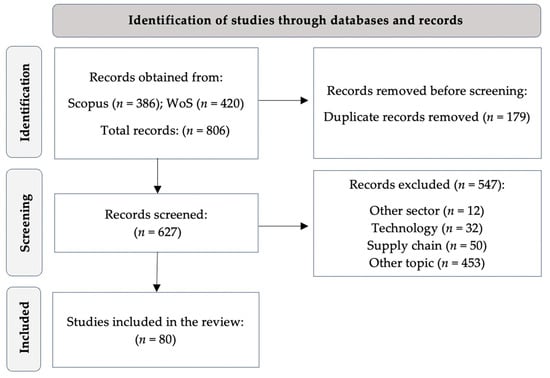
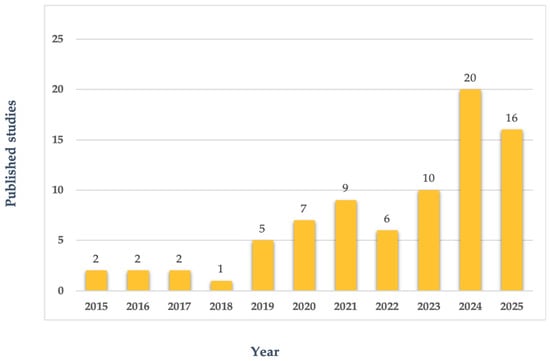
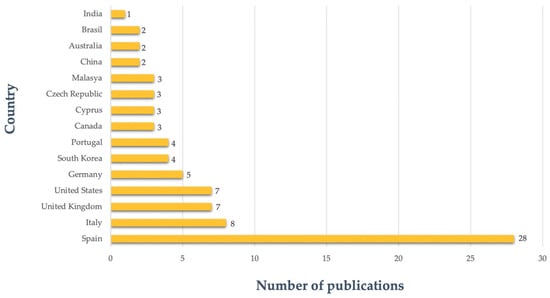
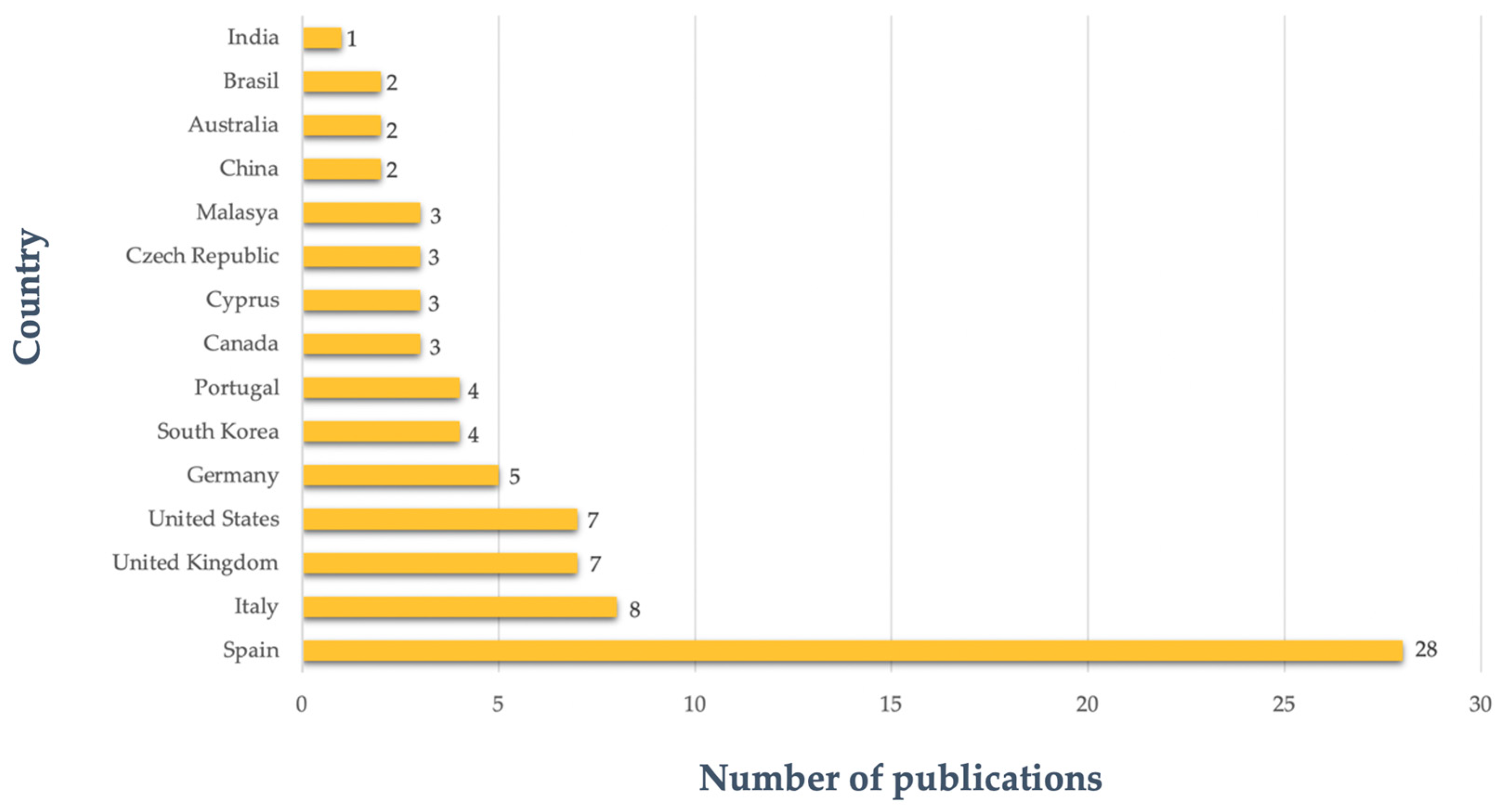
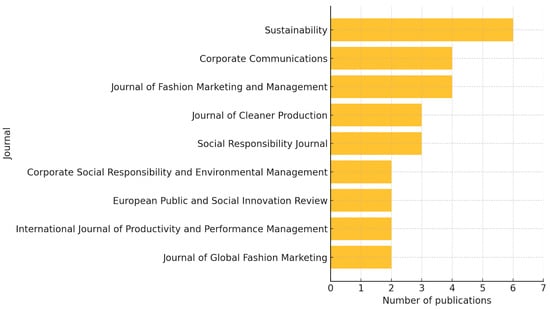
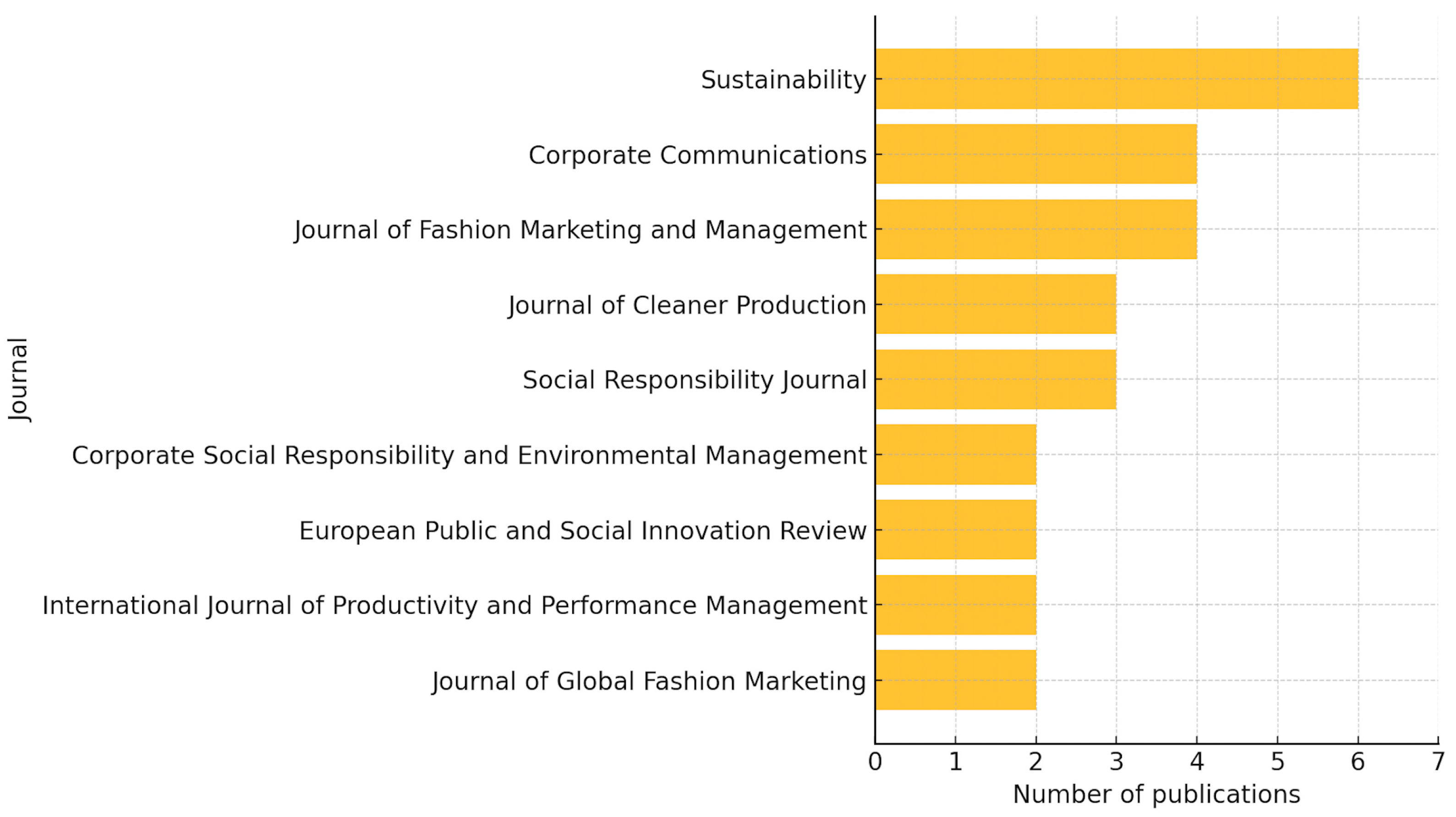
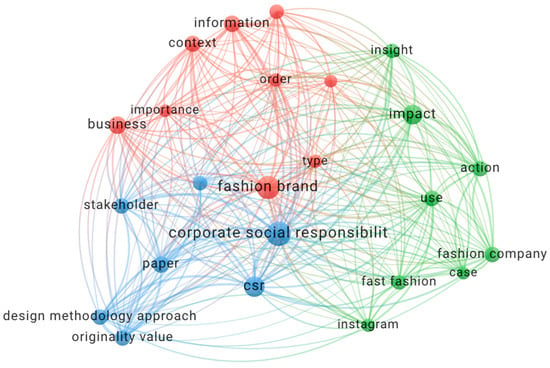
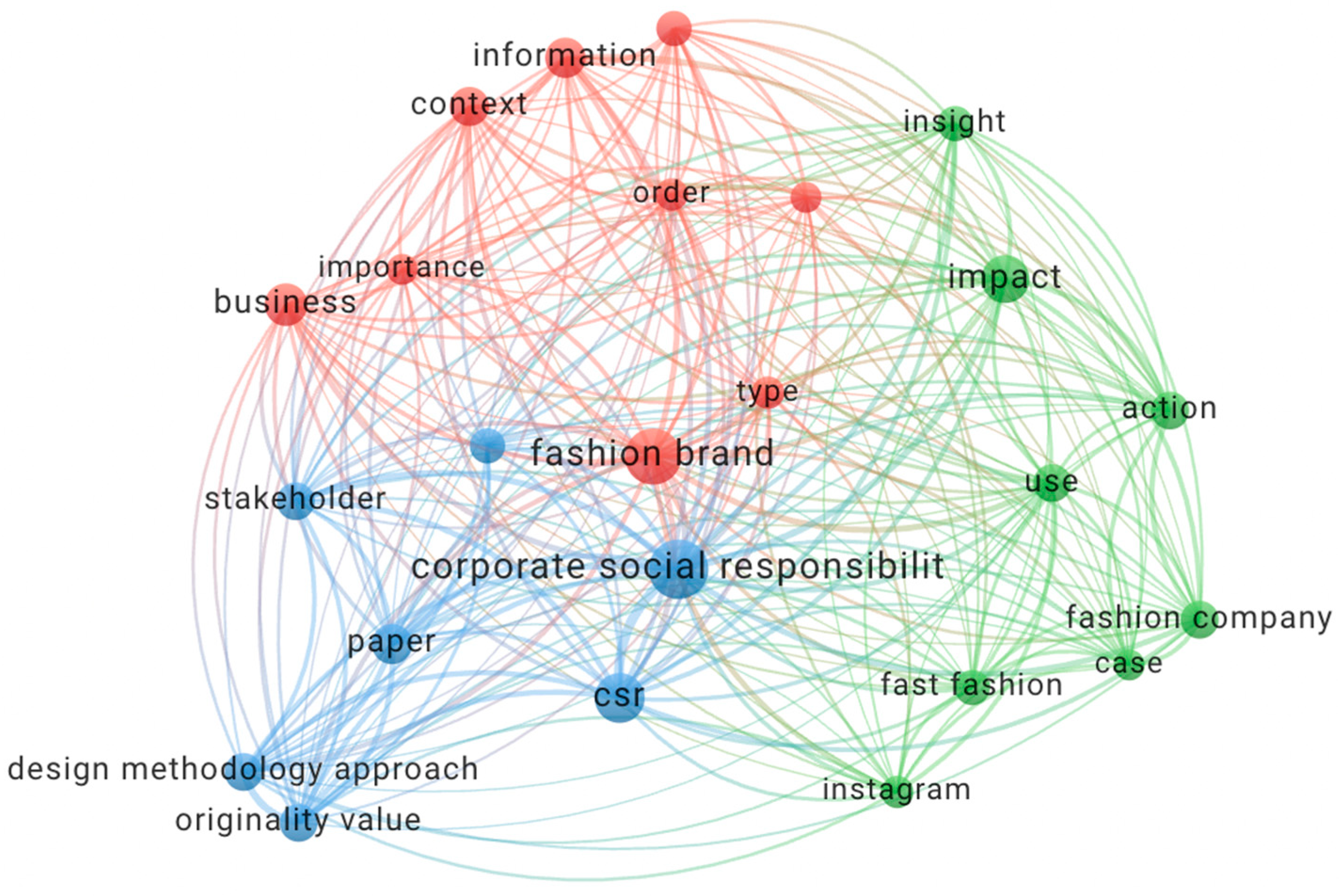
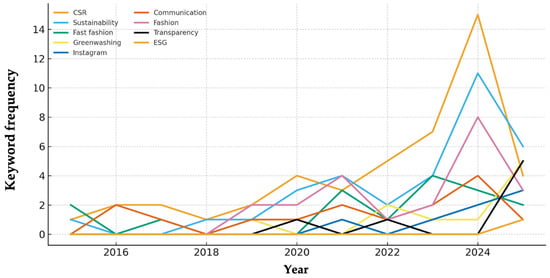
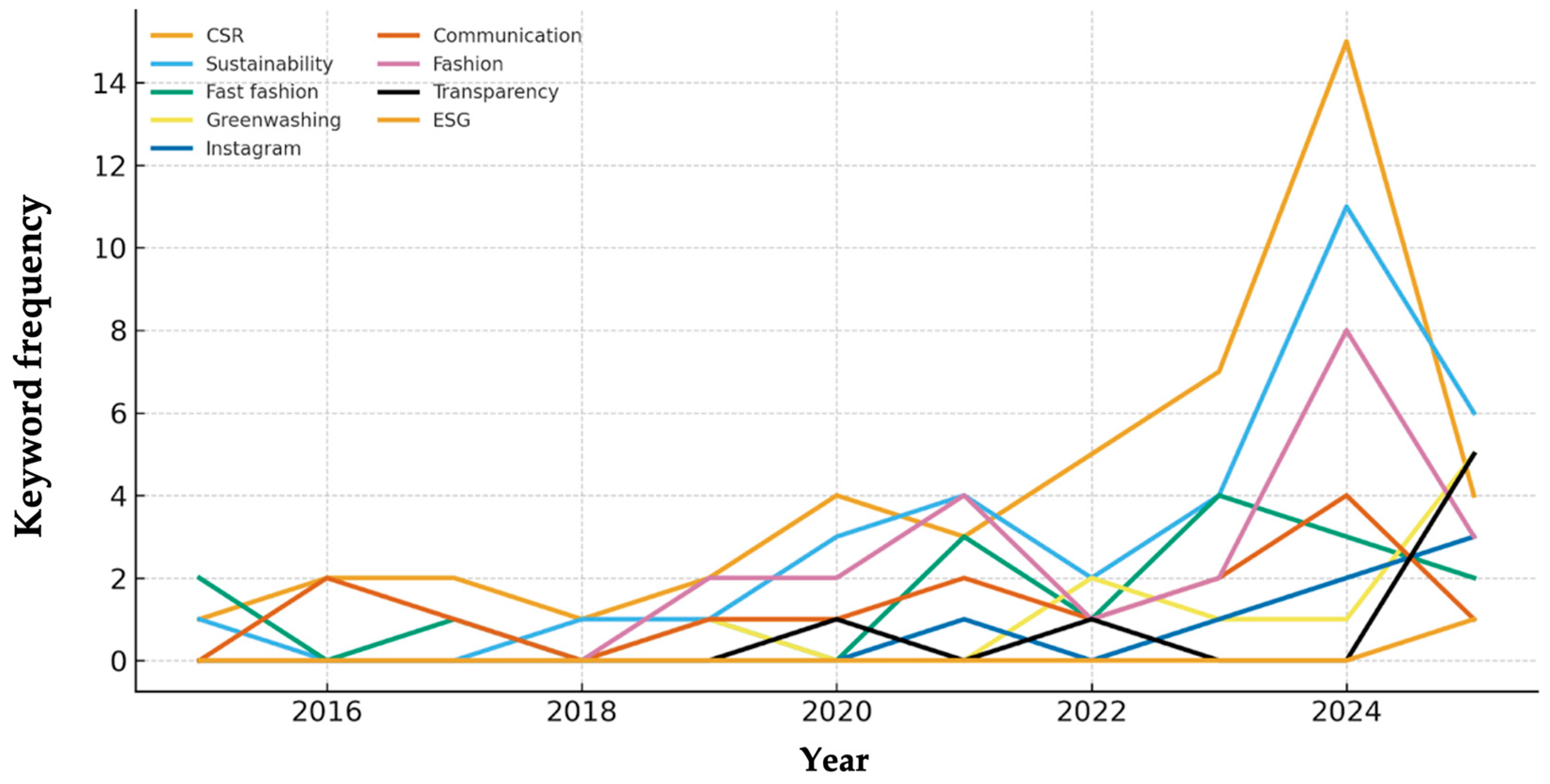
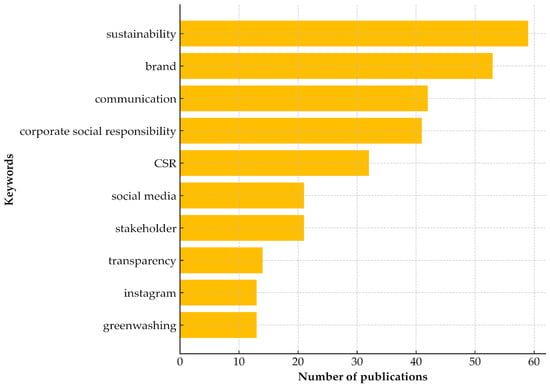
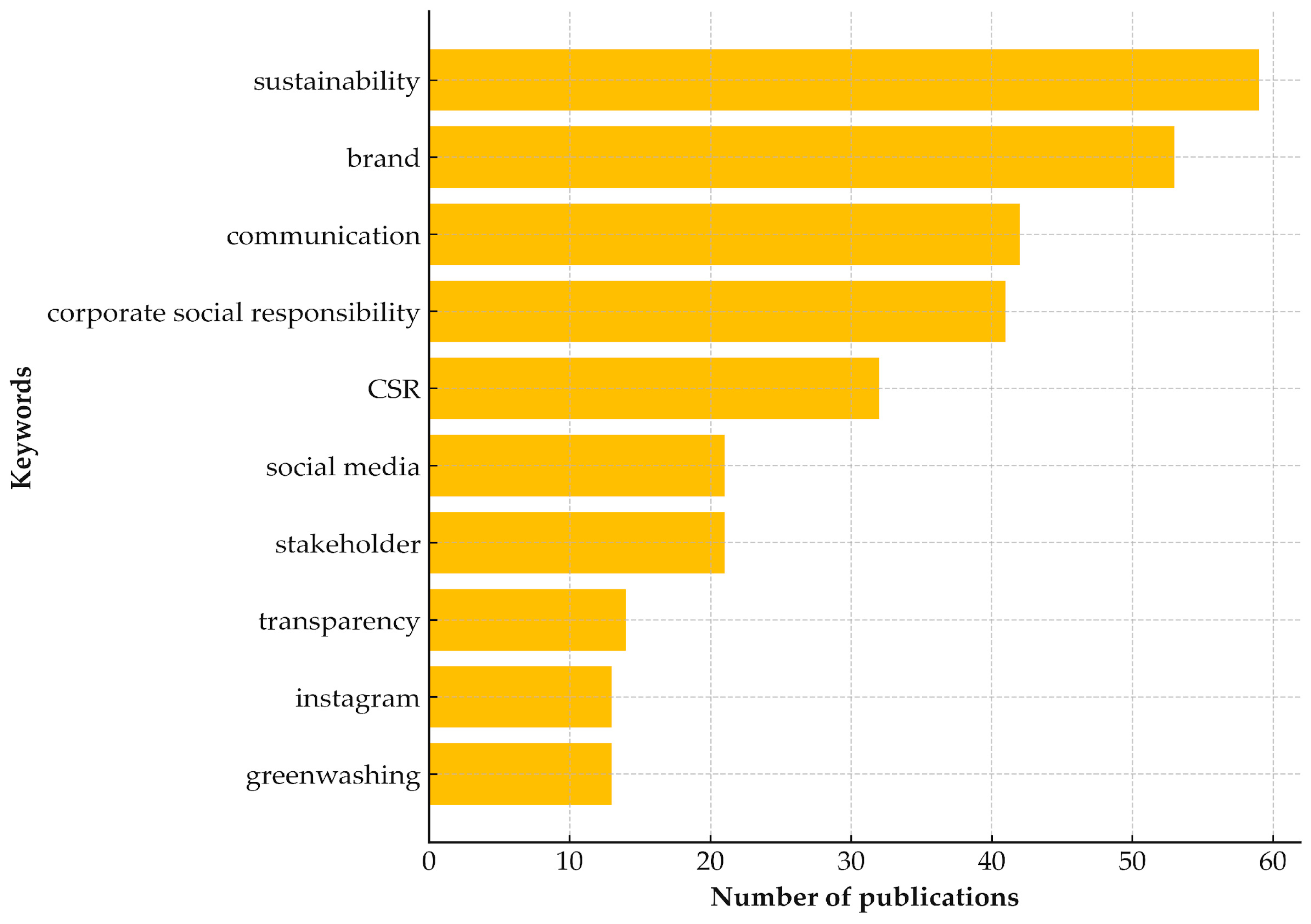

Disclaimer/Publisher’s Note: The statements, opinions and data contained in all publications are solely those of the individual author(s) and contributor(s) and not of MDPI and/or the editor(s). MDPI and/or the editor(s) disclaim responsibility for any injury to people or property resulting from any ideas, methods, instructions or products referred to in the content. |
© 2026 by the authors. Licensee MDPI, Basel, Switzerland. This article is an open access article distributed under the terms and conditions of the Creative Commons Attribution (CC BY) license.