
Task-Evoked Pupillary Dynamics Are Altered in Post-COVID Syndrome
 , ,
, ,  and
and 
Abstract
1. Introduction
2. Materials and Methods
2.1. Study Cohort
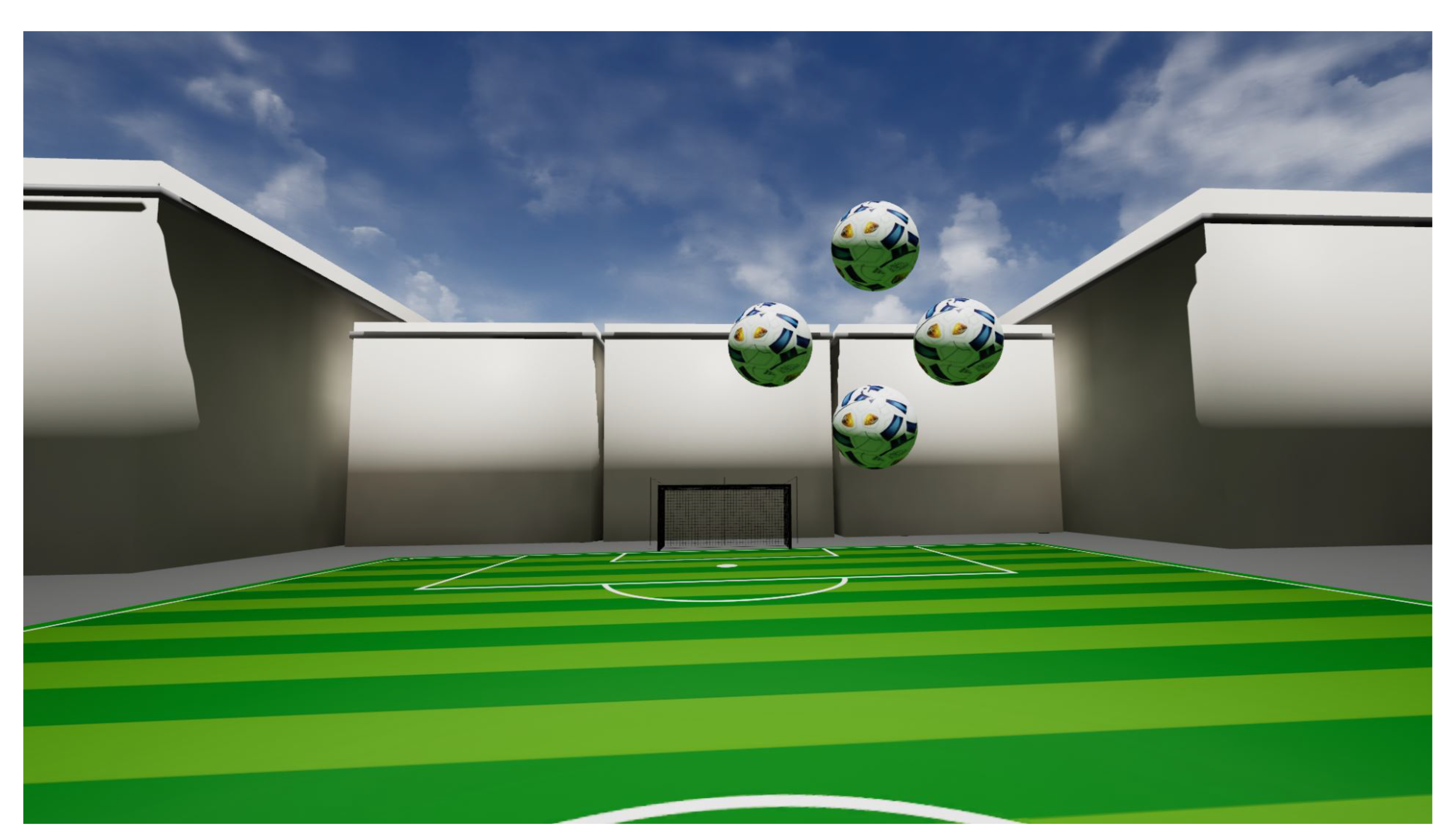
2.2. VR-OTS
2.3. Statistical Analysis
3. Results
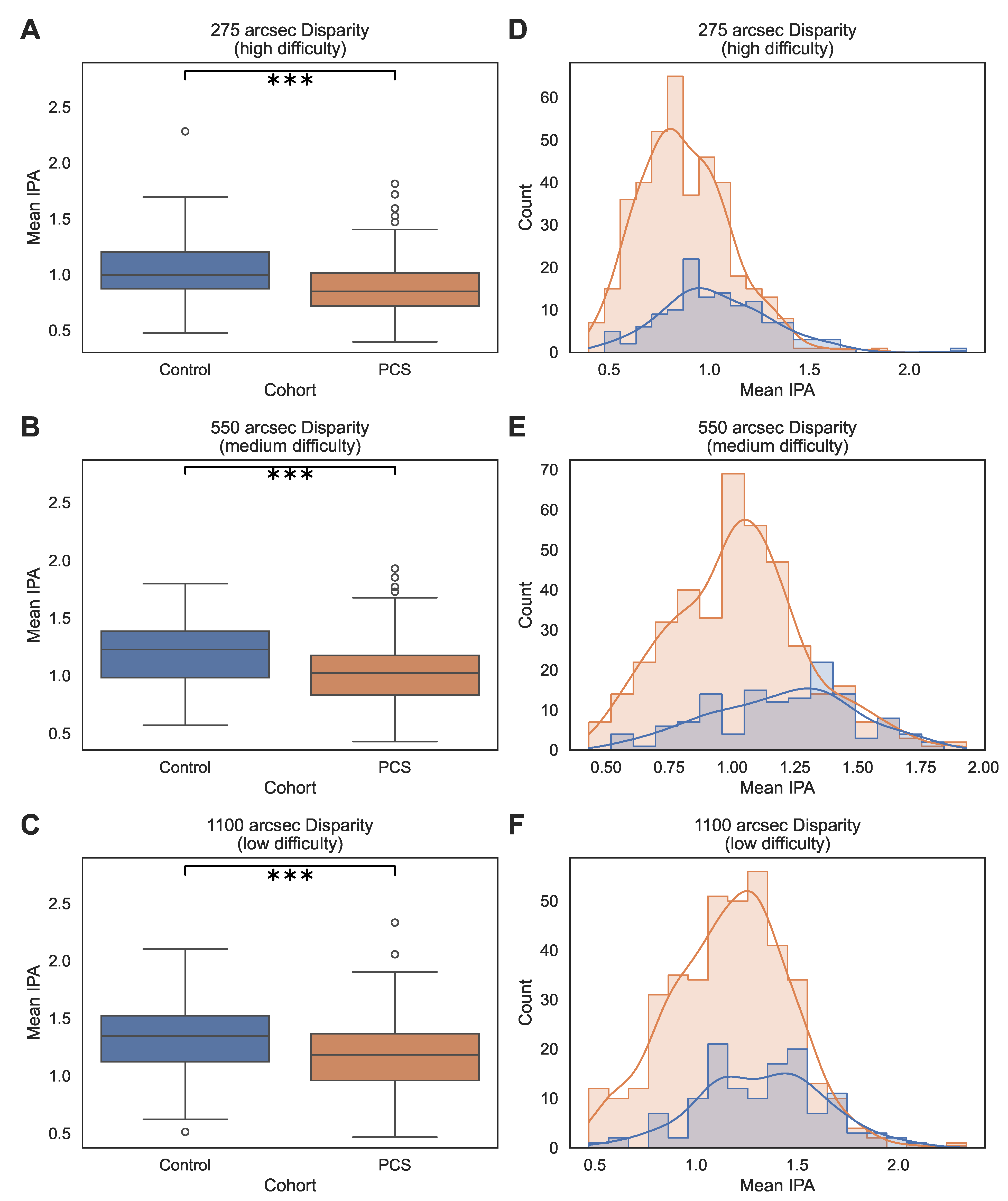
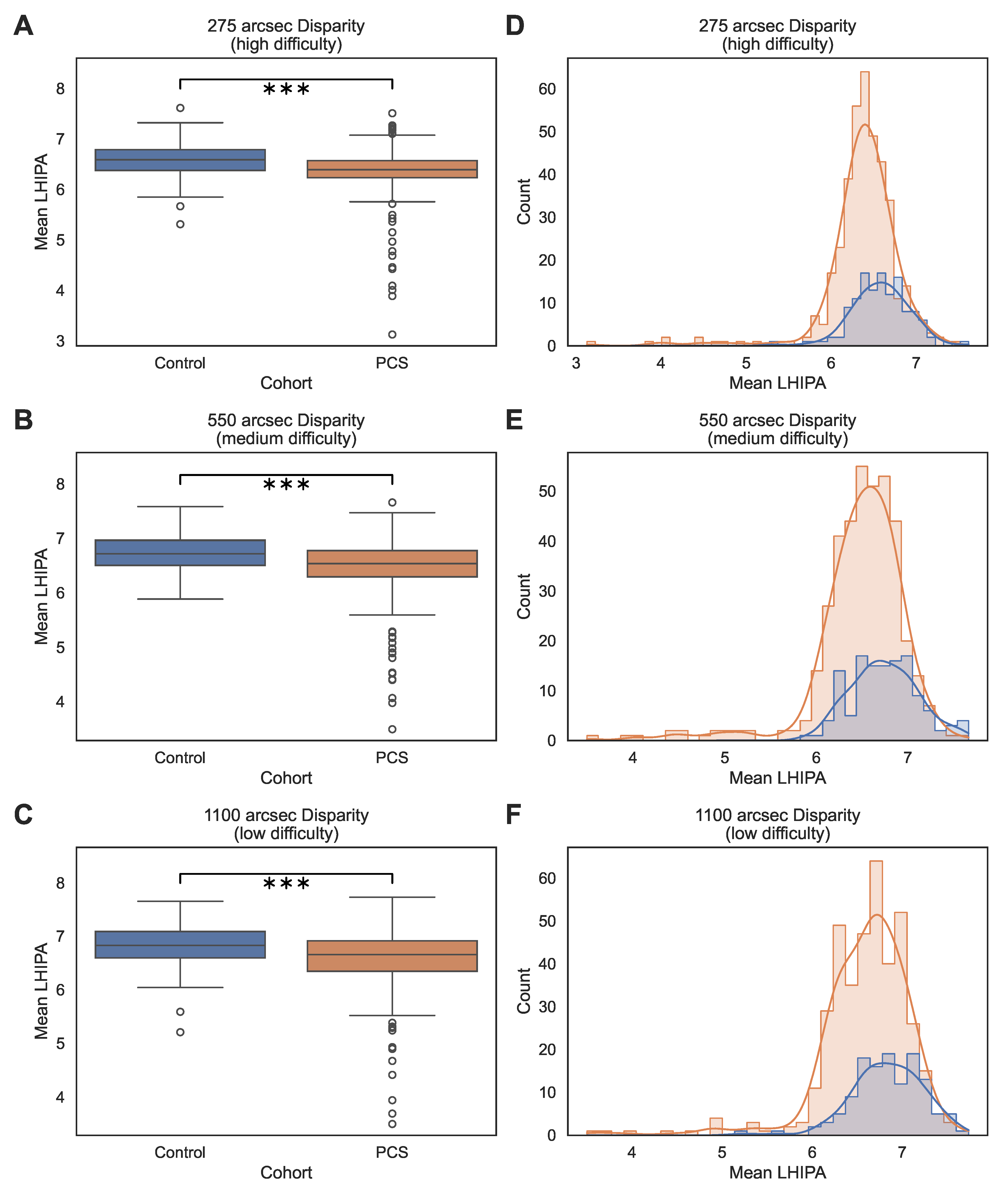
3.1. Distributional Characteristics of Pupillary Indices
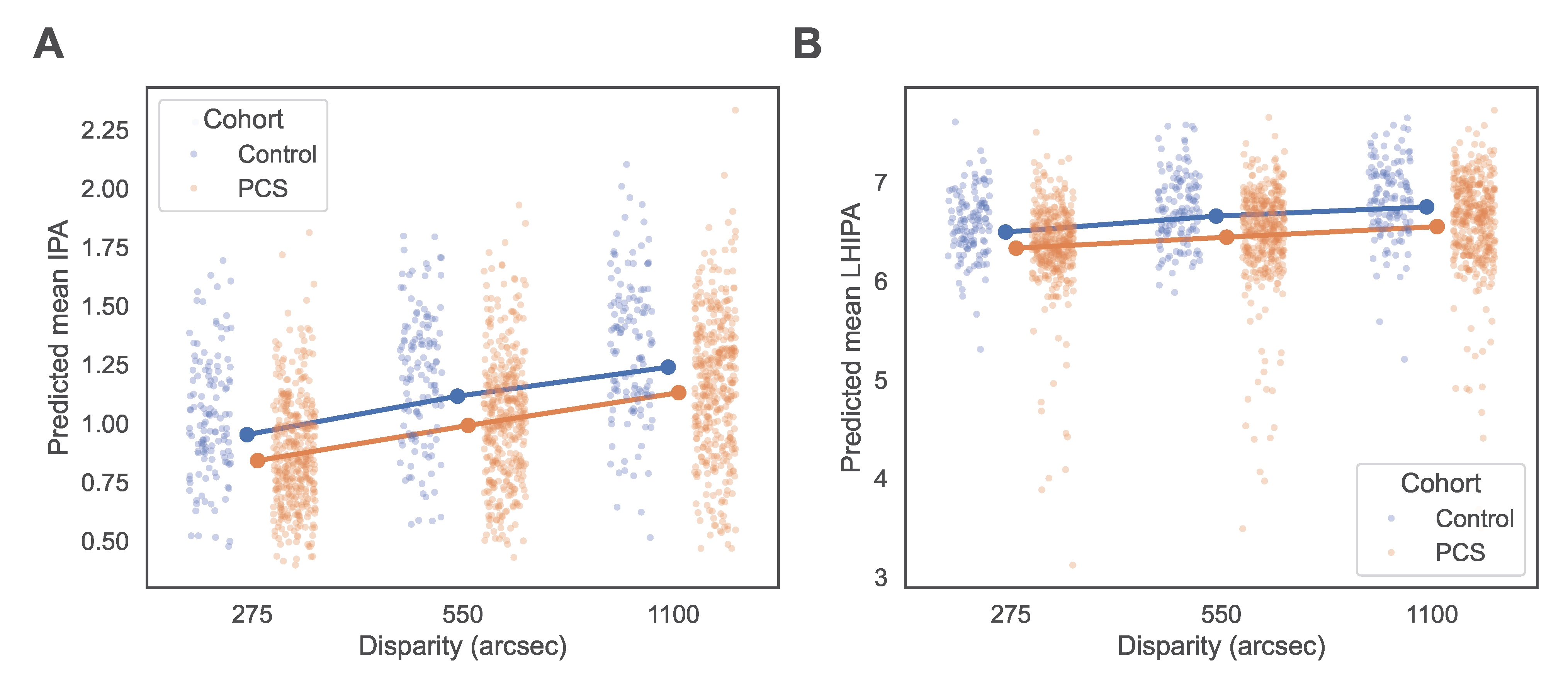
3.2. Linear Mixed-Effects Model for IPA
3.3. Linear Mixed-Effects Model for LHIPA
4. Discussion
5. Conclusions
Author Contributions
Funding
Institutional Review Board Statement
Informed Consent Statement
Data Availability Statement
Conflicts of Interest
Abbreviations
| IPA | Index of Pupillary Activity |
| LHIPA | Low/High Index of Pupillary Activity |
| VR-OTS | Virtual Reality Oculomotor Test System |
| PCS | Post-COVID syndrome |
| LC-NE | Locus coeruleus-norepinephrine |
| IPD | Interpupillary distance |
| IQR | Interquartile range |
| SD | Standard deviation |
| LMM | Linear mixed-effects model |
| CI | Confidence interval |
| NE | Norepinephrine |
| REML | Restricted maximum likelihood |
| SARS-CoV-2 | Severe Acute Respiratory Syndrome Coronavirus 2 |
Appendix A

| Outcome | Cohort | Disparity (arcsec) | Sex | Predicted Mean |
|---|---|---|---|---|
| IPA | control | 275 | female | 0.953680 |
| control | 275 | male | 1.062407 | |
| control | 550 | female | 1.117340 | |
| control | 550 | male | 1.226067 | |
| control | 1100 | female | 1.240978 | |
| control | 1100 | male | 1.349705 | |
| PCS | 275 | female | 0.843004 | |
| PCS | 275 | male | 0.951731 | |
| PCS | 550 | female | 0.992763 | |
| PCS | 550 | male | 1.101491 | |
| PCS | 1100 | female | 1.132281 | |
| PCS | 1100 | male | 1.241008 | |
| LHIPA | control | 275 | female | 6.500285 |
| control | 275 | male | 6.606490 | |
| control | 550 | female | 6.661545 | |
| control | 550 | male | 6.767751 | |
| control | 1100 | female | 6.754725 | |
| control | 1100 | male | 6.860931 | |
| PCS | 275 | female | 6.336557 | |
| PCS | 275 | male | 6.442763 | |
| PCS | 550 | female | 6.448129 | |
| PCS | 550 | male | 6.554335 | |
| PCS | 1100 | female | 6.555450 | |
| PCS | 1100 | male | 6.661655 |
| Outcome | Diff. | Estimate | SE | z | p | 95% CI | |
|---|---|---|---|---|---|---|---|
| IPA | 275 | −0.111 | 0.025 | −4.411 | <0.001 | [−0.160, −0.062] | <0.001 |
| IPA | 550 | −0.125 | 0.025 | −4.965 | <0.001 | [−0.174, −0.075] | <0.001 |
| IPA | 1100 | −0.109 | 0.025 | −4.332 | <0.001 | [−0.158, −0.060] | <0.001 |
| LHIPA | 275 | −0.164 | 0.046 | −3.580 | <0.001 | [−0.253, −0.074] | <0.001 |
| LHIPA | 550 | −0.213 | 0.046 | −4.666 | <0.001 | [−0.303, −0.124] | <0.001 |
| LHIPA | 1100 | −0.199 | 0.046 | −4.357 | <0.001 | [−0.289, −0.110] | <0.001 |
References
- Koczulla, A.R.; Ankermann, T.; Behrends, U.; Berlit, P.; Berner, R.; Böing, S.; Brinkmann, F.; Frank, U.; Franke, C.; Glöckl, R.; et al. S1-Leitlinie Long-/Post-COVID. Pneumologie 2022, 76, 855–907. [Google Scholar] [CrossRef] [PubMed]
- Taher, M.K.; Salzman, T.; Banal, A.; Morissette, K.; Domingo, F.R.; Cheung, A.M.; Cooper, C.L.; Boland, L.; Zuckermann, A.M.; Mullah, M.A.; et al. Global prevalence of post-COVID-19 condition: A systematic review and meta-analysis of prospective evidence. Health Promot. Chronic Dis. Prev. Can. 2025, 45, 112–138. [Google Scholar] [CrossRef]
- Parums, D.V. Long COVID or Post-Acute Sequelae of SARS-CoV-2 Infection (PASC) and the Urgent Need to Identify Diagnostic Biomarkers and Risk Factors. Med. Sci. Monit. 2024, 30, e946512. [Google Scholar] [CrossRef]
- Erlandson, K.M.; Geng, L.N.; Selvaggi, C.A.; Thaweethai, T.; Chen, P.; Erdmann, N.B.; Goldman, J.D.; Henrich, T.J.; Hornig, M.; Karlson, E.W.; et al. Differentiation of Prior SARS-CoV-2 Infection and Postacute Sequelae by Standard Clinical Laboratory Measurements in the RECOVER Cohort. Ann. Intern. Med. 2024, 177, 1209–1221. [Google Scholar] [CrossRef] [PubMed]
- Bachelet, V.C.; Carroza, B.; Morgado, B.; Silva-Ayarza, I. A systematic analysis of the literature on the post-COVID-19 condition in Latin America focusing on epidemiology, clinical characteristics, and risk of bias. Medwave 2025, 25, e3014. [Google Scholar] [CrossRef] [PubMed]
- Sk Abd Razak, R.; Ismail, A.; Abdul Aziz, A.F.; Suddin, L.S.; Azzeri, A.; Sha’ari, N.I. Post-COVID syndrome prevalence: A systematic review and meta-analysis. BMC Public Health 2024, 24, 1785. [Google Scholar] [CrossRef]
- Kell, D.B.; Pretorius, E. Are fibrinaloid microclots a cause of autoimmunity in Long Covid and other post-infection diseases? Biochem. J. 2023, 480, 1217–1240. [Google Scholar] [CrossRef]
- Szewczykowski, C.; Mardin, C.; Lucio, M.; Wallukat, G.; Hoffmanns, J.; Schröder, T.; Raith, F.; Rogge, L.; Heltmann, F.; Moritz, M.; et al. Long COVID: Association of Functional Autoantibodies Against G-Protein-Coupled Receptors with an Impaired Retinal Microcirculation. Int. J. Mol. Sci. 2022, 23, 7209. [Google Scholar] [CrossRef]
- Merad, M.; Blish, C.A.; Sallusto, F.; Iwasaki, A. The immunology and immunopathology of COVID-19. Science 2022, 375, 1122–1127. [Google Scholar] [CrossRef]
- Reisinger, E.C.; Geerdes-Fenge, H.; Wossidlo, C.; Arndt, H. Long/Post-Covid—An Interdisciplinary Challenge. Röfo Fortschritte Auf Dem Geb. Der Röntgenstrahlen Und Der Bildgeb. Verfahr. 2025, 197, 1388–1394. [Google Scholar] [CrossRef]
- González-Zamora, J.; Bilbao-Malavé, V.; Gándara, E.; Casablanca-Piñera, A.; Boquera-Ventosa, C.; Landecho, M.F.; Zarranz-Ventura, J.; García-Layana, A. Retinal Microvascular Impairment in COVID-19 Bilateral Pneumonia Assessed by Optical Coherence Tomography Angiography. Biomedicines 2021, 9, 247. [Google Scholar] [CrossRef]
- Osiaevi, I.; Schulze, A.; Evers, G.; Harmening, K.; Vink, H.; Kümpers, P.; Mohr, M.; Rovas, A. Persistent capillary rarefication in long COVID syndrome. Angiogenesis 2023, 26, 53–61. [Google Scholar] [CrossRef] [PubMed]
- Paramythiotis, D.; Karlafti, E.; Didagelos, M.; Fafouti, M.; Veroplidou, K.; Protopapas, A.; Kaiafa, G.; Netta, S.; Michalopoulos, A.; Savopoulos, C. Post-COVID-19 and Irritable Bowel Syndrome: A Literature Review. Medicina 2023, 59, 1961. [Google Scholar] [CrossRef] [PubMed]
- Ewing, A.G.; Salamon, S.; Pretorius, E.; Joffe, D.; Fox, G.; Bilodeau, S.; Bar-Yam, Y. Review of organ damage from COVID and Long COVID: A disease with a spectrum of pathology. Med. Rev. 2025, 5, 66–75. [Google Scholar] [CrossRef]
- Woodhouse, J.; Campbell, F. The role of the pupil light reflex in aiding adaptation to the dark. Vis. Res. 1975, 15, 649–653. [Google Scholar] [CrossRef]
- McDougal, D.H.; Gamlin, P.D. Autonomic Control of the Eye. Compr. Physiol. 2015, 5, 439–473. [Google Scholar] [CrossRef]
- Bremner, F.D.; Smith, S.E. Pupil Abnormalities in Selected Autonomic Neuropathies. J. Neuro Ophthalmol. 2006, 26, 209–219. [Google Scholar] [CrossRef] [PubMed]
- Bitirgen, G.; Korkmaz, C.; Zamani, A.; Iyisoy, M.S.; Kerimoglu, H.; Malik, R.A. Abnormal quantitative pupillary light responses following COVID-19. Int. Ophthalmol. 2022, 42, 2847–2854. [Google Scholar] [CrossRef]
- Tang, C.H.; Yang, Y.F.; Poon, K.C.F.; Wong, H.Y.M.; Lai, K.K.H.; Li, C.K.; Chan, J.W.Y.; Wing, Y.K.; Dou, Q.; Tham, C.C.Y.; et al. Virtual Reality-Based Infrared Pupillometry (VIP) for Long-COVID. Ophthalmology 2025, 132, 538–549. [Google Scholar] [CrossRef]
- Vinuela-Navarro, V.; Goset, J.; Aldaba, M.; Mestre, C.; Rovira-Gay, C.; Cano, N.; Ariza, M.; Delàs, B.; Garolera, M.; Vilaseca, M. Eye movements in patients with post-COVID condition. Biomed. Opt. Express 2023, 14, 3936–3949. [Google Scholar] [CrossRef]
- Duchowski, A.T.; Krejtz, K.; Krejtz, I.; Biele, C.; Niedzielska, A.; Kiefer, P.; Raubal, M.; Giannopoulos, I. The Index of Pupillary Activity: Measuring Cognitive Load vis-à-vis Task Difficulty with Pupil Oscillation. In Proceedings of the 2018 CHI Conference on Human Factors in Computing Systems, Montreal, QC, Canada, 21–26 April 2018; pp. 1–13. [Google Scholar] [CrossRef]
- Marshall, S. The Index of Cognitive Activity: Measuring cognitive workload. In Proceedings of the IEEE 7th Conference on Human Factors and Power Plants, Scottsdale, AZ, USA, 15–19 September 2002. [Google Scholar] [CrossRef]
- Duchowski, A.T.; Krejtz, K.; Gehrer, N.A.; Bafna, T.; Bækgaard, P. The Low/High Index of Pupillary Activity. In Proceedings of the CHI Conference on Human Factors in Computing Systems, Honolulu, HI, USA, 25–30 April 2020; pp. 1–12. [Google Scholar] [CrossRef]
- Mehringer, W.; Stoeve, M.; Krauss, D.; Ring, M.; Steussloff, F.; Güttes, M.; Zott, J.; Hohberger, B.; Michelson, G.; Eskofier, B. Virtual reality for assessing stereopsis performance and eye characteristics in Post-COVID. Sci. Rep. 2023, 13, 13167. [Google Scholar] [CrossRef]
- Knauer, T.S.; Mardin, C.Y.; Rech, J.; Michelson, G.; Stog, A.; Zott, J.; Steußloff, F.; Güttes, M.; Sarmiento, H.; Ilgner, M.; et al. Evaluation of Stereopsis Performance, Gaze Direction and Pupil Diameter in Post-COVID Syndrome Using Machine Learning. Biomedicines 2025, 13, 2828. [Google Scholar] [CrossRef]
- Mehringer, W.; Stoeve, M.; Krauss, D.; Ring, M.; Steussloff, F.; Güttes, M.; Zott, J.; Hohberger, B.; Michelson, G.; Eskofier, B. Author Correction: Virtual reality for assessing stereopsis performance and eye characteristics in Post-COVID. Sci. Rep. 2023, 13, 16307. [Google Scholar] [CrossRef]
- Fagerland, M.W. t-tests, non-parametric tests, and large studies—A paradox of statistical practice? BMC Med. Res. Methodol. 2012, 12, 78. [Google Scholar] [CrossRef]
- Sweller, J. Cognitive Load During Problem Solving: Effects on Learning. Cogn. Sci. 1988, 12, 257–285. [Google Scholar] [CrossRef] [PubMed]
- Beatty, J.; Lucero-Wagoner, B. The Pupillary System; Cambridge University Press: Cambridge, UK, 2000; Volume 6, pp. 142–162. ISBN 052162634X. [Google Scholar]
- Yurttaser Ocak, S.; Ozturan, S.G.; Bas, E. Pupil responses in patients with COVID-19. Int. Ophthalmol. 2022, 42, 385–391. [Google Scholar] [CrossRef] [PubMed]
- Schmidt, L.M.; Klingner, C.; Petersen, I.; Volkmer, A.; Schreiber, M.; Schmidt, A.; Reuken, P.; Besteher, B.; Geis, C.; Ullsperger, M.; et al. Cognitive impairment and associated neurobehavioral dysfunction in post-COVID syndrome. Psychiatry Res. 2025, 349, 116522. [Google Scholar] [CrossRef]
- Martin, E.M.; Rupprecht, S.; Schrenk, S.; Kattlun, F.; Utech, I.; Radscheidt, M.; Brodoehl, S.; Schwab, M.; Reuken, P.A.; Stallmach, A.; et al. A hypoarousal model of neurological post-COVID syndrome: The relation between mental fatigue, the level of central nervous activation and cognitive processing speed. J. Neurol. 2023, 270, 4647–4660. [Google Scholar] [CrossRef] [PubMed]
- Pan, J.; Klímová, M.; McGuire, J.T.; Ling, S. Arousal-based pupil modulation is dictated by luminance. Sci. Rep. 2022, 12, 1390. [Google Scholar] [CrossRef]
- Gorin, H.; Patel, J.; Qiu, Q.; Merians, A.; Adamovich, S.; Fluet, G. A Review of the Use of Gaze and Pupil Metrics to Assess Mental Workload in Gamified and Simulated Sensorimotor Tasks. Sensors 2024, 24, 1759. [Google Scholar] [CrossRef]
- Gamlin, P.D.; Zhang, H.; Harlow, A.; Barbur, J.L. Pupil responses to stimulus color, structure and light flux increments in the rhesus monkey. Vis. Res. 1998, 38, 3353–3358. [Google Scholar] [CrossRef]
- Barbur, J.L. A Study of Pupil Response Components in Human Vision. In Basic and Clinical Perspectives in Vision Research; Robbins, J.G., Djamgoz, M.B.A., Taylor, A., Eds.; Springer: Boston, MA, USA, 1995; pp. 3–18. [Google Scholar] [CrossRef]
- Ucan Gunduz, G. Pupillographic Analysis of COVID-19 Patients: Early and Late Results After Recovery. Beyoglu Eye J. 2023, 8, 149–156. [Google Scholar] [CrossRef]
- Koutsiaris, A.G.; Karakousis, K. Long COVID Mechanisms, Microvascular Effects, and Evaluation Based on Incidence. Life 2025, 15, 887. [Google Scholar] [CrossRef]
- González-Alvarez, F.; De Jesus Aceves-Buendia, J.; Padilla-Jaimes, M.L.; Noé-Zendejas, K.M.; La Cruz, C.A.A.D.; Rojas-Maya, A.; Bringas-Ortiz, S.A.; Gómez-santana, A.D.; Tamez-Torres, K.M.; Sifuentes-Osornio, J.; et al. Unravelling the complex and unexpected physiopathology of the post COVID-19 condition: A narrative review. Discov. Viruses 2025, 2, 12. [Google Scholar] [CrossRef]
- Stein, J.A.; Kaes, M.; Smola, S.; Schulz-Schaeffer, W.J. Neuropathology in COVID-19 autopsies is defined by microglial activation and lesions of the white matter with emphasis in cerebellar and brain stem areas. Front. Neurol. 2023, 14, 1229641. [Google Scholar] [CrossRef]
- Yong, S.J. Persistent Brainstem Dysfunction in Long-COVID: A Hypothesis. ACS Chem. Neurosci. 2021, 12, 573–580. [Google Scholar] [CrossRef]
- Hugon, J.; Queneau, M.; Sanchez Ortiz, M.; Msika, E.F.; Farid, K.; Paquet, C. Cognitive decline and brainstem hypometabolism in long COVID: A case series. Brain Behav. 2022, 12, e2513. [Google Scholar] [CrossRef] [PubMed]
- Huang, J.; Smorenburg, M.L.; Yep, R.; Riek, H.C.; Calancie, O.G.; Kirkpatrick, R.H.; Brien, D.C.; Coe, B.C.; Wang, C.A.; Munoz, D.P. Age-related changes in pupil dynamics and task modulation across the healthy lifespan. Front. Neurosci. 2024, 18, 1445727. [Google Scholar] [CrossRef]
- Lazar, R.; Degen, J.; Fiechter, A.S.; Monticelli, A.; Spitschan, M. Regulation of pupil size in natural vision across the human lifespan. R. Soc. Open Sci. 2024, 11, 191613. [Google Scholar] [CrossRef] [PubMed]
- Bellavia, S.; Scala, I.; Luigetti, M.; Brunetti, V.; Gabrielli, M.; Zileri Dal Verme, L.; Servidei, S.; Calabresi, P.; Frisullo, G.; Della Marca, G. Instrumental Evaluation of COVID-19 Related Dysautonomia in Non-Critically-Ill Patients: An Observational, Cross-Sectional Study. J. Clin. Med. 2021, 10, 5861. [Google Scholar] [CrossRef] [PubMed]
- Tsitsi, P.; Benfatto, M.N.; Seimyr, G.Ö.; Larsson, O.; Svenningsson, P.; Markaki, I. Fixation Duration and Pupil Size as Diagnostic Tools in Parkinson’s Disease. J. Park. Dis. 2021, 11, 865–875. [Google Scholar] [CrossRef]
- Toth, A.J.; Campbell, M.J. Investigating sex differences, cognitive effort, strategy, and performance on a computerised version of the mental rotations test via eye tracking. Sci. Rep. 2019, 9, 19430. [Google Scholar] [CrossRef]
- Campbell, M.J.; Toth, A.J.; Brady, N. Illuminating sex differences in mental rotation using pupillometry. Biol. Psychol. 2018, 138, 19–26. [Google Scholar] [CrossRef]
- Lu, H.; Van Der Linden, D.; Bakker, A.B. Changes in pupil dilation and P300 amplitude indicate the possible involvement of the locus coeruleus-norepinephrine (LC-NE) system in psychological flow. Sci. Rep. 2023, 13, 1908. [Google Scholar] [CrossRef] [PubMed]
- Murphy, P.R.; Robertson, I.H.; Balsters, J.H.; O’connell, R.G. Pupillometry and P3 index the locus coeruleus–noradrenergic arousal function in humans. Psychophysiology 2011, 48, 1532–1543. [Google Scholar] [CrossRef]
- Weiss, E.; Liu, Y.; Wang, Q. The contribution of the locus coeruleus—Norepinephrine system to the coupling between pupil-linked arousal and cortical state. J. Neurosci. 2025, 46, e0898252025. [Google Scholar] [CrossRef] [PubMed]
- Boczek, T.; Mackiewicz, J.; Sobolczyk, M.; Wawrzyniak, J.; Lisek, M.; Ferenc, B.; Guo, F.; Zylinska, L. The Role of G Protein-Coupled Receptors (GPCRs) and Calcium Signaling in Schizophrenia. Focus on GPCRs Activated by Neurotransmitters and Chemokines. Cells 2021, 10, 1228. [Google Scholar] [CrossRef]
- Fehringer, B. Optimizing the usage of pupillary based indicators for cognitive workload. J. Eye Mov. Res. 2021, 14, 1–12. [Google Scholar] [CrossRef] [PubMed]


| Variable | Level | Overall | Control | PCS |
|---|---|---|---|---|
| N | 526 | 129 | 397 | |
| Age (years) | Mean ± SD | 40.6 ± 13.2 | 36.8 ± 15.5 | 41.9 ± 12.2 |
| Median [IQR] | 40.0 [29.0, 51.8] | 30.0 [24.0, 51.0] | 41.0 [32.0, 52.0] | |
| Sex | Female, n (%) | 297 (56.5%) | 65 (50.4%) | 232 (58.4%) |
| Male, n (%) | 229 (43.5%) | 64 (49.6%) | 165 (41.6%) | |
| Bell score | Mean ± SD | 54.5 ± 28.8 | 98.3 ± 5.5 | 41.7 ± 18.3 |
| Median [IQR] | 40.0 [30.0, 80.0] | 100.0 [100.0, 100.0] | 40.0 [30.0, 50.0] |
| Fixed Effects | Estimate | SE | z | p | 95% CI |
|---|---|---|---|---|---|
| Intercept | 0.954 | 0.024 | 40.185 | <0.001 | [0.907, 1.000] |
| Cohort (PCS) | −0.111 | 0.025 | −4.411 | <0.001 | [−0.160, −0.062] |
| Difficulty (550 arcsec) | 0.164 | 0.016 | 10.289 | <0.001 | [0.132, 0.195] |
| Difficulty (1100 arcsec) | 0.287 | 0.016 | 18.062 | <0.001 | [0.256, 0.318] |
| Sex (male) | 0.109 | 0.019 | 5.583 | <0.001 | [0.071, 0.147] |
| Cohort (PCS) × Difficulty (550) | −0.014 | 0.018 | −0.759 | 0.448 | [−0.050, 0.022] |
| Cohort (PCS) × Difficulty (1100) | 0.002 | 0.018 | 0.108 | 0.914 | [−0.034, 0.038] |
| Agec | −0.008 | 0.001 | −10.868 | <0.001 | [−0.009, −0.007] |
| Random effects | |||||
| PatID intercept variance | 0.043 | ||||
| Model fit | |||||
| Observations (N) | 1578 | ||||
| Participants (groups) | 526 | ||||
| Log-likelihood | 404.79 | ||||
| Residual variance (scale) | 0.0163 | ||||
| Fixed Effects | Estimate | SE | z | p | 95% CI |
|---|---|---|---|---|---|
| Intercept | 6.500 | 0.043 | 150.485 | <0.001 | [6.416, 6.585] |
| Cohort (PCS) | −0.164 | 0.046 | −3.580 | <0.001 | [−0.253, −0.074] |
| Difficulty (550 arcsec) | 0.161 | 0.030 | 5.312 | <0.001 | [0.102, 0.221] |
| Difficulty (1100 arcsec) | 0.254 | 0.030 | 8.381 | <0.001 | [0.195, 0.314] |
| Sex (male) | 0.106 | 0.035 | 3.023 | 0.003 | [0.037, 0.175] |
| Cohort (PCS) × Difficulty (550) | −0.050 | 0.035 | −1.422 | 0.155 | [−0.118, 0.019] |
| Cohort (PCS) × Difficulty (1100) | −0.036 | 0.035 | −1.017 | 0.309 | [−0.104, 0.033] |
| Agec | −0.007 | 0.001 | −5.157 | <0.001 | [−0.009, −0.004] |
| Random effects | |||||
| Patients’ intercept variance | 0.139 | ||||
| Model fit | |||||
| Observations (N) | 1578 | ||||
| Participants (groups) | 526 | ||||
| Log-likelihood | −580.60 | ||||
| Residual variance (scale) | 0.0594 | ||||
Disclaimer/Publisher’s Note: The statements, opinions and data contained in all publications are solely those of the individual author(s) and contributor(s) and not of MDPI and/or the editor(s). MDPI and/or the editor(s) disclaim responsibility for any injury to people or property resulting from any ideas, methods, instructions or products referred to in the content. |
© 2026 by the authors. Licensee MDPI, Basel, Switzerland. This article is an open access article distributed under the terms and conditions of the Creative Commons Attribution (CC BY) license.
Share and Cite
Smit, A.; Fleischmann, P.; Knauer, T.S.; Mardin, C.Y.; Michelson, G.; Zott, J.; Güttes, M.; Sarmiento, H.; Ilgner, M.; Jakobi, M.; et al. Task-Evoked Pupillary Dynamics Are Altered in Post-COVID Syndrome. Med. Sci. 2026, 14, 269. https://doi.org/10.3390/medsci14020269
Smit A, Fleischmann P, Knauer TS, Mardin CY, Michelson G, Zott J, Güttes M, Sarmiento H, Ilgner M, Jakobi M, et al. Task-Evoked Pupillary Dynamics Are Altered in Post-COVID Syndrome. Medical Sciences. 2026; 14(2):269. https://doi.org/10.3390/medsci14020269
Chicago/Turabian StyleSmit, Alexander, Philipp Fleischmann, Thomas S. Knauer, Christian Y. Mardin, Georg Michelson, Julia Zott, Moritz Güttes, Helena Sarmiento, Miriam Ilgner, Marie Jakobi, and et al. 2026. "Task-Evoked Pupillary Dynamics Are Altered in Post-COVID Syndrome" Medical Sciences 14, no. 2: 269. https://doi.org/10.3390/medsci14020269
APA StyleSmit, A., Fleischmann, P., Knauer, T. S., Mardin, C. Y., Michelson, G., Zott, J., Güttes, M., Sarmiento, H., Ilgner, M., Jakobi, M., Rech, J., & Hohberger, B. (2026). Task-Evoked Pupillary Dynamics Are Altered in Post-COVID Syndrome. Medical Sciences, 14(2), 269. https://doi.org/10.3390/medsci14020269