


Abstract
Adverse childhood experiences (ACEs), which can include child trafficking, are known to program children for disrupted biological cycles, premature aging, microbiome dysbiosis, immune-inflammatory misregulation, and chronic disease multimorbidity. To date, the microbiome has not been a major focus of deprogramming efforts despite its emerging role in every aspect of ACE-related dysbiosis and dysfunction. This article examines: (1) the utility of incorporating microorganism-based, anti-aging approaches to combat ACE-programmed chronic diseases (also known as noncommunicable diseases and conditions, NCDs) and (2) microbiome regulation of core systems biology cycles that affect NCD comorbid risk. In this review, microbiota influence over three key cyclic rhythms (circadian cycles, the sleep cycle, and the lifespan/longevity cycle) as well as tissue inflammation and oxidative stress are discussed as an opportunity to deprogram ACE-driven chronic disorders. Microbiota, particularly those in the gut, have been shown to affect host–microbe interactions regulating the circadian clock, sleep quality, as well as immune function/senescence, and regulation of tissue inflammation. The microimmunosome is one of several systems biology targets of gut microbiota regulation. Furthermore, correcting misregulated inflammation and increased oxidative stress is key to protecting telomere length and lifespan/longevity and extending what has become known as the healthspan. This review article concludes that to reverse the tragedy of ACE-programmed NCDs and premature aging, managing the human holobiont microbiome should become a routine part of healthcare and preventative medicine across the life course.
1. Introduction
Early life adverse environmental, emotional, and physical experiences can have a heightened impact on the development of tissues, organs, and physiological (systems biology) units when compared with similar exposures in the adult. This was codified in the mantra that children are not simply small adults and never should be treated as such. When benchmark maturational events are disrupted via chemicals, drugs, food, food additives, physical or emotional exposure, inappropriate maturation and subsequent dysfunction of the body’s systems are likely. In effect, human systems are readily programmed for later life dysfunction and chronic disease when the fetus, newborn, infant, and adolescent are inadequately protected during critical windows of developmental vulnerability. This special vulnerability in early life and the need for special protections of the young have been described in a series of papers and reports [1,2,3,4,5] that contributed to what became known as the scientific field of Developmental Origins of Health and Disease (DOHaD).
Two developments within the DOHaD umbrella during the past decade are changing how we view the ongoing epidemic of noncommunicable diseases and conditions (NCDs). First, the microbiome is now recognized as central to the maturation of human systems biology units (e.g., gut–brain, microimmunosome, gut–hypothalamic–pituitary–adrenal (HPA) axis, gut–liver, gut-bile acid metabolism). Disruption of microbiome maturation in early life invariably results in disrupted systems biology units and elevated risk of childhood and adult NCDs. Unless the dysbiotic microbiome is addressed in dealing with systems biology malfunction and NCDs, the epidemic of NCDs is likely to continue unabated.
Second, physical and emotional trauma in early life (often called adverse childhood experiences, ACEs) damage not only organ/tissue development (e.g., brain, gut, immune) but also microbiome status, thereby, impacting the risk of a diverse range of later-life, comorbid NCDs. In many ways, physical and emotional “toxicity” for the microbiome and multiple systems biology units have been understudied and potentially underappreciated. While adverse effects of ACEs on the brain are important, those changes do not occur in a vacuum nor are they the only mis-programming that occurs in early life.
This review article is not intended to provide an exhaustive review on any single disciplinary-related topic (e.g., the HPA axis). Instead, it draws primarily upon the last five years of research to examine the intersection of the microbiome and systems biology units as it pertains to ACE-induced programming. Specifically, the article examines: (1) the prevalence of ACEs, (2) the inadequate protection of the young from physical and emotional abuse (including child trafficking), (3) the significance of premature aging and NCDs resulting from ACEs, (4) the interconnections between microbiome status, circadian rhythms, sleep quality, NCDs including depression, and longevity, and (5) the opportunities to broaden historic organ-centric approaches to focus on microbiome-systems biology correcting solutions. The importance of microbiome status in early life cannot be overemphasized. This was captured in a recent paper describing the connection of infant antibiotic exposure to risk of a broad range of childhood NCDs [6].
2. Adverse Childhood Experiences and the Microimmunosome
Adverse childhood experiences (ACEs) in early life are among the most devasting physiological and microbiological programming events that exist. During critical windows of vulnerability, these adverse experiences can significantly increase the disease and disability burdens across the lifespan. One of the early studies that utilized the term adverse childhood experience was a U.S. Centers for Disease Control and Prevention (CDC)-Kaiser Permanente study [7].
There is considerable debate about the full range of meaningful events that constitutes ACEs, and this has resulted in a general lack of standardization for studying the effects of adverse childhood experiences on future health [8]. One recent example was utilized by Lin et al. [9] in their study in China and includes the following 12 ACEs: physical abuse, emotional neglect, household substance abuse, household mental illness, domestic violence, incarcerated household member, parental separation or divorce, unsafe neighborhood, bullying, parental death, sibling death, and parental disability.
Regardless of the difference in what spectrum of ACEs were included in various studies, it was clear that these ACEs, including events such as childhood trauma, readily program the child for NCDs and additional conditions such addictive behaviors [10,11]. Examples of ACE DOHaD-like programming of later-life NCDs include: asthma [12], obesity and diabetes [13], cardiovascular disease [14], neurobehavioral disorders [15], and cancer [16]. Furthermore, beyond the scope of this present review, ACEs can transmit elevated intergenerational risk for chronic disorders across generations [17,18]. The CDC developed an ACE pyramid to visually reflect the diverse outcomes of ACEs across the lifespan [19]. However, as with much of public health [20], it does not capture either the outcomes or interrelationships pertaining to the microbiome.
Based on data from the most recent survey involving 25 states, the U.S. CDC estimated that approximately 61% of adults had at least one adverse childhood experience with approximately 16% reporting four or more experiences [21]. Unsurprisingly, the cost in human capital and even national economic sustainability is staggering. A recent survey of European countries estimated that the economic burden of ACEs amounted to more than 120 billion US dollars per annum for a country such as Germany and ranged up to 6% of Ukraine’s gross domestic product [22].
While an increased focus needs to be brought to bear on preventing these experiences, we have only begun to address the role of microorganisms particularly in conjunction with the mucosal immune system in both the disease state and in therapeutic applications. The present review is not intended to be a comprehensive tome covering all aspects of ACE-induced diseases. Instead, it focuses on six microimmunosome-dependent adverse outcomes: noncommunicable diseases and their comorbidities, circadian rhythm disruption, early-onset aging/shorter lifespan, predispositions to addiction, mood disorders, and sleep disorders.
ACE-induced chronic disorders have often been medically treated at the level of the dysfunctional tissues or organs. Examples would be a focus on (1) the hypothalamic–pituitary–adrenal (HPA) axis for cortisol regulation, (2) the brain for mood disorders, (3) or the target tissue in which a given NCD arises (e.g., the lungs in pediatric and adult asthma). But these limited, end-result approaches can fail to restore crucial master regulations involving core cyclic rhythms, broad systems biology units, and the multiple levels of microbiome control over human systems biology (e.g., the microimmunosome, the gut–immune–brain axis). The following sections are designed to provide a broader view of potential ACE-driven programming and deprogramming beginning with the master controller of premature aging of both human systems biology and the microbiome.
3. The Range of ACE-Programmed Chronic Diseases and Disorders
ACE-induced programming has a broad range of adverse outcomes that appear across childhood and in the aging adult. Table 1 [7,9,23,24,25,26,27,28,29,30,31,32,33,34,35,36,37,38,39,40,41,42,43,44,45,46,47,48,49,50,51,52,53,54,55,56,57,58,59] illustrates the extensive impact that these experiences in isolation or combination can have across multiple different systems biology units. It is emphasized that while these diseases and disorders emerge in different organs and physiological systems, their dysfunctional origins are either controlled by or significantly influenced by the genes, metabolic activity, signaling, and epigenetics regulation from the human microbiome. With this in mind, effective approaches to correcting and rebalancing the early life damages to the human holobiont need to include not only the microbiome but also the larger inflammation-controlling unit, the microimmunosome.
Table 1.
Examples of Childhood and Adult Outcomes Linked with Adverse Childhood Experiences.
While many approaches to treating ACE-induced conditions have focused on the downstream set of imbalances and symptoms (e.g., HPA axis, brain/neurological/psychological treatment), the inclusion of a more upstream and comprehensive approach that includes Microbiome First medicine is needed.
4. ACE-Programmed Misregulated Inflammation and Specific NCDs
Among the devastating disease-promoting programming that results from ACEs is the development of chronic underlying inflammation and a spectrum of specific comorbid NCDs. As discussed in prior reviews [60,61], the accumulation of NCDs, polypharmacy and in many cases caregiver needs is a path that increases medical needs and significantly reduces quality of life. One problem with these ACE-linked outcomes is that to date, both medicine and public health have produced few cures for NCDs, and the epidemic of these conditions continued across decades making NCDs the leading cause of death (estimated at 71% of all deaths) globally [62]. The lack of cures and emphasis to date on symptom management has permitted the inflammation-connected expansion of comorbidity and polypharmacy associated with aging [61]. The same pattern has arisen with ACE-connected NCDs and other imbalances during the aging process. However, the symptom driven healthcare approaches to NCDs to date have largely excluded microorganisms and the microbiome from priority consideration [61].
Table 2 [12,16,63,64,65,66,67,68,69,70,71,72,73,74,75,76,77,78,79,80,81,82,83,84,85,86,87,88,89,90,91,92,93,94] illustrates examples of the specific NCDs to date that are connected to ACE through elevated prevalence. Of note is the fact that they span allergic, autoimmune, metabolic, and inflammatory diseases including diabetes and heart disease as well as neurodevelopmental and neurodegenerative diseases.
Table 2.
Examples of Ealy Life Adverse Events, Inflammation, and Specific NCDs/Chronic Disorders (CDs).
As discussed by Dietert [61], childhood onset NCDs such as asthma and metabolic syndrome (e.g., obesity, diabetes) are entryway conditions that are connected to a large number of later-life comorbidities via the inflammation-NCD cascade. ACE-programmed NCDs and physiological changes present added challenges since behavioral programming drives this cohort toward exposures that further increase the risk of comorbid diseases. Among these are a predisposition for substance misuse/abuse and risky behaviors that could promote additional microbiome dysbiosis, degraded colonization resistance, and significant advantages for pathobionts to produce infections.
5. Additional Outcomes of ACEs with Microbiota Regulation
Two adverse outcomes received prior recent reviews within the Microbiome First series of papers. These concerned the capacity of the microbiome to regulate pain [95] and both the occurrence of substance abuse and the likelihood of successful withdrawal [20].
5.1. Pain
One of the characteristics of ACEs and programmed systems biology alteration is the increased likelihood of later-life chronic pain. Several studies have specifically examined the relationship between childhood adverse experiences and the appearance and persistence of adolescent and adult pain. Examples of recent ACE-pain studies are shown in Table 3 [40,41,42,43,44,96].
Table 3.
Some Recent Examples of ACE Outcomes and Pain.
As recently reviewed in Dietert and Dietert [95], microbiome adjustment including treatment with probiotics and prebiotics has the capacity to alter a variety of different types of pain. These alterations include changes in the perception of pain and in its persistence at various life stages. A sample of the research papers and review analyses are included here [97,98,99,100,101,102,103,104,105,106]. While the focus of this present review is on ACE-programmed dysfunction in holobiont regulatory cycles that lock in both NCDs and systems biology dysfunction, the reach of microbiome controls includes quite specific endpoints that impact quality of life functional capacities. This is one of the reasons that management of the early life both before and after ACE is the key to improved resiliency. In the later section discussion of circadian rhythms, it will become clear that disrupted circadian clocks are tightly associated with increases in pain. Therefore, ACE-associated damage to the more global body cycles appears to be one way for pain perceptions and threshold to change for the worse.
5.2. Substance Misuse/Abuse
ACEs have a strong association with substance abuse and addiction. Multiple systems are likely involved and changes in the reward system are thought to play a major role [107,108,109]. As with other programmed changes, substance abuse carries its own additional risks as aging progresses (e.g., the damages created by prolonged tobacco, alcohol, and drugs abuse).
Table 4 [37,46,110,111,112,113,114] illustrates examples of substance abuse connected to ACE. Given the knowledge that this is a significant risk, preventative measures that include the microbiome and protection against dysbiosis not only reduce the risk of substance abuse, but also canaid in protection against impediments to withdrawal. This was previously discussed in two recent reviews [20,95].
Table 4.
Recent Examples of ACE and Substance Misuse/Abuse/Addiction.
6. At the Epicenter of NCDs
In an early, collaborative article published in Environmental Health Perspective examining the comorbidities arising from immune dysfunction-inflammation-promoted NCDs [115], we noted a specific pattern of NCDs and related dysfunctions that were shared by most childhood-young adult onset NCDs. These were: sleep disorders, depression, sensory disorders, and cardiovascular disease. Of course, the question then was why were these specific conditions shared as comorbidities by most of the NCDs examined in our publication? Now more than a decade later, the answer would seem to be at hand. Sleep disorders, depression, and atherosclerosis are intimately linked to microbiome status, misregulated inflammation, and disruptions of circadian rhythms.
7. Circadian Rhythms
Circadian rhythms are recognized as not simply a novel occurrence within the human body but, more significantly, a key cycle that: (1) spans the operation of systems biology units [116,117], (2) connects the microbiome with those units [118], and (3) ultimately can result in healthy metabolism and physiology [119] or disease [120,121,122].
Table 5 [123,124,125,126,127,128,129,130,131,132,133,134,135,136] illustrates examples of NCDs and other disorders that are intimately connected to a disruption in circadian rhythms. Because of the tight interconnects that exist between the circadian clock, the microbiome, and systems biology homeostasis or dysbiosis, it is sometimes difficult to distinguish what elements are actually the penultimate controllers. When it comes to managing health and disease, the interconnections are probably what matters most. For example, aligning circadian rhythms may not inherently repair microbiome dysbiosis and/or a compromised gut barrier. On the other hand, microbiome rebiosis and adjustments to the microimmunosome, gut–immune–brain axis, or HPA axis may only endure if not repeatedly undermined by a circadian rhythm defect. As will become apparent in the following sections, attention to both factors in combination is likely to be a more successful health promoting strategy.
Table 5.
Examples of Circadian Disruption and Adverse Outcomes.
In support of the idea of a combined effort to promote a healthy microbiome, downstream systems biology units (e.g., the microimmunosome) and balanced circadian rhythms, Table 6 illustrates recent studies demonstrating the interconnectivity between microbiome status and circadian rhythms. Importantly, as Microbiome First applications become increasingly utilized across medicine and public health [20,61], the status of the circadian clock will be a critical co-factor in successful outcomes.
Table 6.
Microbiota and Circadian Medicine.
8. Sleep and Microbiota
Insomnia and other sleep disorders are a prevalent outcome not only of adverse childhood experiences but also of many NCDs [115]. Sleep disorders are very interconnected to circadian disruption, specific NCDs, pain and inflammation, and microbiome dysbiosis. The tight interconnectivity between these can make the cause–effect relationship challenging to determine. A recent review by Kang et al. [143] examined the gut microbiome as a target for adjunct therapies to address insomnia.
Defining the tipping point causes in sleep disruption constitutes a large part of ongoing research. However, it is already clear that microbiome dysbiosis can lock in NCDs, systems biology dysfunctions (e.g., neuro-brain, HPA axis, bile acid metabolism, microimmunosome), and sleep disorders. Correcting imbalances within the microbiome is significant if healthy sleep-circadian rhythm patterns are to be restored and maintained. We can no longer afford to ignore the microbiome in NCD-systems biology oriented therapies [61]. Table 7 [144,145,146,147,148,149,150,151,152,153,154,155] illustrates the impact of microbiome status on sleep.
Table 7.
Examples of Microbiota Status and Sleep in Humans.
9. Inflammation, Oxidative Stress, and the Longevity Cycle
As shown in Table 1 one of the outcomes of adverse childhood experiences is premature aging including shortened telomeres. At the heart of both ACEs and NCDs is misregulated inflammation. Chronic unresolving tissue inflammation even at low levels creates increased oxidative damage to a variety of macromolecules, tissue pathology, and eventually NCDs ranging from asthma, cardiovascular, metabolic, inflammatory bowel, and psoriasis diseases to cancer. It has been suggested that aging is a multifactorial, multisystem event that is best characterized by a network of biomarkers ranging from functional to molecular in nature. In fact, Wagner et al. [156] listed 22 different biomarkers that capture the different level of potential evaluation of aging.
One of the biomarkers reflecting the persistent inflammation, increased oxidative stress and premature aging is the shortening of chromosomal telomeres [157]. Telomere length is thought to reflect the number of cell cycles that a population of cells can undergo. When certain cells can no longer divide, the body is incapable of maintaining critical functions.
Table 8 [158,159,160,161,162,163] illustrates examples of the relationship between inflammation, oxidative damage and telomere length. It should be noted that efforts to minimize the symptoms of NCDs rather than correcting underlying systems biology defects (e.g., unresolving tissue inflammation) have two very negative outcomes. First, comorbid NCDs and increasing polypharmacy are not abated by the symptom management based on the pattern of the last several decades [61]. Second, the shortened telomeres and increased oxidative stress from the unrelenting misregulated inflammation means that the patient will invariably have a shortened life compared with a cohort that is disease free (i.e., cured). Symptom-only management should be viewed at best as a transient goal when compared to disease-free, life-extending therapeutic outcomes.
Table 8.
Inflammation, Oxidative Damage and Telomere Shortening.
10. The Immunological Epigenetic Clock of the Microimmunosome
One of the recent findings that pertains to longevity concerns the relationship between immune senescence and aging. As we age quite specific changes occur in the immune system that affect not only the risk of NCDs but also the relationship between the tissue-distributed immune system and organ homeostasis. As the immune system fails, ultimately it impacts our organs and physiological systems [164].
A recent discovery is that the immune system has its own epigenetic clock and by youthanizing the immune system, the effect spreads across our other systems biology units. Fahy et al. [165] published results of reversing the path toward immune senescence by tapping regenerative processes within the thymus and bone marrow. Because the overriding theme of ACEs is premature aging with chronic inflammation and oxidative stress, the capacity to initiate multi-system age regression within the microimmunosome and to potentially correct misregulated inflammation is very promising.
11. Gerobiotics as a Microbiota-Based Anti-Aging/Healthspan Strategy
Systems biology distributed changes that occur with adverse childhood experiences can also occur with early life chemical and drug toxicity or inadequate seeding and feeding of the infant microbiome. These interconnected changes are centered around a pattern of chronic inflammation, immune-, mitochondrial-, telomere-, and microbiome aging and the NCD comorbid cascade. The weakness in providing better protection of a major cohort of early life programmed children is to selectively work on only one aspect or biomarker of the complex premature aging pattern. The overall goal in looking toward gerobiotics is not simply increased longevity but rather extending the healthspan, the number of healthy years within a person’s life [166].
The present review emphasizes the important role of using microbiota, their metabolism, signaling and epigenetic control of multiple physiological systems to facilitate an unwinding of the DOHaD installed NCD-rich, premature death programming. Table 9 [167,168,169,170,171,172,173,174,175,176,177,178,179,180,181,182,183,184,185,186,187,188,189,190,191,192,193,194] provides some of these examples.
Table 9.
Examples of Microbiome-Altering, Inflammation Reducing, and/or Anti-Aging Supplements.
12. Discussion
This review is novel in its consideration of early life programming resulting from Adverse Childhood Experiences. Not only are the specific, extensive ACE-programmed childhood and adult onset NCDs (i.e., chronic diseases and conditions) presented but also the connections between ACE and the destruction of microbiome balance, the circadian rhythm cycle, and the healthy portion of the longevity cycle (i.e., the healthspan). The presented material within the tables and narrative illustrates a key point: The microbiome and the circadian rhythm cycle are master regulators of the very diseases that are the number one cause of global death [W62]. Longevity and the healthspan are outcomes of the master regulation. This is significant because both the prevention of ACE-programmed NCDs and the therapeutic plans that follow NCD diagnoses often fail to include the correction of microbiome and circadian cycle/sleep defects. Yet, disease “cures” become less likely when the master regulators are left in a dysfunctional state.
Dietert discussed this very issue relative to the microbiome dysbiosis in two recent review articles [3,61]. Additionally, the significance of including the circadian cycle [119,120,129] and the longevity cycle [195] in healthcare/public health plans has been stressed in a number of recent publications. Much as the microbiome has bidirectional communication with the immune system through the microimmunosome [60,61], microbiota and circadian cycles are involved in cross-talk [196]. Therefore, both need to be considered together much like one would approach a systems biology unit.
For the longevity cycle, prior treatments have largely included dietary recommendations [197,198]. However, a larger collection of factors is now being considered. For example, numerous factors have been examined for anti-aging activity including 17β-Estradiol, melatonin, metformin, rapamycin, coenzyme Q10, N-acetyl cysteine, and vitamin C based on protection against stem cell senescence [199]. At least one existing drug, metformin, a plant derived drug, has shown considerable promise for its capacity to serve as a longevity drug [200,201]. Numerous down-stream effects have been seen with metformin treatment, making it clear that many benefits from this drug arise via its direct effects on the microbiome [202,203,204].
As many investigators have pointed out when examining anti-aging/longevity initiatives, the ultimate goal is not simply more years added to a disease-filled life but actually more years spent in a healthy life. This is how the concept of the “healthspan” has emerged [205,206]. It is healthy longevity that is the sustainable healthcare prize and not a few extra polypharmacy-riddled, low quality of life days added to our current multimorbid final years. What is clear is that reduced prevalence of NCDs, balanced circadian rhythms, effective pain management, effective sleep quality, and a longer healthspan can only occur if supported by a healthy microbiome across the life stages [3,61,207,208,209,210].
The microbiome can regulate overlapping systems biology units, and this combined status can affect the risk of NCDs. To capture the relationships between the microbiome, the systems biology units and ACE programming, Figure 1 illustrates a “sun-flower” model of this interconnectivity.
Figure 1.
Shows a Venn Diagram in the form of sunflower ray florets connected to Adverse Childhood Experience (ACE)-programming depicted as the central disc floret. The multi-system dysfunctions and dysbioses arising from ACEs are interconnected with each other and greatly affected by the status of the microbiome. For this reason, a lifelong solution to the chronic disorders arising from ACEs requires a holobiont-wide strategy.
Inattention to microbiome status and incomplete therapeutic efforts can undermine necessary corrections when it comes to sleep regulation, circadian rhythms, the microimmunsome, anti-aging factors, and the HPA axis. For this reason, the more holobiont-focused the approach, the better.
Finally, one of the significant contributors to ACEs and the resulting adverse health challenges that follow is child trafficking [211]. This form of modern slavery has been difficult to accurately estimate at a global or even a national level [212]. There is a bi-directional relationship between child trafficking and ACEs. In a study in Florida, Reid et al. [213] found that prior childhood adversities increased the likelihood that a given child would be trafficked. But pediatric associations have recognized that child trafficking itself presents a critical health threat [214,215,216]. It is clear that preventing ACEs and child trafficking is the highest priority. Revelations concerning child trafficking activities may help to raise public awareness and reduce its prevalence [217,218]. When prevention fails, microbiome-driven, multi-systems biology approaches offer a comprehensive strategy to reduce the burden of ACE-programmed NCDs.
13. Conclusions
Adverse childhood experiences (ACEs) including the trafficking of children represent a significant health risk. ACEs program microbiome dysbiosis, increased risk of specific NCDs (e.g., depression), increased chronic inflammation, increased oxidative stress, increased mitochondrial dysfunction, disrupted circadian rhythms, shortened telomeres, reduced longevity, and a greatly abbreviated healthspan. A first priority should be to keep children out of harm’s way as much as possible and to better protect children from those experiences that are preventable. They should never face preventable trauma. However, it is also important to enhance resiliency and better prevent and treat chronic disorders, including NCDs.
A healthy microbiome is a route to provide enhanced resiliency in childhood and to deprogram both comorbid NCDs and multiple systems biology dysfunctions. The circadian rhythm cycle and sleep quality respond to and affect many biological functions, longevity, and microbiome status. But it is clear that healthy circadian rhythm, sleep, as well as effective longevity cannot persist in the face of: (1) microbiome dysbiosis, (2) damage to the microimmunosome, and (3) the all-too-common outcome of misregulated inflammation.
Ensuring both an optimized microbiome and balanced microimmunosome should be top priorities for ACE deprogramming of the human holobiont. Otherwise, efforts to correct ACE-based problems using classical disciplinary-based approaches are likely to produce underwhelming outcomes when viewed across the lifespan. This present review illustrates the benefits of utilizing a microbiome-driven, systems biology approach to unwind the devastating lifelong programming established through multiple adverse childhood experiences.
Author Contributions
For this review article, R.R.D. provided the initial drafts pertaining to the microbiome, NCDs, aging parameters, and various probiotics. J.M.D. provided specific expertise on neurodevelopmental/neurocognitive disorders as well as the multi-system effects of hyaluronic acid and herbal formulations. She also extensively edited all versions of the manuscript. All authors have read and agreed to the published version of the manuscript.
Funding
This research received no external funding.
Data Availability Statement
Data discussed in this review article are available via the cited references.
Conflicts of Interest
J.M.D. declares that she has no conflict of interest. R.R.D. has consulted for both a probiotics company and an infant health company. These companies had no role in the content of this review article; in the collection, analyses, or interpretation of the literature; in the writing of the manuscript, or in the decision to publish the literature findings. Additionally, none of their products or services were discussed within this review article.
References
- Barker, D.J. The fetal and infant origins of adult disease. BMJ 1990, 301, 1111. [Google Scholar] [CrossRef] [Scilit] [PubMed]
- Miller, T.E.; Golemboski, K.A.; Ha, R.S.; Bunn, T.; Sanders, F.S.; Dietert, R.R. Developmental exposure to lead causes persistent immunotoxicity in Fischer 344 rats. Toxicol. Sci. 1998, 42, 129–135. [Google Scholar] [CrossRef]
- Dietert, R.R.; Etzel, R.A.; Chen, D.; Halonen, M.; Holladay, S.D.; Jarabek, A.M.; Landreth, K.; Peden, D.B.; Pinkerton, K.; Smialowicz, R.J.; et al. Workshop to identify critical windows of exposure for children’s health: Immune and respiratory systems work group summary. Environ. Health Perspect. 2000, 108, 483–490. [Google Scholar] [CrossRef] [Scilit]
- Barouki, R.; Gluckman, P.D.; Grandjean, P.; Hanson, M.; Heindel, J.J. Developmental origins of non-communicable disease: Implications for research and public health. Environ. Health 2012, 11, 42. [Google Scholar] [CrossRef] [Scilit]
- Tewari, S.; Toledo Margalef, P.; Kareem, A.; Abdul-Hussein, A.; White, M.; Wazana, A.; Davidge, S.T.; Delrieux, C.; Connor, K.L. Mining Early Life Risk and Resiliency Factors and Their Influences in Human Populations from PubMed: A Machine Learning Approach to Discover DOHaD Evidence. J. Pers. Med. 2021, 11, 1064. [Google Scholar] [CrossRef] [Scilit] [PubMed]
- Aversa, Z.; Atkinson, E.J.; Schafer, M.J.; Theiler, R.N.; Rocca, W.A.; Blaser, M.J.; LeBrasseur, N.K. Association of Infant Antibiotic Exposure With Childhood Health Outcomes. Mayo Clin. Proc. 2021, 96, 66–77. [Google Scholar] [CrossRef] [Scilit]
- Felitti, V.J.; And, R.F.; Nordenberg, D.; Williamson, D.F.; Spitz, A.M.; Edwards, V.; Koss, M.P.; Marks, J.S. Relationship of childhood abuse and household dysfunction to many of the leading causes of death in adults. The Adverse Childhood Experiences (ACE) Study. Am. J. Prev. Med. 1998, 14, 245–258. [Google Scholar] [CrossRef] [Scilit]
- Barnes, A.J.; Anthony, B.J.; Karatekin, C.; Lingras, K.A.; Mercado, R.; Thompson, L.A. Identifying adverse childhood experiences in pediatrics to prevent chronic health conditions. Pediatr. Res. 2020, 87, 362–370. [Google Scholar] [CrossRef] [Scilit]
- Lin, L.; Wang, H.H.; Lu, C.; Chen, W.; Guo, V.Y. Adverse Childhood Experiences and Subsequent Chronic Diseases Among Middle-aged or Older Adults in China and Associations With Demographic and Socioeconomic Characteristics. JAMA Netw. Open 2021, 4, e2130143. [Google Scholar] [CrossRef] [Scilit]
- Afifi, T.O.; Taillieu, T.; Salmon, S.; Davila, I.G.; Stewart-Tufescu, A.; Fortier, J.; Struck, S.; Asmundson, G.J.G.; Sareen, J.; MacMillan, H.L. Adverse childhood experiences (ACEs), peer victimization, and substance use among adolescents. Child Abuse Negl. 2020, 106, 104504. [Google Scholar] [CrossRef] [Scilit]
- Poole, J.C.; Kim, H.S.; Dobson, K.S.; Hodgins, D.C. Adverse Childhood Experiences and Disordered Gambling: Assessing the Mediating Role of Emotion Dysregulation. J. Gambl. Stud. 2017, 33, 1187–1200. [Google Scholar] [CrossRef] [Scilit]
- Pape, K.; Cowell, W.; Sejbaek, C.S.; Andersson, N.W.; Svanes, C.; Kolstad, H.A.; Liu, X.; Hougaard, K.S.; Wright, R.J.; Schlünssen, V. Adverse childhood experiences and asthma: Trajectories in a national cohort. Thorax 2021, 76, 547–553. [Google Scholar] [CrossRef] [Scilit]
- Ittoop, T.; Jeffrey, K.; Cheng, C.I.; Reddy, S. The Relationship Between Adverse Childhood Experiences and Diabetes in Central Michigan Adults. Endocr. Pract. 2020, 26, 1425–1434. [Google Scholar] [CrossRef] [Scilit]
- Godoy, L.C.; Frankfurter, C.; Cooper, M.; Lay, C.; Maunder, R.; Farkouh, M.E. Association of Adverse Childhood Experiences With Cardiovascular Disease Later in Life: A Review. JAMA Cardiol. 2021, 6, 228–235. [Google Scholar] [CrossRef] [Scilit]
- Dennison, M.J.; Rosen, M.L.; Sambrook, K.A.; Jenness, J.L.; Sheridan, M.A.; McLaughlin, K.A. Differential Associations of Distinct Forms of Childhood Adversity With Neurobehavioral Measures of Reward Processing: A Developmental Pathway to Depression. Child Dev. 2019, 90, e96–e113. [Google Scholar] [CrossRef] [Scilit]
- Hu, Z.; Kaminga, A.C.; Yang, J.; Liu, J.; Xu, H. Adverse childhood experiences and risk of cancer during adulthood: A systematic review and meta-analysis. Child Abuse Negl. 2021, 117, 105088. [Google Scholar] [CrossRef] [Scilit]
- Letourneau, N.; Dewey, D.; Kaplan, B.J.; Ntanda, H.; Novick, J.; Thomas, J.C.; Deane, A.J.; Leung, B.; Pon, K.; Giesbrecht, G.F.; et al. Intergenerational transmission of adverse childhood experiences via maternal depression and anxiety and moderation by child sex. J. Dev. Orig. Health Dis. 2019, 10, 88–99. [Google Scholar] [CrossRef] [Scilit] [PubMed]
- Kang, N.R.; Kwack, Y.S.; Song, J.K.; Kim, M.D.; Park, J.H.; Kim, B.N.; Moon, D.S. The Impact of Maternal Adverse Childhood Experiences on Offspring’s Internalizing and Externalizing Problems. Psychiatry Investig. 2021, 18, 1050–1057. [Google Scholar] [CrossRef] [Scilit] [PubMed]
- Injury Prevention and Control: Division of Violence Prevention. Centers for Disease Control and Prevention. The ACE Pyramid. Available online: http://www.cdc.gov/violenceprevention/acestudy/pyramid.html (accessed on 13 November 2021).
- Dietert, R.R. Microbiome First Approaches to Rescue Public Health and Reduce Human Suffering. Biomedicines 2021, 9, 1581. [Google Scholar] [CrossRef] [Scilit] [PubMed]
- Centers for Disease Control and Prevention. Preventing Adverse Childhood Experiences. Available online: https://www.cdc.gov/violenceprevention/aces/fastfact.html (accessed on 22 November 2021).
- Hughes, K.; Ford, K.; Bellis, M.A.; Glendinning, F.; Harrison, E.; Passmore, J. Health and financial costs of adverse childhood experiences in 28 European countries: A systematic review and meta-analysis. Lancet Public Health 2021, 6, e848–e857. [Google Scholar] [CrossRef] [Scilit]
- John-Henderson, N.A.; Henderson-Matthews, B.; Ollinger, S.R.; Racine, J.; Gordon, M.R.; Higgins, A.A.; Horn, W.C.; Reevis, S.A.; Running Wolf, J.A.; Grant, D.; et al. Adverse Childhood Experiences and Immune System Inflammation in Adults Residing on the Blackfeet Reservation: The Moderating Role of Sense of Belonging to the Community. Ann. Behav. Med. 2020, 54, 87–93. [Google Scholar] [CrossRef] [Scilit] [PubMed]
- Metcalf, C.A.; Johnson, R.L.; Freeman, E.W.; Sammel, M.D.; Epperson, C.N. Influences of the menopause transition and adverse childhood experiences on peripheral basal inflammatory markers. Brain Behav. Immun. Health 2021, 15, 100280. [Google Scholar] [CrossRef] [Scilit] [PubMed]
- Fernandes, S.B.; Patil, N.D.; Meriaux, S.; Theresine, M.; Muller, C.P.; Leenen, F.A.D.; Elwenspoek, M.M.C.; Zimmer, J.; Turner, J.D. Unbiased Screening Identifies Functional Differences in NK Cells After Early Life Psychosocial Stress. Front. Immunol. 2021, 12, 674532. [Google Scholar] [CrossRef] [Scilit]
- Sanderson, M.; Mouton, C.P.; Cook, M.; Liu, J.; Blot, W.J.; Hargreaves, M.K. Adverse Childhood Experiences and Chronic Disease Risk in the Southern Community Cohort Study. J. Health Care Poor Underserved 2021, 32, 1384–1402. [Google Scholar] [CrossRef] [Scilit] [PubMed]
- Merrick, M.T.; Ford, D.C.; Ports, K.A.; Guinn, A.S.; Chen, J.; Klevens, J.; Metzler, M.; Jones, C.M.; Simon, T.R.; Daniel, V.M.; et al. Vital Signs: Estimated Proportion of Adult Health Problems Attributable to Adverse Childhood Experiences and Implications for Prevention-25 States, 2015-2017. MMWR Morb. Mortal. Wkly. Rep. 2019, 68, 999–1005. [Google Scholar] [CrossRef] [Scilit]
- Tang, R.; Howe, L.D.; Suderman, M.; Relton, C.L.; Crawford, A.A.; Houtepen, L.C. Adverse childhood experiences, DNA methylation age acceleration, and cortisol in UK children: A prospective population-based cohort study. Clin. Epigenet. 2020, 12, 55. [Google Scholar] [CrossRef] [Scilit] [PubMed]
- Merz, M.P.; Turner, J.D. Is early life adversity a trigger towards inflammageing? Exp. Gerontol. 2021, 150, 111377. [Google Scholar] [CrossRef] [Scilit]
- Rojo-Wissar, D.M.; Sosnowski, D.W.; Ingram, M.M.; Jackson, C.L.; Maher, B.S.; Alfano, C.A.; Meltzer, L.J.; Spira, A.P. Associations of adverse childhood experiences with adolescent total sleep time, social jetlag, and insomnia symptoms. Sleep Med. 2021, 88, 104–115. [Google Scholar] [CrossRef] [Scilit]
- Sullivan, K.; Rochani, H.; Huang, L.T.; Donley, D.K.; Zhang, J. Adverse childhood experiences affect sleep duration for up to 50 years later. Sleep 2019, 42, 87. [Google Scholar] [CrossRef] [Scilit]
- Park, E.J.; Kim, S.Y.; Kim, Y.; Sung, D.; Kim, B.; Hyun, Y.; Jung, K.I.; Lee, S.Y.; Kim, H.; Park, S.; et al. The Relationship between Adverse Childhood Experiences and Sleep Problems among Adolescent Students: Mediation by Depression or Anxiety. Int. J. Environ. Res. Public Health 2020, 18, 236. [Google Scholar] [CrossRef] [Scilit]
- April-Sanders, A.; Duarte, C.S.; Wang, S.; McGlinchey, E.; Alcántara, C.; Bird, H.; Canino, G.; Suglia, S.F. Childhood Adversity and Sleep Disturbances: Longitudinal Results in Puerto Rican Children. Int. J. Behav. Med. 2021, 28, 107–115. [Google Scholar] [CrossRef] [Scilit]
- Zilioli, S.; Slatcher, R.B.; Chi, P.; Li, X.; Zhao, J.; Zhao, G. Childhood Adversity, Self-Esteem, and Diurnal Cortisol Profiles Across the Life Span. Environ. Sci. 2016, 27, 1249–1265. [Google Scholar] [CrossRef] [Scilit]
- Bronsard, G.; Auquier, P.; Boyer, L. Links between early child maltreatment, mental disorders, and cortisol secretion anomalies. J. Physiol. Paris 2016, 110, 448–452. [Google Scholar] [CrossRef] [Scilit]
- Grillault Laroche, D.; Curis, E.; Bellivier, F.; Nepost, C.; Gross, G.; Etain, B.; Marie-Claire, C. Network of co-expressed circadian genes, childhood maltreatment and sleep quality in bipolar disorders. Chronobiol. Int. 2021, 38, 986–993. [Google Scholar] [CrossRef] [Scilit] [PubMed]
- Davis, J.P.; Tucker, J.S.; Stein, B.D.; D’Amico, E.J. Longitudinal effects of adverse childhood experiences on substance use transition patterns during young adulthood. Child. Abuse Negl. 2021, 120, 105201. [Google Scholar] [CrossRef] [Scilit]
- Rogers, C.J.; Forster, M.; Grigsby, T.J.; Albers, L.; Morales, C.; Unger, J.B. The impact of childhood trauma on substance use trajectories from adolescence to adulthood: Findings from a longitudinal Hispanic cohort study. Child Abuse Negl. 2021, 120, 105200. [Google Scholar] [CrossRef] [Scilit] [PubMed]
- Schafer, E.S. Adverse childhood experiences and risky behaviors in male college students. J. Am. Coll. Health 2021, 27, 1–9. [Google Scholar] [CrossRef] [Scilit] [PubMed]
- Bussières, A.; Hartvigsen, J.; Ferreira, M.L.; Ferreira, P.H.; Hancock, M.J.; Stone, L.S.; Wideman, T.H.; Boruff, J.; Elklit, A. Adverse childhood experience and adult persistent pain and disability: Protocol for a systematic review and meta-analysis. Syst. Rev. 2020, 9, 215. [Google Scholar] [CrossRef] [Scilit] [PubMed]
- Chen, X.X.; Xu, L.P.; Zeng, C.C.; Zhang, X.Y.; Tao, F.B.; Sun, Y. Prolonged parent-child separation and pain in adolescence: The role of HPA-axis genetic variations. J. Affect. Disord. 2021, 292, 255–260. [Google Scholar] [CrossRef] [Scilit]
- Salonsalmi, A.; Pietiläinen, O.; Lahelma, E.; Rahkonen, O.; Lallukka, T. Contributions of childhood adversities to chronic pain among mid-life employees. Scand. J. Public Health 2021, 18, 1403494820981509. [Google Scholar] [CrossRef] [Scilit]
- Walton, D.M.; Tremblay, P.; Seo, W.; Elliott, J.M.; Ghodrati, M.; May, C.; MacDermid, J.C. Effects of childhood trauma on pain-related distress in adults. Eur. J. Pain 2021, 25, 2166–2176. [Google Scholar] [CrossRef] [Scilit]
- Lopez, M.; Ruiz, M.O.; Rovnaghi, C.R.; Tam, G.K.; Hiscox, J.; Gotlib, I.H.; Barr, D.A.; Carrion, V.G.; Anand, K.J.S. The social ecology of childhood and early life adversity. Pediatr. Res. 2021, 89, 353–367. [Google Scholar] [CrossRef] [Scilit]
- Leeners, B.; Rath, W.; Block, E.; Görres, G.; Tschudin, S. Risk factors for unfavorable pregnancy outcome in women with adverse childhood experiences. J. Perinat. Med. 2014, 42, 171–178. [Google Scholar] [CrossRef] [Scilit] [PubMed]
- Zarei, K.; Xu, G.; Zimmerman, B.; Giannotti, M.; Strathearn, L. Adverse Childhood Experiences Predict Common Neurodevelopmental and Behavioral Health Conditions among U.S. Children. Children 2021, 8, 761. [Google Scholar] [CrossRef] [Scilit] [PubMed]
- Gehred, M.Z.; Knodt, A.R.; Ambler, A.; Bourassa, K.J.; Danese, A.; Elliott, M.L.; Hogan, S.; Ireland, D.; Poulton, R.; Ramrakha, S.; et al. Long-term Neural Embedding of Childhood Adversity in a Population-Representative Birth Cohort Followed for 5 Decades. Biol. Psychiatry 2021, 90, 182–193. [Google Scholar] [CrossRef] [Scilit] [PubMed]
- Harris, R.; Stubbings, D.R.; De Claire, K. Factors Predictive of Behavioural and Emotional Dysfunction in Adolescents in a Secure Children’s Home. J. Child. Adolesc Trauma 2020, 14, 299–310. [Google Scholar] [CrossRef] [Scilit] [PubMed]
- Schmitz, M.; Bertsch, K.; Löffler, A.; Steinmann, S.; Herpertz, S.C.; Bekrater-Bodmann, R. Body connection mediates the relationship between traumatic childhood experiences and impaired emotion regulation in borderline personality disorder. Bord. Pers. Disord. Emot. Dysregul. 2021, 8, 17. [Google Scholar] [CrossRef] [Scilit]
- Sachs-Ericsson, N.J.; Rushing, N.C.; Stanley, I.H.; Sheffler, J. In my end is my beginning: Developmental trajectories of adverse childhood experiences to late-life suicide. Aging Ment. Health 2016, 20, 139–165. [Google Scholar] [CrossRef] [Scilit]
- Sahle, B.W.; Reavley, N.J.; Li, W.; Morgan, A.J.; Yap, M.B.H.; Reupert, A.; Jorm, A.F. The association between adverse childhood experiences and common mental disorders and suicidality: An umbrella review of systematic reviews and meta-analyses. Eur. Child Adolesc. Psychiatry 2021. [Google Scholar] [CrossRef] [Scilit]
- Dempster, K.S.; O’Leary, D.D.; MacNeil, A.J.; Hodges, G.J.; Wade, T.J. Linking the hemodynamic consequences of adverse childhood experiences to an altered HPA axis and acute stress response. Brain Behav. Immun. 2021, 93, 254–263. [Google Scholar] [CrossRef] [Scilit]
- Marques-Feixa, L.; Palma-Gudiel, H.; Romero, S.; Moya-Higueras, J.; Rapado-Castro, M.; Castro-Quintas, Á.; Zorrilla, I.; José Muñoz, M.; Ramírez, M.; Mayoral, M.; et al. Childhood maltreatment disrupts HPA-axis activity under basal and stress conditions in a dose-response relationship in children and adolescents. Psychol. Med. 2021, 16, 1–14. [Google Scholar] [CrossRef] [Scilit] [PubMed]
- World Health Organization. World Health Organization International Classification of Diseases 11th. 2019. Available online: https://www.who.int/standards/classifications/classification-of-diseases (accessed on 22 November 2021).
- Guo, T.; Huang, L.; Hall, D.L.; Jiao, C.; Chen, S.T.; Yu, Q.; Yeung, A.; Chi, X.; Zou, L. The relationship between childhood adversities and complex posttraumatic stress symptoms: A multiple mediation model. Eur. J. Psychotraumatol. 2021, 12, 1936921. [Google Scholar] [CrossRef] [Scilit]
- Anastas, J.W.; Payne, N.A.; Ghuman, S.A. Adverse Childhood Experiences and Complex Post-traumatic Stress in Pregnant Teens: A Pilot Study. Matern. Child Health J. 2021, 25, 741–750. [Google Scholar] [CrossRef] [Scilit]
- Tian, Y.; Li, W.; Wu, X.; Cheng, X. Complex PTSD in Chinese Adolescents Exposed to Childhood Trauma: A Latent Profile Analysis. J. Interpers. Violence 2021, 8862605211050111. [Google Scholar] [CrossRef] [Scilit] [PubMed]
- Hantsoo, L.; Jašarević, E.; Criniti, S.; McGeehan, B.; Tanes, C.; Sammel, M.D.; Elovitz, M.A.; Compher, C.; Wu, G.; Epperson, C.N. Childhood adversity impact on gut microbiota and inflammatory response to stress during pregnancy. Brain Behav. Immun. 2019, 75, 240–250. [Google Scholar] [CrossRef] [Scilit] [PubMed]
- Hantsoo, L.; Zemel, B.S. Stress gets into the belly: Early life stress and the gut microbiome. Behav. Brain Res. 2021, 414, 113474. [Google Scholar] [CrossRef] [Scilit] [PubMed]
- Dietert, R.R. The microbiome-immune-host defense barrier complex (microimmunosome) and developmental programming of noncommunicable diseases. Reprod. Toxicol. 2017, 68, 49–58. [Google Scholar] [CrossRef] [Scilit]
- Dietert, R.R. Microbiome First Medicine in Health and Safety. Biomedicines 2021, 9, 1099. [Google Scholar] [CrossRef] [Scilit]
- World Health Organization. Noncommunicable Diseases. Version 13 April 2021. Available online: https://www.who.int/news-room/fact-sheets/detail/noncommunicable-diseases (accessed on 5 December 2021).
- Rahal, H.; Videlock, E.J.; Icenhour, A.; Shih, W.; Naliboff, B.; Gupta, A.; Mayer, E.A.; Chang, L. Importance of trauma-related fear in patients with irritable bowel syndrome and early adverse life events. Neurogastroenterol. Motil. 2020, 32, e13896. [Google Scholar] [CrossRef] [Scilit]
- Wing, R.; Gjelsvik, A.; Nocera, M.; McQuaid, E.L. Association between adverse childhood experiences in the home and pediatric asthma. Ann. Allergy Asthma Immunol. 2015, 114, 379–384. [Google Scholar] [CrossRef] [Scilit]
- Ospina, M.B.; Serrano-Lomelin, J.A.; Amjad, S.; Hicks, A.; Giesbrecht, G.F. Latent factors of adverse childhood experiences and adult-onset asthma. J. Dev. Orig. Health Dis. 2021, 12, 50–57. [Google Scholar] [CrossRef] [Scilit]
- Brew, B.K.; Lundholm, C.; Osvald, E.C.; Chambers, G.; Öberg, A.S.; Fang, F.; Almqvis, T.C. Early life adversity due to bereavement and inflammatory diseases in the next generation–A population study in transgenerational stress exposure. Am. J. Epidemiol. 2021, 236. [Google Scholar] [CrossRef] [Scilit]
- Jimenez, V.; Sanchez, N.; Clark, E.L.M.; Miller, R.L.; Casamassima, M.; Verros, M.; Conte, I.; Ruiz-Jaquez, M.; Gulley, L.D.; Johnson, S.A.; et al. Associations of adverse childhood experiences with stress physiology and insulin resistance in adolescents at risk for adult obesity. Dev. Psychobiol. 2021, 63, e22127. [Google Scholar] [CrossRef] [Scilit]
- Rafiq, T.; O’Leary, D.D.; Dempster, K.S.; Cairney, J.; Wade, T.J. Adverse Childhood Experiences (ACEs) Predict Increased Arterial Stiffness from Childhood to Early Adulthood: Pilot Analysis of the Niagara Longitudinal Heart Study. J. Child Adolesc. Trauma 2020, 13, 505–514. [Google Scholar] [CrossRef] [Scilit]
- Akamine, A.A.; Rusch, G.S.; Nisihara, R.; Skare, T.L. Adverse childhood experience in patients with psoriasis. Trends Psychiatry Psychother. 2021. [Google Scholar] [CrossRef] [Scilit]
- Deschênes, S.S.; Kivimaki, M.; Schmitz, N. Adverse Childhood Experiences and the Risk of Coronary Heart Disease in Adulthood: Examining Potential Psychological, Biological, and Behavioral Mediators in the Whitehall II Cohort Study. J. Am. Heart Assoc. 2021, 10, e019013. [Google Scholar] [CrossRef] [Scilit]
- Saya, A.; Proietti, L.; Lisi, G.; Ribolsi, M.; Uccioli, L.; Niolu, C.; Siracusano, A. Traumatic experiences and type 2 diabetes mellitus. Riv. Psichiatr. 2020, 55, 349–354. [Google Scholar] [CrossRef] [Scilit] [PubMed]
- Dube, S.R.; Fairweather, D.; Pearson, W.S.; Felitti, V.J.; Anda, R.F.; Croft, J.B. Cumulative childhood stress and autoimmune diseases in adults. Psychosom. Med. 2009, 71, 243–250. [Google Scholar] [CrossRef] [Scilit] [PubMed]
- Cozier, Y.C.; Barbhaiya, M.; Castro-Webb, N.; Conte, C.; Tedeschi, S.; Leatherwood, C.; Costenbader, K.H.; Rosenberg, L. Association of Child Abuse and Systemic Lupus Erythematosus in Black Women During Adulthood. Arthritis Care Res. 2021, 73, 833–840. [Google Scholar] [CrossRef] [Scilit] [PubMed]
- Feldman, C.H.; Malspeis, S.; Leatherwood, C.; Kubzansky, L.; Costenbader, K.H.; Roberts, A.L. Association of Childhood Abuse with Incident Systemic Lupus Erythematosus in Adulthood in a Longitudinal Cohort of Women. J. Rheumatol. 2019, 46, 1589–1596. [Google Scholar] [CrossRef] [Scilit]
- Gielen, S.; Janmohamed, S.R.; Van Laethem, A.; Del Marmol, V.; Suppa, M.; Gutermuth, J.; Willemsen, R. Hidradenitis suppurativa is associated with childhood and lifetime traumatic events: A case-control study. J. Eur. Acad Dermatol. Venereol. 2020, 34, 2877–2883. [Google Scholar] [CrossRef] [Scilit]
- Kelly-Irving, M.; Lepage, B.; Dedieu, D.; Lacey, R.; Cable, N.; Bartley, M.; Blane, D.; Grosclaude, P.; Lang, T.; Delpierre, C. Childhood adversity as a risk for cancer: Findings from the 1958 British birth cohort study. BMC Public Health 2013, 13, 767. [Google Scholar] [CrossRef] [Scilit]
- Ayaydin, H.; Abali, O.; Akdeniz, N.O.; Kok, B.E.; Gunes, A.; Yildirim, A.; Deniz, G. Immune system changes after sexual abuse in adolescents. Pediatr. Int. 2016, 58, 105–112. [Google Scholar] [CrossRef] [Scilit]
- Kuzminskaite, E.; Vinkers, C.H.; Elzinga, B.M.; Wardenaar, K.; Giltay, E.J.; Penninx, B.W.J.H. Childhood trauma and dysregulation of multiple biological stress systems in adulthood: Results from the Netherlands Study of Depression and Anxiety (NESDA). Psychoneuroendocrinology 2020, 121, 104835. [Google Scholar] [CrossRef] [Scilit]
- Trotta, A.; Arseneault, L.; Danese, A.; Mondelli, V.; Rasmussen, L.J.H.; Fisher, H.L. Associations between childhood victimization, inflammatory biomarkers and psychotic phenomena in adolescence: A longitudinal cohort study. Brain Behav. Immun. 2021, 98, 74–85. [Google Scholar] [CrossRef] [Scilit] [PubMed]
- Chen, H.; Fan, Q.; Nicholas, S.; Maitland, E. The long arm of childhood: The prolonged influence of adverse childhood experiences on depression during middle and old age in China. J. Health Psychol. 2021, 16, 13591053211037727. [Google Scholar] [CrossRef] [Scilit]
- Quidé, Y.; Tozzi, L.; Corcoran, M.; Cannon, D.M.; Dauvermann, M.R. The Impact of Childhood Trauma on Developing Bipolar Disorder: Current Understanding and Ensuring Continued Progress. Neuropsychiatr. Dis. Treat. 2020, 16, 3095–3115. [Google Scholar] [CrossRef] [Scilit] [PubMed]
- Schickedanz, H.B.; Jennings, L.A.; Schickedanz, A. The Association Between Adverse Childhood Experiences and Positive Dementia Screen in American Older Adults. J. Gen. Intern. Med. 2021. [Google Scholar] [CrossRef] [Scilit]
- Liebermann, C.; Kohl Schwartz, A.S.; Charpidou, T.; Geraedts, K.; Rauchfuss, M.; Wölfler, M.; von Orelli, S.; Häberlin, F.; Eberhard, M.; Imesch, P.; et al. Maltreatment during childhood: A risk factor for the development of endometriosis? Hum. Reprod. 2018, 33, 1449–1458. [Google Scholar] [CrossRef] [Scilit] [PubMed]
- Jung, G.; Oh, J. The Relationship between Childhood Trauma, Eating Disorders, and Sleep Quality among Registered Hospital Nurses in South Korea. Healthcare 2020, 8, 490. [Google Scholar] [CrossRef] [Scilit] [PubMed]
- Schmahl, O.C.; Jeuring, H.W.; Aprahamian, I.; Naarding, P.; Marijnissen, R.M.; Hendriks, G.J.; Fluiter, M.; Rhebergen, D.; Lugtenburg, A.; Lammers, M.W.; et al. Impact of childhood trauma on multidimensional frailty in older patients with a unipolar depressive-, anxiety- or somatic symptom disorder. Arch. Gerontol. Geriatr. 2021, 96, 104452. [Google Scholar] [CrossRef] [Scilit] [PubMed]
- Kratzer, L.; Knefel, M.; Haselgruber, A.; Heinz, P.; Schennach, R.; Karatzias, T. Co-occurrence of severe PTSD, somatic symptoms and dissociation in a large sample of childhood trauma inpatients: A network analysis. Eur. Arch. Psychiatry Clin. Neurosci. 2021. [Google Scholar] [CrossRef] [Scilit]
- Hossack, M.R.; Reid, M.W.; Aden, J.K.; Gibbons, T.; Noe, J.C.; Willis, A.M. Adverse Childhood Experience, Genes, and PTSD Risk in Soldiers: A Methylation Study. Mil. Med. 2020, 185, 377–384. [Google Scholar] [CrossRef] [Scilit] [PubMed]
- Boterhoven de Haan, K.L.; Lee, C.W.; Fassbinder, E.; van Es, S.M.; Menninga, S.; Meewisse, M.L.; Rijkeboer, M.; Kousemaker, M.; Arntz, A. Imagery rescripting and eye movement desensitisation and reprocessing as treatment for adults with post-traumatic stress disorder from childhood trauma: Randomised clinical trial. Br. J. Psychiatry 2020, 217, 609–615. [Google Scholar] [CrossRef] [Scilit]
- Kliewer, W.; Robins, J.L. Adverse Childhood Experiences Are Associated with Cardiometabolic Risk Indicators and Telomere Length in Low-Income African-American Adolescents. Int. J. Behav. Med. 2021. [Google Scholar] [CrossRef] [Scilit]
- Xavier, G.; Spindola, L.M.; Ota, V.K.; Carvalho, C.M.; Maurya, P.K.; Tempaku, P.F.; Moretti, P.N.; Mazotti, D.R.; Sato, J.R.; Brietzke, E.; et al. Effect of male-specific childhood trauma on telomere length. J. Psychiatr. Res. 2018, 107, 104–109. [Google Scholar] [CrossRef] [Scilit]
- Huffhines, L.; Jackson, Y.; McGuire, A.; Schreier, H.M.C. The intergenerational interplay of adversity on salivary inflammation in young children and caregivers. Psychoneuroendocrinology 2021, 128, 105222. [Google Scholar] [CrossRef] [Scilit]
- Lacey, R.E.; Pinto Pereira, S.M.; Li, L.; Danese, A. Adverse childhood experiences and adult inflammation: Single adversity, cumulative risk and latent class approaches. Brain Behav. Immun. 2020, 87, 820–830. [Google Scholar] [CrossRef] [Scilit]
- Liu, W.; Zhang, A.; He, H.; Zhao, X.; Tao, F.; Sun, Y. Inflammatory burden in adolescents with prolonged parent-child separation. Brain Behav. Immun. 2021, 98, 257–262. [Google Scholar] [CrossRef] [Scilit]
- Rincel, M.; Aubert, P.; Chevalier, J.; Grohard, P.A.; Basso, L.; Monchaux de Oliveira, C.; Helbling, J.C.; Lévy, É.; Chevalier, G.; Leboyer, M.; et al. Multi-hit early life adversity affects gut microbiota, brain and behavior in a sex-dependent manner. Brain Behav. Immun. 2019, 80, 179–192. [Google Scholar] [CrossRef] [Scilit] [PubMed]
- Dietert, R.R.; Dietert, J.M. Microbiome First Approaches in Pain Prevention and Management. Am. J. Biomed. Sci. Res. 2021, 14, 184–192. [Google Scholar] [CrossRef] [Scilit]
- Groenewald, C.B.; Murray, C.B.; Palermo, T.M. Adverse childhood experiences and chronic pain among children and adolescents in the United States. Pain Rep. 2020, 5, e839. [Google Scholar] [CrossRef] [Scilit] [PubMed]
- Dworsky-Fried, Z.; Kerr, B.J.; Taylor, A.M.W. Microbes, microglia, and pain. Neurobiol. Pain 2020, 7, 100045. [Google Scholar] [CrossRef] [Scilit]
- Santoni, M.; Miccini, F.; Battelli, N. Gut microbiota, immunity and pain. Immunol. Lett. 2021, 229, 44–47. [Google Scholar] [CrossRef] [Scilit] [PubMed]
- Crock, L.W.; Baldridge, M.T. A role for the microbiota in complex regional pain syndrome? Neurobiol. Pain 2020, 8, 100054. [Google Scholar] [CrossRef] [Scilit] [PubMed]
- Arzani, M.; Jahromi, S.R.; Ghorbani, Z.; Vahabizad, F.; Martelletti, P.; Ghaemi, A.; Sacco, S.; Togha, M. School of Advanced Studies of the European Headache Federation (EHF-SAS). Gut-brain Axis and migraine headache: A comprehensive review. J. Headache Pain 2020, 21, 15. [Google Scholar] [CrossRef] [Scilit]
- Minerbi, A.; Fitzcharles, M.A. Gut microbiome: Pertinence in fibromyalgia. Clin. Exp. Rheumatol. 2020, 38, 99–104. [Google Scholar]
- van Thiel, I.A.M.; Botschuijver, S.; de Jonge, W.J.; Seppen, J. Painful interactions: Microbial compounds and visceral pain. Biochim. Biophys. Acta Mol. Basis Dis. 2020, 1866, 165534. [Google Scholar] [CrossRef] [Scilit]
- Pusceddu, M.M.; Gareau, M.G. Visceral pain: Gut microbiota, a new hope? J. Biomed. Sci. 2018, 25, 73. [Google Scholar] [CrossRef] [Scilit]
- Jadrešin, O.; Hojsak, I.; Mišak, Z.; Kekez, A.J.; Trbojević, T.; Ivković, L.; Kolaček, S. Lactobacillus reuteri DSM 17938 in the Treatment of Functional Abdominal Pain in Children: RCT Study. J. Pediatr. Gastroenterol. Nutr. 2017, 64, 925–929. [Google Scholar] [CrossRef] [Scilit]
- Jadrešin, O.; Sila, S.; Trivić, I.; Mišak, Z.; Kolaček, S.; Hojsak, I. Lactobacillus reuteri DSM 17938 is effective in the treatment of functional abdominal pain in children: Results of the double-blind randomized study. Clin. Nutr. 2020, 39, 3645–3651. [Google Scholar] [CrossRef] [Scilit] [PubMed]
- Trivić, I.; Niseteo, T.; Jadrešin, O.; Hojsak, I. Use of probiotics in the treatment of functional abdominal pain in children-systematic review and meta-analysis. Eur. J. Pediatr. 2021, 180, 339–351. [Google Scholar] [CrossRef] [Scilit]
- Morelli, N.M.; Liuzzi, M.T.; Duong, J.B.; Kryza-Lacombe, M.; Chad-Friedman, E.; Villodas, M.T.; Dougherty, L.R.; Wiggins, J.L. Reward-related neural correlates of early life stress in school-aged children. Dev. Cogn. Neurosci. 2021, 49, 100963. [Google Scholar] [CrossRef] [Scilit] [PubMed]
- Yang, R.; Yu, Q.; Owen, C.E.; Ibarra Aspe, G.; Wiggins, J.L. Contributions of childhood abuse and neglect to reward neural substrates in adolescence. Neuroimage Clin. 2021, 32, 102832. [Google Scholar] [CrossRef] [Scilit] [PubMed]
- Levitt, E.E.; Amlung, M.T.; Gonzalez, A.; Oshri, A.; MacKillop, J. Consistent evidence of indirect effects of impulsive delay discounting and negative urgency between childhood adversity and adult substance use in two samples. Psychopharmacology 2021, 238, 2011–2020. [Google Scholar] [CrossRef] [Scilit]
- Georgsdottir, M.T.; Sigurdardottir, S.; Gunnthorsdottir, H. “This Is the Result of Something Else”: Experiences of Men That Abused Drugs and Had Experienced Childhood Trauma. Am. J. Mens. Health 2021, 15, 15579883211009348. [Google Scholar] [CrossRef] [Scilit]
- Fernandes, G.S.; Spiers, A.; Vaidya, N.; Zhang, Y.; Sharma, E.; Holla, B.; Heron, J.; Hickman, M.; Murthy, P.; Chakrabarti, A.; et al. Adverse childhood experiences and substance misuse in young people in India: Results from the multisite cVEDA cohort. BMC Public Health 2021, 21, 1920. [Google Scholar] [CrossRef] [Scilit]
- Villamil Grest, C.; Cederbaum, J.A.; Lee, J.O.; Unger, J.B. Adverse childhood experiences and the substance use behaviors of Latinx youth. Drug Alcohol Depend. 2021, 227, 108936. [Google Scholar] [CrossRef] [Scilit]
- Giano, Z.; O’Neil, A.; Hubach, R.D. The Effects of Individual and Dual ACE Domains on Binge Drinking: Comparisons by Gender. Subst. Use Misuse 2021, 56, 1642–1650. [Google Scholar] [CrossRef] [Scilit]
- Pakdaman, S.; Unger, J.B.; Forster, M.; Rogers, C.J.; Sussman, S.Y.; Benjamin, S.M. Childhood Trauma and Prescription Drug Misuse in a College Population. Subst. Use Misuse 2021, 56, 140–144. [Google Scholar] [CrossRef] [Scilit]
- Dietert, R.R.; DeWitt, J.C.; Germolec, D.R.; Zelikoff, J.T. Breaking patterns of environmentally influenced disease for health risk reduction: Immune perspectives. Environ. Health Persp. 2010, 118, 1091–1099. [Google Scholar] [CrossRef] [Scilit]
- Atger, F.; Mauvoisin, D.; Weger, B.; Gobet, C.; Gachon, F. Regulation of Mammalian Physiology by Interconnected Circadian and Feeding Rhythms. Front. Endocrinol. 2017, 8, 42. [Google Scholar] [CrossRef] [Scilit]
- de Assis, L.V.M.; Oster, H. The circadian clock and metabolic homeostasis: Entangled networks. Cell Mol. Life Sci. 2021, 78, 4563–4587. [Google Scholar] [CrossRef] [Scilit] [PubMed]
- Boyce, W.T.; Levitt, P.; Martinez, F.M.; McEwen, B.S.; Shonkoff, J.P. Genes, Environments, and Time: The Biology of Adversity and Resilience. Pediatrics 2021, 147, e20201651. [Google Scholar] [CrossRef] [Scilit]
- Preußner, M.; Heyd, F. Post-transcriptional control of the mammalian circadian clock: Implications for health and disease. Pflugers Arch. 2016, 468, 983–991. [Google Scholar] [CrossRef] [Scilit] [PubMed]
- Li, M.D.; Xin, H.; Yuan, Y.; Yang, X.; Li, H.; Tian, D.; Zhang, H.; Zhang, Z.; Han, T.L.; Chen, Q.; et al. Circadian Clock-Controlled Checkpoints in the Pathogenesis of Complex Disease. Front. Genet. 2021, 12, 721231. [Google Scholar] [CrossRef] [Scilit]
- Hemmer, A.; Mareschal, J.; Dibner, C.; Pralong, J.A.; Dorribo, V.; Perrig, S.; Genton, L.; Pichard, C.; Collet, T.H. The Effects of Shift Work on Cardio-Metabolic Diseases and Eating Patterns. Nutrients 2021, 13, 4178. [Google Scholar] [CrossRef] [Scilit]
- Duan, C.; Jenkins, Z.M.; Castle, D. Therapeutic use of melatonin in schizophrenia: A systematic review. World J. Psychiatry 2021, 11, 463–476. [Google Scholar] [CrossRef] [Scilit]
- Gulick, D.; Gamsby, J.J. Racing the clock: The role of circadian rhythmicity in addiction across the lifespan. Pharmacol Ther. 2018, 188, 124–139. [Google Scholar] [CrossRef] [Scilit]
- Scott, M.R.; McClung, C.A. Circadian Rhythms in Mood Disorders. Adv. Exp. Med. Biol. 2021, 1344, 153–168. [Google Scholar] [CrossRef] [Scilit] [PubMed]
- Sato, S.; Sassone-Corsi, P. Linking Depression to Epigenetics: Role of the Circadian Clock. Adv. Exp. Med. Biol. 2021, 1344, 43–53. [Google Scholar] [CrossRef] [Scilit] [PubMed]
- Bumgarner, J.R.; Walker, W.H., II; Nelson, R.J. Circadian rhythms and pain. Neurosci. Biobehav. Rev. 2021, 129, 296–306. [Google Scholar] [CrossRef] [Scilit] [PubMed]
- Wang, X.L.; Li, L. Circadian Clock Regulates Inflammation and the Development of Neurodegeneration. Front. Cell. Infect. Microbiol. 2021, 11, 696554. [Google Scholar] [CrossRef] [Scilit]
- Kawai, M. Disruption of the circadian rhythms and its relationship with pediatric obesity. Pediatr. Int. 2021. [Google Scholar] [CrossRef] [Scilit] [PubMed]
- Pan, X.; Mota, S.; Zhang, B. Circadian Clock Regulation on Lipid Metabolism and Metabolic Diseases. Adv. Exp. Med. Biol. 2020, 1276, 53–66. [Google Scholar] [CrossRef] [Scilit]
- Cable, J.; Schernhammer, E.; Hanlon, E.C.; Vetter, C.; Cedernaes, J.; Makarem, N.; Dashti, H.S.; Shechter, A.; Depner, C.; Ingiosi, A.; et al. Sleep and circadian rhythms: Pillars of health-a Keystone Symposia report. Ann. N. Y. Acad. Sci. 2021. [Google Scholar] [CrossRef] [Scilit] [PubMed]
- Russell, A.L.; Miller, L.; Yi, H.; Keil, R.; Handa, R.J.; Wu, T.J. Knockout of the circadian gene, Per2, disrupts corticosterone secretion and results in depressive-like behaviors and deficits in startle responses. BMC Neurosci. 2021, 22, 5. [Google Scholar] [CrossRef] [Scilit]
- Peñalvo, J.L.; Mertens, E.; Muñoz-Cabrejas, A.; León-Latre, M.; Jarauta, E.; Laclaustra, M.; Ordovás, J.M.; Casasnovas, J.A.; Uzhova, I.; Moreno-Franco, B. Work Shift, Lifestyle Factors, and Subclinical Atherosclerosis in Spanish Male Workers: A Mediation Analysis. Nutrients 2021, 13, 1077. [Google Scholar] [CrossRef] [Scilit]
- Duan, J.; Greenberg, E.N.; Karri, S.S.; Andersen, B. The circadian clock and diseases of the skin. FEBS Lett. 2021, 595, 2413–2436. [Google Scholar] [CrossRef] [Scilit]
- Liang, Y.; Wang, S.; Huang, X.; Chai, R.; Tang, Q.; Yang, R.; Huang, X.; Wang, X.; Zheng, K. Dysregulation of Circadian Clock Genes as Significant Clinic Factor in the Tumorigenesis of Hepatocellular Carcinoma. Comput. Math. Methods Med. 2021, 8238833. [Google Scholar] [CrossRef] [Scilit]
- Maidstone, R.J.; Turner, J.; Vetter, C.; Dashti, H.S.; Saxena, R.; Scheer, F.A.J.L.; Shea, S.A.; Kyle, S.D.; Lawlor, D.A.; Loudon, A.S.I.; et al. Night shift work is associated with an increased risk of asthma. Thorax 2021, 76, 53–60. [Google Scholar] [CrossRef] [Scilit]
- Nakao, A. Circadian Regulation of the Biology of Allergic Disease: Clock Disruption Can Promote Allergy. Front. Immunol. 2020, 11, 1237. [Google Scholar] [CrossRef] [Scilit]
- Agrawal, R.; Ajami, N.J.; Malhotra, S.; Chen, L.; White, D.L.; Sharafkhaneh, A.; Hoffman, K.L.; Graham, D.Y.; El-Serag, H.B.; Petrosino, J.F.; et al. Habitual Sleep Duration and the Colonic Mucosa-Associated Gut Microbiota in Humans—A Pilot Study. Clocks Sleep 2021, 3, 387–397. [Google Scholar] [CrossRef] [Scilit]
- Butler, T.D.; Gibbs, J.E. Circadian Host-Microbiome Interactions in Immunity. Front. Immunol. 2020, 11, 1783. [Google Scholar] [CrossRef] [Scilit] [PubMed]
- Choi, H.; Rao, M.C.; Chang, E.B. Gut microbiota as a transducer of dietary cues to regulate host circadian rhythms and metabolism. Nat. Rev. Gastroenterol. Hepatol. 2021, 18, 679–689. [Google Scholar] [CrossRef] [Scilit] [PubMed]
- Costantini, C.; Renga, G.; Sellitto, F.; Borghi, M.; Stincardini, C.; Pariano, M.; Zelante, T.; Chiarotti, F.; Bartoli, A.; Mosci, P.; et al. Microbes in the Era of Circadian Medicine. Front. Cell. Infect. Microbiol. 2020, 10, 30. [Google Scholar] [CrossRef] [Scilit]
- Daas, M.C.; de Roos, N.M. Intermittent fasting contributes to aligned circadian rhythms through interactions with the gut microbiome. Benef. Microbes 2021, 12, 147–161. [Google Scholar] [CrossRef] [Scilit] [PubMed]
- Chellappa, S.L.; Engen, P.A.; Naqib, A.; Qian, J.; Vujovic, N.; Rahman, N.; Green, S.J.; Garaulet, M.; Keshavarzian, A.; Scheer, F.A.J.L. Proof-of-principle demonstration of endogenous circadian system and circadian misalignment effects on human oral microbiota. FASEB J. 2022, 36, e22043. [Google Scholar] [CrossRef] [Scilit] [PubMed]
- Kang, Y.; Kang, X.; Cai, Y. The gut microbiome as a target for adjuvant therapy in insomnia disorder. Clin. Res. Hepatol. Gastroenterol. 2021, 101834. [Google Scholar] [CrossRef] [Scilit]
- Ho, Y.T.; Tsai, Y.C.; Kuo, T.B.J.; Yang, C.C.H. Effects of Lactobacillus plantarum PS128 on Depressive Symptoms and Sleep Quality in Self-Reported Insomniacs: A Randomized, Double-Blind, Placebo-Controlled Pilot Trial. Nutrients 2021, 13, 2820. [Google Scholar] [CrossRef] [Scilit]
- Moloney, G.M.; Long-Smith, C.M.; Murphy, A.; Dorland, D.; Hojabri, S.F.; Ramirez, L.O.; Marin, D.C.; Bastiaanssen, T.F.S.; Cusack, A.M.; Berding, K.; et al. Improvements in sleep indices during exam stress due to consumption of a Bifidobacterium longum. Brain Behav. Immun. Health 2020, 10, 100174. [Google Scholar] [CrossRef] [Scilit]
- Lee, H.J.; Hong, J.K.; Kim, J.K.; Kim, D.H.; Jang, S.W.; Han, S.W.; Yoon, I.Y. Effects of Probiotic NVP-1704 on Mental Health and Sleep in Healthy Adults: An 8-Week Randomized, Double-Blind, Placebo-Controlled Trial. Nutrients 2021, 13, 2660. [Google Scholar] [CrossRef] [Scilit] [PubMed]
- Fei, N.; Choo-Kang, C.; Reutrakul, S.; Crowley, S.J.; Rae, D.; Bedu-Addo, K.; Plange-Rhule, J.; Forrester, T.E.; Lambert, E.V.; Bovet, P.; et al. Gut microbiota alterations in response to sleep length among African-origin adults. PLoS ONE 2021, 16, e0255323. [Google Scholar] [CrossRef] [Scilit]
- Kwon, H.; Chae, S.H.; Jung, H.J.; Shin, H.M.; Ban, O.H.; Yang, J.; Kim, J.H.; Jeong, J.E.; Jeon, H.M.; Kang, Y.W.; et al. The effect of probiotics supplementation in postoperative cancer patients: A prospective pilot study. Ann. Surg. Treat. Res. 2021, 101, 281–290. [Google Scholar] [CrossRef] [Scilit] [PubMed]
- Nobile, V.; Giardina, S.; Puoci, F. The Effect of a Probiotic Complex on the Gut-Brain Axis: A Translational Study. Neuropsychobiology 2021, 30, 1–11. [Google Scholar] [CrossRef] [Scilit] [PubMed]
- Wang, Y.; van de Wouw, M.; Drogos, L.; Vaghef-Mehrabani, E.; Reimer, R.A.; Tomfohr-Madsen, L.; Giesbrecht, G.F. Sleep and the gut microbiota in preschool aged children. Sleep 2022, 17, zsac020. [Google Scholar] [CrossRef] [Scilit]
- Okuyama, Y.; Okamoto, T.; Sasaki, D.; Ozaki, K.; Songee, J.; Hatakeyama, S.; Mikami, T.; Ohyama, C. The influence of gut microbiome on progression of overactive bladder symptoms: A community-based 3-year longitudinal study in Aomori, Japan. Int. Urol. Nephrol. 2021. [Google Scholar] [CrossRef] [Scilit]
- Li, Y.; Shao, L.; Mou, Y.; Zhang, Y.; Ping, Y. Sleep, circadian rhythm and gut microbiota: Alterations in Alzheimer’s disease and their potential links in the pathogenesis. Gut Microbes 2021, 13, 1957407. [Google Scholar] [CrossRef] [Scilit]
- Neroni, B.; Evangelisti, M.; Radocchia, G.; Di Nardo, G.; Pantanella, F.; Villa, M.P.; Schippa, S. Relationship between sleep disorders and gut dysbiosis: What affects what? Sleep Med. 2021, 87, 1–7. [Google Scholar] [CrossRef] [Scilit]
- Withrow, D.; Bowers, S.J.; Depner, C.M.; González, A.; Reynolds, A.C.; Wright, K.P., Jr. Sleep and Circadian Disruption and the Gut Microbiome-Possible Links to Dysregulated Metabolism. Curr. Opin. Endocr. Metab. Res. 2021, 17, 26–37. [Google Scholar] [CrossRef] [Scilit]
- Sgro, M.; Kodila, Z.N.; Brady, R.D.; Reichelt, A.C.; Mychaisuk, R.; Yamakawa, G.R. Synchronizing Our Clocks as We Age: The Influence of the Brain-Gut-Immune Axis on the Sleep-Wake Cycle Across the Lifespan. Sleep 2021. [Google Scholar] [CrossRef] [Scilit]
- Wagner, K.H.; Cameron-Smith, D.; Wessner, B.; Franzke, B. Biomarkers of Aging: From Function to Molecular Biology. Nutrients 2016, 8, 338. [Google Scholar] [CrossRef] [Scilit] [PubMed]
- Erusalimsky, J.D. Oxidative stress, telomeres and cellular senescence: What non-drug interventions might break the link? Free Radic. Biol. Med. 2020, 150, 87–95. [Google Scholar] [CrossRef] [Scilit] [PubMed]
- Bazaz, M.R.; Balasubramanian, R.; Monroy-Jaramillo, N.; Dandekar, M.P. Linking the Triad of Telomere Length, Inflammation, and Gut Dysbiosis in the Manifestation of Depression. ACS Chem. Neurosci. 2021, 12, 3516–3526. [Google Scholar] [CrossRef] [Scilit] [PubMed]
- Wang, L.; Lu, Z.; Zhao, J.; Schank, M.; Cao, D.; Dang, X.; Nguyen, L.N.; Nguyen, L.N.T.; Khanal, S.; Zhang, J.; et al. Selective oxidative stress induces dual damage to telomeres and mitochondria in human T cells. Aging Cell 2021, 9, e13513. [Google Scholar] [CrossRef] [Scilit]
- Hecker, M.; Bühring, J.; Fitzner, B.; Rommer, P.S.; Zettl, U.K. Genetic, Environmental and Lifestyle Determinants of Accelerated Telomere Attrition as Contributors to Risk and Severity of Multiple Sclerosis. Biomolecules 2021, 11, 1510. [Google Scholar] [CrossRef] [Scilit]
- Jose, S.S.; Bendickova, K.; Kepak, T.; Krenova, Z.; Fric, J. Chronic Inflammation in Immune Aging: Role of Pattern Recognition Receptor Crosstalk with the Telomere Complex? Front. Immunol. 2017, 8, 1078. [Google Scholar] [CrossRef] [Scilit]
- Chakravarti, D.; Hu, B.; Mao, X.; Rashid, A.; Li, J.; Li, J.; Liao, W.T.; Whitley, E.M.; Dey, P.; Hou, P.; et al. Telomere dysfunction activates YAP1 to drive tissue inflammation. Nat. Commun. 2020, 11, 4766. [Google Scholar] [CrossRef] [Scilit]
- Manchia, M.; Paribello, P.; Arzedi, C.; Bocchetta, A.; Caria, P.; Cocco, C.; Congiu, D.; Cossu, E.; Dettori, T.; Frau, D.V.; et al. A multidisciplinary approach to mental illness: Do inflammation, telomere length and microbiota form a loop? A protocol for a cross-sectional study on the complex relationship between inflammation, telomere length, gut microbiota and psychiatric disorders. BMJ Open 2020, 10, e032513. [Google Scholar] [CrossRef] [Scilit]
- Cakala-Jakimowicz, M.; Kolodziej-Wojnar, P.; Puzianowska-Kuznicka, M. Aging-Related Cellular, Structural and Functional Changes in the Lymph Nodes: A Significant Component of Immunosenescence? An Overview. Cells 2021, 10, 3148. [Google Scholar] [CrossRef] [Scilit]
- Fahy, G.M.; Brooke, R.T.; Watson, J.P.; Good, Z.; Vasanawala, S.S.; Maecker, H.; Leipold, M.D.; Lin, D.T.S.; Kobor, M.S.; Horvath, S. Reversal of epigenetic aging and immunosenescent trends in humans. Aging Cell 2019, 18, e13028. [Google Scholar] [CrossRef] [Scilit]
- Garmany, A.; Yamada, S.; Terzic, A. Longevity leap: Mind the healthspan gap. NPJ Regen. Med. 2021, 6, 57. [Google Scholar] [CrossRef] [Scilit] [PubMed]
- Juncan, A.M.; Moisă, D.G.; Santini, A.; Morgovan, C.; Rus, L.L.; Vonica-Țincu, A.L.; Loghin, F. Advantages of Hyaluronic Acid and Its Combination with Other Bioactive Ingredients in Cosmeceuticals. Molecules 2021, 26, 4429. [Google Scholar] [CrossRef] [Scilit] [PubMed]
- Pan, L.; Ai, X.; Fu, T.; Ren, L.; Shang, Q.; Li, G.; Yu, G. In vitro fermentation of hyaluronan by human gut microbiota: Changes in microbiota community and potential degradation mechanism. Carbohydr. Polym. 2021, 269, 118313. [Google Scholar] [CrossRef] [Scilit] [PubMed]
- Puviani, M.; Campione, E.; Offidani, A.M.; De Grandi, R.; Bianchi, L.; Bobyr, I.; Giannoni, M.; Campanati, A.; Bottagisio, M.; Bidossi, A.; et al. Effects of a cream containing 5% hyaluronic acid mixed with a bacterial-wall-derived glycoprotein, glycyrretinic acid, piroctone olamine and climbazole on signs, symptoms and skin bacterial microbiota in subjects with seborrheic dermatitis of the face. Clin. Cosmet. Investig. Dermatol. 2019, 12, 285–293. [Google Scholar] [CrossRef] [Scilit]
- Han, W.; Lv, Y.; Sun, Y.; Wang, Y.; Zhao, Z.; Shi, C.; Chen, X.; Wang, L.; Zhang, M.; Wei, B.; et al. The anti-inflammatory activity of specific-sized hyaluronic acid oligosaccharides. Carbohydr. Polym. 2022, 276, 118699. [Google Scholar] [CrossRef] [Scilit]
- Kotla, N.G.; Isa, I.L.M.; Rasala, S.; Demir, S.; Singh, R.; Baby, B.V.; Swamy, S.K.; Dockery, P.; Jala, V.R.; Rochev, Y.; et al. Modulation of Gut Barrier Functions in Ulcerative Colitis by Hyaluronic Acid System. Adv. Sci. 2021, e2103189. [Google Scholar] [CrossRef] [Scilit]
- Lee, C.H.; Chiang, C.F.; Kuo, F.C.; Su, S.C.; Huang, C.L.; Liu, J.S.; Lu, C.H.; Hsieh, C.H.; Wang, C.C.; Lee, C.H.; et al. High-Molecular-Weight Hyaluronic Acid Inhibits IL-1β-Induced Synovial Inflammation and Macrophage Polarization through the GRP78-NF-κB Signaling Pathway. Int. J. Mol. Sci. 2021, 22, 11917. [Google Scholar] [CrossRef] [Scilit]
- Peng, X.; Hao, M.; Zhao, Y.; Cai, Y.; Chen, X.; Chen, H.; Zhang, Y.; Dong, L.; Liu, X.; Ding, C.; et al. Red ginseng has stronger anti-aging effects compared to ginseng possibly due to its regulation of oxidative stress and the gut microbiota. Phytomedicine 2021, 93, 153772. [Google Scholar] [CrossRef] [Scilit]
- de Luna Freire, M.O.; do Nascimento, L.C.P.; de Oliveira, K.Á.R.; de Oliveira, A.M.; Dos Santos Lima, M.; Napoleão, T.H.; da Costa Silva, J.H.; Lagranha, C.J.; de Souza, E.L.; de Brito Alves, J.L. Limosilactobacillus fermentum Strains with Claimed Probiotic Properties Exert Anti-oxidant and Anti-inflammatory Properties and Prevent Cardiometabolic Disorder in Female Rats Fed a High-Fat Diet. Probiotics Antimicrob. Proteins 2021. [Google Scholar] [CrossRef] [Scilit]
- Zhou, F.; Li, Y.L.; Zhang, X.; Wang, K.B.; Huang, J.A.; Liu, Z.H.; Zhu, M.Z. Polyphenols from Fu Brick Tea Reduce Obesity via Modulation of Gut Microbiota and Gut Microbiota-Related Intestinal Oxidative Stress and Barrier Function. J. Agric. Food Chem. 2021. [Google Scholar] [CrossRef] [Scilit]
- Sivamaruthi, B.S.; Kesika, P.; Chaiyasut, C. A Review on Anti-Aging Properties of Probiotics. Int. J. Appl. Pharmaceut. 2018, 10, 23–27. [Google Scholar] [CrossRef] [Scilit]
- Ilesanmi-Oyelere, B.L.; Roy, N.C.; Kruger, M.C. Modulation of Bone and Joint Biomarkers, Gut Microbiota, and Inflammation Status by Synbiotic Supplementation and Weight-Bearing Exercise: Human Study Protocol for a Randomized Controlled Trial. JMIR Res. Protoc. 2021, 10, e30131. [Google Scholar] [CrossRef] [Scilit]
- Landete, J.M.; Gaya, P.; Rodríguez, E.; Langa, S.; Peirotén, Á.; Medina, M.; Arqués, J.L. Probiotic Bacteria for Healthier Aging: Immunomodulation and Metabolism of Phytoestrogens. Biomed. Res. Int. 2017, 2017, 5939818. [Google Scholar] [CrossRef] [Scilit]
- Zheng, H.J.; Guo, J.; Jia, Q.; Huang, Y.S.; Huang, W.J.; Zhang, W.; Zhang, F.; Liu, W.; Wang, Y. The effect of probiotic and synbiotic supplementation on biomarkers of inflammation and oxidative stress in diabetic patients: A systematic review and meta-analysis of randomized controlled trials. Pharmacol. Res. 2019, 142, 303–313. [Google Scholar] [CrossRef] [Scilit]
- Lin, S.W.; Tsai, Y.S.; Chen, Y.L.; Wang, M.F.; Chen, C.C.; Lin, W.H.; Fang, T.J. Lactobacillus plantarum GKM3 Promotes Longevity, Memory Retention, and Reduces Brain Oxidation Stress in SAMP8 Mice. Nutrients 2021, 13, 2860. [Google Scholar] [CrossRef] [Scilit]
- Liu, C.; Tseng, Y.P.; Chan, L.P.; Liang, C.H. The potential of Streptococcus thermophiles (TCI633) in the anti-aging. J. Cosmet. Dermatol. 2021. [Google Scholar] [CrossRef] [Scilit]
- Chaiyasut, C.; Sivamaruthi, B.S.; Kesika, P.; Khongtan, S.; Khampithum, N.; Thangaleela, S.; Peerajan, S.; Bumrungpert, A.; Chaiyasut, K.; Sirilun, S.; et al. Synbiotic Supplementation Improves Obesity Index and Metabolic Biomarkers in Thai Obese Adults: A Randomized Clinical Trial. Foods 2021, 10, 1580. [Google Scholar] [CrossRef] [Scilit] [PubMed]
- Kim, D.; Lee, K.R.; Kim, N.R.; Park, S.J.; Lee, M.; Kim, O.K. Combination of Bifidobacterium longum and Galacto-Oligosaccharide Protects the Skin from Photoaging. J. Med. Food 2021, 24, 606–616. [Google Scholar] [CrossRef] [Scilit] [PubMed]
- Wang, W.; Li, S.; Heng, X.; Chu, W. Weissella confusa CGMCC 19,308 Strain Protects Against Oxidative Stress, Increases Lifespan, and Bacterial Disease Resistance in Caenorhabditis elegans. Probiotics Antimicrob. Proteins 2021. [Google Scholar] [CrossRef] [Scilit] [PubMed]
- Lin, S.W.; Tsai, Y.S.; Chen, Y.L.; Wang, M.F.; Chen, C.C.; Lin, W.H.; Fang, T.J. An Examination of Lactobacillus paracasei GKS6 and Bifidobacterium lactis GKK2 Isolated from Infant Feces in an Aged Mouse Model. Evid Based Complement. Alternat. Med. 2021, 2021, 6692363. [Google Scholar] [CrossRef] [Scilit] [PubMed]
- Lee, K.; Kim, H.J.; Kim, S.A.; Park, S.D.; Shim, J.J.; Lee, J.L. Exopolysaccharide from Lactobacillus plantarum HY7714 Protects against Skin Aging through Skin-Gut Axis Communication. Molecules 2021, 26, 1651. [Google Scholar] [CrossRef] [Scilit] [PubMed]
- Lee, J.; Suk, J.; Kang, S. Effect of Lactobacillus rhAm.nosus KCTC 5033 on the Appearance of Facial Skin due to the Ingestion of Probiotics and Paraprobiotics. J. Investig. Cosmetol. 2018, 14, 287–296. [Google Scholar] [CrossRef]
- Lee, D.E.; Huh, C.-S.; Ra, J.; Choi, I.-D.; Jeong, J.-W.; Kim, S.-H.; Ryu, J.H.; Seo, Y.K.; Koh, J.S.; Lee, J.-H.; et al. Clinical Evidence of Effects of Lactobacillus plantarum HY7714 on Skin Aging: A Randomized, Double Blind, Placebo-Controlled Study. J. Microbiol. Biotechnol. 2015, 25, 2160–2168. [Google Scholar] [CrossRef] [Scilit]
- Tsai, Y.C.; Cheng, L.H.; Liu, Y.W.; Jeng, O.J.; Lee, Y.K. Gerobiotics: Probiotics targeting fundamental aging processes. Biosci. Microbiota Food Health 2021, 40, 1–11. [Google Scholar] [CrossRef] [Scilit]
- Saito, S.; Kakizaki, N.; Okuno, A.; Maekawa, T.; Tsuji, N.M. Lactococcus lactis subsp. Cremoris C60 restores T Cell Population in Small Intestinal Lamina Propria in Aged Interleukin-18 Deficient Mice. Nutrients 2020, 12, 3287. [Google Scholar] [CrossRef] [Scilit]
- Zhou, Q.; Zhang, Y.; Wang, X.; Yang, R.; Zhu, X.; Zhang, Y.; Chen, C.; Yuan, H.; Yang, Z.; Sun, L. Gut bacteria Akkermansia is associated with reduced risk of obesity: Evidence from the American Gut Project. Nutr. Metab. 2020, 17, 90. [Google Scholar] [CrossRef] [Scilit]
- Ghoneum, M.; Abdulmalek, S.; Pan, D. Reversal of age-associated oxidative stress in mice by PFT, a novel kefir product. Int. J. Immunopathol. Pharmacol. 2020, 34, 2058738420950149. [Google Scholar] [CrossRef] [Scilit]
- Tsao, S.P.; Nurrahma, B.A.; Kumar, R.; Wu, C.H.; Yeh, T.H.; Chiu, C.C.; Lee, Y.P.; Liao, Y.C.; Huang, C.H.; Yeh, Y.T.; et al. Probiotic Enhancement of Antioxidant Capacity and Alterations of Gut Microbiota Composition in 6-Hydroxydopamin-Induced Parkinson’s Disease Rats. Antioxidants 2021, 10, 1823. [Google Scholar] [CrossRef] [Scilit] [PubMed]
- Lew, L.C.; Hor, Y.Y.; Jaafar, M.H.; Lau, A.S.Y.; Ong, J.S.; Chuah, L.O.; Yap, K.P.; Azzam, G.; Azlan, A.; Liong, M.T. Lactobacilli modulated AMPK activity and prevented telomere shortening in ageing rats. Benef. Microbes 2019, 10, 883–892. [Google Scholar] [CrossRef] [Scilit] [PubMed]
- Gonzalez-Freire, M.; Diaz-Ruiz, A.; Hauser, D.; Martinez-Romero, J.; Ferrucci, L.; Bernier, M.; de Cabo, R. The road ahead for health and lifespan interventions. Ageing Res. Rev. 2020, 59, 101037. [Google Scholar] [CrossRef] [Scilit]
- Pearson, J.A.; Wong, F.S.; Wen, L. Crosstalk between circadian rhythms and the microbiota. Immunology 2020, 161, 278–290. [Google Scholar] [CrossRef] [Scilit] [PubMed]
- Kiefte-de Jong, J.C.; Mathers, J.C.; Franco, O.H. Nutrition and healthy ageing: The key ingredients. Proc. Nutr. Soc. 2014, 73, 249–259. [Google Scholar] [CrossRef] [Scilit]
- Dominguez, L.J.; Di Bella, G.; Veronese, N.; Barbagallo, M. Impact of Mediterranean Diet on Chronic Non-Communicable Diseases and Longevity. Nutrients 2021, 13, 2028. [Google Scholar] [CrossRef] [Scilit] [PubMed]
- Tousian, H.; Razavi, B.M.; Hosseinzadeh, H. In search of elixir: Pharmacological agents against stem cell senescence. Iran J. Basic Med. Sci. 2021, 24, 868–880. [Google Scholar] [CrossRef] [Scilit]
- Hu, D.; Xie, F.; Xiao, Y.; Lu, C.; Zhong, J.; Huang, D.; Chen, J.; Wei, J.; Jiang, Y.; Zhong, T. Metformin: A Potential Candidate for Targeting Aging Mechanisms. Aging Dis. 2021, 12, 480–493. [Google Scholar] [CrossRef] [Scilit]
- Mohammed, I.; Hollenberg, M.D.; Ding, H.; Triggle, C.R. A Critical Review of the Evidence That Metformin Is a Putative Anti-Aging Drug That Enhances Healthspan and Extends Lifespan. Front. Endocrinol. 2021, 12, 718942. [Google Scholar] [CrossRef] [Scilit]
- Pryor, R.; Norvaisas, P.; Marinos, G.; Best, L.; Thingholm, L.B.; Quintaneiro, L.M.; De Haes, W.; Esser, D.; Waschina, S.; Lujan, C.; et al. Host-Microbe-Drug-Nutrient Screen Identifies Bacterial Effectors of Metformin Therapy. Cell 2019, 178, 1299–1312. [Google Scholar] [CrossRef] [Scilit] [PubMed]
- Ahmadi, S.; Razazan, A.; Nagpal, R.; Jain, S.; Wang, B.; Mishra, S.P.; Wang, S.; Justice, J.; Ding, J.; McClain, D.A.; et al. Metformin Reduces Aging-Related Leaky Gut and Improves Cognitive Function by Beneficially Modulating Gut Microbiome/Goblet Cell/Mucin Axis. J. Gerontol. A Biol. Sci. Med. Sci. 2020, 75, e9–e21. [Google Scholar] [CrossRef] [Scilit]
- Lee, C.B.; Chae, S.U.; Jo, S.J.; Jerng, U.M.; Bae, S.K. The Relationship between the Gut Microbiome and Metformin as a Key for Treating Type 2 Diabetes Mellitus. Int. J. Mol. Sci. 2021, 22, 3566. [Google Scholar] [CrossRef] [Scilit]
- Crimmins, E.M. Lifespan and Healthspan: Past, Present, and Promise. Gerontologist 2015, 55, 901–911. [Google Scholar] [CrossRef] [Scilit] [PubMed]
- Beltrán-Sánchez, H.; Soneji, S.; Crimmins, E.M. Past, Present, and Future of Healthy Life Expectancy. Cold Spring Harb. Perspect. Med. 2015, 5, a025957. [Google Scholar] [CrossRef] [Scilit] [PubMed]
- Duar, R.M.; Henrick, B.M.; Casaburi, G.; Frese, S.A. Integrating the Ecosystem Services Framework to Define Dysbiosis of the Breastfed Infant Gut: The Role of B. infantis and Human Milk Oligosaccharides. Front. Nutr. 2020, 7, 33. [Google Scholar] [CrossRef] [Scilit] [PubMed]
- Coman, V.; Vodnar, D.C. Gut microbiota and old age: Modulating factors and interventions for healthy longevity. Exp. Gerontol. 2020, 141, 111095. [Google Scholar] [CrossRef] [Scilit] [PubMed]
- Popkes, M.; Valenzano, D.R. Microbiota-host interactions shape ageing dynamics. Philos. Trans. R. Soc. Lond. B Biol. Sci. 2020, 375, 20190596. [Google Scholar] [CrossRef] [Scilit]
- Ruiz-Ruiz, S.; Sanchez-Carrillo, S.; Ciordia, S.; Mena, M.C.; Méndez-García, C.; Rojo, D.; Bargiela, R.; Zubeldia-Varela, E.; Martínez-Martínez, M.; Barbas, C.; et al. Functional microbiome deficits associated with ageing: Chronological age threshold. Aging Cell 2020, 19, e13063. [Google Scholar] [CrossRef] [Scilit] [PubMed]
- Wood, L.C.N. Child modern slavery, trafficking and health: A practical review of factors contributing to children’s vulnerability and the potential impacts of severe exploitation on health. BMJ Paediatr. Open 2020, 4, e000327. [Google Scholar] [CrossRef] [Scilit] [PubMed]
- Franchino-Olsen, H.; Chesworth, B.R.; Boyle, C.; Rizo, C.F.; Martin, S.L.; Jordan, B.; Macy, R.J.; Stevens, L. The Prevalence of Sex Trafficking of Children and Adolescents in the United States: A Scoping Review. Trauma Violence Abus. 2022, 23, 182–195. [Google Scholar] [CrossRef] [Scilit]
- Reid, J.A.; Baglivio, M.T.; Piquero, A.R.; Greenwald, M.A.; Epps, N. Human Trafficking of Minors and Childhood Adversity in Florida. Am. J. Public Health 2017, 107, 306–311. [Google Scholar] [CrossRef] [Scilit] [PubMed]
- Peck, J.L.; Meadows-Oliver, M.; Hays, S.M.; Maaks, D.G. White Paper: Recognizing Child Trafficking as a Critical Emerging Health Threat. J. Pediatr. Health Care 2021, 35, 260–269. [Google Scholar] [CrossRef] [Scilit] [PubMed]
- Ottisova, L.; Smith, P.; Shetty, H.; Stahl, D.; Downs, J.; Oram, S. Psychological consequences of child trafficking: An historical cohort study of trafficked children in contact with secondary mental health services. PLoS ONE 2018, 13, e0192321. [Google Scholar] [CrossRef] [Scilit] [PubMed]
- Greenbaum, J.; Bodrick, N. Committee on child abuse and neglect.; section on international child health, Global Human Trafficking and Child Victimization. Pediatrics 2017, 140, e20173138. [Google Scholar] [CrossRef] [Scilit]
- Jacobs, S. Ghislaine Maxwell Convicted of Trafficking Girls for Jeffrey Epstein. Washington Post, 29 December 2021. Available online: https://www.washingtonpost.com/national-security/ghislaine-maxwell-verdict-guilty/2021/12/29/55b34a52-6269-11ec-a7e8-3a8455b71fad_story.html (accessed on 3 January 2022).
- Wang, Z.; Wei, L.; Peng, S.; Niu, B. Child-trafficking networks of illegal adoption in China. Nat. Sustain. 2018, 1, 254–260. [Google Scholar] [CrossRef] [Scilit]
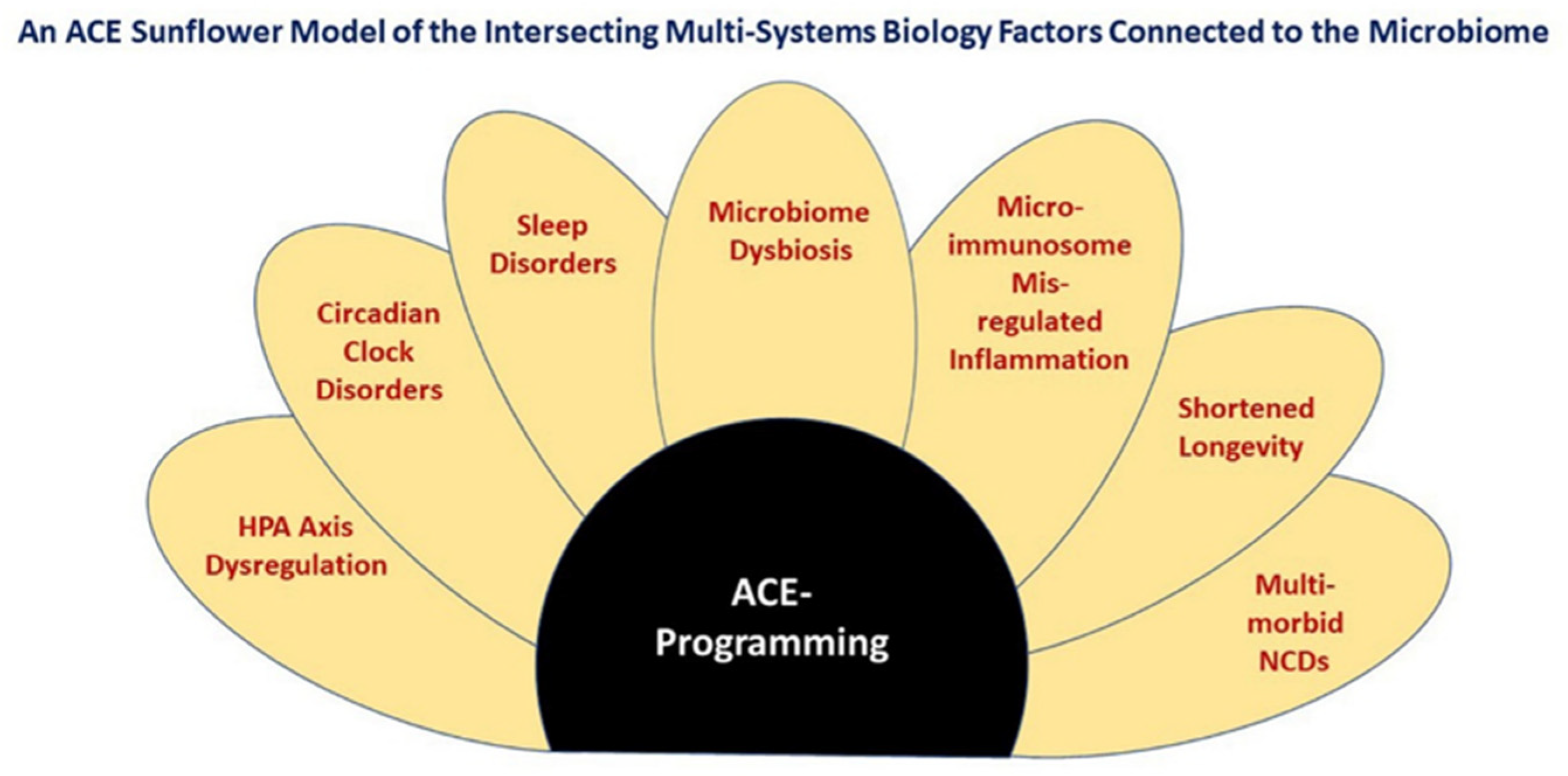

Publisher’s Note: MDPI stays neutral with regard to jurisdictional claims in published maps and institutional affiliations. |
© 2022 by the authors. Licensee MDPI, Basel, Switzerland. This article is an open access article distributed under the terms and conditions of the Creative Commons Attribution (CC BY) license (https://creativecommons.org/licenses/by/4.0/).