


Abstract
Green walls, as part of nature-based solutions, have been implemented in urban environments, enhancing energy efficiency, thermal regulation, biodiversity, environmental quality, and human well-being. Despite these benefits, green walls’ environmental performance across their life cycle is reported inconsistently in the literature, limiting robust comparisons and evidence-based decision-making in the built environment. This review synthesizes current knowledge on the environmental performance of green walls, living wall systems, and active living walls, including systems that improve indoor air quality and enable water reuse. A systematic literature review was conducted following PRISMA guidelines using the databases ScienceDirect, Scopus, and Google Scholar. The results show that methodology gaps in life cycle assessment (LCA) studies of living wall systems restrict their applicability for evidence-based design and specification. Future research should integrate embodied and operational impacts in scenario-based and sensitivity analyses considering plant selection, irrigation strategies, maintenance regimes, replacement rates and service-life assumptions. More focus should be given to tropical cities to understand the impact of climate, water demand, vegetation performance. and maintenance intensity. These improvements would lead to more comparable, context-sensitive, and design-oriented LCA evidence for sustainable building applications.
1. Introduction
Nature-based solutions (NBSs) integrated into wall systems can improve energy efficiency, regulate the temperature of the immediate environment, reduce wind speed, enhance biodiversity, and improve indoor air quality performance in densely populated urban environments [1,2,3,4,5]. Human health and environmental quality are closely linked [6,7]. Urban green spaces such as parks and residential green spaces can help promote physical and mental health, provide psychological relaxation, and relieve stress [1]. However, despite the benefits, evolution, and advantages of green walls, a deeper understanding of their environmental contributions and impacts must be considered so that these systems can be used on a larger scale and with a more precise identification of their environmental impact [8,9,10,11].
As part of an NBS, the vertical greenery system (VGS) involves any way to set plants in a building façade [12]. Traditionally, these systems consisted of climber plants that climbed directly on the material façade [13]. Green walls can be categorized into three main types, depending on their composition and the growing condition of their plants: direct green, indirect green, and living wall systems (LWSs) [14,15,16,17]. The literature increasingly frames VGS as an engineered multiservice infrastructure—treatment-oriented living walls acting as compact vertical nature-based systems for greywater reuse, where performance depends on hydraulic regimes and media composition [18,19], as well as indoor active living wall (ALW) systems designed as engineered Indoor Air Quality (IAQ) devices, in which active airflow architecture and operational settings drive pollutant removal [20]. Framing these families explicitly is a methodological prerequisite because each implies different functional units, maintenance intensities, and life-cycle boundary logics; conflating them makes sustainability claims boundary-driven rather than evidence-driven [21,22,23].
Life cycle assessments (LCAs) are tools for quantifying the environmental burdens associated with products and activities throughout their entire life cycle [24]. These tools have been applied in buildings to aid project decision-making, focusing on energy consumption and impacts on their life cycle [25,26,27,28,29,30,31,32]. Other studies have also been carried out on vegetated surfaces in built environments [33,34,35]. These studies provide information on the environmental impact of different green walls, identifying those types of green wall systems and stages of the LCA that generate greater or lesser environmental impacts [36,37,38,39,40].
Early comparative LCAs on green façades and living wall systems established that material-intensive subsystems and maintenance can dominate impacts, motivating more standardized assessments across typologies and climates to be carried out [41]. These findings are informative; however, a recurring source of redundancy and comparability failure in green wall LCA reviews involves treating “green walls” as a homogeneous intervention category. Differences in system boundaries, modeling of water subsystems, transport, and maintenance assumptions are reported. As a result, LCA findings are often based on context specific scenarios that may not be transferable to tropical and subtropical cities [42]. This topic is highly relevant because of the growing interest in the large-scale use of VGSs and NBSs in the building environment [1,43,44,45,46,47].
The purpose of this review is to critically integrate existing knowledge of the environmental performance of green walls in the built environment by analyzing how methodological specifications influence reported impacts and their comparability across studies. Performing a structured literature review following PRISMA guidelines [48], this review evaluates the existing knowledge with attention to system definition, location of the studies, service life, functional unit, system boundaries, and methodological choices. By identifying key methodological drivers of impact variability, as well as context evidence gaps, this review aims to enable the identification of opportunities to enhance the LWS sustainability and provide robustness and decision relevance, supporting evidence-based design and planning for sustainable building environments.
2. Materials and Methods
A systematic literature review on green walls and LCA was carried out in this research study. This review was justified to identify gaps and opportunities for enquiry into the concept of a circular economy, specifically in life cycle assessments related to green walls. The following questions were formulated to guide this study:
- How have system boundaries, methods, impact assessment approaches, and scenarios been specified in LCA studies of green walls?
- What system components and inventory data collection have been considered in LCA studies of green walls?
- What critical gaps persist in LCA studies of green walls, and how can future research support evidence-based design, specification, and planning in sustainable buildings?
For the appraisal of the studies, the following information was considered for the assessment of the resources: author, location, type of system, service life, functional unit, stages analyzed, and the scope of the assessment. The review protocol follows ISO-aligned LCA principles to ensure transparent goal-and-scope framing when synthesizing the environmental impacts and energy-related benefits reported for green wall systems.
Inclusive and/or exclusive combinations of keywords were used to improve the search parameters and documentation, privileging the advanced search within the article title, abstract, and keywords. The analysis was supported by synoptic matrices to correlate the information and analyze it according to variables and categories.
2.1. Search Strategy
The literature review was supported by synoptic matrices to correlate the information and analyze it according to variables and categories [49]. To minimize the omission of design and component-specific LCA evidence, the search strategy explicitly targeted ‘living wall systems’ and ‘life cycle assessment’ terms aligned with established LWS LCA studies [10].
The most common terms related to green walls are “green façade” [50,51,52,53,54], “green wall” [15,55,56], “living wall system” [57,58,59,60], “vertical garden” [61,62,63,64], “vertical greenery system” [65,66,67,68], and “VGS” [69,70,71]. The 6 terms related to green walls were combined with the following aspects: “Life Cycle Assessment” [4,10,44,59], “energy saving” and “environmental impact”. Like other review articles [9,72,73,74], we used ScienceDirect, Google Scholar, and Scopus databases for the literature search. The search was performed with the following filters: “keyword, abstract, title” and “articles with these terms”.
This research resulted in 1322 articles found, 3 aspects searched, 6 terms referring to green walls and 18-word combinations. The search was first conducted in June 2025 and renewed in January 2026 to cover additional published studies. The Preferred Reporting Items for Systematic Reviews and Meta-Analyses (PRISMA) guidelines were used as a reference framework to structure the reporting of the review process, particularly for defining selection criteria and transparently describing the search, screening, and synthesis of the included studies. Table 1 presents the results of the search in the ScienceDirect database with the filter “articles with these terms” with the keywords “vertical garden”, “vertical greenery system”, “VGS”, “green façade”, “green wall”. and “living wall system” (LWS).
Table 1.
Search results using the filter “articles with these terms” with the words “vertical garden”, “vertical greenery system”, “VGS”, “green façade”, “green wall”, and “LWS”.
2.2. Inclusion and Exclusion Criteria
Eligibility prioritized peer-reviewed studies that explicitly reported functional units, system boundaries, and life-cycle stages for VGS/LWS, reflecting the comparability requirements emphasized by recent methodological syntheses in the field [33]. Table 1 shows the results of the searches in the ScienceDirect, Scopus, and Google Scholar databases using the keywords vertical garden, vertical greenery system, VGS, green façade, green wall, and living wall system (LWS), respectively. The selected keywords were combined with search terms related to life cycle assessment, energy savings, and environmental impact using Boolean operators.
2.3. Screening Process
Figure 1 summarizes the keyword combinations and thematic aspects used to structure the literature search across the selected databases. The search strategy was mainly based on the Boolean operator AND, which made it possible to combine core concepts and narrow the results to studies aligned with the objectives of the review. In ScienceDirect, searches were refined using the advanced search option “Title, abstract or author-specified keywords”; in Scopus, the query was applied to the article title, abstract, and keywords fields. In Google Scholar, the same combinations were used in the general search field, considering the broader and less structured nature of this database. An overview of the selected studies was conducted to obtain the current LCA data and determine the environmental impact on green walls. A total of 60 papers ultimately met the search criteria; non-peer reviews were eliminated, and duplicates and out-of-the-topic references were removed, as shown in Figure 1.
Figure 1.
Adapted PRISMA flow diagram for the selection process. Created by the authors following the PRISMA 2020 framework.
The methodological quality of the included studies was assessed using the Joanna Briggs Institute (JBI) critical appraisal tool for analytical cross-sectional studies. It considers different aspects of validity including internal validity (e.g., selection bias, measurement bias, confounding), statistical conclusion validity, and completeness of reporting. Each study was independently assessed against pre-determined criteria, including the setting, exposure variables, and outcome measurements, with contextual conditions being clearly reported, i.e., moderate when the study reports performance outcomes but lacks sufficient control of climatic, operational, or system-specific confounders.
2.4. Data Extraction and Analysis
After the eligibility screening, all included studies were systematically charted using synoptic matrices to support structured comparisons and category-based analysis. For each paper, a standardized set of variables was extracted as reported by the authors: (i) author; (ii) study location; (iii) type of system; (iv) service life; (v) functional unit; (vi) life-cycle stages analyzed; (vii) scope; (viii) environmental impact assessment methodology; and (ix) software and database used. This structured extraction enabled consistent mapping of methodological decisions across the final set of included studies and facilitated the identification of recurrent patterns and outliers.
In addition to bibliographic fields, variables that govern interpretability and reduce false aggregation were extracted: (i) service family (envelope/energy vs. greywater treatment vs. IAQ); (ii) functional unit definition (area-based versus service-based); (iii) water subsystem descriptors (irrigation demand and source pathway; treatment/pumping assumptions where circular-water narratives are invoked); (iv) engineering descriptors (media recipe, replacement frequency, hydraulic loading rate, airflow architecture, and operating mode for ALW); and (v) event-based maintenance/replacement cycles rather than a single annual scalar. For synthesis, recycled-content and end-of-life assumptions are treated as explicit scenario variables, and uncertainty is propagated where recyclability is constrained by material-system realities [75,76,77,78].
A coding scheme was then applied to harmonize reporting differences across studies, particularly regarding typology (e.g., green façades vs. living wall systems), system-boundary definitions, and the denomination of life-cycle stages. The studies were grouped and cross-tabulated according to the extracted categories to construct correlation matrices (e.g., typology × scope; scope × stages; LCIA method × reported impact focus).
The synthesis followed a qualitative, evidence-mapping approach supported by tabulation and a descriptive comparison, given the substantial heterogeneity in functional units, system boundaries, and LCIA methods that limits the feasibility of a formal meta-analysis. The resulting synthesis is reported through correlation tables and narrative interpretation, highlighting methodological convergence/divergence and the stages/components most frequently associated with greater environmental burdens.
Before applying the quality appraisal framework, the reviewed references were classified according to their methodological role in the review. This step was necessary to avoid treating all sources as equivalent evidence and to clarify how each group contributed to the methodological synthesis, interpretation of results, and identification of research gaps. Table 2 summarizes the classification of references, their function in the review, and the predominant geographical context of the studies. The geographical context was classified according to the explicit case-study location, climatic context, or dominant regional focus reported in each source. When no empirical location was specified, the source was classified as international, methodological, or review-based. This classification shows that the reviewed evidence is predominantly concentrated in European, Mediterranean, and temperate contexts, while tropical urban contexts remain under-represented.
Table 2.
Classification of references according to their methodological role in the review.
3. Results
The following sections present the most relevant findings on the assessment of the environmental performance of green walls. As mentioned before, the studies were subdivided into three categories for analysis. The first corresponds to studies that performed LCA on green walls; the second to those studies that assessed energy savings on green walls; and the third corresponds to those studies of environmental impacts on green walls.
3.1. LCA
Across Scopus-indexed studies, the state of the art shows a shift from single-case evaluations toward typology-aware comparisons and improved reporting of inventories and boundary assumptions [50]. Recent life-cycle thinking in adjacent application families highlights that “green wall sustainability” can pivot on foreground parameters that are routinely under-reported when studies are synthesized at a generic typology level. For multifunctional systems delivering treatment or IAQ services, conclusions depend on how operational flows (water recirculation/pumping; airflow energy) and replacement events (media aging and renewal; module and component renewal) are represented. Consequently, environmental rankings are scenario-dependent and cannot be generalized across “green walls” unless functional units and boundaries are explicitly aligned with the service being assessed [21,22,23]. Correlation mapping indicates that methodological decisions (e.g., the LCIA method, foreground data granularity, and maintenance modeling) systematically covary with reported impact hotspots [41].
According to the European Commission, LCA is defined by ISO 14040 as the compilation and evaluation of the inputs, outputs, and potential environmental impacts of a product system throughout its life cycle. Such impacts refer to a wide range of categories, the so-called impact categories. Environmental impacts are the consequences of human intervention on the environment, physical, chemical or biological effects, such as resource extraction, emissions, and land use [79,80]. This study considered articles with green walls implemented on a real scale and in prototypes, following ISO 14044 [111,112].
3.2. Classification
Green wall system classification is operationalized through typology distinctions (green façades vs. living wall systems) because these categories drive inventory composition and comparative outcomes [45]. A defensible classification overlay should separate construction/system types from application families. In practice, this means distinguishing envelope-centric vertical greening from functionalized systems that provide treatment services (greywater polishing/reuse) and IAQ services (indoor botanical biofiltration under active airflow). This classification supports commensurate comparisons because it makes explicit which subsystems are constitutive (media/hydraulics; airflow architecture) and prevents the import of envelope-centric assumptions into infrastructure-like or device-like systems [18,23,75].
The classification of the articles was performed considering the following categories: type of system, service life, functional unit, stages of the LCA, scope, environmental impact methodology, and software and database. For the environmental impact, the most assessed category was Global Warm Potential (kg CO2 eq. GWP 100a). The articles were presented according to the following stages: production, construction, use, and disposal [80,82]. The inventory data collection of the different kinds of green wall systems considered the following aspects: the components, the weight (kg/m2), the distance (km), and the service life (years) [83,113].
3.3. Studies on Green Walls and LCA
A recent review that focused on green walls’ LCA studied five authors and included the following categories: life-cycle phases, functional units, databases, LCIA methods, system types, climate types, and orientations. Despite the limited number of papers analyzed, many variations, mostly in terms of methodological choices, were found, and studies also found a lack of available and validated scientific data [9]. LCA applications on living walls increasingly quantify cradle-to-grave burdens while stressing the relevance of design-specific inventories for robust interpretation [10].
Green walls were classified into three types according to previous methods [8,85,93] to provide a better understanding of the variety of green walls that are mostly implemented and analyzed.
Direct green: This type includes systems that can grow directly to the vertical component in a homogeneous green enclosure solution. The growing material is essentially substrate soil, which uses ground water and climbing plants [14,15,16,17,86].
Indirect green: This classification includes indirect vertical enclosures that use structural support members and systems/panels. This type of soil can use substrate or potting soil. There are also indirect green systems with planter boxes and irrigation systems with tap water and nutrients. The vegetation in both types of indirect green mostly includes climbing plants [7].
Living wall systems: This category includes the most complex type of green walls. It is composed of structural support, waterproofing materials such as PVC foam plates, a support system/panel that can be felt, HDPE planter boxes, growing material that can be substrate soil or artificial substrate, and an irrigation system with water demand of tap water nutrients and vegetation that can vary between climbing plants and shrubs [41].
Active living wall: This is the most advanced form of living walls, acting as an air purification method, reducing indoor particulate matter (PM10 and PM25). Unlike conventional LWS systems, this design incorporates an air chamber positioned at the rear of the structure. An axial fan installed at the upper section actively extracts hot, contaminated air, thereby promoting controlled airflow within the plant rhizosphere. Additionally, the system typically integrates LED lighting to adequately satisfy internal illumination requirements [22,23].
The literature on treatment living walls and indoor ALW extends life-cycle interpretation beyond “green envelope” framing. Greywater-focused work positions the system as a vertical nature-based treatment unit, where pollutant removal depends on media engineering and hydraulics and where leaching/secondary releases can confound apparent removal if not monitored and reported. In parallel, ALW studies treat the system as an IAQ device; life-cycle outcomes depend on the material composition and scenario choices (including recycled-content assumptions), highlighting multicategory trade-offs rather than single-metric “green” claims. These streams motivate a synthesis stance in which service delivery is treated as primary and life-cycle accounting is forced to preserve operational architecture and replacement trajectories [18,19,20,21,22,23].
Table 3 presents the studies that focused on the LCA of green walls, considering the following categories: location and type of system, service life, functional unit, life-cycle phases, scope, environmental impact methodology, and, finally, software and database.
Table 3.
Green walls and LCA correlation studies.
The European locations predominate in correlation studies. A service life between 3.5 and 50 years has been found and is influenced mostly by the replacement of plants in planter boxes (LWSs) and felt layers (LWSs). In terms of the system boundaries, the most common stages analyzed are manufacture (production), construction, maintenance, and disposal; therefore, the most common stage selected by the authors was the cradle-to-cradle stage, followed by the cradle-to-gate stage.
The most prevalent environmental impact methodologies used in the studies, included in Table 2, are CML [84,115,116], ReCiPe, and the International Reference Life Cycle Data System (ILCD). Some authors continue to follow the environmental impact methodology, and some of the inventory data were collected as suggested by Marc Ottelé in 2011 [8]. Only a few studies [86,97] have focused exclusively on global warming potential, expressed as CO2 equivalent (CO2 eq.) emissions; other studies have considered a broad spectrum of categories depending on the environmental impact methodology selected. There is also a broad spectrum of software and databases used for LCA; the most used are the Ecoinvent® [14,85,114], GaBi [17,88], and Simapro [89] databases, as well as the Dutch National Environmental Database compiled by the Dutch Institute for Building Biology and Ecology (NIBE) [8,16].
3.4. Studies on System Components and Inventory Data Collection
Figure 2 summarizes the inventory information reported in the reviewed studies. The data were disaggregated at the component level to preserve methodological transparency and to facilitate a comparison across green wall configurations. Due to heterogeneity in the LCA, the material quantities (kg/m2), the distances (km), and service life (years) assumptions values are reported as ranges. These should be interpreted as indicative of variability across studies rather than directly comparable metrics. The figure also provides a graphical synthesis of the main green wall configurations identified in the review, including their most common components and the authors associated with each publication. The inventory data collection figure reveals the existence substantial differences in material intensity across LWS typologies. Indirect LWS generally present lower component weights, ranging from 4.3 to 8.6 kg/m2, while felt layer LWS show higher values ranging from 13.3 to 42.7 kg/m2. Active living walls present the highest reported material intensity, with values between 55.9 and 136.9 kg/m2. Such differences have direct implications for embodied impacts, particularly when high-mass supporting structures, irrigation systems, mechanical components, or replacement-intensive layers are included. In addition, service-life assumptions ranging from 3.5 to 50 years strongly affect annualized impacts and can alter the apparent environmental performance of each system. A system with high initial material intensity may show lower annualized impacts if modeled over a long service life, whereas a lighter system may perform less favorably if frequent replacement of plants, substrates, membranes, or irrigation components is required. Therefore, component weight, replacement rate, transport distance, and assumed service life should be interpreted jointly rather than independently.
Figure 2.
Inventory data collection of the analyzed green wall systems. The values were aggregated (means) and summarized to streamline the data processing and analysis [8,16,22,35,84,85,86,89,117,118]. Created by the authors based on data extracted from the included studies.
In general, the systems that have the highest weight (kg/m2) are the felt layer, plastic-based, and mineral wool LWSs. The same trend applies to distance (km), where the LWS has the most significant impact on material transportation. Component-level inventories (support structures, substrates, irrigation, and replacement cycles) are repeatedly identified as decisive contributors to total impacts in green wall LCAs [17].
3.5. Studies on Green Walls and Energy Savings
The initial studies on the matter of green walls and energy savings focused on establishing that there was not enough data to support green façades as an energy saving method for the built environment. Energy performance became the most assessed topic in subsequent years for modeling the energy consumption of building façades, demonstrating that energy performance is more explored in warm climates [33,98,99,100,101,102]. More recently, other studies have centered the scope of the study either on assessing the effect of green walls also on winter, or the correlation between the coverage rate and the surface-averaged shading coefficient or exploring the economic value [103,104,105,109]. Evidence on operational-energy effects is consolidated through widely cited VGS energy-saving syntheses that emphasize climate, orientation, and system configuration as first-order drivers [33].
When treatment or IAQ services are introduced, energy savings should not be rhetorically added as a universal co-benefit. Functionalized systems behave as infrastructure-like or device-like systems, where operational energy may be non-negligible and must be accounted for explicitly under service-aligned boundaries; otherwise, “net benefit” narratives become boundary-driven [23].
3.6. Environmental Impact and Inventory Data Collection
The selection of the material and the maintenance of the green wall considerably affect the total environmental impact [8,22,81,85]. Therefore, it is important to address recycled materials such as aluminum frames for the technological support of modules, industrial waste for plastic boxes, and organic substrates [81,111,112]. The greatest environmental damage (48.2%) was attributed to the steel frame present in the LWSs, and the importance of disposing of these components was highlighted [14]. A minimum of 10 years of service life demonstrated an environmental payback of 4.6 years, which was followed by years of gain in benefits [82]. Modeling extensions should explicitly propagate uncertainty from foreground inventories and background datasets to avoid overconfident comparisons across systems [14].
3.6.1. System Boundaries of the Analyzed Systems
In relation to the LCA stages, the production of green walls had the most environmental effects during the life cycle, and the choice of suitable plants according to the climatic conditions, growing medium, and irrigation system (nutrient) was related to the minimization of the negative effect of the use stage [36]. The inventory composition should be reported at various component granularities (structure, substrate, irrigation, vegetation, and maintenance) to make hotspot attributions auditable [13]. When greywater reuse or circular-water narratives are asserted, boundaries must include the burdens required to deliver the service (treatment, pumping, and associated operations where applicable). When ALW is included, boundaries must include active architecture and operational energy consistent with IAQ service delivery. Circularity claims should specify which circular economy target is evaluated and include end-of-life explicitly; otherwise, conclusions risk becoming boundary-driven rather than evidence-driven [18,23,77].
Some studies concluded that the use of foreign databases leads to miscalled results since different regions have different energy resources and different production methods [91,106,110]. It was also noted that the majority of the studies were carried out in European counties, which have their own databases or uses ones that are similar to their specific conditions (see Table 2). System boundaries should be consistently declared (e.g., cradle-to-gate vs. cradle-to-grave) because boundary truncation materially alters conclusions for LWS. The use of different system-boundary approaches has direct implications for the interpretation of LCA results. Cradle-to-gate analyses mainly consider extraction, manufacturing, and production phases of materials which might underestimate the importance of maintenance, replacement, operational energy, irrigation, and end-of-life processes. Cradle-to-grave analyses offer a more comprehensive life-cycle perspective, but require more assumptions about service life, replacement, and end-of-life scenarios. Finally, cradle-to-cradle approaches introduce circularity assumptions related to reuse, recycling, or material recovery, which could further alter the distribution of environmental burdens and hotspots. Therefore, caution must be stablished to compare studies with different system-boundary approaches.
Recycling scenarios of green walls have been proven to reduce the environmental load from 5598 to 2046 kg CO2 eq. GWP 100a [36]. Examples such as the Geogreen modular system, which incorporates industrial waste materials and industrial sub products, have been proven to improve performance in terms of environmental burden, global warming, human toxicity, and freshwater aquatic ecotoxicity [88]. Several studies have been conducted on the beneficial effects of greening building façades [17,52,53,107]. Some of the beneficial effects addressed were both acoustic and sound-decay time indicators, encompassing the mitigation of the UHI effect and the optimization of energy efficiency [94,95]. Nevertheless, some gaps are reported, particularly concerning the environmental impact, cost of construction, policies, and indices that encourage the implementation of VGS [92,96]. Some studies have explored circular-economy-oriented material choices for VGS, particularly in relation to growing media. For instance, De Lucia et al. [108] presented an alternative substrate composed of loam soil and rice husk that was used as an agricultural by-product from the rice milling process. This choice was inspired by the principles of a circular economy to reduce the environmental impact and costs of the substrate used in greening building façades.
3.6.2. GWP
The life-cycle phases or stages considered were production, construction, use, and disposal. The GWP over 100 years (kg CO2 eq. GWP 100a) category was commonly used and analyzed in correlation studies [14,16,86,88,89] to measure the amount of CO2 eq. emissions per 1 kg of material in different phases. For multifunctional systems, GWP interpretation becomes boundary- and scenario-sensitive. Greywater treatment living walls may shift burdens toward operational inputs (e.g., recirculation/pumping where applicable) and media replacement cycles, while indoor ALW systems may introduce operational energy and material-intensive module assemblies whose impacts depend on material choices and recycled-content scenarios. Therefore, climate-related conclusions should be presented as conditional on explicit boundaries and scenarios rather than as intrinsic properties of green walls as a generic category [18,21,22,23,106]. GWP outcomes are frequently dominated by embodied contributions from structural and irrigation-related components, reinforcing the need for high-resolution foreground inventories [15].
4. Discussion
The reviewed literature frames green walls as a family of nature-based façade systems assessed through LCA to quantify environmental burdens across the full life cycle [24]. To reduce conceptual ambiguity, studies can be organized by the prevailing typology model used in the field: direct green façades, indirect green façades, and LWSs [14,15,16,17,86], including ALW [14,15,16,17,22,86]. This typology matters because it governs component intensity (mass per unit area), auxiliary inputs during use (irrigation and nutrients), and replacement dynamics, which collectively drive cross-study variability. Recent indexed scholarship calls for harmonized ‘uniform outlines’ to enable commensurate environmental impact assessment across VGS applications and modeling choices.
Across the included studies, system service life spans are largely conditioned by replacement cycles. A common analytical assumption is the use of a 1 m2 functional unit to normalize comparisons, aligned with ISO-based LCA practices [16,28,36,39,85,88,89,91,119]. However, boundary conditions remain heterogeneous: authors adopt different scopes (most frequently cradle-to-cradle followed by cradle-to-gate), and they apply inconsistent nomenclature for life-cycle stages, which complicates direct comparisons of system boundaries and the attribution of hotspots to specific phases [8,14,17,36,85,89,97,117,118].
Despite methodological dispersion, several convergent findings emerge: First, production and construction/manufacture phases are most frequently reported as the dominant contributors to environmental impacts, particularly for more component-intensive systems (e.g., LWS), where structural supports, polymeric layers, and specialized panels increase embodied impacts. Second, inventory assumptions, especially total system weight (kg/m2), transport distances (km), and component service life, are decisive: heavier LWS configurations (felt layers, plastic-based systems, and mineral wool LWS) concentrate higher material burdens and are also associated with greater transportation relevance due to longer or more complex supply chains. Third, the use phase is highly sensitive to operation and maintenance practices (irrigation water, nutrient inputs, plant replacement intensity), which introduce substantial uncertainty when such practices are not reported consistently or are modeled using generic assumptions [8,14,16,39,86,89,90,97,114].
Several studies warn that using foreign background databases may lead to misleading results because energy mixes and production technologies vary by region; therefore, transferability outside the study context is conditional and should be treated explicitly [27,32,42,120,121,122,123,124,125,126]. Finally, transport modeling is a major boundary-condition uncertainty: it is sometimes excluded from minimizing uncertainty, yet it can materially influence total results, especially for heavy, multicomponent systems [14,85,86,88,97]. Taken together, the state of the art supports thematic synthesis in which typology (direct/indirect/LWS/ALW), system boundary definition (scope and stage inclusion), and inventory data provenance (local vs. foreign datasets) function as the primary “model family” axes that explain divergence in reported environmental performance [26,27,32,42,123,127,128,129].
4.1. Green Wall Typologies and System Definitions for LCA
A consistent typological definition is a prerequisite for interpreting and comparing LCA results across green wall studies. Typology directly determines component intensity, auxiliary inputs, and replacement dynamics [41,87,130,131,132].
LWSs represent the most complex configuration and are generally composed of multiple layers and components (structural support, waterproofing materials, supporting panels such as felt or HDPE planter boxes, growing media, natural or artificial substrates, and an irrigation system and vegetation) [133]. LWSs typically concentrate the highest component density and material diversity, increasing sensitivity to inventory assumptions such as total system weight (kg/m2), transport distances (km), and service-life/replacement schedules for plants and functional layers, which directly affect LCA results [41,93,132,134,135,136,137,138].
For life-cycle interpretation, typology must be encoded at two levels: construction type (which subsystems exist) and service family (what the system is intended to do). For living walls to be treated, the system definitions must include media/reactor logic, hydraulic loading regimes, and replacement/aging trajectories. For ALW, the system definition must include the active airflow architecture and the material composition of the module assembly. This system definition is required to preserve comparability and to support scenario modeling of circularity and end-of-life without collapsing distinct drivers into a monolithic “green wall” archetype [23].
4.2. System Boundaries, Service Life, and Comparability
A dominant limitation is cross-study noncomparability driven by heterogeneous system boundaries, inconsistent denominations of life-cycle stages, and typology ambiguity (direct/indirect/LWS). Even when studies nominally adopt ISO-consistent LCA steps [126,129], the practical implementation of ISO-consistent LCA varies substantially: cradle-to-gate vs. cradle-to-grave vs. cradle-to-cradle are not only different “labels”, but they also embed different causal stories about what counts as burdens and credits [36,91,117,133,139,140,141]. This leads to a fundamental interpretability problem: two studies can report similar midpoint results while modeling dissimilar processes; conversely, they can report divergent results simply because one included operation and maintenance (O&M) and end-of-life (EoL) while the other did not [14,142,143].
Model misspecification arises when typology-specific processes (e.g., irrigation control, substrate replacement, or structural subassemblies) are simplified or excluded, biasing hotspot identification [39,89,119,139]. Model misspecification occurs when service-driven systems are modeled with envelope-centric assumptions. Treating greywater systems as passive envelope add-ons or treating LWSs as passive vegetation panels can misidentify dominant drivers, distort hotspot rankings, and generate non-falsifiable sustainability claims [133]. The reported service life spans wide ranges and is driven by the replacement of plants and functional layers. If replacement schedules are treated as fixed rather than stochastic (or climate dependent), the model can be systematically biased toward underestimating O&M burdens. In living systems, degradation and mortality are not noise; they are governing processes [18,23,106]. Service life of LWS is influenced by material selection due to their exposure to different degradation processes. For instance, a supporting structure may be affected by corrosion, while polymer parts and irrigation pipes can degrade from thermal changes [88,108]. Geotextiles can lose their performance from biological activity or root interaction. Substrates may require partial replacement depending on nutrient depletion, or plant health [108]. As a result, material choice influences must be considered not only in the initial embodied impacts, but also in the O&M over the entire life cycle.
A recurrent inconsistency is the treatment of transport. It is sometimes excluded to reduce uncertainty but simultaneously acknowledged as influential [8,17,89,114]. This indicates a deeper boundary-condition problem: uncertainty is managed by omission rather than by scenario design (ranges, sensitivity tests). For heavy, multicomponent systems, transport can materially affect totals; excluding it shifts the apparent hotspot toward production, potentially distorting design priorities [90,110,144].
“Reduce–reuse–recycle” scenarios are often suggested [88,96,145], but they are rarely modeled with sensitivity analysis, considering allocation rules that are transparent and consistent (cutoff vs. substitution vs. allocation at end-of-life). Without explicit allocation choices, circularity claims remain qualitative. This approach is particularly critical for polymeric components, composites, and multi-material assemblies where real recycling rates and pathways are uncertain [8,14,86,89].
4.3. Inventory Data Limitations and Background Dataset Dependence
Inventory quality is the principal bottleneck. Many studies rely on secondary (background) datasets for materials and processes, while primary data on green wall-specific components (felt layers, modular panels, waterproofing assemblies, irrigation subsystems, substrate blends, and plant production) remain scarce or inconsistently documented [133,146,147]. The use of foreign databases can produce misleading results [42]; this is not a marginal caveat but rather a central transferability risk because electricity mixes, manufacturing efficiencies, transport logistics, and end-of-life pathways are highly regional [122,123,125,148]. Consequently, two studies with identical foreground bills of materials may produce systematically different impacts purely because of background dataset choices, undermining cross-context inference.
Inventory completeness remains a bottleneck, as background dataset choices and missing maintenance flows can dominate the variance in the calculated impacts [9,149,150]. Key missing data elements repeatedly observed include component mass per functional unit (kg/m2) reported transparently by layer; transport distances and mode splits; water, nutrient, and energy use for irrigation and maintenance; and empirical replacement rates for plants and functional layers under real operating conditions [8,16,39,91].
Inventory quality is constrained when media and operational architecture are treated as generic background proxies. Treatment living walls require explicit representations of media composition, replacement, and leaching risk as foreground processes, while ALW requires explicit material inventories and operational architecture. Background dataset dependence becomes critical when recycled-content and end-of-life credits are assumed rather than scenario-tested, particularly given known limits in recycling systems and recovery realities across material families [23].
4.4. Implications for Practice and Research
A second bias arises from typology-driven component intensity [14,36,91,117,126,129,133,139,140,141,142,143]. As mentioned before, LWSs typically contain more layers, polymeric products, and dedicated supports than direct or indirect green façades; therefore, stage dominance (production vs. O&M) can reflect typology more than methodological agreement [22,36,39,138,139]. Without explicit harmonization of system descriptions and a minimum reporting set (mass, component list, replacement cycles), conclusions about “hotspots” risk becoming typology-proxy statements rather than generalizable findings. Comparability is constrained by heterogeneous service-life assumptions and by the LCIA method, which can invert hotspot rankings across otherwise similar systems [41].
4.5. Research Gaps and Open Problems
Key gaps persist in harmonized reporting, typology-specific foreground datasets, and robust coupling of operational energy effects with cradle-to-grave burdens [33]. Actionable gaps include standardized reporting of media recipes, hydraulic regimes, and leaching indicators for treatment living walls; standardized IAQ performance protocols linked to operational descriptors for ALW; and open, subsystem-resolved inventories with explicit maintenance events and end-of-life scenarios. In addition, circularity narratives require explicit target mapping and realistic recycling constraints to avoid idealized credits [19,21,23,77,78,106].
Figure 3 presents a conceptual framework that synthesizes the methodological gaps identified across LWS life-cycle stages and methodological gaps. The framework identifies eight inter-related types of gaps (G), corresponding to the key phases of LCA, according to ISO 14044 principles and framework, and their implications for study comparability and design relevance. Rather than treating methodological limitations as isolated issues, the proposed framework emphasizes the cumulative and inter-dependent nature. G1 refers to inconsistencies in goal and scope definition, including G1.1 general typologies of LWSs; inconsistency in the system boundaries’ definition; and the exclusion of critical phases of the entire life cycle. G2 refers to the LCA inventory gaps, including G2.1’s limited selection of impact categories, and G2.2’s incomparable LCA methods. G3 refers to temporary and context assumptions of LCA, and G3.3 is related to lack of studies in tropical cities. G4 refers to the difficulty in comparations of LCA studies. G4.1 is related to the lack of methodological standardization. G4.2 is related to the lack of specific-context databases, and G4.3 refers to a non-normalized system definition of the LWS. Finally, G5 is related to the interpretation phase, and to the designs’ transferability from the LCA results to the improvement of the system environmental performance. G5.1 is related to the lack of translation to design variables. G5.2, G5.3, and G5.4 refer to lack of trade-off analysis; cleaner production strategies; and sensitivity analysis, respectively. The greatest concentration of gaps occurs in the Life Cycle Inventory (LCI) phase. This indicates that the main methodological challenge in LWS studies lies not only in the selection of impact assessment methods but also in how inventories are constructed, reported, and justified. Critical inventory variables include material composition, component weights, transport assumptions, maintenance requirements, service life, replacement rates, water and energy use, and other operational assumptions. When the LWS life-cycle stages are considered, the greatest number of gaps is found in the use and maintenance and end-of-life stages, followed by transport and installation. This finding is consistent with the literature retrieved in this review, as the greatest uncertainties in LWS studies tend to be associated with vegetation replacement rates, the service life of functional layers, maintenance practices, irrigation requirements, energy consumption, end-of-life treatment, recyclability, and circularity scenarios.
Figure 3.
Correlation matrix linking of LWS life-cycle stages (ISO 14044) and methodological gaps. Created by the authors based on data extracted from the included studies.
4.6. Review Limitations
The reviewed studies differ considerably in their system boundaries, functional units, life-cycle stages, LCIA methods, service-life assumptions, and inventory completeness. These differences limit direct comparability among results and restrict the possibility of developing a fully harmonized quantitative meta-analysis. Many studies do not report complete foreground inventory data, uncertainty analysis, sensitivity analysis, or detailed maintenance and replacement assumptions, thus preventing independent validation or recalculation of their results. Thus, the conclusions of this review should be understood as a structured synthesis of methodological patterns and gaps found in the available literature, rather than a normalized comparison of environmental performance across all green wall systems.
Although 1 m2 is the most common functional unit in the reviewed literature, this area-based reference may not fully capture the performance of multifunctional systems. Active living walls, biofiltration systems, and greywater treatment-oriented living walls provide services that exceed surface coverage, including air treatment, pollutant removal, thermal regulation, and water treatment. For these systems, service-based functional units such as kg of pollutant removed, m3 of treated air, m3 of treated greywater, or annual thermal-energy reduction may provide a more functionally meaningful basis for comparison. Therefore, future LCA studies should consider a combination of area and service-based functional units for evaluating multifunctional green wall systems.
5. Conclusions
A central limitation of the evidence base is methodological and reporting heterogeneity. Studies employ different green wall systems, background databases, and inventory assumptions, and they adopt heterogeneous scopes (e.g., cradle-to-cradle, cradle-to-gate, or cradle-to-grave). Inconsistent stage denomination further complicates system-boundary comparison and synthesis. Transport remains a particularly critical boundary-condition issue: it is frequently excluded to avoid uncertainties and inequalities, yet it can materially influence overall impacts, indicating that transparent scenario definition is preferable to omission. The results are sensitive to the selection of environmental impact methodologies and software/databases. Foreign background datasets can report misleading outcomes; therefore, context-aware modeling and prioritization hooking into local conditions and regional data are necessary to improve transferability, a holistic point of view, and a life-cycle perspective.
Across typologies, production and construction are most frequently reported as the stages with the highest environmental effects, with LWS often exhibiting the highest component intensity and, consequently, the greatest potential burdens. Careful selection of materials and components, together with explicit transportation logistics, becomes critical. Priority mitigation strategies include reducing material intensity and strengthening circularity in key elements such as support structures and planter boxes. In this context, reduce–reuse–recycle scenarios should be expanded and operationalized across the life cycle, in coherence with cleaner production principles. The key methodological gaps identified in this review have direct implications for evidence-based design and specification of LWS. Future LCA studies should not assess embodied and operational impacts separately but rather examine how component assembly, plant selection, irrigation design, maintenance regimes, and service-life assumptions interact over time. This is particularly relevant because use-stage impacts are strongly shaped by irrigation-related inputs and replacement needs.
Scenario-based and sensitivity analyses should therefore include water recirculation, rainwater harvesting, organic fertilization, alternative O&M schedules, and service-life variation. In addition, case studies should be expanded to tropical cities, where climate, water demand, vegetation performance, and maintenance intensity may substantially alter life cycle outcomes. Assessment of irrigation systems should not be limited to their material composition; their contribution to water-use efficiency and service-life extension should also be considered. Otherwise, short, or poorly managed lifespans (7.5 years), may increase replacement rates, shift environmental hotspots, and reduce the expected environmental benefits of LWSs. Green wall systems should be reviewed as a set of engineered, service-specific systems (envelope moderation, greywater treatment, and indoor IAQ biofiltration) whose sustainability outcomes are conditional to explicit boundaries, and scenario assumptions. Greywater evidence shows that performance is governed by media and hydraulics and that leaching behavior can constrain simplistic “removal” narratives in ALW.
Author Contributions
M.A.R. led the review. Conceptualization and review design: M.A.R. with guidance from F.O. and A.B. Literature search, screening/eligibility assessment, and study selection: M.A.R. Data extraction, critical appraisal, and synthesis/interpretation of findings: M.A.R. Writing—original draft preparation: M.A.R. Writing—review and editing (critical revision for intellectual content): F.O. and A.B. Visualization (figures, diagrams, and PRISMA flow chart): L.F.Z. Supervision: F.O. and A.B. All authors have read and agreed to the published version of the manuscript.
Funding
The authors declare that no funds, grants, or other support was received during the preparation of this manuscript.
Data Availability Statement
No new data were created or analyzed in this study. Data sharing is not applicable to this article.
Acknowledgments
The authors gratefully acknowledge the institutional support provided by their affiliated universities and research units, which made this study possible through the allocation of academic time. The authors also appreciate the academic environment and interdisciplinary collaboration that supported the preparation of this review.
Conflicts of Interest
The authors declare no conflict of interest.
References
- Manso, M.; Sousa, V.; Silva, C.M.; Cruz, C.O. The role of green roofs in post COVID-19 confinement: An analysis of willingness to pay. J. Build. Eng. 2021, 44, 103388. [Google Scholar] [CrossRef] [Scilit] [PubMed]
- Mariani, L.; Parisi, S.G.; Cola, G.; Lafortezza, R.; Colangelo, G.; Sanesi, G. Climatological analysis of the mitigating effect of vegetation on the urban heat island of Milan, Italy. Sci. Total Environ. 2016, 569–570, 762–773. [Google Scholar] [CrossRef] [Scilit] [PubMed]
- Pan, L.; Chu, L.M. Energy saving potential and life cycle environmental impacts of a vertical greenery system in Hong Kong: A case study. Build. Environ. 2016, 96, 293–300. [Google Scholar] [CrossRef] [Scilit]
- Perini, K.; Rosasco, P. Cost–benefit analysis for green façades and living wall systems. Build. Environ. 2013, 70, 110–121. [Google Scholar] [CrossRef] [Scilit]
- Sheweka, S.M.; Mohamed, N.M. Green facades as a new sustainable approach towards climate change. Energy Procedia 2012, 18, 507–520. [Google Scholar] [CrossRef] [Scilit]
- Collinge, W.; Landis, A.E.; Jones, A.K.; Schaefer, L.A.; Bilec, M.M. Indoor environmental quality in a dynamic life cycle assessment framework for whole buildings: Focus on human health chemical impacts. Build. Environ. 2013, 62, 182–190. [Google Scholar] [CrossRef] [Scilit]
- Geelen, L.M.J.; Huijbregts, M.A.J.; den Hollander, H.; Ragas, A.M.J.; van Jaarsveld, H.A.; de Zwart, D. Confronting environmental pressure, environmental quality and human health impact indicators of priority air emissions. Atmos. Environ. 2009, 43, 1613–1621. [Google Scholar] [CrossRef] [Scilit]
- Ottelé, M.; Perini, K.; Fraaij, A.L.A.; Haas, E.M.; Raiteri, R. Comparative life cycle analysis for green façades and living wall systems. Energy Build. 2011, 43, 3419–3429. [Google Scholar] [CrossRef] [Scilit]
- Rowe, T.; Poppe, J.; Buyle, M.; Belmans, B.; Audenaert, A. Is the sustainability potential of vertical greening systems deeply rooted? Establishing uniform outlines for environmental impact assessment of VGS. Renew. Sustain. Energy Rev. 2022, 162, 112414. [Google Scholar] [CrossRef] [Scilit]
- El Menshawy, A.S.; Mohamed, A.F.; Fathy, N.M. A comparative study on green wall construction systems, case study: South valley campus of AASTMT. Case Stud. Constr. Mater. 2022, 16, e00808. [Google Scholar] [CrossRef] [Scilit]
- Köhler, M. Green Facades—A view back and some visions. Urban Ecosyst. 2008, 11, 423–436. [Google Scholar] [CrossRef] [Scilit]
- Wong, N.H.; Tan, A.Y.K.; Chen, Y.; Sekar, K.; Tan, P.Y.; Chan, D.; Chiang, K.; Wong, N.C. Thermal evaluation of vertical greenery systems for building walls. Build. Environ. 2010, 45, 663–672. [Google Scholar] [CrossRef] [Scilit]
- Pérez, G.; Coma, J.; Martorell, I.; Cabeza, L.F. Vertical Greenery Systems (VGS) for energy saving in buildings: A review. Renew. Sustain. Energy Rev. 2014, 39, 139–165. [Google Scholar] [CrossRef] [Scilit]
- Chàfer, M.; Pérez, G.; Coma, J.; Cabeza, L.F. A comparative life cycle assessment between green walls and green facades in the Mediterranean continental climate. Energy Build. 2021, 249, 111236. [Google Scholar] [CrossRef] [Scilit]
- Oquendo-Di Cosola, V.; Olivieri, F.; Olivieri, L.; Ruiz-García, L. Assessment of the impact of green walls on urban thermal comfort in a Mediterranean climate. Energy Build. 2023, 296, 113375. [Google Scholar] [CrossRef] [Scilit]
- Ottelé, M.; Perini, K.; Haas, E.M. Life cycle assessment (LCA) of green façades and living wall systems. In Eco-Efficient Construction and Building Materials: Life Cycle Assessment (LCA), Eco-Labelling and Case Studies; Elsevier Inc.: Amsterdam, The Netherlands, 2013; pp. 457–483. [Google Scholar] [CrossRef] [Scilit]
- Blanco, I.; Vox, G.; Schettini, E.; Russo, G. Assessment of the environmental loads of green façades in buildings: A comparison with un-vegetated exterior walls. J. Environ. Manag. 2021, 294, 112927. [Google Scholar] [CrossRef] [Scilit] [PubMed]
- Boano, F.; Caruso, A.; Costamagna, E.; Ridolfi, L.; Fiore, S.; Demichelis, F.; Galvão, A.; Pisoeiro, J.; Rizzo, A.; Masi, F. A review of nature-based solutions for greywater treatment: Applications, hydraulic design, and environmental benefits. Sci. Total Environ. 2020, 711, 134731. [Google Scholar] [CrossRef] [Scilit] [PubMed]
- Fowdar, H.S.; Hatt, B.E.; Breen, P.; Cook, P.L.M.; Deletic, A. Designing living walls for greywater treatment. Water Res. 2017, 110, 218–232. [Google Scholar] [CrossRef] [Scilit] [PubMed]
- Abd-ur-Rehman, H.M.; Deletic, A.; Zhang, K.; Prodanovic, V. The comparative performance of lightweight green wall media for the removal of xenobiotic organic compounds from domestic greywater. Water Res. 2022, 221, 118774. [Google Scholar] [CrossRef] [Scilit] [PubMed]
- Anangadan, S.M.; Pradhan, S.; Saththasivam, J.; McKay, G.; Mackey, H.R. A kinetic evaluation of nutrient and organic matter removal in greywater for green Walls: Assessing the performance of Mineral-Based, Organic, and Waste-Derived plant support media. Sep. Purif. Technol. 2024, 349, 127517. [Google Scholar] [CrossRef] [Scilit]
- Mannan, M.; Al-Ghamdi, S.G. Life cycle embodied energy analysis of indoor active living wall system. Energy Rep. 2020, 6, 391–395. [Google Scholar] [CrossRef] [Scilit]
- Mannan, M.; Al-Ghamdi, S.G. Investigating environmental life cycle impacts of active living wall for improved indoor air quality. Build. Environ. 2022, 208, 108595. [Google Scholar] [CrossRef] [Scilit]
- Maxwell, D.; Van der Vorst, R. Developing sustainable products and services. J. Clean. Prod. 2003, 11, 883–895. [Google Scholar] [CrossRef] [Scilit]
- Weißenberger, M.; Jensch, W.; Lang, W. The convergence of life cycle assessment and nearly zero-energy buildings: The case of Germany. Energy Build. 2014, 76, 551–557. [Google Scholar] [CrossRef] [Scilit]
- Araújo, J.P.C.; Oliveira, J.R.M.; Silva, H.M.R.D. The importance of the use phase on the LCA of environmentally friendly solutions for asphalt road pavements. Transp. Res. D Transp. Environ. 2014, 32, 97–110. [Google Scholar] [CrossRef] [Scilit]
- Ortiz, O.; Castells, F.; Sonnemann, G. Sustainability in the construction industry: A review of recent developments based on LCA. Constr. Build. Mater. 2009, 23, 28–39. [Google Scholar] [CrossRef] [Scilit]
- Cabeza, L.F.; Rincón, L.; Vilariño, V.; Pérez, G.; Castell, A. Life cycle assessment (LCA) and life cycle energy analysis (LCEA) of buildings and the building sector: A review. Renew. Sustain. Energy Rev. 2014, 29, 394–416. [Google Scholar] [CrossRef] [Scilit]
- Chang, Y.; Ries, R.J.; Man, Q.; Wang, Y. Disaggregated I-O LCA model for building product chain energy quantification: A case from China. Energy Build. 2014, 72, 212–221. [Google Scholar] [CrossRef] [Scilit]
- Lotteau, M.; Loubet, P.; Pousse, M.; Dufrasnes, E.; Sonnemann, G. Critical review of life cycle assessment (LCA) for the built environment at the neighborhood scale. Build. Environ. 2015, 93, 165–178. [Google Scholar] [CrossRef] [Scilit]
- Means, P.; Guggemos, A. Framework for Life Cycle Assessment (LCA) Based Environmental Decision Making during the Conceptual Design Phase for Commercial Buildings. Procedia Eng. 2015, 118, 802–812. [Google Scholar] [CrossRef] [Scilit]
- Li, X.; Zhu, Y.; Zhang, Z. An LCA-based environmental impact assessment model for construction processes. Build. Environ. 2010, 45, 766–775. [Google Scholar] [CrossRef] [Scilit]
- Olivieri, F.; Olivieri, L.; Neila, J. Experimental study of the thermal-energy performance of an insulated vegetal façade under summer conditions in a continental mediterranean climate. Build. Environ. 2014, 77, 61–76. [Google Scholar] [CrossRef] [Scilit]
- Pérez, G.; Rincón, L.; Vila, A.; González, J.M.; Cabeza, L.F. Behaviour of green facades in Mediterranean Continental climate. Energy Convers. Manag. 2011, 52, 1861–1867. [Google Scholar] [CrossRef] [Scilit]
- Kosareo, L.; Ries, R. Comparative environmental life cycle assessment of green roofs. Build. Environ. 2007, 42, 2606–2613. [Google Scholar] [CrossRef] [Scilit]
- Reyhani, M.; Santolini, E.; Torreggiani, D.; Tassinari, P. Assessing the environmental performance of plastic-based and felt-based green wall systems in a life-cycle perspective. Sci. Total Environ. 2022, 822, 153648. [Google Scholar] [CrossRef] [Scilit] [PubMed]
- Gatti, J.B.; De Castilho Queiroz, G.; Elena, E.; Garcia, C. Reducing Environmental Impacts: Aluminium Recycling Recycling of Aluminum Can in Terms of Life Cycle Inventory (LCI). Int. J. Life Cycle Assess. 2008, 13, 219–225. [Google Scholar] [CrossRef] [Scilit]
- Ortiz, O.; Pasqualino, J.C.; Castells, F. Environmental performance of construction waste: Comparing three scenarios from a case study in Catalonia, Spain. Waste Manag. 2010, 30, 646–654. [Google Scholar] [CrossRef] [Scilit] [PubMed]
- Perini, K. Life cycle assessment of vertical greening systems. In Nature Based Strategies for Urban and Building Sustainability; Elsevier Inc.: Amsterdam, The Netherlands, 2018; pp. 333–340. [Google Scholar] [CrossRef] [Scilit]
- O’brien, K.R.; Ménaché, J.; O’moore, L.M.; O’brien, K.R.; Ménaché, J.; O’moore, L.M. Impact of fly ash content and fly ash transportation distance on embodied greenhouse gas emissions and water consumption in concrete. Int. J. Life Cycle Assess. 2009, 14, 621–629. [Google Scholar] [CrossRef] [Scilit]
- Addo-Bankas, O.; Zhao, Y.; Vymazal, J.; Yuan, Y.; Fu, J.; Wei, T. Green walls: A form of constructed wetland in green buildings. Ecol. Eng. 2021, 169, 106321. [Google Scholar] [CrossRef] [Scilit]
- Arvizu-Piña, V.A.; Armendáriz López, J.F.; García González, A.A.; Barrera Alarcón, I.G. An open access online tool for LCA in building’s early design stage in the Latin American context. A screening LCA case study for a bioclimatic building. Energy Build. 2023, 295, 113269. [Google Scholar] [CrossRef] [Scilit]
- Ossola, A.; Locke, D.; Lin, B.; Minor, E. Greening in style: Urban form, architecture and the structure of front and backyard vegetation. Landsc. Urban Plan. 2019, 185, 141–157. [Google Scholar] [CrossRef] [Scilit]
- Alexandri, E.; Jones, P. Temperature decreases in an urban canyon due to green walls and green roofs in diverse climates. Build. Environ. 2008, 43, 480–493. [Google Scholar] [CrossRef] [Scilit]
- Ragheb, A.; El-Shimy, H.; Ragheb, G. Green Architecture: A Concept of Sustainability. Procedia Soc. Behav. Sci. 2016, 216, 778–787. [Google Scholar] [CrossRef] [Scilit]
- Lin, B.; Meyers, J.; Barnett, G. Understanding the potential loss and inequities of green space distribution with urban densification. Urban For. Urban Green. 2015, 14, 952–958. [Google Scholar] [CrossRef] [Scilit]
- Haase, D.; Jänicke, C.; Wellmann, T. Front and back yard green analysis with subpixel vegetation fractions from earth observation data in a city. Landsc. Urban Plan 2019, 182, 44–54. [Google Scholar] [CrossRef] [Scilit]
- PRISMA 2020. Prisma Guideline. PRISMA Statement. 2020. Available online: https://www.prisma-statement.org/prisma-2020 (accessed on 15 June 2026).
- Tranfield, D.; Denyer, D.; Smart, P. Towards a Methodology for Developing Evidence-Informed Management Knowledge by Means of Systematic Review. Br. J. Manag. 2003, 14, 207–222. [Google Scholar] [CrossRef] [Scilit]
- Salisbury, A.; Blanusa, T.; Bostock, H.; Perry, J.N. Careful plant choice can deliver more biodiverse vertical greening (green façades). Urban For. Urban Green. 2023, 89, 128118. [Google Scholar] [CrossRef] [Scilit]
- Sigi Kumar, T.S.; Shafi, K.A.; Thomas, R.J.; Mohammed, J. Experimental evaluation of the thermal performance of coir mat and green facade as wall insulation in a tropical climate. Therm. Sci. Eng. Prog. 2023, 40, 101757. [Google Scholar] [CrossRef] [Scilit]
- Bakhshoodeh, R.; Ocampo, C.; Oldham, C. Impact of ambient air temperature, orientation, and plant status on the thermal performance of green façades. Energy Build. 2023, 296, 113389. [Google Scholar] [CrossRef] [Scilit]
- Zhou, Y.; Wei, D.; Wang, Y.; Li, K.; Jiang, C.; Herman, C. Inverse estimation of unknown thermophysical properties of green facades using the Levenberg-Marquardt algorithm. Energy Build. 2023, 292, 113179. [Google Scholar] [CrossRef] [Scilit]
- Chung, P.W.; Livesley, S.J.; Farrell, C. Leaf trait plasticity means green facades are a flexible nature-based solution for vertical greening under full-sun and heavy shade conditions. Nat.-Based Solut. 2023, 4, 100078. [Google Scholar] [CrossRef] [Scilit]
- Palermo, S.A.; Viviani, G.; Pirouz, B.; Turco, M.; Piro, P. Experimental analysis to assess the hydrological efficiency and the nutrient leaching behavior of a new green wall system. Sci. Total Environ. 2023, 901, 166301. [Google Scholar] [CrossRef] [Scilit] [PubMed]
- Carlucci, S.; Charalambous, M.; Tzortzi, J.N. Monitoring and performance evaluation of a green wall in a semi-arid Mediterranean climate. J. Build. Eng. 2023, 77, 107421. [Google Scholar] [CrossRef] [Scilit]
- Fox, M.; Morewood, J.; Murphy, T.; Lunt, P.; Goodhew, S. Living wall systems for improved thermal performance of existing buildings. Build. Environ. 2022, 207, 108491. [Google Scholar] [CrossRef] [Scilit]
- Ruiz-Valero, L.; Faxas-Guzmán, J.; Arranz, B.; Flores-Sasso, V.; Céspedes, L. Living wall system for improved thermal performance of facades located in tropical climate. Case study in Dominican Republic. Build. Environ. 2022, 222, 109419. [Google Scholar] [CrossRef] [Scilit]
- Dvorak, B.; Yang, S.; Menotti, T.; Pace, Z.; Mehta, S.; Ali, A.K. Native plant establishment on a custom modular living wall system in a humid subtropical climate. Urban For. Urban Green. 2021, 63, 127234. [Google Scholar] [CrossRef] [Scilit]
- Koch, K.; Wuyts, K.; Denys, S.; Samson, R. The influence of plant species, leaf morphology, height and season on PM capture efficiency in living wall systems. Sci. Total Environ. 2023, 905, 167808. [Google Scholar] [CrossRef] [Scilit] [PubMed]
- Davis, M.J.M.; Tenpierik, M.J.; Ramírez, F.R.; Pérez, M.E. More than just a Green Facade: The sound absorption properties of a vertical garden with and without plants. Build. Environ. 2017, 116, 64–72. [Google Scholar] [CrossRef] [Scilit]
- Davis, M.M.; Hirmer, S. The potential for vertical gardens as evaporative coolers: An adaptation of the “Penman Monteith Equation”. Build. Environ. 2015, 92, 135–141. [Google Scholar] [CrossRef] [Scilit]
- Davis, M.J.M.; Ramírez, F.; Vallejo, A.L. Vertical Gardens as Swamp Coolers. Procedia Eng. 2015, 118, 145–159. [Google Scholar] [CrossRef] [Scilit]
- Lotfi, Y.A.; Refaat, M.; El Attar, M.; Abdel Salam, A. Vertical gardens as a restorative tool in urban spaces of New Cairo. Ain Shams Eng. J. 2020, 11, 839–848. [Google Scholar] [CrossRef] [Scilit]
- Detommaso, M.; Costanzo, V.; Nocera, F.; Evola, G. Evaluation of the cooling potential of a vertical greenery system coupled to a building through an experimentally validated transient model. Build. Environ. 2023, 244, 110769. [Google Scholar] [CrossRef] [Scilit]
- Shah, I.; Lau, S.K.; Sekaran, V.; Ghahramani, A. Porous plant form-induced amplification of evapotranspiration for enhanced cooling in vertical greenery systems. Build. Environ. 2023, 245, 110904. [Google Scholar] [CrossRef] [Scilit]
- Wang, H.; Hu, W.; Luo, S.; Liu, M.; Chen, J.; Chen, Q.; Liu, C.; Pan, L. Size distribution and elemental composition of airborne particulate matter on four plant species in vertical greenery systems. Build. Environ. 2023, 245, 110888. [Google Scholar] [CrossRef] [Scilit]
- Zuckerman, N.; Lensky, I.M. Thermal performance of vertical greenery systems (VGS) in a street canyon: A real-scale long-term experiment. Build. Environ. 2023, 244, 110750. [Google Scholar] [CrossRef] [Scilit]
- Gamal, A.; Eleinen, O.A.; Eltarabily, S.; Elgheznawy, D. Enhancing urban resilience in hot humid climates: A conceptual framework for exploring the environmental performance of vertical greening systems (VGS). Front. Archit. Res. 2023, 12, 1260–1284. [Google Scholar] [CrossRef] [Scilit]
- Ahsan, M.M.; Cheng, W.; Hussain, A.B.; Chen, X.; Wajid, B.A. Knowledge mapping of research progress in vertical greenery systems (VGS) from 2000 to 2021 using CiteSpace based scientometric analysis. Energy Build. 2022, 256, 111768. [Google Scholar] [CrossRef] [Scilit]
- Dahanayake, K.C.; Chow, C.L.; Long Hou, G. Selection of suitable plant species for energy efficient Vertical Greenery Systems (VGS). Energy Procedia 2017, 142, 2473–2478. [Google Scholar] [CrossRef] [Scilit]
- Oquendo-Di Cosola, V.; Olivieri, F.; Ruiz-García, L. A systematic review of the impact of green walls on urban comfort: Temperature reduction and noise attenuation. Renew. Sustain. Energy Rev. 2022, 162, 112463. [Google Scholar] [CrossRef] [Scilit]
- Chaney, M.A. So You Want to Write a Narrative Review Article? J. Cardiothorac. Vasc. Anesth. 2021, 35, 3045–3049. [Google Scholar] [CrossRef] [Scilit] [PubMed]
- Sanders, D.A. How to write (and how not to write) a scientific review article. Clin. Biochem. 2020, 81, 65–68. [Google Scholar] [CrossRef] [Scilit] [PubMed]
- Pearlmutter, D.; Pucher, B.; Calheiros, C.S.C.; Hoffmann, K.A.; Aicher, A.; Pinho, P.; Stracqualursi, A.; Korolova, A.; Pobric, A.; Galvão, A.; et al. Closing water cycles in the built environment through nature-based solutions: The contribution of vertical greening systems and green roofs. Water 2021, 13, 2165. [Google Scholar] [CrossRef] [Scilit]
- Segovia-Cardozo, D.A.; Rodríguez-Sinobas, L.; Zubelzu, S. Living green walls: Estimation of water requirements and assessment of irrigation management. Urban For. Urban Green. 2019, 46, 126458. [Google Scholar] [CrossRef] [Scilit]
- Morseletto, P. Targets for a circular economy. Resour. Conserv. Recycl. 2020, 153, 104553. [Google Scholar] [CrossRef] [Scilit]
- Radić, M.; Dodig, M.B.; Auer, T. Green facades and living walls-A review establishing the classification of construction types and mapping the benefits. Sustainability 2019, 11, 4579. [Google Scholar] [CrossRef] [Scilit]
- Guinée, J.B. Handbook on Life Cycle Assessment: Operational Guide to the ISO Standards; Kluwer Academic Publishers: Dordrecht, The Netherlands, 2002; 692p. [Google Scholar]
- Cristobal-Garcia, J.; Reale, F.; Sala, S.; Pant, R.; European Commission, Joint Research Centre. Life Cycle Assessment for the Impact Assessment of Policies; Publications Office of the European Union: Luxembourg, 2016; 53p. [Google Scholar]
- Finkbeiner, M.; Inaba, A.; Tan, R.B.H.; Christiansen, K.; Klüppel, H.J. The new international standards for life cycle assessment: ISO 14040 and ISO 14044. Int. J. Life Cycle Assess. 2006, 11, 80–85. [Google Scholar] [CrossRef] [Scilit]
- European Commission, Joint Research Centre, Institute for Environment and Sustainability. International Reference Life Cycle Data System (ILCD) Handbook General Guide for Life Cycle Assessment: Detailed Guidance; Publications Office of the European Union: Luxembourg, 2010; 398p. [Google Scholar]
- Vidal Legaz, B.; Sala, S.; Anton, A.; Maia de Souza, D.; Nocita, M.; Putman, B.; Teixeira, R.F.M. Land-Use Related Environmental Indicators for Life Cycle Assessment: Analysis of Key Aspects in Land Use Modelling; Publications Office of the European Union: Luxembourg, 2016. [Google Scholar]
- Swiss Centre for Life Cycle Inventories Overview and Methodology (Final) Acknowledgements v3. Available online: https://support.ecoinvent.org/hubfs/Knowledge%20Base/Database/Fundamentals/dataqualityguideline_ecoinvent_3_20130506.pdf (accessed on 2 February 2026).
- Oquendo-Di Cosola, V.; Olivieri, F.; Ruiz-García, L.; Bacenetti, J. An environmental Life Cycle Assessment of Living Wall Systems. J. Environ. Manag. 2020, 254, 109743. [Google Scholar] [CrossRef] [Scilit] [PubMed]
- Salah, G.M.J.A.; Romanova, A. Life cycle assessment of felt system living green wall: Cradle to grave case study. Environ. Chall. 2021, 3, 100046. [Google Scholar] [CrossRef] [Scilit]
- Perini, K.; Ottelé, M.; Haas, E.M.; Raiteri, R. Vertical greening systems, a process tree for green façades and living walls. Urban Ecosyst. 2013, 16, 265–277. [Google Scholar] [CrossRef] [Scilit]
- Manso, M.; Castro-Gomes, J.; Paulo, B.; Bentes, I.; Teixeira, C.A. Life cycle analysis of a new modular greening system. Sci. Total Environ. 2018, 627, 1146–1153. [Google Scholar] [CrossRef] [Scilit] [PubMed]
- Feng, H.; Hewage, K. Lifecycle assessment of living walls: Air purification and energy performance. J. Clean. Prod. 2014, 69, 91–99. [Google Scholar] [CrossRef] [Scilit]
- Lakho, F.H.; Qureshi, A.; Novelli, L.D.D.; Depuydt, V.; Depreeuw, T.; Van Hulle, S.W.; Rousseau, D.P. Performance of a green wall (Total Value WallTM) at high greywater loading rates and Life Cycle Impact Assessment. Sci. Total Environ. 2022, 821, 153470. [Google Scholar] [CrossRef] [Scilit] [PubMed]
- Perini, K.; Magrassi, F.; Giachetta, A.; Moreschi, L.; Gallo, M.; Del Borghi, A. Environmental sustainability of building retrofit through vertical greening systems: A life-cycle approach. Sustainability 2021, 13, 4886. [Google Scholar] [CrossRef] [Scilit]
- Pan, B.T.C.; Kao, J.J. Comparison of indices for evaluating building green values based on greenhouse gas emission reductions. Ecol. Indic. 2021, 122, 107228. [Google Scholar] [CrossRef] [Scilit]
- Manso, M.; Castro-Gomes, J. Green wall systems: A review of their characteristics. Renew. Sustain. Energy Rev. 2015, 41, 863–871. [Google Scholar] [CrossRef] [Scilit]
- Chàfer, M.; Cabeza, L.F.; Pisello, A.L.; Tan, C.L.; Wong, N.H. Trends and gaps in global research of greenery systems through a bibliometric analysis. Sustain. Cities Soc. 2021, 65, 102608. [Google Scholar] [CrossRef] [Scilit]
- Campiotti, C.A.; Gatti, L.; Campiotti, A.; Consorti, L.; De Rossi, P.; Bibbiani, C.; Muleo, R.; Latini, A. Vertical Greenery as Natural Tool for Improving Energy Efficiency of Buildings. Horticulturae 2022, 8, 526. [Google Scholar] [CrossRef] [Scilit]
- Irga, P.J.; Torpy, F.R.; Griffin, D.; Wilkinson, S.J. Vertical Greening Systems: A Perspective on Existing Technologies and New Design Recommendation. Sustainability 2023, 15, 6014. [Google Scholar] [CrossRef] [Scilit]
- Serra, V.; Bianco, L.; Candelari, E.; Giordano, R.; Montacchini, E.; Tedesco, S.; Larcher, F.; Schiavi, A. A novel vertical greenery module system for building envelopes: The results and outcomes of a multidisciplinary research project. Energy Build. 2017, 146, 333–352. [Google Scholar] [CrossRef] [Scilit]
- Li, J.; Zheng, B.; Shen, W.; Xiang, Y.; Chen, X.; Qi, Z. Cooling and energy-saving performance of different green wall design: A simulation study of a block. Energies 2019, 12, 2912. [Google Scholar] [CrossRef] [Scilit]
- Mazzali, U.; Peron, F.; Romagnoni, P.; Pulselli, R.M.; Bastianoni, S. Experimental investigation on the energy performance of Living Walls in a temperate climate. Build. Environ. 2013, 64, 57–66. [Google Scholar] [CrossRef] [Scilit]
- Azkorra-Larrinaga, Z.; Erkoreka-González, A.; Martín-Escudero, K.; Pérez-Iribarren, E.; Romero-Antón, N. Thermal characterization of a modular living wall for improved energy performance in buildings. Build. Environ. 2023, 234, 110102. [Google Scholar] [CrossRef] [Scilit]
- Chan, A.L.S. Energy and environmental performance of building faç ades integrated with phase change material in subtropical Hong Kong. Energy Build. 2011, 43, 2947–2955. [Google Scholar] [CrossRef] [Scilit]
- Assimakopoulos, M.N.; De Masi, R.F.; de Rossi, F.; Papadaki, D.; Ruggiero, S. Green wall design approach towards energy performance and indoor comfort improvement: A case study in Athens. Sustainability 2020, 12, 3772. [Google Scholar] [CrossRef] [Scilit]
- Nan, X.; Yan, H.; Wu, R.; Shi, Y.; Bao, Z. Assessing the thermal performance of living wall systems in wet and cold climates during the winter. Energy Build. 2020, 208, 109680. [Google Scholar] [CrossRef] [Scilit]
- Song, X.; Hao, X.; Lin, Y.; Ai, G.; Yin, W.; Hu, J.; Zhang, S. Energy performance assessment on vertical greening systems with green roof in hot summer and cold winter regions based on long-term experimental data. Urban For. Urban Green. 2025, 103, 128597. [Google Scholar] [CrossRef] [Scilit]
- Rugani, R.; Salvadori, G.; Gargari, C.; Picco, M.; De Rossi, P.; Latini, A.; Bibbiani, C.; Fantozzi, F. Assessing the thermal performance of green walls for solar shading: Model validation and implementation. Energy Build. 2025, 349, 116539. [Google Scholar] [CrossRef] [Scilit]
- Irga, P.J.; Paull, N.J.; Abdo, P.; Torpy, F.R. An assessment of the atmospheric particle removal efficiency of an in-room botanical biofilter system. Build. Environ. 2017, 115, 281–290. [Google Scholar] [CrossRef] [Scilit]
- Bao, S.; Zou, S.; Li, B.; Chen, Q.; Zhao, M. Summer thermal comparative experimental study of double plant-skin façades and double skin façades. J. Build. Eng. 2023, 72, 106641. [Google Scholar] [CrossRef] [Scilit]
- De Lucia, M.; Treves, A.; Comino, E. Rice husk and thermal comfort: Design and evaluation of indoor modular green walls. Dev. Built Environ. 2021, 6, 100043. [Google Scholar] [CrossRef] [Scilit]
- Teotónio, I.; Oliveira Cruz, C.; Matos Silva, C.; Lopes, R.F.R. Bridging CBA and MCA for evaluating green infrastructure: Proposal of a new evaluation model (MAGICA). Socio-Econ. Plan. Sci. 2023, 85, 101446. [Google Scholar] [CrossRef] [Scilit]
- Rosasco, P.; Perini, K. Evaluating the economic sustainability of a vertical greening system: A Cost-Benefit Analysis of a pilot project in mediterranean area. Build. Environ. 2018, 142, 524–533. [Google Scholar] [CrossRef] [Scilit]
- ISO 14040; Environmental Management—Life Cycle Assessment—Principles and Framework. International Standardization Organization: Geneva, Switzerland, 2006.
- ISO 14044; Environmental Management—Life Cycle Assessment—Requirements and Guidelines. International Standardization Organization: Geneva, Switzerland, 2006.
- Arduin, R.H.; Charbuillet, C.; Berthoud, F.; Perry, N. Proceedings Sardinia 2017/Sixteenth International Waste Management and Landfill Symposium/2–6. 2017. Available online: https://www.researchgate.net/publication/338937505 (accessed on 27 November 2025).
- Cortês, A.; Tadeu, A.; Santos, M.I.; de Brito, J.; Almeida, J. Innovative module of expanded cork agglomerate for green vertical systems. Build. Environ. 2021, 188, 107461. [Google Scholar] [CrossRef] [Scilit]
- Crawley, D.; Lawrie, L.K.; Pedersen, C.O.; Winkelmann, F.C. EnergyPlus: Energy Simulation Program. ASHRAE J. 2000, 42, 49–56. [Google Scholar]
- Casini, M. Building performance simulation tools. Construction 2022, 40, 221–262. [Google Scholar] [CrossRef] [Scilit]
- Reyhani, M.; Santolini, E.; Tassinari, P.; Torreggiani, D. Environmental assessment of design choices of green walls based for materials combination and plants. Int. J. Life Cycle Assess. 2023, 28, 1078–1091. [Google Scholar] [CrossRef] [Scilit]
- Reyhani, M.; Santolini, E.; Michael, R.N.; Barbaresi, A.; Tassinari, P.; Torreggiani, D. Environmental assessment of green wall: A comparison between Australia and Italy. Sci. Total Environ. 2024, 957, 177699. [Google Scholar] [CrossRef] [Scilit] [PubMed]
- Pulselli, R.M.; Saladini, F.; Neri, E.; Bastianoni, S. A comprehensive lifecycle evaluation of vertical greenery systems based on systemic indicators. WIT Trans. Ecol. Environ. 2014, 191, 1017–1024. [Google Scholar] [CrossRef] [Scilit]
- Albertí, J.; Balaguera, A.; Brodhag, C.; Fullana-i-Palmer, P. Towards life cycle sustainability assessent of cities. A review of background knowledge. Sci. Total Environ. 2017, 609, 1049–1063. [Google Scholar] [CrossRef] [Scilit] [PubMed]
- Balaguera, A.; Carvajal, G.I.; Albertí, J.; Fullana-i-Palmer, P. Life cycle assessment of road construction alternative materials: A literature review. Resour. Conserv. Recycl. 2018, 132, 37–48. [Google Scholar] [CrossRef] [Scilit]
- Ellingsen, O.; Vildåsen, S.S. Developing circular business models: LCA and strategic choice. Procedia CIRP 2022, 109, 437–442. [Google Scholar] [CrossRef] [Scilit]
- Jeswani, H.K.; Azapagic, A.; Schepelmann, P.; Ritthoff, M. Options for broadening and deepening the LCA approaches. J. Clean. Prod. 2010, 18, 120–127. [Google Scholar] [CrossRef] [Scilit]
- Bizcocho, N.; Llatas, C. Inclusion of prevention scenarios in LCA of construction waste management. Int. J. Life Cycle Assess. 2019, 24, 468–484. [Google Scholar] [CrossRef] [Scilit]
- Devaki, H.; Shanmugapriya, S. LCA on Construction and Demolition Waste Management Approaches: A review. Mater. Today Proc. 2022, 65, 764–770. [Google Scholar] [CrossRef] [Scilit]
- Tam, V.W.Y.; Zhou, Y.; Illankoon, C.; Le, K.N. A critical review on BIM and LCA integration using the ISO 14040 framework. Build. Environ. 2022, 213, 108865. [Google Scholar] [CrossRef] [Scilit]
- Dauletbek, A.; Zhou, P. BIM-based LCA as a comprehensive method for the refurbishment of existing dwellings considering environmental compatibility, energy efficiency, and profitability: A case study in China. J. Build. Eng. 2022, 46, 103852. [Google Scholar] [CrossRef] [Scilit]
- Chang, Y.; Ries, R.J.; Wang, Y. The quantification of the embodied impacts of construction projects on energy, environment, and society based on I-O LCA. Energy Policy 2011, 39, 6321–6330. [Google Scholar] [CrossRef] [Scilit]
- Lang-Eurisch, B.; Bishara, N.; Hübler, C. Informed green façade selection: Integrating LCA and microclimatic analysis for a dual-method approach. J. Build. Perform. Simul. 2025, 19, 112–127. [Google Scholar] [CrossRef] [Scilit]
- Loh, S. Environment Design Guide Living Walls—A Way to Green the Built Environment. Available online: http://www.environmentdesignguide.com.au/ (accessed on 27 November 2025).
- Yungstein, Y.; Helman, D. Cooling, CO2 reduction, and energy-saving benefits of a green-living wall in an actual workplace. Build. Environ. 2023, 236, 110220. [Google Scholar] [CrossRef] [Scilit]
- Ascione, F.; De Masi, R.F.; Mastellone, M.; Ruggiero, S.; Vanoli, G.P. Green walls, a critical review: Knowledge gaps, design parameters, thermal performances and multi-criteria design approaches. Energies 2020, 13, 2296. [Google Scholar] [CrossRef] [Scilit]
- Chang, L.T.; Chang, F.C. Study of Living Wall Systems’ (LWSs) Support system for improving LWSs Life cycle performance and noise reduction potential. Build. Environ. 2022, 216, 109007. [Google Scholar] [CrossRef] [Scilit]
- Im, J.; Gil, K. Research on effects of reducing temperature and CO2 emissions by green wall: Case study of G city. Ecol. Eng. 2024, 208, 107382. [Google Scholar] [CrossRef] [Scilit]
- Bakhtyari, V.; Fattahi, K.; Movahed, K.; Franz, A. Investigating the Effect of Living Walls on Cooling Energy Consumption in Various Urban Microclimates, Building Heights, and Greenery Coverage Areas. Sustainability 2024, 16, 920. [Google Scholar] [CrossRef] [Scilit]
- Palermo, S.A.; Turco, M. Green Wall systems: Where do we stand? In IOP Conference Series: Earth and Environmental Science; Institute of Physics Publishing: Bristol, UK, 2020. [Google Scholar] [CrossRef] [Scilit]
- Perini, K.; Ottelé, M. Designing green façades and living wall systems for sustainable constructions. Int. J. Des. Nat. Ecodynamics 2014, 9, 31–46. [Google Scholar] [CrossRef] [Scilit]
- Altan, H.; John, N.; Altan, H.; John, N.; Yoshimi, J. Comparative Life Cycle Analysis of Green Wall Systems in the UK. 2017. Available online: https://www.researchgate.net/publication/312447725 (accessed on 13 November 2025).
- Natarajan, M.; Rahimi, M.; Sen, S.; Mackenzie, N.; Imanbayev, Y. Living wall systems: Evaluating life-cycle energy, water and carbon impacts. Urban Ecosyst. 2015, 18, 1–11. [Google Scholar] [CrossRef] [Scilit]
- Huijbregts, M.A.J.; Steinmann, Z.J.N.; Elshout, P.M.F.; Elshout, P.M.F.; Verones, F.; Vieira, M.D.M. ReCiPe 2016 v1.1 a Harmonized Life Cycle Impact Assessment Method at Midpoint and Endpoint Level Report I: Characterization. 2017. Available online: http://www.rivm.nl/en (accessed on 13 November 2025).
- Albertí, J.; Civancik-Uslu, D.; Contessotto, D.; Balaguera, A.; Fullana-i-Palmer, P. Does a life cycle assessment remain valid after 20 years? Scenario analysis with a bus stop study. Resour. Conserv. Recycl. 2019, 144, 169–179. [Google Scholar] [CrossRef] [Scilit]
- Gallego-Schmid, A.; Mendoza, J.M.F.; Jeswani, H.K.; Azapagic, A. Life cycle environmental impacts of vacuum cleaners and the effects of European regulation. Sci. Total Environ. 2016, 559, 192–203. [Google Scholar] [CrossRef] [Scilit] [PubMed]
- Broun, R.; Menzies, G.F. Life Cycle Energy and Environmental Analysis of Partition Wall Systems in the UK. Procedia Eng. 2011, 21, 864–873. [Google Scholar] [CrossRef] [Scilit]
- Perini, K.; Ottelé, M. Vertical greening systems: Contribution to thermal behaviour on the building envelope and environmental sustainability. WIT Trans. Ecol. Environ. 2012, 165, 239–250. [Google Scholar] [CrossRef] [Scilit]
- Yazdanbakhsh, A.; Bank, L.C. A critical review of research on reuse of mechanically recycled FRP production and end-of-life waste for construction. Polymers 2014, 6, 1810–1826. [Google Scholar] [CrossRef] [Scilit]
- Laurent, A.; Bakas, I.; Clavreul, J.; Bernstad, A.; Niero, M.; Gentil, E.; Hauschild, M.Z.; Christensen, T.H. Review of LCA studies of solid waste management systems—Part I: Lessons learned and perspectives. Waste Manag. 2014, 34, 573–588. [Google Scholar] [CrossRef] [Scilit] [PubMed]
- Shafique, M.; Azam, A.; Rafiq, M.; Ateeq, M.; Luo, X. An overview of life cycle assessment of green roofs. J. Clean. Prod. 2020, 250, 119471. [Google Scholar] [CrossRef] [Scilit]
- Laurent, A.; Clavreul, J.; Bernstad, A.; Bakas, I.; Niero, M.; Gentil, E.; Christensen, T.H.; Hauschild, M.Z. Review of LCA studies of solid waste management systems—Part II: Methodological guidance for a better practice. Waste Manag. 2014, 34, 589–606. [Google Scholar] [CrossRef] [Scilit] [PubMed]
- de Oliveira Santos, T.D.; Pacheco, F.A.L.; Fernandes, L.F.S. A systematic analysis on the efficiency and sustainability of green facades and roofs. Sci. Total Environ. 2024, 932, 173107. [Google Scholar] [CrossRef] [Scilit] [PubMed]
- Barreca, F.; Cardinali, G.D.; Bruno, R.; Arcuri, N. Sustainability Assessments of Living Walls in the Mediterranean Area. Buildings 2024, 14, 3222. [Google Scholar] [CrossRef] [Scilit]
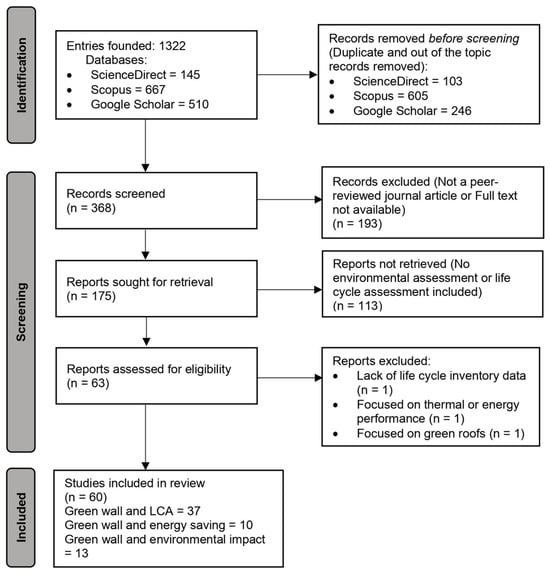
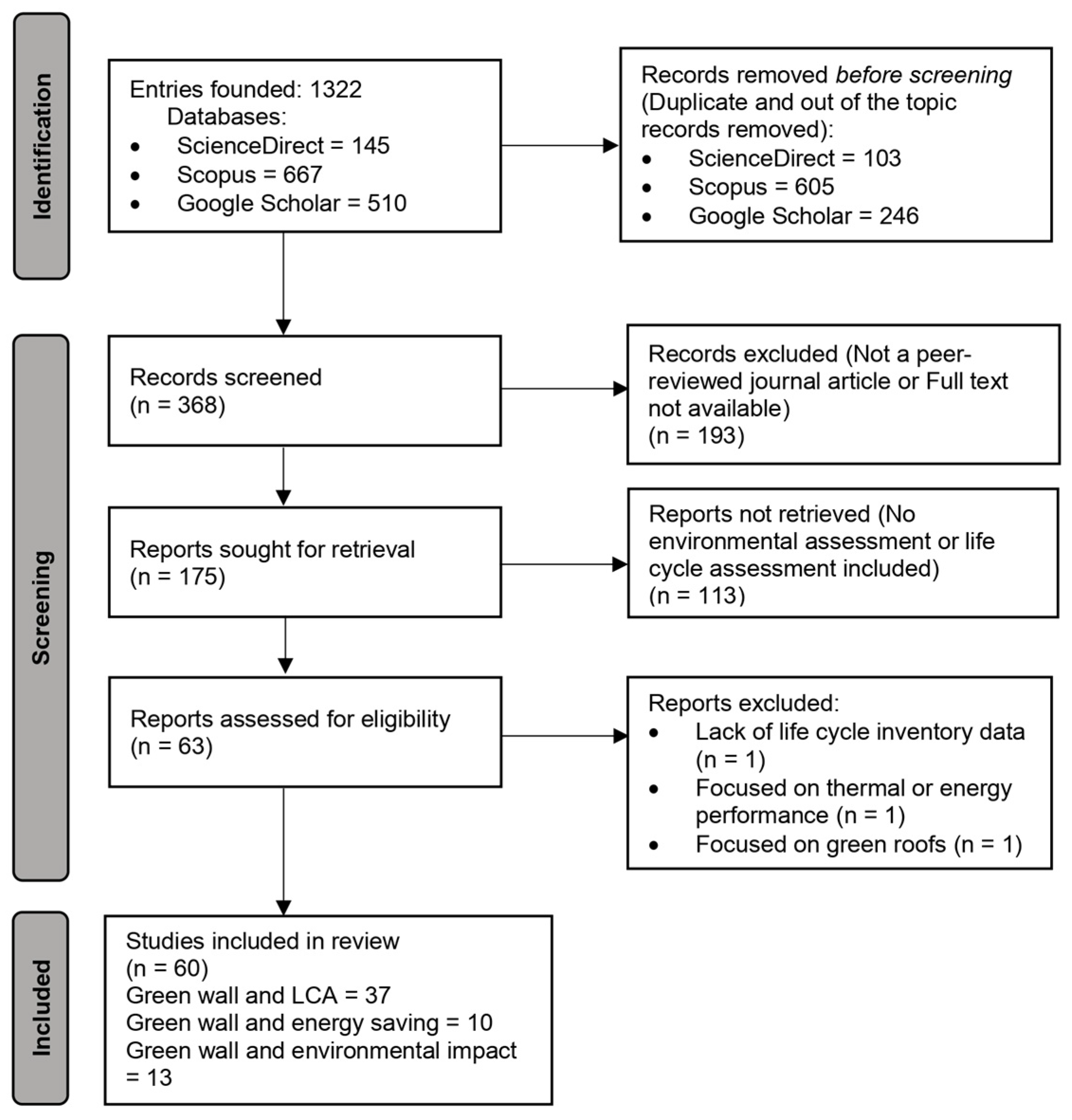
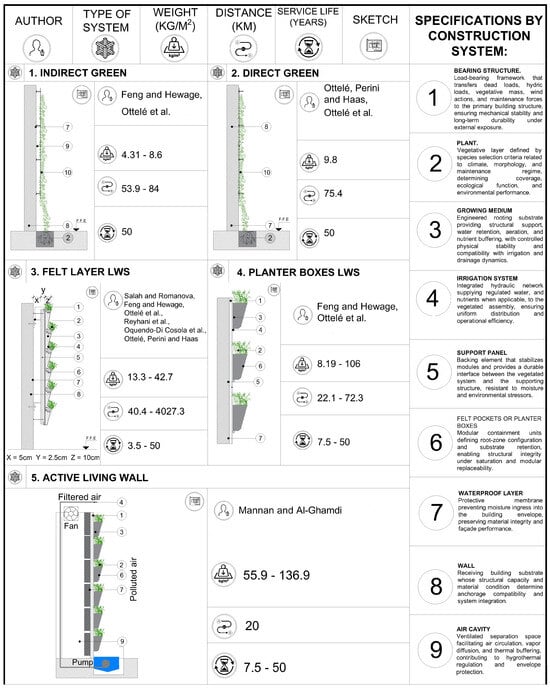
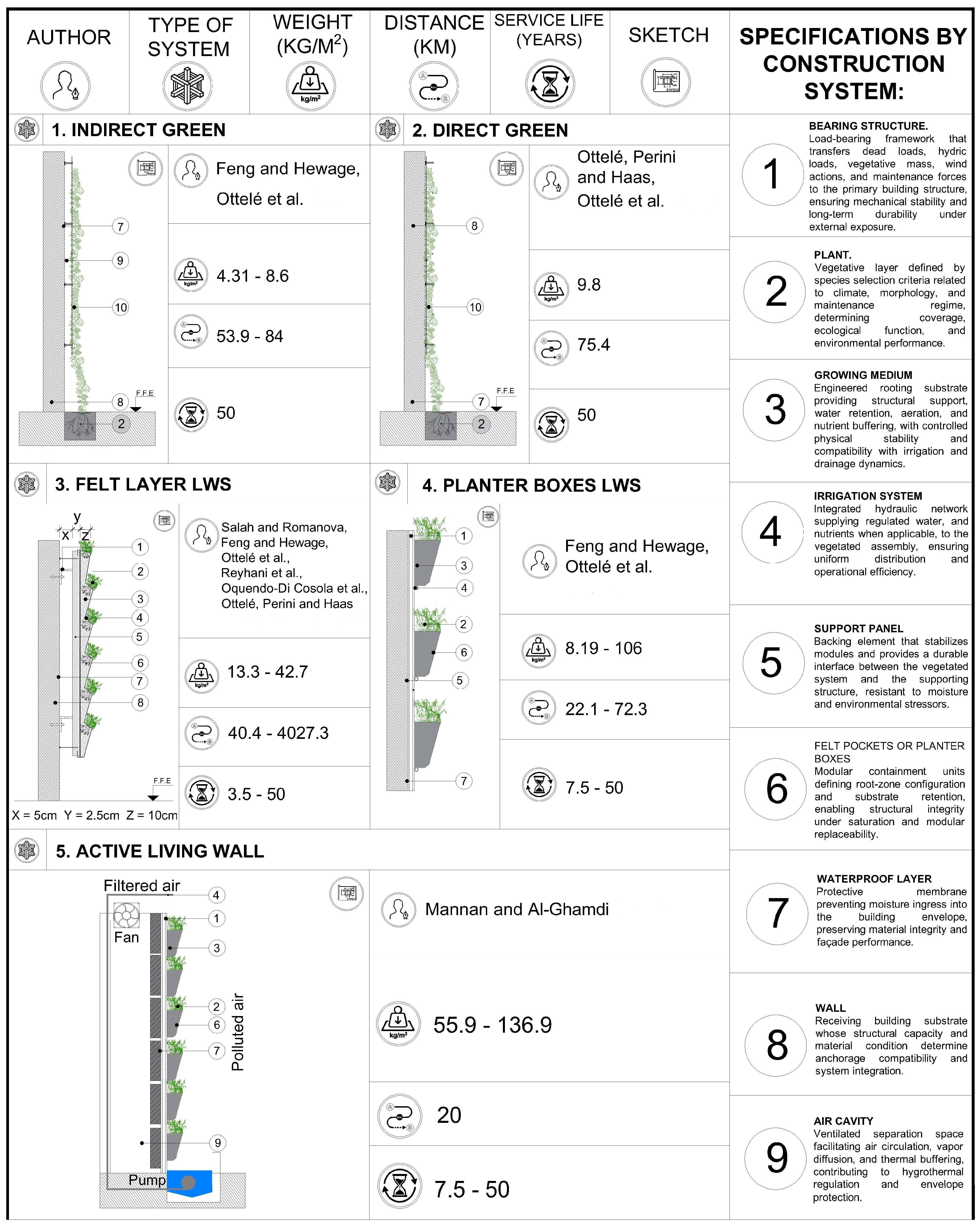
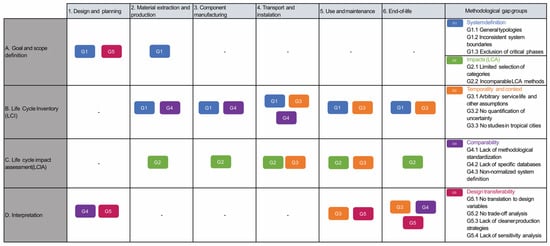
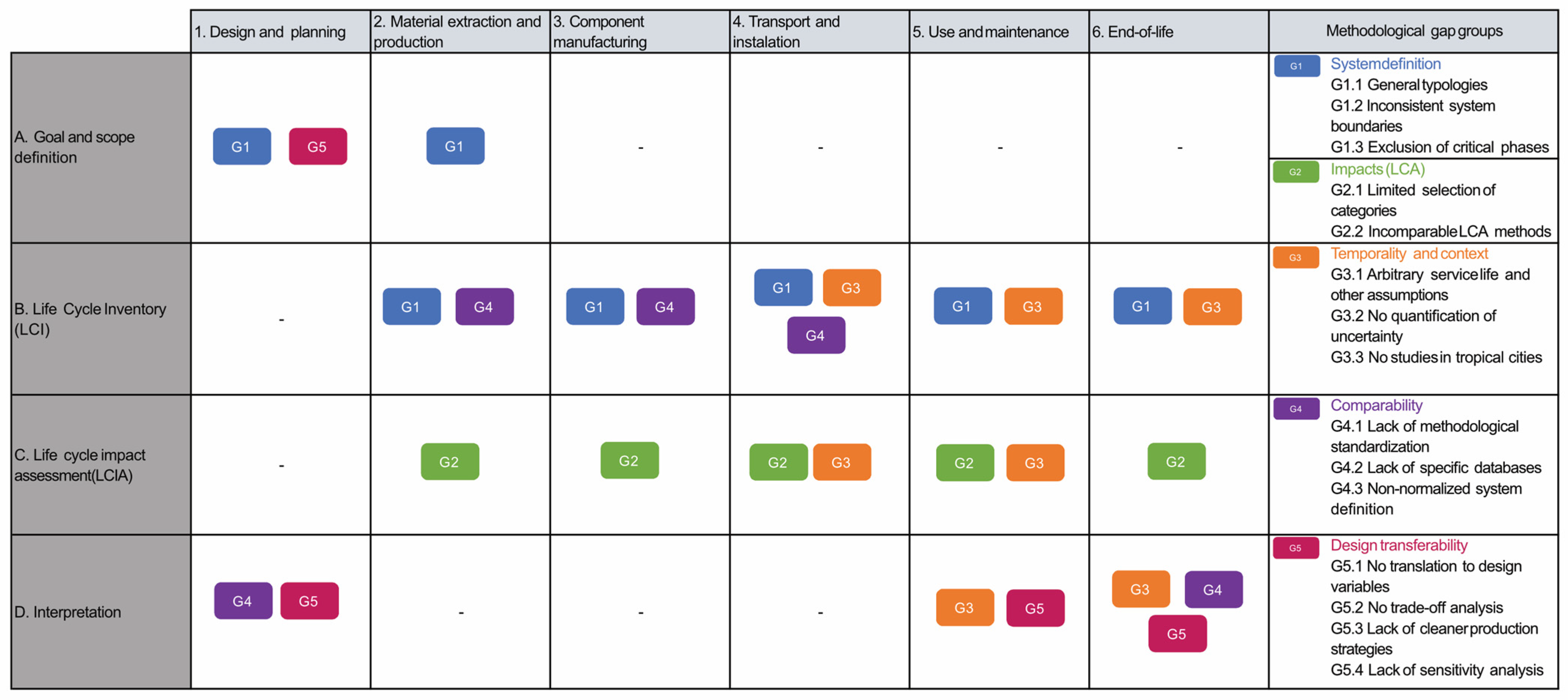

Disclaimer/Publisher’s Note: The statements, opinions and data contained in all publications are solely those of the individual author(s) and contributor(s) and not of MDPI and/or the editor(s). MDPI and/or the editor(s) disclaim responsibility for any injury to people or property resulting from any ideas, methods, instructions or products referred to in the content. |
© 2026 by the authors. Licensee MDPI, Basel, Switzerland. This article is an open access article distributed under the terms and conditions of the Creative Commons Attribution (CC BY) license.