Article

Self-Healing Concrete Reinforced with Sisal Fibers and Based on Sustainable Bacillus subtilis Bacteria Calcium Lactate-Fortified


by
Hebah Mohammad Al-Jabali
1,
Walid Fouad Edris
2,3,
Ahmed D. Almutairi
4,
Abd Al-Kader A. Al Sayed
3,* and
Shady Khairy
5
1
Department of Civil Engineering, Hijjawi Faculty for Engineering Technology, Yarmouk University, P.O. Box 566, Irbid 21163, Jordan
2
Department of Civil and Environmental Engineering, College of Engineering & Design, Kingdom University, Riffa P.O. Box 40434, Bahrain
3
Department of Civil Engineering, Giza Engineering Institute, Giza 12316, Egypt
4
Department of Civil Engineering, College of Engineering, Qassim University, Buraydah 51452, Saudi Arabia
5
Department of Civil Engineering, Higher Technological Institute, 10th of Ramadan City 44629, Egypt
*
Author to whom correspondence should be addressed.
Buildings 2025, 15(24), 4495; https://doi.org/10.3390/buildings15244495
Submission received: 29 October 2025 / Revised: 6 December 2025 / Accepted: 6 December 2025 / Published: 12 December 2025

Abstract

Self-healing concrete provides an eco-efficient approach for restoring cracks through autonomous repair, reducing maintenance demands and enhancing long-term durability. This study evaluates concrete incorporating Bacillus subtilis bacteria and sisal fibers to examine their individual and combined effects on mechanical performance and microstructural development. Bacterial cells at a concentration of 2 × 10⁸ CFU/mL were introduced with calcium lactate as a nutrient source at varying dosages, while sisal fibers were added at a volume fraction of 0.9%. Concrete mixes containing 0%, 2.5%, and 5% bacterial content were tested under fresh-water curing. Compressive, splitting tensile, and flexural strengths were assessed at multiple ages, accompanied by SEM and EDS analyses to investigate healing products and microstructural alterations. Bacteria-enhanced mixes demonstrated improved long-term compressive behavior, with B5/5/1 reaching 50.1 MPa at 56 days, while higher bacterial content slightly reduced early-age strength but benefited later performance. Incorporating sisal fibers consistently improved mechanical resistance, notably in combination with bacteria. The SB5/5/1 mix achieved 55.2 MPa at 56 days, representing a 30% gain over the control. Tensile strength was particularly influenced by fibers, with SB10/5/1 recording 6.3 MPa at 56 days (≈70% increase). Flexural strength results similarly highlighted the superior behavior of hybrid systems, where SB10/5/1 attained 9.2 MPa (+67%), reflecting enhanced self-healing efficiency even under challenging curing conditions.

1. Introduction

Around the world, concrete is frequently utilized to build infrastructure [1,2]. Self-healing concrete has garnered a lot of attention lately. Harsh Environmental factors have a negative impact on the durability of concrete, causing expansion and cracking that provide structural hazards [3,4]. Research is being done on smart concrete systems that use self-healing technologies to increase durability and reduce these problems [5,6]. In situations where human assistance is scarce, self-healing processes are especially helpful in preserving material integrity under extreme stress [7,8]. The mix design philosophy of regular concrete is usually followed by self-healing concrete [9,10]. However, the workability and flow characteristics of fresh concrete may be compromised by the addition of factors like swelling geo-materials or fine-particle substances like nano materials that absorb water [11,12]. Notwithstanding their benefits, the aforementioned techniques undoubtedly have a number of drawbacks [13,14]. For example, the difficulties of making the capsules, placing them in the mold, and releasing the medicinal material are all related to the chemical encapsulation process [13,15,16]. In the meantime, the negative impact of expansion because of non-healing can be articulated in the expanding mineral admixtures approach [17,18]. Concerns can be raised about how bacterial concrete affects the material’s mechanical properties, the need for a number of prerequisites, and the bacteria’s ability to persist in the concrete [9,19].
However, mechanical stress, temperature changes, shrinkage, and other environmental conditions make concrete extremely prone to breaking [20]. By reducing durability and allowing hazardous materials like water, gases, and acids to enter, these fissures hasten corrosion and structural deterioration [11,16,20]. Even though cracks might not result in structural collapse right away, they might drastically reduce service life [20], which raises the predicted annual global repair costs to $147 million on top of the $60–$80 million production costs [12,20,21]. The American Society of Civil Engineers (ASCE) estimates that over the next five years, infrastructure maintenance in the US and Asia will cost $2.2 trillion and $2 trillion, respectively [20,22].
In concrete, mineral admixtures are commonly used to partially replace cement [23]. Although this method lowers the cement content, depending on the situation, it may have a positive or negative effect on the concrete’s mechanical qualities [16,24]. Additionally, adding bacterial capsules can occasionally somewhat diminish strength [25,26]. Therefore, scientific experimental design techniques such as orthogonal and uniform designs should be used to control the proper mixing proportions for each healing ingredient [16,20]. Finding ways to immobilize the healing agent, which usually consists of bacteria and a calcium supply, and choosing the right bacteria for effective bio-mineralization are the main goals of research on self-healing concrete [9,13,20]. Along with other bacteria like B. megaterium, B. Sphaericus, and Sporosarcina pasteurii, Bacillus aerius has been demonstrated to increase du-rability in rice husk concrete [9,16]. It can also repair cracks that are between 0.3 and 0.5 mm in diameter [27]. The longevity of bacterial spores is limited by the difficulty of decreasing pore size during cement setting [9,28]. Researchers have explored immobilizing the healing agent on carriers that are mixed into the concrete binder as a solution to this problem [7,29,30]. Effective fracture repair was demonstrated by using Bacillus subtilis in conjunction with graphite nano-platelets and lightweight aggregates [20,21]. Concrete cracks can be partially repaired by a number of natural processes [23]. The four steps listed below can prevent cracks in natural processes [23,31]. Contaminants obstruct the fracture when water is present [3,32]. Talaiekhozani, A.et al. stated that hydration of the unreacted cement or cementitious material further blocks the crack [23]. The growth of the hydrated cementitious matrix in the crack flanks (calcium silicate hydrate gel swelling) [27,33].
Often, several of these mechanisms or processes may occur simultaneously. Actually, most of these methods can only partially seal the entry of some of the cracks and cannot completely fill them [31]. This will be helpful to stop cracks from forming or dangerous chemicals like acids from deeply into the crack [23,31].
With encouraging outcomes, autogenous and autonomous self-healing technologies have been extensively investigated in OPC-based concrete [12]. A repair method for OPC cracks with acceptable widths up to 970 µm was suggested: microbial-induced calcium carbonate precipitation (MICP) [12,34]. Urea is broken down into carbonate ( C O 3 2 ) and ammonium ( N H 4 + ) in a subsequent metabolic step to create MICP [12]. Calcite (CaCO3) precipitates at the cell surface as a result of the positively charged calcium ions (Ca2+) being drawn to the negatively charged carbonate ions that are generated [17,30]. The potential of MICP as a long-term crack remediation solution has been brought to light by recent developments in biological healing methods for concrete [5,7,20].
Adding Bacillus subtilis to the curing water for 28 days repaired OPC beam microcracks and increased the flexural strength by roughly 93.63% [35]. It is important to note that the addition of bacteria enhanced the overall composite’s strength and durability in addition to aiding in fracture healing [12,35]. For example, introducing Bacillus pasteurii to OPC concrete increased its 28-day compressive strength by 18%, according to Ramakrishnan et al. [36]. Comparing Bacillus subtilis to the control OPC concrete, Nosouhian et al. [12,13] reported a 20% increase in compressive strength. A 30% increase in chloride resistance coincided with the improvement in compressive strength.
A separate type of Bacillus subtilis called Bacillus sphaericus has been shown to enhance the water absorption of OPC mortar and boost compressive strength by 36% [20,21,23]. Adding Sporosarcina pasteurii increased chloride resistance by 34%. Although Prayuda et al. [35] successfully incorporated bacteria into the curing solution for OPC concrete repair, the majority of studies concentrated on doing so while mixing fresh concrete.
Achieving the proper combination and dispersion is essential. This often means employing a mechanical mixer to combine raw materials in batches until the desired consistency is reached [9,37]. Three approaches can be distinguished in the mixing process for mending concrete: wet mixing, dry mixing, and the latter [38,39]. In order to prevent damage during production, it is recommended that brittle self-healing elements be incorporated into cementitious composites during the final mixing stage [40,41]. Furthermore, reinforcing materials such as steel bars, metallic wires, or fibers are sometimes utilized to control crack width and prevent brittle self-healing materials from failing too soon after cracks form [42,43].
Since natural fibers like sisal are common in tropical areas, they fall within the category of sustainable materials [44]. Some natural fibers perform similarly to composites made from steel or synthetic fibers, with tensile strengths that surpass those of polypropylene (PP) fibers and are on par with polyvinyl acetate (PVA) fibers [45,46,47]. One of the most studied natural fibers for cement-based composites, sisal fiber is sourced from the Agave Sisalana plant and stands out for its remarkable mechanical qualities and broad availability [48,49,50]. Because of this, it is one of the best natural fibers available for use in the building sector [45,51]. Sisal fiber is notable for its superior tensile strength, abrasion resistance, and toughness in addition to its affordability [50,52].
It also has good thermal and acoustic qualities and has no health hazards [47,53]. The mechanical performance of masonry hollow blocks made with a blend of concrete and natural sisal fibers was investigated through a comprehensive testing program [52,54]. Importantly, adding sisal fibers to the concrete mixture did not enhance the mechanical properties of the individual blocks, specifically their elastic modulus and compressive strength [45,55]. Nonetheless, there was a noticeable improvement in the blocks’ ductility [46]. In order to successfully prevent the loss of material continuity, the fibers were essential in bridging the sides of opening fissures [44,56].

Research Significance

This research contributes to advancing sustainable construction materials by exploring the development of self-healing concrete reinforced with natural sisal fibers and incorporating Bacillus subtilis bacteria. By encouraging biologically generated calcium carbonate precipitation, Bacillus subtilis extends the service life of structures and allows for autonomous crack healing. Incorporating renewable sisal fibers simultaneously enhances the concrete’s tensile performance and crack-bridging behavior, helping the self-healing process even more. This study contributes to the long-term resilience, economic viability, and environmental sustainability of concrete infrastructure by providing a low-carbon, sustainable substitute for traditional repair techniques by integrating biological and natural reinforcement techniques. The current work is innovative not because it uses these components separately, but rather because it shows how they interact together to create a cohesive self-healing system, particularly with sisal fibers. The level of detail provided here is the first description of this integrated mechanism. The updated manuscript now emphasizes the following novel features to further showcase our distinct contribution: first experimental confirmation of the potent synergy between sisal fiber reinforcing and MICP activity; comprehensive evaluation of flexural, tensile, compressive, SEM, and EDS data to elucidate the linked mechanism; The majority of research assesses chemically modified fibers; suggested mechanistic model for the synergy between bacteria and fiber. Additionally, assessing the combined impact of sisal fiber reinforcement and Bacillus subtilis activity in a sustainable self-healing concrete system. As part of this preliminary investigation, we used raw sisal fibers without chemical treatment to assess the baseline behavior and natural compatibility between the bacterial healing system and fibrous reinforcement. This approach follows previous studies [44] that initially examined untreated sisal fibers before optimizing treatment methods [57,58].

2. Materials and Methodology

2.1. Bacillus subtilis and Calcium Lactate

In light brown color, Bacillus subtilis, a rod-shaped, Gram-positive bacteria that is frequently found in soil and that can tolerate high temperatures and flourish in aerobic environments, was selected in different concentrations for the study [12,22,35,59]. Figure 1 displays the Bacillus subtilis culture that was created with a target cell concentration of 108 cells/mL. Alkaliphile Bacillus subtilis is a resilient spore-forming bacterium that can persist as spores.
Calcite precipitation is activated to repair the fissures until they develop and rain awakens these dormant spores. This type of bacteria can flourish in alkaline environments due to the high pH of concrete, which ranges from 12 to 13 [12,20]. Because Bacillus subtilis proved more resilient to alkaline conditions than other bacteria, it was selected [23,25,33]. As shown in Figure 1, the Bacillus subtilis microbiological sample was manufactured and prepared by PIOCHEM company, area 269A, 1st industrial zone, Street no. 3, 6th of October city, Giza, Egypt. As noticed and mentioned from supplier [60], the bacteria exhibited rapid growth, with optical density (OD600) increasing significantly during the first 12 to 18 h of incubation. A positive urease reaction was observed after incubation, indicated by a color change in the urea broth [60]. Also, Visible calcium carbonate precipitation was noted during culturing in a urea–CaCl2 medium over the course of the experiment [60]. Sustained bacterial growth was recorded [60] at pH levels equal to or greater than 10 throughout the culturing period. It should be noted that the bacteria generated by centrifuging the supernatant at 10,000 rpm and a pH of around 11.35.
Using a spectrophotometer, the optical bacteria density needed to create a microbiological culture with a cell concentration of 105 cells/mL was ascertained in relation to supplier “PIOCHEM”. A qualitative method based on measuring the optical density of spore suspension at 600 nm (OD600) was used to determine subtilis absorbance. To detect the OD600, the germination process was examined every 24 h. The growth rate of the microorganisms was measured in colony-forming units per milliliter (CFU/mL).
From “PIOCHEM” company, calcium lactate with the chemical formula [C6H10CaO6] was selected as a nutrient because it serves as an efficient carbon source for Bacillus subtilis, promoting bacterial growth and metabolic activity, and simultaneously provides a readily available source of calcium ions that enhance the microbially induced calcium carbonate (CaCO3) precipitation necessary for the self-healing process in the cement matrix.

2.2. Sisal Fibers Properties

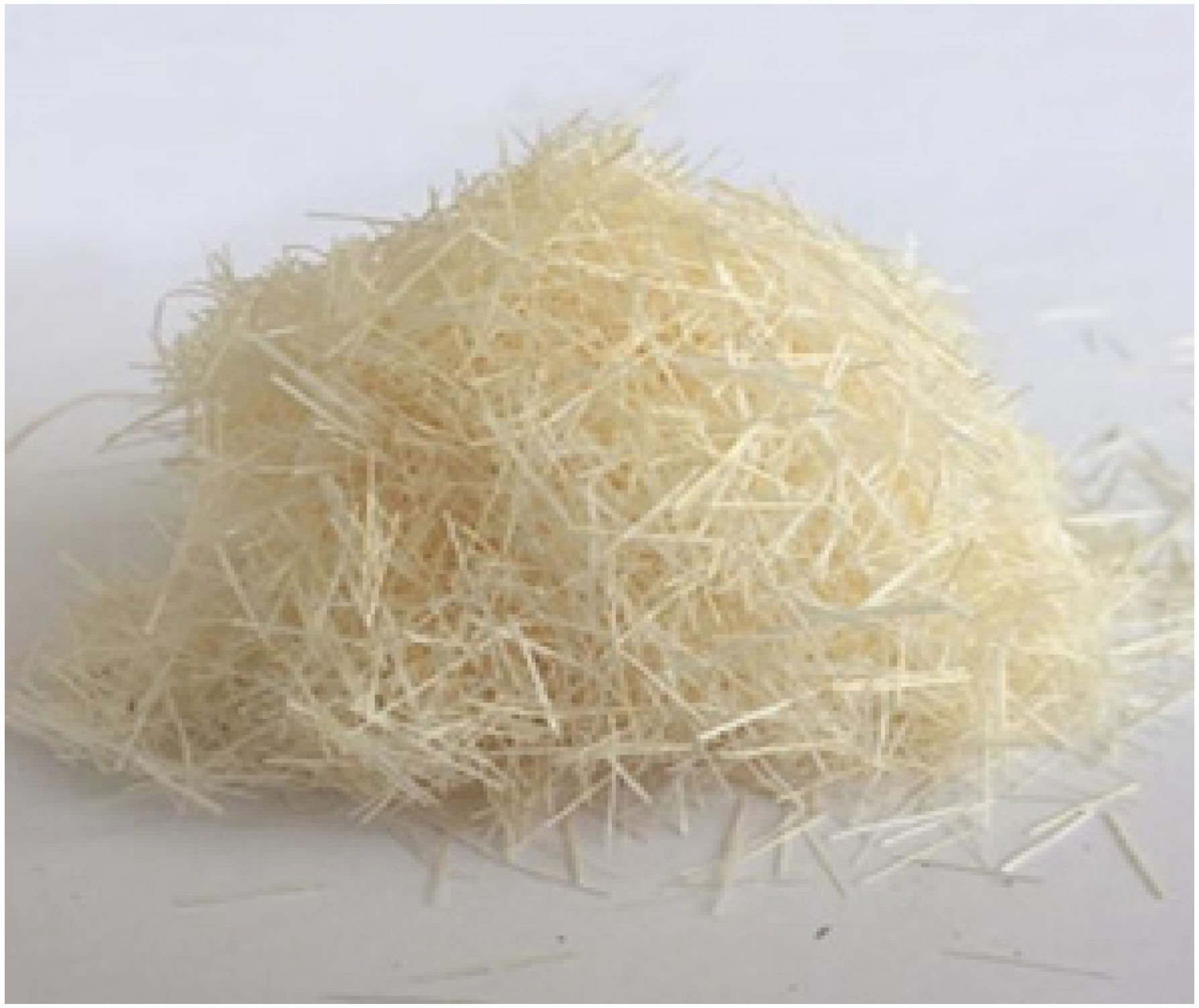
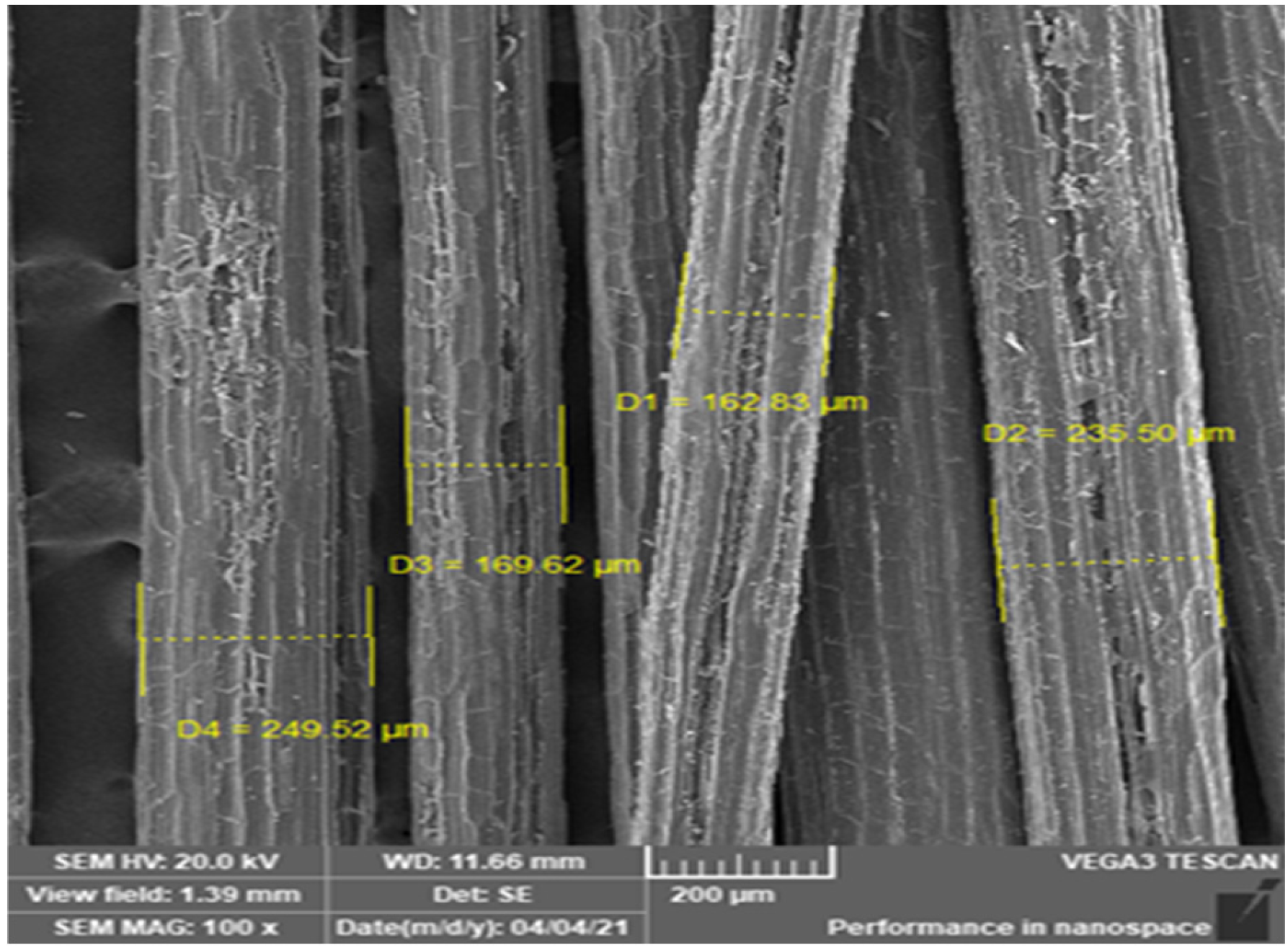
The sisal fibers used in this study come from the Egyptian city of Kafr El Dawar, which is located in the Beheira Governorate [44]. They were collected in bundles of long fibers, each about one meter long, after being removed from the Agave sisalana plant via a decortication method [44]. Processing the fibers to remove contaminants was a necessary step before cutting them into 50 mm segments. For approximately an hour, the fibers were submerged in water that was 70 ± 5 °C [44]. Following this treatment, the fibers were left to air dry for 48 h before being hand cut. The natural white appearance of sisal strands is shown in Figure 2. Figure 3 shows the average cross-sectional areas that the author obtained using scanning electron microscopy (SEM) [44]. Also, the mechanical, physical, and chemical properties of sisal fibers are shown in Table 1.

2.3. Cement

Using modern building techniques and adhering to the Egyptian ES 4756/1-2013 [61] and European EN 197/1-2011 [62] regulations, we used Ordinary Portland Cement (OPC) type I [42.5 N] in the concrete mixtures. We introduced Sika Visco-Crete 3425 admixture which produced by [Sika Egypt for Construction Chemicals S.A.E.—1st industrial zone (A)—Al Obour City—Egypt], to promote homogeneity in the concrete mixtures [63]. With a specific gravity of 1.08 and a cement concentration of 2%, this admixture satisfies ASTM C494/C494M-19 [64] requirements. Table 2 lists the OPC’s chemical components in detail.

2.4. Natural Aggregate (Coarse and Fine)

Natural aggregate (NA) was used to prepare the first set of concrete mixes. The fine aggregate for all of the first set’s concrete mixes was natural sand with a specific gravity of 2.58 and a size distribution ranging from 0.15 to 1.2 mm, while the coarse aggregate was natural crushed dolomite with a nominal maximum size of 19 mm. The natural sand used complies with ASTM C33/C33M-08 [65], a standard specification. Table 3 lists the mechanical and physical characteristics.

2.5. Components of a Concrete Mix, Mix Proportion, Casting, and Curing

The cement content was kept constant at 450 kg/m3 for all combinations. To ensure quality, clean potable water was used during the mixing process. For every mix, the water to cement ratio (W/C) was consistently fixed at 0.4. The weight of the liquid bacteria was adjusted by deducting it from the total amount of water that was added to the mixture. One nutrient that was used was calcium lactate. High-grade, naturally occurring siliceous sand devoid of impurities was used for the fine aggregate component. A high-performance superplasticizer admixture that satisfies ASTM-C-494 [64] standards for superplasticizers of kind F was used for this study.
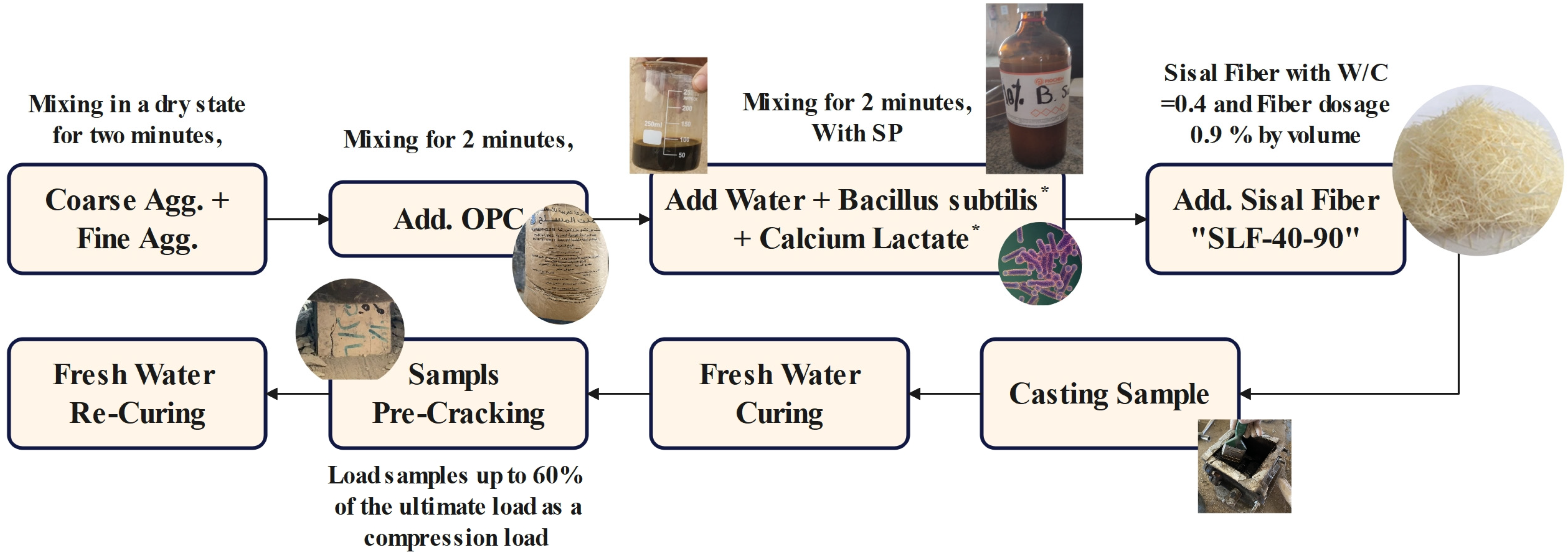
All specimens were taken out of the curing water in all mixes after 28 days of curing in order to determine the maximum load. For every mix, three specimens were loaded until they failed. A hydraulic testing equipment with a 2000 kN capacity was then used to load specimens saved for crack investigation to 50–60% of their ultimate load in accordance with BS EN 12390-3:2019 norms [66]. Visual inspection of the specimens both before and after loading confirmed the presence of cracking. The cracked specimens were then returned to the curing tank to initiate the bacterial precipitation of calcite, which is a process that promotes crack healing. Compressive strength was assessed 56 days following calcite precipitation, loading until failure, for both cracked and uncracked specimens from each mix. By showing the process for the bacterial applications and curing controlled by the flow chart, Figure 4 provides a comprehensive explanation of the entire process utilized in the experimental program.
Ten distinct concrete mixtures were created and tested, each with varying amounts of many important components, including curing water, Sisal fiber Vf% as selected before by authors [44], bacterium content, and a combination of sisal fiber, bacteria and nutrient. Although natural fibers can absorb water, the dosage used in this study as discovered before by authors [44] (Vf = 0.9%) was intentionally low to ensure minimal disruption to the concrete’s water demand and fresh properties. Experimental results indicate that at this dosage, fiber swelling did not produce adverse effects on mechanical performance. Instead, the fibers contributed to noticeable enhancement of tensile and flexural strengths at all ages, particularly when coupled with bacterial self-healing activity. These findings confirm that the fiber–matrix bond was not compromised to a degree that detracted from structural performance.
Around five minutes, water and superplasticizer were added gradually and stirred until evenly distributed. Bacterial liquid was added at the same time as the mixing water. Sisal fibers were lastly added and mixed for two minutes prior to pouring the concrete. In compliance with ASTM C-192/C192M [67,68] guidelines, new concrete was then poured into molds in three layers, with each layer being crushed for 30 s using a vibrating table. In order to prepare the specimens for testing of compressive, splitting tensile, and flexural strengths, they were taken out of the molds after one day of casting and cured in either tap water for 7, 28 and 56 days. The proportions of each element were determined by computing the amount needed to make one cubic meter of concrete. Table 4 provides specifics on these concrete mix compositions. For instance control groups, B5/0/0, ‘B’ refers to Bacillus subtilis bacteria while “SB” refers to mixtures which incorporating sisal fiber, “5” is the concentration of bacterial, “-/0/-” denotes the percentage % of bacteria added to the concrete mixture as a percentage of the weight of water ranges between [1,2,3,4,5]% and “-/-/0” refers to calcium lactate as nutrient which added to mixtures as a percentage of the weight of cement ranges between [0.5–1]%.

2.6. Test Procedure

After curing, all specimens were removed from the curing tank and air-dried in the laboratory for approximately 2 h before testing. The experimental program included compressive, splitting tensile, and flexural strength tests conducted at various curing ages to evaluate the mechanical performance of the self-healing concrete mixtures. Compressive strength was measured on 100 mm cube specimens after 7, 28 and 56 days of casting, in accordance with BS EN 12390-3 [66]. Three specimens from each mixture were tested using a 2000 kN capacity hydraulic testing machine with a precision of [5,6,7] kN, and the average values were reported. Splitting tensile strength tests were performed on cylindrical specimens (100 mm diameter × 200 mm height) following BS EN 12390-6 [66,69]. Tests were conducted at 7, 28 and 56 days using the same 2000 kN hydraulic machine, and the average tensile strength was calculated from three specimens per mixture. Flexural strength tests were carried out on prism specimens (70 × 70 × 280 mm) at 28 and 56 days in accordance with BS EN 12390-5 [66,70]. A 1000 kN capacity hydraulic machine with [5,6,7] kN accuracy was used under a three-point loading setup. The average flexural strength for each mixture was determined based on three specimens. Tests Scanning Electron Microscopy (SEM) and Energy Dispersive X-ray Spectroscopy (EDAX) were also performed on samples tested after 56 days of age, and only for samples that achieved promising results through previous tests.

3. Results

The compressive, splitting tensile, and flexural strengths of both uncracked (Control) and pre-cracked specimens. Table 5 shows summary of the test results.
Also, Table 6 shows summary of the percentage change relative to respective control mixes and according to compressive, splitting tensile, and flexural strengths.

3.1. Compressive Strength

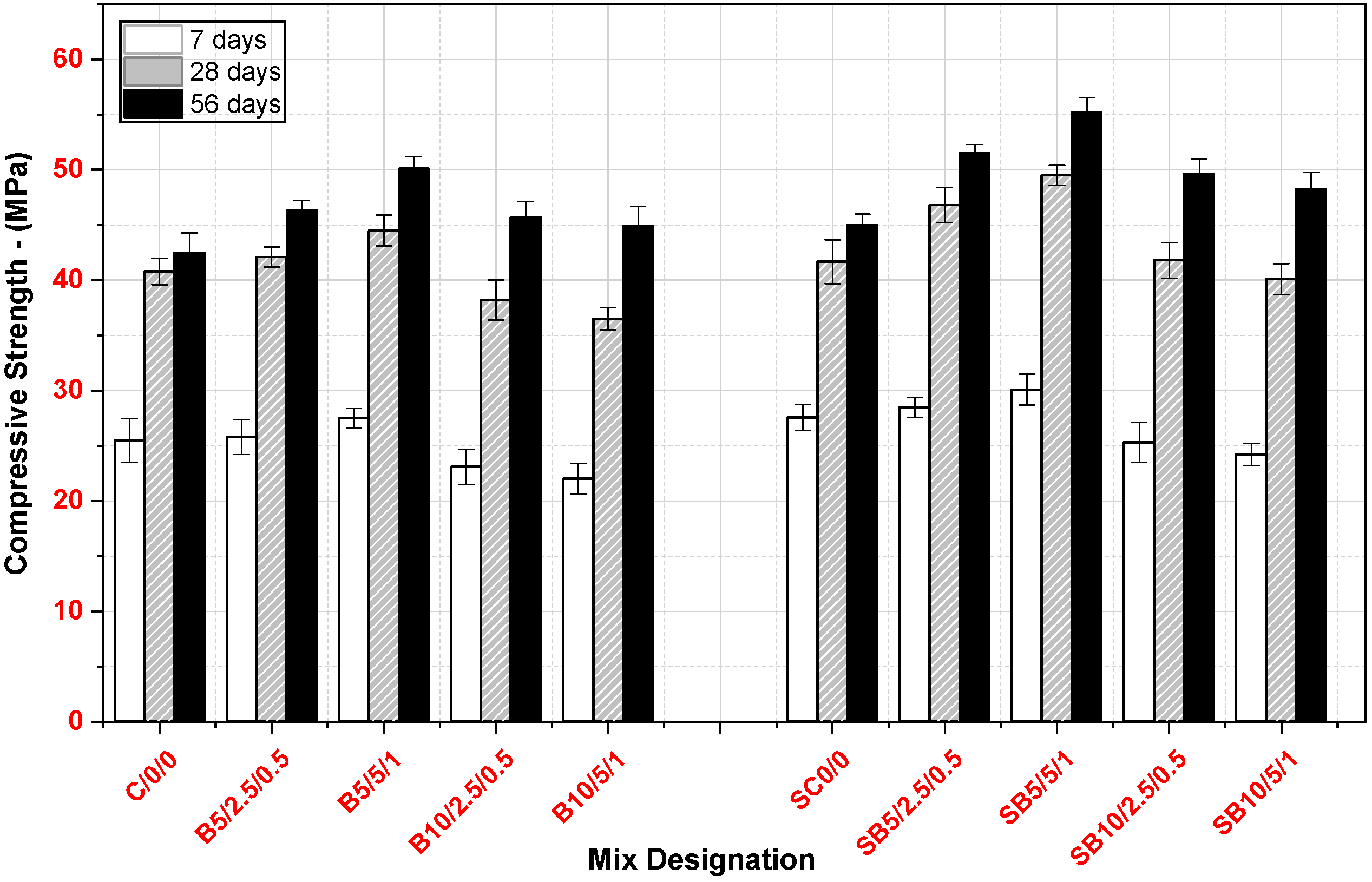
The compressive, splitting tensile, and flexural strengths of both uncracked (Control) and pre-cracked specimens were assessed using tests. Figure 5 shows result for compressive strength of cube specimens using fresh water for curing at different bacterial percentages with and without SLF. The control mix (C/0/0) achieved the target strength of 40.0 MPa at 28 days, confirming the adequacy of the concrete mix design.
For (B-series) at 7 days, strength is often slightly lower than the control due to the introduction of organic matter (bacteria and nutrient) which can create voids and slightly disrupt the initial cement matrix. At later a age (28 & 56 days), strength increases significantly. The bacteria metabolize the calcium lactate, precipitating calcium carbonate (CaCO3) in micro-cracks. This self-healing effect densifies the matrix, leading to higher compressive strength. Higher concentrations of bacteria and nutrients showed greater strength gains over time. While (SB-series) showed strength lower than the control. While sisal fibers provide excellent toughness and crack resistance, their organic nature and hydrophilic properties can lead to increased porosity and weaker interfacial transition zones (ITZ) with the cement paste over time, potentially reducing the pure compressive strength.
This between Bacteria & Sisal Samples (SB-series) aims to synergize the benefits. The fibers control crack width, making them ideal for the bacteria to heal effectively. The strength development follows a similar pattern to the bacteria-only series but starts from a higher baseline due to the fiber reinforcement. The most significant strength demonstrated for the samples with the highest dosage of healing agent (SB10/5/1), as the bacteria effectively heal micro-cracks initiated around the fibers, mitigating their negative effect on pure compression while benefiting from their crack-arresting properties.
It was evident that the addition of Bacillus subtilis and calcium lactate first led to a minor decrease in early strength (7 days) in comparison to the control. This is probably due to the organic additives’ little disturbance of the cementitious matrix. All bacterial-based samples, however, surpassed the control’s strength by day 28; at day 56, this tendency became more noticeable. At 44.9 MPa, or 120% of the 28-day control strength, the sample with the highest concentration of bacteria and nutrition (B10/5/1) showed the greatest strength improvement. This is in line with the notion of continuous (MICP) concrete matrix densification and microcrack healing.
The sample reinforced solely with sisal fibers (SC/0/0) showed a marginal early strength benefit but exhibited a decrease in compressive strength at later ages compared to the control. This is a known phenomenon for natural fibers in concrete, often caused by their degradation and increased porosity within the cement matrix.
Notably, the composite samples containing both sisal fibers and the bacterial healing agent (SB-series) exhibited superior performance. The fibers appear to provide immediate reinforcement and crack control, mitigating the early-age strength reduction seen in the bacteria-only mixes. The subsequent bacterial healing activity then effectively addresses any micro-cracking, including potential damage around the fibers themselves. This synergistic effect resulted in the highest recorded compressive strength of 55.2 MPa for sample SB5/5/1, suggesting that the combination of sisal fibers and MICP is a highly effective strategy for producing high-strength, self-healing sustainable concrete”.
Best performing mix is SB5/5/1 (With SLF, 5% Bacteria) shows the highest strength increase at all ages, peaking at a +22.7% improvement over the SLF-control at 56 days. Adding SLF consistently results in higher compressive strength when comparing equivalent mixes (e.g., SB5/5/1 vs. B5/5/1). A 5% bacteria content (B5/… and SB5/…) consistently leads to higher strength gains than a 10% bacteria content (B10/… and SB10/…). Higher bacteria content (10%) often results in lower early strength but shows improvement at 56 days.

3.2. Splitting Tensile Strength

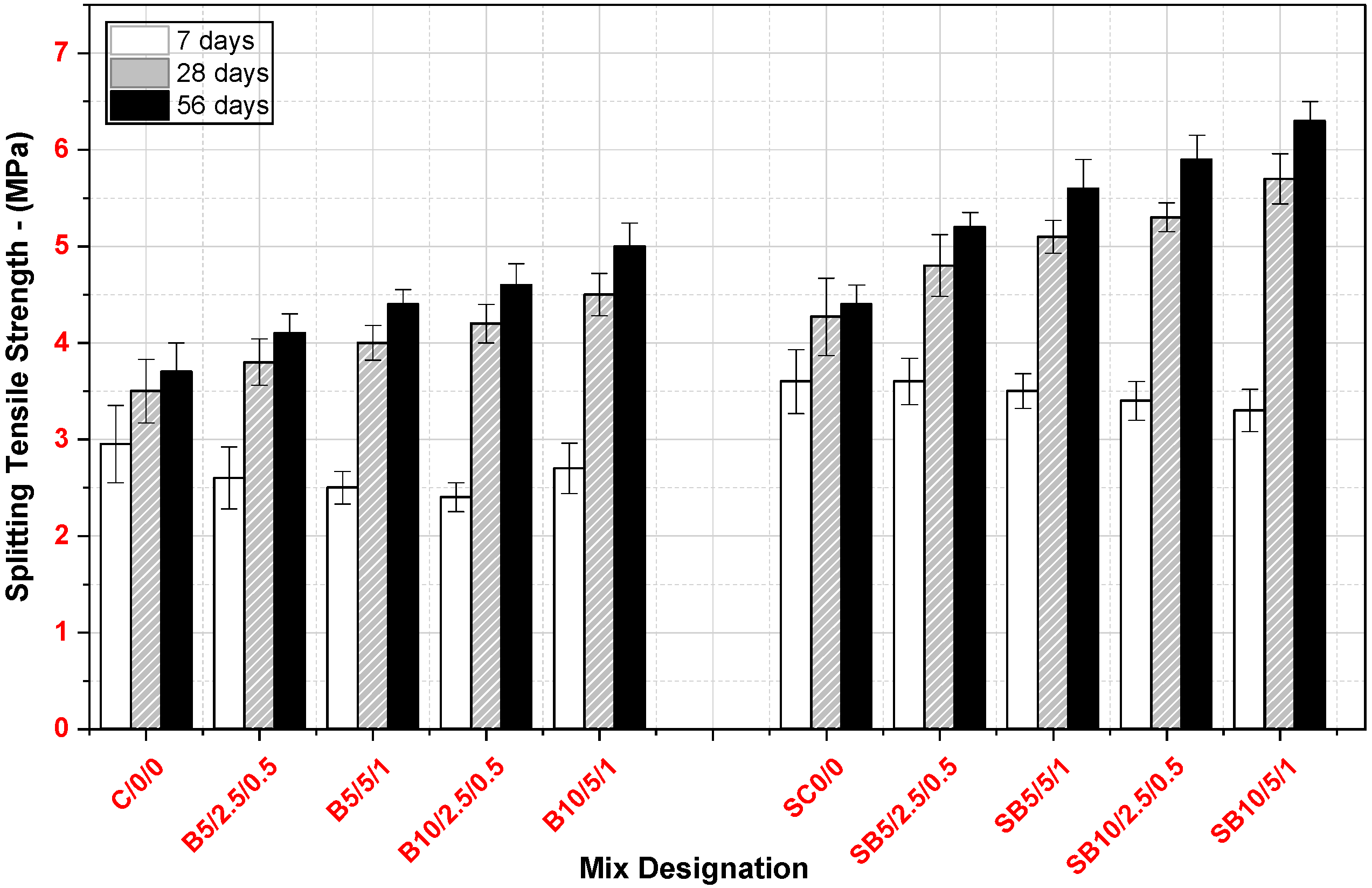
Figure 6 showed results for splitting tensile strength of cylindrical specimens using fresh water for curing at different bacterial percentages with and without SLF. Also, it demonstrates a clear influence of both bacterial healing agents and sisal fiber reinforcement. At 7 days, samples containing bacterial solutions (B and SB series) exhibited marginally lower tensile strength compared to their respective control samples (C/0/0 and SC/0/0). This initial reduction is likely attributable to the temporary slight disruption of the cementitious matrix by the introduced water and organic compounds from the bacterial culture, prior to significant calcite precipitation. All of the bacterial-based samples showed a notable increase in strength when the curing age increased to 28 and 56 days. The calcium lactate nutrition is metabolized by Bacillus subtilis, which causes calcium carbonate (CaCO3) to precipitate inside the microcracks. This is a clear sign of the continuous microbiological metabolic activity. This precipitation effectively seals these cracks, increasing the density and cohesion of the concrete matrix, thereby enhancing its tensile strength. The strength increase was more pronounced in mixes with higher concentrations of bacteria and nutrient (e.g., B10/5/1), suggesting a dose-dependent response.
The incorporation of sisal fibers resulted in a substantial immediate improvement in tensile strength, as evidenced by the SC/0/0 sample outperforming the C/0/0 control at all ages. The fibers act as a bridging material, distributing stress and increasing the energy required to propagate cracks. The most significant performance was observed in the samples combining sisal fibers with bacteria (SB series). These samples exhibited a synergistic effect, achieving the highest tensile strengths across all testing ages. Related to splitting tensile strength results, the sisal fibers provide immediate reinforcement and control the width of micro-cracks, creating a confined environment ideal for efficient calcium carbonate precipitation. The precipitated calcite, in turn, improves the bond between the fiber and the matrix, preventing pull-out and further enhancing the composite’s tensile capacity. The optimal performance was recorded for sample SB10/5/1, which combines the highest dosage of healing agents with fiber reinforcement, yielding a strength of 6.3 MPa at 56 days, an increase of approximately 70% over the plain control.
Best performing mix is SB10/5/1 (With SLF, 10% Bacteria) which shows the most dramatic improvement over time, reaching a +43.2% increase over the SLF-control at 56 days. The presence of SLF leads to significantly higher absolute tensile strength values. The best-performing mix with SLF is far stronger than the best-performing mix without it. Unlike compressive strength, a higher bacteria content (10%) leads to greater tensile strength gains at later ages (28 and 56 days). The B10 and SB10 mixes show the highest percentage increases. Also, most modified mixes show a decrease in tensile strength at 7 days before a significant increase at 28 and 56 days.

3.3. Flexural Strength

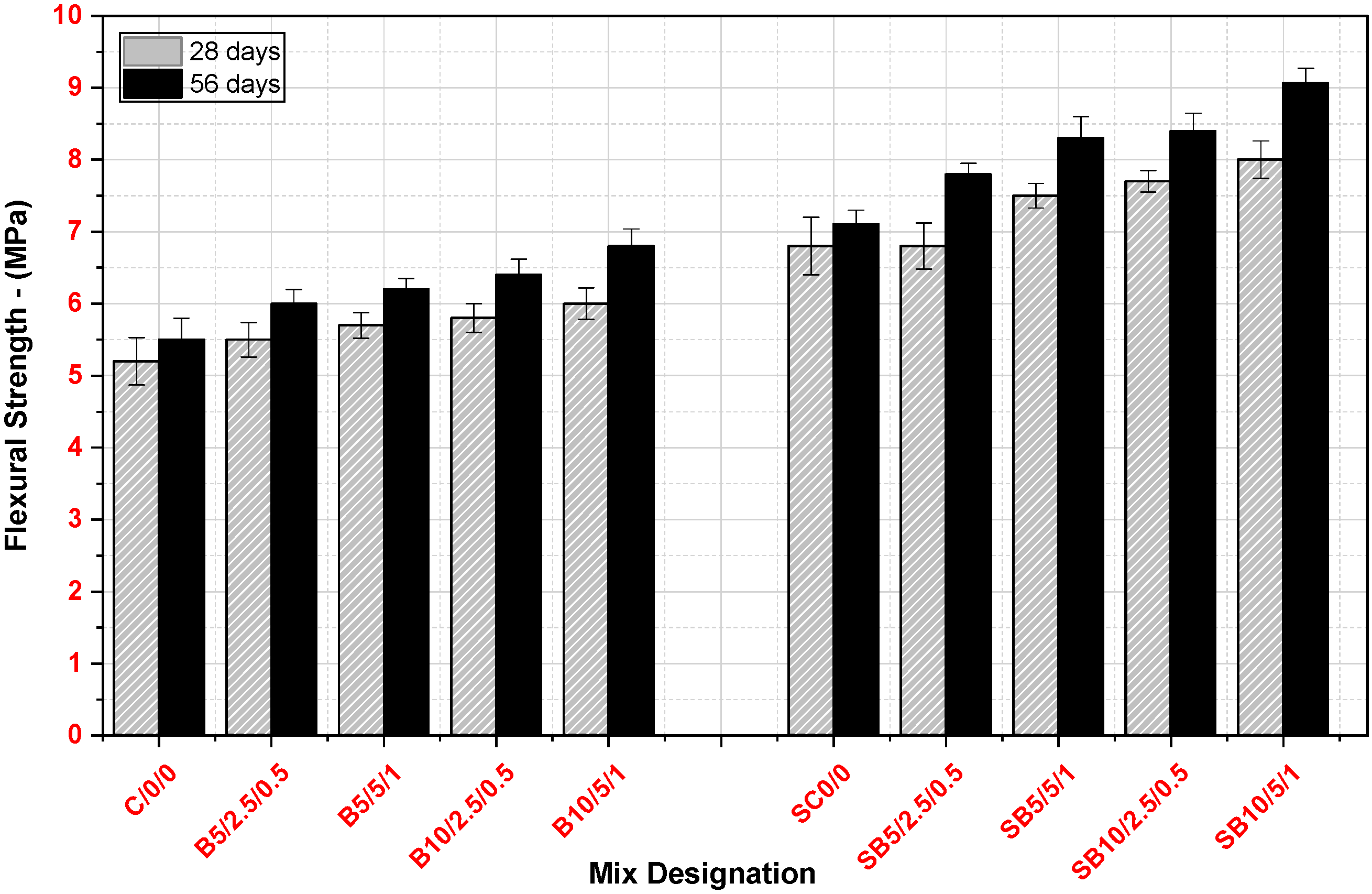
Figure 7 showed results for flexural strength of specimens using fresh water for curing at different bacterial percentages with and without SLF. Based on the principles of concrete technology, fiber reinforcement, and microbial self-healing mechanisms, Control Sample (C/0/0): Serves as the baseline, reaching 5.5 MPa at 56 days through standard hydration. For (B-Series), samples show a clear, dose-dependent improvement over the control. The MICP process seals microcracks, increasing the matrix density and brittleness, which leads to higher flexural strength. The best performer of (B-Series), B10/5/1, achieved 6.8 MPa at 56 days. This represents an increase of 23.6% compared to the control (C/0/0). Sample (SC/0/0) showed the most dramatic individual improvement. The sisal fibers act as a bridge across cracks, significantly increasing the energy required for crack propagation, which is the primary mechanism of flexural failure. It achieved 7.1 MPa at 56 days, an increase of 29.1% over the plain control (C/0/0). This highlights the exceptional effectiveness of fibers in improving flexural (bending) strength. For (SB-Series), a powerful synergistic effect is observed.
The fibers provide immediate reinforcement and control crack width, creating an ideal environment for bacteria to precipitate calcite. The calcite, in turn, improves the fiber-matrix bond. The top-performing sample, SB10/5/1, reached a flexural strength of 9.2 MPa at 56 days. This is an increase of 67.3% compared to the plain control (C/0/0) and an increase of 29.6% compared to the fiber-only control (SC/0/0). This synergy is the key finding of the study.
Sample SB10/5/1 containing the highest dosage of bacteria (10%) and nutrient (5% water replacement, 1% calcium lactate) combined with 0.9% sisal fibers, demonstrated the highest flexural strength at both 28 days (8.0 MPa) and 56 days (9.2 MPa). Sisal Fibers (Sample SC/0/0). The addition of 0.9% vol. sisal fibers provided a greater strength increase than any individual bacterial recipe, underscoring their efficiency as a mechanical reinforcement for flexural applications.
According to Table 6, SB10/5/1 (With SLF, 10% Bacteria) shows the highest flexural strength increase, with a +29.6% improvement over the SLF-control at 56 days. As with tensile strength, SLF dramatically improves flexural performance. The absolute values for mixes with SLF are much higher. Similarly to tensile strength, higher bacteria content (10%) yields the best results for flexural strength. The B10/5/1 and SB10/5/1 mixes are consistently the top performers in their groups.

3.4. SEM and EDAX Analysis

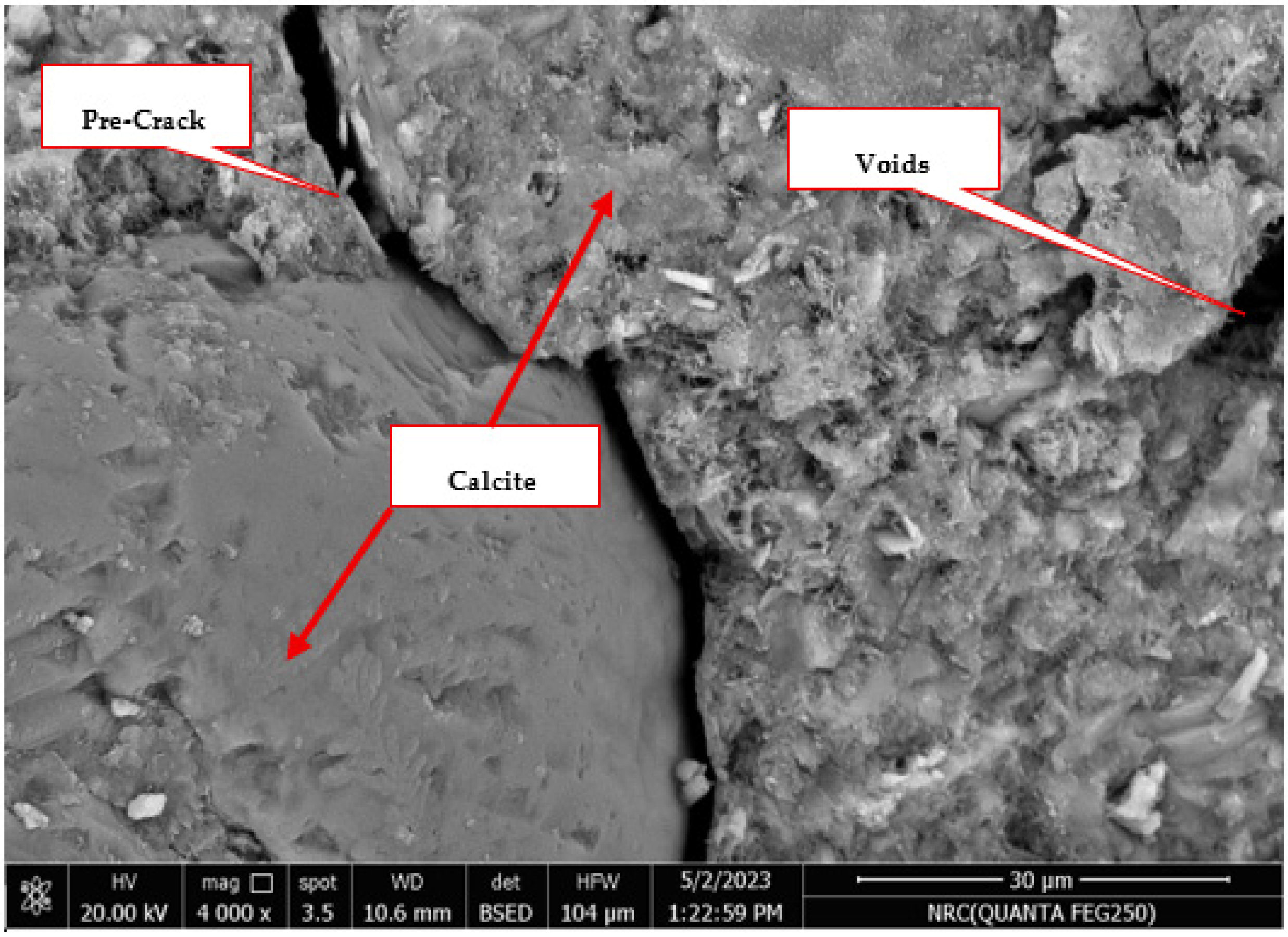
The SEM image of the self-healing concrete sample reinforced with sisal fibers and fortified with Bacillus subtilis and calcium lactate at 56 days offers significant insights into the healing mechanisms that occur under partial loading conditions. Depending on Figure 8, at a loading range of 50–60%, the image distinctly shows the formation of a primary microcrack extending along the cementitious matrix. Although the crack propagation pathway is clear, the width of the fissure seems relatively narrow, indicating that the healing process had already commenced during the curing period preceding the test.
Notably, the SEM observation highlights internal gaps distributed along the crack flanks. These voids are typical of concrete samples subjected to mechanical stress, and their presence is consistent with previously reported findings that microbial self-healing tends to act most effectively at micro-scale defects rather than wide cracks. Within these voids, several bright deposits can be observed, which correspond to calcite (CaCO3) formation. The deposition of calcite indicates successful metabolic activity of Bacillus subtilis, which utilized calcium lactate as a nutrient source to precipitate calcium carbonate through (MICP). This phenomenon has been shown in earlier studies to not only fill microvoids but also to bridge microcracks, thereby improving both durability and stiffness of the matrix.
The partial fracture closure seen in this picture is consistent with research showing that bacterial concrete has greater healing potential at later ages (beyond 28 days) because of sustained microbial activity and slow calcite accumulation. Additionally, it is anticipated that the presence of sisal fibers helped to limit the breadth of the cracks by serving as physical bridges between the fracture sides, which created an environment that was conducive to the deposition of calcite. This synergistic effect between fiber reinforcement and microbial activity is a key factor that distinguishes bio-based self-healing concretes from conventional systems.
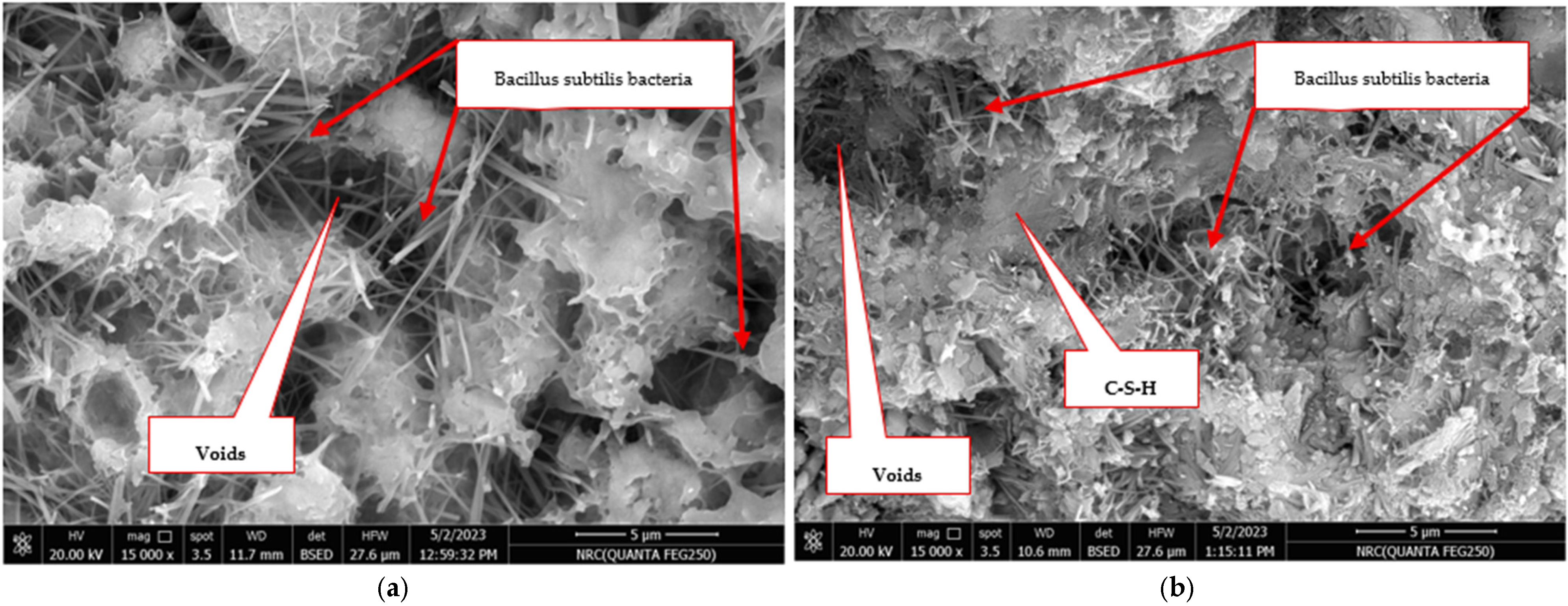
MICP is the process by which the implanted bacteria create calcium carbonate (CaCO3) after being activated by oxygen and moisture. As seen in Figure 9a,b, this calcium carbonate synthesis fills the gaps, effectively closing them and regaining the concrete’s integrity. The self-healing mechanism can be repeatedly triggered over time if the cracks spread or new ones appear, enabling the concrete to self-heal damage and extend its service life.
Important microstructural data supporting the B5/5/1 mixture’s compressive strength performance is provided by the SEM examination conducted 56 days later. This mixture represents the ideal mix of the B-Series (without sisal fibers). Partially closed microcracks and noticeable calcite (CaCO3) deposits within voids and along crack interfaces are visible in the image. These deposits demonstrate the active metabolic function of Bacillus subtilis, which transformed calcium lactate into solid calcium carbonate crystals by (MICP). The strength recovery obtained in the compressive strength tests was aided by the detected calcite, which not only filled in gaps but also improved the bonding between cement hydration products. The bacteria themselves were occasionally observed in the micrographs as small, rod-like features embedded within the hydration matrix, consistent with findings from earlier studies where bacterial presence directly correlated with enhanced healing performance.
In comparison, a highly refined and interconnected microstructure can be seen in the SEM image of the SB10/5/1 mixture, which is the ideal blend of the SB-Series (with sisal fibers). Sisal fibers, which bridge across fissures and prevent their expansion, dramatically changed the crack morphology when they were added at a volume percentage of 0.9%. Calcite precipitation was more efficiently concentrated in constrained microenvironments produced by this fiber-bridging action. Consequently, compared to B5/5/1, richer and more continuous calcite layers were seen along crack borders in the SB10/5/1 sample. Additionally, it seemed that the fibers themselves offered calcite crystal nucleation sites, improving the precipitates’ distribution across the matrix. The higher compressive strength values observed for SB10/5/1 in comparison to B5/5/1 can be explained by this synergistic mechanism between microbial activity and fiber reinforcing. Therefore, the advantage of the sisal fiber-reinforced system is due to both mechanical and biochemical interactions at the microstructural level. The fibers facilitated more effective bacterial healing by keeping cracks within the size range that was conducive to microbial action, while mechanically reducing crack propagation and controlling internal tensions. This is in line with earlier research showing that fiber reinforcement improves the circumstances for self-healing by keeping crack widths below the essential threshold for efficient calcite deposition, in addition to increasing strength.
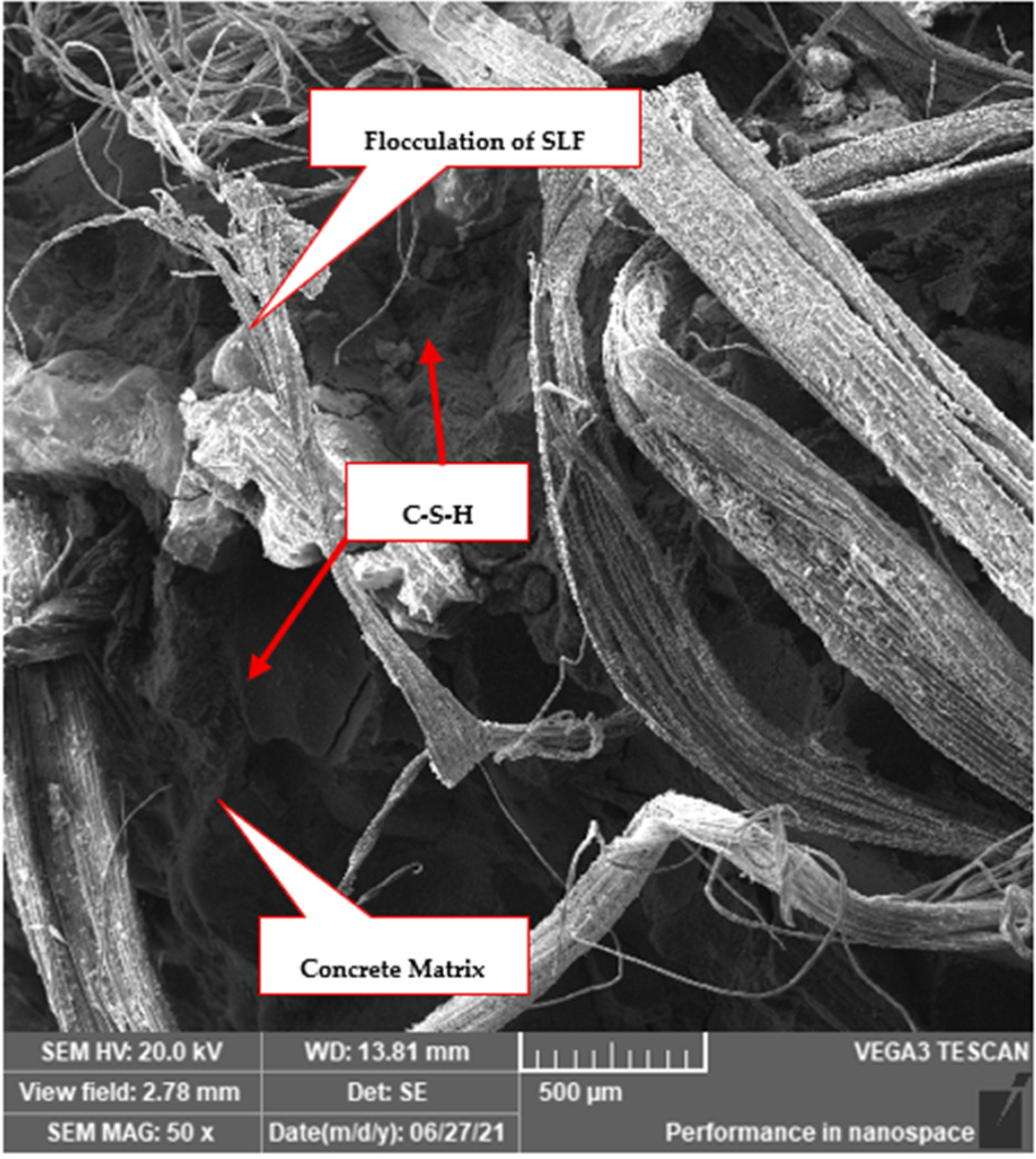
The SEM images for samples SB10/5/1 was contrasted in Figure 10. A weakly bound relationship between the SLF and the matrix was discovered by the micromorphology of SB10/5/1, which aided in the deterioration of the concrete’s strength characteristics. Due to the naturally lower cohesiveness between fibers and concrete, as reference [9,33] shows, the adhesive strength between the SLF and the cement matrix significantly decreased when compared to the control sample. However, surface irregularities in the SLF were caused by microscopic protrusions that came from the cement hydration process. In the end, this irregularity strengthened the bond between the SLF and the matrix by creating a noticeable interlocking effect at the interfaces. When a W/B ratio of 0.4 was used instead, the interaction between the SLF and concrete was more successful.
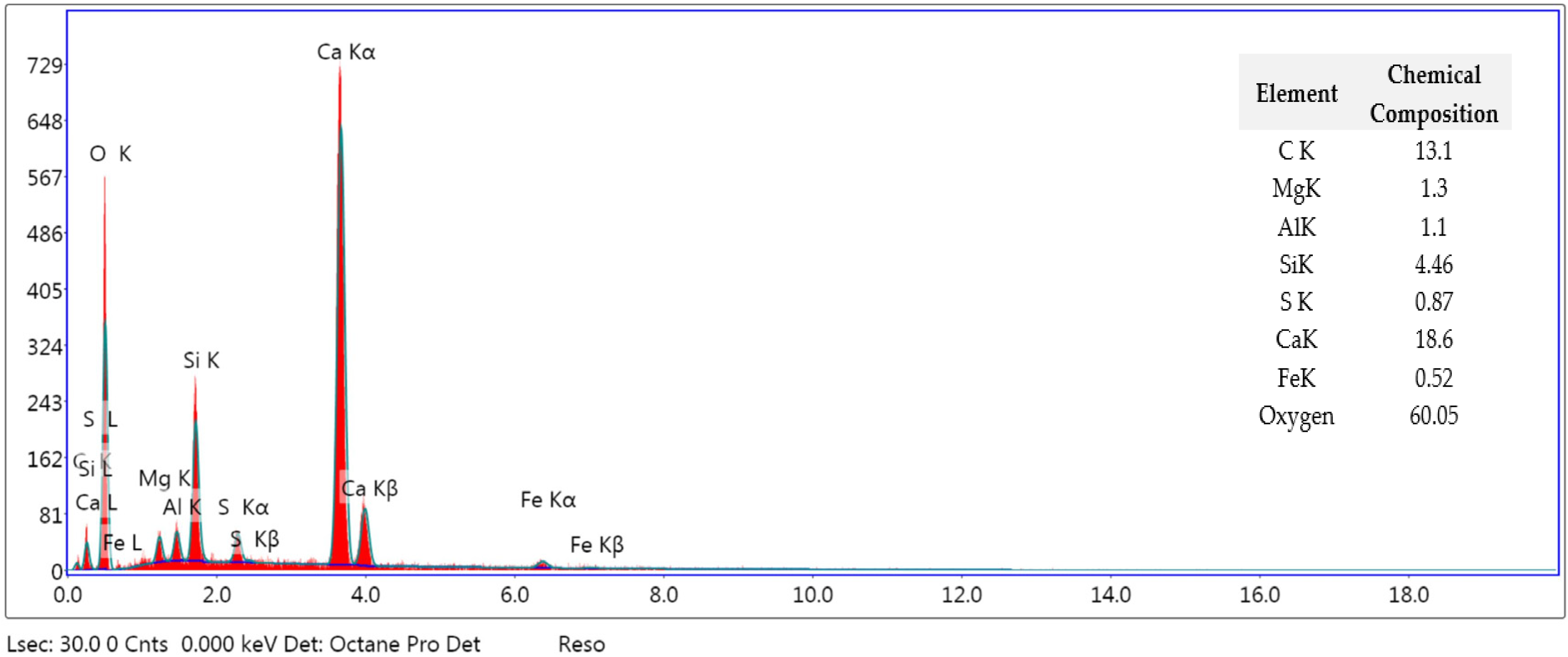
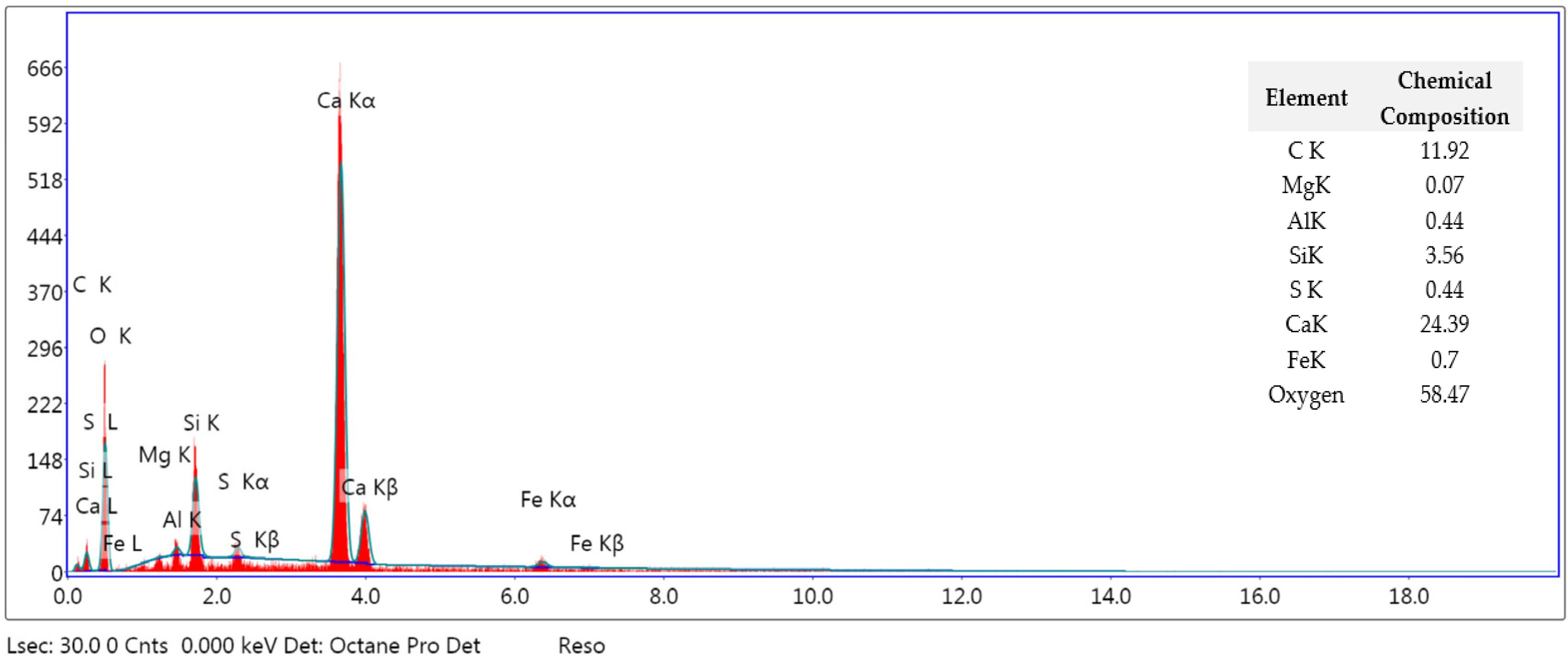
Related to Figure 11 and Figure 12, after 56 days, the B5/5/1 mixture, which is the ideal B-Series mix (without sisal fibers), had an 18.6% calcium (Ca) level according to the EDAX study. This calcium level suggests that Bacillus subtilis activity had caused (MICP), while the distribution of Ca-rich phases seemed to be mostly concentrated along microcracks and voids. The Ca/Si ratio of this mixture showed a moderate balance between calcium carbonate deposition and the production of calcium silicate hydrate (C-S-H), the main factor affecting cementitious strength. The microstructure showed incomplete densification, with unfilled voids and partially bridged cracks, despite the fact that successful self-healing was visible. This explains why the compressive strength, although better than the control, it was still less than the fiber-reinforced series. On the other hand, the SB10/5/1 mixture the ideal SB-Series blend with sisal fibers showed a noticeably greater calcium content of 24.39% in the SEM and EDAX analyses.
With denser and more continuous calcite layers deposited throughout the microstructure, the increased Ca concentration suggests that microbial precipitation of CaCO3 was more successful in this mixture. The SEM pictures demonstrated the complementary function of sisal fibers, which served as crack-bridging agents to stop cracks from spreading too much and to create small areas that were ideal for bacterial growth. Greater void filling and tighter fracture sealing resulted from these microenvironments’ improved efficiency in converting calcium lactate into calcite. The homogeneity of the Ca dispersion was further enhanced by the fibers’ apparent provision of CaCO3 precipitation nucleation sites. Compared to the B5/5/1 mix, the SB10/5/1 mix had a notably greater Ca/Si ratio. This enhancement is especially noteworthy because a greater Ca/Si ratio is linked to improved calcite precipitation and stabilized hydration products, both of which increase the cementitious matrix’s overall mechanical integrity. In addition to demonstrating the effectiveness of bacterial self-healing, the elevated Ca/Si ratio also suggests a stronger matrix due to the more robust integration of calcite with C-S-H phases. This is in line with the results of the compressive strength test, which showed that SB10/5/1 performed better than B5/5/1.
Furthermore, after 56 days of curing, bacterial imprints and rod-shaped forms were occasionally seen in both microstructures, indicating that Bacillus subtilis was still viable. These bacterial characteristics, however, were more commonly linked to Ca-rich zones in SB10/5/1, indicating that the fibers’ regulated crack settings prolonged bacterial activity and improved its mineralization effect.
This study advances the literature by providing the first integrated evidence of the synergistic interaction between Bacillus subtilis—induced calcite precipitation and sisal fiber reinforcement in self-healing concrete. Unlike previous research that examined microbial healing or natural fibers separately, the present work demonstrates that combining MICP activity with sisal fibers significantly improves crack resistance, tensile and flexural recovery, and microstructural densification. SEM/EDS analysis further clarifies how sisal fibers enhance healing efficiency by promoting localized mineral precipitation, improving Ca/Si ratios, and distributing calcite deposits more uniformly.
Future research should focus on optimizing fiber surface treatments to improve durability, evaluating long-term performance under aggressive and cyclic loading conditions, and developing models to describe bacteria–fiber healing kinetics. Additional studies are recommended to explore alternative biodegradable fibers, improved nutrient delivery methods, and full life-cycle and cost–benefit assessments to support practical implementation of this hybrid self-healing technology in real construction applications.
Overall, the microstructural observations of the self-healing concrete sample reinforced with raw, untreated sisal fibers and incorporating Bacillus subtilis with calcium lactate at 56 days provide mechanistic insight into the healing processes activated under partial loading. As shown in Figure 8, loading in the range of 50–60% of the specimen’s axial capacity generated a well-defined primary microcrack within the cementitious matrix. Although the crack path is continuous, the measured fissure width remains within the microcrack range (<50–80 µm), which is within the optimal threshold reported in the literature for effective microbial-induced calcite precipitation (MICP). This narrow crack width suggests that healing was already initiated during early curing stages.
In the crack flanks, SEM analysis reveals discrete internal voids and separation gaps—features typically associated with tensile microdamage under loading. Importantly, these voids contain bright, high-density deposits confirmed as calcium carbonate (CaCO3), indicating active metabolic conversion of calcium lactate by Bacillus subtilis. This conversion follows the urease-independent metabolic pathway, where the bacteria utilize lactate and oxygen to generate carbonate ions that subsequently react with free calcium ions. Mechanistically, the precipitation of CaCO3 increases local stiffness and promotes mechanical bridging across microdefects, contributing directly to healing and strength recovery.
Because the sisal fibers used in this study were raw, untreated natural fibers, their hydrophilic cellulose-based surfaces interacted readily with the cementitious environment. Prior to SEM preparation, the fibers embedded in the fractured surfaces were gently rinsed with fresh water only (no chemical treatment) to remove surface debris while preserving their natural morphology. This ensured that the SEM images captured the true interfacial characteristics between untreated sisal fibers and the hydration matrix.
The presence of untreated sisal fibers significantly influenced the healing mechanism. Their physical bridging action constrained crack opening, maintaining fissure widths within the critical range necessary for efficient MICP. Furthermore, SEM images of the SB10/5/1 mixture reveal that the irregular microtopography of the natural sisal surface—including microgrooves and cellulose fibril bundles—served as heterogeneous nucleation sites for CaCO3. This mechanistic role led to a localized increase in calcite density along fiber–matrix interfaces and enhanced crack filling compared to the bacteria-only mixture (B5/5/1). Quantitatively, this is supported by the EDAX results: the SB10/5/1 mixture exhibited a 24.39% Ca content, which is markedly higher than the 18.6% Ca content of the B5/5/1 mixture. The corresponding increase in Ca/Si ratio further confirms superior mineral deposition and improved microstructural densification in the fiber-reinforced system.
This synergistic interaction—mechanical crack-width control by sisal fibers combined with biologically induced mineral precipitation—explains the superior compressive strength recovery of SB10/5/1. The untreated sisal fibers facilitated a more favorable healing environment by restricting crack dilation while simultaneously promoting more uniform and continuous CaCO3 deposition. This mechanistic insight aligns with existing models of natural fiber–assisted self-healing, where fiber bridging reduces stress concentration, lowers the energy release rate at crack tips, and enhances the efficacy of microbially driven healing processes.

4. Conclusions

This study evaluated the combined influence of Bacillus subtilis–based self-healing and sisal fiber reinforcement on the mechanical and microstructural performance of sustainable cementitious composites. The results demonstrate that integrating MICP with natural fibers provides notable improvements in strength development, crack control, and long-term healing efficiency.
  • Related to synergistic enhancement of tensile performance, both bacteria and sisal fibers individually improved tensile strength; however, their combination produced a significant synergistic effect. Mix SB10/5/1 consistently achieved the highest splitting tensile strengths at all ages, reaching 6.3 MPa at 56 days, highlighting the mutual enhancement between fiber bridging and bacterial calcite precipitation.
  • According to mechanical and flexural strength improvement, sisal fibers effectively enhanced flexural strength through mechanical crack bridging, while bacterial incorporation contributed additional gains through MICP. The combined system (SB-series) showed the most pronounced improvement, with SB10/5/1 exhibiting a 67% increase in flexural strength at 56 days compared to the control.
  • The microstructural analysis at 56 days confirmed that incorporating raw, untreated sisal fibers alongside Bacillus subtilis and calcium lactate significantly enhanced the self-healing efficiency of the concrete. Fiber bridging-maintained crack widths within the optimal MICP range, while the natural micro-roughness of sisal provided nucleation sites that promoted denser CaCO3 precipitation. This synergistic mechanism—validated by higher Ca content (24.39%) and Ca/Si ratios in SB10/5/1—resulted in superior microstructural densification and improved compressive strength recovery compared to bacterial healing alone.
  • For future development, while untreated sisal fibers performed adequately in this phase, future work will explore fiber surface treatments to improve durability, reduce water absorption, and strengthen fiber–matrix interaction.
Overall, the combined use of sisal fibers and Bacillus subtilis bacteria presents a promising and sustainable approach to producing durable, self-healing concrete with enhanced mechanical performance.

Author Contributions

Conceptualization, W.F.E., A.D.A. and A.A.-K.A.A.S.; methodology, A.D.A.; software, H.M.A.-J.; validation, Shady Khairy, W.F.E. and H.M.A.-J.; formal analysis, A.A.-K.A.A.S.; investigation, H.M.A.-J.; resources, A.D.A.; data curation, W.F.E.; writing—original draft preparation, S.K. and A.A.-K.A.A.S.; writing—review and editing, A.D.A.; visualization, A.D.A.; supervision, A.A.-K.A.A.S.; project administration, A.A.-K.A.A.S.; funding acquisition, W.F.E. All authors have read and agreed to the published version of the manuscript.

Funding

This research was partially financed by the Kingdom University (KU-2025-2026-01).

Data Availability Statement

The original contributions presented in this study are included in the article. Further inquiries can be directed to the corresponding author.

Conflicts of Interest

The authors declare no conflicts of interest.

References

  1. Singh, N.B.; Middendorf, B. Geopolymers as an alternative to Portland cement: An overview. Constr. Build. Mater. 2020, 237, 117455. [Google Scholar] [CrossRef]
  2. Kumar, T.U.; Kumar, M.V. Investigation on mechanical properties of geopolymer aggregate concrete. Mater. Today Proc. 2020, 43, 1220–1225. [Google Scholar] [CrossRef]
  3. Xue, Q.; Feng, X.; Sun, Y.; Si, Z.; Zhang, L.; Zhou, Z.; Zhong, Y.; Mai, K.; Lin, G.; Zhao, H. A systematic review of concrete self-healing mechanism and analysis of new research directions. J. Environ. Chem. Eng. 2025, 13, 119009. [Google Scholar] [CrossRef]
  4. Ojha, A.; Kumar, A.; Das, D.; Bandyopadhyay, T.K. Bio-concrete and its self-healing capacity to next-generation sustainable architecture: A comprehensive review. Exon 2025, 2, 224–242. [Google Scholar] [CrossRef]
  5. Algaifi, H.A.; Bakar, S.A.; Alyousef, R.; Sam, A.R.M.; Ibrahim, M.W.; Shahidan, S.; Ibrahim, M.; Salami, B.A. Bio-inspired self-healing of concrete cracks using new B. pseudomycoides species. J. Mater. Res. Technol. 2021, 12, 967–981. [Google Scholar] [CrossRef]
  6. Jia, Y.; Xue, C.; Zhang, W. Influence of calcium concentration and pH value on the efficacy of MICP in self-healing cementitious materials. Case Stud. Constr. Mater. 2025, 23, e05507. [Google Scholar] [CrossRef]
  7. Tang, Y.; Xu, J. Application of microbial precipitation in self-healing concrete: A review on the protection strategies for bacteria. Constr. Build. Mater. 2021, 306, 124950. [Google Scholar] [CrossRef]
  8. Ahmad, S.; Elmenshawy, Y.; El Gammal, Y.O.; El-Sheikh, H.M.; Moawad, M.; Elshami, A.A.; Elmahdy, M.A. Investigating the repair of cracks through bacterial self-healing for sustainable concrete in aggressive sulfate attack environments. Fract. Struct. Integr. 2025, 19, 194–210. [Google Scholar] [CrossRef]
  9. Helal, Z.; Salim, H.; Ahmad, S.S.; Elemam, H.; Mohamed, A.I.; Elmahdy, M.A. Sustainable bacteria-based self-healing steel fiber reinforced concrete. Case Stud. Constr. Mater. 2024, 20, e03389. [Google Scholar] [CrossRef]
  10. Su, Y.; Tsang, D.C.W.; Qu, F.; Zhang, C.; Meng, Y. Chapter 7—Performance of concrete using bacteria and bio-fibers. In Advances in Bio-Based Materials for Construction and Energy Efficiency; Pacheco-Torgal, F., Tsang, D.C.W., Eds.; Woodhead Publishing Series in Civil and Structural Engineering; Woodhead Publishing: Sawston, UK, 2025; pp. 171–198. [Google Scholar] [CrossRef]
  11. Hammad, N.; ElNemr, A.; Shaaban, I. Enhancing durability in bacteria-based AAS composites at varied alkali environments. Prog. Eng. Sci. 2025, 2, 100047. [Google Scholar] [CrossRef]
  12. Hammad, N.; El-Nemr, A.; Shaaban, I.G. Bacillus subtilis as a Novel Biological Repair Technique for Alkali-Activated Slag Towards Sustainable Buildings. Sustainability 2025, 17, 48. [Google Scholar] [CrossRef]
  13. Pourfallahi, M.; Nohegoo-Shahvari, A.; Salimizadeh, M. Effect of direct addition of two different bacteria in concrete as self-healing agent. Structures 2020, 28, 2646–2660. [Google Scholar] [CrossRef]
  14. Tie, Y.; Ji, Y.; Zhang, H.; Jing, B.; Zeng, X.; Yang, P. Investigation on the mechanical properties of Bacillus subtilis self-healing concrete. Heliyon 2024, 10, e34131. [Google Scholar] [CrossRef]
  15. Salmasi, F.; Mostofinejad, D. Investigating the effects of bacterial activity on compressive strength and durability of natural lightweight aggregate concrete reinforced with steel fibers. Constr. Build. Mater. 2020, 251, 119032. [Google Scholar] [CrossRef]
  16. Durga, C.S.S.; Ruben, N.; Chand, M.S.R.; Indira, M.; Venkatesh, C. Comprehensive microbiological studies on screening bacteria for self-healing concrete. Materialia 2021, 15, 101051. [Google Scholar] [CrossRef]
  17. Zhang, L.V.; Nehdi, M.L.; Suleiman, A.R.; Allaf, M.M.; Gan, M.; Marani, A.; Tuyan, M. Crack self-healing in bio-green concrete. Compos. Part B Eng. 2021, 227, 109397. [Google Scholar] [CrossRef]
  18. Amieghemen, G.E.; Morris, J.J.; Sherif, M.M. Compressive response of bio-strengthened engineered cementitious composites (ECC) with self-healing characteristics. Compos. Struct. 2026, 375, 119802. [Google Scholar] [CrossRef]
  19. Vafaeva, K.M.; Vatin, N.I.; Kordas, G. Self-healing building materials: The future of construction. AlfaBuild 2023, 29, 2912. [Google Scholar]
  20. Sowmya, S.; Pannem, R.M.R. Integrating Bacteria and Fibres for Self-Healing Concrete: A Comprehensive Review of Synergistic Effects. Results Eng. 2025, 28, 107071. [Google Scholar] [CrossRef]
  21. Cappellesso, V.G.; Van Mullem, T.; Gruyaert, E.; Van Tittelboom, K.; De Belie, N. Self-healing concrete with a bacteria-based or crystalline admixture as healing agent to prevent chloride ingress and corrosion in a marine environment. Dev. Built Environ. 2024, 19, 100486. [Google Scholar] [CrossRef]
  22. Sutradhar, U.; Spearing, L.; Derrible, S. Depopulation and associated challenges for US cities by 2100. Nat. Cities 2024, 1, 51–61. [Google Scholar] [CrossRef]
  23. Talaiekhozani, A.; Abd Majid, M.Z. A Review of Self-healing Concrete Research Development. J. Environ. Treat. Tech. 2014, 2, 1–11. [Google Scholar]
  24. Boruah, R.P.; Mohanadhas, B.; Kamalanathan, J. A comparative study of the shear strength of a poorly graded soil using Bacillus subtilis, vetiver fibre and bamboo fibre. Adv. Bamboo Sci. 2025, 11, 100146. [Google Scholar] [CrossRef]
  25. Hou, F.; Shen, D.; Diao, Y.; Guo, H.; Wang, J. Preliminary study on in-situ spore germination at different crack depths in bacteria-based self-healing concrete. Cem. Concr. Compos. 2025, 162, 106140. [Google Scholar] [CrossRef]
  26. Nair, P.S.; Khan, R.A.; Gupta, R.; Agrawal, V.; Somani, P.; Thomas, B.S. Enhanced durability and strength of bio-wollastonite fiber-reinforced concrete using MICP technique. Constr. Build. Mater. 2025, 479, 141533. [Google Scholar] [CrossRef]
  27. Mondal, S.; Ghosh, A.D. Spore-forming Bacillus subtilis vis-à-vis non-spore-forming Deinococcus radiodurans, a novel bacterium for self-healing of concrete structures: A comparative study. Constr. Build. Mater. 2021, 266, 121122. [Google Scholar] [CrossRef]
  28. Zhang, L.; Zheng, M.; Zhao, D.; Feng, Y. A review of novel self-healing concrete technologies. J. Build. Eng. 2024, 89, 109331. [Google Scholar] [CrossRef]
  29. Zhang, X.; Jin, Z.; Li, M.; Qian, C. Effects of carrier on the performance of bacteria-based self-healing concrete. Constr. Build. Mater. 2021, 305, 124771. [Google Scholar] [CrossRef]
  30. Monfared, N.D.; Alirezarashnou. Investigating the effects of bacteria and heat on the compressive strength of lightweight concrete. J. Mater. Sci. Eng. 2023, 12, 622. [Google Scholar]
  31. Tumwiine, H.; Chala, T.; Ssenyonjo, H.; Kirigoola, D.; Al-Fakih, A. On the use of self-healing materials in concrete technology: A comprehensive review of materials, mechanisms, and field applications. Mater. Today Chem. 2025, 48, 103001. [Google Scholar] [CrossRef]
  32. Seifan, M.; Samani, A.K.; Berenjian, A. Bioconcrete: Next generation of self-healing concrete. Appl. Microbiol. Biotechnol. 2016, 100, 2591–2602. [Google Scholar] [CrossRef]
  33. Van Tittelboom, K.; De Belie, N.; De Muynck, W.; Verstraete, W. Use of bacteria to repair cracks in concrete. Cem. Concr. Res. 2010, 40, 157–166. [Google Scholar] [CrossRef]
  34. Raniolo, S.; da Ros, L.; Maretto, L.; Gianelle, D.; Camin, F.; Bontempo, L.; Stevanato, P.; Sturaro, E.; Squartini, A.; Rodeghiero, M. Grazing Intensity Accelerates Surface Soil C and N Cycling in Alpine Pastures as Revealed by Soil Genes and δ15N Ratio. Sustainability 2025, 17, 2165. [Google Scholar]
  35. Prayuda, H. Repairing of flexural cracks on reinforced self-healing concrete beam using bacillus subtillis bacteria. Int. J. Integr. Eng. 2020, 12, 300–309. [Google Scholar]
  36. Ramachandran, S.K.; Ramakrishnan, V.; Bang, S.S. Remediation of concrete using microorganisms. Mater. J. 2001, 98, 3–9. [Google Scholar]
  37. Shilar, F.A.; Ganachari, S.V.; Patil, V.B. A comprehensive review on the strength, durability, and microstructural analysis of bacterial concrete. Structures 2024, 68, 107078. [Google Scholar] [CrossRef]
  38. Chandramouli, K.; Rao, S.S.; Pannirselvam, N.; Sekhar, S.T.; Sravana, P. Strength Properties of Glass Fibre Concrete. J. Eng. Appl. Sci. 2010, 5, 1–6. [Google Scholar]
  39. Xu, J.-M.; Chen, Z.-T.; Cheng, F.; Liu, Z.-Q.; Zheng, Y.-G. Exploring a cellulose-immobilized bacteria for self-healing concrete via microbe-induced calcium carbonate precipitation. J. Build. Eng. 2024, 95, 110248. [Google Scholar] [CrossRef]
  40. Kizilkanat, A.B.; Kabay, N.; Akyüncü, V.; Chowdhury, S.; Akça, A.H. Mechanical properties and fracture behavior of basalt and glass fiber reinforced concrete: An experimental study. Constr. Build. Mater. 2015, 100, 218–224. [Google Scholar] [CrossRef]
  41. Paktiawal, A.; Alam, M. Alkali-resistant glass fiber high strength concrete and its durability parameters. Mater. Today Proc. 2021, 47, 4758–4766. [Google Scholar] [CrossRef]
  42. Gokulnath, V.; Ramesh, B.; Sivashankar, S. Study on M-sand in self compacting concrete with addition of steel fiber in M-25 grade-a review. Mater. Today Proc. 2020, 22, 966–969. [Google Scholar] [CrossRef]
  43. Raju, R.A.; Lim, S.; Akiyama, M.; Kageyama, T. Effects of concrete flow on the distribution and orientation of fibers and flexural behavior of steel fiber-reinforced self-compacting concrete beams. Constr. Build. Mater. 2020, 262, 119963. [Google Scholar] [CrossRef]
  44. Edris, W.F.; Elbialy, S.; El-zohairy, A.; Soliman, A.M. Examining Mechanical Property Differences in Concrete with Natural and Synthetic Fiber Additives. J. Compos. Sci. 2024, 8, 167. [Google Scholar] [CrossRef]
  45. Naraganti, S.R.; Pannem, R.M.R.; Putta, J. Impact resistance of hybrid fibre reinforced concrete containing sisal fibres. Ain Shams Eng. J. 2019, 10, 297–305. [Google Scholar] [CrossRef]
  46. Ren, G.; Yao, B.; Huang, H.; Gao, X. Influence of sisal fibers on the mechanical performance of ultra-high performance concretes. Constr. Build. Mater. 2021, 286, 122958. [Google Scholar] [CrossRef]
  47. Padanattil, A.; Karingamanna, J. Novel hybrid composites based on glass and sisal fiber for retrofitting of reinforced concrete structures. Constr. Build. Mater. 2017, 133, 146–153. [Google Scholar] [CrossRef]
  48. El-azim, A.; Abd El-Aziz, M.; Hasan, F. Mechanical Behavior of Concrete Containing One Type and Hybrid Fibers. Egypt. Int. J. Eng. Sci. Technol. 2018, 24, 27–33. [Google Scholar] [CrossRef]
  49. Sabarish, K.V.; Paul, P.; Jones, J. Materials Today: Proceedings An experimental investigation on properties of sisal fiber used in the concrete. Mater. Today Proc. 2020, 22, 439–443. [Google Scholar] [CrossRef]
  50. Lima, P.R.L.; Roque, A.B.; Fontes, C.M.A.; Lima, J.M.F.; Barros, J.A. Potentialities of cement-based recycled materials reinforced with sisal fibers as a filler component of precast concrete slabs. In Sustainable and Nonconventional Construction Materials Using Inorganic Bonded Fiber Composites; Woodhead Publishing: Cambridge, UK, 2017; pp. 399–428. [Google Scholar] [CrossRef]
  51. Thomas, B.C.; Jose, Y.S. Materials Today: Proceedings A study on characteristics of sisal fiber and its performance in fiber reinforced concrete. Mater. Today Proc. 2022, 51, 1238–1242. [Google Scholar] [CrossRef]
  52. De Klerk, M.D.; Kayondo, M.; Moelich, G.M.; de Villiers, W.I.; Combrinck, R.; Boshoff, W.P. Durability of chemically modified sisal fibre in cement-based composites. Constr. Build. Mater. 2020, 241, 117835. [Google Scholar] [CrossRef]
  53. De Souza, R.; Maria, L.; De Souza, S.; De Andrade, F. Comparative study on the mechanical behavior and durability of polypropylene and sisal fiber reinforced concretes. Constr. Build. Mater. 2019, 211, 617–628. [Google Scholar] [CrossRef]
  54. Lima, P.R.L.; Barros, J.A.O.; Roque, A.B.; Fontes, C.M.A.; Lima, J.M.F. Short sisal fiber reinforced recycled concrete block for one-way precast concrete slabs. Constr. Build. Mater. 2018, 187, 620–634. [Google Scholar] [CrossRef]
  55. Izquierdo, I.S.; Izquierdo, O.S.; Ramalho, M.A.; Taliercio, A. Sisal fiber reinforced hollow concrete blocks for structural applications: Testing and modeling. Constr. Build. Mater. 2017, 151, 98–112. [Google Scholar] [CrossRef]
  56. Attia, M.M.; Al Sayed, A.A.K.A.; Tayeh, B.A.; Shawky, S.M.M. Banana agriculture waste as eco-friendly material in fibre-reinforced concrete: An experimental study. Adv. Concr. Constr. 2022, 14, 355–368. [Google Scholar] [CrossRef]
  57. Ahmad, J.; Abid, S.R.; Arbili, M.M.; Majdi, A.; Hakamy, A.; Deifalla, A.F. A review on sustainable concrete with the partially substitutions of silica fume as a cementitious material. Sustainability 2022, 14, 12075. [Google Scholar] [CrossRef]
  58. Jamshaid, H.; Ali, H.; Mishra, R.K.; Nazari, S. Durability and Accelerated Ageing of Natural Fibers in Concrete as a Sustainable Construction Material. Materials 2023, 16, 6905. [Google Scholar] [CrossRef] [PubMed]
  59. Setiyarto, Y.D.; Fira, H.Y. Behavior of Concrete Burned with High Temperature. IOP Conf. Ser. Mater. Sci. Eng. 2019, 662, 062002. [Google Scholar] [CrossRef]
  60. Abdelmonem, R.; Bakr, A.; Badawy, I.; Abd El Maksoud, A.I.; Attia, R.T. Quality by Design Approach for the Formulation and Evaluation of Stem Cells Derived Rosmarinic Acid-Loaded Nanofibers as an Anti-Wrinkle Patch: In Vitro and In Vivo Characterizations. Pharmaceutics 2024, 16, 1598. [Google Scholar] [CrossRef]
  61. ES 4756/1-2013; The Egyptian Code for Design and Construction of Concrete Structures. Housing and Building Research Center: Giza, Egypt, 2020.
  62. EN 197:2011; Cement—Part 1: Composition, Specifications and Conformity Criteria for Common Cements Ciment. European Standard: Brussels, Belgium, 1992.
  63. Mittal, M.; Basu, S.; Sofi, A. Effect of Sika viscocrete on properties of concrete. Int. J. Civ. Eng. (IJCE) 2013, 2, 61–66. [Google Scholar]
  64. ASTM C494; Standard Specification for Chemical Admixtures for Concrete. ASTM Standards: West Conshohocken, PA, USA, 2001.
  65. ASTM C33/C33M-18; Concrete Aggregates 1. ASTM Standards: West Conshohocken, PA, USA, 2001.
  66. BS EN 12390-3; Testing Hardened Concrete-Part 3: Compressive Strength of Test Specimens. BSI Standard: London, UK, 2009.
  67. Kett, I. Making and Curing Concrete Test Specimens in the Laboratory (C 192). Eng. Concr. 2009, 4, 107–108. [Google Scholar]
  68. ASTM C192/C192M-14; Standard Practice for Making and Curing Concrete Test Specimens in the Laboratory. ASTM International: West Conshohocken, PA, USA, 2014.
  69. BS EN 12390-6; Testing Hardened Concrete Part 6: Tensile Splitting Strength of Test Specimens. British Standards Institution: London, UK, 2010.
  70. BS EN 12390-5; Testing Hardened Concrete Part 5: Flexural Strength of Test Specimens. British Standards Institution: London, UK, 2010.
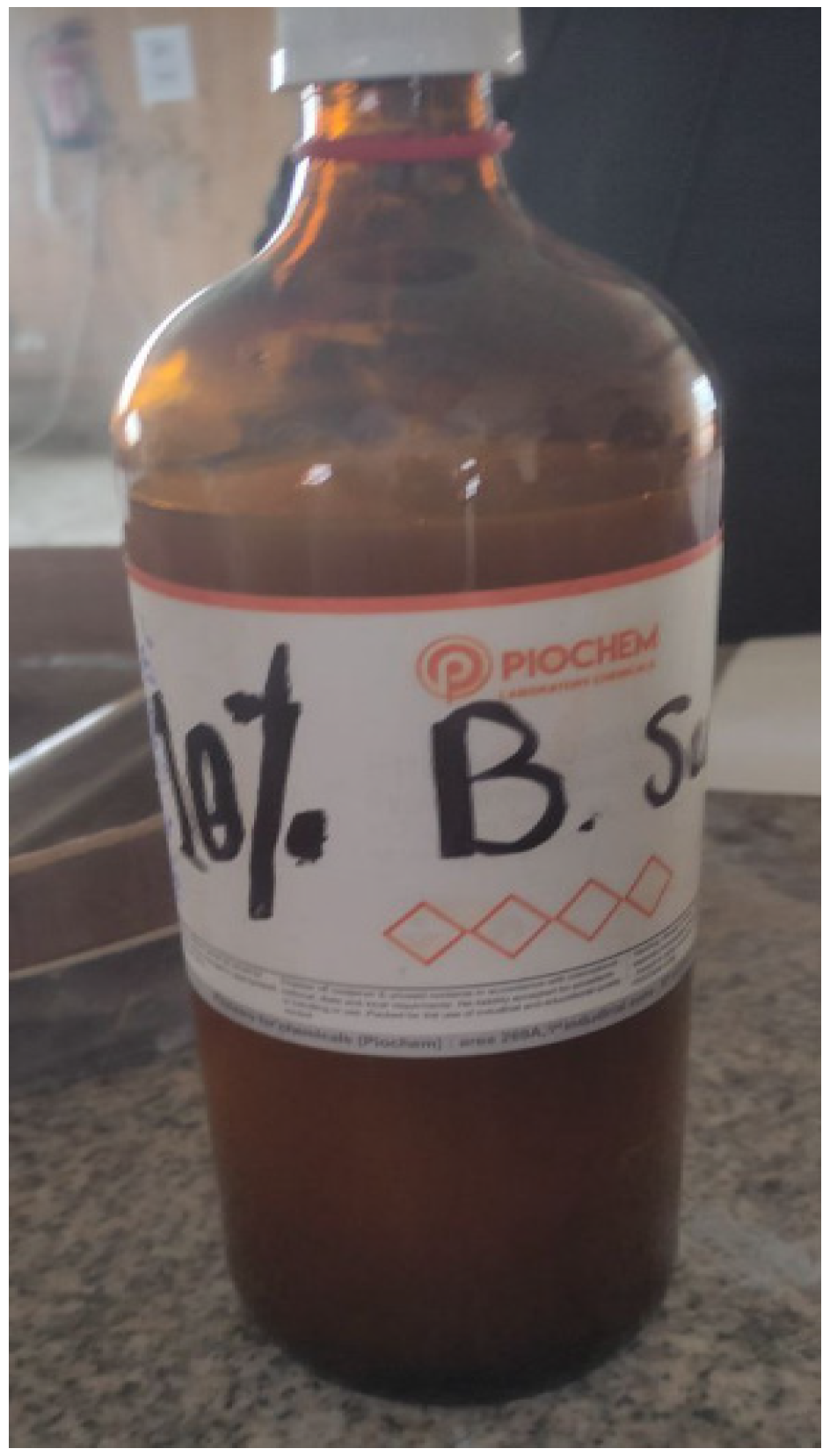
Figure 1. Fermentations of Bacillus subtilis.
Buildings 15 04495 g001
Figure 2. A natural white of Sisal fibers “SLF”.
Buildings 15 04495 g002
Figure 3. SEM of Sisal Fibers “SLF” obtained by author [44].
Buildings 15 04495 g003
Figure 4. An illustration showing how to work with the practical research program.
Buildings 15 04495 g004
Figure 5. Results for compressive strength of cube specimens using fresh water for curing at different bacterial percentages with and without SLF.
Buildings 15 04495 g005
Figure 6. Results for splitting tensile strength of cylindrical specimens using fresh water for curing at different bacterial percentages with and without SLF.
Buildings 15 04495 g006
Figure 7. Results for flexural strength of cube specimens using fresh water for curing at different bacterial percentages with and without SLF.
Buildings 15 04495 g007
Figure 8. SEM surface mapping (4000×) after 56 days of curing for mixes (B5/5/1) with 50–60% pre-cracking.
Buildings 15 04495 g008
Figure 9. With Bacillus subtilis bacteria appearance (a) SEM of mix (B5/5/1) as optimum mixture of B-Series after 56 days related to compressive strength results and (b) SEM of mix (SB10/5/1) as optimum mixture of SB-Series after 56 days related to compressive strength results.
Buildings 15 04495 g009
Figure 10. With sisal fiber appearance, SEM of mix (SB10/5/1) as optimum mixture of SB-Series after 56 days related to compressive strength results.
Buildings 15 04495 g010
Figure 11. EDAX analysis of mix (B5/5/1) as optimum mixture of B-Series after 56 days related to compressive strength results.
Buildings 15 04495 g011
Figure 12. EDAX analysis of mix (SB10/5/1) as optimum mixture of SB-Series after 56 days related to compressive strength results.
Buildings 15 04495 g012
Table 1. Mechanical, physical, and chemical properties of sisal fibers [44].
General Sisal Fiber “SLF”
Mechanical Properties
Tensile StrengthYoung’s ModulusElongation Break* L/D
MPaGPa%ratio
3805.2415.9160
Physical Properties
DensityMoisture contentWater absorptionWidth or Diameter
kg/m3%µm
145010.4780.5250–650
Chemical Properties
CelluloseHemicelluloseWaxesLignin
651229.9
Note. * L/D: Length/Diameter.
Table 2. Chemical composition of OPC—Type I 42.5N.
CementSiO2Al2O3Fe2O3CaOMgOSO3K2ONa2OLOI *
OPC—I 42.5N21.74.83.863.91.72.50.460.173.2
Note. * LOI: Loss of Ignition.
Table 3. Mechanical and Physical Properties of Fine aggregate (FA) and Concrete aggregates (CA).
Aggregate PropertiesType
Coarse AggregateFine Aggregate
Specific gravity2.632.56
Crushing value %17.81
Soundness11.27%
Volume density14221661
Los Angeles abrasion %17.42
Clay content1.15
Water absorption%0.881.86
Table 4. Concrete mix compositions.
Mix DesignationCementW/CWaterCoarseSandSLFB/W *Nutrient/C *SP *
kg/m3Ratiokg/m3kg/m3kg/m3% Fiber by Vol.%%kg/m3
Without SLF
C/0/04500.413511458007
B5/2.5/0.54500.413511458002.50.57
B5/5/14500.41351145800517
B10/2.5/0.54500.413511458002.50.57
B10/5/14500.41351145800517
With SLF
SC0/04500.413511458000.908.5
SB5/2.5/0.54500.413511458000.902.50.58.5
SB5/5/14500.413511458000.90518.5
SB10/2.5/0.54500.413511458000.902.50.58.5
SB10/5/14500.413511458000.90518.5
Note. * B/W: Bacteria/Water %. Nutrient/C: Nutrient/Cement %. SP: Superplasticizer.
Table 5. An overview of the test’s findings in MPa.
MixCompressive StrengthSplitting Tensile StrengthFlexural Strength
7 Days28 Days56 Days7 Days28 Days56 Days28 Days56 Days
Without SLF
C/0/025.540.842.52.953.53.75.25.5
B5/2.5/0.525.842.146.32.63.84.15.55.9
B5/5/127.544.550.12.544.45.76.2
B10/2.5/0.523.138.245.72.44.24.65.86.4
B10/5/12236.544.92.74.5566.8
With SLF
SC0/027.5641.6845.03.64.274.46.87.1
SB5/2.5/0.528.546.851.53.64.85.27.27.8
SB5/5/130.149.555.23.55.15.67.58.3
SB10/2.5/0.525.341.849.63.45.35.97.78.6
SB10/5/124.240.148.33.35.76.389.2
Table 6. Percentage change relative to respective control mixes.
MixCompressive StrengthSplitting Tensile StrengthFlexural Strength
7 Days28 Days56 Days7 Days28 Days56 Days28 Days56 Days
Without SLF—Percentage change relative control mix C/0/0
B5/2.5/0.51.20%3.20%8.90%−11.90%8.60%10.80%5.80%7.30%
B5/5/17.80%9.10%17.90%−15.30%14.30%18.90%9.60%12.70%
B10/2.5/0.5−9.40%−6.40%7.50%−18.60%20.00%24.30%11.50%16.40%
B10/5/1−13.70%−10.50%5.60%−8.50%28.60%35.10%15.40%23.60%
With SLF—Percentage change relative control mix SC/0/0
SB5/2.5/0.53.40%12.30%14.40%0.00%12.40%18.20%5.90%9.90%
SB5/5/19.20%18.70%22.70%−2.80%19.40%27.30%10.30%16.90%
SB10/2.5/0.5−8.20%0.30%10.20%−5.60%24.10%34.10%13.20%21.10%
SB10/5/1−12.20%−3.80%7.30%−8.30%33.50%43.20%17.60%29.60%
Disclaimer/Publisher’s Note: The statements, opinions and data contained in all publications are solely those of the individual author(s) and contributor(s) and not of MDPI and/or the editor(s). MDPI and/or the editor(s) disclaim responsibility for any injury to people or property resulting from any ideas, methods, instructions or products referred to in the content.