
Effect of Lower Sheet Hole on Joint Strength in Pre-Holed Hot Clinching of Al-Si-Coated 22MnB5 Steel Sheets


 and
and
Abstract
1. Introduction
- Tailor Welded Blanks (TWBs): Fabricated by joining discrete sheets of differing grades or thicknesses into a single continuous sheet, typically via laser or mash seam welding.
- Tailor Rolled Blanks (TRBs): Produced through a flexible rolling process that achieves a continuous, profiled thickness distribution within a single metallic sheet.
- Tailor Heat-Treated Blanks: Characterized by localized microstructural modifications induced through targeted thermal cycles to alter regional mechanical performance.
- Patchwork Blanks: Comprised of a primary substrate locally reinforced by secondary high-strength material overlays to provide targeted structural support.
2. Materials and Methods
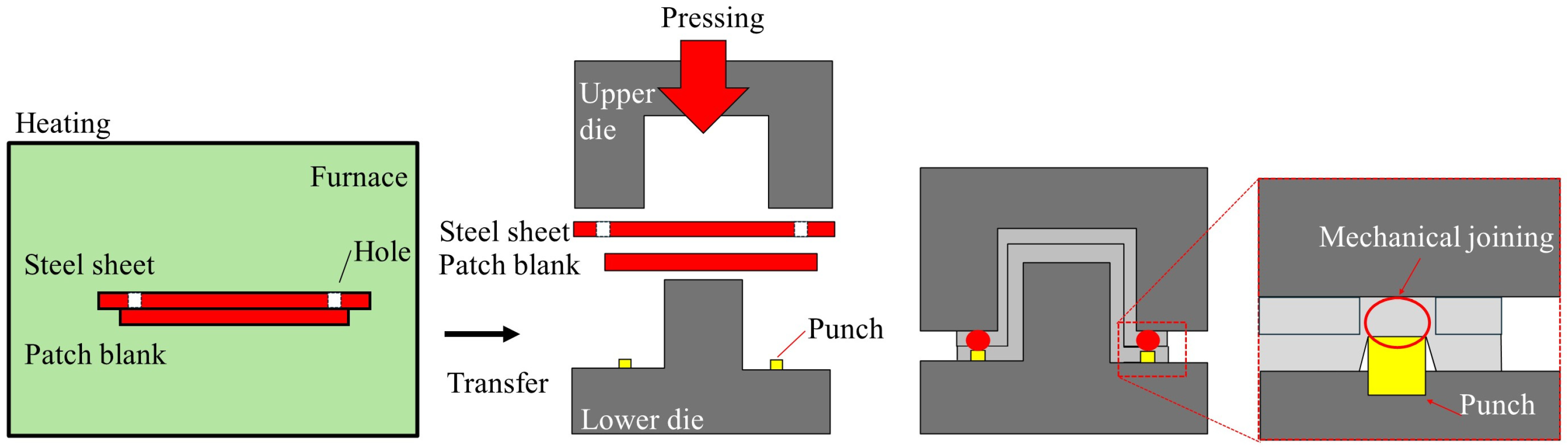
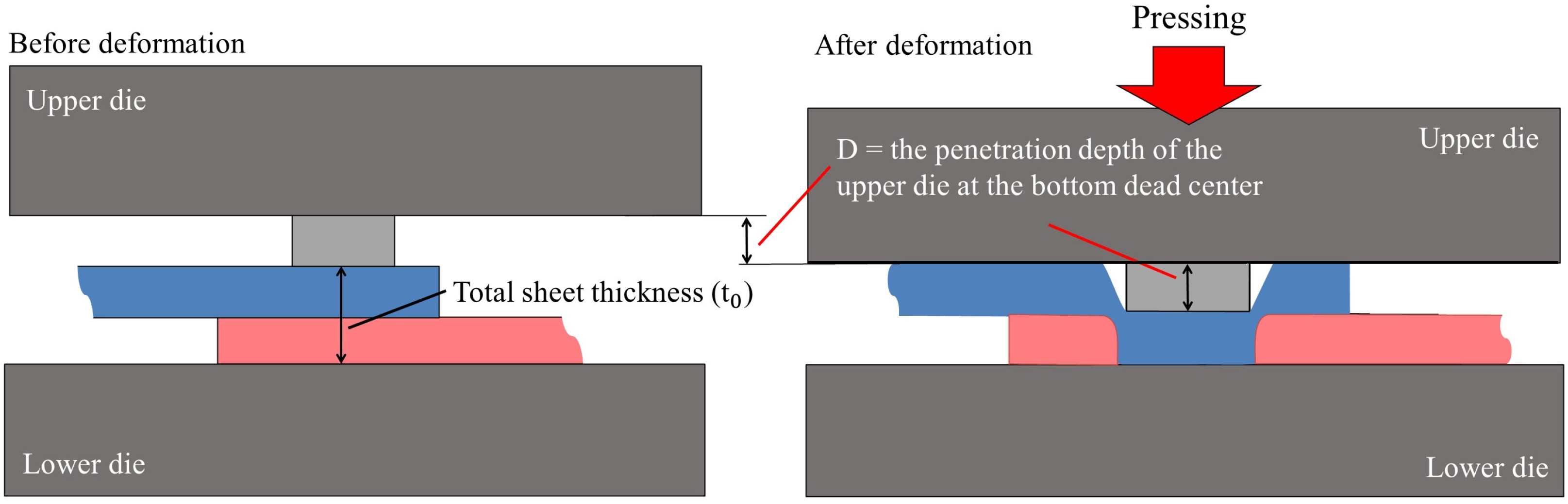
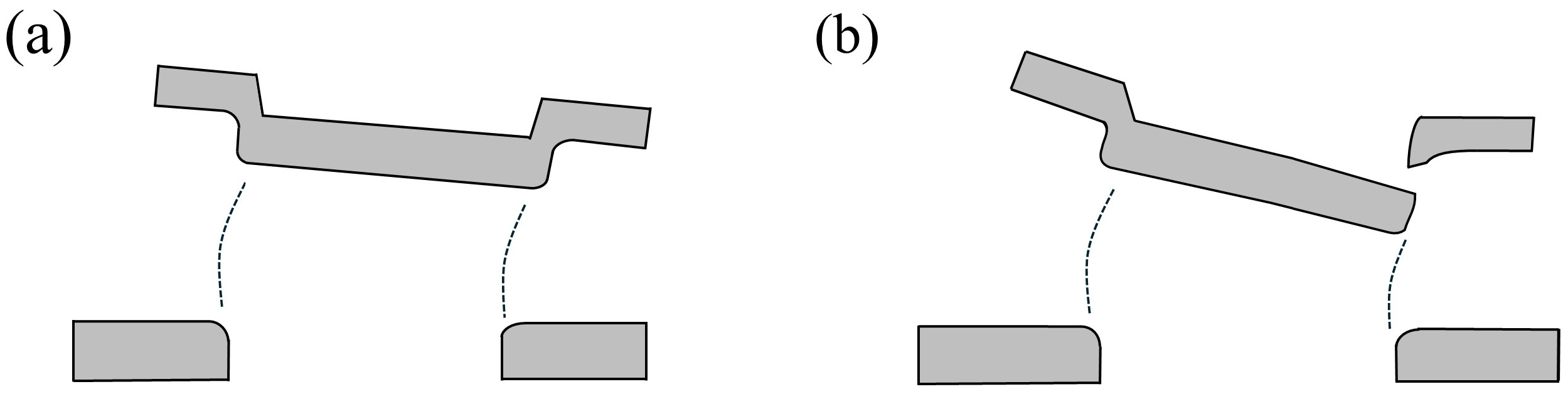
2.1. Pre-Holed Hot Clinching Method of Patchwork Blanks in a Hot Stamping Process
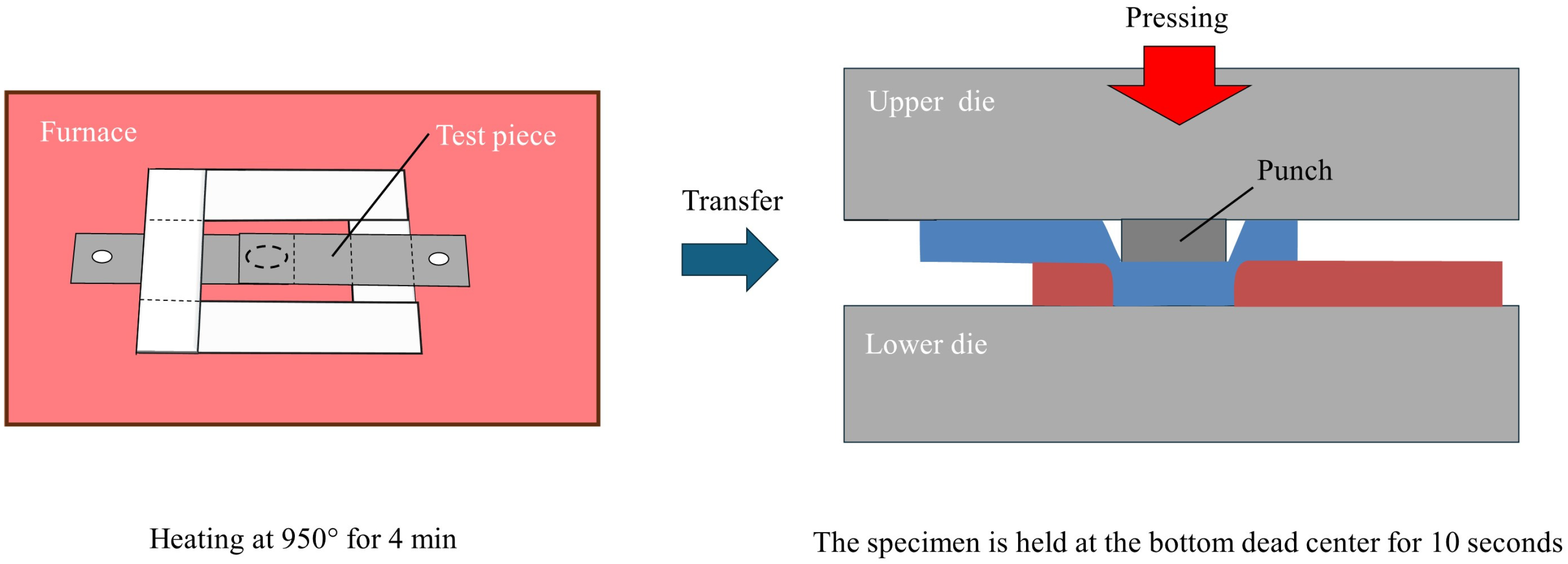
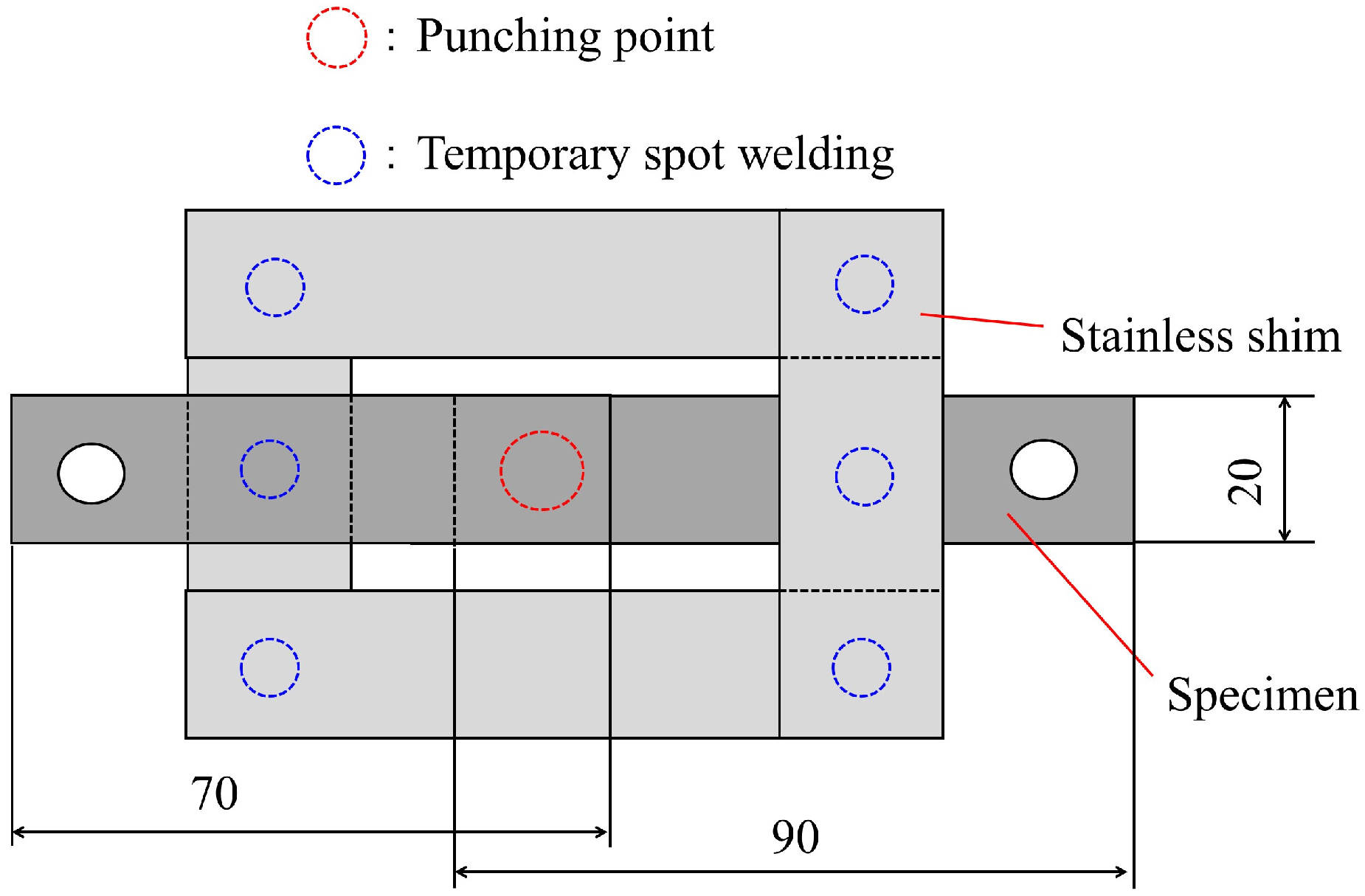
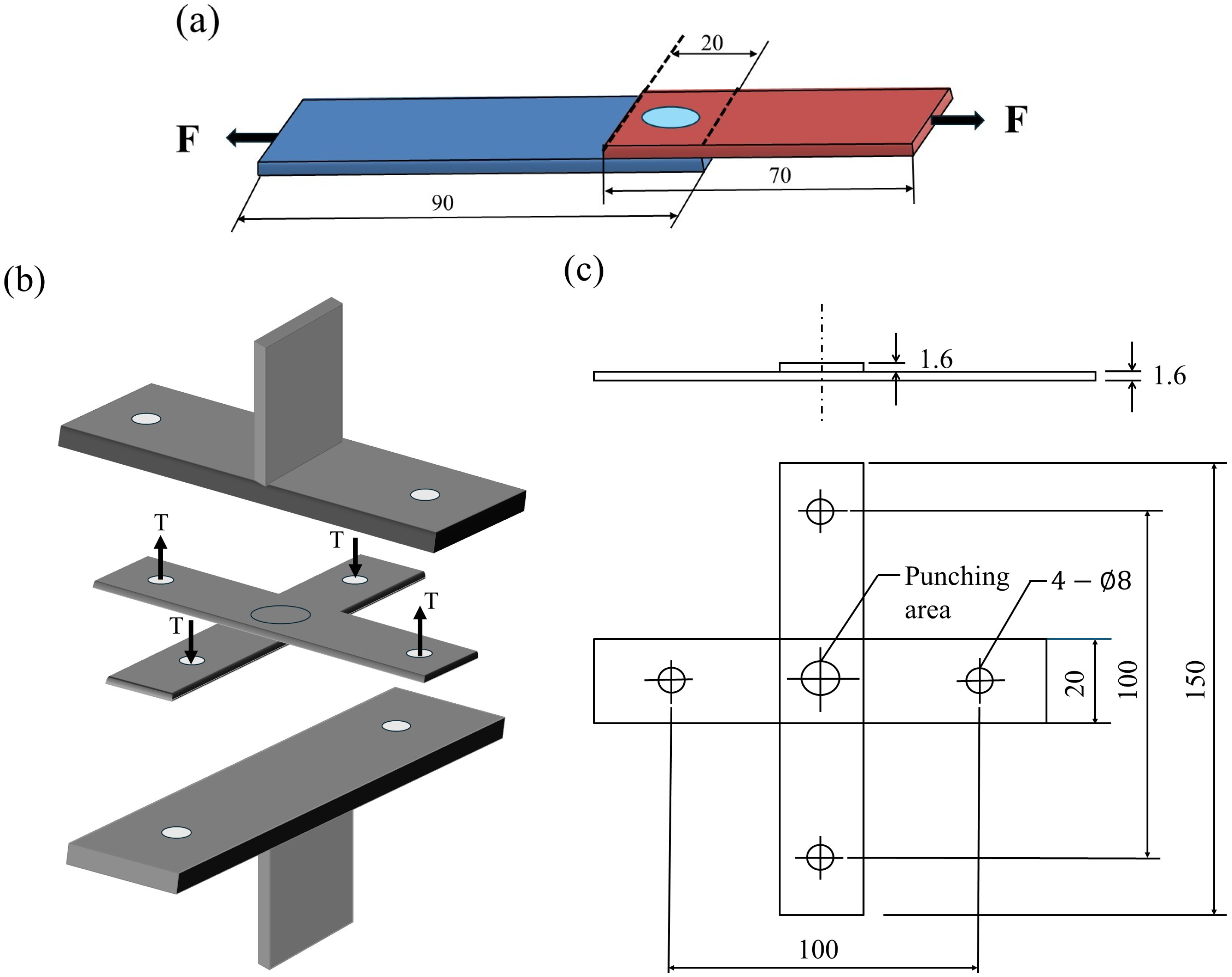
2.2. Joint Strength Evaluation Method
2.3. Simulation Analysis Method for Pre-Holed Hot Clinching
3. Results and Discussions
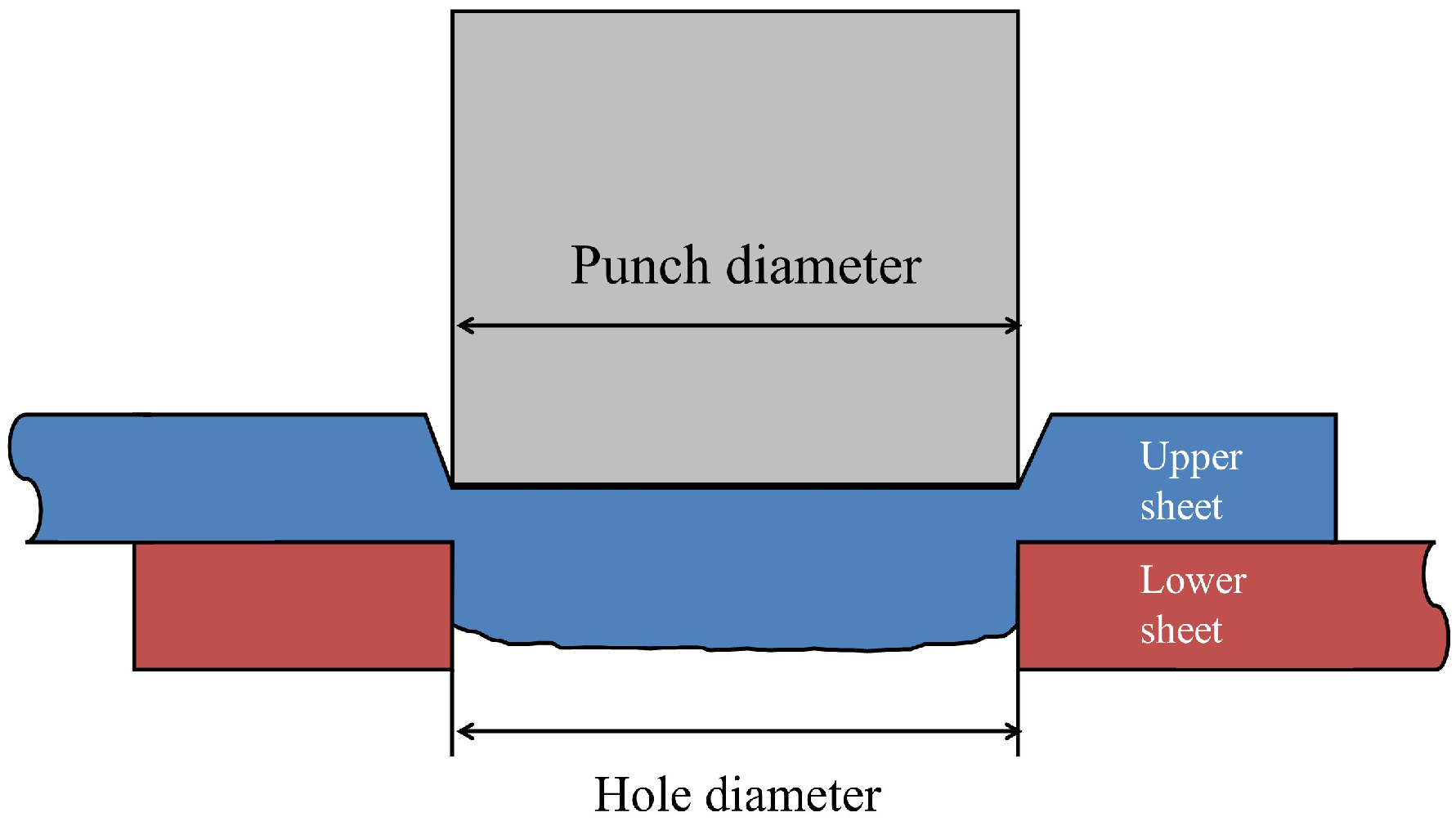
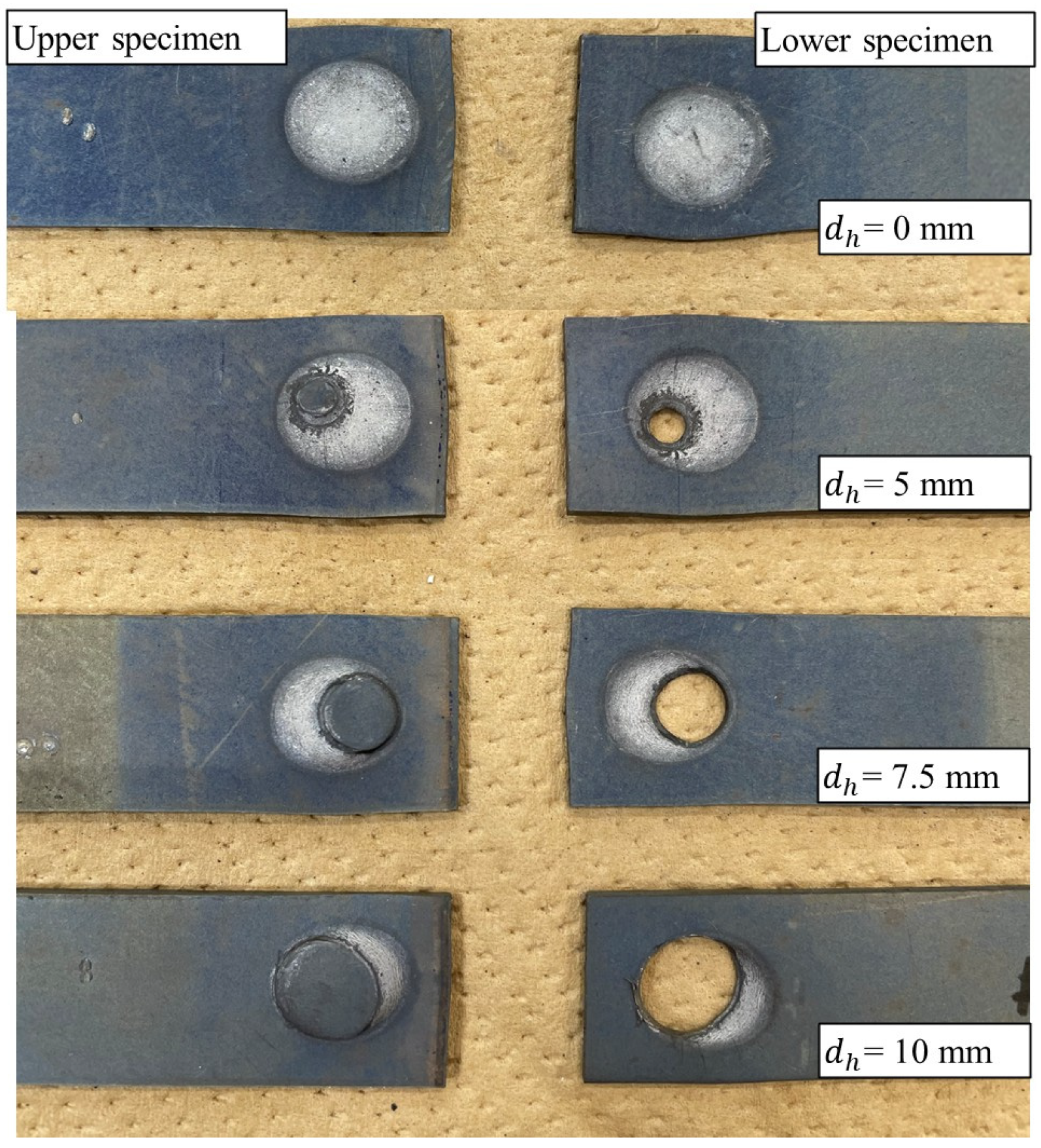
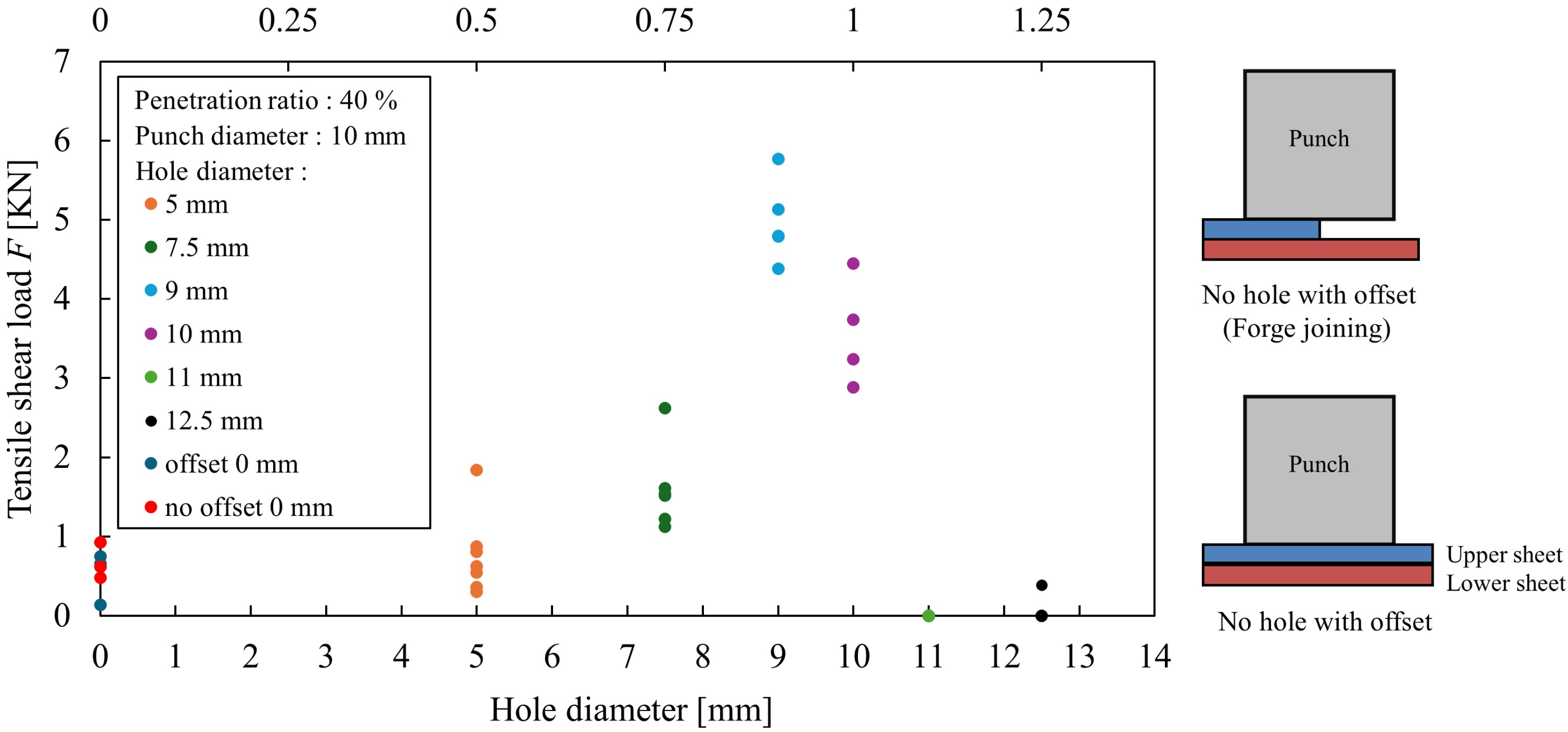
3.1. Effect of Pre-Hole Diameter of Lower Sheet on Joint Strength
3.2. Effect of Penetration Ratio on Joint Strength
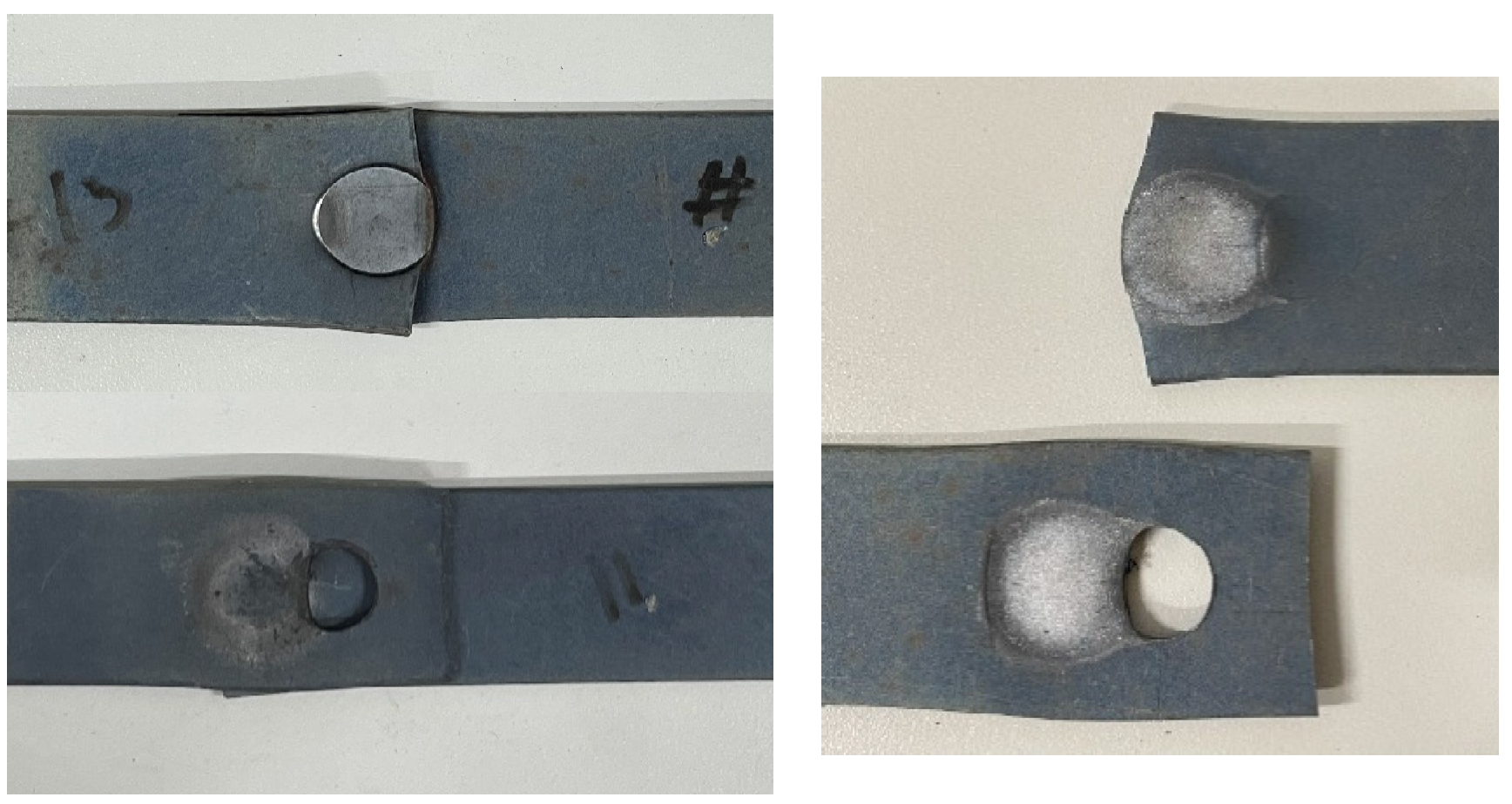
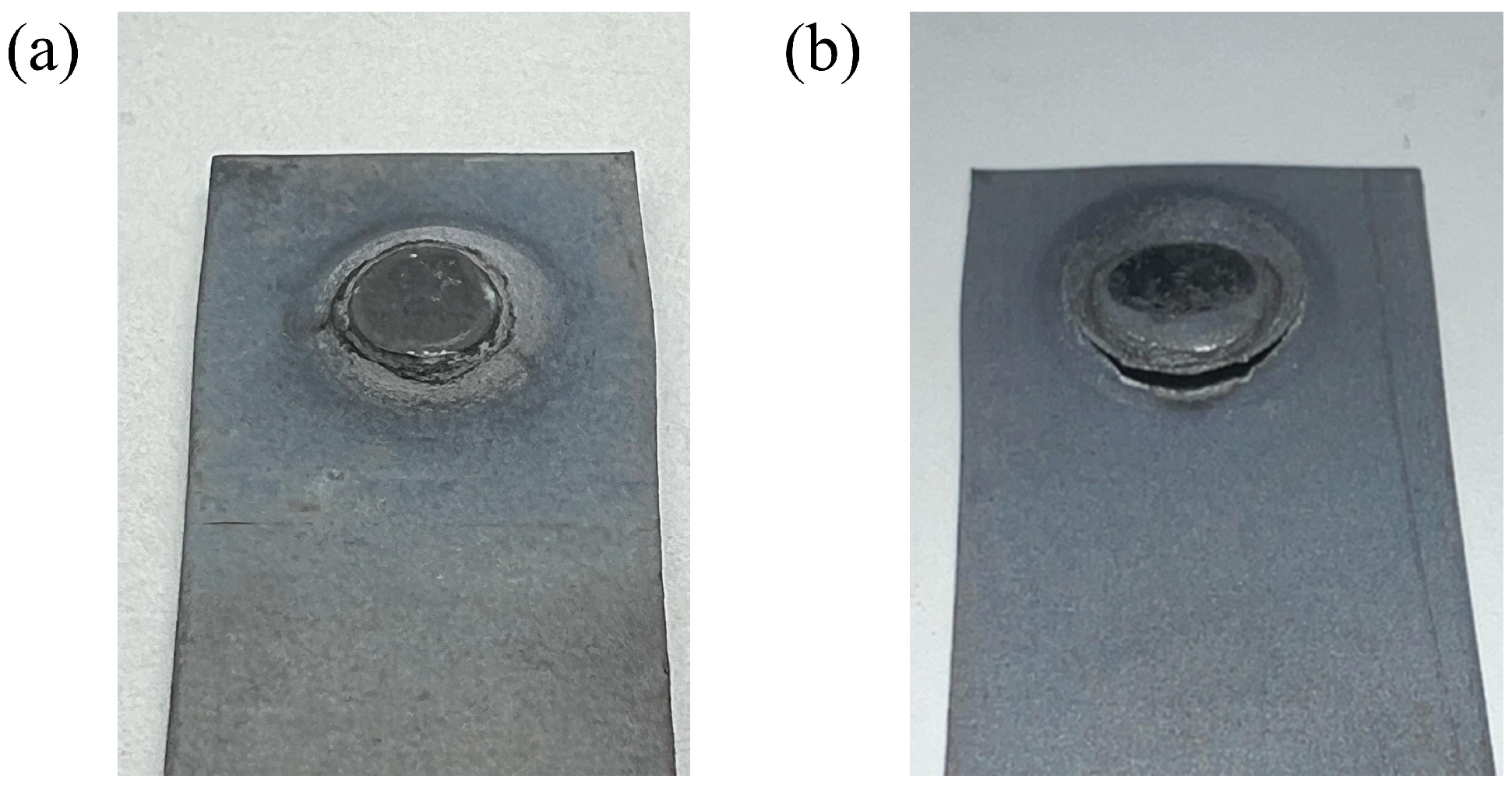
3.3. Failure Mode
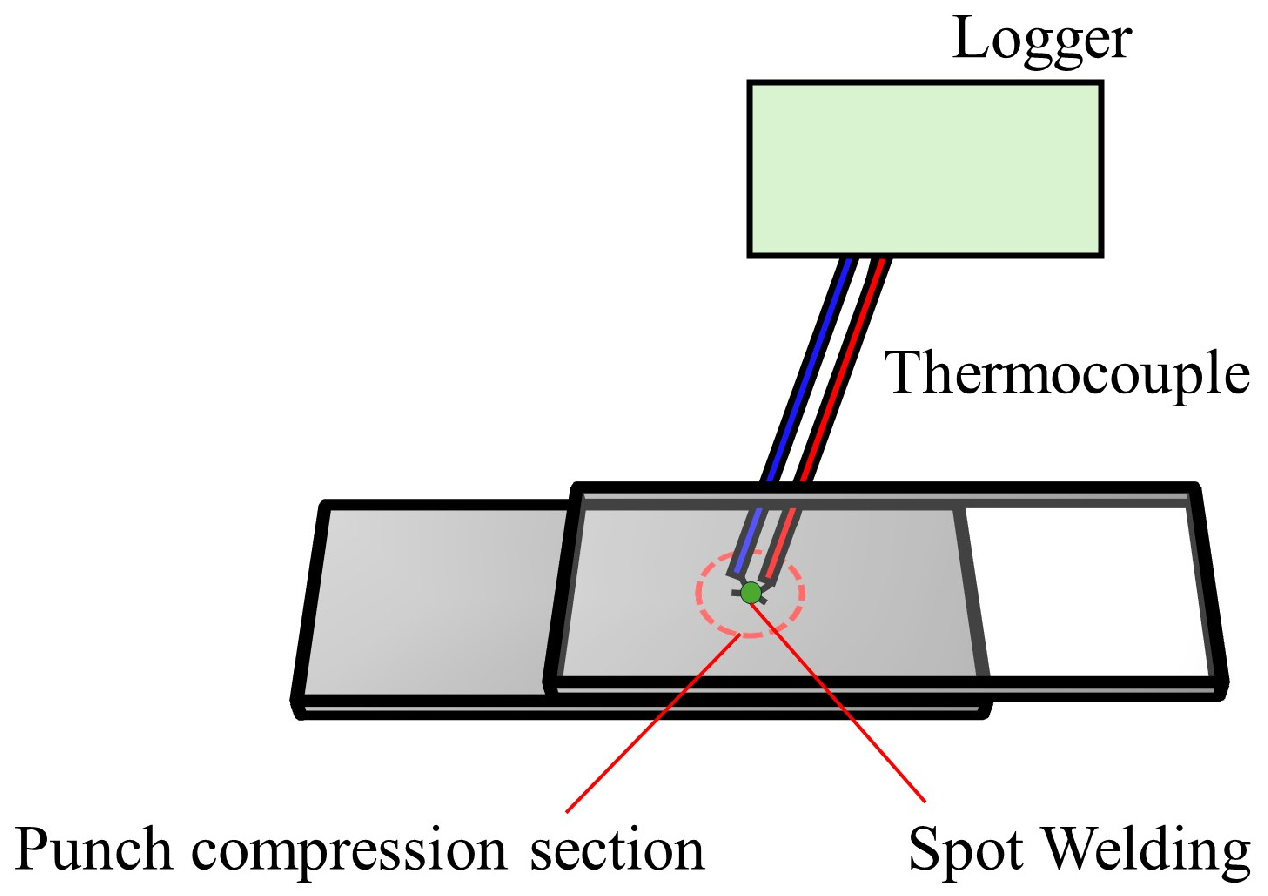
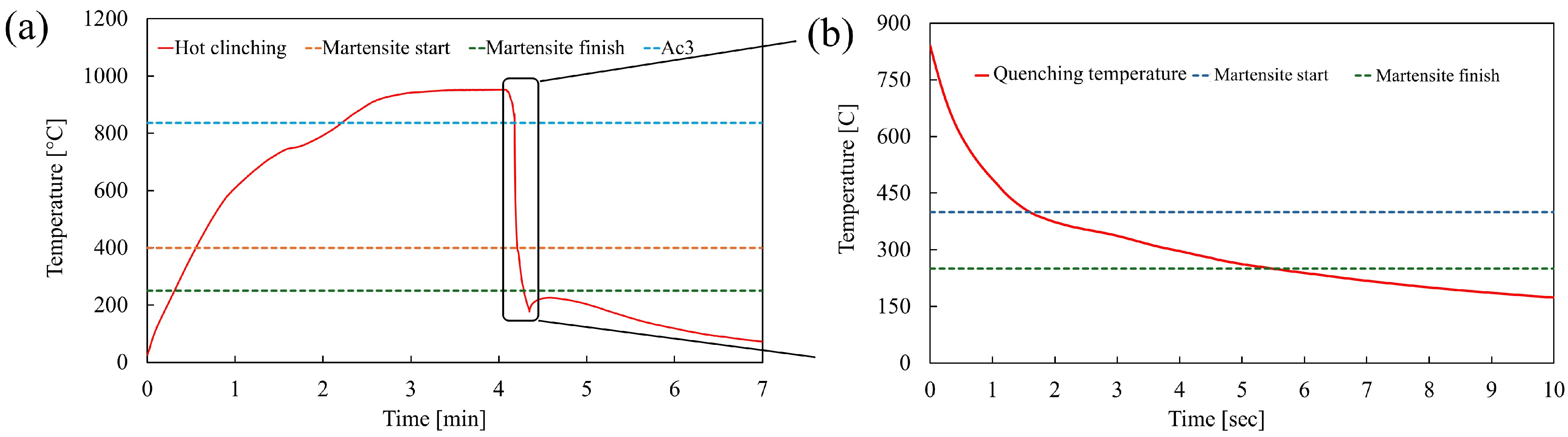
4. Experimental Validation of Quenching in the Punch Compression Zone and the Surrounding Surface Area
4.1. Hardness Distribution of Joint Area
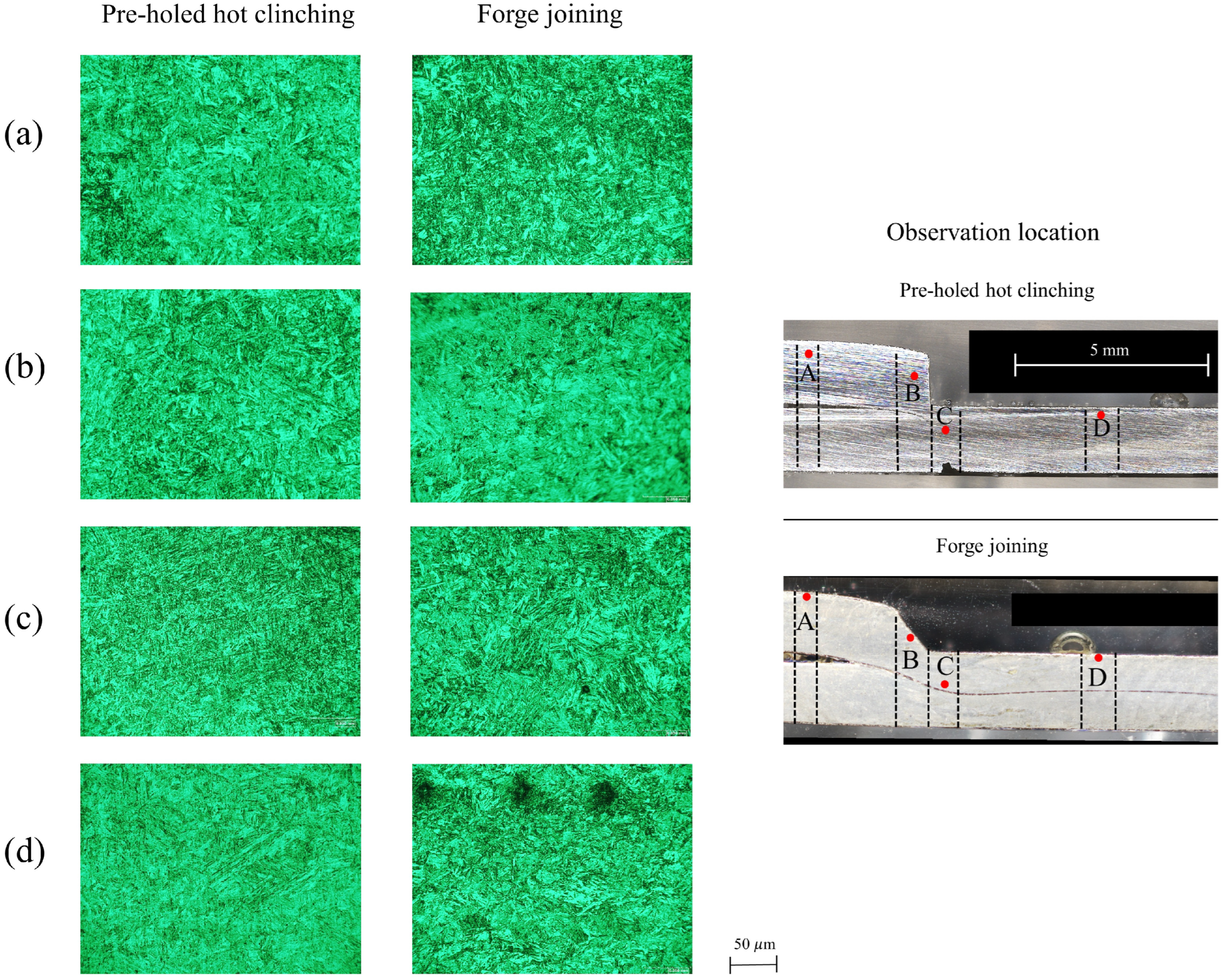
4.2. Microstructure Analysis
4.3. Effect of Gap Size on the Surface Hardness Distribution Within the Surrounding Joint Area of the Specimen
5. Analysis of the Joining Mechanism in Pre-Holed Hot Clinching Using Finite Element Analysis
6. Conclusions
- (1)
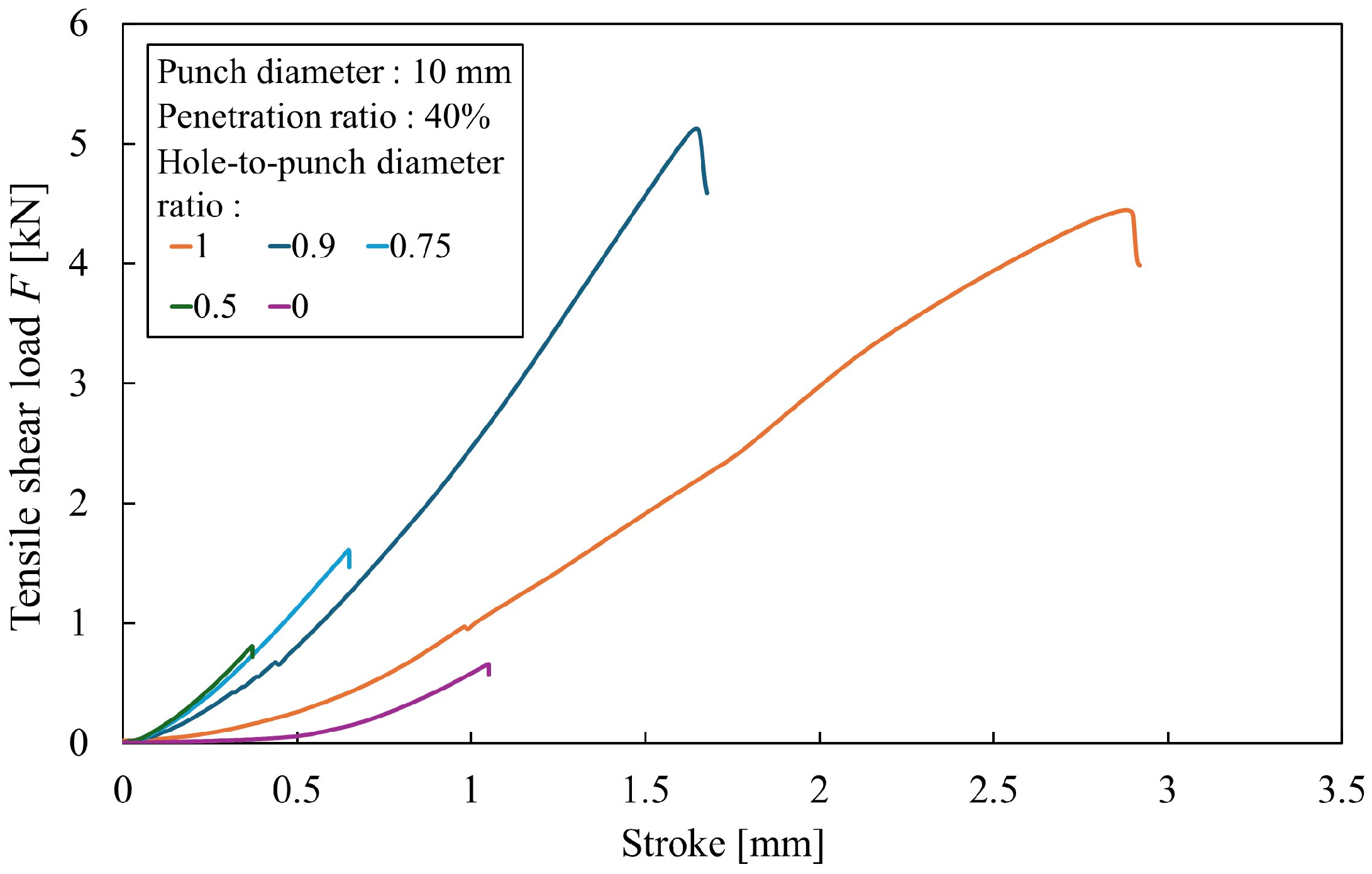
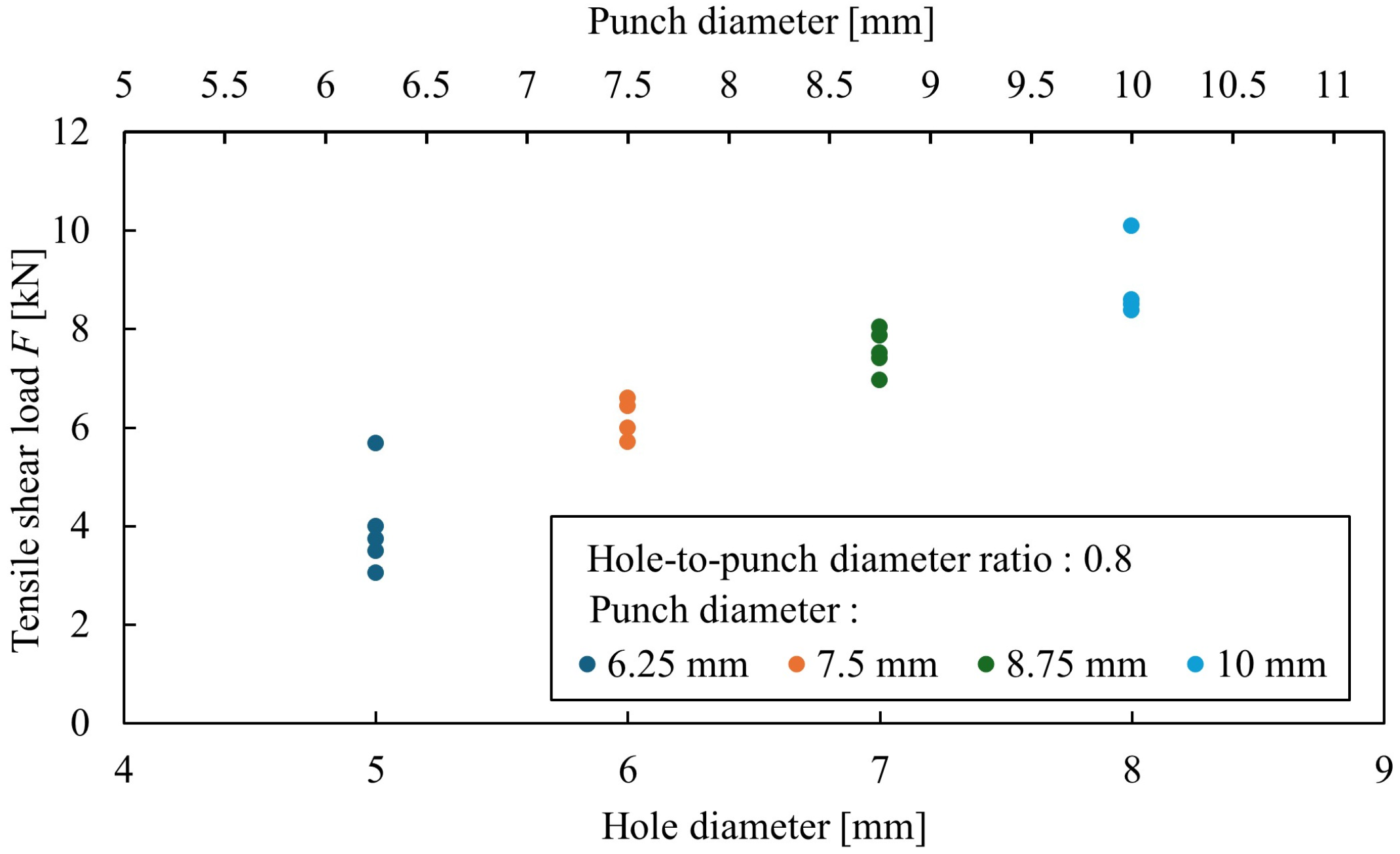
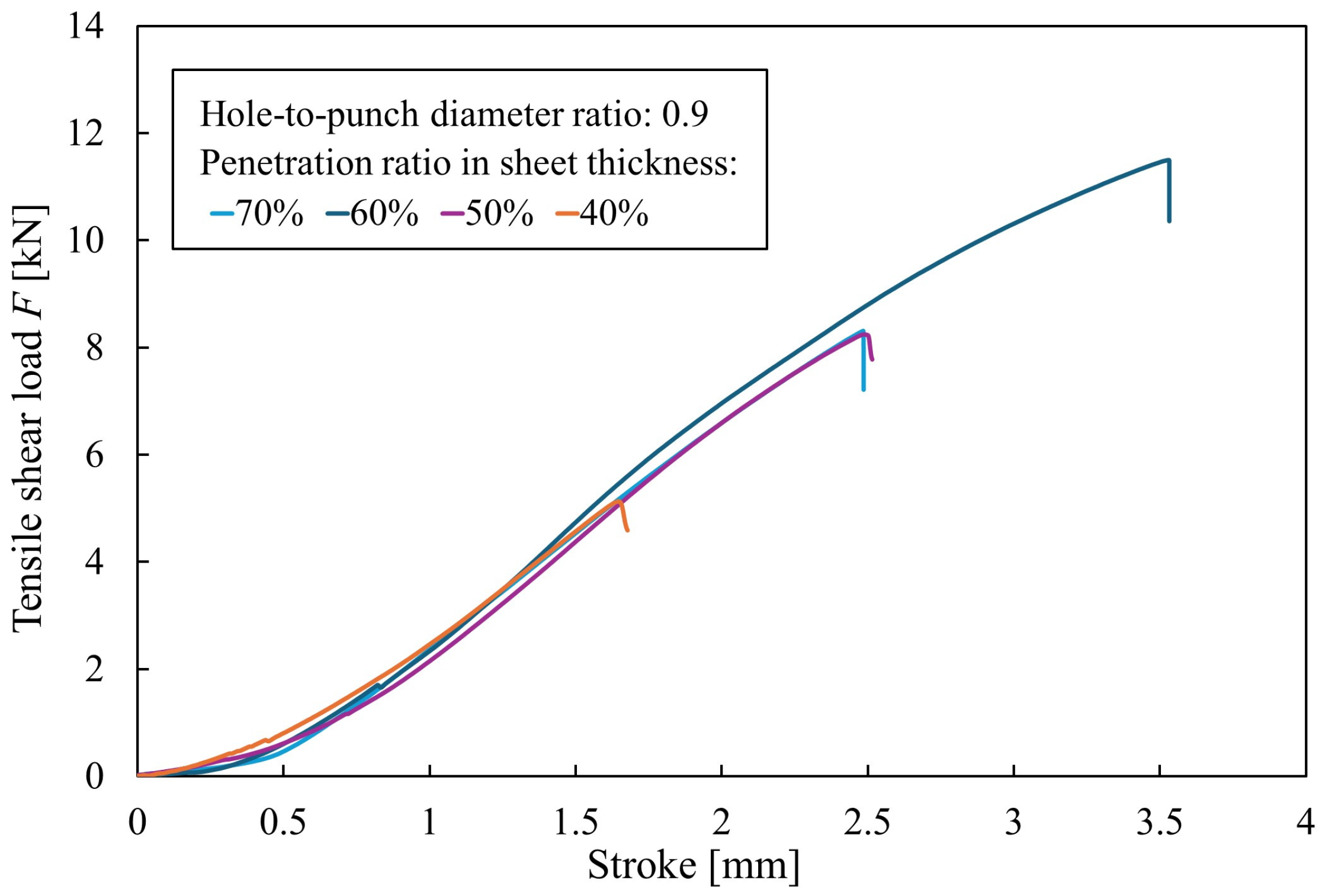
- Tensile shear strength results demonstrate that joint capacity is highly dependent on pre-hole diameter, peaking at 11.5 kN for the 9 mm pre-hole diameter and significantly surpassing the strength of forge joining, which is limited to an average of 1.2 kN. However, a sharp decline in load-bearing capacity occurs when the pre-hole diameter exceeds 10 mm, as the punch fails to adequately displace material into the oversized cavity, leading to incomplete filling and structural instability.
- (2)
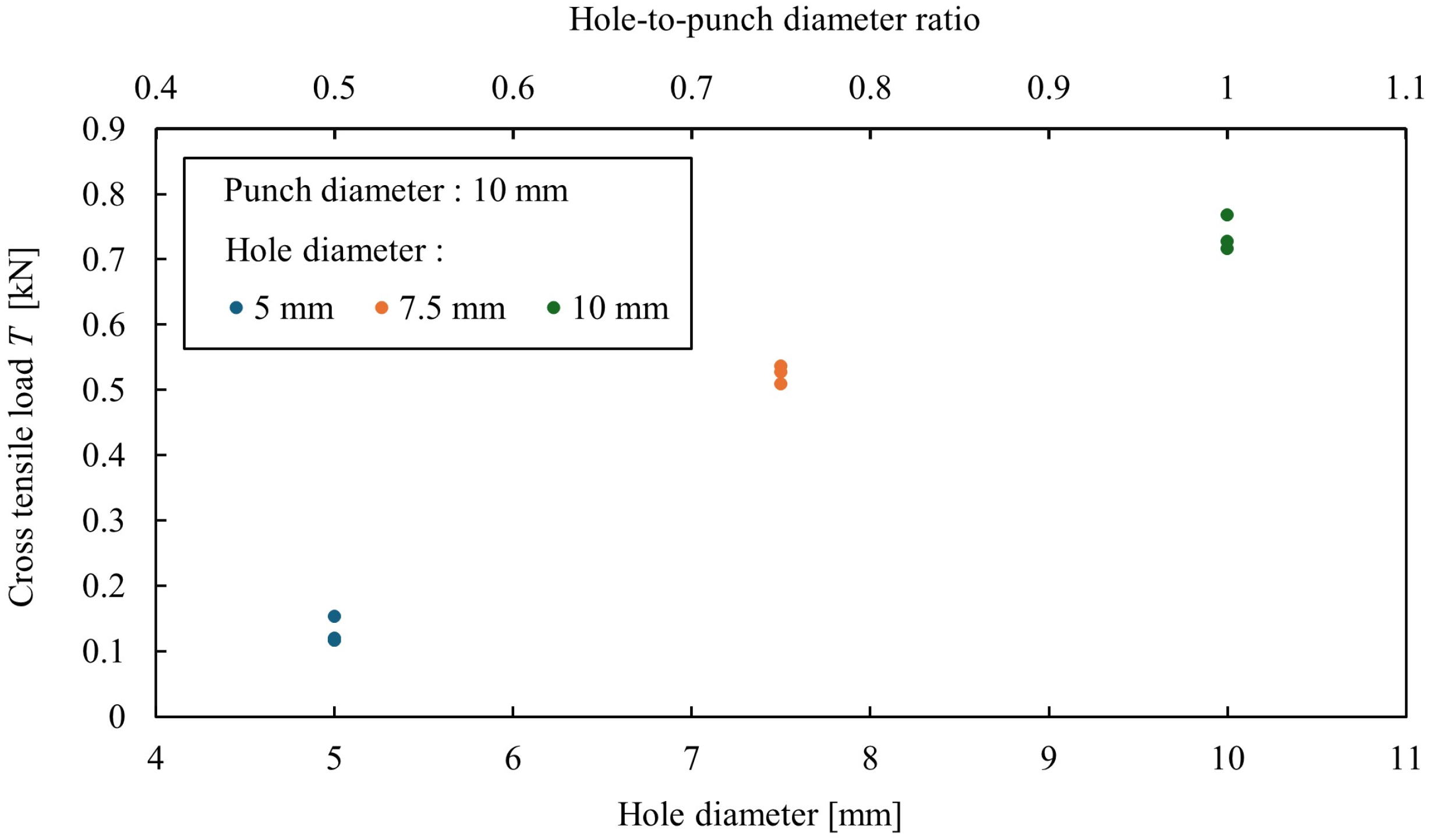
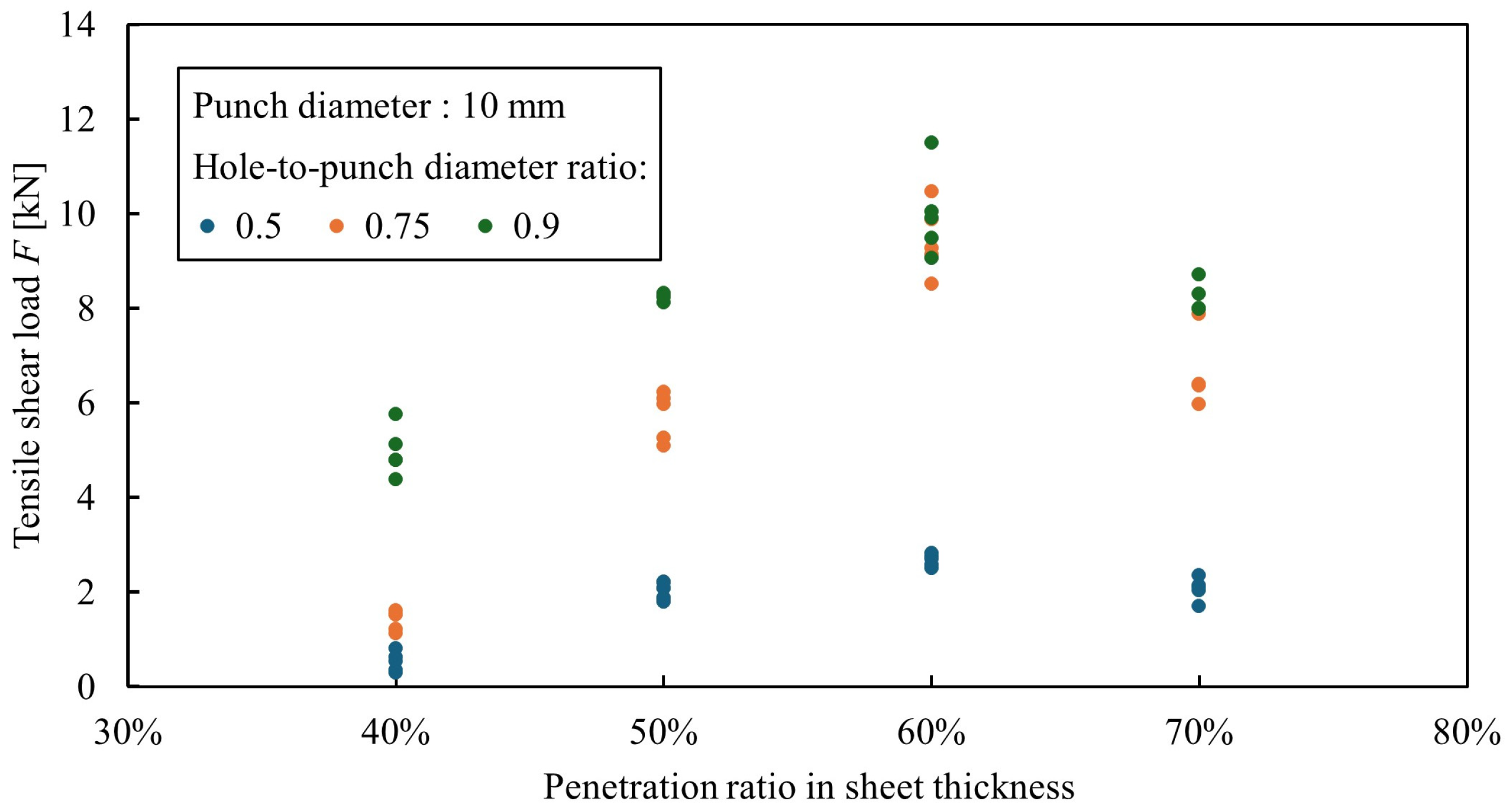
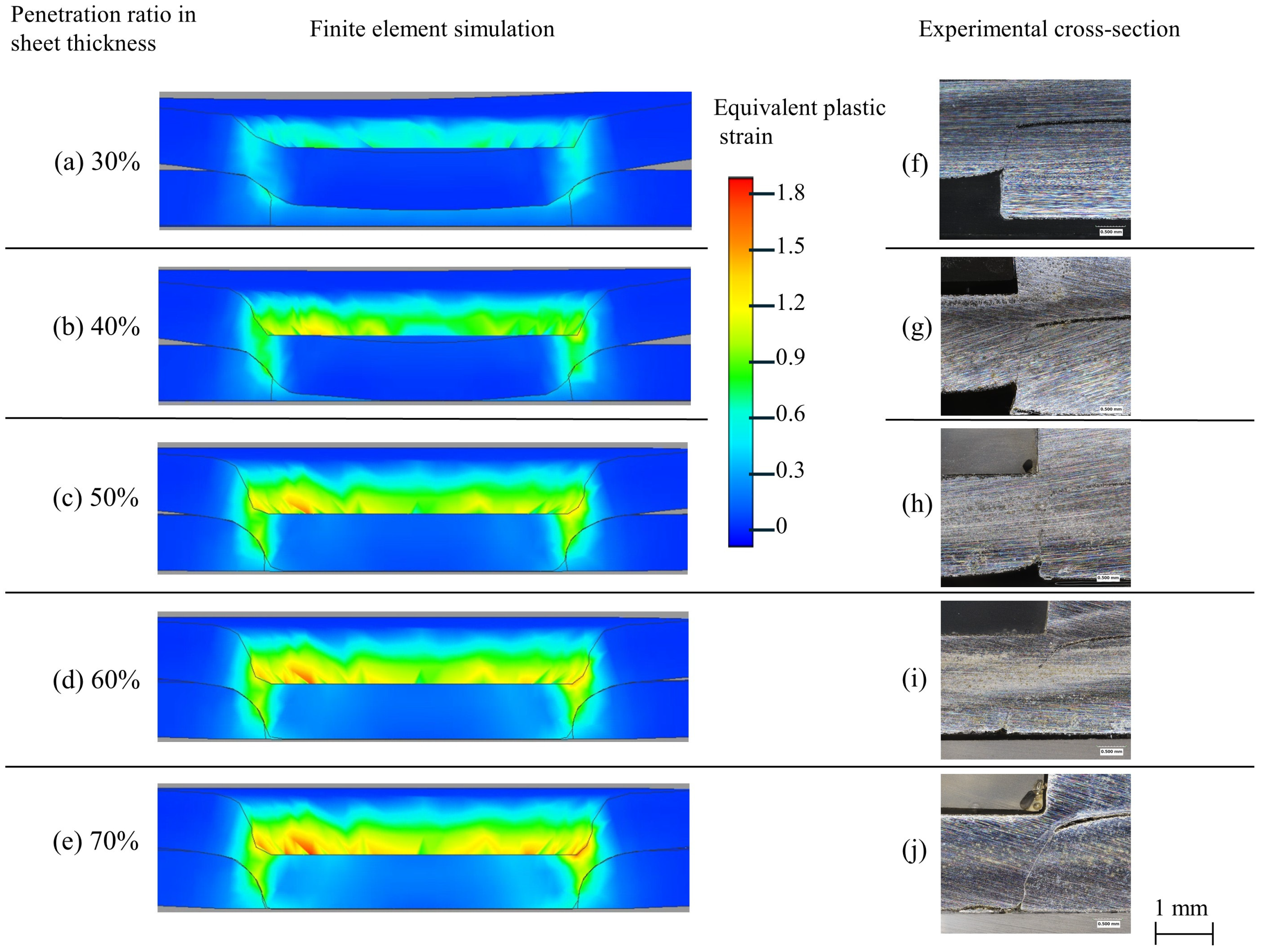
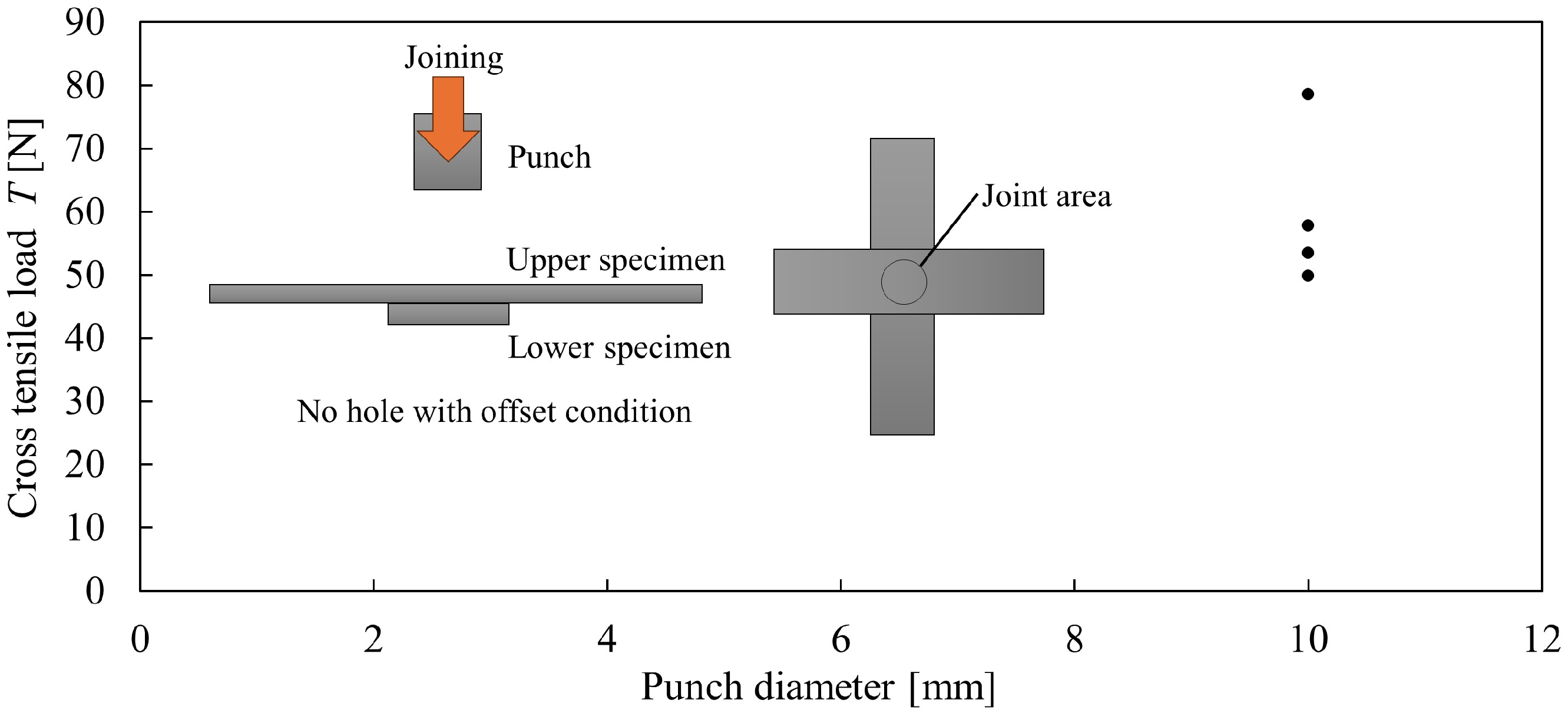
- Cross-tension evaluations further confirm that pre-holed hot clinching is a promising alternative for components subjected to complex, multi-axial loading. Regarding the joining depth, a 60% penetration ratio is established as the optimal threshold for maximizing joint integrity; beyond a 70% ratio, the structural performance deteriorates significantly, defining the upper limit for effective material displacement.
- (3)
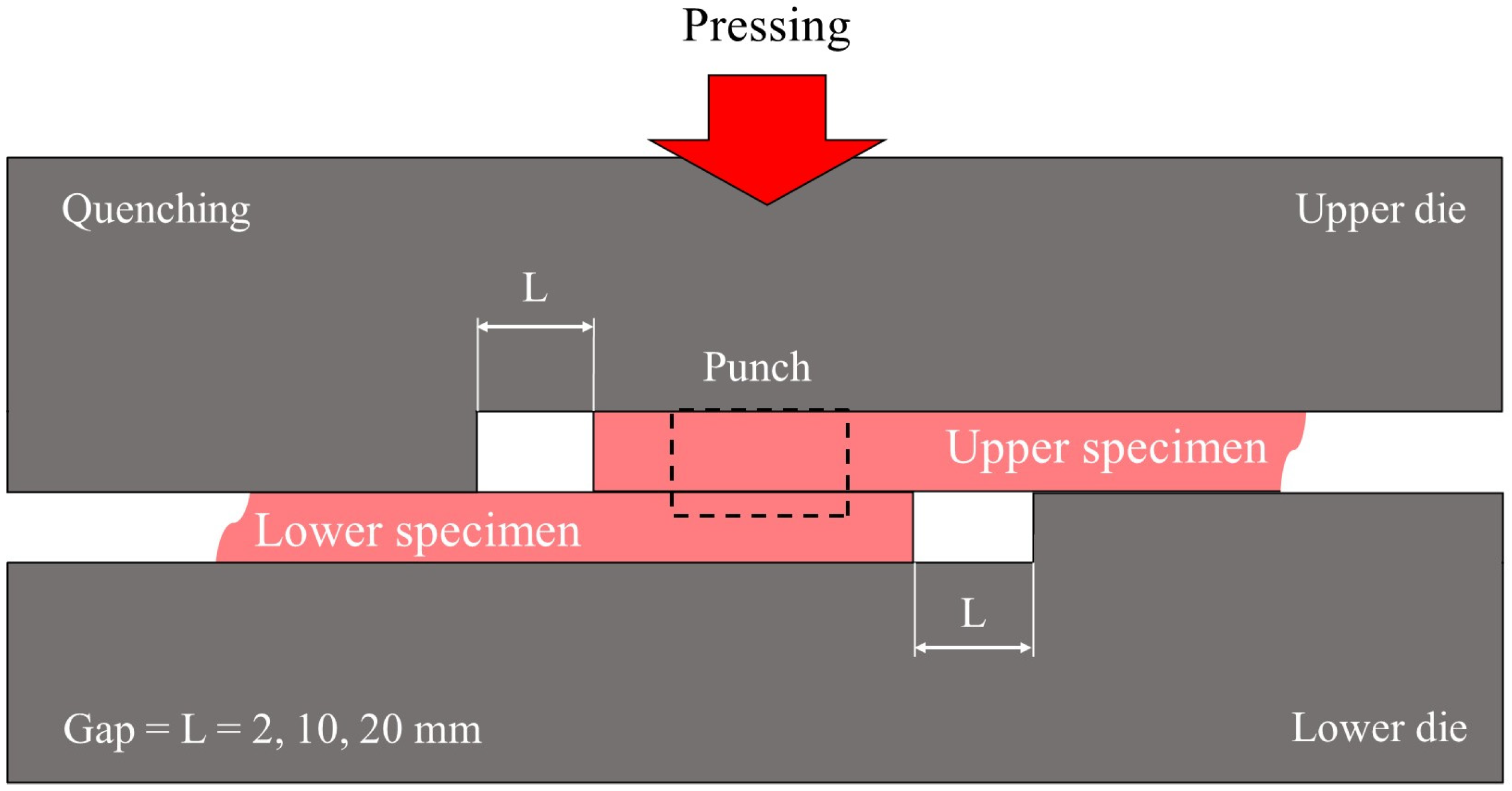
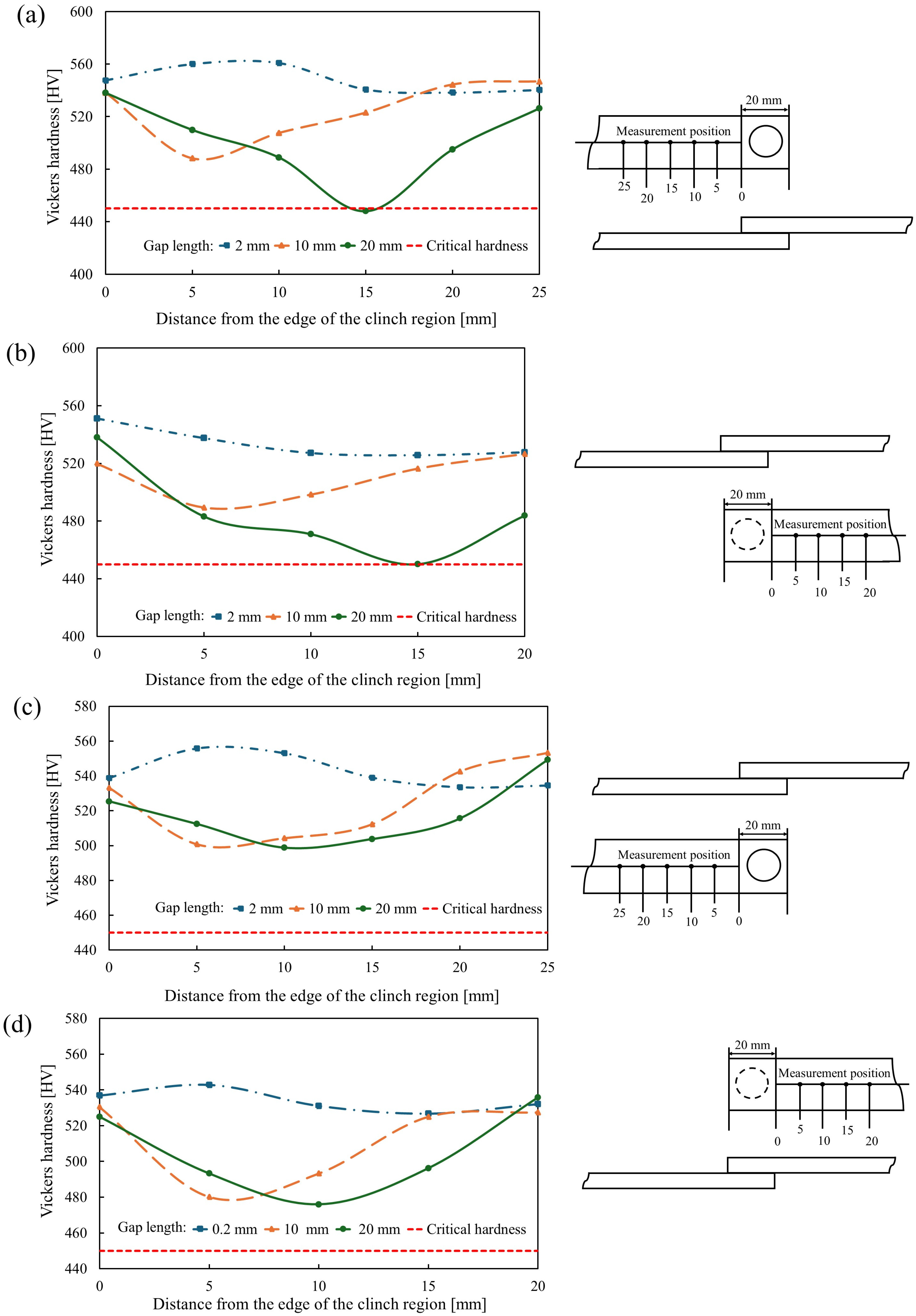
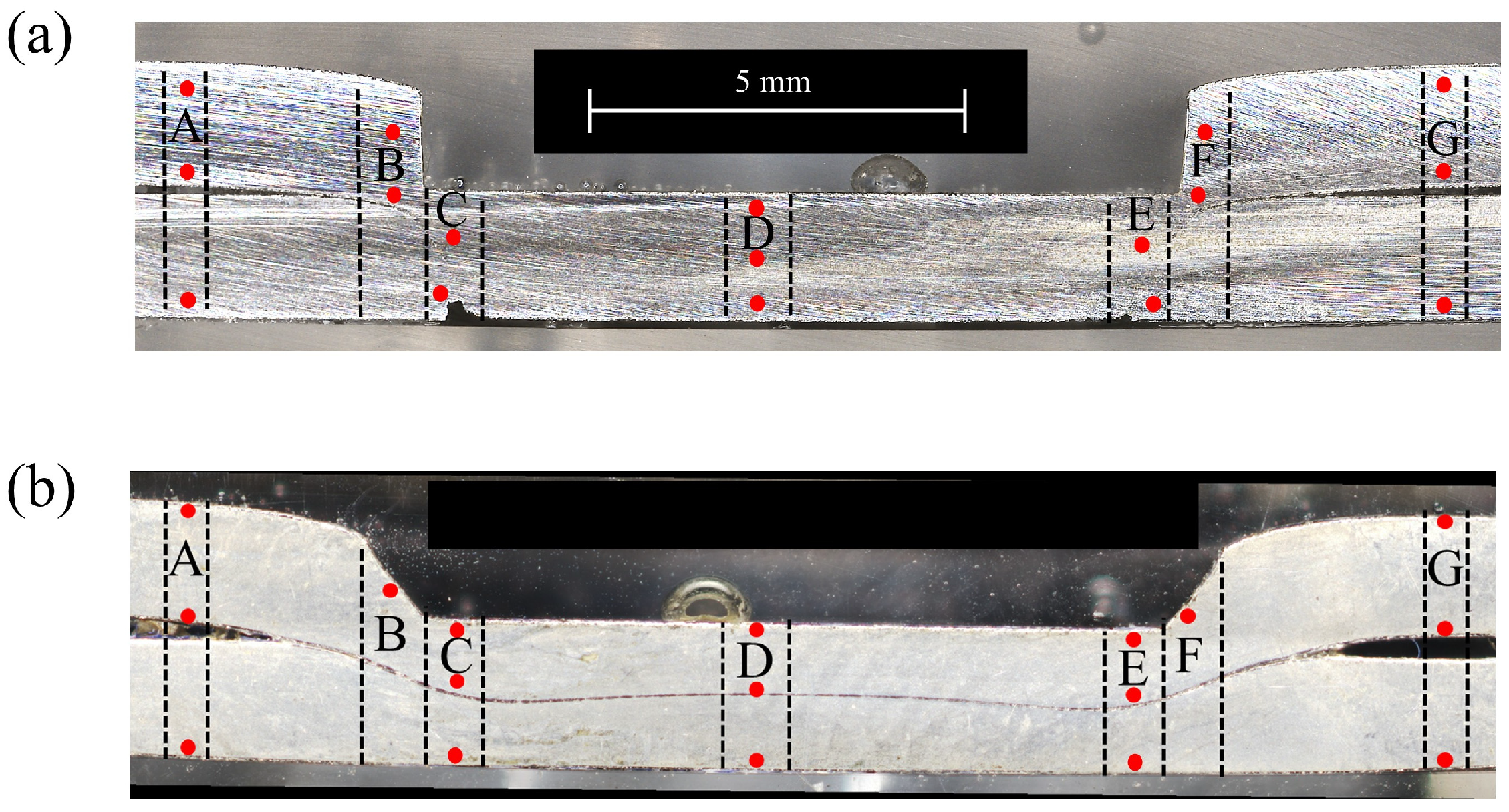
- Hardness distribution and microstructural characterization confirm a consistent martensitic transformation throughout the joint region and specimen surface. Coupled with the ausforming effect driven by localized plastic deformation at the clinched portion, this ensures high base strength. To maintain a homogeneous hardness distribution, the gap must not exceed 10 mm to preserve the mechanical properties of the ultra-high-strength steel.
- (4)
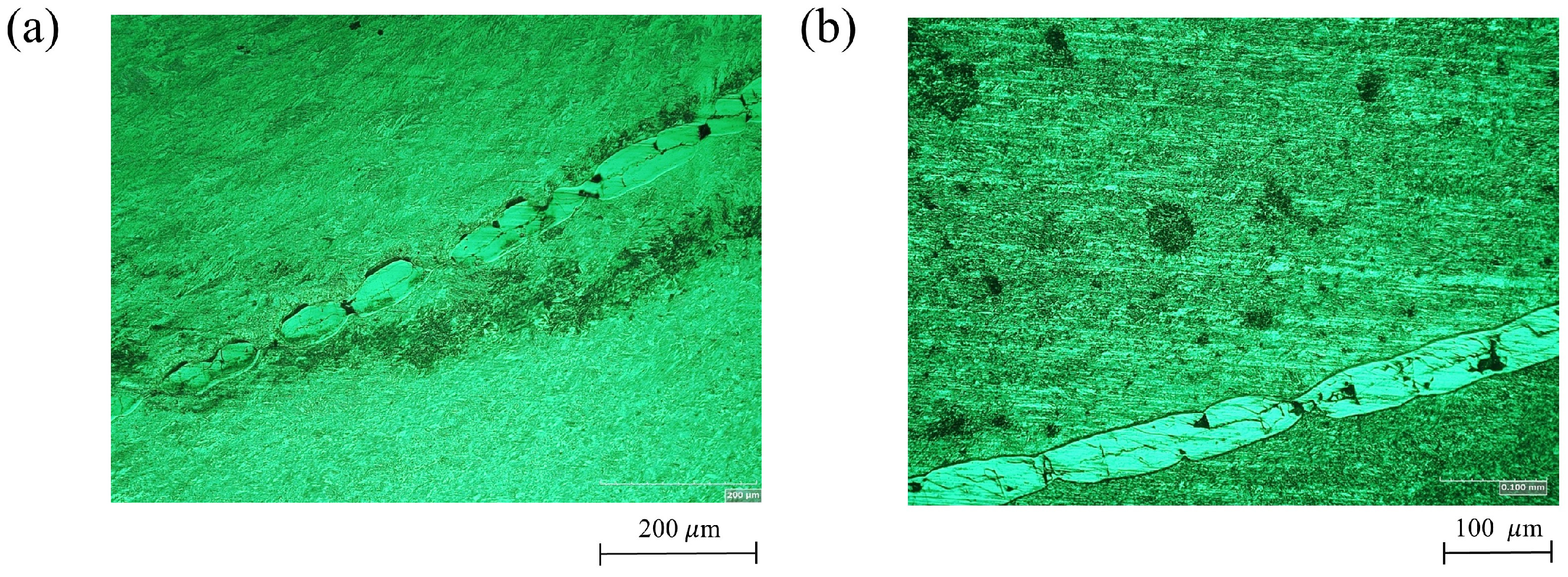
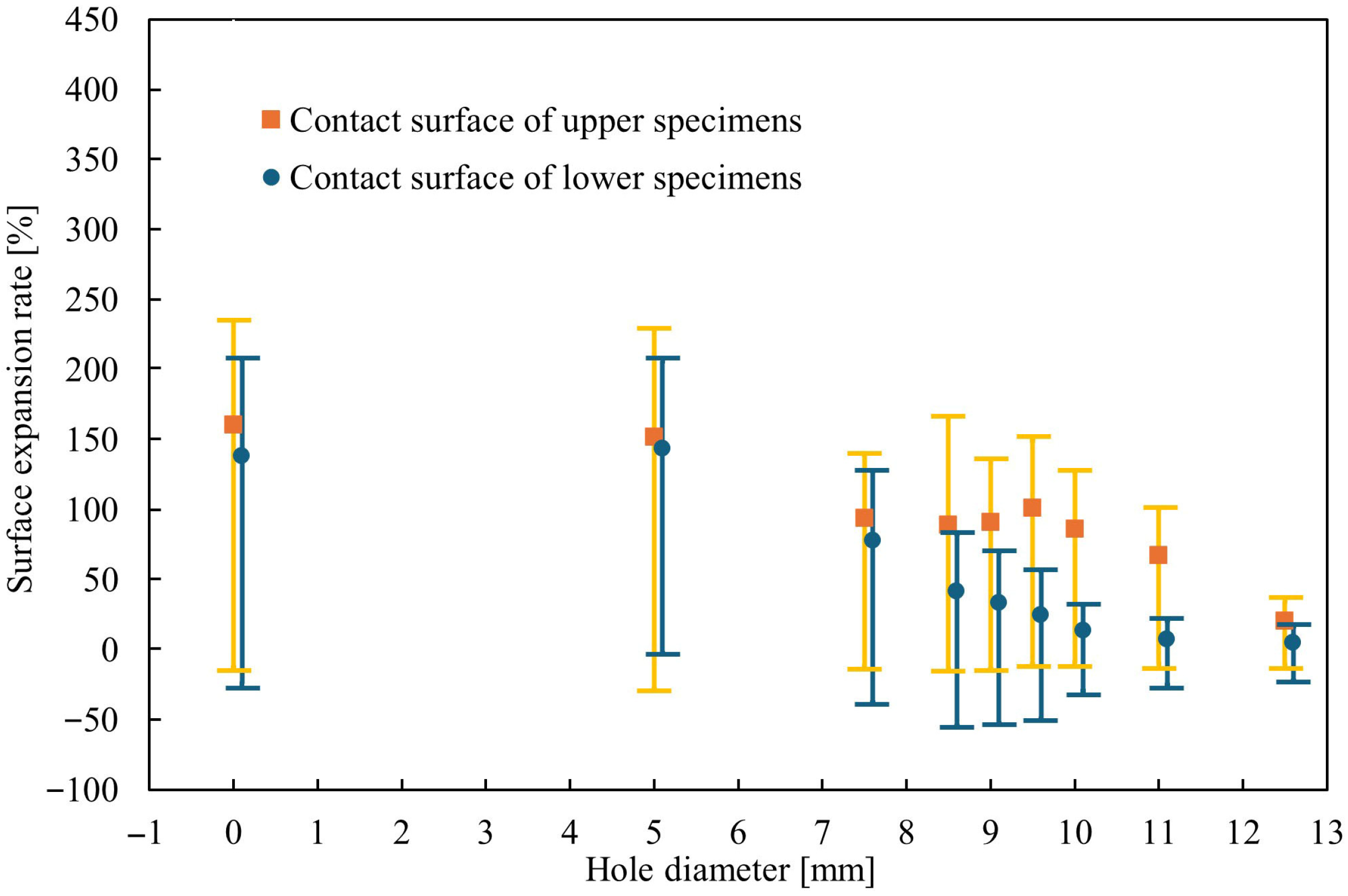
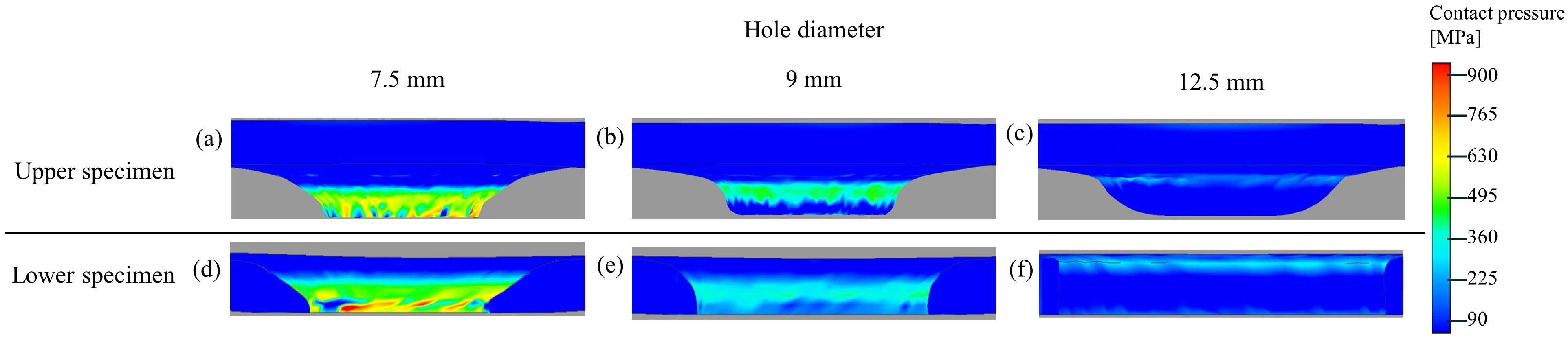
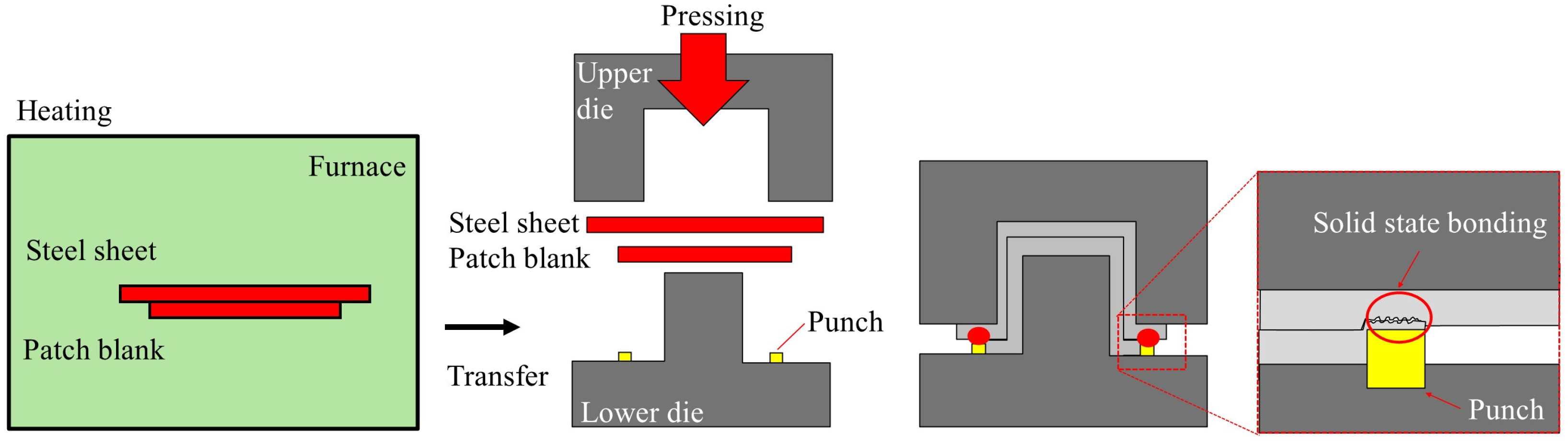
- The joint strength is attributed to the dual mechanism of a mechanical geometric anchor and metallurgical solid-state bonding. During deformation, rather than the absolute magnitude of surface expansion rate, it is the relative differential rate between the upper and lower sheets that plays the crucial role in inducing interfacial sliding. This slipping simultaneously drives the formation of the mechanical anchor and segments the brittle Al–Si coating at the pre-hole edge. Unlike forge joining, which relies primarily on weak coating-dominated adhesion with limited substrate interaction, this localized segmentation exposes the underlying steel substrate, achieving a direct, high-strength base-metal bond.
Author Contributions
Funding
Data Availability Statement
Acknowledgments
Conflicts of Interest
References
- Fan, J.; Meng, X.; Tian, J.; Xing, C.; Wang, C.; Wood, J. A review of transportation carbon emissions research using bibliometric analyses. J. Traffic Transp. Eng. (Engl. Ed.) 2023, 10, 878–899. [Google Scholar] [CrossRef]
- Zhang, W.; Xu, J. Advanced lightweight materials for automobiles: A review. Mater. Des. 2022, 221, 110994. [Google Scholar] [CrossRef]
- Sandrini, G.; Chindamo, D.; Gadola, M.; Candela, A.; Magri, P. Exploring the Impact of Vehicle Lightweighting in Terms of Energy Consumption: Analysis and Simulation on Real Driving Cycle. Energies 2024, 17, 6398. [Google Scholar] [CrossRef]
- Mori, K.; Bariani, P.F.; Behrens, B.A.; Brosius, A.; Bruschi, S.; Maeno, T.; Merklein, M.; Yanagimoto, J. Hot stamping of ultra-high strength steel parts. CIRP Ann. 2017, 66, 755–777. [Google Scholar] [CrossRef]
- Li, J.; Tong, C.; Zhang, R.; Shi, Z.; Lin, J. A data-informed review of scientific and technological developments and future trends in hot stamping. Int. J. Lightweight Mater. Manuf. 2024, 7, 327–343. [Google Scholar] [CrossRef]
- Tisza, M.; Czinege, I. Comparative study of the application of steels and aluminium in lightweight production of automotive parts. Int. J. Lightweight Mater. Manuf. 2018, 1, 229–238. [Google Scholar] [CrossRef]
- Nakagawa, Y.; Mori, K.-i.; Maeno, T. Springback-free mechanism in hot stamping of ultra-high-strength steel parts and deformation behaviour and quenchability for thin sheet. Int. J. Adv. Manuf. Technol. 2017, 95, 459–467. [Google Scholar] [CrossRef]
- Merklein, M.; Johannes, M.; Lechner, M.; Kuppert, A. A review on tailored blanks—Production, applications and evaluation. J. Mater. Process. Technol. 2014, 214, 151–164. [Google Scholar] [CrossRef]
- Krishnamraju, M.; Reddy, P.V.; Appalanaidu, B.; Markendeya, R. Mechanical behavior and forming characteristics of tailor-welded blanks of structural materials: A review. Multiscale Multidiscip. Model. Exp. Des. 2024, 7, 3133–3151. [Google Scholar] [CrossRef]
- Wang, X.; Wang, S.; Lu, R.; Xuan, Y.; Zhang, S.; Zhang, G.; Hu, X.; Liu, X.; Chen, L. Research progresses on technologies and theory of blanks with variable thicknesses. Materials 2024, 17, 4450. [Google Scholar] [CrossRef] [PubMed]
- Gianluca, P.; Gillo, G.; Luca, S. Uniformity of thickness of metal sheets by patchwork blanks: Potential of adhesive bonding. Frat. Integrità Strutt. 2020, 14, 166–176. [Google Scholar] [CrossRef]
- Lei, C.; Xing, Z.; Xu, W.; Hong, Z.; Shan, D. Hot stamping of patchwork blanks: Modelling and experimental investigation. Int. J. Adv. Manuf. Technol. 2017, 92, 2609–2617. [Google Scholar] [CrossRef]
- Shi, D.; Watanabe, K.; Naito, J.; Funada, K.; Yasui, K. Design optimization and application of hot-stamped B pillar with local patchwork blanks. Thin-Walled Struct. 2022, 170, 108523. [Google Scholar] [CrossRef]
- Lara, J.A.C.; Abbade, L.; Mucsi, C.S.; Nizes, A.D.C.; Rossi, J.L. Study of patchwelded blanks resistance spot welding (RSW) before hot stamping with and without heat treatment parameters. Mater. Res. 2023, 26, e20230053. [Google Scholar] [CrossRef]
- Zhang, Z.; Ouyang, X.; Zhu, L. Study on the hot stamping simulation and experiment of A-pillar patchwork blanks. Int. J. Adv. Manuf. Technol. 2022, 122, 365–376. [Google Scholar] [CrossRef]
- Mori, K.-i.; Kaido, T.; Suzuki, Y.; Nakagawa, Y.; Abe, Y. Combined process of hot stamping and mechanical joining for producing ultra-high strength steel patchwork components. J. Manuf. Process. 2020, 59, 444–455. [Google Scholar] [CrossRef]
- Mori, K.-i.; Bay, N.; Fratini, L.; Micari, F.; Tekkaya, A.E. Joining by plastic deformation. CIRP Ann. 2013, 62, 673–694. [Google Scholar] [CrossRef]
- Meschut, G.; Merklein, M.; Brosius, A.; Drummer, D.; Fratini, L.; Füssel, U.; Gude, M.; Homberg, W.; Martins, P.A.F.; Bobbert, M.; et al. Review on mechanical joining by plastic deformation. J. Adv. Join. Process. 2022, 5, 100113. [Google Scholar] [CrossRef]
- Lu, Y.; He, Q.; Chen, Y.; Wang, Y.; Chen, C. A review on the strengthening methods to improve mechanical properties of clinched joints. Int. J. Adv. Manuf. Technol. 2025, 137, 4435–4469. [Google Scholar] [CrossRef]
- Fu, L.; Zhang, S.; Qiu, P.; Xiao, H.; Deng, B.; Lu, X. Optimization of clinching joint process with preforming between ultra-high-strength steel and aluminum alloy sheets. Metals 2024, 14, 767. [Google Scholar] [CrossRef]
- Abe, Y.; Tatara, Y.; Hosokawa, T.; Yamauchi, R. Clinch-bonding process for ultra-high-strength steel and A5052 aluminum alloy sheets. Materials 2025, 18, 3556. [Google Scholar] [CrossRef]
- Lee, C.-J.; Lee, J.-M.; Ryu, H.-Y.; Lee, K.-H.; Kim, B.-M.; Ko, D.-C. Design of hole-clinching process for joining of dissimilar materials—Al6061-T4 alloy with DP780 steel, hot-pressed 22MnB5 steel, and carbon fiber reinforced plastic. J. Mater. Process. Technol. 2014, 214, 2169–2178. [Google Scholar] [CrossRef]
- Chen, L.-W.; Cai, M.-J. Development of a hot stamping clinching tool. J. Manuf. Process. 2018, 34, 650–658. [Google Scholar] [CrossRef]
- Chen, H.; Zhu, Z.; Zhu, Y.; Sun, L.; Guo, Y. Solid-State Welding of Aluminum to Magnesium Alloys: A Review. Metals 2023, 13, 1410. [Google Scholar] [CrossRef]
- Yamagishi, H.; Hisada, Y.; Otsubo, T.; Omori, N. Multilayer bonding of A1N30H foils to A1050 plates using cold spot forge welding. Heliyon 2023, 9, e23103. [Google Scholar] [CrossRef] [PubMed]
- Yamagishi, H. Cu/Al dissimilar cold spot forge welding: Effects of bonding temperature and reduction ratio on joint strength and reaction layer growth. Metall. Mater. Trans. A 2023, 54, 3519–3536. [Google Scholar] [CrossRef]
- Charoensuk, J.; Iwai, T.; Suranuntchai, S.; Maeno, T. Influence of punch shape on joint strength in forge joining of Al-Si-Coated 22MnB5 steel during hot stamping and application to hat bending. Metals 2026, 16, 376. [Google Scholar] [CrossRef]
- JIS Z 3140; Method of Inspection and Acceptance Levels for Resistance Spot Welds. Japanese Industrial Standards Committee: Tokyo, Japan, 2017.
- Japanese Standards Association. Ferrous Materials & Metallurgy Handbook; Japanese Industrial Standards Committee: Tokyo, Japan, 2023. [Google Scholar]
- Ouyang, X.; Zhang, Z.; Jia, H.; Ren, M.; Sun, Y. Study on the Effect of Heat Treatment on Microstructures and High Temperature Mechanical Properties of Welding Spots of Hot Stamped Ultra-High Strength Steel Patchwork Blanks. Metals 2021, 11, 1033. [Google Scholar] [CrossRef]
- JIS Z 3136; Specimen Dimensions and Procedure for Shear Testing Resistance Spot and Embossed Projection Welded Joints. Japanese Industrial Standards Committee: Tokyo, Japan, 1999.
- JIS Z 3137; Specimen Dimensions and Procedure for Cross Tension Testing Resistance Spot and Embossed Projection Weld. Japanese Standards Association: Tokyo, Japan, 1994.
- Hexagon Manufacturing Intelligence. Hexagon, Marc 2024.2 Volume A: Theory and User Information; Hexagon Manufacturing Intelligence: Surrey, UK, 2024. [Google Scholar]
- Hexagon Manufacturing Intelligence. Hexagon, Simufact Forming 2023.3 Application Manual; Simufact Engineering GmbH: Hamburg, Germany, 2023. [Google Scholar]
- Oberpriller, B.; Burkhardt, L.; Griesbach, B. Benchmark 3 Continuous Press Hardening. In Proceedings of the 7th International Conference and Workshop on Numerical Simulation of 3D Sheet Metal Forming Processes (Numisheet 2008), Interlaken, Switzerland, 1–5 September 2008; Eidgenössische Technische Hochschule Zürich: Zurich, Switzerland, 2008; pp. 115–129. [Google Scholar]
- Xu, Y.; Ji, Q.; Yang, G.; Bao, S.; Zhao, G.; Miao, X.; Mao, X. Effect of Cooling Path on Microstructures and Hardness of Hot-Stamped Steel. Metals 2020, 10, 1692. [Google Scholar] [CrossRef]
- Maeno, T.; Mori, K.-I.; Homma, H.; Talebi-Anaraki, A.; Ikeda, R. Corner Strengthening by Local Thickening and Ausforming Using Planar Compression in Hot Stamping of Ultra-High Strength Steel Parts. Metals 2021, 11, 1977. [Google Scholar] [CrossRef]
- Maeno, T. Hot local compression and die quench ausforming of quenchable steel sheet. In Proceedings of the Metal Forming 2024; Materials Research Forum LLC: Kraków, Poland, 2024; pp. 32–40. [Google Scholar]









| Element | C | Si | Mn | P | B |
|---|---|---|---|---|---|
| Composition (mass%) | 0.21 | 0.25 | 1.2 | 0.015 | 0.0014 |
| Tensile Strength | Thickness | Total Elongation | Vickers Hardness |
|---|---|---|---|
| 1.53 GPa | 1.6 mm | 6.8% | 480 HV1 |
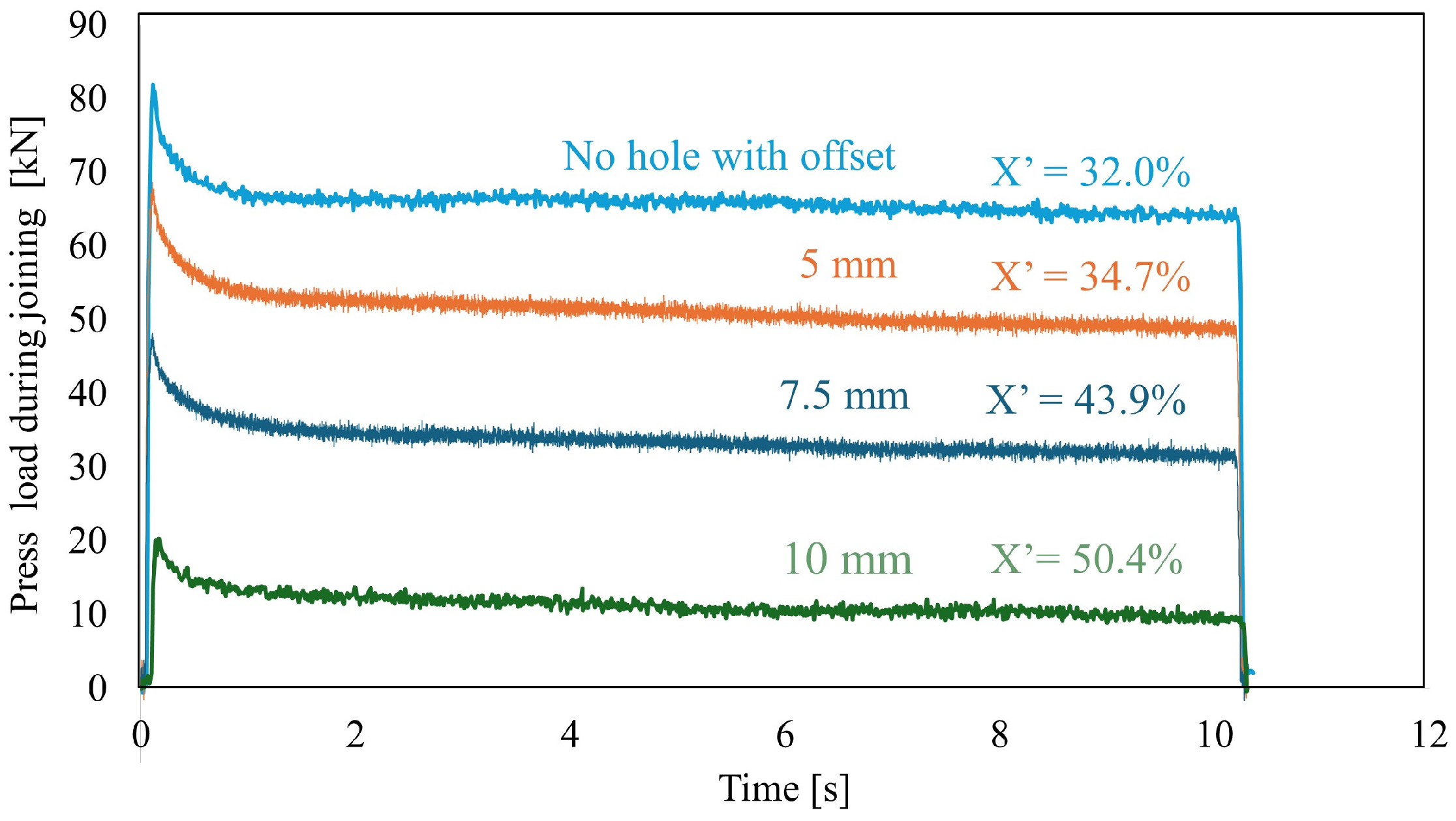
| Hole Diameter (mm) | No Hole with Offset | 5 | 7.5 | 10 |
|---|---|---|---|---|
| Actual penetration ratio (%) | 32.0 | 34.7 | 43.9 | 50.4 |
| Relative deviation (%) | 46.7 | 42.2 | 26.8 | 16.0 |
| (a) | |||||||
| Pre-holed hot clinching | A | B | C | D | E | F | G |
| Top of upper specimen | 500 ± 19 | 504 ± 9 | 544 ± 16 | 509 ± 10 | 489 ± 20 | ||
| Bottom of upper specimen | 496 ± 18 | 527 ± 10 | 537 ± 17 | 537 ± 19 | 534 ± 13 | 531 ± 9 | 499 ± 19 |
| Bottom of lower specimen | 545 ± 3 | 541 ± 9 | 543 ± 13 | 534 ± 13 | |||
| (b) | |||||||
| Forge joining | A | B | C | D | E | F | G |
| Top of upper specimen | 450 ± 11 | 474 ± 3 | 460 ± 9 | 526 ± 3 | 445 ± 12 | 466 ± 16 | 453 ± 10 |
| Bottom of upper specimen | 478 ± 11 | 471 ± 12 | 529 ± 13 | 514 ± 6 | 473 ± 8 | ||
| Bottom of lower specimen | 471 ± 2 | 500 ± 6 | 534 ± 8 | 514 ± 18 | 462 ± 5 | ||
Disclaimer/Publisher’s Note: The statements, opinions and data contained in all publications are solely those of the individual author(s) and contributor(s) and not of MDPI and/or the editor(s). MDPI and/or the editor(s) disclaim responsibility for any injury to people or property resulting from any ideas, methods, instructions or products referred to in the content. |
© 2026 by the authors. Licensee MDPI, Basel, Switzerland. This article is an open access article distributed under the terms and conditions of the Creative Commons Attribution (CC BY) license.
Share and Cite
Charoensuk, J.; Iwai, T.; Hongo, T.; Maeno, T.; Suranuntchai, S. Effect of Lower Sheet Hole on Joint Strength in Pre-Holed Hot Clinching of Al-Si-Coated 22MnB5 Steel Sheets. Metals 2026, 16, 524. https://doi.org/10.3390/met16050524
Charoensuk J, Iwai T, Hongo T, Maeno T, Suranuntchai S. Effect of Lower Sheet Hole on Joint Strength in Pre-Holed Hot Clinching of Al-Si-Coated 22MnB5 Steel Sheets. Metals. 2026; 16(5):524. https://doi.org/10.3390/met16050524
Chicago/Turabian StyleCharoensuk, Jarupong, Takuma Iwai, Taiga Hongo, Tomoyoshi Maeno, and Surasak Suranuntchai. 2026. "Effect of Lower Sheet Hole on Joint Strength in Pre-Holed Hot Clinching of Al-Si-Coated 22MnB5 Steel Sheets" Metals 16, no. 5: 524. https://doi.org/10.3390/met16050524
APA StyleCharoensuk, J., Iwai, T., Hongo, T., Maeno, T., & Suranuntchai, S. (2026). Effect of Lower Sheet Hole on Joint Strength in Pre-Holed Hot Clinching of Al-Si-Coated 22MnB5 Steel Sheets. Metals, 16(5), 524. https://doi.org/10.3390/met16050524