1. Introduction
The current state of modern metallurgy was characterized by a focus on the production of high-performance steels required by the aerospace, energy, and machine engineering sectors. However, as the analysis of the metallurgical sector of the Republic of Kazakhstan showed, a significant technological gap existed: although production was concentrated in key industrial regions, the range of alloy steels remained limited, and the output of high-quality special alloys was insufficient. Under these conditions, the strategic task was not to alter the chemical composition but to improve the existing technological processes, with particular emphasis on crystallization control, since macrosegregation and dendritic inhomogeneity were formed at this stage, thereby limiting the performance characteristics of the steel.
In this context, 40CrNi3MoV steel was of particular interest. It belongs to the class of complex-alloyed structural steels and is used for the manufacturing of critical components of mining and metallurgical equipment operating under conditions of high loads and severe wear [
1,
2]. Under such conditions, accelerated abrasive and contact wear led to a reduction in the service life of the components, the need for their frequent replacement, and increased operating costs.
This steel was characterized by high hardenability, the absence of temper brittleness due to the presence of molybdenum, and a tendency to form a fine-grained structure due to vanadium. These features made chromium–nickel–molybdenum steels of this class optimal for operation under severe stress conditions. For such materials, not only high strength characteristics were important, but also the homogeneity of the cast structure, since structural and chemical inhomogeneity could limit the service properties and increase the material’s susceptibility to local failure [
3,
4,
5]. However, the possibilities for further improvement of their properties by means of conventional heat treatment had largely been exhausted, and therefore modification was regarded as a promising approach.
One of the main problems of cast alloy steels was the formation of dendritic and chemical inhomogeneity during solidification. Microsegregation of alloying elements in interdendritic regions, uneven phase distribution, and local banding of the structure could lead to scatter in mechanical properties, the formation of stress concentration zones, and deterioration in the material’s performance [
6,
7,
8]. For steels of the Cr-Ni-Mo-V system, it was shown that structural inhomogeneity and banded structure had a significant effect on strength and deformation characteristics, whereas reducing segregation and increasing the fraction of equiaxed grains contributed to the formation of a more homogeneous and stable structure [
9,
10]. Consequently, controlling crystallization processes and suppressing microsegregation were essential conditions for producing steel with a higher combination of properties.
One of the effective approaches to controlling primary crystallization processes was the chemical modification of the melt. The introduction of active modifying additives made it possible to alter the composition and morphology of non-metallic inclusions, increase the number of heterogeneous nucleation centers, refine the dendritic and grain structure, and reduce the severity of segregation processes [
11,
12,
13]. Of particular interest were complex modifiers combining elements capable of simultaneously influencing deoxidation, inclusion modification, and structure formation processes. In the present study, InSteel-7 was used as such a modifier. It belongs to the class of multicomponent modifying compositions and contains calcium, barium, titanium, and rare-earth elements [
14].
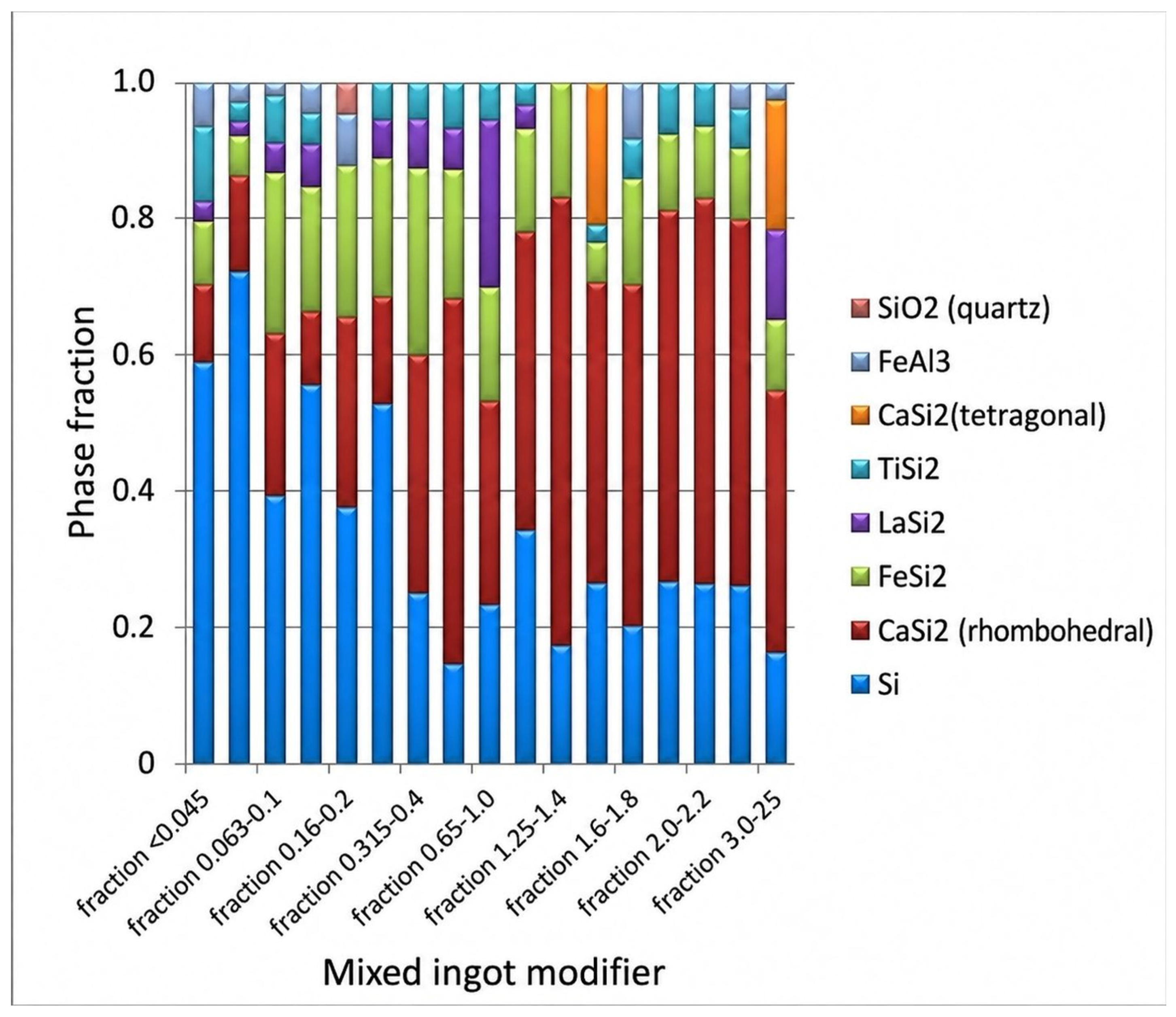
The modifier InSteel-7 contains Ca, Ba, Ti, and rare-earth elements (
Figure 1). A distinctive feature of this nanomodifier is its complex composition, which includes both alkaline-earth metals and rare-earth elements, as well as a strong carbide-forming element. This modifier was characterized by a microcrystalline structure obtained by quenching the complex alloy from the liquid state.
Figure 1 shows the approximate composition of an InSteel-class modifier.
The presence of Ca and Ba, which have low vapor pressures, led to a slower interaction with the steel, thereby intensifying the removal of sulfur and phosphorus and promoting the modification of non-metallic inclusions. The presence of rare-earth elements led to the formation of finely dispersed stable hydrides, which contributed to a slight increase in corrosion resistance and a reduction in temper brittleness. The presence of titanium promoted the formation of stable carbides, which improved the strength properties of the steel, as well as its hardness and wear resistance. Thus, the use of this complex modifier made it possible to improve the structure of the steel and its performance properties without changing its chemical composition.
It should be noted that the complex modifier InSteel-7 is supplied in the form of chips or in a fractionated form, and it is in this form that it is used for conventional steel modification. In the present study, the InSteel-7 modifier was used in the form of nanopowder, which was likely to increase the effectiveness of its action as a nucleation agent and reduce the required amount of the modifier.
Alongside chemical modification, the application of external physical effects to the melt during crystallization was of considerable interest. Electromagnetic treatment and electromagnetic stirring were regarded as effective methods for controlling melt flow, redistributing superheat, intensifying heat and mass transfer, and suppressing macrosegregation [
15,
16]. It was shown that such effects could increase the proportion of the equiaxed zone, reduce the severity of columnar crystallization, and promote the formation of a more homogeneous cast structure [
17,
18]. Magnetic treatment altered the hydrodynamic conditions of solidification, accelerated the dissipation of superheat, and promoted a more uniform distribution of melt components, which made this approach promising for improving the structural homogeneity of alloy steels [
1,
19].
Another promising approach was the mechanical vibration of the melt during solidification. Vibrational treatment promoted dendrite fragmentation, altered the conditions of solid-phase nucleation, refined the structure, and reduced the defectiveness of the cast metal. For steels and alloys with similar solidification mechanisms, it was shown that vibration could promote the expansion of the equiaxed crystal zone, reduce porosity, and improve structural homogeneity [
20]. In addition, when combined with modifying additives, vibration improved the distribution of solid particles throughout the melt volume and could enhance the effect of structural refinement, which was accompanied by an increase in hardness and wear resistance [
21,
22]. Thus, mechanical vibration could be regarded as an effective additional tool for controlling the formation of the cast steel structure.
Therefore, chemical modification, magnetic treatment, and mechanical vibration represented three independent but complementary approaches to controlling solidification and structure formation processes. However, despite the large number of studies devoted to individual treatment methods, the issue of their combined application to 40CrNi3MoV steel remained insufficiently explored. Data on the effect of combined treatment involving the multicomponent modifier InSteel-7, a magnetic field, and vibration on the formation of a homogeneous structure and the associated changes in properties were particularly limited.
In this regard, the aim of the present study was to investigate the effect of complex treatment, including melt modification with InSteel-7, magnetic treatment, and mechanical vibration, on the structural formation features and performance characteristics of 40CrNi3MoV steel. Particular attention was paid to the assessment of structural homogeneity and to establishing the relationship between changes in the microstructure, microhardness, and the tribological behavior of the steel [
23].
2. Materials and Methods
The object of this study was the constructional alloy steel 40CrNi3MoV. According to GOST 4543-2016 [
24], the steel composition was as follows: 0.40%C; 0.12% Si, 0.17% V, 0.97% Cr, 0.41% Mn, 2.82% Ni, and 0.49% Mo, with the remainder being Fe.
A complex nanostructured modifier, InSteel-7 (NPP Technology LTD, Chelyabinsk, Russia), was used in the study (see
Table 1).
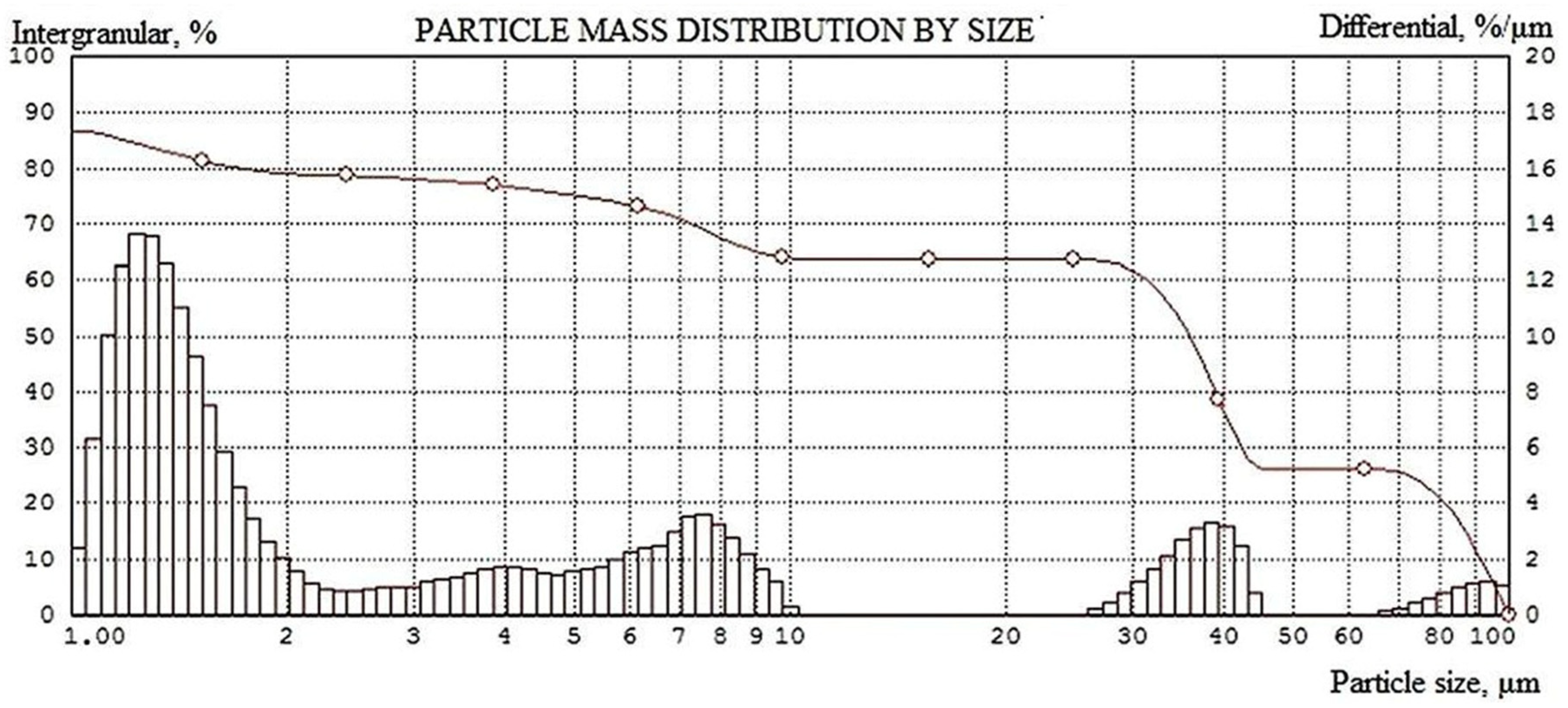
To achieve the required particle size, the modifier was subjected to milling in a planetary high-speed ball mill Emax (Retsch, Germany). The process was carried out in a 50 mL grinding jar using six steel grinding balls with a diameter of 12 mm. Grinding was performed in continuous mode at a rotation speed of 1500 rpm for 10 min. The ball-to-powder mass ratio was approximately 10:1. Grinding was carried out in air. The high milling energy was achieved through a combination of impact and friction mechanisms. The fractional composition of the modifier was determined using the FSX-6K photosedimentometer (LabNauchPribor, Moscow, Russia).
The melting was carried out in a laboratory induction furnace with a modernized cooling system UI-25P (MTPP, Mias, Russia). To ensure the purity of the melt and avoid carburization, corundum-mullite crucibles with a capacity of up to 5 kg were used. The temperature during the melting process was monitored in non-contact mode using a precision infrared pyrometer Raytek Raynger 3i Plus (Fluke Process Instruments, Everett, WA, USA). The temperature was maintained within the range of 1580–1620 °C.
The modifier was introduced by the in-stream addition method directly during the mold filling process. The metal temperature during casting ranged from 1520 °C to 1550 °C. The concentration of the modifier varied within 0.03 wt. %.
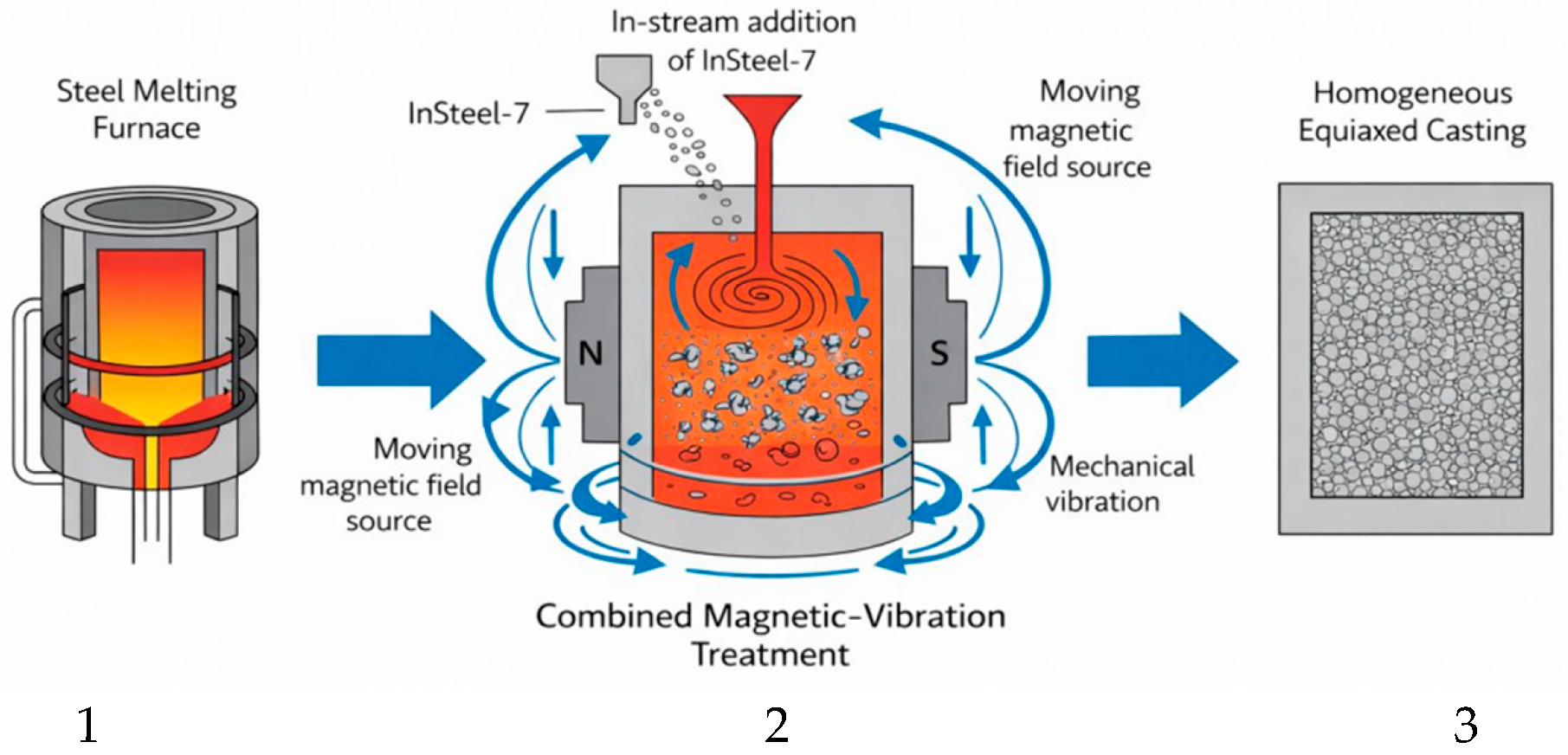
To intensify the modifier’s influence on the steel structure during crystallization, a combination of electromagnetic field and mechanical vibration was applied. The general technological process scheme is shown in
Figure 2.
Magnetic treatment of the melt was carried out using the controlled MD-E electromagnet under a constant magnetic field. The treatment conditions were as follows:
- -
Operating current of the electromagnet winding: 5.0 A;
- -
Distance between the centers of the pole tips: 200 mm;
- -
Magnetic field strength: 90 A/cm.
The spatial distribution of the magnetic field within the casting and melt was not determined. It should be noted that, in industrial practice, the use of magnetic field strength as a treatment parameter was important. The spatial distribution of the magnetic field was of scientific interest; however, it was not considered in the present study.
Vibrational treatment was carried out using a mechanical platform with an oscillation frequency of 5 Hz (300 rpm). The displacement amplitudes along the axes were Dx = 35 mm and Dy = 17.5 mm.
The alloy was cast into disposable sand-clay molds: the control sample without modification or treatment (sample No. 1); the introduction of the modifier (sample No. 2); the introduction of the modifier and magnetic treatment (sample No. 3); the introduction of the modifier, magnetic, and vibrational treatment (sample No. 4). The samples were then subjected to heat treatment, consisting of quenching in oil at 850 °C and subsequent tempering at 600 °C in an air vent.
The chemical composition of the experimental alloy was determined using an Olympus spectrometer and the SPAS-05 emission spectrometer (Active Co., Ltd, St. Petersburg, Russia) for carbon determination. The alloy composition complied with the requirements of GOST 1497–2023 [
25] for the chemical composition of steel 40CrNi3MoV.
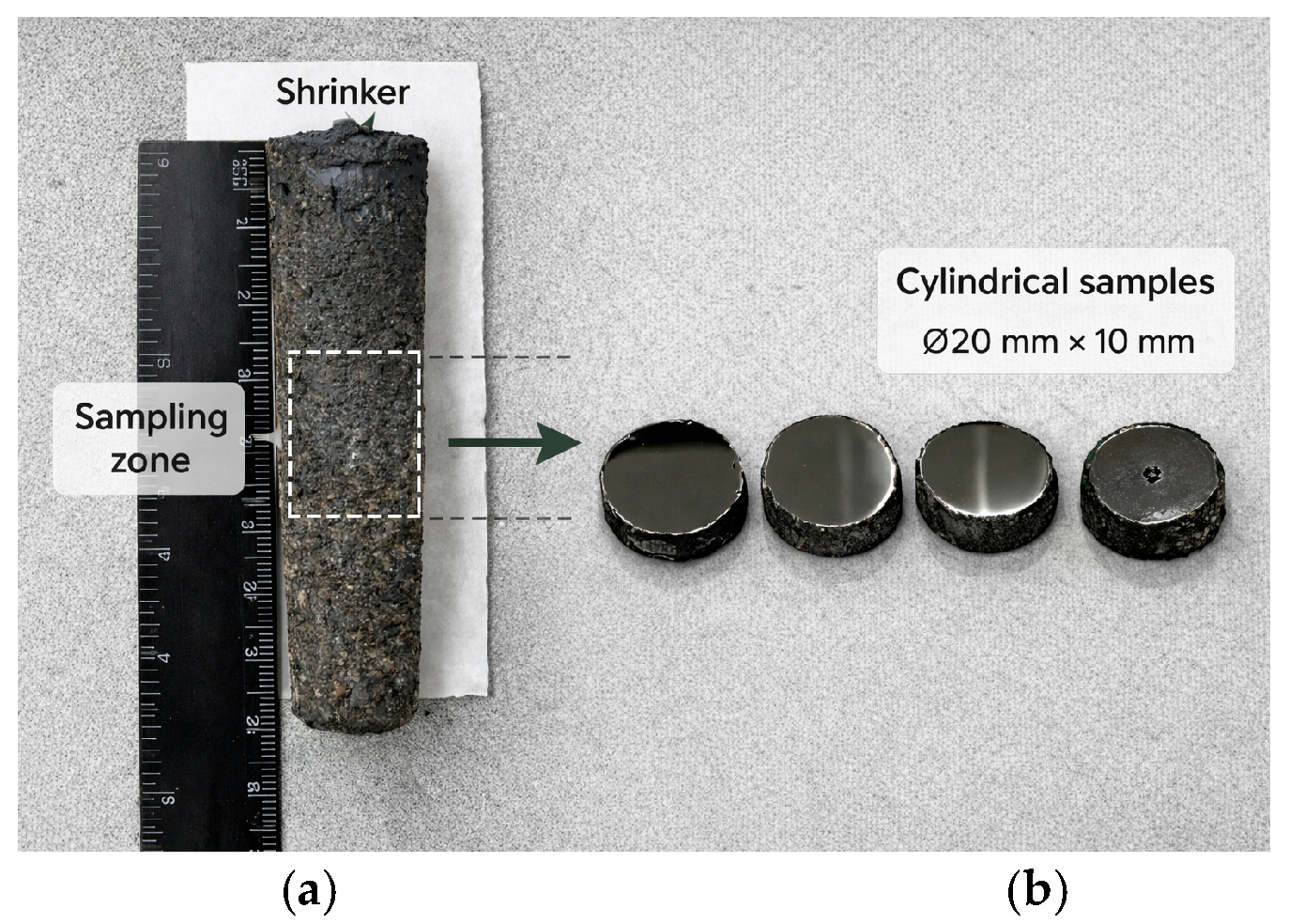
In this study, changes in the structure under the influence of external factors and modifications were examined, while zonal segregation along the body of the casting/ingot was not considered. For this reason, the sampling location was selected in the central part of the specimen in order to exclude the influence of shrinkage cavities, porosity, and bottom segregation (
Figure 3a). Samples with a circular cross-section were cut from the middle part of the billets. Sample preparation was carried out using a Secotom-15 precision cutting machine. The geometric dimensions of the obtained samples were ø 20 mm × 10 mm (
Figure 3b).
These samples were used for hardness measurements with the automatic hardness tester Emco-Test DuraScan 70 (EMCO-TEST, Kuchl, Austria), metallographic analysis on a light microscope Magus V700/V700BD (MAGUS, China, for PJSC Levenhuk, Tampa, FL, USA), and determination of mechanical and tribological properties. Each hardness measurement and microstructure parameter was performed at three different points. The measurement points were located in different parts of the sample, namely in the center and at the edges. At least three measurements were performed at each point, resulting in a total of at least 9 measurements per sample, which was sufficient to confirm the reliability of the obtained results. The elemental composition and distribution of alloying elements obtained from SEM-EDS mapping are presented in
Table 2. The average values are presented in
Table 3. The variation in results was considered during the analysis of the structure’s homogeneity.
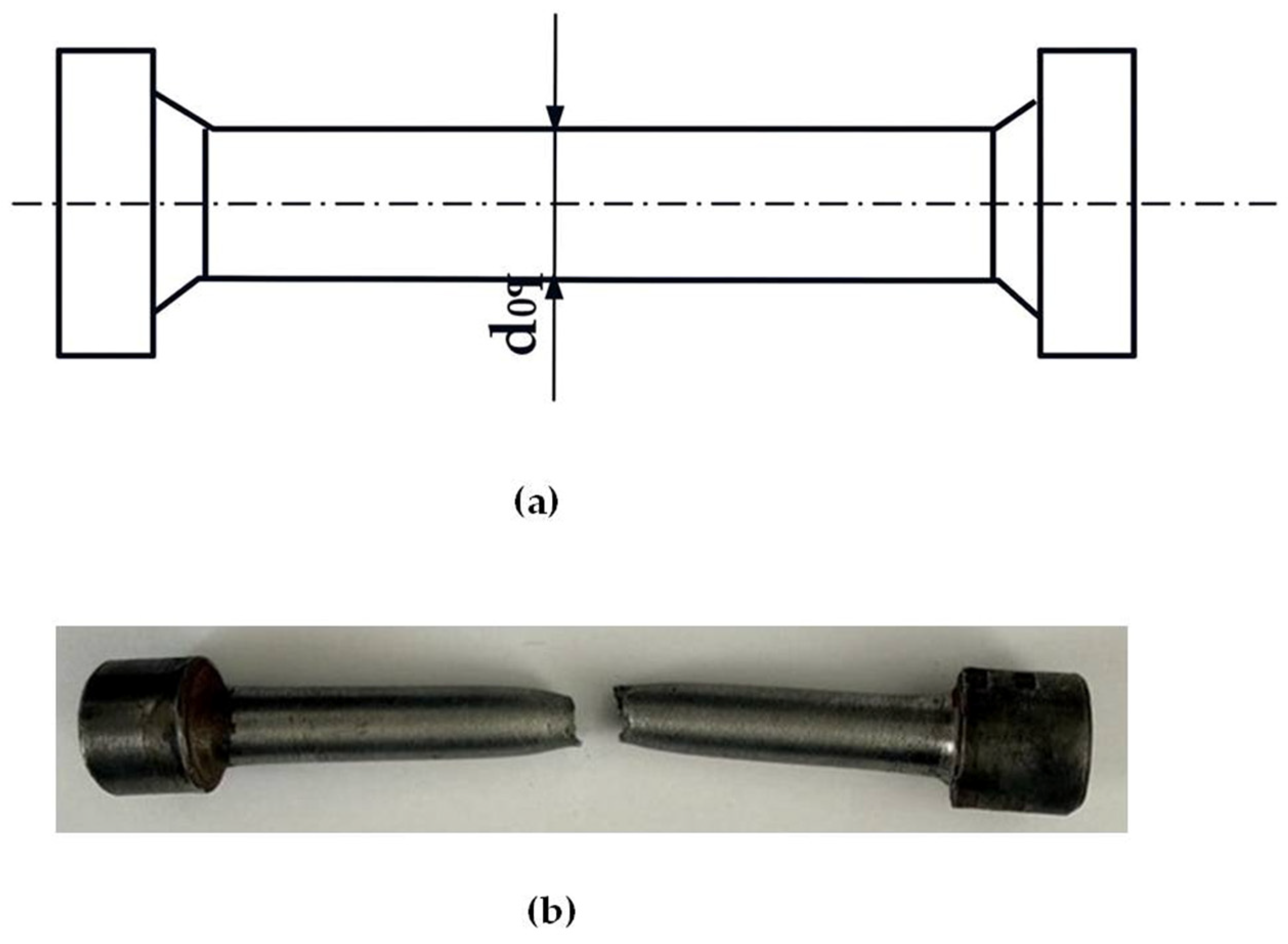
Tensile tests were conducted at room temperature in accordance with GOST 1497–2023 [
25] using an INSTRON 5982 universal testing machine (Instron, Norwood, MA, USA). The specimens were prepared as standard cylindrical specimens with a circular cross-section and a reduced gauge section, in accordance with the requirements of the standard (
Figure 4). The geometric parameters were measured using measuring tools with an accuracy of at least ±0.01 mm. The load was applied along the axis of the specimen at a constant strain rate, ensuring uniform loading within the limits specified by the standard.
Metallographic sample preparation was carried out according to the guidelines of Struers (Struers A/S, Ballerup, Denmark). Longitudinal sections of the samples were mounted using a CitoPress-10 press (Struers A/S, Ballerup, Denmark). Final grinding and polishing were performed on a Tegramin-25 system (Struers A/S, Ballerup, Denmark) until a mirror-like surface finish was achieved.
The samples were etched with a 4% ethanol solution of nitric acid for microstructure investigation. The microstructure of the experimental samples was examined using a JEOL JSM-7001F scanning electron microscope (JEOL Ltd., Akishima, Tokyo, Japan), equipped with a microanalysis system.
Quantitative microstructure analysis was conducted using the Thixomet Pro image analyzer (Thixomet, St. Petersburg, Russia).
Tribological tests were performed on a Tribometer (CSM Instruments SA, Peseux, Switzerland) using the “ball-disk” scheme. The tests were carried out under the following conditions. An aluminum oxide ball was used as the counterbody due to its high hardness and strength. The counterbody diameter was 6 mm, the applied load was 2 N, the linear speed was 5 cm/s, and the total distance was 200 m. The tests were conducted at an ambient temperature of 22–25 °C and a relative humidity of 40–50%. To ensure the reproducibility of the results, at least three replicates were performed for each sample.
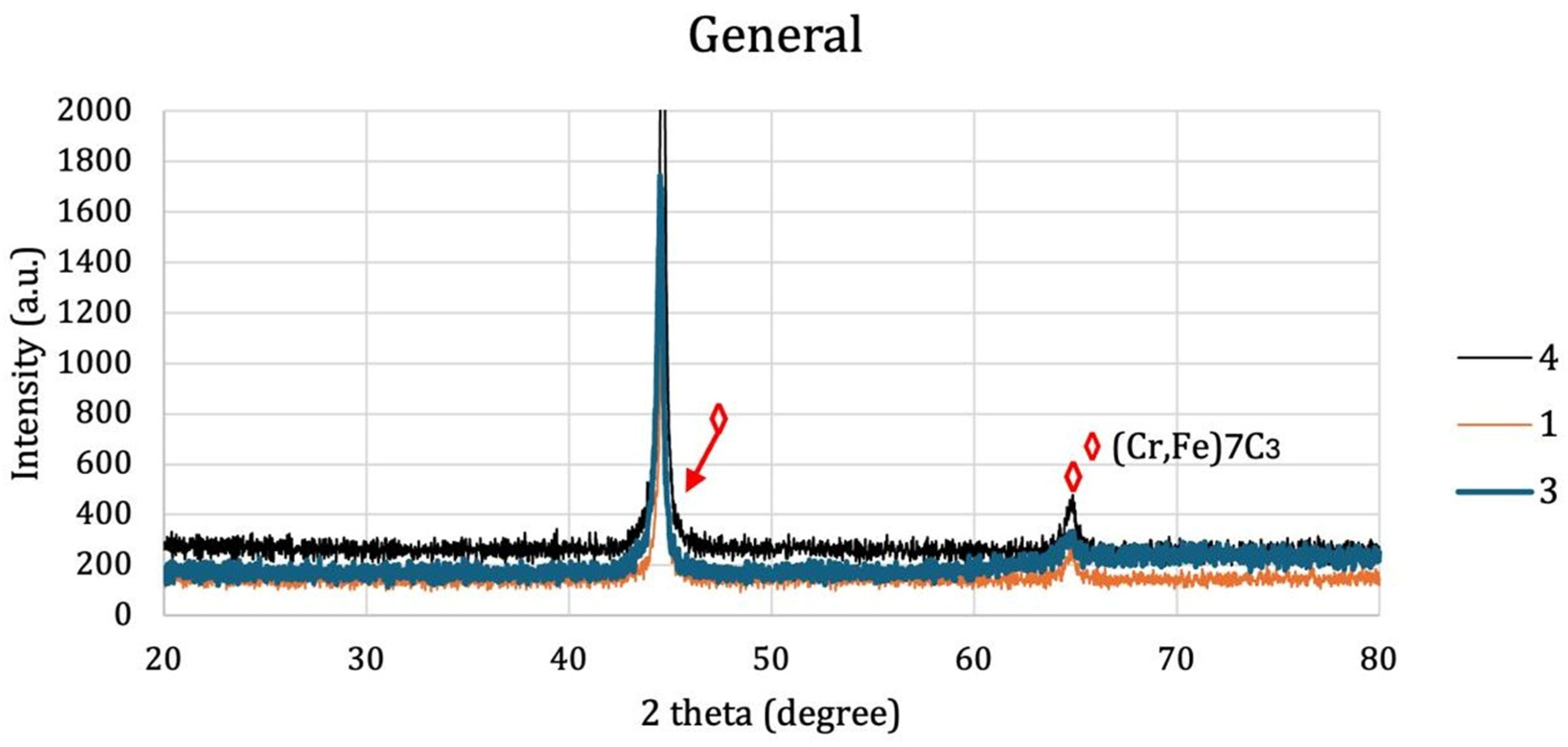
X-ray phase analysis was performed using an Empyrean X-ray diffractometer (PANalytical, Almelo, The Netherlands). Data acquisition was carried out using PANalytical Data Collector software (v. 5.3.0.62), while data processing and phase analysis were performed using Malvern Panalytical HighScore Plus software (v. 5.2).
The following components were used:
- -
Siemens KFL-CU-2K Cu–2K X-ray tube (Siemens AG, Karlsruhe, Germany), 0.4 × 12 mm (copper anode);
- -
Position-sensitive LYNXEYE detector (Bruker AXS, Karlsruhe, Germany);
- -
Soller slit;
- -
Primary and secondary X-ray beam divergence systems (additional slit—0.6 cm);
- -
Nickel Kβ filter;
- -
Anti-scattering screen (0.5 cm height).
The following conditions were chosen for recording the diffractogram:
- -
Voltage: 30 kV;
- -
Current: 10 mA;
- -
Sample rotation: 15 revolutions per minute (to obtain more comprehensive data on the sample composition);
- -
Scanning range: 20–80°;
- -
Step size: 0.02°;
- -
Delay time: 1 s.
Phase identification was performed automatically using Malvern Panalytical HighScore Plus software (v. 5.2), which accounted for the background and corrected the intensity peaks based on the Rietveld method.
3. Results and Discussion
3.4. Microstructure Analysis
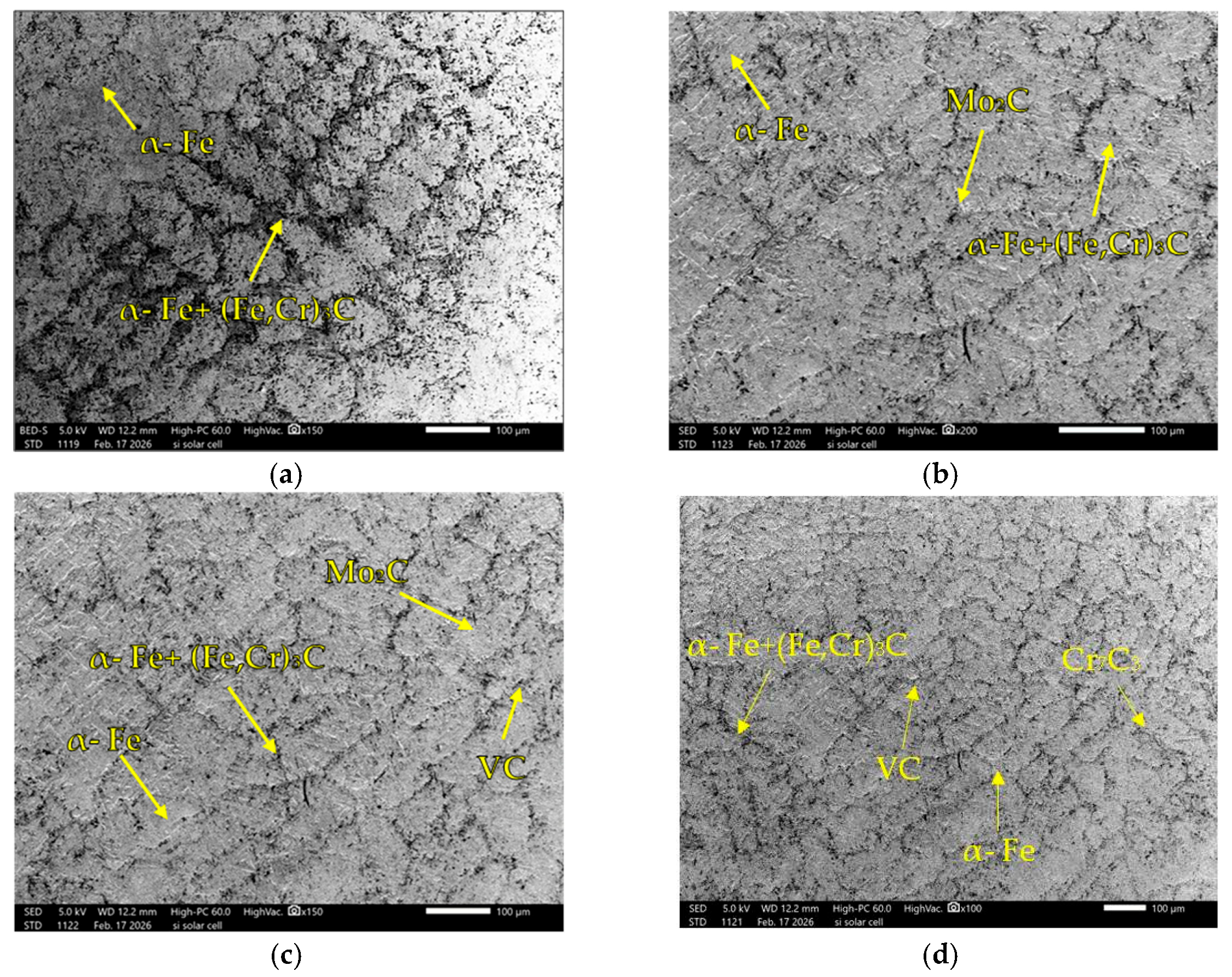
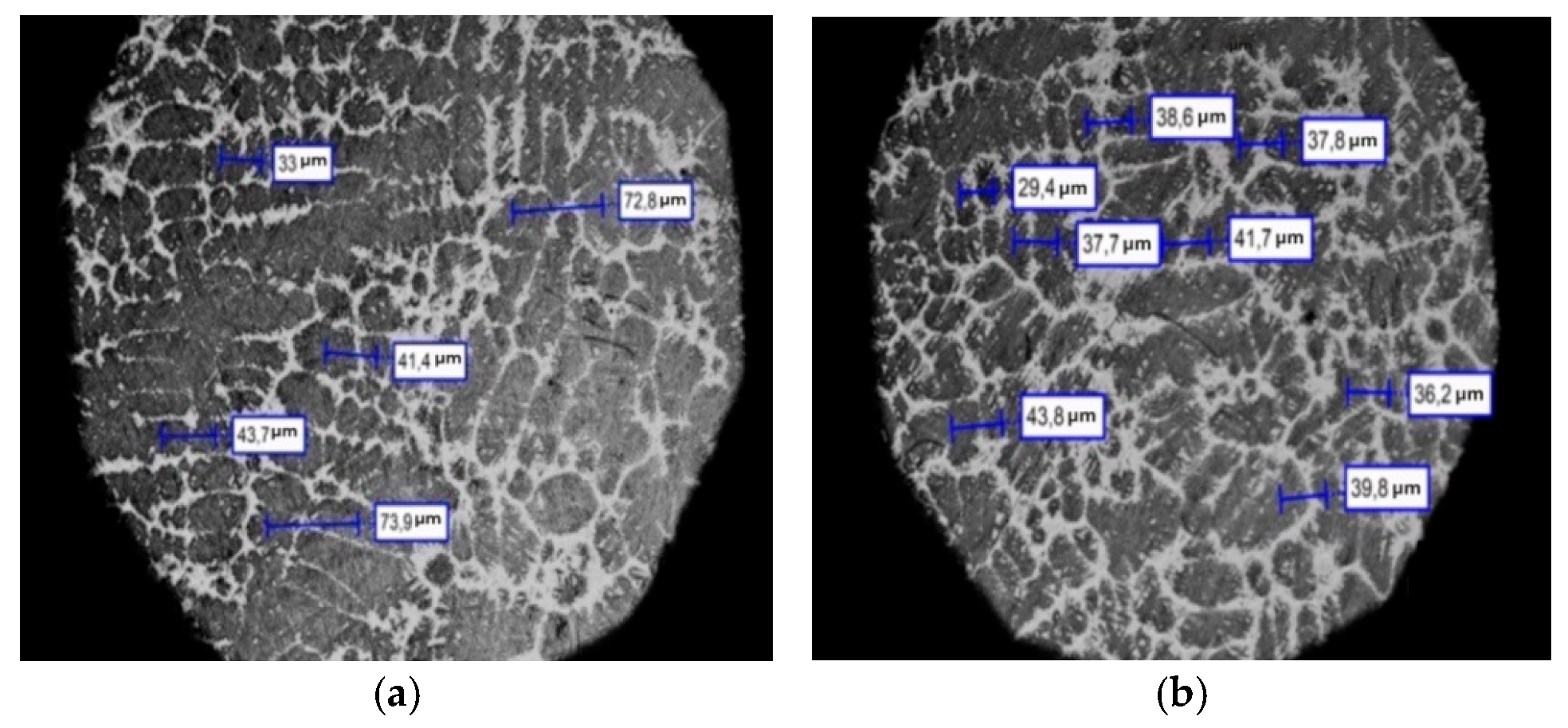
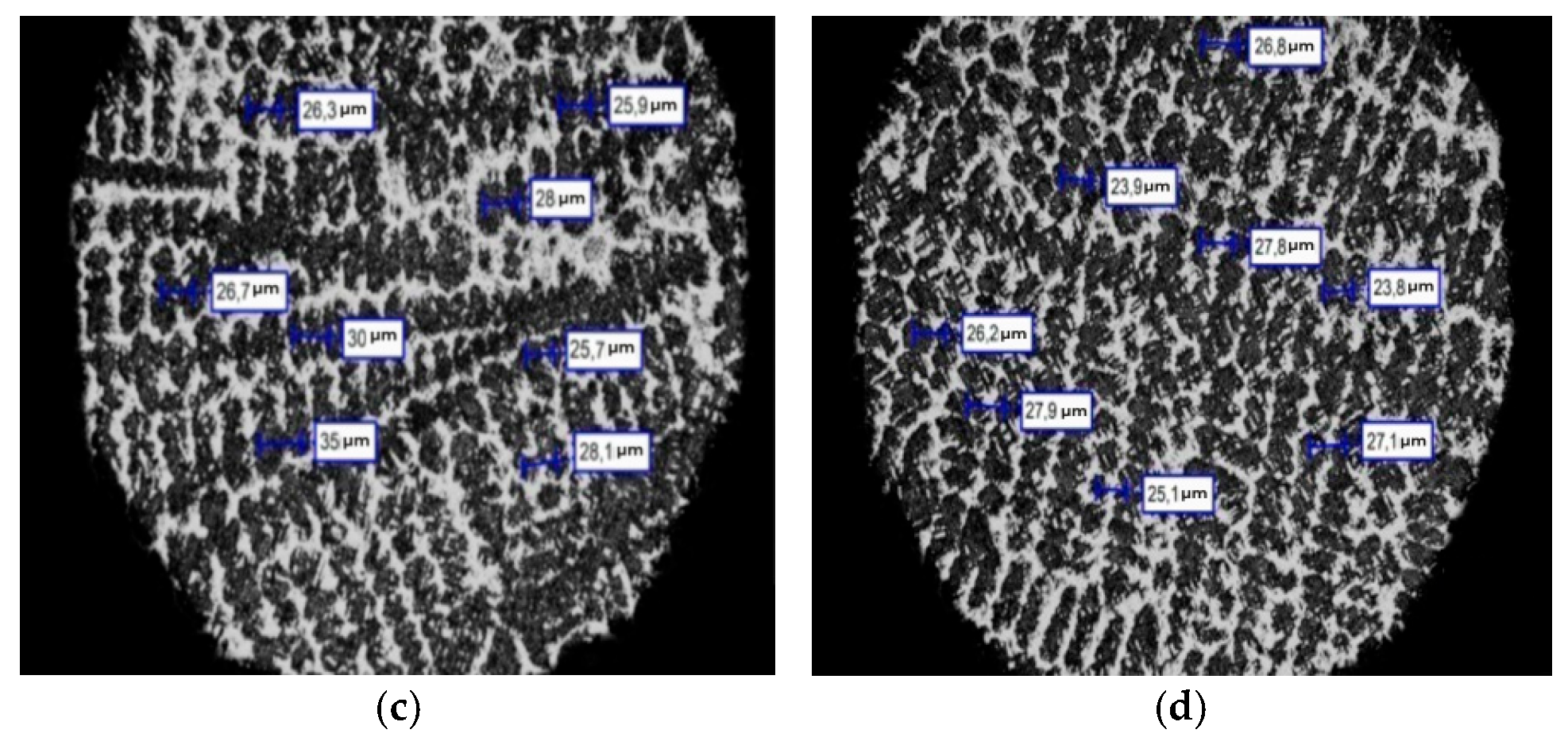
A comparative analysis of the microstructure of the steels was conducted using a scanning electron microscope at the same magnification (×1000) (
Figure 8). This allowed for the clarification of the morphological features of the formed structure and the assessment of the nature of the phase distribution. The analysis tracked the influence of complex treatment conditions on the parameters of the dendritic structure. It also provided insights into the dispersion of the structural components and the degree of their uniformity.
The microstructure of 40CrNi3MoV steel after heat treatment, including quenching and high-temperature tempering, is characterized by the formation of a typical tempered martensitic structure with a high degree of fineness. It should be noted that, due to the presence of alloying elements (Cr, V, Ni), the steel retains increased austenite stability, which allows quenching in oil. In the as-quenched condition, martensite is formed in the steel. Along with martensite, a small amount of retained austenite that did not undergo transformation during cooling may also be present. However, in this case, no retained austenite was detected, which indicates the high hardenability of the steel [
31,
32,
33].
During subsequent high-temperature tempering at 600 °C, martensite decomposes and tempered sorbite is formed, which in this case represents an alloyed fine-dispersed pearlite structure (α-solid solution + carbides, mainly (Fe,Cr)3C). In addition, the structure contains an alloyed α-solid solution, in which Cr and Mo are dissolved in ferrite, as well as carbides of the VC, Mo2C, and Cr7C3 types. During high-temperature tempering, diffusion decomposition of martensite occurs, including the precipitation of transition carbides, their subsequent transformation into cementite, and the coarsening of carbide particles. The final structural state is represented by a stable “ferrite + carbides” system. It should be noted that 40CrNi3MoV steel is inherently fine-grained, which is reflected in the final structure after tempering.
Modification, in this case using a complex modifier containing rare-earth elements, alkaline-earth metals, and TiC, leads to an increase in the structural fineness. The introduction of TiC, as well as rare-earth elements, especially in nanoparticle form, promotes austenite grain refinement by increasing the number of crystallization centers and inhibiting grain growth during heating. Under these conditions, quenching results in the formation of a finer martensitic structure, while subsequent tempering yields a more dispersed tempered sorbite with uniformly distributed carbides.
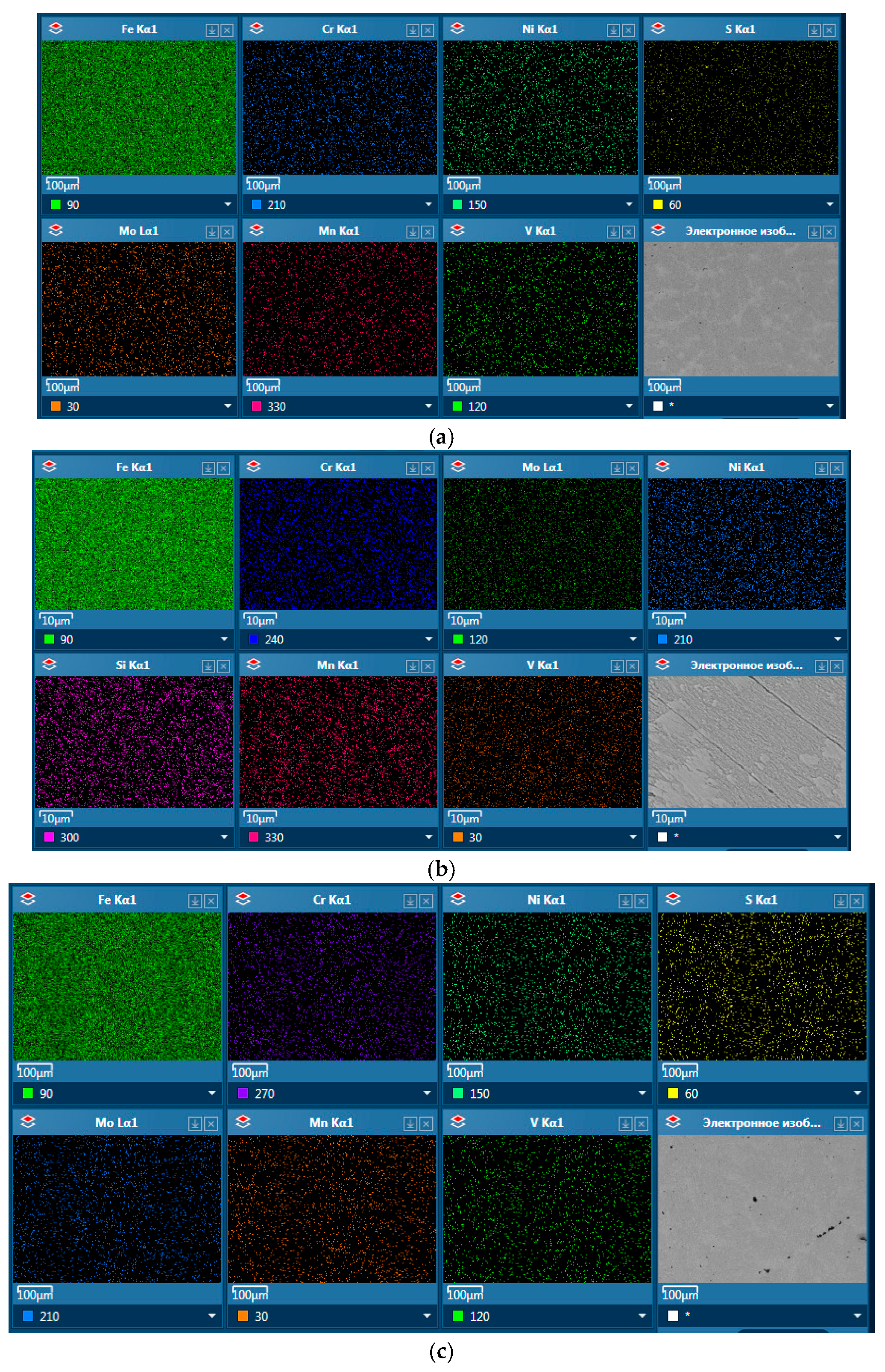
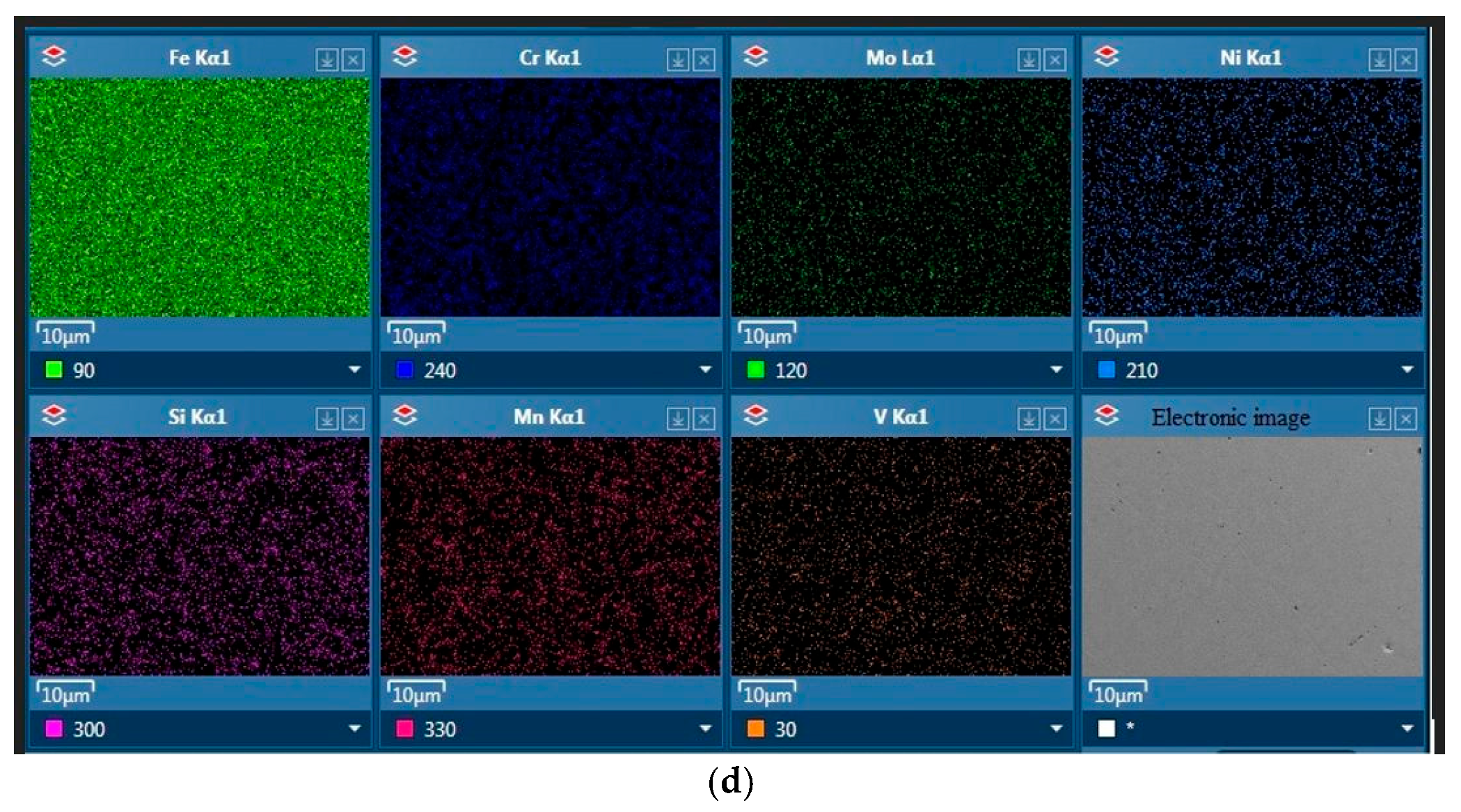
The transition from general microstructural analysis to energy-dispersive X-ray spectroscopy (EDS) mapping enabled the determination of the elemental composition of local areas. It also allowed for the evaluation of the material’s chemical homogeneity. This approach provided the opportunity to verify the origin of the detected dispersed particles. It also helped to determine whether these particles were related to the directed activation of the modifier components or were due to local manifestations of microsegregation.
The results of the elemental mapping and the quantitative chemical composition analysis of the investigated samples are presented in
Figure 9 and
Table 2.
The results of the quantitative analysis show that the chemical composition of the material under study generally corresponds to the alloying system of 40CrNi3MoV steel. As can be seen from the data presented in the table, the chemical composition of all samples remains virtually unchanged and corresponds to the steel composition specified by GOST. However, it should be noted that the sulfur content in sample No. 4 is slightly lower than in the other samples. This positive result can be explained, first, by the influence of the modifier, since Ca and Ba, which are included in its composition, have low vapor pressure, which hinders their interaction with the melt and promotes the formation of sulfides, thereby reducing the sulfur content in the metal.
Elemental mapping using the EDS method demonstrates a uniform distribution of alloying components throughout the matrix, which indicates a reduction in the degree of chemical microsegregation.
Micro-mapping at a scale of 10 µm allowed for a detailed analysis of element distribution. It was found that the modifying components did not form large local clusters. Instead, they were dispersed within the dendritic structure. Such chemical homogeneity created favorable conditions for the formation of uniformly distributed strengthening phases. This contributed to the enhanced structural stability of the material.
Thus, the obtained data indicated that complex modifying treatment contributed to a reduction in chemical inhomogeneity. It also promoted the formation of a more homogenized microstructure. This could serve as the structural basis for enhancing the operational characteristics of the material.
To confirm the influence of the observed structural changes on the mechanical properties, a hardness study was conducted.
3.6. Tribological Testing
The wear testing program included a series of tests on a high-temperature tribometer using the “ball-disk” scheme. These tests were designed to perform a comparative analysis of the reference sample (No. 1) and the samples modified with Insteel-7 and subjected to external influences (No. 3 and No. 4). The primary goal of the tests was to assess the impact of changes in hardness and the structural condition of the surface layer on the wear behavior under friction.
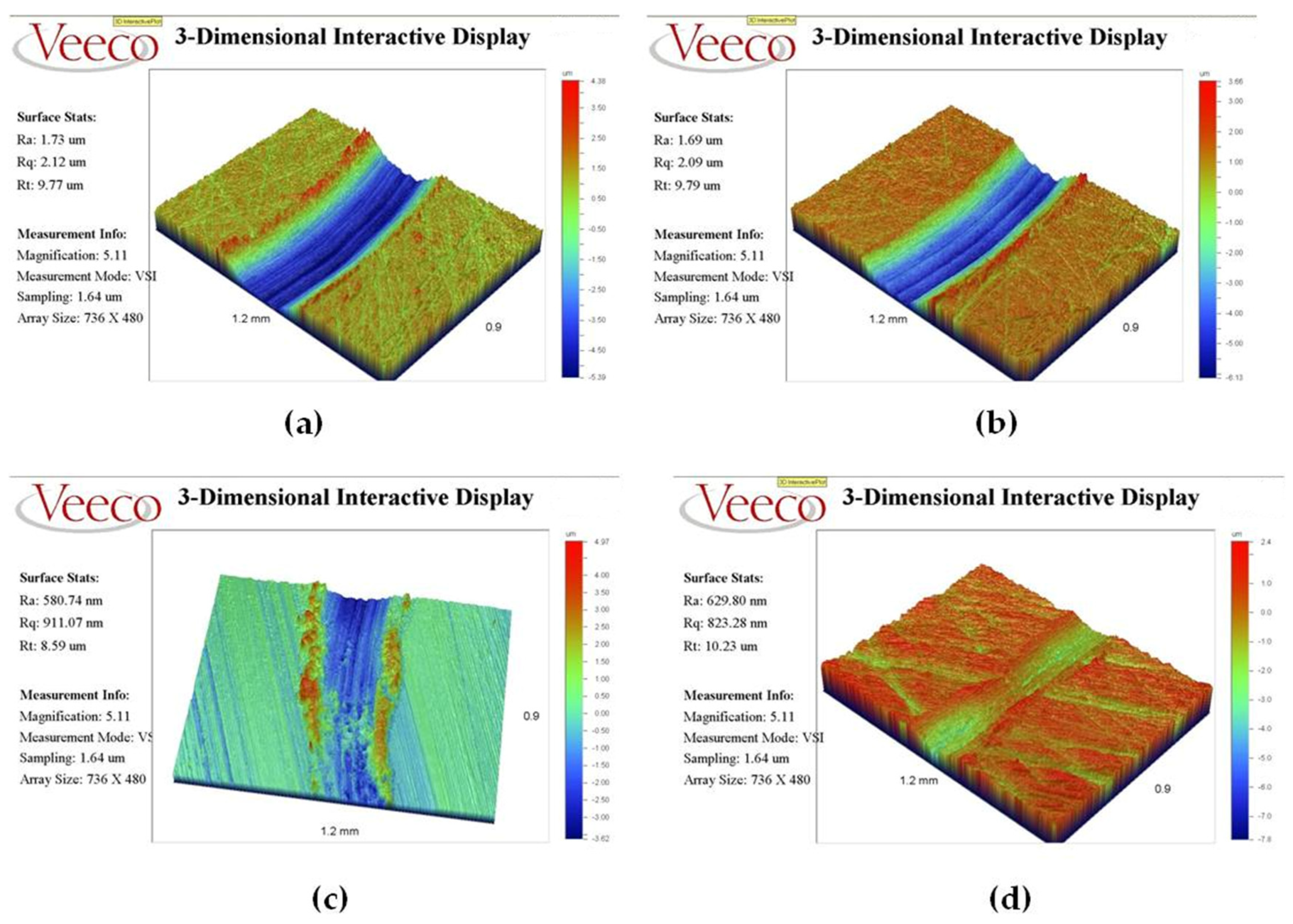
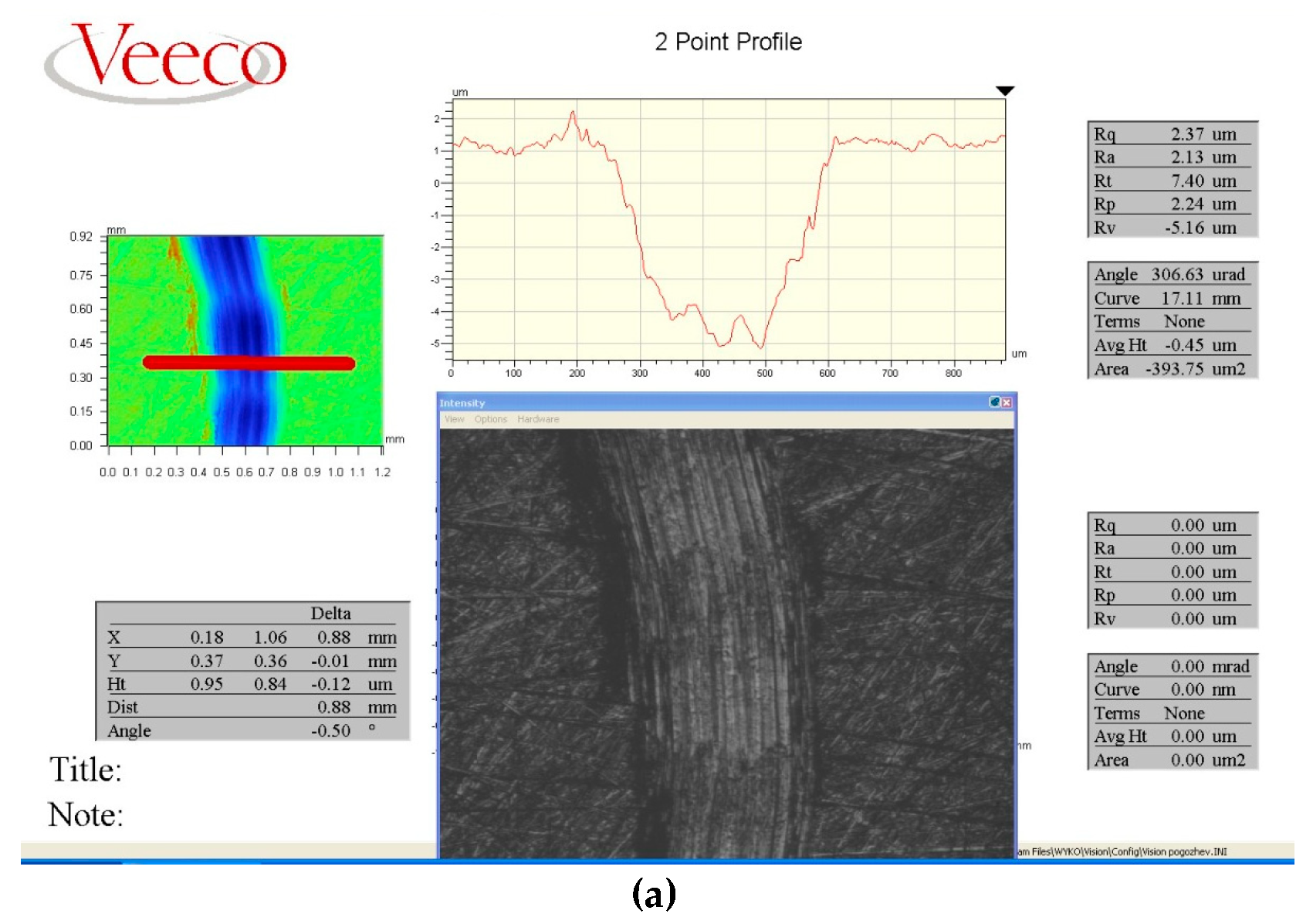
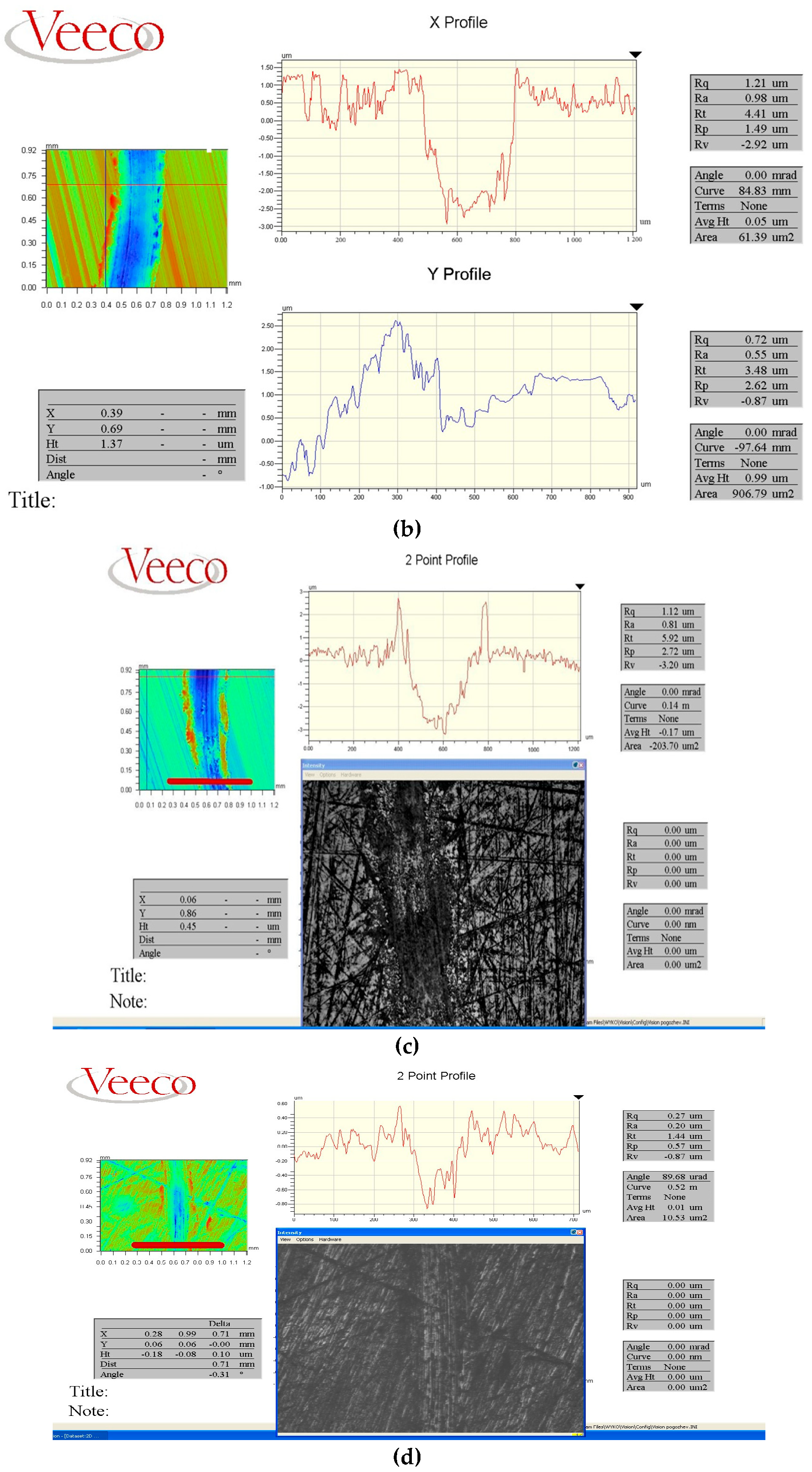
Three-dimensional images of the wear tracks and surface profiles after the tests are presented in
Figure 10 and
Figure 11.
Figure 11.
Surface profiles of the tested samples: (a) sample No. 1; (b) sample No. 2; (c) sample No. 3; (d) sample No. 4. Colors represent surface height: blue/green indicate lower areas, including the wear track, while yellow/red indicate higher areas, including the unworn surface.
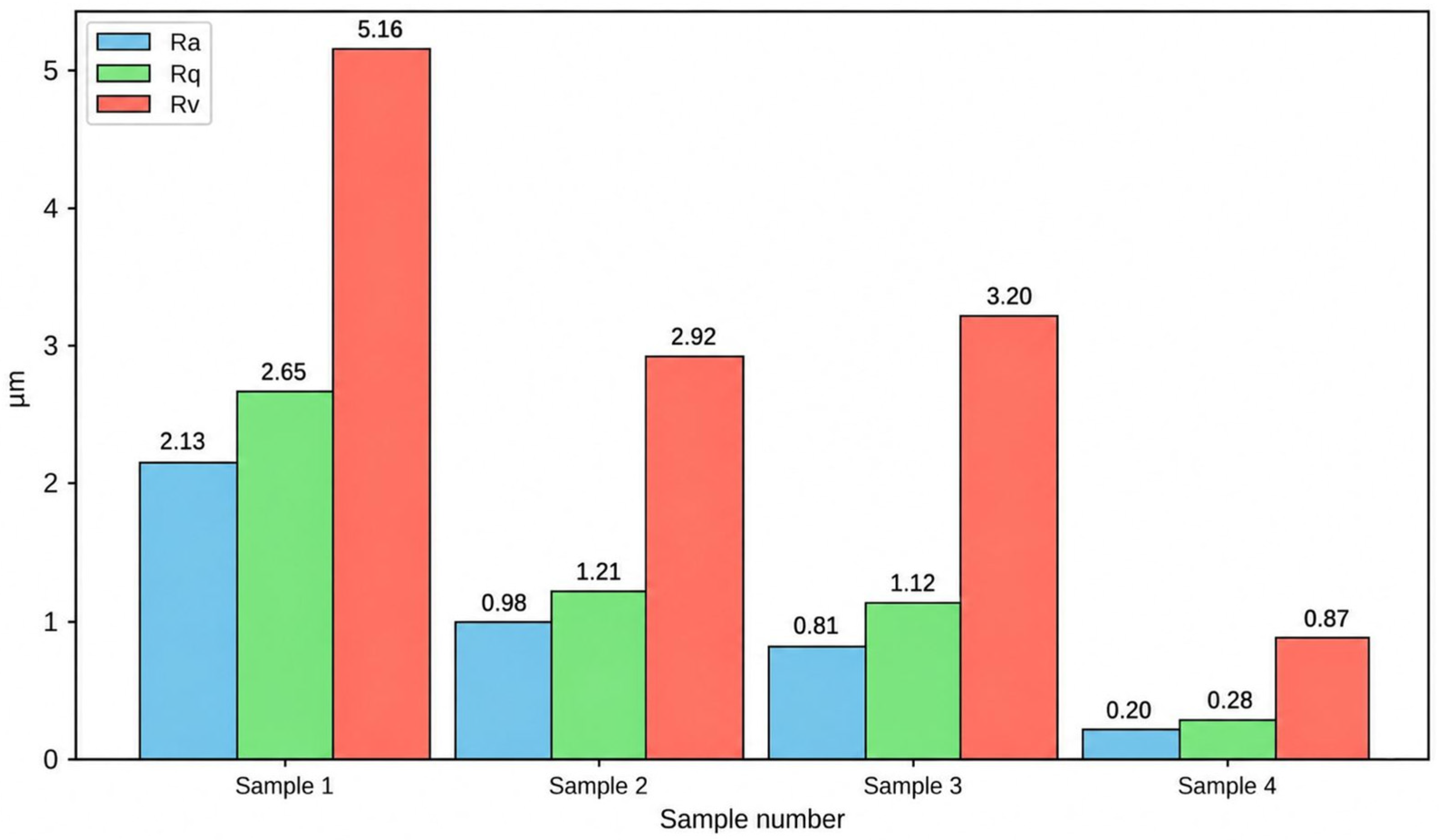
The profilometric analysis of the wear tracks of steel 40CrNi3MoV allowed for the tracking of the sequential transformation of surface failure mechanisms, depending on the applied treatment regimes (
Figure 12).
Figure 12.
Surface roughness values and groove dimensions on surface of samples after testing.
The analysis of the reference sample No. 1 demonstrated the initial tribological capabilities of the steel. According to the 3D profilometry data, the indenter penetration depth reached 5.16 µm. The surface roughness was 2.13 µm (Ra). The wear mode in this case was predictable. The absence of critical deformations and pronounced lateral bulges confirmed the high strength of the base metal. However, the performance of this structure was limited by the natural grain size and the free mobility of dislocations. This led to the formation of a relatively wide and deep wear track.
Sample No. 3, which underwent modification and magnetic treatment, revealed specific dynamics. Despite the overall strengthening, a change in the wear track morphology was observed. The depth of indenter penetration reached 3.20 µm. The observed effects indicated the dominance of intensive plastic deformation mechanisms. The surface layer exhibited local “fluidity” under the counterbody. It was hypothesized that this phenomenon resulted from the uneven distribution of the nanomodifier. This caused the formation of internal stress zones in the interdendritic regions. Under load, these areas predominantly deformed plastically. This led to the micro-spalling effect and reflected the local structural heterogeneity of the material at this stage of processing.
A significant improvement in the tribological characteristics was observed for sample No. 4, which underwent complex treatment. The surface after testing was characterized by the formation of a precise microrelief. The roughness decreased to Ra 0.20 µm, and the wear track depth was reduced to 0.87 µm. This was nearly six times smaller than that of the reference sample. It is noteworthy that, despite the overall high smoothness of the surface, the Rq value (0.28 µm) remained comparable in magnitude. This indicated the absence of large wear defects and the predominance of a uniform microscopic relief.
The high wear resistance of sample No. 4 was due to the combined effects of complex treatment. Nanomodifiers, uniformly distributed under the influence of the magnetic field and vibration, acted as effective barriers to dislocation motion and grain growth. In addition, the nanoparticles functioned as nucleation centers, leading to the formation of a homogeneous fine-grained structure instead of coarse dendritic formations. The elimination of structural inhomogeneity ensured high material cohesion. It also stabilized the contact zone and reduced the intensity of plastic deformation. This resulted in a reduction in the wear track width and minimal surface roughness.





 ,
,