1. Introduction
In high-end electronic devices and precision mechanical systems, dimethyl silicone oil (polydimethylsiloxane, PDMS) is widely utilized as a thermal management medium, lubricant, and insulating fluid due to its wide operating temperature range (−50 °C to 200 °C), excellent chemical inertness, good electrical insulation, and low surface tension [
1,
2]. However, with the continuous improvement of chip integration and rapid increases in power density, the heat flux per unit area has exceeded 100 W/cm
2, imposing severe challenges on traditional heat dissipation methods [
3]. Meanwhile, the intrinsic thermal conductivity of dimethyl silicone oil is extremely low (only 0.15–0.20 W/(m·K)), and it suffers from insufficient load-bearing capacity and high friction coefficients under boundary lubrication conditions [
4,
5,
6]. Furthermore, its excellent electrical insulation, while beneficial for isolation, limits applications requiring antistatic or conductive properties [
7]. These deficiencies in thermal, electrical, and tribological performance severely restrict its application in high-power-density electronics and precision mechanical systems.
To address these limitations, the introduction of high-performance nanofillers represents a mainstream approach [
8,
9]. Silver (Ag) nanoparticles, possessing ultra-high intrinsic thermal conductivity (429 W/(m·K)) and excellent electrical conductivity, are commonly employed as functional fillers [
10,
11,
12]. However, due to their high surface energy and density, Ag nanoparticles readily agglomerate in silicone oil matrices, resulting in poor dispersion stability and difficulty in forming continuous conductive or thermal pathways [
13]. Consequently, high loadings are required to achieve desired properties, which increases cost and viscosity. Alternatively, carbon nanotubes (CNTs) are regarded as ideal building blocks owing to their unique three-dimensional structure, excellent axial thermal transport pathways, outstanding mechanical strength, and intrinsic self-lubricating characteristics [
14,
15,
16]. Nevertheless, CNTs face inherent shortcomings in practical applications: their high aspect ratio and specific surface energy lead to severe entanglement and agglomeration, resulting in high interfacial thermal resistance between fillers and the matrix [
17]. Moreover, as lubricant additives, CNTs exhibit weak physical adsorption on metal surfaces and poor film-forming ability; they can be easily squeezed out of the friction interface under high pressure, even causing abrasive wear [
18]. These limitations of single-component fillers highlight the necessity for synergistic hybrid strategies.
The combination of Ag nanoparticles and carbon nanotubes offers a promising solution to overcome these individual deficiencies through multifunctional synergy. Theoretically, Ag nanoparticles can serve as “thermal bridges” and “electrical bridges” between CNTs: they fill the gaps between nanotubes, reduce interfacial thermal resistance, and construct three-dimensional thermal and conductive networks [
19,
20,
21]. Simultaneously, the high ductility of Ag can strengthen the film-forming characteristics and load-bearing capacity of CNTs during friction, enabling adaptive repair of friction pair surfaces [
22,
23]. Such a composite structure could theoretically achieve simultaneous enhancement of thermal conductivity, electrical conductivity, and lubrication properties within a single silicone oil-based system. However, the core challenge lies in solving the interfacial compatibility and bonding strength between the two phases. Simple physical blending usually leads to uneven Ag distribution and weak interfacial bonding, resulting in easy detachment and agglomeration during service, yielding limited and unstable performance improvements.
The hybridization strategy combining Ag nanoparticles and carbon nanotubes has garnered considerable attention for constructing multifunctional thermally and electrically conductive networks [
24,
25,
26]. In the field of metal-matrix composites, Zhao et al. [
27] prepared silver-coated carbon nanotubes (Ag@CNTs) via an improved electroless plating method combined with ultrasonic spray atomization, which effectively inhibited excessive growth of Ag particles and yielded a more uniform nanoparticle coating. The as-prepared Ag@CNTs were subsequently ball-milled with Ag powder solution and densified by spark plasma sintering (SPS); the uniform distribution of Ag nanoparticles on CNTs improved the dispersion of CNTs in the silver matrix, significantly enhancing both the hardness and electrical conductivity of the composite through more intimate interfacial bonding. Tian et al. [
28] utilized a simple, efficient, reductant-free ultrasonic chemical synthesis method to prepare Ag-modified carbon nanotubes (Ag-CNTs), and subsequently fabricated Ag-CNTs reinforced copper-matrix composites (Ag-CNTs/Cu) through powder metallurgy. The Ag surface modification effectively improved the dispersion state and interfacial bonding of CNTs in the copper matrix, enabling the material to simultaneously achieve a high electrical conductivity of 94.9% IACS (International Annealed Copper Standard), a high thermal conductivity of 416 W/(m·K), and a tensile strength of 315 MPa. Beyond metal matrices, Wu et al. [
29] proposed a facile freeze-drying deposition approach to fabricate silver-plated CNTs/carbon fiber (CF) hybrid fibers, where a dense Ag@CNTs network was uniformly deposited and tightly attached to the CF surface through a subsequent sizing process. This Ag@CNTs network significantly enhanced the wettability and interfacial mechanical interlocking between fiber and matrix, leading to CFRP composites with markedly improved interlaminar shear strength, bending strength, impact strength, through-thickness thermal conductivity, and electrical conductivity. These studies collectively confirm the effectiveness of the Ag/CNT heterostructure in synergistically enhancing thermal conductivity, electrical conductivity, and mechanical properties across diverse material systems, and highlight the critical role of interface engineering in realizing such synergistic effects.
However, the aforementioned studies have mainly focused on solid or high-viscosity matrix systems such as metal-matrix, epoxy, or water-based systems, whereas research on simultaneously integrating thermal, electrical, and tribological functions of Ag/CNT heterostructures into low-viscosity silicone oil systems remains scarce. Existing studies targeting silicone oil systems have predominantly focused on single-property enhancement; for instance, Gu et al. [
30] achieved thermal conduction enhancement via Ag/CNT modification. Nevertheless, these fillers lack electrical conductivity or lubricating functionality. In the tribological domain, Ren et al. [
31] demonstrated the synergistic lubrication effect of oxidized carbon nanotube@MoS
2 composites on epoxy resin, yet thermal and electrical performance were not concurrently optimized. This research gap—namely, the absence of a unified filler system capable of simultaneously enhancing thermal conduction, electrical conduction, and tribological protection in silicone oil—motivates the present study.
To realize this synergistic potential, this study proposes a precise interface engineering strategy: carboxyl functionalization of CNTs combined with in situ reduction in Ag nanoparticles. Specifically, carboxyl (-COOH) functional groups are introduced onto CNT surfaces via acid oxidation, which not only improves dispersion in silicone oil but also provides abundant anchoring sites for the subsequent in situ chemical reduction of silver nanoparticles. This approach enables uniform and stable loading of Ag NPs (30–40 nm) onto CNTs, constructing an Ag/CNTs heterostructure with robust chemical linkage. The design creates a continuous thermal conduction network via CNTs with Ag bridges connecting adjacent tubes, establishes efficient electrical pathways through the Ag/CNT junctions, and forms a composite lubricating film where CNTs provide mechanical isolation and Ag fills voids to enhance film density.
2. Materials and Methods
2.1. Materials
Carbon nanotube materials with a carbon purity of >95% were commercially sourced. The basic parameters and abbreviations of the various CNTs are listed in
Table 1. For clarity, pristine CNTs with diameters of 80–150 nm are designated as CNTs100; after acid oxidation, they are denoted as CO-CNTs100; after Ag decoration, they are designated as AgHTs-x according to the Ag:CNTs100 mass ratio, where x = 1, 2, and 3 correspond to mass ratios of 1:3, 1:1, and 3:1, respectively.
Silver nitrate (AgNO3, ≥99.8%), ethanol (CH3CH2OH, ≥99.7%), sulfuric acid (H2SO4, 98%), nitric acid (HNO3, 68%), and sodium borohydride (NaBH4, ≥98%) were purchased from chemical reagent suppliers. All chemicals were used as received without further purification. Polydimethylsiloxane (PDMS, dynamic viscosity of 200 mPa·s at 25 °C) was commercially obtained.
2.2. Functionalization of CNTs with -COOH
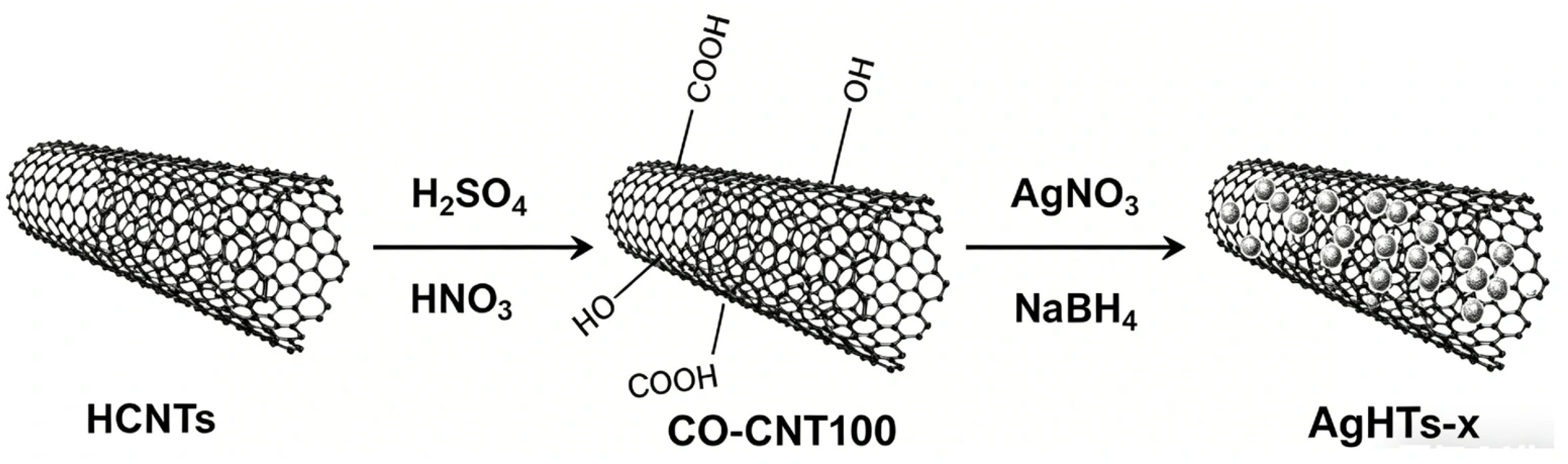
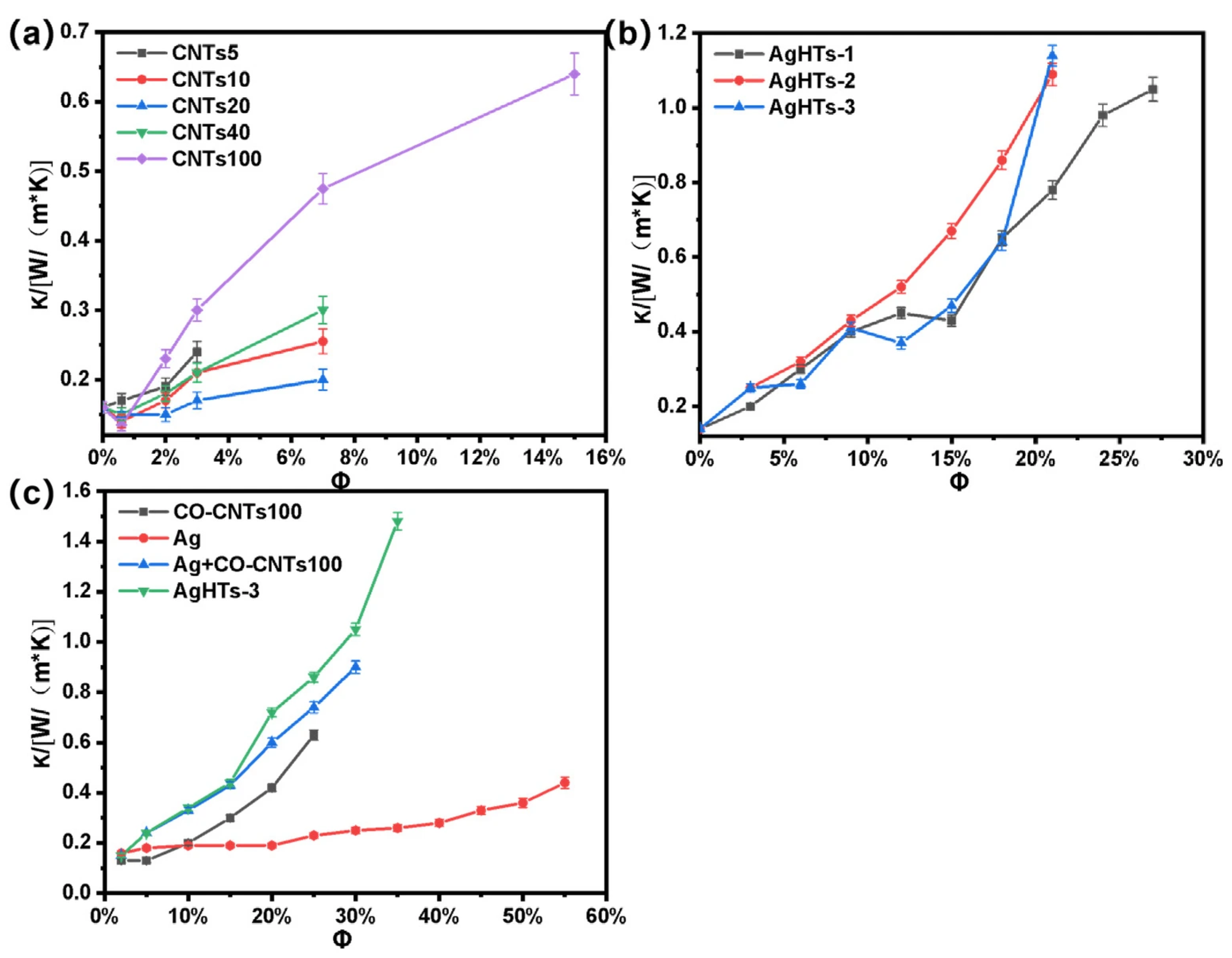
Thermal conductivity measurements revealed that, among the investigated carbon nanotubes of different diameters, CNTs100 exhibited the highest thermal conductivity; consequently, CNTs100 was selected as the support for Ag loading. To prepare the acidified CNTs100 (designated as CO-CNTs100), pristine CNTs100 was dispersed in a mixed acid of H
2SO
4 and HNO
3 with a volume ratio of 3:1 and ultrasonicated at 40 °C for 3 h. The resulting suspension was filtered through a polytetrafluoroethylene (PTFE) membrane and rinsed repeatedly with deionized water until the filtrate pH reached 6–7. The product was subsequently dried in a vacuum oven at 80 °C for 12 h. Mixed-acid treatment with a H
2SO
4/HNO
3 volume ratio of 3:1 has been established as an effective method for introducing carboxyl (-COOH) functional groups onto the CNT surface [
32].
2.3. Preparation of AgHTs-x
To systematically investigate the effect of Ag loading, three mass ratios of Ag to CO-CNTs100 were prepared: 1:3, 1:1, and 3:1 (Ag:CO-CNTs100,
w/
w). Taking the 1:1 ratio as a representative example, CO-CNTs100 (600 mg) was dispersed in ethanol (40 mL) and ultrasonicated at room temperature for 30 min. Subsequently, 15.7 mL of silver nitrate solution (60 mg/mL) was added dropwise under continuous magnetic stirring, followed by the slow addition of 1.5 g of sodium borohydride (NaBH
4) as the reducing agent. The resulting mixture was transferred to a polytetrafluoroethylene (Teflon)-lined stainless steel autoclave and reacted at 160 °C for 48 h [
33].
Figure 1 is a schematic diagram of the reaction.
The hydrothermal temperature of 160 °C and duration of 48 h were selected based on established protocols for the in situ reduction in metal nanoparticles onto carbon supports. This temperature ensures the complete reduction in Ag+ to Ag0 while suppressing excessive grain growth, and the 48 h period allows sufficient time for nucleation and uniform deposition of Ag nanoparticles at the carboxyl-anchored sites.
For the 1:3 ratio, the volume of AgNO3 solution was reduced to 5.25 mL (60 mg/mL) while keeping the amounts of CO-CNTs100 (600 mg) and excess NaBH4 unchanged. For the 3:1 ratio, the AgNO3 volume was increased to 47.2 mL (60 mg/mL). All other conditions remained identical. The resulting products were washed three times with ethanol and deionized water, centrifuged at 8000 rpm for 10 min, and vacuum-dried at 60 °C for 12 h. The final composites were designated as AgHTs-1 (Ag:CO-CNTs100 = 1:3), AgHTs-2 (Ag:CO-CNTs100 = 1:1), and AgHTs-3 (Ag:CO-CNTs100 = 3:1), respectively.
2.4. Characterization
The microstructure was examined by transmission electron microscopy (TEM, FEI Tecnai G2 F30, FEI Company, Hillsboro, OR, USA). Prior to imaging, the samples were ultrasonically dispersed in anhydrous ethanol, drop-cast onto copper grids, and air-dried before being loaded into the microscope column. The crystal structure was characterized by X-ray diffraction (XRD, XPert PRO MPD, PANalytical B.V., Almelo, The Netherlands) over a 2θ range of 10–90° with a step size of 0.02° and a scanning rate of 4°/min. The electron binding energies and surface chemical states were analyzed by X-ray photoelectron spectroscopy (XPS, Thermo Kalpha, Thermo Fisher Scientific, East Grinstead, UK) using Al Kα radiation (1486.6 eV) at a pass energy of 30 eV; charge correction was performed by referencing the C 1s peak to 284.8 eV.
Preparation of Test Oil Samples. Predetermined masses of fillers—including CO-CNTs100, a physical mixture of Ag and CO-CNTs, and the AgHTs-x series composites—were added to dimethyl silicone oil (PDMS, dynamic viscosity of 200 mPa·s at 25 °C) at mass fractions ranging from 1 to 35 wt%. The mixtures were placed in an ultrasonic bath and dispersed at 300 W for 30 min at room temperature to ensure homogeneous dispersion while preventing thermal degradation of the base oil. The resultant dispersions were then sealed and left to stand for 24 h; only samples showing no visible phase separation or sedimentation were used for subsequent tests.
Electrical Conductivity Measurement. The volume resistivity of the composite oil samples was measured at room temperature using a high-insulation resistivity meter (LST-212, XIATECH, Xi’an, China). Prior to testing, the cell constant was calibrated with a standard potassium chloride conductivity solution. The test oil was injected into a clean measurement cell and allowed to equilibrate for 10 min to eliminate air bubbles and thermal disturbances. Three replicate measurements were performed for each sample, and the average value was taken to ensure statistical reliability.
Thermal Conductivity Measurement. The thermal conductivity of the liquid samples was determined at room temperature using a transient hot-wire (THW) thermal conductivity analyzer (TC3000, XIATECH, China). Before each test, the instrument was calibrated with a standard reference fluid. Approximately 40 mL of the oil sample was injected into the measurement chamber and allowed to reach thermal equilibrium before data acquisition. Each sample was measured three times, and outliers were discarded prior to averaging.
Tribological Performance Evaluation. Friction and wear behavior were assessed using a universal mechanical tribometer (UMT-3, Bruker, Billerica, MA, USA) in a ball-on-disk rotating contact configuration. The upper specimen was a GCr15 bearing steel ball (diameter 6 mm, hardness HRC 62–64, surface roughness Ra ≤ 0.02 μm), and the lower specimen was a 304 stainless steel disk (diameter 25 mm, surface roughness Ra ≤ 0.05 μm). Before testing, the ball and disk were sequentially cleaned in acetone and ethanol under ultrasonication for 15 min each and then blow-dried. The test conditions were as follows: normal loads of 1 N and 5 N, corresponding to Hertzian contact stresses of approximately 0.42 GPa and 0.72 GPa, respectively; rotational speeds of 200 rpm and 500 rpm; ambient room temperature; a running duration of 10 min; and lubrication by dripping 0.2 mL of the oil sample into the contact zone. The coefficient of friction (COF) was recorded in real time by a built-in high-precision triaxial force sensor at a sampling frequency of 100 Hz. After testing, the wear scars on the steel balls were subjected to three-dimensional topographic scanning by white light interferometry (WLI, Zygo NewView 8000, Fremont, CA, USA) over a scan area of 500 μm × 500 μm with a vertical resolution of 0.1 nm, yielding three-dimensional surface topographies, two-dimensional projection images, and cross-sectional profile curves from which the wear volume was calculated. Additionally, the worn surfaces were sputter-coated with gold and examined by scanning electron microscopy coupled with energy-dispersive X-ray spectroscopy (SEM-EDS, Hitachi S-4800, Tokyo, Japan) to observe the wear morphologies and analyze the elemental distributions.
4. Discussion
4.1. Structural Features and Interfacial Bonding
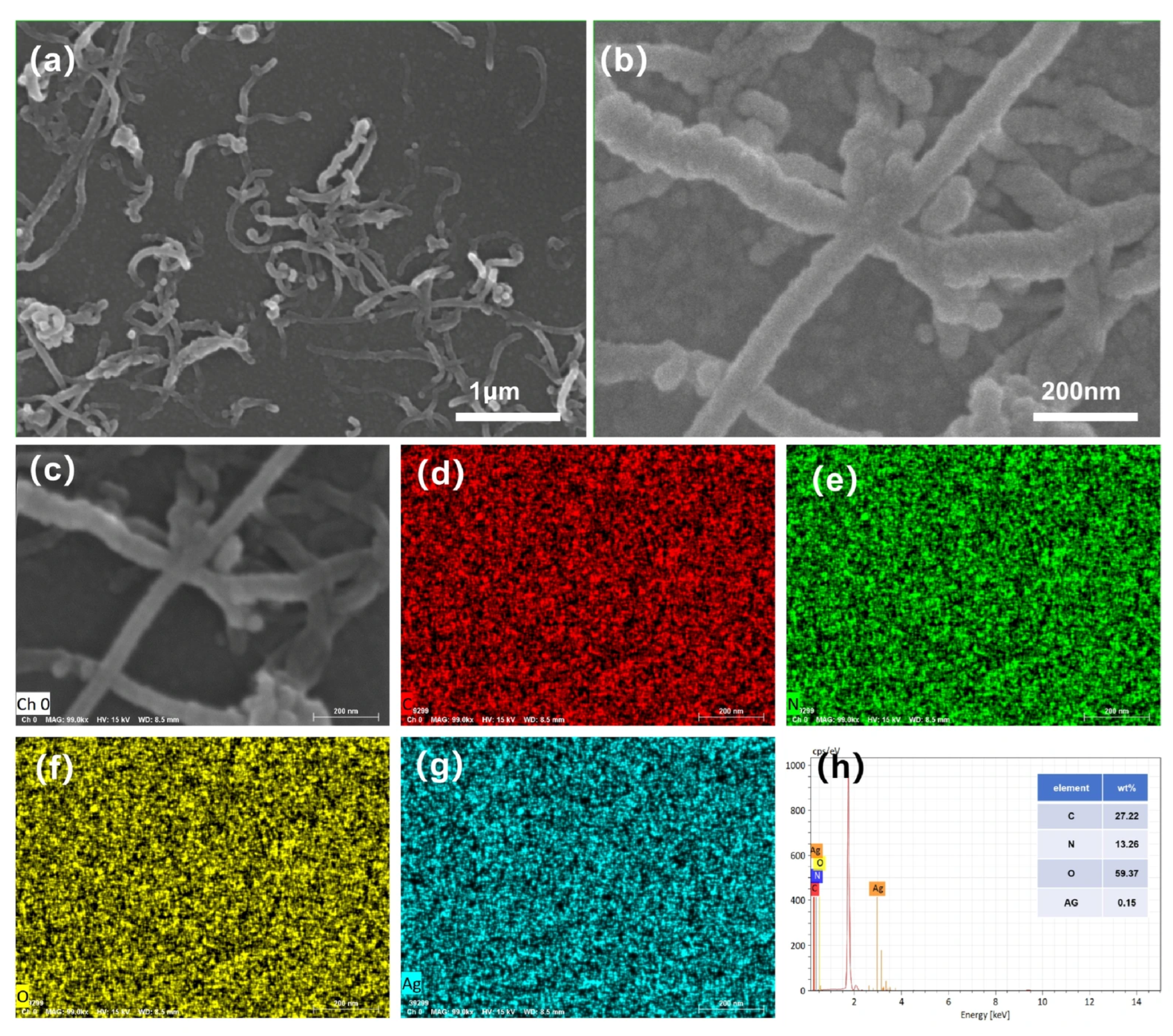
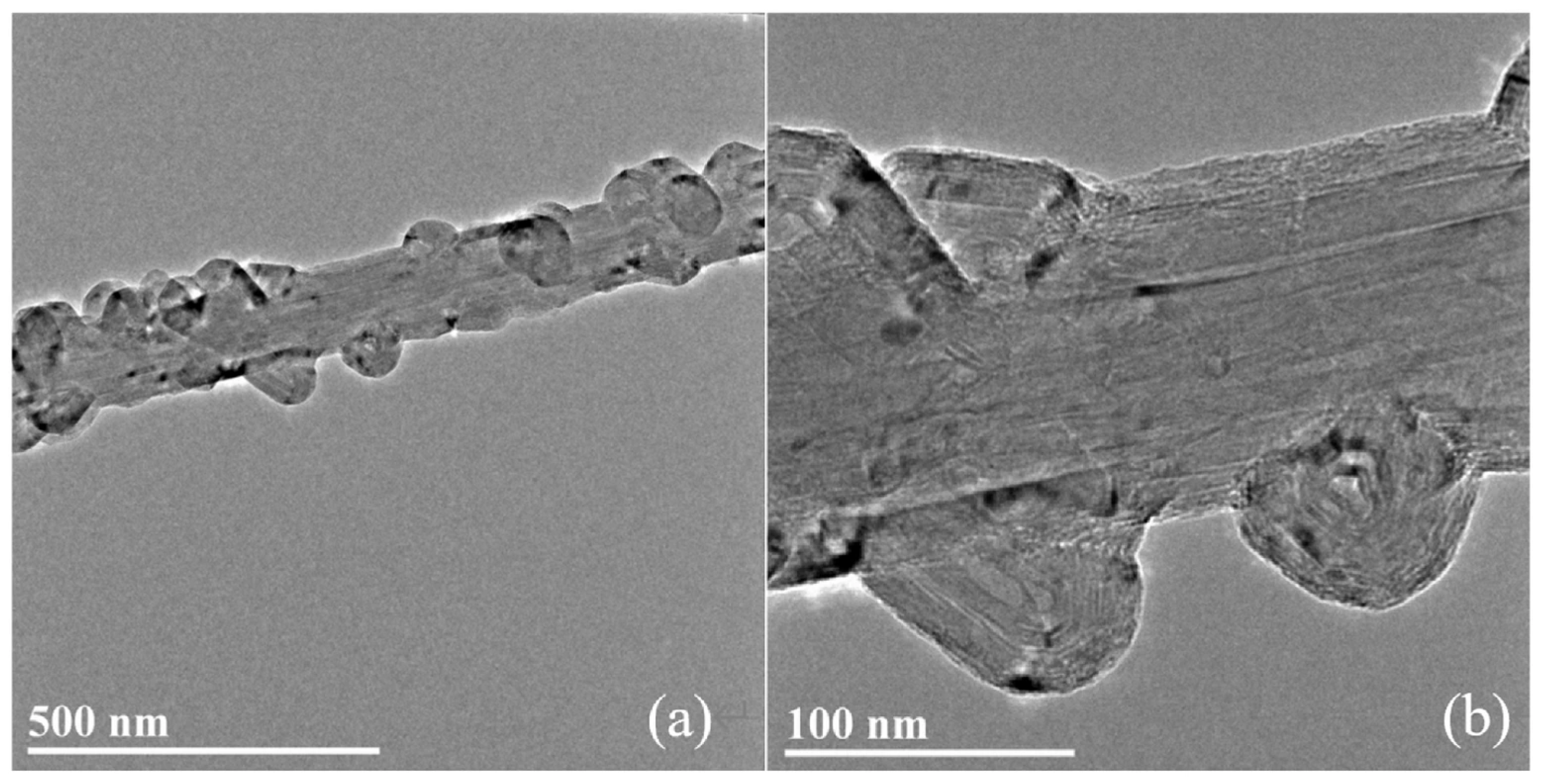
The synergistic acid oxidation–hydrothermal reduction strategy achieves controlled anchoring of Ag nanoparticles on the carbon nanotube surface, the efficacy of which hinges on the precise regulation of interfacial chemistry by carboxyl functional groups. Mixed-acid oxidation introduces carboxyl (-COOH) moieties onto the CNT surface, which not only improve dispersion in the silicone oil matrix but, more critically, furnish abundant chemisorption and nucleation sites for Ag+ ions. TEM images revealing narrowly distributed 30–40 nm spherical particles with no significant free-standing agglomeration indicate that the carboxyl groups capture Ag+ from solution via electrostatic attraction and coordination, promoting heterogeneous nucleation at the CNT surface rather than homogeneous nucleation in the bulk medium. This mechanism effectively suppresses self-agglomeration of Ag nanoparticles, yielding a uniformly decorated architecture with controlled spatial distribution.
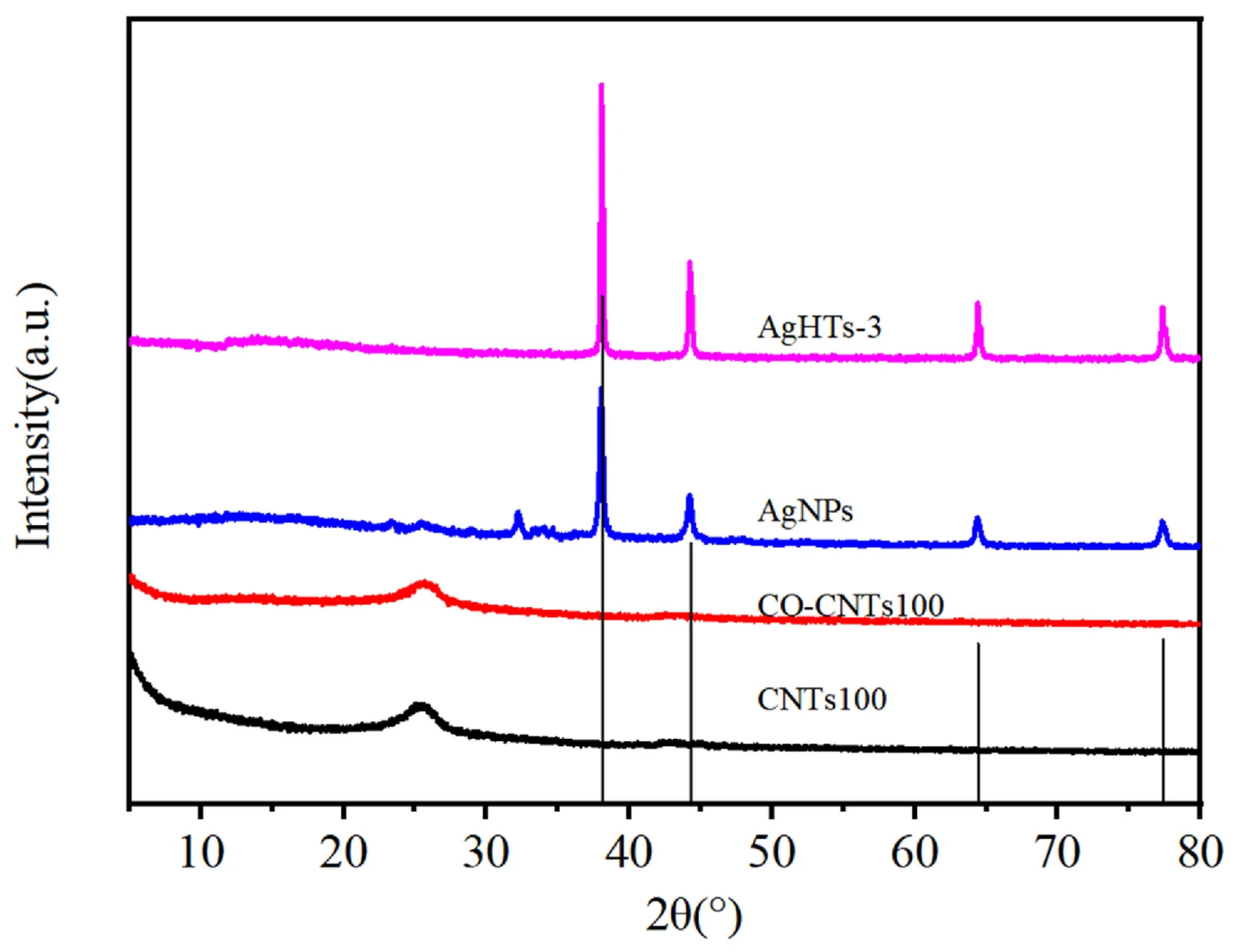
The complementary XRD evidence—specifically, the pronounced attenuation of the graphite (002) peak alongside the emergence of face-centered-cubic silver reflections—demonstrates that the reduction product is crystalline metallic silver rather than an oxidized silver compound, and that the Ag deposit forms a continuous or semi-continuous island/layer coating sufficient to shield the underlying graphitic carbon from X-ray diffraction. This coverage pattern suggests that Ag nanoparticles are not sparsely scattered but rather form an interconnected surface layer, thereby establishing the geometric prerequisite for constructing three-dimensional thermal and electrical conductive networks.
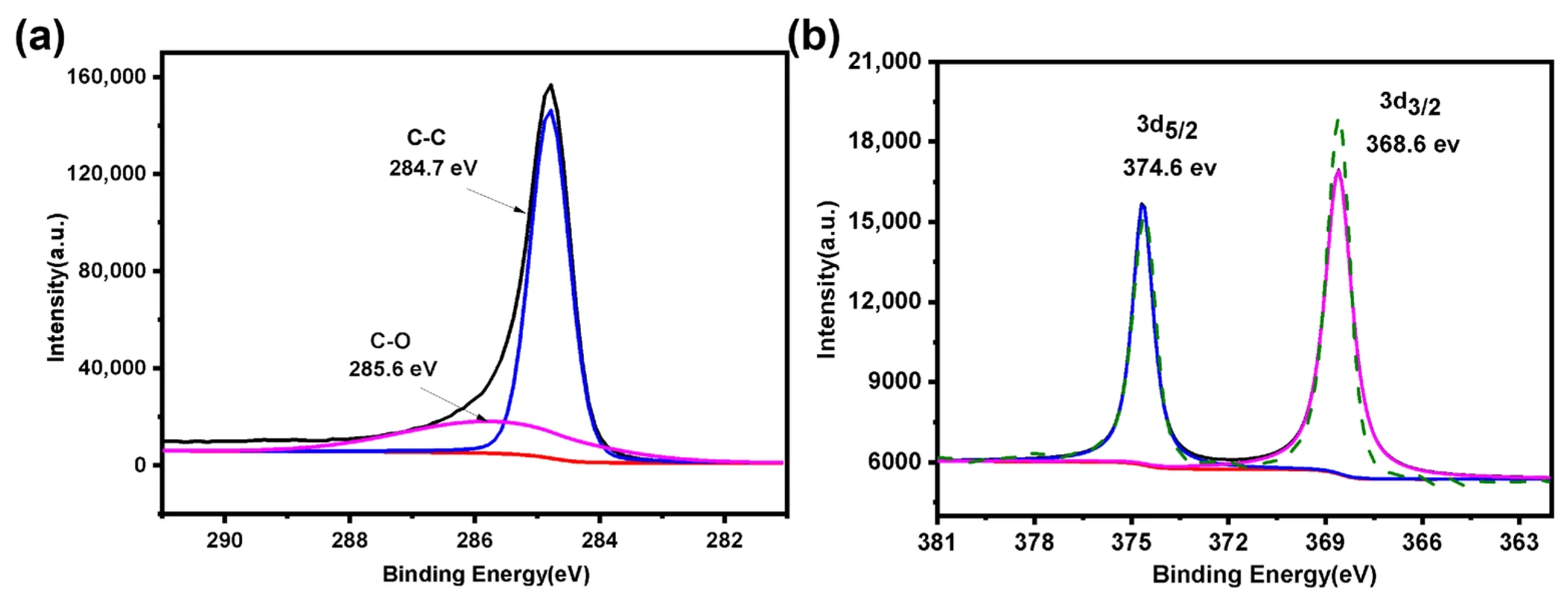
XPS analysis further elucidates the nature of the interfacial bonding. The C–O signal in the C1s spectrum confirms successful carboxyl functionalization, while the Ag3d binding energies at 368.6 eV (Ag3d5/2) and 374.6 eV (Ag3d3/2) are unequivocally characteristic of zero-valent metallic silver, ruling out the formation of Ag2O or Ag–O–C covalent linkages. Coupled with the markedly elevated oxygen content (59.36 wt%) detected by EDS point analysis, these results suggest that Ag nanoparticles are immobilized primarily through physical anchoring and localized chemical coordination at carboxyl sites rather than by incorporation into the carbon lattice. Such an interfacial interaction preserves the structural integrity of the CNT scaffold—TEM confirms only faint lattice expansion with no fracture—while imparting sufficient adhesion strength to resist detachment during subsequent ultrasonic dispersion, high-shear mixing, and tribological shear.
The faint contrast bands observed at grain boundaries, indicative of minor lattice expansion, likely arise from interfacial stress associated with carboxylation and Ag anchoring. This slight lattice distortion is beneficial in that it enhances surface reactivity without materially compromising the axial mechanical strength or thermal transport properties of the nanotubes. By contrast, more aggressive oxidation or elevated-temperature treatments would introduce excessive wall defects or even fracture the CNTs, thereby destroying the three-dimensional skeletal framework essential for mechanical support and heat conduction.
From an application perspective, the robust chemical anchoring between Ag and the CNTs is the key to ensuring long-term dispersion stability of the composite in silicone oil. The Ag detachment and re-agglomeration commonly observed in physically blended systems stem precisely from the absence of such interfacial tethering. The in situ reduction strategy employed in this study produces an Ag/HCNTs heterostructure whose interfacial adhesion is strong enough to withstand ultrasonic dispersion, high-speed shear, and high-pressure extrusion at the tribological interface. Beyond merely solving the intrinsic settling and poor dispersion of Ag in silicone oil, this interface engineering strategy enables Ag nanoparticles to act as “bridges” between adjacent carbon nanotubes, effectively reducing inter-tube contact thermal and electrical resistance.
4.2. Synergistic Thermal Conduction Mechanism
The thermal conductivity enhancement in AgHTs composites originates from a synergistic network structure that overcomes the limitations of individual fillers. Pure Ag nanoparticles suffer from severe agglomeration in silicone oil due to high surface energy and density, preventing the formation of continuous thermal pathways. In contrast, the AgHTs heterostructure utilizes the high-aspect-ratio CO-CNTs100 as a three-dimensional scaffold that inhibits Ag agglomeration while Ag nanoparticles serve as “thermal bridges” connecting adjacent nanotubes [
34].
At the optimal Ag:CNTs ratio of 3:1, the Ag content is sufficient to bridge the interfacial gaps between CO-CNTs100 without excessive self-agglomeration. This architecture reduces interfacial thermal resistance at CNT-CNT junctions and creates continuous thermal highways through the silicone oil matrix. The broader diameter of CNTs100 (80–150 nm) provides unimpeded channels for phonon transport, while the Ag bridges facilitate heat transfer across tube-tube interfaces. This explains why the composite thermal conductivity (1.45 W/(m·K)) exceeds both pure Ag and pure CO-CNTs100, demonstrating that the synergistic effect transcends simple mixing rules.
4.3. Electrical Conductive Network Formation
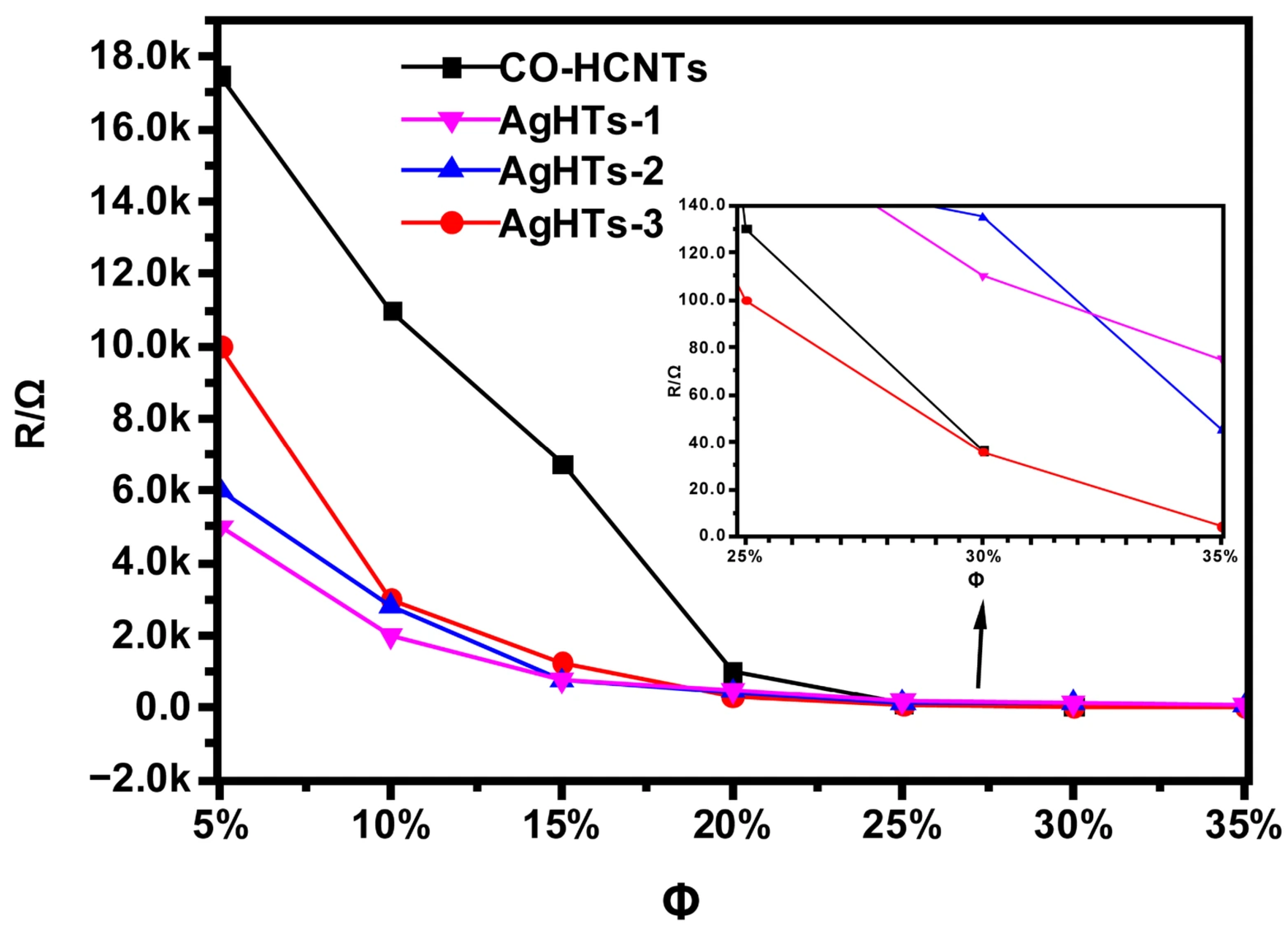
Figure 8 presents the electrical resistivity of dimethyl silicone oil loaded with AgHTs fillers at varying mass ratios and concentrations. Distinct percolation behaviors are evident across the tested formulations. For pristine CO-CNTs100, the system approaches saturation near 30 wt%, with resistivity decreasing from approximately 18 kΩ·m at 5 wt% to ~1 kΩ·m at 20 wt%, and further dropping to 36.5 Ω·m at 30 wt%. The in situ decoration of Ag nanoparticles fundamentally alters the conductive network architecture. In AgHTs-3, resistivity declines from ~5 kΩ·m at 5 wt% to ~300 Ω·m at 20 wt%, ultimately reaching 4.7 Ω·m at 35 wt%.
This enhanced performance stems from the synergistic network architecture [
35]. Within the AgHTs heterostructures, the high-aspect-ratio CO-CNTs serve as a three-dimensional scaffold that prevents Ag agglomeration, while the Ag nanoparticles act as “electrical bridges” connecting adjacent nanotubes and reducing interfacial resistance at tube–tube junctions. Electrons migrate along the CO-CNTs backbones and hop across Ag nanoparticle junctions, thereby establishing continuous three-dimensional conductive pathways. In AgHTs-3, the higher Ag content ensures abundant electron transport channels without the excessive self-agglomeration typically observed in simple physical mixtures, thus enabling the formation of an efficient, stable, and durable conductive network within the silicone oil matrix.
4.4. Lubrication Mechanism
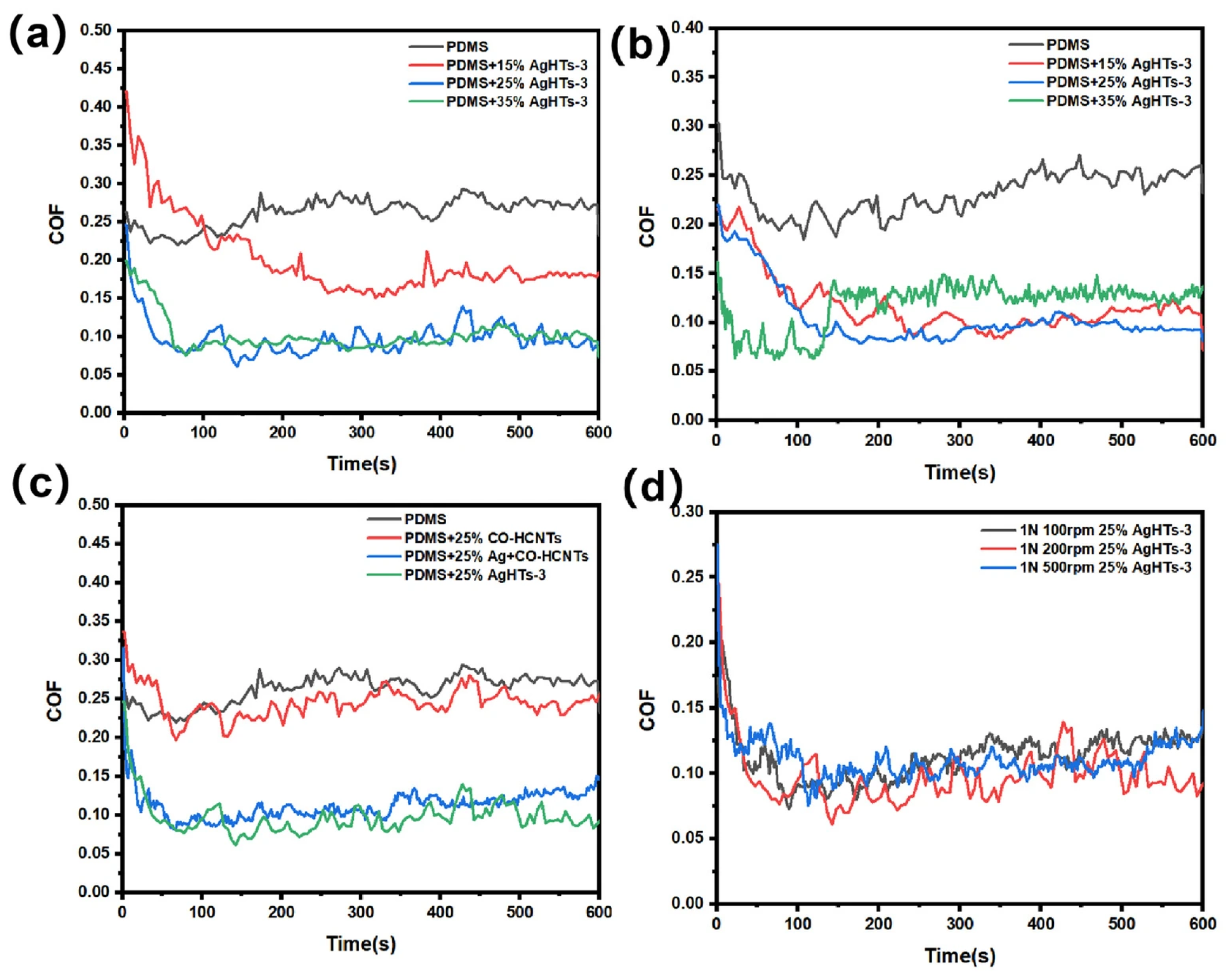
Figure 9 presents the real-time coefficient of friction (COF) evolution over 600 s for various dimethyl silicone oil formulations, as recorded on a UMT universal mechanical tester, revealing distinct dynamic responses among different filler systems. Pure PDMS exhibited a continuously rising COF from 0.22 to 0.28–0.30 without discernible run-in stabilization, indicating progressive boundary film rupture and adhesive wear. In contrast, all AgHTs-3-containing systems displayed a characteristic two-stage run-in behavior: an initial high-COF phase followed by rapid decay to a steady-state value. Specifically, the 15 wt% formulation showed the highest initial COF (~0.42) due to insufficient filler coverage and transient third-body abrasion; its COF decreased to 0.16–0.17 only after 200 s, as Ag nanoparticles underwent plastic deformation and smeared into a conformal transfer film. The 25 wt% and 35 wt% formulations achieved steady-state COFs of 0.08–0.12, with the 25 wt% system exhibiting the smallest fluctuation amplitude (±0.02), indicating that a robust lubricating film was fully established and maintained under dynamic equilibrium. Under an increased normal load of 5 N, the 25 wt% composite maintained a stable COF of 0.08–0.12, whereas the 15 wt% formulation degraded to 0.15–0.18, further confirming 25 wt% as the optimal loading that balances friction reduction and load-bearing capacity.
Comparative analysis of different 25 wt% additives (
Figure 9c) demonstrates that CO-CNTs alone achieved only marginal improvement (steady-state COF 0.23–0.25), while the physically blended Ag+CO-CNTs system reached 0.10–0.15 with considerable fluctuation (±0.03), attributable to Ag detachment and re-agglomeration under shear causing intermittent film failure. The chemically bonded AgHTs-3 heterostructure delivered the lowest and most stable COF (0.07–0.10) with minimal oscillation, confirming that robust interfacial anchoring is essential for maintaining lubricating film integrity. The effect of rotational speed (
Figure 9d) further elucidates the competition between filler replenishment and hydrodynamic support: at 100 rpm, sluggish filler migration to the contact interface extended the run-in period to ~100 s (steady-state COF 0.10–0.13); at 200 rpm, an optimal balance was achieved, yielding the shortest run-in (~50 s) and the lowest steady-state COF (0.07–0.10); at 500 rpm, centrifugal segregation of high-density Ag nanoparticles and thermally induced viscosity loss of the PDMS matrix caused a rebound to 0.10–0.14.
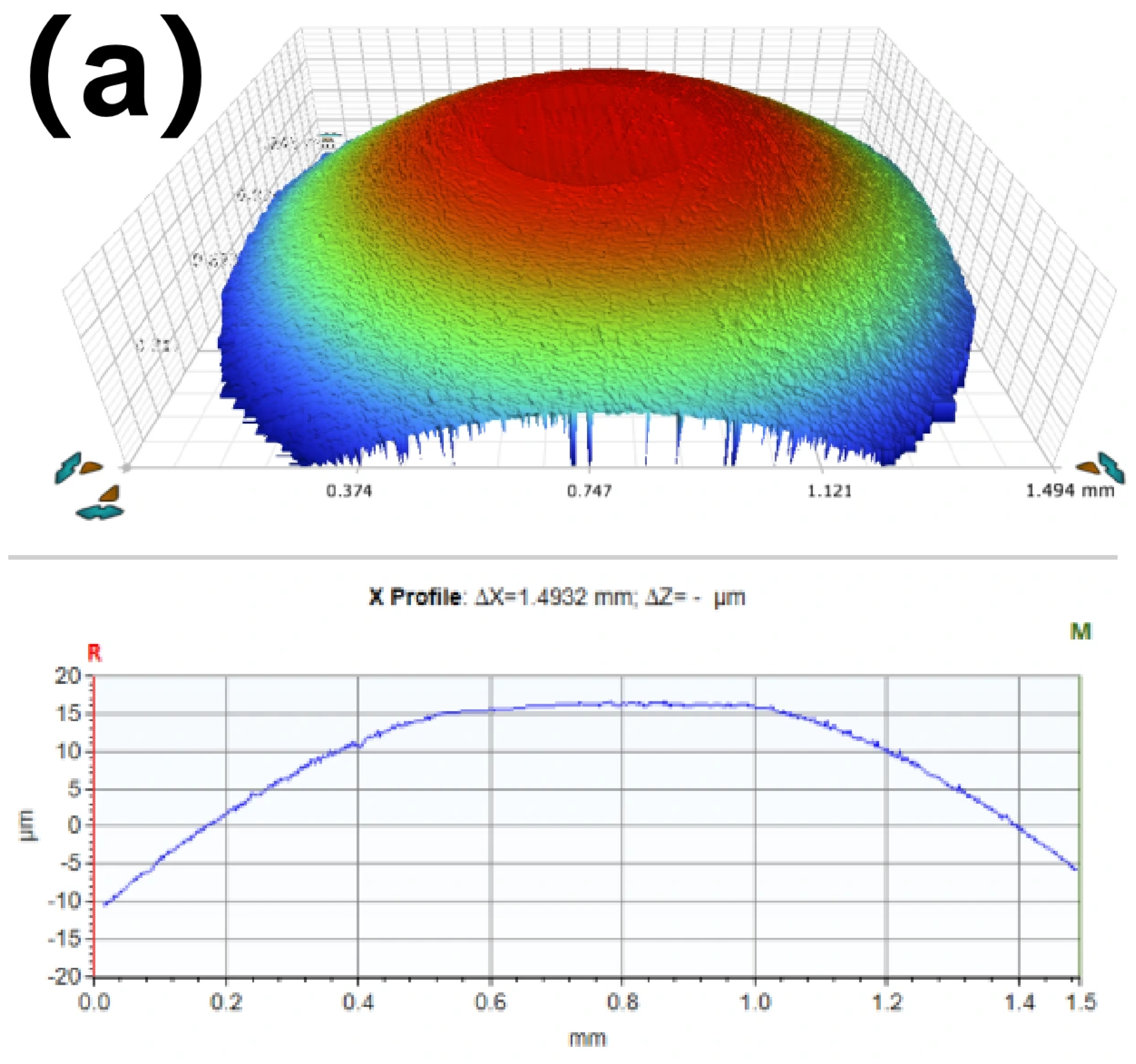
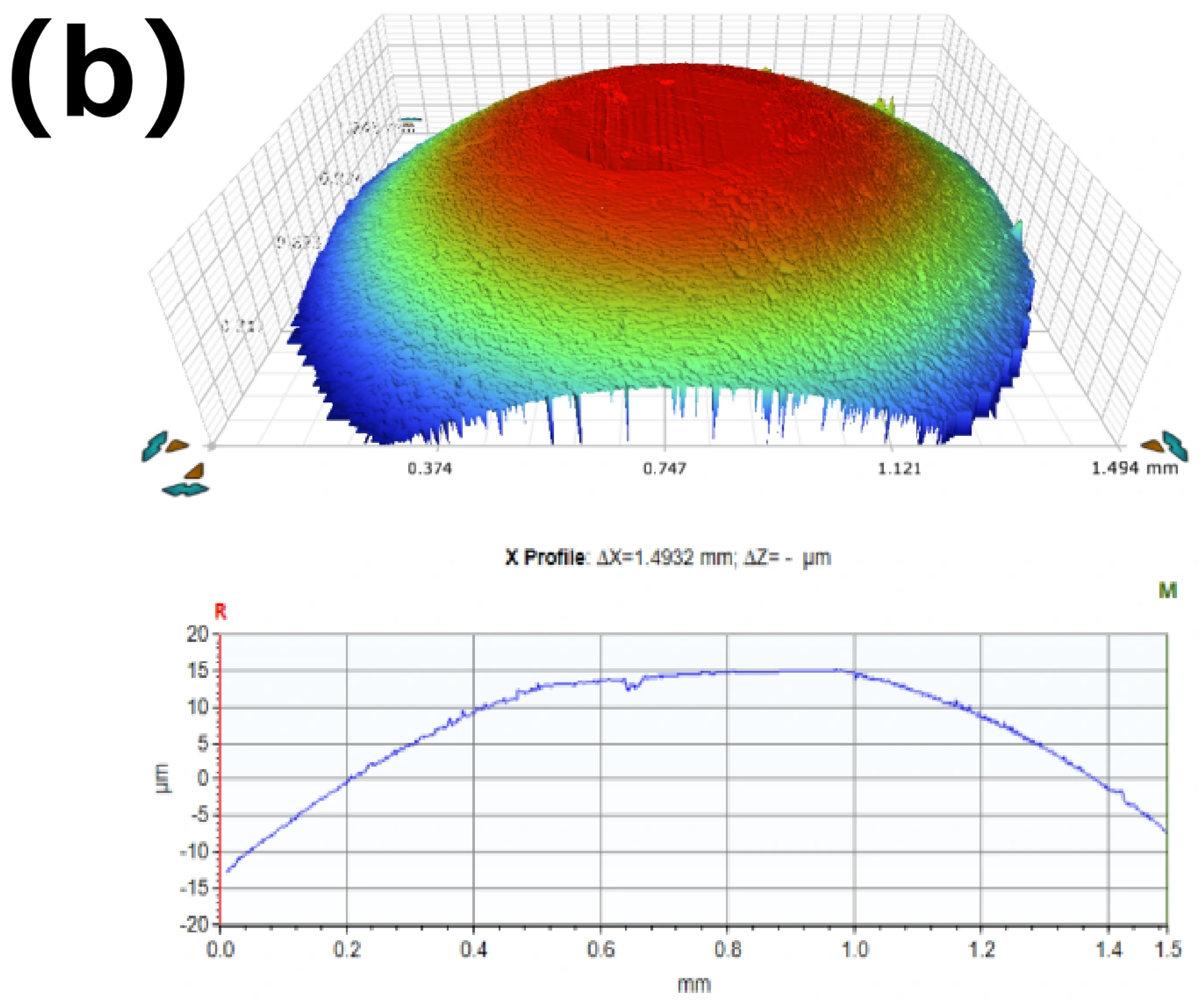
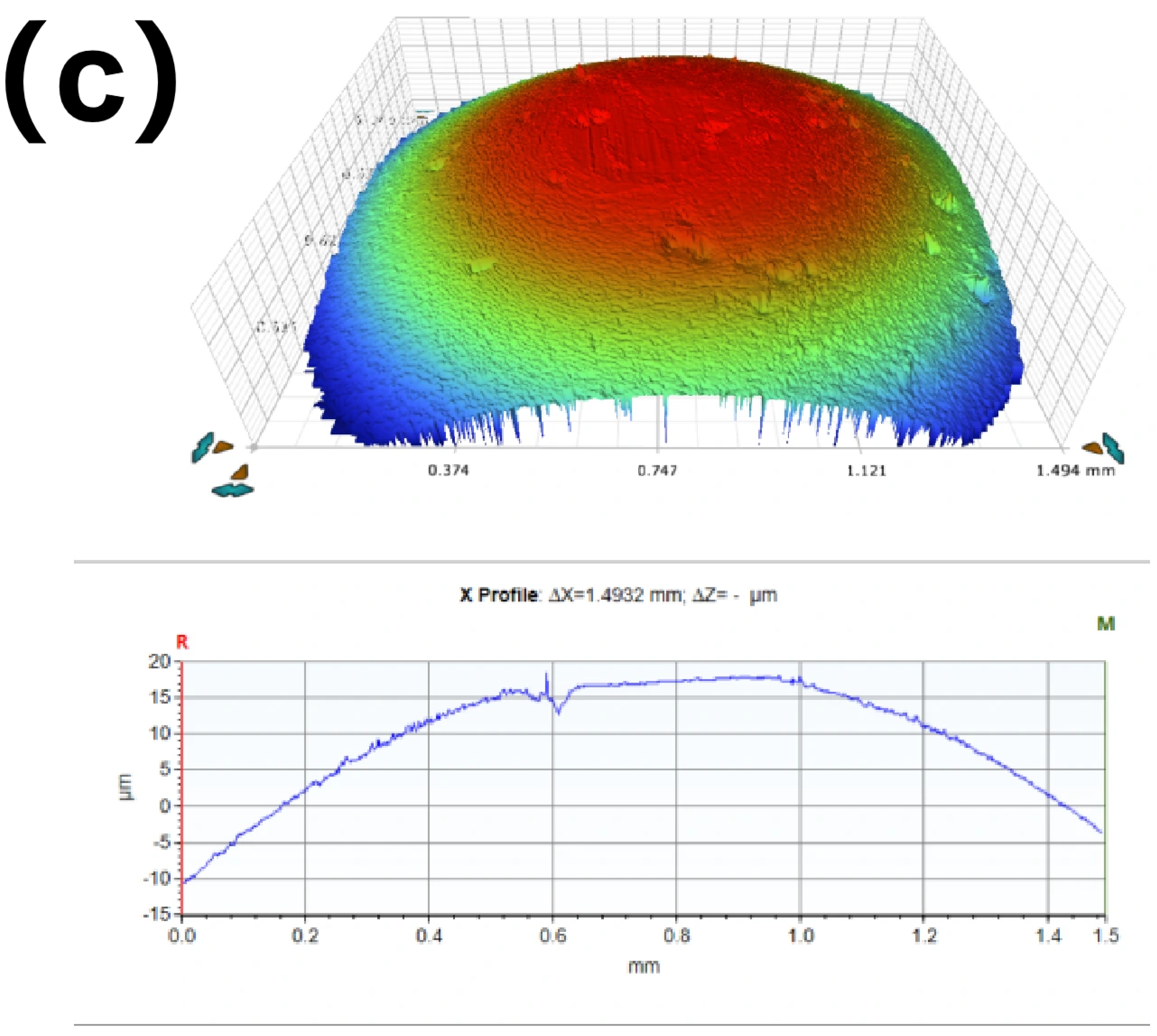
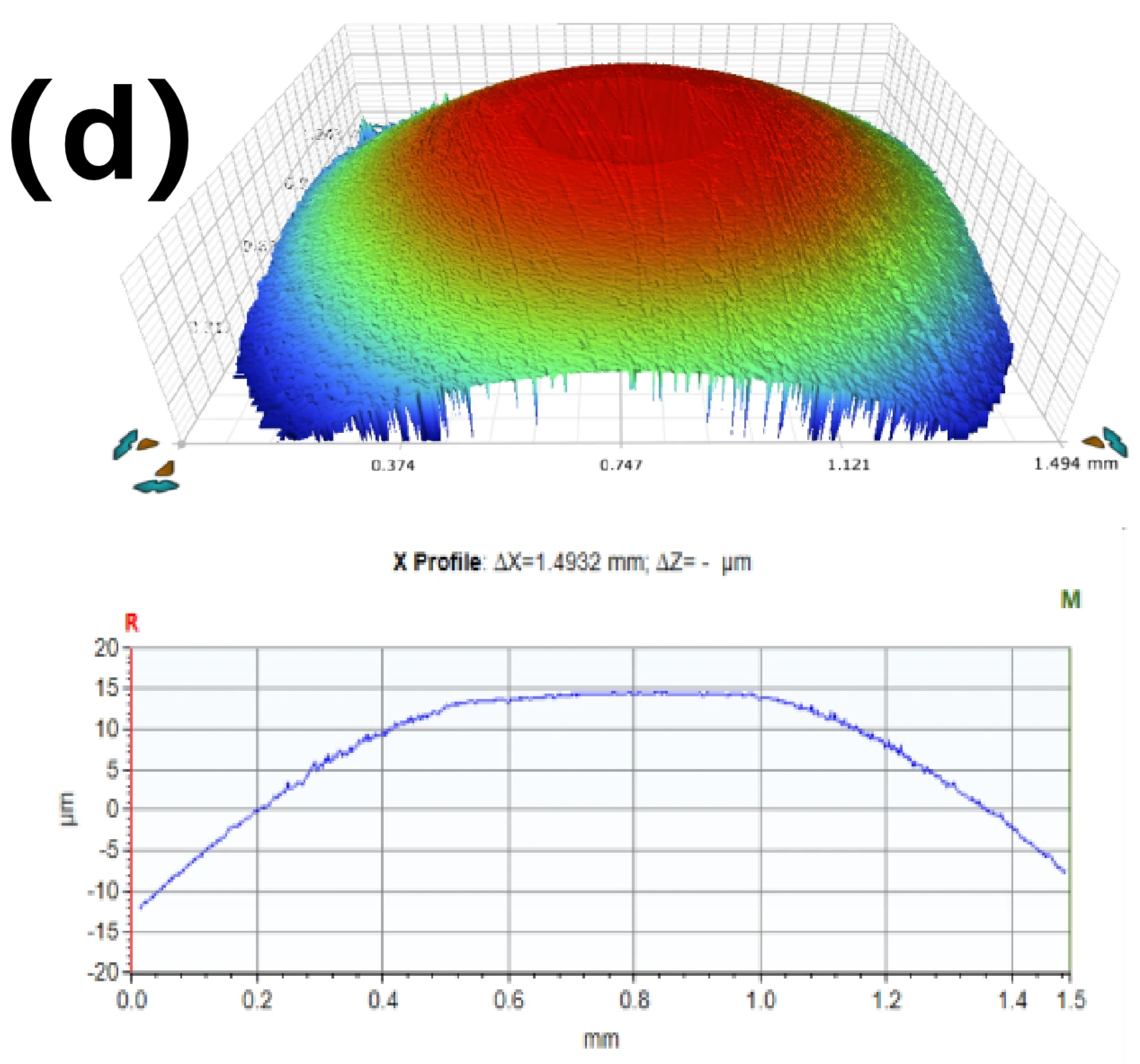
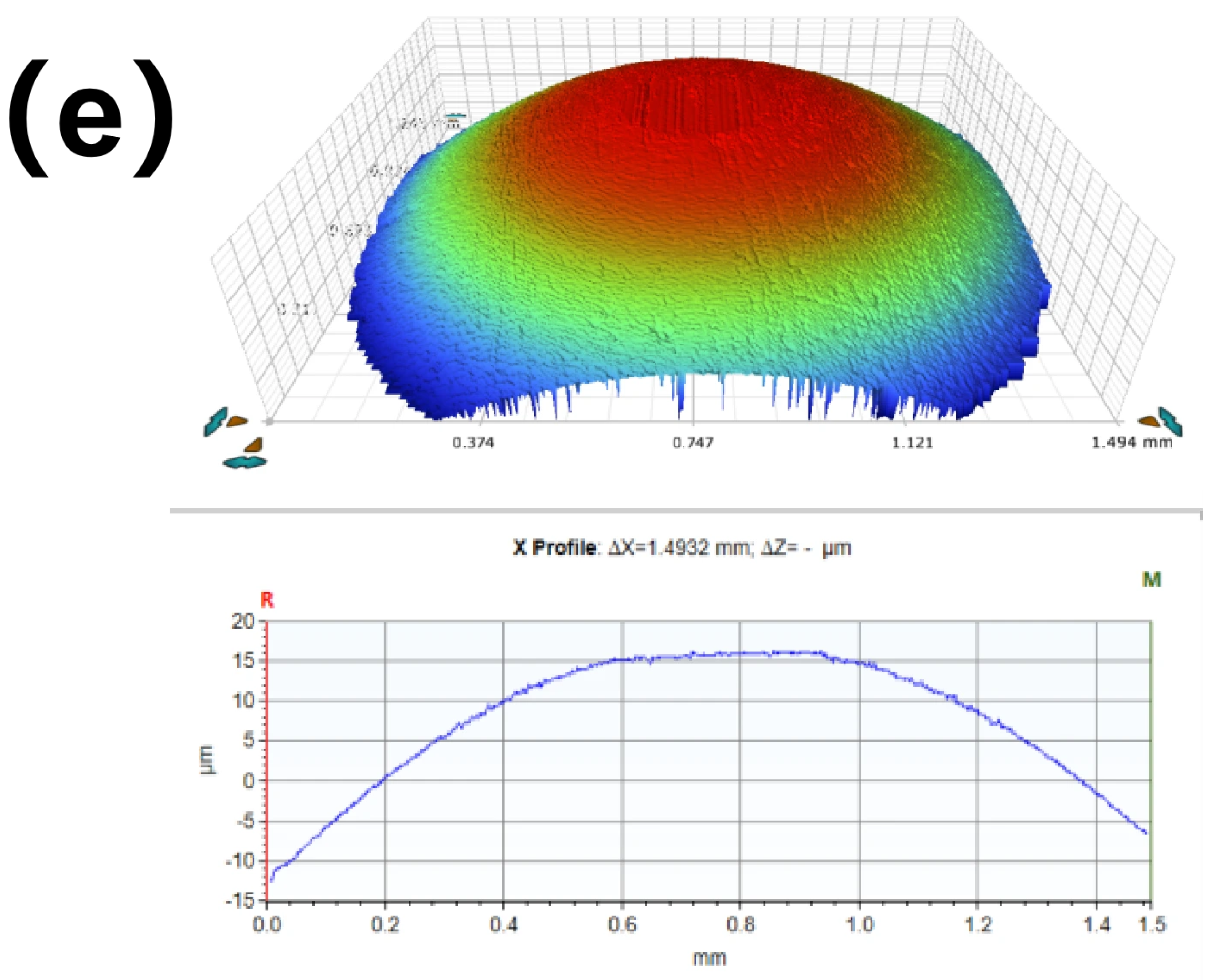
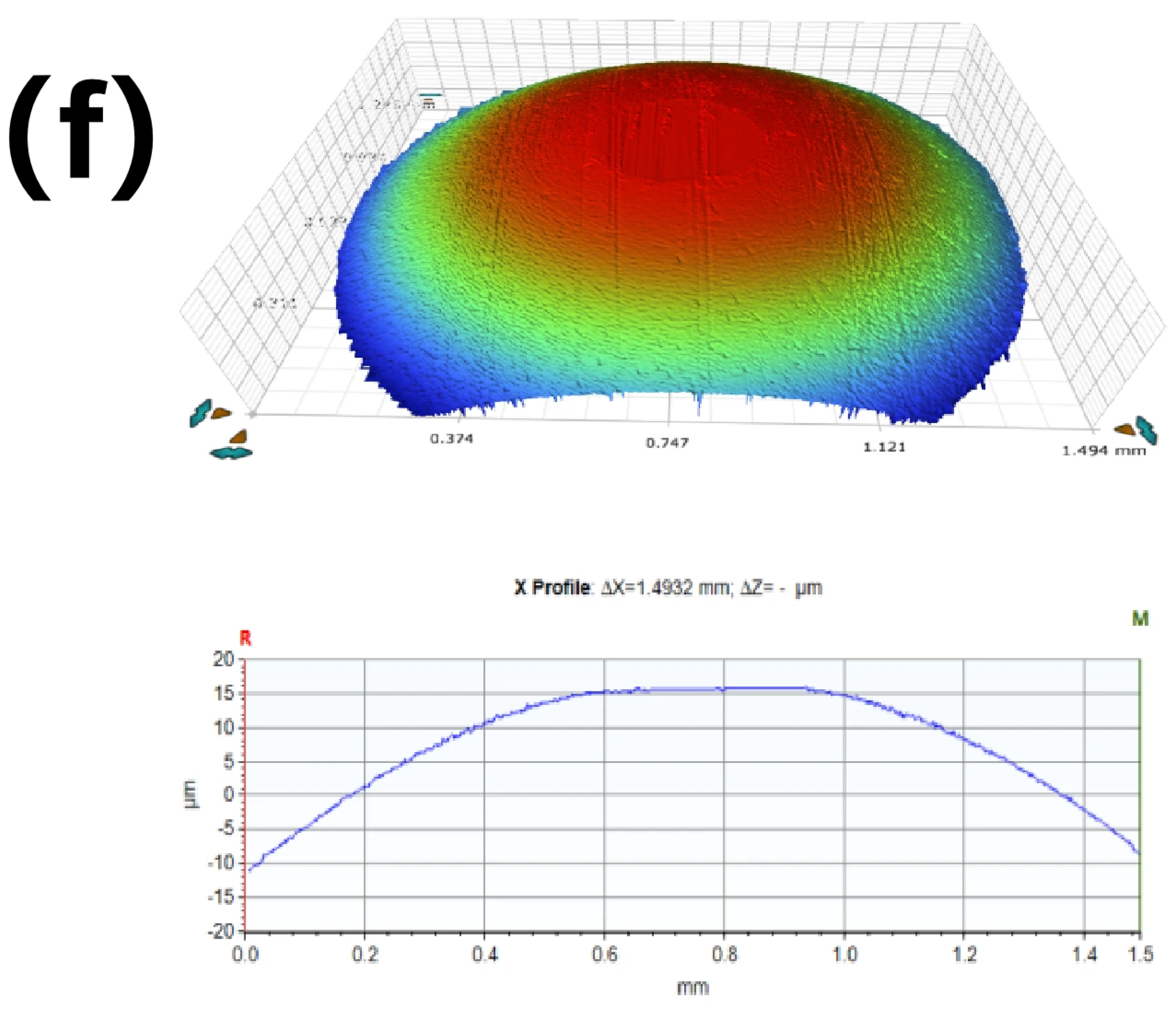
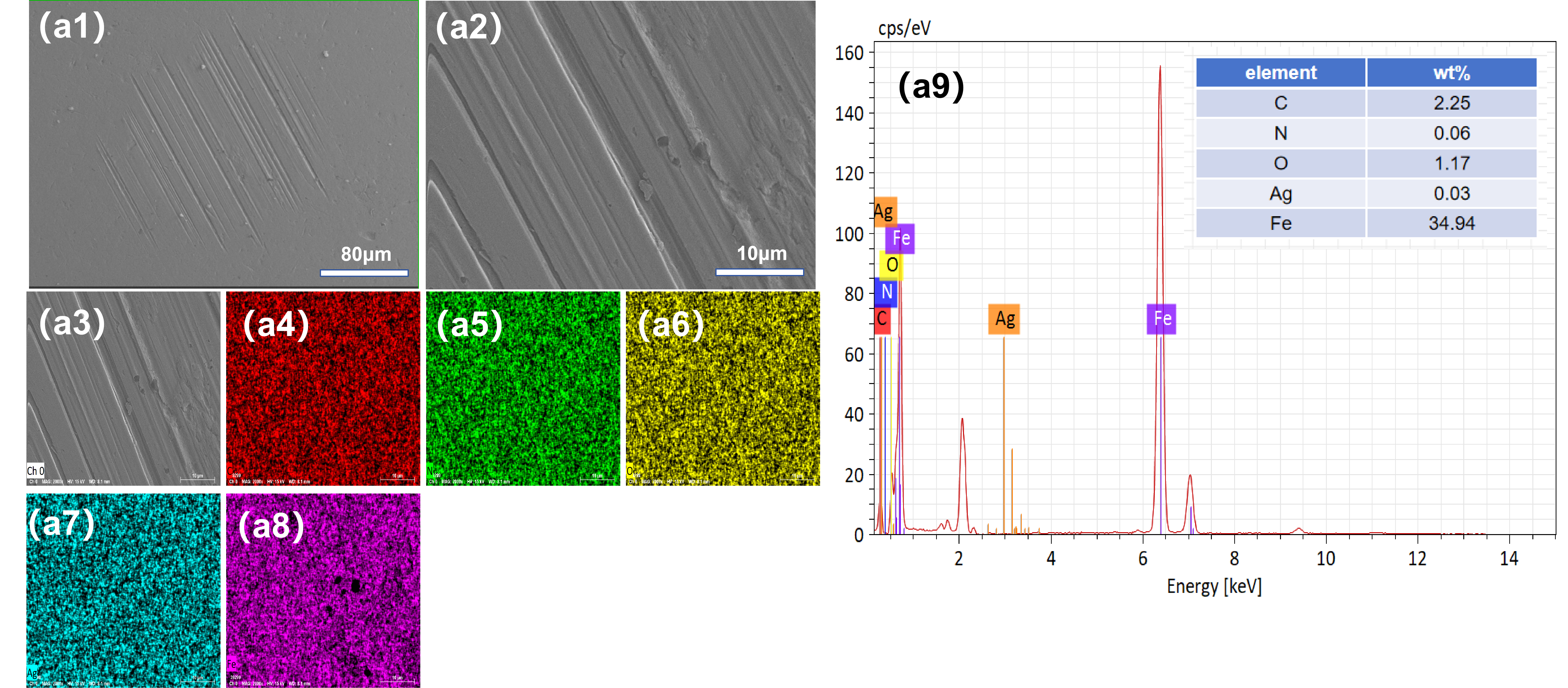
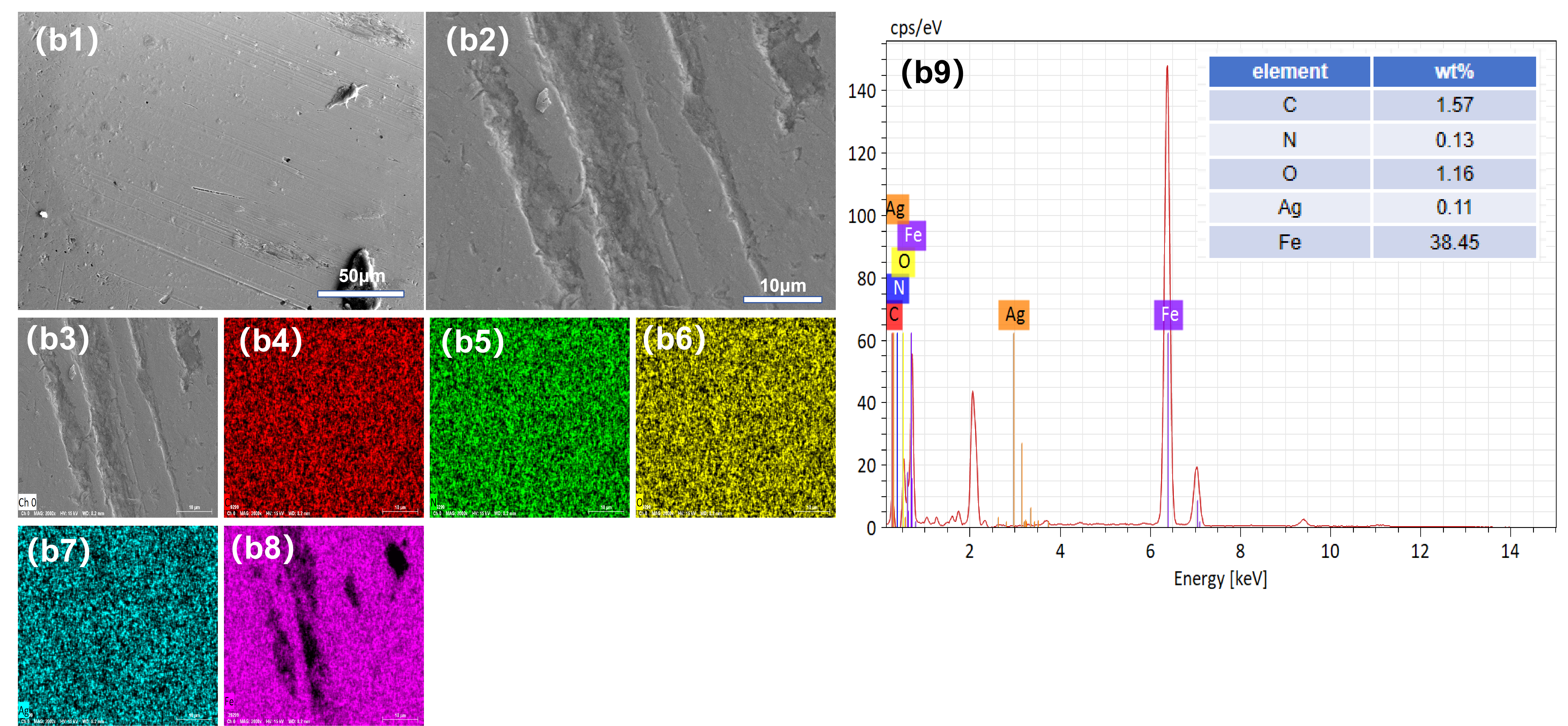
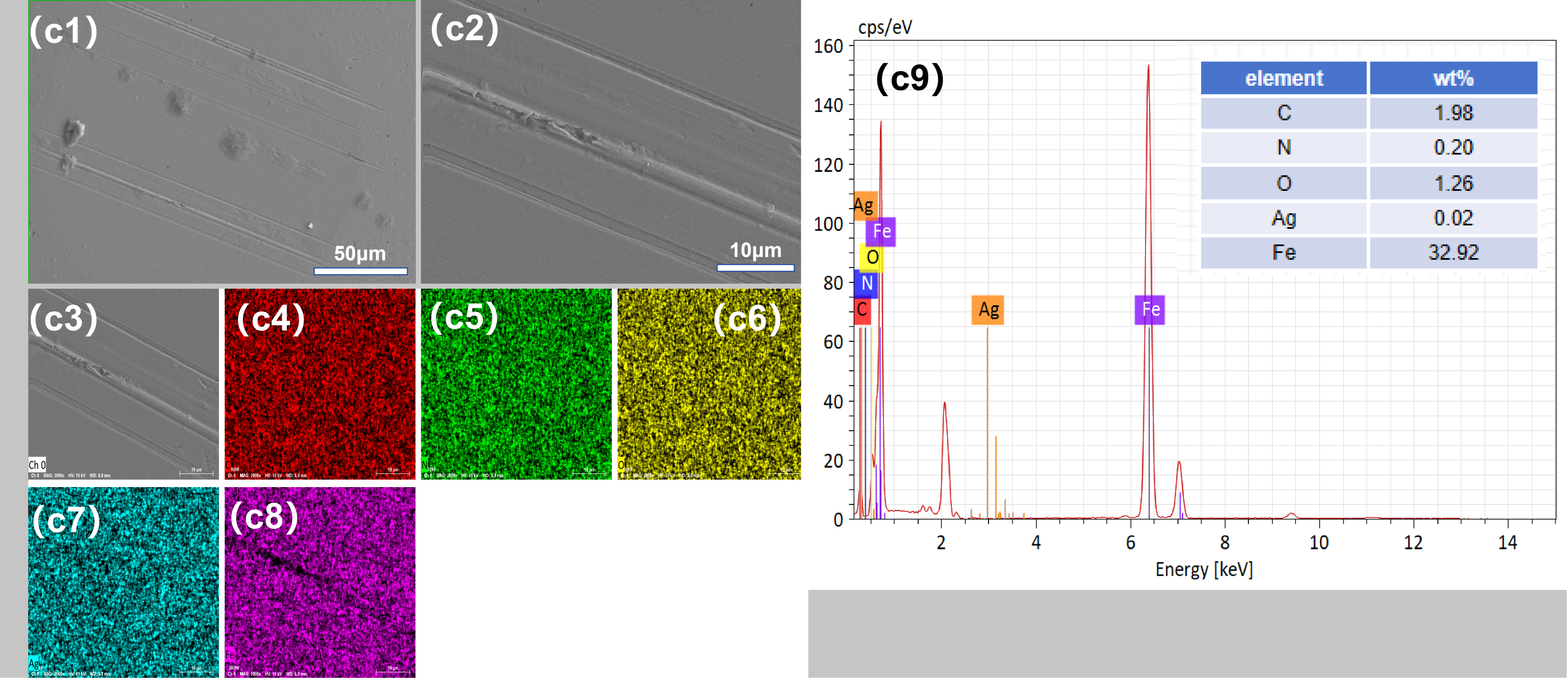
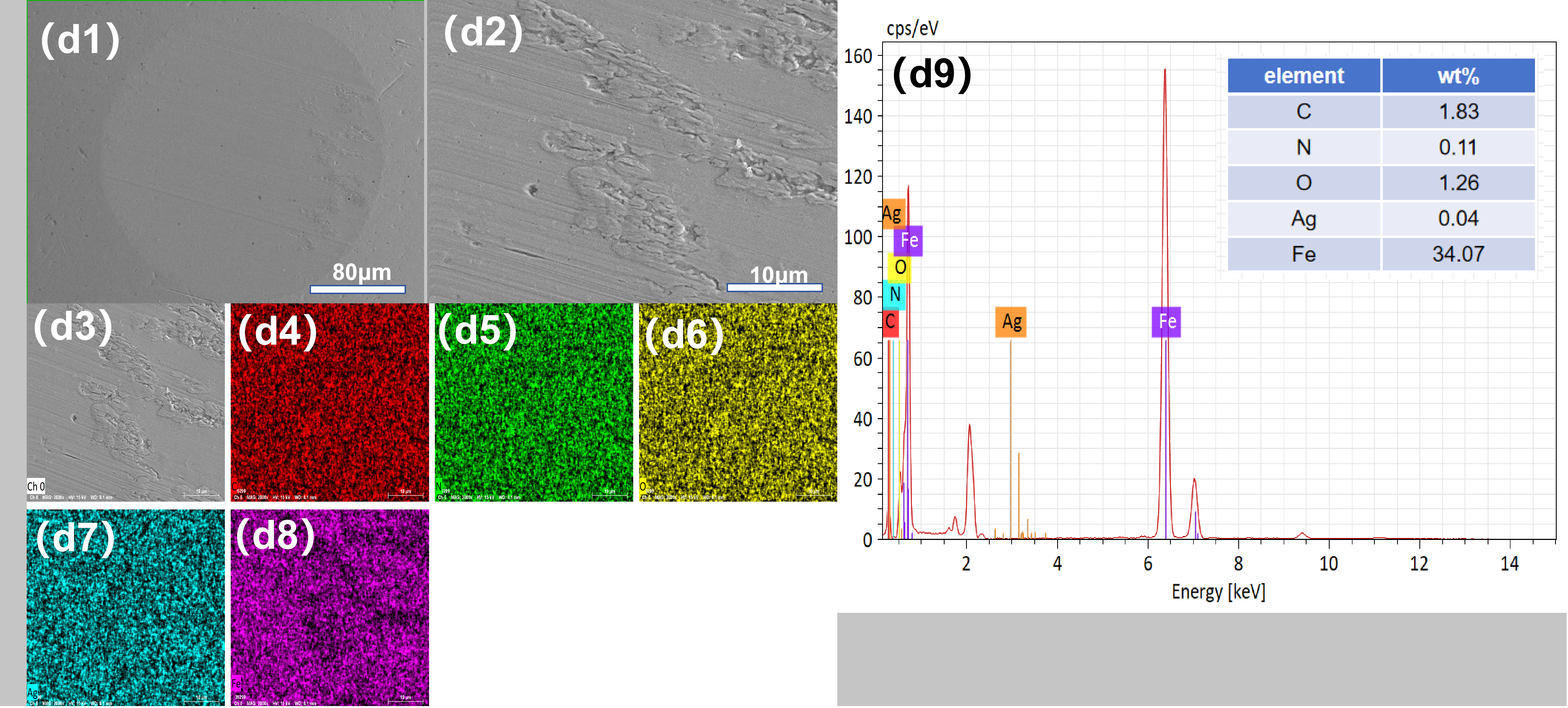
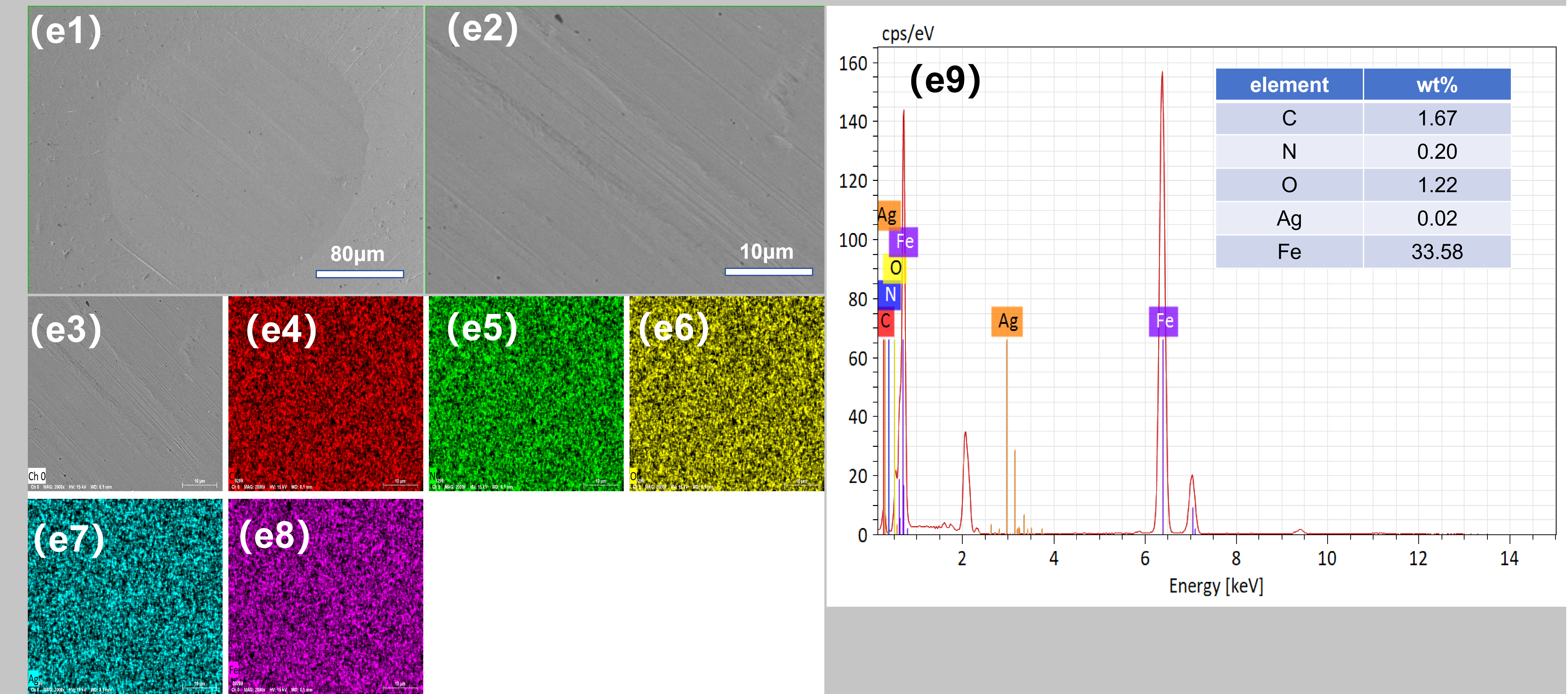
These COF dynamics correlate precisely with wear morphologies and elemental distributions, collectively revealing the decisive role of interface engineering in lubricating film construction. White light interferometry (WLI) three-dimensional topographies (
Figure 10) and SEM-EDS elemental mappings (
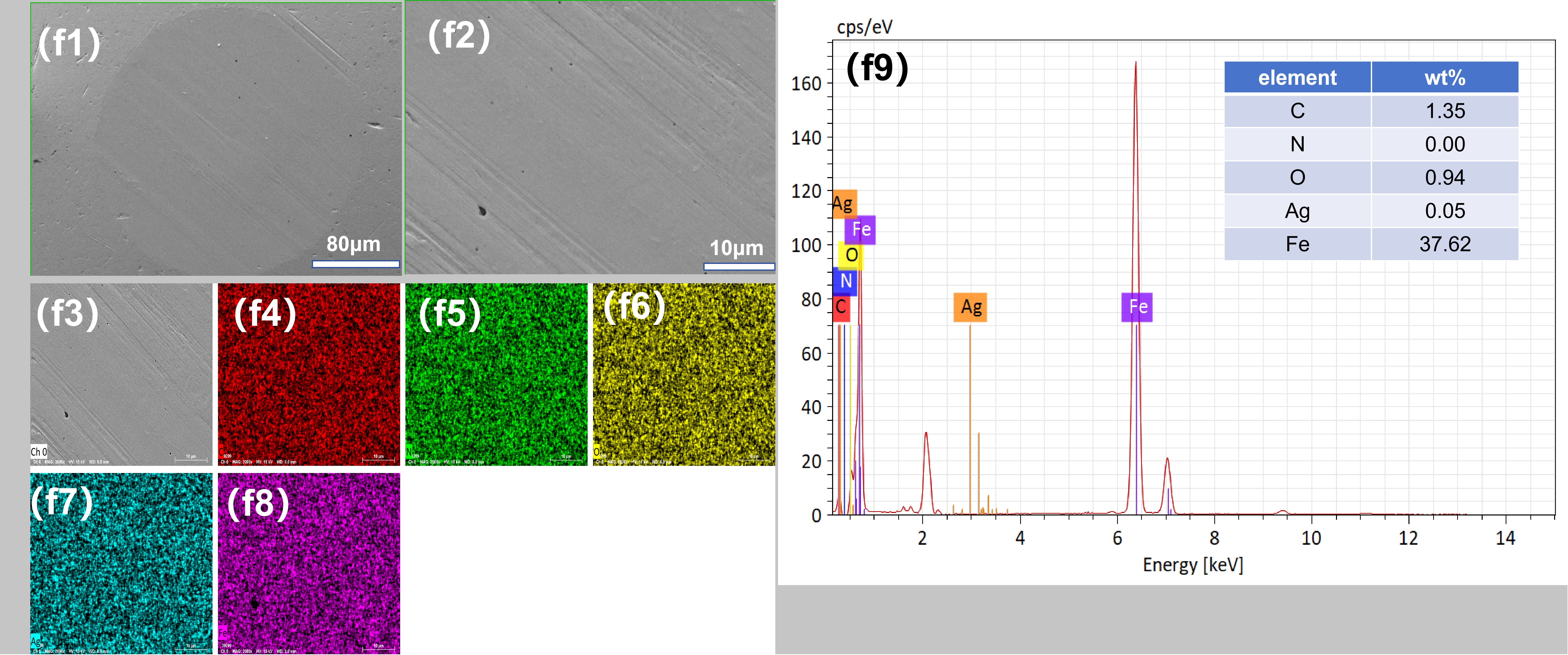
Figure 11) provide complementary evidence. Under pure PDMS lubrication, the wear scar exhibited a deep bowl-shaped morphology (diameter 510 μm, depth 2.5–3.0 μm), with EDS showing an overwhelmingly dominant Fe signal, confirming complete boundary film rupture and extensive steel substrate exposure. With 25 wt% CO-CNTs, the wear scar diameter decreased only marginally to 478 μm (depth ~1.8–2.0 μm); SEM-EDS revealed patchy “island-like” carbonaceous coverage with strong Fe signals in bare inter-island zones, indicating that pristine CNTs—due to weak physical adsorption on steel—were easily squeezed out of the high-pressure contact zone, failing to form a continuous protective film. In the physically blended system, Ag appeared as discrete bright spots with only partial spatial overlap with the C signal, and numerous regions showed either Ag-rich/C-poor or C-rich/Ag-poor chemistry, corroborating the fluctuating COF behavior and underscoring that simple physical mixing cannot realize synergistic anti-wear potential without robust interfacial anchoring.
For the chemically bonded AgHTs-3 system, the wear morphology and elemental distribution evolved regularly with loading. At 15 wt% (
Figure 10d and
Figure 11(d1–d9)), the wear scar diameter decreased to 403 μm with a depth of ~1.0 μm, indicating incipient composite film formation; however, localized Fe exposure in the scar center confirmed incomplete surface coverage, consistent with the intermediate friction and wear performance (COF ~0.16–0.17). At the optimal 25 wt% loading (
Figure 10e and
Figure 11(e1–e9)), the wear scar reached its minimum diameter of 378 μm and depth of ~0.6–0.8 μm, representing reductions of approximately 26% and 75% relative to pure PDMS, respectively. The 3D topography approached planarization, and the cross-sectional profile exhibited exceptional flatness with no edge pile-up, indicating that ductile Ag nanoparticles underwent plastic deformation and conformally filled surface micro-asperities rather than being expelled as wear debris. Most critically, SEM-EDS revealed uniformly distributed Ag and C signals that fully co-localized across the wear scar, while the Fe signal was reduced to near-background levels—providing direct chemical evidence that the Ag/CNTs heterostructure formed a dense, continuous composite lubricating film completely shielding the steel substrate from direct contact. At 35 wt% (
Figure 10f and
Figure 11(f1–f9)), the wear scar diameter rebounded to 397 μm with a depth of ~0.8–1.0 μm and marginally increased surface roughness; EDS showed locally oversaturated Ag signals with visible bright agglomerates, and faint Fe signals re-emerged at the periphery of these agglomerates, indicating that excessive filler loading disrupted film integrity through particle clustering and localized spallation, thereby rationalizing the slight rebound in both COF and wear depth relative to the 25 wt% system.
In summary, the superior tribological performance of the 25 wt% chemically bonded AgHTs-3 composite originates not merely from the individual presence of Ag and CNTs, but from their chemically integrated heterostructure mediated by carboxyl functional groups. This architecture enables the formation of a uniform, adherent, and adaptive composite lubricating film on the steel surface: CO-CNTs serve as a three-dimensional scaffold providing mechanical isolation and load-bearing support [
36], while Ag nanoparticles act as “ductile fillers” that plastically deform to fill interstitial gaps and repair surface asperities, maintaining film continuity under shear without being expelled. This hierarchical synergistic lubrication mechanism—encompassing scaffold support, junction bridging, and adaptive gap-filling—effectively reduces friction and suppresses wear.
5. Conclusions
This study successfully developed Ag nanoparticle-decorated carbon nanotubes (Ag/CNTs) as multifunctional additives for dimethyl silicone oil through a facile interfacial engineering strategy. The main findings are summarized as follows:
(1) Material synthesis and interfacial structure. Carboxyl functional groups were successfully introduced onto CNTs100 surfaces through mixed-acid oxidation, enabling the uniform in situ deposition of Ag nanoparticles (30–40 nm) via heterogeneous nucleation. XRD, XPS, and SEM-EDS analyses confirmed that metallic Ag was chemically anchored onto the CO-CNTs100 scaffold with preserved tubular integrity, effectively suppressing Ag agglomeration and ensuring long-term dispersion stability in silicone oil.
(2) Thermal conductivity enhancement. At the optimal Ag:CNTs mass ratio of 3:1 and a filler loading of 35 vol%, the AgHTs-3 composite achieved a thermal conductivity of 1.45 ± 0.05 W/(m·K), surpassing both pure Ag nanoparticles and pristine CO-CNTs100. The Ag NPs serve as inter-tube “thermal bridges” that reduce contact thermal resistance and establish continuous three-dimensional heat transfer pathways throughout the silicone oil matrix.
(3) Electrical conductivity improvement. The 3:1 Ag/CNTs composite exhibited a pronounced percolation effect, attaining a resistivity of 4.7 Ω·m at 35 wt% filler loading. The synergistic network facilitates electron transport along CNT backbones with inter-tube hopping across Ag junctions, forming stable conductive pathways at significantly reduced percolation thresholds compared to single-component fillers.
(4) Tribological performance optimization. Under boundary lubrication conditions (1 N, 200 rpm), the AgHTs-3 composite at 25 wt% delivered the lowest steady-state friction coefficient (0.07–0.10) and minimal fluctuation (±0.02). White light interferometry and SEM-EDS analyses revealed that the wear scar diameter was reduced to 378 μm (by ~26%) and the wear depth to ~0.6–0.8 μm (by ~75%) compared to neat PDMS. The superior anti-wear performance arises from the formation of a uniform, adherent composite lubricating film: CNTs provide a three-dimensional scaffold for mechanical isolation, while Ag nanoparticles undergo plastic deformation to fill interstitial gaps and repair surface micro-asperities, preventing direct steel-steel contact.
(5) Limitations and future perspectives. Although the Ag/CNTs heterostructure significantly enhanced the thermal, electrical, and tribological properties of dimethyl silicone oil at filler loadings of 15–35 wt%, the long-term dispersion stability of these high-loading nanocomposites remains a critical challenge. The high density of Ag nanoparticles and the substantial specific surface energy of CNTs render the composite susceptible to gravitational sedimentation and irreversible agglomeration over extended standing periods. The present study primarily focused on the multifunctional synergy of the Ag/CNTs additive and its immediate performance upon homogeneous dispersion; however, rapid precipitation at such high concentrations is inevitable under static conditions. Addressing the long-term colloidal stability of high-loading Ag/CNTs composites in silicone oil is therefore an important challenge for future work.



 ,
,