


Abstract
As a key medium in industry, lubricating oil plays a significant role in reducing friction, cooling sealing and transmitting power, which directly affects equipment life and energy efficiency. Traditional mineral-based lubricating oils rely on non-renewable petroleum, and they have high energy consumption and poor biodegradability (<30%) during the production process. They can easily cause lasting pollution after leakage and have a high carbon footprint throughout their life cycle, making it difficult to meet the “double carbon” goal. Bio-based lubricating oil uses renewable resources such as cottonseed oil and waste grease as raw materials. This material offers three significant advantages: sustainable sourcing, environmental friendliness, and adjustable performance. Its biodegradation rate is over 80%, and it reduces carbon emissions by 50–90%. Moreover, we can control its properties through processes like hydrogenation, isomerization, and transesterification to ensure it complies with ISO 6743 and other relevant standards. However, natural oils and fats have regular molecular structure, high freezing point (usually > −10 °C), and easy precipitation of wax crystals at low temperature, which restricts their industrial application. In recent years, a series of modification studies have been carried out around “pour point depression-viscosity preservation”. Catalytic isomerization can reduce the freezing point to −42 °C while maintaining a high viscosity index. Epoxidation–ring-opening modification introduces branched chains or ether bonds, taking into account low-temperature fluidity and oxidation stability. The deep dewaxing-isomerization dewaxing process improves the base oil yield, and the freezing point drops by 30 °C. The synergistic addition of polymer pour point depressant and nanomaterials can further reduce the freezing point by 10–15 °C and improve the cryogenic pumping performance. The life cycle assessment shows that using the “zero crude oil” route of waste oil and green hydrogen, the carbon emission per ton of lubricating oil is only 0.32 t, and the cost gradually approaches the level of imported synthetic esters. In the future, with the help of biorefinery integration, enzyme catalytic modification and AI molecular design, it is expected to realize high-performance, low-cost, near-zero-carbon lubrication solutions and promote the green transformation of industry.
1. Introduction
The accelerating pace of global industrialization has spurred the demand for high-performance lubricants. By 2023, the Asia-Pacific region commanded over 40% of the global lubricant market share. This expansion was primarily propelled by major economies including China, India, Japan, and South Korea, where the rapid growth of their automotive sectors (driven by increasing vehicle ownership and demand for gasoline and diesel engine oils) alongside robust development in industrial fields (such as manufacturing, energy, and infrastructure) has collectively driven a substantial increase in both automotive and industrial lubricant consumption. However, the finite nature of conventional mineral-based lubricants, coupled with growing concerns regarding their environmental pollution and climate impact [1,2,3], underscores an urgent need for sustainable, eco-friendly alternatives (Figure 1). Consequently, biomass-derived lubricants have emerged as highly promising candidates, garnering substantial research interest owing to their inherent renewability, biodegradability, and environmental compatibility [4,5,6,7].
Figure 1.
Transformation Pathways of Biomass Lipids.
Base oils, serving as the principal constituents of lubricants, typically comprise 70% to 99% of the finished product by volume. Additives are subsequently incorporated to enhance or complement the inherent performance characteristics of these base oils. The fundamental distinctions among the three primary classes of base oils stem from their molecular architectures: mineral oils are characterized by irregular molecular structures and often contain various impurities. In contrast, synthetic oils exhibit uniform and pure molecular structures, enabling the design of tailored performance properties. Vegetable oils, on the other hand, possess highly polar molecular structures and are inherently biodegradable. As of 2023–2024, the global lubricant market remains predominantly driven by mineral oils, accounting for approximately 70% of the market share. Synthetic lubricants capture the majority of the remaining segment, typically between 25% and 28%. Conversely, plant-based lubricants currently constitute a comparatively small fraction of the global market, estimated to range from 2% to 5%. Despite this relatively modest share, their growth trajectory and future potential are garnering considerable attention (Figure 2) [8,9].
Figure 2.
Market Share of Lubricant Oil Types.
The primary advantage of biomass-derived lubricants stems from the polar ester groups inherent to their triglyceride molecular chains. These groups enable the formation of a dense and robust boundary lubrication film on metal surfaces via synergistic physico-chemical adsorption. Even when the bulk lubricant loses its overall fluidity at low temperatures due to a high pour point, preventing its timely delivery to the tribo-pair, this pre-existing “solid” adsorbed film acts as an instantaneous safeguard, offering low friction and anti-wear protection, thereby significantly mitigating direct metal-to-metal contact during startup. In stark contrast, conventional mineral oils, despite exhibiting lower pour points, struggle to establish boundary films of comparable strength due to their inherently lower polarity. Consequently, they are more susceptible to severe dry friction damage during the critical initial moments before stable hydrodynamic pressure can be established. Therefore, in scenarios involving moderate-to-low temperature startups or intermittent lubrication, biomass-derived oils, with their superior lubricity and anti-wear properties—attributable to a high viscosity index and intrinsic polarity—frequently outperform numerically colder-tolerant mineral oils in equipment protection. The sole limitation requiring mitigation, however, is their oxidative stability. Triglycerides are susceptible to oxidative degradation at elevated temperatures, resulting in the formation of sludge and an increase in acid value. To ensure this “green safety cushion” remains effective over an extended service life, these oxidative processes must be suppressed through strategies such as hydrogenation modification, the incorporation of antioxidants, or structural re-engineering.
Key physicochemical properties of lubricants include viscosity, viscosity index, pour point, flash point, oxidation stability, anti-wear and extreme pressure (EP) properties, and thermal stability. The pour point, a critical indicator of a lubricant’s low-temperature performance, directly dictates its effective operating temperature range and overall usability [10,11]. Lubricants with inadequate pour points can compromise tribological contacts, leading to increased wear, particularly during cold start conditions. While biomass-based lubricants offer superior lubricating performance capable of mitigating these adverse effects, they inherently suffer from generally high pour points. Under low-temperature conditions, lubricants with elevated pour points tend to become highly viscous or even solidify, leading to a significant reduction in fluidity. This impedes their normal circulation within lubrication systems, thereby preventing effective lubrication of mechanical equipment. Insufficient fluidity exacerbates frictional resistance, elevates wear risk, and induces increased oil temperatures, which, in turn, accelerates oxidative degradation and shortens lubricant service life. In contrast, low pour point lubricants retain excellent fluidity under cryogenic conditions, ensuring stable operation of lubrication systems, reducing friction and wear, maintaining equipment within optimal temperature ranges, retarding oxidative processes, and consequently extending lubricant service life. However, biomass-derived lubricants, being primarily formulated from vegetable oils or animal fats, commonly exhibit high pour points. This phenomenon is largely attributed to the inherent chemical structural characteristics of their raw materials, such as longer fatty acid chain lengths, high degrees of saturation, and low levels of unsaturation. These features predispose them to crystallization and phase separation in low-temperature environments, thereby severely limiting their applicability in cold conditions [12,13,14,15].
The accurate determination of lubricating oil pour point is mainly based on international standard methods such as ASTM D97 [16] (American Society for Testing and Materials standard) and ISO 3016 [17] (International Organization for Standardization standard). Its core principle is to determine the critical temperature at which oil loses fluidity through a standardized step-by-step cooling process. In a specific operation, the sample is placed in a specific test tube and cooled according to standard procedures. During the cooling process, the test tube should be removed horizontally and tilted every 3 °C temperature reduction to regularly check the fluidity of the oil. When the tube is tilted to an angle of 45 degrees, if the liquid level stops moving within 5 s, record this temperature and report it as pour point as specified in the standard. This method ensures the repeatability and comparability of test results [18,19,20,21].
Biomass lubricants have attracted considerable attention due to their renewable and environmental friendliness. However, its main component, long-chain saturated fatty acids derived from non-edible vegetable oils and waste oils, is easy to crystallize, resulting in a high freezing point, which severely limits its application performance in low-temperature environments. In order to overcome this bottleneck and improve its low-temperature performance, a lot of research has been carried out in academic circles in recent years, devoted to significantly improving the low-temperature flow performance of biomass lubricants by optimizing the preparation process of base oil, implementing chemical and physical modification, and introducing functional additives [22,23,24,25,26]. The purpose of this article is to systematically review the recent research progress in reducing the freezing point of biomass lubricants, deeply sort out the key results under different technical paths, and critically evaluate the advantages, limitations and practical application potential of various methods. On this basis, the article will further look forward to possible future research directions, aiming at providing theoretical reference for the development of low-temperature suitable biomass lubricants, with a view to promoting their efficient and large-scale application in alpine environments and precision industrial scenarios [27,28,29,30,31,32].
2. Biomass Modification
2.1. Hydrotreating
Catalytic hydrogenation enables the conversion of biomass-derived unsaturated compounds into saturated hydrocarbons. The underlying mechanism involves the saturation of unsaturated bonds and the removal of heteroatoms (e.g., oxygen, sulfur, nitrogen), thereby significantly lowering the pour point of lubricants. For instance, under precisely controlled conditions, unsaturated fatty acid methyl esters (FAMEs) derived from vegetable oils can undergo partial catalytic hydrogenation to yield more saturated products, which are subsequently utilized for the production of low-pour-point bio-lubricant base oils.
Chen et al. successfully optimized the composition and, crucially, the effective hydrogen-to-carbon ratio of simulated bio-oil via a mild hydrogenation strategy. Under precisely controlled conditions (300 °C and 4 MPa), the team judiciously employed a 3% Pd/nano-SiO2 catalyst. This optimized system achieved complete conversion for nearly all reactants, with the notable exceptions of phenol and guaiacol, alongside a high liquid product selectivity of up to 85.0%, collectively demonstrating superior catalytic performance. Crucially, this process not only significantly elevated the bio-oil’s effective hydrogen-to-carbon ratio from 1.266 to 1.554 but also, more importantly, substantially lowered the concentration of detrimental components, such as phenolic and acidic compounds, within the liquid product. This transformation, achieved by saturating unsaturated double bonds and generating a greater abundance of alcohol compounds, markedly enhanced the overall stability of the bio-oil. This concurrently led to an effective reduction in its pour point, thereby facilitating safer and more convenient storage and transportation. Furthermore, the resulting hydrotreated bio-oil demonstrated superior reactivity and conversion efficiency in subsequent catalytic cracking processes. This work thus opens new avenues for the efficient and high-value utilization of biomass resources, carrying significant practical implications [33].
Xu Run and colleagues have made significant strides in sustainable development by pioneering an innovative method for converting biomass feedstocks into high-quality lubricant base oils. This process ingeniously integrates a series of advanced chemical engineering unit operations. Initially, the team harnessed classical Fischer-Tropsch synthesis to efficiently transform renewable biomass, including agroforestry waste and vegetable oils, into liquid hydrocarbon intermediates—a pivotal step towards realizing carbon-neutral lubricant production. Subsequently, to guarantee the purity and superior performance of the final product, these liquid intermediates undergo a dedicated refining stage. Employing purification operations such as selective hydrogenation, potentially detrimental impurities, including oxygenates, sulfur compounds, and unsaturated hydrocarbons, are precisely eliminated, thereby substantially elevating product purity and stability. To further enhance the base oil’s low-temperature fluidity, the team integrated hydrodewaxing or hydroisomerization processes. These techniques effectively reshape hydrocarbon molecular structures, dramatically reducing the base oil’s pour point and ensuring exceptional lubrication performance even under stringent cold conditions. Ultimately, the biomass-derived base oils produced through this series of sophisticated treatments not only meet but often surpass the stringent quality benchmarks of the lubricant industry. Furthermore, they demonstrate excellent performance, comparable to both traditional mineral oils and advanced synthetic oils, across critical parameters such as viscosity index, thermal oxidative stability, and low-temperature fluidity, thereby paving the way for the broad future development of green and environmentally sustainable lubrication materials [34].
Hydrotreatment significantly enhances the performance of biomass-derived lubricating oils by lowering the pour point, improving stability, and optimizing their composition. For instance, Chen et al. demonstrated the efficacy of mild hydrotreatment on model bio-oils, while Xu et al. successfully developed systems for converting biomass feedstocks into lubricating oil base stocks. These methods exhibit good adaptability to various biomass feedstocks and reaction conditions, providing high-quality precursors for subsequent catalytic cracking and processing. However, current hydrotreatment technologies still face numerous challenges, primarily concerning catalyst performance and economic viability. Specifically, the 3% Pd/nano-SiO2 catalyst employed by Chen et al. incorporates expensive palladium, posing practical difficulties for its large-scale recovery and reuse. Furthermore, differential catalyst selectivity towards various biomass components during hydrotreatment can result in incomplete reactant conversion or the formation of undesirable byproducts. The method developed by Xu et al., involving multiple unit operations such as Fischer-Tropsch synthesis, selective hydrogenation, hydrodewaxing, or hydroisomerization, presents a complex process flow. This complexity not only escalates equipment investment but also heightens operational and management challenges. Consequently, integrated optimization of these intricate stages is crucial to ensure production continuity and product quality stability. Moreover, the specific high-temperature and high-pressure conditions required for hydrotreatment reactions contribute to elevated energy consumption and operational costs. Collectively, while these hydrorefining approaches demonstrate substantial potential for improving biomass-derived lubricant properties, their industrial adoption remains limited by the aforementioned constraints. Consequently, future research efforts must focus on developing more efficient and economically viable catalysts, optimizing and streamlining process workflows to substantially reduce energy consumption and operational expenses, and concurrently enhancing the technology’s versatility across diverse biomass feedstocks and its long-term operational robustness [33,34].
2.2. Catalytic Cracking and Isomerization
Catalytic cracking and isomerization reactions convert biomass-derived fatty acids and triglycerides into smaller, branched alkanes, which exhibit lower pour points, thereby enhancing the low-temperature fluidity of lubricants.
Gao et al. investigated the application of two noble metal catalysts, Pt/ZSM-22 and Pt/ZSM-23, in *n*-dodecane hydroisomerization and the hydrodewaxing of heavy waxy lubricant base oils (Figure 3). The study revealed that in *n*-dodecane hydroisomerization, Pt/ZSM-23 uniquely favored the scission of internal C-C bonds, whereas Pt/ZSM-22 preferentially cleaved terminal C-C bonds, thus demonstrating distinctly different reaction pathway preferences. Furthermore, when processing heavy waxy vacuum gas oil (HVGO), the Pt/ZSM-22 catalyst demonstrated exceptional industrial potential: it not only increased the yield of light products by over 2%, thereby improving resource utilization efficiency, but, more critically, also led to an increase of over 3% in the yield of low pour point, high viscosity heavy lubricant base oils. This significantly boosted the output of high-value products, offering an efficient strategy for preparing premium lubricant base oils [35].
Figure 3.
The preference modes for n-dodecane cracking on Pt/ZSM-22 and Pt/ZSM-23 catalysts, respectively.
Kyungho Lee et al. demonstrated that the hydroconversion of triglycerides is a key pathway in the biomass hydrocracking process. They highlight that metal-acid bifunctional catalysts are essential for the isomerization of linear paraffins to branched paraffins, and this conversion is central to significantly improving the flow properties of lubricating oils at low temperatures. In addition, the study clearly pointed out that hydrocracking is the main method used to produce these key branched paraffins and plays a decisive role in comprehensively improving the low-temperature performance of lubricating oils [36].
Liu et al. successfully synthesized SSZ-32 zeolite with precisely tunable acid site depth distribution by ion exchange method. When the catalyst is loaded with platinum nanoparticles, the catalyst shows controllable activity and selectivity in the hydroisomerization reaction of n-hexadecane. The characterization results revealed that the adsorption and insertion behavior of the reactant n-alkane can be effectively regulated by precisely controlling the acid site depth in the pore channels of SSZ-32 zeolite. Of particular note, localization of acid sites at intermediate depth (4.5 nm) resulted in a selectivity of up to 46.85% for the ideal product, the centrally branched monoisomer, while significantly suppressing unwanted cleavage side reactions. This method results in an increase in the molar ratio of target product (6-/7-/8-methyl isomer) to non-target product (2-/3-methyl isomer) by at least 1.3 times as compared to conventional catalysts with uniform distribution of acid sites. In addition, by optimizing the effective diffusion depth of reaction intermediates in the pore channels of the MTT catalyst, they also significantly improved the cold flow performance of the resulting lubricating base oil during the dewaxing process of Fischer-Tropsch wax hydroisomerization. Follow-up work by Linlin Liu et al. also showed that the efficient and highly selective hydroisomerization of long-chain alkanes can be achieved with Pt/SSZ-32 catalyst, which can be facilly synthesized by partial desiliconization, showing great potential for industrial applications [37].
2.3. Transesterification
Transesterification reaction refers to the process in which triglyceride molecules react with three moles of methanol in the presence of an acid or base catalyst to produce a mixture of glycerol and fatty acid methyl ester. This reaction can solve the problem posed by the hydrogen atom at the beta position (relative to the hydroxyl group) in the glycerol molecule by replacing glycerol with a polyol that does not contain beta-hydrogen, such as neopentyl glycol, trimethylolpropane (TMP) or pentaerythritol [38,39,40]. For example, Sripada et al. synthesized bio-based lubricants from methyl oleate and rapeseed biodiesel by transesterification reaction with TMP catalyzed by sodium methoxide. The prepared lubricants exhibited excellent low-temperature performance with pour points of −51 °C and −66 °C, respectively, which was attributed to the presence of highly unsaturated versus polyunsaturated structures in methyl oleate and rapeseed biodiesel feedstocks [41]. In addition, the oxidative stability of TMP esters, such as Jatropha curcas oil derivatives, is improved by 100% compared to the original Jatropha curcas oil due to the elimination of β-CH groups. The introduction of a branched chain structure into fatty acid methyl ester can interfere with the regular arrangement and stacking of hydrocarbon chains, thus further lowering the pour point and delaying its curing at low temperature. The position of the branches also has an important effect, for example, the branches located in the middle of the chain can lower the pour point more significantly than the terminal branches.
Gryglewicz S. et al. used calcium methoxide as catalyst and rapeseed oil, olive oil and lard as raw materials, synthesized fatty acid methyl ester, added isooctane as solvent, transesterified with neopentyl glycol and trimethylolpropane to synthesize polyol ester, and judged the conversion rate by the evaporation amount of methanol. The kinematic viscosity of the obtained product at 100 °C is between 4.05 and 9.06 mm2/s, and the pour point is between −10.5 and 17.5 °C, but its viscosity index reaches more than 200, “reducing molecular symmetry, increasing branched chain structure and regulating molecular weight” (Figure 4). The fundamental reason is that the introduction of branched chain structure effectively destroys the regular arrangement of molecular chains and hinders the crystallization process at low temperature [42].
Figure 4.
Transesterification reduces the freezing point of vegetable oil polymers.
Koh M.Y. et al. successfully synthesized palm-based biolubricants from palm oil methyl ester (POME) and trimethylolpropane (TMP) via an oscillatory flow mixing (OFM) technique under vacuum conditions, utilizing sodium methoxide as a catalyst. The study’s key findings are threefold: Firstly, the OFM technique substantially accelerated reaction kinetics, reducing reaction time by over 50% for equivalent conversion compared to conventional stirring, thereby significantly enhancing production efficiency. Secondly, high conversion rates exceeding 95% were achieved. The synergistic effect of vacuum, sodium methoxide catalysis, and OFM-enhanced mass transfer facilitated POME conversion to approximately 95%, with the resulting triester (TFATE) mass fraction exceeding 90%, fully satisfying the stringent requirements for lubricant base oils. Finally, the synthesized product exhibited exceptional low-temperature properties. The palm-based triester achieved a pour point as low as −42 °C, a kinematic viscosity of 44 mm2 s−1 at 40 °C, and a high viscosity index of 219. This combination of a superior viscosity index and excellent low-temperature fluidity allows its direct application as an ISO 46 [43] biolubricant base oil. In summary, the OFM technology offers a novel and energy-efficient pathway for industrial production by not only accelerating the transesterification reaction but also enabling high conversion under mild conditions to yield high-quality palm-based biolubricants [44].
Wang et al. successfully synthesized trimethylolpropane fatty acid triesters (TMP esters, as shown in Figure 5), a biolubricant base oil, via transesterification of palm oil methyl ester (POME) and trimethylolpropane (TMP). This study systematically compared the performance of six conventional alkaline catalysts (KOH, NaOH, Na2CO3, K2CO3, NaHCO3, KHCO3) and two self-developed polyol-based alkaline catalysts (potassium trimethylolpropanoxide and sodium trimethylolpropanoxide) in this reaction. The underlying mechanism involves transforming highly symmetrical triglycerides into branched, single-molecule TMP triesters. Specifically, the raw material, palm oil triglyceride, possesses a highly symmetrical triacylglycerol backbone, which leads to its facile and ordered crystallization at low temperatures, with a pour point of approximately +8 °C. However, after transesterification, three C16–C18 acyl groups are attached as branches to the quaternary carbon core of TMP, thereby disrupting molecular symmetry. Concurrently, the central rigid branching point further hinders the ordered arrangement of chain segments, significantly increasing the difficulty of crystallization. Experimental results indicate that when POME conversion exceeded 90% (achieving 92–97% across all catalyst systems), the pour point of the product stabilized between −39 °C and −42 °C. Notably, the K2CO3 system yielded the lowest pour point of −42 °C, representing a dramatic reduction of 50 °C compared to the raw material. Simultaneously, the viscosity index remained above 200, thus achieving a synergistic optimization of a “low pour point and high viscosity index” (Table 1). The study found that the low-temperature performance of the product approached a “structure-determined” limit, independent of the catalyst type and solely dependent on the purity of the triesters [45].
Figure 5.
Equation for the preparation of trimethylolpropane fatty acid triester by reaction of trimethylolpropane and fatty acid methyl ester.
Table 1.
Changes in freezing point and viscosity index under different methods.
Vegetable oil triglycerides are converted into small-molecule esters (or ester monomers) by transesterification, and then these monomers are constructed into high-molecular-weight ester base oils with adjustable structure through polymerization reactions (such as polycondensation). This methodology achieves a notable reduction in pour point and enhanced low-temperature performance. Ester lubricants inherently possess superior low-temperature properties, excellent lubricity, and high thermal and chemical stability, rendering them applicable across a wide range of equipment and operating conditions, and thus exhibiting extensive application potential. Furthermore, transesterification reactions typically occur under mild conditions, offering advantages such as reduced energy consumption, simplified equipment, lower production costs, and improved safety compared to high-temperature and high-pressure synthesis routes. However, efficient catalysts (e.g., sodium methoxide) are requisite for transesterification reactions. Existing catalytic systems are commonly plagued by high cost, limited substrate specificity, and challenging post-reaction separation and recovery. The judicious selection of catalysts is paramount for achieving desired reaction activity and selectivity. Consequently, the development of novel, highly efficient, and recyclable catalysts has emerged as a key research imperative. Additionally, multi-step transesterification-polymerization synthesis routes frequently contend with increased byproduct formation and diminished product yields, which complicates process control and elevates manufacturing costs. Challenges also persist in the downstream separation and purification of target products, owing to the remarkable similarity in physicochemical properties between the desired esters, starting materials, and byproducts. Conventional separation techniques, such as distillation and extraction, are energy-intensive, costly, and may ultimately compromise the quality of the final product. Moreover, certain synthetic ester base oils are susceptible to hydrolysis or oxidation under elevated temperatures or prolonged operational conditions, leading to performance degradation. Therefore, enhancing their thermo-oxidative stability is crucial to satisfy the demands of more stringent application environments [38,39,40,42,44,45].
2.4. Deep Dewaxing
To reduce the pour point of waxy biomass lubricants, industrial processes typically employ methods such as solvent dewaxing, catalytic dewaxing, and isomerization dewaxing. Solvent dewaxing leverages the differential solubility of oil and wax at low temperatures to achieve their separation. An ideal solvent exhibits low viscosity at low temperatures, strong solvency for oil, and poor solvency for wax, which facilitates the formation of coarse wax crystals and thereby enhances oil-wax separation efficiency. Early investigations by Guo Ruixin, Shao Yizhi, and collaborators utilized methyl ethyl ketone-toluene (MEK-toluene) dewaxing units to optimize lubricant production, effectively addressing the inherent complexities and control challenges associated with multi-unit operations and markedly improving both the yield and quality of dewaxed oil. Driven by the increasing demand for low-cost, environmentally friendly, and high-performance base oils, solvent dewaxing technology has undergone continuous refinement. Filtration rate and dewaxed oil yield represent critical performance metrics; Wang Huidong demonstrated that the application of dewaxing aid SDA1615 effectively enhanced both parameters. Integrated processes combining solvent dewaxing with hydrotreatment (e.g., solvent refining-hydrotreatment-solvent dewaxing) can substantially elevate base oil quality and overall yield, thereby facilitating the production of high-quality Group II base oils [46,47,48,49,50,51].
Catalytic dewaxing utilizes the distinctive pore architecture and acidic sites of zeolites to selectively hydrocrack high-pour-point n-alkanes and short-branched isoalkanes, yielding light components such as liquefied petroleum gas (LPG) and naphtha, and subsequently lowering the pour point of lubricating oils through fractionation. ExxonMobil’s MLDW (Mobil Lube Dewaxing) catalytic dewaxing technology stands as a globally leading approach, employing a novel mesoporous ZSM-5 catalyst. This technology is capable of processing a wide range of feedstock viscosities, from spindle oils to bright stocks, while simultaneously co-producing LPG and high-octane gasoline. Compared to conventional solvent dewaxing, the MLDW technology yields base oils with significantly lower pour points and reduces operational costs by 15–20% [52].
Heterogeneous dewaxing transforms feedstock wax, predominantly long-chain n-paraffins and a small fraction of iso-paraffins, into iso-paraffins under a hydrogen atmosphere, thus significantly lowering the pour point. The primary reaction is alkane hydroisomerization, concurrently with side reactions such as hydrocracking (which diminishes base oil yield) and aromatic hydrogenation. The critical challenge in hydroisomerization dewaxing technology is the development of catalysts exhibiting high isomerization selectivity and potent pour point reduction activity (Figure 6). Huang Weiguo et al. systematically investigated the reaction mechanism of alkane hydroisomerization and the impact of molecular sieve properties on catalyst performance, leading to the synthesis of a novel molecular sieve, ZIP, and the development of RIW-2, a new generation lubricating oil hydroisomerization dewaxing catalyst. Evaluation results demonstrated that RIW-2 possesses excellent pour point depression activity and isomerization selectivity, achieving a significantly higher base oil yield at the same pour point compared to the first-generation RIW-1. Furthermore, it is applicable to various wax-containing feedstocks, enabling the efficient production of API Group III+ high viscosity index base oils [53,54].
Figure 6.
Mechanism of dewaxing to reduce the freezing point of lubricating oil.
The selection of an appropriate dewaxing method for biomass-derived lubricants is contingent upon feedstock properties, production scale, and desired product quality. Solvent dewaxing promotes the formation of large wax crystals, thereby facilitating efficient oil-wax separation and viscosity reduction. However, being a physical process, it does not chemically modify the wax structure, thus posing a significant challenge in achieving ultra-low pour points, particularly for high-wax content biomass lubricants. Moreover, this approach is characterized by high solvent consumption, elevated recovery costs, and a substantial environmental footprint. Extensive experimental investigation is required to optimize solvent systems for diverse feedstocks. Catalytic dewaxing, which operates by cracking high pour point waxes, effectively yields low pour point base oils and can reduce production costs by 15–20%. However, this method is highly demanding on catalyst pore structure and acid site properties. Undesirable cracking side reactions can compromise base oil yield, and the high cost of catalysts necessitates their periodic replacement or regeneration. Isomerization dewaxing transforms waxes into low pour-point isoparaffins, thereby enabling the production of high-value Group III+ base oils with superior viscosity indices and consequently enhancing market competitiveness. Nevertheless, achieving an optimal balance between high isomerization selectivity and robust pour point reduction activity in catalysts remains a significant challenge for existing technologies. Moreover, undesired side reactions can still lead to reduced base oil yields. Therefore, the urgent development of new generations of highly efficient catalysts, coupled with a profound understanding of their underlying reaction mechanisms, is imperative [52,53,54].
2.5. Epoxidation
Unsaturated double bonds in biomass oils and fats undergo epoxidation reaction to generate epoxy groups. Although this process may have a certain negative impact on the viscosity–temperature properties and low-temperature fluidity of the oil, the formed epoxy groups provide active sites for the subsequent ring-opening reaction. Through the acid-catalyzed ring-opening reaction of epoxy groups, esterification or etherification modification with alcohols or acid anhydrides can achieve precise control of molecular structure, thereby significantly improving key properties such as freezing point. This process is a functionalization reaction at the small molecule level and does not involve polymerization reaction (Figure 7).
Figure 7.
Ether and ester esterification process of epoxy vegetable oil.
Wan Qian’s research team developed an exquisite two-step chemical modification method, which significantly improved the comprehensive properties of epoxidized castor oil and made it show broad application prospects in the field of lubricants. This method first carries out ring-opening reaction on epoxidized castor oil, aiming at opening epoxy groups and creating conditions for subsequent introduction of functional groups and adjustment of molecular structure and polarity. Subsequently, the ring-opened product is further esterified with alcohol or acid anhydride. By introducing side chains with different chain lengths, the molecular structure, polarity and branching degree of the product are regulated, thereby optimizing its viscosity-temperature properties and low-temperature fluidity. It should be noted that this process is a small molecule modification, not a polymerization reaction. After this innovative modification, the freezing point of castor oil is greatly reduced to the range of −64 °C to −25 °C, effectively broadening its application range in low temperature environment. At the same time, the viscosity index of the modified oil also performed well, reaching 129 to 176, which was better than many traditional lubricants. Compared with mineral oil VG46, modified castor oil shows excellent performance in extreme pressure, wear resistance and oxidation stability, which is essential for extending equipment life and reducing maintenance costs. In addition, by adding 0.2% antioxidant Vanlube7723, its thermal oxidation stability is further strengthened and can meet the stringent standards of the US military aviation lubricant MIL-PRF-7808L, demonstrating its high-performance and high-reliability applications, especially in the aviation industry. huge potential [55].
Erhan et al. extensively investigated the chemical modification of epoxidized soybean oil (ESO), employing BF3·Et2O as a catalyst to drive the ring-opening reaction of ESO with a series of C2–C7 acid anhydrides. The study revealed that the length of the anhydride side chain significantly impacted critical product properties. Specifically, an increase in side chain length correlated with a decrease in both the pour point and wear scar diameter, indicating that longer side chains enhance low-temperature fluidity and improve anti-wear lubrication performance. Notably, this structural modification did not significantly affect the oxidation stability of the products, which essentially retained their original stability. Among all modified products, hexanoylated and heptanoylated derivatives exhibited superior low-temperature characteristics, achieving pour points down to −21 °C. Furthermore, the addition of 1% of the pour point depressant L7671-A to these optimized products further significantly reduced the pour point to −30 °C. These findings provide valuable experimental data and broad application prospects for the development of novel high-performance bio-based lubricating materials [56].
Mao et al., in their comprehensive review, provided an in-depth analysis of the latest advancements in synthesizing bio-based base oils from epoxidized vegetable oils via ring-opening etherification/acylation reactions. The study highlighted that epoxidized oils, owing to their significant advantages of renewability and environmental friendliness, demonstrate immense application potential, aligning with sustainable development goals. However, their insufficient oxidative stability remains a core technical challenge limiting their widespread adoption. Despite this, epoxide modification technology enables precise control over side-chain structures, effectively achieving a significant reduction in pour point (down to −64 °C) and markedly enhancing extreme pressure and anti-wear properties. Nevertheless, their oxidative stability remains inferior to that of mineral oils, with only marginal improvements observed even upon antioxidant incorporation. Furthermore, the ring-opening reaction often necessitates expensive catalysts such as boron trifluoride (BF3), leading not only to complex processes and high production costs but also to the ready generation of various by-products during the reaction, thereby complicating separation and purification. Collectively, these factors severely impede the large-scale application of epoxidized bio-based base oils [57].
2.6. Isomerization and Hydroisomerization
Catalytic isomerization is a pivotal chemical transformation, primarily aimed at reconfiguring linear alkanes or unsaturated fatty acids into branched, more compact, and thermodynamically stable structures. This structural rearrangement holds profound implications, as linear molecules tend to pack efficiently at low temperatures, forming ordered crystalline structures that result in elevated pour points. Conversely, the introduction of branching effectively disrupts this ordered packing, substantially lowering the pour point and ensuring fluidity under cold conditions, which is crucial for the performance of products such as fuels, lubricants, and biodiesels. Building upon this principle, hydroisomerization technology advances further by elegantly integrating hydrogenation and isomerization steps. Through this integrated process, unsaturated fatty acids are not only completely hydrogenated into saturated fatty acids, but their linear carbon backbone is simultaneously and effectively isomerized into stable branched alkanes [58,59,60,61,62]. This unique dual functionality offers significant advantages: firstly, it substantially reduces the product’s pour point, endowing it with excellent low-temperature flow properties; secondly, through hydrogenation and branching, the oxidative and thermal stabilities of the products are significantly enhanced, thereby extending product lifespan and broadening their range of applications, making it a powerful tool for optimizing material performance in modern industries (Figure 8).
Figure 8.
Main reaction pathway of materials.
Yang Jie and colleagues report a significant advancement in catalytic materials. They successfully synthesized SAPO-41 molecular sieves featuring a unique hierarchical pore structure via hydrothermal synthesis, ingeniously employing glucose as a mesopore template. This sophisticated pore architecture not only endows the molecular sieves with an enhanced specific surface area but also facilitates superior mass transport efficiency for subsequent catalytic reactions. Building upon this, the researchers loaded noble metal palladium (Pd) onto the synthesized SAPO-41 molecular sieves, thereby creating a highly efficient bifunctional Pd/SAPO-41 catalyst. This catalyst is specifically designed for the hydroisomerization of n-decane, a critical process for producing high-quality fuel components. Experimental results revealed that the amount of glucose employed during molecular sieve synthesis critically influences catalyst performance: an increase in glucose dosage significantly reduced both the acid amount and acid strength of the catalyst. This tuning strategy effectively optimized the distribution of acidic sites on the catalyst, thereby dramatically enhancing the selectivity towards di-branched isomers. These products are highly favored due to their superior anti-knocking properties. Notably, under optimized conditions, the catalyst sample S41(0.2)−G(0.26) exhibited a di-branched isomer selectivity exceeding 40% at an n-decane conversion as high as 90%. This unequivocally demonstrates its significant potential and promising application prospects for the efficient synthesis of high-value fuel products. This research offers valuable theoretical guidance and practical experience for the design and performance optimization of novel hydroisomerization catalysts [63].
The research team led by Gao Shanbin has made significant progress in the field of catalysis by successfully preparing a highly efficient Pt/SAPO-11 bifunctional catalyst (Figure 9). This catalyst effectively integrates the unique acidic sites of the SAPO-11 molecular sieve with the excellent hydrogenation-dehydrogenation functions of platinum (Pt) metal, making it an ideal choice for n-alkane hydroisomerization reactions. The researchers systematically investigated the catalytic performance for n-alkanes of varying chain lengths (n-C8, n-C12, and n-C16). Results indicated that, under optimized conditions, the yield of monobranched isomers reached up to 60%, and the total isomer yield exceeded 75%, fully demonstrating the outstanding performance of the Pt/SAPO-11 catalyst in enhancing alkane isomerization efficiency. However, the study also revealed a critical trend: as the chain length of n-alkane molecules increased, the propensity for cracking side reactions intensified, leading to a decrease in the selectivity towards the desired isomers. This finding not only provides valuable theoretical guidance for the further optimization and design of catalysts but also holds significant implications for understanding and controlling selectivity in long-chain alkane hydroisomerization processes [64].
Figure 9.
TEM picture of Pt/SAPO-11 catalyst ([65] Gao, S. & Chi, K., 2016).
María Ventura’s groundbreaking research has led to significant advancements in enhancing the low-temperature performance of vegetable oil-based insulating oils. Through successful hydroisomerization treatment utilizing Pt/Pd bifunctional catalysts, she achieved a substantial reduction in the insulating oil’s pour point to −10 °C. This improvement is critical for ensuring reliable equipment operation in frigid conditions. The treated product, distinguished by approximately 80% monomethyl-branched alkanes, possesses a molecular architecture that effectively inhibits oil crystallization at low temperatures, thus preserving superior fluidity and insulation characteristics. Further investigations demonstrated that a combined hydroisomerization and isomerization approach yielded even more superior outcomes. When applied to critical biofuel or lubricant components like methyl oleate and methyl palmitate, this synergistic strategy notably lowered their cloud points by 7.5 to 12.9 °C. This reduction in cloud point indicates that the oil maintains transparency at lower temperatures without waxy substance precipitation, greatly enhancing its low-temperature flow properties and storage stability. These achievements not only offer novel avenues for developing high-performance, eco-friendly vegetable oil-based products but also expand their applicability across insulation, biofuels, and lubricants, thereby highlighting their substantial industrial relevance [65].
Isomerization, a process that converts linear alkanes into branched isomers, effectively lowers the pour point and substantially improves both oxidative and thermal stability [66,67,68,69,70]. Furthermore, precise tailoring of base oil properties can be achieved through the meticulous control of catalyst composition, structure, and reaction parameters. Nevertheless, the technology encounters several formidable challenges. For example, noble metal catalysts (e.g., Pt, Pd) are prohibitively expensive and their synthesis processes are intricate. The inherent variability in fatty acid composition among biomass feedstocks necessitates specific optimization of catalysts and processes for each distinct raw material. Moreover, hydroisomerization is susceptible to undesirable side reactions, including over-hydrogenation and cracking, which generate low-value light fractions, thereby negatively impacting base oil purity and yield. Additionally, the stringent reaction conditions, demanding a high-temperature, high-pressure, hydrogen-rich environment, necessitate substantial capital investment in equipment and present heightened safety risks. Concurrently, the process generates sulfur/nitrogen-containing wastewater and gaseous emissions, thereby requiring the integration of robust environmental treatment infrastructure (Table 2).
Table 2.
Changes in freezing point under different modification methods and processes.
3. Additive Technology
3.1. Pour Point Depressants (PPDs)
The low-temperature curing of bio-based lubricants is mainly caused by wax precipitation, which seriously hinders their fluidity and practical application. To cope with this challenge, it is generally believed that adding pour point depressant (PPD) is one of the most direct and effective strategies to reduce its pour point. Pour point depressants are typically polymeric compounds such as polymethacrylates (PMA) and poly alpha-olefins (PAO), maleic anhydride graft polymers, ester copolymers, comb polymers. These polymers have similar molecular structures to nascent wax crystals, allowing them to specifically adsorb onto the crystal surface. This adsorption mechanism effectively changes the growth kinetics and morphology of wax crystals, preventing them from aggregating to form large and ordered structures. Crucially, the pour point depressant also inhibits these modified small crystals from forming a dense network of interconnections, which is the main reason for the curing of lubricants at low temperatures. Therefore, by intervening in the formation and aggregation processes of wax crystals, the pour point depressant successfully inhibited the low-temperature curing of bio-based lubricants. This ensures continuous fluidity of the lubricant and significantly extends its operating range and reliability.
Kang-Min Jung et al. synthesized polymethacrylate polymer by free radical polymerization, used it as pour point depressant in lubricating oil, and studied its low-temperature performance. Four methacrylate monomers were synthesized by the esterification reaction of methyl methacrylate (MMA) with four fatty alcohols. A purification step was performed to prepare pure monomers. Two polymerization experiments were carried out using four previously obtained methacrylate monomers and MMA. Copolymers made of one monomer and MMA, and terpolymers made of two monomers and MMA were prepared. The molecular structures of the synthesized methacrylate monomer and polymethacrylate polymer were verified by 1. H-NMR and molecular weight data were obtained by gel permeation chromatography. The pour point of a base oil containing 0.1 wt% polymethacrylate polymer was measured according to ASTM D 97–93 [71]. Most base oils comprising each polymer have a lower pour point compared to pure base oils. In particular, poly (dodecyl methacrylate co-hexadecyl methacrylate co-methyl methacrylate), made with dodecyl ester, hexadecyl ester, methacrylic acid and methyl methacrylate at a molar ratio of 3.5:3, showed the best low-temperature performance. The terpolymer decreased the pour point of the base oil by 23 °C with a yield of 93.5% [72].
Du T. et al. synthesized methacrylate (AE) monomer by esterification of methacrylic acid with fatty alcohol in toluene solvent using p-toluenesulfonic acid as catalyst and hydroquinone as polymerization inhibitor. Subsequently, methacrylate-maleic anhydride (AM) copolymer was prepared by solution free radical copolymerization with benzoyl peroxide as initiator, and the monomer and copolymer structures were characterized by infrared spectroscopy (IR). Differential scanning calorimetry (DSC) was used to study the effect of the copolymer on the crystallization process of wax in lubricating oil, and the cases without and with AM additives were investigated, respectively. The experimental results show that when the molar ratio of reactants is 3: 1 and the polydispersity of the copolymer is 1.81, the freezing point reduction effect is the best, and the maximum freezing point reduction in the tested lubricating oil can reach 29 °C, 21 °C and 20 °C, respectively [73].
Research by Anas Azeem et al. revealed that olive oil is primarily composed of triglycerides containing typical fatty acids such as oleic acid, linoleic acid, palmitic acid, stearic acid, palmitoleic acid, and α-linolenic acid. These triglyceride molecules readily form ordered crystals at low temperatures, leading to a high pour point for olive oil, typically around 40 °C. To ameliorate this characteristic, they synthesized a polymeric pour point depressant (PPD). At an additive concentration of 1000 ppm, this PPD reduced the pour point of olive oil from 43 °C by 8 °C. Furthermore, at the same concentration, it also decreased the viscosity of olive oil at 45 °C by 89.2% and significantly improved its rheological properties across various temperatures and shear rates [74]. Polarized light microscopy (PLM) revealed that the addition of the additive inhibited and modified wax crystal growth, resulting in weakened wax crystal structures (as shown in Figure 10a,b). As these weakened structures could not form a robust wax crystal network, the increase in oil viscosity was significantly inhibited when cooled into the wax precipitation region. Consequently, the viscosity measured at 45 °C was reduced by 89.2% compared to the pristine oil, demonstrating a significant anti-gelling effect. As the temperature was further lowered, even with wax crystal precipitation, the resulting weakened structures could not effectively impede the bulk flow of the oil, with the solidification criterion only being met upon reaching 35 °C. This led to an 8 °C reduction in the pour point, significantly broadening the low-temperature operating window of the oil and substantially improving its low-temperature pumpability and fluidity.
Figure 10.
Panel (a) without the addition of 1000 ppm PPD, Panel (b) with the addition of 1000 ppm (Ref. [74] Pet. Sci. Technol., 2020).
William Iheanyi Eke et al. successfully synthesized a derivative from biomass-derived cashew nut shell liquid (CNSL) and polyethylene glycol (PEG) via* esterification. This derivative, serving as an efficient pour point depressant (PPD), significantly reduced the pour point of waxy crude oil by 12 °C at a dosage of 1000 ppm, substantially improving its low-temperature fluidity. In-depth polarized light microscopy observations revealed that the PPD effectively altered wax crystal morphology, reducing their average Feret diameter and aspect ratio while increasing the boundary fractal dimension (Figure 11). This led to smaller, more spherical crystals, which effectively inhibited the formation of a wax crystal network structure. Furthermore, coaxial rotational viscometry results indicated that at a shear rate of 17 s−1, the dynamic viscosity of the crude oil was substantially reduced by 79.7% to 90.5%. These findings provide crucial technical support for the transportation and storage of waxy crude oil [75].
Figure 11.
Polarized optical micro-graph of crude oil at [20 °C]: (a) Blank oil; (b) Oil doped with 1000 ppm-CN1PG; (c) Oil doped with 4000 ppm-CN2PG; and at [10 °C]; (d) Blank oil; (e) Oil doped with 1000 ppm-CN1PG; (f) Oil doped with 4000 ppm-CN2PG (Ref. [76] Applied Petrochemical Research, 2021).
Despite the remarkable efficacy of pour point depressants (PPDs) in lowering pour points [76,77,78,79,80,81,82], their practical application still encounters multiple challenges. Firstly, these substances can compromise the inherent properties of lubricants, leading to undesirable alterations in physicochemical parameters such as viscosity and density, which in turn adversely affect their high-temperature stability and lubrication performance. Secondly, the inclusion of PPDs substantially increases raw material costs and production expenses. Achieving optimal pour point depression typically necessitates extensive experimental optimization of PPD chemical composition and concentration, a process that significantly elevates overall investment costs. Furthermore, PPDs must maintain excellent compatibility with other components in the lubricant formulation. Incompatibility can lead to precipitation or phase separation, thereby compromising the lubricant’s homogeneity and long-term stability. It is noteworthy that the compatibility of different PPD chemistries with biomass-based lubricants can vary significantly, underscoring the importance of comprehensive testing and meticulous screening. Moreover, PPDs gradually lose their efficacy during prolonged use. This degradation in performance diminishes their pour point depressing effect, necessitating periodic replenishment or replacement. Such requirements often elevate maintenance costs and increase operational complexity. It is particularly important to note that certain PPD formulations may contain components detrimental to environmental or human health. Consequently, future advancements in this field are contingent upon rigorous safety assessments, robust regulatory measures, and the prioritized selection of environmentally friendly PPD materials.
3.2. Viscosity Index Improvers (VIIs)
Viscosity Index Improvers are primarily employed to enhance the visco-thermal properties of lubricating oils, enabling them to maintain optimal viscosity across a broad temperature range. While their core functions are thickening and shear stability, VIIs indirectly reduce pour point and pumping viscosity by enhancing low-temperature fluidity, thereby mitigating cold-start wear [83,84,85,86,87,88,89]. S. Rathika et al. successfully synthesized five distinct polyethylene palmitate (PVP) compositions by precisely controlling the molar ratios of polyvinyl alcohol to palmitic acid: 1:1 (PVP1), 10:1 (PVP2), 20:1 (PVP3), 1:10 (PVP4), and 1:20 (PVP5). These polymers were comprehensively characterized through in-depth investigations of their thermal, spectroscopic, and morphological properties. Subsequently, the synthesized PVP samples were dissolved in diesel fuel, and the viscosities of the resulting solutions were measured. Experimental results indicated that all polymers exhibited effective viscosity-enhancing capabilities in diesel, with PVP-2 demonstrating the most significant thickening performance (approximately 42%) and PVP-1 showing the lowest (30.8%). Furthermore, this study explored the application of mixed polymers as viscosity improvers and calculated the excess viscosity of these blended solutions. All excess viscosity values were observed to be slightly negative, suggesting the presence of dispersive forces between the polymers and diesel fuel. Further results revealed a significant increase in the viscosity index of PVP-2 with increasing additive concentration, surpassing that of all other polymers investigated. Cumulatively, these findings establish a direct positive correlation between the solution’s viscosity index and polymer concentration [90].
Lomège, J. et al. successfully synthesized a series of novel polymeric additives by reacting butyl acrylate as the primary monomer with various α-olefins, including 1-octene, 1-dodecene, 1-tetradecene, and 1-octadecene. The efficacy of these synthesized copolymers was subsequently investigated as viscosity index (VI) improvers and pour point depressants (PPDs) for base oils. For VI improvement, their efficiency significantly enhanced with increasing copolymer concentration and extended α-olefin alkyl chain length. This indicates that optimizing additive concentration and the α-olefin side-chain structure can effectively improve the viscosity-temperature stability of base oils across a range of temperatures. Conversely, a distinct trend emerged for their performance as PPDs: optimal pour point depression was achieved at lower copolymer concentrations and smaller molecular weights. These findings provide crucial theoretical insights and practical guidance for the precise design and application of polymeric additives to meet lubricant performance requirements under challenging low-temperature conditions [91].
Lelia Cosimbescu and colleagues synthesized trifunctional aromatic star-shaped poly(alkyl methacrylates) (PAMAS) for use as dual-functional lubricant additives. Their study systematically examined the influence of topological structure (random, block, or tapered) and polar content (10–25 mol%) on the viscosity index and tribological performance of these PAMAS. The results revealed that an increase in polar content attenuated the viscosity index but led to a substantial reduction in the friction coefficient. While block or tapered architectures achieved effective friction reduction with only 10 mol% polar content, random structures necessitated 20 mol%. Notably, analogue 1, incorporating ultra-high molecular weight components (>1000 kDa), exhibited exceptional performance, reducing the friction coefficient by 40–45% compared to the neat oil. This research offers crucial molecular design insights for the pour point modification of biomass-based lubricants. Future investigations will explore the incorporation of charged monomers to further enhance surface interactions [92].
As viscosity index improvers, polymers, especially those with star-shaped, core-crosslinked, hyperbranched and comb-shaped structures, can not only improve the viscosity index of lubricating oil through their unique three-dimensional spatial structure, but also effectively reduce the freezing point of biomass-based lubricating oil. The core mechanism is that the compact molecular conformation of these polymers can physically hinder and interfere with the growth and network formation of wax crystals or saturated ester crystals in lubricating oil at low temperatures, thereby directly inhibiting the solidification process; At the same time, their excellent viscosity-temperature characteristics ensure that the oil can still maintain good fluidity at low temperatures. Therefore, this type of polymer achieves synergy between viscosity improvement and freezing point reduction. In particular, some bio-based improvers have shown greater potential in improving the low-temperature performance of biomass lubricating oils due to their better compatibility with base oils [93,94,95,96,97,98,99,100]. Conversely, at elevated temperatures, they demonstrate efficient thickening, with a viscosity index improvement superior to conventional linear olefin copolymers (OCPs). Their highly branched architecture inhibits wax crystal-polymer co-crystallization, enabling pour point depression and improved pumpability without exogenous pour point depressants (PPDs). This unique combination of high thickening efficiency, excellent shear stability, and superior low-temperature fluidity positions them as a cutting-edge option for the advancement of bio-based lubricant viscosity index improvers toward high-performance, refined, and green applications. Current bottlenecks primarily involve cost and scalability; however, ongoing research and development is rapidly accelerating their industrial deployment.
4. Conclusions and Outlook
In terms of base oil preparation, methods such as hydrorefining, catalytic cracking-isomerization, and hydroisomerization can significantly reduce the freezing point and enhance oxidation and thermal stability. However, there are common problems such as high cost of precious metal catalysts and harsh process conditions, many side reactions and limited adaptability of raw materials. Transesterification-polymerization technology can achieve precise control of molecular structure, thereby greatly reducing the freezing point. The overall performance of the product is excellent, but the multi-step reaction leads to an increase in by-products, difficulties in separation and purification, and an increase in catalyst recovery costs. Epoxidation–ring-opening modification provides active sites for subsequent functionalization, and performance customization can be achieved by selecting different alcohols or anhydrides. However, this path has shortcomings such as insufficient oxidation stability, lengthy process routes, expensive catalysts, and waste liquid treatment pressure. Deep dewaxing technology (including solvent dewaxing, catalytic dewaxing and isomerization dewaxing) is an industrially mature pour point depression method; solvent dewaxing has low cost but limited pour point depression range. The catalytic dewaxing effect is remarkable but the yield is low. Isomerization and dewaxing can simultaneously obtain high viscosity index III + base oil, but the catalyst isomerization selectivity is extremely high.
In terms of additive technology, pour point depressant (PPD) is easy to use and has rapid pour point depressant, but there are problems such as compatibility, durability and environmental risks. Viscosity index improvers (VII), especially multi-arm star polymers, can improve viscosity index and cryogenic pumpability at the same time, but they are expensive, shear stability needs to be improved, and the formulation system needs to be rebalanced.
With the advancement of the global “dual carbon” goal and increasingly stringent environmental regulations, biomass lubricants are moving from “optional alternatives” to “inevitable choices”. Although significant progress has been made in freezing point control, achieving its large-scale industrial application still requires breakthroughs in the following key areas:
Catalyst and process innovation: From high cost to high efficiency, current catalytic systems that rely on precious metals such as platinum and palladium are the main bottlenecks restricting costs. In the future, we should focus on developing low-cost, highly active, and highly selective non-precious metal catalysts based on molybdenum, nickel, cobalt, etc., and accelerate the screening of new catalytic materials with the help of high-throughput computing and machine learning. At the same time, through process integration and optimization (such as microreactor technology, coupled reaction-separation unit), continuous and modular production is promoted, which is expected to significantly reduce energy consumption and equipment investment, and improve overall efficiency.
Adaptability expansion of raw materials: From simplification to diversification and intelligence, the fatty acid composition of biomass raw materials (such as waste oil, non-edible vegetable oil and algae oil) is complex and changeable, which can easily lead to fluctuations in product quality. It is crucial to construct an intelligent matching system of feedstock composition-catalyst-process parameters. By establishing a raw material fingerprint and reaction performance database, combined with online monitoring and adaptive control technology, accurate and efficient conversion of diversified raw materials can be achieved to ensure stable product performance.
Additive technology upgrade from petroleum-based to bio-based and multi-functional traditional pour point depressants and viscosity index improvers: These materials are mostly derived from petroleum-based monomers and have insufficient environmental compatibility. In the future, bio-based monomers such as lactic acid, itaconic acid, terpenes, and long-chain fatty acids should be used to develop biodegradable high-performance additives through controlled polymerization technology. More importantly, through advanced molecular design, a single additive has multiple functions such as pour point depression, viscosity increase, anti-wear, and anti-oxidation, thereby simplifying the formula, reducing the total dosage and improving environmental protection.
Looking forward to the next five to ten years, as catalyst costs continue to be optimized, process integration becomes increasingly perfect, and bio-based additive technology becomes increasingly mature, low-temperature and high-performance biomass lubricants will break through existing bottlenecks and be used in construction machinery, wind power gearboxes, and aviation in cold areas. High-end equipment fields such as hydraulic systems and electric vehicle reducers have been applied on a large scale and will eventually become an indispensable backbone in green lubrication systems.
Author Contributions
Z.W.: Conceptualization, Investigation, Resources, Data Curation, Writing—Original Draft, Writing—Review and Editing, Visualization, Project Administration. J.W. and Z.L.: Investigation, Resources, Data. W.L.: Investigation, Resources, Data. L.J.: Investigation, Resources, Data. Y.L.: Investigation, Resources, Data. Y.H.: Conceptualization, Investigation, Resources, Data Curation, Writing—Original Draft. All authors have read and agreed to the published version of the manuscript.
Funding
This work was supported by the Capacity Building Project of the National Forestry Grassland Engineering Technology Research Center for Efficient Development and Utilization of Sandy Shrubs (BR251013; BR221027); the Natural Science Foundation of Inner Mongolia (No. 2024MS03068); and the Student Innovation and Entrepreneurship Training Program Project of Inner Mongolia Agricultural University (202410129031, 202310129045).
Data Availability Statement
Not applicable.
Conflicts of Interest
The authors declare no conflict of interest.
Abbreviations
The following abbreviations are used in this manuscript:
| POME | Palm oil methyl esters |
| FAMEs | Fatty acid methyl ester |
| TMP | Trimethylolpropane |
| OFM | Oscillatory flow mixing |
| DBA | Di-n-butylamine |
| PAOs | Poly-alpha-olefins |
| PEG | Polyethylene glycol |
| OCPs | Olefin copolymers |
| PPM | Parts per million |
| CNSL | Cashew nut shell liquid |
| EP | Extreme pressure |
| LCAs | Life cycle assessments |
| LPG | Liquefied petroleum gas |
| MLDW | Mobil Lube Dewaxing |
| ECO | Epoxidized castor oil |
| ESO | Epoxidized soybean oil |
| PPDs | Pour point depressants |
| PLM | Polarized light microscopy |
| PVP | Polyethylene palmitate |
| TEA | Techno-Economic Analysis |
References
- Ta, H.T.T.; Ferrario, M.; Loehlé, S.; Righi, M.C. Probing additives for green lubricants with the aid of machine learning molecular dynamics: The case of gallate molecules for aqueous solutions. Appl. Surf. Sci. 2025, 695, 162836. [Google Scholar] [CrossRef] [Scilit]
- Bhowmik, P.; Sarker, M.I. Analyzing the effect of isopropylation on regular and high-oleic soybean oils: A lubrication behavior perspective. RSC Adv. 2025, 15, 11377–11390. [Google Scholar] [CrossRef] [Scilit]
- Hahn, A.; Pakusch, C.; Stevens, G. Avoidance rather than change: What influence does the price shock for mineral oils have on the mobility behaviour of users of motorised private transport in Germany. Transp. Res. Procedia 2025, 28, 2815–2833. [Google Scholar] [CrossRef] [Scilit]
- Brêda, G.C.; Aguiéiras, E.C.G.; Cipolatti, E.P. Current approaches to use oil crops by-products for biodiesel and biolubricant production: Focus on biocatalysis. Bioresour. Technol. Rep. 2022, 18, 101030. [Google Scholar] [CrossRef] [Scilit]
- Zhao, Q.; Jiang, C.; Su, H. Preparation and performance of high-oxidation-stability vegetable-oil-based lubricants. Appl. Chem. Ind. 2020, 49, 1068–1071. [Google Scholar]
- Negi, P.; Singh, Y.; Tiwari, K. A review on the production and characterization methods of bio-based lubricants. Mater. Today Proc. 2021, 46, 10503–10506. [Google Scholar] [CrossRef] [Scilit]
- Rios, T.C.; Cordeiro, J.P.; Parente, E. Biodegradable base stock oils obtained from ricinoleic acid using C8 alcohols and process integration into a biodiesel industry. Biomass Convers. Biorefin. 2021, 11, 803–814. [Google Scholar] [CrossRef] [Scilit]
- Cao, M.; Reaihan, E. Green coal and lubricant via hydrogen-free hydrothermal liquefaction of biomass. Nat. Commun. 2025, 16, 722–735. [Google Scholar] [CrossRef] [Scilit]
- Thanahiranya, P.; Sadhukhan, J. Design and assessment of biolubricant production processes utilizing various feedstocks in palm oil-based biodiesel industry. J. Clean. Prod. 2025, 518, 145949. [Google Scholar] [CrossRef] [Scilit]
- Ding, L.; Zhang, Y.; Zhong, Y.-X. Synthesis and tribological performance of tung-oil-fatty-acid derivatives as lubricant additives. Acta Pet. Sin. 2025, 41, 542–552. [Google Scholar]
- Ding, L.; Zhu, S.; Liu, X. Synthesis of poly (oleic acid-co-styrene) as dual-functional lubricant additives. Petrochem. Technol. 2023, 52, 908–914. [Google Scholar]
- Urness, K.N.; Gough, R.V.; Widegren, J.A. Thermal decomposition kinetics of polyol ester lubricants. Energy Fuels 2016, 30, 10161–10170. [Google Scholar] [CrossRef] [Scilit]
- Eychenne, V.; Mouloungui, Z. Relationships between structure and lubricating properties of neopentylpolyol esters. Ind. Eng. Chem. Res. 1998, 37, 4835–4843. [Google Scholar] [CrossRef] [Scilit]
- Gao, S.; Ren, F.-Y.; Xie, W.-H. Heterogeneous esterification of ricinoleic acid with polyol for the synthesis of polyol ricinoleates as biomass-based lubricant base oil. J. Am. Oil Chem. Soc. 2022, 99, 91–99. [Google Scholar] [CrossRef] [Scilit]
- Mi, Q. Separation of Long-Chain Olefins/Paraffins from Fischer–Tropsch Syncrude. Master’s Thesis, North University of China, Taiyuan, China, 2017. [Google Scholar]
- ASTM D97; Standard Test Method for Pour Point of Petroleum Products and Liquid Fuels. ASTM International: West Conshohocken, PA, USA, 2023.
- ISO 3016:2023; Petroleum Products—Determination of Pour Point. International Organization for Standardization: Geneva, Switzerland, 2023.
- Liu, S.B.; Josephson, R.; Tathaley, A. Renewable lubricants with tailored molecular architecture. Sci. Adv. 2019, 5, eaav5487. [Google Scholar] [CrossRef] [Scilit]
- Liu, S.B.; Zheng, W.Q.; Fu, J.Y. Molybdenum oxide-modified iridium catalysts for selective production of renewable oils for jet and diesel fuels and lubricants. ACS Catal. 2019, 9, 7679–7689. [Google Scholar] [CrossRef] [Scilit]
- Liu, S.B.; Saha, B.; Vlachos, D.G. Catalytic production of renewable lubricant base oils from bio-based 2-alkylfurans and enals. Green Chem. 2019, 21, 3606–3614. [Google Scholar] [CrossRef] [Scilit]
- Norton, A.M.; Liu, S.B.; Saha, B. Branched biolubricant base oil production through aldol condensation. ChemSusChem 2019, 12, 4719–4728. [Google Scholar] [CrossRef] [Scilit]
- Liu, S.B.; Bhattacharjee, R.; Li, S. Thiol-promoted catalytic synthesis of high-performance furan-containing lubricant base oils from biomass-derived 2-alkylfurans and ketones. Green Chem. 2020, 22, 7896–7906. [Google Scholar] [CrossRef] [Scilit]
- Gu, M.Y.; Xia, Q.E.; Liu, X.H. Synthesis of renewable lubricant alkanes from biomass-derived platform chemicals. ChemSusChem 2017, 10, 4102–4108. [Google Scholar] [CrossRef] [Scilit]
- Chen, S.; Wu, T.T.; Zhao, C. Conversion of lipid into high-viscosity branched bio-lubricant base oil. Green Chem. 2020, 22, 7348–7354. [Google Scholar] [CrossRef] [Scilit]
- Liu, H.; Wang, X.; Zhao, L. Synergistic tribological effects of Ti and ZDDP under simple grafting strategies for efficient lubrication. ACS Appl. Mater. Interfaces 2024, 16, 59096–59108. [Google Scholar] [CrossRef] [Scilit] [PubMed]
- Fan, X.; Zhao, Z.; Li, C. Deep eutectic solvent intercalated graphene oxide with strong interfacial adsorption capacity towards efficient lubrication. Carbon 2024, 216, 118508. [Google Scholar] [CrossRef] [Scilit]
- Ye, Q.; Chen, X.; Zhang, X. Improvement of tribological and anti-corrosive performance of MXene nanosheets by grafting polymer brush. Tribol. Int. 2025, 201, 110198. [Google Scholar] [CrossRef] [Scilit]
- Liu, Y.; Yu, S.; Fan, Z. How does lateral size influence the tribological behaviors of graphene oxide as nanoadditive for water-based lubrication? Carbon 2024, 219, 118803. [Google Scholar] [CrossRef] [Scilit]
- Zhao, Z.; Fan, X.; Li, Y. Well-dispersed graphene toward robust lubrication via reorganization of sliding interface. Ind. Eng. Chem. 2023, 119, 619–632. [Google Scholar] [CrossRef] [Scilit]
- Tang, W.; Wang, Y.; Tan, Y. Surface and core dual-designed carbon dots toward high-efficiency nano-lubricant additives for polyethylene glycol. Wear 2024, 554, 205480. [Google Scholar] [CrossRef] [Scilit]
- Ding, J.; Lu, S.; Chen, Z. Synergistic lubrication of diamond-like carbon and poly-α-olefin oil: Coupled dependence on oil viscosity and applied load. Ceram. Int. 2024, 50, 42846–42855. [Google Scholar] [CrossRef] [Scilit]
- Ge, X.; Chai, Z.; Shi, Q. Functionalized graphene-oxide nanosheets with amino groups facilitate macroscale superlubricity. Friction 2023, 11, 187–200. [Google Scholar] [CrossRef] [Scilit]
- Chen, J.; Lu, L.; Wang, S. Mild hydrogenation of simulated bio-oil based on molecular distillation. J. Fuel Chem. Technol. 2017, 45, 1056–1063. [Google Scholar] [CrossRef] [Scilit]
- Xu, R.; Niu, C.; Hu, Z. System and Method for Converting Biomass Feedstock into Lube Base Oil. Chinese Patent 201610961113, 8 May 2018. [Google Scholar]
- Gao, S.B.; Zhao, Z.; Lu, X.F. Hydrocracking diversity in n-dodecane isomerization on Pt/ZSM-22 and Pt/ZSM-23 catalysts and their catalytic performance for hydrodewaxing of lube base oil. Pet. Sci. 2020, 17, 1752–1763. [Google Scholar] [CrossRef] [Scilit]
- Lee, K.; Jing, Y.; Wang, Y. A unified view on catalytic conversion of biomass and waste plastics. Nat. Rev. Chem. 2022, 6, 637–649. [Google Scholar] [CrossRef] [Scilit] [PubMed]
- Liu, L.; Zhang, M.; Wang, L. Modulating acid site distribution in MTT channels for controllable hydroisomerization of long-chain n-alkanes. Fuel Process. Technol. 2023, 241, 107605. [Google Scholar] [CrossRef] [Scilit]
- Gryglewicz, S.; Piechocki, W.; Gryglewicz, G. Preparation of polyol esters based on vegetable and animal fats. Bioresour. Technol. 2003, 87, 35–44. [Google Scholar] [CrossRef] [Scilit] [PubMed]
- Yunus, R.; Fakhrulrazi, A.; Ooi, T.L.; Iyuke, S.E.; Idris, A. Preparation and characterization of trimethylolpropane esters from palm kernel oil methyl esters. J. Oil Palm Res. 2003, 15, 42–51. [Google Scholar]
- Leung, D.Y.C.; Wu, X.; Leung, M.K.H. A review on biodiesel production using catalyzed transesterification. Appl. Energy 2010, 87, 1083–1092. [Google Scholar] [CrossRef] [Scilit]
- Sripada, P.K.; Sharma, R.V.; Dalai, A.K. Comparative study of tribological properties of trimethylolpropane-based biolubricants derived from methyl oleate and canola biodiesel. Ind. Crops. Prod. 2013, 50, 95–103. [Google Scholar] [CrossRef] [Scilit]
- Fang, L.; Liang, Y. Research status of ester-exchange synthesis of polyol ester base oils. Lubr. Oil 2019, 34, 7–11. [Google Scholar]
- ISO 3448:2022; Industrial Fluids—Lubricants—ISO Viscosity Classification. International Organization for Standardization: Geneva, Switzerland, 2022.
- Koh, M.Y.; Mohd Ghazi, T.I.; Idris, A. Synthesis of palm-based biolubricant in an oscillatory flow reactor. Ind. Crops Prod. 2014, 52, 567–574. [Google Scholar] [CrossRef] [Scilit]
- Wang, Y.; Wang, E.; Reaney, M.J.T. Optimization of trimethylolpropane triesters from palm methyl esters for biolubricant applications. J. Chin. Cereals Oils Assoc. 2013, 28, 27–32. [Google Scholar]
- Guo, R. Application and development of optimal control in ketone-benzol dewaxing units. Lubr. Oil 2006, 21, 14–17. [Google Scholar]
- Shao, Y.; Shen, Y.; Li, S. Energy-saving retrofit of solvent recovery system in ketone-benzol dewaxing. Pet. Process. Petrochem. 2020, 51, 114–119. [Google Scholar]
- Wang, H.; Deng, Y.; Huang, C. Application of dewaxing aid SDA-1615 in solvent dewaxing. Pet. Process. Petrochem. 1999, 30, 64–66. [Google Scholar]
- Zhu, M.; Tian, S. Progress in solvent dewaxing technology for lube base oils. Guangzhou Chem. Ind. 2010, 38, 60–62. [Google Scholar]
- Ning, Z.; Kong, S. Production technologies and development trends of lube base oils. Refin. Chem. Ind. 2018, 29, 5–7. [Google Scholar]
- Jing, P.; Li, H. Measures for capacity expansion and efficiency improvement in ketone-benzol dewaxing units. Chem. Enterp. Manag. 2019, 11, 156–157. [Google Scholar]
- Menoufy, M.F.; Nadia, A.E.; Ahmed, H.S. Catalytic Dewaxing for Lube Oil Production. Pet. Sci. Technol. 2009, 27, 568–574. [Google Scholar] [CrossRef] [Scilit]
- Huang, W.; Fang, W.; Guo, Q. Development of isodewaxing catalyst RIW-2 for lubricating oils. Pet. Process. Petrochem. 2019, 50, 6–11. [Google Scholar]
- Song, J.; Song, C.; Zhang, H. Research progress on hydro-finishing catalysts for base oils. Shandong Chem. Ind. 2013, 42, 73–77+82. [Google Scholar]
- Wan, Q. Design and Characterization of Castor-Oil-Based Low-Temperature Lube Base Oils. Sci. Technol. 2019, 33, 11362–11370. (In Chinese) [Google Scholar] [CrossRef]
- Erhan, S.Z.; Sharma, B.K.; Liu, Z. Lubricant base stock potential of chemically modified vegetable oils. J. Agric. Food Chem. 2008, 56, 8919–8925. [Google Scholar] [CrossRef] [Scilit] [PubMed]
- Mao, R.; Duan, Q. Progress in epoxidized biomass oils as synthetic lubricant base stocks. Chem. Ind. Eng. Prog. 2021, 40, 340–347. [Google Scholar]
- Qiong, W.; Guozhi, W. Bifunctional catalysts based on hierarchical SAPO-41 nanosheet for highly-efficient hydroisomerization of n-hexadecane. Fuel 2023, 352, 129066. [Google Scholar] [CrossRef] [Scilit]
- Jaroszewska, K.; Fedyna, M.; Trawczyński, J. Hydroisomerization of long-chain n-alkanes over Pt/AlSBA-15+ zeolite bimodal catalysts. Appl. Catal. B Environ. 2019, 255, 117756. [Google Scholar] [CrossRef] [Scilit]
- Wang, S.; Cao, M.; Sun, S.; Jiang, H.; Duan, Y.; Kong, X. Selective hydroisomerization of isobutane to n-butane over WO3-ZrO2 supported Ni-Cu alloy. Fuel 2020, 280, 118274. [Google Scholar] [CrossRef] [Scilit]
- Yu, G.; Qiu, M.; Wang, T.; Ge, L.; Chen, X.; Wei, W. Optimization of the pore structure and acidity of SAPO-11 for highly efficient hydroisomerization of long-chain alkane. Microporous Mesoporous Mater. 2021, 320, 111076. [Google Scholar] [CrossRef] [Scilit]
- Yang, L.; Li, H.; Fu, J.Y.; Li, M.; Miao, C.; Wang, Z. Synthesis of a novel nano-rod-shaped hierarchical silicoaluminophosphate SAPO-11 molecular sieve with enhanced hydroisomerization of oleic acid to iso-alkanes. RSC Adv. 2019, 9, 34457–34464. [Google Scholar] [CrossRef] [Scilit]
- Yang, J.; Zhao, A.; Wu, W. Hydro-isomerization of n-paraffins over hierarchical SAPO-41 supported Pd catalyst. Chem. Adhes. 2023, 45, 7–15. (In Chinese) [Google Scholar]
- Gao, S.; Chi, K.; Yang, X. Hydro-isomerization performance of n-paraffins over Pt/SAPO-11. CIESC J. 2016, 67, 5024–5036. [Google Scholar]
- Ventura, M.; Marinas, A.; Maciel Filho, R. Catalytic processes for biomass-derived platform molecules valorisation. Top. Catal. 2020, 63, 846–865. [Google Scholar] [CrossRef] [Scilit]
- Zhang, M.; Chen, Y.; Wang, L. Shape selectivity in hydroisomerization of hexadecane over Pt supported on 10-ring zeolites. Ind. Eng. Chem. Res. 2016, 55, 6069–6078. [Google Scholar] [CrossRef] [Scilit]
- Niu, P.; Xi, H.; Ren, J. High selectivity for n-dodecane hydroisomerization over highly siliceous ZSM-22 with low Pt loading. Catal. Sci. Technol. 2017, 7, 1039–1048. [Google Scholar] [CrossRef] [Scilit]
- Liu, S.; Zhang, L.; Zhang, L. Function of well-established mesoporous layers of recrystallized ZSM-22 zeolites in n-alkane isomerization. New J. Chem. 2020, 44, 4744–4754. [Google Scholar] [CrossRef] [Scilit]
- Smirnova, M.Y. Effect of the ZSM-23 synthesis method on the properties of Pt/ZSM-23/Al2O3 catalysts in n-decane conversion. Pet. Chem. 2020, 60, 212–218. [Google Scholar] [CrossRef] [Scilit]
- Meng, J.; Bai, D. Hydroisomerization of n-hexadecane over Pt/ZSM-48 catalysts: Effects of metal-acid balance and crystal morphology. Microporous Mesoporous Mater. 2021, 306, 110408. [Google Scholar] [CrossRef] [Scilit]
- ASTM D97-93; Standard Test Method for Pour Point of Petroleum Products. ASTM International: West Conshohocken, PA, USA, 1993.
- Jung, K.M.; Chun, B.H. Synthesis of methacrylate copolymers and their effects as pour point depressants for lubricant oil. J. Appl. Polym. Sci. 2011, 120, 2579–2586. [Google Scholar] [CrossRef] [Scilit]
- Du, T.; Wang, S.; Liu, H.; Song, C.; Nie, Y. The Synthesis and Characterization of Methacrylic Acid Ester-maleic Anhydride Copolymer as a Lube Oil Pour Point Depressant. Pet. Sci. Technol. 2012, 30, 212–221. [Google Scholar] [CrossRef] [Scilit]
- Azeem, A.; Kumar, R.; Pal, B. Use of novel pour-point depressant synthesized from vegetable oil for waxy crude oil. Pet. Sci. Technol. 2020, 38, 185–193. [Google Scholar] [CrossRef] [Scilit]
- Eke, W.I.; Kyei, S.K. Pour-point depression and flow improvement of waxy crude oil using polyethylene glycol esters of cashew-nut-shell liquid. Appl. Petrochem. Res. 2021, 11, 199–208. [Google Scholar] [CrossRef] [Scilit]
- Farazmand, S.; Ehsani, M.R.; Shadman, M.M. Effects of additives on the reduction of the pour point of diesel fuel and fuel oil. Pet. Sci. Technol. 2016, 34, 1542–1549. [Google Scholar] [CrossRef] [Scilit]
- Samuel, J.; Kaisan, M.U.; Sanusi, Y.S. Assessing antioxidant and pour-point depressant capacity of turmeric rhizome extract in biolubricants. Lubricants 2024, 12, 282. [Google Scholar] [CrossRef] [Scilit]
- Jia, X.; Fu, M.; Xing, X. Submicron carbon-based hybrid nano-pour-point depressant with outstanding flow-improvement and viscosity-reduction performances. Arab. J. Chem. 2022, 15, 104157. [Google Scholar] [CrossRef] [Scilit]
- Li, N.; Mao, G.; Liu, Y. Effect evaluation and mechanistic analysis of a novel nanohybrid pour-point depressant on facilitating flow properties of crude oil. Energy Fuels 2018, 32, 10563–10570. [Google Scholar] [CrossRef] [Scilit]
- Yao, B.; Li, C.; Zhang, X.; Zhao, Y. Performance improvement of EVA pour-point depressant by amino-functionalized polymethylsilsesquioxane microsphere. Fuel 2018, 220, 167–176. [Google Scholar] [CrossRef] [Scilit]
- Zhang, H.; Yu, H.; Gao, Y.; Deng, J. Research progress of new nanocomposite pour-point depressants: A mini-review. Pet. Sci. Technol. 2021, 39, 313–322. [Google Scholar] [CrossRef] [Scilit]
- Zhao, Z.; Yan, S.; Lian, J. A new kind of nanohybrid poly (tetradecyl methacrylate)-graphene oxide as pour-point depressant for diesel fuels. Fuel 2018, 216, 818–825. [Google Scholar] [CrossRef] [Scilit]
- Isah, S.; Zhang, J.; Biresaw, G. Synthesis of dimer-acid 2-ethylhexyl esters and their physicochemical properties as biolubricant base stock. J. Am. Oil Chem. Soc. 2021, 98, 683–695. [Google Scholar] [CrossRef] [Scilit]
- Ribeiro, A.P.P.; de Oliveira, A.P.L.R.; Erbetta, C.D.C. Rheological study of polymers used as viscosity index improvers for automotive lubricant oils. J. Mod. Phys. 2014, 5, 1085–1093. [Google Scholar] [CrossRef]
- Ghosh, P.; Das, T.; Karmakar, G.; Das, M. Evaluation of acrylate-sunflower oil copolymer as viscosity index improvers for lube oils. Int. J. Ind. Chem. 2011, 3, 547–556. [Google Scholar]
- Lomège, J.; Negrell, C.; Robin, J.-J.; Lapinte, V.; Caillol, S. Fatty acid-based methacrylate polymers as viscosity modifiers for mineral oils. Green Mater. 2018, 6, 97–107. [Google Scholar] [CrossRef] [Scilit]
- Lomège, J.; Negrell, C.; Robin, J.-J.; Lapinte, V.; Caillol, S. Oleic acid-based poly (alkyl methacrylate) as bio-based viscosity control additive for mineral and vegetable oils. Polym. Eng. Sci. 2018, 58, 2085–2094. [Google Scholar] [CrossRef] [Scilit]
- Covitch, M.J.; Trickett, K.J. How polymers behave as viscosity index improvers in lubricating oils. Adv. Chem. Eng. Sci. 2015, 5, 134–151. [Google Scholar] [CrossRef]
- Martini, A.; Ramasamy, U.S.; Len, M. Review of viscosity modifier lubricant additives. Tribol. Lett. 2018, 66, 58–72. [Google Scholar] [CrossRef] [Scilit]
- Rathika, S.; Raghavan, P.S. Influence of polyvinyl palmitate copolymer as viscosity index improvers for lube oils. Mater. Today Proc. 2019, 16, 978–986. [Google Scholar] [CrossRef] [Scilit]
- Lomège, J.; Mohring, V.; Lapinte, V.; Negrell, C.; Robin, J.-J.; Caillol, S. Synthesis of plant oil-based amide copolymethacrylates and their use as viscosity index improvers. Eur. Polym. J. 2018, 109, 184–193. [Google Scholar] [CrossRef] [Scilit]
- Cosimbescu, L.; Robinson, J.W.; Zhou, Y. Dual functional star polymers for lubricants. RSC Adv. 2016, 6, 86259–86268. [Google Scholar] [CrossRef] [Scilit]
- Sparnacci, K.; Frison, T. Core-Crosslinked Star Copolymers as Viscosity Index Improvers for Lubricants. ACS Appl. Polym. Mater. 2022, 4, 8722–8730. [Google Scholar] [CrossRef] [Scilit]
- Wang, T.; Tsiang, R.C.; Liou, J.; Wu, J.; Sheu, H. Preparation and Characterization of a Star-Shaped Polystyrene-b-Poly(ethylene-co-propylene) Block Copolymer as a Viscosity Index Improver of Lubricant. J. Appl. Polym. Sci. 2001, 79, 1838–1846. [Google Scholar] [CrossRef]
- Xue, L.; Agarwal, U.S.; Lemstra, P.J. Shear Degradation Resistance of Star Polymers during Elongational Flow. Macromolecules 2005, 38, 8825–8832. [Google Scholar] [CrossRef] [Scilit]
- Mohamad, S.A.; Ahmed, N.S.; Hassanein, S.M.; Rashad, A.M. Investigation of Polyacrylates Copolymers as Lube Oil Viscosity Index Improvers. J. Pet. Sci. Eng. 2012, 100, 173–177. [Google Scholar] [CrossRef] [Scilit]
- Robinson, J.W.; Zhou, Y.; Qu, J.; Bays, J.T.; Cosimbescu, L. Highly Branched Polyethylenes as Lubricant Viscosity and Friction Modifiers. React. Funct. Polym. 2016, 109, 52–55. [Google Scholar] [CrossRef] [Scilit]
- Petrukhina, N.N.; Tsvetkov, O.N.; Maksimov, A.L. Hydrogenated Styrene–Diene Copolymers as Thickening Additives to Lubricating Oils. Russ. J. Appl. Chem. 2019, 92, 1179–1189. [Google Scholar] [CrossRef] [Scilit]
- Méheust, H.; Le Meins, J.-F.; Grau, E.; Cramail, H. Bio-Based Polyricinoleate and Polyhydroxystearate: Properties and Evaluation as Viscosity Modifiers for Lubricants. ACS Appl. Polym. Mater. 2021, 3, 811–818. [Google Scholar] [CrossRef] [Scilit]
- Van Ravensteijn, B.G.P. Triple Function Lubricant Additives Based on Organic–Inorganic Hybrid Star Polymers: Friction Reduction, Wear Protection, and Viscosity Modification. ACS Appl. Mater. Interfaces 2019, 11, 1363–1375. [Google Scholar] [CrossRef] [Scilit] [PubMed]
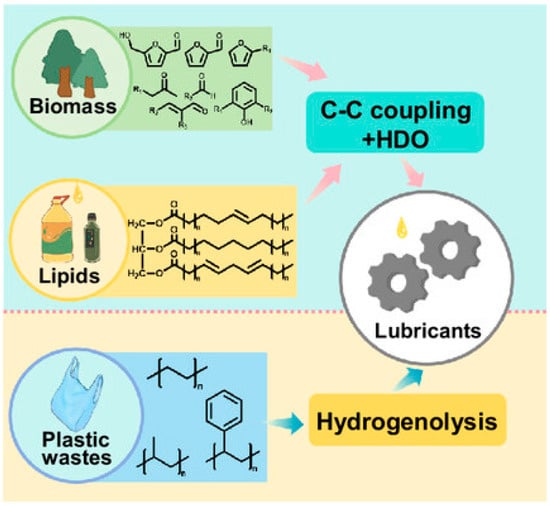
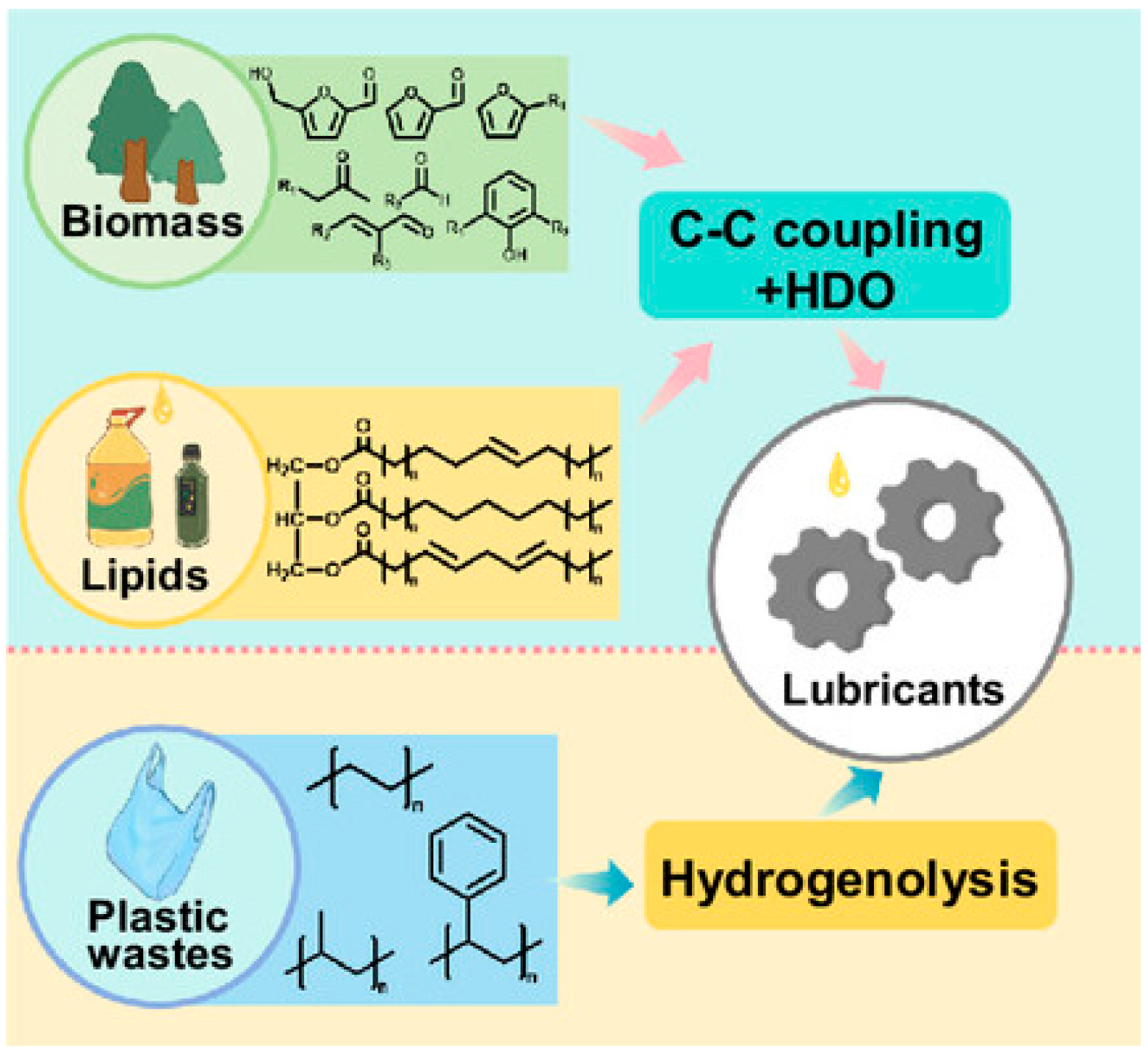
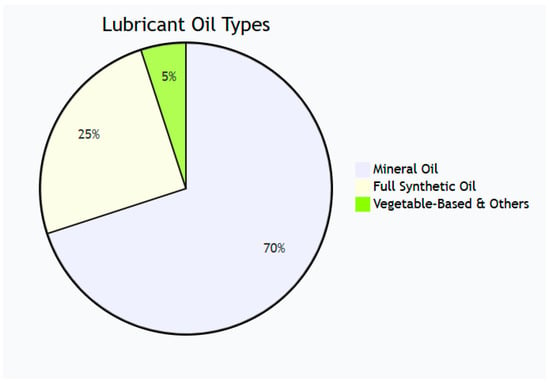
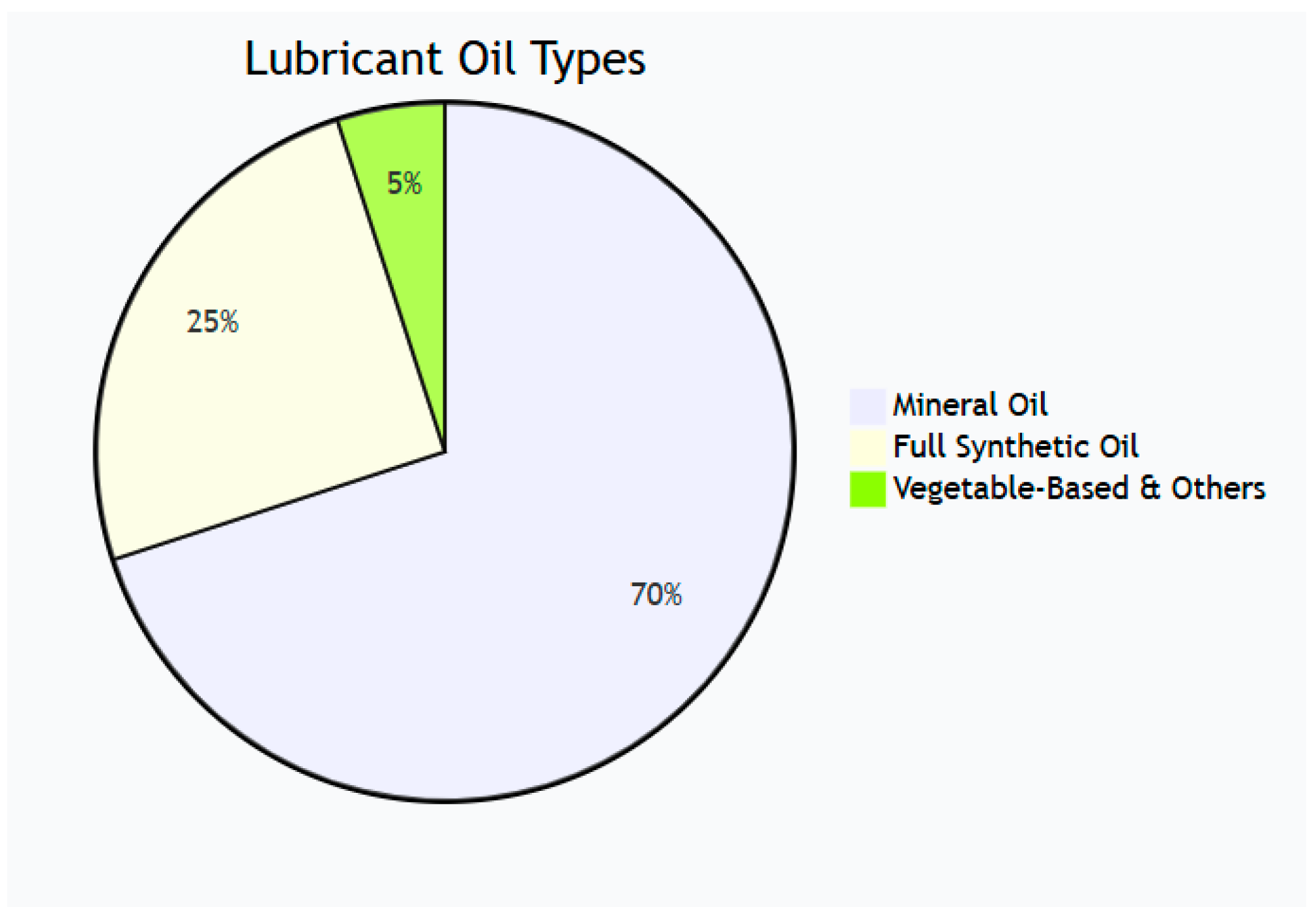
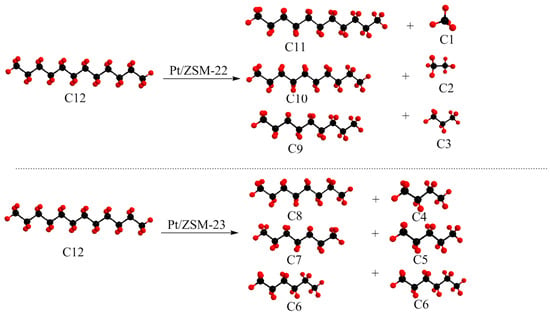
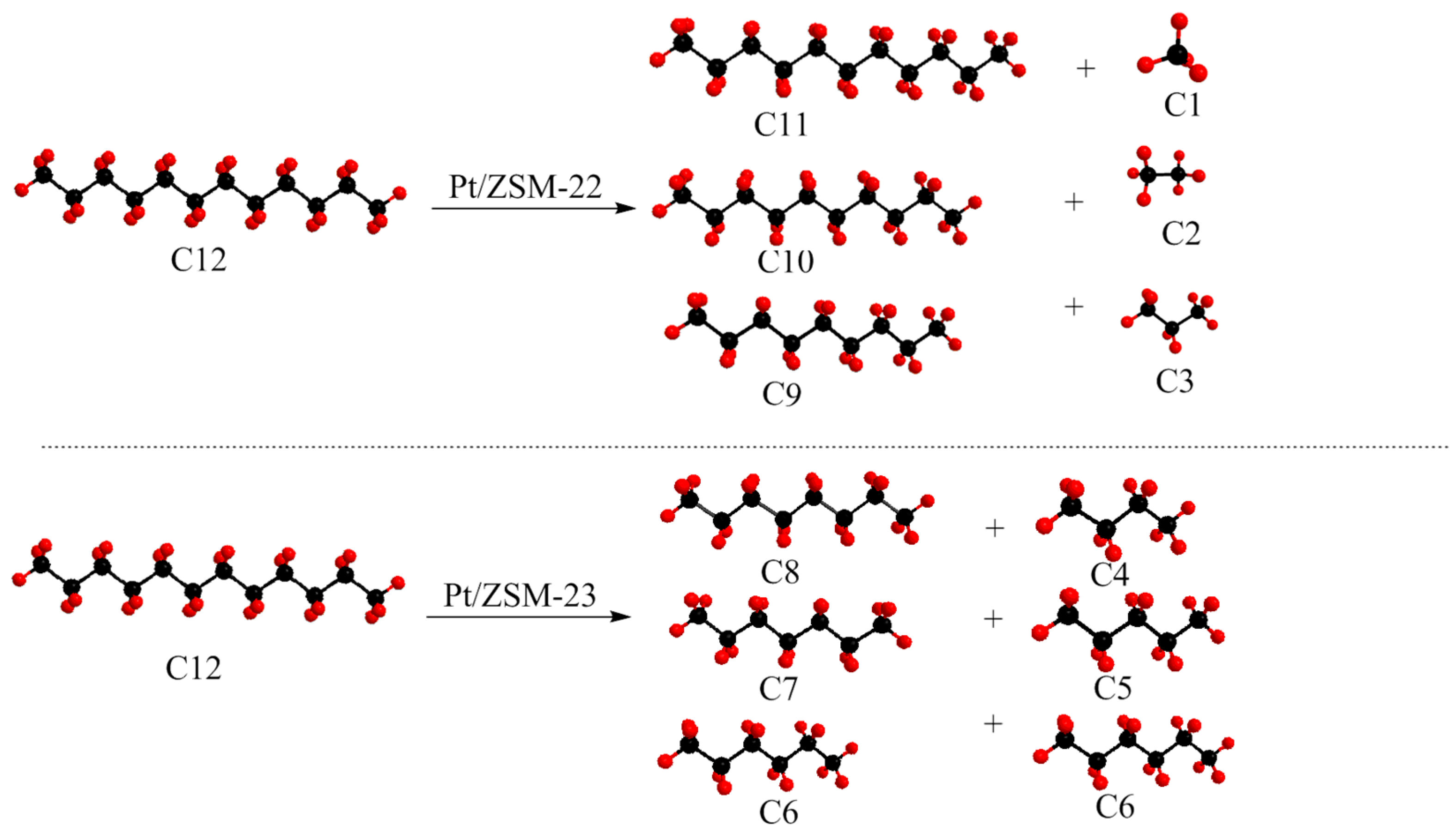
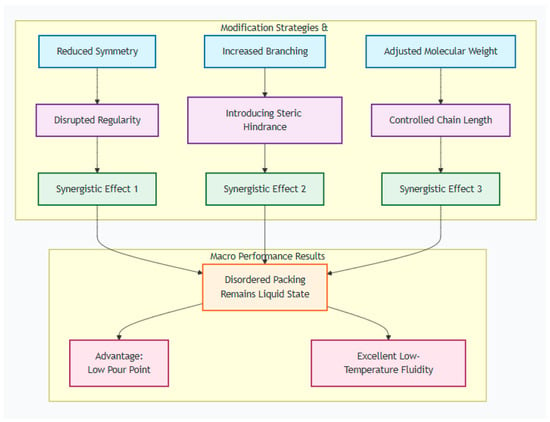
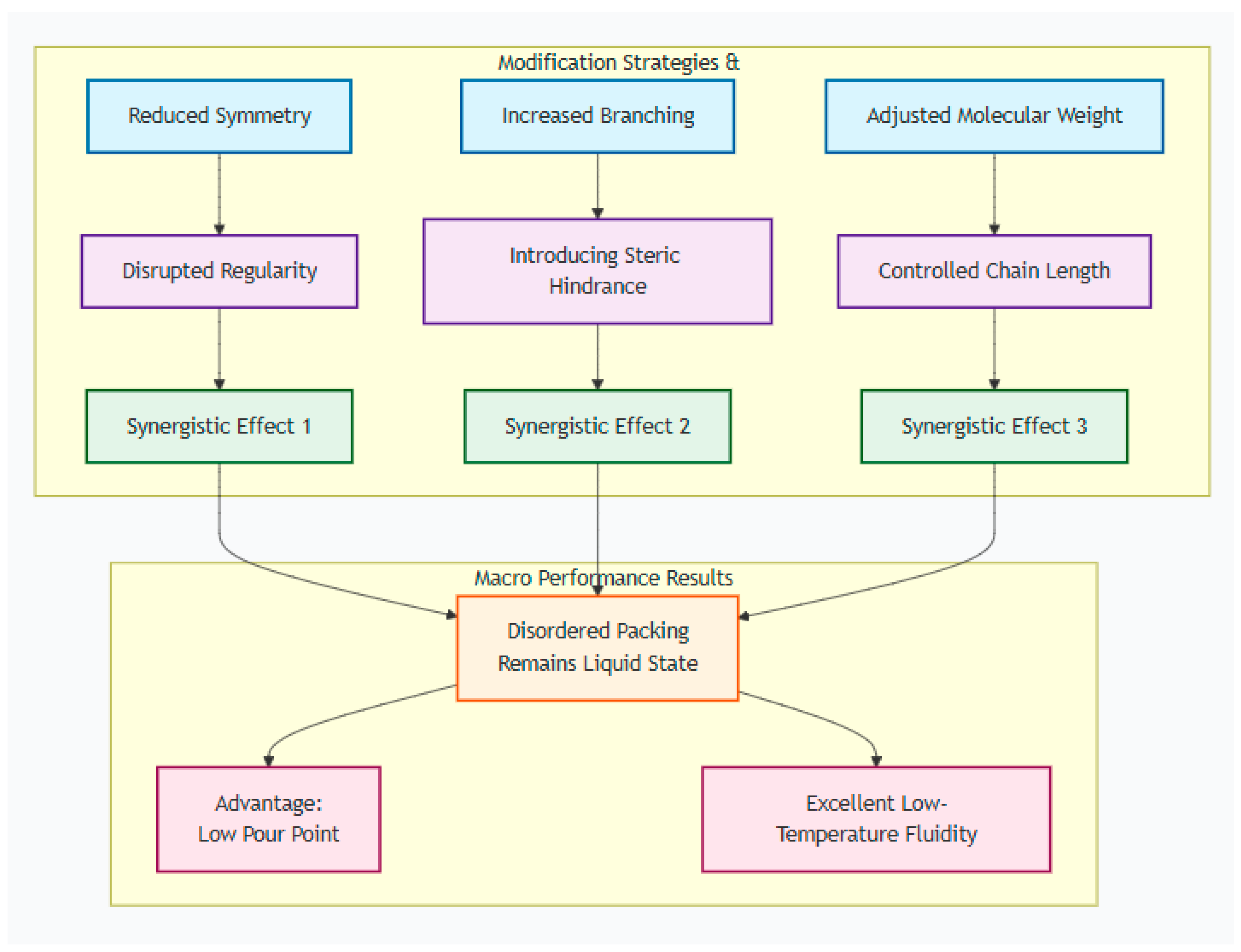
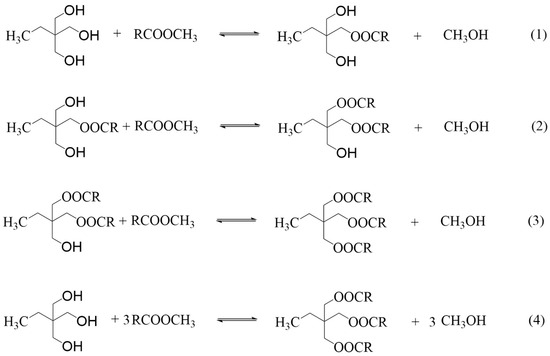
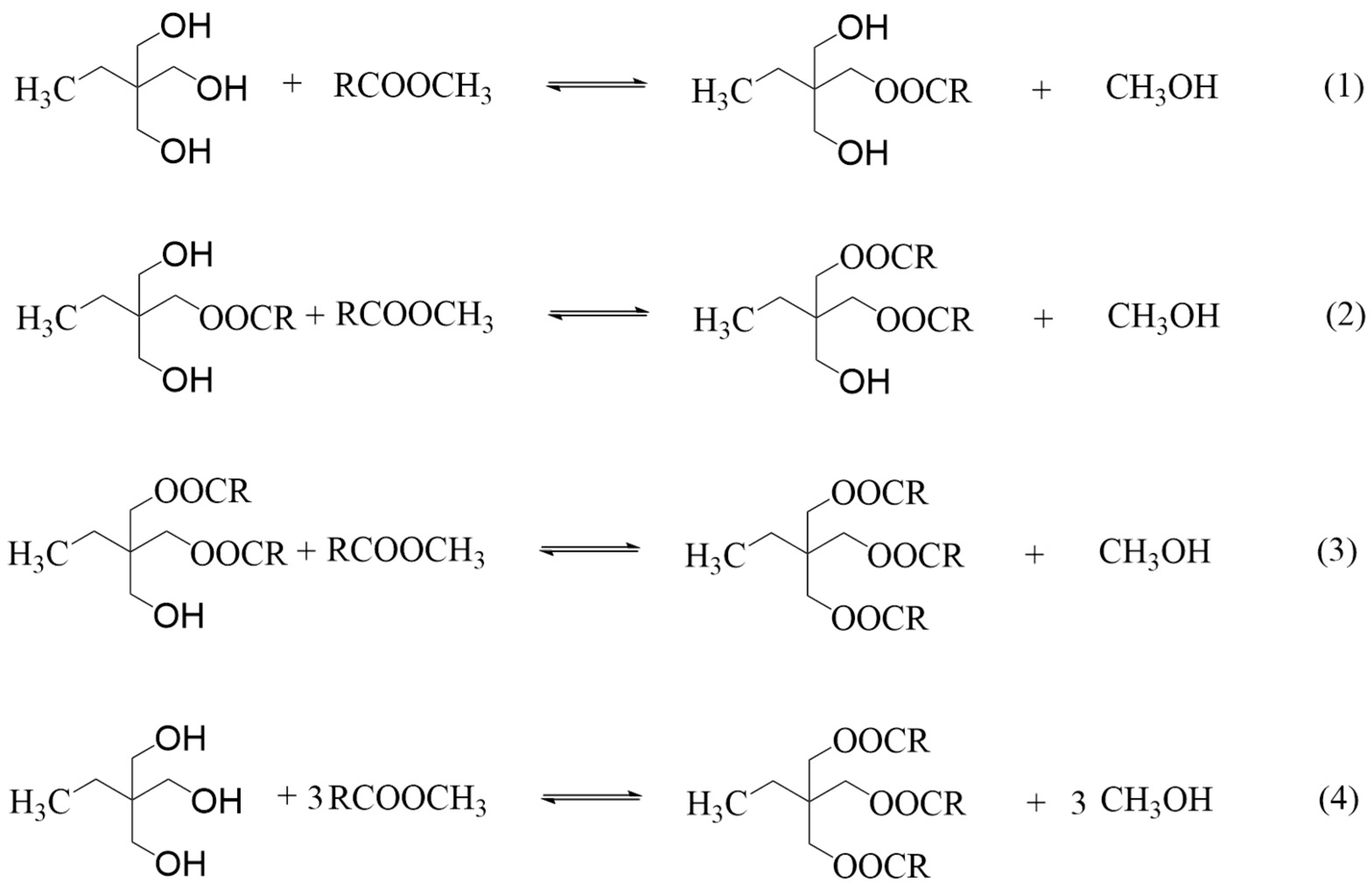
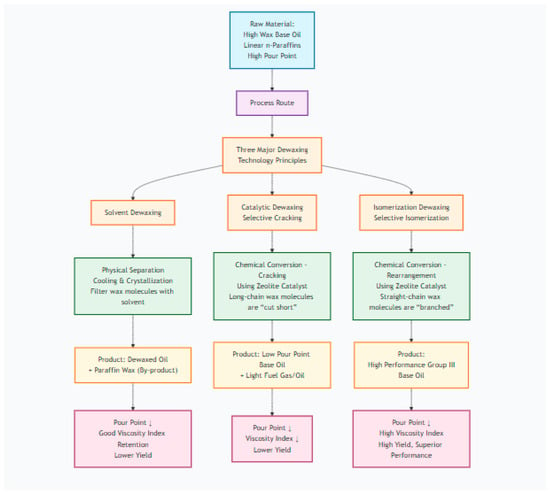
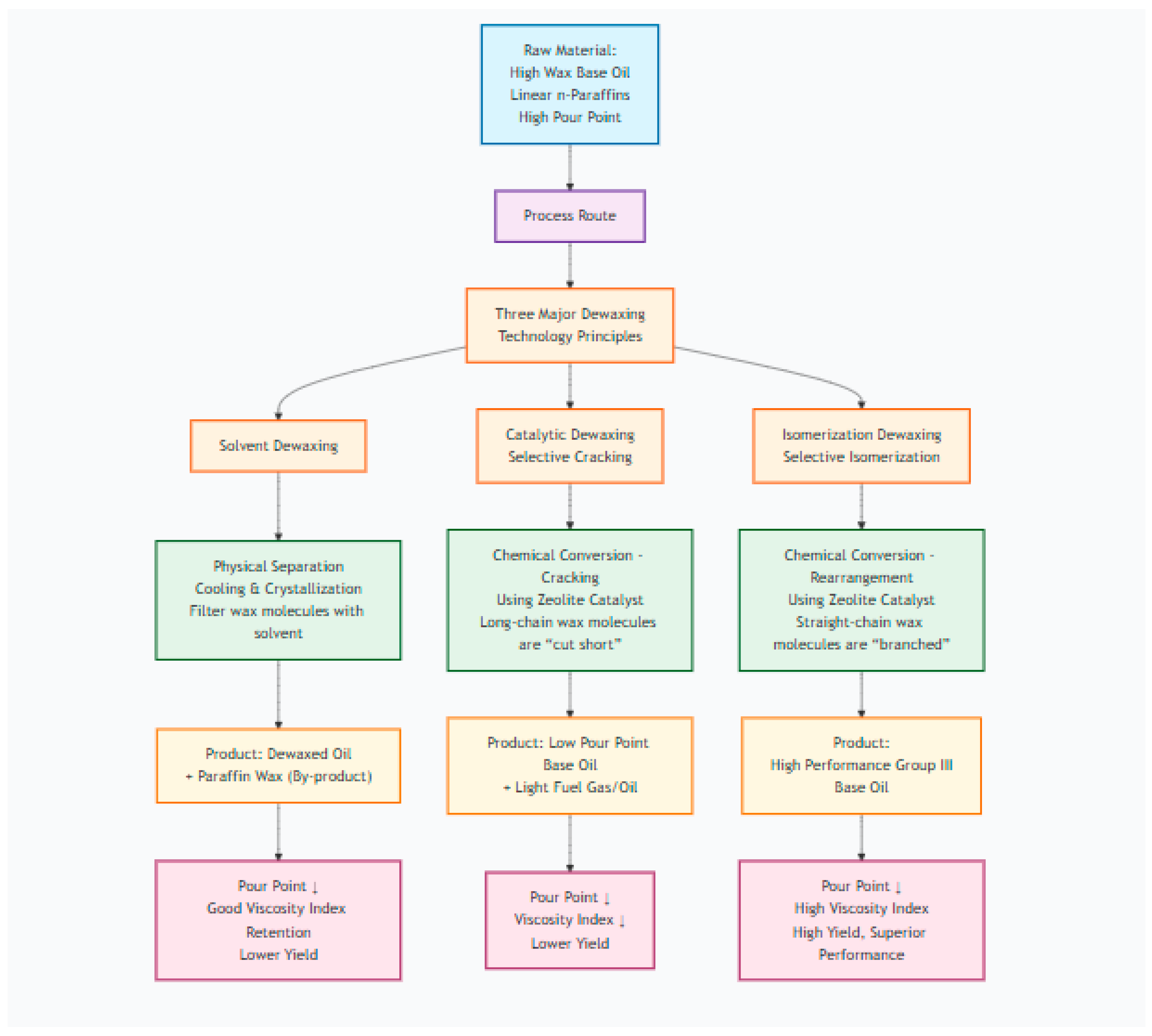
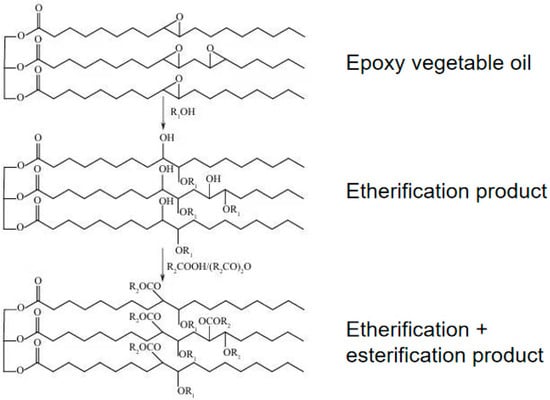
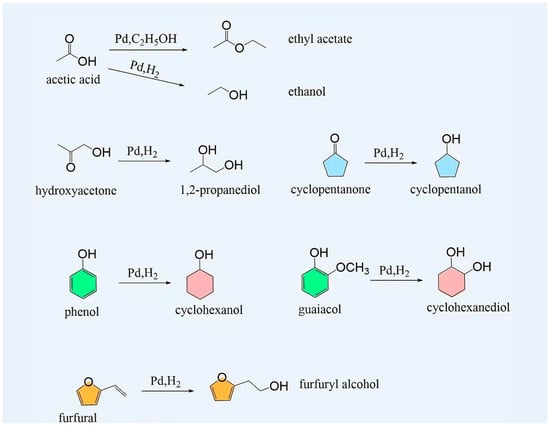
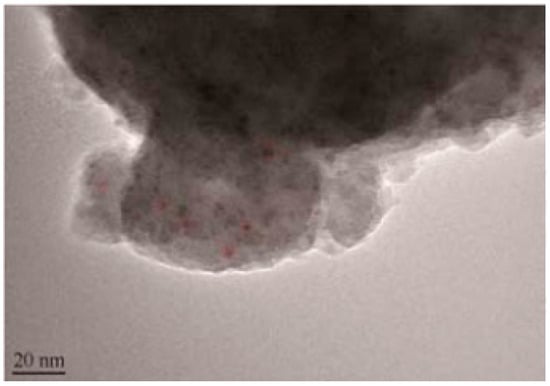
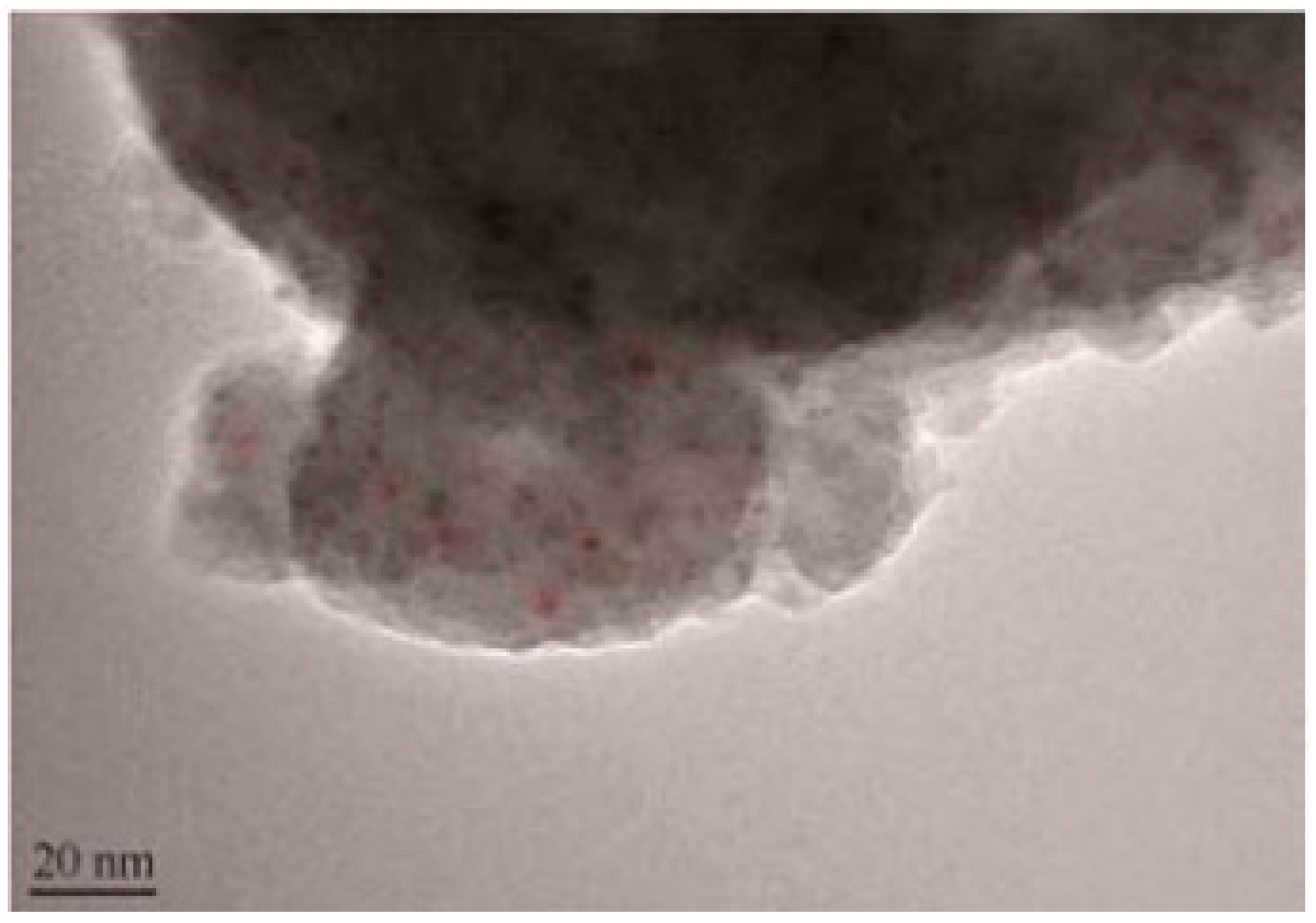
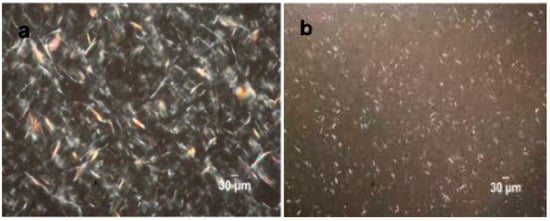
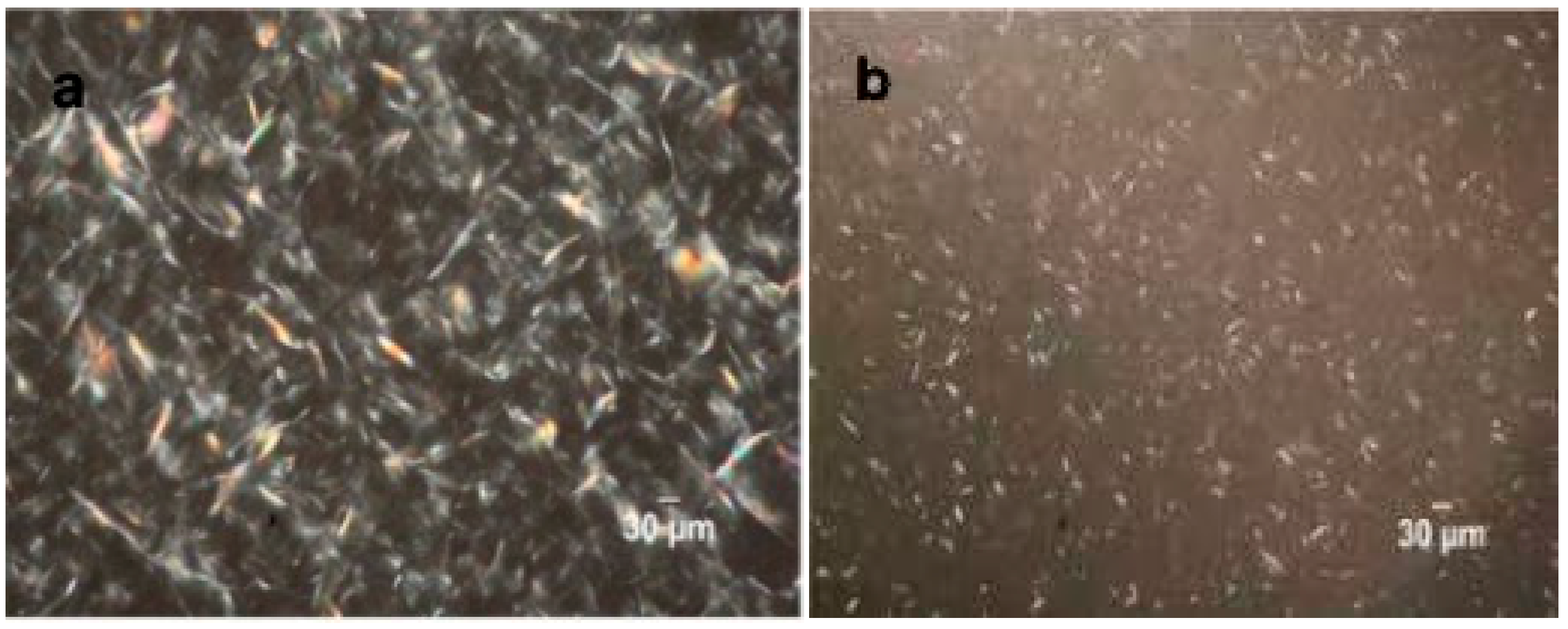
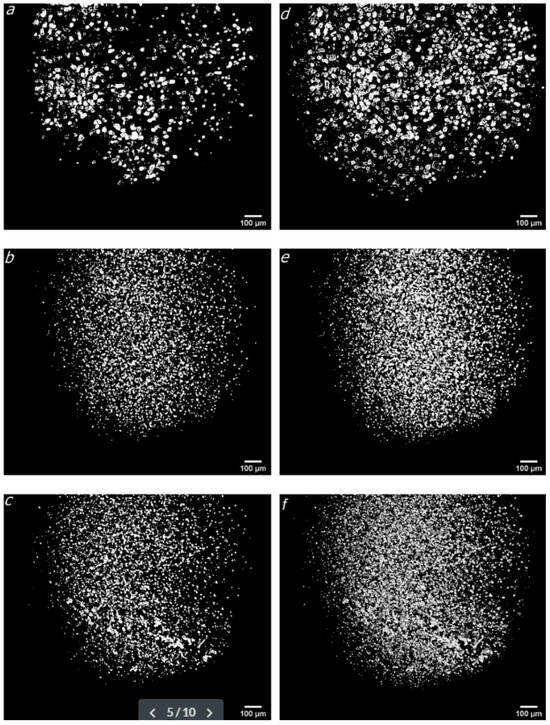
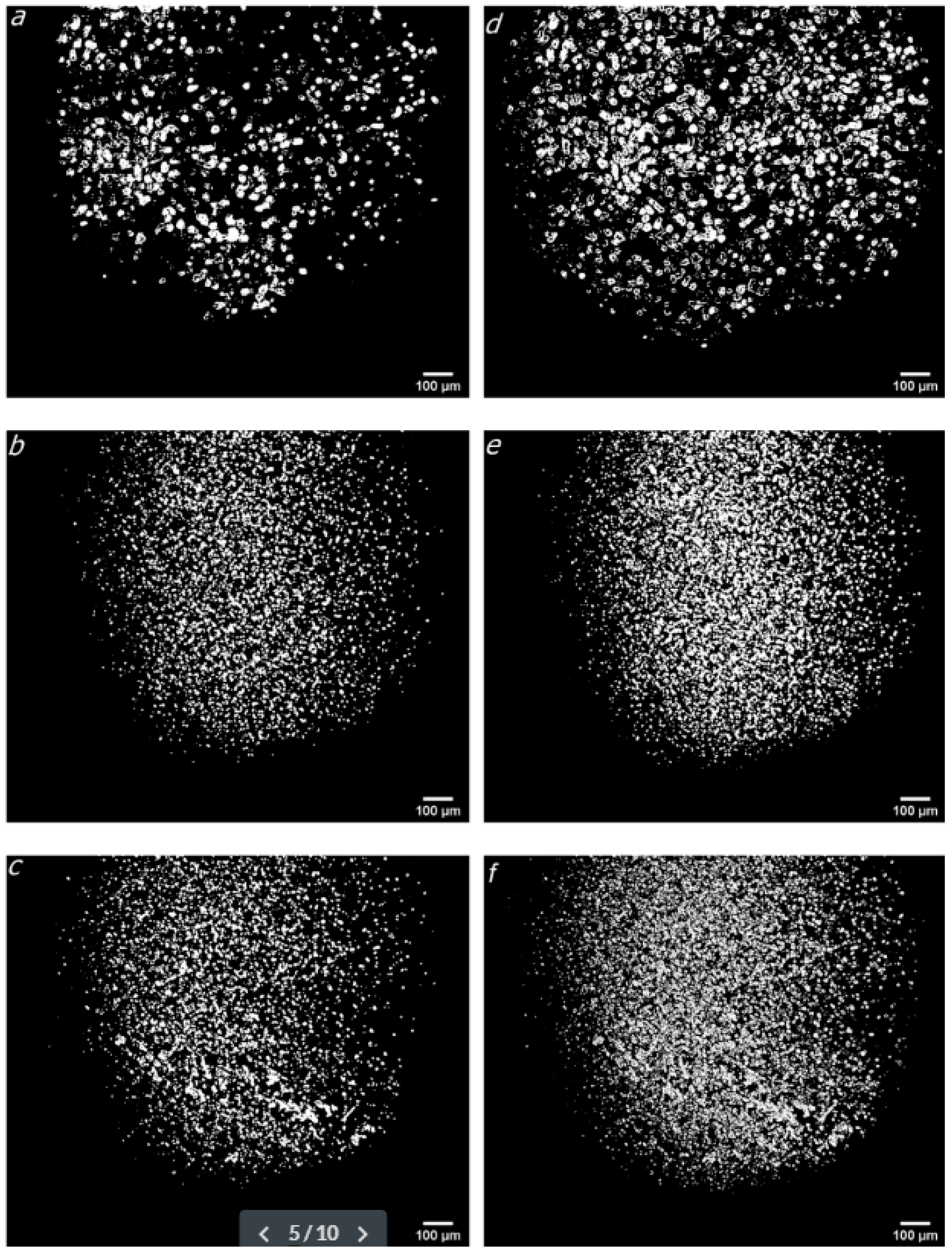

Disclaimer/Publisher’s Note: The statements, opinions and data contained in all publications are solely those of the individual author(s) and contributor(s) and not of MDPI and/or the editor(s). MDPI and/or the editor(s) disclaim responsibility for any injury to people or property resulting from any ideas, methods, instructions or products referred to in the content. |
© 2025 by the authors. Licensee MDPI, Basel, Switzerland. This article is an open access article distributed under the terms and conditions of the Creative Commons Attribution (CC BY) license (https://creativecommons.org/licenses/by/4.0/).