1. Introduction
Tungsten carbide (WC) tools are widely used in industry, due to their high hardness, wear resistance, and strength retention at high temperatures [
1,
2]. To further enhance the performance, microstructures such as micro-dents or micro-grooves are fabricated on the tool surface, which can significantly improve the friction characteristics and wear resistance and enhance anti-adhesion capabilities [
3]. However, the high hardness and brittleness of WC limit the machining efficiency and surface finish when fabricating microstructures via conventional machining methods. With the development of laser technology, femtosecond laser ablation (FLA) is emerging as a promising solution to the high-performance micromachining of ultrahard materials, because of its high precision, minimal surface damage, and non-contact processing characteristics [
4,
5,
6]. The ultrashort pulse duration of FLA enables the near“cold processing” material removal mechanism, which reduces or even eliminates the heat-affected zone (HAZ) [
7].
The dimensions of the microstructures determine the precision of FLA, which is governed by the material removal mechanism at different machining parameters. The FLA of WC involves complex processes such as multi-parameter coupling, multi-scale physical evolution, and nonlinear responses; furthermore, the ablation behavior of the WC phase and Co phase is different, which further increases the uncertainty of machining responses [
8,
9]. Currently, physics-based modeling and machine learning (ML)-based modeling are typical methods for analyzing FLA processes. Physical models elucidate microscopic mechanisms of laser/solid interactions from first principles. For example, Li et al. [
10] revealed the evolution of electron temperature and lattice temperature based on the two-temperature model, establishing a theoretical model for FLA of fused SiO
2. Chen et al. [
11] developed a multi-physics model with transient material properties to investigate the FLA of Ti6Al4V. Song et al. [
12] developed a phenomenological laser ablation model to predict the ablation morphology of fused SiO
2 under single-pulse and multi-pulse FLA processes. Wang et al. [
13] developed a numerical model to reveal the influence of focus position on the surface morphology during multi-pulse FLA. These physical models provide profound theoretical insights; however, substantial computational resources are required for the simulation of multi-field coupling, which is not efficient for real-time optimization or online monitoring. Furthermore, most physical models simplify complex factors such as material heterogeneity and plasma shielding effects, which impacts prediction accuracy.
In comparison, ML-based methods are increasingly applied in the monitoring or prediction of laser machining responses [
14,
15,
16]. For example, Campanelli et al. [
17] simulated the laser milling process at maximum machining speed via artificial neural networks (ANNs), with actual errors below 5%. Zhang et al. [
18] developed an ANN model with laser power, scanning interval, and scanning speed as input, achieving 98% accuracy in the prediction of material removal efficiency during femtosecond laser bone drilling. Li et al. [
19] proposed a method that integrates machine learning with multi-objective optimization for predicting and optimizing the surface parameters of CFRP following femtosecond laser processing. However, large amounts of datasets are required for the training of NN models, and it is time-consuming and less cost-effective to obtain high-quality datasets through FLA experiments requiring precision equipment and strict environmental control [
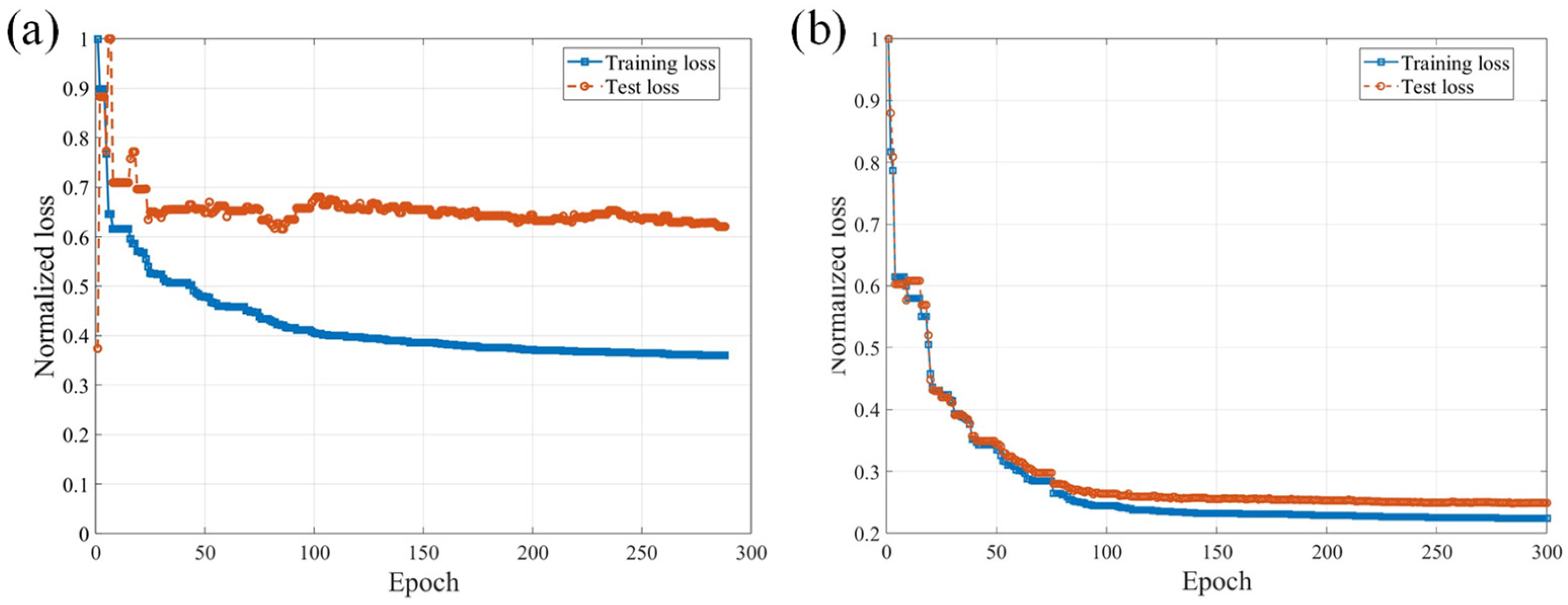
20]. Under limited sample conditions, complex models are prone to overfitting, while simple models struggle to capture nonlinear relationships. Moreover, ML-based models can achieve good fitting results on specific datasets, meanwhile completely ignoring considerations of physical processes such as laser energy transfer and phase transformation, leading to the lack of interpretability regarding physical mechanisms [
21,
22]. The absence of physical information not only increases the model’s dependency on data volume, but also limits the exploration of physical laws during parameter optimization. Therefore, developing ML-based algorithms that incorporate physical prior knowledge and establishing multi-scale coupling models between process parameters and machining responses has become a key breakthrough for enhancing model generalization and mechanistic interpretability. Physics-Informed Neural Networks (PINNs), which integrate mechanistic principles with data-driven modeling, address the limitations of traditional physical models in accurately capturing complex scenarios and those of pure data-driven models that often violate physical constraints [
23]. PINNs convert validated physical laws into constraint conditions and embed these constraints into an NN [
24], which can effectively capture causal relationships and correlations, thereby achieving interpretable prediction results with high accuracy. Furthermore, the integration of physical laws enhances the model’s generalizability [
25,
26]. Recently, scholars have embedded various physical models into NNs [
27,
28]. Masi et al. [
29] proposed a Thermodynamics-based Artificial Neural Network (TANN), which can generate physically consistent predictions. Xie et al. [
30] embedded heat transfer laws into the loss function of an NN to simulate the temperature field in single-layer and multi-layer DED, achieving a mean relative error of 4.83%.
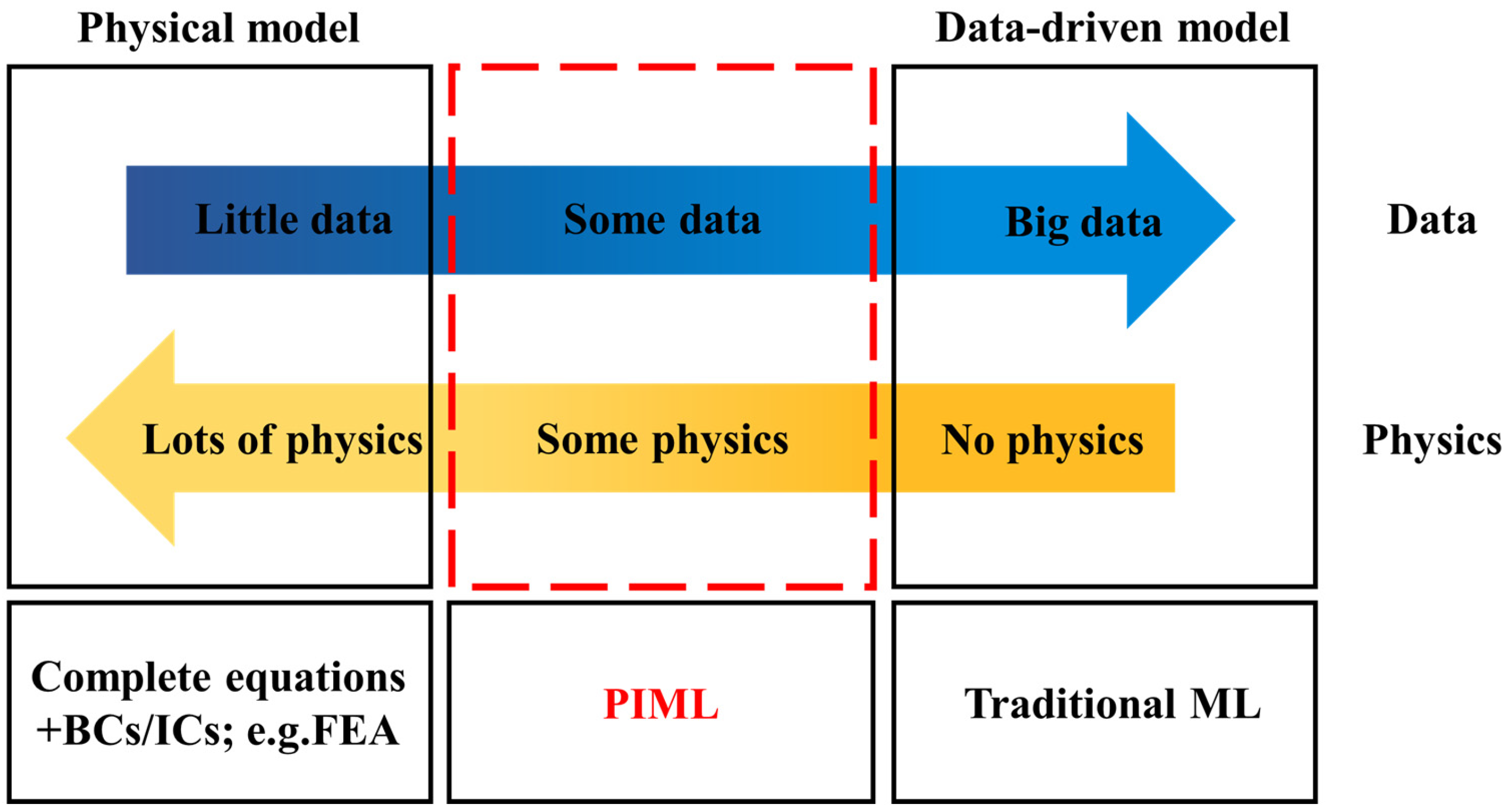
If physical mechanisms can be expressed analytically, PINN can significantly enhance the accuracy and interpretability of ML models. However, complex mechanisms involved in FLA of WC currently defy a comprehensive mathematical description, limiting the application of typical PINN. To overcome the challenge of the mathematical expression of complex physical processes, introducing physical monotonicity constraints provides an innovative approach. Zhu et al. [
31] applied monotonicity constraints to an Extreme Learning Machine (ELM) model, enhancing its generalization ability. Wang et al. [
32] introduced the physical relationship between superheated steam temperature (SST) and spray water flow as inequality constraints, and embedded the constraint into the loss function of a Long Short-Term Memory (LSTM) network, improving the prediction accuracy of SST. Ren et al. [
33] improved the prediction accuracy of syngas composition by incorporating physical monotonicity constraints during training. Xie et al. [
34] established an NN algorithm guided by extreme events and monotonic relationships to simulate the rainfall–runoff process, achieving significantly improved performance compared to a conventional NN. Zhu et al. [
35] embedded three typical monotonic relationships in boiler NOx emissions into an NN model; the proposed NN outperformed traditional models in accuracy, interpretability, and generalization. Therefore, the model proposed in this study adopts the Physics-Guided Neural Network (PGNN) method, which was first proposed by Karpatne et al. [
36] and fully defined by Karniadakis et al. [
37] in
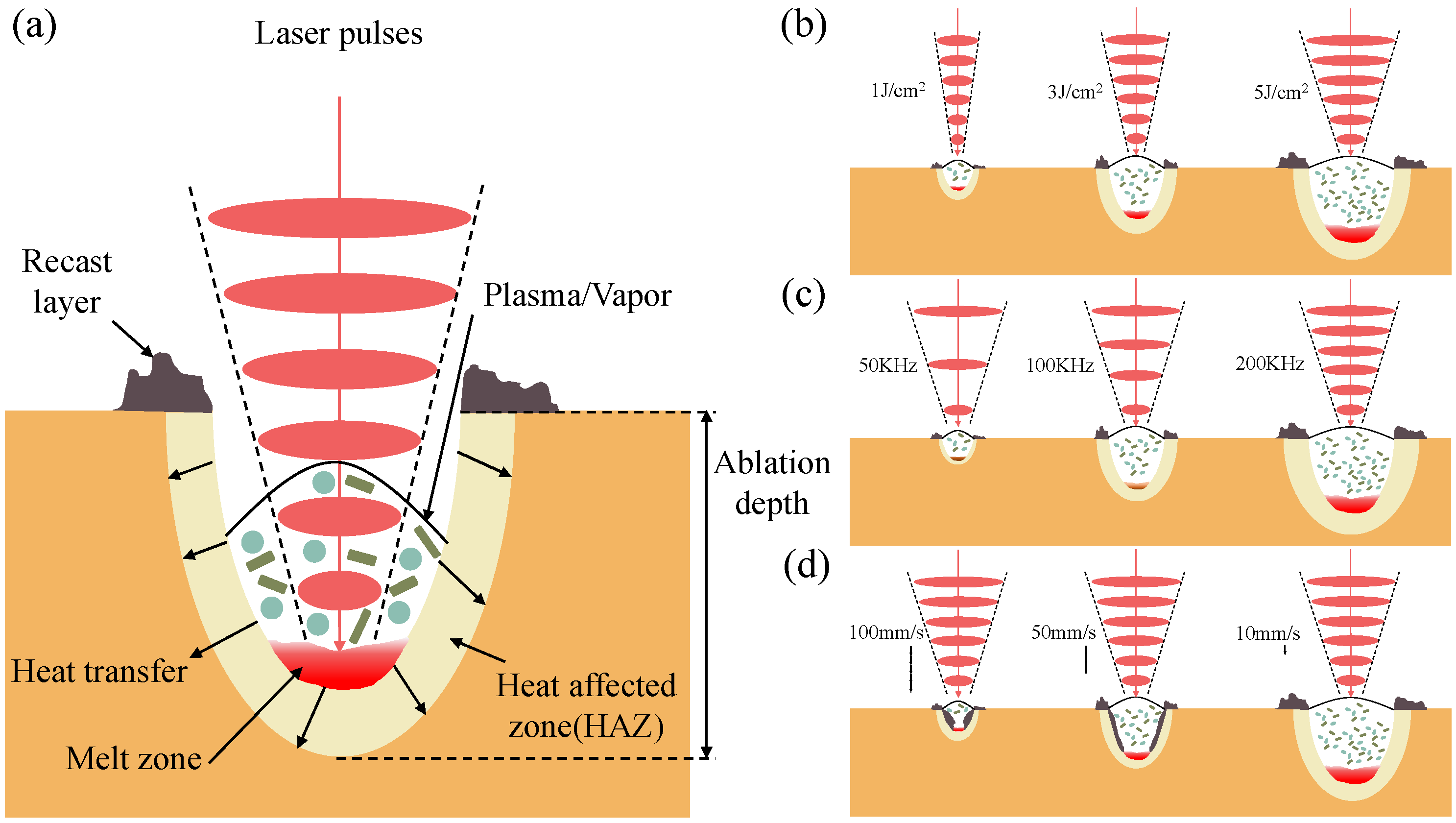
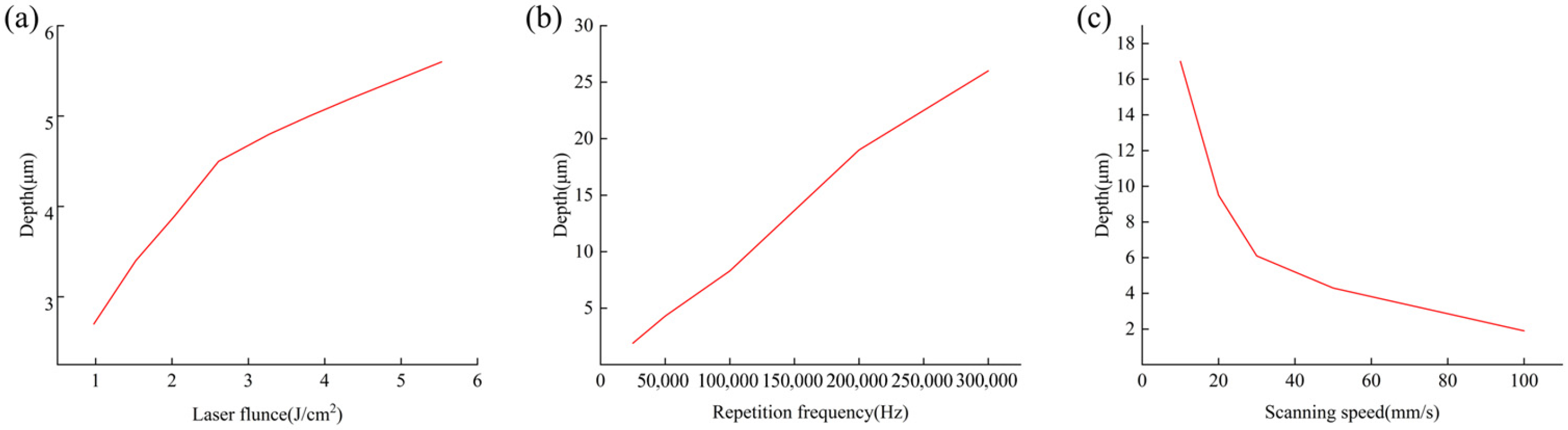
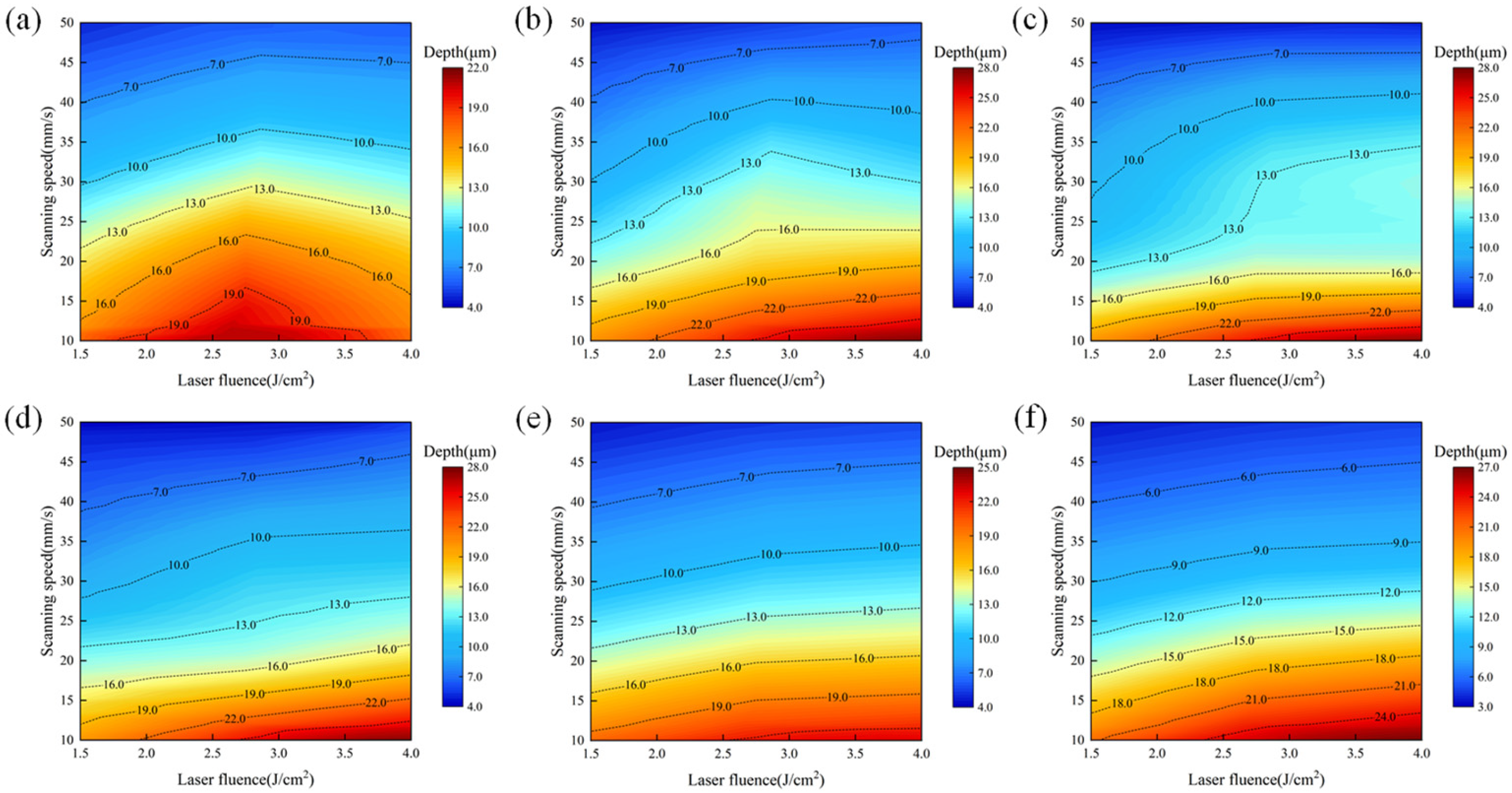
Nature Reviews Physics. Integrating physical monotonicity as a loss term into the NN model, rather than relying on massive data to reduce costs, is a strategy to enhance model robustness in sample-limited scenarios and is particularly suitable for laser processing. In FLA, the relationships between key process parameters including laser fluence, repetition frequency, scanning speed and micro-groove depth are governed by fundamental physical mechanisms. Specifically, higher laser fluence increases energy deposition per unit area, leading to higher MRR and deeper grooves; higher repetition frequency promotes thermal accumulation, thereby increasing ablation efficiency; higher scanning speed reduces pulse overlap and energy input, resulting in the reduction in groove depth. The proposed PGNN model is designed to incorporate physical relationships into the learning process. This feature is useful in engineering problems where experimental data are often limited. By embedding such monotonicity constraints, the model can avoid unphysical predictions and improve generalizability.
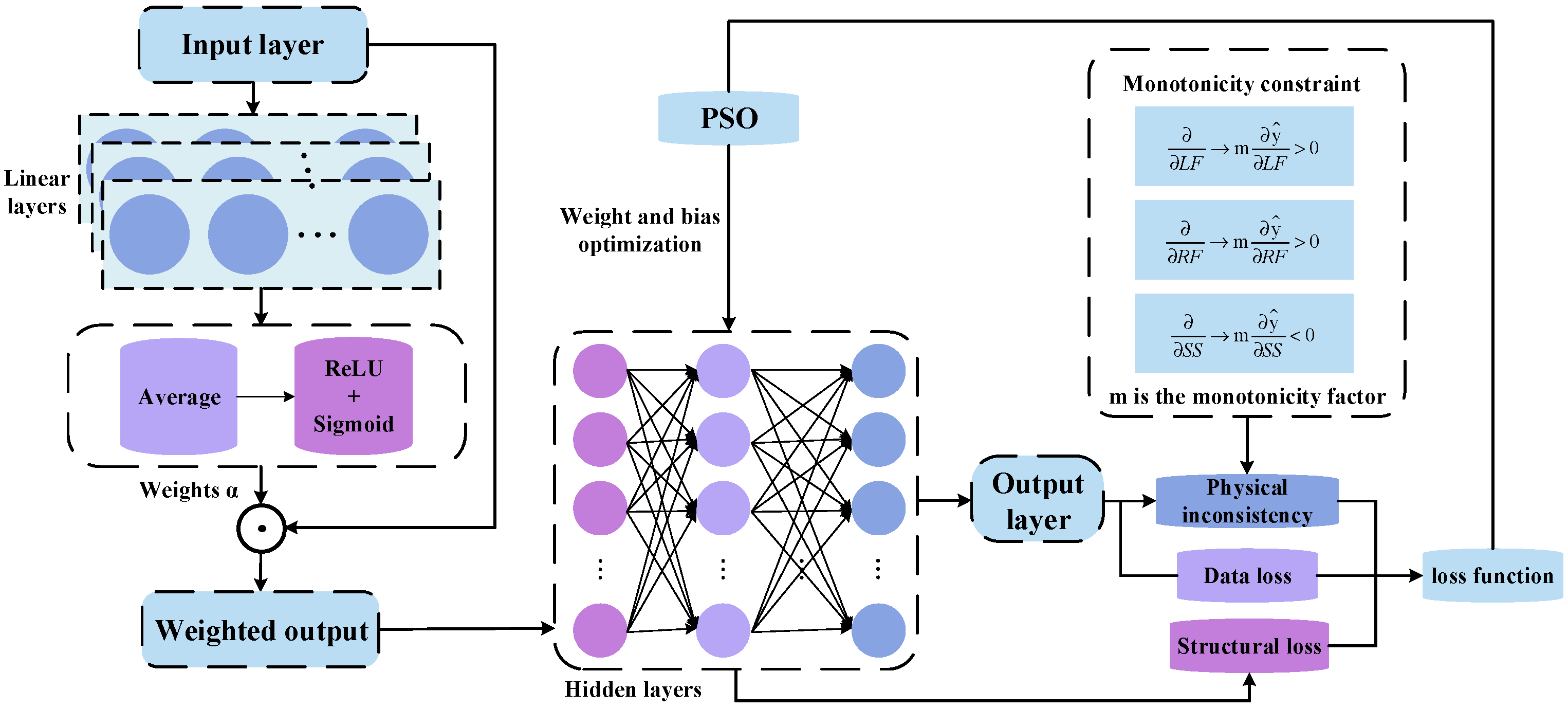
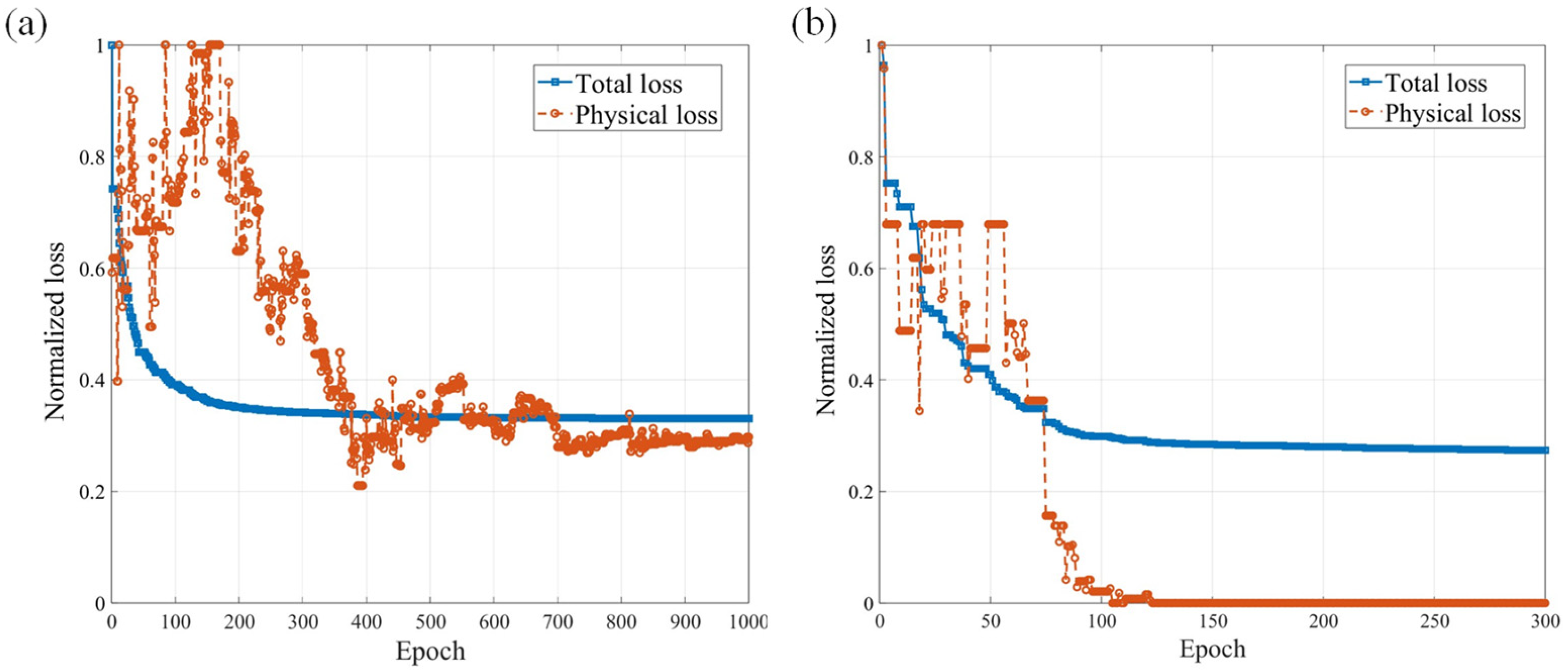
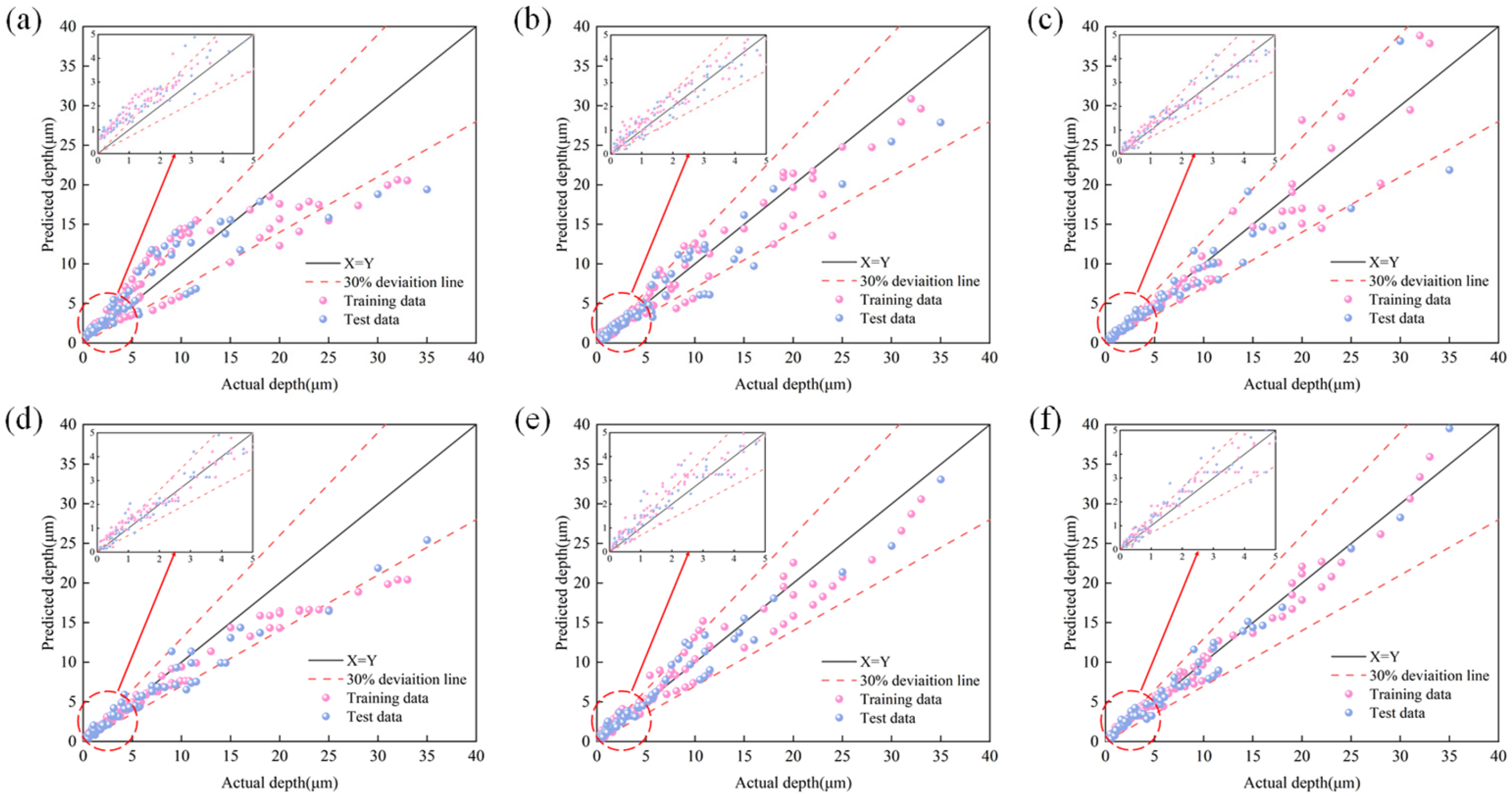
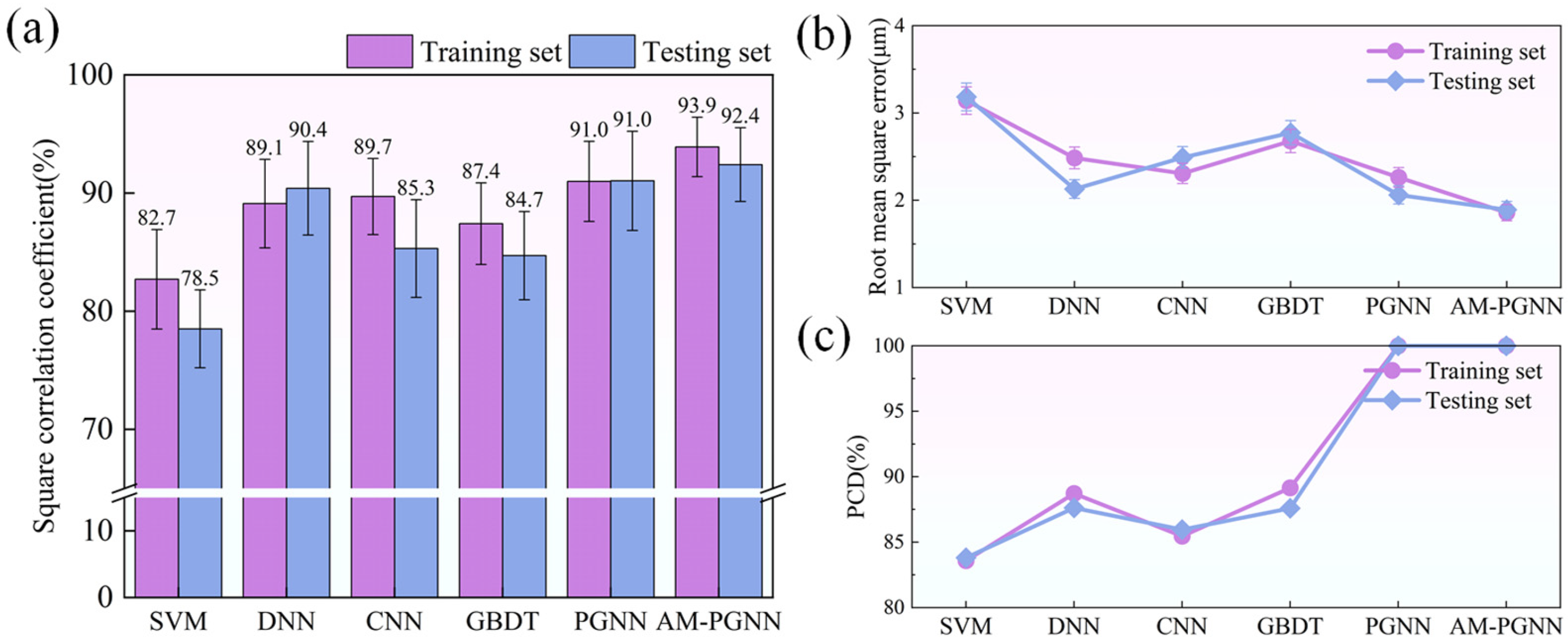
In this study, a Physics-Guided Neural Network based on monotonicity constraints and an attention mechanism (AM-PGNN) is developed to achieve high-precision prediction of micro-groove depth in FLA. The key innovation of this algorithm lies in incorporating the monotonicity constraints between the principal process parameters and the micro-groove depth into the learning objective, with these constraints being directly embedded in the loss function. This integration ensures the model’s physical consistency, even when training on limited datasets. Furthermore, an attention mechanism is introduced to dynamically identify key input parameters, thereby enhancing the model’s ability to capture parameter interactions. A physical inconsistency loss function is added to the optimization objective, and Particle Swarm Optimization (PSO) is employed for training. The performance of AM-PGNN and other ML algorithms is compared to validate their advantages in prediction accuracy and model interpretability, and validation experiments on Cu and SiC further demonstrate their applicability to the FLA of different materials. The findings of this study underline significant advantages of AM-PGNN in both predictive accuracy and the potential for practical applications.