Article

Mix Proportion Optimization of Cemented Backfill Material Containing Clay-Bearing Crushed Stone for a Tailings-Free Bauxite Mine

1
School of Resources and Safety Engineering, Central South University, Changsha 410083, China
2
School of Mechanics and Safety Engineering, Zhengzhou University, Zhengzhou 450001, China
3
Hongda Blasting Engineering Group Co., Ltd., Guangzhou 510623, China
*
Author to whom correspondence should be addressed.
Minerals 2026, 16(5), 538; https://doi.org/10.3390/min16050538
Submission received: 10 April 2026 / Revised: 8 May 2026 / Accepted: 14 May 2026 / Published: 17 May 2026

Abstract

Cemented backfill material is an important technical means for improving the safety, efficiency, and environmental sustainability of underground mining. In tailings-free mining conditions, however, suitable aggregates for cemented backfill are often limited, making it necessary to identify alternative aggregates and optimize their mix proportions. To address this issue, clay-bearing crushed stone was selected as the primary aggregate for a tailings-free bauxite mine, and its effects on the mechanical properties, slurry stability, and rheological properties of cemented backfill material were systematically investigated. Crushed stone ratio, mass concentration, and fly ash ratio were used as experimental factors, and 24 experimental mixes were designed to determine the 3-day compressive strength, bleeding rate, and yield stress. Based on the experimental results, response surface regression models were established, and multi-objective optimization was performed using cost analysis, NSGA-II, and entropy-weighted TOPSIS. The results showed that the system containing clay-bearing crushed stone exhibited better stability than the clay-free crushed stone system. The response surface models for 3-day compressive strength, bleeding rate, and yield stress were all significant, with p-values below 0.0001 and R2 values of 0.9658, 0.9306, and 0.8704, respectively. Comprehensive optimization gave the optimal mix proportions as a crushed stone ratio of 6.9721, a mass concentration of 0.82, and a fly ash ratio of 1, corresponding to a predicted 3-day compressive strength of 0.9629 MPa, a bleeding rate of 3.73%, and a cost of 68.225 RMB/t. For engineering application, the recommended mix proportions were adjusted to X1 = 7, X2 = 0.82, and X3 = 1. Parallel tests gave a 3-day compressive strength of 0.99 MPa and a bleeding rate of 3.52%, both within the 95% prediction interval. These results demonstrate that clay-bearing crushed stone can serve as a feasible alternative aggregate for cemented backfill material under tailings-free conditions and that the proposed method combining response surface modeling with multi-objective optimization can effectively balance early strength, slurry stability, and material cost.

1. Introduction

Traditional mining methods are often associated with long-term exposure of goafs, intensified disturbance to surrounding rock, and damage to the surface ecological environment, making them increasingly incompatible with the current requirements of safe, efficient, and green mining. With the continuous development of deep mining, high ground pressure, high in situ stress, and complex geological conditions further increase the risk of rock mass instability, rock burst, and other mining-induced disasters. Recent studies have developed microseismical monitoring, signal-processing, early warning, and machine-learning methods to improve the identification and prediction of rock mass instability and rock burst risks [1,2,3,4,5]. These studies highlight the importance of stability control and disaster prevention in deep mining. Therefore, engineering measures that can improve goaf stability and reduce mining-induced disturbance are urgently needed. Cemented backfill technology is an effective approach for controlling ground pressure, improving goaf stability, and promoting sustainable underground mining. For bauxite mines with complex geological conditions and high sensitivity to mining-induced disturbance, the establishment of a suitable cemented backfill material system is particularly important. Conventional cemented backfill systems usually use tailings as the main aggregate and therefore require a stable tailings supply, which limits their application in mines without a processing plant or in mines that do not produce tailings. Under such conditions, readily available crushed stone in the mining area may serve as an alternative aggregate for developing cemented backfill material suitable for tailings-free mining.
In recent years, research on alternative aggregates derived from construction and demolition waste has been a focal point. Chen et al. [6] developed a composite backfill aggregate system using construction waste and ultra-fine tailings, noting that the two materials exhibit good particle complementarity and can simultaneously meet requirements for workability, pumpability and strength; Khandani et al. [7] and Yılmaz et al. [8] investigated the feasibility of using construction and demolition waste as a backfill aggregate for underground mines and as a partial substitute for tailings in the preparation of cemented backfill bodies, respectively. The results indicated that, following appropriate treatment, construction and demolition waste can meet certain strength requirements and improve the pore structure and compressive performance of the backfill body. Furthermore, Chen et al. [9] and Cai et al. [10] investigated the co-utilization of construction waste with industrial solid wastes such as phosphogypsum, blast furnace slag and fly ash. Their research indicates that composite systems comprising multiple sources of solid waste can, to a certain extent, balance workability, mechanical properties and environmental safety. Research on waste rock as a substitute aggregate has primarily focused on optimizing replacement ratios and particle gradation and controlling segregation and layering. Qiu et al. [11] and Wu et al. [12] investigated the effects of the waste rock replacement ratio, sand-to-ash ratio and particle gradation on the strength of waste rock-bound backfill, noting that an appropriate amount of waste rock facilitates the formation of a skeletal support structure and that there is an optimal range of particle size distribution; Yao et al. [13] examined the effects of mass concentration and accelerator dosage on segregation, layering and strength in waste rock backfill, demonstrating that increasing mass concentration and accelerator dosage helps to suppress particle settlement and enhance backfill strength. Research on coal gangue as a substitute aggregate has focused more on composite utilization and performance regulation. Zhang et al. [14] and Wu et al. [15] conducted studies using coal gangue either alone or in combination with construction waste as aggregate, finding that while coal gangue exhibits poor workability when used alone, its workability and hardened properties can be improved through compounding with fly ash, construction waste, and other materials; Wang et al. [16] and Guo et al. [17] further explored the issue from a modification perspective, pointing out that additives such as bentonite and water-reducing agents can improve the workability, stability and strength development of coal gangue-based cemented backfill systems. Furthermore, the application of recycled aggregates and recycled granular materials such as rubber particles in cemented backfilling has also attracted attention. Research by Ji et al. [18] indicates that a rational particle size distribution can improve the microstructure of recycled aggregate backfill and enhance its compressive performance; Li et al. [19] and Yao et al. [20] investigated the effects of rubber particles on the dynamic mechanical properties, delamination, and strength characteristics of cemented backfill, respectively. The results suggest that rubber particles help to improve the material’s toughness and energy absorption capacity, but may also lead to a decrease in strength and exacerbate delamination.
In the design of cemented backfill materials, methods for mix proportion optimization have evolved from traditional empirical trial-and-error and single-factor analysis towards a quantitative research approach that integrates experimental design, statistical modeling, multi-objective optimization and intelligent design. Early research primarily relied on methods such as response surface methodology, Box–Behnken designs and central composite designs to analyze key mix proportion parameters and their interactions, and to determine the optimal mix proportion accordingly. Dai et al. [21], Dai et al. [22] and Li et al. [23] analyzed factors such as mass concentration, tailings/tailings-to-waste rock ratio, cement content, slag fineness, activator concentration and cement-to-tailings ratio, among other factors. The results indicated that the response surface method is effective in revealing the influence of multiple factors and their interactions on the workability and mechanical properties of backfill materials, and in optimizing the mix proportion parameters. Hu et al. [24] and Deng et al. [25], however, extended mix proportion optimization to complex solid waste-based backfill systems and particle size distribution design, noting that response surface analysis and predictive models can provide a basis for the quantitative design of solid waste-based cemented backfill materials. As research objectives have shifted from the optimization of a single strength parameter to the synergistic consideration of workability, stability and economy, the optimization of cemented backfill material mix proportion has further evolved into a multi-objective optimization problem. Sadrossadat et al. [26] treated the design of cemented backfill materials as a multi-objective optimization problem involving strength, workability and cost, and employed a particle swarm optimization algorithm to achieve the optimal design of solid mass fraction and cementitious material content. Huang et al. [27,28] addressed cemented backfill systems containing high-silt content tailings and ultra-fine tailings, respectively. By combining response surface methodology, multi-objective functions and robust parameter optimization methods, they optimized parameters such as slurry mass fraction, waste rock content and ash-to-sand ratio, demonstrating that these methods not only enable the synergistic design of strength and economy but also enhance the adaptability of the mix proportion to fluctuations in raw material quality. Zhao et al. [29,30] employed a multi-objective decision-making model, as well as a method combining the response surface method with multi-objective decision-making, to comprehensively optimize the workability, bleeding rate, strength and cost of coal-based solid waste backfill materials, demonstrating that multi-indicator comprehensive evaluation methods can effectively achieve trade-offs between multiple performance indicators. Liu et al. [31] further incorporated strength, self-flowing transport performance and cost into the optimization objectives, indicating that the mix proportion of cemented backfill materials is gradually expanding from a sole focus on material performance to the synergistic optimization of construction adaptability and transport performance.
Although some progress has been made in research on alternative aggregate-based cemented backfilling and mix proportion optimization, systematic studies on cemented backfilling systems using clay-bearing crushed stone remain scarce. Existing research has largely focused on waste rock, construction waste or conventional granular materials; however, clay-bearing crushed stone combines the skeletal function of coarse particles with the structural effects of fine clay particles, and its mechanism of influence on the backfilled body differs from that of traditional tailings systems, meaning that relevant findings cannot be directly applied. Furthermore, existing studies on mix proportion optimization have predominantly focused on single indicators such as strength or cost, with insufficient consideration given to the synergistic effects of cost, bleeding rate, construction constraints and transportability. It is therefore necessary to establish an optimization framework for cemented backfill material using clay-bearing crushed stone that better aligns with engineering practice, specifically for tailings-free mining operations.
This study focuses on a tailings-free bauxite mine. The mine is characterized by large burial depth, thin ore layers, variable dip angles, and high requirements for goaf stability. Because the mine lacks a stable tailings source, a conventional tailings-based cemented backfill system cannot be directly applied. In response to these engineering conditions, clay-bearing crushed stone available near the mining area was selected as the main backfill aggregate. Cement was used as the primary cementitious material, and fly ash was used as the supplementary cementitious material. A cemented backfill material system containing clay-bearing crushed stone was then established. Mix proportion tests were carried out using the crushed stone ratio, fly ash ratio, and mass concentration as the main factors. The mechanical properties, slurry stability, and constructability of the backfill material were analyzed. Response surface models were established for 3-day compressive strength, bleeding rate, and yield stress. Cost was calculated directly using an analytical formula. A multi-objective optimization model was then developed to maximize 3-day compressive strength, minimize bleeding rate, and minimize cost, with yield stress treated as a construction constraint. Finally, NSGA-II and entropy-weighted TOPSIS were combined to determine the comprehensive optimal mix proportions. This study provides a reference for the mix proportion design of cemented backfill materials with alternative aggregates in similar tailings-free mines.

2. Materials and Methods

2.1. Project Background and Raw Materials

The bauxite mine studied in this work is a deep underground mine. Some ore sections are buried at depths of more than 600 m. The ore layers are thin, the dip angle varies greatly, and the surrounding rock mainly consists of fractured shale and mudstone. During mining, problems such as poor goaf stability, obvious disturbance of the surrounding rock, and a high risk of surface subsidence may occur. Therefore, the mine has high requirements for the early strength of the cemented backfill body and the stability of the backfill slurry. Cemented backfill technology is needed to improve goaf stability and ensure safe production.
Unlike conventional mines, this mine lacks a stable tailings source. Therefore, a traditional cemented backfill method using tailings as the main backfill aggregate cannot be directly applied. However, crushed stone materials are available near the mining area, with stable supply and convenient transportation. Based on these conditions, it is necessary to use crushed stone materials as alternative aggregates and to develop a cemented backfill method suitable for the engineering conditions of this mine.
The backfill material used in this mine should satisfy the requirements of early strength, slurry stability, and transport suitability. On the one hand, the cemented backfill body should rapidly develop sufficient load-bearing capacity to improve goaf stability and support subsequent mining operations. On the other hand, the backfill slurry should have good flowability and segregation resistance to avoid excessive bleeding or high pipeline resistance. Therefore, slurry flowability and yield stress are also important indicators for evaluating whether a mix proportion can meet engineering requirements.
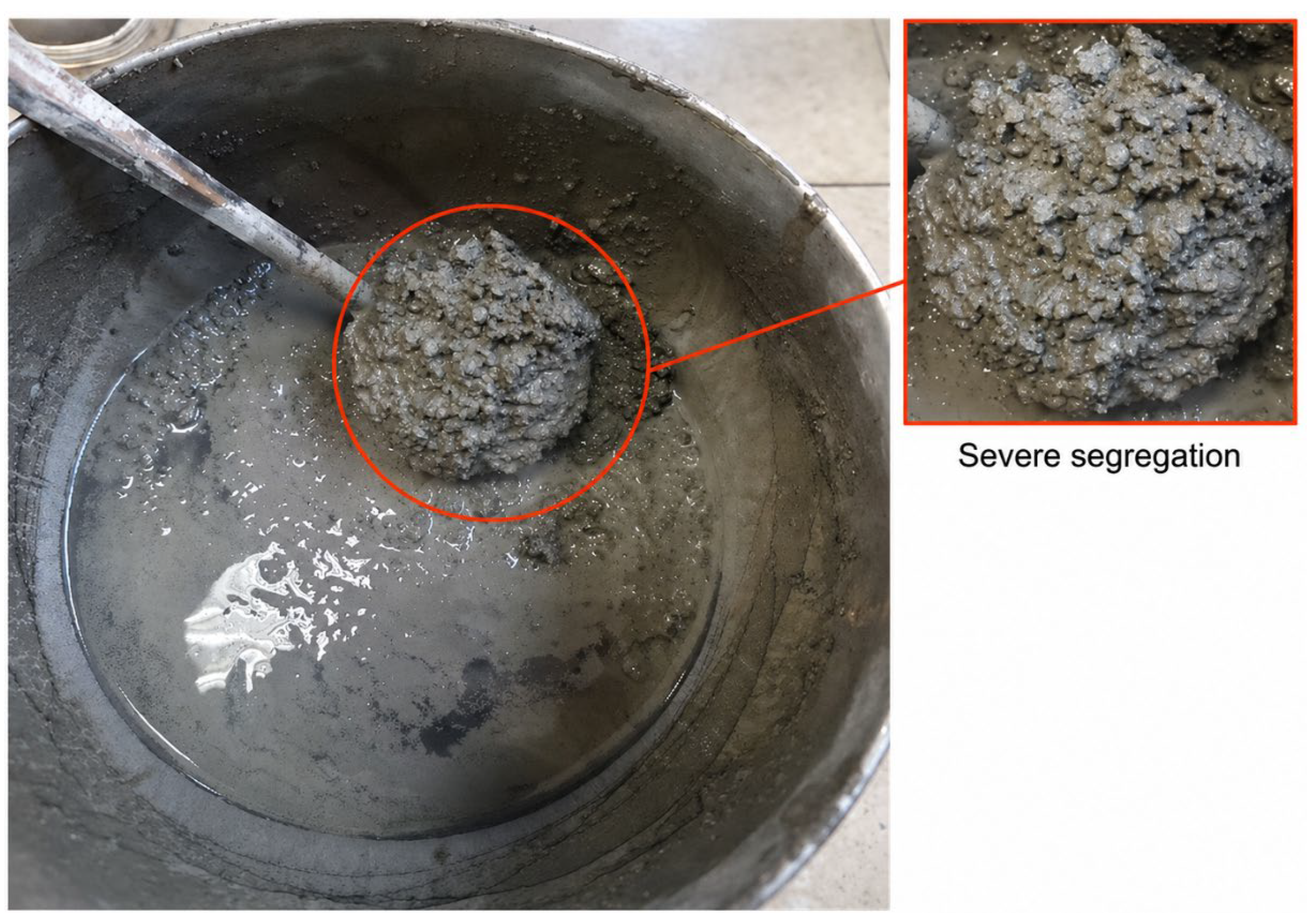
Considering the local raw material supply, crushed stone materials were first selected as potential substitutes for tailings in the backfill aggregate. Preliminary tests were then conducted to compare clay-bearing crushed stone and clay-free crushed stone (Sanmenxia Changtong High-Tech Materials Co., Ltd., Sanmenxia, China). The results showed that the backfill slurry prepared with clay-free crushed stone exhibited severe segregation, including separation between coarse particles and slurry and poor overall integrity of the mixture, as shown in Figure 1. This indicates that clay-free crushed stone is difficult to use for forming a stable slurry structure. In contrast, clay-bearing crushed stone contains fine particles and clay components, which can improve slurry cohesion and uniformity to some extent. It can therefore satisfy the requirements of slurry stability and transport performance. For this reason, clay-free crushed stone was used only for the preliminary comparison, whereas clay-bearing crushed stone was used as the aggregate in all 24 formal mix proportion tests.
This study selected Grade 42.5 ordinary Portland cement (Sanmenxia Tengyue Tongli Cement Co., Ltd., Sanmenxia, China) as the primary cementitious material and fly ash (Xin’an Zhonglian Wanji Cement Co., Ltd., Luoyang, China) as the supplementary cementitious material. Cement provides the necessary early-stage setting capacity, while fly ash helps to improve particle gradation and slurry workability, while also reducing the cost of cementitious materials. Based on on-site conditions at the mine and test reports, the supply of relevant raw materials is stable; therefore, the development of this cemented backfill material system not only aligns with on-site material supply conditions but also meets the requirements for subsequent mix proportion optimization studies. With the assistance of the company’s technical staff, on-site collection of raw materials—including clay-bearing crushed stone, fly ash and cement—was completed, and these were transported to the laboratory for subsequent testing. To minimize the impact of large particles and impurities on laboratory tests, the raw materials were screened and pretreated prior to use. As this material system has a clearly identified origin and reflects the actual backfilling requirements of the study mine under tailings-free conditions, it lays the foundation for subsequent performance testing, response surface modeling and multi-objective optimization.
To clarify the characteristics of the raw materials and to provide a basis for subsequent performance analysis and mechanism discussion, the basic physicochemical properties of clay-bearing crushed stone, clay-free crushed stone, fly ash, and cement were tested. The complete test results are provided in Appendix A. The results show that clay-bearing crushed stone and clay-free crushed stone have relatively small differences in bulk density and natural angle of repose, but they differ greatly in fine-particle content. The clay content of the clay-bearing crushed stone used in this study is approximately 12%. The contents of particles smaller than 74 μm and 250 μm in the clay-bearing crushed stone are 20.96% and 39.80%, respectively. In contrast, the corresponding values for clay-free crushed stone are only 6.44% and 17.38%, respectively. This indicates that clay-bearing crushed stone contains a much higher proportion of fine particles. These fine particles can fill the voids between coarse particles, improve particle gradation, and enhance slurry cohesion. This is beneficial for improving slurry flowability and reducing the risk of segregation.
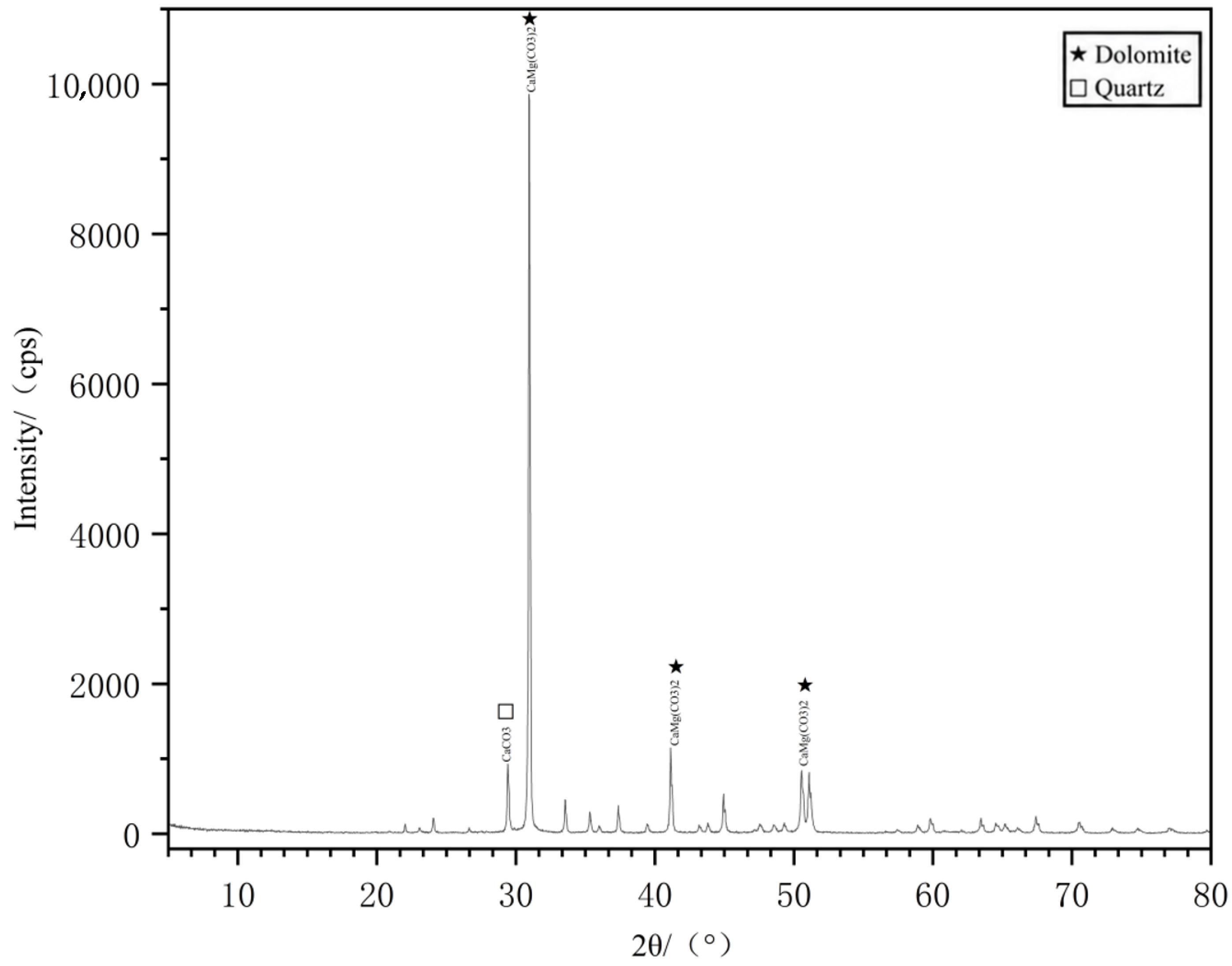
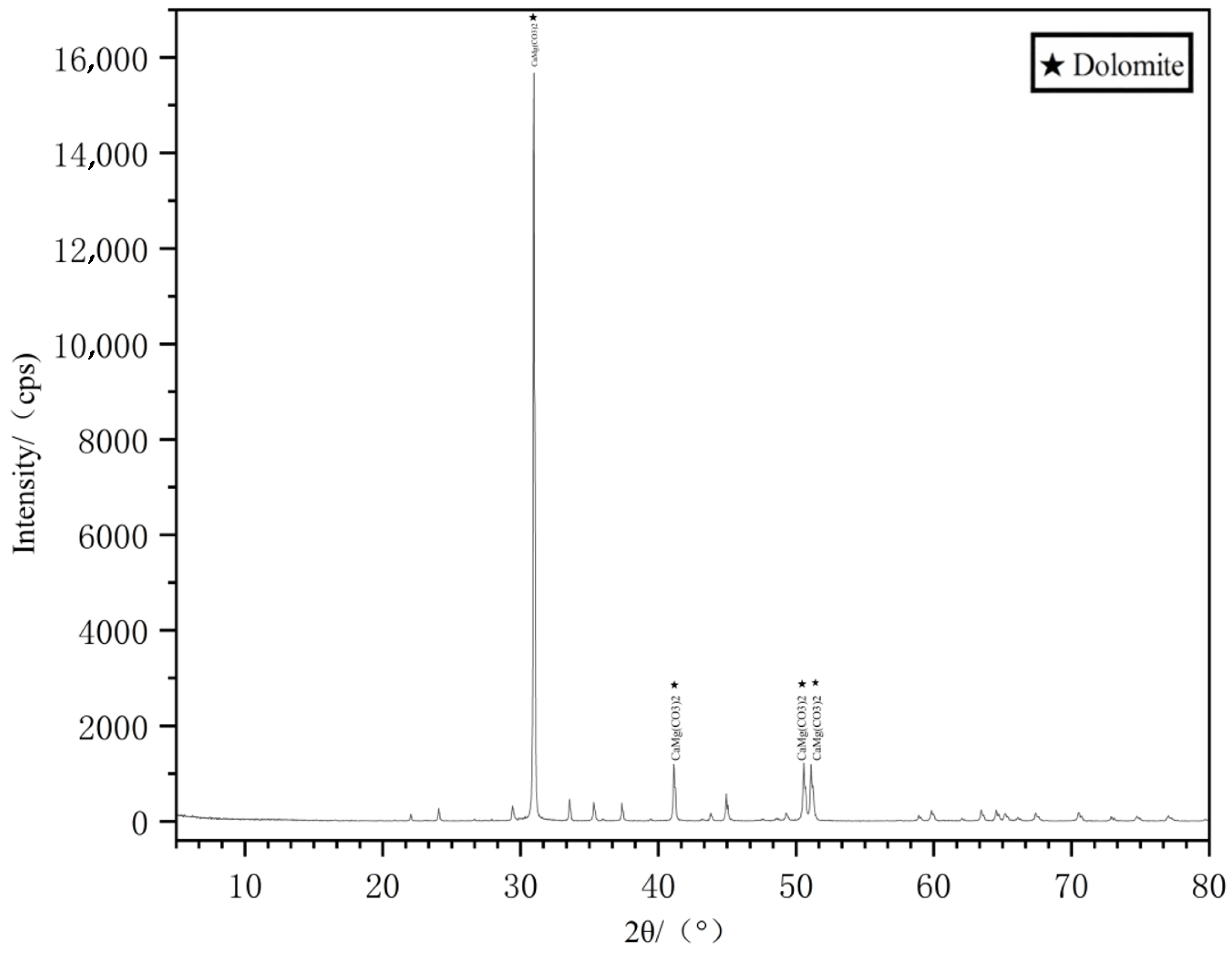
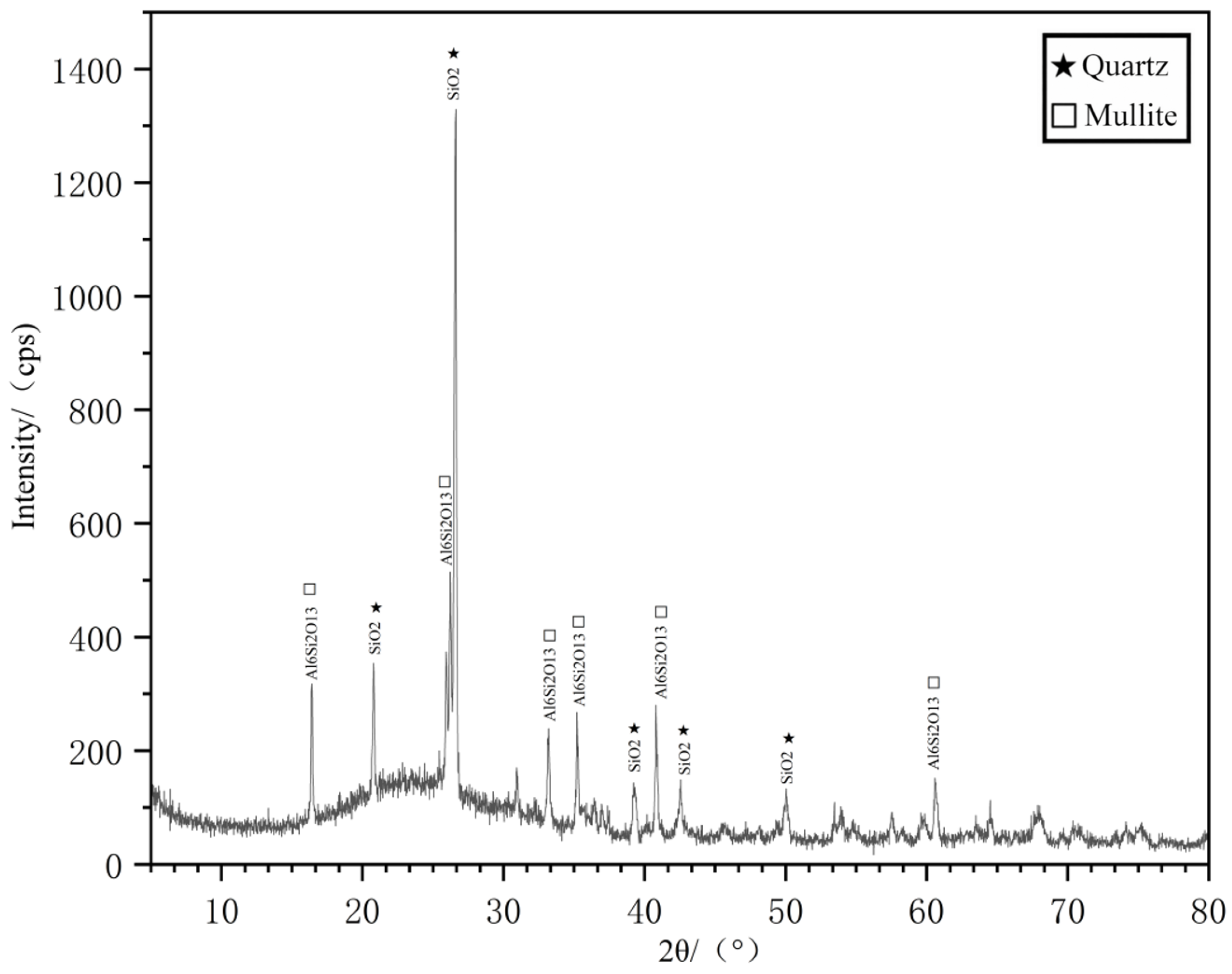
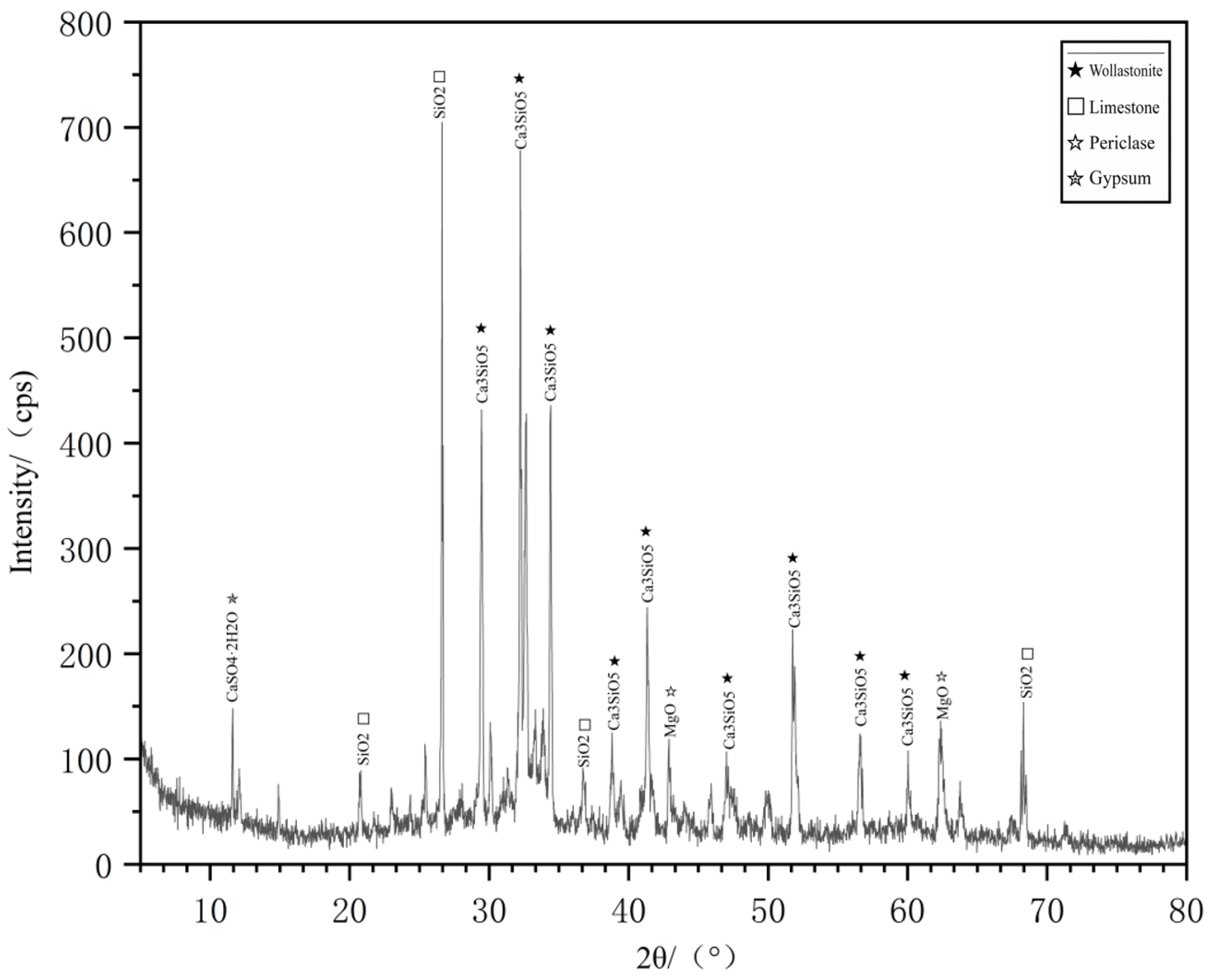
The XRD and XRF results show that clay-bearing crushed stone is mainly composed of dolomite, quartz, and feldspar, with CaO and MgO as the main chemical components. Its overall properties are relatively stable. Fly ash is mainly composed of quartz, kaolinite, feldspar, corundum, and calcite, with SiO2 and Al2O3 as the main chemical components. Cement is mainly composed of C3S, SiO2, Al2O3, and Fe2O3. In this system, clay-bearing crushed stone mainly provides a coarse-particle skeleton. Its fine particles and clay components can also compensate for the lack of fine materials to some extent. This is an important reason why clay-bearing crushed stone was selected as the main backfill aggregate in this study.

2.2. Experimental Design and Testing Methods

To systematically analyze the influence of mix proportions on material performance and to provide baseline data for subsequent response surface modeling and multi-objective optimization, this study conducted mix proportion experiments on cemented backfill material containing clay-bearing crushed stone. The cement content was normalized to 1; the ratio of clay-bearing crushed stone to cement was defined as the crushed stone ratio, denoted by X1; the mass concentration was denoted by X2; the ratio of fly ash to cement content is defined as the fly ash ratio, denoted by X3. The crushed stone ratio, mass concentration and fly ash ratio were selected as the primary influencing factors. Through multiple sets of mix proportion experiments, the patterns of how variations in these factors affect the performance of the backfill material were analyzed. A total of 24 mix proportion schemes were devised, with the mix proportion factors and levels shown in Table 1.
For each mix proportion test, the amounts of cement, clay-bearing crushed stone, fly ash, and water were first calculated according to the designed scheme. The water content was determined based on the target mass concentration. After weighing, the materials were added to the mixing container in the order of clay-bearing crushed stone, cement, fly ash, and water. A mechanical mixer (Jinhua Womixi Tools Co., Ltd., Jinhua, China) was then used to prepare a uniform backfill slurry. The feeding order, mixing time, and mixing rhythm were kept consistent for all test groups. After mixing, slurry samples were taken for bleeding-rate testing, compressive-strength specimen preparation, and yield-stress testing.
Cemented backfill specimens were prepared using 70.7 mm × 70.7 mm × 70.7 mm triplet mortar molds. Before casting, a demolding agent was uniformly applied to the inner walls of the molds. The uniformly mixed backfill slurry was poured into the molds. During casting, a glass rod was used to gently rod along the mold walls to promote uniform distribution of the slurry and remove entrapped air. The specimen surface was leveled, and the specimens were left to stand until initial setting. They were then demolded and cured in a chamber at 20 °C and 90% relative humidity until the specified age. At the target age, the specimens were taken out and tested for uniaxial compressive strength using a universal testing machine (Shenzhen SANS Testing Machine Co., Ltd., Shenzhen, China). The loading rate was set to 1 mm/min. The failure load was recorded, and the compressive strength was calculated based on the loaded area. Replicate specimens were prepared for each mix proportion, and the average value was used as the compressive strength result.
The bleeding rate was measured using fresh backfill slurry. After mixing, a certain mass of slurry was placed in a plastic cup, and its initial mass and state were recorded. The sample was left under natural resting conditions for 1 d to allow free bleeding and solid–liquid separation. After resting, the mass or volume of the water released at the top was measured, and the bleeding rate was calculated.
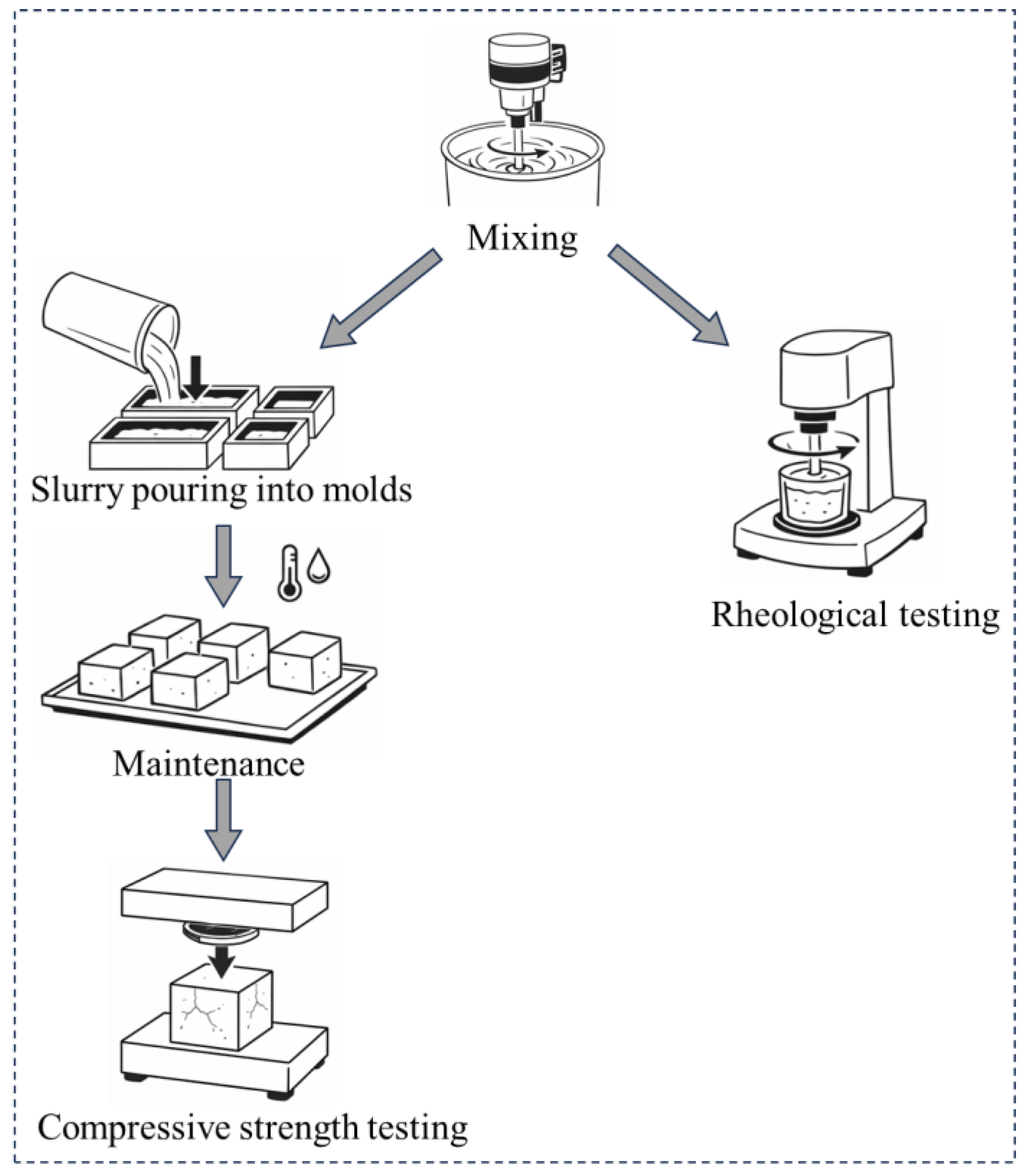
Yield stress was measured using an Anton Paar MCR72 rotational rheometer (Anton Paar GmbH, Graz, Austria). During testing, the freshly mixed backfill slurry was placed in a 600 mL beaker and tested using a paddle rotor. Before testing, the rheometer bracket, base, instrument body, and temperature probe were installed. The instrument was leveled, powered on, preheated for 10 min, and automatically zeroed. The rotor was then installed, and the test number, test name, and test parameters were set in RheoCompass (version 1.2, Anton Paar GmbH, Graz, Austria). After the test program was loaded, the measurement was performed. The test data were saved, and the relationships between yield stress and test time, between shear rate and viscosity, and between shear rate and shear stress were exported. The general test procedure is illustrated in Figure 2.

2.3. Cost Calculation Method

The backfill cost was calculated using an analytical formula based on the quantities and unit prices of the raw materials. The calculated cost was then used as one of the objective functions in the subsequent multi-objective optimization. This cost model mainly considers the consumption of major raw materials, including cement, clay-bearing crushed stone, and fly ash, as well as a small amount of fixed auxiliary cost. It does not further include complex engineering costs such as equipment depreciation, long-distance transportation, pipeline wear, or on-site construction organization. Therefore, this model is mainly used to compare the economic performance of different mix proportion schemes. It is a material-consumption-based relative cost estimation model, rather than a full life-cycle engineering cost model.
Backfill costs comprise material costs, fuel and power, and wages and benefits. Material costs include cement, fly ash and clay-bearing crushed stone; the costs of these materials were obtained from local construction cost documents and surveys of nearby supply plants, as shown in Table 2. Furthermore, a fixed backfill retaining wall cost of 0.6 RMB per tonne of backfill slurry was applied; other material costs are calculated as 3% of the sum of cement, crushed stone, fly ash and fixed backfill retaining wall cost; fuel, power, wages and benefits, and other expenses are set at 5 RMB/t.
This paper uses the total cost per tonne of backfill slurry as the basis for cost calculation. Assuming the cement usage is set as a benchmark of 1, the crushed stone ratio is, X1 the mass concentration is X2, and the fly ash ratio is X3, the solid-material proportion can be expressed as:
Cement:Clay-bearing crushed stone:Fly ash = 1:X1:X3
Since the mass concentration X2 is defined as the ratio of the mass of solid materials in the backfill slurry to the total mass of the backfill slurry, the total mass of solid materials in 1 t of backfill slurry is X2 t. Therefore, the masses of cement, crushed stone and fly ash are respectively:
m c = X 2 1 + X 1 + X 3
m g = X 1 X 2 1 + X 1 + X 3
m f = X 3 X 2 1 + X 1 + X 3
where m c ,   m g and m f represent the quantities of cement, clay-bearing crushed stone and fly ash per tonne of backfill slurry, respectively, in tonnes.
Based on the unit prices of materials listed in Table 2, the unit prices of cement, clay-bearing crushed stone and fly ash are taken as 370, 33 and 65 RMB/t respectively. Therefore, the costs of cement, clay-bearing crushed stone and fly ash per tonne of backfill slurry are respectively:
C c = 370 · X 2 1 + X 1 + X 3
C g = 33 · X 1 X 2 1 + X 1 + X 3
C f = 65 · X 3 X 2 1 + X 1 + X 3
The cost of the fixed backfill retaining wall is recorded as:
C w = 0.6
Therefore, the cost of other materials is:
C m = 0.03 ( C c + C g + C f + C w )
Other costs are recorded as:
C o = 5
Therefore, the total cost per tonne of backfill slurry can be expressed as:
C t = C c + C g + C f + C w + C m + C o
After consolidation, the cost calculation formula adopted in this paper is:
C t = 1.03 X 2 ( 370 + 33 X 1 + 65 X 3 ) 1 + X 1 + X 3 + 5.618
where C t is the total cost per tonne of backfill slurry, in RMB/t; X1 is the crushed stone ratio; X2 is the mass concentration; and X3 is the fly ash ratio.

2.4. Response Surface Modeling and Multi-Objective Optimization Methods

To further elucidate the coupled effects of the crushed stone ratio, mass concentration and fly ash ratio on the comprehensive performance of cemented backfill materials containing clay-bearing crushed stone, and to achieve quantitative optimization of the mix proportion parameters based on experimental results, Design-Expert software (version 13.0.5.0 64-bit, Stat-Ease, Inc., Minneapolis, MN, USA) was employed to conduct response surface analysis on 3-day compressive strength, bleeding rate and yield stress. The NSGA-II algorithm was used to obtain the Pareto non-dominated solution set, and the entropy-weighted TOPSIS method was further utilized to comprehensively rank the candidate solutions, thereby determining the optimal mix proportions.

2.4.1. Establishment of the Response Surface Model

The response surface method enables the establishment of an approximate functional relationship between factors and response values using a limited number of experimental data points and is suitable for analyzing the interaction of multiple factors and the patterns of response value variation. In this study, the crushed stone ratio X 1 , mass concentration X 2 and fly ash ratio X 3 were selected as independent variables. As X 3 has only two possible values, a hierarchical modeling approach was adopted to establish separate regression models for X 3 when 0.5 and 1 were taken; using 3-day compressive strength Y 1 , bleeding rate Y 2 and yield stress Y 3 as response variables, a quadratic polynomial regression model was established, the general form of which can be expressed as:
Y   =   β 0   +   β 1 X 1   +   β 2 X 2   +   β 12 X 1 X 2   +   β 11 X 1 2   +   β 22 X 2 2
where Y is the response variable, β 0 is the constant term coefficient, β 1 and β 2 are the linear term coefficients, β 12 is the interaction term coefficient, and β 11 and β 22 are the quadratic term coefficients, respectively.

2.4.2. Construction of the Multi-Objective Optimization Model

This study used 3-day compressive strength, bleeding rate, and cost as the core optimization criteria. The 3-day compressive strength reflects the early load-bearing capacity of the backfill material and was maximized during optimization. The bleeding rate characterizes slurry stability and was minimized. Cost reflects material economy and was also minimized. Yield stress characterizes the initial flow resistance of the backfill slurry and is an important parameter affecting transport performance. However, the 24 mix proportion tests in this study covered a relatively wide range of factor levels. Their main purpose was to reveal the effects of different mix proportion factors on material properties, and not all test groups were intended to serve as engineering-recommended mix proportions. In addition, because the clay-bearing crushed stone contains relatively coarse particles, some test groups may be affected by coarse-particle contact and slurry segregation during rheological testing. This may lead to fluctuations in the measured yield stress. Therefore, yield stress was not used as a direct optimization objective in this study. Instead, it was treated as a constraint. Based on the on-site construction requirements, the constraint range was set as 0 < Y3 < 300 Pa. Consequently, the multi-objective optimization model established in this paper can be expressed as:
max   Y 1 X 1 , X 2 , X 3 min   Y 2 X 1 , X 2 , X 3 min   C t ( X 1 , X 2 , X 3 ) 0   <   Y 3 X 1 , X 2 , X 3   <   300 X 1     6 ,   16 X 2     0.78 ,   0.82 X 3     0.5 ,   1
where Y 1 , Y 2 and Y 3 are the predicted response values for 3-day compressive strength, bleeding rate and yield stress, respectively, and C t is the total cost per tonne of backfill slurry calculated using the cost formula. As there is a trade-off between the multiple objectives, it is difficult to simultaneously optimize all response values; therefore, this study employs NSGA-II to solve the aforementioned multi-objective problem and obtain a Pareto non-dominated solution set. Although the candidate solutions within the Pareto set achieve a relative balance across the different objectives, it is still not possible to directly determine a single optimal solution; therefore, a comprehensive decision-making method must be introduced to select the optimal solution.

2.4.3. Comprehensive Selection of Pareto Solutions Based on Entropy-Weighted TOPSIS

To select the solution with the optimal overall performance from the set of Pareto non-dominated solutions, this paper employs the entropy-weighted TOPSIS method to conduct a comprehensive evaluation of the candidate solutions. Let the set of Pareto solutions contain m candidate solutions, and the number of evaluation criteria be n , where 3-day compressive strength is a benefit-type criterion, and bleeding rate and cost are cost-type criteria. The original decision matrix can then be expressed as:
Z = ( z i j ) m × n
where z i j denotes the value of the i th candidate solution for the j th evaluation criterion.
As the evaluation criteria have different units, standardization must first be performed.
For benefit-type indicators:
r i j = z i j m i n ( z i j ) m a x ( z i j ) m i n ( z i j )
For cost-based metrics:
r i j = m a x ( z i j ) z i j m a x ( z i j ) m i n ( z i j )
where ‘ m a x ( z i j ) ’ and ‘ m i n ( z i j ) ’ denote the maximum and minimum values, respectively, of the ‘ j ’ th indicator across all candidate solutions. Following standardization, the standardized matrix is obtained as:
R = ( r i j )
On this basis, the entropy weighting method is employed to determine the objective weights of each criterion. First, the weight of the i th scheme under the j th criterion is defined as:
f i j = 1 + r i j i = 1 m ( 1 + r i j )
Then, the information entropy of the j th indicator is:
e j = k i = 1 m f i j l n   f i j
k = 1 ln m
Further calculation of the coefficient of variation:
d j = 1 e j
and obtain the objective weights for each indicator:
w j = d j j = 1 n d j
Construct a weighted standardization matrix based on the calculated weights:
v i j = w j r i j
That is:
V = ( v i j )
Subsequently, the TOPSIS method is employed to perform a comprehensive ranking of the candidate solutions. The positive and negative ideal solutions are expressed as:
V + = ( m a x   v i j )
V = ( m i n   v i j )
The Euclidean distances from each candidate solution to the positive and negative ideal solutions are respectively:
D i + = j = 1 n ( v i j v j + ) 2
D i = j = 1 n ( v i j v j ) 2
Finally, calculate the relative closeness coefficient of each scheme:
O i = D i D i + + D i
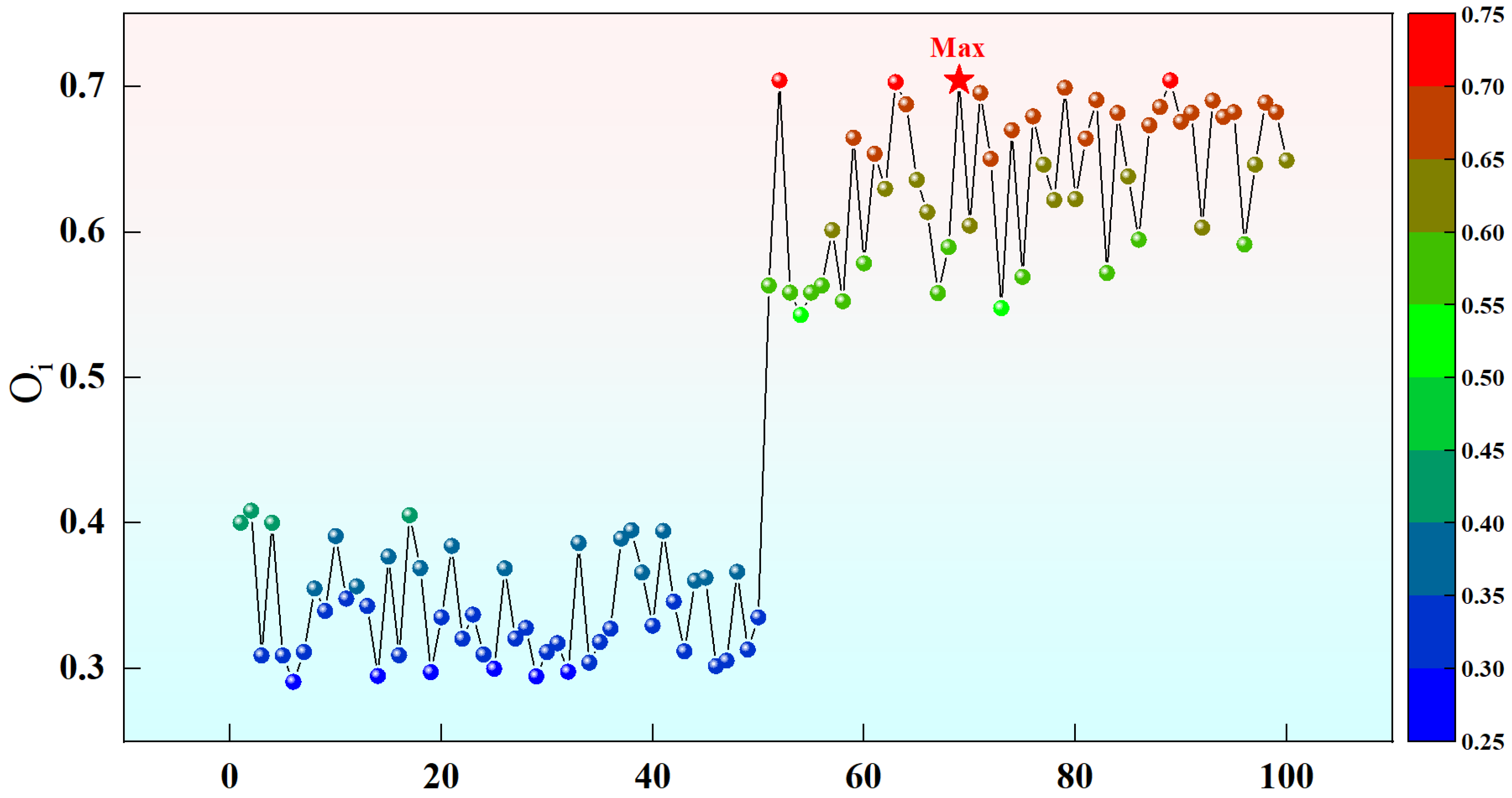
where O i denotes the relative closeness coefficient of the th candidate solution ( i ) to the ideal solution; a higher value of O i indicates that the scheme is closer to the positive ideal solution and exhibits superior overall performance. Therefore, this paper employs relative closeness coefficient as the comprehensive selection criterion for the Pareto solution set, thereby determining the optimal solution.

3. Results

3.1. Influence of Mixing Factors on Material Properties

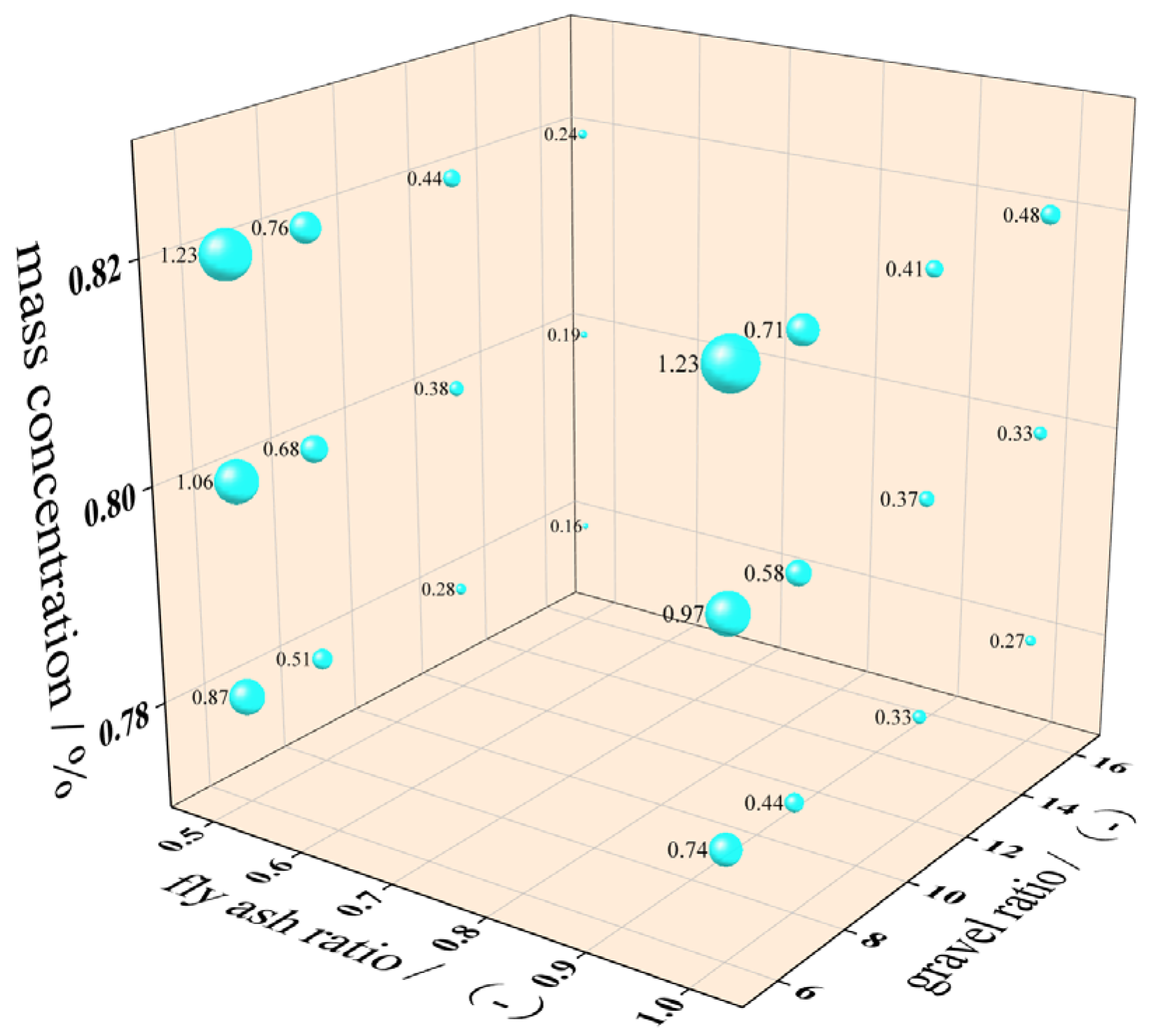
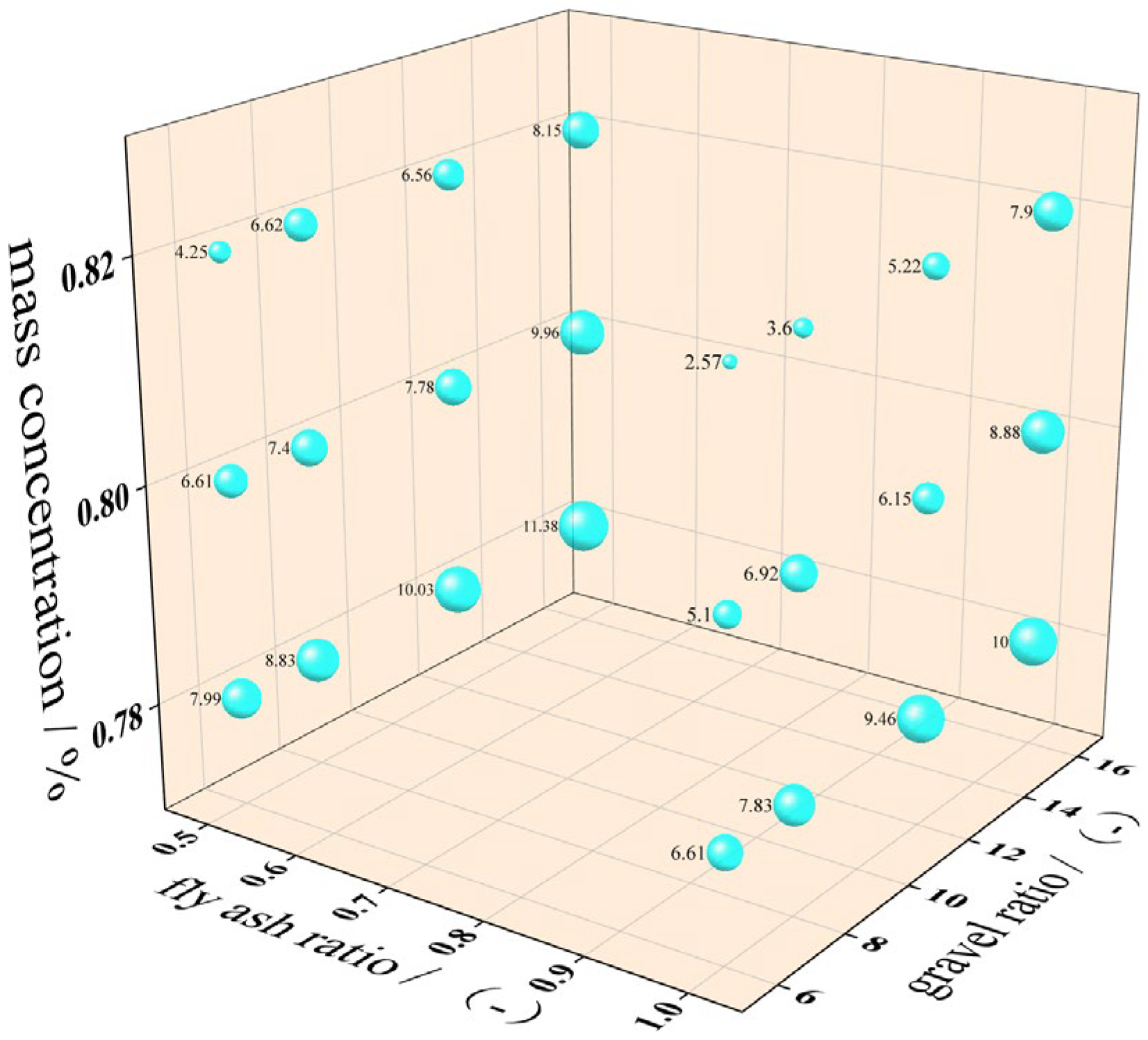
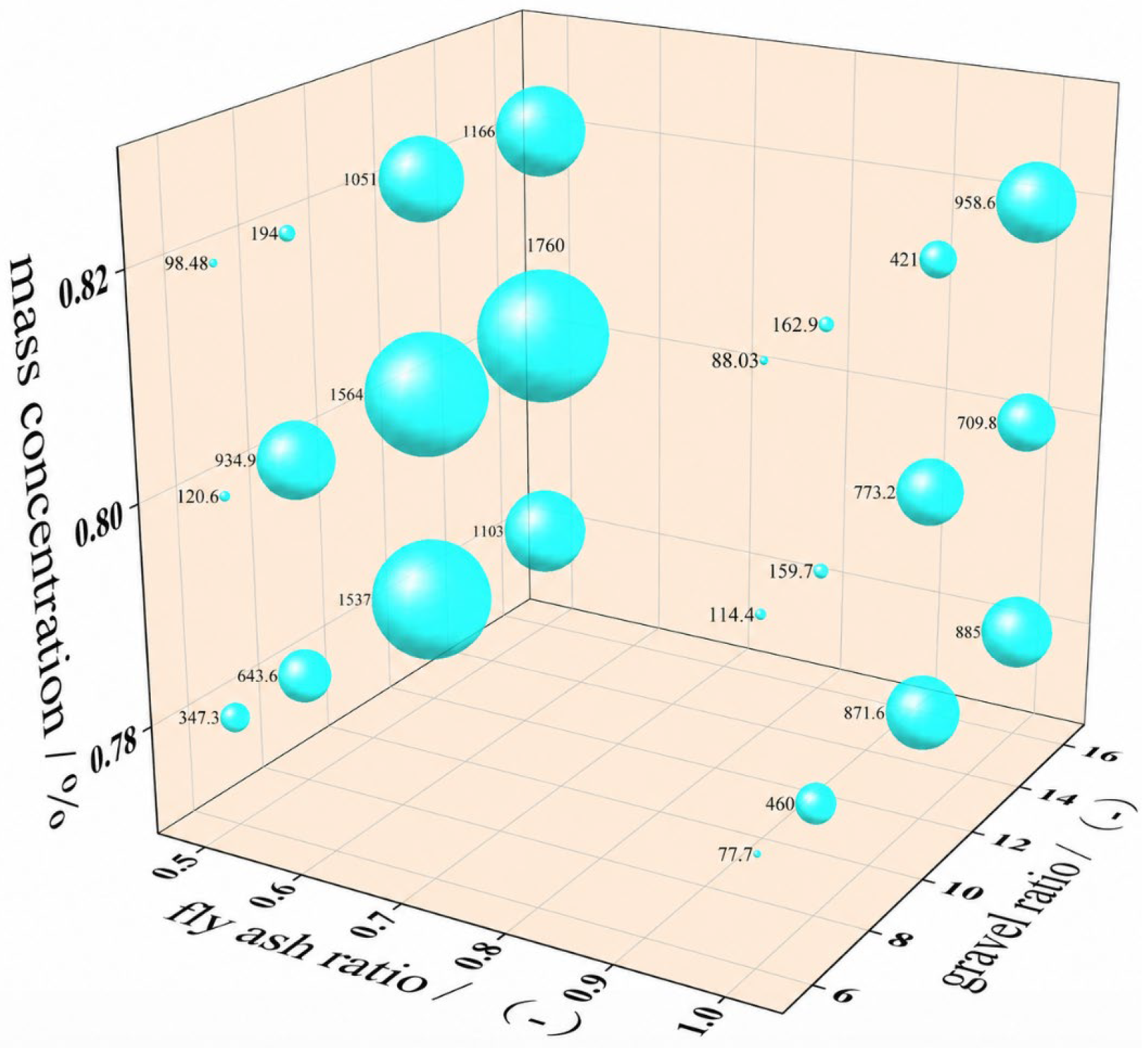
To clarify the influence of the crushed stone ratio, mass concentration and fly ash ratio on the performance of cemented backfill materials containing clay-bearing crushed stone and to provide a basis for subsequent response surface modeling and multi-objective optimization, this section analyzes the 3-day compressive strength, bleeding rate and yield stress based on the results of 24 sets of mix proportion tests. The results indicate that different mix proportion factors exert distinct influences on these three performance indicators, while a certain degree of synergy and interdependence is observed between them. This suggests that the comprehensive performance of the material is governed by the coupled effects of multiple factors. The results are presented in Table 3 and Figure 3, Figure 4 and Figure 5.

3.1.1. Effect of Mix Proportions on 3-Day Compressive Strength

The 3-day compressive strength reflects the early load-bearing capacity of the cemented backfill. The effects of different mix proportions on the 3-day compressive strength are shown in Figure 3. Mass concentration has the most significant effect on enhancing the 3-day compressive strength. When the crushed stone ratio and fly ash ratio are fixed, as the mass concentration increases from 0.78 to 0.82, the 3-day compressive strength of the specimens shows an overall upward trend. This indicates that increasing the mass concentration helps to increase the volume fraction of solid particles, improve the compaction of the particle packing, and promote the formation of the early-stage cementitious structure. An increase in the crushed stone ratio generally has a detrimental effect on the development of 3-day compressive strength. As the crushed stone ratio increases from 6 to 16, the proportion of coarse particles rises, weakening the slurry’s ability to envelop and bind the aggregates, which leads to the easier formation of weak interfaces within the material. Consequently, high-strength zones are primarily concentrated within the range of low crushed stone ratios and high mass concentrations. The effect of fly ash ratio on 3-day compressive strength is weaker than that of mass concentration and crushed stone ratio, and its effect is to some extent condition-dependent. When the crushed stone ratio is low, increasing the fly ash ratio has a limited effect on early strength, whereas when the crushed stone ratio is high, it has a certain improving effect. The 3-day compressive strength is primarily influenced by the crushed stone ratio and mass concentration, while the fly ash ratio plays a secondary regulatory role.

3.1.2. Effect of Mixing Parameters on Bleeding Rate

The bleeding rate reflects the tendency for solid–liquid separation within the slurry and is a key indicator for evaluating slurry stability. The effects of various mix proportion factors on the bleeding rate are shown in Figure 4. An increase in mass concentration has the greatest effect on reducing the bleeding rate. Under identical crushed stone ratio and fly ash ratio conditions, raising the mass concentration from 0.78 to 0.82 results in an overall downward trend in the bleeding rate. This indicates that a higher solid content reduces the proportion of free water and enhances interparticle confinement, thereby lowering the bleeding rate. An increase in the crushed stone ratio generally increases the bleeding rate, indicating that an increase in coarse particle content enlarges the voids between the particle framework, weakens the slurry’s ability to retain water, and makes the system more prone to solid–liquid separation; consequently, the high bleeding rate region is primarily distributed under conditions of high crushed stone ratio and low mass concentration. An increase in the fly ash ratio reduces the bleeding rate to a certain extent, as the fine particles fill the voids, improving the particle gradation and enhancing the cohesion of the slurry. Overall, the bleeding rate is relatively low under conditions of low crushed stone ratio, high mass concentration and a higher fly ash ratio.

3.1.3. Effect of Mixing Parameters on Yield Stress

Yield stress reflects the initial resistance that must be overcome when the slurry begins to flow; it is a key parameter for evaluating slurry flowability. The effects of various mix proportion factors on yield stress are shown in Figure 5. The crushed stone ratio has the most significant effect on yield stress; as the crushed stone ratio increases, the volume fraction of coarse particles rises, inter-particle contact and friction intensify, and the internal skeletal structure of the slurry becomes more pronounced, thereby causing an overall increase in yield stress. Mass concentration also influences yield stress, but the relationship is non-linear, indicating that its effect is not solely related to the volume fraction of solid particles, but is also jointly influenced by the state of particle encapsulation and particle size distribution characteristics. The effect of fly ash ratio on yield stress is relatively moderate; a moderate increase in fly ash ratio helps to improve particle grading and reduce direct friction between coarse particles, thereby mitigating flow resistance to some extent. Overall, the yield stress is primarily controlled by the crushed stone ratio, with mass concentration playing a secondary regulatory role, while the fly ash ratio helps to balance the workability of the material. Therefore, in mix design, it is necessary to comprehensively balance the requirements for strength, stability and workability.

3.1.4. Mechanism Analysis of Mix Proportion Factors

Based on the physicochemical properties of the raw materials, the performance of cemented backfill material containing clay-bearing crushed stone is not controlled by a single parameter. Instead, it is jointly affected by particle gradation, slurry coating state, coarse-particle skeleton structure, and cementitious materials. The particle-size distribution results in Appendix A show that the contents of particles smaller than 74 μm and 250 μm in clay-bearing crushed stone are 20.96% and 39.80%, respectively. These values are much higher than those of clay-free crushed stone. The fine particles in clay-bearing crushed stone can fill the voids between coarse particles. They can also improve the ability of the slurry to coat aggregate surfaces and enhance interparticle cohesion. As a result, the uniformity and stability of the backfill slurry are improved.
From the perspective of strength formation, an increase in mass concentration increases the solid-particle content per unit volume of slurry. It also reduces the proportion of free water and shortens the distance between particles. These changes are beneficial for forming a denser initial skeleton and cemented structure, which increases the 3-day compressive strength. When the crushed stone ratio is too high, the proportion of coarse particles increases. In this case, the cement slurry and fine fly ash particles are insufficient to coat and fill the aggregate surfaces. Weak interfaces are then more likely to form between coarse particles. This reduces the continuity of the early cemented structure and causes the 3-day compressive strength to decrease as the crushed stone ratio increases. Fly ash has a relatively limited effect on early strength. However, it can improve particle packing and slurry uniformity. This effect is especially useful at high crushed stone ratios, where fly ash helps improve the flowability of the backfill slurry.
From the perspective of bleeding and rheological mechanisms, increasing mass concentration reduces the amount of free water and enhances interparticle constraint, thereby lowering the bleeding rate. As the crushed stone ratio increases, the voids between coarse particles become larger. If the amount of fine material and cementitious slurry is insufficient, water can more easily migrate and be released through the channels between particles, leading to a higher bleeding rate. At the same time, a high crushed stone ratio increases direct contact and friction between coarse particles and strengthens the internal skeleton structure of the slurry. This increases the initial flow resistance and leads to a higher yield stress. The fine particles and clay components in clay-bearing crushed stone, together with fly ash, can fill particle voids and improve the slurry coating state to some extent. However, when the coarse-particle content is too high, this compensation effect becomes limited. Therefore, the mix proportion design should balance the coarse-particle skeleton, fine-particle compensation, and cementitious slurry coating. This balance is the key to improving the overall performance of cemented backfill material containing clay-bearing crushed stone.

3.2. Establishment and Validation of the Response Surface Model

To further quantitatively characterize the influence of the crushed stone ratio, mass concentration and fly ash ratio on the performance of cemented backfill materials containing clay-bearing crushed stone made from bauxite and to provide a mathematical basis for subsequent multi-objective optimization, Design-Expert software was employed to conduct response surface modeling for 3-day compressive strength, the bleeding rate and yield stress. Taking the crushed stone ratio X 1 , mass concentration X 2 and fly ash ratio X 3 as independent variables and 3-day compressive strength Y 1 , bleeding rate Y 2 and yield stress Y 3 as response values, a quadratic polynomial regression model was established. The significance and applicability of the model were then tested using analysis of variance (ANOVA) and goodness-of-fit indices.

3.2.1. Establishment of the Response Surface Regression Model

Based on the regression results from Design-Expert, the specific expressions for each response variable under different discrete conditions are as follows.
When X 3   =   0.5 , the regression models for 3-day compressive strength Y 1 , bleeding rate Y 2 , and yield stress Y 3 are respectively:
Y 1 0.5   =   9.3975   +   0.232861 X 1   +   17.36441 X 2     0.67161 X 1 X 2   +   0.01016 X 1 2     3.125 X 2 2
Y 2 0.5 = 72.39977 + 0.353672 X 1 85.1875 X 2
Y 3 0.5 = 212635 6.78097 X 1 + 539791 X 2 + 484.38877 X 1 X 2 11.77296 X 1 2 344930 X 2 2
where Y 1 0.5 denotes the 3-day compressive strength at X 3   =   0.5 ; Y 2 0.5 denotes the bleeding rate at X 3   =   0.5 ; Y 3 0.5 denotes the yield stress at X 3   =   0.5 .
When X 3   =   1 , the regression models for the 3-day compressive strength Y 1 , bleeding rate Y 2 , and yield stress Y 3 are respectively:
Y 1 1   =   10.64462   +   0.256872 X 1   +   18.61441 X 2     0.67161 X 1 X 2   +   0.01016 X 1 2 3.125 X 2 2
Y 2 1 = 71.12311 + 0.353672 X 1 85.1875 X 2
Y 3 1 = 214884 49.03053 X 1 + 542654 X 2 + 484.38877 X 1 X 2 11.77296 X 1 2 344930 X 2 2
In the equation: ‘ Y 1 1 ’ denotes the 3-day compressive strength at ‘ X 3   =   1 ’; ‘ Y 2 1 ’ denotes the bleeding rate at ‘ X 3   =   1 ’; ‘ Y 3 1 ’ denotes the yield stress at ‘ X 3   =   1 ’.

3.2.2. Model Significance and Analysis of Variance

To verify the statistical significance and predictive applicability of the constructed response surface models, an analysis of variance (ANOVA) was performed on the regression models for 3-day compressive strength, bleeding rate and yield stress. The model fit was comprehensively evaluated using indicators such as the coefficient of determination, adjusted coefficient of determination, predictive coefficient of determination and Adeq Precision. The results are shown in Table 4, Table 5 and Table 6.
The ANOVA results show that the response surface models for 3-day compressive strength, bleeding rate, and yield stress all reached a significant level. This indicates that the regression equations can reflect the quantitative relationships between the response values and the mix proportion factors. In terms of factor contribution, the dominant factors differed among the response indicators. Overall, mass concentration had a more pronounced effect on 3-day compressive strength and bleeding rate, whereas the crushed stone ratio had a stronger influence on yield stress. This is consistent with the preceding single-factor analysis. In addition, some interaction terms and quadratic terms were significant, indicating that the changes in material properties were not controlled by a single factor but by the coupled effects of multiple factors.
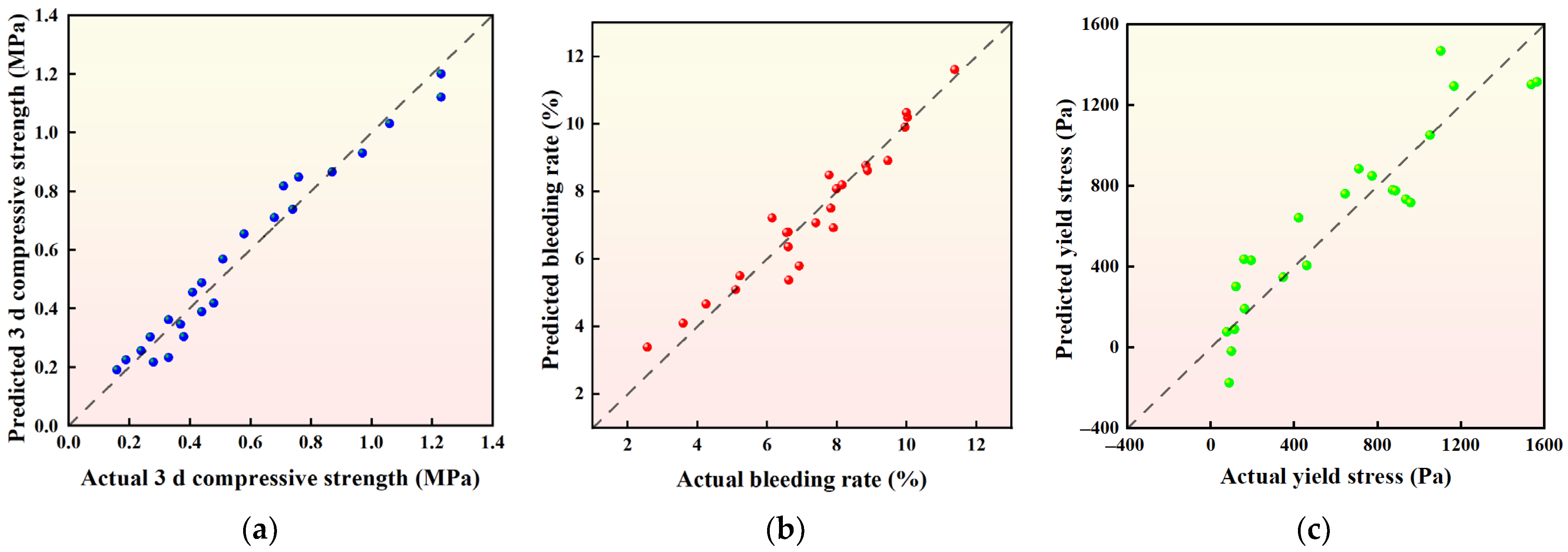
The R2, Adjusted R2, and Predicted R2 values of the 3-day compressive strength and bleeding rate models were all high, and the differences among these three values were small. This indicates that these two models had good fitting performance and stability. The yield stress model also reached an overall significant level, with an R2 of 0.8704 and an Adeq Precision of 12.0072. However, its Predicted R2 was only 0.5984, which was much lower than those of the 3-day compressive strength and bleeding rate models. This suggests that its predictive ability was relatively limited. Therefore, yield stress was not used as a direct optimization objective in the subsequent optimization. Instead, it was used as a construction constraint to identify changes in rheological properties and to determine whether candidate solutions satisfied the constraint requirements.
To further verify the consistency between the model predictions and the experimental values, comparison plots of the predicted versus measured values for 3-day compressive strength, bleeding rate and yield stress were plotted, as shown in Figure 6.
As shown in Figure 6, the predicted and measured values of 3-day compressive strength and bleeding rate agree well. Most data points are distributed near the diagonal line. This indicates that the corresponding response surface models can effectively describe the variation patterns of these two properties under different mix proportions. In contrast, the predicted and measured values of yield stress are more scattered. This may be related to coarse-particle contact, local slurry structure, and slight segregation during rheological testing. These factors increase the uncertainty of yield-stress prediction. Therefore, the yield stress model is more suitable for constraint screening and trend analysis than for precise numerical prediction.
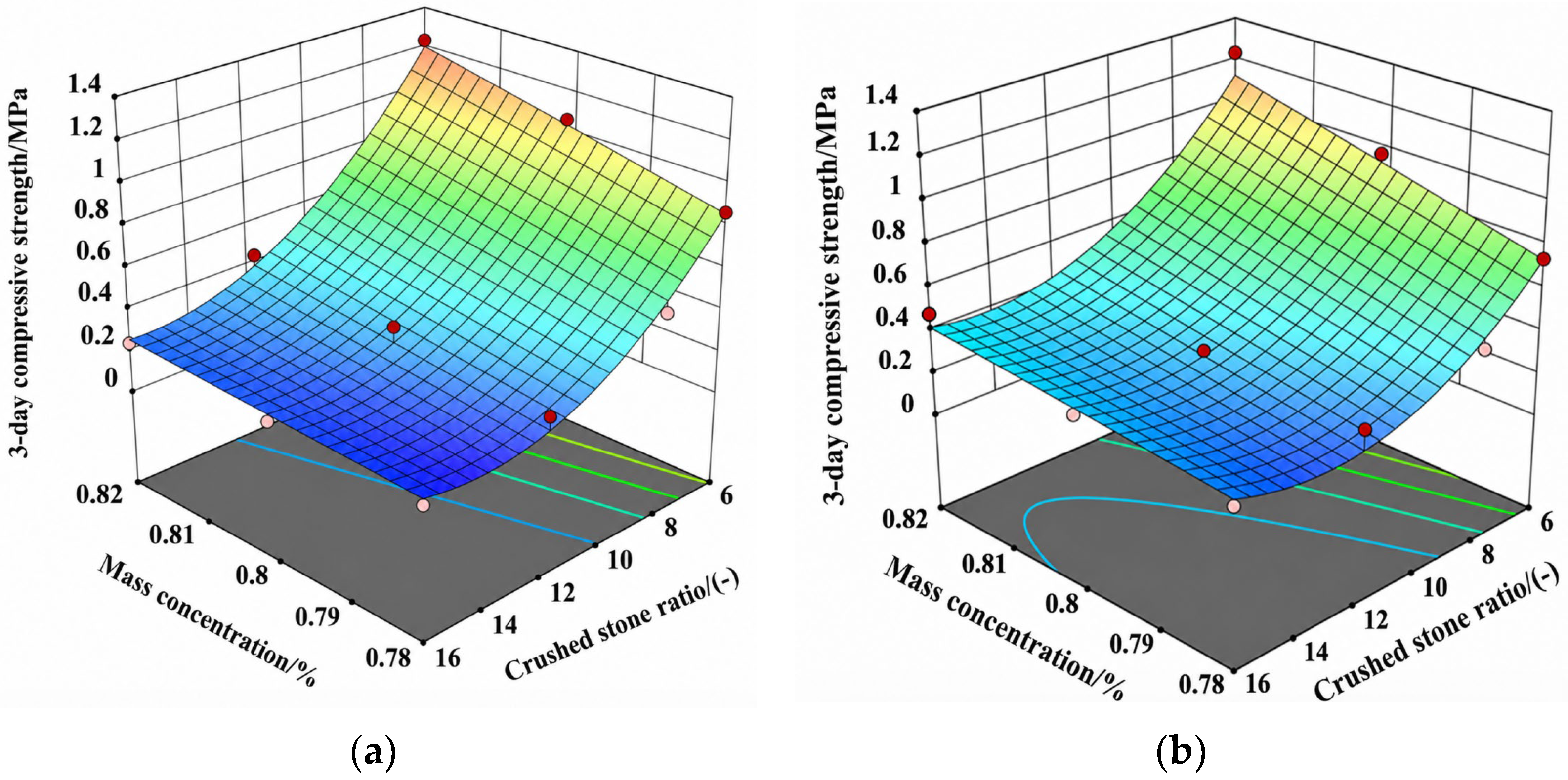
Furthermore, to further elucidate the interaction between the crushed stone ratio and mass concentration on each response parameter, response surface plots for 3-day compressive strength, bleeding rate and yield stress were plotted under the conditions of X 3   =   0.5 and X 3   =   1 , as shown in Figure 7, Figure 8 and Figure 9.
As can be seen from Figure 7, under both fly ash ratio conditions, the 3-day compressive strength increases with rising mass concentration and decreases with increasing crushed stone content. This indicates that mass concentration promotes early-age strength, while a higher crushed stone content is detrimental to the development of early-age strength. The overall trends in the two sub-figures are largely consistent, indicating that the regulatory effect of the fly ash ratio on the 3-day compressive strength is relatively limited; however, there are still certain differences in the surface morphology, suggesting that it has a certain influence on the response levels.
As can be seen from Figure 8, the bleeding rate decreases significantly with increasing mass concentration, indicating that mass concentration is a key factor affecting the stability of the slurry. The crushed stone ratio also has a certain influence on the bleeding rate, but the effect is relatively weak. The overall trends of the response surfaces under the two fly ash ratio conditions are similar, indicating that the bleeding rate exhibits a relatively stable response pattern to changes in the mix proportion parameters.
As shown in Figure 9, the yield stress increases overall with increases in the crushed stone ratio and mass concentration, with the change in the direction of the crushed stone ratio being more pronounced, indicating that it has a more significant influence on the initial flow resistance of the slurry. The trends in the response surfaces under different fly ash ratios are essentially consistent, but there are differences in local response levels, indicating that the fly ash ratio exerts a certain moderating effect on the yield stress.
A comprehensive analysis of Figure 7, Figure 8 and Figure 9 reveals that the response directions of the 3-day compressive strength, bleeding rate and yield stress to the mix proportion factors are not entirely consistent, indicating a clear interdependence between the material properties. Therefore, it is necessary to conduct further multi-objective optimization analysis based on the response surface model to obtain a mix proportion scheme with superior comprehensive performance.

3.3. Results of Multi-Objective Optimization and Determination of the Optimal Mix Proportion

3.3.1. Analysis of the Pareto Non-Dominant Solution Set

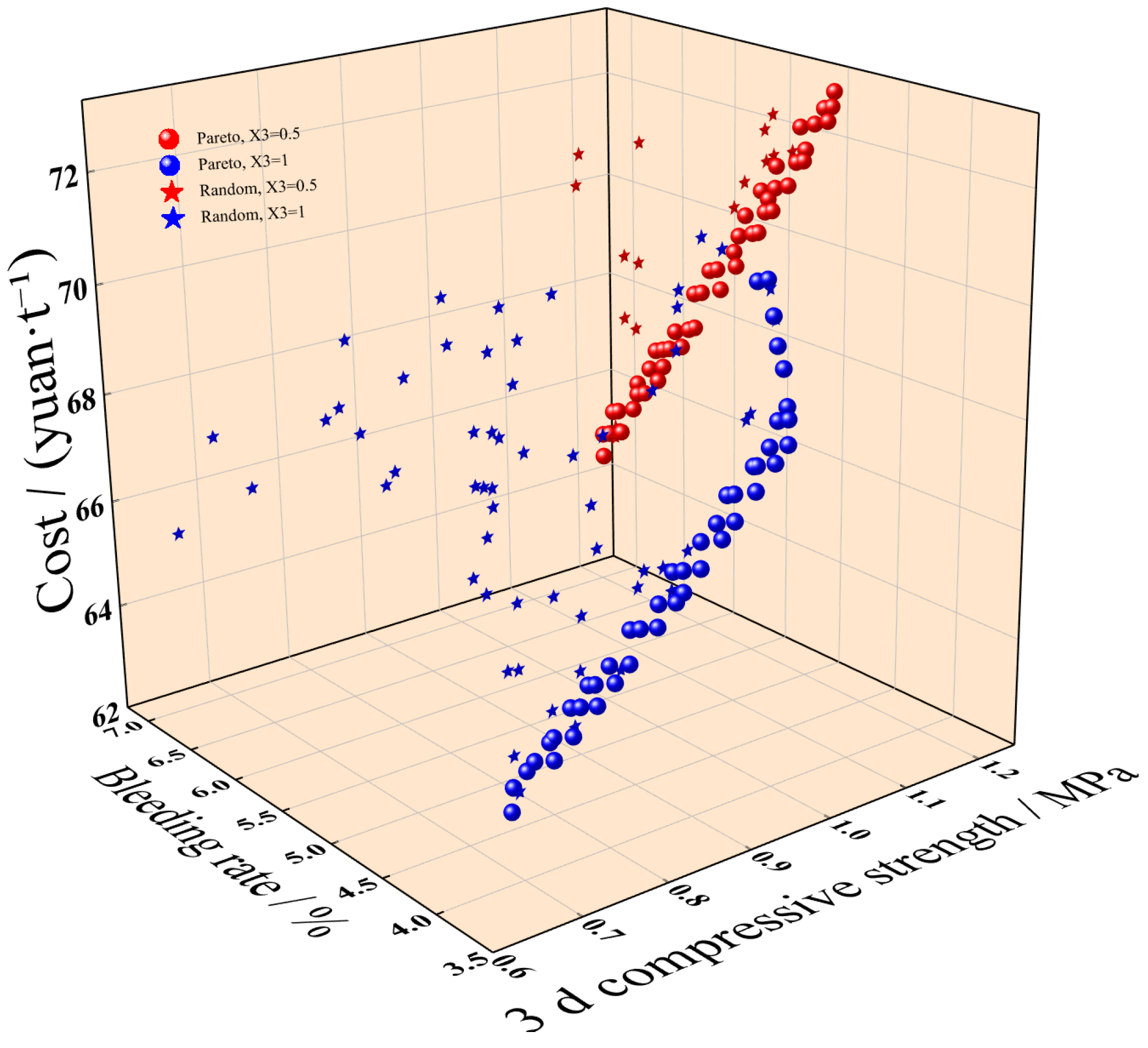
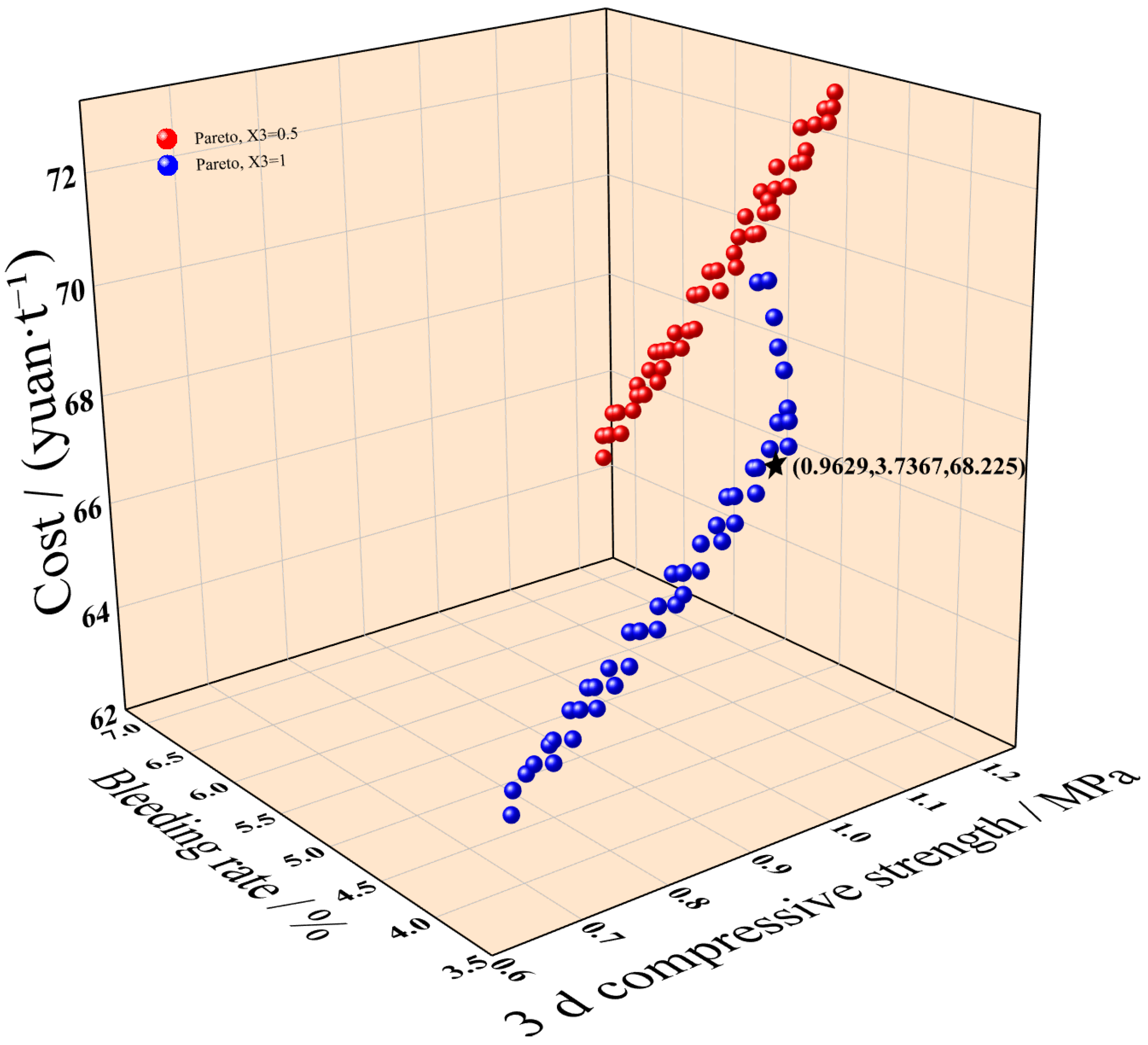
Based on the response surface model and the analytical cost formula, with the objectives of maximizing 3-day compressive strength, minimizing bleeding rate and minimizing cost, and with the constraint that the yield stress must meet construction requirements, NSGA-II was employed to perform multi-objective optimization on the mix proportions of cemented backfill material containing clay-bearing crushed stone, yielding a Pareto non-dominated solution set that satisfies the constraints. Due to the competing relationships between the objectives, it is difficult for any candidate solution within the Pareto set to simultaneously achieve optimality across the three indicators of 3-day compressive strength, bleeding rate and cost, indicating that this mix proportion optimization problem exhibits typical characteristics of multi-objective conflict.
As shown in Figure 10, the Pareto non-dominated solutions are distributed relatively continuously within the objective space, with clear front boundaries, indicating that the NSGA-II algorithm employed is capable of effectively identifying the region of optimal solutions that satisfy the constraints. Overall, there was a clear trade-off among 3-day compressive strength, bleeding rate, and cost. As the mix proportions shifted toward higher-strength regions, the cost increased. Conversely, when the cost decreased, the strength tended to decline. At the same time, improvements in bleeding rate are not independent of the other objectives; their variation is similarly constrained by both strength and cost. It can also be observed that the solutions from the random experiments are all dominated by the Pareto solution set, tending towards regions of lower strength, higher bleeding rate, or higher cost, indicating that all Pareto solutions converge. The spatial distribution of the Pareto solution set varies significantly with different fly ash ratios. Overall, when X3 = 1, the Pareto solutions are more concentrated in regions of higher strength, indicating that selecting a higher fly ash ratio under current conditions is beneficial for improving compressive strength; when X3 = 0.5, the Pareto solutions are concentrated in low-cost regions, demonstrating superior cost control capabilities, which indicates that the fly ash ratio is a key variable influencing the morphology and distribution of Pareto solutions.
The above results indicate that it is difficult to directly determine a single optimal mix proportion based solely on the Pareto front. Therefore, it is necessary to further combine the entropy-weighted TOPSIS method to conduct a comprehensive ranking of the Pareto candidate solutions in order to screen for mix proportion schemes with superior overall performance.

3.3.2. Results of the Entropy-Weighted TOPSIS Comprehensive Ranking

As the Pareto non-dominated set contains multiple candidate solutions, it is difficult to directly determine the single optimal mix proportion based solely on the frontier distribution. This study therefore further employs entropy-weighted TOPSIS to conduct a comprehensive evaluation of the Pareto candidate solutions. Using 3-day compressive strength, bleeding rate and cost as evaluation criteria, the indicators are first normalized. Objective weights are then calculated based on the degree of dispersion of the indicators, and a weighted standardized matrix is constructed accordingly. Finally, the Pareto solution set is comprehensively ranked by calculating the relative closeness coefficient of each candidate solution to the positive and negative ideal solutions. This method enables the selection of the optimal candidate solution while maintaining the objectivity of the multi-objective optimization results. The information entropy and entropy weights of the evaluation criteria are listed in Table 7.
The results of the entropy weight calculation indicate that the information entropies corresponding to 3-day compressive strength, bleeding rate and cost are 0.96739, 0.94094 and 0.96077 respectively, with corresponding entropy weights of 0.24912, 0.45118 and 0.2997. It can be seen that the bleeding rate indicator has the highest weight, indicating that it exhibits the greatest variability among the Pareto candidate solutions and makes the most significant contribution to distinguishing between schemes; cost comes second, indicating that it still plays a relatively important role in the comprehensive evaluation; the 3-day compressive strength has the lowest weight, indicating that its variation among the candidate solutions is relatively small, and its influence on the final ranking results is relatively limited. Overall, the results of the entropy weight analysis indicate that, subject to the yield stress constraint, the differences within the Pareto solution set primarily lie in the balance between economic efficiency and bleeding rate.
On this basis, the TOPSIS method was employed to calculate the relative closeness coefficient of each Pareto candidate solution, which were then ranked in descending order of relative closeness coefficient; the results are shown in Table 8. A higher relative closeness coefficient indicates that the solution is closer to the positive ideal solution and further from the negative ideal solution, implying superior comprehensive performance. The ranking results indicate that although all candidate solutions are Pareto non-dominated, there are still significant differences in their overall performance, suggesting that it is necessary to introduce entropy-weighted TOPSIS for further screening based on the multi-objective optimization results.
As can be seen from the table, the values for the top-ranked scheme are X1 = 6.9721, X2 = 0.8199, and X3 = 1. Given that the crushed stone ratio and mass concentration are typically controlled using whole numbers or practical scales during the engineering mixing process and that these theoretical optimal values are already very close to X1 = 7 and X2 = 0.82, their engineering values are set as X1 = 7, X2 = 0.82 and X3 = 1 for subsequent experimental verification and engineering applicability analysis. Corresponding to a 3-day compressive strength of 0.9629 MPa, a bleeding rate of 3.73%, a cost of 68.225 RMB/t, and a relative closeness coefficient of 0.704436, this formulation exhibits the best overall performance. These results indicate that a moderate crushed stone ratio, a high mass concentration, and a high fly ash ratio help to strike a balance between strength, slurry stability and economic efficiency. Combined with the aforementioned Pareto front analysis, it is evident that this scheme does not achieve an extreme value for a single objective, but rather demonstrates superior overall suitability under multi-objective coordination conditions; therefore, it can be selected as the preferred mix proportion for subsequent experimental verification and engineering applicability validation.
To visually illustrate the position of the optimal solution on the Pareto front, relative closeness coefficient distribution plots and optimal solution identification diagrams have been produced, as shown in Figure 11 and Figure 12.
The results demonstrate that this scheme effectively controls bleeding rate and cost while ensuring high compressive strength, thereby achieving a harmonious balance between mechanical performance and economic efficiency.

3.3.3. Determination of the Optimal Mix Proportion

Combining the analysis of the Pareto non-dominated solution set with the results of the entropy-weighted TOPSIS comprehensive ranking, this paper ultimately determines the parameter values for the optimal mix proportions as follows: crushed stone ratio X1 = 7, mass concentration X2 = 0.82, and fly ash ratio X3 = 1.
In terms of the mix characteristics, the determined optimal scheme is not the extreme point of any single indicator, but rather the optimal solution obtained under multi-objective synergistic optimization conditions. This scheme features relatively high mass concentration and fly ash ratio, with a moderate crushed stone ratio. This indicates that, within the scope of the present study, appropriately increasing the solid phase content and utilizing the regulatory effect of fly ash on the uniformity and workability of the slurry, while maintaining the crushed stone ratio within a reasonable range, is more conducive to achieving a balance between material performance and cost. This further demonstrates that multi-objective optimization methods can effectively avoid the issue of biased optimization that may arise under the dominance of a single indicator, thereby enhancing the overall rationality of the mix proportion design.
Given that the aforementioned optimal scheme is derived from the collaborative screening of response surface models, cost analysis formulas and comprehensive evaluation methods, its reliability still requires further verification through parallel testing.

3.4. Verification of the Optimal Mix Proportion

Five sets of parallel tests were conducted using the optimal mix proportions as the test conditions. The resulting average 3-day compressive strength and bleeding rate, as shown in Table 9, both fall within the 95% prediction interval, thereby validating the reliability of this optimized design.
The results of the parallel tests indicate that the 3-day compressive strength corresponding to the optimal mix proportions is 0.99 MPa, and the bleeding rate is 3.52%. Overall, the experimental measured values are in good agreement with the model predictions, and both fall within the 95% prediction interval, indicating that the multi-objective optimization framework constructed based on the response surface model, NSGA-II and entropy-weighted TOPSIS possesses good reliability and predictive capability. The parallel test results demonstrate that the optimal mix proportion performs well not only in the theoretical model but also meets engineering requirements in actual testing.
The validation results show that the optimal scheme achieves a reasonable balance between early strength, slurry stability and economy. A higher mass concentration ensures that the material possesses the necessary early load-bearing capacity and suppresses bleeding, while a moderate crushed stone ratio and a higher fly ash ratio help to balance the aggregate skeleton effect, slurry uniformity and material cost. This demonstrates that employing a multi-objective optimization method for the mix proportion design of cemented backfill materials containing clay-bearing crushed stone can effectively avoid the biases associated with single-criterion optimization, thereby enhancing the overall rationality of the mix proportion design.

4. Discussion

4.1. Suitability of Clay-Bearing Crushed Stone as an Alternative Aggregate

As this bauxite mine produces no tailings, it is difficult to directly establish a conventional tailings-based cemented backfill system. Therefore, crushed stone obtained from a nearby plant was selected as the main backfill aggregate. The preliminary tests showed that when clay-free crushed stone was used as the backfill aggregate, the backfill slurry was prone to obvious segregation. In contrast, the slurry prepared with clay-bearing crushed stone showed better stability and higher uniformity. This indicates that, under tailings-free conditions, the fine particles and clay components in clay-bearing crushed stone can partially compensate for the lack of fine materials and help maintain the structural integrity of the slurry.
From the perspective of the mechanism, clay-bearing crushed stone provides not only a coarse-particle skeleton but also fine-particle compensation. The contents of particles smaller than 74 μm and 250 μm in clay-bearing crushed stone were 20.96% and 39.80%, respectively. These values were much higher than those in clay-free crushed stone, which were 6.44% and 17.38%, respectively. This indicates that clay-bearing crushed stone contains a higher proportion of fine particles and can partially compensate for the shortage of fine materials in a tailings-free system. Coarse particles can form a basic skeleton. However, if the system lacks sufficient fine particles, the slurry cannot adequately coat the surfaces of coarse particles, and free water is more likely to be released. The fine particles and clay components in clay-bearing crushed stone can fill the voids between coarse particles and enhance slurry cohesion and coating ability, thereby improving slurry stability. The XRD and XRF results show that clay-bearing crushed stone is mainly composed of stable minerals such as dolomite, quartz, and feldspar, with CaO and MgO as the main chemical components. Fly ash mainly contains SiO2 and Al2O3 and has relatively fine particles, which can further improve particle gradation and slurry uniformity. Therefore, the advantage of the clay-bearing crushed stone system lies in the synergistic effect of the coarse-particle skeleton, fine-particle filling, and enhanced slurry coating.
Compared with previous studies on cemented backfill using alternative aggregates, the results of this study show both similarities and distinct characteristics. Studies on alternative aggregates such as construction waste, waste rock, and coal gangue usually emphasize the contribution of the coarse-particle skeleton to the strength of cemented backfill bodies. They also indicate that unreasonable particle gradation or insufficient fine particles can easily lead to slurry segregation or strength loss. In this study, clay-bearing crushed stone also provided a coarse-particle skeleton. However, unlike a single coarse aggregate, it also contained fine particles and clay components. Compared with construction waste, waste rock, and coal gangue, these fine particles can improve slurry cohesion and segregation resistance. Nevertheless, when the crushed stone ratio is too high, excessive coarse particles reduce the slurry coating and cementation effects. This can still lead to lower strength, a higher bleeding rate, and higher yield stress. Therefore, when clay-bearing crushed stone is used as an alternative aggregate, the balance among the coarse-particle skeleton, fine-particle compensation, and cementitious slurry coating should be carefully controlled. This reflects the unique application characteristics of clay-bearing crushed stone in tailings-free cemented backfill.

4.2. Engineering Significance of the Multi-Objective Optimization Framework

The optimization of cemented backfill material mix proportions is not a matter of maximizing a single property, but rather a problem of synergistic optimization under the combined influence of multiple engineering requirements. The results of this study indicate that there is a clear trade-off between 3-day compressive strength, bleeding rate and cost, while the yield stress directly affects the workability of the slurry during construction. Therefore, a mix proportion selected only for the highest strength, lowest bleeding rate, or lowest cost may not be suitable for engineering application. Compared to optimization approaches that focus on a single objective, the multi-objective optimization framework employed in this study better meets the practical requirements for the design of cemented backfill materials in tailings-free mines.
A key feature of the framework presented in this paper lies in the hierarchical treatment of different indicators: 3-day compressive strength, bleeding rate and cost are treated as core optimization objectives, while yield stress is treated as a construction constraint. Among these, strength, bleeding rate and cost directly determine the load-bearing performance, slurry stability and economic viability of the scheme and are therefore suitable as optimization objectives; yield stress is primarily used to determine whether the slurry meets basic construction requirements and is thus more suitable as a feasibility constraint. This hierarchical approach preserves the trade-off relationships between the primary performance indicators while avoiding the model redundancy that would result from mechanically including all indicators in the objective function, thereby enhancing the engineering interpretability of the optimization process.
In terms of the specific methods employed, the response surface model was used to characterize the quantitative relationship between experimental factors and key performance indicators; the cost analysis formula was used to directly reflect the impact of material prices and mix proportions on economic efficiency; NSGA-II was used to obtain the Pareto non-dominated solution set under multi-objective conditions; and entropy-weighted TOPSIS was then used to further rank the candidate solutions comprehensively. The entropy-weighted results indicate that bleeding rate carries the highest weight, at 0.45118, followed by cost, with 3-day compressive strength having the lowest weight. This suggests that, within the Pareto solution set satisfying the yield stress constraint, the differences between candidate solutions primarily lie in the balance between bleeding rate and cost, while the variation in 3-day compressive strength within the candidate solutions is relatively minor. The final optimization results and validation tests further demonstrate that the schemes screened by this framework are not extreme points for any single indicator, but rather comprehensive optimal solutions that achieve a favorable balance between strength, slurry stability and economic efficiency. Parallel test results indicate that the 3-day compressive strength of the optimized mix proportion is 0.99 MPa and the bleeding rate is 3.52%, both of which fall within the 95% prediction interval, demonstrating that this mix proportion possesses high reliability for engineering applications.
Compared with conventional tailings-based cemented backfill systems that depend on a stable tailings source, the cemented backfill system containing clay-bearing crushed stone developed in this study is more suitable for mines without a processing plant or a stable tailings supply. In addition, the fine particles in clay-bearing crushed stone can partially compensate for the lack of fine materials in a tailings-free system. This helps improve the flowability of the backfill slurry.
The optimal mix proportion obtained in this study was derived from laboratory tests. It can provide initial parameters and adjustment directions for on-site mix proportion design, but it should not be directly regarded as the final field mix proportion. In actual backfilling operations, the slurry flowability, bleeding rate, and early strength should be rechecked according to the capacity of on-site mixing equipment, pipeline transport conditions, fluctuations in the moisture content of raw materials, and changes in particle gradation. The mix proportion should then be properly adjusted based on the results of on-site trial mixing.
To meet the requirements for stope production efficiency, 3-day compressive strength was used as the main mechanical optimization indicator in this study. For cemented backfill materials, cement hydration continues as the curing age increases. Therefore, the recommended mix proportion is expected to continue gaining strength at later ages. However, 7-day and 28-day strengths were not included in the multi-objective optimization model in this study. The long-term performance of the optimized mix proportion still needs to be further verified through on-site trial mixing, later-age strength monitoring, and durability tests.


5. Conclusions

In response to the requirements for cemented backfilling in a bauxite mine under tailings-free conditions, this paper conducted mix proportion tests, response surface modeling and multi-objective optimization studies focusing on cemented backfill materials containing clay-bearing crushed stone. The main conclusions are as follows:
(1)
Preliminary experiments indicate that the clay-free crushed stone system is prone to significant segregation, whereas the system with clay-bearing crushed stone exhibits better slurry uniformity and stability. This suggests that clay-bearing crushed stone can serve as a viable alternative aggregate for cemented backfill materials under tailings-free conditions. The results of the mix proportion tests further indicate that mass concentration has a relatively significant effect on 3-day compressive strength and bleeding rate, while the crushed stone ratio has a more pronounced effect on yield stress.
(2)
Response surface models for 3-day compressive strength, bleeding rate and yield stress were established, with the crushed stone ratio, mass concentration and fly ash ratio as independent variables. All three models reached the level of significance, with p-values all less than 0.0001; the corresponding R2s were 0.9658, 0.9306 and 0.8704, respectively, indicating that the constructed models possess good fitting accuracy and predictive applicability.
(3)
Based on the response surface models and cost analysis formulae, a multi-objective optimization model was constructed with the objectives of maximizing 3-day compressive strength, minimizing the bleeding rate and minimizing cost and with the constraint that the yield stress must meet construction requirements. Combining NSGA-II and entropy-weighted TOPSIS comprehensive evaluation, the optimal mix proportions were determined as: crushed stone ratio X1 = 6.9721, mass concentration X2 = 0.82, and fly ash ratio X3 = 1. The corresponding predicted values are a 3-day compressive strength of 0.9629 MPa, a bleeding rate of 3.73%, a calculated cost of 68.225 RMB/t, and a relative closeness coefficient of 0.704436.
(4)
For engineering applicability and experimental verification, the optimal mix proportions were adjusted to a crushed stone ratio of X1 = 7, a mass concentration of X2 = 0.82, and a fly ash ratio of X3 = 1. The parallel tests showed that the 3-day compressive strength was 0.99 MPa and the bleeding rate was 3.52%, both of which fell within the 95% prediction intervals. The material-consumption-based cost estimate corresponding to this mix proportion was 68.11 RMB/t, indicating good economic performance under the cost calculation conditions adopted in this study. Therefore, the obtained mix proportion can serve as an initial basis for on-site trial mixing and parameter verification of the backfill system. The response surface model–NSGA-II–entropy-weighted TOPSIS method can also provide a reference for the engineering mix proportion design of cemented backfill materials with alternative aggregates under tailings-free conditions.

Author Contributions

Conceptualization, J.G. and S.Q.; methodology, J.W. and X.Y.; software, J.G. and S.Q.; validation, J.G., S.Q. and J.W.; formal analysis, S.Q. and X.Y.; investigation, S.Q. and X.Y.; resources, J.G. and X.Y.; data curation, J.W. and X.Y.; writing—original draft preparation, S.Q. and J.W.; writing—review and editing, J.W.; visualization, S.Q. and X.Y.; supervision, J.G. and S.Q.; project administration, J.G.; funding acquisition, X.Y. All authors have read and agreed to the published version of the manuscript.

Funding

This project was supported by the Postgraduate Innovative Project of Central South University (2024XQLH134).

Data Availability Statement

The data presented in this study are available in the article.

Conflicts of Interest

Author Xiaobing Yan was employed by the company Hongda Blasting Engineering Group Co., Ltd. The remaining authors declare that the research was conducted in the absence of any commercial or financial relationships that could be construed as a potential conflict of interest.

Appendix A

Appendix A.1. Physical Properties and Particle-Size Distributions

Table A1. Physical properties of backfill materials.
True Density (g/cm3)Bulk Density (g/cm3)Natural Angle of Repose (°)Porosity (%)Clay Content (%)
Clay-bearing crushed stone2.771.7333.536.7612
Clay-free crushed stone2.921.7233.937.71<3
Cement1.961.19---
Fly ash1.941.14---
Table A2. Particle-size distribution of clay-bearing crushed stone.
Particle Size (μm)<38<45<74<150<250<840>840
Distribution content (%)13.6715.2020.9630.3839.8063.3336.67
Table A3. Particle-size distribution of clay-free crushed stone.
Particle Size (μm)<38<45<74<150<250<840>840
Distribution content (%)2.302.906.4411.6617.3837.8462.16
Figure A1. Particle-size distribution curve of fly ash.
Minerals 16 00538 g0a1
Figure A2. Particle-size distribution curve of cement.
Minerals 16 00538 g0a2

Appendix A.2. XRD Patterns

Figure A3. XRD pattern of clay-free crushed stone.
Minerals 16 00538 g0a3
Figure A4. XRD pattern of clay-bearing crushed stone.
Minerals 16 00538 g0a4
Figure A5. XRD pattern of fly ash.
Minerals 16 00538 g0a5
Figure A6. XRD pattern of cement.
Minerals 16 00538 g0a6

Appendix A.3. XRF Results

Table A4. Main chemical composition of clay-bearing crushed stone.
ComponentContent (%)
CaO57.169
MgO38.043
SiO22.521
Al2O31.082
Fe2O30.612
Table A5. XRF chemical compositions of cementitious materials.
MaterialComponentContent (%)
Fly ashSiO247.95
Al2O323.65
Fe2O34.602
CaO3.5
K2O1.87
CementCaO45.25
SiO224.39
Al2O38.42
MgO3.79
Fe2O33.274

References

  1. Dong, L.; Huang, X.; Li, S.; Wang, J. Research on microseismic parameter prediction for rock mass instability disasters based on time series models. J. Appl. Geophys. 2026, 250, 106278. [Google Scholar] [CrossRef]
  2. Wang, J.; Dong, L.; Ji, S. Rock mass instability early warning model: A case study of a high and steep annular slope mining areas using Sen’s slope trend analysis. Tunn. Undergr. Space Technol. 2025, 159, 106514. [Google Scholar] [CrossRef]
  3. Wang, J.; Dong, L. Research and application of mine microseismic signal processing based on joint PKO-VMD with wavelet threshold functions. Measurement 2025, 256, 118159. [Google Scholar] [CrossRef]
  4. Wang, J.; Ma, H.; Yan, X. Rockburst intensity classification prediction based on multi-model ensemble learning algorithms. Mathematics 2023, 11, 838. [Google Scholar] [CrossRef]
  5. Wang, J.-C.; Dong, L.-J. Risk assessment of rockburst using SMOTE oversampling and integration algorithms under GBDT framework. J. Cent. South Univ. 2024, 31, 2891–2915. [Google Scholar] [CrossRef]
  6. Chen, Q.; Zhang, Q.; Xiao, C.; Chen, X. Backfilling behavior of a mixed aggregate based on construction waste and ultrafine tailings. PLoS ONE 2017, 12, e0179872. [Google Scholar] [CrossRef]
  7. Khandani, F.S.; Atapour, H.; Rad, M.Y.; Khosh, B. An experimental study on the mechanical properties of underground mining backfill materials obtained from recycling of construction and demolition waste. Case Stud. Constr. Mater. 2023, 18, e02046. [Google Scholar] [CrossRef]
  8. Yılmaz, T.; Ercikdi, B.; Deveci, H. Utilisation of construction and demolition waste as cemented paste backfill material for underground mine openings. J. Environ. Manag. 2018, 222, 250–259. [Google Scholar] [CrossRef]
  9. Chen, Q.; Zhang, Q.; Qi, C.; Fourie, A.; Xiao, C. Recycling phosphogypsum and construction demolition waste for cemented paste backfill and its environmental impact. J. Clean. Prod. 2018, 186, 418–429. [Google Scholar] [CrossRef]
  10. Cai, Y.; Liu, Q.; Wu, F.; Dong, S.; Zhang, Q.; Wang, J.; Luo, P.; Yang, X. Performance study on preparation of mine backfill materials using industrial solid waste in combination with construction waste. Materials 2025, 18, 3716. [Google Scholar] [CrossRef]
  11. Qiu, H.; Zhang, F.; Liu, L.; Hou, D.; Tu, B. Influencing factors on strength of waste rock tailing cemented backfill. Geofluids 2020, 2020, 8847623. [Google Scholar] [CrossRef]
  12. Wu, J.; Jing, H.; Yin, Q.; Meng, B.; Han, G. Strength and ultrasonic properties of cemented waste rock backfill considering confining pressure, dosage and particle size effects. Constr. Build. Mater. 2020, 242, 118132. [Google Scholar] [CrossRef]
  13. Yao, N.; Liu, Y.; Wang, Q.; Oppong, F.; Huang, T.; Zhou, Z.; Du, P. Experimental study on delamination and strength characteristics of cemented waste rock backfill. Constr. Build. Mater. 2023, 365, 130058. [Google Scholar] [CrossRef]
  14. Zhang, Q.-L.; Wang, X.-M. Performance of cemented coal gangue backfill. J. Cent. South Univ. Technol. 2007, 14, 216–219. [Google Scholar] [CrossRef]
  15. Wu, H.; Kang, S.; Zhang, H.; Sun, Q.; Shen, R.; Shu, Z. Research of the workability, mechanical and hydration mechanism of coal gangue-construction solid waste backfilling materials. Constr. Build. Mater. 2023, 408, 133833. [Google Scholar] [CrossRef]
  16. Wang, H.; Chen, D.; Guo, R.; Tian, J.; Li, B. A preliminary study on the improvement of gangue/tailing cemented fill by bentonite: Flow properties, mechanical properties and permeability. Materials 2023, 16, 6802. [Google Scholar] [CrossRef]
  17. Guo, Y.; Wang, P.; Feng, G.; Qi, T.; Liu, G.; Ren, A. Performance of Coal Gangue-Based Cemented Backfill Material Modified by Water-Reducing Agents. Adv. Mater. Sci. Eng. 2020, 2020, 2302895. [Google Scholar] [CrossRef]
  18. Ji, Y.; Xie, L.; Xiao, J.; Zheng, Y.; Ma, S.; Pan, T. Mechanical properties and acoustic emission characteristics of microbial cemented backfill with various particle size distributions of recycled aggregates. Constr. Build. Mater. 2024, 417, 135269. [Google Scholar] [CrossRef]
  19. Li, Y.; Wang, X.; Song, X.; Yang, J. Dynamic Loading Characteristics of Cemented Paste Backfill with Recycled Rubber. Minerals 2024, 14, 553. [Google Scholar] [CrossRef]
  20. Yao, N.; Huang, T.; Zhang, G.; Lv, L.; Lin, K.; Liu, Y.; Ruan, X. Study on delamination characteristics and mechanical properties of cemented waste rock backfill with rubber aggregation. Constr. Build. Mater. 2024, 438, 137090. [Google Scholar] [CrossRef]
  21. Dai, C.; Wu, A.; Qi, Y.; Chen, Z. The optimization of mix proportions for cement paste backfill materials via Box–Behnken experimental method. J. Inst. Eng. (India) Ser. D 2019, 100, 307–316. [Google Scholar] [CrossRef]
  22. Dai, X.; Ren, L.; Gu, X.; Yilmaz, E.; Fang, K.; Jiang, H. Strength analysis and optimization of alkali activated slag backfills through response surface methodology. Front. Mater. 2022, 9, 844608. [Google Scholar] [CrossRef]
  23. Li, S.; Dan, Z.; Yin, T.; Huang, Q. Response Surface Optimization and Performance Verification of Cemented Backfilling Ratio for Decyanided Tailings. Results Eng. 2026, 30, 110072. [Google Scholar] [CrossRef]
  24. Hu, Y.; Hu, R.; Zhang, B.; Han, B. Research on mechanical properties and mix proportion design of solid waste-based cemented paste backfill. Case Stud. Constr. Mater. 2024, 21, e03618. [Google Scholar] [CrossRef]
  25. Deng, T.; Xia, B.; Liao, Y.; Zhang, C. Optimization of Filling Material Ratio in Yellow Phosphorus Slag Mine. Materials 2024, 17, 5521. [Google Scholar] [CrossRef]
  26. Sadrossadat, E.; Basarir, H.; Luo, G.; Karrech, A.; Durham, R.; Fourie, A.; Elchalakani, M. Multi-objective mixture design of cemented paste backfill using particle swarm optimisation algorithm. Miner. Eng. 2020, 153, 106385. [Google Scholar] [CrossRef]
  27. Huang, M.; Chen, L.; Zhang, M.; Zhan, S. Multi-objective function optimization of cemented neutralization slag backfill strength based on RSM-BBD. Materials 2022, 15, 1585. [Google Scholar] [CrossRef] [PubMed]
  28. Huang, M.; Cai, S.; Chen, L.; Tang, S. Multi-response robust parameter optimization of cemented backfill proportion with ultra-fine tailings. Materials 2022, 15, 6902. [Google Scholar] [CrossRef]
  29. Zhao, X.; Yang, K.; He, X.; Wei, Z.; Yu, X.; Zhang, J. Study on mix proportion optimization and microstructure of coal-based solid waste (CSW) backfill material based on multi-objective decision-making model. Materials 2022, 15, 8464. [Google Scholar] [CrossRef]
  30. Zhao, X.; Yang, K.; He, X.; Wei, Z.; Zhang, J.; Yu, X. Mix proportion and microscopic characterization of coal-based solid waste backfill material based on response surface methodology and multi-objective decision-making. Sci. Rep. 2024, 14, 5672. [Google Scholar] [CrossRef]
  31. Liu, C.; Wang, H.; Wang, H.; Sun, J.; Bai, L. Strength, Self-flowing, and Multi-objective Optimization of Cemented Paste Backfill Materials Base on RSM-DF. J. Wuhan Univ. Technol.-Mater. Sci. Ed. 2025, 40, 449–461. [Google Scholar] [CrossRef]
Figure 1. Segregation of the slurry in the preliminary test group using clay-free crushed stone.
Minerals 16 00538 g001
Figure 2. Experimental Flowchart.
Minerals 16 00538 g002
Figure 3. Effect of different factors on 3-day compressive strength.
Minerals 16 00538 g003
Figure 4. Effect of different factors on bleeding rate.
Minerals 16 00538 g004
Figure 5. Influence of different factors on yield stress.
Minerals 16 00538 g005
Figure 6. Comparison between predicted and measured values for each response: (a) 3-day compressive strength; (b) bleeding rate; (c) yield stress.
Minerals 16 00538 g006
Figure 7. Response surface plots for 3-day compressive strength: (a) X3 = 0.5; (b) X3 = 1. The colored surface represents the model-predicted response, the red circles represent the experimental data points, and the contour lines on the bottom plane indicate equal response values.
Minerals 16 00538 g007
Figure 8. Response surface plots for bleeding rate: (a) X3 = 0.5; (b) X3 = 1. The colored surface represents the model-predicted response, the red circles represent the experimental data points, and the contour lines on the bottom plane indicate equal response values.
Minerals 16 00538 g008
Figure 9. Response surface plot of yield stress: (a) X3 = 0.5; (b) X3 = 1. The colored surface represents the model-predicted response, the red circles represent the experimental data points, and the contour lines on the bottom plane indicate equal response values.
Minerals 16 00538 g009
Figure 10. Three-dimensional distribution of the Pareto non-dominated solution set.
Minerals 16 00538 g010
Figure 11. Distribution of relative closeness coefficient rankings.
Minerals 16 00538 g011
Figure 12. Position of the optimal solution on the Pareto front.
Minerals 16 00538 g012
Table 1. Factors and levels in the mix proportion tests.
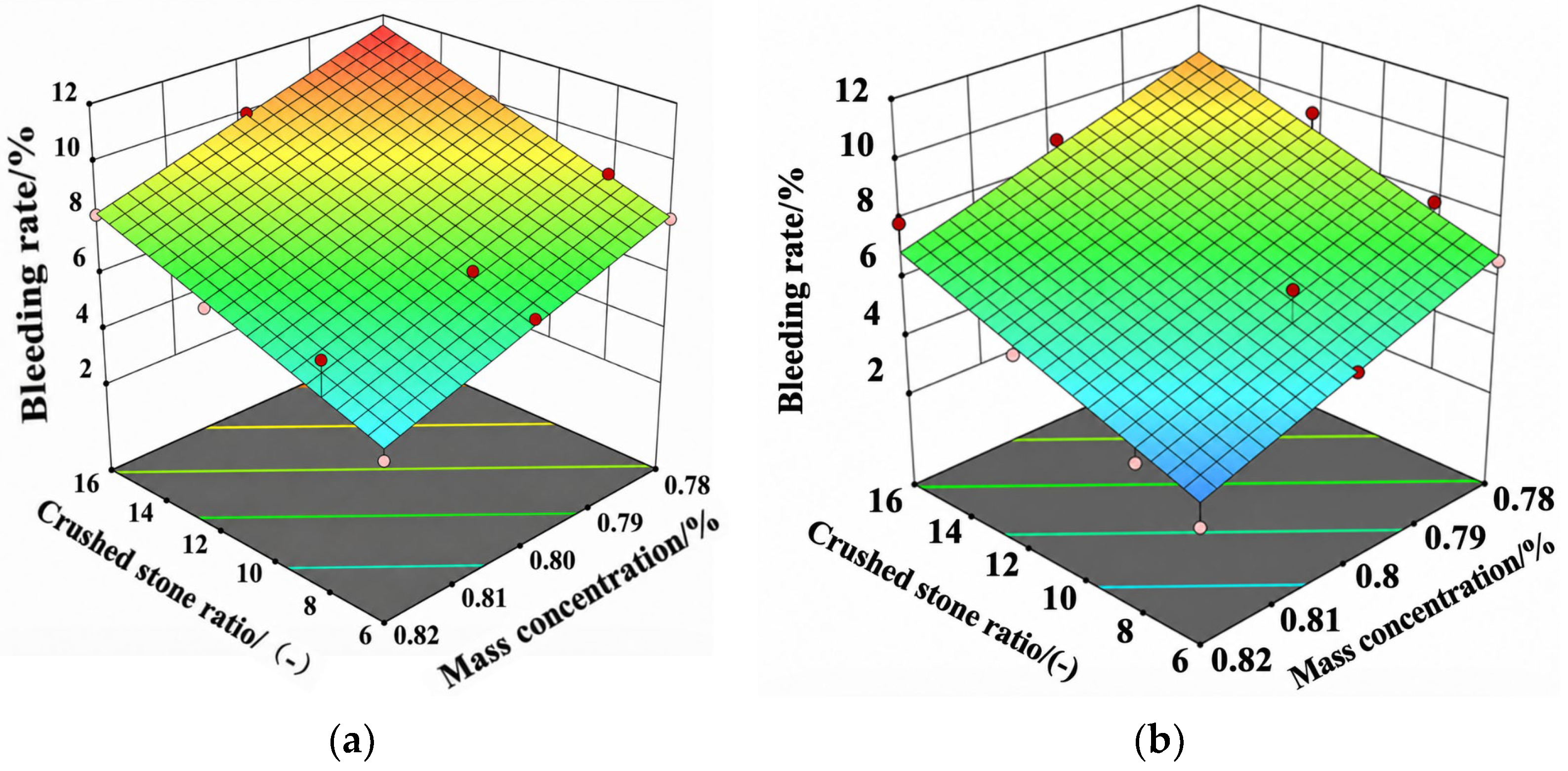
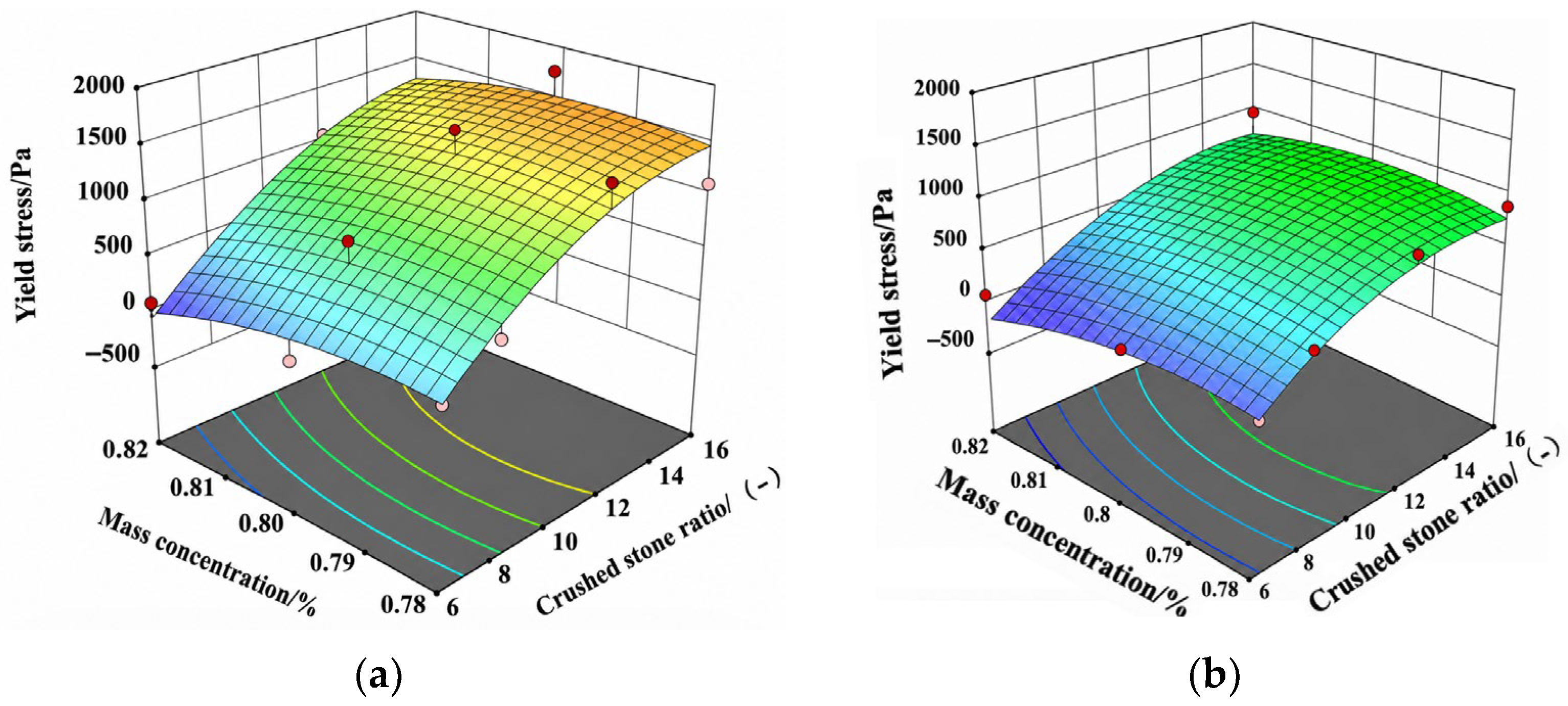
FactorSymbolLevel 1Level 2Level 3Level 4
Crushed stone ratioX1681216
Mass concentration/%X2788082-
Fly ash ratioX30.51--
Table 2. Unit prices of backfill materials (RMB/t).
CementFly AshClay-Bearing Crushed Stone
3706533
Table 3. Test results of cemented backfill material under different mix proportions.
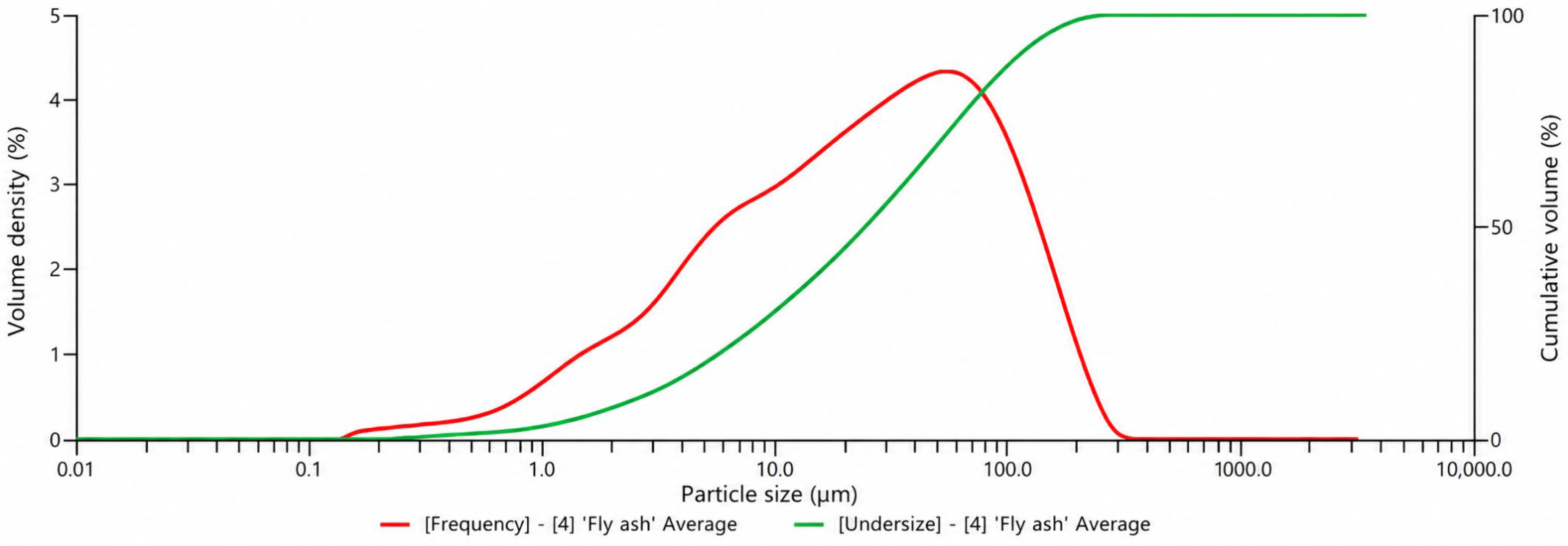
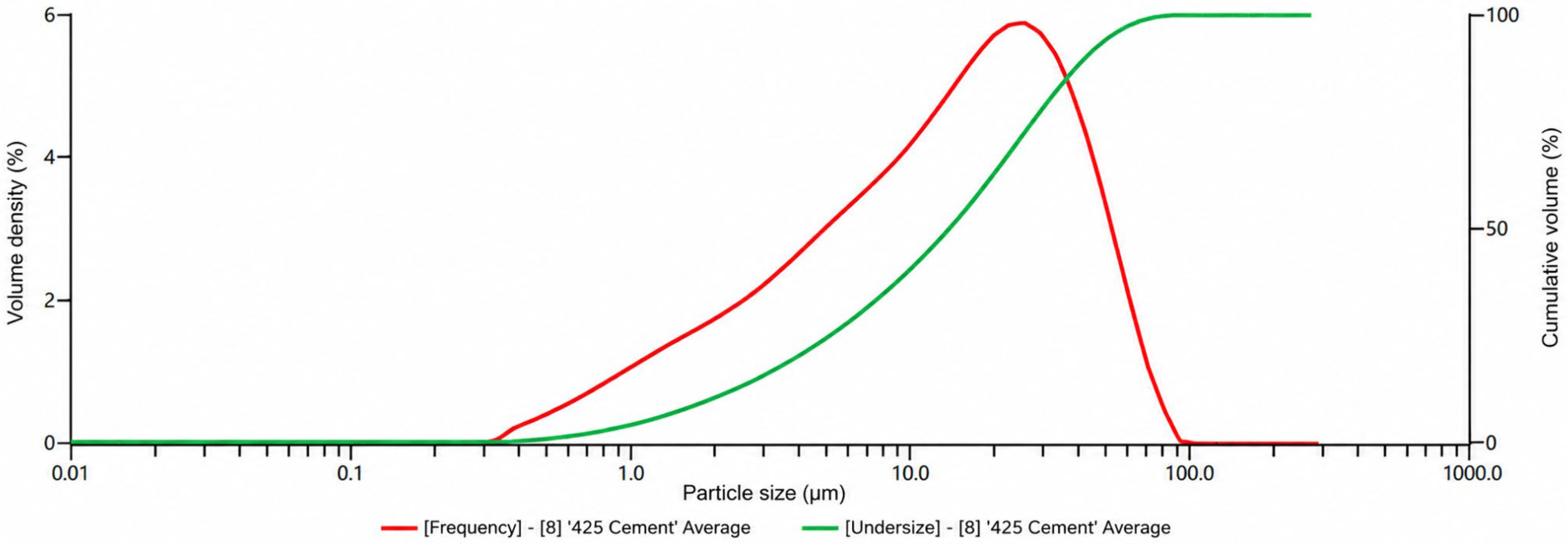
Crushed Stone RatioMass ConcentrationFly Ash Ratio3-Day Compressive Strength (MPa)Bleeding Rate
(%)
Yield Stress (Pa)
60.780.50.877.99347.3
60.80.51.066.61120.6
60.820.51.234.2598.4
60.7810.746.6177.6
60.810.975.1114.3
60.8211.232.5788.0
80.780.50.518.83643.6
80.80.50.687.4934.9
80.820.50.766.62193.9
80.7810.447.83460.0
80.810.586.92159.7
80.8210.713.6162.9
120.780.50.2810.031537.2
120.80.50.387.781564.1
120.820.50.446.561050.9
120.7810.339.46871.6
120.810.376.15773.2
120.8210.415.22421.0
160.780.50.1611.381102.8
160.80.50.199.961759.7
160.820.50.248.151165.8
160.7810.2710.00885.0
160.810.338.88709.8
160.8210.487.9958.64
Table 4. Analysis of variance for the 3-day compressive strength response surface model.
SourceSum of SquaresdfMean SquareF-Valuep-Value
Model2.2480.279652.95<0.0001
A1.6811.68318.16<0.0001
B0.197510.197537.4<0.0001
C0.001710.00170.32310.5781
AB0.042610.04268.060.0124
AC0.05110.0519.660.0072
BC0.002510.00250.47350.5019
A20.267410.267450.64<0.0001
B28.33 × 10−618.33 × 10−60.00160.9688
Residual0.0792150.0053
Cor Total2.3223
R2 = 0.9658Adjusted R2 = 0.9476
Predicted R2 = 0.9127Adeq Precision = 22.6579
Table 5. Analysis of variance for the bleeding rate response surface model.
SourceSum of SquaresdfMean SquareF-Valuep-Value
Model100.5333.589.45<0.0001
A44.28144.28118.23<0.0001
B46.44146.44124.01<0.0001
C9.7819.7826.11<0.0001
Residual7.49200.3745
Cor Total107.9923
R2 = 0.9306Adjusted R2 = 0.9202
Predicted R2 = 0.9029Adeq Precision = 32.9048
Table 6. Analysis of variance for the yield stress response surface model.
SourceSum of SquaresdfMean SquareF-Valuep-Value
Model5.35 × 10686.69 × 10512.6<0.0001
A3.58 × 10613.58 × 10667.39<0.0001
B1.79 × 10511.79 × 1053.380.0861
C1.06 × 10611.06 × 10619.990.0004
AB22,149.31122,149.310.41690.5282
AC1.58 × 10511.58 × 1052.970.1052
BC13,108.99113,108.990.24670.6266
A23.59 × 10513.59 × 1056.760.0201
B21.02 × 10511.02 × 1051.910.1871
Residual7.97 × 1051553,126.77
TotalCor6.15 × 10623
R2 = 0.8704Adjusted R2 = 0.8013
Predicted R2 = 0.5984Adeq Precision = 12.0072
Table 7. Information entropy and entropy weights of evaluation criteria.
Evaluation IndicatorInformation EntropyEntropy Weight
Y10.967390.24912
Y20.940940.45118
Y30.960770.2997
Table 8. Ranking results of Pareto candidate solutions by relative closeness coefficient.
RankX1X2X3Y1Y2Y3Oi
16.97210.819910.96293.736768.2250.704436
26.89750.819910.97433.710368.5160.704306
37.08730.819910.94553.777467.7840.703044
47.21340.819910.92683.822067.3150.69923
57.29090.819910.91553.849467.0330.69571
Table 9. Engineering Validation.
Evaluation IndicatorTest Value95% PI Low95% PI High
Y10.990.8670931.05058
Y23.523.202814.28732
Disclaimer/Publisher’s Note: The statements, opinions and data contained in all publications are solely those of the individual author(s) and contributor(s) and not of MDPI and/or the editor(s). MDPI and/or the editor(s) disclaim responsibility for any injury to people or property resulting from any ideas, methods, instructions or products referred to in the content.