Abstract
National parks are the core carriers for implementing the concept of “ecological protection first, public welfare for all”. This study used the fuzzy comprehensive evaluation method to evaluate the ecological experience resource quality of the Laohegou area in Giant Panda National Park of China. Based on the standardized psychological assessment scale and the Kessler Psychological Distress Scale, we have established an evaluation model for the psychological health benefits, quantifying the psychological health benefits of tourists in the ecological experience of national parks. At the same time, the relationship between the demographic characteristics, ecological experience characteristics, psychological health level, and psychological health benefits of visitors was analyzed. The ecological environment in Laohegou area is excellent (evaluated as “excellent” in multiple key indicators), with outstanding resource and value characteristics (evaluated as “good” in multiple indicators), and has the ability to provide high-quality public ecological experiences, which has significant benefits in promoting tourists’ mental health. The ecological experience within national parks could bring high psychological health benefits to visitors. The educational background, age, and income of visitors had a significant impact on the psychological health benefits of their ecological experience. Therefore, ecological experience products within national parks should be designed in layers based on age, income, and other factors, and spaces should be controlled at different levels.
1. Introduction
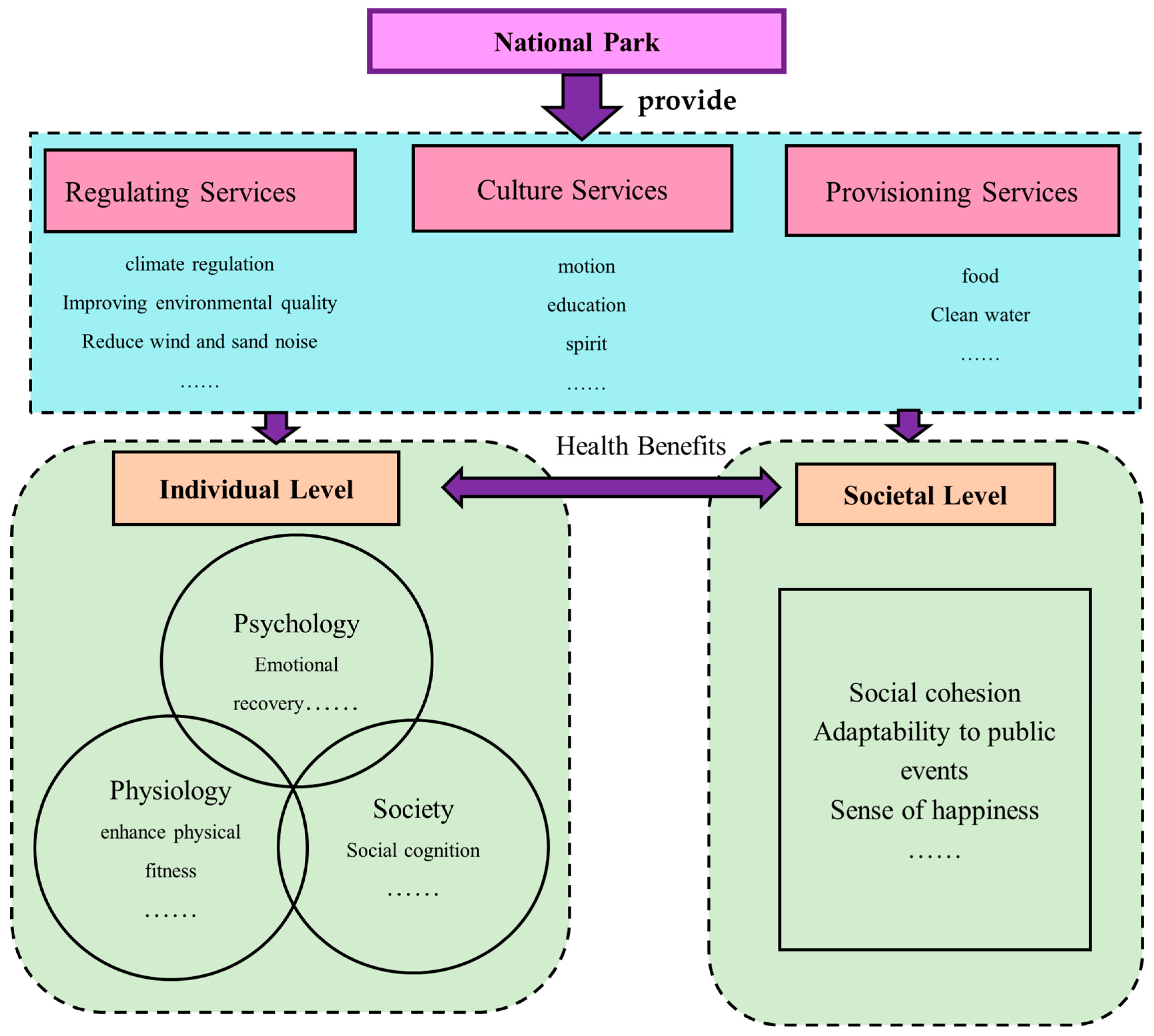
As an important institutional design for achieving harmonious coexistence and modernization between humans and nature, national parks are the core spatial carriers for ensuring biodiversity security and practicing the concept of “green mountains and clear waters are as valuable as mountains of gold and silver”. They shoulder multiple sustainable development missions such as promoting ecological protection and restoration, poverty reduction and development, and adapting to climate change [1]. Yet, as global urbanization accelerates, the contradiction between the public’s increasing demand for natural connection and ecological wellness and the inadequate provision of high-quality ecological spaces has become more acute. This presents tangible pressure on mental health at both individual and public levels [2]. Following the core concept of “ecological protection first, national representativeness, and public welfare” established in China’s “Overall Plan for Establishing a National Park System” [3], tourism resource optimization management based on the perspective of ecological experience has become a key lever to resolve the tension between protection and development and stimulate the diversified value of national parks. Ecological experience activities centered on natural recreation, outdoor exploration, ecological health preservation, cultural immersion, and popular science research are not only the core practice path of public welfare, but also the strategic means to shape public ecological identity and consolidate the foundation of ecological protection. At present, it is a historic period for China to build the world’s largest national park system. In depth exploration of the dynamic relationship between the systematic evaluation of ecological experience resources in national parks, precise regulation of visitor experiences, and their derived psychological health benefits, scientifically revealing their effectiveness mechanisms in promoting stress resolution, emotional recovery, and spiritual revitalization, has profound practical significance and contemporary value for breaking through the traditional “separation of protection and use” and innovating the construction of a new paradigm of integrated development of “protection experience health” [4,5]. This move is not only related to the high-quality realization of national park public welfare and the overall improvement of public mental health, but also an inevitable requirement for implementing the “Healthy China” strategy and building a solid foundation for ecological civilization system (Figure 1). It is also a vivid practice of optimizing management to release ecological dividends and promote the construction of a community of life between humans and nature, contributing Chinese solutions to global ecological space governance.
Figure 1.
National parks can provide ecological health and ecological security services.
At present, there is no fully unified operational definition of “Ecological Experience” in academia. Different scholars have interpreted it from their own perspectives. Some scholars [6] emphasized that it is a dynamic process in which individuals perceive, understand, and internalize ecological knowledge in specific ecological contexts and relationships, thereby generating ecological awareness, wisdom, and behavior. Some scholars [7] focus on its spatial attributes, referring to the time individuals spend in natural areas, including wilderness, urban parks, gardens, and green spaces. Some scholars [8] focused on the sensory dimension, covering people’s perceptual interactions with natural stimuli (from potted plants to vast wilderness) through visual, auditory, gustatory, tactile, and olfactory senses. Some scholars pointed out that forest hiking has a positive impact on perceived restorative emotional comfort [9]. Regarding the specific field of national parks, scholars [10] highlighted them as a way to utilize natural resources for environmental education, providing the public with opportunities to get close to, experience, and understand nature, reflecting the shared nature of the whole nation. Some scholars [11] defined the ecological experience of national parks from a functional perspective, which refers to the opportunities provided by parks to the public through their public functions such as protection, recreation, education, and community development, in the form of natural education, environmental interpretation, and recreation. Overall, the ecological experience of national parks can be summarized as participatory experiential activities based on the natural environment conducted within national parks. National parks provide resources and functional guarantees for such activities (including protection, recreation, education, and community development), allowing visitors to experience nature, understand ecology, and benefit from various aspects such as physical and psychological well-being.
National parks have direct and indirect impacts on human health through their ecosystem services, particularly regulatory services, cultural services, and some provisioning services [12]. In terms of mental health, visitors establish emotional connections with the park environment through multiple sensory channels (visual, auditory, tactile, olfactory, gustatory) [13,14], achieving significant benefits, mainly manifested in two dimensions: one is emotional recovery, including stress release, anxiety relief, emotional improvement, and psychological resilience recovery [14,15]; The second is the improvement of cognitive function, including attention recovery, enhanced self-awareness, and memory improvement [16]. Multiple empirical studies have confirmed that national parks serve as a “environment” away from urban stressors, act as a “spiritual shelter” for visitors, effectively regulate internal emotional balance, and enhance happiness and life satisfaction. In addition, national parks also contribute to physical health. The high-quality air environment and clean drinking water sources they provide are the foundation of health, helping to improve cardiovascular function and reduce the risk of cardiovascular disease [17]; Rich ecological experience activities (such as hiking, rock climbing, cycling) can significantly increase activity levels [18,19], reduce obesity rates, enhance skeletal muscle strength, and comprehensively improve physical fitness. At the same time, national parks also provide important social health benefits: experiencing behaviors such as mutual assistance, sharing, cooperation, and comfort generated during activities effectively enhances visitors’ social capital, improves their ability to build healthy social relationships, and thus obtains closer social connections and more inclusive social support. For socially marginalized groups such as the elderly, national parks provide an important platform for reintegration into the community, reducing social isolation, enhancing social confidence and sense of belonging, and promoting active social participation [20].
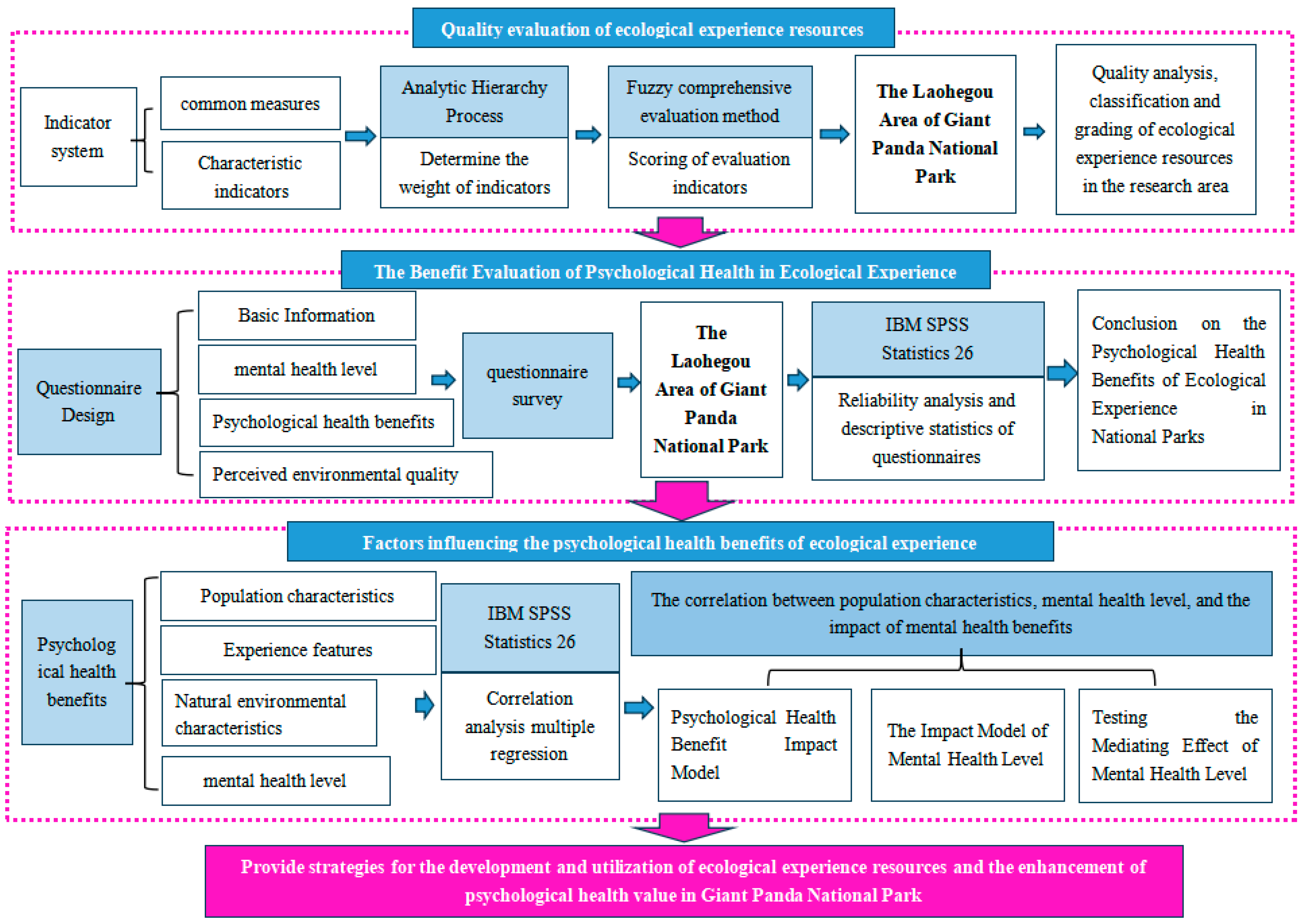
The impact mechanism of national parks on public health is complex and involves multiple interacting factors, including the natural environmental characteristics of the park (such as landscape pattern, soundscape), demographic characteristics of visitors (age, gender), socio-cultural background, and differences in activities and behaviors within the park [21,22]. As the main provider of health benefits, the landscape and environmental characteristics of national parks are particularly crucial. For example, in the study of soundscapes in national parks in the United States, the positive emotional recovery and stress relief effects of natural soundscapes were significantly better than those of noisy environments [23]. Existing research suggests that there are differences in the perceived benefits of visitors of different genders and ages (such as females being higher than males and older adults having a higher degree of mental health recovery) [24], and the initial mental health status of visitors can also regulate the recovery effect (those with lower levels of mental health may have greater potential for recovery). By improving public health, national parks can indirectly reduce social investment in healthcare and increase labor productivity, demonstrating significant value in health services [25]. Given that the establishment of the first five national parks (including the Giant Panda National Park) in China in 2021 marks a new stage in the construction of national parks, this study takes the Laohegou area of Giant Panda National Park as a typical research area. The goal is to construct a theoretical model of the psychological health benefits of ecological experience in national parks based on a comprehensive evaluation of the quality of their ecological experience resources, systematically explore their positive effects on public mental health, and identify key factors that affect this benefit (Figure 2). The research results aim to provide scientific basis for the construction and management decisions of national parks, promote the rational allocation and utilization of resources, maximize their ecological health benefits, and serve the long-term goal of the “Healthy China” strategy and harmonious coexistence between humans and nature.
Figure 2.
The Logic of Sustainable Development of Ecological Experience Resources in National Parks.
It should be noted that in the context of the national park system, “public health” and “mental health” are two closely related but different core concepts. Although there are differences, in the interdisciplinary dialogue between national parks and health research, the two can be cautiously interchanged or combined in specific contexts.
Under the framework of “ecosystem services”, when discussing the contribution of natural ecosystem “regulatory services” (such as climate regulation, environmental purification) and “cultural services” (such as spiritual enjoyment, leisure and entertainment) to human “health”, “public health” and “mental health” can be integrated under the broader concept of “ecosystem promotes human health”. Meanwhile, under the macro paradigm that emphasizes the close connection between human and environmental health, physical and mental health is regarded as an inseparable whole. At this point, it can be used interchangeably to emphasize the overall health. For example, national parks are key places to practice “integrated health”, providing natural solutions for improving community public/mental health while protecting biodiversity.

2. Materials and Methods
2.1. Study Area
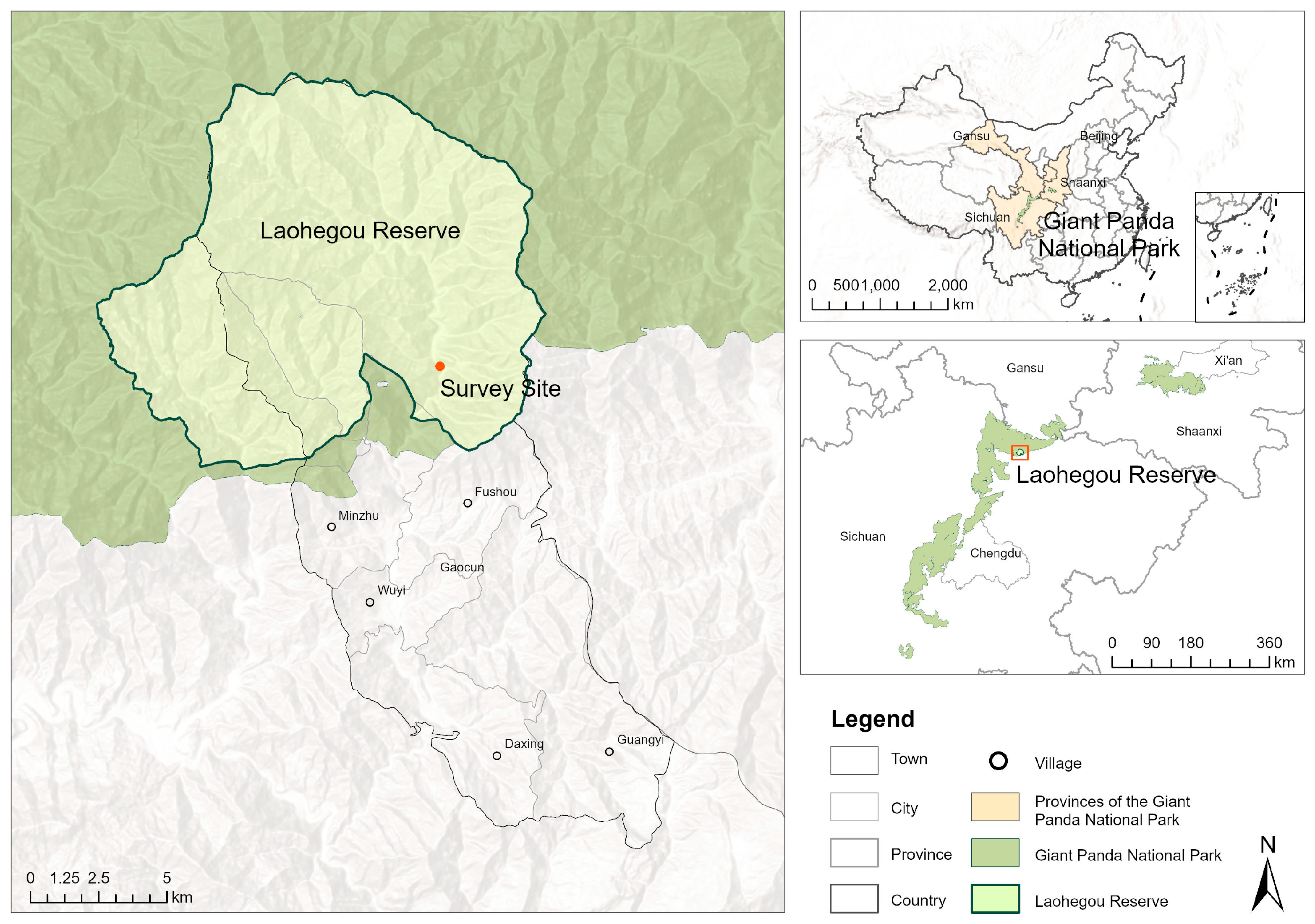
The Giant Panda National Park is one of the earliest five national parks established in China, spanning across three provinces of Sichuan, Shanxi, and Gansu, with a total area of 27,134 km2. Among them, Sichuan Province has the largest proportion of the total area, accounting for 74.36% of the total area, reaching 20,177 km2, involving 4 cities and 20 counties (districts). The Laohegou area (Previously known as Laohegou National Nature Reserve) of Giant Panda National Park is located in Pingwu County, Mianyang City, Sichuan Province (Figure 3). It is an important area for the migration and reproduction of wild giant pandas in the northern part of the Minshan Mountains, and is connected to two national nature reserves, Tangjiahe and Baishuijiang. It is the first “social welfare type protected area” in China. The total area of Laohegou is about 110 km2, with high mountains and canyons as the main terrain, rich vegetation types, and a complete vertical distribution zone. At the same time, the Laohegou area has designated the surrounding community as an expansion zone, jointly managing multiple affairs with the community, encouraging villagers to engage in environmentally friendly industries, guiding community residents to become locally recognized ecological guides, providing accompanying natural and cultural explanation services for visitors and earning certain rewards, and providing additional economic income for community residents. At present, the Laohegou area has developed 6 ecological experience routes, attracting tourists from all over to explore the “Panda Home” in Laohegou.
Figure 3.
Map of Laohegou Research Area.
2.2. Data Sources
Through the investigation of background resources in Pingwu County, Sichuan Province (where the protected area is located), as well as the compilation of data such as the “Pingwu County Environmental Quality Monitoring Annual Report”, “Pingwu County 14th Five Year Plan for Forest Health Industry Development”, and “Pingwu County National Ecological Civilization Construction Demonstration County Plan (2019–2025)”, relatively complete and reliable data support has been obtained. Among them, the environmental data mainly comes from the “Annual Report on Environmental Quality Monitoring in Pingwu County” (2017–2024), and some environmental data is collected from April 2023 to June 2024, combining traditional mountain patrols with forest protection data recorded by local ecological stations and environmental monitoring points, such as water sources, air quality, and soil environment, we can initially ascertain the quantity, distribution, scale, and combination status of ecological experience resources within the study area, laying the groundwork for subsequent resource evaluation work.
From September to October 2023, this study conducted a questionnaire survey in the Laohegou area of the Giant Panda National Park using systematic sampling to collect data. The survey was conducted from 7:30 am to 7:00 pm, and research points were set up at major tourist distribution points such as the main exit of the National Forest Park and the visitor center. During the open period, one visitor was systematically selected every 10 visitors for questionnaire interview, covering the main activity periods of ecological experience participants and ensuring the authenticity of the sample. The researchers first conducted a brief dialogue with the tourists, informed them of the purpose of the survey, and distributed paper questionnaires for survey after obtaining their consent. The researchers provided one-on-one guidance for tourists to fill out the questionnaire. For minors under 18 years old, their oral consent was obtained first, and then the informed consent of their accompanying guardians was further obtained before conducting the interview. A total of 523 questionnaires were distributed in this survey, and 509 valid questionnaires were collected. The benefits of ecological experience on mental health in the Laohegou area were analyzed using the questionnaire survey data.
2.3. Research Methods
The fuzzy comprehensive evaluation method is adopted because the evaluation of ecological experience resource quality involves a large number of fuzzy and subjective factors (such as tourist perception). This method can convert fuzzy linguistic variables into quantitative numerical values, reduce uncertainty, and enhance the accuracy and operability of evaluation results. The Analytic Hierarchy Process (AHP) is chosen because this model can systematically determine the relative weights of various ecological experience resource evaluation indicators (such as natural landscape, biodiversity, etc.) by constructing a hierarchical structure, thereby effectively handling multi-criteria decision-making problems and ensuring the scientificity and logicality of the evaluation process.
The combination of these two models can fully leverage the advantages of AHP in determining weights and the capabilities of fuzzy comprehensive evaluation in handling fuzzy information, thereby providing a comprehensive and robust comprehensive evaluation framework for the quality of ecological experience resources in Laohegou area of Giant Panda National Park.
2.3.1. Fuzzy Comprehensive Evaluation
Fuzzy comprehensive evaluation (FCE) and Analytic Hierarchy Process (AHP) were used to evaluate the quality of ecological experience resources in the Laohegou area of Giant Panda National Park. FCE is a comprehensive evaluation method based on fuzzy mathematics. This method transforms qualitative evaluation into quantitative evaluation based on the membership theory of fuzzy mathematics, thus conducting an overall evaluation of objects constrained by multiple factors [26,27]. FCE has the characteristics of clear results and strong systematicity, which can effectively solve fuzzy and difficult-to-quantify problems, and is suitable for solving various non-deterministic problems.
The steps for constructing an FCE model are as follows:
- ①
- Take as the object set.
- ②
- Take as the indicator set, and the evaluation indicators have a certain hierarchy, where “m” represents the number of indicators.
- ③
- Take as the comment set.
- ④
- Establish the fuzzy transformation matrix
Among them, represents the membership degree of the “j” level evaluation made for the “i” indicator.
- ⑤
- Take as the normalized weight set for the indicators in “F”.
- ⑥
- Calculate the fuzzy comprehensive evaluation matrix for each levelB = W × R
The values in evaluation matrix “B” form the evaluation sets for each level, and the maximum value corresponds to an extremely FCE result.
2.3.2. Analytic Hierarchy Process
The Analytic Hierarchy Process (AHP) can model and quantify complex decision-making processes, divide problems into various factors, and compare these factors to calculate weights, thereby providing evaluation criteria for decision-making [27,28,29]. This study invites experts to compare the relative importance of various indicators, then constructs a judgment matrix, calculates the weights and maximum eigenvalues of the indicators, and conducts consistency checks to ensure the effectiveness and accuracy of the decision-making process.
- (1)
- According to the judgment rules in Table 1, we quantified the qualitative indicators and scored the relative importance of each element within the same level relative to the corresponding element in the previous level using expert scoring method to determine the relative importance of each element within the same level.
Table 1. Criteria and Scale for Determining the Importance of Evaluation Indicators. - (2)
- Calculate the root mean square “Mi” of the product of each row of elements in the judgment matrix, and obtain the weight “Wi” through standardization. The calculation formula is as follows:
- ①
- Normalize each column of the judgment matrix, that is
- ②
- Add the normalized judgment matrices of each column by row, that is
- ③
- Normalize the vector , that is
- ④
- The weight vector obtained in sequence is
- (3)
- Consistency check
When using the Analytic Hierarchy Process, in order to ensure that the conclusions are generally reasonable, it is necessary to perform consistency checks on the established judgment matrix.
Consistency testing is performed by calculating the consistency deviation index (CI) of the judgment matrix and the average random consistency, which is the ratio (CR) to the degrees of freedom (RI). If CR < 0.1, the judgment matrix has high consistency and is acceptable; Otherwise, it is necessary to adjust the initial values of the matrix. The steps for consistency verification are as follows:
① Calculate consistency index CI:
② Determine the degree of freedom RI according to Table 2.
Table 2.
RI Table (Degree of Freedom Index).
③ Calculate the consistency ratio CR and make a judgment:
In the formula, is the largest eigenvalue of the judgment matrix;
“W” is the eigenvector corresponding to the normalization of
“” is the component of element “W”, which refers to the weight and corresponds to the single sorting of its corresponding element.
2.3.3. Evaluation of Psychological Health Benefits
The Kessler Psychological Distress Scale (K-10) was used to evaluate the level of psychological health [29,30]. The scale includes ten questions describing key symptoms of distress. That is: in the past 30 days, how often did you feel tired out for no good reason, nervous, so nervous that nothing could calm you down, hopeless, restless or fidgety, so restless that you could not sit still, depressed, everything was an effort, so sad that nothing could cheer you up, and worthless. The scale used a five-value response option for each question—all of the time, most of the time, some of the time, a little of the time, and none of the time—that were scored from five through to one. The equal weight method is used for variable analysis. Sum up the scores of all variables for each sample to reflect the overall mental health level of each visitor. The maximum score is therefore 50, indicating severe distress, and the minimum score is 10, indicating no distress.
The mental restoration obtained by respondents in national parks can be measured in three dimensions: restorative experiences, positive emotions, and stress reduction. Restorative experiences were measured using three items: feel very relaxed, forget daily worries, and get rest from the daily routine after experiencing. Positive emotions were measured using two items: feel happy and feel energized after experiencing. Stress reductions were measured using two items: feel calm and reduce stress after experiencing. All items were rated on a 5-point Likert scale, ranging from 1 (completely disagree) to 5 (completely agree). The final mental restoration score of each respondent is the add up value of these three dimensions. The total score for perception recovery is 15 points, for positive emotions and pressure release is 10 points each, and for comprehensive mental health benefits is 35 points.
3. Results
3.1. Evaluation of Ecological Resource Quality in the Laohegou Area
3.1.1. Index System for Ecological Experience Resource Quality Evaluation
Ecological experience relies on a high-quality natural environment foundation, and meets the diverse needs of the public and creates value through the provision of natural aesthetics and ecosystem services (such as health, education, and recreation) [31]. Its core appeal lies in the high-quality ecological environment that can trigger visitors’ aesthetics, perception, and enjoyment [32,33]. Therefore, building a scientific and standardized ecological experience resource quality evaluation system [34] is the core strategy for optimizing the ecological protection and tourism resource management of national parks. This study is based on the “Basic Norms for National Park Overall Planning” (GB/T 39736-2020), “Classification, Survey and Evaluation of Tourism Resources” (GB/T 18972-2017) and other standards [33,34,35,36,37,38], with a focus on serving ecological protection and efficient collaborative utilization of resources. It focuses on the three core experiential functions of health, education, and recreation, and constructs an evaluation system that integrates resource quality and environmental quality indicators (Table 3), aiming to provide quantitative support and practical basis for accurately balancing biodiversity conservation, experience project development, and public welfare service capacity enhancement for the whole nation.
Table 3.
Index System for Ecological Experience Resource Quality Evaluation.
3.1.2. Explanation of Indicators
Resource quality includes resource size and abundance (breadth and quantity of resource distribution), resource integrity (degree of maintaining the original natural state and ecological processes), resource rarity (regional/global rarity, including the uniqueness of species/ecosystems/natural features), and resource representativeness (typicality within geographical regions) [39,40,41]. Among them, integrity directly reflects the authenticity and disturbance level of the ecosystem, while rarity significantly enhances resource attractiveness. The core indicators of the environmental quality are water environment, air environment, and noise environment quality [40,42,43,44]. Good water and air quality are the basic conditions for ensuring the development of ecological experience projects, and are evaluated based on the “Surface Water Environmental Quality Standards”, “Environmental Air Quality Standards”, and “Acoustic Environmental Quality Standards”. The evaluation indicators of the health and wellness value include air negative oxygen ion content (measuring environmental comfort and key health benefits), forest coverage (reflecting vegetation abundance, affecting oxygen supply, soil and water conservation, and landscape), and temperature and humidity (affecting perceived comfort) [42,44,45]. Based on the advantageous natural resources of national parks, the evaluation indicators of the educational value are the typicality of natural features (whether they can represent regional ecosystem processes/natural phenomena) and the value of ecological education and science popularization (the richness of natural/science popularization knowledge contained in resources) [46,47,48,49,50]. The core indicators of the recreational and ornamental value are biodiversity (species richness, meeting exploration interests, improving experience quality and fun) and landscape harmony (the degree of coordination and balance between landscape elements, enhancing visual enjoyment and psychological comfort) [40,41,42,49,50,51,52].
3.1.3. Indicator Weights
The consistency check of the judgment matrix of the AHP using the geometric mean method shows that the consistency ratio is less than 0.1, indicating that the weight values of the evaluation indicators are acceptable (Table 4). The quality of resources is the key to evaluating the quality of ecological experience resources, and the quality of natural resources is closely related to the attractiveness of regional ecological experiences and tourist satisfaction. The increasing importance of health and wellness value in ecological experience has become the second key element, indicating that visitors value the restoration of physical and mental health through nature. The third ranking in the weight of recreational and ornamental value indicates that landscape aesthetics is an important factor in attracting visitors to engage in ecological experiences. The value of education lies in enhancing visitors’ knowledge and awareness of natural ecology, and its attractiveness to visitors is not as obvious as other factors. The weight value of environmental quality is the lowest, and it is considered as the basic condition for carrying out ecological experience, rather than the main factor for distinguishing advantages and disadvantages.
Table 4.
Weight Coefficient of the indicators for Quality Evaluation of Ecological Experience Resources.
3.2. Evaluation Results of Ecological Experience Resource Quality
In the FCE, a 5-point scale is used for fuzzy transformation to establish a fuzzy mapping of the ecological experience resource quality evaluation index layer. All indicators are rated ranging from 1 (worse) to 5 (excellent) and scored by experts based on their experience and the resources of the Laohegou area of Giant Panda National Park. According to the maximum membership principle, the evaluation results of the ecological experience resource quality in the Laohegou are shown in Table 5. The overall evaluation result of the ecological experience resource quality in the Laohegou area is “good”. In the element layer, the evaluation of environmental quality is “excellent”, and the evaluation of resource quality, health value, educational value, and recreational value are all “good”. In the indicator layer, the evaluation of water environment quality (C5), air environmental conditions (C6) and negative oxygen ion content (C8) are “excellent”. The Laohegou area is in the mountainous area of Pingwu County, with good ecological environment quality, various nature landscapes, high negative oxygen ion content, abundant wild animal and plant resources, and high ecological health value, which can meet the different needs and aesthetic requirements of visitors.
Table 5.
Evaluation Results of Ecological Experience Resource Quality in the Laohegou Area of Giant Panda National Park.
The main reason why the comprehensive evaluation of ecological experience resource quality in the Laohegou area of Giant Panda National Park did not reach “excellent” is that the evaluation of “resource representativeness (C4)” and “temperature (C10)” are only “general”. The winter temperature in the Laohegou area is too low, which affects the visitors’ experience and feelings. This study acknowledges that compared to the core hinterland of the Giant Panda National Park (such as the Wanglang Nature Reserve), the Laohegou area has its own uniqueness in terms of “resource representativeness”, with a “general” score. This “general” score is mainly reflected in the following aspects: First, the transitional nature of ecosystem types. Laohegou is located in the transition zone between the surrounding mountainous areas and the eastern edge of the Qinghai–Tibet Plateau, and its ecosystem is a cross-over and transitional type of various geographical units, rather than the “most typical” representative of a certain type of ecosystem. Second, the historical imprint of human interference. Laohegou was once a forestry-based management area with a more significant history of human activities than the core protected areas. Its current ecological environment is the result of a combination of “natural recovery” and “historical interference”, and its originality and natural state may not be as good as areas that have been strictly protected for decades. Third, the heterogeneity of habitat quality. There may be issues such as habitat fragmentation and relatively simple forest community structure in the area, making it slightly less typical in representing the “ideal state” of giant panda habitat. In summary, although Laohegou scores generally in the classic evaluation of “resource representativeness”, it is precisely because of its unique transitional zone attributes, significant history of human activities, and recovering habitat characteristics that it has become a key and irreplaceable research area for studying ecological restoration processes, edge habitat management, and win-win models of protection and development. This study will make full use of the advantages of this “natural laboratory”, and its results will not only not weaken its value due to lack of typicality, but will instead provide precise, efficient, and forward-looking scientific guidance for the Giant Panda National Park to address more general management challenges.
3.3. Evaluation of the Psychological Health Benefits of Tourists’ Ecological Experience
Scientific evaluation of the psychological health benefits of ecological experiences, such as stress relief and emotional regulation, has key guiding value for optimizing the construction of national park systems [44,52,53]. Quantitative evaluation provides empirical support for the coordinated optimization of national park recreational space planning and ecological protection strategies, and is the core basis for building a sustainable management model that balances the maintenance of ecological integrity and the improvement of public health and well-being. Especially in the context of the “Healthy China” strategy, national parks have become an important carrier and innovative path to alleviate the psychological pressure of urban populations and promote spiritual recovery through the supply of high-quality ecological products and immersive experience environments [38]. This directly demonstrates the transformation efficiency of their ecological value into perceptible health benefits, further strengthening the core public service attributes of national parks as a shared high-quality ecological space for all. Based on the ecological resource evaluation in the Laohegou, a tourist ecological experience benefit evaluation was carried out, and the evaluation results showed that the reserve has rich and unique biodiversity and an intact ecosystem. Therefore, analyzing the benefits of tourist experience based on high-quality ecological background can more accurately evaluate the ecological service value of protected areas and provide scientific basis for sustainable tourism management.
3.3.1. Descriptive Statistics of Tourist Respondents
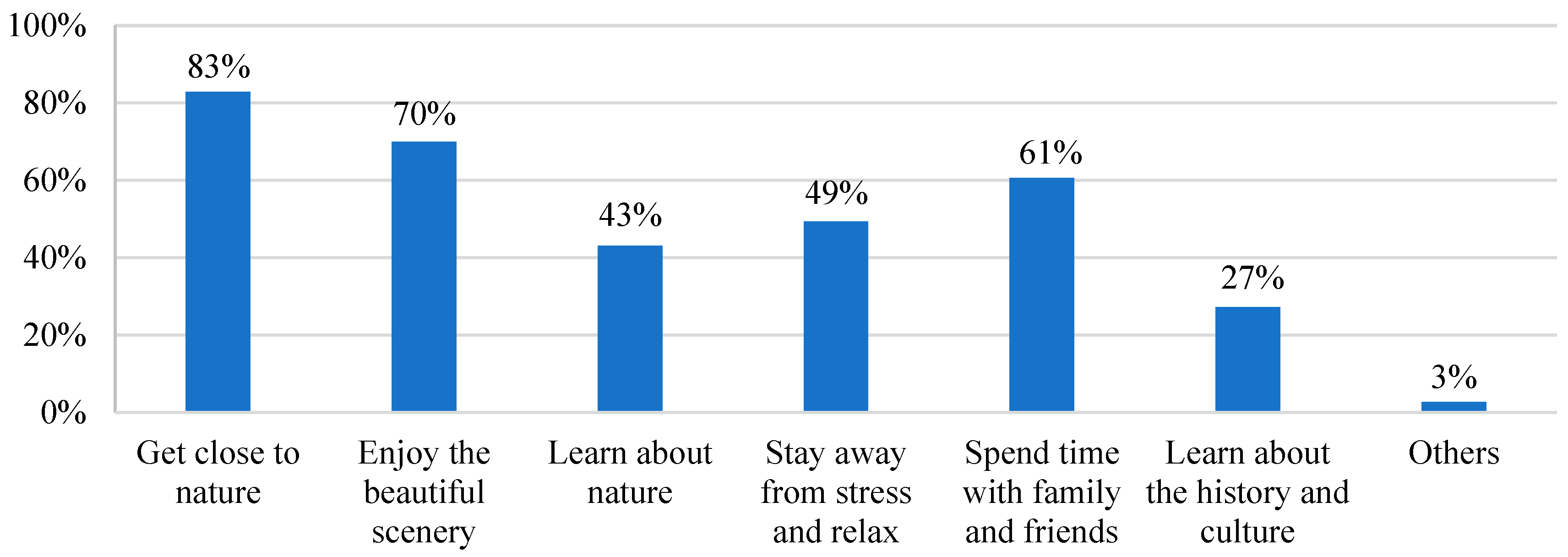
As shown in Figure 4, among the respondents, females accounted for 56.08%, males accounted for 43.92%, and those aged 31 to 45 had the highest proportion (41.45%), followed by minors under 18 years old (23.97%). In terms of educational background, respondents with a bachelor’s degree have the highest proportion (33.99%), followed by those with a junior high school degree or below (32.42%), and those with a graduate degree or above account for 12.97%. National parks provide excellent opportunities for natural education and attract many young students to experience nature here. Most respondents came to the Laohegou area with the purpose of getting close to nature (83%) and enjoying the beautiful scenery (70%) in the national park. There were also many tourists who hope to stay away from stress and spend time with family and friends, reaching 49% and 61%, respectively. 80.75% of the respondents were visiting the national park for the first time, which indicates that national parks have a high appeal to people seeking ecological experience, and more and more people are familiar with national parks and willing to come for ecological experience.
Figure 4.
Proportion of respondents for different tourism purposes.
3.3.2. Evaluation of Tourists’ Psychological Health Level and Psychological Health Benefits
The Kessler Psychological Distress Scale (often represented by K-10) is a screening tool used to quickly assess an individual’s recent level of psychological stress. Its core (Table 6) is to measure the degree of non-specific psychological distress experienced by the respondent in the past four weeks, such as anxiety, depression, and other emotional symptoms. The higher the total score of the scale, the more severe the psychological distress, and the higher the potential risk of mental illness. The core content of the Kessler Psychological Distress Scale is to assess the frequency of non-specific psychological distress experienced by individuals, mainly measuring emotional states such as anxiety and depression.
Table 6.
General Classification Criteria for K-10.
In this study, based on the K-10 scoring results, 93% of the respondents had low levels of psychological stress and belonged to the low-risk group; only 3 individuals (approximately 2% of the total sample) showed severe anxiety and depression symptoms and were classified as high-risk groups. To further evaluate the restorative benefits of ecological experiences in national parks on mental health, this study conducted descriptive statistics on the data collected from respondents in the Laohegou area of Giant Panda National Park (see Table 7 for results). The comprehensive score for mental health benefits ranged from 7 to 35, indicating some individual differences. Overall, the data suggest that participating in ecological experiences within national parks can significantly improve mental health. Specifically, 92.14% of respondents believed that their benefits in the “perception recovery” dimension were good or excellent; 78.98% and 85.85% of respondents reported significant benefits in “positive emotional recovery” and “stress release” from ecological experiences, respectively. A total of 94.5% of respondents agreed that ecological experiences in national parks had brought them better overall mental health benefits.
Table 7.
Descriptive statistics on the psychological health benefits of National Parks.
Correlation analysis is conducted between positive emotions, perceived recovery, and stress release, three dimensions for measuring the benefits of mental health. Reliability analysis shows that the Cronbach Alpha reliability coefficient value is 0.947 (>0.9), indicating that the data size has a high degree of internal consistency or reliability. The results of Pearson correlation are shown in Table 8, and there is a close and significant positive correlation between each dimension. This means that individuals with different dimensions of mental health may have similar positive experiences in other aspects when their feelings are enhanced, such as when they feel relaxed and happy.
Table 8.
Pearson correlation coefficient between the three dimensions of psychological health benefits.
3.3.3. Analysis of Factors Influencing the Psychological Health Benefits of Ecological Experience
To explore the influencing factors of ecological experience on mental health benefits, an independent sample t-test and ANOVA analysis of variance were used to evaluate the correlation strength of demographic variables such as age, marital status, education, income, etc. The results (Table 9) indicate that for the categorical variable of gender, an independent sample t-test compared the average ecological experience and mental health benefits of male and female populations, and the results showed that the difference caused by gender was not significant. For the categorical variables of marital status, the results indicate that marital status has a certain impact on ecological experience and psychological health benefits (although the data differences are relatively small). The conclusion of this study reveals that such benefits are relatively universal among different demographic groups, which provides empirical support for optimizing ecological experience resource management strategies in national parks, especially in terms of customer segmentation and precise service supply to avoid excessive differentiation, as well as strengthening public welfare design for the whole population.
Table 9.
Differences in Psychological Health Benefits of Ecological Experience in National Parks by Gender and Marital Status.
This study used independent sample t-test and one-way analysis of variance (ANOVA) as the main statistical methods, based on the core objective of the current research to test whether there are significant differences in ecological experience and psychological health-related scores among different demographic characteristics (such as gender, marital status, age, income, and education level) groups, rather than constructing a multivariate causal model or predicting binary outcomes. The t-test and analysis of variance are classic and effective methods for comparing categorical independent variables with continuous dependent variables, and their statistical results can directly respond to the core hypothesis of this stage of research about whether there are differences in psychological health perception among different groups.
The one-way ANOVA test (Table 10) showed that there were significant differences in the psychological health benefits of ecological experiences in national parks among educational groups (F = 3.932, p = 0.004). The perceived benefits of visitors in the junior high school and below and high school groups are the highest, while those in the associate degree group are relatively lower. However, there was no significant difference in the dimension of stress release.
Table 10.
Differences in Psychological Health Benefits of Ecological Experience in National Parks in Education, Age, Income, and Residential Area.
This discovery suggests that ecological experience has a more significant effect on improving the mental health of individuals with relatively low educational backgrounds (adults and students) in natural education. To optimize the management strategy of ecological experience resources in national parks, it is necessary to focus on strengthening the design of science popularization and natural education services for this group, to enhance their experience depth and health benefits, while also providing targeted basis for public welfare.
The age dimension showed significant differences in the psychological health benefits, perceived recovery, and positive emotions of ecological experience among age groups (F = 2.913–4.766, p < 0.05). Adults aged 19–30 have the lowest perceived benefits in multiple dimensions, while teenagers under 18 and elderly people over 60 show the most significant improvement in mental health. This suggests that the environmental and tourism management of national parks urgently needs to strengthen intergenerational integration experience projects, design facilities that are suitable for the elderly/young, and maximize their sense of health and well-being.
The income dimension showed a significant intergroup difference (F = 2.575–2.830, p < 0.05) in the benefits of mental health and perceived recovery, but there was a non-linear correlation. It is worth noting that low-income groups (<2000 yuan) have the highest perceived benefits, middle-income groups (10,000–50,000 yuan) have the lowest, and high-income groups (>50,000 yuan) have slightly rebounded; The impact of place of residence is not significant. This confirms the public service value of national parks as inclusive psychological stress relief spaces, requiring the precise development of stress relief products for middle-income groups while maintaining accessibility policies for low-income populations.
4. Discussion
The empirical results of this study confirm that the quality of ecological resources has a significant positive impact on the mental health of visitors to national parks, and its internal path can be explained through the chain of “ecological resource quality ecological experience psychological health benefits”. From the perspective of environmental psychology, this discovery supports and expands the “Attention Restoration Theory”, which suggests that high-quality natural environments can effectively alleviate psychological fatigue, enhance emotional and cognitive function by providing space away from daily stress, triggering “flexible obsession”, and promoting reflection [54]. This study further couples this psychological mechanism with natural resource management practices, revealing that the cultural service function of ecosystems is not only reflected in the supply of recreational opportunities, but can also be transformed into observable and measurable mental health outputs through structured and high-quality ecological experiences, providing empirical evidence for the correlation between human and natural health.
Compared with existing research, this study is consistent in its conclusions with most positive studies exploring the psychological benefits of natural contact [8], confirming the reparative value of the natural environment. However, existing literature mostly focuses on verifying the universal effects of “natural exposure”, or emphasizes single attributes such as landscape visual aesthetics, with insufficient exploration of the comprehensive composition of ecological resource “quality” (such as biodiversity, ecological integrity, environmental tranquility) and its differential impact mechanisms. The characteristic of this study lies in the construction of a comprehensive evaluation system that integrates objective indicators of ecological quality and subjective psychological benefits of tourists, achieving a more refined quantification of the cultural service functions of the ecosystem. At the application level of management, most management frameworks focus on the one-way dimension of tourist management or ecological protection. However, the core innovation of the “protection experience benefit” collaborative management framework proposed in this study lies in the construction of a closed-loop feedback mechanism of “ecological quality improvement experience optimization psychological benefits protection willingness enhancement”. This mechanism internalizes the psychological health benefits of tourists as evaluation indicators for protection effectiveness and sustainable capital for community development, thereby promoting a paradigm shift from “resource consuming” tourism to “welfare value-added” experiences at the theoretical level, and providing a systematic solution for resolving the contradiction between protection and development at the practical level.
5. Conclusions
This study empirically constructed and validated the correlation path and collaborative management framework of “ecological resource quality psychological health benefits”, deepening the connotation of ecosystem cultural service functions at the theoretical level, and revealing the inherent mechanism of high-quality ecological resources promoting public psychological health through structured experiences. At the practical level, the research results provide direct reference for the construction and ecological management of China’s national park system. The proposed collaborative management mechanism of “precise control, experience grading, and endogenous driving” emphasizes achieving ecological protection baselines through dynamic monitoring and threshold control of carrying capacity, promoting ecological experience from service supply to cognitive intervention through graded educational products, and ultimately transforming ecological well-being into an endogenous driving force for community participation in protection through a “protection experience benefit” closed loop. This provides a Chinese style solution that combines scientific basis and operability to achieve the unity of the three goals of national park ecological protection, public welfare improvement, and community sustainable development. Future research needs to test the universality of the framework across a wider range of ecosystem types and socio-cultural groups, and integrate objective physiological indicators with long-term tracking data to further reveal the differential impact mechanisms of ecological resource multi attributes on various dimensions of mental health.
Author Contributions
Conceptualization, H.Z., Z.W. and B.H.; Methodology, H.Z. and Z.W.; Software. Y.B.; Validation, Y.B., Y.N. and J.Z.; Formal analysis, Z.W., H.Z. and Y.N.; Investigation, Z.W., H.Z., Y.B. and B.H.; Resources, H.Z., Z.W. and Y.N.; Data curation, Y.B.; Writing—original draft, H.Z. and Z.W.; Writing—review and editing, Z.W., H.Z. and Y.N.; Funding acquisition, H.Z., J.Z. and B.H. All authors have read and agreed to the published version of the manuscript.
Funding
This research was supported by a key project of the National Natural Science Foundation of China funded by the National Natural Science Foundation of China (NO. 42230510), the Technology Innovation Project in Beijing Academy of Agriculture and Forestry Sciences (NO. KJCX20250909), and the Special Research Project of State Forestry and Grassland Administration National Park Research Institute of Chinese Academy of Sciences (NO. E2X3171601).
Data Availability Statement
The original contributions presented in the study are included in the article, further inquiries can be directed to the corresponding authors.
Acknowledgments
The authors would like to express their sincere gratitude to the relevant departments of the Laohegou Area of Giant Panda National Park for their technical guidance and assistance in the collection of survey and interview data.
Conflicts of Interest
The authors declare no conflicts of interest.
References
- Tang, F.L. Discussion on the Definition of National Parks. Fores. Constr. 2015, 5, 19–24. [Google Scholar]
- Huang, B.R. Improve the governance system of national parks and promote the construction of the world’s largest national park system with high quality. J. Chin. Acad. Sci. 2024, 39, 219–229. [Google Scholar]
- Chen, Y.; Huang, D.; Yan, S. Discussions on public welfare, state dominance and scientific city of national parks. Sci. Geog. Sin. 2014, 24, 257–264. [Google Scholar]
- Soga, M.; Gaston, K.J. Extinction of experience: The loss of human-nature interactions. Front. Ecol. Environ. 2016, 14, 94–101. [Google Scholar] [CrossRef]
- Peng, J.; Liu, Y.X.; Wu, J.S.; Lv, H.; Hu, X. Linking ecosystem services and landscape patterns to assess urban ecosystem health: A case study in Shenzhen City, China. Lands. Urban Plan. 2015, 143, 56–68. [Google Scholar] [CrossRef]
- Liu, J.D. Moral Experience Theory; Nanjing Normal University: Nanjing, China, 2002. [Google Scholar]
- Rosa, C.D.; Collado, S. Experiences in nature and environmental attitudes and behaviors: Setting the ground for future research. Front. Psychol. 2019, 10, 763. [Google Scholar] [CrossRef]
- Bratman, G.N.; Anderson, C.B.; Berman, M.G.; Cochran, B.; de Vries, S.; Flanders, J.; Folke, C.; Frumkin, H.; Gross, J.J.; Hartig, T.; et al. Nature and mental health: An ecosystem service perspective. Sci. Adv. 2019, 5, eaax0903. [Google Scholar] [CrossRef]
- Clayton, S.; Colleony, A.; Conversy, P.; Maclouf, E.; Martin, L.; Torres, A.; Truong, M.; Prévot, A. Transformation of experience: Toward a new relationship with nature. Conserv. Lett. 2017, 10, 645–651. [Google Scholar] [CrossRef]
- Sun, Q.; Geng, R.; Qiu, S.M.; Yang, X.Y. Development Strategies for Nature Education Ecological Experience Projects in Pudacuo National Park Based on Visitor Preferences. J. Southw. Fores. Uni. (Soc. Sci.) 2022, 6, 19–24. [Google Scholar]
- Hai, R. Nature Education in National Parks and National Botanical Gardens. Natl. Parks 2024, 2, 1–6. [Google Scholar]
- Celik, D. Determination of the suitable ecotourism activities with the analytic hierarchy process: A case study of Balamba Natural Park, Turkey. Appl. Ecol. Environ. Res. 2018, 16, 4329–4355. [Google Scholar] [CrossRef]
- Zhu, Y.; Weng, Y.; Wang, X.; Huang, N.; Wang, M.; Dong, J. The impact of soundscape perception on the health benefits of forest parks: A case study of Fuzhou National Forest Park. Fores. Sci. 2021, 57, 9–17. [Google Scholar]
- Buckley, R.C.; Cooper, M.A. Tourism as a tool in nature-based mental health: Progress and prospects post-pandemic. Inter. J. Environ. Res. Public Health 2022, 19, 13112. [Google Scholar] [CrossRef] [PubMed]
- Romanillos, T.; Maneja, R.; Varga, D.; Badiella, L.; Boada, M. Protected natural areas: In sickness and in health. Inter. J. Environ. Res. Public Health 2018, 15, 2182. [Google Scholar] [CrossRef] [PubMed]
- Li, Z.; He, Z.; Zhang, Y.; Jin, S.; Wang, X.; Zhu, J.; Liu, S. Research on the Impact of Exposure to Green Environment on Residents’ Mental Health: A Case Study of Nanjing. Advan. Geog. Sci. 2020, 39, 779–791. [Google Scholar]
- Yue, Z.H.; Liu, X.N.; Gao, Y.F. Exploration of Ecological Experience Development in Nature Reserves. Chin. Environ. 2020, 4, 55–58. [Google Scholar]
- Sue, S.; Dudley, N. Vital Sites: The Contribution of Protected Areas to Human Health; World Wide Fund for Nature: Gland, Switzerland, 2012. [Google Scholar]
- Li, C.S. Ecological Experience: From Leisure to Ecological Leisure. Res. Dialect. Nature 2006, 10, 98–100+104. [Google Scholar]
- Li, J.; Li, S. Agricultural subsidies and land rental prices: New evidence from meta-analysis. Agri. Commun. 2024, 2, 100051. [Google Scholar] [CrossRef]
- Wolf, I.D.; Wohlfart, T. Walking, hiking and running in parks: A multidisciplinary assessment of health and well-being benefits. Lands. Urban Plan. 2014, 130, 89–103. [Google Scholar] [CrossRef]
- Russell, R.; Guerry, A.D.; Balvanera, P.; Gould, R.K.; Basurto, X.; Chan, K.M.A.; Klain, S.; Levine, J.; Tam, J. Humans and nature: How knowing and experiencing nature affect well-being. Annual Rev. Environ. Resor. 2013, 38, 473–502. [Google Scholar] [CrossRef]
- Celikors, E.; Wells, N.M. Are low-level visual features of scenes associated with perceived restorative qualities? J. Environ. Psychol. 2022, 81, 12. [Google Scholar] [CrossRef]
- Buxton, R.T.; Pearson, A.L.; Allou, C.; Fristrup, K.; Wittemyer, G. A synthesis of health benefits of natural sounds and their distribution in national parks. Proc. Natl. Acad. Sci. USA 2021, 118, e2013097118. [Google Scholar] [CrossRef] [PubMed]
- Vancampfort, D.; Koyanagi, A.; Ward, P.B.; Veronese, N.; Carvalho, A.F.; Solmi, M.; Mugisha, J.; Rosenbaum, S.; De Hert, M.; Stubbs, B. Perceived stress and its relationship with chronic medical conditions and multimorbidity among 229,293 community-dwelling adults in 44 low- and middle-income countries. Am. J. Epidemiol. 2017, 186, 979–989. [Google Scholar] [CrossRef] [PubMed]
- Cheng, D.P.; Lin, Z. Application of Fuzzy Evaluation Method in Tourism Resource Evaluation. J. Guilin Inst. Technol. 2001, 2, 186–190. [Google Scholar]
- Cheng, L.J.; Hu, X.J.; Wei, B.J. Comprehensive Evaluation of Ecotourism Resources in 23 Forest Parks in Guangxi Zhuang Autonomous Region. Ecol. Sci. 2021, 40, 112–119. [Google Scholar]
- Xiang, C.; Qin, J.X.; Yin, L. Study on the rural ecotourism resource evaluation system. Environ. Technol. Inno. 2020, 20, 101131. [Google Scholar] [CrossRef]
- Kessler, R.C.; Andrews, G.; Colpe, L.J.; Hiripi, E.; Mroczek, D.K.; Normand, S.-L.T.; Walters, E.E.; Zaslavsky, A.M. Short screening scales to monitor population prevalences and trends in non-specific psychological distress. Psychol. Med. 2002, 32, 959–976. [Google Scholar] [CrossRef]
- Yan, Y.X.V.; Numbers, K.; Sachdev, P.S.; Brodaty, H.; Medvedev, O.N. Application of generalizability theory to evaluate the Kessler Psychological Distress Scale and distinguish between enduring and dynamic distress. J. Affect. Disor. Rep. 2023, 14, 100668. [Google Scholar] [CrossRef]
- Pienkowski, T.; Dickens, B.L.; Sun, H.; Carrasco, L.R. Empirical evidence of the public health benefits of tropical forest conservation in Cambodia: A generalized linear mixed-effects model analysis. Lancet Planet. Health 2017, 1, e180–e187. [Google Scholar] [CrossRef]
- Zhang, J.H.; Su, Y.; Zhong, L.S.; Wu, C.Z.; Zhang, Y.J.; Li, P.; Xue, H.J.; Xu, F.F.; Zhang, H.M.; Zhang, X.J. Scientific protection of National Parks and high quality development of ecotourism: Theoretical reflections and innovative practices. Chin. Ecotour. 2022, 12, 189–207. [Google Scholar]
- Puhakka, R.; Pitkanen, K.; Siikamaki, P. The health and well-being impacts of protected areas in Finland. J. Sustain. Tour. 2017, 25, 1830–1847. [Google Scholar] [CrossRef]
- Eigenschenk, B.; Thomann, A.; McClure, M.; Davies, L.; Gregory, M.; Dettweiler, U.; Inglés, E. Benefits of outdoor sports for society. A systematic literature review and reflections on evidence. Int. J. Environ. Res. Public Health 2019, 16, 937. [Google Scholar] [CrossRef] [PubMed]
- Pollin, S.; Retzlaff-Furst, C. The School Garden: A Social and Emotional Place. Front. Psychol. 2021, 12, 567720. [Google Scholar] [CrossRef] [PubMed]
- Zhang, J.W.; Zhang, H.M. Revision and reliability validity testing of the Perceived Health Benefits Scale for Camping Scenarios: A Case Study of the Camping Site in Dongping Forest Park, Shanghai. Tour. Res. 2023, 15, 44–54. [Google Scholar]
- Liu, Q.Y.; Chen, Y.; Zhang, W.; Zhang, Y.J. Study on the Relationship between Recreation Environmental Preferences, Resilience Evaluation, and Health Benefit Evaluation: A Case Study of Fuzhou National Forest Park. Resor. Sci. 2018, 40, 381–391. [Google Scholar]
- Li, X.; Yu, R.; Luo, C.; Wang, G. Research on the construction of natural education system in national parks from the perspective of tourists’ perception—Taking Mount Wuyi National Park as an example. For. Econ. 2020, 42, 36–43. [Google Scholar]
- Jones, T.E.; Minh-Hoang, N. Nature-based tourism motivations and visit profiles of domestic and international segments to a Japanese national park. Quaest. Geog. 2021, 40, 77–92. [Google Scholar] [CrossRef]
- Haahtela, T. A biodiversity hypothesis. Allergy 2019, 74, 1445–1456. [Google Scholar] [CrossRef]
- Buckley, R. Tourism and Mental Health: Foundations, Frameworks, and Futures. J. Travel Res. 2023, 62, 3–20. [Google Scholar] [CrossRef]
- Central, H.P.H.P. Healthy Parks Healthy People Resources; U.S. National Park Service: Washington, DC, USA, 2022.
- Zhong, L.; Zhang, Y.; Yang, S.; Zhang, Y. Healthy People in Health Parks-International Experience in Promoting Public Health through Nature Reserves. Lands. Architect. 2023, 30, 38–44. [Google Scholar]
- Shu, Y.; Lou, Y.; Zhang, H.; Wang, H. Analysis of the Current Status and Path of Forest Health Industry Development in China: Based on Typical Regional Studies. World Forest. Res. 2019, 32, 51–56. [Google Scholar]
- Central, H.P.H.P. Protecting the earth’s two most important assets. In Introducing Healthy Parks Healthy People; U.S. National Park Service: Washington, DC, USA, 2021. [Google Scholar]
- Wang, Y.Q.; Chen, J.; Gu, Y.L. A Brief Analysis of Japan’s Forest Health Policy and Operating Mechanism. Forest. Econ. 2018, 40, 108–112. [Google Scholar]
- Rajoo, K.S.; Karam, D.S.; Abdullah, M.Z. The physiological and psychosocial effects of forest therapy: A systematic review. Urban Forest. Urban Green. 2020, 54, 10. [Google Scholar] [CrossRef]
- Zhang, Z.Y.; Ye, B. Forest therapy in Germany, Japan, and China: Proposal, development status, and future prospects. Forests 2022, 13, 15. [Google Scholar] [CrossRef]
- Reining, C.E.; Lemieux, C.J.; Doherty, S.T. Linking restorative human health outcomes to protected area ecosystem diversity and integrity. J. Environ. Plan. Manag. 2021, 64, 2300–2325. [Google Scholar] [CrossRef]
- Ouyang, Z.Y.; Wang, R.S.; Zhao, J.Z. Ecological system service functions and their ecological economic value evaluation. J. Appl. Ecol. 1999, 5, 635–640. [Google Scholar]
- Zheng, S.Y.; Zhang, L.S.; Guo, X.M.; Huang, Z.J.; Xiao, Y.H. A Study on the Spatiotemporal Changes and Environmental Impact Factors of Air Negative Oxygen Ions in Different Forest Closure Environments: A Case Study of Maofeng Mountain in Guangzhou. Chin. J. Ecol. Environ. 2021, 30, 2204–2221. [Google Scholar]
- Siikamäki, P.; Kangas, K.; Paasivaara, A.; Schroderus, S. Biodiversity attracts visitors to national parks. Biodiver. Conserv. 2015, 24, 2521–2534. [Google Scholar] [CrossRef]
- Hanahan, D.F.; Bush, R.; Gaston, K.J.; Lin, B.B.; Dean, J.; Barber, E.; Fuller, R.A. Health benefits from nature experiences depend on dose. Sci. Rep. 2016, 6, 28551. [Google Scholar] [CrossRef]
- Kaplan, S. The restorative benefits of nature: Toward an integrative framework. J. Environ. Psychol. 1995, 15, 169–182. [Google Scholar] [CrossRef]
Disclaimer/Publisher’s Note: The statements, opinions and data contained in all publications are solely those of the individual author(s) and contributor(s) and not of MDPI and/or the editor(s). MDPI and/or the editor(s) disclaim responsibility for any injury to people or property resulting from any ideas, methods, instructions or products referred to in the content. |
© 2025 by the authors. Licensee MDPI, Basel, Switzerland. This article is an open access article distributed under the terms and conditions of the Creative Commons Attribution (CC BY) license (https://creativecommons.org/licenses/by/4.0/).