1. Introduction
Freshwater resources are fundamental to ecosystem functioning and human well-being, supporting agriculture, industry, energy production, and domestic water supply [
1,
2,
3,
4]. The ecological integrity of aquatic systems relies on balanced nutrient cycling and stable physicochemical conditions in water and sediments; however, increasing surface water pollution, particularly from agricultural runoff, has become a major and persistent driver of freshwater ecosystem degradation worldwide [
5,
6,
7,
8]. Natural lakes, which play a crucial role in climate regulation, biodiversity conservation, and livelihood support, are increasingly exposed to multiple stressors driven by human activities and biological invasions. Expanding agricultural practices, urbanization, and watershed modification have intensified nutrient loading and sediment inflow, while invasive species further disrupt ecological balance and ecosystem functioning. Together, these pressures degrade water quality, alter habitat structure, and reduce the resilience of lake ecosystems, ultimately threatening the services they provide to surrounding communities and regional environments [
9,
10,
11].
Ethiopia possesses substantial freshwater resources, including lakes, rivers, wetlands, and reservoirs; however, these systems are increasingly threatened by invasive floating aquatic weeds that rapidly colonize water surfaces. By reducing light penetration, modifying temperature regimes, and constraining oxygen exchange, these species disrupt ecological balance and threaten long-term freshwater sustainability [
12,
13].
Water hyacinth (
Eichhornia crassipes) is one of the most problematic invasive aquatic weeds in tropical and subtropical regions. Native to the Amazon Basin, it was first documented in the early nineteenth century and has since spread extensively across Africa, Asia, and the Middle East through human activities and favorable environmental conditions [
14,
15]. Its rapid growth, free-floating nature, and ability to form dense surface mats make it highly persistent and difficult to control. Recent studies, show that its expansion in African freshwater systems is being accelerated by nutrient enrichment, hydrological variability, and climate-related changes that enhance biomass production and seasonal regrowth [
16]. As a result, it continues to cause severe ecological and socioeconomic impacts, including disruption of navigation, reduced irrigation efficiency, impairment of hydropower operations, decline in fisheries productivity, loss of aquatic biodiversity, deterioration of water quality, and increased public health risks through the creation of stagnant water conditions favorable for disease vectors [
16,
17,
18].
Water hyacinth significantly alters the physical, chemical, and biological characteristics of aquatic ecosystems. Dense infestations reduce dissolved oxygen through restricted air–water exchange and enhanced organic matter decomposition, increase water temperature by forming insulating surface mats, and disrupt nutrient cycling processes, thereby degrading water quality and threatening aquatic biodiversity [
16,
19,
20,
21]. Recent studies further confirm that these impacts are strongly linked to eutrophication processes driven by agricultural runoff and hydrological variability, which intensify oxygen depletion and alter ecosystem metabolism in invaded waters [
13,
16]. In addition, the plant interferes with water flow and sediment transport, disrupts aquatic habitats, and promotes stagnant conditions favorable for disease vector proliferation. Because of its rapid vegetative reproduction, high ecological plasticity, and strong competitive ability, water hyacinth often dominates invaded water bodies, leading to persistent ecological imbalance and long-term management challenges [
13,
16,
22].
One of the most critical yet often underestimated impacts of water hyacinth is its contribution to increased water loss through evapotranspiration. Transpiration refers to the loss of water vapor from plants, mainly through stomata and, to a lesser extent, through the cuticle. In floating aquatic macrophytes such as water hyacinth (
Eichhornia crassipes), transpiration rates per unit area can exceed open-water evaporation, leading to substantial additional water loss from invaded water bodies [
23,
24]. Consequently, lakes and reservoirs infested with dense mats of water hyacinth may experience higher total water losses than those estimated from evaporation alone, particularly under warm and high-radiation conditions [
25]. Beyond water loss, large infestations also modify local microclimate and energy balance, further enhancing evapotranspiration fluxes at the water–plant interface [
26]. Given the high financial and logistical costs associated with mechanical or chemical removal, accurate estimation of these additional water losses is essential for effective water resource planning and sustainable management of invaded aquatic ecosystems [
27].
In Ethiopia, water hyacinth was first reported in the 1950s around the Rift Valley, particularly near Aba-Samuel Dam [
28]. Since its introduction, the species has expanded rapidly across major river basins, including the Awash, Abay (Blue Nile), Baro-Akobo, and Rift Valley lake systems, where its spread has been facilitated by hydrological connectivity and nutrient enrichment [
29]. Recent studies further confirm that the invasion has intensified in both spatial extent and ecological impact over the past decade [
30,
31]. The infestation continues to pose serious challenges to water transport, irrigation schemes, hydropower operations, fisheries productivity, and aquatic biodiversity conservation, while also contributing to increased flooding risk and associated public health concerns in affected communities [
32,
33].
Lake Tana, the largest freshwater lake in Ethiopia and the headwater of the Blue Nile, has recently been severely affected by water hyacinth infestation, which was first formally reported in September 2011 [
17]. Although the precise introduction pathway remains uncertain, the rapid and persistent expansion of the weed along the littoral zones indicates favorable ecological conditions such as nutrient enrichment, shallow water habitats, and limited natural control [
33]. Recent assessments show that approximately 5000 ha of the shoreline accounting for more than 30% of the lake’s 385 km perimeter is now covered by dense mats of water hyacinth [
8,
31]. This extensive invasion continues to pose significant risks to fisheries productivity, lake navigation, hydropower operations, and the overall ecological integrity of Lake Tana [
32].
Lake Tana plays a central role in regional and national development, functioning as a key socio-ecological and hydrological system in the Upper Blue Nile Basin. As Ethiopia’s largest freshwater lake and the primary source of the Blue Nile, it provides essential ecosystem services that support the livelihoods of millions of people in Bahir Dar and surrounding lakeshore communities [
34]. The lake supplies water for domestic consumption, livestock, irrigation, fisheries, tourism, and small-scale industries, thereby directly linking ecosystem health to socio-economic stability [
35]. In addition, Lake Tana sustains extensive wetland ecosystems that regulate nutrient cycling, sediment retention, and biodiversity conservation, including endemic fish species of high ecological and economic importance [
32,
35,
36,
37]. Recent studies also highlight its increasing strategic importance in the Nile Basin, as it contributes significantly to downstream water availability for agriculture and hydropower generation in Sudan and Egypt, making its sustainable management a transboundary priority [
35]. However, growing anthropogenic pressures and ecological disturbances threaten these services, emphasizing the need for integrated basin-scale management to maintain its long-term functionality.
The uncontrolled proliferation and subsequent decomposition of water hyacinth biomass can intensify environmental degradation by promoting oxygen depletion, generating anaerobic conditions, and releasing greenhouse gases such as methane and hydrogen sulfide during decay processes. These processes further deteriorate water quality and alter biogeochemical cycling within affected aquatic systems [
32,
33]. When combined with rising external nutrient loading, land-use change, and increasing human pressure within the catchment, the expansion of water hyacinth significantly amplifies ecosystem stress and water loss through enhanced evapotranspiration. In Lake Tana, such dynamics represent a growing threat to long-term water security, ecological integrity, and socio-economic sustainability [
33]. Given the increasing demand for freshwater resources and the strategic importance of Lake Tana within the Upper Blue Nile Basin, there is an urgent need for integrated quantification of water hyacinth impacts on both water quality and basin-scale water balance to inform evidence-based management, control, and restoration strategies.
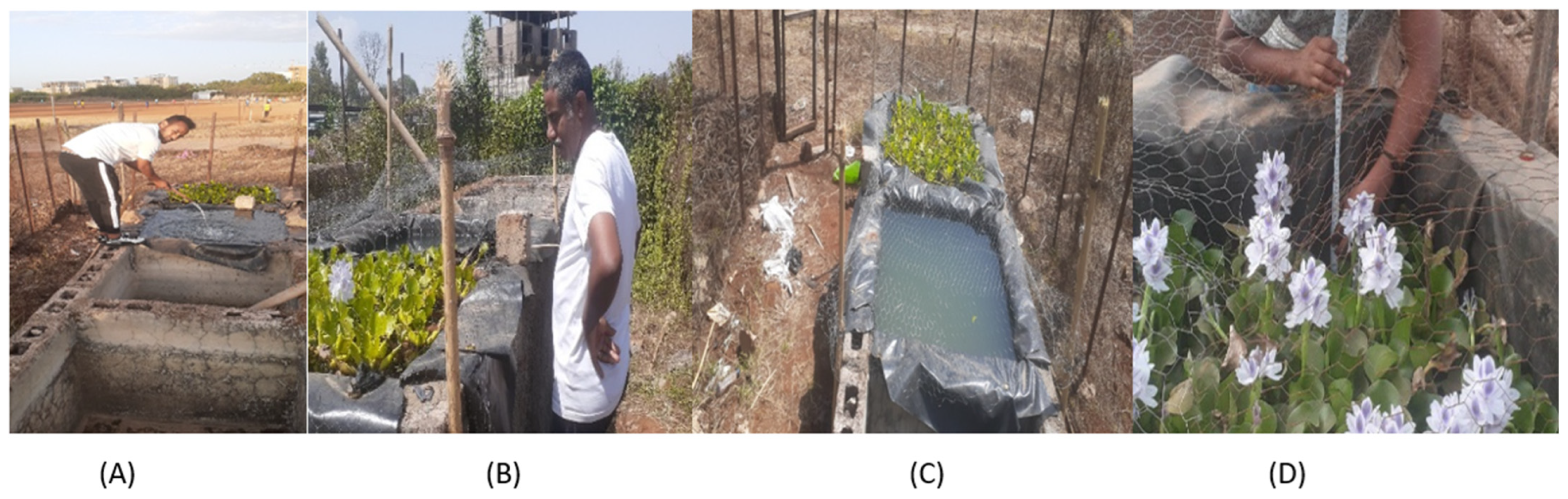
Therefore, the general objective of this study was to evaluate the impacts of water hyacinth on the physical water quality of Lake Tana and to quantify water losses associated with water hyacinth evapotranspiration using constructed experimental ponds. The specific objectives were to: (1) assess the effects of water hyacinth on selected physical water quality parameters in Lake Tana; (2) estimate the evapotranspiration rate of water hyacinth using controlled pond experiments; and (3) compare evapotranspiration losses from water hyacinth-covered surfaces with those from open water surfaces.
3. Results
This study presents the results of the evapotranspiration (ET) rate of water hyacinth and open-water evaporation measured in constructed ponds, as well as the impacts of water hyacinth infestation on selected physicochemical water quality parameters of Lake Tana. The assessed water quality parameters included temperature, dissolved oxygen (DO), total dissolved solids (TDS), and pH.
3.1. Physical Water Properties
The formation of dense water hyacinth mats, resulting from the interlocking growth of individual plants, has noticeably altered water quality conditions in Lake Tana. Water quality parameters—physical, chemical, and biological—play a critical role in maintaining ecological balance and supporting aquatic life [
42]. Changes in these parameters can therefore have significant ecological consequences.
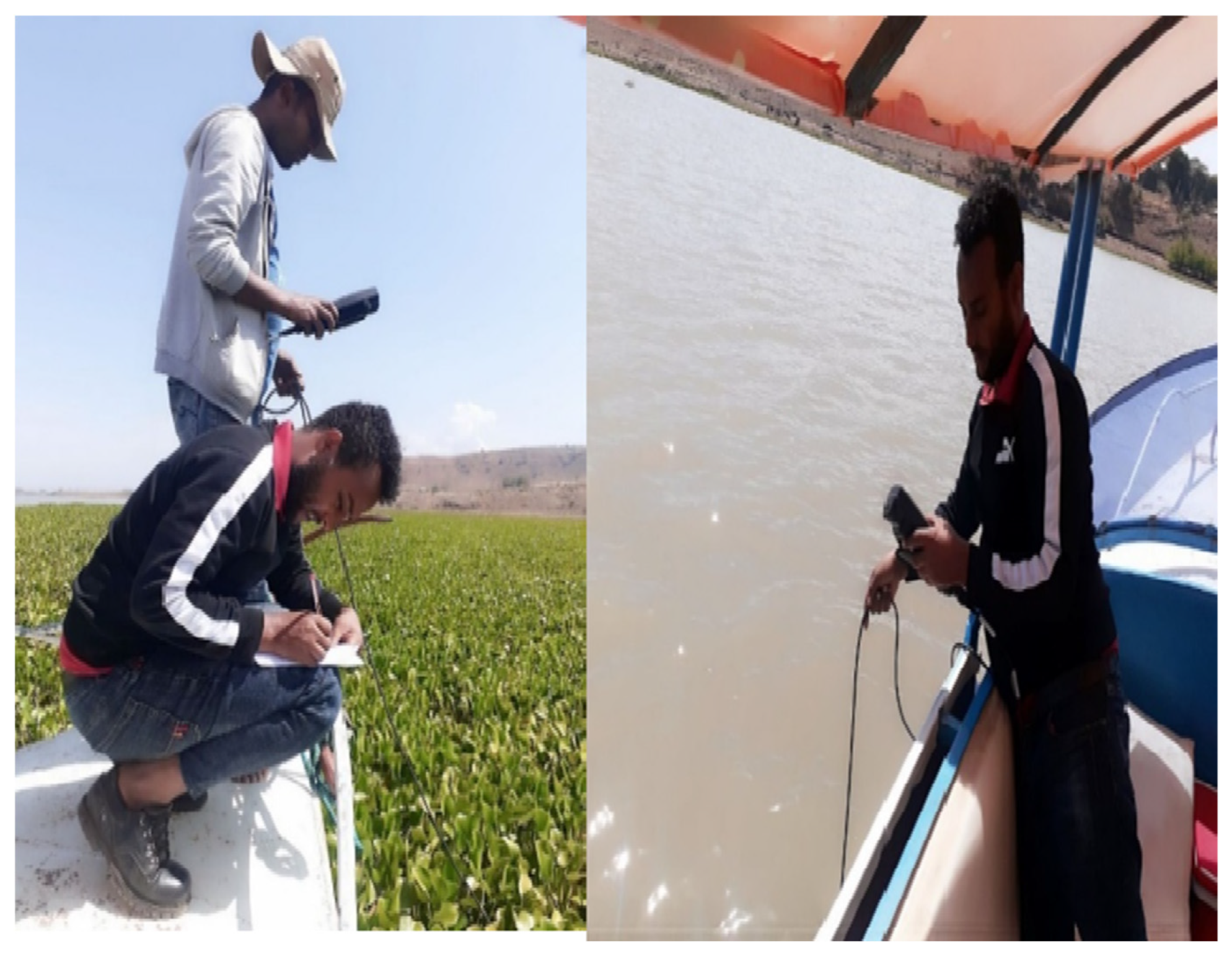
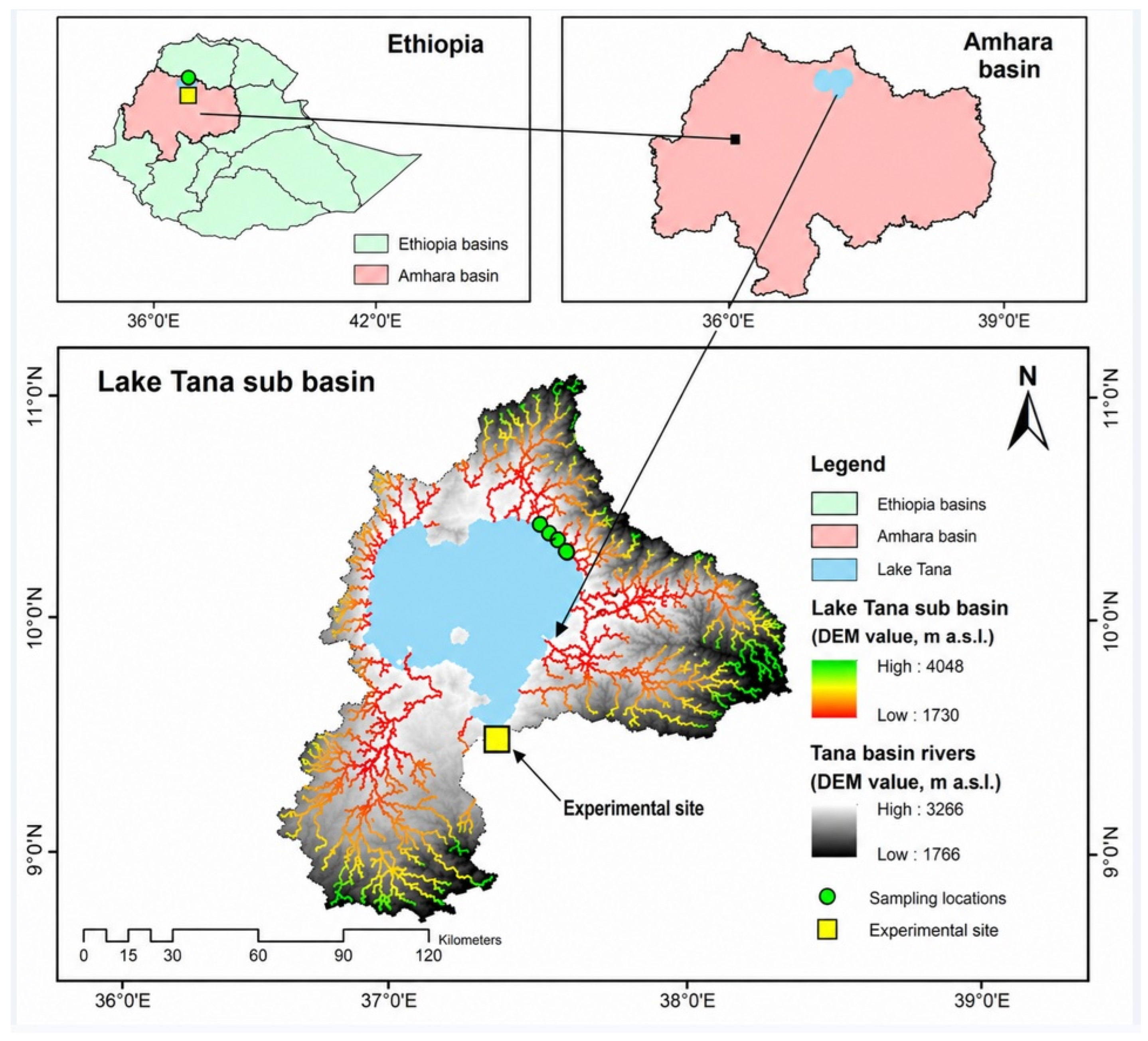
To evaluate the influence of water hyacinth invasion on the physicochemical characteristics of Lake Tana, water samples were collected and analyzed from two distinct site categories: areas infested with water hyacinth and areas free from water hyacinth. A total of four representative sampling sites were selected and assessed across both categories. Samples were collected from the lake surface at approximately 0.5 m depth and at 2 km intervals along the shoreline. The summary of the measured physicochemical parameters at the different sampling sites is presented in
Table 1.
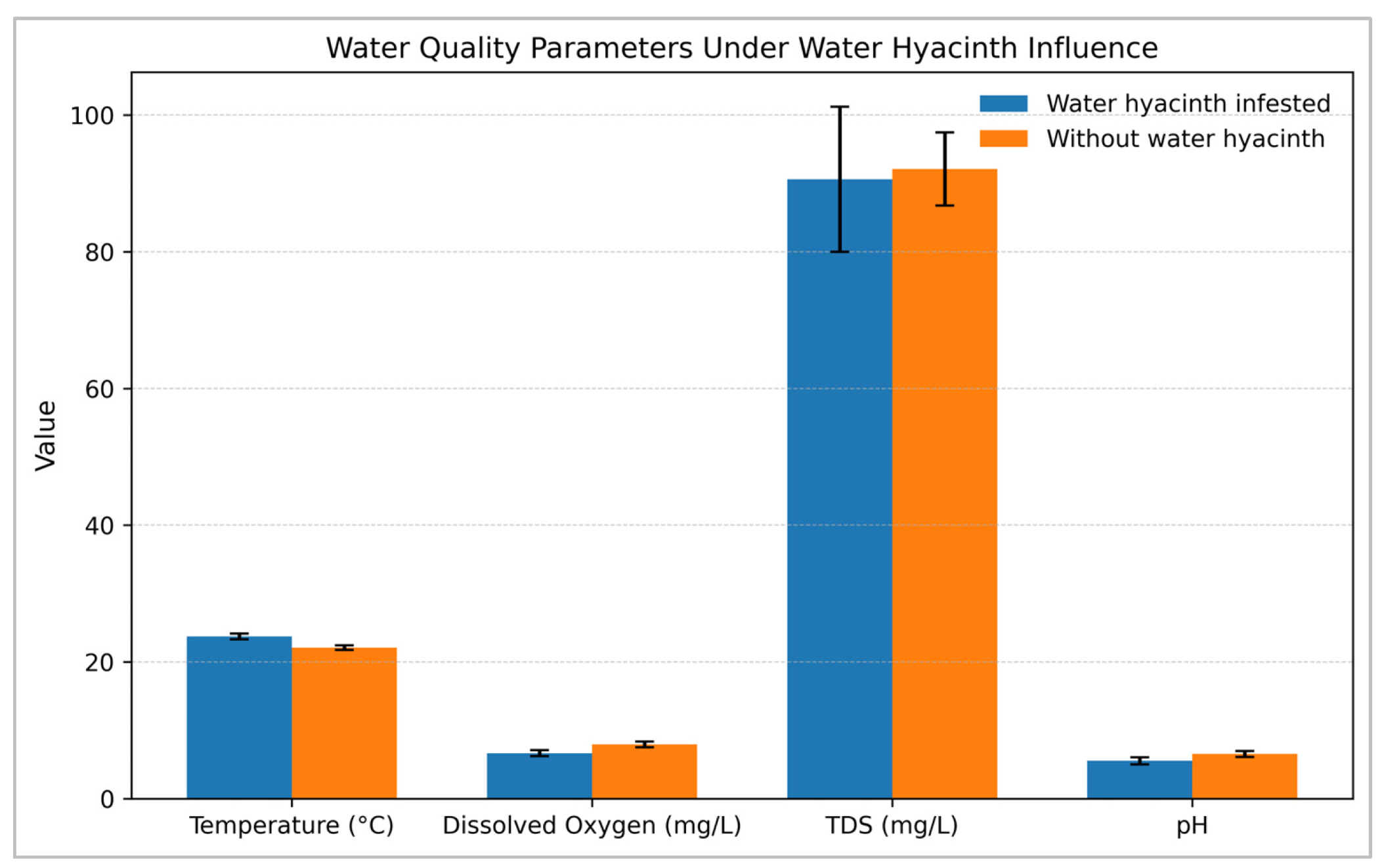
Water Temperature: Water temperature in areas infested with water hyacinth ranged from 23 to 24 °C, whereas non-infested areas showed slightly lower values between 22 and 23 °C. The mean temperature in hyacinth-covered areas (23.7 ± 0.42 °C) was significantly higher than in areas without water hyacinth (22.08 ± 0.33 °C, p = 0.01). This increase is likely due to the thick mats of water hyacinth, which act as an insulating layer, limiting heat exchange between the lake surface and the atmosphere. Additionally, decomposition of organic matter within the mats can generate heat, further raising water temperature. These findings suggest that dense water hyacinth mats can meaningfully influence thermal conditions in Lake Tana.
Dissolved Oxygen (DO): Dissolved oxygen concentrations were generally lower in water hyacinth-infested areas, ranging from 2.4 to 7 mg L−1, with a mean of 6.65 ± 0.44 mg L−1. In contrast, areas without water hyacinth had higher DO levels (7.93 ± 0.43 mg L−1). One-way ANOVA indicated that the difference between infested and non-infested sites was statistically significant (p = 0.01). The reduced oxygen levels in infested areas may result from the dense mats limiting gas exchange at the water surface and from the respiration of epiphytic and decomposing organisms associated with water hyacinth. Lower DO concentrations in infested areas can adversely affect aquatic life, reducing biodiversity and overall ecosystem health.
Total Dissolved Solids (TDS): TDS values were slightly lower in water hyacinth-infested areas, ranging from 89.4 to 91.8 mg L−1 (mean 90.6 ± 10.62 mg L−1), compared to 91.5–92.5 mg L−1 (mean 92.1 ± 5.35 mg L−1) in non-infested areas. The difference was significant (p = 0.05). Dense water hyacinth mats can trap suspended particles, organic matter, and phytoplankton, which likely explains the lower TDS in infested areas. Reduced TDS and turbidity may influence zooplankton communities, which play a critical role in transferring energy from primary producers to higher trophic levels in the lake.
pH: Water hyacinth-infested areas exhibited lower pH values, ranging from 4.8 to 6 (mean 5.53 ± 0.53), whereas non-infested areas had higher pH values between 6.2 and 7.1 (mean 6.53 ± 0.43). ANOVA results confirmed that pH was significantly lower in hyacinth-covered areas compared to non-infested sites (p = 0.023). The decrease in pH may be associated with organic matter decomposition and changes in nutrient cycling under dense mats of water hyacinth.
Overall Observations: The results indicate that water hyacinth infestation significantly alters the physicochemical characteristics of Lake Tana. Areas covered by dense water hyacinth mats showed lower dissolved oxygen, reduced TDS, higher water temperature, and lower pH compared to open-water areas. One-way ANOVA confirmed that these differences were statistically significant (
p < 0.05). The findings underscore the substantial impact of water hyacinth on lake water quality, suggesting that high-density infestations can reduce nutrient availability and degrade habitat conditions for aquatic organisms (
Figure 4).
3.2. Impact of Water Hyacinth on Evaporation
The evaporation rates from the experimental ponds revealed a clear influence of water hyacinth on water loss. While evaporation from the hyacinth-covered ponds was generally comparable to that of the open-water control pond, some differences were observed due to the black plastic lining, which increased heat absorption and may have slightly enhanced evaporation.
In March, the water depth in the pond containing water hyacinth decreased from 0.94 m to below 0.80 m, whereas the control pond without hyacinth dropped from 0.94 m to 0.84 m. In April and May, the effect became more pronounced: the hyacinth-covered pond’s water depth fell from 0.94 m to below 0.56 m, while the control pond decreased from 0.94 m to 0.69 m.
These results indicate that water hyacinth mats can significantly increase water loss through evapotranspiration compared to open water surfaces. The dense vegetative cover enhances water loss by both transpiration through the plant tissues and by altering the microclimate at the water surface, emphasizing the hydrological impact of water hyacinth infestations on lake and reservoir water balances (
Table 2).
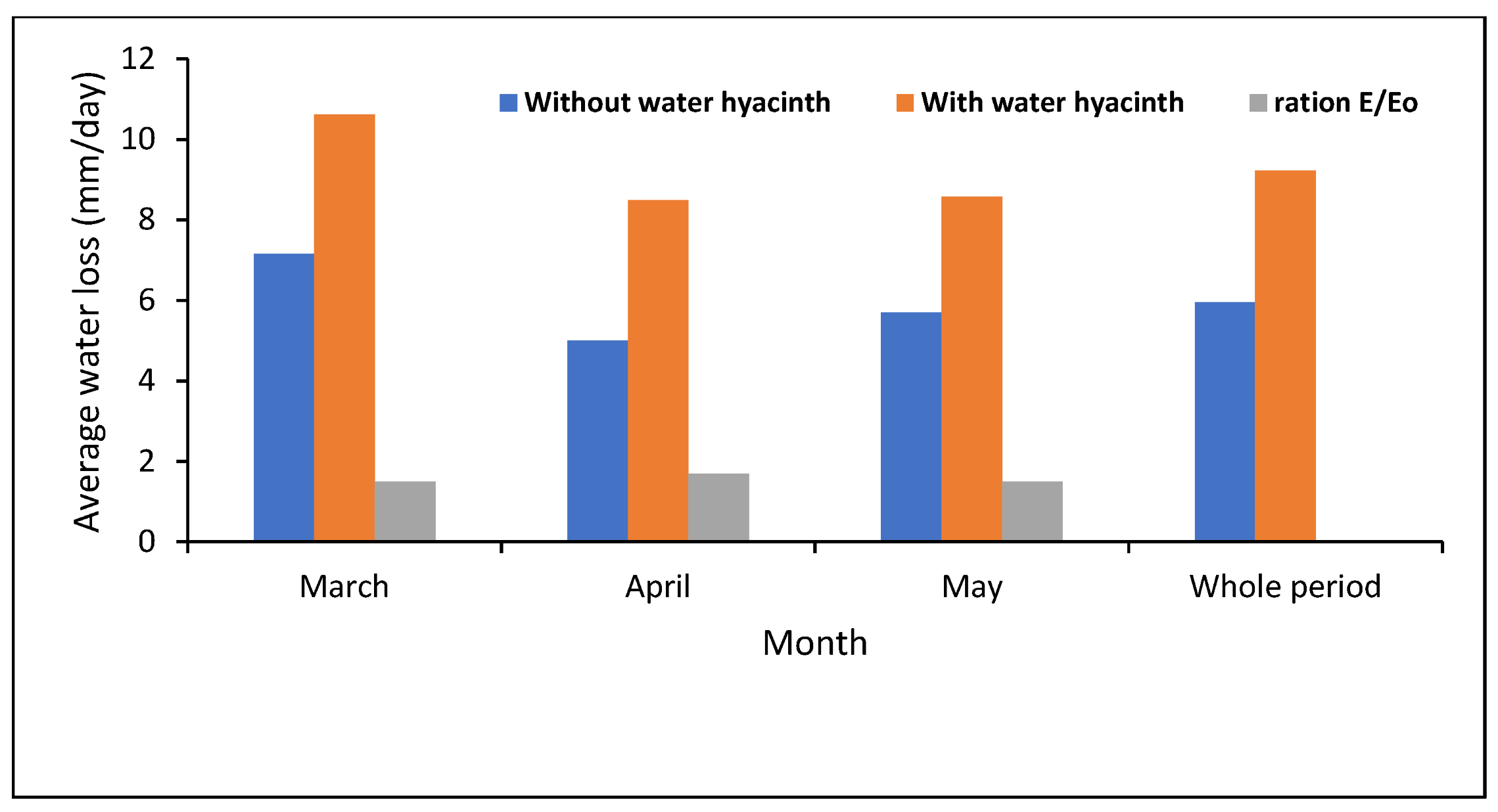
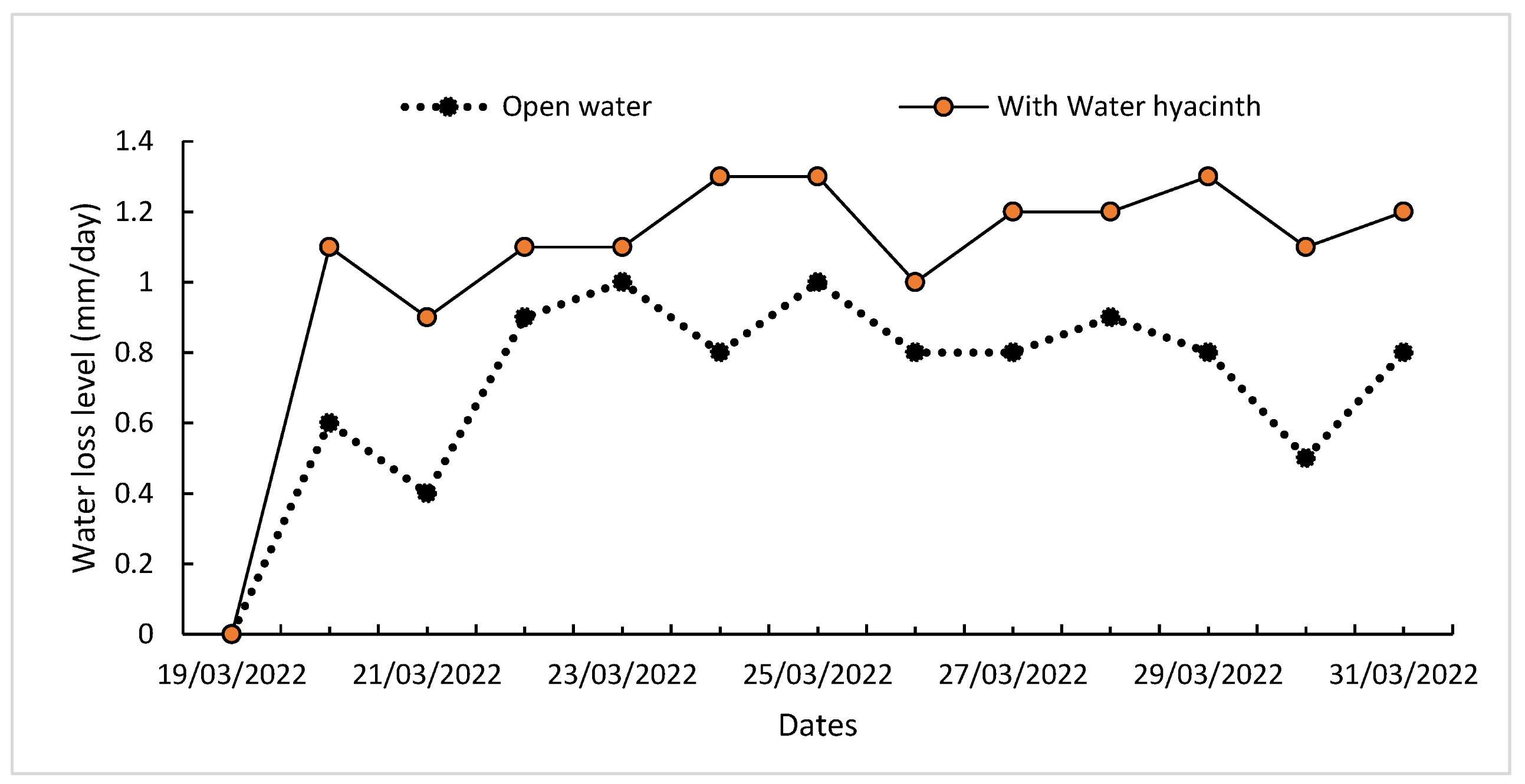
Water Loss and Evapotranspiration: The experiment revealed that water hyacinth significantly increased water loss compared to open-water surfaces. In March, the average evapotranspiration (ET) rate from the hyacinth-covered pond was 10.6 mm/day, compared to 7.2 mm/day from the control pond, indicating that ET under water hyacinth was approximately 1.5 times higher than open-water evaporation (E0).
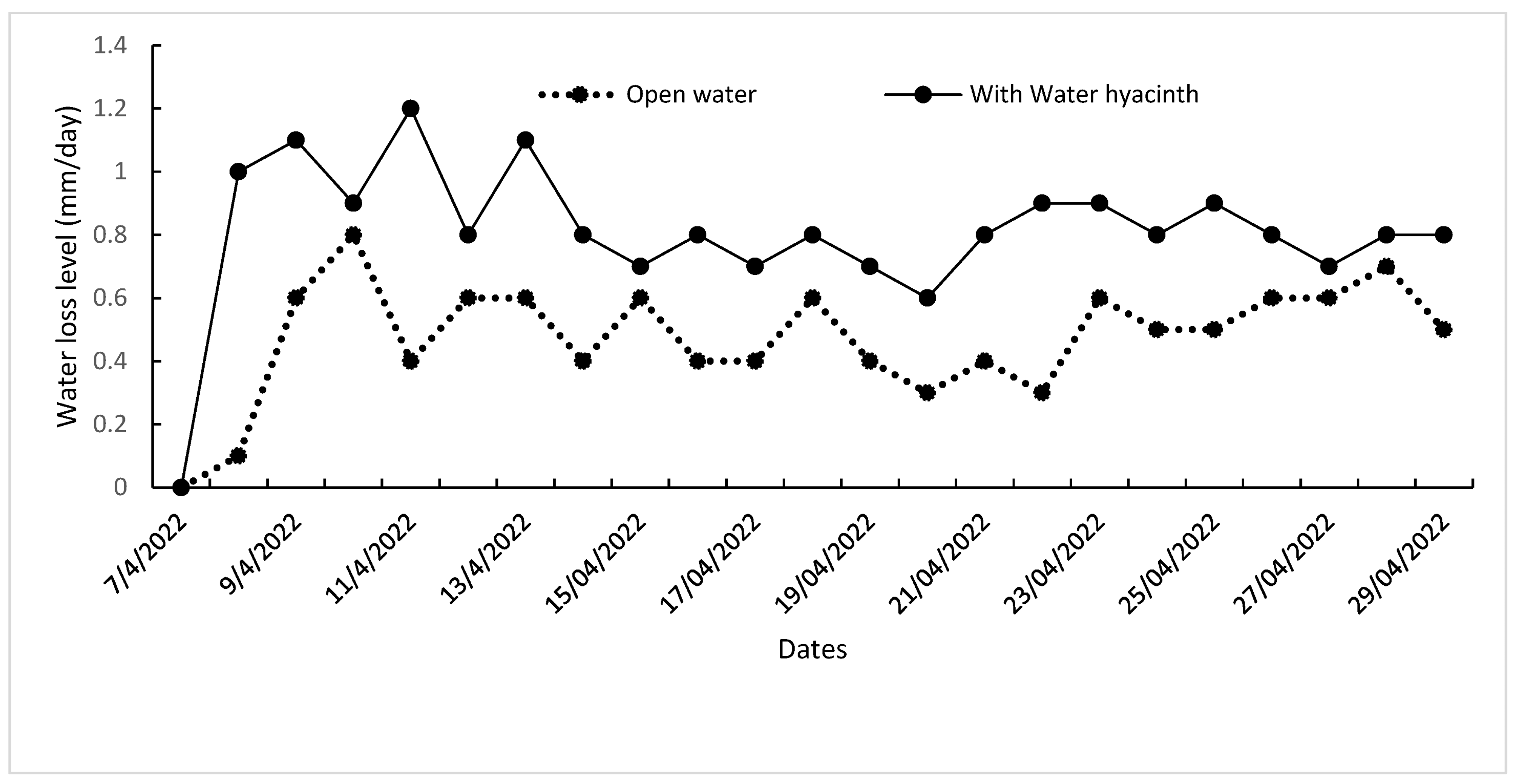
In April, the ET rate from the hyacinth pond averaged 8.5 mm/day, while open-water evaporation was 5.00 mm/day. Under these conditions, the ET of water hyacinth was 1.7 times greater than E0. In May, the ET rate of water hyacinth was 8.6 mm/day, compared with 5.70 mm/day from the open-water pond, representing a 1.5-fold increase relative to E0.
Over the three-month experimental period, the mean ET rate of water hyacinth was 9.22 mm/day, while the mean evaporation from the open water surface was 5.95 mm/day. On average, water loss from hyacinth-covered surfaces was 1.6 times greater than from open-water surfaces. These results demonstrate that dense mats of water hyacinth can substantially enhance water loss through evapotranspiration, emphasizing their significant impact on the water balance of lakes and reservoirs (
Figure 5).
4. Discussion
This study explored how water hyacinth affects the main physicochemical properties of the Lake Tana ecosystem, focusing on differences in water quality between infested and non-infested conditions. It also measured the evapotranspiration rate of water hyacinth through controlled pond experiments, allowing a clearer understanding of its role in water loss. Taken together, the findings highlight both the ecological effects of water hyacinth on lake water quality and its contribution to increased surface water depletion through evapotranspiration.
4.1. Physical Water Quality Parameters
Water quality is inherently dynamic, and even moderately polluted waters can still support certain ecological functions depending on ecosystem resilience and balance among physical, chemical, and biological components. The overall health and biodiversity of lake systems are closely linked to the integrity of these interacting components, while natural drivers such as hydrological cycles, seasonal variability, and climatic conditions further shape lake water characteristics [
43]. In this study, all physical water quality parameters were measured in situ using a multiparameter probe to ensure accurate representation of field conditions with minimal disturbance.
Temperature: The results indicated that water hyacinth-infested areas consistently exhibited higher water temperatures compared to non-infested sites. The mean temperature recorded in infested areas was 23.70 °C, whereas non-infested areas averaged 22.58 °C, and this difference was statistically significant (
p ≤ 0.01). This pattern is consistent with recent studies from tropical freshwater systems, which report that dense floating vegetation mats reduce surface heat exchange and restrict wind-induced mixing, leading to localized warming of surface waters [
12,
13,
44].
Similar findings have been reported in Lake Tana and other African lakes where water hyacinth expansion has been associated with altered thermal regimes due to shading effects combined with reduced evaporative cooling and turbulence [
45]. Elevated water temperature under hyacinth cover is ecologically important because it reduces dissolved oxygen solubility and can intensify physiological stress on aquatic organisms, particularly sensitive fish and invertebrate species [
12]. Recent comparative studies also emphasize that even small temperature increases in tropical systems can significantly shift oxygen dynamics and metabolic rates, further compounding the impacts of eutrophication and organic matter decomposition under dense mats [
13].
Total Dissolved Solids (TDS): Total dissolved solids showed a slight but statistically significant reduction in water hyacinth-infested areas (90.6 mg/L) compared to non-infested sites (92.1 mg/L) (p = 0.05). Although the difference is relatively small, it reflects the influence of hyacinth mats on particulate and dissolved matter distribution within the water column.
Recent studies similarly report that dense
Eichhornia crassipes mats modify sediment dynamics through their extensive fibrous root systems, which act as physical filters that trap suspended particles, organic debris, and phytoplankton [
13,
15,
45]. This process often leads to reduced suspended solids in open water beneath or adjacent to infestation zones, while simultaneously promoting the accumulation of organic material within the mat structure itself. Comparable observations from Lake Tana and other invaded tropical lakes indicate that this filtration effect can alter nutrient distribution and influence local water clarity patterns [
44].
However, the recent literature also highlights that this apparent reduction in TDS or suspended load does not necessarily reflect improved water quality. Instead, it often represents a redistribution of particulate matter, where trapped organic material undergoes decomposition within the dense mats, potentially increasing localized nutrient recycling and altering biogeochemical processes [
13]. Similar mechanisms have been documented in East African lake systems, where hyacinth infestation has been linked to shifts in primary productivity and nutrient limitation in submerged vegetation zones [
45].
The reduced light penetration resulting from surface mat coverage further compounds these effects. Shading limits photosynthetic activity in submerged macrophytes, thereby suppressing primary production and altering habitat structure for aquatic organisms [
15]. In agreement with [
42], such shading effects can disrupt aquatic food webs by reducing benthic vegetation growth, diminishing habitat complexity, and ultimately affecting fish productivity and biodiversity.
Overall, the findings of this study align with recent research showing that water hyacinth exerts complex, indirect control over sediment dynamics and ecosystem functioning rather than simply altering dissolved solid concentrations in a linear manner.
Dissolved oxygen (DO): Represents the concentration of oxygen available in water in dissolved form and is a key indicator of aquatic ecosystem health. It is essential for the survival of fish and other aerobic organisms and is continuously replenished through atmospheric diffusion and photosynthetic activity by algae and aquatic macrophytes [
43]. Because DO is highly sensitive to physical cover, organic loading, and biological activity, it is often one of the earliest parameters to respond to ecosystem disturbance.
In this study, DO concentrations were consistently lower in water hyacinth-infested areas compared to non-infested sites. The mean DO recorded in infested waters was 6.65 mg/L, while non-infested areas showed a higher average of 7.93 mg/L, and this difference was statistically significant (
p = 0.01). This pattern aligns closely with recent findings from tropical and sub-Saharan African lakes, where water hyacinth invasion has been repeatedly associated with oxygen depletion due to restricted air–water gas exchange and enhanced organic matter accumulation beneath dense mats [
12,
13,
45].
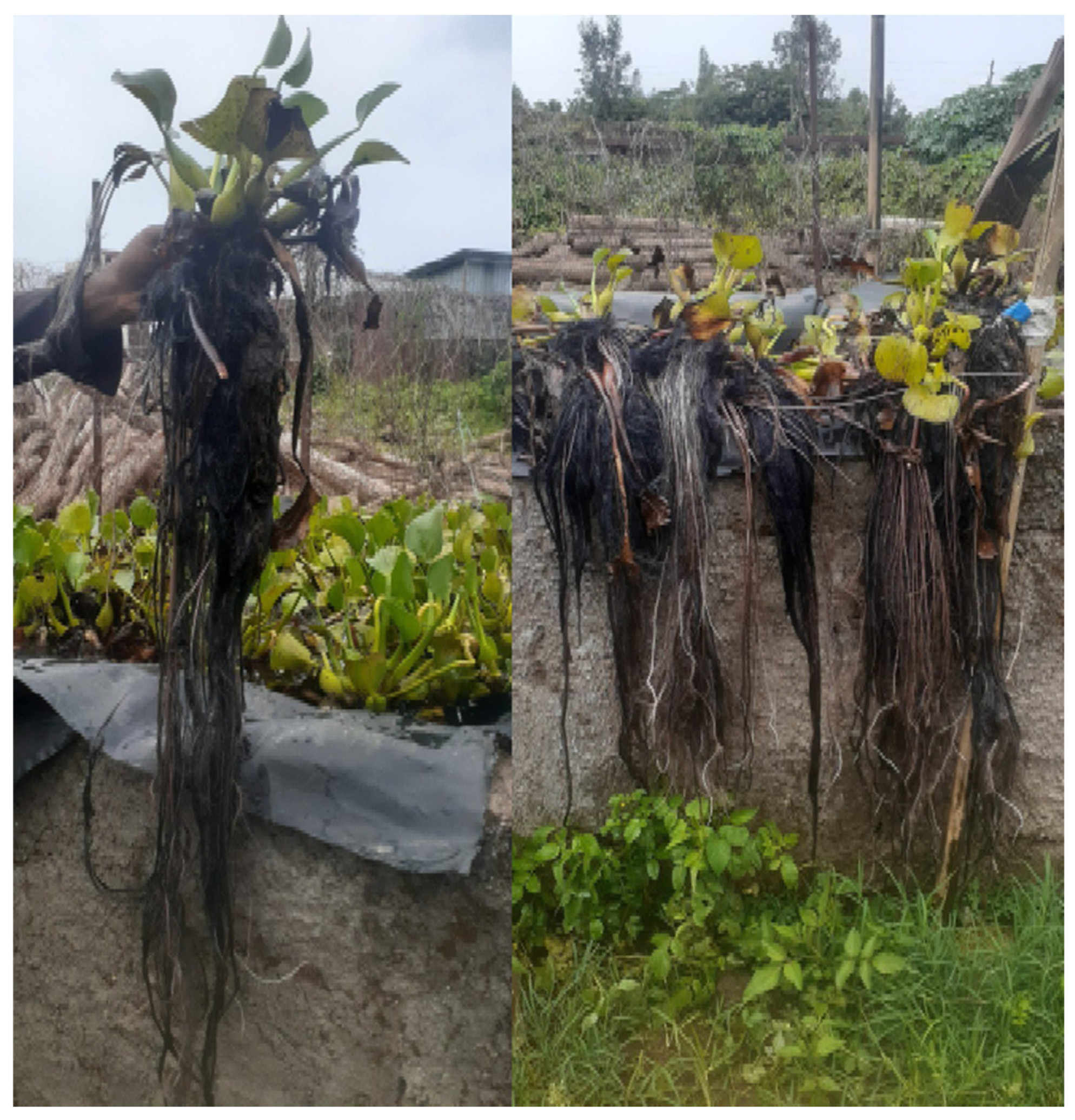
The observed reduction in DO can be explained by multiple interacting mechanisms. First, the dense floating canopy physically limits oxygen diffusion from the atmosphere into the water column. Second, shading from the mats suppresses photosynthetic oxygen production by submerged plants and phytoplankton, thereby reducing internal oxygen generation within the system. Third, trapped organic matter within the root network (
Figure 6) undergoes decomposition, increasing biological oxygen demand and accelerating oxygen consumption processes. Similar mechanisms have been reported in Lake Victoria and other invaded wetlands, where prolonged hyacinth coverage resulted in persistent hypoxic or near-anoxic conditions in affected zones [
46].
Recent studies further emphasize that such oxygen depletion can restructure aquatic communities by favoring species with aerial respiration or tolerance to low-oxygen environments, while excluding sensitive fish species and reducing overall biodiversity [
13,
45]. In agreement with [
47], anaerobic decomposition processes beneath dense mats also contribute to carbon dioxide accumulation and further deterioration of water quality conditions.
Overall, the findings confirm that water hyacinth significantly reduces dissolved oxygen availability, thereby disrupting ecological balance and potentially reducing fish productivity. These results are consistent with recent regional studies and highlight the need for effective management strategies to restore oxygen dynamics and maintain aquatic ecosystem stability.
pH: pH is a fundamental indicator of water chemistry that reflects the acidity or alkalinity of a system on a logarithmic scale from 0 to 14. It plays a central role in regulating chemical reactions, nutrient availability, and the physiological performance of aquatic organisms. In this study, water hyacinth had a clear influence on pH dynamics in Lake Tana, with infested areas recording a significantly lower mean pH (5.53) compared to non-infested sites (6.53) (p = 0.023).
This shift toward more acidic conditions is consistent with recent studies showing that dense water hyacinth mats alter carbon and nutrient cycling within invaded aquatic systems. The accumulation and subsequent decomposition of organic matter trapped beneath the mats increase carbon dioxide release and organic acid formation, which collectively contribute to reduced pH levels [
13,
45]. Similar acidification patterns have been reported in other African lake systems, where prolonged macrophytes infestation modifies local biogeochemical processes and shifts water chemistry away from baseline conditions [
12].
Although water hyacinth is known to tolerate a relatively wide pH range, its optimal growth typically occurs under near-neutral conditions [
48]. The observed mean pH of 5.53 in infested zones suggests that, while still within the species’ survival threshold, the system has undergone notable chemical alteration. Importantly, even adjacent non-infested areas exhibited a reduced pH of 6.53, indicating that the influence of hyacinth mats extends beyond their immediate coverage and affects broader lake chemistry. This spatial spillover effect has also been observed in Lake Victoria and other invaded wetlands, where macrophytes expansion contributes to system-wide shifts in acidity and buffering capacity [
13].
Comparatively, historical records for Lake Tana report a more alkaline condition, with average pH values around 8.2 prior to extensive invasion [
30]. The contrast between historical and current measurements strongly suggests that water hyacinth proliferation has contributed to progressive acidification in affected areas of the lake. Such changes are ecologically significant because reduced pH can alter nutrient solubility, affect microbial activity, and disrupt reproductive and metabolic processes of aquatic organisms [
42].
Overall, these findings align with the recent literature indicating that water hyacinth not only modifies physical habitat structure but also drives measurable chemical shifts in freshwater ecosystems, including localized acidification and reduced buffering stability.
4.2. Evapotranspiration Rate of Water Hyacinth
Daily evapotranspiration (ET) measurements from the experimental ponds clearly show the influence of water hyacinth when compared with open-water evaporation (E0 pan). Across the study period (March–May), ET from hyacinth-covered ponds consistently exceeded that of the control. Specifically, ET was higher by 31% in March, 40% in April, and 30% in May. Daily ET values over open water ranged from 4.79 to 8.33 mm/day, whereas hyacinth-covered ponds recorded substantially higher rates, ranging from 8.13 to 12.1 mm/day, with an overall mean of 9.22 mm/day.
These findings are consistent with recent studies indicating that floating macrophytes significantly enhance evapotranspiration compared to open-water surfaces due to their large leaf area, active transpiration, and aerodynamic roughness, which promotes vapor exchange [
13,
44,
45]. Similar magnitudes of increase (typically 20–60%) have been reported in tropical lake systems, where dense
Eichhornia crassipes cover elevates water loss beyond pan evaporation estimates, particularly during warmer months with high solar radiation.
For comparison, [
49] reported average evaporation rates for Lake Tana of approximately 156.6 mm/month (2007) and 156.32 mm/month (2008) during the same March–May period. In the present study, the mean daily evaporation from the open-water pond was 5.95 mm/day, equivalent to 178.54 mm/month, slightly exceeding these historical values. This discrepancy is likely attributable to experimental conditions, particularly the use of black polyethylene lining in the ponds, which increases heat absorption and enhances evaporation rates. Similar methodological effects have been noted in controlled lysimeter and pond experiments, where surface materials can influence thermal properties and evaporation fluxes [
50].
Importantly, the magnitude of ET observed in hyacinth-covered ponds highlights the hydrological significance of invasive macrophytes. Recent assessments in Lake Tana and comparable systems have emphasized that widespread hyacinth infestation can lead to substantial cumulative water losses at the lake scale, potentially affecting water balance, reservoir storage, and downstream water availability [
42,
45].
Overall, the results demonstrate that water hyacinth markedly increases evapotranspiration relative to open water, reinforcing its dual role as both an ecological stressor and a hydrological driver in freshwater systems.
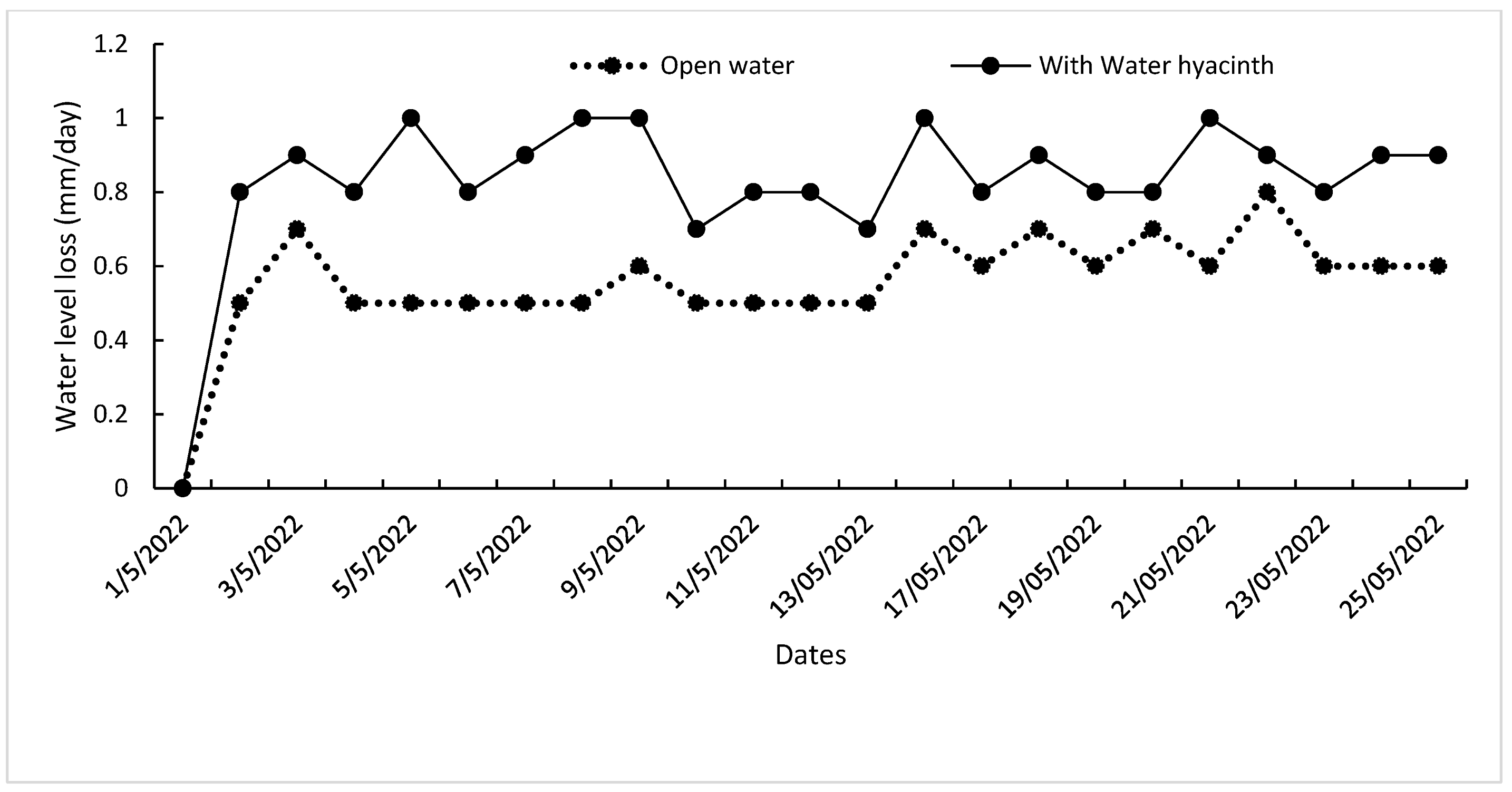
The three-month experiment (
Figure 7,
Figure 8 and
Figure 9) clearly shows a close link between evapotranspiration and the presence of water hyacinth. In general, both hyacinth-infested and open-water ponds experienced a noticeable drop in water levels over time (
p < 0.05, α = 0.05). However, the loss was consistently greater in the pond covered with water hyacinth. This suggests that the plant intensifies water loss by increasing both transpiration and evaporation compared to open-water conditions. As the experiment progressed, the gap between the two ponds became more pronounced, indicating that dense hyacinth mats steadily accelerate water depletion.
Across the study period, the overall E/E
0 ratio was 1.6, meaning that evapotranspiration from hyacinth-covered water was about 60% higher than from open water. While this is lower than some earlier reports for example, [
23] a ratio of 3.7 and [
51] reported 3.2—it aligns closely with other findings such as [
27,
42], both of which reported values around 1.5.
Field observations from Lake Tana show that water hyacinth coverage has varied widely over time, from 278.3 ha in February 2015 to 2504.5 ha in December 2019 [
31]. Using the evapotranspiration rate measured in this study, the estimated water loss due to hyacinth is about 0.28 m
3 m
−2 per month, or roughly 102.2 m
3 per year. When scaled up to the lake level, this translates to an estimated loss ranging from 779,240 m
3 per month (284,422,600 m
3.yr
−1) under minimum coverage to 7,012,600 m
3 per month (2,559,599,000 m
3.yr
−1) under maximum coverage. These values are likely conservative, since real lake conditions—such as wind, radiation, and surface reflectivity differ from the controlled experimental ponds.
Overall, the results highlight that water hyacinth can substantially increase water loss from aquatic systems, with clear implications for water availability, lake management, and ecosystem health. If the infestation continues to expand in Lake Tana, total evapotranspiration is likely to rise significantly. In this study, hyacinth-covered ponds lost water at a rate 1.6 times higher than open water, reinforcing the strong influence of this invasive plant on water depletion.
5. Conclusions
This study demonstrates that water hyacinth exerts a substantial influence on both the water quality and hydrological balance of Lake Tana. Key physicochemical parameters differed significantly between hyacinth-infested and non-infested areas (
p < 0.05). In particular, dissolved oxygen concentrations were markedly lower in infested zones (6.65 ± 0.44 mg/L) compared to non-infested areas (7.93 ± 0.42 mg/L), indicating that dense hyacinth mats restrict atmospheric oxygen exchange and suppress photosynthetic oxygen production by limiting light penetration. These findings are consistent with recent studies showing that
Eichhornia crassipes reduces oxygen availability, alters thermal regimes, and modifies nutrient cycling in tropical freshwater systems [
12,
13,
45].
Beyond water quality impacts, the study confirms that water hyacinth significantly enhances water loss through evapotranspiration. ET from hyacinth-covered ponds was approximately 1.6 times higher than from open-water surfaces, aligning with recent estimates from Lake Tana and similar ecosystems, where increases of 20–60% have been reported [
44,
45]. When extrapolated to the lake scale, this corresponds to substantial volumetric losses—up to approximately 7.0 × 10
6 m
3 per month under maximum infestation scenarios. Such hydrological impacts highlight the role of water hyacinth not only as an ecological stressor but also as a significant driver of water depletion.
The combined effects of reduced dissolved oxygen, altered pH, and increased water loss have broader ecological consequences. Shading from dense hyacinth mats limits light availability, reducing photosynthesis, primary productivity, and habitat suitability for aquatic organisms. These changes can disrupt food webs, reduce fish production, and ultimately affect local livelihoods dependent on the lake. Similar ecosystem-level impacts have been documented in other African lakes experiencing water hyacinth invasion, emphasizing the regional relevance of these findings [
13,
45].
Given these impacts, integrated and adaptive management strategies are essential. Mechanical removal, supported by biological control and carefully regulated chemical methods where appropriate, should be prioritized in heavily infested zones. Continuous monitoring of hyacinth coverage and key water quality parameters is critical for early detection and timely intervention. In addition, community engagement, public awareness, and coordinated government action are necessary to prevent further spread and ensure sustainable management.
Future research should look more closely at long-term ecosystem responses, including impacts on biodiversity, fisheries productivity, and basin-scale hydrology, while also evaluating the potential of restoration approaches that use native aquatic vegetation. It is equally important to integrate water hyacinth management into broader water resource planning, considering the vital role of Lake Tana in supporting agriculture, fisheries, hydropower, and local livelihoods. In addition, future studies would benefit from including a wider range of physico-chemical parameters—such as nutrients, alkalinity, hardness, and salinity—to better capture the full scope of water quality changes associated with water hyacinth infestation.
Overall, controlling water hyacinth is not only an ecological priority but also a hydrological necessity to reduce water loss, improve water quality, and safeguard the long-term sustainability of Lake Tana.