

Article

The Effect of Irrigation and Vermicompost Applications on the Growth and Yield of Greenhouse Pepper Plants


1
Department of Biosystems Engineering, Faculty of Agriculture, Kırşehir Ahi Evran University, 40100 Kırşehir, Türkiye
2
Department of Biosystems Engineering, Faculty of Engineering, Alanya Alaaddin Keykubat University, 07425 Alanya, Türkiye
3
Department of Biogeochemistry, Soil Science, Irrigation and Drainage, Bydgoszcz University of Science and Technology, 85-029 Bydgoszcz, Poland
4
Department of Land Improvement, Environmental Development and Spatial Management, Poznan University of Life Sciences, 60-649 Poznań, Poland
*
Authors to whom correspondence should be addressed.
Water 2025, 17(22), 3219; https://doi.org/10.3390/w17223219
Submission received: 30 September 2025 / Revised: 7 November 2025 / Accepted: 8 November 2025 / Published: 11 November 2025
(This article belongs to the Special Issue Soil Water Use and Irrigation Management, 2nd Edition)

Abstract

In agricultural practice, improper irrigation levels and excessive fertiliser use negatively impact water resources and soil properties, respectively. This experiment aims to determine the effects of varying irrigation levels and vermicompost doses on the growth, quality, and productivity of pepper plants grown under polycarbonate greenhouse conditions. To achieve this objective, different irrigation levels (IL) of IL100 (100% full irrigation), IL75 (75%), IL50 (50%), and vermicompost doses (VD) of VD0 (0%), VD10 (10%), and VD20 (20%) were tested. The highest irrigation level was in the IL100–VD10 treatment, which also had the highest water consumption (ET) in the 27.8 L pot−1. By comparison, the IL50–VD0 treatment had the lowest irrigation level in the 15.4 L pot−1, representing nearly 55.4% of the maximum irrigation water amount. The findings showed that the irrigation levels and vermicompost doses had a significant impact on plant growth, quality, and fruit yield parameters. Accordingly, the irrigation levels and vermicompost doses had significant effects on the studied plant growth parameters (stem diameter, plant height, number of leaves, stem fresh weight, stem dry weight, root fresh weight, and root dry weight). Similar effects were also observed on the fruit quality parameters (fruit width, fruit length, fruit weight, fruit flesh thickness, pH, titratable acidity (TA), total soluble solids (TSS), chrome, and hue). This study found that the highest total yield (164.5 g pot−1), marketable yield (149.8 g pot−1), total water use efficiency (6.1 g L−1), and marketable water use efficiency (5.6 g L−1) were obtained at the 100% irrigation level. However, similar results were observed at the 75% irrigation level and a 20% vermicompost dose, where the total water use efficiency was 5.9 g L−1 and the marketable water use efficiency was 5.3 g L−1. This suggests that 75% irrigation can be a viable alternative to full irrigation (100%) and offers water-saving potential, particularly in areas with limited water resources.

1. Introduction

Improving agricultural water efficiency is crucial for achieving better water management, ensuring food security, and mitigating environmental degradation. Increased water efficiency ensures that agricultural output increases while minimising water overconsumption, soil degradation, and excessive use of agricultural chemicals [1]. Additionally, controlled deficit irrigation saves water at specific rates throughout the growing season or at different developmental stages, depending on the plant’s water sensitivity, without causing significant yield losses. Moreover, it has been reported that this treatment increases the economic income by reducing water use when available water is insufficient [2,3]. However, sometimes producers use excessive amounts of chemical fertilisers and irrigation to increase the economic income [4,5,6]. Furthermore, the excessive use of inorganic fertilisers to meet plant nutritional needs and to increase productivity not only increases production costs but harms environmental health, particularly the soil’s physicochemical properties. However, unlike inorganic fertilisers, organic fertilisers provide the soil with organic matter and nutrients, while also improving microbial activity and biodiversity. This has a positive impact on several key parameters, including soil structure and nutrient cycling [7,8]. Organic amendments used to increase soil fertility contribute to plant growth by providing essential nutrients to the soil and modifying its physical properties, such as aggregate stability and porosity, thereby improving the plant root zone [9,10]. Worm compost is a natural, eco-friendly fertiliser produced by the breakdown of organic matter through the interaction of microorganisms and worms. It is used to increase the soil organic matter content and, consequently, its fertility [11]. Vermicompost is an effective soil conditioner due to its nutrient-rich content, which includes magnesium, calcium, phosphorus, potassium, and nitrates. It also supports soil microbial activity, increases water retention capacity, and improves porosity. Its use has increased in recent years due to its ability to enhance plant productivity and quality, as well as the growing awareness of organic agriculture [12,13,14,15,16].
Pepper (Capsicum annuum L.) is one of the world’s major greenhouse crops, cultivated year-round in various regions, including the Mediterranean, and many other parts of the world. It offers significant economic benefits and is commonly used in human nutrition, both in its fresh and processed forms [17,18,19,20,21]. Various technical and managerial interventions, including deficit irrigation, appropriate fertilisation, and crop selection, have shown promise in increasing yields while using less water [22,23]. Several researchers have proved that irrigation treatments during pepper growth significantly affect total yield [24,25,26,27]. Additionally, the positive effects of vermicompost applications on pepper productivity have been reported in some previous studies [28,29]. In studies on irrigation levels and vermicompost applications, Şenyiğit et al. [30] examined the irrigation water consumption and yield parameters of basil plants grown in pots with four irrigation water levels and three vermicompost doses. As a result, they recommended full irrigation (100%) and a vermicompost dose of 100 kg da−1 to reduce plant water consumption and to increase yield in basil cultivation. It was also found that environmentally friendly production could be achieved through its use as an organic fertiliser. Coşkan and Şenyiğit [31] investigated the effects of lettuce plants on the uptake of certain micronutrients under polycarbonate greenhouse conditions by testing five different irrigation water levels and two different vermicompost doses. The results showed that vermicompost doses and water levels affected micronutrient uptake. Furthermore, the study found that 75% irrigation resulted in greater micronutrient uptake than full irrigation (100%). Demir [32] reported that the highest lettuce yield was obtained with full irrigation (100%) and a 5% VC application under greenhouse conditions. Llaven et al. [33] stated that the yield and characteristics of bell peppers grown in soil amended with vermicompost were generally superior to those grown in soil alone. Piri et al. [34] investigated the effects of different vermicompost doses and irrigation levels on cucumber water use efficiency and yield parameters in a greenhouse. They found that three levels of vermicompost and three levels of irrigation water could significantly increase cucumber yield by affecting quality, yield, irrigation water use efficiency, and soil physicochemical properties. Furthermore, researchers reported that, in addition to the common use of vermicompost, there are significant deficiencies in the interaction between irrigation water and vermicompost across various plant products, and they recommended that studies be conducted on this topic [30,31,32,33,34].
Previous studies have separately investigated the effects of irrigation levels and vermicompost doses on pepper yield [25,26,33]. Furthermore, while there are studies on the combined effects of irrigation and vermicompost applications on the yields of different plants (lettuce, basil, cucumber, etc.) [31,32,34], knowledge of the effects of these applications on the plant growth, quality, and water use efficiency of pepper plants is quite limited. Therefore, the aim of this study is as follows: (1) to assess the effects of different irrigation and vermicompost applications on the pepper plant growth and quality parameters; (2) to investigate the effects of applications on crop water consumption, water use efficiency, and the yield response factor; (3) to recommend the more suitable irrigation and vermicompost dosage for producers growing in greenhouses.

2. Materials and Methods

2.1. Experimental Site and Description

To evaluate the growth parameters and quality characteristics of pepper plants under varying irrigation water levels and vermicompost doses, an experiment was conducted in a polycarbonate greenhouse at Kırşehir Ahi Evran University in Kırşehir, Turkey, in 2022. Kırşehir has a semiarid climate and is located at 39°08′ N, 34°07′ E, and 1082 m above sea level. The average annual temperature is 11.5 °C and the average humidity is 63.0% [35]. The climate parameters measured inside and outside the greenhouse during the experiment period are given in Table 1.
Soil collected from a nearby field and vermicompost obtained from cow manure were used as the plant growth medium in this study. This mixture was filled into 6.4 L pots. The soil and vermicompost were sieved through a 2 mm sieve to remove large particles. The wilting point and field capacity of the growing medium were determined to be 4.5% and 19.2%, respectively. The physical and chemical analyses of the soil and vermicompost are given in Table 2.
The tap water used for irrigation in the experiment was classified as C2-S1 by the USSL [36]. The results of the irrigation water quality analysis are presented in the Table 3.

2.2. Experimental Method and Crop Management

In the experiment, the plant material was the pepper variety C. annuum, cv. Mostar F1. This study was conducted using a factorial arrangement design with three irrigation levels and three VD doses in randomised plots with three replications (two pots per replication and one plant per pot, for a total of 54 pots). The pepper seedlings, at 3–4 leaves, were planted in the greenhouse on May 5th and harvested on August 8th, with a total growth period of 96 days. The growth stages for full irrigation (100% treatment) are presented in Table 4.
In this experiment, the irrigation program was designed to replace the water lost from the pot capacity to the plant on a daily basis. Accordingly, irrigation treatments consisted of three levels: 100% (full irrigation, equivalent to 100% of the pot capacity), 75% (25% less water than full irrigation), and 50% (50% less water than full irrigation). The irrigation level amounts were expressed as IL100, IL75, and IL50, respectively. In the treatments, 3.5 kg of soil was placed in the pots. Vermicompost was then poured into the seedling hole and mixed. The amount of vermicompost applied to the pots was calculated on a weight-to-weight (w/w) basis. The vermicompost doses applied to the pots were 0% (control treatment), 10%, and 20% (w/w). The vermicompost doses were expressed as VD0 (no vermicompost), VD10, and VD20, respectively. In this study, vermicompost was applied once at planting, and no other fertiliser was used.

2.3. Determination of the Irrigation Water Amount, Water Use Efficiency, and Yield Response Factor

The amount of irrigation water to be applied for each treatment was calculated using Equation (1), and evapotranspiration between two consecutive irrigations was calculated by using the water balance equation in Equation (2) [25,26], and plants were hand watered at a daily interval.
IRW = [(IRWPFC − IRWP)/ρw] × CIR
ET = IRW ± (IRWn − IRWn+1) − R
where IRW is the amount of applied irrigation water (L), IRWPFC is the pot weight (kg) at the field capacity, W is the pot weight just before irrigation (kg), ρw is the unit mass of water (1 kg L−1), CIR is water application coefficient (100%, 75%, and 50%)), ET is the crop water consumption (L pot−1), IRWn, and IRWn+1 are the change water content between two consecutive irrigations (kg), and R is the drainage water amount (L).
Water use efficiency (WUE) was estimated as total WUE (g L−1) and marketable WUE (g L−1) using Equations (3) and (4) [19,37].
TWUE = (TY/ET)
MWUE = (MY/ET)
where the Total WUE (TWUE) was calculated as the ratio of the total yield (g pot−1) to the total water applied to the plant (L pot−1) and the marketable WUE (MWUE) was determined as the ratio of the marketable yield (MY) (g pot−1) to the total water applied to the plant (L pot−1).
In this study, the yield response factor (ky), representing the proportional decrease in yield with decreasing plant water consumption, was determined using Equation (5) [19].
( 1 Y a Y m ) = k y ( 1 E T a E T m )
where Ya is the actual yield (g pot−1), Ym is the maximum yield from full irrigation (g pot−1), ETa is the actual evapotranspiration (L pot−1), ETm is the maximum evapotranspiration from full irrigation (L pot−1), and ky is the yield response factor indicating a decrease in yield concerning the per-unit decrease in ET.

2.4. Soil and Water Analyses

The analysis of the soil samples involved determining the size distribution of the soil particles using a hydrometer [38]. Soil bulk density was determined as reported by [39]. The weight of the pots after draining excess water, which had been filled with water and covered, was measured to determine the field capacity [25,26]. Using a pH meter, the soil response (pH) values were obtained from a 1: 5 (w/v, water/soil) soil–water suspension; an EC meter (with Eutech PC 700, Thermo Fisher, Waltham, MA, USA) was used to identify the soil electrical conductivity (EC 25 °C) from the same soil–water suspension [40]. Lime content was measured using the Scheibler calcimeter (Gabbrielli, Calenzano, Toscana, Italy), as described by [41], available phosphorus (P) contents were measured with extraction with 0.5 M (sodium bicarbonate) NaHCO3 at pH 8.5, as described by [42], and available potassium (K) was measured from (ammonium acetate) NH4OAc (pH, 7.0) extract, as described by [43]. The organic matter (OM) content was determined using the modified Walkley–Black method, as reported by [44].
The analysed irrigation water was characterised by its water reaction (pH) and electrical conductivity (EC), as measured using a Eutech PC 700, as reported by [36]. Mg, Na, and K values were determined by direct reading using an Agilent 240 AA atomic absorption spectrometer (Agilent Technologies, Santa Clara, CA, USA), as reported by [36]. Ca values were found by direct reading using a JENWAY/PFP7 flame photometer (Jenway, Mortdale, Australia), as reported by [36]. CO3 and HCO3 were determined using sulfuric acid titration, as reported by [36]. Cl was specified using the Mohr method (silver nitrate titration), as reported by [36]. SO4 was determined by the barium chloride method using the Thermo Scientific™ GENESYS™ 10S UV-Vis Spectrophotometer (Thermo Fisher, Waltham, MA, USA), as described by [45]. The sodium adsorption rate (SAR) was calculated, as described by [36].

2.5. Plant Growth and Quality Measurements and Analyses

Harvests began on day 45 after planting, when the fruits reached a certain size, colour, and maturity, and continued until day 96, the end of the experiment. Plant growth parameters were measured by taking two plants from each replicate at the end of harvest. Pepper stem diameter and height were measured using a digital calliper (with ±0.1 mm sensitivity). The number of leaves was counted on each plant (by counting). Root and stem fresh and dry weights were measured using an electronic scale (±0.05 g sensitivity). The stem and root samples were weighed before and after drying in an oven at 65◦C until it reached a constant weight
For the pepper quality analyses, a total of 15 fully ripe fruits were randomly selected for each treatment. Pepper width, length, and fruit flesh thickness were measured using a digital calliper (±0.1 mm sensitivity); fruit weight (g) was measured using an electronic scale (±0.005 g sensitivity). The sample’s juice was obtained using an extractor and used in the analyses. All quality analyses samples were performed twice. Total soluble solids (TSS) was measured using a digital refractometer as °Brix (with Hanna HI 96801, Woonsocket, RI, USA), pH was measured using a pH tester (with Hanna, HI 9321, Woonsocket, RI, USA), titratable acidity (TA) was measured using the titration method 0.1 N NaOH up to an endpoint of pH 8.1. Colour was measured using a colourimeter (Konica Minolta CR-410, Osaka, Japan).
Total and marketable yields (g pot−1) were determined using the total weight of the harvested fruits and weighed using an electronic scale (with ±0.05 g sensitivity). Mature green fruit were harvested twice and graded according to the Türkiye standards [46] as marketable or non-marketable: marketable fruit (hard, crisp, smooth, and free of various damages) and unmarketable fruit (cracked, damaged, and infected). All harvested yields were included in the total yield, and only the marketable yields were included in the marketable yield.

2.6. Statistical Analysis

Pepper growth parameters, quality characteristics, and yield were subjected to variance analyses (ANOVA). The means of these characteristics were used to test for statistically significant (p < 0.05) differences between the irrigation and vermicompost doses and were compared using Duncan’s multiple range test in SPSS 15.0.

3. Results and Discussion

3.1. Plant Growth Parameters of Pepper

Plant growth parameters are crucial for achieving the optimal yield and yield components in pepper plants. The effects of the irrigation level and vermicompost dose on pepper plant growth parameters are presented in Table 5.
In this study, the highest stem diameter of 8.8 mm was observed in the IL100–VD10 treatment, while the lowest diameter of 6.4 mm was observed in the IL50–VD0 treatment, corresponding to nearly 72.7% of the maximum stem diameter (Table 5). According to the stem diameter values obtained for the treatments, the stem diameter was statistically significantly affected by IL, VD, and their interaction (p < 0.01). In studies on plant stem diameter, Gutiérrez-Miceli et al. [47] reported that different vermicompost doses increased the stem diameter in tomatoes compared with the control treatment. Boyacı et al. [48] found that the stem diameter increased with increasing irrigation levels in peppers. Moreover, in a previous study, Boyacı et al. [49] reported that increasing IL and VD increased the plant stem diameter values in tomatoes. In this study, the stem diameters of stressed plants decreased due to low water levels and insufficient fertiliser. Increasing IL and VD in the treatments resulted in higher plant stem diameter values.
In this experiment, the highest plant height of 48.0 cm was observed in the IL100–VD10 treatment, while the lowest height of 27.3 cm was observed in the IL50–VD0 treatment, corresponding to approximately 56.9% of the maximum plant height (Table 5). The plant height values were significantly affected by IL and VD doses, as well as their interactions (p < 0.01). EL-Mogy et al. [50] examined the effects and interactions of compost, biochar, and vermicompost on the vegetative growth measurements of pepper plants. They found that the highest plant height was measured with the vermicompost applications. Boyacı et al. [48] and Yamin Kabir et al. [51] investigated various irrigation levels and found that the height of pepper plants increased with increasing irrigation levels. Piri et al. [34] determined that irrigation water, vermicompost, and irrigation water x vermicompost interactions were effective on plant height in cucumber (p < 0.01). Alaboz et al. [52] found that irrigation significantly affected plant height in peppers (p < 0.01), as well as vermicompost and the interaction between irrigation and vermicompost (p < 0.05). This study demonstrated that increasing IL and VD resulted in increased plant height. Increasing irrigation water and vermicompost doses likely increased the rate of photosynthesis. This stimulated vegetative growth, leading to increased plant height.
For the plant leaves, while the highest number of plant leaves, 108.0 pieces, was obtained in the IL100–VD10 treatment, the lowest number of leaves, 37.2 pieces, was obtained in the IL50–VD0 treatment, which is nearly 34.4% of the maximum number of plant leaves (Table 5). EL-Mogy et al. [50] examined the effects and interactions of compost, biochar, and vermicompost on the vegetative growth measurements of pepper plants. They found that the highest number of leaves was achieved with the vermicompost application. Boyacı et al. [48] stated that the number of pepper plant leaves increased with increasing irrigation levels. The results obtained in this study, similar to those for stem diameter and plant height, indicate that increasing IL and VD doses stimulated vegetative growth and increased plant leaf counts.
For the plant stem, while the highest stem fresh weight of 100.1 g was obtained in the IL75–VD20 treatment, the lowest weight of 33.7 g was obtained in the IL100–VD0 treatment, which is nearly 33.5% of the maximum stem fresh weight (Table 5). In this study, the amount of water draining from the pot decreased due to moderate water stress in the IL75–VD20 application. Furthermore, the high level of fertiliser increased the water-holding capacity, resulting in increased nutrient uptake by the plant. This is thought to have contributed to the development of the plant’s stem and increased fresh weight. Additionally, while the highest stem dry weight of 32.8 g was obtained in the IL75–VD20 treatment, the lowest weight of 21.8 g was observed in the IL50–VD0 treatment, which is nearly 66.5% of the maximum stem dry weight (Table 5). For the plant root, while the highest root fresh weight of 57.1 g was obtained in the IL100–VD10 treatment, the lowest weight of 32.0 g was obtained in the IL75–VD0 treatment, which is nearly 56.0% of the maximum stem fresh weight (Table 5). Additionally, while the highest stem dry weight of 27.2 g was obtained in the IL75–VD10 treatment, the lowest weight of 14.0 g was obtained in the IL100–VD0 treatment, which is nearly 51.5% of the maximum stem dry weight (Table 5). The treatments and the stem wet and dry weight values were statistically significantly affected by IL, VC, and their interactions (p < 0.01). The treatments, the root fresh weight effect of VC (p < 0.01) and IL × VD interactions (p < 0.05), and root dry weight values were statistically significantly affected by IL, VC, and their interactions (p < 0.01). The growth parameters of leaves, stem diameter, and root weight decreased under water-limited conditions [53,54]. Alaboz et al. [52] reported that pepper fresh root weight was affected by irrigation (p < 0.01), while vermicompost and vermicompost x irrigation interactions were found to be insignificant (p > 0.05). Najar et al. [55] reported that, in vermicompost applications, the dry root weight of eggplants increased. The findings of this research showed that the fresh and dry weights of the stems and roots were affected by IL and VD.

3.2. Quality Parameters of the Pepper

The quality parameters of the pepper fruit for various irrigation and vermicompost treatments are given in Table 6.
The highest fruit width of 23.5 mm was obtained in the IL100–VD20 treatment, and the lowest width of 17.0 mm was observed in the IL50–VD20 treatment, which is nearly 72.3% of the maximum of the fruit width (Table 6). Fruit width values showed statistically significant differences (IL, p < 0.01) affected by the interaction between irrigation and vermicompost (p < 0.05). Vermicompost doses did not affect fruit width (p > 0.05). Moreover, the highest fruit length of 17.8 mm was obtained in the IL100–VD20 treatment, and the lowest length of 12.7 mm was obtained in the IL50–VD20 treatment, which is nearly 71.3% of the maximum fruit length (Table 6). According to the fruit length values obtained for the treatments, the effects of IL, VD doses, and the interaction between irrigation and vermicompost on fruit length were statistically significant (p < 0.01). EL-Mogy et al. [50] examined the effects and interactions of compost, biochar, and vermicompost on the fruit quality measurements of pepper fruits. They found that the highest fruit width and length were achieved when vermicompost was applied. Piri et al. [34] determined that irrigation and vermicompost were effective on the fruit width and length in the cucumber (p < 0.01), and the interaction of irrigation and vermicompost affected fruit width (p < 0.05) and fruit length (p < 0.01). This study found that the fruit width and length were affected by the IL and the VD.
In this experiment, the highest fruit weight of 26.7 g was obtained in the IL100–VD20 treatment, and the lowest weight of 10.0 g was achieved in the IL50–VD0 treatment, which is nearly 37.5% of the maximum fruit weight (Table 6). The effects of IL and VD on fruit weight were significant (p < 0.01). The effect of the interaction between irrigation and vermicompost on fruit weight was not significant (p > 0.05). EL-Mogy et al. [50] investigated the effects of compost, biochar, and vermicompost on fruit quality measurements of pepper fruits. They found that the highest fruit weight was achieved when vermicompost was applied. Furthermore, Piri et al. [34] determined that the effect of irrigation level, VC doses, and interaction between irrigation and vermicompost on cucumber fruit weight was statistically significant (p < 0.05). This study found that fruit weight was affected by IL and VD.
In this study, the highest fruit flesh thickness of 3.2 mm was obtained in the IL100–VD10 treatment, and the lowest thickness of 2.0 mm was obtained in the IL75–VD0 treatment, which is nearly 62.5% of the maximum fruit flesh thickness (Table 6). According to fruit flesh thickness values, the effect of irrigation level and VD doses on fruit flesh thickness was significant (p < 0.05). Determining the firmness of fruit flesh is an important criterion for preventing damage that may occur during storage and transportation [56]. EL-Mogy et al. [50] found that the highest fruit flesh thickness was achieved with vermicompost application while examining the effects and interactions of compost, biochar, and vermicompost. Moreover, Boyacı et al. [48] reported that pepper fruit flesh thickness was affected by irrigation level and was statistically significant (p < 0.01). Similarly, this experiment found that fruit flesh thickness tended to increase with increasing IL and decrease with decreasing IL.
As a result of this study, the highest pH of 5.9 was obtained in the IL50–VD10 treatment, the lowest pH of 5.5 was found in the IL100–VD20 treatment, which is nearly 93.2% of the maximum pH (Table 6). Low pH values typically indicate sour fruits in quality analyses [57]. Boyacı et al. [49] reported that the interaction between irrigation and vermicompost had no significant effect on tomato pH values (p > 0.05). Pepper fruits with low pH values indicate higher citric acid levels, which are beneficial for human consumption [58]. Additionally, fruit with low pH is more suitable for ripening and also improves shelf life [59]. The rational use of nutrients is crucial for achieving high productivity and nutritional quality [60]. Similarly, this experiment found that VD had a significant effect on the pH.
In this study, the highest titratable acidity (TA) of 1.2 was obtained in the IL50–VD0 treatment, and the lowest TA of 0.8 was obtained in the IL100–VD10 treatment, which is nearly 66.7% of the maximum TA (Table 6). The effects of IL, VD, and the interaction between irrigation and vermicompost on TA were statistically significant (p < 0.01). Low acidity values measured in fruit quality analyses indicate sweet fruits [57]. Previous research findings have shown that TA decreases as the irrigation level increases [48,61]. EL-Mogy et al. [50] demonstrated that high titratable acidity was achieved through vermicompost application. Also, Martins et al. [62] stated that an increase in TA (titratable acidity) parameters in fruits under water deficit is generally attributed to the loss of water by the fruit. Similarly, in this study, lower water levels were associated with higher TA levels. The results showed that the effects of IL and VD were important on titratable acidity. Gierson and Kader [63] stated that the higher the sugar-to-acid ratio (TSS/TA) of a fruit, the better its flavour. This study found that increasing the fertiliser doses increased the TSS/TA ratio, contributing to the formation of sweet pepper fruits.
In this experiment, the highest total soluble solids (TSS) of 5.4 was obtained in the IL50–VD0 treatment, and the lowest TSS of 4.0 was obtained in the IL100–VD10 treatment, which is nearly 74.1% of the maximum TSS (Table 6). According to the TSS values obtained for the treatments in this study, the effects of IL, VD, and its interactions on TSS were statistically significant (p < 0.01). Llaven et al. [33] stated that the addition of vermicompost increased the TSS in pepper fruits compared to the control treatment. EL-Mogy et al. [50] found that the highest TSS was achieved with the vermicompost application when considering the compost, biochar, and vermicompost treatment. Although decreasing irrigation levels increased the TSS in peppers, the TSS decreased as irrigation levels increased [49,64]. In this study, lower water levels were associated with increased TSS levels. This is because the decreasing water availability in the environment reduced the water intake of the pepper fruits. In addition, declining water levels in the environment increase soil nutrient concentrations, thereby decreasing the solution’s osmotic potential. This hindered the plants’ ability to absorb water, leading to an increase in the TSS. However, as water levels rose and soluble fertiliser intake increased, the TSS value decreased.
For the chrome, the highest value of 50.0 was obtained in the IL100–VD10 treatment, and the lowest value of 25.6 was in the IL50–VD20 treatment, which is nearly 51.2% of the maximum chrome value (Table 6). Moreover, the highest hue (°) value of 125.8 was obtained in the IL50–VD20 treatment, and the lowest hue (°) of 116.7 was obtained in the IL50–VD0 treatment, which is nearly 92.8% of the maximum hue. Fruit colour is one of the most significant fruit quality parameters affecting fruit attractiveness [65]. Goel and Kaur [66] reported that the fruits of tomato plants receiving 15%, 30%, and 45% vermicompost doses were better in colour than those of plants in the control. Boyacı et al. [49] showed that treatments involving the interaction between irrigation and vermicompost affected tomato fruit colour (p < 0.01). This study found that increasing irrigation level and vermicompost dose treatments generally increased the lightness value, resulting in brighter pepper fruit. These treatments also increased the hue (°) value, resulting in greener pepper fruit. Accordingly, increased IL and VD doses affected the colour and vitality of the pepper.

3.3. Water Consumption Amount and Yield Relationships

Effective water management is crucial at every stage of plant development, as irrigation water use significantly impacts fruit set and quality. The effects of different treatments on irrigation water amount and water–yield relations are presented in Table 7.
In this study, the highest amount of water (ET) was 27.8 L in the IL100–VD10 treatment, and the lowest was 15.4 L in the IL50–VD0 treatment, which is nearly 55.4% of the maximum irrigation water amount (Table 7). Previous studies on the water content in pepper, conducted by Demir [32], found that a 5% vermicompost application increased the soil’s field capacity and, therefore, its usable water-holding capacity compared to the control treatment. Organic matter supplements increase the water-holding capacity of the soils [67]. Şenyiğit et al. [30] found that increasing the vermicompost dose reduced the need for irrigation water, thereby reducing water consumption. Appropriate soil conservation strategies and the use of organic materials can significantly increase soil water retention, optimising water and soil management. This improves the nutrient uptake by plants and increases agricultural water efficiency with the same amount of water input [1]. Similarly, in this experiment, the highest water consumption was achieved with IL100–VD10 (27.8 L) under full irrigation, followed by IL100–VD20 (26.8 L). Accordingly, the total water consumption in the IL100–VD20 treatment decreased by approximately 3.6% compared to the IL100–VD10 treatment, because higher vermicompost doses increased the soil’s water-holding capacity.
In this study, the highest total yield of 164.5 g pot−1 was produced in the IL100–VD20 treatment, while the lowest total yield of 55.2 g pot−1 was obtained in the IL50–VD0 treatment, which is nearly 33.6% of the maximum total yield (Table 7). The yield increase in the highest-yielding treatment, IL100–VD20, was 7.5% greater than in the second-highest-yielding treatment, IL100–VD10. Additionally, while the highest marketable yield of 149.8 g pot−1 was achieved in the IL100–VD20 treatment, the lowest marketable yield of 39.6 g pot−1 was obtained in the IL50–VD0 treatment, which is approximately 26.4% of the maximum marketable yield. Moreover, this study showed that the yield increase in the treatment with the highest marketable yield, IL100–VD20, was 8% greater than in the second-highest-yielding treatment, IL100–VD10. Additionally, comparing the IL75V–D10 and IL75–VD20 treatments, increasing the vermicompost dose from 10% to 20% at the 75% water level resulted in a 3.9% reduction in water consumption and a 5.5% and 6.8% increase in total and marketable yields, respectively. Furthermore, comparing the IL100–VD10 and IL100–VD20 treatments, increasing the vermicompost dose from 10% to 20% at the 100% water level resulted in a 3.6% reduction in water consumption and a 7.5% and 8.0% increase in total and marketable yields, respectively. Additionally, comparing the IL75–VD10 and IL100–VD10 treatments, increasing water levels from 75% to 100% in the 10% vermicompost dose resulted in a 16.5% increase in water consumption and total and marketable yields increased by 19.0% and 20.2%, respectively. Moreover, comparing IL75–VD20 and IL100–VD20 treatments, increasing the water level from 75% to 100% with a 10% vermicompost dose resulted in a 16.8% increase in water consumption, but total and marketable yields increased by 21.0%. In studies on total yield, Demir [32] found that vermicompost, irrigation level, and the interaction between vermicompost and irrigation level significantly affected lettuce yield, while Alaboz et al. [52] found that irrigation significantly affected yield in pepper (p < 0.01), whereas vermicompost and the interaction between irrigation and vermicompost were not significant (p > 0.05). The positive relationship between irrigation intensity and quality features highlights the importance of water availability in facilitating optimal physiological processes in plants and nutrient uptake. Water is the primary means by which nutrients circulate in plants, and reserve substances are deposited in fruits [68]. Oliveira et al. [60] stated that nutritional balance in plants is important for producing high-quality fruit, and that nutrition plays a significant role in determining the fruit’s size, shape, colour, and flavour. The findings in this study demonstrate that higher irrigation levels enhance the efficiency of vermicompost and crop yield.
The necessity for strategic water management is becoming increasingly imperative on a global scale. One of the most promising ways to balance escalating food needs with sustainable water use is to enhance water productivity, which is defined as the ratio of crop yield to water consumed [69]. In this study, the highest total WUE of 6.1 g L−1 was obtained in the IL100–VD20 treatment. Moreover, the lowest total WUE of 3.6 g L−1 was obtained in the IL50–VD0 treatment, which is nearly 59% of the maximum total WUE (Table 7). Also, the highest marketable WUE of 5.6 g L−1 was obtained in the IL100–VD20 treatment, and the lowest marketable WUE of 2.6 g L−1 was obtained in the IL50–VD0 treatment, which is about 46.4% of the maximum marketable WUE (Table 7). These findings indicate that VD affects the pepper’s total WUE and marketable WUE values, and these results are consistent with those of previous studies. Water use efficiency is a parameter that indicates the suitable use of water in regions with limited water resources [70,71]. Aladenola and Madramootoo [72] found that the highest WUE was obtained with 120% ETc, while the lowest WUE was obtained with 40% ETc. Also, water use efficiency followed the same trend as fruit marketable yield. Nazarideljou and Heidari [53] found that, for the Dreamland Red plant, the highest WUE was achieved at a 70% irrigation level and 2.5% VC treatment, while the lowest WUE was observed at a 40% irrigation level and 0% VC. In this study, the highest total and marketable WUE were observed for the IL100–VD20 treatment (6.1 and 5.6 g L−1, respectively). Water is crucial for maintaining horticultural productivity; however, the changing climate is challenging the economic viability and environmental sustainability of horticulture due to its high water use requirements and declining water supplies [73]. Although the yield under IL75–VD20 was slightly lower than full irrigation, its higher WUE makes it more suitable for water-limited regions. However, applying IL75–VD20 (5.9 and 5.3 g L−1) in regions with water shortages and applying IL100–VD10 (5.5 and 5.0 g L−1) in regions with high fertiliser costs may yield advantageous outcomes in maintaining a balance between water and yield.
In this experiment, the effect of different treatments on the yield response factor is presented in Figure 1.
It can be shown that the field response factor (ky), which represents the proportional decrease in pepper yield in response to relative plant water consumption, was determined for total yield (Tky) and marketable yield (Mky). The total yield response factor (Tky) was found to be 1.41 (R2= 0.84), and the marketable yield response factor (Mky) was found to be 1.50 (R2 = 0.83). Doorenbos and Kassam [19] stated that, under limited water conditions, the crop with ky > 1 would lose more yield than the crop with ky < 1. The total and marketable yield response factor values obtained in this study, being greater than 1, indicate that the plant is sensitive to a unit water deficit. Proper irrigation management in greenhouses is crucial for mitigating water stress and enhancing product quality and economic efficiency [74,75]. The ky value obtained in this study was lower than the 1.66 reported by Ünlükara et al. [26] and the 1.12 reported by Yılmaz and Kuşçu [75]. For the total yield, it was 1.14; for the marketable yield, it was 1.25, as reported by Boyaci et al. [48]. Researchers have found that the ky value is an important indicator of water use in relation to crop yield and production [30,48,76]. The yield response factor is considered high because it varies according to cultivation location, plant species, plant variety, and irrigation method [77]. Furthermore, the found ky value indicated that the rate of yield decrease was proportionally higher than the evaporation deficit. While deficit irrigation under greenhouse conditions can cause significant decreases in pepper yield, maintaining appropriate irrigation water levels can result in substantial yield increases. In conclusion, the yield response factor, which represents the relative decrease in pepper yield with increasing relative plant evapotranspiration, can be used to optimise water use efficiency in greenhouse-grown pepper plants.

4. Conclusions

Pepper production, plant growth parameters, quality, total and marketable yield, and total and marketable water use efficiency were significantly affected by irrigation and vermicompost levels. The highest water consumption was achieved with IL100–VD10 (27.8 L), under full irrigation, followed by IL100–VD20 (26.8 L). Accordingly, total water consumption in the IL100–VD20 treatment decreased by approximately 3.6% compared to the IL100–VD10 treatment, while total and marketable yields increased by 7.5% and 8%, respectively. Furthermore, comparing the IL100–VD20 treatment, which achieved the highest yield under 100% irrigation, with the IL75–VD20 treatment, which achieved the highest yield under 75% irrigation, showed that water consumption increased by 16.8%, while total and marketable yields increased by 21.0%. Full irrigation with 20% vermicompost achieved the highest yield, whereas 75% irrigation with 20% vermicompost improved water use efficiency, making it more suitable for water-limited areas. In conclusion, an appropriate irrigation and fertilisation program improves the yield and yield components in greenhouse pepper cultivation, enabling higher yields per unit area. The results of this study will help producers optimise water levels and vermicompost application rates. Furthermore, future research should explore multi-season trials and economic optimisation under different soil types.

Author Contributions

Conceptualization, S.B., A.A., R.R. and J.K.; methodology, S.B. and A.A.; validation, A.A. and R.R.; formal analysis, S.B. and A.A.; investigation, S.B. and A.A.; resources, S.B. and A.A.; data curation, S.B., A.A. and R.R.; writing—original draft preparation, S.B., A.A., R.R. and J.K.; writing—review and editing, S.B. and J.K.; supervision, A.A. and R.R.; project administration, S.B.; funding acquisition, R.R. All authors have read and agreed to the published version of the manuscript.

Funding

This research received no external funding.

Data Availability Statement

The original contributions presented in this study are included in the article. Further inquiries can be directed to the corresponding authors.

Conflicts of Interest

The authors declare no conflicts of interest.

References

  1. Bahraseman, S.E.; Firoozzare, A.; Boccia, F.; Pourmohammad, F.; Ameri, A.H. Determining the best strategies to improve agricultural water productivity in arid and semi-arid regions: An ordinal priority approach. J. Arid. Environ. 2025, 231, 105458. [Google Scholar] [CrossRef]
  2. Ali, M.H.; Hoque, M.R.; Hassan, A.A.; Khair, A. Effects of deficit irrigation on yield, water productivity, and economic returns of wheat. Agric. Water Manag. 2007, 92, 151–161. [Google Scholar] [CrossRef]
  3. Geerts, S.; Raes, D. Deficit irrigation as an on-farm strategy to maximize crop water productivity in dry areas. Agric. Water Manag. 2009, 96, 1275–1284. [Google Scholar] [CrossRef]
  4. Ivushkin, K.; Bartholomeus, H.; Bregt, A.K.; Pulatov, A.; Kempen, B.; de Sousa, L. Global mapping of soil salinity change. Remote Sens. Environ. 2019, 231, 111260. [Google Scholar] [CrossRef]
  5. Zhang, X.; Tang, H.M.; Du, H.; Bao, Z.L.; Shi, Q.H. Sugar metabolic and N-glycosylated profiles unveil the regulatory mechanism of tomato quality under salt stress. Environ. Exp. Bot. 2020, 177, 104145. [Google Scholar] [CrossRef]
  6. Zhao, S.S.; Zhang, Q.K.; Liu, M.Y.; Zhou, H.P.; Ma, C.L.; Wang, P.P. Regulation of plant responses to salt stress. Int. J. Mol. Sci. 2021, 22, 4609. [Google Scholar] [CrossRef]
  7. Qasim, M.; Ju, J.; Zhao, H.; Bhatti, S.M.; Saleem, G.; Memon, S.P.; Ali, S.; Younas, M.U.; Rajput, N.; Jamali, Z.H. Morphological and Physiological Response of Tomato to Sole and Combined Application of Vermicompost and Chemical Fertilizers. Agronomy 2023, 13, 1508. [Google Scholar] [CrossRef]
  8. Albiach, R.; Canet, R.; Pomares, F.; Ingelmo, F. Microbial biomass content and enzymatic activities after the application of organic amendments to a horticultural soil. Bioresour. Technol. 2000, 75, 43–48. [Google Scholar] [CrossRef]
  9. Darwish, O.H.; Persaud, N.; Martens, D.C. Effect of long-term application of animal manure on physical properties of three soils. Plant Soil. 1995, 176, 289–295. [Google Scholar] [CrossRef]
  10. Graham, M.H.; Haynes, R.J.; Meyer, J.H. Soil organic matter content and quality: Effects of fertilizer applications, burning and trash retention on a long-term sugarcane experiment in South Africa. Soil. Biol. Biochem. 2002, 34, 93–102. [Google Scholar] [CrossRef]
  11. Hu, Y.; Sun, Z.; Wang, D.; Sun, Y. Analysis of antagomistic microorganism in vermicompost. Chin. J. Appl. Environ. Biol. 2004, 10, 99–103. [Google Scholar]
  12. Orozco, F.H.; Cegarry, J.; Trrujillo, L.M.; Roig, A. Vermicomposting of coffee pulp using the earthworm Eisenia fetida: Effects on C and N contents and the availability of nutrients. Biol. Fertil Soils 1996, 22, 162–166. [Google Scholar] [CrossRef]
  13. Yılmaz, E.; Ozen, N.; Ozen, M. Determination of changes in yield and quality of tomato seedlings (Solanum lycopersicon cv. Sedef F1) in different soilless growing media. Mediterr. Agric. Sci. 2017, 30, 163–168. [Google Scholar]
  14. Bellitürk, K. Vermicomposting in Turkey: Challenges and opportunities in future. Eurasian J. For. Sci. 2018, 6, 32–41. [Google Scholar] [CrossRef]
  15. Bossuyt, H.; Six, J.; Hendrix, P.F. Protection of soil carbon by microaggregates within earthworm casts. Soil. Biol. Biochem. 2005, 37, 251–258. [Google Scholar] [CrossRef]
  16. Tejada, M.; González, J.L. Application of two vermicomposts on a rice crop: Effects on soil biological properties and rice quality and yield. Agron. J. 2009, 101, 336–344. [Google Scholar] [CrossRef]
  17. DeWitt, D.; Bosland, P.W. The Pepper Garden; Ten Speed Press: Berkeley, CA, USA, 1993. [Google Scholar]
  18. Mačkić, K.; Bajić, I.; Pejić, B.; Vlajić, S.; Adamović, B.; Popov, O.; Simić, D. Yield and water use efficiency of drip irrigation of pepper. Water 2023, 15, 2891. [Google Scholar] [CrossRef]
  19. Doorenbos, J.; Kassam, A.H. Yield Response to Water; Irrigation and Drainage Paper 1986, No. 33; FAO: Rome, Italy, 1979; p. 193. [Google Scholar]
  20. Ferrara, A.; Lovelli, S.; Di Tommaso, T.; Perniola, M. Flowering, growth and fruit setting in greenhouse bell pepper under water stress. J. Agron. 2011, 10, 12–19. [Google Scholar] [CrossRef]
  21. Gürgülü, H.; Ul, M.A. Different effects of irrigation water salinity and leaching fractions on pepper (Capsicum annuum L.) cultivation in soilless culture. Agriculture 2024, 14, 827. [Google Scholar] [CrossRef]
  22. Covino, D.; Boccia, F. Environmental management and global trade’s effects. Qual.—Access Success. 2014, 15, 79–83. [Google Scholar]
  23. Meena, R.P.; Sharma, R.K.; Chhokar, R.S.; Chander, S.; Tripathi, S.C.; Kumar, R.; Sharma, I. Improving water use efficiency of rice-wheat cropping system by adopting micro-irrigation systems. Int. J. Bio-Resour. Stress. Manag. 2015, 6, 341–345. [Google Scholar] [CrossRef]
  24. Antony, E.; Singandhupe, R.B. Impact of drip and surface irrigation on growth, yield and WUE of capsicum (Capsicum annum L.). Agric. Water Manag. 2004, 65, 121–132. [Google Scholar] [CrossRef]
  25. Kurunc, A.; Ünlükara, A.; Cemek, B. Salinity and drought affect yield response of bell pepper similarly. Acta Agric. Scand. Sect. B Soil. Plant Sci. 2011, 61, 514–522. [Google Scholar] [CrossRef]
  26. Ünlükara, A.; Kurunc, A.; Cemek, B. Green Long Pepper Growth under Different Saline and Water Regime Conditions and Usability of Water Consumption in Plant Salt Tolerance. J. Agric. Sci. 2015, 21, 167–176. [Google Scholar] [CrossRef]
  27. Costa, L.D.; Gianquinto, G. Water stress and water table depth influence yield, water use efficiency, and nitrogen recovery in bell pepper: Lysimeter studies. Aust. J. Agric. Res. 2002, 53, 201–210. [Google Scholar] [CrossRef]
  28. Arancon, N.Q.; Edwards, C.A.; Bierman, P.; Metzger, J.D.; Lucht, C. Effects of vermicomposts produced from cattle manure, food waste and paper waste on the growth and yield of peppers in the field. Pedobiologia 2005, 49, 297–306. [Google Scholar] [CrossRef]
  29. Ganeshnauth, V.; Jaikishun, S.; Ansari, A.A.; Homenauth, O. The effect of vermicompost and other fertilizers on the growth and productivity of pepper plants in guyana. Autom. Agric.-Secur. Food Supplies Future Gener. 2018, 3, 165–187. [Google Scholar] [CrossRef][Green Version]
  30. Şenyiğit, U.; Toprak, M.; Çoşkan, A. The effects of different irrigation levels and vermicompost doses on evapotranspiration and yield of basil (Ocimum basilicum L.) under glasshouse conditions. Türk Bilim. Mühendislik Derg. 2021, 3, 37–43, (In Turkish with English Abstract). [Google Scholar][Green Version]
  31. Coşkan, A.; Şenyiğit, U. Farklı sulama suyu düzeyi ve vermikompost dozlarının marul bitkisinin mikro element alımına etkileri. Ziraat Fakültesi Dergisi. 2018, 348–356. Available online: https://dergipark.org.tr/en/pub/sduzfd/issue/40528/458566 (accessed on 15 October 2023).[Green Version]
  32. Demir, Z. Effects of vermicompost on soil physicochemical properties and lettuce (Lactuca sativa Var. Crispa) yield in greenhouse under different soil water regimes. Commun. Soil. Sci. Plant Anal. 2019, 50, 2151–2168. [Google Scholar] [CrossRef]
  33. Llaven, M.A.O.; Jimenez, J.L.G.; Coro, B.I.C.; Rincón-Rosales, R.; Molina, J.M.; Dendooven, L.; Gutiérrez-Miceli, F.A. Fruit characteristics of bell pepper cultivated in sheep manure vermicompost substituted soil. J. Plant Nutr. 2008, 31, 1585–1598. [Google Scholar] [CrossRef]
  34. Piri, H.; Naserin, A.; Albalasmeh, A.A. Interactive effects of deficit irrigation and vermicompost on yield, quality, and irrigation water use efficiency of greenhouse cucumber. J. Arid. Land. 2022, 14, 1274–1292. [Google Scholar] [CrossRef]
  35. Meteoroloji Genel Müdürlüğü. Climate Kırşehir (Turkey). Available online: https://www.mgm.gov.tr/veridegerlendirme/il-ve-ilceler-istatistik.aspx?m=KIRSEHIR (accessed on 15 October 2023).
  36. USSL. Diagnoses and Improvement of Saline and Alkali Soils; Richards, L.A., Ed.; United State Salinity Laboratory Staff, USDA_SCS, Agric. Handbook no. 60; USSL: Washington, DC, USA, 1954; 160p.
  37. Colimba-Limaico, J.E.; Zubelzu-Minguez, S.; Rodríguez-Sinobas, L. Optimal irrigation scheduling for greenhouse tomato crop (Solanum lycopersicum L.) in Ecuador. Agronomy 2022, 12, 1020. [Google Scholar] [CrossRef]
  38. Bouyoucus, G.Y. A Calibaration of the hydrometer for making mechanical analysis of soils. Agron. J. 1951, 43, 434–438. [Google Scholar] [CrossRef]
  39. Blake, G.R.; Hartge, K.H. Bulk Density. In Methods of Soil Analysis; Klute, A., Ed.; Part 1—Physical and Mineralogical Methods Second Edition; American Society of Agronomy: Madison, WI, USA, 1986. [Google Scholar]
  40. Rhoades, J.; Chandavi, D.; Lesch, S.F. Soil Salinity Assessment Methods and Interpretation of Electrical Conductivity Measurement; FAO Irrigation and Drainage Paper 57; FAO: Rome, Italy, 1999. [Google Scholar]
  41. USDA. Soil Survey Staff; Soil Survey Manuel; USDA Handbook; No: 18; USDA: Washington DC, USA, 1993.
  42. Olsen, S.R.; Cole, V.; Watanabe, F.S.; Dean, L.A. Estimation of Available Phosphorus in Soils by Extraction with Sodium Bicarbonate; U.S. Department of Agriculture: Washington DC, USA, 1954.
  43. Jackson, M.L. Soil Chemical Analysis; Prentice Hall of India Private Limited: New Delhi, India, 1958. [Google Scholar]
  44. Nelson, D.W.; Sommers, L.E. Methods of Soil Analysis, Part 2. Chemical and Microbiological Properties, 2nd ed.; Page, A.L., Miller, R.H., Keeney, D.R., Eds.; Academic Press, Inc.: Madison, WI, USA, 1982. [Google Scholar]
  45. Eltan, E. Içme ve Sulama Suyu Analiz Yöntemleri. Ba¸sbakanlık Köy Hizmetleri Genel Müdürlüğü Yayın Evi, Ankara, 109 sy. 1998. Available online: https://kutuphane.tarimorman.gov.tr/vufind/Record/15528 (accessed on 10 February 2024).
  46. ICS 67.080.20; Taze Biber Türk Standardı 1205. TSE: Ankara, Turkey, 1974.
  47. Gutiérrez-Miceli, F.A.; Santiago-Borraz, J.; Molina, J.A.M.; Nafate, C.C.; Abud-Archila, M.; Llaven, M.A.O.; Rincón-Rosales, R.; Dendooven, L. Vermicompost as a soil supplement to improve growth, yield and fruit quality of tomato (Lycopersicum esculentum). Bioresour. Technol. 2007, 98, 2781–2786. [Google Scholar] [CrossRef]
  48. Boyacı, S.; Kocięcka, J.; Kęsicka, B.; Atılgan, A.; Liberacki, D. Assessment of the Crop Water Stress Index for Green Pepper Cultivation Under Different Irrigation Levels. Sustainability 2025, 17, 5692. [Google Scholar] [CrossRef]
  49. Boyacı, S.; Kocięcka, J.; Atilgan, A.; Niemiec, M.; Liberacki, D.; Rolbiecki, R. Determination of the Effects of Different Irrigation Levels and Vermicompost Doses on Water Consumption and Yield of Greenhouse-Grown Tomato. Water 2024, 16, 1095. [Google Scholar] [CrossRef]
  50. EL-Mogy, M.M.; Adly, M.A.; Shahein, M.M.; Hassan, H.A.; Mahmoud, S.O.; Abdeldaym, E.A. Integration of Biochar with Vermicompost and Compost Improves Agro-Physiological Properties and Nutritional Quality of Greenhouse Sweet Pepper. Agronomy 2024, 14, 2603. [Google Scholar] [CrossRef]
  51. Yamin Kabir, M.; Nambeesan, S.U.; Bautista, J.; Díaz-Pèrez, J.C. Effect of irrigation level on plant growth, physiology and fruit yield and quality in bell pepper (Capsicum annuum L.). Sci. Hortic. 2021, 281, 109902. [Google Scholar] [CrossRef]
  52. Alaboz, P.; Işıldar, A.A.; Müjdeci, M.; Şenol, H. Effects of different vermicompost and soil moisture levels on pepper (capsicum annuum) grown and some soil properties. Yuz. Yıl Univ. J. Agric. Sci. 2017, 27, 30–36. [Google Scholar] [CrossRef]
  53. Nazarideljou, M.J.; Heidari, Z. Effects of vermicompost on growth parameters, water use efficiency and quality of zinnia bedding plants (Zinnia elegance ‘Dreamland Red’) under different ırrigation regimes. Int. J. Hortic. Sci. Technol. 2014, 1, 141–150. [Google Scholar]
  54. Guzmán-Albores, J.M.; Montes-Molina, J.A.; Castañón-González, J.H.; Abud-Archila, M.; Gutiérrez-Miceli, F.A.; Ruíz-Valdiviezo, V.M. Effect of different vermicompost doses and water stress conditions on plant growth and biochemical profile in medicinal plant, Moringa oleifera Lam. J. Environ. Biol. 2020, 41, 240–246. [Google Scholar] [CrossRef]
  55. Najar, I.A.; Khan, A.B.; Hai, A. Effect of macrophyte vermicompost on growth and productivity of brinjal (Solanum melongena) under field conditions. Int. J. Recycl. Org. Waste Agric. 2015, 4, 73–83. [Google Scholar] [CrossRef]
  56. Batu, A. Determination of acceptable firmness and colour values of tomatoes. J. Food Eng. 2004, 61, 471–475. [Google Scholar] [CrossRef]
  57. Brown, A. Understanding Food Principles and Preparation; Thomson Wadsworth: Belmont, CA, USA, 2007; pp. 245–266. [Google Scholar]
  58. Wang, S.Y.; Lin, S.S. Compost as soil supplement enhanced plant growth and fruit quality of strawberry. J. Plant Nutr. 2002, 25, 2243–2259. [Google Scholar] [CrossRef]
  59. Hernandez-Perez, T.; Carrillo-Lopez, A.; Guevara-Lara, F.; Cruz-Hernandez, A.; Paredes-Lopez, O. Biochemical and nutritional characterization of three prickly pear species with different ripening behavior. Plant Food Hum. Nutr. 2005, 60, 195–200. [Google Scholar] [CrossRef]
  60. Oliveira, F.A.; Duarte, S.N.; Medeiros, J.F.; Aroucha, E.M.M.; Dias, N.S. Quality in the pepper under different fertigation managements and levels of nitrogen and potassium. Rev. Ciência Agronômica 2015, 46, 764–773. [Google Scholar] [CrossRef]
  61. Hong, M.; Zhang, Z.; Fu, Q.; Liu, Y. Water requirement of solar greenhouse tomatoes with drip irrigation under mulch in the Southwest of the Taklimakan Desert. Water 2022, 14, 3050. [Google Scholar] [CrossRef]
  62. Martins, B.L.R.; Araujo, R.H.C.R.; Rocha, J.L.A.; Silva, T.I.; Alves, K.A.; Almeida, E.S.; Ferreira, K.N. Zinc oxide nanoparticles and bioinoculants on the postharvest quality of eggplant subjected to water deficit. Rev. Bras. Eng. Agric. Amb. 2024, 28, e279019. [Google Scholar] [CrossRef]
  63. Gierson, D.; Kader, A.A. Fruit ripening and quality. In The Tomato Crop. The Tomato Crop; Atherton, J.G., Rudich, J., Eds.; Springer: Dordrecht, The Netherlands, 1986. [Google Scholar] [CrossRef]
  64. Bozkurt Çolak, Y.; Yazar, A.; Yıldız, M.; Tekin, S.; Gönen, E.; Alghawry, A. Assessment of crop water stress index and net benefit for surface- and subsurface-drip irrigated bell pepper to various deficit irrigation strategies. J. Agric. Sci. 2023, 161, 254–271. [Google Scholar] [CrossRef]
  65. Matas, A.J.; Gapper, N.E.; Chung, M.-Y.; Giovannoni, J.J.; Rose, J.K.C. Biology and genetic engineering of fruitmaturation for enhanced quality and shelf-life. Curr. Opin. Biotechnol. 2009, 20, 197–203. [Google Scholar] [CrossRef] [PubMed]
  66. Goel, S.; Kaur, N. Impact of Vermicompost on Growth, Yield and Quality of Tomato Plant (Lycopersicum esculentum). J. Adv. Lab. Res. Biol. 2012, 3, 281–284. [Google Scholar]
  67. Candemir, F.; Gülser, C. Effects of different agricultural wastes on some soil quality indexes in clay and loamy sand fields. Commun. Soil. Sci. Plant Anal. 2011, 42, 13–28. [Google Scholar] [CrossRef]
  68. Elhawary, S.M.A.; Ordóñez-Díaz, J.L.; Nicolaie, F.; Montenegro, J.C.; Teliban, G.C.; Cojocaru, A.; Moreno-Rojas, J.M.; Stoleru, V. Quality responses of sweet peppervarieties underirrigation and fertilization regimes. Horticulturae 2025, 11, 128. [Google Scholar] [CrossRef]
  69. Karimi, M.; Jolaini, M. Evaluation of agricultural water productivity indices in major field crops in Mashhad plain. J. Water Sustain. Dev. 2017, 4, 133–138. [Google Scholar]
  70. Mukherjee, A.; Kundu, M.; Sarkar, S. Role of irrigation and mulch on yield, evapotranspiration rate and water use pattern of tomato (Lycopersicon esculentum L.). Agric. Water Manag. 2010, 98, 182–189. [Google Scholar] [CrossRef]
  71. Pereira, L.S.; Oweis, T.; Zairi, A. Irrigation management under water scarcity. Agric. Water Manag. 2002, 57, 175–206. [Google Scholar] [CrossRef]
  72. Aladenola, O.; Madramootoo, C. Response of greenhouse-grown bell pepper (Capsicum annuum L.) to variable irrigation. Can. J. Plant Sci. 2014, 94, 303–310. [Google Scholar] [CrossRef]
  73. Ferreira, C.S.S.; Soares, P.R.; Guilherme, R.; Vitali, G.; Boulet, A.; Harrison, M.T.; Malamiri, H.; Duarte, A.C.; Kalantari, Z.; Ferreira, A.J.D. Sustainable water management in horticulture: Problems, premises, and promises. Horticulturae 2024, 10, 951. [Google Scholar] [CrossRef]
  74. Locascio, S.J.; Smajstrla, A.G. Water application scheduling by pan evaporation for drip-irrigated tomato. J. Am. Soc. Hort. Sci. 1996, 121, 63–68. [Google Scholar] [CrossRef]
  75. Yılmaz, S.; Kuşçu, H. Water-yield relationships of green pepper (Capsicum annuum) cultivated at different irrigation levels. J. Agric. Fac. Bursa Uludag Univ. 2024, 38, 163–177. [Google Scholar] [CrossRef]
  76. Gençoğlan, C.; Akıncı, I.E.; Uçan, K.; Akıncı, S.; Gençoğlan, S. Response of red hot pepper plant (Capsicum annuum L.) to the deficit irrigation. Akdeniz Üniversitesi Ziraat Fakültesi Derg. 2006, 19, 131–138. [Google Scholar]
  77. Kirda, C. Deficit irrigation scheduling based on plant growth stages showing water stress tolerance. In FAO, Deficit Irrigation Practices; FAO Water Report No. 22; FAO: Rome, Italy, 2002; pp. 3–10. [Google Scholar]
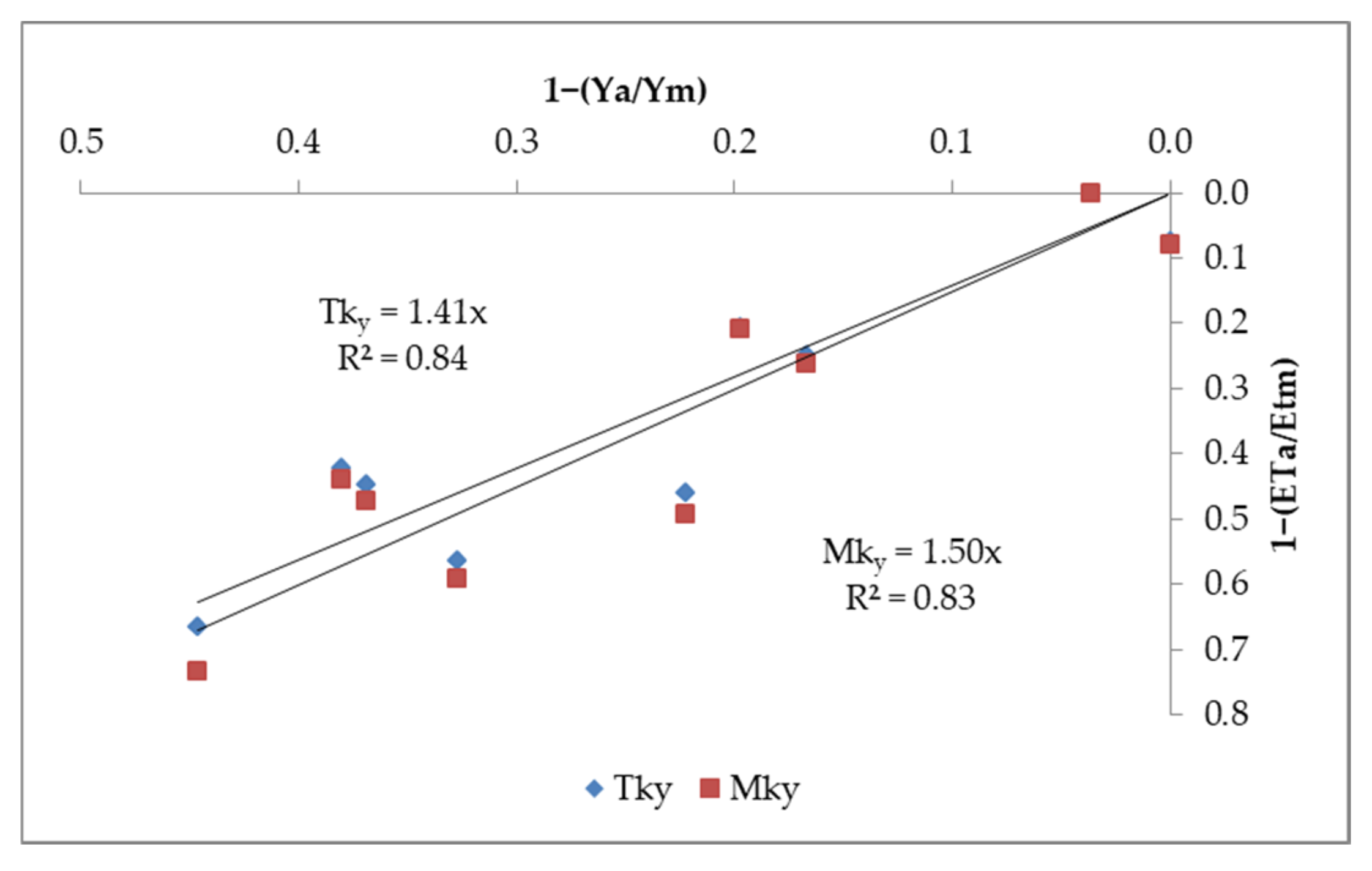
Figure 1. Effect of different treatments on the yield response factor.
Water 17 03219 g001
Table 1. Climate parameters of the experimental site.
Sensor LocationsParametersMayJuneJulyAug.
OutsideTmean, °C15.220.422.220.6
RHmean, %61.259.551.051.6
InsideTmean, °C23.827.228.424.4
RHmean, %47.052.341.558.6
Note: Tmean: mean air temperature; RHmean: mean relative humidity.
Table 2. Physical and chemical analyses of the soil and vermicompost.
PropertiesSoilVermicompost
Soil textureSandy clay-loam (SCL)
Sand (%)70.9
Clay (%)21.08
Silt (%)8.02
Bulk density (g cm−3)1.27
pH8.448.27
EC (µS cm−1)135.713300
CaCO3 (%)41.95.99
OM (%)2.6537.11
Available P2O5 (kg da−1)8.70379.42
Available K2O (kg da−1)72.03726.56
Table 3. Irrigation water parameters.
pHEC, dS m−1Anions, meq L−1Cations, meq L−1SAR
CaMgKNaCO3HCO3ClSO4
7.700.622.81.200.051.40050.30.31.40
Table 4. Dates of growth stages of the pepper plant.
Growth Stages of Pepper PlantVD0VD10VD20
IL100IL75IL50IL100IL75IL50IL100IL75IL50
PlantingMay 5May 5May 5May 5May 5May 5May 5May 5May 5
First Flowering of pepperMay 24May 25May 27May 22May 24May 25May 19May 20May 22
Pepper fruit settingJun. 5Jun. 7Jun. 10Jun. 2Jun. 6Jun. 9Jun. 1Jun. 3Jun. 8
First harvesting of pepperJul. 11Jul. 13Jul. 20Jul. 9Jul. 14Jul. 18Jul. 6Jul. 10Jul. 16
Last harvesting of pepperAug. 8Aug. 8Aug. 8Aug. 8Aug. 8Aug. 8Aug. 8Aug. 8Aug. 8
Table 5. Plant growth parameters of pepper.
TreatmentsStem Diameter
(mm)
Plant Height
(cm)
Number of Leaves
(Pieces)
Stem Fresh Weight (g)Stem Dry Weight (g)Root Fresh Weight (g)Root Dry Weight (g)
IL50–VD06.4 d27.3 e56.2 e35.2 d21.8 e35.1 de23.6 b
IL75–VD06.7 cd31.7 d48.2 e35.4 d23.2 e32.0 e19.1 c
IL100–VD07.0 cd32.3 d37.2 f33.7 d22.5 e32.9 de14.0 d
IL50–VD106.8 cd35.2 cd83.7 c58.1 c26.7 d43.7 c24.4 b
IL75–VD108.6 ab41.5 b81.8 c75.0 b30.9 b52.3 ab27.2 a
IL100–VD108.8 a48.0 a72.3 d62.5 c28.7 c57.1 a19.0 c
IL50–VD207.1 cd38.7 bc94.3 b80.9 b29.0 c38.6 cde22.0 b
IL75–VD208.4 ab47.0 a108.0 a100.1 a32.8 a45.5 bc24.3 b
IL100–VD207.6 bc39.7 bc96.8 b55.6 c25.2 c39.8 cd14.6 d
IL**********NS**
VD**************
IL × VD*************
Note: *, ** significant at the 0.05 and 0.01 level, respectively; NS, not significant. Mean values within columns followed by the same letter are not significant (p > 0.05).
Table 6. Effects of different treatments on quality parameters of the pepper fruit.
TreatmentsFruit Width
(mm)
Fruit Length
(mm)
Fruit Weight
(g)
Fruit Flesh Thickness
(mm)
pHTA
(%)
TSS
(°Brix)
ChromeHue (°)
IL50–VD017.3 c14.9 bcd10.0 c2.6 bc5.7 ab1.2 a5.4 a38.0 c116.7 c
IL75–VD019.1 bc13.6 de11.8 bc2.0 c5.7 ab1.0 a5.2 a42.7 bc121.6 abc
IL100–VD018.0 c13.1 de13.1 bc2.5 bc5.8 ab1.1 a4.2 d45.5 ab117.3 bc
IL50–VD1017.3 c13.9 cde12.6 bc2.3 bc5.9 a1.0 a4.8 b31.5 d124.6 a
IL75–VD1019.7 bc15.7 bc16.4 b2.7 ab5.8 ab0.9 a4.2 d31.6 d124.5 a
IL100–VD1021.9 ab16.4 ab23.0 a3.2 a5.7 ab0.8 a4.0 d50.0 a118.3 bc
IL50–VD2017.0 c12.7 e12.5 bc2.4 bc5.7 ab0.9 a5.3 b25.6 d125.8 a
IL75–VD2018.4 c15.6 bc16.8 b2.1 bc5.6 ab0.9 a4.9 b26.5 d122.7 ab
IL100–VD2023.5 a17.8 a26.7 a2.5 bc5.5 b0.9 a4.5 c46.4 ab121.1 abc
IL*******NS*******
VDNS**************
IL × VD****NSNS******NS
Note: *, ** significant at the 0.05 and 0.01 level, respectively; NS, not significant. Mean values within columns followed by the same letter are not significant (p > 0.05).
Table 7. Effects of different treatments on irrigation water amount and water–yield relations.
TreatmentsET (L)TY (g pot−1)MY (g pot−1)TWUE (g L−1)MWUE (g L−1)
IL50–VD015.4 h55.2 e39.6 e3.6 b2.6 c
IL75–VD018.7 f71.8 de61.1 de3.8 b3.3 c
IL100–VD021.6 e88.7 d76.0 d4.1 b3.5 bc
IL50–VD1017.5 g91.0 d78.9 d5.2 a4.5 ab
IL75–VD1023.2 c123.3 c110.4 c5.3 a4.8 a
IL100–VD1027.8 a152.2 ab137.8 ab5.5 a5.0 a
IL50–VD2017.2 g95.0 d83.7 d5.5 a4.9 a
IL75–VD2022.3 d130.5 bc118.5 bc5.9 a5.3 a
IL100–VD2026.8 b164.5 a149.8 a6.1 a5.6 a
IL******NSNS
VD**********
IL × VD**NSNSNSNS
Note: ** significant at the 0.01 level, respectively; NS, not significant. Mean values within columns followed by the same letter are not significant (p > 0.05).
Disclaimer/Publisher’s Note: The statements, opinions and data contained in all publications are solely those of the individual author(s) and contributor(s) and not of MDPI and/or the editor(s). MDPI and/or the editor(s) disclaim responsibility for any injury to people or property resulting from any ideas, methods, instructions or products referred to in the content.


