Review

A Comprehensive Review of Research and Applications of Intelligent Manipulators in Agriculture

School of Agricultural Engineering, Jiangsu University, Zhenjiang 212013, China
*
Author to whom correspondence should be addressed.
Agronomy 2026, 16(11), 1041; https://doi.org/10.3390/agronomy16111041 (registering DOI)
Submission received: 11 April 2026 / Revised: 16 May 2026 / Accepted: 22 May 2026 / Published: 24 May 2026
(This article belongs to the Special Issue Research Progress in Agricultural Robots in Arable Farming)

Abstract

Agricultural intelligent manipulators are essential for autonomous operations in smart agriculture. However, their industrial deployment faces critical bottlenecks, including perception failures, crop damage, and poor cost–benefit ratios in unstructured environments. Following the PRISMA guidelines, this study reviewed 22 key representative studies and 78 related studies (2015–2026). This review analyzes mechanisms for low-damage and high-precision operations across hardware (rigid–flexible structures), perception (multi-modal fusion), and decision-making (intelligent control). We compare operational efficiency and damage rates in harvesting, transplanting, and sorting, finding that rigid–flexible actuators with vision-guided force control are key to overcoming current limitations. To evaluate these technologies, we established a benchmarking framework across fruit/vegetable harvesting, seedling grafting, and precision plant protection to assess four technological trajectories. We also address engineering challenges: machinery–agronomy misalignment, high sensor costs, and limited edge computing. Notably, we introduce an economic payback period analysis to evaluate commercial feasibility. Ultimately, future research should prioritize lightweight variable-stiffness hardware, synchronous visuo-tactile perception, and digital twins to seamlessly integrate machinery and agronomy.

1. Introduction

Intelligent agricultural manipulators can execute diverse operations, such as fruit and vegetable harvesting, seedling transplanting, crop protection, and agricultural product sorting. As key equipment in smart agriculture, they effectively mitigate critical challenges, including labor shortages, suboptimal operational efficiency, and substantial crop losses, thereby playing a significant role in advancing agricultural modernization. This review systematically synthesizes the core technology systems of intelligent manipulators, analyzes their application efficacy across typical agricultural scenarios, identifies existing bottlenecks in field applications, and proposes potential improvement strategies. Consequently, it aims to provide a robust theoretical and practical foundation for their technological upgrade and widespread implementation.

1.1. Research Background and Significance

As modern agriculture progressively shifts toward intelligence, the performance of intelligent manipulators directly dictates the level of automated operations. Presently, global agriculture is universally confronted with the dual challenges of a shrinking labor force and escalating production costs; therefore, the market urgently requires intelligent equipment capable of substituting human labor for arduous field operations. Bechar and Vigneault (2016) explicitly highlighted in their study on field robot systems [1] that the manipulator is the sole component in direct physical contact with crops. Consequently, its operational success rate, efficiency, and reliability determine whether the entire robotic system can be genuinely commercialized. However, while their evaluation provided a system-level baseline, it primarily focused on classical rigid kinematics and overall integration. It did not analyze the micro-interaction forces between end-effectors and fragile crops, as their study preceded the widespread application of soft robotics and multi-modal deep learning in agriculture. Consequently, current evaluations of manipulator efficacy must expand beyond traditional kinematic reliability to include non-destructive, adaptive physical interactions in unstructured environments. To address this, the present review synthesizes recent advancements in rigid–flexible coupling and AI-driven multi-modal perception, examining how these technologies can overcome the commercialization bottlenecks initially identified by Bechar and Vigneault.
Despite their potential, complex farmland environments and fragile crops severely restrict the proliferation of intelligent manipulators in practical applications. On the one hand, diverse crops exhibit substantial morphological variances, featuring highly vulnerable epidermises and stems. Traditional rigid manipulators lack flexibility and are prone to inducing crop damage due to excessive localized pressure upon contact. As Navas et al. (2021) noted in their review of soft grippers [2], this challenge has propelled structural improvements towards flexible and bionic designs to satisfy the imperative requirements of low-damage operations. On the other hand, field and greenhouse environments are inherently unstable, characterized by rapid illumination fluctuations and severe occlusion from branches and foliage. Research by Tang et al. (2020) demonstrated [3] that field shadows and dense canopies can induce millimeter-level deviations in the visual positioning of manipulators. These deviations potentially precipitate path planning failures, thereby increasing equipment failure rates and operational costs.
Driven synergistically by technological evolution and industrial demands, investigating the technical impediments of agricultural intelligent manipulators holds immense practical significance, manifesting primarily in the following three dimensions:
Firstly, enhancing manipulator stability in complex environments. Volatile field conditions perturb the optimal functioning of sensors and actuators, escalating the risk of crop damage. The integration of flexible structures, multi-modal perception, and reinforcement learning algorithms can bolster the anti-interference capabilities of manipulators, thereby mitigating performance degradation during prolonged operations.
Secondly, accelerating decision-making velocity to accommodate continuous operational demands. The constrained onboard computational capacity of manipulators struggles to meet the stringent speed requisites of high-frequency continuous tasks. Williams et al. (2019) discovered during kiwifruit harvesting robot experiments [4] that executing collision detection and trajectory calculations amidst complex branches is highly time-consuming, frequently resulting in operational pauses. Therefore, optimizing lightweight algorithms and edge computing architectures is pivotal to elevating operational efficiency.
Thirdly, facilitating the development of comprehensive agricultural automation. The operational efficacy of intelligent manipulators is synergistically determined by four foundational technologies: structure, perception, control, and decision-making. Analyzing the specific application traits of these technologies across diverse scenarios facilitates the establishment of rigorous integration standards for agricultural machinery and agronomy. This propels equipment from single-unit automation towards multi-machine collaboration, ultimately actualizing fully unmanned agricultural production.

1.2. Review of Current Research Status

Building upon the urgent needs identified above, it is essential to examine the current technological landscape. The accelerated advancement of artificial intelligence, novel materials, and edge computing technologies has facilitated a paradigm shift in domestic and international research on agricultural intelligent manipulators. The field is rapidly transitioning from early-stage single-function validation towards complex environment adaptation and universal integration. Current research predominantly concentrates on flexible end-effector design, multi-modal perception for interference mitigation, and the establishment of an autonomous “perception–decision–execution” closed-loop system. These investigative efforts not only address the critical demands for environmental adaptability and low-damage operations but also establish a robust foundation for subsequent scenario applications and technical framework architectural design.

1.2.1. Mechanical Structure: From Specialized Structures to Universal Flexible End-Effectors

Early agricultural manipulators were predominantly characterized by rigid structures tailored specifically to the dimensions of individual agricultural products. However, due to the high morphological diversity and varying damage thresholds among crops, the large-scale deployment of such specialized structures proved unfeasible. Gao et al. (2025) noted in a comprehensive review of universal picking end-effectors [5] that manipulator hardware is undergoing a transition from specialization to universality. The fundamental paradigm involves integrating tactile sensing with smart materials, enabling the end-effector to adapt to a myriad of fruit and vegetable morphologies without necessitating structural modifications. Presently, advanced prototypes can condense single-fruit operation times to 4–5 s whilst maintaining a multi-crop harvesting success rate consistently above 80%, thereby providing strong support for the advancement of flexible, bionic, and variable-stiffness architectures.

1.2.2. Vision and Control Coordination: Coping with Complex Branches, Leaves, and Dynamic Occlusion

Once the challenges of low-damage grasping are addressed, achieving precise positioning within complex field environments emerges as the next major difficulty. The dense foliage and erratic illumination intrinsic to natural orchards render traditional visual positioning and open-loop control systems highly susceptible to failure. To overcome this, Imanbayeva et al. (2026) [6] engineered a harvesting robot that seamlessly integrates deep learning-based vision with adaptive control. Their experimental validations confirmed that the synergy between deep learning perception and compliant actuators empowers the manipulator to sustain high recognition accuracy. Even in environments plagued by poor illumination and severe occlusion, the system can smoothly navigate through intricate canopies. Consequently, this integration of vision and motion control serves as an invaluable practical reference for aligning multi-modal perception with servo drives.

1.2.3. Decision Planning: Constructing an Intelligent Closed Loop of “Perception–Decision–Execution”

Building upon the integration of vision and control, researchers are increasingly adopting a systems engineering perspective to further augment the field stability of agricultural robots. Because relying exclusively on high-performance hardware is insufficient to navigate unpredictable field variables, it is imperative to endow systems with dynamic adaptability via sophisticated algorithms. In their comprehensive evaluation of agricultural automation, Jiang et al. (2025) [7] postulated that the critical breakthrough resides in constructing an autonomous “perception–decision–execution” closed loop. The pivotal technology underpinning this framework involves utilizing 3D LiDAR positioning in conjunction with deep reinforcement learning to meticulously analyze the dynamic relationship between crops and their environment. This advanced methodology facilitates rapid path replanning in unstructured environments, thereby substantially enhancing overall system stability and laying the technical groundwork for overcoming subsequent industrialization bottlenecks.

1.3. Research Content and Technical Framework

Addressing the inherent pain points of complex farmland environments and leveraging the prevailing trends towards flexibility, multi-modal perception, and closed-loop control, this paper outlines a research trajectory. This trajectory encompasses three sequential phases: “Core Technology Analysis,” “Typical Scenario Application,” and “Industrialization Bottlenecks and Prospects,” thereby clearly articulating the research content and establishing a robust technical framework.

1.3.1. Main Research Content

This review comprehensively evaluates the full-cycle field operation efficacy of intelligent manipulators across three principal dimensions:
First, it dissects the four core technology systems. We elucidate the developmental trajectories of mechanical structures, perception and recognition, control drives, and intelligent decision-making. For instance, Hua et al. (2024) [8] proposed a low-cost vacuum suction end-effector tailored for apple harvesting, introducing a novel paradigm for damage control. Accordingly, this study primarily analyzes the evolution of these individual modules as they transition towards multi-modal fusion and adaptive closed-loop control.
Second, it critically examines technical adaptation and performance across typical scenarios. By applying these core technologies to tasks such as fruit and vegetable harvesting, seedling transplanting, crop protection, and sorting, the study contrasts the distinct performance demands imposed by various environments. We prioritize analyzing the adaptability of these ubiquitous technologies across heterogeneous field conditions.
Third, it synthesizes industrialization bottlenecks and emergent developmental trends. Concentrating on the multifaceted challenges of transitioning intelligent manipulators from laboratory settings to broad-acre fields, the review investigates pressing issues such as simulation-to-reality performance degradation, edge computing limitations, and unstable multi-machine cooperative communications. By amalgamating artificial intelligence with advanced control theory, this study clarifies the trajectories for technological upgrades and proposes comprehensive pathways towards fully unmanned operations.

1.3.2. Technical Framework

To structure the analysis, this paper adopts a tripartite technical framework organized as “fundamental technology–intermediate scenario–top-level prospect”:
The primary tier examines fundamental core technologies. This encompasses structural design, multi-modal perception, adaptive control, and intelligent decision-making. Particular emphasis is placed on compliant actuators, visuo-tactile fusion, and reinforcement learning-based decision-making, thereby establishing a rigorous theoretical foundation.
The secondary tier investigates scenario applications. This tier translates foundational technologies into practical operations, such as fruit and vegetable harvesting, grafting transplanting, and precision crop protection. It evaluates critical metrics—including operational speed, damage rates, and positioning precision—effectively bridging the gap between theoretical technology and field productivity.
The tertiary tier explores industrial bottlenecks and future prospects. In alignment with the stringent requirements for field stability and economic viability, it analyzes the challenges induced by computational constraints and environmental variables. Furthermore, it proposes evolutionary pathways, such as multi-arm collaboration and end–edge–cloud coordination, conclusively outlining future research priorities.

1.4. Main Innovations and Research Difficulties of This Paper

By synthesizing the intrinsic pain points of farmland environments, prevailing technological trends, and the established research framework, this paper delineates its primary innovations and core research difficulties. This culminates in a coherent and comprehensive research logic designed to push the boundaries of the current literature.

1.4.1. Main Innovation Points

To explicitly distinguish this review from the previous literature—which predominantly isolates singular technological domains (e.g., exclusively focusing on soft grippers [2] or vision-guided harvesting [3]) without cross-scenario normalization—this study addresses a critical methodological gap: the absence of a standardized, quantitative evaluation metric for cross-scenario adaptability and commercial feasibility. Specifically, our framework goes beyond the simple aggregation of established concepts by introducing three distinct analytical advancements:
Firstly, we construct a multi-scenario agricultural machinery and agronomy integration framework. This framework uniquely spans from fruit and vegetable harvesting to seedling grafting. Extant research predominantly concentrates on single-crop harvesting, which is inherently insufficient to satisfy holistic automation requisites. This paper endeavors to dismantle the technical silos separating large-scale fruit harvesting from high-precision seedling operations, facilitating cross-domain technology sharing. For example, Yan et al. (2022) [9] observed that delicate vegetable seedlings demand exceptionally stringent hybrid force–position control from manipulators. Building on such insights, this study introduces visuo-tactile fusion to evaluate how compliant structures can seamlessly balance universal applicability with rigorous agronomic standards, offering novel perspectives for generalized robotic design.
Secondly, we propose a joint compensation strategy leveraging edge computing and simulation-to-reality methodologies. This strategy is specifically engineered for complex environments. Targeting pervasive issues such as field interference, simulation-to-reality performance degradation, and computational deficits, we formulate optimizations through a software–hardware co-design approach. As Yang et al. (2018) [10] suggested, cross-modal reinforcement learning can effectively bridge the chasm between simulation and reality. Therefore, this paper integrates edge computing with closed-loop control to dissect the computational allocation mechanisms of 5G and edge architectures. We advocate the rectification of drive errors via edge visual servoing to fundamentally enhance system stability.
Thirdly, we introduce a quantitative industrialization evaluation mechanism. Unlike previous reviews that purely analyze kinematic or visual metrics, this study establishes a Standardized Evaluation Dimension (SED). By detailing the cost–benefit feasibility of various perception schemes and incorporating a first-of-its-kind economic Return on Investment (ROI) evolution model, we quantitatively link hardware redundancy costs to commercial payback periods (<3 years). This framework bridges the fundamental gap between laboratory technical indicators and field commercial viability.

1.4.2. Core Research Difficulties

The first core research difficulty is achieving real-time alignment of multi-modal data and ensuring decision-making model stability. Abrupt fluctuations in field illumination and severe occlusion by foliage significantly impede visual feature extraction, whilst tactile signals inherently suffer from latency. Consequently, the main algorithmic challenge lies in the precise, near-instantaneous alignment of visual, force, and tactile data streams to furnish stable, reliable inputs for decision-making models.
The second core research difficulty is resolving the persistent dichotomy between high-precision positioning and stringent low-damage constraints. Diverse agricultural tasks impose conflicting mechanical demands; for instance, seedling grafting necessitates sub-millimeter alignment, whereas berry harvesting mandates that damage rates remain strictly within the 5–10% threshold. The high-speed kinematics of robotic arms inevitably generate substantial inertia. Therefore, effectively dissipating the kinetic impact at the exact instant of crop contact—whilst simultaneously maintaining stable operational positioning—constitutes a profound engineering challenge at the intersection of actuator structural design and motion control.

2. Materials and Methods

This paper strictly adheres to the PRISMA (Preferred Reporting Items for Systematic Reviews and Meta-Analyses) guidelines to execute a systematic literature search and screening protocol. This methodological rigor ensures the utmost objectivity and representativeness of the research conclusions.

2.1. Search Databases and Strategies

The literature search was conducted across three preeminent academic databases: Web of Science (Core Collection), ScienceDirect, and IEEE Xplore. The temporal span of the search extended from January 2015 to April 2026, encompassing a comprehensive array of technological evolutions and the latest research advancements in the domain of intelligent agricultural manipulators over the preceding decade.
To ensure a comprehensive retrieval, a bilingual thematic combination search strategy was employed. The core search algorithms were formulated as follows:
English search string: TS = ((agricultural robot * OR intelligent manipulator) AND (end-effector OR soft gripper OR flexible grasping) AND (multi-modal sensing OR sensor fusion) AND (deep reinforcement learning OR servo control)).
Chinese search string: Theme = ((“agricultural robot” OR “intelligent manipulator”) AND (“end-effector” OR “flexible grasping”) AND (“multi-modal sensing”) AND (“deep reinforcement learning” OR “servo control”)).
To mitigate the potential restrictiveness of the Boolean query, ensure the inclusion of classical kinematics approaches, and avoid selection bias skewed solely towards AI-focused research, an iterative query refinement and a supplementary “snowballing” strategy were implemented. This involved manual forward and backward citation tracking of highly cited reviews and foundational non-deep learning papers [1,2,5]. This dual-track approach ensured that the search was both focused and comprehensive, capturing classical robotic methods that might otherwise be bypassed by AI-rigid keyword combinations.

2.2. Inclusion and Exclusion Criteria

Following the initial retrieval, an intensive abstract review and subsequent full-text evaluation were conducted. To maintain high relevance and quality, studies were exclusively included if they satisfied all of the following criteria concurrently:
Clear Operation Object: The research specifically targets distinct agricultural operations (e.g., fruit and vegetable harvesting, seedling transplanting, or post-harvest sorting) with unequivocally defined physical crop characteristics, such as hardness, morphology, or fragility.
Structure and Drive Adaptation: The study concentrates on compliant mechanisms, bionic structures, or rigid–flexible coupling end-effector designs that demonstrate verifiable adaptability to unstructured agricultural scenarios.
Clear Perception Scheme: The research implements single-modal or multi-modal perception systems (e.g., vision, force, and tactile sensing), clearly delineating the data fusion mechanisms and implementation logic.
Effective Control Algorithm: The study applies sophisticated methodologies, such as deep reinforcement learning, intelligent path planning, or flexible drive control, to significantly augment system robustness.
Sufficient and Quantifiable Verification: The research encompasses physical prototype experiments or high-fidelity scenario simulations, yielding directly comparable metrics like operational efficiency, damage rates, and positioning precision.
Conversely, to meticulously guarantee the quality and focus of this review, studies satisfying any of the following conditions were systematically excluded:
Non-peer-reviewed conference abstracts, patents, news reports, or other non-academic publications.
Studies exclusively targeting generic industrial manipulators without structural or algorithmic optimizations specifically tailored to agricultural scenarios.
Duplicate publications, studies with fragmented data, or preliminary research lacking pivotal empirical validation.
Studies demonstrably tangential to the core theme of agricultural intelligent manipulators.

2.3. Screening Process and Data Extraction

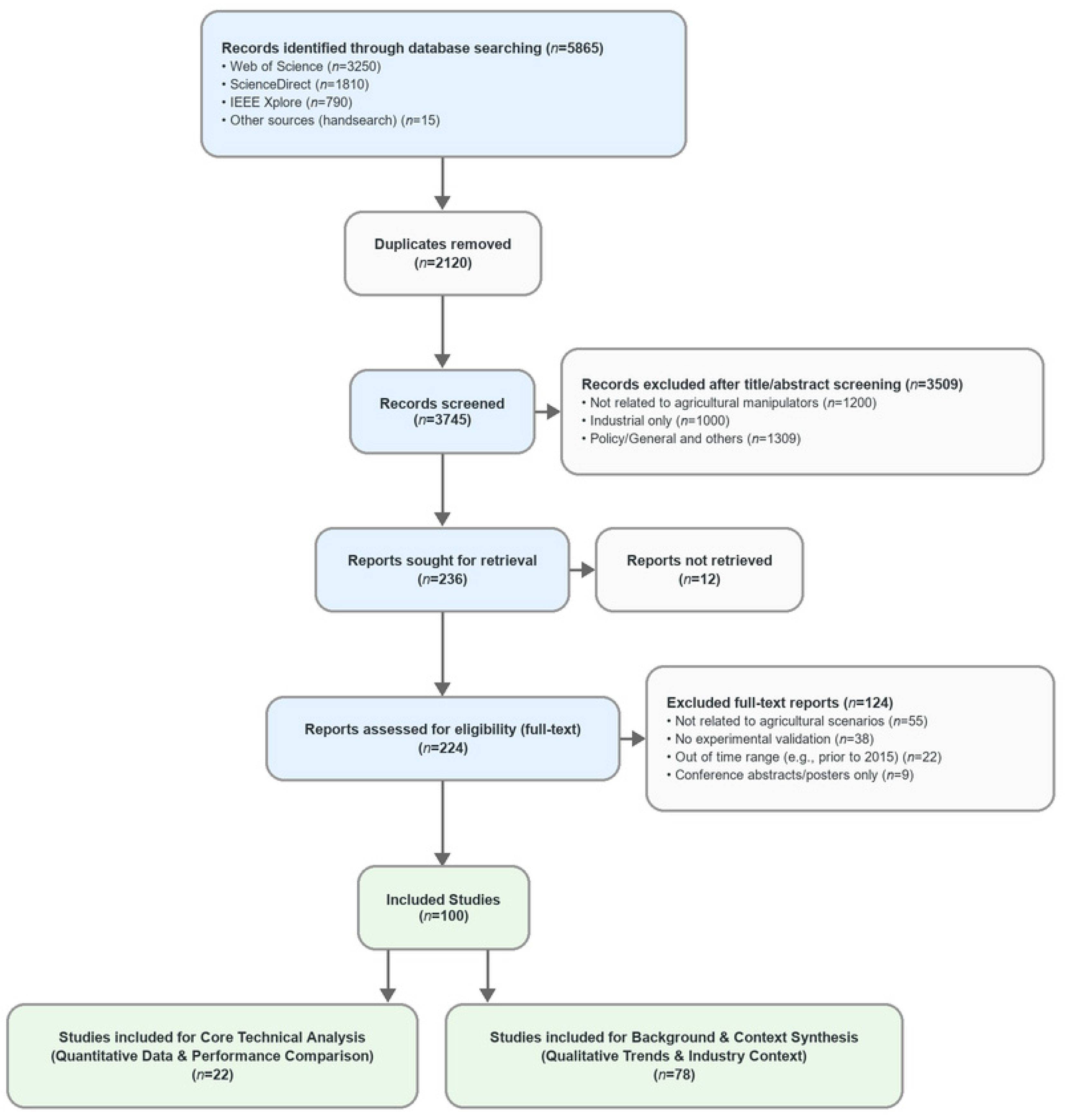
The literature screening protocol was executed in strict accordance with the PRISMA systematic flow. As illustrated in Figure 1, the selection process was divided into four distinct phases: identification, screening, eligibility assessment, and final inclusion. Initially, a total of 5865 records were identified from the selected databases, including 3250 from Web of Science, 1810 from ScienceDirect, 790 from IEEE Xplore, and 15 through manual searching. After removing 2120 duplicate publications, 3745 records were screened based on their titles and abstracts. This screening resulted in the exclusion of 3509 irrelevant studies. The primary reasons for exclusion at this stage included a lack of relevance to agricultural manipulators (n = 1200) and a focus solely on generic industrial robotics (n = 1000) or policy, general, or other unrelated topics (n = 1309).
Of the 236 reports sought for retrieval, 12 could not be retrieved, leaving 224 that were successfully obtained for full-text eligibility assessment. Following a rigorous evaluation against our inclusion criteria, 124 reports were excluded. The specific reasons for exclusion at this stage were: not related to agricultural scenarios (n = 55), lack of experimental validation (n = 38), being outside the target time range (n = 22), and being exclusively conference abstracts or posters (n = 9). Ultimately, 100 studies were definitively included in this review. Figure 1 provides a granular breakdown of these statistics, ensuring the transparency and reproducibility of our search strategy.
Among the included studies, 22 key representative studies were selected for systematic and structured analysis, while the remaining 78 studies provided qualitative background and context synthesis.
Data were uniformly extracted across paramount dimensions: operation object type, end-effector structural paradigm, perception modality combination, core control and decision-making algorithms, operational success rate, and crop damage rate. This methodical extraction provided a standardized empirical foundation for the ensuing technical comparisons.
To ensure methodological rigor in identifying the 22 key representative studies from the pool of 100 included studies, a bifurcated selection strategy was employed. For the empirical experimental studies, a quantitative Quality Assessment (QA) Scoring System was developed. Each empirical study was evaluated across five dimensions, with each dimension assigned 0–2 points: (1) Experimental Rigor (Is the validation conducted on real field environments?); (2) Scenario Relevance (Does it target specific agricultural pain points?); (3) Hardware/Algorithmic Novelty (Does it introduce unique structures or paradigms?); (4) Metric Completeness (Are success rates, damage rates, and cycle times all reported?); and (5) Scientific Impact (Is the methodology cited or adopted by subsequent research?). Only empirical studies achieving a cumulative score of ≥8 points were selected for systematic quantitative comparisons.
Concurrently, highly cited foundational review papers (e.g., Refs. [1,2,5]) were purposefully included in this core group based on their macro-theoretical contributions, establishment of structural paradigms, and broad scientific impact. This dual-track approach strictly controlled the risk of bias, ensuring that the selected core studies represent both highly reproducible empirical research and authoritative theoretical guidance.
The salient technical characteristics and core performance metrics of the 22 key representative studies are synthesized and categorized in Table 1.

3. Results and Discussion

3.1. Architecture and Taxonomy of Core Technologies for Agricultural Intelligent Manipulators

The operational efficacy of agricultural intelligent manipulators is intrinsically governed by the convergence of four critical technological domains: mechanical design, perceptual recognition, control actuation, and intelligent decision-making. As articulated by Taha et al. (2025) [24], the systematic integration of these facets is critical for facilitating automation within complex, unstructured environments. This perspective is further corroborated by Ge et al. (2025) [25] and Zhu et al. (2025) [26], who posit that artificial intelligence serves as the overarching framework, bridging perception, cognition, and execution to enable robust robotic performance across diverse settings.
To establish a rigorous taxonomic framework, this study categorizes contemporary agricultural manipulators into four primary technological trajectories: (1) Rigid-Body Manipulators, (2) Flexible/Soft Robotic Manipulators, (3) Rigid–Flexible Coupled Manipulators, and (4) Bionic Adaptive Gripping Systems. The structural architecture fundamentally dictates the damage metrics and operational versatility of the system. As emphasized by Ao et al. (2025) [27], transcending the constraints of conventional rigid structures is imperative for mitigating post-harvest losses in high-value crops, thereby steering the evolution of end-effectors toward flexible, biomimetic, and variable-stiffness paradigms.

3.1.1. Rigid-Body Manipulator Paradigm

Rigid-Body Manipulators typically employ linkage or parallel-jaw mechanisms driven by electromagnetic or hydraulic actuators. Their primary advantage lies in superior positioning precision and rapid transient response. However, these systems inherently lack passive compliance. In unstructured agricultural settings, positioning inaccuracies frequently lead to stress concentrations, significantly elevating the risk of mechanical injury to delicate crops. Consequently, this paradigm is primarily viable only for resilient, geometrically regular crops such as potatoes and onions. Current empirical benchmarks indicate an operational efficiency of 4–6 s per unit, but with unacceptably high damage rates ranging from 8% to 15% for fresh produce [1,5]. However, it is crucial to note that these damage metrics are highly dependent on the epidermal toughness of the specific crop tested; applying these structures to soft berries would undoubtedly result in catastrophic failure rates far exceeding 15%.

3.1.2. Flexible and Soft Robotic Paradigm

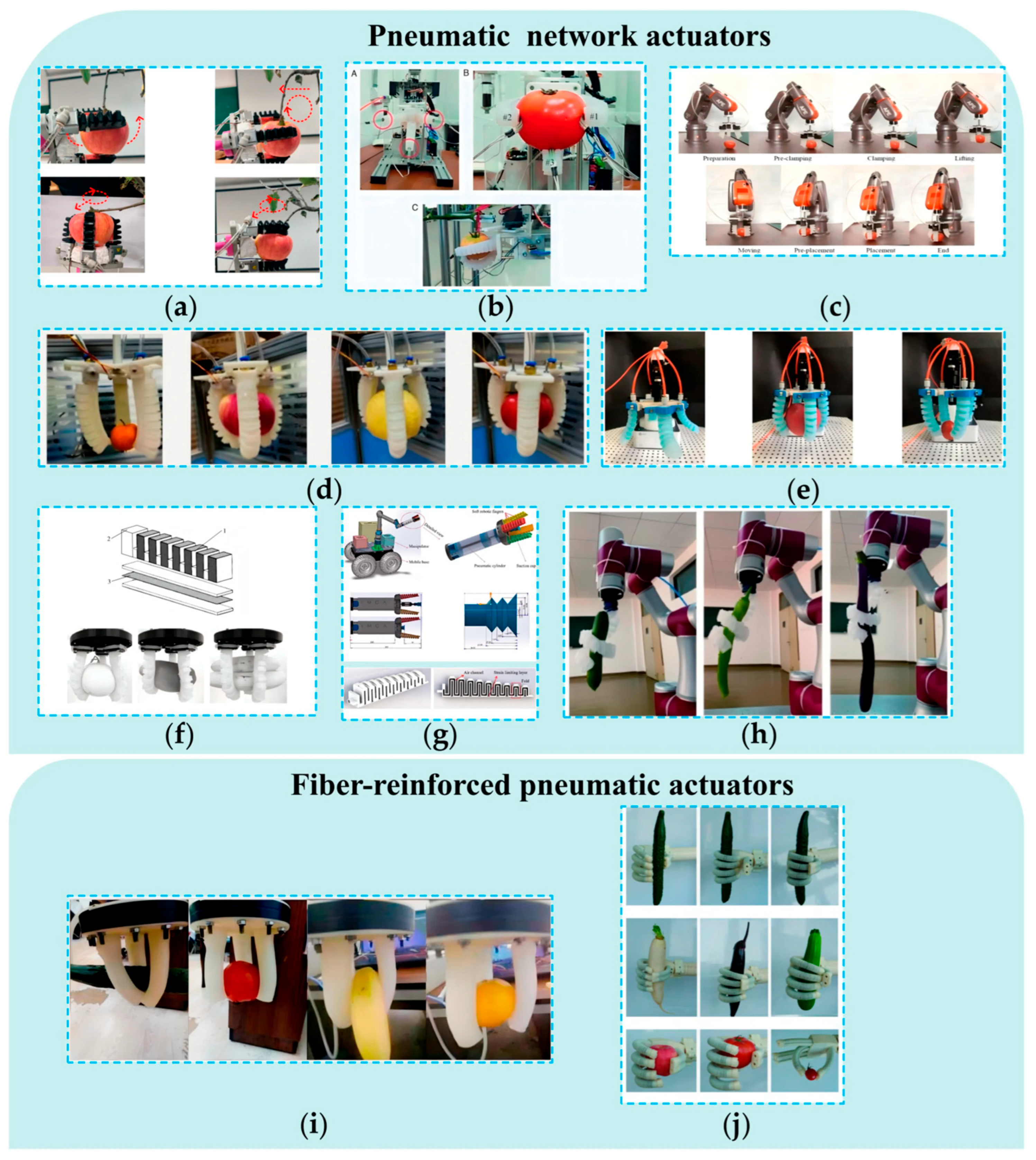
Flexible manipulators leverage elastomeric materials (e.g., silicone and thermoplastic polyurethane) coupled with pneumatic or cable-driven actuation to ensure high compliance and non-destructive handling. As illustrated in Figure 2, end-effectors based on soft pneumatic actuators (SPAs) undergo bending or elongating deformations via pressure modulation. This architecture facilitates passive adaptation to irregular horticultural morphologies. Furthermore, the integration of tactile feedback (Figure 2b) and air-chamber array configurations (Figure 2e) enhances grasping precision.
Despite their intrinsic safety, the industrial scalability of pure soft structures is hindered by a critical trade-off between load capacity and spatial precision. For example, while a 2025 study on a pneumatic variable-structure manipulator reported a 95.83% grasping success rate with a remarkably low damage rate of 4.17% (execution time: 6.36 s) [12], another field trial on apple harvesting demonstrated a low damage rate (4.55%) but suffered from a severe 75.6% detachment rate [17]. While these metrics illustrate the non-destructive nature of soft actuators, a critical synthesis reveals an unresolved mechanical contradiction: high compliance inherently sacrifices the detachment torque required for robust stems. Directly comparing these success rates is methodologically flawed without normalizing the payload-to-compliance ratio and the specific detachment force required by the crop’s pedicel.

3.1.3. Rigid–Flexible Coupled Paradigm: A Pragmatic Synthesis

While soft architectures provide non-destructive interaction, homogenous flexible materials seldom satisfy the conflicting requirements of robust gripping force, high detachment torque, and low damage. Consequently, the rigid–flexible coupled paradigm has emerged as a highly competitive path toward universal agricultural manipulators. This paper distinguishes between “rigid–flexible structures” and “rigid–flexible coupling.” The term “rigid–flexible structures” refers to the static hardware composition, specifically the physical assembly of rigid components (e.g., metallic linkages) and compliant materials (e.g., elastomers) within an end-effector. “Rigid–flexible coupling” refers to the operational integration and dynamic control of these components. In a coupled system, the rigid skeleton executes macro-kinematic positioning and provides detachment torque, while the flexible interface deforms to absorb kinetic impacts and conform to crop morphology. The core design philosophy centers on “hierarchical force dissipation”. In this architecture, a rigid exoskeleton provides structural load-bearing capacity and kinematic stiffness, while flexible interfaces or variable-stiffness layers serve as stress-mitigating buffers. Empirical data indicate that hybrid-actuated rigid–flexible systems can achieve an operational efficiency of 4.9–5.4 s per unit with damage rates suppressed to 0.5–4.89% across diverse scenarios [5,19,22]. However, maintaining analytical neutrality requires critically acknowledging the significant inherent limitations of this architecture. While it balances payload and compliance, the rigid–flexible coupled paradigm suffers from severe manufacturing complexity and elevated maintenance costs due to the integration of heterogeneous materials (e.g., bonding silicone with aluminum frameworks). Furthermore, the continuous, rapid transition between rigid and flexible states demands higher energy consumption for hybrid actuation, often induces control instability, and accelerates actuator fatigue under high-frequency field operations. Balancing the dynamic payload capacity with the long-term durability of these flexible components remains a significant engineering hurdle. Finally, scaling these highly customized hybrid systems for mass commercial deployment remains a formidable barrier, as their intricate fabrication processes currently resist standardized industrial manufacturing. These multifaceted trade-offs—balancing high payload and crop safety against energy demands, control instability, and economic costs—are systematically weighed and evaluated within the commercial scalability and environmental adaptability dimensions of our SED framework (detailed subsequently in Section 3.1.5 and Table 2).

3.1.4. Bionic Adaptive Gripping Paradigm

Unlike generic soft grippers that rely solely on the passive elasticity of materials, the bionic adaptive gripping paradigm actively emulates specific biomechanical mechanisms and morphological traits of biological organisms (e.g., octopus tentacles, human fingertips, or specialized plant contours). This approach achieves high-fidelity adaptation by geometrically profiling the target. For example, a 2023 study introduced a flexible actuator inspired by the contours of broad beans, achieving a breakage rate of only 1.7% and a drop rate of 3.3% [14]. For high-value harvesting, these biomimetic systems consistently maintain damage rates below 5%, with success rates exceeding 75%. However, a critical limitation of this paradigm is its extreme morphological specificity. While high success rates are achievable for the specific crop the gripper mimics, this highly tailored geometry inherently restricts cross-crop universality, presenting a significant barrier to commercial scalability.

3.1.5. Comparative Analysis of Technological Pathways

To systematically contrast the technical characteristics, operational performance, and inherent limitations of these diverse end-effector typologies, a comprehensive evaluation is presented in Table 2. As delineated in the table, the four primary paradigms exhibit marked disparities concerning drive mechanisms, suitable crop biophysics, and operational efficacy. Rigid structures offer throughput but fail mechanical safety standards for fresh produce; flexible and bionic structures excel in non-destructive metrics but lack broad payload universality. Ultimately, rigid–flexible coupled structures present a highly pragmatic solution, successfully balancing operational throughput, dynamic payload capacity, and stringent low-damage prerequisites.
To ensure a rigorous, evidence-driven comparison and avoid subjective, opinion-based evaluations, this review establishes a Standardized Evaluation Dimension (SED) framework. Each technological paradigm is assessed across four distinct dimensions derived from empirical metrics: (1) kinematic efficiency: benchmarked against the operational threshold of <5 s per unit; (2) mechanical safety: benchmarked against a strict crop damage rate threshold of <5%; (3) environmental adaptability: evaluated by the sustained success rate (>85%) in highly unstructured, occluded environments; and (4) commercial scalability: assessed by manufacturing complexity, actuator fatigue, and integration costs. The comparative assessments in the subsequent tables (Table 2, Table 3, Table 4, Table 5 and Table 6) strictly reflect the alignment of each technology with these standardized dimensions, explicitly replacing subjective qualitative descriptors with objective methodological justifications.

3.1.6. Common Technological Enablers

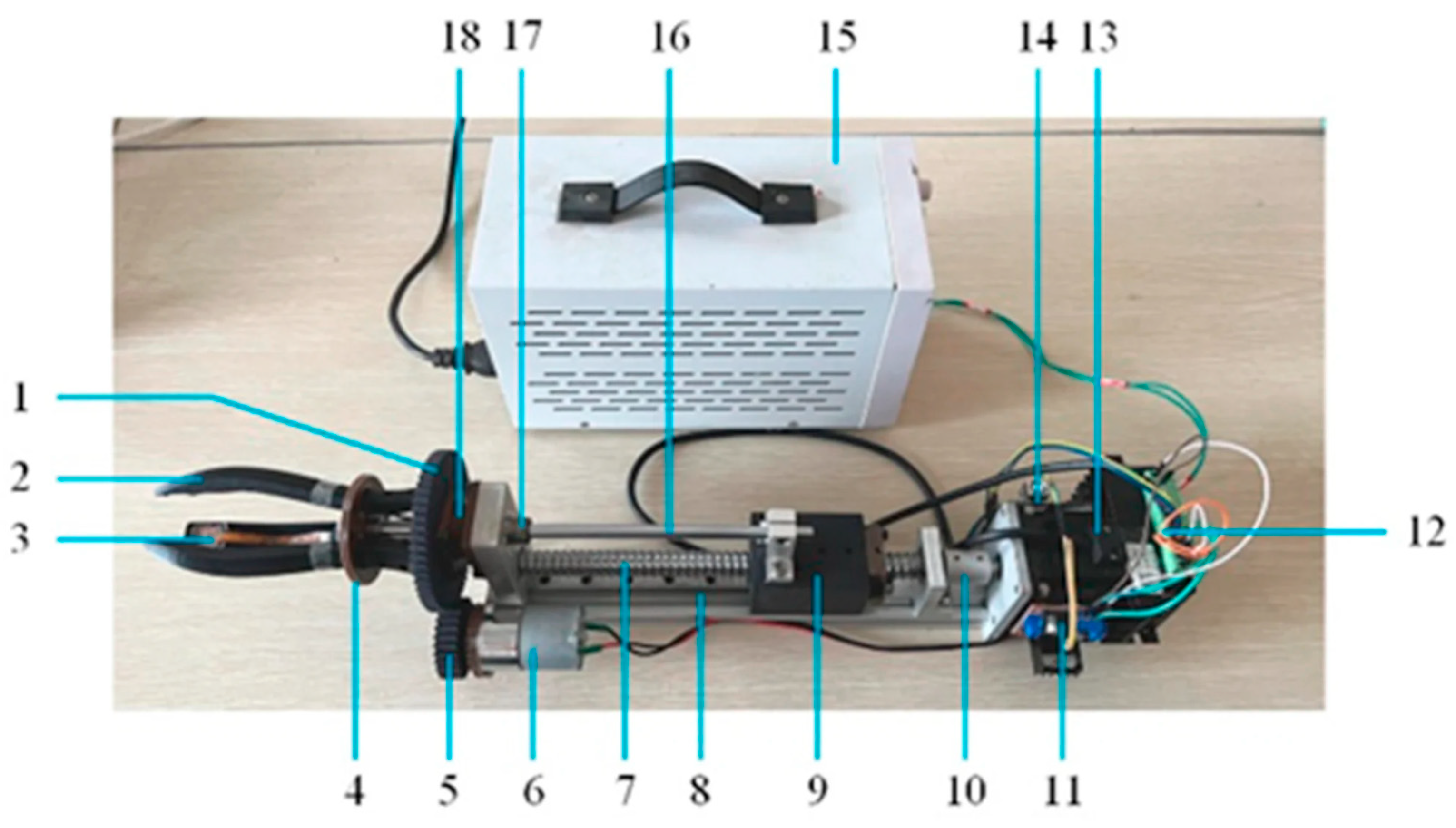
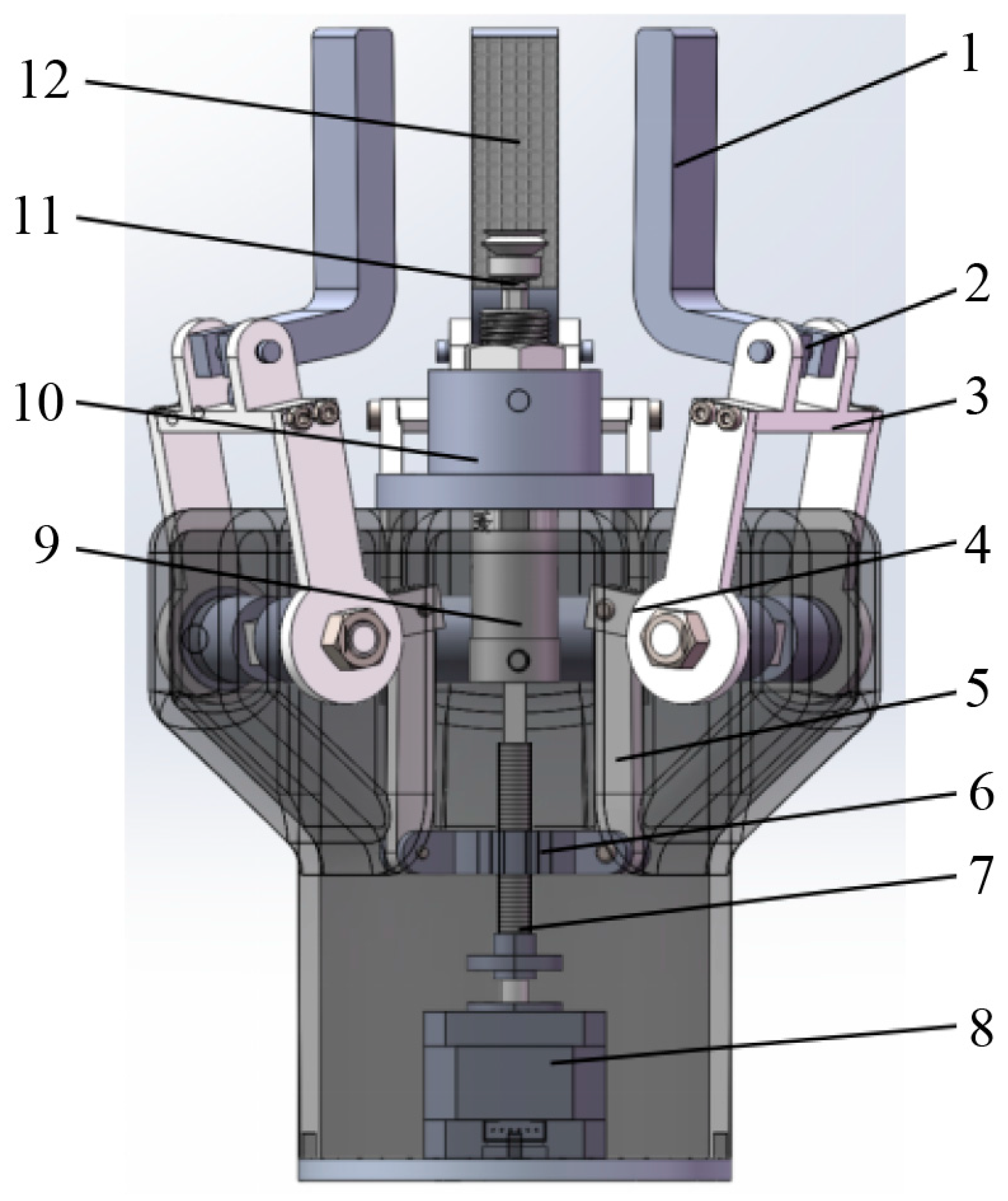
Multi-Modal Perception and Identification (Vision/Force/Tactile Sensing): In field and greenhouse environments, fluctuating illumination and dense foliage occlusion impose rigorous demands on perception systems. Visual perception serves as the cornerstone for target detection. For instance, to address occlusion in apple harvesting, the SCAL (Spatial and Channel Attention-based Lightweight) segmentation model achieved a 95.1% mean precision [16]. Additionally, lightweight YOLOv5s-based algorithms attained an mAP exceeding 0.75 for small targets like olives [28]. However, uncritically enumerating these accuracies obscures the underlying scientific trade-offs. A critical synthesis reveals that the 95.1% precision in apple orchards is highly dependent on resolving severe spatial occlusions, whereas the olive detection metric primarily struggles with small-target density. Directly comparing these visual models without normalizing for canopy architecture, target-to-background ratio, and ambient illumination is scientifically untenable. The true unresolved challenge lies not in achieving a high laboratory mAP, but in maintaining cross-crop generalization under variable field conditions. Beyond macro-geometric data, force and tactile sensing provide critical “micro-mechanical feedback.” An apple harvesting system integrating force feedback eliminated skin damage entirely (0%) [13]. As depicted in Figure 3, Chen et al. (2022) [17] developed a flexible manipulator featuring a drive-integrated perception unit. Table 3 systematically summarizes the characteristics and limitations of these perception schemes.
Control and Actuation Paradigms (Servo/Pneumatic/Flexible Drive): Actuation and control systems serve as the critical nexus between decision-making and physical execution. To mitigate positioning drift, “eye-in-hand” visual servoing enables closed-loop error compensation; a cherry tomato harvesting system utilized depth data to achieve a 96.25% success rate [18]. Conversely, a balloon-type soft gripper for nectarines achieved an 86.8% success rate at 35 kPa with only 4% damage [34]. Yet, from an analytical perspective, these isolated success rates originate from fundamentally different mechanical foundations. The high success rate of the servo-driven system relies on the rigid resilience of cherry tomatoes, which tolerate higher contact forces, whereas the pneumatic gripper sacrifices rapid throughput to ensure compliance for delicate nectarines. Evaluating these technologies mandates a shift from merely citing success rates to analyzing the “speed-compliance contradiction” within explicitly defined payload and collision-tolerance protocols. A comprehensive comparison is presented in Table 4.
Intelligent Decision and Planning Algorithms: Agricultural environments necessitate advanced path planning [41]. Deep reinforcement learning (DRL) has become paramount for navigating non-linear decision spaces [42]. An AE-TD3 (Autoencoder-based Twin Delayed Deep Deterministic policy gradient) framework achieved a 77.1% success rate, significantly outperforming the traditional RRT (Rapidly exploring Random Tree) path-planning algorithm [37]. Furthermore, DRL coupled with digital twins has facilitated “branch-pushing” strategies, achieving 87% target reachability [38]. Despite these promising advancements, a rigorous interrogation reveals that these DRL metrics are exceptionally sensitive to complex reward engineering and the physical fidelity of the simulated environment. Consequently, training instability frequently plagues model convergence. Without universally accepted benchmarking environments, achieving robust policy generalization remains elusive. A critical unresolved methodological challenge is the “sim-to-real” transfer instability; policies trained in pristine simulations frequently fail under unmodeled real-world field disturbances. To address these persistent challenges, the reviewed studies have implemented several strategic interventions. Regarding training instability, architectures such as AE-TD3 [37] utilize twin-critic networks to suppress overestimation bias, effectively stabilizing the learning process in complex reward landscapes. To enhance policy generalization, researchers are increasingly adopting high-fidelity simulators coupled with domain randomization—varying parameters like lighting and branch stiffness—to ensure that models can adapt to diverse orchard architectures [38]. Furthermore, deployment robustness is being fortified through sim-to-real transfer protocols and digital twin feedback loops [43], which allow the system to continuously synchronize virtual training with real-world sensor data, thereby mitigating performance degradation during field implementation.

3.1.7. Comparative Evaluation Against Multi-Scenario Benchmarks

Given the inherent heterogeneity of agricultural tasks, extracting underlying scientific principles necessitates moving beyond descriptive metric enumeration. The current literature frequently reports highly optimistic metrics; however, a critical synthesis reveals that these success rates and operational times originate in fundamentally disparate testing environments (e.g., highly controlled indoor laboratories versus unstructured outdoor orchards). Consequently, direct cross-study comparisons are scientifically weak unless rigorous normalization criteria are explicitly introduced. To mitigate this limitation and establish a foundation for objective comparison, this study establishes a benchmarking framework predicated on three pinnacle technological scenarios. Critically, the quantitative thresholds for these benchmarks were not merely aggregated from arbitrary robotic studies, but were strictly derived from established agronomic biological limits and commercial industry standards: (1) the harvesting benchmark requires navigating unstructured environments with a 0–5% damage rate threshold, a constraint strictly dictated by commercial fresh-market grading standards and post-harvest rot susceptibility metrics rather than mechanical capabilities; (2) the grafting benchmark represents the precision frontier with sub-millimeter (<0.5 mm) alignment requirements [21], which is fundamentally determined by the biological diameter of seedling vascular bundles (cambium layer) required to ensure a >95% field survival rate; (3) the plant protection benchmark focuses on dynamic alignment accuracy of 10–20 mm at 1.0 m/s [20], a tolerance defined by agrochemical fluid dynamics and target-leaf droplet deposition standards to prevent phytotoxicity and soil runoff.
As systematically evaluated in Table 6, the situational adaptability of different technological paradigms reveals that the rigid–flexible coupled route emerges as the optimal solution. While rigid architectures achieve throughput targets, their damage rates remain prohibitive for fresh produce. Flexible routes ensure non-destructive metrics but are deficient in payload and stability during high-speed execution. Only the rigid–flexible coupling paradigm effectively bridges the gap between efficiency, precision, and mechanical safety, uniquely approximating the requirements across all three benchmarks.

3.2. Prototypical Application Scenarios of Agricultural Intelligent Manipulators

Agricultural intelligent manipulators encompass the entire operational lifecycle of crop production, establishing a progressive technological framework across open-field, greenhouse, and factory environments. The optimal deployment of these applications is intrinsically predicated on selecting the appropriate technological paradigm—rigid, flexible, rigid–flexible coupled, or bionic adaptive—based on specific situational requirements. To delineate a structured taxonomic system, this paper categorizes typical application scenarios into five core domains: (1) harvesting of horticultural produce; (2) seedling transplanting and propagation; (3) fertilization and targeted plant protection; (4) grading, packaging, and sorting; and (5) facility agriculture and automated greenhouse management.

3.2.1. Harvesting of Horticultural Produce (Tomatoes, Strawberries, Apples, Citrus, Etc.)

Crop-Specific Technological Trajectories: Horticultural harvesting constitutes the essential unstructured operational scenario. The physical morphology and mechanical properties of the target crops dictate the optimal technological trajectory: firm fruits (e.g., apples and citrus fruits) require robust rigid or rigid–flexible architectures to penetrate canopies; soft berries (e.g., tomatoes and strawberries) demand flexible or rigid–flexible structures to prevent bruising; and irregularly shaped crops (e.g., peppers) benefit from bionic adaptive trajectories.
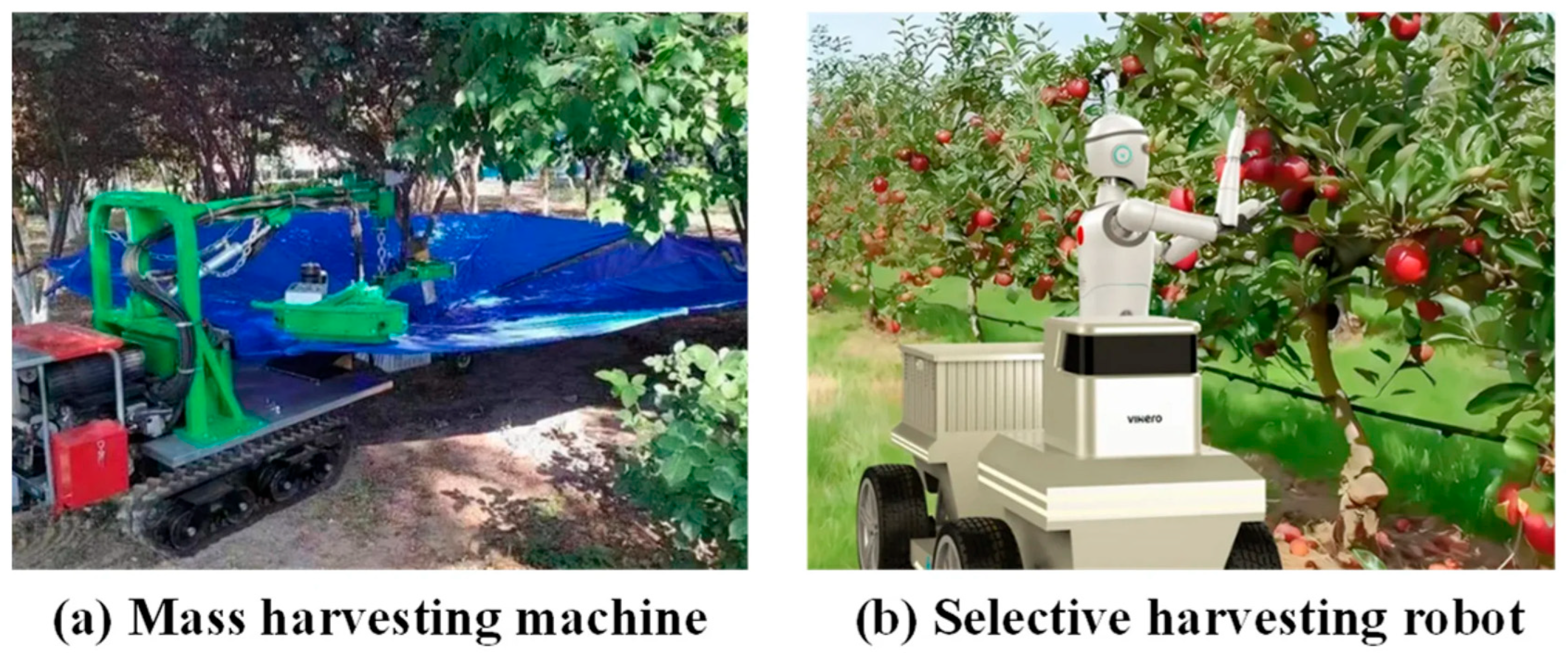
As illustrated in Figure 4, contemporary harvesting technologies bifurcate into two fundamental categories: traditional bulk harvesting machinery (Figure 4a), which is exclusively viable for processing-grade fruits, and intelligent selective harvesting robots (Figure 4b) that facilitate precise, non-destructive extraction [5,27].
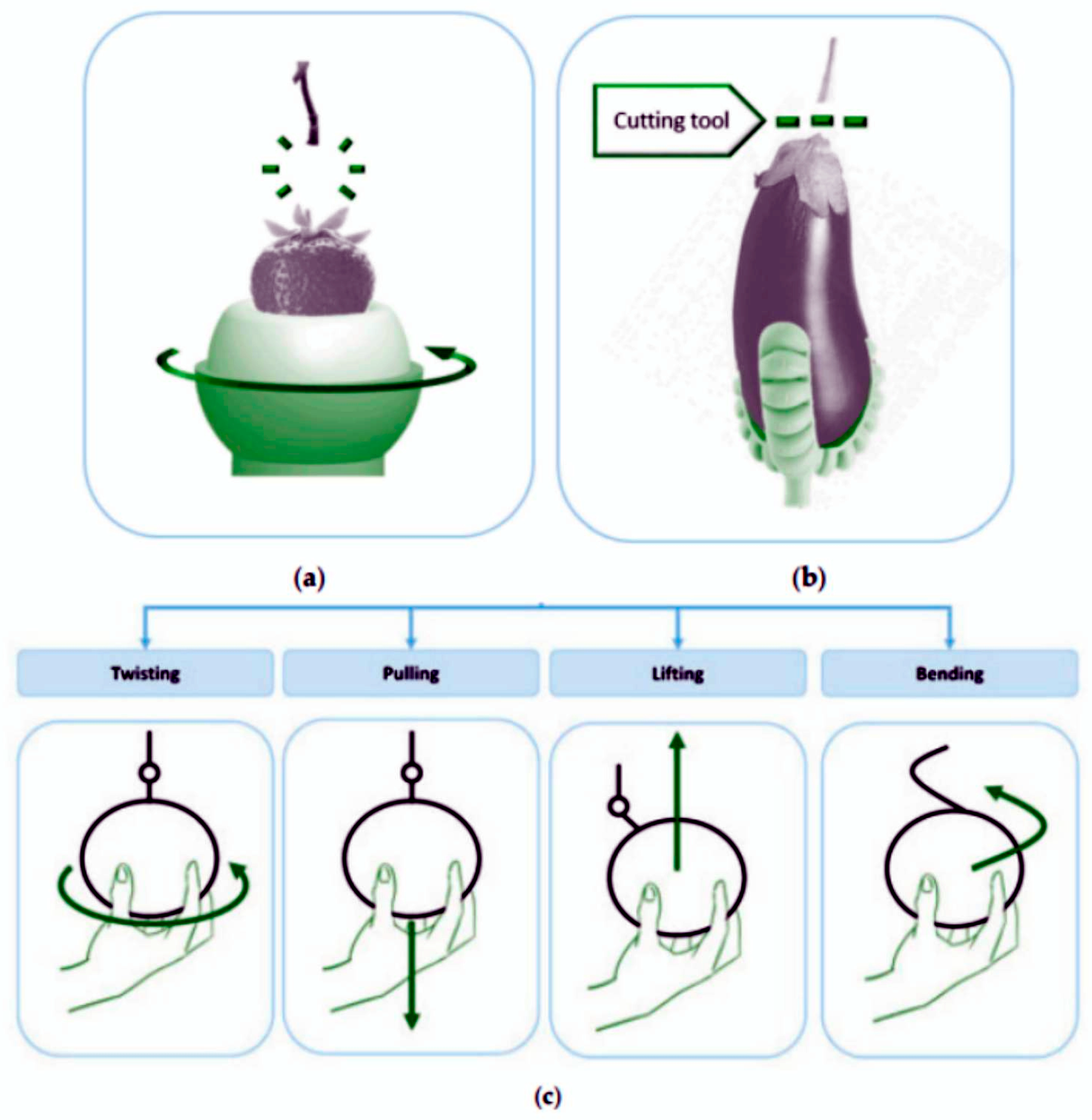
Extraction Modalities and Performance: To address diverse crop biophysics, end-effectors have evolved into three prototypical extraction modalities: vacuum suction, mechanical shearing, and mechanical clamping, as clearly depicted in Figure 5 [27]. While initial reviews often highlight their respective advantages, a critical interrogation of the reported empirical data reveals significant underlying contradictions. For instance, a hybrid suction–clamping end-effector for tomatoes [22] achieved a cycle time of 5.4 s per fruit with an exceptional damage rate of merely 0.5%. Similarly, the ANGEL belt-type soft gripper for strawberries [23] recorded an instantaneous damage rate of 0%. In contrast, for pome fruits, a rigid–flexible synergistic manipulator [19] demonstrated a 91.11% success rate and a 4.91 s cycle time with a 4.89% damage rate. These metrics must be interpreted with analytical caution. Directly comparing the 0.5% damage rate of tomatoes with the 4.89% damage rate of apples is methodologically flawed. The 5.4 s cycle time was predominantly validated under semi-structured greenhouse conditions, whereas the apple harvester faced severe canopy occlusion in open orchards. Rather than merely demonstrating architectural superiority, these disparate metrics highlight an unresolved challenge: the urgent need to establish standardized crop-specific testing protocols (e.g., identical obstacle avoidance complexity and dynamic wind load simulations) to accurately validate technological transferability. Table 7 systematically summarizes the operational performance, with the explicit caveat that these metrics reflect isolated experimental conditions rather than universally standardized baselines.

3.2.2. Seedling Propagation: Transplanting and Grafting

Precision and Non-Destructive Extraction: Seedling transplanting and grafting necessitate sub-millimeter alignment precision, far exceeding the requirements of harvesting [46,47]. Because seedling stems (2–5 mm) are highly fragile, conventional rigid clamping is fundamentally unsuited for propagation. High-speed operations are now enabled by advanced visual networks; for example, the LRGN (Lightweight Residual Grasping Network) [20] achieved a 98.83% grasp-point recognition accuracy at 113 FPS. In execution, the vacuum–vibration follow-up manipulator [48] and diagonal-insertion end-effectors [20,49] have mitigated seedling trauma, achieving tray-clearing rates exceeding 65%.
High-Throughput Grafting Benchmarks: Grafting requires the rapid execution of incision and vascular alignment. Empowered by enhanced YOLO11n algorithms for 3D localization [50], dual-station grafting machines utilizing variable-pitch end-effectors have reached a throughput of 837 plants per hour [21]. This performance is approximately six times that of manual labor, with a 94.5% field survival rate. However, critically analyzing these high-throughput metrics reveals a heavy dependency on agronomic preconditions. The reported throughput and survival rates are not solely achievements of mechanical superiority; they are heavily predicated on the strict standardization of seedling cultivation (e.g., highly uniform stem diameters and specific substrate moisture levels). Extrapolating these metrics to non-standardized nursery environments without explicitly defining these agronomic normalizations overstates the current level of robotic autonomy. The core scientific insight is that mechanical precision in propagation is inextricably linked to, and limited by, the variance in biological inputs. Table 8 provides a comparative analysis of these manipulators.

3.2.3. Fertilization, Targeted Spraying, and Plant Protection Operations

Dynamic Alignment and Penetration: Conventional mechanical broadcasting suffers from drift rates exceeding 50%, whereas intelligent manipulators enable close-range targeting within a 10–40 cm envelope [52,53,54].In orchard environments, 3D trajectory planning has elevated effective agrochemical deposition rates by approximately 28% [54]. Furthermore, the Agri.Q robotic platform [55] decoupled chassis and manipulator kinematics to execute side-bottom spraying in greenhouses, curtailing chemical waste by 30%. While these resource-saving metrics are frequently highlighted as indicators of technological advancement, they must be subjected to critical scientific scrutiny. A 28% increase in an open-field orchard and a 30% waste reduction in a controlled greenhouse represent entirely disparate aerodynamic and microclimatic challenges. Directly contrasting these values lacks methodological rigor unless parameters such as wind velocity, canopy porosity, and nozzle fluid dynamics are normalized. The unresolved challenge is to develop ageneralized evaluation matrix that decouples the robot’skinematic precision from external meteorological variables.
Precision Fertilization Efficacy: Regarding nutrient management, systems utilizing depth-vision to localize basal stems have achieved a 10 mm level injection accuracy [20]. This precision has driven a 20–25% surge in fertilizer utilization efficiency. Furthermore, integrating machine learning models capable of analyzing local soil pH, NPK regimes, and climatic variables can dynamically guide these manipulators, ensuring highly optimal and site-specific nutrient delivery recommendations [33]. Thetechnical characteristics and resource-saving efficacy of these plant protection manipulators are detailed in Table 9.

3.2.4. Grading, Packaging, and Sorting of Agricultural Produce

High-Speed Quality Discrimination: Post-harvest sorting requires sub-second assessment and non-destructive grasping while targets are in continuous motion. Near-infrared (NIR) spectroscopy [63] has enabled high-precision internal quality grading, while deep learning networks for plug seedlings [64] routinely exceed 94% recognition accuracy. Furthermore, universal classification models utilizing structured-illumination reflectance imaging coupled with deep learning have been developed for the detection of early decayed citrus, providing a robust solution for post-harvest quality control [65]. To prevent bruising during high-speed sorting, rigid–flexible coupled actuators use elastomeric surfaces to dissipate mechanical stress, resulting in significantly lower bruising rates than rigid jaws [22,66]. Table 10 presents a comparative evaluation of the key technologies and operational indicators across these sorting applications.

3.2.5. Facility Agriculture and Automated Greenhouse Operations

Multi-Task Integration and Obstacle Avoidance: Greenhouse environments compel manipulators to execute continuous, all-weather inspections and seamless task switching, serving as a crucible for the comprehensive integration of multiple robotic technologies [70]. Modular end-effectors have enabled workstations to transition between transplanting and sampling, with success rates exceeding 98% [20]. To navigate dense obstructions, lightweight deep learning networks operate at 113 FPS to facilitate real-time avoidance, elevating narrow-aisle traversal success rates to 92% [71].
Vegetative Growth Management: Specialized micro-operations, such as tomato pruning, utilize rigid–flexible interfaces to maintain constant clamping forces. Empirical trials [22] indicate that this approach diminishes localized stress concentrations by more than 80%, circumventing trauma to delicate vegetative tissues. Overall, automated greenhouse coverage rates now surpass 95%, with cumulative systemic damage rates securely constrained below 3%.

3.3. Key Technological Challenges and Bottlenecks

The majority of contemporary technical frameworks are validated within highly controlled or semi-structured experimental paradigms. Consequently, when deployed in unstructured open fields, environmental uncertainties are exponentially amplified along the perception–planning–execution continuum. This amplification severely compromises system stability and curtails full-scale engineering implementation. As articulated by Khan et al. (2025) [72] in their comprehensive review of agricultural object detection, the generalization capability and robustness of algorithms under extreme field conditions persist as fundamental industry-wide challenges. This vulnerability is quantitatively corroborated by the multi-scenario benchmarking evaluation established in Section 3.1.7. Guided by these identified performance deficits, this section delves into the pivotal technological bottlenecks that impede the transition from laboratory prototypes to industrial-scale applications.

3.3.1. Challenges in Unstructured Agricultural Environment Adaptability

Stochastic field disturbances and phenotypic heterogeneities in crops continuously degrade perception and actuation efficacies, rendering indoor performance metrics largely irreproducible in real-world scenarios. This degradation manifests across several critical domains.
Perceptual Degradation Induced by Dynamic Illumination and Occlusion: While lightweight YOLO architectures routinely sustain accuracies exceeding 90% under normative laboratory lighting, the agricultural field introduces pervasive visual noise generated by intense solar radiation, rain, and canopy shadows. Field evaluations by Kang & Chen (2020) [73] demonstrated that stochastic illumination shifts precipitate centimeter-level localization errors, depressing the success rate in natural orchards to a mere 60%. Beyond static environmental interference, high-speed continuous operations frequently induce motion blur, which significantly degrades the bounding-box consistency of YOLO models (as noted in Table 3). Crucially, prolonged field deployment exposes optical sensors to physical degradation—such as mud splatter, morning dew condensation, and abrasive dust. These factors severely compromise the long-term reliability of visual detection networks, highlighting a profound performance gap between short-term pristine laboratory evaluations and harsh, long-term field operations. Finally, severe spatial occlusion from dense foliage overlap directly impedes visual canopy penetration. Consequently, conventional path-planning algorithms [74], lacking sophisticated biomechanical models for flexible branches, frequently converge on local optima during clustered harvesting tasks, thereby compounding operational difficulties [75].
Inefficiencies Driven by Spatial Pose Diversity and Morphological Variance: The chaotic spatial orientations of field crops render singular trajectory strategies wholly inadequate. Prevalent planning algorithms frequently succumb to joint kinematic deadlocks when subjected to dense spatial constraints [76], and LiDAR-navigational studies verify that canopy orientation constraints exponentially inflate algorithmic latency [77]. Beyond spatial posture, profound morphological disparity—such as deformed seedlings or stacked fruits—exacerbates target recognition complexities. Reliance on unimodal vision frequently induces positional deviations, failing unequivocally to meet the stringent 10–18 mm alignment thresholds required for precision plant protection [78]. Modeling studies affirm that microclimate-induced morphological shifts remain the principal obstacle to the cross-scenario generalization of visual algorithms [79].

3.3.2. Limitations in Soft Non-Destructive Grasping and Kinematic Precision

Environmental disturbances eventually culminate as complex, non-linear interaction forces at the end-effector. While soft robotic structures offer passive compliance, accumulated kinematic errors expose latent mechanical defects, precluding the simultaneous achievement of low damage and high precision.
Elevated Crop Trauma Due to Open-Loop Contact Stress: Soft end-effectors primarily depend on passive elastic deformation. However, sole reliance on this passive compliance invariably induces localized stress concentrations across fruits of varying maturity. Empirical trials [17] revealed that open-loop soft grippers incur field damage rates as high as 20%, a metric that is completely nullified upon the integration of closed-loop force control. Despite efforts to implement adaptive grasping torques via reinforcement learning [80,81], the extreme non-linearity of field contact forces impedes real-time actuation correction.
Degradation of Precision Under Dynamic Field Loads: Sub-centimeter spatial alignment is easily disrupted by the profound instability of soft actuators under dynamic loads. During mechanical shear tasks, the inherently low structural stiffness of elastomers precipitates severe end-effector deflection. Validations indicate that pure soft actuators inherently suffer from spatial drift [15], whereas rigid–flexible coupled architectures successfully suppressed fruit damage to 4.55% while elevating pedicel detachment to 75.6% [13]. As illustrated in Figure 6, a biomimetic soft end-effector featuring anthropomorphic digits [82] enhanced static grasping for spherical fruits; nevertheless, under dynamic field payloads, the low elastic modulus invariably induced spatial drift, compromising static precision. Furthermore, in dense canopies, these deformable soft architectures frequently collide with adjacent branches [83], accelerating elastomeric fatigue and degrading kinematic precision.

3.3.3. Bottlenecks in Real-Time Perception and Decision-Making Latency

The imperative for fine motor control amidst stochastic interference dictates that the robotic system must execute the entire perception–decision–actuation loop within milliseconds. However, a profound contradiction exists between computationally dense algorithms and constrained edge computing platforms.
Perceptual and High-Dimensional Planning Latency: The deployment of multi-modal architectures is inherently bottlenecked by the stringent power-draw limitations of mobile robots. A critical finding of this review is that while multi-modal fusion is frequently proposed, the vast majority of reviewed studies fail to quantitatively evaluate the latency accumulation, sensor synchronization overhead, and computational bottlenecks associated with deploying these architectures on resource-constrained edge computing platforms. Specifically regarding multi-modal fusion, the practical feasibility of synchronous visuo-tactile architectures is currently severely limited by sensor synchronization overhead. On resource-constrained edge computing platforms (e.g., embedded GPUs), the latency accumulation from aligning high-frequency force/tactile signals (often >1000 Hz) with lower-frequency visual data (typically 30–60 FPS) creates a profound computational bottleneck. Embedded trials [84] established that this synchronization overhead delays critical slip detection responses, rendering the system incapable of rectifying stress anomalies instantaneously under strict real-time field constraints. Consequently, until hardware-accelerated synchronization algorithms or cloud–edge collaborative architectures are fully standardized, deploying pure synchronous multi-modal fusion remains computationally unfeasible for high-speed, continuous agricultural operations. Simultaneously, severe spatial occlusions radically expand the dimensionality of trajectory planning. Evaluations of the SWEEPER platform [85] revealed that the computational overhead for collision detection surges exponentially in dense zones, forcing the manipulator into transient pauses. Ultimately, full-link computational latency consumes an excessively high proportion of the total cycle time [86], preventing the robot from simultaneously maintaining commercial throughput and mathematically offsetting end-effector drift.

3.3.4. Challenges in Cost-Efficiency, Reliability, and Commercial Feasibility

To counteract environmental stochasticity, current prototypes invariably resort to highly redundant hardware architectures (e.g., premium LiDAR arrays and industrial-grade processing units). While this “hardware-stacking” paradigm yields functional laboratory prototypes, it inflates capital costs exponentially.
Stunted ROI and Hardware Degradation: Commercialization assessments [87] conclude that the highly seasonal and low-margin nature of fruit harvesting creates an irreconcilable paradox between exorbitant capital expenditures and suboptimal field success rates. Economic modeling further posits that low hardware cost-efficiency remains the paramount barrier to industrial deployment [88]. Moreover, non-destructive interaction relies on hyper-sensitive visuo-tactile arrays that undergo rapid degradation in harsh agricultural microclimates. Field vibrations, extreme UV exposure, and fluctuating humidity drastically accelerate electromechanical fatigue [89], frequently rendering laboratory calibration metrics obsolete within hours of field deployment [90]. Additionally, harvesting robots execute highly interdependent, multi-stage sequences [91], erecting formidable technical barriers for field maintenance and debugging.

3.3.5. Impediments in Multi-Agent Synergy and Agronomic Integration

The inherent volumetric limitations of a single robotic agent render it incapable of satisfying the commercial throughput requirements of vast orchards, necessitating heterogeneous multi-agent swarms [92] and machinery-friendly agronomic modifications.
Collaborative Scheduling and Agronomic Mismatches: While robotic clusters amplify throughput, they introduce profound challenges in task allocation. Parallel orchard operations frequently precipitate task redundancies, resource contention, and catastrophic path deadlocks [93], further exacerbated by the high-latency telemetry typical of rural environments. Furthermore, a comprehensive review [94] concluded that conventional, non-standardized orchard canopies inherently possess an insurmountable volume of physically unreachable blind spots. Longitudinal trials affirm that true commercialization hinges upon the profound, standardized integration of agricultural machinery and agronomic practices [95]. Without the widespread adoption of machinery-friendly architectures—such as dwarfed planar fruit walls or V-trellis systems—sustainable, autonomous operations will remain commercially unviable.

3.4. Future Development Trends and Perspectives

To address the comprehensive bottlenecks across the technical chain—including perception degradation, precision deficiencies, constrained computational resources, prohibitive costs, and the misalignment between machinery and agronomy—this section delineates viable improvement pathways. These pathways aim to align emerging technologies with the established benchmarks and ultimately surpass current industry standards.

3.4.1. Lightweight, Flexible, and Biomimetic Iterative Advancements

In response to the diminished precision of flexible end-effectors and the burden of hardware redundancy, future designs must transition from monolithic soft materials to integrated systems featuring rigid–flexible coupling, controllable variable stiffness, and biomimetic principles.
Variable-stiffness hardware addresses crop damage caused by rigid impacts or soft gripper slippage. During the approach and canopy penetration phases, the mechanism maintains structural stiffness to limit spatial drift and enable precise tracking. Upon crop contact, the actuator modulates its fluidic or polymeric components to transition into a compliant state. This stiffness adjustment dissipates kinetic impact and distributes contact pressure uniformly across the crop. Consequently, this mechanism reduces mechanical bruising rates to below 2% and limits branch damage caused by inertia overshoot.
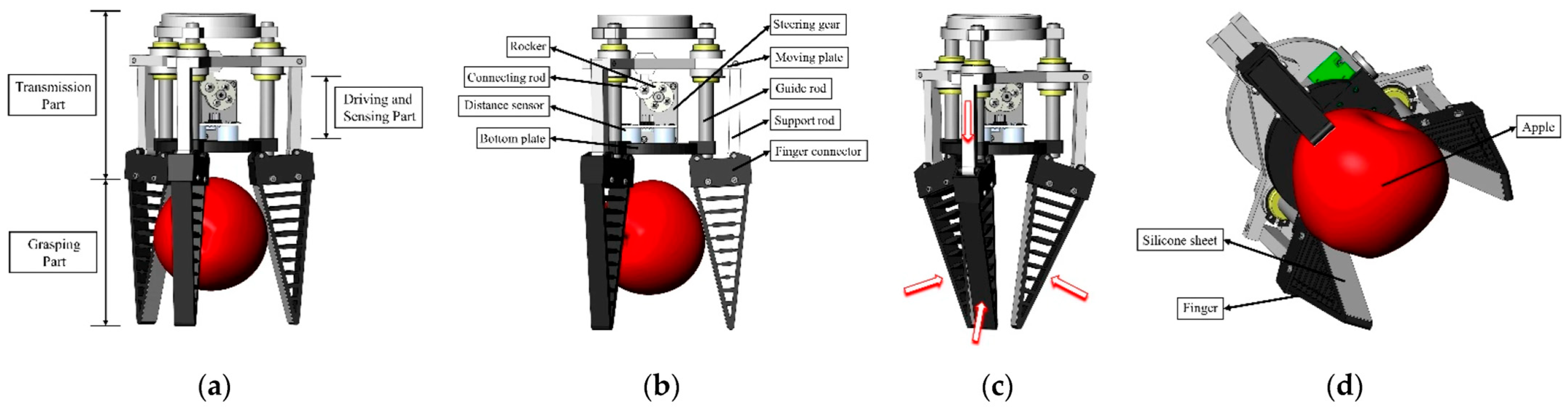
Engineering Implementation of Variable Stiffness and Rigid–flexible Coupling: Purely soft end-effectors are frequently susceptible to positioning drift under high-load conditions. Consequently, active or passive variable stiffness structures are being developed to rectify deficiencies in load-bearing capacity. For instance, Zhuang et al. [12] integrated radar with lightweight vision to optimize the dynamic stiffness of flexible grasping, effectively suppressing pose deviations. Similarly, Liu & Ji [44] proposed a pneumatic–electric hybrid actuation architecture that balances compliant protection with stiffness compensation. As clearly illustrated in Figure 7, the rigid–flexible end-effector designed by Yang et al. [22] utilizes a collaborative mechanism comprising vacuum suction pre-positioning and adaptive three-finger gripping. While the rigid framework ensures kinematic precision, the flexible suction cups and silicone layers facilitate low-impact interaction, achieving an 88% picking success rate with a mere 0.5% damage rate.
Biomimetic Configurations and Smart Materials: Given the poor generalization of models across diverse crop morphologies, biomimetic designs utilize physical passive fault tolerance to simplify algorithmic requirements. Fu et al. [37] developed a flexible mechanism inspired by biological winding forces to improve reachability, while Patel et al. [23] utilized an enveloping biomimetic gripper for delicate handling. By replacing algorithmic corrections with structural adaptations, these mechanisms circumvent identification challenges. Furthermore, the integration of high-power-density lightweight actuators [18] and streamlined segmentation models [16] minimizes terminal inertia. The future adoption of smart materials (e.g., electro-active polymers) and biodegradable components driven by AI collaborative design [96] will be pivotal for the sustainable iteration of flexible agricultural robotics [97].

3.4.2. Upgrading Multi-Modal Perception and Autonomous Decision-Making

Environmental factors and insufficient edge computing capacity severely compromise field stability. Systems must therefore be enhanced through anti-interference perception and model compression.
To address perception failures caused by dynamic orchard illumination, motion blur, and foliage occlusion, future systems should integrate synchronous visuo-tactile perception. When lighting changes or leaf overlap cause visual localization drift, tactile sensors, such as piezoresistive arrays, provide necessary contact data during the final grasping phase. Fusion algorithms align visual data with tactile feedback in real time, maintaining spatial positioning even when the target is visually occluded. Additionally, tactile slip detection allows the end-effector to adjust the clamping force to the minimum required for detachment. This reduces over-compression and minimizes epidermal damage to the crop.
Robust Multi-Sensor Fusion and Edge-Optimized Networks: Conventional RGB cameras are prone to centimeter-level positioning errors under extreme lighting or occlusion [73]. By integrating RGB data with infrared (IR) imaging—which remains unaffected by ambient light and can distinguish diseased tissue [98]—and LiDAR, visual blind spots can be mitigated, elevating identification accuracy from 75% to over 90%. Furthermore, perception models must undergo lightweight optimization. Architectures such as EdgeFormer-YOLO [99] achieve millisecond processing speeds by minimizing parameter counts while maintaining high precision for real-time fruit detection.
Low-Latency Decision-Making Architectures: Deep reinforcement learning (DRL) allows robotic systems to optimize trajectories and select optimal grasping angles in dense canopies where traditional algorithms suffer severe computational lag [85]. To further enhance responsiveness, a cloud–edge collaborative computing framework can reduce decision latency to under 0.3 s, facilitating a continuous harvesting rhythm and improving overall efficiency by over 20%.

3.4.3. Digital Twins and Swarm Intelligence Synergy

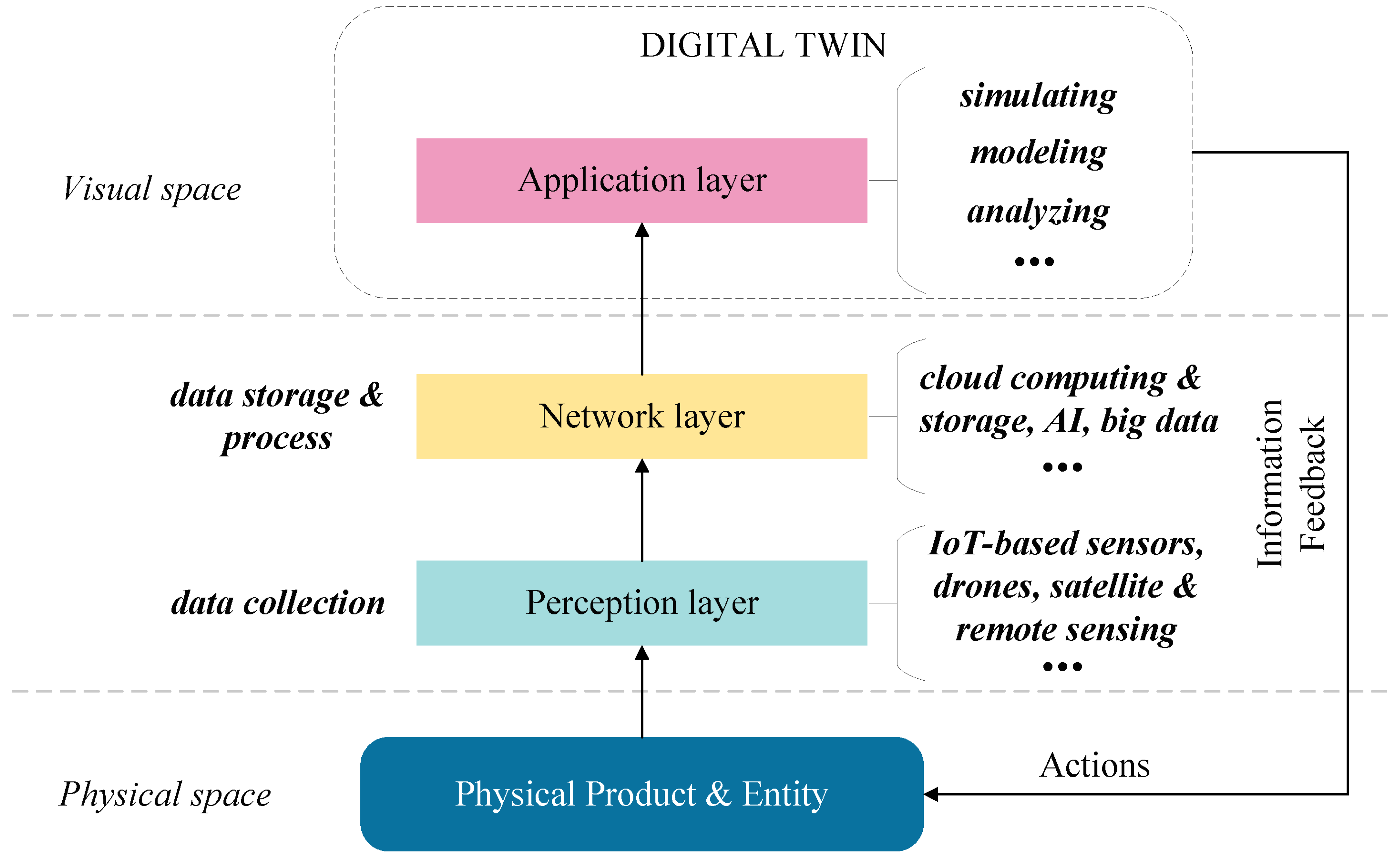
Future agricultural robots will function as interconnected nodes within a broader digital ecosystem. In the context of Agriculture 5.0, the integration of AI-driven plant stress monitoring and embedded sensor technologies empowers manipulators to not only execute physical tasks but also continuously evaluate real-time plant health and microclimatic anomalies [32,100]. As proposed by Zhang et al. [43] and depicted in Figure 8, a three-layer digital twin architecture—comprising perception, network, and application layers—can alleviate local computational bottlenecks. Digital twins function as a predictive framework to address sensor perception failures and crop damage in field environments. If environmental factors, such as solar radiation, mud, or dew, impair optical sensors, the digital twin compensates for the missing data using spatial and kinematic models from the virtual environment. Rather than relying on reactive obstacle avoidance, which may lead to branch collisions, digital twins allow for the simulation of active branch manipulation. Trajectories and collision-free paths can be validated virtually before physical execution. This planning approach reduces the risk of the robotic arm damaging vegetative tissues, adjacent crops, or trellis structures. This technology enables the creation of high-fidelity 3D farm models using UAV and sensor data, facilitating pre-operational simulation and real-time monitoring [101,102]. Furthermore, the development of multi-machine swarm intelligence [103] will allow for the coordinated deployment of robotic arms and mobile platforms. Distributed algorithms for task allocation will eventually enable large-scale, unmanned operations.

3.4.4. Machinery–Agronomy Integration and Economic Viability

The scalability of agricultural robotics is ultimately governed by the Return on Investment (ROI) and the close integration of mechanical systems with agronomic practices.
From Biological Constraints to Co-Design: The non-structured nature of crops precludes the use of static mechanical models. Achieving true smart agriculture requires agronomy to actively adapt to machinery through the breeding of mechanization-friendly varieties (e.g., synchronized maturity) and standardized pruning, which can reduce path-planning complexity by over 60%. In the interim, utilizing passive compliance to “compensate for agronomy with machinery” remains the most pragmatically viable path.
Cost Constraints and Industrialization: High-performance components (e.g., six-axis arms and premium LiDAR) inflate capital expenditures, extending ROI periods to 5–8 years. Industrialization must favor “algorithmic compensation” using low-cost sensors. Table 11 systematically compares the economic and industrial feasibility of various perception schemes. The consensus indicates that lightweight deep learning and monocular depth estimation allow low-cost systems to achieve perception levels comparable to those of LiDAR. Moreover, adopting a “universal chassis + quick-change end-effector” architecture maximizes cross-seasonal utility, potentially reducing operational costs per acre by over 40%.

3.4.5. Strategic RD&I Roadmap for Industrialization

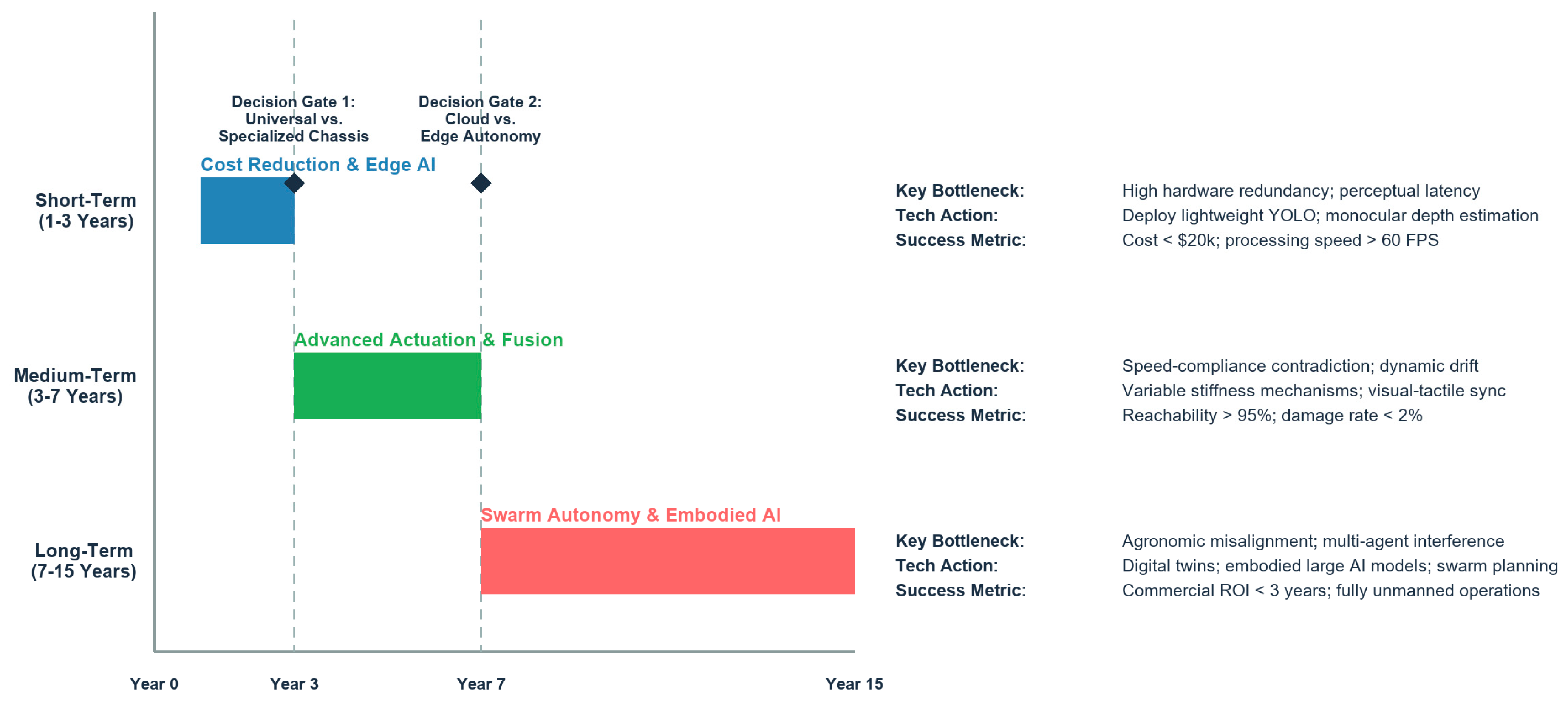
While the aforementioned trends delineate promising technological trajectories, the transition from laboratory prototypes to ubiquitous commercial deployment necessitates a structured, time-phased strategic vision. To bridge the gap between current benchmark performances (as established in Table 6) and stringent industrial targets (e.g., ROI < 3 years, success rate > 95%, and damage rate < 2%), we have formulated a comprehensive Research, Development, and Innovation (RD&I) roadmap, as systematically illustrated in Figure 9.
Phased Priorities and Gap Analysis
Short Term (1–3 years): Algorithmic Compensation and Edge Deployment. The immediate priority is to overcome computational bottlenecks and high hardware costs. Research should focus on deploying lightweight models (e.g., EdgeFormer-YOLO) and low-cost monocular depth estimation to replace expensive LiDAR arrays.
Medium Term (3–7 years): Hardware–Software Co-Design. The focus will shift towards variable-stiffness hardware and synchronous visuo-tactile fusion to definitively resolve the speed-compliance contradiction, driving damage rates below 2% across heterogeneous crops.
Long Term (7–15 years): Embodied Intelligence and Swarm Autonomy. The ultimate objective is fully autonomous multi-agent swarms guided by agricultural Large AI Models (Embodied Intelligence) and digital twins, achieving deep machinery–agronomy integration.
Critical Decision Gates for R&D Planners
To optimize resource allocation for public and private funding agencies, explicit decision points must be established:
Decision Gate 1 (Universal vs. Specialized Chassis): If rigid–flexible coupling end-effectors can demonstrate a damage rate of < 1% across 90% of targeted crop varieties within the next 3 years, R&D funding should pivot heavily towards developing “universal chassis architectures.” Otherwise, investments must remain focused on crop-specific platforms.
Decision Gate 2 (Cloud vs. Edge Autonomy): If 5G/6G agricultural telemetry achieves consistent sub-10 ms latency in rural environments by 2030, cloud–edge collaborative decision-making should be standardized; if not, funding must prioritize highly autonomous, offline edge computing hardware.

4. Conclusions

4.1. Summary of Research Findings

Driven by the imperatives of precision agriculture, this review systematically evaluated the technical frameworks, scenario-specific adaptations, and industrialization pathways of intelligent manipulators. The primary conclusions are as follows:
Multi-Scenario Benchmark Framework: By establishing quantitative benchmarks across harvesting, grafting, and plant protection, it was determined that the rigid–flexible coupled trajectory represents the optimal solution for cross-scenario versatility and mechanical safety.
Co-Evolution of Actuation and Morphology: Mechanical architectures are transitioning towards variable stiffness and biomimetic designs, implementing “passive compliance” to reduce reliance on high-frequency force-control algorithms. Simultaneously, the integration of vision–force–tactile multi-modal fusion with DRL has become the cornerstone for unstructured adaptation.
Scenario-Driven Adaptation and Agronomic Integration: Performance boundaries are distinctly scenario-driven. Furthermore, bespoke adaptation of robotics to standardized cultivation frameworks (e.g., soilless systems [104]) and mechanization-friendly agronomy [7] is identified as a vital breakthrough for full-scale automation.
Strategic Pathways for Industrial Upgrading: Deployment is constrained by environmental, computational, and cost-related bottlenecks. Overcoming these requires a synergistic strategy emphasizing “morphological intelligence, lightweight algorithms, and modular universality” to balance cost-effectiveness with operational robustness.

4.2. Research Limitations and Future Prospects

While this review comprehensively synthesizes the current landscape via multi-scenario benchmarking, critical avenues for future research remain:
Generalization and Long-Term Reliability: The absence of universal end-effectors and systemic integration barriers impede large-scale deployment [89]. Future research must address the fatigue of compliant mechanisms under prolonged dynamic loading.
Advanced Perceptual Paradigms: Pose estimation in high-density foliage remains challenging. While advancements in 3D detection [105] and attention-based Mask R-CNN [106] show promise, achieving millisecond-level dynamic positioning through robust point cloud feature extraction is critical.
Phenotypic Evaluation via Embodied Intelligence: High-precision 3D reconstruction for field phenotyping [107,108] is frequently compromised by canopy occlusion [109]. Future systems must prioritize edge-side computing to establisha “perception–evaluation–execution” closed loop.
Ultimately, the trajectory of agricultural robotics must shift toward the deep coupling of low-cost hardware, adaptive perception, and standardized agronomy. The fusion of variable stiffness technology with Embodied Intelligence (Large AI Models) offers the most promising route to resolving the conflict between stability, dexterity, and safety, paving the way for global agricultural automation. All authors have read and agreed to the published version of the manuscript.

Author Contributions

W.W.: Conception, Methodology, Formal analysis, Draft composition, Manuscript review and editing, Visualization. J.G.: Conception, Validation, Manuscript review and editing, Oversight, Project management, Funding procurement. All authors have read and agreed to the published version of the manuscript.

Funding

The authors acknowledged that this work was financially supported by the Priority Academic Program Development of Jiangsu Higher Education Institutions (No. PAPD2023-87).

Data Availability Statement

No new data were created or analyzed in this study. Data sharing is not applicable to this article.

Conflicts of Interest

The authors declare no conflicts of interest.

Abbreviations

AbbreviationDefinition
AE-TD3Autoencoder-based Twin Delayed Deep Deterministic policy gradient
AIArtificial Intelligence
CNNConvolutional Neural Network
DDPGDeep Deterministic Policy Gradient
DRLDeep Reinforcement Learning
FPSFrames Per Second
GPUGraphics Processing Unit
IoTInternet of Things
IRInfrared
LiDARLight Detection and Ranging
mAPMean Average Precision
NIRNear-Infrared
NPKNitrogen, Phosphorus, and Potassium
PRISMAPreferred Reporting Items for Systematic Reviews and Meta-Analyses
RD&IResearch, Development, and Innovation
RGBRed, Green, Blue
ROIReturn on Investment
RRTRapidly exploring Random Tree
SCALSpatial and Channel Attention-based Lightweight
SEDStandardized Evaluation Dimension
SPASoft Pneumatic Actuator
TPUThermoplastic Polyurethane
UAVUnmanned Aerial Vehicle
YOLOYou Only Look Once

References

  1. Bechar, A.; Vigneault, C. Agricultural robots for field operations: Concepts and components. Biosyst. Eng. 2016, 149, 94–111. [Google Scholar] [CrossRef]
  2. Navas, E.; Fernández, R.; Sepúlveda, D.; Armada, M.; Gonzalez-De-Santos, P. Soft Grippers for Automatic Crop Harvesting: A Review. Sensors 2021, 21, 2689. [Google Scholar] [CrossRef] [PubMed]
  3. Tang, Y.; Chen, M.; Wang, C.; Luo, L.; Li, J.; Lian, G.; Zou, X. Recognition and Localization Methods for Vision-Based Fruit Picking Robots: A Review. Front. Plant Sci. 2020, 11, 510. [Google Scholar] [CrossRef]
  4. Williams, H.A.; Jones, M.H.; Nejati, M.; Seabright, M.J.; Bell, J.; Penhall, N.D.; Barnett, J.J.; Duke, M.D.; Scarfe, A.J.; Ahn, H.S.; et al. Robotic kiwifruit harvesting using machine vision, convolutional neural networks, and robotic arms. Biosyst. Eng. 2019, 181, 140–156. [Google Scholar] [CrossRef]
  5. Gao, W.; Liu, J.; Deng, J.; Jiang, Y.; Jin, Y. Research Status and Trends in Universal Robotic Picking End-Effectors for Various Fruits. Agronomy 2025, 15, 2283. [Google Scholar] [CrossRef]
  6. Imanbayeva, N.S.; Amanov, B.O.; Altayeva, A.B.; Ashimova, D.K. Intelligent Fruit-Picking Robot Using Convolutional Vision and Kinematic Control for Automated Harvesting. Int. J. Adv. Comput. Sci. Appl. 2026, 17, 304. [Google Scholar] [CrossRef]
  7. Jiang, L.; Xu, B.; Husnain, N.; Wang, Q. Overview of Agricultural Machinery Automation Technology for Sustainable Agriculture. Agronomy 2025, 15, 1471. [Google Scholar] [CrossRef]
  8. Hua, W.; Zhang, W.; Zhang, Z.; Liu, X.; Saha, C.; Hu, C.; Wang, X. Design, Assembly and Test of a Low-Cost Vacuum Based Apple Harvesting Robot. In New Technologies Applied in Apple Production: Sensing and Autonomous Systems; Springer Nature: Singapore, 2024; pp. 27–48. [Google Scholar] [CrossRef]
  9. Yan, G.; Feng, M.; Lin, W.; Huang, Y.; Tong, R.; Cheng, Y. Review and Prospect for Vegetable Grafting Robot and Relevant Key Technologies. Agriculture 2022, 12, 1578. [Google Scholar] [CrossRef]
  10. Yang, K.; Zhang, Z.; Cheng, H.; Wu, H.; Guo, Z. Domain centralization and cross-modal reinforcement learning for vision-based robotic manipulation. Int. J. Precis. Agric. Aviat. 2018, 1, 48–55. [Google Scholar] [CrossRef]
  11. Wang, W.; Li, C.; Xi, Y.; Gu, J.; Zhang, X.; Zhou, M.; Peng, Y. Research Progress and Development Trend of Visual Detection Methods for Selective Fruit Harvesting Robots. Agronomy 2025, 15, 1926. [Google Scholar] [CrossRef]
  12. Zhuang, Y.; Xu, K.; Liu, Z.; Li, J.; Shen, L.; Wang, J. Design and experimental investigation of the grasping system of an agricultural soft manipulator based on FMDS-YOLOv8. Front. Plant Sci. 2025, 16, 1683380. [Google Scholar] [CrossRef] [PubMed]
  13. Wang, X.; Kang, H.; Zhou, H.; Au, W.; Wang, M.Y.; Chen, C. Development and evaluation of a robust soft robotic gripper for apple harvesting. Comput. Electron. Agric. 2023, 204, 107552. [Google Scholar] [CrossRef]
  14. Deng, L.; Liu, T.; Jiang, P.; Qi, A.; He, Y.; Li, Y.; Yang, M.; Deng, X. Design and Testing of Bionic-Feature-Based 3D-Printed Flexible End-Effectors for Picking Horn Peppers. Agronomy 2023, 13, 2231. [Google Scholar] [CrossRef]
  15. Zhou, H.; Kang, H.; Wang, X.; Au, W.; Wang, M.Y.; Chen, C. Branch Interference Sensing and Handling by Tactile Enabled Robotic Apple Harvesting. Agronomy 2023, 13, 503. [Google Scholar] [CrossRef]
  16. Wen, S.; Ge, Y.; Wang, Y.; Wei, N.; Zhou, J.; Hu, G.; Yang, L.; Chen, J. Efficient and comprehensive visual solution for a smart apple harvesting robot in complex settings via multi-class instance segmentation. Int. J. Agric. Biol. Eng. 2025, 18, 200–215. [Google Scholar] [CrossRef]
  17. Chen, K.; Li, T.; Yan, T.; Xie, F.; Feng, Q.; Zhu, Q.; Zhao, C. A Soft Gripper Design for Apple Harvesting with Force Feedback and Fruit Slip Detection. Agriculture 2022, 12, 1802. [Google Scholar] [CrossRef]
  18. Li, Y.R.; Lien, W.Y.; Huang, Z.H.; Chen, C.T. Hybrid visual servo control of a robotic manipulator for cherry tomato harvesting. Actuators 2023, 12, 253. [Google Scholar] [CrossRef]
  19. Fu, M.; Wang, Z.; Cui, J.; Chen, L.; Liu, Y. Design and test of a rigid-flexible cooperative apple-picking robot based on the flexible spiral-drive. J. Adv. Mech. Des. Syst. Manuf. 2025, 19, JAMDSM0033. [Google Scholar] [CrossRef]
  20. Liu, W.; Xu, M.; Jiang, H. Design, Integration, and Experiment of Transplanting Robot for Early Plug Tray Seedling in a Plant Factory. AgriEngineering 2024, 6, 678–697. [Google Scholar] [CrossRef]
  21. Gu, Y.; Lin, D.; Yu, J.; Liang, S.; Zhou, Y.; Zheng, T.; Sheng, K.; Wang, J. Fully automatic grafting machine design for solanaceous vegetables. Agric. Eng. 2026, 16, 106–110. [Google Scholar] [CrossRef]
  22. Yang, Q.; Qu, G.; Zhong, X.; Yang, X.; Liu, L.; Hu, X.; Addy, M.M. Design and performance evaluation of a rigid-flexible coupling end-effector for tomato picking robots. Front. Agric. Sci. Eng. 2026, 13, 25643. [Google Scholar] [CrossRef]
  23. Patel, D.; Pantoja, A.R.V.; Lei, J.; Lee, K.; Liang, X.; Zheng, M. ANGEL: A Novel Gripper for Versatile and Light-Touch Fruit Harvesting. arXiv 2025, arXiv:2510.18127. [Google Scholar] [CrossRef]
  24. Taha, M.F.; Mao, H.; Zhang, Z.; Elmasry, G.; Awad, M.A.; Abdalla, A.; Mousa, S.; Elwakeel, A.E.; Elsherbiny, O. Emerging Technologies for Precision Crop Management Towards Agriculture 5.0: A Comprehensive Overview. Agriculture 2025, 15, 582. [Google Scholar] [CrossRef]
  25. Ge, C.; Zhang, G.; Wang, Y.; Shao, D.; Song, X.; Wang, Z. Research Status and Development Trends of Artificial Intelligence in Smart Agriculture. Agriculture 2025, 15, 2247. [Google Scholar] [CrossRef]
  26. Zhu, Y.; Zhang, S.; Tang, S.; Gao, Q. Research Progress and Applications of Artificial Intelligence in Agricultural Equipment. Agriculture 2025, 15, 1703. [Google Scholar] [CrossRef]
  27. Ao, J.; Ji, W.; Yu, X.; Ruan, C.; Xu, B. End-Effectors for Fruit and Vegetable Harvesting Robots: A Review of Key Technologies, Challenges, and Future Prospects. Agronomy 2025, 15, 2650. [Google Scholar] [CrossRef]
  28. Aljaafreh, A.; Elzagzoug, E.Y.; Abukhait, J.; Soliman, A.-H.; Alja’AFreh, S.S.; Sivanathan, A.; Hughes, J. A Real-Time Olive Fruit Detection for Harvesting Robot Based on YOLO Algorithms. Acta Technol. Agric. 2023, 26, 121–132. [Google Scholar] [CrossRef]
  29. Zhou, H.; Xiao, J.; Kang, H.; Wang, X.; Au, W.; Chen, C. Learning-Based Slip Detection for Robotic Fruit Grasping and Manipulation Under Leaf Interference. Sensors 2022, 22, 5483. [Google Scholar] [CrossRef]
  30. Mandil, W.; Rajendran, V.; Nazari, K.; Ghalamzan-Esfahani, A. Tactile-Sensing Technologies: Trends, Challenges and Outlook in Agri-Food Manipulation. Sensors 2023, 23, 7362. [Google Scholar] [CrossRef]
  31. Li, Q.; Gao, H.; Zhang, X.; Ni, J.; Mao, H. Describing Lettuce Growth Using Morphological Features Combined with Nonlinear Models. Agronomy 2022, 12, 860. [Google Scholar] [CrossRef]
  32. Dey, B.; Ahmed, R. A comprehensive review of AI-driven plant stress monitoring and embedded sensor technology: Agriculture 5.0. J. Ind. Inf. Integr. 2025, 47, 100931. [Google Scholar] [CrossRef]
  33. Dey, B.; Ferdous, J.; Ahmed, R. Machine learning based recommendation of agricultural and horticultural crop farming in India under the regime of NPK, soil pH and three climatic variables. Heliyon 2024, 10, e25112. [Google Scholar] [CrossRef]
  34. Fu, M.; Cui, X.; Zhao, X.; Cui, J.; Chen, L.; Prince, J.; Yang, J. An airbag-type gripper of soft robotics for nectarine harvesting. Trans. Chin. Soc. Agric. Eng. 2026, 42, 52–61. (In Chinese) [Google Scholar] [CrossRef]
  35. Gunderman, A.L.; Collins, J.A.; Myers, A.L.; Threlfall, R.T.; Chen, Y. Tendon-driven soft robotic gripper for blackberry harvesting. IEEE Robot. Autom. Lett. 2022, 7, 2652–2659. [Google Scholar] [CrossRef]
  36. Li, W.; Luo, Y.; Jiang, P.; Dong, X.; Tang, K.; Liang, Z.; Shi, Y. A sustainable crop protection through integrated technologies: UAV-based detection, real-time pesticide mixing, and adaptive spraying. Sci. Rep. 2025, 15, 35748. [Google Scholar] [CrossRef] [PubMed]
  37. Fu, H.; Li, T.; Feng, Q.; Chen, L. Push-or-Avoid: Deep Reinforcement Learning of Obstacle-Aware Harvesting for Orchard Robots. Agriculture 2026, 16, 670. [Google Scholar] [CrossRef]
  38. Jin, T.; Han, X. Robotic arms in precision agriculture: A comprehensive review of the technologies, applications, challenges, and future prospects. Comput. Electron. Agric. 2024, 221, 108938. [Google Scholar] [CrossRef]
  39. Xie, F.; Guo, Z.; Li, T.; Feng, Q.; Zhao, C. Dynamic Task Planning for Multi-Arm Harvesting Robots Under Multiple Constraints Using Deep Reinforcement Learning. Horticulturae 2025, 11, 88. [Google Scholar] [CrossRef]
  40. Liao, T.; Deng, S. Research on Genetic Algorithm Optimization of Agricultural Robot Picking Task Planning. In 2025 International Conference on Electrical Drives, Power Electronics & Engineering (EDPEE); IEEE: Piscataway NJ, USA, 2025; pp. 810–815. [Google Scholar] [CrossRef]
  41. Shen, Y.; Shen, Y.; Zhang, Y.; Huo, C.; Shen, Z.; Su, W.; Liu, H. Research Progress on Path Planning and Tracking Control Methods for Orchard Mobile Robots in Complex Scenarios. Agriculture 2025, 15, 1917. [Google Scholar] [CrossRef]
  42. Zhao, J.; Fan, S.; Zhang, B.; Wang, A.; Zhang, L.; Zhu, Q. Research Status and Development Trends of Deep Reinforcement Learning in the Intelligent Transformation of Agricultural Machinery. Agriculture 2025, 15, 1223. [Google Scholar] [CrossRef]
  43. Zhang, R.; Zhu, H.; Chang, Q.; Mao, Q. A Comprehensive Review of Digital Twins Technology in Agriculture. Agriculture 2025, 15, 903. [Google Scholar] [CrossRef]
  44. Liu, F.; Ji, W. Design of an Apple Harvesting Robot Based on Hybrid Pneumatic-Electric Drive System. Agriculture 2026, 16, 619. [Google Scholar] [CrossRef]
  45. Xu, Z.; Liu, J.; Wang, J.; Cai, L.; Jin, Y.; Zhao, S.; Xie, B. Realtime Picking Point Decision Algorithm of Trellis Grape for High-Speed Robotic Cut-and-Catch Harvesting. Agronomy 2023, 13, 1618. [Google Scholar] [CrossRef]
  46. Han, L.; Mao, H.; Kumi, F.; Hu, J. Development of a Multi-Task Robotic Transplanting Workcell for Greenhouse Seedlings. Appl. Eng. Agric. 2018, 34, 335–342. [Google Scholar] [CrossRef]
  47. Ma, G.; Mao, H.; Han, L.; Liu, Y.; Gao, F. Reciprocating mechanism for whole row automatic seedling picking and dropping on a transplanter. Appl. Eng. Agric. 2020, 36, 751–766. [Google Scholar] [CrossRef]
  48. Chen, J.; Zhang, Z.; Li, Y.; Guan, Z.; Tang, X. Research on following suction and discharging motion control method of vacuum-vibration precision seeding manipulator. Appl. Eng. Agric. 2022, 38, 873–883. [Google Scholar] [CrossRef]
  49. Han, L.; Mo, M.; Ma, H.; Kumi, F.; Mao, H. Design and test of a lateral-approaching and horizontal-pushing transplanting manipulator for greenhouse seedlings. Appl. Eng. Agric. 2023, 39, 325–338. [Google Scholar] [CrossRef]
  50. Li, R.T.; Yuan, F.H.; Ali, S.; Yin, X.; He, Y.; Liu, Y.F. Method for the estimation of the cutting points in tomato seedling grafting based on improved YOLO11n. Int. J. Agric. Biol. Eng. 2026, 19, 179–186. [Google Scholar] [CrossRef]
  51. Ahmad, F.; Adeel, M.; Qiu, B.; Ma, J.; Shoaib, M.; Shakoor, A.; Chandio, F.A. Sowing uniformity of bed-type pneumatic maize planter at various seedbed preparation levels and machine travel speeds. Int. J. Agric. Biol. Eng. 2021, 14, 165–171. [Google Scholar] [CrossRef]
  52. Jin, Y.; Liu, J.; Xu, Z.; Yuan, S.; Li, P.; Wang, J. Development status and trend of agricultural robot technology. Int. J. Agric. Biol. Eng. 2021, 14, 1–19. [Google Scholar] [CrossRef]
  53. Wu, M.; Liu, S.; Li, Z.; Ou, M.; Dai, S.; Dong, X.; Wang, X.; Jiang, L.; Jia, W. A Review of Intelligent Orchard Sprayer Technologies: Perception, Control, and System Integration. Horticulturae 2025, 11, 668. [Google Scholar] [CrossRef]
  54. Jiang, S.; Qi, P.; Han, L.; Liu, L.; Li, Y.; Huang, Z.; Liu, Y.; He, X. Navigation system for orchard spraying robot based on 3D LiDAR SLAM with NDTICP point cloud registration. Comput. Electron. Agric. 2024, 220, 108870. [Google Scholar] [CrossRef]
  55. Cantelli, L.; Bonaccorso, F.; Longo, D.; Melita, C.D.; Schillaci, G.; Muscato, G. A Small Versatile Electrical Robot for Autonomous Spraying in Agriculture. AgriEngineering 2019, 1, 391–402. [Google Scholar] [CrossRef]
  56. Hong, H.; Jiang, Y.; Tang, P.; Chao, C.; Fordjour, A. Comparative Evaluation on Performance Characteristics of an Impact Sprinkler with Nozzle-Dispersion Devices and Rotary Plate Sprinkler. Appl. Eng. Agric. 2020, 36, 321–329. [Google Scholar] [CrossRef]
  57. Dang, F.; Chen, D.; Lu, Y.; Li, Z. YOLOWeeds: A novel benchmark of YOLO object detectors for multi-class weed detection in cotton production systems. Comput. Electron. Agric. 2023, 205, 107655. [Google Scholar] [CrossRef]
  58. Jia, W.; Tai, K.; Wang, X.; Dong, X.; Ou, M. Design and Simulation of Intra-Row Obstacle Avoidance Shovel-Type Weeding Machine in Orchard. Agriculture 2024, 14, 1124. [Google Scholar] [CrossRef]
  59. Jia, W.; Tai, K.; Dong, X.; Ou, M.; Wang, X. Design of and Experimentation on an Intelligent Intra-Row Obstacle Avoidance and Weeding Machine for Orchards. Agriculture 2025, 15, 947. [Google Scholar] [CrossRef]
  60. Fordjour, A.; Zhu, X.; Jiang, C.; Liu, J. Effect of riser height on rotation uniformity and application rate of the dynamic fluidic sprinkler. Irrig. Drain. 2020, 69, 618–632. [Google Scholar] [CrossRef]
  61. Zhang, H.-Y.; Goncalves, P.; Copeland, E.; Qi, S.-S.; Dai, Z.-C.; Li, G.-L.; Wang, C.-Y.; Du, D.-L.; Thomas, T. Invasion by the weed Conyza canadensis alters soil nutrient supply and shifts microbiota structure. Soil Biol. Biochem. 2020, 143, 107739. [Google Scholar] [CrossRef]
  62. Zhu, C.; Hao, S.; Liu, C.; Wang, Y.; Jia, X.; Xu, J.; Guo, S.; Huo, J.; Wang, W. An Efficient Computer Vision-Based Dual-Face Target Precision Variable Spraying Robotic System for Foliar Fertilisers. Agronomy 2024, 14, 2770. [Google Scholar] [CrossRef]
  63. Wu, X.; Wu, B.; Sun, J.; Li, M.; Du, H. Discrimination of Apples Using Near Infrared Spectroscopy and Sorting Discriminant Analysis. Int. J. Food Prop. 2016, 19, 1016–1028. [Google Scholar] [CrossRef]
  64. Yuan, F.; Ren, G.; Xiao, Z.; Sun, E.; Ma, G.; Chen, S.; Li, Z.; Zou, Z.; Wang, X. Low-Damage Grasp Method for Plug Seedlings Based on Machine Vision and Deep Learning. Agronomy 2025, 15, 1376. [Google Scholar] [CrossRef]
  65. Cai, Z.; Sun, C.; Zhang, H.; Zhang, Y.; Li, J. Developing universal classification models for the detection of early decayed citrus by structured-illumination reflectance imaging coupling with deep learning methods. Postharvest Biol. Technol. 2024, 210, 112788. [Google Scholar] [CrossRef]
  66. Faheem, M.; Liu, J.; Chang, G.; Ahmad, I.; Peng, Y. Hanging force analysis for realizing low vibration of grape clusters during speedy robotic post-harvest handling. Int. J. Agric. Biol. Eng. 2021, 14, 62–71. [Google Scholar] [CrossRef]
  67. Tu, H.; Huang, D.; Huang, X.; Joshua, H.A.; Ren, Y.; Wang, Y.; Liu, J.; Niu, S.; Xu, M. Detection of browning of fresh-cut potato chips based on machine vision and electronic nose. J. Food Process Eng. 2021, 44, e13631. [Google Scholar] [CrossRef]
  68. Herman, R.A.; Ayepa, E.; Fometu, S.S.; Shittu, S.; Davids, J.S.; Wang, J. Mulberry fruit post-harvest management: Techniques, composition and influence on quality traits—A review. Food Control 2022, 140, 109126. [Google Scholar] [CrossRef]
  69. Chamorro, F.; Carpena, M.; Fraga-Corral, M.; Echave, J.; Rajoka, M.S.R.; Barba, F.J.; Cao, H.; Xiao, J.; Prieto, M.A.; Simal-Gandara, J. Valorization of kiwi agricultural waste and industry by-products by recovering bioactive compounds and applications as food additives: A circular economy model. Food Chem. 2022, 370, 131315. [Google Scholar] [CrossRef]
  70. Li, K.; Shi, J.; Hu, C.; Xue, W. The Intelligentization Process of Agricultural Greenhouse: A Review of Control Strategies and Modeling Techniques. Agriculture 2025, 15, 2135. [Google Scholar] [CrossRef]
  71. Syed, T.N.; Zhou, J.; Lakhiar, I.A.; Marinello, F.; Gemechu, T.T.; Rottok, L.T.; Jiang, Z. Enhancing Autonomous Orchard Navigation: A Real-Time Convolutional Neural Network-Based Obstacle Classification System for Distinguishing ‘Real’ and ‘Fake’ Obstacles in Agricultural Robotics. Agriculture 2025, 15, 827. [Google Scholar] [CrossRef]
  72. Khan, Z.; Shen, Y.; Liu, H. Object detection in agriculture: A comprehensive review of methods, applications, challenges, and future directions. Agriculture 2025, 15, 1351. [Google Scholar] [CrossRef]
  73. Kang, H.; Chen, C. Fast implementation of real-time fruit detection in apple orchards using deep learning. Comput. Electron. Agric. 2020, 168, 105108. [Google Scholar] [CrossRef]
  74. Zhao, X.; Wang, K.; Wu, S.; Wen, L.; Chen, Z.; Dong, L.; Sun, M.; Wu, C. An obstacle avoidance path planner for an autonomous tractor using the minimum snap algorithm. Comput. Electron. Agric. 2023, 207, 107738. [Google Scholar] [CrossRef]
  75. Cao, X.; Zou, X.; Jia, C.; Chen, M.; Zeng, Z. RRT-based path planning for an intelligent litchi-picking manipulator. Comput. Electron. Agric. 2019, 156, 105–118. [Google Scholar] [CrossRef]
  76. Zhang, B.; Xia, Y.; Gu, Y.; Wang, Z.; Xu, Q.; Lou, K.; Fu, W. Application of improved RRT algorithm by multi-strategy fusion in path planning for robotic manipulator: A case study of multi-posture dragon fruit picking. Comput. Electron. Agric. 2026, 242, 111285. [Google Scholar] [CrossRef]
  77. Chen, Z.; Dou, H.; Gao, Y.; Zhai CWang, X.; Zou, W. Research on an orchard row centreline multipoint autonomous navigation method based on LiDAR. Artif. Intell. Agric. 2025, 15, 221–231. [Google Scholar] [CrossRef]
  78. Zhao, Y.X.; Wan, X.F.; Duo, H.X. Review of rigid fruit and vegetable picking robots. Int. J. Agric. Biol. Eng. 2023, 16, 1–11. [Google Scholar] [CrossRef]
  79. Hang, T.; Lu, N.; Takagaki, M.; Mao, H. Leaf area model based on thermal effectiveness and photosynthetically active radiation in lettuce grown in mini-plant factories under different light cycles. Sci. Hortic. 2019, 252, 113–120. [Google Scholar] [CrossRef]
  80. Zhang, H.; Ji, W.; Xu, B.; Yu, X. Optimizing Contact Force on an Apple Picking Robot End-Effector. Agriculture 2024, 14, 996. [Google Scholar] [CrossRef]
  81. Yu, X.; Ji, W.; Zhang, H.; Ruan, C.; Xu, B.; Wu, K. Grasping Force Optimization and DDPG Impedance Control for Apple Picking Robot End-Effector. Agriculture 2025, 15, 1018. [Google Scholar] [CrossRef]
  82. Zhang, F.; Chen, Z.; Wang, Y.; Bao, R.; Chen, X.; Fu, S.; Tian, M.; Zhang, Y. Research on Flexible End-Effectors with Humanoid Grasp Function for Small Spherical Fruit Picking. Agriculture 2023, 13, 123. [Google Scholar] [CrossRef]
  83. Navas, E.; Shamshiri, R.R.; Dworak, V.; Weltzien, C.; Fernández, R. Soft gripper for small fruits harvesting and pick and place operations. Front. Robot. AI 2024, 10, 1330496. [Google Scholar] [CrossRef]
  84. Zahidi, U.A.; Khan, A.; Zhivkov, T.; Dichtl, J.; Li, D.; Parsa, S.; Hanheide, M.; Cielniak, G.; Sklar, E.I.; Pearson, S.; et al. Optimising robotic operation speed with edge computing via 5G network: Insights from selective harvesting robots. J. Field Robot. 2024, 41, 2771–2789. [Google Scholar] [CrossRef]
  85. Arad, B.; Balendonck, J.; Barth, R.; Ben-Shahar, O.; Edan, Y.; Hellström, T.; Hemming, J.; Kurtser, P.; Ringdahl, O.; Tielen, T.; et al. Development of a sweet pepper harvesting robot. J. Field Robot. 2020, 37, 1027–1039. [Google Scholar] [CrossRef]
  86. Xiong, Y.; Ge, Y.; Grimstad, L.; From, P.J. An autonomous strawberry-harvesting robot: Design, development, integration, and field evaluation. J. Field Robot. 2020, 37, 202–224. [Google Scholar] [CrossRef]
  87. Fountas, S.; Mylonas, N.; Malounas, I.; Rodias, E.; Hellmann Santos, C.; Pekkeriet, E. Agricultural Robotics for Field Operations. Sensors 2020, 20, 2672. [Google Scholar] [CrossRef] [PubMed]
  88. Chauhdary, J.N.; Li, H.; Ragab, R.; Hussain, Z.; Anjum, S.A.; Llxomovich, M.K. Modeling wheat growth to determine economic feasibility under deficit irrigation and nitrogen management strategies. Agric. Water Manag. 2025, 319, 109740. [Google Scholar] [CrossRef]
  89. Kootstra, G.; Wang, X.; Blok, P.M.; Hemming, J.; van Henten, E. Selective Harvesting Robotics: Current Research, Trends, and Future Directions. Curr. Robot. Rep. 2021, 2, 95–104. [Google Scholar] [CrossRef]
  90. Zhu, X.; Chikangaise, P.; Shi, W.; Chen, W.-H.; Yuan, S. Review of intelligent sprinkler irrigation technologies for remote autonomous system. Int. J. Agric. Biol. Eng. 2018, 11, 23–30. [Google Scholar] [CrossRef]
  91. Kurtser, P.; Edan, Y. Planning the sequence of tasks for harvesting robots. Robot. Auton. Syst. 2020, 131, 103591. [Google Scholar] [CrossRef]
  92. Huang, W.; Miao, Z.; Wu, T.; Guo, Z.; Han, W.; Li, T. Design of and Experiment with a Dual-Arm Apple Harvesting Robot System. Horticulturae 2024, 10, 1268. [Google Scholar] [CrossRef]
  93. Afonso, M.; Fonteijn, H.; Fiorentin, F.S.; Lensink, D.; Mooij, M.; Faber, N.; Polder, G.; Wehrens, R. Tomato Fruit Detection and Counting in Greenhouses Using Deep Learning. Front. Plant Sci. 2020, 11, 571299. [Google Scholar] [CrossRef]
  94. Thamarai selvi, G.; Suthakar, B.; Surendrakumar, A.; Kavitha, R.; Masilamani, P. Tree fruit harvesting: Recent developments and future challenges for robotic harvesting. Plant Sci. Today 2025, 12, 8239. [Google Scholar] [CrossRef]
  95. Zhang, K.; Lammers, K.; Chu, P.; Li, Z.; Lu, R. An automated apple harvesting robot—From system design to field evaluation. J. Field Robot. 2023, 41, 2384–2400. [Google Scholar] [CrossRef]
  96. Murugesan, A.; Li, H. Toward Sustainable Food Packaging: Innovations in Biodegradable Materials, Smart Technologies, and AI Integration. Compr. Rev. Food Sci. Food Saf. 2026, 25, e70397. [Google Scholar] [CrossRef]
  97. Shen, Y.; Yang, F.; Wu, J.; Luo, S.; Khan, Z.; Zhang, L.; Liu, H. Advances and Future Trends in Electrified Agricultural Machinery for Sustainable Agriculture. Agriculture 2025, 15, 2367. [Google Scholar] [CrossRef]
  98. Elsherbiny, O.; Gao, J.; Guo, Y.; Tunio, M.H.; Mosha, A.H. Fusion of the deep networks for rapid detection of branch-infected aeroponically cultivated mulberries using multimodal traits. Int. J. Agric. Biol. Eng. 2025, 18, 75–88. [Google Scholar] [CrossRef]
  99. Xu, Z.; Luo, T.; Lai, Y.; Liu, Y.; Kang, W. EdgeFormer-YOLO: A Lightweight Multi-Attention Framework for Real-Time Red-Fruit Detection in Complex Orchard Environments. Mathematics 2025, 13, 3790. [Google Scholar] [CrossRef]
  100. Pan, Q.; Lu, Y.; Hu, H.; Hu, Y. Review and research prospects on sprinkler irrigation frost protection for horticultural crops. Sci. Hortic. 2024, 326, 112775. [Google Scholar] [CrossRef]
  101. Verdouw, C.; Tekinerdogan, B.; Beulens, A.; Wolfert, S. Digital twins in smart farming. Agric. Syst. 2021, 189, 103046. [Google Scholar] [CrossRef]
  102. Zhao, S.; Jiao, T.; Adade, S.Y.-S.S.; Wang, Z.; Ouyang, Q.; Chen, Q. Digital twin for predicting and controlling food fermentation: A case study of kombucha fermentation. J. Food Eng. 2025, 393, 112467. [Google Scholar] [CrossRef]
  103. Guri, D.; Lee, M.; Kroemer, O.; Kantor, G. Hefty: A modular reconfigurable robot for advancing robot manipulation in agriculture. arXiv 2024, arXiv:2402.18710. [Google Scholar] [CrossRef]
  104. Lakhiar, I.A.; Yan, H.; Syed, T.N.; Zhang, C.; Shaikh, S.A.; Rakibuzzaman; Vistro, R.B. Soilless agricultural systems: Opportunities, challenges, and applications for enhancing horticultural resilience to climate change and urbanization. Horticulturae 2025, 11, 568. [Google Scholar] [CrossRef]
  105. Lin, G.; Tang, Y.; Zou, X.; Xiong, J.; Fang, Y. Color-, depth-, and shape-based 3D fruit detection. Precis. Agric. An. Int. J. Adv. Precis. Agric. 2020, 21, 1–17. [Google Scholar] [CrossRef]
  106. Jiang, H.; Liu, J.; Lei, X.; Xu, B.; Jin, Y. Multi-stage fusion of dual attention Mask R-CNN and geometric filtering for fast and accurate localization of occluded apples. Artif. Intell. Agric. 2026, 16, 187–205. [Google Scholar] [CrossRef]
  107. Gu, W.; Wen, W.; Wu, S.; Zheng, C.; Lu, X.; Chang, W.; Xiao, P.; Guo, X. 3D Reconstruction of Wheat Plants by Integrating Point Cloud Data and Virtual Design Optimization. Agriculture 2024, 14, 391. [Google Scholar] [CrossRef]
  108. Wang, J.; Zhang, Y.; Gu, R. Research Status and Prospects on Plant Canopy Structure Measurement Using Visual Sensors Based on Three-Dimensional Reconstruction. Agriculture 2020, 10, 462. [Google Scholar] [CrossRef]
  109. Gené-Mola, J.; Sanz-Cortiella, R.; Rosell-Polo, J.R.; Escolà, A.; Gregorio, E. In-field apple size estimation using photogrammetry-derived 3D point clouds: Comparison of 4 different methods considering fruit occlusions. Comput. Electron. Agric. 2021, 188, 106343. [Google Scholar] [CrossRef]
Figure 1. Flowchart of the review of papers based on the PRISMA guidelines.
Agronomy 16 01041 g001
Figure 2. Picking end-effectors based on soft pneumatic actuators (SPAs): (a) flexible three-finger end-effector; (b) soft gripper with force feedback for tomato harvesting; (ce) soft pneumatic end-effectors with optimized structural parameters; (f) stiffness-enhanced soft harvesting end-effector (1. stiffness enhancement structure, 2. strain-generating layer, 3. strain-limiting layer); (g) robust soft robotic gripper for apple harvesting; (h) soft pneumatic gripper for elongated fruit harvesting; (i) soft harvesting end-effector in greenhouse settings; (j) pneumatic flexible fruit harvesting end-effector. Figure 2 is reproduced from Ref. [5]. Based on the underlying driving principles, SPAs can be categorized into pneumatic network actuators (upper light blue area) and fiber-reinforced pneumatic actuators (lower light blue area). The red arrows and circles in sub-figures (a,b) indicate the direction of the bending motion and grasping action of the flexible actuators. The blue dashed lines are used merely to separate the different sub-figures.
Agronomy 16 01041 g002
Figure 3. Integrated design of the flexible manipulator with an embedded perception system: (a) holistic 3D architecture of the flexible manipulator; (b) details of the transmission, actuation, and sensory modules; (c) schematic illustration of the flexible finger grasping kinematics; (d) structural details of the flexible grasping finger. Figure 3 is reproduced from Ref. [17].
Agronomy 16 01041 g003
Figure 4. System architecture and operational applications of intelligent agricultural manipulators: (a) bulk harvesting mechanical structure, primarily optimized for the large-scale retrieval of processing-grade fruits; (b) selective harvesting robotic system, integrated with a multi-degree-of-freedom (DoF) robotic arm, a specialized end-effector, and a mobile platform to facilitate high-precision and non-destructive crop harvesting. Figure 4 is reproduced from Ref. [11].
Agronomy 16 01041 g004
Figure 5. Schematic diagrams of the operating principles for end-effectors with different harvesting modalities: (a) vacuum suction; (b) shearing/cutting; (c) mechanical clamping. Figure 5 is reproduced from Ref. [27].
Agronomy 16 01041 g005
Figure 6. Structure of a humanoid bionic flexible end-effector tailored for harvesting small spherical fruits (1. frame; 2. flexible fingers; 3. pressure sensor; 4. constraint component; 5. gear; 6. DC motor; 7. transmission lead screw; 8. slide rail; 9. slider; 10. coupling; 11. DC motor driver; 12. stepper motor driver; 13. stepper motor; 14. Arduino control mainboard; 15. power module; 16. support rod; 17. linear bearing; 18. signal switching module). Figure 6 is reproduced from Ref. [82].
Agronomy 16 01041 g006
Figure 7. General architecture of a rigid–flexible coupling end-effector integrating suction and clamping functions (1. gripper; 2. torsion spring; 3. four-hole connector; 4. connecting rod; 5. swing arm; 6. screw nut; 7. ball screw; 8. drive motor; 9. support column; 10. pillar fixator; 11. vacuum suction cup; 12. silicone buffer pad). Figure 7 is reproduced from Ref. [22].
Agronomy 16 01041 g007
Figure 8. Three-layer architecture model of an agricultural digital twin system. Figure 8 is reproduced from Ref. [43].
Agronomy 16 01041 g008
Figure 9. Strategic RD&I roadmap for the industrialization of agricultural intelligent manipulators over a 15-year horizon, delineating phased priorities, key technical actions, and critical decision gates for R&D planners.
Agronomy 16 01041 g009
Table 1. Summary of technical characteristics of key representative studies on intelligent agricultural manipulators.
No.Reference (Citation No.)Target ObjectCore Technology/Hardware MechanismPerception Mode & AlgorithmApplication Scenario/Validation Effect
Part A: Foundational Reviews & Macro-Frameworks
1Bechar A, Vigneault C (2016) [1]Comprehensive cropsRobot system integration architectureSystem reliability evaluation modelEstablished core evaluation criteria for commercialization of agricultural robots, clarifying the crucial role of manipulators in system deployment.
2Navas E, Fernández R, Sepúlveda D et al. (2021) [2]Fragile fruits and vegetablesBionic flexible gripper structureCompliance optimization design schemePromoted the transformation of manipulator structures towards flexibility, meeting the core requirement of low-damage operation.
3Tang Y, Chen M, Wang C et al. (2020) [3]Crops in complex environmentsVisual positioning system optimizationComplex illumination compensation and anti-occlusion algorithmsAddressed millimeter-level positioning deviations caused by sudden changes in field illumination, improving path planning success rate.
4Gao W, Liu J, Deng J et al. (2025) [5]Various fruits and vegetablesUniversal picking end-effectorTactile sensing + smart materials fusion technologySingle-fruit operation time of 4–5 s; multi-crop grasping success rate is stable at over 80%.
5Jiang L, Xu B, Husnain N et al. (2025) [7]Unstructured farmland3D LiDAR positioning platformDeep reinforcement learning path planning algorithmAchieved rapid path replanning in unstructured environments, enhancing system stability.
6Yan G, Feng M, Lin W et al. (2022) [9]Vegetable seedlingsCore mechanism of vegetable grafting robotHybrid force–position control algorithmMet sub-millimeter alignment precision requirements for seedling grafting, significantly reducing the seedling damage rate.
7Wang W, Li C, Xi Y et al. (2025) [11]Selectively harvested cropsMulti-modal visual detection systemVision–force–tactile fusion algorithmEnhanced target recognition robustness in complex environments, positioning accuracy reaching millimeter level.
Part B: Core Empirical Studies (QA Score ≥ 8)
8Williams H A M, Jones M H, Nejati M et al. (2019) [4] KiwifruitCollision detection and trajectory planning systemSpatial occlusion recognition and path optimization algorithmsShortened operation time amongst complex branches and trunks, reducing the frequency of manipulator pauses.
9Imanbayeva N S, Amanov B O, Altayeva A B et al. (2026) [6]Canopy fruitsDeep learning vision + adaptive control systemConvolutional neural network visual collaborative algorithmMaintained high recognition accuracy in environments with poor illumination and severe occlusion, successfully penetrating complex canopies.
10Hua W, Zhang W, Zhang Z et al. (2024) [8]ApplesLow-cost vacuum suction end-effectorSuction feedback monitoring and adjustment mechanismEffectively controlled fruit damage, enhancing the smoothness and economic viability of harvesting operations.
11Zhuang Y, Xu K, Liu Z et al. (2025) [12]Fruits and vegetables of different shapesPneumatic variable-structure flexible grasping systemFMDS-YOLOv8 recognition modelGrasping success rate of 95.83%, damage rate of only 4.17%, single grasp time of 6.36 s.
12Wang X, Kang H, Zhou H et al. (2023) [13]ApplesSoft gripper with force feedbackForce-controlled closed loop + slip detection algorithmFruit peel damage rate reduced to 0%, operational success rate reached 80%.
13Deng L, Liu T, Jiang P et al. (2023) [14]Horn peppersBionic contour flexible actuator3D printing integrated molding technologyFruit damage rate of 1.7%, drop rate of 3.3%, overall performance superior to conventional structures.
14Wang X, Kang H, Zhou H et al. (2023) [15]ApplesTactile-enhanced picking manipulatorBranch interference sensing and processing algorithmEffectively handled canopy occlusion, improving the target reachability rate.
15Wen S, Ge Y, Wang Y et al. (2025) [16]ApplesMulti-class instance segmentation visual systemSCAL segmentation modelAccurately distinguished fruits, branches, and trunks, achieving an average precision of 95.1%.
16Chen K, Li T, Yan T et al. (2022) [17]ApplesSoft gripper with force feedbackForce–vision collaborative control algorithmOrchard harvesting detachment rate of 75.6%, damage rate of 4.55%.
17Li Y R, Lien W Y, Huang Z H et al. (2023) [18]Cherry tomatoesHybrid visual servo systemDeep data dynamic compensation algorithmIndoor single-fruit harvesting time of 9.40 s, success rate of 96.25%.
18Fu M, Wang Z, Cui J et al. (2025) [19]ApplesRigid–flexible cooperative picking manipulatorFlexible spiral drive mechanismSingle-fruit average time of 4.91 s, reachable fruit success rate of 91.11%, damage rate of 4.89%.
19Liu W, Xu M, Jiang H (2024) [20]Plug seedlingsIntegrated system of transplanting robotLRGN visual positioning networkGrasping point recognition accuracy of 98.83%, processing speed of 113 frames/s.
20Gu Y, Lin D, Yu J et al. (2026) [21]Solanaceous vegetablesFour-station variable-pitch end-effector of a double-station grafting machineImproved YOLO11n cutting point positioning algorithmCapacity of 837 plants/hour, grafting success rate of 96.5%, field survival rate of 94.5%.
21Yang Q, Qu G, Zhong X et al. (2026) [22]TomatoesRigid–flexible coupling end-effectorSuction–clamping composite drive mechanismSingle-fruit harvesting time of 5.4 s, success rate of 88%, damage rate of only 0.5%.
22Patel D, Pantoja A R V, Lei J et al. (2025) [23]Fragile fruitsANGEL strap-type flexible gripperLight-touch clamping control algorithmImmediate damage rate of 0%, indentation rate controlled within 9% after 5 days.
Table 2. Comparative evaluation of structural paradigms and operational metrics for agricultural manipulators.
Structure TypeCore Design Mechanism & Drive MethodApplicable Objects & Physical CharacteristicsOperation EfficiencyDamage RateKey ReferencesComparative Assessment
Rigid StructureLinkage/parallel opening–closing structure; motor/hydraulic actuation; high-stiffness positioningHard fruits (e.g., potatoes, onions); robust tolerance, regular geometry4–6 s/piece8–15%[1,5]Offers high throughput at low cost; however, lack of compliance leads to significant bruising in soft cultivars
Flexible StructureSoft pneumatic actuator (SPA)/tendon drive; silicone, TPU hyper-elastic materialsHighly fragile fruits/vegetables (e.g., strawberries, grapes); weak epidermis, irregular morphology5–7 s/piece4–5%[12,17]Superior non-destructive performance; however, limited structural stiffness often results in positional drift under dynamic loads
Bionic StructureImitating biological organ contour/suction method; profiling adaptive clampingIrregular and easy-to-slip crops (e.g., horn peppers, okra); slippery surface5–6 s/piece1.7–3.3%[14] Exceptional suitability for specific morphologies; however, lacks the universality required for diverse agricultural applications
Rigid–Flexible CouplingVariable stiffness/rigid skeleton + flexible contact surface; composite actuationUniversally applicable across scenarios; balances high payload with high sensitivity4.9–5.4 s/piece0.5–4.89%[5,19,22]Demonstrates a strong balance across efficiency, precision, and crop safety; however, faces significant challenges in manufacturing complexity and scalability
Table 3. Summary of technical characteristics and performance indicators for intelligent agricultural manipulator perception schemes.
Perception DimensionCore Algorithm/Sensor MediumApplication ScenarioKey Performance IndicatorsAnalysis of Technical Advantages & Core LimitationsRepresentative ResearchComparative Assessment
Visual PerceptionDeep learning (YOLOv8/SCAL); depth camerasApple harvesting, precise target segmentationRecognition accuracy ≥ 95.1%; ms-level responseAdvantages: Provides rich macro-geometric data; Limitations: Suffers from high depth estimation uncertainty under severe occlusion[16]Fundamental for localization; highly susceptible to illumination and occlusion
Visual PerceptionLightweight models (YOLOv5s)Small-target recognition (e.g., olives); edge device deploymentmAP > 0.75Advantages: Exceptional real-time processing capabilities; Limitations: Susceptible to poor positioning consistency under motion blur[28]Optimized for edge computing; lacks robustness in highly dynamic environments
Force Perception3D force sensors; LSTM slip detectionApple harvesting; anti-slip closed-loop controlDamage rate: 0%; recognition rate: 94%Advantages: Facilitates active force-limit protection; Limitations: Vulnerable to zero-point drift induced by dynamic field loads[13,29]Critically mitigates crop damage; however, incapable of autonomous target localization
Tactile PerceptionPiezoresistive arrays/electronic skinsSeedling grading; physiological state assessmentExtracts micro-features, including curvature and hardnessAdvantages: Effectively covers visual blind spots; Limitations: Mathematical decoupling and modeling of flexible array signals remains complex[30,31]Provides high-fidelity micro-physical data; offers the richest perceptual dimensions
Multi-Modal FusionVisuo-tactile synchronous fusion architectureComplex stacked/unstructured scenariosSuccess rate > 90%; damage rate < 5%Advantages: Exhibits robust anti-interference and high self-adaptation; Limitations: Hampered by difficulties in heterogeneous data synchronization and delay compensation[32,33]Achieves the highest score in the environmental adaptability dimension; however, commercial scalability is currently constrained by algorithmic complexity
Table 4. Comparison of agricultural manipulator drive technology types, operation performance, and advantages/disadvantages.
Actuation ModalityRepresentative ResearchCore Application ScenarioKey Performance IndicatorsTechnical AdvantagesPrincipal LimitationsComparative Assessment
Servo Actuation[18]Cherry tomato harvesting, post-harvest sortingSuccess rate: 96.25%; single-fruit duration: 9.4 sRapid response, high positioning precision, exceptional torque densityAbsence of physical compliance; prone to inducing rigid impact damageOffers peak precision but lacks necessary operational compliance
Pneumatic Actuation[34]Nectarine harvesting, greenhouse micro-operationsDamage rate: 4%; picking success rate: 86.8%High power-to-weight ratio, robust shock absorption, inherently safeNon-linear hysteresis effects; necessitates external air supply; low systemic integrationProvides superior compliance at the expense of response velocity
Cable-Driven Mechanisms[35]Blackberry picking, dense-canopy crop protectionForce-control error: 0.046N; operation duration: 4.8 sFosters lightweight, low-volume end-effectors, facilitates entry into dense canopiesSusceptibility to cable wear and fatigue; challenging to maintain long-term precisionOptimal for constrained spatial environments; however, structural durability is limited
Hybrid/Intelligent Actuation[36]Complex alignment, variable-stiffness operationsPosition reaching rate > 90%Represents future trend: features adjustable stiffness and force–position integrationSignificant systemic complexity; high barriers to accurate modeling and controlOffers balanced performance between compliance and speed; remains a promising but highly complex trajectory for future development
Table 5. Comparison of decision-making and planning algorithm schemes for agricultural manipulators.
Algorithm CategoryCore AlgorithmRepresentative ResearchApplication ScenarioKey Performance IndicatorsTechnical Characteristics & LimitationsComparative Assessment
Traditional PlanningRRT/A* Algorithm[37] (utilized as baseline comparison)Obstacle avoidance in simplified environmentsObstacle avoidance success rate: 53.3%Computationally undemanding; susceptible to local optima entrapment, rendering it unsuitable for complex canopiesFoundational algorithm; utility is strictly limited to uncomplicated scenarios
Deep Reinforcement LearningAE-TD3[37] (proposed algorithm)Orchard obstacle avoidance harvestingSuccess rate: 77.1%; collision rate: 16.2%Accommodates high-dimensional, non-linear state spaces; necessitates extended computational planning timesDemonstrates high environmental adaptability; however, kinematic efficiency is occasionally reduced by prolonged computational times
Active Interaction DecisionRL + Digital Twin[38]Precise positioning amidst severe occlusion requiring branch manipulationPositioning success rate: 87%Represents a paradigm shift from passive obstacle avoidance to “active obstacle displacement”Maximizes the environmental adaptability dimension by resolving severe visual occlusion through active obstacle displacement
Multi-Machine Synergistic OptimizationMAPPO (Multi-Agent Proximal Policy Optimization)/MOGPS[39]Multi-arm coordination/holistic operation sequence optimizationMitigates self-collision and significantly enhances operational throughputResolves spatial interference; however, it is characterized by exceptionally high training complexityHighly applicable for scaled operations, albeit constrained by substantial implementation barriers
Heuristic AlgorithmGenetic Algorithm (GA)[40]Strategic operation sequence planningAttenuates energy consumption and execution latencyExhibits robust global search capabilities; demonstrates marginal deficiencies in real-time responsivenessExcels in global optimization, yet is restricted by limited real-time execution capacity
Table 6. Situational adaptability of technological paradigms against multi-scenario benchmarks.
Technical ParadigmFruit & Vegetable Harvesting BenchmarksSeedling & Grafting BenchmarksPrecision Plant Protection BenchmarksIntegrated Comparative Assessment
Rigid ArchitecturesThroughput targets achieved; however, damage rates remain prohibitiveOperational efficiency met; seedling trauma rates exceed permissible thresholdsSuperior positioning stability; lacks necessary structural complianceRestricted to robust, damage-resistant cultivars; limited utility in heterogeneous scenarios
Flexible ArchitecturesCompliant interaction targets met; operational throughput is insufficientMinimized damage achieved; however, precision and velocity fail to meet criteriaEnhanced operational safety; lacks stability during high-speed executionOptimal for low-payload, high-sensitivity tasks; exhibits restricted universality
Rigid–Flexible CouplingDemonstrates the highest degree of convergence with all benchmarksKinematic precision and throughput most closely align with requirementsSuperior performance in dynamic alignment and operational velocityExhibits high adaptability across benchmarks, though constrained by actuator fatigue and maintenance costs in prolonged deployments
Biomimetic ArchitecturesHigh adaptability to specific crop morphologiesDeficiencies in sub-millimetric micro-manipulation precisionModerate efficacy in complex canopy adaptationCharacterized by high specificity; lacks the scalability required for universal application
Table 7. Comparative evaluation of operational performance and technical characteristics of prototypical horticultural harvesting manipulators.
Target CropEnd-Effector ConfigurationRepresentative ResearchCore Actuation/Control MethodologyHarvesting Velocity (s/fruit)Success RateDamage RateTechnical MeritsBenchmark Alignment
TomatoesRigid–flexible coupling (suction–gripping)[22]Vacuum suction integrated with compliant gripping5.488.0%0.5%Resolves the inherent trade-off between berry susceptibility to bruising and grasping instabilityEstablished benchmark for operations in heterogeneous environments
StrawberriesANGEL belt-driven flexible architecture[23]Enveloping grasp via tensioned belts2.8–3.8Exceptionally high0% (immediate)Negligible bruising; superior protection of delicate epidermal tissuesEstablished benchmark for minimized-damage harvesting
ApplesRigid–flexible synergistic architecture[19]Servo-actuated compliant mechanism4.9191.11%4.89%Harmonizes canopy penetration with efficient pedicel abscissionEstablished benchmark for holistic operational performance
ApplesHybrid pneumatic–electric (spoon-type)[44]Combined pneumatic and electric motor actuation7.8181.0%<5%High structural robustness; suited to high-complexity orchard terrainsClosely approximates the benchmark for complex environments
Universal/Hard FruitsConventional rigid/underactuatedBaseline comparison [27,45]Servo-driven/high-velocity cutting4.0–8.0>80%ElevatedSuperior operational throughput and velocityAligned solely with efficiency metrics; damage rates exceed permissible thresholds
Table 8. Comparative analysis of technical parameters and operational efficacy in seedling transplanting and grafting manipulators.
Operational PhaseCore Executive Mechanism/AlgorithmRepresentative ResearchCore Operational MetricsKey Technological ContributionsComparative Assessment
Transplanting/SowingVacuum–vibration follow-up/pneumatic suction end-effectors[48,51]Secure grasping of friable substrate seedlingsEffectively resolves issues of kinematic instability and structural damage associated with high-moisture substratesRepresents the most secure compliant solution
Transplanting PositioningLRGN visual network[20]Recognition accuracy: 98.83%; 113 FPSBoasts exceptional real-time processing capabilities; supports high-speed operations across dense plug traysExemplifies the highest visual positioning precision
Transplanting ExecutionDiagonal oblique-insertion end-effector[20]Plug-tray clearance rate > 65%Biomechanically optimizes extraction posture, drastically reducing latent root trauma and substrate fragmentationStructural innovation significantly reducing seedling trauma rates
Grafting OperationFour-station variable-pitch end-effector[21]Throughput: 837 plants/h; success rate: 96.5%Elevates operational efficiency to 6× manual labor baselines; facilitates synchronous, hyper-precision biological feedingEstablished benchmark for high-precision and high-throughput tasks
Grafting PositioningEnhanced YOLO11n[50]High-precision 3D spatial positioningConclusively resolves the formidable sub-millimeter alignment challenge inherent to grafting incision pointsCategorized as the optimal algorithmic paradigm
Comprehensive EfficacyFlexible structures + multi-modal perceptionComprehensive trendField survival rate augmented by 2.5% vs. manual baselinesEffectively balances the synthesis of “non-destructive physical interaction” with “high-frequency kinematic coordination”Considered the industry-leading technical trajectory
Table 9. Technical characteristics and resource-saving efficacy of intelligent plant protection manipulators under variable operational modes.
Operational ModalityCore Technological ModusRepresentative ResearchKey Performance MetricsResource Conservation and Efficacy EnhancementComparative Assessment
Precision Spraying3D trajectory planning/dynamic optimal distance maintenance[54,56]Effective deposition rate augmented by ~28%Substantially reduces non-target ecological contamination; significantly elevates intra-canopy penetrationExemplary synergy between perception and control
Greenhouse Crop ProtectionKinematic decoupling of mobile chassis from robotic arm[55]Volumetric chemical waste curtailed by 30%Significantly improves
adhesion uniformity on abaxial leaf surfaces; minimizes agrochemical expenditure
Optimized for constrained greenhouse environments
Precision WeedingHigh-performance fluidic nozzles integrated with deep learning[57,58,59,60]Specifically targets malignant invasive taxa (e.g., Conyza canadensis) [61]Facilitates variable-rate spraying; safeguards vital soil nutrients and subterranean micro-ecological structuresRepresents the highest degree of systemic intelligence
Precision FertilizationDepth-sensing vision + three-degrees-of-freedom injection mechanisms[20]Consistently achieves 10 mm-level positioning accuracyDrives a 20–25% surge in absolute fertilizer utilization efficiencySignificant
fertilizer-saving efficacy
Dynamic CompensationMaster–slave compensatory architectures/visual–kinematic adaptation[36,62]Positioning accuracy within 10–18 mm rangeHarmonizes operational velocity with terminal precisionOptimal paradigm for heterogeneous field conditions
Table 10. Comparative evaluation of key technologies and operational indicators in the grading, packaging, and sorting of agricultural produce.
Target ObjectCore Technological ModusRepresentative ResearchKey Performance MetricsApplication Value and Engineering SignificanceComparative Assessment
Apples/PotatoesNear-infrared spectroscopy (NIR)/electronic olfactory (e-nose) detection[63,67]High-precision physiological quality gradingEnables the near-instantaneous discrimination of both external cosmetics and internal physiological defects (e.g., enzymatic browning)Offers the most extensive multi-dimensional detection capabilities
Citrus/Decayed FruitsStructured-illumination reflectance imaging + deep learning[65]Early decay detection and classificationProvides a universal and robust solution for early-stage physiological defect detection, improving post-harvest quality control.A highly effective paradigm for early disease grading.
Berries/MulberriesRapid non-destructive structural testing + active kinematic vibration control[66,68]Achieves exceptionally low indentation traumaSubstantially extends
commercial preservation periods; mitigates severe logistical attrition during post-harvest transport
Represents the optimal paradigm for highly vulnerable produce
Tomatoes/Fragile FruitsRigid–flexible coupling end-effectors[22]Damage rate is significantly lower than for rigid mechanical counterpartsEffectively balances
kinematic motion stiffness with contact compliance, supporting high-velocity, sub-second sorting operations
The primary candidate for high-throughput sorting operations
Plug SeedlingsDeep learning phenotypic grading + advanced visual networks[64]Recognition accuracy > 94%Furnishes the requisite high-precision spatial positioning data to drive fully automated packaging within industrial plant factoriesServes as a technical benchmark for intelligent seedling grading
System IntegrationPrecise kinematic synchronization between manipulators and conveyor infrastructure[20]Executes highly efficient, continuous sorting pipelinesCatalyzes the industrial transformation of post-harvest processing towards massive-scale, integrated automated assembly linesDemonstrates the highest degree of industrial-scale practicability
Waste Resource ReclamationMachine vision-guided selective sorting[69]Tangible implementation of circular economy paradigmsFacilitates the high-efficiency reclamation and valorization of agricultural by-products (e.g., kiwifruit waste)Highly effective for high-value-added resource recovery scenarios
Table 11. Economic and industrial feasibility comparison of perception schemes.
Scheme CostMaturityEstimated ROIIndustrial Feasibility Analysis
Monocular/Binocular VisionMinimalHigh3–5 YearsHigh portability; requires robust depth estimation to mitigate light sensitivity.
Solid-State LiDARModerateModerate5–8 YearsRobust 3D data; remains relatively expensive for swarm applications.
Ultrasonic/IR FusionLowVery High2–4 YearsExcellent durability; limited resolution restricts use to near-field avoidance.
Disclaimer/Publisher’s Note: The statements, opinions and data contained in all publications are solely those of the individual author(s) and contributor(s) and not of MDPI and/or the editor(s). MDPI and/or the editor(s) disclaim responsibility for any injury to people or property resulting from any ideas, methods, instructions or products referred to in the content.