
Bi-Dentate Pyridyl Amine-Derived Complexes of Aluminium: Synthesis, Structure and ROP Capability

 ,
,  and
and
Abstract
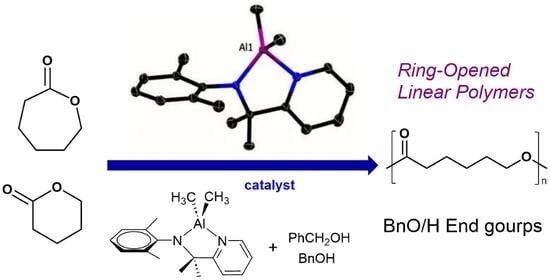
1. Introduction
2. Results and Discussion
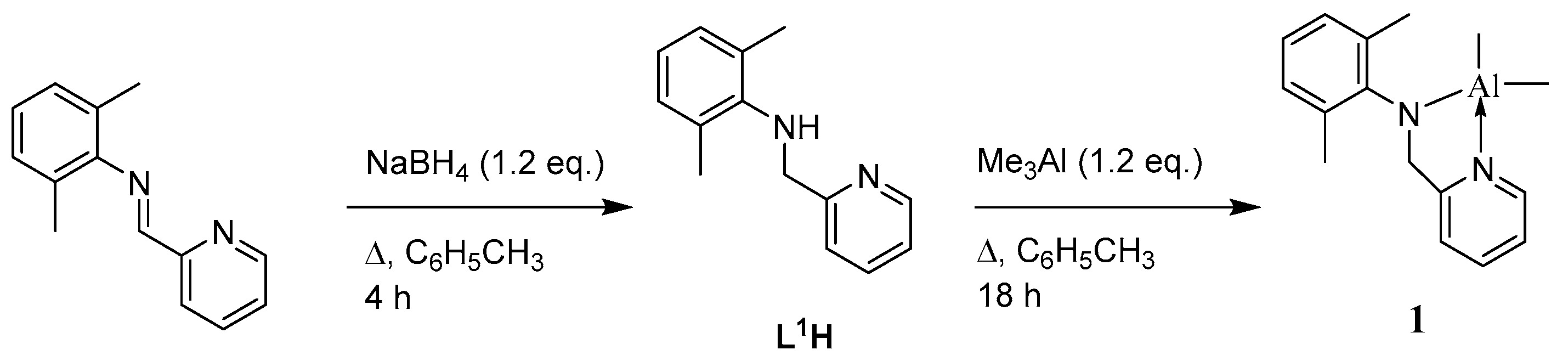
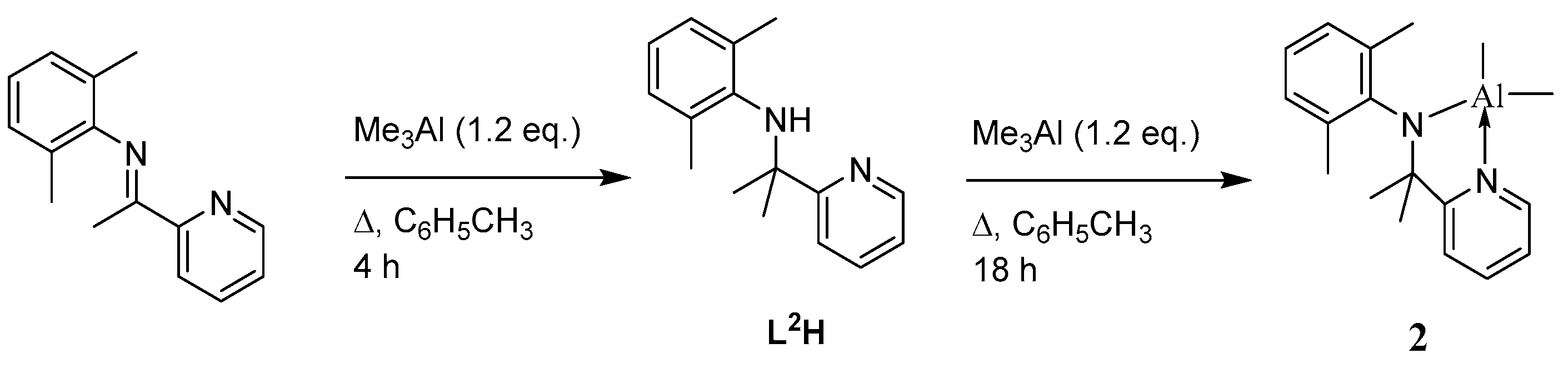
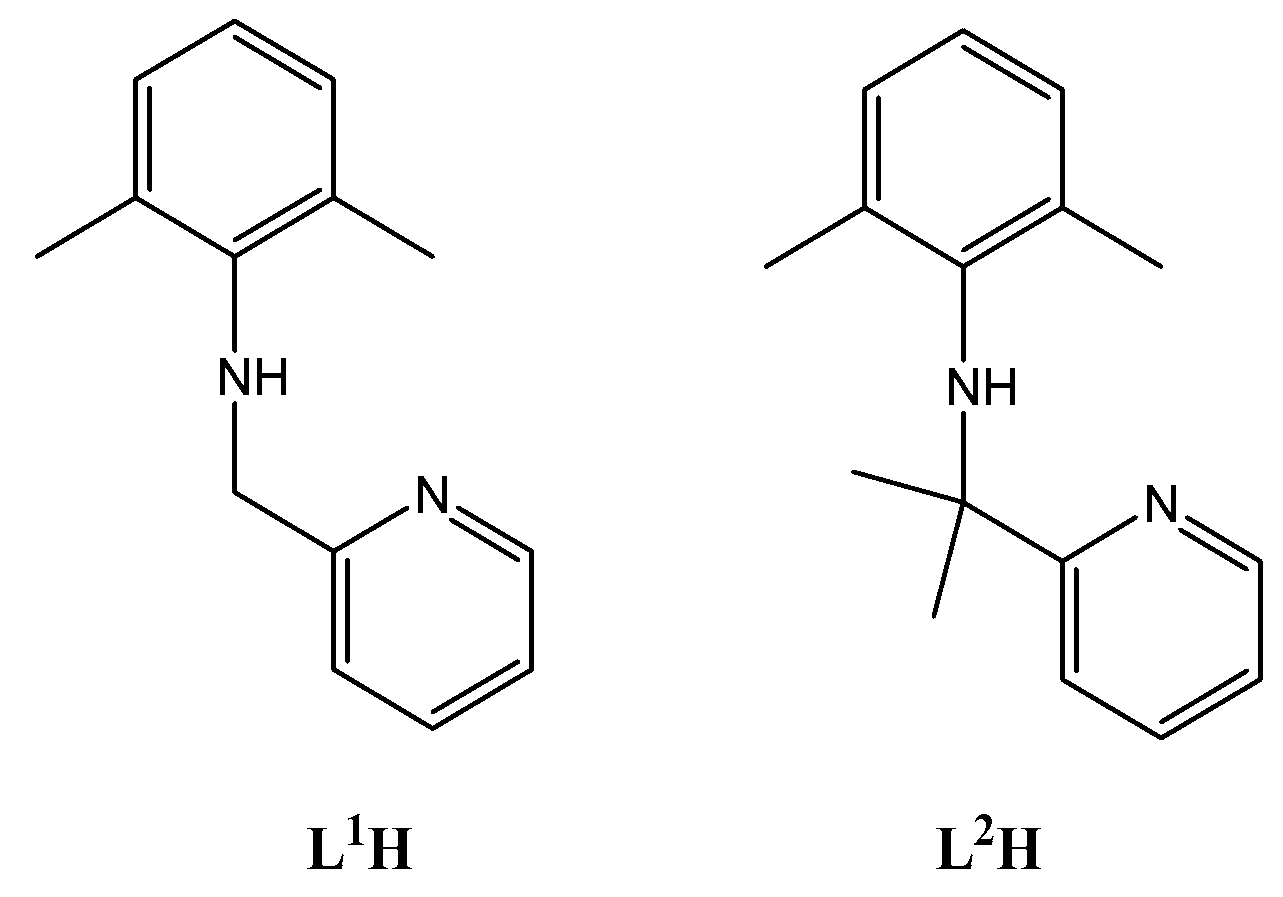
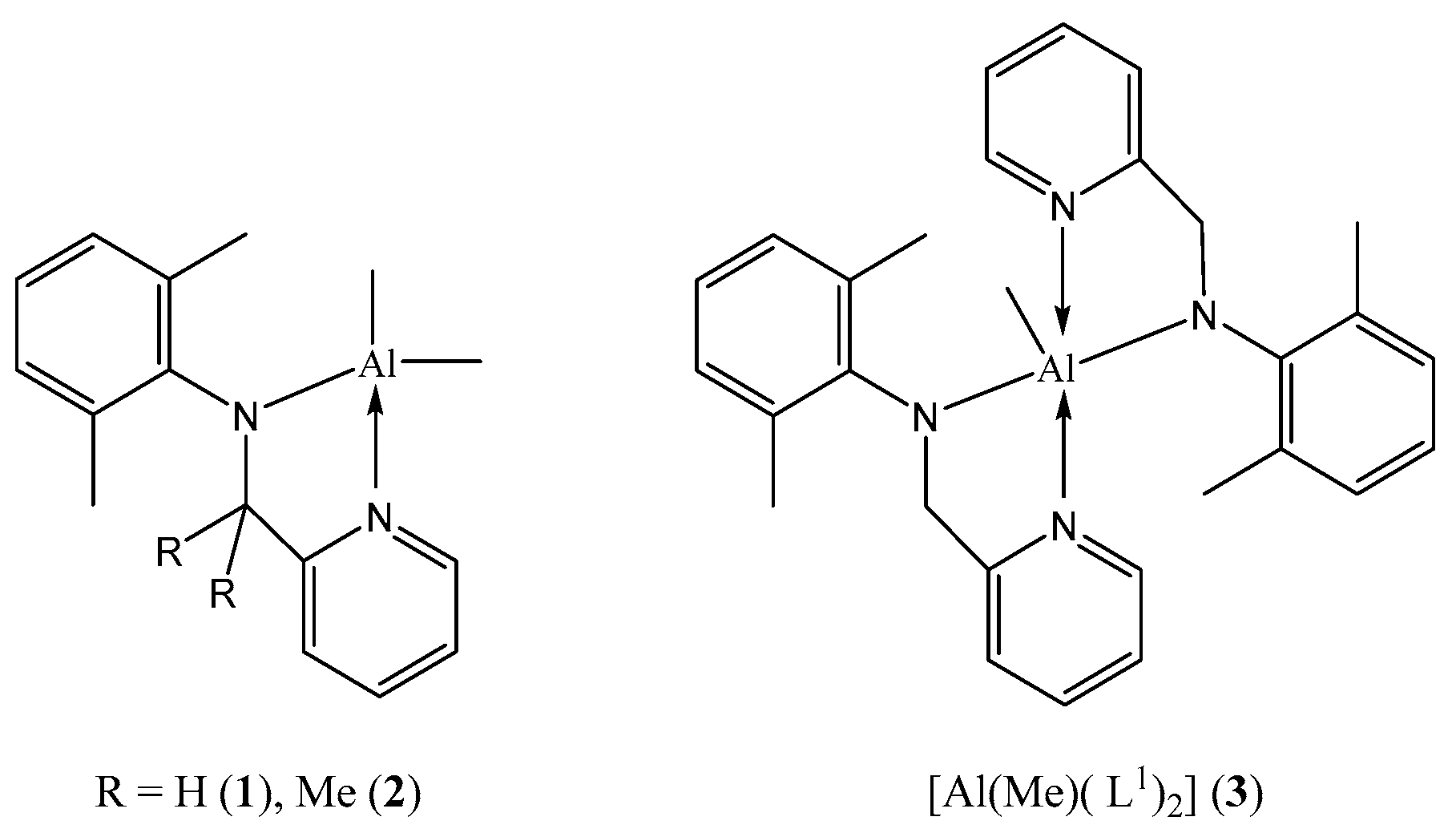
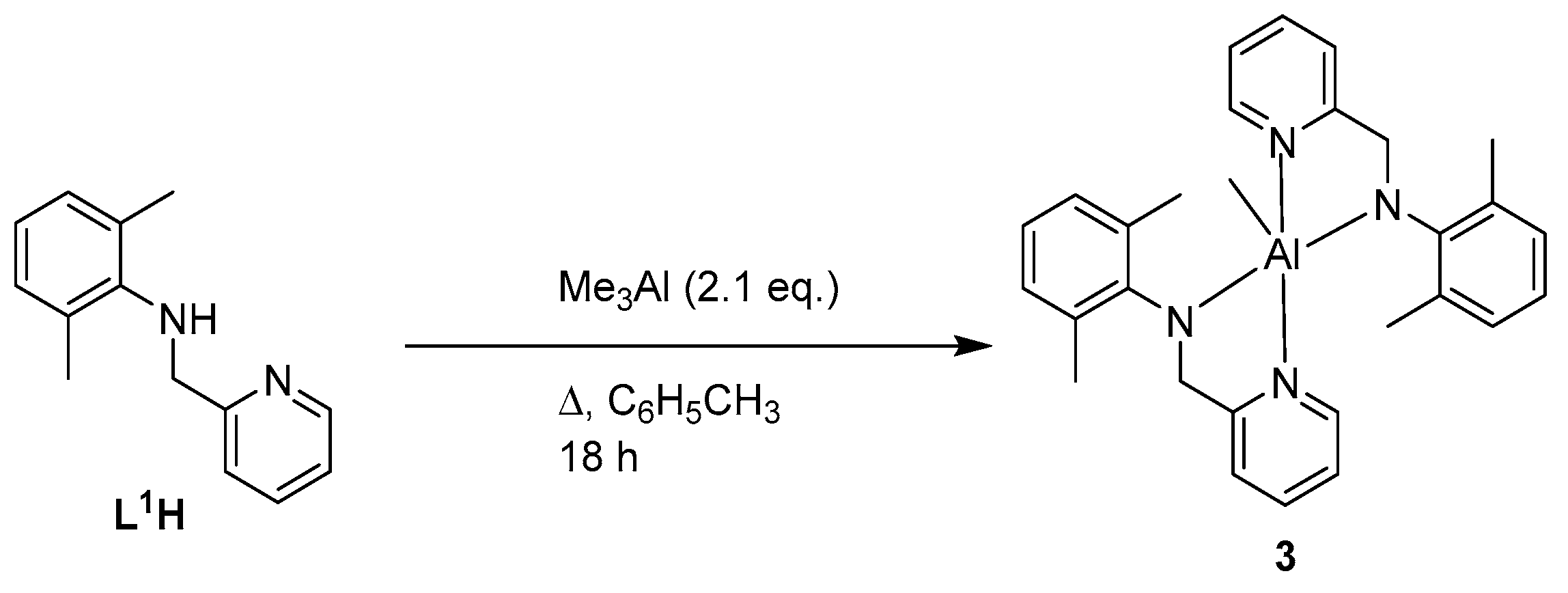
2.1. Synthesis of Ligands and Complexes
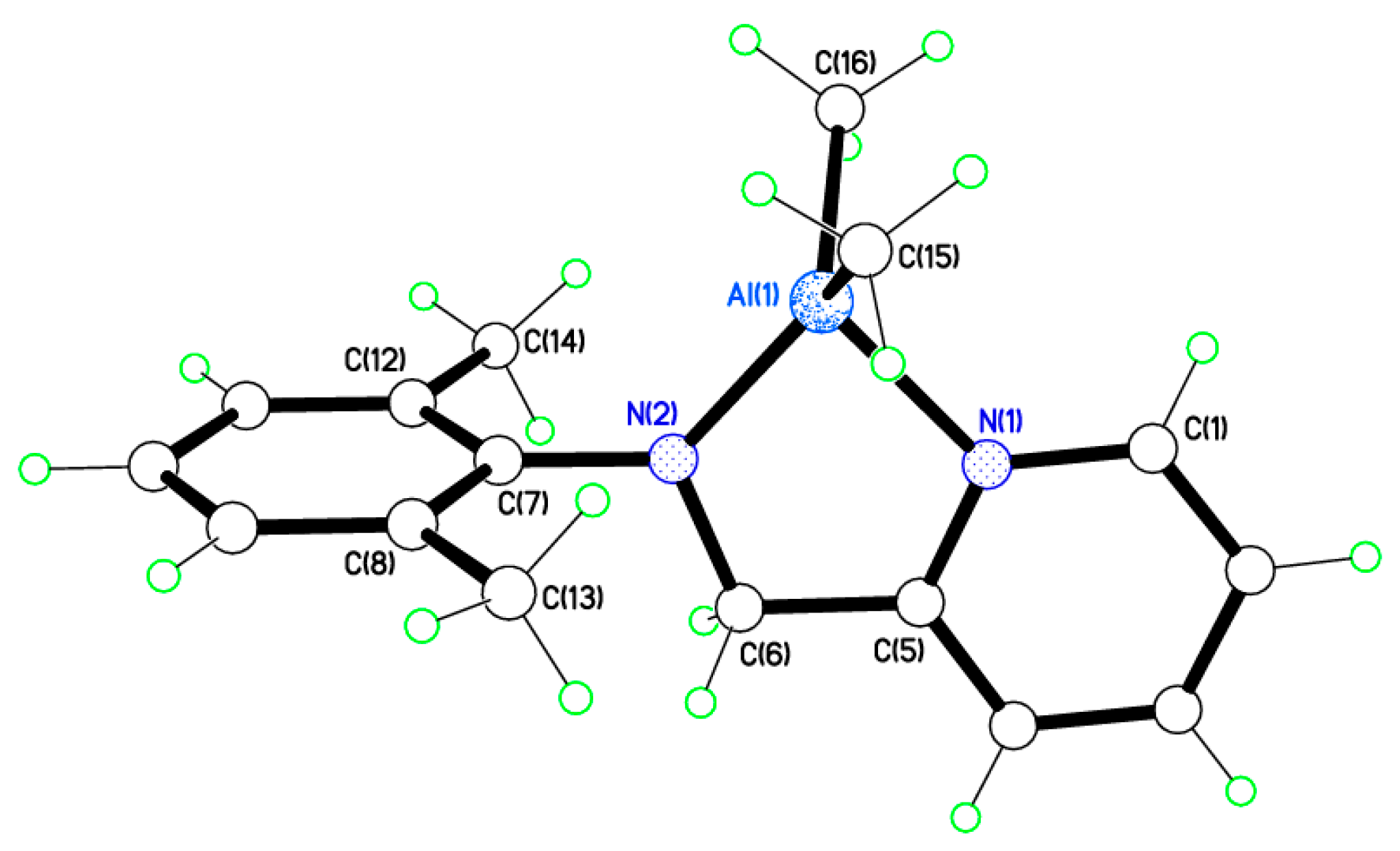
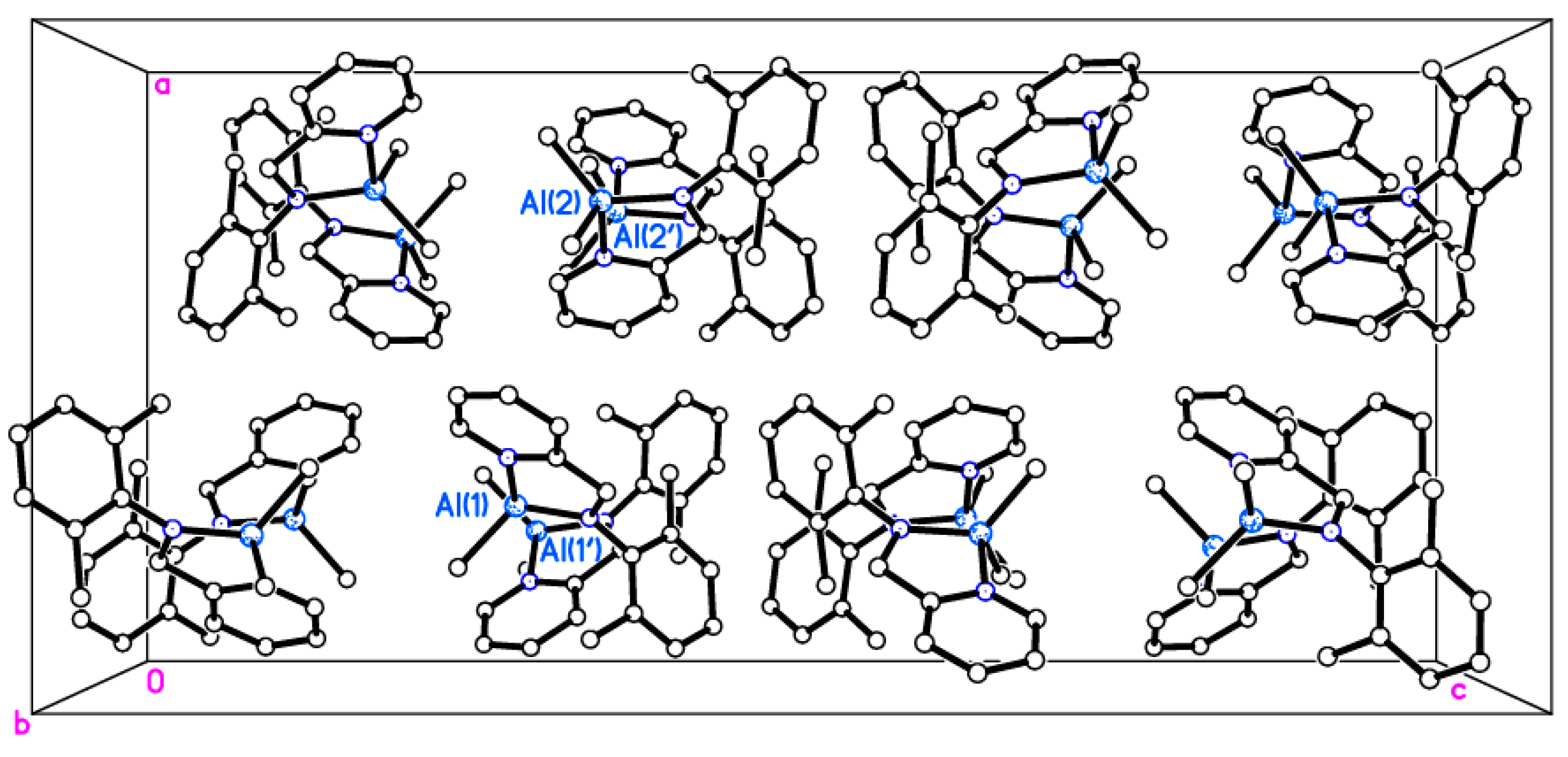
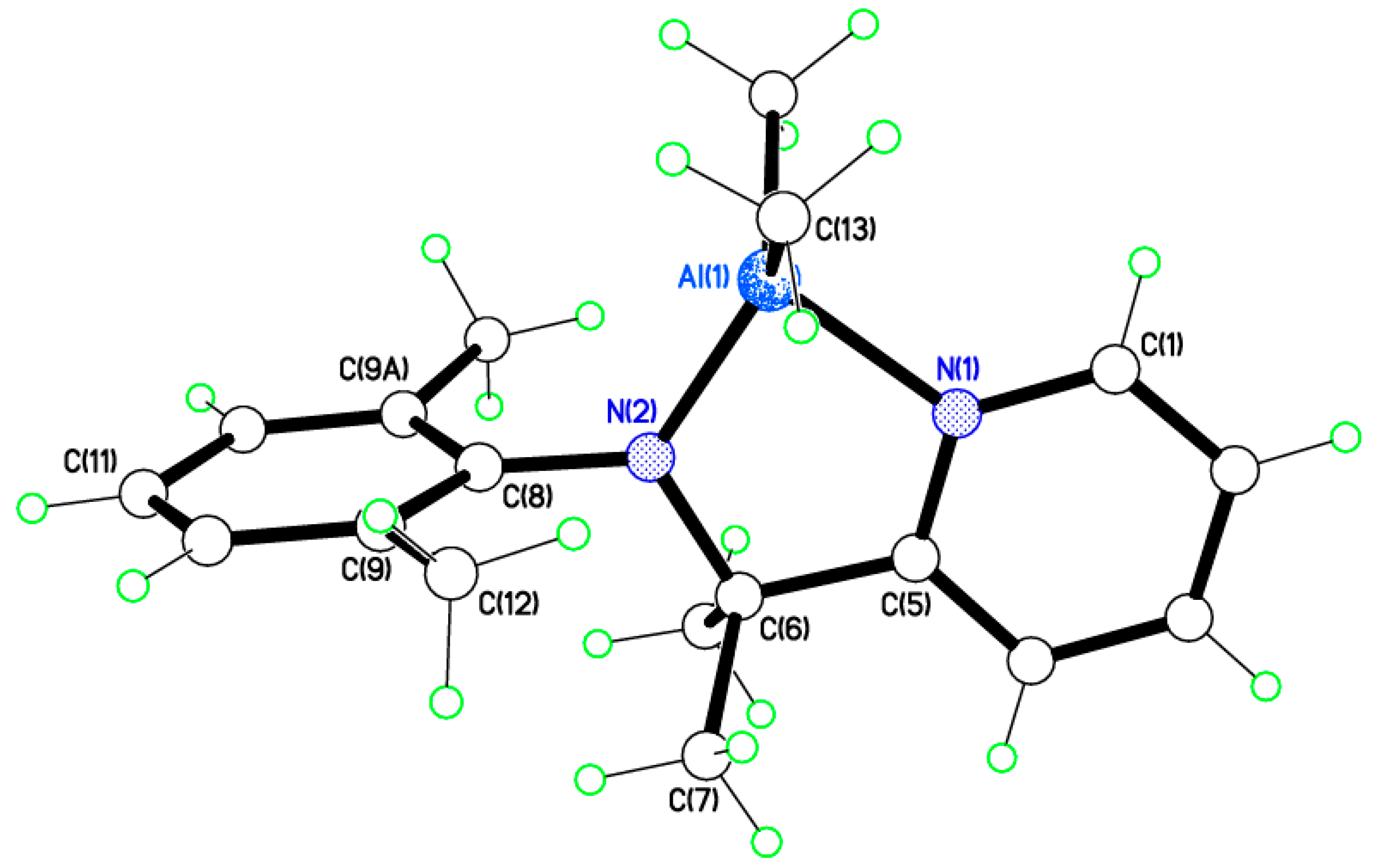
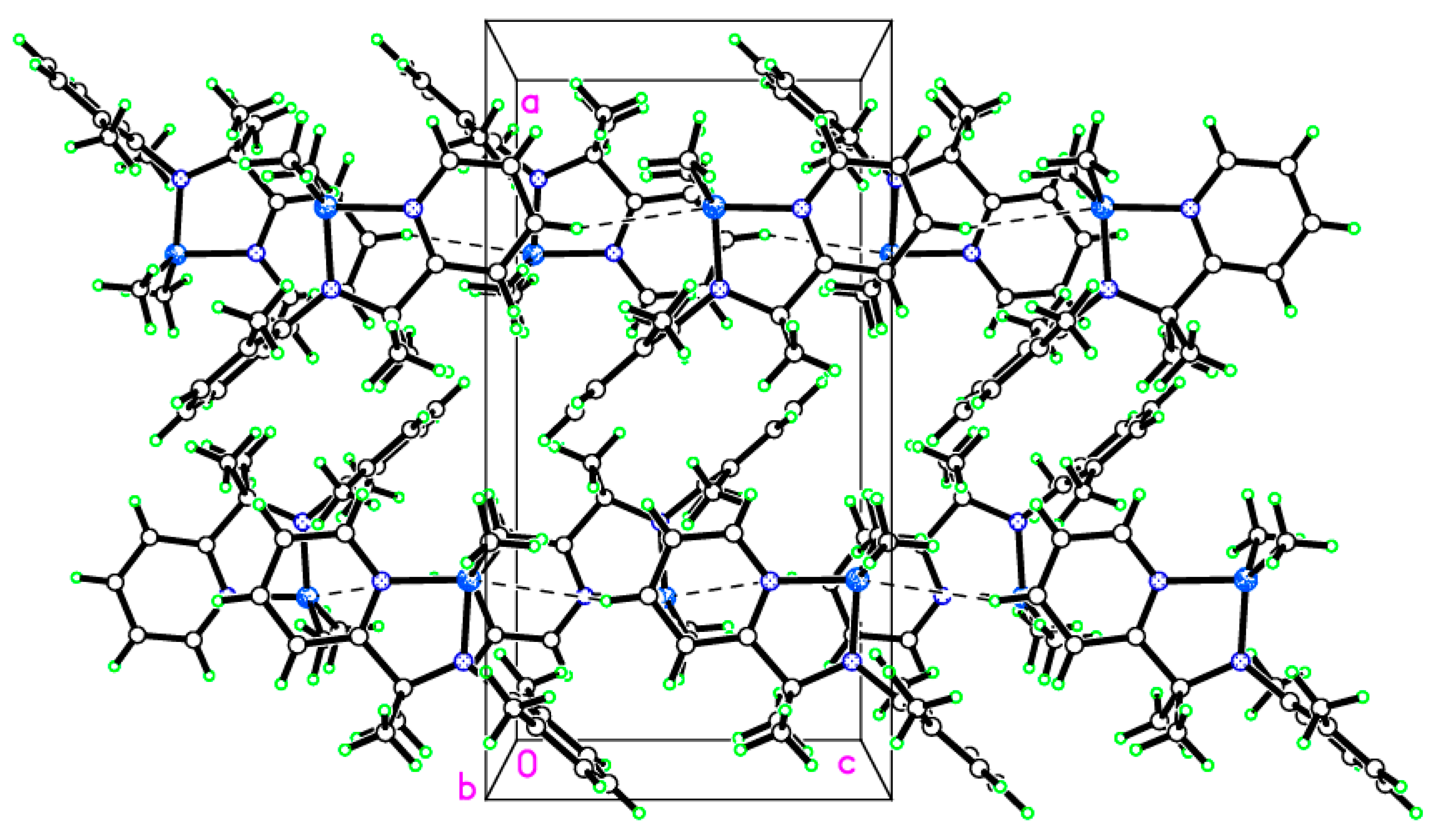
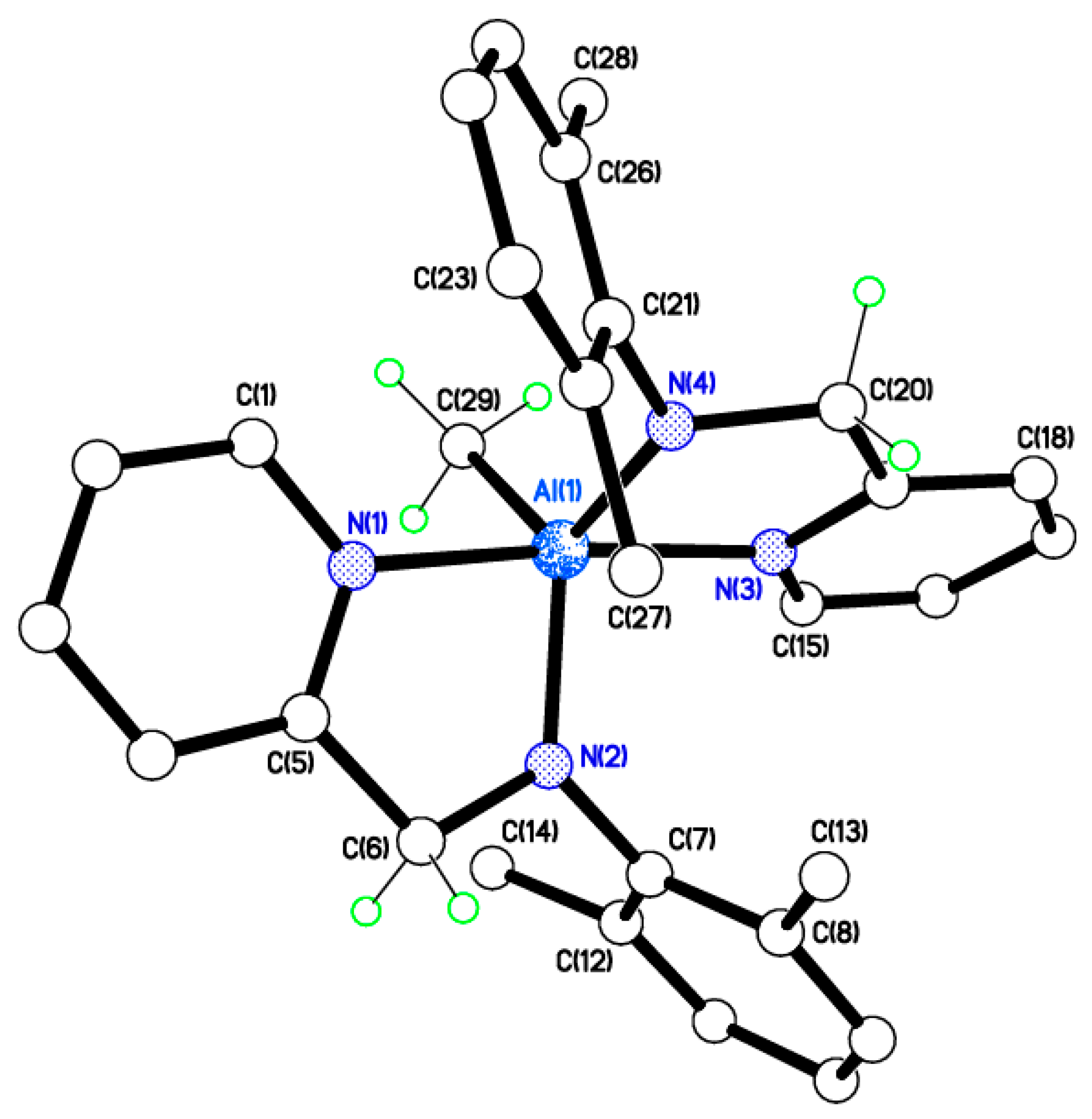
2.2. Molecular Structures of Complexes
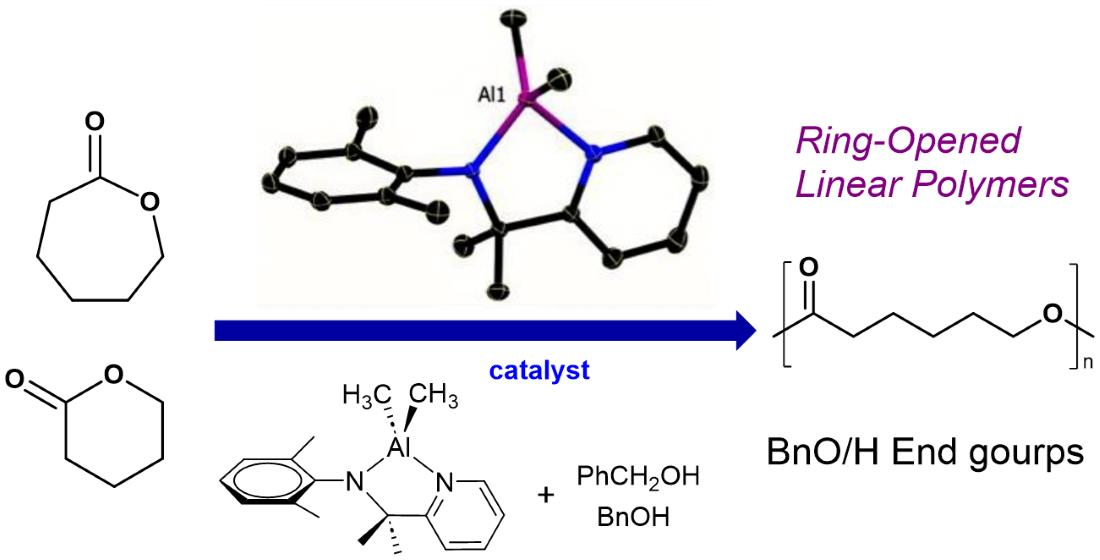
3. Ring Opening Polymerization (ROP)
3.1. Ring Opening Polymerization of ε-Caprolactone (ε-CL)
Kinetics
3.2. δ-Valerolactone (δ-VL)
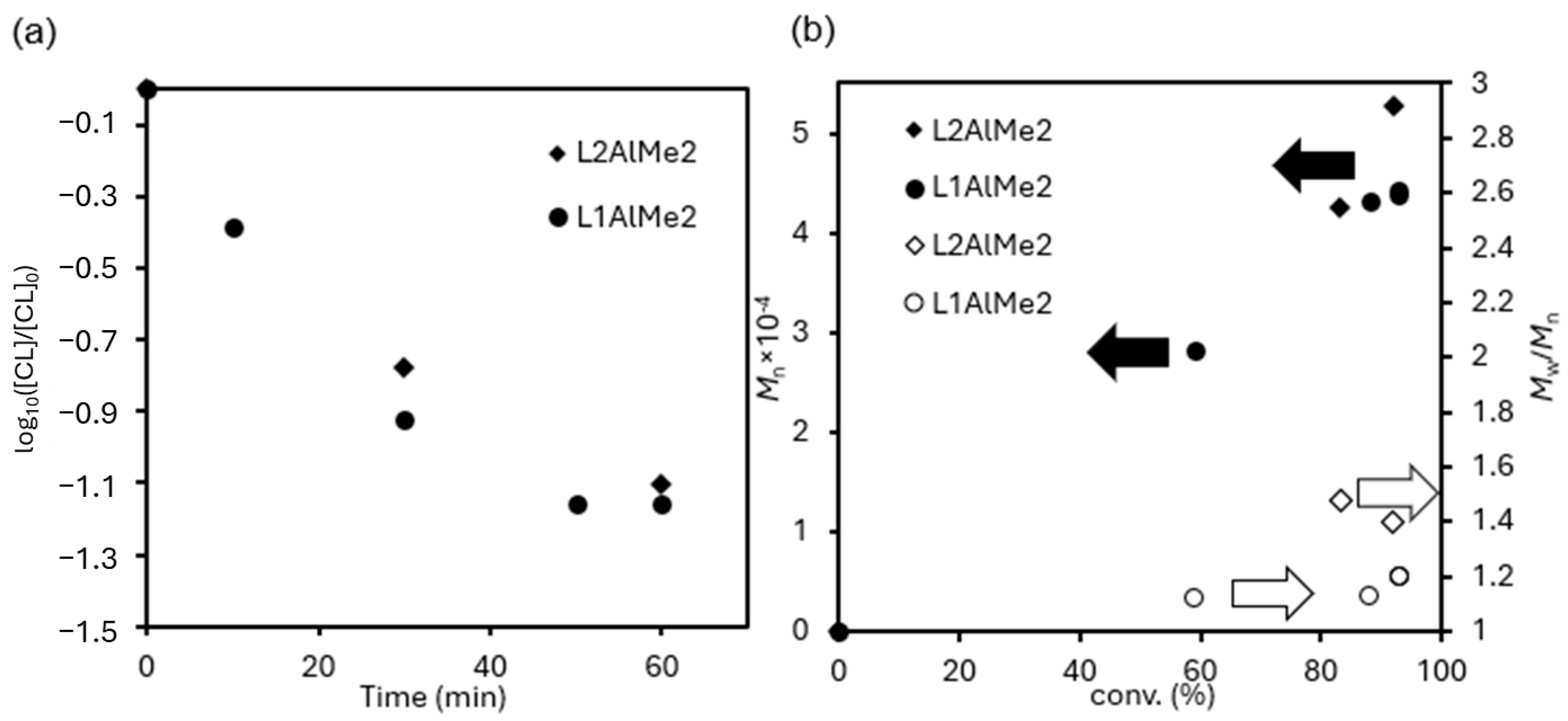
3.2.1. Kinetics
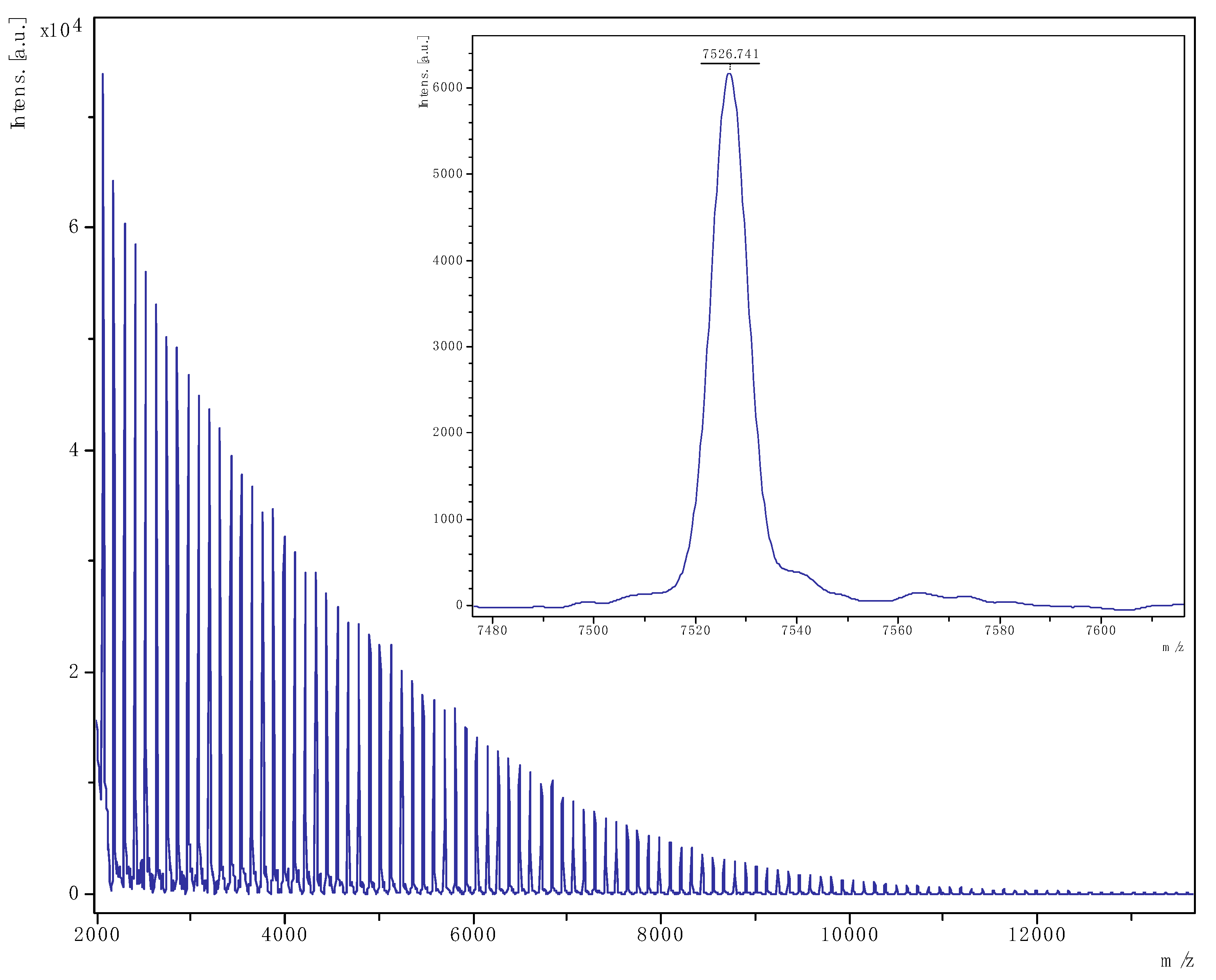
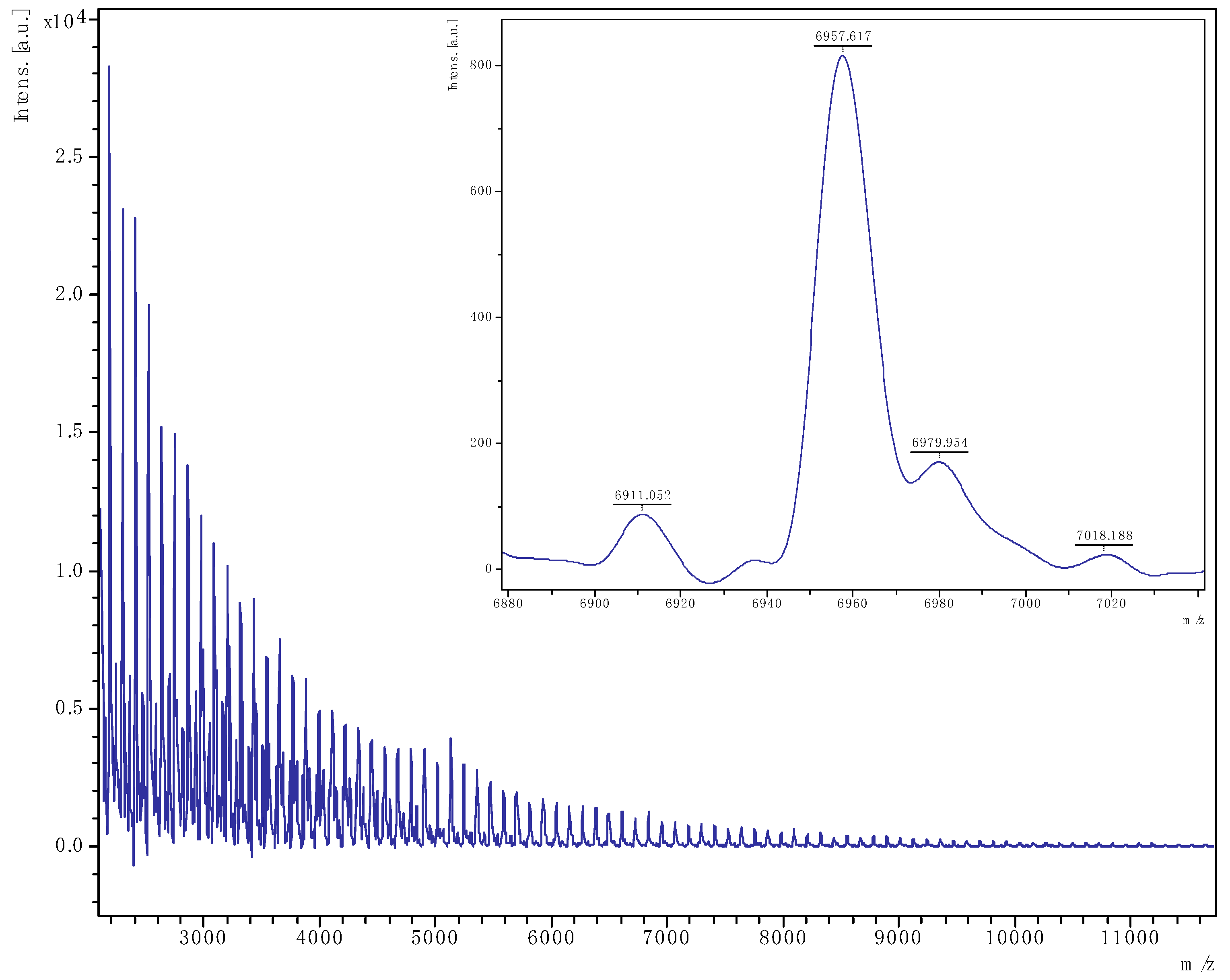
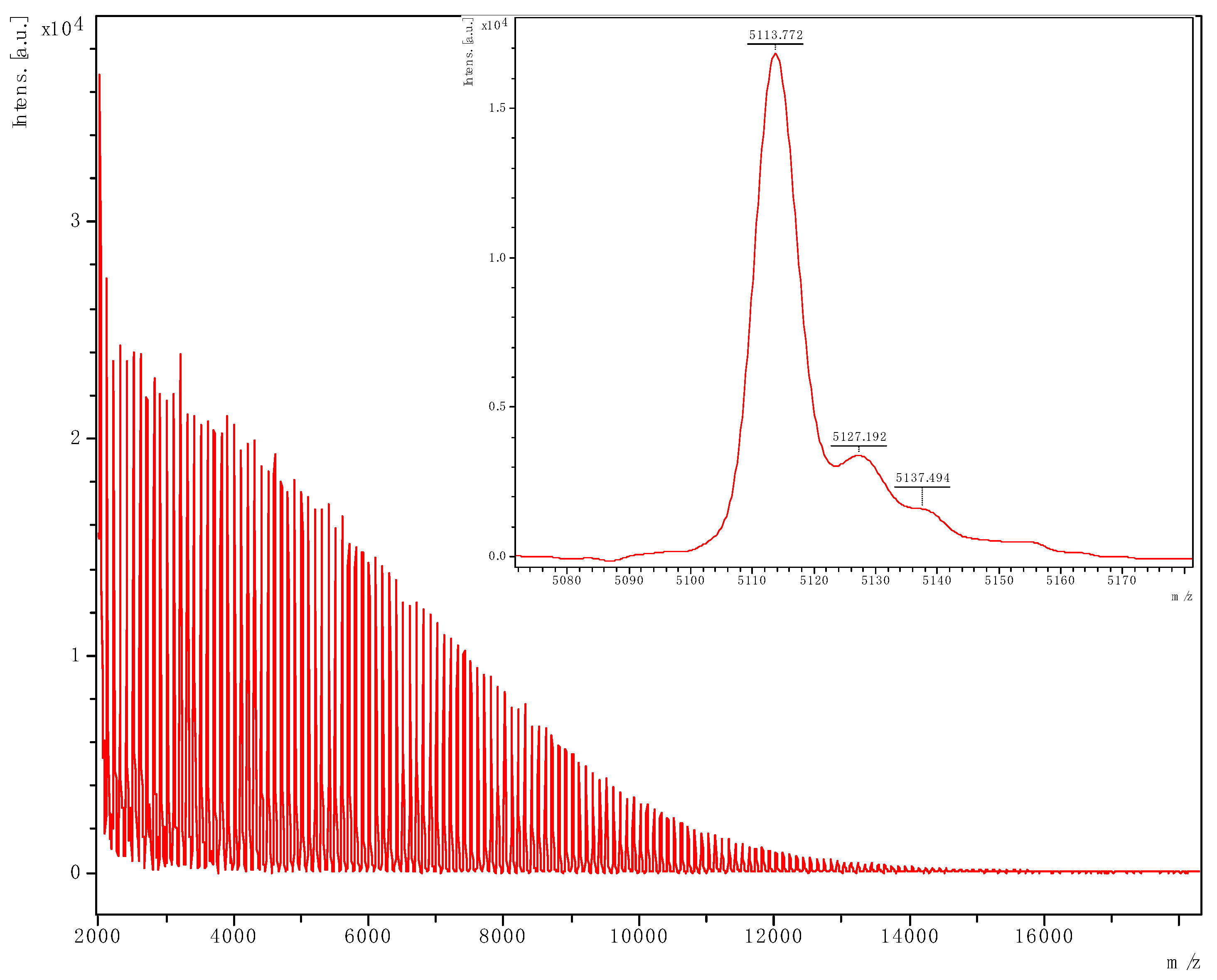
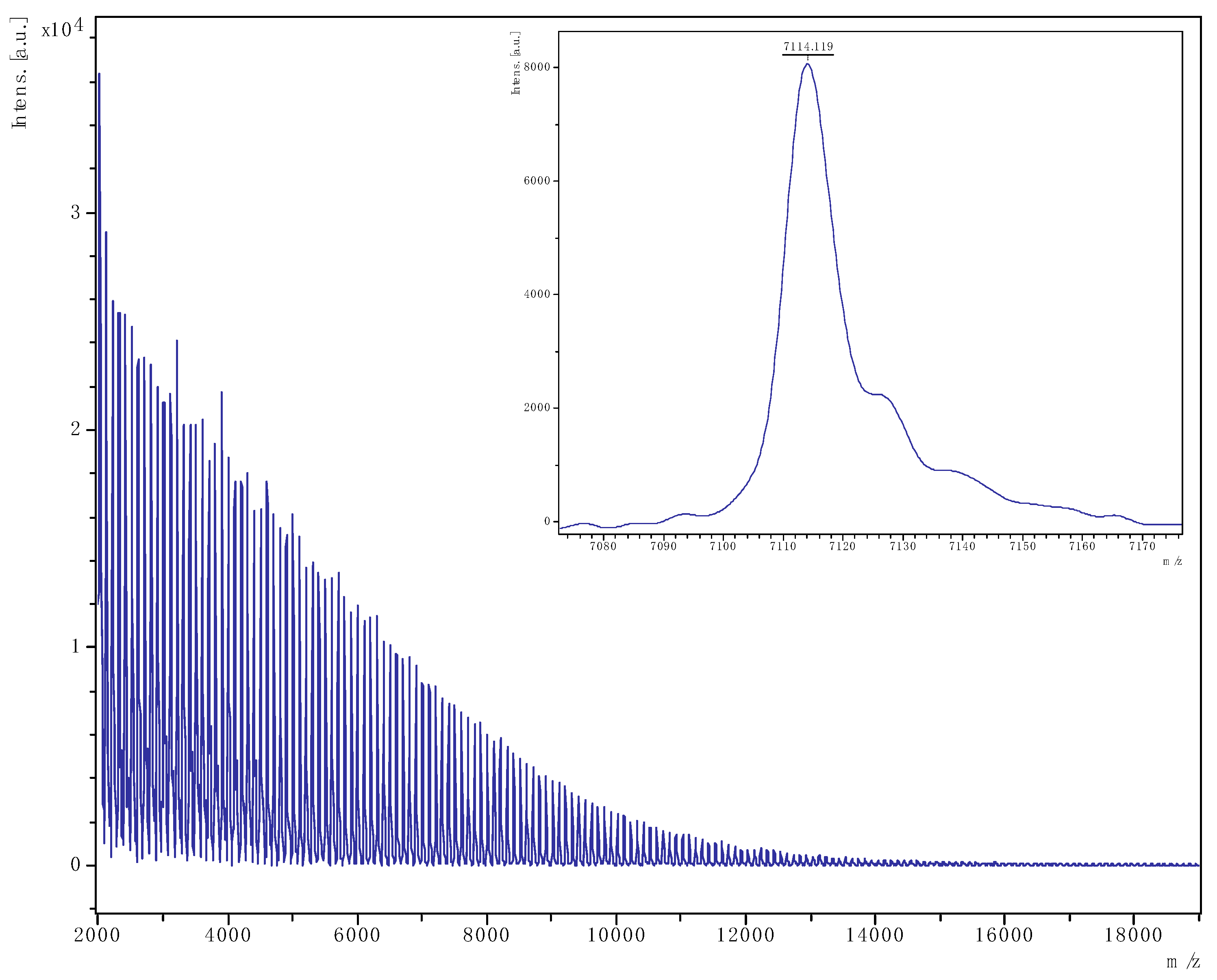
3.2.2. MALDI-ToF Spectra
4. Experimental
4.1. General
4.1.1. Synthesis of L2H
4.1.2. Synthesis of [Me2Al(L1)] (1)
4.1.3. Synthesis of [Me2Al(L2)] (2)
4.1.4. Synthesis of [MeAl(L1)2] (3)
4.2. Procedure for ROP of ε-Caprolactone or δ-Valerolacone
4.2.1. Kinetic Studies
4.2.2. Crystallography
5. Conclusions
Supplementary Materials
Author Contributions
Funding
Data Availability Statement
Conflicts of Interest
References
- Labet, M.; Thielemans, W. Synthesis of polycaprolactone: A review. Chem. Soc. Rev. 2009, 38, 3484–3504. [Google Scholar] [CrossRef]
- Arbaoui, A.; Redshaw, C. Metal Catalysts for ε-caprolactone polymerisation. Polym. Chem. 2010, 1, 801–826. [Google Scholar] [CrossRef]
- Thomas, C.M. Stereo-controlled ring-opening polymerization of cyclic esters: Synthesis of new polyester microstructures. Chem. Soc. Rev. 2010, 39, 165–173. [Google Scholar] [CrossRef]
- Gao, J.; Zhu, D.; Zhang, W.; Solan, G.A.; Ma, Y.; Sun, W.-H. Recent progress in the application of group 1, 2 & 13 metal complexes as catalysts for the ring opening polymerization of cyclic esters. Inorg. Chem. Front. 2019, 6, 2619–2652. [Google Scholar] [CrossRef]
- Santoro, O.; Zhang, X.; Redshaw, C. Synthesis of biodegradable polymers: A review on the use of Schiff-base metal complexes as catalysts for the Ring Opening Polymerization (ROP) of cyclic esters. Catalysts 2020, 10, 800. [Google Scholar] [CrossRef]
- Wu, L.-J.; Lee, W.; Ganta, P.K.; Chang, Y.-L.; Chang, Y.-C.; Chen, H.-Y. Multinuclear metal catalysts in ring-opening polymerization of ε caprolactone and lactide: Cooperative and electronic effects between metal centers. Coord. Chem. Rev. 2023, 475, 214847. [Google Scholar] [CrossRef]
- D’Auria, I.; D’Alterio, M.C.; Tedesco, C.; Pellecchia, C. Tailor-made block copolymers of L-, D- and rac-lactides and e-caprolactone via one-pot sequential ring opening polymerization by pyridylamidozinc(II) catalysts. RSC Adv. 2019, 9, 32771–32779. [Google Scholar] [CrossRef] [PubMed]
- Bhattacharjee, J.; Sarker, A.; Panda, T.K. Alkali and alkali earth metal complexes as versatile catalysts for ring-opening polymerization of cyclic esters. Chem. Rec. 2021, 21, 1898–1911. [Google Scholar] [CrossRef]
- Hashmi, O.H.; Capet, F.; Visseaux, M.; Champouret, Y. Homoleptic and heteroleptic substituted amidomethylpyridine iron complexes: Synthesis, structure and polymerization of rac-lactide. Eur. J. Inorg. Chem. 2022, 2022, e2022000073. [Google Scholar] [CrossRef]
- Wang, Y.; Wang, X.; Zhang, W.; Sun, W.-H. Progress of ring-opening polymerization of cyclic esters by iron compounds. Organometallics 2023, 42, 1680–1692. [Google Scholar] [CrossRef]
- Gravina, G.; Pierri, G.; Pellecchia, C. New highly acive Fe(II) pyridylamido catalyst for the ring opening polymerization and copolymerization of cyclic esters. Mol. Catal. 2024, 555, 113891. [Google Scholar] [CrossRef]
- Iwasa, N.; Fujiki, M.; Nomura, K. Ring-opening polymerization of various cyclic esters by Al complex catalysts containing a series of phenoxy-imine ligands: Effect of the imino substituents for the catalytic activity. J. Mol. Catal. A Chem. 2008, 292, 67–75. [Google Scholar] [CrossRef]
- Iwasa, N.; Katao, S.; Liu, J.; Fujiki, M.; Furukawa, Y.; Nomura, K. Notable effect of fluoro substituents in the imino group in ring-opening polymerization of ε-caprolactone by Al complexes containing phenoxyimine ligands. Organometallics 2009, 28, 2179–2187. [Google Scholar] [CrossRef]
- Liu, J.; Iwasa, N.; Nomura, K. Synthesis of Al complexes containing phenoxy-imine ligands and their use as the catalyst precursors for efficient living ring-opening polymerisation of ε-caprolactone. Dalton Trans. 2008, 3978–3988. [Google Scholar] [CrossRef]
- Li, Y.; Zhao, K.-Q.; Elsegood, M.R.J.; Prior, T.J.; Sun, X.; Mo, S.; Redshaw, C. Organoaluminium complexes of o-,m-,p-anisidines: Synthesis, structural studies and ROP of ε-caprolactone. Cat. Sci. Tech. 2014, 4, 3025–3031. [Google Scholar] [CrossRef]
- Fuoco, T.; Pappalardo, D. Alkyl aluminum complexes bearing salicylaldiminato ligands: Initiators in the ring-opening polymerization of cyclic esters. Catalysts 2017, 7, 64. [Google Scholar] [CrossRef]
- Wang, K.; Zhao, K.-Q.; Mo, S.; Al-Khafaji, Y.; Prior, T.J.; Elsegood, M.R.J.; Redshaw, C. Organoaluminium complexes derived from Anilines or Schiff bases for ring opening polymerization of ε-caprolactone, δ-valerolactone and rac-lactide. Eur. J. Inorg. Chem. 2017, 2017, 1951–1965. [Google Scholar] [CrossRef]
- García-Valle, F.M.; Cuenca, T.; Mosquera, M.E.G.; Millone, S.; Cano, J. Ring-opening polymerization (ROP) of cyclic esters by versatile aluminum diphenoxyimine complexes: From polylactide to random copolymers. Eur. Polym. J. 2020, 125, 109527. [Google Scholar] [CrossRef]
- Jiang, Y.; Zhang, W.; Han, M.; Wang, X.; Solan, G.A.; Wang, R.; Ma, Y.; Sun, W.-H. Phenoxy-imine/-amide aluminum complexes with pendant or coordinated pyridine moieties: Solvent effects on structural type and catalytic capability for the ROP of cyclic esters. Polymer 2022, 242, 124602. [Google Scholar] [CrossRef]
- Sagar, S.; Nath, P.; Bano, K.; Karmakar, H.; Sharma, J.; Sarkar, A.; Panda, T.K. Binunclear and mononuclear aluminum complexes as quick and controlled initiators of well-orderd ROP of cyclic esters. ChemCatChem 2024, 16, e202300972. [Google Scholar] [CrossRef]
- Sumrit, P.; Kamavichanurat, S.; Joopor, W.; Wattanathana, W.; Nakornkhet, C.; Hormnirun, P. Aluminium complexes of phenoxy-azo ligands in the catalysis of rac-lactide polymerisation. Dalton Trans. 2024, 53, 13854–13870. [Google Scholar] [CrossRef] [PubMed]
- García-Lόpez, J.D.; García-Álvarez, A.-C.; Hernández-Balderas, U.; Gallardo-Garibay, A.; Jancik, V.; Martínez-Otero, D.; Moya-Cabrera, M. Ligand-directed assembly of multimetallic aluminum complexes: Synthesis, structure and ROP catalysis. Eur. J. Inorg. Chem. 2024, 27, e202400466. [Google Scholar] [CrossRef]
- Annunziata, L.; Pragliola, S.; Pappalardo, D.; Tedesco, C.; Pellecchia, C. New (anilidomethyl)pyridine Titanium(IV) and Zirconium(IV) catalyst precursors for the Highly Chemo- and Stereoselective cis-1,4-polymerization of 1,3-buadiene. Macromolecules 2011, 44, 1934–1941. [Google Scholar] [CrossRef]
- Zhang, S.; Katao, S.; Sun, W.-H.; Nomura, K. Synthesis of (arylimido)vanadium(V) complexes containing (2-anilidomethyl)pyridine ligands and their use as the catalyst precursors for olefin polymerization. Organometallics 2009, 28, 5925–5933. [Google Scholar] [CrossRef]
- Zhang, S.; Nomura, K. Highly efficient dimerization of ethylene by (imido)vanadium complexes containing (2-anilidomethyl)pyridine ligand: Notable ligand effect toward activity and selectivity. J. Am. Chem. Soc. 2010, 132, 4960–4965. [Google Scholar] [CrossRef]
- Nomura, K.; Mitsudome, T.; Igarashi, A.; Nagai, G.; Tsutsumi, K.; Ina, T.; Omiya, T.; Takaya, H.; Yamazoe, S. Synthesis of (Adamantylimido)vanadium(V) Dimethyl Complex Containing (2-Anilidomethyl)pyridine Ligand and Selected Reactions: Exploring the Oxidation State of the Catalytically Active Species in Ethylene Dimerization. Organometallics 2017, 36, 530–542. [Google Scholar] [CrossRef]
- Kuboki, M.; Nomura, K. (Arylimido)niobium(V) Complexes Containing 2-Pyridylmethylanilido Ligand as Catalyst Precursors for Ethylene Dimerization That Proceeds via Cationic Nb(V) Species. Organometallics 2019, 38, 1544–1559. [Google Scholar] [CrossRef]
- Armitage, A.P.; Boyron, O.; Champouret, Y.D.M.; Patel, M.; Singh, K.; Solan, G.A. Dimethyl-Aluminium Complexes Bearing Naphthyl-Substituted Pyridine-Alkylamides as Pro-Initiators for the Efficient ROP of ε-Caprolactone. Catalysts 2015, 5, 1425–1444. [Google Scholar] [CrossRef]
- Nienkemper, K.; Kehr, G.; Kehr, S.; Fröhlich, R.; Erker, G. (Amidomethyl)pyridine zirconium and hafnium complexes: Synthesis and structural characterization. J. Organomet. Chem. 2008, 693, 1572–1589. [Google Scholar] [CrossRef]
- Knijnenburg, Q.; Smits, J.M.M.; Budzelaar, P.H.M. Reaction of the Diimine Pyridine Ligand with Aluminum Alkyls: An Unexpectedly Complex Reaction. Organometallics 2006, 25, 1036–1046. [Google Scholar] [CrossRef]
- Davies, C.J.; Gregory, A.; Griffith, P.; Perkins, T.; Singh, K.; Solan, G.A. Use of Suzuki cross-coupling as a route to 2-phenoxy-6-iminopyridines and chiral 2-phenoxy-6-(methanamino) pyridines. Tetrahedron 2008, 64, 9857–9864. [Google Scholar] [CrossRef]
- Wei, Y.; Wang, S.; Zhou, S.; Feng, Z.; Guo, L.; Zhu, X.; Mu, X.; Yao, F. Aluminum Alkyl Complexes Supported by Bidentate N,N Ligands: Synthesis, Structure, and Catalytic Activity for Guanylation of Amines. Organometallics 2015, 34, 1882–1889. [Google Scholar] [CrossRef]
- Liu, R.; Yang, S.; Ding, Y.; Xia, D. Study on the effect of substituents on the structure, volatility, and fluorescence of N-(Alkyl or TMS)-2-pyridinamine diethyl aluminum complexes. J. Organomet. Chem. 2021, 933, 121646. [Google Scholar] [CrossRef]
- Addison, A.W.; Rao, T.N.; Reedijk, J.; van Rijn, J.; Verschoor, G.C. Synthesis, structure, and spectroscopic properties of copper(II) compounds containing nitrogen–sulphur donor ligands; the crystal and molecular structure of aqua[1,7-bis(N-methylbenzimidazol-2′-yl)-2,6-dithiaheptane]copper(II) perchlorate. J. Chem. Soc. Dalton Trans. 1984, 1349–1356. [Google Scholar] [CrossRef]
- Huang, C.-H.; Wang, F.-C.; Ko, B.-T.; Yu, T.-L.; Lin, C.-C. Ring-Opening Polymerization of ε-Caprolactone and L-Lactide Using Aluminum Thiolates as Initiator. Macromolecules 2001, 34, 356–361. [Google Scholar] [CrossRef]
- Save, M.; Schappacher, M.; Soum, A. Controlled Ring-Opening Polymerization of Lactones and Lactides Initiated by Lanthanum Isopropoxide, 1. General Aspects and Kinetics. Macromol. Chem. Phys. 2002, 203, 889–899. [Google Scholar] [CrossRef]
- Dove, A.P. Organic Catalysis for Ring Opening Polymerization. ACS Macro Lett. 2012, 1, 1409–1412. [Google Scholar] [CrossRef]
- Sheldrick, G.M. SHELXT–Integrated space-group and crystal structure determination. Acta Cryst. 2015, A71, 3–8. [Google Scholar] [CrossRef]
- Sheldrick, G.M. Crystal structure refinement with SHELXL. Acta Cryst. 2015, C71, 3–8. [Google Scholar] [CrossRef]



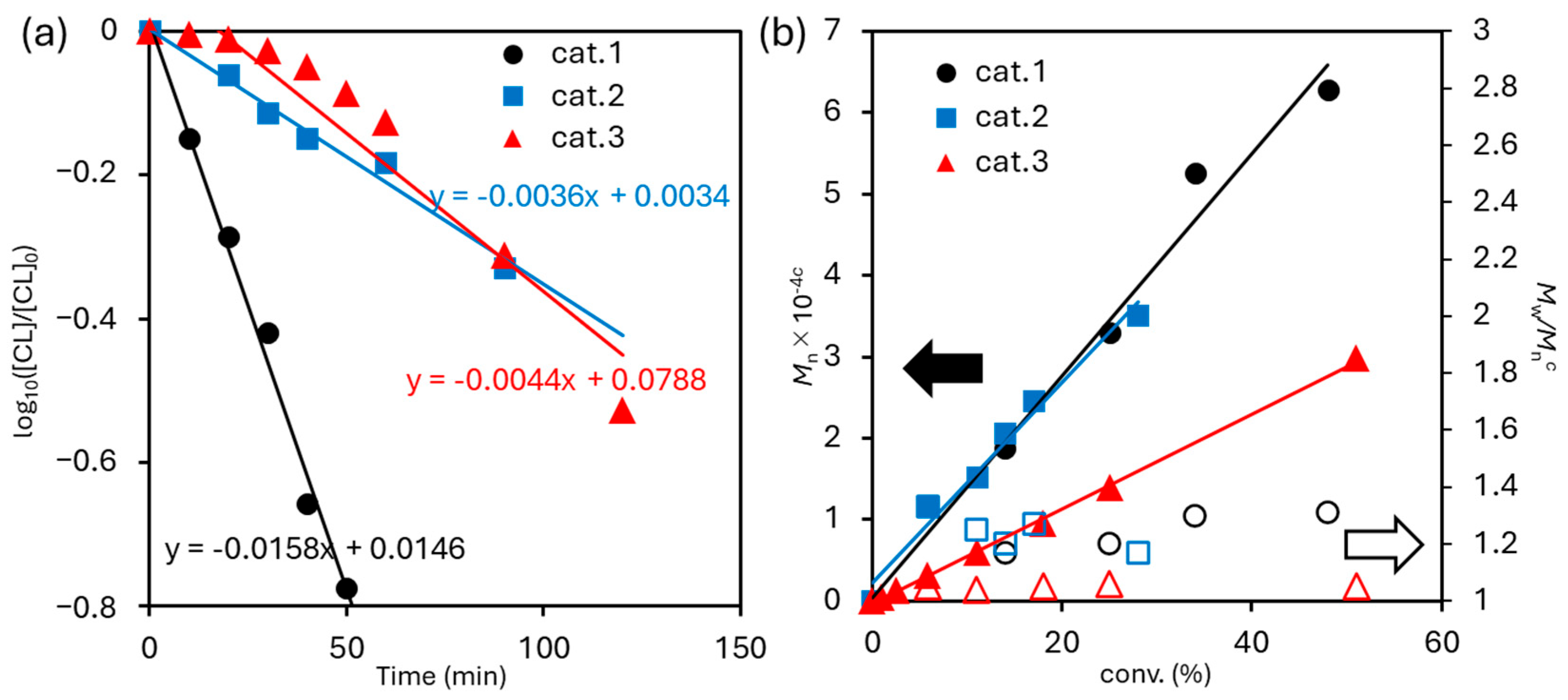

| Entry | Cat. (μmol) | Temp. (°C) | Time (min) | Conv. b (%) | Mn(GPC) c ×10−4 | Mn(calc) d ×10−4 | Mw/Mn c | N e (μmol) |
|---|---|---|---|---|---|---|---|---|
| 1 | 1 (20) | 50 | 10 | 14 | 1.52 | 1.88 | 1.17 | 14.9 |
| 2 | 1 (20) | 50 | 20 | 25 | 1.80 | 3.30 | 1.20 | 13.2 |
| 3 | 1 (20) | 50 | 30 | 34 | 1.50 | 5.26 | 1.30 | 13.2 |
| 4 | 1 (20) | 50 | 40 | 48 | 2.98 | 6.28 | 1.31 | 15.6 |
| 5 | 1 (20) | 80 | 30 | 98 | 9.51 | 12.4 | 1.23 | 16.1 |
| 6 | 2 (20) | 50 | 20 | 5.9 | 0.43 | 1.15 | 1.33 | 7.94 |
| 7 | 2 (20) | 50 | 30 | 11 | 0.61 | 1.52 | 1.25 | 10.6 |
| 8 | 2 (20) | 50 | 40 | 14 | 1.23 | 2.06 | 1.20 | 11.4 |
| 9 | 2 (20) | 50 | 60 | 17 | 1.11 | 2.46 | 1.27 | 13.8 |
| 10 | 2 (20) | 50 | 90 | 28 | 2.27 | 3.51 | 1.17 | 16.3 |
| 11 | 2 (20) | 80 | 30 | 77 | 3.66 | 8.98 | 1.15 | 17.5 |
| 12 | 2 (20) | 80 | 60 | >99 | 6.72 | 11.0 | 1.16 | 18.4 |
| 13 | 3 (20) | 50 | 10 | 0.89 | 0.05 | trace | - | - |
| 14 | 3 (20) | 50 | 20 | 2.5 | 0.13 | trace | - | - |
| 15 | 3 (20) | 50 | 30 | 5.8 | 0.31 | 0.49 | 1.05 | 24.3 |
| 16 | 3 (20) | 50 | 40 | 11 | 0.60 | 1.25 | 1.04 | 17.4 |
| 17 | 3 (20) | 50 | 50 | 18 | 0.95 | 1.83 | 1.05 | 20.1 |
| 18 | 3 (20) | 50 | 60 | 25 | 1.39 | 2.77 | 1.06 | 18.6 |
| 19 | 3 (20) | 50 | 90 | 51 | 2.98 | 5.62 | 1.05 | 18.6 |
| 20 | 3 (20) | 80 | 30 | 81 | 3.46 | 7.81 | 1.08 | 21.1 |
| 21 | 3 (20) | 80 | 60 | 98 | 4.45 | 9.93 | 1.16 | 20.1 |
| 22 | L1H (40) | 80 | 60 | trace | - | - | - | - |
| 23 | L2H (40) | 80 | 60 | trace | - | - | - | - |
| Run a | Cat. (μmol) | Temp. (°C) | Time (min) | Conv. b (%) | Mn(GPC) c ×10−4 | Mn(calc) d ×10−4 | Mw/Mn c | N e (μmol) |
|---|---|---|---|---|---|---|---|---|
| 24 | 1 (20) | 50 | 60 | 22 | 1.23 | 4.94 | 1.05 | 20.3 |
| 25 | 1 (40) | 50 | 10 | 59 | 1.60 | 2.40 | 1.12 | 41.9 |
| 26 | 1 (40) | 50 | 30 | 88 | 2.46 | 2.48 | 1.13 | 40.6 |
| 27 | 1 (40) | 50 | 50 | 93 | 2.50 | 2.37 | 1.2 | 42.4 |
| 28 | 1 (40) | 50 | 60 | 93 | 2.52 | 2.39 | 1.2 | 42 |
| 29 | 2 (40) | 50 | 30 | 83 | 2.43 | 2.53 | 1.48 | 39.7 |
| 30 | 2 (40) | 50 | 60 | 92 | 3.00 | 2.88 | 1.4 | 34.9 |
| 31 | 3 (40) | 50 | 30 | 62 | 0.91 | 1.47 | 1.11 | 68.4 |
| 32 | 3 (40) | 50 | 60 | 91 | 1.72 | 1.90 | 1.12 | 52.9 |
| Compound | 1 | 2 | 3 |
|---|---|---|---|
| Formula weight | 268.33 | 296.38 | 464.57 |
| Crystal system | Orthorhombic | Orthorhombic | Monoclinic |
| Space group | Pbca | Pnma | P21/c |
| Unit cell dimensions | |||
| a (Å) | 14.8183(2) | 16.71447(18) | 15.36793(12) |
| b (Å) | 12.9284(2) | 11.79057(15) | 8.16407(6) |
| c (Å) | 32.4960(5) | 8.71683(10) | 21.64688(17) |
| β (º) | 90 | 90 | 110.0738(9) |
| V (Å3) | 6225.48(16) | 1717.85(3) | 2550.93(4) |
| Z | 16 | 4 | 4 |
| Temperature (K) | 93(2) | 100(2) | 100(2) |
| Wavelength (Å) | 1.54184 | 0.71073 | 1.54178 |
| Calculated density (g.cm−3) | 1.145 | 1.146 | 1.210 |
| Absorption coefficient (mm−1) | 1.03 | 0.11 | 0.87 |
| Transmission factors (min./max.) | 0.709 and 1.000 | 0.928 and 1.000 | 0.808 and 1.000 |
| Crystal size (mm3) | 0.27 × 0.09 × 0.06 | 0.20 × 0.08 × 0.07 | 0.22 × 0.20 × 0.05 |
| θ(max) (°) | 73.7 | 36.0 | 73.5 |
| Reflections measured | 38,334 | 69,199 | 84,510 |
| Unique reflections | 6191 | 4115 | 4918 |
| Rint | 0.074 | 0.024 | 0.024 |
| Reflections with F2 > 2σ(F2) | 4632 | 3717 | 4850 |
| Number of parameters | 352 | 115 | 313 |
| R1 [F2 > 2σ(F2)] | 0.068 | 0.034 | 0.034 |
| wR2 (all data) | 0.136 | 0.102 | 0.087 |
| GOOF, S | 1.03 | 1.05 | 1.05 |
| Largest difference peak and hole (e Å−3) | 0.34 and −0.30 | 0.47 and −0.23 | 0.26 and −0.24 |
Disclaimer/Publisher’s Note: The statements, opinions and data contained in all publications are solely those of the individual author(s) and contributor(s) and not of MDPI and/or the editor(s). MDPI and/or the editor(s) disclaim responsibility for any injury to people or property resulting from any ideas, methods, instructions or products referred to in the content. |
© 2025 by the authors. Licensee MDPI, Basel, Switzerland. This article is an open access article distributed under the terms and conditions of the Creative Commons Attribution (CC BY) license (https://creativecommons.org/licenses/by/4.0/).
Share and Cite
Sato, S.; Motuzis, I.; Elsegood, M.R.J.; Nomura, K.; Redshaw, C. Bi-Dentate Pyridyl Amine-Derived Complexes of Aluminium: Synthesis, Structure and ROP Capability. Catalysts 2025, 15, 1119. https://doi.org/10.3390/catal15121119
Sato S, Motuzis I, Elsegood MRJ, Nomura K, Redshaw C. Bi-Dentate Pyridyl Amine-Derived Complexes of Aluminium: Synthesis, Structure and ROP Capability. Catalysts. 2025; 15(12):1119. https://doi.org/10.3390/catal15121119
Chicago/Turabian StyleSato, Shunsuke, Ignas Motuzis, Mark R. J. Elsegood, Kotohiro Nomura, and Carl Redshaw. 2025. "Bi-Dentate Pyridyl Amine-Derived Complexes of Aluminium: Synthesis, Structure and ROP Capability" Catalysts 15, no. 12: 1119. https://doi.org/10.3390/catal15121119
APA StyleSato, S., Motuzis, I., Elsegood, M. R. J., Nomura, K., & Redshaw, C. (2025). Bi-Dentate Pyridyl Amine-Derived Complexes of Aluminium: Synthesis, Structure and ROP Capability. Catalysts, 15(12), 1119. https://doi.org/10.3390/catal15121119