Response of Hemolytic and Photosynthetic Activity of Chattonella marina Complex Under Variable N:P Stoichiometry


Abstract
1. Introduction
2. Results
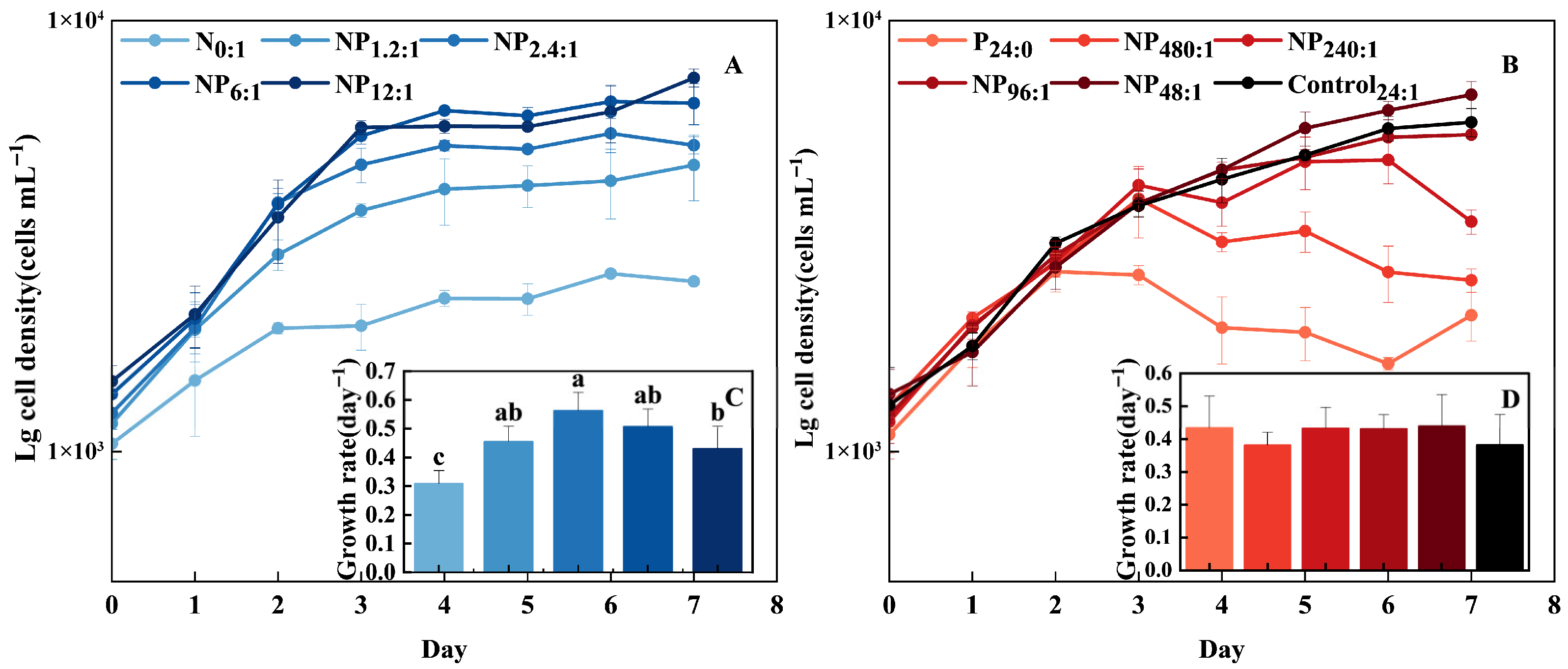
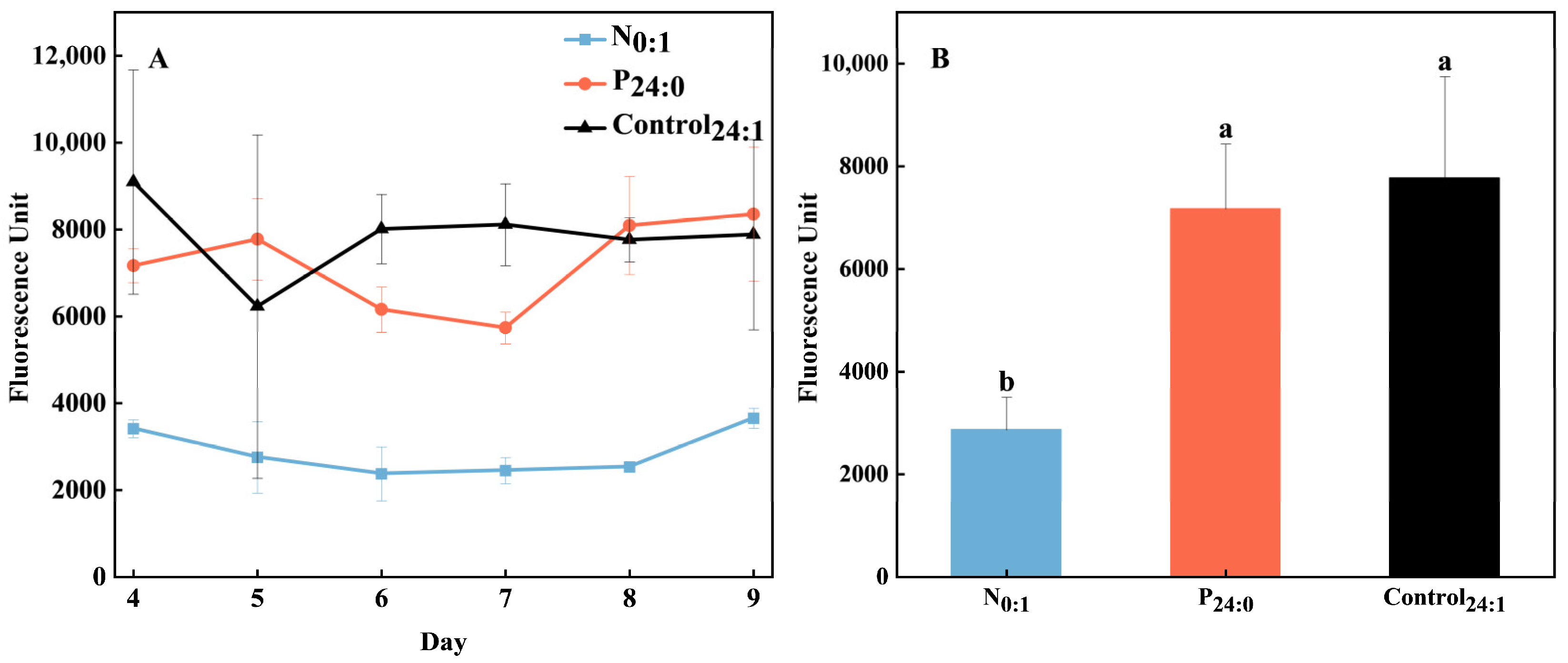
2.1. Growth Response of C. marina
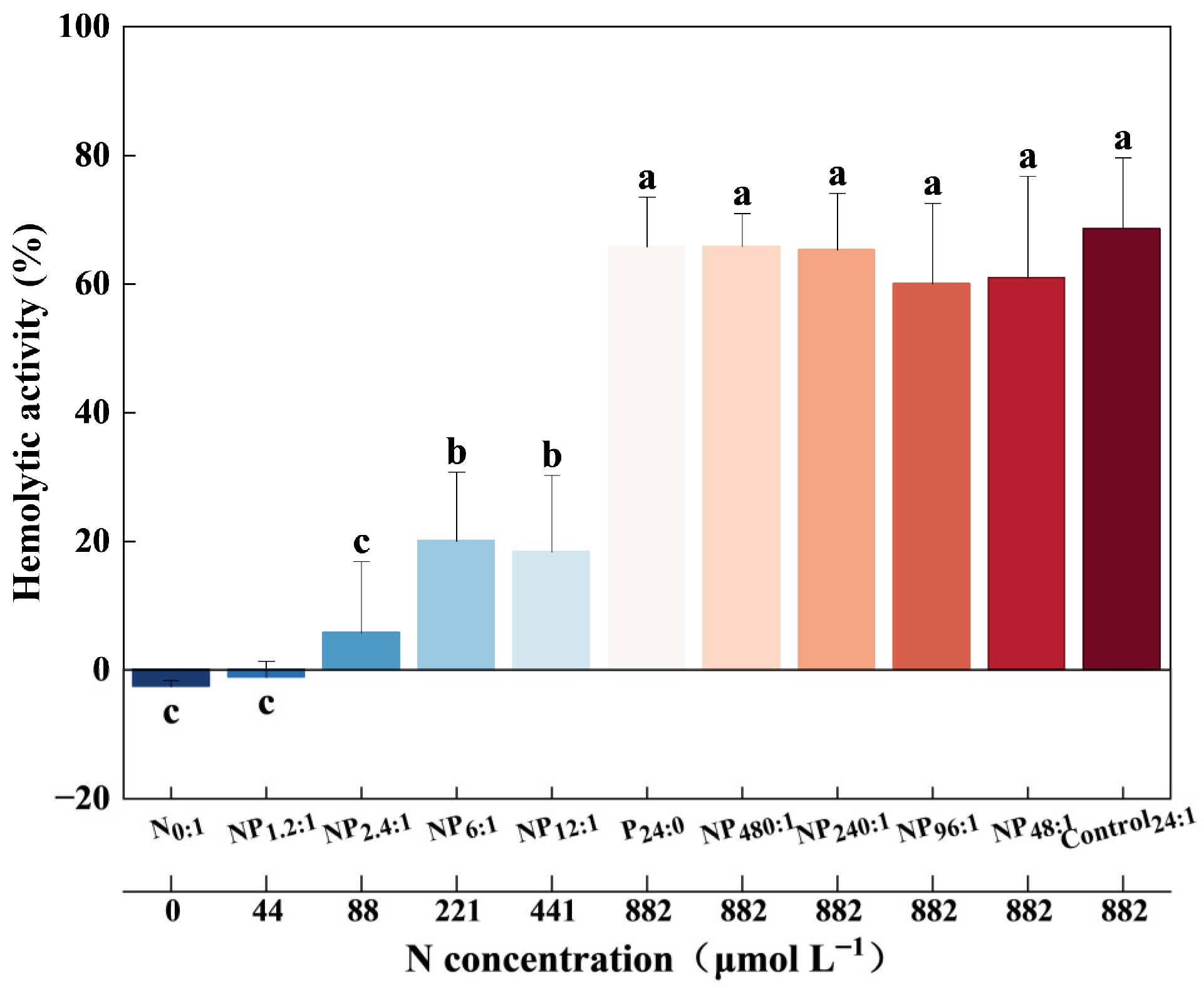
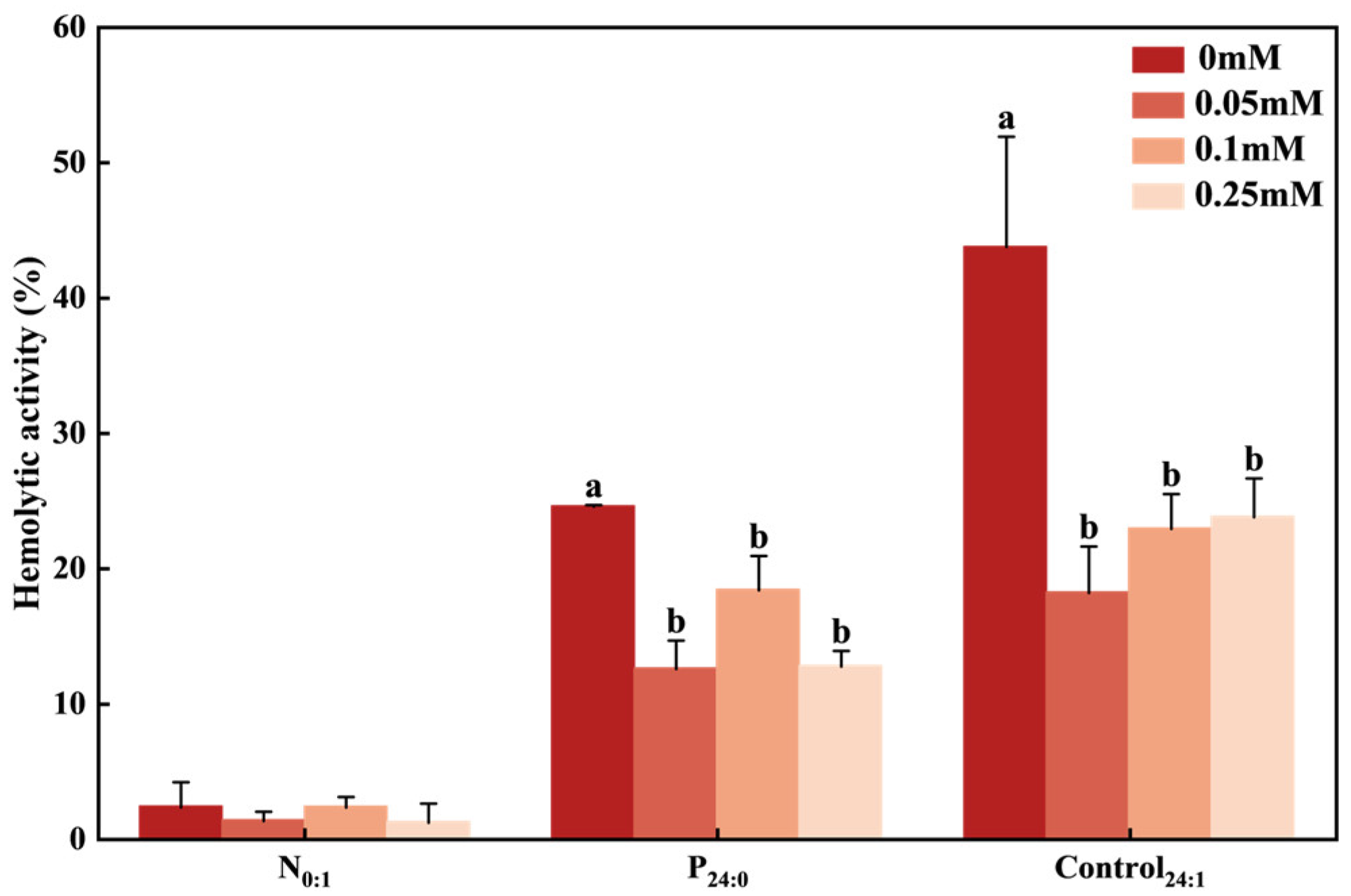
2.2. Hemolytic Activity of C. marina
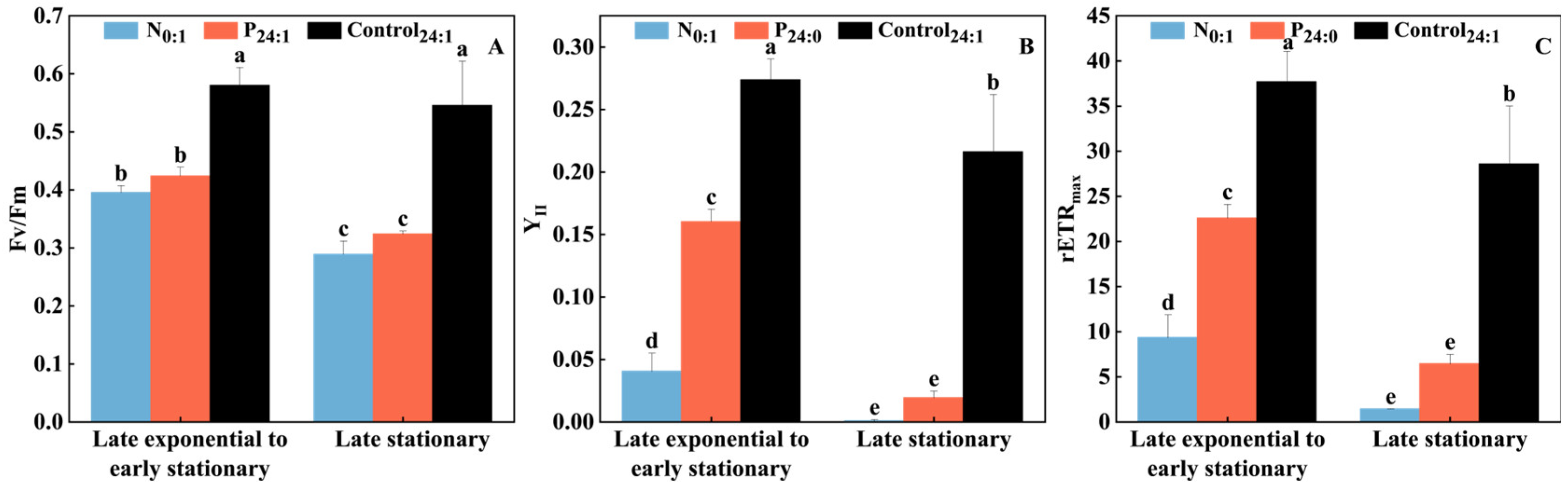
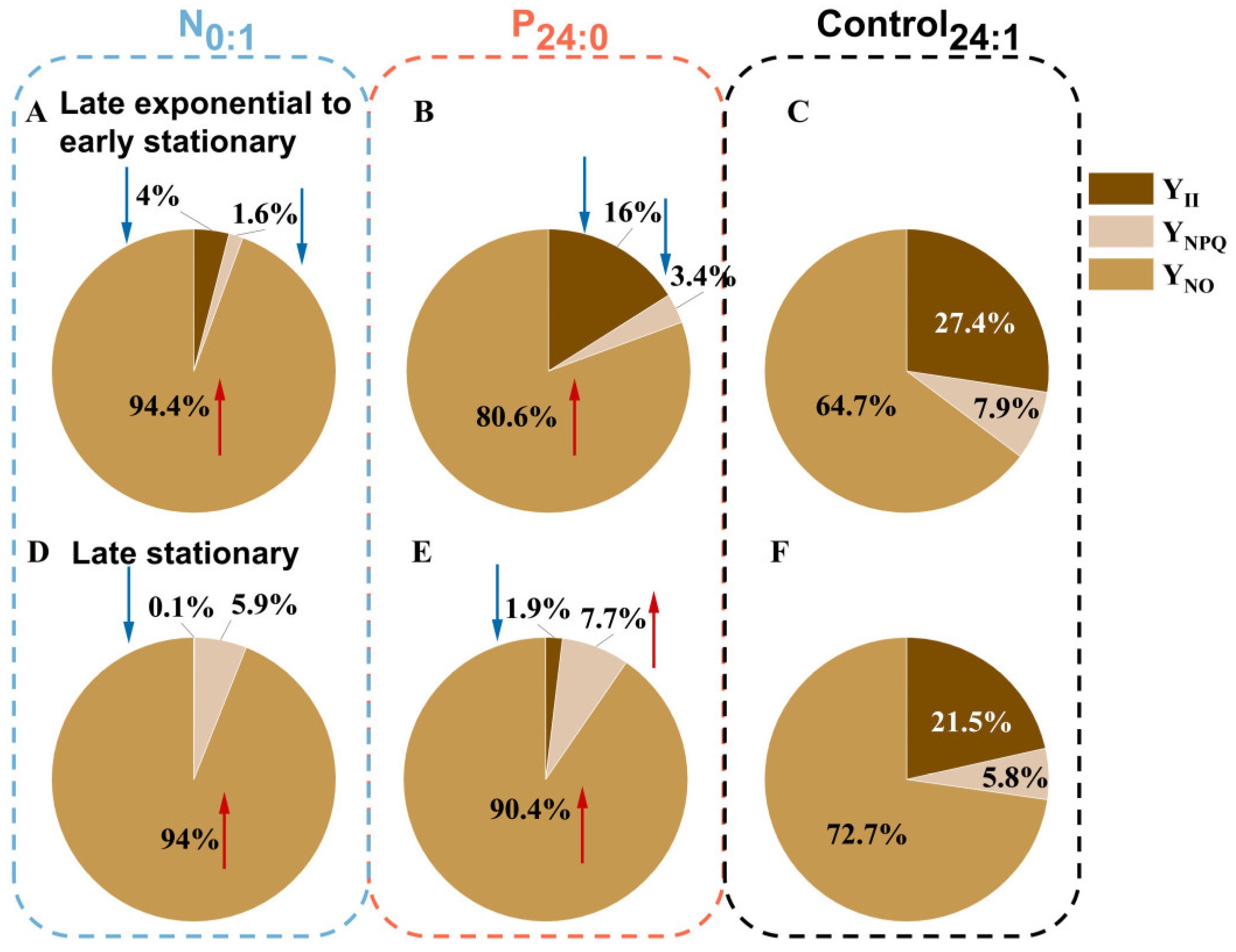
2.3. Photosynthetic Activity of C. marina
2.4. ROS Production in C. marina
2.5. Effects of NAC on Hemolytic Activity of C. marina
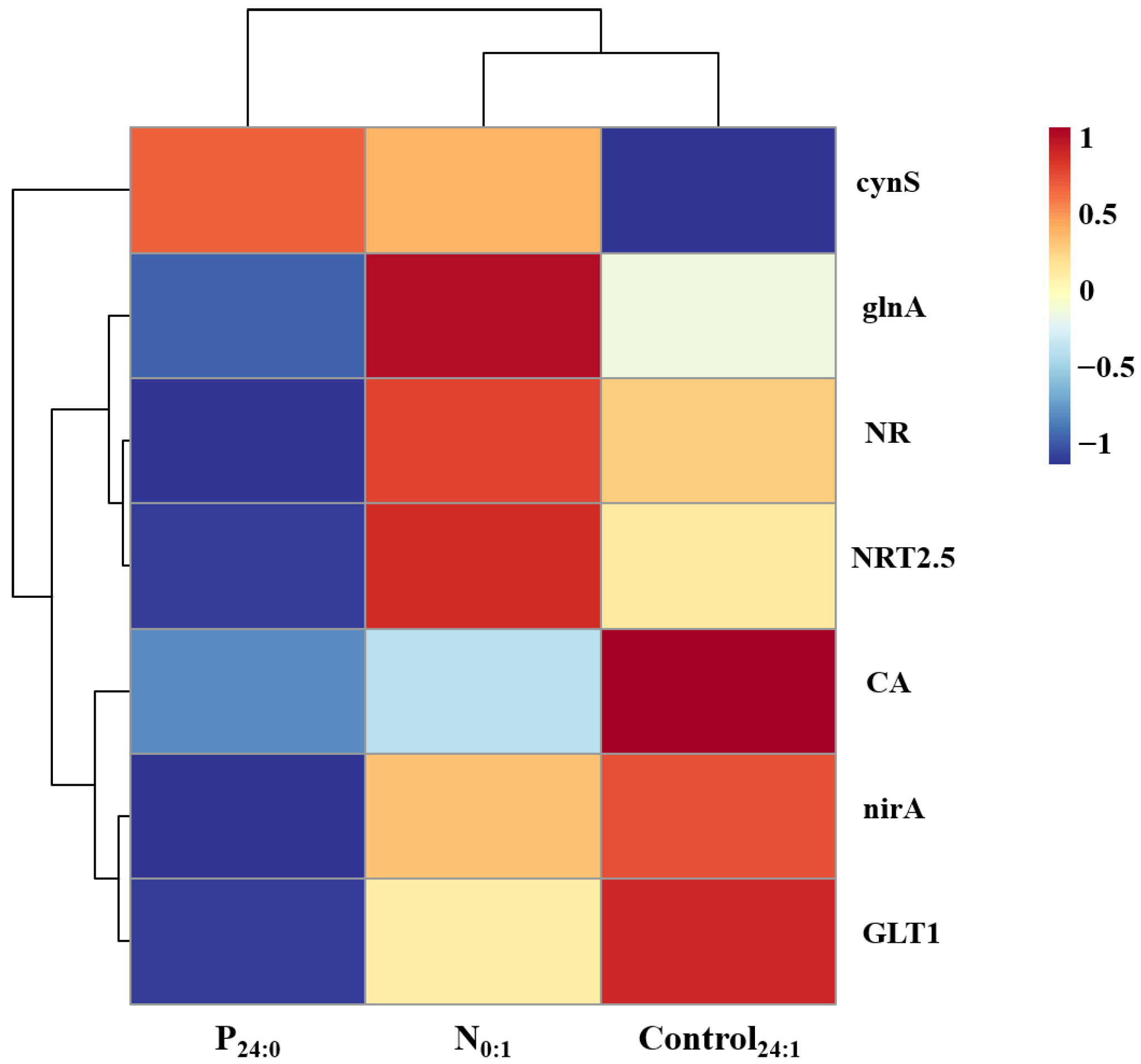
2.6. Gene Expression in C. marina
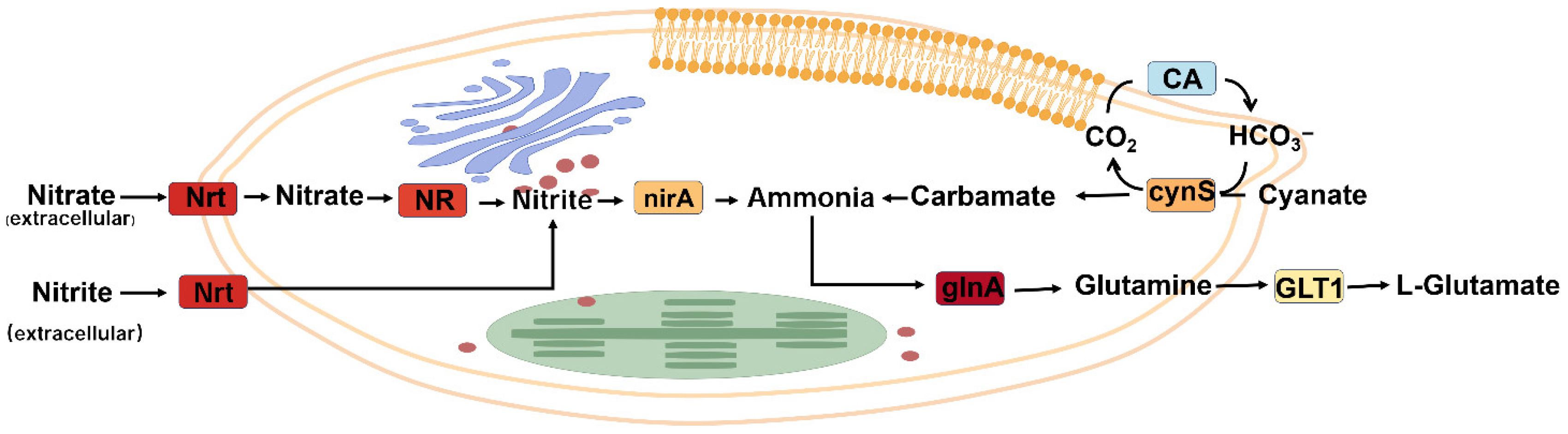
2.6.1. Nitrogen Metabolism-Related Genes Expression
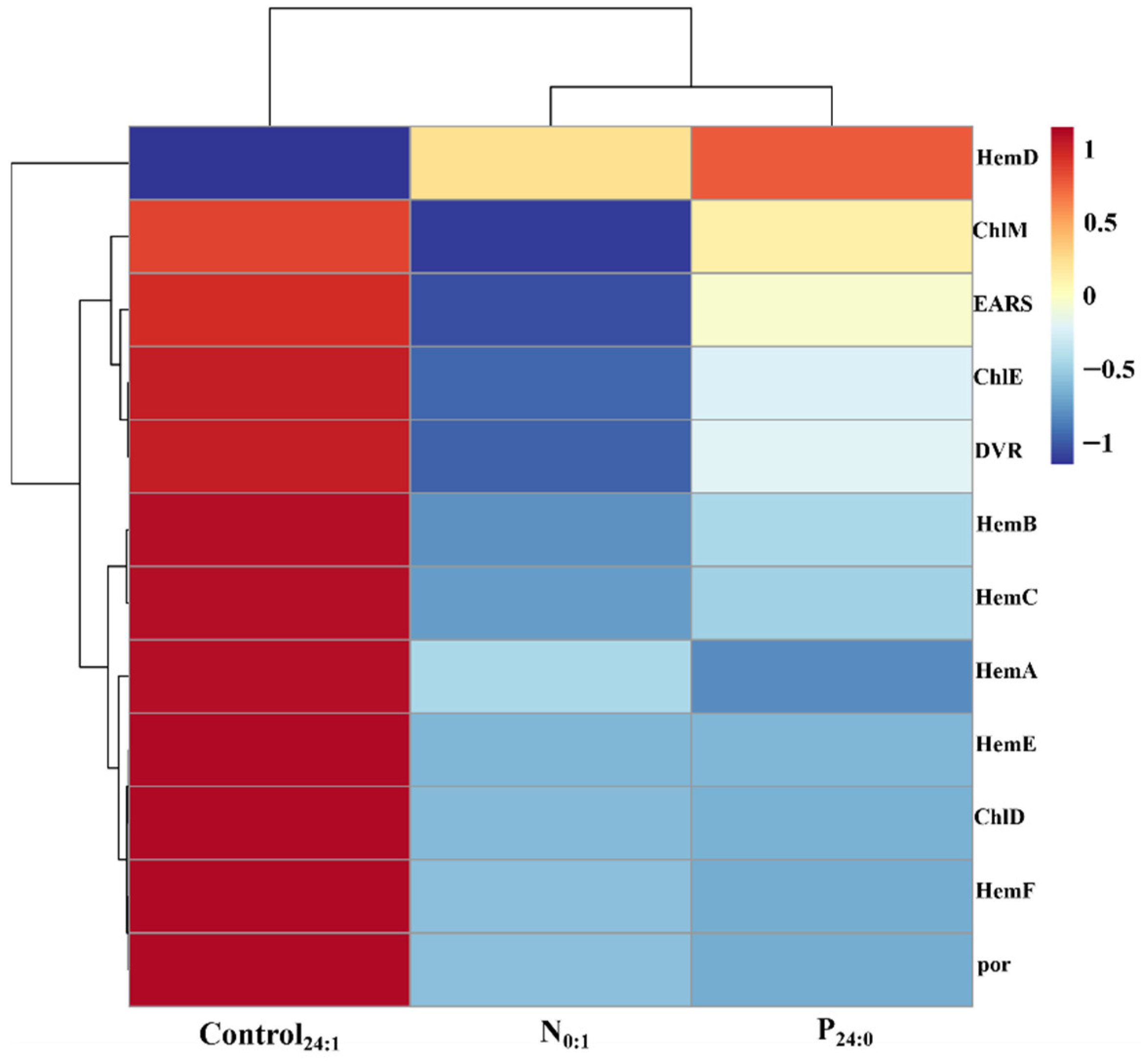
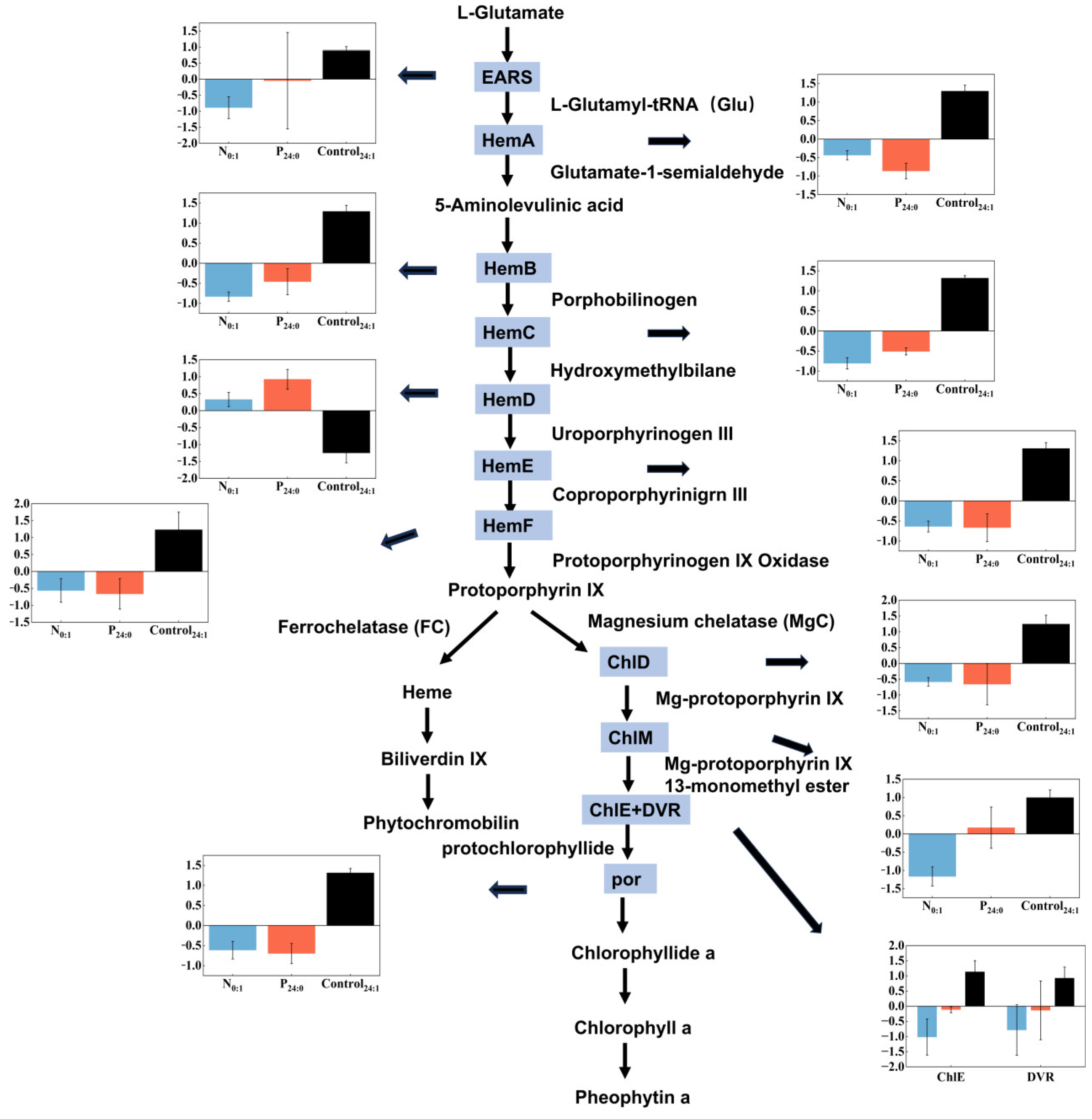
2.6.2. Porphyrin and Chlorophyll Metabolism Related Genes Expression
3. Discussion
3.1. The Photosynthetic System of C. marina
3.2. Nutrient Stress and ROS in C. marina
3.3. Hemolytic Activity and ROS in C. marina
4. Conclusions
5. Materials and Methods
5.1. Culture Conditions
5.2. Experimental Setup—Different NP Ratios
5.3. Data Analysis
5.3.1. Photosynthetic Growth
5.3.2. Photosynthetic Activity
5.3.3. Hemolytic Activity
5.3.4. Reactive Oxygen Species Assay
5.3.5. Synergistical Effect of ROS
5.3.6. Transcriptomic Analysis
5.4. Statistical Analysis
Supplementary Materials
Author Contributions
Funding
Data Availability Statement
Acknowledgments
Conflicts of Interest
References
- Min, J.; Kim, K.Y. Quantification of the ichthyotoxic raphidophyte Chattonella marina complex by applying a droplet digital PCR. Algae 2022, 37, 281–291. [Google Scholar] [CrossRef]
- Imai, I.; Yamaguchi, M. Life cycle, physiology, ecology and red tide occurrences of the fish-killing raphidophyte Chattonella. Harmful Algae 2012, 14, 46–70. [Google Scholar] [CrossRef]
- Hiroishi, S.; Okada, H.; Imai, I.; Yoshida, T. High toxicity of the novel bloom-forming species Chattonella ovata (Raphidophyceae) to cultured fish. Harmful Algae 2005, 4, 783–787. [Google Scholar] [CrossRef]
- Cortés-Altamirano, R.; Alonso, R.; Sierra, A. Fish mortality associated with Chattonella marina and C. cf. ovata (Raphidophyceae) blooms in Sinaloa (Mexico). Harmful Algae News 2006, 31, 7–8. [Google Scholar]
- García-Mendoza, E.; Cáceres-Martínez, J.; Rivas, D.; Fimbres-Martinez, M.; Sánchez-Bravo, Y.; Vásquez-Yeomans, R.; Medina-Elizalde, J. Mass mortality of cultivated northern bluefin tuna Thunnus thynnus orientalis associated with Chattonella species in Baja California, Mexico. Front. Mar. Sci. 2018, 5, 454. [Google Scholar] [CrossRef]
- Liao, Z.; Wang, Z. Interspecies competition between Chattonella marina and three typical marine diatoms. Mar. Environ. Sci. 2019, 38, 321–327. [Google Scholar] [CrossRef]
- Sakamoto, S.; Lim, W.A.; Lu, D.; Dai, X.; Orlova, T.; Iwataki, M. Harmful algal blooms and associated fisheries damage in East Asia: Current status and trends in China, Japan, Korea and Russia. Harmful Algae 2021, 102, 101787. [Google Scholar] [CrossRef] [PubMed]
- Padmakumar, K.B.; Thomas, L.C.; Salini, T.C.; John, E.M.; Menon, N.R.; Sanjeevan, V.N. Monospecific bloom of noxious raphidophyte Chattonella marina in the coastal water of south west coast of India. Int. J. Biosci. 2011, 1, 57–69. [Google Scholar]
- Hallegraeff, G.M.; Schweibold, L.; Jaffrezic, E.; Rhodes, L.; MacKenzie, L.; Hay, B.; Farrell, H. Overview of Australian and New Zealand harmful algal species occurrences and their societal impacts in the period 1985 to 2018, including a compilation of historic records. Harmful Algae 2021, 102, 101848. [Google Scholar] [CrossRef] [PubMed]
- Marshall, J.A.; Hallegraeff, G. Comparative ecophysiology of the harmful alga Chattonella marina (Raphidophyceae) from South Australian and Japanese waters. J. Plankton Res. 1999, 21, 1809–1822. [Google Scholar] [CrossRef]
- Zhang, Y.; Fu, F.-X.; Whereat, E.; Coyne, K.J.; Hutchins, D.A. Bottom-up controls on a mixed-species HAB assemblage: A comparison of sympatric Chattonella subsalsa and Heterosigma akashiwo (Raphidophyceae) isolates from the Delaware Inland Bays, USA. Harmful Algae 2006, 5, 310–320. [Google Scholar] [CrossRef]
- Anderson, D.M.; Fensin, E.; Gobler, C.J.; Hoeglund, A.E.; Hubbard, K.A.; Kulis, D.M.; Landsberg, J.H.; Lefebvre, K.A.; Provoost, P.; Richlen, M.L.; et al. Marine harmful algal blooms (HABs) in the United States: History, current status and future trends. Harmful Algae 2021, 102, 101975. [Google Scholar] [CrossRef] [PubMed]
- Qi, Y.; Huang, C. The causative mechanism of Chattonella marina bloom in Dapeng Bay, the south China Sea. Oceanol. Limnol. Sin. 1997, 28, 337–342. [Google Scholar]
- Marshall, J.-A.; Nichols, P.D.; Hamilton, B.; Lewis, R.J.; Hallegraeff, G.M. Ichthyotoxicity of Chattonella marina (Raphidophyceae) to damselfish (Acanthochromis polycanthus): The synergistic role of reactive oxygen species and free fatty acids. Harmful Algae 2003, 2, 273–281. [Google Scholar] [CrossRef]
- Gao, L.; Yang, W.; Liu, J.; Li, H. Progress in the study of toxicological mechanism of Chattonella marina. Mar. Sci. Bull. 2009, 28, 99–105. [Google Scholar]
- Endo, M.; Onoue, Y.; Kuroki, A. Neurotoxin-induced cardiac disorder and its role in the death of fish exposed to Chattonella marina. Mar. Biol. 1992, 112, 371–376. [Google Scholar] [CrossRef]
- Khan, S.; Ahmed, M.S.; Arakawa, O.; Onoue, Y. Properties of neurotoxins separated from a harmful red tide organism Chattonella marina. Isr. J. Aquac. 1995, 47, 137–141. [Google Scholar]
- Kuroda, A.; Nakashima, T.; Yamaguchi, K.; Oda, T. Isolation and characterization of light-dependent hemolytic cytotoxin from harmful red tide phytoplankton Chattonella marina. Comp. Biochem. Physiol. C 2005, 141, 297–305. [Google Scholar] [CrossRef]
- Shimada, M.; Murakami, T.H.; Imahayashi, T.; Ozaki, H.S.; Toyoshima, T.; Okaichi, T. Effects of sea bloom, Chattonella antiqua, on gill primary lamellae of the young yellowtail, Seriola quinqueradiata. Acta Histochem. Cytochem. 1983, 16, 232–244. [Google Scholar] [CrossRef]
- Endo, M.; Sakai, T.; Kuroki, A. Histological and histochemical changes in the gills of the yellowtail Seriola quinqueradiata exposed to the Raphidophycean flagellate Chattonella marina. Mar. Biol. 1985, 87, 193–197. [Google Scholar] [CrossRef]
- Sakai, T.; Yamamoto, K.i.; Endo, M.; Kuroki, A.; Kumanda, K.; Takeda, K.; Aramaki, T. Changes in the gill carbonic anhydrase activity of fish exposed to Chattonella marina red tide, with special reference to the mortality. Nippon Suisan Gakkaishi 1986, 52, 1351–1354. [Google Scholar] [CrossRef][Green Version]
- Tanaka, K.; Muto, Y.; Shimada, M. Generation of superoxide anion radicals by the marine phytoplankton organism, Chattonella antiqua. J. Plankton Res. 1994, 16, 161–169. [Google Scholar] [CrossRef]
- Ishimatsu, A.; Oda, T.; Yoshida, M.; Ozaki, M. Oxygen radicals are probably involved in the mortality of yellowtail by Chattonella marina. Fish. Sci. 1996, 62, 836–837. [Google Scholar] [CrossRef]
- Marshall, J.-A.; Ross, T.; Pyecroft, S.; Hallegraeff, G. Superoxide production by marine microalgae. Mar. Biol. 2005, 147, 541–549. [Google Scholar] [CrossRef]
- Marshall, J.A.; de Salas, M.; Oda, T.; Hallegraeff, G. Superoxide production by marine microalgae: I. Survey of 37 species from 6 classes. Mar. Biol. 2005, 147, 533–540. [Google Scholar] [CrossRef]
- Cho, K.; Ueno, M.; Liang, Y.; Kim, D.; Oda, T. Generation of Reactive Oxygen Species (ROS) by Harmful Algal Bloom (HAB)-Forming Phytoplankton and Their Potential Impact on Surrounding Living Organisms. Antioxidants 2022, 11, 206. [Google Scholar] [CrossRef]
- Wu, N.; Tong, M.; Gou, S.; Zeng, W.; Xu, Z.; Jiang, T. Hemolytic Activity in Relation to the Photosynthetic System in Chattonella marina and Chattonella ovata. Mar. Drugs 2021, 19, 336. [Google Scholar] [CrossRef]
- Cao, J.; Huan, Q.; Wu, N.; Jiang, T. Effects of temperature, light intensity and nutrient condition on the growth and hemolytic activity of six species of typical ichthyotoxic algae. Mar. Environ. Sci. 2015, 34, 321–329. [Google Scholar] [CrossRef]
- Huang, J.; Yang, W.; Liu, J.; Li, H.; Liu, B. Effects of temperature, salinity, and light intensity on the grow and toxin production of Chattonella marina. Chin. J. Appl. Ecol. 2009, 20, 1190–1195. [Google Scholar] [CrossRef]
- Conley, D.J.; Paerl, H.W.; Howarth, R.W.; Boesch, D.F.; Seitzinger, S.P.; Havens, K.E.; Lancelot, C.; Likens, G.E. Controlling eutrophication: Nitrogen and phosphorus. Science 2009, 323, 1014–1015. [Google Scholar] [CrossRef]
- Lazzari, P.; Solidoro, C.; Salon, S.; Bolzon, G. Spatial variability of phosphate and nitrate in the Mediterranean Sea: A modeling approach. Deep Sea Res. I 2016, 108, 39–52. [Google Scholar] [CrossRef]
- Yuan, Z.; Browning, T.J.; Zhang, R.; Wang, C.; Du, C.; Wang, Y.; Chen, Y.; Liu, Z.; Liu, X.; Shi, D.; et al. Potential drivers and consequences of regional phosphate depletion in the western subtropical North Pacific. Limnol. Oceanogr. Lett. 2023, 8, 509–518. [Google Scholar] [CrossRef]
- Yuan, Z.; Achterberg, E.P.; Engel, A.; Dai, M.; Browning, T.J. Switches between nitrogen limitation and nitrogen–phosphorus co-limitation in the subtropical North Atlantic Ocean. Limnol. Oceanogr. 2024, 69, 1005–1013. [Google Scholar] [CrossRef]
- Li, T.; Liu, S.; Huang, L.; Xu, Z. Studies on phytoplankton community change at daya bay during a red tide. J. Trop. Oceanogr. 2005, 24, 18–24. [Google Scholar] [CrossRef]
- Tanaka, R.; Tanaka, A. Tetrapyrrole Biosynthesis in Higher Plants. Annu. Rev. Plant Biol. 2007, 58, 321–346. [Google Scholar] [CrossRef] [PubMed]
- Fujita, Y.; Tsujimoto, R.; Aoki, R. Evolutionary Aspects and Regulation of Tetrapyrrole Biosynthesis in Cyanobacteria under Aerobic and Anaerobic Environments. Life 2015, 5, 1172–1203. [Google Scholar] [CrossRef] [PubMed]
- Dailey, H.A.; Dailey, T.A.; Gerdes, S.; Jahn, D.; Jahn, M.; O’Brian, M.R.; Warren, M.J. Prokaryotic Heme Biosynthesis: Multiple Pathways to a Common Essential Product. Microbiol. Mol. Biol. Rev. 2017, 81, e00048-16. [Google Scholar] [CrossRef]
- Yin, L.; Bauer, C.E. Controlling the delicate balance of tetrapyrrole biosynthesis. Philos. Trans. R. Soc. B Biol. Sci. 2013, 368, 20120262. [Google Scholar] [CrossRef]
- Wittmann, D.; Sinha, N.; Grimm, B. Thioredoxin-dependent control balances the metabolic activities of tetrapyrrole biosynthesis. Biol. Chem. 2021, 402, 379–397. [Google Scholar] [CrossRef]
- Wang, P.; Ji, S.; Grimm, B. Post-translational regulation of metabolic checkpoints in plant tetrapyrrole biosynthesis. J. Exp. Bot. 2022, 73, 4624–4636. [Google Scholar] [CrossRef]
- Geider, R.; Macintyre, H.L.; Graziano, L.; McKay, R.M. Responses of the photosynthetic apparatus of Dunaliella tertiolecta (Chlorophyceae) to nitrogen and phosphorus limitation. Eur. J. Phycol. 1998, 33, 315–332. [Google Scholar] [CrossRef]
- Brussaard, C.P.D.; Noordeloos, A.A.M.; Riegman, R. Autolysis kinetics of the marine diatom Ditylum brightwellii (Bacillariophyceae) under nitrogen and phosphorus limitation and starvation. J. Phycol. 1997, 33, 980–987. [Google Scholar] [CrossRef]
- Weers, P.M.M.; Gulati, R.D. Growth and reproduction of Daphnia galeata in response to changes in fatty acids, phosphorus, and nitrogen in Chlamydomonas reinhardtii. Limnol. Oceanogr. 1997, 42, 1584–1589. [Google Scholar] [CrossRef]
- Berges, J.A.; Falkowski, P.G. Physiological stress and cell death in marine phytoplankton: Induction of proteases in response to nitrogen or light limitation. Limnol. Oceanogr. 1998, 43, 129–135. [Google Scholar] [CrossRef]
- John, E.H.; Flynn, K.J. Growth dynamics and toxicity of Alexandrium fundyense (Dinophyceae): The effect of changing N:P supply ratios on internal toxin and nutrient levels. Eur. J. Phycol. 2000, 35, 11–23. [Google Scholar] [CrossRef]
- Bidle, K.D.; Falkowski, P.G. Cell death in planktonic, photosynthetic microorganisms. Nat. Rev. Microbiol. 2004, 2, 643–655. [Google Scholar] [CrossRef]
- Kolber, Z.; Zehr, J.; Falkowski, P. Effects of Growth Irradiance and Nitrogen Limitation on Photosynthetic Energy Conversion in Photosystem II 1. Plant Physiol. 1988, 88, 923–929. [Google Scholar] [CrossRef]
- Liefer, J.D.; Garg, A.; Campbell, D.A.; Irwin, A.J.; Finkel, Z.V. Nitrogen starvation induces distinct photosynthetic responses and recovery dynamics in diatoms and prasinophytes. PLoS ONE 2018, 13, e0195705. [Google Scholar] [CrossRef] [PubMed]
- Ikaran, Z.; Suárez-Alvarez, S.; Urreta, I.; Castañón, S. The effect of nitrogen limitation on the physiology and metabolism of Chlorella vulgaris var L3. Algal Res. 2015, 10, 134–144. [Google Scholar] [CrossRef]
- Li, Z.; Lan, T.; Zhang, J.; Gao, K.; Beardall, J.; Wu, Y. Nitrogen Limitation Decreases the Repair Capacity and Enhances Photoinhibition of Photosystem II in a Diatom. Photochem. Photobiol. 2021, 97, 745–752. [Google Scholar] [CrossRef]
- Hockin, N.L.; Mock, T.; Mulholland, F.; Kopriva, S.; Malin, G. The response of diatom central carbon metabolism to nitrogen starvation is different from that of green algae and higher plants. Plant Physiol. 2012, 158, 299–312. [Google Scholar] [CrossRef]
- Long, M.; Tallec, K.; Soudant, P.; Le Grand, F.; Donval, A.; Lambert, C.; Sarthou, G.; Jolley, D.F.; Hégaret, H. Allelochemicals from Alexandrium minutum induce rapid inhibition of metabolism and modify the membranes from Chaetoceros muelleri. Algal Res. 2018, 35, 508–518. [Google Scholar] [CrossRef]
- Yuasa, K.; Shikata, T.; Kitatsuji, S.; Yamasaki, Y.; Nishiyama, Y. Extracellular secretion of superoxide is regulated by photosynthetic electron transport in the noxious red-tide-forming raphidophyte Chattonella antiqua. J. Photochem. Photobiol. B 2020, 205, 111839. [Google Scholar] [CrossRef] [PubMed]
- Negi, S.; Barry, A.N.; Friedland, N.; Sudasinghe, N.; Subramanian, S.; Pieris, S.; Holguin, F.O.; Dungan, B.; Schaub, T.; Sayre, R. Impact of nitrogen limitation on biomass, photosynthesis, and lipid accumulation in Chlorella sorokiniana. J. Appl. Phycol. 2016, 28, 803–812. [Google Scholar] [CrossRef]
- Carstensen, A.; Herdean, A.; Schmidt, S.B.; Sharma, A.; Spetea, C.; Pribil, M.; Husted, S. The impacts of phosphorus deficiency on the photosynthetic electron transport chain. Plant Physiol. 2018, 177, 271–284. [Google Scholar] [CrossRef]
- Lovio-Fragoso, J.P.; de Jesús-Campos, D.; López-Elías, J.A.; Medina-Juárez, L.Á.; Fimbres-Olivarría, D.; Hayano-Kanashiro, C. Biochemical and Molecular Aspects of Phosphorus Limitation in Diatoms and Their Relationship with Biomolecule Accumulation. Biology 2021, 10, 565. [Google Scholar] [CrossRef]
- Bossa, R.; Di Colandrea, M.; Salbitani, G.; Carfagna, S. Phosphorous Utilization in Microalgae: Physiological Aspects and Applied Implications. Plants 2024, 13, 2127. [Google Scholar] [CrossRef]
- Kumari, K.; Samantaray, S.; Sahoo, D.; Tripathy, B.C. Nitrogen, phosphorus and high CO2 modulate photosynthesis, biomass and lipid production in the green alga Chlorella vulgaris. Photosynth. Res. 2021, 148, 17–32. [Google Scholar] [CrossRef]
- Liu, S.; Guo, Z.; Li, T.; Huang, H.; Lin, S. Photosynthetic efficiency, cell volume, and elemental stoichiometric ratios in Thalassirosira weissflogii under phosphorus limitation. Chin. J. Oceanol. Limnol. 2011, 29, 1048–1056. [Google Scholar] [CrossRef]
- Qi, H.; Wang, J.; Wang, Z. A comparative study of maximal quantum yield of photosystem II to determine nitrogen and phosphorus limitation on two marine algae. J. Sea Res. 2013, 80, 1–11. [Google Scholar] [CrossRef]
- Cui, Y.; Zhang, H.; Lin, S. Enhancement of non-photochemical quenching as an adaptive strategy under phosphorus deprivation in the dinoflagellate Karlodinium veneficum. Front. Microbiol. 2017, 8, 404. [Google Scholar] [CrossRef]
- Müller, P.; Li, X.-P.; Niyogi, K.K. Non-photochemical quenching.A response to excess light energy. Plant Physiol. 2001, 125, 1558–1566. [Google Scholar] [CrossRef]
- Montuori, E.; Lima, S.; Marchese, A.; Scargiali, F.; Lauritano, C. Lutein Production and Extraction from Microalgae: Recent Insights and Bioactive Potential. Int. J. Mol. Sci. 2024, 25, 2892. [Google Scholar] [CrossRef] [PubMed]
- Yang, Y.; Li, W.; Li, Y.; Xu, N. Effects of ocean acidification and nitrogen limitation on the growth and photophysiological performances of marine macroalgae Gracilariopsis lemaneiformis. Front. Mar. Sci. 2024, 11, 1453569. [Google Scholar] [CrossRef]
- Kim, D.; Nakamura, A.; Okamoto, T.; Komatsu, N.; Oda, T.; Iida, T.; Ishimatsu, A.; Muramatsu, T. Mechanism of superoxide anion generation in the toxic red tide phytoplankton Chattonella marina: Possible involvement of NAD(P)H oxidase. Biochim. Biophys. Acta 2000, 1524, 220–227. [Google Scholar] [CrossRef]
- Yuasa, K.; Ichikawa, T.; Ishikawa, Y.; Jimbo, H.; Kawai-Yamada, M.; Shikata, T.; Nishiyama, Y. Production of extracellular superoxide contributes to photosynthesis via elimination of reducing power and regeneration of NADP(+) in the red-tide-forming raphidophyte Chattonella marina complex. Harmful Algae 2024, 139, 102712. [Google Scholar] [CrossRef] [PubMed]
- Marshall, J.-A.; Hovenden, M.; Oda, T.; Hallegraeff, G.M. Photosynthesis does influence superoxide production in the ichthyotoxic alga Chattonella marina (Raphidophyceae). J. Plankton Res. 2002, 24, 1231–1236. [Google Scholar] [CrossRef]
- Brand, M.D. Mitochondrial generation of superoxide and hydrogen peroxide as the source of mitochondrial redox signaling. Free Radic. Biol. Med. 2016, 100, 14–31. [Google Scholar] [CrossRef]
- Fu, M.; Koulman, A.; van Rijssel, M.; Lützen, A.; de Boer, M.K.; Tyl, M.R.; Liebezeit, G. Chemical characterisation of three haemolytic compounds from the microalgal species Fibrocapsa japonica (Raphidophyceae). Toxicon 2004, 43, 355–363. [Google Scholar] [CrossRef]
- Juergens, M.T.; Deshpande, R.R.; Lucker, B.F.; Park, J.J.; Wang, H.; Gargouri, M.; Holguin, F.O.; Disbrow, B.; Schaub, T.; Skepper, J.N.; et al. The regulation of photosynthetic structure and function during nitrogen deprivation in Chlamydomonas reinhardtii. Plant Physiol. 2015, 167, 558–573. [Google Scholar] [CrossRef]
- Takahashi, S.; Murata, N. Glycerate-3-phosphate, produced by CO2 fixation in the Calvin cycle, is critical for the synthesis of the D1 protein of photosystem II. Biochim. Biophys. Acta 2006, 1757, 198–205. [Google Scholar] [CrossRef] [PubMed]
- Li, G.; Campbell, D.A. Interactive effects of nitrogen and light on growth rates and RUBISCO content of small and large centric diatoms. Photosynth. Res. 2017, 131, 93–103. [Google Scholar] [CrossRef] [PubMed]
- Sato, Y.; Oda, T.; Muramatsu, T.; Matsuyama, Y.; Honjo, T. Photosensitizing hemolytic toxin in Heterocapsa circularisquama, a newly identified harmful red tide dinoflagellate. Aquat. Toxicol. 2002, 56, 191–196. [Google Scholar] [CrossRef]
- Afonso, S.G.; Enríquez de Salamanca, R.; Batlle, A.M. The photodynamic and non-photodynamic actions of porphyrins. Braz. J. Med. Biol. Res. 1999, 32, 255–266. [Google Scholar] [CrossRef]
- Kato, H.; Komagoe, K.; Inoue, T.; Masuda, K.; Katsu, T. Structure–activity relationship of porphyrin-induced photoinactivation with membrane function in bacteria and erythrocytes. Photochem. Photobiol. Sci. 2018, 17, 954–963. [Google Scholar] [CrossRef]
- Basti, L.; Nagai, K.; Go, J.; Okano, S.; Oda, T.; Tanaka, Y.; Nagai, S. Lethal effects of ichthyotoxic raphidophytes, Chattonella marina, C. antiqua, and Heterosigma akashiwo, on post-embryonic stages of the Japanese pearl oyster, Pinctada fucata martensii. Harmful Algae 2016, 59, 112–122. [Google Scholar] [CrossRef]
- Flood, S.L.; Burkholder, J.M. Chattonella subsalsa (Raphidophyceae) growth and hemolytic activity in response to agriculturally-derived estuarine contaminants. Harmful Algae 2018, 76, 66–79. [Google Scholar] [CrossRef]
- Sauvage, J.; Wikfors, G.H.; Li, X.; Gluis, M.; Nevejan, N.; Sabbe, K.; Joyce, A. Effect of pluronic block polymers and N-acetylcysteine culture media additives on growth rate and fatty acid composition of six marine microalgae species. Appl. Microbiol. Biotechnol. 2021, 105, 2139–2156. [Google Scholar] [CrossRef]
- Flores, H.S.; Wikfors, G.; Dam, H. Reactive oxygen species are linked to the toxicity of the dinoflagellate Alexandrium spp. to protists. Aquat. Microb. Ecol. 2012, 66, 199–209. [Google Scholar] [CrossRef]
- Granéli, E.; Flynn, K. Chemical and physical factors influencing toxin content. In Ecology of Harmful Algae; Granéli, E., Turner, J.T., Eds.; Springer: Berlin/Heidelberg, Germany, 2006; pp. 229–241. [Google Scholar]
- Vanucci, S.; Pezzolesi, L.; Pistocchi, R.; Ciminiello, P.; Dell’Aversano, C.; Iacovo, E.D.; Fattorusso, E.; Tartaglione, L.; Guerrini, F. Nitrogen and phosphorus limitation effects on cell growth, biovolume, and toxin production in Ostreopsis cf. ovata. Harmful Algae 2012, 15, 78–90. [Google Scholar] [CrossRef]
- Xu, Z. Response of Hemolytic Activity in Relation to Photosynthetic System of Chattonella antiqua; Zhejiang University: Hangzhou, China, 2023. [Google Scholar]
- Guillard, R.R.; Ryther, J.H. Studies of marine planktonic diatoms. I. Thalassiosira pseudonana (Cyclotella nana) (Hustedt), and Detonula confervacea (Cleve) Gran. Can. J. Microbiol. 1962, 8, 229–239. [Google Scholar] [CrossRef] [PubMed]
- Williams, O.J.; Beckett, R.E.; Maxwell, D.L. Marine phytoplankton preservation with Lugol’s: A comparison of solutions. J. Appl. Phycol. 2016, 28, 1705–1712. [Google Scholar] [CrossRef]
- Stein, J.R. Handbook of Phycological Methods: Culture Methods and Growth Measurements; Cambridge University Press: Cambridge, UK, 1973; Volume 10, pp. 92–93. [Google Scholar]
- Ling, C.; Trick, C.G. Expression and standardized measurement of hemolytic activity in Heterosigma akashiwo. Harmful Algae 2010, 9, 522–529. [Google Scholar] [CrossRef]
- Song, X.R.; Xu, Z.Y.; Zhang, W.G.; Tong, M.M. Regulation of photosynthetic and hemolytic activity of Phaeocystis globosa under different light spectra. New Phytol. 2023, 239, 1852–1868. [Google Scholar] [CrossRef] [PubMed]
- Knauert, S.; Knauer, K. The Role of Reactive Oxygen Species in Copper Toxicity to Two Freshwater Green Algae. J. Phycol. 2008, 44, 311–319. [Google Scholar] [CrossRef] [PubMed]



| ID | N (ca. μmol·L−1) | P (ca. μmol·L−1) | NP Ratio |
|---|---|---|---|
| Control24:1 | 882 | 36.2 | 24:1 |
| NP12:1 | 441 | 36.2 | 12:1 |
| NP6:1 | 221 | 36.2 | 6:1 |
| NP2.4:1 | 88 | 36.2 | 2.4:1 |
| NP1.2:1 | 44 | 36.2 | 1.2:1 |
| N0:1 | 0.0 | 36.2 | 0:1 |
| P24:0 | 882 | 0.0 | 24:0 |
| NP480:1 | 882 | 1.8 | 480:1 |
| NP240:1 | 882 | 3.6 | 240:1 |
| NP96:1 | 882 | 9.1 | 96:1 |
| NP48:1 | 882 | 18.1 | 48:1 |
Disclaimer/Publisher’s Note: The statements, opinions and data contained in all publications are solely those of the individual author(s) and contributor(s) and not of MDPI and/or the editor(s). MDPI and/or the editor(s) disclaim responsibility for any injury to people or property resulting from any ideas, methods, instructions or products referred to in the content. |
© 2026 by the authors. Licensee MDPI, Basel, Switzerland. This article is an open access article distributed under the terms and conditions of the Creative Commons Attribution (CC BY) license.
Share and Cite
Wang, X.; Yi, K.; Jiang, Y.; Tong, M. Response of Hemolytic and Photosynthetic Activity of Chattonella marina Complex Under Variable N:P Stoichiometry. Toxins 2026, 18, 226. https://doi.org/10.3390/toxins18050226
Wang X, Yi K, Jiang Y, Tong M. Response of Hemolytic and Photosynthetic Activity of Chattonella marina Complex Under Variable N:P Stoichiometry. Toxins. 2026; 18(5):226. https://doi.org/10.3390/toxins18050226
Chicago/Turabian StyleWang, Xinyi, Kehan Yi, Yongjun Jiang, and Mengmeng Tong. 2026. "Response of Hemolytic and Photosynthetic Activity of Chattonella marina Complex Under Variable N:P Stoichiometry" Toxins 18, no. 5: 226. https://doi.org/10.3390/toxins18050226
APA StyleWang, X., Yi, K., Jiang, Y., & Tong, M. (2026). Response of Hemolytic and Photosynthetic Activity of Chattonella marina Complex Under Variable N:P Stoichiometry. Toxins, 18(5), 226. https://doi.org/10.3390/toxins18050226