1. Introduction
Underwater exploration is a fundamental endeavor for marine resource development and deep-sea scientific research, with the core requirement of synergistically acquiring and accurately interpreting seabed topographic morphology and material composition. Geodynamic studies have demonstrated significant spatial coupling relationships between seafloor topographic features and sediment types. By establishing multi-source data fusion models integrating terrain and material information, visual reconstruction of spatial distribution patterns of underwater targets can be achieved, providing multi-physical-field constraints for mineral resource exploration and submarine topographic mapping. Among conventional underwater detection methods, multibeam sonar enables wide-area terrain surveying but lacks material identification capability, while passive optical remote sensing is limited by insufficient illumination in deep-sea environments. Light detection and ranging (LiDAR) technology exploits the active detection characteristics for underwater applicability.
Hyperspectral LiDAR (HSL) leverages the multi-wavelength simultaneous detection capability of supercontinuum laser pulses to overcome the information dimensionality limitations of conventional single-wavelength LiDAR systems [
1,
2,
3]. In recent years, various HSL systems have been developed, including full-waveform HSL [
4], liquid crystal tunable filter (LCTF)-based HSL [
5,
6], and multi-channel HSL [
7,
8,
9], which enable synchronous acquisition of target geometric morphology and spectral reflectance characteristics in a single measurement, forming integrated spatial–spectral datasets [
10,
11]. The backscattering intensity of HSL contains rich information regarding surface reflectance properties. Previous studies have confirmed significant correlations between HSL backscattering intensity and surface roughness [
4], moisture content [
10], and mineral composition [
12], with notable application achievements in vegetation classification [
13,
14] and crop monitoring [
15]. However, all of the aforementioned studies were conducted in air media. Extending HSL technology to underwater detection scenarios introduces new challenges: laser propagation in water is subject to dual attenuation from absorption and scattering, with the attenuation coefficient exhibiting significant wavelength dependence; multiple factors including detection distance, target reflectance, and system parameters jointly influence the backscattering echo intensity, making accurate extraction of the intrinsic target reflectance from echo signals a complex task.
Currently, studies on the radiative transfer characteristics of HSL have primarily focused on echo intensity correction in air media [
16]. In the field of underwater LiDAR, oceanographic profiling LiDAR has been employed for seawater optical parameter measurement and water scattering characterization [
17], with these efforts focusing primarily on single-wavelength systems. More recently, multispectral and full-waveform LiDAR techniques have been applied to underwater target identification and classification: Chen et al. [
18] classified underwater mineral ores using a tunable-laser multispectral LiDAR, Du et al. [
19] demonstrated sediment type classification based on airborne LiDAR full-waveform data with an overall accuracy of 94.1%, and Ma et al. [
20] employed an AOTF-based multispectral LiDAR for underwater object classification. These studies primarily addressed classification algorithms and data-driven target identification. The present work, in contrast, focuses on radiative transfer modeling, seeking to quantitatively characterize the coupled effects of target reflectance, detection distance, water optical properties, and laser wavelength on echo intensity. Our research group has previously reported two related studies on the UDHSL system: a system-level study [
21] that detailed the engineering design, system integration, ranging accuracy, and three-dimensional hyperspectral point cloud acquisition capabilities, and a preliminary conference paper [
22] that briefly demonstrated the feasibility of acquiring underwater echo signals. However, neither study established a quantitative radiative transfer model or systematically characterized the relationships among echo intensity, target reflectance, detection distance, and laser wavelength. Systematic quantitative modeling and experimental verification of the radiative transfer characteristics of underwater HSL backscattering intensity—modulated by the combined effects of these factors—thus represent an open research direction that the present work seeks to address.
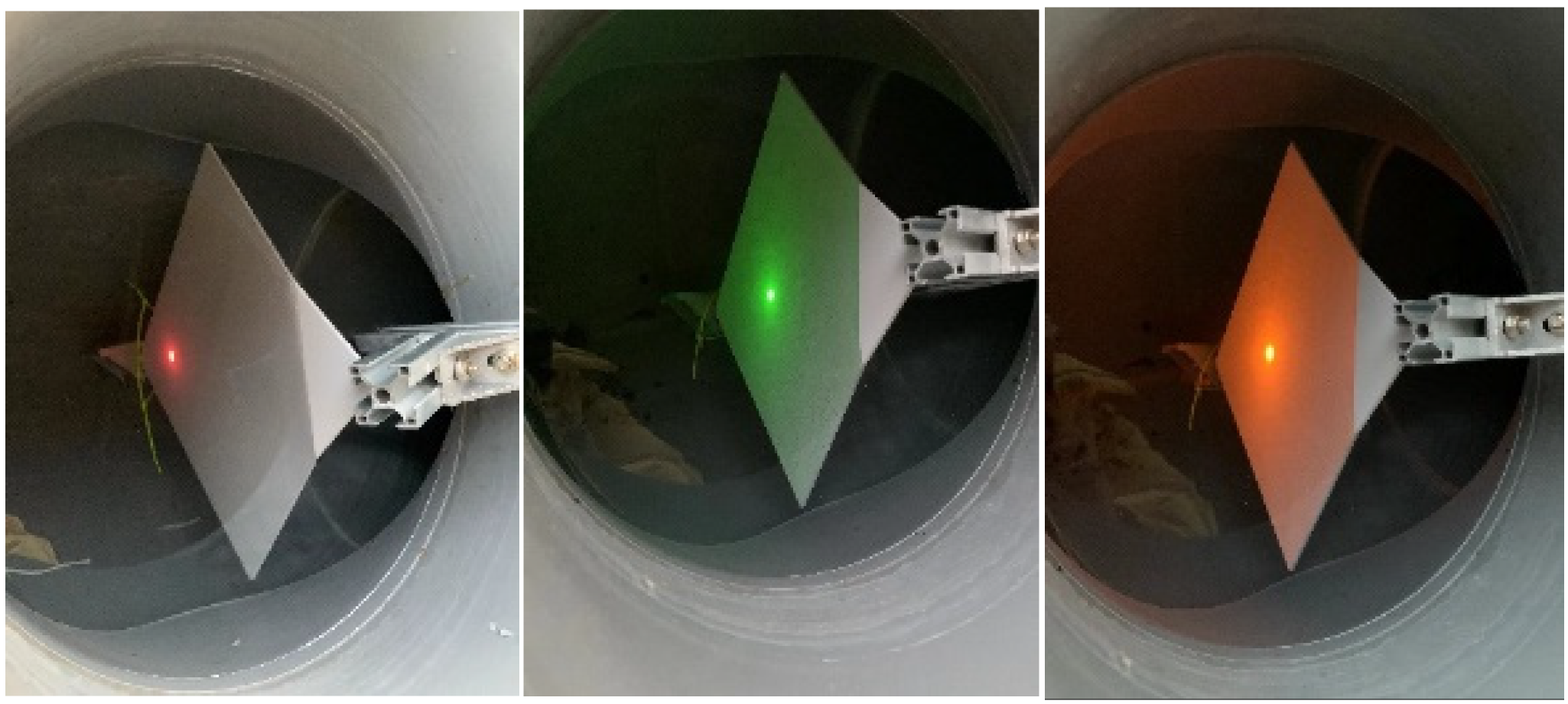
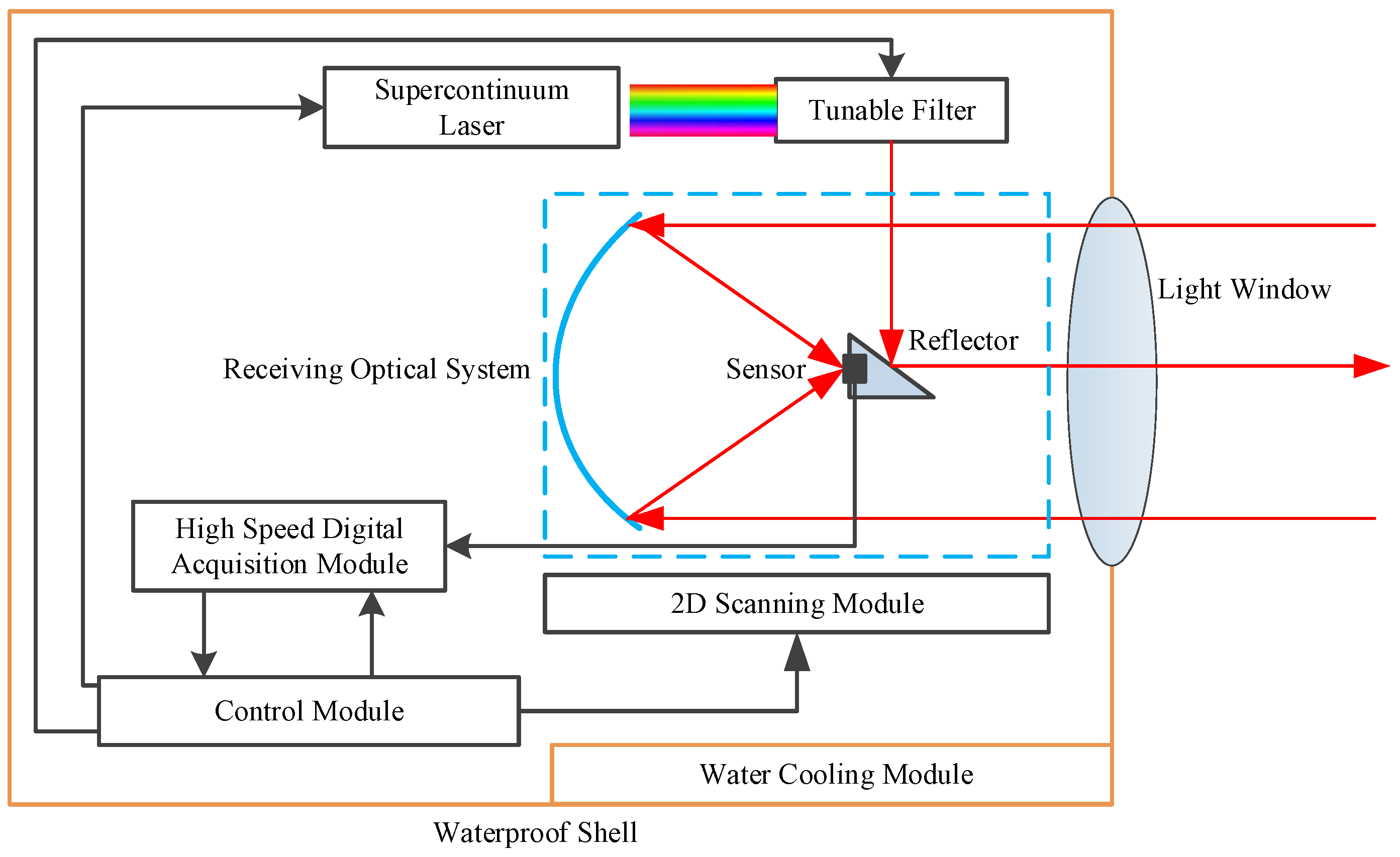
To address these gaps, the present study develops a UDHSL system (wavelength range: 450–700 nm; spectral resolution: 10 nm; maximum detection distance: >27 m). Building upon the conventional atmospheric LiDAR equation, a wavelength-dependent water attenuation correction term incorporating absorption and scattering is introduced to establish a hyperspectral LiDAR radiative transfer model applicable to underwater environments. A normalized intensity processing method based on window glass reflection is also proposed. Two sets of single-variable controlled experiments were designed and conducted: one using standard diffuse reflectance panels with 10 nominal reflectance values (20–90%) to verify the quantitative relationship between echo intensity and target reflectance, and another performing multi-distance detection in both clear-water pipe (attenuation coefficient ≈0.05 m−1 at 550 nm) and turbid-water pool (attenuation coefficient ≈0.3 m−1 at 550 nm) environments to investigate the attenuation behavior of echo intensity with respect to distance and wavelength.
4. Discussion
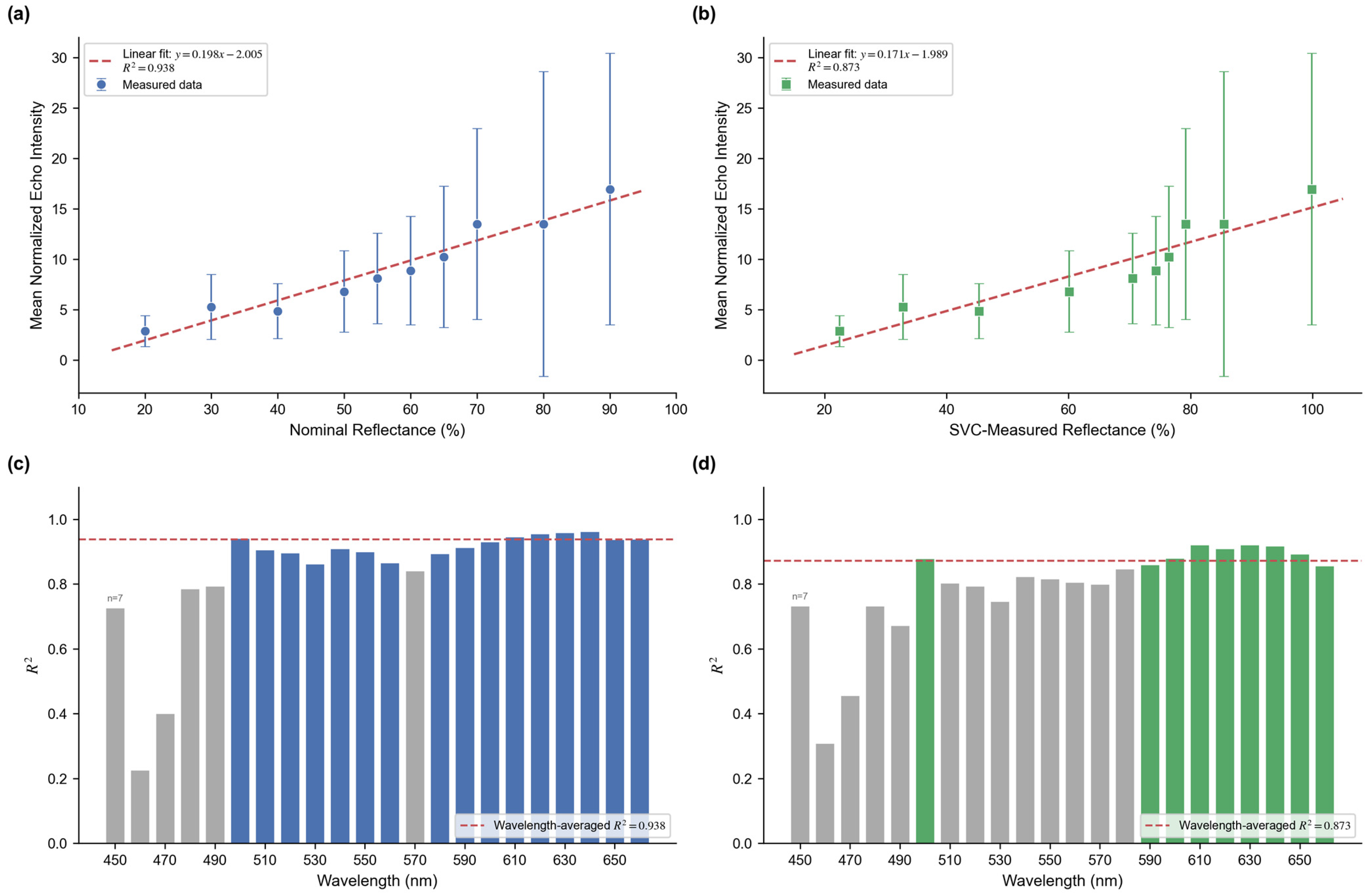
This study systematically validated the underwater hyperspectral LiDAR radiative transfer model (Equations (5)–(9)) through underwater measurements using standard diffuse reflectance panels. Equation (8) indicates that for a single laser pulse at a given wavelength, the normalized echo intensity depends solely on the detection distance and the target reflectance. The linear fitting result in
Section 3.2.2 (y = 0.198x − 2.005, R
2 = 0.938; R
2 = 0.873 using SVC-measured reflectance) confirms a strong positive linear correlation between normalized echo intensity and nominal target reflectance under fixed-distance conditions, validating the theoretical derivation of Equation (9) that the echo intensity is constant for a fixed target at a fixed position. The R
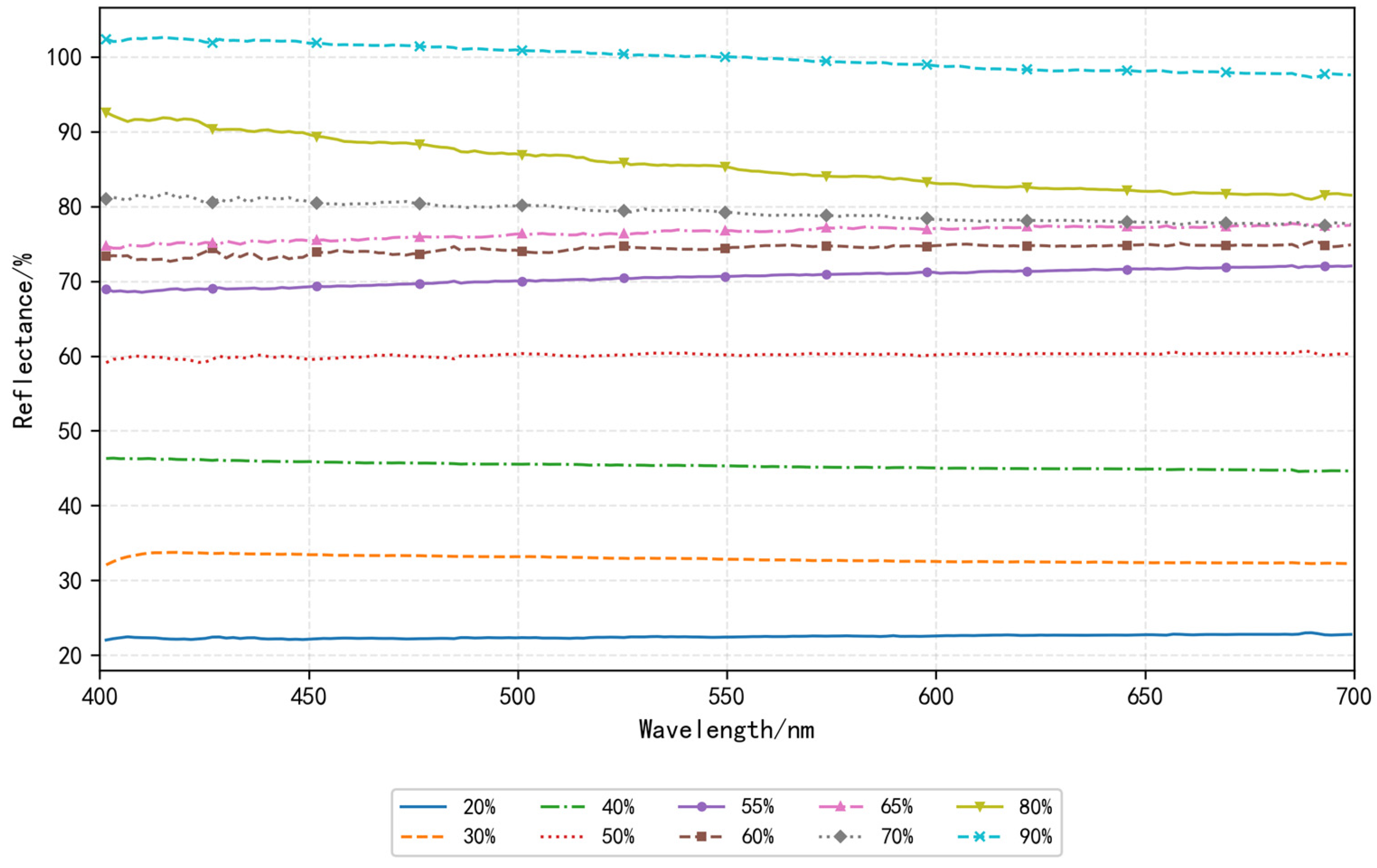
2 value slightly below unity may be attributed to the following factors: (1) deviation between the actual and nominal reflectance values of the standard panels (
Table 3), and (2) the stronger echo signals from high-reflectance panels (80% and 90%) being proportionally more susceptible to environmental perturbations such as optical-path fluctuations and ambient scattering variations.
The Beer–Lambert law in Equation (3) dictates that laser intensity decays exponentially as it propagates through water. The two distance effect experiments in
Section 3.3 verify this relationship at the experimental level. In the clear-water pipe experiment (attenuation coefficient ≈0.05 m
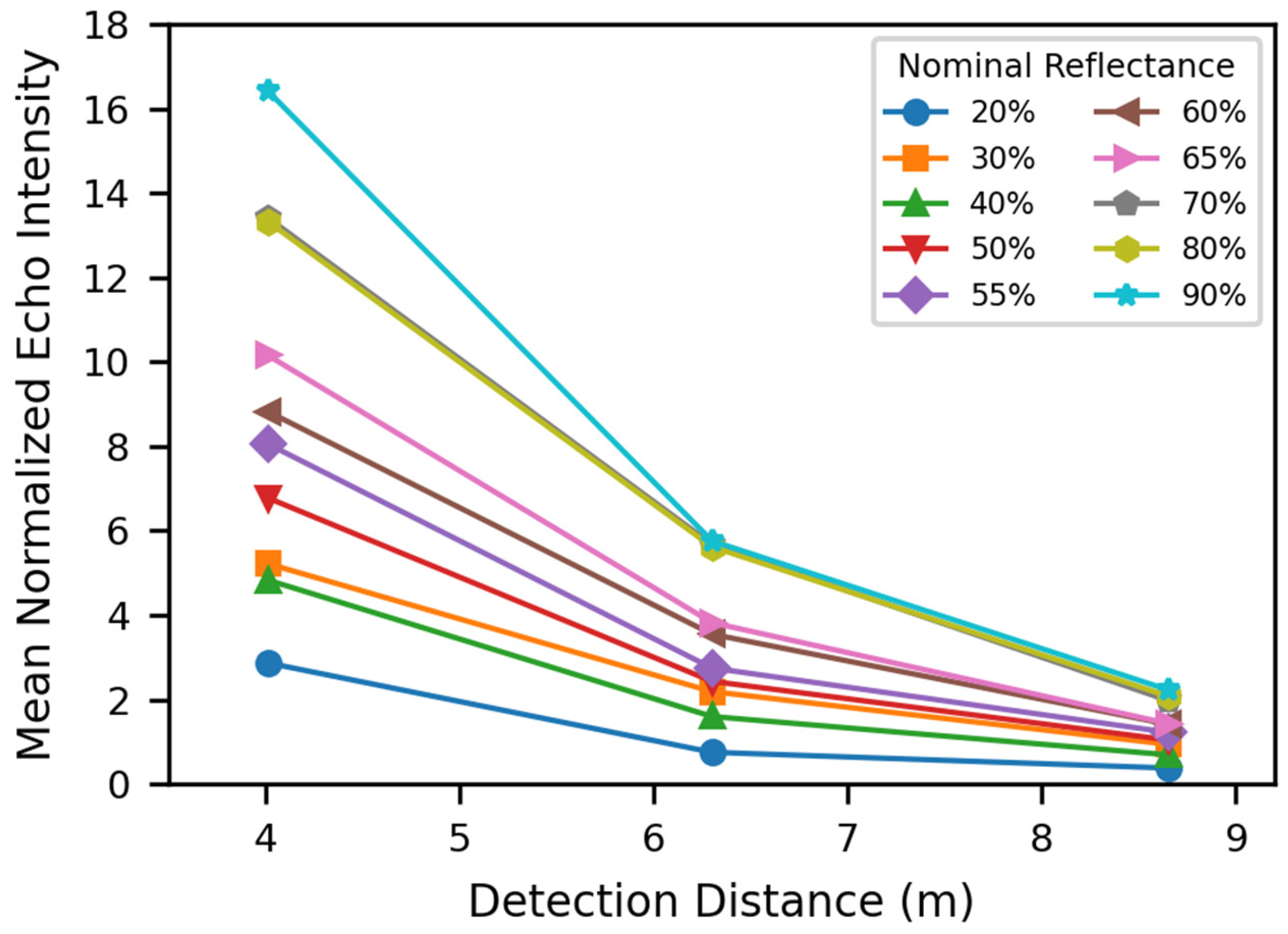
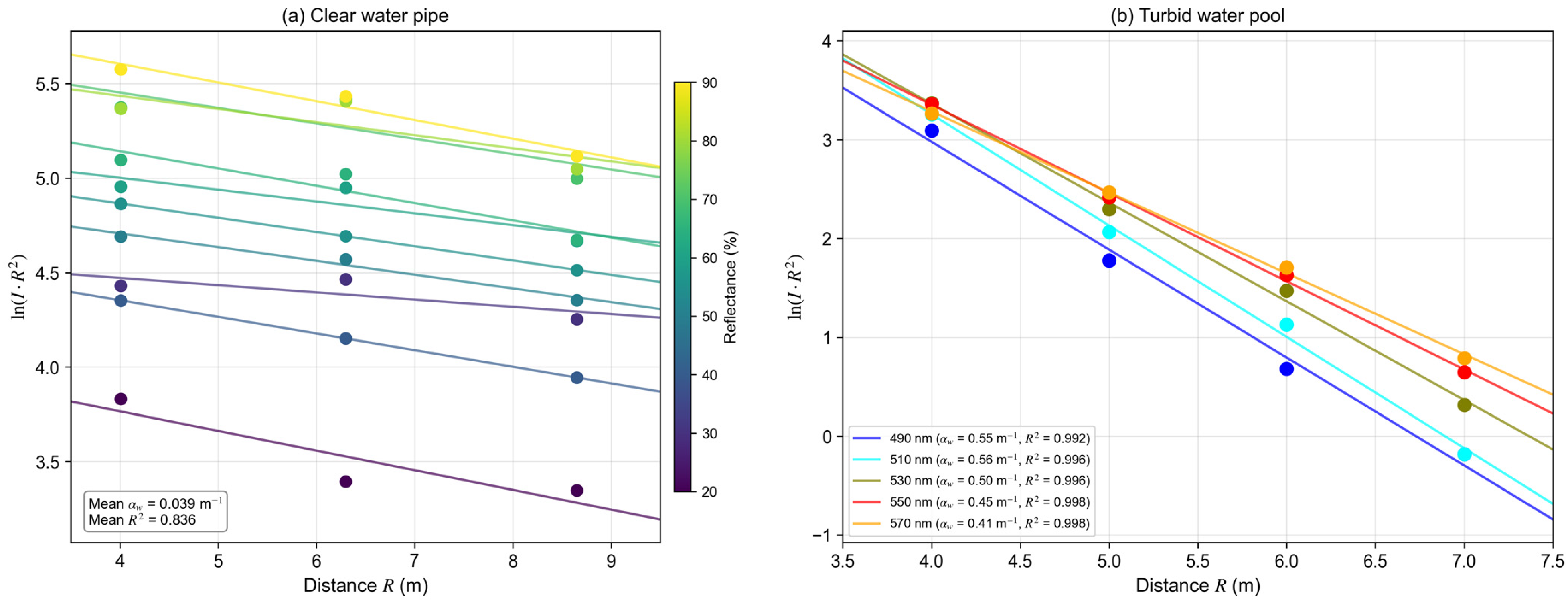
−1 at 550 nm), the normalized echo intensity exhibits a pronounced decreasing trend with increasing distance. For the 90% reflectance panel, the intensity decreases from 16.94 at 4.01 m to 2.23 at 8.65 m, an attenuation exceeding 86%. In the turbid-water pool experiment (attenuation coefficient ≈0.3 m
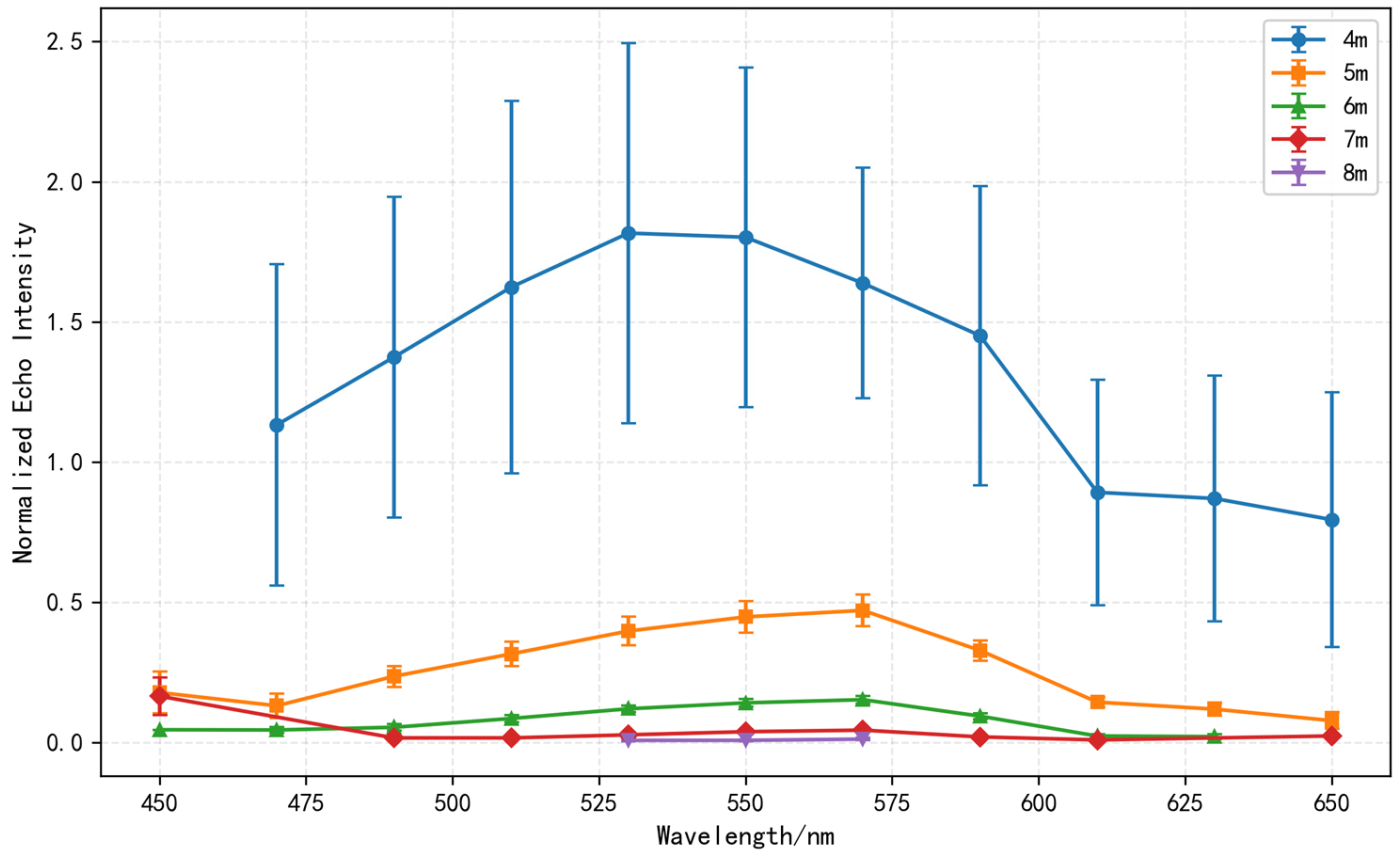
−1 at 550 nm), the distance attenuation effect is dramatically enhanced: an approximately 80% intensity loss occurs with only a 1 m increase from 4 to 5 m, and at distances beyond 6 m the echo signal approaches the noise floor. The comparison between these two experiments demonstrates that the water attenuation coefficient is the critical parameter governing the effective detection range of the UDHSL, consistent with the theoretical prediction of the exponential decay term exp(−2c(λ)R) in Equation (5). Furthermore, the quantitative validation in
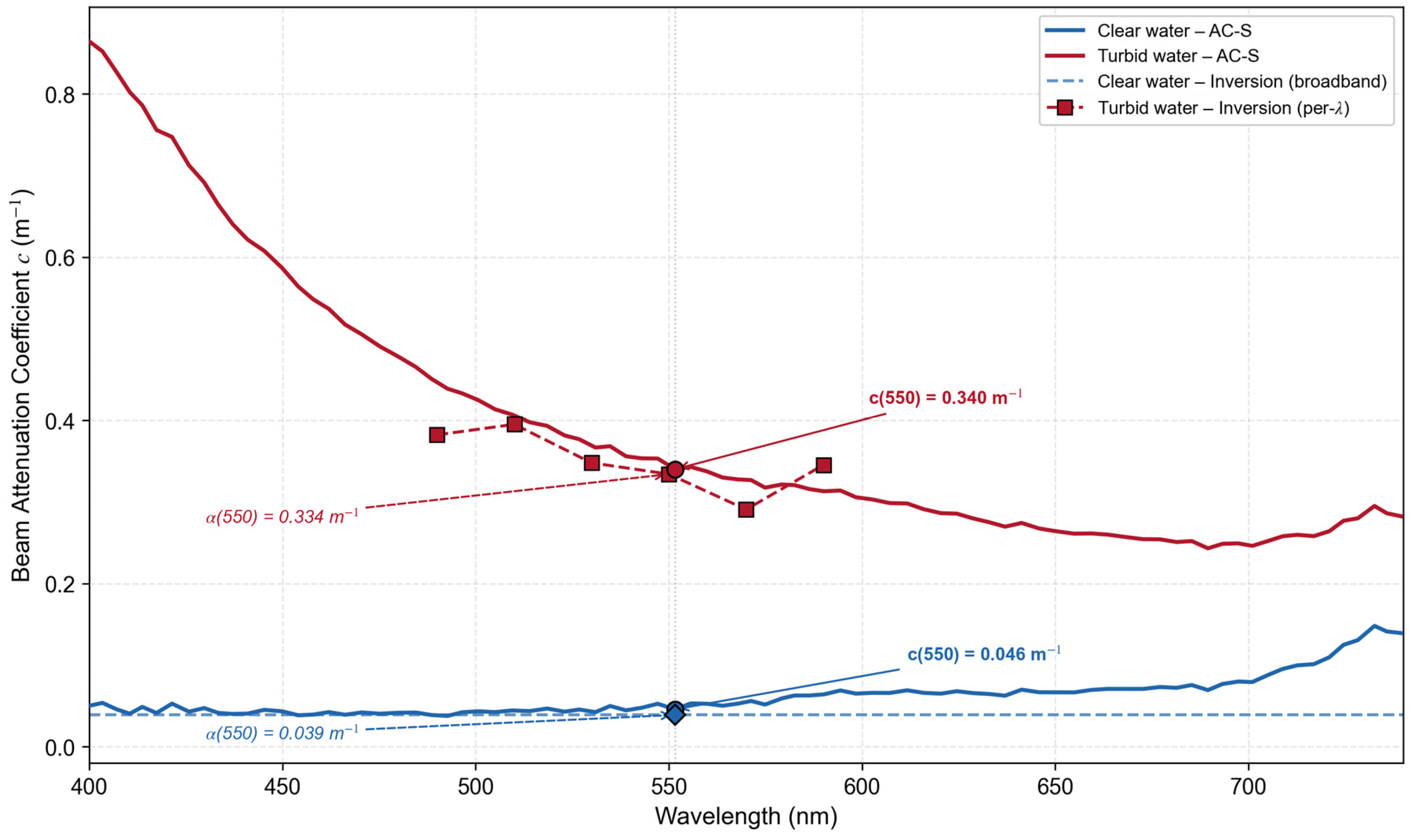
Section 3.4 demonstrates that the fitted attenuation coefficients agree with independent AC-S measurements to within +11% (clear water) and +3.4% (turbid water), confirming the applicability of the Beer–Lambert exponential decay model.
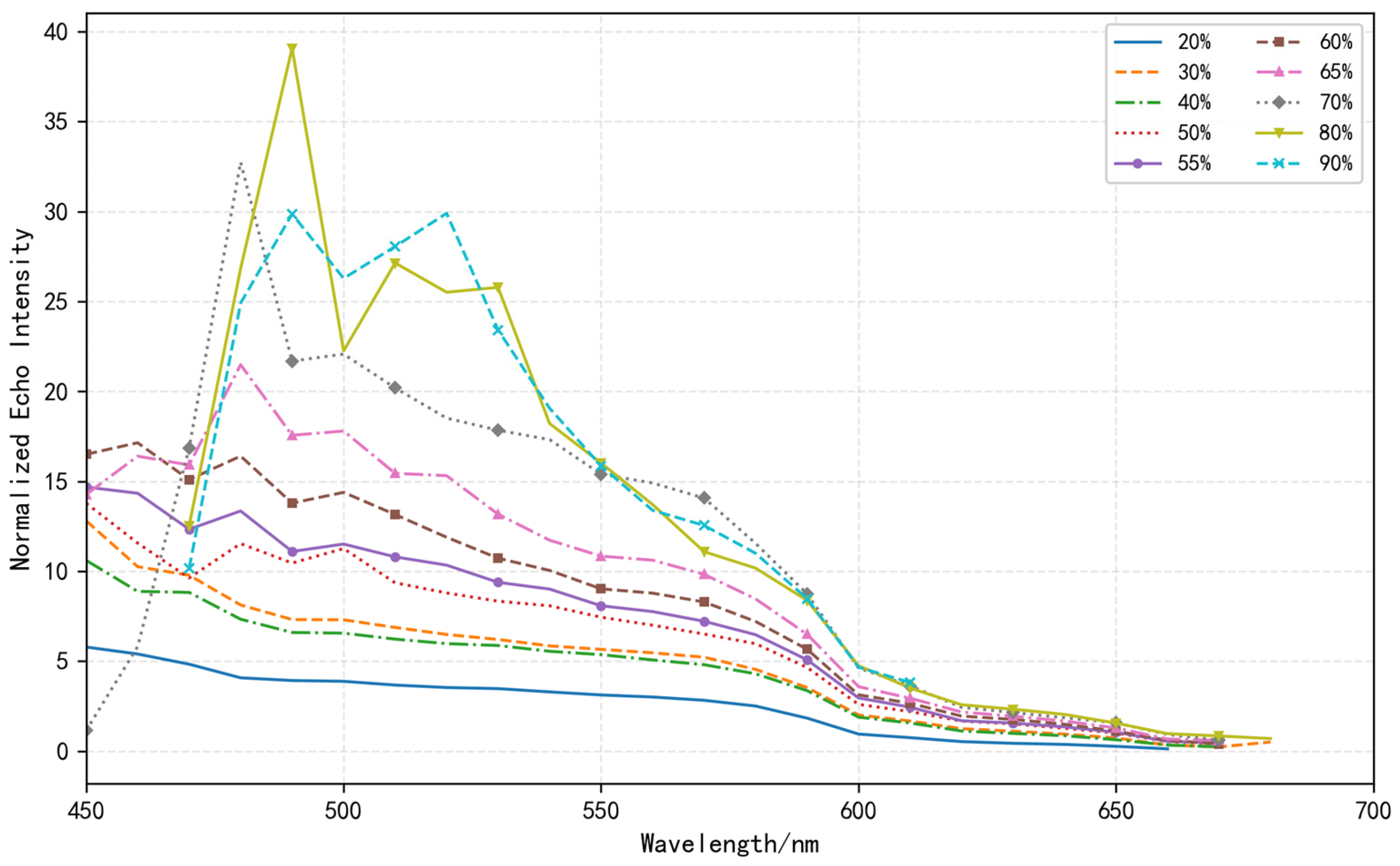
Equation (9) indicates that echo intensity at different wavelengths is influenced by the combined effects of laser source emission power, water body attenuation coefficient, and system transmittance at each wavelength. The experimental results fully demonstrate this wavelength dependence. Under clear water conditions (
Section 3.2.2), the normalized echo intensity is higher in the 450–550 nm band and gradually decreases with increasing wavelength, reflecting the inherent optical property that water has a smaller absorption coefficient in the blue–green spectral region [
28,
29]. Under turbid water conditions (
Section 3.3.2), the spectral peak of the echo intensity shifts to 530–570 nm, and as detection distance increases, the detectable wavelength range narrows from 470–650 nm to 510–590 nm. This occurs because the scattering effect of suspended particles in turbid water is superimposed on the water absorption effect, further increasing the attenuation coefficient at marginal wavelengths and causing the signal to attenuate to undetectable levels within shorter transmission distances. These results suggest that the operational wavelength range of the UDHSL should be adjusted according to water quality conditions to maximize the signal-to-noise ratio and effective detection range.
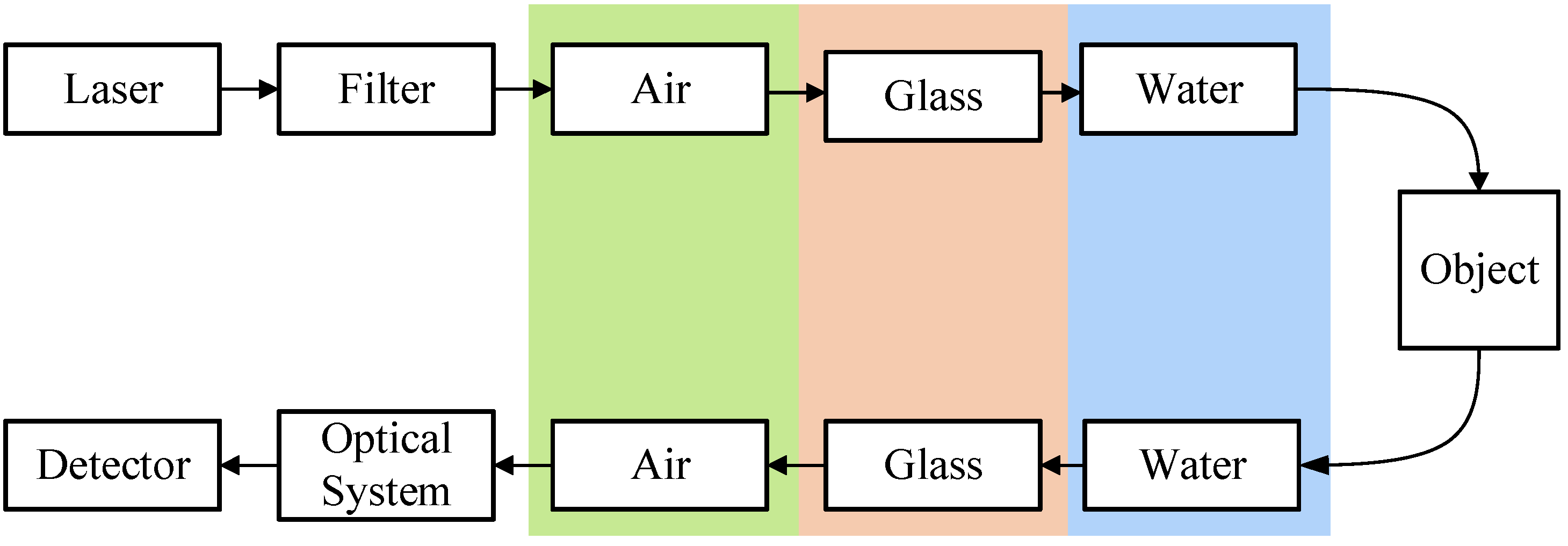
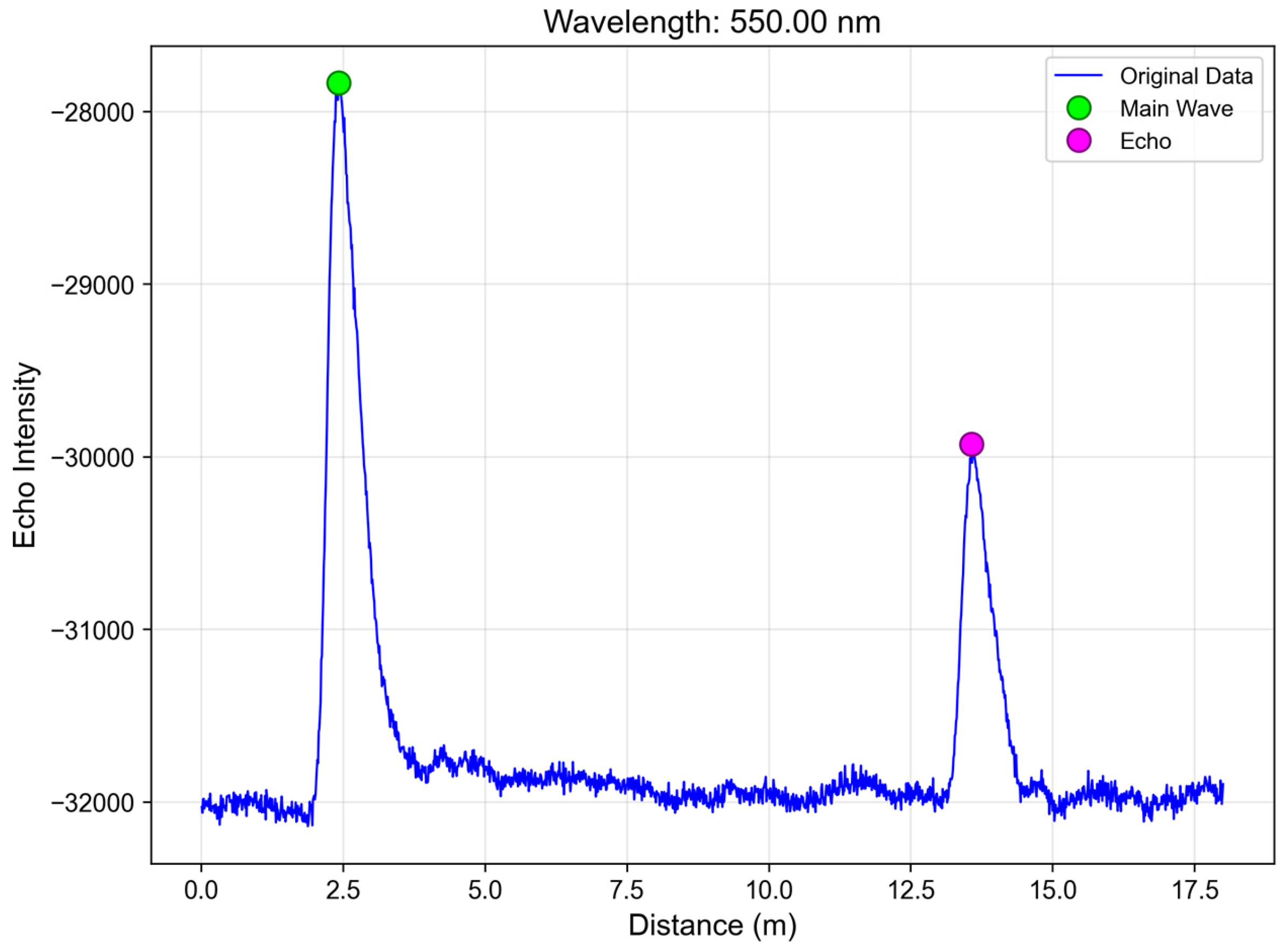
The window glass echo normalization method adopted in this study (Equation (10)) offers two advantages: (1) the window glass echo serves as the ranging origin, enabling accurate calculation of laser propagation distance in water; and (2) normalization eliminates systematic errors caused by pulse-to-pulse laser energy fluctuations. However, this method has certain limitations. First, normalization cannot fully eliminate wavelength-dependent system differences (e.g., filter transmittance and detector responsivity), resulting in the spectral characteristics of the normalized echo intensity containing superimposed information from both water attenuation and system response. Second, under long-range or turbid water conditions, the target echo signal becomes weak or is buried in noise, reducing the reliability of normalization results. Future work may consider introducing system radiometric calibration parameters to further correct the normalized results at each wavelength, thereby more accurately retrieving the intrinsic target reflectance.
It should be noted that all experiments in this study were conducted in freshwater environments (tap water and turbid pool water). Seawater has fundamentally different inherent optical properties (IOPs) compared to freshwater, primarily due to dissolved salts, colored dissolved organic matter (CDOM), phytoplankton pigments, and suspended particulate matter. These constituents significantly modify the spectral absorption and scattering profiles, particularly in the blue–green region (380–550 nm) where CDOM absorption is strongest. While the Beer–Lambert law framework underlying our radiative transfer model (Equation (3)) is applicable to both freshwater and seawater, the specific values of the attenuation coefficient and the correction factor will differ substantially in marine environments. Therefore, the quantitative results reported herein (e.g., effective detection ranges and optimal wavelength bands) should be interpreted as freshwater-specific benchmarks and cannot be directly extrapolated to seawater without further validation. Future experiments in actual or simulated seawater environments are planned to extend the model validation to marine applications.
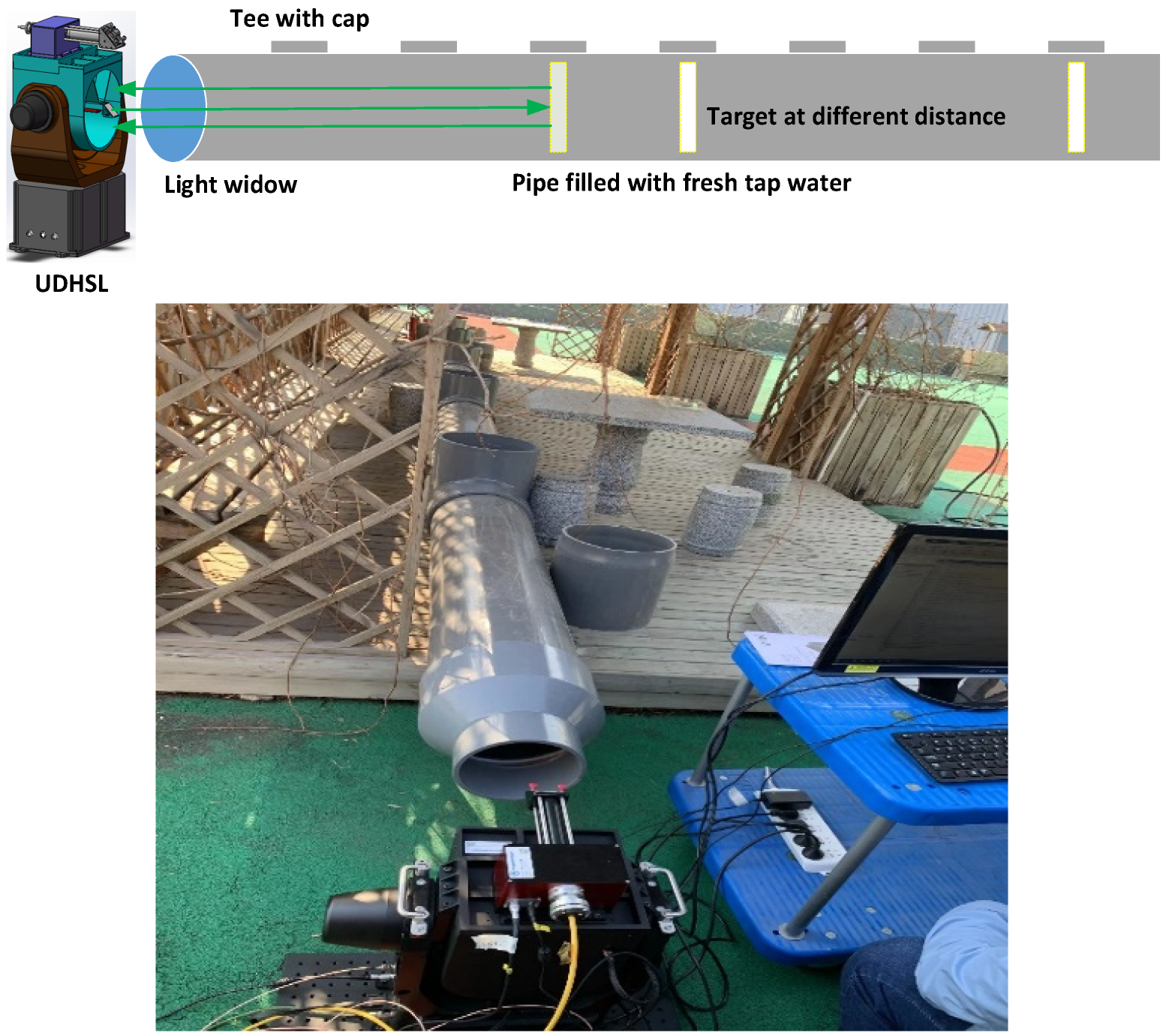
Regarding the potential influence of the pipe geometry on radiometric accuracy in the clear-water experiments (
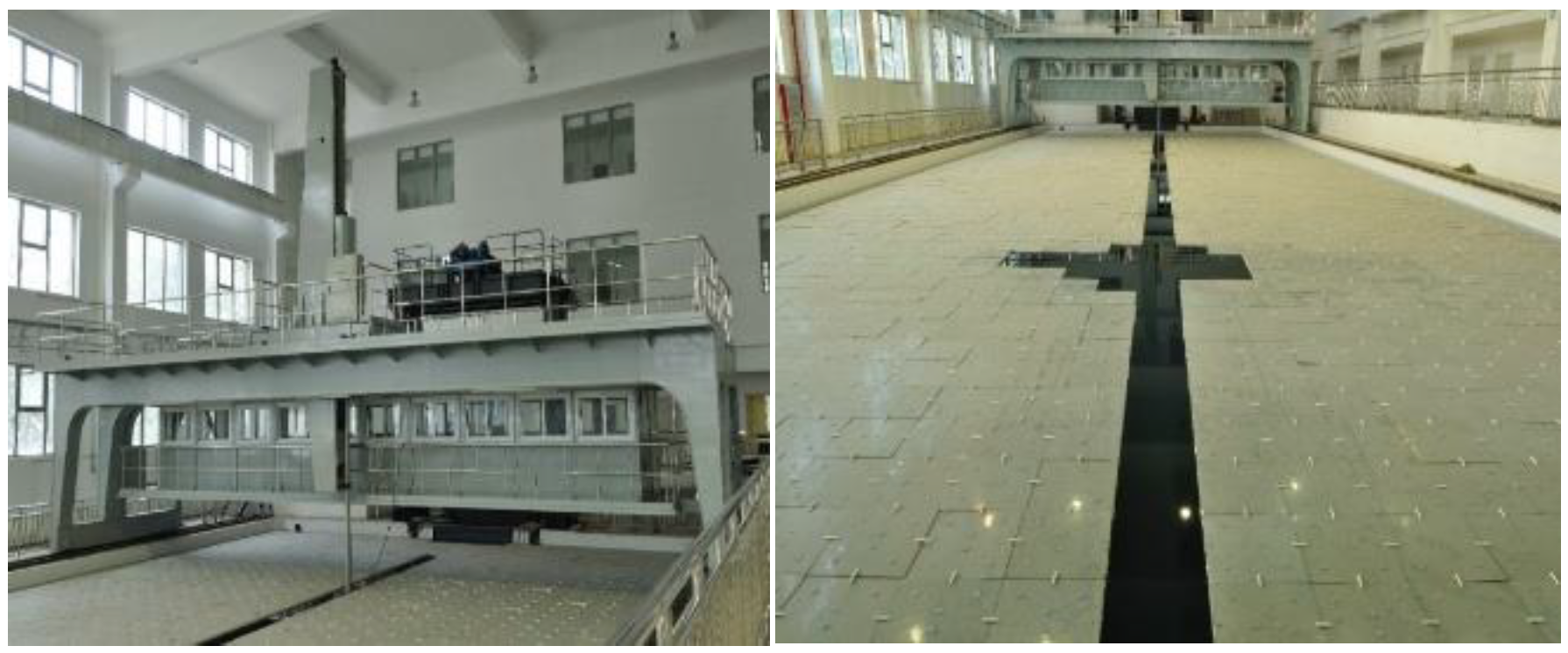
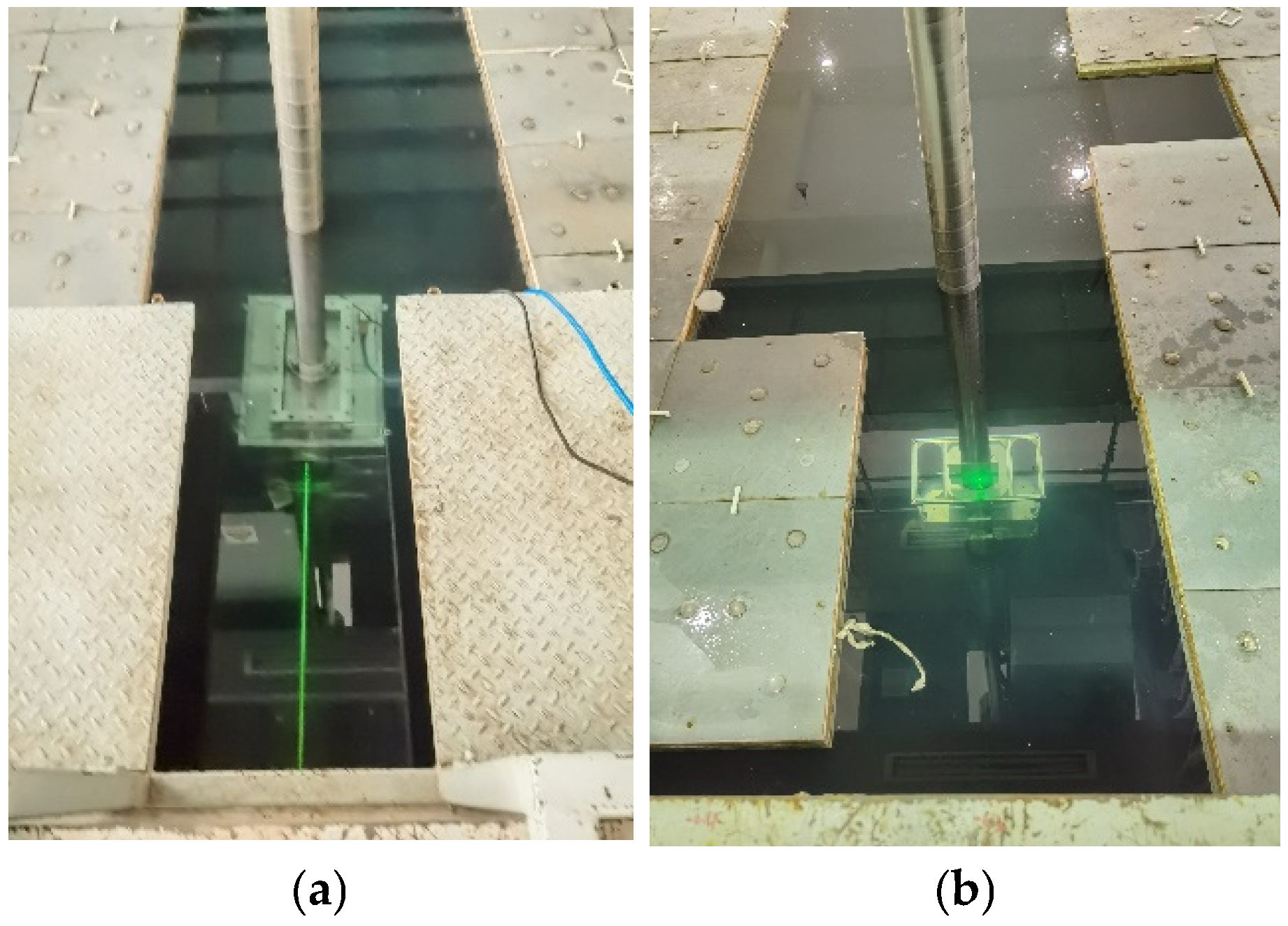
Section 2.3.1): the laser beam diameter at the maximum experimental distance of 8.65 m is approximately 14 mm (given the 1 mrad divergence and ~5 mm initial beam diameter), occupying less than 5% of the 315 mm pipe inner diameter. The beam therefore propagates well within the central region of the pipe without illuminating the walls. Furthermore, background measurements with no target present yielded no detectable echo signal above the noise floor, confirming that parasitic returns from wall scattering were negligible under clear-water conditions. The grey PVC inner surface also has inherently low reflectance, further limiting any wall-scattered contribution. For the turbid-water experiments, the open pool facility equipped with black light-absorbing baffles on all walls and the floor effectively suppressed stray reflections, providing a well-controlled optical environment.
In terms of engineering reference value and application boundaries, the present study should be positioned as: (a) a laboratory validation of the radiative transfer model for a new instrument class (UDHSL), demonstrating the fundamental correctness of the wavelength-dependent underwater LiDAR equation under controlled conditions; (b) a demonstration of the normalized echo intensity processing method that enables comparison of echo signals across wavelengths and distances; and (c) a quantitative characterization of the coupled distance–wavelength–reflectance effects under two controlled water quality conditions (clear freshwater and turbid freshwater). While these results do not directly prescribe operational parameters for field deployments, they establish the necessary theoretical and experimental foundation upon which field-specific calibration protocols can be built. The wavelength selection guidance (e.g., 450–550 nm for clear water, 530–570 nm for turbid water) should be interpreted as first-order engineering references that will require refinement when applied to specific marine environments with different inherent optical properties.
The elevated near-field intensity variability observed at 4 m in the turbid-water experiment (
Section 3.3.2) also carries implications for future submersible-mounted UDHSL operations. In the present laboratory setup, the instrument’s water-cooling system continuously circulated ambient water through the waterproof shell, generating localized turbulence and temperature microstructure that significantly increased pulse-to-pulse intensity fluctuations in the near-field region (coefficient of variation ≈35–40% at 4 m vs. ≈11–13% at 5 m). In operational deployments on submersible platforms, analogous disturbances will arise from propulsion thrusters, thermal management exhausts, and ballast exchange flows. Potential mitigation strategies include extended mounting booms to distance the sensor from platform-induced turbulence, hydrodynamic shielding structures around the optical aperture, and measurement protocols that suspend data acquisition during active thruster operation.
5. Conclusions
Targeting the demand for synchronous acquisition of underwater terrain and material information, this study developed a UDHSL system with a wavelength range of 450–700 nm and a maximum detection distance exceeding 27 m. Building upon the conventional LiDAR equation, a wavelength-dependent water attenuation correction term was introduced to establish a hyperspectral LiDAR radiative transfer model applicable to optically homogeneous underwater environments under single-scattering conditions. Through systematic experiments using standard diffuse reflectance panels in air, clear water, and turbid water, the following principal conclusions were obtained:
(1) Reflectance effect: At a 4.01 m clear-water detection distance, the normalized echo intensity of 10 reflectance panels (nominal reflectance: 20–90%) exhibits a linear positive correlation with the nominal reflectance, with a fitting equation of y = 0.198x − 2.005 and R2 = 0.938 (R2 = 0.873 using SVC-measured reflectance). This demonstrates that the normalized echo intensity of the UDHSL system effectively characterizes reflectance differences among underwater targets, validating the linear relationship between echo intensity and target reflectance predicted by the radiative transfer model.
(2) Distance attenuation effect: In the clear-water pipe experiment (attenuation coefficient ≈0.05 m−1 at 550 nm), the normalized echo intensity attenuates significantly with increasing distance, exceeding 86% from 4.01 to 8.65 m, while the intensity difference among panels of different reflectance values converges with distance, indicating reduced reflectance discrimination capability at longer ranges. In the turbid-water pool experiment (attenuation coefficient ≈0.3 m−1 at 550 nm), the distance attenuation is dramatically enhanced, reaching 80% from 4 to 5 m, with an effective detection range of approximately 5–6 m—substantially less than the >10 m achievable in clear water. The comparison between the two experiments confirms that the water attenuation coefficient is the key parameter governing the UDHSL detection range.
(3) Wavelength dependence: The echo intensity exhibits significant wavelength selectivity, with the highest response at 450–550 nm in clear water and the peak shifting to 530–570 nm in turbid water. As detection distance increases, the effectively detectable wavelength range progressively narrows, with only the 530–570 nm band yielding reliable echo signals at 7 m in turbid water. These findings provide an experimental basis for selecting optimal working wavelength bands for the UDHSL system under different water quality conditions.
The experiments reported herein validate the fundamental correctness of the underwater radiative transfer model; however, several directions warrant further investigation. First, the current normalization method does not fully eliminate wavelength-dependent system response differences, and future work could introduce system radiometric calibration parameters for absolute correction of echo intensity at each wavelength to enable intrinsic target reflectance retrieval. Second, the present experiments employed standard diffuse reflectance panels as targets under relatively idealized conditions. Recent studies have demonstrated that multispectral and full-waveform LiDAR techniques can effectively classify underwater targets such as mineral ores [
18], sediment types [
19], and submerged objects [
20] under laboratory conditions; extending similar investigations to natural seabed substrates (e.g., sand, mud, rock, and coral) with the UDHSL system is an important next step to evaluate its material identification capability under complex target conditions. Third, to address the challenge of large dynamic range in echo intensity—where weak signal detection and strong signal saturation coexist—adaptive power control and wide dynamic range acquisition schemes should be developed. Fourth, by incorporating real-time measurement of water attenuation coefficients, a joint distance–water quality correction model can be established to improve reflectance retrieval accuracy under varying water quality conditions, thereby advancing the application of underwater hyperspectral LiDAR technology in underwater topographic mapping and seabed material identification. Finally, the current model assumes optically homogeneous water and single-scattering conditions; extending the radiative transfer framework to vertically stratified or multiple-scattering environments would broaden its applicability to field deployments.



 ,
,