1. Introduction
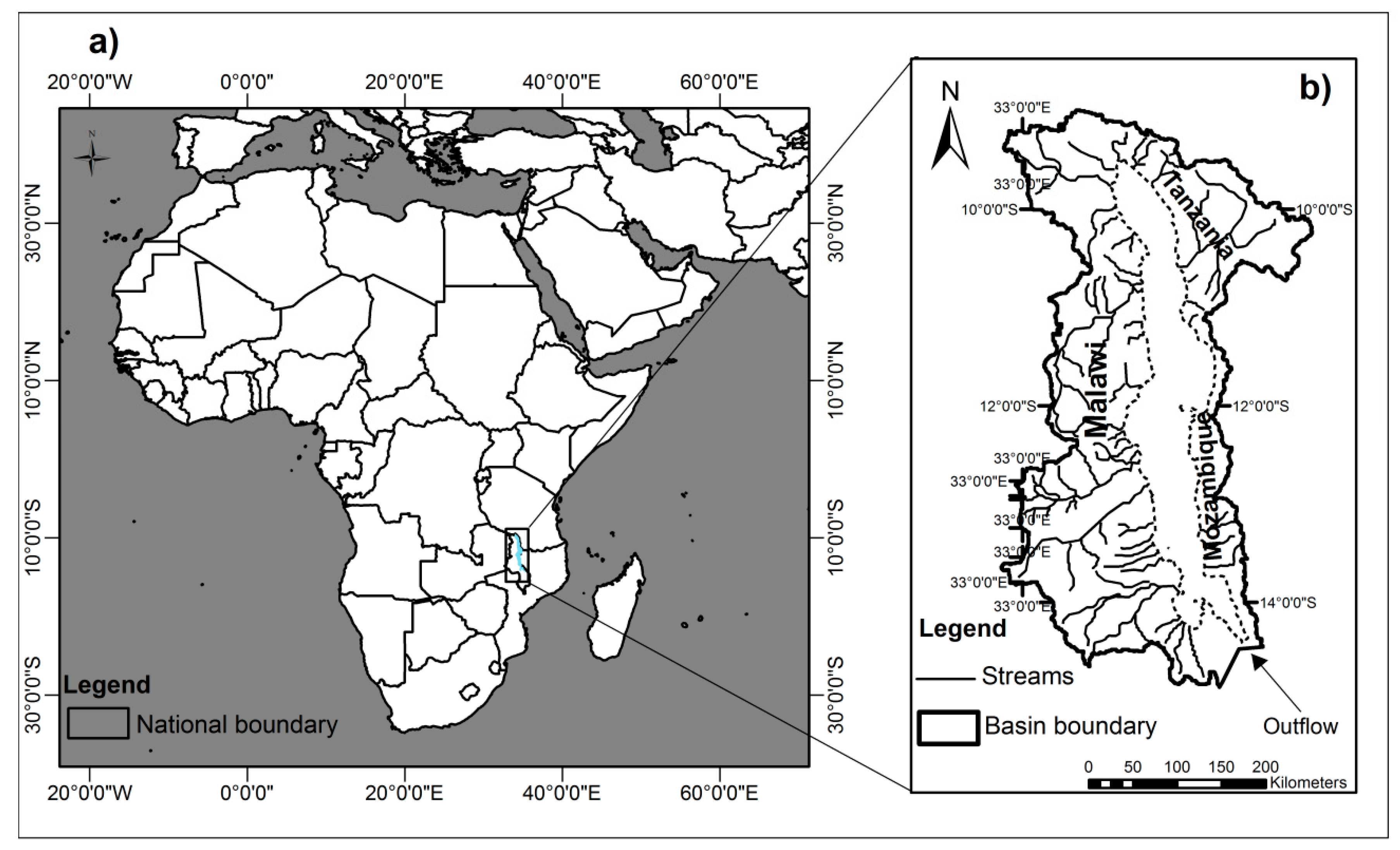
Lake Malawi, with an area of 29,252 km
2, is the third largest lake in Africa and the ninth largest in the world, if the Aral Sea is excluded [
1]. The lake serves as an important water resource, providing economic, recreational, and domestic uses for riparian countries [
2]. In addition, the lake has the largest number of indigenous fish species in the world, and thus conservation of the biodiversity in the lake is important [
3]. However, given the steady population growth of the riparian countries, and land use conversion from forests to agriculture in the watershed of the lake, water quality in Lake Malawi has been deteriorating [
4,
5]. Therefore, routine monitoring of water quality is essential.
Generally, two main techniques are used for monitoring water quality: (1) field survey by a boat; and (2) using remote sensing data. However, financial and institutional constraints in Africa make for poor availability of in situ water quality data in most African lakes [
6]. In addition, in situ monitoring of a large lake such as Lake Malawi has spatial constraints, which makes it difficult to represent the characteristics of water quality across the entire lake. Therefore, the remote sensing technique should be considered as an effective method for providing water quality information on African lakes, especially for monitoring a big lake such as Lake Malawi [
6,
7].
There are two requirements for monitoring water quality by the remote sensing technique. First, a satellite sensor with ocean bands is desired. These include, for example, the Sea-viewing Wide Field-of-view Sensor (SeaWiFS) and Moderate Resolution Imaging Spectroradiometer (MODIS) from the National Aeronautics and Space Administration (NASA), and the Medium Resolution Imaging Spectrometer (MERIS) from the European Space Agency (ESA) [
8]. Compared to sensors for land applications, the ocean color sensors can provide remote sensing reflectance (R
rs) data with better temporal and spectral resolution, as well as higher radiative sensitivity, all of which are necessary for monitoring water quality [
9].
Second, an algorithm is needed for estimating water quality parameters from the R
rs. The algorithm can be either empirical or semi-analytical. Although empirical algorithms are easy to implement, in situ data for recalibration is always necessary, which limits their applicability to other lakes, especially those without available in situ data. In contrast, semi-analytical algorithms are based on a radiative transfer theory (or bio-optical model) with several secondary important empirical relationships under some assumptions, and thus do not often require recalibration [
10,
11]. In cases where there is a lack of in situ data such as in Lake Malawi, the use of a semi-analytical algorithm is the most practical and viable method for estimating water quality parameters.
The main water quality parameters that can be estimated from remote sensing data using the semi-analytical algorithms are Chlorophyll-a (Chl-a, [
12,
13,
14]), total suspended matter (TSM; [
15]), colored dissolved organic matter (CDOM, [
14]), and Secchi disk depth (SD, [
11,
16]). As the SD estimation is based on an underwater visibility theory, and the SD value itself is an apparent optical property (AOP) of a water body just like R
rs, the relationship between SD and R
rs values can be considered more robust than those between other water quality parameters and R
rs values. In addition, the SD value is easy to measure and can be understood by the general public. Thus, it has been widely used as an indicator for evaluating water quality (transparency or clarity) since the 1860s [
17] as well as one of the important parameters for calculating trophic state index (TSI, [
18]).
There are two main semi-analytical algorithms for estimating SD values from remote sensing data. The first, developed by Doron et al. in 2011 [
16], is based on a classic underwater visibility theory that has been used for over 60 years ([
19]; hereafter, ‘Doron11’). The second semi-analytical algorithm was developed by Lee et al. in 2015, based on a new underwater visibility theory proposed by the same authors in the same study ([
11]; hereafter, ‘Lee15’). Although Lee et al. [
11] pointed out some shortcomings in the classic theory, and later [
20] directly compared the performance of Doron11 and Lee15 using a simulated dataset, the two algorithms have not been applied in practice to the same water body and compared to common in situ measured SD values. Therefore, we considered that there was not yet enough evidence to show which algorithm should be selected and used in Lake Malawi.
In consideration of the above, and the fact that few studies have comprehensively evaluated water quality in Lake Malawi [
5,
21], the research objectives of the present study are: (1) to comprehensively compare the performance of the two semi-analytical algorithms (Doron11 and Lee15) in Lake Malawi; and (2) to obtain an overall evaluation of water transparency in Lake Malawi from MERIS data.
4. Discussion
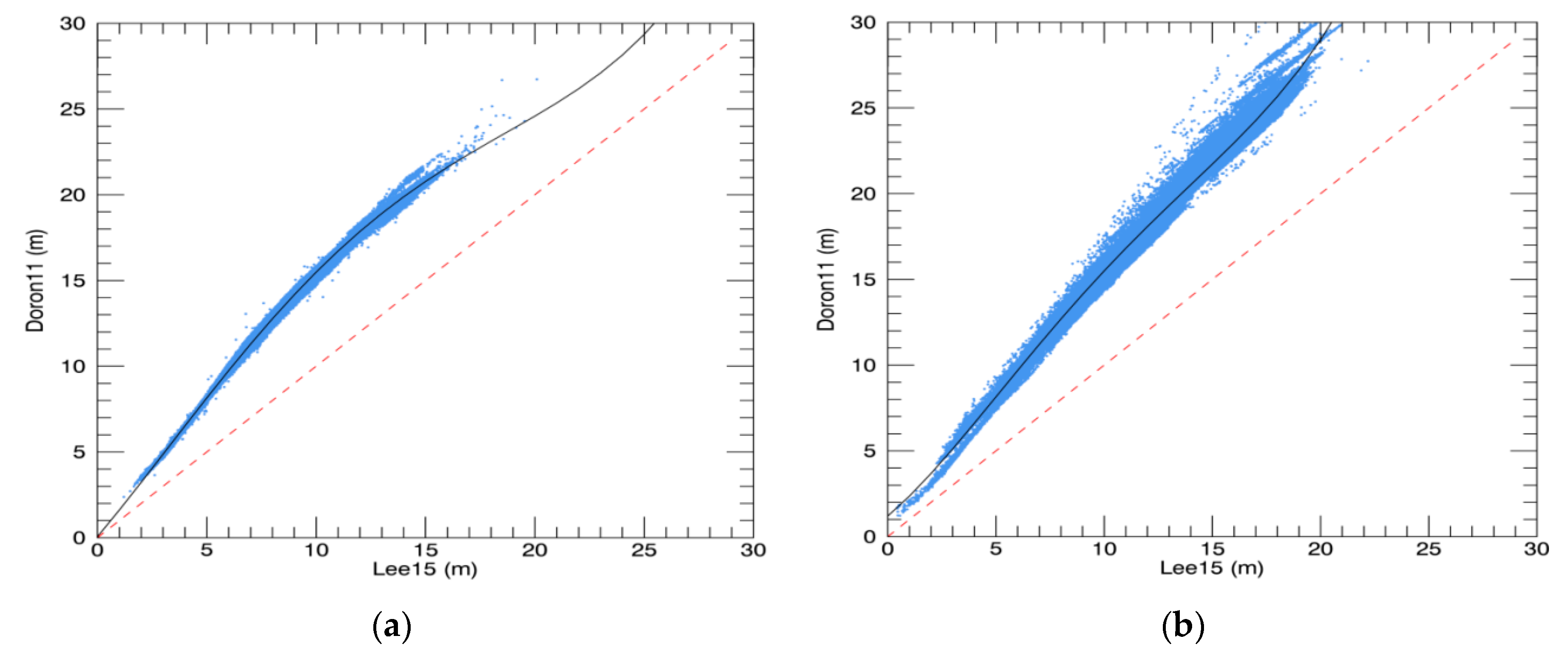
In this study, we compared two semi-analytical algorithms (i.e., Doron11 and Lee15) by applying them to Lake Malawi to estimate SD values from nine years of MERIS data (2003–2011). We found that although the two algorithms were developed based on different underwater visibility theories (i.e., classic and new), SD estimations using the two algorithms were highly correlated, with R
2 larger than 0.96 (
Figure 5;
Table 4 and
Table 5). Lee et al. [
20] also reported a high R
2 value of 0.89 when comparing the performance of the two algorithms with simulation data. These results indicate that there is no substantial difference between the two algorithms, especially if only one is used to evaluate water transparency change in a waterbody.
However, we found that the Doron11 algorithm always gave higher SD estimations than the Lee15 algorithm, with an averaged AMD value of 5.8 m in Lake Malawi. A similar trend was also found by Lee et al. [
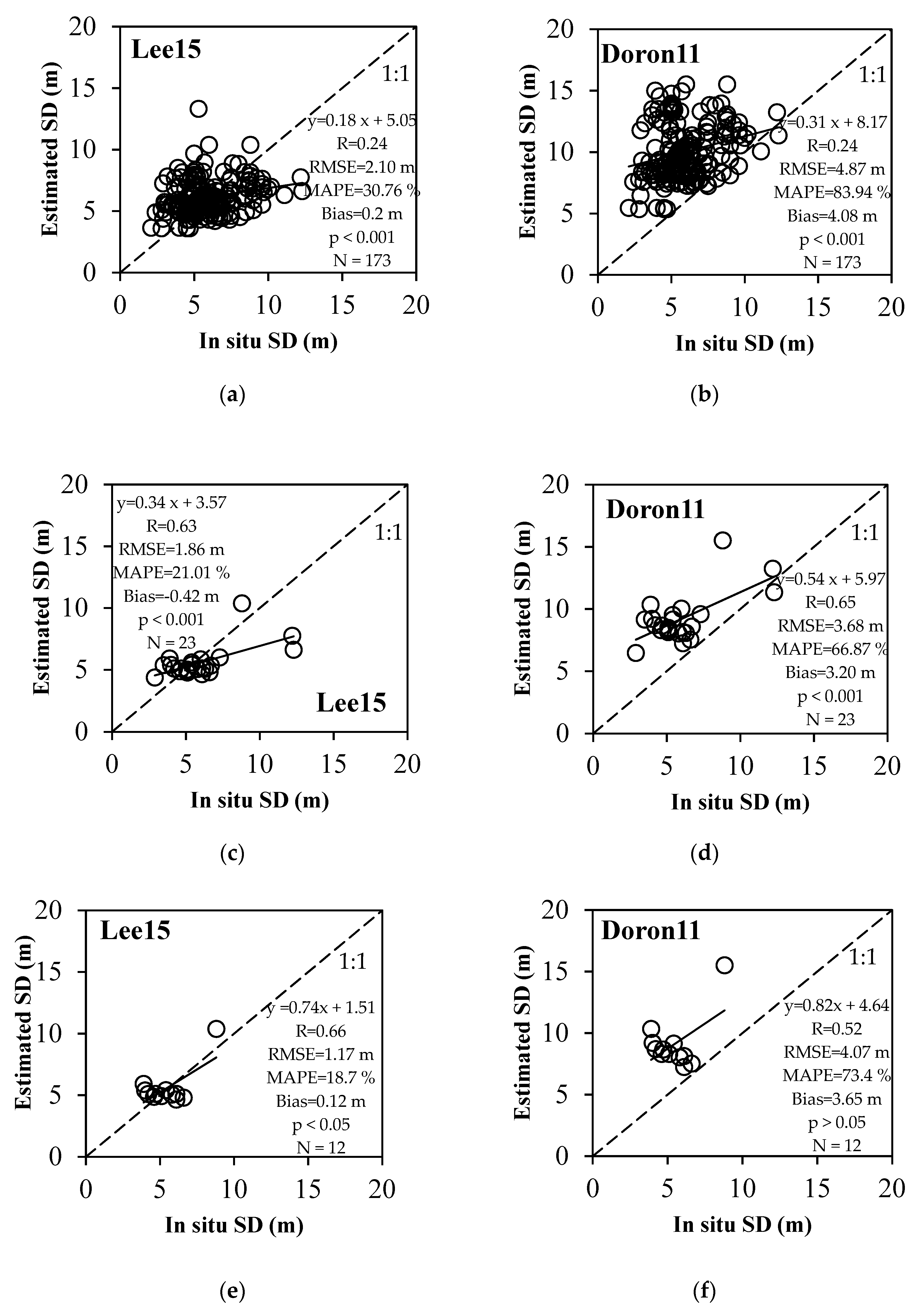
20]. In addition, by comparing the SD estimations from the two algorithms to in situ SD measurements, we found that the Lee15 algorithm outperformed the Doron11 algorithm with a MAPE value of 18.7% (
Figure 4e). In contrast, the Doron11 algorithm overestimated SD values with a MAPE value of 73.4% (
Figure 4f). These findings indicate that water quality would probably be overestimated if one used SD values from the Doron11 algorithm. For example, if we used SD distribution maps generated using the Doron11 to classify water transparency levels, we would have found that on average more than 94% of Lake Malawi was classified as level 1, and the sum of levels 3 and 4 would be less than 1% (results not shown).
Preisendorfer [
31] reported that the value of the numerator of Equation (1) (i.e., Γ) could vary from 5 to 10. In the present study, the values of Γ were calculated in a range of 7.5–8.3, with an average of 7.9, within the range of initially published values. Therefore, we consider that the overestimations of SD values by Doron11 mainly derived from the denominator of Equation (1) (i.e.,
+
). Previous studies have pointed out that it is difficult to directly estimate
from R
rs because of the ratio’s requirement of the backscattering and scattering coefficients, which cannot be obtained from R
rs [
32]. In addition, it is well known that the ratio of the backscattering and scattering coefficients can vary temporally and spatially [
32,
38,
39,
40]. The Lee15 algorithm overcomes this difficulty, because the algorithm requires only
. Therefore, Lee15 algorithm can be considered more robust than the Doron11 algorithm. However, we still found some overestimations in lower SD values and underestimations in higher SD values with the Lee15 algorithm (
Figure 4), indicating that further improvements of the algorithm are necessary.
As mentioned in the introduction, there is no routine monitoring of water transparency in Lake Malawi due to the financial and institutional constraints in the surrounding countries [
6]. In addition, even though there have been several studies measuring SD values by field surveys, it is difficult to use these measurements to evaluate water transparency or its changes for the entire lake, because all of these studies focused on only a small part of the lake for a short period of time. For example, Gondwe [
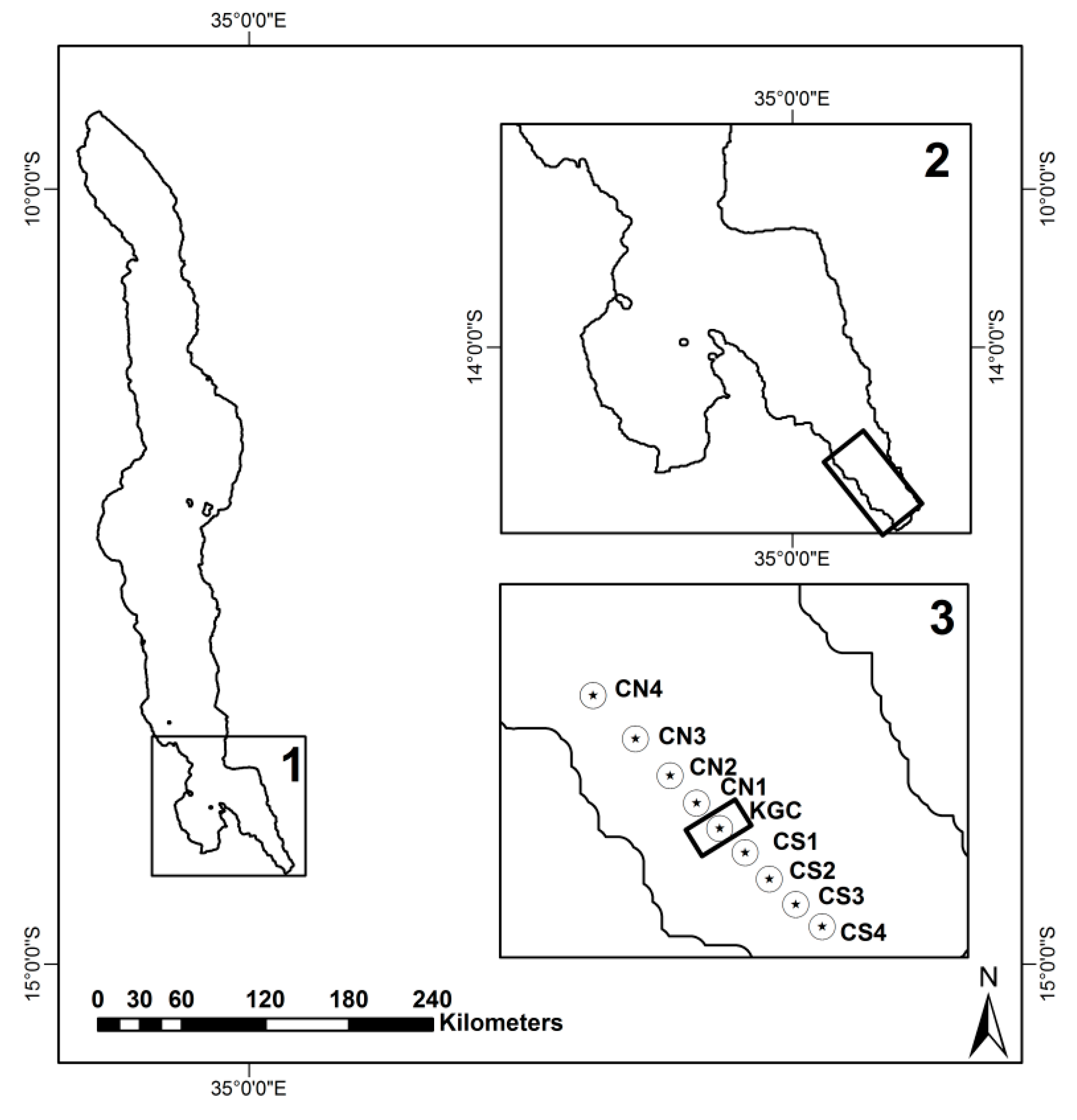
41] investigated seasonal variation of SD in the Southeast Arm of Lake Malawi (see
Figure 3 here) and reported that SD values ranged from 2.1 to 12.3 m; however, 79% of the SD values were between 4 and 8 m. Later, Macuiane et al. [
42] reported that SD values were between 2 and 6 m in the Southeast part of the lake in 2012. In addition, Weyl et al. [
22] reported that SD values were between 12 and 20 m in Lake Malawi.
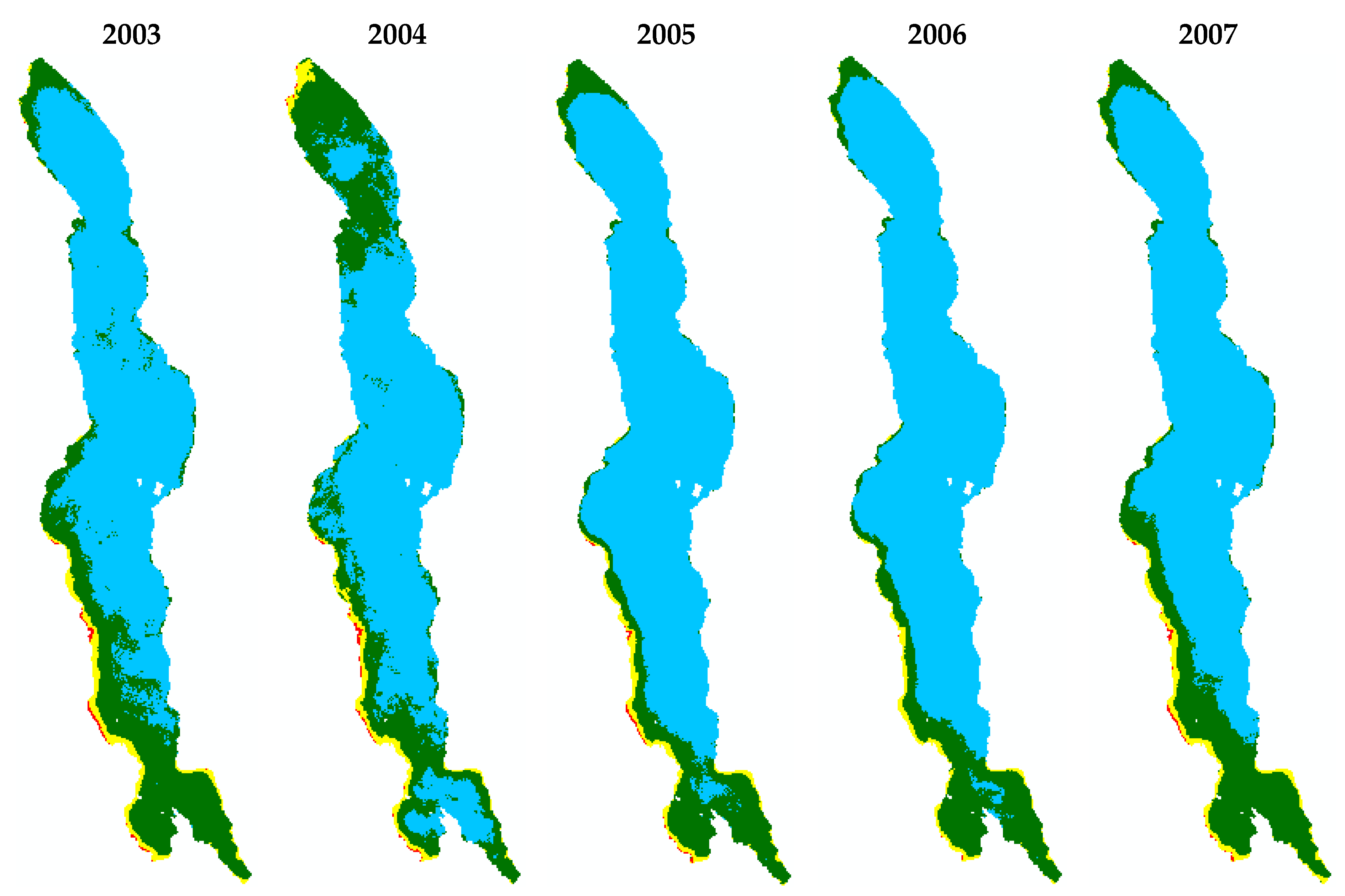
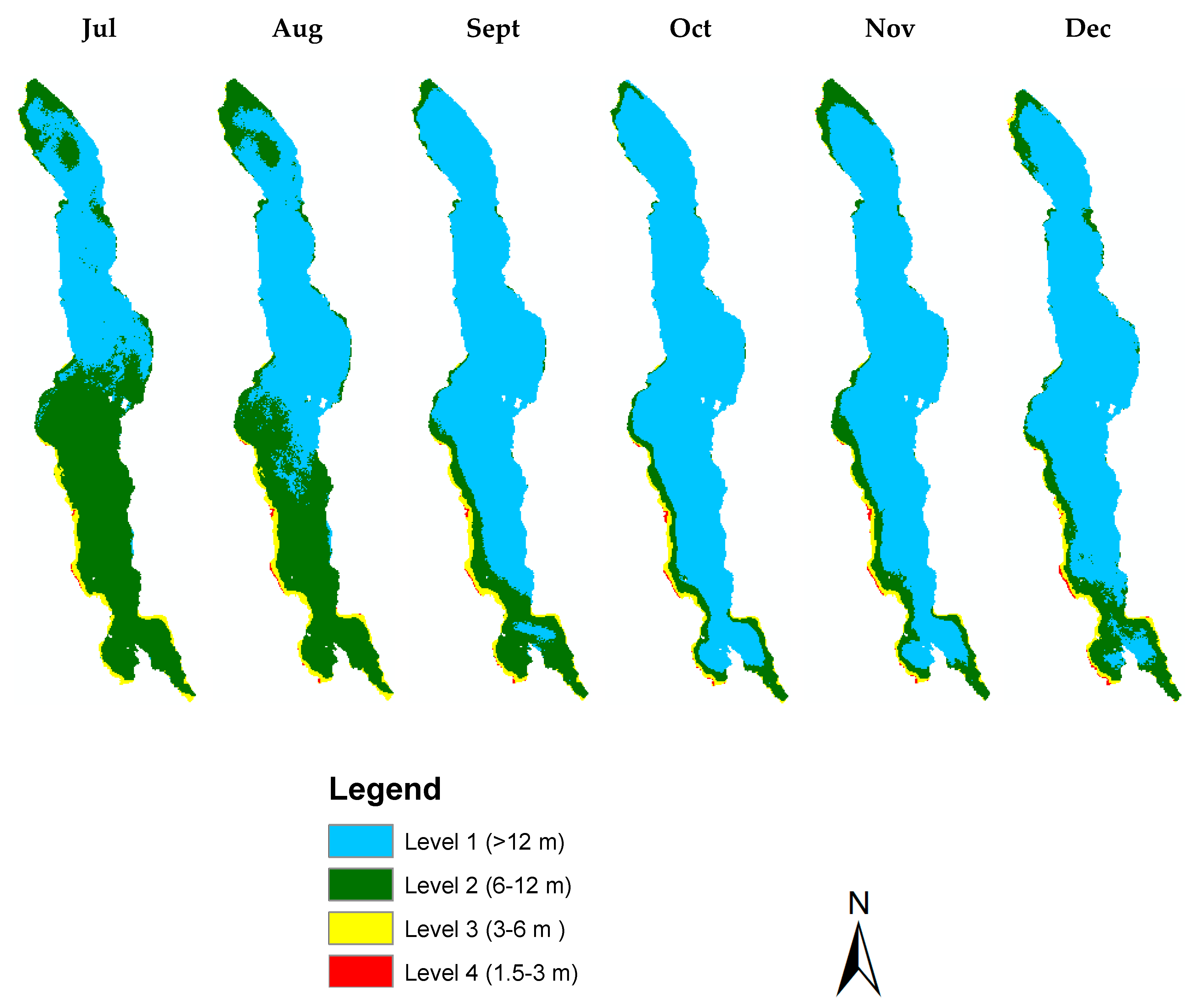
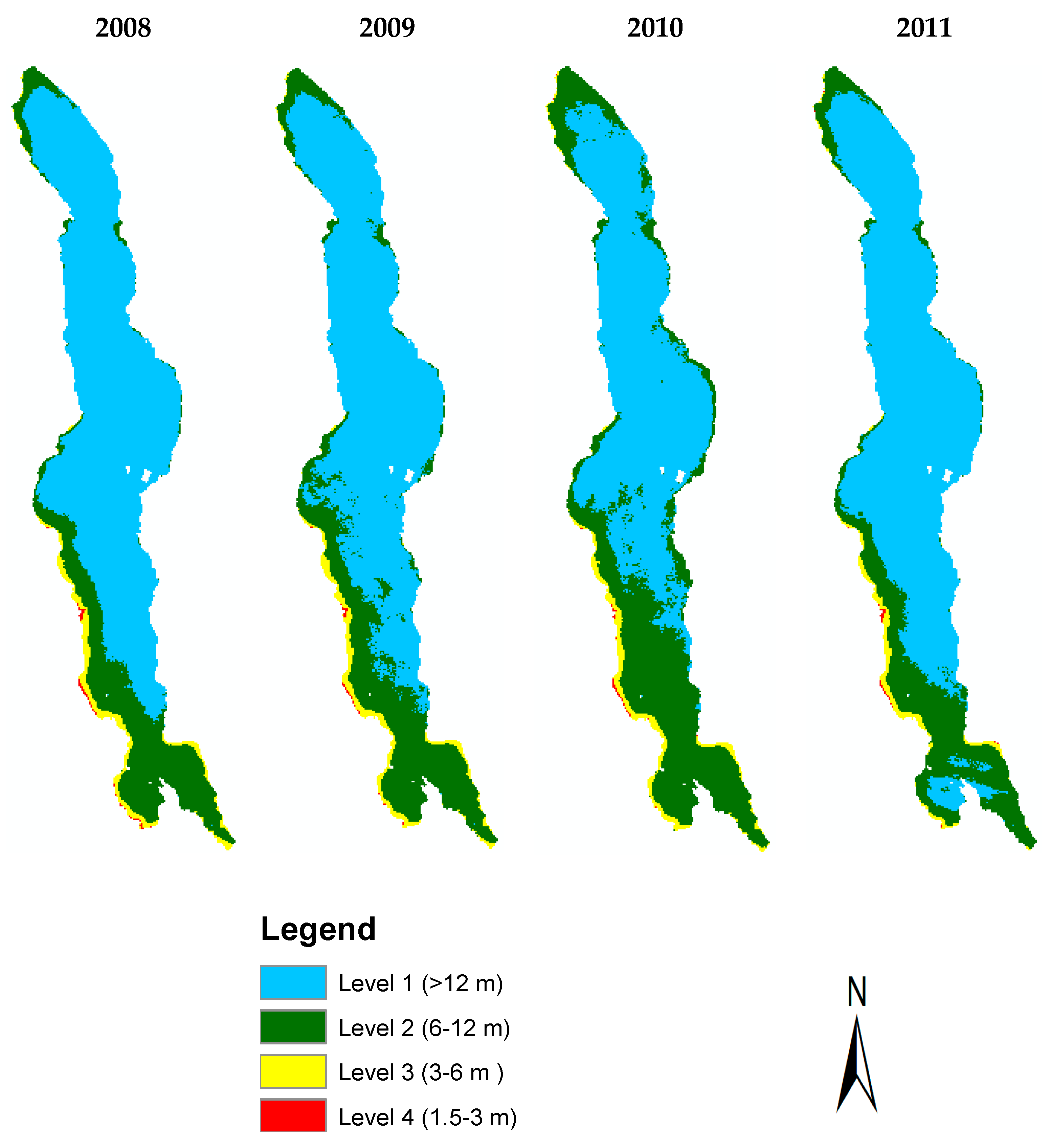
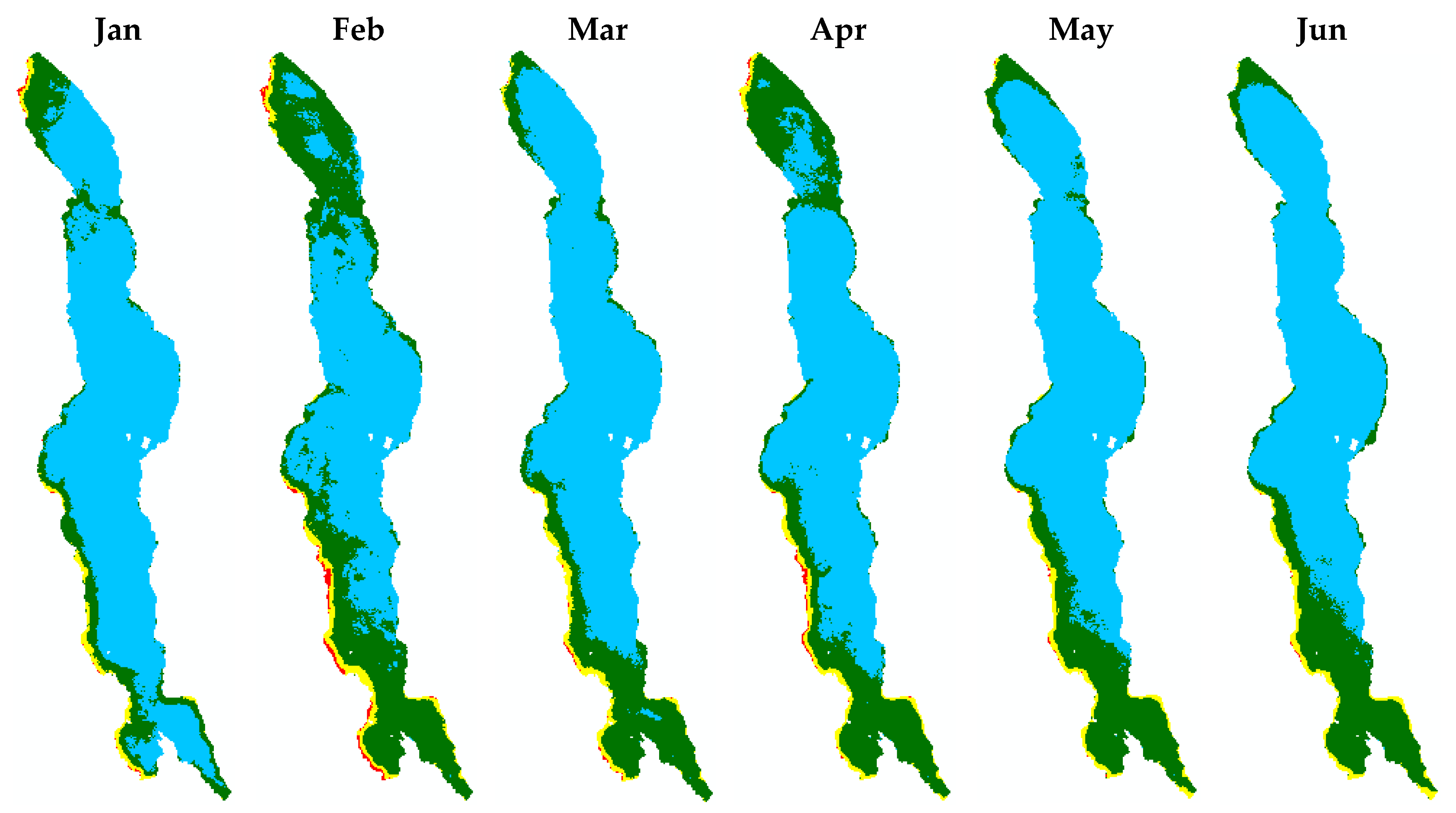
None of the previous studies could show water transparency status for the entire surface of Lake Malawi, which, based on our results, always has four transparency levels (SD values ranging from 1.5 m to >12 m). The SD distribution maps generated from MERIS data can show not only the different water transparency levels, and the percentage and spatial distribution of each level, but also their seasonal and annual variations (
Figure 6 and
Figure 7). Such information is useful for lake water management. Therefore, we consider that the combination of satellite data and the semi-analytical algorithm (Lee15) to be a useful tool for routinely monitoring water quality in Lake Malawi.
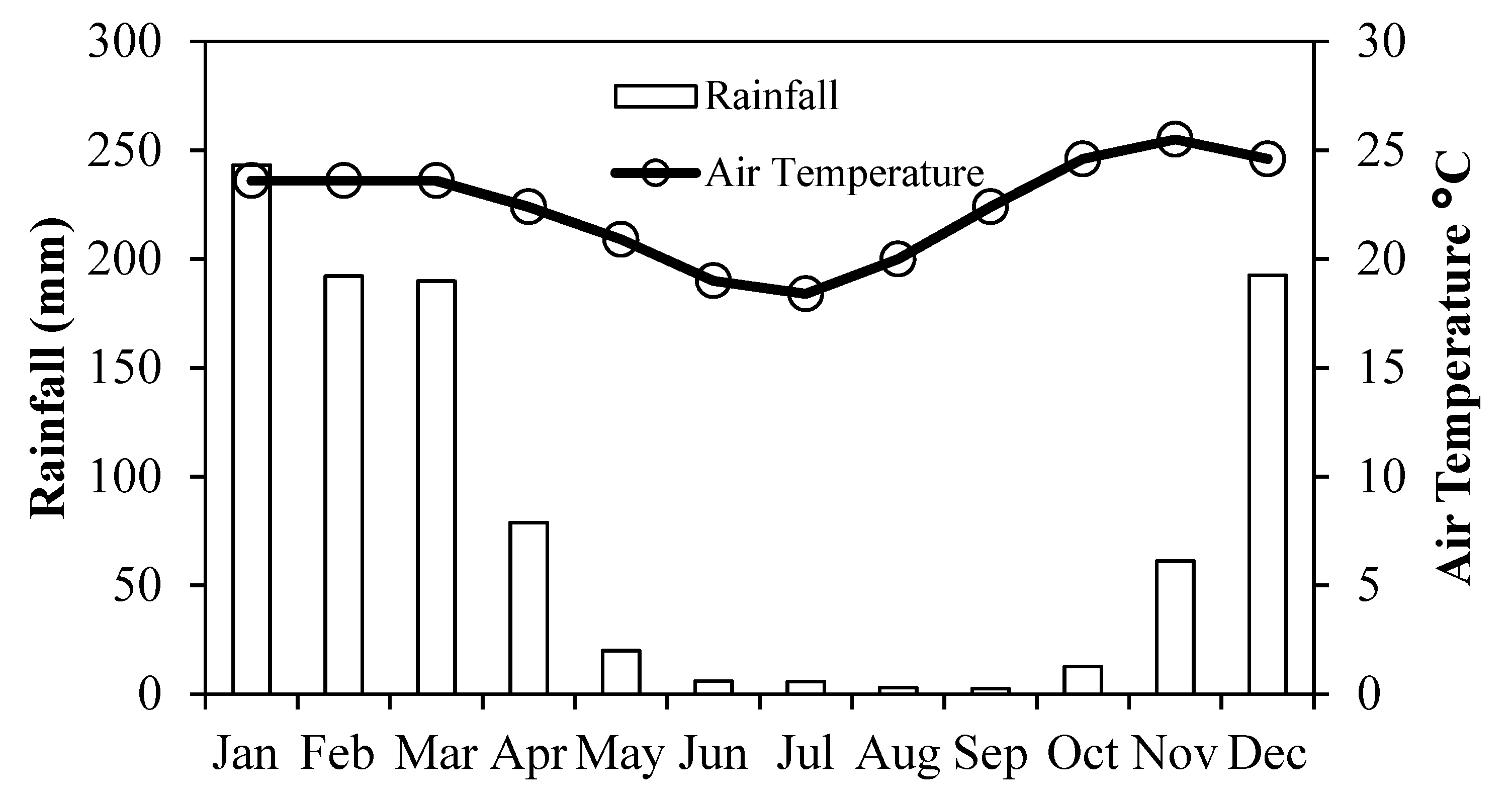
Our results also showed that turbid waters (transparency levels 3 and 4) in Lake Malawi are mainly distributed along the southwestern lakeshore. This is probably because the majority of the inflowing rivers, population, and rainfall are concentrated in the southwestern watershed of the lake [
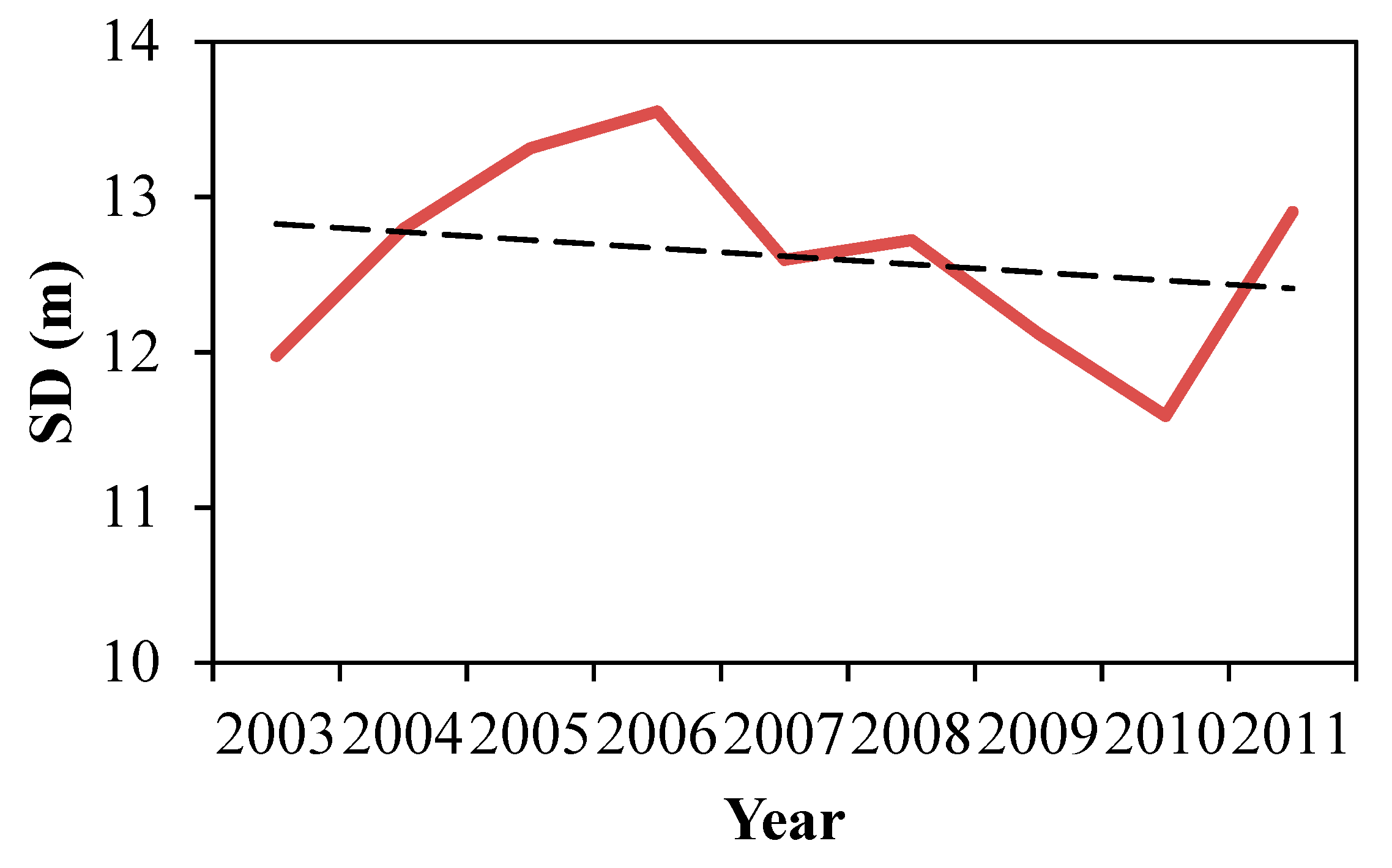
43]. Although no significant water transparency changes were found in Lake Malawi during the study period (2003–2011), continuous monitoring of the lake’s water transparency remains necessary using Lee15 algorithm and more current new sensors such as Landsat 8/OLI, Sentinel-2/MSI, Sentinel-3/OLCI, which have been successfully used for deriving SD values in several previous studies [
44,
45,
46].
Our future work will link the MERIS-derived SD values to trophic state of Lake Malawi. For this purpose, chlorophyll-a concentrations (Chl-a) in Lake Malawi are required to build a relationship between Chl-a and SD values as well as to determine coefficients for adapting Carlson’s trophic state index (CTSI, [
18]) model [
47,
48,
49,
50]. Chl-a estimation from MERIS data is ongoing by using OC4E algorithm [
51].
As pointed out by a previous study, loss of biodiversity due to fishing and nearshore water quality impacts has been a threat to Lake Malawi [
52]. The information on water quality of Lake Malawi provided in this study can be used to help in the management of the lake and its basin as well as toward achieving the Sustainable Development Goal 6, target 6.3 (Monitoring Ambient Water Quality; [
53]).
5. Conclusions
In this study, we first compared the performance of two semi-analytical algorithms (i.e., Doron11 and Lee15) in Lake Malawi. Our results showed that even though the SD estimations from the two algorithms were very highly correlated, with R2 larger than 0.96, the Lee15 algorithm outperformed the Doron11 algorithm in Lake Malawi with a high estimation accuracy (RMSE = 1.17 m, MAPE = 18.7%, R = 0.66, p < 0.05). The Doron11 usually overestimated SD values. These results indicate that water transparency in Lake Malawi can be evaluated by combining MERIS data and the Lee15 without algorithm recalibration using in situ data. This finding is important for most African lakes due to lack of in situ data for evaluating water quality or recalibrating an estimation algorithm in these lakes.
We then evaluated water transparency in Lake Malawi using the SD values estimated from nine years of MERIS data (2003–2011) with the Lee15 algorithm. Our results showed that there were always four water transparency levels in Lake Malawi throughout the study period. The levels 1 and 2 water areas tended to shift and trade places, depending on the year or season. In contrast, levels 3 and 4 water areas were relatively stable and constantly distributed along the southwestern and southern lakeshores. Generally, Lake Malawi is dominated by waters with SD values larger than 6 m (>95%). This is the first analysis to provide an overall and comprehensive assessment of water transparency status and spatiotemporal variation in Lake Malawi.