Quantifying the Relationship Between Blue–Green Landscape Spatial Patterns and Carbon Storage: A Case Study of theZhengzhou Metropolitan Area


Abstract
1. Introduction
2. Materials and Methods
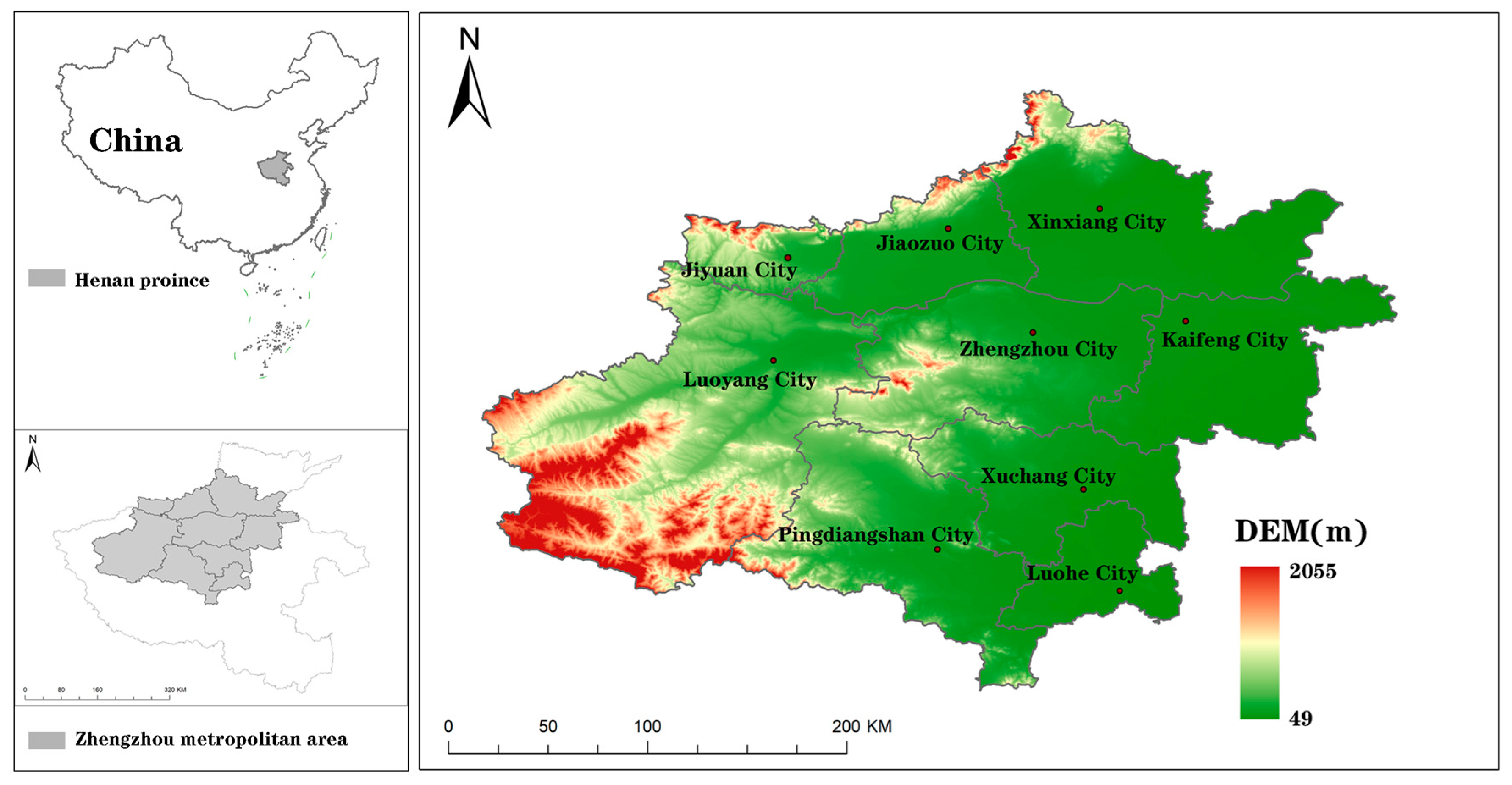
2.1. Study Area
2.2. Data Sources
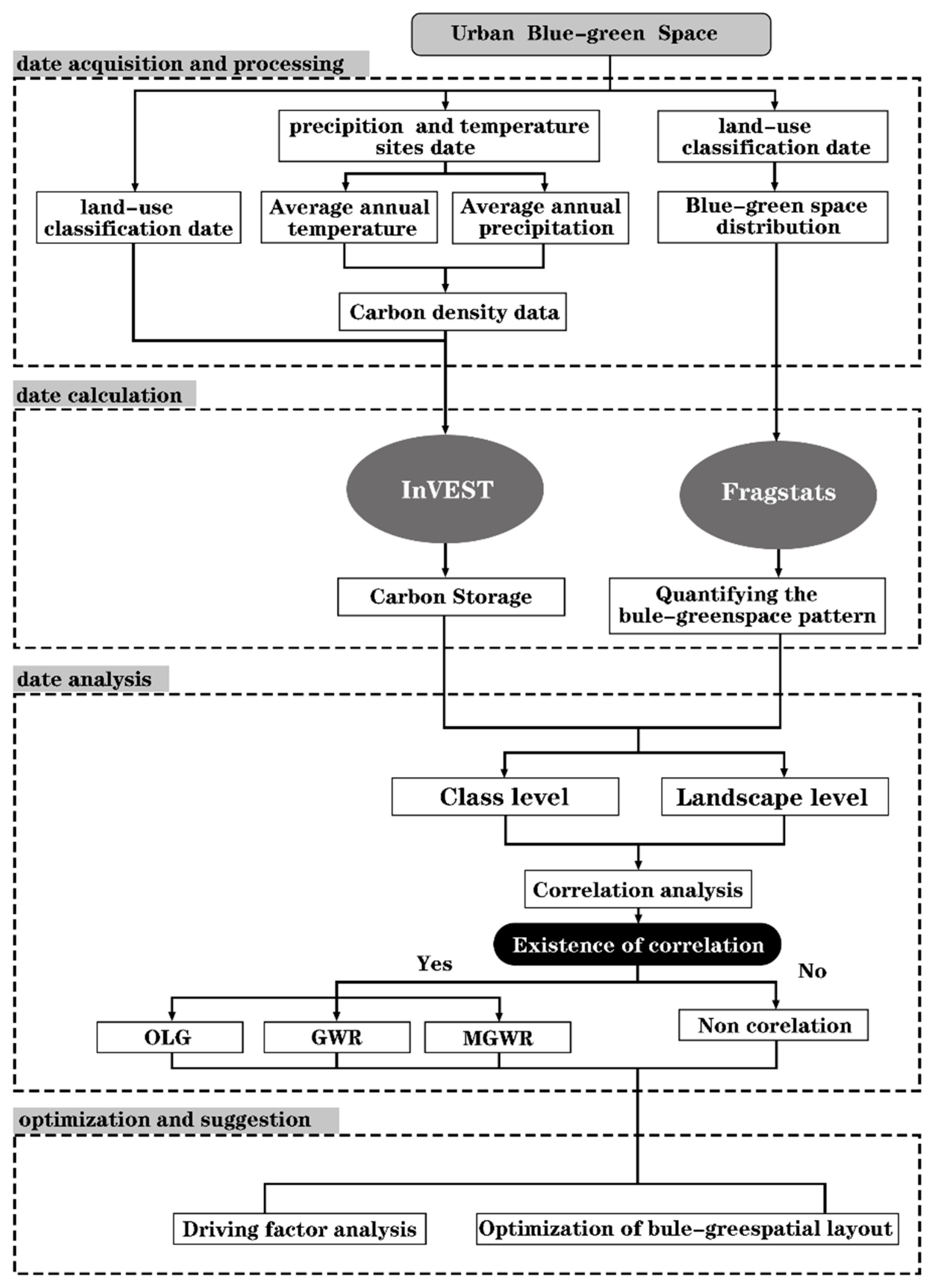
2.3. Data Analysis Procedures
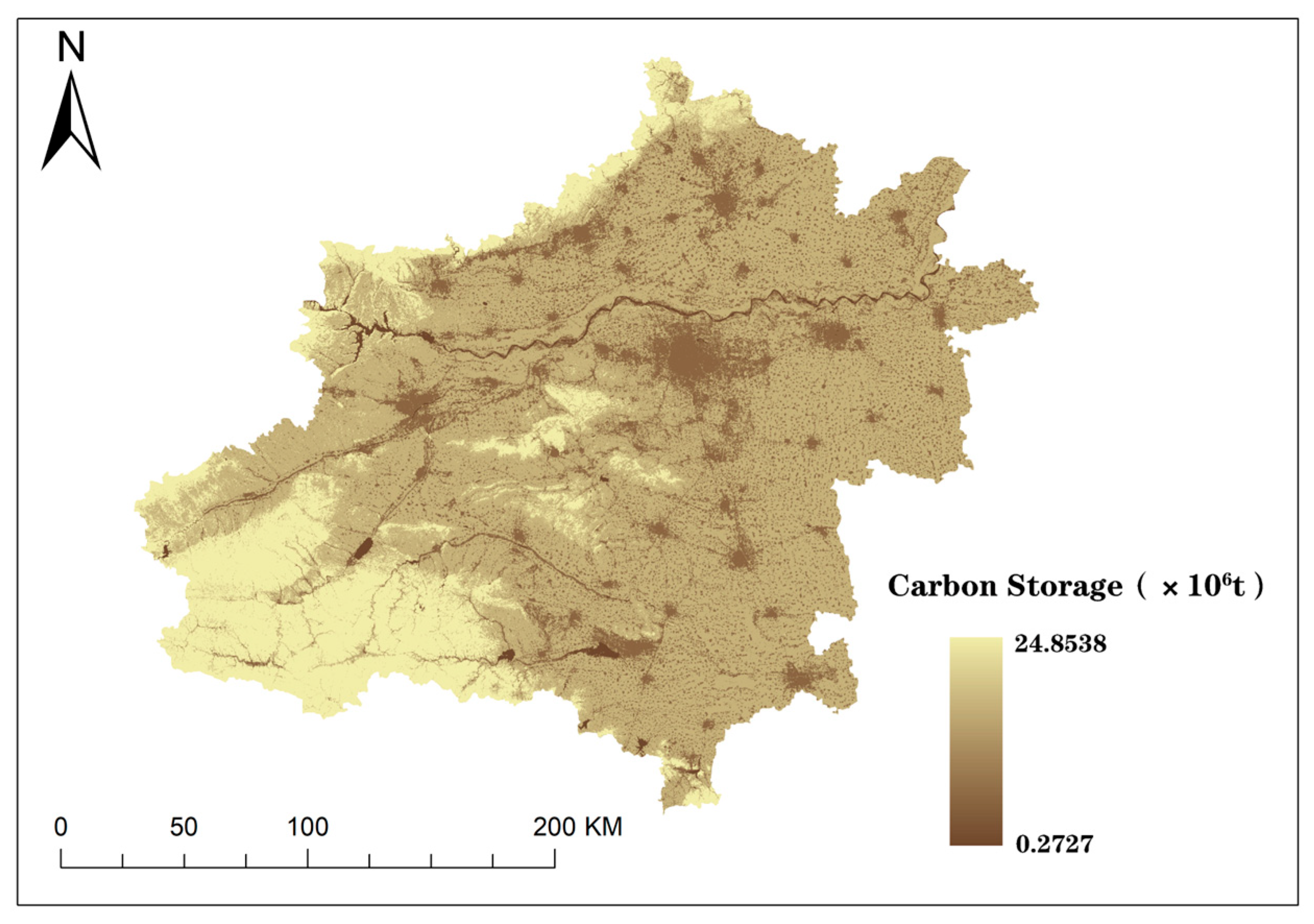
2.4. CS Calculation in the Study Area
2.5. Carbon Density Correction
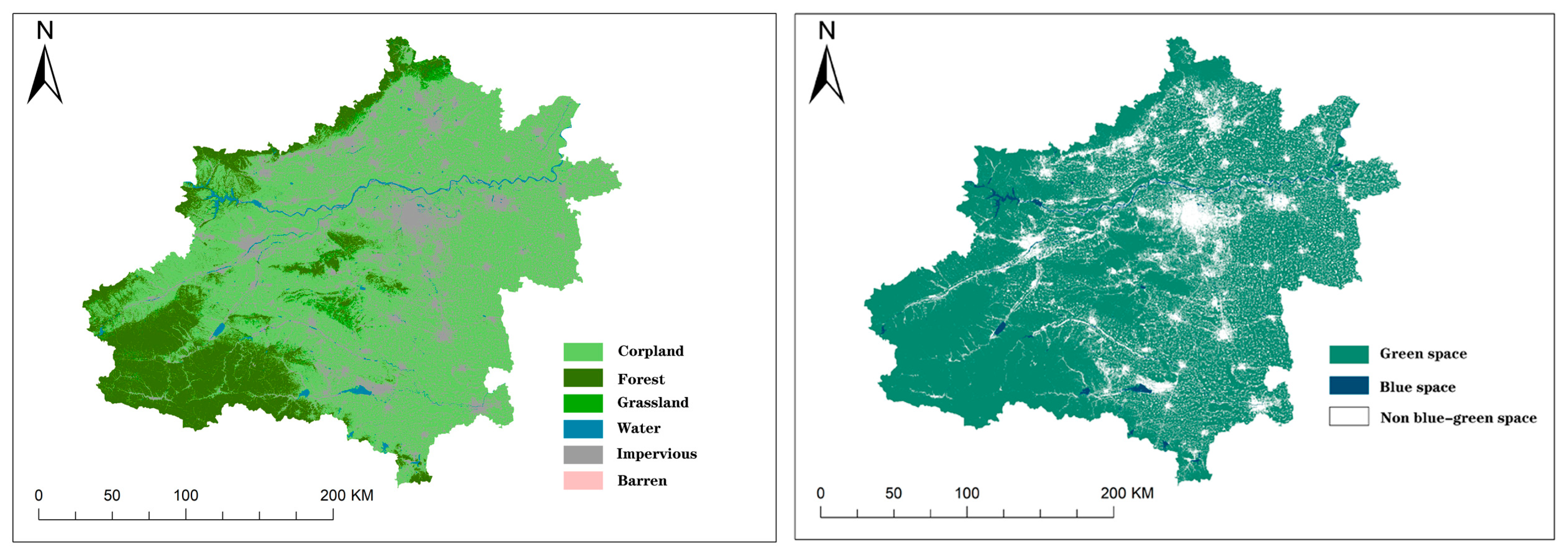
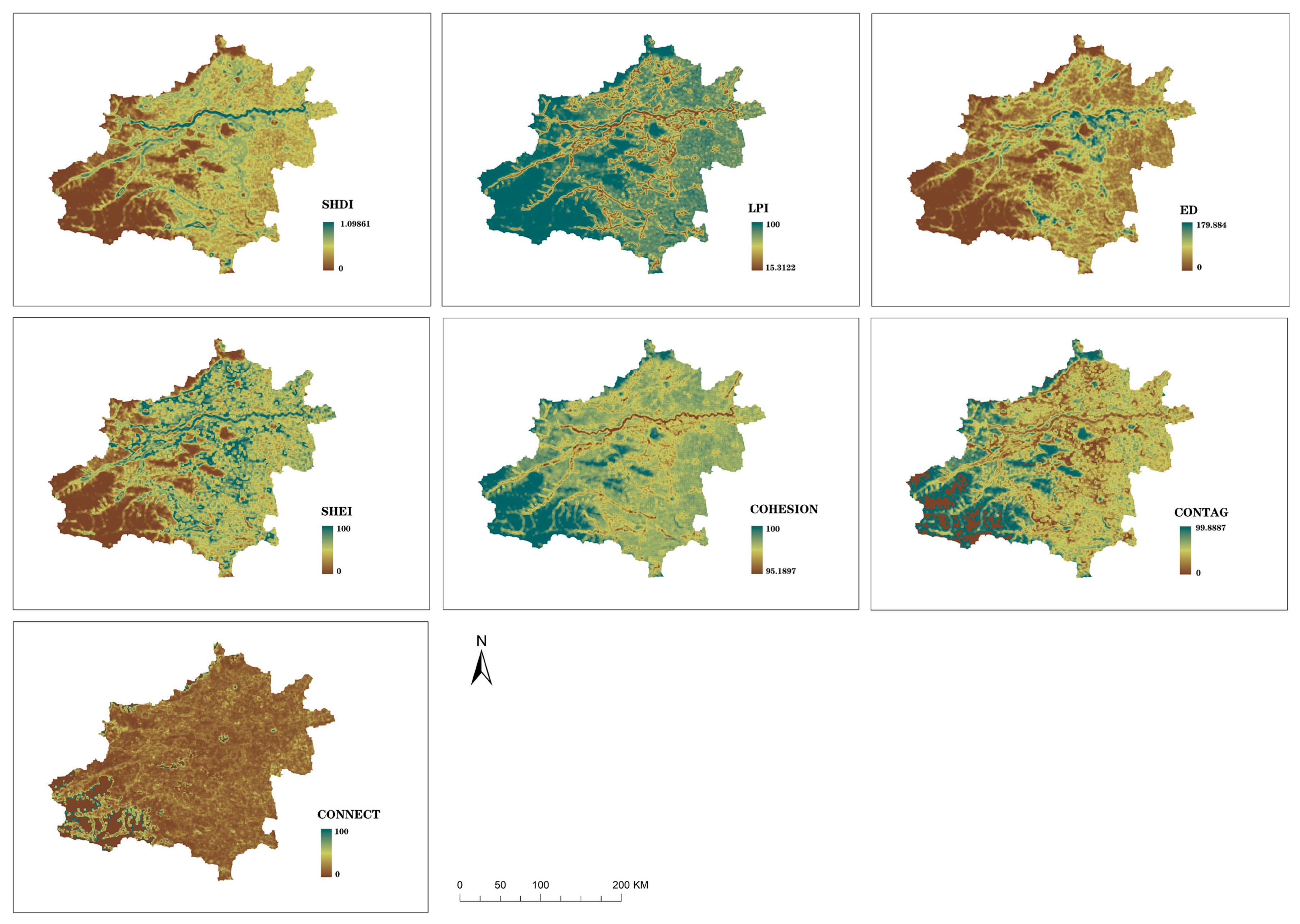
2.6. Quantification of BGSPs
2.7. Data Analysis
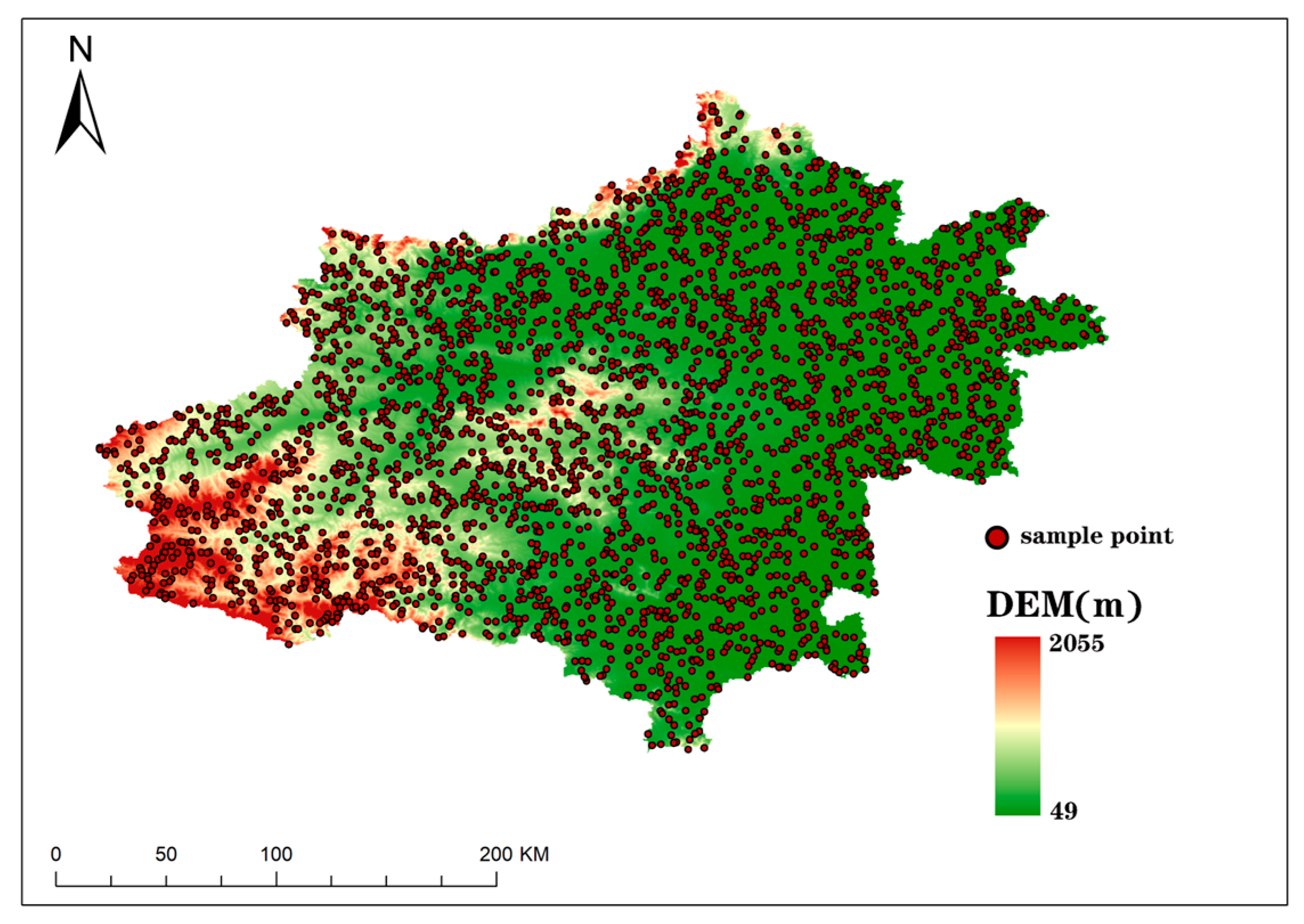
2.7.1. Sample Point Generation
2.7.2. Correlation Analysis
2.7.3. Regression Analysis
3. Results
3.1. Correlation Quantification Between BGSP Indices and CS
3.2. Comparative Analysis of Model Regression Results
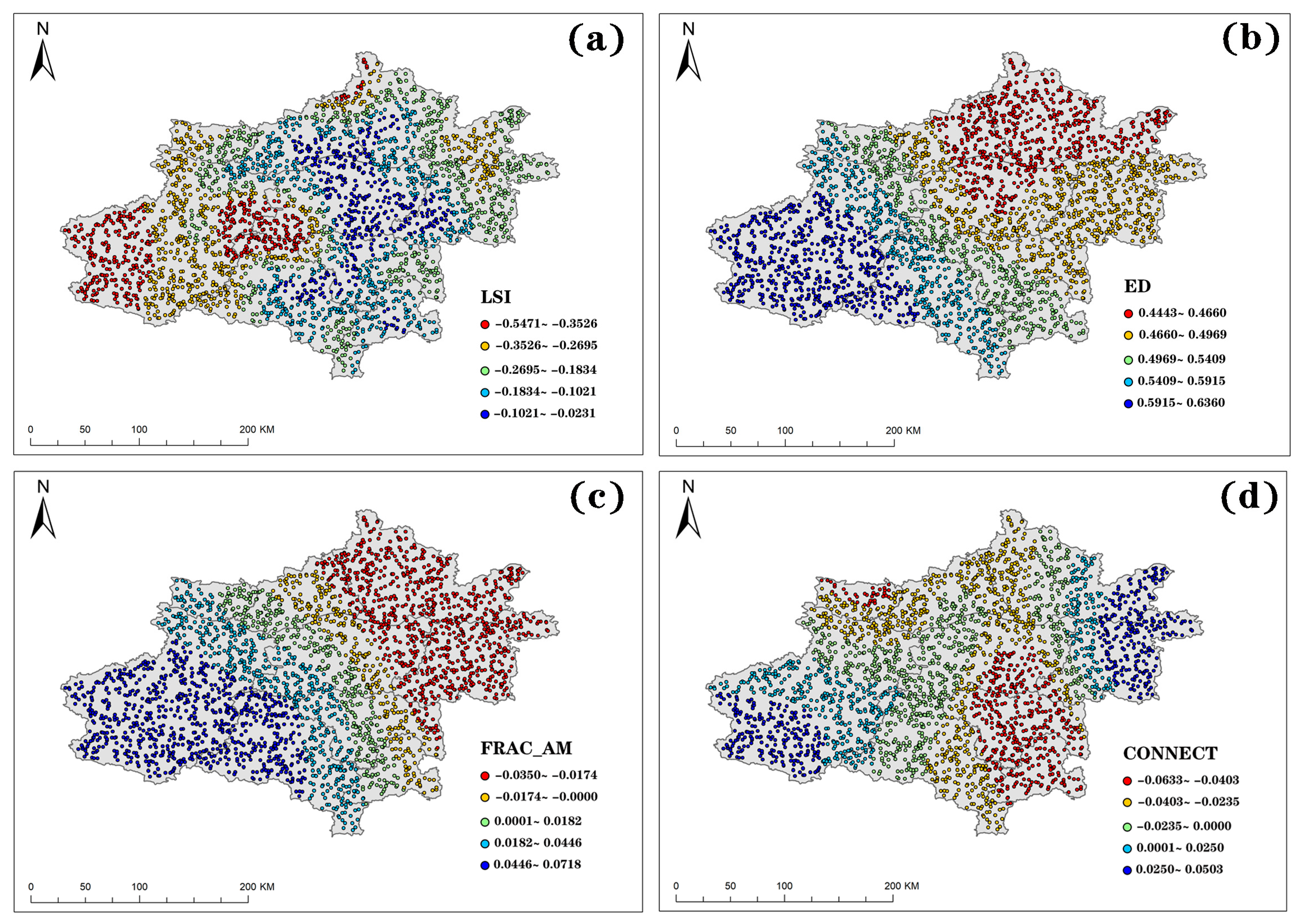
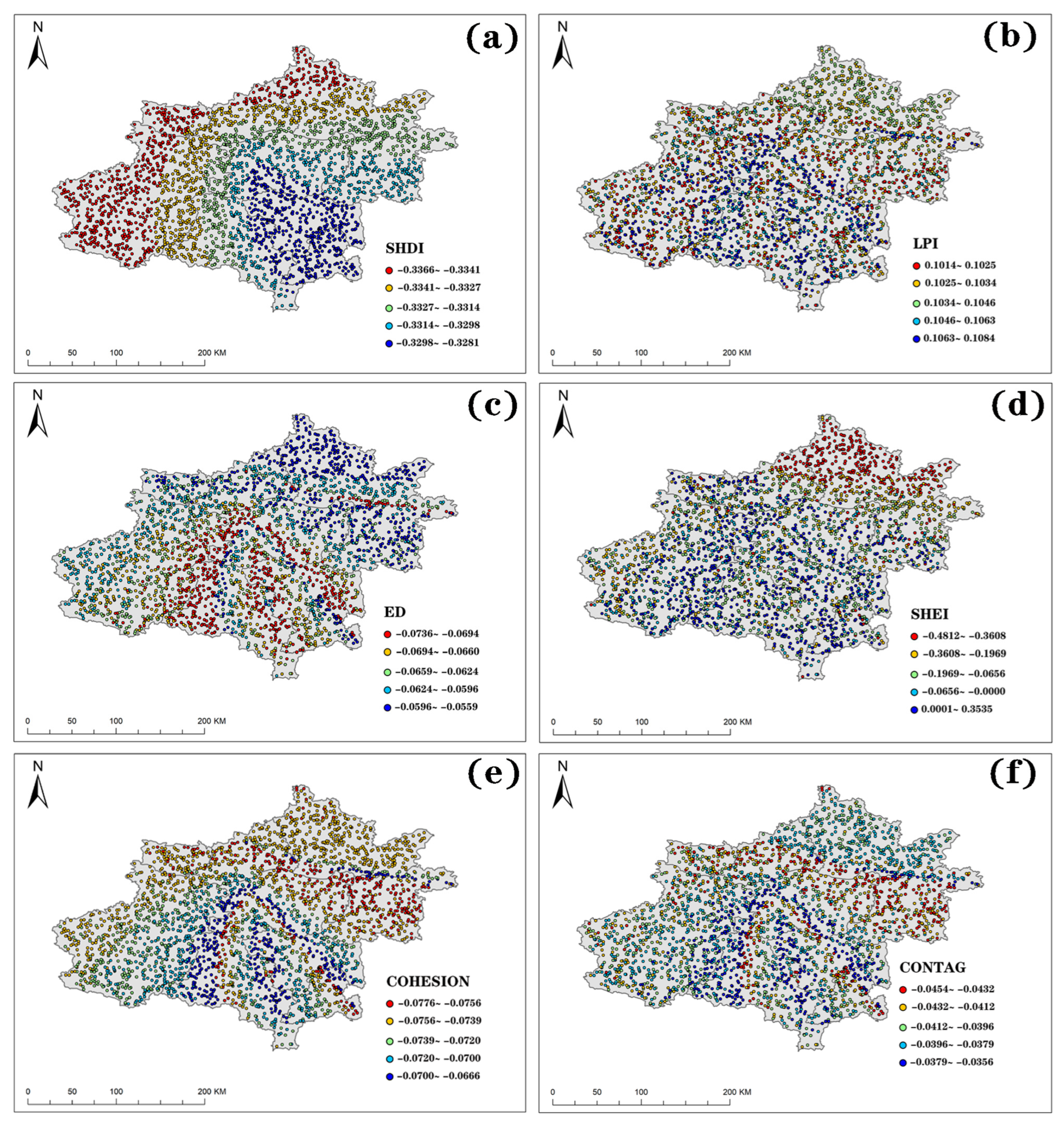
3.3. Spatial Heterogeneity in the Impact of BGSP on CS
4. Discussion
4.1. Key Indicators of BGSP Affecting CS
4.2. The Impact of BGS Coupling on CS
4.3. Spatial Heterogeneity in the Impact of the Overall BGSP on CS
4.4. Limitations and Prospects
5. Conclusions
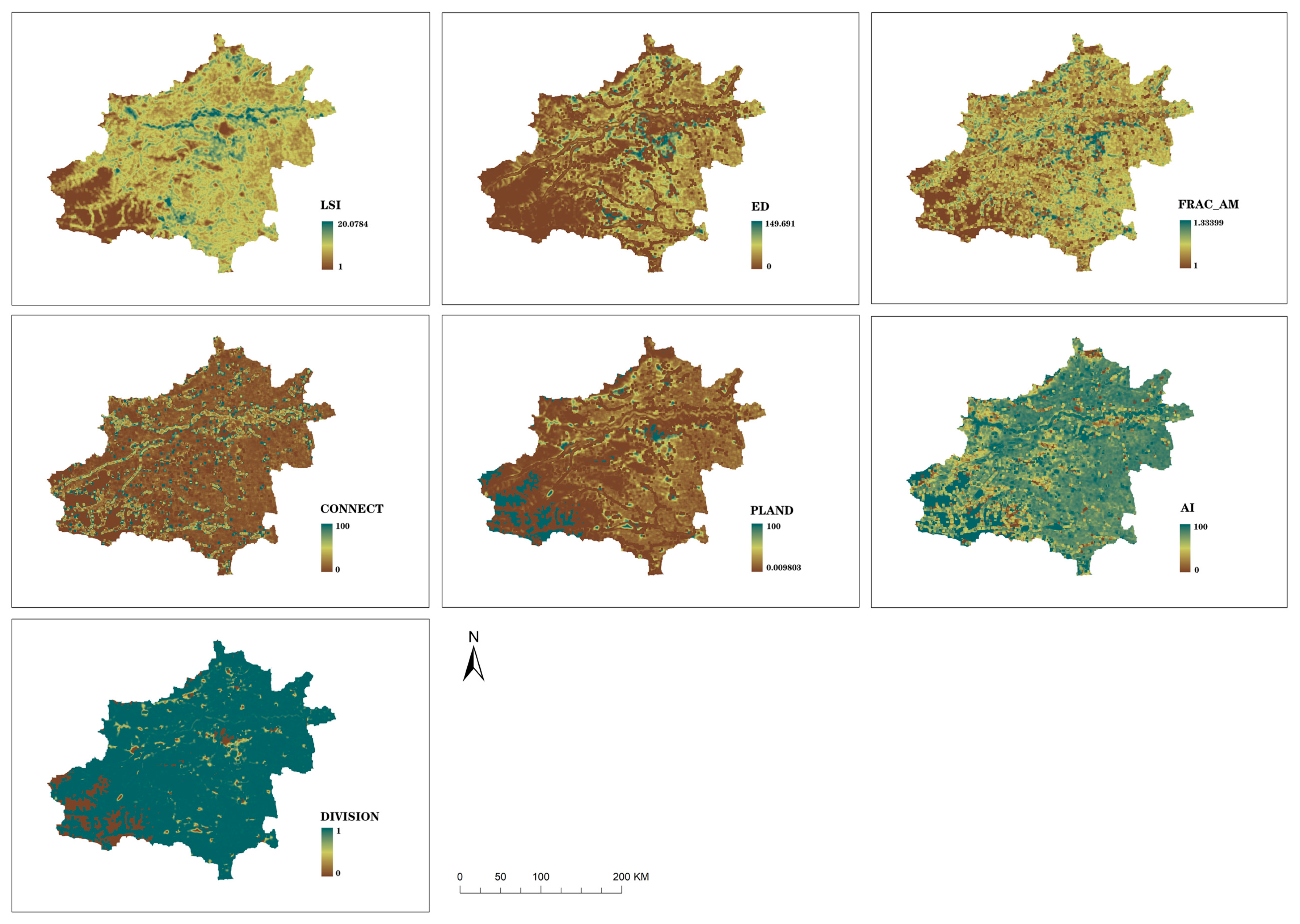
- This study clarified the spatial relationship and influencing mechanisms between urban BGSPs and CS, and quantified their spatial coupling effect, with a focus on supporting sustainable development and the “dual carbon” goals. From the perspective of optimizing BGSPs to enhance the CS function of urban ecosystems, it provides scientific insights for the planning and layout of BGSPs, contributing to the systematic optimization of green space spatial patterns, regional sustainable development, and the achievement of “dual carbon” goals. Based on the above analysis, the following core conclusions are drawn: BGSPs are significantly correlated with CS, with scale-dependent effects. At the class level, area–edge and shape complexity indicators (e.g., LSI, r = −0.427) inhibit CS; at the landscape level, SHDI (r = −0.635) suppresses CS, while SHEI (r = 0.602) and LPI (r = 0.618) notably promote it.
- The MGWR model outperforms the OLS and GWR models, with R2 values of 0.505 (class level) and 0.484 (landscape level), and accurately captures the “west–strong, east–weak” spatial heterogeneity of BGSP impacts on CS.
- Optimizing key BGSP indicators—simplifying patch boundaries, expanding core carbon sink patches, and constructing hierarchical ecological networks—provides a scientific basis for boosting regional carbon sinks and advancing the “dual carbon” goals.
Author Contributions
Funding
Institutional Review Board Statement
Informed Consent Statement
Data Availability Statement
Conflicts of Interest
References
- Cox, P.M.; Pearson, D.; Booth, B.B.; Friedlingstein, P.; Huntingford, C.; Jones, C.D.; Luke, C.M. Sensitivity of tropical carbon to climate change constrained by carbon dioxide variability. Nature 2013, 494, 341–344. [Google Scholar] [CrossRef]
- Sánchez, F.G.; Govindarajulu, D. Integrating blue-green infrastructure in urban planning for climate adaptation: Lessons from Chennai and Kochi, India. Land Use Policy 2023, 124, 106455. [Google Scholar] [CrossRef]
- Chen, H.; Wang, L.; Wang, Y.; Ni, Z.; Xia, B.; Qiu, R. New Perspective to Evaluate the Carbon Offsetting by Urban Blue-Green Infrastructure: Direct Carbon Sequestration and Indirect Carbon Reduction. Environ. Sci. Technol. 2024, 58, 12966–12975. [Google Scholar] [CrossRef]
- Qiao, W.; Hu, B.; Kattel, G.R.; Liu, J. Impact of urbanization on net carbon sink efficiency in economically developed area: A case study of the Yangtze River Delta urban agglomeration, China. Ecol. Indic. 2023, 157, 111211. [Google Scholar] [CrossRef]
- Almaaitah, T.; Appleby, M.; Rosenblat, H.; Drake, J.; Joksimovic, D. The potential of blue-Green infrastructure as a climate change adaptation strategy: A systematic literature review. Blue-Green Syst. 2021, 3, 223–248. [Google Scholar] [CrossRef]
- Chen, L.; Wang, X.; Cai, X.; Yang, C.; Lu, X. Combined Effects of Artificial Surface and Urban Blue-Green Space on Land Surface Temperature in 28 Major Cities in China. Remote Sens. 2022, 14, 448. [Google Scholar] [CrossRef]
- He, Z.; Lei, L.; Zeng, Z.-C.; Sheng, M.; Welp, L.R. Evidence of Carbon Uptake Associated with Vegetation Greening Trends in Eastern China. Remote Sens. 2020, 12, 718. [Google Scholar] [CrossRef]
- Huang, D.; Yi, F.; Wang, S.; Wei, H.; Wang, S. Research on the Pattern and Indicator System of Blue-Green Space in Territorial Spatial Planning. City Plan. 2022, 46, 18–31. Available online: https://qikan.cqvip.com/Qikan/Article/Detail?id=7106701973 (accessed on 3 March 2026).
- Zhao, X.-Y.; DU, Y.-X.; Li, H.; Wang, W.-J. Spatio-temporal changes of the coupling relationship between urbanization and ecosystem services in the Middle Yellow River. J. Nat. Resour. 2021, 36, 131–147. [Google Scholar] [CrossRef]
- Sun, W.; Liu, X. Review on carbon storage estimation of forest ecosystem and applications in China. For. Ecosyst. 2019, 7, 4. [Google Scholar] [CrossRef]
- Zhang, X.; Wang, J.; Yue, C.; Ma, S.; Wang, L.-J. Exploring the spatiotemporal changes in carbon storage under different development scenarios in Jiangsu Province, China. PeerJ 2022, 10, e13411. [Google Scholar] [CrossRef]
- Wang, Z.; Li, X.; Mao, Y.; Li, L.; Wang, X.; Lin, Q. Dynamic simulation of land use change and assessment of carbon storage based on climate change scenarios at the city level: A case study of Bortala, China. Ecol. Indic. 2022, 134, 108499. [Google Scholar] [CrossRef]
- Lemma, B.; Williams, S.; Paustian, K. Long term soil carbon sequestration potential of smallholder croplands in southern Ethiopia with DAYCENT model. J. Environ. Manag. 2021, 294, 112893. [Google Scholar] [CrossRef]
- Bera, B.; Bhattacharjee, S.; Sengupta, N.; Shit, P.K.; Adhikary, P.P.; Sengupta, D.; Saha, S. Significant reduction of carbon stocks and changes of ecosystem service valuation of Indian Sundarban. Sci. Rep. 2022, 12, 7809. [Google Scholar] [CrossRef] [PubMed]
- McGarigal, K.; Marks, B.J. FRAGSTATS—Spatial Pattern Analysis Program for Quantifying Landscape Structure; General Technical Report PNW; USDA Forest Service: Portland, OR, USA, 1995; Volume 351. [Google Scholar] [CrossRef]
- Ran, P.; Hu, S.; Frazier, A.E.; Yang, S.; Song, X.; Qu, S. The dynamic relationships between landscape structure and ecosystem services: An empirical analysis from the Wuhan metropolitan area, China. J. Environ. Manag. 2023, 325, 116575. [Google Scholar] [CrossRef] [PubMed]
- Han, Y.; Kang, W.; Song, Y. Mapping and Quantifying Variations in Ecosystem Services of Urban Green Spaces: A Test Case of Carbon Sequestration at the District Scale for Seoul, Korea (1975–2015). Int. Rev. Spat. Plan. Sustain. Dev. 2018, 6, 110–120. [Google Scholar] [CrossRef]
- Yuan, Y.; Tang, S.; Zhang, J.; Guo, W. Quantifying the relationship between urban blue-green landscape spatial pattern and carbon sequestration: A case study of Nanjing’s central city. Ecol. Indic. 2023, 154, 110483. [Google Scholar] [CrossRef]
- Zhang, R.; Ying, J.; Zhang, R.; Zhang, Y. Urban green and blue infrastructure: Unveiling the spatiotemporal impact on carbon emissions in China’s Yangtze River Delta. Environ. Sci. Pollut. Res. 2024, 31, 18512–18526. [Google Scholar] [CrossRef]
- Shi, N.; Yu, Y.; Liang, S.; Ren, Y.; Liu, M. Effects of urban green spaces landscape pattern on carbon sink among urban ecological function areas at the appropriate scale: A case study in Xi’an. Ecol. Indic. 2024, 158, 111427. [Google Scholar] [CrossRef]
- Kuang, Y.F.; Chen, X.L. Spatial heterogeneity of forest carbon stocks in the Xiangjiang river Basin urban agglomeration: Analysis and assessment based on the multiscale geographically weighted regression (MGWR) model. Front. Environ. Sci. 2025, 13, 1573438. [Google Scholar] [CrossRef]
- Wu, J.; Hou, Y.; Cui, Z. Coupled InVEST–MGWR modeling to analyze the impacts of changing landscape patterns on habitat quality in the Fen River basin. Sci. Rep. 2024, 14, 13084. [Google Scholar] [CrossRef]
- Zhao, J.; Guo, F.; Zhang, H.; Dong, J. Mechanisms of non-stationary influence of urban form on the diurnal thermal environment based on machine learning and MGWR analysis. Sustain. Cities Soc. 2024, 101, 105194. [Google Scholar] [CrossRef]
- Giardina, C.P.; Ryan, M.G. Evidence that decomposition rates of organic carbon in mineral soil do not vary with temperature. Nature 2000, 404, 858–861. [Google Scholar] [CrossRef]
- Li, K.R.; Wang, S.Q.; Cao, M.K. Vegetation and soil carbon storage in China. Sci. China Ser. D Earth Sci. 2004, 47, 49–57. Available online: https://cdn.sciengine.com/doi/pdfView/6411dd7d75714ee49f2eb7fc7eabdfe0 (accessed on 3 March 2026).
- Alam, S.; Starr, M.; Clark, B. Tree biomass and soil organic carbon densities across the Sudanese woodland savannah: A regional carbon sequestration study. J. Arid Environ. 2013, 89, 67–76. [Google Scholar] [CrossRef]
- Chen, G.; Yang, Y.; Liu, L.; Li, X.; Zhao, Y.; Yuan, Y. Research Progress on Belowground Carbon Allocation in Forests. J. Subtrop. Resour. Environ. 2007, 2, 34–42. [Google Scholar] [CrossRef]
- Wu, J.G. Landscape Ecology: Pattern, Process, Scale and Hierarchy; ScienceOpen, Inc.: Berlin, Germany, 2000. [Google Scholar]
- Chen, W.; Xiao, D.; Li, X. Classification, application, and creation of landscape indices. Ying Yong Sheng Tai Xue Bao (J. Appl. Ecol.) 2002, 13, 121–125. [Google Scholar]
- Peng, J.; Jia, J.; Liu, Y.; Li, H.; Wu, J. Seasonal contrast of the dominant factors for spatial distribution of land surface temperature in urban areas. Remote Sens. Environ. 2018, 215, 255–267. [Google Scholar] [CrossRef]
- Guo, G.; Wu, Z.; Cao, Z.; Chen, Y.; Zheng, Z. Location of greenspace matters: A new approach to investigating the effect of the greenspace spatial pattern on urban heat environment. Landsc. Ecol. 2021, 36, 1533–1548. [Google Scholar] [CrossRef]
- Yang, L.; Yu, K.; Ai, J.; Liu, Y.; Yang, W.; Liu, J. Dominant Factors and Spatial Heterogeneity of Land Surface Temperatures in Urban Areas: A Case Study in Fuzhou, China. Remote Sens. 2022, 14, 1266. [Google Scholar] [CrossRef]
- Teng, F.; Wang, Y.; Wang, M.; Li, S.; Lin, Y.; Cai, H. Spatiotemporal coupling relationship between urban spatial morphology and carbon budget in Yangtze River Delta urban agglomeration. Acta Ecol. Sin. 2022, 42, 9636–9650. [Google Scholar] [CrossRef]
- Cao, H.; Wu, Z.; Zheng, W. Impact of touristification and landscape pattern on habitat quality in the Longji Rice Terrace Ecosystem, southern China, based on geographically weighted regression models. Ecol. Indic. 2024, 166, 112259. [Google Scholar] [CrossRef]
- He, J.; Shi, Y.; Xu, L.; Lu, Z.; Feng, M. An investigation on the impact of blue and green spatial pattern alterations on the urban thermal environment: A case study of Shanghai. Ecol. Indic. 2024, 158, 111244. [Google Scholar] [CrossRef]
- Lu, X.-Y.; Chen, X.; Zhao, X.-L.; Lv, D.-J.; Zhang, Y. Assessing the impact of land surface temperature on urban net primary productivity increment based on geographically weighted regression model. Sci. Rep. 2021, 11, 22282. [Google Scholar] [CrossRef] [PubMed]





| Land Use Type | Aboveground Carbon Storage | Belowground Carbon Storage | Soil Organic Carbon Storage |
|---|---|---|---|
| Cropland | 5.7 | 80.7 | 108.4 |
| Forest | 42.4 | 115.9 | 158.8 |
| Grassland | 35.3 | 86.5 | 99.9 |
| Water | 3 | 0 | 0 |
| Construction land | 2.5 | 0 | 78 |
| Unused land | 1.3 | 0 | 31.4 |
| Land Use Type | Aboveground Carbon Storage | Belowground Carbon Storage | Soil Organic Carbon Storage | |
|---|---|---|---|---|
| 1 | Cropland | 5.75 | 81.41 | 111.23 |
| 2 | Forest | 42.77 | 116.91 | 116.47 |
| 3 | Grassland | 35.61 | 87.26 | 101.58 |
| 4 | Water | 3.03 | 0 | 0 |
| 5 | Construction land | 2.52 | 0 | 79.31 |
| 6 | Unused land | 1.31 | 0 | 31.93 |
| Category | Metrics | Abbreviations | Formula | Descriptions |
|---|---|---|---|---|
| Area–edge | Percentage of Landscape | PLAND | The proportion of a specific patch type within the entire landscape | |
| Edge Density | ED | The length of edges per unit area in a landscape | ||
| Shape complexity | Landscape Shape Index | LSI | The ratio between the actual landscape edge length and the assumed minimum edge length | |
| Area-Weighted Patch Fractal Dimension | FRAC-AM | The degree of shape complexity of patches in a landscape | ||
| Aggregation | Aggregation Index | AI | The aggregation or clumping of patches in a landscape | |
| Landscape Division Index | DIVISION | The degree to which a landscape is subdivided into separate patches | ||
| Connectivity | Connectance Index | CONNECT | The degree of connectivity between patches in a landscape |
| Category | Metrics | Abbreviations | Formula | Descriptions |
|---|---|---|---|---|
| Area–edge | Edge Density | ED | The length of edges per unit area in a landscape | |
| Largest Patch Index | LPI | The length of edges per unit area in a landscape | ||
| Shape complexity | Patch Cohesion Index | CONHESION | The physical connectedness of patches within a landscape | |
| Contagion Index | CONTAG | The degree to which different patch types are aggregated or clumped in a landscape. | ||
| Connectivity | Connectance Index | CONNECT | The degree of connectivity between patches in a landscape | |
| Diversity | Shannon’s Diversity Index | SHDI | The diversity of patch types within a landscape | |
| Shannon’s Evenness Index | SHEI | The evenness of the distribution of patch types within a landscape |
| Indicators | PLAND | LSI | FRAC_AM | ED | DIVISION | CONNECT | AI | |
|---|---|---|---|---|---|---|---|---|
| CS | Spearman | −0.129 ** | −0.427 ** | −0.297 ** | −0.344 ** | 0.132 ** | −0.199 ** | −0.084 ** |
| Sig. | 0.000 | 0.000 | 0.000 | 0.000 | 0.000 | 0.000 | 0.000 |
| Indicators | SHDI | SHEI | LPI | ED | CONTAG | CONNECT | COHESION | |
|---|---|---|---|---|---|---|---|---|
| CS | Spearman | −0.635 ** | 0.602 ** | 0.618 ** | −0.616 ** | 0.342 ** | −0.150 ** | 0.588 ** |
| Sig. | 0.000 | 0.000 | 0.000 | 0.000 | 0.000 | 0.000 | 0.000 |
| Level Name | Indicators | OLS | GWR | MGWR |
|---|---|---|---|---|
| class | R2 | 0.256 | 0.468 | 0.505 |
| Adj. R2 | 0.254 | 0.425 | 0.447 | |
| AICc | 7051.910 | 6556.764 | 6535.135 | |
| landscape | R2 | 0.383 | 0.391 | 0.484 |
| Adj. R2 | 0.183 | 0.339 | 0.414 | |
| AICc | 7663.153 | 7307.537 | 7124.151 |
Disclaimer/Publisher’s Note: The statements, opinions and data contained in all publications are solely those of the individual author(s) and contributor(s) and not of MDPI and/or the editor(s). MDPI and/or the editor(s) disclaim responsibility for any injury to people or property resulting from any ideas, methods, instructions or products referred to in the content. |
© 2026 by the authors. Licensee MDPI, Basel, Switzerland. This article is an open access article distributed under the terms and conditions of the Creative Commons Attribution (CC BY) license.
Share and Cite
Liu, L.; Li, Y.; Su, W.; Wang, Y.; Liu, Y. Quantifying the Relationship Between Blue–Green Landscape Spatial Patterns and Carbon Storage: A Case Study of theZhengzhou Metropolitan Area. Sustainability 2026, 18, 2771. https://doi.org/10.3390/su18062771
Liu L, Li Y, Su W, Wang Y, Liu Y. Quantifying the Relationship Between Blue–Green Landscape Spatial Patterns and Carbon Storage: A Case Study of theZhengzhou Metropolitan Area. Sustainability. 2026; 18(6):2771. https://doi.org/10.3390/su18062771
Chicago/Turabian StyleLiu, Longfei, Yonghua Li, Wangxin Su, Yihang Wang, and Yang Liu. 2026. "Quantifying the Relationship Between Blue–Green Landscape Spatial Patterns and Carbon Storage: A Case Study of theZhengzhou Metropolitan Area" Sustainability 18, no. 6: 2771. https://doi.org/10.3390/su18062771
APA StyleLiu, L., Li, Y., Su, W., Wang, Y., & Liu, Y. (2026). Quantifying the Relationship Between Blue–Green Landscape Spatial Patterns and Carbon Storage: A Case Study of theZhengzhou Metropolitan Area. Sustainability, 18(6), 2771. https://doi.org/10.3390/su18062771