


Abstract
Several state institutions are involved in border security management, including border guards, customs services, veterinary and phytosanitary supervision, and other institutions whose areas of responsibility overlap at border control points. In this study, we found that most EU member states still use sectoral systems, with varying degrees of cooperation. The authors emphasise the importance of providing a unified (comprehensive, integrated, and sustainable) approach to border security risk management. The study focuses on the security risk management of the external border. The authors explore a feasible methodological solution and provide recommendations for improving border security and common risk management at the tactical (one-year) level, based on an analysis of scientific literature and practical work experience, as well as surveys and empirical considerations. Quantitative and qualitative research methods are employed in the study. The study’s main findings demonstrate how methodological solutions can support sustainable risk management and provide essential risk assessment techniques. The authors propose a 5-level matrix to assess the impact of external border security risks. National and international agencies can apply the study’s outcome to facilitate mutual collaboration and enhance sustainable, common security risk management practices.
1. Introduction
Modern geopolitical and economic conditions, including increasing globalisation, the mobility of people and goods, and the emergence of new security threats, require capable and coordinated responses from states in managing their external borders. States are faced with increasingly diverse and complex threats—illegal migration, terrorist and organised crime activities, trafficking in people and drugs, illicit arms circulation, environmental and public health threats, cyberattacks on critical infrastructure, as well as supply chain disruptions due to climate change or pandemics [1]. These threats are often interconnected and exploit vulnerabilities in the same system, making traditional, separate approaches to border management insufficient.
External border security has emerged as a core arena where multiple security domains intersect, making it central to contemporary security studies. The literature review demonstrates that border management has evolved from simple territorial control to sophisticated risk-governance systems that address migration, terrorism, public health, technology deployment, and geopolitical tensions [2]. Customs and other border control services around the world manage external border security risks through coherent strategies, technological integration and cooperation systems. These efforts aim to strike a balance between facilitating legitimate trade and travel and preventing illegal activities, while ensuring national security. The implementation of these strategies involves a range of stakeholders, including international organisations, national governments, and private-sector partners. Contemporary border management increasingly operates through risk analysis and management frameworks rather than solely through traditional border policing approaches. This shift reframes how individuals and situations are categorised as “risks” and fundamentally alters resource allocation and operational priorities [1]. Coordinating a common risk management strategy for external border security is challenging due to the involvement of multiple stakeholders. Effective information exchange is necessary, striking a balance between security and trade facilitation. Coordinated border management requires streamlining and integrating processes and technologies to enable different agencies to work together effectively on border issues, thereby reducing costs, enhancing border security, and facilitating trade [3,4,5].
International organisations have developed several border management models based on cooperation, information exchange, and process integration. These include the Collaborated Border Management model developed by the World Bank [4,6], the Integrated Border Management (IBM) model developed and implemented by the European Union (EU), which is set out in European Commission Regulation (EC) 2016/1624, and the Coordinated Border Management model developed by the World Customs Organisation (WCO). A common element of these models is cooperation between border management agencies to enhance information exchange, minimise duplication of functions, and improve the efficiency and effectiveness of resource utilisation. Although international organisations have developed several border management models based on cooperation and information exchange and have established clear principles for the coordination of border management institutions, joint risk management, and the harmonisation of procedures and IT systems, it has not yet been possible to ensure that the services involved in ensuring border security use a unified and comprehensive approach to sustainable border security risk management. The literature consistently identifies governance fragmentation as a fundamental challenge in external border security management. Multiple agencies operating at different governmental levels (local, national, and supranational) often lack effective coordination mechanisms, resulting in gaps in resilience and response strategies. This fragmentation undermines the coherent implementation of border security policies, creating vulnerabilities that can be exploited [2,7]. This is also clearly demonstrated by the study’s finding that, among the 27 EU member states, only a few have a comprehensive and integrated approach to risk management at external borders. Most countries still use sectoral systems with varying degrees of cooperation.
A comprehensive approach to border security risk management requires integrating multiple assessment methodologies. Qualitative risk assessment provides a basis for understanding subjective threat aspects, while quantitative analysis offers precise measurements for decision-making. This dual approach enables border control authorities to evaluate both measurable data points and contextual factors that may impact security outcomes. Effective management of external border security risks (hereinafter, border security risk management) is crucial to prevent potential information gaps that arise when authorities operate in isolation. Only a joint risk analysis enables a comprehensive understanding of the nature and intensity of threats in various border segments and time periods. It facilitates timely decision-making, efficient resource allocation, and adaptive action in the face of new threats. In border management, it is essential to develop innovative and sustainable methodological approaches to managing border security risks. This would allow for the systematisation of processes and the identification of vulnerabilities in security systems.
The research object of this study is external border security risk management. Accordingly, the authors focus the research on methodological solutions to improve the approach to border security risk management and state the main research question: what are the main benefits of unified security risk management, and what methodological solutions may support a sustainable external border security? In the article, the authors conclude that methodological solutions help organisations make informed decisions based on risk assessments, thereby improving resource allocation and the effectiveness of security measures. Ultimately, these methodologies provide a structured framework that enhances risk management in a changing security environment.
This study identifies the main benefits of sustainable common border security risk management and methodological solutions that could support sustainable external border security. The study recommends ways to enhance tactical (one-year) border security risk management to enable faster responses to evolving threats. Today’s security environment is highly dynamic, with threats evolving in both nature and intensity, necessitating regular risk assessments and strategy updates. A one-year period is optimal for collecting and analysing statistical data on previous incidents, identifying trends, and setting priorities for the next period. This approach enables decisions to be based on current, empirical data rather than relying solely on long-term forecasts. The tactical-level model provides flexibility and the ability to adapt to new risks, such as geopolitical changes, fluctuations in migration flows, and the emergence of new technologies or crime types. A unified methodology, applied on an annual basis, promotes inter-institutional cooperation and a more efficient use of resources. This is particularly important because sustainable border security risk management involves several institutions with different functions and priorities. A tactical (annual) approach ensures timely decision-making and rapid resource reallocation, which are essential for responding effectively to new threats and eliminating blind spots in the flow of information between institutions. In this article, the authors analyse approaches that would help national and international institutions to develop a unified, effective, and sustainable system for assessing and managing border security risks. This study aims to provide practical and analytically sound solutions that support sustainable border management, promote national and regional security, and foster international cooperation.
Structure of the article: (1) research topicality is described and a research gap to be filled is highlighted, (2) a combined (mix) qualitative and quantitative research methodology is employed to and explain key theory foundations, models, and analytical approaches that ground the study, (3) comprehensive literature review covering border security risk management approaches and techniques is provided, (4) main study results and discussion contain a risk management system, risk analysis model and approach, risk management process and experience are presented, (5) solutions for sustainable joint border security risk assessment at the tactical level are proposed. Conclusions briefly summarise the main study outcomes and insights.
2. Materials and Methods
The authors use a systematic, data-driven, interdisciplinary approach to develop unified risk management solutions for border control. Using a methodology that combines qualitative and quantitative research methods, it is possible to evaluate existing systems, identify needs, problems and current issues, compile examples of good practice, and outline measures to be implemented in the process of creating a unified system.
Methodological solutions are proposed and discussed in a somewhat structured, evidence-based manner, integrating perspectives from several sectors and reflecting interdisciplinarity. The study defines a methodological framework based on generally recognised principles of risk management. The activities of involved organisations are examined according to uniform criteria. The study ensures comparability and coordination, which is especially important in border management, since several national and international organisational units are involved. The quantitative methods used in the study allow for more objective measurement of risks, trends, and efficiency, as well as for comparing different models. Consequently, the study is based on data obtained by analysing the activities of services involved in border risk management. The qualitative research method is employed by analysing expert interviews with EU member states (MS) (Source: Classified information of restricted access, Latvian National Customs Board (NCB)) and national and international regulatory enactments, as well as strategic and planning documents (content analysis).
To gain a general overview of existing risk management systems in border management, a literature review and analysis of relevant policy documents and regulatory acts are conducted. This enables an assessment of risk management in various institutions involved in border management at both the national and EU levels, as well as an examination of practices in different MS. Particular attention is paid to practices in Latvia, as border management in Latvia focuses on ensuring the security of the EU’s eastern border, based on common border management standards.
The study is based on well-established risk management theory and models, which have shifted public safety strategies toward improving system security barriers and organisational processes, rather than simply blaming frontline operators [8]. Modern security risk management acknowledges complexity while striving for high reliability through training, redundancy, and adaptability. Thus, institutions and the public are preoccupied with future safety, and political conflicts often centre on the distribution and acceptance of risks [9]. Cultural and sociological theories [10] emphasise that public security risk management must consider social acceptance, risk communication, and the political context, in addition to technical risk calculations. Scholars emphasise that an effective public security risk management is multidisciplinary. Therefore, it requires scientific analysis of hazards, organisational learning, and engagement with public values and perceptions to ensure that risk reduction measures are both technically sound and socially robust. Academic studies emphasise that risk management in border security serves a dual objective—enhancing security while facilitating legitimate trade and travel. Contemporary research also highlights the growing role of technology (e.g., big data analytics, artificial intelligence) in border risk management [11]. While the fundamental theories remain rooted in risk analysis, new methods enable handling the scale and complexity of global flows. Overall, the theoretical underpinnings of border security risk management are closely aligned with general risk management but tailored to the cross-border context. In this study, the authors examine the Common Integrated Risk Analysis Model (CIRAM), used by the European Border and Coast Guard Agency [12]. It concerns a conceptual framework for assessing threats at external borders, providing structured methods for evaluating risk indicators and producing risk analyses that inform operational decisions. A gap analysis was performed during the study. By comparing the current situation with the desired model, the authors have identified gaps, opportunities to standardise systems, and proposed improvements that could deliver future benefits through better methodology.
3. Literature Review
The scientific articles and publications reviewed emphasise the importance of external border security risk management and the multifaceted approaches to addressing this risk. The articles and publications address aspects that influence the effectiveness, meaningfulness, and challenges of border security risk management.
Polner [13] emphasises the importance of coordinated border management, arguing that it is a strategic approach that enhances the efficiency and effectiveness of regulation by improving coordination between border authorities at both local and international levels. This includes joint policy development and operational action to streamline processes and reduce duplication. Fink and Rijpma [8] analyse how the EU manages its external borders through shared competences, agencies, and regulatory frameworks within coordinated border management. Lawson & Bersin [9] point to the challenges of border management cooperation. Cooperative border management challenges the traditional unilateral approach by supporting cooperation between neighbouring countries to facilitate legitimate trade and travel. The primary objective of this approach is to prevent and combat transnational crime, as well as manage transboundary ecological resources. A sustainable common European border security policy has been discussed by Georgiev [14,15,16], who highlights early efforts to harmonise national approaches and balance security with freedom of movement.
Border control services worldwide manage external border security risks through the integration of intelligence, coordinated border management, and joint efforts. These strategies are designed to improve the effectiveness and efficiency of border security while facilitating legitimate trade and travel. Ylönen & Aven [17] point to the perspective of integrating intelligence and risk management. A key element of this approach is inter-agency interoperability and joint risk management. Intelligence involves the collection, exchange, processing, analysis and dissemination of information on threats related to cross-border movements, illicit activities, and organised crime. A common framework for integrating intelligence and risk management provides customs and border control services with new insights and tools to address risk and intelligence issues effectively.
To improve the security and efficiency of border control systems, sustainable common border security risk management involves the strategic application of risk management principles. Such an approach is essential to address the complex challenges posed by cross-border threats, demographic pressures and technological developments. The integration of risk-based methodologies into border security aims to optimise resources, improve threat detection, and streamline border processes. Jain et al. [18] propose implementing a risk-based border management system to classify travellers into risk groups, enabling more efficient resource use and improved passenger flow. Peterson [19] notes the primary strategies for addressing security risks. Security risk management includes proactive risk identification, assessment, vulnerability analysis, implementation of risk mitigation strategies and risk acceptance. Also important is implementing the 4Ds: deter, deny, detect, and delay. Johnson [20] complements this perspective by examining how less visible border vulnerabilities can undermine national resilience, highlighting the importance of anticipatory and systemic risk management approaches. Tudor & Gavrila [21] emphasise that risk analysis plays a crucial role in enhancing customs risk management, identifying regulatory gaps, and adapting to the complexity of sanctioning in the current geopolitical environment. The authors highlight significant gaps in sanctions regulation, such as overlapping laws, inconsistent application, insufficient systematisation, and inadequate risk management strategies. These shortcomings highlight an urgent need to reform sanctions enforcement to enhance its effectiveness. In this context, Hoffman et al. [22] propose a structured methodology for designing customs risk models, emphasising systematic risk identification, data quality, and continuous model refinement.
Several scholars have highlighted the integration of technology in risk management in their research. Rousan & Intrigila [23] highlight the application of artificial intelligence (AI) and big data analytics to border security, enhancing the ability to manage complex data and improving threat detection capabilities. AI-based risk management systems can streamline border control processes, reduce human error and improve overall security measures. Oussama et al. [24] propose using AI to develop recommendation systems for customs risk management, utilising supervised machine learning algorithms in shipment processing, and to assist customs inspectors in decision-making. García and Caballero [25] further advance this approach by introducing a multi-objective Bayesian decision model combined with dynamic optimisation, demonstrating how machine learning can enhance customs fraud detection through adaptive risk scoring. Rats & Alfimova [26] and Yadav et al. [27] highlight the impact of AI in customs process automation, allowing real-time monitoring and analysis of potential risks. Kuo & Chou [28] also highlight AI’s ability to analyse large datasets from import manifests and other sources to identify anomalies indicative of smuggling or fraud with sufficient accuracy. Tudor & Gavrila [21] note that AI plays a crucial role in improving sanction detection and enforcement by enhancing monitoring capabilities, facilitating real-time data analysis and automating risk assessment, thereby supporting control authorities in their efforts to combat sanctions evasion. Razumei et al. [29] highlight that while AI offers significant benefits in customs risk management, it is important to consider the challenges associated with its implementation. These include the need for interpretability of AI models, as customs officers need clear insight into AI-based decisions. Additionally, ethical considerations and data privacy concerns must be addressed to ensure the responsible use of AI in customs operations. As well, according to Rats & Alfimova [26], AI integration should be aligned with international standards and practices to ensure consistency and efficiency across regions.
Livdāne & Arbidāne [30] note that CIRAM is a systematic approach to risk analysis, ensuring that the process is organised and free of randomness. CIRAM emphasises the importance of processing information at all levels—strategic, operational and tactical. This holistic approach enables a deeper understanding of threats, vulnerabilities, and impacts, which is essential for a qualitative risk analysis. CIRAM improves the quality of risk analysis through structured methodologies, comprehensive information processing, feedback mechanisms, quality control measures, training initiatives and efficient resource allocation. These elements work together to ensure that risk analysis is not only systematic but also responsive to the dynamic nature of border management challenges.
Widdowson [31] proposes an integrated compliance management system that encompasses several key components, collectively enhancing customs risk and compliance management. The author notes several standards and rules for customs risk management. These are noted as the Kyoto Revised Convention, which requires the implementation of risk management in customs controls, the World Trade Organisation (WTO) Agreement on Trade Facilitation, which emphasises risk management to avoid discrimination, and the ISO 31000 [32] international risk management standard, which is applicable across all sectors and which the WCO has included in its Risk Management Handbook. The practical application of ISO 31000 is further elaborated in guidance materials such as the white paper by Lachapelle et al. [33], which outlines key principles and implementation considerations for risk management frameworks.
The role of the sustainability factors in border security management is analysed in the OSCE study. In this study, a sustainable border security has been conceptualised as dependent on legality, human rights compliance, and long-term governance legitimacy [34]. Complementing this, the World Bank emphasises institutional capacity, financial viability, and governance as prerequisites for sustainable border management [35]. At the same time, the Global Counterterrorism Forum highlights resilience, ethical governance, and responsible use of technology as essential for enduring border security [36]. To improve the effectiveness of sustainable border management strategies in the EU, Mahmutovic & Alhamoudi [37] propose the use of retrospective and prospective analyses, statistical indicators, categorisation of risk levels, a holistic understanding of conditions, and the integration of tactical management to manage border risks.
Sustainable border security risk management combines resources from various agencies, countries, and technologies to address external threats more effectively. Several important aspects are highlighted in the literature. Schneller et al. [38] further support this integrated approach by analysing converged security risk management, identifying organisational drivers and barriers to effective coordination across security domains. Coordinated border management enhances efficiency, reduces duplication, and fosters cooperation among border authorities [4,13]. The integration of intelligence and risk management enables the more effective identification of threats and their timely response [17]. The use of technology, particularly AI, enhances data analysis, improves threat detection, and automates processes [23,24]. The CIRAM provides a systematic and multi-level approach to risk analysis [30]. International standards (e.g., ISO 31000, PTO agreement) ensure a consistent approach and quality [31].
Mainly based on the literature analysis, the authors define sustainable common security risk management as the coordinated, long-term process through which multiple states or border-management authorities jointly identify, assess, and mitigate shared risks to their borders in a way that ensures security, legal compliance, human-rights protection, operational resilience, and efficient, responsible use of collective resources.
It integrates collaboration, sustainability principles, and risk-based decision-making to maintain effective border security across jurisdictions without undermining the social, economic, or environmental systems on which border management depends.
4. Results and Discussion
4.1. Key Steps of a Risk Management System
Ensuring a high level of security while maintaining the rapid flow of people and goods across customs borders has always been a key challenge for border management and remains so today. Border threats have increased significantly over the last decade. This has particularly affected the EU’s external borders. For example, since 2015, when illegal migration reached more than 1.3 million asylum seekers [39], illegal migration has remained a significant threat to the EU’s security. Russia’s aggression against Ukraine, which began in 2014 with the annexation of Crimea and continued with the launch of active war in 2021, provoked a sharp reaction from Western countries. This resulted in sanctions, the administration of which falls within the competence of customs and requires considerable resources. These are just some of the many border security threats faced daily by border management services. Many of the world’s most secure countries are economically developed high-income countries [40,41]. International trade is one of the main drivers of the economy. This means the biggest challenge for border control services is to ensure secure borders without hindering legal international trade or the flow of travellers. As resources are limited and border security threats are increasing, border management services implement well-thought-out risk management systems to achieve their objectives [11,42]. Organisations use risk management to streamline their operations [11]. A common and practical risk management model is Enterprise Risk Management (ERM). ERM is a structured, organisation-wide system for identifying, assessing, and managing risks [43]. Unlike traditional risk management, which often considers risks separately (finance, security, IT), ERM takes a holistic approach, integrating all risks across the organisation into a single system, ensuring that risk-taking is aligned with the organisation’s objectives. A simplified ERM model is presented in Figure 1.
Figure 1.
Simplified ERM model.
Figure 1 shows that risk management is a continuous process that enables the detection of changes in the external and internal environments that create new threats or alter existing risk levels. Regular updates to risk assessments ensure that the management response is timely and effective. The transparency and effectiveness of the risk management process are ensured by clear documentation and open communication organised by management throughout the organisation. The sustainable risk management process, implemented at all levels of the organisation, includes detailed risk assessment and processing records, information exchange, and communication with stakeholders, experts, and the public to ensure sound decision-making. Monitoring, including management reviews, is organised by senior management. The organisation’s management may designate responsible units for maintaining risk management.
4.2. Elements of the Risk Management System for External Border Security
The literature review has already shown that effective external border security risk management requires a structured, integrated approach that combines institutional, strategic, and technological components. This system is essential for identifying, assessing, and responding to a range of potential threats at the national border, thereby ensuring both security and compliance with international standards. Figure 2 illustrates the primary elements that underpin the external border security risk management system. Effective border security risk management is based on multi-layered institutional cooperation involving several public authorities responsible for implementing border control measures. A distinction can be made between direct and indirect border management. Direct border management encompasses border control and surveillance, customs control, and food, veterinary, and phytosanitary control. The border guard implements direct border management by controlling the movement of people and monitoring the green border [44]. At the same time, customs controls are implemented to monitor the flow of goods and ensure compliance with trade policies [45]. In addition, veterinary, phytosanitary, sanitary, and food safety controls are implemented to ensure that animals, plants, and food products comply with regulatory requirements and to protect public health, particularly during crises such as the COVID-19 pandemic [46]. For example, in Latvia, direct border management functions are carried out by the State Border Guard, the Customs Administration of the State Revenue Service, and the Food and Veterinary Service (FVS). Border management functions are performed both outside direct border surveillance—in third countries, where diplomatic missions implement visa policies- and within the country, where migration and asylum policies are implemented. The Ministry of the Interior, the Ministry of Defence, the Ministry of Foreign Affairs, the Ministry of Climate, the Ministry of Health, the Ministry of Culture, and other state administration institutions are involved in implementing indirect border management in Latvia.
Figure 2.
The security risk management system of the external border: elements and their interaction.
Direct border management at the external border involves managing security risks, including illegal migration, the smuggling of goods and substances, human trafficking, terrorism, and the spread of diseases or hazardous materials. To ensure effective and sustainable risk management, each service develops a systematic process for identifying and assessing risks, and for developing and implementing strategies to reduce security risks to an acceptable level or to mitigate their impact. This includes strategic and tactical planning, operational coordination, and the use of data (including intelligence) in decision-making. Interagency cooperation is a highly effective tool in managing border security risks. Their coordinated action is crucial to reducing risk. This includes information exchange, joint training, and cooperation operations. Cooperation extends beyond national borders, involving international partners. It is prevalent within the EU.
An important aspect of sustainable border security risk management is the adoption of a common methodology and coordinated border control strategies that ensure all agencies involved operate within a unified framework. Coordination helps avoid duplication of effort, ensures the effective use of resources, and strengthens overall security. It includes joint planning, common protocols, and integrated operations.
After reviewing the literature, the authors of the article believe that integrated information and communication technologies (ICT) are also an essential element of a common border security risk management system. ICT systems support real-time data exchange, monitoring, risk analysis, and decision-making. Integrated technologies improve situational awareness, streamline border procedures, and enable rapid response to new threats. Examples include biometric systems, surveillance drones, and interoperable databases.
The elements of the sustainable external border security risk management system (Figure 2) together form a comprehensive and dynamic system for managing external border security risks. Their integration ensures that border control is not only reactive but also proactive, able to adapt to evolving threats and operational challenges. In Table 1, the authors have summarised the main border security risks.
Table 1.
Main border security risks.
As several border management services address 43% of border security risks, close cooperation among relevant border control services and a unified risk management methodology are necessary to assess risk levels and develop unified measures to mitigate them. To focus the study, the authors examined current risk management methods used by agencies responsible for direct border management.
It should be noted that the risk of external military aggression has become a significant factor in recent years, affecting border management mechanisms and processes [47]. It has led to an increase in illegal border crossings, the illegal circulation of weapons and strategic and dual-use goods, and border crossing points may be closed. The risk of external military aggression necessitates the introduction of specialised border control technologies and procedures.
4.3. Common Integrated Risk Analysis Model (CIRAM)
In the field of border protection, FRONTEX, in cooperation with the border guard services of EU Member States, has developed the Common Integrated Risk Analysis Model (CIRAM) to establish a common risk analysis methodology across the EU and Schengen-associated countries [30]. It is a standardised and unified system at the EU level to support a practical approach to risk analysis at the EU’s external borders. However, it does not cover customs, veterinary, phytosanitary, sanitary, and food safety areas. CIRAM has been developed to enhance strategic, operational, and tactical decision-making by providing a structured methodology for identifying, assessing, and responding to risks that may affect both border and internal security within the EU [12]. It supports coordinated decision-making at all levels of governance, ensures the effective allocation of resources, and promotes harmonised information exchange. The model integrates threat, vulnerability, and impact assessments into a single, harmonised system. The CIRAM is based on three main components: threat, vulnerability and impact assessments. According to CIRAM, the overall risk level (Rb) is determined in accordance with Equation (1):
The threat (T) assessment evaluates the extent and likelihood of pressures such as illegal migration or cross-border crime. It includes analysing intelligence reports, historical data, and current trends to identify potential threats. This assessment helps to understand the nature and extent of the risks faced at the external borders. The vulnerability (V) assessment analyses the ability of border management systems to mitigate the identified threats. This includes an assessment of the effectiveness of infrastructure, staffing levels, legal frameworks, and operational procedures. By understanding existing vulnerabilities, decision-makers can identify areas that require strengthening to enhance overall border security. The impact (I) assessment measures the potential consequences of the identified threats to internal security, border management operations, and humanitarian aid outcomes. This includes an analysis of the potential impact on public safety, economic stability, and social cohesion. The risk level assessment helps to prioritise risks based on their potential severity and informs the development of mitigation strategies. It should be noted that Equation (1) for risk-level assessment is applied across all strategic, operational, and tactical decision-making processes of border guard services.
CIRAM follows an intelligence cycle that includes mission definition, collection, evaluation, comparison, analysis and interpretation, reporting, dissemination, and review. Both qualitative and quantitative methods are used to analyse and assess information, including scenario analysis, risk matrices, and indicator-based monitoring.
Scenario analysis is the primary tool CIRAM uses to explore possible future developments under conditions of uncertainty. It helps decision-makers prepare for different outcomes by producing messages (reports) based on historical trends, expert judgments, intelligence reports, and socio-political developments. Scenarios typically include a baseline scenario (current trends), a worst-case scenario (high impact, low preparedness), a best-case scenario (effective mitigation), a disruptive scenario (unexpected events), and a hybrid scenario (multiple variable threats).
CIRAM structures risk assessment into four levels: third countries (preventive measures at source), neighbouring third countries (cooperation and information exchange), border control (surveillance and checks at external borders), and the Schengen area (internal control and return operations). CIRAM develops risk analysis reports tailored to strategic (long-term planning), operational (resource allocation) and tactical (real-time decisions) needs. Recommendations are categorised as preventive, corrective, directive, and detective. All results must be based on the SMART approach: specific, measurable, acceptable, realistic, and time-bound. CIRAM integrates real-time monitoring tools, such as EUROSUR and FRAN, and extends monitoring to third countries to anticipate emerging threats. It combines indicator-based and intelligence-based systems to provide a comprehensive picture of the risk landscape [12]. At the same time, it is worth noting that the CIRAM is continually being improved and is currently in CIRAM 3.0 development, which includes changes to risk level assessment and more precise indicators for measuring the level of individual risk assessment components.
4.4. Customs Risk Management Process
Effective risk management by customs authorities ensures robust security standards while promoting trade efficiency. By prioritising high-risk shipments for scrutiny and expediting the clearance of low-risk consignments, customs strike an optimal balance between regulatory control and trade facilitation. Customs risk management, like border guarding, can be divided into three levels: operational, tactical, and strategic [48]. It should be noted that Frontex designates the tactical level of management as the lowest and the operational level as the middle [47]. In contrast, in business and customs management, the lowest level of management is operational, and the middle level is tactical [48,49]. This approach also applies to border security risk management, and this study will apply the approach used in business and customs services. It is worth noting that border management services approach operational and tactical levels of management differently.
The implementation of customs risk management worldwide is governed by frameworks such as the Revised Kyoto Convention and the SAFE Standards, thereby establishing a common approach. These principles ensure that customs services can effectively manage risks while supporting legitimate trade and economic growth [50]. The customs risk management process is sustainable, cyclical and systematic, providing a structured approach to identifying, assessing, and controlling risks. Customs risk analysis is based on a risk assessment approach that combines the probability of a risk event occurring with its impact [32].
The matrix method [51] is used to assess the level of risk, the probability of a risk event occurring, and its impact. In accordance with ISO 31010 [51], the following Equation (2) is used to determine the level of customs risk:
where R—customs risk level, P—probability of customs risk occurrence, and I—customs risk impact level.
R = P × I,
At the operational level, several methods are employed to assess customs risks, collectively enabling the determination of their probability and impact levels. Customs uses electronic data, predictive analytics, and machine learning to conduct accurate, data-driven risk assessments.
At the same time, compliance management distinguishes compliant and non-compliant participants in international trade by grouping them by risk level. Risk-based compliance management allows customers (supply chain operators) to be segmented into categories based on their behaviour (see Figure 3).
Figure 3.
WCO Compliance Management Approach.
The customs surveillance system uses a compliance-based approach. These levels differ in terms of the degree of risk and the intensity of intervention required. Risk categorisation allows participants to be classified from those who comply voluntarily to those who deliberately violate the rules. Appropriate guidelines and responses are applied to each level. Voluntary compliance is when companies or individuals voluntarily adhere to rules without external enforcement. In this case, the risk is low, and operators are rewarded with simplified procedures that facilitate cooperation with the Customs Service. Assisted compliance refers to situations where companies or individuals require additional guidance and support to comply with regulations. Targeted compliance requires active monitoring and targeted intervention, as there is a higher risk that the rules will not be followed without effective control. Enforced compliance refers to high-risk situations where strict control and supervision are necessary to ensure adherence. Customs services aim to guide the behaviour of companies and individuals so that as many participants as possible comply with the rules voluntarily. This enables customs authorities to concentrate their resources on more significant threats and risks. To achieve this goal, a comprehensive approach is employed, which encompasses several key elements. For example, legislation defines responsibilities clearly so that all parties involved are aware of their obligations. To promote understanding of the requirements set out in the regulations and to encourage voluntary compliance, customers are informed and educated, including about decisions taken by customs, using various information and communication technology tools, which, in turn, improves the effectiveness of the risk management system.
Given that most countries worldwide have adopted the SAFE standard [50], a widely used approach is to request advance information on shipments of goods. This allows customs authorities to assess the level of customs risk probability (P) for a particular shipment promptly, taking into account characteristic risk indicators, which include a wide range of indicators—from the assessment of the reliability of companies involved in the movement of goods (consignor, consignee, carrier, broker, etc., see Figure 3), to the summary of operational information on the shipment, as well as the assessment of the goods, transport conditions and other factors included in the customs declaration.
The level of impact of customs risk (I) is determined by assessing various possible consequences. Both quantitative and qualitative assessments are applied. Quantitatively, it is possible to assess the fiscal impact of customs risk. The occurrence of security risks can be assessed mainly qualitatively, for example, based on the impact of a specific risk on human health. The overall risk level is determined by applying a probability-impact matrix. Figure 4 illustrates a 3-level (3 × 3) matrix, in which the WCO recommends risk management measures tailored to each risk level [50].
Figure 4.
WCO Risk Management Matrix.
At the tactical management level, there is no defined approach to scientific research in the field of customs, However, in practice, the quantitative assessment model developed by the WCO is used, which is based on the analysis of risk incident statistics collected in the previous period, calculating the percentage of specific customs risk incidents detected in relation to the total number of risk incidents detected. The following Equation (3) is used for the calculations:
where —level of customs risk probability, —number of specific customs risk incidents per year, Z—total number of customs risk incidents per year. The mathematical values of the probability (P) level range from 0% to over 20% for a high-risk probability assessment. The methodology for assessing the impact and overall level of risk remains unchanged, like the assessment of operational customs risks.
At the strategic risk management level, the customs service assesses risk dynamics in previous periods, analyses risk event development scenarios, and evaluates the likelihood of new risks emerging or rapidly increasing. For example, after Russia annexed Crimea in 2014, the risk of circumventing the EU sanctions increased, while after Russia invaded Ukraine in 2022, the risk of circumventing the EU sanctions rose sharply and became catastrophically high. It should be noted that, at both the tactical and strategic levels, the impact of customs risks is assessed cumulatively on an annual basis.
4.5. Risk Analysis Approach to Imported Foodstuffs and Phytosanitary Surveillance
In the field of food safety, risk management is based on the provisions of the Food and Agriculture Organisation of the United Nations (FAO) Codex Alimentarius Commission [52]. The risk management system is based on a sustainable risk assessment methodology that is based on the three classic stages of risk management, adapted to food safety and expressed by Equation (4):
R = S × E × I.
The methodology for assessing the level of risk (R) in food safety covers the undesirable effects of hazards on human health (S) (Severity of hazard), the likelihood of exposure (E) (Exposure likelihood), the quality of data, and the impact (I) (Impact) of the hazard on national trade and the economy [53]. First, the severity of the hazard (S) is assessed. The assessment must identify which biological, chemical, or physical factors (hazards) could harm human health, and determine the nature of each hazard (e.g., pathogenic bacteria, mycotoxins, heavy metals). The hazard characterisation, in turn, involves determining the extent of exposure and its relationship to the probability and severity of adverse effects. The main issues analysed are the severity of the hazard. The main factors assessed are the level of hospitalisation or mortality. To determine this, it is necessary to use scientific literature, surveillance data, and established toxicology and epidemiology [53]. To assess exposure, the extent, frequency, and duration of human exposure to the hazard through consumption of the food in question are determined. The assessment uses data on concentrations, consumption patterns, the likelihood of contamination, and other factors that influence the extent of exposure. The third factor is the assessment of the threat’s impact (I). When assessing this factor, it is necessary to analyse the threat posed to the national economy, trade, or commercial activities of companies. Factors such as the share of exports affected, the impact on national and farmers’ income, and possible trade bans and product recalls can serve as sub-criteria for the assessment. The risk level components (S, E, I) are evaluated using matrices with scales (e.g., 1–5 or 1–10), based on available weights.
Pest Risk Analysis (PRA) is a structured, scientifically based process used in the field of phytosanitary safety to assess the potential risks posed by specific organisms to plants, the environment, and the economy. This analysis is essential for determining whether a particular organism is harmful, whether it should be regulated, and what phytosanitary measures would be necessary to mitigate the associated risk. The PRA process is defined in the International Standard for Phytosanitary Measures (ISPM 5) and is widely used by member countries of the International Plant Protection Convention (IPPC). PRA consists of three main stages (initiation, risk assessment, risk management), which provide a comprehensive approach to risk assessment and management and can be expressed by Equation (5):
R = SP × I.
To assess the risk level (R), the biology of the organism and its potential spread (SP) are analysed, along with its potential impact (I) on host plants, ecosystems, and economic aspects. Factors influencing an organism’s survival, spread, and impact in a region are considered. Quantitative and qualitative data are used at this stage to determine the level of risk. Specific phytosanitary measures are developed for risk management based on the assessment results. These may include quarantine requirements, inspection procedures, certification mechanisms, or even bans on the import or movement of certain commodities. The aim is to reduce the risk to an acceptable level while ensuring that the measures are proportionate and do not violate international trade principles. The IPPC has established international standards for PRA, including ISPM 2 (the framework), ISPM 11 (methodology for assessing harmful organisms), and ISPM 21 (risk analysis of invasive plants). These standards promote a harmonised approach among countries and provide a scientific basis for phytosanitary decision-making. PRA is a dynamic tool that enables competent authorities to adapt to evolving risks, enhance the effectiveness of phytosanitary measures, and promote sustainable plant protection. Its application is essential not only at the local level, but also globally, given the increasing intensity of international trade and the associated phytosanitary challenges [53,54].
4.6. The Experience of the EU Member States’ Customs Services in Managing External Border Security Risks
To systematically examine existing approaches to external border security risk management within the EU, the Latvian National Customs Board (NCB) undertook a comparative qualitative inquiry into the experience of other EU member states (MS). The study was designed, implemented and analytically interpreted by experts of the NCB, ensuring methodological consistency and domain-specific expertise throughout all stages of the research process.
Data collection was conducted using a structured questionnaire developed by NCB experts based on their professional knowledge of customs risk management and inter-agency border governance. The questionnaire was distributed to the customs administrations of MS to obtain comparable information on institutional arrangements and methodological practices in risk management. Thirteen MS provided valid responses and were included in the analysis. It should be noted that the respondents’ information is classified as restricted access, limiting the extent to which system-specific operational or methodological details can be disclosed.
The questionnaire focused on two analytically interconnected dimensions. First, it examined whether MS had established a unified or coordinated risk management system encompassing border, immigration, customs, veterinary, phytosanitary, food safety and related risk domains. Second, where such systems existed, the questionnaire explored the extent to which a common methodology was used to assess these risks. This structure enabled the identification of institutional integration and methodological coherence at a general level, while respecting the confidentiality constraints associated with the underlying data.
Following data collection, the responses were subjected to expert-driven qualitative analysis conducted by the NCB. The analytical process involved classifying and systematising MS according to the level of integration and coordination observed in their risk management practices. On this basis, countries were grouped into three analytical categories: those with a common or coordinated risk management approach, those demonstrating partial or sector-specific cooperation, and those without an implemented common system. The results of this analysis are summarised in Table 2.
Table 2.
The EU Member States’ experience in border security risk management.
Within the limits imposed by the restricted status of the information, the comparative analysis allows the identification of several general common features among MS that have implemented border risk management systems. At an aggregate level, these systems are characterised by an emphasis on inter-agency cooperation among authorities involved in border control, structured mechanisms for information exchange, and facilitated access to relevant information systems supporting risk analysis and decision-making. While detailed methodological elements cannot be disclosed, these shared characteristics indicate functional convergence in key governance principles.
The methodological approach adopted in this study allows for a structured comparison of national practices while acknowledging differences in administrative traditions, institutional capacities, and data accessibility constraints. The findings indicate that only a limited number of MS have developed comprehensive, integrated risk management systems at external borders. In contrast, the majority continue to rely on sectoral arrangements with varying degrees of inter-agency cooperation. Although no common EU-wide methodology for integrated risk assessment has been established, the analysis reveals emerging convergence and increasing interest among MS in more harmonised approaches.
4.7. Solutions for Sustainable Common Security Risk Management
Sustainable border management faces a range of security risks that require comprehensive methodological solutions to manage and mitigate them. Effective border management must integrate risk management methodologies and ensure continuous cooperation among international stakeholders, government agencies, and the private sector. Maintaining strong border security requires regularly updating and improving risk management strategies, including the introduction of new technologies and methodologies.
The development of an integrated risk assessment methodology represents significant progress in organisational risk management. Integrated risk management differs significantly from traditional approaches in its holistic perspective on organisational risk. Instead of managing risks separately, the methodology promotes a holistic system that connects all risk management functions, ensuring complete transparency of potential threats in operational and strategic areas. This holistic approach enables organisations to make more informed decisions while supporting compliance with governance standards and regulatory requirements. The integration of various risk management components creates a more flexible and adaptive organisational structure that can respond more effectively to new challenges. The cornerstone of an effective integrated and sustainable risk assessment methodology is its alignment with the objectives set for the area in question. The risk identification and assessment system should include both qualitative and quantitative elements. Effective and sustainable integrated risk assessment methodologies emphasise cross-functional collaboration and stakeholder involvement. This collaborative approach allows for the identification of potential partnerships with other entities to manage risks specific to the area in question. While methodological advances have been made, border security risk management still faces challenges, including integrating technology, adapting to evolving threats, and ensuring legal consistency across jurisdictions. Additionally, the transition to more digital solutions presents challenges related to data security and privacy that necessitate careful management. Looking ahead, attention should be paid to enhancing the adaptability of existing methodologies to incorporate emerging technologies, such as artificial intelligence and blockchain. These technologies have the potential to automate risk assessment processes and improve data management, thereby ensuring more effective border security operations. By using these methodological innovations, border management authorities can better protect national interests while facilitating the lawful cross-border movement of persons and goods. The state should be considered the owner of the border and the primary responsible party, and border security should be viewed as an indivisible concept. Customs, border guards, and other border managers currently oversee and assess multiple risk management models with varying functions and priorities. The creation of a sustainable common risk management framework at the border will ensure more effective management, more reliable results, protection of all interests, faster manoeuvring and changing of priorities, as well as better use of resources. Each risk assessment method used by border management services has its own strengths and weaknesses, which should be considered when creating a unified risk model. The risk assessment methodology in CIRAM 2.1 is well-structured. Its three-factor analysis ensures a consistent approach to each component of risk assessment. The results of the analysis are comparable across different dimensions. The CIRAM 2.1 methodology utilises a broad range of analytical evidence, including historical data, intelligence data, expert judgments, and trend analysis. The analysed levels of threat, vulnerability, and impact are interrelated and help to adapt to different border security contexts and data availability. CIRAM 2.1 is used not only in the event of immediate threats, but also to assess “megatrends” (climate change, geopolitical changes, etc.). In relation to migration, cross-border crime, return, and other issues, it is helpful to anticipate future risks [47]. However, CIRAM 2.1 has several shortcomings. For example, CIRAM 2.1 does not provide clearly defined criteria and methods for assessing factors that influence risk levels. Consequently, risk analysts’ skills and abilities in evaluating a wide range of information significantly influence the results of the risk analysis. Although flexibility is a strength, risk analysis places a relatively high emphasis on expert judgement or qualitative assessments, which can lead to bias and differing interpretations among analysts. The statistical or empirical basis is sometimes limited. It should be noted that assessment data is often classified, which limits transparency and its use in other services [55].
Customs services employ various methods at different levels of border management. At the operational (lowest) level, the probability of risk occurrence is assessed based on a set of risk indicators. At the tactical and strategic levels, a historical data analysis model is used. At all levels of risk management, the risk management method is based on a combination of probability and impact, but this analysis does not include vulnerability analysis. Customs reduce risk by setting tasks and priorities. The methodology used in the field of food safety focuses on determining the level of risk for specific shipments; the tactical and strategic-level risk management methodology is not analysed in depth.
When reviewing the border security risk assessment models used by border control services, it is worth noting that they are based on probability and impact assessments using the matrix method [12]. At the tactical and strategic levels, however, a wide range of methods is used to estimate the probability of border security risks. These include threat assessment, scenario-based analysis, and expert judgement to estimate probabilities when data are limited [56]; survey-based estimation for visa overstays and unregistered entries [57]; and historical trend analysis using past data to forecast future risks and their levels [50].
The authors propose a probability and impact assessment using the matrix method as the primary basis for a unified tactical-level border security risk assessment methodology, clearly defining a scale of criteria for determining the probability and impact levels of each border security risk.
The WCO recommended customs risk assessment method uses a 3 × 3 matrix assessment method to evaluate risk probability, impact, and overall risk level. The CIRAM 2.1 model also provides a 3-level assessment model for assessing threats, vulnerabilities, and impacts. The advantage of the 3 × 3 model lies in its clarity and ease of communication: risks are categorised as high, medium, or low, allowing rapid decision-making and straightforward operational application. However, such simplification also introduces limitations. Because each level covers a broad range of probability and impact criteria, a disproportionately large share of cases falls into the “medium” category. This means, for example, that a relatively large number of shipments fall into the medium risk level, which in turn creates challenges in determining the need for appropriate risk mitigation measures and increases the risk that significant threats may not be adequately controlled, with consequences for public safety.
The Customs Risk Management Framework (CRMF) proposed by the EU TAXUD suggests using the 5-level (5 × 5) matrix method for risk assessment. The assessment of 5 × 5 risk elements is more complex, as it requires more detailed criteria for each level and more in-depth data analysis to ensure that the relevant risk assessment elements and results comply with the established framework. However, the result obtained is of higher quality and ensures greater consistency in assessing the flow of goods.
Figure 5 illustrates the CRMF-based 5-level probability (likelihood) scale, applied by NCB, which ranges from very low to very high. Specific behavioural patterns, historical frequencies, intelligence indicators, and operational observations define each level. By applying this scale, risk assessors can distinguish between marginal, occasional, recurrent, frequent, and systematic occurrences of a given threat. This level of granularity is essential for border management domains where risk dynamics vary significantly across sectors, such as migration control, veterinary and phytosanitary inspections, and food safety supervision.
Figure 5.
Risk probability (likelihood) assessment.
To complement the probability scale, the authors propose a corresponding 5-level impact assessment matrix, tailored to border security needs. The impact levels combine quantitative indicators (e.g., volume of goods, financial value, number of persons affected) with qualitative criteria (e.g., severity of legal consequences, public health implications, environmental damage, or national security relevance). Significantly, the impact criteria must be adapted to each country’s legal and operational context. For example, the impact of drug-related offences cannot be uniformly defined across the EU, as national legislations differ substantially. While personal use of marijuana is permitted in Germany, transporting it across the Latvian border constitutes a criminal offence. Therefore, the proposed impact matrix enables MS to calibrate thresholds in line with national law while maintaining a harmonised 5-level structure. The ranking of criteria for the public safety and security risk and corruption risk impact level matrix is shown in Appendix A.
The border security risk assessment matrix (Figure 6) has been developed by combining the assessment levels determined in the border security risk probability and impact matrices into a single model.
Figure 6.
Risk assessment matrix (risk value determination table).
This matrix enables a more precise determination of risk values, ranging from negligible to critical. The expanded structure reduces the over-concentration of cases in the medium-risk category and supports more targeted allocation of resources. High-probability but low-impact risks can be managed differently from low-probability but high-impact risks, allowing authorities to prioritise interventions based on both operational feasibility and strategic importance.
The developed solution offers a consistent and transparent approach to border security risk assessment and action planning. It applies not only to border guard and customs operations but also to veterinary, phytosanitary, food safety, fiscal, and strategic risk domains. By supplementing the matrix with domain-specific criteria and indicator scales, authorities can ensure that risk assessments are both comparable across sectors and sensitive to the unique characteristics of each regulatory area. The authors therefore recommend adopting the NCB’s CRMF-based probability and impact scales as a common foundation for all relevant border management institutions.
Despite its advantages, the 5 × 5 matrix approach also presents several challenges. First, it requires more detailed data inputs and expert judgement, which may be challenging to obtain in less digitised or resource-constrained administrations. Second, threshold definitions depend heavily on national legislation, socio-political risk perceptions, and enforcement practices, reducing comparability across countries. Finally, maintaining consistency and calibration over time requires ongoing training, updates, and institutional support.
Nevertheless, the proposed 5-level matrix represents a significant improvement in contexts requiring more refined and differentiated risk prioritisation. Future research should explore validation methodologies, automation possibilities (e.g., integration with risk engines), and the development of dynamic thresholds based on real-time analytics.
5. Conclusions
This study examines external border security risk management to identify the primary benefits of sustainable common security risk management and the methodological solutions that can support sustainable external border security. Based on the results reported in this paper, the following conclusions are drawn.
Effective border security requires a unified, coordinated approach, as traditional, fragmented systems are no longer sufficient to address today’s complex, interconnected threats. The involvement of many agencies with overlapping responsibilities and reporting to different ministries creates significant difficulties in coordination and information sharing. Although international frameworks and models for integrated border management exist, most of the EU Member States have not yet implemented comprehensive risk management systems. Strengthening inter-agency cooperation, harmonising procedures, and improving IT system integration are essential steps toward more effective border security.
In summary, the results show the need for a unified and sustainable risk management approach at the tactical (one-year) level, supported by research and experience. To address evolving global threats, MS should adopt a unified, sustainable border security risk management model that enhances coordination, efficiency, and resilience across all border control authorities. Common risk management allows for better use of available resources, reducing costs and improving operational efficiency.
An integrated approach enables faster, more accurate identification and prevention of threats, including organised crime and smuggling. Reducing bureaucracy and improving the transparency of processes facilitates the flow of goods and people, while a common approach promotes trust and information exchange at the international and national levels.
In this study, the authors propose a unified approach to assessing border security risks at the tactical level using the 5 × 5 risk assessment matrix, thereby more accurately determining risk values and creating opportunities to apply different risk mitigation measures to combinations of different levels of risk impact and probability, thereby ensuring a more targeted allocation of resources and creating a sustainable border security environment. At the same time, the authors encourage further research on specific elements of the risk management system, such as defining the factors influencing impact and probability levels, integrating innovative technologies into the risk management process, and exploring the integration of border risk management solutions and improving cooperation among various stakeholders. Thus, a significant contribution to research would be the application of the elements of the common risk management model in practice and the analysis of the resulting data.
Author Contributions
Conceptualisation, S.K.-A. and A.A.; methodology, S.K.-A., A.G. and A.C.; software, S.K.-A. and N.R.; validation, S.K.-A., N.R., L.G. and A.C.; formal analysis, S.K.-A., N.R., A.C. and A.A.; investigation, S.K.-A., N.R. and A.A.; resources, A.C. and L.G.; data curation, S.K.-A. and N.R.; writing—original draft preparation, S.K.-A., N.R. and A.A.; writing—review and editing, S.K.-A., A.A. and A.G.; visualisation, N.R.; supervision, A.C., A.G., L.G. and A.A.; project administration, A.G. and A.C.; funding acquisition A.G. and A.C. All authors have read and agreed to the published version of the manuscript.
Funding
This research was funded by RD grant No. RTU-PA-2024/1-0042 under the European Union Recovery and Resilience Mechanism funded project No. 5.2.1.1.i.0/2/24/I/CFLA/003.
Institutional Review Board Statement
Not applicable.
Informed Consent Statement
Not applicable.
Data Availability Statement
The original contributions presented in this study are included in the article. Further inquiries can be directed to the corresponding author.
Conflicts of Interest
The authors declare no conflicts of interest.
Abbreviations
The following abbreviations are used in this manuscript:
| AI | Artificial intelligence |
| CIRAM | Common Integrated Risk Analysis Model |
| CRMF | Customs Risk Management Framework |
| ERM | Enterprise Risk Management |
| EU | European Union |
| EUROSUR | European border surveillance system |
| FAO | Food and Agriculture Organisation of the United Nations |
| FRONTEX | European Border and Coast Guard Agency |
| FVS | Food and Veterinary Service |
| IBM | Integrated border management |
| ICT | Information and communication technologies |
| IPPC | International Plant Protection Convention |
| ISPM | International standard for phytosanitary measures |
| NCB | Latvian National Customs Board |
| MS | EU member states |
| PRA | Pest risk analysis |
| SAFE | Standards to secure and facilitate global trade |
| SP | Spread potential |
| TAXUD | Directorate-General for Taxation and Customs Union of the European Commission |
| WCO | World Customs Organisation |
| WTO | World Trade Organisation |
Appendix A
Table A1.
Assessment of the Impact of External Border Security Risks.
References
- Jankowska-Ambroziak, E.; Niedzwiecki, A.; Proniewski, M. The complexity of European border control system and illegal migration issue. Commun. Int. Proc. 2024, 2024, 4454424. [Google Scholar] [CrossRef] [Scilit]
- Georgescu, E. Challenges of illegal migration in the context of Romania’s accession to the Schengen area. In The Complex and Dynamic Nature of the Security Environment, Proceedings of the Strategies XXI International Scientific Conference, Bucharest, Romania, 27 February 2025, 21st ed.; Cîrciumaru, F., Lică, D., Eds.; “Carol I” National Defence University Publishing House: Bucharest, Romania, 2025. [Google Scholar] [CrossRef] [Scilit]
- Taute, B. Integrated control of the South African border environment. In Proceedings of the South African Joint Air Defence Symposium 2007, Pretoria, South Africa, 30–31 May 2007; p. 7. Available online: https://www.academia.edu/82684461/Integrated_control_of_the_South_African_border_environment (accessed on 15 August 2025).
- Doyle, T. Collaborative border management. World Cust. J. 2010, 4, 15–22. [Google Scholar] [CrossRef] [Scilit]
- Inter American Development Bank. Interoperability at the Border: Coordinated Border Management Best Practices & Case Studies; Inter American Development Bank: Washington, DC, USA, 2011. [Google Scholar] [CrossRef] [Scilit]
- McLinden, G. Collaborative border management: A new approach to an old problem. In Economic Premise; No. 78; Poverty Reduction and Economic Management (PREM) Network; World Bank: Washington, DC, USA, 2012. [Google Scholar]
- Deliversky, J. Illegal Migration Processes Management in the Light of the New European Union Pact on Migration and Asylum. Environ. Technol. Resour. 2024, 4, 45–48. [Google Scholar] [CrossRef] [Scilit]
- Bortey, L.; Edwards, D.J.; Roberts, C.; Rillie, I. A review of safety risk theories and models and the development of a digital highway construction safety risk model. Digital 2022, 2, 206–223. [Google Scholar] [CrossRef] [Scilit]
- Beck, U. Risk Society: Towards a New Modernity; Ritter, M., Translator; Sage Publications: Thousand Oaks, CA, USA, 1992. [Google Scholar]
- Douglas, M.; Wildavsky, A. Risk and Culture: An Essay on the Selection of Technological and Environmental Dangers; University of California Press: Oakland, CA, USA, 1982. [Google Scholar]
- Karklina-Admine, S.; Cevers, A.; Kovalenko, A.; Auzins, A. Challenges for customs risk management today: A literature review. J. Risk Financ. Manag. 2024, 17, 321. [Google Scholar] [CrossRef] [Scilit]
- European Border and Coast Guard Agency (Frontex). Common Integrated Risk Analysis Model (CIRAM): Monitoring and Risk Analysis. 2025. Available online: https://www.frontex.europa.eu/what-we-do/monitoring-and-risk-analysis/ciram/ (accessed on 20 November 2025).
- Polner, M. Coordinated border management: From theory to practice. World Cust. J. 2011, 5, 49–64. [Google Scholar] [CrossRef] [Scilit]
- Fink, M.; Rijpma, J. The management of the European Union’s external borders. In Research Handbook on EU Migration and Asylum Law; Tsourdi, E., De Bruycker, P., Eds.; Edward Elgar Publishing: Cheltenham, UK, 2022; pp. 407–434. [Google Scholar] [CrossRef] [Scilit]
- Lawson, C.; Bersin, A. Collaborative border management. World Cust. J. 2020, 14, 31–40. [Google Scholar] [CrossRef] [Scilit]
- Georgiev, V.P. Towards a common European border security policy. Eur. Secur. 2010, 19, 255–274. [Google Scholar] [CrossRef] [Scilit]
- Ylönen, M.; Aven, T. A new perspective for the integration of intelligence and risk management in a customs and border control context. J. Risk Res. 2023, 26, 433–449. [Google Scholar] [CrossRef] [Scilit]
- Jain, A.K.; Ruiter, J.; Häring, I.; Fehling-Kaschek, M.; Stolz, A. Design, simulation and performance evaluation of a risk-based border management system. Sustainability 2023, 15, 12991. [Google Scholar] [CrossRef] [Scilit]
- Peterson, K.E. Security risk management. In The Professional Protection Officer: Practical Security Strategies and Emerging Trends; IFPO, Ed.; Butterworth-Heinemann: Oxford, UK, 2010; pp. 315–330. [Google Scholar] [CrossRef] [Scilit]
- Johnson, N. Invisible border security: Vulnerabilities and risks to New Zealand’s resilience. Natl. Secur. J. 2024. [Google Scholar] [CrossRef] [Scilit]
- Tudor, F.; Gavrilă, S.P. Strengthening cooperation for customs risks management at European borders in the new regional security context. In Proceedings of the 10th SWS International Scientific Conference on Social Sciences—ISCSS 2023, Albena, Bulgaria, 20–24 August 2023; SGEM World Science (SWS) Scholarly Society: Vienna, Austria, 2024; Volume 10, Issue 1. [Google Scholar] [CrossRef] [Scilit]
- Hoffman, A.; Grater, S.; Venter, W.C.; Maree, J.; Liebenberg, D. Designing a new methodology for customs risk models. World Cust. J. 2019, 13, 31–56. [Google Scholar] [CrossRef] [Scilit]
- Rousan, M.S.A.; Intrigila, B. A data-sharing model to secure borders using an artificial-intelligence-based risk engine and big-data concepts. Am. J. Appl. Sci. 2022, 19, 51–67. [Google Scholar] [CrossRef] [Scilit]
- Oussama, R.; Nacer, B.; Wissam, A. Role of artificial intelligence in managing customs risk for Algerian customs. Les Cah. Cread 2024, 40, 285–317. [Google Scholar] [CrossRef] [Scilit]
- García, I.G.; Caballero, A.M. A multi-objective bayesian approach with dynamic optimisation (MOBADO). A hybrid of decision theory and machine learning applied to customs fraud control in Spain. Mathematics 2021, 9, 1529. [Google Scholar] [CrossRef] [Scilit]
- Rats, O.; Alfimova, A. Current approaches of the EU countries to customs risk management and their implementation in the customs activities of Ukraine. Bus. Navig. 2024, 4, 57–62. [Google Scholar] [CrossRef] [Scilit]
- Yadav, P.; Gupta, P.; Sijariya, R.; Sharma, Y.K. Artificial intelligence in risk management. In Artificial Intelligence for Risk Mitigation in the Financial Industry; Mishra, A.K., Anand, S., Debnath, N.C., Pokhariyal, P., Patel, A., Eds.; Scrivener Publishing LLC.: Beverly, MA, USA, 2024; pp. 1–25. [Google Scholar] [CrossRef] [Scilit]
- Kuo, Y.-H.; Chou, S.-C. Manifest monitoring model as support for customs risk management: Evidence from Taiwan. World Cust. J. 2021, 15, 73–82. [Google Scholar] [CrossRef] [Scilit]
- Razumei, M.; Kveliashvili, I.; Kazantsev, S.; Hranyk, Y.; Akimov, O.; Akimova, L. Directions and prospects of the application of artificial intelligence in customs affairs in the context of international relations. AD ALTA J. Interdiscip. Res. 2024, 14, 179–186. [Google Scholar] [CrossRef] [Scilit]
- Livdāne, J.; Arbidāne, I. Intelligence cycle as part of effective risk analysis under integrated border management. J. Intern. Secur. Civ. Def. Sci. 2020, 3, 27–34. [Google Scholar] [CrossRef] [Scilit]
- Widdowson, D. Managing customs risk and compliance: An integrated approach. World Cust. J. 2020, 14, 63–80. [Google Scholar] [CrossRef] [Scilit]
- ISO 31000:2018; Risk Management: Guidelines. International Organization for Standardization (ISO): Geneva, Switzerland, 2018.
- Lachapelle, E.; Aliu, F.; Emini, E. ISO 31000:2018—Risk Management Guidelines [White Paper]; PECB Group Inc.: Montreal, QC, Canada, 2018; Available online: https://pecb.com/whitepaper/iso-310002018-risk-management-guidelines (accessed on 20 November 2025).
- OSCE Office for Democratic Institutions and Human Rights. Border Management and Human Rights; OSCE ODIHR: Warsaw, Poland, 2021; pp. 6–8. [Google Scholar]
- Doyle, T.; Ivanovic, F.; Guillermo, E.; Mclinden, G.; Widdowson, D.C. Border Management Modernisation (English); World Bank: Washington, DC, USA, 2011; Available online: http://documents.worldbank.org/curated/en/986291468192549495 (accessed on 1 July 2025).
- Global Counterterrorism Forum. Addendum to the Good Practices in the Area of Border Security and Management in the Context of Counterterrorism; GCTF: The Hague, The Netherlands, 2024; pp. 19–22. Available online: https://www.thegctf.org/Portals/1/Documents/Framework%20Documents/2024/BSM/Addendum/BSM_FinalAddendum.pdf?ver=vwtHOdjaM0DeRWFZO7bqBQ%3D%3D (accessed on 1 July 2025).
- Mahmutovic, A.; Alhamoudi, A. European border security rethinking the concept of open borders. PETITA J. Kaji. Ilmu Huk. Dan Syariah 2023, 8, 61–78. [Google Scholar] [CrossRef] [Scilit]
- Schneller, L.; Porter, C.N.; Wakefield, A. Implementing converged security risk management: Drivers, barriers, and facilitators. Secur. J. 2022, 36, 333–349. [Google Scholar] [CrossRef] [Scilit] [PubMed]
- Eurostat. Record Number of over 1.2 Million First Time Asylum Seekers Registered in 2015 (News Release 44/2016). 2016. Available online: https://ec.europa.eu/eurostat/documents/2995521/7203832/3-04032016-AP-EN.pdf (accessed on 11 October 2025).
- Institute for Economics and Peace (IEP). Global Peace Index 2024: Measuring Peace in a Complex World. 2024. Available online: https://www.economicsandpeace.org/wp-content/uploads/2024/06/GPI-2024-web.pdf (accessed on 20 November 2025).
- World Bank Group. Metadata: World Development Indicators (WDI). 2024. Available online: https://databank.worldbank.org/reports.aspx?source=2&series=NY.GDP.MKTP.CD (accessed on 15 November 2025).
- Aniszewski, S. Coordinated Border Management—A Concept Paper; WCO Research Paper No. 2; World Customs Organization: Brussels, Belgium, 2009; Available online: https://www.wcoomd.org/-/media/wco/public/global/pdf/topics/research/research-paper-series/cbm.pdf?la=en (accessed on 11 October 2025).
- Committee of Sponsoring Organizations of the Treadway Commission (COSO). Enterprise Risk Management—Integrating with Strategy and Performance. 2017. Available online: https://www.coso.org/guidance-erm (accessed on 21 October 2025).
- European Commission. Effective Management of External Borders. 2023. Available online: https://home-affairs.ec.europa.eu/policies/schengen/effective-management-external-borders_en (accessed on 30 November 2025).
- World Customs Organization (WCO). Coordinated Border Management Compendium. 2023. Available online: https://www.wcoomd.org/en/topics/facilitation/activities-and-programmes/coordinated-border-management.aspx (accessed on 15 August 2025).
- World Health Organization (WHO). Policy and Technical Considerations for Implementing a Risk-Based Approach to International Travel in the Context of COVID-19. 2021. Available online: https://www.who.int/news-room/articles-detail/policy-and-technical-considerations-for-implementing-a-risk-based-approach-to-international-travel-in-the-context-of-covid-19 (accessed on 17 August 2025).
- European Border and Coast Guard Agency (Frontex). The Strategic Risk Analysis Report; Frontex: Warsaw, Poland, 2024. [Google Scholar] [CrossRef]
- Biljan, J.; Trajkov, A. Risk management and customs performance improvements. Procedia—Soc. Behav. Sci. 2012, 44, 301–313. [Google Scholar] [CrossRef] [Scilit]
- Sabzevari, M.; Sajadi, S.M.; Molana, M.H. Supply chain reconfiguration for a new product development with risk management approach. Sci. Iran. Int. J. Sci. Technol. 2019, 27, 2108–2126. [Google Scholar] [CrossRef] [Scilit]
- World Customs Organization (WCO). Risk Management Compendium; World Customs Organization (WCO): Brussels, Belgium, 2009; Volume 1, Available online: https://www.wcoomd.org/-/media/wco/public/global/pdf/topics/enforcement-and-compliance/activities-and-programmes/risk-management-and-intelligence/risk-management-compendium-volume-1.pdf?db=web (accessed on 15 August 2025).
- ISO 31010:2019; Risk Management: Risk Assessment Techniques. International Organization for Standardization (ISO): Geneva, Switzerland, 2019.
- Food and Agriculture Organization of the United Nations (FAO). Risk Based Imported Food Control Manual (Food Safety and Quality Series No. 1); Food and Agriculture Organization of the United Nations (FAO): Rome, Italy, 2016; Available online: https://openknowledge.fao.org/server/api/core/bitstreams/e7b45c96-7727-4e11-9b5b-ba5aaafac5f1/content (accessed on 20 September 2025).
- Food and Agriculture Organization of the United Nations (FAO). FAO Guide to Ranking Food Safety Risks at the National Level (Food Safety and Quality Series No. 10); Food and Agriculture Organization of the United Nations (FAO): Rome, Italy, 2020. [Google Scholar] [CrossRef] [Scilit]
- International Plant Protection Convention (IPPC). PEST Risk Analysis—PRA Process. Available online: https://www.ippc.int/centre-of-excellence/phytosanitary-systems/contributed-resources-pest-risk-analysis/pest-risk-analysis-pra-process/ (accessed on 20 September 2025).
- European Commission. Report from the Commission to the European Parliament and the Council on the Evaluation of Regulation (EU) 2019/1896 on the European Border and Coast Guard, Including a Review of the Standing Corps (Commission Staff Working Document); European Commission: Brussels, Belgium, 2024; Available online: https://eur-lex.europa.eu/legal-content/EN/TXT/?uri=celex:52024DC0075 (accessed on 11 November 2025).
- Charkhakan, M.H.; Heravi, G. A new approach to risk analysis: Probability—Impact—Manageability assessment based on chain of risks. Iran. J. Sci. Technol. Trans. Civ. Eng. 2023, 47, 1211–1231. [Google Scholar] [CrossRef] [Scilit]
- Trayger, E.; Robins, M.; Chang, C.J.; Tanverakul, S. Modeling the Impact of Border Enforcement Measures (RR-4348-DHS); Homeland Security Operational Analysis Center, RAND Corporation: Arlington, VA, USA, 2020. [Google Scholar] [CrossRef] [Scilit]
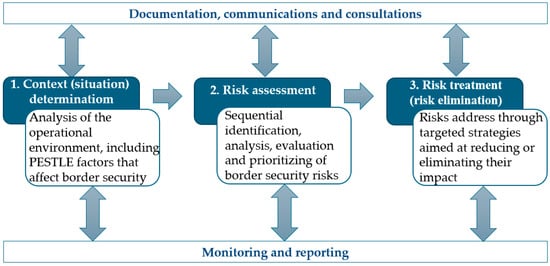
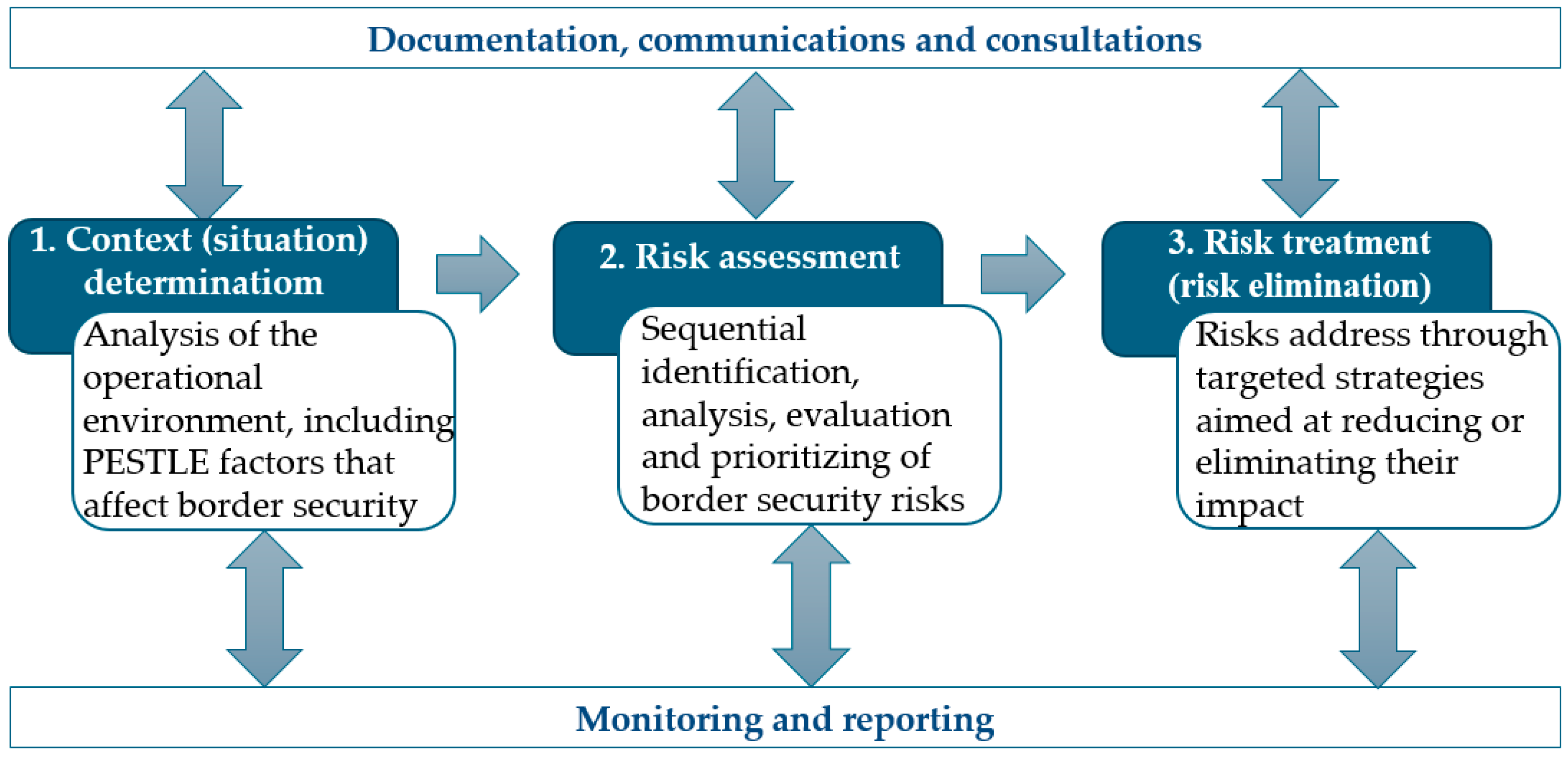
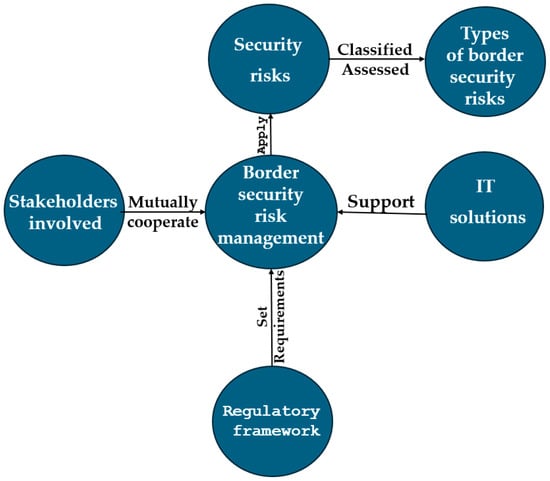
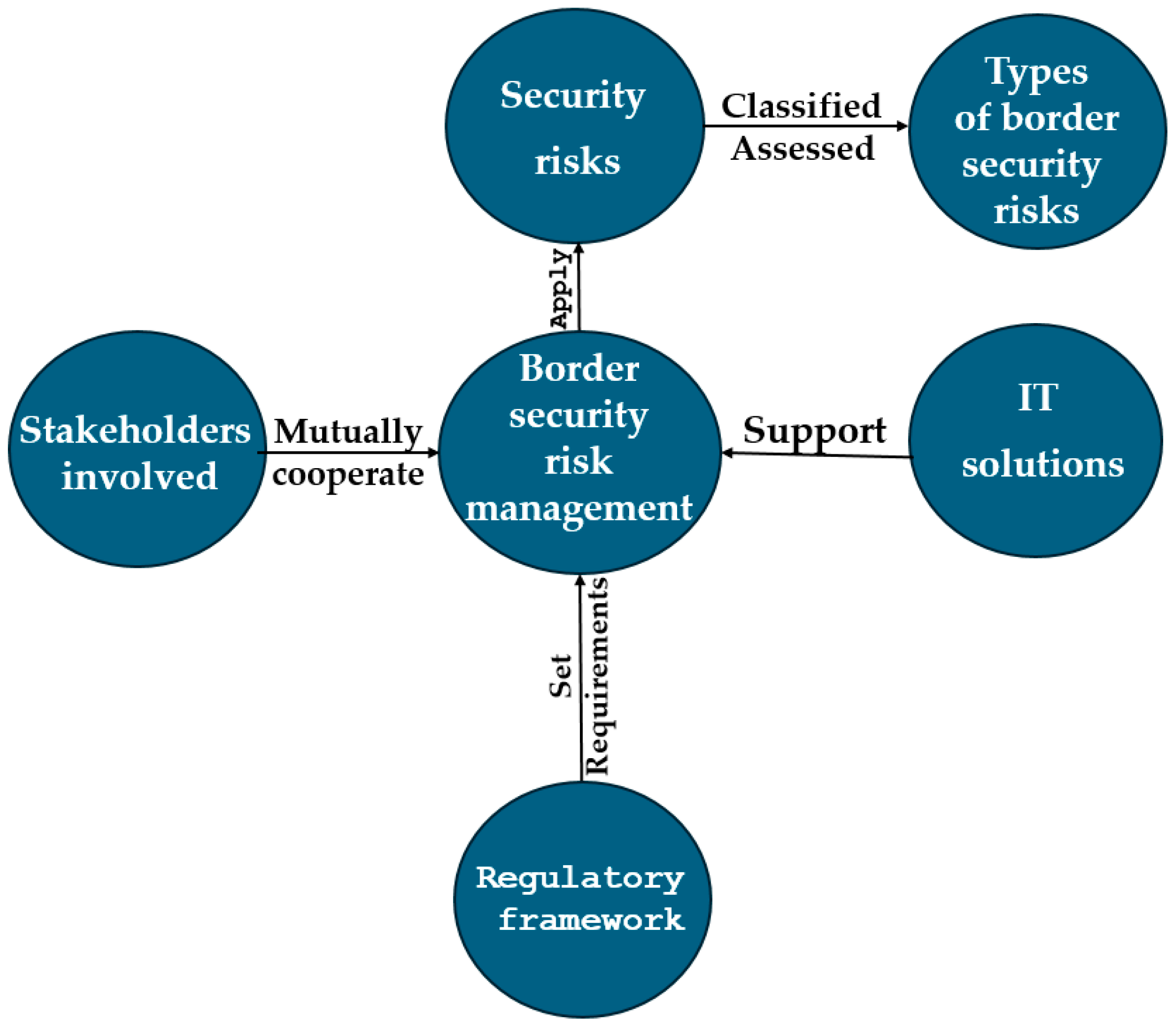
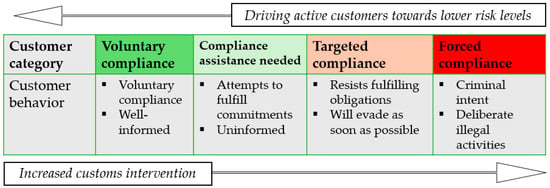
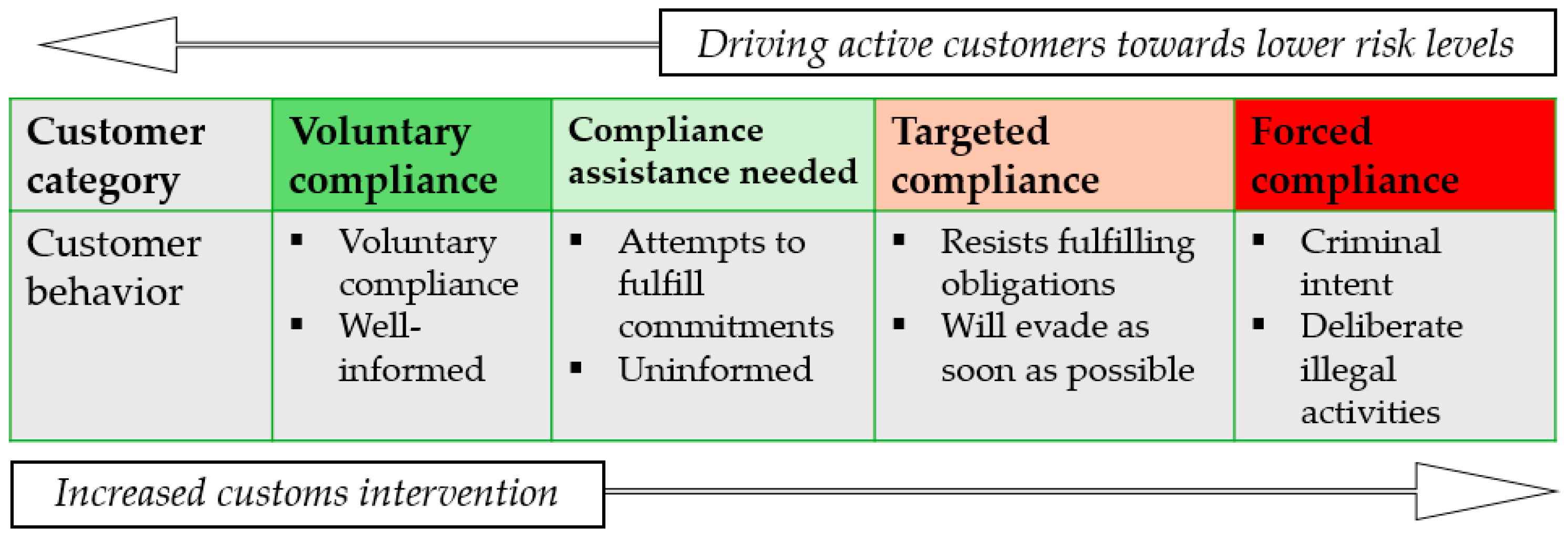
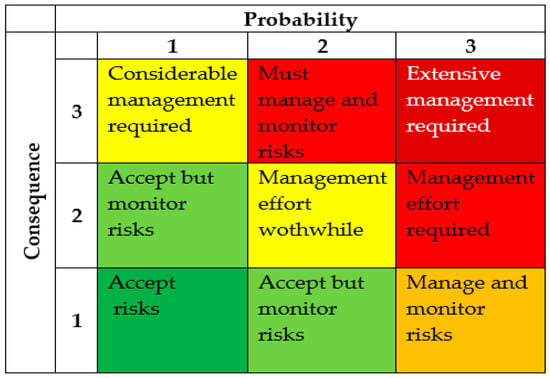
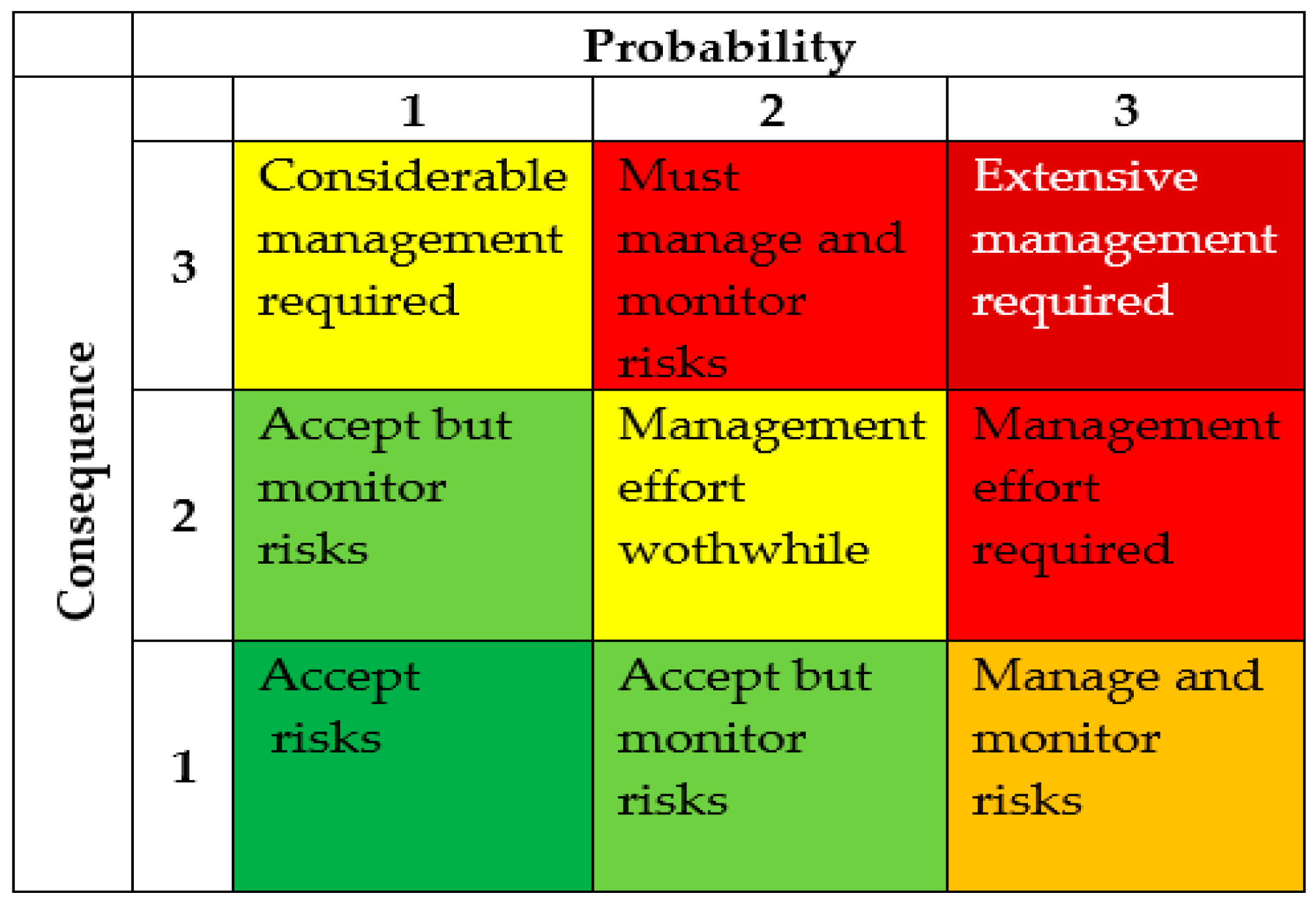
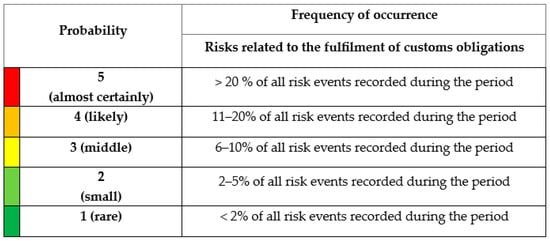
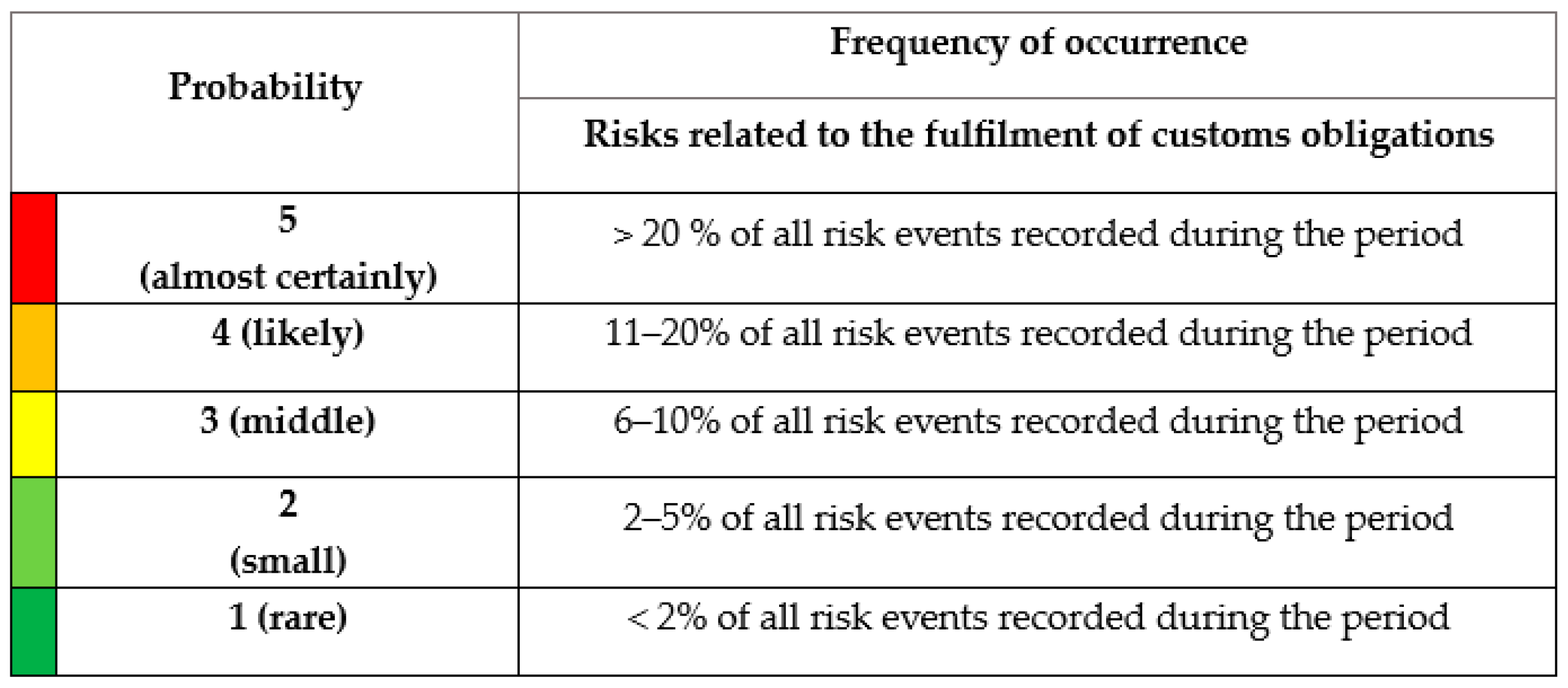
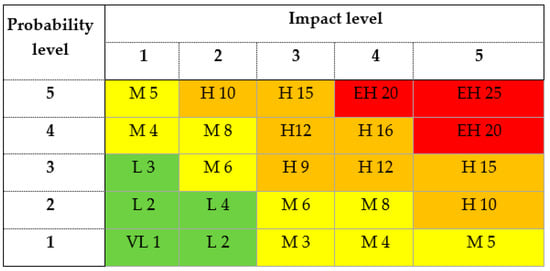
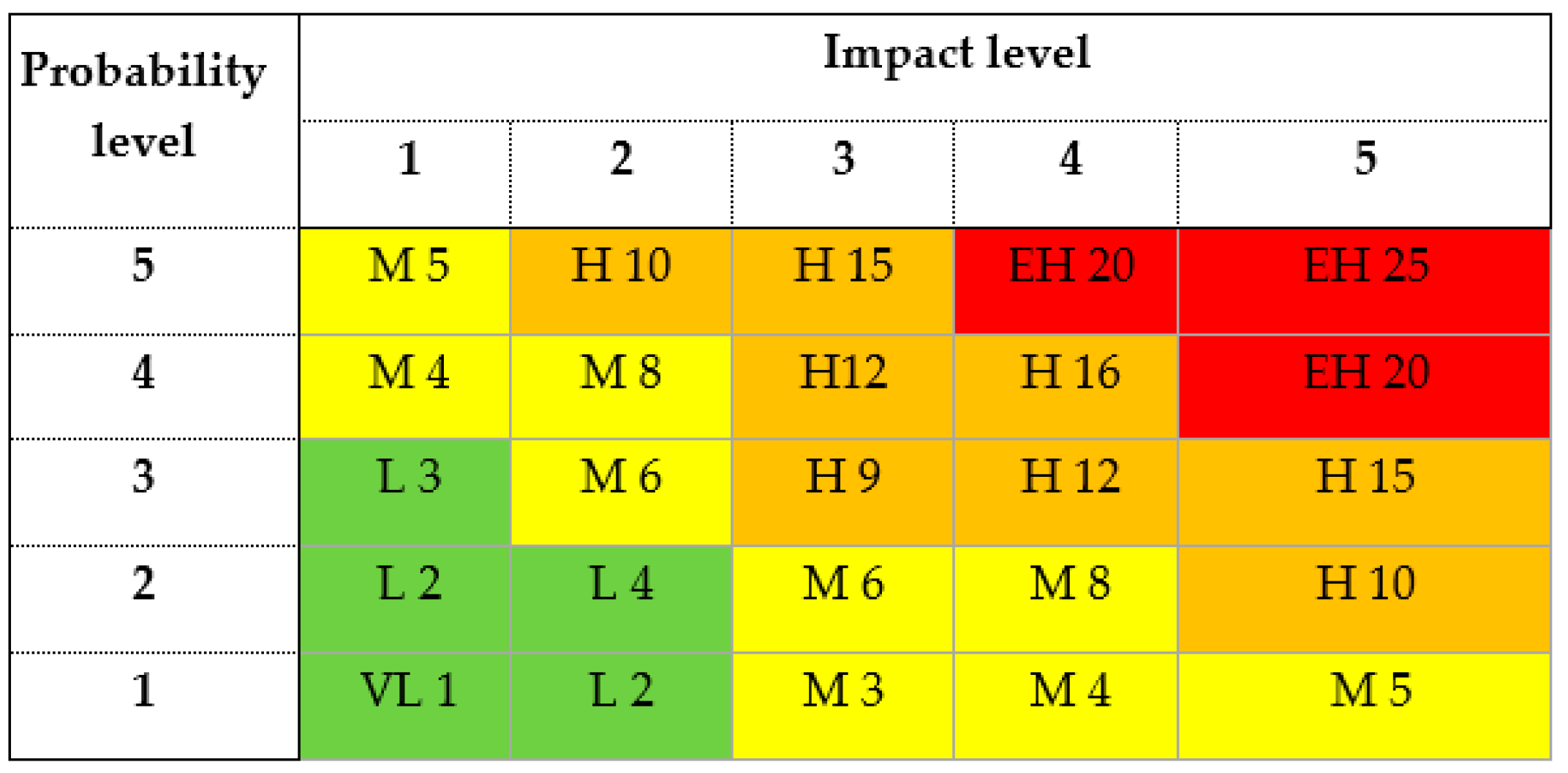

Disclaimer/Publisher’s Note: The statements, opinions and data contained in all publications are solely those of the individual author(s) and contributor(s) and not of MDPI and/or the editor(s). MDPI and/or the editor(s) disclaim responsibility for any injury to people or property resulting from any ideas, methods, instructions or products referred to in the content. |
© 2026 by the authors. Licensee MDPI, Basel, Switzerland. This article is an open access article distributed under the terms and conditions of the Creative Commons Attribution (CC BY) license.