


Abstract
Collaboration in cooperatives helps farmers strengthen their economic position in dynamic agri-food markets. Unlike other types of businesses, agricultural cooperatives are user-owned, user-controlled, and user-benefitting enterprises. Their dual nature as business enterprises and social groups of members complicates performance evaluation. This study attempts to bridge the gap by developing a micro-level conceptual framework for benchmarking agricultural cooperatives. Based on a systematic literature review of 77 empirical studies published in 1987–2025 and thematic analysis, the authors propose an eight-dimensional conceptual framework encompassing competitive, financial, educational, efficiency, environmental, governance, operational, and social performance indicators. The review reveals that existing research prioritises financial indicators while overlooking cooperative-specific characteristics arising from their dualistic nature. The conceptual framework offers a structured conceptual basis for assessing the performance of agricultural cooperatives across sectors and countries. Although applying the framework is beyond the scope of this paper, the authors highlight prospective indicators for future empirical work and practical implementation.
1. Introduction
1.1. Agricultural Cooperatives and Performance Evaluation
Modern agricultural cooperatives trace their origins to the Rochdale Society of Equitable Pioneers, which had a profound influence on their unique operating principles [1] as user-owned, user-controlled, and user-benefitting enterprises [2]. More than a century ago, Edwin Griswold Nourse introduced the term “competitive yardstick” to describe cooperatives in their seminal work about cooperation [3]. Agricultural cooperatives remain ubiquitous, enabling farmers to offset food retailer concentration, reduce transaction costs, and ensure quality control and assurance (e.g., [4,5,6]). Collaboration among agricultural producers to improve their economic position in the absence of a competitive market is a traditional cause for the emergence of agricultural cooperatives [7].
Although regarded as a competitive yardstick [8], empirical evidence supporting or refuting this notion remains scarce. The European Parliament’s pilot project Support for Farmers’ Cooperatives generated extensive data on European agricultural cooperatives [9] and contributed considerably to cooperative research discourse [4]. No similar study has followed, leaving a persistent knowledge gap. In addition, the absence of consensus on analytical approaches further complicates understanding agricultural cooperatives.
For example, case studies are frequently used to study cooperatives (e.g., [10,11,12]) and are increasingly popular in broader research [13]. Despite desirable characteristics from a qualitative perspective, case studies hinder comparability and generalisations due to their specificity and reproduction difficulties. Quantitative research methods attempt to overcome these limitations (e.g., [5,14,15]), but at the expense of qualitative depth. After reviewing the relevant literature, Grashuis and Cook [16] conclude that measuring cooperative performance remains a challenging task for organisational science.
Draheim [17] emphasised cooperatives’ dualistic nature as both business enterprises and social groups, which complicates their analysis. Puusa et al. [18] found that students perceive cooperatives primarily through criticism of other businesses, reflecting a broader view of cooperatives as a counterbalance to other types of enterprises (e.g., [19,20,21]). Consequently, assessing the performance of agricultural cooperatives requires integrating qualitative measures with the quantitative indicators used for non-cooperative businesses. The use of quantitative indicators is unavoidable, as cooperatives compete directly with investor-oriented firms (IOFs) in the same markets.
1.2. Benchmarking as a Conceptual Lens
Nourse’s competitive yardstick concept offers a possible solution for evaluating agricultural cooperative performance. If a yardstick is present, all market actors compare themselves against it—they benchmark. IOFs benchmark against cooperatives, and cooperatives do the same among themselves, often implicitly. Benchmarking involves evaluating or comparing something with a standard [22], which Camp [23] defined as “a search for industry best practice that leads to superior performance”. Al-Hasan et al. [24] confirmed its effectiveness in Welsh agricultural cooperatives. Since benchmarking evaluates performance relative to customer needs and competitor offerings [24], it enables agricultural cooperatives to align with member expectations.
This paper presents an attempt to design a micro-level benchmarking conceptual framework for agricultural cooperatives. The authors achieve this by synthesising performance indicators identified through a systematic literature review using thematic analysis. While existing systematic literature reviews have advanced understanding of cooperative performance measurement, their aims and outputs differ fundamentally from those of this study, which approaches performance from the perspective of benchmarking. For example, Aboah et al. [25] provide a broad mapping of economic, relational, social, and environmental measures, whereas Martínez-López et al. [26] focus on distinguishing cooperative-level and member-level performance evaluations and documenting recent thematic trends. Neither seeks to integrate the empirical evidence into a structured, multidimensional framework for benchmarking agricultural cooperatives at the micro-level.
The present study attempts to move beyond typologies and descriptive synthesis by inductively developing an eight-dimensional conceptual framework grounded in 77 empirical studies. Its micro-level focus could be suitable for practitioners seeking to benchmark the performance of cooperatives as organisations rather than as collectives of heterogeneous members. The resulting conceptual framework for benchmarking the performance of agricultural cooperatives provides a grounded perspective that complements—but clearly diverges from—the scope, objectives, and outcomes of previous systematic literature reviews.
1.3. Aim, Research Questions, and Scope
This study aims to construct a conceptual framework for benchmarking cooperatives at the micro-level (as economic entities) across agricultural sectors and countries. The conceptual framework could inform discussions among cooperative leaders, researchers, and policymakers to assess agricultural cooperative performance, study cooperatives in multiple countries or sectors, and draft policies to foster the development of cooperatives. Any possible application of the conceptual framework must include indicators tailored to the specific operations of the cooperative type under analysis.
The authors attempt to answer the following research questions:
- How has the evaluation of agricultural cooperative performance been approached in the academic literature?
- Which performance dimensions are fundamental for developing a comprehensive micro-level framework for benchmarking agricultural cooperatives?
- How can the qualitative-quantitative divide, arising from the dual nature of agricultural cooperatives, be effectively addressed in performance evaluation?
To achieve the study’s aim and address the research questions, the authors conduct a systematic literature review to identify scientific articles that employ qualitative and quantitative indicators for measuring agricultural cooperative performance. The selected works undergo a thematic analysis that classifies the types of performance measures and indicators used. Based on this analysis and following an inductive approach, the authors propose a micro-level conceptual framework for benchmarking agricultural cooperatives. Applying the conceptual framework is beyond the scope of this work, although the authors illustrate specific prospective performance indicators that could be considered when implementing the conceptual framework.
Grounded in 77 empirical studies, the manuscript offers a structured conceptual foundation for evaluating the performance of agricultural cooperatives. Unlike other comparable works, it approaches the topic from a benchmarking perspective. Benchmarking is a performance assessment method that has been applied to agricultural cooperatives only minimally. However, the findings of Al-Hasan et al. [24] indicate that the method is relevant and potentially valuable for evaluating the performance of agricultural cooperatives.
The purpose of the article is not exhaustive retrieval, quality appraisal, or indicator validation. Instead, the study focuses on developing a conceptual framework for benchmarking. Through a structured synthesis of heterogeneous empirical evidence, it inductively derives a coherent set of performance dimensions. Issues such as indicator weighting, empirical validation, and practical implementation are therefore beyond the scope of the present article. The conceptual framework may still be useful for practitioners, as it enables a more comprehensive performance evaluation than one limited solely to the financial dimension. Nevertheless, its applicability varies across different types of agricultural cooperatives, as the authors elaborate in the Discussion.
1.4. Conceptual Contributions
Measuring the performance of agricultural cooperatives presents a challenge for their managers because conventional performance measures often fail to consider the characteristics of cooperatives. Applying the proposed micro-level conceptual framework could help inform discussions about a more balanced evaluation approach, which includes dimensions other than exclusively financial measures. While financial performance remains essential to the sustainability of a cooperative, the factors that influence its longevity as an organisation are considerably more diverse. Regular performance assessment through benchmarking not only enhances accountability but also strengthens strategic management, as benchmarking informs and supports the strategic planning process.
From a theoretical standpoint, this study advances understanding of cooperative performance by offering a micro-level conceptual framework specifically tailored to benchmarking agricultural cooperatives. Although earlier systematic literature reviews have catalogued indicators or distinguished between cooperative- and member-level approaches, none have synthesised empirical evidence into a multidimensional structure that captures the dual economic–social nature of cooperatives. By analysing 77 empirical studies through an inductive thematic analysis process, the paper identifies eight interrelated performance dimensions—competitive, financial, educational, efficiency, environmental, governance, operational, and social—that together provide a more comprehensive lens than existing typologies and address long-standing concerns around measurement complexity, methodological fragmentation, and the divide between qualitative and quantitative performance assessment.
From a methodological perspective, the paper attempts to enhance transparency and replicability in cooperative performance research by using PRISMA 2020 guidelines and documenting search strategies, screening criteria, and classification. The combination of systematic literature review and thematic analysis offers an adaptable and reproducible approach for developing conceptual frameworks in fields characterised by heterogeneous evidence. This methodology also enables purposive comparison and juxtaposition of conceptual frameworks across different levels of organisational hierarchy.
From a practical standpoint, the proposed conceptual framework equips cooperative leaders, boards of directors, managers, and policymakers with a potentially advantageous structured basis for designing benchmarking systems that could reflect cooperative identity, member expectations, and sectoral realities. Shifting from an exclusive emphasis on financial indicators to incorporate governance, environmental, educational, and social dimensions, the framework could support more holistic strategic planning, performance monitoring, and policy development. It also provides a foundation for selecting context-specific indicators that could allow cooperatives to evaluate and enhance their performance in a consistent and meaningful way.
The manuscript is structured into the following sections: Introduction, Materials and Methods, Results, and Discussion. The Introduction gives an overview of the theoretical background, research problem, and research parameters. The Materials and Methods explain the systematic literature review and thematic analysis research methods, along with their theoretical underpinnings. The Results describe the findings and illustrate the proposed conceptual framework. The Discussion explores the theoretical and practical implications of the conceptual framework in the context of agricultural cooperative performance assessment and presents the authors’ conclusions.
2. Materials and Methods
2.1. Benchmarking as the Theoretical Foundation
The authors adopt an inductive approach, at the core of which is the concept of benchmarking. It is a practice that originated in business and later transitioned into scientific discourse [22]. Camp [23] was the first to formally define a four-phase and ten-step process for benchmarking, which has later been refined by other scholars. For example, among them were Zairi and Whymark [27], who introduced a fifth phase (maturity). Figure 1 illustrates the complete benchmarking process as originally proposed by Camp [23].
Figure 1.
Camp’s [23] process of benchmarking [22].
To conceptually situate the proposed framework, grounded in 77 empirical studies, within established benchmarking theory, the authors revisit Camp’s [23] benchmarking process at an abstract level. In doing so, the authors do not imply procedural guidance or operational application. Table 1 illustrates how the proposed conceptual framework—encompassing competitive, financial, educational, efficiency, environmental, governance, operational, and social performance indicators—could be applied within an agricultural cooperative. Compared to non-cooperative enterprises, implementing benchmarking in a cooperative is more complicated. This complexity primarily arises from the democratic decision-making process of an agricultural cooperative, which emphasises the importance of internal governance in balancing economic performance with member-oriented objectives.
Table 1.
Camp’s [23] benchmarking process in an agricultural cooperative.
Bijman et al. [28] examined the governance structures of 500 European agricultural cooperatives and distilled their findings into governance models that capture the general characteristics of decision-making and the distribution of control. More than 60% of European cooperatives use the extended traditional model of internal governance [28], which is why the authors select that governance model to illustrate the application of the conceptual framework. The model includes a general assembly (composed of all members), which elects the board of directors (holds most decision control rights), a supervisory board (optional, monitors the board of directors), and a management appointed by the board of directors (has decision management rights).
In a potential application within an agricultural cooperative, the benchmarking process would be a responsibility of the board of directors and management. In this arrangement, the board defines the objectives and scope of the process, while management executes the process. The results feed into the cooperative’s strategic planning and must also be communicated to the general assembly—the members of the agricultural cooperative. Communicating results to individual members may enhance engagement and encourage their continued participation in the cooperative’s operations. Table 1 outlines the complete benchmarking process.
As the scope of this article is limited to developing a micro-level conceptual framework for benchmarking agricultural cooperatives, the paper focuses on the first step of Camp’s [23] benchmarking process. A follow-up article would build on this foundation and attempt to apply the conceptual framework in practice. Certain steps in the benchmarking process require intimate access to target organisations—similarly to the work by Al-Hasan et al. [24]—and correspond to what Shaffer [29] describes as micro-micro coordination. Therefore, the present manuscript focuses on the micro-level, where data availability is less restrictive, and the advantages of the cooperative entrepreneurship form begin to emerge. The micro-level is imperative from a theoretical standpoint, because that is where agricultural cooperatives start to display economic coordination advantages compared to IOFs [29].
2.2. Systematic Literature Review Design
Having established Camp’s [23] benchmarking process as the theoretical foundation, the next step is to transition from this process to a conceptual framework. To determine what should be benchmarked, the authors conduct a systematic literature review to identify how other researchers have measured the performance of agricultural cooperatives in the past. This method is widely used to extract answers to research questions from existing academic literature. The systematic literature review method has also been applied to study topics related to agricultural cooperatives (e.g., [30,31,32]).
The systematic literature review follows the updated PRISMA 2020 guidelines [33]. Applying these guidelines ensures comprehensive reporting and allows readers to assess the trustworthiness of the findings [33]. While PRISMA 2020 guidelines are particularly common in medical research, their principles are applicable across disciplines and enhance methodological rigour. Combining the method with a defined search query allows reproducing the review, thereby reinforcing research integrity. Restrictions inherent in the search query still imply that the systematic literature review addresses a sample of articles rather than the entire population, which limits its conclusions and possible application.
The search focuses on Scopus and Web of Science (WoS), the two largest bibliographic databases [34,35,36]. Integrating results from two databases excludes the use of certain quantitative research tools, such as R’s bibliometrix package. Therefore, Qorri and Felföldi [32] limited their bibliometric review to Scopus. Restricting the search to only Scopus and WoS also carries the caveat that some relevant studies are not included in the review. Grey literature—literature that includes assorted document types produced by governments, academia, businesses, and industries outside commercial publishing [37]—can also provide valuable insights into cooperatives [38]. The search also does not capture records from other specialised databases and specific forms of agricultural cooperatives, such as producer organisations.
To gather input for devising a micro-level conceptual framework for benchmarking agricultural cooperatives, the systematic literature review is centred on the concept of performance. Martínez-López et al. [26] also examined how agricultural cooperatives’ performance has been measured by using the systematic literature review method. Table 2 presents the search terms adapted from their work with minor modifications to align with the aim and research questions of this paper.
Table 2.
The search terms * adapted from Martínez-López et al. [26].
The search terms are queried only from the title field, as the goal is to identify relevant articles using relatively general terms. The abstract and keywords fields are excluded because the broad nature of the search terms could otherwise yield an excessive number of results. This approach reduces the quantity of retrieved articles—potentially omitting some valuable works—but increases their relevance. Another limitation of the title field search is that performance evaluation in cooperative research often appears as part of broader organisational studies, meaning relevant terms may occur only in abstracts or keywords. The search strings for Scopus and WoS database queries are in Appendix A, and the searches were conducted on 1 July 2025 in both databases.
The search queries returned 915 records from both databases. Figure 2 illustrates the complete identification, screening, and inclusion process in accordance with PRISMA 2020 guidelines. The search results were downloaded as CSV (Scopus) or XLS files (WoS) and imported into Microsoft Excel as two PivotTables. After merging the tables, 275 duplicates were removed before screening began.
Figure 2.
Identification, screening, and inclusion of studies according to the PRISMA 2020 guidelines [33].
Table 3 lists the screening criteria applied during the systematic literature review. Screening was conducted by two authors. One author queried the databases, compiled the records, and removed duplicates. Based on the screening criteria, this author also excluded records with irrelevant document types and works in foreign languages. The identification of irrelevant studies was performed jointly by two authors, and all authors validated the final set of records included in the review. Of the 640 records screened, 563 were removed during screening after closer inspection as irrelevant, leaving 77 studies for thematic analysis (Figure 2).
Table 3.
The screening criteria and explanations.
Issues with the availability of the full texts during the screening phase were minimal. Only one study [39] was excluded from the review due to the unavailability of its full text to the authors. The remaining 77 works were included and subsequently subjected to thematic analysis.
2.3. Thematic Analysis Procedure
The records identified through the systematic literature review undergo thematic analysis to define the types of performance indicators required for a micro-level conceptual framework for benchmarking cooperatives. Thematic analysis is a qualitative research method for identifying, analysing, and reporting patterns in data [40,41,42]. The authors’ inductive approach was guided by Braun and Clarke’s six-phase process: (1) familiarisation with the data; (2) generation of initial codes; (3) searching for themes; (4) reviewing themes; (5) defining and naming themes; and (6) producing the report [40]. While thematic analysis is a flexible research method, it carries the risk of missing nuanced data if applied in a theoretical vacuum [40]. Combining systematic literature review with thematic analysis enhances the robustness of the conceptual framework and emphasises the novelty of this manuscript.
The 77 identified studies underwent thematic analysis by two authors, which was conducted manually without using qualitative research software. Codes were generated inductively through close reading of extracted indicators and grouped into preliminary categories. One author produced the initial codes, while the second author verified the codes, examples of which are presented in Appendix B. Ambiguous indicators were discussed jointly by the authors until conceptual agreement was reached. Their decisions were guided by the indicator’s conceptual alignment with the performance dimension and its treatment in the original study.
Both authors then collated the codes by conceptual similarity to identify initial themes. These themes were iteratively reviewed and refined by the two authors. Instances of disagreement were flagged and later resolved through consensus. Finally, all authors contributed to defining and naming the final themes.
The decision to not create a hierarchy of themes—assigning equal status to all eight dimensions—was taken before the process started to ensure comparability with Martínez-López et al. [26]. This approach also mitigates the potential bias introduced by the limited search, which could otherwise overemphasise lower-quality studies and underrepresent higher-quality research. For quantitative synthesis, the results were compiled in a Microsoft Excel file and imported into RStudio (2025.09.2+418), which was used to generate frequency tables.
3. Results
3.1. Characteristics of the Reviewed Studies
Studying how to measure agricultural cooperative performance is not unprecedented, and there are numerous perspectives from which the topic can be approached. Multiple literature reviews analyse the question, including those by Aboah et al. [25], Grashuis and Su [43], Martínez-López et al. [26], and Soboh et al. [44]. These reviews are distinguished by their specific thematic focus—Aboah et al. [25] adopt a broad perspective, Grashuis and Su [43] as well as Martínez-López et al. [26] differentiate between cooperative- and member-level performance measures, and Soboh et al. [44] concentrate specifically on agricultural marketing cooperatives. The aim of a literature review and the authors’ chosen emphasis shape its findings, notwithstanding methodological nuances that inevitably influence the results.
This systematic literature review of 77 records focuses on ascertaining how agricultural cooperative performance is measured at the micro-level. Therefore, the screening criteria include the criterion that only cooperative-level studies are included, and works that focus on the farmer-level (members) are excluded. The reason behind the criterion is directly linked to the aim of the work—to construct a conceptual framework to benchmark cooperatives at the micro-level. Limiting the scope to cooperative-level performance measurements and omitting member-level indicators ensures that the conceptual framework addresses its intended purpose. Exploring how agricultural cooperative performance can be evaluated at the member-level remains a promising topic for future research.
The articles identified through the systematic literature review were published between 1987 and 2025. The most prolific years are 2020 and 2024, each accounting for 13.0% of the 77 records. Earlier works are notably absent, despite Nourse’s [3] notion of cooperatives as a competitive yardstick being over a century old. This suggests that research on agricultural cooperative performance is a relatively recent phenomenon within the broader academic discourse on cooperatives. The results of the review indicate an implicit upward trend in studies addressing agricultural cooperative performance.
The manuscripts included in the systematic literature review are published in journals with diverse specialisations. The specialisations are gleaned from the journals’ aims and scope statements. “Economics” is the most frequent specialisation, accounting for 41.6% of the journals in which the articles appear. The second and third most common specialisations are “management” (22.1%) and “development” (11.7%). This distribution suggests that research on agricultural cooperatives is not confined to journals dedicated exclusively to cooperatives, accentuating the distinctive role of cooperatives within broader economics and management discourse.
Among the journals represented in the systematic literature review, the most frequent is Annals of Public and Cooperative Economics, where 9.1% of the identified articles are published. The second most common journal is Agrekon, with 5.2%, followed by Agribusiness, Journal of Agricultural Economics, and Journal of Cleaner Production, each contributing 3.9% of the articles. Not all journals have a CiteScore (Elsevier) or an Impact Factor (Clarivate), making the respective average values of 5.2 and 3.0 only partially conclusive. From those that do, Journal of Cleaner Production ranks highest with a CiteScore of 20.4 and an Impact Factor of 9.8.
The most studied continent is Europe, which accounts for 38.9% of the articles included in the systematic literature review, followed by Asia (27.3%), Africa (14.3%), North America (10.4%), and South America (9.1%). Spain is the most frequently examined country, appearing in 16.9% of the studies, followed by Italy (11.7%). Brazil and the United States each feature in 9.1% of the articles, while China appears in 7.8%. Other countries occur less frequently or are included as part of broader regional analyses, such as studies on the European Union.
Agricultural cooperatives without specific categorisation are the most studied, appearing in 40.3% of the articles identified through a systematic literature review. Among specific categories, wine cooperatives are the most common (5.2%), followed by olive oil and palm oil cooperatives (both 3.9%) and horticulture cooperatives (2.6%). Most agricultural cooperatives examined, 70.1% to be precise, perform multiple functions, while single-function cooperatives focused on production (15.6%) or marketing (14.3%) are less prevalent. Part of the multirole classification can ostensibly be attributed to the ambiguity in how original authors describe their sample cooperatives.
The most frequent subject among the reviewed manuscripts is “performance”, appearing in 64.9% of the articles, followed by “efficiency” in 27.3%. Other subjects are considerably less common, with “sustainability” ranking third at only 7.8%. These subject classifications are synthesised by the authors based on the title, keywords, and abstracts of the studies.
3.2. Performance Evaluation and Its Dimensions
The selected subjects, categories, and functions determine the performance evaluation methods (Table A1 in Appendix C), the types of measures and indicators (Table A2 in Appendix C), and the specific indicators themselves (Table A3 in Appendix C) used in the reviewed articles. Each study employs at least two methods: one for data collection and another for data analysis. Often, a work includes more than two research methods—especially for data analysis.
Table A1 shows that questionnaires (35.1%) and financial statement analysis (32.5%) are common data collection methods. Secondary data analysis (23.4%) incorporates cases where original authors relied on national statistics or other datasets compiled by third parties. The assortment of data analysis methods is more diverse, with forms of regression analysis being the most frequently applied (28.6%). The predominance of quantitative data analysis methods reflects how the question of agricultural cooperative performance is often approached from a financial perspective.
The dimensions of the proposed micro-level conceptual framework for benchmarking agricultural cooperatives correspond to the themes identified through thematic analysis. These themes are subsequently referred to as performance indicator types. The classification criteria are derived from Martínez-López et al. [26], whose categorisation is included for comparative purposes. The present classification aims to avoid assigning a single theme per article, which Martínez-López et al. [26] do by employing the “combination” and “other” categories. Compared to Martínez-López et al. [26], the eight-dimensional forms a more robust foundation for micro-level performance evaluation.
Table A2 illustrates that the selection of performance measures is skewed towards financial measures, consistent with findings by Martínez-López et al. [26] and Aboah et al. [25]. The comparatively high prevalence of combined performance measures (27.3%) reflects efforts to capture the multifaceted nature of agricultural cooperatives. The performance indicator types listed in Table A2 provide insight into how agricultural cooperative performance is evaluated in the reviewed literature. Classifications for all studies are provided in Table A4 of Appendix D, and the data for each record is presented in Table S1 of the Supplementary Materials.
Each record was assigned a single performance measure, following the approach of Martínez-López et al. [26]. The “combination” option accounts for cases where the original authors used two or more performance measures. Unlike the performance measure classification, an article could be assigned multiple indicator types. Consequently, Table A2 does not include a total, as the sum of the frequency column exceeds the number of manuscripts reviewed. The authors defined these eight performance indicator types during the thematic analysis and provide explanations below.
Competitive performance indicators assess how an agricultural cooperative promotes, sells, and delivers its products and services, as well as how it performs in relation to its market competitors. These indicators focus on the cooperative’s ability to deliver value to members in dynamic agricultural markets. Examples include competitive position, market orientation, and market share. Among the 77 reviewed studies, 15.6% employ this type of performance indicator.
Educational performance indicators evaluate how an agricultural cooperative supports various forms of education, lifelong learning, and training for its members and staff. These indicators reflect the cooperative’s adherence to the International Cooperative Alliance’s fifth cooperative principle [45]. Examples include the number of education and extension activities, the number of members participating in technical training, and the number of training or qualification events held for members. Among the 77 reviewed studies, 7.8% utilise this type of performance indicator.
Efficiency performance indicators assess how an agricultural cooperative utilises its resources. Indicators in this category share commonalities with other performance indicator types, especially financial and operational performance indicators, but remain distinct since they specifically concentrate on measuring efficiency. Examples include stochastic frontier, asset utilisation efficiency, and technical efficiency. Among the 77 reviewed studies, 6.5% employ this type of performance indicator.
Environmental performance indicators evaluate how an agricultural cooperative manages its environmental impact. These indicators focus on environmental sustainability, efficient use of natural resources, and compliance with environmental standards. Examples include carbon emissions, the number of environmental conservation actions, and rainwater use and irrigation. Among the 77 reviewed studies, 10.4% utilise this type of performance indicator.
Financial performance indicators assess the financial health, efficiency, and financial sustainability of an agricultural cooperative. These indicators help stakeholders understand how the cooperative achieves its economic goals and manages financial resources. Examples include turnover, profit, and financial ratios. Among the 77 reviewed studies, 88.3% employ this type of performance indicator.
Governance performance indicators evaluate how the member-control function of an agricultural cooperative is enacted. These indicators focus on the cooperative’s ability to fulfil its vision, mission, goals, and objectives. Examples include the existence of a strategy, board of directors’ self-evaluation, and participation of members in decision-making. Among the 77 reviewed studies, 11.7% utilise this type of performance indicator.
Operational performance indicators assess how an agricultural cooperative carries out its day-to-day activities. These indicators focus on internal processes such as procurement, production, logistics, member services, and management. Examples include the number of members, output of crops, and the technology gap ratio. Among the 77 reviewed studies, 32.5% employ this type of performance indicator.
Social performance indicators evaluate how an agricultural cooperative contributes to the well-being of its members, workers, and the broader local community. These indicators concentrate on social equity, inclusion, cohesion, and community development. Examples include creating job opportunities for female family members, livelihood and economic empowerment, and cognition and quality of local villagers. Member-level indicators are outside the scope of the work and require further research. Among the 77 reviewed studies, 10.4% utilise this type of performance indicator.
Although defining and assigning performance indicator types is central to this study, the authors also documented the specific indicators used. From the perspective of thematic analysis, performance indicators are the codes that were used to define the eight themes or dimensions of the micro-level conceptual framework. To preserve the original authors’ intent, performance indicators were rephrased as little as possible during the review to maintain conceptual integrity. Table A3 presents the more common indicators identified in the systematic literature review.
Among the records, Marcis et al. [46] reported the largest number of performance indicators, incorporating 78 individual indicators in their model for assessing the sustainability performance of agricultural cooperatives in Brazil. Table A3 illustrates that agricultural cooperative performance is often viewed through the lens of short-term economic indicators—a conclusion also reached by Aboah et al. [25]. While financial performance indicators are essential, a comprehensive portrayal of agricultural cooperative performance must go beyond financial aspects alone.
4. Discussion
4.1. Performance Evaluation Through Benchmarking
This study set out to develop a micro-level conceptual framework for benchmarking agricultural cooperatives by synthesising how cooperative performance has been measured in prior empirical research. Rather than proposing a prescriptive tool or an operational benchmarking system, the framework is intended to function as an integrative conceptual structure that brings together heterogeneous performance considerations arising from the dual economic and social nature of cooperatives. Its contribution lies in organising fragmented empirical evidence into a coherent set of performance dimensions that could support interpretation, comparison, and reflection at the cooperative level, while leaving indicator specification, measurement, and validation explicitly outside the scope of the present work.
From a theoretical standpoint, the framework consolidates fragmented empirical approaches into eight interrelated performance dimensions—competitive, financial, educational, efficiency, environmental, governance, operational, and social—that reflect the dual economic–social nature of cooperatives. In doing so, it complements previous reviews that catalogue indicators or distinguish levels of analysis by offering an integrative structure explicitly oriented to micro-level benchmarking.
To clarify how the proposed micro-level conceptual framework may be interpreted without implying direct operationalisation, this section presents a simplified hypothetical illustration. Consider a multi-purpose agricultural cooperative operating in a competitive European agri-food market, owned by farmer-members, and engaged in both processing and marketing activities. Using the proposed framework, the cooperative’s performance could be conceptually examined across multiple dimensions rather than through a single financial lens.
For example, financial performance might be reflected in aggregate revenue per member, while competitive performance could be considered in terms of market positioning relative to IOFs. Governance performance could be examined conceptually through the presence of formal strategic planning processes and member participation in general assemblies, whereas educational performance might be reflected in the extent to which training opportunities are offered to members. Environmental and social dimensions could be interpreted through indicators such as engagement in environmental initiatives or collaboration with local communities.
Importantly, this illustration does not imply measurement, weighting, or aggregation of indicators, nor does it suggest a ready-to-use benchmarking tool. Rather, it demonstrates how the framework functions as a conceptual lens for organising heterogeneous performance considerations at the cooperative level. The selection, specification, and empirical assessment of indicators remain context-dependent and lie outside the scope of the present study.
4.2. Indicative Conceptual Implications
Building on the previously mentioned conceptual illustration, and without implying direct application or operational guidance, the proposed framework may offer several indicative implications for interpretation, research, and reflective practice at the cooperative level. While the framework is conceptual in nature and not intended for direct implementation, it may nevertheless offer a structured lens for thinking about cooperative performance at the micro-level. In this sense, the conceptual framework could potentially:
- Support reflective performance assessment by encouraging cooperative leaders, boards of directors, or researchers to consider performance across multiple dimensions rather than relying exclusively on financial indicators.
- Provide a common conceptual language for discussing performance within cooperatives, which may facilitate dialogue between boards of directors, management, and members regarding organisational priorities and trade-offs.
- Inform the design of context-specific performance assessments, insofar as the eight dimensions highlight areas that may warrant attention when selecting or interpreting indicators, without prescribing specific measures or benchmarks.
- Assist comparative or exploratory research by offering a coherent framework for organising heterogeneous performance indicators when analysing cooperatives across sectors, regions, or institutional settings.
- Enhance transparency in reporting and interpretation, particularly when cooperatives or policymakers seek to communicate performance narratives that extend beyond short-term financial outcomes.
Any practical use of the framework would require substantial contextual adaptation, careful indicator specification, and empirical validation. As such, these potential implications should be understood as indicative rather than prescriptive and as directions for future research or experimentation rather than immediate guidance for practice.
To further clarify the incremental contribution of the present study, Table 4 positions the proposed framework relative to selected prior reviews and conceptual approaches to cooperative performance evaluation. While earlier studies provide valuable typologies, mappings, or sector-specific insights, the present framework differs in its explicit focus on micro-level benchmarking and its integration of heterogeneous indicators into a single multidimensional conceptual structure.
Table 4.
A comparison of the proposed micro-level conceptual framework for benchmarking with selected prior approaches to cooperative performance evaluation.
To illustrate how the eight dimensions can be populated with concrete measures, Table 5 provides an example set of illustrative indicators drawn from the reviewed literature. These examples are presented for conceptual clarification rather than as a ready-to-use benchmark design, and they are not validated or weighted within this study. Rather than simply selecting the most frequently appearing indicators, the illustrative set reflects the cooperative’s dual economic–social nature and the need for indicators to be suitable at the micro-level. To clarify how indicators were conceptually filtered and interpreted within the framework, the notion of indicator suitability is defined as follows. Indicator suitability refers to the extent to which an indicator is (1) available at the cooperative level, (2) valid for capturing the intended performance dimension, (3) comparable across organisations or over time, and (4) relevant to cooperative governance and decision-making. The conceptual framework does not prescribe how qualitative and quantitative indicators should be aggregated but treats them as complementary inputs that inform interpretation rather than calculation.
Table 5.
Example performance indicators for an illustrative application of the micro-level conceptual framework for benchmarking agricultural cooperatives.
Figure 3 provides a conceptual visualisation of this indicator’s suitability logic. The figure illustrates how potential indicators are filtered and interpreted within the proposed conceptual framework, without implying a procedural sequence, weighting scheme, or aggregation rule. Its purpose is to clarify the conceptual relationships among availability, validity, comparability, and governance relevance prior to the presentation of illustrative indicators.
Figure 3.
The conceptual logic for selecting and interpreting performance indicators within the proposed conceptual framework.
It is important to note that Figure 3 illustrates a conceptual filtering logic rather than a procedural workflow. Indicators are interpreted individually and contextually; no default aggregation or benchmarking output is implied. It does not imply a procedural sequence, weighting scheme, or aggregation rule but serves to clarify how heterogeneous indicators may be filtered and interpreted in a context-dependent manner.
Any empirical or practical application of the framework within an agricultural cooperative would require indicators tailored to its specific field of activity. To illustrate the micro-level conceptual framework’s dimensions, the authors present three example indicators for each category without adapting them to any agricultural sector. Accordingly, Table 5 should be regarded as a conceptual starting point rather than prescriptive guidance. Any empirical or practical use would require contextual adaptation (e.g., sector, location, and data availability) and explicit measurement specification.
Grounded in evidence from 77 empirical studies, the proposed micro-level conceptual framework may offer researchers and cooperative stakeholders a structured lens for interpreting cooperative performance evaluation across economic and social dimensions. Its primary contribution is conceptual: it organises heterogeneous performance considerations into a multidimensional structure while leaving measurement design, aggregation, and validation to context-specific future work.
4.3. Contribution and Positioning
This article, along with the authors’ proposed micro-level conceptual framework for benchmarking agricultural cooperatives, contributes to the broader academic discourse on cooperative performance by concentrating on a specific niche. Both Grashuis and Su [43] as well as Martínez-López et al. [26] recognise that agricultural cooperative performance can be assessed at two levels: the cooperative level and the member level. For practical applications—and for designing a conceptual framework—narrowing the scope enhances the practicality of the task.
Unlike previous systematic literature reviews that primarily catalogue indicators [25] or distinguish cooperative- and member-level perspectives [26], this study synthesises empirical evidence into a structured, eight-dimension framework explicitly designed for micro-level benchmarking. The contribution is therefore not descriptive but integrative: it offers a usable conceptual basis for evaluating agricultural cooperatives as organisational entities.
Martínez-López et al. [26] argue that indicators focusing solely on cooperatives or members fail to comprehensively address the full scope of cooperative operations. They also propose that effective performance indicators should adopt approaches that perceive cooperatives as entities that bring together and facilitate diverse objectives [26]. This perspective builds on Soboh et al. [44], who classify performance indicators into two categories: (1) measures that consider cooperatives and members as entities with a single objective and focuses on maximising cooperative and member performance, and (2) indicators that study cooperatives as organisations that have multiple objectives.
The authors adopt a micro-level perspective, leaving other levels to prospective future research. One reason for this choice is practicality—micro-level data is more accessible to stakeholders, and implementing the process is less complex for all parties involved. Reproducing the micro-micro approach of Al-Hasan et al. [24] could address the arguments of Martínez-López et al. [26], although it would require a high degree of trust between the benchmarked cooperatives and researchers. The authors argue that the proposed micro-level conceptual framework for benchmarking agricultural cooperatives strikes a balance between complexity, feasibility, and comprehensiveness. Measuring cooperative performance is inherently multifaceted and risks reaching an unmanageable degree of complexity if one attempts to develop a truly comprehensive approach.
The level of benchmarking determines not only which indicators are used but also the types of indicators selected. Expanding beyond the micro-level scope allows inclusion of the effects of an agricultural cooperative’s operations on its members (member-level). Capturing the member-level effects could be valuable, as Grashuis and Su [43] note that applied research portrays agricultural cooperatives as “flawed and complex business organisations which nonetheless have a strong positive impact on its members”. While a member-level performance evaluation would provide a more comprehensive view of cooperative performance, it also introduces uncertainty, as the performance of members’ enterprises is presumably not affected only by their cooperative.
Restricting the performance evaluation scope to the micro-level mitigates uncertainty. Inherent uncertainty may also explain why assessments of agricultural cooperative performance are so heavily skewed toward financial indicators. Financial indicators are relatively simple to calculate, and source data is increasingly accessible thanks to digital databases. Yet relying exclusively on financial indicators provides a partial and potentially distorted view of a cooperative’s performance that fails to capture its unique characteristics.
Financial performance indicators remain a critical component of agricultural cooperative performance evaluation, a conclusion supported by the findings of this study. As with other forms of entrepreneurship, the long-term sustainability of cooperatives hinges on sound financial performance. Despite being jointly owned and democratically owned enterprises [45], cooperatives still operate under the same fundamental principles as other types of businesses. The authors do not advocate excluding financial indicators; instead, they emphasise the need to balance them with additional dimensions that reflect the cooperative’s unique governance structure, member-oriented objectives, and social responsibilities.
Prior research suggests that financial indicators may account for a substantial proportion of cooperative performance. This claim has merit and warrants further research, as cooperatives compete alongside other types of enterprises and heed the same requirements. That is also why some agricultural cooperatives choose not to adopt a formal cooperative legal form, opting instead for governance and ownership models that better suit their needs. Although it could also be reasoned that organisations using another legal form should not be considered cooperatives at all [47].
The existence of such arguments suggests that, while financial performance is imperative, other dimensions define the uniqueness of cooperatives. Despite the decisive effect of financial outcomes on overall performance, the nature of cooperatives—captured in the term cooperative genius coined by Michael L. Cook [7]—necessitates evaluating additional aspects beyond financial indicators. The proposed conceptual framework for benchmarking agricultural cooperatives potentially offers means for a more balanced performance evaluation.
Governance, which refers to a firm’s decision-making, direction, and control system [28], is arguably among the most critical elements of a cooperative’s performance—yet it is also among the hardest to quantify. Perhaps for this reason, only nine articles in the systematic literature review employed governance-related indicators to measure agricultural cooperative performance. Notwithstanding the complexity, applying governance performance indicators allows for assessing the extent to which a cooperative fulfils its aims and objectives. Those are, of course, set by the members themselves as a part of the overall control process.
Closely linked to governance is the topic of ownership, which received no specific attention in the reviewed articles. Prior research indicates that the traditional cooperative’s vaguely defined property rights [48] limit both investment and governance (e.g., [49,50,51]). This lack of focus is notable because governance itself stems from members’ ownership of the cooperative. Although the gap could be only tentative, as financial performance indicators include those that are at least implicitly connected to ownership. Probably the most explicit example of those indicators is return on equity, which again emphasises the utility of financial indicators.
A common shortcoming among the reviewed works was a lack of detail (or rigour) when describing the indicators and measures involved. That complicated making comparisons and drawing conclusions. In this context, Marcis et al. [46] and Ishak and Omar [52] form a fascinating, antithetical juxtaposition. Marcis et al. [46] exhaustively listed the 78 individual indicators used in their model for the sustainability performance of Brazilian agricultural cooperatives. The indicators utilised by Ishak and Omar [52] to measure the financial and non-financial performance of Malaysian palm oil smallholders’ cooperatives remain obscure.
While one can debate the level of detail in agricultural cooperative performance research, decades of academic work reveal a wide array of indicators used to measure cooperative performance. Synthesising this extensive body of literature presents methodological challenges for researchers and cooperative leaders. The proposed micro-level conceptual framework may offer a conceptual point of reference for researchers and cooperative stakeholders when interpreting performance across dimensions. Applying this framework and deriving indicators from its eight dimensions minimises the risk of overlooking aspects tied to the cooperative’s distinctive dual nature.
4.4. Future Research Directions
A promising avenue of future research is the development of conceptual frameworks for different levels of benchmarking agricultural cooperatives. For example, by identifying member-level performance indicators, which are outside the scope of this manuscript. Combining such a micro-micro coordination perspective with the proposed micro-level conceptual framework may help address the concerns raised by Martínez-López et al. [26] regarding the challenge of evaluating the full scope of agricultural cooperative operations.
Any conceptual framework for benchmarking must be accompanied by relevant indicators. This is why another crucial area of study is performance indicators that specifically address ownership, although several indicators that inherently deal with aspects related to ownership—for example, return on equity—are classified under financial performance indicators. Otherwise, a problematic dimension of cooperative operations could be left unaddressed.
Agricultural cooperatives are user-owned, user-controlled, and user-benefitting enterprises [2], which makes them unique among the competition. Although they compete under the same principles as non-cooperative enterprises, exclusive reliance on financial performance indicators fails to address the distinctive characteristics of cooperatives adequately. The micro-level conceptual framework proposed by the authors may help broaden how agricultural cooperative performance is interpreted beyond a narrow focus on financial indicators.
4.5. Limitations
As the purpose of the review is conceptual synthesis rather than evidence weighting, the proposed dimensions reflect the presence of indicator types in the literature rather than the relative quality or robustness of the underlying studies. Because the purpose of the review is conceptual synthesis rather than evidence weighting, the included studies were also not formally ranked by methodological quality. Therefore, the reviewed literature varies in analytical rigour, data transparency, and indicator specification. Future research could explore whether the relative prominence of specific performance dimensions differs when restricting attention to studies with higher methodological transparency or more rigorous quantitative designs.
One of the limitations of this study is that the systematic literature review is based exclusively on records indexed in Scopus and WoS and restricted to title-field searches. Although this approach increases the relevance of retrieved studies, it could exclude valuable works published in other outlets, included in grey literature, or using different terminology to describe agricultural cooperative performance. As a result, the conceptual framework reflects a curated subset of available evidence rather than the full population of relevant research.
Another limitation of the systematic literature review is including only cooperative-level performance studies and excluding member-level indicators. This scope aligns with the aim of constructing a micro-level benchmarking framework, yet it omits potentially important insights into how cooperative activities affect their members. Future work incorporating member-level indicators may produce a more comprehensive understanding of cooperative performance across multiple levels of analysis.
The reliance on authors’ original terminology and varying levels of methodological detail introduces classification challenges during thematic analysis. In several studies, incomplete or ambiguous reporting of performance indicators limited the ability to interpret or compare indicators across contexts. Although the inductive thematic approach strengthens the validity of the resulting framework, the diversity and unevenness of reporting across studies introduce potential ambiguity.
The authors acknowledge that the conceptual framework is derived from heterogeneous methodologies, sectors, and geographic contexts represented in the reviewed literature. This heterogeneity strengthens generalisability but also means that some performance dimensions or indicators may be more applicable to certain cooperative types, agricultural sectors, or institutional environments than others. The framework therefore serves as a structured starting point rather than a universal, prescriptive guideline for benchmarking all agricultural cooperatives.
The conceptual framework is most directly applicable to agricultural cooperatives operating in regions, sectors, and functional areas that align with those represented in the 77 studies used for its development. Consequently, its application is more straightforward for cooperatives in Europe and Asia that perform multiple functions. Given 40.3% of reviewed studies addressed agricultural cooperatives without specifying a particular sector, limitations related to sectoral applicability are relatively minor.
The comparatively low frequency of educational, environmental, and social performance indicators in the reviewed literature raises questions about their empirical validity. This scarcity may reflect limited adoption or insufficient evidence regarding their reliability and relevance. Given that the proposed framework advocates a balanced approach to performance evaluation, strengthening the empirical foundation of these indicators is essential. Future research should prioritise validating educational, environmental, and social measures to ensure their integration into comprehensive assessments of agricultural cooperative performance.
Consequently, any micro-level practical framework derived from this conceptual framework must account for sectoral, geographic, and cultural contexts. Because the proposed micro-level conceptual framework is general in nature, it does not incorporate contextual nuances when applied in isolation. A practical framework should therefore include specific indicators tailored to the sector in which the benchmarked cooperatives operate. Cultural factors also exert a significant influence on application, particularly within the educational, governance, and social dimensions, where norms and expectations vary widely across regions.
Supplementary Materials
The following supporting information can be downloaded at: https://www.mdpi.com/article/10.3390/su18031671/s1, Table S1: Studies included in the systematic literature review on agricultural cooperative performance.
Author Contributions
Conceptualization, T.K. and C.I.; methodology, T.K.; validation, T.K., C.I., K.L. and R.V.; formal analysis, T.K.; investigation, T.K.; resources, R.V.; data curation, T.K. and K.L.; writing—original draft preparation, T.K. and C.I.; writing—review and editing, T.K., C.I., K.L. and R.V.; visualisation, T.K.; supervision, C.I. and R.V. All authors have read and agreed to the published version of the manuscript.
Funding
This research received no external funding.
Institutional Review Board Statement
Not applicable.
Informed Consent Statement
Not applicable.
Data Availability Statement
Data is contained within the article or Supplementary Materials.
Conflicts of Interest
The authors declare no conflicts of interest.
Appendix A
The appendix supplements the materials and methods by providing the search strings used in the systematic literature review. Searches were conducted in the Scopus and WoS databases, with the search restricted only to the title field. This search strategy has inherent limitations that influence research results. These limitations and their implications are discussed in more detail in the materials and methods and discussion.
For the Scopus database, the following query is used:
TITLE ((“coop*” OR “co-op*”) AND (“performance” OR “satisf*” OR “profitability” OR “longevity” OR “result” OR “price” OR “benefit” OR “sustainab*” OR “efficiency” OR “gain”) AND (“agri*” OR “food” OR “agro*” OR “produc*” OR “primary” OR “farm* sector”))
For the WoS database, the following query is used:
TI = ((“coop*” OR “co-op*”) AND (“performance” OR “satisf*” OR “profitability” OR “longevity” OR “result” OR “price” OR “benefit” OR “sustainab*” OR “efficiency” OR “gain”) AND (“agri*” OR “food” OR “agro*” OR “produc*” OR “primary” OR “farm* sector”))
Appendix B
The appendix supplements the materials and methods by detailing the authors’ coding decisions during the systematic literature review and thematic analysis. The generated codes (performance indicators) served as the basis for developing themes (performance indicator types), which are presented in Appendix D and Table S1 of the Supplementary Materials. Examples of the coding procedure are provided for Höhler and Kühl [53] and Lerman and Parliament [54].
When analysing Höhler and Kühl [53], the authors, year, title, source title, abstract, and keywords were extracted from the results of the original search query. The record was amended with journal specialisation (economics), derived from its aims and scope, CiteScore (3.8), and Journal Impact Factor (2.5). Based on the manuscript, the authors determined its geographical scope (EU27), continent (Europe), category (agricultural cooperatives), cooperative functions (multiple), subject (food supply chain and performance), methods (document analysis, financial statement analysis, and interview), performance measure (combination), performance indicator types (competitive and governance), and performance indicators.
One author extracted the performance indicators verbatim from the article. For Höhler and Kühl [53], this yielded four initial codes: branding activities, growth strategies, important functions in the food chain, and market shares. These codes were subsequently reviewed by the second author, after which the final set of codes as agreed upon: branding activities, growth strategies, important functions in the food supply chain (originally important functions in the food chain), and market share (originally market shares). Based on conceptual similarity, the two authors classified the record’s performance measure as combination and performance indicator types as competitive (branding activities, important functions in the food chain, and market share) and governance (growth strategies) for initial themes. These initial themes were then verified by all authors.
When analysing Lerman and Parliament [54], the authors, year, title, source title, abstract, and keywords were extracted from the results of the original search query. The record was amended with journal specialisation (economics), derived from its aims and scope, CiteScore (7.3), and Journal Impact Factor (4.5). Based on the manuscript, the authors determined its geographical scope (United States), continent (North America), category (agricultural cooperatives), cooperative functions (multiple), subject (industry, performance, and size), methods (financial statement analysis, financial ratio analysis, regression analysis), performance measure (financial), performance indicator types (financial), and performance indicators.
One author extracted the performance indicators verbatim from the article. For Lerman and Parliament [54], this yielded four initial codes: asset turnover, debt-to-equity, quick ratio, and rate of return on equity. These codes were subsequently reviewed by the second author, after which the final set of codes was agreed upon: asset turnover ratio, leverage ratio (originally debt-to-equity), quick ratio, and return on equity (originally rate of return on equity). Based on conceptual similarity, the two authors classified the record’s performance measure as financial and indicator types as financial for initial themes. These initial themes were then verified by all authors.
Appendix C
Table A1.
Frequently applied * data collection and data analysis methods.
Table A2.
Frequencies of performance measures adopted from Martínez-López et al. [26] and performance indicator types defined by the authors.
Table A3.
Frequently used * performance indicators.
Appendix D
Table A4.
Studies identified through systematic literature review, performance measures, and performance indicator types.
References
- Ortmann, G.F.; King, R.P. Agricultural Cooperatives I: History, Theory and Problems. Agrekon 2007, 46, 18–46. [Google Scholar] [CrossRef] [Scilit]
- Dunn, J.R. Basic Cooperative Principles and Their Relationship to Selected Practices. J. Agric. Coop. 1988, 3, 83–93. [Google Scholar] [CrossRef]
- Nourse, E.G. The Economic Philosophy of Co-operation. Am. Econ. Rev. 1922, 12, 577–597. [Google Scholar]
- Bijman, J.; Iliopoulos, C. Farmers’ Cooperatives in the EU: Policies, Strategies, and Organization. Ann. Public Coop. Econ. 2014, 85, 497–508. [Google Scholar] [CrossRef] [Scilit]
- Franken, J.R.; Cook, M.L.; Pennings, J. Producer risk aversion and participation in agricultural cooperatives. J. Co-Oper. Organ. Manag. 2022, 10, 100171. [Google Scholar] [CrossRef] [Scilit]
- Grashuis, J.; Bercu, F.; Florea, A.-M.; Radu, R.I. The commercial growth of farmer cooperatives in Romania: A double-hurdle model analysis. Ann. Public Co-Oper. Econ. 2023, 95, 113–127. [Google Scholar] [CrossRef] [Scilit]
- Cook, M.L. A Life Cycle Explanation of Cooperative Longevity. Sustainability 2018, 10, 1586. [Google Scholar] [CrossRef] [Scilit]
- Nourse, E.G. The Place of the Cooperative in Our National Economy. J. Agric. Coop. 1992, 7, 105–111. [Google Scholar] [CrossRef]
- Bijman, J.; Iliopoulos, C.; Poppe, K.J.; Gijselinckx, C.; Hagedorn, K.; Hanisch, M.; Hendrikse, G.W.J.; Kühl, R.; Ollila, P.; Pyykkönen, P.; et al. Support for Farmers’ Cooperatives: Final Report; Publications Office of the European Union: Luxembourg, 2012; Available online: https://op.europa.eu/en/publication-detail/-/publication/a2929ebd-e7d0-4ccf-a744-3bf5a4caeffd (accessed on 11 December 2025).
- Hakelius, K. Understanding the board of Swedish farmer cooperatives—Cases focusing on board composition and interaction patterns. J. Co-Oper. Organ. Manag. 2018, 6, 45–52. [Google Scholar] [CrossRef] [Scilit]
- Iliopoulos, C.; Theodorakopoulou, I. Measuring and communicating the true value of membership: The case of the Pindos Poultry Co-operative. In Research Handbook on Sustainable Co-Operative Enterprise; Mazzarol, T., Reboud, S., Limnios, E.M., Clark, D., Eds.; Edward Elgar Publishing: Cheltenham, UK, 2014; pp. 223–240. [Google Scholar] [CrossRef] [Scilit]
- Moragues-Faus, A.; Ortiz-Miranda, D. Governing cooperative quality schemes. Outlook Agric. 2012, 41, 27–33. [Google Scholar] [CrossRef] [Scilit]
- Yin, R.K. Case Study Research and Applications: Design and Methods, 6th ed.; SAGE Publications: Thousand Oaks, CA, USA, 2017. [Google Scholar]
- Grashuis, J.; Cook, M.L. Members of cooperatives: More heterogeneous, less satisfied? Int. Food Agribus. Manag. Rev. 2021, 24, 813–825. [Google Scholar] [CrossRef] [Scilit]
- Minguez-Vera, A.; Martin-Ugedo, J.F.; Arcas-Lario, N. Agency and property rights theories in agricultural cooperatives: Evidence from Spain. Span. J. Agric. Res. 2010, 8, 908–924. [Google Scholar] [CrossRef] [Scilit]
- Grashuis, J.; Cook, M.L. A structural equation model of cooperative member satisfaction and long-term commitment. Int. Food Agribus. Manag. Rev. 2019, 22, 247–263. [Google Scholar] [CrossRef] [Scilit]
- Draheim, G. Die Genossenschaft als Unternehmungstyp, 2nd ed.; Vandenhoeck and Ruprecht: Göttingen, Germany, 1955. [Google Scholar]
- Puusa, A.; Mönkkönen, K.; Varis, A. Mission lost? Dilemmatic dual nature of co-operatives. J. Co-Oper. Organ. Manag. 2013, 1, 6–14. [Google Scholar] [CrossRef] [Scilit]
- Bijman, J.; Hendrikse, G.; van Oijen, A. Accommodating two worlds in one organisation: Changing board models in agricultural cooperatives. Manag. Decis. Econ. 2012, 34, 204–217. [Google Scholar] [CrossRef] [Scilit]
- Fonte, M.; Cucco, I. Cooperatives and alternative food networks in Italy. The long road towards a social economy in agriculture. J. Rural. Stud. 2017, 53, 291–302. [Google Scholar] [CrossRef] [Scilit]
- Iliopoulos, C.; Valentinov, V. Cooperative governance under increasing member diversity: Towards a new theoretical framework. Scand. J. Manag. 2022, 38, 101192. [Google Scholar] [CrossRef] [Scilit]
- Bruno, I. Benchmarking. In Encyclopedia of Quality of Life and Well-Being Research; Michalos, A.C., Ed.; Springer: Dordrecht, The Netherlands, 2014; pp. 363–368. [Google Scholar] [CrossRef] [Scilit]
- Camp, R.C. Benchmarking: The Search for Industry Best Practices That Lead to Superior Performance; Quality Press: Milwaukee, WI, USA, 1989. [Google Scholar]
- Al-Hasan, S.; Thomas, B.; Haines, M. Strategic Implications of Benchmarking for Agricultural Cooperatives and Farmer-Controlled Enterprises in Wales. Outlook Agric. 2002, 31, 267–274. [Google Scholar] [CrossRef] [Scilit]
- Aboah, J.; Lees, N.; De Ponti, S. A review of economic, relational, social and environmental measures of agricultural cooperatives performance: Trends, sectoral, and geographical association. Int. Food Agribus. Manag. Rev. 2024, 27, 815–841. [Google Scholar] [CrossRef] [Scilit]
- Martínez-López, I.; Fernández-Barcala, M.; González-Díaz, M. Unraveling agricultural cooperatives’ performance measurement: A literature review. Int. Food Agribus. Manag. Rev. 2023, 27, 26–55. [Google Scholar] [CrossRef] [Scilit]
- Zairi, M.; Whymark, J. The transfer of best practices: How to build a culture of benchmarking and continuous learning—Part 2. Benchmarking Int. J. 2000, 7, 146–167. [Google Scholar] [CrossRef] [Scilit]
- Bijman, J.; Hanisch, M.; van der Sangen, G. Shifting control? The changes of internal governance in agricultural cooperatives in the EU. Ann. Public Coop. Econ. 2014, 85, 641–661. [Google Scholar] [CrossRef] [Scilit]
- Shaffer, J.D. Thinking about farmers’ cooperatives, contracts, and economic coordination. In Cooperative Theory: New Approaches (ACS Service Report 18); Royer, J.S., Ed.; United States Department of Agriculture Rural Development: Washington, DC, USA, 1987; pp. 61–86. [Google Scholar]
- Jamaluddin, F.; Saleh, N.M.; Abdullah, A.; Hassan, M.S.; Hamzah, N.; Jaffar, R.; Aziz, S.; Embong, Z. Cooperative Governance and Cooperative Performance: A Systematic Literature review. Sage Open 2023, 13, 21582440231192944. [Google Scholar] [CrossRef] [Scilit]
- Pliakoura, A.; Beligiannis, G.; Kontogeorgos, A. Significant barriers to the adoption of the agricultural cooperative model of entrepreneurship: A literature review. Int. J. Soc. Econ. 2021, 49, 1–20. [Google Scholar] [CrossRef] [Scilit]
- Qorri, D.; Felföldi, J. Research Trends in Agricultural Marketing Cooperatives: A Bibliometric review. Agriculture 2024, 14, 199. [Google Scholar] [CrossRef] [Scilit]
- Page, M.J.; McKenzie, J.E.; Bossuyt, P.M.; Boutron, I.; Hoffmann, T.C.; Mulrow, C.D.; Shamseer, L.; Tetzlaff, J.M.; Akl, E.A.; Brennan, S.E.; et al. The PRISMA 2020 statement: An updated guideline for reporting systematic reviews. PLoS Med. 2021, 18, e1003583. [Google Scholar] [CrossRef] [PubMed]
- Gusenbauer, M. Search where you will find most: Comparing the disciplinary coverage of 56 bibliographic databases. Scientometrics 2022, 127, 2683–2745. [Google Scholar] [CrossRef] [Scilit]
- Visser, M.; van Eck, N.J.; Waltman, L. Large-scale comparison of bibliographic data sources: Scopus, Web of Science, Dimensions, Crossref, and Microsoft Academic. Quant. Sci. Stud. 2021, 2, 20–41. [Google Scholar] [CrossRef] [Scilit]
- Wilder, E.I.; Walters, W.H. Using Conventional Bibliographic Databases for Social Science Research: Web of Science and Scopus are not the Only Options. Sch. Assess. Rep. 2021, 3, 4. [Google Scholar] [CrossRef] [Scilit]
- Schöpfel, J. Towards a Prague Definition of Grey Literature. In Twelfth International Conference on Grey Literature: Transparency in Grey Literature, Grey Tech Approaches to High Tech Issues; Farace, D.J., Frantzen, J., Eds.; TextRelease: Amsterdam, The Netherlands, 2011; pp. 11–26. [Google Scholar] [CrossRef]
- Kunzekweguta, M.; Pigeon, M.-A.; Micheels, E.; Henry, C.; Nosworthy, M.G. Understanding the role of co-operatives in enhancing food security in East Africa. Food Secur. 2025, 17, 1081–1097. [Google Scholar] [CrossRef] [Scilit]
- Parente, S.C.; Karantininis, K. Innovative producer cooperatives in agriculture: Social and financial performance of three cooperative wineries from Vinhos Verdes Demarcated Region. In Chain Management in Agribusiness and the Food Industry; Trienekens, J.H., Zuurbier, P.J.P., Eds.; Wageningen Pers: Wageningen, The Netherlands, 2000; pp. 609–624. [Google Scholar] [CrossRef] [Scilit]
- Braun, V.; Clarke, V. Using thematic analysis in psychology. Qual. Res. Psychol. 2006, 3, 77–101. [Google Scholar] [CrossRef] [Scilit]
- Boyatzis, R.E. Transforming Qualitative Information: Thematic Analysis and Code Development; Sage Publications: Thousand Oaks, CA, USA, 1998. [Google Scholar]
- Xu, W.; Zammit, K. Applying Thematic Analysis to Education: A Hybrid Approach to Interpreting Data in Practitioner Research. Int. J. Qual. Methods 2020, 19, 1609406920918810. [Google Scholar] [CrossRef] [Scilit]
- Grashuis, J.; Su, Y. A Review of the Empirical Literature on Farmer Cooperatives: Performance, Ownership and Governance, Finance, and Member Attitude. Ann. Public Coop. Econ. 2019, 90, 77–102. [Google Scholar] [CrossRef] [Scilit]
- Soboh, R.A.M.E.; Lansink, A.O.; Giesen, G.; van Dijk, G. Performance Measurement of the Agricultural Marketing Cooperatives: The Gap between Theory and Practice. Appl. Econ. Perspect. Policy 2009, 31, 446–469. [Google Scholar] [CrossRef] [Scilit]
- International Cooperative Alliance. Cooperative Identity, Values & Principles. Available online: https://ica.coop/en/cooperatives/cooperative-identity (accessed on 12 December 2025).
- Marcis, J.; Pinheiro de Lima, E.; Gouvêa da Costa, S.E. Model for assessing sustainability performance of agricultural cooperatives’. J. Clean. Prod. 2019, 234, 933–948. [Google Scholar] [CrossRef] [Scilit]
- Spear, R. Formes coopératives hybrides. Rev. Int. Écon. Soc. 2011, 26–42. [Google Scholar] [CrossRef] [Scilit]
- Chaddad, F.R.; Cook, M.L. Understanding New Cooperative Models: An Ownership–Control Rights Typology. Appl. Econ. Perspect. Policy 2004, 26, 348–360. [Google Scholar] [CrossRef] [Scilit]
- Cook, M.L. The Future of U.S. Agricultural Cooperatives: A Neo-Institutional Approach. Am. J. Agric. Econ. 1995, 77, 1153–1159. [Google Scholar] [CrossRef] [Scilit]
- Staatz, J.M. The structural characteristics of farmer cooperatives and their behavioral consequences. In Cooperative Theory: New Approaches (ACS Service Report 18); Royer, J.S., Ed.; United States Department of Agriculture Rural Development: Washington, DC, USA, 1987; pp. 33–60. [Google Scholar]
- Vitaliano, P. Cooperative Enterprise: An Alternative Conceptual Basis for Analyzing a Complex Institution. Am. J. Agric. Econ. 1983, 65, 1078–1083. [Google Scholar] [CrossRef] [Scilit]
- Ishak, S.; Omar, A.R.C. The influence of intangible resources on the performance of agricultural cooperatives. Asian Dev. Policy Rev. 2023, 11, 37–52. [Google Scholar] [CrossRef] [Scilit]
- Höhler, J.; Kühl, R. Position and performance of farmer cooperatives in the food supply chain of the EU-27. Ann. Public Coop. Econ. 2014, 85, 579–595. [Google Scholar] [CrossRef] [Scilit]
- Lerman, Z.; Parliament, C. Size and industry effects in the performance of agricultural cooperatives. Agric. Econ. 1991, 6, 15–29. [Google Scholar] [CrossRef] [Scilit]
- Nguyen, H.-D.; Van Phuc, V.; Pham, T.-H.-D.; Le, Q.H.; Ho, H. Assessing the Impact of Exogenous Shocks on Production Efficiency in Agri-Startups: A Case Study of Organic Agricultural Cooperatives in Hung Yen, Vietnam. Org. Farming 2024, 10, 94–107. [Google Scholar] [CrossRef] [Scilit]
- Jabbouri, I.; Jabbouri, R.; Bahoum, K.; Hajjaji, Y.E. E-commerce adoption among Moroccan agricultural cooperatives: Between structural challenges and immense business performance potential. Ann. Public Coop. Econ. 2022, 94, 1145–1171. [Google Scholar] [CrossRef] [Scilit]
- De Matteis, F.; Striani, F.; Latino, M.E.; Corallo, A. The relationship between corporate sustainability and performance: An analysis of agri-food cooperatives. Environ. Dev. Sustain. 2024, 26, 1–28. [Google Scholar] [CrossRef] [Scilit]
- Iryani, L.D. Sustainable reporting for agricultural cooperatives key insights and framework development. J. Environ. Sci. Sustain. Dev. 2023, 6, 329–344. [Google Scholar] [CrossRef] [Scilit]
- Das, S.; Singh, R. Financial Performance of New Generation Cooperatives in India: Assessment of Selected Farmer Producer Companies in Alipurduar District of West Bengal. Indian J. Econ. Dev. 2024, 20, 336–346. [Google Scholar] [CrossRef] [Scilit]
- Erwin, K.A.; Nurjanana, N.; Imang, N.; Busari, A.; Purwanti, P.; Darma, D.C. Uncovering the Sustainability of Agricultural Cooperatives in East Kutai, Indonesia. Int. J. Agric. Sci. Res. Technol. Ext. Educ. Syst. 2024, 14, 57–74. [Google Scholar]
- Martos-Pedrero, A.; Cortés-García, F.J.; Abad-Segura, E.; Belmonte-Ureña, L.J. Internationalization, innovation, and resilience: Financial performance of agricultural cooperatives in southeastern Spain’s rural economy. J. Rural. Stud. 2025, 117, 103682. [Google Scholar] [CrossRef] [Scilit]
- Sama-Berrocal, C.; Martínez-Azúa, B.C. Agri-food cooperatives: What factors determine their innovative performance? Acad. Rev. Latinoam. Adm. 2023, 36, 156–176. [Google Scholar] [CrossRef] [Scilit]
- Najafi, M.; Nouri, H.; Amini, A.M. Comparative Analysis of the Effects of Managerial and Performance Dimensions of Rural Producers’ Cooperatives in Iran. Sage Open 2024, 14. [Google Scholar] [CrossRef] [Scilit]
- Meliá-Martí, E.; Mozas-Moral, A.; Bernal-Jurado, E.; Fernández-Uclés, D. Global efficiency and profitability: Cooperatives as social innovation agents vs. Joint stock companies in the agri-food sector. J. Innov. Knowl. 2024, 9, 100537. [Google Scholar] [CrossRef] [Scilit]
- Yen, M.-F.; Li, Y.-Y.; Miranda, M. Leverage, Liquidity, and Agricultural Cooperative Profitability. Int. Adv. Econ. Res. 2025, 31, 45–60. [Google Scholar] [CrossRef] [Scilit]
- Najafi, M.; Nouri, H.; Amini, A.M. Development of a Model for the Assessment of the Performance of Rural Producers’ Cooperatives: A Case Study of Isfahan Province, Iran. Int. J. Rural. Manag. 2023, 20, 124–144. [Google Scholar] [CrossRef] [Scilit]
- Zhang, R.; Chen, R. How Dose Government Intervention Improve Agricultural Cooperatives’ Comprehensive Performance under Carbon-Constrained? Public Organ. Rev. 2025, 25, 833–865. [Google Scholar] [CrossRef] [Scilit]
- Mangoejane, T.P.; Christian, M. An Entrepreneurship Framework for Improved Productivity and Financial Performance of Primary Agricultural Cooperatives in North West Province. S. Afr. J. Agric. Ext. 2025, 53, 139–168. [Google Scholar] [CrossRef] [Scilit]
- Zhang, Z.; Wang, X.; Yi, X.; Hu, L. The impact of farmers’ participation in green cooperative production on green performance—A study based on the moderating effect of environmental regulation. Sci. Rep. 2024, 14, 16733. [Google Scholar] [CrossRef] [Scilit]
- Georges, C.M.; Grashuis, J.; de Queiroz Caleman, S.M.; de Avila Monteiro, G.F. Communication, principal–agent alignment and performance: Evidence from Brazilian agricultural co-operatives. Ann. Public Coop. Econ. 2025, 96, 341–361. [Google Scholar] [CrossRef] [Scilit]
- Nguyen, T.T.; Do, M.H.; Rahut, D.B.; Nguyen, V.H.; Chhay, P. Female leadership, internet use, and performance of agricultural cooperatives in Vietnam. Ann. Public Coop. Econ. 2023, 94, 877–903. [Google Scholar] [CrossRef] [Scilit]
- Umar, I.M.; Mustafa, H.; Sidek, S.; Lau, W.Y. Moderating role of trust in the relationship between corporate governance and performance of agricultural cooperatives in Nigeria. Soc. Sci. Humanit. Open 2024, 9, 100831. [Google Scholar] [CrossRef] [Scilit]
- Shirima, V. Critical Success Factors for the Better Performance of Agricultural Marketing Co-operative Societies in Rombo District, Tanzania: Are Members Aware of Them? Cogent Bus. Manag. 2022, 9, 2144703. [Google Scholar] [CrossRef] [Scilit]
- Barry, I.; Rousselière, D. Do quality incentive payments improve cooperative performance? The case of small French agricultural cooperatives. J. Agric. Econ. 2021, 73, 938–948. [Google Scholar] [CrossRef] [Scilit]
- Harimaya, K.; Kagitani, K. Efficiency, and economies of scale and scope in Japanese agricultural cooperatives. J. Econ. Struct. 2022, 11, 21. [Google Scholar] [CrossRef] [Scilit]
- Pham, T.M. Influencing factors of performance of agricultural cooperatives in the Vietnamese Mekong Delta. J. Agric. Rural. Dev. Trop. Subtrop. 2022, 123, 97–108. [Google Scholar] [CrossRef]
- Omar, A.R.C.; Ishak, S.; Othman, A.S.; Sum, S.M. Exploring the Catalyst and Constraint Factors of Agriculture Cooperative Performance. Int. J. Bus. Soc. 2022, 23, 476–495. [Google Scholar] [CrossRef] [Scilit]
- da Silva, F.F.; Baggio, D.K.; Santos, D.F.L. Governance and performance model for agricultural cooperatives. Estud. Gerenc. 2022, 38, 464–478. [Google Scholar] [CrossRef] [Scilit]
- Gezahegn, T.W.; Van Passel, S.; Berhanu, T.; D’haese, M.; Maertens, M. Do bottom-up and independent agricultural cooperatives really perform better? Insights from a technical efficiency analysis in Ethiopia. Agrekon 2019, 59, 93–109. [Google Scholar] [CrossRef] [Scilit]
- Martins, F.S.; Lucato, W.C.; da Silva, D. Can diversification explain financial performance in agribusiness co-operatives? Br. Food J. 2018, 121, 546–560. [Google Scholar] [CrossRef] [Scilit]
- Brandano, M.G.; Detotto, C.; Vannini, M. Comparative efficiency of agricultural cooperatives and conventional firms in a sample of quasi-twin companies. Ann. Public Coop. Econ. 2018, 90, 53–76. [Google Scholar] [CrossRef] [Scilit]
- Liang, C.; Xingqing, Y.; Ma, J. Can e-commerce improve the profitability of agricultural co-operatives? Transform. Bus. Econ. 2021, 20, 684–703. [Google Scholar]
- Ji, C.; Jia, F.; Xu, X. Agricultural co-operative sustainability: Evidence from four Chinese pig production co-operatives. J. Clean. Prod. 2018, 197, 1095–1107. [Google Scholar] [CrossRef] [Scilit]
- Pokharel, K.P.; Regmi, M.; Featherstone, A.M.; Archer, D.W. Examining the financial performance of agricultural cooperatives in the USA. Agric. Financ. Rev. 2019, 79, 271–282. [Google Scholar] [CrossRef] [Scilit]
- Borsellino, V.; Varia, F.; Zinnanti, C.; Schimmenti, E. The Sicilian cooperative system of wine production: The strategic choices and performance analyses of a case study. Int. J. Wine Bus. Res. 2020, 32, 391–421. [Google Scholar] [CrossRef] [Scilit]
- Sergaki, P.; Kontogeorgos, A.; Kalogeras, N.; van Dijk, G. Reciprocity and Cooperative Performance. The Example of Mandatory Greek Cooperatives. AGER J. Depopul. Rural. Dev. Stud. 2020, 7–38. [Google Scholar] [CrossRef] [Scilit]
- Sebhatu, K.T.; Gezahegn, T.W.; Berhanu, T.; Maertens, M.; Van Passel, S.; D’Haese, M. Exploring variability across cooperatives: Economic performance of agricultural cooperatives in northern Ethiopia. Int. Food Agribus. Manag. Rev. 2021, 24, 397–420. [Google Scholar] [CrossRef] [Scilit]
- Yobe, C.L.; Ferrer, S.R.D.; Mudhara, M. Measuring the financial efficiency of agricultural cooperatives in South Africa: An application of the Simar–Wilson methodology. Agrekon 2020, 59, 269–286. [Google Scholar] [CrossRef] [Scilit]
- Piccoli, P.; Bianchini Junior, N.; Coser, J.; Moreira, V.R. Short-term financial sustainability of agricultural cooperatives. Agric. Financ. Rev. 2020, 81, 444–457. [Google Scholar] [CrossRef] [Scilit]
- Kontogeorgos, A.; Sergaki, P.; Kosma, A.; Semou, V. Organizational Models for Agricultural Cooperatives: Empirical Evidence for Their Performance. J. Knowl. Econ. 2018, 9, 1123–1137. [Google Scholar] [CrossRef] [Scilit]
- Singh, K.; Misra, M.; Kumar, M.; Tiwari, V. A study on the determinants of financial performance of U.S. agricultural cooperatives. J. Bus. Econ. Manag. 2019, 20, 633–647. [Google Scholar] [CrossRef] [Scilit]
- Pokharel, K.P.; Archer, D.W.; Featherstone, A.M. The Impact of Size and Specialization on the Financial Performance of Agricultural Cooperatives. J. Co-Oper. Organ. Manag. 2020, 8, 100108. [Google Scholar] [CrossRef] [Scilit]
- Castilla-Polo, F.; Gallardo-Vázquez, D.; Sánchez-Hernández, M.I.; Ruiz-Rodríguez, M.C. An empirical approach to analyse the reputation-performance linkage in agrifood cooperatives. J. Clean. Prod. 2018, 195, 163–175. [Google Scholar] [CrossRef] [Scilit]
- Meliá-Martí, E.; Tormo-Carbó, G.; Juliá-Igual, J.F. Does Gender Diversity Affect Performance in Agri-Food Cooperatives? A Moderated Model. Sustainability 2020, 12, 6575. [Google Scholar] [CrossRef] [Scilit]
- Ngamjan, P.; Buranasiri, J. An investigation of the factors influencing the financial performance of agricultural cooperatives in Thailand. Pertanika J. Soc. Sci. Humanit. 2020, 28, 2343–2358. [Google Scholar]
- Ishak, S.; Omar, A.R.C.; Sum, S.M.; Othman, A.S.; Jaafar, J. Smallholder agriculture cooperatives’ performance: What is in the minds of management? J. Co-Oper. Organ. Manag. 2020, 8, 100110. [Google Scholar] [CrossRef] [Scilit]
- Bunnika, P.; Khan, K.; Xiangyu, G. An Empirical Analysis of Battambang Agricultural Cooperatives Efficiency in Cambodia. Sarhad J. Agric. 2019, 35, 1020–1356. [Google Scholar] [CrossRef] [Scilit]
- Xaba, S.T.; Marwa, N.; Mathur-Helm, B. Efficiency evaluation of agricultural cooperatives in Mpumalanga: An empirical study using the DEA approach. Afr. J. Econ. Manag. Stud. 2019, 11, 51–62. [Google Scholar] [CrossRef] [Scilit]
- Kapelko, M.; Moyano-Fuentes, J.; Núñez-Nickel, M. Technical Efficiency of Producer Cooperatives versus Private Firms: A Longitudinal Empirical Study. J. Small Bus. Manag. 2017, 57, 909–926. [Google Scholar] [CrossRef] [Scilit]
- Sisay, D.T.; Verhees, F.J.H.M.; van Trijp, H.C.M. The influence of market orientation on firm performance and members’ livelihood in Ethiopian seed producer cooperatives. Agrekon 2017, 56, 366–382. [Google Scholar] [CrossRef] [Scilit]
- Ahn, S.C.; Brada, J.C.; Méndez, J.A. Effort, Technology and the Efficiency of Agricultural Cooperatives. J. Dev. Stud. 2012, 48, 1601–1616. [Google Scholar] [CrossRef] [Scilit]
- Martins, F.S.; Lucato, W.C. Structural production factors’ impact on the financial performance of agribusiness cooperatives in Brazil. Int. J. Oper. Prod. Manag. 2018, 38, 606–635. [Google Scholar] [CrossRef] [Scilit]
- Huang, Z.; Fu, Y.; Liang, Q.; Song, Y.; Xu, X. The Efficiency of Agricultural Marketing Cooperatives in China’s Zhejiang Province. Manag. Decis. Econ. 2013, 34, 272–282. [Google Scholar] [CrossRef] [Scilit]
- Marcos-Matas, G.; Ruggeri, A.; Ghelfi, R. The role of members’ commitment on agri-food co-operatives’ capitalization, innovation and performance. Int. Food Agribus. Manag. Rev. 2018, 21, 379–390. [Google Scholar] [CrossRef] [Scilit]
- Chen, H.H.; Lee, A.H.I.; Chen, J. The relationship between innovation and performance in special nonprofit firms: Social and cooperative agrifood firms. J. Manag. Organ. 2017, 23, 587–602. [Google Scholar] [CrossRef] [Scilit]
- Benos, T.; Kalogeras, N.; Verhees, F.J.H.M.; Sergaki, P.; Pennings, J.M.E. Cooperatives’ Organizational Restructuring, Strategic Attributes, and Performance: The Case of Agribusiness Cooperatives in Greece. Agribusiness 2016, 32, 127–150. [Google Scholar] [CrossRef] [Scilit]
- Rebelo, J.F.; Leal, C.T.; Teixeira, Â. Management and financial performance of agricultural cooperatives: A case of Portuguese olive oil cooperatives. REVESCO Rev. Estud. Coop. 2017, 123, 225–249. [Google Scholar] [CrossRef] [Scilit]
- Zaimova, D.; Zheliazkov, G.; Doitchinova, J. Efficiency Analysis of Agricultural Cooperatives in Trentino-Alto Adige. Ikon. Izsled. 2018, 27, 176–203. [Google Scholar]
- Heyder, M.; Makus, C.; Theuvsen, L. Internationalization and Firm Performance in Agribusiness: Empirical Evidence from European Cooperatives. Int. J. Food Syst. Dyn. 2011, 2, 77–93. [Google Scholar] [CrossRef] [Scilit]
- Couderc, J.; Marchini, A. Governance, commercial strategies and performances of wine cooperatives: An analysis of Italian and French wine producing regions. Int. J. Wine Bus. Res. 2011, 23, 235–257. [Google Scholar] [CrossRef] [Scilit]
- Sueyoshi, T.; Hasebe, T.; Ito, F.; Sakai, J.; Ozawa, W. DEA-Bilateral Performance Comparison: An Application to Japan Agricultural Co-operatives (Nokyo). Omega 1998, 26, 233–248. [Google Scholar] [CrossRef] [Scilit]
- Gomez, E.G. Productivity and efficiency analysis of horticultural co-operatives. Span. J. Agric. Res. 2006, 4, 191–201. [Google Scholar] [CrossRef] [Scilit]
- Chibanda, M.; Ortmann, G.F.; Lyne, M.C. Institutional and governance factors influencing the performance of selected smallholder agricultural cooperatives in KwaZulu-Natal. Agrekon 2009, 48, 293–315. [Google Scholar] [CrossRef] [Scilit]
- Candemir, M.; Özcan, M.; Güneş, M.; Deliktaş, E. Technical Efficiency and Total Factor Productivity Growth in the Hazelnut Agricultural Sales Cooperatives Unions in Turkey. Math. Comput. Appl. 2011, 16, 66–76. [Google Scholar] [CrossRef] [Scilit]
- Mauget, R.; Declerck, F. Structures, strategies, and performance of EC agricultural cooperatives. Agribusiness 1996, 12, 265–275. [Google Scholar] [CrossRef]
- Maietta, O.W.; Sena, V. Financial constraints and technical efficiency: Some empirical evidence for Italian producers’ cooperatives. Ann. Public Coop. Econ. 2010, 81, 21–38. [Google Scholar] [CrossRef] [Scilit]
- Arcas, N.; García, D.; Guzmán, I. Effect of Size on Performance of Spanish Agricultural Cooperatives. Outlook Agric. 2011, 40, 201–206. [Google Scholar] [CrossRef] [Scilit]
- Galdeano-Gómez, E.; Céspedes-Lorente, J.; Rodríguez-Rodríguez, M. Productivity and Environmental Performance in Marketing Cooperatives: An Analysis of the Spanish Horticultural Sector. J. Agric. Econ. 2006, 57, 479–500. [Google Scholar] [CrossRef] [Scilit]
- Guzmán, I.; Arcas, N. The usefulness of accounting information in the measurement of technical efficiency in agricultural cooperatives. Ann. Public Coop. Econ. 2008, 79, 107–131. [Google Scholar] [CrossRef] [Scilit]
- Barros, C.P.; Santos, J.C.G. Comparing the Productive Efficiency of Cooperatives and Private Enterprises: The Portuguese Wine Industry as a Case Study. J. Rural. Coop. 2007, 35, 109–122. [Google Scholar] [CrossRef]
- Salazar, I.; Górriz, C.G. Determinants of the Differences in the Downstream Vertical Integration and Efficiency Implications in Agricultural Cooperatives. B.E. J. Econ. Anal. Policy 2011, 11, 11. [Google Scholar] [CrossRef] [Scilit]
- Lerman, Z.; Parliament, C. Comparative performance of cooperatives and investor-owned firms in US food industries. Agribusiness 1990, 6, 527–540. [Google Scholar] [CrossRef] [Scilit]
- Ferrier, G.D.; Porter, P.K. The productive efficiency of US milk processing co-operatives. J. Agric. Econ. 1991, 42, 161–173. [Google Scholar] [CrossRef] [Scilit]
- de Souza Junior, W.D.; Bertolini, G.R.F.; Díaz-Villavicencio, G. Governance and efficiency in Brazilian agricultural cooperatives. Custos E Gronegócio Line 2024, 20, 183–205. [Google Scholar]
- Pietrzak, M.; Domagała, J.; Chlebicka, A. Competitiveness, productivity, and efficiency of farmers’ cooperatives: Evidence from the Polish dairy industry. Zagadnienia Ekon. Rolnej 2023, 376, 1–25. [Google Scholar] [CrossRef] [Scilit]
- Boyd, M.L. The Performance of Private and Cooperative Socialist Organization: Postwar Yugoslav Agriculture. Rev. Econ. Stat. 1987, 69, 205–214. [Google Scholar] [CrossRef] [Scilit]
- Shelenko, D.; Balaniuk, I.; Shpykuliak, O.; Sas, L.; Humeniuk, M.; Matkovskyi, P. Simulation of change in performance indicators (net profit, land area, number of employees) of agricultural cooperatives of Ukraine. Sci. Pap. Ser. Manag. Econ. Eng. Agric. Rural. Dev. 2022, 22, 569–578. [Google Scholar]

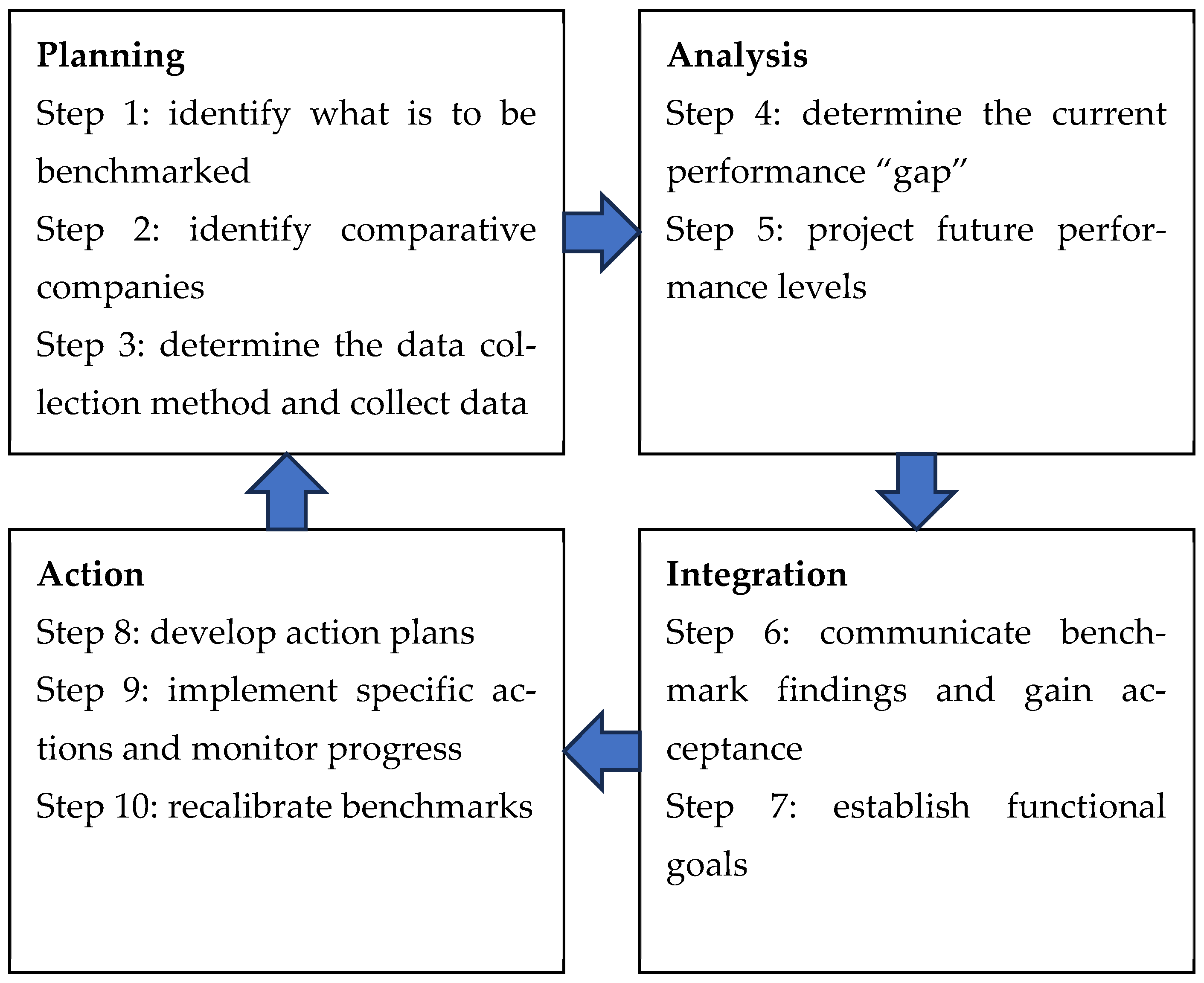
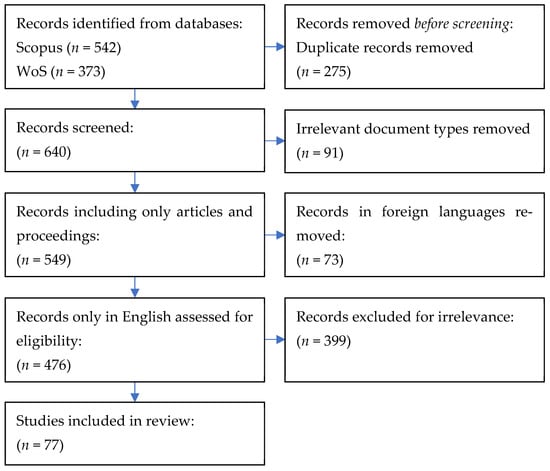
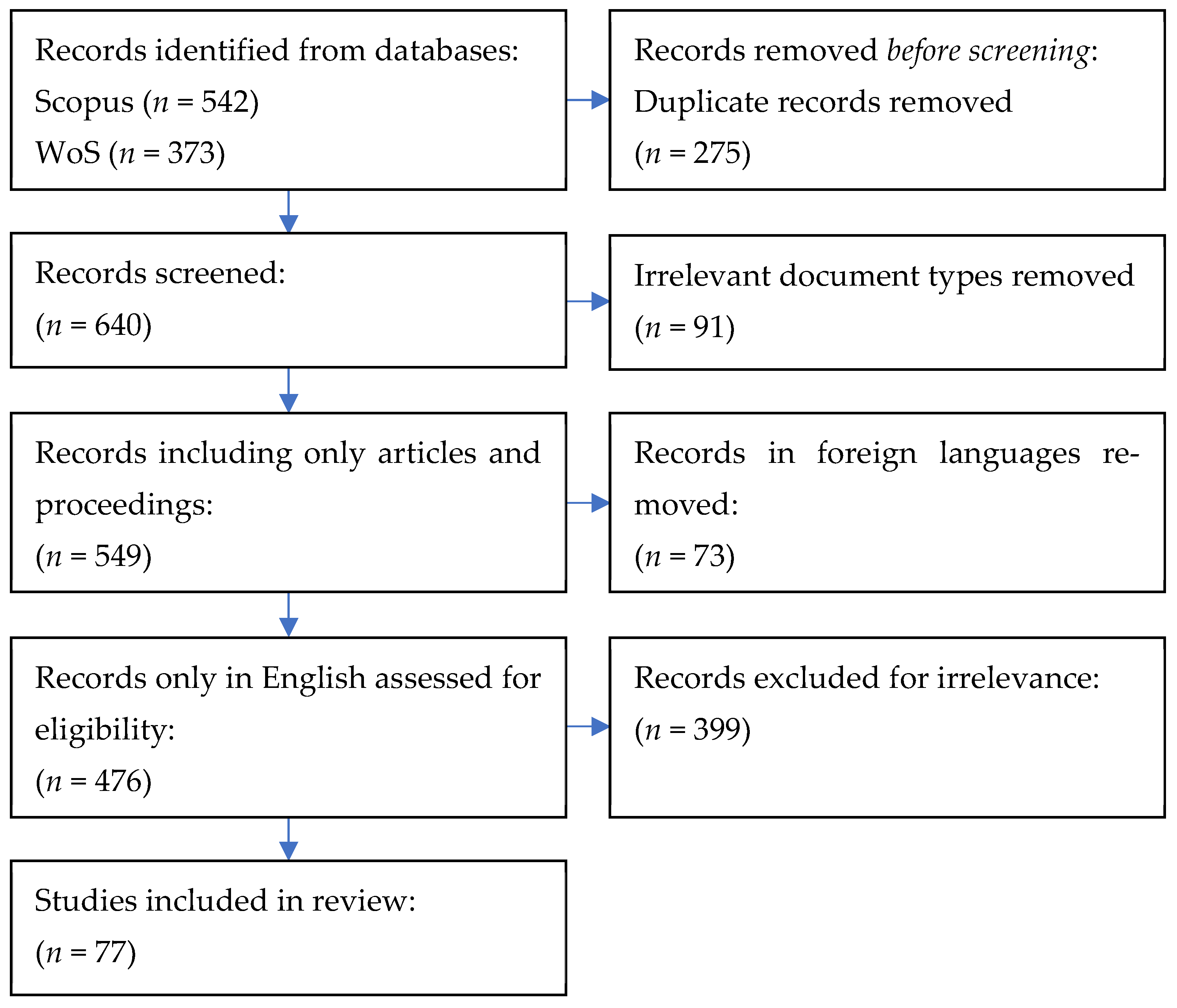
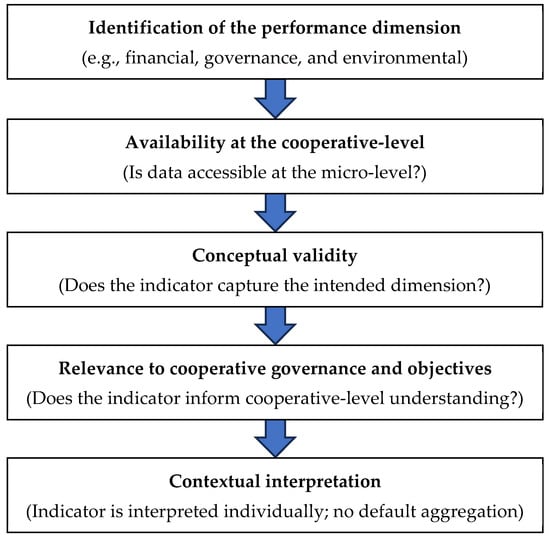
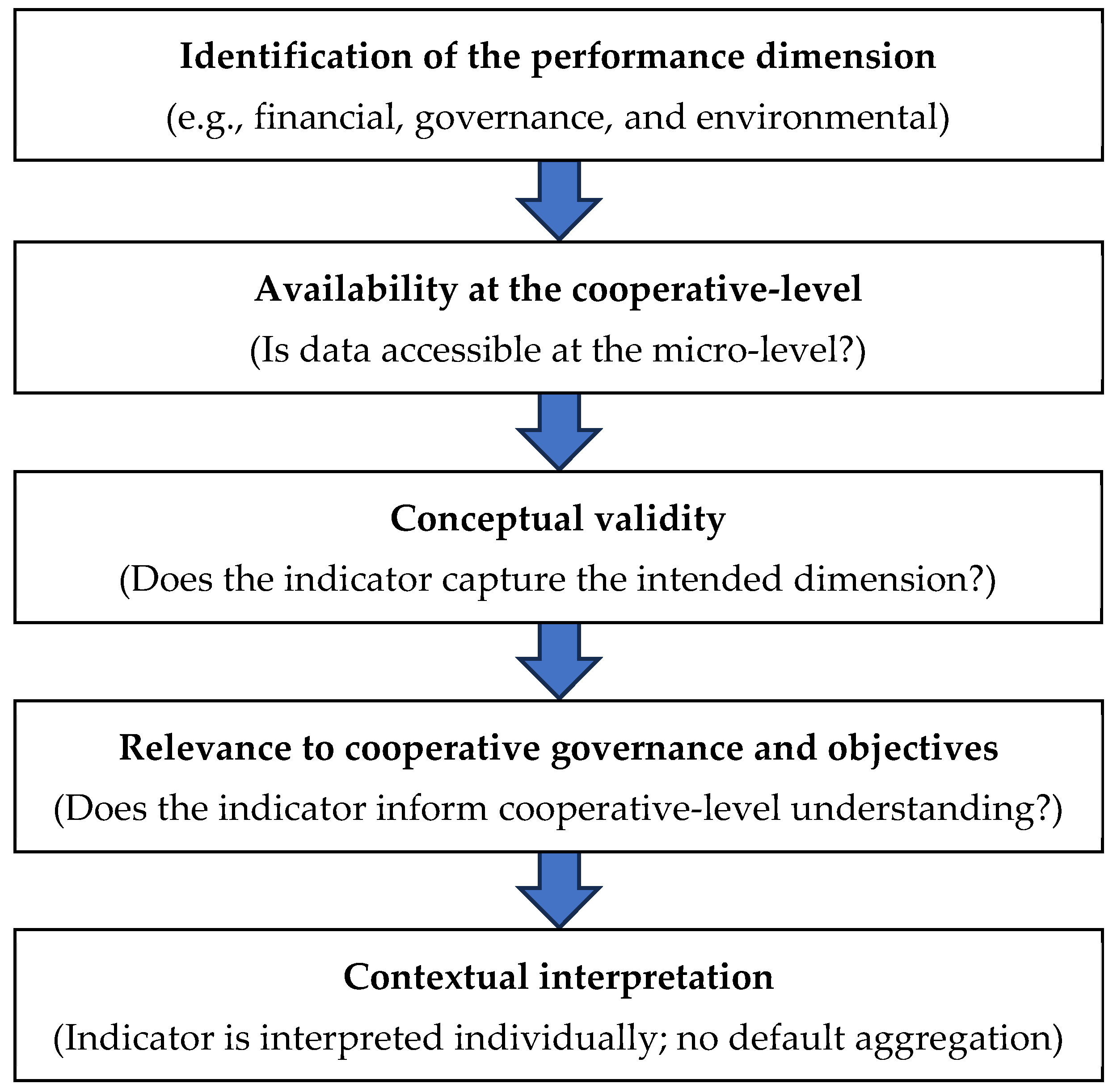

Disclaimer/Publisher’s Note: The statements, opinions and data contained in all publications are solely those of the individual author(s) and contributor(s) and not of MDPI and/or the editor(s). MDPI and/or the editor(s) disclaim responsibility for any injury to people or property resulting from any ideas, methods, instructions or products referred to in the content. |
© 2026 by the authors. Licensee MDPI, Basel, Switzerland. This article is an open access article distributed under the terms and conditions of the Creative Commons Attribution (CC BY) license.