


Abstract
The energy trilemma balances energy security, affordability, and environmental sustainability; adding social acceptability extends it to an energy quadrilemma. Industry 5.0 promotes human-centric, resilient, and sustainable industrial systems increasingly enabled by artificial intelligence (AI). Based on a structured search of Scopus and Web of Science (2015–2026), this narrative review uses the energy quadrilemma as an analytical lens to examine enabling technologies, Composite AI (integrating multiple AI paradigms), and the energy footprint and regulation of AI. The literature on the energy quadrilemma and Industry 5.0 appears to have developed largely independently. Identified field studies rely on data-driven AI alone, whereas multi-paradigm hybrids are documented mainly in simulation and pilot studies. The relationship is bidirectional: AI may support all four dimensions of the quadrilemma, yet the growing, geographically concentrated electricity demand of AI infrastructure, particularly data centres, can strain grid capacity, increase local electricity costs, and burden host communities. Energy and climate policies should therefore account for AI infrastructure as a source of electricity demand, rather than treating AI solely as an efficiency tool. The paper proposes a mapping between Industry 5.0 pillars and quadrilemma dimensions, introduces the concept of a net quadrilemma contribution, and outlines a research agenda.
1. Introduction
In an era defined by rapid technological advancements, intensifying geopolitical fragmentation, and mounting evidence of accelerating climate change, the pursuit of secure, affordable, and sustainable energy systems remains one of the defining challenges of our time. The global energy community continues to grapple with the need for abundant and accessible energy while simultaneously confronting the imperative of decarbonization and the increasingly visible physical consequences of a warming planet.
Recent climate data underscore the urgency of this challenge. The World Meteorological Organization confirmed that 2024 was the warmest year on record, with global average surface temperature reaching approximately 1.55 °C above the pre-industrial baseline [1], while 2025 ranked among the three warmest years ever recorded, extending an unbroken streak in which the past eleven years have each ranked among the eleven warmest on record [2]. These developments have unfolded alongside profound shifts in the geopolitical foundations of global energy systems. The World Energy Council’s 2026 World Energy Issues Monitor highlights that geopolitical threats and systemic uncertainty, including trade fragmentation, contested outcomes at the 30th UN Climate Change Conference (COP30), and renewed volatility in critical supply corridors, now define the operating environment for energy leaders worldwide [3]. Consistent with this, the World Economic Forum’s Energy Transition Index 2026 reports that overall global progress on the energy transition has nearly stalled, with declining transition readiness offsetting modest gains in system performance, and with clean energy investment remaining heavily concentrated in a small number of advanced economies [4].
Within this shifting landscape, the energy trilemma, which balances energy security, environmental sustainability, and affordability (termed energy equity in the World Energy Council framework [5]), remains a widely used framework for assessing energy policy [6]. Yet the trilemma alone no longer captures the full complexity of contemporary energy decision-making. The addition of a fourth social dimension, giving rise to the energy quadrilemma, reflects a growing recognition that community support, fair decision-making, and the distributional consequences of energy transitions are inseparable from questions of security, affordability, and sustainability [7,8] (Section 3.2).
At the same time, the accelerating diffusion of artificial intelligence (AI) is reshaping how energy systems are planned, operated, and governed. Composite AI, defined as the combined application of multiple AI techniques, such as machine learning, knowledge graphs, rule-based reasoning, natural language processing, and computer vision [9,10], is examined in this review as a possible approach to addressing the multidimensional nature of the energy quadrilemma within the broader transition towards Industry 5.0, although, as shown in Section 4.2, evidence of integrated deployments in energy systems remains limited. Industry 5.0 extends the automation-centric logic of Industry 4.0 towards a human-centric, resilient, and sustainability-oriented industrial paradigm, in which AI is not merely a tool for efficiency but a means of supporting human decision-making, resource optimization, and decarbonization objectives [11]. Recent reviews document this trajectory: a systematic review of the energy sector shows that the limits of fully autonomous AI in real-world energy systems have led to growing interest in human-in-the-loop AI, including recent agentic AI frameworks, whose transparency, adaptability, and reliability correspond to key principles of the Industry 5.0 vision [12]. At the same time, reviews of the socio-technical dynamics of AI, data centres, and digitalization show that the digital infrastructure on which AI runs has itself become a material factor in energy demand and environmental impacts [13].
Existing reviews have examined these developments largely in isolation. Reviews of AI in energy systems and Industry 4.0/5.0 focus on applications and efficiency gains [11,12], reviews of data centres and digitalization focus on their energy and environmental impacts [13], and quantitative studies of the energy quadrilemma do not address industrial digitalization [7,8]. Consistent with this, the literature search underlying this review (Section 2) identified only one publication shared between the trilemma/quadrilemma and Industry 5.0 result sets. The aim of this review is therefore not merely to cover these strands but to connect them through an explicit analytical framework in which the four dimensions of the energy quadrilemma serve as a common lens for assessing Industry 5.0 technologies, the energy footprint of AI, and associated regulation (Figure 1).
Figure 1.
Analytical framework and structure of the review. Three strands of literature, identified through a structured search (Section 2), are examined through a common analytical lens: the four dimensions of the energy quadrilemma, applied consistently across the three strands to assess benefits, trade-offs, and the strength of the underlying evidence. The dashed arrows indicate the bidirectional relationship between AI as an energy-management tool and AI as an electricity load. The right-hand column shows the resulting contributions and where they are presented.
On this basis, the review makes four contributions. First, it proposes a mapping between the three pillars of Industry 5.0 and the four dimensions of the energy quadrilemma and identifies where their objectives compete. Second, it evaluates the evidence base for Composite AI, distinguishing benefits demonstrated in implemented systems from those described in conceptual and review studies, and assesses complementary enabling technologies and industrial flexibility resources against all four dimensions of the quadrilemma. Third, it shows that the relationship between AI and the energy quadrilemma is bidirectional: AI-enabled optimization and the electricity demand of AI infrastructure act on the same dimensions, often in opposite directions, so that the net effect of AI adoption depends on deployment scale, the electricity mix, and the system boundaries considered; on this basis, it proposes that AI applications in energy systems be assessed qualitatively by their net quadrilemma contribution (Section 5.5). Fourth, it identifies evidence gaps, most notably the scarcity of documented integrated multi-paradigm AI deployments and the limited treatment of the social dimension in the technology literature, and derives a corresponding research agenda. Table 1 compares the scope of this review with that of selected closely related recent reviews.
Table 1.
Positioning of this review relative to selected closely related recent reviews.
Figure 1 also outlines the structure of the review. Section 2 describes the review methodology. Section 3 traces the evolution from the energy dilemma to the trilemma and quadrilemma and defines the four dimensions used as the analytical lens. Section 4 introduces Industry 5.0, proposes the mapping between its pillars and the quadrilemma dimensions, and assesses Composite AI, complementary enabling technologies, and industrial flexibility resources against these dimensions. Section 5 discusses the countervailing energy footprint of AI, the emerging regulatory framework, the social acceptability of AI-enabled energy systems, and the resulting policy implications, while synthesizing the relationships, tensions, and evidence gaps identified across the review. Section 6 concludes and outlines directions for future research.
2. Materials and Methods
This review adopts a structured, transparent literature synthesis approach appropriate for a critical/narrative review, rather than a formal systematic review or meta-analysis, given the conceptual and cross-disciplinary nature of the topic. The literature search was conducted in Scopus and the Web of Science Core Collection (WoS) on 1–2 October 2026. Six structured queries were applied to titles, abstracts, and keywords (TITLE-ABS-KEY in Scopus and Topic, TS, in WoS). Each query addressed a specific thematic strand of the review: (Q1) the energy trilemma and quadrilemma; (Q2) the relationship between Industry 5.0, energy, and decarbonization; (Q3) Composite AI; (Q4) review studies addressing AI applications in industrial energy management and smart grids; (Q5) the energy footprint and electricity demand associated with AI and data centres; and (Q6) the European Union (EU) AI Act in the context of energy and critical infrastructure. The query strings were identical in both databases, with differences limited to the database-specific field syntax. The searches were restricted to English-language publications, while the publication-year ranges and document types are specified in Table 2.
Google Scholar was consulted as a supplementary source on 2 October 2026. For each query, the first 50 results ranked by relevance (300 records in total) were retrieved using Publish or Perish and screened by title to identify relevant grey literature and recent publications that may not yet have been indexed in the two bibliographic databases. Since Google Scholar result counts are estimates and cannot be reproduced consistently, these records were not included in the quantitative counts reported below.
The two bibliographic databases yielded 4381 records, comprising 2497 records from Scopus and 1884 from WoS. Following the removal of duplicates within and between the databases, based on DOI matching or, where a DOI was unavailable, normalized-title matching, 2696 unique records remained. The database coverage showed substantial overlap; nevertheless, WoS contributed 233 records that were not indexed in Scopus, including 159 records related to the AI energy-footprint strand (Q5). Among the unique records, 80% were published during 2023–2026, 15% during 2020–2022, and 5% during 2015–2019. This distribution partly reflects the narrower publication-year ranges applied to Q4 and Q5 (Table 1), but also the recent emergence of the topic and the rapid expansion of the associated body of literature.
The records were screened by title and abstract according to the inclusion criteria specified in Table 3. Screening was carried out by the first author in two steps: records were first screened by title and abstract against the criteria in Table 3, and the full texts of the potentially relevant records were then assessed for their contribution to at least one thematic strand of the review. No independent double screening was performed; instead, the list of included studies and their classification by type of evidence (Table 4 and Table 5) were reviewed by the co-authors, and disagreements were resolved by discussion. Particular attention was given to review studies, highly cited publications, and studies addressing multiple thematic strands of the review. As the objective of a narrative review is to integrate and synthesize the available evidence rather than to provide an exhaustive census of the literature, the retrieved records were primarily used to map the individual thematic strands and identify their key contributions. For the application-specific topics presented in Table 4 and Table 5, the core literature identified through the structured searches was complemented by targeted searches and backward citation chaining (snowballing) from the review studies identified through Q4 and Q5. Foundational publications predating the defined search period, including seminal works on the energy trilemma and energy justice, were also retained where they remained conceptually relevant to the review.
The final synthesis comprises 79 peer-reviewed publications, including two chapters in scholarly books, and 34 institutional, regulatory, and other non-peer-reviewed sources, including reports and materials from the World Energy Council, World Economic Forum, World Meteorological Organization, International Energy Agency (IEA), United Nations Environment Programme (UNEP), Intergovernmental Panel on Climate Change (IPCC), European Union legislation, Gartner research notes, company press releases, and preprints. Among the peer-reviewed publications, 11 predate 2015, 14 were published during 2015–2019, 25 during 2020–2022, and 29 during 2023–2026. Non-peer-reviewed sources were used solely to provide statistical, regulatory, and illustrative context and were not treated as substitutes for peer-reviewed evidence in the conceptual synthesis. In the synthesis, the strength of the evidence was assessed by source type, distinguishing (i) empirical studies based on field data from operating systems, (ii) experimental and simulation studies, (iii) reviews and conceptual studies, and (iv) institutional projections and company-reported information; this distinction is reported explicitly in Table 4 and Table 5 and in the text. Where sources reported conflicting figures, such as differing estimates of data-centre electricity consumption, the most recent values published by the primary institutional source were used, and the range of estimates is reported where relevant. Company-reported information, such as the industrial example in Section 4.2, is identified as such and is used to illustrate adoption rather than as evidence of performance. In line with the narrative-review design, no formal risk-of-bias assessment was undertaken. Accordingly, the search strategy is reproducible with respect to the databases, query strings, search dates, and screening criteria, but it was not intended to constitute an exhaustive systematic search.
The search results also provide evidence of the research gap addressed by this review. Among the 359 unique records related to the energy trilemma/quadrilemma, only three explicitly adopted a quadrilemma framework. Furthermore, only one record was identified in both the trilemma/quadrilemma (Q1) and Industry 5.0 (Q2) result sets, suggesting limited integration between these two strands of the literature. Similarly, none of the 74 unique records referring to Composite AI (Q3) addressed the management of energy systems; instead, Composite AI was predominantly discussed in the context of healthcare, manufacturing, and recommender-system applications. These counts depend on the query terms listed in Table 2. Studies that address related questions under alternative terminology, such as hybrid, neuro-symbolic, or physics-informed AI, are not captured by the query on Composite AI; such studies were identified through targeted searches and citation chaining and are discussed in Section 4.2 (Table 4). The counts should therefore be interpreted as indicating limited integration of the terminology and framing of these strands, rather than an absence of related research.
Table 2.
Search queries and number of records retrieved (Scopus: 1 October 2026; WoS and Google Scholar: 2 October 2026; English only).
Table 3.
Screening criteria.
3. Energy Dilemma, Trilemma and Quadrilemma
3.1. From Dilemma to Trilemma
The fundamental question is whether we can have a secure, reliable, and affordable energy supply and at the same time manage the transition to a low-carbon energy system [15]. The present predicament arises from the dual role of energy as a prerequisite for socio-economic development and a major source of environmental impacts. This tension is sharpened by continued growth in global energy demand alongside the commitment to substantially reduce CO2 emissions. Consequently, there is a growing consensus advocating for greater incorporation of sustainable, renewable energy sources within the global energy infrastructure to tackle this dilemma.
Several studies have analysed the transition to 100% renewable energy by 2050. In one such study, the transition is analysed in several steps, each consisting of one major technological change [16]. The impact of each step is shown in terms of the economy (total annual socio-economic cost), the environment (carbon dioxide emissions), and energy (primary energy supply). The findings demonstrate that a 100% renewable energy system in Europe is theoretically feasible utilizing the Smart Energy System concept without consuming an excessive amount of bioenergy. This is owing to the increased flexibility offered by integrating the electricity, heating, cooling, and transportation sectors, which allows for an intermittent renewable penetration of more than 80% in the electricity sector. Key principles in defining the methodology include (i) an analysis that covers all sectors of the energy system, namely electricity, transport, and heating/cooling; (ii) an analysis of radical technological change; (iii) accounting for short-term (hourly) fluctuations in renewable energy and demand; (iv) a very long time frame; and (v) a socio-economic perspective. The EnergyPLAN energy system analysis tool is used to simulate the operation of national or regional energy planning strategies on an hourly basis, including the electricity, transport, industrial and heating/cooling sectors [17]. Numerous evaluations have previously been conducted using EnergyPLAN [18], including the creation of 100% renewable energy plans for nations such as Ireland [19], Croatia [20], Denmark [21,22], Hungary [23], and the European Union as a whole [16]. The model has often been modified during these projects to incorporate the technologies needed for the Smart Energy System, guaranteeing that the model is capable of simulating the drastic technological changes that are required.
Net zero emissions are essential to mitigate the impacts of climate change and limit global warming to safe levels. For a number of convincing reasons, the target year of 2050 has been widely suggested and accepted as the objective for reaching net zero emissions [24,25]. By achieving a balance between greenhouse gas emissions and their removal from the atmosphere, it is possible to stabilize the climate and reduce the risk of catastrophic climate events, such as extreme weather patterns, sea-level rise, and biodiversity loss. The 2015 Paris Agreement, signed by nearly all nations, aims to limit global warming to well below 2 °C above pre-industrial levels, with efforts to cap the temperature increase at 1.5 °C [26]. Achieving net zero emissions by 2050 or earlier aligns with these targets and is considered necessary to meet these goals. The 1.5 °C target, however, is now widely regarded as unachievable without at least a temporary breach. A September 2026 UNEP report, Limiting Overshoot: Navigating Exceedance of 1.5 °C and Pathways Towards Return, concludes that the 1.5 °C threshold is likely to be exceeded within the next few years, with current long-term global warming estimated at approximately 1.4 °C [27]. Rather than treating this as grounds to abandon the 1.5 °C goal, international climate policy is shifting towards an “overshoot, peak, and decline” framework, which prioritizes minimizing both the magnitude and duration of the overshoot through rapid emissions cuts and carbon removal, with the explicit aim of returning global temperatures towards 1.5 °C in subsequent decades [27]. Even if all current climate commitments and policies were fully implemented, UNEP projects that warming would reach at least 1.8 °C, and a subsequent decline towards 1.5 °C is not assured [27]; this underscores the urgency of the energy transition discussed throughout this review.
The world’s continued reliance on fossil fuels, particularly coal, oil, and natural gas, as the primary source of global energy production remains the central driver of rising atmospheric CO2 concentrations and, consequently, of global warming [28]. As noted in the Introduction, 2024 was the warmest year on record and the past eleven years have been the eleven warmest on record, indicating a sustained warming trend rather than a temporary anomaly [1,2].
The COVID-19 pandemic was the first of several recent shocks to test the balance between energy security, affordability, and sustainability. During the lockdowns in spring 2020, daily global CO2 emissions fell by an estimated 17% by early April compared with 2019 levels, but the decline was expected to be largely temporary [29]. Although overall energy demand declined, its spatial and temporal patterns changed in complex ways, creating both challenges and emerging opportunities for the energy sector [30]. The pandemic disrupted the manufacturing and supply chains of renewable-energy technologies and was expected to cause a short-term contraction of the sector [31], while analyses of recovery policies emphasized that the temporary drop in emissions was no substitute for structural change and that the design of recovery packages would shape the direction of energy transitions [32,33]. The disruption of global supply chains also brought resilience to the centre of industrial and supply-chain research, where it was conceptualized as a precondition for the viability of supply chains in a changing environment [34]. This perspective subsequently informed conceptualizations of Industry 5.0 that integrate resilience, sustainability, and human-centricity (Section 4) [35].
For over a decade, the energy trilemma, which balances energy security, environmental sustainability, and affordability, has anchored global energy policy discourse [6]. Following the Paris Agreement at COP21 in 2015, sustainability increasingly dominated policy priorities in advanced economies, while energy security had historically been treated as a secondary concern due to diversified, fungible global supply markets. In Europe, Russia’s invasion of Ukraine in 2022 reversed this ordering, elevating energy security to the top of the policy agenda, with implications for environmental sustainability and energy equity both within and beyond Europe [36].
This rebalancing has proven durable rather than transitory. The World Energy Council’s World Energy Trilemma Report 2024, now in its fifteenth edition, describes the effects of what it terms the world’s first demand-driven energy shock in response to the war in Ukraine, together with the new threat of polycrises; Denmark ranked first in the 2024 index, and European countries remained among the top performers [37].
A complementary perspective comes from the World Economic Forum’s Energy Transition Index (ETI). The 2025 ETI recorded a 1.1% year-on-year gain, the fastest pace of improvement since before the COVID-19 pandemic, with 65% of countries improving and 28% advancing across all three core dimensions of security, sustainability, and equity; Sweden, Finland, Denmark, Norway, and Switzerland topped the index, while Emerging Europe posted the largest regional gains. However, this progress remains uneven and fragile: despite USD 2 trillion in clean energy investment during 2024, energy security stagnated due to inflexible power systems and import dependence, while global emissions reached a record 37.8 billion tonnes during the warmest year on record, driven in part by a 2.2% rise in energy demand linked to artificial intelligence, data centres, cooling, and electrification [38]. The 2026 edition of the index indicates that this momentum has largely stalled: average scores remained broadly unchanged (+0.03%), energy security was the only system-performance dimension to decline, and the disruption of energy flows through the Strait of Hormuz was described as one of the most acute energy price shocks since 2022 [4].
3.2. Energy Quadrilemma
The energy trilemma emerged as a concept to encapsulate three fundamental and often conflicting objectives of energy policy: energy security, environmental sustainability, and affordability [6]. It highlights the tensions between these objectives in energy-system planning, policymaking, and resource allocation [39]. In the World Energy Council framework, the affordability dimension is termed energy equity [40]; in quadrilemma studies, energy equity refers to the capability to ensure universal access to energy services at affordable and fair prices [7]. The definitions of the individual dimensions are themselves context-dependent; energy security, for example, has been shown to be defined and measured in markedly different ways across studies [41].
The trilemma does not, however, explicitly capture the social implications of energy transitions, which has motivated its extension into a quadrilemma by adding a fourth, social dimension [7,8]. The literature uses different terms for this dimension, and these terms do not mean exactly the same thing. Quantitative quadrilemma studies define it as the social context of energy transitions, captured by indicators such as income inequality, poverty, and access to essential services [7,8]. The energy-justice literature frames it normatively through the tenets of distributional, procedural, and recognition justice [42,43,44] and has proposed an Energy Justice Metric as a means of resolving the trilemma itself through justice considerations [45]. Research on social acceptance, in turn, focuses on the support of socio-political actors, markets, and local communities for specific energy technologies and projects [46,47].
In this review, the fourth dimension is termed social acceptability and is defined as the extent to which energy choices are supported by, and perceived as fair by, the communities, workers, and consumers affected by them. The term is used as an umbrella concept: the tenets of energy justice describe the conditions under which energy choices are likely to be regarded as fair, whereas the socio-economic context, such as income inequality and poverty, shapes how their costs and benefits are experienced. Social acceptability is distinct from affordability, although the two overlap in the distribution of energy costs. To avoid double counting, the level of energy prices and access to energy are assigned to affordability (energy equity), whereas the distribution of costs and benefits across social groups and regions, the fairness of decision-making processes, the recognition of affected groups, and public and community support are assigned to social acceptability. This definition is applied consistently in the remainder of the review, including Figure 2, the mapping in Section 4, and the assessment in Table 5.
Figure 2.
The energy quadrilemma. The three dimensions of the original energy trilemma, namely energy security, affordability (termed energy equity in the World Energy Council framework), and environmental sustainability, are extended by a fourth, social dimension, termed social acceptability in this review and grounded in the distributional, procedural, and recognition tenets of energy justice (Section 3.2). Each dimension is shown with a short definition and examples of indicators used to measure it. Double-headed arrows denote typical trade-offs between pairs of dimensions, illustrating why progress on a single dimension cannot be pursued in isolation and why the four dimensions must be balanced jointly in energy policy and planning.
The quadrilemma framework thus encourages a more comprehensive treatment of these interconnected challenges. Recent applications illustrate its practical value. A quadrilemma framework addressing household characteristics, access to essential services such as water and sanitation, and income inequality has been proposed for the decentralized energy transition in Brazil [8], and a quantitative Energy Quadrilemma Index, combining energy security, energy equity, and sustainable development with a social-context dimension, has been developed for six Latin American countries and used to assess energy poverty [7]. Research on the community acceptance of wind energy has, moreover, identified the factors that shape local acceptance [47], supporting the treatment of social acceptability as a distinct component of energy-system evaluation rather than as an externality. The evolution from the trilemma to the quadrilemma thus reflects a broadening of energy-system evaluation and energy policy towards a more inclusive, multidimensional approach.
3.3. Energy Trilemma Index
The World Energy Trilemma Index, produced by the World Energy Council in partnership with Oliver Wyman, ranks countries across three dimensions, namely energy security, energy equity, and environmental sustainability, covering more than 120 countries annually [5,40]. Balanced performance was rare: in the 2022 edition, Sweden ranked first, followed jointly by Denmark and Switzerland, and only 10 of the 127 ranked countries achieved the highest grade in all three dimensions [48]. Germany illustrates how a strong position in one dimension can prove fragile: the 2022 report placed it among the top ten countries for energy security, but noted that this trajectory had been disrupted, as Germany was the largest consumer of natural gas in Europe and imported the majority of it from Russia [48]. Such shifts are consistent with evidence that the relationships between the trilemma dimensions, including both synergies and trade-offs, change over time, so that strong performance depends on managing the interactions between the dimensions rather than on progress along any single axis [49].
Illustrative example: Denmark. Denmark’s consistent top-tier trilemma performance (Section 3.1) offers a useful contrast to the German case. After the oil crises of the 1970s, Denmark restructured its energy policy to reduce its dependence on imported oil, developing its North Sea oil and gas resources and relying heavily on coal for power generation; wind power subsequently rose from 12% of the country’s electricity generation in 2000 to over 48% by 2019, supported by strong wind resources and one of the most interconnected power grids in Europe [50]. Academic analysis of this trajectory attributes Denmark’s success not to any single factor, but to the sustained integration of four policy strands over four decades: consistent cross-party political commitment to wind energy targets, early technical integration of wind into grid operations, deliberate industrial policy supporting both domestic and export markets for Danish turbine manufacturers, and, critically for the social acceptability dimension of the quadrilemma (Section 3.2), community co-ownership models [51]. By the late 1990s, more than 100,000 families, organized in over 2100 wind energy cooperatives, owned almost 90% of the 6300 wind turbines then in operation, and this strong community ownership fostered substantial public support for wind energy [52]. This combination suggests that high and stable trilemma performance, as reflected in the country rankings discussed above, is associated with sustained, multi-decade policy consistency across several dimensions rather than with strong performance on any single axis. A recent clustering analysis of Organisation for Economic Co-operation and Development (OECD) countries, published as a preprint, likewise places Denmark among the countries with high and balanced performance across the three trilemma dimensions [53].
4. Industry 5.0 and the Energy Quadrilemma
Industry 5.0 represents the next phase in the evolution of industrial paradigms, building on the logic of Industry 4.0, which is centred on automation and digitalization. The concept was formally introduced by the European Commission in 2021 as a policy vision for a sustainable, human-centric, and resilient European industry, shifting focus from shareholder to stakeholder value and placing worker well-being at the centre of the production process, while respecting planetary boundaries [54]. This shift is echoed in the wider manufacturing-systems literature, which characterizes Industry 4.0 as primarily technology-driven and Industry 5.0 as value-driven [55], with subsequent reviews analysing the paradigm shift from Industry 4.0 to Industry 5.0 [14] and tracking the growth of research on Industry 5.0 [56]. Early conceptualizations emphasized collaboration between humans and robots [57], whereas subsequent surveys identified the enabling technologies of Industry 5.0 [58] and consolidated human-centricity, sustainability, and resilience as its defining characteristics [56,59]. Rather than replacing Industry 4.0’s technological toolkit, Industry 5.0 reorients its application around three pillars: (i) human-centricity, in which technology adapts to workers’ needs rather than the reverse, (ii) resilience, understood as the capacity of production systems to withstand and adapt to disruption, and (iii) sustainability, embedding circular-economy and resource-efficiency principles directly into industrial processes [54]. The Industry 5.0 and energy-quadrilemma studies have so far developed largely independently (Section 2); this review therefore proposes a mapping between the two frameworks. Resilience corresponds most directly to energy security; sustainability relates to environmental sustainability and, through resource efficiency, to affordability; and human-centricity aligns with social acceptability. The mapping is partial, however: human-centricity in Industry 5.0 focuses primarily on the well-being of workers [54], whereas social acceptability, as defined in Section 3.2, also concerns communities and consumers. Section 4.1 discusses where the pillars support the quadrilemma dimensions and where their objectives compete; the mapping also underlies Figure 3.
Figure 3.
Synergy between Industry 5.0 and the energy quadrilemma, mediated by Composite AI. The three pillars of Industry 5.0 (left) and the four dimensions of the energy quadrilemma (right) are linked through a conceptual closed operational loop (centre). Telemetry from industrial assets (1) is pre-processed at the edge (2) and analysed by Composite AI components (3), including forecasting, anomaly detection, optimization, and knowledge-graph reasoning, which produce recommendations together with explanations. A human operator reviews each recommendation and accepts or overrides it (4); the approved actions, such as battery energy storage dispatch, demand-side response, or heat-pump scheduling (5), change the operation of the assets. The resulting outcomes are measured against one indicator per quadrilemma dimension and fed back into the analytics. The dashed arrow indicates that the AI layer is itself a source of electricity demand, which acts most directly on environmental sustainability and, through local grid strain and costs, also on energy security and affordability (Section 5.1). Matching colours and letters denote the correspondence between Industry 5.0 pillars and quadrilemma dimensions proposed in Section 4: resilience (R) with energy security, sustainability (S) with environmental sustainability and affordability, and human-centricity (H) with social acceptability.
4.1. Synergy Between Industry 5.0 and the Energy Quadrilemma
The alignment between Industry 5.0 and the energy quadrilemma is structural as well as thematic: both frameworks reject single-objective optimization in favour of balancing multiple, sometimes competing goals. Industry 5.0’s emphasis on Internet of Things (IoT)-, AI-, and robotics-enabled process optimization can support the environmental sustainability and affordability dimensions by reducing waste and resource use [54], and its resilience pillar corresponds to the security dimension, which concerns reliable and resilient supply. Human-centricity, which places the well-being of workers at the centre of the production process [54], addresses one part of the social-acceptability dimension, namely the acceptance of technological change by those who work with it. Industry 5.0 also calls for collaboration between industry, government, academia, and civil society [54], which is consistent with the procedural tenet of energy justice [44]. Figure 3 summarizes these relationships, mapping the three pillars of Industry 5.0 onto the four dimensions of the energy quadrilemma through a Composite AI-mediated operational loop.
Competing objectives. The correspondence between the pillars and the dimensions does not imply that progress on one pillar advances all dimensions of the quadrilemma. At least three tensions can be identified. First, resilience may compete with environmental sustainability and affordability: redundancy, reserves, and firm backup capacity strengthen the security of supply but raise system costs and, where backup capacity is fossil-fired, emissions (Figure 2). Second, the sustainability pillar may compete with social acceptability: rapid decarbonization and the electrification of industrial processes involve capital costs and siting decisions whose burdens may fall unevenly on workers, consumers, and communities (Figure 2, Section 5.3). Third, human-centricity may compete with efficiency and resilience: effective human oversight, which the EU AI Act requires for high-risk AI systems (Article 14) [60], may slow automated responses and add costs, whereas greater automation for the sake of efficiency may reduce worker autonomy. These tensions cannot be resolved by technology alone; Figure 3 shows where they enter the human-in-the-loop operational loop, and Table 5 shows the corresponding trade-offs at the level of individual technologies.
In essence, Industry 5.0 provides the technological and organizational means, while the energy quadrilemma defines the policy objective function. Composite AI, discussed next, is proposed in this review as a mechanism through which this connection can be operationalized, building on recent evidence on AI-enabled, human-in-the-loop energy management [12].
4.2. Composite AI in Industry 5.0
AI has been described as a key enabler of an increasingly complex and data-driven energy industry [61] and as a powerful tool for reducing greenhouse gas emissions across sectors [62]. Composite AI, defined by Gartner as the combined application of multiple AI techniques (machine learning, knowledge graphs, rule-based reasoning, natural language processing, and computer vision) to improve learning efficiency and decision robustness beyond what any single technique achieves, has been identified as a top emerging technology trend since 2022, with particular relevance to planning- and optimization-intensive domains such as energy and supply chain management [9,10]. Composite AI originated as an industry-analyst concept rather than as an established scientific construct: none of the 74 records referring to Composite AI identified in our search (Section 2) addressed energy-system management, although related multi-paradigm approaches in energy systems are published under other terms, such as physics-informed or neuro-symbolic AI (Table 4).
In this review, the term is therefore used as an umbrella term for multi-paradigm AI architectures that combine data-driven components with knowledge-based, rule-based, physics-based, or optimization components, whose individual elements are well documented in the energy literature (Table 4). Table 4 summarizes the principal application domains in energy systems, the AI techniques involved, and whether multiple AI paradigms are combined; it also indicates the type of evidence available for each domain and the conditions and limitations that determine whether combining techniques adds value in practice.
Table 4.
Application domains of Composite AI in energy management, with the types of evidence and the main conditions and limitations.
Strength of the evidence. Table 4 shows that the evidence base for Composite AI in energy management is uneven. Of the thirteen studies cited, eight are reviews and five evaluate methods using empirical data, two of which use field data from operating energy assets: supervisory control and data acquisition (SCADA) data from wind turbines [63] and unmanned aerial vehicle (UAV)-based thermographic inspection of an operating photovoltaic plant [64]. These field studies combine a neural model with statistical post-processing or with telemetry, but they remain within the data-driven paradigm. Combinations of data-driven components with physics- or knowledge-based components, which come closest to the notion of Composite AI, are documented mainly in reviews of physics-informed neural networks and knowledge-graph reasoning for power systems, where most applications remain at the simulation or pilot stage [69,73,74]. Combinations of prediction with optimization, as in AI-enhanced model predictive control, are also counted as multi-paradigm in Table 4; the cited studies, however, evaluate them in simulation, laboratory, or experimental settings rather than in field operation [68,70]. None of the cited studies documents an integrated system that combines several AI paradigms across multiple functions in field operation. This is consistent with the results of the literature search reported in Section 2. The individual components of Composite AI are therefore well documented in the energy literature, whereas the added value of combining them in operational energy systems remains largely untested.
Conditions for added value and limitations. The cited studies suggest that combining AI techniques is most likely to add value when a task requires more than prediction alone: for example, when forecasts must be translated into control actions that satisfy operational constraints [68], when model outputs must remain consistent with physical laws [69], when heterogeneous data such as images and telemetry must be fused [64], or when recommendations must be justified to an operator through explicit domain knowledge [73,74]. Composition also has costs. Each additional component can increase data requirements and the need for consistent semantics across sources, raise computational demand and therefore the electricity demand of the AI layer itself (Section 5.1), complicate validation and maintenance, and reduce interpretability unless explainability is considered from the outset. Human supervision remains necessary both for detecting errors that propagate between components and for meeting the oversight requirements discussed below [12]. Whether a composite architecture outperforms a well-tuned single-technique solution is thus an empirical question that should be evaluated case by case, preferably against decision outcomes rather than predictive accuracy alone.
Industrial adoption. Industrial practice illustrates the same distinction between the adoption of multiple AI applications and the deployment of integrated Composite AI systems. The Spanish utility Iberdrola reported more than 150 AI use cases in 2025, ranging from wind and solar production forecasting and predictive maintenance of grid infrastructure to vegetation monitoring and the optimization of battery locations for grid resilience [75]. The company also reported that, in February 2025, it had become the first company to have its AI management system certified by the Spanish certification body AENOR under ISO/IEC 42001 [75]. These company-reported use cases, however, represent a portfolio of separate applications within one organization rather than a single integrated system, and their baselines and measured effects are not publicly documented; they therefore illustrate organizational adoption rather than demonstrate the added value of composition. The same company also illustrates the bidirectional tension discussed in Section 5: in 2025, it established a joint venture with planned investments of more than EUR 2 billion in data centres in Spain intended to serve AI and technology companies [76], illustrating how utilities can become both adopters of AI for grid operation and providers of the infrastructure that drives the electricity demand shown in Figure 4.
Explainability, neuro-symbolic integration, and regulatory certification. The composite character of these systems is particularly relevant under the EU AI Act. AI systems intended as safety components in the management and operation of critical infrastructure, including the supply of electricity, gas, and heating, are classified as high-risk under Annex III, which entails obligations related to risk management, logging, transparency, and human oversight [60]. Whether a specific industrial energy-management application falls within this category depends on whether it functions as a safety component, that is, a system used to directly protect the physical integrity of the infrastructure or the health and safety of persons and property (Recital 55) [60]. Industry stakeholders have argued for a narrow interpretation that would exclude supportive or peripheral algorithms from the high-risk category [77]. For systems that fall within this category, purely sub-symbolic models such as deep neural networks may be difficult to reconcile with requirements for traceability and explainability [78]. A recent community report on explainable AI for energy and critical infrastructure notes that few methods are available for explaining reinforcement-learning controllers to grid operators and that neuro-symbolic approaches are being explored as a means of combining the predictive capabilities of data-driven models with correctness, replicability, and explainability [79]. Composite AI may, in principle, be suited to this context, as it explicitly encompasses knowledge graphs and rule-based reasoning [9,10]. In a neuro-symbolic arrangement, a neural network may forecast demand and propose a dispatch schedule, while a knowledge-graph and rule layer may validate the proposal against operational and safety constraints. Post hoc explanation methods, such as feature attribution, may then provide the operator with a rationale for accepting or overriding the recommendation, while logging across all three layers supports auditability. This design also reflects the human-centric principle of Industry 5.0, as the operator receives an explanation rather than only a recommendation. Regulatory certification of such hybrid systems remains an open issue: a recent review of EU legislation affecting AI in smart grids identifies the requirements of the AI Act, data-protection rules, and cybersecurity directives, together with the associated compliance costs, as key barriers to deployment, while noting that well-implemented compliance can strengthen trust in AI-enabled grid operation [80].
4.3. Other Enabling Technologies
Beyond Composite AI, several complementary digital technologies underpin the technical feasibility of Industry 5.0 energy systems. Table 5 assesses these technologies, together with the physical flexibility resources discussed in Section 4.4, against the four dimensions of the energy quadrilemma. For each technology, it distinguishes reported contributions from the associated trade-offs and the conditions on which they depend, and indicates the maturity of the underlying evidence.
These technologies are rarely deployed in isolation; recent literature increasingly documents their convergence, for example through the combination of edge computing and the Internet of Things with digital twins, suggesting that the boundary between these categories is progressively dissolving within Industry 5.0 architectures [81,82]. For digital twins of power plants and other complex energy assets, it has been argued that a data-driven approach alone is not sufficient and that low-order physics-based models should operate in tandem with continuously updated system parameters [83], which is consistent with the multi-paradigm logic of Composite AI discussed in Section 4.2.
Table 5.
Assessment of complementary enabling technologies and flexibility resources against the four dimensions of the energy quadrilemma.
4.4. Industrial Flexibility and Process Decarbonization
The digital technologies discussed in Section 4.3 (the first four rows of Table 5) primarily constitute the digital layer of Industry 5.0 energy systems. Their full value, however, is realized only when they are coupled with physical flexibility resources at the point of energy use. Two such resources are particularly relevant to industrial decarbonization: on-site energy storage combined with demand-side response (DSR), and the electrification of process heat.
Storage and demand-side response. Industrial demand response adjusts the timing or magnitude of electricity consumption in response to supply conditions, thereby increasing the utilization of renewable generation and reducing energy costs [87]. Earlier reviews of industrial applications concluded that demand response can reduce the need for more expensive alternative forms of flexibility [92], and AI and machine-learning methods are increasingly used to forecast, schedule, and control demand-response actions [93]. A recent review categorizes the available measures into energy storage, scheduled energy use, operational flexibility, on-site generation, and intelligent operations, and identifies storage—most commonly lithium-ion battery energy storage systems (BESS)—as an effective means of shifting demand, although it often has the longest payback period [87]. BESS can reduce peak demand through peak shaving; however, its round-trip efficiency losses mean that additional electricity may be required to compensate for the energy lost during charging and discharging [87]. The contribution of storage to the energy quadrilemma therefore depends on how the asset is dispatched rather than merely on its installation. At the policy level, respondents to the 2025 public consultation of the EU Agency for the Cooperation of Energy Regulators (ACER) identified industrial demand response as one of the flexibility options with high technical potential [88]. This is where Composite AI could become operationally relevant: forecasts of electricity prices, load, and renewable generation (Table 4), combined with optimization and operator supervision, determine when to charge, discharge, or defer a process. In the context of the energy quadrilemma, such coordination can reduce energy costs (affordability), alleviate local grid stress and strengthen supply resilience (security), and shift consumption towards lower-carbon hours (sustainability). The fourth dimension, social acceptability, is addressed only in part, in the Industry 5.0 sense, by keeping operators in the decision loop, as load shifting can affect shift patterns and production planning; its wider aspects, such as the allocation of costs and benefits and the transparency of automated decisions, are discussed in Section 5.3.
Electrification of industrial process heat. Process heat remains heavily dependent on fossil fuels, making its electrification an important pathway towards deep industrial decarbonization [89]. High-temperature heat pumps can provide heat at temperatures of roughly 100–200 °C, and feasibility studies comparing them with natural-gas boilers, using either ambient or waste-heat sources, support their potential for industrial decarbonization [90]. Large application potentials have been identified particularly in the food, paper, metal, and chemical industries [94]. A review of energy-system modelling identifies heat pumps as the most frequently considered electrification option, while direct electric heating is used mainly for medium- and high-temperature processes; very high-temperature processes, however, often remain difficult to electrify effectively [89]. The same review finds that only 29% of the analysed studies consider energy flexibility and that, despite the technological development of heat pumps capable of supplying heat at temperatures of up to 200 °C, many models still represent them only at low temperature levels of 0–100 °C [89]. The potential of electrified process heat as a flexible industrial load therefore remains largely unassessed. Integrating electrified heat with thermal storage and with electricity, transport, and other sectors through sector coupling can transform process heat from a relatively inflexible fossil-fuel demand into a schedulable load. This creates a multi-objective, constraint-intensive scheduling problem for which a composite approach combining forecasting, optimization, and rule-based handling of operational constraints may provide a suitable orchestration framework, although, as shown in Section 4.2, such integrated deployments have yet to be documented in field operation. Technical barriers nevertheless remain: a review of industrial high-temperature heat pumps identifies a persistent gap in systems that combine output temperatures above 100 °C with a coefficient of performance above 4, as well as the need to transition to low-global-warming-potential refrigerants and to scale units beyond 1 MW [91].
Cross-cutting trade-offs. Table 5 shows that none of the assessed technologies is reported to contribute positively across all four dimensions of the quadrilemma; their contributions are typically conditional on how they are deployed and operated. Several trade-offs recur across technologies. First, each additional digital layer increases connectivity and thus the attack surface of energy systems, so that cybersecurity becomes a precondition for, rather than a by-product of, the security benefits that these technologies offer [71,72]. Second, limited interoperability with legacy systems and the lack of harmonized data formats and communication protocols constrain the integration of digital twins and blockchain platforms into existing infrastructure [84,86]. Third, data governance, including the protection of operational and customer data, is a recurring concern for edge computing, blockchain-based trading, and digital twins [81,84,86]. Fourth, physical flexibility resources involve substantial capital costs whose recovery depends on operating conditions: storage often has the longest payback period among industrial demand-response measures [87], and the economic viability of high-temperature heat pumps depends on the required output temperature and on the availability of a waste-heat source [90]. Finally, the computational demand of the digital layer itself contributes to the electricity demand discussed in Section 5.1. The maturity of the evidence also differs between technologies: blockchain-based energy trading has so far been demonstrated mainly in pilot projects and regulatory sandboxes [84], and the performance gains reported for digital twins refer to specific applications and should not be interpreted as generally expected outcomes. The social dimension is the least frequently addressed in the cited technology studies; where it appears, it is mainly in the form of privacy concerns or effects on work organization, a gap examined in Section 5.3. Moreover, barriers to adoption are not solely technical: an expert study of sustainable supply chains in the Industry X.0 era identified a lack of supportive leadership and a shortage of sustainability professionals as key barriers and prioritized human-capital development over technological solutions [95].
More broadly, Section 4.2, Section 4.3 and Section 4.4 suggest that the potential of Composite AI lies less in any standalone application than in its role as an orchestration layer that integrates digital and physical resources into a human-in-the-loop decision-making system. This role, however, has yet to be demonstrated in field operation. Such deployment would depend on data quality, model interpretability, and cybersecurity safeguards, which remain active areas of research [79,86]. Section 5 examines the associated risks, regulatory frameworks, and policy implications.
5. Discussion: Risks, Regulatory Frameworks, and Policy Implications
5.1. The Energy Footprint of AI: A Countervailing Risk
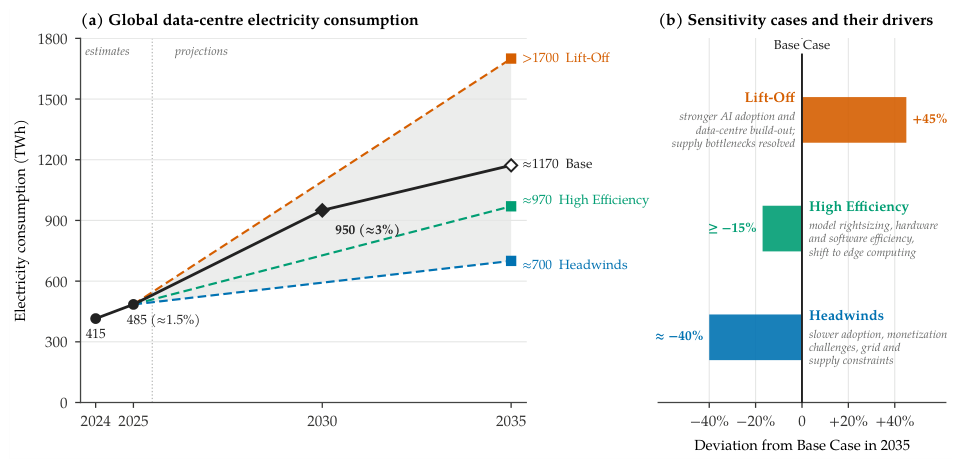
While Section 4 examined the potential of Composite AI and related technologies to support the dimensions of the energy quadrilemma, a growing body of evidence indicates that the energy footprint of AI is itself becoming a material factor within the same quadrilemma, illustrating a tension within the framework rather than a one-directional solution. In this review, the energy footprint of AI refers to the energy use and associated emissions attributable to AI systems; its principal and most directly measurable manifestation is the electricity demand of AI infrastructure, that is, of the data centres and computing hardware on which AI models are trained and run. According to the IEA, the electricity consumption of data centres grew by 17% in 2025, to around 485 TWh, whereas electricity consumption in AI-focused data centres, defined here as facilities equipped predominantly with accelerated servers for training and running AI models, grew by about 50%, compared with growth in global electricity demand of around 3% [96]. The two figures need to be distinguished. Total data-centre consumption also includes conventional workloads such as cloud services, streaming, and enterprise IT, whereas AI-focused facilities account for a growing but still minority share of it. By 2030, total data-centre consumption is projected to roughly double to around 950 TWh, of which AI-focused data centres would account for around 465 TWh, roughly half of the total (Figure 4) [96]. Projections of data-centre electricity demand therefore overstate the demand attributable to AI unless this distinction is made explicit. Earlier bottom-up estimates had suggested that AI servers alone could consume 85–134 TWh of electricity per year by 2027 [97]. Regionally, the growth is highly concentrated: in Ireland, data centres accounted for 21% of metered electricity consumption in 2023, up from 5% in 2015 [98]. In the United States, data centres consumed about 176 TWh in 2023, or 4.4% of national electricity consumption, and this share could rise to between 6.7% and 12.0% by 2028 [99].
Figure 4 places these projections within the scenario range published by the IEA, highlighting the substantial uncertainty surrounding the trajectory. In the Lift-Off Case, stronger AI adoption and data-centre deployment, together with the resolution of supply bottlenecks over time, raise data-centre electricity demand in 2035 to more than 1700 TWh, around 45% above the Base Case and equivalent to 4.4% of global electricity demand. In the High Efficiency Case, the same demand for digital services is met with at least 15% less electricity through model rightsizing, continued hardware and software efficiency improvements, and a shift towards edge computing, reaching around 970 TWh. In the Headwinds Case, slower adoption, monetization challenges, and local grid and supply constraints result in demand of around 700 TWh in 2035 [100]. The spread between the Lift-Off and Headwinds cases in 2035, at more than 1000 TWh, exceeds twice the current data-centre electricity consumption, indicating that the range of plausible outcomes is wider than the projected growth itself. Upside risk is reinforced by the spread of energy-intensive applications such as autonomous AI agents [96], whereas efficiency gains at the chip, model, and facility levels act in the opposite direction, although, as discussed below, such gains have so far been outpaced by growth in aggregate usage. Moreover, in the Lift-Off Case, long grid-connection queues mean that most of the additional electricity generated for data centres beyond 2030 would be supplied by fossil fuels [100], linking the higher-demand scenario directly to the sustainability dimension of the quadrilemma.
Figure 4.
Global electricity consumption of data centres: Estimates and IEA projections. (a) Estimated consumption in 2024 and 2025 and the Base Case projection for 2030 [96,100], together with the 2035 endpoints of the IEA Base Case and its three sensitivity cases [100]; percentages indicate the share of global electricity demand. The 2026 update leaves the central trajectory close to the 2025 outlook [96]. The Base Case value for 2035 (≈1170 TWh) is implied by the IEA statement that the Lift-Off Case lies around 45% above the Base Case. Lines connect published values only; intermediate years and the paths of the sensitivity cases are indicative and do not represent IEA annual estimates. The shaded area spans the range between the Headwinds and Lift-Off cases. (b) Deviation in the sensitivity cases from the Base Case in 2035 and their principal drivers as defined by the IEA; the Headwinds deviation (40%) is derived from the published values.
The electricity demand of AI infrastructure also depends on how AI is used. Early studies focused on the energy and emissions of training large models: training a large transformer model with neural architecture search was estimated to emit roughly five times the lifetime emissions of an average car [101], and subsequent measurements of large-scale training showed that the choice of model architecture, data centre, and processor can change the carbon footprint by up to two to three orders of magnitude, with the share of carbon-free electricity varying several-fold between locations [102]. The IEA, however, notes that the balance of AI-related energy consumption has already shifted decisively from training to inference [96], so that the cumulative electricity demand of AI infrastructure increasingly depends on how often and at what scale models are used rather than on individual training runs. Although energy use per AI task is declining rapidly, these efficiency gains are being outpaced by growth in overall usage and by increasingly energy-intensive applications such as autonomous AI agents [96]. For AI-enabled energy management, the electricity demand of the AI layer is therefore determined mainly by deployment scale, model choice, and the electricity mix at the location where the computation takes place.
Net assessments of AI in energy systems consequently depend on the system boundaries considered. A widely used framework distinguishes computing-related impacts, the immediate impacts of applying machine learning, and system-level impacts, such as rebound effects and changes in consumption patterns [103]. Studies that report only the savings achieved by an AI application, without its computing-related electricity demand or its system-level effects, may therefore overstate its net contribution. At the global level, the IEA estimates that the widespread adoption of existing AI applications could lead to emission reductions far larger than the emissions from data centres, while noting that such reductions would depend on the widespread adoption of these applications and would not by themselves be sufficient to meet climate goals [100]. For the energy quadrilemma, this creates a tension between the sustainability dimension, to which AI-enabled efficiency gains elsewhere in the economy may contribute, and the security and affordability dimensions, which are affected by new, rapidly growing, and geographically concentrated electricity demand that can strain grid capacity and raise local electricity costs [100,104].
5.2. Emerging Regulatory Frameworks
Policymakers have begun to respond to this tension, but through instruments that address different actors. The EU Artificial Intelligence Act (Regulation (EU) 2024/1689 [60]) distinguishes between providers, who develop an AI system or model and place it on the market, and deployers, who use an AI system under their authority [60]. AI systems intended to be used as safety components in the management and operation of critical infrastructure, including the supply of electricity, gas, and heating, are classified as high-risk under Article 6(2) and point 2 of Annex III [60]. Providers of such systems must, among other requirements, establish a risk-management system (Article 9), ensure appropriate data governance (Article 10), draw up technical documentation (Article 11), enable automatic logging (Article 12), provide transparent information to deployers (Article 13), and design the systems to allow effective human oversight (Article 14); deployers must use the systems in accordance with the instructions for use, assign human oversight to competent persons, and monitor their operation (Article 26) [60]. Following the Digital Omnibus on AI (Regulation (EU) 2026/1744), which entered into force on 27 July 2026, these obligations apply to Annex III systems from 2 December 2027 instead of the originally foreseen 2 August 2026 [105]. Separately, providers of general-purpose AI models must include the known or estimated energy consumption of the model in its technical documentation (Article 53(1) and Annex XI), unless the model is released under a free and open-source licence and does not pose systemic risk (Article 53(2)); these obligations have applied since 2 August 2025 [60].
At the infrastructure level, the relevant obligations fall on data-centre operators rather than on AI providers. Under Article 12 of the recast Energy Efficiency Directive (EU) 2023/1791 [106], operators of data centres with an installed information-technology power demand of at least 500 kW must report information on their energy performance to a European database, and Commission Delegated Regulation (EU) 2024/1364 specifies the key performance indicators to be reported, with a first report due by 15 September 2024 and annual reports by 15 May thereafter [107]. The AI Act thus regulates AI systems and models, whereas the energy-efficiency framework regulates the facilities in which they run; neither instrument relates the electricity consumption of a specific AI application to the energy savings that it achieves.
For an Industry 5.0 context specifically, this regulatory layering implies that Composite AI deployments in energy management cannot be evaluated solely on their optimization benefits (Section 4.2, Table 4); compliance costs and energy-reporting obligations are becoming a parallel design constraint, particularly for AI systems classified as safety components of critical energy infrastructure [60,80].
5.3. Social Acceptability of AI-Enabled Energy Systems
Section 4 addressed the social dimension of the quadrilemma mainly through human–machine collaboration in industrial operation. Under the definition adopted in Section 3.2, however, the social acceptability of AI-enabled energy systems extends well beyond the interaction between workers and AI and also concerns consumers and communities. This section examines the main issues identified in the literature through the three tenets of energy justice: the distribution of costs and benefits, the fairness of decision-making, and the recognition of groups who may be disadvantaged.
Distribution of costs and benefits. The electricity demand of AI infrastructure raises the question of who bears the cost of the grid investments it requires. An analysis of nearly 50 regulatory proceedings in the United States concluded that utility rate structures and confidential contracts between utilities and data-centre operators can shift part of the cost of serving data centres to other ratepayers [104]. Such cost shifting links the affordability and social-acceptability dimensions: even where average electricity prices are affected only modestly, the perceived fairness of how costs are allocated may shape public support. A conjoint survey experiment in Germany () found that public support for new data centres decreased substantially when they were associated with higher local electricity prices, coal-fired electricity supply, strain on local water resources, or operators based outside Germany and Europe, whereas the prospect of local job creation increased support only modestly [108]. Data centres thus add a new category of siting decisions to the established debate on the community acceptance of renewable-energy installations [46,47], and the geographic concentration of their demand (Section 5.1) means that these effects are felt locally rather than evenly across the energy system. The employment effects of AI-enabled automation are similarly uneven. Evidence from the deployment of industrial robots in the United States shows negative effects on employment and wages in the most exposed local labour markets [109]; whether AI-enabled energy management has comparable effects has not yet been established, but the human-centric orientation of Industry 5.0 explicitly seeks to complement rather than replace workers [54], while the expert study discussed in Section 4.4 identified a shortage of sustainability professionals as a key barrier to adoption [95].
Fairness of decision-making. AI-enabled energy management increasingly involves automated decisions that affect consumers directly, for example through dynamic tariffs or remote control of flexible loads. Public acceptance of such automation is not determined by automation as such but by how it is designed. In a survey experiment with a representative sample of British bill payers (), a tariff with limited direct load control of heating was significantly more popular than time-of-use tariffs, and automated response made dynamic time-of-use pricing as acceptable as static pricing; the authors concluded that direct load control is acceptable in principle within clear limits and with the ability to override it [110]. Transparency and the ability to override automated decisions, which Section 4.2 discussed for industrial operators, are therefore also conditions for public acceptance. Privacy is a closely related concern, because the high-resolution consumption data on which AI-enabled forecasting relies can be used to infer private activities within households; for most system applications, including balancing, demand response, and network planning, the use of personal data can, however, be minimized [111]. An analysis of public debates on smart grids in the Netherlands and the United Kingdom accordingly found that the increased use of information and communication technology raises value conflicts over privacy and cybersecurity and that it remains contested whether smart-grid designs advance a more equitable energy system or reinforce distributive and procedural injustices [112].
Recognition and access. The benefits of AI-enabled flexibility, such as savings from dynamic tariffs or automated load shifting, may accrue disproportionately to those who have access to the necessary digital infrastructure and the knowledge to use it. A mixed-methods study of smart home technologies in the United Kingdom found that support for and adoption of these technologies differ by income, age, and gender, with possible negative implications for poverty and inclusion [113]. Without deliberate policy attention, AI-enabled energy systems may therefore widen existing inequalities if households and small firms with limited digital access bear the costs of the transition without sharing proportionately in its benefits.
Taken together, these findings indicate that the social acceptability of AI-enabled energy systems depends on conditions that are largely independent of the technical performance of AI systems themselves: a fair allocation of infrastructure costs, transparency and the ability to override automated decisions, data minimization, and inclusive access. They also show that the human-centricity of Industry 5.0, which focuses on workers, needs to be extended to consumers and communities if it is to correspond to the social-acceptability dimension of the quadrilemma (Section 4). Most of the available evidence, however, comes from households and smart-grid applications and from survey experiments in individual countries; direct evidence on the social acceptability of AI-enabled industrial energy management remains scarce.
5.4. Policy Implications for the Energy Quadrilemma
Three policy implications follow from the analysis above. First, energy and climate policy cannot treat AI solely as a tool for demand-side efficiency (Section 4.2); AI infrastructure must also be planned for as a new and rapidly growing source of electricity demand, which calls for closer coordination between AI governance instruments, such as the EU AI Act, and energy-system planning, including grid capacity and renewable siting. Second, the geographic concentration of the electricity demand of AI infrastructure (Section 5.1) suggests that the social-acceptability dimension of the quadrilemma, including the community impacts of new data-centre siting and local effects on electricity prices, may require policy attention distinct from that given to the community acceptance of renewable-energy installations, such as wind farms [47]. Third, the parallel development of AI-specific instruments (the EU AI Act) and energy-specific instruments (the Energy Efficiency Directive and its delegated regulation on data centres), discussed in Section 5.2, points to an emerging AI–energy policy nexus that is likely to become a distinct area of climate and energy governance research.
5.5. Synthesis: Relationships, Tensions, and Evidence Gaps
Applying the four dimensions of the energy quadrilemma consistently across the strands of literature reviewed (Figure 1) yields a picture that none of the strands provides on its own. Table 6 summarizes the main relationships identified in this review, the principal tension associated with each, and the strength of the underlying evidence.
Table 6.
Synthesis of the relationships, tensions, and evidence identified in this review.
Relationships. The review suggests that the three strands are connected less by a single mechanism than by a set of conditional relationships. Industry 5.0 and the energy quadrilemma share a multi-objective logic, but the correspondence between pillars and dimensions is partial, most notably because human-centricity concerns workers whereas social acceptability also concerns consumers and communities. Composite AI can, in principle, act as an orchestration layer that links digital and physical resources to these objectives, but its added value over well-tuned single-technique solutions remains to be demonstrated. At the same time, AI acts on the quadrilemma from two directions: as a tool for managing energy systems and as a growing source of electricity demand.
Tensions. Three tensions recur across the levels examined. The first is between efficiency at the level of individual applications and growth in aggregate demand: energy use per AI task is declining, but total consumption is rising, and the same pattern may apply to AI-enabled efficiency gains in industry if they are offset by rebound effects. The second is between automation and human oversight: logging, transparency towards deployers, and the ability to override automated decisions are required for high-risk AI systems under the EU AI Act (Articles 12–14; Section 5.2) and are conditions for public acceptance (Section 5.3), but they add complexity and cost and may slow automated responses. The third is between local burdens and system-wide benefits: grid investments, siting decisions, and data requirements fall on particular communities and groups, whereas the benefits of AI-enabled flexibility and decarbonization accrue more widely.
Evidence gaps. The strength of the evidence declines along the chain from technology to system and society. It is strongest for single-technique, data-driven applications and for estimated trends in data-centre electricity demand; it is weaker for integrated multi-paradigm systems, for which evidence is largely limited to simulations and pilots; and it is weakest for the net effects of AI-enabled energy management across all four dimensions and for social acceptability in industrial contexts. Taken together, these gaps point to a central insight that emerges from connecting the three strands: the contribution of AI to the energy quadrilemma cannot be judged by optimization performance alone. It should instead be assessed as a net quadrilemma contribution: the effects of an AI application on security, affordability, environmental sustainability, and social acceptability, net of the electricity demand of the AI layer itself and of its social costs, within explicitly stated system boundaries. In its present form, the net quadrilemma contribution is a qualitative assessment framework: the term “net” denotes that countervailing effects, including those of the AI layer itself, are considered jointly rather than summed numerically. The framework specifies which effects should be considered and within which boundaries, but it does not provide a method for weighting, comparing, or aggregating effects across the four dimensions. The research directions outlined in Section 6 are intended to close these gaps.
6. Conclusions
This review examined the relationship between the energy trilemma (and its extension into the energy quadrilemma), Industry 5.0, and AI, using the four dimensions of the energy quadrilemma as a common analytical lens (Figure 1). Four conclusions emerge.
First, the studies on the energy quadrilemma and Industry 5.0 appear to have developed largely independently: the literature search identified only one record shared between the two result sets, although this finding depends on the search terms used, and studies addressing related questions under different terminology may not have been captured (Section 2). The mapping proposed in this review links resilience to energy security, sustainability to environmental sustainability and affordability, and human-centricity to social acceptability (Section 4). It is intended as an analytical bridge between the two studies rather than as an empirically established correspondence, and it also reveals where the objectives of the pillars compete.
Second, the evidence for Composite AI in energy systems is uneven. Its individual components are well documented, and field studies exist for data-driven applications such as the condition monitoring of wind turbines and inspection of photovoltaic plants, whereas combinations of data-driven components with knowledge- or physics-based components are documented mainly in simulation and pilot studies; none of the cited studies documents an integrated multi-paradigm system in field operation (Section 4.2, Table 4). Industrial adoption, as illustrated by company-reported portfolios of AI use cases, reflects the parallel use of multiple AI applications rather than integrated Composite AI systems. Composite AI should therefore be regarded as a promising architecture whose added value over well-tuned single-technique solutions has yet to be demonstrated, rather than as an established mechanism for achieving the objectives of the quadrilemma.
Third, none of the assessed technologies and flexibility resources is reported to contribute positively across all four dimensions of the quadrilemma (Table 5). Their contributions depend on how they are deployed and operated and are accompanied by recurring trade-offs related to cybersecurity, interoperability, data governance, capital costs, and the computational demand of the digital layer. The social dimension is the least frequently addressed in the technology literature, although the acceptability of AI-enabled energy systems depends on issues ranging from the distribution of costs to privacy and algorithmic decision-making (Section 5.3).
Fourth, the relationship between AI and the energy quadrilemma is bidirectional. AI may support all four dimensions, but the electricity demand of AI infrastructure creates pressures on the same dimensions, often in the opposite direction, and the IEA scenarios for 2035 span a range wider than the projected growth itself (Section 5.1, Figure 4). The net effect of AI adoption therefore depends on deployment scale, the electricity mix, and the system boundaries considered, and it cannot be assumed to be positive. These pressures are geographically concentrated and are therefore experienced by particular communities rather than distributed evenly across the energy system. In Ireland, data centres accounted for 21% of metered electricity consumption in 2023. Survey evidence from Germany also indicates that public support for new data centres declines when they are associated with higher local electricity prices, fossil-fuelled electricity supply, or pressure on local water resources (Section 5.1 and Section 5.3). For policy-making, this means that AI infrastructure should be considered a new source of electricity demand in decisions on grid capacity, generation, and siting, rather than solely as a tool for improving efficiency. The allocation of its local costs and burdens is also likely to become a central issue in the social acceptability of AI-enabled energy transitions (Section 5.4). We therefore propose that AI applications in energy systems be assessed qualitatively by their net quadrilemma contribution, that is, their effects on all four dimensions net of the electricity demand and social costs of the AI layer itself, within explicitly stated system boundaries (Section 5.5). Emerging EU regulation, notably the AI Act and the energy-reporting obligations for data centres, has begun to address both sides of this relationship, albeit through separate instruments.
Limitations. As a narrative review, this study does not follow a formal systematic-review protocol (e.g., PRISMA) or employ meta-analytic synthesis; although the search strategy is documented and reproducible (Section 2), the selection of studies for the synthesis involved the authors’ judgement. Similarly, the research gaps derived from the search results depend on the query terms used (Table 2), and relevant studies using alternative terminology, particularly for hybrid and multi-paradigm AI, may not have been captured. The assessments in Table 4 and Table 5 were made by the authors based on the cited studies and indicate the type of evidence and the direction of the reported effects, not their magnitude. Several quantitative figures, particularly the projected electricity demand of data centres (Section 5.1, Figure 4), rely on institutional projections rather than peer-reviewed empirical studies and should be interpreted as indicative rather than definitive. Finally, the field is evolving rapidly, and both the deployment of AI and its regulation may change faster than the peer-reviewed literature can document.
Future research directions. The evidence gaps identified in this review suggest five directions for future research: (1) field evaluations of integrated multi-paradigm AI systems in industrial energy management, compared against well-tuned single-technique baselines and assessed against decision outcomes rather than predictive accuracy alone; (2) assessments of the net quadrilemma contribution of AI-enabled energy management (Section 5.5), extending net energy and emission accounting to security, affordability, and social acceptability and accounting for the electricity demand of the AI layer itself, with explicitly stated system boundaries and the electricity mix, and the development of methods for comparing and aggregating these effects across the four dimensions, for example, through multi-criteria decision analysis; (3) empirical research on the social acceptability of AI-enabled energy systems, including the distribution of costs and benefits, privacy, and the acceptance of algorithmic decisions by workers and communities; (4) the extension of quantitative quadrilemma indices (Section 3.2) to industrial and Industry 5.0 contexts, enabling comparisons across regions and sectors; and (5) closer integration of AI governance and energy-system planning research, which currently remain largely separate despite their growing regulatory overlap (Section 5). Addressing these directions would help to determine under which conditions the convergence of Industry 5.0 and AI supports, rather than strains, the four dimensions of the energy quadrilemma.
Author Contributions
Conceptualization and methodology, N.K. and E.K.; formal analysis and supervision, I.B. and I.Z.; writing—original draft preparation, N.K.; writing—review and editing, N.K., I.B., E.K., I.Z. and M.K.; funding acquisition and project administration I.B. and M.K. All authors have read and agreed to the published version of the manuscript.
Funding
This publication was supported by the VEGA grant GreenEDGE: Intelligent systems for sustainable symbiosis (1/0556/26).
Institutional Review Board Statement
Not applicable.
Informed Consent Statement
Not applicable.
Data Availability Statement
Conflicts of Interest
The authors declare no conflicts of interest.
Abbreviations
The following abbreviations are used in this manuscript:
| ACER | European Union Agency for the Cooperation of Energy Regulators |
| AI | Artificial Intelligence |
| BESS | Battery Energy Storage System(s) |
| CO2 | Carbon Dioxide |
| COP21 | 21st Conference of the Parties to the UNFCCC |
| COP30 | 30th UN Climate Change Conference |
| DSR | Demand-Side Response |
| ETI | Energy Transition Index |
| EU | European Union |
| IEA | International Energy Agency |
| IPCC | Intergovernmental Panel on Climate Change |
| IoT | Internet of Things |
| IT | Information Technology |
| kW | Kilowatt |
| MW | Megawatt |
| OECD | Organisation for Economic Co-operation and Development |
| PRISMA | Preferred Reporting Items for Systematic Reviews and Meta-Analyses |
| PV | Photovoltaic |
| SCADA | Supervisory Control and Data Acquisition |
| TWh | Terawatt-hour |
| UAV | Unmanned Aerial Vehicle |
| UNEP | United Nations Environment Programme |
| UNFCCC | United Nations Framework Convention on Climate Change |
| WoS | Web of Science |
| XAI | Explainable Artificial Intelligence |
References
- World Meteorological Organization. WMO Confirms 2024 as Warmest Year on Record at about 1.55 °C above Pre-Industrial Level. 2025. Available online: https://wmo.int/news/media-centre/wmo-confirms-2024-warmest-year-record-about-155degc-above-pre-industrial-level (accessed on 4 October 2026).
- World Meteorological Organization. WMO Confirms 2025 Was One of Warmest Years on Record. 2026. Available online: https://wmo.int/news/media-centre/wmo-confirms-2025-was-one-of-warmest-years-record (accessed on 4 October 2026).
- World Energy Council. World Energy Issues Monitor 2026. In Technical Report; World Energy Council: London, UK, 2026; Available online: https://www.worldenergy.org/publications/entry/world-energy-issues-monitor-2026 (accessed on 23 October 2026).
- World Economic Forum. Energy Transition Index 2026. In Technical Report; World Economic Forum: Geneva, Switzerland, 2026; Available online: https://reports.weforum.org/docs/WEF_Energy_Transition_Index_2026.pdf (accessed on 23 October 2026).
- World Energy Council. World Energy Trilemma Framework. 2026. Available online: https://www.worldenergy.org/transition-toolkit/world-energy-trilemma-framework (accessed on 19 August 2026).
- Grigoryev, L.M.; Medzhidova, D.D. Global energy trilemma. Russ. J. Econ. 2020, 6, 437–462. [Google Scholar] [CrossRef] [Scilit]
- Benfica, V.C.; Marques, A.C. A comprehensive quadrilemma index of renewable energy: The Latin American case. Energies 2025, 18, 3912. [Google Scholar] [CrossRef] [Scilit]
- Lazaro, L.L.B.; Soares, R.S. The energy quadrilemma challenges - Insights from the decentralized energy transition in Brazil. Energy Res. Soc. Sci. 2024, 113, 103533. [Google Scholar] [CrossRef] [Scilit]
- den Hamer, P.; Brethenoux, E.; Ramos, L. Innovation Insight for Composite AI. In Gartner Research Report G00754283; Gartner, Inc.: Stamford, CT, USA, 2022. [Google Scholar]
- Jaffri, A.; Khandabattu, H. Hype Cycle for Artificial Intelligence, 2024. In Gartner Research Report; Gartner, Inc.: Stamford, CT, USA, 2024. [Google Scholar]
- Rojek, I.; Dostatni, E.; Kopowski, J.; Lewandowski, J.; Mikołajewski, D. Automation and Sustainability—The Impact of AI on Energy Consumption and Other Key Features of Industry 4.0/5.0 Technologies. Appl. Sci. 2026, 16, 2550. [Google Scholar] [CrossRef] [Scilit]
- Nguyen, A.T.; Ahn, Y. Human-in-the-loop artificial intelligence in the energy sector: A systematic review of paradigm shifts toward Industry 5.0. Adv. Appl. Energy 2026, 22, 100267. [Google Scholar] [CrossRef] [Scilit]
- Kim, J.; Kim, J.; Sovacool, B.K.; Griffiths, S.; Bazilian, M.; Creutzig, F.; Furszyfer Del Rio, D.D.; Agrawala, M.; Choi, M.; Debnath, R. Reviewing the socio-technical dynamics of AI, data centers and digitalization on energy and the environment. Renew. Sustain. Energy Rev. 2026, 234, 116861. [Google Scholar] [CrossRef] [Scilit]
- Zizic, M.C.; Mladineo, M.; Gjeldum, N.; Celent, L. From Industry 4.0 towards Industry 5.0: A review and analysis of paradigm shift for the people, organization and technology. Energies 2022, 15, 5221. [Google Scholar] [CrossRef] [Scilit]
- Bradshaw, M.J. Global energy dilemmas: A geographical perspective. Geogr. J. 2010, 176, 275–290. [Google Scholar] [CrossRef] [Scilit]
- Connolly, D.; Lund, H.; Mathiesen, B. Smart Energy Europe: The technical and economic impact of one potential 100% renewable energy scenario for the European Union. Renew. Sustain. Energy Rev. 2016, 60, 1634–1653. [Google Scholar] [CrossRef] [Scilit]
- Lund, H. EnergyPLAN: Advanced Energy Systems Analysis Computer Model; Aalborg University: Aalborg, Denmark, 2008; Available online: https://www.energyplan.eu (accessed on 23 October 2026).
- stergaard, P.A. Reviewing EnergyPLAN simulations and performance indicator applications in EnergyPLAN simulations. Appl. Energy 2015, 154, 921–933. [Google Scholar] [CrossRef] [Scilit]
- Connolly, D.; Mathiesen, B.V. A technical and economic analysis of one potential pathway to a 100% renewable energy system. Int. J. Sustain. Energy Plan. Manag. 2014, 1, 7–28. [Google Scholar] [CrossRef] [Scilit]
- Krajačić, G.; Duić, N.; Zmijarević, Z.; Mathiesen, B.V.; Vučinić, A.A.; da Graça Carvalho, M. Planning for a 100% independent energy system based on smart energy storage for integration of renewables and CO2 emissions reduction. Appl. Therm. Eng. 2011, 31, 2073–2083. [Google Scholar] [CrossRef] [Scilit]
- Mathiesen, B.V.; Lund, H.; Karlsson, K. 100% Renewable energy systems, climate mitigation and economic growth. Appl. Energy 2011, 88, 488–501. [Google Scholar] [CrossRef] [Scilit]
- Lund, H.; Mathiesen, B.V. Energy system analysis of 100% renewable energy systems—The case of Denmark in years 2030 and 2050. Energy 2009, 34, 524–531. [Google Scholar] [CrossRef] [Scilit]
- Sáfián, F. Modelling the Hungarian energy system–The first step towards sustainable energy planning. Energy 2014, 69, 58–66. [Google Scholar] [CrossRef] [Scilit]
- IPCC. Summary for Policymakers. In Global Warming of 1.5 °C. An IPCC Special Report on the Impacts of Global Warming of 1.5 °C Above Pre-Industrial Levels and Related Global Greenhouse Gas Emission Pathways; Masson-Delmotte, V., Ed.; Cambridge University Press: Cambridge, UK, 2018; pp. 3–24. [Google Scholar] [CrossRef] [Scilit]
- Kuh, K. The Law of Climate Change Mitigation: An Overview. In Encyclopedia of the Anthropocene; Dellasala, D.A., Goldstein, M.I., Eds.; Elsevier: Oxford, UK, 2018; pp. 505–510. [Google Scholar] [CrossRef] [Scilit]
- United Nations. Paris Agreement. United Nations Framework Convention on Climate Change. 2015. Available online: https://unfccc.int/sites/default/files/resource/parisagreement_publication.pdf (accessed on 23 October 2026).
- United Nations Environment Programme. Limiting Overshoot: Navigating Exceedance of 1.5 °C and Pathways towards Return. In Technical Report; United Nations Environment Programme: Nairobi, Kenya, 2026. [Google Scholar] [CrossRef] [Scilit]
- Höök, M.; Tang, X. Depletion of fossil fuels and anthropogenic climate change—A review. Energy Policy 2013, 52, 797–809. [Google Scholar] [CrossRef] [Scilit]
- Le Quéré, C.; Jackson, R.B.; Jones, M.W.; Smith, A.J.P.; Abernethy, S.; Andrew, R.M.; De-Gol, A.J.; Willis, D.R.; Shan, Y.; Canadell, J.G.; et al. Temporary reduction in daily global CO2 emissions during the COVID-19 forced confinement. Nat. Clim. Change 2020, 10, 647–653. [Google Scholar] [CrossRef] [Scilit]
- Jiang, P.; Fan, Y.V.; Klemeš, J.J. Impacts of COVID-19 on energy demand and consumption: Challenges, lessons and emerging opportunities. Appl. Energy 2021, 285, 116441. [Google Scholar] [CrossRef] [Scilit] [PubMed]
- Hosseini, S.E. An outlook on the global development of renewable and sustainable energy at the time of COVID-19. Energy Res. Soc. Sci. 2020, 68, 101633. [Google Scholar] [CrossRef] [Scilit] [PubMed]
- Steffen, B.; Egli, F.; Pahle, M.; Schmidt, T.S. Navigating the clean energy transition in the COVID-19 crisis. Joule 2020, 4, 1137–1141. [Google Scholar] [CrossRef] [Scilit] [PubMed]
- Kuzemko, C.; Bradshaw, M.; Bridge, G.; Goldthau, A.; Jewell, J.; Overland, I.; Scholten, D.; Van de Graaf, T.; Westphal, K. COVID-19 and the politics of sustainable energy transitions. Energy Res. Soc. Sci. 2020, 68, 101685. [Google Scholar] [CrossRef] [Scilit] [PubMed]
- Ivanov, D. Viable supply chain model: Integrating agility, resilience and sustainability perspectives: Lessons from and thinking beyond the COVID-19 pandemic. Ann. Oper. Res. 2022, 319, 1411–1431. [Google Scholar] [CrossRef] [Scilit] [PubMed]
- Ivanov, D. The Industry 5.0 framework: Viability-based integration of the resilience, sustainability, and human-centricity perspectives. Int. J. Prod. Res. 2023, 61, 1683–1695. [Google Scholar] [CrossRef] [Scilit]
- Kuzemko, C.; Blondeel, M.; Dupont, C.; Brisbois, M.C. Russia’s war on Ukraine, European energy policy responses & implications for sustainable transformations. Energy Res. Soc. Sci. 2022, 93, 102842. [Google Scholar] [CrossRef] [Scilit]
- World Energy Council. World Energy Trilemma Report 2024: Evolving with Resilience and Justice; World Energy Council: London, UK, 2024; Available online: https://www.worldenergy.org/publications/entry/world-energy-trilemma-report-2024 (accessed on 7 October 2026).
- World Economic Forum. Global Energy Transition Gains Ground, but Security and Capital Challenges Persist. 2025. Available online: https://www.weforum.org/press/2025/06/global-energy-transition-gains-ground-but-security-and-capital-challenges-persist/ (accessed on 19 August 2026).
- Gunningham, N. Managing the energy trilemma: The case of Indonesia. Energy Policy 2013, 54, 184–193. [Google Scholar] [CrossRef] [Scilit]
- WEC Energy Trilemma Index Tool—Trilemma.worldenergy.org. Available online: https://trilemma.worldenergy.org (accessed on 19 August 2026).
- Ang, B.W.; Choong, W.L.; Ng, T.S. Energy security: Definitions, dimensions and indexes. Renew. Sustain. Energy Rev. 2015, 42, 1077–1093. [Google Scholar] [CrossRef] [Scilit]
- McCauley, D.A.; Heffron, R.J.; Stephan, H.; Jenkins, K. Advancing energy justice: The triumvirate of tenets. Int. Energy Law Rev. 2013, 32, 107–110. [Google Scholar]
- Sovacool, B.K.; Dworkin, M.H. Energy justice: Conceptual insights and practical applications. Appl. Energy 2015, 142, 435–444. [Google Scholar] [CrossRef] [Scilit]
- Jenkins, K.; McCauley, D.; Heffron, R.; Stephan, H.; Rehner, R. Energy justice: A conceptual review. Energy Res. Soc. Sci. 2016, 11, 174–182. [Google Scholar] [CrossRef] [Scilit]
- Heffron, R.J.; McCauley, D.; Sovacool, B.K. Resolving society’s energy trilemma through the Energy Justice Metric. Energy Policy 2015, 87, 168–176. [Google Scholar] [CrossRef] [Scilit]
- Wüstenhagen, R.; Wolsink, M.; Bürer, M.J. Social acceptance of renewable energy innovation: An introduction to the concept. Energy Policy 2007, 35, 2683–2691. [Google Scholar] [CrossRef] [Scilit]
- De Luca, E.; Nardi, C.; Giuffrida, L.G.; Krug, M.; Di Nucci, M.R. Explaining factors leading to community acceptance of wind energy. Results of an expert assessment. Energies 2020, 13, 2119. [Google Scholar] [CrossRef] [Scilit]
- World Energy Council. World Energy Trilemma Index 2022; World Energy Council in Partnership with Oliver Wyman: London, UK, 2022; Available online: https://www.worldenergy.org/assets/downloads/World_Energy_Trilemma_Index_2022.pdf (accessed on 8 October 2026).
- Shirazi, M. Complex links between the energy trilemma dimensions in top 25 energy trilemma performers: The role of the UN plan of action for 2030. Energy Strategy Rev. 2025, 57, 101623. [Google Scholar] [CrossRef] [Scilit]
- Menu, T. Denmark: A Case Study for a Climate-Neutral Europe. Ifri Studies, Institut Français des Relations Internationales (IFRI). 2021. Available online: https://www.ifri.org/en/studies/denmark-case-study-climate-neutral-europe (accessed on 26 August 2026).
- van Est, R. The Success of Danish Wind Energy Innovation Policy: Combining Visionary Politics and Pragmatic Policymaking. In Successful Public Policy in the Nordic Countries: Cases, Lessons, Challenges; de la Porte, C., Ed.; Oxford University Press: Oxford, UK, 2022. [Google Scholar] [CrossRef] [Scilit]
- United Nations Economic and Social Commission for Asia and the Pacific (UNESCAP). Wind Energy in Denmark: Case Study—Good Practices and Lessons Learned. Low Carbon Green Growth Roadmap for Asia and the Pacific, UNESCAP, 2013. Available online: https://unfccc.int/ttclear/misc_/StaticFiles/gnwoerk_static/TEC_NSI/63eb6ced5b1e43429a6eccdef95ff61e/85bd141304c5486fb7f2ef71f8d2d45f.pdf (accessed on 26 August 2026).
- Akusta, E. Comparative Analysis of OECD Countries Based on Energy Trilemma Index: A Clustering Approach. arXiv 2025, arXiv:2512.00785. [Google Scholar]
- Breque, M.; De Nul, L.; Petridis, A. Industry 5.0: Towards a Sustainable, Human-Centric and Resilient European Industry; Publications Office of the European Union: Luxembourg, 2021. [Google Scholar] [CrossRef] [Scilit]
- Xu, X.; Lu, Y.; Vogel-Heuser, B.; Wang, L. Industry 4.0 and Industry 5.0—Inception, conception and perception. J. Manuf. Syst. 2021, 61, 530–535. [Google Scholar] [CrossRef] [Scilit]
- Grabowska, S.; Saniuk, S.; Gajdzik, B. Industry 5.0: Improving humanization and sustainability of Industry 4.0. Scientometrics 2022, 127, 3117–3144. [Google Scholar] [CrossRef] [Scilit] [PubMed]
- Nahavandi, S. Industry 5.0—A Human-Centric Solution. Sustainability 2019, 11, 4371. [Google Scholar] [CrossRef] [Scilit]
- Maddikunta, P.K.R.; Pham, Q.V.; Prabadevi, B.; Deepa, N.; Dev, K.; Gadekallu, T.R.; Ruby, R.; Liyanage, M. Industry 5.0: A survey on enabling technologies and potential applications. J. Ind. Inf. Integr. 2022, 26, 100257. [Google Scholar] [CrossRef] [Scilit]
- Leng, J.; Sha, W.; Wang, B.; Zheng, P.; Zhuang, C.; Liu, Q.; Wuest, T.; Mourtzis, D.; Wang, L. Industry 5.0: Prospect and retrospect. J. Manuf. Syst. 2022, 65, 279–295. [Google Scholar] [CrossRef] [Scilit]
- European Parliament and Council of the European Union. Regulation (EU) 2024/1689 of the European Parliament and of the Council of 13 June 2024 Laying Down Harmonised Rules on Artificial Intelligence and Amending Regulations (EC) No 300/2008, (EU) No 167/2013, (EU) No 168/2013, (EU) 2018/858, (EU) 2018/1139 and (EU) 2019/2144 and Directives 2014/90/EU, (EU) 2016/797 and (EU) 2020/1828 (Artificial Intelligence Act). Official Journal of the European Union, L 2024/1689, 12 July 2024. Available online: http://data.europa.eu/eli/reg/2024/1689/oj (accessed on 21 August 2026).
- Ahmad, T.; Zhang, D.; Huang, C.; Zhang, H.; Dai, N.; Song, Y.; Chen, H. Artificial intelligence in sustainable energy industry: Status Quo, challenges and opportunities. J. Clean. Prod. 2021, 289, 125834. [Google Scholar] [CrossRef] [Scilit]
- Rolnick, D.; Donti, P.L.; Kaack, L.H.; Kochanski, K.; Lacoste, A.; Sankaran, K.; Ross, A.S.; Milojevic-Dupont, N.; Jaques, N.; Waldman-Brown, A.; et al. Tackling Climate Change with Machine Learning. ACM Comput. Surv. 2023, 55, 42. [Google Scholar] [CrossRef] [Scilit]
- Bangalore, P.; Letzgus, S.; Karlsson, D.; Patriksson, M. An artificial neural network-based condition monitoring method for wind turbines, with application to the monitoring of the gearbox. Wind Energy 2017, 20, 1421–1438. [Google Scholar] [CrossRef] [Scilit]
- Huerta Herraiz, Á.; Pliego Marugán, A.; García Márquez, F.P. Photovoltaic plant condition monitoring using thermal images analysis by convolutional neural network-based structure. Renew. Energy 2020, 153, 334–348. [Google Scholar] [CrossRef] [Scilit]
- Singh, R.; Kashyap, R.; Kumar, A. Prominent solution for solar panel defect detection using AI-based computer vision technology with IoT sensors in the solar panel manufacturing industry. Int. J. Inf. Technol. 2024. online first. [Google Scholar] [CrossRef] [Scilit]
- Windriasari, I.; Dipalokaswara, A.; Rianto, R.; Mardiati, R. Computer Vision for Smart Energy Systems: A Review on Deep Learning Approaches for Solar Panel Fault Detection. In Proceedings of the 2025 International Conference on Wireless and Telematics (ICWT), Lampung, Indonesia, 3–4 July 2025; pp. 1–6. [Google Scholar] [CrossRef] [Scilit]
- Mbey, C.F.; Yem Souhe, F.G.; Foba Kakeu, V.J.; Boum, A.T. A novel deep learning-based data analysis model for solar photovoltaic power generation and electrical consumption forecasting in the smart power grid. Appl. Comput. Intell. Soft Comput. 2024, 2024, 9257508. [Google Scholar] [CrossRef] [Scilit]
- Babayomi, O.; Zhang, Z.; Dragicevic, T.; Hu, J.; Rodriguez, J. Smart grid evolution: Predictive control of distributed energy resources—A review. Int. J. Electr. Power Energy Syst. 2023, 147, 108812. [Google Scholar] [CrossRef] [Scilit]
- Huang, B.; Wang, J. Applications of Physics-Informed Neural Networks in Power Systems—A Review. IEEE Trans. Power Syst. 2023, 38, 572–588. [Google Scholar] [CrossRef] [Scilit]
- Rao, H.; Li, J.; Sun, X. Demand Forecasting and Allocation Optimization of Green Power Grid Supply Chain Based on Machine Learning Algorithm: A Study Based on the Whole-Process Data of Power Grid Materials. Sustainability 2025, 17, 1247. [Google Scholar] [CrossRef] [Scilit]
- Sarker, M.A.A.; Jayaraj, I.A.; Shanmugam, B.; Azam, S.; Thennadil, S. A review of artificial intelligence techniques for anomaly detection in smart grid. Artif. Intell. Rev. 2026, 59, 69. [Google Scholar] [CrossRef] [Scilit]
- Afrin, S.; Al Muttaki, M.R.; Anil, A.I.A.; Hasan, S. AI-powered cybersecurity for smart grid communication: A systematic review of intrusion detection and threat mitigation systems. Energy Convers. Manag. X 2026, 29, 101416. [Google Scholar] [CrossRef] [Scilit]
- Liu, R.; Fu, R.; Xu, K.; Shi, X.; Ren, X. A Review of Knowledge Graph-Based Reasoning Technology in the Operation of Power Systems. Appl. Sci. 2023, 13, 4357. [Google Scholar] [CrossRef] [Scilit]
- Chen, J.; Lu, G.; Pan, Z.; Yu, T.; Ding, M.; Yang, H. Research review of the knowledge graph and its application in power system dispatching and operation. Front. Energy Res. 2022, 10, 896836. [Google Scholar] [CrossRef] [Scilit]
- Iberdrola. Iberdrola Presents More than 150 Use Cases for Artificial Intelligence at the Eleventh Edition of the Digital Summit. 2025. Available online: https://www.iberdrola.com/press-room/news/detail/iberdrola-presents-cases-artificial-intelligence-the-eleventh-edition-digital-summit (accessed on 5 October 2026).
- Iberdrola. Echelon Iberdrola Digital Infra Is Created to Invest More than 2 Billion Euros in Data Centres in Spain. 2025. Available online: https://www.iberdrola.com/press-room/news/detail/echelon-iberdrola-digital-infra-created-invest-more-2-billion-euros-data-centres-spain (accessed on 5 October 2026).
- Eurelectric. Consultation Response: Classification of AI Systems as High-Risk under the AI Act; Eurelectric: Brussels, Belgium, 2025; Available online: https://www.eurelectric.org/publications/eurelectric-response-to-the-consultation-on-the-classification-of-ai-systems-as-high-risk-under-the-ai-act/ (accessed on 3 October 2026).
- Machlev, R.; Heistrene, L.; Perl, M.; Levy, K.Y.; Belikov, J.; Mannor, S.; Levron, Y. Explainable Artificial Intelligence (XAI) techniques for energy and power systems: Review, challenges and opportunities. Energy AI 2022, 9, 100169. [Google Scholar] [CrossRef] [Scilit]
- Leofante, F.; Artelt, A.; Eliades, D.; Korre, A.; Toni, F.; Miller, T. Explainable AI, energy and critical infrastructure systems. AI Mag. 2025, 46, e70033. [Google Scholar] [CrossRef] [Scilit]
- Jørgensen, B.N.; Gunasekaran, S.S.; Ma, Z.G. Impact of EU Laws on AI Adoption in Smart Grids: A Review of Regulatory Barriers, Technological Challenges, and Stakeholder Benefits. Energies 2025, 18, 3002. [Google Scholar] [CrossRef] [Scilit]
- Sharma, M.; Tomar, A.; Hazra, A. Edge Computing for Industry 5.0: Fundamental, Applications, and Research Challenges. IEEE Internet Things J. 2024, 11, 19070–19093. [Google Scholar] [CrossRef] [Scilit]
- Negi, G.S.; Singh, R.; Gehlot, A.; Malik, P.; Sharma, R.; Obaid, A.J.; Alferaidi, A.; Alharbi, Y.; Kumar, S. Microgrids 4.0: Digitalization of microgrid with IoT and recent technology interventions. IET Commun. 2025, 19, e12864. [Google Scholar] [CrossRef] [Scilit]
- Sleiti, A.K.; Kapat, J.S.; Vesely, L. Digital twin in energy industry: Proposed robust digital twin for power plant and other complex capital-intensive large engineering systems. Energy Rep. 2022, 8, 3704–3726. [Google Scholar] [CrossRef] [Scilit]
- Mazrae, A.K.; Naderian, H.; Baghaee, H.R.; Sheikh-El-Eslami, M.K.; Karimi, M. Transactive energy and peer-to-peer energy trading based on blockchain: A comprehensive review and a generalized cyber-physical framework. Energy Strategy Rev. 2025, 62, 101949. [Google Scholar] [CrossRef] [Scilit]
- Al-Shetwi, A.Q.; Atawi, I.E.; El-Hameed, M.A.; Abuelrub, A. Digital Twin Technology for Renewable Energy, Smart Grids, Energy Storage and Vehicle-to-Grid Integration: Advancements, Applications, Key Players, Challenges and Future Perspectives in Modernising Sustainable Grids. IET Smart Grid 2025, 8, e70026. [Google Scholar] [CrossRef] [Scilit]
- E.DSO. Digital Twins: Challenges and Opportunities for the Future of the Energy System. E.DSO (European Distribution System Operators), Brussels, Belgium, 10 January 2025; Available online: https://www.edsoforsmartgrids.eu/edso-publications/digital-twins-challenges-and-opportunities-for-the-future-of-the-energy-system (accessed on 6 October 2026).
- DeHaan, M.; Billings, B.; Sieving, J.; Powell, K.M. Intelligent industrial demand response to increase grid flexibility and reliability: A review. Energy Rep. 2026, 15, 108962. [Google Scholar] [CrossRef] [Scilit]
- Le Coq, C.; Bennato, A.R. Flexibility in the Energy Sector. In Technical Report; Centre on Regulation in Europe (CERRE): Brussels, Belgium, 2025; Available online: https://cerre.eu/publications/flexibility-in-the-energy-sector/ (accessed on 2 October 2026).
- Knorr, L.; Buchenau, N.; Schlosser, F.; Divkovic, D.; Prina, M.G.; Meschede, H. Electrification and flexibility of process heat in energy system modelling: A review. Renew. Sustain. Energy Rev. 2025, 216, 115698. [Google Scholar] [CrossRef] [Scilit]
- Bellos, E.; Gonidaki, D.; Nazos, A.; Kaldellis, J.K. Feasibility Analysis of Industrial High-Temperature Heat Pumps in Greece. Appl. Sci. 2025, 15, 5171. [Google Scholar] [CrossRef] [Scilit]
- Jiang, J.; Hu, B.; Wang, R.Z.; Deng, N.; Cao, F.; Wang, C.C. A review and perspective on industry high-temperature heat pumps. Renew. Sustain. Energy Rev. 2022, 161, 112106. [Google Scholar] [CrossRef] [Scilit]
- Shoreh, M.H.; Siano, P.; Shafie-khah, M.; Loia, V.; Catalão, J.P.S. A survey of industrial applications of Demand Response. Electr. Power Syst. Res. 2016, 141, 31–49. [Google Scholar] [CrossRef] [Scilit]
- Antonopoulos, I.; Robu, V.; Couraud, B.; Kirli, D.; Norbu, S.; Kiprakis, A.; Flynn, D.; Elizondo-Gonzalez, S.; Wattam, S. Artificial intelligence and machine learning approaches to energy demand-side response: A systematic review. Renew. Sustain. Energy Rev. 2020, 130, 109899. [Google Scholar] [CrossRef] [Scilit]
- Arpagaus, C.; Bless, F.; Uhlmann, M.; Schiffmann, J.; Bertsch, S.S. High temperature heat pumps: Market overview, state of the art, research status, refrigerants, and application potentials. Energy 2018, 152, 985–1010. [Google Scholar] [CrossRef] [Scilit]
- Khlie, K.; Pugalenthi, A.; Jebbor, I. Sustainable Supply Chains in the Industry X.0 Era: Overcoming Integration Challenges in the UAE. Adm. Sci. 2025, 15, 417. [Google Scholar] [CrossRef] [Scilit]
- International Energy Agency. Key Questions on Energy and AI; IEA: Paris, France, 2026; Available online: https://www.iea.org/reports/key-questions-on-energy-and-ai (accessed on 7 October 2026).
- de Vries, A. The growing energy footprint of artificial intelligence. Joule 2023, 7, 2191–2194. [Google Scholar] [CrossRef] [Scilit]
- Central Statistics Office. Data Centres Metered Electricity Consumption 2023; Central Statistics Office: Cork, Ireland, 23 July 2024. Available online: https://www.cso.ie/en/releasesandpublications/ep/p-dcmec/datacentresmeteredelectricityconsumption2023/ (accessed on 7 October 2026).
- Shehabi, A.; Smith, S.J.; Hubbard, A.; Newkirk, A.; Lei, N.; Siddik, M.A.B.; Holecek, B.; Koomey, J.; Masanet, E.; Sartor, D. 2024 United States Data Center Energy Usage Report. In Technical Report LBNL-2001637; Lawrence Berkeley National Laboratory: Berkeley, CA, USA, 2024. [Google Scholar] [CrossRef] [Scilit][Green Version]
- International Energy Agency. Energy and AI; IEA: Paris, France, 2025; Available online: https://www.iea.org/reports/energy-and-ai (accessed on 23 October 2026).
- Strubell, E.; Ganesh, A.; McCallum, A. Energy and policy considerations for deep learning in NLP. In Proceedings of the 57th Annual Meeting of the Association for Computational Linguistics, Florence, Italy, 28 July–2 August 2019; pp. 3645–3650. [Google Scholar] [CrossRef] [Scilit]
- Patterson, D.; Gonzalez, J.; Le, Q.; Liang, C.; Munguia, L.M.; Rothchild, D.; So, D.; Texier, M.; Dean, J. Carbon Emissions and Large Neural Network Training. arXiv 2021, arXiv:2104.10350. [Google Scholar]
- Kaack, L.H.; Donti, P.L.; Strubell, E.; Kamiya, G.; Creutzig, F.; Rolnick, D. Aligning artificial intelligence with climate change mitigation. Nat. Clim. Chang. 2022, 12, 518–527. [Google Scholar] [CrossRef] [Scilit]
- Martin, E.; Peskoe, A. Extracting Profits from the Public: How Utility Ratepayers Are Paying for Big Tech’s Power. Electricity Law Initiative, Harvard Law School, Cambridge, MA, USA, 5 March 2025. 2025. Available online: https://eelp.law.harvard.edu/extracting-profits-from-the-public-how-utility-ratepayers-are-paying-for-big-techs-power/ (accessed on 7 October 2026).
- European Parliament and Council of the European Union. Regulation (EU) 2026/1744 of the European Parliament and of the Council of 8 July 2026 Amending Regulations (EU) 2024/1689, (EU) 2018/1139 and (EU) 2023/1230 as Regards the Simplification of the Implementation of Harmonised Rules on Artificial Intelligence (Digital Omnibus on AI). Official Journal of the European Union, L 2026/1744, 24 July 2026. Available online: http://data.europa.eu/eli/reg/2026/1744/oj (accessed on 7 October 2026).
- European Parliament and Council of the European Union. Directive (EU) 2023/1791 of the European Parliament and of the Council of 13 September 2023 on Energy Efficiency and Amending Regulation (EU) 2023/955 (Recast). Official Journal of the European Union, L 231, 20 September 2023, pp. 1–111. Available online: http://data.europa.eu/eli/dir/2023/1791/oj (accessed on 7 October 2026).
- European Commission. Commission Delegated Regulation (EU) 2024/1364 of 14 March 2024 supplementing Directive (EU) 2023/1791 of the European Parliament and of the Council by Establishing a Common Union Scheme for Rating the Sustainability of Data Centres. Official Journal of the European Union, L 2024/1364. 2024. Available online: http://data.europa.eu/eli/reg_del/2024/1364/oj (accessed on 7 October 2026).
- Heering, J.; Voeten, E. How sovereign control, decarbonization and energy costs shape public support for data centers. Nat. Commun. 2026, 17, 9576. [Google Scholar] [CrossRef] [Scilit] [PubMed]
- Acemoglu, D.; Restrepo, P. Robots and Jobs: Evidence from US Labor Markets. J. Political Econ. 2020, 128, 2188–2244. [Google Scholar] [CrossRef] [Scilit]
- Fell, M.J.; Shipworth, D.; Huebner, G.M.; Elwell, C.A. Public acceptability of domestic demand-side response in Great Britain: The role of automation and direct load control. Energy Res. Soc. Sci. 2015, 9, 72–84. [Google Scholar] [CrossRef] [Scilit]
- McKenna, E.; Richardson, I.; Thomson, M. Smart meter data: Balancing consumer privacy concerns with legitimate applications. Energy Policy 2012, 41, 807–814. [Google Scholar] [CrossRef] [Scilit]
- Milchram, C.; Hillerbrand, R.; van de Kaa, G.; Doorn, N.; Künneke, R. Energy justice and smart grid systems: Evidence from the Netherlands and the United Kingdom. Appl. Energy 2018, 229, 1244–1259. [Google Scholar] [CrossRef] [Scilit]
- Sovacool, B.K.; Martiskainen, M.; Furszyfer Del Rio, D.D. Knowledge, energy sustainability, and vulnerability in the demographics of smart home technology diffusion. Energy Policy 2021, 153, 112196. [Google Scholar] [CrossRef] [Scilit]
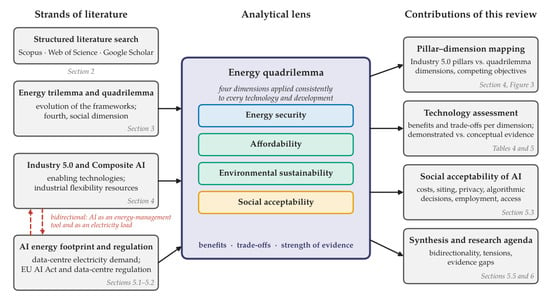
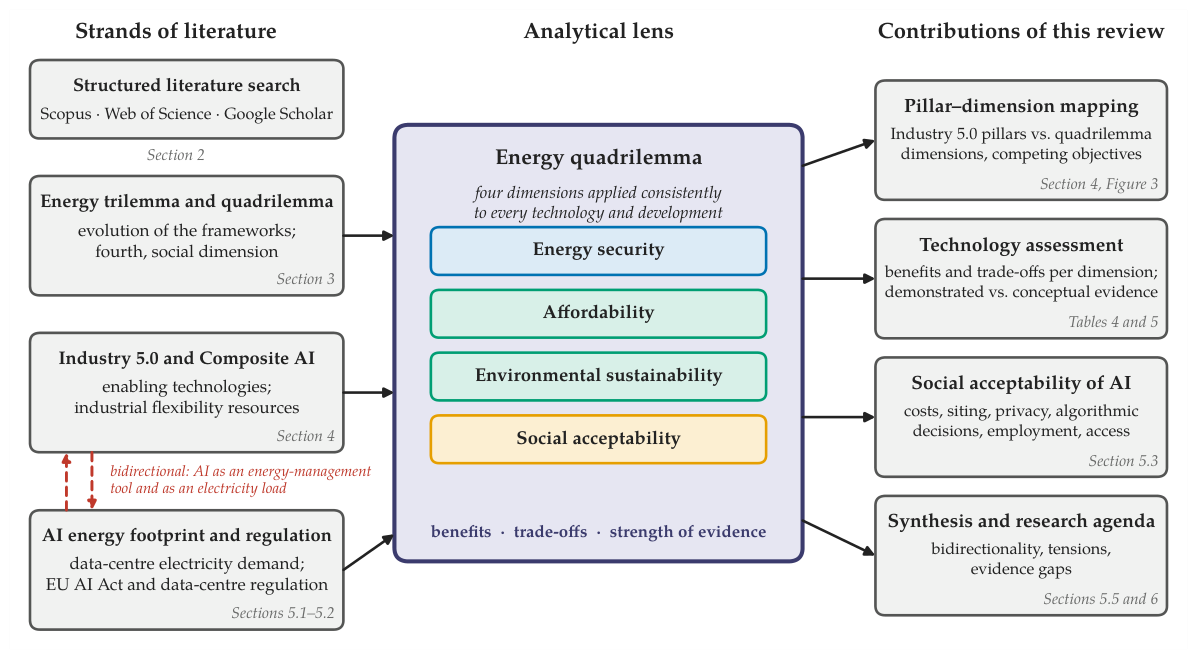
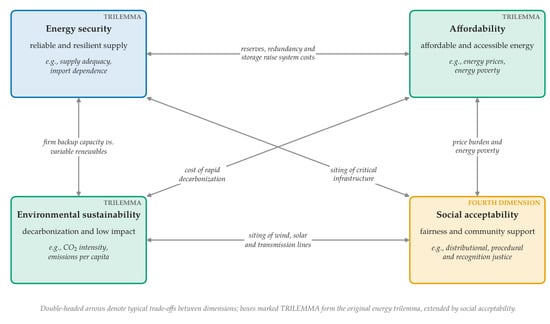
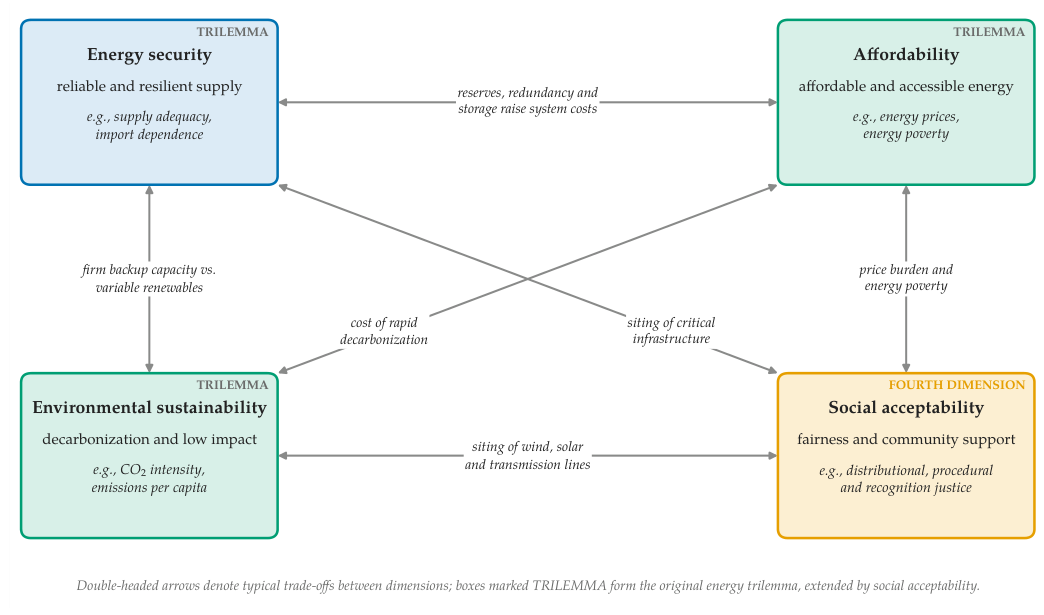
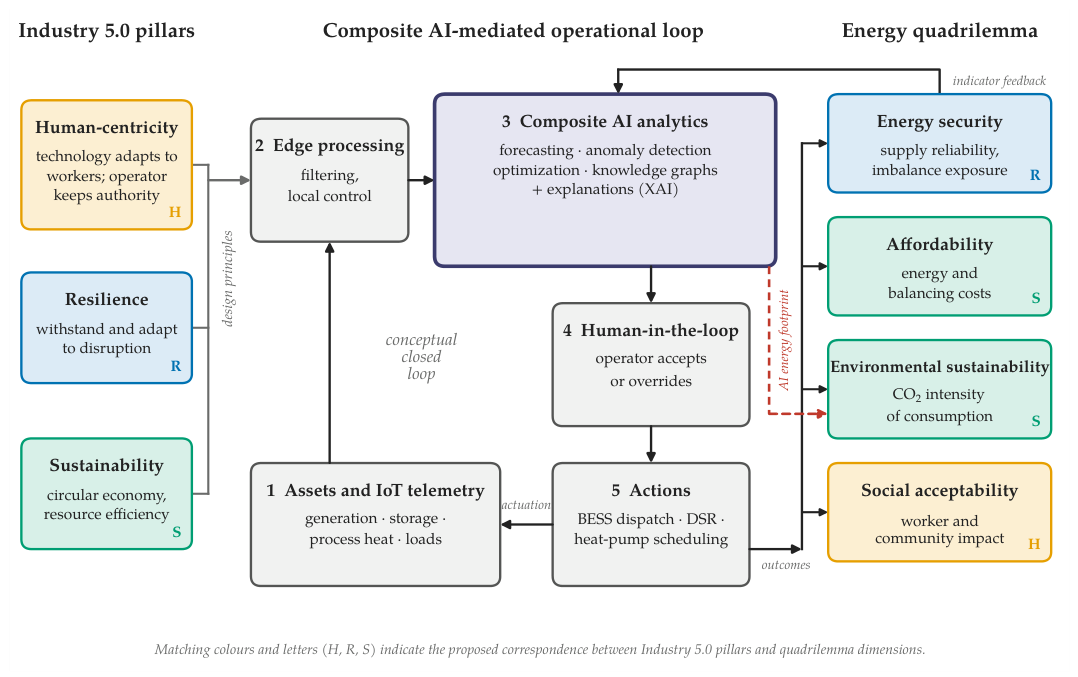

Disclaimer/Publisher’s Note: The statements, opinions and data contained in all publications are solely those of the individual author(s) and contributor(s) and not of MDPI and/or the editor(s). MDPI and/or the editor(s) disclaim responsibility for any injury to people or property resulting from any ideas, methods, instructions or products referred to in the content. |
© 2026 by the authors. Licensee MDPI, Basel, Switzerland. This article is an open access article distributed under the terms and conditions of the Creative Commons Attribution (CC BY) license.