


Abstract
Achieving long-term company financial performance requires strategic initiatives on the part of board management that can stimulate the sustainable development of companies through green strategies and eco-innovation. The research conducted in this study aims to identify the impact of executive management on financial performance based on the achievement of the sustainable development framework within European companies operating in various industries. An advanced empirical analysis was configured on a cross-sectional dataset based on 4.219 European companies, which was collected for the period of the 2022 fiscal year, considering dimensions such as corporate governance, sustainability, and financial performance. The methodological endeavor was founded on several modern econometric techniques, namely Generalized Structural Equation Modeling (GSEM) and Bayesian Network Analysis through Gaussian Graphical Models (GGMs). The main results highlight that companies having well-structured board management and corporate governance policies aligned with the SDGs facilitates the transition to sustainable economic models, enhancing financial performance, innovations, and long-term sustainable growth. Furthermore, policies should be tailored to emphasize the importance of optimal board management size and continuous professional training for human capital involved in sustainable activities, thus enhancing long-term financial performance.
1. Introduction
In the 21st century, one of the main topics debated in the field of corporate research has been the linkage between corporate governance programs for sustainable development, which require environmental, social, and governance responsibility, and their spillover effects on the financial performance of companies against the background of the business model as a mechanism that relies on the continuous use of resources. Resources are the foundation of a company’s performance, involving costs; they should not be treated with negligence. More specifically, it is vital for resilience, optimization, and sustainable development that resources be used with responsibility and awareness [1]. Efficient resource management is the responsibility of corporate governance (CG), which is also charged with organizational culture and the effective functioning of a company. Additionally, CG is entrusted with clarifying the role and structure of the board of directors (BD) [2]. Moreover, the board of directors, representing the top structure of organizations, consists of a team of managers who ensure shareholders’ interest, and its defining essential elements, including its structure, size, and level of gender diversity [3], exert a significant influence on the sustainability of companies’ financial performance. The characteristics of the board of directors impact not only internal organizational performance but also the direction in which companies orient their strategies to attain long-term objectives according to increasingly pronounced economic, social, and environmental expectations. Sustainable development embodies the solution to the severe crisis facing humanity today, which affects the natural environment, society, and, implicitly, the business sector.
Thus, nowadays, the terms “sustainable development”, “sustainable growth”, “sustainable society”, “sustainable economy”, and “sustainability performance of companies” [4] are highly discussed topics within the specialized literature. Regarding sustainability, over the past two decades, sustainable development has been at the core of European Union agreements, with a crucial moment for global sustainable development occurring on 25 September 2015. At that time, the “2030 Agenda for Sustainable Development” was adopted, containing “17 Sustainable Development Goals” (SDGs), and addressing their three dimensions—economic, social, and environmental—as an interconnected system. With the publication of the SDGs, the perspective on sustainability has evolved to a point where the role of organizations in ensuring sustainability is crucial [5], and thus, sustainability is considered the result of corporate responsibility. Nevertheless, creating shared value has become an integral part of organizational responsibility and strategies. Therefore, managers have adopted strategies and built business models in line with the SDGs, ensuring sustainable development. Sustainable strategies sustain continued financial performance, but to achieve this goal, various qualified committees are needed to monitor compliance with the regulations on proper resource management by executive management. The financial success of companies is primarily due to the decisions made by the management board, which is responsible for achieving the sustainable development goals [6]. Companies contribute to the well-being of societies by aligning social responsibilities with their main strategic objectives, while achieving these goals supports business growth by providing competitive advantages over other competitors through creating a good public image and reputation, thereby generating higher returns on investment and profits [7].
The considerable number of publications related to sustainable business development confirms the increased interest that exists in research within the field of corporate responsibility and identifies pluralistic perspectives on this subject; thus, we decided to undertake a comprehensive bibliometric analysis to establish a solid theoretical foundation for the empirical study that was subsequently initiated. Thus, the existing body of specialized literature was evaluated through network visualization techniques, comprising works published between 2020 and 2024 at the European Union (EU-27) level, in order to identify the main trends and to support and contextualize the empirical investigation. Our study encompassed bibliometric data collected from the Web of Science—Core Collection platform, with a scientometric approach using the scientific visualization mapping method through VOSViewer, highlighting authors, institutions, and affiliated countries in the field of sustainable development in the business sector. Furthermore, keyword analysis was also performed using VOSViewer software to visualize research patterns. Scientific publications were also classified into distinct clusters formed in VOSViewer using clustering techniques, as a result of the extensive volume of bibliometric metrics.
Despite the extensive literature addressing the influences of sustainable practices implemented by managers and incentives granted to boards of directors on the long-term financial performance of companies, the topic remains relevant and open to research due to the limitations of previous studies, involving the constantly evolving economic and social context, the volatility of the corporate sector, changes in the legislative framework, and, most importantly, the empirical analysis methods used. Consequently, the relationship between sustainable practices and companies’ financial performance is largely discussed, yet remains open for further empirical research, particularly in today’s contexts (e.g., climate change, environmental commitments, responsible business practices).
Hence, the primary objective of this paper was to investigate the fundamental requirements for achieving sustainable development among European companies across various industries, and their impact on financial performance, through advanced empirical analysis, with a particular focus on the mediating role of corporate governance. Within this specialized literature review, we noted a multiple-effect relationship between corporate governance, sustainability, management’s financial incentives, and firm performance. Thus, the complex methodological effort encompassed a series of modern techniques aimed at quantitatively studying financial performance indicators, stimulated by specific indicators of corporate governance, management incentives, and sustainable development. To consolidate our research, it was necessary to apply advanced econometric modeling techniques to include both observed and latent constructs. Therefore, the methods that were used are Generalized Structural Equation Modeling (GSEM) (developed with the help of Stata 18 software) and Gaussian Graphical Models (GGM) (applied with the help of JASP software, version 0.19.3.0), through which we recorded relevant results that shed light on a series of relevant findings. The analysis focused on a database comprising an initial sample of 4.219 companies from European countries, whose business activities are specific to different industries, within the year 2022. The primary goal of these econometric techniques was to identify and evaluate the direct, indirect, and total interconnections between all the variables included in the analysis. Moreover, the cumulative spillover impact of corporate governance variables and sustainable development policies on companies’ financial performance was also studied.
The focus of our study on companies from the European area is justified by Europe’s diverse institutional, regulatory, and cultural characteristics, which provide a distinct framework for analyzing corporate governance, financial outcomes, and sustainability. Among these characteristics, the Corporate Sustainability Reporting Directive (CSRD) stands out in particular by setting strict requirements for integrated reporting on ESG issues, requiring companies to provide detailed information on their environmental impact, social dimensions, and governance practices. These requirements not only increase the transparency and comparability of data between companies but also encourage the alignment of corporate strategies with long-term sustainability goals. Alongside this, the Sustainable Finance Disclosure Regulation (SFDR) requires financial actors to integrate sustainability criteria into their investment decisions and report on their impact, placing additional pressure on companies to prove their compliance and sustainable performance. This interdependence between CSRD and SFDR creates a complex framework in which ESG strategies are systematically monitored and evaluated, directly influencing governance practices and board structures. Furthermore, the cultural attributes of European markets, including an emphasis on social responsibility, proactive governance, and an orientation towards creating long-term value, amplify the impact of these regulations on companies’ strategic decisions. Therefore, analyzing the link between board characteristics, financial outcomes, and ESG performance is highly relevant, as the European framework creates structural incentives for the consistent implementation of sustainability policies and enhances the strategic integration of ESG principles into corporate decisions.
The novelty of our research brings several elements of notable importance to the specialized literature. Our first strong argument was developed through our innovative approach focused on the importance of sustainable development for companies, which has become a primary objective in the context of achieving and maintaining long-term financial performance. Sustainability is considered a main characteristic within many companies, with highly significant interest for corporate organizations’ stakeholders, on the one hand, and their shareholders, on the other hand [8,9,10]. Secondly, the use of recent bibliometric data enabled the observation of current trends and the identification of the most representative items for our research topic, including the main keywords, such as corporate responsibility, firms’ financial performance, sustainable development, and management models; authors with numerous publications in this field, such as Karaman, Uyar, and Kuzey; the countries of affiliation of researchers; and additionally, the collaborations between them, including those between the US and Italy, between China and Poland, and between Spain and England. Thirdly, by applying advanced econometric methods, we validated the robustness of our conclusions. GSEM is based on multiple and interconnected dependencies between specific indicators of organizational governance, sustainable practices, and financial performance. The application of the GGM technique within our study facilitates the identification of possible causal links and the understanding of the influence and the intensity of corporate governance and sustainability credentials on firms’ financial performance at the international level. The results of our research are of interest for the following: (i) future research in the field; (ii) the board of directors in the decision-making process; and (iii) strengthening corporate social responsibility.
The current study aims to highlight the influence of sustainable practices, implemented through corporate governance mechanisms, on the financial performance of companies, considering the complex interconnectedness of the financial, environmental, and governance dimensions. The analysis, conducted using rigorous techniques and advanced models such as GSEM and GGM, reveals that ESG policies positively influence governance structures and financial performance, generating faster and more efficient responses to stakeholder pressures and reporting requirements, despite the fact that certain mechanisms introduce decision-making rigidity and generate additional short-term costs.
Our empirical results suggest that maintaining an optimal balance between sustainability, governance, and financial performance leads to increased economic value, operational efficiency, risk reduction, reputation enhancement, and attraction of new investments, providing sustainable competitive advantages. At the same time, GGMs demonstrate complex connections between the structure and characteristics of the board of directors, the acquisition and production of renewable energy, human capital, and financial indicators, enabling the formulation of sustainable policies tailored to specific identified needs and in line with the European framework.
In addition, the research presents notable contributions using a broad and diversified set of indicators from multiple relevant dimensions, including board management and structure (board size, board gender diversity, board structure type), financial performance (total revenue, operating profit, cash flow, and return on equity), and sustainability (renewable energy procurement and production, CO2 emissions, and investment in human capital). This holistic approach, as regards the indicators used, has yielded comprehensive and robust findings, providing a coherent perspective on sustainability as a strategic instrument for value creation and facilitating a differentiated interpretation of board characteristics across the companies analyzed at the European Union level, while the obtained results also incorporate the specificities of the Anglo-Saxon and continental European frameworks.
Another strong point in nuancing the novel contributions of our study is the institutional context of the countries in which the analyzed companies operate, which has a significant influence on the characteristics of corporate governance, with differences between the Anglo-Saxon model, characterized by dispersed share ownership and an emphasis on the capital market, and the continental Europe framework, where share ownership is more concentrated and relations between shareholders and management are more closely connected [11]. The analysis of companies in the EU-27 includes both Anglo-Saxon economies, such as Ireland, and continental European economies, such as Germany, France, and Belgium. This fact is further reflected in governance indicators such as the type of board structure, board size, and the length of members’ terms of office. Consequently, financial performance results also reflect how the national context shapes corporate governance characteristics, financial outcomes, and sustainability priorities.
The paper is structured into distinct sections. After a concise introduction to the ongoing efforts involved in conducting the research, the paper contains a section dedicated to a comprehensive literature review. Following a meticulous study of the existing studies, the authors formulate the main research hypothesis of this paper. This section is followed by a presentation of the data and the econometric methods applied. Section 4 presents the results obtained from the methodological effort, followed by a section that discusses the findings. In the final section, the authors present the study’s conclusions, discuss the research limitations, and outline future research directions. Finally, the paper concludes with economic policy recommendations based on the obtained results.
2. Literature Review
2.1. Corporate Sustainability Spillover Effects on Firm Financial Performance
Sustainable development is based on three fundamental principles: environmental integrity, economic prosperity, and social equity [12]. Each of these three principles is an essential condition, and sustainable economic development is achieved only at their intersection. Furthermore, corporate sustainability argues that businesses are also a subsystem of society and the natural environment. This affirmation suggests that the social and environmental issues of businesses are essential to their economic development. Furthermore, corporate sustainability is a guiding model for businesses, addressing economic, social, and environmental performance in both the short term and, more importantly, the long term. The modern approach to corporate performance places sustainable development, company management, and financial performance in a complex and interdependent relationship. A company’s prosperity is often associated with its financial performance, which is essential in assessing its profitability. Corporate sustainability represents a strategic initiative across the entire organization [13] and requires constant commitment from management in terms of policy setting, system development, resource allocation, and continuous strategic improvement. Therefore, companies whose management policies are based on sustainable development are more likely to achieve better financial performance than those whose management does not support sustainability [14]. This increase in financial performance is possibly due to the fact that sustainable policies often enhance a company’s image and reputation, enabling it to access more and higher-quality resources, given the confidence in its long-term development that this offers.
According to the existing literature, offering valuable information about an organization’s environmental impact has a significant, mostly positive, influence on stakeholders and the company’s overall performance [15,16]. Thus, companies should adopt proactive environmental strategies to address ecological issues and concerns, as these will consequently enhance the organization’s reputation, investor confidence, and ultimately, financial performance. At the same time, it should not be overlooked that sustainable development may require higher initial costs, but on the other hand, investments in green technologies contribute to significant long-term benefits, such as reduced operating costs (e.g., energy consumption). This idea is supported by Enz & Siguaw [17], who, after examining four organizations, concluded that cost savings, operational efficiency, and excellent marketing opportunities resulted from environmental initiatives.
Corporate governance (CG) also plays a crucial role in increasing the company’s value in the medium and long term, as well as maintaining, creating, and improving its financial performance. It aims to attract investors, reduce costs, and ensure economic balance and transparency so that shareholders’ interests and assets are protected, leading to risk minimization, increased company sustainability, and, inevitably, increased financial performance. Effective corporate governance mechanisms are, in fact, internal control mechanisms [18]; these mechanisms include audits, the size and the structure of the board of directors, and the independence and flexibility of the CEO.
The social aspect of sustainability also represents a key factor in achieving high financial performance. This component directly affects financial performance because it relates to the organization’s human resources: employees, consumers, and investors. From the employees’ point of view, this is reflected in increased productivity, which is a direct consequence of employee motivation in terms of health, safety, and respect in the workplace. Employee motivation leads to increased engagement and productivity, resulting in reduced staff turnover and associated costs, such as recruiting and training new employees, thereby contributing to operational efficiency [19]. Gaining consumer trust by prioritizing social issues leads to customer loyalty, which positively affects financial performance by increasing revenue. Investors are equally important players in the relationship between social responsibility and a company’s financial performance, as they pay close attention to social responsibility, preferring companies that align with their ethical values. Companies that prioritize SDGs are perceived as lower risk, which attracts capital and supports long-term financial growth.
The existing literature highlights that the linkages between board characteristics and financial performance differ considerably according to the firm’s level of ESG commitment, explaining some of the empirical inconsistencies observed in the field. In companies with a high level of ESG commitment, gender diversity on the board is often positively correlated with superior ESG performance and, implicitly, with financial performance, as diverse perspectives contribute to improved oversight, social responsibility, and transparency in reporting. Recent analyses conducted in the European banking sector show that both gender diversity and director independence are associated with higher ESG scores, suggesting that these characteristics may catalyze the integration of sustainability into corporate strategy [20,21]. At the same time, in companies with low ESG commitment, the influence of gender diversity and board independence on financial performance tends to be insignificant or even non-existent, reflecting the fact that these attributes may remain at the declarative level without being integrated into effective sustainable practices [22]. Furthermore, specific expertise in sustainability among board members is associated with better management of ESG issues and improved financial results in sustainability-oriented companies, strengthening firms’ ability to capitalize on ESG initiatives [23,24]. Differences in how board characteristics influence performance highlight the need to analyze the effects of gender diversity, independence, and expertise according to each firm’s level of ESG engagement. Moreover, according to Resource Dependency Theory, the adoption and implementation of SDG-aligned sustainable development policies have a favorable influence on the financial performance of enterprises, as they facilitate access to essential external resources, such as organizational legitimacy, sustainability expertise, and stakeholder relations. It also suggests that the board of directors plays a central role in mobilizing and integrating these resources into the firm’s strategy, transforming ESG initiatives into competitive advantages. Therefore, sustainability becomes a strategic determinant of economic value, transcending its normative dimension. Consequently, Hypothesis H1 reflects the theoretical link between SDG policies, organizational capacity to access resources, and financial performance. Thus, we propose the ensuing research hypothesis:
Hypothesis H1.
The adoption and consistent implementation of sustainable development policies based on SDGs positively influence firm financial performance.
2.2. The Interlinkages Between the Board of Directors and Company Performance
Due to the relevance of the research topic, over the last two decades, the relationship between the board of directors, especially its remuneration, and company performance has been a frequently discussed subject, yielding notable results in the evolution of the literature on board management. According to the theoretical concept of the company, the correlation between governance and company performance should be positive and work as an essential incentive mechanism, developed to increase the company’s wealth and performance level. Therefore, many researchers have investigated this link between board remuneration and company performance. Molonko [25] further develops the idea that board remuneration is positively correlated with company performance.
Similarly, Banker et al. [26] suggest that board remuneration is positively associated with company performance, further supporting the role of alignment between managers and owners, as proposed by Yeh’s Agency Theory. Many authors [27,28,29] accede to this line of thinking, highlighting that an increase in board remuneration is positively correlated with an increase in shareholder wealth. On the other hand, Barontini & Bozzi [30] studied the relationship between corporate governance, board compensation, and financial performance. The results of the research confirmed a strong link between the analyzed factors, but at the same time, excessive compensation was not correlated with the future performance of the organization. The study stated that transparency and control mechanisms are essential for ensuring the governance and oversight of board remuneration to guarantee future performance, as facilitated by CSR mechanisms.
However, studies on the relationship between remuneration and performance have yielded inconclusive results. From the analysis of Bhagat et al. [31], we could deduce that the link between profitability and board remuneration is very weak. The same conclusion is reached by Fernandes [32], indicating an insignificant relationship between board remuneration and company performance in Portuguese firms. Following their study, Yermack [33] established a weak link between board compensation and organizational performance. As a result, Brick et al. [34] and Rahman & Haron [35] continued their research in this area and concluded that the connection between the two components is weakly positive. Al-Absy & Merza [36] and Akter et al. [37] also argued that excessive board remuneration led to poor results for companies due to weak or even non-existent corporate governance control. If we also consider the vector of corporate sustainability, which is defined as a complex system of business processes that voluntarily addresses performance from three angles—profit, people, and environment—to remain fundamentally sustainable in creating long-term performance, many studies partially support the link between board remuneration, corporate sustainability, and financial performance. Some researchers [38,39,40,41] suggest that the link between these three indicators is positive, while the research studies of others [42,43,44] have generated negative results regarding this relationship.
Nevertheless, in the specialized literature, the debates also focus on whether a larger board or more independent directors should be expected to lead to better (or more unfavorable) financial outcomes, specifically in companies already committed to sustainability. In this light, many studies found no evidence that linked the proportion of external directors on the board to different measures of business performance or market value [31,45]. These suggest that outside directors may fail both to pursue and fulfill shareholders’ interests [46] and facilitate the continuation of processing within normal parameters, as a result of their lack of knowledge regarding the day-to-day operations within the company, being unable to provide advice and knowledge to the CEO [47]. Moreover, Guest [48] reveals a negative impact of a larger board size on financial outcomes, due to limitations in internal communication and dysfunctional decision-making processes that lead to reduced effectiveness.
Alternatively, Jackling & Johl [49] reveal that a larger board size, with a higher proportion of independent directors, leads to improvements in the financial performance of companies, confirming that greater exposure to the external environment improves access to various resources. Therefore, it has a positive impact on performance, based on various mechanisms related to monitoring and control that can be exercised by external directors within extended time horizons and a high degree of uncertainty. External directors can thus contribute to a well-established direction towards a low level of cost associated with ESG investment. Moreover, external directors with multiple appointments exercise negative effects on company performance, having no added value in terms of networks and creating access to resources [50]. Alongside this, Sarkar & Sarkar [50] support the fact that multiple directorships by external directors could better provide enhanced monitoring capacity and strengthened oversight mechanisms. Additionally, the percentage of outside directors, which significantly varies across industries, is positively related to company size, and external directors can positively affect financial outcomes [11]. Additionally, the effects of board compensation on financial performance are positive in most cases, but this must be analyzed with caution in the context of corporate sustainability and corporate social responsibility. Noja et al. [51] also note that overcompensation of the administrative management can lead to poor company performance due to weak corporate governance control.
From the perspective of Agency Theory, the structure, independence, and remuneration systems of the board of directors are crucial factors in reducing the agency costs associated with ESG investments, which can create tensions between management objectives and shareholder interest. Agency Theory also highlights that a well-structured and properly remunerated board strengthens its monitoring function, limits opportunistic behavior, and aligns managerial incentives with long-term value-creation objectives. In this context, the board of directors acts as a mediating mechanism between the company’s sustainability and its financial performance. Thus, Hypotheses H2a and H2b are theoretically grounded in the management board’s role in balancing control, incentives, and economic performance. Therefore, based on the statements above, we consider the following research hypothesis:
Hypothesis H2a.
A well-structured board of directors leads to increased firm financial performance and acts as a mediator between the portrayal of sustainability and firm performance.
Hypothesis H2b.
A properly remunerated board of directors leads to increased firm financial performance and acts as a mediator between the portrayal of sustainability and firm performance.
2.3. Bibliometric Analysis of the Sustainable Development of Companies in Terms of Financial Performance
Based on the existence of a substantial volume of research studies, especially in recent years, which are related to our topic, namely the challenges faced by company management in shaping the framework for sustainable development in terms of financial performance, we concluded that our topic is highly relevant and is being considered and analyzed at a global level. Consequently, we decided to conduct a bibliometric analysis to complement the above narrative literature review by providing a comprehensive and data-driven overview of the research landscape on corporate governance, sustainability, and financial performance. This approach maps key themes, contributors, and collaboration patterns, confirming the relevance, maturity, and multidimensional nature of the research endeavor. It also supports the development of the theoretical framework and research hypotheses by empirically ascertaining the importance of governance, ESG, and sustainability–performance relationships. The bibliometric analysis encompasses the selection process of scientific documents, as explained in Figure 1, including the use of the Web of Science—Core Collection platform. Thus, we selected only articles written in English and published in the European Union area for a period of time between 2020 and 2024, and which correspond to the following keywords, respectively management financial incentives, sustainable development, and financial development, thus enabling us to synthesize the most essential scientific articles in the field. As a result of applying the filters listed above, only 263 articles were selected from 1350 academic papers, which were then subjected to the following methodological process.
Figure 1.
The selection process of scientific articles under review from the Web of Science—Core Collection platform. Source: Data processed by authors in Canva Create 2025, Visual Suite 2.0.
This analysis consists of a scientific visualization mapping method, performed using VOSviewer software, in order to apply qualitative analysis to the final selected research articles. Therefore, we examined a set of specific research items, as shown in Figure 2, as well as the main keywords, authors, core references, and leading countries, shown in Figure 3, Figure 4 and Figure 5, respectively, thus verifying the current trends and identifying the most representative keywords, countries, and institutions for our research topic and the collaborations between them.
Figure 2.
Scientometric analysis process using the VOSviewer software. Source: Data processed by authors in Canva Create 2025, Visual Suite 2.0.
Figure 3.
Main keyword network visualization. Source: authors’ research in VOSviewer software (version 1.6.20).
Figure 4.
Co-authorship network—most cited authors. Source: authors’ research in VOSviewer software (version 1.6.20).
Figure 5.
Co-authorship by countries’ affiliation network. Source: authors’ research in VOSviewer software (version 1.6.20).
Keyword analysis involves identifying and interpreting the most relevant terms on which the articles in our analysis are based. This assessment focuses on the frequency of occurrence of the terms in the scientific documents from the selected sample. Through this research, we can reflect on the importance of keywords related to the field of corporate sustainable development, highlighting the most frequently used terms by authors. We used three expressions (“financial incentives management”, “sustainable development”, and “financial development”) to search for research papers relevant to our topic. Thus, VOSviewer also identified associated words with a significant occurrence in these research papers (Figure 3), the most common being: “impact” (89 occurrences) and a group of expressions—corporate social responsibility, which includes the following expressions: “corporate social-responsibility”, “corporate social-responsibility”, and the abbreviation “CSR” (total number of 151 occurrences).
Figure 3 shows the most valuable keywords selected by the analysis as a result of applying a minimum threshold of 12 occurrences. The size of the terms (nodes) is directly proportional to the frequency with which they appear in the selected articles, and the thickness of the lines emphasizes the relationship between the two nodes. The keywords are divided into five clusters, each represented by a specific color. Thus, we found that the largest cluster, marked in red, stands out, including two of the keywords from the beginning of the analysis—financial performance and sustainable development. It is also related to the impact of sustainable development on the company’s financial performance, which is based on green strategies, involves eco-innovation and technology, and places particular importance on stakeholders. The second group, marked in green, focuses on words such as strategy, corporate social responsibility, business, or firm. It places great emphasis on corporate social responsibility, which helps to enhance the company’s reputation if appropriate business strategies are applied. Group three is marked in blue, led by terms such as management, sustainable development goals, or model. This group shares the same starting point—corporate social responsibility—outlining the idea that the management model should incorporate the objectives of sustainable development. Additionally, the fourth group, marked in yellow, includes specific keywords such as governance, ESG, and disclosure. This group (yellow) highlights the social responsibility of the board of directors through the lens of three key dimensions: environment, society, and governance. The last cluster, which is the smallest, is colored in purple and contains only two keywords: stakeholder engagement and corporate governance, which also make a significant contribution, outlining the role of stakeholders in corporate governance and achieving sustainable goals.
The following analysis focuses on the authors and their collaborations. This part of the study is based on an initial sample of 263 papers and includes authors who have published at least three documents on the Web of Science platform and whose articles are among the most cited. The software generated a network illustrated in Figure 4, composed of nine main authors.
According to Figure 4, the red group stands out, being the only one consisting of several authors, two of whom—Karaman A. and Uyar A.—have the most citations (268 citations each). The lowest number of citations is 23, which is still relatively high, so we can emphasize that all these authors have made a significant contribution to the research on our topic. Moreover, Marti-Ballester C. (23 citations) stands out with the highest number of indexed documents—five. The following authors were identified, with four papers each: Karaman A. (268 citations), Uyar A. (268 citations), and Streimikiene D. (202 citations). The following authors had up to three indexed documents: Kuzey C. (124 citations), Onofrei G. (59 citations), Zubeltzu-Jaka E. (48 citations), Garcia-Sanchez I. (45 citations), and Doni F. (41 citations).
The final part of the bibliometric study summarizes the analysis of the co-authorship network based on country affiliation, as reflected in articles related to the topic of corporate sustainable development. Finally, the last analysis, highlighted in Figure 5, was conditioned by a minimum limit of seven documents per country.
Essentially, this analysis reveals the countries (by author affiliation) that have focused most on the topic under investigation and the level of collaboration between these countries for the purposes of scientific research. Analyzing the obtained network, we notice that there are several nodes that stand out due to their size, which means that they also have the most significant contributions in terms of the number of documents in the field. These countries include Spain (68 articles and 1.136 citations), leading the blue group, Italy (41 articles and 1.035 citations), representing the red group, and Romania (33 articles and 313 citations), with the green group, which also stands out in the field of scientific research. At the same time, the thickness of the links between nodes reflects how persistent the collaborations between two countries have been, so we can deduce that the most frequent collaborations were between the USA and Italy; between China and Poland, Pakistan, and Italy; and between Spain and England.
In conclusion, the bibliometric study we conducted serves as a qualitative analysis and validation of the significance of our chosen research topic, reaffirming that our theme is highly relevant. Moreover, the analysis of the “keyword network” shown in Figure 3 highlights strong links between the keywords we investigated in our comprehensive review of the literature, which further underpin our research hypotheses. The analysis from Figure 4, the “co-authorship network”, also adds value to our bibliometric analysis, highlighting the authors who have the greatest contribution to the field. The “co-authorship of countries’ affiliation network” represented by Figure 5 emphasizes the main countries with the highest contribution in terms of publishing articles addressing the topic of our research; these countries were also included in our empirical study, thus offering more evidence for the conclusiveness of the relevance of our research, emphasizing the robustness of our empirical analysis and results.
3. Materials and Methods
Based on the key takeaways from the literature review and in line with the research aim of our study, we selected a specific set of relevant indicators and designed a complex dataset using data extracted from the Refinitiv Eikon/LSEG database. Our cross-sectional sample encompasses data for 2022 for an initial sample of 4.219 European companies operating in various industries. This sample has been further processed, depending on the availability of data for certain variables, to accurately match the research objective and methodological endeavor. Instead of industry-level structural coefficients, this analysis aims to uncover contemporaneous structural linkages between financial performance, sustainability, and governance issues for firms. This approach is supported by using Generalized Structural Equation Modeling (GSEM) and Bayesian Network Analysis through Gaussian Graphical Models (GGM) as a methodological rationale, since both methods allow us to model structural relationships using latent variables and their conditional patterns, and remain relatively insensitive to industry-level variations in capital intensity and environmental sensitivity. Moreover, this analysis focuses on aggregate structural patterns, instead of direct comparisons across industries, which helps to make this analysis relatively less sensitive to possible aggregate industry-level variations between capital-intensive and service-oriented industries, although industry-level stratification is possible in future studies. We compiled three groups of indicators, representative of financial performance, sustainability, and corporate governance, as follows:
- financial performance: return on assets (ROA) (percent score), return on equity (ROE) (percent score), total revenue (TR) (USD), cash flow (CF) (USD), total assets (TA) (USD), operating profit (OP) (USD);
- sustainability: resource reduction (RR) (binary, true = 1, false = 0), policy energy efficiency (PEE) (binary, true = 1, false = 0), renewable energy purchased (REPur) (USD), renewable energy produced (REProd) (USD), total CO2 equivalent emissions to million revenues USD (T_CO2_E) (USD), policy emissions (PE) (binary, true = 1, false = 0), net employment creation (NEC) (percent score), turnover of employees (TE) (percent score), training costs per employee (TCE) (USD), CSR Sustainability Committee (CSR_SC) (binary, true = 1, false = 0), governance pillar score (Gov_PS) (scores 1–100), environment management team score (EMTS) (scores 1–100);
- corporate governance: board structure type (BST) (ternary, unitary = 1, two-tier = 2, mixed = 3), board size (BS) (number of members), board gender diversity (BGD) (percent score), board member term duration (BMTD) (years), board compensation per member (BCM) (USD), board attendance score (BAS) (scores 1–100).
The corporate governance variables represent the structure and practices in place for the same fiscal year as the financial statements. These are captured from annual reports and governance disclosures and are updated annually. As such, governance, sustainability, and financial metrics are linked at the same level. This approach is consistent with the cross-sectional nature of the data and with the adopted methodological framework based on Generalized Structural Equation Modeling (GSEM) and Gaussian Graphical Model (GGM) network analysis, which are well-suited for modeling simultaneous relationships and conditional dependencies in cross-sectional settings. Since the indicator values exhibit significant variation, they were normalized using logarithms.
Analyzing the descriptive statistics of the considered indicators (Table 1), we identified a series of variations throughout the examined sample and noted the different and sometimes limited availability of data for certain indicators, which was further acknowledged in the econometric modeling procedures.
Table 1.
Descriptive statistics.
Concerning financial performance indicators, the mean value of all variables is much closer to their maximum value than to their minimum value, thus revealing that most of the companies examined are in a favorable and solid financial position.
However, from this dimension, return on assets (ROA) stands out as the variable with the closest mean value to the maximum value recorded by the indicator (the mean of the ROA = −0.010 and the maximum = 1.020). The larger gap between the mean value and the minimum (49.750) suggests the presence of extreme outliers. Still, most companies achieve positive results or are close to the maximum observed performance, indicating that, at the global level, the firms examined demonstrate an adequate capacity to proficiently utilize their assets to generate profit.
Moreover, as regards the sustainability indicators (Table 1), the sample contains variables with mean values close to both the upper and lower bounds, indicating that many companies consider sustainable initiatives important and necessary. However, the sustainable development framework is not fully implemented. Among the indicators that perform better than their mean value are the following: resource reduction (0.926), policy energy efficiency (0.877), renewable energy purchased (5.199), policy emissions (0.861), training costs per employee (2.584), CSR Sustainability Committee (0.728), and governance pillar score (53.716), which suggests that companies are showing a greater commitment to corporate social responsibility and increased maturity in terms of sustainability-oriented policies and management structures. On the other hand, the indicators with a more sensitive overall level (Table 1), which are near the minimum threshold, are the following: renewable energy produced (4.480), total CO2 equivalent emissions to million revenues (0.948), net employment creation (5.577), turnover of employees (15.669), and environment management team score (40.168). These values entail continued reliance on external renewable energy sources and the need for improved environmental and human resource processes. The findings indicate that, particularly in the social and environmental dimensions, organizational adaptation to sustainability requirements remains gradual.
In terms of board structure, the average value for the board structure type measure is 1.346, which is closer to the low value (1) than the upper bound (3), thus implying that the majority of firms use a unitary board structure that combines management and supervision roles. Furthermore, the average value for the board size variable, at 9.723, is closer to the low value (2) than to the high value (28), suggesting relatively small boards across the sample. Taken together, the findings indicate that most companies analyzed use a single board structure that combines both management and supervision roles [52].
In addition, the average value of board compensation per board member (4.855) is very close to its maximum value (6.570), which indicates that large financial incentives have been configured to motivate board members to perform their roles effectively.
Figure 6 illustrates the correlation graph matrix of all indicators across selected European companies analyzed in our sample for 2022.
Figure 6.
Graph matrix of the selected variables. Source: authors’ research in Stata 18.
At the same time, Table A1 details the correlation matrix among pairs of variables, showing that the correlation patterns are not homogeneous. Higher correlation coefficients appear mostly in conceptually related categories of variables. These include categories of financial performance variables (and their absolute values), variables related to the environmental policy actions of the company, and the set of renewable energy variables, while the remaining inter-dimensional correlations are either moderate in magnitude or weak. Such patterns of correlation point to the existence of complex interdependencies that cannot be comprehended through bivariate correlation analyses. Consequently, as the focus is on comprehending the interdependencies among the investigated dimensions of financial performance, sustainability issues, and corporate governance practice, overpassing spurious correlations and the inherent multicollinearity in classical regression models, the present study applies the Generalized Structural Equation Modeling (GSEM) and the Gaussian Graphical Model (GGM)-Bayesian Network Analysis.
Although the empirical analysis relies upon a cross-sectional dataset from a single year, this issue is adequate for the chosen methodological approach. Firstly, the considerable and diverse sample of firms ensures a high level of cross-sectional diversity, which is a key requirement for the identification of structural ties among the considered variables. Secondly, both the GSEM and GGM methods are appropriate for the analysis of cross-sectional data, because, despite their predictive character, their fundamental aim is to adequately represent contemporaneity ties and dependencies instead of dynamic patterns over time. Thirdly, since corporate governance structures and sustainability processes change slowly, it is reasonable to consider a one-year observation to be a valid and representative indicator concerning firms’ strategic intentions and structures at a particular moment in time.
The research methodology encompassed the following two modern econometric techniques: Generalized Structural Equation Modeling (GSEM) and Gaussian Graphical Models (GGMs). Both procedures are underpinned by causal chain modeling and entail a variance–covariance matrix, aiming to examine the interlinkages between the analyzed dimensions.
Generalized Structural Equation Modeling (GSEM) is perceived as a statistical method that is often used to highlight the evaluation capacity of an extended correlation model. For this reason, it has been widely used in recent years for multidisciplinary studies, including finance [53]. GSEM is closely related to the analysis of latent constructs and direct, indirect, and total linkages between variables, thus enabling us to observe the impact of the sustainable development activities and policies proposed by the board of directors on the financial performance of corporations. The designed GSEM, as highlighted in Figure 7, systematically outlines multiple direct, indirect, and total relationships among the selected constructs, employing Maximum Likelihood Estimation (MLE) for cross-sectional data analysis. The model investigates the relationships among three key constructs: sustainable development, board management, and financial performance. The GSEM illustrates the relationships between the selected dimensions of sustainability, corporate governance, and board characteristics and their impact on financial performance. The GSEM approach provides accurate and robust evidence for the two research hypotheses, analyzing the direct, indirect, and cumulative relationships between observable and latent constructs within the theoretical framework. Nevertheless, the GSEM method aligns with prior research studies in the analyzed field, such as Sweeney [54] and Iwamoto & Suzuki [55], which employed similar statistical techniques, such as GSEM approaches, in order to explore and analyze related topics.
Figure 7.
GSEM framework and design. Source: authors’ research in Stata 18.
The general equation of the Generalized Structural Equation Model (GSEM) is highlighted below:
To conduct the GSEM model, only the most representative variables from each dimension were considered. Thus, a latent variable was created that is not directly observable and is estimated through observed variables for each representative dimension, with each dimension being constructed based on the cumulative effects of its representative indicators. More explicitly, the construct “Fin_Perf” corresponds to the financial outcomes dimension, formed by relevant financial performance indicators, the construct “Sustainability” contains the cumulative effects generated by indicators capturing ESG-oriented practices, and the construct “Corp_Gov” accumulates the total effects of the characteristics of the board management credentials.
Regarding the constructed GSEM, as shown in Figure 7, we detail the direct, indirect, and total interlinkages between the selected constructs, developed with the help of Stata 18 software.
The Gaussian Graphical Model (GGM) is the second methodological approach, developed with the help of JASP 0.19.3.0 software, which was employed in our empirical analysis. This technique includes network components that represent the conditional associations between the various characteristics of the three selected dimensions, namely board management/corporate governance, sustainability, and financial performance (nodes of the network). These associations are represented by links (edges connecting the variables/nodes of the network), whose thicknesses denote the intensity of the interconnections, and whose colors indicate the nature of the influence (blue—positive, red—negative), while the absence of links suggests a lack of a relationship or the presence of insignificant influences. The application of GGM in our study facilitates the detection of possible causal links and the understanding of the influence of corporate governance and sustainability on the financial performance of companies at the international level.
4. Results
4.1. Results of Generalized Structural Equation Modeling (GSEM)
The GSEM configuration takes into account three main latent constructs—namely, Sustainability, Corporate Governance (considering board management characteristics), and Financial Performance—each of the empirical constructs being operationalized with several associated credentials. The values highlighted in the diagram (Figure 8) indicate a good convergence of most indicators, especially for the sustainability dimension, where variables such as renewable energy purchased (REPur), renewable energy produced (REProd), governance pillar score (Gov_PS), environment management team score (EMTS), and total CO2 equivalent emissions to million revenues (T_CO2_E) exhibit significant levels in the conceptual and empirical context, suggesting that the model coherently captures the multi-dimensional structure of sustainability showing prominent and multiple effects in relation to both board management characteristics and financial performance (Figure 8).
Figure 8.
General research model configured to assess the linkages between board management, sustainability, and financial performance. Source: authors’ research in Stata 18.
The main results of GSEM exhibit a consistent impact generated by the sustainability dimension on financial performance (coeff. = 1.6). Moreover, this fact is due to the influence of the considered variables, such as renewable energy purchased (REPur), renewable energy produced (REProd), turnover of employees (TE), governance pillar score (Gov_PS), and environment management team score (EMTS), which are highly significant from a statistical point of view, generating the most considerable positive impact on the sustainability construct, which further generates, and transposes into, a high level of financial performance. These shifts likely reflect significant increases in financial performance, suggesting that convergence on renewable energy and sustainable incentives can further sustain the increase in financial results. Therefore, the first research Hypothesis H1. “The adoption and consistent implementation of sustainable development policies based on SDGs positively influence firm financial performance”, is fulfilled.
Additionally, the board management should consider the negative influences induced by total CO2 equivalent emissions to million revenues (T_CO2_E) and net employment creation (NEC), which constrain sustainability enhancement.
Furthermore, sustainability also has a moderate effect on corporate governance (coeff. = 0.13), suggesting that firms that perform better in ESG practices tend to implement more efficient governance mechanisms.
Another relevant finding is the negative linkage between financial performance (Fin_Perf) and corporate governance (Corp_Gov) with a coefficient of −9.9, indicating the existence of a high degree of difficulty between folding corporate governance constraints (such as board structure type (BST), board size (BS), board gender diversity (BGD) (percent score), board member term duration (BMTD), board compensation per member (BCM), board attendance score (BAS)) and the managerial flexibility necessary to maximize short-term financial performance, presenting a structural indirect relationship between compliance (governance) and financial results. However, sustainability dimensions positively influence corporate governance credentials, with notable spillovers on firm financial performance. In this approach, the corporate governance construct acts as a mediator in the relationship between sustainability performance and firm financial outcomes. Therefore, the second research Hypothesis H2a. “A well-structured board of directors leads to increased firm financial performance and acts as a mediator between sustainability portrayal and firm performance”, is partially fulfilled.
4.2. Results of Gaussian Graphical Models (GGMs)
Following up on the results obtained by GSEM, we initiated the empirical analysis by applying a network analysis technique, specifically the Gaussian Graphical Model estimated through the EBICglasso method, to the indicators included in the dataset. This approach enabled us to examine the relationships between variables that remained significant even when the potential distortion impact of all other variables was controlled for. The resulting GGM configurations are presented in Figure 9 and capture a network composed of nodes and the edges that connect them. The centrality plot and centrality measures per variable are detailed in the Appendix A, Figure A1, and Table A2. Each of the twenty-four nodes represents one of the variables of the three areas analyzed—financial performance, sustainability, or corporate governance—and the edges are the direct linkages between variables after controlling for the possible distortions of others. The intensity of the link determines the thickness of the edge, and the color of the edges reflects the direction of the relationship between variables (the blue color indicates a positive relationship, while the red color signals a negative association).
Figure 9.
Gaussian graphical model (GGMs) result networks: (a) spring layout; (b) circle layout. Source: authors’ research in JASP.
The Bayesian network represented in Figure 9a highlights the following interconnections between sustainability, board characteristics, and financial performance credentials:
- Favorable and strong linkages to the purchase of renewable energy (REPur) exist in relation to total assets (TA), board size (BS), and board member term duration (BMTD);
- Positive correlation between production of renewable energy (REProd) and training costs per employee (TCE) creates a mini-cluster that connects through the board structure (BST), total assets (TA), and cash flow (CF);
- The strongest negative relationship is the link between the NEC and T_CO2_E indicators, a relationship that supports corporate sustainability in its entirety, both socially and environmentally;
- Negative synergies are associated with REPur and return on equity (ROE), as well as REProd and total revenue (TR).
Nevertheless, specific and tailored policies and strategies in terms of sustainable development, board characteristics, and financial performance dimensions are required and needed in order to improve the financial outcomes and firm profitability of companies. Thus, based on the results obtained within the GMM model, Hypothesis H1. “The adoption and consistent implementation of sustainable development policies based on SDGs positively influence firm financial performance”, is fulfilled.
The Gaussian Graphical Model in Figure 9b reveals a series of essential connections between board management, financial performance, and corporate governance variables, including the following:
- Positive associations are reflected by the blue edges between the structure of management team variables, namely board size (BS) and BST, and the financial indicators OP, TR, and CF, representing the direct relationship connecting the structure of the board of directors and financial performance;
- Mutually beneficial ties are recorded by the compensatory financial incentives of the board of directors (BCM) in relation to the company’s liquidity (CF);
- An effective connection to board diversity (BGD) is identified in correlation with total revenue (TR);
- Beneficial interactions with board member term duration (BMTD) are associated with TA and CF. In a contrasting perspective, BMTD is negatively correlated with the utilization of renewable energy, both in terms of production and purchase.
The results obtained sustain the second Hypothesis H2b. “A properly remunerated board of directors leads to increased firm financial performance and acts as a mediator between sustainability portrayal and firm performance”, especially through the compensatory financial incentives of the board of directors (BCM) in relation to the company’s liquidity (CF), total assets (TA), and return on equity (ROE), thus highlighting that the board of directors’ remuneration is not considered to only be an administrative element, but is a complex mechanism through which financial effects are cumulatively transmitted into concrete financial outcomes.
4.3. Summary of Key Findings
- Sustainable development practices favorably affect firm-level financial performance, as indicated by the positive results of both the GSEM and GGM analyses, as well as the confirmation of Hypothesis H1 in both modeling approaches, which suggests that the implementation of sustainability policies in line with the SDGs improves firms’ financial outcomes.
- Renewable energy purchase and production, governance-related sustainability indicators, the effectiveness of environmental management processes, and employee-related practices are integral parameters for improving overall sustainability performance and its conversion into the financial outcome, which is confirmed by the GSEM analysis results for the sustainability construct and reinforced by the GGM results.
- There are identified environmental pressure factors, especially carbon emission intensity, namely total CO2 equivalent emissions to million revenues (T_CO2_E), and other social processes like net employment creation (NEC), which have been found to be restrictive in terms of enhancing sustainability, as explicitly detailed by the results of GSEM.
- Sustainability performance is positively yet modestly related to corporate governance quality. This is supported by the GSEM results, which indicated that firms that had better ESG practices had a greater chance of implementing efficient and organized governance processes.
- Corporate governance has a mediating effect between sustainability and financial performance, which has also been explicitly identified within the GSEM. This further validates the indirect transmission effect of sustainability in the corporate governance framework through the inter-variable dependency established by the GGM analysis.
- Board attributes such as board size, composition, diversity, tenures, and remuneration are directly linked to key financial performance variables such as cash flow, total revenue, and assets, which is supported by the results from the GGM networks, which indicate several conditioned associations.
- Moreover, the compensation of the board of directors presents a strong positive correlation with the liquidity of the company (CF), which is explicitly accentuated in the GGM results, highlighting its role as a key governance mechanism through which financial performance is reinforced.
- Some trade-offs are noted to exist between renewable energy projects and financial indicators (ROE, TR) in the short term, which emerges from the negative synergies identified in the GGM analysis, underscoring the need for carefully calibrated sustainability and governance strategies to optimize financial outcomes.
5. Discussion
The hypotheses of this paper, which support, on the one hand, the fact that the adoption and consistent implementation of sustainable development policies based on the Sustainable Development Goals (SDGs) positively influences financial performance, and, on the other hand, that the structure and level of board remuneration partially contribute to improving financial performance through sustainability, are supported by the results of both the GSEM and Gaussian graphical models (GGMs).
Thus, the GSEM results suggest that financial performance can be enhanced and sustained in the long term by adopting strategies that prioritize investing in sustainability, including resource reduction, increased energy efficiency, transitioning to renewable energy, and effective environmental governance. These findings are also consistent with the research conducted by Alshehhi et al. [56], by identifying developing trends and the issues that hinder a conclusive consensus on the relationship between sustainability and financial performance. The authors emphasize that the positive impact of sustainability on corporate financial performance dominates the existing literature. Although the body of specialized literature around our research subject is acknowledged to be far from mature, an overwhelming part reflects the positive relationship between sustainability and financial performance; however, a minor part of the literature still reports negative [57] linkages, a fact also sustained by the trade-off theory, which suggests that resources may be channeled towards less profitable sustainable activities. Moreover, our findings suggest that a company’s reputation and the attraction of new investments can be shaped by sustainability, which becomes not just a characteristic of moral obligations or compliance with current times, but a generator of economic value and a particular means of increasing financial performance within the company. This phenomenon is also strongly revealed by the correlation with the research study conducted by Foote et al. [13], who highlighted that the dimension of sustainability has become a crucial factor for achieving performance excellence, generating stimulation for the company’s financial health, and enhancing the regulatory environment and institutional conditions.
Based on the GSEM results, we can state that a slight increase in corporate governance resulting from effective sustainability management suggests that firms implementing strong and efficient ESG policies will simultaneously have governance structures characterized by resilience and cohesion. Thus, sustainability can be considered a catalyst for enhancing and maintaining transparency and corporate governance at the board management level, thereby further generating solid financial results. Another important finding is the negative relationship between corporate governance and financial performance, highlighting that at the company level, a series of additional costs can be generated by large boards, long terms, low diversity [58], or high remuneration [30], making decision-making more difficult. This outcome may be considered in the context of Hypothesis H2a and H2b, whereby the conceptualization of corporate governance is presented, not as a direct promoter of financial performance, but as the mediator between sustainability practices and financial performance. Consistent with the available evidence in the literature [42,43,44,51], in which studies have shown the presence of insignificant or negative direct associations between the remuneration of the boards of companies and the structure of governance and financial performance, the negative coefficient implies the presence of short-run pressures associated with cost structures related to governance, despite its supplementary, supportive, or facilitating role in attaining the objectives of sustainability strategies. Thus, our GSEM results highlight that sustainability dimensions are considered the core driver of financial performance, while board management has a moderate role, contributing to both transparency and compliance, but also reducing economic agility. These findings are further sustained, being similar to those obtained by Yilmaz [59], by highlighting the crucial role of companies that are strongly involved in all sustainability processes, being ESG-oriented, and thus facilitating the degree of engagement in sustainable business practices, which gives the company more importance and significantly improves financial results. Thus, identifying the balance between corporate governance and flexibility, while also adapting to contexts that increase the degree of sustainability, can generate significant benefits for companies, particularly in terms of enhanced financial performance.
The results of the GGM network analysis demonstrate that large and well-governed companies are more capable of adopting renewable energy, as they can internalize the high initial costs and benefit in the long term from reduced energy price volatility. Zhang et al. [60] support this interpretation, investigating the role of corporate governance in improving the adoption and use of renewable energy, highlighting that board management plays an important and influential role in decisions related to renewable energy use. At the same time, it is essential to note that adopting green energy can reduce return on equity in the short term, a typical effect for companies in the process of aligning with ESG standards. Alternatively, corporations with high investment in training tend to be innovative and focused on new technologies, developing internal infrastructure for renewable energy production. Furthermore, it is worth noting that job creation also signifies investment in modern, digitalized, and environmentally friendly processes. Nevertheless, these companies tend to be in sectors with high energy efficiency and less dependence on polluting technologies, which is a clear sign of the transition to sustainable economic models where economic growth no longer requires a proportional increase in emissions.
The main empirical results reveal that well-structured boards of directors facilitate financial performance through the diversity of expertise, enhanced oversight capacity, and robust strategic choices, thereby reducing decision-making risks and amplifying strategic precision. Moreover, a diverse board is a non-financial asset with a direct positive economic effect on revenue [61], as it responds better to market changes, especially in consumer-oriented sectors, while also enhancing the corporate reputation, which attracts customers, investors, and partners. In addition, long mandates for directors tend to lead to more stable businesses with substantial assets and consistent liquidity, which supports managerial stability and continuity in financial strategy. At the same time, the findings obtained indicate that financial performance and sustainability are usually synergistic, depending on the internal dynamics of corporate governance, especially on firm size and industry characteristics.
6. Conclusions
The exhaustive analysis of the literature led us to conclude that our topic is highly discussed and studied among researchers in the field of sustainability, especially in the corporate sector, thus highlighting its importance and relevance [62]. The qualitative analysis revealed diverse, empirically grounded opinions [63,64] regarding the influence of board initiatives related to the sustainable development framework on companies’ financial performance, with the vast majority arguing that managers who leverage sustainable practices achieve a more solid financial position and performance [59,65,66,67]. On the other hand, some authors argue that sustainable practices are too challenging for companies, involving higher initial costs [68,69]. In addition, the bibliometric analysis, which focused on the keyword co-occurrence, co-authorship network, and co-authorship by countries’ affiliation network, highlighted the importance of the topic at the global level, which has been addressed in both the economic and social fields, suggesting the contribution of companies to the well-being of society by adapting their social responsibilities to their primary strategic objectives.
The analysis using the Gaussian Graphical Models (GGM) reveals a complex structure of interlinkages between financial performance, sustainability, and corporate governance. The GGM indicates that sustainability variables are positively and significantly connected to financial performance. The result suggests that companies with notable assets and stable governance are the ones that implement renewable energy procurement the most, and simultaneously, these firms tend to exhibit a high level of financial performance. Additionally, the investment in training tends to also derive from green energy producers, and this model of operational efficiency translates into financial performance. Extending beyond this, corporations that create jobs reduce their emissions intensity per income, which is also a sign of operational efficiency and a green transition model compatible with economic expansion, supporting the hypothesis that sustainable policies are reflected in superior financial performance, and reinforcing the idea that sustainability is not only a moral obligation but also an economic driver. At the same time, an important research outcome indicates that the utilization of renewable energy is related to a decline in short-term financial performance, but it will contribute to strengthening long-term financial profitability [70]. Overall, the GSEM and GGM network validate Hypothesis H1, showing that sustainability variables significantly influence financial indicators [71,72].
Governance variables are also positioned as important nodes in our GGM graphs, with a direct influence on financial performance. Bayesian network analysis reveals that companies generating more cash can remunerate their boards better, but well-paid boards can also contribute to optimizing financial decisions. Also, the positive correspondence between board gender diversity and total revenues evinces that boards with higher diversity tend to make more prudent but also more justified decisions, while also having a broader perspective on risks and opportunities, which is directly reflected in increased revenues [73,74]. Another main result denotes that boards with longer terms have higher total assets and an expansion of cash flow, thus encouraging structural stability in governance and high capitalization through an experienced management team, which leads to continuity in strategies and, therefore, more consistent financial results.
The results of the GSEM indicate the importance of the ESG dimension and its positive effect on corporate governance and, in particular, on financial performance, reflecting the fact that companies that adopt solid governance structures respond more efficiently and quickly, with remarkable resilience, to pressure from stakeholders or to the requirements generated by reporting. On the other hand, we observe that governance mechanisms can generate decision-making rigidity and additional costs, which may impact short-term financial results. At the same time, there is a need for a moderating effect and to maintain the balance between sustainability, corporate governance, and financial performance, which, if well managed, results in increased economic value, high efficiency, reduced risk, strengthened reputation, and the attraction of new investments, thus achieving sustainable competitive advantages and stable economic growth. Consequently, Hypotheses H2a and H2b are supported by the empirical results of the GSEM (Hypothesis H2a—partially validated) and GGM (Hypothesis H2b—fully validated) models: a well-structured, stable, and adequately remunerated board is associated with financial performance and the ability to implement sustainable policies.
A possible limitation of this study is that it relies on cross-sectional data for a given year, which cannot capture dynamic causal linkages over time. Additionally, there are missing data for some of the sustainability and governance indicators. However, the emphasis of this study on current structural relationships at a particular point in time, together with using relevant analysis methods, reduces these limitations, and future research could extend the analysis using longitudinal data to capture temporal effects. The cross-sectional design also limits the use of time-lagged specifications, which future panel-based research could employ to examine dynamic and causal relationships.
Also, the study has a limitation wherein it surveys companies belonging to different industries simultaneously, and as such, industry-specific variations concerning capital intensity and environmental exposure, especially with regard to CO2 emissions and the use of renewable energy, may be diminished. Though the approach to this study is more focused on the structure and less on the industry, future research could address the concern by the addition of industry variables or by industry-level analysis.
Furthermore, we are aware that the empirical analysis contains observational data, which could limit the ability to make strong causal inferences; therefore, future studies could focus on rigorously addressing issues of causality and endogeneity. Thus, future research could involve developing new empirical models that incorporate credentials related to investment levels, environmental performance, and stakeholder assessments, considering prior years, to reveal specific dynamics within European companies. Future studies can also address the current gaps in this study by focusing on longitudinal case studies, qualitative analysis of board discussions on ESG trade-offs, or exploring the role of national culture within Europe as a moderating factor, which were neglected in this research, and examining the effects of corporate governance and sustainability on financial outcomes as new latent variable models. Addressing these gaps will lead to a deeper assessment and greater breadth of research on the internal decision-making process through which board characteristics influence sustainability strategy and process, as well as financial outcomes, and alternative dynamic models (GMM or Quantile-to-Quantile Regression) can be considered.
Author Contributions
Conceptualization, A.-M.Ț.; Methodology, G.-G.N. and A.-M.Ț.; Software, G.-G.N., A.-M.Ț. and M.D.; Validation, A.-M.Ț. and G.-G.N.; Formal Analysis, M.D. and A.-M.Ț.; Investigation, A.-M.Ț., M.-G.P. and G.-G.N.; Resources, M.D.; Data Curation, A.-M.Ț. and M.D.; Writing—Original Draft Preparation, M.D., M.-G.P., A.-M.Ț., G.-G.N., F.B. and K.N.; Writing—Review and Editing, A.-M.Ț., G.-G.N., M.-G.P., M.D., F.B. and K.N.; Supervision, A.-M.Ț.; Funding Acquisition, A.-M.Ț., G.-G.N. and M.-G.P. All authors have read and agreed to the published version of the manuscript.
Funding
This work was supported by a grant from the Romanian Ministry of Research, Innovation and Digitalization, the project with the title “Economics and Policy Options for Climate Change Risk and Global Environmental Governance” (CF 193/28.11.2022, Funding Contract no. 760078/23.05.2023), within Romania’s National Recovery and Resilience Plan (PNRR)—Pillar III, Component C9, Investment I8 (PNRR/2022/C9/MCID/I8)—Development of a program to attract highly specialized human resources from abroad in research, development and innovation activities.
Institutional Review Board Statement
Not applicable.
Informed Consent Statement
Not applicable.
Data Availability Statement
Data available in the Refinitiv Eikon/LSEG database. Access is restricted and available only under license from LSEG Data & Analytics platform.
Conflicts of Interest
The authors declare no conflicts of interest.
Appendix A
Figure A1.
Centrality Plot. Source: authors’ research in JASP 0.19.3.0.
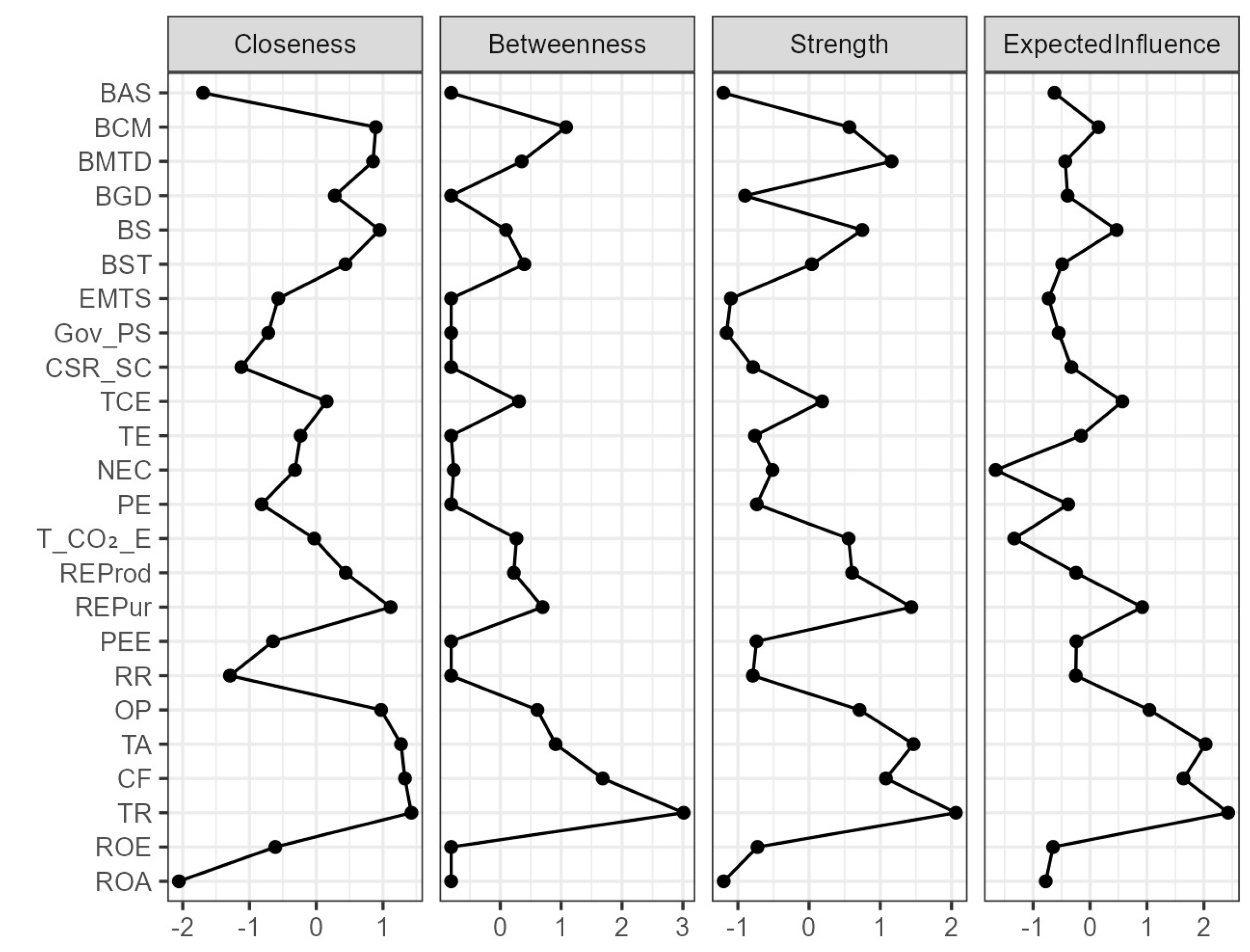
Table A1.
Pairwise correlations.
Table A2.
Centrality measures per variable.
References
- Zahid, M.; Martins, J.M.; Rahman, H.U.; Mata, M.N.; Shah, S.A.; Mata, P.N. The Interconnection between Decent Workplace and Firm Financial Performance through the Mediation of Environmental Sustainability: Lessons from an Emerging Economy. Sustainability 2021, 13, 4570. [Google Scholar] [CrossRef] [Scilit]
- Campbell, J.L. Why would corporations behave in socially responsible ways? An institutional theory of corporate social responsibility. Acad. Manag. Rev. 2007, 32, 946–967. [Google Scholar] [CrossRef] [Scilit]
- Naciti, V. Corporate governance and board of directors: The effect of a board composition on firm sustainability performance. J. Clean. Prod. 2019, 237, 117727. [Google Scholar] [CrossRef] [Scilit]
- Noja, G.G.; Cristea, M.; Jurcut, C.N.; Buglea, A.; Popa, I.L. Management Financial Incentives and Firm Performance in a Sustainable Development Framework: Empirical Evidence from European Companies. Sustainability 2020, 12, 7247. [Google Scholar] [CrossRef] [Scilit]
- Marcus, J.; Kurucz, E.C.; Colbert, B.A. Conceptions of the Business- Society-Nature Interface: Implications for Management Scholarship. Bus. Soc. 2010, 49, 402–438. [Google Scholar] [CrossRef] [Scilit]
- Watson, R.; Wilson, N. Board Pay and the Separation of Ownership from Control in U.K. SMEs. Small Bus. Econ. 2005, 24, 465–476. [Google Scholar] [CrossRef] [Scilit]
- Barauskaite, G.; Streimikiene, D. Corporate social responsibility and financial performance of companies: The puzzle of concepts, definitions and assessment methods. Corp. Soc. Responsib. Environ. Manag. 2020, 28, 278–287. [Google Scholar] [CrossRef] [Scilit]
- Freeman, R.E.; Harrison, J.S.; Wicks, A.C.; Parmar, B.L.; De Colle, S. Stakeholder Theory: The State of the Art; Cambridge University Press: Shaftesbury, UK, 2010. [Google Scholar] [CrossRef] [Scilit]
- Gupta, A.K.; Gupta, N. Effect of corporate environmental sustainability on dimensions of firm performance—Towards sustainable development: Evidence from India. J. Clean. Prod. 2020, 253, 119948. [Google Scholar] [CrossRef] [Scilit]
- Herremans, I.M.; Nazari, J.A.; Mahmoudian, F. Stakeholder relationships, engagement, and sustainability reporting. J. Bus. Ethics 2015, 138, 417–435. [Google Scholar] [CrossRef] [Scilit]
- Dehaene, A.; De Vuyst, V.; Ooghe, H. Corporate performance and board structure in Belgian companies. Long Range Plan. 2001, 34, 383–398. [Google Scholar] [CrossRef] [Scilit]
- Eisenhardt, K.M. Agency Theory: An Assessment and review. Acad. Manag. Rev. 1989, 14, 57. [Google Scholar] [CrossRef] [Scilit]
- Foote, J.; Gaffney, N.; Evans, J.R. Corporate social responsibility: Implications for performance excellence. Total Qual. Manag. Bus. Excell. 2010, 21, 799–812. [Google Scholar] [CrossRef] [Scilit]
- Galeazzo, A.; Miandar, T.; Carraro, M. SDGs in corporate responsibility reporting: A longitudinal investigation of institutional determinants and financial performance. J. Manag. Gov. 2023, 28, 113–136. [Google Scholar] [CrossRef] [Scilit]
- Brower, J.; Mahajan, V. Driven to Be Good: A Stakeholder Theory perspective on the drivers of corporate social performance. J. Bus. Ethics 2012, 117, 313–331. [Google Scholar] [CrossRef] [Scilit]
- Lu, Y.; Abeysekera, I. What do stakeholders care about? Investigating corporate social and environmental disclosure in China. J. Bus. Ethics 2015, 144, 169–184. [Google Scholar] [CrossRef] [Scilit]
- Enz, C.; Siguaw, J. Best hotel environmental practices. Cornell Hotel Restaur. Adm. Q. 1999, 40, 72–75. [Google Scholar] [CrossRef] [Scilit]
- Hang, Y.; Sarfraz, M.; Khalid, R.; Ozturk, I.; Tariq, J. Does corporate social responsibility and green product innovation boost organizational performance? A moderated mediation model of competitive advantage and green trust. Econ. Res.-Ekon. Istraživanja 2022, 35, 5379–5399. [Google Scholar] [CrossRef] [Scilit]
- Kartadjumena, E.; Rodgers, W. Executive Compensation, Sustainability, Climate, Environmental Concerns, and Company Financial Performance: Evidence from Indonesian Commercial Banks. Sustainability 2019, 11, 1673. [Google Scholar] [CrossRef] [Scilit]
- Basile, V.; Serino, L.; Ambra, A.D.; Campanella, F. Board characteristics and effects on ESG performance: Empirical evidence from the European banking system. In Quality & Quantity; Springer: Berlin/Heidelberg, Germany, 2025. [Google Scholar] [CrossRef] [Scilit]
- Menicucci, E.; Paolucci, G. Board Diversity and ESG Performance: Evidence from the Italian Banking Sector. Sustainability 2022, 14, 13447. [Google Scholar] [CrossRef] [Scilit]
- Ouni, Z.; Mansour, J.B.; Arfaoui, S. Board/Executive Gender Diversity and Firm Financial Performance in Canada: The Mediating Role of Environmental, Social, and Governance (ESG) Orientation. Sustainability 2020, 12, 8386. [Google Scholar] [CrossRef] [Scilit]
- Iliev, P.; Roth, L. Director Expertise and Corporate Sustainability. Eur. Financ. Rev. 2023, 27, 2085–2123. [Google Scholar] [CrossRef] [Scilit]
- Kim, D.; Marin, M.J.; Richardson, G.D.; Salterio, S.E.; Tsang, A. Modeling board governance, environmental expertise, and social engagement effects on firm environmental performance: Panel data evidence. J. Contemp. Account. Econ. 2023, 19, 100364. [Google Scholar] [CrossRef] [Scilit]
- Molonko, L.K. Board Structure, Board Compensation and Firm Profitability: Evidence from the Banking Industry. Repositorio Institucional. 2004. Available online: https://erepository.uonbi.ac.ke/handle/11295/22468 (accessed on 17 October 2025).
- Banker, R.D.; Darrough, M.N.; Huang, R.; Plehn-Dujowich, J.M. The Relation between CEO Compensation and Past Performance. Account. Rev. 2012, 88, 1–30. [Google Scholar] [CrossRef] [Scilit]
- Conyon, M.J.; He, L. Executive compensation and corporate governance in China. J. Corp. Financ. 2011, 17, 1158–1175. [Google Scholar] [CrossRef] [Scilit]
- Ozkan, N. Do corporate governance mechanisms influence CEO compensation? An empirical investigation of UK companies. J. Multinatl. Financ. Manag. 2006, 17, 349–364. [Google Scholar] [CrossRef] [Scilit]
- Firth, M.; Fung, P.M.; Rui, O.M. Corporate performance and CEO compensation in China. J. Corp. Financ. 2005, 12, 693–714. [Google Scholar] [CrossRef] [Scilit]
- Barontini, R.; Bozzi, S. Board compensation and ownership structure: Empirical evidence for Italian listed companies. J. Manag. Gov. 2009, 15, 59–89. [Google Scholar] [CrossRef] [Scilit]
- Bhagat, S.; Black, B. The Non-Correlation between board independence and Long-Term firm performance. J. Corp. Law 2002, 27, 231–274. [Google Scholar] [CrossRef] [Scilit]
- Fernandes, N. EC: Board compensation and firm performance: The role of “independent” board members. J. Multinatl. Financ. Manag. 2007, 18, 30–44. [Google Scholar] [CrossRef] [Scilit]
- Yermack, D. Remuneration, retention, and reputation incentives for outside directors. J. Financ. 2004, 59, 2281–2308. [Google Scholar] [CrossRef] [Scilit]
- Brick, I.E.; Palmon, O.; Wald, J.K. CEO compensation, director compensation, and firm performance: Evidence of cronyism? J. Corp. Financ. 2005, 12, 403–423. [Google Scholar] [CrossRef] [Scilit]
- Rahman, A.S.; Haron, R. The Effect of Corporate governance on Islamic Banking performance: A Maqasid Shari’ah Index Approach on Indonesian Islamic Banks. J. Islam. Financ. 2019, 8, 001–018. [Google Scholar] [CrossRef] [Scilit]
- Al-Absy, M.S.M.; Merza, H.I. Impact of Remuneration Committee’s characteristics on firm performance. In Studies in Managerial and Financial Accounting; Emerald Publishing Limited: Leeds, UK, 2024; pp. 329–345. [Google Scholar] [CrossRef] [Scilit]
- Akter, S.; Ali, M.H.; Abedin, M.T.; Hossain, B. Directors’ Remuneration and Performance: Evidence from the Textile Sector of Bangladesh. J. Asian Financ. Econ. Bus. 2020, 7, 265–275. [Google Scholar] [CrossRef] [Scilit]
- Özer, G.; Aktaş, N.; Merter, A.K. The remuneration-performance relationship in corporate governance: Evidence from board members’ remuneration and firm performance. Doğuş Üniversitesi Derg. 2024, 25, 231–248. [Google Scholar] [CrossRef] [Scilit]
- Callan, S.J.; Thomas, J.M. Executive compensation, corporate social responsibility, and corporate financial performance: A multi-equation framework. Corp. Soc. Responsib. Environ. Manag. 2010, 18, 332–351. [Google Scholar] [CrossRef] [Scilit]
- Callan, S.J.; Thomas, J.M. Relating CEO compensation to social performance and financial performance: Does the measure of compensation matter? Corp. Soc. Responsib. Environ. Manag. 2012, 21, 202–227. [Google Scholar] [CrossRef] [Scilit]
- Mahoney, L.S.; Thorne, L. Corporate Social Responsibility and Long-term Compensation: Evidence from Canada. J. Bus. Ethics 2005, 57, 241–253. [Google Scholar] [CrossRef] [Scilit]
- Frye, M.B.; Nelling, E.; Webb, E. Executive compensation in socially responsible firms. Corp. Gov. Int. Rev. 2006, 14, 446–455. [Google Scholar] [CrossRef] [Scilit]
- Miles, P.C.; Miles, G. Corporate social responsibility and executive compensation: Exploring the link. Soc. Responsib. J. 2013, 9, 76–90. [Google Scholar] [CrossRef] [Scilit]
- Cai, Y.; Jo, H.; Pan, C. Vice or virtue? The impact of corporate social responsibility on executive compensation. J. Bus. Ethics 2011, 104, 159–173. [Google Scholar] [CrossRef] [Scilit]
- De Andres, P.; Azofra, V.; Lopez, F. Corporate Boards in OECD Countries: Size, composition, functioning and effectiveness. Corp. Gov. Int. Rev. 2005, 13, 197–210. [Google Scholar] [CrossRef] [Scilit]
- Hermalin, B.E.; Weisbach, M.S. The effects of board composition and direct incentives on firm performance. Financ. Manag. 1991, 20, 101. [Google Scholar] [CrossRef] [Scilit]
- Raheja, C.G. Determinants of Board Size and Composition: A Theory of Corporate Boards. J. Financ. Quant. Anal. 2005, 40, 283–306. [Google Scholar] [CrossRef] [Scilit]
- Guest, P.M. The impact of board size on firm performance: Evidence from the UK. Eur. J. Financ. 2008, 15, 385–404. [Google Scholar] [CrossRef] [Scilit]
- Jackling, B.; Johl, S. Board Structure and Firm Performance: Evidence from India’s Top Companies. Corp. Gov. Int. Rev. 2009, 17, 492–509. [Google Scholar] [CrossRef] [Scilit]
- Sarkar, J.; Sarkar, S. Multiple board appointments and firm performance in emerging economies: Evidence from India. Pac.-Basin Financ. J. 2008, 17, 271–293. [Google Scholar] [CrossRef] [Scilit]
- Noja, G.G.; Thalassinos, E.; Cristea, M.; Grecu, I.M. The Interplay between Board Characteristics, Financial Performance, and Risk Management Disclosure in the Financial Services Sector: New Empirical Evidence from Europe. J. Risk Financ. Manag. 2021, 14, 79. [Google Scholar] [CrossRef] [Scilit]
- Gilson, R.J.; Milhaupt, C.J. Choice as regulatory reform: The case of Japanese Corporate governance. Am. J. Comp. Law 2005, 53, 343–377. [Google Scholar] [CrossRef] [Scilit]
- Hair, J.F.; Ringle, C.M.; Sarstedt, M. Partial least squares structural equation modeling: Rigorous applications, better results and higher acceptance. Long Range Plan. 2013, 46, 1–12. [Google Scholar] [CrossRef] [Scilit]
- Sweeney, L. A Study of Current Practice of Corporate Social Responsibility (CSR) and an Examination of the Relationship Between CSR and Financial Performance Using Structural Equation Modelling (SEM). Ph.D. Thesis, ARROW@Dublin Institute of Technology (Dublin Institute of Technology), Dublin, Ireland, 2009. [Google Scholar] [CrossRef]
- Iwamoto, H.; Suzuki, H. An empirical study on the relationship of corporate financial performance and human capital concerning corporate social responsibility: Applying SEM and Bayesian SEM. Cogent Bus. Manag. 2019, 6, 1656443. [Google Scholar] [CrossRef] [Scilit]
- Alshehhi, A.; Nobanee, H.; Khare, N. The Impact of Sustainability Practices on Corporate Financial Performance: Literature trends and future research potential. Sustainability 2018, 10, 494. [Google Scholar] [CrossRef] [Scilit]
- Rivera, J.M.; Muñoz, M.J.; Moneva, J.M. Revisiting the relationship between corporate stakeholder commitment and social and financial performance. Sustain. Dev. 2017, 25, 482–494. [Google Scholar] [CrossRef] [Scilit]
- Taljaard, C.C.; Ward, M.J.; Muller, C.J. Board diversity and financial performance: A graphical time-series approach. S. Afr. J. Econ. Manag. Sci. 2015, 18, 425–448. [Google Scholar] [CrossRef]
- Yilmaz, I. Sustainability and financial performance relationship: International evidence. World J. Entrep. Manag. Sustain. Dev. 2021, 17, 537–549. [Google Scholar] [CrossRef] [Scilit]
- Zhang, D.; Zhang, Z.; Ji, Q.; Lucey, B.; Liu, J. Board characteristics, external governance and the use of renewable energy: International evidence. J. Int. Financ. Mark. Inst. Money 2021, 72, 101317. [Google Scholar] [CrossRef] [Scilit]
- Cullinan, C.P.; Mahoney, L.; Roush, P.B. Directors & Corporate Social Responsibility: Joint Consideration of Director Gender and the Director’s Role. Soc. Environ. Account. J. 2019, 39, 100–123. [Google Scholar] [CrossRef] [Scilit]
- Martínez-Ferrero, J.; Frías-Aceituno, J.V. Relationship between sustainable development and financial performance: International empirical research. Bus. Strategy Environ. 2013, 24, 20–39. [Google Scholar] [CrossRef] [Scilit]
- Goyal, P.; Rahman, Z.; Kazmi, A. Corporate sustainability performance and firm performance research. Manag. Decis. 2013, 51, 361–379. [Google Scholar] [CrossRef] [Scilit]
- Shaikh, I. Environmental, social, and governance (ESG) practice and firm performance: An international evidence. J. Bus. Econ. Manag. 2022, 23, 218–237. [Google Scholar] [CrossRef] [Scilit]
- Haffar, M.; Searcy, C. Classification of trade-offs encountered in the practice of corporate sustainability. J. Bus. Ethics 2015, 140, 495–522. [Google Scholar] [CrossRef] [Scilit]
- Rahi, A.F.; Johansson, J.; Blomkvist, M.; Hartwig, F. Corporate sustainability and financial performance: A hybrid literature review. Corp. Soc. Responsib. Environ. Manag. 2023, 31, 801–815. [Google Scholar] [CrossRef] [Scilit]
- Singal, M. The Link between Firm Financial Performance and Investment in Sustainability Initiatives. Cornell Hosp. Q. 2013, 55, 19–30. [Google Scholar] [CrossRef] [Scilit]
- Cerciello, M.; Busato, F.; Taddeo, S. The effect of sustainable business practices on profitability. Accounting for strategic disclosure. Corp. Soc. Responsib. Environ. Manag. 2022, 30, 802–819. [Google Scholar] [CrossRef] [Scilit]
- Brammer, S.; Brooks, C.; Pavelin, S. Corporate Social Performance and Stock Returns: UK Evidence from Disaggregate Measures. Financ. Manag. 2006, 35, 97–116. [Google Scholar] [CrossRef] [Scilit]
- Sarfraz, M.; Ivascu, L.; Artene, A.E.; Bobitan, N.; Dumitrescu, D.; Bogdan, O.; Burca, V. The relationship between firms’ financial performance and performance measures of circular economy sustainability: An investigation of the G7 countries. Econ. Res.-Ekon. Istraživanja 2022, 36, 2101019. [Google Scholar] [CrossRef] [Scilit]
- Franceschelli, M.V.; Santoro, G.; Candelo, E. Business model innovation for sustainability: A food start-up case study. Br. Food J. 2018, 120, 2483–2494. [Google Scholar] [CrossRef] [Scilit]
- Ruf, B.M.; Muralidhar, K.; Brown, R.M.; Janney, J.J.; Paul, K. An Empirical Investigation of the Relationship between Change in Corporate Social Performance and Financial Performance: A Stakeholder Theory Perspective. J. Bus. Ethics 2001, 32, 143–156. Available online: https://philpapers.org/rec/RUFRMB (accessed on 14 November 2025). [CrossRef] [Scilit]
- Broadstock, D.C.; Chan, K.; Cheng, L.T.; Wang, X. The role of ESG performance during times of financial crisis: Evidence from COVID-19 in China. Financ. Res. Lett. 2020, 38, 101716. [Google Scholar] [CrossRef] [Scilit]
- Lins, K.V.; Servaes, H.; Tamayo, A. Social Capital, Trust, and Firm Performance: The Value of Corporate Social Responsibility during the Financial Crisis. J. Financ. 2017, 72, 1785–1824. [Google Scholar] [CrossRef] [Scilit]
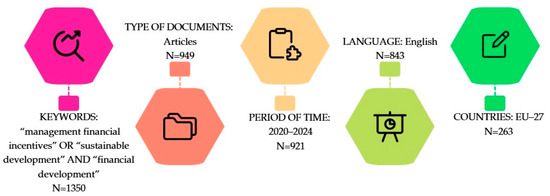
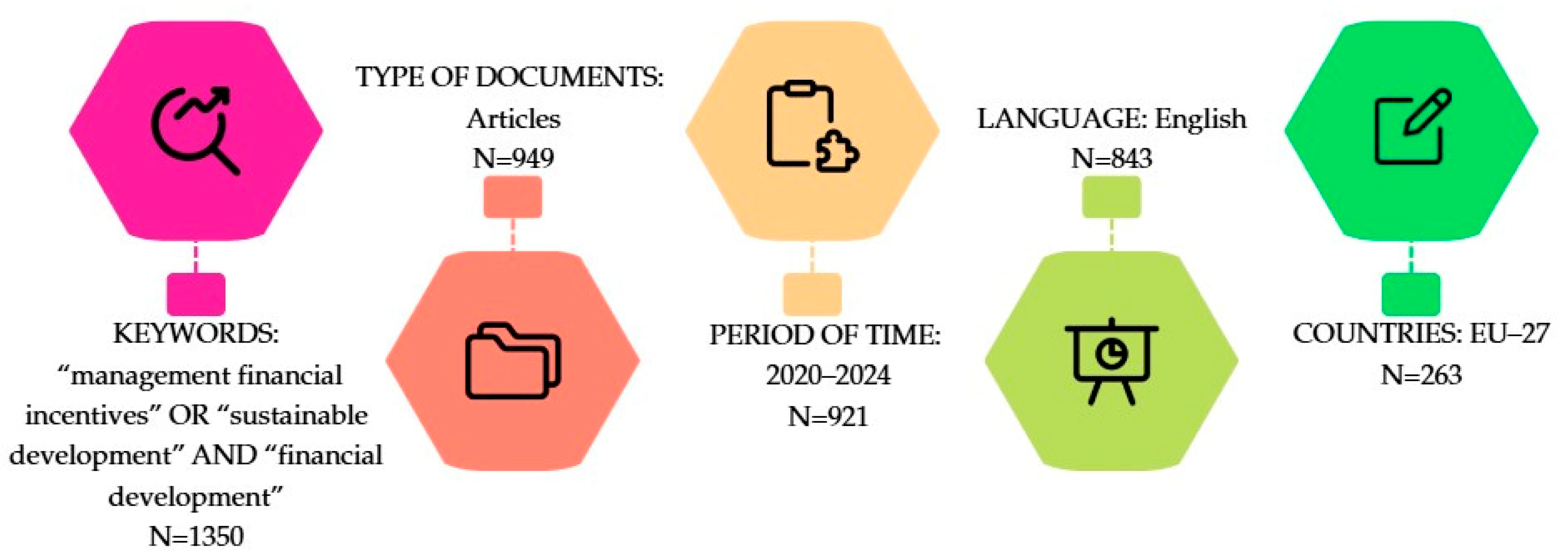
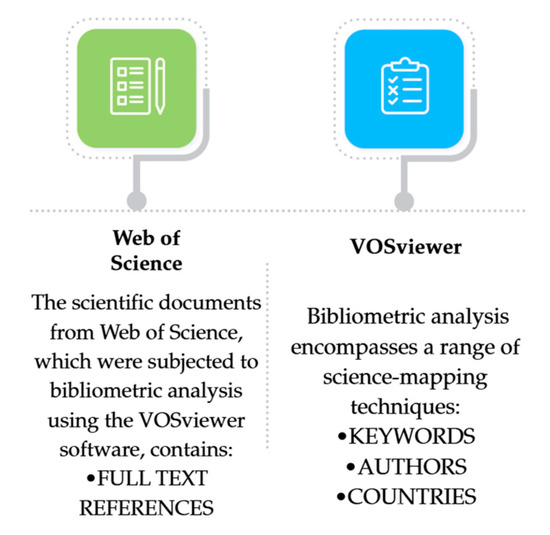
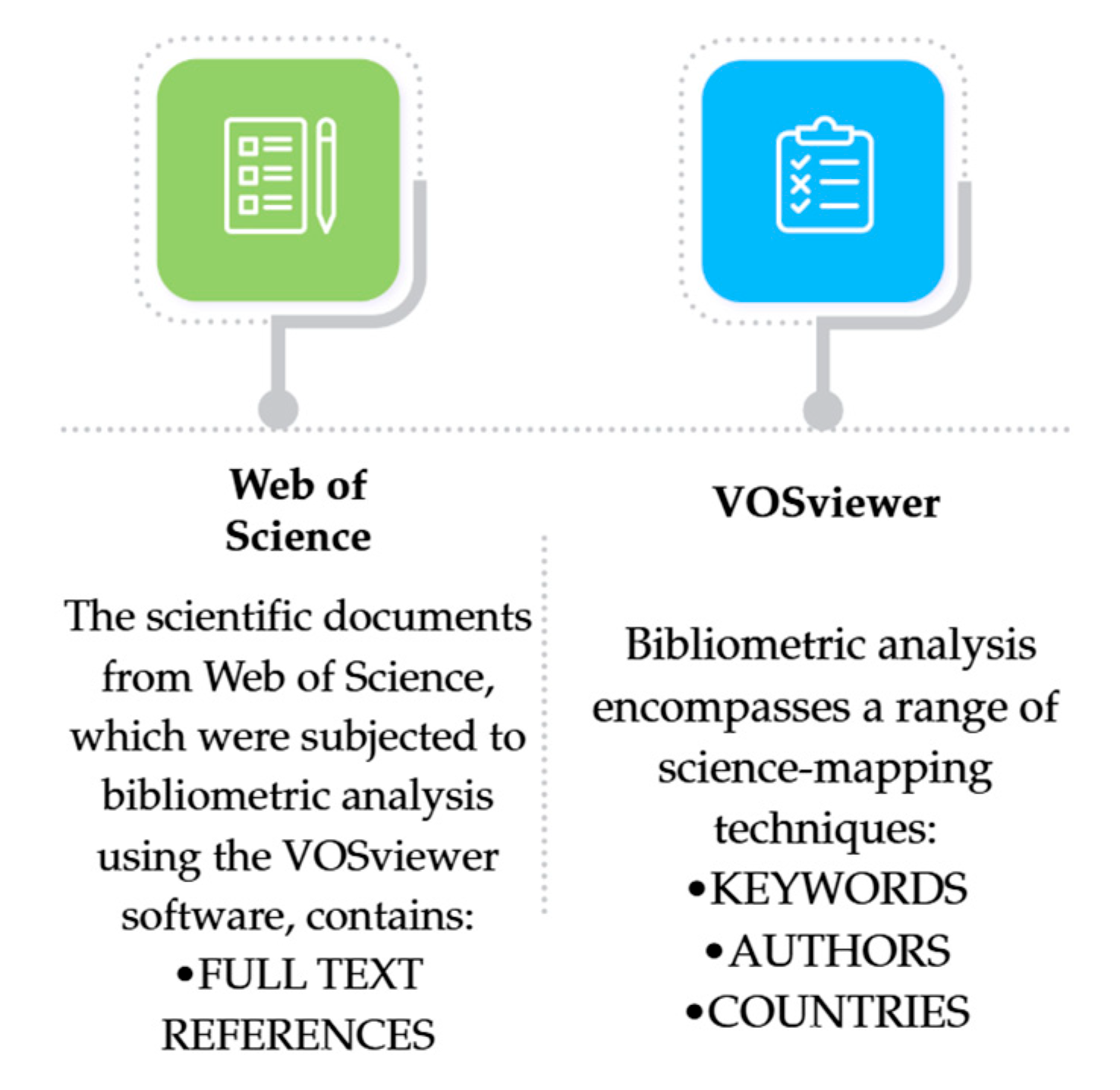
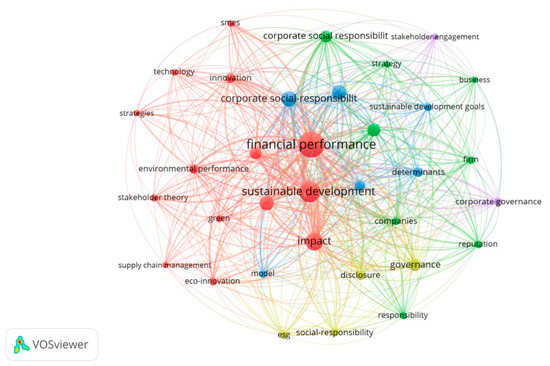
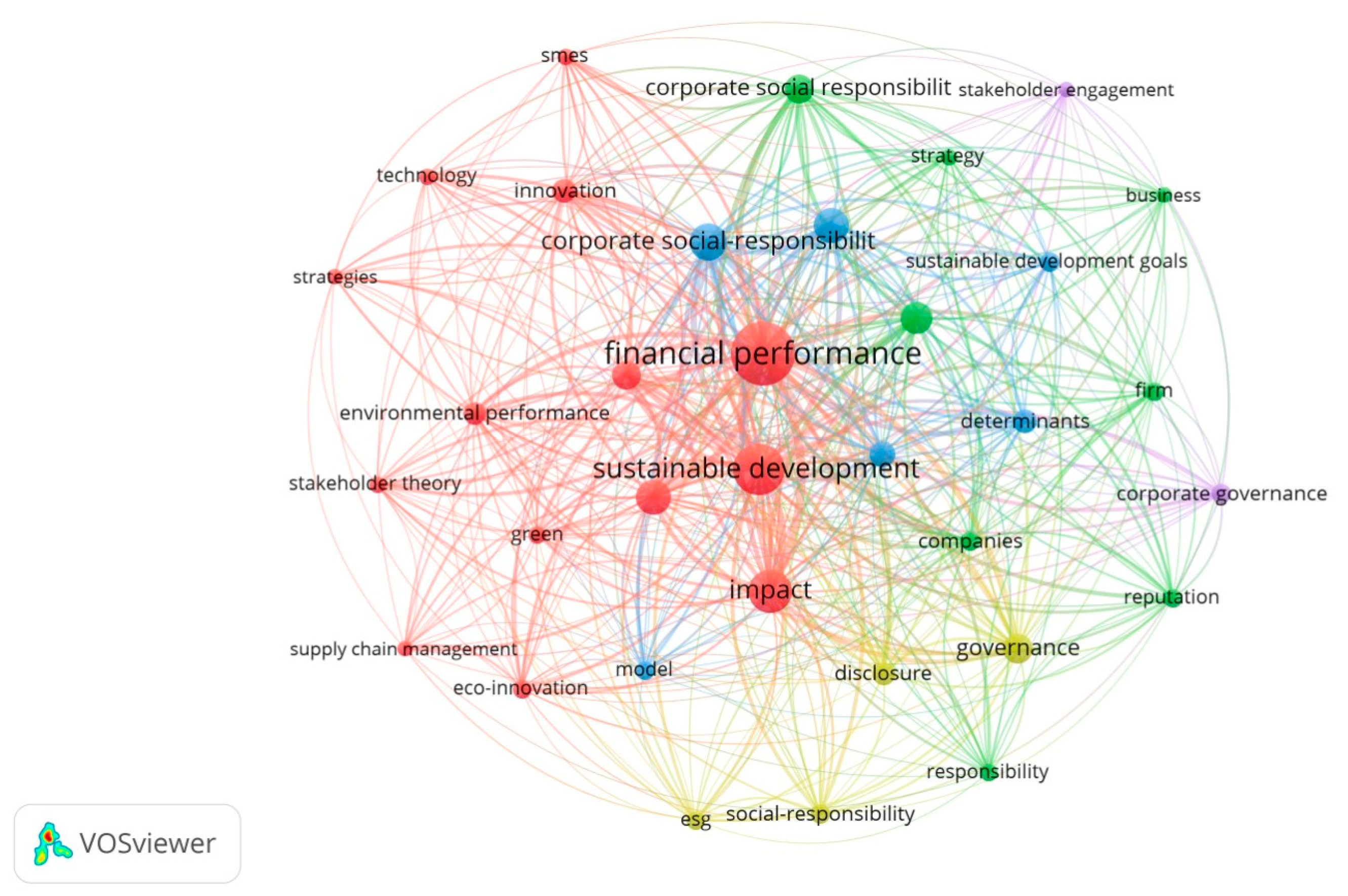
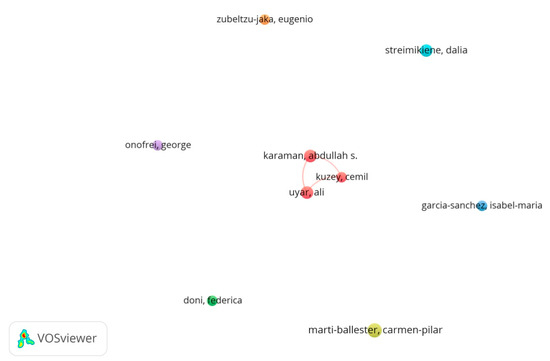
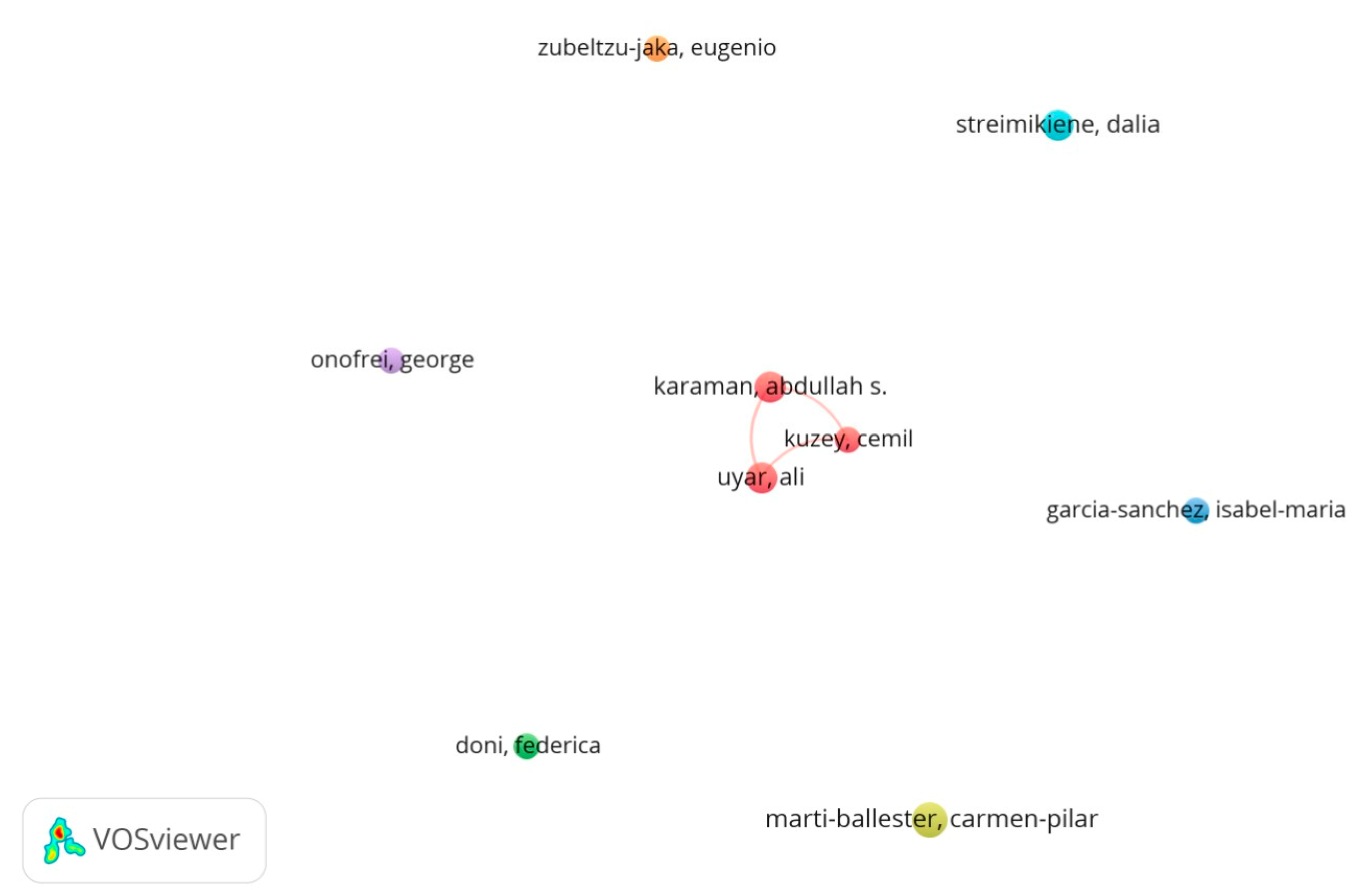
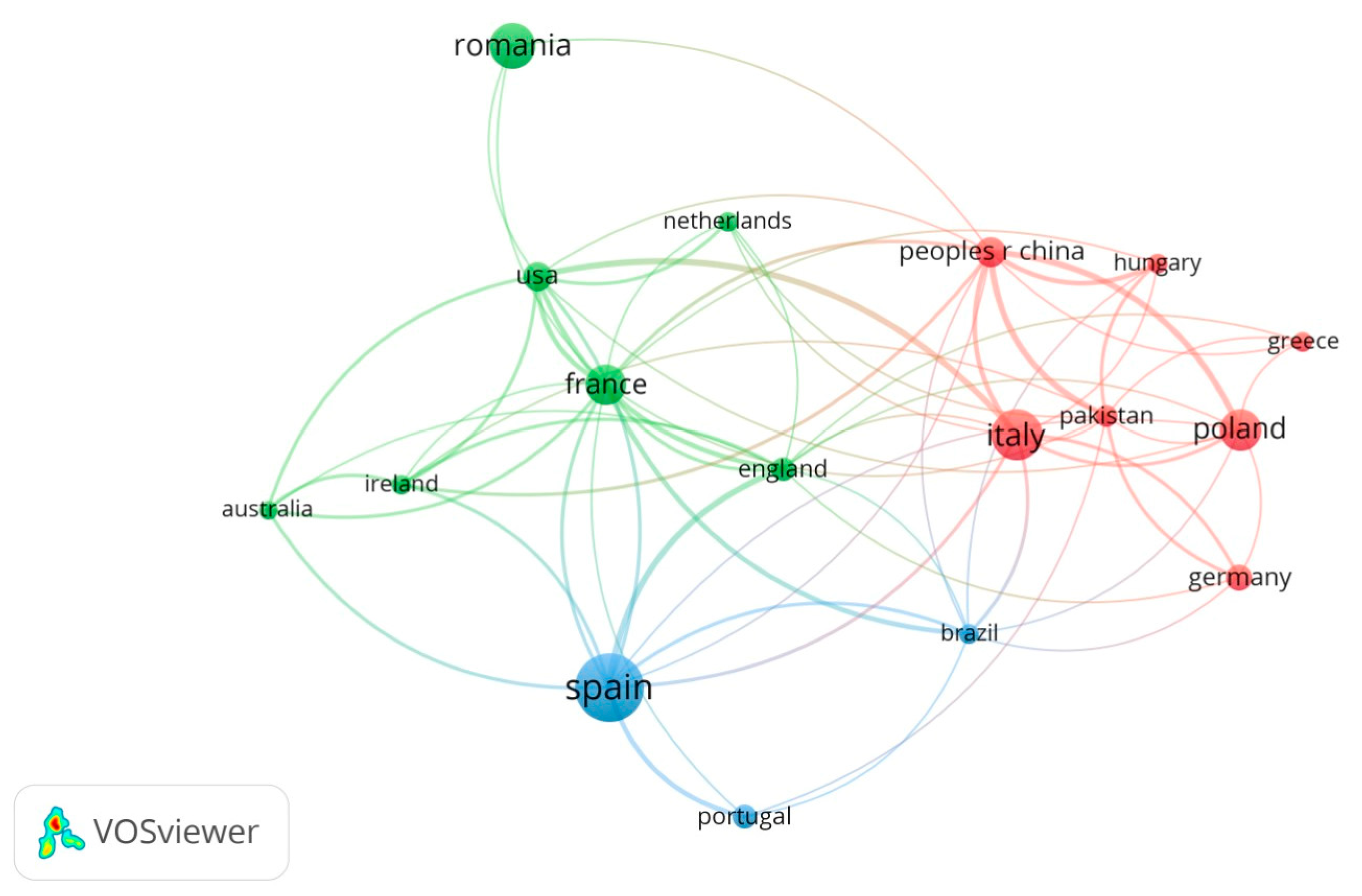
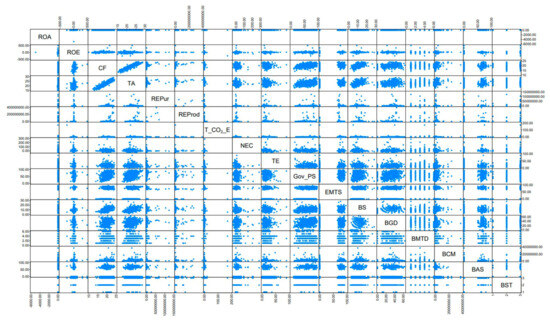
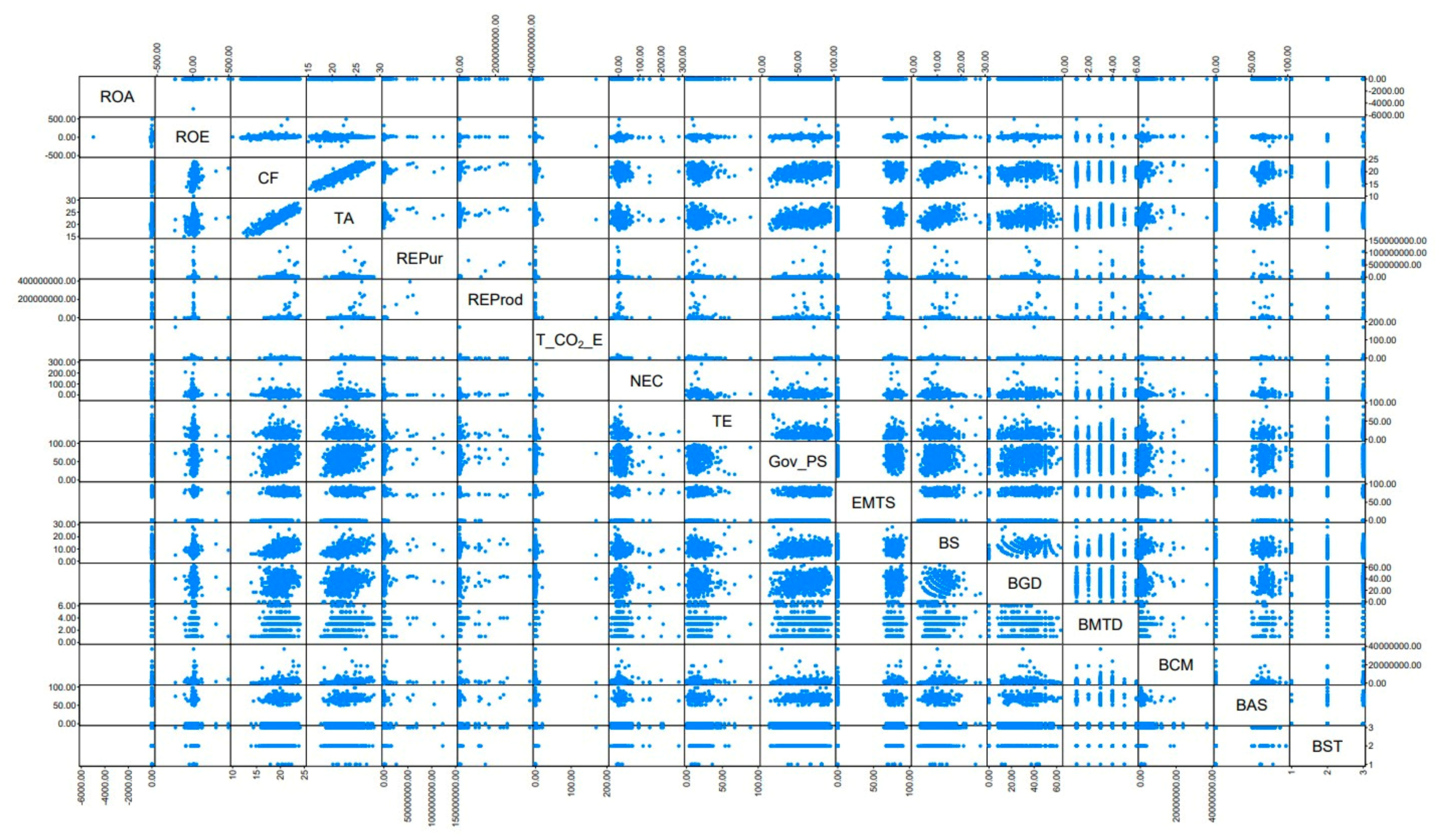
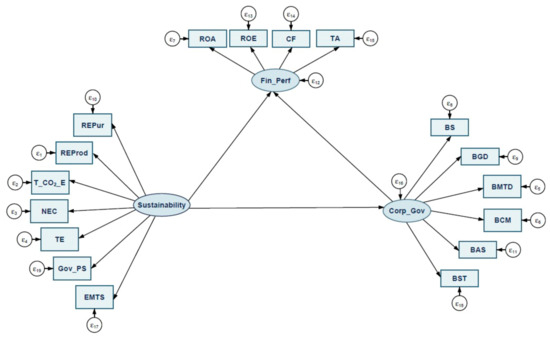
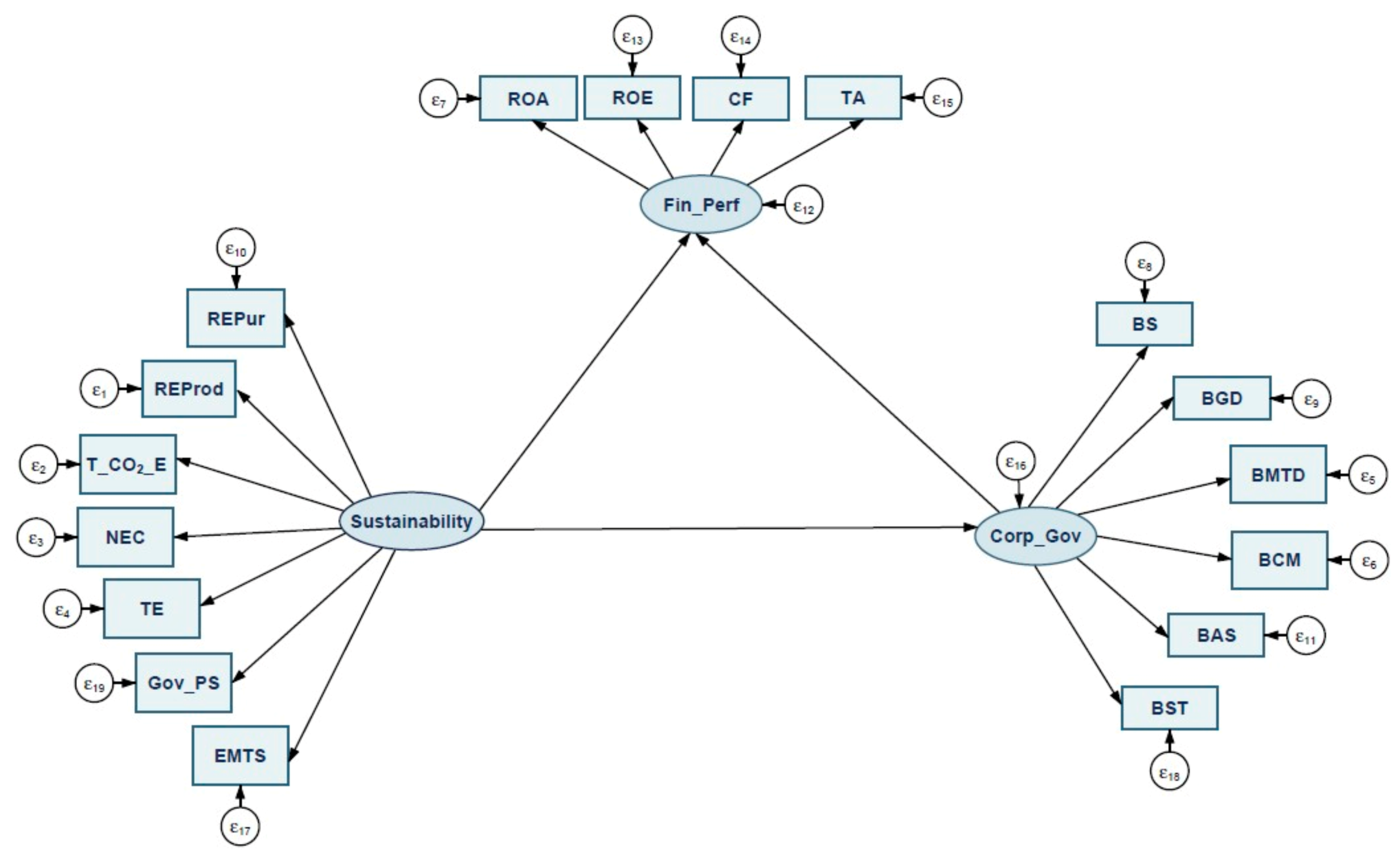
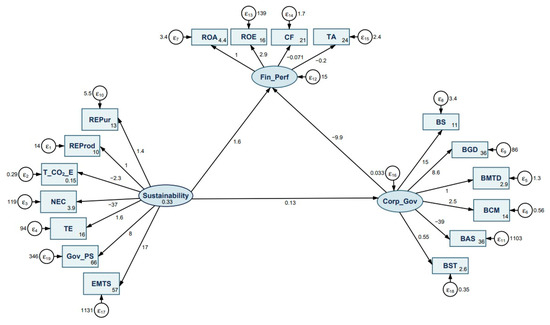
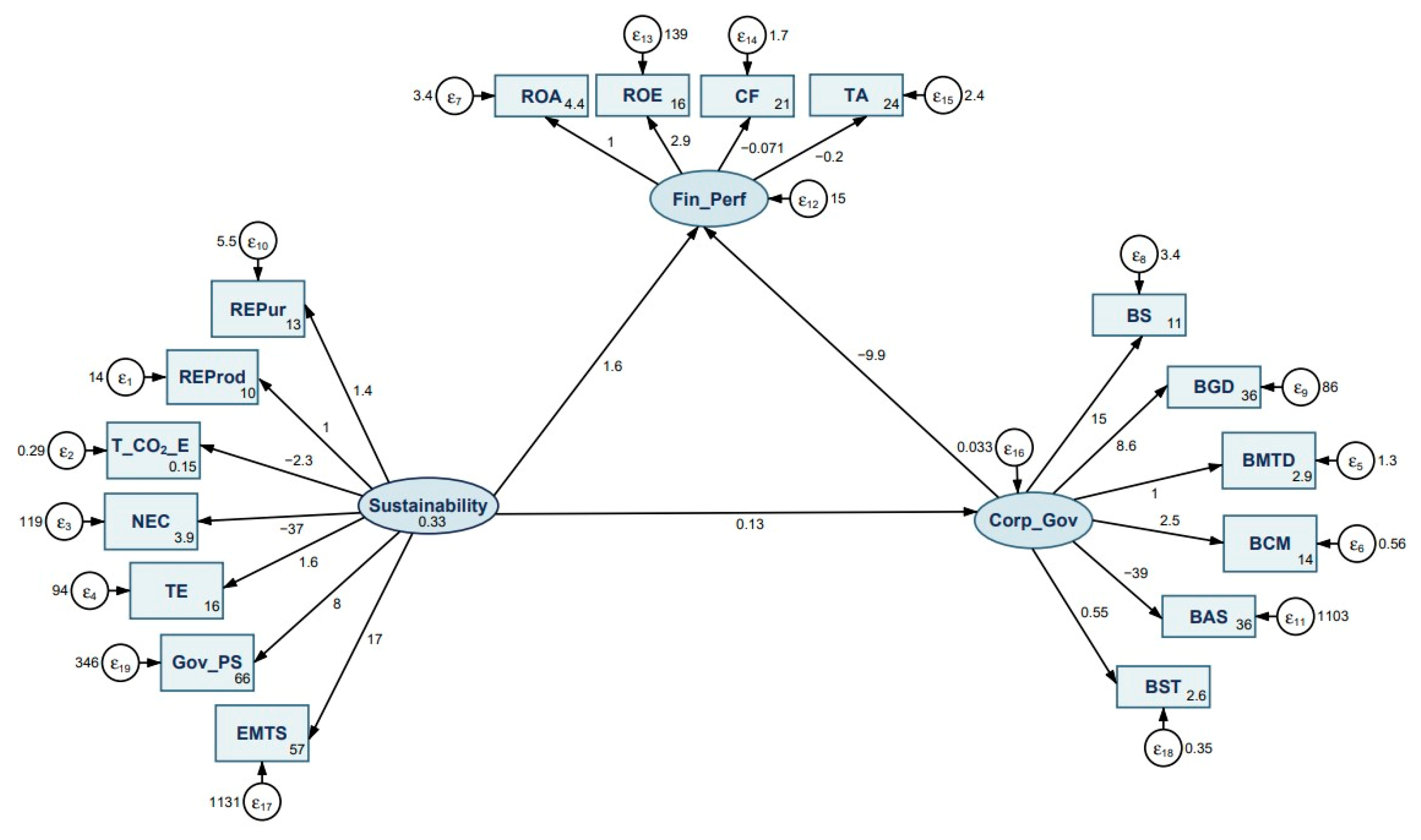
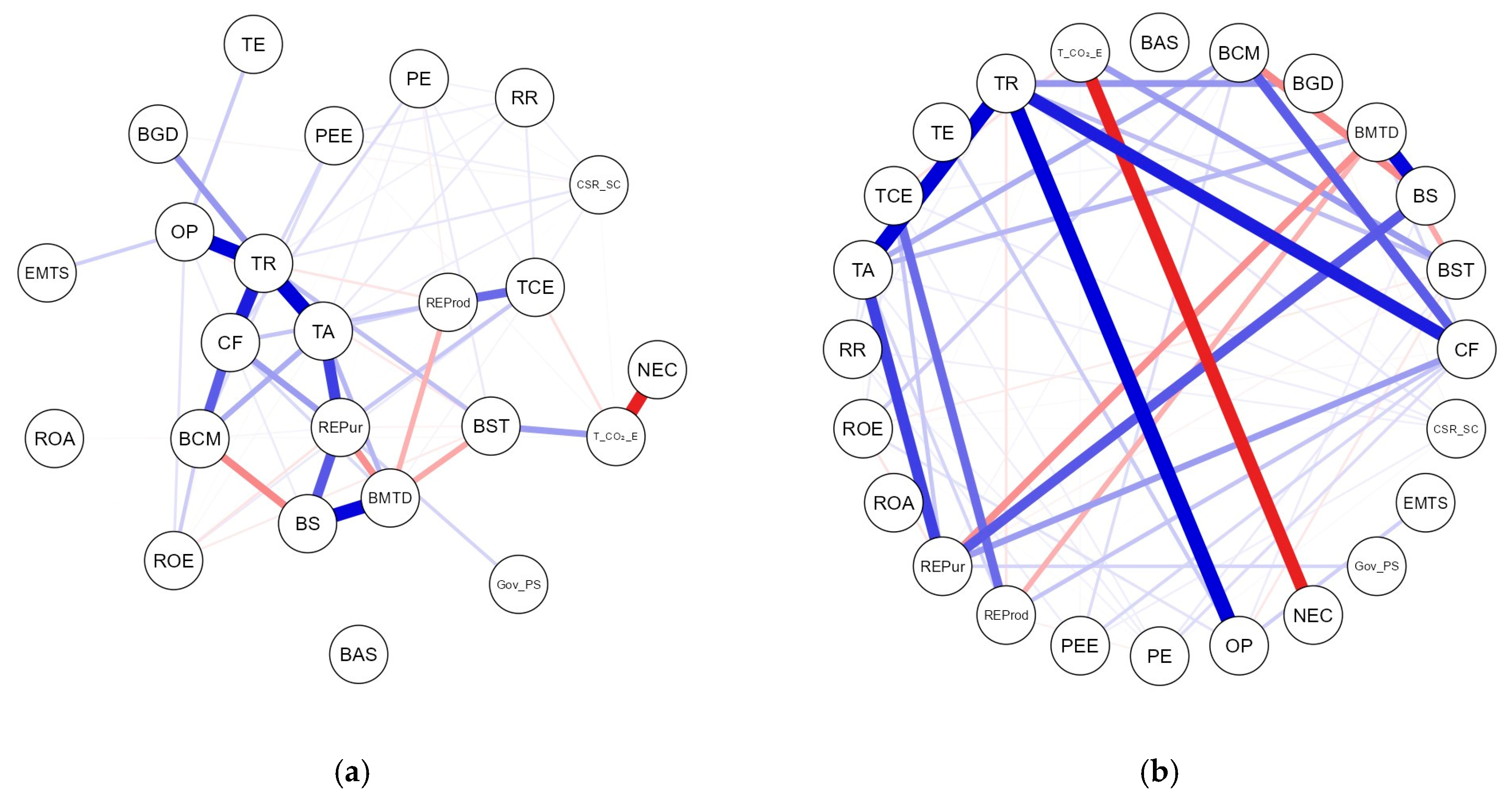

Disclaimer/Publisher’s Note: The statements, opinions and data contained in all publications are solely those of the individual author(s) and contributor(s) and not of MDPI and/or the editor(s). MDPI and/or the editor(s) disclaim responsibility for any injury to people or property resulting from any ideas, methods, instructions or products referred to in the content. |
© 2026 by the authors. Licensee MDPI, Basel, Switzerland. This article is an open access article distributed under the terms and conditions of the Creative Commons Attribution (CC BY) license.