


Abstract
Bangladesh’s commitment to achieving Sustainable Development Goal 7 (SDG 7) and its aspiration to attain high-income status by 2041 depends heavily on securing a reliable, affordable, and sustainable energy supply. Despite sustained economic growth, the country’s power sector continues to face challenges associated with fuel import dependency, supply insecurity, policy inconsistencies, and limited technological innovation. Although renewable energy is increasingly recognised as a key component of the global energy transition, non-hydroelectric renewable sources contribute only a small share of Bangladesh’s electricity production, with wind energy remaining largely untapped despite its considerable potential. This study examines the prospects and challenges of wind energy development in Bangladesh, with particular emphasis on the policy, regulatory, economic, and institutional conditions influencing its deployment. A desk-based research methodology was employed, drawing upon government policies, regulatory frameworks, industry reports, international agency publications, and peer-reviewed literature. Through a systematic review and comparative analysis of international experiences, the study evaluates barriers to wind energy, mainly offshore wind expansion. The findings reveal that progress has been constrained by inadequate resource assessment, fragmented governance, limited investment incentives, fossil fuel subsidies, insufficient technical capacity, and underdeveloped financing mechanisms. Furthermore, institutional inexperience with competitive procurement schemes and the absence of a comprehensive offshore wind regulatory framework continue to hinder large-scale deployment. The study highlights the importance of integrated policy reforms, enhanced investment support, capacity-building initiatives, and long-term strategic planning. Strengthening these enabling conditions can accelerate renewable energy adoption, improve energy security, and position wind power as a critical pillar of Bangladesh’s sustainable energy transition.
1. Introduction
Hydrocarbon-based power generation is a major source of greenhouse gas (GHG) emissions and climate change. The global energy sector is the principal driver of climate change, contributing approximately 73–76% of total greenhouse gas (GHG) by combustion of fossil fuels—coal, oil, and natural gas [1]. It is also responsible for approximately 90% of carbon dioxide (CO2) emissions worldwide, underscoring the urgent need for reducing these emissions. Figure 1 illustrates the fugitive greenhouse gas emissions released during the production and transmission of fossil fuels [2].
Figure 1.
Sectoral greenhouse gas emissions associated with fossil fuel production and use.
To mitigate the environmental impacts of fossil fuel consumption, sustainable energy systems based on renewable resources have gained significant global attention [3]. Among the available renewable energy technologies, wind energy, especially offshore wind turbines, stands out as a viable and cost-effective option, offering low lifecycle greenhouse gas (GHG) emissions and substantial potential for decarbonising the power sector [4,5]. The Climate Risk Index (CRI) categorises climate-related hazards into hydrological, meteorological, and climatological events. According to the Global Climate Risk Index 2021, Bangladesh is ranked as the seventh most disaster-prone country in the world, highlighting its high vulnerability to climate change. For Bangladesh, a densely populated country with limited land availability, installing offshore wind turbine presents a promising solution due to the stronger and more consistent wind resources available at sea. The Intergovernmental Panel on Climate Change (IPCC), in its Fifth Assessment Report (AR5), emphasises the urgency of reducing dependence on fossil fuels and accelerating the transition towards renewable energy sources [6,7]. The report recommends that renewable energy should contribute at least 80% of the global energy supply by 2050 to mitigate the most severe impacts of climate change [8]. In response to growing climate concerns, the Paris Agreement under the United Nations Framework Convention on Climate Change (UNFCCC) seeks to limit global warming to well below 2 °C through substantial reductions in GHG emissions and the expansion of renewable energy deployment. Progress towards this goal is evident, with the share of renewable energy in global electricity generation increasing from 19.6% in 2010 to 29% in 2020 and projected to reach 48.5% by 2030 [9,10]. These developments highlight the pivotal role of renewable energy technologies in advancing global decarbonisation efforts while simultaneously enhancing energy security and promoting sustainable development.
Beyond ecological considerations, access to reliable and affordable energy remains a fundamental prerequisite for any developing country to their economic growth, poverty alleviation, industrial development, healthcare, education, and social well-being [11]. Although significant progress has been made in electricity access, millions of people in developing countries like Bangladesh continue to experience inadequate energy services, particularly in rural and geographically isolated regions. Ensuring universal access to modern and sustainable energy therefore remains central to achieving both climate and development objectives. To achieve a sustainable energy transition, Bangladesh requires an integrated roadmap that aligns climate objectives with energy security and economic development goals. Such a roadmap should incorporate long-term renewable energy targets, competitive auction mechanisms, strengthened regulatory governance, grid modernisation, marine spatial planning, investment de-risking instruments, public–private partnerships, and access to international climate finance [12,13]. Establishing an intelligible policy and regulatory environment will be critical for mobilising domestic and foreign investment, accelerating renewable energy deployment and enabling wind energy to become a strategic component of Bangladesh’s future energy mix. In this context, developing a comprehensive policy and regulatory framework for wind energy integration is not only an environmental necessity but also an economic imperative for achieving national energy security, sustainable development, and the objectives of Vision 2041 [14,15].
This exercise builds upon three interconnected strands of literature. First, it examines research on national renewable energy policies and comparative international policy analyses that evaluate the effectiveness of different regulatory approaches. Second, it draws on studies investigating the design and implementation of renewable energy support mechanisms, particularly auction-based procurement systems, under varying economic, technical, and institutional conditions. Third, it incorporates insights from political economy and institutional governance literature, highlighting how regulatory institutions, stakeholder coordination, and multi-level governance shape the pace and success of the energy transition.
Building on these perspectives, this study aims to: (i) identify the regulatory, institutional, technical, and infrastructural barriers limiting offshore wind energy development in Bangladesh; (ii) evaluate international best practices and assess their suitability for Bangladesh’s socio-economic, environmental, and governance context; and (iii) develop a strategic policy framework to support the large-scale deployment and integration of offshore wind energy into the national electricity system, thereby strengthening long-term energy security and sustainable development.
2. Global and Bangladesh Offshore Wind Trends
Among renewable energy technologies, wind and solar power have experienced the fastest growth rates worldwide. According to the International Renewable Energy Agency (IRENA), global wind and solar capacities increased by 12.9% and 32.2%, respectively, in 2023 [9]. Offshore wind energy has emerged as one of the most promising renewable energy sources due to its higher and more consistent wind speeds, large-scale generation potential, and declining technology costs. Technologically developed countries are well ahead in this context. Figure 2 depicts the evolution of offshore wind energy development and its anticipated pathway toward achieving global energy decarbonisation objectives.
Figure 2.
Offshore wind energy development across different countries and projected future pathways to achieving decarbonisation targets.
Globally, installed offshore wind capacity increased by approximately 157%, from 28.29 GW in 2019 to 72.66 GW in 2023. This expansion has been driven primarily by Asia and Europe, with China (37.29 GW), the United Kingdom (14.74 GW), and Germany (8.41 GW) leading the sector [4].
For Bangladesh, offshore wind energy presents a significant opportunity to diversify the national energy mix and strengthen long-term energy security. The southern part of the country has wind speeds ranging from 5.75 to 7.75 m/s over an estimated 20,000 km2 area, indicating that the country could generate up to 30,000 MW of wind power. Bangladesh has set a target of generating 1370 MW of electricity from wind energy by 2030 [16,17]. Although wind power development remains limited, recent projects, including the 60 MW Khurushkul Wind Power Project in Cox’s Bazar, demonstrate growing momentum in the sector. To further expand wind energy capacity, the Bangladesh Power Development Board (BPDB) Sustainable and Renewable Energy Development Authority (SREDA) has identified 22 coastal locations for wind resource assessment and future development. In a significant step toward renewable energy development, Denmark approved a US$1.3 billion investment in a 500 MW offshore wind project in Bangladesh in 2022. In addition, several utility-scale wind power projects have been completed or proposed across the country, including installations in Sirajganj, Patuakhali, Chandpur, Cox’s Bazar, Bagerhat, Feni, Satkhira, Maheshkhali, and Chattogram, with capacities ranging from 2 MW to 220 MW. These initiatives demonstrate Bangladesh’s growing commitment to expanding its wind energy sector and strengthening its sustainable energy infrastructure [16,18,19].
Countries like the United Kingdom, Denmark, and China have made significant progress in offshore wind development, largely due to their strong policy instruments and institutional frameworks, which reflect their advanced capabilities in offshore wind power generation [20]. Feed-in tariffs, competitive auctions (power purchase agreements—PPAs), offshore leasing regulations, and integrated marine spatial planning have proven effective in mobilising investment and ensuring project success [21]. These mechanisms are grounded in long-term policy stability, infrastructure readiness, and clear environmental standards. It is said that integrating renewable energy sources can enhance Bangladesh’s energy security and reduce its reliance on natural gas [22]. Bangladesh meets its energy requirements primarily through natural gas, coal, imported energy, and captive power plants, with renewable energy contributing only 4–5% of the country’s total energy production of 25,548 MW [23]. According to the Bangladesh Investment Development Authority (BIDA), local techno-economic studies, and recent project filings, the estimated capital expenditure (CAPEX) per MW is as follows: solar power, USD 0.45–1.5 million; biomass/waste-to-energy, USD 0.92–1.0 million; wind power, USD 1.0–2.5 million; and tidal power, USD 0.45–0.63 million [24]. The economic dimensions of renewable energy deployment, the power plant cost, and their strategic significance for national energy security is underlined in view of the inherent limitations of non-renewable resources [25]. Significantly, the government of Bangladesh has recently allocated 26 offshore wind lease areas in the Bay of Bengal, establishing clearer regulatory frameworks and minimising permitting uncertainties—an essential factor for boosting investor confidence [26]. Concurrently, strategic improvements such as the modernisation of port facilities and reinforcement of the electrical grid near Cox’s Bazar and other coastal regions are in progress and anticipated to help reduce capital expenditures further [25,27].
However, development of these projects remains limited due to fragmented policies, inadequate infrastructure, weak investment incentives, and limited technical and institutional capacity. Addressing these challenges requires a comprehensive regulatory and policy framework tailored to the country’s specific needs [28]. Furthermore, institutional and technical capacities remain limited, creating challenges for project planning, financing, implementation, and grid integration.
3. Methodology
This study employed a PRISMA-guided mixed-methods systematic review to integrate quantitative and qualitative evidence, thereby developing a comprehensive roadmap for the technical, economic, and regulatory aspects of offshore wind energy development in Bangladesh. The methodology integrates quantitative evidence (e.g., offshore wind resource potential, capital expenditure (CAPEX), levelised cost of energy (LCOE), installed capacity, and grid performance) with qualitative evidence obtained from policy documents, regulatory frameworks, and implementation experiences. The integration of these complementary forms of evidence enables a comprehensive assessment of the technical feasibility, economic viability, and institutional readiness required for offshore wind deployment in Bangladesh. The complete study identification and selection process is illustrated in the PRISMA flow diagram (Figure 3).
Figure 3.
PRISMA flow diagram showing the literature search and study selection process undertaken for the systematic review.
The systematic review was conducted following the Preferred Reporting Items for Systematic Reviews and Meta-Analyses (PRISMA 2020, Table S1) guidelines to ensure transparency, reproducibility, and methodological rigor throughout the literature identification, screening, eligibility assessment, and study selection process.
3.1. Search Strategy and Data Sources
A structured literature search was conducted using major academic databases and authoritative institutional sources to identify relevant studies on offshore wind energy, renewable energy policy, green grid development, and energy security. The electronic databases included ScienceDirect, Google Scholar, Scopus, Web of Science, and IEEE Xplore, while grey literature was collected from reputable organisations, including the World Bank, the International Renewable Energy Agency (IRENA), and the Ministry of Power, Energy and Mineral Resources (MPEMR), Bangladesh. These sources were selected because they provide high-quality peer-reviewed research and official policy documents relevant to offshore wind development.
The search strategy combined keywords related to offshore wind technology, renewable energy, energy security, and Bangladesh using Boolean operators. The following search string was consistently applied across all databases:
(“offshore wind” OR “marine wind energy”) AND (“green grid policy” OR “energy security” OR “renewable energy”) AND (“Bangladesh” OR “India” OR “Malaysia” OR “China” OR “Vietnam” OR “United Kingdom” OR “UK”).
To ensure relevance, comparative evidence was collected from countries with established offshore wind industries and similar environmental or energy-sector characteristics. India, Malaysia, China, and Vietnam were selected for the technical and economic assessment because they share comparable monsoonal climates, deltaic coastlines, and developing electricity markets with Bangladesh. Their experiences were examined to evaluate offshore wind resource assessment, engineering practices, project costs, transmission infrastructure, and grid integration under similar environmental conditions. For the policy and regulatory assessment, the United Kingdom, Denmark, Germany, and China were selected as international benchmarks owing to their mature offshore wind governance frameworks, permitting systems, market mechanisms, and successful deployment experiences. These international best practices were compared with Bangladesh’s institutional and regulatory landscape to identify suitable adaptation pathways.
3.2. Inclusion and Exclusion Criteria
Following the initial retrieval of records from the selected electronic databases, a rigorous multi-stage screening, eligibility assessment, and quality appraisal process was conducted to refine the dataset. Study selection was governed by predefined inclusion and exclusion criteria to ensure the methodological rigour, relevance, and reliability of the evidence base.
Table 1 presents a comprehensive overview of the inclusion and exclusion criteria employed during the systematic review, encompassing the screening and eligibility assessment procedures, publication period, document type, language, and final study selection process. To ensure methodological rigour, transparency, and consistency while minimising selection bias, a double-blind screening protocol was implemented throughout the literature selection process.
Table 1.
Criteria adopted for the selection of studies included in the systematic review.
3.3. Screening and Relevance Assessment
The screening process followed the PRISMA framework. After identification, duplicate records, automatically excluded records, and records removed for other reasons were eliminated before screening. Specifically, 1660 duplicate records, 510 records identified as ineligible by automated screening tools, and 234 additional records were removed, leaving 15,353 records for title and abstract screening.
During the first screening stage, 13,155 records were excluded because they did not satisfy the predefined inclusion criteria. Consequently, 2198 reports were sought for retrieval, of which 510 reports could not be obtained. The remaining 1688 full-text articles underwent detailed eligibility assessment.
Full-text studies were evaluated based on methodological quality, technical relevance, economic applicability, and policy significance. During this stage, 1589 studies were excluded for the following reasons:
- Outdated or superseded publications (n = 803);
- Insufficient methodological rigor (n = 450);
- Outside the scope of the review (n = 296);
- Failure to satisfy the final quality assessment (n = 40).
The systematic database search identified a total of 17,757 records, including 5436 from ScienceDirect, 12,300 from Google Scholar, and 21 from government agencies and international organisations. These records underwent a rigorous screening, eligibility assessment, and quality appraisal in accordance with the PRISMA guidelines. Following the application of the predefined inclusion and exclusion criteria, 99 studies satisfied all eligibility requirements and were included in the final systematic review.
3.4. Backward Snowballing and Final Selection
To improve the completeness of the review, backward snowballing was performed after the full-text eligibility assessment. The reference lists of all eligible studies were manually examined to identify additional influential publications, policy reports, and technical documents that were not captured through the database searches. Attention was given to seminal offshore wind studies, international regulatory frameworks, and Bangladesh-specific government reports.
Any additional records identified through backward snowballing were evaluated using the same inclusion, exclusion, and quality assessment criteria applied during the primary screening process. Records failing to satisfy these criteria were excluded to maintain methodological consistency. The final dataset consisted of 99 high-quality studies, representing the most relevant and methodologically robust evidence available for offshore wind development in Bangladesh. A thematic synthesis of the 99 studies included in the systematic review is presented in Table 2.
Table 2.
Thematic synthesis of the 99 studies included in the systematic review.
Data from the selected studies were synthesised using ten predefined analytical themes, as mentioned in Table 2. For the Climate Change, Decarbonisation and Energy Transition theme, evidence on greenhouse gas emissions, fossil fuel dependence, climate vulnerability and renewable energy transition was synthesised to establish the broader environmental and decarbonisation rationale for offshore wind development. For the Bangladesh Energy Security, Renewable Transition and Power-Sector Development theme, evidence on energy demand, fossil fuel import dependence, renewable energy deployment, power-sector reform and energy sustainability was analysed to assess the potential contribution of offshore wind to Bangladesh’s energy diversification and security.
Moreover, for the Offshore Wind Resource Assessment, Site Selection and Marine Conditions theme, quantitative evidence on wind speeds, capacity factors, coastal and marine conditions, GIS-based resource mapping and site suitability was synthesised to identify technically suitable areas for offshore wind development in Bangladesh. For the Offshore Wind Technology, Engineering and Grid Infrastructure theme, evidence on turbine technologies, offshore engineering, transmission infrastructure, energy storage, grid modernisation and offshore grid systems was integrated to assess the technical requirements for reliable and resilient offshore wind deployment. Additionally, for the Energy System Modelling, Planning and Renewable Integration theme, evidence from energy system models, renewable integration studies, stochastic modelling and long-term energy-planning approaches was synthesised to examine offshore wind integration, system flexibility and future generation pathways. For the Economic Feasibility, CAPEX, OPEX and LCOE theme, quantitative indicators, including capital expenditure (CAPEX), operational expenditure (OPEX), levelised cost of electricity (LCOE), capacity factors and technology learning rates, were analysed to assess the long-term economic and commercial feasibility of offshore wind development. Furthermore, for the Financing, Investment and Risk Mitigation theme, evidence on private and multilateral finance, investment barriers, climate finance, guarantees, blended finance and concessional financing was synthesised to identify mechanisms for mobilising investment and reducing financial risks associated with offshore wind projects. For the Policy, Regulation, Market Mechanisms and Institutional Governance theme, comparative evidence on offshore wind governance, institutional coordination, feed-in tariffs (FiTs), Contracts for Difference (CfD), competitive auctions, subsidies and renewable energy procurement was analysed to identify policy and regulatory practices potentially adaptable to Bangladesh.
For the Marine Spatial Planning, Environmental and Socio-Economic Sustainability theme, evidence on marine spatial planning, environmental impacts, fisheries, protected areas, environmental permitting, community acceptance and socio-economic benefits was synthesised to assess pathways for environmentally responsible and socially sustainable offshore wind development. Finally, for the Offshore Wind Market Development, Strategic Road Mapping and Implementation theme, evidence on regional market development, supply-chain maturity, deployment strategies and Bangladesh-specific offshore wind roadmaps was integrated to identify practical priorities and phased actions for implementing a long-term offshore wind industry in Bangladesh.
4. Background and Policy Framework
Offshore wind energy has become a strategic pillar of the global clean energy transition, driven by net-zero commitments, energy security concerns, and the need to diversify electricity generation. Recent policy developments across Europe and Asia have shifted from technology demonstration towards large-scale commercial deployment through competitive auctions, CfD, streamlined permitting and offshore transmission networks. Countries such as the United Kingdom, Denmark, Germany, China, and the Netherlands have established integrated policy frameworks that encourage private investment while ensuring environmental sustainability and grid reliability. These evolving policies provide valuable lessons for emerging economies seeking to harness offshore wind resources.
Bangladesh possesses considerable offshore wind potential along the Bay of Bengal, offering opportunities to reduce dependence on imported fossil fuels, enhance energy security, and achieve its renewable energy and climate commitments. However, offshore wind development remains constrained by the absence of a dedicated policy, although recent national policies, including the Integrated Energy and Power Master Plan (IEPMP) and renewable energy initiatives, recognise the importance of clean energy.
Therefore, the development of a coherent and integrated policy framework, informed by international best practices and tailored to Bangladesh’s technical, economic, and institutional context, is essential for accelerating the sustainable deployment of offshore wind energy. The values are adapted from recent technology cost assessments published by the International Renewable Energy Agency (IRENA) with supporting information from the Sustainable and Renewable Energy Development Authority (SREDA) and the Bangladesh Power Development Board (BPDB). The figure highlights the relative capital intensity of solar PV, wind, biomass, and tidal energy technologies and is intended solely for comparative investment analysis; it does not represent installed generation capacity or electricity production.
A Comparative Policy Analysis
Bangladesh has progressed in renewable energy, notably in solar and hydro power, yet remains behind global standards. While wind energy presents future potential, substantial policy, financial, and technological challenges persist [34]. Table 3 compares Bangladesh with selected European and Asian countries in terms of policy instruments, offshore wind focus, institutional support, and challenges, to evaluate Bangladesh’s relative position in this context.
Table 3.
International offshore wind policy comparison and implications for Bangladesh.
Bangladesh already has a broader renewable energy policy and institutional foundation, but the main gap is translating this into an offshore-wind-specific framework. The government’s current policy list includes the Renewable Energy Policy 2025 and a National Renewable Energy Development Strategy 2026–2030, while SREDA is already undertaking wind resource activities and identifies significant potential for wind development in coastal areas. SREDA also operates a dedicated wind-mapping platform incorporating wind resource and site suitability information, indicating that resource assessment capacity is developing. Therefore, the comparative policy analysis can identify the next institutional steps for Bangladesh as establishing offshore-specific development zones and marine spatial planning, a transparent seabed allocation and permitting process, bankable competitive procurement mechanisms, coordinated offshore transmission planning, environmental and fisheries consultation, and investment risk mitigation mechanisms. These would build on Bangladesh’s existing renewable energy institutional framework rather than require an entirely new energy policy architecture.
5. Offshore Wind Energy Potential in Bangladesh
Bangladesh possesses approximately 710 km of coastline along the Bay of Bengal, presenting considerable untapped potential for offshore wind energy development. Key regions of interest include Cox’s Bazar, Chittagong, the Sundarbans delta, and Sandip. To facilitate optimal site selection, a multi-criteria decision analysis (MCDA) approach can be employed, integrating relevant spatial data layers to systematically evaluate and identify the most suitable locations for targeted offshore wind projects [35]. According to initial wind mapping by the World Bank, Bangladesh has a technical offshore wind potential of 16 GW in shallow waters (<60 m depth), with average wind speeds above 6.5 m/s. Offshore wind technology benefits from consistently stronger winds and generally higher public acceptance compared to onshore projects, while also minimising land use conflicts [36]. Wind speed data ranging from 5.47 m/s to 6.26 m/s at a height of 100 metres—recorded within the geographic coordinates of 20.83° to 22.27° latitude, 90.01° to 91.91° longitude, approximately 30 miles offshore near Cox’s Bazar (highlighted in red within the blue stripe in Figure 4)—indicate strong potential for offshore wind energy development in Bangladesh. Tapping into this resource could be key to addressing the nation’s increasing energy needs. The global offshore wind resource potential is estimated at 192,800 TWh, based on sites located within 50 km of shore, at depths of up to 200 m, and assuming a turbine hub height of 100 m [36]. Using a Geographic Information Systems (GIS)-based approach, another estimate places the global offshore wind power potential at 85.6 TW of installable capacity, capable of generating up to 329,580 TWh of electricity. This assessment includes areas within exclusive economic zones (EEZs) and extends to water depths of up to 1000 m [37].
Figure 4.
Bangladesh’s Bay of Bengal coastline, particularly offshore near Cox’s Bazar, shows strong wind energy potential due to favourable wind speeds.
However, practical deployment depends on grid integration feasibility, deltaic marine biodiversity considerations, cyclone risk in Asian monsoonal modelling, and community acceptance. Offshore Networking Development Plans (ONDPs) recommend that offshore network development align with marine environmental protection, ensuring a sustainable energy system that coexists with biodiversity [44]. A hybrid engineering-policy approach is essential to unlock this potential safely and equitably.
5.1. Site Selection Suitability
On 8 October 2009, the Government of Bangladesh (GoB) initiated arbitration under the United Nations Convention on the Law of the Sea (UNCLOS) to resolve maritime boundary disputes with Myanmar and India. The case addressed the location of the land boundary terminus and the delimitation of the territorial sea, exclusive economic zone (EEZ), and continental shelf, including areas beyond 200 nautical miles. The International Tribunal for the Law of the Sea (ITLOS) subsequently awarded Bangladesh a significant portion of the contested waters in the eastern Bay of Bengal, extending beyond the 200 nm continental shelf [38]. A comprehensive assessment of these legal and technical constraints is essential to ensure regulatory compliance, mitigate jurisdictional disputes, and preclude potential infringements on sovereign rights or conflicting maritime uses [39]. The V-shaped coastal configuration of Bangladesh, extending approximately 30 km inland, contributes to wind acceleration, making it a promising zone for wind energy development [40].
In 2018, USAID Bangladesh and the National Renewable Energy Laboratory (NREL), in collaboration with the Government of Bangladesh, conducted a national wind resource assessment. It identified coastal areas in Chattogram, Barisal, and Khulna with wind speeds exceeding 6 m/s at 120 m height—suitable for wind power generation. Onshore wind zones cover over 3200 km2 in the south, while offshore areas extend 50–120 km from the coast. The total estimated wind potential is 150 GW, including 16 GW onshore and 134 GW offshore. The Bangladesh Oceanographic Research Institute (BORI) has identified regions within the country’s maritime territory that exhibit strong potential for large-scale wind energy development [41]. These areas have been deemed feasible for future project implementation aimed at maximising energy output. Figure 5 presents a visual representation of Bangladesh’s exclusive economic zone (EEZ), outlining the zones with the highest suitability for offshore wind energy exploitation. Historically, global wind resource assessments have relied on coarse estimations due to limited integration of advanced GIS methodologies into energy system modelling (ESM), as well as the lack of high-resolution wind reanalysis datasets [37].
Figure 5.
Potential sites for marine renewable energy within the exclusive economic zone as identified by the Bangladesh Oceanographic Research Institute.
5.2. Selection of Modelling for Wind Energy Planning
Modelling is a technique that uses system representations to analyse problems and predict outcomes through simulation of the original system [30]. The International Atomic Energy Agency (IAEA) states that energy-planning models are designed to guide decision-making on energy supply and demand by involving key stakeholders, evaluating all feasible options, and aligning with national sustainable development goals. Energy models typically use either a bottom-up or top-down approach [51]. Bottom-up models, or engineering-based models, focus on detailed technologies, while top-down models use economic frameworks to analyse broader, long-term trends [52]. The IRENA describes energy-modelling tools (EMTs) as integral components of the conceptual framework within long-term energy-planning systems [53]. Due to limited high-quality wind data and the complex integration of GIS in energy system modelling (ESM), early estimates of global wind potential were often rough. In 2016, the IEA’s ETP model, based on The Integrated MARKAL–EFOM System (TIMES) framework, introduced a more refined bottom-up, GIS-based assessment of regional onshore wind capacity [37,45,54]. Other ESM studies have drawn on available scientific data to estimate regional wind potentials, including efforts to model a 100% renewable energy system by 2050 using the OSeMOSYS framework [37,55]. Several analyses and open databases—such as Renewables.ninja, OpenEI, OSeMOSYS, and oedb—have been developed to offer high-quality renewable energy data, supporting model development, troubleshooting, and assisting new users [56]. In this section, Table 4 highlights two widely recognised modelling tools—TIMES and PLEXOS—evaluating their suitability for supporting strategic wind energy development in the country [52,55,57].
Table 4.
A comparative analysis of the attribution of TIMES and PLEXOS modelling for wind energy planning.
Of the modelling tools mentioned, TIMES provides insights into technologies, energy flows, costs, and emissions based on projected demand and constraints. In Scotland, the TIMES model outlines the required energy mix, technologies, and investments needed to achieve the 2050 decarbonisation targets set by the Climate Change Plan [58]. We leverage modelling tool PLEXOS (Renewable Integration and Multi-Commodity Unification) for its ability to optimise the future energy mix and plan system expansions, considering both current and future constraints. Its robust framework integrates technical and economic aspects, making it a key tool for IRENA’s energy planning [45]. It has played a crucial role in aligning stakeholder input from the Integrated Energy Model with detailed analysis, having recently supported IRENA’s Southeast Asia roadmap and currently aiding in the revision of its EU study [45,52].
Selecting an appropriate energy modelling tool is critical for effective long-term planning, especially when integrating variable renewable energy sources like wind. The chosen model must align with national policy objectives, data availability, technical capacity, and the specific characteristics of wind energy in Bangladesh.
6. Analysis of Regulatory Gaps
Energy policy in Bangladesh was long neglected until recent initiatives like the Nationally Determined Contributions (NDCs). The government has since established laws, regulations, and institutions such as the Sustainable Energy Development Agency (SEDA) and the Bangladesh Energy Regulatory Commission (BERC) to support renewable energy development [31]. Current offshore developments require not only advanced and economically feasible technologies but also strong legal and governance frameworks. However, existing literature often overlooks this comprehensive, system-wide perspective in favour of isolated techno-economic analyses [46]. Recent reviews show that environmental impacts and marine spatial planning (MSP) remain under-addressed in offshore wind energy (OWE) planning. Early identification of potential environmental effects is crucial to minimise harm, yet challenges such as permitting hurdles, legal gaps, strict regulations, and spatial competition continue to pose significant barriers [46,89]. The following discussion highlights the key regulatory and socio-economic frameworks relevant to offshore wind energy development.
6.1. Grid Connection Protocols
The absence of standardised offshore grid interconnection requirements, together with supply–demand inequities, grid variability, and the high cost of submarine export cables, represents a significant techno-economic barrier to offshore wind development in Bangladesh [47]. At present, Bangladesh lacks dedicated technical standards and grid codes governing the connection of offshore renewable energy projects. To address this gap, the country should adopt internationally recognised offshore wind standards, including IEC 61400-3 for the design requirements of offshore wind turbines, IEC 61400-24 for lightning protection, and IEC 61400-25 for communication, monitoring, and control of wind power plants [48]. In parallel, the Bangladesh Grid Code should be revised to incorporate offshore-specific grid connection requirements, including fault ride-through capability, voltage and frequency regulation, reactive power support, and power quality standards. To facilitate project development, the Power Grid Company of Bangladesh (PGCB) should assume responsibility for planning, constructing, and operating offshore transmission infrastructure, including offshore substations, high-voltage submarine export cables, and onshore grid connection points.
Strengthening PGCB’s capacity would require targeted investments in transmission network reinforcement, modern Supervisory Control and Data Acquisition (SCADA) and Energy Management Systems (EMS), dynamic grid stability assessment tools, and skilled technical personnel. Furthermore, long-term transmission expansion planning should incorporate offshore wind zones identified in the Bay of Bengal, ensuring that grid infrastructure is developed in parallel with future offshore generation capacity. This coordinated approach would reduce project risks, improve grid reliability, and lower overall connection costs for offshore wind developers [49].
6.2. Investment Incentives
Bangladesh currently lacks dedicated fiscal and market-based support mechanisms for offshore wind energy. Although instruments such as Energy Savings Insurance (ESI) can reduce operational and performance risks, they do not address the high upfront capital costs or long investment payback periods associated with offshore wind projects. Table 5 presents a comparative analysis of policy frameworks across Pakistan, Malaysia, and Bangladesh, highlight the absence of targeted financial incentives in Bangladesh [72,79,98]. To establish a competitive offshore wind market, Bangladesh should introduce a comprehensive investment support package based on successful regional and international practices. This package should include a 10–15-year corporate income tax holiday, and exemption from import duties and value-added tax on offshore wind turbines, foundations, submarine cables, offshore substations, and other critical equipment, together with accelerated depreciation allowances during the first five years of operation. In addition, the government should provide concessional financing through Bangladesh Infrastructure Finance Fund Limited (BIFFL) and multilateral development banks to reduce the cost of capital.
Table 5.
Comparative analysis of offshore wind policies in Pakistan, Malaysia, and Bangladesh.
To improve investment certainty, Bangladesh should implement 20–25-year government-backed power purchase agreements (PPAs) with transparent tariff mechanisms. During the initial market development phase, a FiT like Vietnam’s early offshore wind support scheme could be adopted to stimulate private investment [80]. As the domestic market matures and project costs decline, the country should transition to competitive offshore wind auctions, following India’s reverse-auction model, where long-term contracts are awarded to the lowest qualified bidder. This phased approach would reduce financing risks, attract international investors, encourage technology transfer, and ensure that offshore wind electricity becomes increasingly cost-competitive while maintaining affordability for consumers.
Pakistan and Malaysia were selected intentionally as regional comparators because both are Asian developing countries with contexts that offer useful comparisons with Bangladesh. Geographically, Pakistan represents a South/West Asian perspective, while Malaysia provides a Southeast Asian perspective. Their inclusion therefore allows the study to compare Bangladesh with countries from different parts of the broader Asian region while maintaining a degree of regional and developmental comparability.
6.3. Environmental Impact Assessment
The current environmental impact assessment EIA guidelines are outdated and insufficiently adapted to marine environments. The existing EIA framework does not adequately address unique marine challenges like habitat disturbance, benthic impacts, underwater noise, and electromagnetic field emissions [97]. SREDA and the Department of Environment must jointly draft updated, marine-specific EIA regulations. These should mandate international best practices, such as the deployment of Marine Mammal Observers, seasonal scheduling to avoid spawning periods, and the use of Horizontal Directional Drilling (HDD) for cable landings.
7. Economic Barriers and Capital Expenditure
High upfront costs, limited financing, policy gaps, and socio-economic disparities hinder renewable energy adoption. Revenue uncertainty and underdeveloped financial instruments further constrain project financing, especially in developing countries [81]. In modern competitive auctions, bid prices—under certain assumptions—reflect the levelis- ed cost of energy (LCOE), which represents the estimated revenue needed to cover both capital expenditures (CAPEX) and operational (OPEX) expenses over a standard cost recovery period. These financial considerations are vital for assessing project feasibility and attracting investment [59,82].
This section integrates international cost benchmarks with Bangladesh-specific considerations, considering recent market data, regional challenges, and evolving policy frameworks. Capital expenditure refers to the upfront investment required for the design, procurement, construction, and installation of offshore wind infrastructure. Drawing on comprehensive cost analyses from established offshore wind markets, including the United Kingdom and the United States, as well as emerging markets such as Indonesia, Table 6 summarises the major cost components and the typical breakdown of CapEx associated with offshore wind turbine installation [60,61,68].
Table 6.
Breakdown of capital expenditure components for wind turbine installation.
In Bangladesh, the initial 500 MW offshore wind project planned near Cox’s Bazar is expected to require an investment of around $1.3 billion, which translates to a CapEx range between $2600 and $3500 per kilowatt installed [26,28]. This cost is somewhat lower compared to developed countries, mainly because of smaller turbine capacities and project scale, yet it remains higher than some Southeast Asian countries such as Indonesia, largely due to Bangladesh’s developing port facilities and the scarcity of specialised vessels for installation [62,63]. Several factors unique to Bangladesh lead to higher expenses in foundation and logistics. Although the mostly shallow coastal waters facilitate easier foundation installation, the limited capacity for local fabrication and logistical difficulties raise costs associated with vessel hiring and the transportation of materials [27]. Additionally, the early-stage development of local supply chains for wind turbine components, coupled with a shortage of skilled labour, further escalates procurement and installation costs [25].
As shown in Table 7, the estimated capital expenditure for Bangladesh’s proposed 500 MW offshore wind project (US$2600–3500/kW) is broadly comparable with those of other emerging Asian markets such as India and Vietnam. However, Bangladesh’s projected costs remain higher than Indonesia’s, primarily due to inadequate port infrastructure, the absence of specialised offshore installation vessels, and greater reliance on imported equipment and engineering services. Conversely, the estimated CapEx remains higher than that observed in more mature offshore wind markets, such as China, where extensive domestic manufacturing capacity, large project portfolios, and well-established installation supply chains have significantly reduced costs through economies of scale. The estimated values for Bangladesh are instead benchmarked against emerging offshore wind markets that are more relevant to its current stage of development. They are representative of recent project costs reported by the IEA, IRENA, GWEC, the World Bank, national offshore wind studies (2022–2025), and other research initiatives [20,26,62,63]. Overall, these comparisons suggest that Bangladesh’s offshore wind costs are consistent with those of an early-stage market and are expected to decline over time as domestic infrastructure, supply chains, and industry experience continue to mature.
Table 7.
Comparative analysis of offshore wind project costs and market development in selected emerging economies.
7.1. Operational Expenditures
Operational expenditures refers to the ongoing costs required to operate and maintain the offshore wind farm over its 25–30 year expected lifetime. Typical OpEx components include operational and maintenance, port activities and license fees, and miscellaneous. Figure 6 below presents a bar chart illustrating the distribution of operational expenditure for wind turbine projects.
Figure 6.
Distribution of operational expenditure for wind turbine projects near the Cox’s Bazar coastal zone.
Operational expenditures in Bangladesh are estimated to range between $40 and $70 per MWh, which is somewhat above the U.S. benchmark of about $40 per kW-year. This difference arises from less established maintenance infrastructure, increased costs for imported spare parts, and the ongoing need to develop skilled labour [27,61]. However, the Cox’s Bazar project is anticipated to create substantial local employment opportunities in operations and maintenance, which should help reduce these expenses over time as local capabilities and supply chains improve [26,63].
7.2. Levelised Cost of Electricity Calculation
Wind energy is a clean, renewable source that contributes to the future energy mix and combats climate change. Although various wind energy converters exist, their costs remain higher than other mature renewables [65,66]. The levelised cost of energy (LCOE)—which factors in CAPEX, OPEX, decommissioning, energy output, discount rate, and lifespan—is a key metric for assessing these costs. However, LCOE results vary, making it essential to analyse cost components by converter type to identify ways to reduce costs and compare wind energy more accurately with other renewable sources [67].
where:
- CAPEX: Capital expenditure ($/kW);
- CRF: Capital Recovery Factor, annualising CAPEX over project life;
- OPEX: Annual operational expenditure ($/kW-year);
- Annual Electricity Production: Energy output in MWh per kW capacity annually.
The CRF is calculated as:
where WACC represents the weighted average cost of capital (decimal) and ‘N’ the project lifetime in years [68]. Table 8 summarises the assumptions used for offshore wind projects in Bangladesh.
Table 8.
Assumptions specific to Bangladesh offshore wind projects.
Table 9 summarises the operational framework employed to calculate the levelised cost of energy, a widely accepted metric for assessing the long-term economic performance of energy conversion technologies. The framework systematically quantifies the major lifecycle cost components of each converter type, including the capital recovery factor (CRF), annualised capital expenditure (CAPEX), operation and maintenance (O&M) costs, total annual cost, and expected annual energy generation. By decomposing the LCOE into its constituent cost elements, the approach facilitates a rigorous comparative judgement of the economic viability of alternative converter technologies. It also identifies the principal cost drivers, evaluates the relative contribution of individual cost components, and supports the development of targeted cost-reduction strategies through economies of scale, improved operational performance, and optimised investment planning.
Table 9.
Demonstration of LCOE calculation steps.
Table 10 presents a comparative analysis of the key parameters influencing the LCOE, including the applicable electricity tariff with the average retail tariff. The comparison provides insights into the economic competitiveness of offshore wind power under current electricity tariff structures.
Table 10.
LCOE comparison with the current electricity tariff in Bangladesh.
This comparison indicates that offshore wind is currently more expensive than the average tariff but has potential for cost reduction through scale and government incentives [26,27].
To evaluate the sensitivity of the LCOE, a sensitivity analysis was conducted to examine how variations in key cost inputs influence financial performance and overall project economics. The analysis also considered capacity factors, which represent the ratio of actual electricity generation to the maximum achievable output over a given period, thereby providing an indicator of the operational efficiency and utilisation of each converter technology. Table 11 presents the results of the LCOE sensitivity analysis together with the corresponding capacity factors. The findings are presented in a tabular format to facilitate a systematic comparison of the economic performance, cost-effectiveness, and operational efficiency of the converter technologies under different cost scenarios (upper and lower bound).
Table 11.
LCOE Sensitivity analysis and capacity factors of lower and upper bound.
7.3. Cost Reduction Pathways & Long-Term Socio-Economic Benefits
Although the estimated levelised cost of energy for offshore wind in Bangladesh (approx. US$98.81/MWh) is currently higher than the average wholesale electricity cost (approx. US$68.18/MWh), its deployment remains a strategically sound investment from both economic and socio-economic perspectives. The current cost differential primarily reflects the early-stage nature of Bangladesh’s offshore wind sector, where limited infrastructure, lack of local supply chains, and high financing costs increase project expenditures. International experience demonstrates that offshore wind costs decline substantially as deployment scales, technology matures, and supporting policies are implemented [69].
Several pathways can reduce offshore wind costs over the medium and long term. First, competitive procurement through phased offshore wind auctions can encourage price reductions while maintaining market transparency. Second, government investment in shared offshore transmission infrastructure, including offshore substations and submarine export cables, can reduce developers’ capital expenditure. Third, local production and assembly of turbine components, foundations, electrical tools, and installation vessels can lower import dependence and create economies of scale. Fourth, access to concessional finance, green bonds, climate funds, and sovereign guarantees can reduce financing costs, which account for a significant proportion of the LCOE. Finally, continued improvements in turbine capacity, capacity factors, predictive maintenance, and digital monitoring technologies will increase annual energy production and further reduce generation costs [69,70].
Beyond direct electricity costs, offshore wind offers substantial long-term socio-economic benefits that justify the initial investment. Large-scale deployment would diversify Bangladesh’s electricity mix; reduce dependence on imported liquefied natural gas (LNG), coal, and petroleum fuels; and strengthen national energy security by utilising indigenous renewable resources from the Bay of Bengal. It would also reduce exposure to international fuel price volatility and foreign exchange pressures, improving long-term fiscal stability. Furthermore, the development of an offshore wind industry would inspire domestic manufacturing, port development, marine engineering, logistics, and research and development activities; create high-skilled employment opportunities; and support regional economic growth. Significant reductions in greenhouse gas emissions and air pollutants would improve public health while contributing to Bangladesh’s commitments under the Paris Agreement and its long-term climate resilience objectives.
Hence, although offshore wind currently has a higher initial LCOE than conventional electricity sources, its declining cost trajectory, combined with its broader economic, environmental, and strategic benefits, makes it a practical long-term investment for Bangladesh. Early policy support and infrastructure development are expected to accelerate cost reductions, enabling offshore wind to become an increasingly competitive and sustainable component of the country’s future energy system.
8. Investment Incentives and Sustainable Financing
Economic barriers remain among the most significant constraints to renewable energy deployment in developing countries. High upfront capital requirements, limited access to affordable financing, regulatory uncertainty, weak institutional capacity, and socio-economic disparities continue to hinder investment in renewable energy projects. In many emerging economies, revenue uncertainty, foreign exchange risks, and inadequate financial instruments further increase the cost of capital, reducing the attractiveness of large-scale renewable energy investments [74,83].
Globally, renewable energy support mechanisms have evolved considerably over the past two decades. While feed-in tariffs (FiTs) and feed-in premia played a critical role in accelerating renewable energy deployment in countries such as Germany, Denmark, and Spain, many governments have gradually transitioned towards competitive auction systems [83]. Renewable energy auctions have become the dominant policy instrument because they enhance price discovery, improve cost efficiency, and reduce the financial burden on consumers while maintaining investor confidence [84,85]. The rapid decline in the cost of wind and solar technologies has further strengthened the effectiveness of auction-based procurement schemes.
Recent international initiatives increasingly emphasise sustainable finance and investment de-risking mechanisms to accelerate clean energy transitions in developing countries. Instruments such as blended finance, green bonds, concessional loans, sovereign guarantees, public–private partnerships (PPPs), and risk-sharing facilities are being promoted by multilateral development banks and international climate funds to mobilise private-sector investment [75,78]. In parallel, mechanisms established under the Paris Agreement, including climate finance commitments and Just Energy Transition Partnerships (JETPs), seek to support developing economies in expanding renewable energy capacity while ensuring social and economic sustainability [76].
For countries such as Bangladesh, effective investment incentives should extend beyond conventional subsidies and include long-term PPAs, transparent auction frameworks, streamlined permitting processes, fiscal incentives, local content development strategies, and improved access to green finance [28,77]. Establishing a stable and predictable regulatory environment can significantly reduce investment risks and attract both domestic and foreign capital for offshore wind and other renewable energy projects. Such measures are essential for accelerating the country’s transition towards a low-carbon and energy-secure future.
9. Findings & Discussion
By addressing the issues, the findings suggest that successful wind energy deployment requires an integrated approach that combines policy stability, economic incentives, institutional capacity, and social acceptance, drawing on lessons from international best practices [71]. International experience demonstrates that renewable energy transitions are most effective when supported by clear long-term strategies, transparent regulatory frameworks, and predictable investment environments. Consistent with the principles of sustainable development, which balance environmental, economic, and social objectives, countries such as Germany, Denmark, the United Kingdom, and the Netherlands have successfully accelerated renewable energy deployment through coordinated policy interventions and market-based mechanisms [86].
The analysis shows that while feed-in tariffs (FiTs) played an important role in stimulating early renewable energy investment, competitive auctions have become the preferred mechanism for mature markets due to their ability to improve cost efficiency and transparency [87]. For Bangladesh, a phased transition from FiTs to technology-specific auctions, supported by stable procurement rules and long-term renewable energy targets, could enhance investor confidence and attract greater private-sector participation [28,43]. The experiences of India and Vietnam further demonstrate the importance of public–private partnerships (PPPs) in mobilising capital, transferring technical expertise, and reducing project risks [28].
Socio-economic factors emerged as equally important determinants of project success. Evidence suggests that community acceptance increases when local stakeholders are actively involved in decision-making processes and benefit-sharing arrangements. Public trust, transparent planning procedures, and consideration of local livelihood impacts are therefore critical for reducing social resistance and facilitating project implementation. Strengthening workforce capacity through university–industry–government collaboration, based on the Triple Helix model, could also address existing skills shortages and support the development of a domestic renewable energy industry.
From an infrastructural perspective, the findings highlight the importance of coordinated grid planning, coastal logistics development, and dedicated renewable energy industrial zones. Establishing special economic zones near coastal regions could support turbine assembly, operations, and maintenance activities while generating local employment opportunities. In addition, blended financing mechanisms that combine concessional loans, green bonds, climate finance, and risk-sharing instruments could lower investment barriers for large-scale wind projects [13].
Looking ahead, Bangladesh could benefit from adopting emerging technologies and digital solutions increasingly utilised in advanced wind markets. These include digital-twin platforms for asset management, artificial intelligence-based wind forecasting, smart-grid integration, battery energy storage systems, and climate-resilient turbine designs capable of withstanding cyclones, storm surges, and saline coastal environments [16,86]. Such innovations would improve system reliability, reduce operational risks, and enhance the long-term viability of offshore wind development [50].
Policy Recommendations and Action Plans
The Power Division of Bangladesh introduced the Renewable Energy Policy on 18 December 2008 to promote renewable energy use, attract public and private investment, expand power generation, and support capacity building and legal frameworks for sustainable energy development [88]. However, the policy predates commercial offshore wind technologies and therefore does not adequately address the technical, regulatory, financial, and institutional requirements of offshore wind deployment. A revised policy framework is needed to support the development of offshore wind as part of Bangladesh’s long-term energy transition. Drawing on practices from developed countries, greater emphasis is needed on environmental protection and integrated maritime use.
It is obvious that considering high-level assessment of offshore generation potential and associated grid requirements—including interconnectors, hybrid projects, radial links, and supporting infrastructure such as hydrogen and ammonia facilities—is essential for informed planning [13,29]. Some other points include the following:
- Establish a National Offshore Wind Policy under MoPEMR with a dedicated regulatory authority. Within the first two years, a taskforce should be established, international policies benchmarked, and the National Offshore Wind Policy drafted. In the next 2–3 years, an Offshore Renewable Energy Authority should be created and regulatory and environmental approval frameworks developed. Over the following 5–10 years, policy targets should be updated and offshore wind integrated into national energy and decarbonisation plans.
- Develop a Marine Spatial Plan aligned with coastal protection and navigation laws. The steps could include collecting marine data and identifying a suitable offshore wind zone within a couple years. The next two to three years could involve developing and implementing a national Marine Spatial Plan with key stakeholders. In the subsequent five years, the MSP could be updated regularly and zones for commercial offshore renewable energy development could be expanded.
- Create an offshore energy investment roadmap with fiscal incentives and risk guarantees. This action could take place within the first two years to assess investment potential and identify financing and regulatory barriers. In the next three to five years, fiscal incentives, funding support and a risk mitigation mechanism could be introduced. Within five to ten years after this tenure, a green offshore energy fund could be established and an international climate financing could be mobilised.
- Mandate grid connection standards for offshore projects, developed collaboratively with the Power Grid Company of Bangladesh (PGCB). To implement this action, the roadmap should include offshore grid integration and transmission capacity assessments during the first one to two years. Within three to five years, grid codes, technical standards, and connection procedures should be established. In the following five to ten years, transmission infrastructure and smart-grid systems should be developed and deployed.
- Launch pilot zones for offshore wind under public–private consortia with international partners. In the first two years, pilot sites should be identified and investors and partners engaged. Over the next three to five years, 50–200 MW pilot offshore wind projects should be developed and commissioned through PPPs. Within five to ten years, these should be scaled up to larger commercial farms, and a local supply-chain and workforce capacity should be established [99].
Establishing commercial offshore renewable energy zones involves multiple government agencies, resulting in overlapping roles and responsibilities. To minimise institutional overlap, clear responsibilities should be assigned to the principal agencies. The Ministry of Power, Energy and Mineral Resources (MoPEMR) should retain overall responsibility for national policy formulation, strategic planning, and international cooperation. The Sustainable and Renewable Energy Development Authority (SREDA) should act as the technical and project development agency, responsible for offshore wind resource assessment, feasibility studies, technology standards, and investment promotion [43]. The Bangladesh Power Development Board should serve as the single procuring authority, managing competitive auctions, negotiating long-term power purchase agreements and coordinating project implementation. The Power Grid Company of Bangladesh should be solely responsible for offshore transmission planning, grid integration, offshore substations, submarine transmission systems, and compliance with the Bangladesh Grid Code. The Bangladesh Energy Regulatory Commission should independently regulate electricity tariffs, transmission charges, licensing, and market oversight, ensuring transparency and investor confidence.
The findings recommend that the fruitful deployment of wind energy in Bangladesh implement a rounded approach that extends beyond the mere availability of wind resources. These interconnected factors are identified as critical enablers of a sustainable energy transition. Overall, the study underscores the need for integrated and inclusive governance mechanisms to ensure that Bangladesh’s wind energy transition remains resilient, sustainable, and responsive to future technological and socio-economic developments.
10. Conclusions
Bangladesh’s energy sector faces growing challenges from fossil fuel dependence, declining gas reserves, market uncertainties, and persistent infrastructure and regulatory inefficiencies. This review has explored the infrastructure, regulatory, and socio-economic dimensions essential for integrating offshore wind energy into Bangladesh’s energy sector, emphasising its potential to contribute meaningfully to the country’s Green Grid Policy. Offshore wind energy offers a transformative opportunity for Bangladesh to diversify its energy mix, reduce dependency on fossil fuels, and advance toward a low-carbon, resilient, and inclusive energy future.
The study identifies key regulatory gaps, such as the absence of clear offshore licensing procedures, maritime spatial planning (MSP), and standardised grid connection protocols. Comparative analysis with countries of similar geophysical profiles reveals the importance of streamlined, transparent frameworks that foster both investor confidence and technical feasibility. To overcome infrastructural and socio-economic challenges, the review recommends aligning special economic zone (SEZ) planning with national transport and logistics infrastructure, adopting hybrid financing models, and implementing resilience strategies to mitigate climate-related risks such as storm surges and coastal erosion. Equally important is promoting community participation through benefit-sharing schemes and inclusive coastal impact assessments.
Drawing from global best practices, the study proposes a context-specific policy framework for Bangladesh, integrating technical planning, institutional capacity building, and stakeholder engagement. To attract long-term investment, policy certainty is essential. Bangladesh can learn from international examples by adopting mechanisms such as early-stage feed-in tariffs (FiTs), competitive auctions, and strengthened public–private partnership (PPP) models to create a more stable and investor-friendly renewable energy environment.
This study also emphasises the role of advanced modelling tools in site selection and suitability assessment for offshore wind projects, ensuring alignment with national sustainability goals. By bridging the gap between engineering innovation and strategic policy design, offshore wind can become a foundational pillar of Bangladesh’s green energy transition.
Acknowledging the study’s limitations—particularly in access to sensitive data, the emerging state of offshore projects in Bangladesh, and restricted availability of high-resolution maritime datasets—ensures transparency and guides interpretation of the findings. Consequently, the LCOE estimates rely on regional benchmarks; while the sensitivity analysis accounts for uncertainty, the baseline may not fully capture sudden local inflation or supply-chain disruptions. These constraints also highlight the need for further empirical research, especially in areas such as cost of capital, localised socio-environmental impacts, and spatial conflict resolution in marine zones.
Future Research Directions
Future research should focus on developing high-resolution spatial datasets and integrated marine planning tools to support site-specific offshore wind development in Bangladesh. Further studies are needed to evaluate the long-term economic viability and environmental impacts of offshore wind projects through lifecycle assessments and scenario-based modelling. Research should also examine community perceptions and social acceptance of offshore wind infrastructure to inform inclusive benefit-sharing mechanisms. In addition, greater attention should be given to financing instruments and investment models suited to emerging economies with elevated risk profiles, as well as opportunities for cross-border energy cooperation and regional grid integration within South Asia. Addressing these research gaps will strengthen the evidence base for policymaking and strategic planning, thereby supporting Bangladesh’s transition towards a sustainable, secure, and inclusive energy future.
Supplementary Materials
The following supporting information can be downloaded at: https://www.mdpi.com/article/10.3390/su18199938/s1, Table S1: PRISMA 2020 checklist [100].
Author Contributions
Conceptualisation, M.M.B.; methodology, M.M.B., S.K. and R.I.; validation, M.M.B.; formal analysis, M.M.B.; writing—original draft, M.M.B., S.K. and R.I.; review and editing, S.K. and R.I. All authors have read and agreed to the published version of the manuscript.
Funding
This research received no external funding.
Institutional Review Board Statement
Not applicable.
Informed Consent Statement
Not applicable.
Data Availability Statement
Data will be made available upon reasonable request from the corresponding author.
Conflicts of Interest
The authors declare no conflicts of interest.
References
- Xu, C.; Gao, Y.; Lv, M. Global greenhouse gas emissions in the 21st century: Complex network, driver pattern and economy-based interaction. Chin. J. Popul. Resour. Environ. 2025, 23, 153–167. [Google Scholar] [CrossRef] [Scilit]
- Ge, M.; Friedrich, J.; Vigna, L. Where Do Emissions Come From? These Charts Explain Greenhouse Gas Emissions by Sector; World Resource Institute: Washington, DC, USA, 2026. [Google Scholar]
- Pan, A.; Xu, S.; Zaidi, S.A.H. Environmental impact of energy imports: Natural resources income and natural gas production profitability in the Asia-Pacific Economic Cooperation Countries. Geosci. Front. 2024, 15, 101756. [Google Scholar] [CrossRef] [Scilit]
- Jung, C.; Sander, L.; Schindler, D. Future global offshore wind energy under climate change and advanced wind turbine technology. Energy Convers. Manag. 2024, 321, 119075. [Google Scholar] [CrossRef] [Scilit]
- Das, U.; Nandi, C. Life cycle assessment of wind farm: A review on current status and future knowledge. Energy Clim. Change 2025, 6, 100206. [Google Scholar] [CrossRef] [Scilit]
- Otto, F.E.L. Attribution of Extreme Events to Climate Change. Annu. Rev. Environ. Resour. 2023, 48, 813–828. [Google Scholar] [CrossRef] [Scilit]
- Adil, L.; Eckstein, D.; Künzel, V.; Schäfer, L. Climate Risk Index-2025; Who Suffers Most from Extreme Weather Events? Germanwatch e.V.: Bonn, Germany, 2025. [Google Scholar]
- Kamali Saraji, M.; Streimikiene, D. Challenges to the low carbon energy transition: A systematic literature review and research agenda. Energy Strategy Rev. 2023, 49, 101163. [Google Scholar] [CrossRef] [Scilit]
- Copping, J.P.; Field, R.H.; Bradbury, R.B.; Wright, L.J.; Finch, T. Ambitious onshore renewable energy deployment does not exacerbate future UK land-use challenges. Cell Rep. Sustain. 2024, 1, 100122. [Google Scholar] [CrossRef] [Scilit]
- IRENA. World Energy Transitions Outlook 2023; IRENA: Abu Dhabi, United Arab Emirates, 2023. [Google Scholar]
- Al Kez, D.; Foley, A.; Lowans, C.; Del Rio, D.F. Energy poverty assessment: Indicators and implications for developing and developed countries. Energy Convers. Manag. 2024, 307, 118324. [Google Scholar] [CrossRef] [Scilit]
- Raihan, S.; Hossain, I.; Hasan, E.; Ahmed, M.T. Investment Needs for Renewable Energy in Bangladesh; SANEM: Dhaka, Bangladesh, 2025. [Google Scholar]
- Nahid, F.A.; Ali, M.C.; Islam, M.M.; Akter, K.; Mahmud, H. Ammonia-to-power in Bangladesh: Techno-economic potential, barriers, and a strategic roadmap for the power sector. Energy Convers. Manag. X 2026, 30, 101867. [Google Scholar] [CrossRef] [Scilit]
- Anjum, T. A wind energy potential, progress and challenges in bangladesh: A review. Int. J. Renew. Energy Resour. 2024, 14, 14–35. [Google Scholar] [CrossRef] [Scilit]
- OECD. Policy Guidance for Investment in Clean Energy Infrastructure: Expanding Access to Clean Energy for Green Growth and Development; OECD: Paris, France, 2015. [Google Scholar]
- Chowdhury, P.; Islam, T.; Tasmia, I.J.; Chowdhury, N.U.R. Power sector transformation in Bangladesh: Paving the pathways towards sustainable development. Energy Strategy Rev. 2025, 61, 101829. [Google Scholar] [CrossRef] [Scilit]
- Debnath, B.; Shakur, M.S.; Siraj, M.T.; Bari, A.B.M.M.; Islam, A.R.M.T. Analyzing the factors influencing the wind energy adoption in Bangladesh: A pathway to sustainability for emerging economies. Energy Strategy Rev. 2023, 50, 101265. [Google Scholar] [CrossRef] [Scilit]
- Hasan, M.; Dey, P.; Janefar, S.; Salsabil, N.A.; Khan, I.J.; Chowdhury, N.-U.; Arefin, A.; Farrok, O. A critical analysis of wind energy generation potential in different regions of Bangladesh. Energy Rep. 2024, 11, 2152–2173. [Google Scholar] [CrossRef] [Scilit]
- Abdullah-Al-Mahbub, M.; Islam, A.R.M.T. Current status of running renewable energy in Bangladesh and future prospect: A global comparison. Heliyon 2023, 9, e14308. [Google Scholar] [CrossRef] [Scilit]
- Chen, Y.; Lin, H. Overview of the development of offshore wind power generation in China. Sustain. Energy Technol. Assess. 2022, 53, 102766. [Google Scholar] [CrossRef] [Scilit]
- Polzin, F.; Egli, F.; Steffen, B.; Schmidt, T.S. How do policies mobilize private finance for renewable energy?—A systematic review with an investor perspective. Appl. Energy 2019, 236, 1249–1268. [Google Scholar] [CrossRef] [Scilit]
- Abdulrazak, L.F.; Islam, A.; Hossain, M.B. Towards energy sustainability: Bangladesh perspectives. Energy Strat. Rev. 2021, 38, 100738. [Google Scholar] [CrossRef] [Scilit]
- Islam, A.; Chan, E.S.; Taufiq-Yap, Y.H.; Mondal, M.A.; Moniruzzaman, M.; Mridha, M. Energy security in Bangladesh perspective—An assessment and implication. Renew. Sustain. Energy Rev. 2014, 32, 154–171. [Google Scholar] [CrossRef] [Scilit]
- Islam, M.M.; Hasanuzzaman, M.; Malek, A.B.M.A.; Kalam, M.A.; Trianni, A. Energy and Economic Impact Assessment of Municipal Solid Waste to Energy in Bangladesh. Res. Sq. 2024, preprint. [Google Scholar] [CrossRef] [Scilit]
- Akash, F.A.; Shovon, S.M.; Rahman, W.; Rahman, M.A.; Chakraborty, P.; Monir, M.U. Greening the grid: A comprehensive review of renewable energy in Bangladesh. Heliyon 2024, 10, e27477. [Google Scholar] [CrossRef] [Scilit]
- Global Energy Monitor Wiki. Bangladesh Offshore Wind Development; Global Energy Monitor Wiki: Covina, CA, USA, 2024. [Google Scholar]
- Tasnim, M.; Rifa, T.I.; Shahriar, T.; Habib, M.A. Wind energy deployment in Bangladesh: Investigating feasible locations and their characteristics. Energy Rep. 2024, 11, 4338–4355. [Google Scholar] [CrossRef] [Scilit]
- Shahabuddin, M.; Rahman, M.R.; Zulkifli, N.W.M.; Khandaker, M.U.; Liang, Y.Y. Wind energy in Bangladesh: Recent developments, challenges and policy recommendations. Discov. Sustain. 2025, 6, 1388. [Google Scholar] [CrossRef] [Scilit]
- Gil-García, I.C.; Fernández-Guillamón, A. Reducing Emissions in the Maritime Sector: Offshore Wind Energy as a Key Factor. J. Mar. Sci. Eng. 2024, 12, 1985. [Google Scholar] [CrossRef] [Scilit]
- Khaleel, A.G.; Chakrabarti, M. Energy modelling as a tool for curbing energy crisis and enhancing transition to sustainable energy system in Nigeria. Int. J. Sustain. Energy Plan. Manag. 2019, 21, 3–18. [Google Scholar]
- Das, A.; Shuvo, R.M.; Mukarram, M.M.T.; Sharno, M.A. Navigating the energy policy landscape of Bangladesh: A stern review and meta-analysis. Energy Strat. Rev. 2024, 52, 101336. [Google Scholar] [CrossRef] [Scilit]
- Islam, M.S.; Ahmed, Z.; Habib, M.A.; Masud, O. Blue economy of Bangladesh and sustainable development goals (SDGs): A comparative scenario. Discov. Sustain. 2024, 5, 349. [Google Scholar] [CrossRef] [Scilit]
- Raihan, A.; Joarder, M.S.A.; Rahman, S.M.; Bari, A.M.; Ridwan, M.; Sarker, T. Renewable energy resources for green development in Bangladesh: Perspectives, challenges, and opportunities. Innov. Green Dev. 2025, 4, 100298. [Google Scholar] [CrossRef] [Scilit]
- Bouraima, M.B.; Ayyildiz, E.; Badi, I.; Murat, M.; Es, H.A.; Pamucar, D. A decision support system for assessing the barriers and policies for wind energy deployment. Renew. Sustain. Energy Rev. 2024, 200, 114571. [Google Scholar] [CrossRef] [Scilit]
- Fuchs, R.; Musial, W.; Zuckerman, G.R.; Chetan, M.; Marquis, M.; Rese, L.; Cooperman, A.; Duffy, P.; Green, R.; Beiter, P.; et al. Assessment of Offshore Wind Energy Opportunities and Challenges in the U.S. Gulf of Mexico. 2023. Available online: https://www.researchgate.net/publication/385418011_Assessment_of_Offshore_Wind_Energy_Opportunities_and_Challenges_in_the_US_Gulf_of_Mexico (accessed on 30 April 2026).
- Satymov, R.; Bogdanov, D.; Breyer, C. Techno-economics of offshore wind power in global resolution. Appl. Energy 2025, 393, 125980. [Google Scholar] [CrossRef] [Scilit]
- Bosch, J.; Staffell, I.; Hawkes, A.D. Temporally explicit and spatially resolved global offshore wind energy potentials. Energy 2018, 163, 766–781. [Google Scholar] [CrossRef] [Scilit]
- Ministry of Science and Technology Government of the People’s Republic of Bangladesh. Annual Report-2023; Bangladesh Oceanographic Research Institute: Dhaka, Bangladesh, 2023.
- Ali, F.; Etemad-Shahidi, A.; Stewart, R.A.; Sanjari, M.J.; Hayward, J.A.; Nicholson, R.C. Co-located offshore wind and floating solar farms: A systematic quantitative literature review of site selection criteria. Renew. Energy Focus 2024, 50, 100611. [Google Scholar] [CrossRef] [Scilit]
- Mominul, A.N.M.; Mukut, I.; Alam, M.M. Analysis of Wind Characteristics in Coastal Areas of. J. Mech. Eng. 2008, 39, 45–49. [Google Scholar] [CrossRef] [Scilit]
- Islam, T.; Alam, M.S.; Muktadir, M.G.; Tasnim, M.M.; Islam, J.; Sakib, K.N. Siting of Potential Areas for the Sustainable Development of Large-Scale Onshore Wind Farms Using Multi-Criteria Analysis and Geographic Information System: A Case Study on Bangladesh. Sustainability 2026, 18, 2204. [Google Scholar] [CrossRef] [Scilit]
- Hasan, A.S.M.M.; Kesapabutr, P.; Möller, B. Bangladesh’s pathways to net-zero transition: Reassessing country’s solar PV potential with high-resolution GIS data. Energy Sustain. Dev. 2024, 81, 101511. [Google Scholar] [CrossRef] [Scilit]
- Clean Energy Finance and Investment Mobilisation Programme. Available online: https://www.oecd.org/en/about/programmes/clean-energy-finance-and-investment-mobilisation.html (accessed on 30 June 2026).
- Antje, O.; Francesco, C. Offshore Network Development Plans ONDPs; ENTSO-E: Brussels, Belgium, 2024. [Google Scholar]
- Amiruddin, A.; Liebman, A.; Dargaville, R.; Gawler, R. Optimal energy storage configuration to support 100% renewable energy for Indonesia. Energy Sustain. Dev. 2024, 81, 101509. [Google Scholar] [CrossRef] [Scilit]
- Wiegner, J.F.; Andreasson, L.M.; Kusters, J.E.H.; Nienhuis, R.M. Interdisciplinary perspectives on offshore energy system integration in the North Sea: A systematic literature review. Renew. Sustain. Energy Rev. 2024, 189, 113970. [Google Scholar] [CrossRef] [Scilit]
- Gao, Q.; Yuan, R.; Ertugrul, N.; Ding, B.; Hayward, J.A.; Li, Y. Analysis of energy variability and costs for offshore wind and hybrid power unit with equivalent energy storage system. Appl. Energy 2023, 342, 121192. [Google Scholar] [CrossRef] [Scilit]
- Siddiqui, M.O.; Feja, P.R.; Borowski, P.; Kyling, H.; Nejad, A.R.; Wenske, J. Wind turbine nacelle testing: State-of-the-art and development trends. Renew. Sustain. Energy Rev. 2023, 188, 113767. [Google Scholar] [CrossRef] [Scilit]
- Hansen, T.A.; Hinchliffe, B.; Wilson, E.J. Bridging theory and practice: Building a coordinated offshore grid in the North Sea and United States Eastern Seaboard. Smart Energy 2026, 21, 100223. [Google Scholar] [CrossRef] [Scilit]
- McKenna, R.; Lilliestam, J.; Heinrichs, H.U.; Weinand, J.; Schmidt, J.; Staffell, I.; Hahmann, A.N.; Burgherr, P.; Burdack, A.; Bucha, M.; et al. System impacts of wind energy developments: Key research challenges and opportunities. Joule 2025, 9, 101799. [Google Scholar] [CrossRef] [Scilit]
- Prina, M.G.; Manzolini, G.; Moser, D.; Nastasi, B.; Sparber, W. Classification and challenges of bottom-up energy system models—A review. Renew. Sustain. Energy Rev. 2020, 129, 109917. [Google Scholar] [CrossRef] [Scilit]
- Ringkjøb, H.K.; Haugan, P.M.; Solbrekke, I.M. A review of modelling tools for energy and electricity systems with large shares of variable renewables. Renew. Sustain. Energy Rev. 2018, 96, 440–459. [Google Scholar] [CrossRef] [Scilit]
- Akpahou, R.; Mensah, L.D.; Quansah, D.A.; Kemausuor, F. Energy planning and modeling tools for sustainable development: A systematic literature review. Energy Rep. 2024, 11, 830–884. [Google Scholar] [CrossRef] [Scilit]
- Löffl, K.; Hainsch, K.; Burandt, T.; Oei, P.-Y.; Kemfert, C.; Von Hirschhausen, C. Discussion Papers Designing a Global Energy System Based on 100% Renewables for 2050 GENeSYS-MOD: An Application of the Open-Source Energy Modelling System (OSeMOSYS). 2017. Available online: http://www.diw.de/discussionpapers (accessed on 30 April 2026).
- Howells, M.; Rogner, H.; Strachan, N.; Heaps, C.; Huntington, H.; Kypreos, S.; Hughes, A.; Silveira, S.; DeCarolis, J.; Bazillian, M.; et al. OSeMOSYS: The Open Source Energy Modeling System. An introduction to its ethos, structure and development. Energy Policy 2011, 39, 5850–5870. [Google Scholar] [CrossRef] [Scilit]
- Pfenninger, S.; Hirth, L.; Schlecht, I.; Schmid, E.; Wiese, F.; Brown, T.; Davis, C.; Gidden, M.; Heinrichs, H.; Heuberger, C.; et al. Opening the black box of energy modelling: Strategies and lessons learned. Energy Strategy Rev. 2018, 19, 63–71. [Google Scholar] [CrossRef] [Scilit]
- Seljom, P.; Tomasgard, A. Short-term uncertainty in long-term energy system models—A case study of wind power in Denmark. Energy Econ. 2015, 49, 157–167. [Google Scholar] [CrossRef] [Scilit]
- Energy and Climate Change Directorate. The Future of Energy in Scotland: Scottish Energy Strategy; Energy and Climate Change Directorate: Edinburgh, UK, 2017.
- Beiter, P.; Kitzing, L.; Spitsen, P.; Noonan, M.; Berkhout, V.; Kikuchi, Y. Toward global comparability in renewable energy procurement. Joule 2021, 5, 1485–1500. [Google Scholar] [CrossRef] [Scilit]
- Hezlet, E. UK Offshore Wind—Capital Costs; Department for Energy Security and Net Zero: London, UK, 2024.
- Stehly, T.; Duffy, P. 2021 Cost of Wind Energy Review; National Renewable Energy Laboratory: Golden, CO, USA, 2021.
- Langer, J.; Simanjuntak, S.; Pfenninger, S.; Laguna, A.J.; Lavidas, G.; Polinder, H.; Quist, J.; Rahayu, H.P.; Blok, K. How offshore wind could become economically attractive in low-resource regions like Indonesia. iScience 2022, 25, 104945. [Google Scholar] [CrossRef] [Scilit]
- Memija, A. Feasibility Study for Bangladesh’s First Offshore Wind Project Receives Green Light; Business Development; Navingo BV: Rotterdam, The Netherlands, 2023. [Google Scholar]
- Bangladesh Power Development Board. Electricity Tariff Schedule; BPDB: Dhaka, Bangladesh, 2025.
- Backwell, B.; Japan Wind Power Association (JWPA); Korea Wind Energy Industry Association (KWEIA); China Wind Energy Association (CWEA). Clean. 2025. Available online: www.gwec.net (accessed on 29 June 2026).
- Johnston, B.; Foley, A.; Doran, J.; Littler, T. Levelised cost of energy, A challenge for offshore wind. Renew. Energy 2020, 160, 876–885. [Google Scholar] [CrossRef] [Scilit]
- Guo, C.; Sheng, W.; De Silva, D.G.; Aggidis, G. A Review of the Levelized Cost of Wave Energy Based on a Techno-Economic Model. Energies 2023, 16, 2144. [Google Scholar] [CrossRef] [Scilit]
- Kabeyi, M.J.B.; Olanrewaju, O.A. The levelized cost of energy and modifications for use in electricity generation planning. Energy Rep. 2023, 9, 495–534. [Google Scholar] [CrossRef] [Scilit]
- Lin, S.; Xu, Y. Decoding the cost reduction of offshore wind technology through learning curves: A meta analysis. Environ. Impact Assess. Rev. 2026, 118, 108317. [Google Scholar] [CrossRef] [Scilit]
- Zhu, J.; Chen, W.; Su, L.; Lan, B.; Pei, T.; Jin, L. Predictive maintenance for wind turbines: A physics-driven reinforcement learning strategy with economic-reliability collaborative optimization. Energy AI 2025, 22, 100620. [Google Scholar] [CrossRef] [Scilit]
- D’Adamo, I.; Di Leo, S.; Gastaldi, M.; Ozturk, I.; Terzi di Bergamo, U. Exploring the economic feasibility of offshore wind energy for sustainable development. Energy Rep. 2025, 14, 3093–3104. [Google Scholar] [CrossRef] [Scilit]
- Christianson, G.; Lee, A.; Larsen, G.; Green, A. Financing the Energy Transition: Are World Bank, IFC, and ADB Energy Supply Investments Supporting a Low-Carbon Future? World Resources Institute: Washington, DC, USA, 2017. [Google Scholar]
- Solangi, Y.A.; Magazzino, C. Evaluating financial implications of renewable energy for climate action and sustainable development goals. Renew. Sustain. Energy Rev. 2025, 212, 115390. [Google Scholar] [CrossRef] [Scilit]
- Xiong, S.; Attar, R.W.; Ullah, S. Energy security risk and private sector development: A pathway to renewable energy investment in emerging economies. Energy Strategy Rev. 2026, 63, 102012. [Google Scholar] [CrossRef] [Scilit]
- Bellesi, V.; Denis, B.; Schenk, C. Guarantees and Other Risk Mitigation Instruments for Clean Energy; OECD: Paris, France, 2025. [Google Scholar] [CrossRef] [Scilit]
- NewClimate Institute. The Role of International Climate Finance for Bridging the Low Carbon Investment Gap: Principles of International Climate Finance; New Climate Institute: Cologne, Germany, 2023. [Google Scholar]
- Decarbonizing the Power Sector in East Asia: Unlocking Investments to Empower Low-Carbon Growth and Competitiveness. 2025. Available online: www.worldbank.org (accessed on 30 April 2026).
- OECD. OECD Environmental Performance Reviews: Japan 2025; OECD Environmental Performance Reviews; OECD Publishing: Paris, France, 2025. [Google Scholar] [CrossRef] [Scilit]
- Adu-Kankam, K.O.; Camarinha-Matos, L.M. Renewable energy communities or ecosystems: An analysis of selected cases. Heliyon 2022, 8, e12617. [Google Scholar] [CrossRef] [Scilit]
- Do, T.N.; Burke, P.J.; Hughes, L.; Thi, T.D. Policy options for offshore wind power in Vietnam. Mar. Policy 2022, 141, 105080. [Google Scholar] [CrossRef] [Scilit]
- Obuseh, E.; Eyenubo, J.; Alele, J.; Okpare, A.; Oghogho, I. A Systematic Review of Barriers to Renewable Energy Integration and Adoption. J. Asian Energy Stud. 2025, 9, 26–45. [Google Scholar] [CrossRef] [Scilit]
- Davi-Arderius, D.; Trujillo-Baute, E.; del Río, P. Grid investment and subsidy tradeoffs in renewable electricity auctions. Util. Policy 2023, 84, 101620. [Google Scholar] [CrossRef] [Scilit]
- Sadik-Zada, E.R. Wind power subsidies: Fueling long-term renewable share but slowing short-term progress? An empirical study of OECD countries. Electr. J. 2025, 38, 107497. [Google Scholar] [CrossRef] [Scilit]
- Pourebrahim, M.; Moosavian, S.F.; Hosseini, S.M. The Green Power Market: Sustainable policy for achieving green development and renewable energy synergies. Energy Convers. Manag. X 2026, 30, 101718. [Google Scholar] [CrossRef] [Scilit]
- Gephart, M.; Klessmann, C.; Wigand, F. Renewable energy auctions—When are they (cost-)effective? Energy Environ. 2017, 28, 145–165. [Google Scholar] [CrossRef] [Scilit]
- Mamat, R.; Erdiwansyah; Ghazali, M.F.; Rosdi, S.M.; Syafrizal; Bahagia. Strategic framework for overcoming barriers in renewable energy transition: A multi-dimensional review. Next Energy 2025, 9, 100414. [Google Scholar] [CrossRef] [Scilit]
- Ndiritu, S.W.; Engola, M.K. The effectiveness of feed-in-tariff policy in promoting power generation from renewable energy in Kenya. Renew. Energy 2020, 161, 593–605. [Google Scholar] [CrossRef] [Scilit]
- Karim, M.E.; Karim, R.; Islam, M.T.; Muhammad-Sukki, F.; Bani, N.A.; Muhtazaruddin, M.N. Renewable energy for sustainable growth and development: An evaluation of law and policy of Bangladesh. Sustainability 2019, 11, 5774. [Google Scholar] [CrossRef] [Scilit]
- Galparsoro, I.; Menchaca, I.; Garmendia, J.M.; Borja, Á.; Maldonado, A.D.; Iglesias, G.; Bald, J. Reviewing the ecological impacts of offshore wind farms. npj Ocean Sustain. 2022, 1, 1. [Google Scholar] [CrossRef] [Scilit]
- Gifari, A. Bringing Together Human Rights Researchers, Practitioners and Policy-Makers from Across the Globe; Oxford Human Rights Hub: Oxford, UK, 2025. [Google Scholar]
- Virah-Sawmy, D.; Sturmberg, B. Socio-economic and environmental impacts of renewable energy deployments: A review. Renew. Sustain. Energy Rev. 2025, 207, 114956. [Google Scholar] [CrossRef] [Scilit]
- Ebarvia, M.C.M. Economic Assessment of Oceans for Sustainable Blue Economy Development. J. Ocean Coast. Econ. 2016, 2, 7. [Google Scholar] [CrossRef] [Scilit]
- Mahmud, M.S.; Roth, D.; Warner, J. Rethinking ‘development’: Land dispossession for the Rampal power plant in Bangladesh. Land Use Policy 2020, 94, 104492. [Google Scholar] [CrossRef] [Scilit]
- Shiraishi, K.; Shirley, R.G.; Kammen, D.M. Geospatial multi-criteria analysis for identifying high priority clean energy investment opportunities: A case study on land-use conflict in Bangladesh. Appl. Energy 2019, 235, 1457–1467. [Google Scholar] [CrossRef] [Scilit]
- Szostek, C.L.; Watson, S.C.L.; Trifonova, N.; Beaumont, N.J.; Scott, B.E. Spatial conflict in offshore wind farms: Challenges and solutions for the commercial fishing industry. Energy Policy 2025, 200, 114555. [Google Scholar] [CrossRef] [Scilit]
- Couce Montero, L.; Abramic, A.; Guerra Marrero, A.; Espino Ruano, A.; Jiménez Alvarado, D.; Castro Hernández, J.J. Addressing offshore wind farms compatibilities and conflicts with marine conservation through the application of modelled benchmarking scenarios. Renew. Sustain. Energy Rev. 2025, 207, 114894. [Google Scholar] [CrossRef] [Scilit]
- Abramic, A.; Cordero-Penin, V.; Haroun, R. Environmental impact assessment framework for offshore wind energy developments based on the marine Good Environmental Status. Environ. Impact Assess. Rev. 2022, 97, 106862. [Google Scholar] [CrossRef] [Scilit]
- Ang, T.Z.; Salem, M.; Kamarol, M.; Das, H.S.; Nazari, M.A.; Prabaharan, N. A comprehensive study of renewable energy sources: Classifications, challenges and suggestions. Energy Strategy Rev. 2022, 43, 100939. [Google Scholar] [CrossRef] [Scilit]
- Abir, S.S.A.; Hossain, M.R. Strategic roadmap for offshore wind energy development in Bangladesh: A review. Oxf. Open Energy 2026, 5, oiaf015. [Google Scholar] [CrossRef] [Scilit]
- Page, M.J.; McKenzie, J.E.; Bossuyt, P.M.; Boutron, I.; Hoffmann, T.C.; Mulrow, C.D.; Shamseer, L.; Tetzlaff, J.M.; Akl, E.A.; Brennan, S.E.; et al. The PRISMA 2020 statement: An updated guideline for reporting systematic reviews. BMJ 2021, 372, n71. [Google Scholar] [CrossRef] [Scilit] [PubMed]
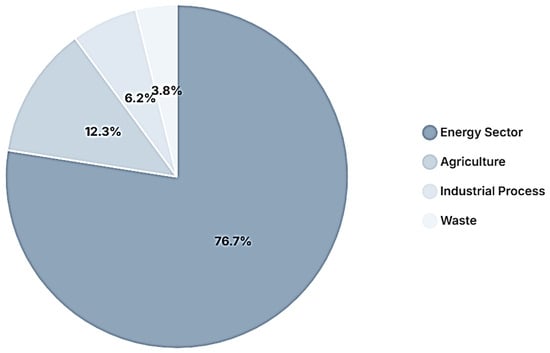
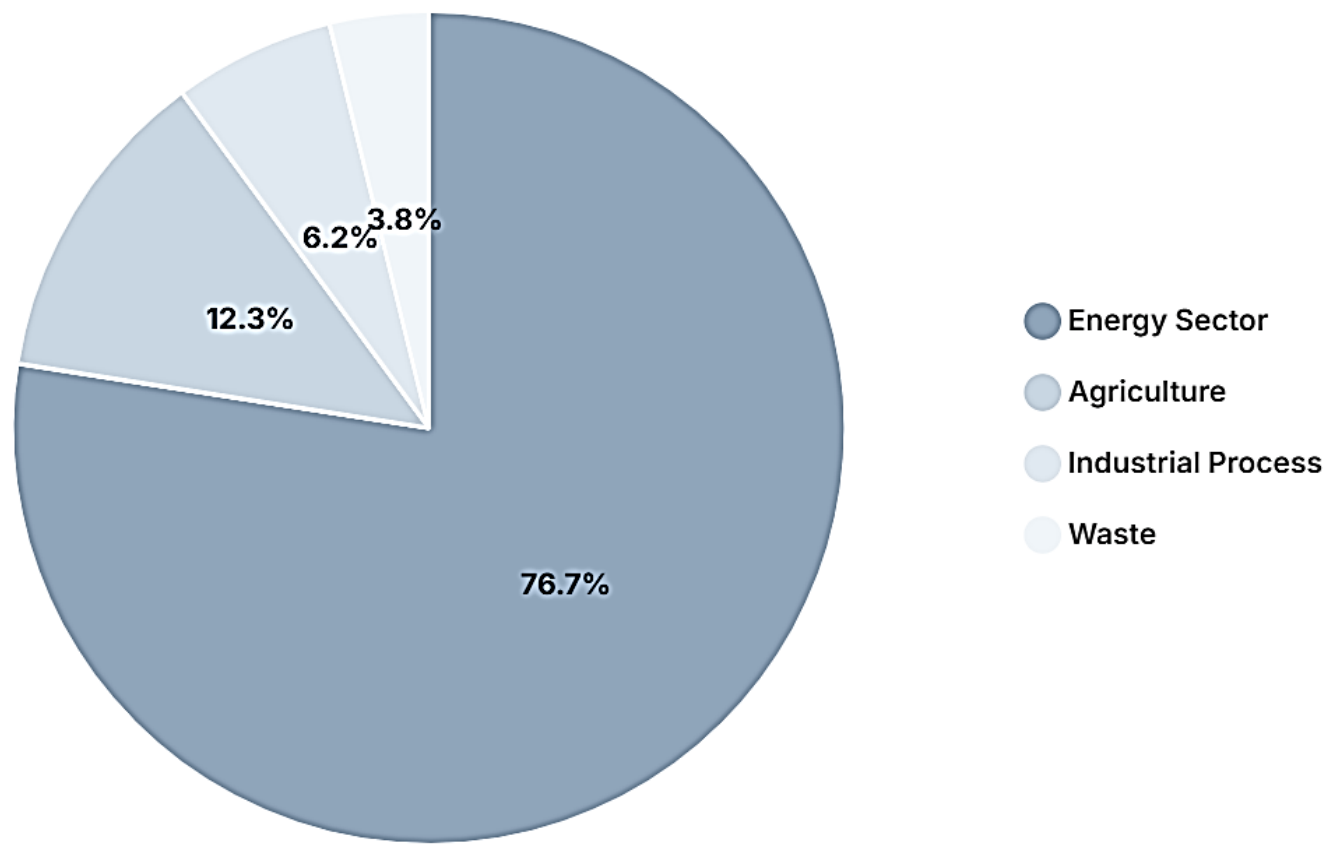
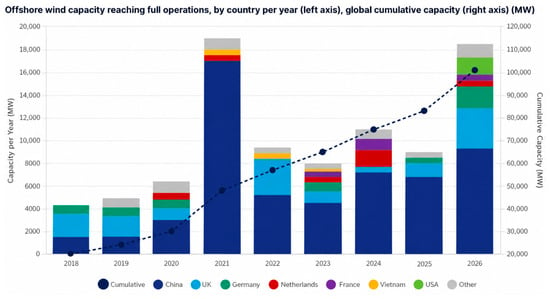
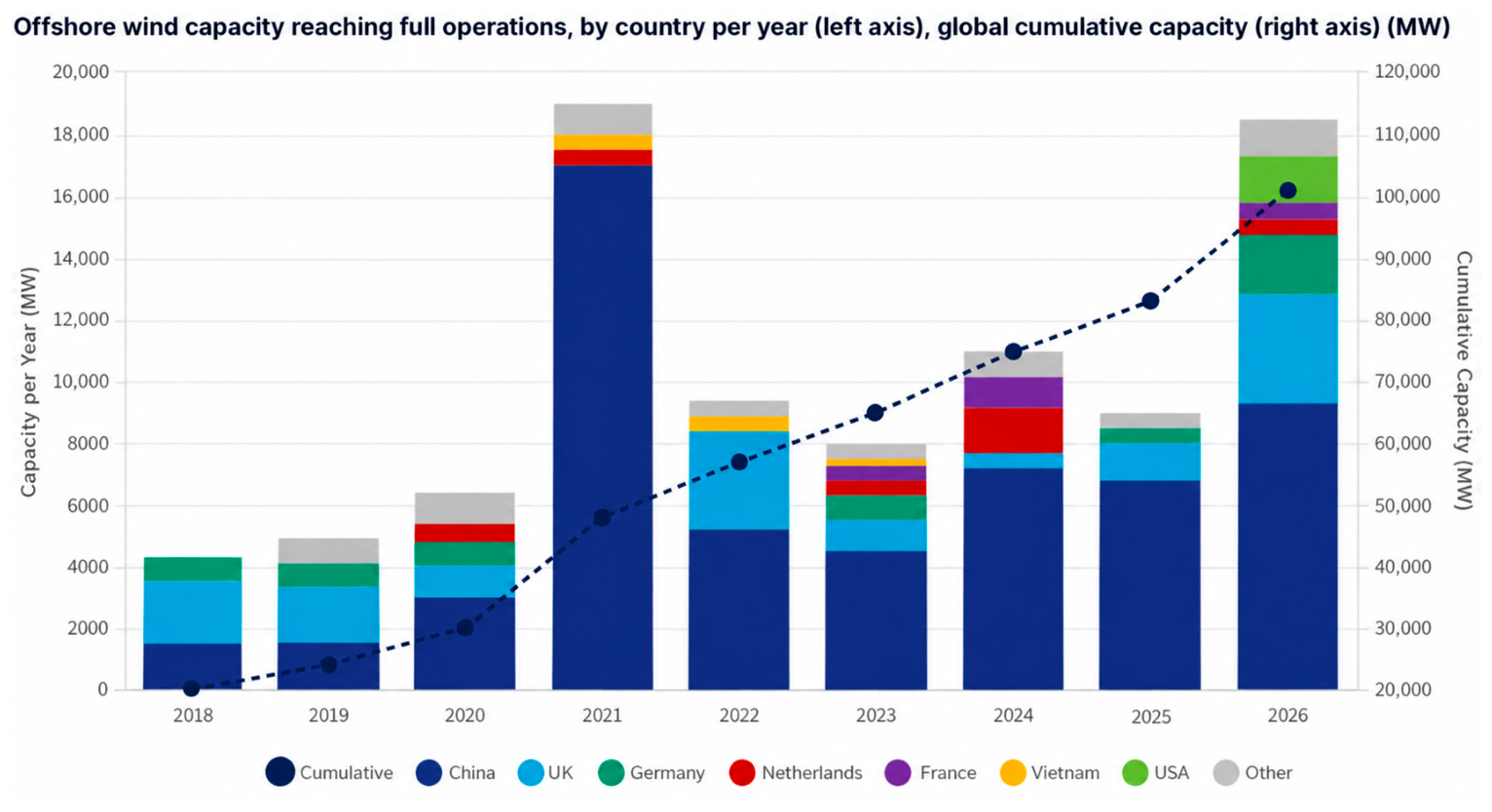
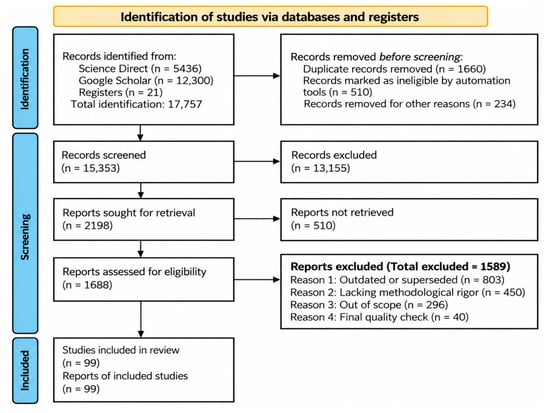
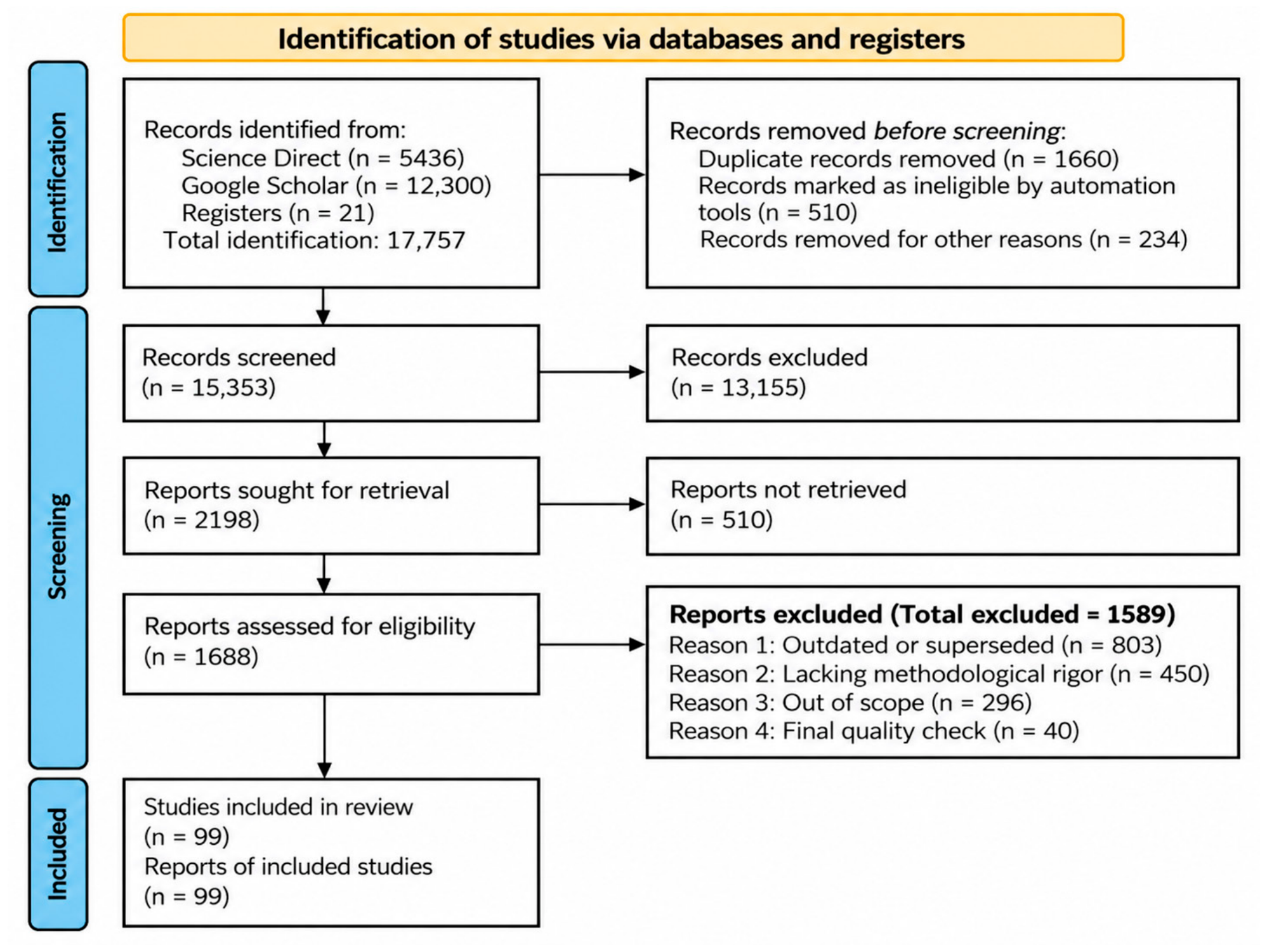
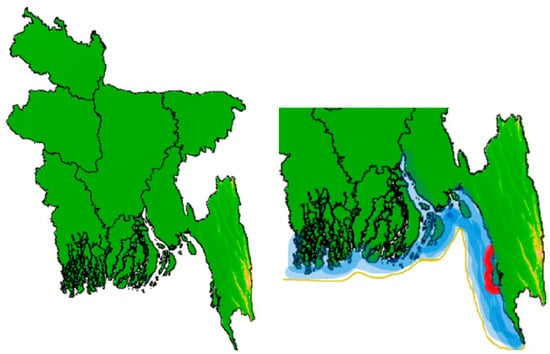
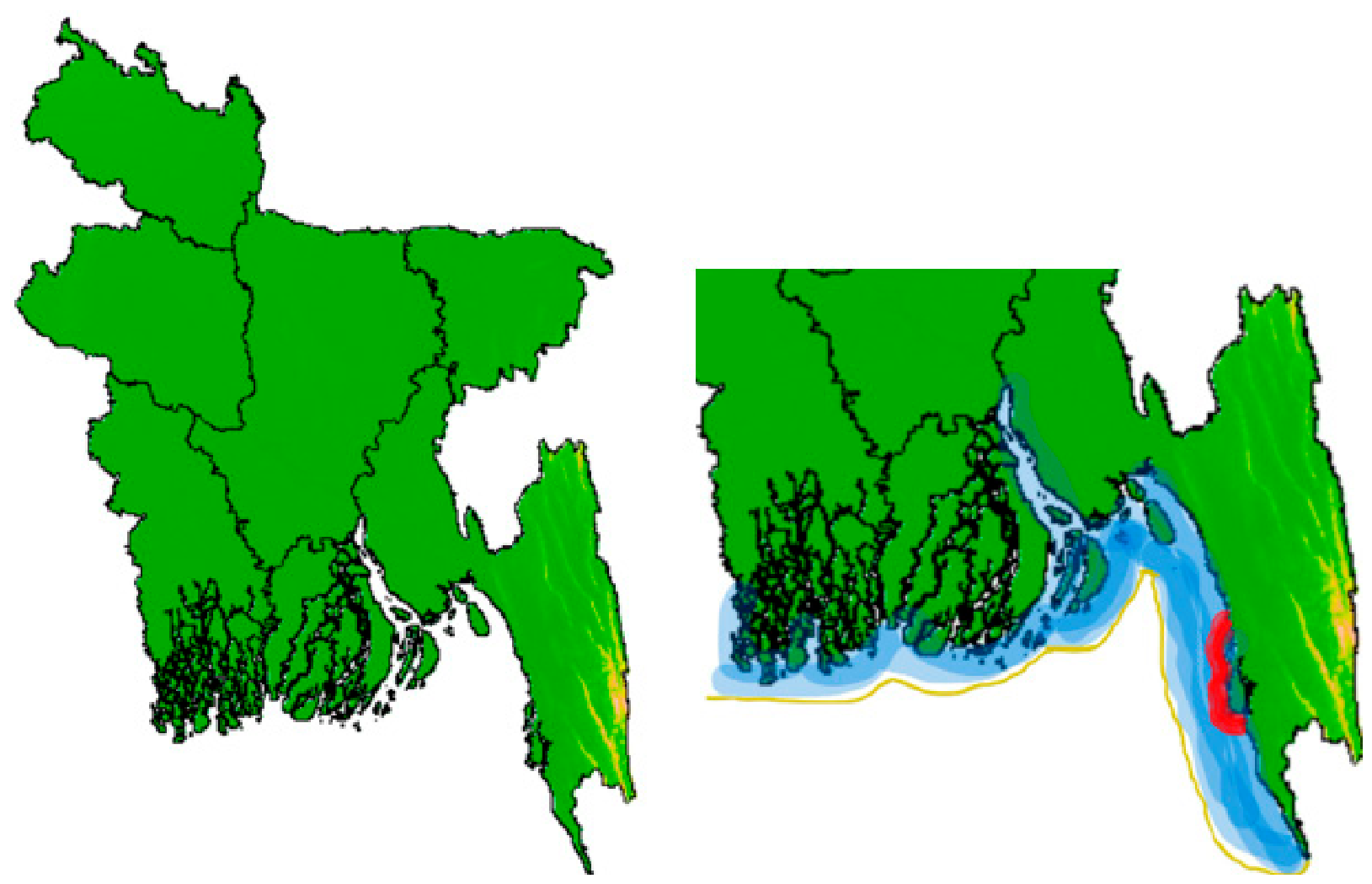
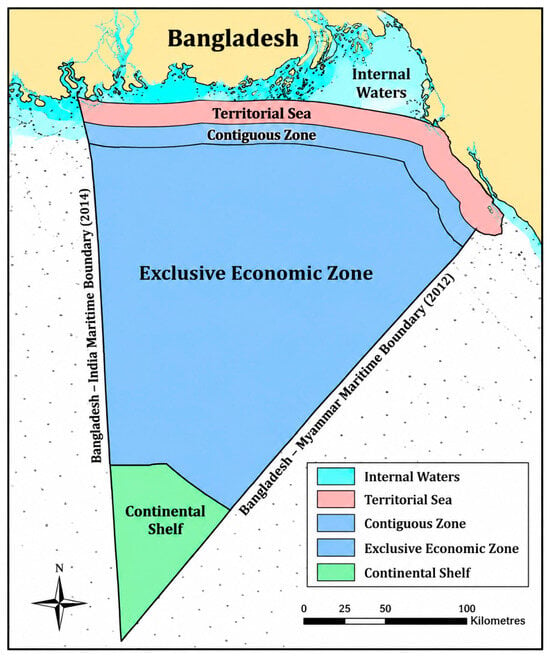
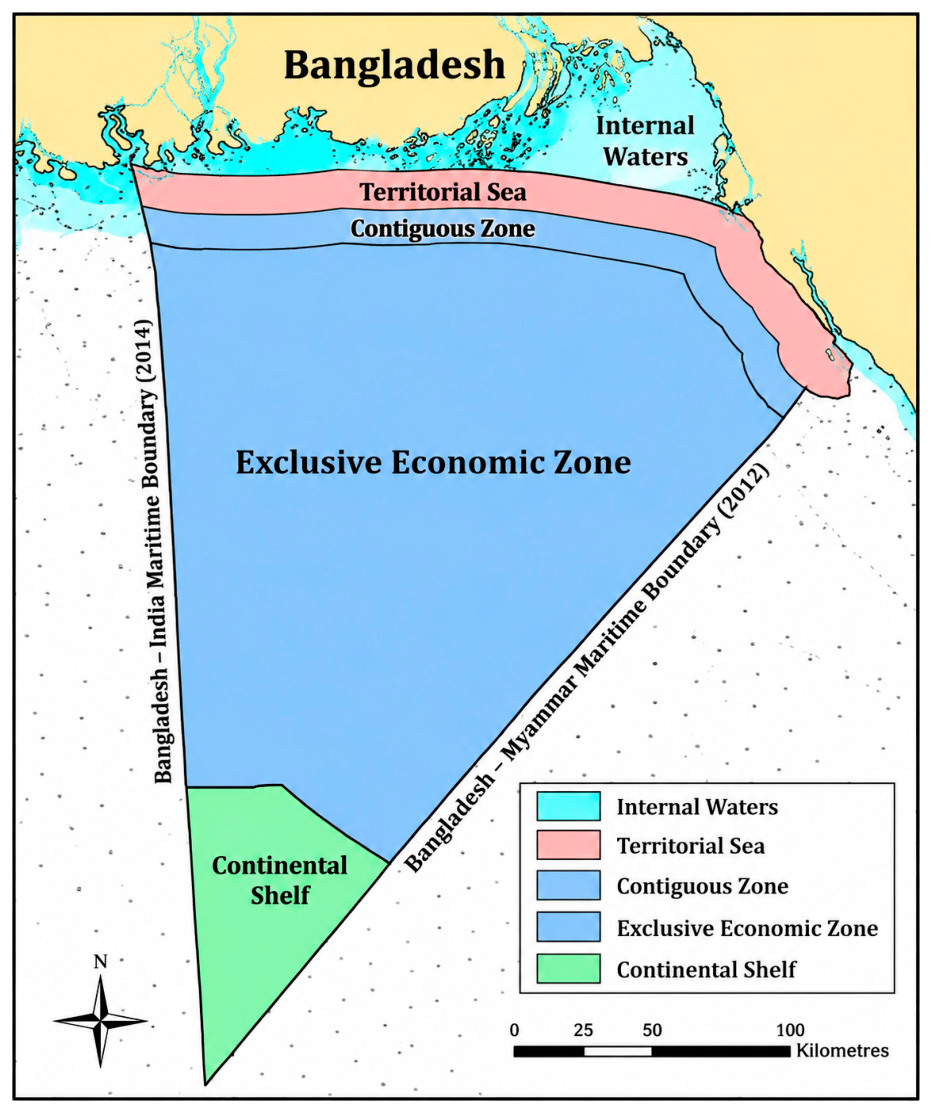
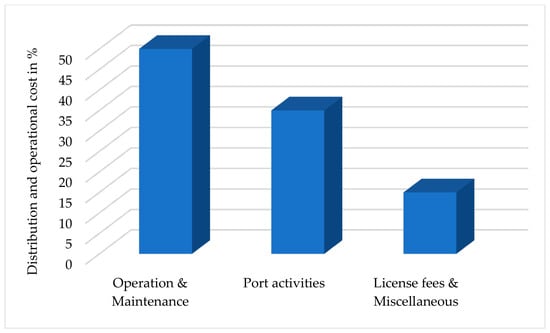
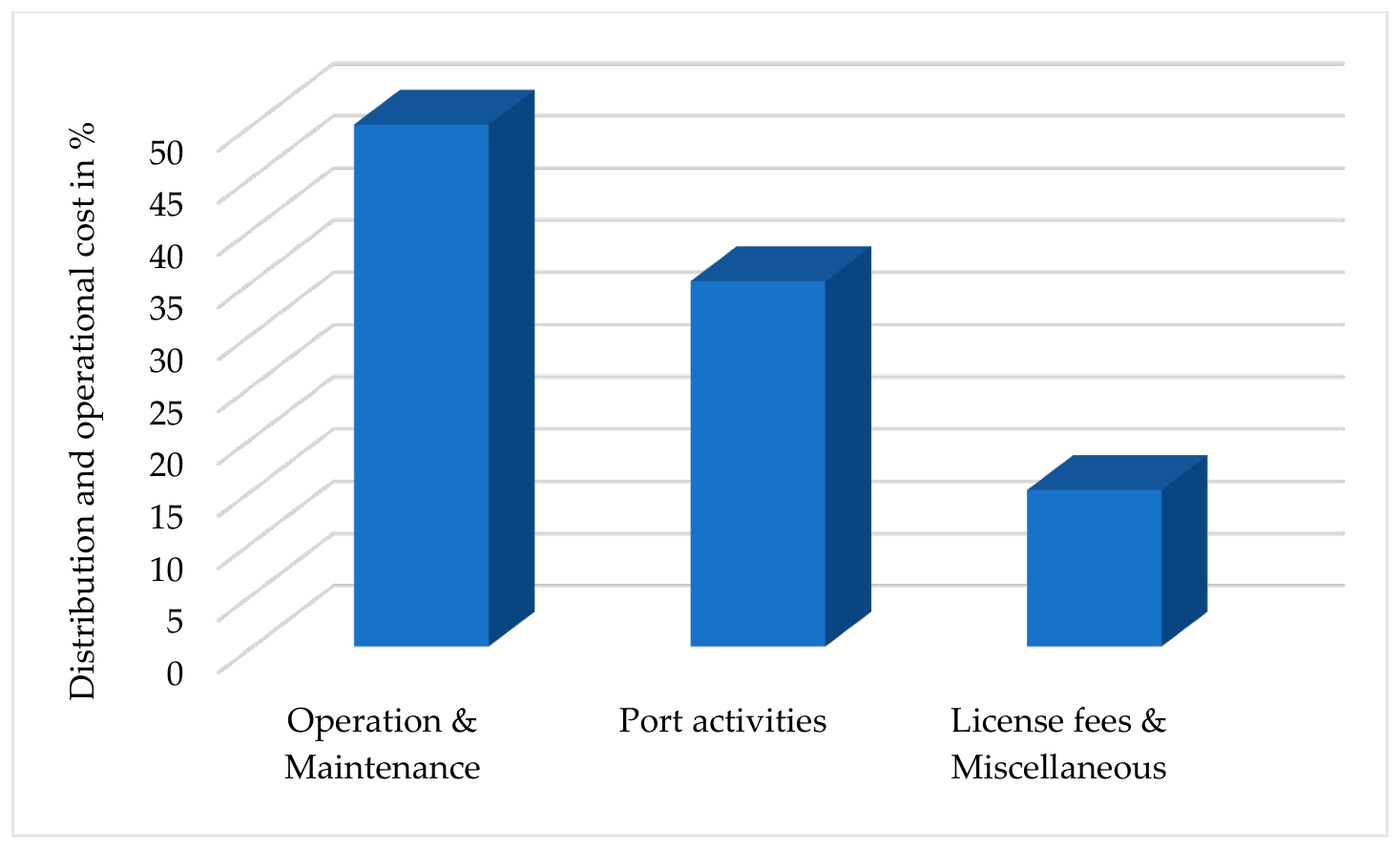

Disclaimer/Publisher’s Note: The statements, opinions and data contained in all publications are solely those of the individual author(s) and contributor(s) and not of MDPI and/or the editor(s). MDPI and/or the editor(s) disclaim responsibility for any injury to people or property resulting from any ideas, methods, instructions or products referred to in the content. |
© 2026 by the authors. Licensee MDPI, Basel, Switzerland. This article is an open access article distributed under the terms and conditions of the Creative Commons Attribution (CC BY) license.