


Abstract
This study proposes and empirically assesses a bio-inspired conceptual framework, termed Digital DNA, for modeling Industry 5.0 transformation as a complementary extension of established Industry 4.0 principles with an explicit focus on human-centricity, sustainability, and resilience. Rather than positing a new industrial revolution, our positioning follows the European Commission’s view that Industry 5.0 complements Industry 4.0 by emphasizing stakeholder value and human-technology symbiosis. We encode organizational capabilities (genotype) into four gene groups, Adaptability, Technology, Governance, and Culture, and link them to five human-centric outcomes (phenotype). Twenty capability genes and ten outcome measures were scored, normalized (0–100 scale), and analyzed using correlations, K-means clustering, and mutation/drift tracking to capture both static maturity levels and dynamic change patterns. Results show that high Industry 5.0 readiness is consistently associated with elevated Governance and Culture scores. Three transformation archetypes were identified: Alpha, representing holistic socio-technical integration; Beta, with strong technical capacity but weaker cultural alignment; and Gamma, with fragmented capabilities and elevated vulnerability. The Digital DNA framework offers a replicable diagnostic tool for linking socio-technical capabilities to human-centric outcomes, enabling readiness assessment and guiding adaptive, ethical manufacturing strategies.
1. Introduction
The rapid evolution of industrial paradigms, from cyber-physical systems and IIoT (Industry 4.0) to a human-centric reframing (Industry 5.0), has shifted attention from pure efficiency gains to stakeholder value, resilience, and sustainability [1]. In this paper we adopt a complementary stance: Industry 5.0 builds on and extends the technical foundations of Industry 4.0 while making the human a first-class design objective, as evidenced by recent architectures for human–AI collaboration in manufacturing [2]. We also acknowledge ongoing debate, some authors frame Industry 5.0 as an extension of 4.0, others as a distinct paradigm, reflecting an active, diverse research trajectory [3]. Our contribution is agnostic to that taxonomy and focuses on operationalizing human-centric outcomes within existing 4.0 infrastructures through measurable capabilities and governance practices aligned with sustainability strategy in I5.0 [4]. This shift responds to growing societal expectations for technology to enhance, rather than displace, human roles in manufacturing and to produce socially responsible outcomes [5,6].
While the terminology “Industry 5.0” is still debated, with some scholars framing it as an extension rather than a discrete paradigm, the label is increasingly used in policy and research to foreground human-centricity, resilience, and sustainability. We therefore position our contribution as complementary to established Industry 4.0 work while making the human-centric, governance, and cultural dimensions empirically measurable.
Concretely, our Digital DNA framework adds measurable, human-centric outcomes and governance/culture capabilities alongside the technical stack of CPS (Cyber-Physical Systems), IIoT (Industrial Internet of Things), data integration, and automation that define Industry 4.0 [7,8]. We acknowledge ongoing scholarly debate about whether “Industry 5.0” is an extension or a distinct paradigm; adoption is still emergent in timeframe and scope across regions and sectors. Our stance is pragmatic and taxonomy-agnostic, focusing on operationalizing human-centric value within existing 4.0 infrastructures. This positioning clarifies what is extended (measurement of human-centric outcomes and socio-technical governance) and what is not replaced (the technical foundations of Industrie 4.0), and it anchors our study in a widely adopted industrial roadmap while addressing human-centric tensions highlighted in recent I5.0 research [9].
The Industry 5.0 paradigm envisions symbiotic collaboration between humans and intelligent systems, with technology deployed to augment rather than replace human capabilities and well-being [10]. In this view, artificial intelligence serves as decision support and cognitive augmentation, enhancing human judgment, creativity, and adaptability while keeping people in control of goals and constraints [11]. Digital twins provide human-in-the-loop virtual counterparts of assets and processes, enabling safer experimentation, explainable diagnostics, and continuous improvement before interventions on the shop floor [12]. Collaborative robotics (cobots) offload repetitive, hazardous, or ergonomically taxing tasks while preserving human oversight in exception handling and system orchestration [13]. This socio-technical design aims to improve worker safety, autonomy, and learning, while simultaneously raising quality and resilience at the system level [14]. To realize these benefits, organizations must invest in upskilling/reskilling and participatory design, ensuring operators co-create workflows and retain agency in decision cycles [15]. Robust governance mechanisms, including transparency, accountability, and data ethics, are essential to keep augmentation aligned with human dignity and sustainable value creation [16]. Human-centric smart manufacturing is no longer a conceptual ideal but an operational necessity, driven by demographic shifts, workforce skill gaps, and the need for ethical, sustainable transformation of production systems [9,17,18].
Despite increasing scholarly and institutional interest, operationalizing human-centricity in manufacturing remains a formidable challenge [19]. Organizations often lack concrete, field-tested models that integrate human factors, ergonomics, cognition, agency, into digital transformation programs [20]. Measurement is underdeveloped: few validated metrics capture human-centric outcomes such as well-being, autonomy, inclusion, and learning at the shop-floor level [21]. Even when advanced technologies are deployed, firms lack methodologies to map investments in AI, robotics, and digital twins to social value creation and the lived experience of workers [22]. In many settings, governance and change-management capabilities are insufficient to translate intent into repeatable, scalable practices [23]. These gaps collectively impede implementation and help explain why human-centric agendas often lag behind purely technical rollouts [24].
To address this critical gap, this paper introduces the Digital DNA framework which is a bio-inspired metaphorical construct that captures the complex, evolving nature of organizational transformation in Industry 5.0. Just as genetic codes determine biological phenotypes, Digital DNA encodes organizational capabilities that collectively shape observable human-centric outcomes in manufacturing environments. This metaphorical lens offers a novel taxonomy and sequencing methodology to assess, visualize, and engineer the genotypic structures (capabilities) and phenotypic expressions (outcomes) of smart manufacturing systems [9,16,25].
The proposed framework draws upon advances in human-digital twin systems, cyber-physical integration, and trustworthy AI architectures to encode four critical classes of digital genes: Adaptability, Technology, Governance, and Culture. These base types correspond to essential dimensions of Industry 5.0 transformation, human–machine collaboration, digital infrastructure, ethical sustainability, and workforce transformation, respectively [15,26].
This research advances three main contributions: (1) a conceptual framework for encoding manufacturing capabilities as genetic structures; (2) a sequencing methodology to assess and benchmark human-centric digital maturity; and (3) a diagnostic toolkit to model transformation pathways, genetic mutations, and phenotypic outcomes. By mapping manufacturing transformation to biological principles such as mutation, drift, and expression, the Digital DNA model offers a new way to engineer and evaluate adaptive, ethical, and human-centric systems [11,12,13].
This paper contributes to the emerging scholarship on bio-inspired models in smart manufacturing, while offering practical tools to support leaders, engineers, and policymakers in navigating the transition to a more human-centered industrial future [9,17,18].
2. Literature Review & Theoretical Framework
2.1. From Industry 4.0 to Industry 5.0: A Paradigm Shift
The integration of cyber-physical systems, the Internet of Things (IoT), and sophisticated analytics into Industry 4.0 was a big step forward in technology. It improved automation, productivity, and data-driven decision-making in production processes [27,28,29]. Critics of the Industry 4.0 paradigm, however, have said that it puts too much focus on efficiency and advanced technology and not enough on social and human issues [30,31]. In response, Industry 5.0 has come forth as a corrective development, with human-centricity, sustainability, and resilience as core values [3,32].
Parallel “5.0” strands in operations articulate this shift in practice. Quality 5.0 reframes quality management to incorporate ESG and stakeholder outcomes alongside defect metrics [33]. Lean 5.0 extends lean with human–AI collaboration and resilience thinking in production systems [34]. Operator 5.0 centers the augmented worker, skill development, cognitive support, and safety, as a primary design objective for digital factories [35].
This change expands the definition of transformation to encompass social innovation, inclusive design, and worker empowerment in addition to process optimization [18,20]. Consequently, the incorporation of human values into system architecture has emerged as both a design need and a performance indicator [24].
2.2. Human-Centric Smart Manufacturing: Concept and Dimensions
The concept of human-centricity in Industry 5.0 extends across multiple levels, organizational culture, system design, and socio-technical integration. It involves acknowledging human cognitive, physical, and emotional capacities, and embedding them into the core of digital transformation strategies [13,36]. Recent studies emphasize the importance of worker well-being, human–robot collaboration, adaptive Artificial Intelligence (AI) systems, and inclusive workplace cultures in operationalizing human-centricity [25,30].
Human Digital Twins (HDTs) have recently emerged as key technological enablers, offering a framework to integrate human behavior, feedback, and capabilities into the decision-making loop of smart systems [10,24,37]. Additionally, Human-Cyber-Physical Systems (HCPS) are advancing the vision of Industry 5.0 by embedding human-in-the-loop logic into cybernetic and robotic manufacturing environments [11,12].
2.3. The Genetic Metaphor in Organizational Systems
The use of metaphors to understand organizational evolution is not new, but it has gained new relevance in complex, adaptive digital systems [23,32]. In Industry 5.0 contexts, where change is continuous and socio-technical, genetic metaphors help conceptualize how capabilities are inherited, expressed, mutated, or lost over time [38,39].
This paper extends this metaphor by proposing that every manufacturing organization possesses a unique Digital DNA, comprising digital capabilities (genes), structured into operational domains (chromosomes), each of which can exist in multiple maturity states (alleles). These genotypes interact with the environment (market, regulation, culture) to produce phenotypes, observable behaviors such as collaboration practices, worker satisfaction, ethical design, and adaptability.
Through this lens, digital transformation is an evolutionary process shaped by both internal engineering and external selection pressures [3,20,30]. This metaphor is operationalized via a sequencing framework, where key transformation capabilities are coded as genes within four principal bases: (1) A—Adaptability genes: e.g., cognitive ergonomics, collaborative robotics; (2) T—Technology genes: e.g., AI integration, IoT readiness; (3) G—Governance genes: e.g., sustainability, ethical standards; (4) C—Culture genes: e.g., continuous learning, inclusion.
This structure allows for the modeling of mutations (intentional or unintentional capability shifts), genetic drift (loss or misalignment of competencies), and expression levels (real-world utilization of embedded capabilities) [22,38,40].
2.4. Gaps and Need for a Framework
Despite the rich conceptual discourse around human-centricity, there remains a lack of robust, operational frameworks to measure, diagnose, and guide the evolutionary development of Industry 5.0 capabilities in organizations [17,30,41]. Unlike linear maturity ladders that aggregate technology indicators, Digital DNA (i) measures capabilities at gene-level resolution (A/T/G/C) to expose actionable gaps, (ii) links genotype (capability profile) to phenotype (human-centric outcomes) for outcome-oriented governance, (iii) introduces dynamic constructs (mutation and drift) to capture non-linear change, and (iv) elevates Governance and Culture to first-class drivers alongside Adaptability and Technology. These design choices make the framework simultaneously diagnostic and prescriptive. Current digital maturity models fail to capture human-centric dimensions, and few tools exist for linking digital investments to worker outcomes or social performance indicators [24,42,43].
The Digital DNA framework fills this gap by providing smart manufacturing systems with both a conceptual model and a diagnostic tool to understand the link between genotype and phenotype. It aims to assist transformation leaders in identifying skill gaps, assessing preparedness, and offering flexible pathways to human-centered maturity.
3. Conceptual Framework: The Digital DNA of Human-Centric Manufacturing
The conceptual framework proposed in this study presents Digital DNA as a structured, biologically inspired model for capturing, analyzing, and evolving the digital transformation capacity of manufacturing organizations in the context of Industry 5.0. This framework translates core ideas from molecular genetics into organizational and technological constructs to describe how firms can build human-centric capabilities at the genomic level of their operations.
3.1. The Genetic Metaphor in Manufacturing Transformation
The Digital DNA framework, grounded in a biological analogy, conceptualizes each manufacturing organization as possessing a distinct genotype, a structured set of digital capabilities and transformation markers that together shape its phenotypic (human-centric) expression [32]. Within this framework, genes constitute the smallest units of capability, encompassing discrete competencies such as collaborative practices, ethical AI integration, and organizational resilience [24]. These genes are systematically organized into chromosomes that represent four core transformation domains: Adaptability, Technology, Governance, and Culture [30]. Each gene exhibits one of multiple allelic states, expressed as a maturity level on a normalized 0–100 scale and expected to vary with sectoral context, operating environment, and strategic orientation [2]. The genotype thus reflects the complete capability profile across twenty defined genes [44]. The phenotype denotes the tangible manifestations of this profile, operationalized through five human-centric dimensions: autonomy, inclusion, well-being, learning, and ethical trust [45]. Conceptually, this mapping aligns with systems thinking, in which capabilities and outcomes interact through feedback loops that reinforce learning and correction [46]. It also parallels organizational evolution: variation in socio-technical traits, selection through performance and governance, and retention (or erosion) over time [47]. Related capability-based architectures in digital transformation offer analogous genotype–phenotype mappings that inform measurement and visualization choices [48]. Emerging empirical studies linking maturity profiles to human-centric outcomes further support this operationalization and its diagnostic value [49]. It provides a common vocabulary and enables longitudinal monitoring of transformation preparedness.
Scope and limits of the metaphor. We employ genetic terms (genes, alleles, mutation, drift) as analytic heuristics to organize capabilities and visualize change. They do not imply biological determinism or one-to-one correspondence with evolutionary mechanisms. Where clarity requires, we use the neutral terms capability shocks (for abrupt score shifts) and capability erosion (for gradual declines). The metaphor’s purpose is communicative and diagnostic; empirical claims rest on the measures and analyses, not on the metaphor itself.
In day-to-day use, genes correspond to measurable capabilities (e.g., C1 Employee Inclusion; G4 Ethical Oversight), chromosomes group those capabilities by management domain (A/T/G/C), allelic states are the 0–100 maturity values, and expression reflects observed outcomes on the phenotype dimensions. A typical intervention targets a gene group (e.g., Governance), selects one to three genes with the largest gaps (e.g., G2 Transparency; G4 Ethical Oversight), and defines countermeasures (e.g., algorithmic audit cadence; an automation transparency register). Subsequent sequencing checks for capability shocks (abrupt jumps) or capability erosion (gradual declines) and whether the phenotype (e.g., Trust, Inclusion) moves accordingly.
3.2. Core Structure of the Digital DNA
The framework consists of four chromosomes, each representing a critical category of transformation genes, as shown below in Table 1:
Table 1.
Digital DNA Chromosomes and Core Focus Areas.
Each gene group contains five individual genes, making a total of 20 measurable capabilities. These genes are scored via survey responses, converted to a normalized 0–100 scale, and interpreted as allelic maturity levels.
3.3. Genotype–Phenotype Relationship
Consistent with bio-inspired reasoning, the genotype, as represented by an organization’s Digital DNA profile, serves as a predictive construct for its phenotypic traits, which reflect the quality and depth of its human-centric transformation. These phenotypic dimensions encompass five interrelated domains: autonomy, defined as the extent of decision-making authority and employee agency; inclusion, denoting the degree to which participatory design practices and systematic feedback mechanisms are embedded; well-being, referring to the integration of safety, health, and ergonomic considerations into operational processes; learning, capturing the organization’s capacity for continuous development, upskilling, and mentorship; and ethical trust, representing stakeholders’ perceptions of fairness, explainability, and accountability within digital systems. Together, these dimensions operationalize the observable manifestations of the underlying digital capability structure.
A positive correlation was empirically observed between strong scores in Governance and Culture genes and higher phenotypic expression in trust, inclusion, and well-being, consistent with the framework’s proposed genotype–phenotype linkage.
3.4. Patterns Consistent: Mutation and Drift
Being that organizational genotypes are dynamic and adaptable over time. The framework incorporates evolutionary principles. Two main mechanisms are modeled in this paradigm. Mutation describes sudden, unforeseen changes in gene maturity brought on by organizational crises, technological advancements, or leadership decisions. These changes can be either regressive, such as the deterioration of moral standards after a corporate merger, or adaptive, such as the adoption of worker-led cobotics. The term “genetic drift” refers to the slow deterioration of capability maturity brought on by workforce turnover, neglect, or strategic misalignment; it is usually characterized by persistent drops in critical gene scores. By taking these factors into account, the framework makes it easier to track capabilities over time, spot sudden and gradual changes, and create focused interventions. This helps organizations better manage transformation processes in unpredictable and complex situations.
3.5. Strategic Application and Utility
The Digital DNA architecture provides a comprehensive set of analytical and diagnostic functions that support strategic transformation management. It enables capability auditing, allowing the assessment of digital maturity at both granular and systemic levels; facilitates transformation engineering by guiding the design of targeted interventions to strengthen underdeveloped genes or entire chromosomes; supports evolutionary monitoring by identifying patterns of drift, positive deviation, and transformation breakdowns in real time; and offers human-centric impact assessment by linking the advancement of digital capabilities to measurable improvements in employee well-being and empowerment.
Digital DNA provides (i) gene-level resolution (20 discrete capabilities vs. a single composite stage), (ii) an explicit genotype → phenotype link (capabilities to autonomy/inclusion/well-being/learning/trust), (iii) dynamic tracking (capability shocks/erosion) instead of only static scores, and (iv) formal inclusion of governance and culture as first-class drivers, not afterthoughts. In practice this yields clearer targeting (which genes to improve), stronger accountability (governance → trust), and better trajectory control (detecting regression early).
The robustness of this model has been illustrated through its application in seven organizations across seven industrial sectors, each exhibiting distinct genotypic profiles, mutation trajectories, and phenotypic expressions. Figure 1 synthesizes a Digital DNA framework by mapping the four capability domains, to intermediate transformation behaviors and, ultimately, human-centric outcomes.
Figure 1.
Conceptual Framework of Digital DNA Human-Centric Manufacturing.
Letters on the helix label capability domains in the Digital DNA framework: A = Adaptability, T = Technology, G = Governance, C = Culture; colors simply distinguish these domains. Blue arrows depict hypothesized influence pathways from capabilities to performance objectives (Innovation, Efficiency), to transformation behaviors, and to human-centric cultural outcomes; no quantitative scale is implied. The left inset (‘Mutation pathways’) represents alternative adaptation trajectories under heterogeneous external shocks (symbols *, △, × are illustrative only and carry no specific quantitative meaning). The dotted area (‘Drift zones’) denotes periods of incremental change. Interpretation does not rely on color.
4. Methodology
This study employs a bio-inspired research design to operationalize the idea of Digital DNA in the context of Industry 5.0. The methodological framework involves four fundamental components: (1) a Digital DNA survey instrument for sequencing capability maturity, (2) a multi-organization sample across diverse manufacturing domains, (3) the calculation and mapping of gene scores and phenotypic outcomes, and (4) the identification and visualization of mutation and drift events in transformation pathways (Survey instruments used in this study are provided in Appendix A for reference and reproducibility).
4.1. Digital DNA Framework
The Digital DNA framework consists of four main categories that represent important aspects of human-centric manufacturing. Adaptability genes (A1 to A5) are all about human–machine collaboration, agility, and teamwork. Technology genes (T1 to T5) deal with digital systems, AI, and cognitive apps. The governance genes (G1 to G5) deal with ethics, sustainability, transparency, and accountability. Culture genes (C1 to C5) underline employee enablement, diversity, inclusion, and overall well-being. There are twenty measurable traits in total, with five specific capabilities in each category. These are assessed via a structured survey tool, with each question linked to a specific gene and scored based on responses (See Appendix A for the full Digital DNA Capability Survey and Phenotype Survey instruments). Reliability analysis was conducted for both the Digital DNA Capability Survey and the Phenotype Survey. Internal consistency was assessed using Cronbach’s alpha, yielding α = 0.91 for the Capability Survey and α = 0.88 for the Phenotype Survey, indicating excellent reliability for both instruments.
4.2. Sampling Strategy and Data Collection
We sampled, as shown below in Table 2, seven manufacturing organizations across seven industrial sectors (automotive components, pharmaceutical manufacturing, consumer electronics, aerospace systems, textile and apparel, industrial machinery, and food and beverage processing). In each organization, five participants with leadership or operational insight into digital transformation were surveyed and interviewed (n = 35).
Table 2.
Organizational Profiles by Industry Sector.
Data was collected via a custom-designed Digital DNA Sequencing Survey, consisting of 20 Likert-scale questions (0–5) mapped directly to the 20 DNA genes. Scores were normalized to a 0–100 scale. Semi-structured interviews were conducted to triangulate survey data and detect qualitative signals of transformation behavior.
The single-organization-per-sector design prioritizes depth and contextual richness over statistical representativeness and therefore supports analytical generalization rather than population inference; our empirical claims are exploratory and intended to surface patterns and hypotheses for subsequent, larger-scale and longitudinal testing [50].
4.3. Digital DNA Scoring and Readiness Index
For each participant, scores across the 20 genes were recorded. The five responses per organization were averaged to derive each gene’s organizational maturity score. A simple arithmetic mean of all 20 gene scores was then calculated to yield the organization’s Digital Readiness Index, representing overall Industry 5.0 maturity. Additionally, average scores were calculated for each of the four gene groups (A, T, G, C), allowing comparative gene profiling across organizations.
4.4. Phenotypic Outcome Measurement
To evaluate the observable outcomes of digital transformation, five human-centric phenotype dimensions were established, comprising autonomy, defined as the degree of worker control and decision-making authority; inclusion, referring to active participation in design processes and organizational governance; well-being, encompassing both mental and physical safety; learning, reflecting opportunities for continuous development and knowledge sharing; and ethical trust, denoting confidence in artificial intelligence systems as well as perceptions of fairness and transparency. Data for these dimensions were collected through ten targeted survey questions, supplemented by qualitative insights obtained from interview coding (The complete Phenotype Survey items are detailed in Appendix A). The resulting scores were standardized on a 0 to 10 scale to facilitate radar plot visualization and subsequent correlation analysis.
4.5. Mutation and Drift Identification
The mutation events were classified as rapid, unanticipated shifts in gene maturity (positive or negative) that were confirmed by score anomalies and contextual insights. We found nine mutation events in total: six that helped (for example, innovation started by the workforce or integration of AI ethics) and three that hurt (for example, a reaction against AI from the top down or a loss of training). We also tracked the genetic drift, i.e., gradual capability decreases without an apparent reason, especially in the areas of learning and governance. We developed a Mutation Impact Matrix to show these occurrences and then mapped them back to their gene categories to compare them.
This organized approach enabled quantitative benchmarking and qualitative analysis of the progress toward Industry 5.0 readiness (A complete summary of research procedures and the analytical workflow is provided in Appendix B).
4.6. Illustrative Qualitative Excerpts (Triangulation)
To enrich the quantitative findings, we report brief, paraphrased interview excerpts mapped to specific genes (capabilities) and phenotypes (human-centric outcomes). In org2 (Governance Lead), establishing G1 Ethical AI Oversight via a standing review gate, model cards, and rollback plans was described as increasing Trust among staff; in org3 (Data/Automation Manager), publishing inputs/guardrails on a transparency board and issuing plain-language rationales for contested decisions exemplified G3 Transparent Decision-Making, again linked to Trust. From the operator side, org7 (Line Supervisor) highlighted C1 Inclusive Design Practices, co-designing HMI screens and voting on weekly automation schedules, which participants associated with greater Inclusion and Autonomy; complementarily, org5 (Production Lead) noted that a shift from blame-oriented to coaching-oriented incident reviews fostered C2 Psychological Safety and accelerated Learning through higher near-miss reporting. Building capability, org4 (Training Coordinator) cited micro-credential modules that raised C3 Workforce Digital Literacy, giving operators enough confidence to adjust routines, supporting Learning and Autonomy; org5 (HSE/Union Rep) described C4 Mental Health & Well-being interventions, micro-breaks and rotation of high-strain tasks, corresponding to improved Well-being in pulse surveys. On the technology front, org4 (Process Engineer) explained that trialing changes in a T1 Digital Twin Deployment reduced trial-and-error and stabilized quality (Learning/Quality), while org1 (Shift Supervisor) emphasized A1 Human-in-the-loop AI, where optimizers propose and supervisors confirm exceptions, reinforcing Autonomy and Trust.
5. Results & Analysis
This section outlines the main insights we learned from using the Digital DNA framework in seven manufacturing organizations. It gives gene groups quantitative scores, looks at phenotypic traits, analyzes mutations and drift, and compares results from different areas. These insights explain the energetic interaction between digital and human-centric capabilities clearly, showing how they have transformed and how they affect an organization’s readiness for the Industry 5.0 transformation.
5.1. Genotypic Profiles of Manufacturing Organizations
Analysis of Digital DNA sequencing results revealed distinctive genotypic configurations across the seven participating organizations. Each genotype reflected maturity scores for 20 capability genes distributed across four transformation domains: Adaptability (A), Technology (T), Governance (G), and Culture (C). Organizations in high-technology sectors, such as aerospace and electronics, achieved the highest average scores in the Technology (T) and Governance (G) domains, whereas those in labor-intensive sectors, including textiles and food processing, recorded comparatively higher Culture (C) scores. Adaptability (A) scores ranged from 3.2 to 4.6 across the sample. Organization 4 displayed balanced high performance across all four domains, while Organization 3 exhibited a concentration of maturity in the Technology and Governance domains alongside comparatively lower Culture (C) scores. Full domain scores and Readiness Index values for each organization are presented in Table 3.
Table 3.
Digital DNA Gene Group Scores and Readiness Index across participating organizations.
These results indicate that technological and governance strengths tend to co-occur in high-tech sectors, while culture-related capabilities are more prominent in labor-intensive industries. Notably, the two highest readiness scores (Orgs 2 and 4) are linked to consistently high maturity across all four domains, reinforcing the value of a balanced socio-technical capability profile.
5.2. Gene Expression vs. Capability Maturity
This subsection introduces a capability-expression heatmap for the seven organizations (Figure 2). The visualization arrays the twenty Digital DNA “genes” as columns, grouped by Adaptability, Technology, Governance, and Culture, against organizations 1–7 as rows. Each cell reports a maturity score (0–5 raw values), with higher intensity indicating higher capability expression. The figure provides a compact, descriptive view of gaps, concentrations, and balance across domains; the subsequent text summarizes the most salient contrasts and relates them to observed human-centric outcomes.
Figure 2.
Digital DNA Capability Expression Map across the Organizations.
Heatmap analysis (Figure 2) of individual gene maturity scores showed variation in the development of technical, human-centric, and ethical capabilities across organizations. Technical dimensions, specifically Digital Twin Adoption (T5) and AI Integration (T1), recorded the highest maturity levels in the sample. Organization 1 achieved the top T5 score of 4.9, while Organizations 2, 4, and 7 each scored above 4.5 in both infrastructure- and optimization-related capabilities.
Human-centric and ethical dimensions, including Inclusive Design Practices (C1), Psychological Safety (C2), and Diversity & Equity in Access (C5), exhibited greater variability. Organization 4 recorded consistently high maturity, with all three dimensions scoring above 4.4, indicating balanced capability development. Organization 1, despite high technical scores, recorded lower results for G16 (2.7) and G20 (3.2). Organization 3 reported the lowest values for several human-focused capabilities, including G20 (2.0) and G17 (2.3).
Organizations 5 and 6 presented mixed profiles, with moderate technical maturity and varied results in social and ethical capability genes. Overall, technical gene scores across the sample tended to be higher and more consistent than those for human-centric and ethical dimensions.
This disparity suggests that while technical infrastructure is being widely adopted, translating those investments into inclusive and ethical practices remains uneven. In other words, capability development in human-centric domains lags behind technology-focused improvements, potentially limiting the overall human-centric transformation impact. Such mismatches between genotype and operational expression represent missed opportunities for realizing human-centric outcomes [24,40].
5.3. Mutation, Drift, and Clustered Phenotype Patterns (Heuristic, Cross-Sectional)
We treat mutation and drift as heuristic descriptors of capability change, not literal biological mechanisms. In addition to capturing static Digital DNA profiles of the seven organizations, the analysis identified dynamic patterns in capability change, specifically mutation events and genetic drift. Mutation events refer to abrupt, non-linear changes in the maturity of one or more capability genes, while genetic drift denotes a gradual change in maturity levels over time. Both phenomena were mapped across the four transformation domains using a Mutation Impact Matrix.
5.3.1. Nine Mutation Events Identified
Across the sample, nine mutation events were detected, including both adaptive and regressive changes. These are summarized in Table 4 that uses directional arrows as a compact guide to relative performance and change. An up arrow (↑) marks values that are above the cohort benchmark or indicate improvement versus the baseline; a down arrow (↓) marks below-benchmark values or deterioration.
Table 4.
Key Genetic Mutations in Industry 5.0 Transformation.
The dominance of adaptive over regressive mutations indicates that positive transformation shifts are occurring more frequently than setbacks. However, the concentration of regressive changes in governance and cultural domains highlights these areas as potential vulnerabilities requiring sustained attention.
5.3.2. Drift Patterns Observed
Evidence of genetic drift was observed primarily in the Governance (G) and Culture (C) domains for Organizations 3, 5, and 6. In Organization 3, maturity scores in governance-related genes decreased over time. Organization 5 showed gradual reductions in culture-related maturity scores, including those linked to well-being. Organization 6 exhibited drift in inclusivity- and ethics-related genes despite stability in technical domains. Drift patterns, particularly in governance and culture, point to a risk of gradual capability erosion that may not be immediately visible in headline readiness scores. Without proactive reinforcement, these slow declines can undermine long-term transformation stability.
5.3.3. Phenotypic Clustering and Organizational Archetypes
K-means clustering was performed on standardized gene group scores (A, T, G, C), average phenotype scores, and Readiness Index values. The optimal number of clusters (k = 3) was determined using the elbow method and silhouette analysis, which indicated clear separation and minimal within-cluster variance at k = 3. Euclidean distance was used as the similarity metric, and results were illustrated by re-running the algorithm with random initializations to ensure cluster stability. K-means clustering of gene group scores, phenotype dimensions, and readiness indices produced three distinct clusters (Table 5).
Table 5.
Digital DNA Cluster Archetypes.
The Figure 3 compacts the Digital DNA and phenotype scores into a cluster heatmap for organizations 1–7. Columns are the 20 genes (grouped by Adaptability, Technology, Governance, Culture) plus the five phenotypes; rows are organizations. Cell intensity reflects relative expression (scaled as specified in Methods), and the right margin shows the three archetype labels (Alpha, Beta, Gamma) produced by the unsupervised clustering workflow described earlier. The heatmap visualization (Figure 3) illustrated clear separation between clusters. Organizations 2, 4, and 7 were classified as Alpha, with consistently high scores across all gene domains and high phenotype outcomes. Organizations 1 and 6 were classified as Beta, with moderate scores and selected adaptive traits. Organizations 3 and 5 were classified as Gamma, characterized by lower adaptability and culture scores, along with evidence of regressive mutations or drift.
Figure 3.
Cluster Heatmap of Digital DNA and Phenotype Expression.
By integrating mutation tracking, drift detection, and phenotypic clustering, the Digital DNA model provides a combined view of an organization’s current state, the sequence of changes leading to that state, and its likely transformation trajectory. This multi-dimensional analysis enables systematic assessment, benchmarking, and comparative evaluation of human-centric transformation patterns within Industry 5.0 contexts.
5.4. Phenotypic Outcomes: Human-Centric Impact
Human-centric transformation outcomes were assessed across five phenotype dimensions, autonomy, inclusion, well-being, learning, and ethical trust, using the Phenotype Observer. The results are summarized in Table 6.
Table 6.
Phenotype Scores Across Organizations (Human-Centric Outcomes).
Organizations 2, 4, and 7 recorded the highest average phenotype scores, each exceeding 8.5, with consistently strong results in both Governance (G) and Culture (C) gene groups. Organization 6 achieved an average phenotype score of 7.4, placing it slightly below the top-performing group but maintaining above-average scores across all five dimensions. Organization 1 recorded a moderate average score of 6.7, with relatively lower values for inclusion and trust compared to autonomy and learning. The lowest average phenotype scores were observed for Organizations 3 (5.0) and 5 (5.6), with reduced expression in inclusion and trust dimensions.
Correlation analysis indicated a strong positive relationship (R = 0.83) between Governance (G) gene maturity and ethical trust scores. This relationship reflects the association between well-developed governance capabilities, such as clear decision-making processes, ethical oversight, and integration of environmental, social, and governance (ESG) principles, and higher levels of employee trust in digitally mediated work environments [30]. Figure 4 below presents a radar comparison of the five human-centric outcome indices (Autonomy, Inclusion, Well-being, Learning, and Ethical Trust), each reported on a normalized 1–10 scale (higher = better). Each polygon corresponds to one participating organization (Org 1–Org 7), enabling quick visual assessment of overall levels and profile shape (balanced vs. concentrated strengths) across outcomes.
Figure 4.
Phenotypic Outcomes Radar of Human-Centric Dimensions.
5.5. Cross-Sector Comparisons
Analysis of sector-specific Digital DNA profiles indicated that industries emphasize different capability domains according to their operational contexts, workforce structures, and technological maturity levels. This variation illustrates how sectoral characteristics shape the genetic expression of Industry 5.0 capabilities.
Note that because our design sampled one organization per industry and profiles different sectors in depth, cross-sector contrasts are interpretive and intended to generate hypotheses rather than claims of sector-level representativeness (see Section 4.2).
5.5.1. Electronics and Aerospace Firms
Organizations 3 (Consumer Electronics) and 4 (Aerospace) illustrated high maturity in both Technology (T) and Governance (G) domains. These capabilities included the deployment of AI-driven systems and IoT-based automation (T1–T5) alongside structured governance mechanisms such as ethical AI oversight committees, automation decision audits, cybersecurity protocols, and ESG compliance frameworks. The electronics sector profile reflects the influence of rapid innovation cycles and global sourcing complexity, necessitating strong governance and transparency for risk management. The aerospace sector profile emphasizes traceability, defect prevention, and ethical oversight in high-risk environments. These patterns are consistent with existing literature highlighting the sector’s integration of learning factories and digital twins for operational and ethical improvement [17,51].
5.5.2. Textile and Food Processing Firms
Organizations 5 (Textiles) and 7 (Food and Beverage) recorded higher maturity scores in Culture (C) and moderate performance in Governance (G). These organizations indicated strong workforce development practices, including digital literacy programs (C3), mental well-being initiatives (C4), and inclusive design approaches (C1), along with governance behaviors supporting transparency and trust (G1, G2). Technology adoption in these cases was typically directed toward complementing human work rather than replacing it. Organization 7, for example, engaged employees in co-designing automation schedules, improving inclusion and psychological safety. These approaches align with labor-intensive industries’ emphasis on community engagement, fair labor practices, and ethical sourcing.
5.5.3. Automotive Manufacturing Firms
Organization 1 (Automotive Components Manufacturing) presented a balanced profile across all four capability domains, Adaptability (A), Technology (T), Governance (G), and Culture (C). Adaptability strengths included the integration of collaborative robots and agile team structures, while technological maturity was supported by the application of digital twins and predictive optimization systems. Governance maturity was indicated through Environmental, Social, and Governance (ESG) alignment and ethical innovation practices. Cultural capabilities, while present, scored lower in inclusion and trust, indicating potential areas for development. This balanced capability profile reflects the automotive sector’s established lean practices and structured production environments, which support Industry 5.0 readiness. Table 7 profiles sector-level archetypes in the Digital DNA framework by listing the strongest capability genes alongside representative operational features and a concise interpretation.
Table 7.
Sector-based generic strengths and transformation interpretation in Industry 5.0 context.
The Figure 5 aggregates sector-level profiles by averaging gene-group scores across A/T/G/C (normalized as specified in Methods). The plot highlights where sectors concentrate capability (e.g., Technology- and Governance-heavy vs. Culture-led patterns) to support the cross-sector reading of Industry 5.0 emphasis.
Figure 5.
Genetic Expression Profiles across Industry sectors.
Overall, sectoral differences confirm that Industry 5.0 transformations are shaped heavily by operational context. High-tech industries achieve readiness through strong technology–governance synergies, whereas labor-intensive sectors prioritize cultural integration and workforce engagement as drivers of human-centric maturity.
6. Discussion
This study proposed and empirically illustrated the Digital DNA framework as a bio-inspired model for mapping and guiding human-centric transformation in Industry 5.0 manufacturing. By conceptualizing organizations as living systems whose structured digital capabilities (genotype) manifest in observable outcomes (phenotype), the research suggested the value of the genetic metaphor not only as a conceptual narrative but also as a rigorous analytical tool for transformation tracking and decision-making. Given the small, cross-sectional sample, all empirical results should be interpreted as exploratory patterns rather than confirmatory tests; we report indicative associations and hypotheses for future longitudinal evaluation.
6.1. The Digital DNA Structure Is Measurable and Actionable
The framework was operationalized across seven manufacturing organizations from seven industrial sectors, encompassing 20 capability genes grouped into four domains: Adaptability (A), Technology (T), Governance (G), and Culture (C). Quantitative gene sequencing was complemented by the computation of a Readiness Index (RI) and the establishment of genotype-to-phenotype correlations.
Results confirmed that high Industry 5.0 readiness requires a balanced socio-technical foundation. Organizations with stronger performance in human-centric outcomes consistently exhibited elevated scores in Governance and Culture genes. For example, Organizations 2 and 4, both exceeding 88 in readiness and averaging over 8.8 in phenotype outcomes, indicated mature ethical governance, employee inclusion, and well-being initiatives. Conversely, Organization 3, with lower governance and culture maturity, reported the weakest scores in trust, autonomy, and learning, underscoring the dependence of readiness on both technological and social capabilities.
6.2. Transformation Shaped by Mutation and Drift
A methodological innovation of this research was the application of mutation and genetic drift as analytical constructs to describe transformation dynamics. Nine mutation events were detected, six adaptive and three regressive. Adaptive mutations, such as AI-Led Learning Expansion (Org 7) and Sustainability-Driven Governance (Org 4), were linked to substantial improvements in autonomy, trust, and learning outcomes. In contrast, regressive mutations such as Governance Regression (Org 3) and Workforce Burnout Event (Org 5) corresponded with declines in trust and well-being despite ongoing technological investment.
In parallel, drift patterns were identified in several organizations, including Orgs 3 and 5, where Governance and Culture capabilities showed gradual erosion. These findings reinforce that transformation is not a singular intervention but an ongoing, adaptive process requiring continuous reinforcement, proactive monitoring, and corrective intervention to prevent stagnation or reversal.
Governance-centric countermeasures include a standing AI/Automation Oversight Board (quarterly review of G1–G4), a public-facing automation transparency register (G2), and a capability-drift watchlist that auto-flags 3-period declines in G/C genes for corrective action. Practice-level moves include participatory co-design workshops (C1, C5), micro-credential upskilling tied to A/T gene gaps, and red-team audits for high-risk automations. These measures link investments to Trust, Inclusion, Well-being outcomes and can be codified into plant-level policy within one planning cycle.
6.3. Clustering Reveals Transformation Archetypes
Through the integration of gene group scores, phenotype outcomes, and readiness indices, the application of K-means clustering identified three distinct transformation archetypes. Alpha archetypes (Orgs 2, 4, 7) show high readiness (>85), balanced maturity across all domains, and strong human-centric outcomes, indicating holistic digital–human integration. Beta archetypes (Orgs 1, 6) have solid technical and governance capacity but weaker cultural alignment, especially in inclusion and trust, limiting full transformation potential. Gamma archetypes (Orgs 3, 5) are in transitional stages, requiring targeted interventions to strengthen socio-technical balance and sustain progress. Collectively, these archetypes provide explanatory depth by illustrating that transformation pathways are inherently diverse yet amenable to systematic diagnosis, cross-comparison, and strategically tailored responses.
7. Conclusions
This study illustrates the Digital DNA framework as a bio-inspired, exploratory diagnostic for human-centric transformation that complements Industry 4.0 foundations. Across seven organizations in seven sectors, we observed that higher readiness coincides with balanced socio-technical capability, especially Governance and Culture, but we caution that these are indicative associations pending larger, longitudinal studies.
Synthesizing the study’s insights, the Digital DNA toolkit operationalizes human-centric transformation through: (i) a capability “genome” spanning Adaptability, Technology, Governance, and Culture; (ii) a readiness profile (index + gene-group patterns) for benchmarking and prioritization; (iii) a phenotype observer that quantifies autonomy, inclusion, well-being, learning, and ethical trust; and (iv) change tracking (capability shocks/erosion) and archetype clustering that reveal transformation paths. Practically, these instruments inform readiness assessments, target setting, and portfolio choices (e.g., where to invest in upskilling, governance safeguards, or cultural enablement) and support ethical manufacturing strategies by linking investments to human outcomes. Theoretically, the work contributes a genotype–phenotype architecture that fuses systems-thinking stocks/flows with organizational evolution mechanisms (variation–selection–retention), grounding the biological metaphor in measurable constructs. Given the single-firm-per-sector and cross-sectional design, claims are exploratory; future work should pursue multi-site replication, longitudinal panels, and objective performance metrics (e.g., safety incidents, quality escapes, absenteeism, retention) to test capability-to-outcome pathways.
To strengthen causal inference, joint measurement, alongside Digital DNA, of safety, quality, people, and flow indicators is recommended; pre-registration of a gene → outcome analysis plan (e.g., ΔG4 → ΔTrust; ΔC1 → ΔInclusion) is advised, and panel or stepped-wedge designs may be employed where feasible.
Practically, Digital DNA functions as a diagnostic toolkit; the capability survey, phenotype observer, mutation matrix, and readiness/clustering workflow collectively support evidence-based prioritization and targeted interventions across A/T/G/C domains. Theoretically, the model integrates digital, governance, and cultural dimensions into a coherent genotype–phenotype architecture and adds dynamic constructs (mutation, drift, archetypes) that better reflect non-linear transformation than linear maturity ladders.
Empirical application across seven manufacturing organizations from seven industrial sectors indicated that Industry 5.0 readiness is determined not solely by technological capability but by the balanced integration of Governance and Culture alongside Adaptability and Technology. Organizations with high readiness consistently exhibited strong socio-technical alignment, ethical governance, inclusive cultures, and sustained investment in workforce well-being. Conversely, those with weaker governance and cultural maturity recorded lower scores in trust, inclusion, and other key human-centric outcomes, even when technical infrastructure was advanced.
By incorporating mutation and drift as analytical constructs, the framework captures the dynamic and non-linear nature of transformation. The identification of Alpha, Beta, and Gamma archetypes through clustering further illustrates that transformation pathways are diverse yet diagnosable, enabling targeted interventions and evidence-based strategic planning.
The Digital DNA model thus advances Industry 5.0 scholarship by merging conceptual clarity with operational applicability. It equips both researchers and practitioners with tools to assess digital–human integration, monitor change trajectories, and benchmark transformation across sectors. In doing so, it shifts the focus from static, technology-centric maturity models toward a living-systems approach that embeds adaptability, ethics, and human-centricity at the core of industrial futures.
While this study offers a novel and empirically illustrated framework for guiding human-centric transformation, certain limitations must be acknowledged. First, the sample size of seven organizations, though diverse across seven sectors, limits the generalizability of findings and may not capture the full variability of Industry 5.0 readiness patterns. Second, the reliance on self-reported survey data and qualitative interviews introduces the potential for perceptual bias, despite triangulation with multiple data sources. Third, the cross-sectional design captures transformation status at a single point in time, which, while supplemented by mutation and drift analysis, cannot fully substitute for longitudinal observation. Future research should expand the dataset to include a larger and more globally distributed sample, apply the Digital DNA framework in longitudinal studies to track transformation trajectories over time, and integrate objective performance metrics, such as productivity, innovation rates, and employee retention, to strengthen the linkage between the digital genotype, human-centric phenotype, and organizational outcomes.
Author Contributions
Conceptualization, K.D. and K.S.M.; Methodology, K.D. and H.A.; Validation, H.A. and F.A.H.; Formal analysis, K.D.; Investigation, K.D., H.A. and F.A.H.; Resources, H.A.; Data curation, K.D.; Writing—original draft, K.D.; Writing—review & editing, H.A., F.A.H. and K.S.M.; Visualization, K.D.; Supervision, K.S.M.; Project administration, H.A.; Funding acquisition, F.A.H. All authors have read and agreed to the published version of the manuscript.
Funding
This research was funded by Princess Nourah bint Abdulrahman University Researchers Supporting Project number (PNURSP2025R869), Princess Nourah bint Abdulrahman University, Riyadh, Saudi Arabia.
Institutional Review Board Statement
This study involved anonymous organizational-level surveys and interviews with adult employees; no sensitive personal data were collected.
Informed Consent Statement
Not applicable.
Data Availability Statement
The original contributions presented in this study are included in the article. Further inquiries can be directed to the corresponding authors.
Acknowledgments
The authors extend their appreciation to Princess Nourah bint Abdulrahman University Researchers Supporting Project number (PNURSP2025R869), Princess Nourah bint Abdulrahman University, Riyadh, Saudi Arabia for funding this project.
Conflicts of Interest
The authors declare no conflict of interest.
Appendix A. Digital DNA Survey Instrument
The Digital DNA Survey Instrument was developed to assess organizational capabilities and human-centric outcomes within the framework of Industry 5.0 transformation. It is structured in two complementary components: the Digital DNA Capability Survey, which maps organizational genotype, and the Phenotype Survey, which evaluates the observable socio-technical outcomes. Together, these instruments provide a standardized, multi-dimensional assessment of both structural readiness and transformational impact, enabling comparative benchmarking across organizations and sectors.
Appendix A.1. Digital DNA Capability Survey
The Digital DNA Capability Survey is designed to measure organizational capabilities across four chromosomes: Adaptability (A), Technology (T), Governance (G), and Culture (C). Each chromosome contains five capability genes, resulting in a total of 20 measurable factors. Respondents rate each item using a 5-point Likert scale (1 = Strongly Disagree, 5 = Strongly Agree). The structure of the survey ensures that both technical maturity and socio-cultural alignment are systematically evaluated, thus enabling the computation of gene group scores and the Readiness Index for each organization.
- 1.
- Adaptability (A)—Human–Machine Interaction & Flexibility
| Gene Code | Gene Name | Survey Item |
| A1 | Human–Machine Collaboration | Our workforce effectively collaborates with AI and robotic systems. |
| A2 | Workflow Agility | Production workflows are easily reconfigured to accommodate new demands. |
| A3 | Cognitive Ergonomics | Digital tools are designed with user cognition and behavior in mind. |
| A4 | Decision Autonomy | Employees have autonomy to act on real-time data without management approval. |
| A5 | Role Flexibility | Employees are trained to switch between multiple digital-enabled roles. |
- 2.
- Technology (T)—Infrastructure & Smart Systems
| Gene Code | Gene Name | Survey Item |
| T1 | AI Integration | AI systems are integrated into core operational and decision-making processes. |
| T2 | IoT Connectivity | Devices and systems are interconnected through IoT infrastructure. |
| T3 | Data Analytics | Advanced analytics and dashboards are accessible to employees. |
| T4 | Real-Time Feedback Loops | Operations are monitored and adjusted in real-time through digital systems. |
| T5 | Digital Twin Adoption | Digital twin technologies are implemented for process simulation and monitoring. |
- 3.
- Governance (G)—Ethics, Transparency & Accountability
| Gene Code | Gene Name | Survey Item |
| G1 | Algorithmic Accountability | We monitor and review algorithmic decisions for fairness and bias. |
| G2 | Transparency in Automation | Workers are aware of how automated systems make decisions. |
| G3 | Data Privacy & Protection | Strong data protection policies are enforced organization-wide. |
| G4 | Ethical Oversight | Dedicated committees review ethical implications of modern technologies. |
| G5 | Sustainability Integration | Environmental sustainability is embedded in our digital transformation strategy. |
- 4.
- Culture (C)—Empowerment, Well-being & Inclusion
| Gene Code | Gene Name | Survey Item |
| C1 | Employee Inclusion | Employees are actively involved in decisions about modern technologies. |
| C2 | Trust in Digital Systems | Workers trust the digital tools and AI systems used in their daily operations. |
| C3 | Well-being Consideration | Technology implementations consider mental and physical well-being impacts. |
| C4 | Learning Environment | Employees have ongoing access to digital training and development opportunities. |
| C5 | Participatory Design | Employees co-design digital solutions alongside engineers or developers. |
The capability survey was piloted with subject matter experts to ensure clarity, contextual relevance, and conceptual alignment with the Industry 5.0 framework. Its fully quantitative and ordinal design enables advanced statistical applications such as clustering, correlation analysis, and longitudinal tracking, thereby supporting evidence-based transformation strategies.
Appendix A.2. Phenotype Survey
The Phenotype Survey complements the Digital DNA Capability Survey by measuring human-centric transformation outcomes. These outcomes are grouped into five phenotype dimensions: Autonomy, Inclusion, Well-being, Learning, and Trust. Each dimension contains two traits, resulting in ten survey items. Respondents provide ratings on a 5-point Likert scale (1 = Strongly Disagree, 5 = Strongly Agree). This structure allows for the quantitative assessment of human-centric maturity, while also enabling correlation with genotype maturity levels to evaluate socio-technical alignment.
| Q. No. | Trait | Survey Item |
| Q1 | Autonomy | I have the freedom to make decisions in my work without unnecessary approvals. |
| Q2 | Autonomy | My role allows me to act independently to contribute meaningfully to company goals. |
| Q3 | Inclusion | Diverse perspectives are actively encouraged and included in decision-making. |
| Q4 | Inclusion | I feel respected and equally involved in collaborative processes. |
| Q5 | Well-being | My workplace supports my mental and physical health needs effectively. |
| Q6 | Well-being | I am able to maintain a healthy work–life balance in my current role. |
| Q7 | Learning | I have regular opportunities to learn new skills that are relevant to my job. |
| Q8 | Learning | The organization supports continuous personal and professional development. |
| Q9 | Trust | I trust leadership to act ethically and in the best interest of employees. |
| Q10 | Trust | Communication from leadership is transparent, consistent, and trustworthy. |
The Phenotype Survey enables the mapping of capability maturity to tangible workplace outcomes, with results often visualized in radar plots and analyzed through correlation and regression models. This provides actionable insights for organizations seeking to optimize both their technological capabilities and their human-centric practices, thus fulfilling the strategic objectives of Industry 5.0 transformation.
Appendix B. Summary of Research Procedures and Analytical Workflow
This study employed a multi-phase methodological design to conceptualize, operationalize, and empirically illustrate the Digital DNA framework as a diagnostic model for human-centric transformation in Industry 5.0 manufacturing organizations. The research design integrated conceptual modeling, structured measurement, and advanced analytical techniques, combining qualitative insights with quantitative rigor to ensure both conceptual validity and empirical robustness.
- 1.
- Framework Design and Conceptualization
The Digital DNA model was developed as a biologically inspired metaphor for organizational transformation, structured across four gene groups: Adaptability (A), Technology (T), Governance (G), and Culture (C). Each group consisted of five operational “genes,” resulting in 20 core traits representing the digital genotype of an organization. These traits were derived through an extensive synthesis of Industry 5.0 literature, refined through expert consultation, and aligned with key socio-technical principles such as inclusivity, ethical governance, and adaptive innovation.
- 2.
- Survey Instrumentation and Data Collection
A dual-survey strategy was implemented to capture both genotype and phenotype dimensions of transformation. The Genotype Survey measured 20 capability genes using one item per gene, completed by transformation leads in seven manufacturing organizations. The Phenotype Survey comprised ten items (two per dimension) assessing autonomy, inclusion, well-being, learning, and trust via employee self-reports. Both instruments used a 5-point Likert scale (1 = Strongly Disagree, 5 = Strongly Agree). Responses were standardized and aggregated at the participant, gene, and organizational levels.
- 3.
- Digital DNA Scoring and Readiness Index
For each gene, average scores were calculated across the three rating dimensions per respondent. Gene group scores for A, T, G, and C were obtained by averaging the scores of their respective genes. The Raw Readiness Score (RRS) was computed as the average of all 20 gene scores, which was then rescaled to produce the Readiness Index (RI) using the transformation:
This transformation yielded a 0–100 scale, enabling direct benchmarking of organizational transformation readiness.
- 4.
- Phenotype Index Computation
Phenotype indicators were computed independently by averaging the relevant survey questions for each of the five human-centric dimensions. Scores were normalized to a 1–10 scale to facilitate direct interpretability, cross-organizational comparison, and correlation analysis with genotype maturity levels.
- 5.
- Mutation and Drift Analysis
Transformation dynamics were further examined by identifying two key behavioral patterns: adaptive mutations, representing abrupt and positive capability leaps, and regressive mutations, representing capability loss or degradation. In addition, drift zones were detected, characterized by gradual erosion of specific gene expressions, most notably in Governance and Culture, often occurring in the absence of targeted interventions. A total of nine major mutation events were identified and mapped to specific organizations and affected gene groups, providing both descriptive and diagnostic insight into transformation pathways.
- 6.
- Clustering and Typology Construction
K-means clustering was applied to the combined dataset of genotype group scores (A, T, G, C), average phenotype scores, and readiness indices. This unsupervised machine learning approach identified three distinct transformation archetypes without the imposition of a priori classification rules. The resulting typology revealed characteristic maturity trajectories within the Industry 5.0 context, ranging from holistic digital–human integration to fragmented and vulnerable transformation states.
- 7.
- Cross-Sector Comparative Analysis
Organizations were also classified by industrial sector (e.g., automotive, aerospace, textile, food processing, electronics), enabling comparative gene expression analysis. Visualizations, including sector-specific capability maps, illustrated dominant genetic strengths and highlighted the influence of operational context on transformation strategies. This sectoral lens provided insight into how regulatory environments, market dynamics, and workforce structures shape Industry 5.0 capability expression.
- 8.
- Validation and Synthesis
The coherence of the framework was illustrated through triangulation of genotype–phenotype correlations, mutation and drift patterns, and clustering results. The Digital DNA model indicated strong explanatory capacity, predictive potential for transformation outcomes, and practical applicability as a decision-support tool. By merging genetic logic with organizational diagnostics, this methodological architecture offers both theoretical generalization for scholarly advancement and practical guidance for organizations pursuing adaptive, ethical, and human-centered digital evolution.
References
- Rejeb, A.; Rejeb, K.; Zrelli, I.; Kayikci, Y.; Hassoun, A. The Research Landscape of Industry 5.0: A Scientific Mapping Based on Bibliometric and Topic Modeling Techniques. Flex. Serv. Manuf. J. 2024, 36. [Google Scholar] [CrossRef] [Scilit]
- Tóth, A.; Nagy, L.; Kennedy, R.; Bohuš, B.; Abonyi, J.; Ruppert, T. The Human-Centric Industry 5.0 Collaboration Architecture. MethodsX 2023, 11, 102260. [Google Scholar] [CrossRef] [Scilit]
- Rejeb, A.; Rejeb, K.; Zrelli, I.; Süle, E. Industry 5.0 as Seen through Its Academic Literature: An Investigation Using Co-Word Analysis. Discov. Sustain. 2025, 6, 307. [Google Scholar] [CrossRef] [Scilit]
- van Erp, T.; Carvalho, N.G.P.; Gerolamo, M.C.; Gonçalves, R.; Rytter, N.G.M.; Gladysz, B. Industry 5.0: A New Strategy Framework for Sustainability Management and Beyond. J. Clean. Prod. 2024, 461, 142271. [Google Scholar] [CrossRef] [Scilit]
- Briken, K.; Moore, J.; Scholarios, D.; Rose, E.; Sherlock, A. Industry 5 and the Human in Human-Centric Manufacturing. Sensors 2023, 23, 6416. [Google Scholar] [CrossRef] [Scilit]
- Passalacqua, M.; Pellerin, R.; Magnani, F.; Doyon-Poulin, P.; Del-Aguila, L.; Boasen, J.; Léger, P.-M. Human-Centred AI in Industry 5.0: A Systematic Review. Int. J. Prod. Res. 2025, 63, 2638–2669. [Google Scholar] [CrossRef] [Scilit]
- Kagermann, H.; Wahlster, W. Recommendations for Implementing the Strategic Initiative INDUSTRIE 4.0; Final Report of the Industrie 4.0 Working Group; Forschungsunion: Frankfurt, Germany, 2013; p. 82. [Google Scholar]
- Cañas, H.; Mula, J.; Díaz-Madroñero, M.; Campuzano-Bolarín, F. Implementing Industry 4.0 Principles. Comput. Ind. Eng. 2021, 158, 107379. [Google Scholar] [CrossRef] [Scilit]
- Pacheco, D.A.d.J.; Iwaszczenko, B. Unravelling Human-Centric Tensions towards Industry 5.0: Literature Review, Resolution Strategies and Research Agenda. Digit. Bus. 2024, 4, 100090. [Google Scholar] [CrossRef] [Scilit]
- Wang, B.; Zhou, H.; Li, X.; Yang, G.; Zheng, P.; Song, C.; Yuan, Y.; Wuest, T.; Yang, H.; Wang, L. Human Digital Twin in the Context of Industry 5.0. Robot. Comput.-Integr. Manuf. 2024, 85, 102626. [Google Scholar] [CrossRef] [Scilit]
- Lou, S.; Hu, Z.; Zhang, Y.; Feng, Y.; Zhou, M.; Lv, C. Human-Cyber-Physical System for Industry 5.0: A Review from a Human-Centric Perspective. IEEE Trans. Autom. Sci. Eng. 2025, 22, 494–511. [Google Scholar] [CrossRef] [Scilit]
- Picone, M.; Morandi, R.; Villani, V.; Pietri, M.; Bedogni, L. Towards Operator Digital Twins in Industry 5.0: Design Strategies & Experimental Evaluation. In Proceedings of the 2024 IEEE International Conference on Pervasive Computing and Communications Workshops and Other Affiliated Events (PerCom Workshops), Biarritz, France, 11–15 March 2024; pp. 51–56. [Google Scholar] [CrossRef] [Scilit]
- Yang, Y.; Shi, Y.; Chen, R.; Yi, C.; Kang, J. Online Optimization of Edge Empowered Human Digital Twin Deployment and Task Offloading. In Proceedings of the 2024 IEEE/CIC International Conference on Communications in China (ICCC), Hangzhou, China, 7–9 August 2024; pp. 856–861. [Google Scholar] [CrossRef] [Scilit]
- Krupas, M.; Kajati, E.; Liu, C.; Zolotova, I. Towards a Human-Centric Digital Twin for Human-Machine Collaboration: A Review on Enabling Technologies and Methods. Sensors 2024, 24, 2232. [Google Scholar] [CrossRef] [Scilit]
- Asad, U.; Khan, M.; Khalid, A.; Lughmani, W.A. Human-Centric Digital Twins in Industry: A Comprehensive Review of Enabling Technologies and Implementation Strategies. Sensors 2023, 23, 3938. [Google Scholar] [CrossRef] [Scilit]
- He, Q.; Wang, P.; Peng, T.; Wang, B.; Tang, R. Human Digital Twin in Human-Centric Smart Manufacturing. In Human-Centric Smart Manufacturing Towards Industry 5.0; Springer: Cham, Switzerland, 2025. [Google Scholar] [CrossRef] [Scilit]
- Athinarayanana, R. Exploring Learning Factory Transformations in Industry 5.0. Robot. Amp Autom. Eng. J. 2023, 5, 1–17. [Google Scholar] [CrossRef] [Scilit]
- Adel, A. Future of Industry 5.0 in Society: Human-Centric Solutions, Challenges and Prospective Research Areas. J. Cloud Comput. 2022, 11, 40. [Google Scholar] [CrossRef] [Scilit] [PubMed]
- Filho, M.F.; Szejka, A.L.; Loures, E.R. Human-Centric Smart Manufacturing: A Framework Utilizing Digital Twins and Cyber-Physical Production Systems; Springer: Cham, Switzerland, 14 February 2025. [Google Scholar] [CrossRef] [Scilit]
- Peruzzini, M.; Prati, E.; Pellicciari, M. A Framework to Design Smart Manufacturing Systems for Industry 5.0 Based on the Human-Automation Symbiosis. Int. J. Comput. Integr. Manuf. 2024, 37, 1426–1443. [Google Scholar] [CrossRef] [Scilit]
- Grego, G.; Nenna, F.; Gamberini, L. Enhancing Human-Machine Interactions: A Novel Framework for AR-Based Digital Twin Systems in Industrial Environments. In Proceedings of the 17th International Conference on PErvasive Technologies Related to Assistive Environments, Crete, Greece, 26–28 June 2024; pp. 456–462. [Google Scholar] [CrossRef] [Scilit]
- Modoni, G.E.; Sacco, M. A Human Digital-Twin-Based Framework Driving Human Centricity towards Industry 5.0. Sensors 2023, 23, 6054. [Google Scholar] [CrossRef] [Scilit]
- Coşgun, A.E. Smart and Digital World: The Technologies Needed for Digital Twins and Human Digital Twins. ASCE-ASME J. Risk Uncertain. Eng. Syst. Part B Mech. Eng. 2024, 10, 6. [Google Scholar] [CrossRef] [Scilit]
- Bucci, I.; Fani, V.; Bandinelli, R. Towards Human-Centric Manufacturing: Exploring the Role of Human Digital Twins in Industry 5.0. Sustainability 2024, 17, 129. [Google Scholar] [CrossRef] [Scilit]
- Dehbozorgi, M.H.; Postell, J.; Ward, D.; Leardi, C.; Sullivan, B.P.; Rossi, M. Human in the Loop: Revolutionizing Industry 5.0 with Design Thinking and Systems Thinking | Proceedings of the Design Society. Camb. Core 2024, 4, 245–254. [Google Scholar] [CrossRef] [Scilit]
- Shabur, M.A.; Shahriar, A.; Ara, M.A. From Automation to Collaboration: Exploring the Impact of Industry 5.0 on Sustainable Manufacturing. Discov. Sustain. 2025, 6, 341. [Google Scholar] [CrossRef] [Scilit]
- Leng, J.; Sha, W.; Wang, B.; Zheng, P.; Zhuang, C.; Liu, Q.; Wuest, T.; Mourtzis, D.; Wang, L. Industry 5.0: Prospect and Retrospect. J. Manuf. Syst. 2022, 65, 279–295. [Google Scholar] [CrossRef] [Scilit]
- Negri, E.; Fumagalli, L.; Macchi, M. A Review of the Roles of Digital Twin in CPS-Based Production Systems. Procedia Manuf. 2017, 11, 939–948. [Google Scholar] [CrossRef] [Scilit]
- Oks, S.J.; Jalowski, M.; Lechner, M.; Mirschberger, S.; Merklein, M.; Vogel-Heuser, B.; Möslein, K.M. Cyber-Physical Systems in the Context of Industry 4.0: A Review, Categorization and Outlook. Inf. Syst. Front. 2022, 26, 1731–1772. [Google Scholar] [CrossRef] [Scilit]
- Crnobrnja, J.; Lalic, D.C.; Romero, D.; Softic, S.; Marjanovic, U. Digital Transformation Towards Human-Centricity: A Systematic Literature Review. In Proceedings of the IFIP International Conference on Advances in Production Management Systems, Trondheim, Norway, 17–21 September 2023; Springer: Cham, Switzerland, 2023; pp. 89–102. [Google Scholar] [CrossRef] [Scilit]
- Ghobakhloo, M. Industry 4.0, Digitization, and Opportunities for Sustainability. J. Clean. Prod. 2020, 252, 119869. [Google Scholar] [CrossRef] [Scilit]
- Barata, J.; Kayser, I. How Will the Digital Twin Shape the Future of Industry 5.0? Technovation 2024, 134, 103025. [Google Scholar] [CrossRef] [Scilit]
- Deleryd, M.; Fundin, A. Towards Societal Satisfaction in a Fifth Generation of Quality—The Sustainability Model. Total Qual. Manag. Bus. Excell. 2025, 36, 292–308. [Google Scholar] [CrossRef] [Scilit]
- Fani, V.; Bucci, I.; Rossi, M.; Bandinelli, R. Lean and Industry 4.0 Principles toward Industry 5.0: A Conceptual Framework and Empirical Insights from Fashion Industry. J. Manuf. Technol. Manag. 2024, 35, 122–141. [Google Scholar] [CrossRef] [Scilit]
- Simeone, A.; Grant, R.; Ye, W.; Caggiano, A. A Human-Cyber-Physical System for Operator 5.0 Smart Risk Assessment. Int. J. Adv. Manuf. Technol. 2023, 129, 2763–2782. [Google Scholar] [CrossRef] [Scilit]
- Khanna, P.; Kumari, J.; Karim, R. Human-Centric PHM in the Era of Industry 5.0. PHM Soc. Eur. Conf. 2024, 8, 7. [Google Scholar] [CrossRef] [Scilit]
- Wilhelm, J.; Petzoldt, C.; Beinke, T.; Freitag, M. Review of Digital Twin-Based Interaction in Smart Manufacturing: Enabling Cyber-Physical Systems for Human-Machine Interaction. Int. J. Comput. Integr. Manuf. 2021, 34, 1031–1048. [Google Scholar] [CrossRef] [Scilit]
- Rožanec, J.M.; Novalija, I.; Zajec, P.; Kenda, K.; Tavakoli Ghinani, H.; Suh, S.; Veliou, E.; Papamartzivanos, D.; Giannetsos, T.; Menesidou, S.A.; et al. Human-Centric Artificial Intelligence Architecture for Industry 5.0 Applications. Int. J. Prod. Res. 2023, 61, 6847–6872. [Google Scholar] [CrossRef] [Scilit]
- Kehrbusch, B.; Engels, G. Digital Transformation—Towards Flexible Human-Centric Enterprises. In Digital Transformation: Core Technologies and Emerging Topics from a Computer Science Perspective; Springer: Berlin/Heidelberg, Germany, 2023; pp. 497–526. [Google Scholar] [CrossRef] [Scilit]
- Wajid, U.; Nizamis, A.; Anaya, V. Towards Industry 5.0—A Trustworthy AI Framework for Digital Manufacturing with Humans in Control. In Proceedings of the Interoperability for Enterprise Systems and Applications Workshops, Valencia, Spain, 23–24 March 2022; Volume 3214. [Google Scholar]
- Yaqot, M.; Menezes, B.; Mohammed, A.; Moloney, K. A State-of-the-Art Review and Framework for Human-Centric Automation in Industry 5.0. In Proceedings of the IFIP International Conference on Advances in Production Management Systems, Chemnitz, Germany, 8–12 September 2024; Springer: Cham, Switzerland, 2024; pp. 385–400. [Google Scholar] [CrossRef] [Scilit]
- de Marchi, J.A.; Baalbergen, E.H. Towards a Human-Centric Digital Twin Architecture for Industry 5.0: Aiding Skilled Operators with Composites Production Automation. J. Phys. Conf. Ser. 2023, 2526, 12047. [Google Scholar] [CrossRef] [Scilit]
- Moosbrugger, N.; Maurer, F.; Schumacher, J. From Digitization to Digital Collaborative Service Designs: A Systematic Literature Review on the Categories, Concepts and Constructs of Industry 5.0. In Proceedings of the Working Conference on Virtual Enterprises, Lisbon, Portugal, 19–21 September 2022; Springer: Cham, Switzerland, 2022; pp. 169–181. [Google Scholar] [CrossRef] [Scilit]
- Payer, R.C.; Quelhas, O.L.G.; Bergiante, N.C.R. Framework to Supporting Monitoring the Circular Economy in the Context of Industry 5.0: A Proposal Considering Circularity Indicators, Digital Transformation, and Sustainability. J. Clean. Prod. 2024, 466, 142850. [Google Scholar] [CrossRef] [Scilit]
- Hein-Pensel, F.; Winkler, H.; Brückner, A.; Wölke, M.; Jabs, I.; Mayan, I.J.; Kirschenbaum, A.; Friedrich, J.; Zinke-Wehlmann, C. Maturity Assessment for Industry 5.0: A Review of Existing Maturity Models. J. Manuf. Syst. 2023, 66, 200–210. [Google Scholar] [CrossRef] [Scilit]
- Roth, E.; Moencks, M.; Freigang, A.; Beitinger, G. People-Centric Production: Towards an Assessment Tool for Workforce Empowerment in Industry 5.0. In Proceedings of the 2023 IEEE International Conference on Industrial Engineering and Engineering Management (IEEM), Singapore, 18–21 December 2023; pp. 1078–1082. [Google Scholar] [CrossRef] [Scilit]
- Martínez-Gutiérrez, A.; Díez-González, J.; Perez, H.; Araújo, M. Towards Industry 5.0 through Metaverse. Robot. Comput.-Integr. Manuf. 2024, 89, 102764. [Google Scholar] [CrossRef] [Scilit]
- Santiago, S.B.; Silva, J.R. Strategic Roadmap for Digital Transformation Based on Measuring Industry 4.0 Maturity and Readiness. In Proceedings of the International Conference on Innovative Intelligent Industrial Production and Logistics, Rome, Italy, 15–17 November 2023; Springer: Cham, Switzerland, 2023; pp. 336–347. [Google Scholar] [CrossRef] [Scilit]
- Asranov, M.; Aliev, K.; Chiabert, P.; Inoyatkhodjaev, J. A Digital Twin Framework for Industry 4.0/5.0 Technologies. In Proceedings of the IFIP International Conference on Product Lifecycle Management, Montreal, QC, Canada, 9–12 July 2023; Springer: Cham, Switzerland, 28 June, 2024. [Google Scholar]
- Yin, R.K. Case Study Research and Applications: Design and Methods; SAGE Publications: Thousand Oaks, CA, USA, 2017; ISBN 978-1-5063-3618-3. [Google Scholar]
- Samuels, A. Human-Centric Technologies in Sustainable Supply Chain Management: A Systematic Review of the Evolution from Industry 4.0 to 5.0. Int. J. Bus. Ecosyst. Strategy 2024, 6, 285–302. [Google Scholar] [CrossRef] [Scilit]
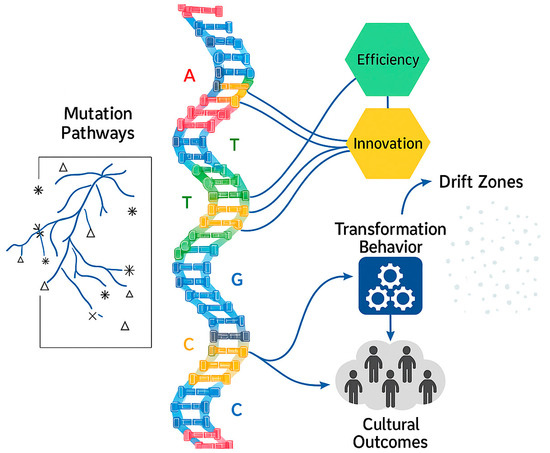
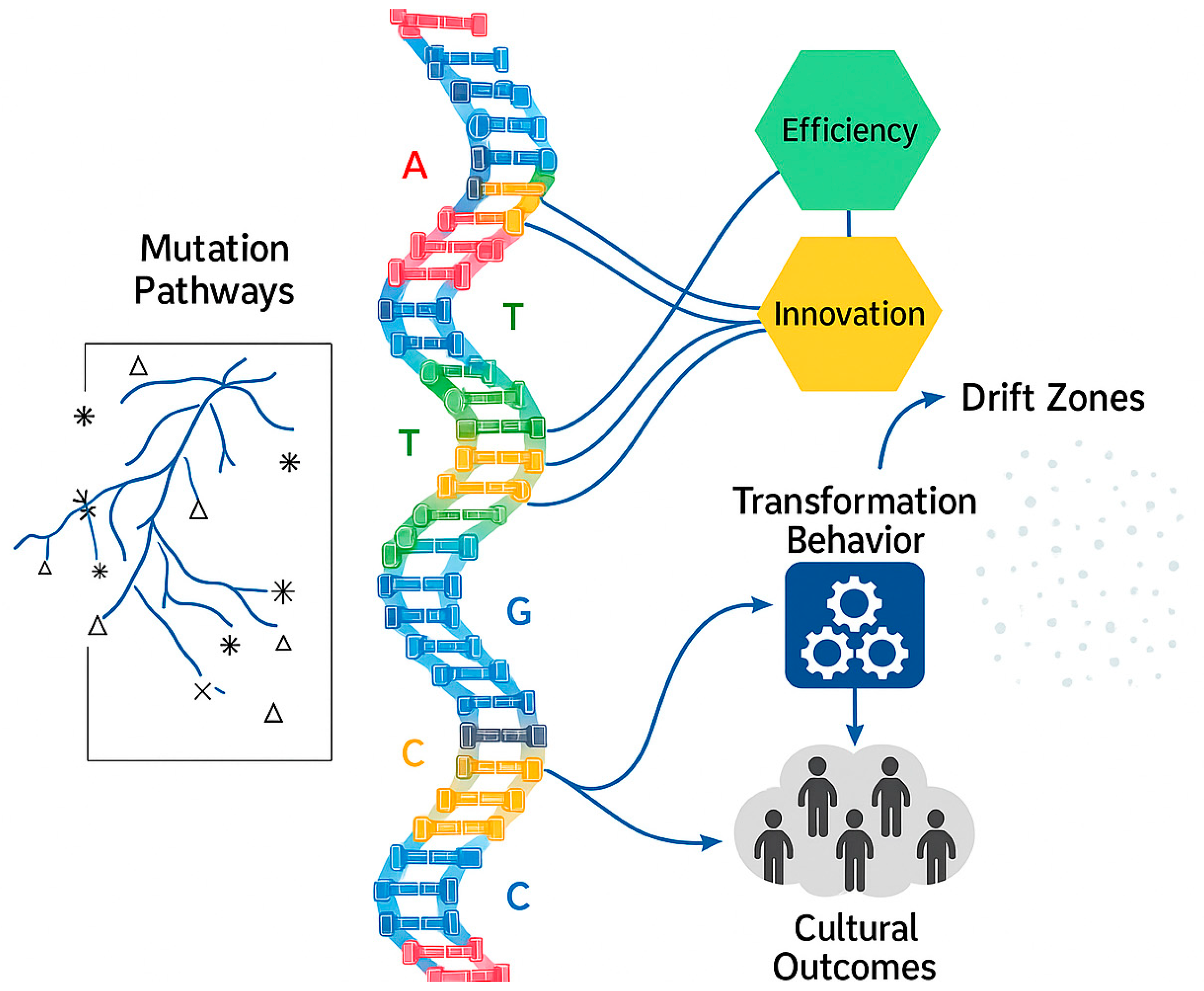
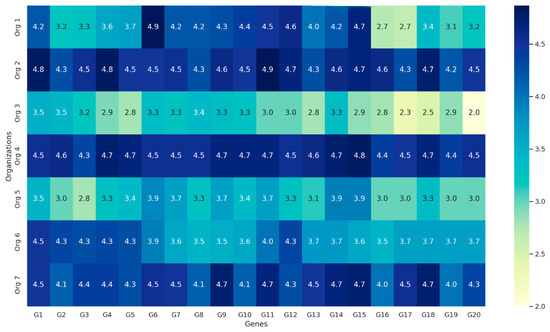
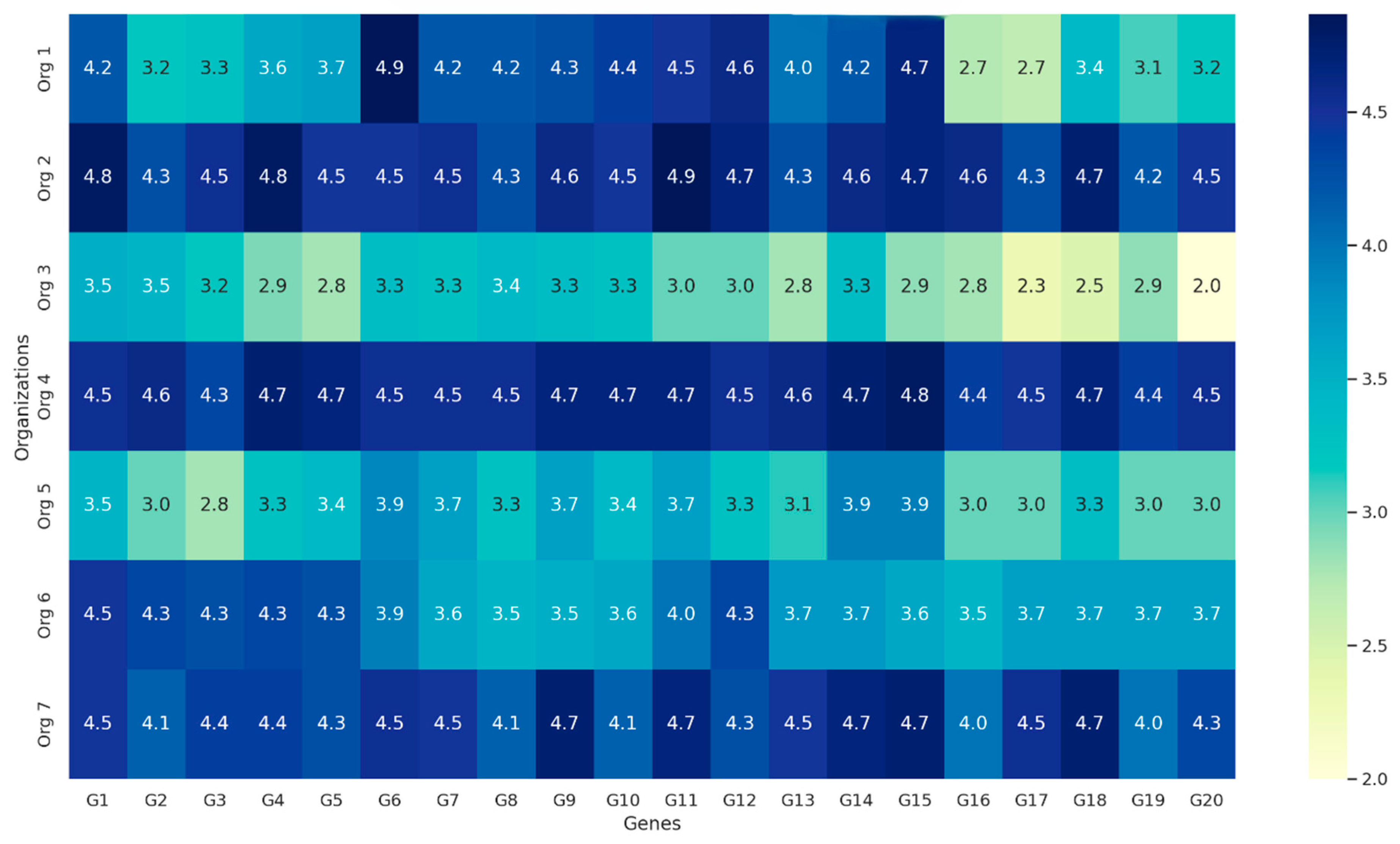
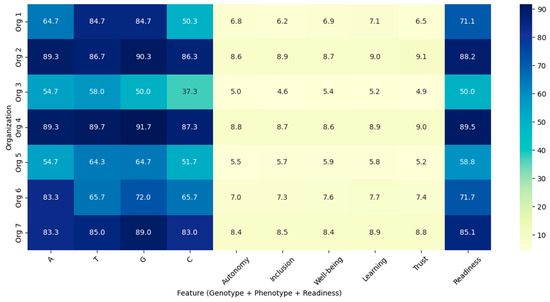
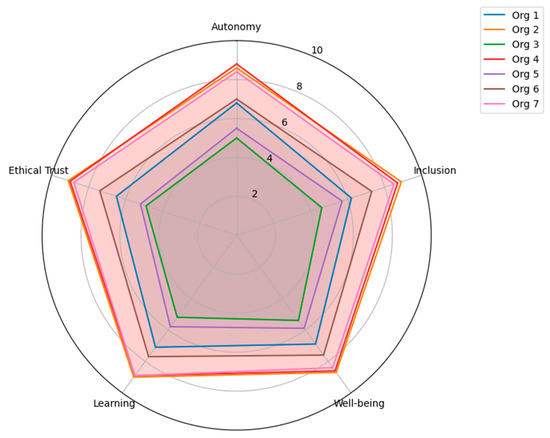
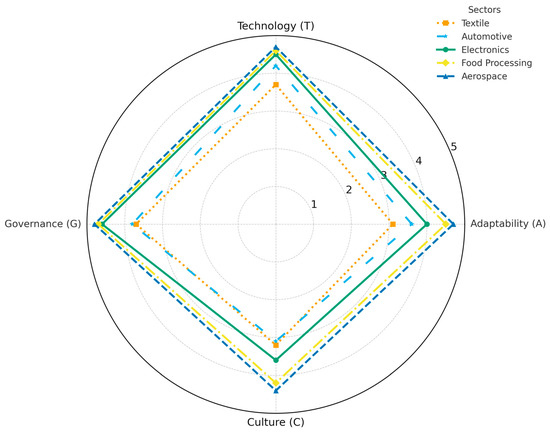
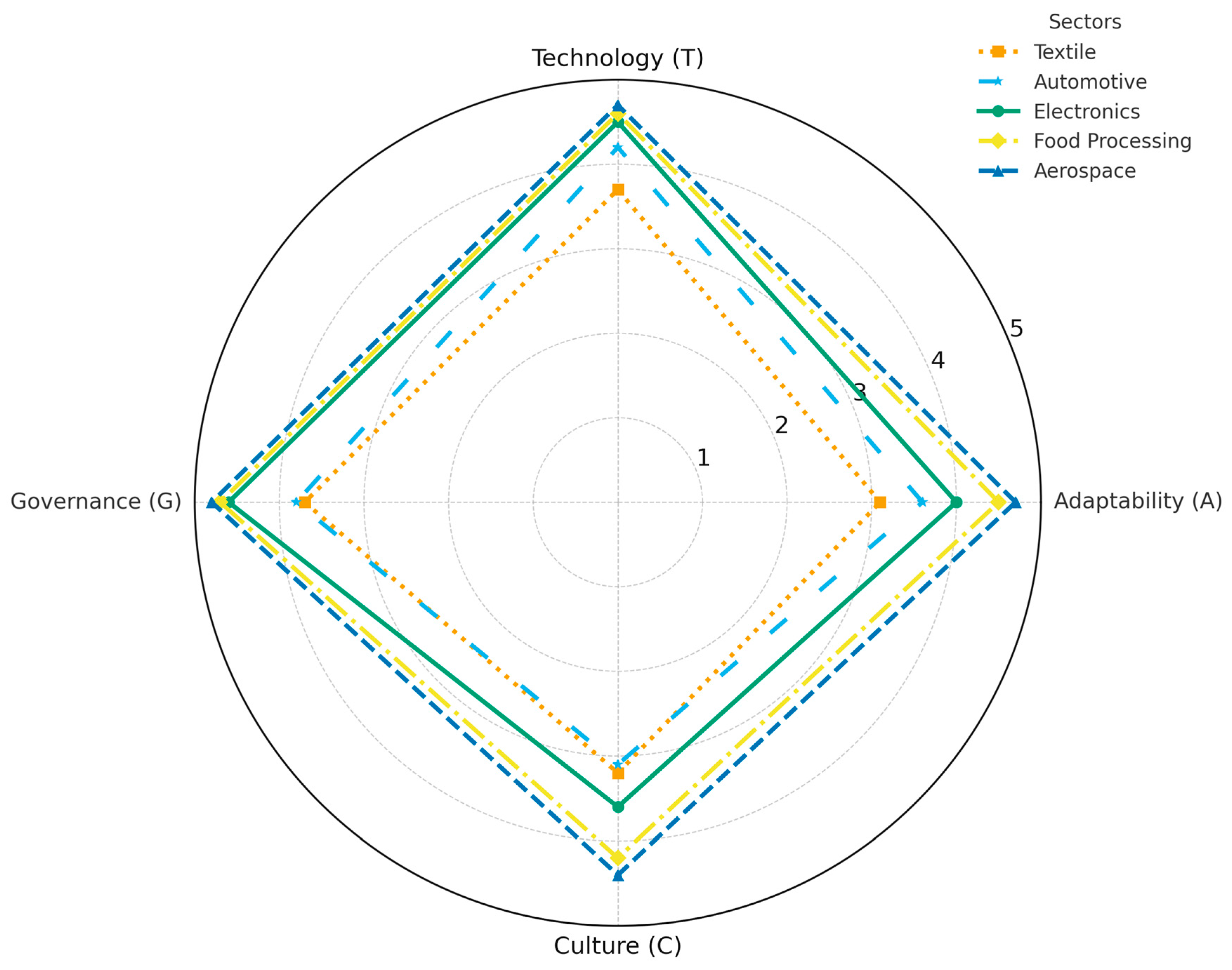

Disclaimer/Publisher’s Note: The statements, opinions and data contained in all publications are solely those of the individual author(s) and contributor(s) and not of MDPI and/or the editor(s). MDPI and/or the editor(s) disclaim responsibility for any injury to people or property resulting from any ideas, methods, instructions or products referred to in the content. |
© 2025 by the authors. Licensee MDPI, Basel, Switzerland. This article is an open access article distributed under the terms and conditions of the Creative Commons Attribution (CC BY) license (https://creativecommons.org/licenses/by/4.0/).