


Abstract
Metal additive manufacturing (AM) has become a crucial technology for rapid prototyping and enhancing the efficiency of producing lighter components. Despite these advantages, many challenges remain. We examine how mineral-rich developing countries can upgrade in the metal AM global value chain (GVC). We do so by applying the theory of GVCs and the multi-level perspective (MLP) framework to the metal powder segment. We investigate how Kazakhstan can link itself to the metal AM GVC by cooperating with China. Our case studies are based on 20 interviews with metal AM industry experts and scholars from Kazakhstan, China, and Europe. Using the MLP framework, we identify eight drivers that have enabled China to become prominent in the global metal AM industry. In addition, we identify eight barriers restricting Kazakhstan’s upgrading. For Kazakhstan to begin producing metal powders for AM, we suggest that its government start by implementing three policies, based on China’s experience: improve education and training systems, with a focus on advanced metallurgy; target AM industry segments in which cost, not quality, is a primary focus; and adopt international standards for metal AM-related activities. Our findings offer important lessons for other mineral-rich developing countries that may be more relevant than experiences from developed nations.
1. Introduction
AM is considered a disruptive technology as it allows the production of customized products. A key enabler of metal AM is the technological advancement in powder metallurgy, which transforms metals into refined powders with specific size and purity characteristics, thereby providing high-quality feedstock for producing 3D-printed products. This technology presents an upgrade opportunity for countries with substantial smelting and mining sectors, enabling the diversification of metal products from ore concentrates and refined metals to refined metal powders. By producing metal powders, resource-rich developing countries can enter and advance within the metal AM GVC, thereby enhancing their manufacturing capabilities and fostering collaboration among mining firms, metallurgical companies, local suppliers, other domestic production segments, and international partners.
However, capitalizing on these opportunities presents significant challenges. Local miners and smelters frequently lack the capability to manufacture high-quality products that adhere to international standards [1]. Additionally, their production activities are usually environmentally harmful. Even when they do succeed, identifying suitable partners remains a complex decision-making challenge.
In this article, we explore how mineral-rich developing countries can integrate into the metal AM GVC by addressing the following questions: (1) What barriers prevent mineral-rich developing countries from participating in the metal AM GVC? and (2) Why do these challenges trouble these countries? To answer these questions, we apply the theory of GVC and the MLP framework to the AM metal powder industry. We examine strategies for Kazakhstan’s integration into the metal AM GVC through a strategic partnership with China. To the best of our knowledge, this study represents the first application of GVC theory and the MLP framework to the investigation of the metal AM GVC.
Our analysis identifies three key challenges that developing countries must overcome to produce AM-usable metal powders: connecting with a suitable partner, creating quality-focused standardization systems, and meeting the environmental requirements imposed by the value-chain participants. Based on China’s experience, we suggest that governments in mineral-rich developing countries start by implementing three policies: improve education and training systems in the STEM fields, with a specific focus on advanced metallurgy; target China-based AM industry segments in which cost, not quality, is the primary focus; and adopt international standards for metal AM-related activities. Our findings offer important lessons for other mineral-rich developing countries to upgrade in the metal AM GVC that may be more relevant than experiences from developed nations.
The remainder of this paper is organized as follows. Section 2 discusses the metal AM GVC, the MLP theoretical framework, application of the MLP framework to the AM GVC, and upgrading to produce metal powders within the metal AM GVC, with a special emphasis on mineral-rich developing nations. Section 3 presents the research design and methods and the data analysis, and introduces our two case studies. Section 4 outlines the drivers promoting metal AM adoption in China and the barriers hindering its adoption in Kazakhstan. Section 5 discusses how mineral-rich developing countries can transition from commodity exports to higher-value metal powder production, using China’s transformation experience and Kazakhstan as an illustrative example. Section 6 concludes the paper.
2. Metal AM GVC and MLP Framework
This section introduces the AM GVC, with particular emphasis on the metal AM GVC. In addition, it discusses the MLP theoretical framework, applies this framework to the AM GVC, and examines opportunities for upgrading to metal powder production within the metal AM GVC, with special attention on mineral-rich developing nations.
2.1. The AM GVC
The GVC literature focuses on technological transformations of production processes in global manufacturing and value creation that result from reconfiguring existing manufacturing value chains [2]. The adoption of new technologies, such as AM, can lead to two possible scenarios of GVC restructuring. First, AM technologies complement traditional manufacturing by reducing product development cycles for items destined for mass production [3,4]. In this scenario, AM technologies shift competitive advantages away from activities that are high-volume but lower-value—such as mass-production manufacturing, assembling, packaging, and logistics—towards higher-value functions including R&D, design, product development, and business development [5]. In this context, actors with access to end-user needs data gain significant competitive advantages. Second, AM technologies fundamentally transform traditional manufacturing by automating previously labor-intensive operations and eliminating many low-skill manufacturing tasks [6,7]. Consequently, production can now occur closer to end users rather than in distant outsourced facilities [8].
Currently, AM activities are concentrated within advanced economies and China. In 2023, the USA controlled 34% of the market, followed by Europe with 27.7%, and China with 17.9%. The rest of the world (RoW) accounted for only 20.4% of the additive manufacturing market share [9,10,11]. Across these regions, different phases of the AM GVC can occur either within manufacturing sites where products are assembled or through outsourcing to external locations managed by specialized AM firms or suppliers. The location choice depends on the linkages within advanced economies, the production networks of multinational enterprises, or areas with high manufacturing volumes, like China [12].
Within developing countries, Industry 4.0 policies—of which AM development is a critical component [13]—of note have been implemented in South Africa, Brazil, India, Mexico, and Russia [5,14,15]. South Africa is lauded for its successful AM development [5,15] and has grown to become a leader in AM [16] as well as a benchmark for other developing countries that are late adopters of AM technology to follow and emulate [16]. South Africa’s successful development of its AM industry is the result of visionary political leadership and commitment through large public investments; the building of human capital through education and research; strong collaboration between industry and research involving both local and international institutions; and a positive national culture that drives the adoption of new technologies [15]. However, even with its AM success, most of South Africa’s AM applications are related to plastic or polymer components, while for metal-based applications, the number is limited [17].
Development of AM in developing countries is hampered by lack of awareness and familiarity with AM technologies [16]; high initial capital cost [18,19,20] and material costs [19,21]; lack of firms’ capabilities to use AM technology [18,22,23]; developing countries’ relative concentration of mass production [24]; intellectual property/privacy issues [19,23]; absence of standardized regulations and quality control measures [25]; and lack of a product development culture [22].
For firms seeking to upgrade within the metal AM GVC, the literature examines this process by analyzing how knowledge and information flow from lead firms to their suppliers (or buyers) [26], with special attention to the effects of entry barriers and the distribution of gains [27].
The metal AM value chain consists of value-added activities and actors across the pre-production, production, and post-production phases [28]. The metals with the highest demand are titanium alloys, advanced steel alloys, aluminum alloys, and nickel-based alloys [29,30,31]. Based on products, the titanium segment captures the largest share, 44.5% in 2024 [29]. Titanium demand is fueled by the aerospace, medical, and defense industries due to titanium’s excellent strength-to-weight ratio and biocompatibility. Advanced steel alloys are principally used in automotive, tooling, and industrial equipment applications. Demand for aluminum alloys is focused on automotive and aerospace applications, where weight reduction is critical. Finally, nickel-based alloys are demanded in the aerospace and energy sectors for high-temperature applications.
The pre-production phase of the metal AM value chain comprises mining, metal processing, smelting, and transforming raw materials into usable metal powder. Atomization techniques, including gas and water atomization, are the most used processes to produce metal AM powders [32]. Gas atomization is the leading method for preparing metal powder for AM (46% market share in 2024) as it offers broad applicability, excellent powder characteristics, controllable processes, and high production efficiency [33]. Water atomization is sometimes preferred because of its lower costs; however, particles commonly have irregular shapes, lower quality, and oxidation issues [34]. Less frequently used processes are electrolysis, solid-state reduction, and chemical reduction techniques [35]. Electrolysis is used for high-value metal powders, notably copper used to meet high conductivity requirements, although iron, chromium, and magnesium powders are also produced with electrolysis. Solid-state and chemical reduction techniques create metal “sponge” material, which is then crushed to create metal powder [35]. For further discussion of powder production for metal AM, the reader is directed to Ren et al. [33] and Brun [28].
In developing countries with rich mineral resources, large mining firms—typically multinational or state-owned enterprises—mine and process ores into metals. However, these firms often struggle to manufacture high-quality products that adhere to international standards [1]. Even if they succeed, significant concerns remain about operational efficiency, supply chain governance, lead firms’ strategies, and national interests [36], raising fundamental questions about potential cooperation partners. Countries seeking to specialize in powder production for titanium and special steel alloys should prioritize gas atomization technology. For titanium alloys, this ensures chemical purity, produces the required spherical morphology, and prevents oxidation needed for titanium alloys [33]. For advanced steel alloys, it produces consistent particle size distributions [33].
The production phase includes different metal three-dimensional (3D) printing technologies and the electronic components and software necessary to produce the printers [28]. The printing process begins with a three-dimensional computer-aided-design model. This model is transferred to the printer or uploaded to software, which converts the 3D data into two-dimensional layers or “slices” and calculates the tool path. During the printing process, printers build objects layer by layer, using methods such as binder jetting, directed energy deposition, powder-bed fusion, material extrusion, and sheet lamination.
After printing, the printed parts are subject to “post-processing” [37]. The post-production phase includes quality assurance inspection to ensure the desired final properties are fulfilled. End markets for metal AM products include aerospace, automotive, industrial, medical, consumer/retail, energy, and construction markets.
Additional organizations involved in the metal AM GVC include service bureaus, which act as contract manufacturing agents, and value-added resellers, which provide customized printing and consulting services for end-market users. Finally, supporting institutions and organizations include industry standard-setting organizations, R&D organizations (i.e., “centers of excellence”) for the industry, and affiliated educational organizations. Figure 1 shows the metal AM value chain.
Figure 1.
Metal AM GVC (source: [28]).
Brun’s [28] metal AM GVC model was developed through a separate research project funded by the Kazakhstan Ministry of Industry and Infrastructure Development. This work preceded interviews with Chinese, Kazakhstani, and European AM industry experts and academics. The findings from Brun’s [28] study were used to develop the interview instrument for addressing our research questions as well as to help identify potential interviewees.
2.2. MLP
The MLP framework [38] is linked to Verbong and Geels’ socio-technical systems (STS) framework [39] and analyzes the risks, costs, uncertainties, and complexities associated with transitions [40,41,42]. STS can be conceptualized as clusters of aligned elements and the provision of societal functions, such as industrial infrastructure, networks, regulations and policies, markets, and users [43].
The MLP framework describes the transition process as interactions through three analytical levels: technological niches, the socio-technical regime (STR), and the landscape. The technological niche level enables innovations to build up internal momentum through the shared belief in the future potential of new technology, powerful actors’ (e.g., funding organizations, technology developers) behavior, and money to support their further development [44]. As innovation breaks through, an adjustment occurs in existing STRs. The STR level consists of a cluster of elements, including technology, assets, and infrastructure; actors; business models; and formal and informal institutions. The dynamic interaction among these elements creates stability within the existing STR while simultaneously generating resistance to radical innovations. This analysis reveals three important characteristics of innovation processes. First, innovations are likely to be incremental. Second, technological systems are often stabilized by existing institutions, meaning that replacing current systems will likely require institutional changes as well. Third, existing systems are further reinforced by incumbent actors and vested interests [45]. At the landscape level, macro-economic and socio-economic trends, macro-political developments, and deep cultural patterns exert pressure on the current STR, leading to a window of opportunity for niche innovations to gain momentum [46]. Transitions are defined as changes in the STR resulting from either landscape pressures or niche dynamics.
Transition scholars note that one of the most distinguishing features of developing countries is the frequent impossibility of distinguishing between elements of the regime, landscape, and niche, as these components are inextricably linked [47]. This interconnectedness stems from the government’s multifaceted relationships with non-governmental actors, including international businesses, foreign governments, and international organizations [47,48]. Consequently, governments, through policymakers and state-owned enterprises, assume multiple roles [47], resulting in innovation and niche experiments that are often managed by governments in collaboration with established actors who maintain strong ties to the state [49,50].
This government-centric approach to innovation extends to the selection process itself, where niche innovations are strongly influenced by landscape pressures rather than market forces [51,52]. Moreover, these innovations are commonly imported from developed OECD countries [48], creating linkages that commonly “influence the direction and speed of transitions, often in favour of Western technologies, standards and business models” [47] (p. 7).
Such external influences interact with deeply entrenched domestic structures, as regimes in developing countries are commonly characterized by stable incumbent configurations with well-established business models that include dominant state-owned enterprises and private sector firms with strong connections to government actors [53,54]. These stable configurations, however, operate within broader institutional contexts that present significant challenges to transition processes.
These challenges manifest as macro-level institutional weaknesses characterized by weak and fragmented governance structures. As a result, transitions in developing countries are particularly vulnerable to fluctuations in political will or its absence, socio-political shocks, inefficient bureaucracy, limited legal transparency, political and economic instability, illiberal political contexts, economic and social inequality, weak regulatory enforcement, and insufficient environmental awareness [47,48,55,56].
Given these complex dynamics between government actors, established regimes, and institutional weaknesses, understanding the specific mechanisms through which politico-economic actors influence socio-technical regimes becomes crucial. To address this need, we follow Osunmuyiwa et al. [48] and establish connections between socio-technical and politico-economic actors, demonstrating that they interact and share “spaces” through resource appropriation, patronage, and the alignment of political interests (see Figure 2). These interactions create a recursive pathway that enables politico-economic actors to divert the state’s material and financial resources.
Figure 2.
A developing country MLP (source: based on [38,48], with authors’ modifications).
Geels and Schot [57] identify four transition pathways: transformation, de-alignment and re-alignment, technological substitution, and reconfiguration. In transformation transitions, landscape pressure leads to a need for change in the STR. STR actors can address the pressure by adopting symbiotic elements of niche technologies. In de-alignment and re-alignment transitions, landscape pressure is sudden and diverse. STR actors have lost confidence in existing technology, but no alternative niche technology has developed well enough to be a replacement. A prolonged period of competition between niche technologies emerges, after which one gains momentum and replaces the STR technology. In technological substitution, niche technology has developed fully, but is kept at bay by a powerful STR. A sudden shock of landscape pressure destabilizes the STR, after which the niche technology breaks through. This is the common pathway for transition in developing countries [48]. In reconfiguration transition, symbiotic elements of niche technologies are adopted to address moderate landscape pressures. However, in this case, subsequent adoptions lead to changes in the system’s fundamental architecture. Beyond technical modifications, these changes may also transform user practices, perceptions, and search heuristics (i.e., cognitive, normative, and formal rules).
The MLP perspective has, however, been criticized for neglecting interactions between multiple STRs [58]. Konrad et al. [59] and Bergek et al. [60] suggest STRs are connected through “input-output couplings,” such as supplier–buyer relationships, and “it is important to stress that these couplings do not respect national borders but operate within their own geographical space” [58]. Our study explicitly explores the possible interactions between two STRs, China’s and Kazakhstan’s.
2.3. Applying MLP to Metal AM GVC
Our research applies the MLP framework to examine the complex interplay of forces across multiple levels that both facilitate and constrain the transition towards metal powder production within the metal AM GVC. As a result, we identify the literature that discusses some of the features affecting the AM GVC, especially upgrading or inclusion.
2.3.1. Landscape Level
Recent MLP studies have “treated landscape as a collection of various macro-trends” [25]. The macro-trends relevant to metal AM include globalization and supply chain disruptions; environmental concerns and sustainability; technological advancements; economic and market pressures; regulatory and policy shifts; and social and cultural shifts. Geopolitical tensions and supply chain disruptions, such as those seen during the COVID-19 pandemic, have driven the adoption of AM as a local production solution. Research by Holmström and Gutowski [61] demonstrates that AM enables decentralized manufacturing, which reduces reliance on global supply chains and provides flexibility in response to disruptions. Environmental concerns and sustainability pressures also play a significant role in AM’s growth. AM aligns with climate change mitigation strategies due to its potential for reducing material waste and energy consumption. For example, studies by Huang et al. [62] highlight the technology’s efficiency in producing lighter components for industries like aerospace, leading to lower emissions throughout the product lifecycle. Technological advancements such as Industry 4.0 and digitalization are accelerating the adoption of AM. The integration of AI, the Internet of Things (IoT), and data analytics enhances the customization and precision of AM processes [63], enabling smarter, more automated production systems. Market pressures, including labor market shifts and the demand for customization, further support AM adoption. The flexibility of AM allows for mass customization in sectors like healthcare and consumer goods [64], where individualized products can be created without the need for traditional, labor-intensive processes. Regulatory and policy frameworks also influence AM’s development. Government R&D funding has promoted advancements in AM [65], particularly in high-value sectors such as aerospace and healthcare, where safety standards and certification requirements are stringent. Research by Ford and Despeisse [66] highlights how regulatory frameworks have begun to adapt to the unique capabilities of AM, ensuring its broader application. Finally, social and cultural shifts, such as the demand for new workforce skills in digital design and engineering, align with AM’s technological requirements. The transition from traditional manufacturing to AM requires new competencies, which researchers, including Stavropoulos et al. [67], have identified as a critical area for educational and training programs aimed at supporting the future workforce.
2.3.2. STR Level
At the STR level, there are numerous socio-economic–technical “barriers” pulling against and “drivers” pushing for metal AM GVC upgrading or inclusion. The academic literature identifies certain dynamics within STRs that can foster the growth of AM, such as technological advancements [68], market flexibility [20,69], supportive institutions [20,66], and cultural openness to AM products [70].
A key feature of an STR’s ability to promote AM is the presence of technological advancements within established industries. Industries—such as aerospace, medical devices, and automotive—with historical incremental technological advancements have integrated AM into production processes [68]. Market structures that favor flexibility and customization support AM growth, unlike traditional manufacturing which focuses on economies of scale [20]. Rayna and Striukova [69] discuss how sectors such as healthcare and consumer goods, which value customization (e.g., personalized medical implants or custom-designed products), are more likely to adopt AM technologies. STRs that are supported by progressive institutional frameworks and policies can promote AM activities by reducing uncertainty and providing incentives for innovation. Mazzucato [71] states, “the entrepreneurial State invests in areas that the private sector would not invest in even if it had the resources. And it is the courageous risk-taking visionary role of the State” in technological opportunities that “drives entry behaviour into industries” [71] (p. 30). Industries that prioritize innovation, experimentation, and technological advancement demonstrate greater readiness to adopt AM. Ford and Despeisse [66] illustrate this through Rolls-Royce’s strategic approach of acquiring competencies via collaboration with aerospace companies, universities, and AM equipment suppliers within an EU-funded consortium. The partnership accelerated the learning curve and enabled faster adoption. Similarly, Oettmeier and Hofmann [20] contend that sectors characterized by rapid innovation and short product lifecycles, such as consumer electronics and fashion, exhibit greater openness to using AM for product development and prototyping. These industries benefit from a cultural acceptance of cutting-edge technologies that inherently drives demand for AM solutions. Moreover, Ford and Despeisse [66] observe that industries with strong commitments to sustainability and waste reduction find value in AM’s material-efficient capabilities, as this technology aligns with the growing cultural shift towards environmentally responsible production methods.
As for barriers to AM adoption, the academic literature identifies the following: entrenched design standards [66,70]; large upfront investments and the uncertainty of future returns [24,66]; established market demand for standardized products [72]; cultural resistance to AM [73]; and institutional and policy barriers [74].
First, entrenched design standards can inhibit AM adoption [66,70]. For example, the aerospace sector, despite recognizing the benefits of AM for lightweight design, struggles with integrating it due to problems related to production methods becoming standardized, repeatable, and certified [64]. In the medical field, Gibson et al. [64] point out that regulatory and insurance requirements in healthcare restrict the use of AM in producing personalized medical devices. Second, capital investment constraints constitute a significant barrier. Ford and Despeisse [66] identify the high initial cost of AM machinery as a challenge to AM adoption. In the case of small- and medium-sized enterprises, Mellor et al. [24] show that these firms are particularly hesitant to adopt AM due to the large upfront investments required and the uncertainty of future returns. Third, Ben-Ner and Siemsen [72] state that industries in market segments that offer high-volume demand for very standardized products without much uncertainty or variability are hesitant to adopt AM processes. Fourth, Wohlers and Caffrey [75] suggest the main barrier to the broad adoption of AM is managerial short-termism as well as contentment and safekeeping of legacy routines. Fifth, institutional and policy barriers are discussed in the context of emerging technologies. Ladani and Palmieri [76] state that the “regulatory landscape surrounding AM medical devices [is] still very much in [its] infancy” (p. 23) and “there is a continual need for revision and the creation of regulations and standards to keep up with the demand for AM technology” (p. 25).
2.3.3. Technological Niche
“Niche formation processes are influenced by a host of actors, such as firms, investors, governments, social movements and users, occurring in various geographical contexts … at variable speeds and with variable outcomes. The success of some regions or countries can be explained by their ability to learn from the experiments conducted elsewhere …, to ‘borrow’ the outcomes (e.g., new technologies, organizational innovations, institutional lessons) and to bring them together in a particular manner.” [58].
The literature identifies five niche-level factors that affect AM adoption. First, successful technological niches need to provide a safe space for experimentation and learning. Ghobadian et al. [73] highlight the aerospace sector’s collaboration with the Oak Ridge National Laboratory to find new ways of printing large structural parts in titanium. Second, Gustafsson [77] emphasizes the importance of collaborating with AM experts and suppliers. The successful implementation of AM technologies requires an integration of interdisciplinary knowledge, like that of engineers and biologists, working together in bioprinting [29]. Birtchnell et al. [78] state that “small networks of actors such as the Apple Tree serve as incubators with tacit and informal linkages to universities through key individuals with tertiary support providing vision and inceptive links and inspiration” (p. 247). Third, Mazzucato [71] highlights that government grants, subsidies, and R&D incentives can reduce the financial burden of early-stage development, allowing companies to invest in AM without immediate concerns about profitability. Fourth, governments support AM exploration through policies and dedicated research facilities. For example, Robinson et al. [79] discuss how policy-driven initiatives are being used to promote learning and experimentation through dedicated research facilities and consortia. Furthermore, Birtchnell et al. [78] mention Lancaster University’s EU grant for industrial-scale technology access. Fifth, Ford and Despeisse [66] identify scale-up and commercialization challenges for AM market adoption. Niches can ensure resources for designers to transition from small-scale pilots to full-scale AM deliveries and enable manufacturers to experiment with new products, leveraging economies of scope [80].
2.4. Upgrading to Produce Metal Powders Within the Metal AM GVC
In the metal powder STR, actors can be categorized into five distinct groups: science, production, public authority, market and user, and society. The science group comprises research, education, and technology development organizations—typically universities and private–public partnership housing centers of excellence. This group conducts research and development to achieve technology breakthroughs in metal powders, while educating and preparing future professionals with the knowledge and skills needed to enter this field. The actors in the production group can be divided into two segments. The first segment comprises those firms that manufacture powders. There are two types of firms among powder manufacturers: global mining companies with a metal processing unit (e.g., Rio-Tinto, London, UK; Vale, Rio de Janeiro, Brazil) and specialized powder manufacturers (e.g., Höganäs, Höganäs, Sweden; Sandvik, Stockholm, Sweden; Carpenter Technology Corporation, Philadelphia, PA, USA; GKN Powder Metallurgy, Solihull, UK). The second segment comprises traditional mining and metal companies that supply metal ore concentrates and smelted metals (e.g., Vale; Rio-Tinto; Glencore, Baar, Switzerland; Zijin Mining, Longyan City, China). Public authority groups encompass governmental departments within states that oversee metal and mining processing, including Ministries of Natural Resources, Science and Technology, Energy, Education, and Foreign Investments, as well as international standardization organizations such as ISO and ASTM International. Market and user group actors represent the end users for metal AM products across industries, including aerospace, biomedical, automotive, molding and tooling, and energy. Finally, societal actors include specialized industrial media and consulting firms such as Metal AM Magazine and Wohlers Associates.
If mineral-rich developing countries wish to upgrade in the metal AM GVC by producing metal powders, they are required to transform their existing STR. The literature identifies four major challenges for mineral-rich developing countries in processing metal powders. First, high-quality metal powders are essential for ensuring that AM-printed components meet high mechanical performance standards [81,82]. High-quality powders are characterized by optimal particle size distribution, particle shape, surface texture, and physical and surface chemical properties [82]. These powders enhance reproducibility and process stability, whereas poor-quality powders can introduce defects in the final component [83,84]. The cognitive rule of quality has been translated into normative and regulative rules as standards for metal powders. International standardization organizations like ISO and ASTM have issued standard guides for characterizing properties, lifecycle, test methods, and quality assurance of metal powders used for AM processes [85,86]. Government institutes have either collaborated with ISO and ASTM or developed their own standardization systems. However, most operations in developing countries cannot produce repeatable-quality metal powders. As a result, making usable powders requires collaboration between powder suppliers, AM product designers, and product producers [87,88]. Furthermore, certification of powder quality by suppliers is required to ensure that the actual material matches the needed quality [89].
Second, developing countries are commonly not capable of meeting the necessary environmental standards for AM-related production. Mining and smelting firms in developing countries are increasingly pressured by downstream users to adopt greener production practices due to rising environmental standards in Western countries [90]. These pressures lead to higher production costs as firms invest in pollution control technologies or green electricity, or pay carbon emission penalties [91].
Third, developing countries face the challenge of selecting an appropriate value chain to join. Currently, most AM activities are concentrated within advanced economies and China.
Fourth, many mineral-rich developing countries are constrained from upgrading because most incumbent mining and smelting firms pursue low-cost strategies where quality and innovation capabilities are less important [92]. This approach has resulted in insufficient investment in training scientists and technicians [93]. Moreover, incumbent firms in the metal AM GVC widely believe that powders sourced from developing countries are of inferior quality [92]. These cognitive biases reinforce the belief among many developing nations that quality and standards are secondary considerations. Consequently, many developing countries remain reluctant to destabilize the existing metal and mining production STRs or encourage the emergence of metal powder-dominated STRs [94]. This reluctance is compounded by the short-sightedness among developing nation policymakers that favors narrow, short-term interests over broader long-term development objectives [95,96]. As a result, very few of these countries have adopted metal powder production technologies [97].
3. Research Design, Data Analysis, and Case Studies
This section discusses the research design and methods and the data analysis, and introduces our two case studies.
3.1. Research Design
We employed a case study approach based on data collected through semi-structured interviews with metal AM industry experts and academics from Kazakhstan, China, and Europe from March to December 2022. We employed purposive sampling to recruit interviewees with expertise in powder metallurgy, metal AM, and AM industries. A total of 20 interviews were conducted through online and face-to-face meetings. When referred to in the text, interviews are identified by codes, with the letters KZ denoting an interviewee from Kazakhstan (e.g., [KZ1]), the letters CN denoting an interviewee from China (e.g., [CN1]), and the letters EU denoting an interviewee from Europe (e.g., [EU1]). Interviewees from China comprise international-focused sales managers (CN1, CN6, CN7); academics and technical researchers (CN2, CN3, CN5); and a project manager (CN4). Interviewees from Kazakhstan consist of academics and technical researchers (KZ3, KZ9, KZ11); 3D-printer product engineers, managers/directors, and technical specialists (KZ2, KZ3, KZ4, KZ5, KZ6, KZ7, KZ8, KZ10); a 3D-printer sales representative (KZ1); and a consultant who specializes in Kazakhstan’s energy industry (KZ12). The interviewee from the EU holds the position of Senior Vice President of a global company that provides metal 3D printing materials and printers. Secondary data from government plans, industrial journals, reports, and exhibitions augmented interview data. Though not a comparative case study, we examine the pre-production (i.e., mining, smelting, and powder manufacturing) and production (i.e., software, electronics, and 3D printing technologies) phases of metal AM GVC within Kazakhstan and China and examine the barriers/drivers that exist that could enable Kazakhstan to upgrade from mineral concentrates and smelted metals and join the China-coordinated regional metal AM value chain by producing metal powders. As a result, we limit our analysis to the pre-production phase for Kazakhstan—that is, mining, smelting, and metal powder manufacturing activities. In addition, our analysis is restricted to the pre-production and production phases within China, as this research investigates the potential for cooperation between Kazakhstan and China.
3.2. Data Analysis
We employed thematic analysis methods using the themes and topics identified in the frameworks of GVC and MLP. Themes were systematized by respondents’ perspectives by major topic.
3.3. Kazakhstan’s Participation in the Metal AM GVC
Kazakhstan ranks among the world’s top countries in terms of mineral reserves, holding 41% of the world’s chrome ore reserves, along with 3% of zinc, 2% of copper, and 1% of iron ore reserves [98]. It is also richly endowed with uranium, gold, bauxite, titanium, tungsten, and manganese [98,99]. Many of these minerals serve as raw materials for metal AM. According to Wohlers Associates [5], the principal metal powders regularly used in AM include nickel, cobalt, titanium, specialty steels, aluminum, tungsten, copper, and tantalum. Figure 3 presents pie charts representing the country-level shares of production of the minerals for these key AM metal powders by the top five producers of each mineral. We include chromium as it is a key component of specialty steels [5]. The results show that middle-income countries, like Kazakhstan, are key suppliers of many of the minerals that are regularly used in AM metal powders.
Figure 3.
World production of key AM minerals, 2023 (source: [98]).
Metal mining in Kazakhstan accounts for an estimated 4% of Kazakhstan’s GDP [99]. About 80% of mining products are exported, mainly to Asia and Europe. The mining sector in Kazakhstan is dominated by a few large firms, many with partial state ownership. Lead firms include the Eurasian Resources Group (ERG), Luxembourg City, Luxembourg; Kazakhmys, Karaganda, Kazakhstan; Kaz Minerals, Dubai, UAE; Qarmet, Temirtau, Kazakhstan; Kazzinc, Öskemen, Kazakhstan; Tau-Ken Samruk, Astana, Kazakhstan; Kazakhaltyn, Stepnogorsk, Kazakhstan; and Central Asia Metals, London, UK. While most lead firms mine and produce mineral concentrates, some of them (i.e., Kazakhmys, ERG, Kazzinc, and Qarmet) smelt metals. Currently, no firms operating in Kazakhstan are producing metal powders. As a result, Kazakhstan’s capability in high-quality metal processing remains underdeveloped.
The regulatory framework in Kazakhstan, while highlighting licensing and exploration in the subsoil code [100], lacks unified quality and standards required for advanced metal processing. In smelting, there is a mixed use of GOST, which is an acronym for “governmental standard” and is a standards system applied among CIS countries [101], and ISO standards [102]. Furthermore, many mining and smelting operations still use technology and management practices that date back to the Soviet era. Such practices have hampered sectoral upgrading and development [103]. Additionally, Kazakhstan’s practice of exporting critical minerals as mineral concentrates [104] and lack of effective technologies for complex processing of raw materials [105] limit upgrading opportunities.
Finally, Kazakhstan’s mining industry is associated with poor environmental and health-and-safety practices [99,106]. Furthermore, over the past decade, an increasing intensity-of-use of fuel has been observed in metal mining [99]. Even though industrial experts and policymakers have recognized that environmental issues would affect the country’s mining future [107], little has been done to upgrade aging infrastructure and Soviet-era environmental practices [103].
3.4. China’s Participation in the Metal AM GVC
“China’s Additive Manufacturing industry is growing at extraordinary speed, driven forward by intense domestic competition and AM technology’s role in the country’s national manufacturing strategy” [108]. The output of China’s AM industry grew from USD 145 million in 2012 to USD 2.0 billion in 2022, of which approximately 38% is attributed to metal AM [108,109]. Several leading Chinese firms (i.e., Xi’an Bright Laser Technologies (BLT), Xi’an City, China; Farsoon Technologies, Changsha, China; and E-Plus 3D, Hangzhou, China) are active internationally [108]. Table 1 shows that China’s share of the global AM market is approximately 11%; however, its AM industry is growing 6% faster than the global rate.
Table 1.
Summary of global and country-/region-specific AM market sizes and growth rates.
For the metal AM market, the global market was estimated at USD 3.1 billion in 2022, which was approximately 17% of the total AM market (Wohlers Associates, 2023) [5]. Furthermore, the value of metal powders for AM applications in 2022 was estimated at USD 0.466 billion (2.6% of the total AM market) and had a compound annual growth rate (CAGR) of 34% between 2012 and 2023 [5,109].
Metal AM in China originated from university research programs in the 1990s [111]. Researchers then moved forward to establish commercial companies. They subsequently transitioned into the commercial sector, initially partnering with foreign companies before establishing their own enterprises. A notable example is BLT, which began by collaborating with EOS before developing its independent operations. BLT has since emerged as one of the major global 3D printing machine manufacturers [108]. Through developments over the past decade, China has nearly closed the gap with global manufacturers, driven by a combination of strategic government initiatives and companies’ strong pursuit of commercial opportunities [109]. What makes the Chinese metal AM industry unique compared with other markets is that it can be self-sufficient. That is, China possesses firms operating in almost all segments of the metal AM value chain. In 2023 China-based firms operated in the raw materials segment (e.g., Zijin Mining), materials processing segment (e.g., Avimetal, Beijing, China; Boyun-Dongfang Powder Metallurgy, Changsha, China; GRIPM Advanced Materials, Beijing, China; NBTM New Materials, Ningbo, China; Shandong Luyin New Material Technology, Jinan City, China), component segment (e.g., Shining 3D, Hangzhou, China; Farsoon Technologies), 3D printing machines segment (e.g., Farsoon Technologies; BLT; HBD, Shanghai), post-production services segment (e.g., BLT, Shining 3D, Farsoon Technologies), and end-markets segment (e.g., BLT; China Aerospace & Industry Corporation, Beijing, China; FAW Volkswagen, Changchun, China; Land Space, Beijing, China). This comprehensive presence in the value chain leads to a diverse range of metal AM products and technologies.
Despite China’s establishment of national metal AM industry standards in 2020 and active participation in ISO standards development [109], local metal AM companies and their products demonstrate considerable inconsistency in quality and capabilities. This variety is observable in the metal powder sector. The industry’s participants range from high-quality producers that have partnered with global firms (e.g., GKN) to produce technically enhanced powders for the Asian market to small manufacturers serving only local markets without external business connections [108,109,113]. The quality difference is reflected in the range of prices. A search on Alibaba.com reveals that Chinese suppliers offer copper powders ranging from USD 10 to USD 1500 per kilogram. These wide quality and price ranges enable new entrants to strategically target specific customer segments that align with their capabilities and resources. Technologically advanced manufacturers (e.g., Falcontech, Wuxi City, China; Jiangsu Vilory Advanced Materials Technology (VMP), Xuzhou, China; Avimetal) target high-end markets such as aerospace, medical, and automotive markets [114], while smaller firms focus on mold and tooling industries, prioritizing production efficiency over high performance [115]. Overall, China’s metal powder manufacturing industry is highly diversified in both quality and cost.
Historically, metal AM companies in China have been less bound by environmental protection requirements. This situation, however, is changing. In recent decades, the Chinese government has implemented comprehensive environmental reforms targeting the mining and metal industries, mandating compliance with stricter environmental regulations [116]. In the regulation dimension, the government has launched a series of laws for pollution control, such as the “Revised Environmental Protection Law” in 2015, the “Technical Specification for Pollution Permit Application and Issuance” in 2017, the “Environmental Protection Tax Law” in 2018, and the “Revised Mineral Resources Law” [117,118,119]. In practice, compliance with environmental laws varies among companies. Mining firms, such as Zijin Mining and China Minmetals (Beijing, China), have adopted global environmental standards and responsible supply chain management [120,121]. In contrast, powder producers and machine manufacturers neither promote their environmental activities nor require suppliers to conduct responsible production. The only company that has mentioned its environmental efforts is BLT, which has published its environmental governance information in its annual reports to investors as part of its obligations as a listed company [122]. Consequently, companies throughout the metal AM value chain will face increasing pressure to comply with enacted environmental regulations.
4. Results: Metal AM GVC Pre-Production and Production Phases
Using the MLP framework, we outline the drivers promoting metal AM adoption in China and the barriers restricting the adoption of metal AM in Kazakhstan.
4.1. Drivers Pushing Metal AM GVC Development in China
We separate our discussion of the drivers into (1) STR-level drivers and (2) niche-level drivers.
4.1.1. STR-Level Drivers
Our interviews identified seven drivers operating at the STR level that have stimulated and continue to stimulate growth in China’s metal AM industry. First, metal AM technologies and products have gained great public acceptance in China, thanks to the government’s ongoing efforts in capacity building [CN2]. China is now leading the global AM application market and is heading for a global leadership role in AM-related technology research and development [CN2]. The large application market, coupled with government support and business success, has created a strong incentive for more firms to either expand or enter the metal AM industry. Applications in biomedicine, aerospace, automotive, and spare parts have far surpassed the breadth and depth of those in other countries [CN3].
Second, China’s “High-Quality Development” (HQD) strategy [123], which aims to enhance development momentum through innovation, has been promoted by the Chinese government to elevate advanced manufacturing industries to a national strategic level [CN3]. This finding corresponds to Fang’s [124] observation that the HQD strategy involves a transformation from “precision manufacturing” to “high-performance and high-quality manufacturing.”
The third factor is the availability of high-quality workers to support the metal AM industry [CN3]. It has been admitted that having a group of AM professionals is not easy, as the expertise comes from college education and training, as well as long-term industrial experience [CN3].
“There are three types of workers engaged in the metals AM industry in China: (1) workers who used to work in 3D modeling, including laser 3D components; (2) workers who have transferred from the traditional powder metallurgy industry; and (3) scientists and engineers from universities and large OEMs. The workers from the first group know AM and are knowledgeable about industrial trends and business development. Although they understand 3D configuration, their lack of knowledge about materials, especially metals, constrains many of them from entering the metals AM industries. Therefore, this group usually works in less value-added industries using non-metals AM methods. The second group, contrary to the first, understands metallurgy and the technical difficulties of AM, but they may not be good at design. The third group leads the industry by improving metal processing techniques” [CN3].
Lin et al. [125] provide evidence that China has been actively offering educational programs in AM since 1992, with universities and vocational schools playing a significant role in training and development. This push for skills development is consistent with Kou et al.’s [126] finding that human capital accumulation is a main factor affecting industrial upgrading.
Fourth, most of the major Chinese 3D-printer manufacturers originated from military backgrounds and now demonstrate strong capabilities across all aspects of printing technologies. Their machines are designed with an “open source” architecture, enabling these firms to collaborate with diverse suppliers to customize powders according to specific market requirements. This differs from 3D printing OEMs in other countries, which typically use proprietary powders exclusively or recommend only vendors whose materials are optimized for their specific machines [127]. As one expert claimed:
“The concept of ‘open source’ is now widely used among Chinese machine manufacturers. In the past, many global manufacturers like HP, sold their printers with a designated powder source, which is equivalent to ‘closed-source.’ However, with the vigorous development in these years, Chinese manufacturers have broken the shackles and developed machines that accept any material. This has created a new market competition pattern and can provide more opportunities for powder development” [CN3].
With the “open source” feature, Chinese printing OEMs are more flexible for international collaboration [CN6].
Fifth, Chinese OEMs purchase metal powders from both domestic and global markets [CN4, CN5]. Some powder manufacturers have expanded their business abroad by building production lines in developing countries [CN1]. Unlike companies in Western countries, which have more concerns about raw material sourcing and requirements for sustainable production of the entire supply chain, Chinese companies have relatively fewer restrictions in the production process [CN3].
Sixth, the quality of metal powders sold in China varies dramatically. Stainless steel powders, for example, range from hundreds of USD per kilogram to as little as ten USD [CN3]. This wide price range enables market segmentation based primarily on the end user’s industrial sector [CN2, CN3, CN4]. Consequently, powder suppliers can strategically target specific end markets and then manufacture powders that meet the corresponding quality standards.
Seventh, while no unified standard for powders exists, there is widespread recognition of the need for standardized measurement methods for metal powders used in AM to ensure consistent and predictable properties in final products [CN3, CN6]. By leading the standardization process for metal powders, Chinese firms stand to gain significant advantages, including enhanced business opportunities through market expansion and improvements in delivering desired products and processes [128].
4.1.2. Niche-Level Drivers
Our interview data provide two niche-level drivers of AM industry development: government support through funding university-level programs in AM and direct financial support to firms [CN3]. This finding is consistent with Huang and Wang’s [129] and Yang’s [130] findings.
4.2. Barriers Impeding Metal AM GVC Activities in Kazakhstan
Despite the impressive performance of the metal AM GVC in China, metal AM activities in Kazakhstan have failed to take off. Upgrading the metal AM GVC in Kazakhstan has been negatively affected by multiple barriers. We separate the discussion of these barriers into (1) STR-level barriers and (2) niche-level barriers.
4.2.1. STR-Level Barriers
Kazakhstan has the potential to become a global player in the supply of metal powders for AM. This prediction [KZ7] is supported by the country’s substantial reserves of critical minerals, favorable geological conditions, large number of mineral deposits, and established smelting infrastructure. Experts’ opinions vary as to the market size Kazakhstan can capture. In the titanium market, respondents [KZ5, KZ6, KZ7] believe Kazakhstan could become one of the most prominent players in the global market, but challenges remain.
Our interview data identified six STR-level challenges associated with Kazakhstan in upgrading within the metal AM GVC. First, uncertainty exists about the value or necessity of adopting new technological innovations [KZ6]. Kazakhstan’s economic structure, heavily oriented towards oil and gas, mining, and low-value-added smelting, reinforces a conservative approach to technology adoption [131]. Our results correspond with Kunarbekova et al.’s [132] results that many of Kazakhstan’s mining and smelting enterprises work with outdated and technologically obsolete equipment. Second, a shortage of specialists in metallurgy exists [KZ5, KZ6]. One interviewee [KZ12] stated, “One Kazakhstani academic institution cannot find properly trained technicians to work in the AM labs.” This aligns with Pomfret’s [133] findings that a lack of alignment between educational output and industry needs creates significant workforce gaps, particularly in high-skill roles. Third, there is a lack of a unified standards system [KZ5, KZ6]. Fourth, incumbent firms operate traditional manufacturing operations that produce low-quality products [KZ1, KZ4, KZ6]. This corresponds to Sharkan et al.’s [131] statement that machinists demanding high-quality metals source their requirements from Russia or Eastern Europe. Fifth, existing government regulations and policies are designed to protect established industries [KZ2, KZ7]. This aligns with Kunarbekova et al.’s [132] findings that the Government of Kazakhstan’s innovation policies and regulations for mining and smelting primarily focus on transitioning industrial enterprises towards renewable energy sources and enhancing energy efficiency [132,134]. Fifth, there exists low awareness and a lack of trust of 3D-printed products [KZ5, KZ6]. Finally, there is low involvement of international collaboration [KZ1, KZ2, KZ5, KZ6]. This last finding correlates with Kunarbekova et al.’s [132] result that identifies the Government of Kazakhstan’s concerns over foreign dependency. Kazakhstan’s government is concerned that a high concentration of foreign ownership in the mining and smelting industries can impact economic stability and national sovereignty. However, Kou et al. [126] find that international industrial transfer of mature technology, particularly for intermediate product manufacturing processes, represents a successful GVC upgrade strategy for firms in late-developing countries.
4.2.2. Niche-Level Barriers
The interview data indicate that the technological niche in Kazakhstan is constrained by scarce venture capital funding and the lack of a skilled labor force [EU1]. Furthermore, metal AM R&D and innovation activities are mainly limited to academic research labs [KZ1, KZ11]. These findings align well with the research of Sadyrova et al. [135] and the observations of Sharkan et al. [131], who identified key barriers including insufficient financial and institutional systems for innovation and technological development, weak knowledge and technology transfer mechanisms, and underdeveloped risk-sharing frameworks between government and business sectors.
5. Solutions: Stimulating Metal AM Upgrading Activities in Kazakhstan
Interviewees from Kazakhstan [KZ1, KZ2, KZ5, KZ6] acknowledge the need for Chinese or other foreign powder metallurgy experts if Kazakhstan were to pursue producing metal powders for AM. When discussing international collaborations, Chinese metal AM firms have shown interest, although many of them still prioritize domestic businesses.
Upscaling Kazakhstan’s activities in the metal AM GVC to include metal powder manufacturing depends on a set of mutually reinforcing policies at both the STR and niche levels. We recommend three changes at the STR level, drawing from China’s experience. First, the Kazakhstan government needs to change the negative perception of new technology. A lesson from the Chinese experience is that perceptions can shift when an improved education and training system is established, leading to more people working in technology fields. Second, if Kazakhstan’s smelting firms want to produce metal powders used in AM, they should first focus on AM industry segments where cost is more important than quality. In this regard, China seems to be a promising partner. The Chinese market offers a wide range of prices and qualities, and companies targeting the domestic market do not enforce strict sourcing policies on suppliers. Third, Kazakhstan must adopt international standards for its metal AM-related activities. However, it is important to recognize that adopting ISO and ASTM standards requires significant investment in training, infrastructure, and process changes.
In addition to STR-level changes, we recommend niche-level initiatives that prioritize government funding for educating and training local experts in advanced metallurgy and international standards implementation. Advanced metallurgy skills are essential for ensuring consistent metal properties [136], while adherence to international standards is critical for quality improvement. Together, these initiatives could lead to a manufacturing culture focused on quality.
In the unlikely event that demand for metal powders in China decreases—despite forecasted CAGRs of 19% for the total global additive manufacturing (AM) industry for 2023–2032 (24.1% to 27.5% in China) [5,112,137] and 13.4% for the global metal AM industry for 2024–2032 (16.0% in China) [138,139]—Kazakhstan should implement an Industry 4.0 policy similar to South Africa’s approach. This policy should emphasize the development of joint venture partnerships with European or US firms that specialize in metal powders for AM, such as Thyssenkrupp Materials and EOS. Such partnerships would enable Kazakhstan’s metal and mineral producers to integrate more fully into metal AM supply chains serving high-growth sectors, including the aerospace, healthcare, military, and drone sectors [5]. However, realizing the potential of these partnerships will require Kazakhstan to continue strengthening its institutional framework to enhance its appeal to international investors. This is consistent with Atakhanova and Howie’s [140] finding that “countries specializing in raw material exports with the intention of developing higher-value-added sectors should be prepared to commit to the long-term process of improving institutions.”
But it is essential to understand that Kazakhstan’s entry into the metal AM value chain is constrained by its mineral reserves and existing mining and smelting capacities, which significantly limit the country’s flexibility to adapt to changing demands for metal powders used in AM.
6. Conclusions
To develop a metal powder industry capable of participating in the metal AM GVC, Kazakhstan must address key challenges including partnership development, quality standards, and environmental concerns. One promising solution involves collaborating with China, which can provide a regional value chain that enables developing countries like Kazakhstan to diversify beyond their resource-dependent economy. To successfully pursue this strategy, Kazakhstan needs to establish comprehensive rules and regulations that prioritize quality-centric standardization systems while enhancing its technological infrastructure and materials expertise to create a more innovation-friendly environment.
This potential way of upgrading, however, faces significant practical barriers. Kazakhstan has recently considered imposing taxes on exports of raw materials, including metals, to address a budget shortfall [141]. Such a move would directly contradict the country’s national strategy of diversifying away from its mineral-dependent economy. These policy shifts create uncertainty around technological advancement, as Kazakhstan’s metal sector may be forced to revert to exporting raw materials rather than pursuing value-added production.
This paper provides possible solutions for countries like Kazakhstan to upgrade their mining and smelting industries to include the production of metal powders for AM. However, it does not answer the question of how countries could make these changes happen. Furthermore, this paper offers no guidance for firms operating in mineral-rich developing countries on managing policy uncertainties that frequently disrupt upgrading initiatives. Future work can focus on the state’s role in making metal processing regime changes and managing policy consistency.
Author Contributions
Conceptualization, P.H. and D.T.; Methodology, P.H., J.D. and D.T.; Formal analysis, P.H. and J.D.; Investigation, P.H., J.D. and D.T.; Resources, P.H. and D.T.; Data curation, P.H. and J.D.; Writing—original draft, P.H. and J.D.; Writing—review & editing, P.H. and J.D.; Supervision, P.H. and D.T.; Project administration, P.H. and D.T.; Funding acquisition, D.T. All authors have read and agreed to the published version of the manuscript.
Funding
This research was funded under the project “Design, fabrication & characterization of metal lattice structures using ultrasonically atomized powder” [grant no: 211123CRP1615] by Nazarbayev University.
Institutional Review Board Statement
This study was conducted in accordance with the Declaration of Helsinki, and approved by the Institutional Research Ethics Committee of Nazarbayev University (NU-IREC) (protocol code 547/05042022 and date of approval of 20 April 2022).
Informed Consent Statement
Informed consent was obtained from all subjects involved in the study.
Data Availability Statement
The data presented in this study are available on request from the corresponding author due to privacy concerns.
Conflicts of Interest
The authors declare that they have no known competing financial interest or personal relationships that could have appeared to influence the work reported in this paper. Furthermore, the funders had no role in the design of the study; in the collection, analyses, or interpretation of data; in the writing of the manuscript; or in the decision to publish the results.
References
- Katz, J.; Pietrobelli, C. Natural Resource Based Growth, Global Value Chains and Domestic Capabilities in the Mining Industry. Resour. Policy 2018, 58, 11–20. [Google Scholar] [CrossRef] [Scilit]
- Denicolai, S.; Magnani, G.; Zucchella, A. 3D Printing and the Impact on Global Value Chains Re-Configurations. In Transformative Business Strategies and New Patterns for Value Creation; Ca’ Foscari University Venice: Venezia, Italy, 2018. [Google Scholar]
- Attaran, M. The Rise of 3-D Printing: The Advantages of Additive Manufacturing over Traditional Manufacturing. Bus. Horiz. 2017, 60, 677–688. [Google Scholar] [CrossRef] [Scilit]
- Mecheter, A.; Tarlochan, F.; Kucukvar, M. A Review of Conventional versus Additive Manufacturing for Metals: Life-Cycle Environmental and Economic Analysis. Sustainability 2023, 15, 12299. [Google Scholar] [CrossRef] [Scilit]
- Wohlers Associates. Wohlers Report 2023. 3D Printing and Additive Manufacturing—Global State of the Industry; Wohlers Associates: Washington, DC, USA, 2023. [Google Scholar]
- Bikas, H.; Stavropoulos, P.; Chryssolouris, G. Additive Manufacturing Methods and Modelling Approaches: A Critical Review. Int. J. Adv. Manuf. Technol. 2015, 83, 389–405. [Google Scholar] [CrossRef] [Scilit]
- Rouf, S.; Malik, A.; Singh, N.; Raina, A.; Naveed, N.; Siddiqui, M.I.H.; Haq, M.I.U. Additive Manufacturing Technologies: Industrial and Medical Applications. Sustain. Oper. Comput. 2022, 3, 258–274. [Google Scholar] [CrossRef] [Scilit]
- Eyers, D.R.; Potter, A.T.; Gosling, J.; Naim, M.M. The Flexibility of Industrial Additive Manufacturing Systems. Int. J. Oper. Prod. Manag. 2018, 38, 2313–2343. [Google Scholar] [CrossRef] [Scilit]
- Next Move Strategy Consulting (NMSC). U.S. Additive Manufacturing (AM) Market. Report Code: CM646. 2025. Available online: https://www.nextmsc.com/report/us-additive-manufacturing-market#:~:text=The%20U.S.%20Additive%20Manufacturing%20Market%20Overview,22.4%25%20from%202024%20to%202030 (accessed on 16 July 2025).
- Next Move Strategy Consulting (NMSC). The Europe Additive Manufacturing Market Is Expected to Reach USD 7.18 Billion by 2030. 2025. Available online: https://www.nextmsc.com/news/europe-additive-manufacturing-market#:~:text=The%20Europe%20Additive%20Manufacturing%20Market%20size%20was,CAGR%20of%2018.6%25%20from%202024%20to%202030 (accessed on 16 July 2025).
- Next Move Strategy Consulting (NMSC). China Additive Manufacturing (AM) Market. Report Code: CM662. 2025. Available online: https://www.nextmsc.com/report/china-additive-manufacturing-market (accessed on 16 July 2025).
- Johns, J.L. Reshoring and Additive Manufacturing: A new era in the geographies of production? Manuf. Eng. Mag. 2020, pp. 16–17. Available online: https://research-information.bris.ac.uk/en/publications/reshoring-and-additive-manufacturing-a-new-era-in-the-geographies (accessed on 17 August 2024).
- Butt, J. Exploring the interrelationship between additive manufacturing and Industry 4.0. Designs 2020, 4, 13. [Google Scholar] [CrossRef] [Scilit]
- Culot, G.; Podrecca, M.; Marcuzzi, I.; Nassimbeni, G. Industry 4.0 and Policies: A Classification. In Towards a Smart, Resilient and Sustainable Industry: Proceedings of the 2nd International Symposium on Industrial Engineering and Automation ISIEA 2023, Bozen-Bolzano, Italy, 22–23 June 2023; Borgianni, Y., Matt, D.T., Molinaro, M., Orzes, G., Eds.; Springer Nature: Cham, Switzerland, 2023; Volume 745, pp. 209–220. [Google Scholar]
- Dzogbewu, T.C.; Fianko, S.K.; Amoah, N.; Jnr, S.A.; de Beer, D. Additive manufacturing in South Africa: Critical success factors. Heliyon 2022, 8, e11852. [Google Scholar] [CrossRef] [Scilit]
- Alabi, M.O.; De Beer, D.; Wichers, H. Applications of additive manufacturing at selected South African universities: Promoting additive manufacturing education. Rapid Prototyp. J. 2019, 25, 752–764. [Google Scholar] [CrossRef] [Scilit]
- Sono, O. Adoption of Locally Developed Metal Additive Manufacturing Technology: Evaluation of South Africa’s Manufacturing industry’s Readiness. Master’s Thesis, University of the Witwatersrand, Johannesburg, South Africa, 2021. Available online: https://wiredspace.wits.ac.za/server/api/core/bitstreams/3eef7dea-76cd-4711-9cff-fdcb42c05bbe/content (accessed on 15 July 2025).
- Thomas, D. Costs, benefits, and adoption of additive manufacturing: A supply chain perspective. Int. J. Adv. Manuf. Technol. 2016, 85, 1857–1876. [Google Scholar] [CrossRef] [Scilit]
- Wu, B.; Myant, C.; Weider, S. The Value of Additive Manufacturing: Future Opportunities. Imperial College London, Briefing Paper. 2017. Available online: https://am-hub.dk/wp-content/uploads/2018/01/IMSE-Briefing-paper-2-AM.pdf (accessed on 15 July 2025).
- Otettmeier, K.; Hofmann, E. Additive manufacturing technology adoption: An empirical analysis of general and supply chain-related determinants. J. Bus. Econ. 2017, 87, 97–124. [Google Scholar] [CrossRef] [Scilit]
- Weller, C.; Kleer, R.; Piller, F. Economic implications of 3D printing: Market structure models in light of additive manufacturing revisited. Int. J. Prod. Econ. 2015, 164, 43–56. [Google Scholar] [CrossRef] [Scilit]
- Maihöfer, S.; Gernreich, C.C. Challenges of Implementing Additive Manufacturing Technologies in Emerging Countries. In Proceedings of the ISPIM Conference, Florence, Italy, 16–19 June 2019; The International Society for Professional Innovation Management (ISPIM): Manchester, UK, 2019; pp. 1–13. Available online: https://www.researchgate.net/profile/Chris-Gernreich/publication/331523946_Challenges_of_Implementing_Additive_Manufacturing_Technologies_in_Emerging_Countries/links/60a8bfe0299bf1031fbdc765/Challenges-of-Implementing-Additive-Manufacturing-Technologies-in-Emerging-Countries.pdf (accessed on 16 September 2024).
- Stornelli, A.; Ozcan, S.; Simms, C. Advanced manufacturing technology adoption and innovation: A systematic literature review on barriers, enablers, and innovation types. Res. Policy 2021, 50, 104229. [Google Scholar] [CrossRef] [Scilit]
- Mellor, S.; Hao, L.; Zhang, D. Additive manufacturing: A framework for implementation. Int. J. Prod. Econ. 2014, 149, 194–201. [Google Scholar] [CrossRef] [Scilit]
- ELE Times Report. The 3D Printing Industry in India: Growth, Opportunities, and Challenges. 12 March 2025. Available online: https://www.eletimes.com/the-3d-printing-industry-in-india-growth-opportunities-and-challenges (accessed on 15 July 2025).
- Gereffi, G. International Trade and Industrial Upgrading in the Apparel Commodity Chain. J. Int. Econ. 1999, 48, 37–70. [Google Scholar] [CrossRef] [Scilit]
- Bair, J.; Gereffi, G. Upgrading, Uneven Development, and Jobs in the North American Apparel Industry. Glob. Netw. 2003, 3, 143–169. [Google Scholar] [CrossRef] [Scilit]
- Brun, L. The Metal Additive Manufacturing Value Chain. 2022. Available online: https://www.researchgate.net/profile/Lukas-Brun/publication/368398245_The_Metal_Additive_Manufacturing_Value_Chain/links/63e67665dea61217579c061a/The-Metal-Additive-Manufacturing-Value-Chain.pdf (accessed on 11 October 2024).
- Grandview Research. 3D Printing Metal Market Size, Share & Trends Analysis Report by Product (Titanium, Nickel), by Form (Filament, Powder), by End Use (Aerospace & Defense, Medical & Dental), by Region, And Segment Forecasts, 2025–2030. 2025. Available online: https://www.grandviewresearch.com/industry-analysis/3d-metal-printing-market (accessed on 15 July 2025).
- Metal, A.M. Aluminium Additive Manufacturing: How a New Generation of Alloys will Fuel Industry Growth 10 2024. Available online: https://www.metal-am.com/articles/aluminium-additive-manufacturing-how-a-new-generation-of-alloys-will-fuel-industry-growth/ (accessed on 21 July 2025).
- Petch, M. 3D Printing Trends for 2025: Executive Survey of Leading Additive Manufacturing Companies. 3D Printing Industry. 2025. Available online: https://3dprintingindustry.com/news/3d-printing-trends-for-2025-executive-survey-of-leading-additive-manufacturing-companies-236247/ (accessed on 22 July 2025).
- Tingskog, T. An introduction to metal powders for AM: Manufacturing processes and properties. Met. AM 2018, 4, 2. [Google Scholar]
- Ren, P.; Ouyang, Y.; Mu, J.; Luo, S.; Tang, Z.; Wu, Y.; Wang, H. Metal powder atomization preparation, modification, and reuse for additive manufacturing: A review. Prog. Mater. Sci. 2025, 152, 101449. [Google Scholar] [CrossRef] [Scilit]
- Popovich, A.; Sufiiarov, V. Metal Powder Additive Manufacturing. In New Trends in 3D Printing. New Trends in 3D Printing; Shishkovsky, I., Ed.; IntechOpen: Rijeka, Croatia, 2016; pp. 215–236. [Google Scholar] [CrossRef] [Scilit]
- Metal Powder Industries Federation. Making Metal Powder. Available online: https://www.mpif.org/IntrotoPM/MakingMetalPowder.aspx (accessed on 21 July 2025).
- Gereffi, G.; Bamber, P.; Fernandez-Stark, K. China’s Evolving Role in Global Value Chains: Upgrading Strategies in an Era of Disruptions and Resilience. In China’s New Development Strategies; Gereffi, G., Bamber, P., Fernandez-Stark, K., Eds.; Palgrave Macmillan: Singapore, 2022; pp. 1–29. [Google Scholar] [CrossRef] [Scilit]
- Armstrong, M.; Mehrabi, H.; Naveed, N. An Overview of Modern Metal Additive Manufacturing Technology. J. Manuf. Process. 2022, 84, 1001–1029. [Google Scholar] [CrossRef] [Scilit]
- Geels, F.W. Processes and Patterns in Transitions and System Innovations: Refining the Co-Evolutionary Multi-Level Perspective. Technol. Forecast. Soc. Change 2005, 72, 681–696. [Google Scholar] [CrossRef] [Scilit]
- Verbong, G.; Geels, F. The Ongoing Energy Transition: Lessons from a Socio-Technical, Multi-Level Analysis of the Dutch Electricity System (1960–2004). Energy Policy 2007, 35, 1025–1037. [Google Scholar] [CrossRef] [Scilit]
- Herman, K.S.; Sovacool, B.K. Applying the Multi-Level Perspective to Climate Geoengineering: Sociotechnical Bottlenecks for Negative Emissions and Cloud Seeding Technologies. Energy Res. Soc. Sci. 2024, 115, 103637. [Google Scholar] [CrossRef] [Scilit]
- Hafner, S.; Gottschamer, L.; Kubli, M.; Pasqualino, R.; Ulli-Beer, S. Building the Bridge: How System Dynamics Models Operationalise Energy Transitions and Contribute towards Creating an Energy Policy Toolbox. Sustainability 2024, 16, 8326. [Google Scholar] [CrossRef] [Scilit]
- Yi, Y.; Sun, Z.Y.; Fu, B.-A.; Tong, W.-Y.; Huang, R.-S. Accelerating towards Sustainability: Policy and Technology Dynamic Assessments in China’s Road Transport Sector. Sustainability 2025, 17, 3668. [Google Scholar] [CrossRef] [Scilit]
- Geels, F.W.; Kemp, R. Dynamics in Socio-Technical Systems: Typology of Change Processes and Contrasting Case Studies. Technol. Soc. 2007, 29, 441–455. [Google Scholar] [CrossRef] [Scilit]
- Geels, F.W.; Smit, W.A. Lessons and Pitfalls from Failed Technology Futures: Potholes in the Road to the Future. In Contested Futures: A Sociology of Prospective Techno-Science; Webster, A., Brown, N., Rappert, B., Eds.; Ashgate Publishing: Farnham, UK, 2000; pp. 129–155. [Google Scholar]
- Jacobsson, S.; Johnson, A. The Diffusion of Renewable Energy Technology: An Analytical Framework and Key Issues for Research. Energy Policy 2000, 28, 625–640. [Google Scholar] [CrossRef] [Scilit]
- Hinzpeter, K.; Winder, G.M. Niche–Regime Interactions of Organic Model Farmers in Bavaria, Germany: Linking Activities of Individual Farmers. Sustainability 2024, 16, 3206. [Google Scholar] [CrossRef] [Scilit]
- Tomai, M.; Ramani, S.V.; Papachristos, G. How can We design policy better? Frameworks and approaches for sustainability transitions. Sustainability 2024, 16, 690. [Google Scholar] [CrossRef] [Scilit]
- Osunmuyiwa, O.; Biermann, F.; Kalfagianni, A. Applying the multi-level perspective on socio-technical transitions to rentier states: The case of renewable energy transitions in Nigeria. J. Environ. Policy Plan. 2018, 20, 143–156. [Google Scholar] [CrossRef] [Scilit]
- Grin, J. ‘Doing’ system innovations from within the heart of the regime. J. Environ. Policy Plan. 2020, 22, 682–694. [Google Scholar] [CrossRef] [Scilit]
- Papachristos, G.; Papadonikolaki, E.; Morgan, B. Projects as a speciation and aggregation mechanism in transitions: Bridging project management and transitions research in the digitalization of UK architecture, engineering, and construction industry. Technovation 2024, 132, 102967. [Google Scholar] [CrossRef] [Scilit]
- Edsand, H.E. Identifying barriers to wind energy diffusion in Colombia: A function analysis of the technological innovation system and the wider context. Technol. Soc. 2017, 49, 1–15. [Google Scholar] [CrossRef] [Scilit]
- Edsand, H.E. Technological innovation system and the wider context: A framework for developing countries. Technol. Soc. 2019, 58, 101150. [Google Scholar] [CrossRef] [Scilit]
- Jayaweera, R.; Rohracher, H.; Becker, A.; Nop, S.; Waibel, M. Urban transition interventions in the Global South: Creating empowering environments in disempowering contexts? Energy Res. Soc. Sci. 2023, 106, 103312. [Google Scholar] [CrossRef] [Scilit]
- Howie, P.; Gupta, S.; Park, H.; Akmetov, D. Evaluating policy success of emissions trading schemes in emerging economies: Comparing the experiences of Korea and Kazakhstan. Clim. Policy 2020, 20, 577–592. [Google Scholar] [CrossRef] [Scilit]
- Howie, P.; Atakhanova, Z. Assessing initial conditions and ETS outcomes in a fossil-fuel dependent economy. Energy Strategy Rev. 2022, 40, 100818. [Google Scholar] [CrossRef] [Scilit]
- Howie, P.; Akhmetov, D. Socio-economic constraints to low-carbon transitions: Insights from Kazakhstan’s Emissions Trading Scheme. Clim. Policy 2024, 1–14. [Google Scholar] [CrossRef] [Scilit]
- Geels, F.W.; Schot, J. Typology of Sociotechnical Transition Pathways. Res. Policy 2007, 36, 399–417. [Google Scholar] [CrossRef] [Scilit]
- Schot, J.; Kanger, L. Deep Transitions: Emergence, Acceleration, Stabilization and Directionality. Res. Policy 2018, 47, 1045–1059. [Google Scholar] [CrossRef] [Scilit]
- Konrad, K.; Truffer, B.; Voß, J.-P. Multi-Regime Dynamics in the Analysis of Sectoral Transformation Potentials: Evidence from German Utility Sectors. J. Clean. Prod. 2008, 16, 1190–1202. [Google Scholar] [CrossRef] [Scilit]
- Bergek, A.; Hekkert, M.; Jacobsson, S.; Markard, J.; Sandén, B.; Truffer, B. Technological Innovation Systems in Contexts: Conceptualizing Contextual Structures and Interaction Dynamics. Environ. Innov. Soc. Transit. 2015, 16, 51–64. [Google Scholar] [CrossRef] [Scilit]
- Holmström, J.; Gutowski, T. Additive Manufacturing in Operations and Supply Chain Management: No Sustainability Benefit or Virtuous Knock-on Opportunities? J. Ind. Ecol. 2017, 21 (Suppl. S1), S21–S24. [Google Scholar] [CrossRef] [Scilit]
- Huang, Y.; Leu, M.C.; Mazumder, J.; Donmez, A. Additive Manufacturing: Current State, Future Potential, Gaps and Needs, and Recommendations. J. Manuf. Sci. Eng. 2015, 137, 014001. [Google Scholar] [CrossRef] [Scilit]
- Bonnín Roca, J.; Vaishnav, P.; Fuchs, E.R.H.; Morgan, M.G. Policy Needed for Additive Manufacturing. Nat. Mater. 2016, 15, 815–818. [Google Scholar] [CrossRef] [Scilit]
- Gibson, I.; Rosen, D.; Stucker, B.; Khorasani, M. Additive Manufacturing Technologies, 3rd ed.; Springer: Cham, Switzerland, 2021. [Google Scholar]
- Organisation for Economic Co-operation and Development (OECD). The Next Production Revolution: Implications for Governments and Business; OECD Publishing: Paris, France, 2017. [Google Scholar] [CrossRef] [Scilit]
- Ford, S.; Despeisse, M. Additive Manufacturing and Sustainability: An Exploratory Study of the Advantages and Challenges. J. Clean. Prod. 2016, 137, 1573–1587. [Google Scholar] [CrossRef] [Scilit]
- Stavropoulos, P.; Foteinopoulos, P.; Stavridis, J.; Bikas, H. Increasing the Industrial Uptake of Additive Manufacturing Processes: A Training Framework. Adv. Ind. Manuf. Eng. 2023, 6, 100110. [Google Scholar] [CrossRef] [Scilit]
- Yi, L.; Gläßner, C.; Aurich, J.C. How to Integrate Additive Manufacturing Technologies into Manufacturing Systems Successfully: A Perspective from the Commercial Vehicle Industry. J. Manuf. Syst. 2019, 53, 195–211. [Google Scholar] [CrossRef] [Scilit]
- Rayna, T.; Striukova, L. From Rapid Prototyping to Home Fabrication: How 3D Printing Is Changing Business Model Innovation. Technol. Forecast. Soc. Change 2016, 102, 214–224. [Google Scholar] [CrossRef] [Scilit]
- Martinsuo, M.; Luomaranta, T. Adopting Additive Manufacturing in SMEs: Exploring the Challenges and Solutions. J. Manuf. Technol. Manag. 2018, 29, 937–957. [Google Scholar] [CrossRef] [Scilit]
- Mazzucato, M. The Entrepreneurial State: Debunking Public vs. Private Sector Myths; Perseus LLC: Washington, DC, USA, 2015. [Google Scholar]
- Ben-Ner, A.; Siemsen, E. Decentralization and Localization of Production. Calif. Manag. Rev. 2017, 59, 5–23. [Google Scholar] [CrossRef] [Scilit]
- Ghobadian, A.; Talavera, I.; Bhattacharya, A.; Kumar, V.; Garza-Reyes, J.A.; O’Regan, N. Examining Legitimatisation of Additive Manufacturing in the Interplay between Innovation, Lean Manufacturing and Sustainability. Int. J. Prod. Econ. 2020, 219, 457–468. [Google Scholar] [CrossRef] [Scilit]
- Gibson, I.; Rosen, D.W.; Stucker, B. Additive Manufacturing Technologies: 3D Printing, Rapid Prototyping, and Direct Digital Manufacturing, 2nd ed.; Springer: New York, NY, USA, 2015. [Google Scholar] [CrossRef] [Scilit]
- Wohlers, T.; Caffrey, T. Wohlers Report 2015: 3D Printing and Additive Manufacturing State of the Industry Annual Worldwide Progress Report; Wohlers Associates: Washington, DC, USA, 2015. [Google Scholar]
- Ladani, L.; Palmieri, M. Review of the Use of Metals in Biomedical Applications: Biocompatibility, Additive Manufacturing Technologies, and Standards and Regulations. Metals 2024, 14, 1039. [Google Scholar] [CrossRef] [Scilit]
- Gustafsson, C. Exploring the Integration of Additive Manufacturing: Lessons Learned and Success Factors of Use Cases. In Springer Tracts in Additive Manufacturing; Springer International Publishing: Berlin/Heidelberg, Germany, 2023; pp. 423–439. [Google Scholar] [CrossRef] [Scilit]
- Birtchnell, T.; Böhme, T.; Gorkin, R. 3D Printing and the Third Mission: The University in the Materialization of Intellectual Capital. Technol. Forecast. Soc. Change 2017, 123, 240–249. [Google Scholar] [CrossRef] [Scilit]
- Robinson, D.K.R.; Lagnau, A.; Boon, W.P.C. Innovation Pathways in Additive Manufacturing: Methods for Tracing Emerging and Branching Paths from Rapid Prototyping to Alternative Applications. Technol. Forecast. Soc. Change 2019, 146, 733–750. [Google Scholar] [CrossRef] [Scilit]
- Rehnberg, M.; Ponte, S. From Smiling to Smirking? 3D Printing, Upgrading and the Restructuring of Global Value Chains. Glob. Netw. 2017, 18, 57–80. [Google Scholar] [CrossRef] [Scilit]
- Herzog, D.; Seyda, V.; Wycisk, E.; Emmelmann, C. Additive Manufacturing of Metals. Acta Mater. 2016, 117, 371–392. [Google Scholar] [CrossRef] [Scilit]
- Strondl, A.; Lyckfeldt, O.; Brodin, H.; Ackelid, U. Characterization and Control of Powder Properties for Additive Manufacturing. JOM 2015, 67, 549–554. [Google Scholar] [CrossRef] [Scilit]
- Dawes, J. Optimizing Metal Powders for Additive Manufacturing. Additive Manufacturing. 2017. Available online: https://www.additivemanufacturing.media/articles/optimizing-metal-powders-for-additive-manufacturing-exploring-the-impact-of-particle-morphology-and-powder-flowability (accessed on 7 October 2024).
- Moghimian, P.; Poirié, T.; Habibnejad-Korayem, M.; Zavala, J.A.; Kroeger, J.; Marion, F.; Larouche, F. Metal Powders in Additive Manufacturing: A Review on Reusability and Recyclability of Common Titanium, Nickel and Aluminum Alloys. Addit. Manuf. 2021, 43, 102017. [Google Scholar] [CrossRef] [Scilit]
- Monzón, M.D.; Ortega, Z.; Martínez, A.; Ortega, F. Standardization in Additive Manufacturing: Activities Carried out by International Organizations and Projects. Int. J. Adv. Manuf. Technol. 2015, 76, 1111–1121. [Google Scholar] [CrossRef] [Scilit]
- ISO/ASTM 52928:2024; Additive Manufacturing of Metals—Feedstock Materials—Powder Life Cycle Management. International Standards Organization (ISO): Geneva, Switzerland, 2024. Available online: https://www.iso.org/obp/ui/en/#iso:std:iso-astm:52928:ed-1:v1:en (accessed on 7 October 2024).
- Petrick, I.J.; Simpson, T.W. 3D Printing Disrupts Manufacturing: How Economies of One Create New Rules of Competition. Res.-Technol. Manag. 2013, 56, 12–16. [Google Scholar] [CrossRef] [Scilit]
- Tofail, S.A.M.; Koumoulos, E.P.; Bandyopadhyay, A.; Bose, S.; O’Donoghue, L.; Charitidis, C. Additive Manufacturing: Scientific and Technological Challenges, Market Uptake and Opportunities. Mater. Today 2018, 21, 22–37. [Google Scholar] [CrossRef] [Scilit]
- Calignano, F.; Galati, M.; Iuliano, L.; Minetola, P. Design of Additively Manufactured Structures for Biomedical Applications: A Review of the Additive Manufacturing Processes Applied to the Biomedical Sector. J. Healthc. Eng. 2019, 2019, 9748212. [Google Scholar] [CrossRef] [Scilit] [PubMed]
- Altenburg, T.; Rodrik, D. Green Industrial Policy: Accelerating Structural Change towards Wealthy Green Economies. In Green Industrial Policy—Concept, Policies, Country Experiences; Altenburg, T., Assmann, C., Eds.; UN Environment: Geneva, Switzerland; German Development Institute/Deutsches Institut für Entwicklungspolitk (DIE): Bonn, Germany, 2017; pp. 1–21. [Google Scholar]
- Satapathy, S.; Chauhan, H. Sustainable Supply Chain Management in the Mining Industry; Apple Academic Press: Palm Bay, FL, USA, 2024. [Google Scholar]
- Kragelund, P. Using Local Content Policies to Engender Resource-Based Development in Zambia: A Chronicle of a Death Foretold? Extr. Ind. Soc. 2020, 7, 267–273. [Google Scholar] [CrossRef] [Scilit]
- Maihöfer, S.; Gernreich, C.C. Challenges of Implementing Additive Manufacturing Technologies in Emerging Countries. In Proceedings of the ISPIM Conference, Chicago, IL, USA, 8–11 September 2025; The International Society for Professional Innovation Management (ISPIM): Manchester, UK, 2019; pp. 1–21. [Google Scholar]
- Bakhuis, J.; Kamp, L.M.; Barbour, N.; Louis, J. Frameworks for Multi-System Innovation Analysis from a Sociotechnical Perspective: A Systematic Literature Review. Technol. Forecast. Soc. Change/Technol. Forecast. Soc. Change 2024, 201, 123266. [Google Scholar] [CrossRef] [Scilit]
- Ross, M.L. The Political Economy of the Resource Curse. World Politics 1999, 51, 297–322. [Google Scholar] [CrossRef] [Scilit]
- United Nations. Policy Brief: Transforming Extractive Industries for Sustainable Development; United Nations: New York City, NY, USA, 2021; Available online: https://www.un.org/sites/un2.un.org/files/sg_policy_brief_extractives.pdf (accessed on 30 October 2024).
- Teferi, F.T.; Tsegaw, A.A. Metal Injection Molding (MIM) Process and Potential Remedies for Its Defects: A Review. In Advances of Science and Technology. ICAST 2021; Berihun, M.L., Ed.; Springer: Cham, Switzerland, 2022; Volume 412. [Google Scholar] [CrossRef] [Scilit]
- U.S. Geological Survey. Mineral Commodity Summaries 2024; U.S. Geological Survey: Reston, VA, USA, 2024; 212p. [Google Scholar] [CrossRef]
- Atakhanova, Z.; Azhibay, S. Assessing Economic Sustainability of Mining in Kazakhstan. Miner. Econ. 2023, 36, 719–731. [Google Scholar] [CrossRef] [Scilit]
- Government of Kazakhstan. Code of the Republic of Kazakhstan ‘On Subsoil and Subsoil Use’. Adilet Legal Information System. 2017. Available online: https://adilet.zan.kz/eng/docs/K1700000125 (accessed on 20 August 2025).
- GOST 25086-2011; GOST Non-Ferrous Metals and Their Alloys. General Requirements for Methods of Analysis. Zakon.kz: Astana, Kazakhstan, 2013. Available online: https://online.zakon.kz/Document/?doc_id=31400055 (accessed on 20 August 2025).
- Kazakhmys. Quality Service and Quality Development Department of “Kazakhmys Corporation” LLC Have Been Certified According to ISO 9001:2015 International Standard. 2023. Available online: https://www.kazakhmys.kz/en/news/item-sluzhba-kachestva-sertifikaciya (accessed on 28 September 2024).
- World Bank. Mining Sector Diagnostic—Kazakhstan; World Bank: Washington, DC, USA, 2023; Available online: https://documents1.worldbank.org/curated/en/099081823001539573/pdf/P17674501063760b08b290a4ae6547845d.pdf (accessed on 1 October 2024).
- Astana International Financial Center. The Reserves of Critical Raw Materials Allow Kazakhstan to Become a Leading Supplier in the Energy Transition; Astana International Financial Center (AIFC): Astana, Kazakhstan, 2024; Available online: https://aifc.kz/news/the-reserves-of-critical-raw-materials-allow-kazakhstan-to-become-a-leading-supplier-in-the-energy-transition/ (accessed on 28 September 2024).
- Yessengaliev, D.; Mukhametkhan, M.; Mukhametkhan, Y.; Zhabalova, G.; Kelamanov, B.; Kolesnikova, O.; Shyngysbayev, B.; Aikozova, L.; Kaskataeva, K.; Kuatbay, Y. Studies of the Possibility of Improving the Quality of Iron Ores and Processing of Technogenic Composite Iron-Containing Waste of Metallurgical Production. J. Compos. Sci. 2023, 7, 501. [Google Scholar] [CrossRef] [Scilit]
- Organisation for Economic Co-operation and Development. Addressing Industrial Air Pollution in Kazakhstan; OECD Green Growth Studies Publishing: Paris, France, 2019; Available online: https://www.oecd.org/en/publications/addressing-industrial-air-pollution-in-kazakhstan_0e04ea86-en/full-report.html (accessed on 17 October 2024).
- Zhiyenbayev, Y.; Sakhiyeva, K.; Ha, H. Identifying Future Employment Trends and Skills in the Mining Sector in Kazakhstan. Korean J. Futures Stud. 2022, 7, 133–186. [Google Scholar]
- Kowen, J. China’s Thriving Metal Additive Manufacturing Industry: An Outsider’s Perspective. Met. AM 2024, 10, 2. Available online: https://www.metal-am.com/articles/chinas-thriving-metal-additive-manufacturing-industry-an-outsiders-perspective/ (accessed on 25 October 2024).
- Pan, X. An inside perspective on China’s thriving metal Additive Manufacturing industry. Met. AM 2023, 9, 151–164. Available online: https://www.metal-am.com/articles/an-inside-perspective-on-chinas-thriving-metal-additive-manufacturing-industry/ (accessed on 25 October 2024).
- Wohlers Associates. Wohlers Report 2013: 3D Printing and Additive Manufacturing Global State of the Industry; Wohlers Associates: Washington, DC, USA, 2013. [Google Scholar]
- Grand View Research. U.S. Additive Manufacturing Market Size, Share & Trends Report, Report ID: GVR-4-68039-937-3. Available online: https://www.grandviewresearch.com/industry-analysis/us-additive-manufacturing-market-report (accessed on 21 July 2025).
- Grand View Research. China Additive Manufacturing Market Size & Outlook. Available online: https://www.grandviewresearch.com/horizon/outlook/additive-manufacturing-market/china (accessed on 21 July 2025).
- Metal Additive Manufacturing. Dowlais Considers Sale of GKN Powder Metallurgy Business; Metal Additive Manufacturing: Dallas, TX, USA, 2024; Available online: https://www.metal-am.com/dowlais-considers-sale-of-gkn-powder-metallurgy-business/ (accessed on 21 July 2025).
- Fang, C. Falcontech: The Journey from Materials Engineering to Large-Scale Metal Additive Manufacturing. Met. AM 2020, 6, 4. Available online: https://www.metal-am.com/articles/falcontech-the-journey-from-materials-engineering-to-large-scale-metal-additive-manufacturing/ (accessed on 15 October 2024).
- Metal Materials. Why Use Powder for Metal Injection Molding? Redstone Manufacturing: Boulder, CO, USA, 2023; Available online: https://redstonemanufacturing.com/why-use-powder-for-metal-injection-molding/ (accessed on 15 October 2024).
- Hao, Y.; Deng, Y.; Lu, Z.-N.; Chen, H. Is Environmental Regulation Effective in China? Evidence from City-Level Panel Data. J. Clean. Prod. 2018, 188, 966–976. [Google Scholar] [CrossRef] [Scilit]
- Zhang, Y.; Song, Y. Environmental Regulations, Energy and Environment Efficiency of China’s Metal Industries: A Provincial Panel Data Analysis. J. Clean. Prod. 2021, 280, 124437. [Google Scholar] [CrossRef] [Scilit]
- Lin, B.; Chen, X. Environmental Regulation and Energy-Environmental Performance—Empirical Evidence from China’s Non-Ferrous Metals Industry. J. Environ. Manag. 2020, 269, 110722. [Google Scholar] [CrossRef] [Scilit] [PubMed]
- Yun, L. China’s Draft Mining Law Mandates Ecological Restoration for First Time, but Gaps Remain. Dialogue Earth. 2024. Available online: https://dialogue.earth/en/pollution/china-draft-mining-law-ecological-restoration/ (accessed on 15 October 2024).
- Zijin Mining. Zijin Mining Releases Climate Change Action Plan; Zijin Mining: Longyan, China, 2023; Available online: https://www.zijinmining.com/news/news-detail.jsp?id=119642 (accessed on 15 October 2024).
- China Minmetals. China Minmetals Sustainability Report 2023; China Minmetals: Beijing, China, 2023; Available online: http://www.minmetals.com/english/sustainabledevelopment/sustainabilityreport/202408/P020240816529539734011.pdf (accessed on 15 October 2024).
- Xi’an Bright Laser Technology Co., Ltd. Annual Report 2023 (in Chinese) for Stakeholders; Xi’an Bright Laser Technology Co., Ltd. (BLT): Xi’an, China, 2023; Available online: http://file.finance.sina.com.cn/211.154.219.97:9494/MRGG/CNSESH_STOCK/2024/2024-3/2024-03-28/9908225.PDF#page=80.20 (accessed on 15 October 2024). (In Chinese)
- Yan, B.; Wang, Y. Evaluating the Impact of Technological Development Policy on the High-Quality Development of the Manufacturing Industry: Mechanisms and Threshold Effects. Heliyon 2024, 10, e35858. [Google Scholar] [CrossRef] [Scilit]
- Fang, F. Atomic and Close-To-Atomic Scale Manufacturing—A Trend in Manufacturing Development. Front. Mech. Eng. 2016, 11, 325–327. [Google Scholar] [CrossRef] [Scilit]
- Lin, F.; Zhang, L.; Zhang, T.; Wang, J.; Zhang, R. Innovative Education in Additive Manufacturing in China. In Proceedings of the 23rd Annual International Solid Freeform Fabrication Symposium—An Additive Manufacturing Conference, SFF 2012, Austin, TX, USA, 6–8 August 2012; pp. 14–44. [Google Scholar]
- Kou, M.; Sun, H.; Xin, L.; Men, K.; Yan, X. International industrial transfer, green technological innovation, and manufacturing global value chain status. Sustainability 2023, 15, 7041. [Google Scholar] [CrossRef] [Scilit]
- Schwaar, C. Metal Powder for Metal 3D Printing—Buyer’s Guide. All3DP Pro. Available online: https://all3dp.com/1/metal-powder-for-metal-3d-printing-a-buyers-guide/ (accessed on 16 May 2025).
- DeNigris, J. Higher Quality, Better Process Economics: Using Continuous Particle Sizing to Improve Gas Atomization Processes. Met. Powder Rep. 2015, 70, 297–299. [Google Scholar] [CrossRef] [Scilit]
- Huang, H.; Wang, G. Comparison Study on the Industrial Policies of Additive Manufacturing in U.S. and China. In Proceedings of the 2016 International Conference on Industrial Economics System and Industrial Security Engineering (IEIS), Sydney, Australia, 24–27 July 2016; IEEE: New York City, NY, USA, 2016; pp. 1–6. [Google Scholar] [CrossRef] [Scilit]
- Yang, J. Corporate Innovation in China and Its Implications. Asian-Pac. Econ. Lit. 2019, 33, 21–32. [Google Scholar] [CrossRef] [Scilit]
- Sharkan, I. Implementation of the Roadmap (Comprehensive Plan) for the Development of Mechanical Engineering for 2019–2024, Taking into Account the Adopted Law on Industrial Policy. 2022. Available online: https://ke.kz/en/x-forum-mashinostroiteley-kazakhstana/ (accessed on 23 October 2024).
- Kunarbekova, M.; Yeszhan, Y.; Zharylkan, S.; Alipuly, M.; Zhantikeyev, U.; Beisebayeva, A.; Kudaibergenov, K.; Rysbekov, K.; Toktarbay, Z.; Azat, S. The State of the Art of the Mining and Metallurgical Industry in Kazakhstan and Future Perspectives: A Systematic Review. 1219 ES Mater. Manuf. 2024, 25, 1219. [Google Scholar] [CrossRef] [Scilit]
- Pomfret, R. The Central Asian Economies in the Twenty-First Century Paving a New Silk Road; Princeton University Press: Princeton, NJ, USA, 2019. [Google Scholar]
- Daraban, A.E.O.; Negrea, C.S.; Artimon, F.G.P.; Angelescu, D.; Popan, G.; Gheorghe, S.I.; Gheorghe, M. A Deep Look at Metal Additive Manufacturing Recycling and Use Tools for Sustainability Performance. Sustainability 2019, 11, 5494. [Google Scholar] [CrossRef] [Scilit]
- Sadyrova, M.; Yusupov, K.; Imanbekova, B. Innovation Processes in Kazakhstan: Development Factors. J. Innov. Entrep. 2021, 10, 36. [Google Scholar] [CrossRef] [Scilit]
- Maucher, C.; Gerold, J.; Hans-Christian Möhring. Towards Efficient Powder Quality Control in Additive Manufacturing via an in Situ Capable Device and Methodology Leveraging Multispectral Machine Learning. J. Manuf. Process. 2024, 119, 443–451. [Google Scholar] [CrossRef] [Scilit]
- Wohlers Associates. Wohlers Report 2025. Available online: https://wohlersassociates.com/product/wr2025/ (accessed on 20 July 2025).
- Credence Research. Metal Additive Manufacturing Market by Type 2025. Available online: https://www.credenceresearch.com/report/metal-additive-manufacturing-market (accessed on 20 July 2025).
- Fortune Business Insights. 3D Printing Metals Market Size, Share & Industry Analysis. 2025. Available online: https://www.fortunebusinessinsights.com/3d-printing-metals-market-110817 (accessed on 20 July 2025).
- Atakhanova, Z.; Howie, P.; Madani, N.; Azhibay, S. Productive capacities and exports of critical minerals: The case of copper. Miner. Econ. 2025, 1–16. [Google Scholar] [CrossRef] [Scilit]
- Gizitdinov, N. Kazakhstan May Tax Metals, Commodities Exports in Bid for More Revenue. Bloomberg.com. Available online: https://www.bloomberg.com/news/articles/2024-08-14/kazakhstan-may-tax-metals-commodities-exports-seeking-more-revenue (accessed on 16 May 2025).
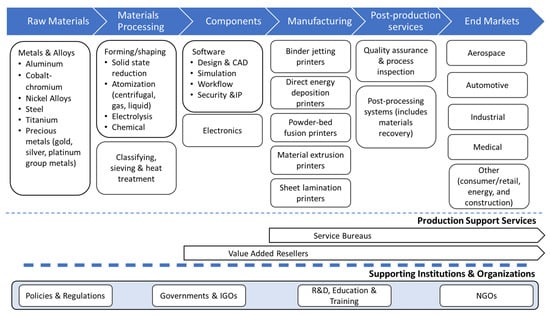
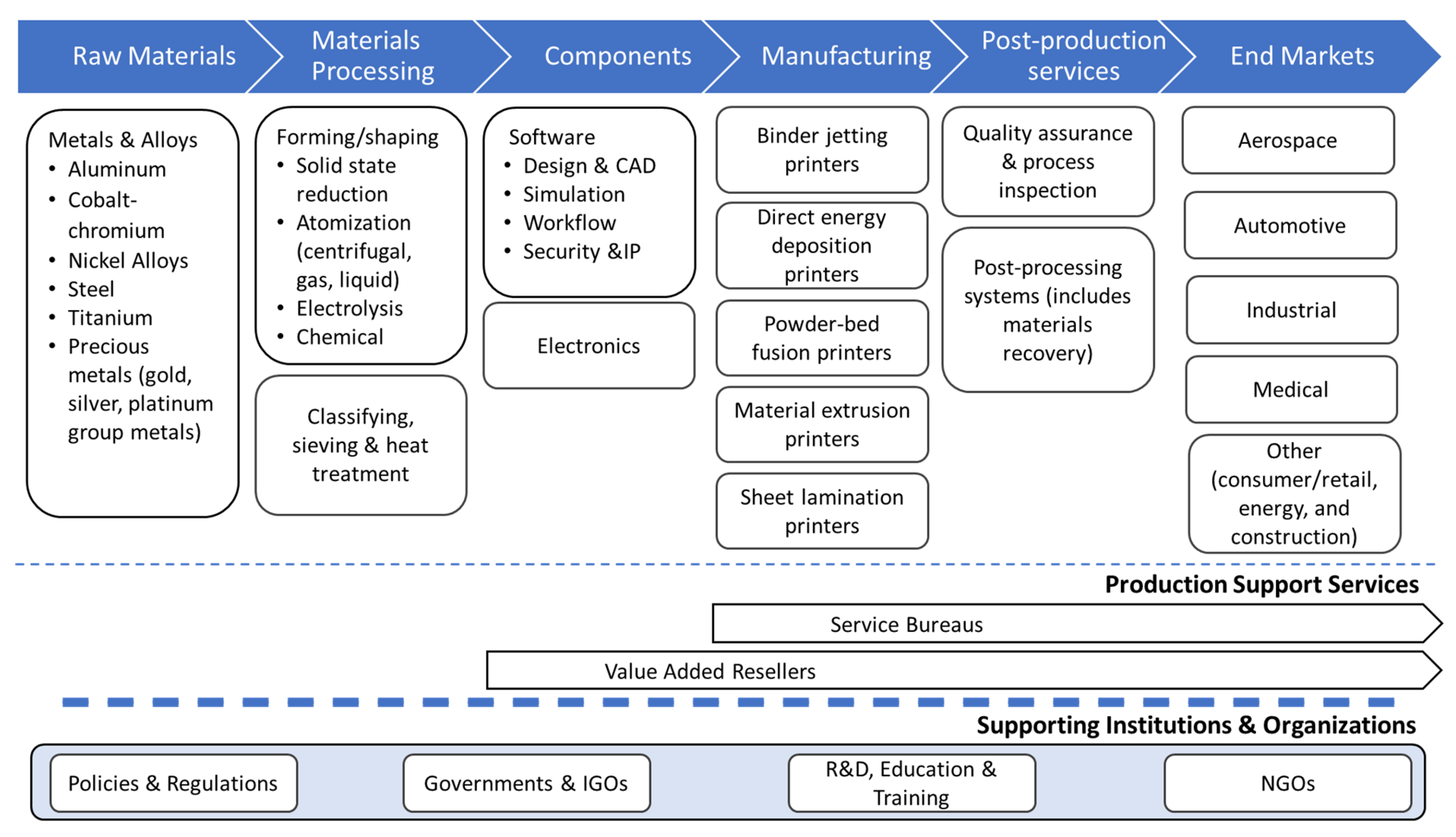
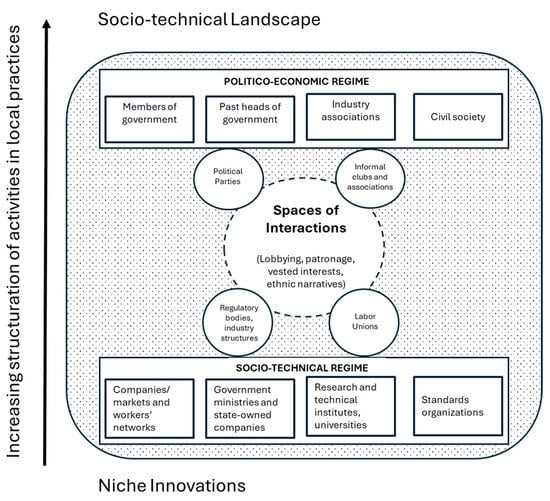
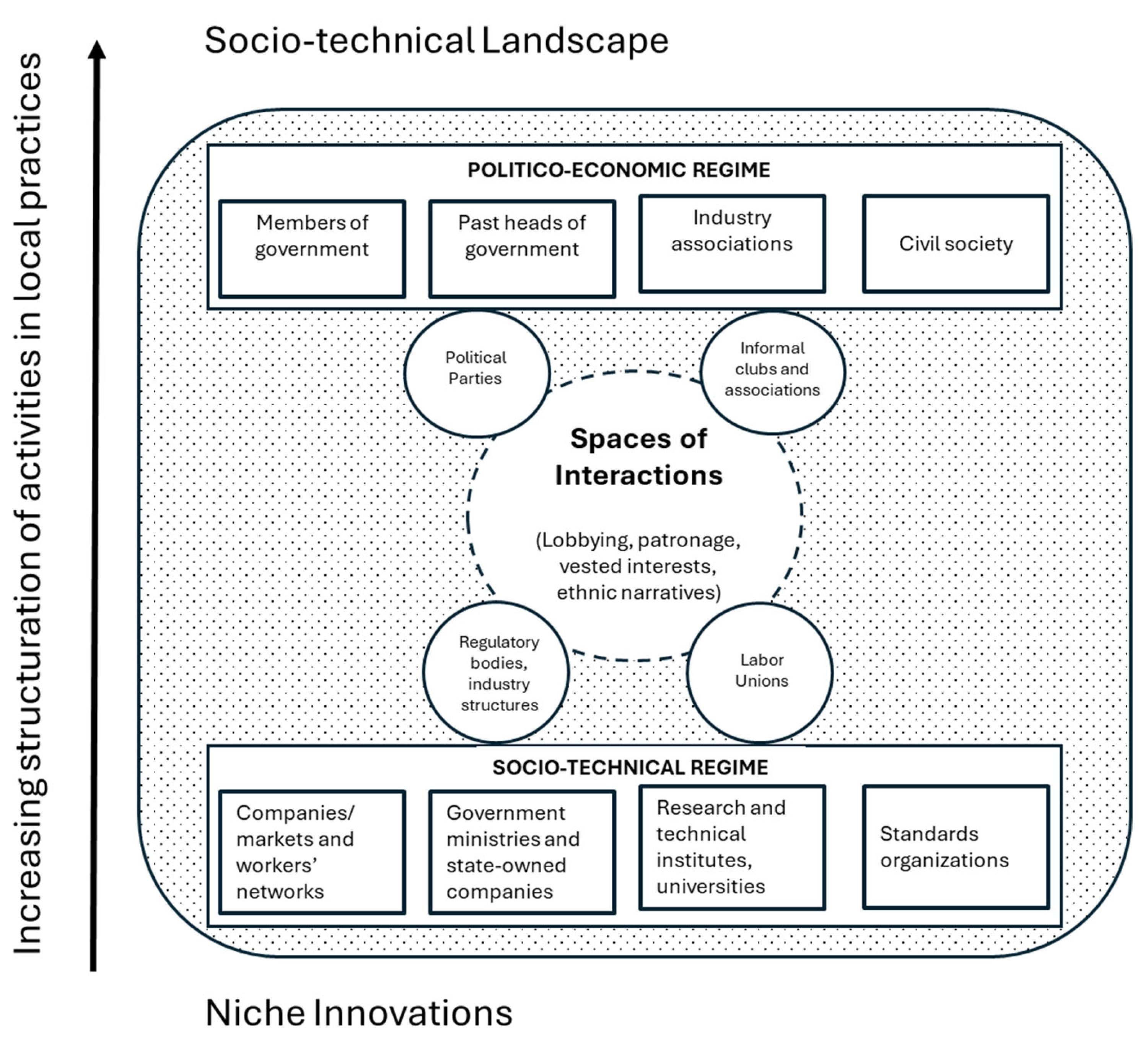
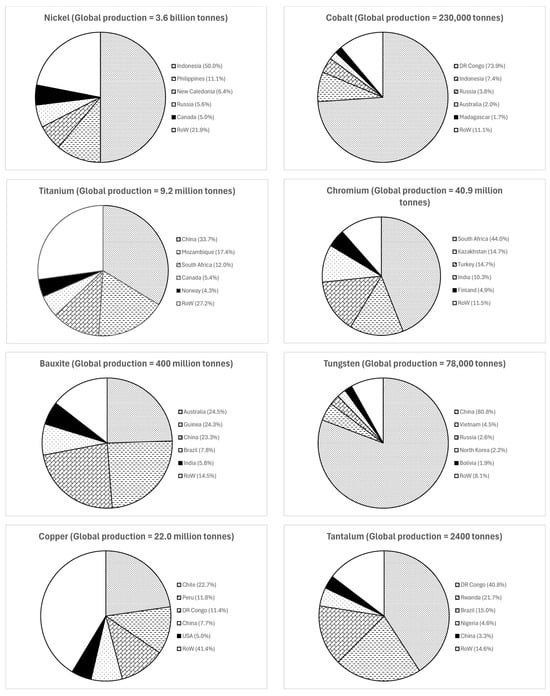
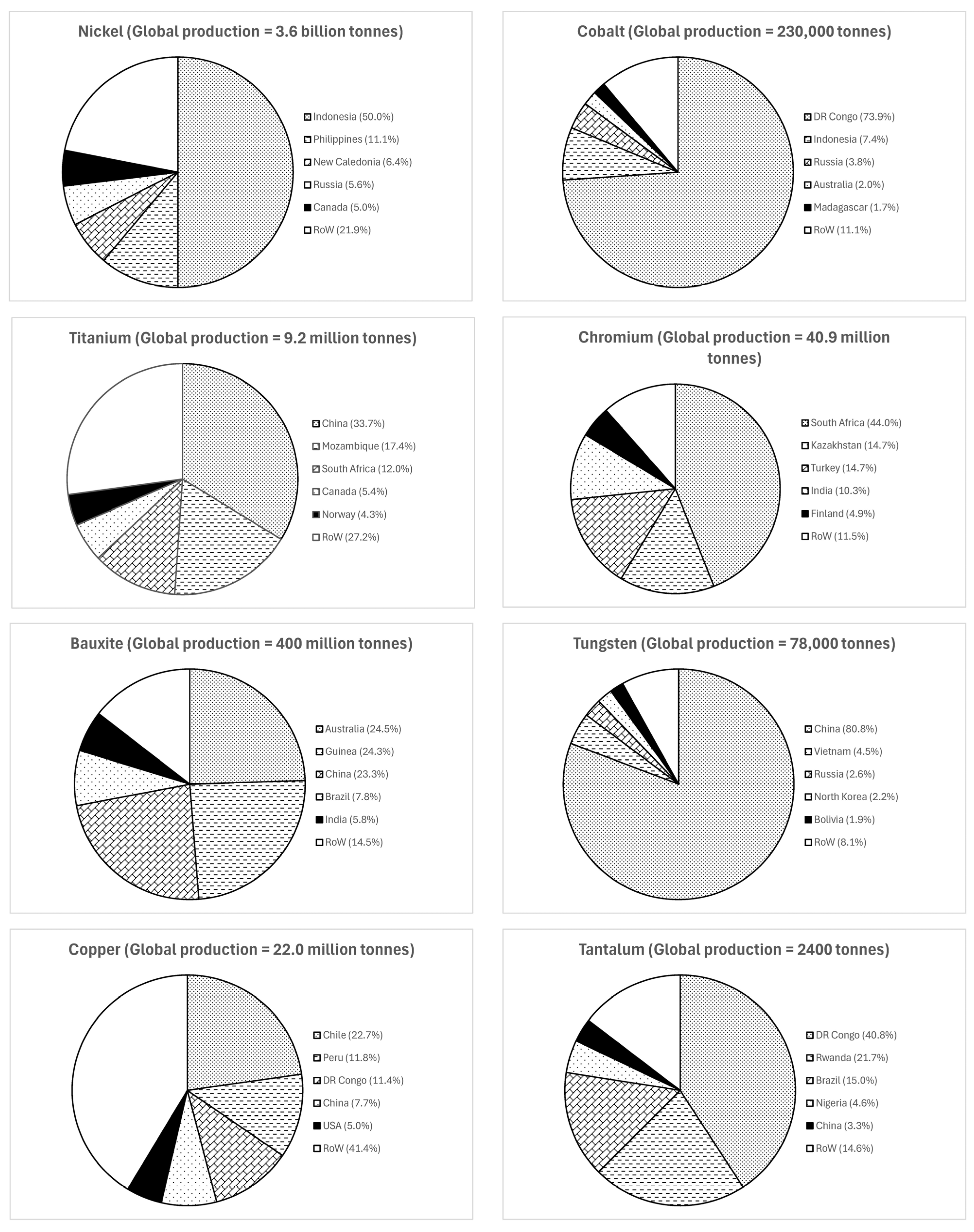

Disclaimer/Publisher’s Note: The statements, opinions and data contained in all publications are solely those of the individual author(s) and contributor(s) and not of MDPI and/or the editor(s). MDPI and/or the editor(s) disclaim responsibility for any injury to people or property resulting from any ideas, methods, instructions or products referred to in the content. |
© 2025 by the authors. Licensee MDPI, Basel, Switzerland. This article is an open access article distributed under the terms and conditions of the Creative Commons Attribution (CC BY) license (https://creativecommons.org/licenses/by/4.0/).